
Luxury Wool Area Rugs
Luxury Wool Area Rugs
-
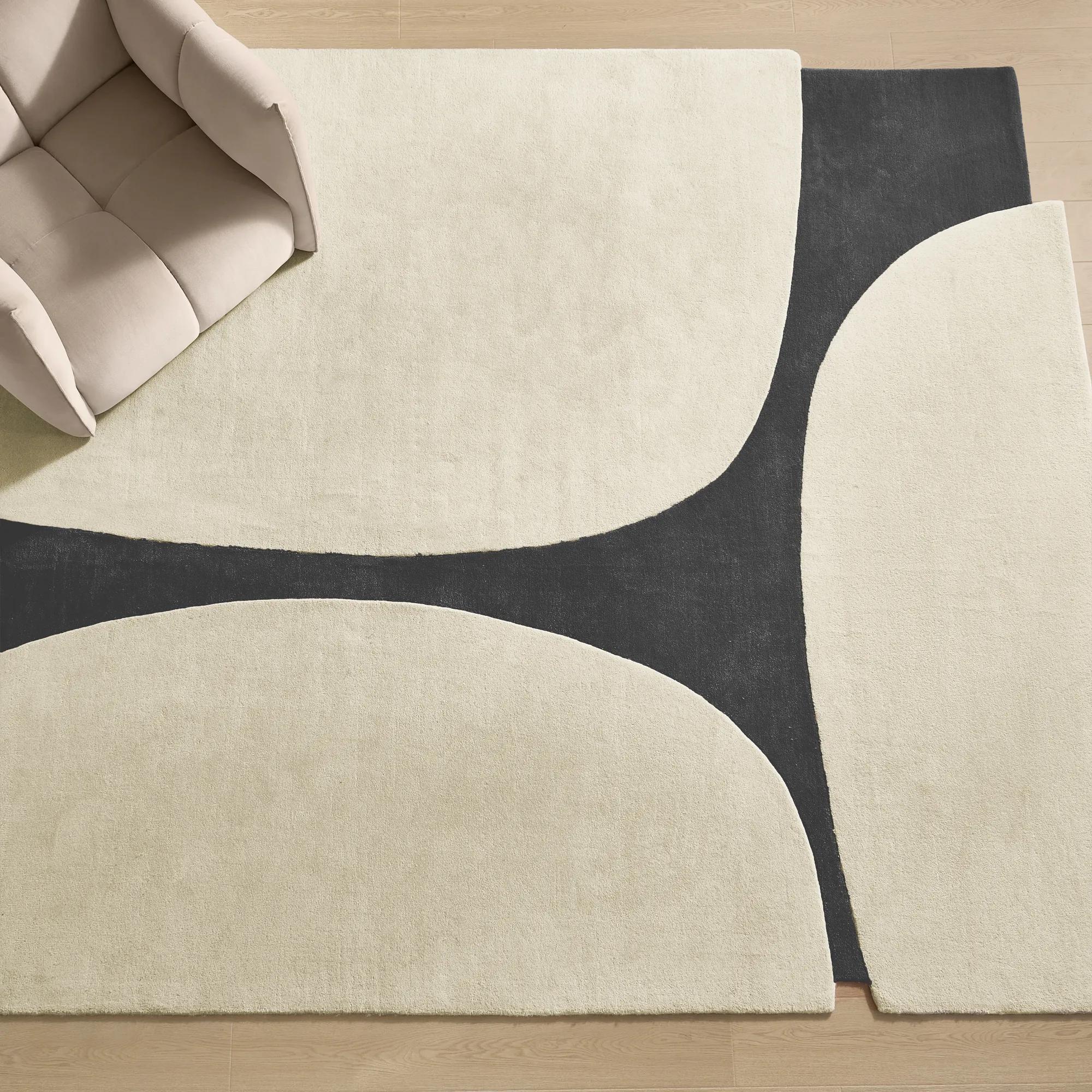 Contour Hand-Tufted Ivory/Charcoal Wool & Viscose Rugs$1499
An artfully shaped hand-tufted rug featuring high-low texture in warm ivory and charcoal wool-viscose blend.
Add To Cart -
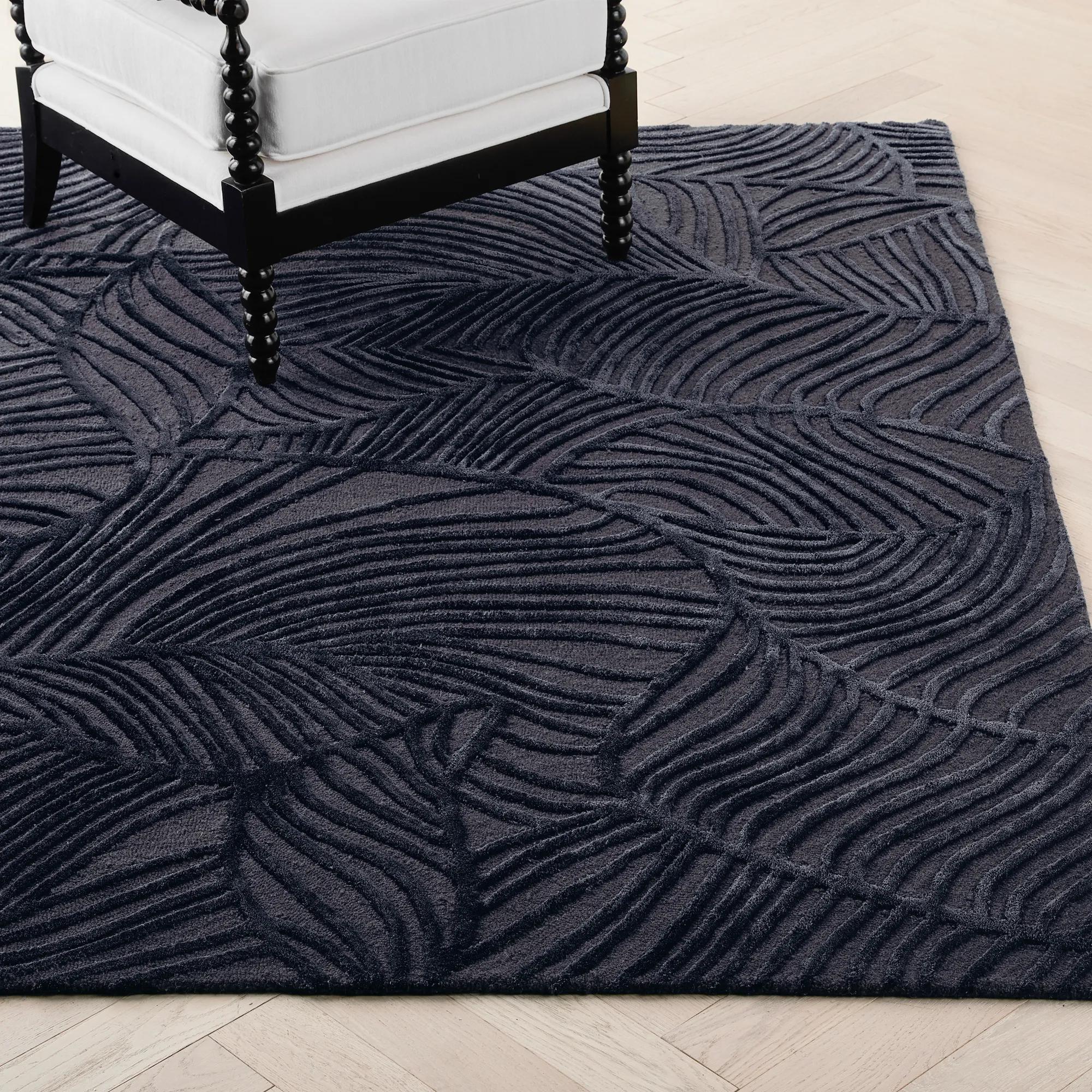
 Palm Rug - Charcoal$1499
A charcoal rug featuring a dynamic palm-leaf design with a textured high-low viscose and wool pile.
Add To Cart -
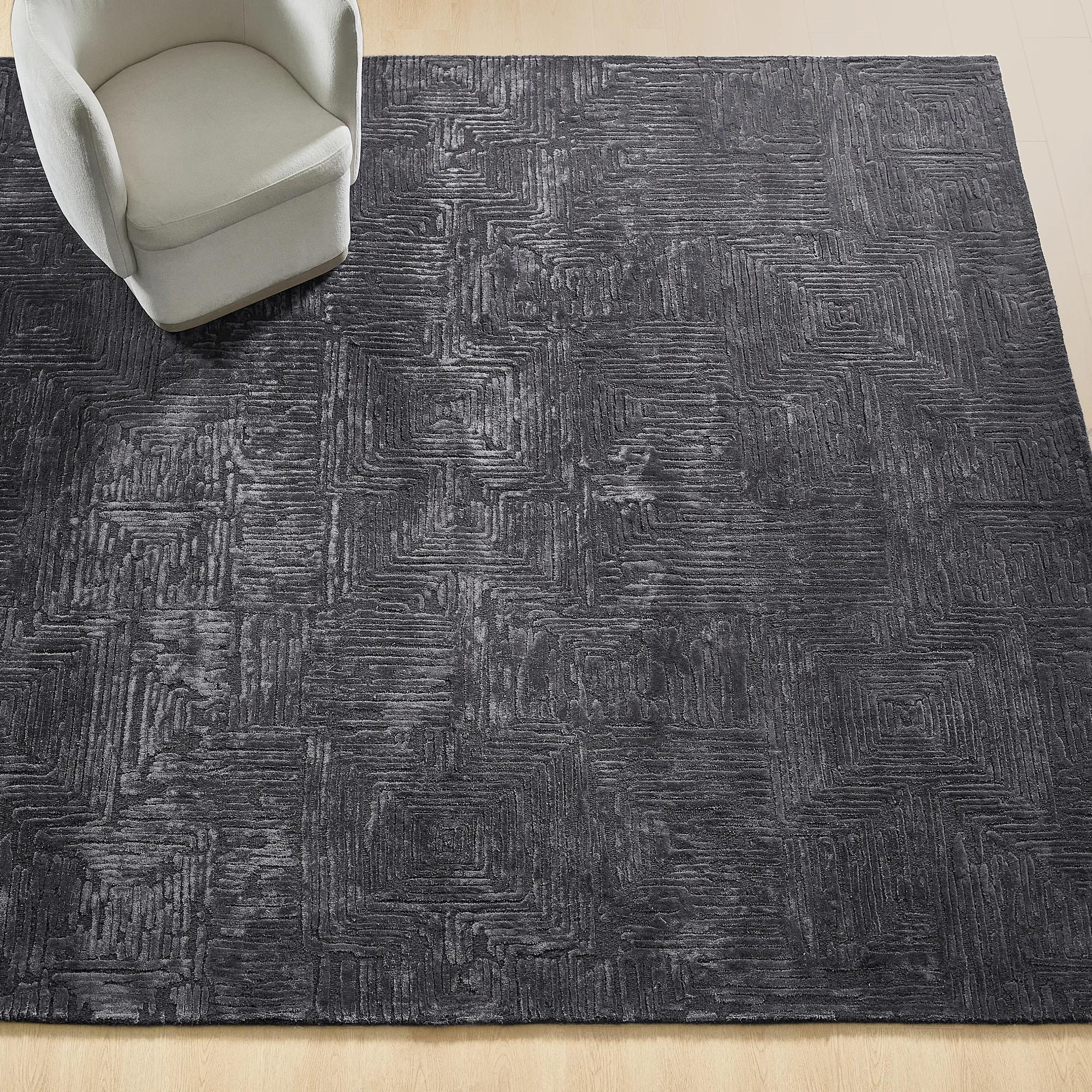
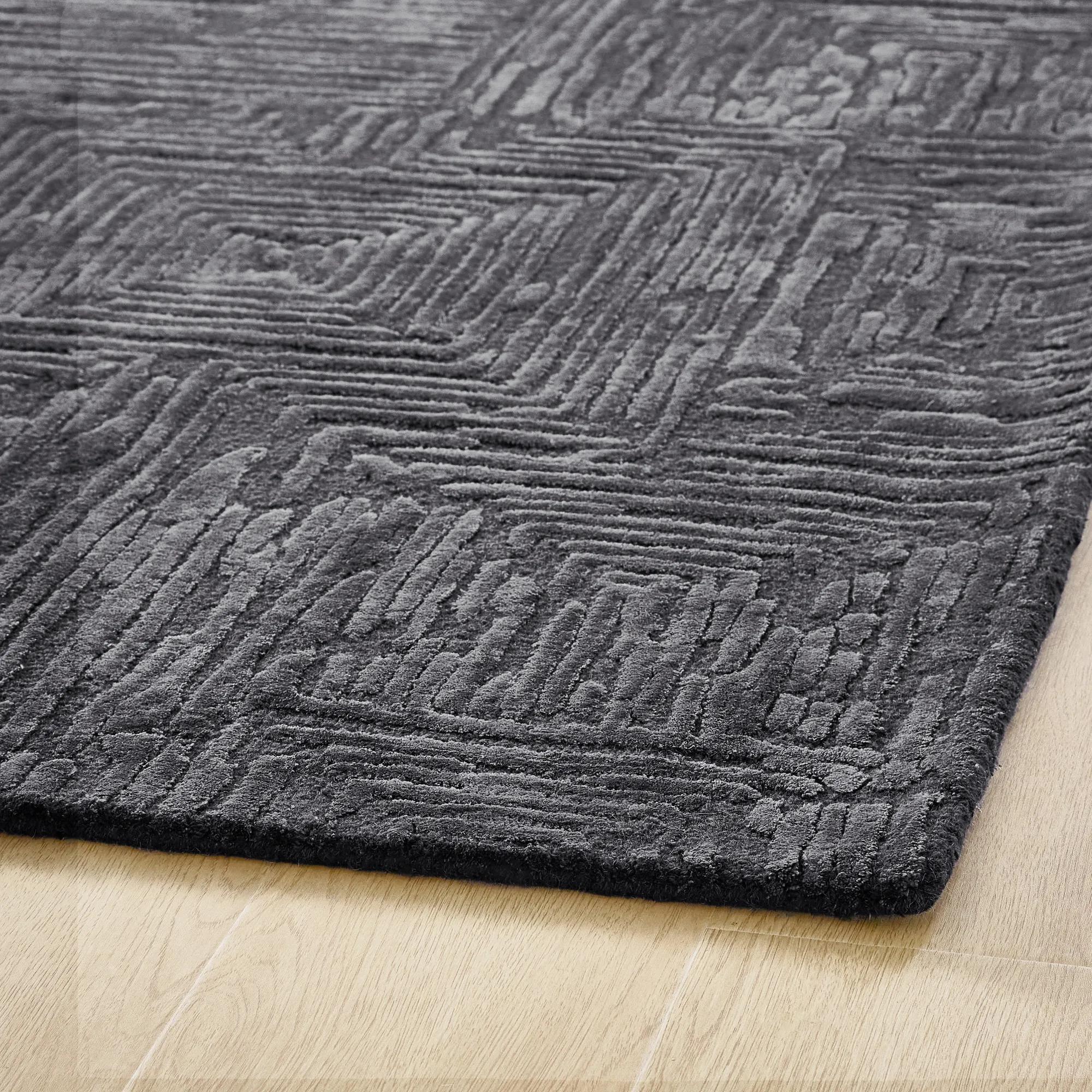 Andra Charcoal Hand-Tufted Wool Blend Dimensional Rug$1499
A hand-tufted viscose-wool rug in rich charcoal with a sculptural, dimensional pattern and plush texture.
Add To Cart -
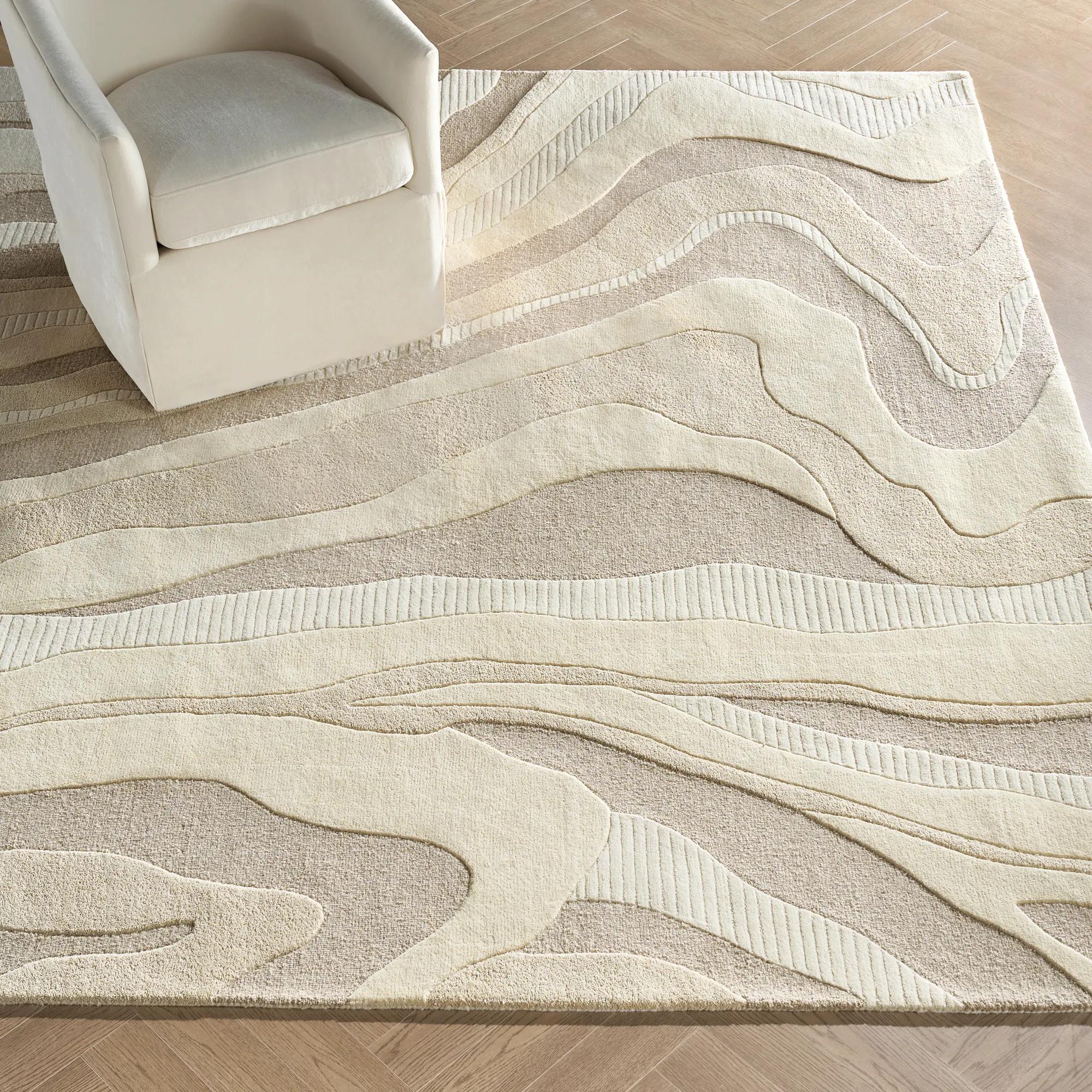 Kadence Hand-Tufted Ivory/Tan Wool Rug$499
A hand-tufted wool rug featuring a multi-textured swirl design in ivory and tan for elegant depth.
Add To Cart -
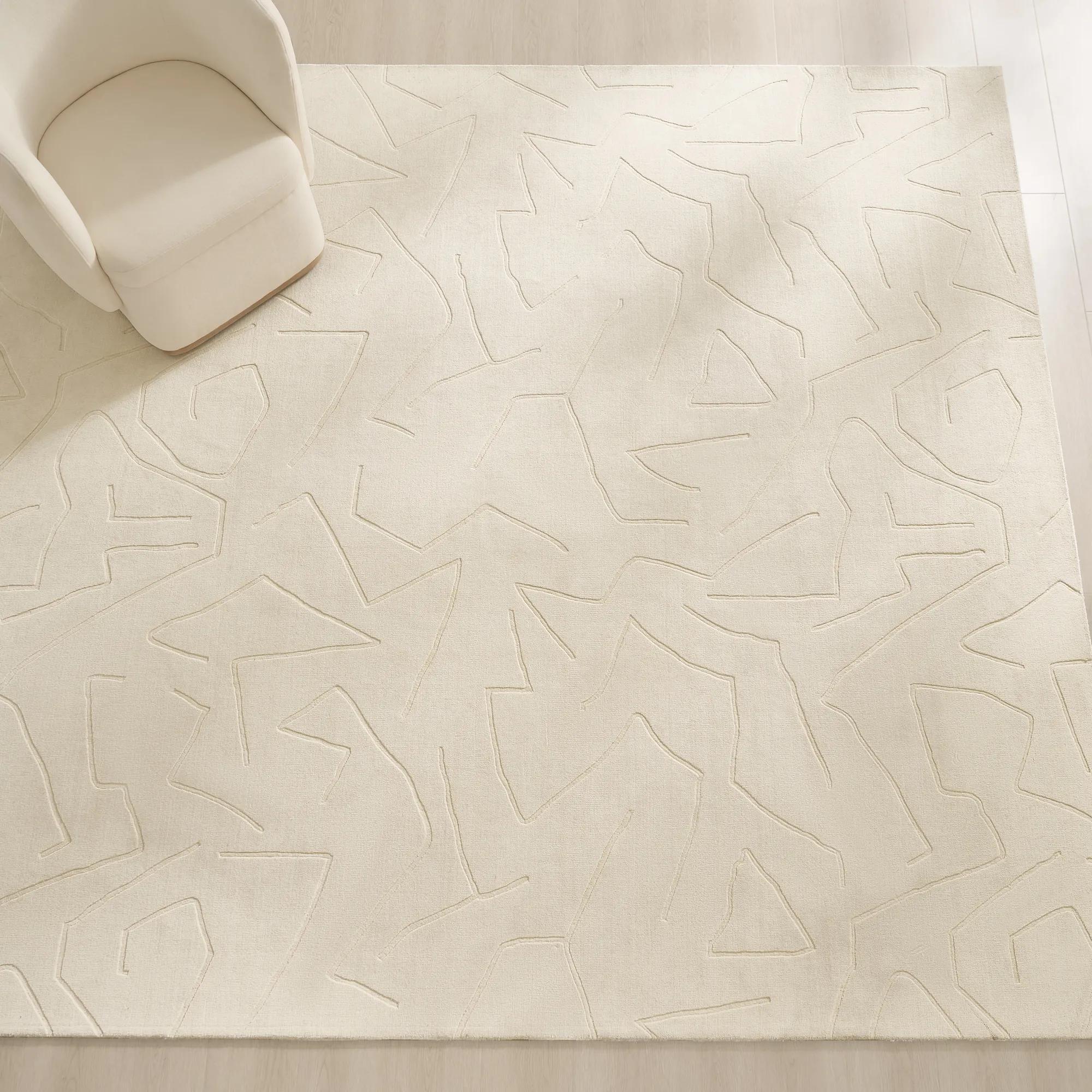 Carved Maze Ivory Hand-Loomed Wool Blend Rug$699
A hand-loomed ivory wool-blend rug featuring a carved maze pattern for modern, textural appeal.
Add To Cart -
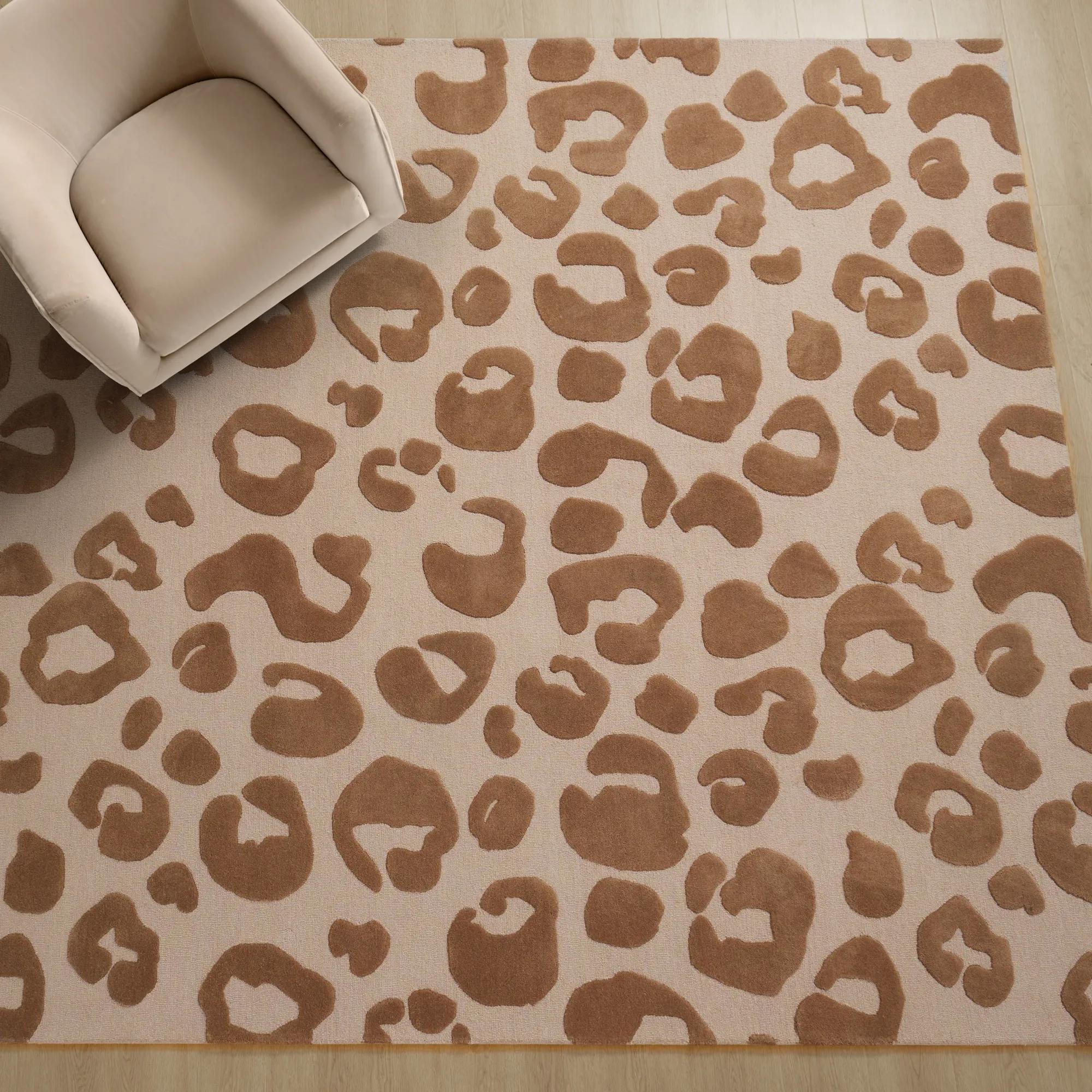 Pounce Hand-Tufted Tawny Brown Leopard Print Wool Rugs$1499
A hand-tufted pure wool rug featuring a bold tawny brown leopard print and sculptural high-low texture.
Add To Cart -
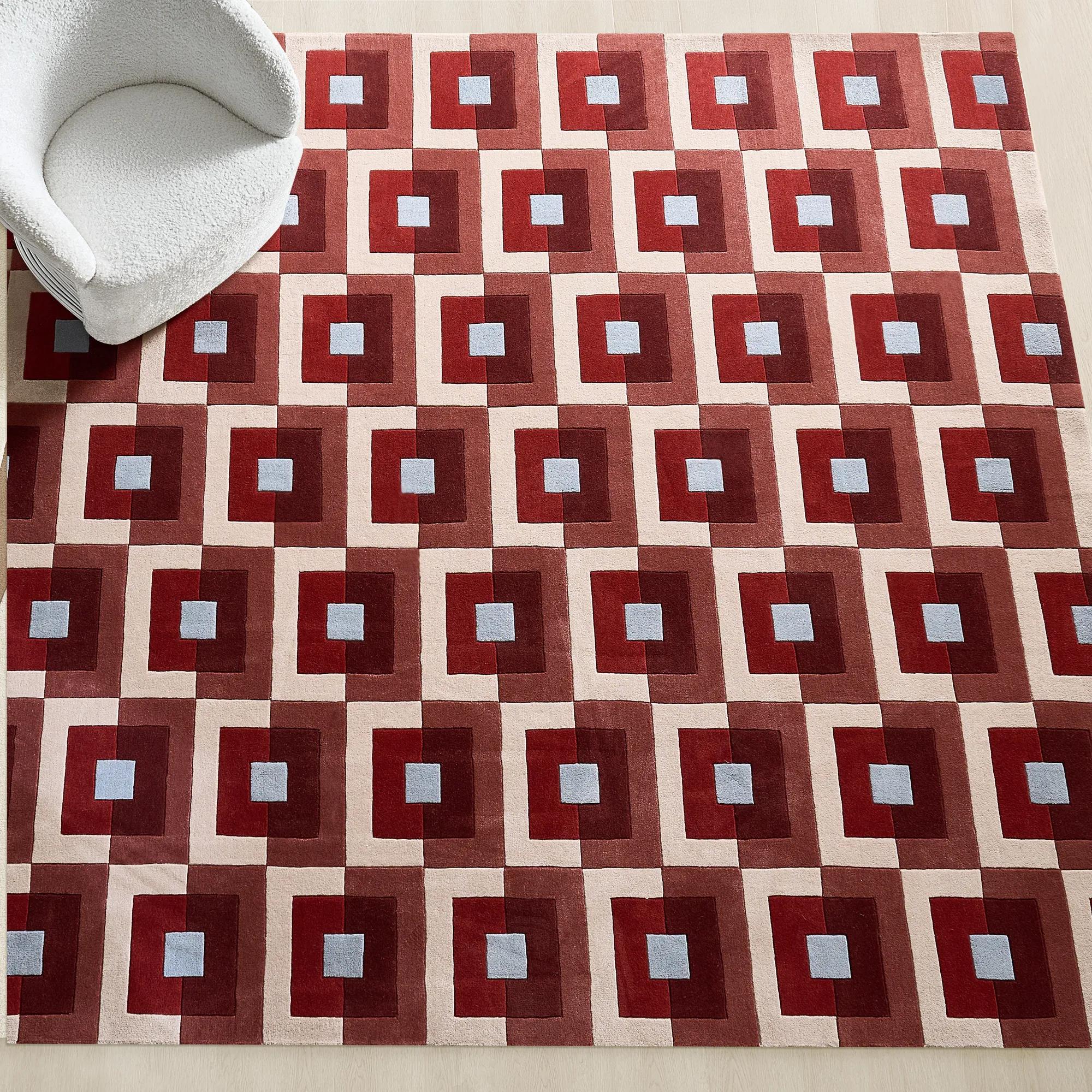
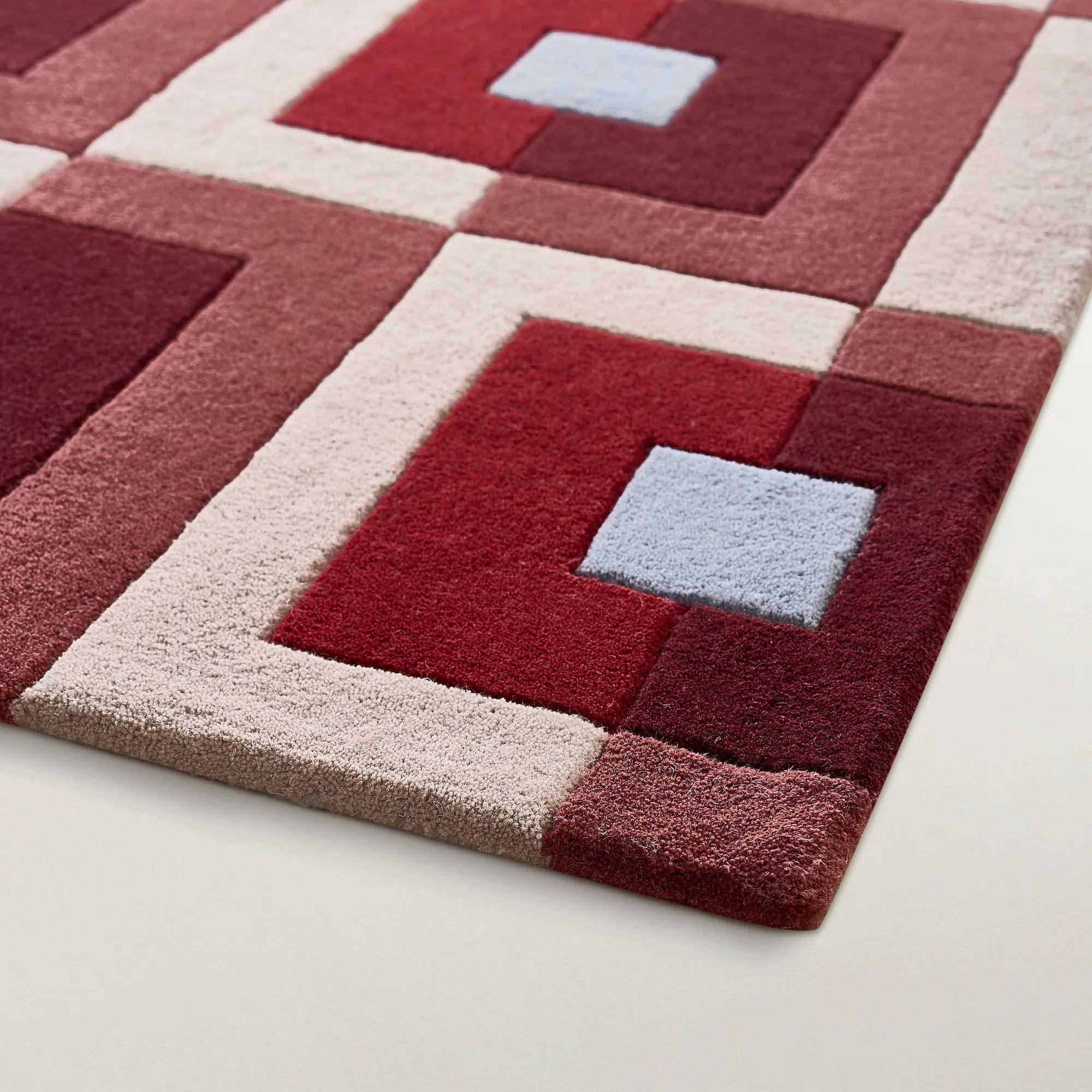 Geo Pop Wool Rug - Oxblood Red/Airy Blue$599
A geometric wool rug combining oxblood red and airy blue for a bold, modern statement.
Add To Cart -
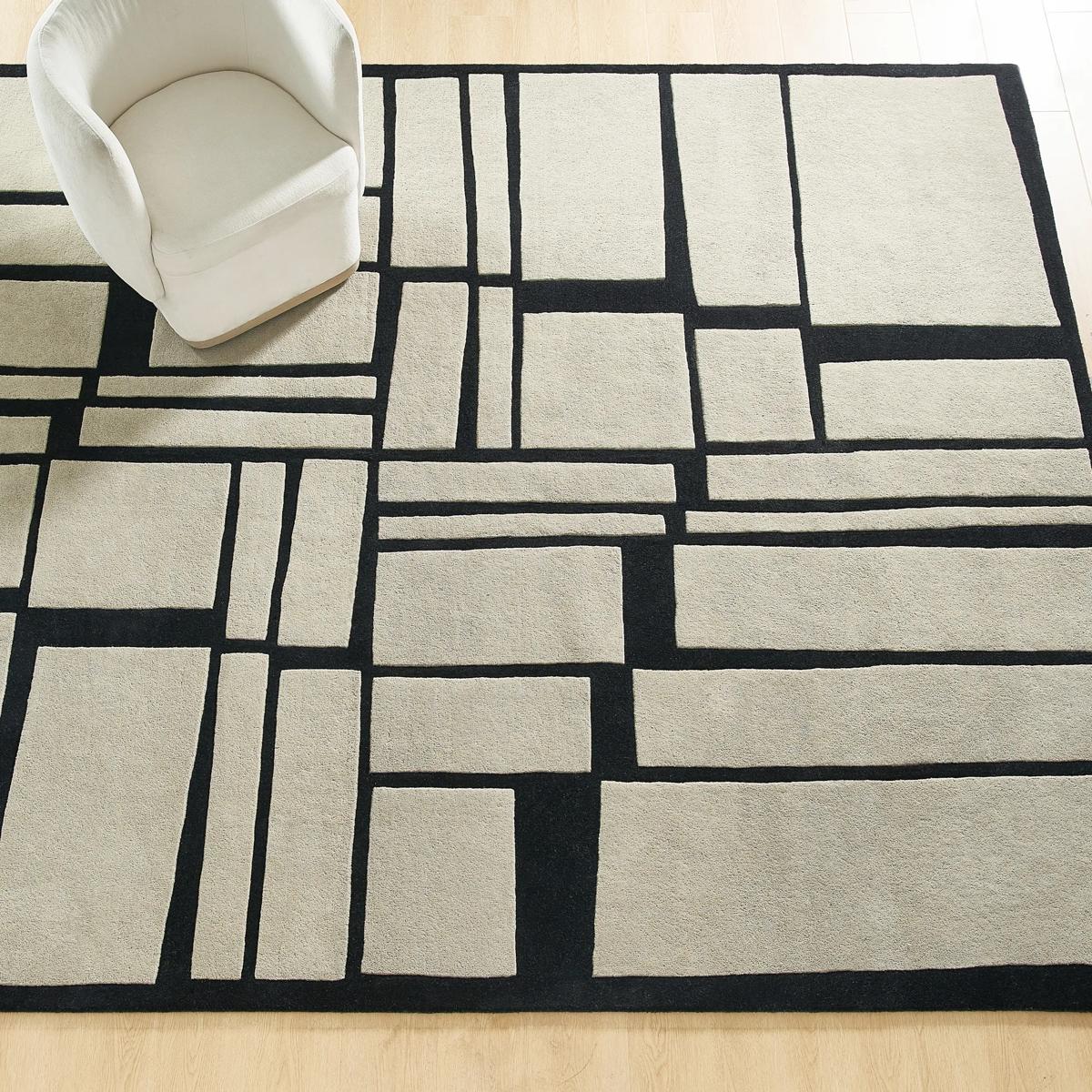 Novak Hand-Tufted Natural/Black Wool Rug$449
A hand-tufted wool rug featuring a bold black and natural grid design for modern visual impact.
Add To Cart -
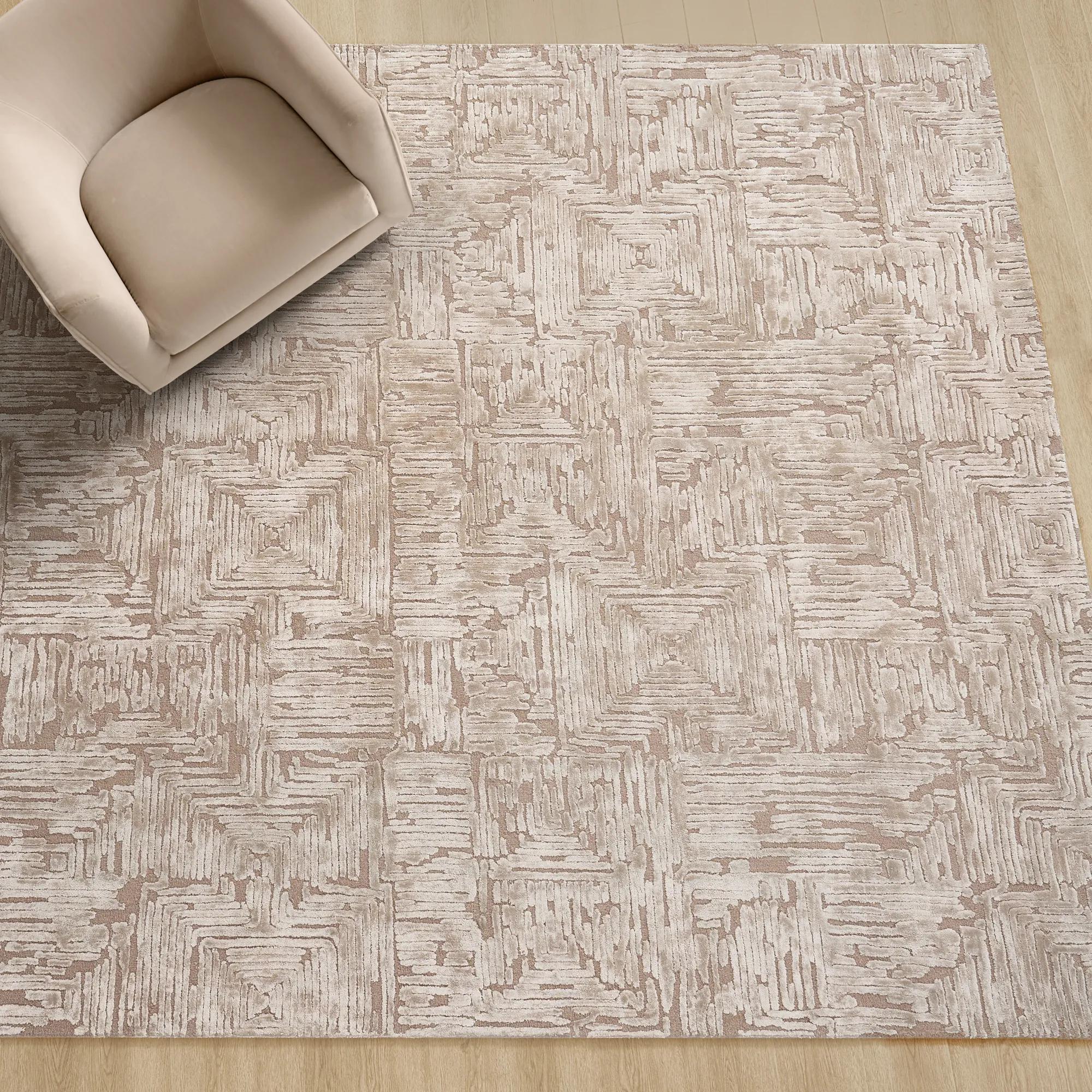
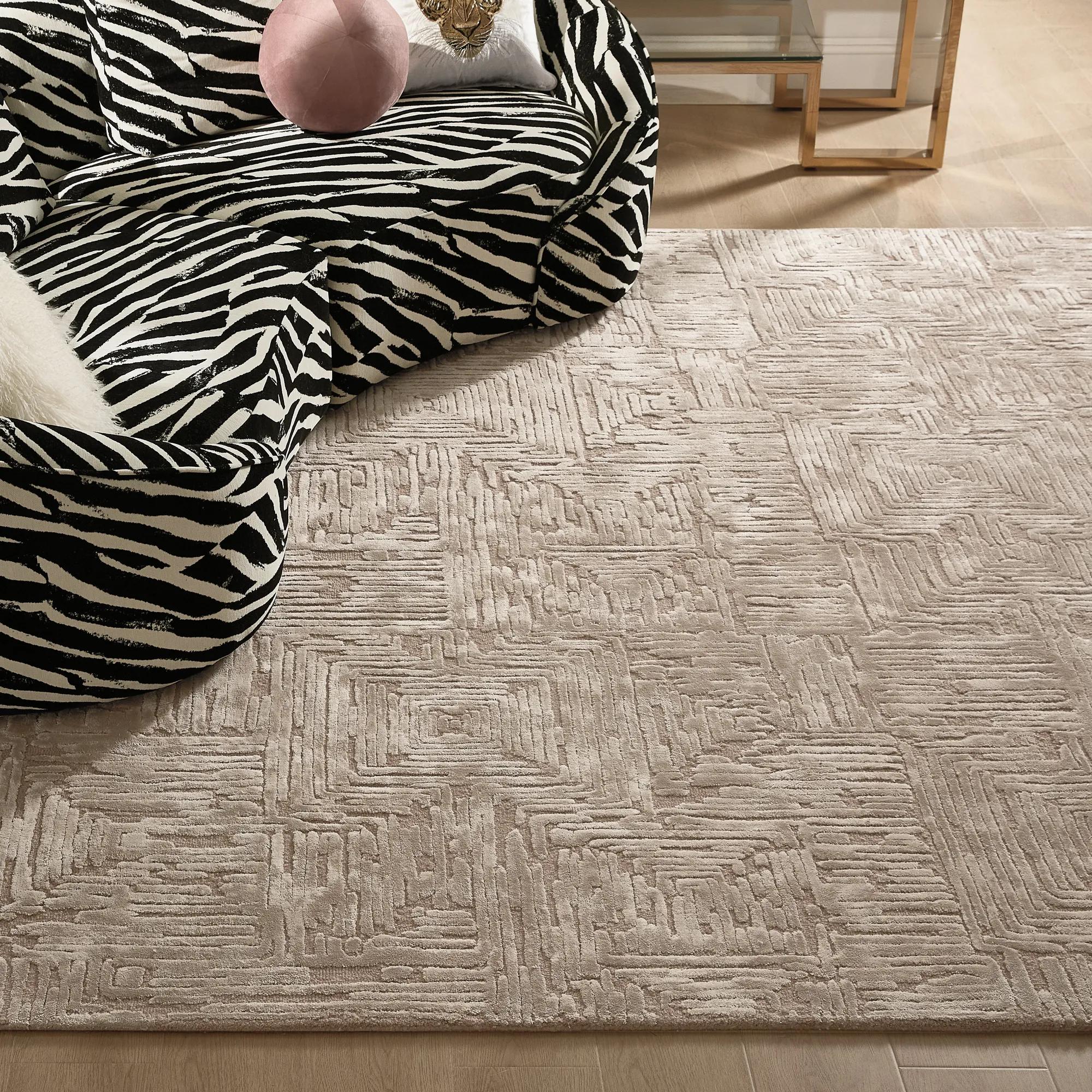 Andra Hand-Tufted Mocha Rose Viscose & Wool Dimensional Rugs$1499
A hand-tufted viscose and wool rug in mocha rose, featuring a dimensional geometric pattern and soft sheen.
Add To Cart -
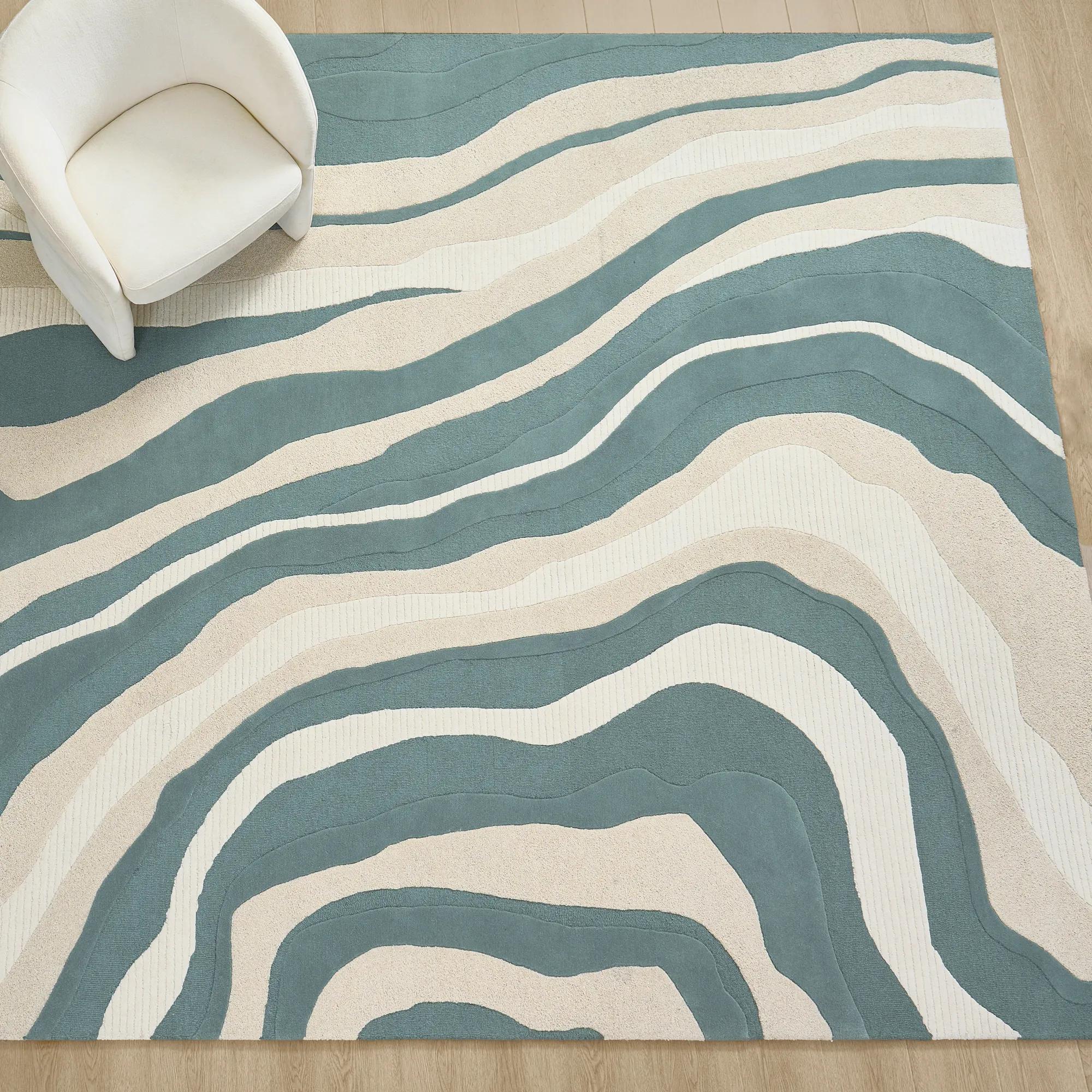 Kadence Hand-Tufted Sage Green/Ivory Wool Rugs$1499
A hand-tufted wool rug in deep sage green and ivory with a sculptural high-low abstract wave pattern.
Add To Cart -
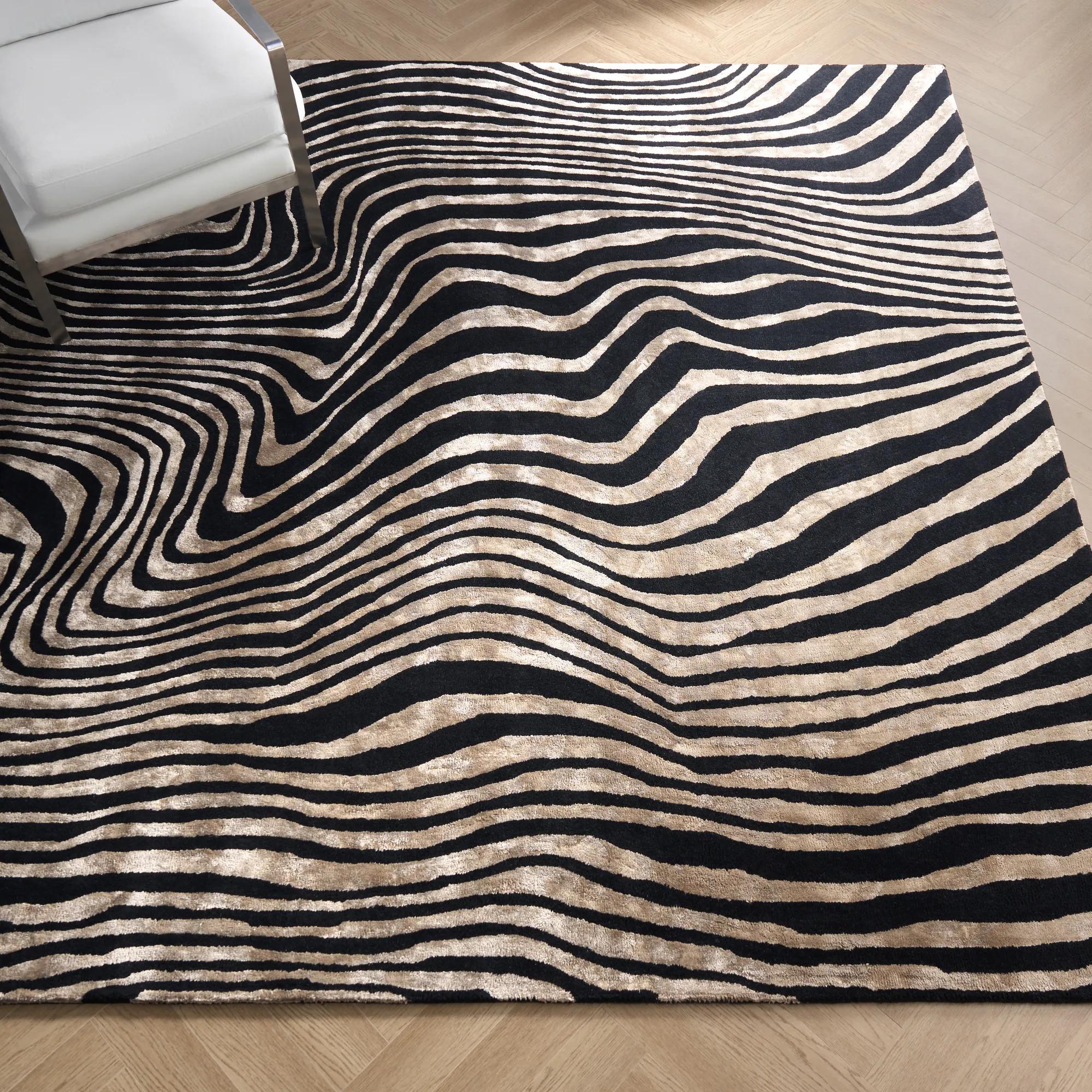
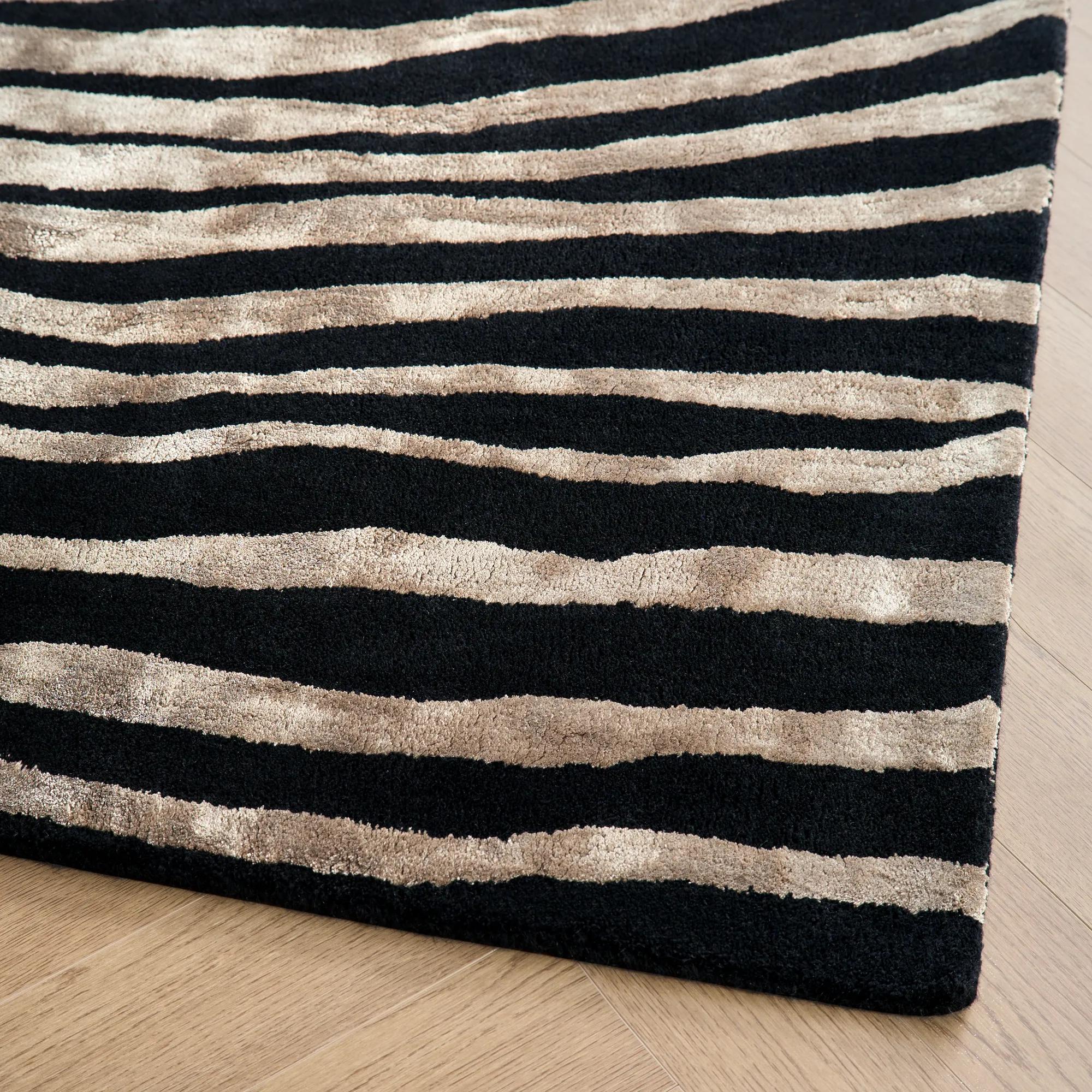 Abstract Zebra Hand-Tufted Black/Taupe Wool Blend Rug$1099
An artisan hand-tufted rug in black and taupe wool-viscose, featuring a striking abstract zebra pattern.
Add To Cart -
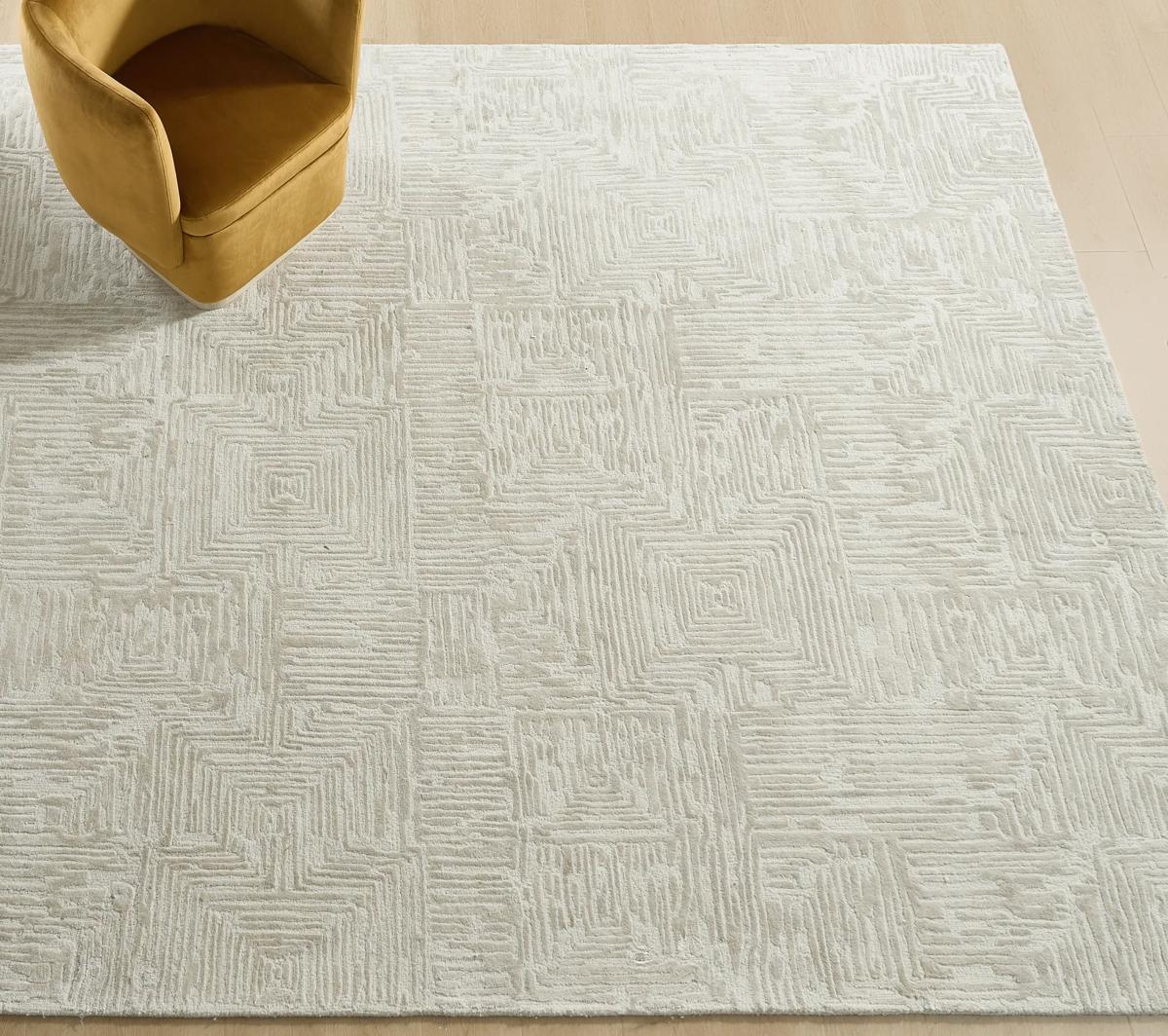 Andra Ivory Hand-Tufted Wool Blend Dimensional Rug$1499
A hand-tufted ivory rug in a viscose-wool blend with raised detailing and a subtle sheen.
Add To Cart -
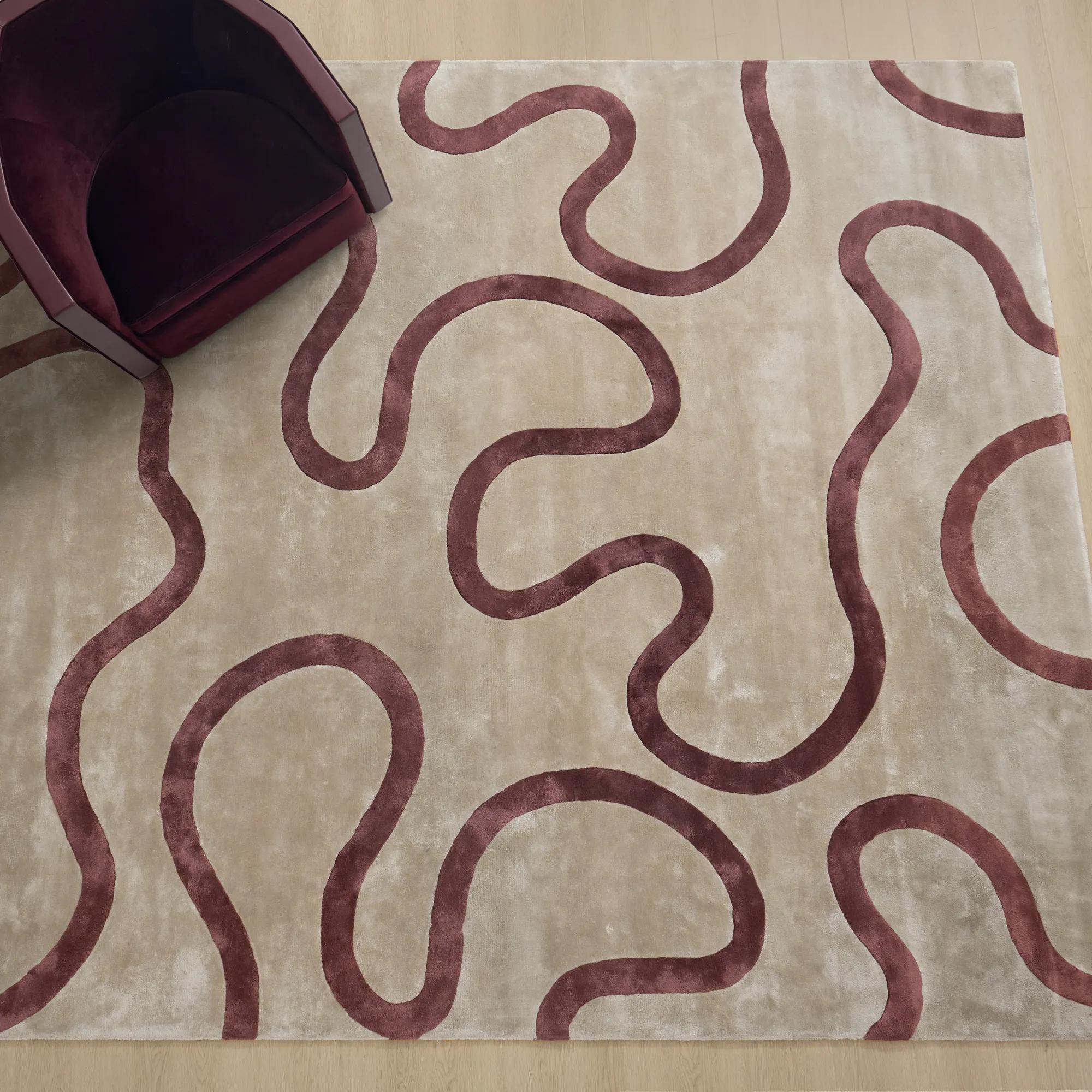 Seraphine Hand-Tufted Fig/Taupe Viscose Loop Rugs$1799
A hand-tufted wool rug featuring bold fig and taupe loops for a graphic, Deco-inspired statement.
Add To Cart -
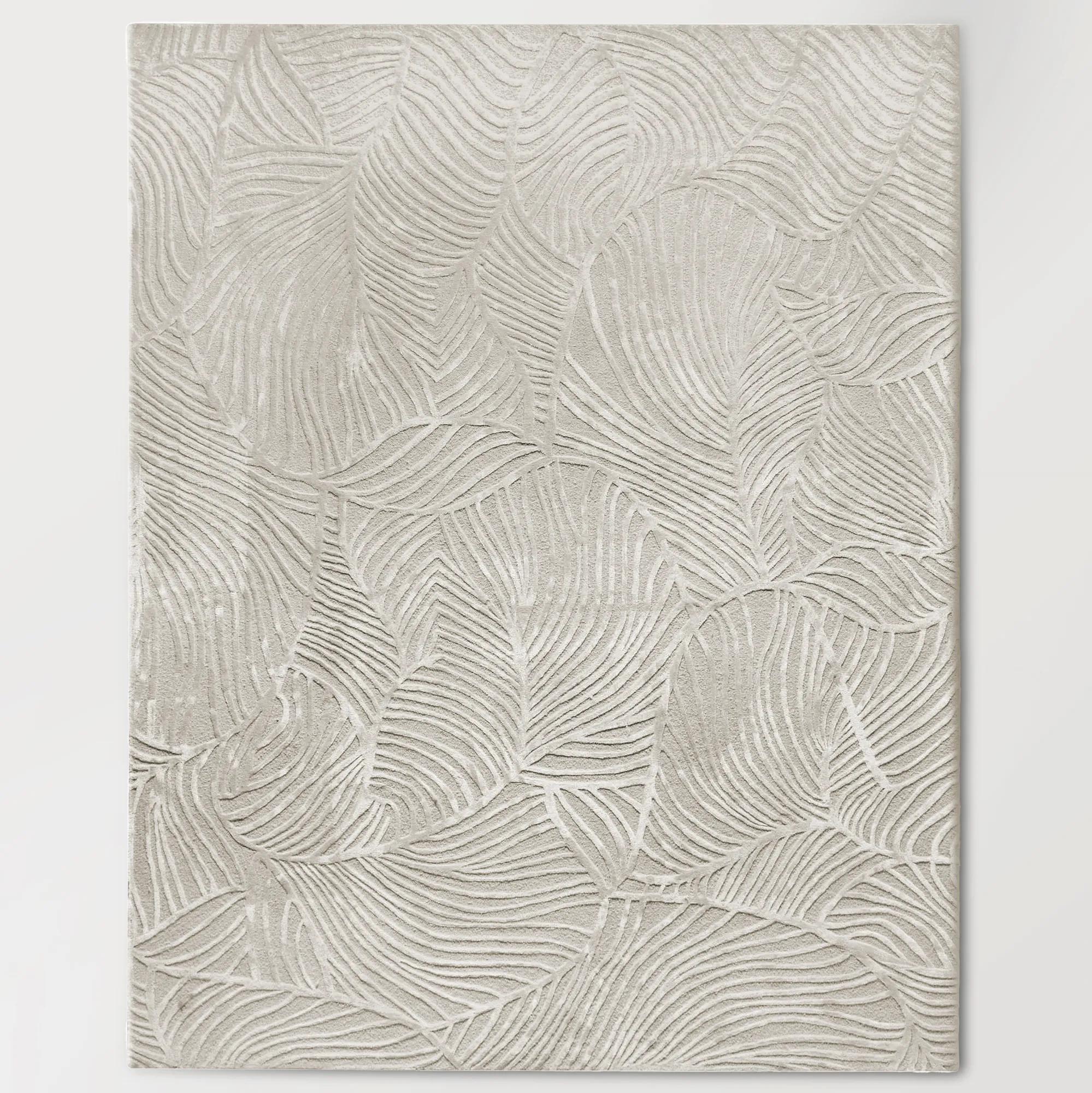 Palm Hand-Tufted Ivory Wool Blend Rug$1499
An ivory rug featuring a dynamic palm-leaf design with high-low pile in viscose and wool.
Add To Cart -
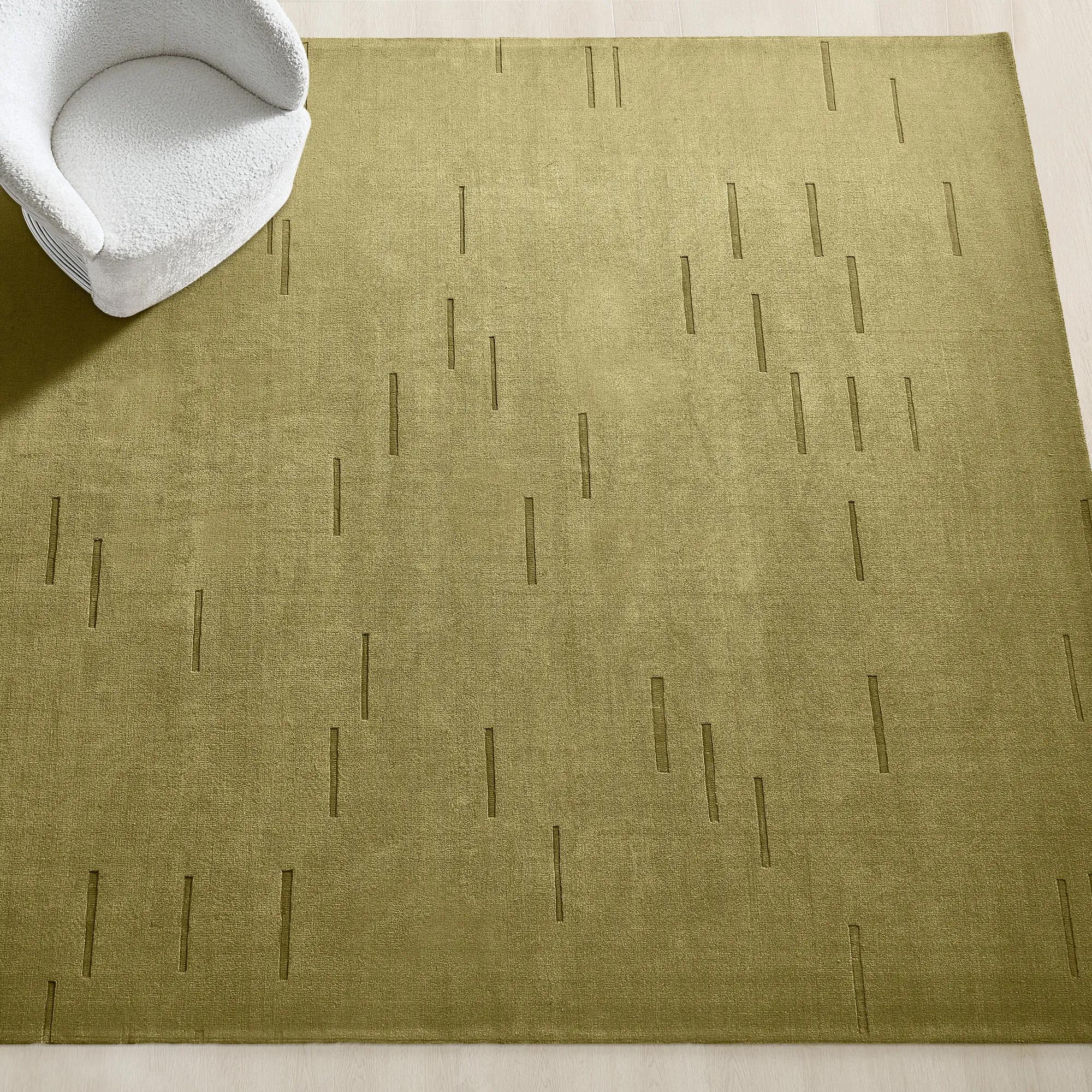
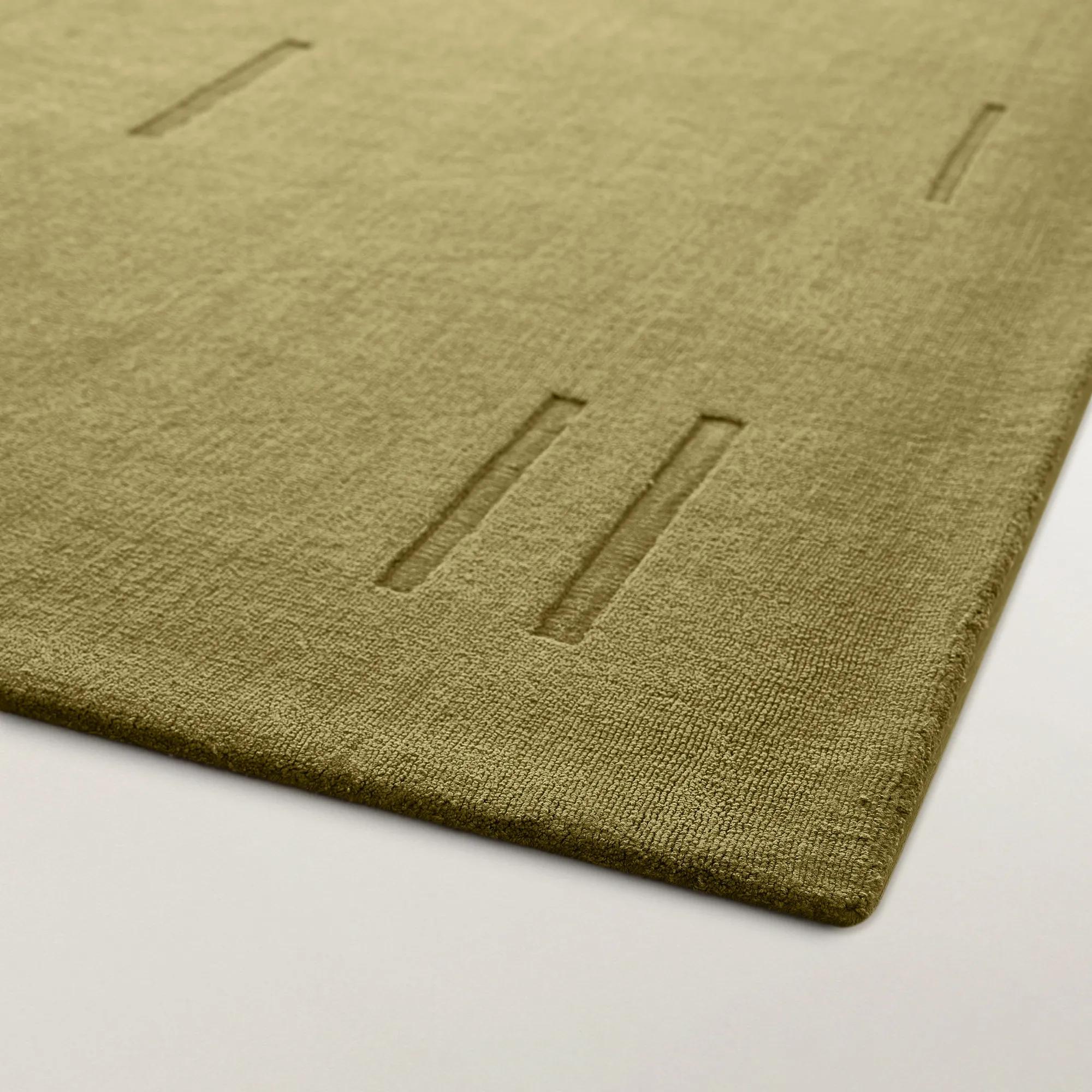 Lamita Muted Olive Green Wool Blend Rug$699
A muted olive green wool-blend rug bringing soft texture and understated sophistication to modern interiors.
Add To Cart -
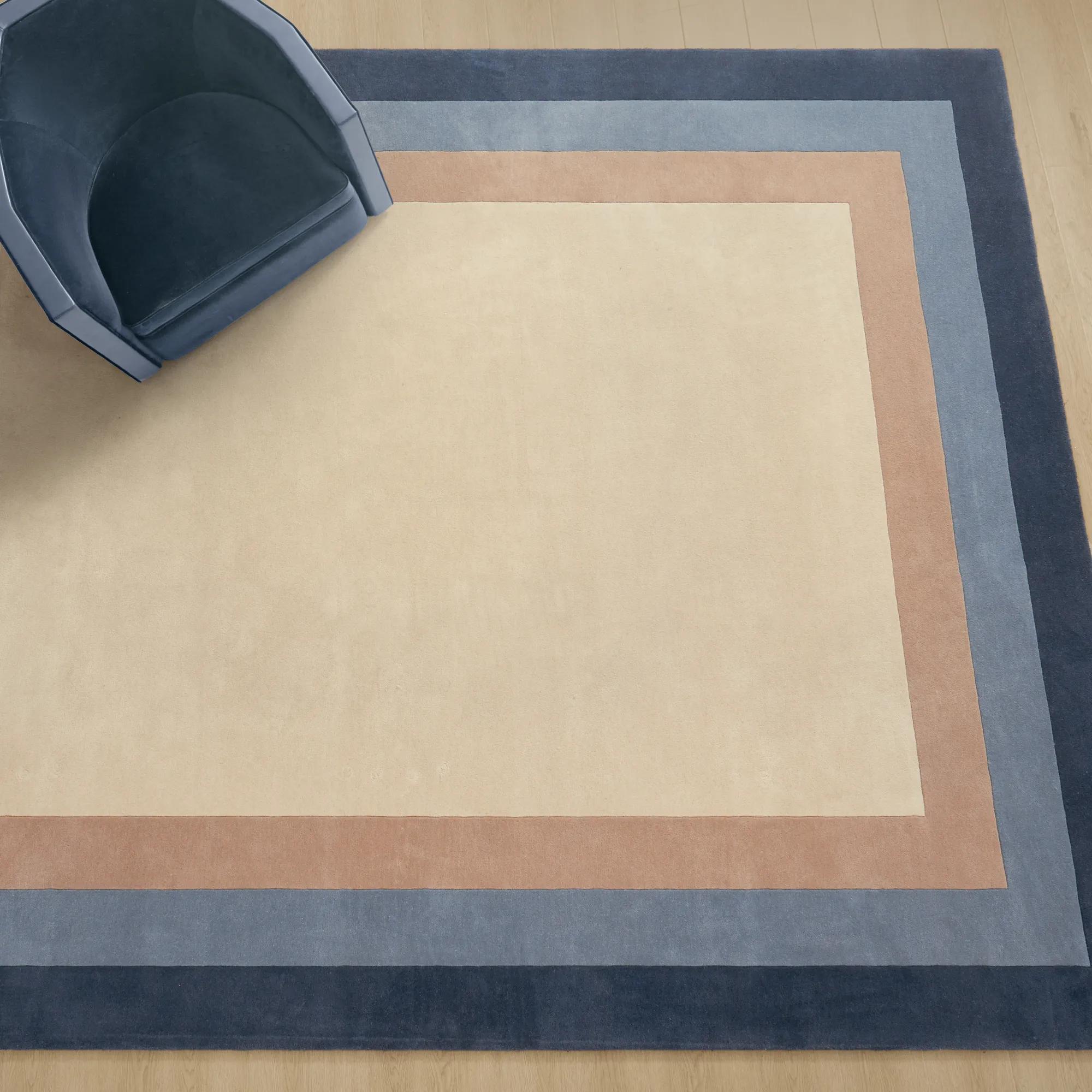 Bastien Hand-Tufted Blue/Taupe/Ivory Wool Border Rugs$1499
A hand-tufted wool rug featuring a bold color-blocked border in dusty blue, taupe, and ivory tones.
Add To Cart -
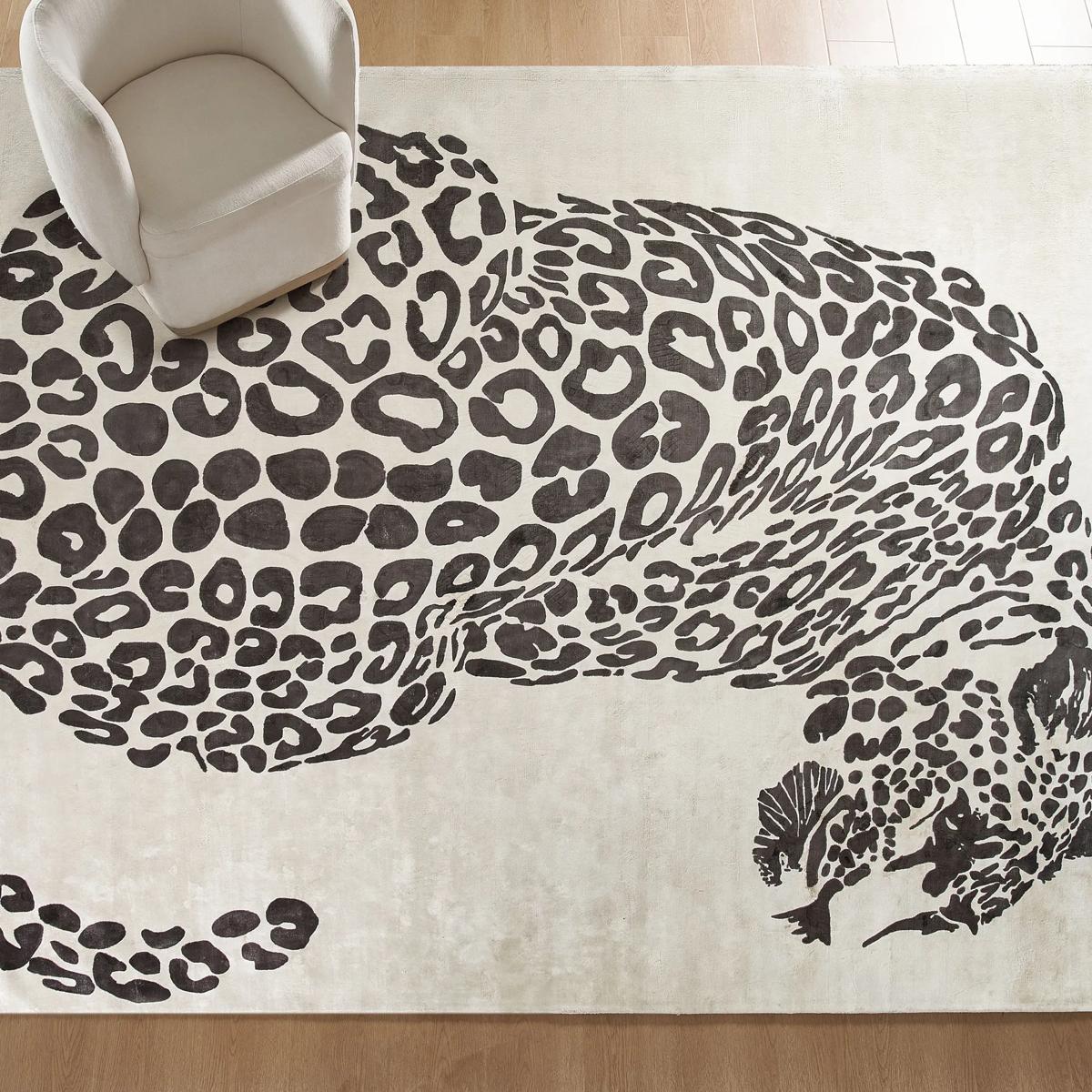 Pardus Leopard Hand-Loomed Ivory/Black Rug$499
An artful ivory and black viscose rug featuring a bold leopard motif and a smooth, silky texture.
Add To Cart -
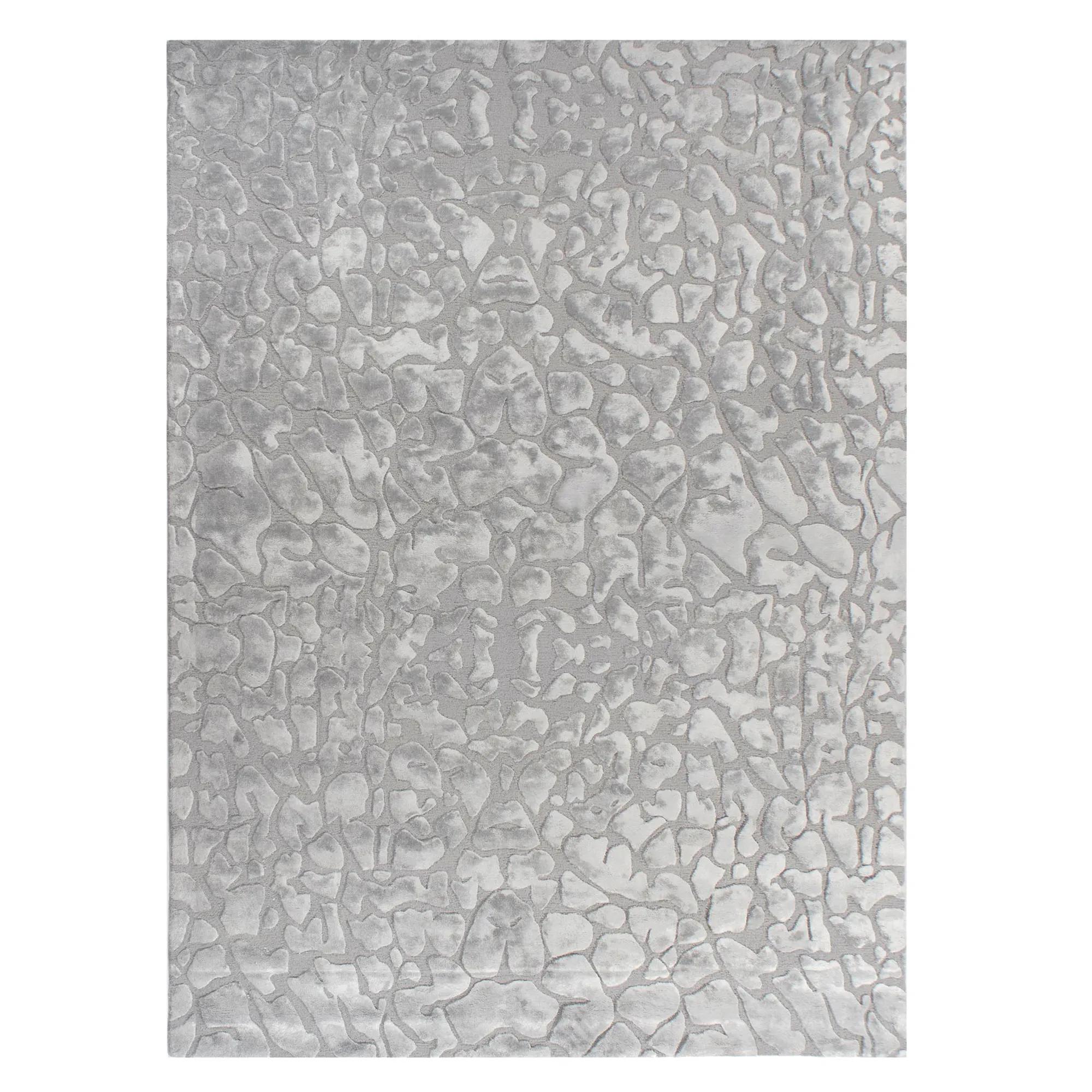
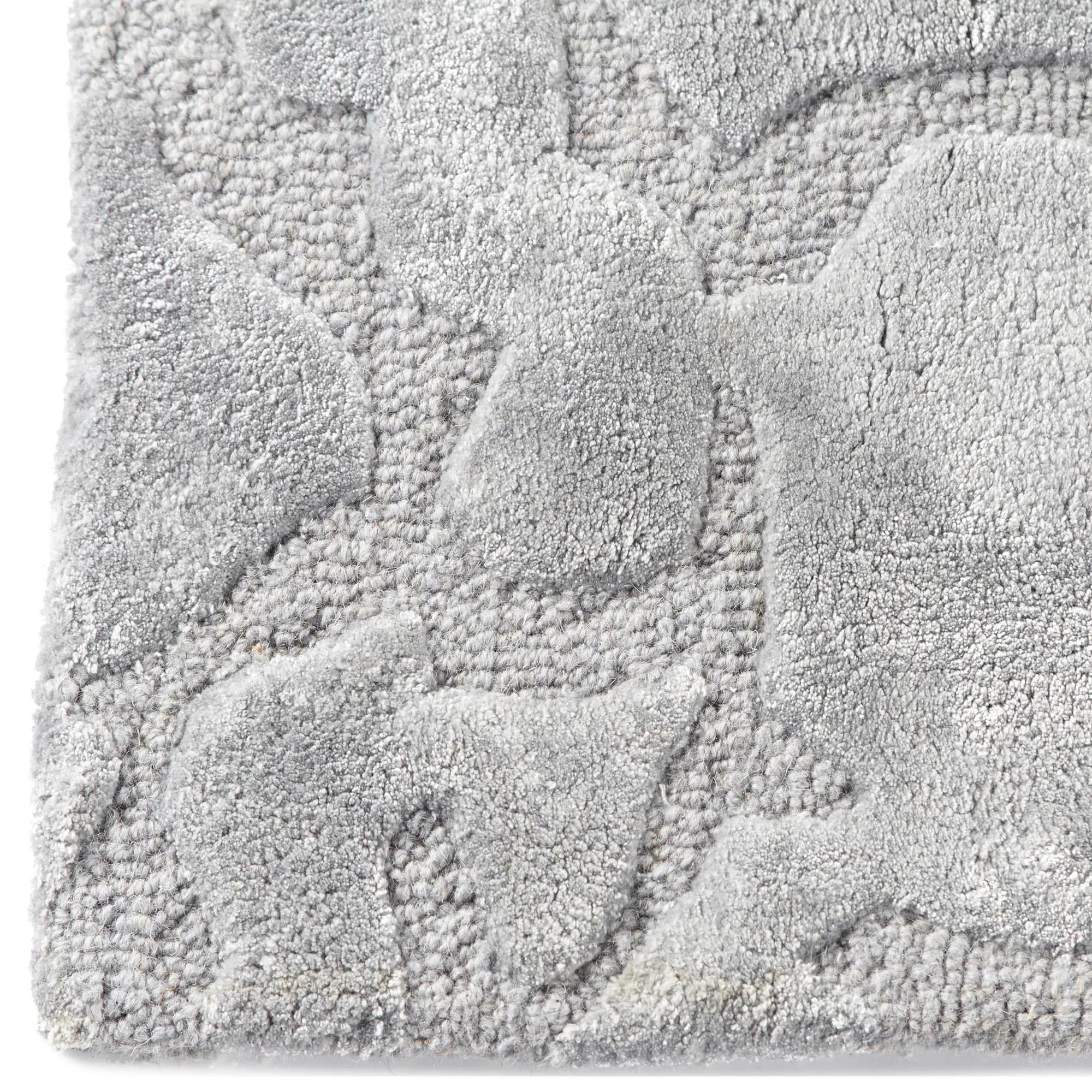 Nola Hand-Tufted Cool Grey Wool Blend Rug$849
A hand-tufted silver rug with contrasting pile heights, crafted from wool and viscose for plush texture.
Add To Cart -
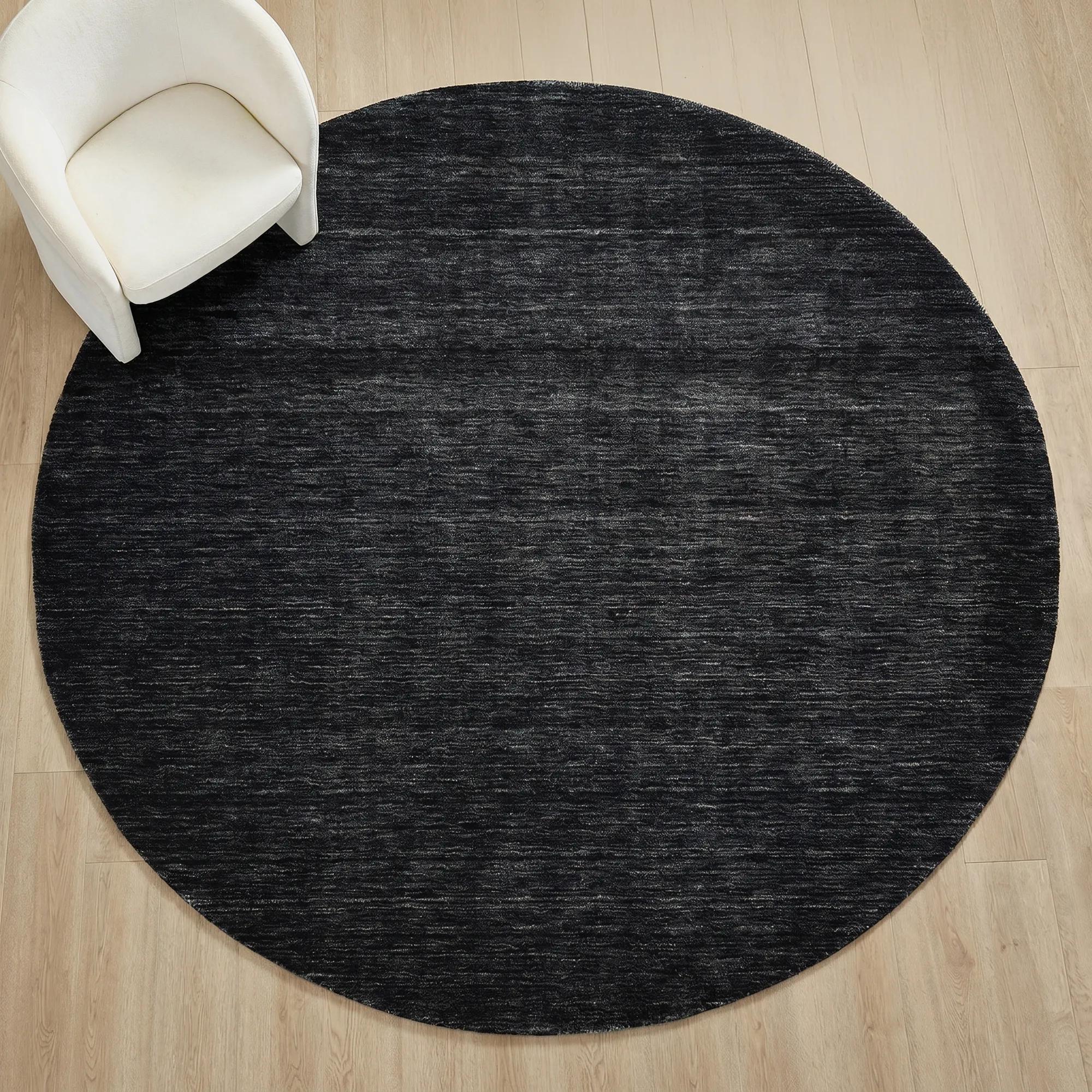 Juni Hand Woven Heathered Black Rug$799
A handwoven round wool rug in heathered black, offering durable texture and moody, contemporary style.
Add To Cart -
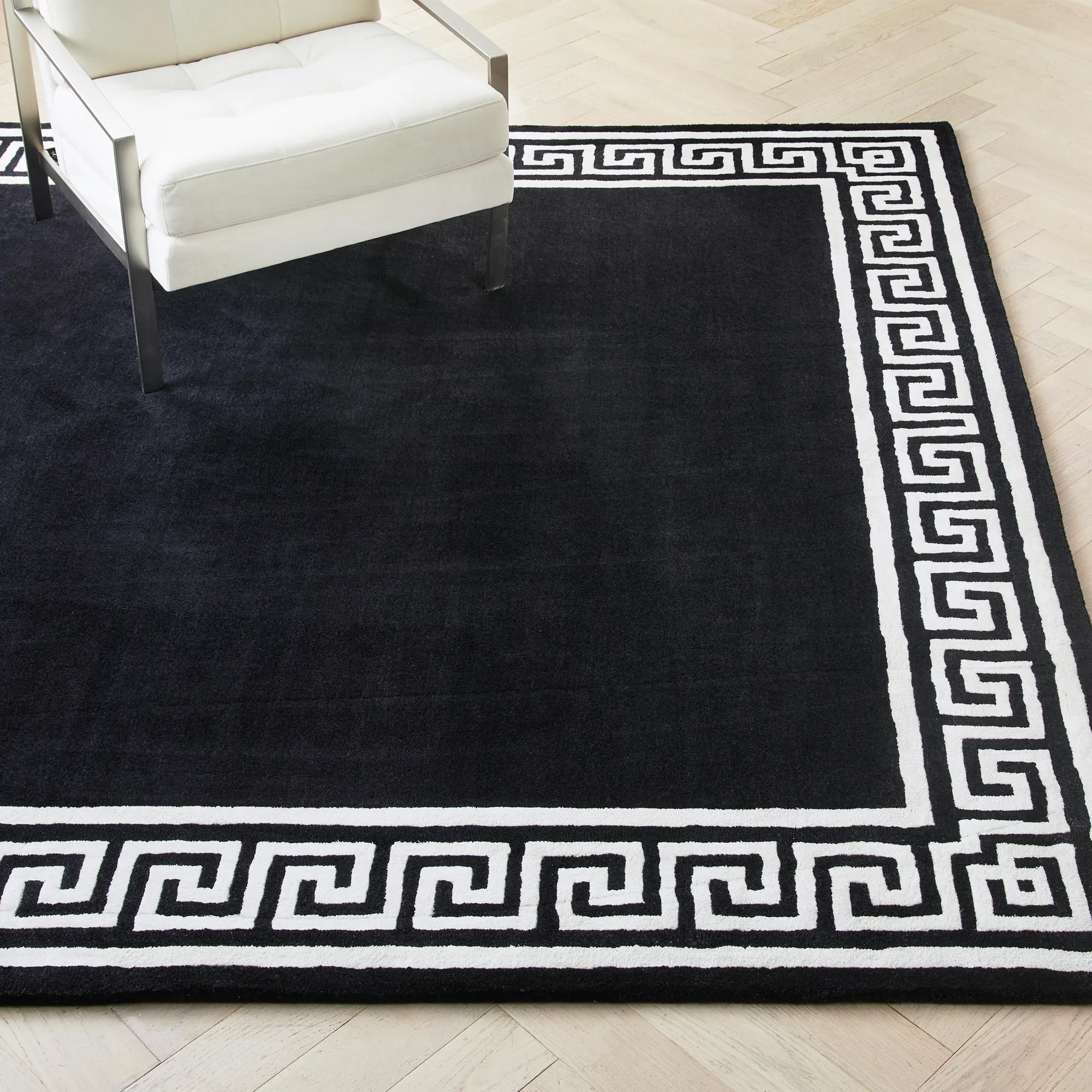
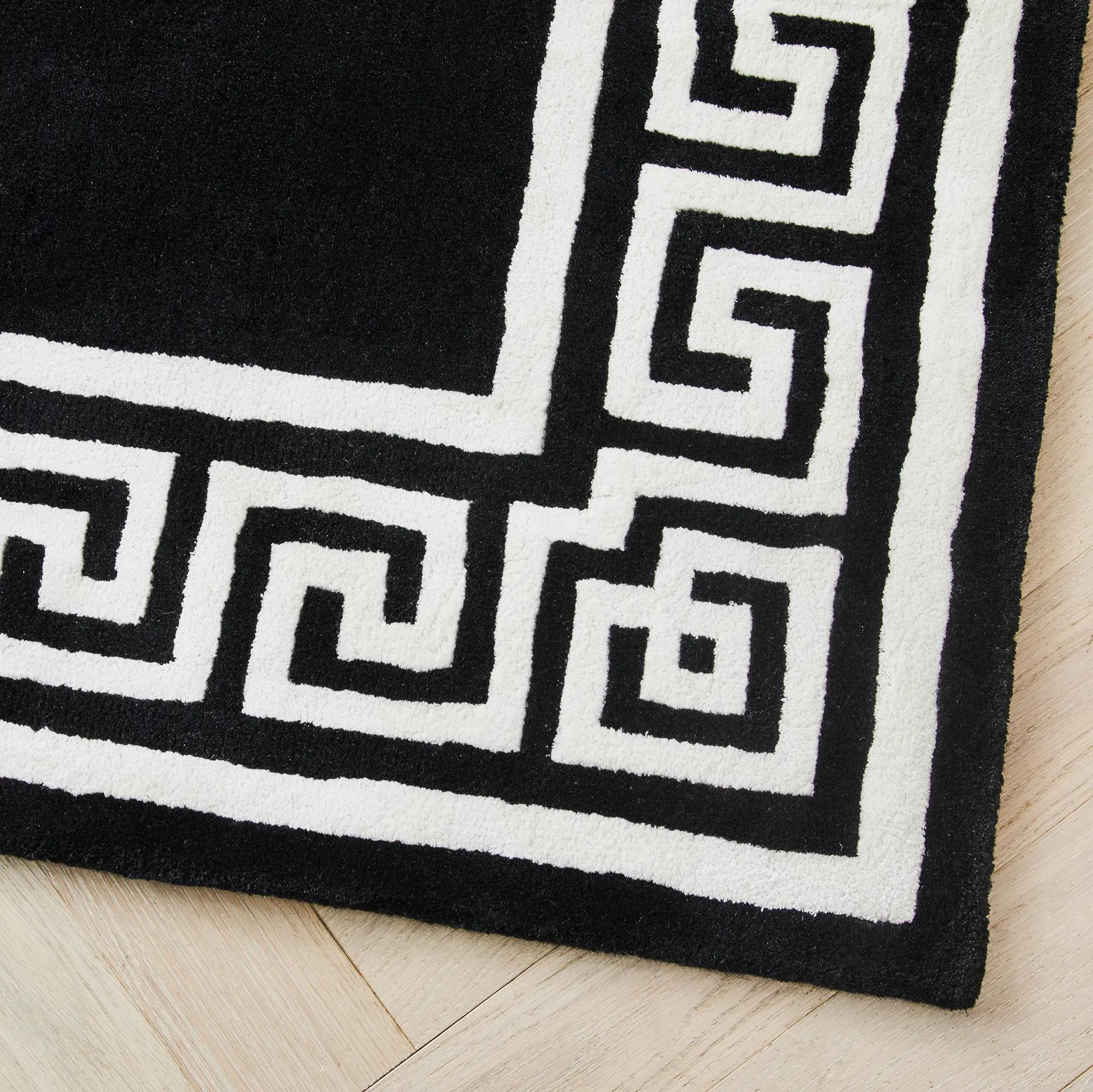 Greek Key Rug - Black/Ivory$1199
A hand-tufted black and ivory rug featuring a classic Greek key pattern in wool and viscose.
Add To Cart -
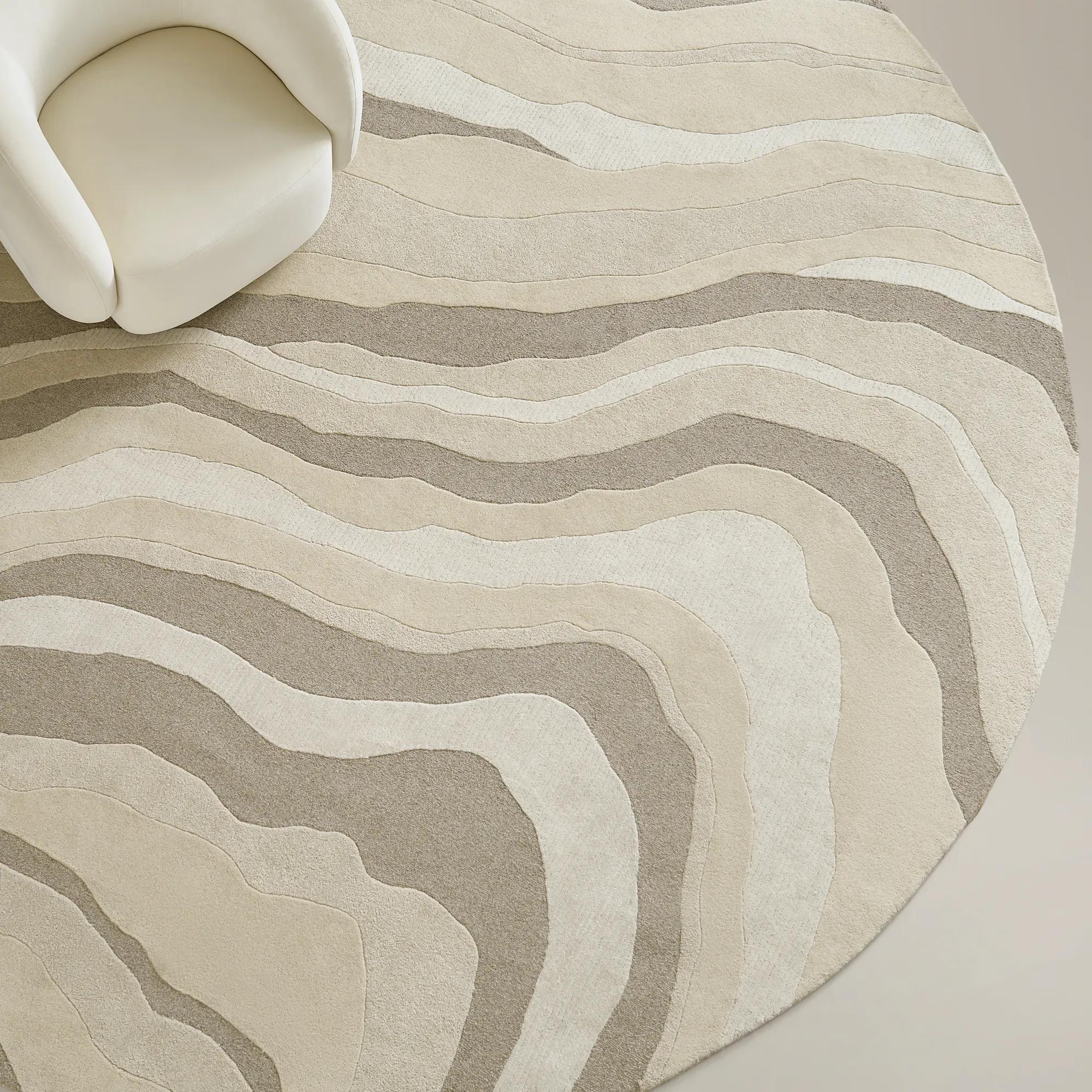 Kadence Hand-Tufted White/Ivory/Tan Wool Round Rug 12"$1799
A hand-tufted round rug in white, ivory, and tan, crafted from 100% wool for natural warmth.
Add To Cart -
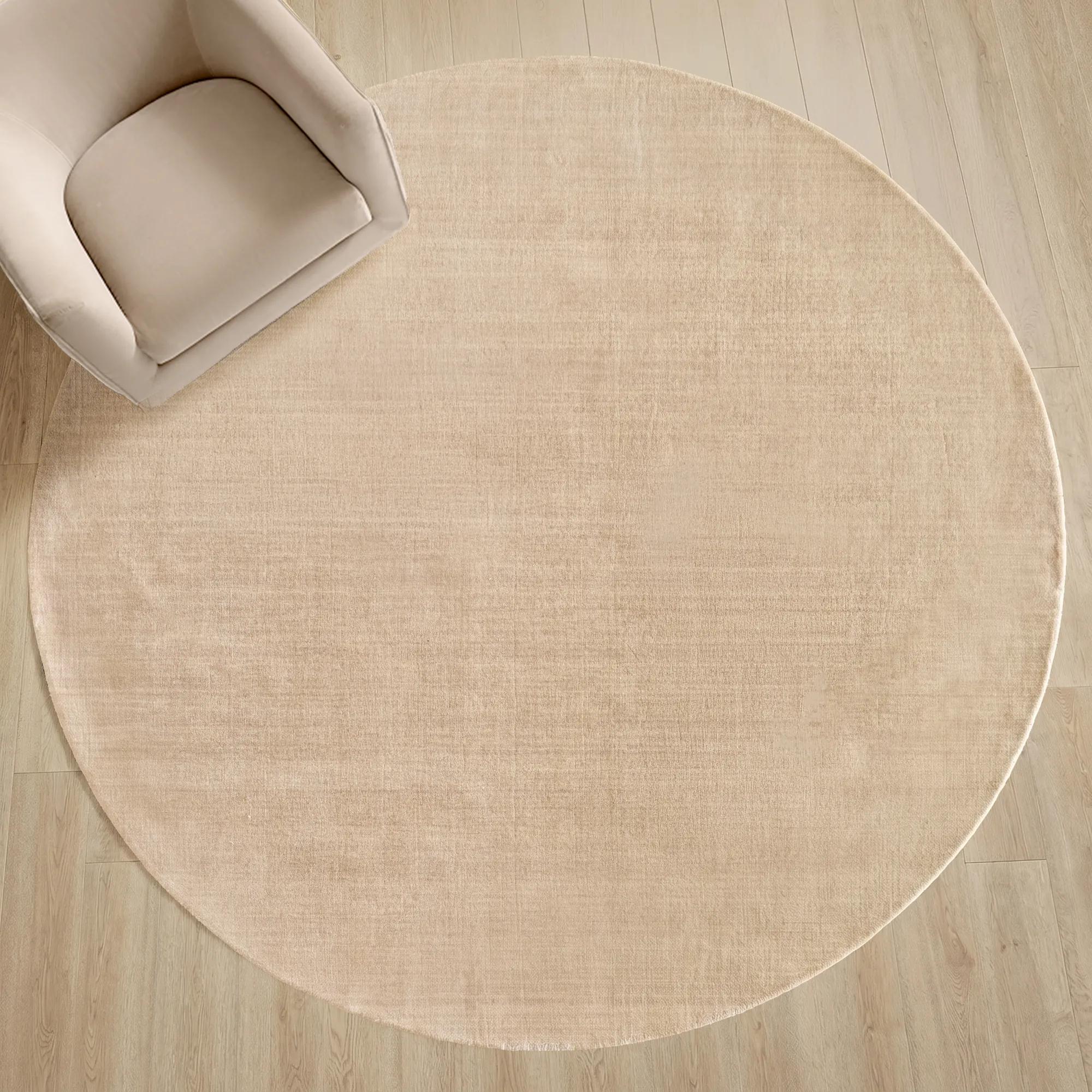 Juni Hand Woven Heathered Warm Beige Round Rug$1399
A handwoven round wool rug in heathered warm beige, offering refined texture and everyday durability.
Add To Cart -
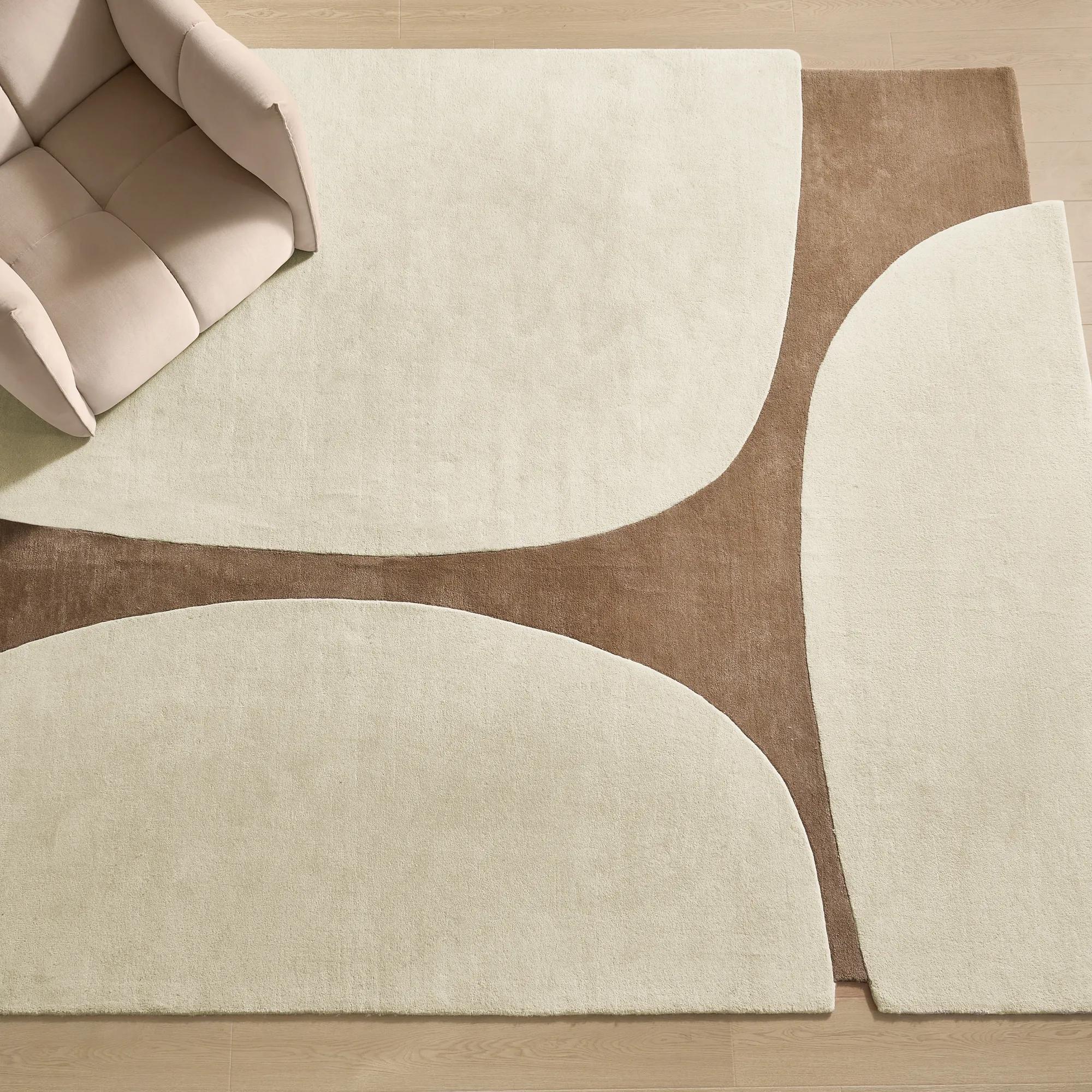
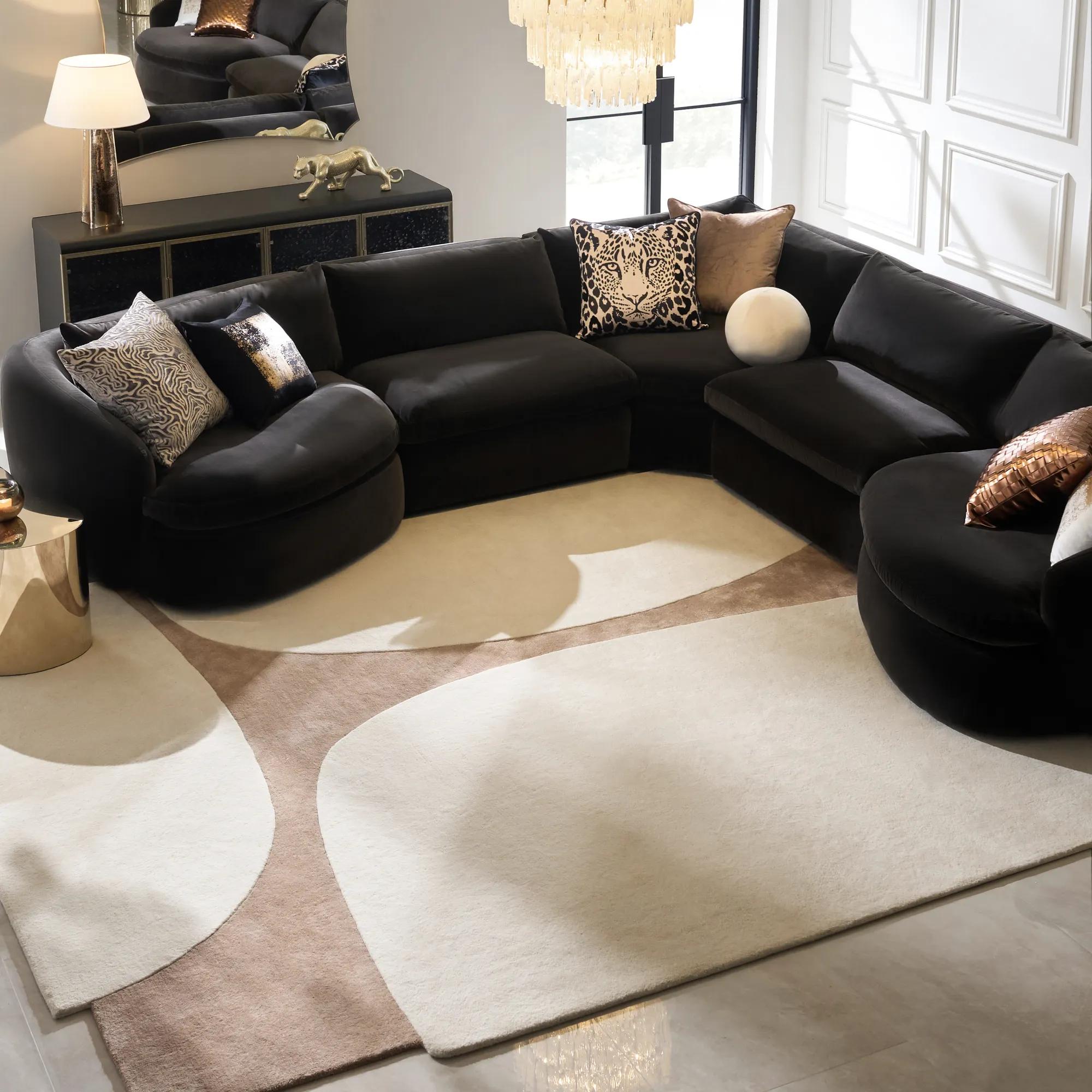 Contour Hand-Tufted Ivory/Ginger Root Wool Blend Rug$1499
A hand-tufted wool rug featuring an ivory and ginger root palette with a contoured, modern design.
Add To Cart -
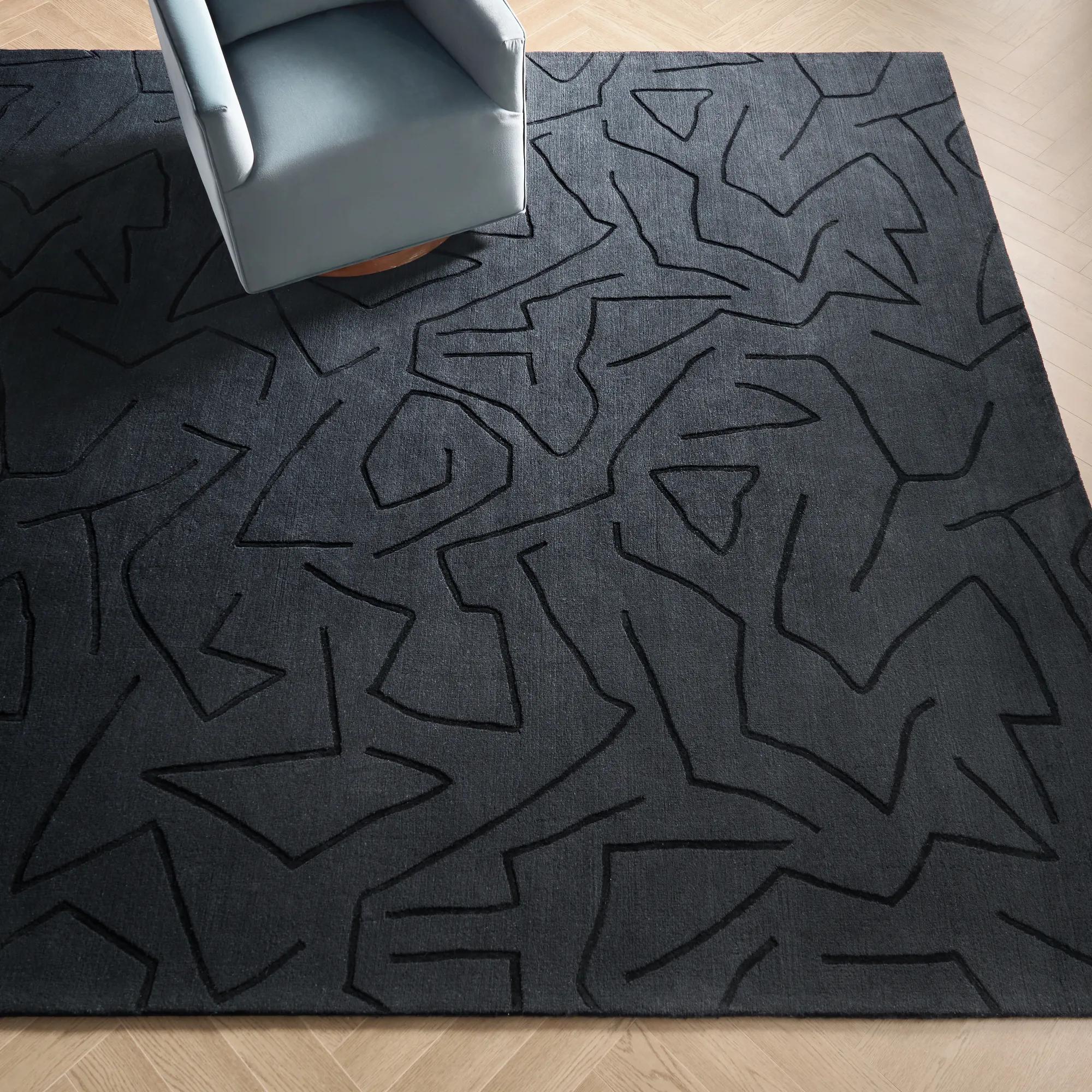 Carved Maze Rug$699
A hand-loomed black rug crafted from wool and viscose, featuring a carved maze design for added texture.
Add To Cart

Luxury Wool Area Rugs
Explore luxury wool area rugs to anchor your living room or bedroom with rich texture and a refined sense of drama. Consider dimensions that comfortably frame your furniture arrangement, then choose a color and design that complement your room’s palette—creating a cohesive foundation for your most expressive pieces.
Luxury wool area rugs bring natural softness, resilient texture, and expressive design to the foundation of a room. Made with wool fibers, either alone or blended with other materials, these rugs can range from finely detailed, low-profile weaves to deeply textured surfaces with a sculptural presence. Wool’s natural crimp helps its fibers recover from compression, making it a compelling material for spaces that deserve both visual drama and everyday comfort. That resilience does not make a rug immune to wear, but it supports lasting beauty when the construction, placement, and care suit the household. A softly striated ivory rug can lend depth to a room filled with pale upholstery, while charcoal geometry brings definition beneath a glass coffee table. Tonal patterns reveal their artistry gradually; contrasting motifs create an immediate focal point. The distinction lies as much in texture as in color: a cut-and-loop surface catches light differently across its raised and recessed areas, giving even a restrained palette a richly dimensional character. Construction also shapes the experience. Hand-knotted rugs are formed by tying individual knots onto a foundation, while hand-tufted rugs use yarn inserted into a backing and secured in place. Flatwoven wool rugs offer a slimmer profile, and carved or high-low designs introduce more pronounced relief. These methods create different qualities rather than a single hierarchy of luxury. Fiber quality, weave density, finishing, and the clarity of the design all contribute to how a rug looks and performs. Wool blends deserve equal attention to their composition, since added fibers can alter sheen, softness, shedding, and cleaning requirements. A silk blend, for example, may introduce luminous detail while calling for more specialized care. The most satisfying choice balances that visual character with the way the room is actually lived in, whether the setting is a lively family gathering space or a quietly glamorous bedroom.
Scale gives a luxury wool area rug its architectural role, connecting furniture into a deliberate composition instead of leaving each piece visually adrift. In a living room, a rug large enough to hold at least the front legs of the sofa and surrounding chairs usually creates a more cohesive arrangement than one placed only beneath the coffee table. An 8-by-10-foot or 9-by-12-foot rug may suit many seating areas, but the furniture footprint and room dimensions should determine the final fit. Outlining the proposed size with painter’s tape makes it easier to judge proportions, door clearance, and the exposed floor around the edges. In an open-plan interior, a substantial rug can define the conversation area without interrupting the sightline to a dining space beyond. Beneath a dining table, allow enough extension for chairs to remain on the rug when pulled out; approximately 24 to 30 inches beyond each side of the tabletop is a useful starting point, adjusted for chair depth and the room’s layout. A lower pile generally allows dining chairs to move more easily and simplifies the removal of crumbs. In the bedroom, generous coverage beside the bed creates a soft landing and gives a substantial headboard a visually balanced foundation. Round rugs can echo a circular table or soften an angular seating arrangement, while rectangular designs emphasize the length and symmetry of a room. Color and pattern deserve the same attention as dimensions. An intricate motif can add movement beneath tailored upholstery, while a quieter field allows sculptural furniture and expressive artwork to command attention. Pale wool offers an elegant backdrop but may reveal marks more readily; varied tones and subtle pattern can make everyday traces less conspicuous. For spaces where a deeper, cushioned surface is the central attraction, Luxury Plush Area Rugs offer another way to explore tactile richness. Plush describes the surface rather than the fiber, so pile depth and material composition remain separate considerations when comparing the feel and function of a rug.
Wool area rugs are particularly appealing to households seeking a natural fiber with substance underfoot, but daily habits matter as much as the material itself. A sitting room used for conversation places different demands on a rug than a family room shared with children and pets. Dense, lower-profile constructions can be practical in active spaces, while a more pronounced pile may suit a bedroom or a seating area with gentler traffic. Pet claws can catch in exposed loops, so cut-pile surfaces may be a better match for animals inclined to scratch or dig. Some shedding is common with wool rugs, especially when new, and the amount varies with yarn quality and construction. Regular, gentle vacuuming helps remove loose fibers and abrasive grit before they settle into the pile; follow the rug’s care instructions, and avoid aggressive rotating brushes when they could damage the surface. Fringe needs particular care and should not be pulled through a vacuum head. A properly sized rug pad adds cushioning, helps reduce movement, and limits abrasion between the rug and the floor. Its material should be compatible with the flooring finish, and its edges should sit slightly inside the rug’s perimeter. Rotate the rug periodically to distribute foot traffic and light exposure more evenly, and use furniture cups where appropriate to reduce concentrated pressure from heavy legs. Wool is not stainproof or waterproof, and prolonged dampness can damage the rug or its backing. Blot spills promptly with a clean, absorbent white cloth rather than rubbing them deeper into the fibers. Avoid saturating the area, test any wool-safe cleaner in an inconspicuous spot, and follow the manufacturer’s directions. Professional cleaning by a specialist familiar with wool is often the soundest approach for deep soil or difficult stains. With thoughtful placement and attentive care, a wool rug becomes more than a decorative layer: it gives a room depth, softens its acoustics, and creates an inviting foundation for furniture, art, and daily life.
FAQs
Luxury wool area rugs bring rich texture, nuanced color, and an inviting tactile quality to a room. From sculptural surface details to artful patterns, their appeal lies in the interplay of material and design—a foundation that feels as expressive as the furnishings above it.
Treat your wool area rug as part of the room’s artistic composition. Pair a richly textured design with sleek furniture for contrast, or let a graphic pattern introduce movement beneath tailored upholstery. Echo one of the rug’s tones in pillows or artwork to create a deliberate, cohesive vignette.
Ivory, taupe, and charcoal create a sophisticated foundation that lets sculptural furnishings command attention. Jewel tones bring a more expressive mood, while tonal palettes allow texture to take the lead. Choose colors that converse with your artwork and upholstery rather than matching every detail.
Hand-knotted wool rugs are made by tying individual knots onto a woven foundation. Hand-tufted wool rugs are created by inserting yarn into a backing with a tufting tool. These distinct construction methods can produce different surface effects; consider the pattern, texture, and craftsmanship that best suit your design vision.
Create a dialogue between the rug and your most expressive piece. An abstract wool rug can soften the formality of a tailored sofa, while a restrained geometric pattern can balance a sculptural chair. Repeat a shared color and vary the motifs to keep the room layered rather than overly coordinated.


