High End Wool Rugs
High End Wool Rugs
-
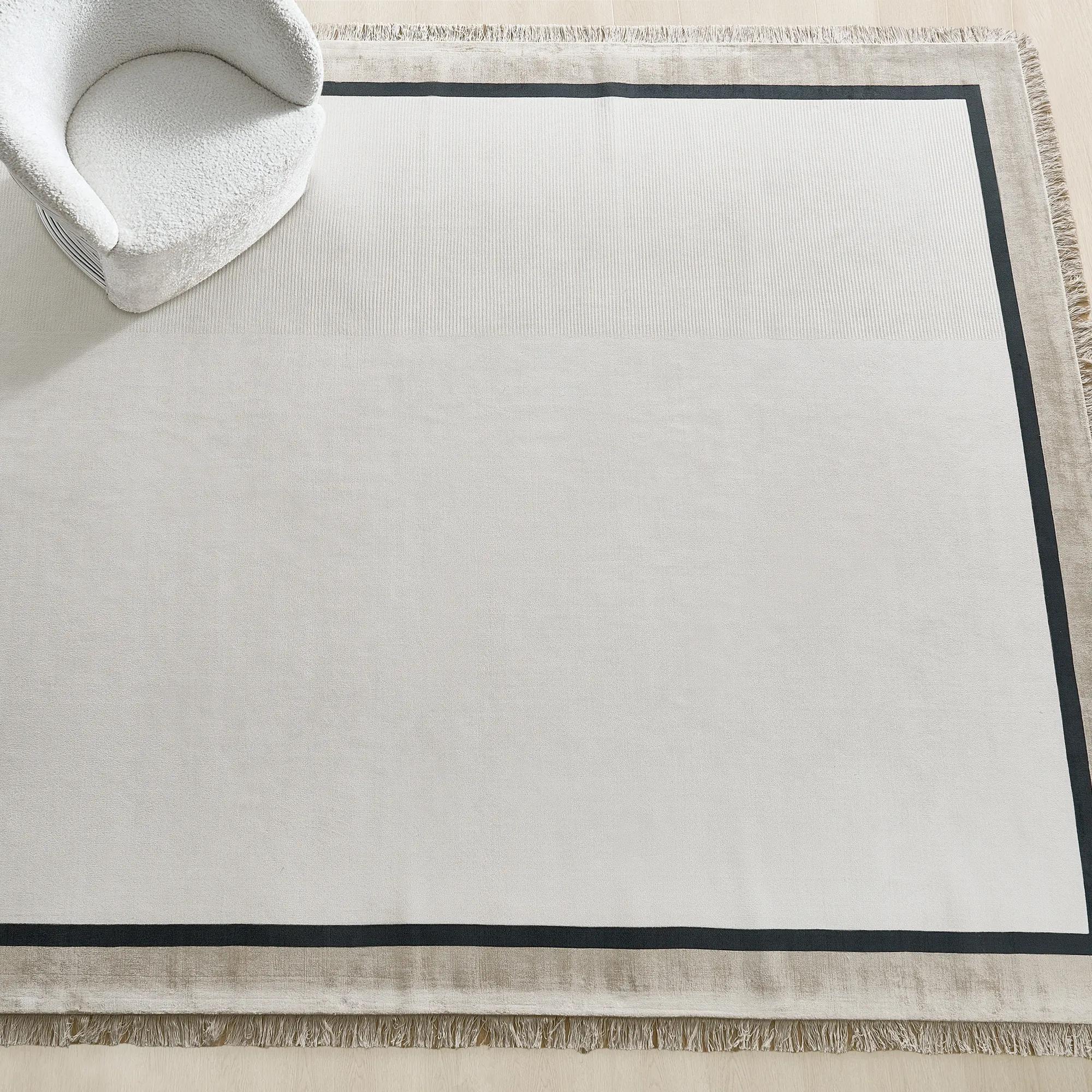
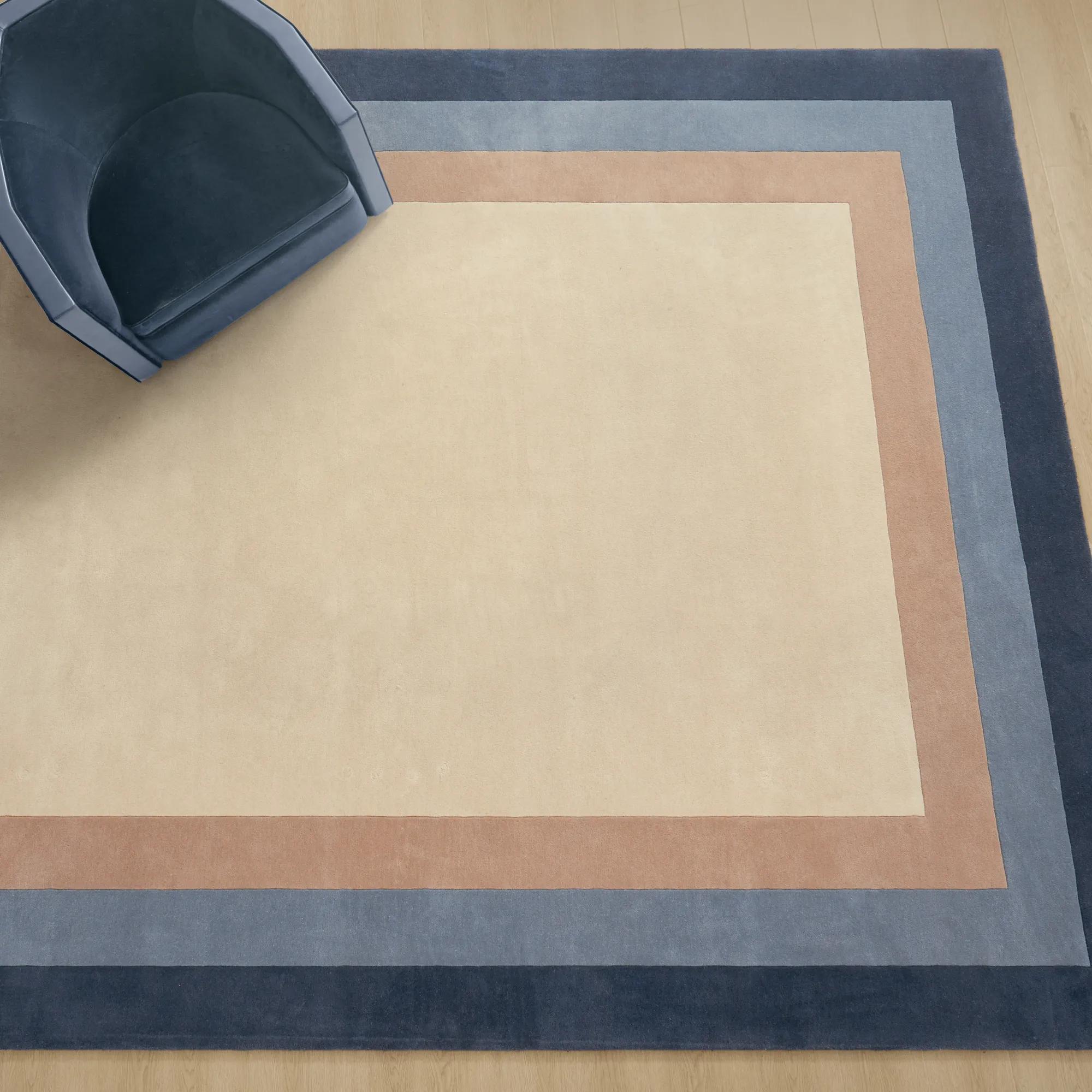 Bastien Hand-Tufted Blue/Taupe/Ivory Wool Border Rug$1499
A hand-tufted wool rug featuring a graphic blue, taupe, and warm ivory border with refined, substantial texture.
Add To Cart -
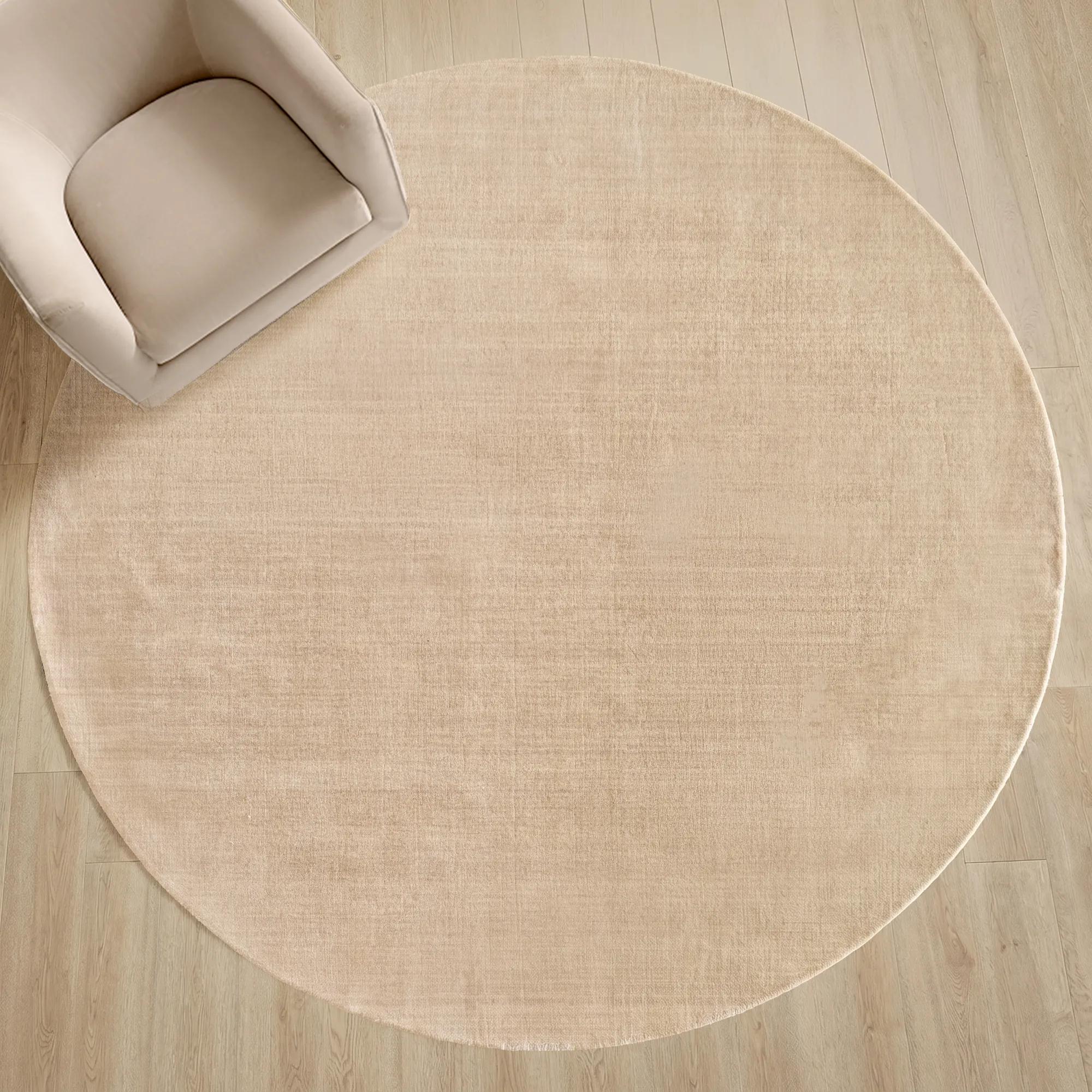 Juni Hand Woven Heathered Warm Beige Round Rug$1399
A handwoven round wool rug in heathered warm beige, offering refined texture and everyday durability.
Add To Cart -
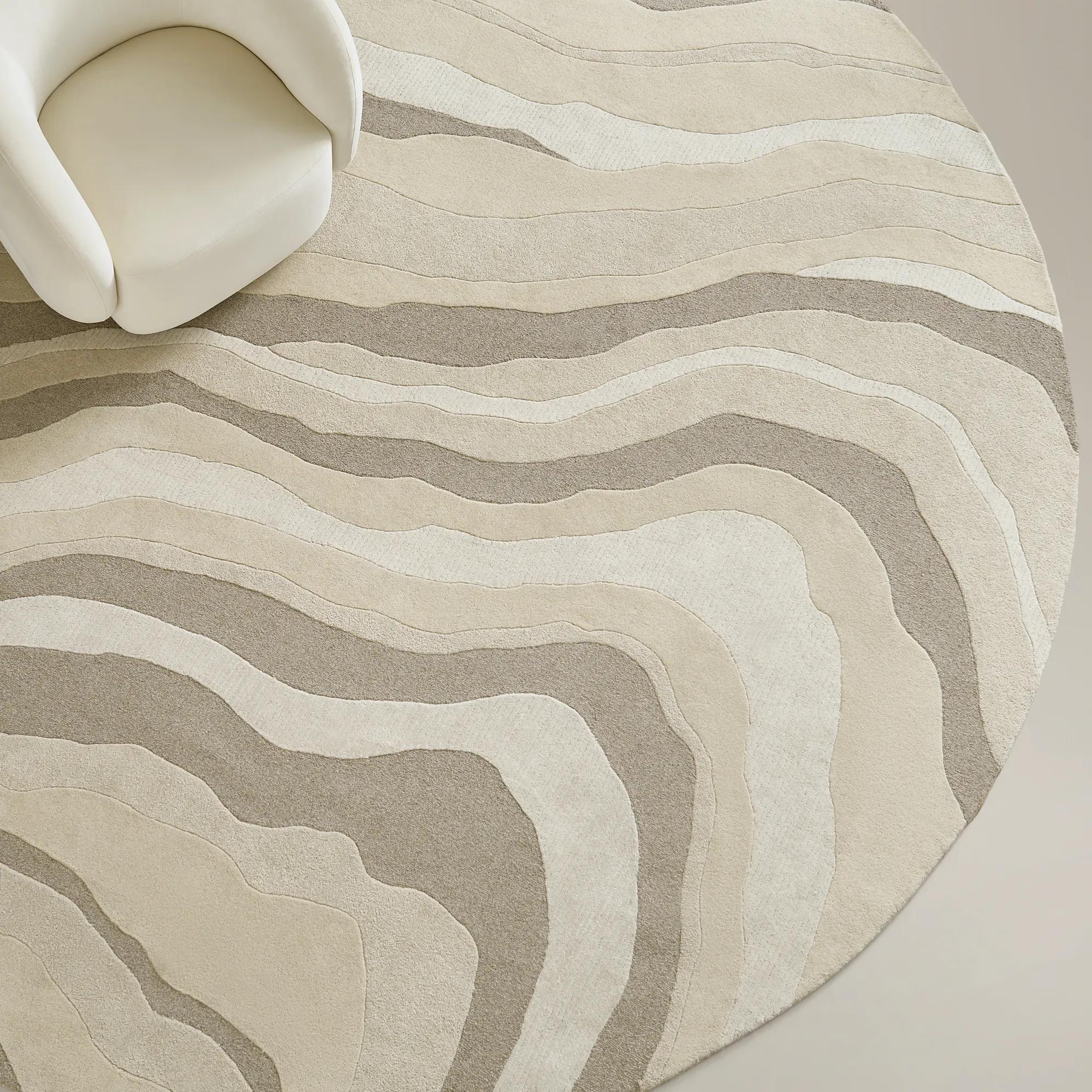 Kadence Hand-Tufted White/Ivory/Tan Wool Round Rug 12"$1799
A hand-tufted round rug in white, ivory, and tan, crafted from 100% wool for natural warmth.
Add To Cart -
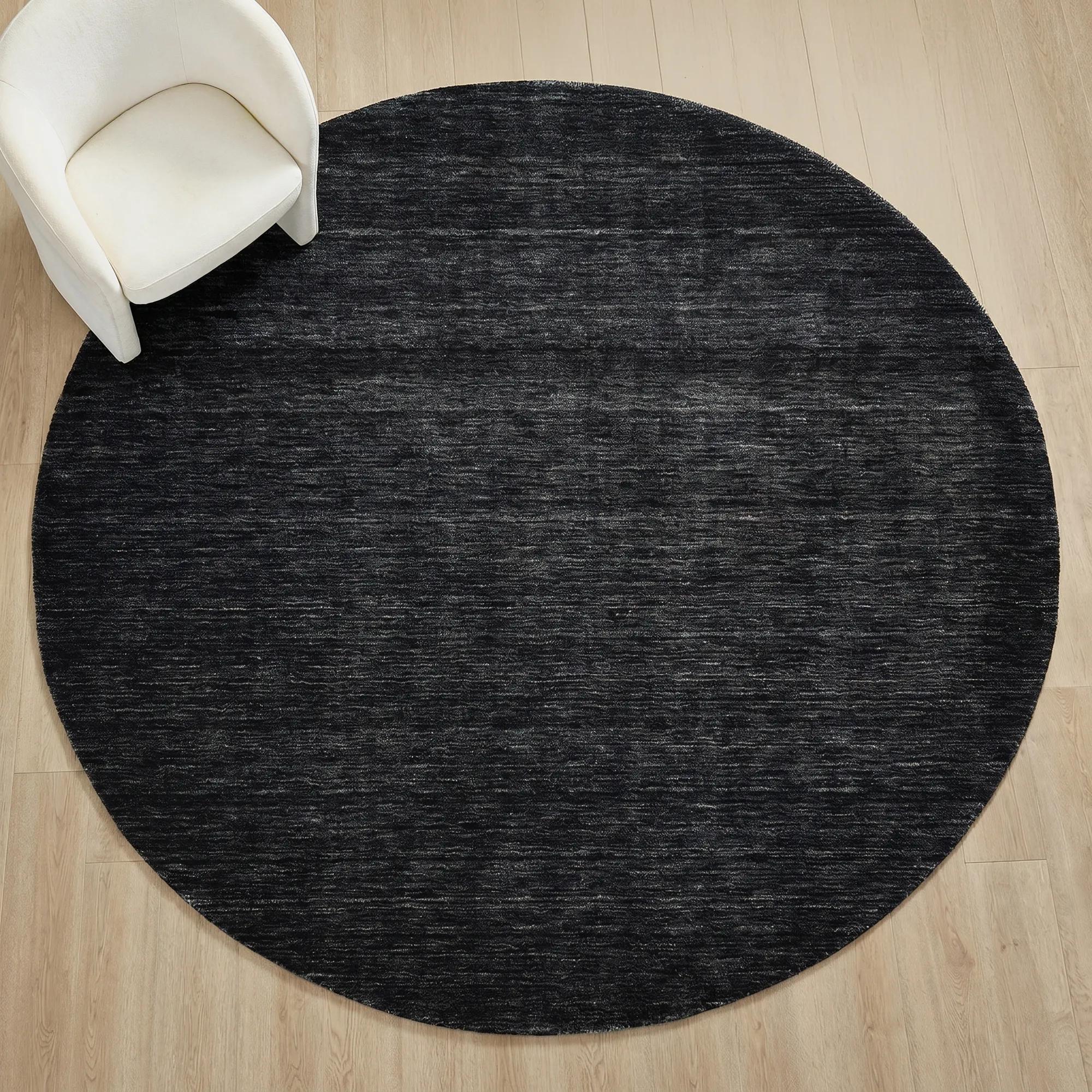 Juni Hand Woven Heathered Black Rug$799
A handwoven round wool rug in heathered black, offering durable texture and moody, contemporary style.
Add To Cart -
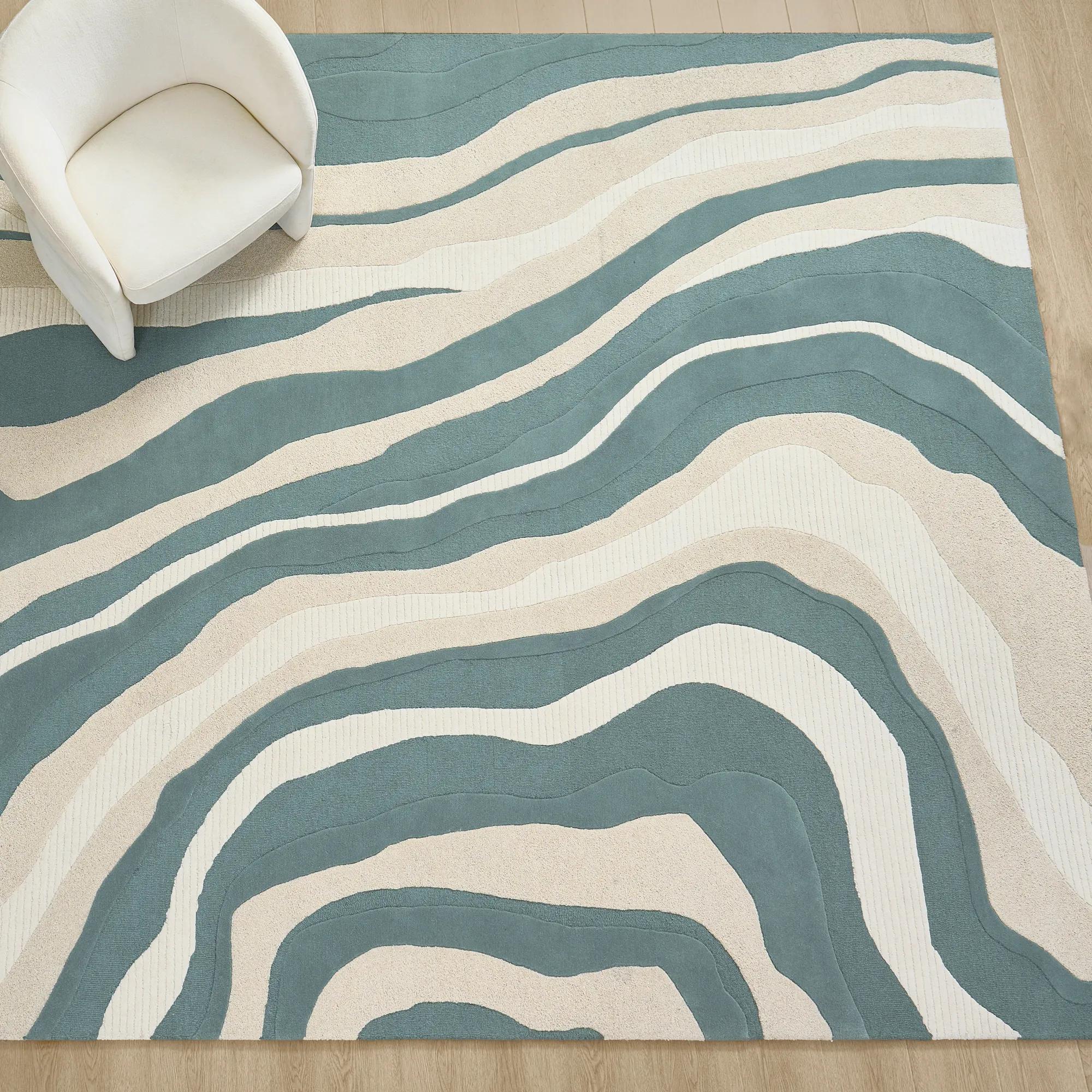 Kadence Hand-Tufted Sage Green/Ivory Wool Rug$1499
A hand-tufted wool rug with organic waves, sculptural high-low texture, and sage-ivory hues.
Add To Cart -
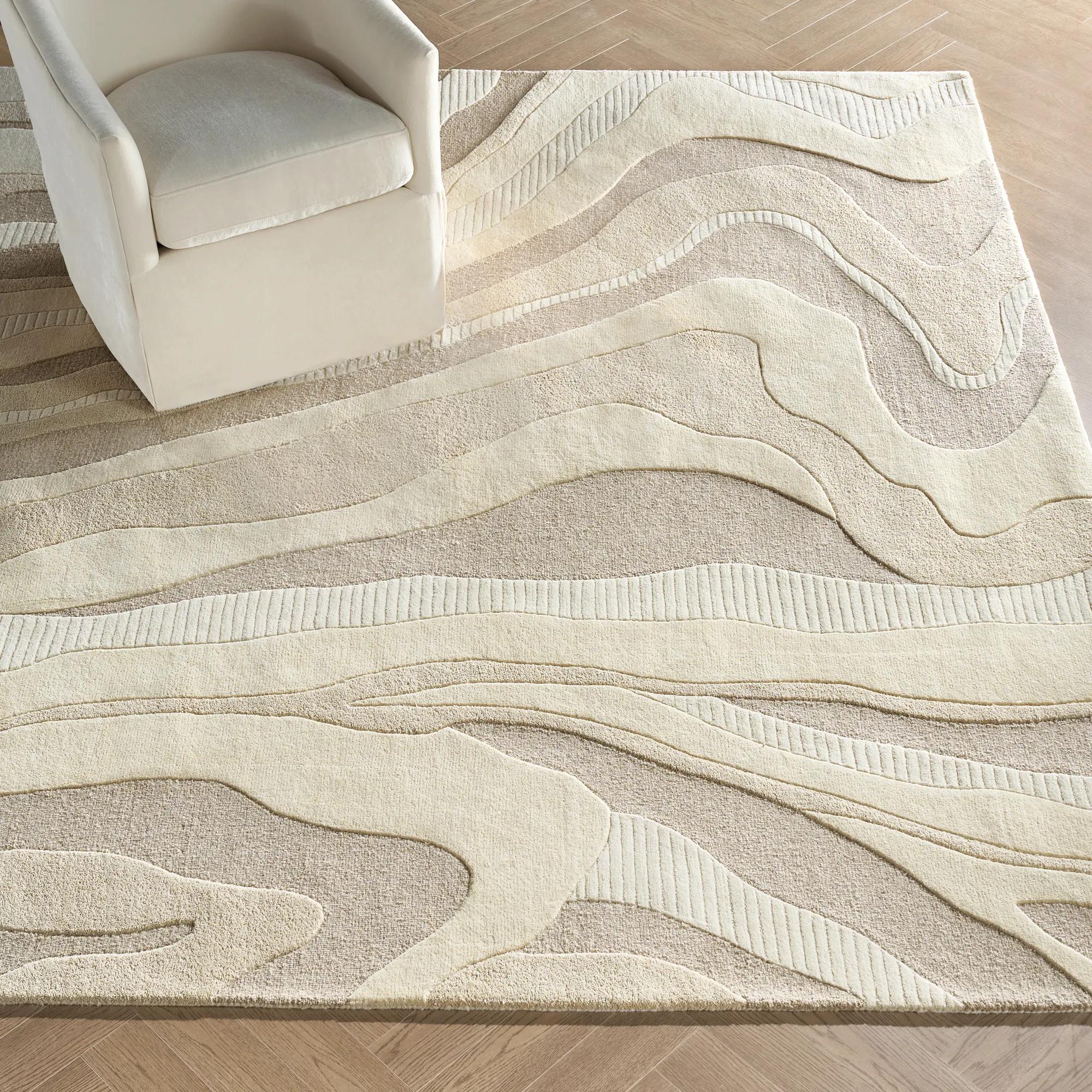 Kadence Hand-Tufted Ivory/Tan Wool Rug$999
A hand-tufted wool rug featuring a multi-textured swirl design in ivory and tan for timeless elegance.
Add To Cart -
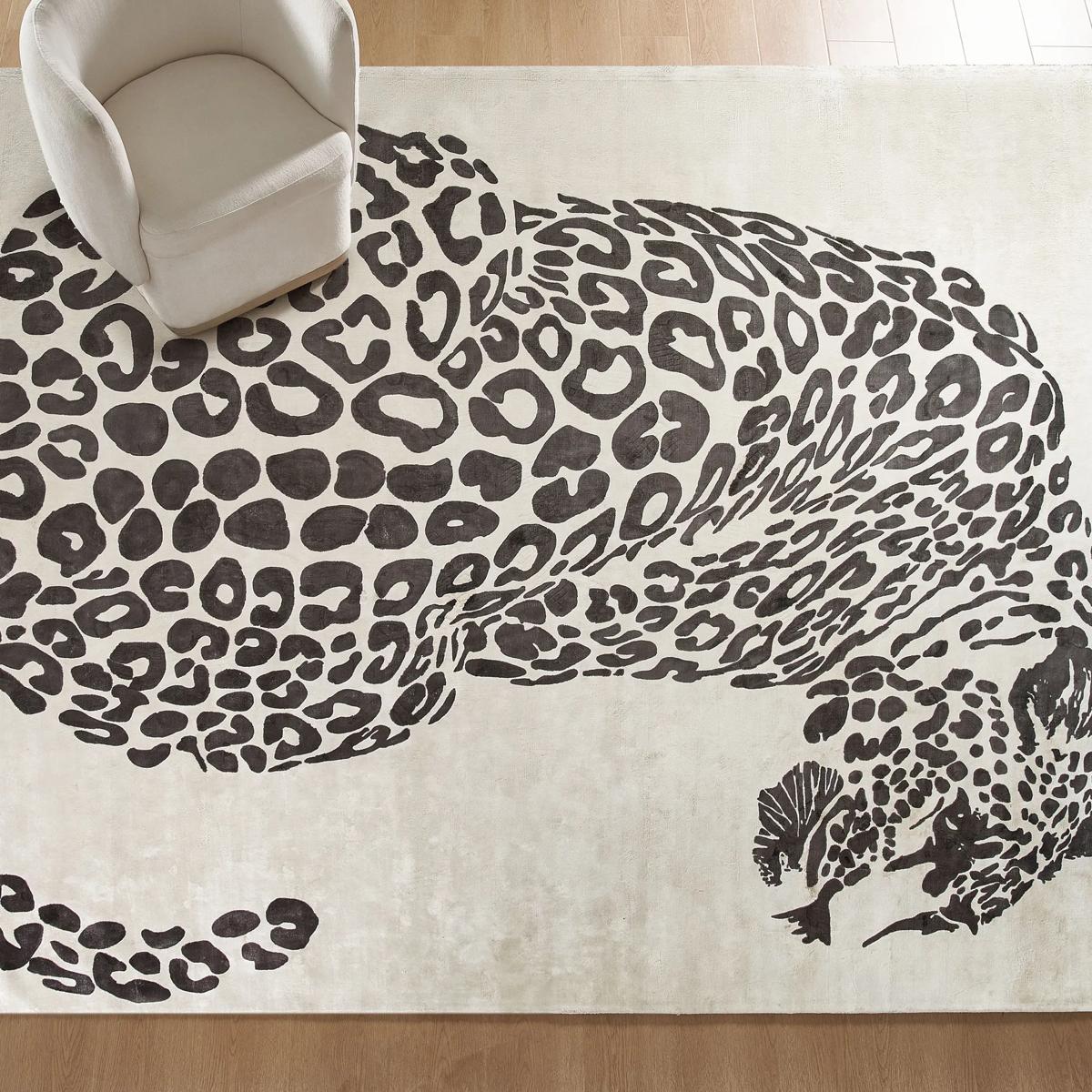
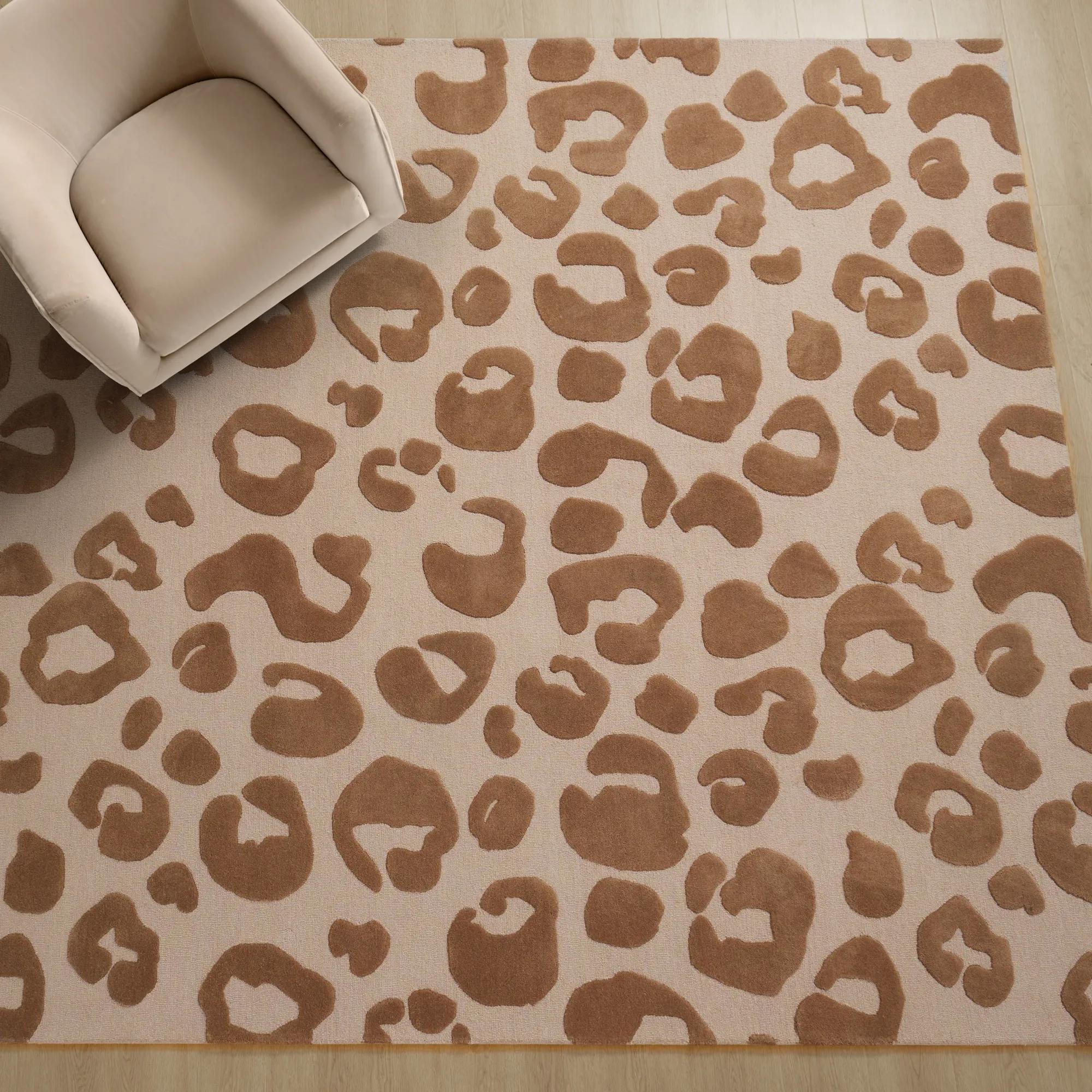 Pounce Hand-Tufted Tawny Brown Leopard Print Wool Rug$1499
A hand-tufted wool rug featuring a tawny brown leopard print and dimensional high-low loop and cut pile.
Add To Cart -
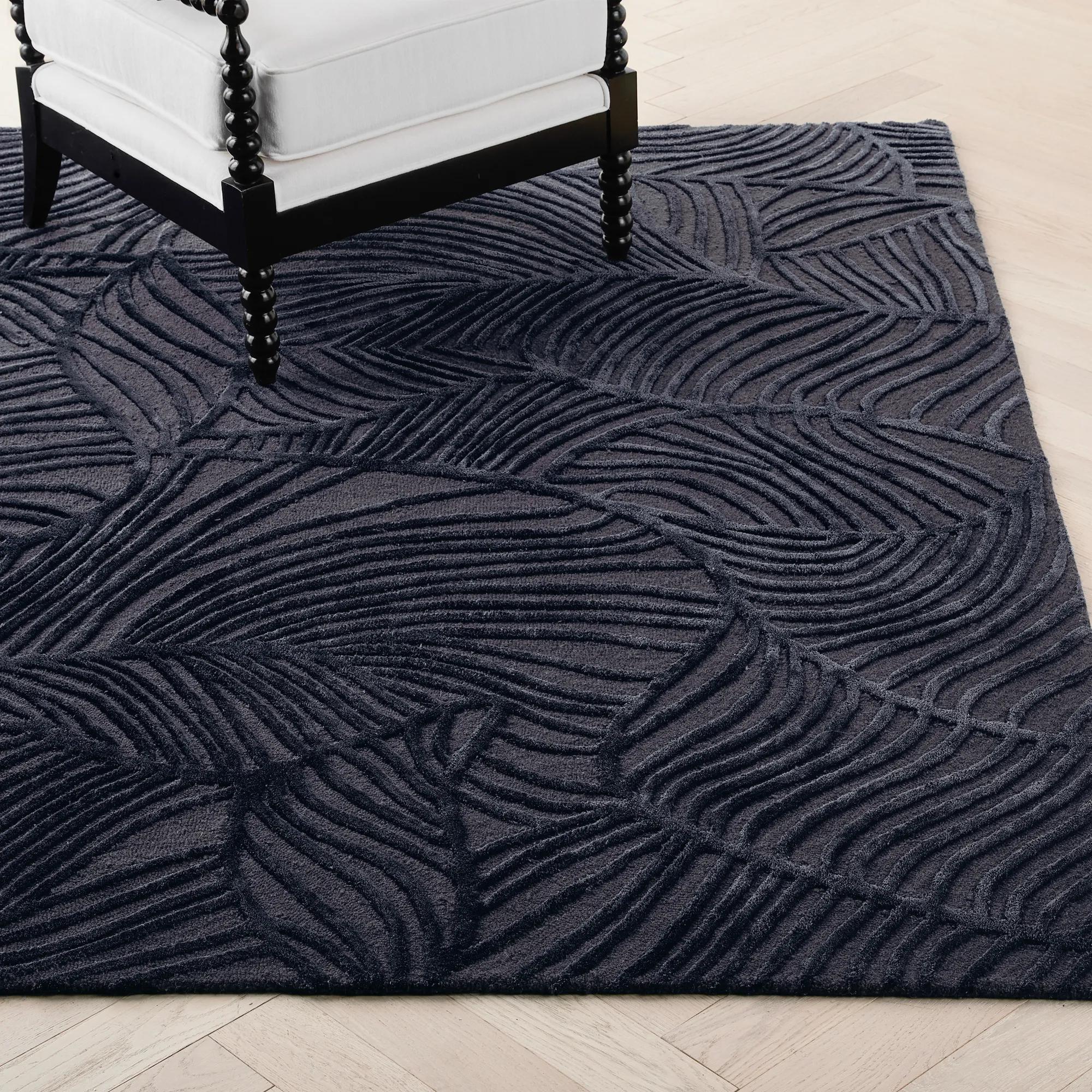
 Palm Rug - Charcoal$1499
A charcoal rug featuring a dynamic palm-leaf design with a textured high-low viscose and wool pile.
Add To Cart -
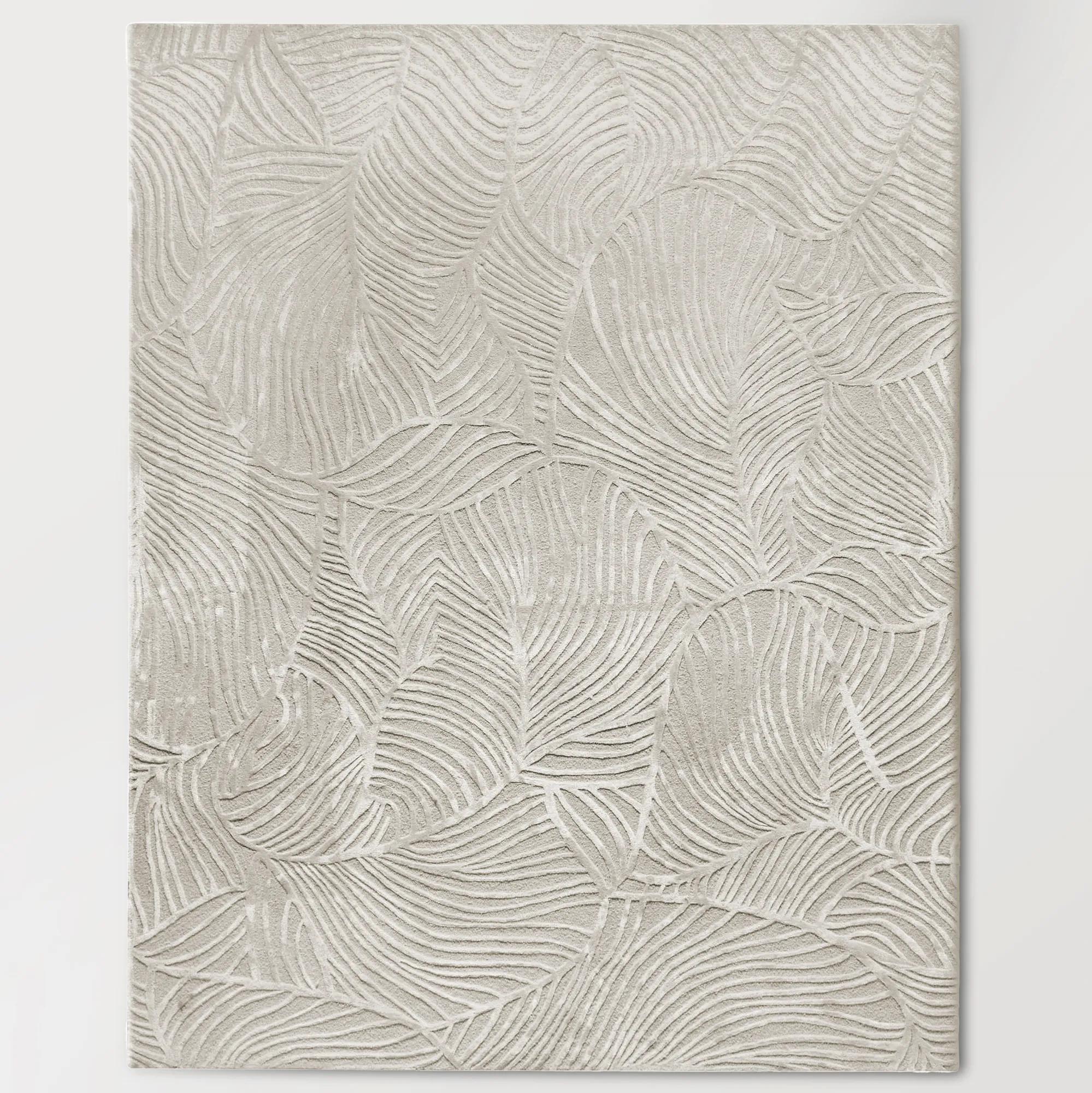 Palm Hand-Tufted Ivory Wool Blend Rug$1499
An ivory rug featuring a dynamic palm-leaf design with high-low pile in viscose and wool.
Add To Cart -
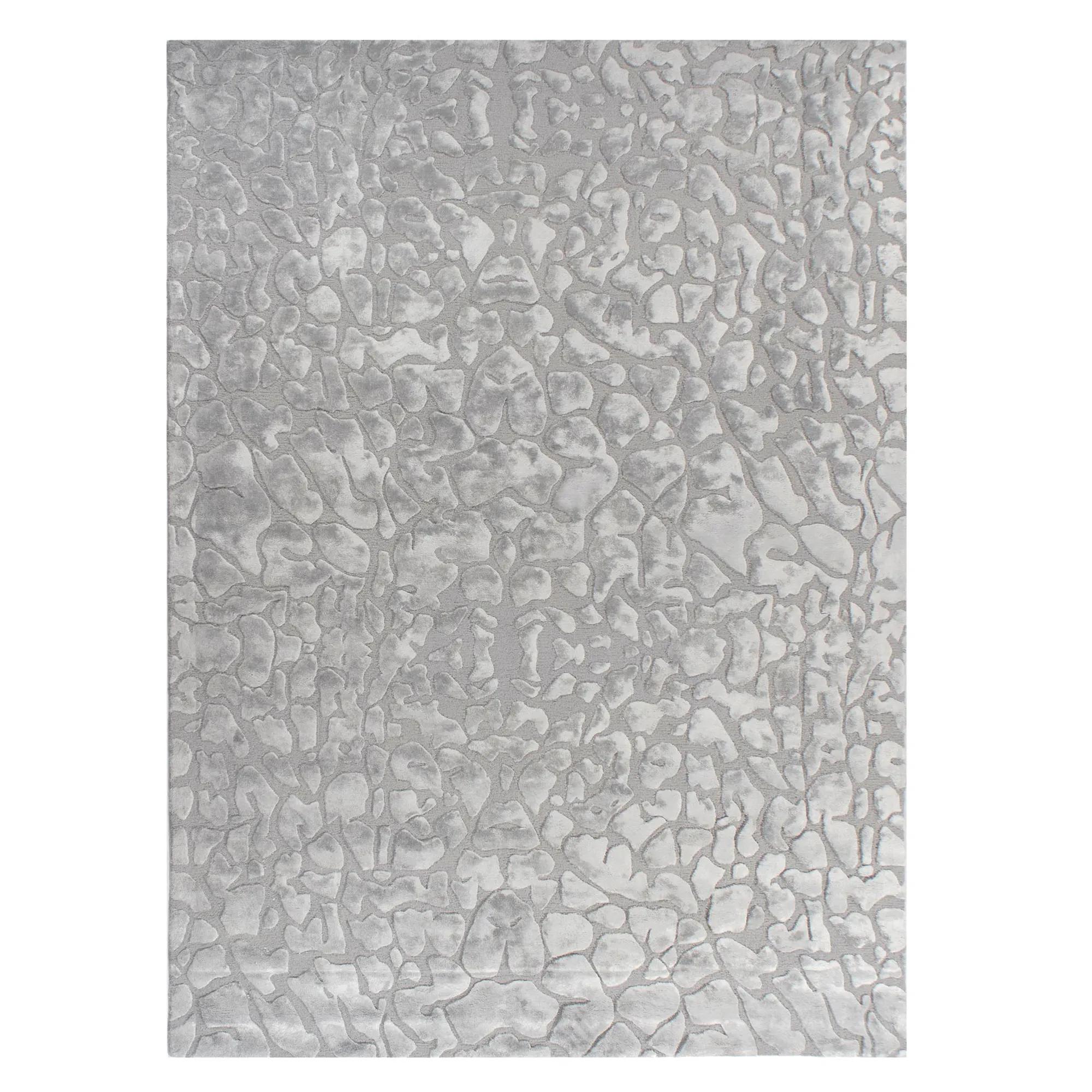
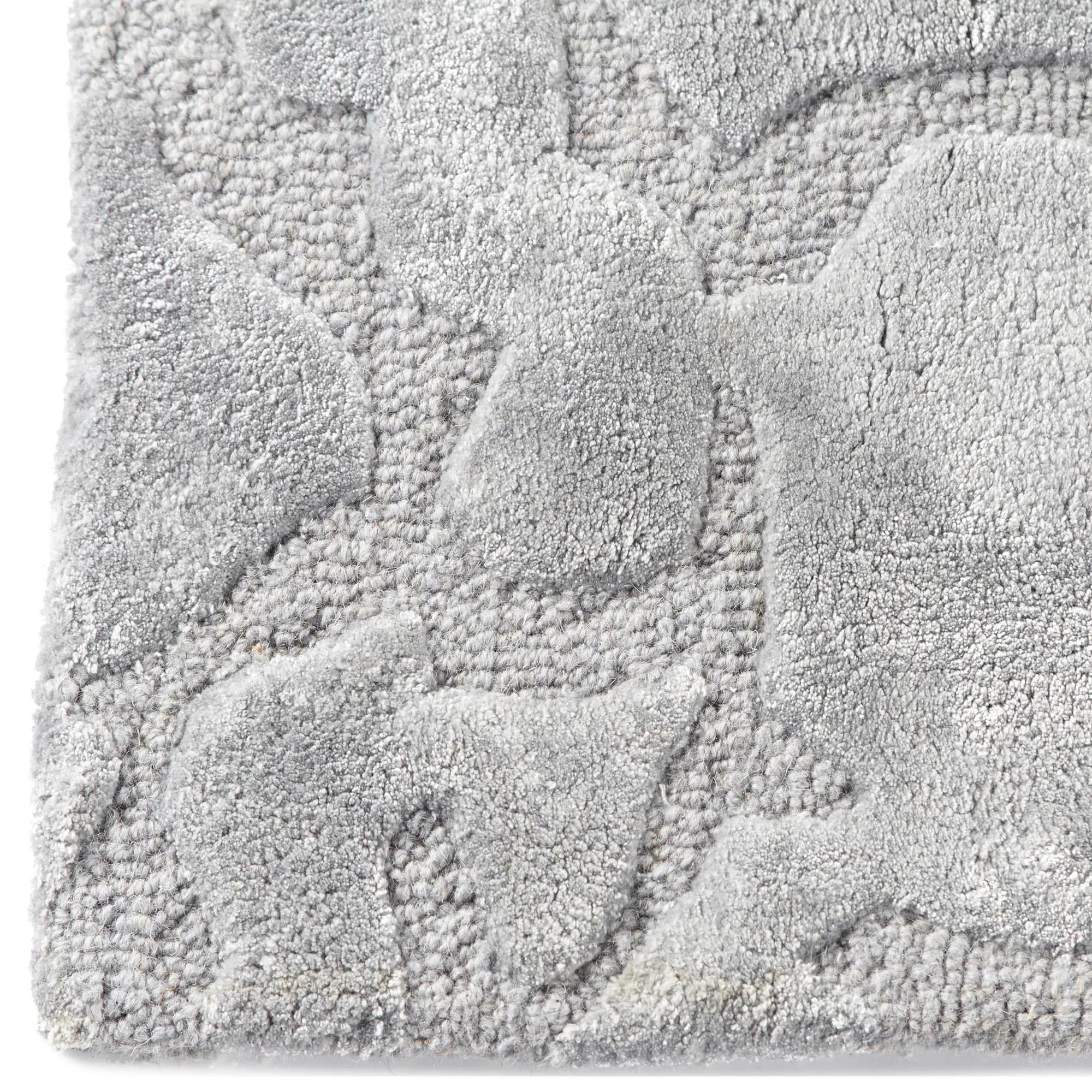 Nola Hand-Tufted Cool Grey Wool Blend Rug$849
A hand-tufted silver rug with contrasting pile heights, crafted from wool and viscose for plush texture.
Add To Cart -
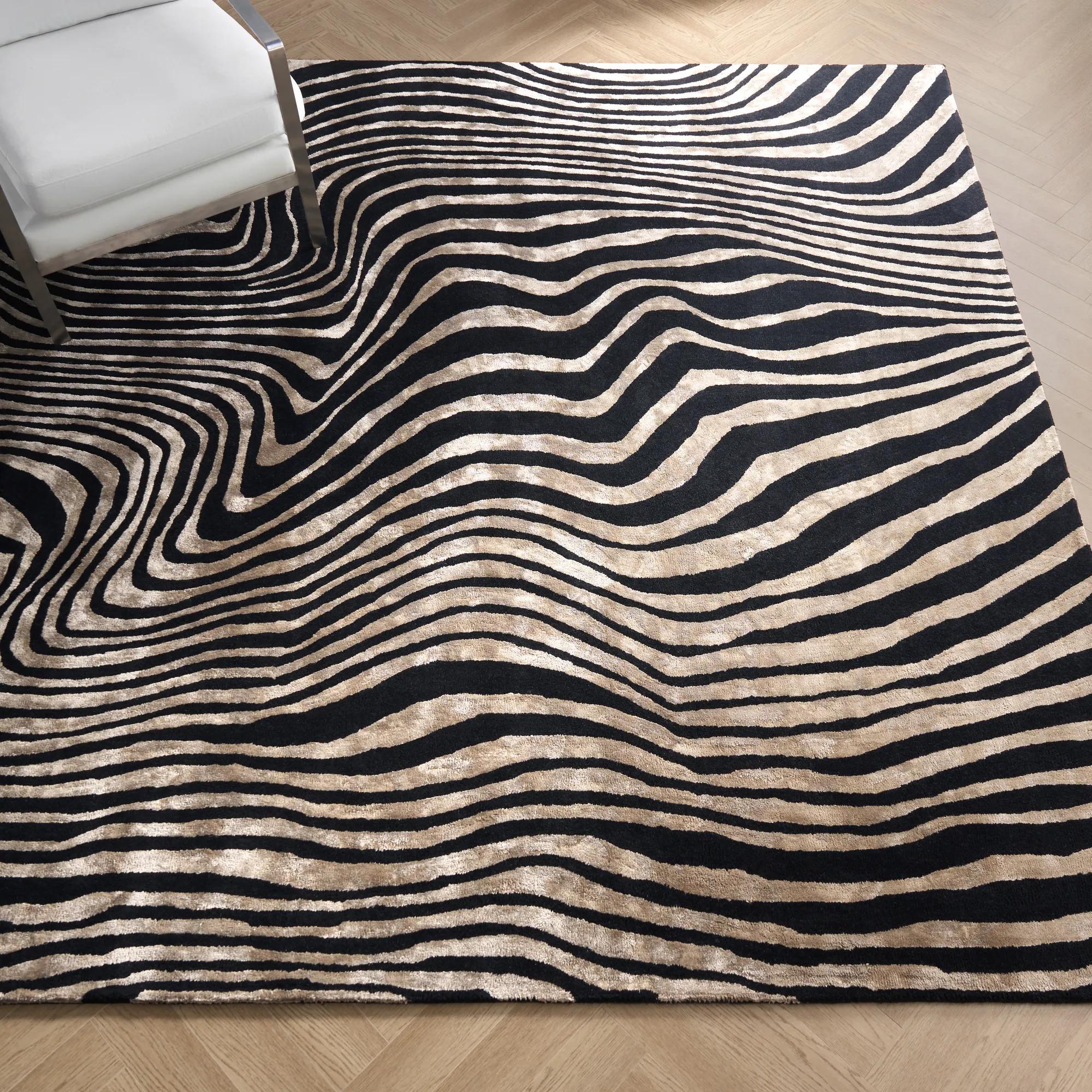
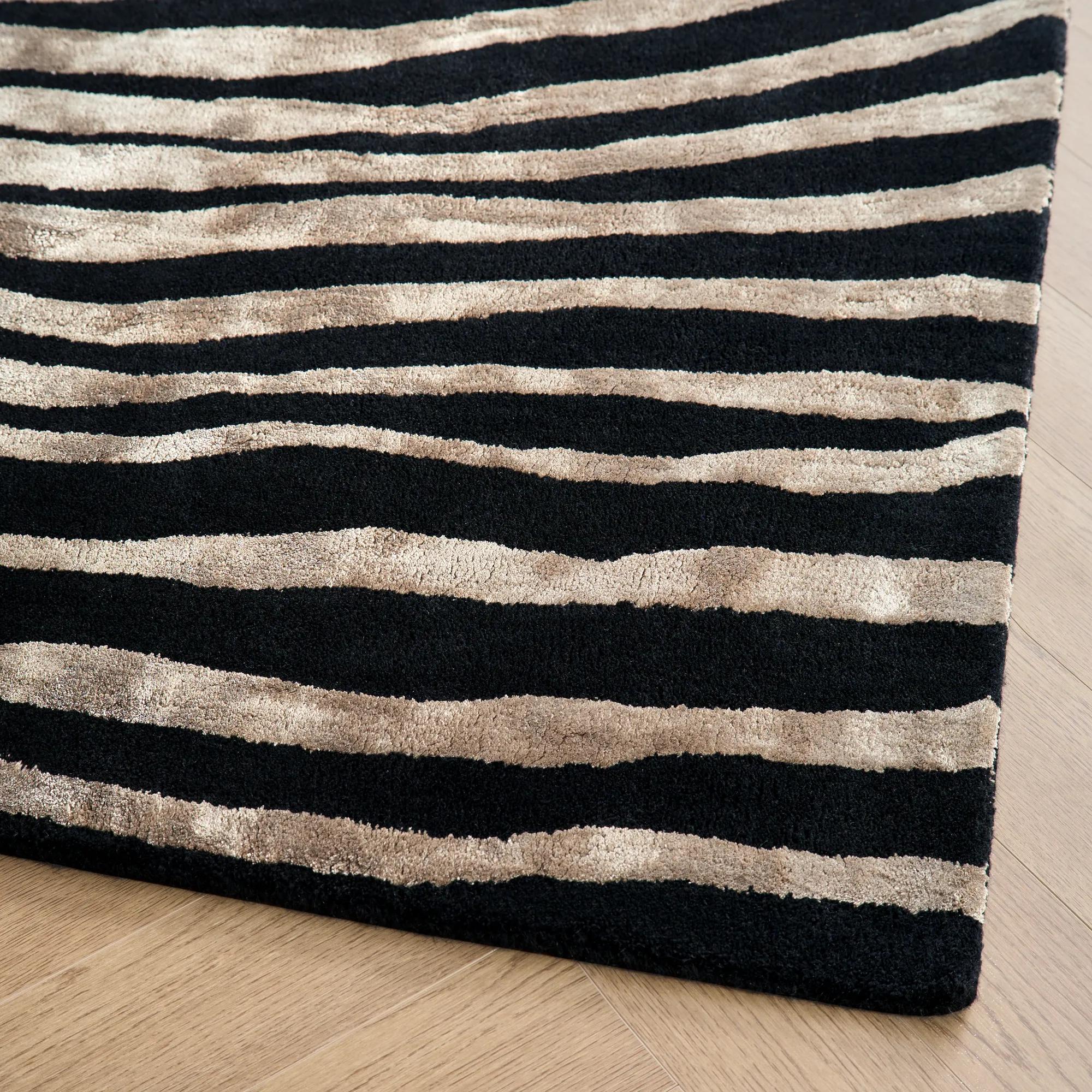 Abstract Zebra Hand-Tufted Black/Taupe Wool Blend Rug$599
An artisan hand-tufted rug in black and taupe wool-viscose, featuring a striking abstract zebra pattern.
Add To Cart -
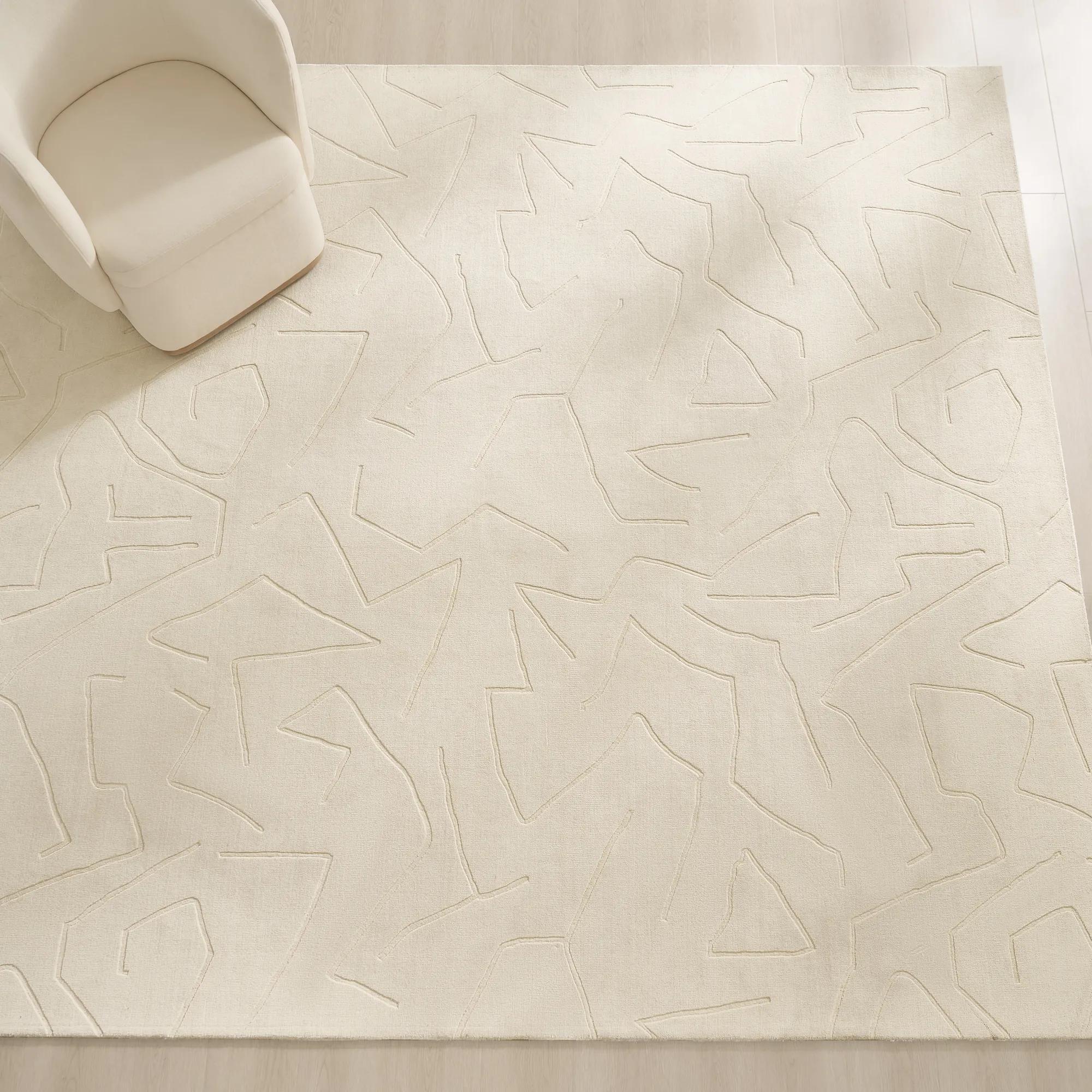 Carved Maze Ivory Hand-Loomed Wool Blend Rug$699
A hand-loomed ivory wool-blend rug featuring a carved maze pattern for modern, textural appeal.
Add To Cart -
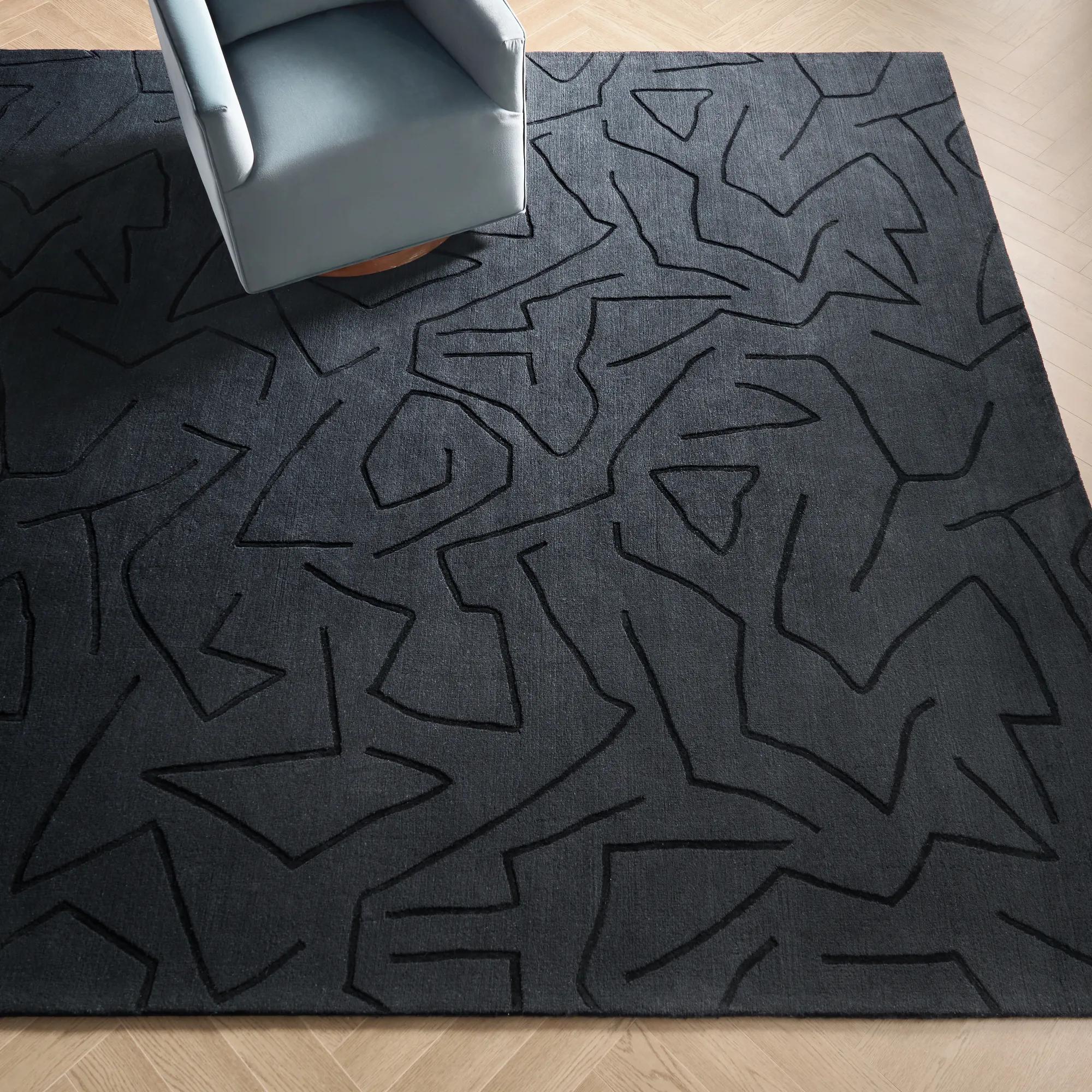 Carved Maze Rug$699
A hand-loomed black rug crafted from wool and viscose, featuring a carved maze design for added texture.
Add To Cart -
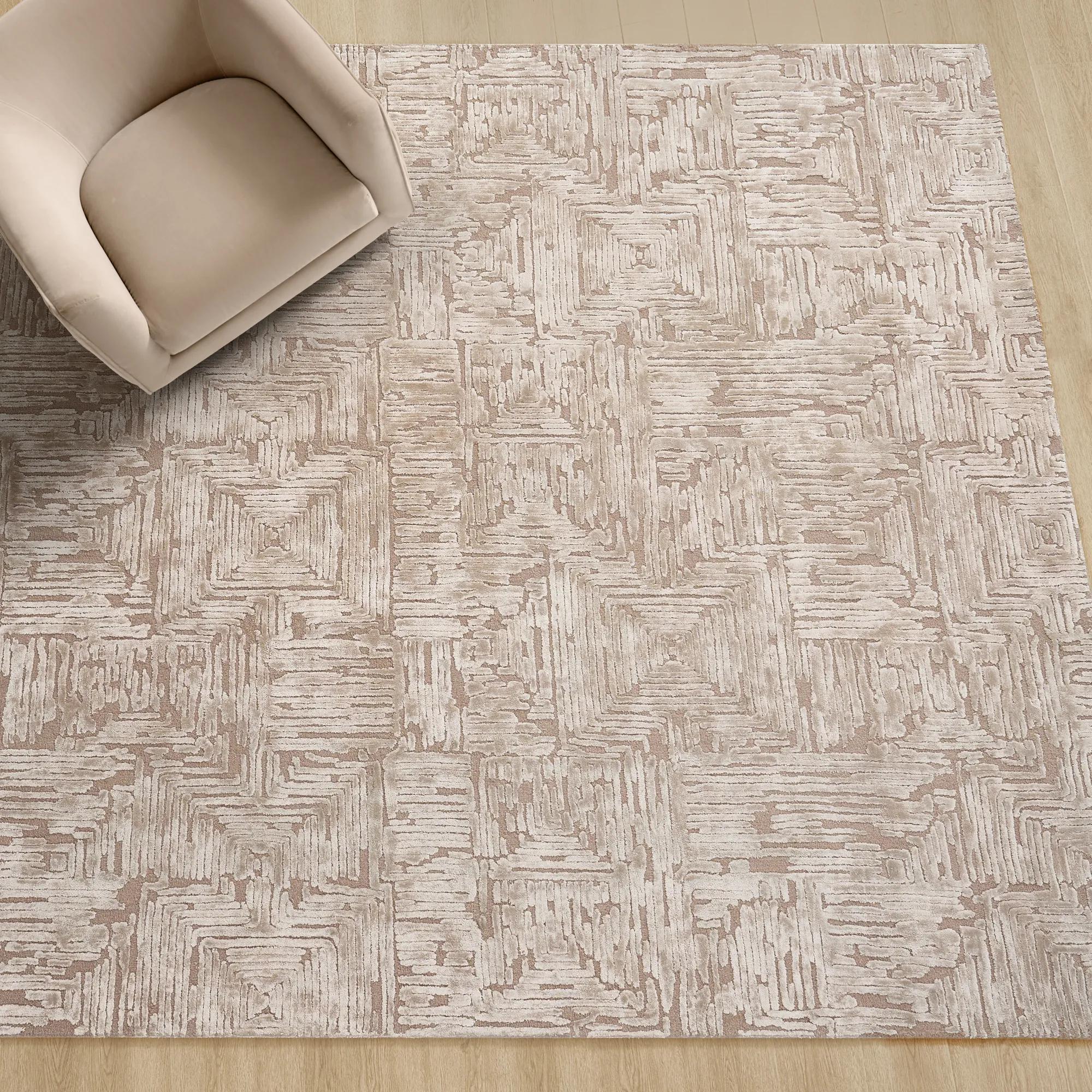
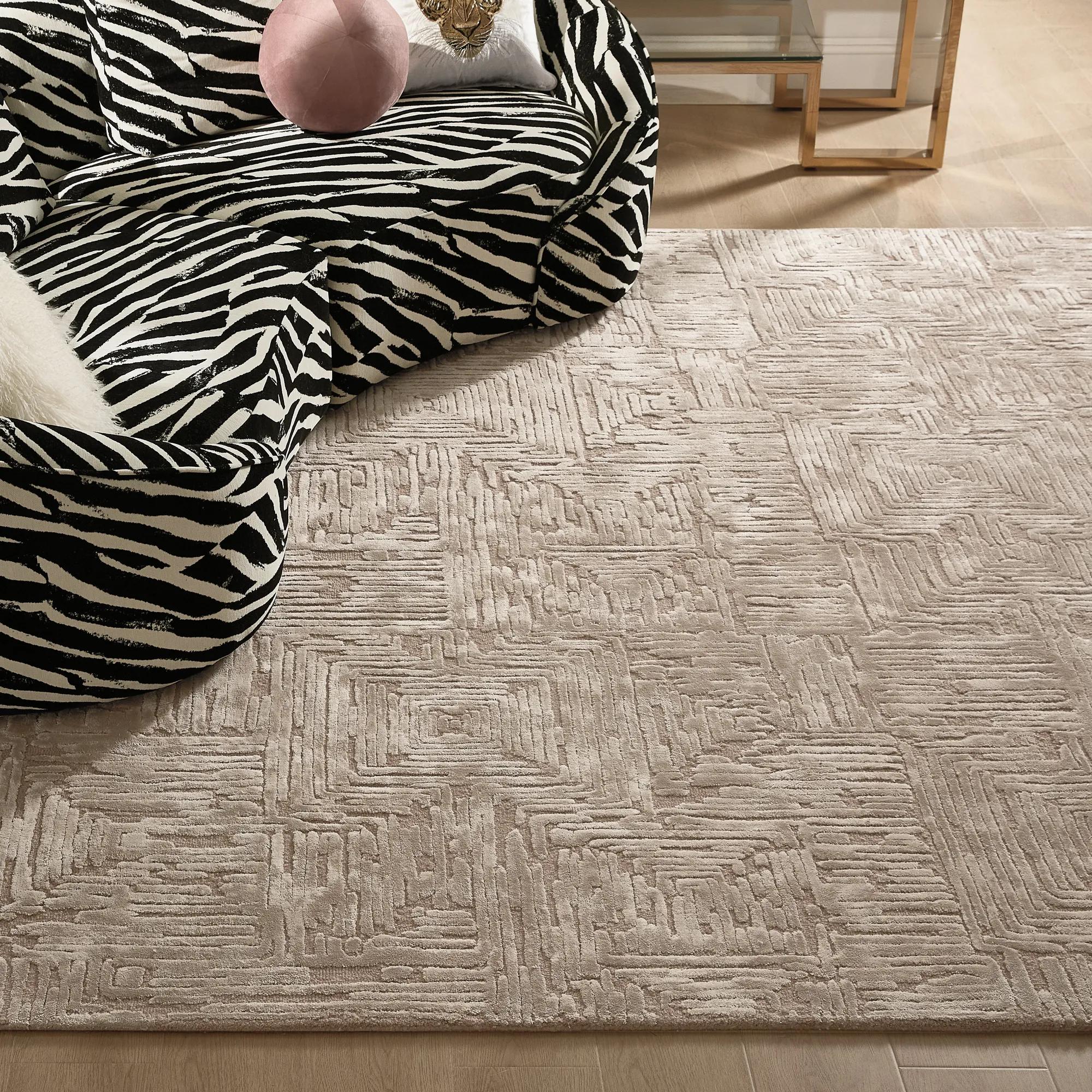 Andra Hand-Tufted Mocha Rose Viscose & Wool Dimensional Rug$1499
A hand-tufted mocha rose rug blending viscose and wool with dimensional broken geometric texture.
Add To Cart -
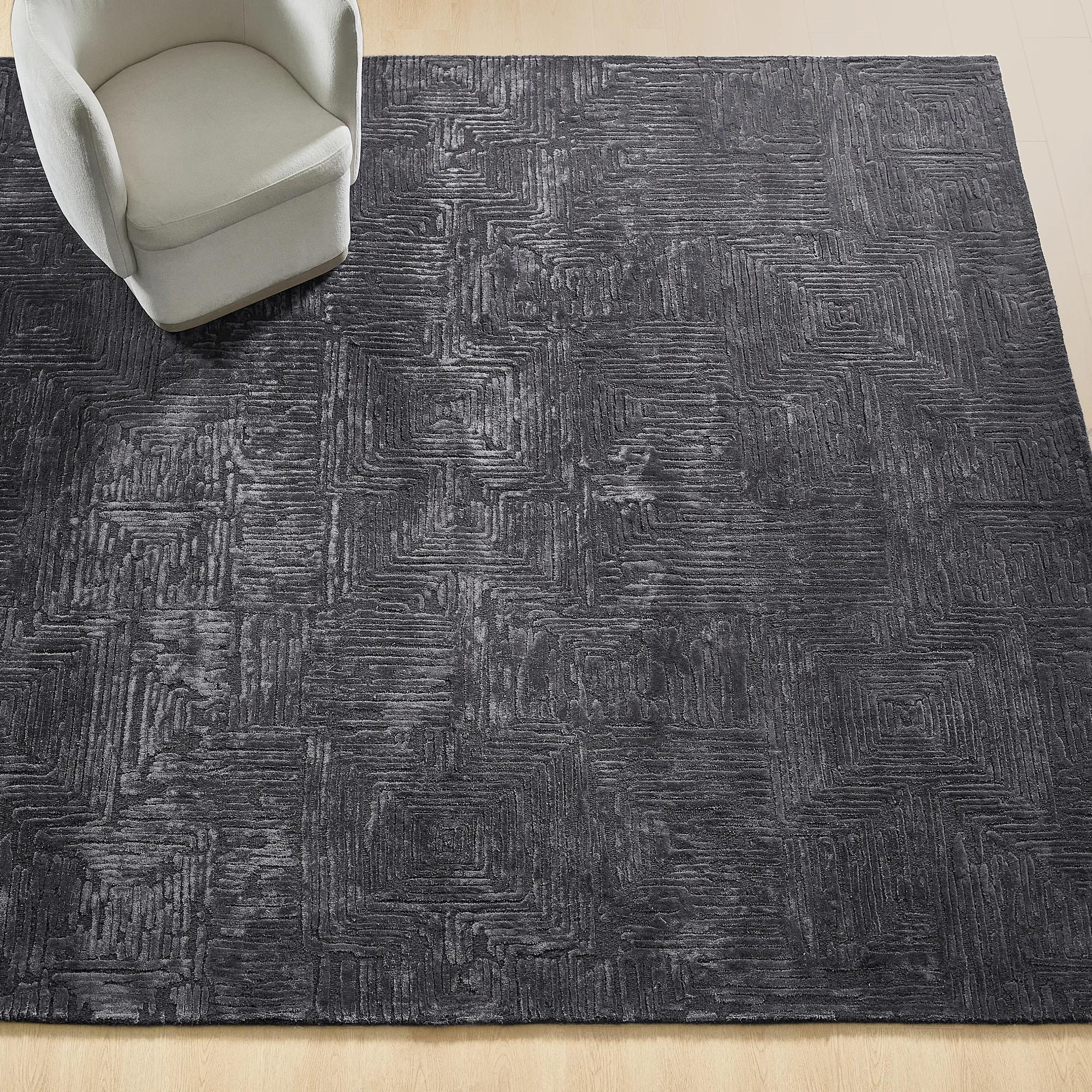
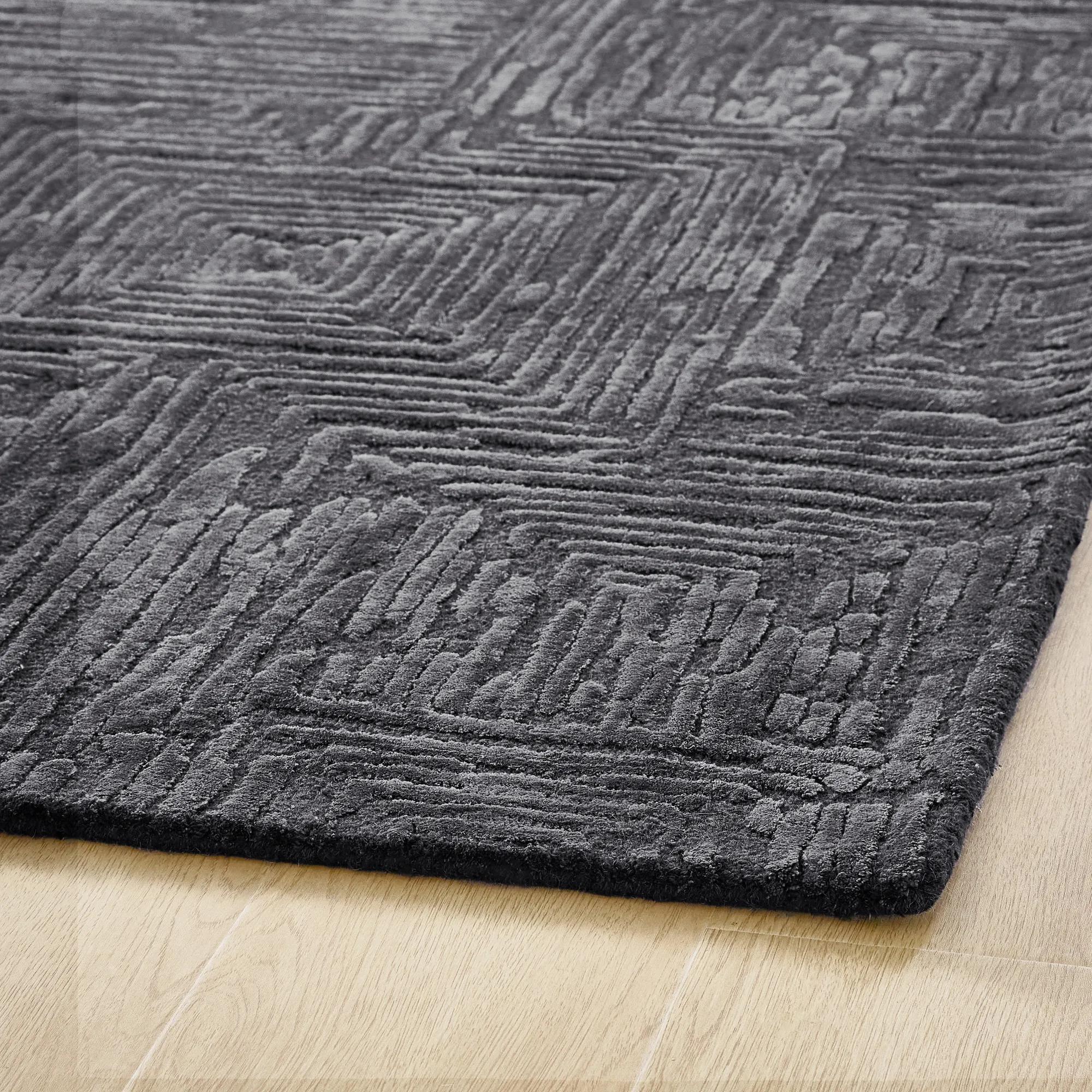 Andra Charcoal Hand-Tufted Wool Blend Dimensional Rug$1499
A hand-tufted viscose-wool rug in rich charcoal with a sculptural, dimensional pattern and plush texture.
Add To Cart -
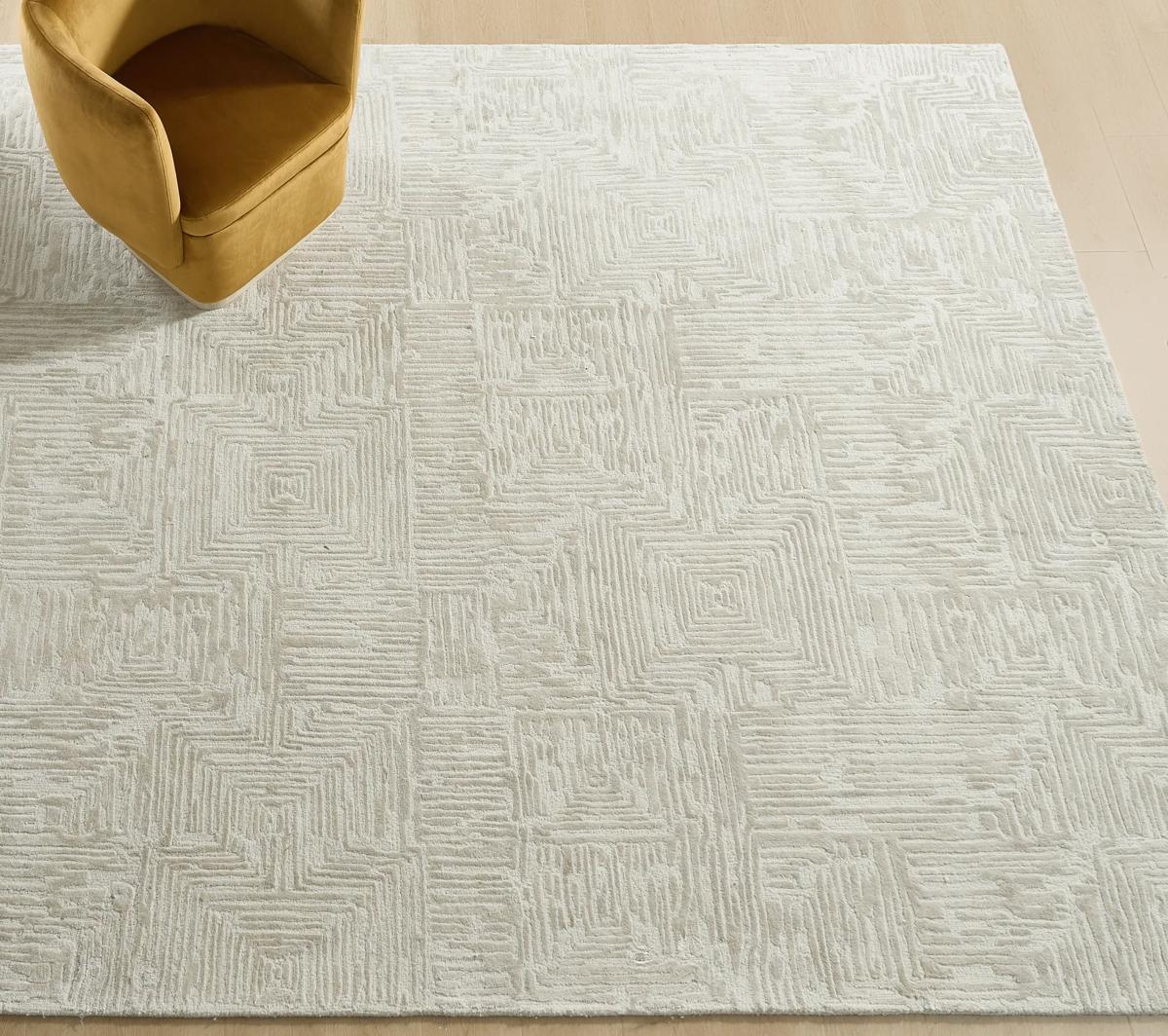 Andra Ivory Hand-Tufted Wool Blend Dimensional Rug$1499
A hand-tufted ivory rug in a viscose-wool blend with raised detailing and a subtle sheen.
Add To Cart -
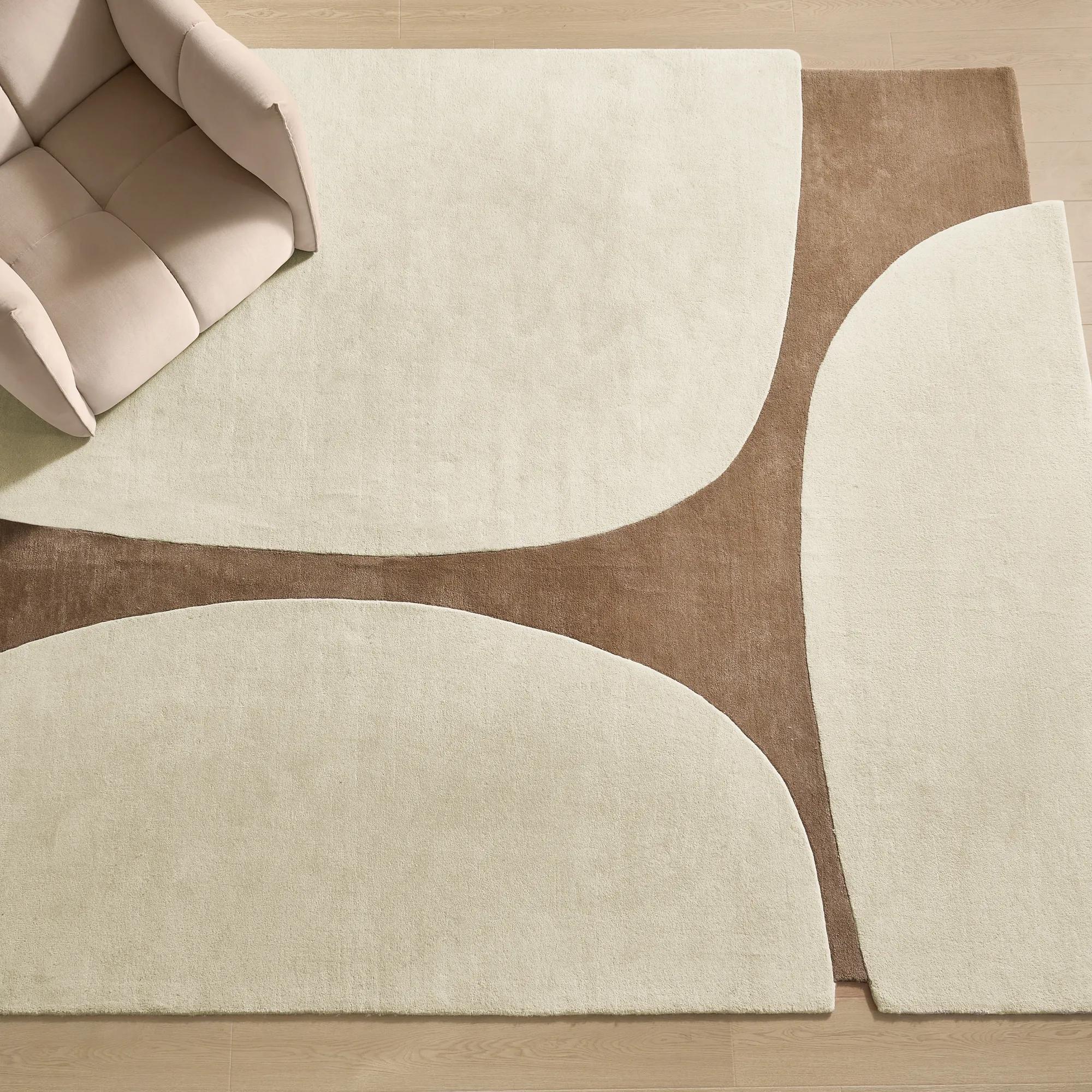
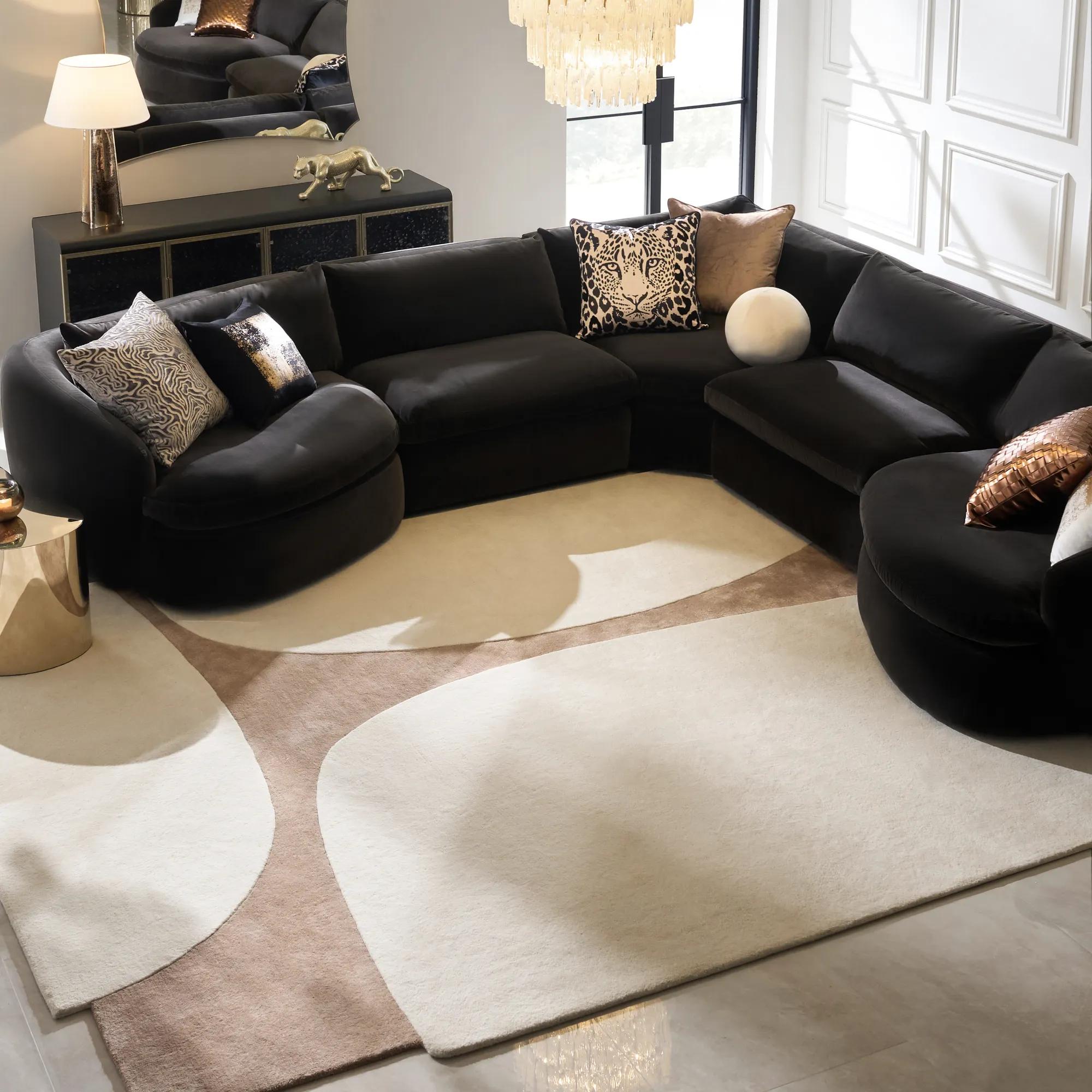 Contour Hand-Tufted Ivory/Ginger Root Wool Blend Rug$1499
A hand-tufted wool rug featuring an ivory and ginger root palette with a contoured, modern design.
Add To Cart -
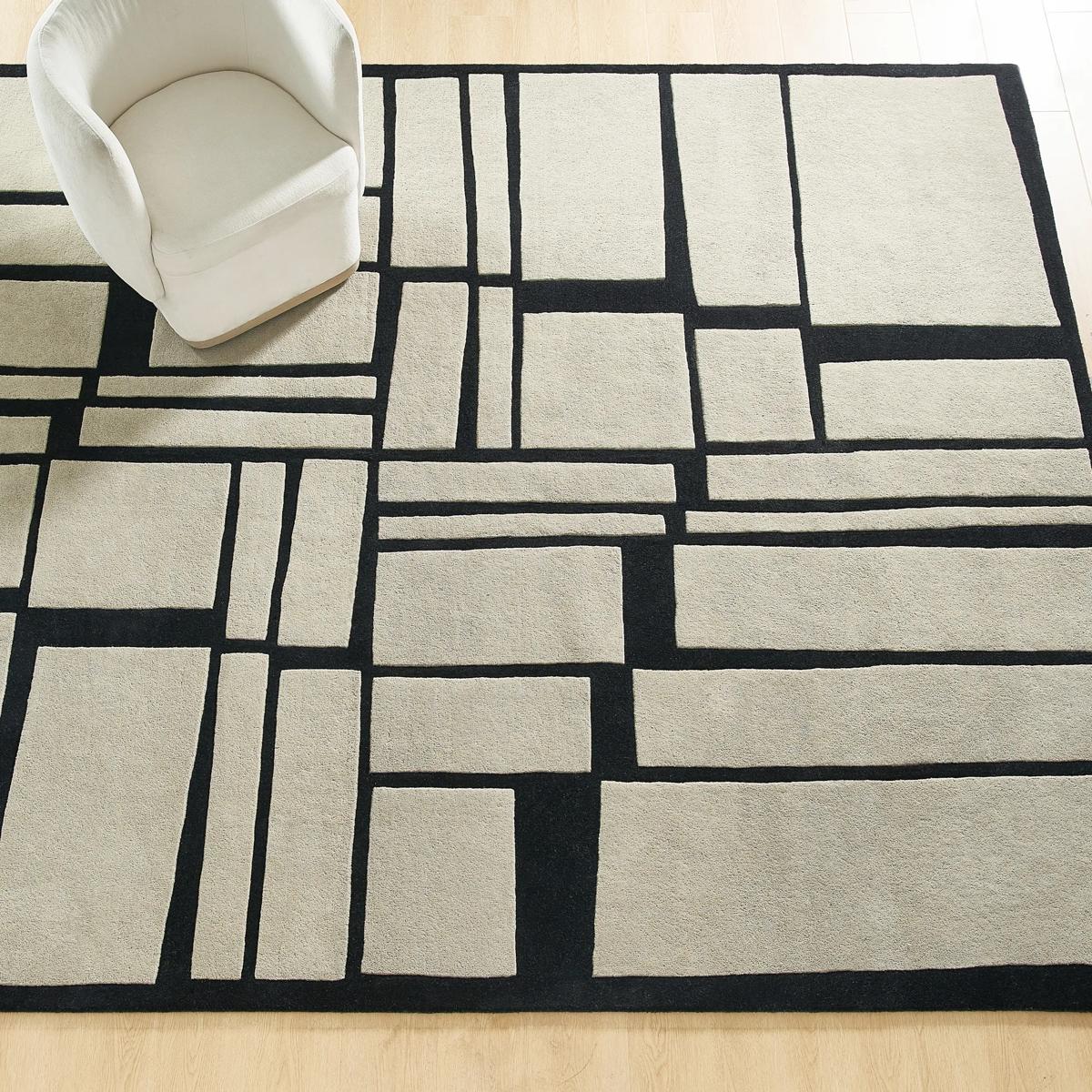 Novak Hand-Tufted Natural/Black Wool Rug$449
A hand-tufted wool rug featuring a bold black and natural grid design for modern visual impact.
Add To Cart -
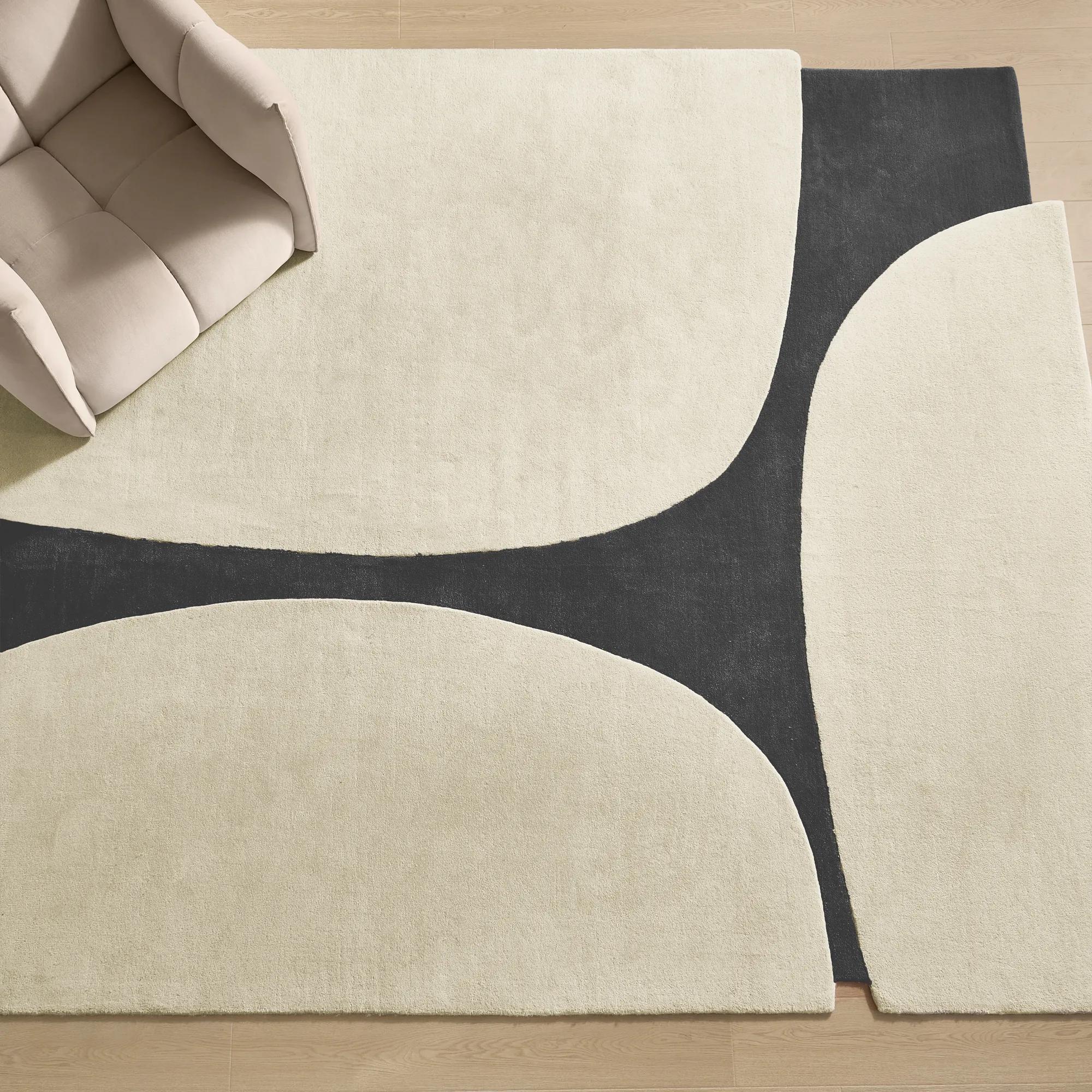 Contour Hand-Tufted Ivory/Charcoal Wool & Viscose Rug$1499
A hand-tufted wool-viscose rug with an organic edge, sculptural high-low texture, and ivory-charcoal pattern.
Add To Cart -
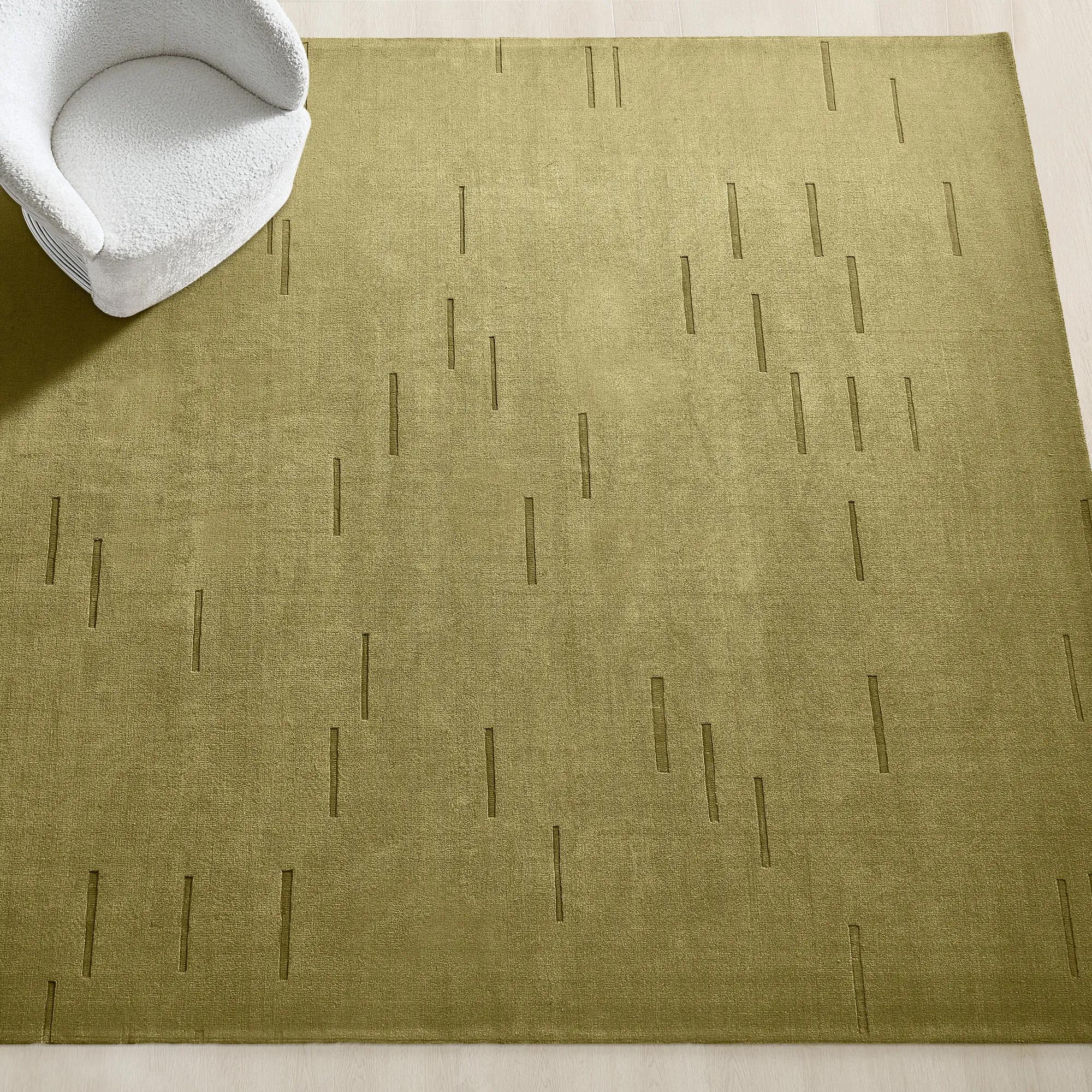
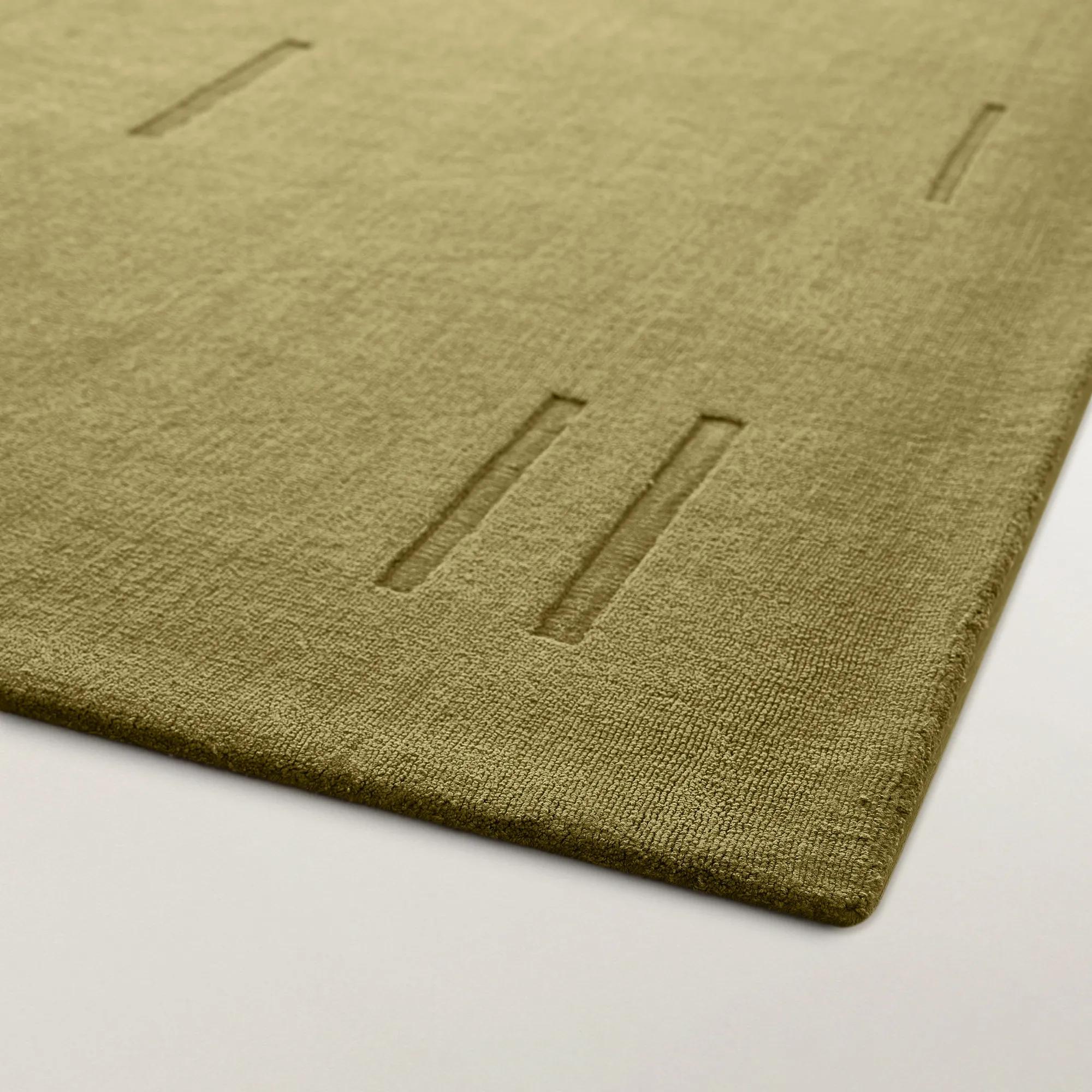 Lamita Muted Olive Green Wool Blend Rug$699
A muted olive green wool-blend rug bringing soft texture and understated sophistication to modern interiors.
Add To Cart -
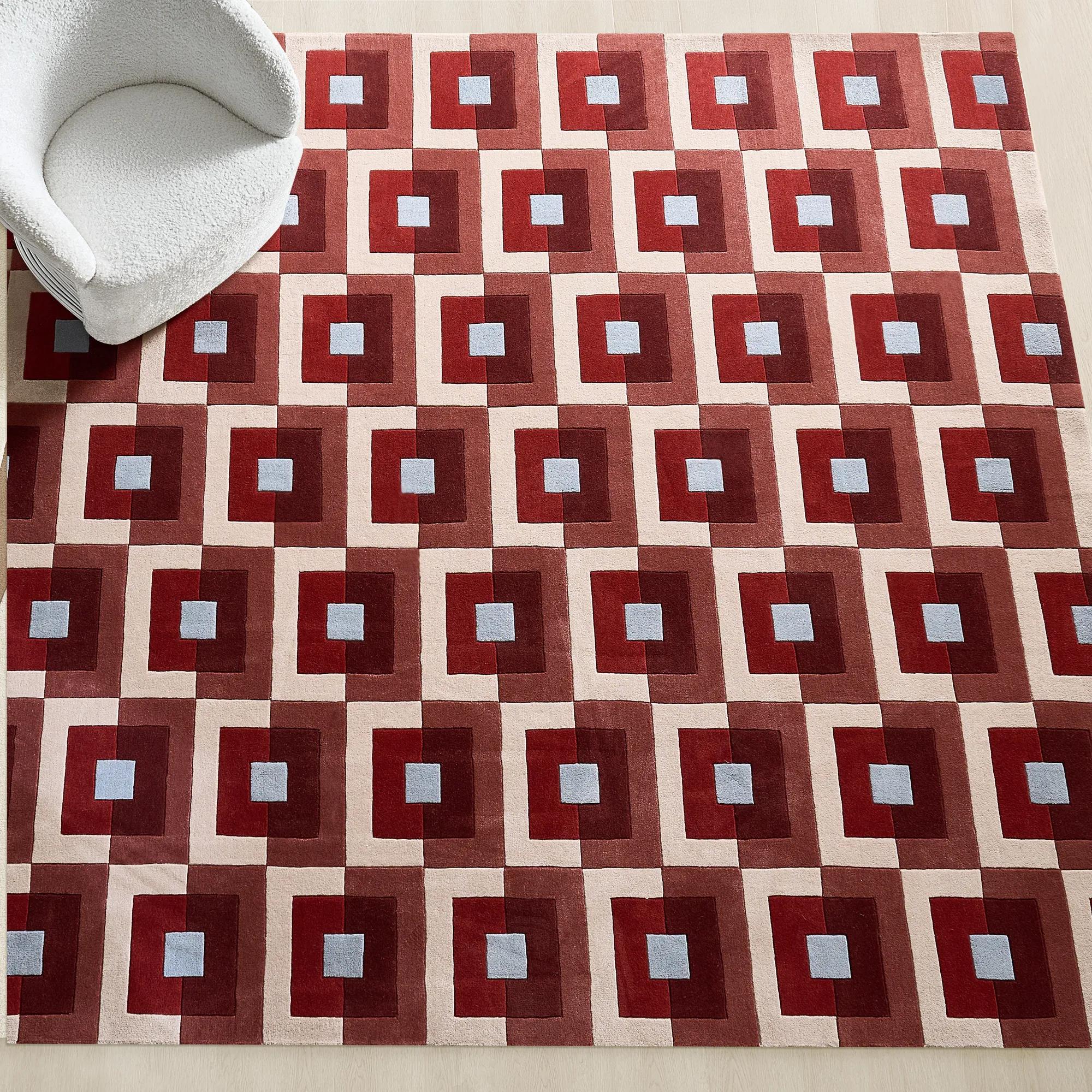
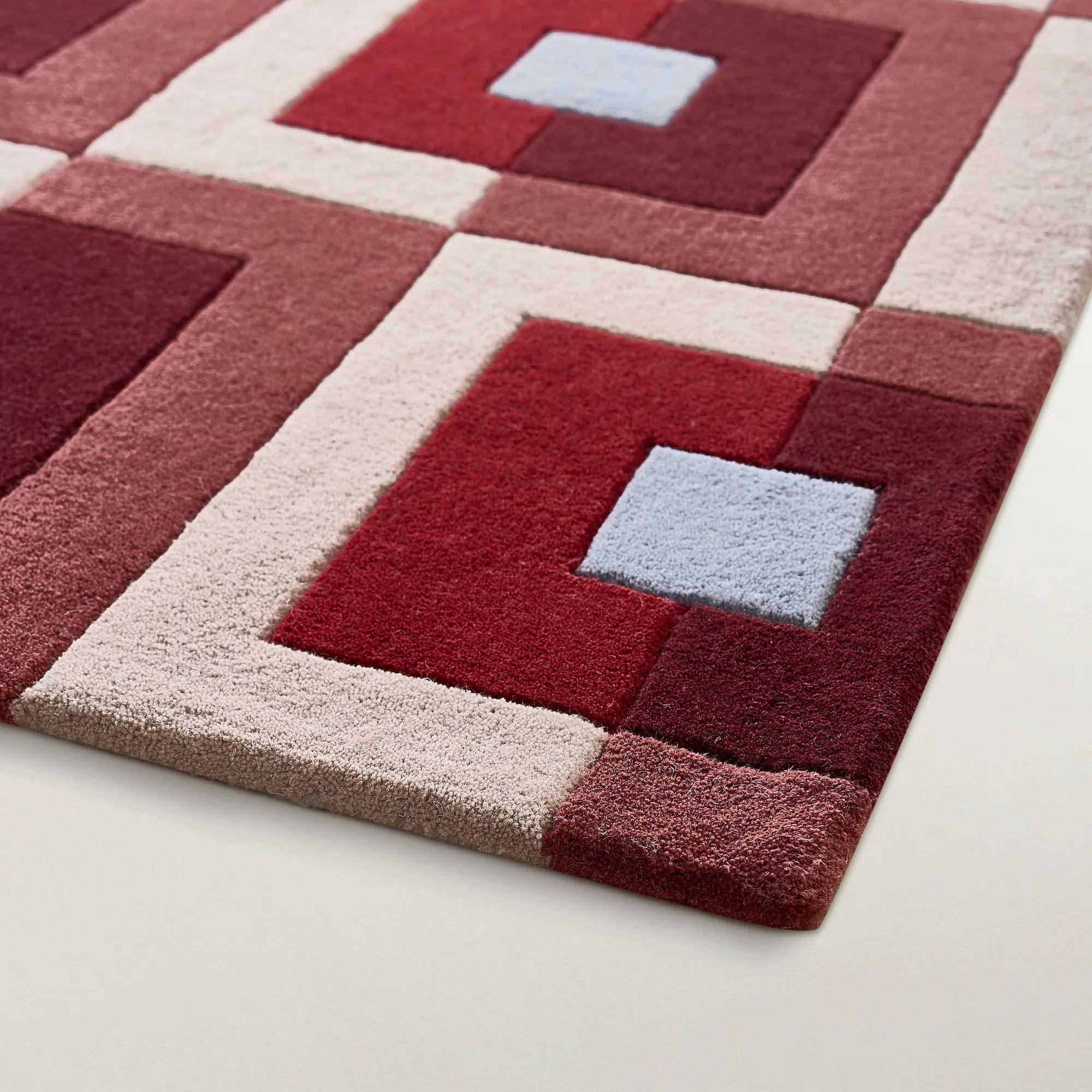 Geo Pop Wool Rug - Oxblood Red/Airy Blue$1599
A geometric wool rug featuring bold oxblood red and airy blue hues for modern interiors.
Add To Cart -
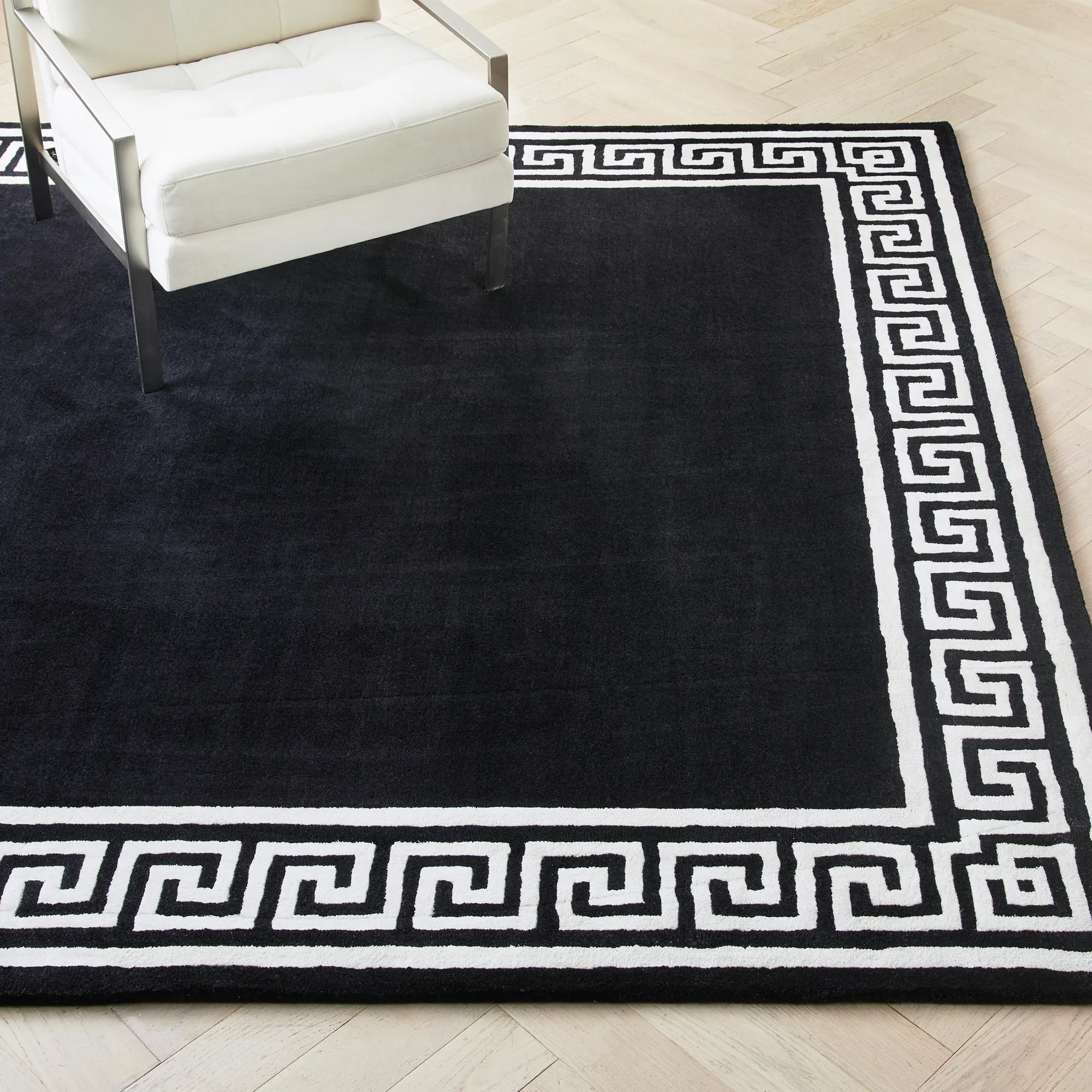
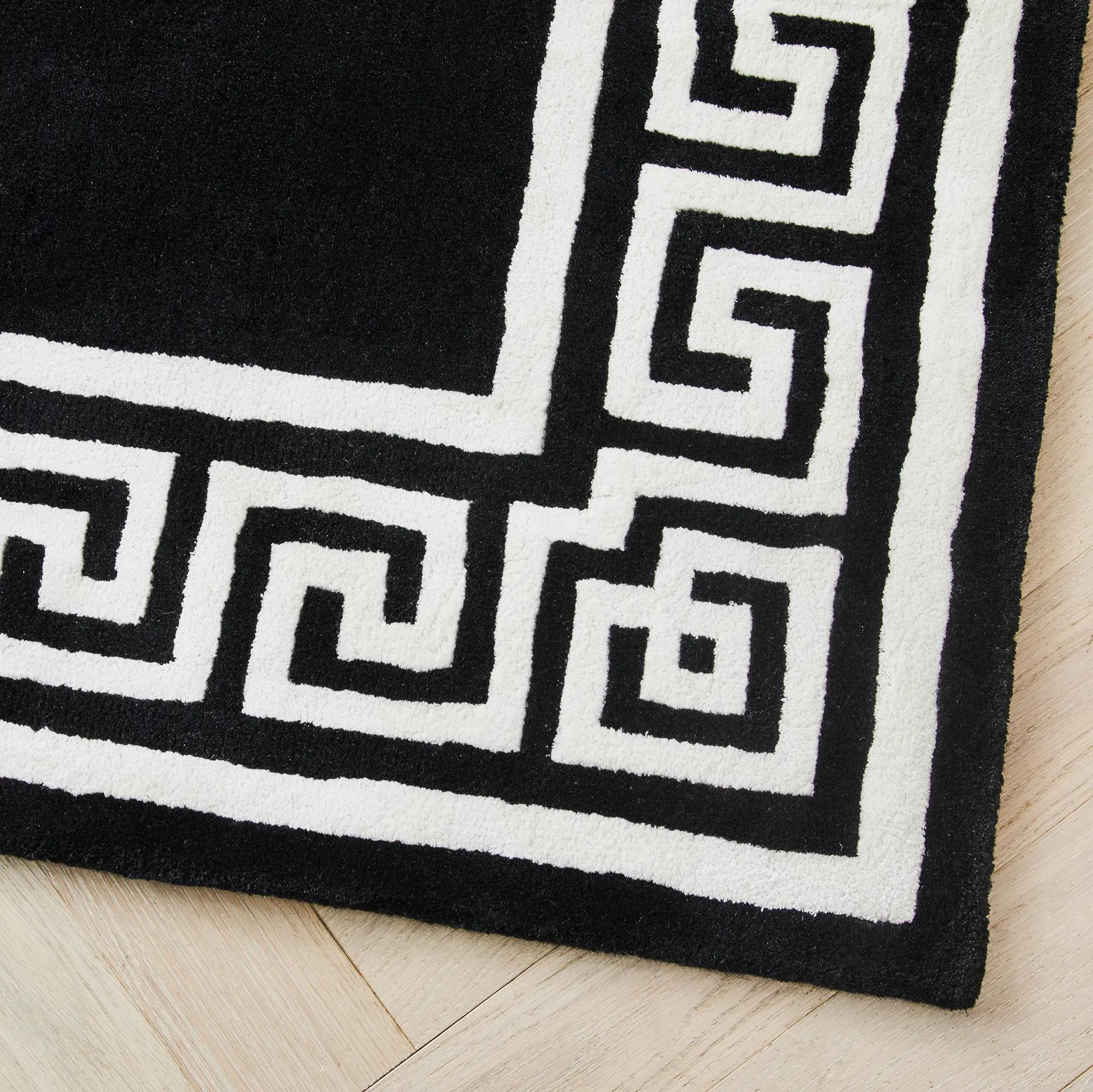 Greek Key Rug - Black/Ivory$1799
A hand-tufted black and ivory rug featuring a classic Greek key pattern in wool and viscose.
Add To Cart

High End Wool Rugs
Explore high-end wool rugs for a richly textured foundation that gives your room definition. When comparing wool area rugs, consider how the color and design complement your furnishings, then use your furniture layout to guide size and placement. The right rug anchors the arrangement while letting your room’s most expressive details shine.
High-end wool rugs combine naturally resilient fibers, richly layered texture, and expressive design to create a luxurious foundation for a room. Wool’s natural crimp gives the fiber elasticity, helping a well-made rug recover from everyday compression while lending its surface a substantial, inviting feel. That balance of beauty and performance makes wool especially compelling in living rooms, bedrooms, and thoughtfully appointed gathering spaces, where a rug needs to support daily life without surrendering its visual presence. The effect can be quietly luminous or unapologetically dramatic: an ivory field with sculpted relief, charcoal softened by tonal variation, or an abstract composition that gives a seating arrangement the presence of a gallery installation. Natural variations in wool and dye can add dimension, allowing color to appear subtly different across the surface rather than flat and uniform. Construction contributes just as much character as color. Hand-knotted rugs are formed by tying individual knots around a foundation, while hand-tufted rugs are made by inserting yarn into a backing, often secured with adhesive and an additional backing layer. Flatwoven designs offer a lower profile, and looped or cut-pile surfaces create distinctly different textures. None of these terms alone guarantees quality; fiber selection, density, finishing, and suitability for the intended space all matter. A closely finished edge, an even surface appropriate to the design, and clearly stated fiber content offer more useful information than a luxurious appearance alone. Wool content also deserves attention, since a rug described as wool may include other fibers in its pile or foundation. For interiors that call for a different balance of softness, sheen, and texture, Luxury Wool Blend Rugs offer another direction, with performance and care needs determined by the particular blend. The most satisfying choice brings material, construction, and artistic expression into focus together, creating a surface that feels considered from its first impression to its smallest woven detail.
Scale gives a luxury wool rug its architectural presence. In a living room, a generously proportioned rug can draw a sofa, accent chairs, and a cocktail table into one composed arrangement, making separate furnishings feel intentionally connected. A common approach is to place at least the front legs of the main seating pieces on the rug; a larger room may accommodate every furniture leg within its borders for a more expansive effect. An 8-by-10-foot or 9-by-12-foot format can suit many seating arrangements, but the dimensions of the furniture grouping and the room should determine the fit rather than a standard size alone. Visible flooring around the perimeter creates a deliberate frame, while a rug that stops just short of the seating can leave the composition feeling disconnected. In a dining space, the rug should extend far enough beyond the table for chairs to remain on it when pulled out, often about 24 to 30 inches on each side, depending on the chair and room. A lower, denser pile generally makes chair movement easier than a deeply plush surface. In the bedroom, ample coverage beside the bed brings softness to the first step and gives the bed a more grounded silhouette; the rug’s relationship to nightstands, benches, and door swings deserves equal attention. Pattern can either amplify the furnishings or create a measured contrast. An overscale abstract design introduces movement beneath tailored upholstery, while a tonal wool rug lets sculptural furniture, reflective finishes, and richly textured fabrics command attention. Raised patterns reveal themselves through shadow, adding depth without requiring a strong color contrast. Pale shades create an expansive visual field but may show everyday marks more readily; nuanced midtones and layered patterns can be more forgiving. Pile height affects more than appearance, too. A sumptuous surface feels indulgent in a lounge or bedroom, whereas a flatter construction may better accommodate frequently moved furniture, an office chair, or a doorway with limited clearance. The strongest arrangement gives the rug enough room to express its design while supporting the way the space is actually used.
Wool’s appeal continues beyond its first impression, particularly for households that value natural materials and enduring texture. Its resilience can serve well in regularly used rooms, although durability depends on the rug’s construction, pile, placement, and maintenance rather than fiber content alone. A dense, well-constructed surface may be better suited to active living areas than a loosely structured or especially delicate design. Homes with pets benefit from attention to texture: pronounced loops can catch claws, and no wool rug is immune to scratching, chewing, or repeated accidents. Wool has some natural resistance to soiling, but it is not stain-proof or waterproof, so spills still require prompt care. Blotting with a clean, absorbent cloth helps lift moisture without pushing it deeper into the pile; vigorous rubbing can distort the surface and spread a mark. Cleaning instructions should govern any treatment, especially when dyes, backing materials, or blended fibers require particular handling. Harsh chemicals, excessive moisture, and untested spot cleaners can damage the rug or alter its color. Regular vacuuming helps remove abrasive grit before it settles into the pile, using suction and attachments appropriate to the construction; rotating brush settings may be unsuitable for delicate fibers, fringe, or looped surfaces. Some shedding can occur, particularly with new cut-pile wool rugs, and should be managed gently rather than through aggressive brushing. Periodic rotation distributes wear and light exposure, while a properly sized rug pad compatible with the flooring helps reduce movement and adds cushioning. Furniture cups can help limit concentrated pressure from heavy pieces, and professional cleaning by a specialist familiar with wool supports more thorough care when needed. For a formal sitting room, an expressive apartment, or a bedroom layered with tactile finishes, a high-end wool rug offers more than decoration. It establishes proportion, softens the experience of the room, and gives the surrounding furnishings a richly textured setting in which to shine.
FAQs
A high-end wool rug unites expressive design with considered craftsmanship. Look for thoughtfully resolved patterns, nuanced color, and carefully finished edges. Wool’s rich texture adds another layer of artistry, turning the rug into more than a backdrop: it becomes a defining element of the room.
Wool rugs bring tactile richness to the crisp lines of modern furniture. Abstract motifs create an artful focal point, while restrained geometric patterns lend structure without overwhelming the setting. For a more dramatic composition, contrast a softly textured rug with sculptural seating and gleaming metallic accents.
Begin with the mood you want to create. Ivory, taupe, and charcoal offer a sophisticated foundation for layered furnishings, while saturated hues invite a more expressive interior. Echo a color from your artwork or upholstery to connect the composition, or introduce contrast to give the rug a starring role.
Texture gives color and pattern dimension. A plush wool surface creates a sumptuous impression, while sculpted details introduce shadow and definition. More closely textured designs offer a tailored look. Consider how the rug’s surface will converse with nearby fabrics—especially smooth velvet, nubby upholstery, or richly grained wood.
Give each expressive element a distinct role. Pair an intricate rug with furniture in a cohesive palette, allowing silhouette and finish to provide the drama. If your seating features bold upholstery, choose a rug with a quieter motif. Repeat a shared accent color for a room that feels composed rather than competing.