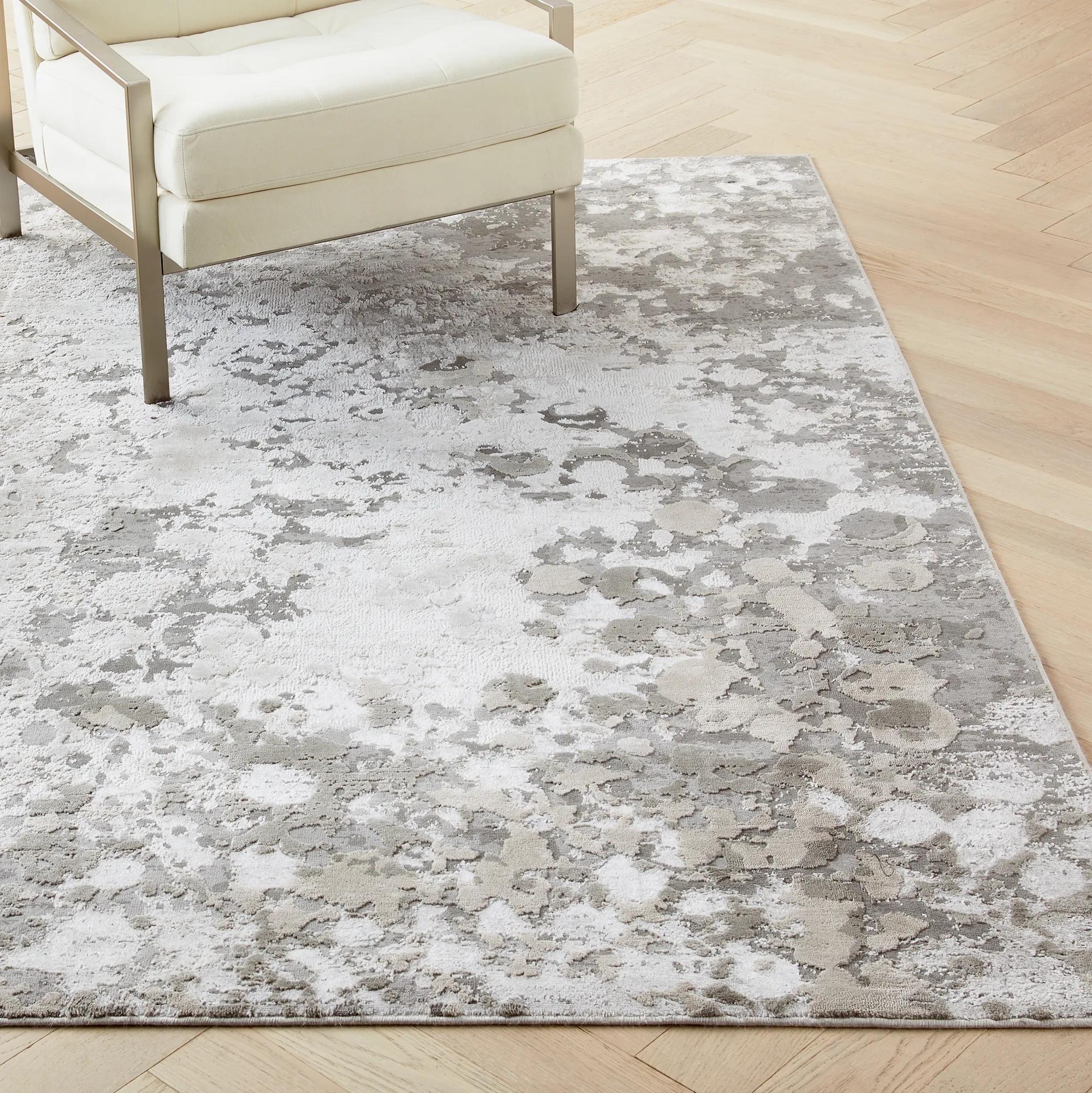
Textured Wool Area Rugs
Textured Wool Area Rugs
-
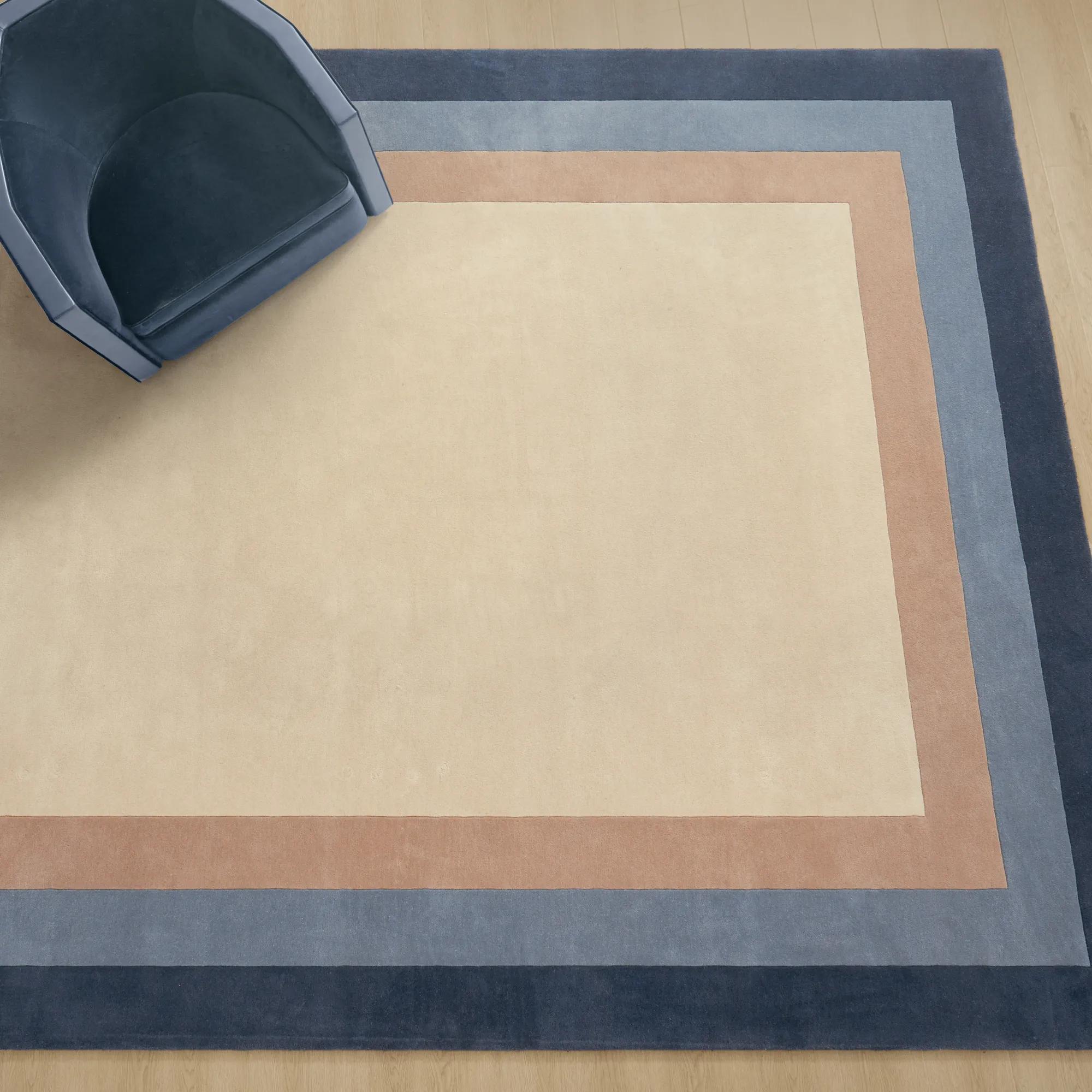 Bastien Hand-Tufted Blue/Taupe/Ivory Wool Border Rugs$1499
A hand-tufted wool rug featuring a bold color-blocked border in dusty blue, taupe, and ivory tones.
Add To Cart -
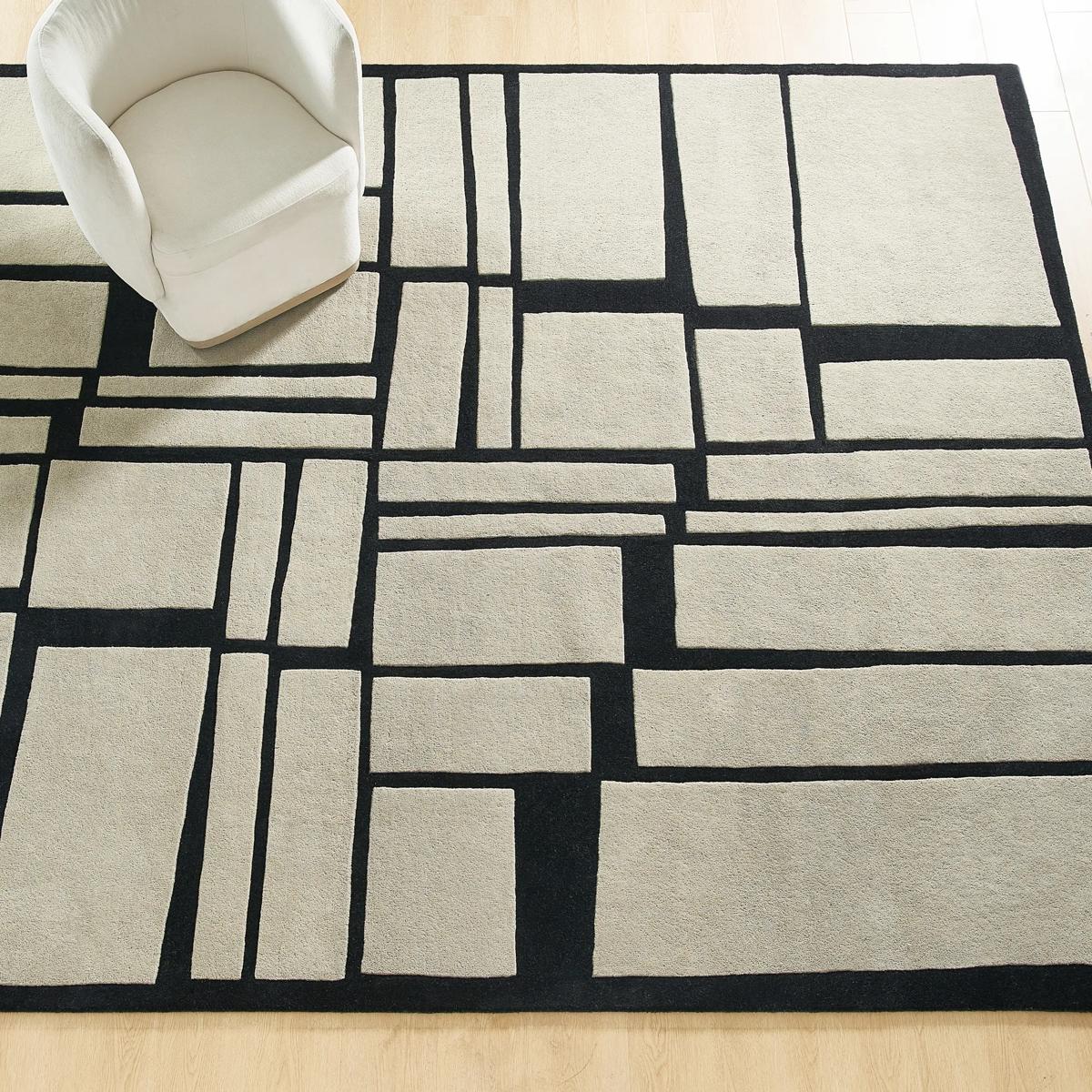 Novak Hand-Tufted Natural/Black Wool Rug$449
A hand-tufted wool rug featuring a bold black and natural grid design for modern visual impact.
Add To Cart -
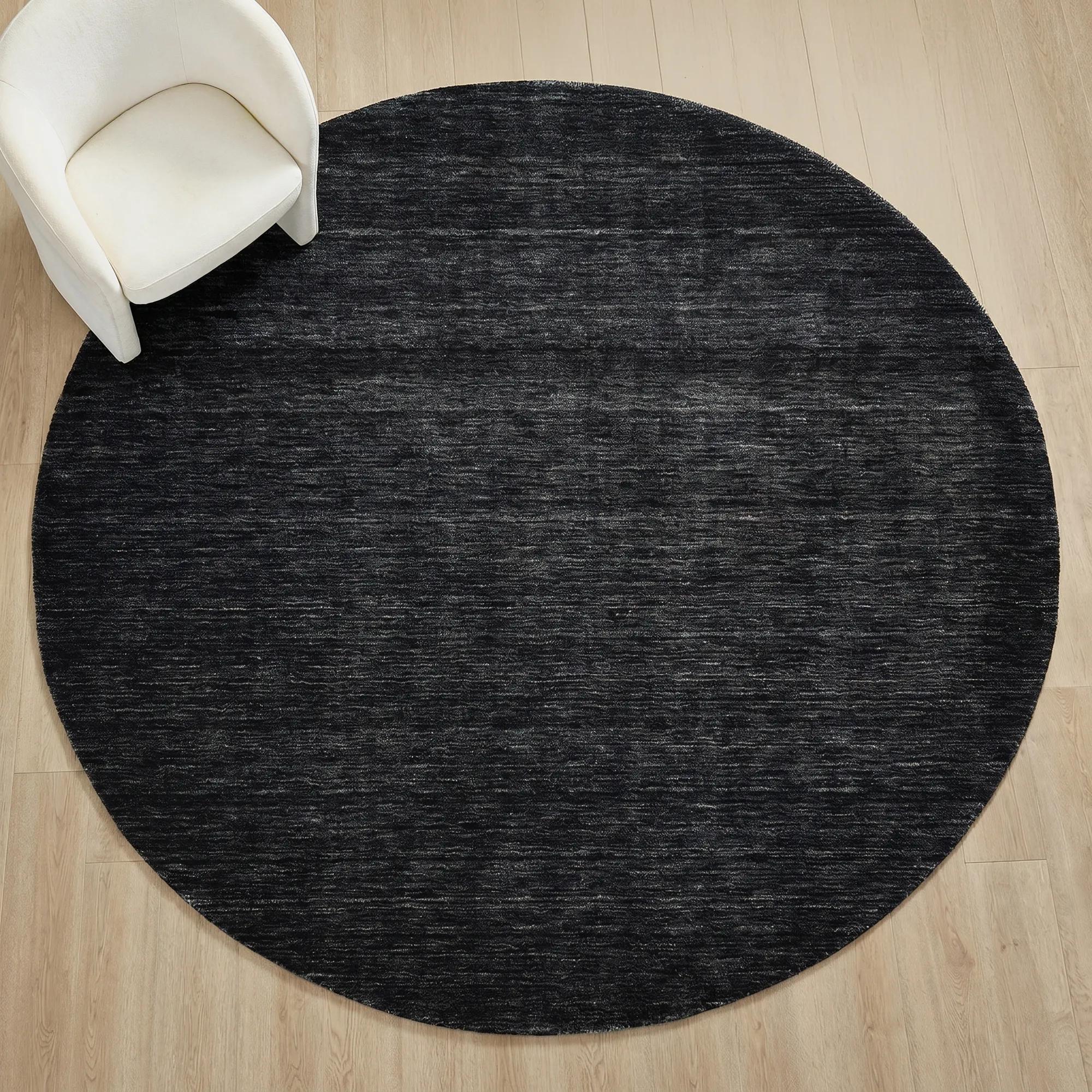 Juni Hand Woven Heathered Black Rug$799
A handwoven round wool rug in heathered black, offering durable texture and moody, contemporary style.
Add To Cart -
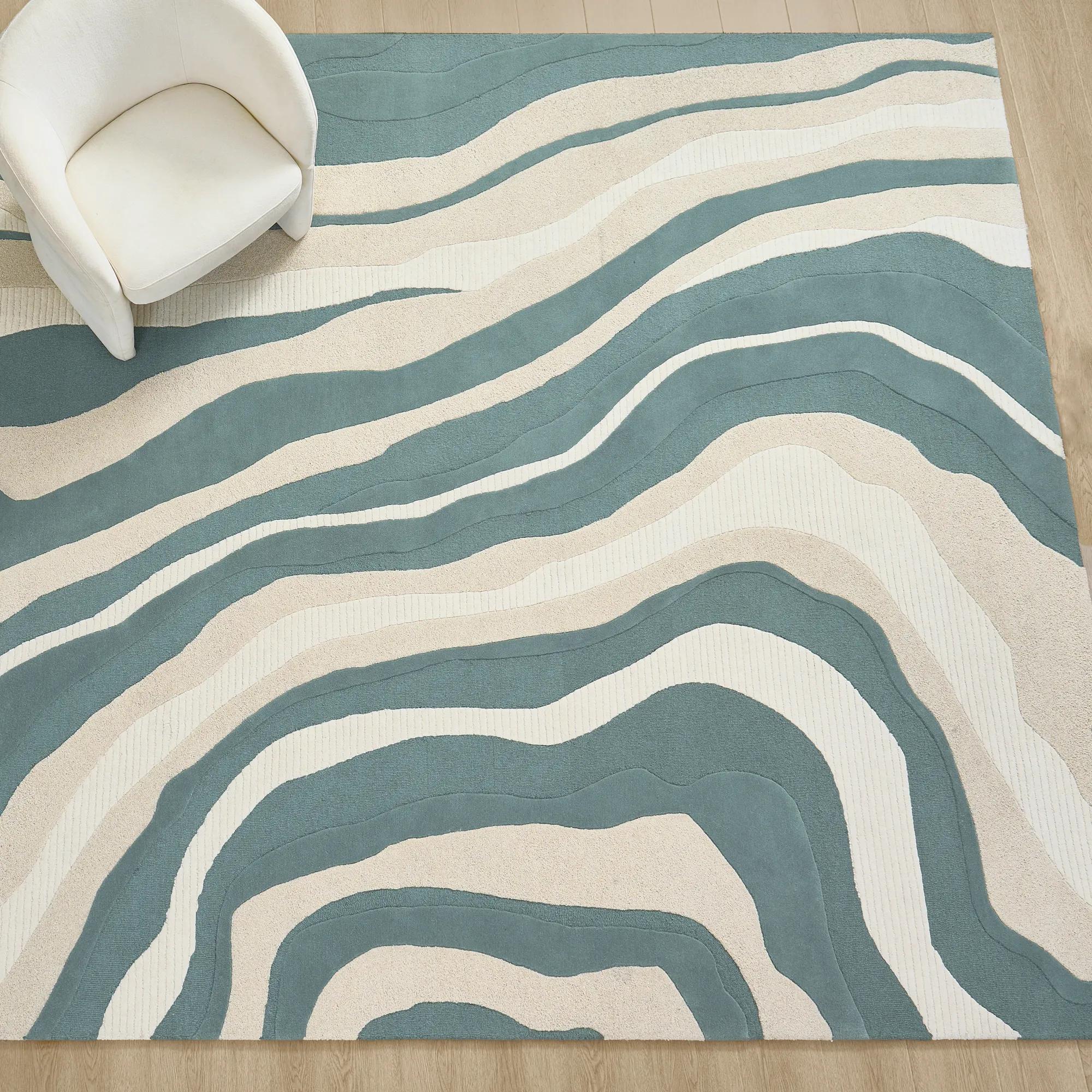 Kadence Hand-Tufted Sage Green/Ivory Wool Rugs$1499
A hand-tufted wool rug in deep sage green and ivory with a sculptural high-low abstract wave pattern.
Add To Cart -
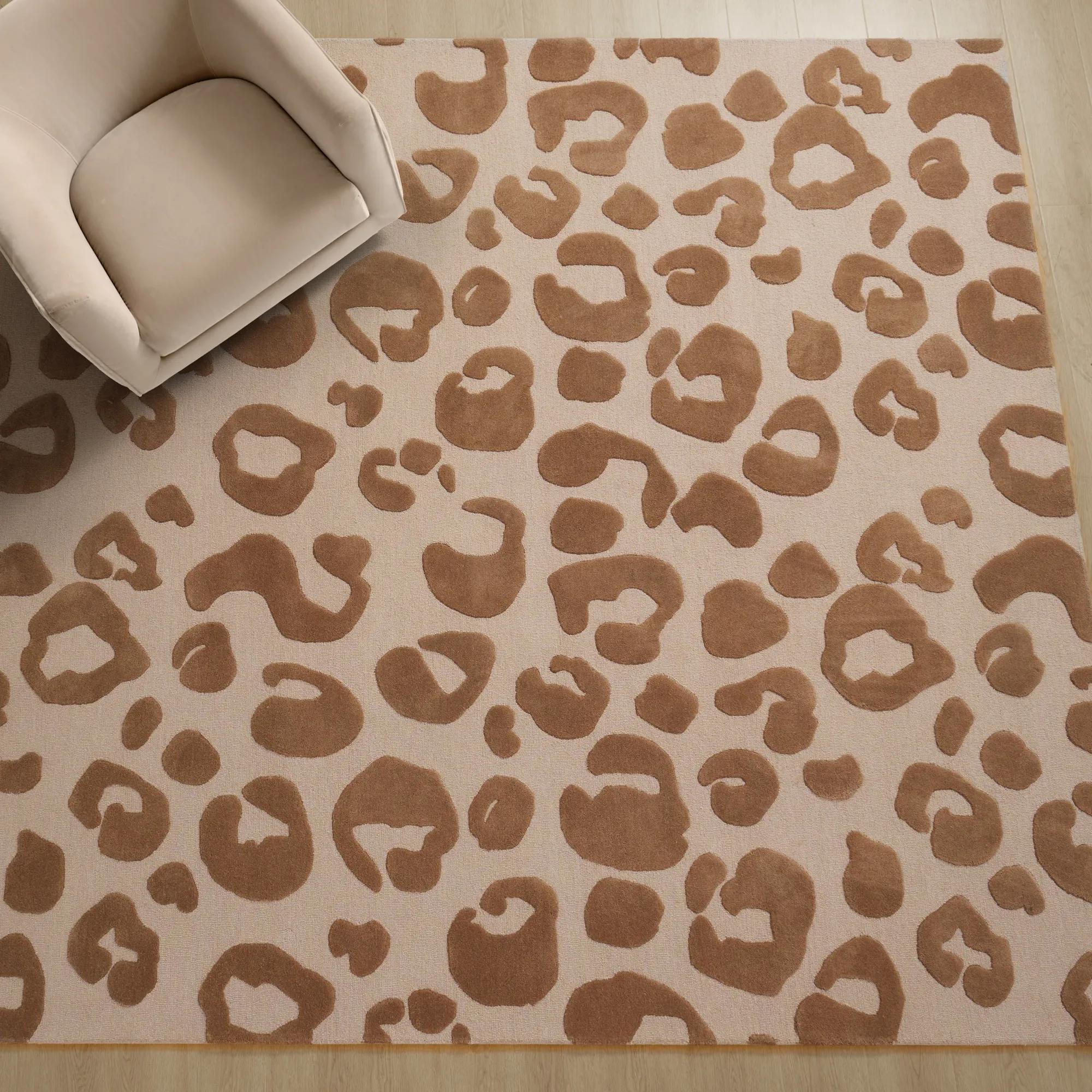 Pounce Hand-Tufted Tawny Brown Leopard Print Wool Rugs$999
A hand-tufted pure wool rug in tawny brown with a bold oversized leopard print and sculptural texture.
Add To Cart -
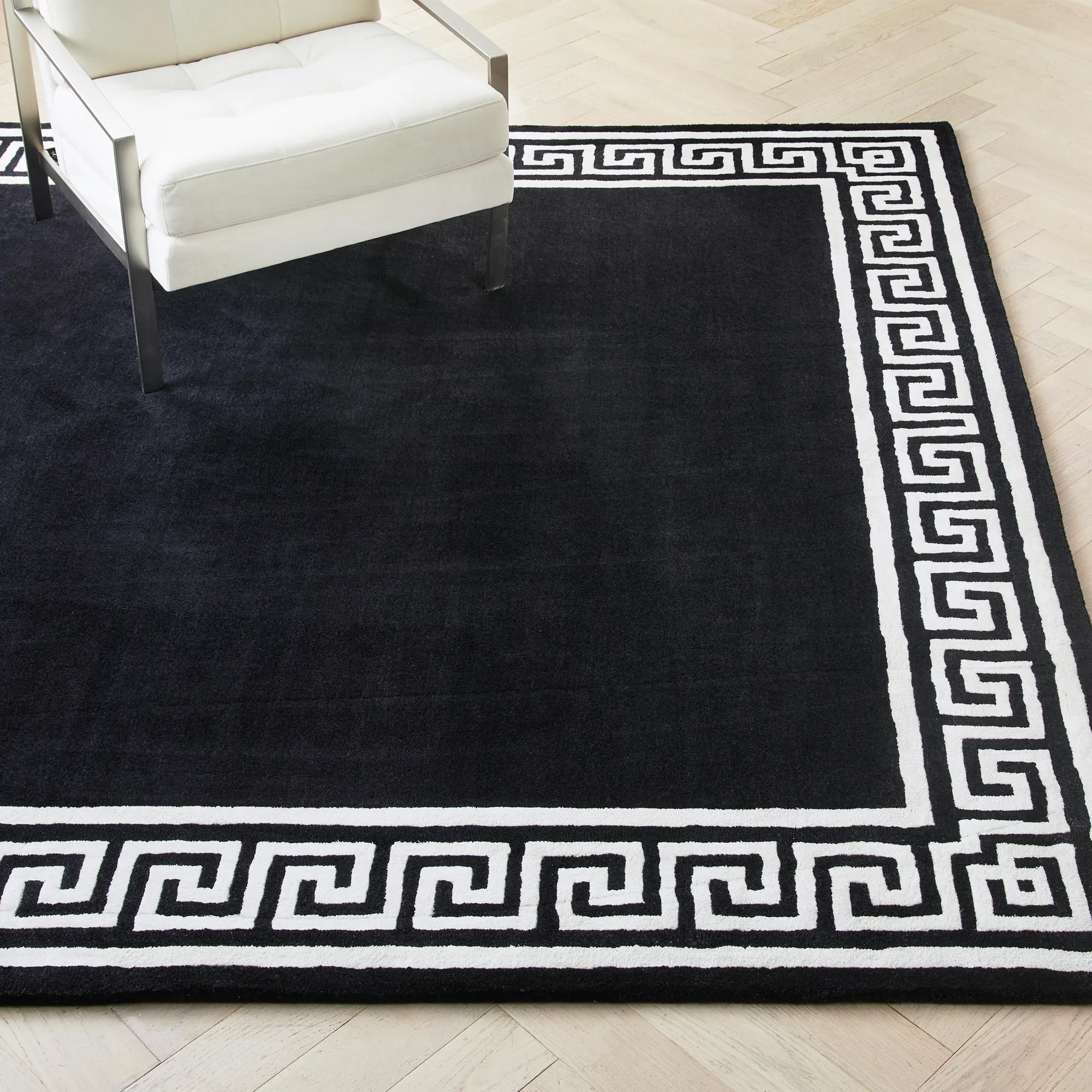
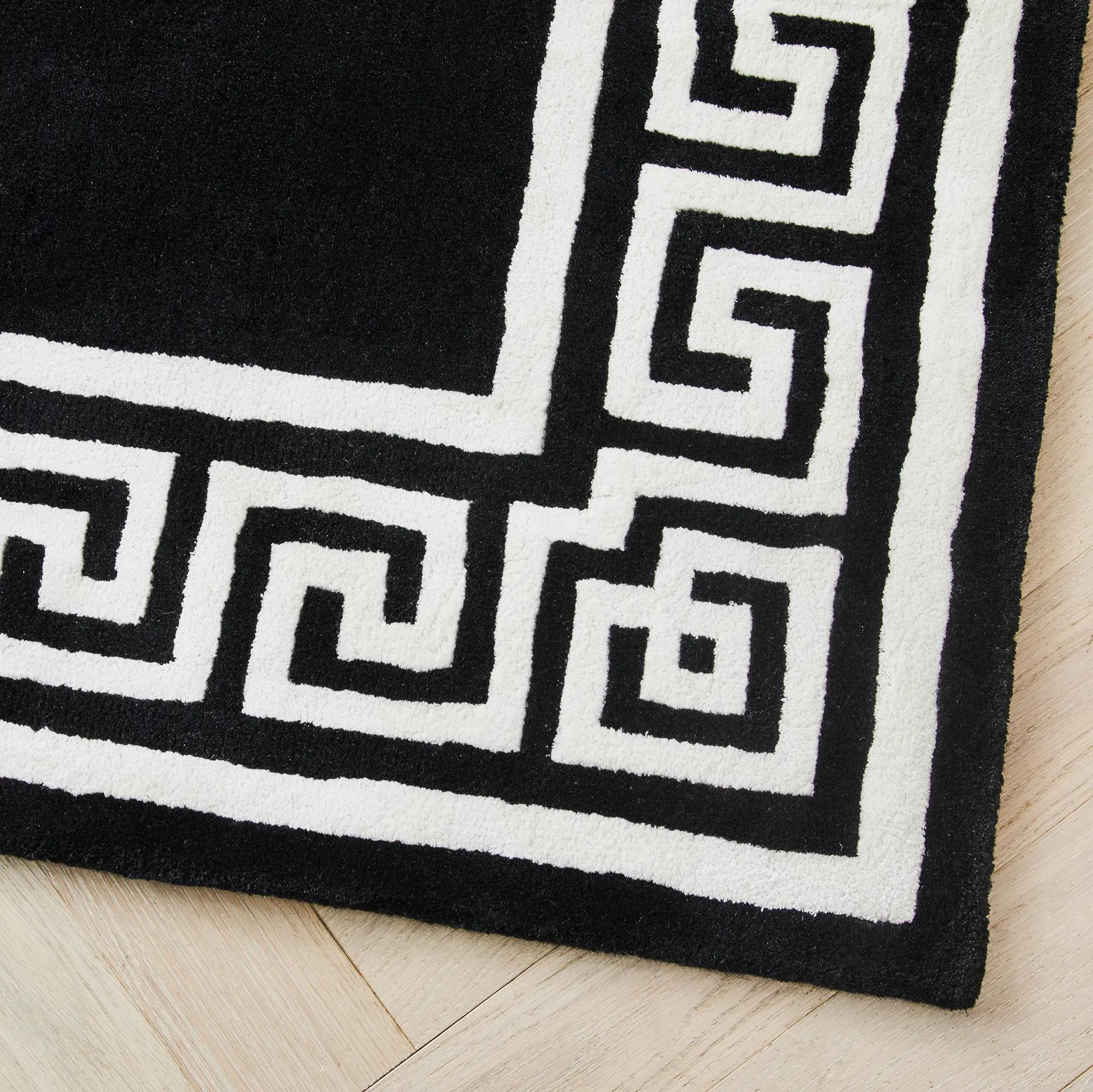 Greek Key Rug - Black/Ivory$1799
A hand-tufted black and ivory rug featuring a classic Greek key pattern in wool and viscose.
Add To Cart -
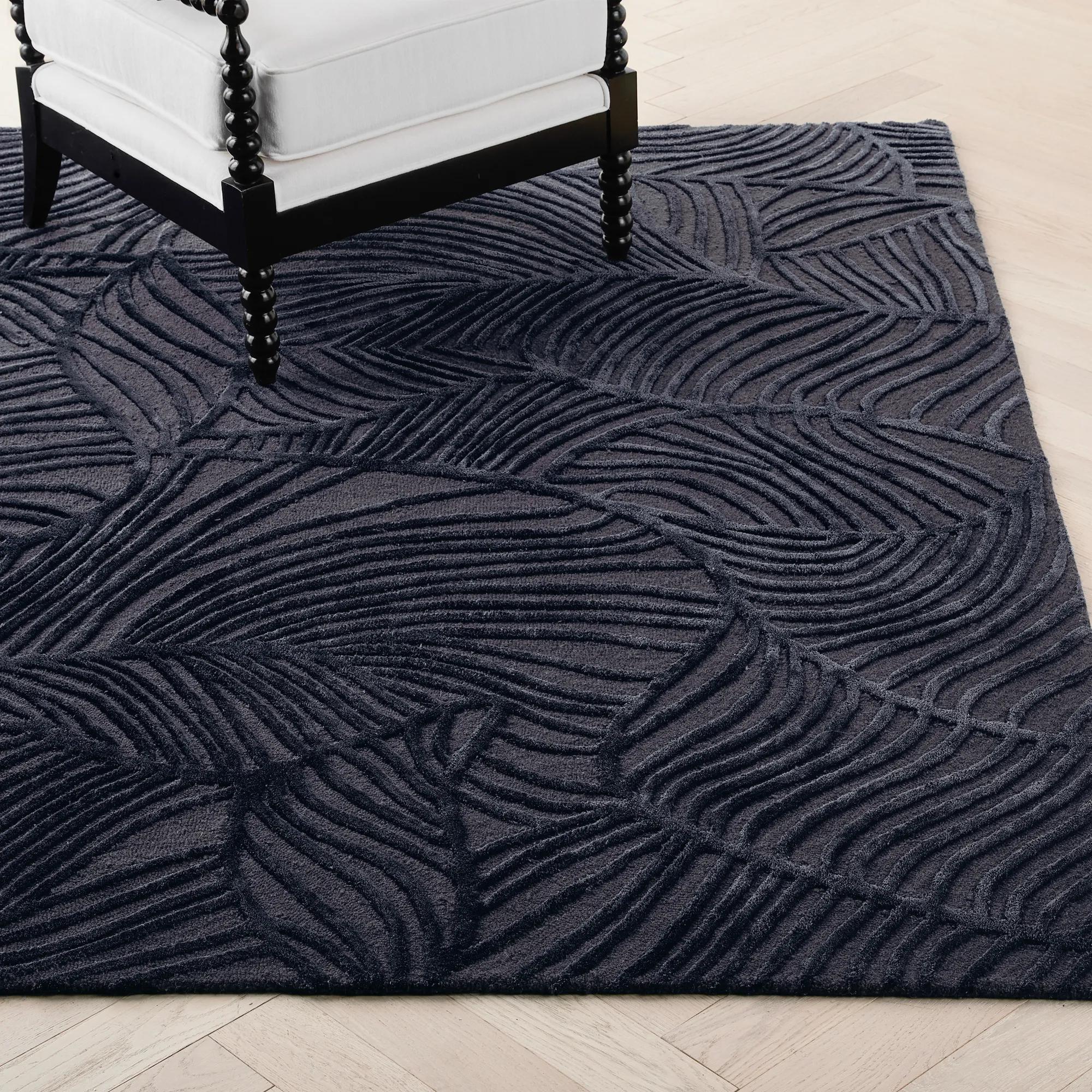
 Palm Rug - Charcoal$1499
A charcoal rug featuring a dynamic palm-leaf design with a textured high-low viscose and wool pile.
Add To Cart -
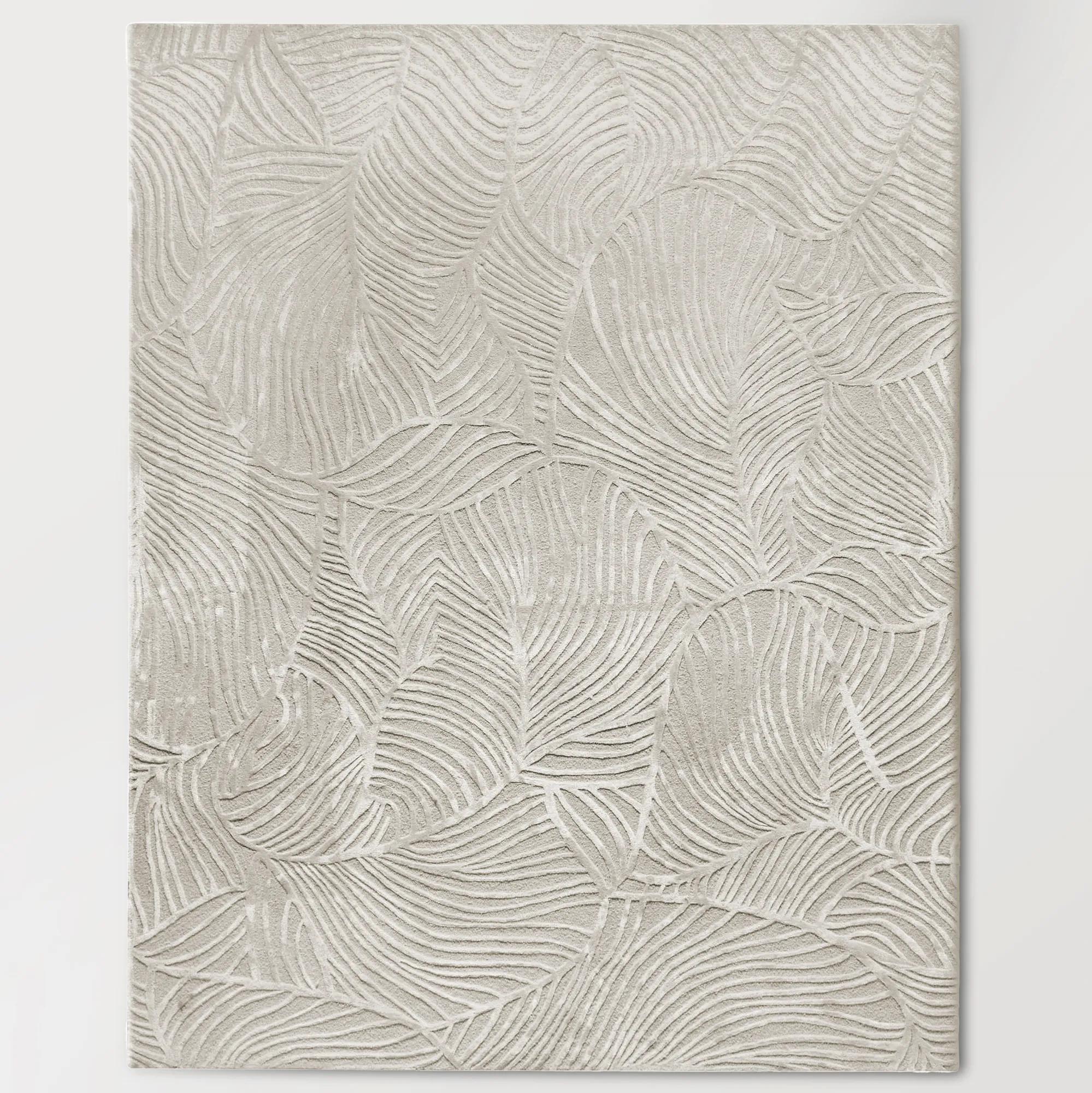 Palm Hand-Tufted Ivory Wool Blend Rug$999
An ivory rug featuring a dynamic palm-leaf design with high-low pile in viscose and wool.
Add To Cart -
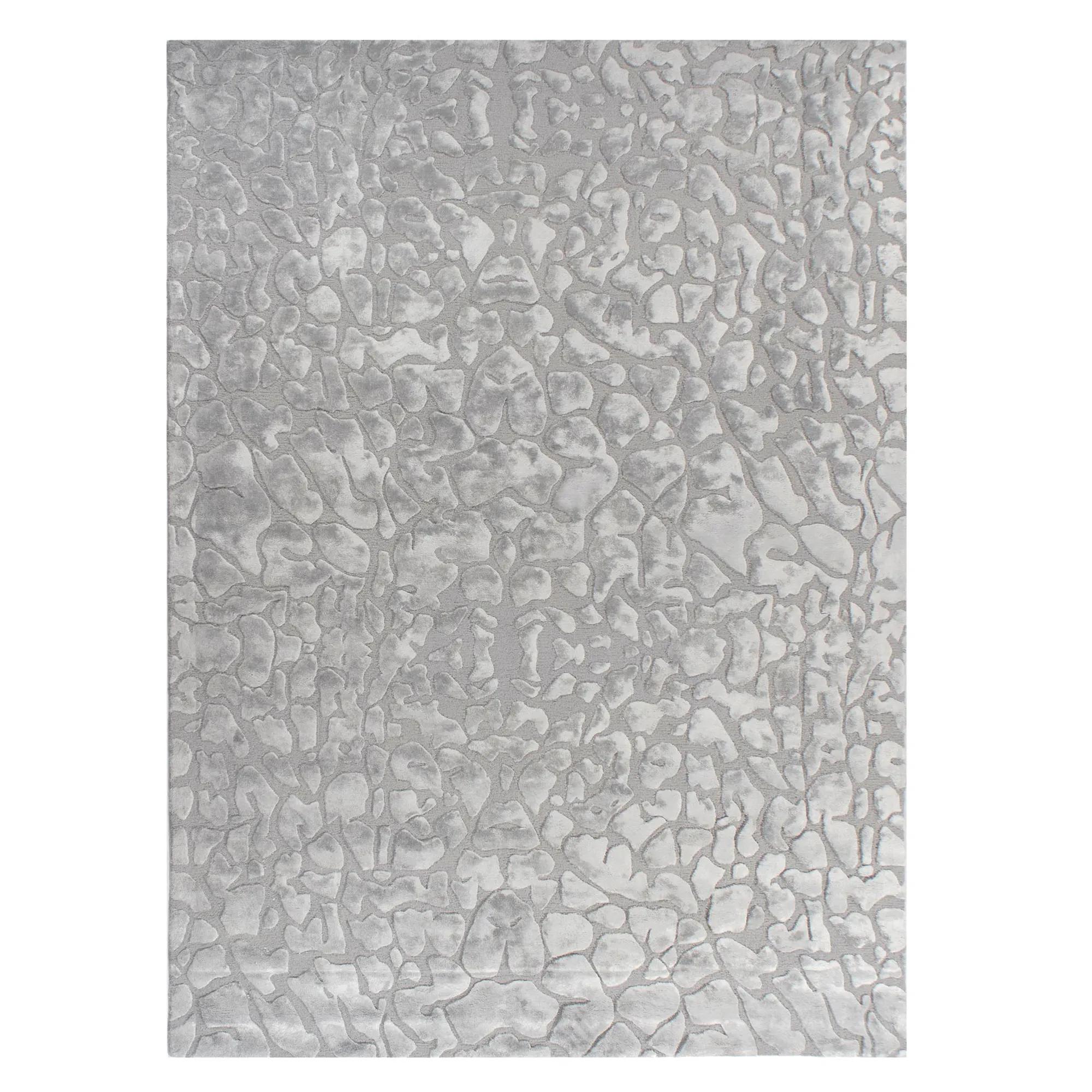
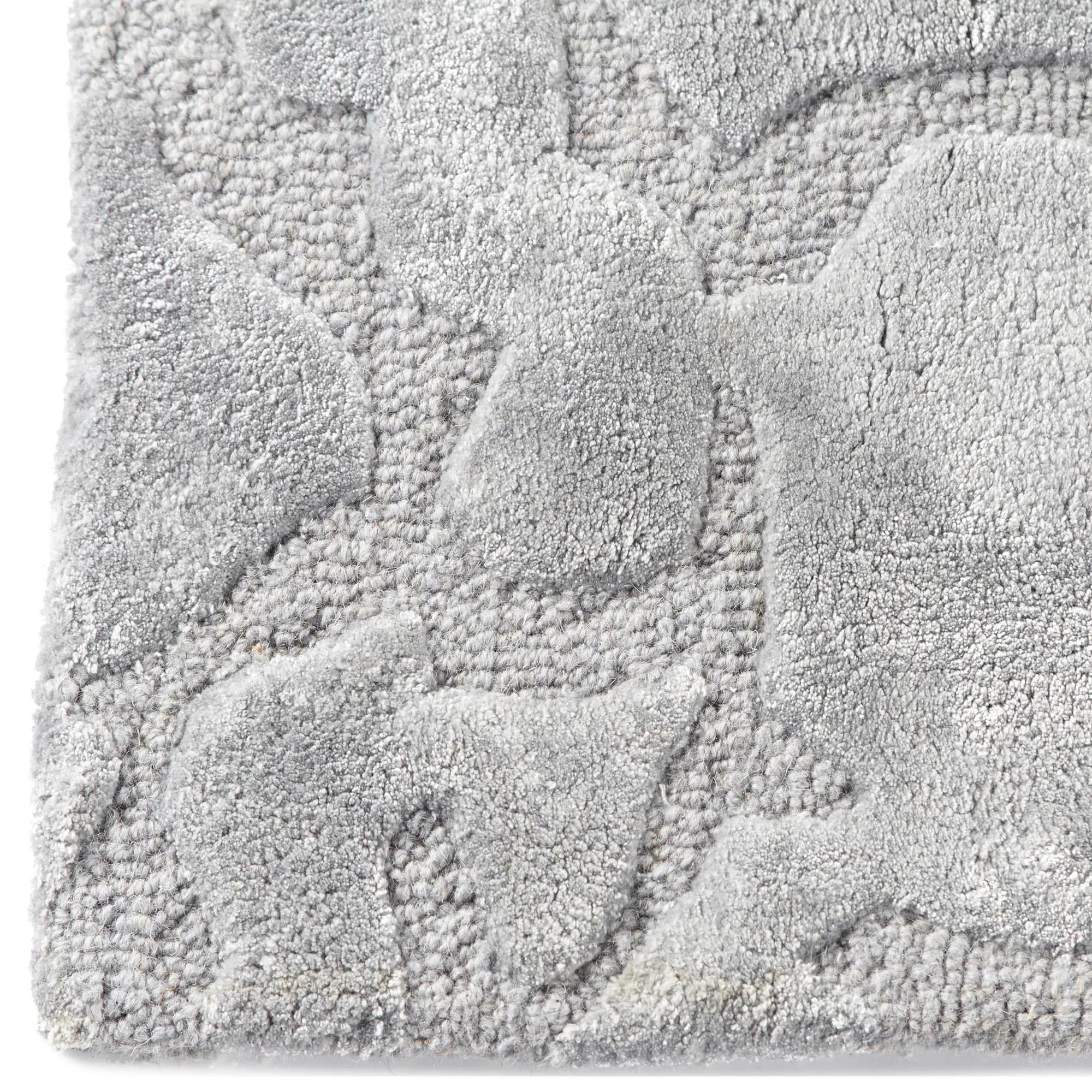 Nola Hand-Tufted Cool Grey Wool Blend Rug$849
A hand-tufted silver rug with contrasting pile heights, crafted from wool and viscose for plush texture.
Add To Cart -
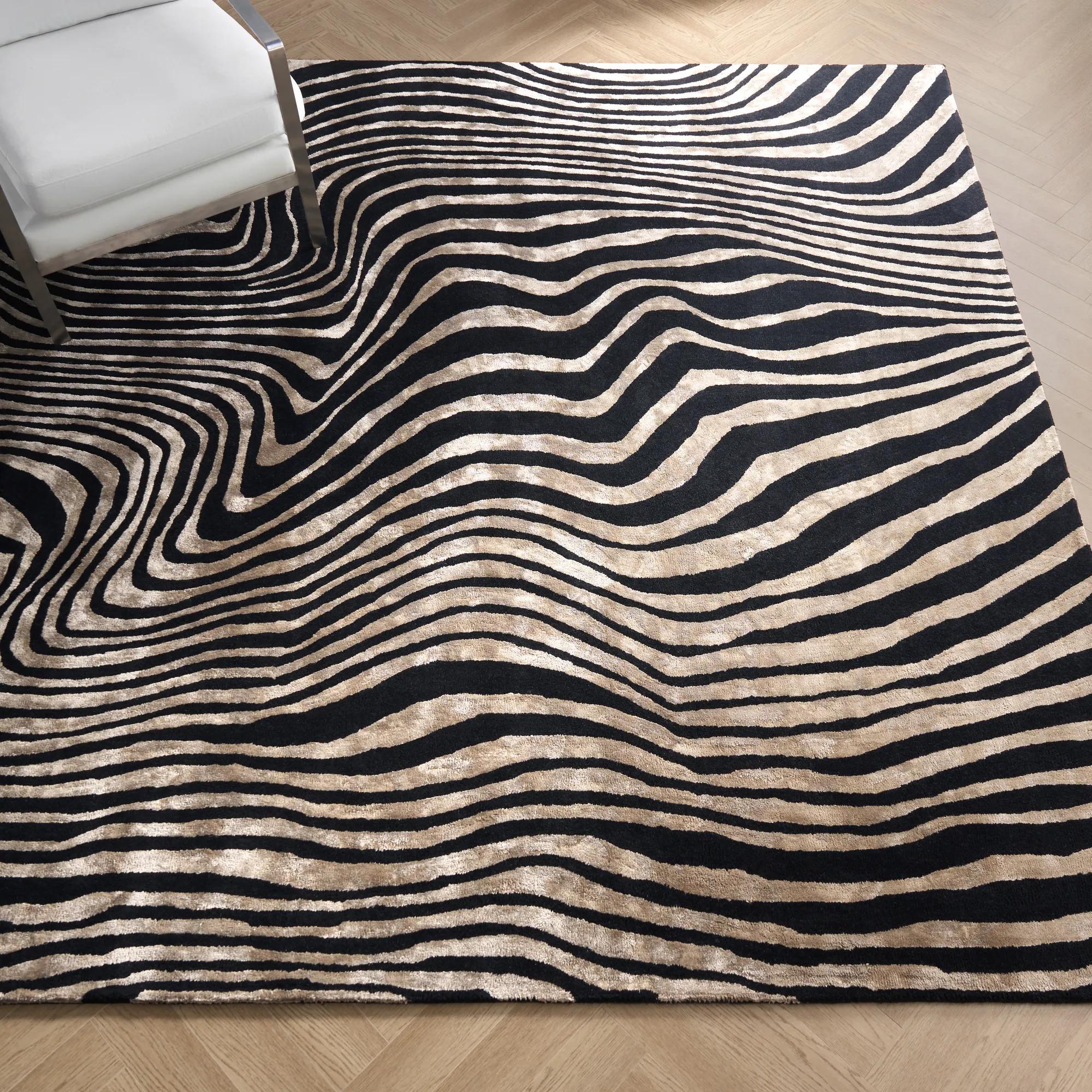
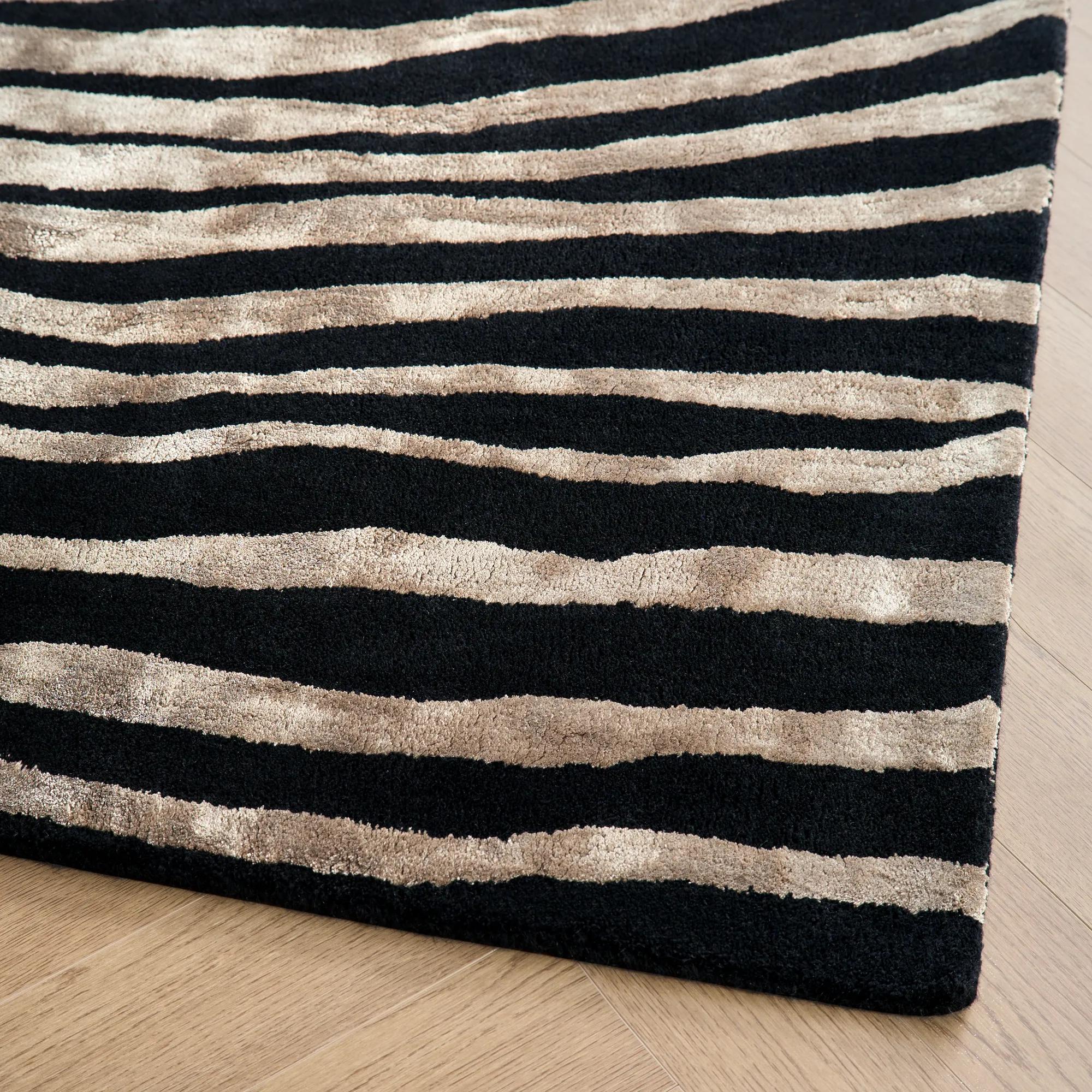 Abstract Zebra Hand-Tufted Black/Taupe Wool Blend Rug$599
An artisan hand-tufted rug in black and taupe wool-viscose, featuring a striking abstract zebra pattern.
Add To Cart -
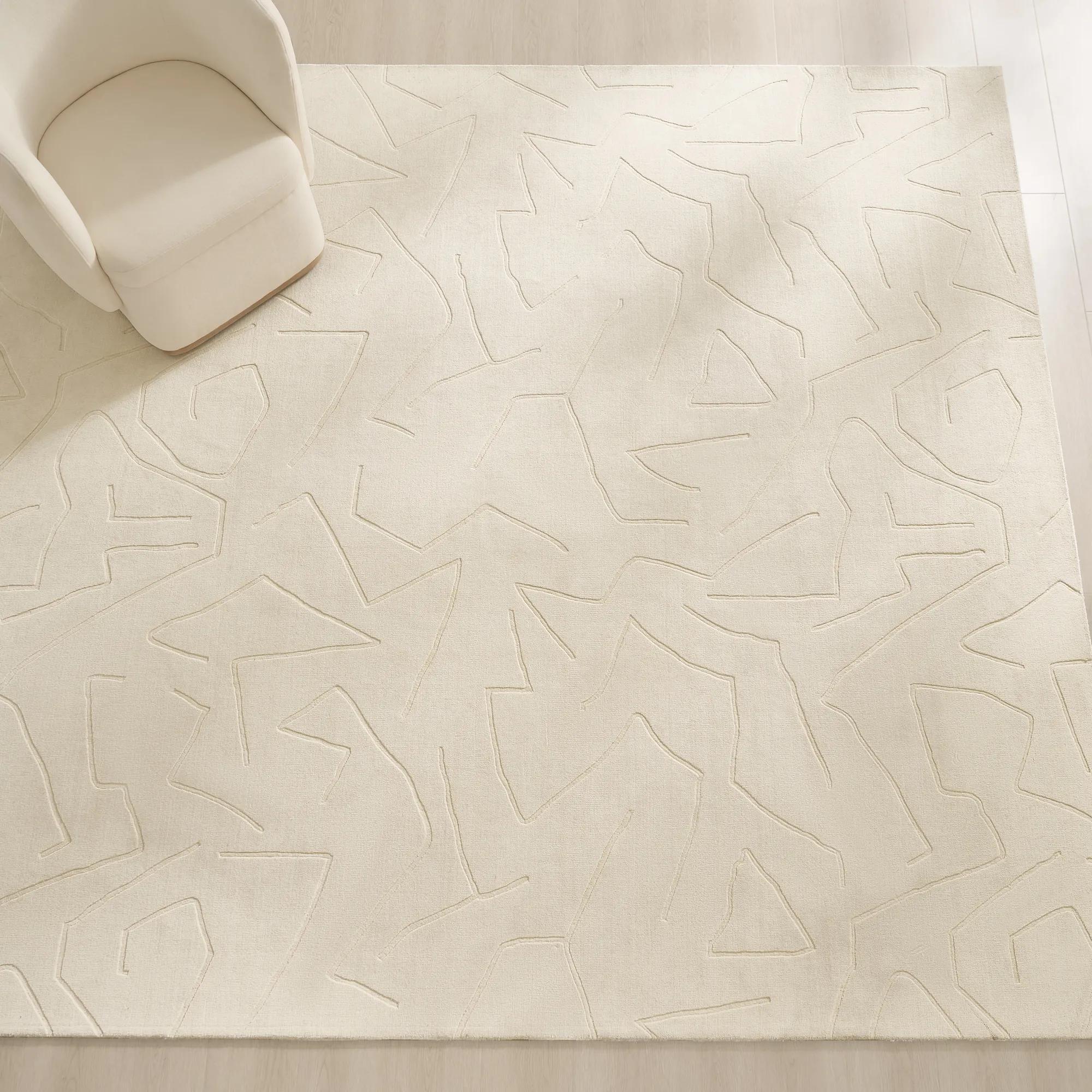 Carved Maze Ivory Hand-Loomed Wool Blend Rug$699
A hand-loomed ivory wool-blend rug featuring a carved maze pattern for modern, textural appeal.
Add To Cart -
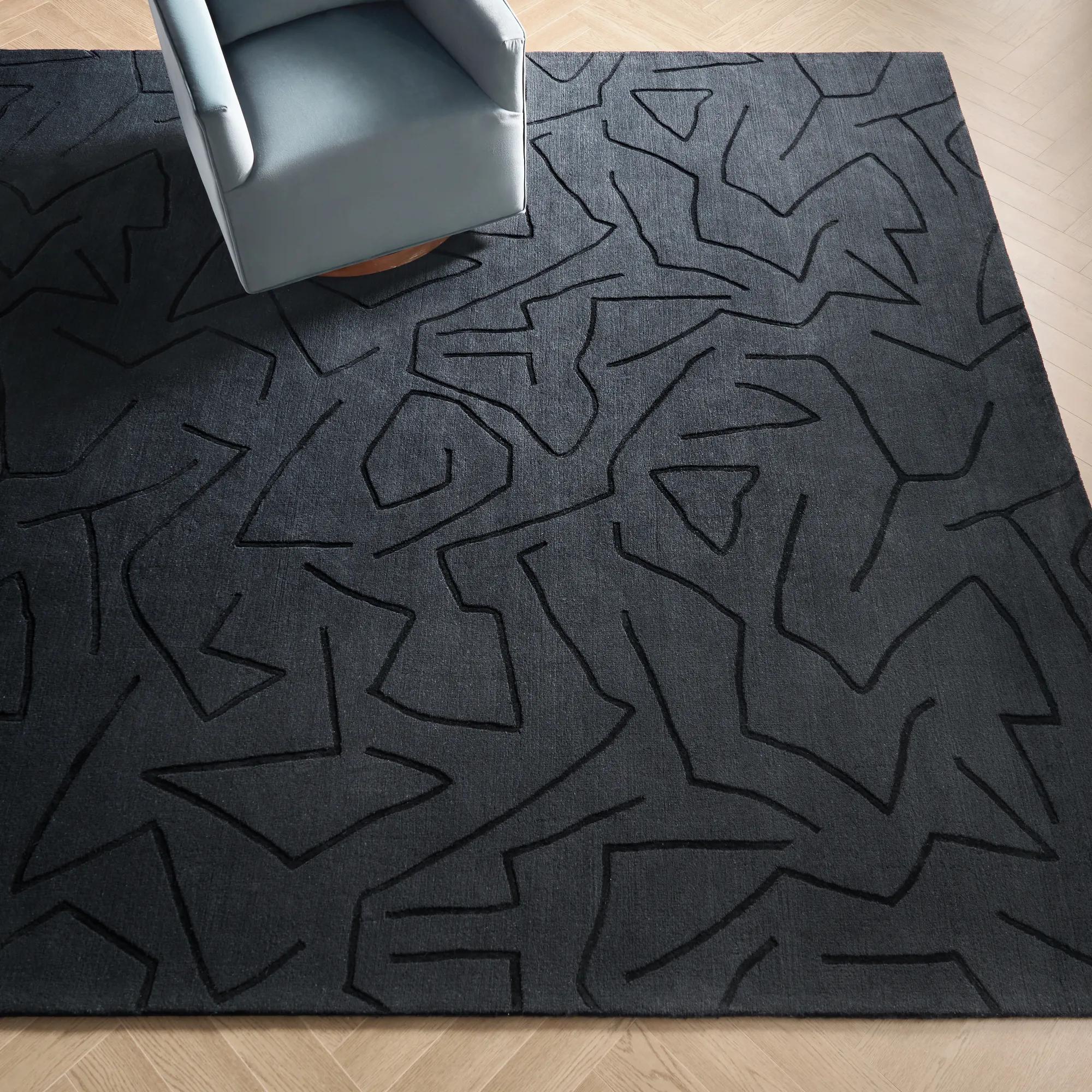 Carved Maze Rug$1399
A hand-loomed black rug crafted from wool and viscose, featuring a carved, textured maze design.
Add To Cart -
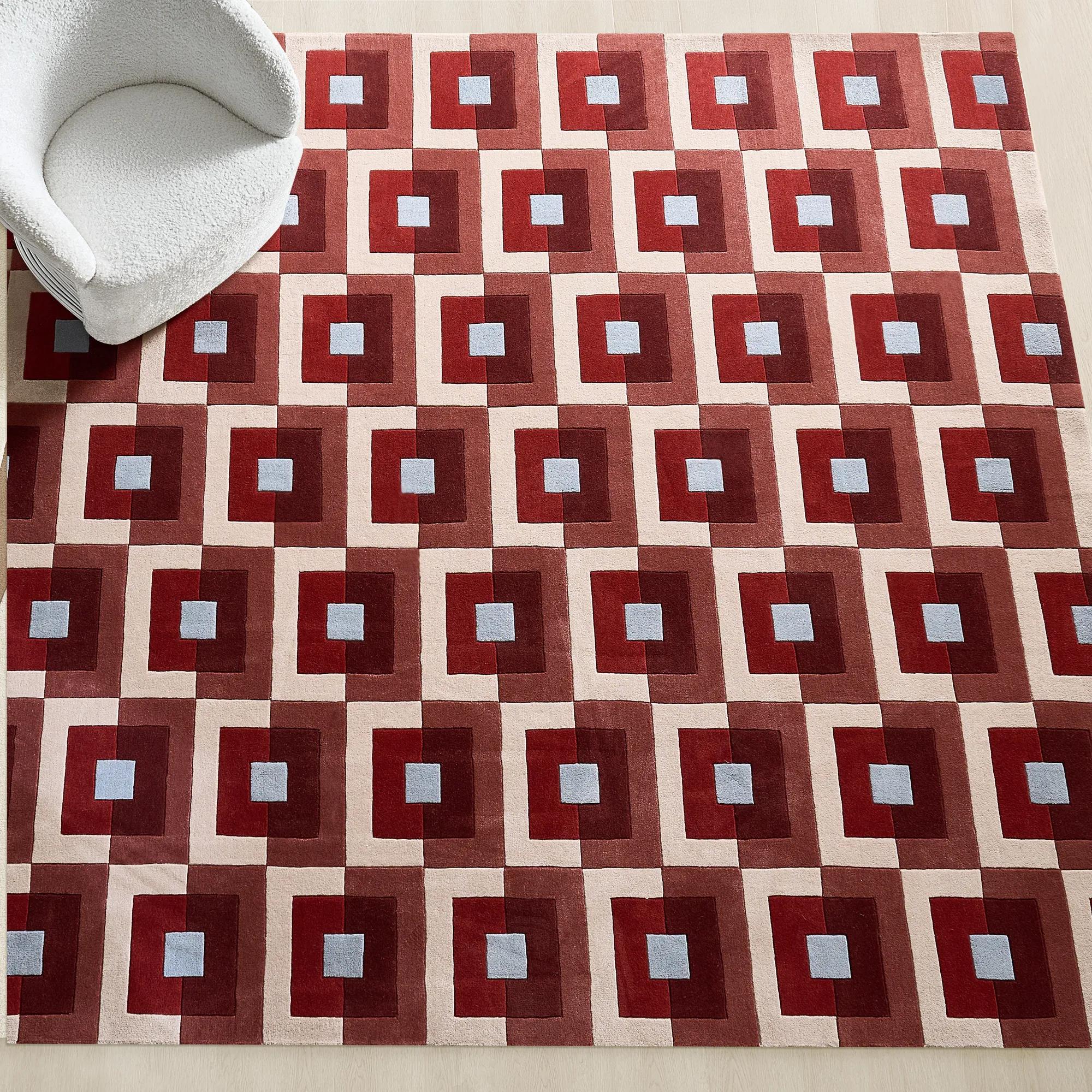
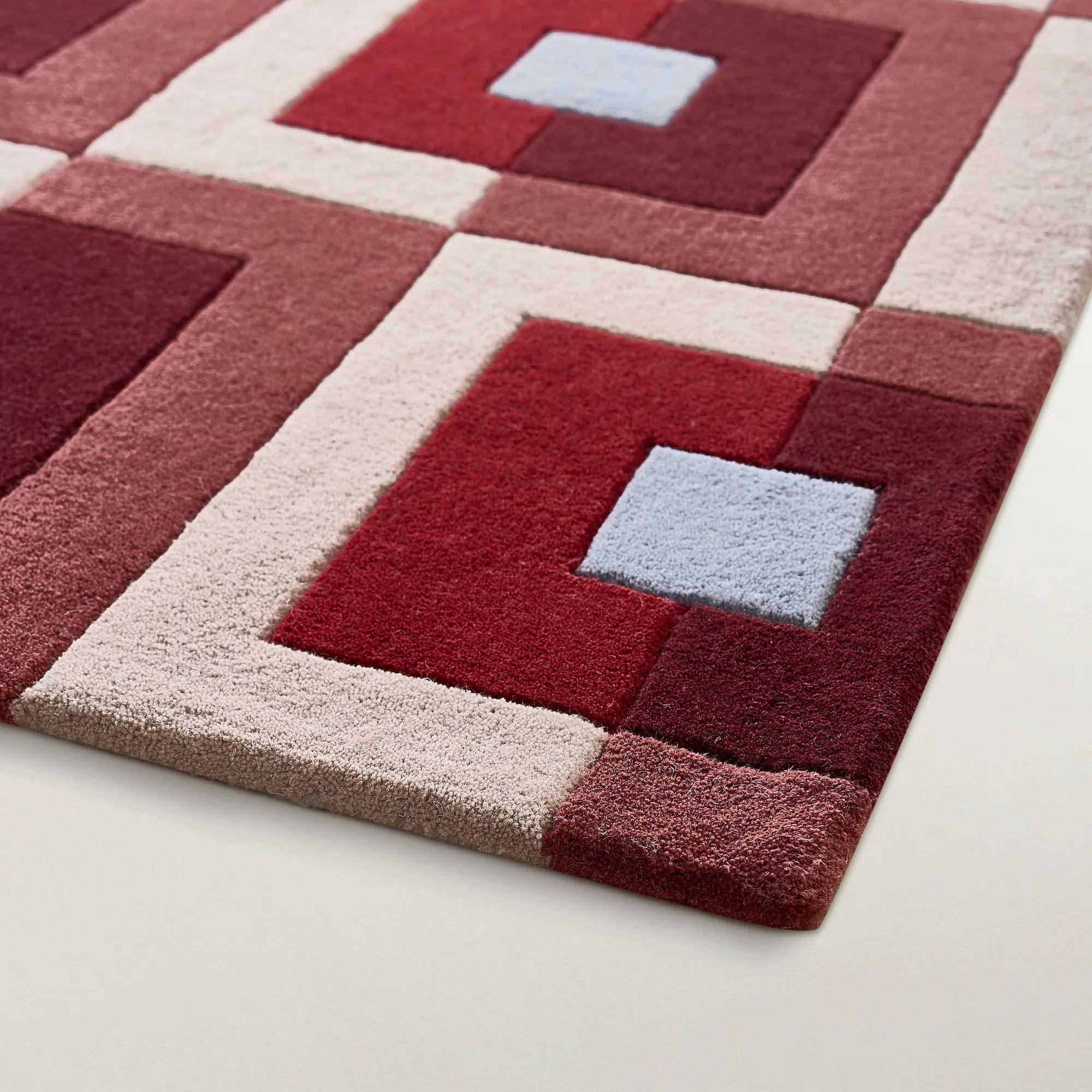 Geo Pop Wool Rug - Oxblood Red/Airy Blue$599
A geometric wool rug combining oxblood red and airy blue for a bold, modern statement.
Add To Cart -
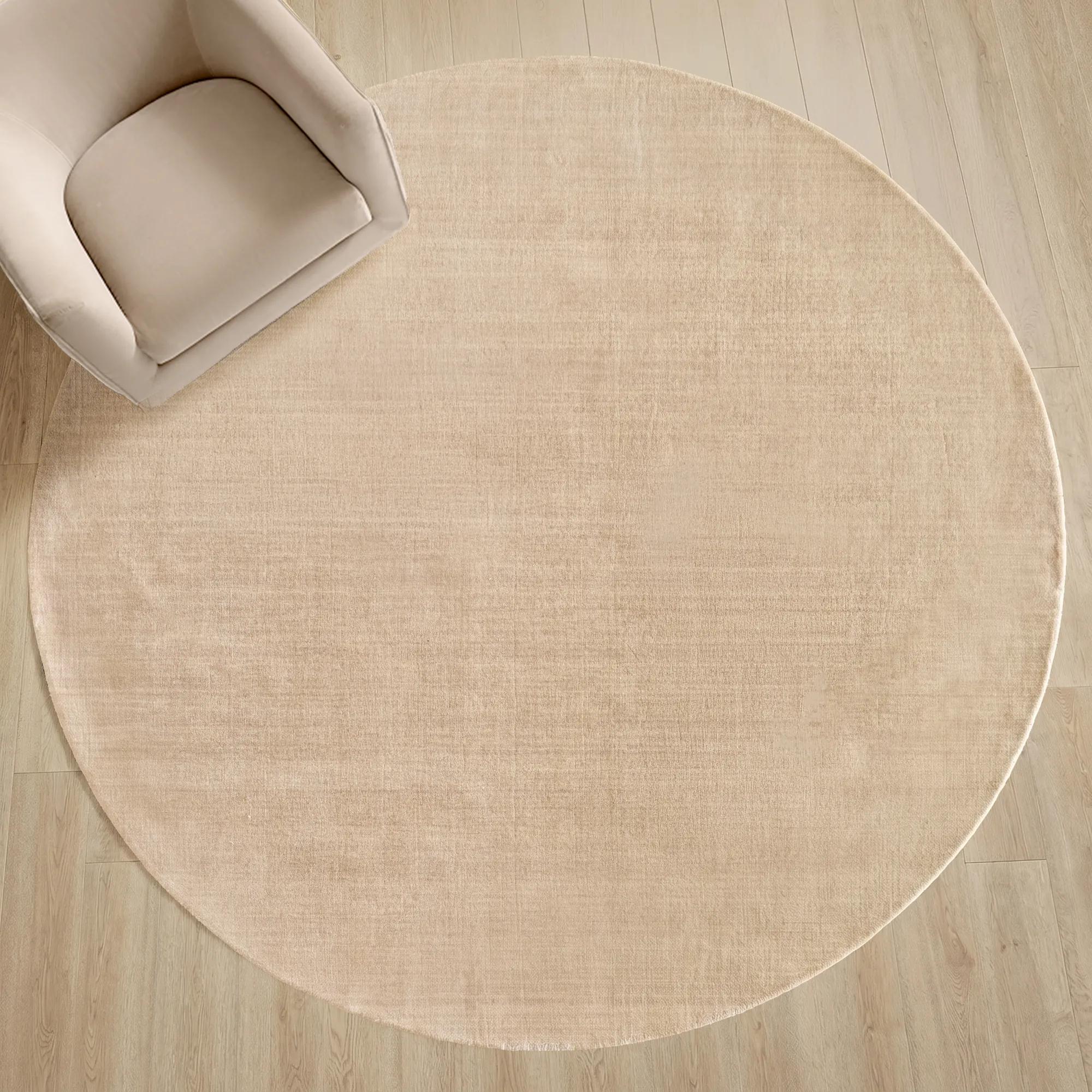 Juni Hand Woven Heathered Warm Beige Round Rug$1399
A handwoven round wool rug in heathered warm beige, offering refined texture and everyday durability.
Add To Cart -
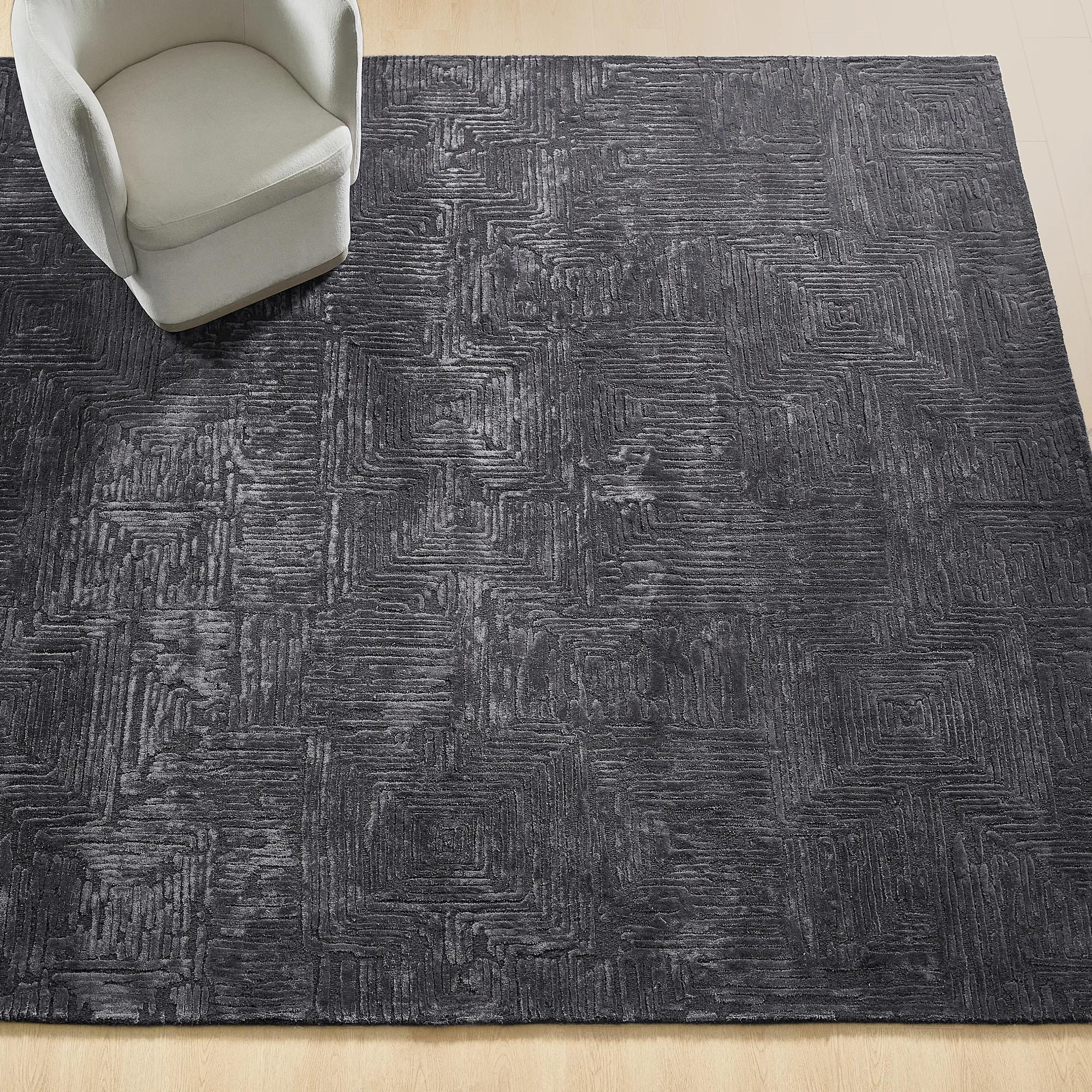
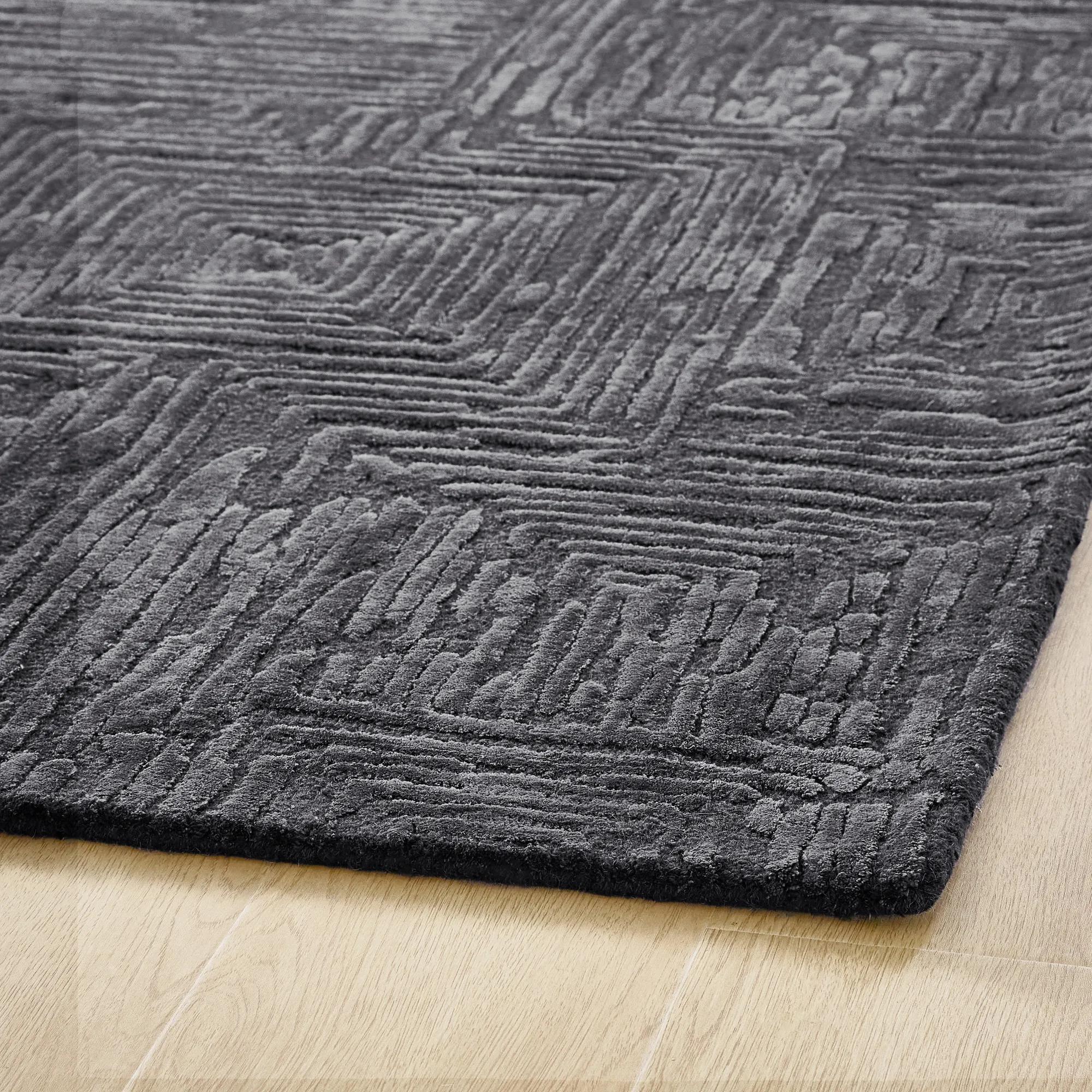 Andra Charcoal Hand-Tufted Wool Blend Dimensional Rug$1499
A hand-tufted viscose-wool rug in rich charcoal with a sculptural, dimensional pattern and plush texture.
Add To Cart -
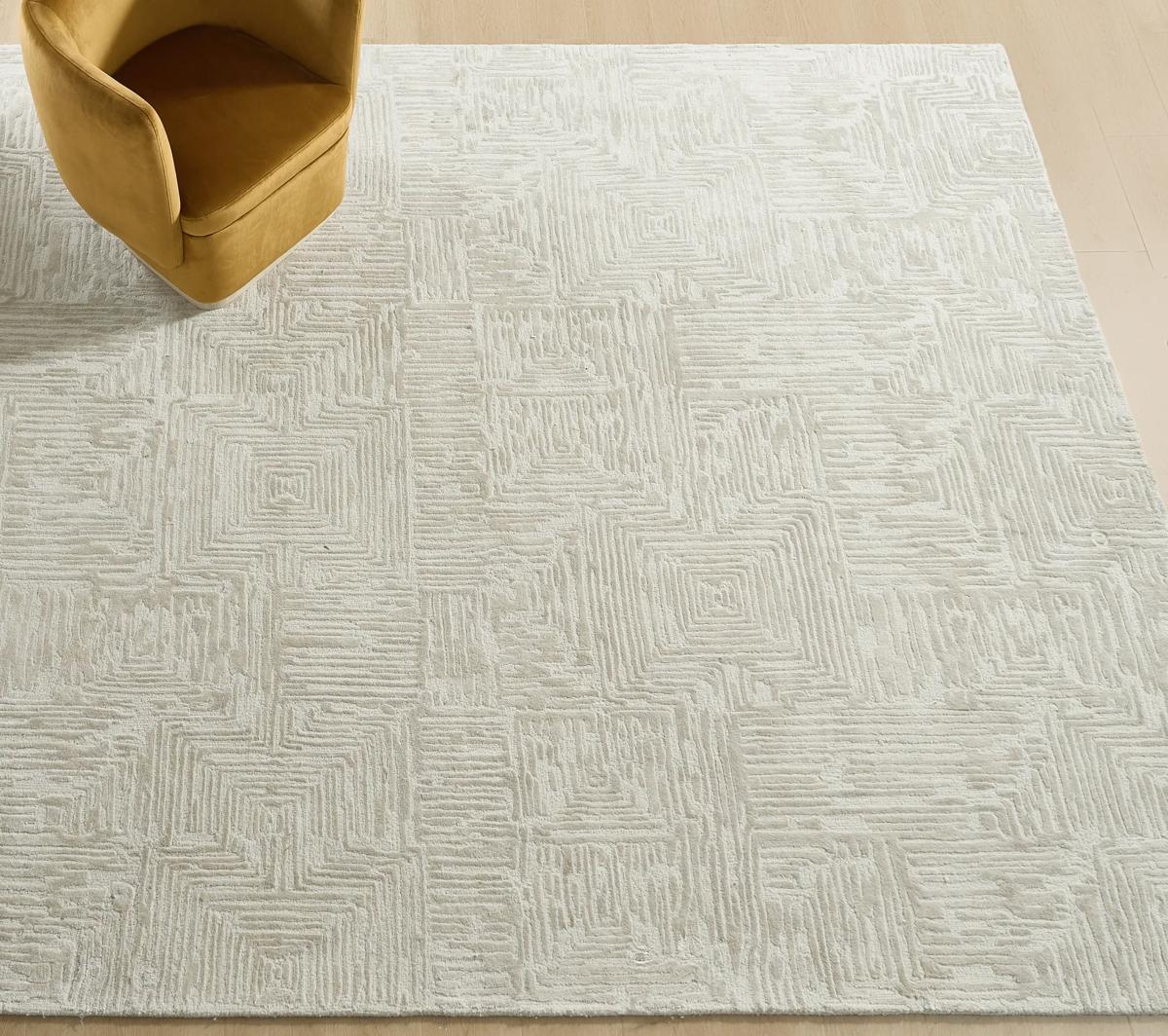 Andra Ivory Hand-Tufted Wool Blend Dimensional Rug$1499
A hand-tufted ivory rug in a viscose-wool blend with raised detailing and a subtle sheen.
Add To Cart -
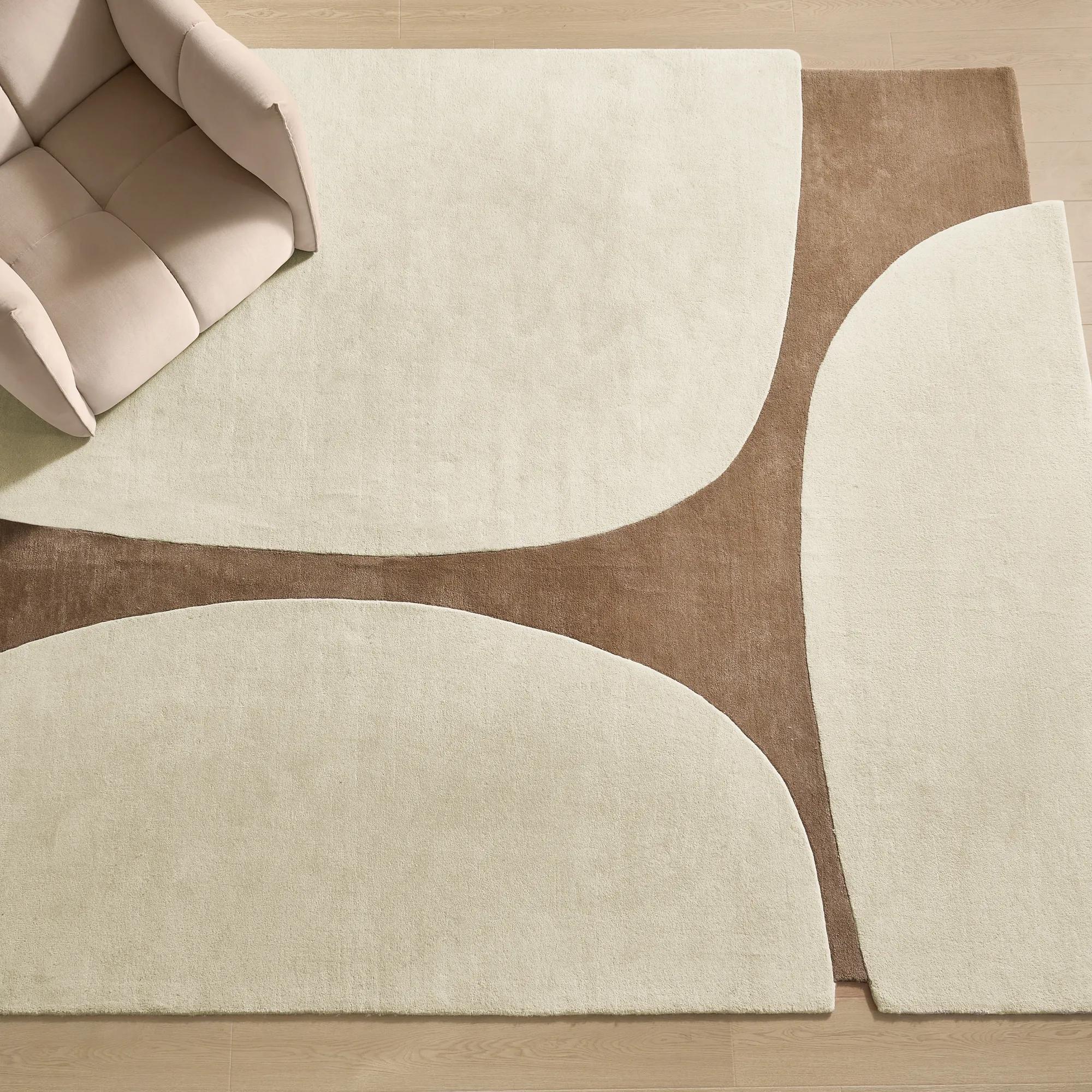
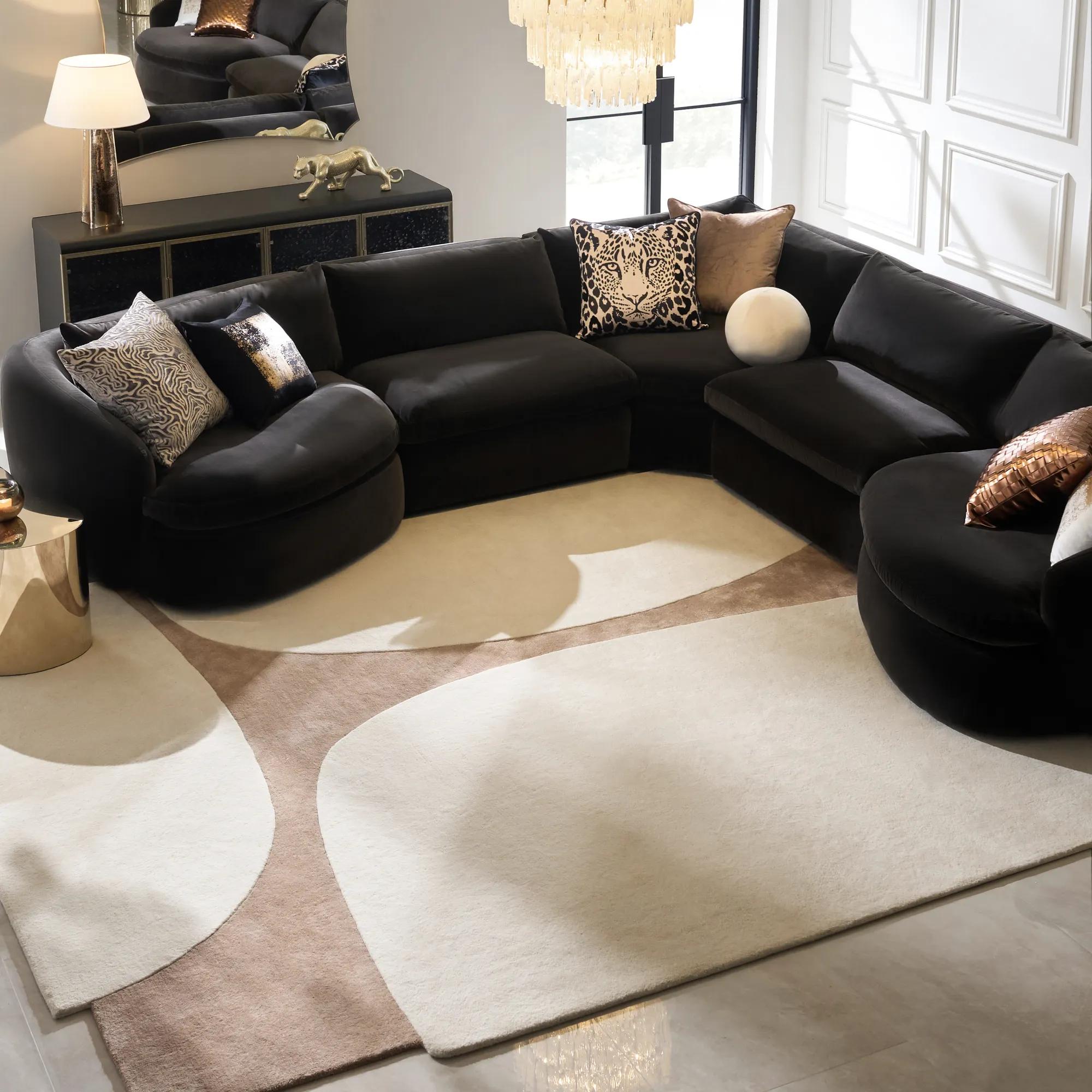 Contour Hand-Tufted Ivory/Ginger Root Wool Blend Rug$1499
A hand-tufted wool rug featuring an ivory and ginger root palette with a contoured, modern design.
Add To Cart -
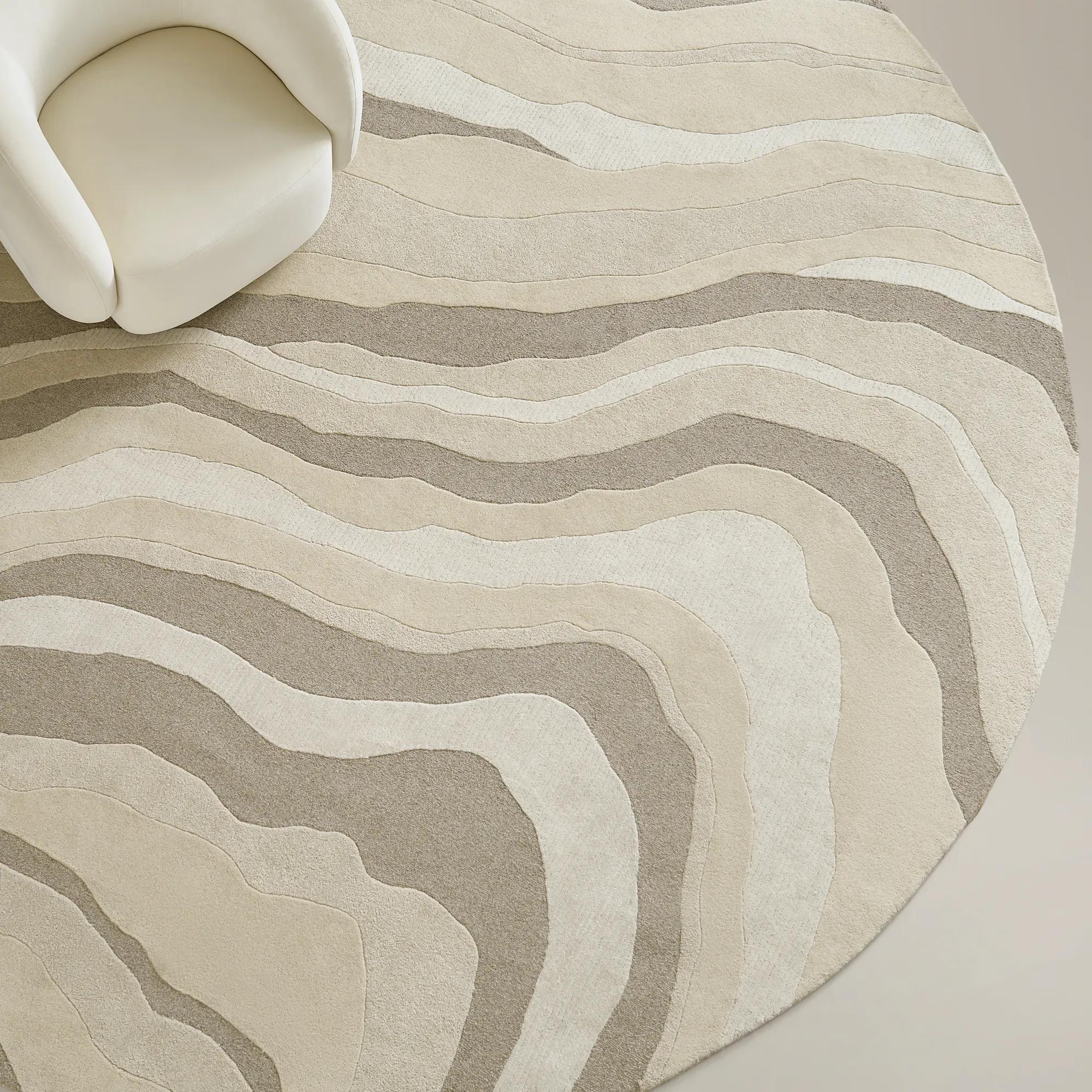 Kadence Hand-Tufted White/Ivory/Tan Wool Round Rug 12"$1799
A hand-tufted round rug in white, ivory, and tan, crafted from 100% wool for natural warmth.
Add To Cart -
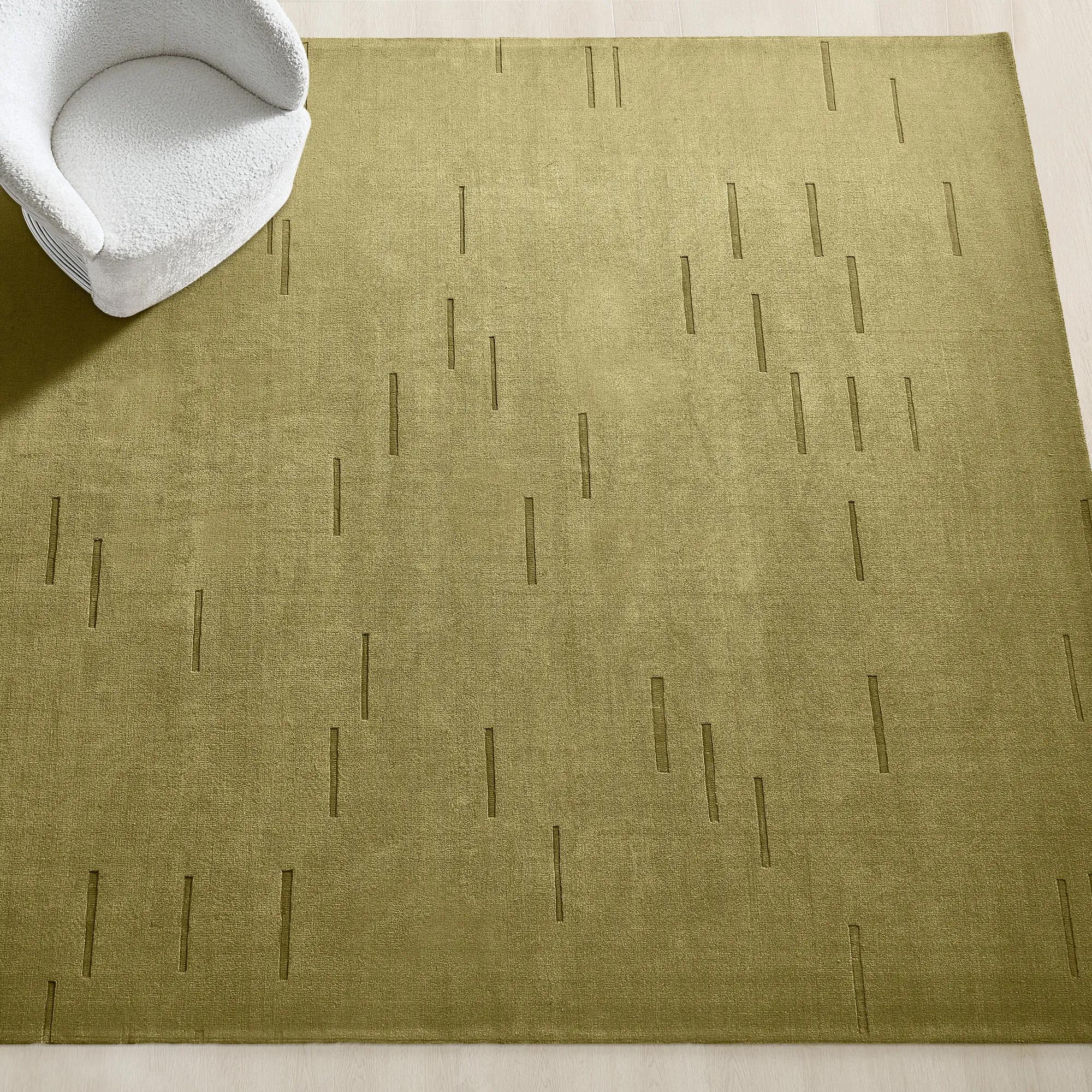
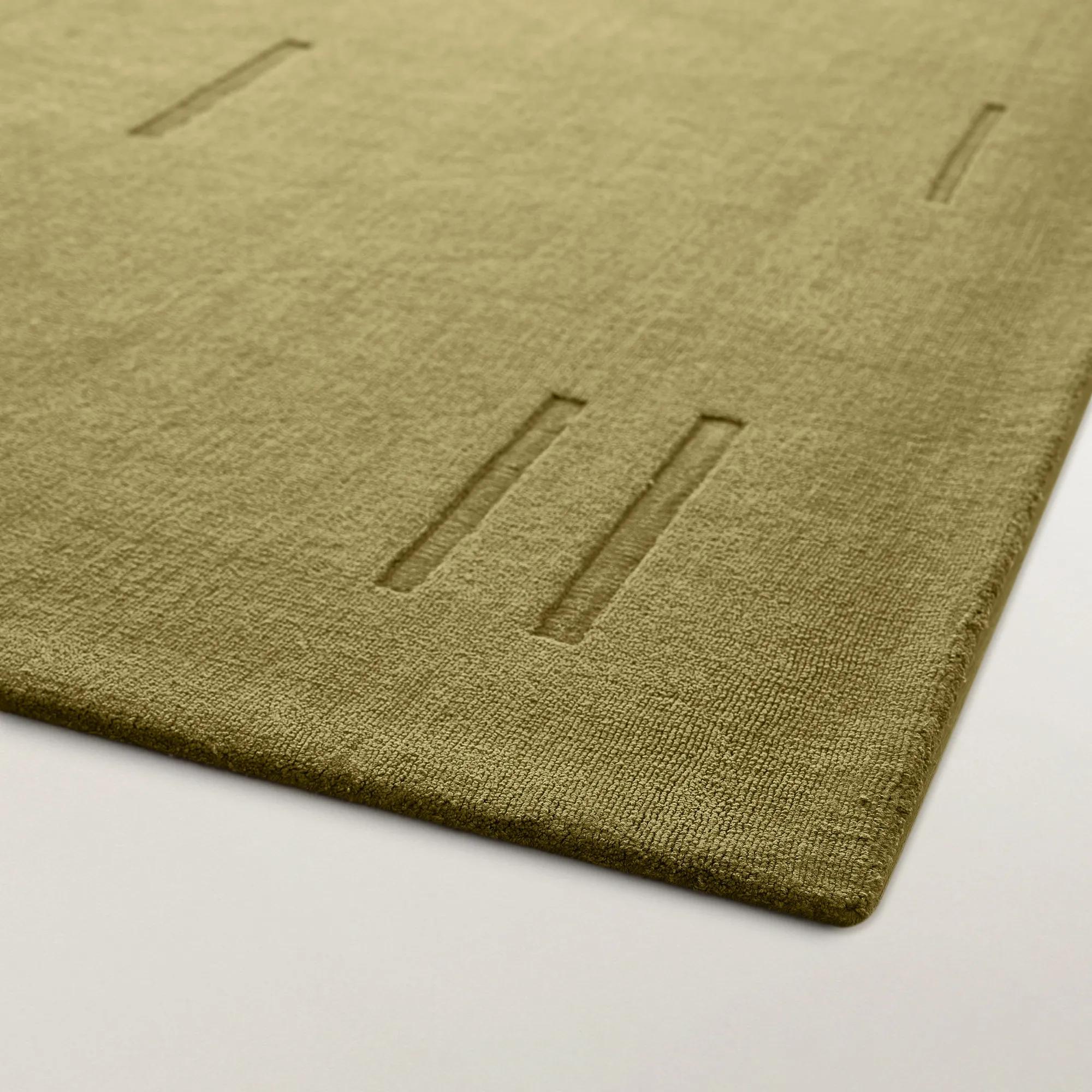 Lamita Muted Olive Green Wool Blend Rug$1299
A muted olive green wool-blend rug adding soft texture and understated warmth to modern interiors.
Add To Cart -
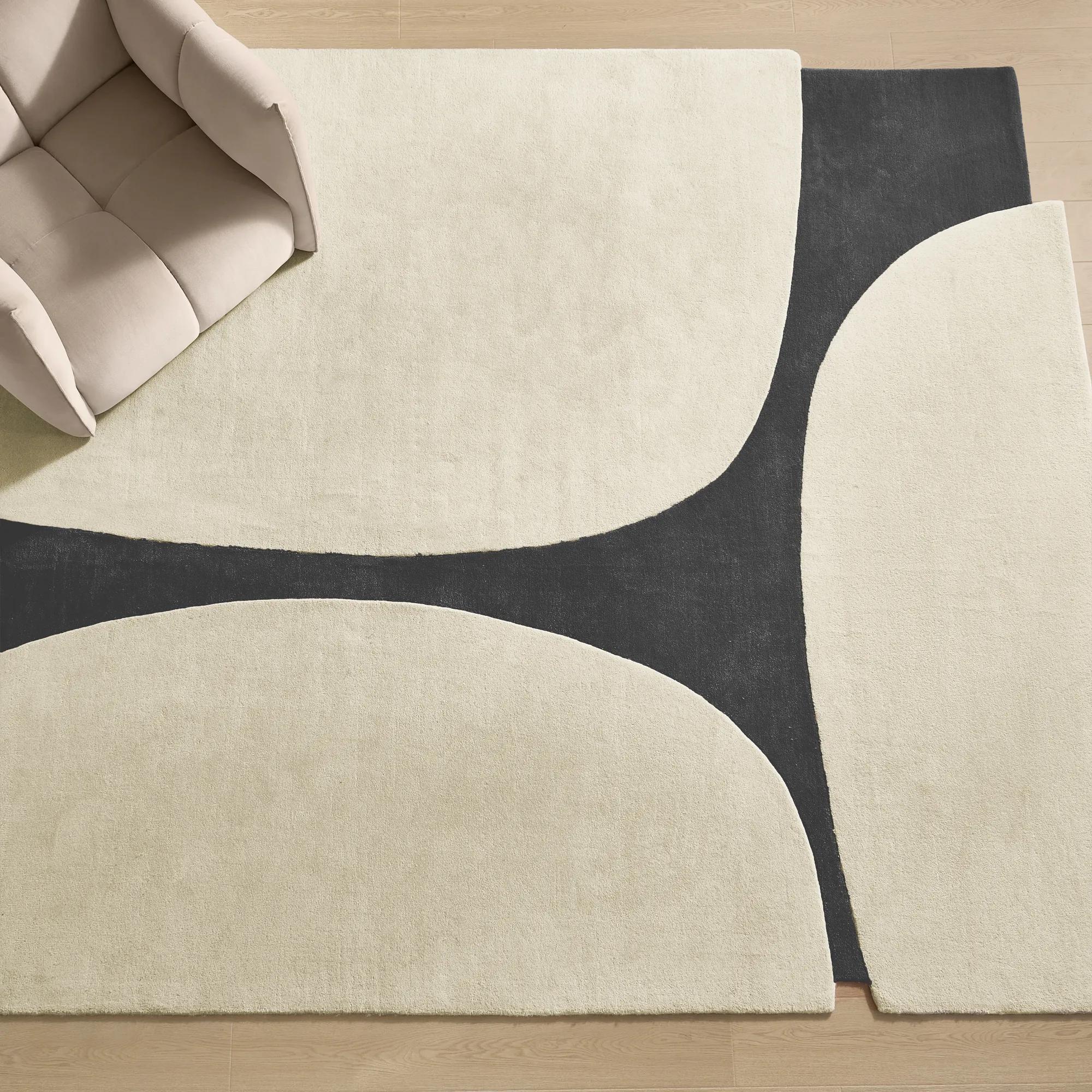 Contour Hand-Tufted Ivory/Charcoal Wool & Viscose Rugs$1499
An artfully shaped hand-tufted rug featuring high-low texture in warm ivory and charcoal wool-viscose blend.
Add To Cart -
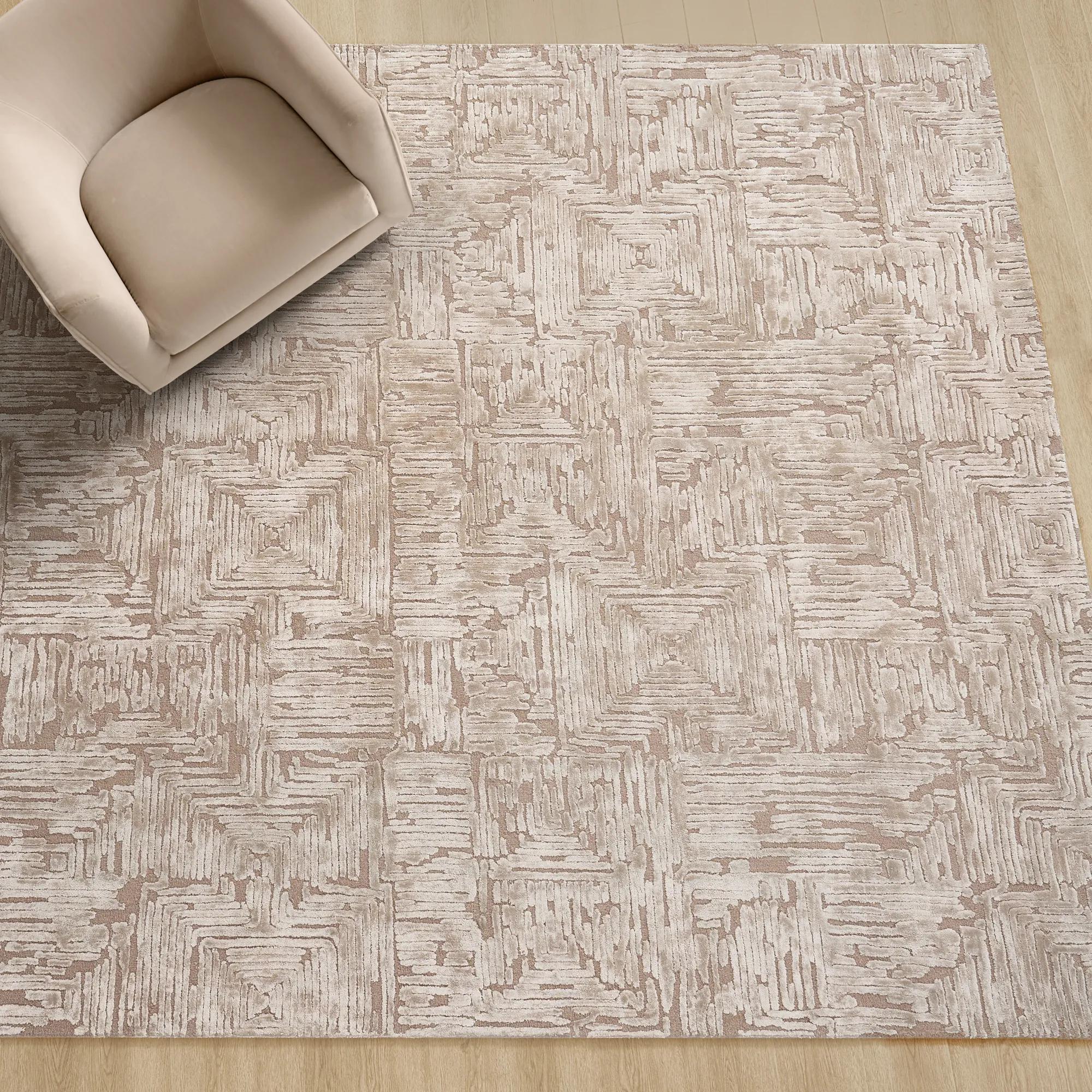
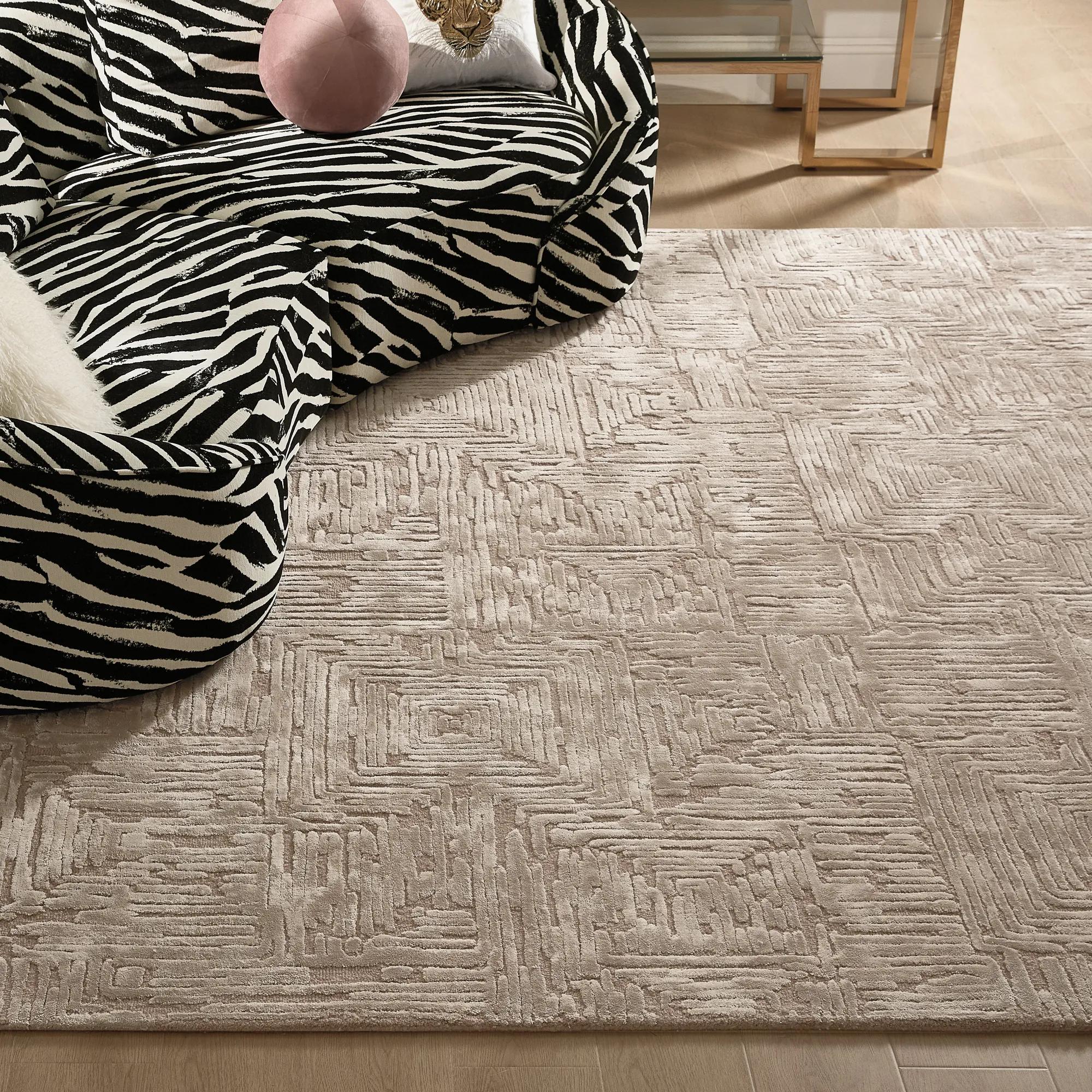 Andra Hand-Tufted Mocha Rose Viscose & Wool Dimensional Rugs$499
A hand-tufted viscose and wool rug in mocha rose, featuring a dimensional high-low geometric pattern.
Add To Cart -
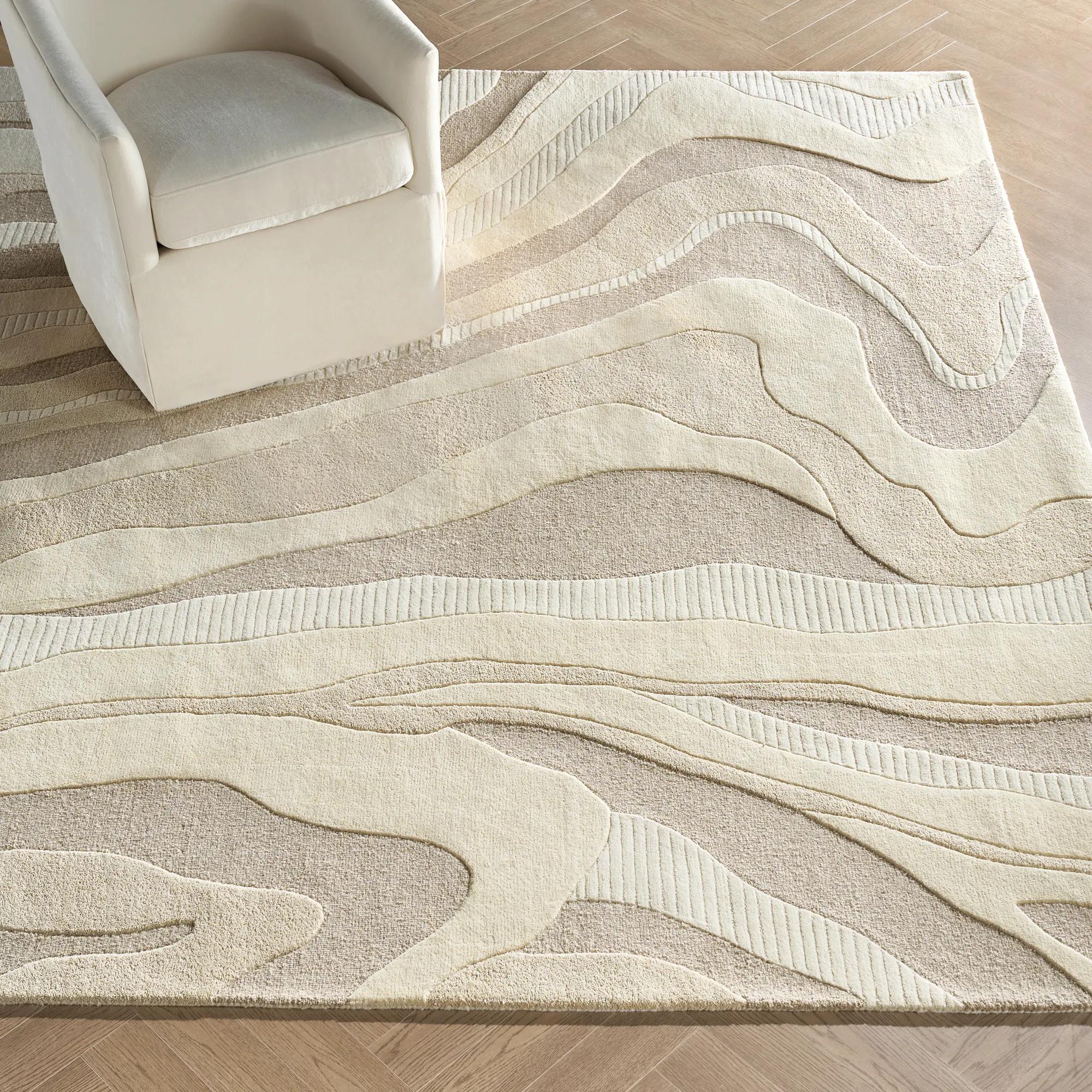 Kadence Hand-Tufted Ivory/Tan Wool Rug$999
A hand-tufted wool rug featuring a multi-textured swirl design in ivory and tan for timeless elegance.
Add To Cart -
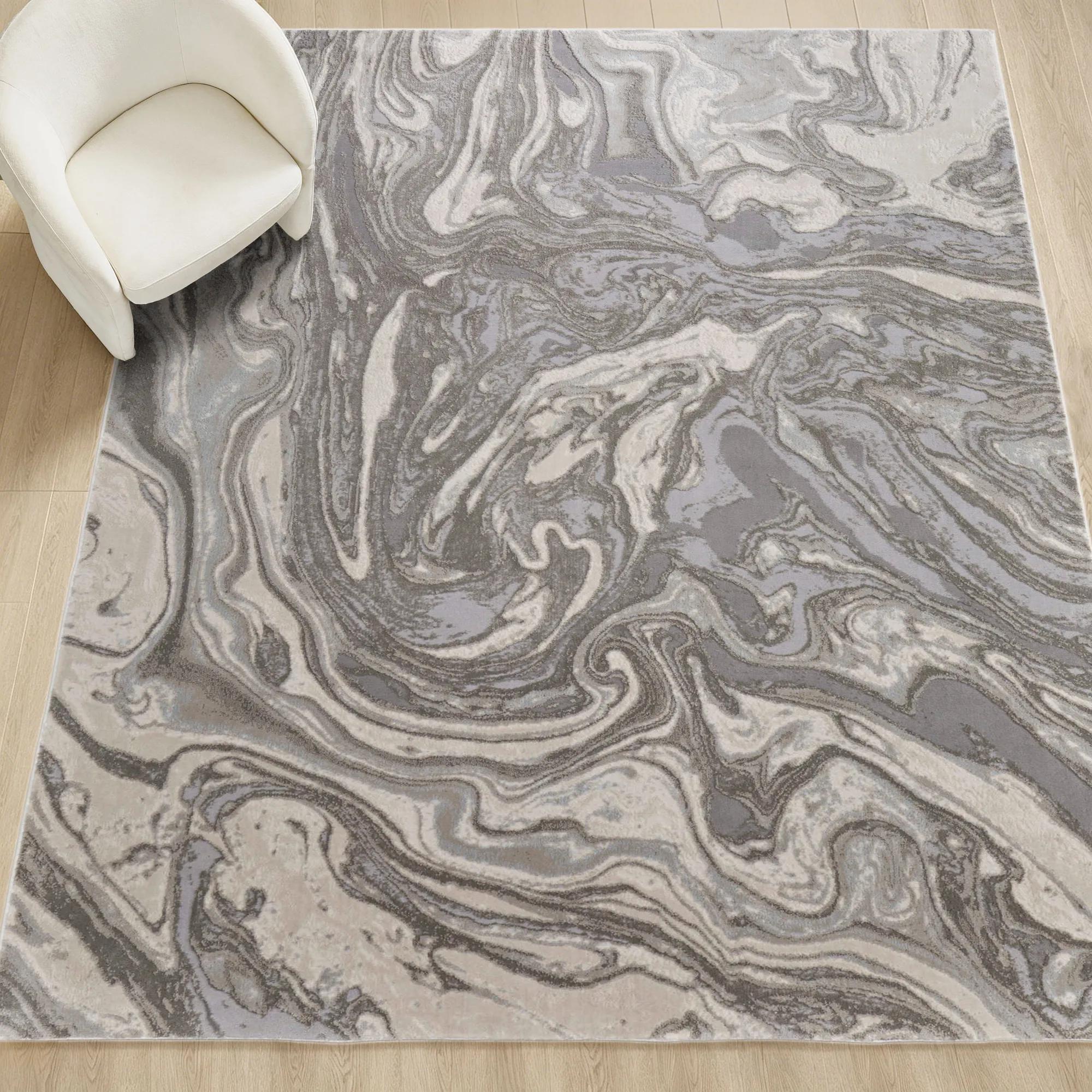
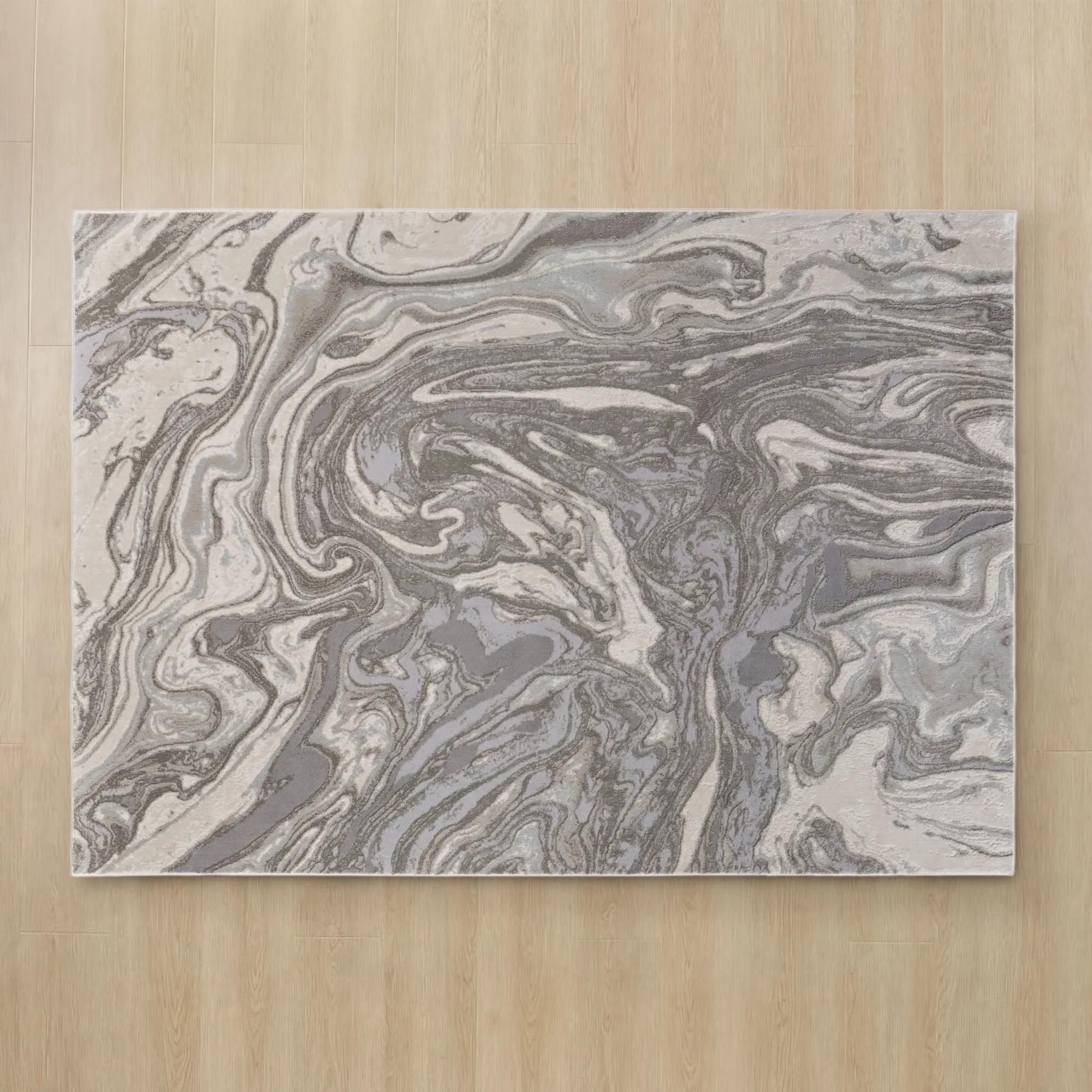 Marbre Marbled Grey/Taupe/Powder Blue Performance Power Loomed Rug$1499
A softly marbled rug in grey, taupe, and powder blue with a textured, stain-resistant performance blend.
Add To Cart -
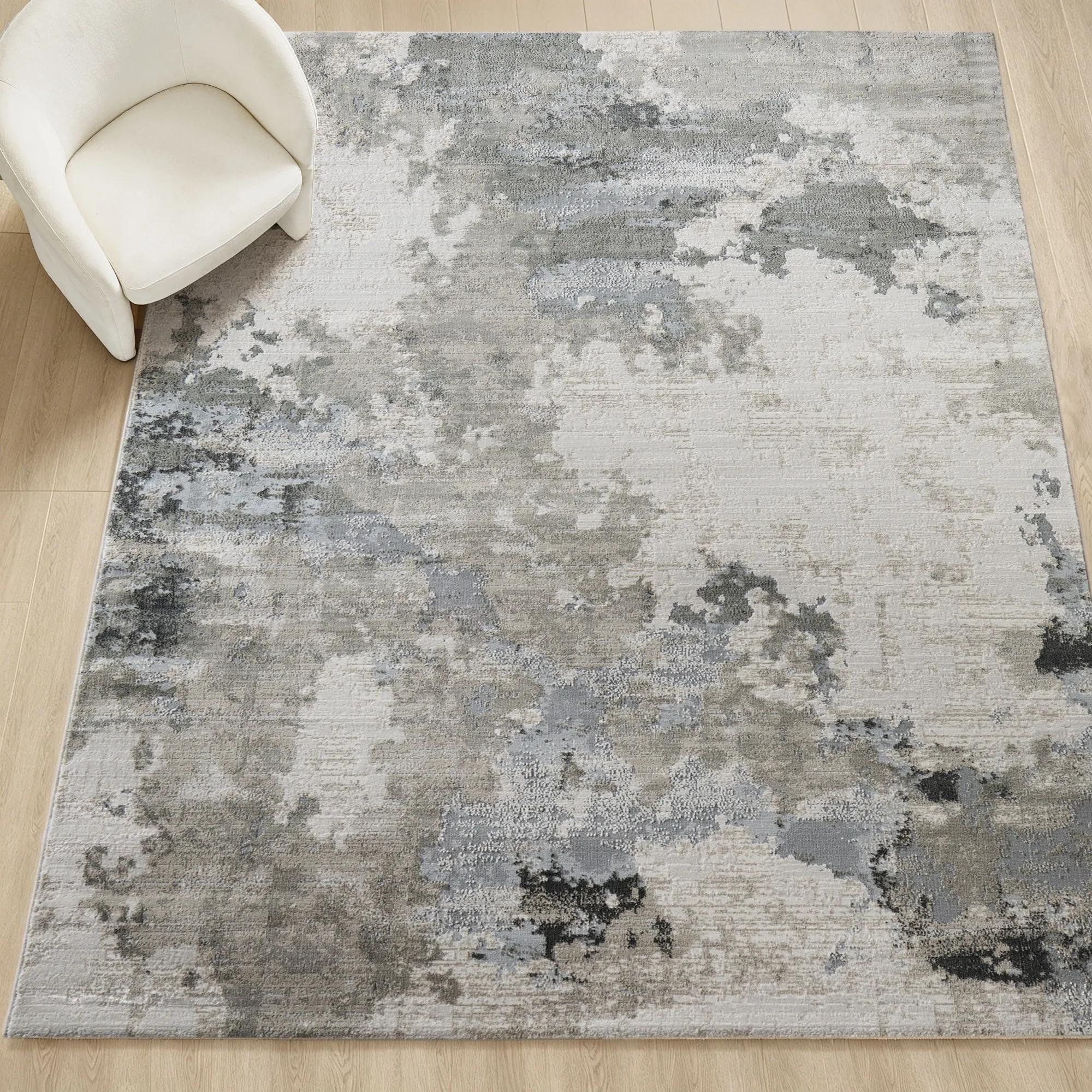 Alarion Abstract Grey/Muted Blue/Ivory Performance Power Loomed Rug$379
A power-loomed rug featuring a grey, muted blue, and ivory abstract pattern with stain-resistant durability.
Add To Cart

Textured Wool Area Rugs
Explore textured wool area rugs that bring tactile depth and visual richness to your floors. Find a grounding layer for a living room seating arrangement or a sumptuous accent beneath the bed, considering how each rug’s texture, tone, and dimensions complement your furniture and define the space.
Textured wool area rugs bring dimension to a room in a way that color alone cannot. Raised motifs, densely woven yarns, and softly sculpted surfaces create a foundation with presence, giving polished furniture and expressive accents a richer setting. Beneath a lacquered coffee table, a wool rug introduces a tactile contrast; beside velvet seating, it extends the sense of depth without competing with the upholstery. The appeal lies in those subtle changes across the surface: a ribbed weave catches the light differently from a smooth field, while a carved pattern lends definition to a restrained palette. Ivory, taupe, charcoal, and other nuanced tones can feel remarkably dramatic when their texture does the talking. More pronounced patterns offer another direction, framing a seating arrangement with movement and turning the floor into an integral part of the composition. Wool contributes softness and natural resilience, with fibers that can recover from ordinary compression, although heavy furniture may still leave impressions. Its appearance varies with the yarn, construction, and finish, so two wool rugs can have distinctly different personalities. A low, tightly woven surface feels tailored and architectural, while a deeper pile creates a more sumptuous impression underfoot. Hand-knotted, hand-tufted, and woven constructions each bring different characteristics; the way a rug is made can influence its weight, flexibility, backing, and maintenance needs. Wool blends may introduce additional sheen or a different hand, making the full fiber content worth considering rather than relying on the word “wool” alone. Texture also changes how a design reads from across the room. A tonal geometric pattern may appear subtle at a distance and reveal intricate relief up close, rewarding attention without overwhelming surrounding artwork. For interiors built around sculptural silhouettes, gleaming metal, or richly layered fabrics, textured wool area rugs provide an expressive counterpoint: substantial enough to anchor the room, nuanced enough to let every other detail retain its character.
Scale gives that texture its proper stage. In a living room, a rug that reaches beneath the front legs of the sofa and accompanying chairs helps connect separate pieces into one deliberate arrangement. A larger footprint can accommodate the entire seating group, creating a generous field around a statement coffee table rather than leaving each piece visually adrift. The relationship to the room matters as much as the stated dimensions: exposed flooring around the perimeter provides definition, while doorways, walkways, and nearby furniture determine how comfortably the rug sits within daily life. An open-plan interior may benefit from distinct rugs that establish separate gathering spaces, with related tones or textures bringing cohesion without requiring identical designs. In a dining area, sufficient extension beyond the table allows chairs to remain on the rug when pulled out; roughly 24 to 30 inches on each side is a useful starting point, adjusted for the chairs and available space. A lower-profile texture generally makes chair movement easier than a deeply sculpted pile, which may be better suited to a lounge or bedroom. Beneath a bed, generous coverage along the sides creates a considered transition from furniture to floor, while placement should account for nightstands, benches, and the path through the room. Smaller rugs can define an intimate reading corner, but the dimensions should still relate to the chair and surrounding furniture so the arrangement feels intentional. Pile height deserves particular attention near swinging doors and beneath furniture with low clearance. A compatible rug pad adds cushioning, helps reduce movement, and can protect the floor from friction; its material should be appropriate for the flooring and consistent with both manufacturers’ recommendations. For homes with frequent visitors, children, or pets, closely constructed textures may be a practical alternative to loose loops or exceptionally deep pile. The most successful choice balances visual drama with the way the space is actually used, allowing a room to feel beautifully composed without becoming precious.
Wool’s enduring appeal includes its ability to retain a substantial, inviting feel with appropriate care, but construction and household habits play a meaningful role in how a rug ages. Some shedding is common, particularly with new cut-pile wool rugs, and the amount can vary with fiber quality and fabrication. Gentle, regular vacuuming helps remove loose fibers and embedded dirt before they accumulate. Suction-only cleaning is often appropriate for textured surfaces, especially loops and raised details, though the rug’s care instructions should determine the method; aggressive brush rolls can pull at yarns or disturb the pile. Occasional rotation helps distribute foot traffic and light exposure, particularly in rooms where one side receives more use or stronger sunlight. Wool can offer some natural resistance to soiling, but it is not stain-proof, and a pale, deeply textured surface will require different expectations than a denser design in a varied tone. Spills are best addressed promptly by blotting with a clean, undyed cloth rather than rubbing the liquid farther into the fibers. Excess moisture, strong chemicals, and unapproved treatments can affect color, texture, or backing, so deeper cleaning is best handled according to the manufacturer’s guidance, often by a professional experienced with wool rugs. Pet claws can catch exposed loops, and furniture legs may benefit from suitable protectors that spread their weight. These considerations make textured wool area rugs especially appealing to people who appreciate natural fibers and are willing to give a distinctive surface thoughtful attention. They can also make a meaningful housewarming or wedding gift when the recipient’s dimensions, palette, and care preferences are known; a rug has a lasting presence, so personal taste matters more than surprise. For a broader expression of dimensional design, Luxury Textured Area Rugs offers a related perspective on surfaces that give a room depth and distinction. Whether paired with a dramatic sectional or layered into a serene bedroom, a well-chosen wool rug makes texture part of the architecture of everyday living.
FAQs
Textured wool area rugs draw their visual depth from variations in yarn, pile, and construction. Looped surfaces, raised motifs, or sculpted patterns can create subtle shifts in light and shadow, turning the floor into an expressive layer of the room’s design.
A textured wool area rug introduces tactile richness alongside the crisp lines of modern furniture. Pair its dimensional surface with a sculptural coffee table, gleaming metallic accents, or sumptuous upholstery for a composition that balances architectural definition with inviting softness.
Consider whether you want texture or color to lead the room’s story. Ivory, taupe, and gray let dimensional details take center stage, while deeper tones create a more dramatic foundation. Echo a hue from your artwork or upholstery to bring the composition together.
Yes. A tonal textured wool rug can provide a richly detailed backdrop for expressive prints without introducing another bold motif. If the rug itself has a pronounced pattern, balance it with quieter upholstery and repeat a few shared colors across pillows, artwork, and decorative accents.
Follow the rug’s care label, as raised textures and different constructions may require distinct approaches. Vacuum gently with settings appropriate for wool, and avoid pulling loose fibers. Blot spills promptly rather than rubbing, and consult a professional experienced with wool rugs when deeper cleaning is needed.