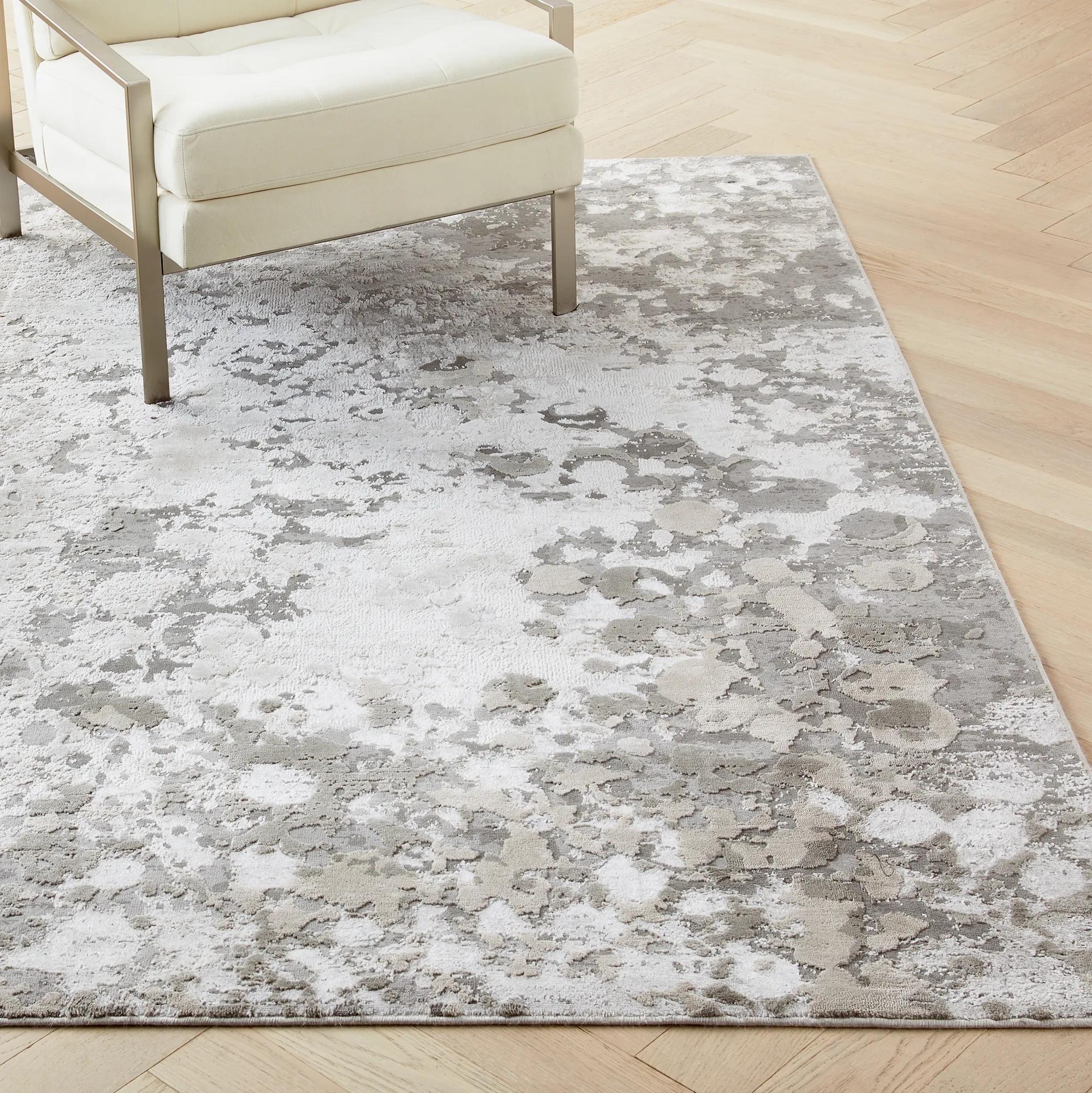
Handmade Wool Area Rugs
Handmade Wool Area Rugs
-
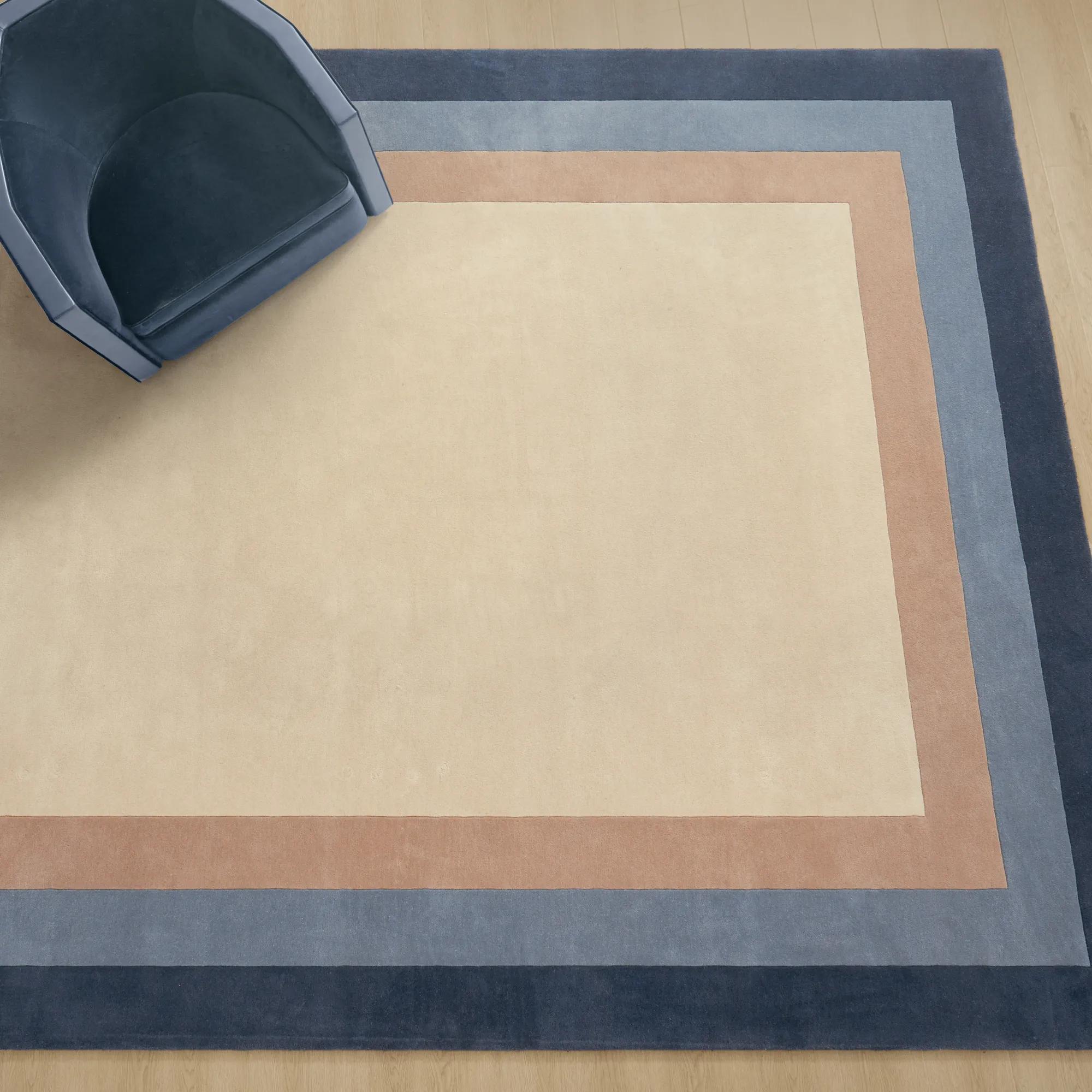 Bastien Hand-Tufted Blue/Taupe/Ivory Wool Border Rugs$1499
A hand-tufted wool rug featuring a bold color-blocked border in dusty blue, taupe, and ivory tones.
Add To Cart -
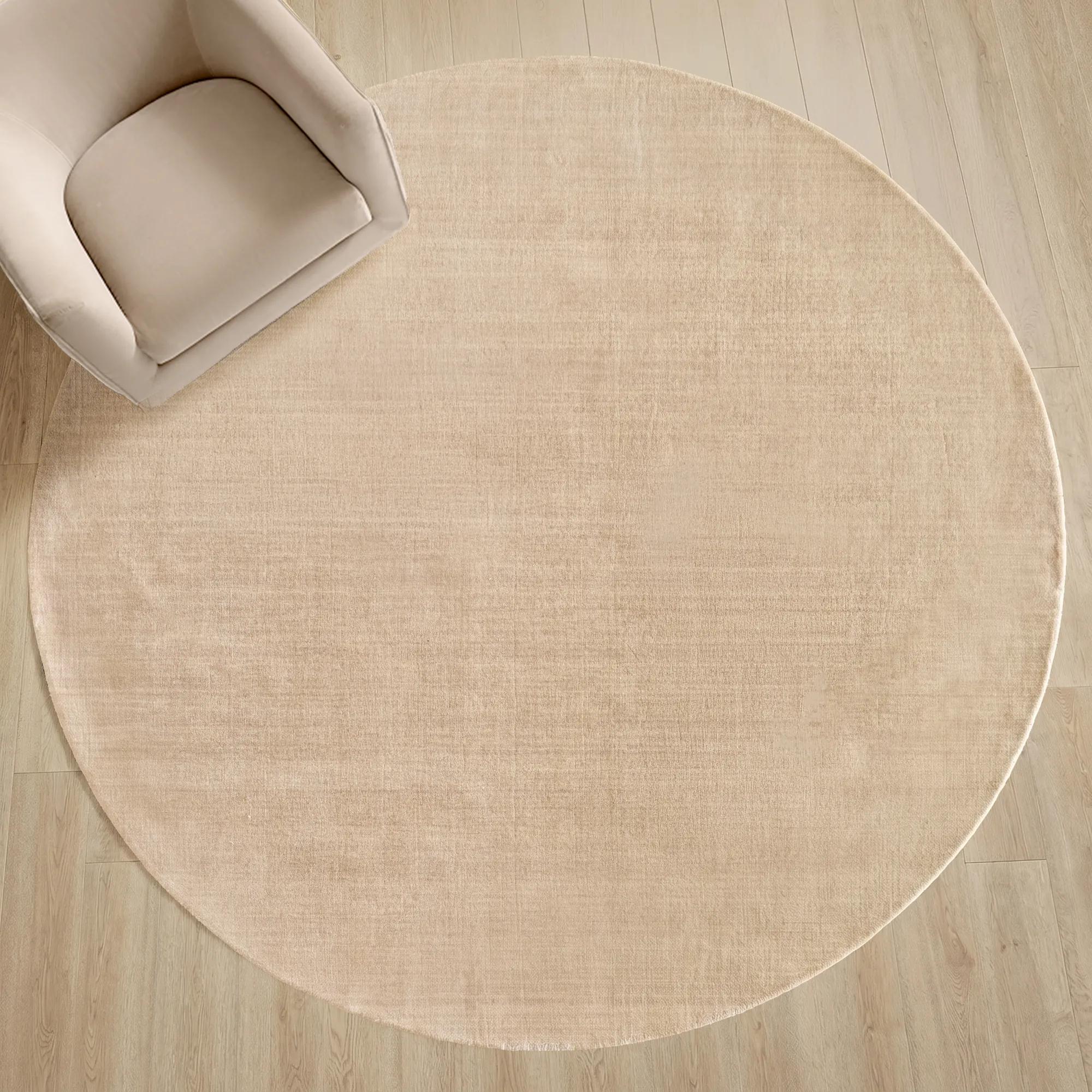 Juni Hand Woven Heathered Warm Beige Round Rug$1399
A handwoven round wool rug in heathered warm beige, offering refined texture and everyday durability.
Add To Cart -
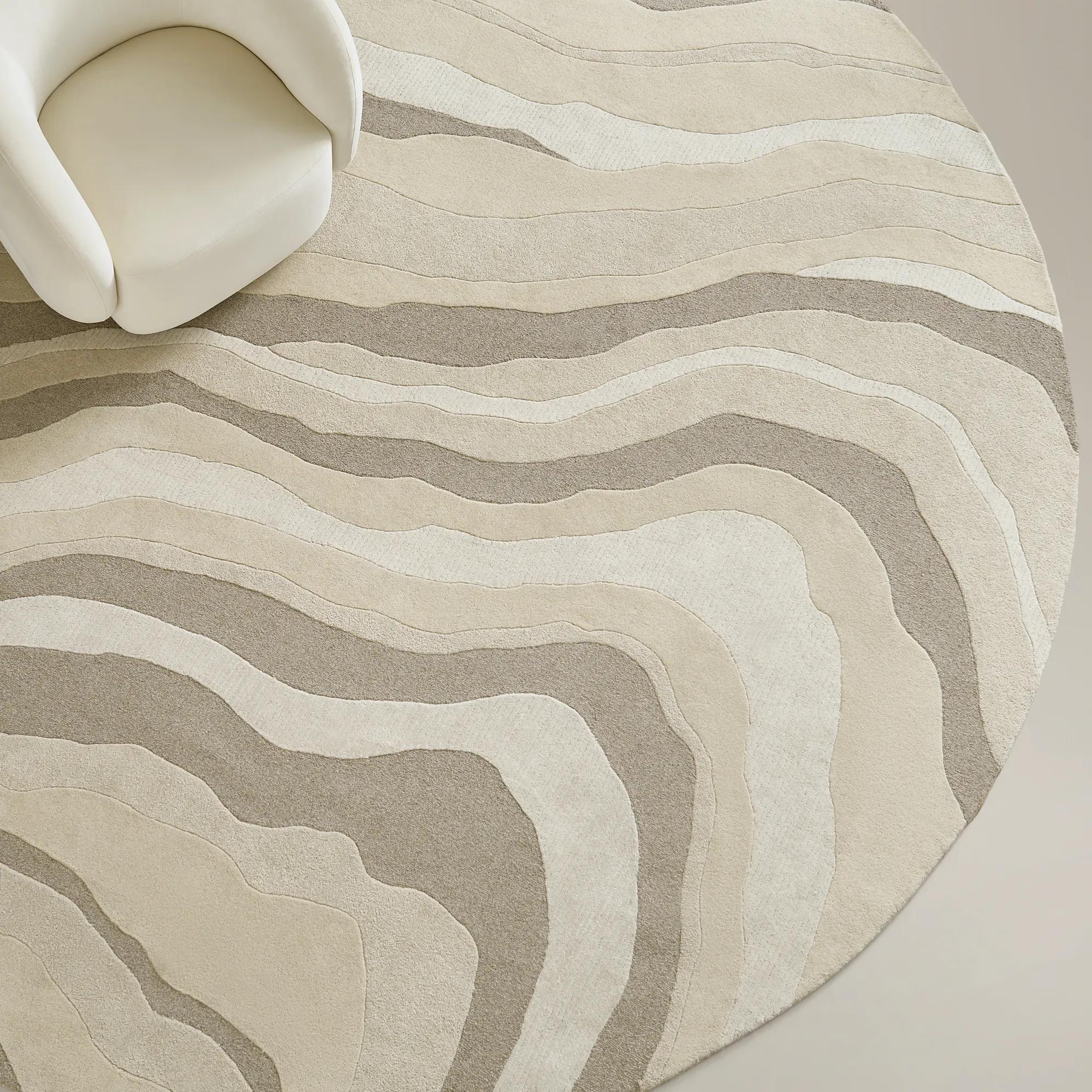 Kadence Hand-Tufted White/Ivory/Tan Wool Round Rug 12"$1799
A hand-tufted round rug in white, ivory, and tan, crafted from 100% wool for natural warmth.
Add To Cart -
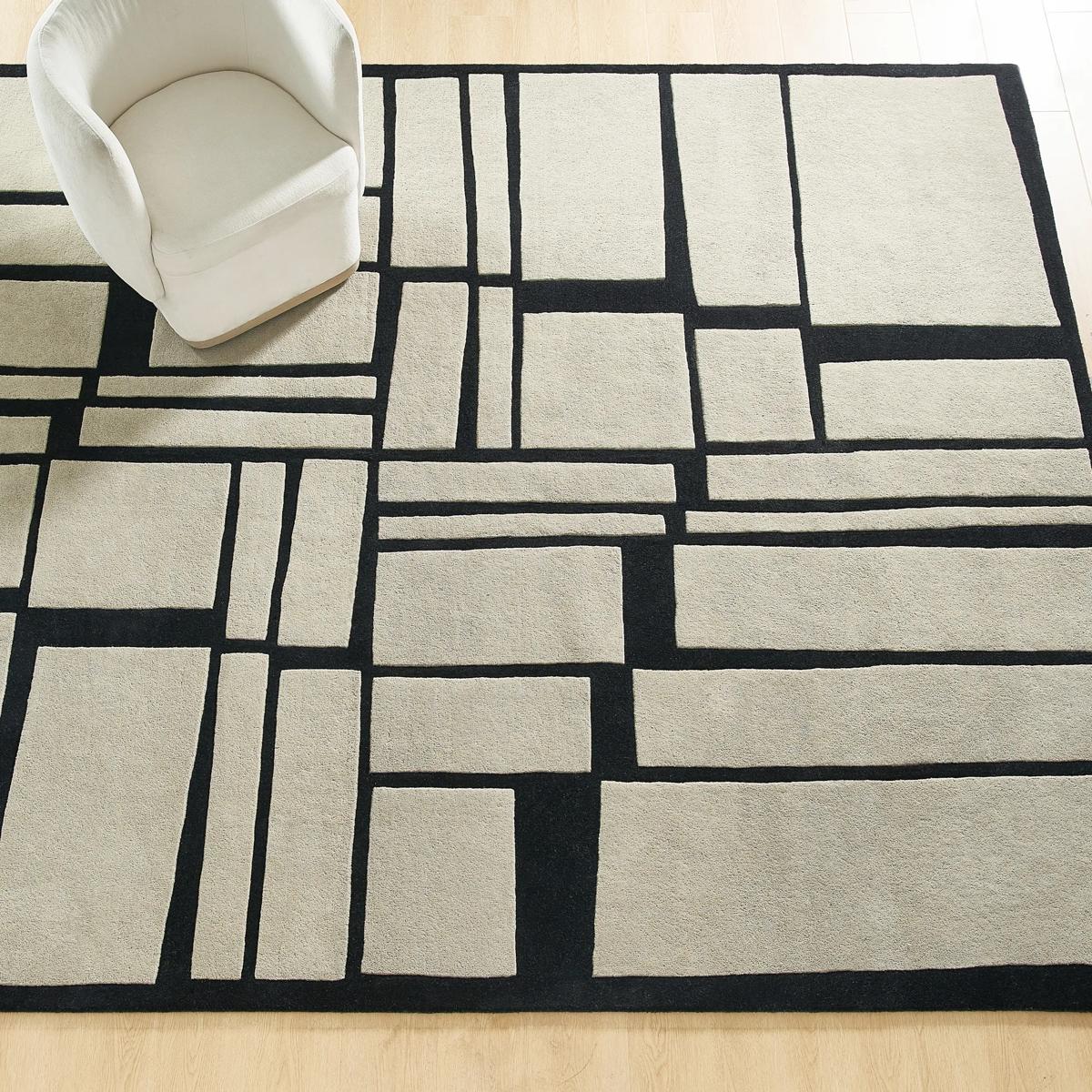 Novak Hand-Tufted Natural/Black Wool Rug$1399
A hand-tufted wool rug featuring a bold black and natural grid design for modern contrast.
Add To Cart -
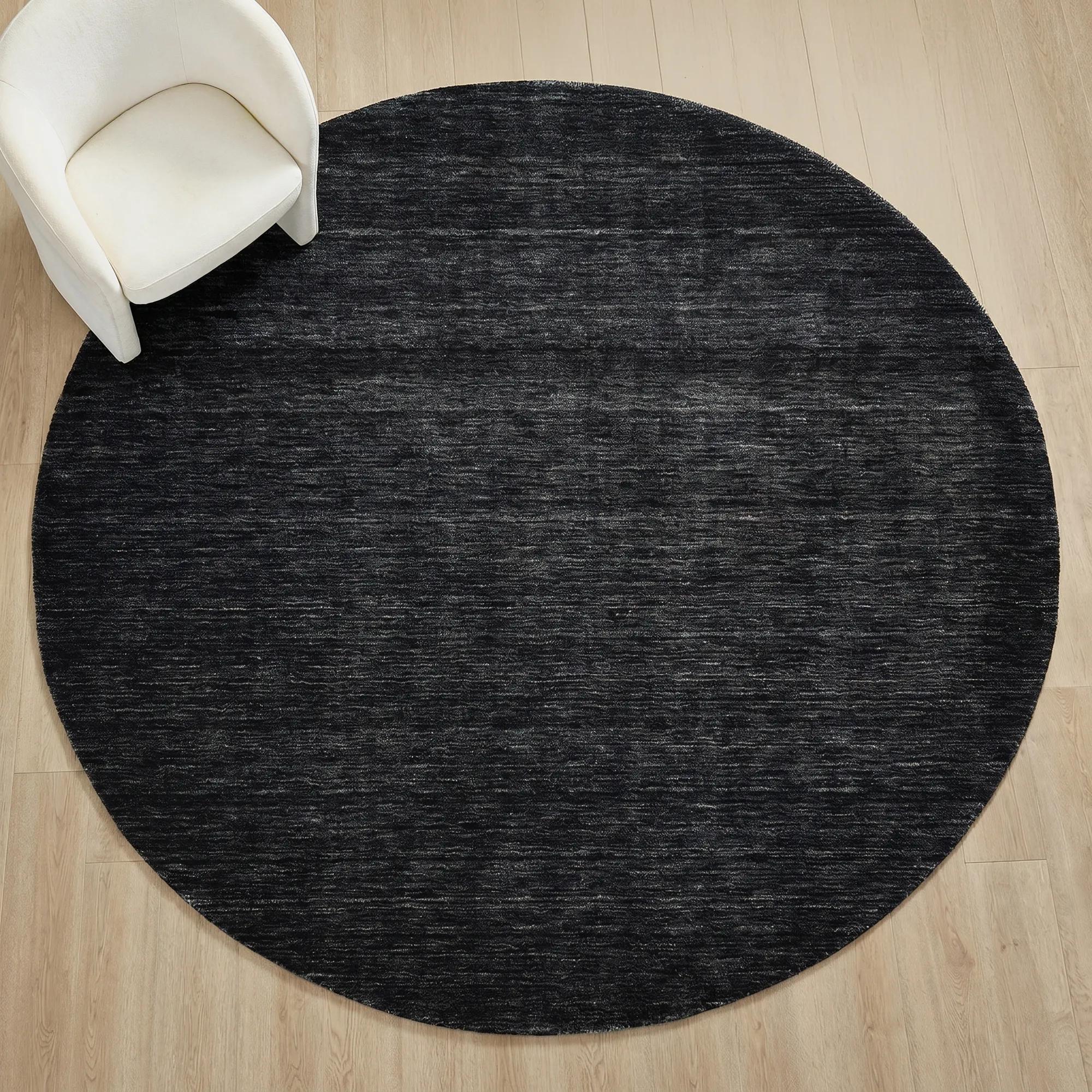 Juni Hand Woven Heathered Black Rug$799
A handwoven round wool rug in heathered black, offering durable texture and moody, contemporary style.
Add To Cart -
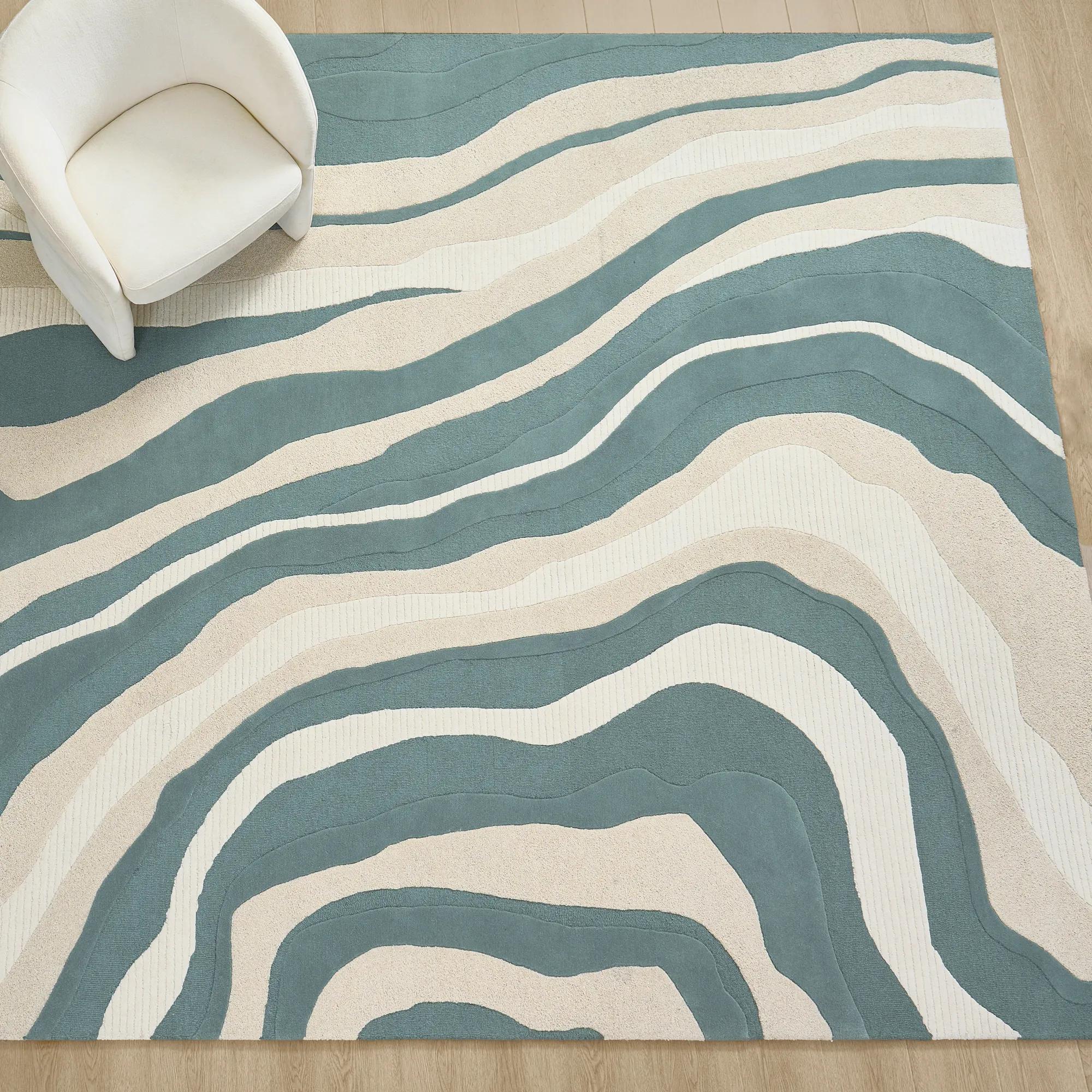 Kadence Hand-Tufted Sage Green/Ivory Wool Rugs$1499
A hand-tufted wool rug in deep sage green and ivory with a sculptural high-low abstract wave pattern.
Add To Cart -
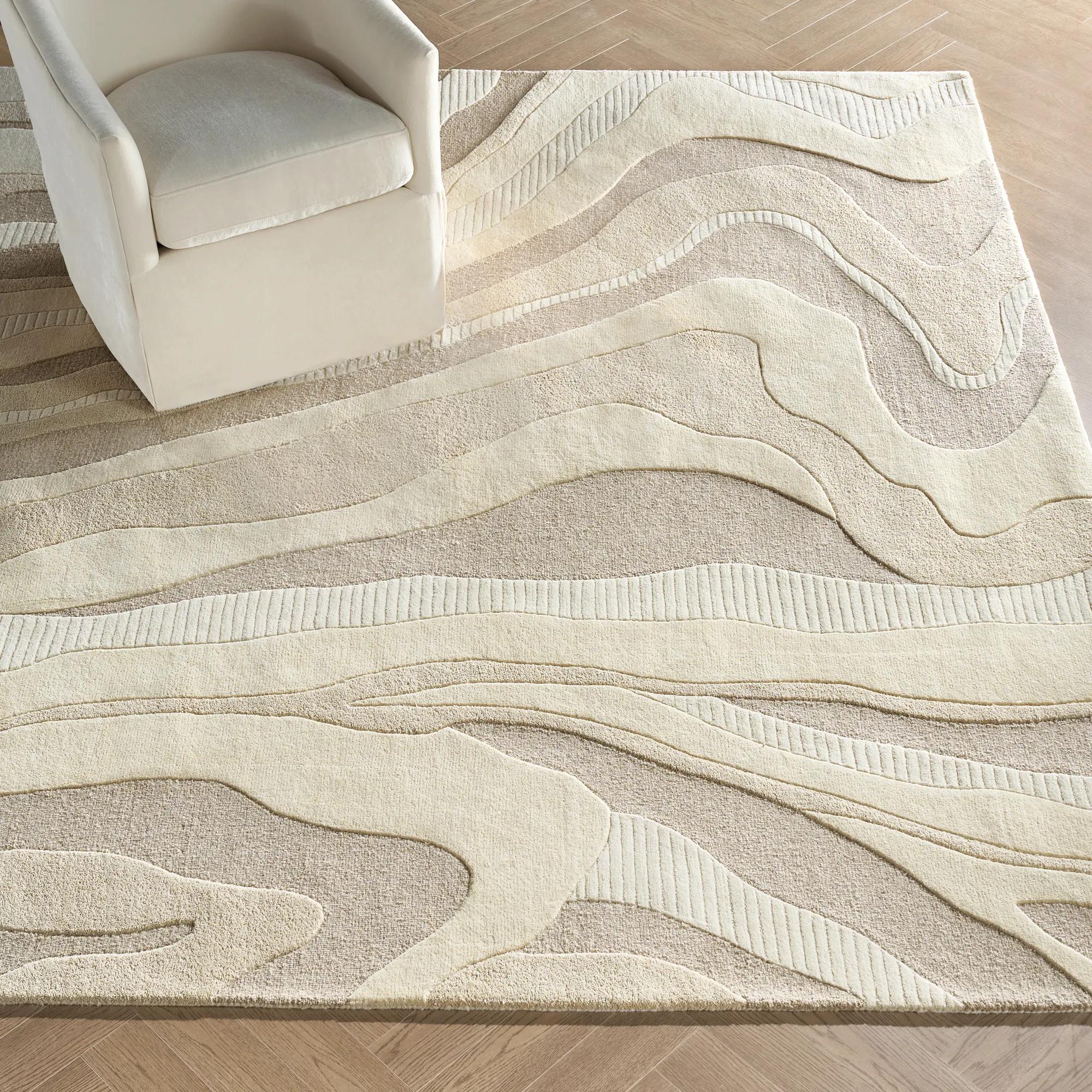 Kadence Hand-Tufted Ivory/Tan Wool Rug$499
A hand-tufted wool rug featuring a multi-textured swirl design in ivory and tan for elegant depth.
Add To Cart -
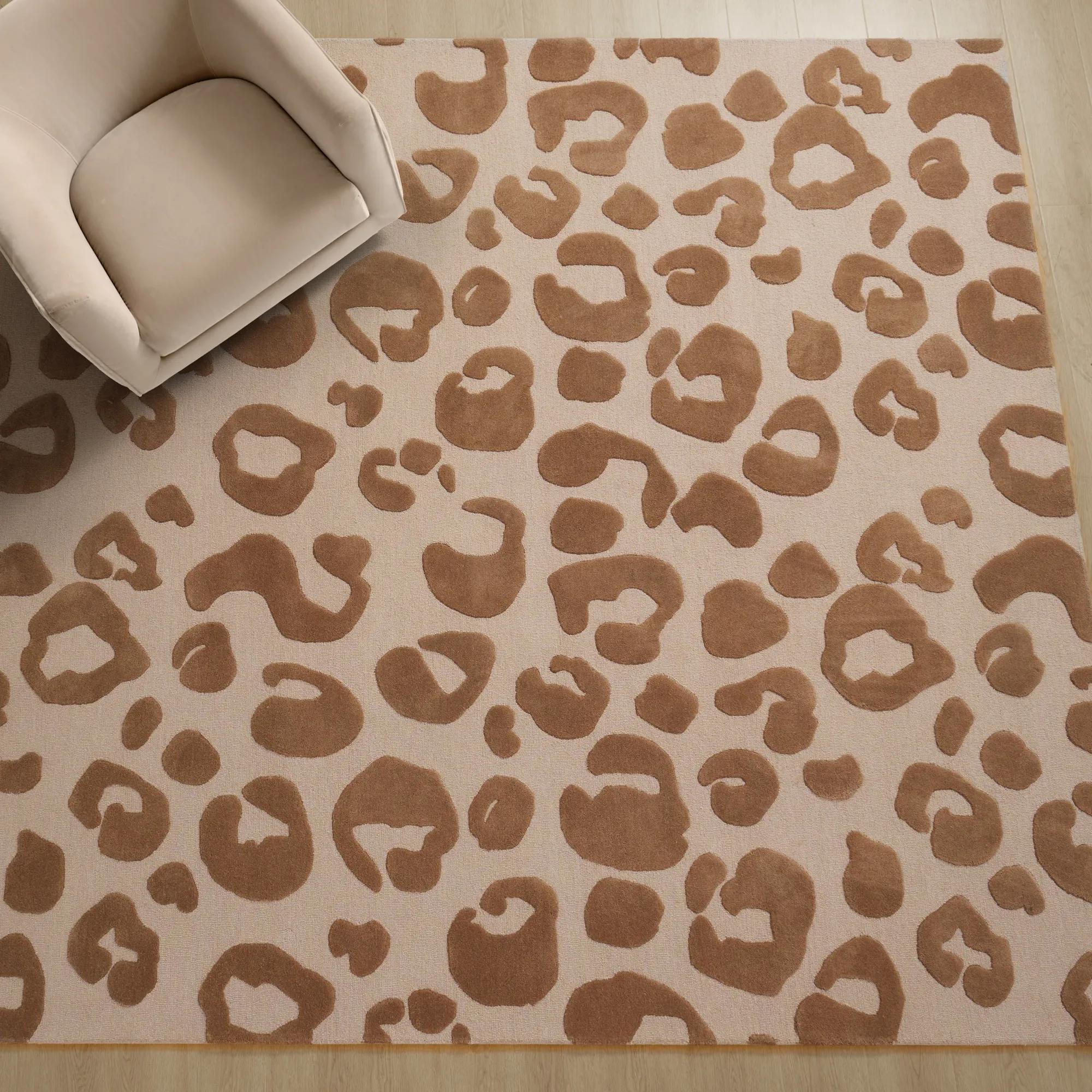 Pounce Hand-Tufted Tawny Brown Leopard Print Wool Rugs$999
A hand-tufted pure wool rug in tawny brown with a bold oversized leopard print and sculptural texture.
Add To Cart -
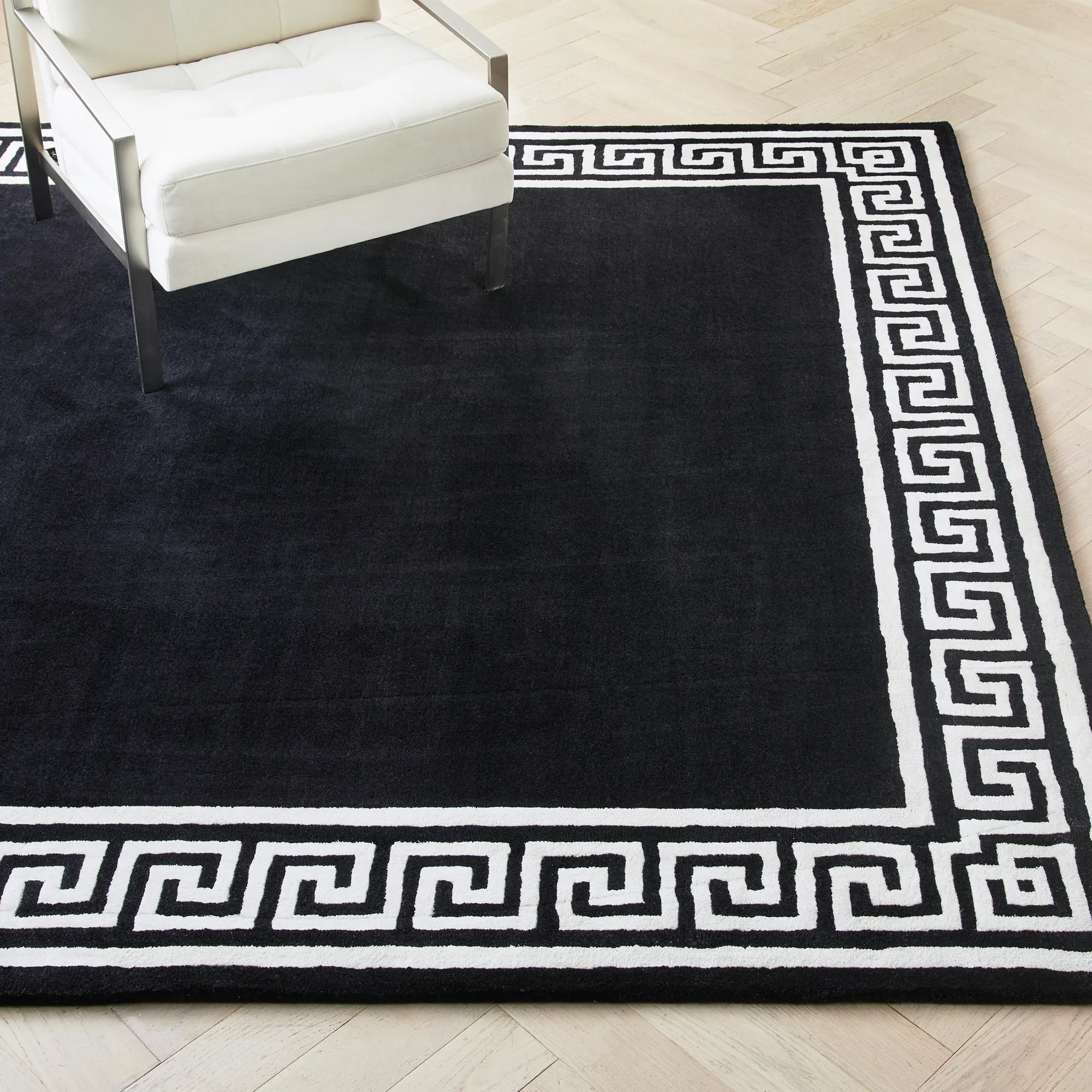
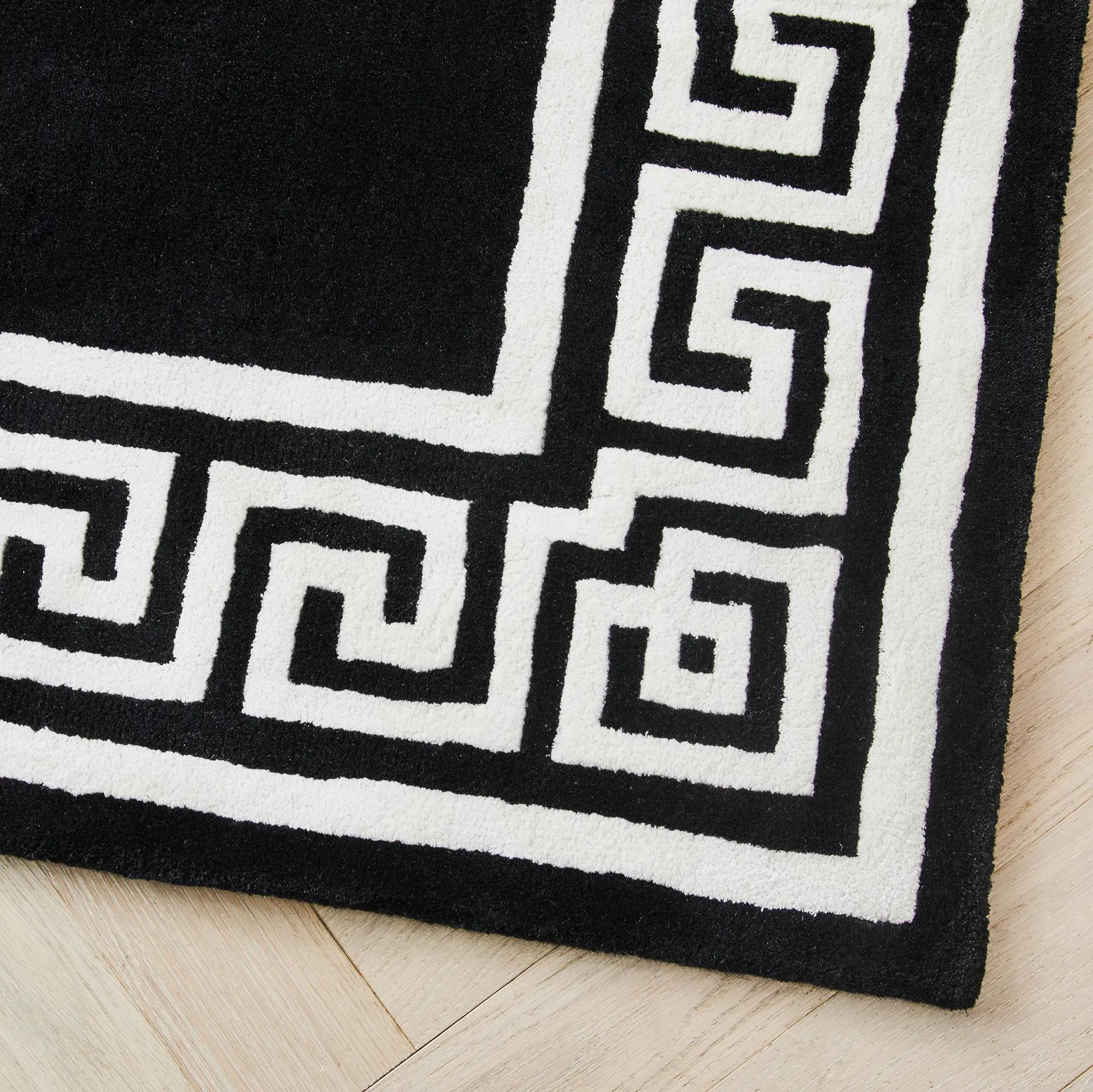 Greek Key Rug - Black/Ivory$1799
A hand-tufted black and ivory rug featuring a classic Greek key pattern in wool and viscose.
Add To Cart -
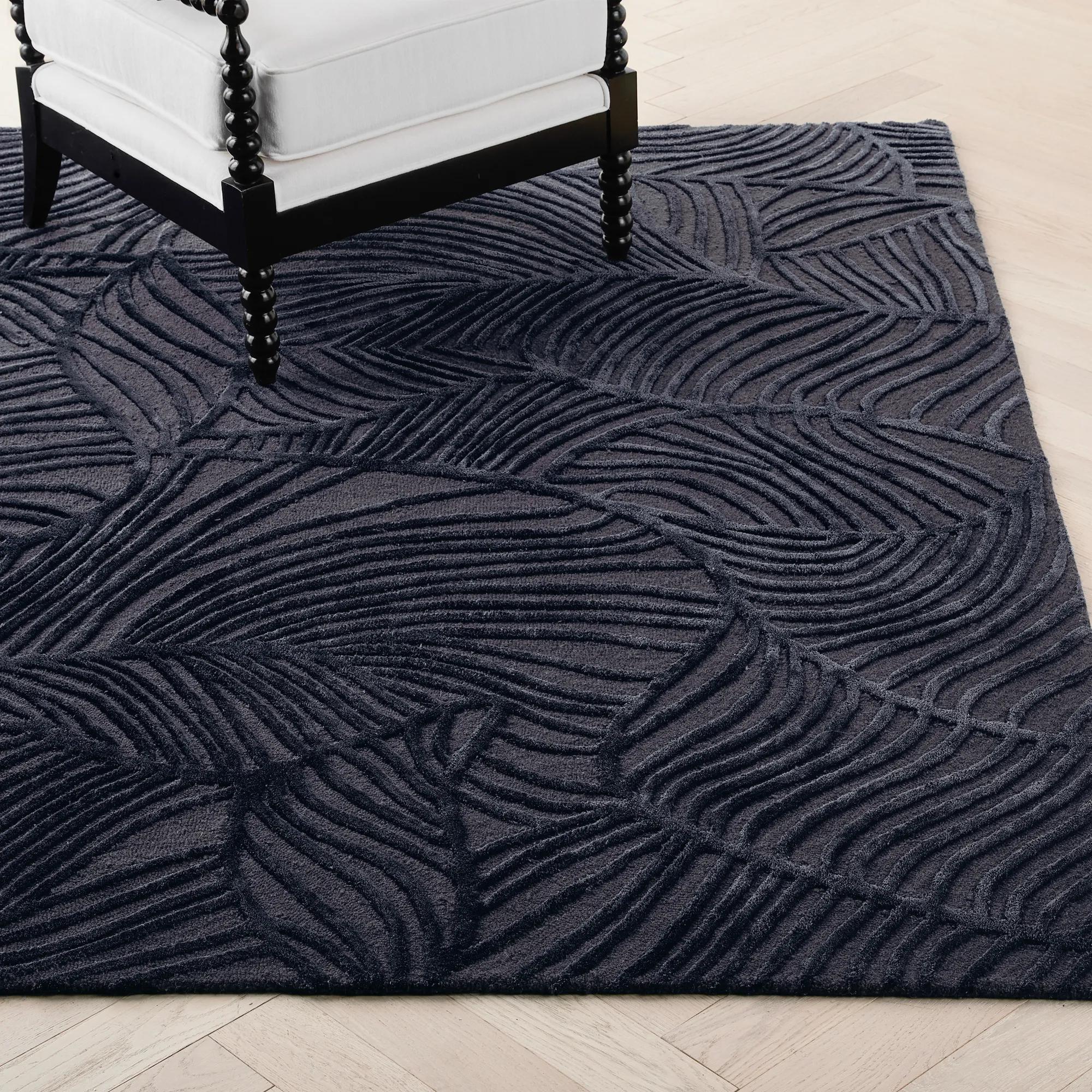
 Palm Rug - Charcoal$1499
A charcoal rug featuring a dynamic palm-leaf design with a textured high-low viscose and wool pile.
Add To Cart -
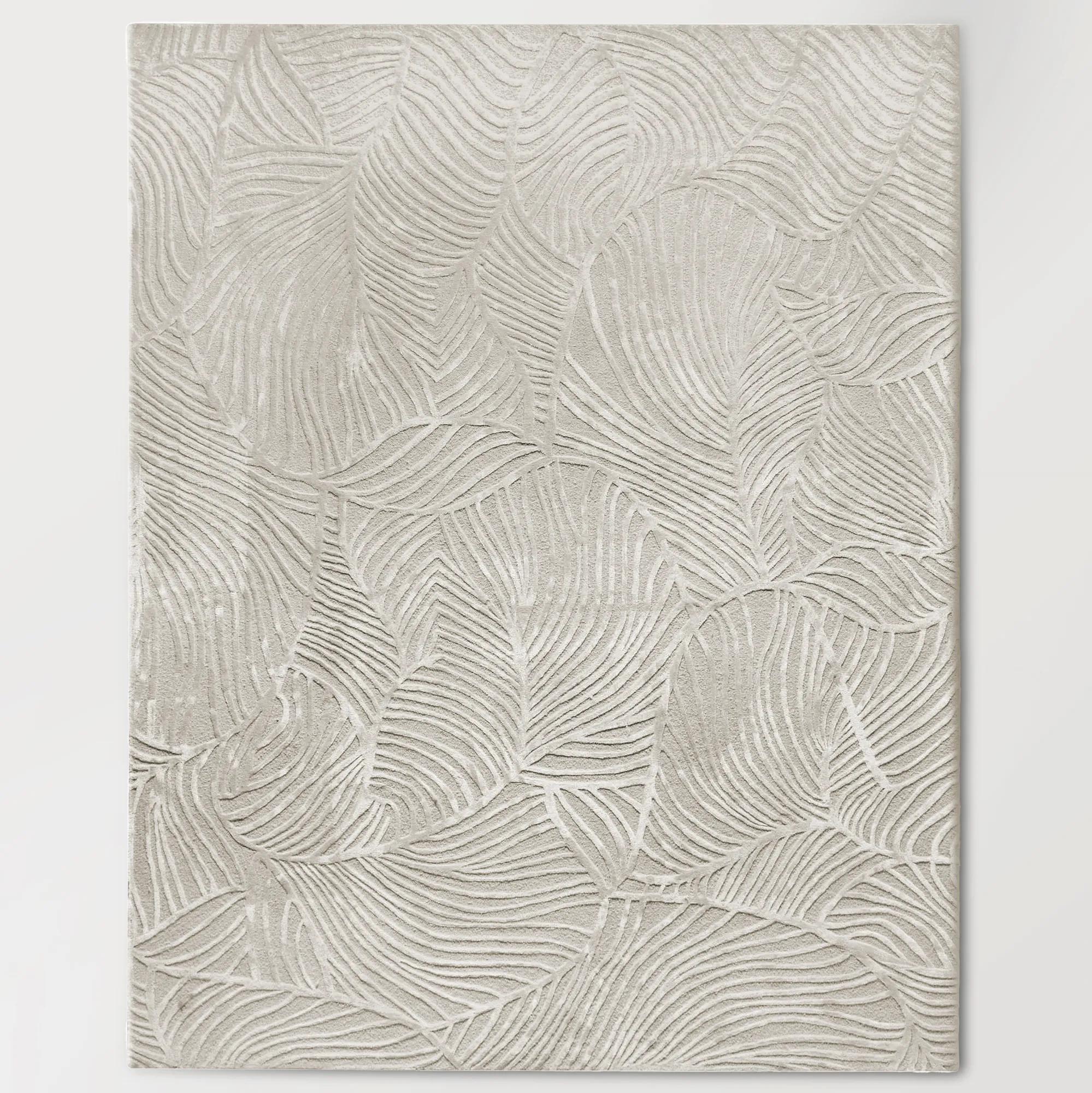 Palm Hand-Tufted Ivory Wool Blend Rug$999
An ivory rug featuring a dynamic palm-leaf design with high-low pile in viscose and wool.
Add To Cart -
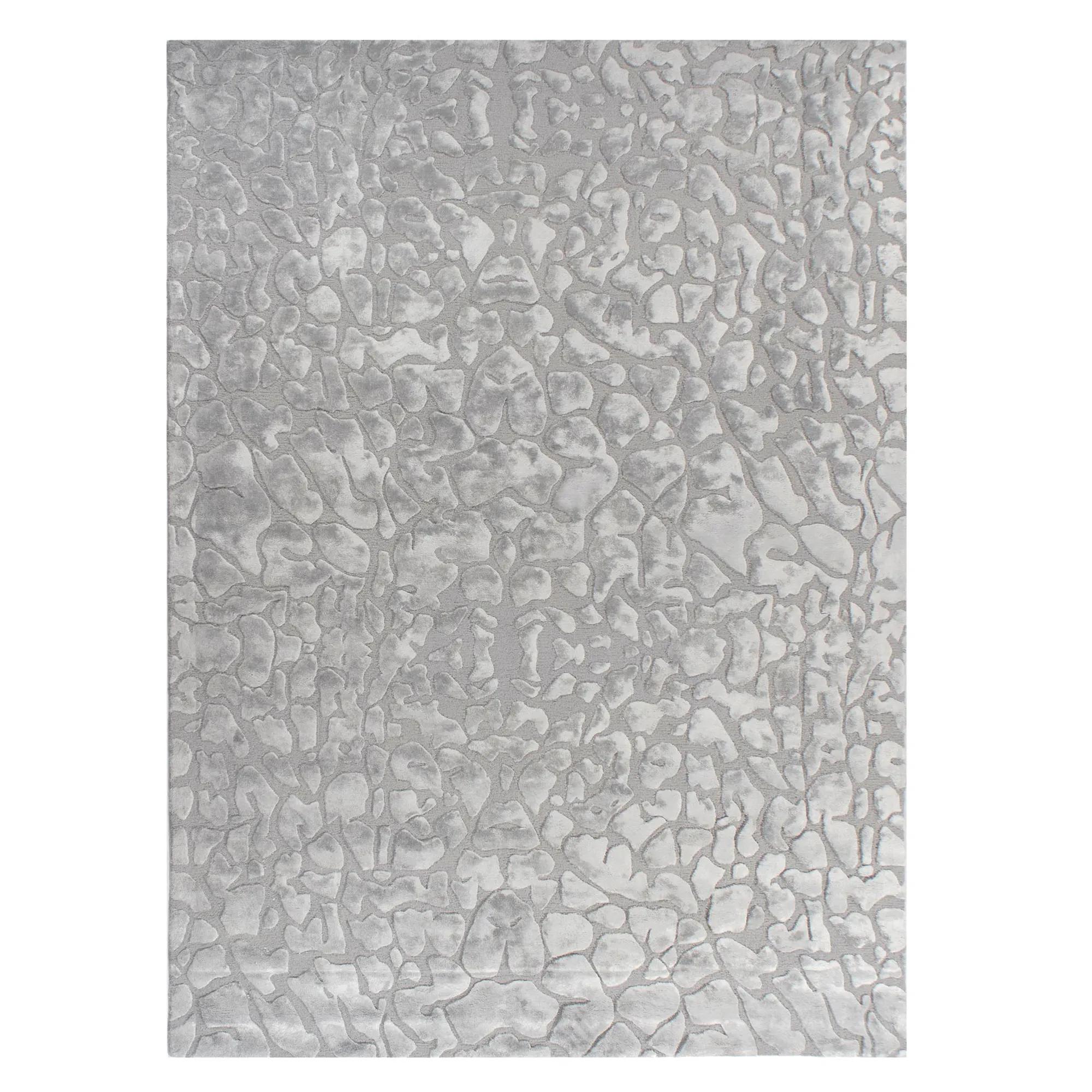
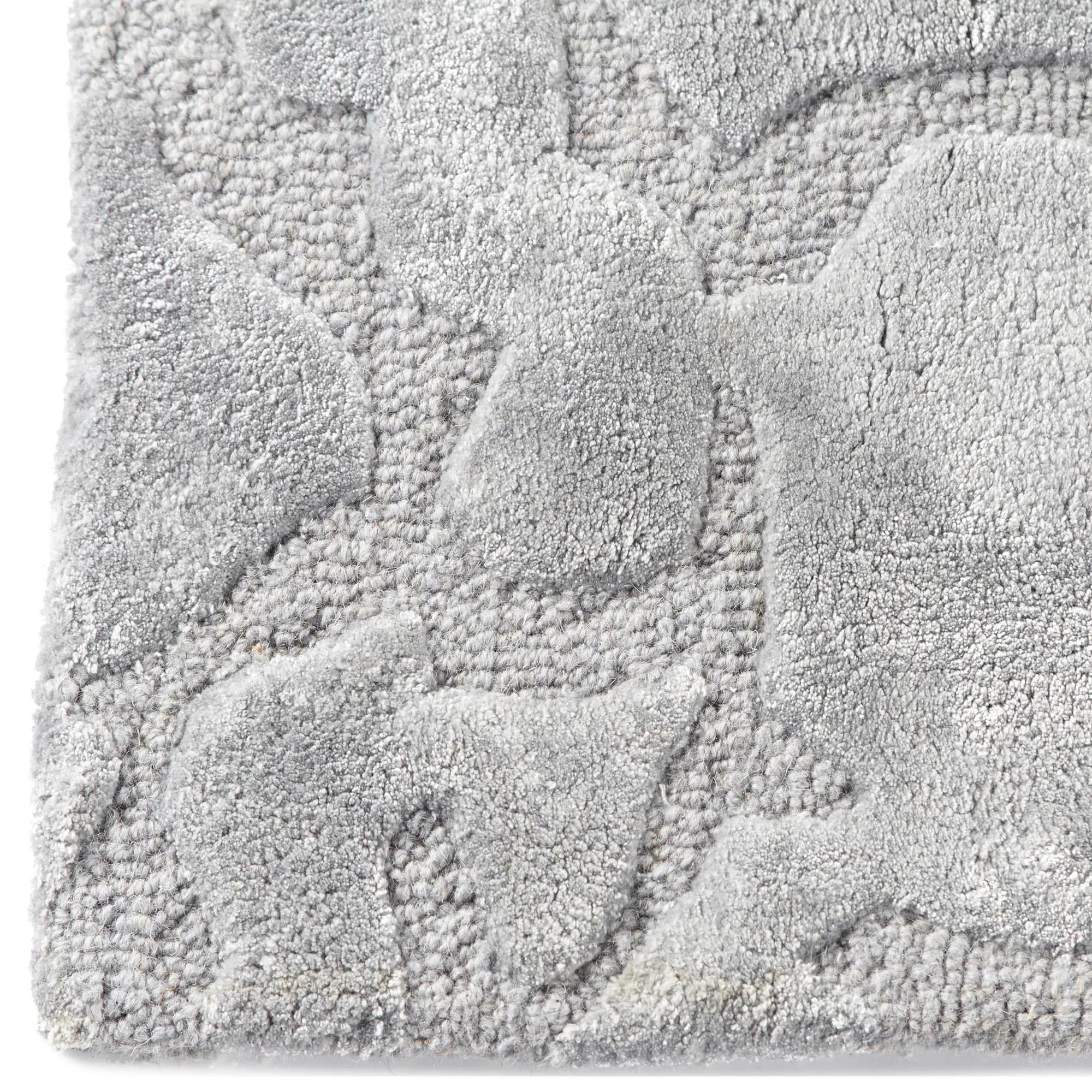 Nola Hand-Tufted Cool Grey Wool Blend Rug$849
A hand-tufted silver rug with contrasting pile heights, crafted from wool and viscose for plush texture.
Add To Cart -
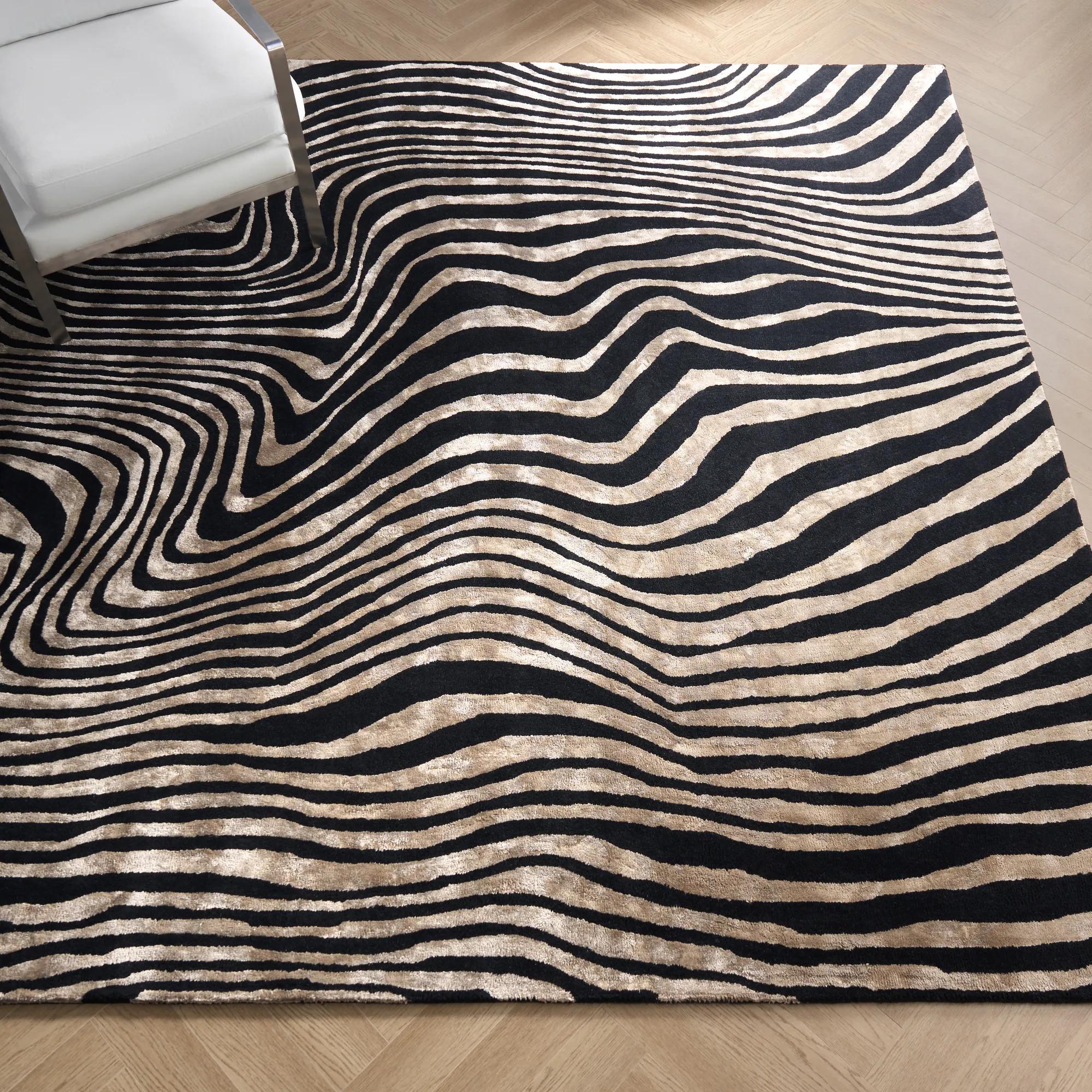
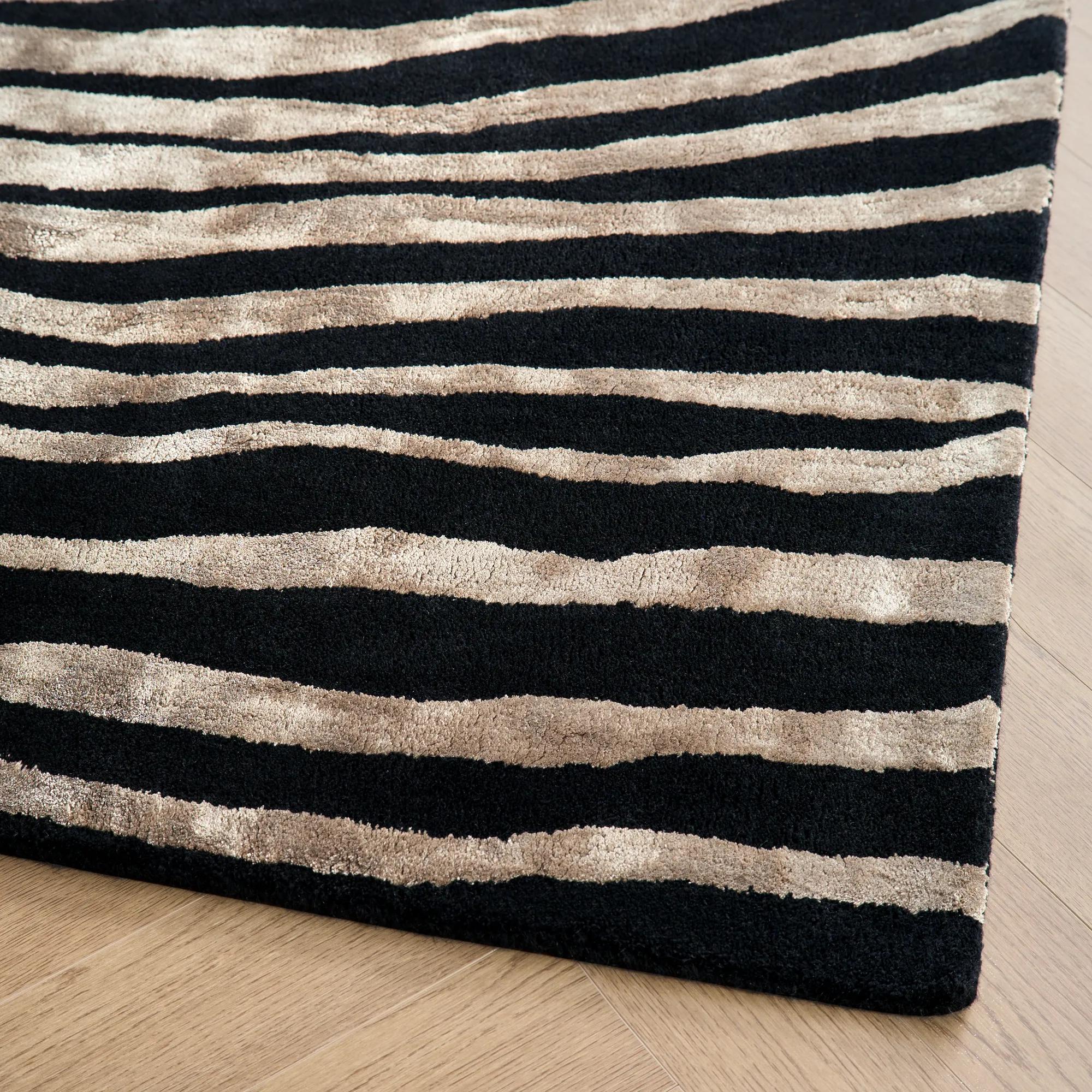 Abstract Zebra Hand-Tufted Black/Taupe Wool Blend Rug$1599
An artisan hand-tufted rug in black and taupe wool-viscose, featuring a striking abstract zebra pattern.
Add To Cart -
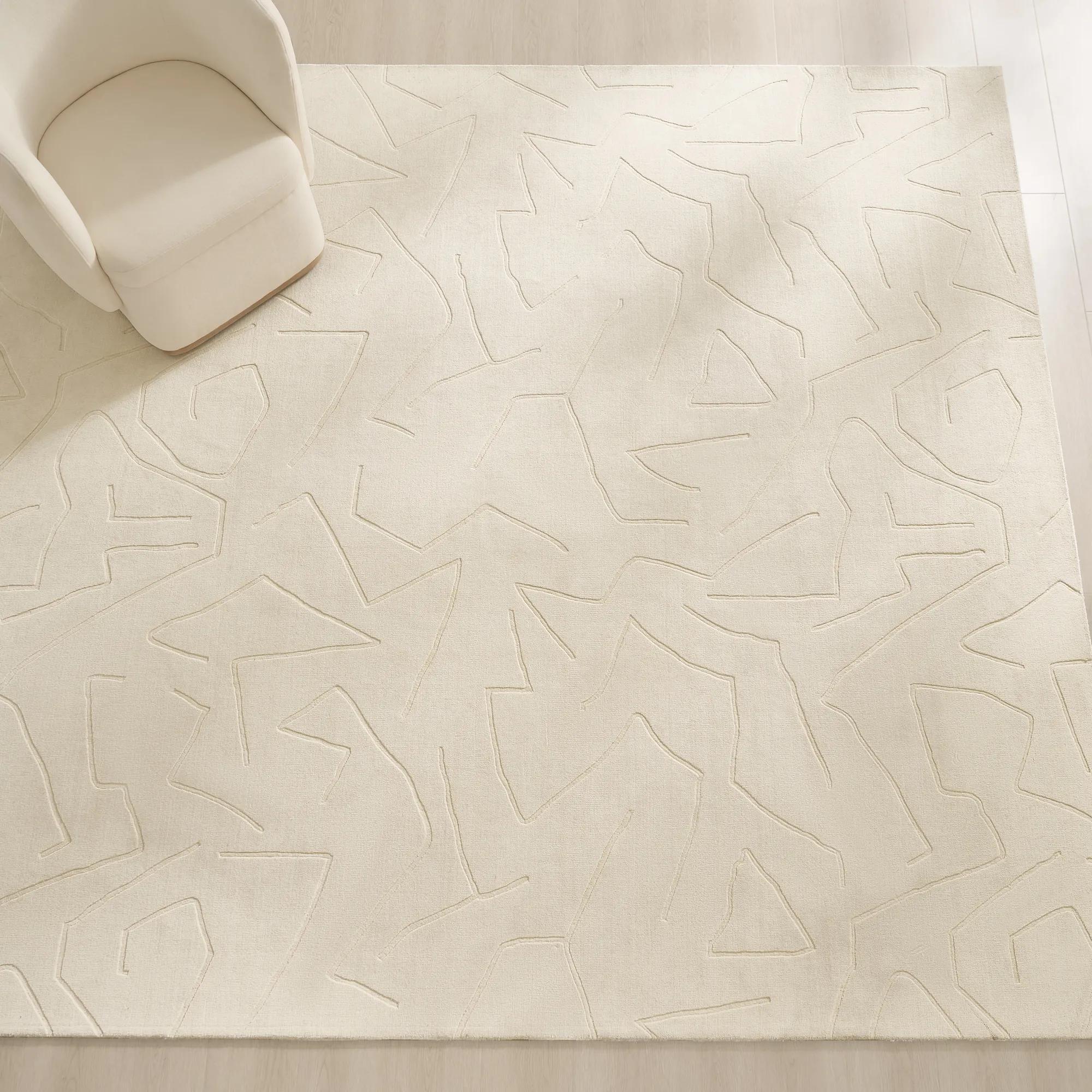 Carved Maze Ivory Hand-Loomed Wool Blend Rug$1399
A hand-loomed ivory wool-blend rug featuring a carved maze pattern for modern textural appeal.
Add To Cart -
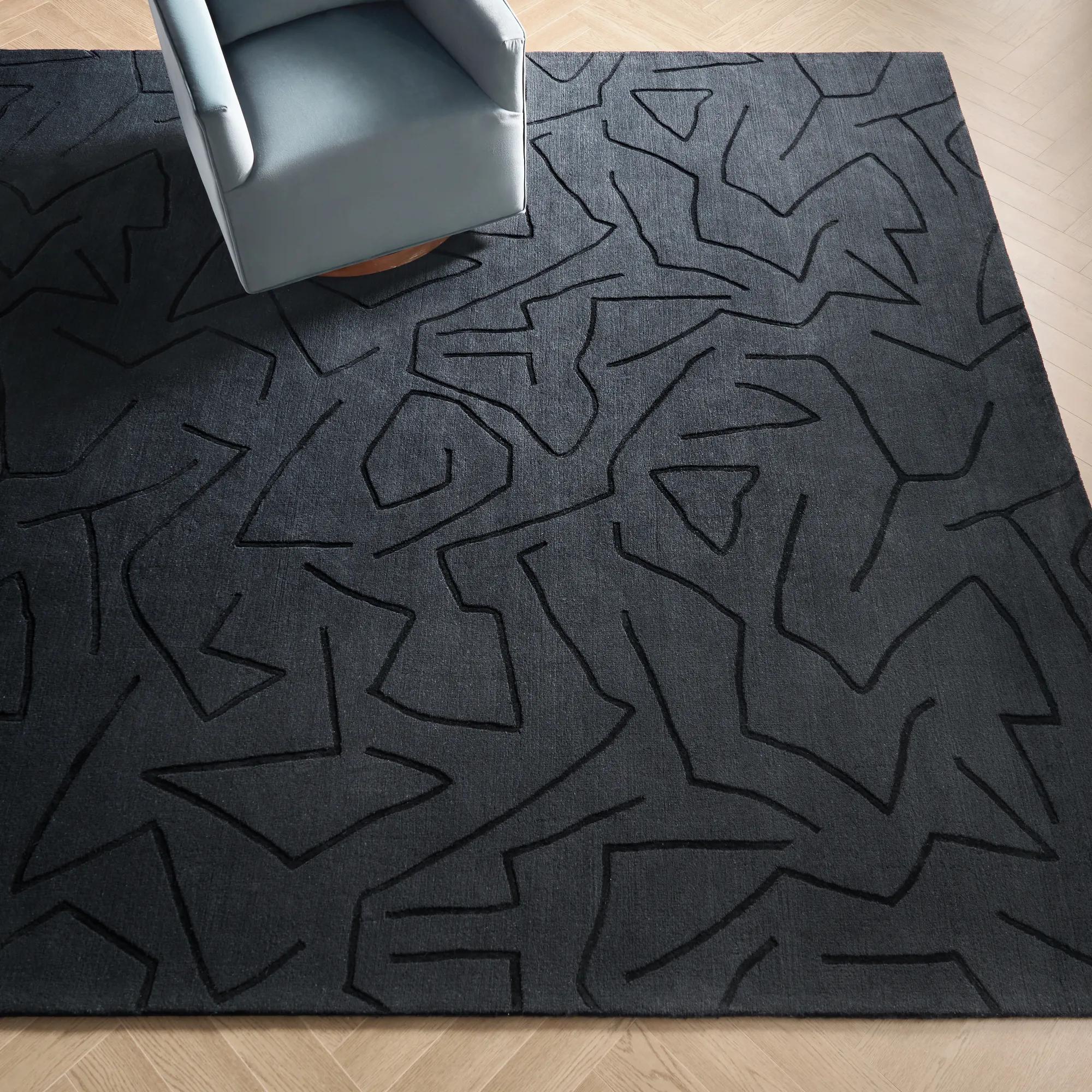 Carved Maze Rug$699
A hand-loomed black rug crafted from wool and viscose, featuring a carved maze design for added texture.
Add To Cart -
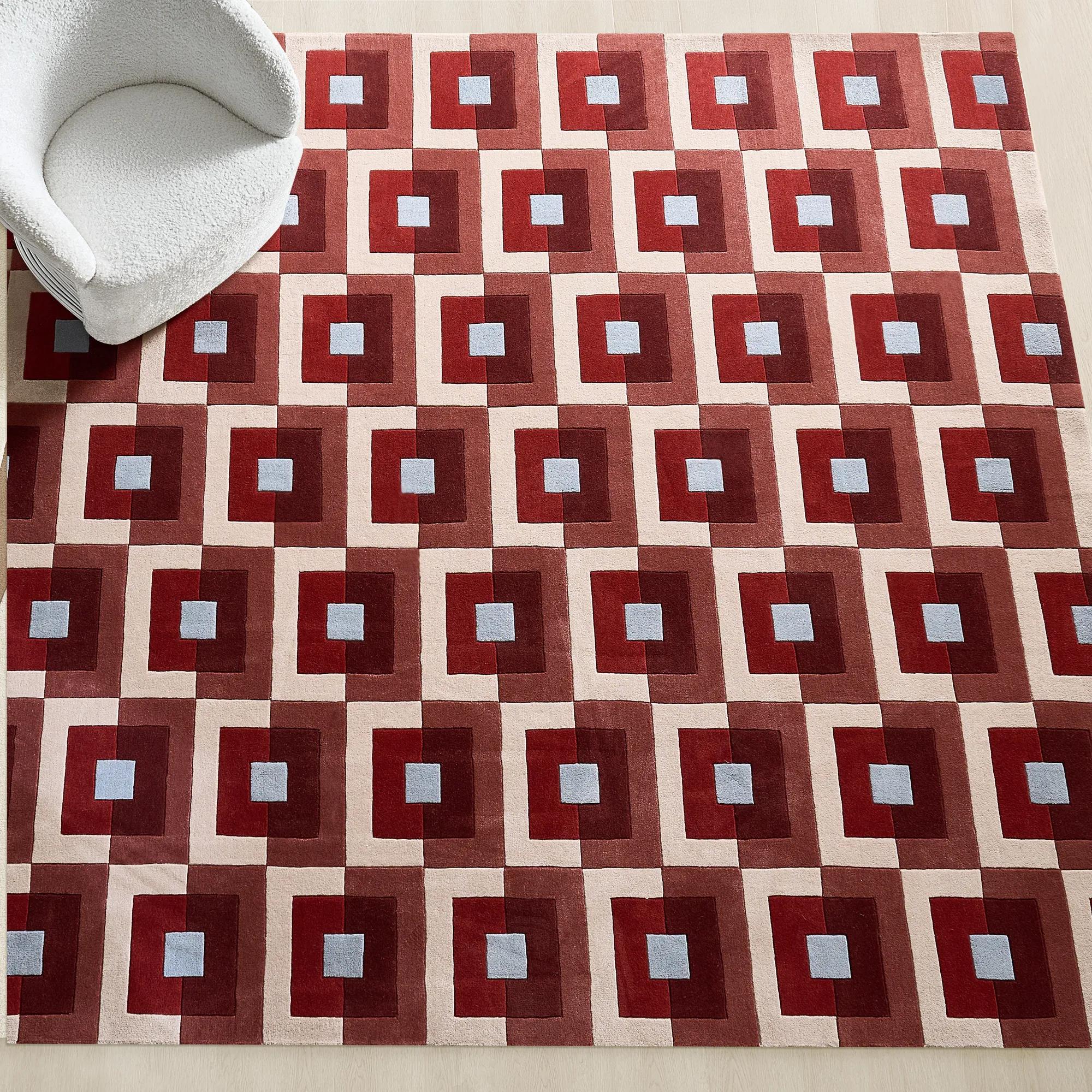
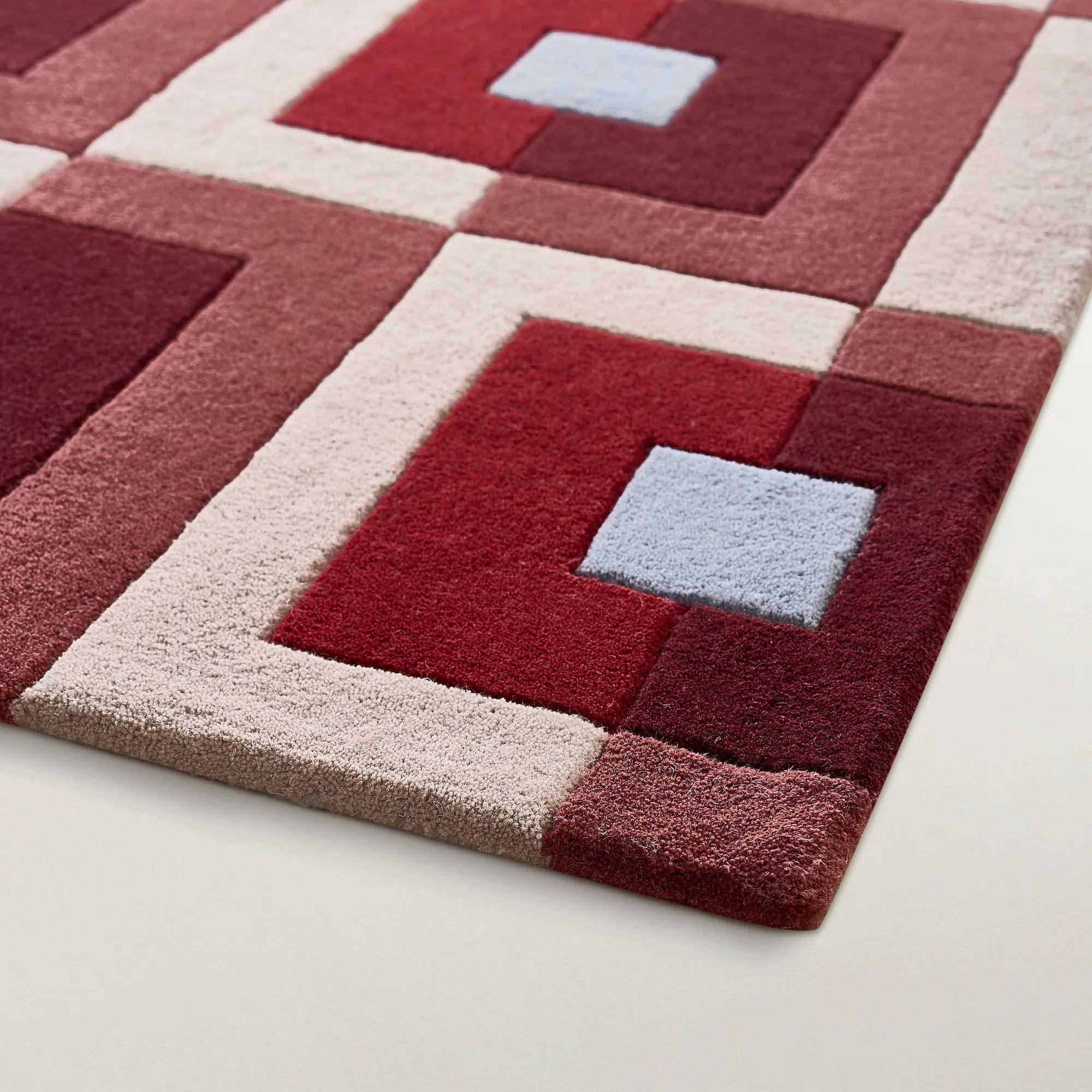 Geo Pop Wool Rug - Oxblood Red/Airy Blue$1099
A geometric wool rug blending oxblood red and airy blue for bold, modern interiors.
Add To Cart -
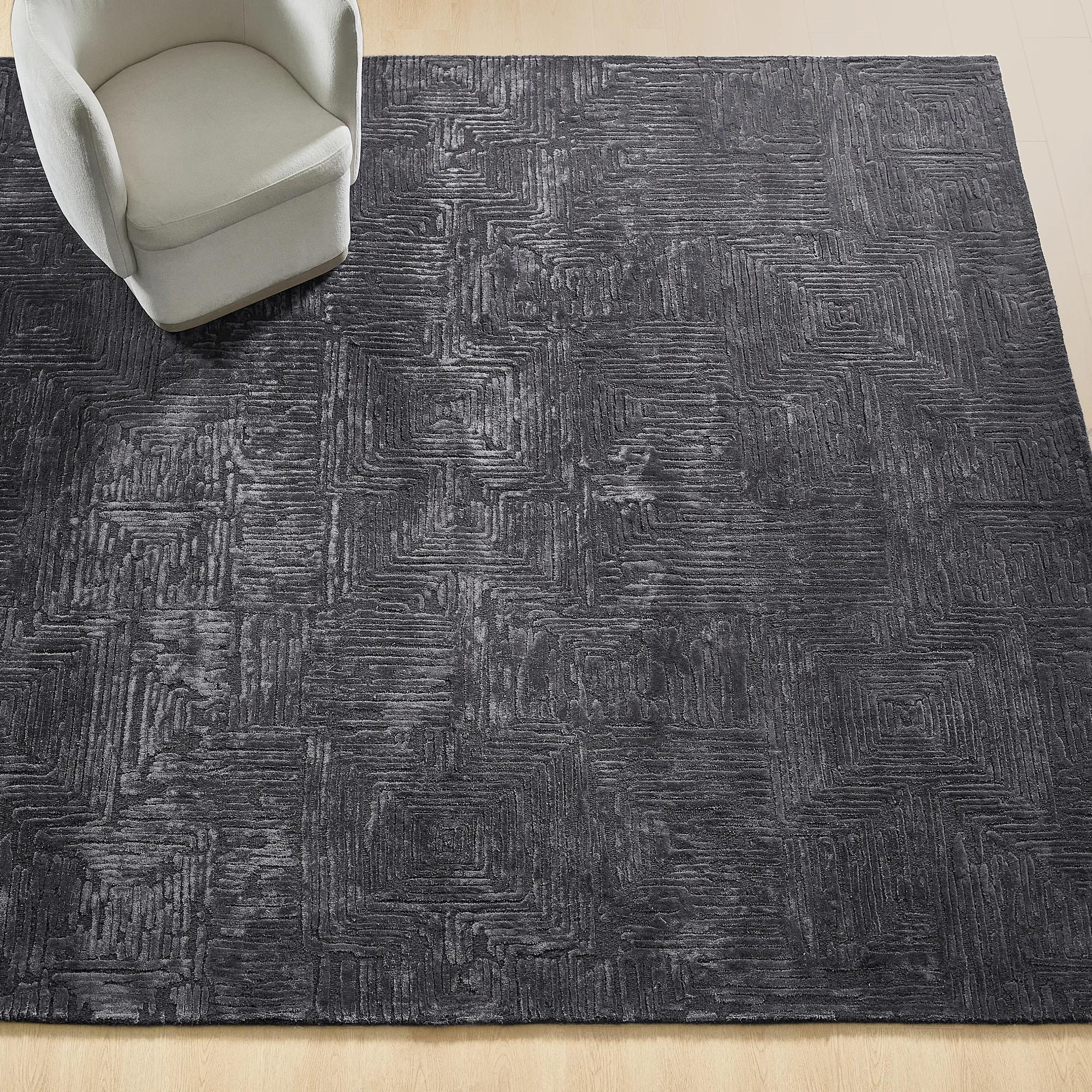
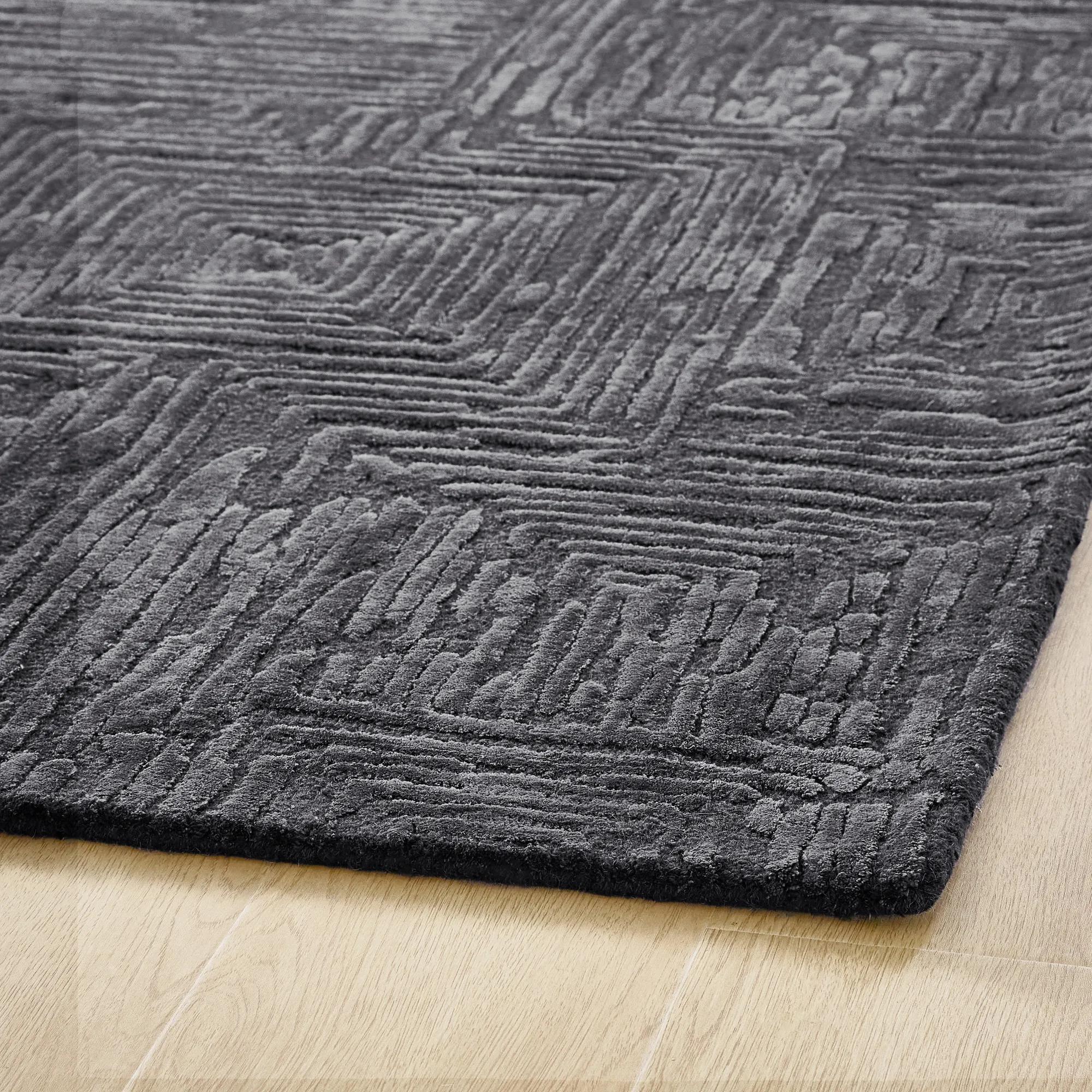 Andra Charcoal Hand-Tufted Wool Blend Dimensional Rug$1499
A hand-tufted viscose-wool rug in rich charcoal with a sculptural, dimensional pattern and plush texture.
Add To Cart -
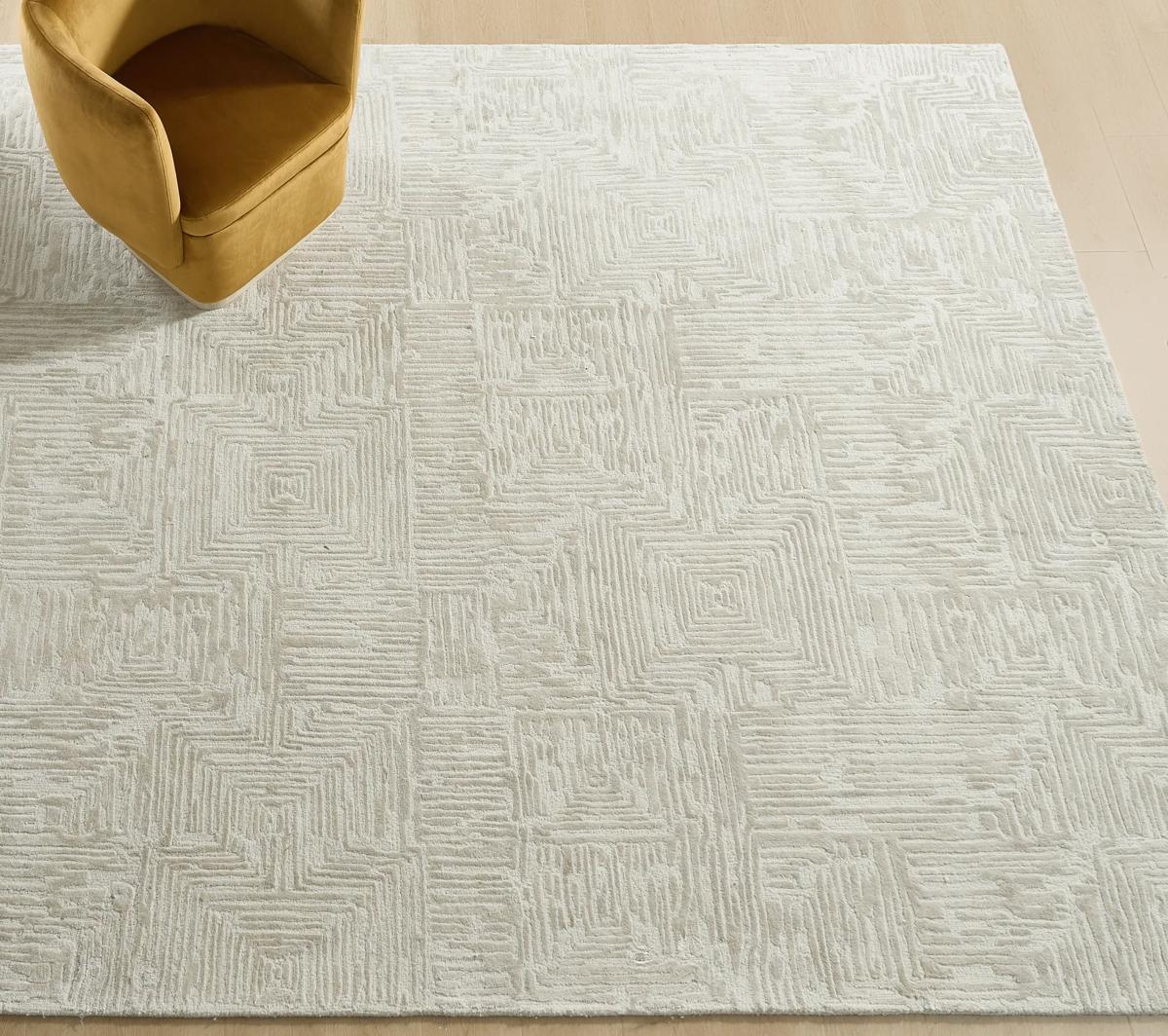 Andra Ivory Hand-Tufted Wool Blend Dimensional Rug$1499
A hand-tufted ivory rug in a viscose-wool blend with raised detailing and a subtle sheen.
Add To Cart -
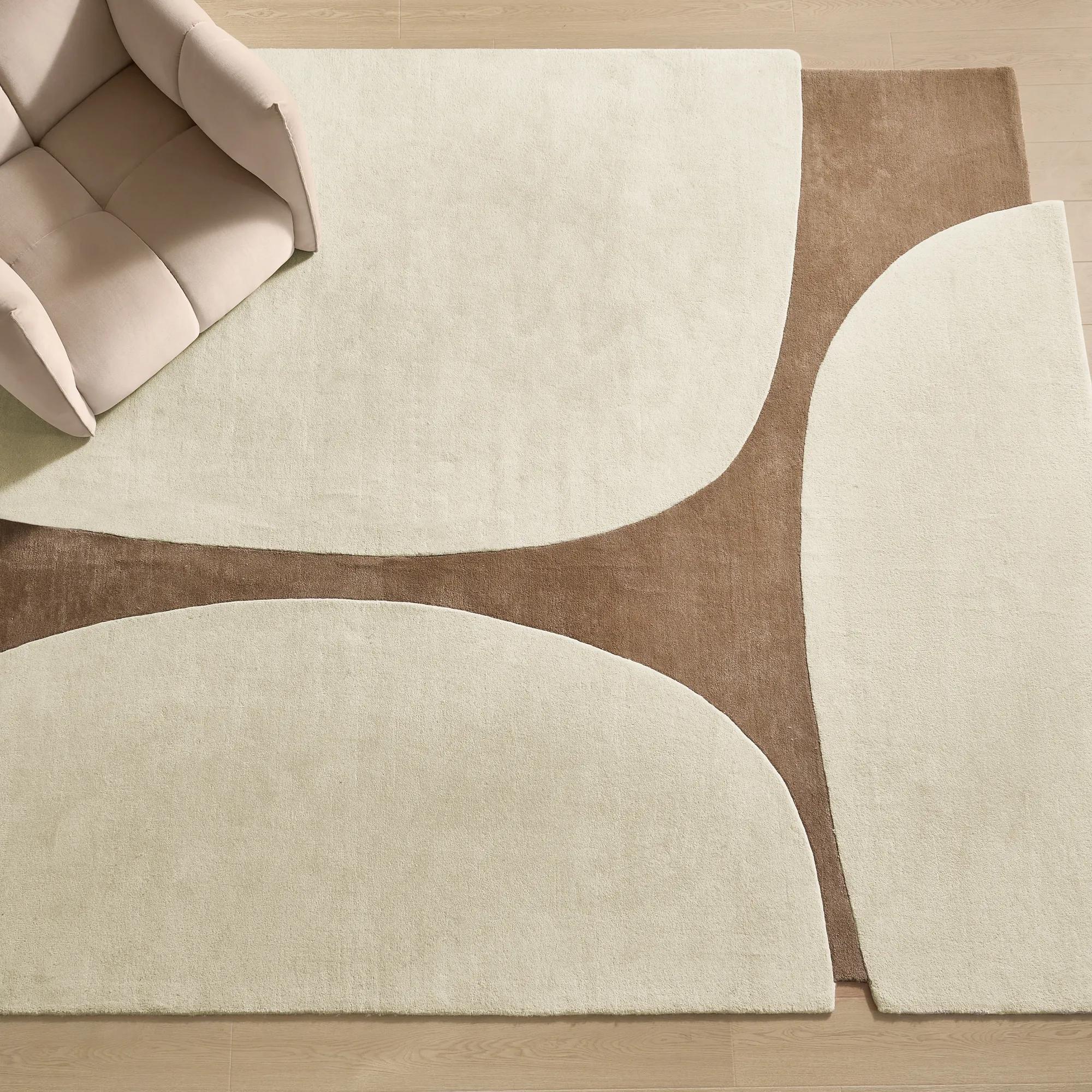
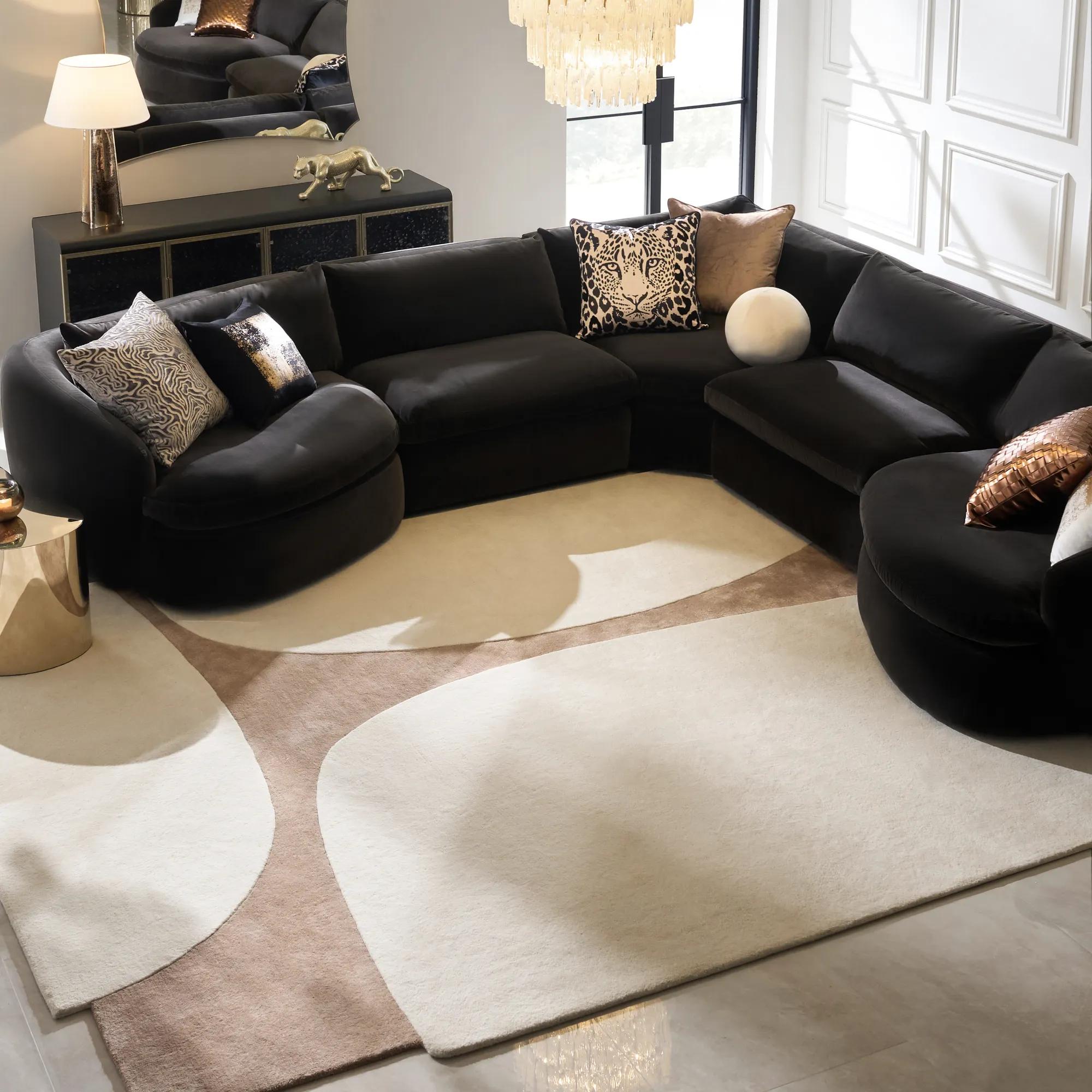 Contour Hand-Tufted Ivory/Ginger Root Wool Blend Rug$1499
A hand-tufted wool rug featuring an ivory and ginger root palette with a contoured, modern design.
Add To Cart -
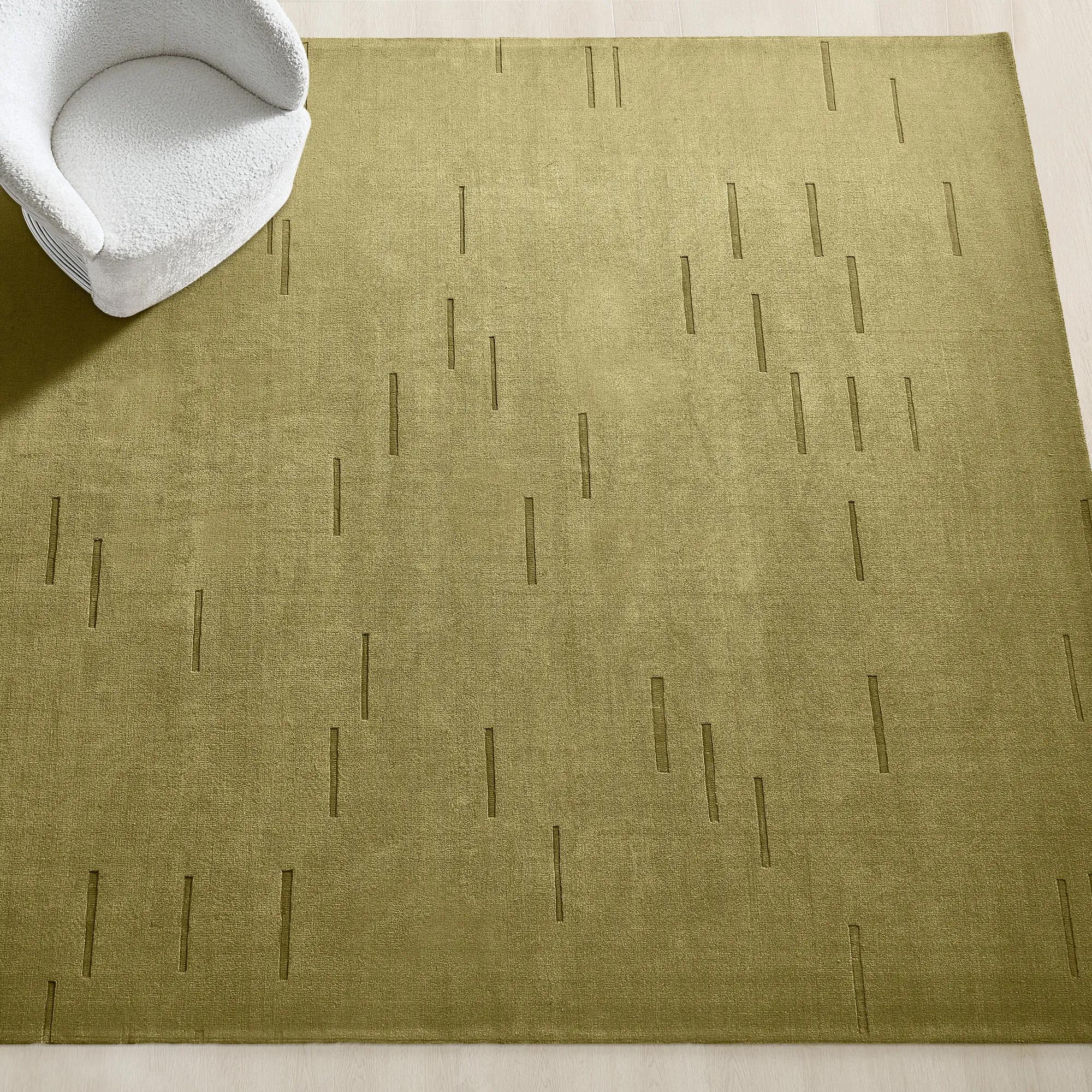
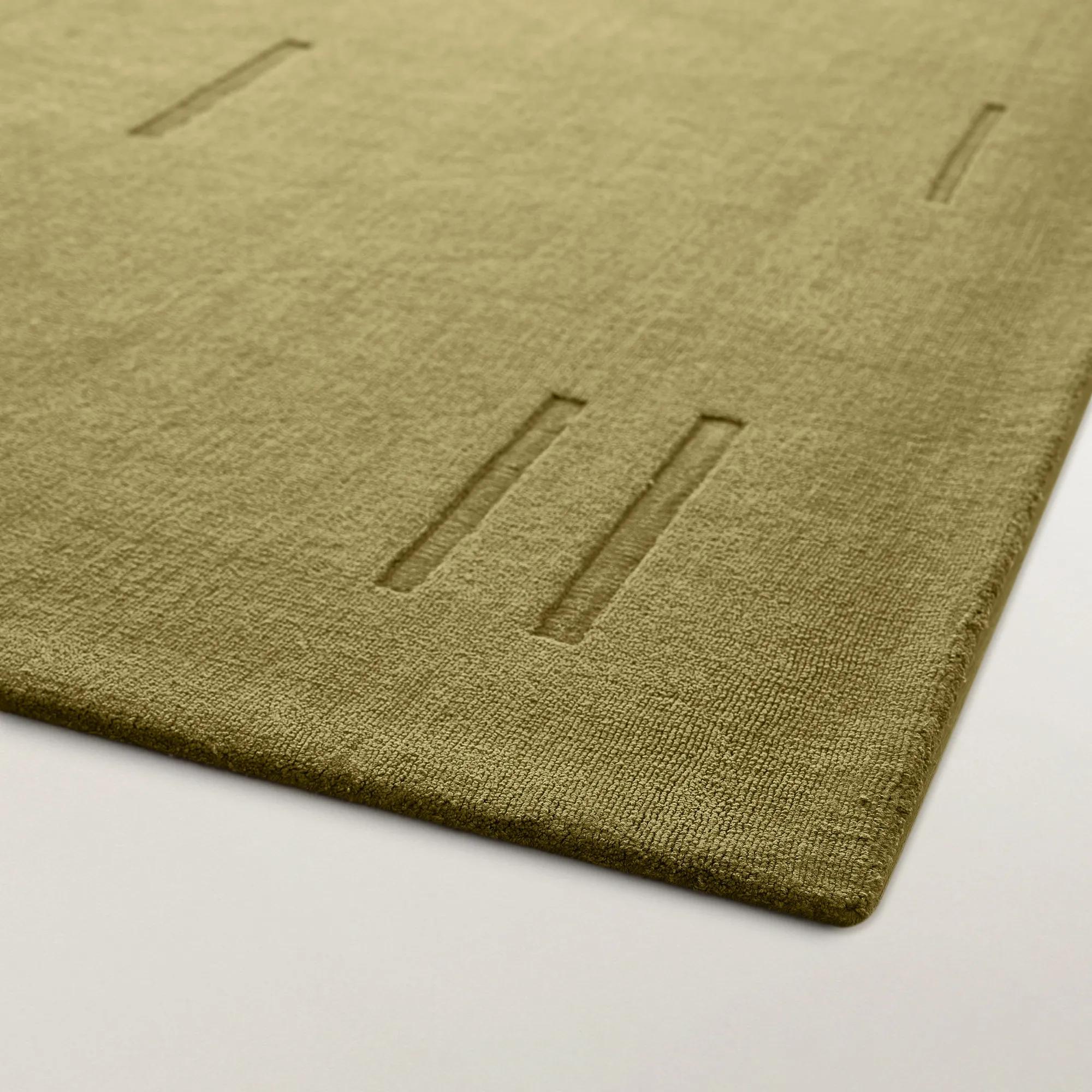 Lamita Muted Olive Green Wool Blend Rug$1299
A muted olive green wool-blend rug adding soft texture and understated warmth to modern interiors.
Add To Cart -
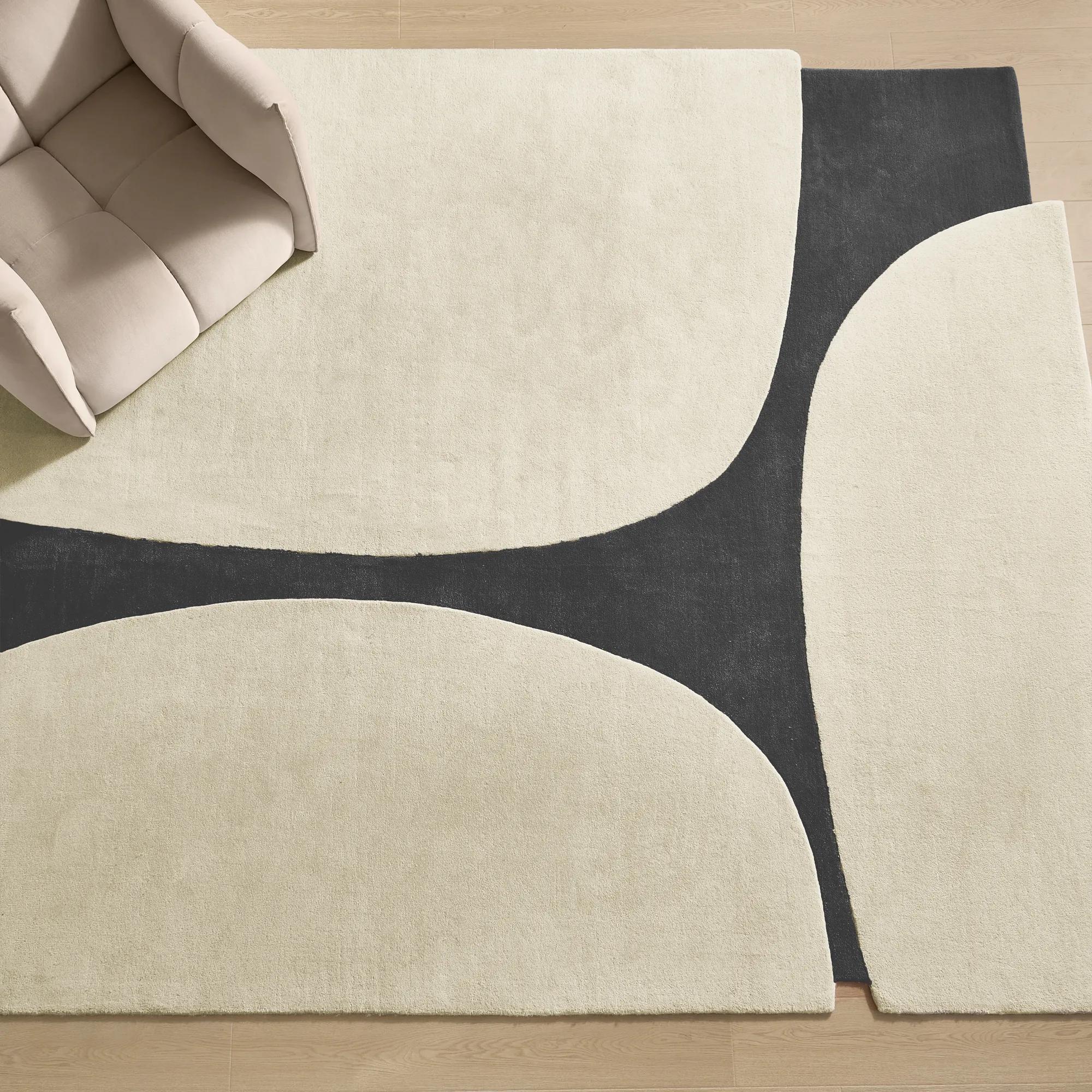 Contour Hand-Tufted Ivory/Charcoal Wool & Viscose Rugs$1499
An artfully shaped hand-tufted rug featuring high-low texture in warm ivory and charcoal wool-viscose blend.
Add To Cart -
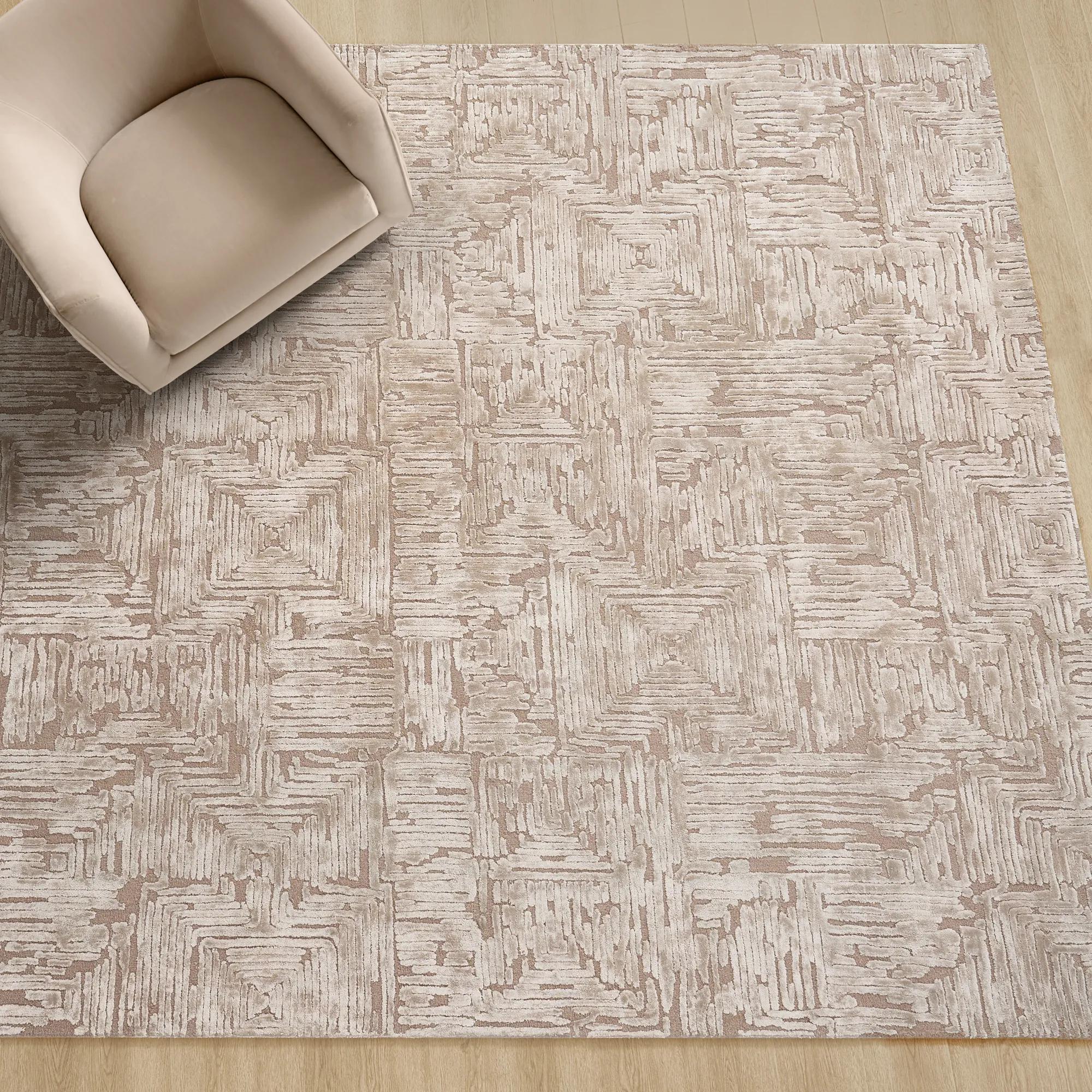
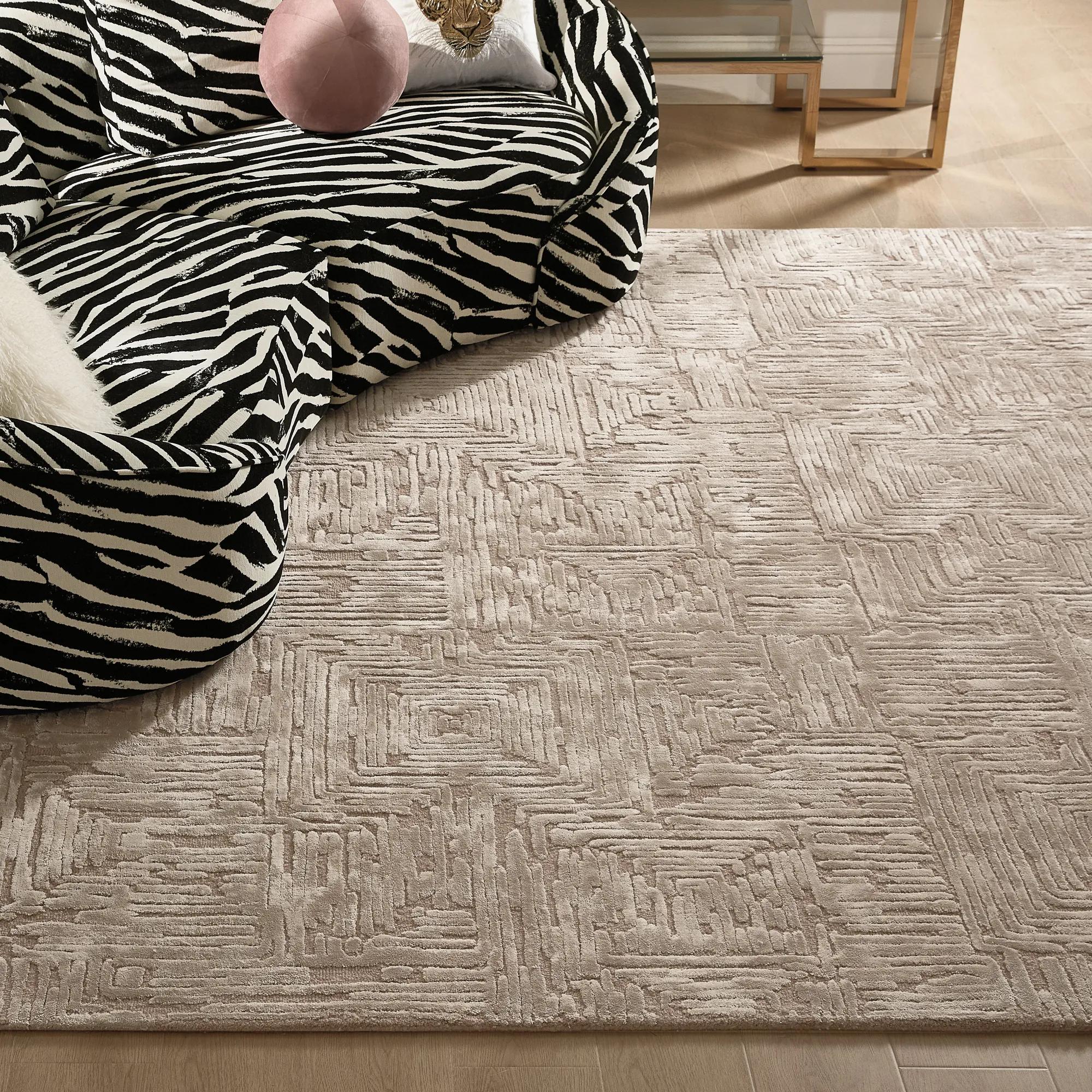 Andra Hand-Tufted Mocha Rose Viscose & Wool Dimensional Rugs$499
A hand-tufted viscose and wool rug in mocha rose, featuring a dimensional high-low geometric pattern.
Add To Cart -
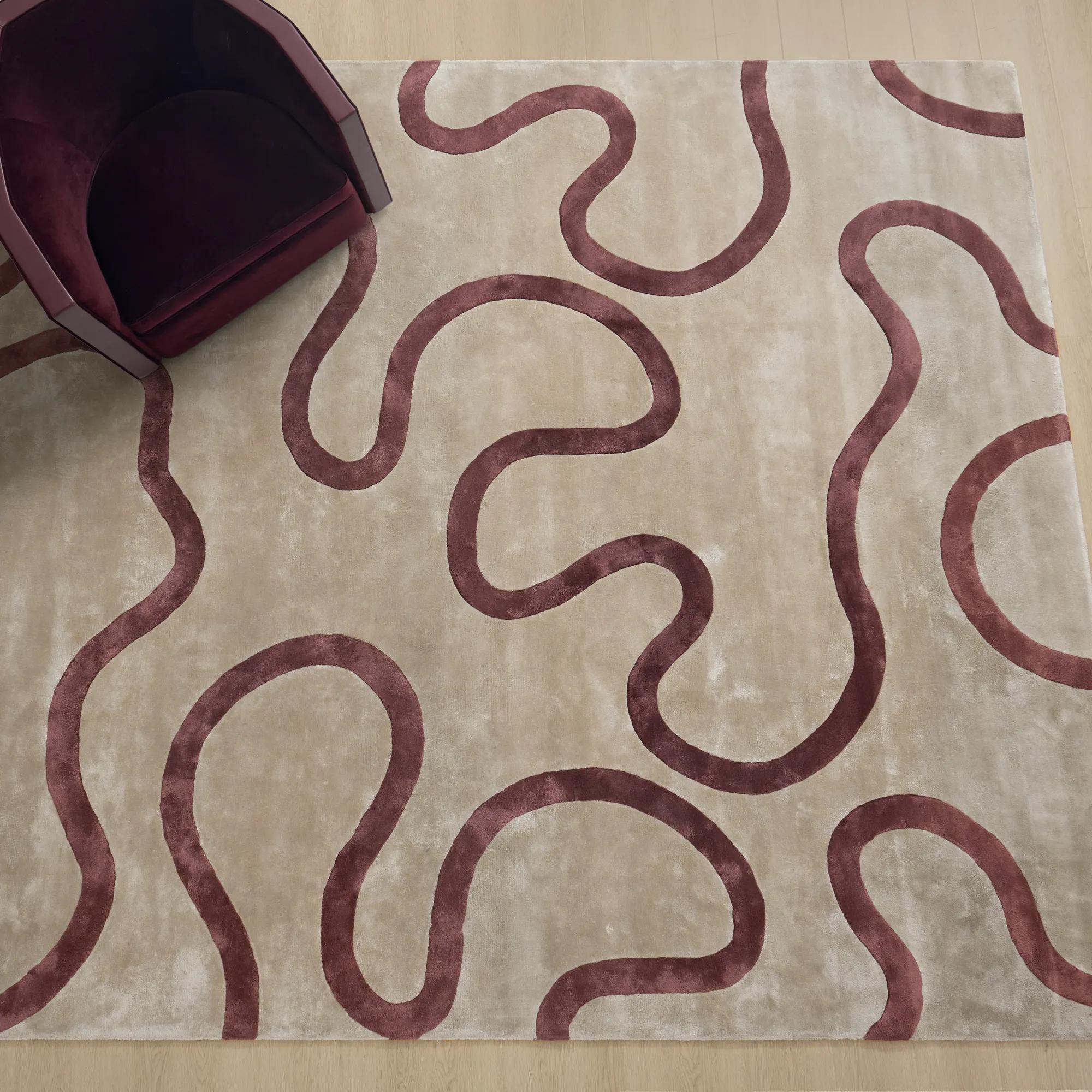 Seraphine Hand-Tufted Fig/Taupe Viscose Loop Rugs$1799
A hand-tufted wool rug featuring bold fig and taupe loops for a graphic, Deco-inspired statement.
Add To Cart -
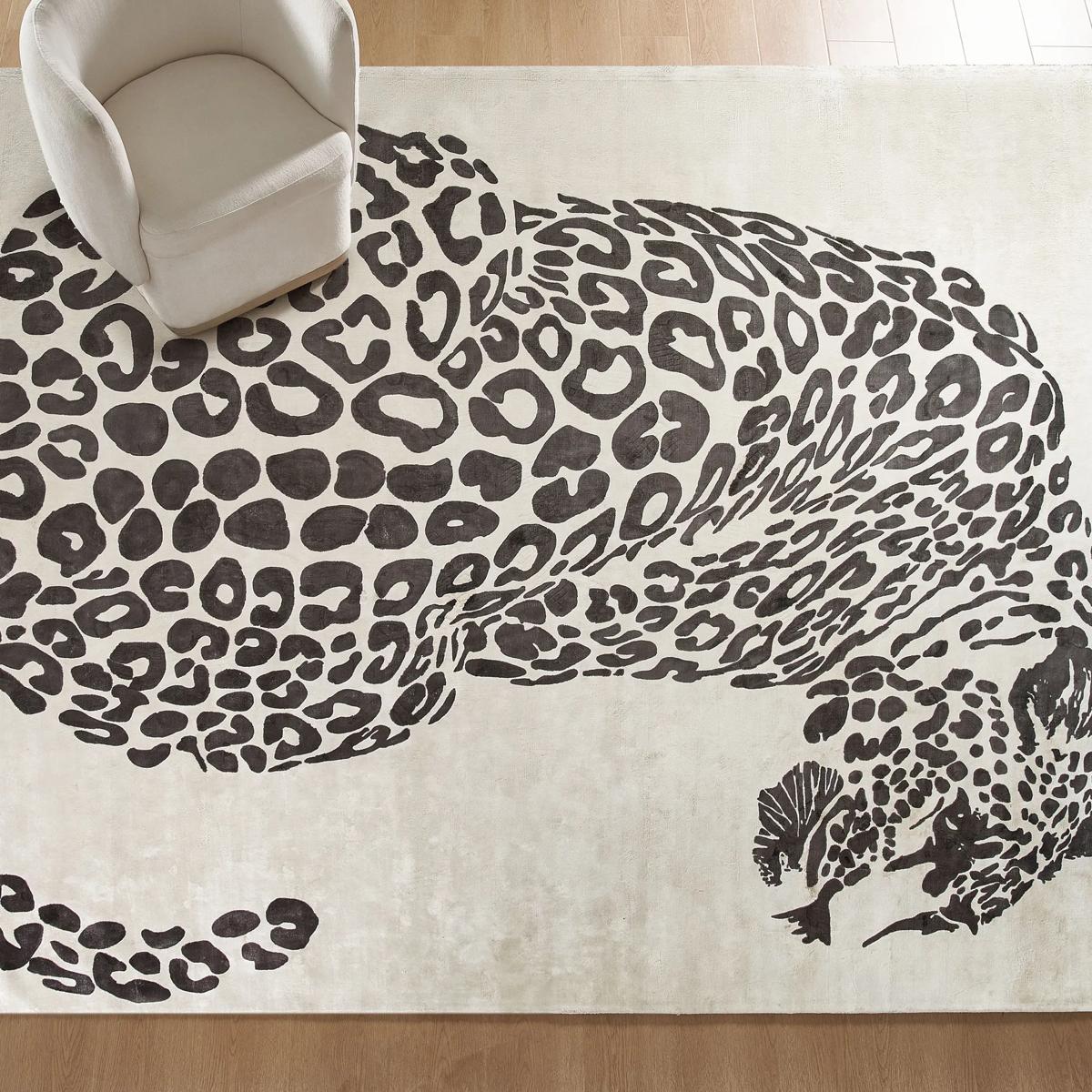 Pardus Leopard Hand-Loomed Ivory/Black Rug$999
A hand-loomed ivory and black rug featuring a bold leopard motif in soft, silky viscose.
Add To Cart

Handmade Wool Area Rugs
Explore handmade wool area rugs that bring rich texture and an artful foundation to your room. Consider size, color, and pattern as you choose a rug to frame a seating arrangement, define a dining space, or add softness beside the bed. Let your furniture placement and desired mood guide the choice, from a quiet backdrop to a dramatic focal point.
Handmade wool area rugs bring a distinctive richness to a room: color with depth, texture with dimension, and a surface that makes an entire furniture arrangement feel more considered. Beneath a sculptural coffee table or alongside a velvet sofa, wool creates a tactile counterpoint to gleaming metal, polished stone, and glass. Its natural crimp gives the fibers resilience, helping a well-made rug recover from everyday compression while offering a soft, substantial feel underfoot. The result is more than a decorative layer. A wool rug can soften footfall, temper echoes, and establish a visual foundation for everything placed around it. Handmade construction adds another dimension, though the technique matters. Hand-knotted rugs are formed by tying individual knots onto a foundation; handwoven designs may have a flatter profile and a more visible interplay of yarns; hand-tufted rugs are made by inserting yarn into a backing, typically with an adhesive layer securing the pile. Each method creates a different balance of texture, flexibility, and maintenance needs, so construction details deserve as much attention as color. Slight variations in pattern, texture, or dimensions can reflect the handwork involved, giving the surface a character that feels individual rather than mechanically uniform. Fiber content matters, too: a rug described as wool may include other fibers, and blends can change its sheen, softness, and care requirements. Visually, the possibilities range from quiet tonal fields to expressive geometrics and painterly abstractions. An ivory rug with raised detailing can make a monochromatic living room feel layered rather than stark, while charcoal, sapphire, or richly variegated neutrals can lend definition to pale upholstery. Pattern need not dominate to be compelling. A subtle shift between cut pile and looped yarn can catch the light and reveal an almost sculptural surface. For interiors that favor drama, a larger motif or pronounced texture gives the floor its own presence without requiring every furnishing to compete for attention. The most harmonious choice carries a color, shape, or texture already present in the room into a new material, creating continuity without making every element match.
Scale determines how that artistry lives within a space. In a living room, a handmade wool area rug often feels most integrated when it extends beneath at least the front legs of the main seating pieces, connecting the sofa and chairs into one deliberate composition. A smaller rug floating beneath only the coffee table can make a generous room feel visually fragmented, while a larger footprint gives a sectional or conversation arrangement a more confident foundation. The relationship between rug and floor matters as well: a visible border of hardwood or tile frames the textile and keeps its shape legible. In a dining room, allow enough rug beyond the tabletop for chairs to remain on it when pulled out for seating; approximately 24 to 30 inches on each side is a useful starting point, adjusted to the chair size and room layout. Lower pile can make chair movement easier, while a textured design may be better suited to a seating area where its dimensional surface can remain undisturbed. Bedrooms invite a different expression of softness. A rug extending beyond the sides and foot of the bed creates a generous landing underfoot and balances the visual weight of upholstered headboards, nightstands, and benches. Where a single large rug is impractical, smaller rugs beside the bed can provide a similarly intentional touch, provided their placement feels balanced. Before choosing a size or pile height, consider door clearance, furniture placement, and the paths people use through the room. Thick pile has a sumptuous presence, but a flatter construction may suit a passage near a swinging door or a workspace with moving chairs. A compatible rug pad adds cushioning, helps reduce shifting, and limits friction against the floor; its material should be appropriate for the flooring beneath it. For homes with children or pets, construction is especially important. Loose loops may catch claws, and a highly textured surface can require more attentive cleaning. Wool can serve beautifully in frequently used rooms, but durability depends on the quality of the fibers, construction, backing, and care—not simply on the material name.
Thoughtful care preserves the depth and texture that make handmade wool rugs so compelling. Regular vacuuming helps remove grit before it settles into the pile, where repeated foot traffic can turn small particles into abrasion. Suction-only cleaning is often gentler than an aggressive rotating brush, particularly for looped, long-pile, or delicate constructions, though the maker’s care instructions should always take precedence. Some shedding is common, especially with new cut-pile wool rugs, and its extent varies with yarn quality and construction. Loose fibers can be removed through appropriate vacuuming; a protruding yarn should never be pulled, since that can disturb the surrounding structure. Spills call for prompt blotting with a clean, undyed cloth rather than rubbing, which can spread the spill and roughen the fibers. Any cleaning solution should be suitable for wool and tested discreetly first. Excess moisture, harsh chemicals, and unapproved steam cleaning can affect dyes, foundations, or adhesives, making professional cleaning by a specialist familiar with handmade wool a sensible choice when deeper treatment is needed. Periodic rotation helps distribute wear and light exposure, particularly where one side of a rug sits near a bright window or receives more foot traffic. Furniture cups can help spread the weight of narrow legs, and repositioning furniture occasionally may reduce persistent impressions. These practical details support the pleasure of living with a textile chosen for its beauty, not merely its function. Handmade wool rugs suit design enthusiasts who appreciate expressive surfaces, households seeking a softer setting for gathering, and anyone building a room around a few substantial, carefully chosen pieces. As a housewarming or wedding gift, a rug is most successful when its dimensions, palette, and care needs have been discussed with the recipient; the gesture becomes personal when it respects how that home is lived in. For rooms shaped by streamlined silhouettes and graphic accents, Contemporary Wool Area Rugs offer another way to connect natural texture with a modern composition. Whether the surrounding space is richly layered or more restrained, handmade wool gives the floor a purposeful presence: tactile, expressive, and worthy of the room built around it.
FAQs
Handmade wool area rugs bring together tactile richness and the expressive detail of artisan work. Subtle variations in texture and pattern lend each rug individuality, creating a richly layered foundation that feels collected rather than uniform.
Create a dialogue between texture and silhouette. A handmade wool area rug adds depth beneath sculptural furniture, while glass and gleaming metallic accents offer a striking contrast to its soft surface. Echo a color from the rug in artwork or pillows for a composition that feels intentional.
Hand-knotted wool rugs are crafted by tying individual knots onto a foundation, gradually building the design. Hand-tufted wool rugs are made by inserting yarn into a fabric foundation with a tufting tool. Both techniques allow for expressive patterns and textures, but their construction and finishing methods differ.
Yes. Wool’s natural character, dye variations, and handwork can create subtle shifts in tone and texture. These nuances give a handmade rug visual depth, allowing its surface to reveal different details as light moves through the room.
Follow the rug’s care label, as recommendations vary by construction and finish. Gentle vacuuming with a suction-only attachment is commonly recommended; avoid catching fringe or loose yarns. Blot spills promptly rather than rubbing, and consult a professional experienced with wool rugs for deeper cleaning to preserve the rug’s rich texture.