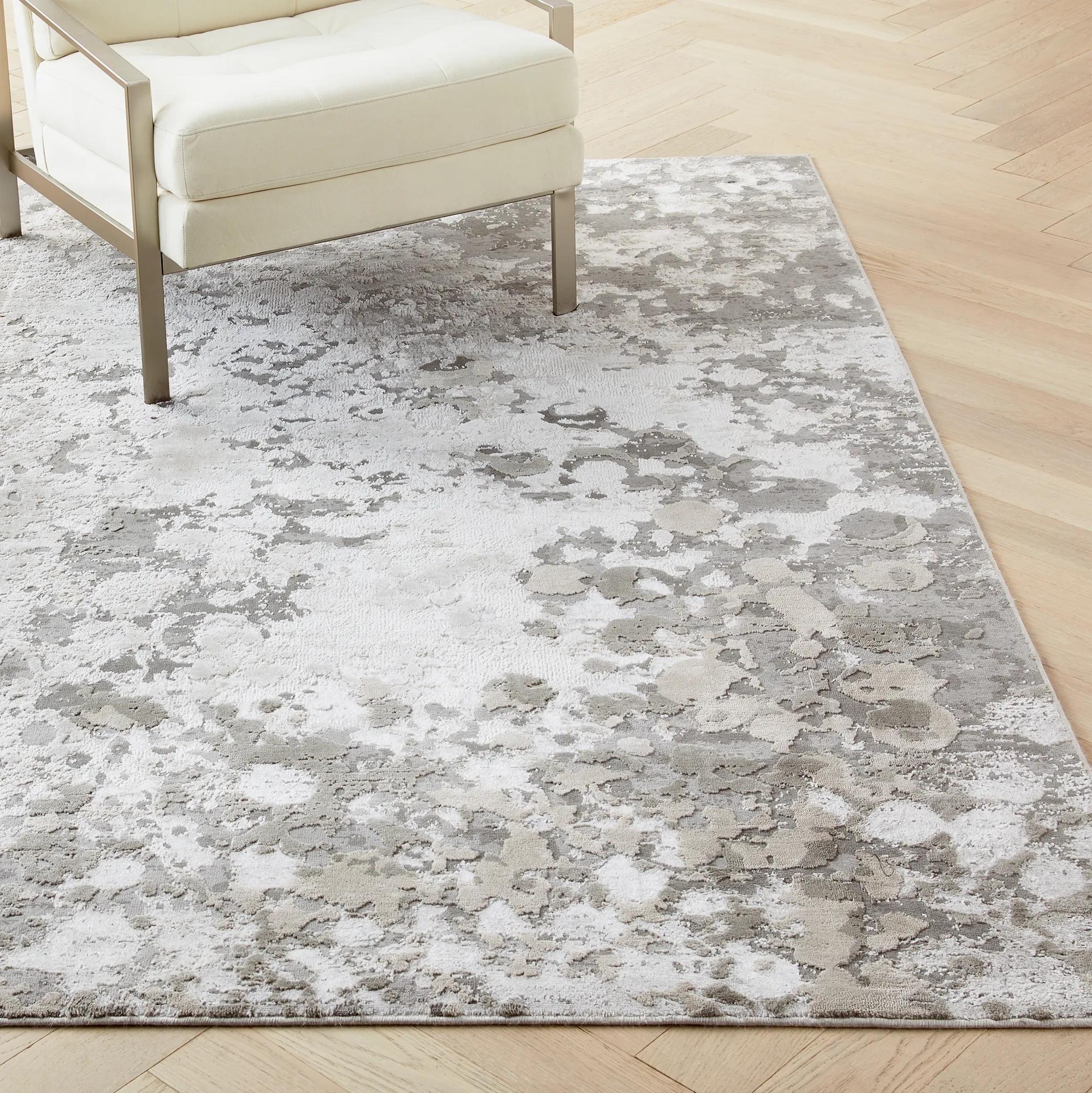
Contemporary Wool Area Rugs
Contemporary Wool Area Rugs
-
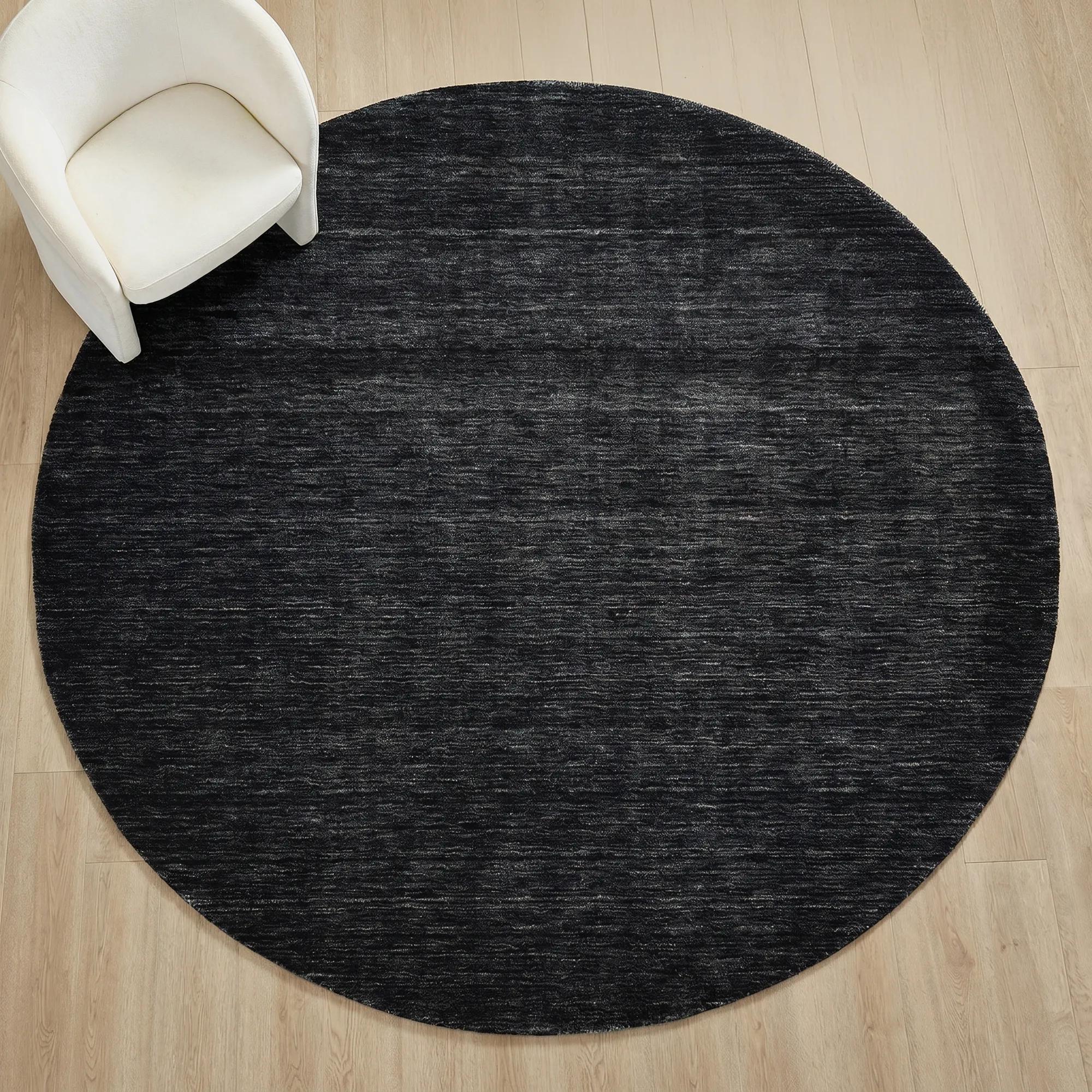 Juni Hand Woven Heathered Black Rug$799
A handwoven round wool rug in heathered black, offering durable texture and moody, contemporary style.
Add To Cart -
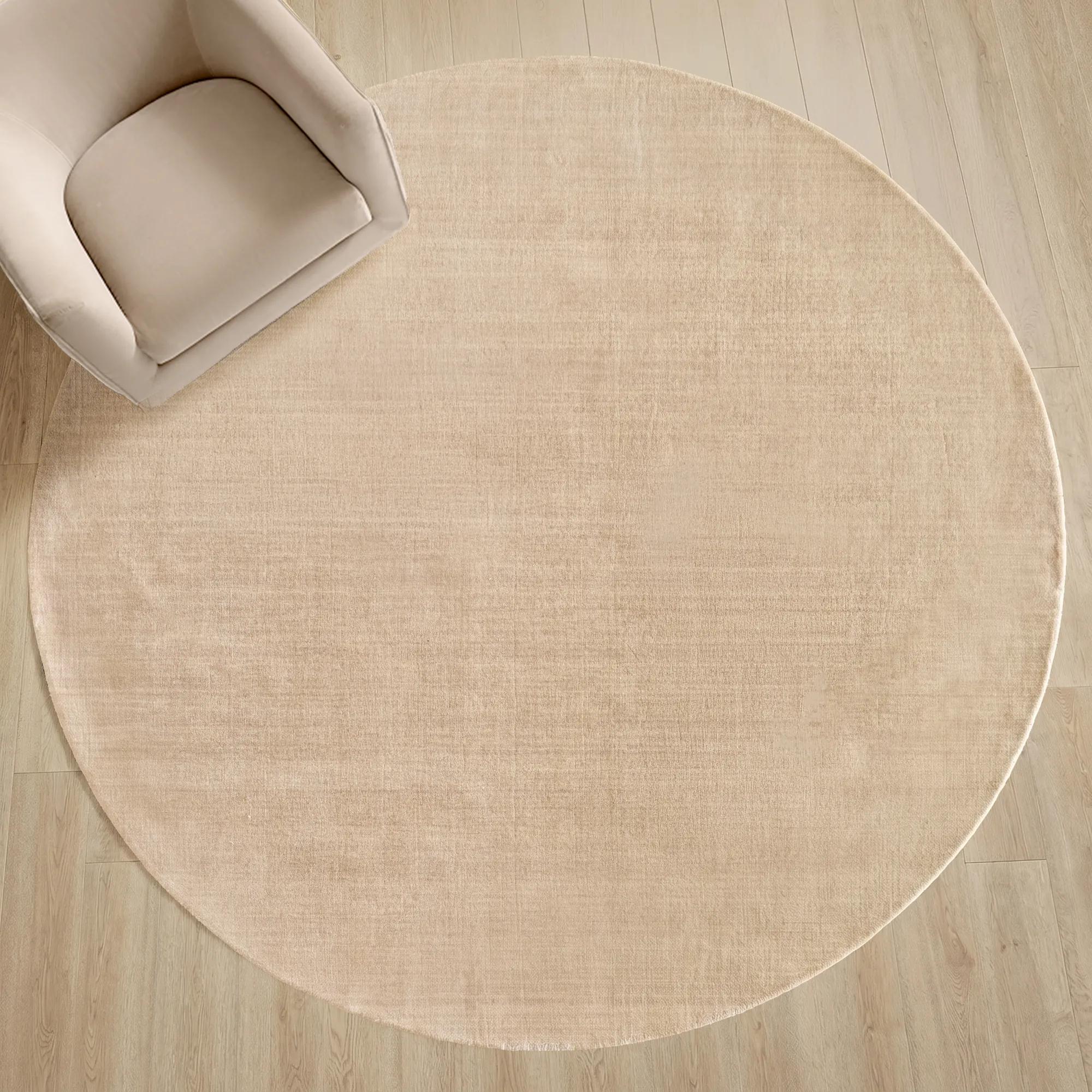 Juni Hand Woven Heathered Warm Beige Round Rug$1399
A handwoven round wool rug in heathered warm beige, offering refined texture and everyday durability.
Add To Cart -
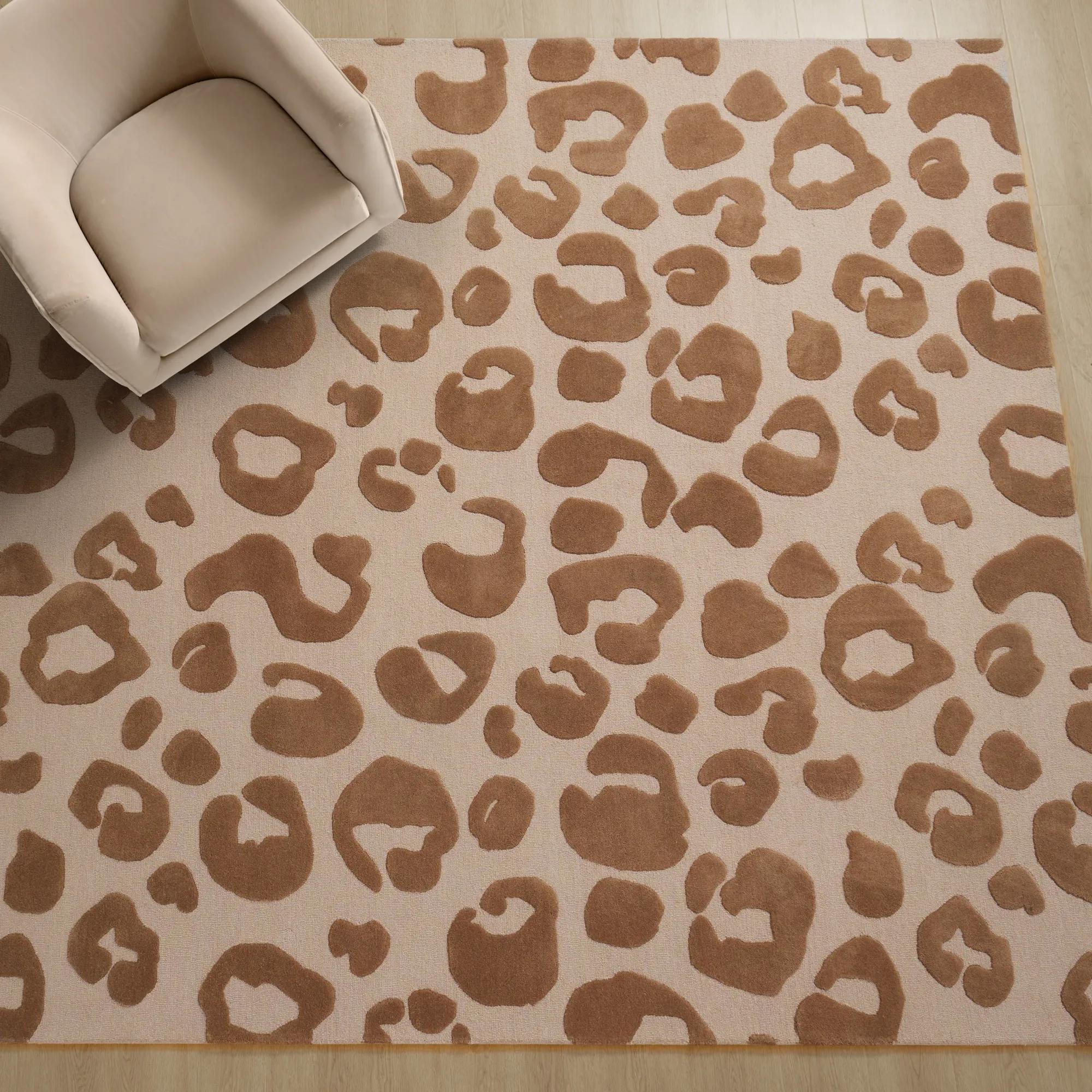 Pounce Hand-Tufted Tawny Brown Leopard Print Wool Rugs$999
A hand-tufted pure wool rug in tawny brown with a bold oversized leopard print and sculptural texture.
Add To Cart -
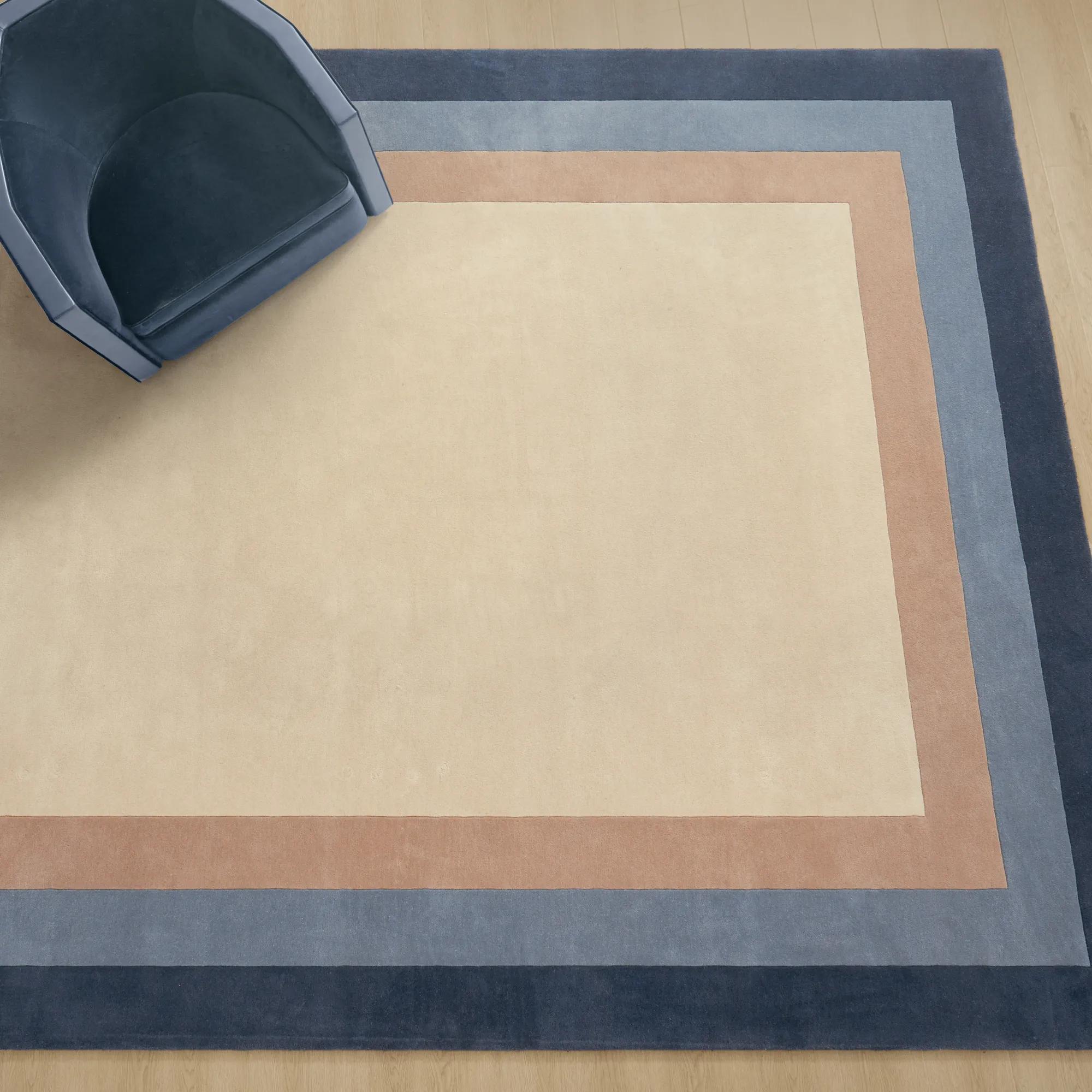 Bastien Hand-Tufted Blue/Taupe/Ivory Wool Border Rugs$1499
A hand-tufted wool rug featuring a bold color-blocked border in dusty blue, taupe, and ivory tones.
Add To Cart -
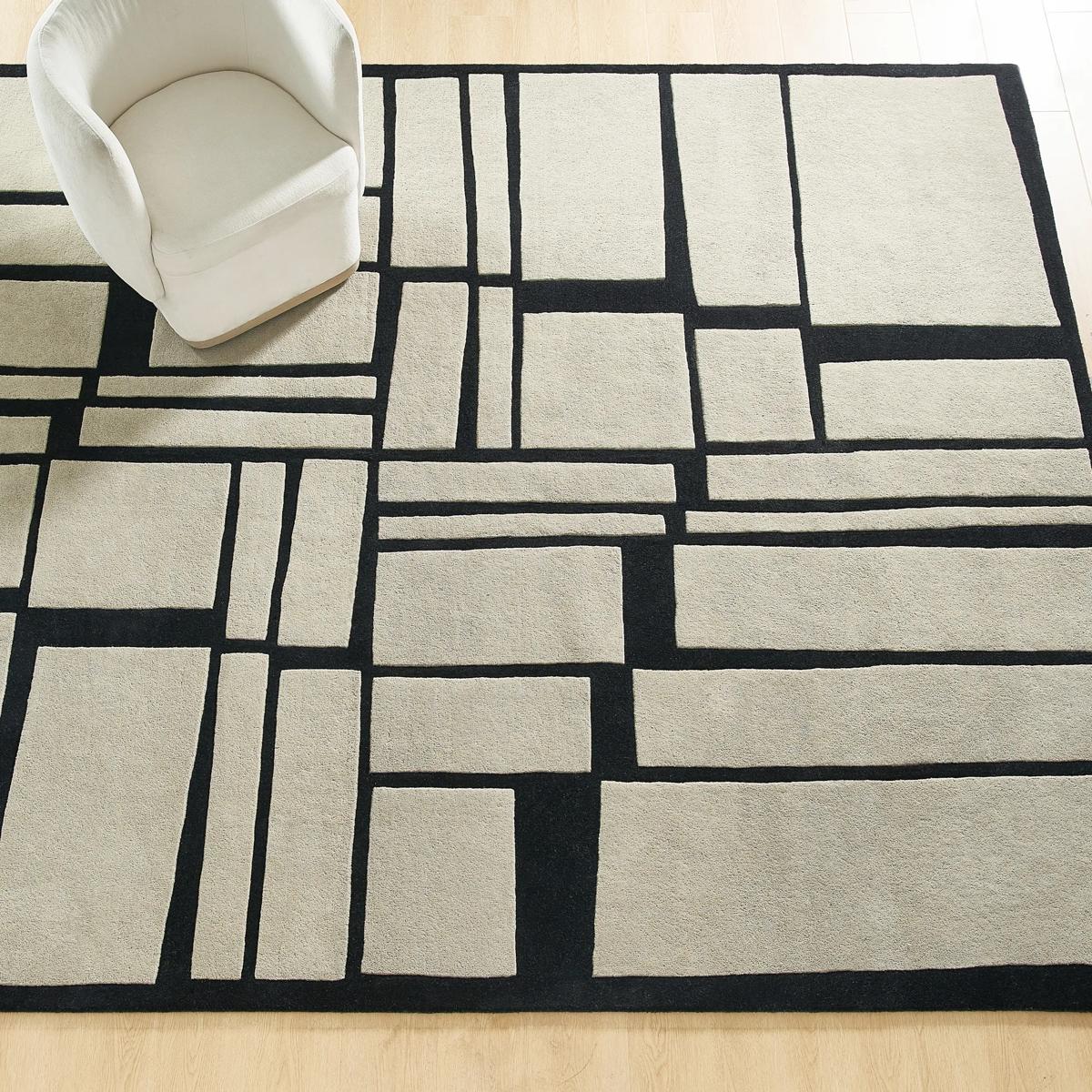 Novak Hand-Tufted Natural/Black Wool Rug$449
A hand-tufted wool rug featuring a bold black and natural grid design for modern visual impact.
Add To Cart -
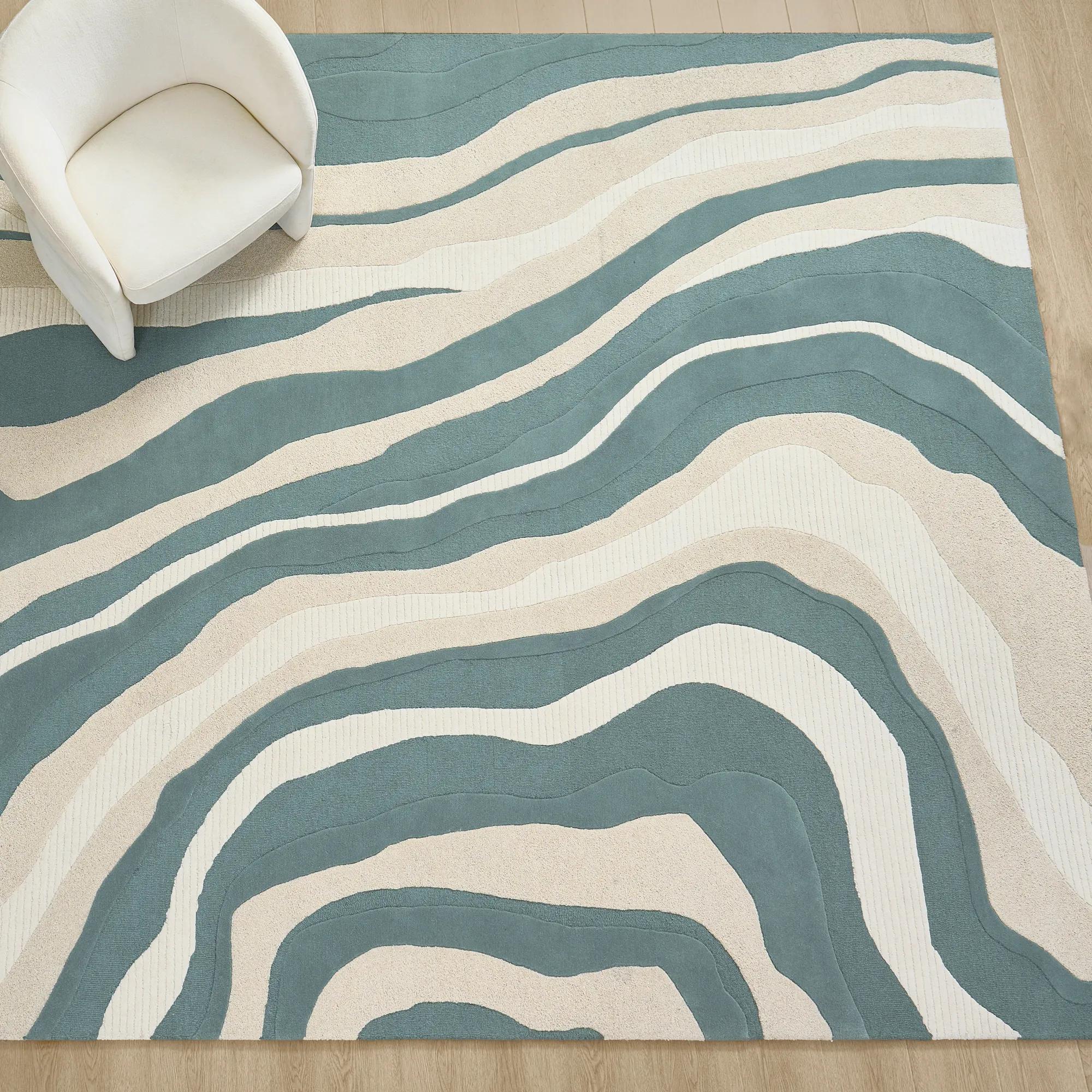 Kadence Hand-Tufted Sage Green/Ivory Wool Rugs$1499
A hand-tufted wool rug in deep sage green and ivory with a sculptural high-low abstract wave pattern.
Add To Cart -
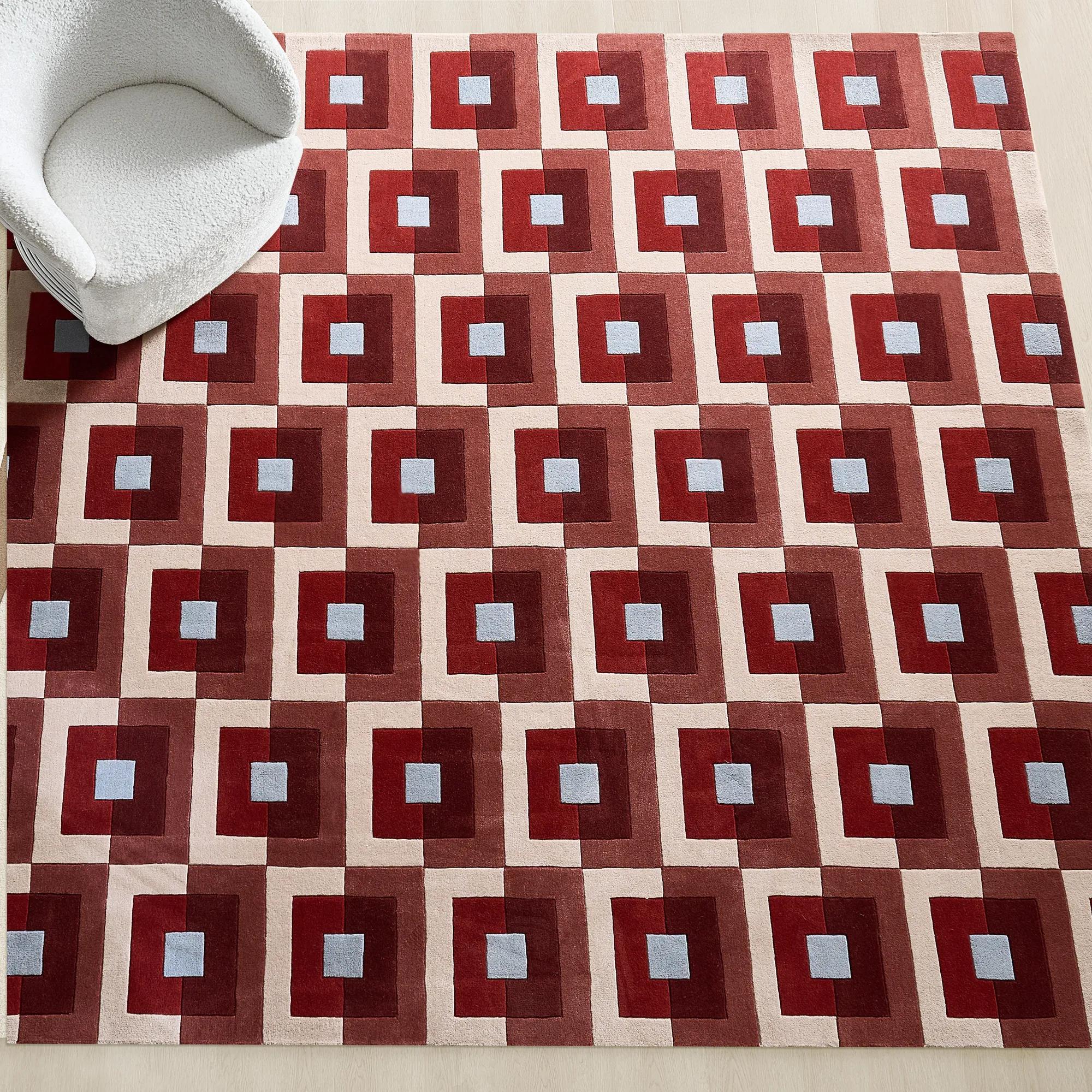
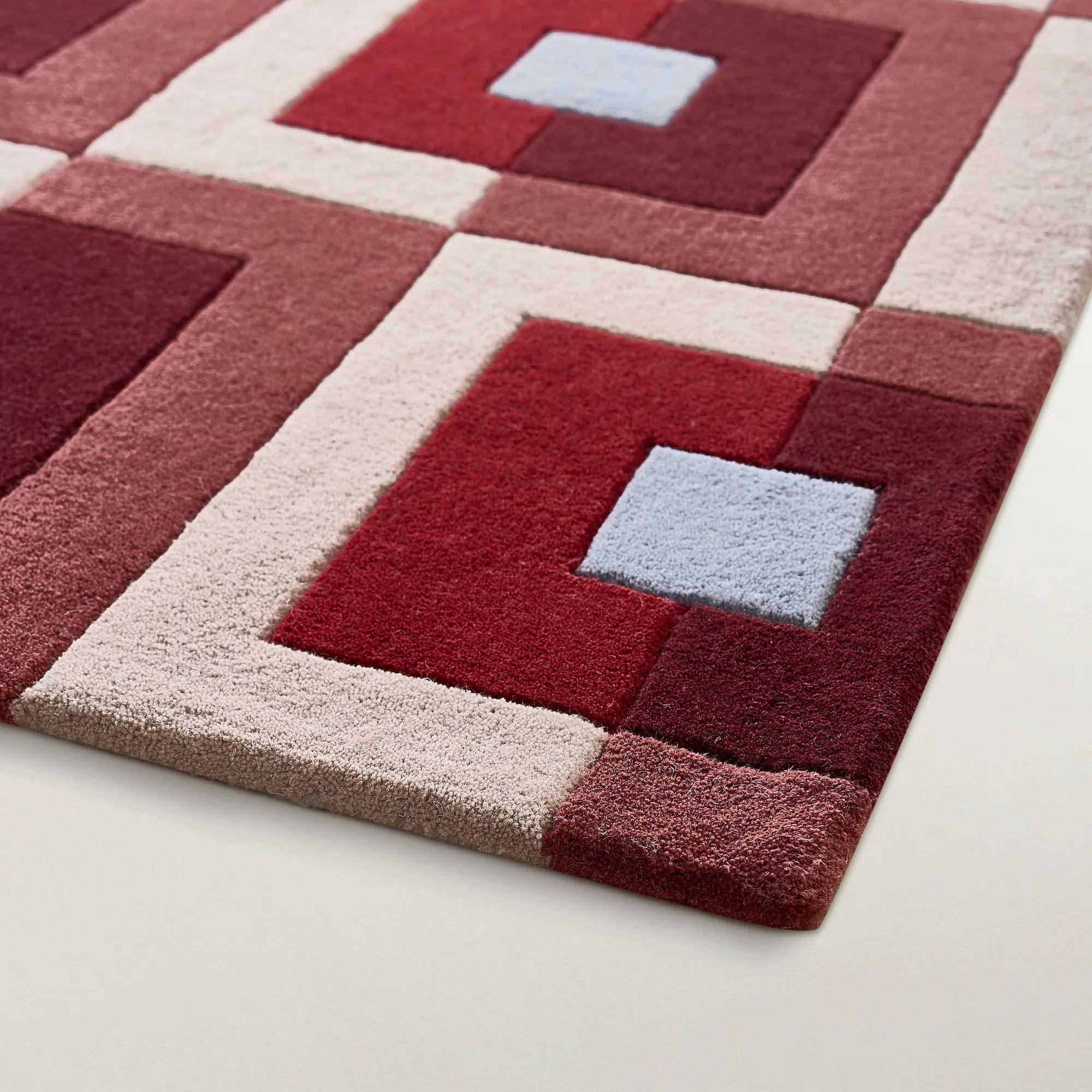 Geo Pop Wool Rug - Oxblood Red/Airy Blue$599
A geometric wool rug combining oxblood red and airy blue for a bold, modern statement.
Add To Cart -
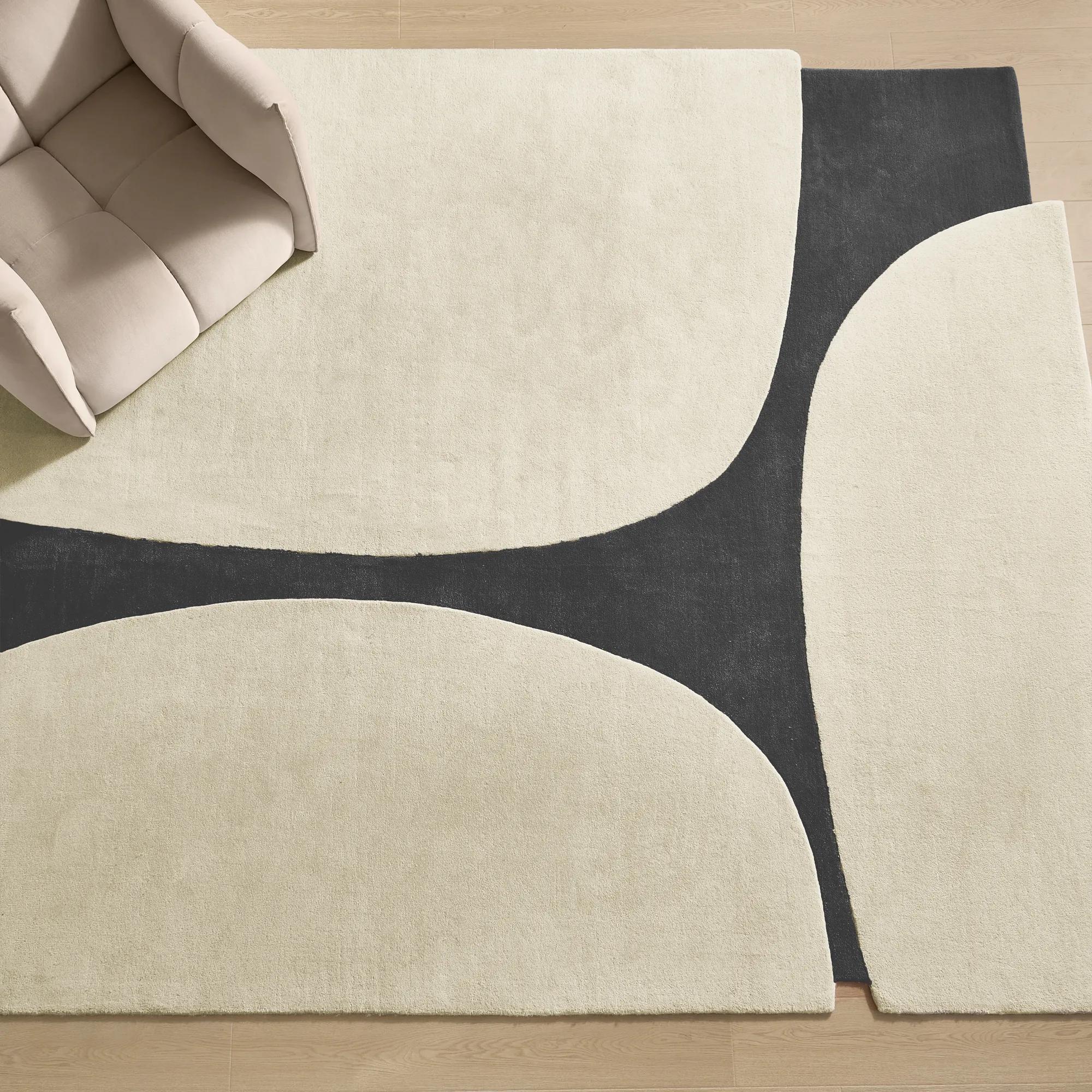 Contour Hand-Tufted Ivory/Charcoal Wool & Viscose Rugs$1499
An artfully shaped hand-tufted rug featuring high-low texture in warm ivory and charcoal wool-viscose blend.
Add To Cart -
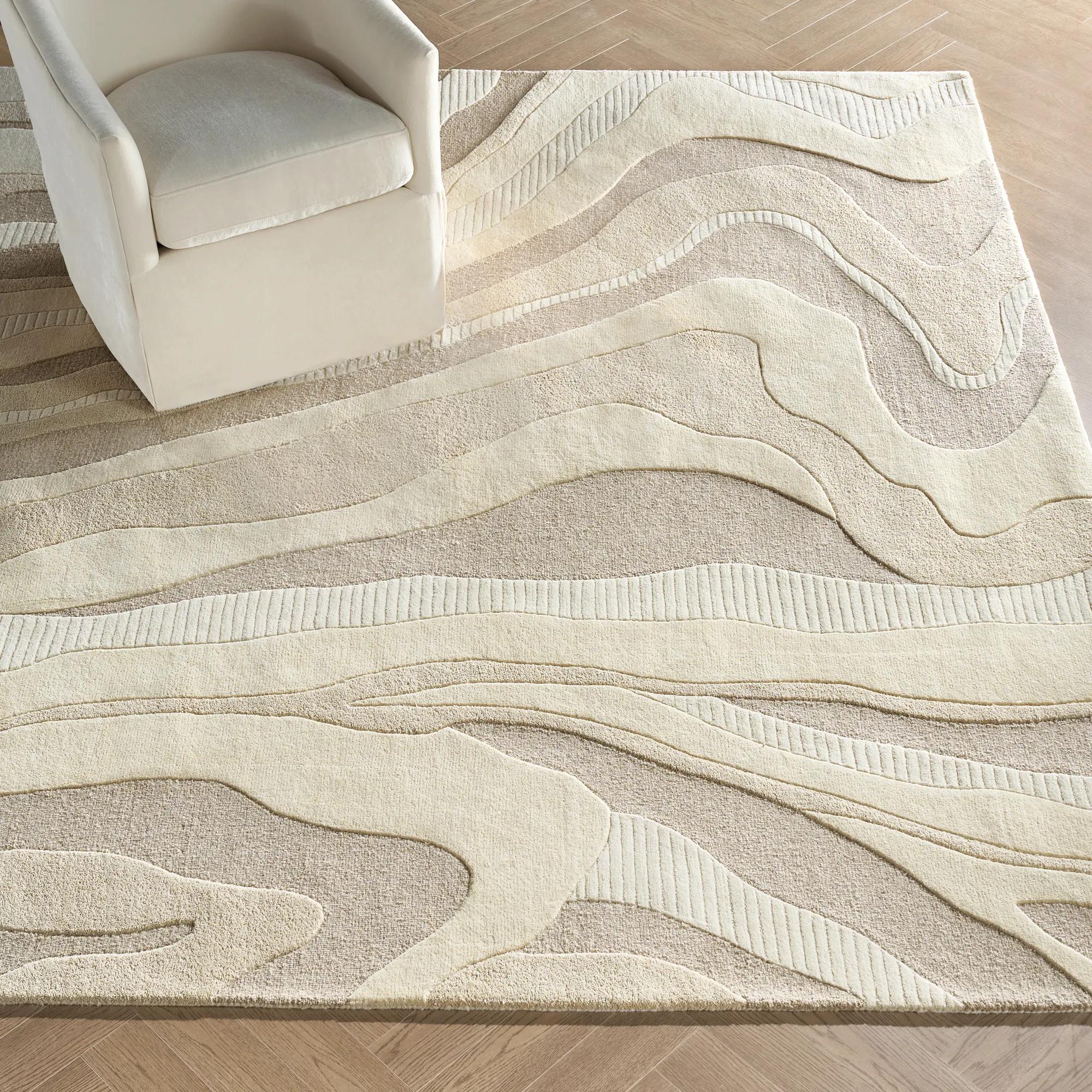 Kadence Hand-Tufted Ivory/Tan Wool Rug$499
A hand-tufted wool rug featuring a multi-textured swirl design in ivory and tan for elegant depth.
Add To Cart -
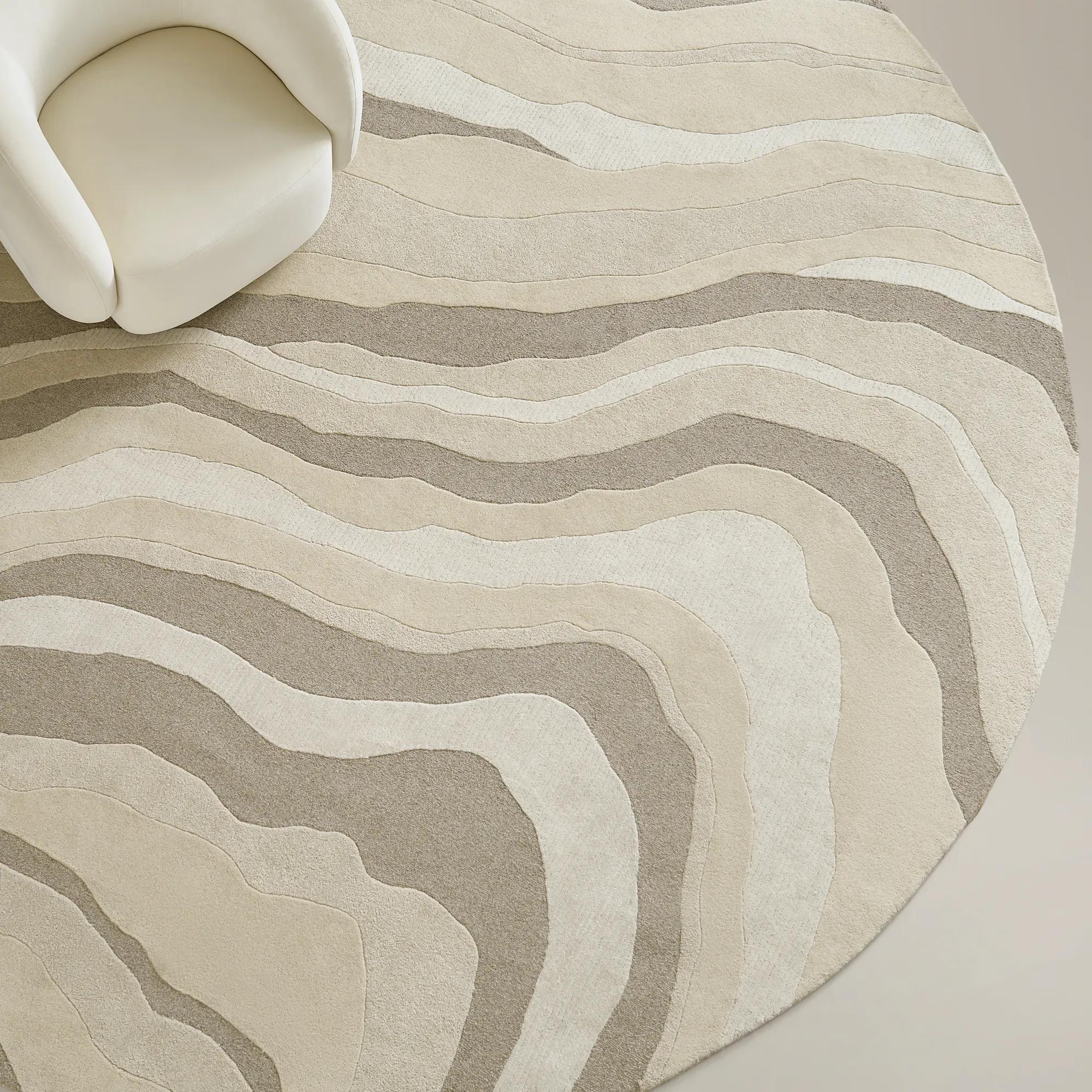 Kadence Hand-Tufted White/Ivory/Tan Wool Round Rug 12"$1799
A hand-tufted round rug in white, ivory, and tan, crafted from 100% wool for natural warmth.
Add To Cart -
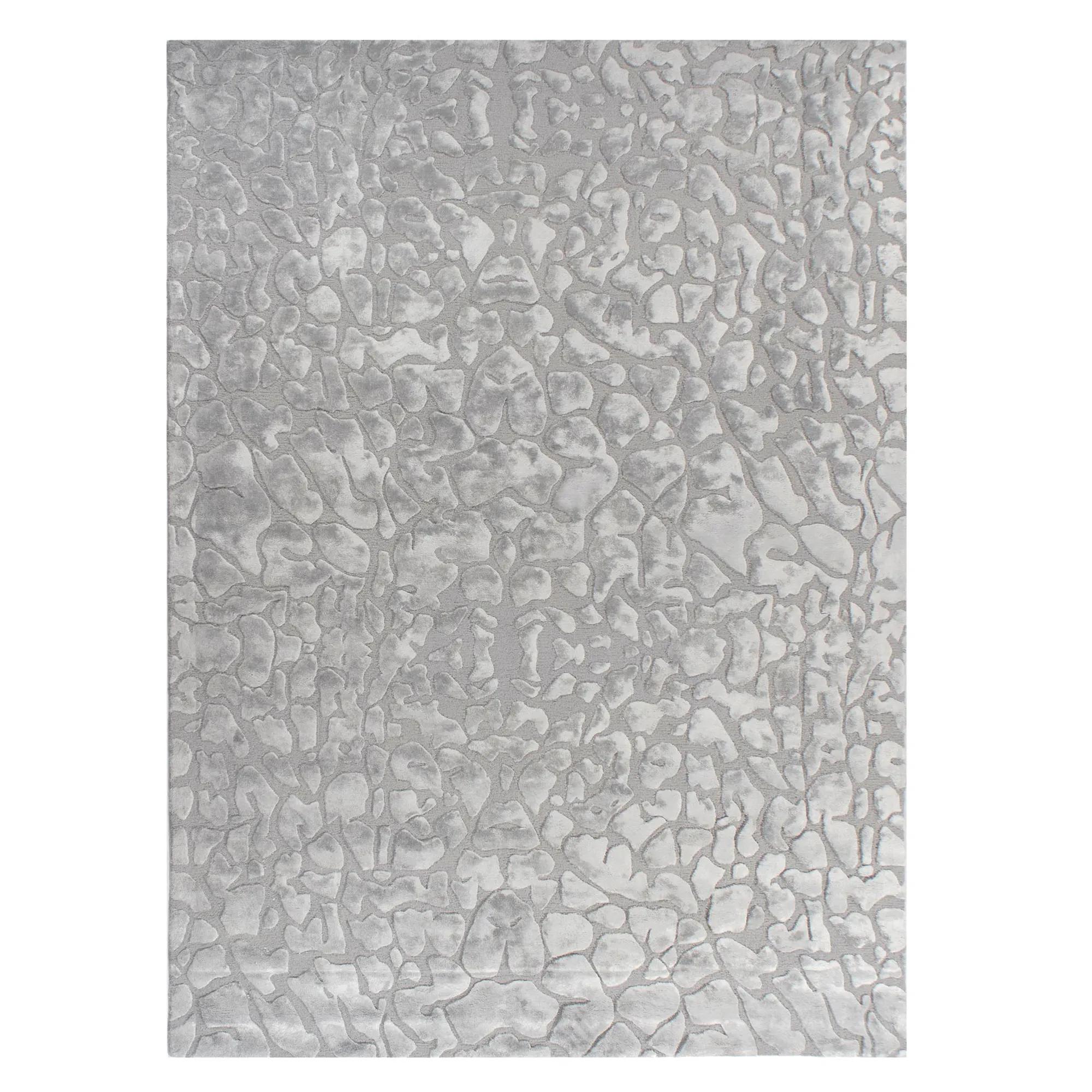
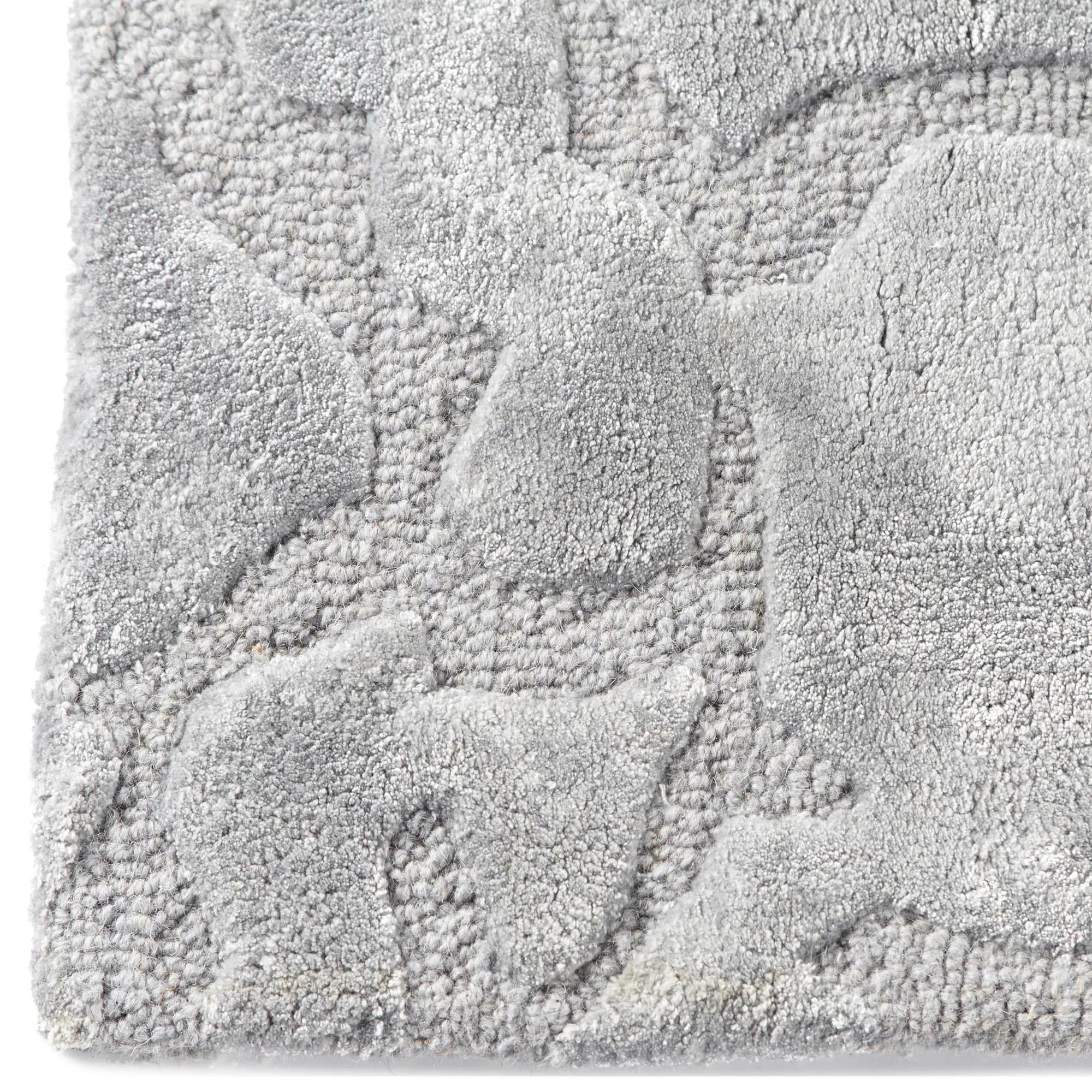 Nola Hand-Tufted Cool Grey Wool Blend Rug$849
A hand-tufted silver rug with contrasting pile heights, crafted from wool and viscose for plush texture.
Add To Cart -
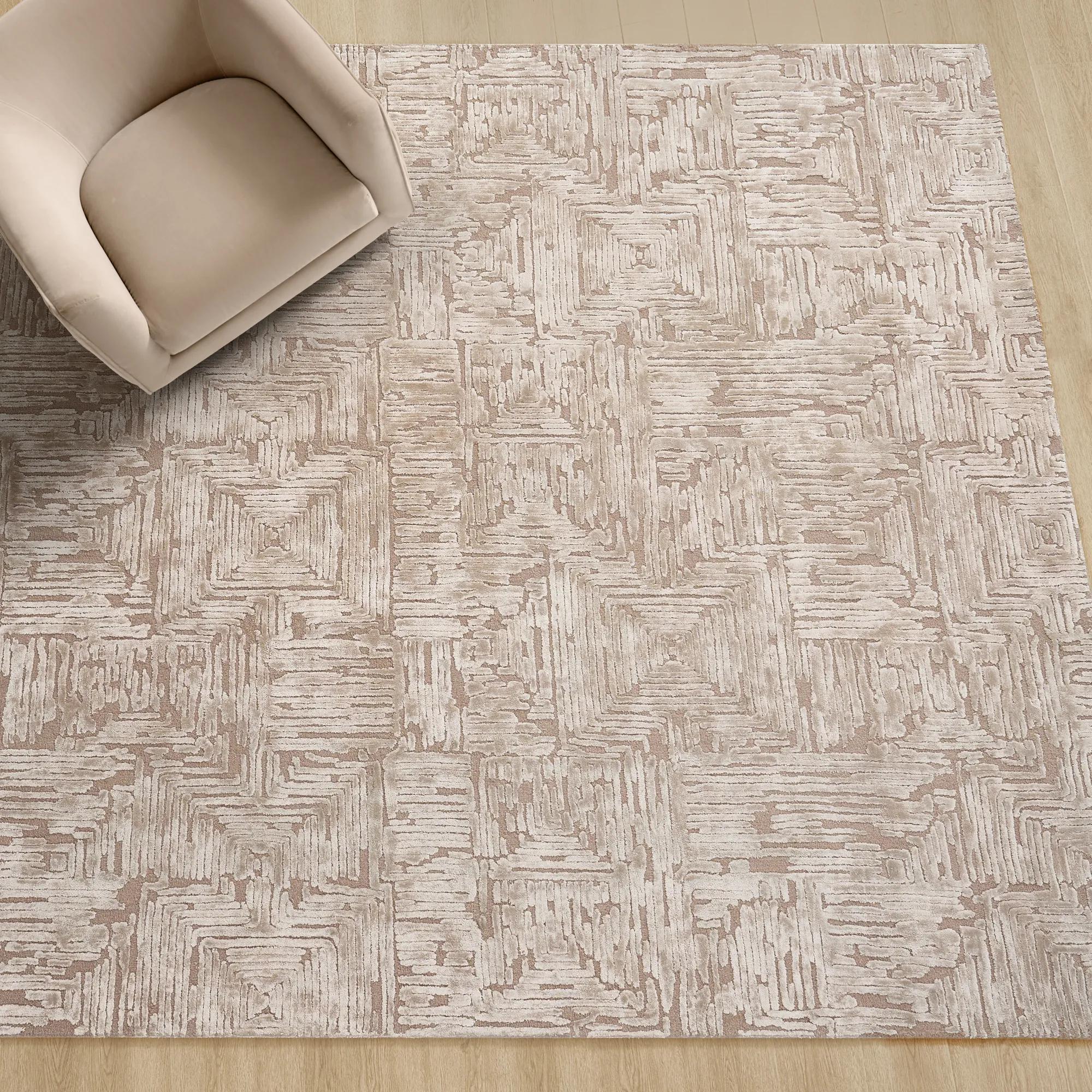
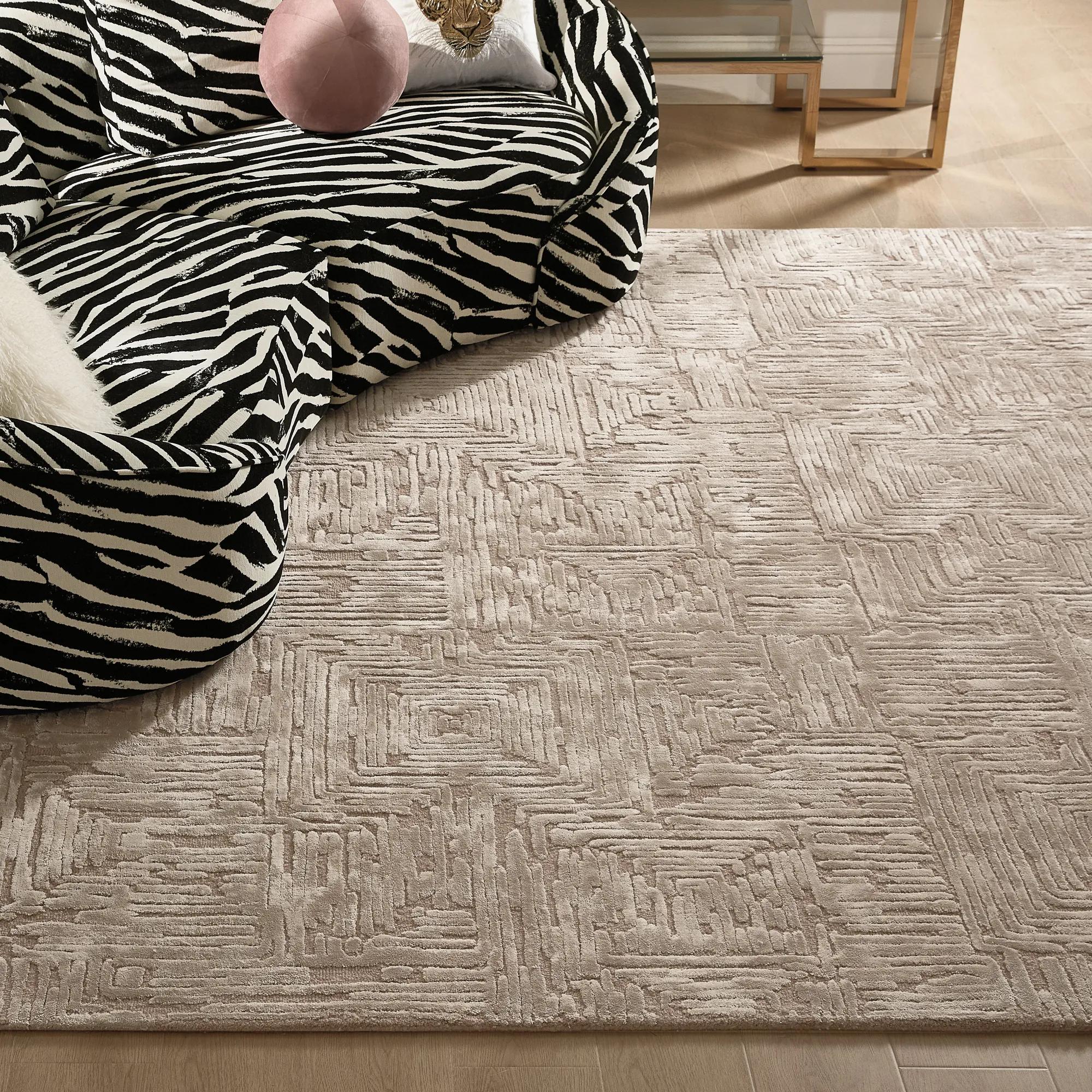 Andra Hand-Tufted Mocha Rose Viscose & Wool Dimensional Rugs$1499
A hand-tufted viscose and wool rug in mocha rose, featuring a dimensional geometric pattern and soft sheen.
Add To Cart -
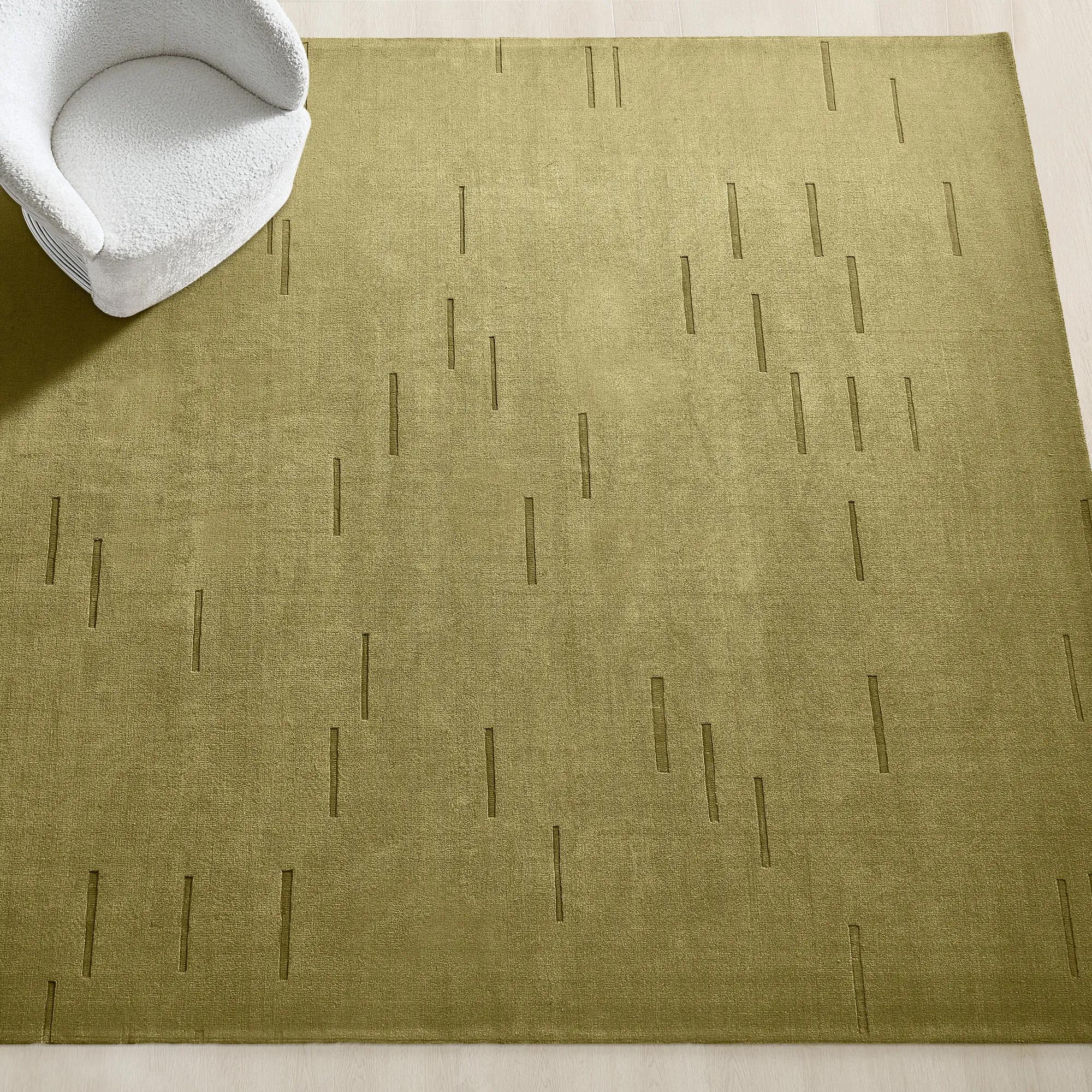
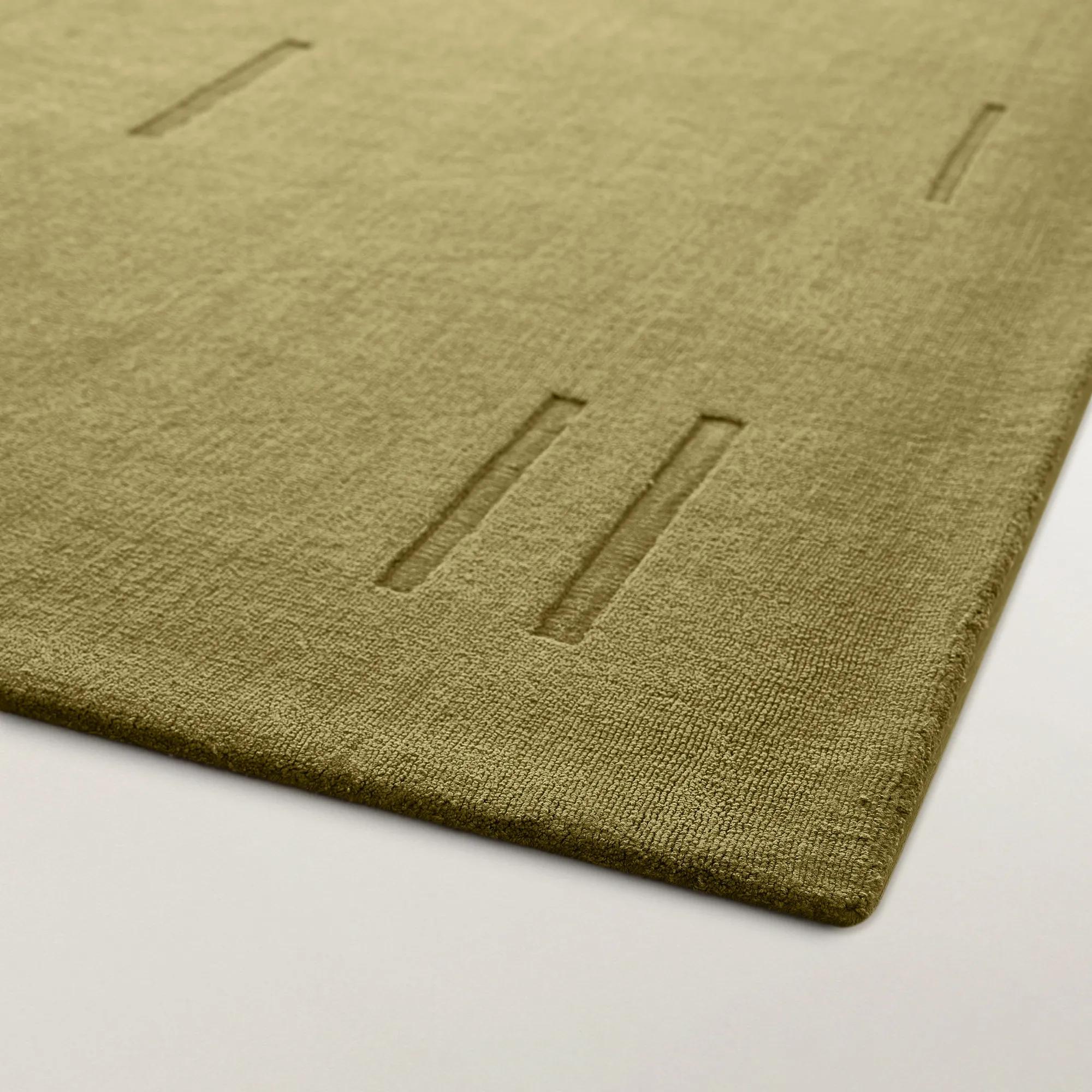 Lamita Muted Olive Green Wool Blend Rug$1299
A muted olive green wool-blend rug adding soft texture and understated warmth to modern interiors.
Add To Cart -
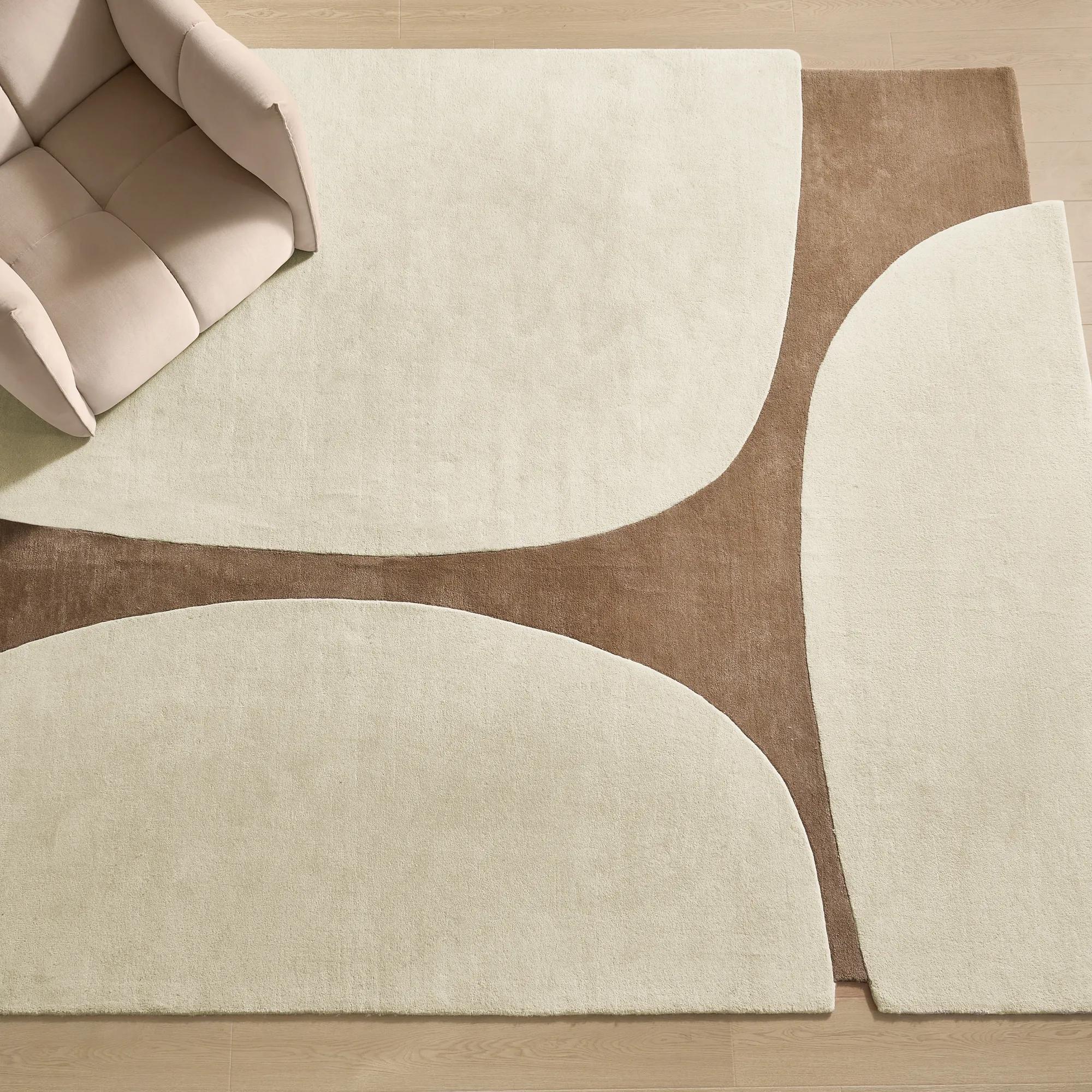
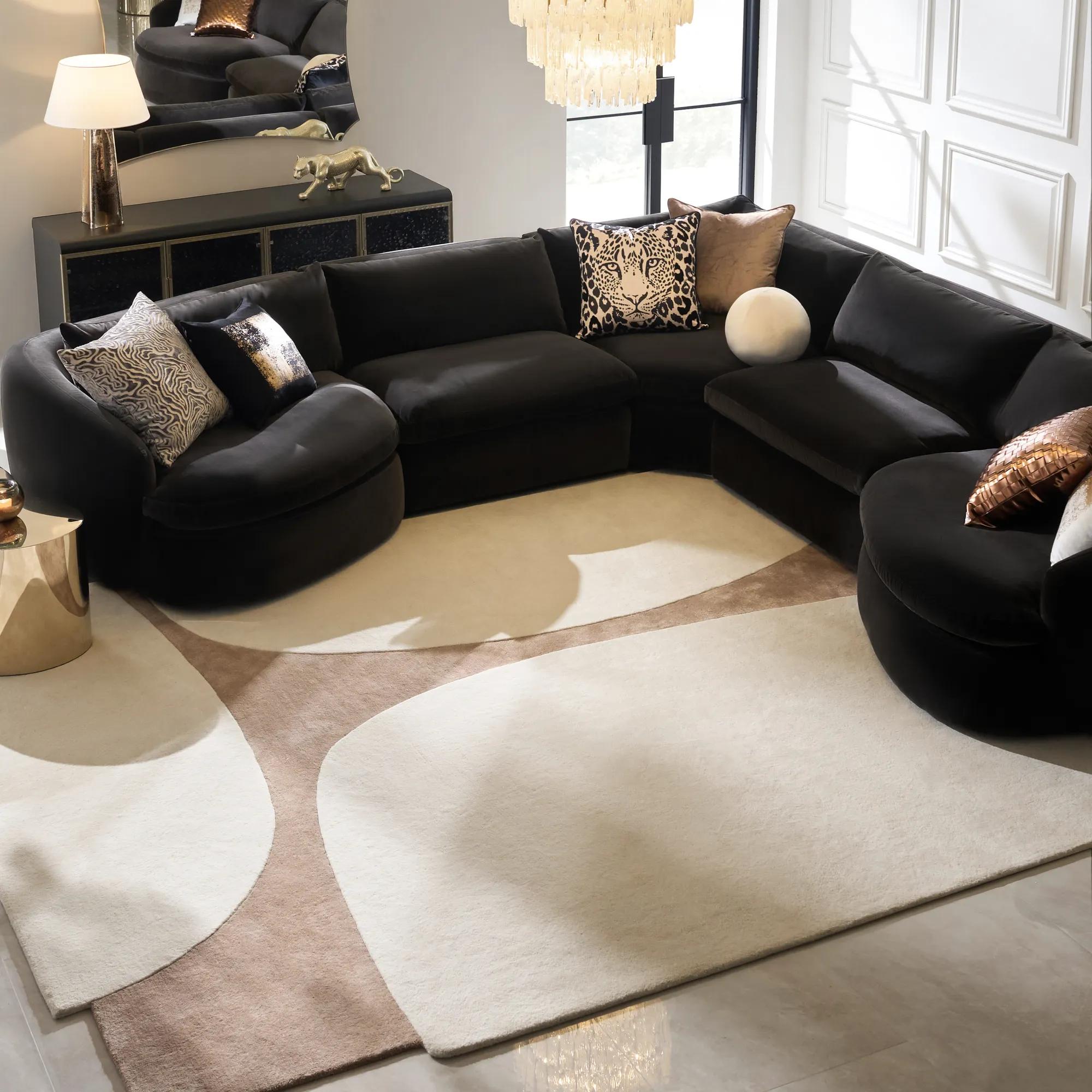 Contour Hand-Tufted Ivory/Ginger Root Wool Blend Rug$1499
A hand-tufted wool rug featuring an ivory and ginger root palette with a contoured, modern design.
Add To Cart -
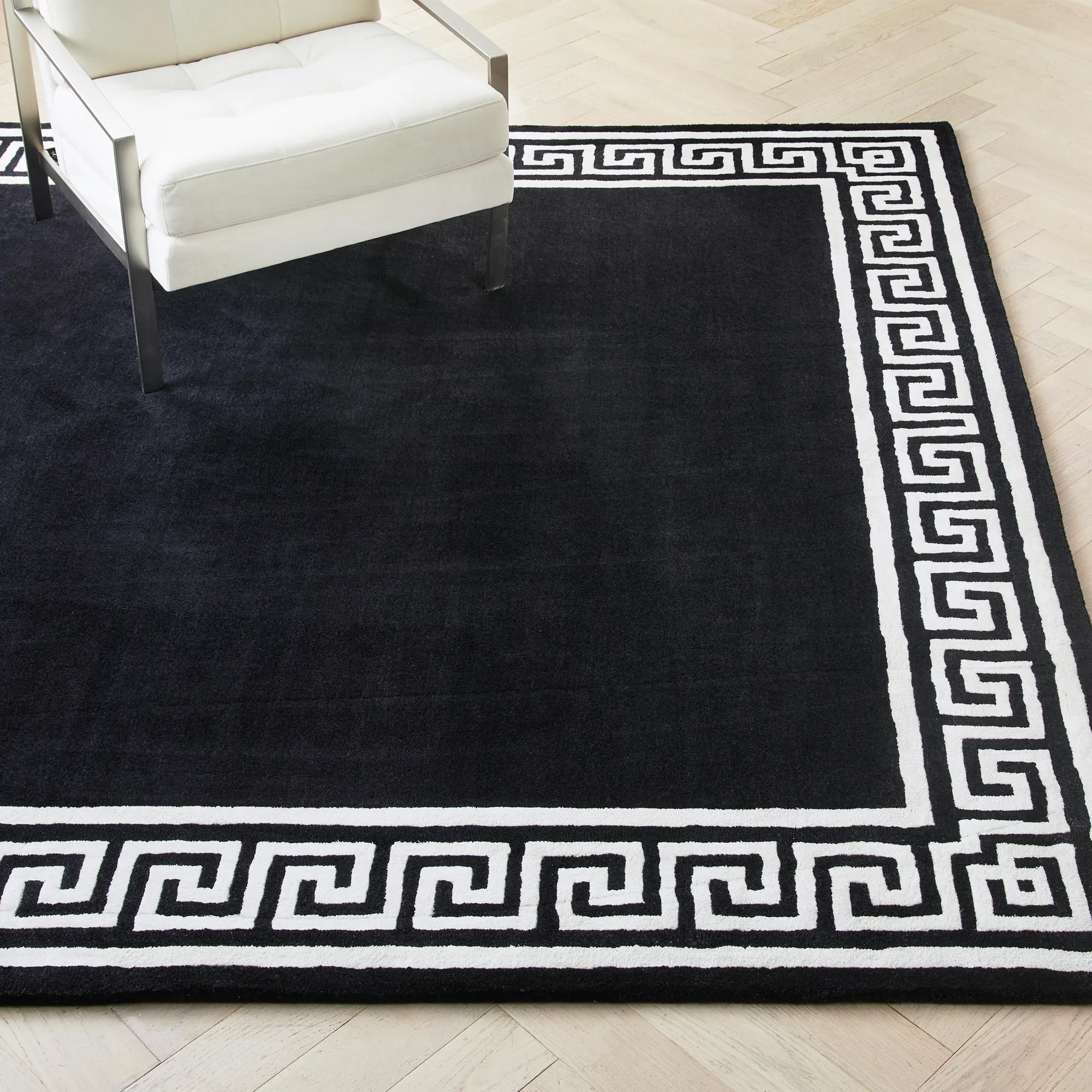
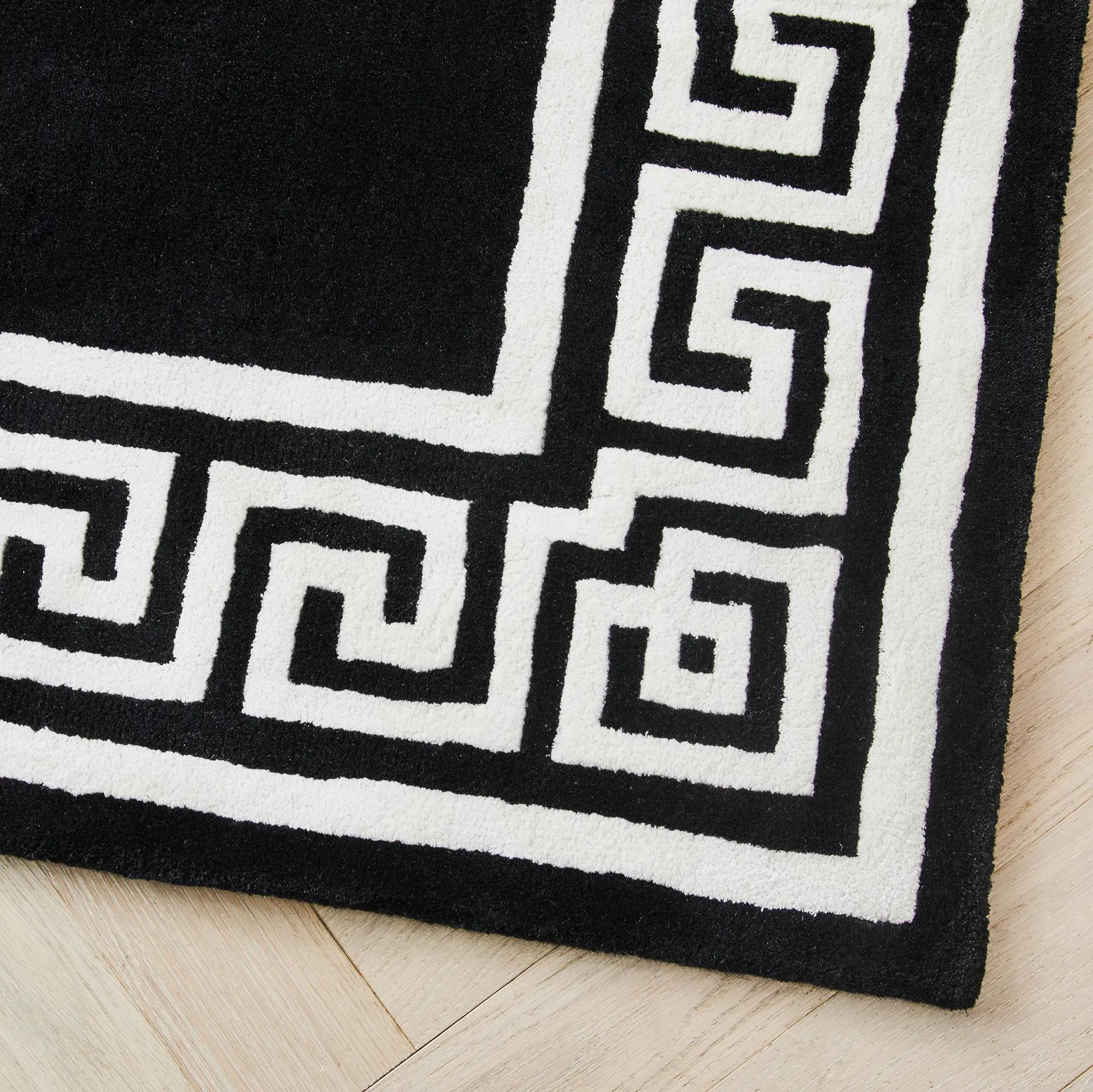 Greek Key Rug - Black/Ivory$1799
A hand-tufted black and ivory rug featuring a classic Greek key pattern in wool and viscose.
Add To Cart -
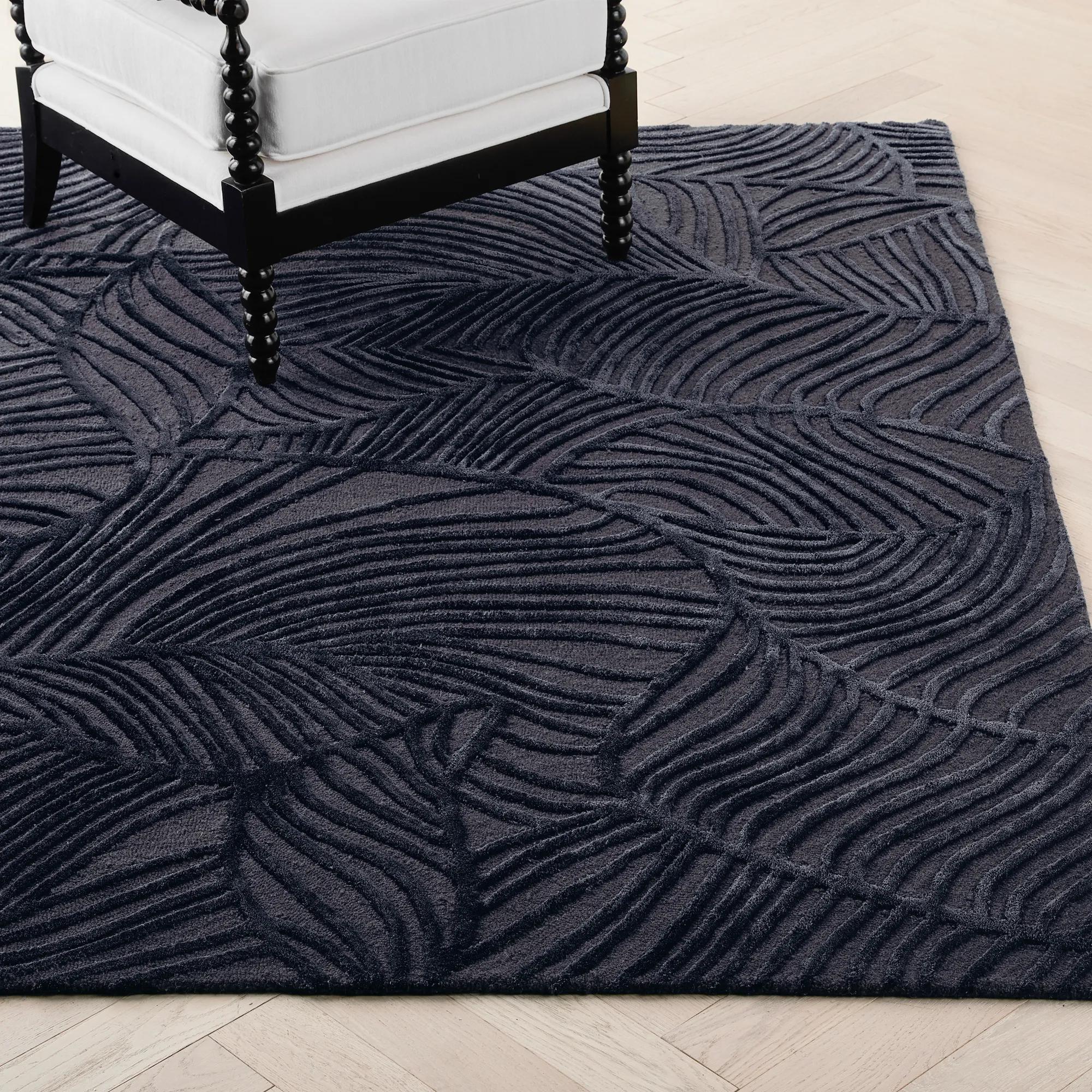
 Palm Rug - Charcoal$1499
A charcoal rug featuring a dynamic palm-leaf design with a textured high-low viscose and wool pile.
Add To Cart -
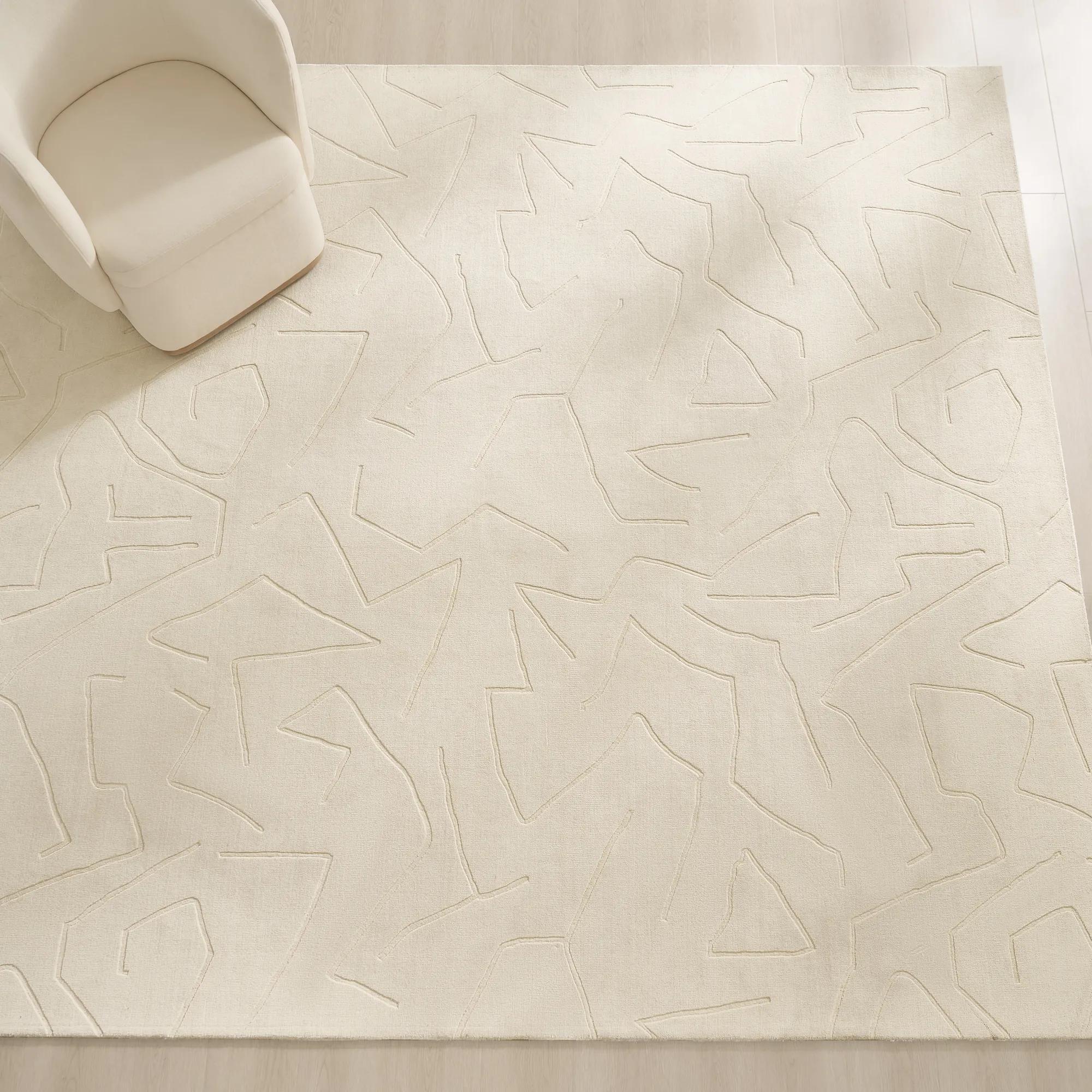 Carved Maze Ivory Hand-Loomed Wool Blend Rug$699
A hand-loomed ivory wool-blend rug featuring a carved maze pattern for modern, textural appeal.
Add To Cart -
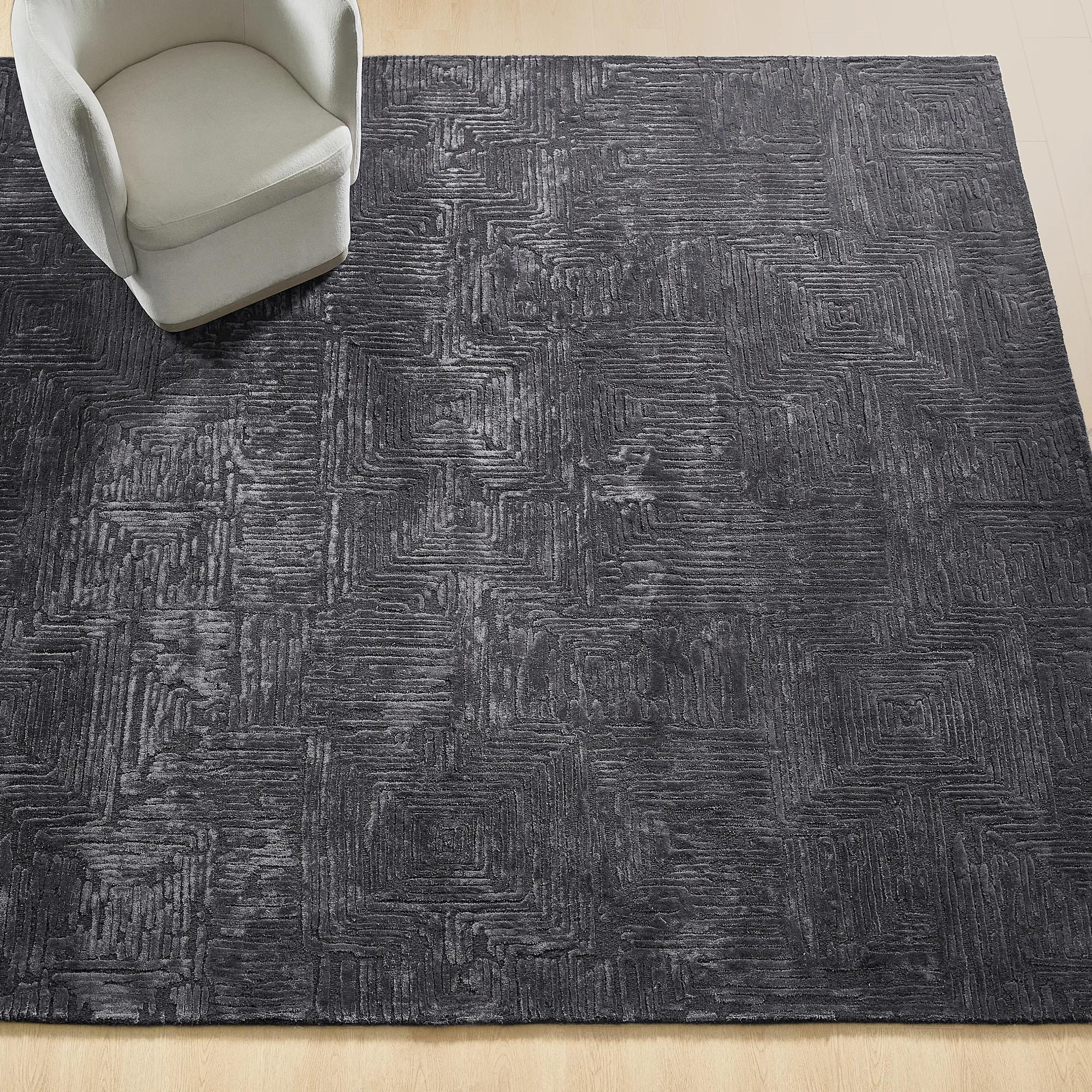
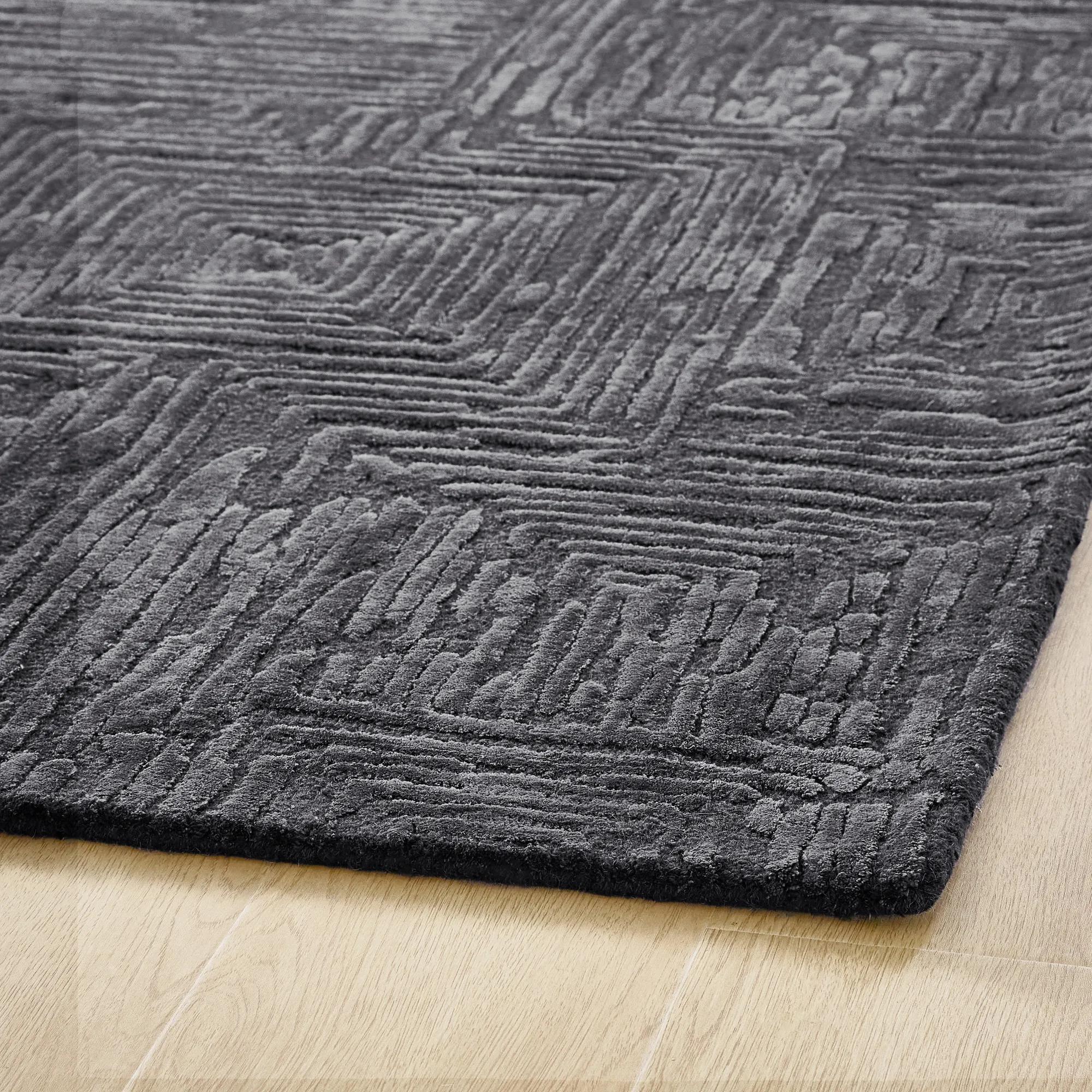 Andra Charcoal Hand-Tufted Wool Blend Dimensional Rug$1499
A hand-tufted viscose-wool rug in rich charcoal with a sculptural, dimensional pattern and plush texture.
Add To Cart -
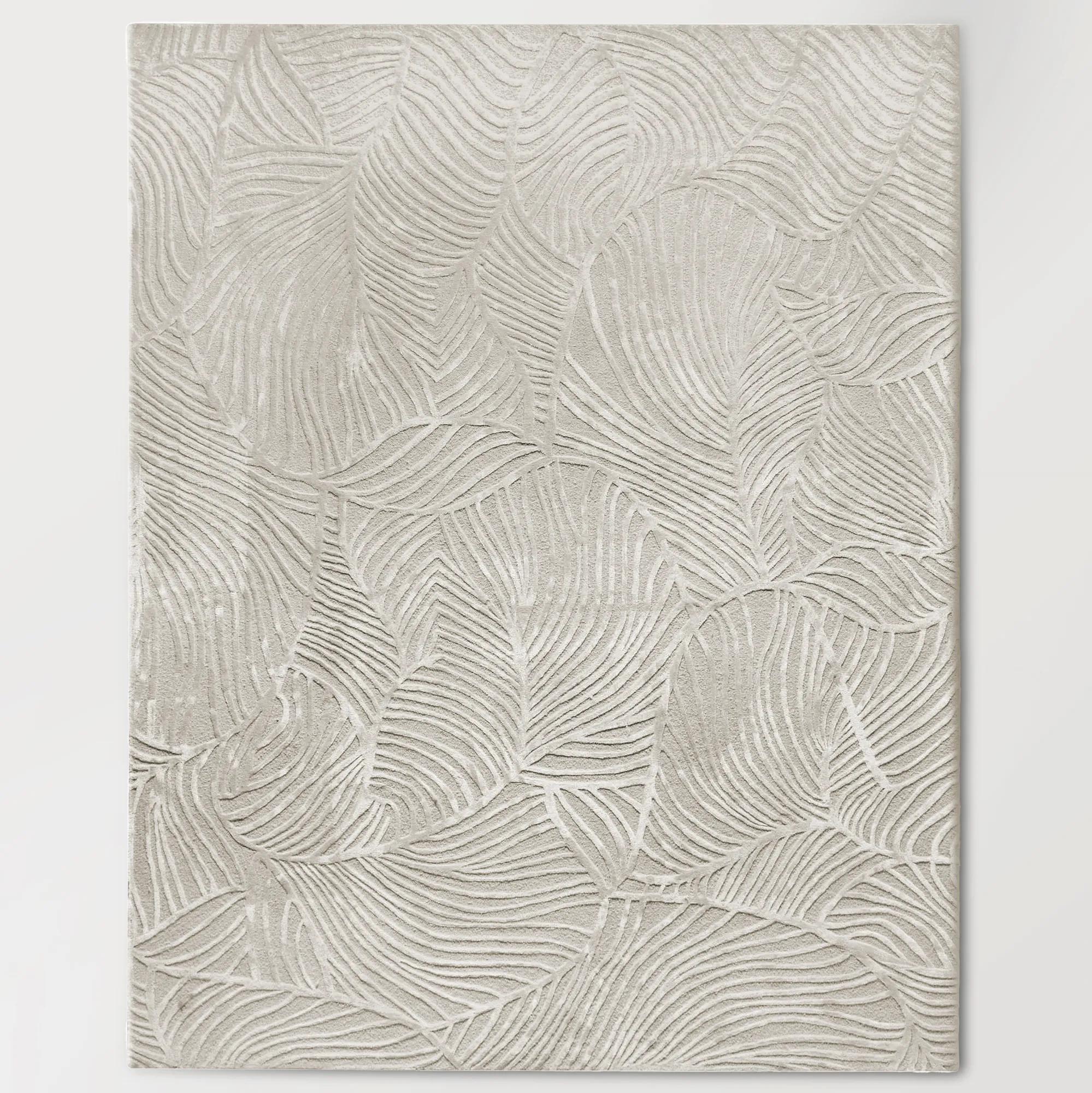 Palm Hand-Tufted Ivory Wool Blend Rug$999
An ivory rug featuring a dynamic palm-leaf design with high-low pile in viscose and wool.
Add To Cart -
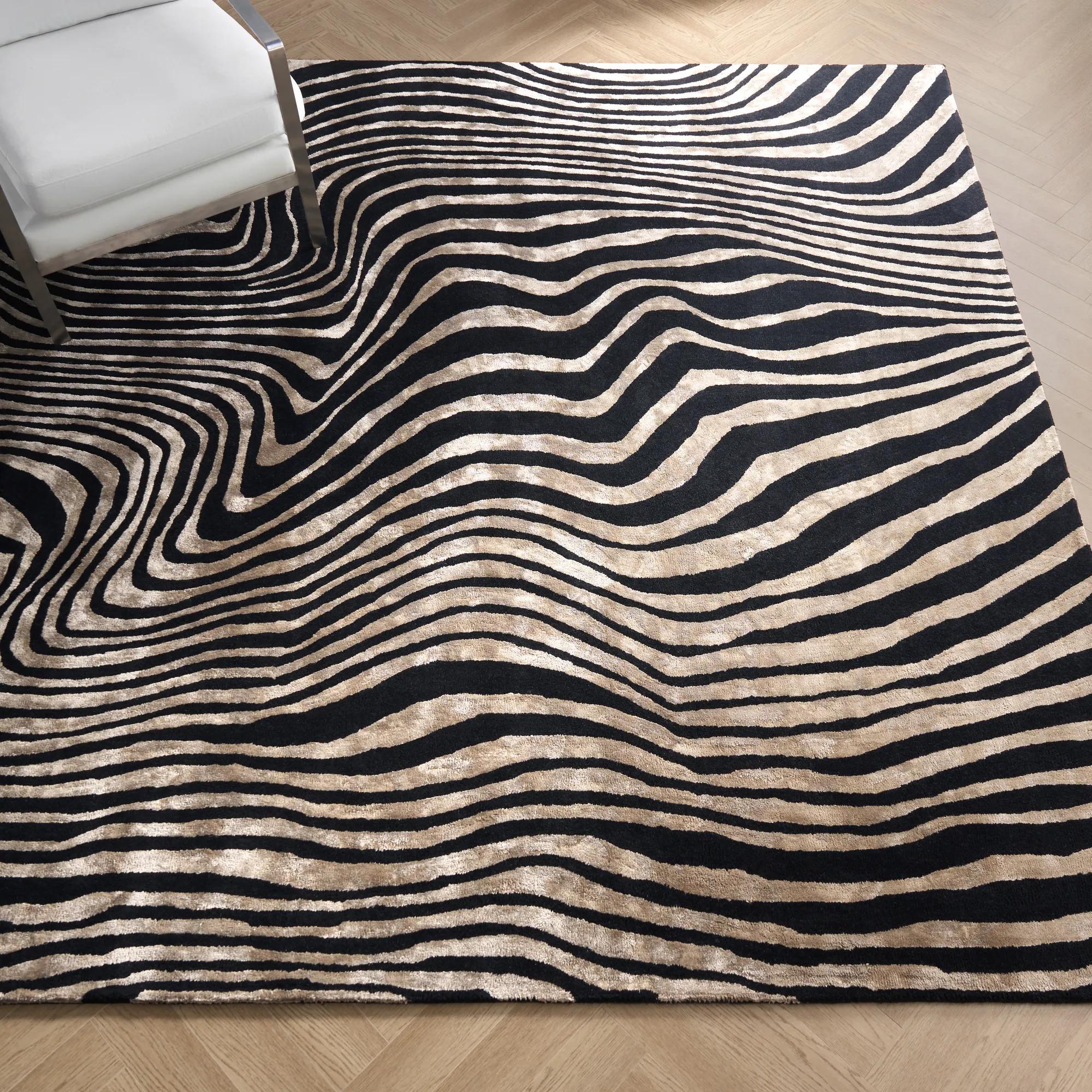
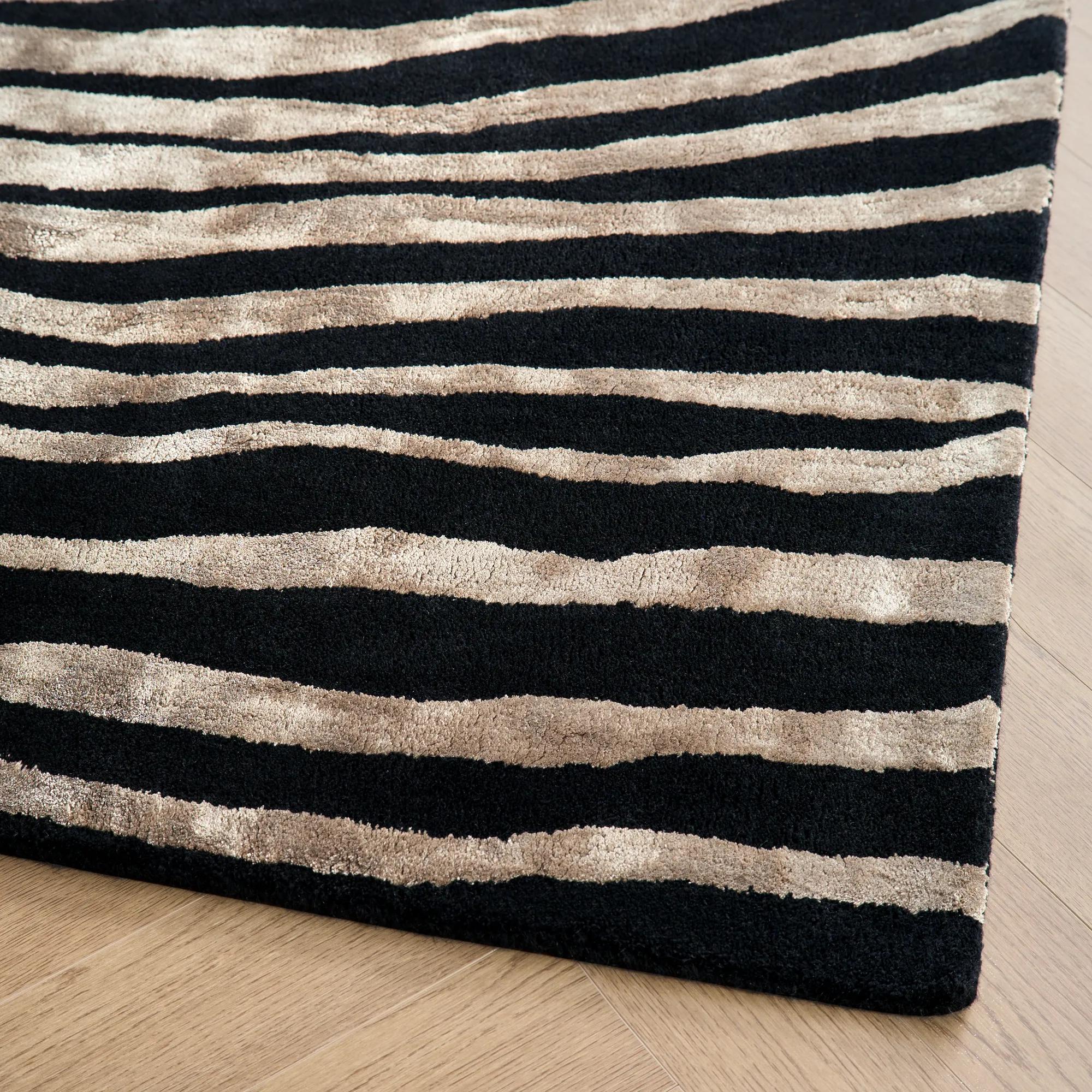 Abstract Zebra Hand-Tufted Black/Taupe Wool Blend Rug$1099
An artisan hand-tufted rug in black and taupe wool-viscose, featuring a striking abstract zebra pattern.
Add To Cart -
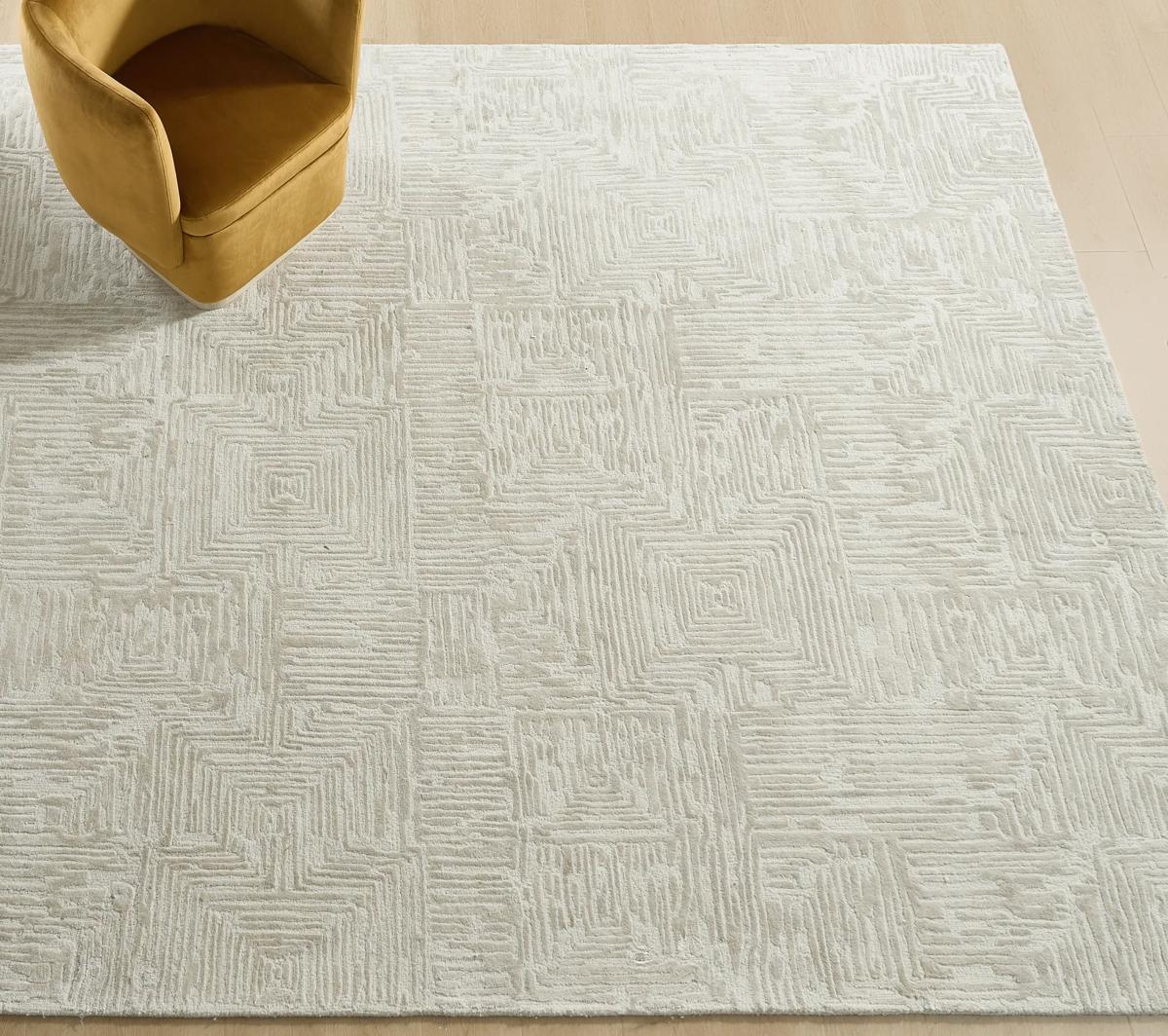 Andra Ivory Hand-Tufted Wool Blend Dimensional Rug$499
A hand-tufted ivory rug in a viscose-wool blend with raised textural detailing and subtle sheen.
Add To Cart -
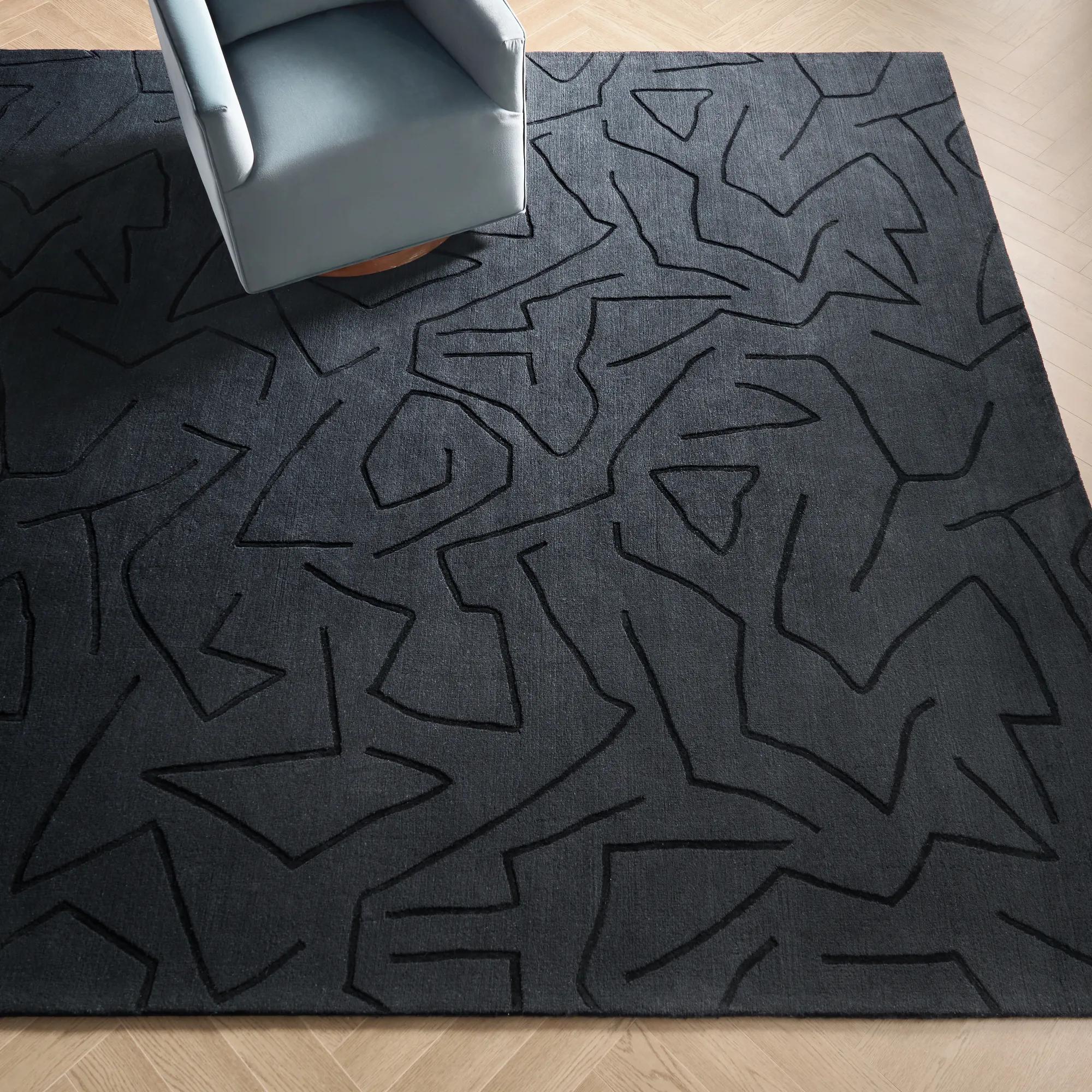 Carved Maze Rug$699
A hand-loomed black rug crafted from wool and viscose, featuring a carved maze design for added texture.
Add To Cart -
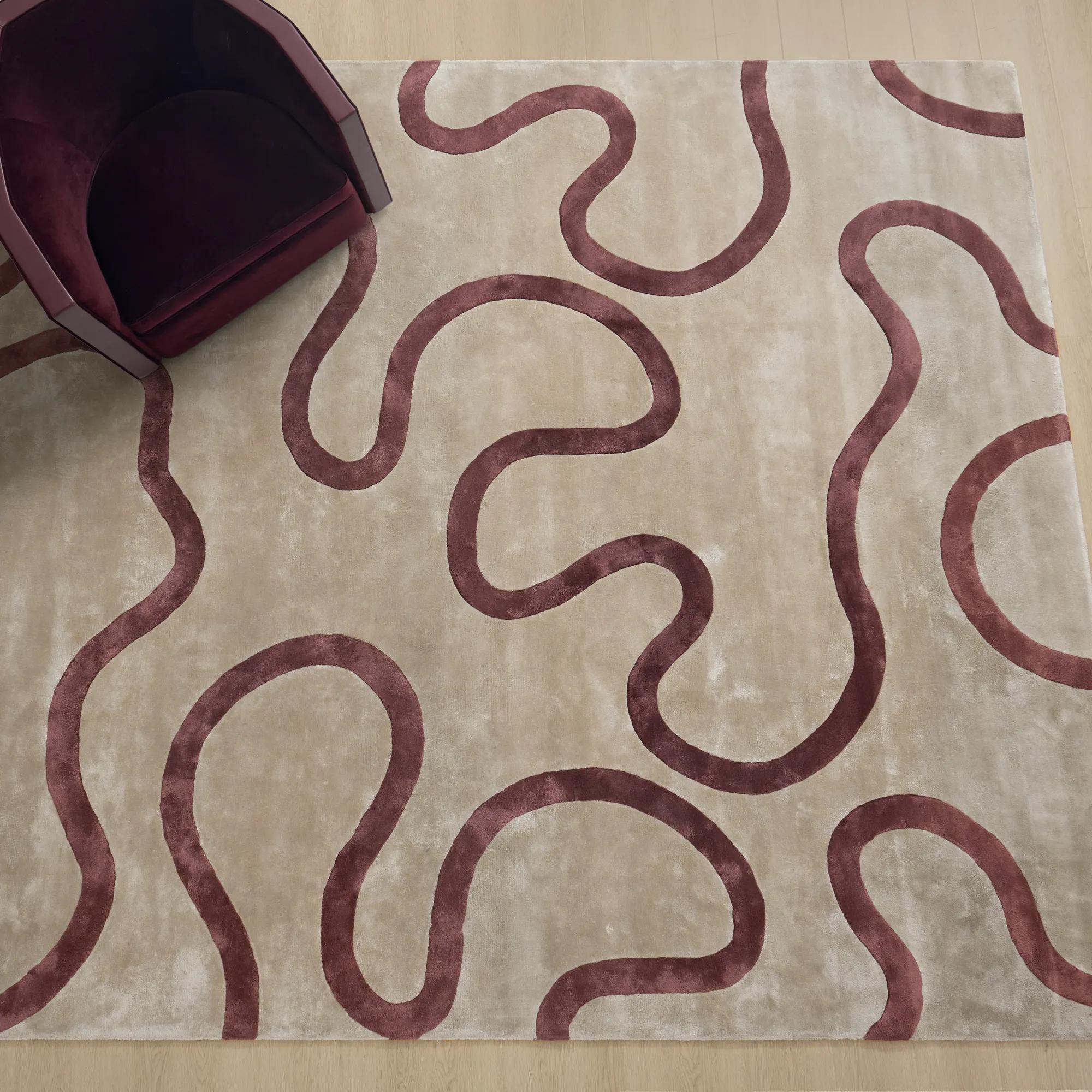 Seraphine Hand-Tufted Fig/Taupe Viscose Loop Rugs$599
A hand-tufted wool rug featuring bold fig and taupe loops for a graphic, Deco-inspired look.
Add To Cart -
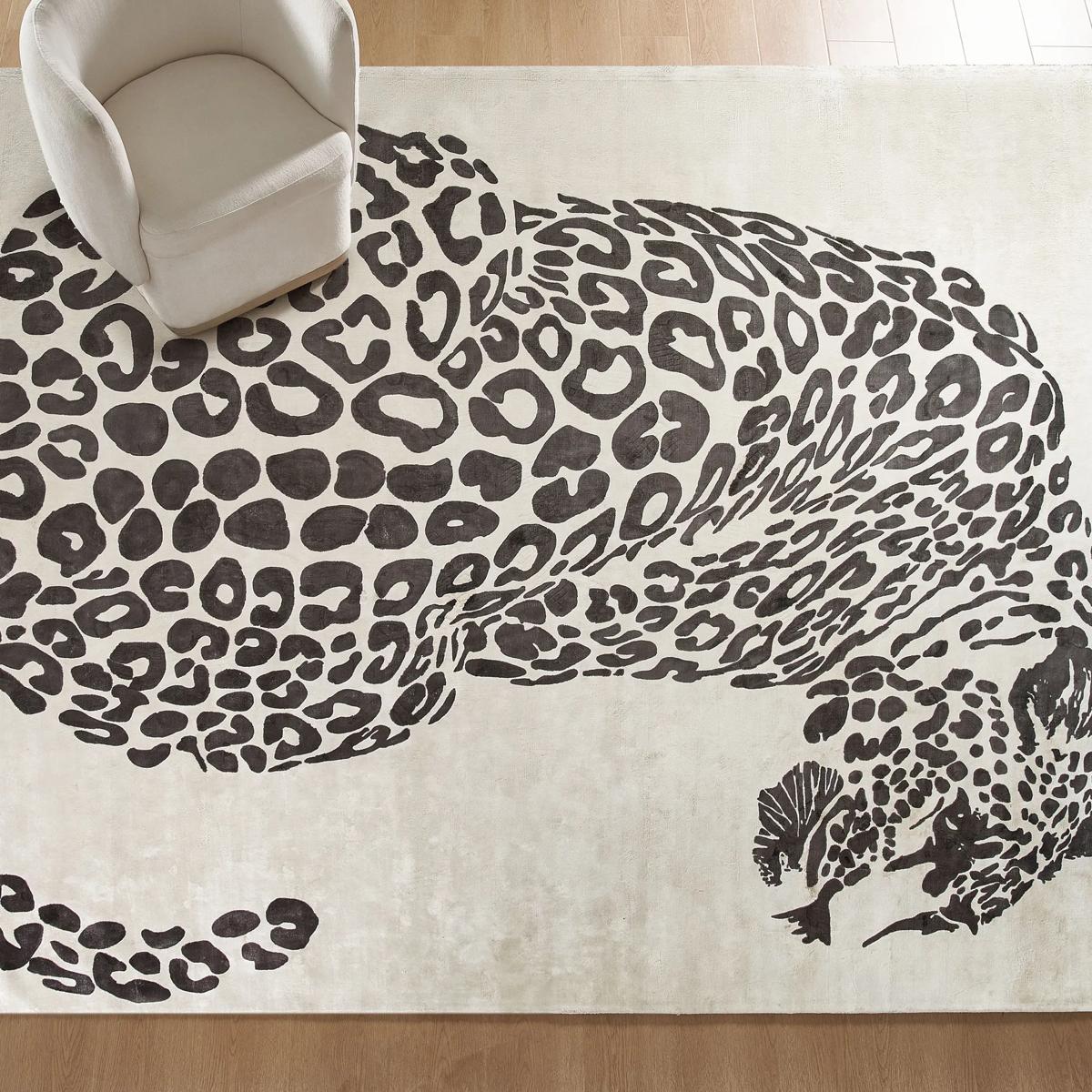 Pardus Leopard Hand-Loomed Ivory/Black Rug$499
An artful ivory and black viscose rug featuring a bold leopard motif and a smooth, silky texture.
Add To Cart

Contemporary Wool Area Rugs
Contemporary wool area rugs are the unsung heroes of daring design, transforming floors into canvases of texture, artistry, and warmth. Each piece is a celebration of modern elegance—where bold patterns dance with subtle hues and plush fibers invite every step into a world of tactile luxury. Whether anchoring a grand living room or infusing intimacy into a bedroom retreat, these rugs ground your space in sophistication while elevating the everyday to extraordinary heights. Discover how contemporary wool area rugs can set the stage for rooms that captivate and inspire at every glance.
Contemporary wool area rugs give a room a distinctive foundation: expressive pattern, dimensional texture, and a softness that makes a polished interior feel inviting. Defined by modern compositions rather than traditional borders and medallions, these rugs range from sweeping abstract forms and architectural lines to tonal fields that reveal their detail up close. A charcoal-and-ivory geometric design can sharpen the silhouette of a curved sofa, while a softly striated neutral can lend depth beneath a glass cocktail table without competing with its sculptural base. Wool brings substance to that visual drama. Its naturally crimped fibers offer resilience under everyday foot traffic, helping the pile recover from compression, although heavy furniture can still leave impressions. A wool rug also softens footsteps and helps reduce reflected sound, making it especially appealing in rooms with expansive windows, hard flooring, and generous ceiling heights. The character of the surface depends on both the fiber content and construction. Pure wool and wool-blend rugs can differ in softness, sheen, shedding, and maintenance needs, so the full fiber composition matters as much as the appearance. Hand-knotted rugs are formed by individually tying yarns to a foundation; hand-tufted rugs typically use yarn inserted through a backing and secured with adhesive; flatwoven rugs have no raised pile. Each construction creates a different balance of texture, weight, and feel rather than a universal measure of quality. Dense, closely worked surfaces often suit frequently used spaces, while a deeper pile creates a more sumptuous landing beside a bed or beneath a lounge chair. For interiors that invite stronger visual rhythm, contemporary pattern wool rugs offer another way to connect expressive flooring with the room’s larger composition. An oversized motif can feel almost painterly across an open floor, while smaller, repeated marks create a layered texture that becomes more apparent as the room is experienced.
Scale determines whether an area rug feels like an intentional part of the architecture or an isolated accent. In a living room, a generous footprint allows the front legs of the sofa and neighboring chairs to rest on the rug, connecting separate furnishings into one conversation area. An 8-by-10-foot or 9-by-12-foot rug may suit that arrangement, but the right dimensions depend on the furniture footprint, walking routes, and proportions of the room rather than the size label alone. A compact seating group can feel more expansive when the rug extends beyond the ends of the sofa instead of stopping short of them. In an open-plan interior, distinct rugs can define a lounge and dining space without introducing a physical divide; related undertones help the areas converse even when their patterns differ. Beneath a dining table, approximately 24 to 30 inches of rug beyond each edge generally gives chairs room to move while remaining on the surface, though larger chairs may require more clearance. A lower pile is often easier for chair movement and routine cleanup than a deeply textured surface. In a bedroom, extending the rug beyond the sides and foot of the bed creates a balanced frame and a soft place to step, while leaving some flooring visible preserves definition around the perimeter. Door swings, floor vents, and thresholds also deserve space within the arrangement. Color and pattern influence the perceived scale just as strongly. An ivory ground with broad graphite strokes can give dark furniture breathing room, while a richly shaded rug can anchor pale upholstery and gleaming metal accents. Subtle variations in tone may disguise small traces of everyday use better than an entirely uniform field. For households balancing entertaining with daily family life, a restrained palette with tactile detail can feel composed without demanding a pristine setting. The most convincing result comes from treating the rug as a substantial design element, with enough presence to hold the furniture and enough contrast to make its shape legible.
The lasting appeal of a contemporary wool rug depends on matching its construction to the way the space is used. Living rooms, bedrooms, and home offices are natural settings for wool’s resilient texture, while busy dining areas and homes with pets call for closer attention to pile height, weave, and care requirements. Tightly constructed, lower-pile surfaces are generally easier to maintain than long, loose textures; exposed loops may catch on pet claws, making a closely worked cut pile worth considering. Wool has some natural resistance to soiling and liquid penetration, but it is neither stain-proof nor waterproof, and spills need prompt attention. Blotting with a clean, absorbent white cloth helps lift moisture without pushing it farther into the fibers; rubbing can distort the pile and spread the stain. Cleaning products should be approved for the rug’s fiber content, dyes, and backing, with any treatment tested discreetly according to the manufacturer’s instructions. Bleach, harsh scrubbing, and excessive saturation can damage wool or its construction. Regular vacuuming removes abrasive grit before it settles deeply into the surface, using the recommended suction setting and avoiding an aggressive rotating brush when the care label advises against it. Some shedding is common with new wool rugs, particularly certain cut-pile and tufted constructions, and does not automatically indicate a defect. A compatible rug pad adds cushioning, helps limit movement, and reduces friction against the floor; its material should also be suitable for the flooring beneath it. Periodic rotation can distribute foot traffic and light exposure more evenly, while professional cleaning by a wool-rug specialist can address deeper soil when needed. With thoughtful placement and consistent care, wool’s tactile richness remains central to the room’s appeal: a textured plane beneath tailored upholstery, a confident counterpoint to reflective finishes, and an expressive foundation that makes the entire space feel considered.
FAQs
Contemporary wool area rugs stand out for their fusion of time-honored craftsmanship and bold, artistic design. Their natural wool fibers offer plush comfort and durability, while modern patterns—ranging from geometric to abstract—bring a sense of drama and sophistication to any space. The result is a rug that not only grounds the room but also becomes a captivating focal point, reflecting your personal style and love of expressive décor.
Designer wool rug collections are curated to elevate the entire atmosphere of a room. With their rich textures, nuanced color palettes, and intricate patterns, these rugs infuse spaces with warmth, depth, and a sense of artistry. Whether you prefer understated elegance or bold statement pieces, a designer wool rug can transform an ordinary room into an inviting, visually dynamic retreat.
Absolutely. Gifting a contemporary wool rug is a gesture of both luxury and thoughtfulness. These rugs are timeless heirlooms, perfect for celebrating milestones such as weddings, housewarmings, or anniversaries. Their enduring quality and stylish appeal make them a cherished addition to any home, offering both comfort and a daily reminder of the special occasion.
Current trends in modern wool rugs showcase an array of bold geometric motifs, abstract artistry, and globally inspired patterns such as Moroccan or tribal designs. Textures like hand-tufted, hand-knotted, and cut-and-loop pile add dimensionality, while color palettes range from serene neutrals to vibrant, saturated tones. These trends celebrate individuality and bring a fresh, contemporary edge to classic wool craftsmanship.
Contemporary wool area rugs serve as the perfect canvas for layering and highlighting your favorite furnishings and accents. Their luxurious textures and eye-catching designs can anchor a seating arrangement, set the tone for a gallery wall, or add a touch of softness beneath a sculptural coffee table. Whether your style is minimalist or maximalist, these rugs tie together disparate elements, creating a harmonious and visually compelling environment.