Contemporary Geometric Rugs
Contemporary Geometric Rugs
-
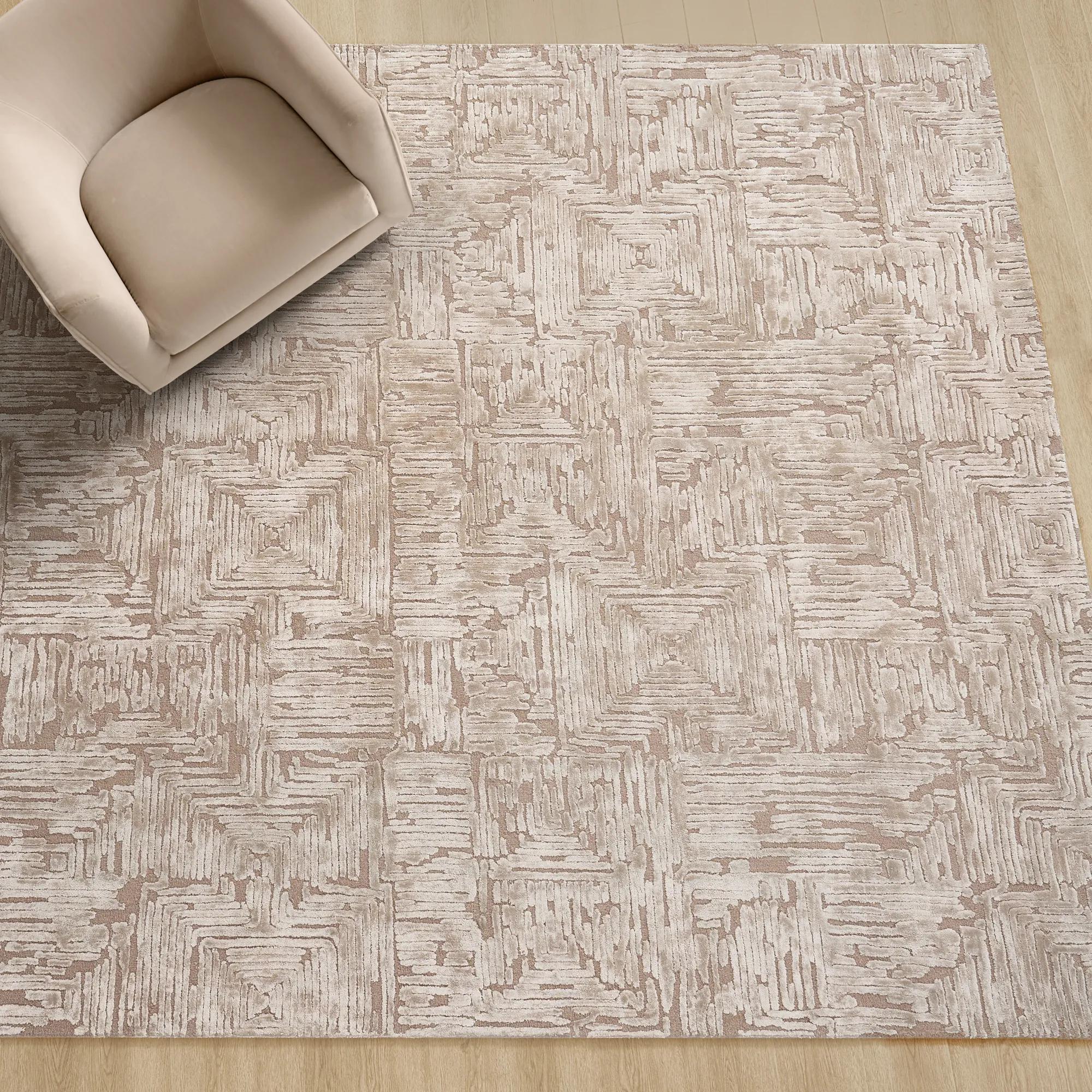
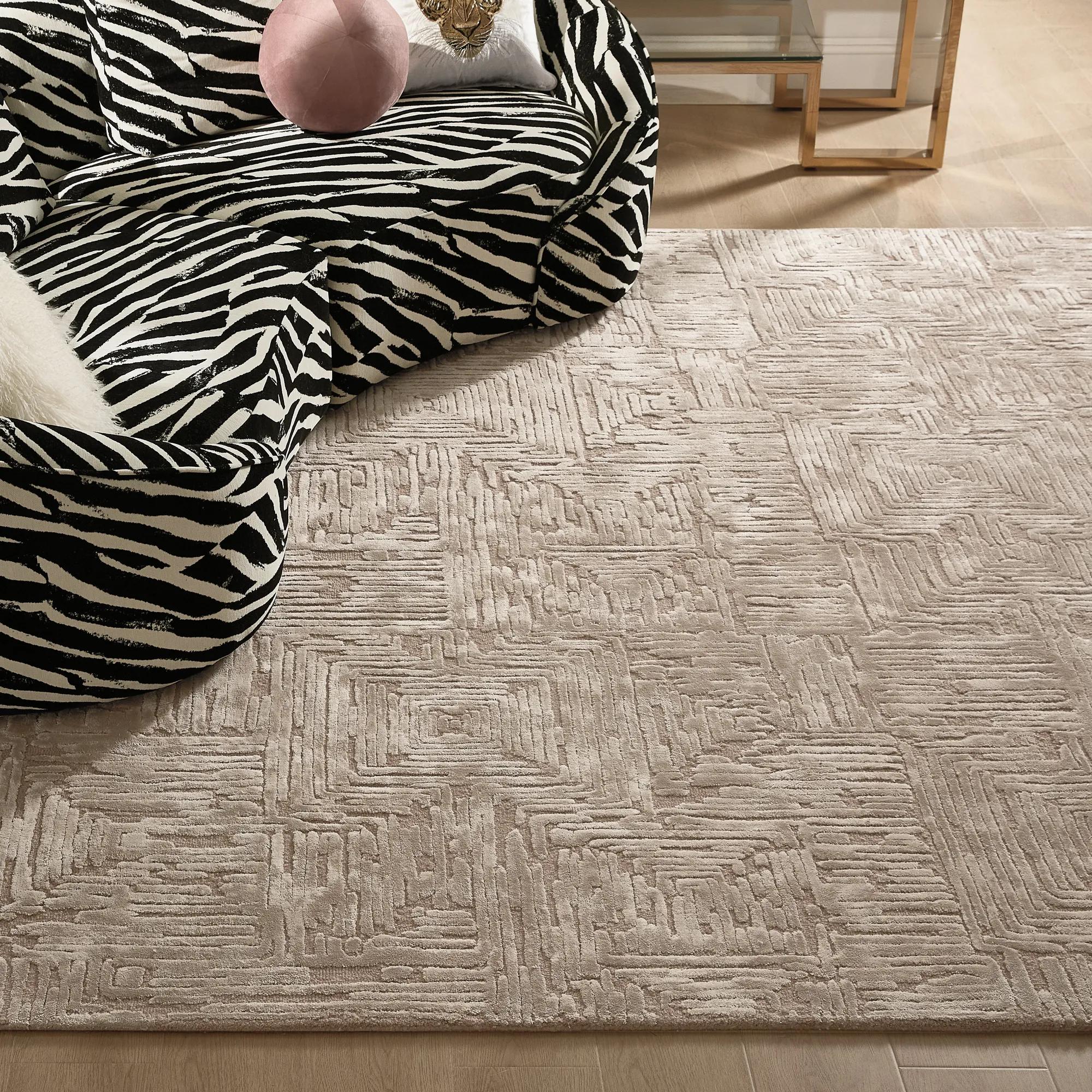 Andra Hand-Tufted Mocha Rose Viscose & Wool Dimensional Rug$1499
A hand-tufted mocha rose rug blending viscose and wool with dimensional broken geometric texture.
Add To Cart -
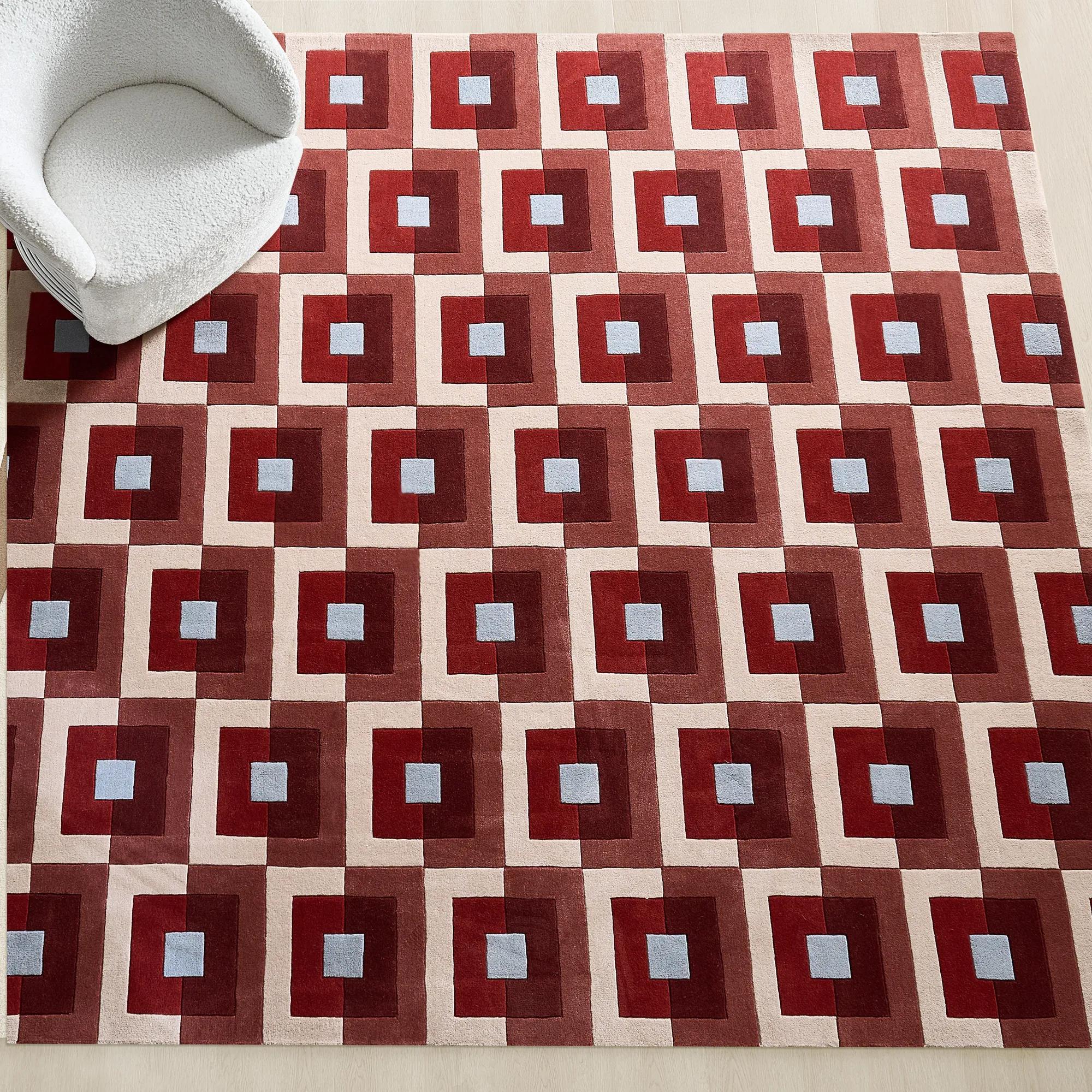
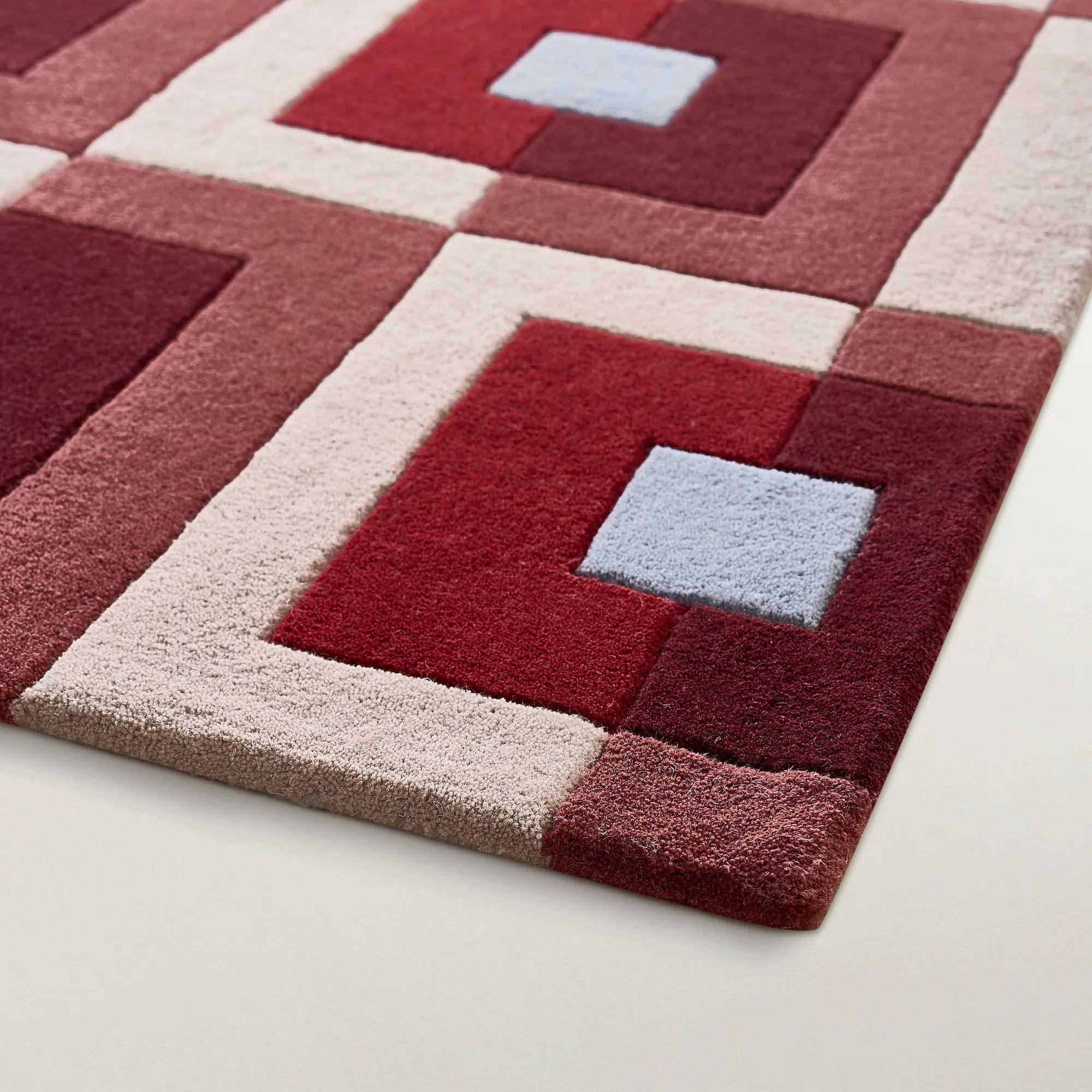 Geo Pop Wool Rug - Oxblood Red/Airy Blue$599
A geometric wool rug combining oxblood red and airy blue for a bold, modern statement.
Add To Cart -
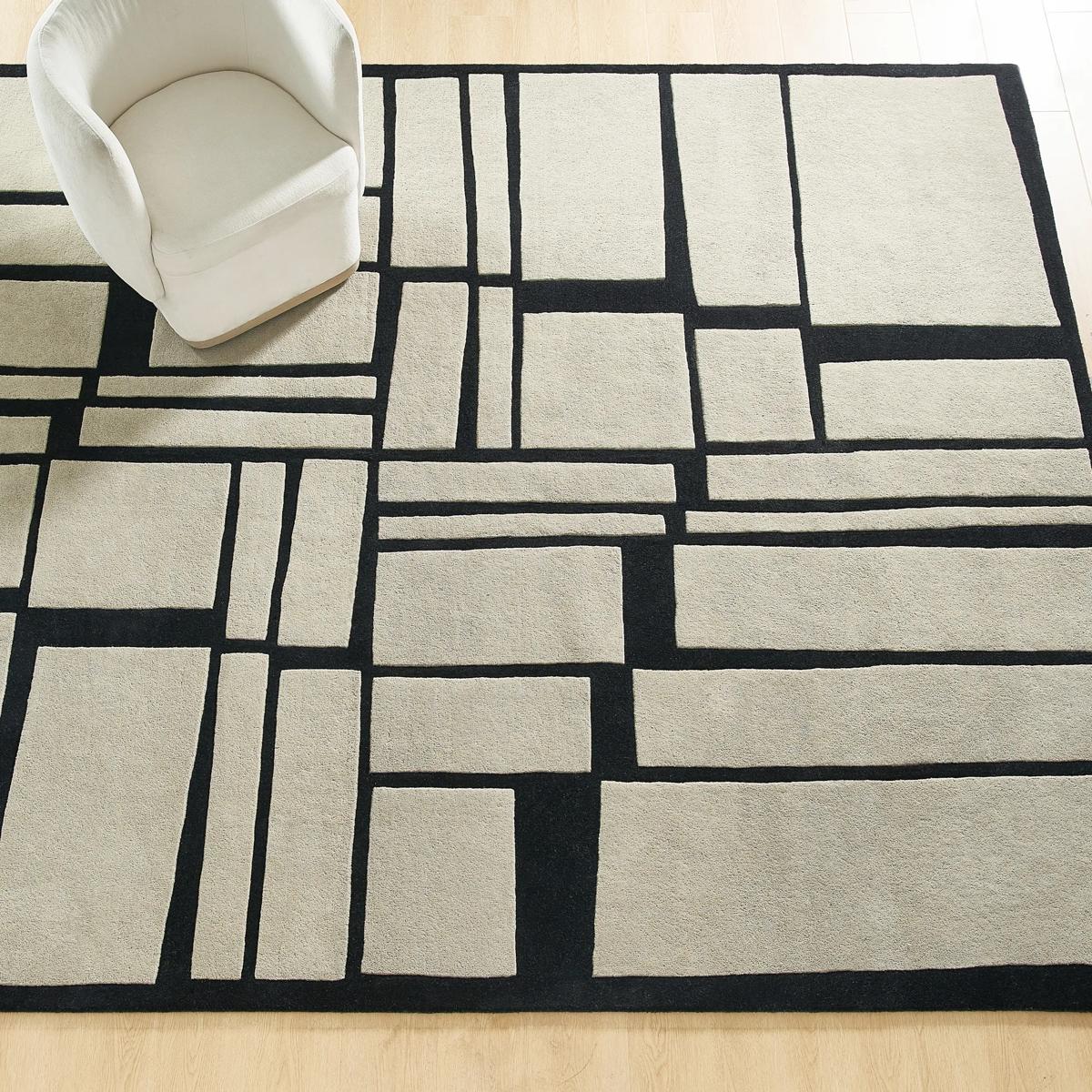 Novak Hand-Tufted Natural/Black Wool Rug$449
A hand-tufted wool rug featuring a bold black and natural grid design for modern visual impact.
Add To Cart -
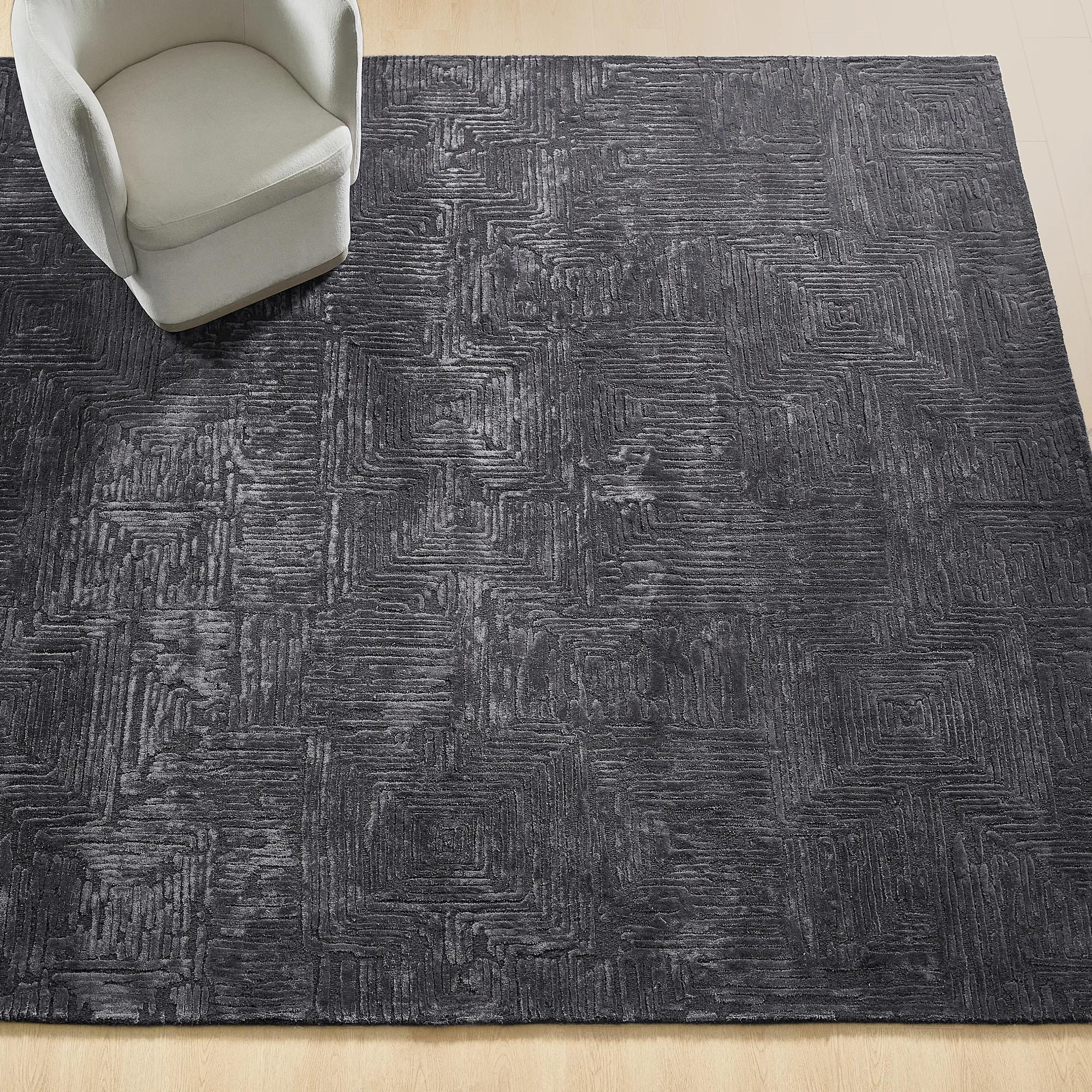
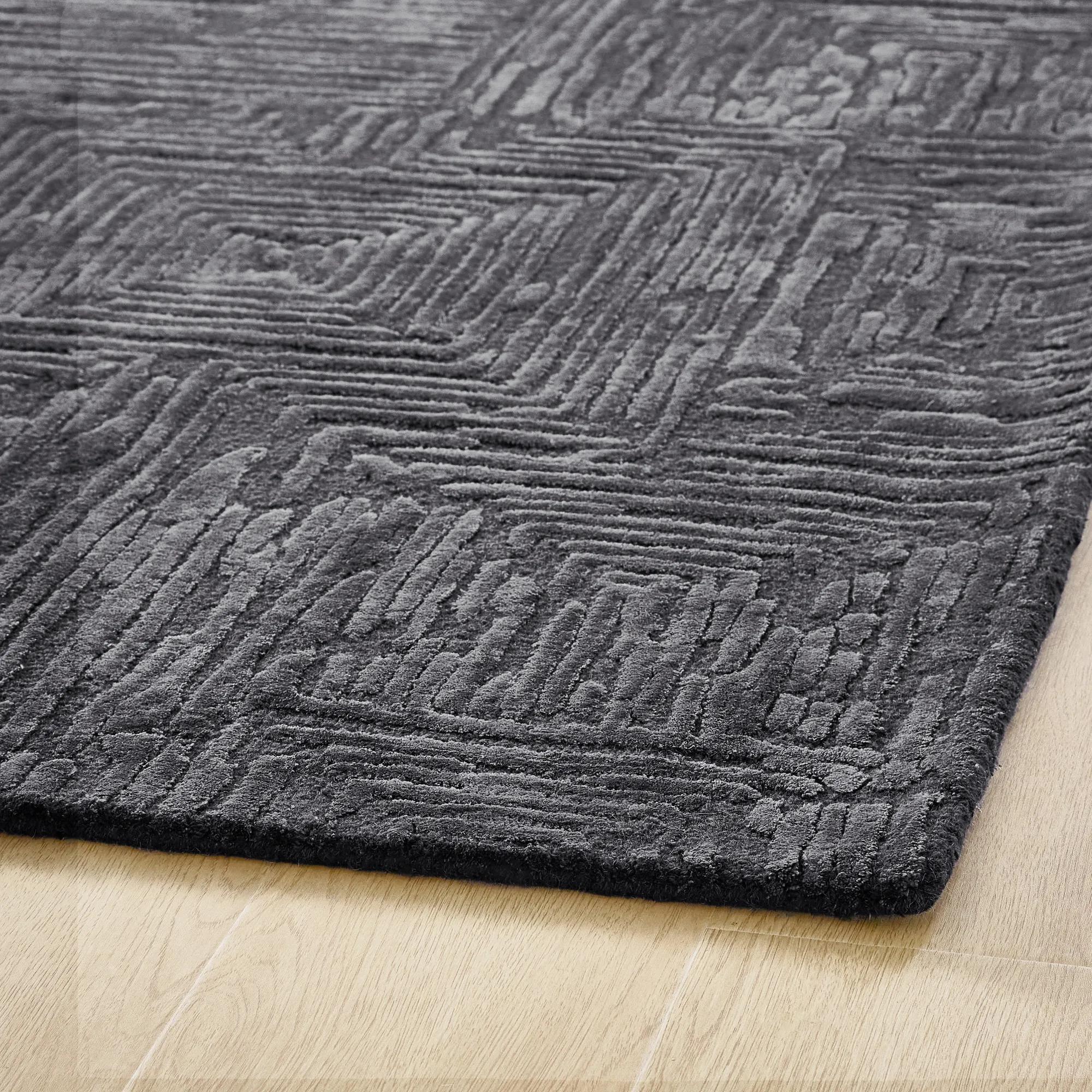 Andra Charcoal Hand-Tufted Wool Blend Dimensional Rug$499
A hand-tufted viscose-wool rug in rich charcoal, featuring a sculptural, dimensional pattern for modern spaces.
Add To Cart -
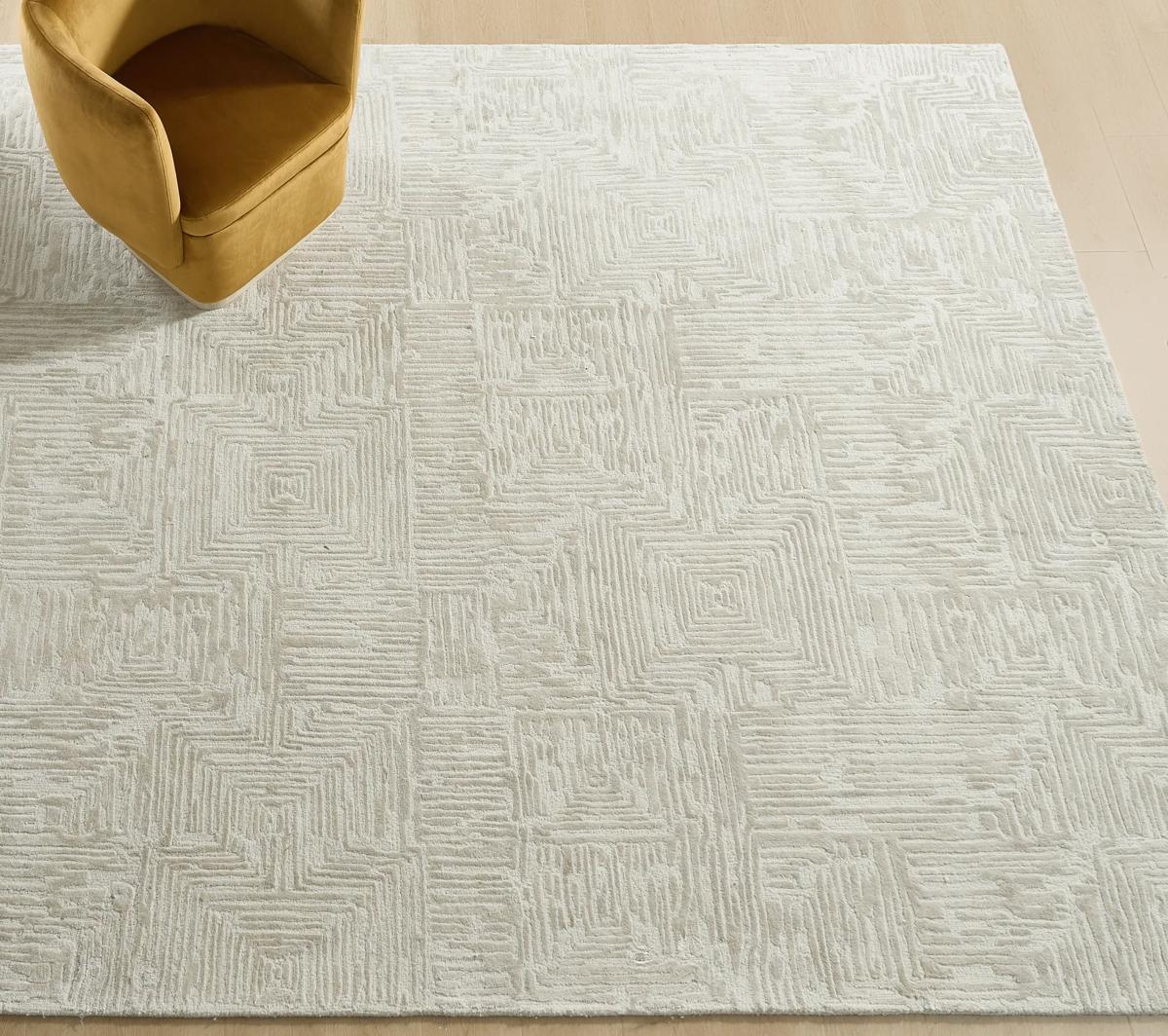 Andra Ivory Hand-Tufted Wool Blend Dimensional Rug$999
A hand-tufted ivory rug featuring a viscose-wool blend, raised textural detailing, and a subtle sheen.
Add To Cart -
 Fiona Hand-Tufted Ivory/Beige/Black Border Fringe Rug$1099
A hand-tufted ivory, beige, and black rug featuring a framed border and decorative fringe.
Add To Cart -
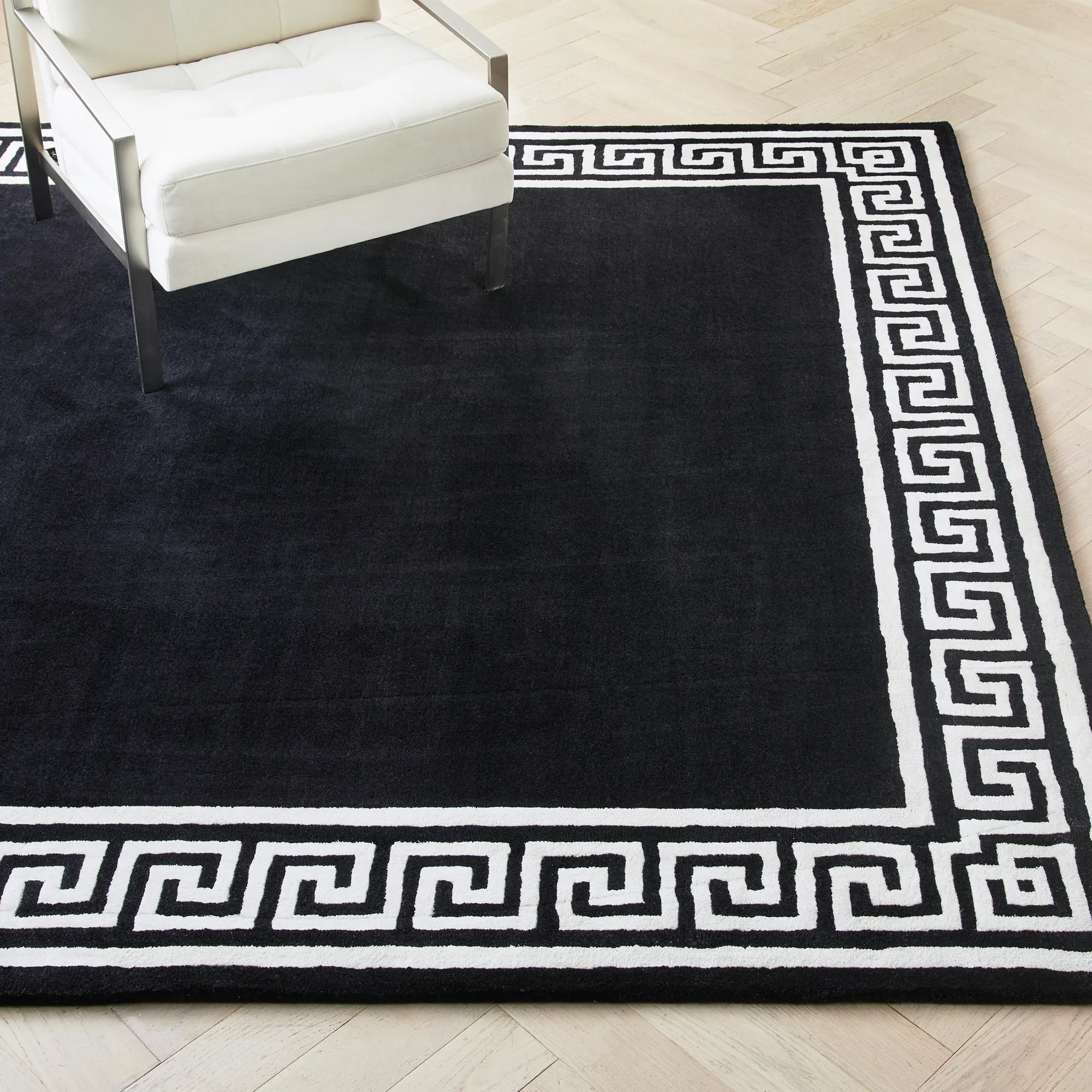
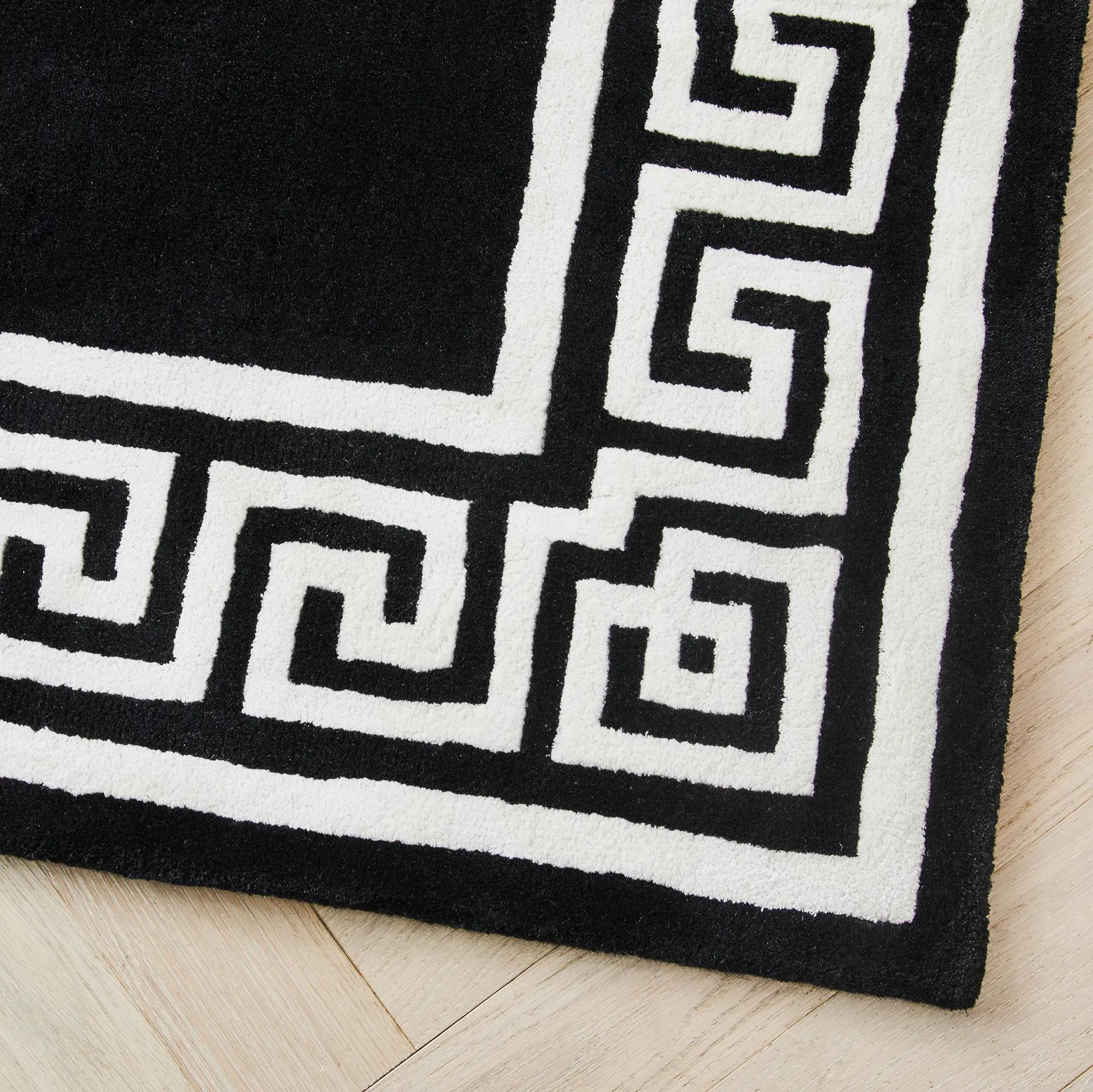 Greek Key Rug - Black/Ivory$1799
A hand-tufted black and ivory rug featuring a classic Greek key pattern in wool and viscose.
Add To Cart -
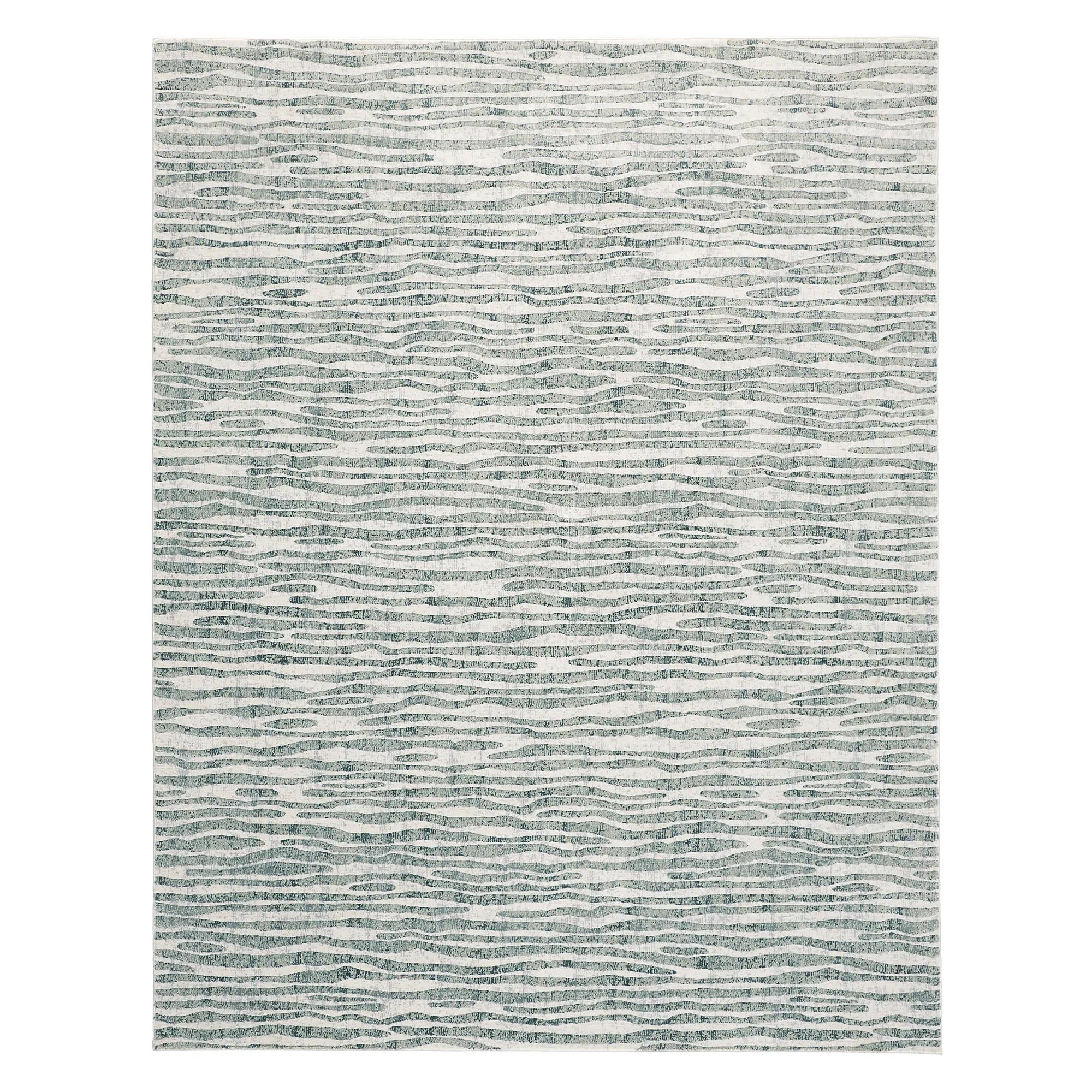 Samantha Power-Loomed Aqua/Grey Rug$719
A machine-woven rug featuring silvery-aqua and green accents on an ivory and grey polypropylene base.
Add To Cart -
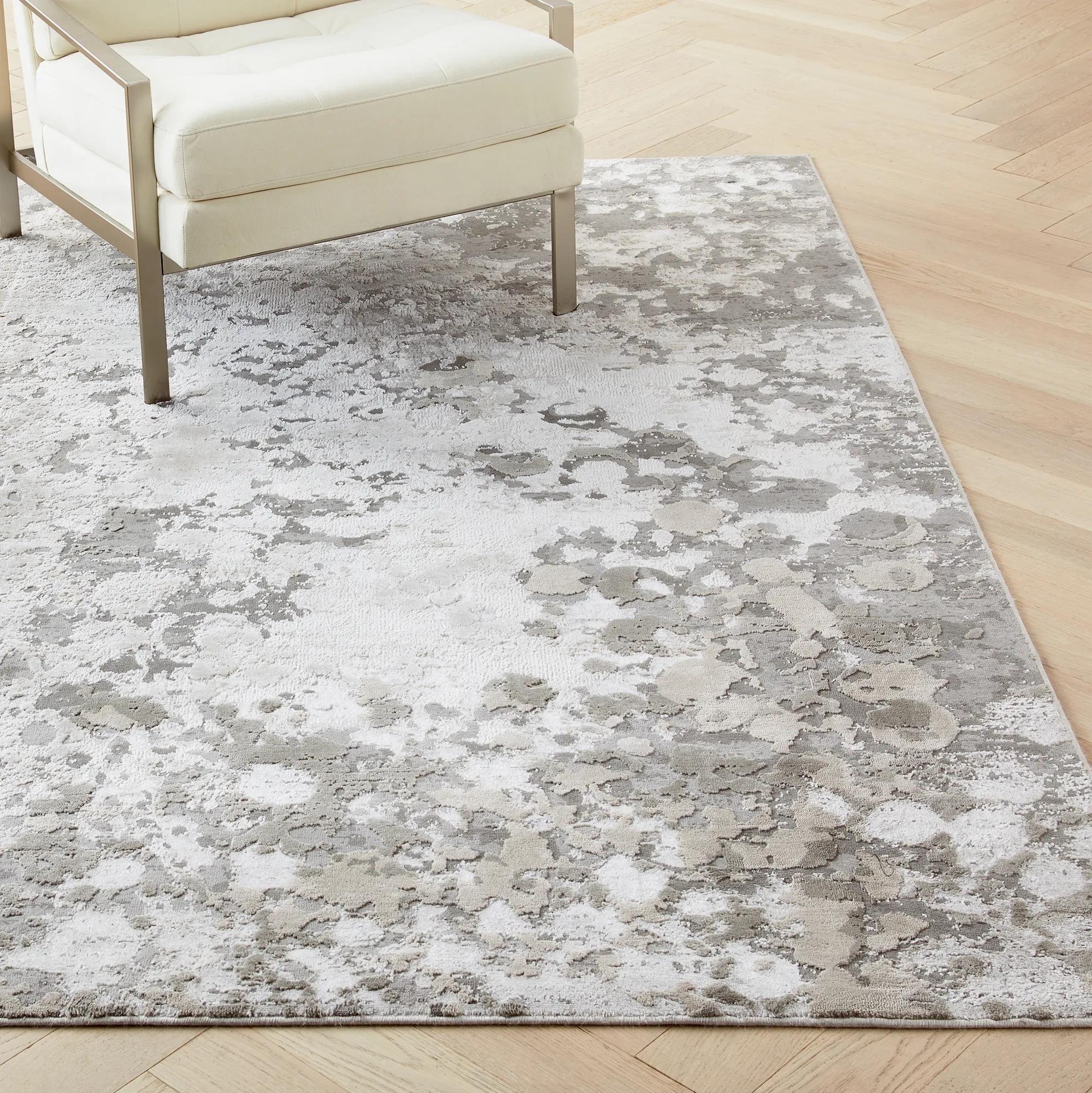 Mercury Power-Loomed Silver/Grey/Beige Rug$1649
A textured rug in silver, grey, and beige crafted from polyester, polypropylene, jute, and cotton.
Add To Cart -
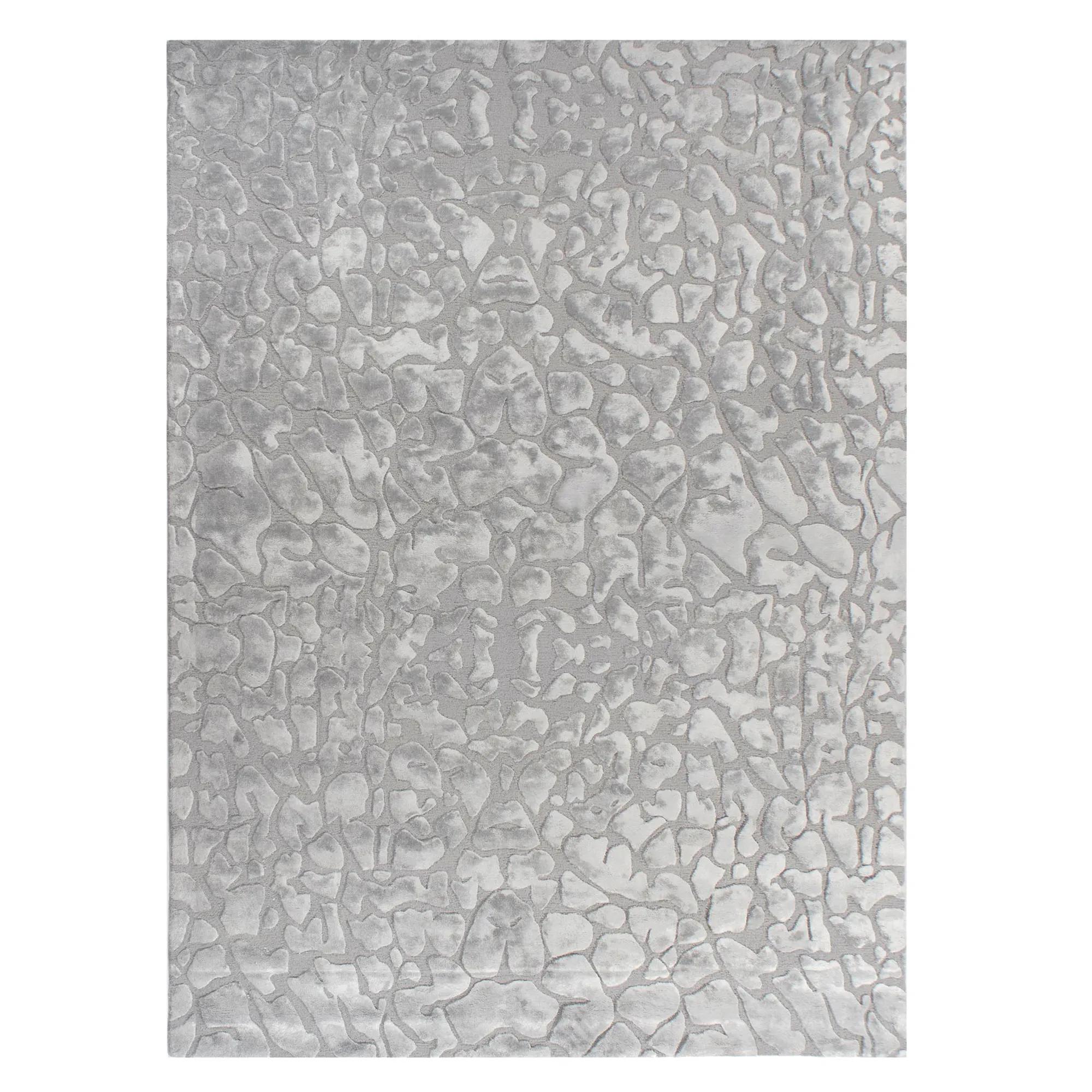
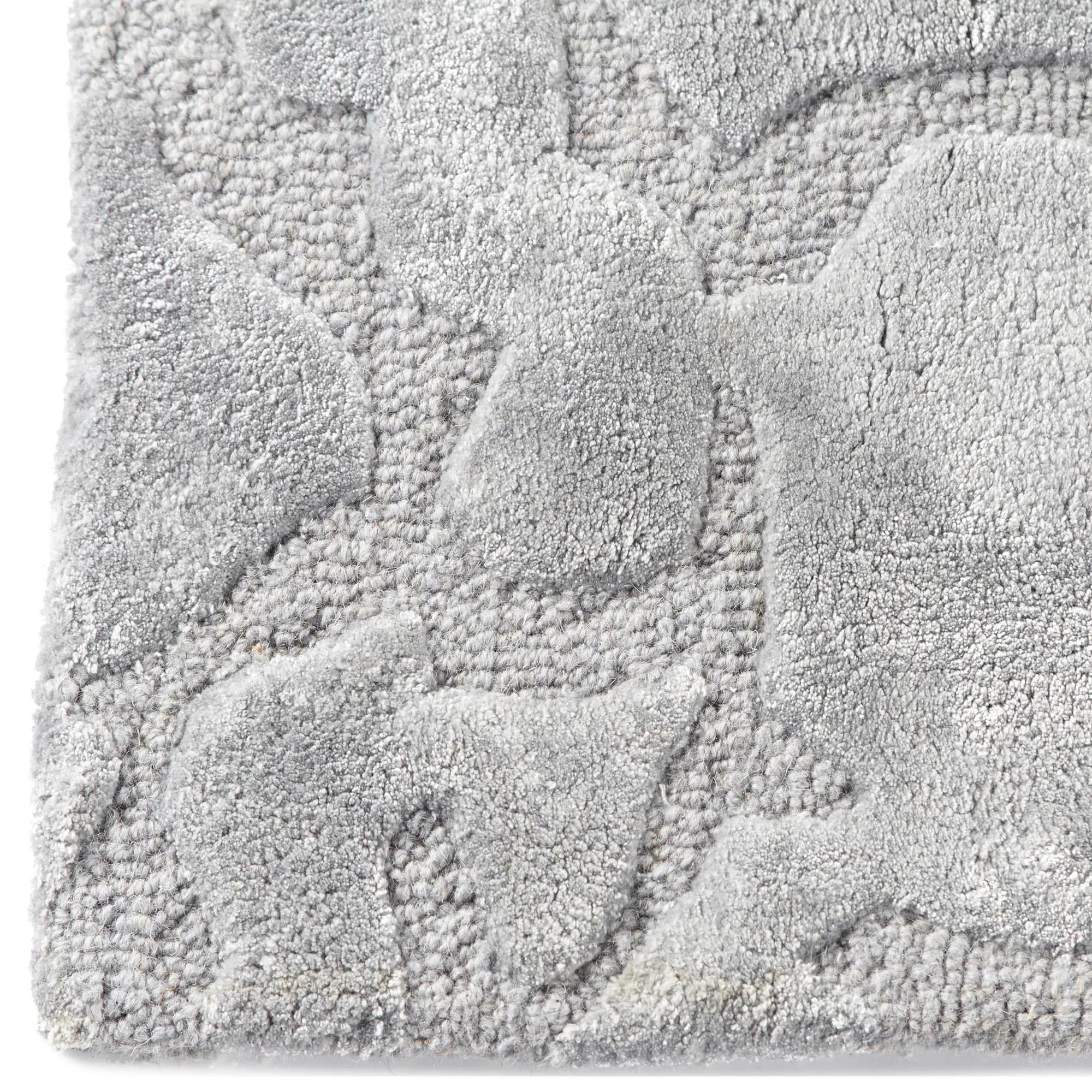 Nola Hand-Tufted Cool Grey Wool Blend Rug$849
A hand-tufted silver rug with contrasting pile heights, crafted from wool and viscose for plush texture.
Add To Cart -
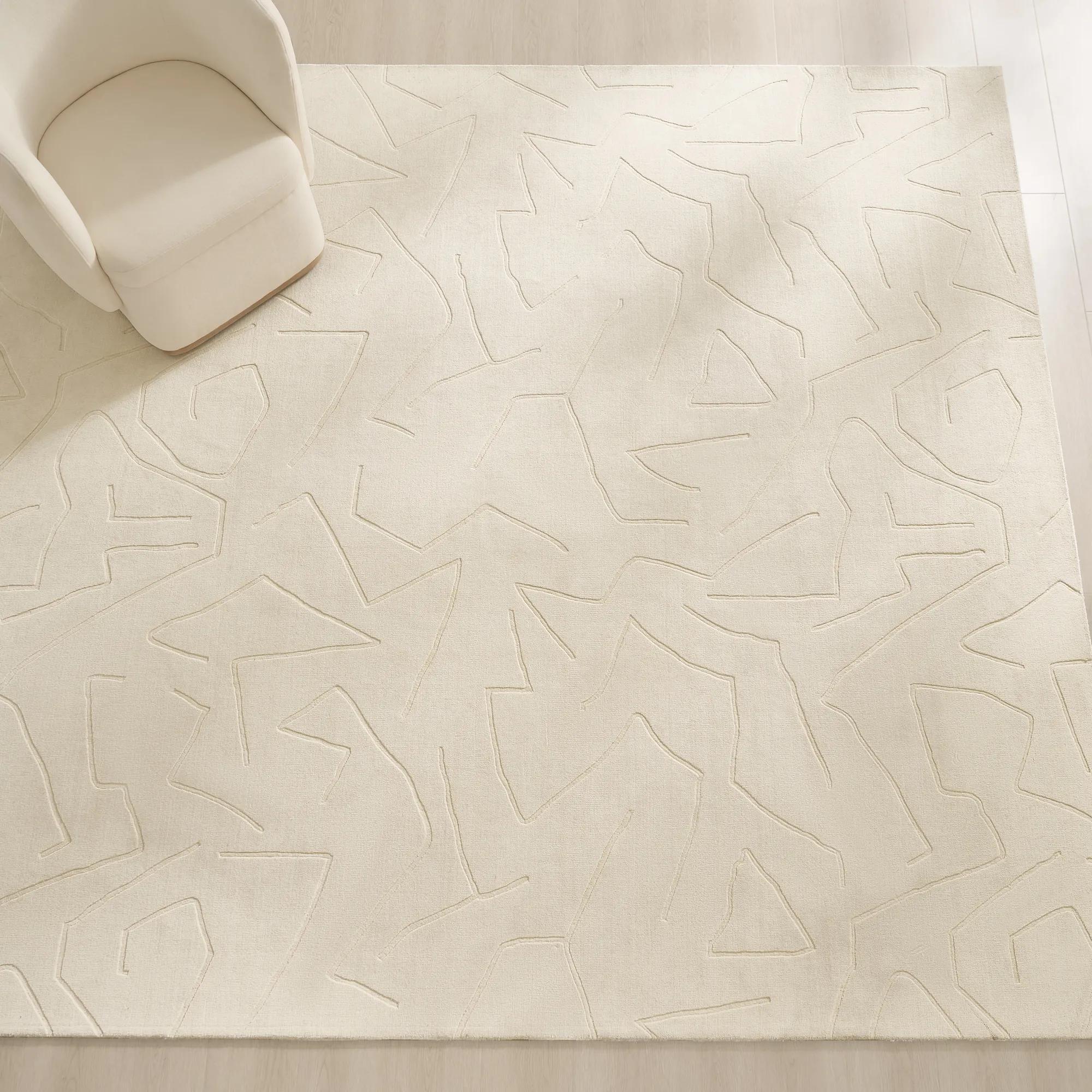 Carved Maze Ivory Hand-Loomed Wool Blend Rug$1399
A hand-loomed ivory wool-blend rug featuring a carved maze pattern for modern textural appeal.
Add To Cart -
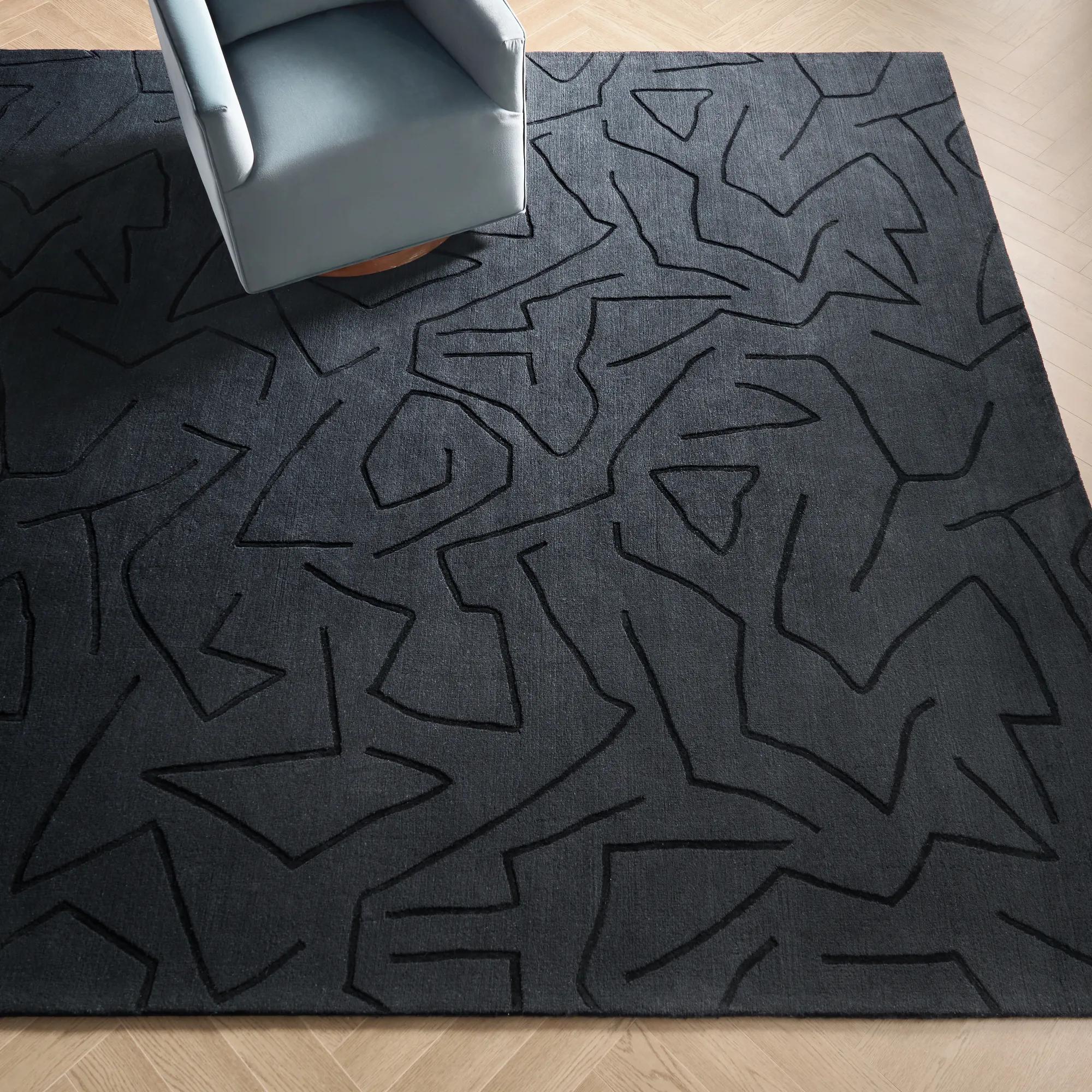 Carved Maze Rug$699
A hand-loomed black rug crafted from wool and viscose, featuring a carved maze design for added texture.
Add To Cart -
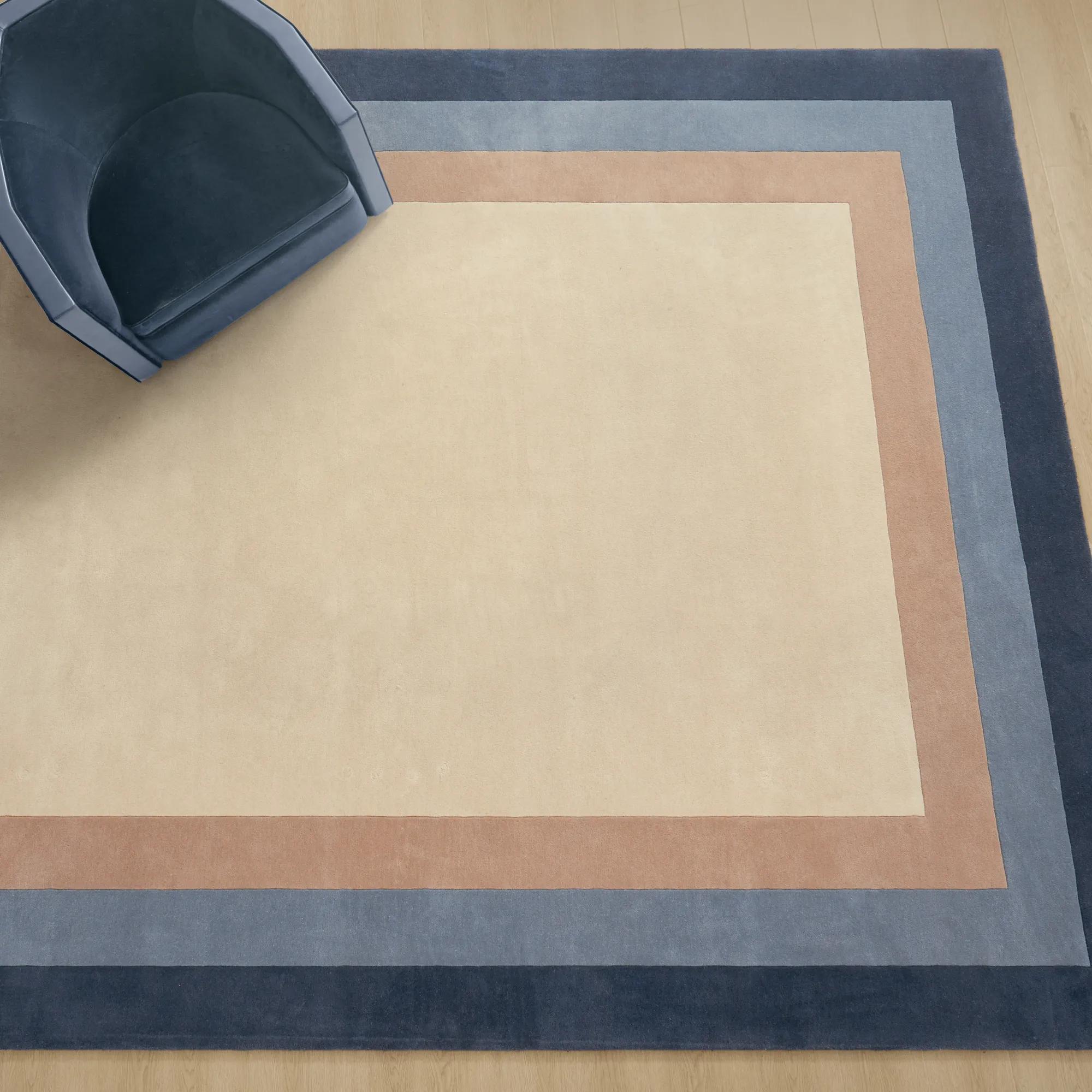 Bastien Hand-Tufted Blue/Taupe/Ivory Wool Border Rug$1499
A hand-tufted wool rug featuring a graphic blue, taupe, and warm ivory border with refined, substantial texture.
Add To Cart -
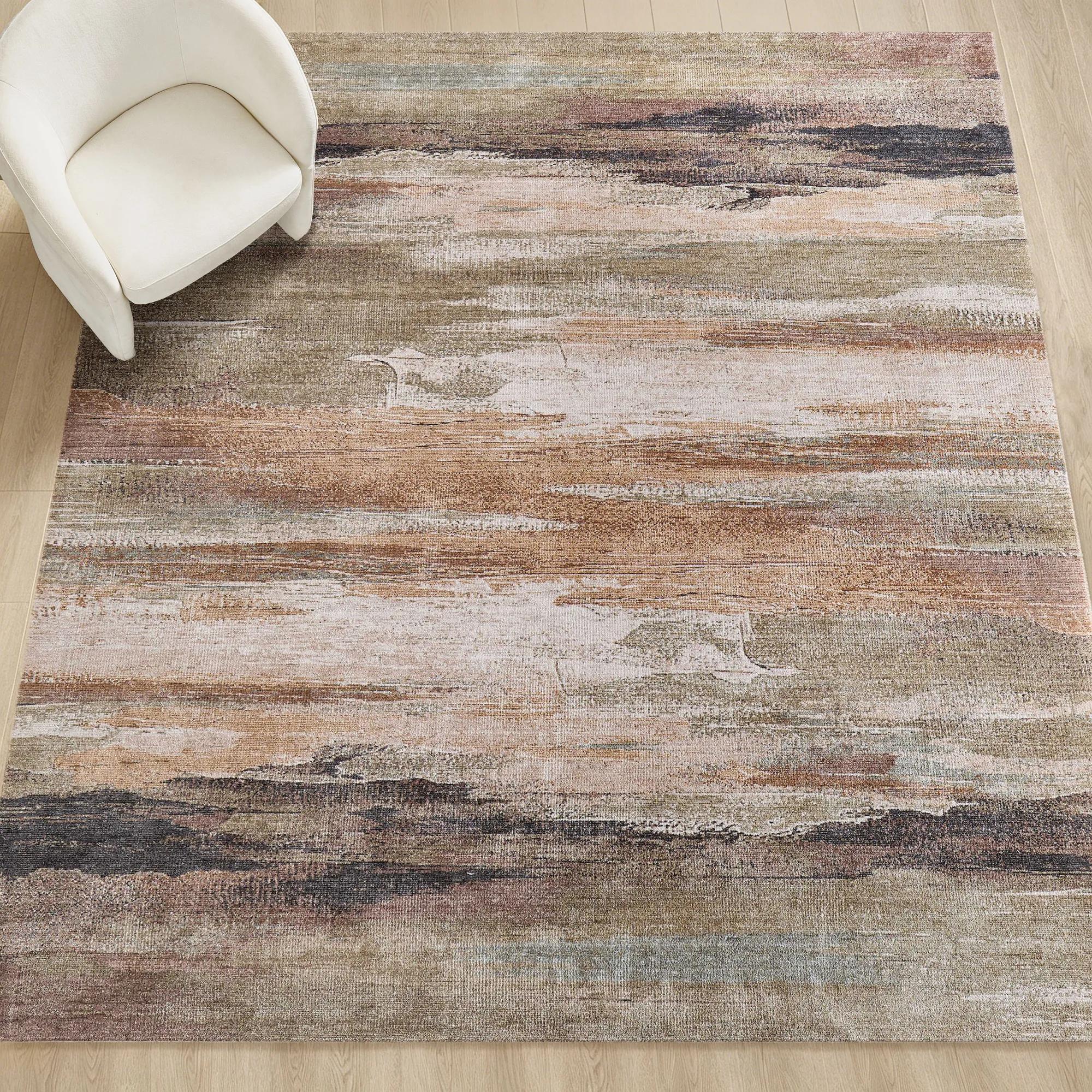
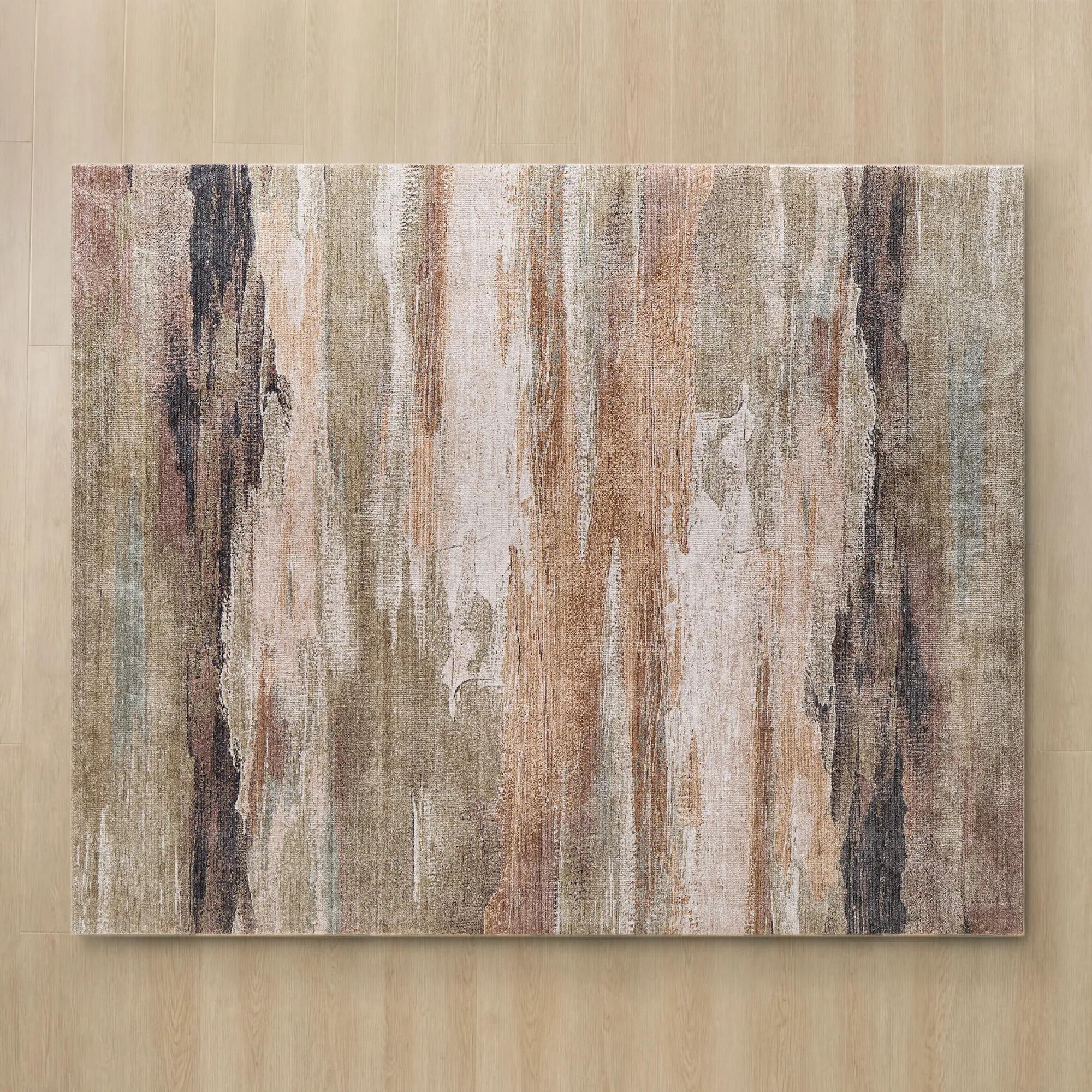 Sedona Rust/Beige/Moss Green/Charocal/Blue Performance Power Loomed Rug$1499
A power-loomed polyester rug featuring a rich abstract pattern in rust, beige, moss green, charcoal, and blue.
Add To Cart -
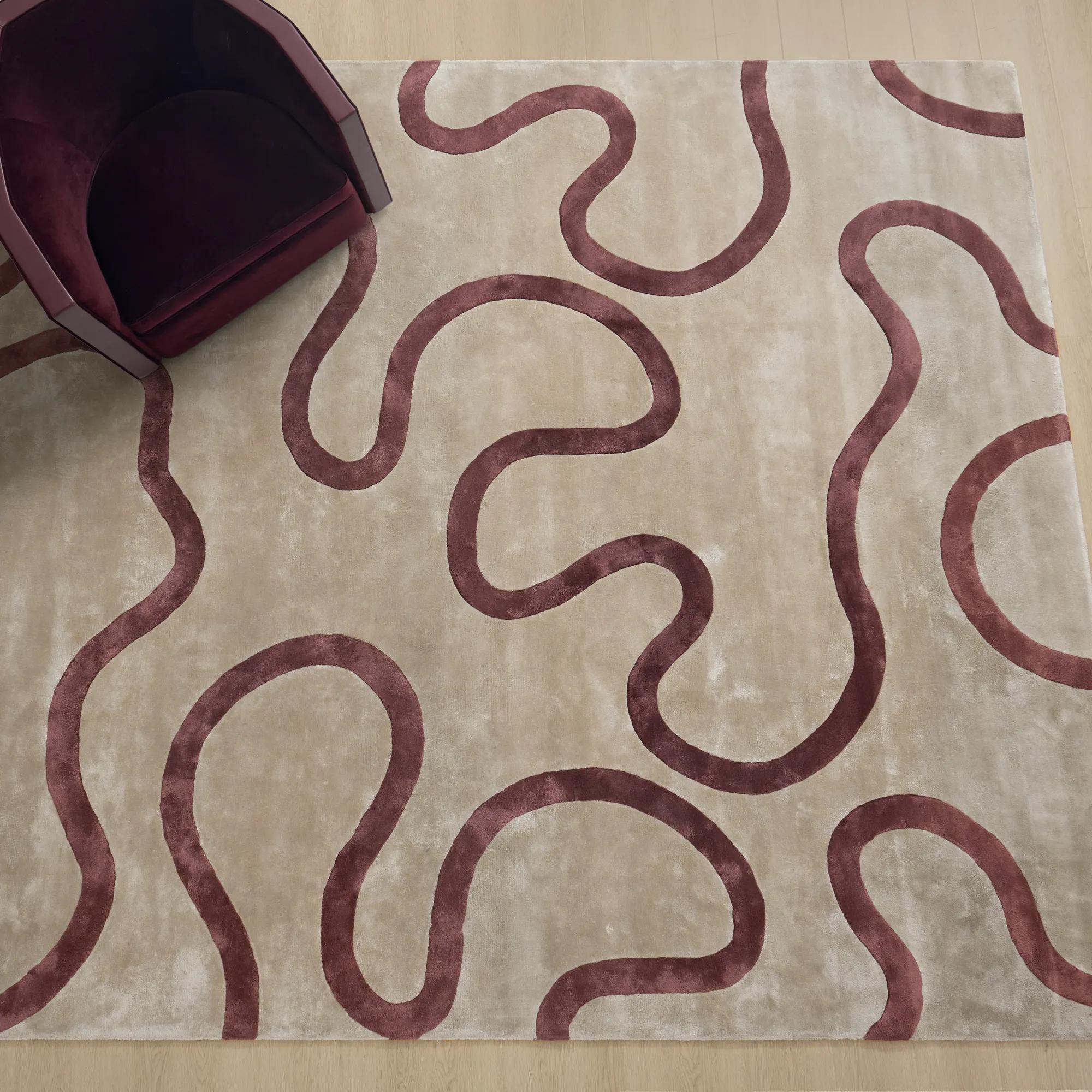 Seraphine Hand-Tufted Fig/Taupe Viscose Loop Rug$599
A hand-tufted viscose rug with high-contrast loops in a luminous fig and taupe palette.
Add To Cart -
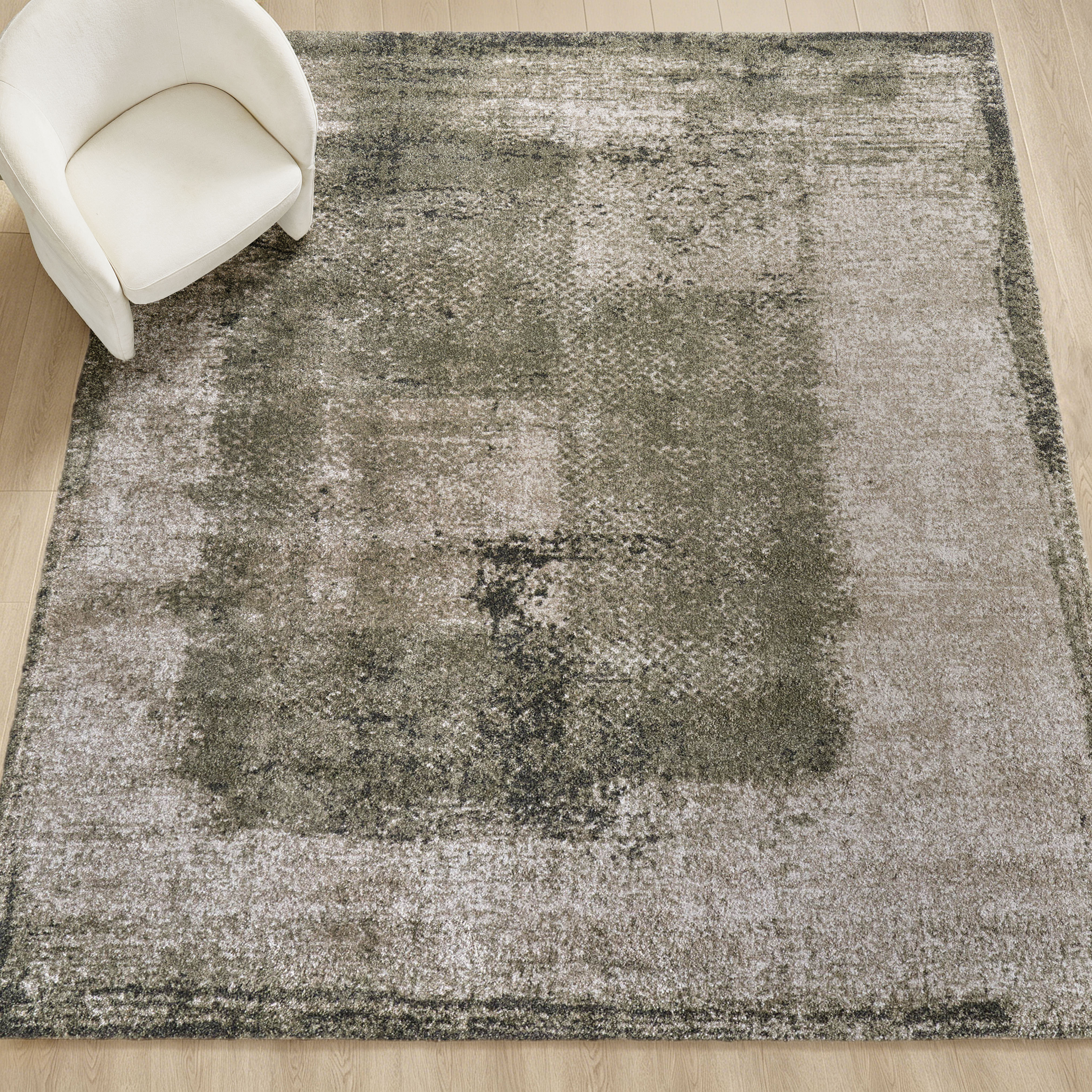
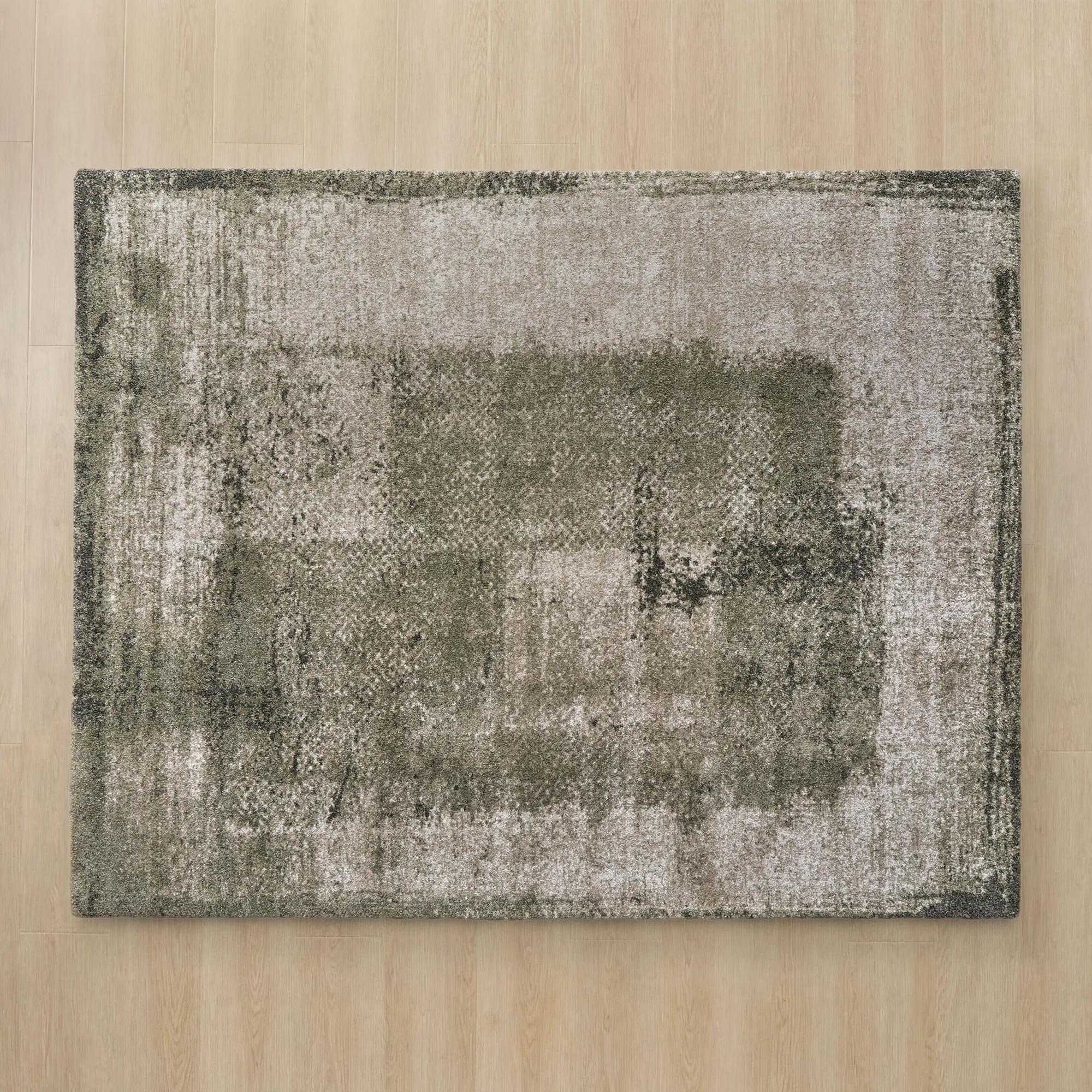 Irving Abstract Moss Green/Beige/Grey Performance Power Loomed Rug$849
An abstract rug in moss green, beige, and grey with plush, durable power-loomed polypropylene and polyester.
Add To Cart -
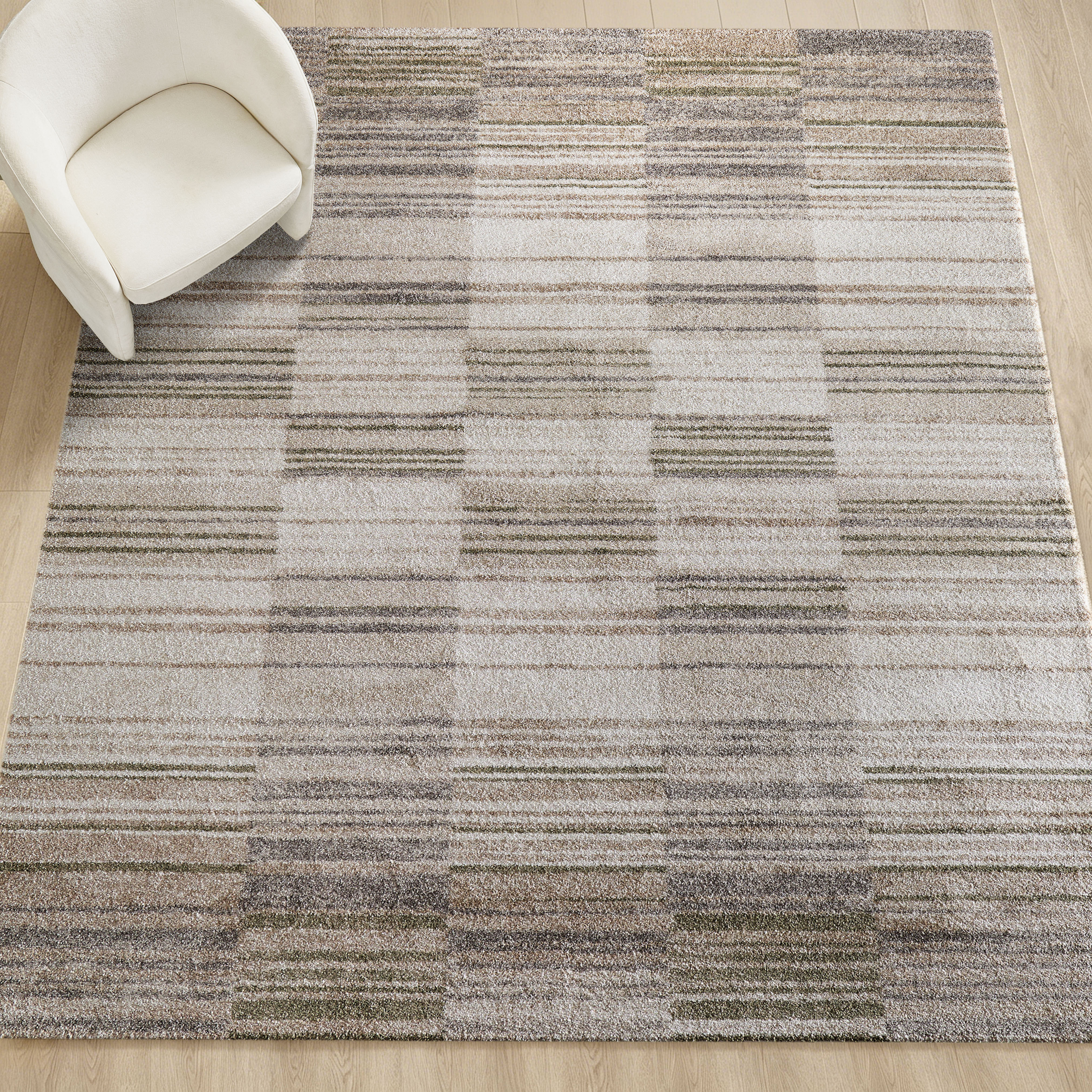
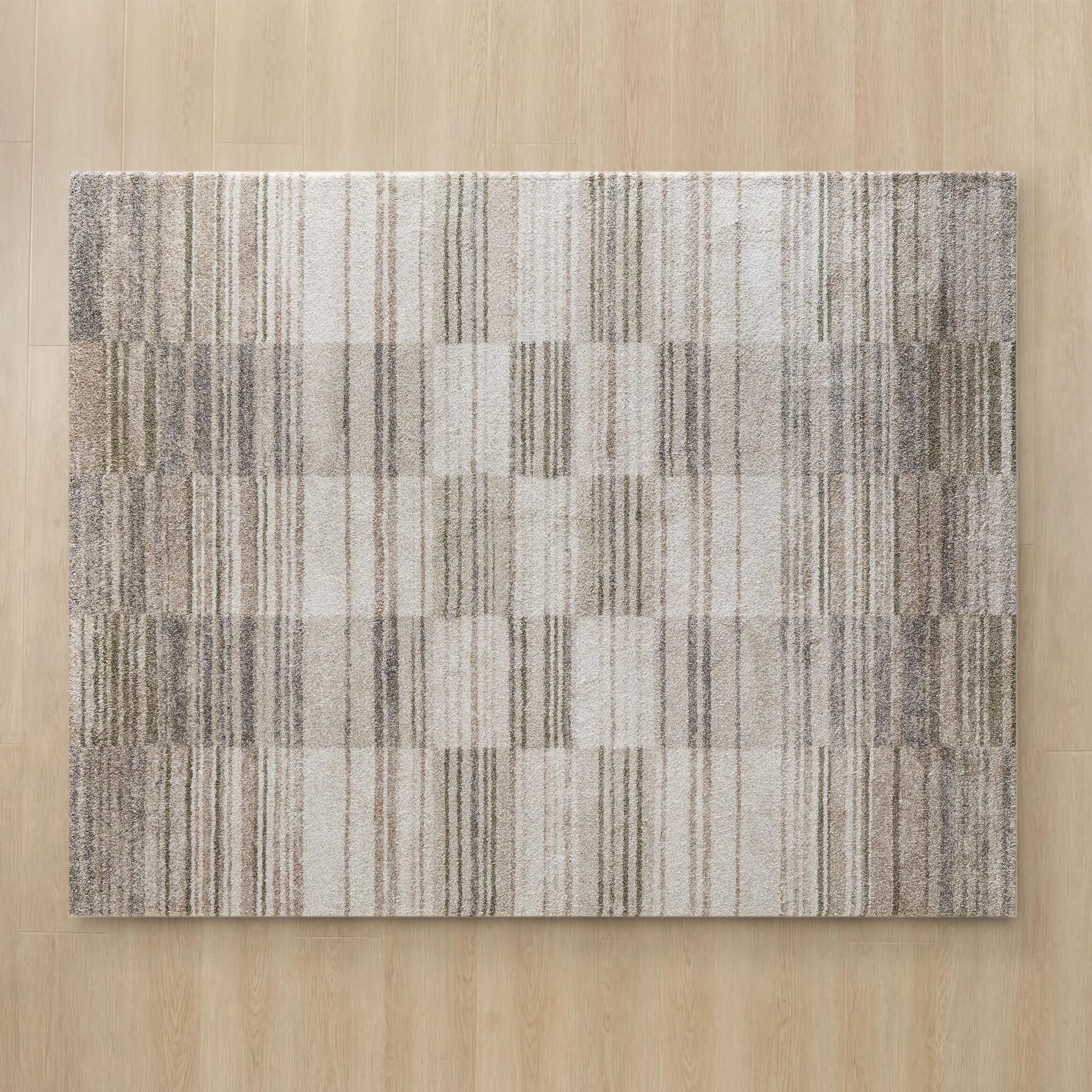 Checka Grey/Tan/Ivory/Soft Green Performance Power Loomed Rug$1649
A plush, power-loomed rug featuring a soft check pattern in grey, tan, ivory, and green.
Add To Cart -
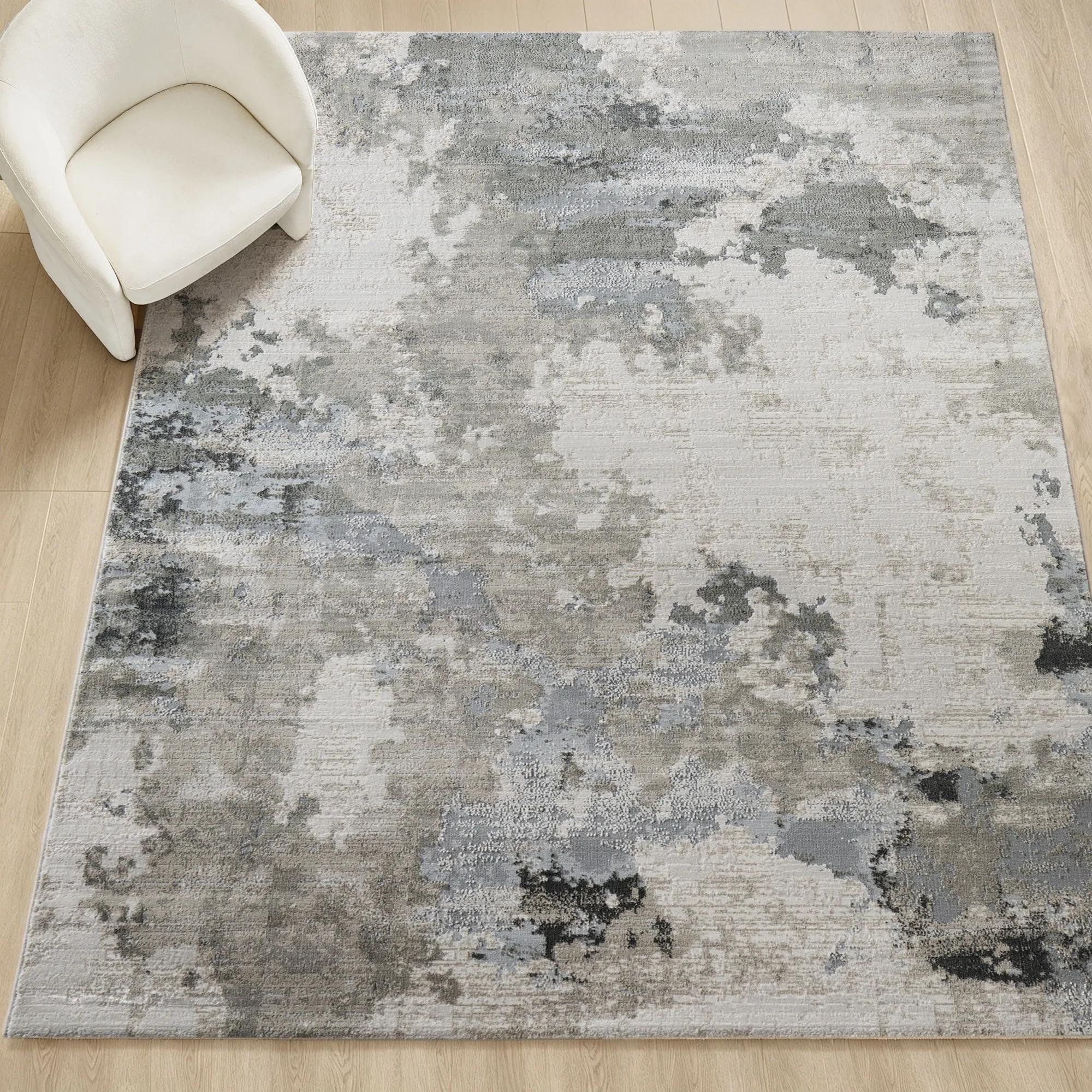 Alarion Abstract Grey/Muted Blue/Ivory Performance Power Loomed Rug$379
A power-loomed rug featuring a grey, muted blue, and ivory abstract pattern with stain-resistant durability.
Add To Cart -
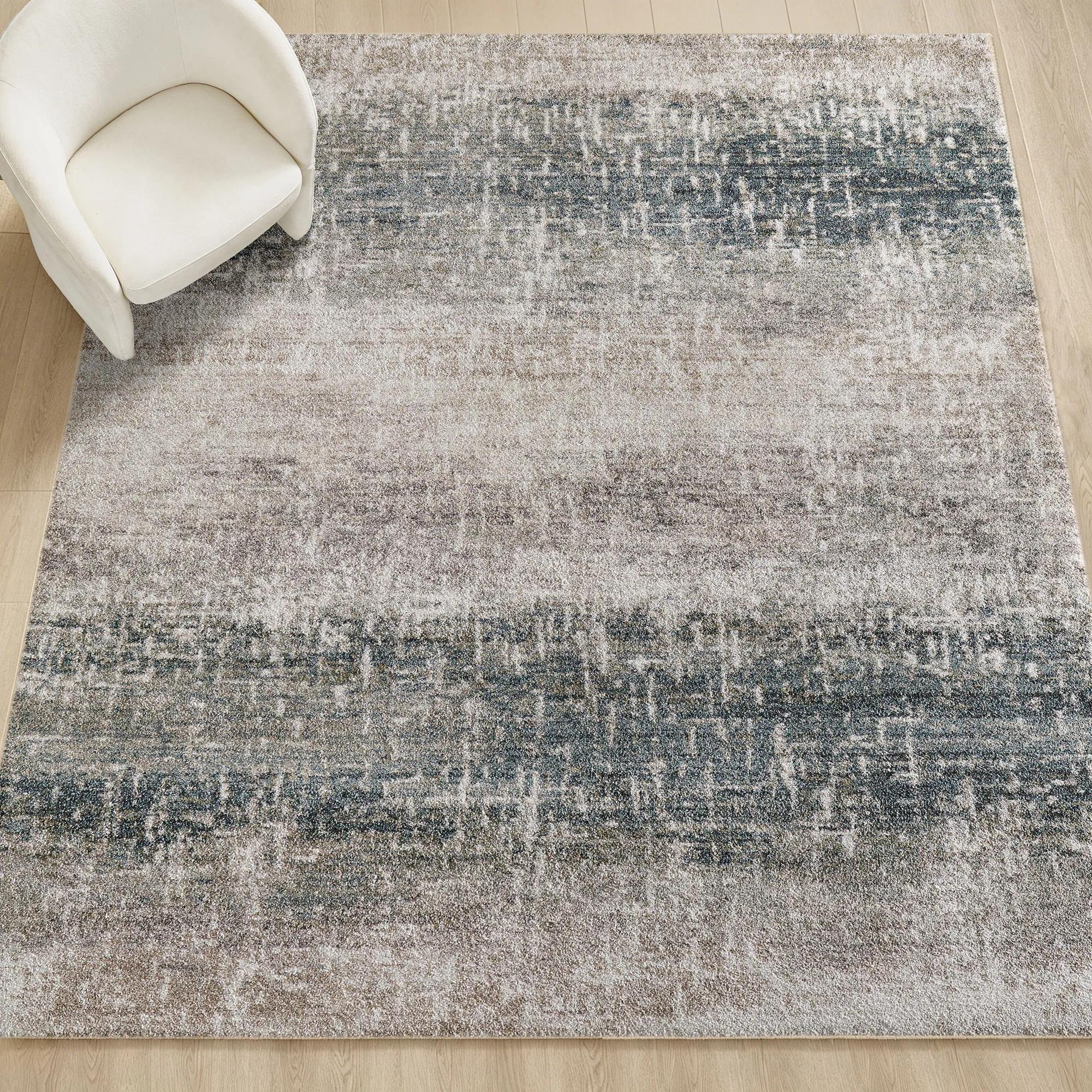
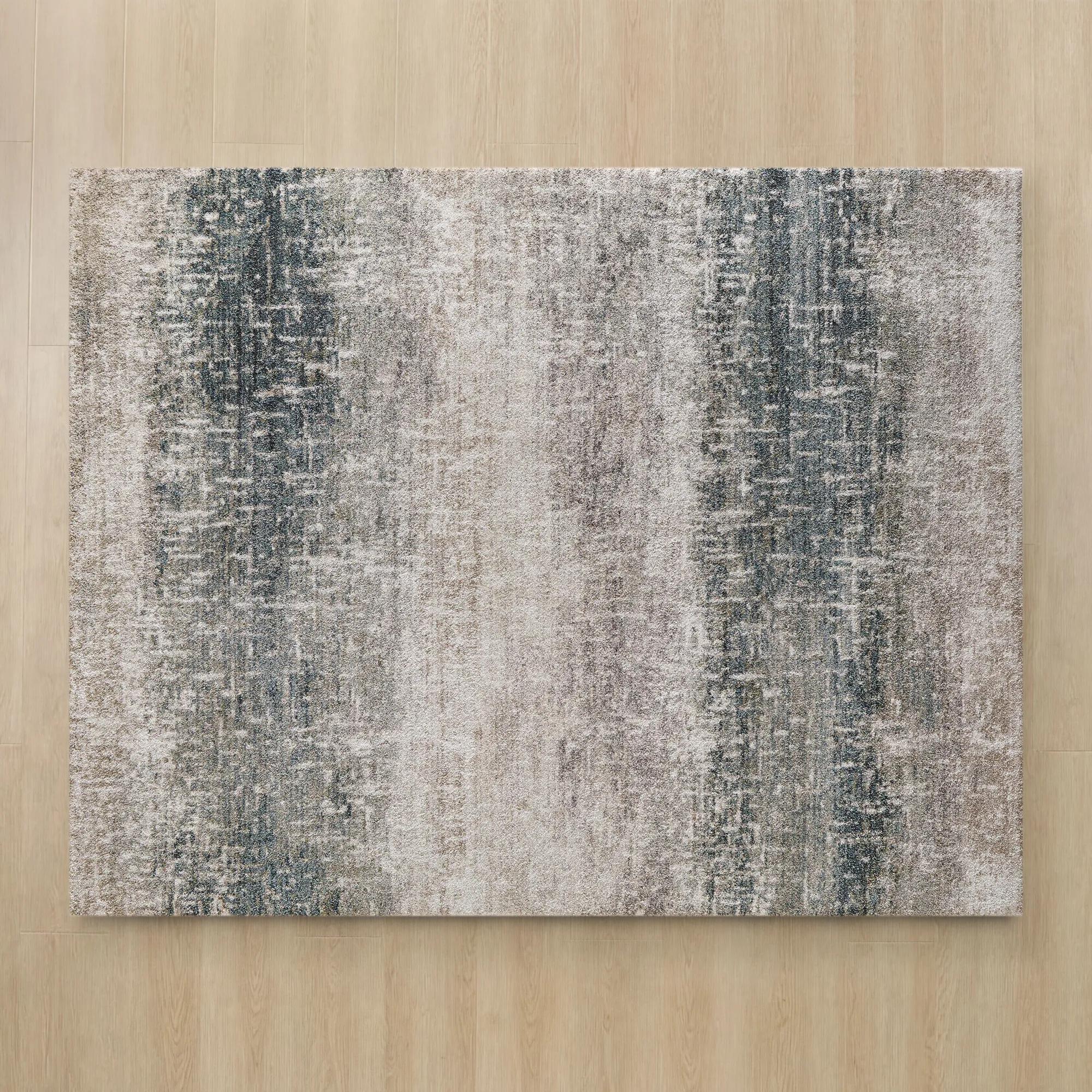 Collier Taupe/Grey/Blue/Green Performance Power Loomed Rug$1649
An abstract rug in taupe, grey, blue, and green with a plush pile and durable, easy-care blend.
Add To Cart -
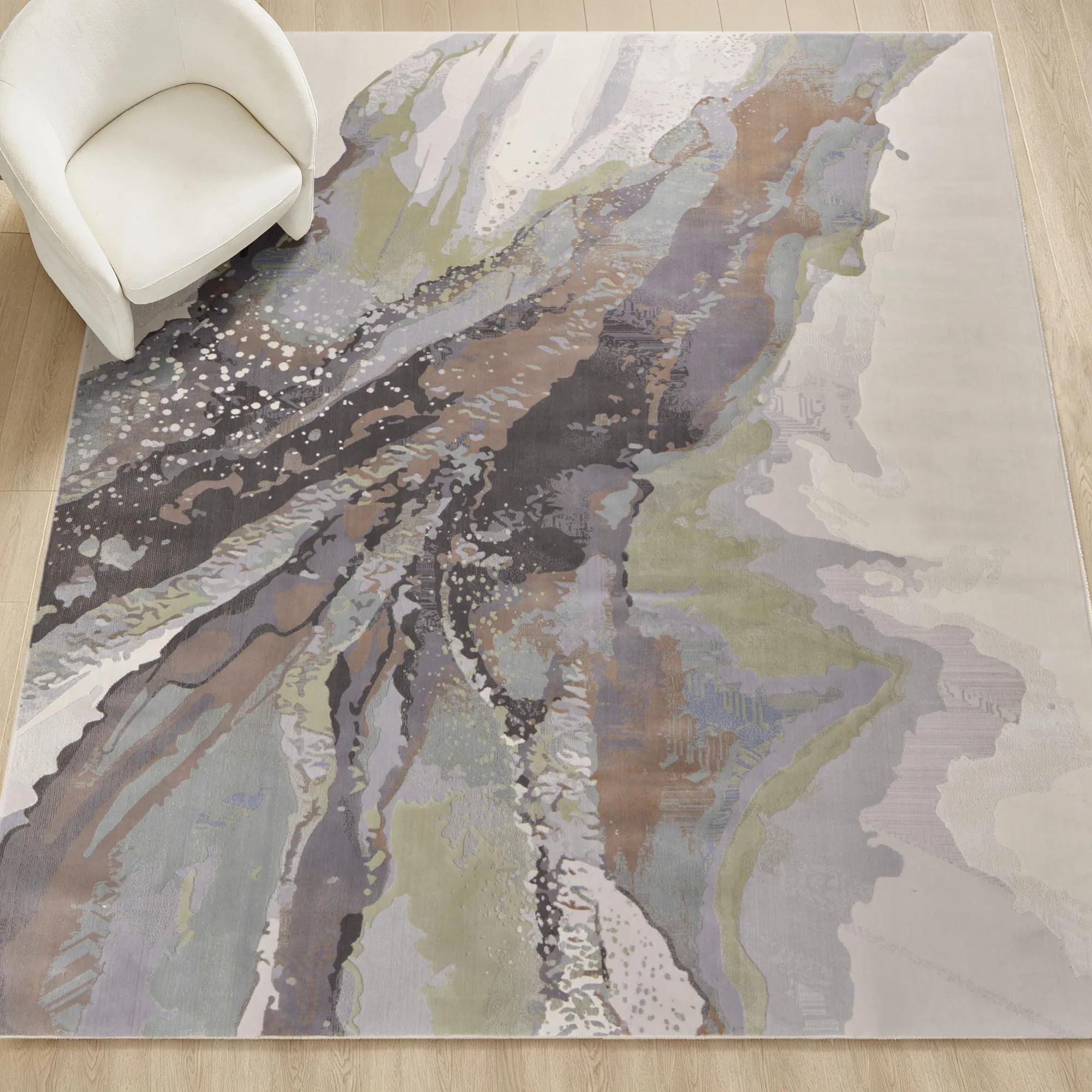
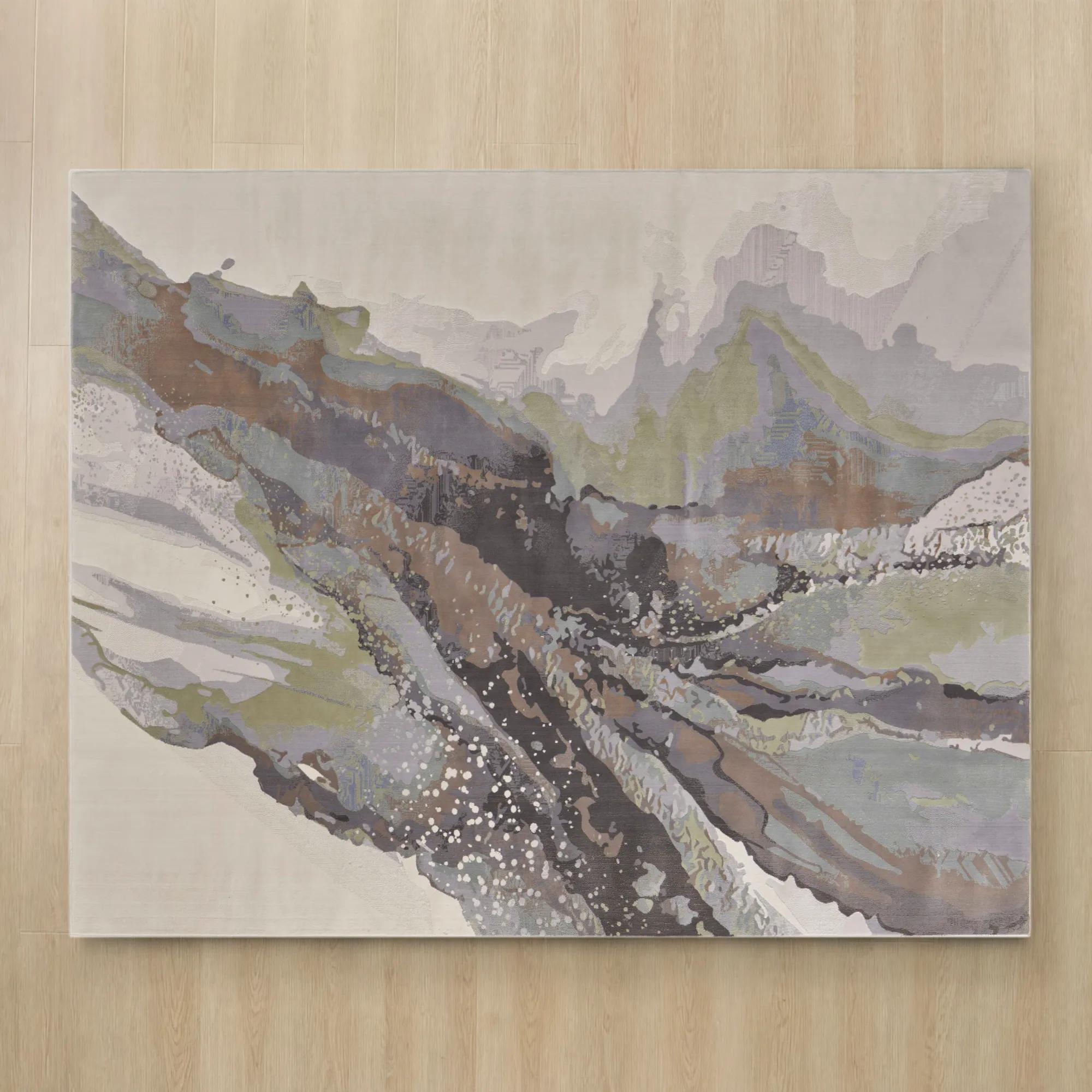 Nerissa Abstract Ivory/Grey/Blue/Green Performance Power Loomed Rug$449
An abstract rug in ivory, grey, blue, and green with a textured, stain-resistant polypropylene-polyester blend.
Add To Cart -
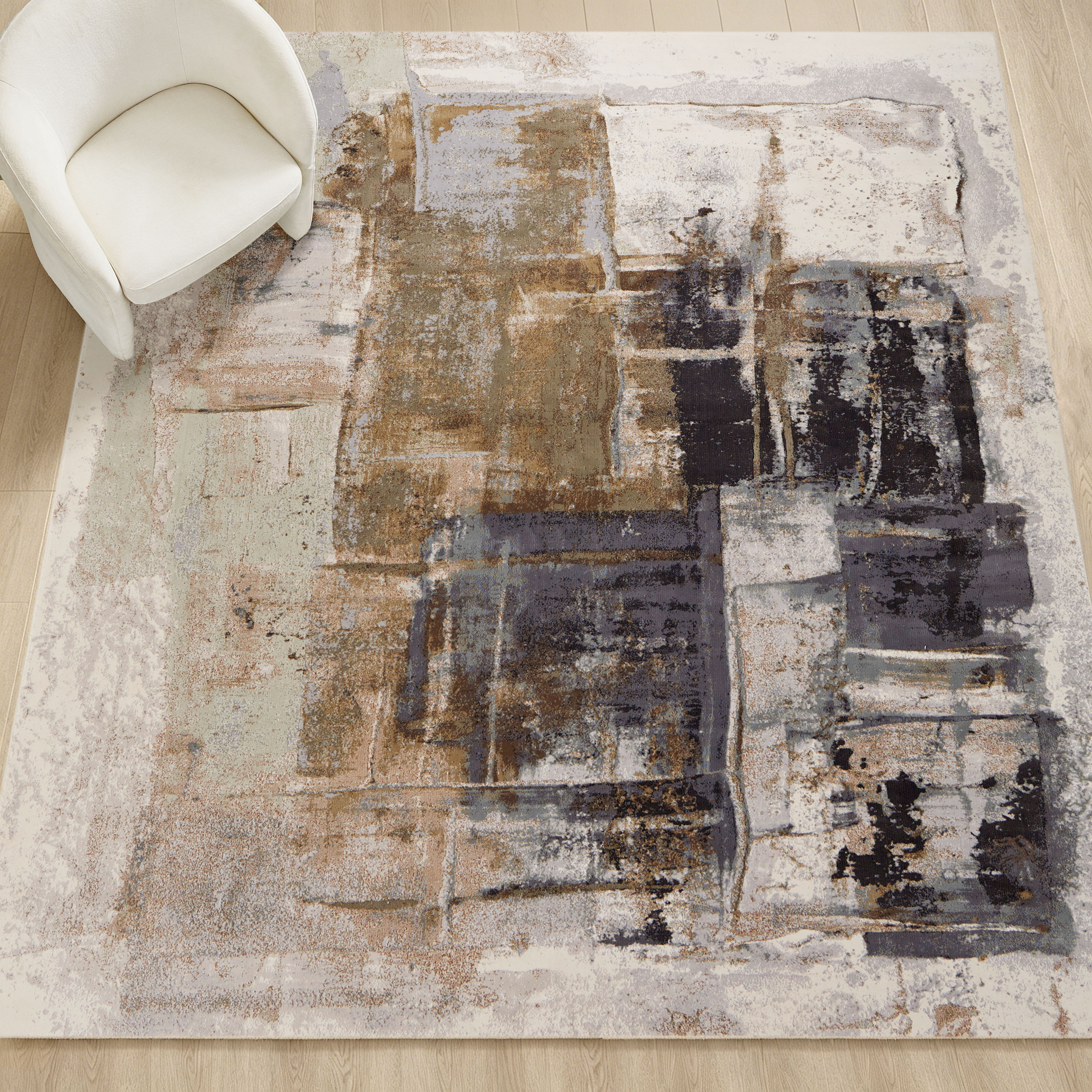
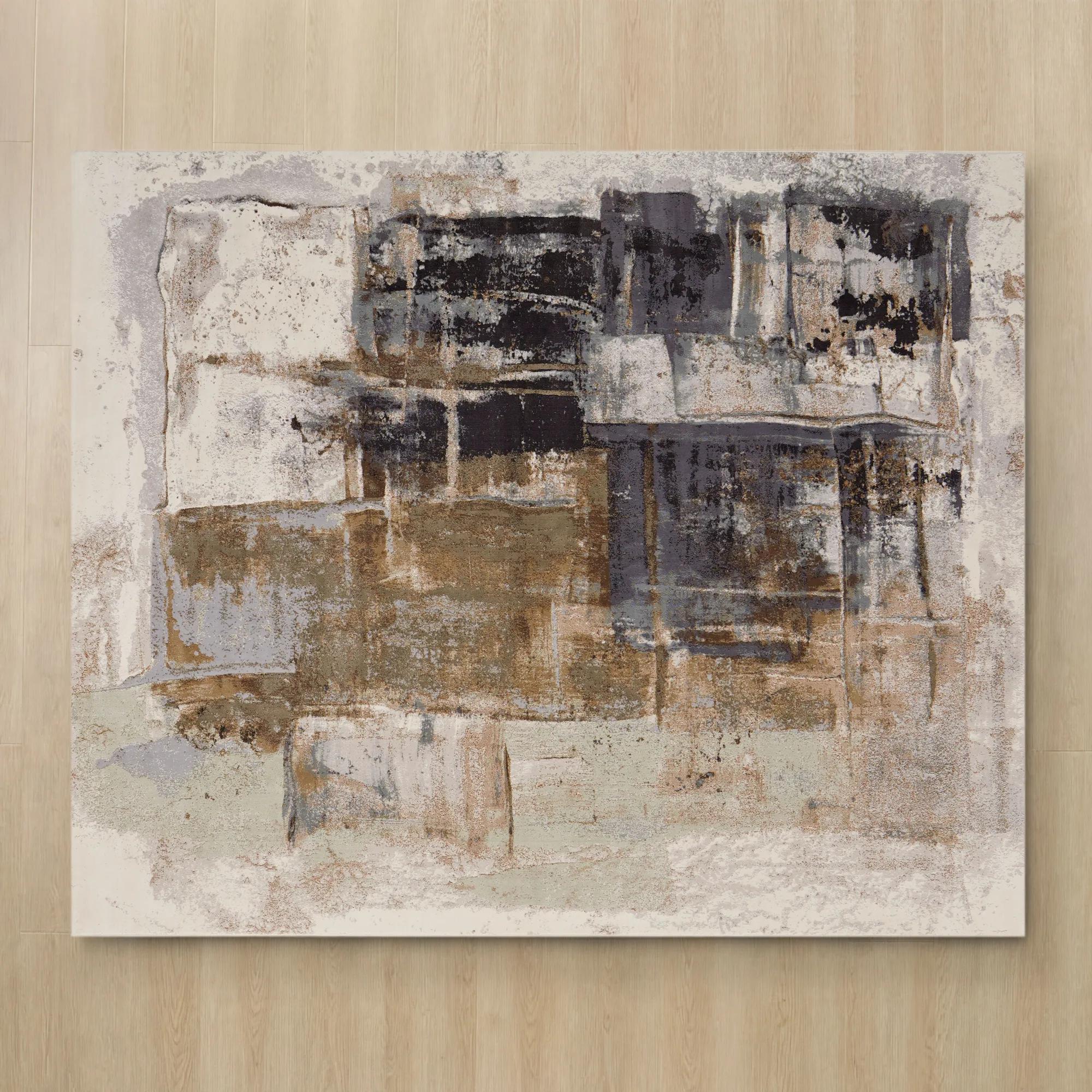 Gaia Abstract Grey/Charcoal/Ivory/Gold/Blue Performance Power Loomed Rug$1749
An abstract rug in grey, charcoal, ivory, gold, and blue with a soft, stain-resistant performance blend.
Add To Cart -
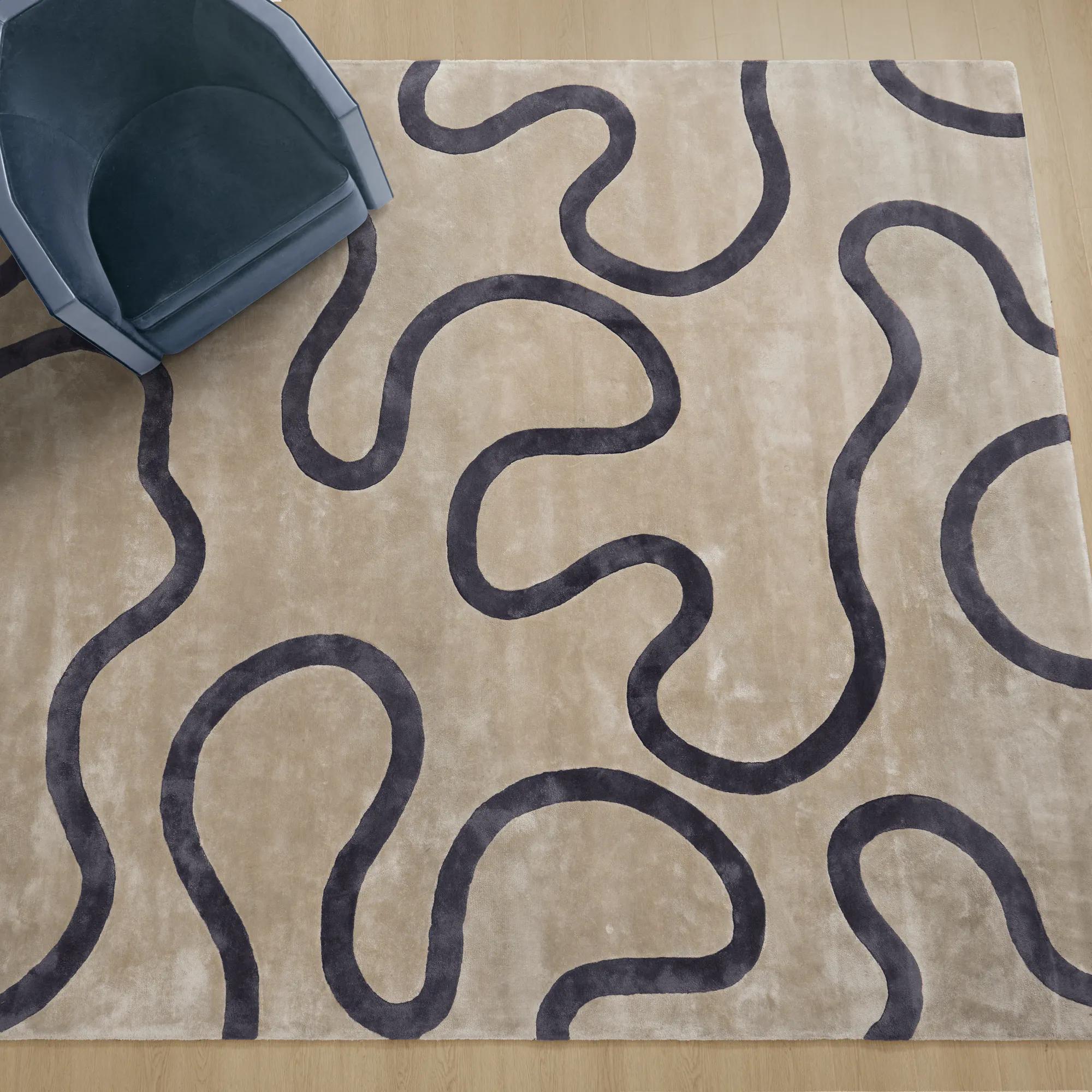 Seraphine Hand-Tufted Smoked Pearl/Taupe Viscose Loop Rug$1799
A hand-tufted viscose rug with high-contrast loops in smoked pearl and taupe, adding Deco-inspired dimension.
Add To Cart -
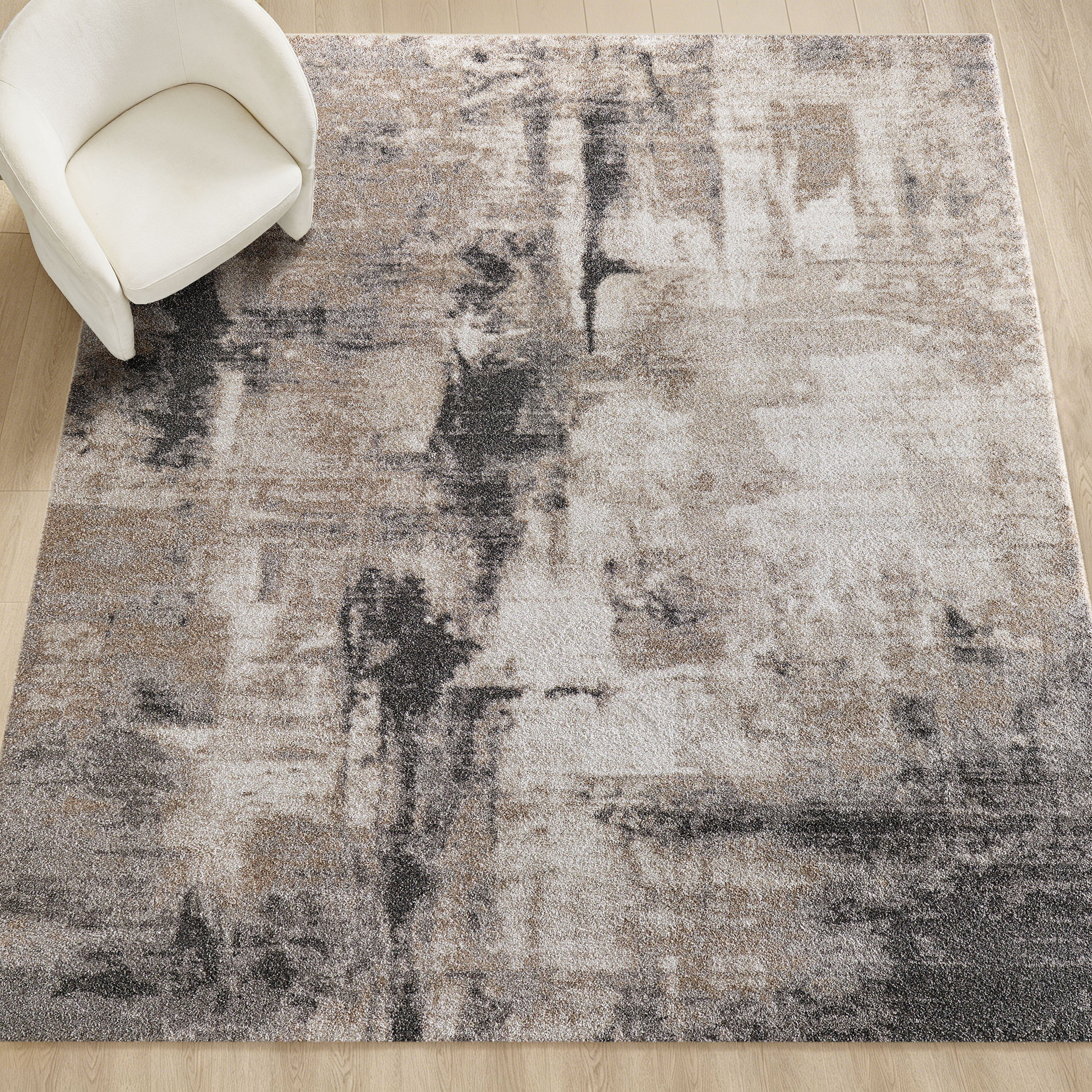
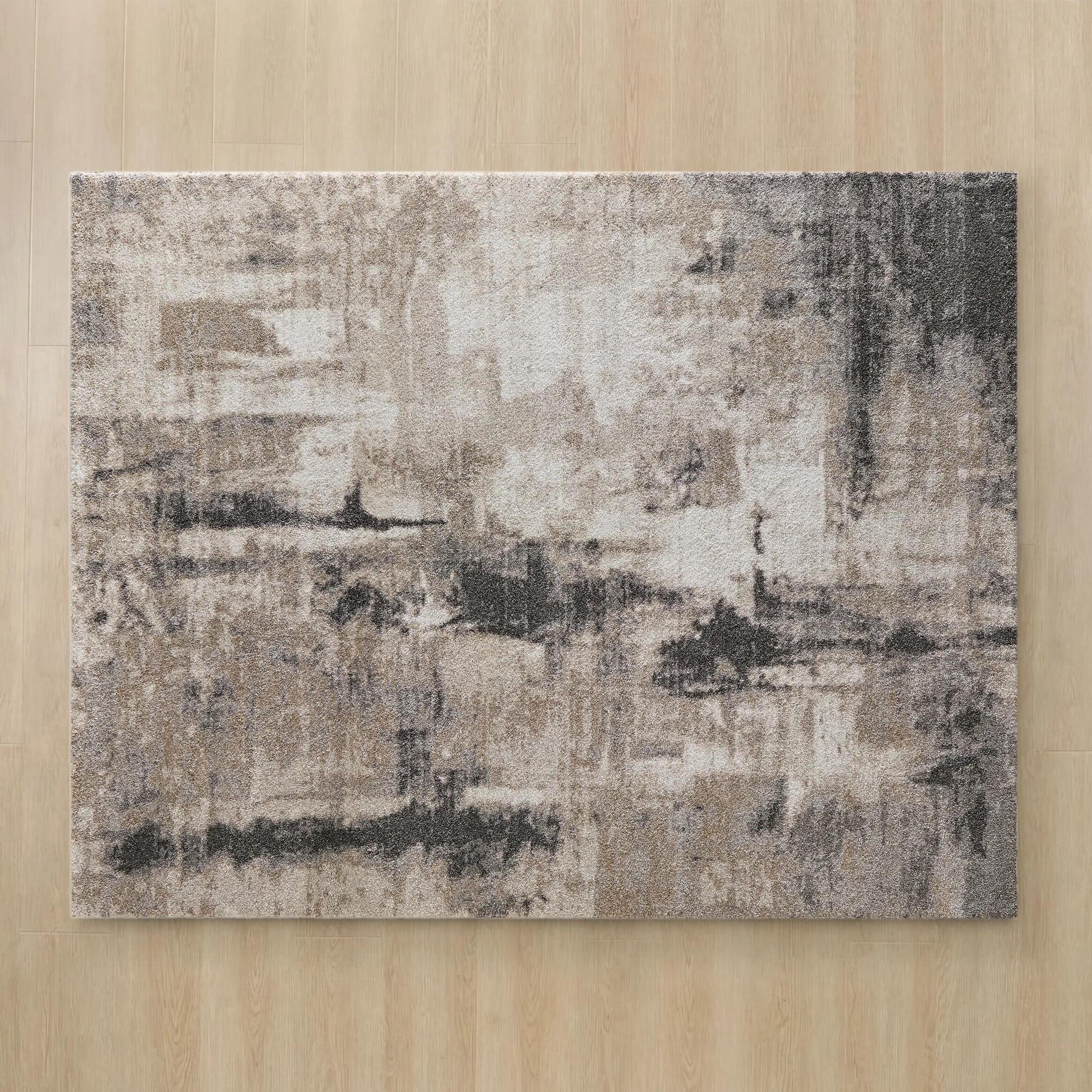 Atlas Abstract Grey/Taupe/Ivory/Charcoal Performance Power Loomed Rug$1349
An abstract rug in grey, taupe, ivory, and charcoal with a plush, stain-resistant polypropylene-polyester blend.
Add To Cart -
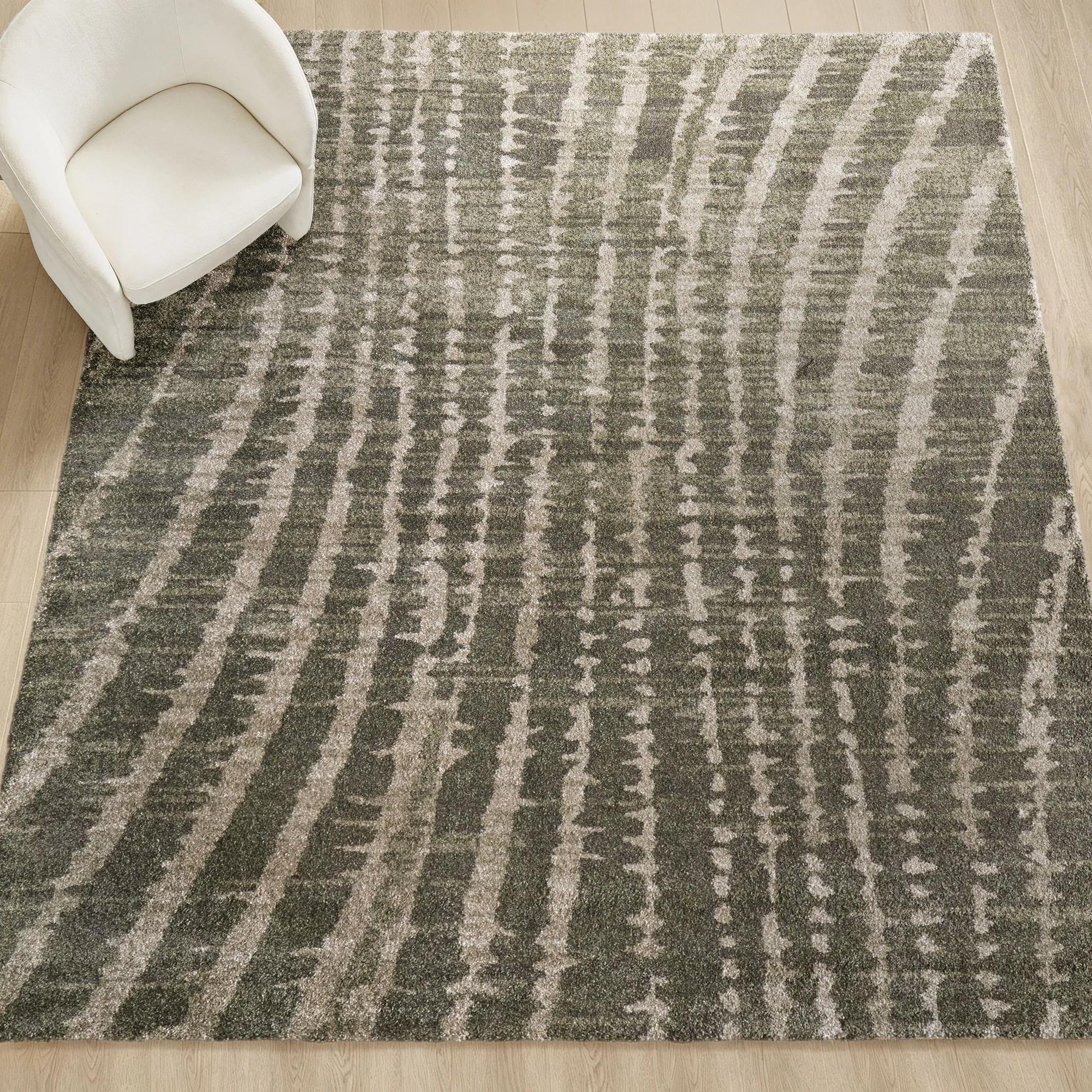
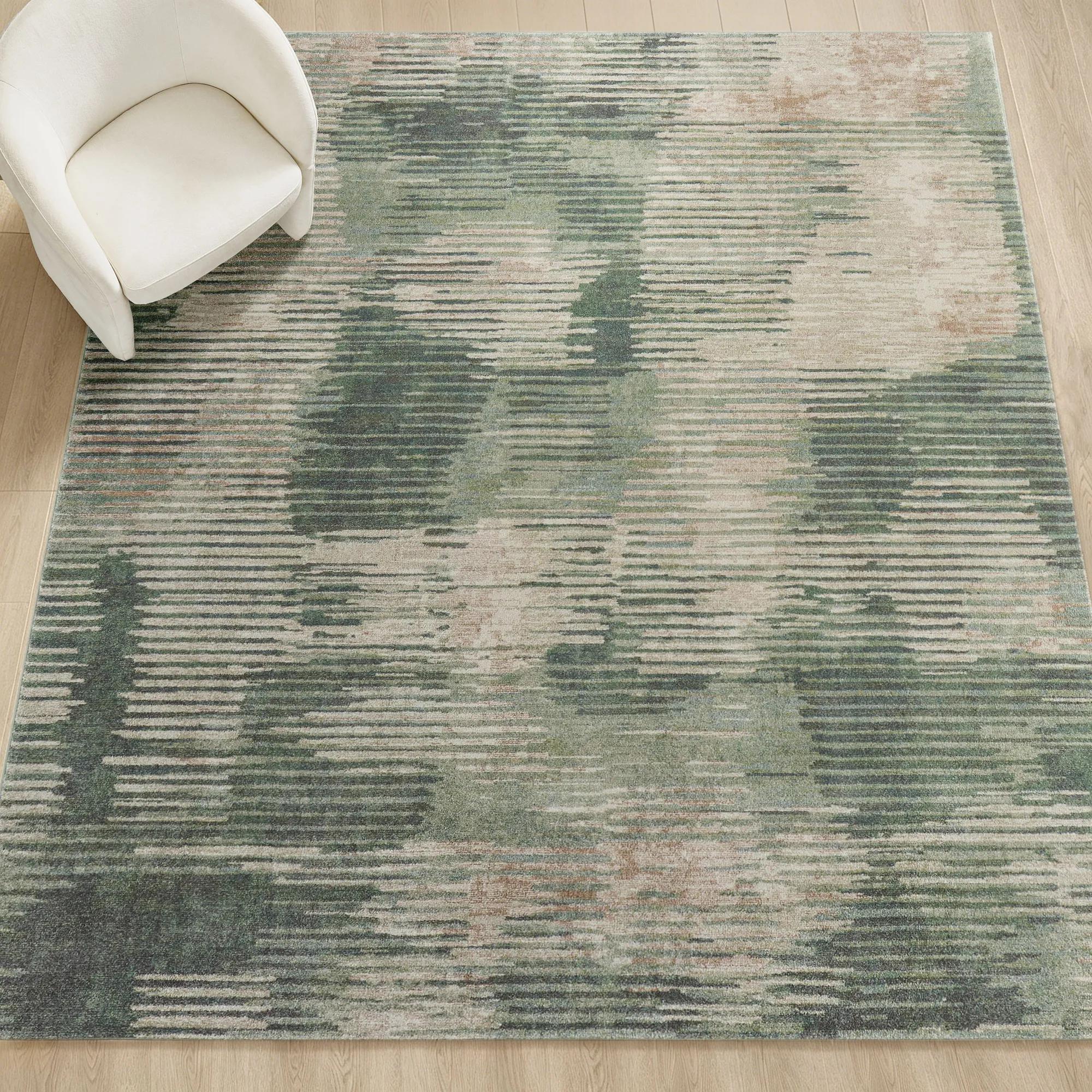
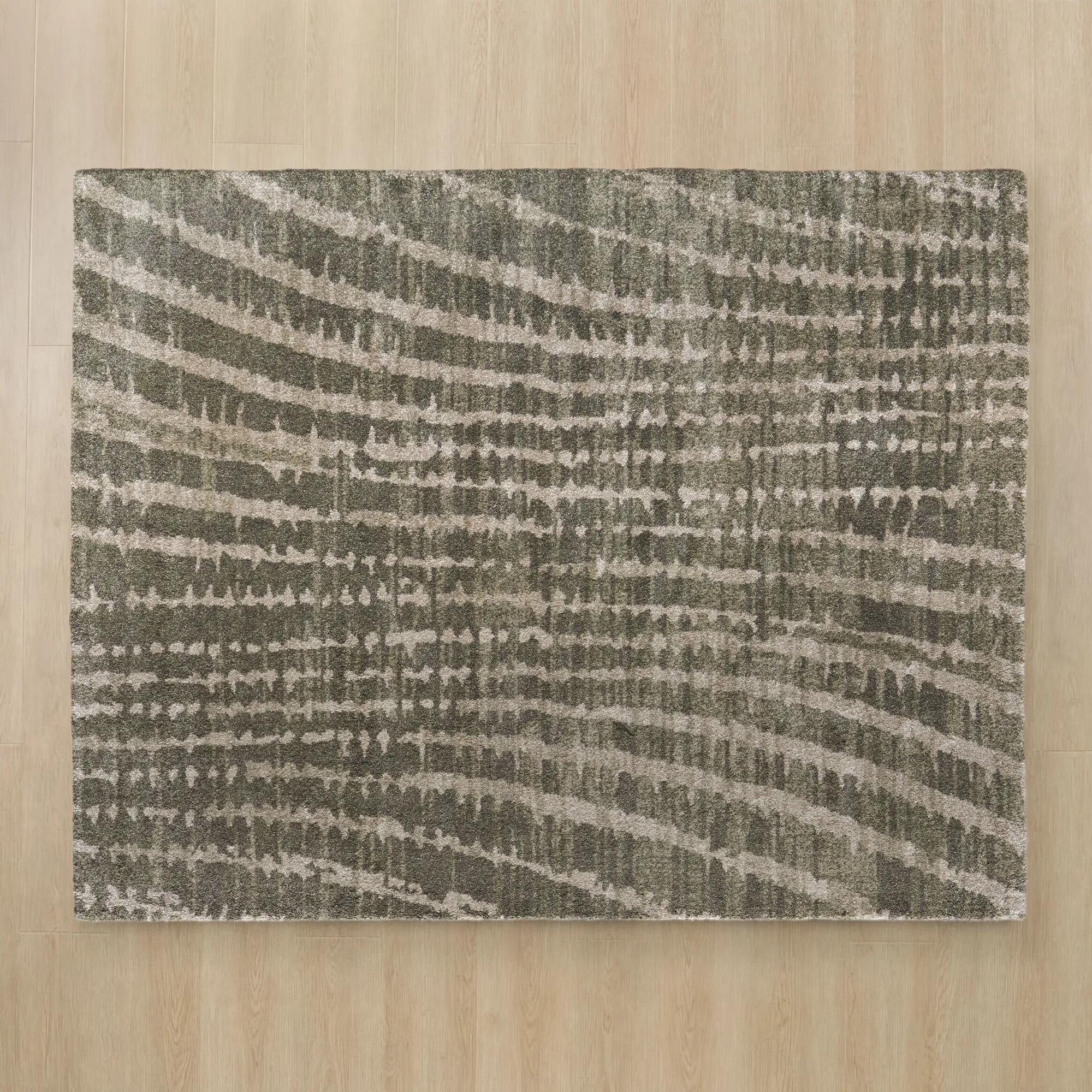 Tempo Green/Grey/Beige Performance Power Loomed Rug$1649
An abstract charcoal grey and beige rug with plush cut pile and durable, stain-resistant polypropylene-polyester construction.
Add To Cart

Contemporary Geometric Rugs
Explore contemporary geometric rugs that bring bold pattern and crisp lines to modern interiors. As you compare designs, consider how the shapes complement your furniture and how the pattern’s scale will frame a seating area, connect an open space, or make the rug a striking focal point.
Contemporary geometric rugs bring architectural balance, expressive pattern, and a deliberate sense of proportion to modern interiors. Defined by arrangements of lines, angles, curves, and repeating shapes, these rugs give a room structure while introducing color and tactile depth beneath the furniture. Their geometry can be precise and symmetrical or loosely drawn, with interrupted grids, overlapping diamonds, sweeping arcs, and abstract forms creating very different moods. A crisp ivory-and-charcoal pattern has a graphic presence against a pale sofa, while tonal beige shapes offer a quieter composition that reveals its detail through texture and light. Neither approach requires an entirely contemporary room. Geometric area rugs can sharpen the silhouette of a traditional armchair, give sculptural furniture a composed foundation, or bring cohesion to a living space that mixes polished metal, richly grained wood, and sumptuous upholstery. The effect depends as much on proportion as on pattern: broad shapes create expansive visual movement, while smaller repeats establish a more intricate rhythm. In a room with expressive artwork or patterned pillows, a restrained geometric design allows those details to retain their presence without leaving the floor visually disconnected. Against solid upholstery and unadorned walls, a more assertive pattern becomes the room’s defining gesture. Color offers another point of connection. A subtle thread of gray can echo stone surfaces, warm cream can soften dark cabinetry, and deep blue can lend richness to a neutral seating arrangement. For apartment dwellers defining a single gathering space, homeowners furnishing an open floor plan, or anyone refreshing a room without replacing its furniture, a geometric rug creates a substantial visual change through one thoughtfully placed layer. Its pattern can establish the boundaries of a conversation area, introduce movement into a bedroom, or lend a dining space the composed elegance of an architectural drawing. The strongest compositions feel intentional rather than rigid, giving the eye somewhere to settle while leaving room for personal expression.
Materials and construction determine how that visual statement feels and performs in daily life. Wool brings natural resilience and a substantial hand, making it appealing for living rooms and bedrooms where comfort matters as much as appearance. Some wool rugs release loose fibers, particularly early in use, so shedding expectations and maintenance requirements deserve attention alongside color and pattern. Polyester and polypropylene are common synthetic rug fibers, valued for characteristics that can include softness, color clarity, and resistance to certain stains; actual performance depends on the fiber, construction, finish, and care instructions. Viscose can lend a luminous, almost silken surface that makes geometric motifs appear to shift with the light, but it is generally more sensitive to moisture and abrasion than more forgiving everyday fibers. That distinction matters in a formal sitting room versus a busy passage between the kitchen and family room. Blended constructions balance different qualities, making the listed fiber percentages more informative than appearance alone. Pile height also changes the experience. A low-profile surface gives crisp patterns a tailored finish and can accommodate moving dining chairs more easily, while a deeper pile creates a plush landing beside a bed or beneath a lounge arrangement. High-low construction adds another dimension, outlining shapes through relief rather than relying entirely on contrasting colors. Hand-tufted, woven, and other constructions can differ in backing, edge treatment, shedding, and cleaning needs, so craftsmanship is best considered together with the intended setting. In homes with pets or frequent entertaining, a dense, lower-pile design and a forgiving pattern may be more practical than delicate raised details or a luminous, moisture-sensitive surface. Regular vacuuming with a setting appropriate to the rug helps remove abrasive grit; rotating the rug periodically can distribute exposure to foot traffic and light. Spills should be blotted promptly rather than rubbed, with cleaning products and methods checked against the manufacturer’s instructions. A rug should never be assumed machine washable simply because it contains synthetic fibers, and professional cleaning may be appropriate for delicate materials or substantial soiling.
Scale gives contemporary geometric rugs their full decorative authority. In a living room, a rug large enough to sit beneath the front legs of the main seating pieces usually creates a more connected arrangement than one floating beneath the coffee table alone. An 8-by-10-foot or 9-by-12-foot footprint can suit many seating areas, but furniture dimensions, walkways, and the room’s proportions determine the right fit. Leaving a visible border of flooring helps the composition feel considered, particularly when the rug carries a bold repeat. Beneath a dining table, sufficient clearance allows chairs to remain on the rug when pulled out; roughly 24 to 30 inches beyond the tabletop on each side is a useful starting point, with more space sometimes needed for larger chairs. In a bedroom, generous coverage beside the bed gives the pattern room to unfold and creates a softer first step, while a smaller rug beside a reading chair defines a more intimate retreat. Door clearance, floor vents, and nearby transitions also influence placement, especially with thicker constructions. A compatible rug pad can help reduce movement and add cushioning, provided its material is appropriate for both the rug and the flooring beneath it. Beyond practical fit, surface detail determines how geometry interacts with the rest of the room. For interiors where dimension matters as much as pattern, Contemporary Textured Rugs offer another expression of depth through tactile variation and sculptural surfaces. Geometric designs can achieve a related richness with carved outlines, contrasting pile heights, or tonal shapes that emerge as the viewing angle changes. Paired with a glass coffee table, that detail remains visible; beneath a substantial upholstered ottoman, a wider pattern border preserves the design’s presence. The result is more than a decorative accent. A well-proportioned geometric rug brings furniture, finishes, and personal objects into a shared composition, giving an expressive interior the grounding it needs to feel both luxurious and entirely lived in.
FAQs
Contemporary geometric rugs feature abstract or structured patterns built from lines, angles, curves, and repeating shapes. From crisp grids to expressive, asymmetrical compositions, these designs bring an artful rhythm to a room and turn the floor into part of its visual story.
Let the rug’s geometry guide the conversation. Curved seating offers a sculptural contrast to angular motifs, while streamlined furniture echoes clean, linear patterns. Keep surrounding pieces visually restrained when the rug is especially expressive, then introduce a gleaming accent for a polished finish.
Begin with the mood you want to create. Tonal neutrals offer understated depth, black-and-white compositions introduce graphic drama, and saturated hues invite a more expressive interior. Connect one color in the rug to artwork, pillows, or decorative accents for a deliberate, layered palette.
Yes—geometric rugs can anchor an artful mix of patterns when the colors feel connected. Pair crisp geometry with fluid botanical motifs or painterly abstracts, giving each pattern a distinct role. Include solid-colored elements between patterned pieces so the composition feels richly layered rather than visually crowded.
Contemporary geometric rugs complement more than strictly modern interiors. Repeating motifs can echo the architectural lines of Art Deco-inspired decor, while abstract geometry creates a striking counterpoint to traditional furnishings. In glamorous rooms, pair graphic pattern with reflective accents and sculptural silhouettes for a confident, expressive composition.