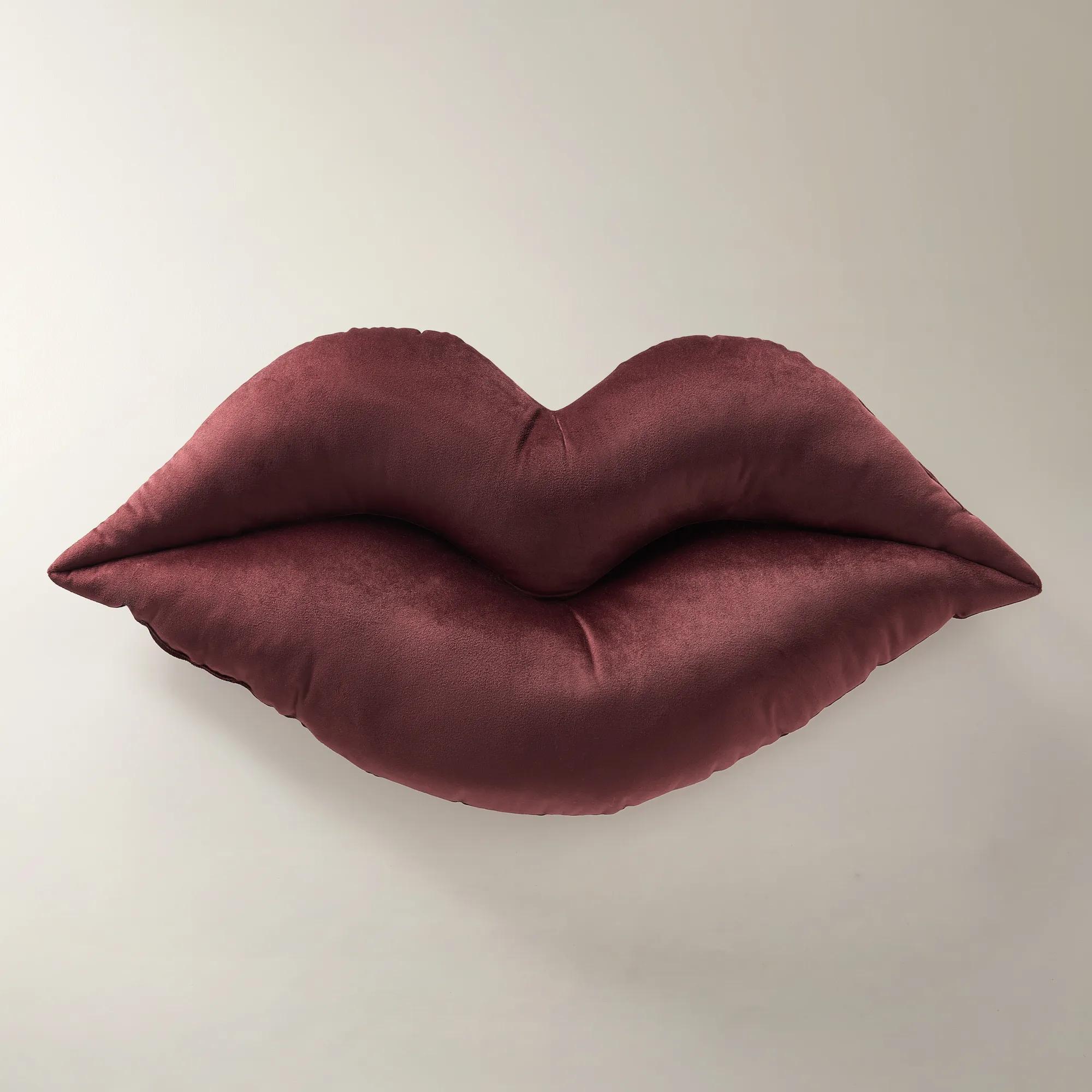
Contemporary Geometric Pillows
Contemporary Geometric Pillows
-
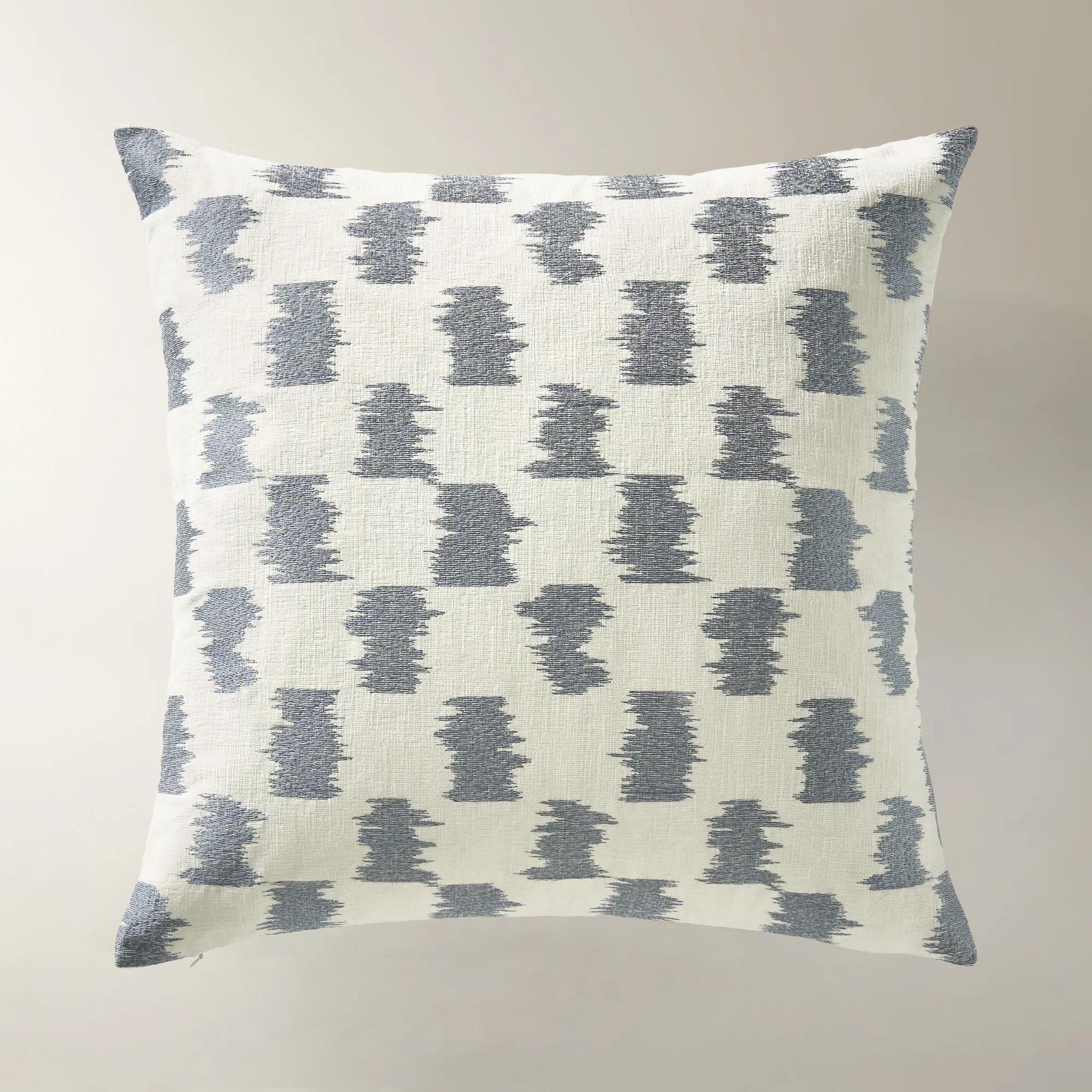 Scacco Check Embroidered Dusty Blue/Ivory Pillow 22" x 22"$89
A dusty blue and ivory velvet pillow featuring an embroidered checker pattern and plush feather-down insert.
Add To Cart -
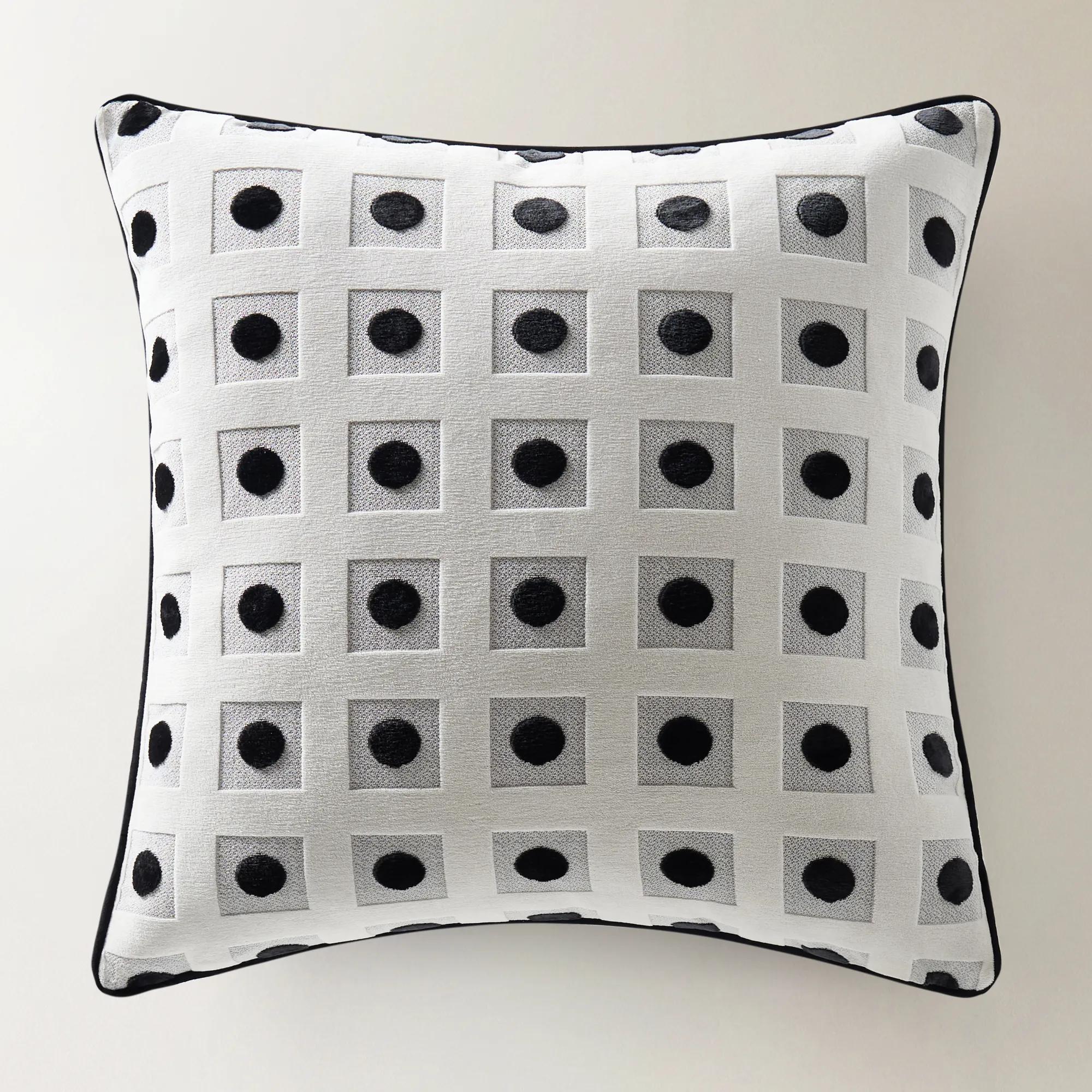
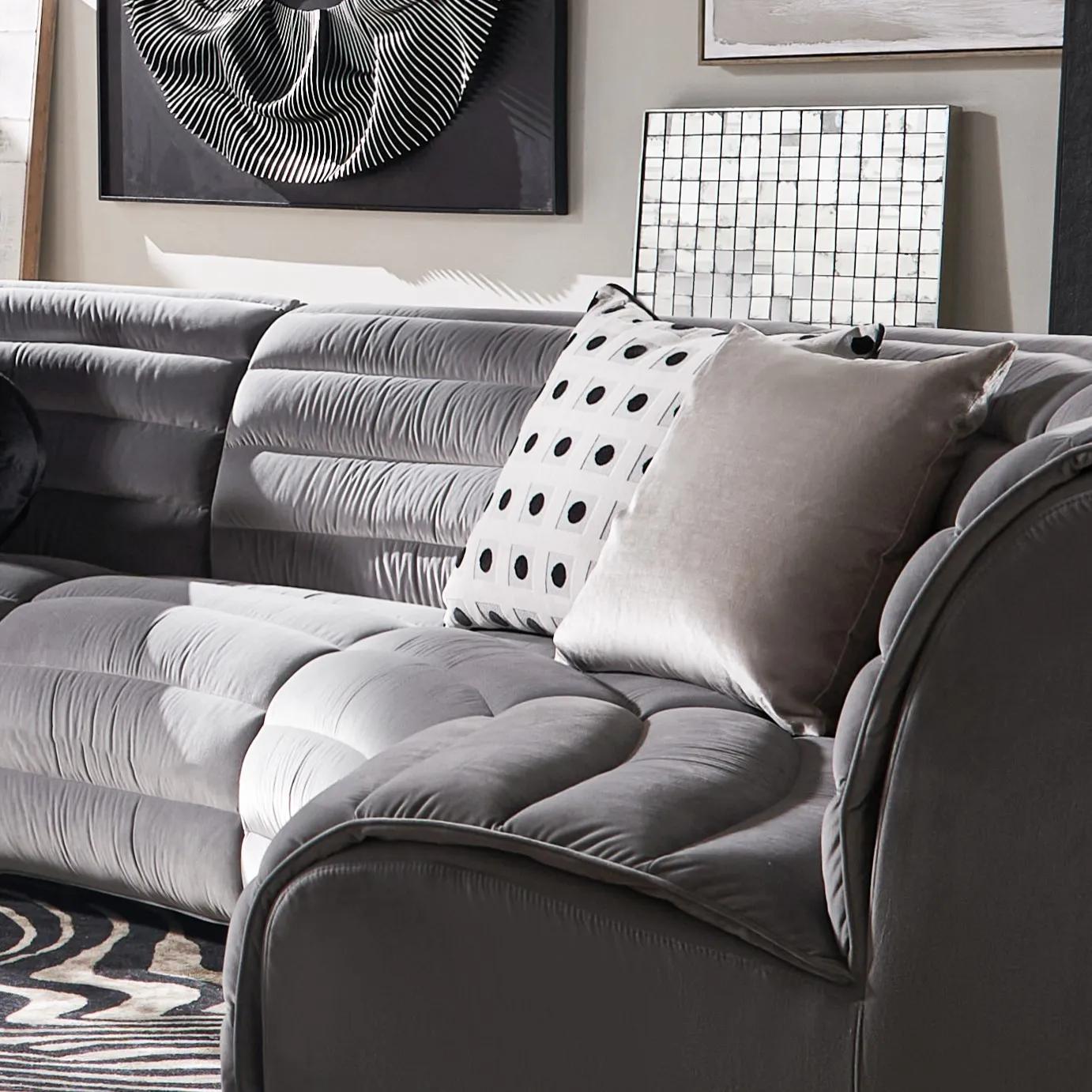 Geo Dot Cut Velvet White/Black Pillow 22" x 22"$89
A contemporary pillow featuring black and white cut velvet geometric patterns with sleek black piping.
Add To Cart -
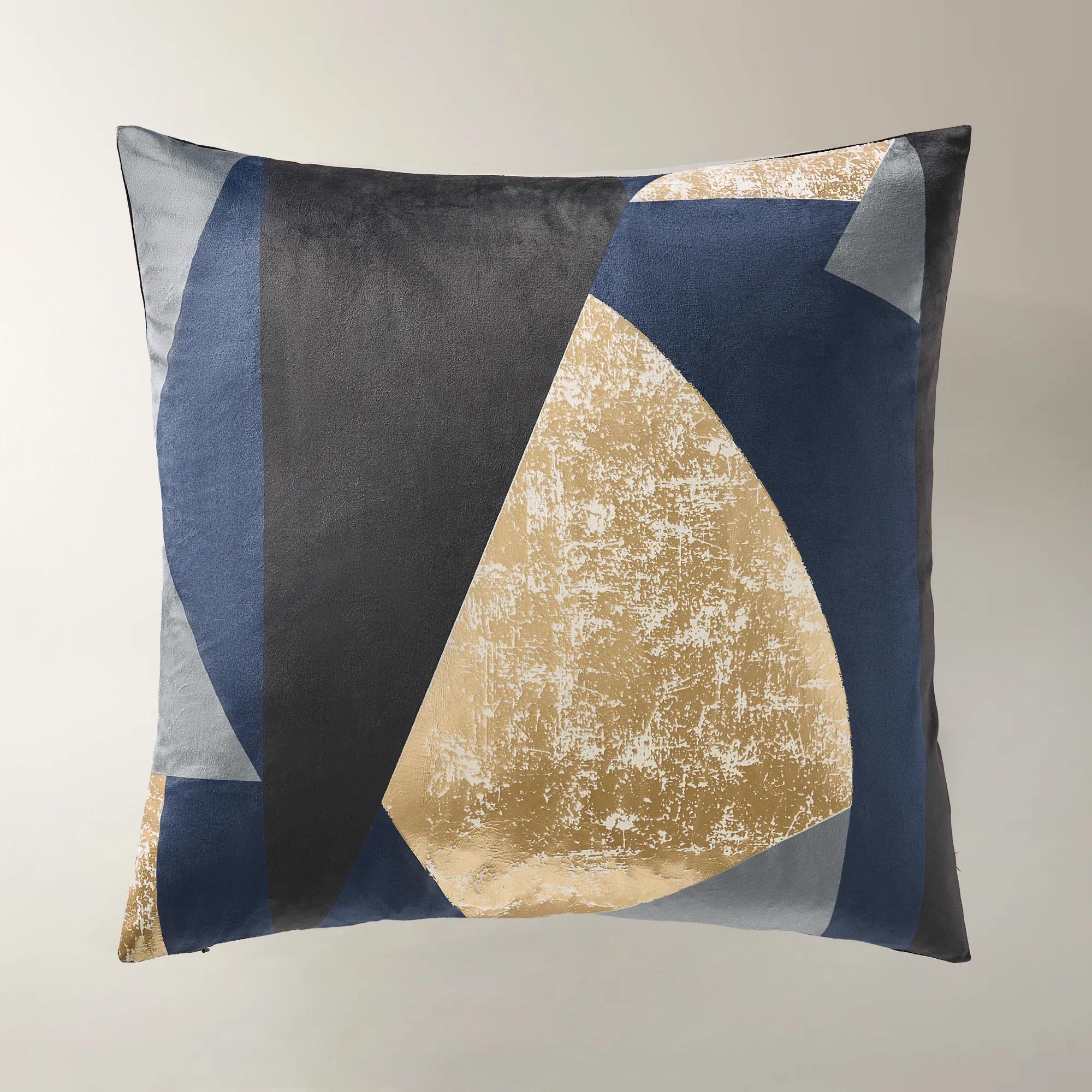 Niko Blue/Black/Gold Abstract Metallic Pillow 22" x 22"$89
A plush velvet pillow featuring abstract color blocking in dusty blue, black, teal, and metallic gold accents.
Add To Cart -
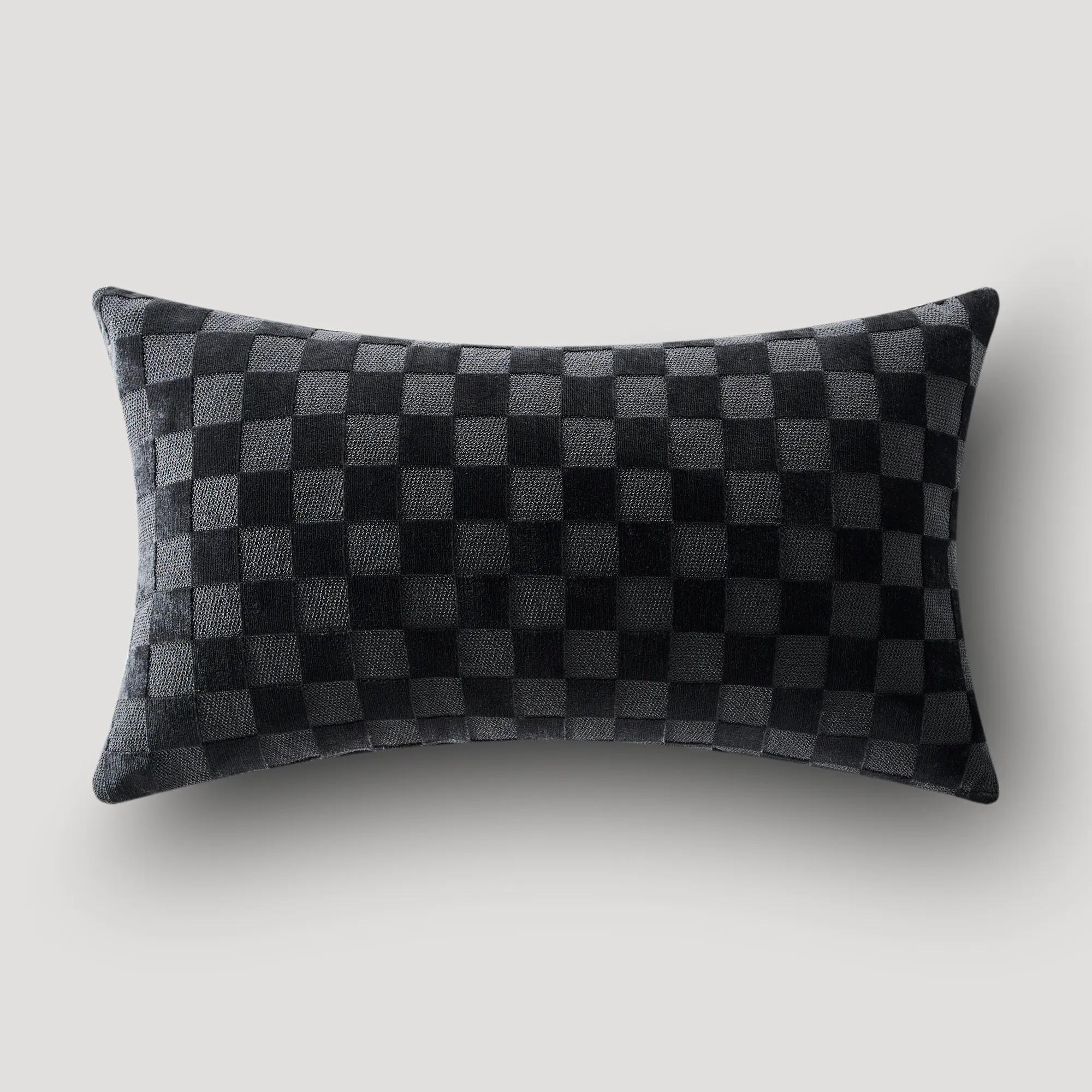 Checker Black Cut Velvet Lumbar 12" x 22"$59
A black cut velvet lumbar pillow featuring a sophisticated checkerboard pattern and removable feather-down insert.
Add To Cart -
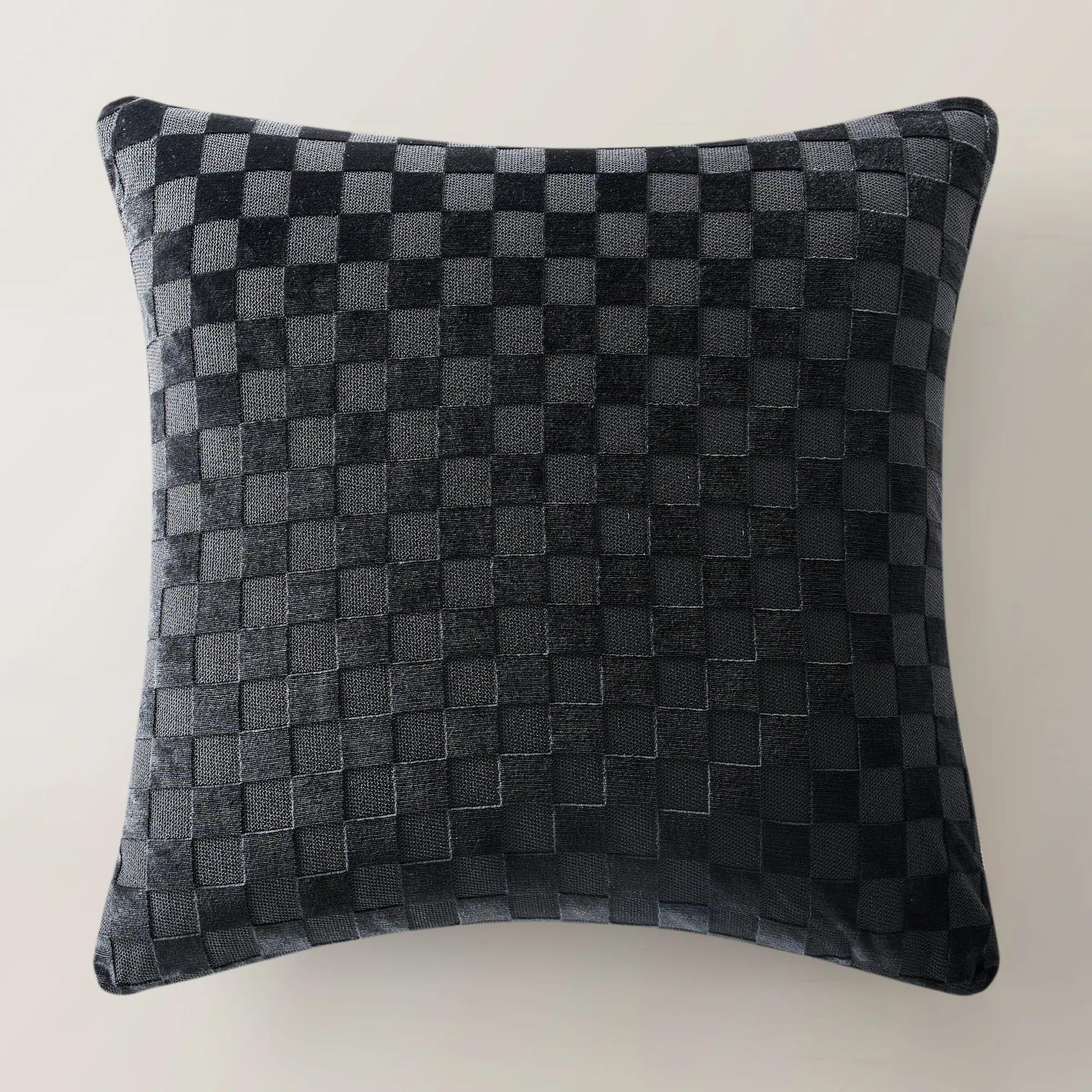 Checker Black Cut Velvet Pillow 22" x 22"$79
A sophisticated black cut velvet pillow featuring a geometric checkerboard pattern for subtle texture and depth.
Add To Cart -
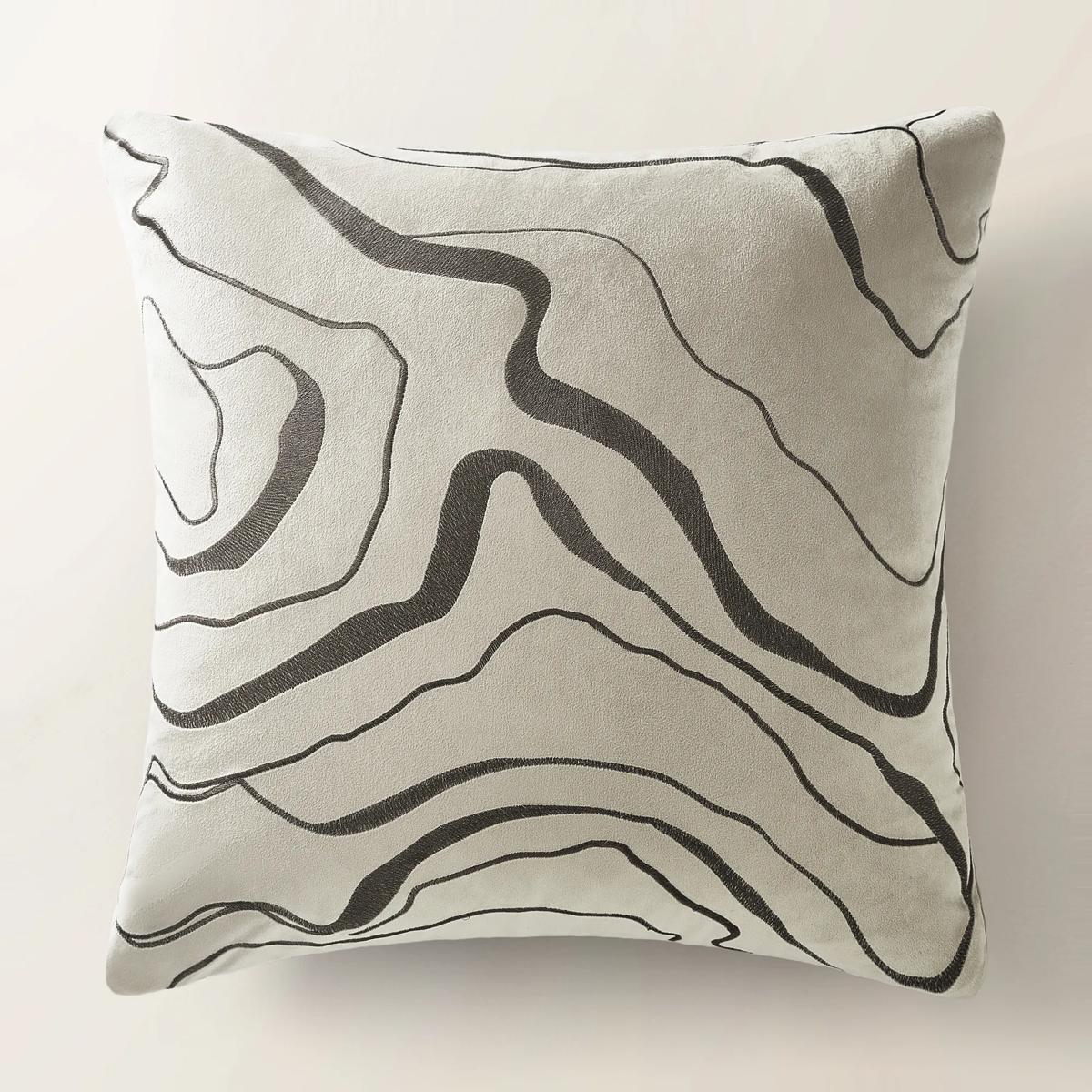
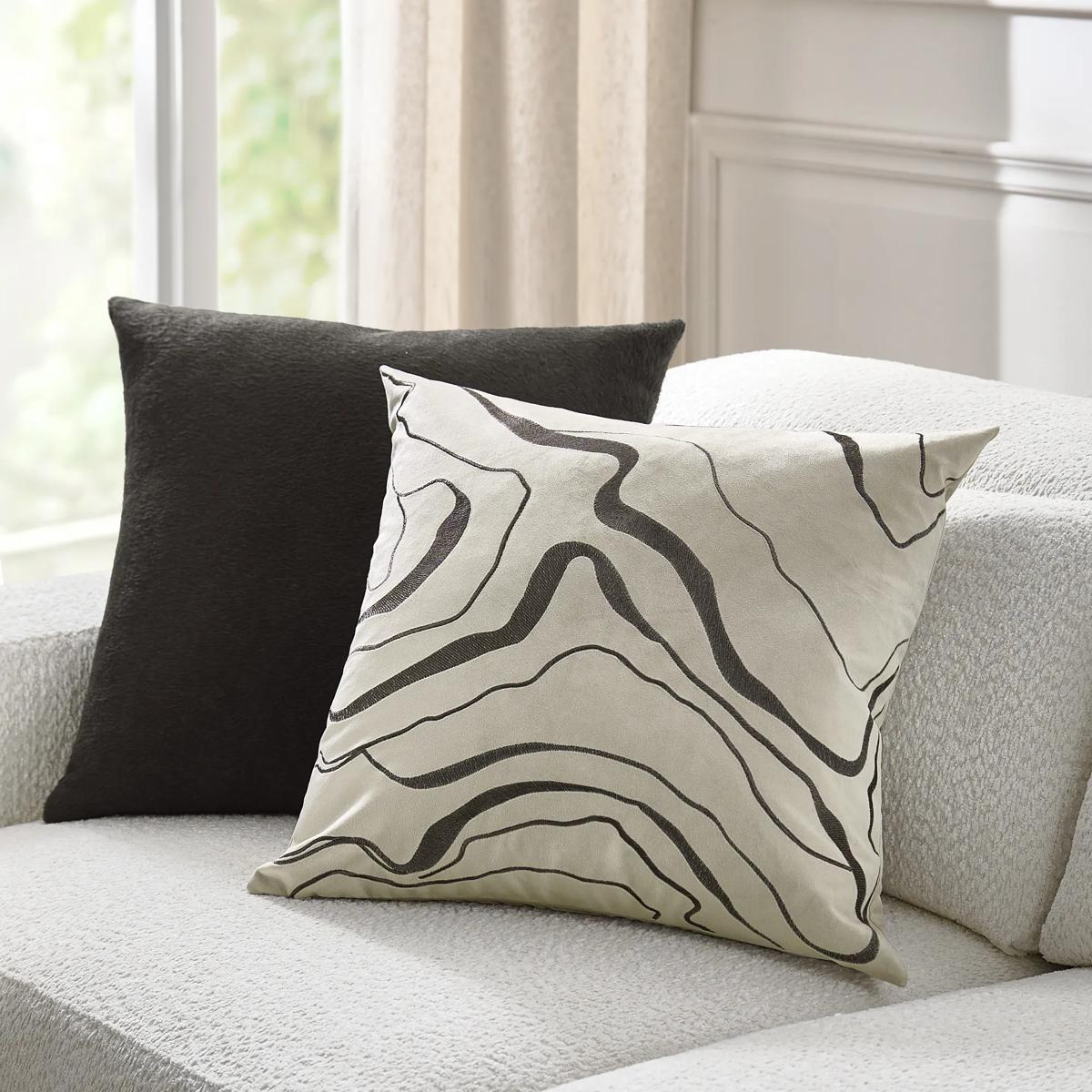 Encina Embroidered Silver/Ivory Velvet Pillow 22" x 22"$89
A sculptural velvet pillow in silver and ivory with metallic embroidery and a plush feather-down insert.
Add To Cart -
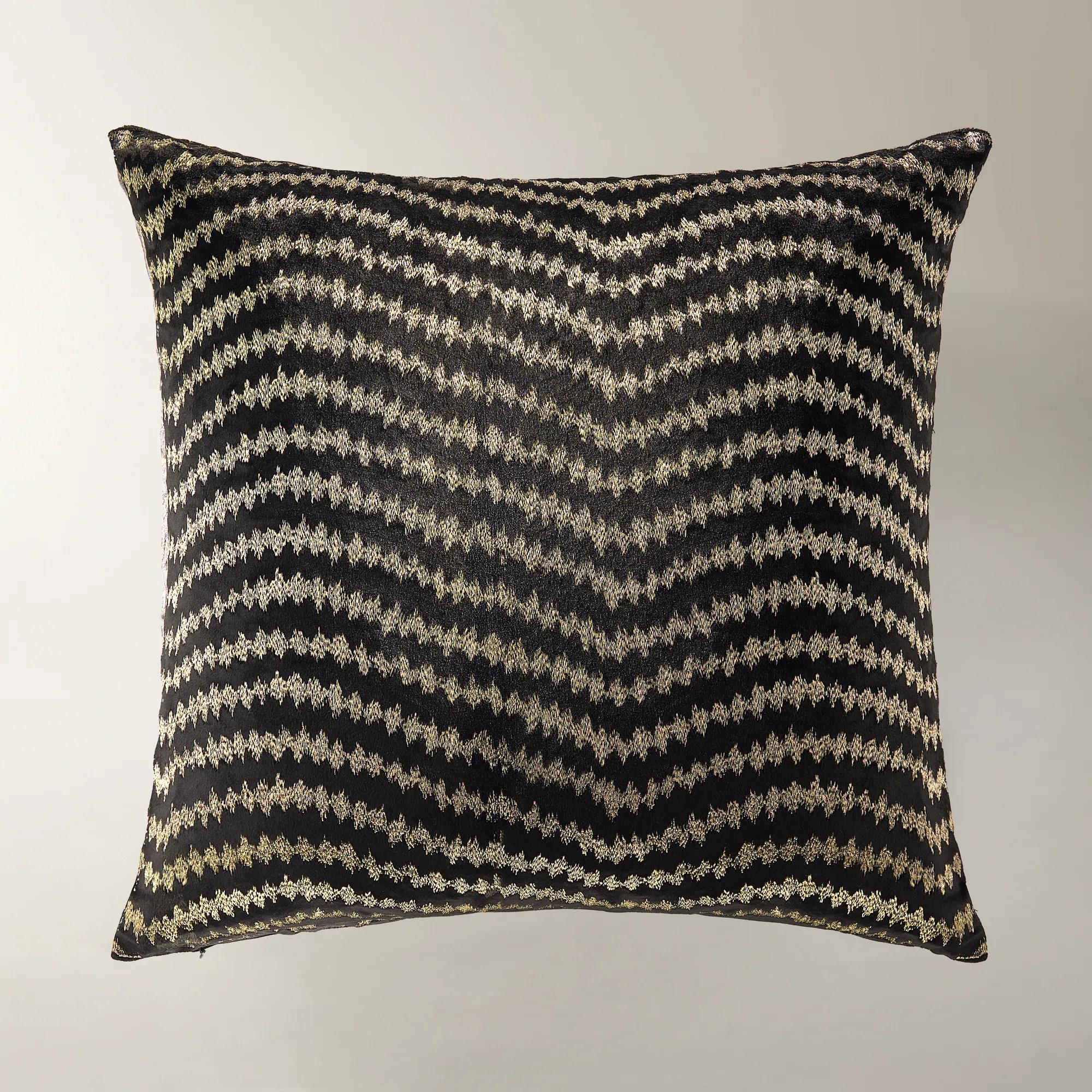
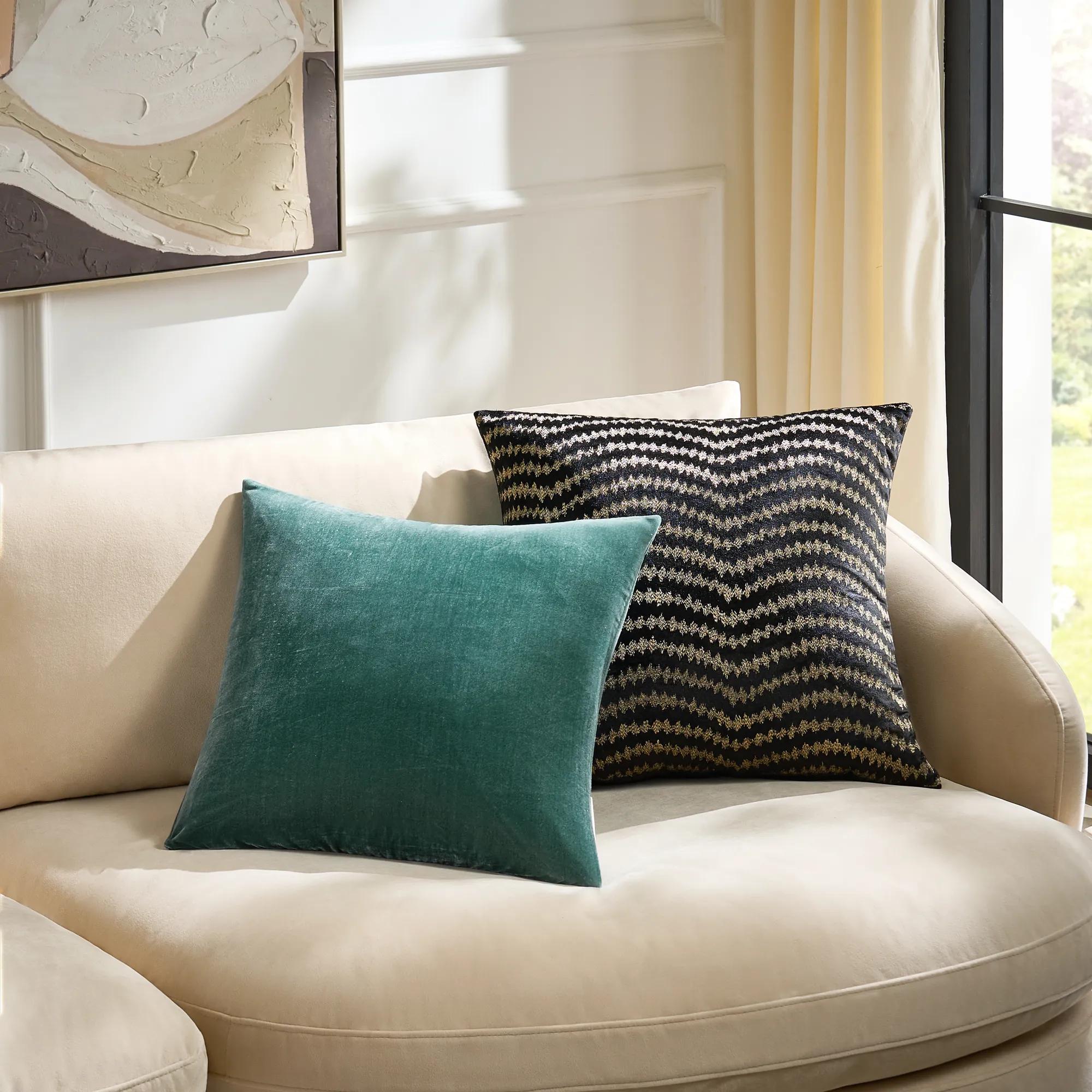 Zarin Embroidered Black/Gold Zig Zag Velvet Pillow 22" x 22"$99
A plush black velvet pillow featuring embroidered metallic gold zig zag pattern and a feather-down insert.
Add To Cart -
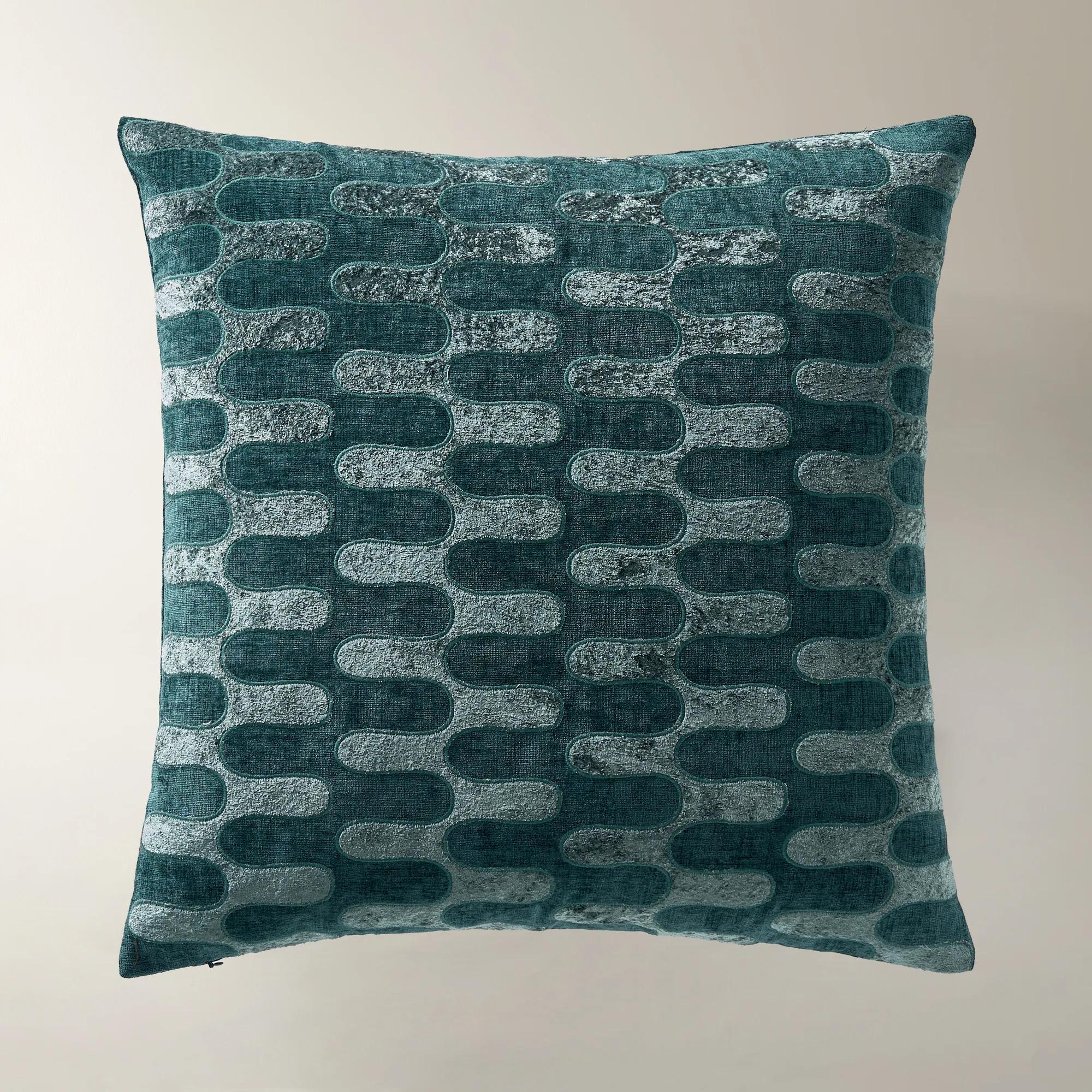 Reis Deep Teal Geometric Chenille Applique Pillow 22" x 22"$99
A deep teal velvet chenille pillow featuring raised geometric applique and a plush feather-down insert.
Add To Cart -
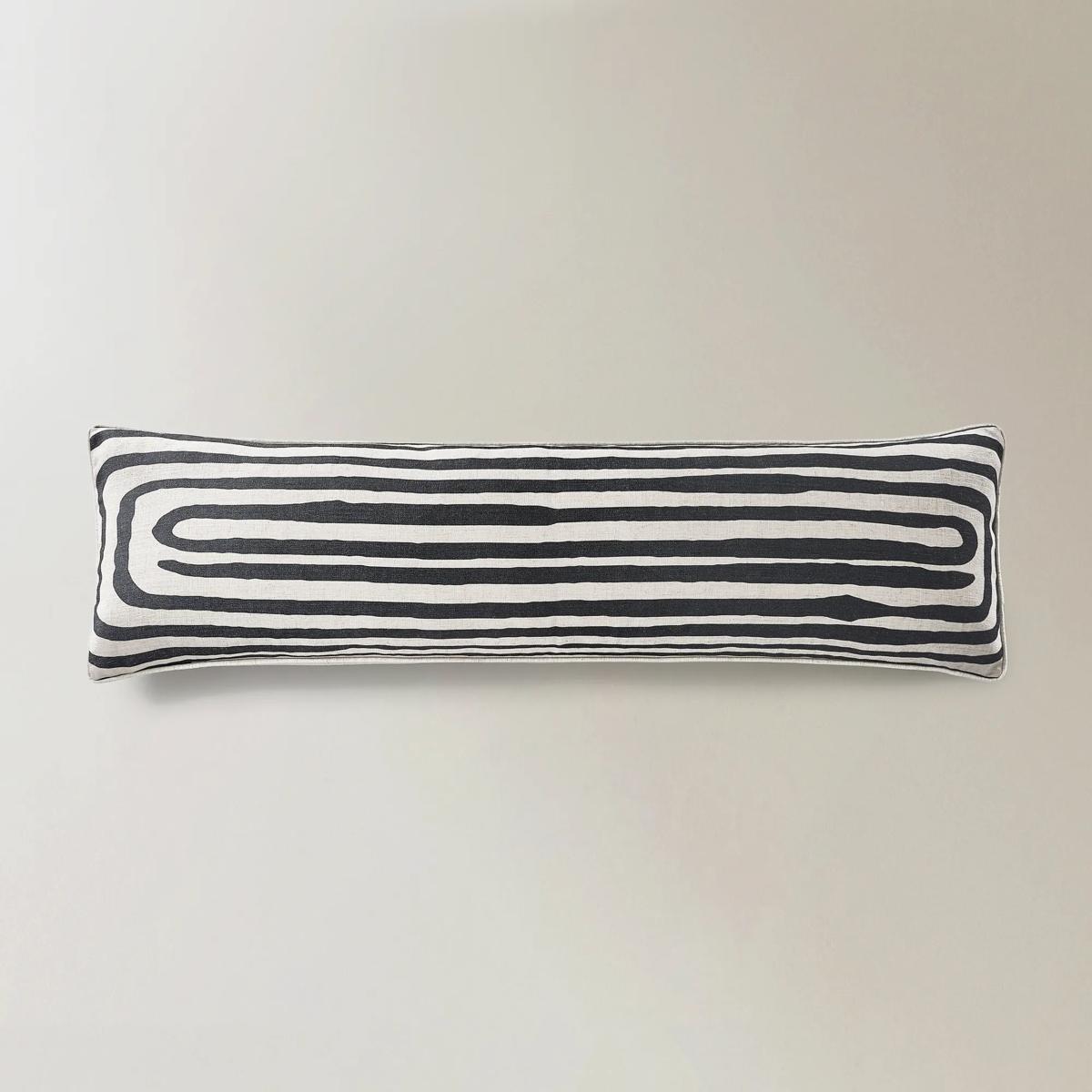
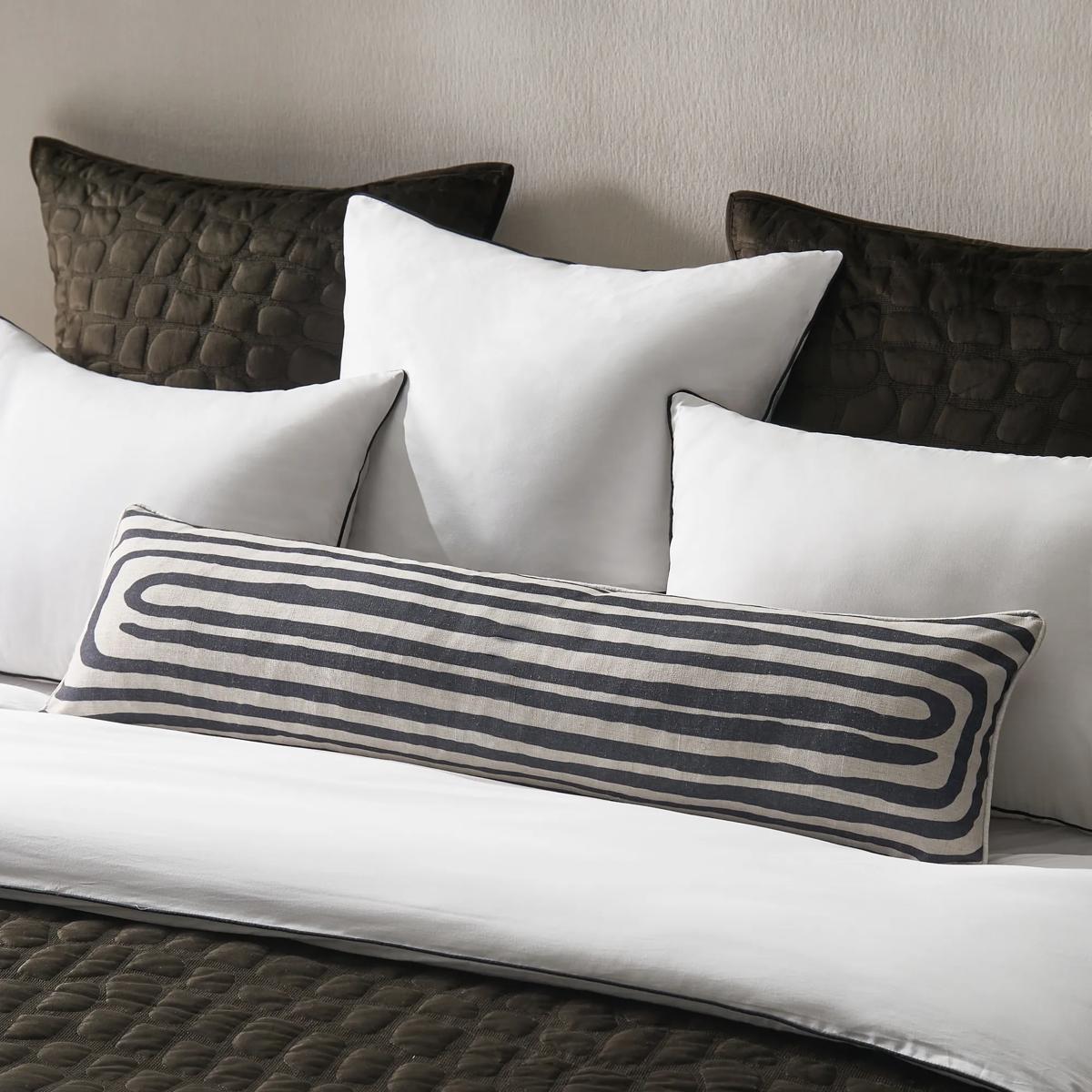 Eren Black/Natural XL Lumbar 42" x 12"$99
A bold black and ivory faux linen lumbar pillow featuring a striking modern pattern and feather-down insert.
Add To Cart -
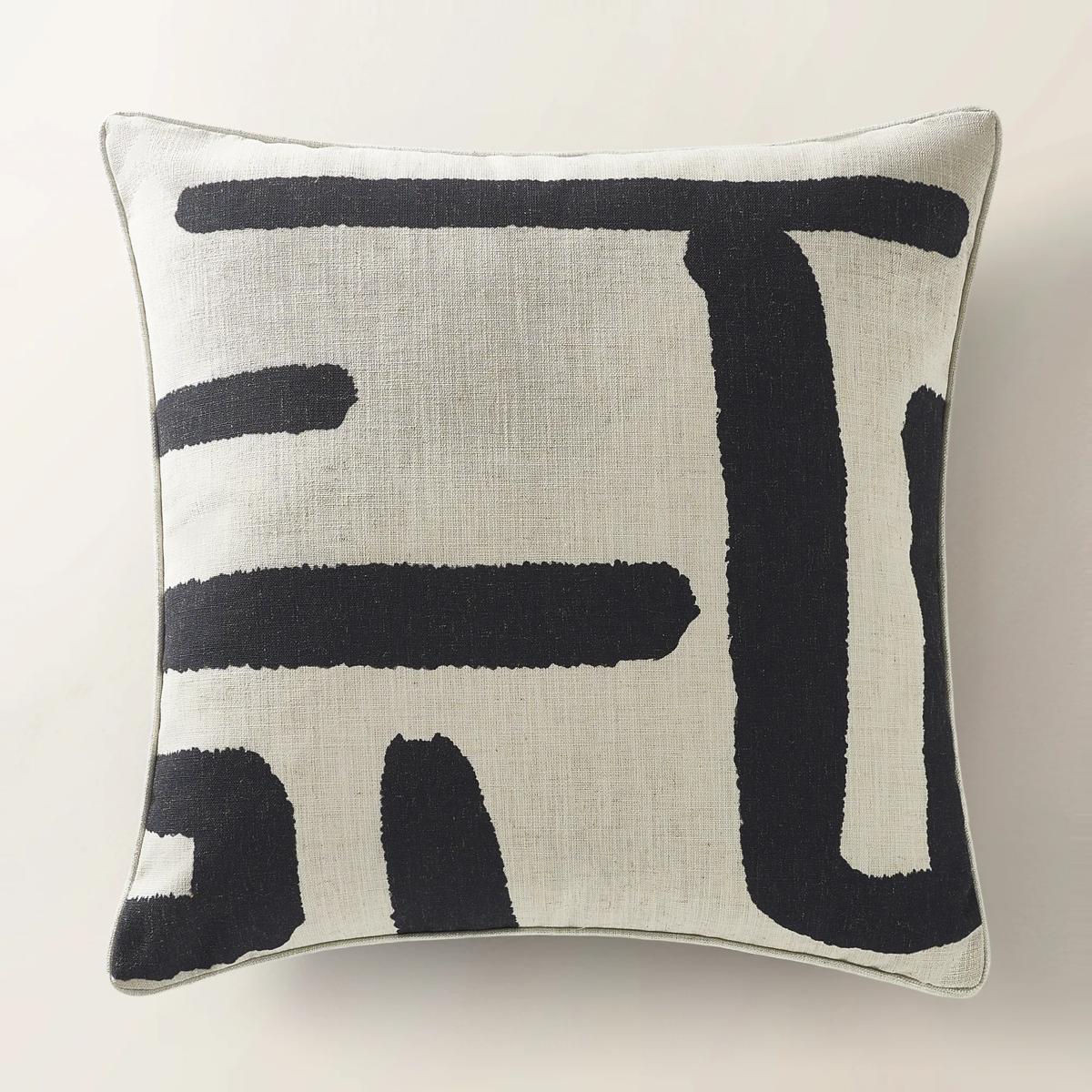
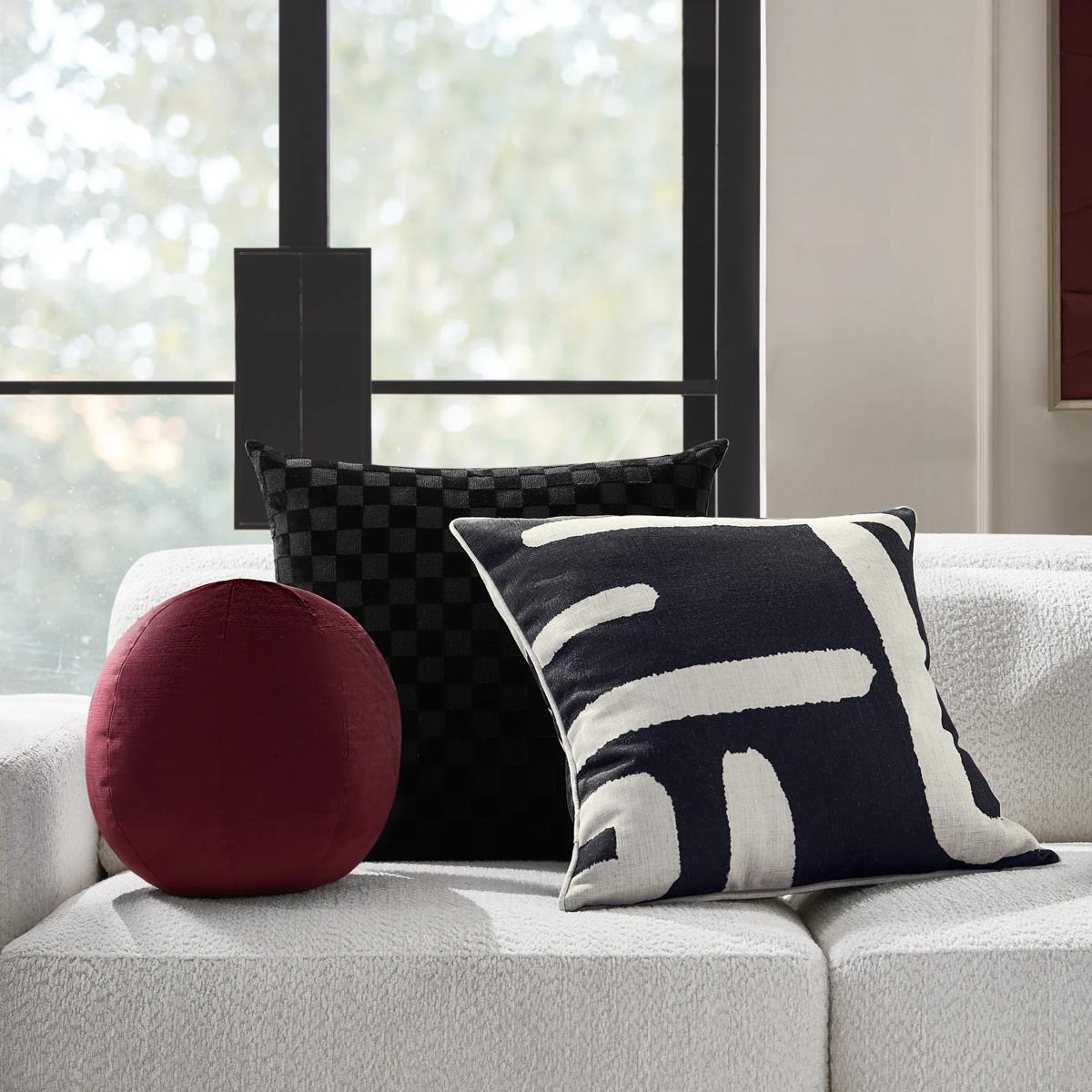 Rian Ivory/Black Dual Side Pillow 22" x 22"$89
A reversible faux linen pillow featuring bold black and ivory abstract prints with a plush feather down insert.
Add To Cart -
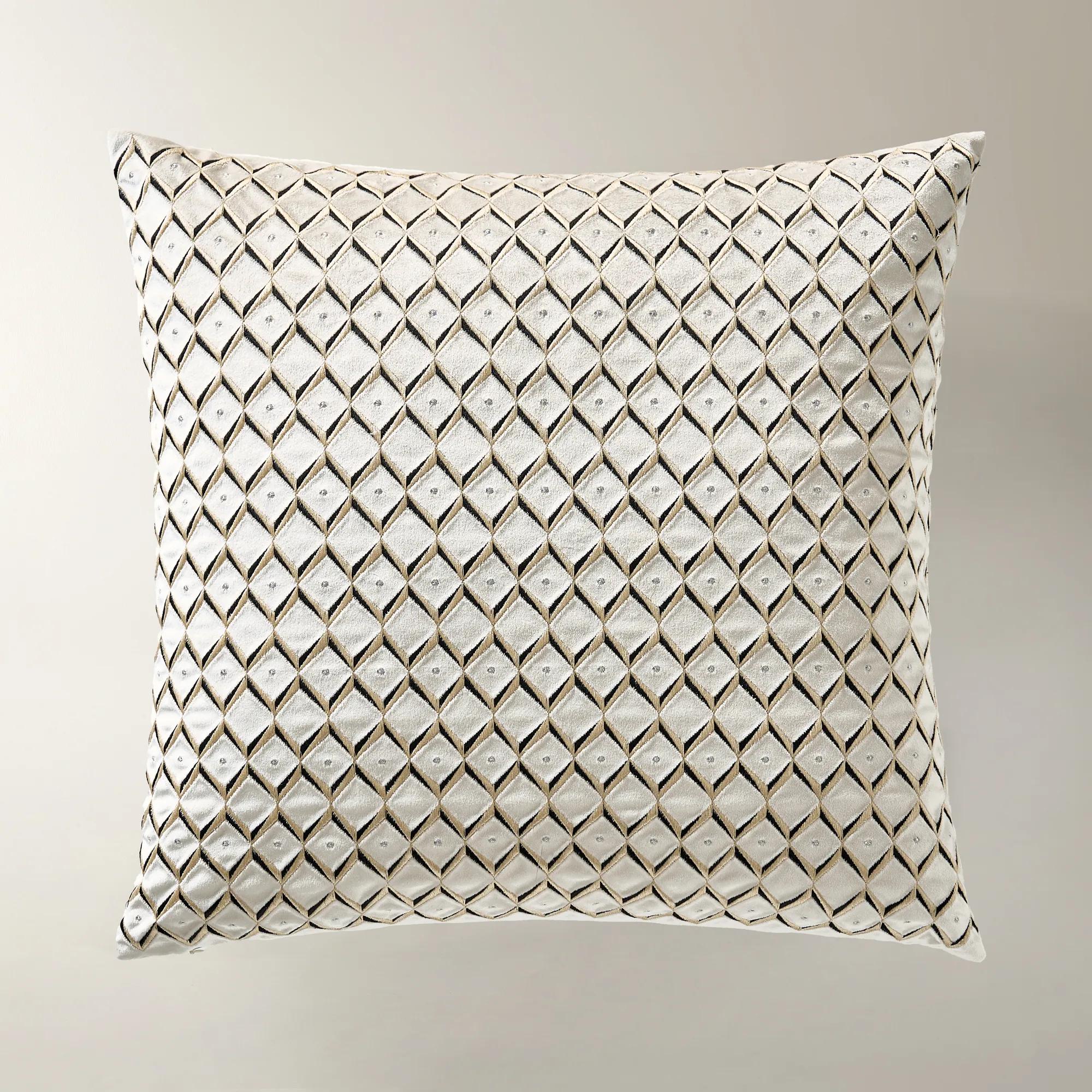 Boucard Diamond Check Embroidered Alabaster Pillow 22" x 22"$119
A luminous alabaster velvet pillow featuring metallic champagne and black diamond embroidery with a feather-down insert.
Add To Cart -
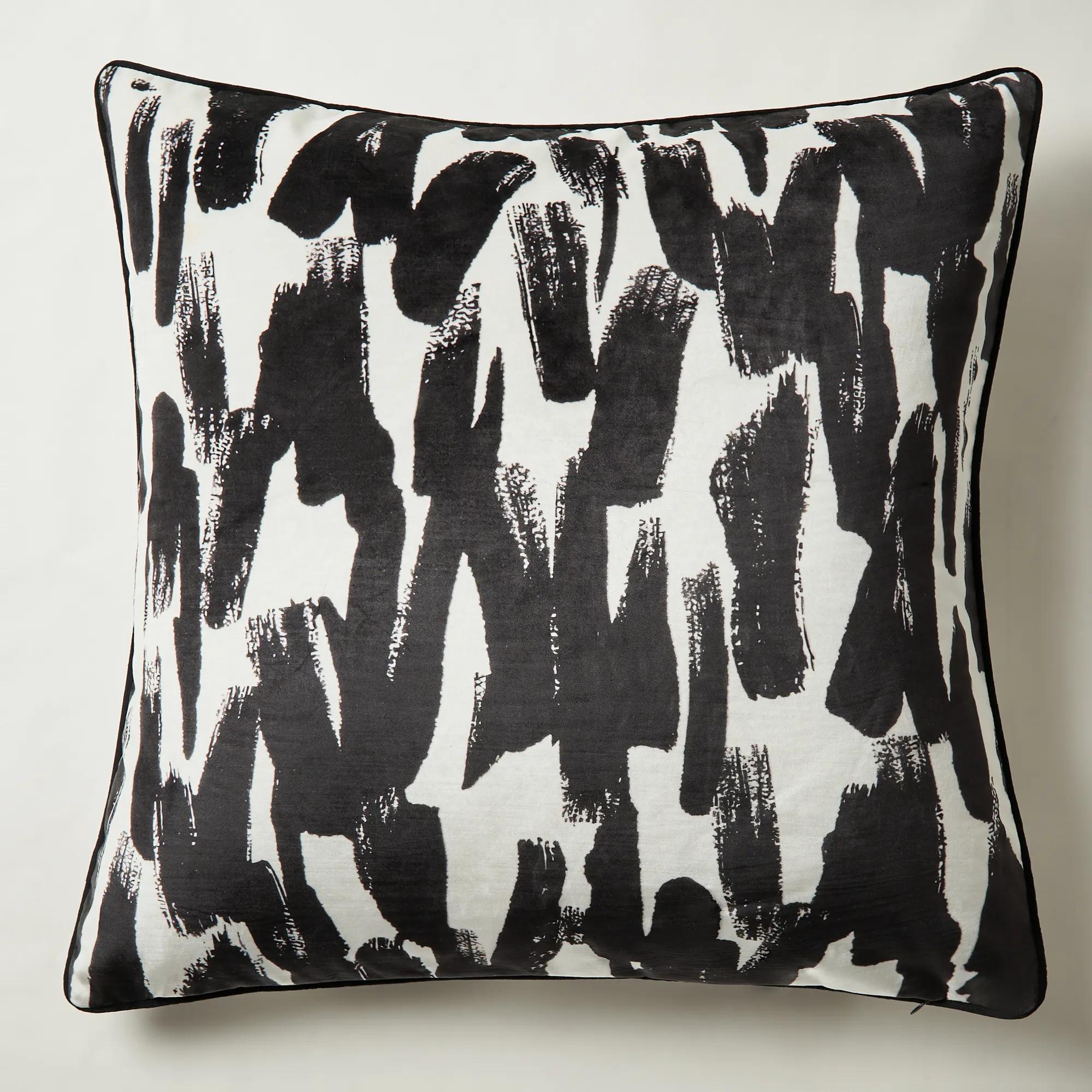 Adelaide Black/White Velvet Pillow 26" x 26”$109
A bold black and white abstract velvet pillow with feather insert and black cord trim.
Add To Cart -
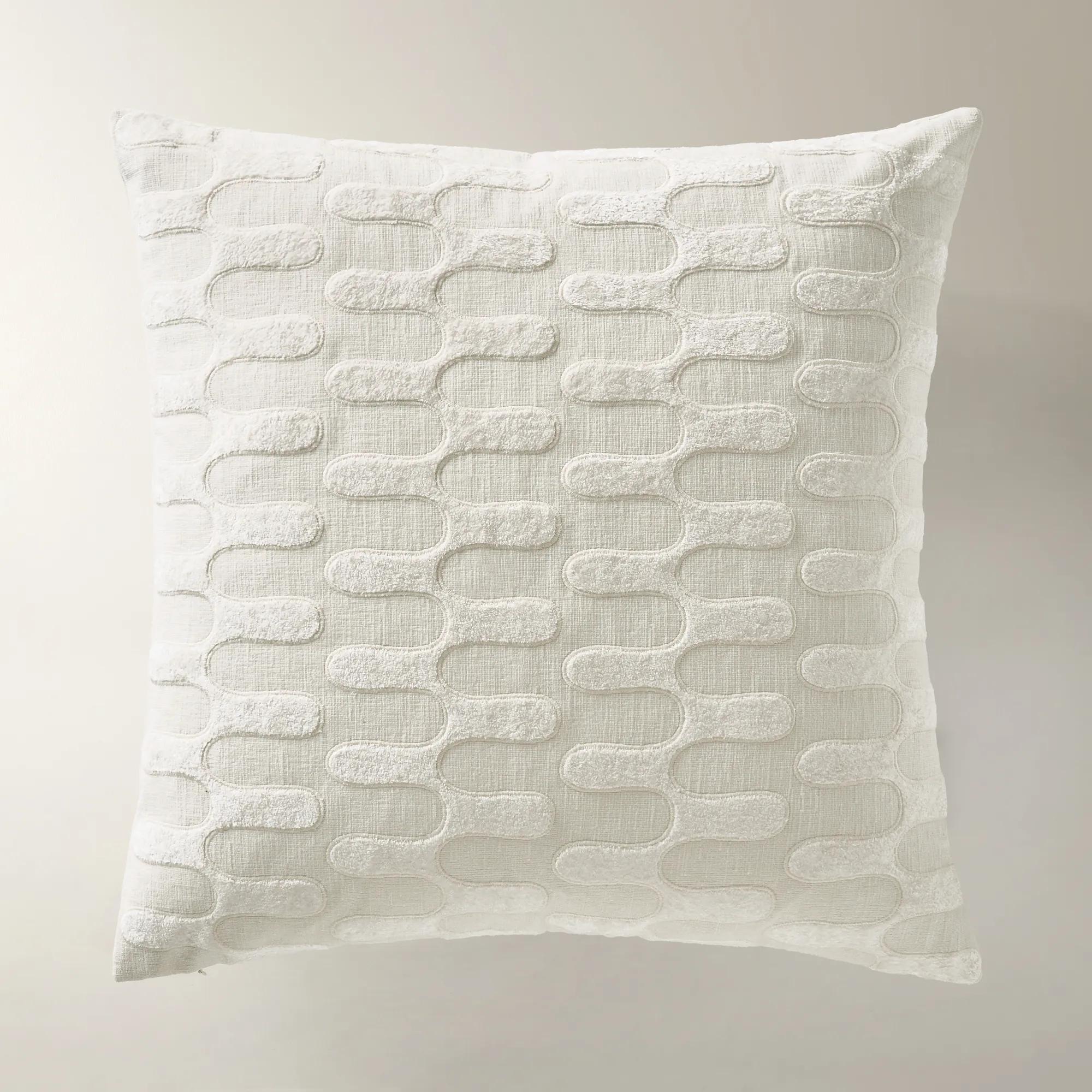 Reis White Geometric Chenille Applique Pillow 22" x 22"$99
A white velvet chenille pillow featuring a raised geometric applique and a plush feather-down insert.
Add To Cart -
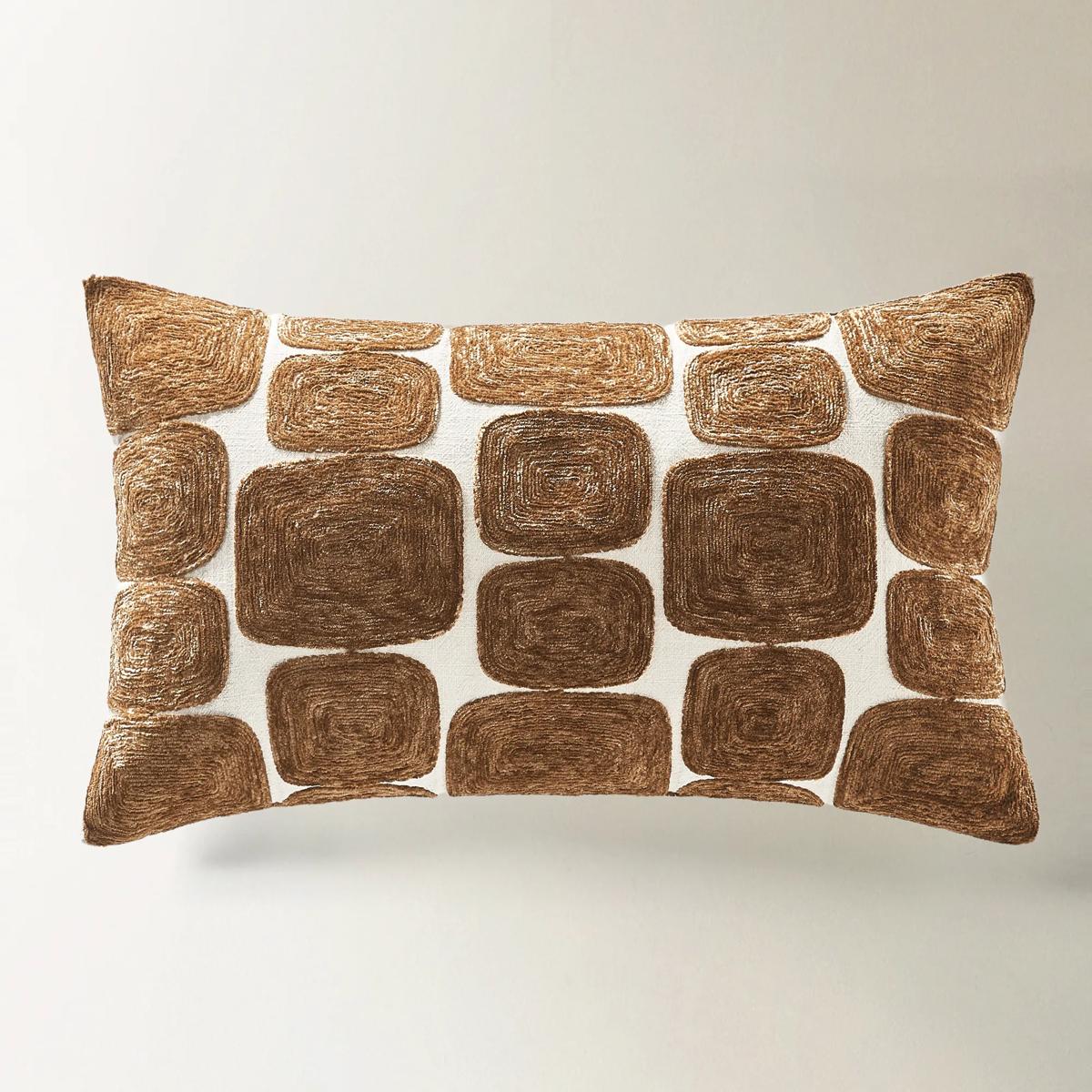
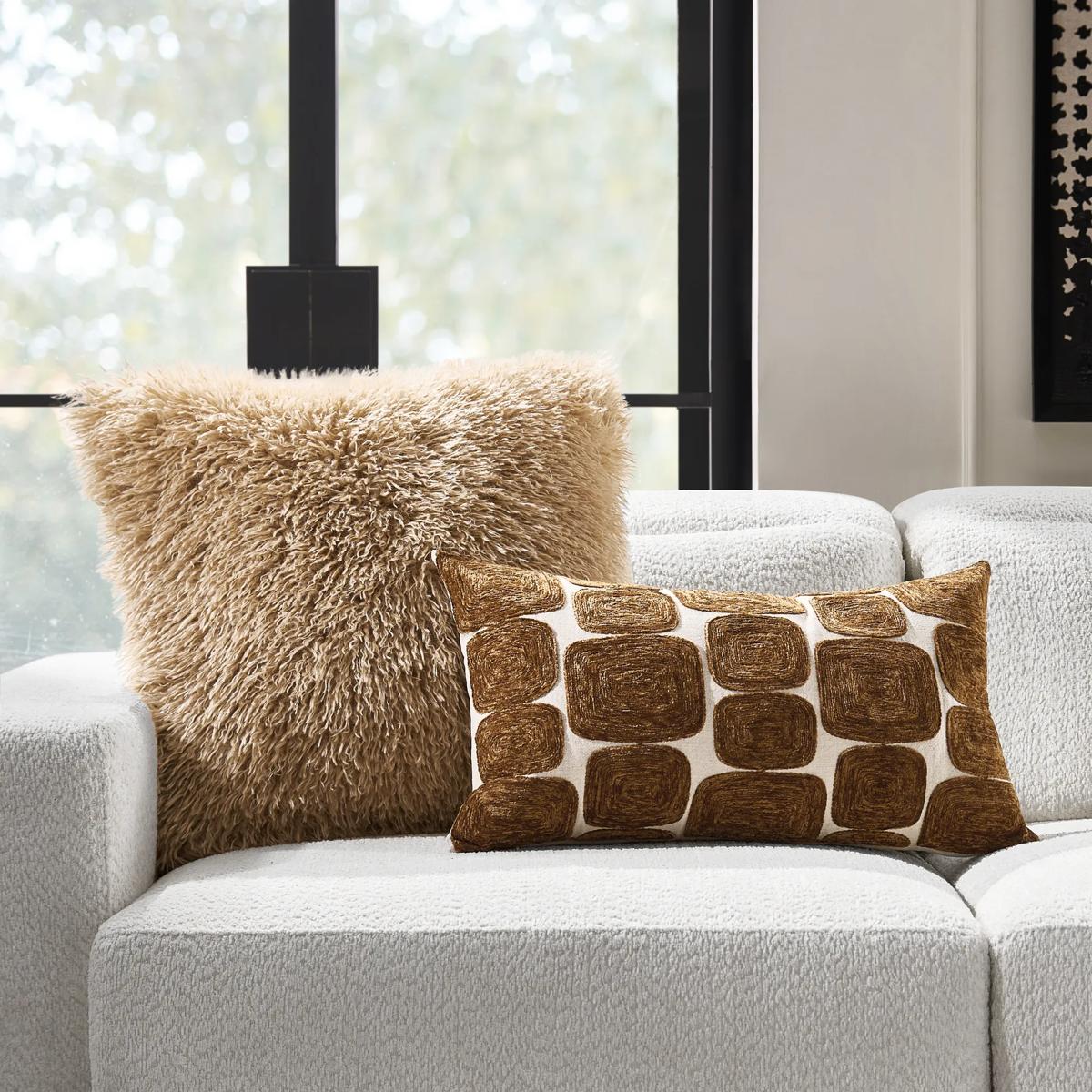 Kylen Embroidered Rust Lumbar Pillow 24" x 14"$99
A plush rust velvet lumbar pillow featuring metallic gold embroidery and a removable feather-down insert.
Add To Cart -
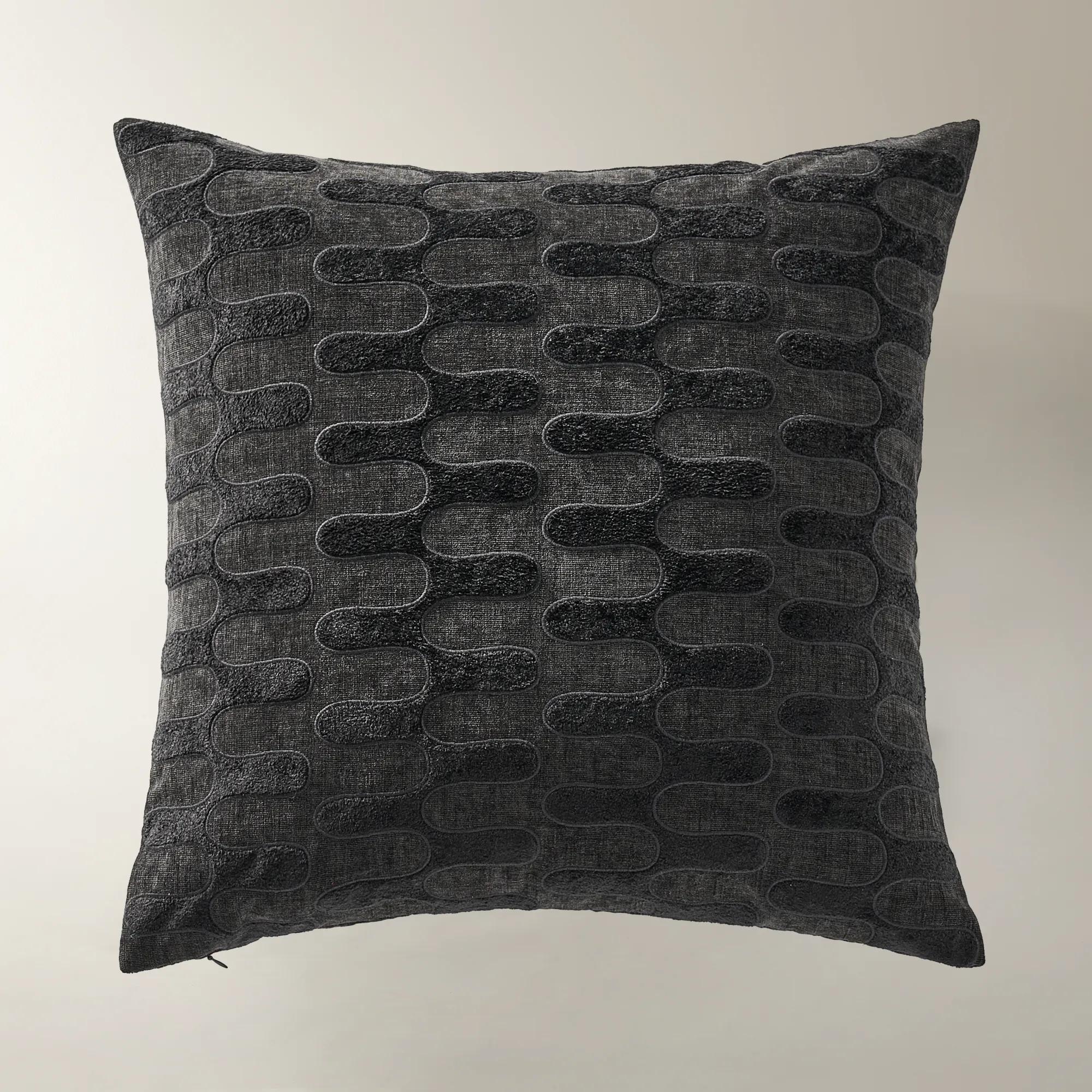 Reis Black Geometric Chenille Applique Pillow 22" x 22"$99
A black velvet chenille pillow featuring raised geometric embroidery and a plush feather-down insert.
Add To Cart -
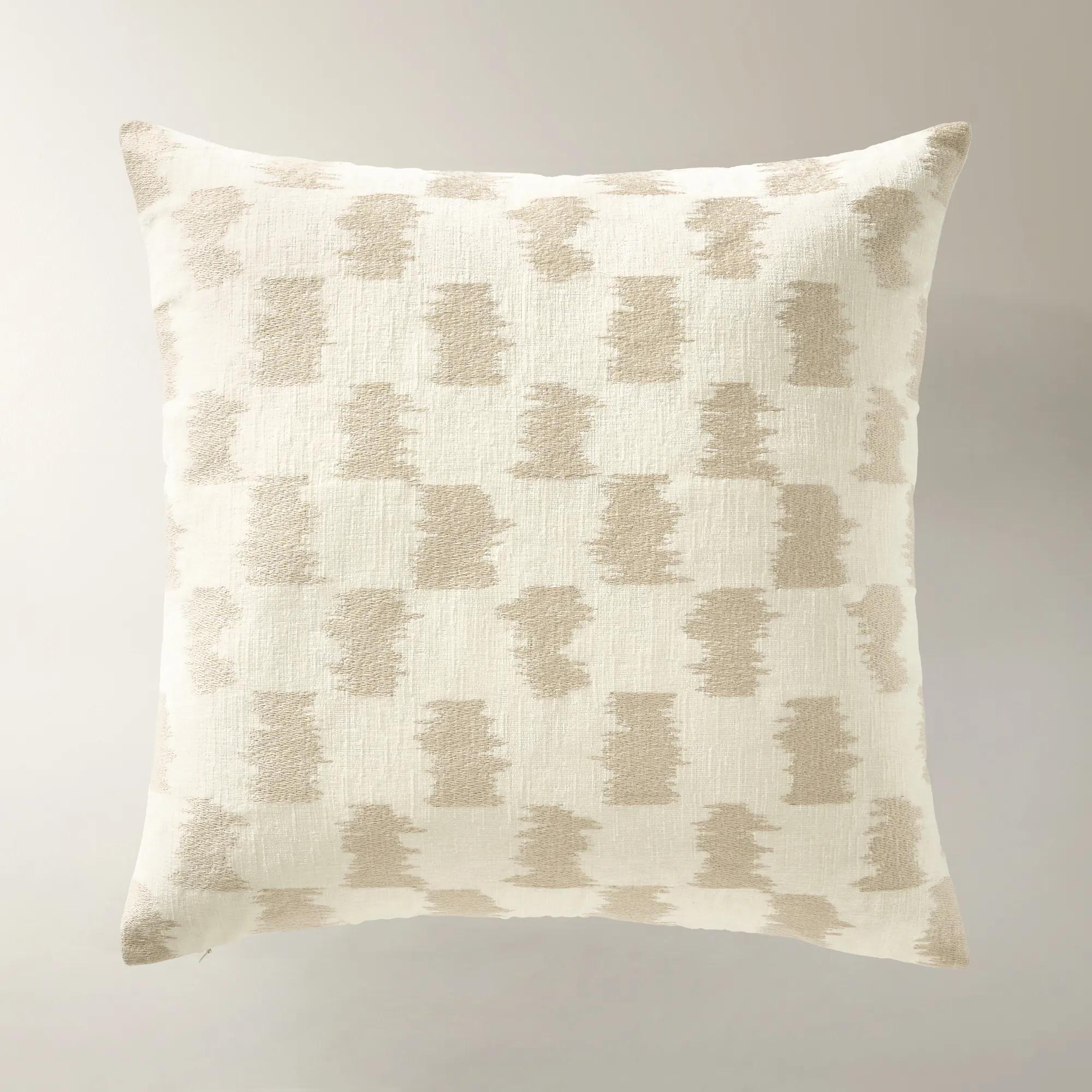
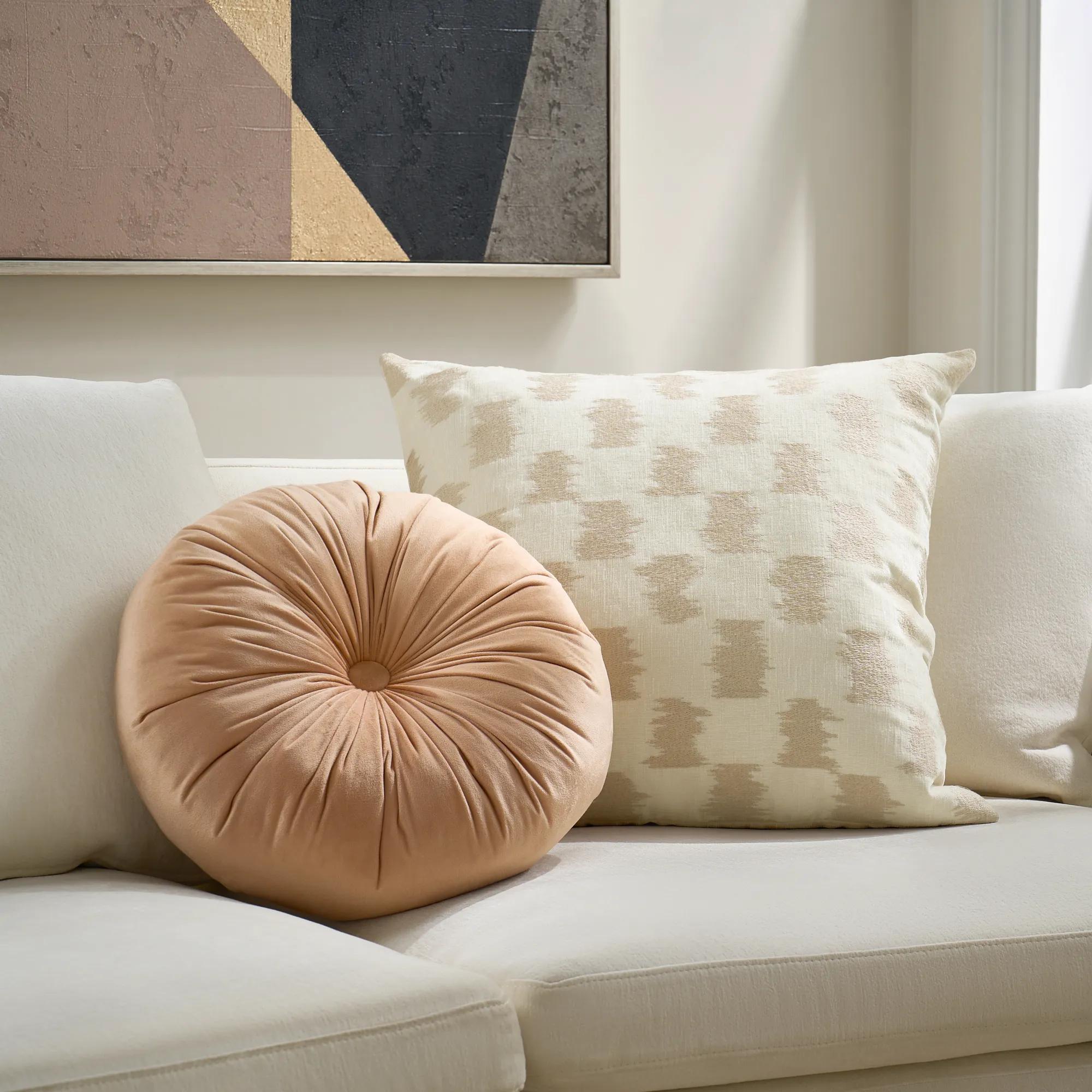 Scacco Check Embroidered Taupe/Ivory Pillow 22" x 22"$89
A taupe and ivory velvet pillow featuring an embroidered geometric checker pattern and feather-down insert.
Add To Cart -
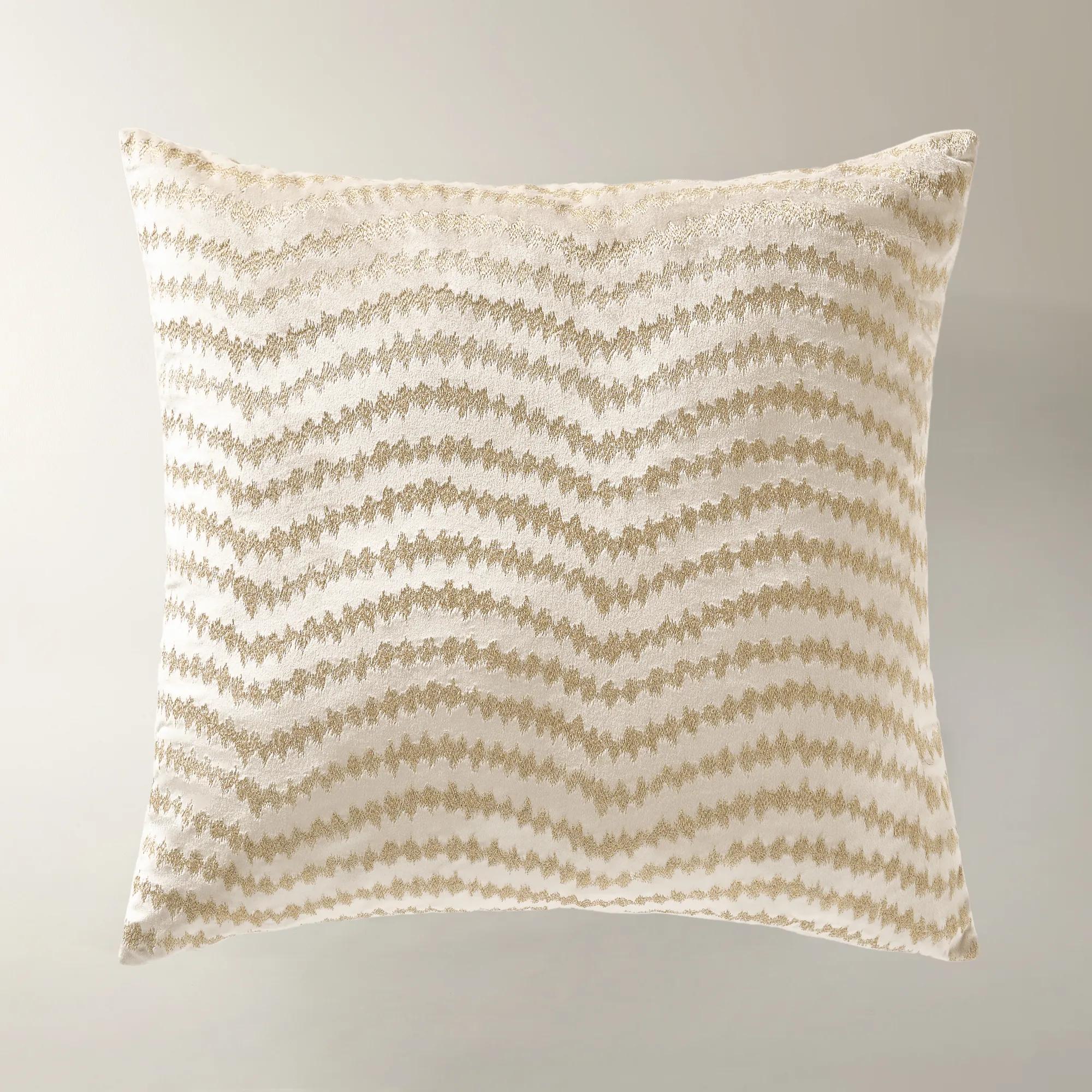
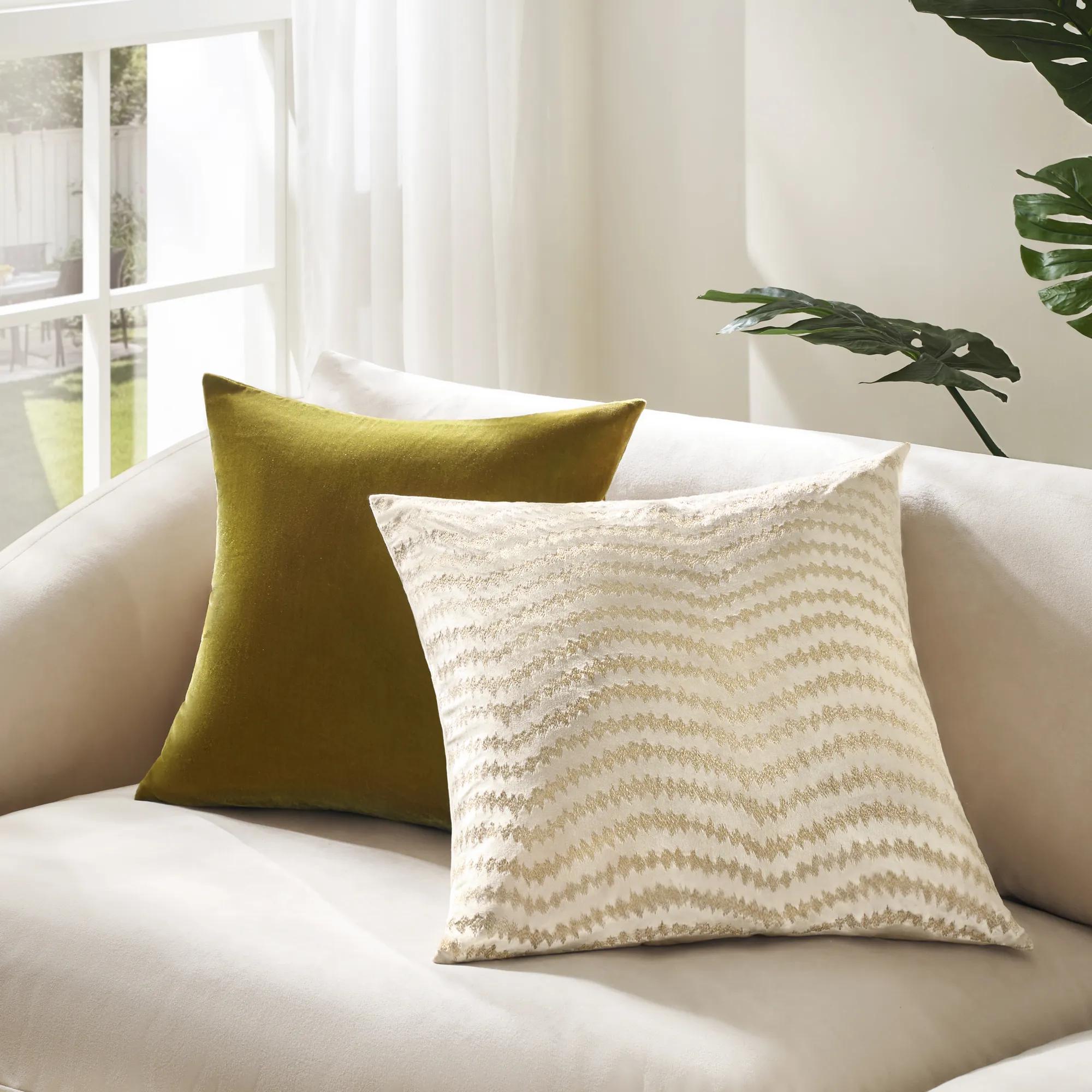 Zarin Embroidered Cloud White/Gold Zig Zag Velvet Pillow 22" x 22"$99
A cloud white velvet pillow featuring embroidered gold zig zag pattern and a plush feather-down insert.
Add To Cart -
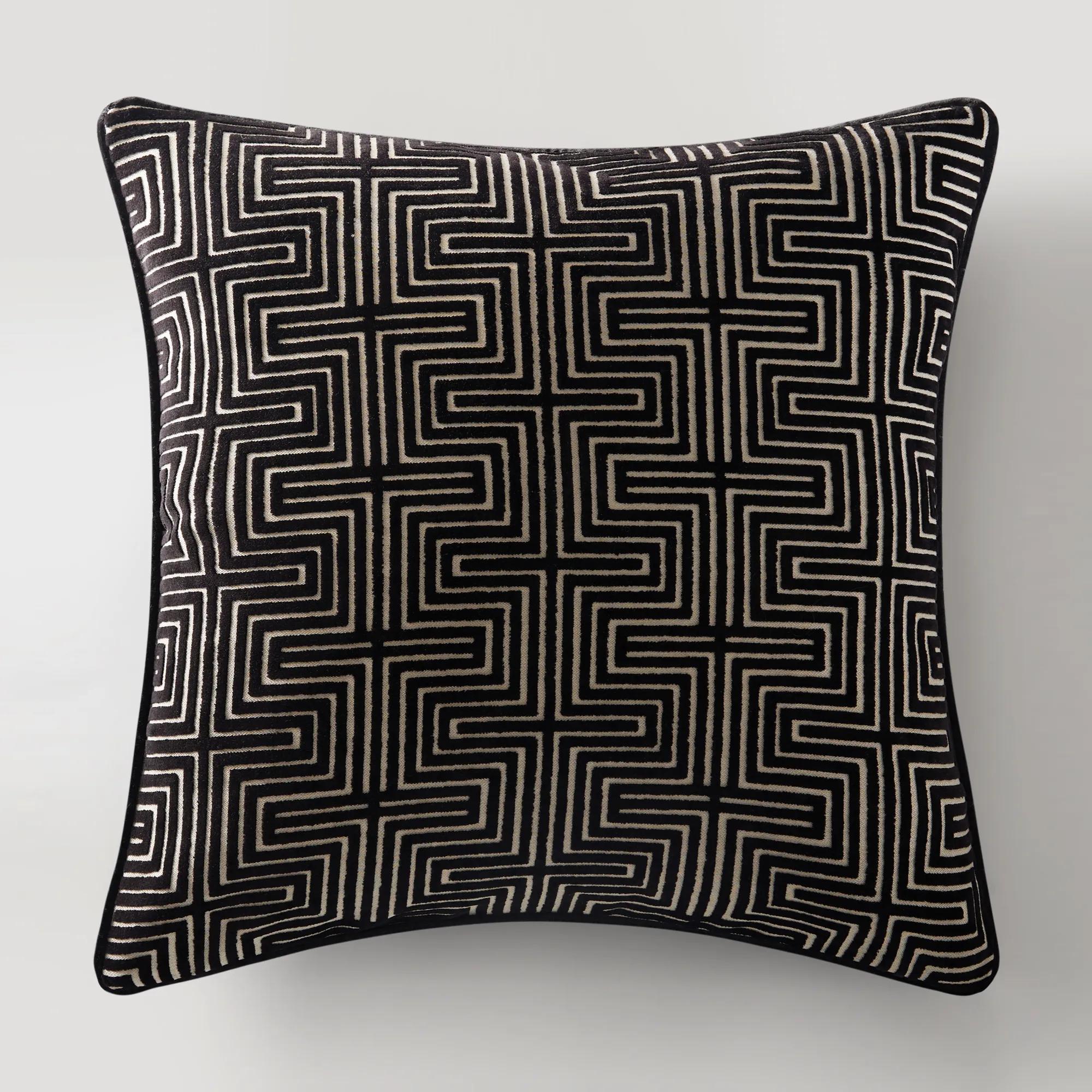
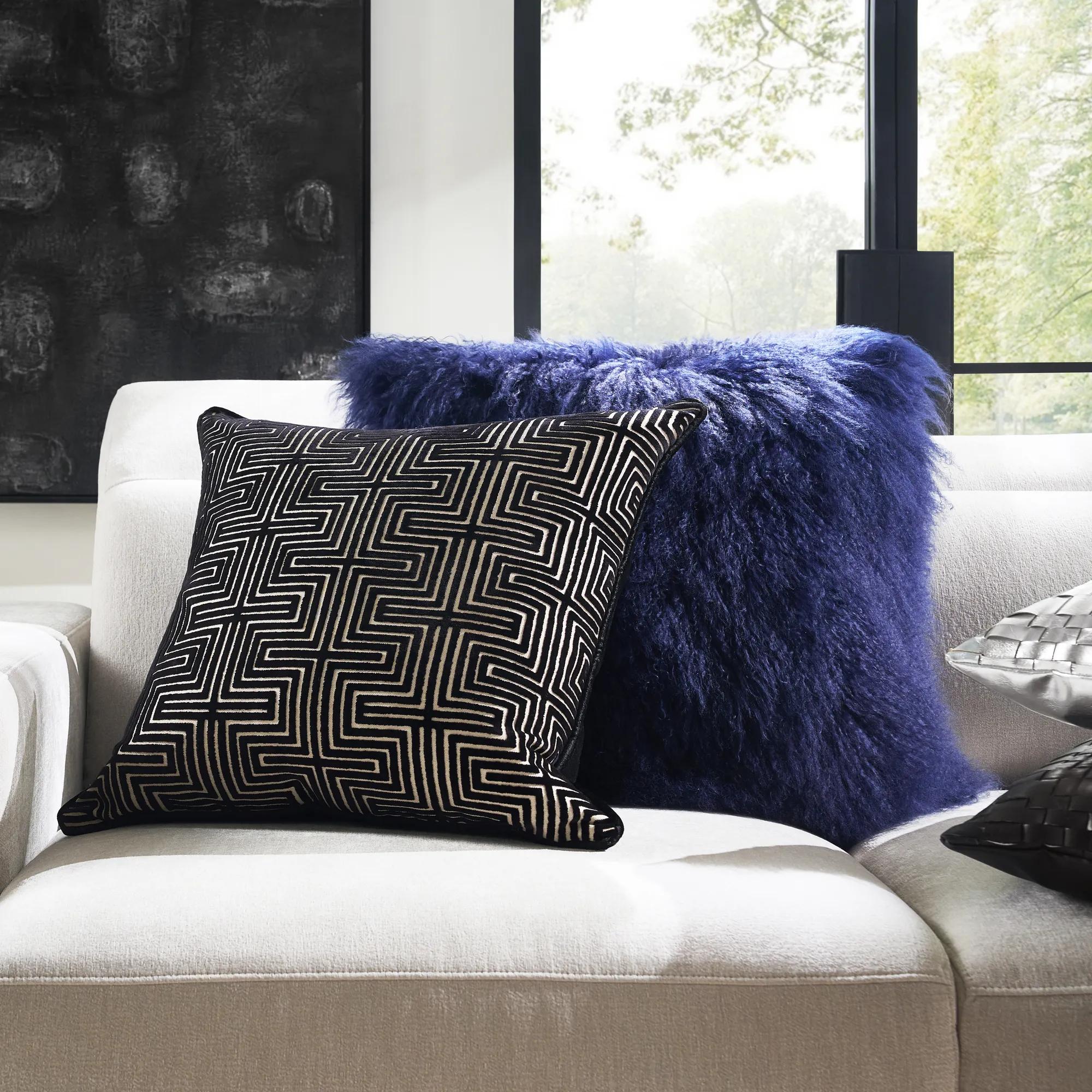 Lenox Pillow 22" - Black$89
A sophisticated black pillow featuring a geometric cut velvet pattern and a removable feather-down insert.
Add To Cart -
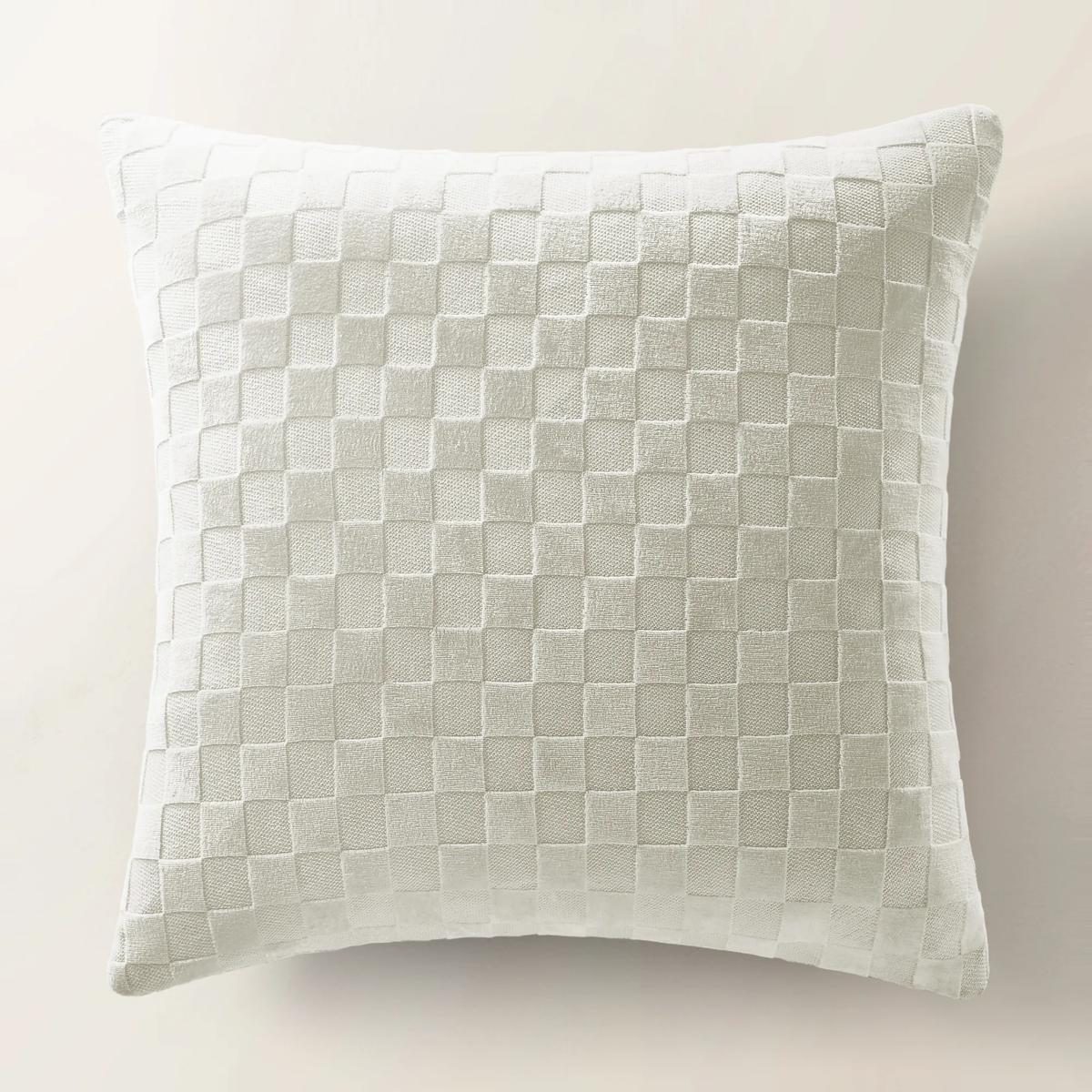
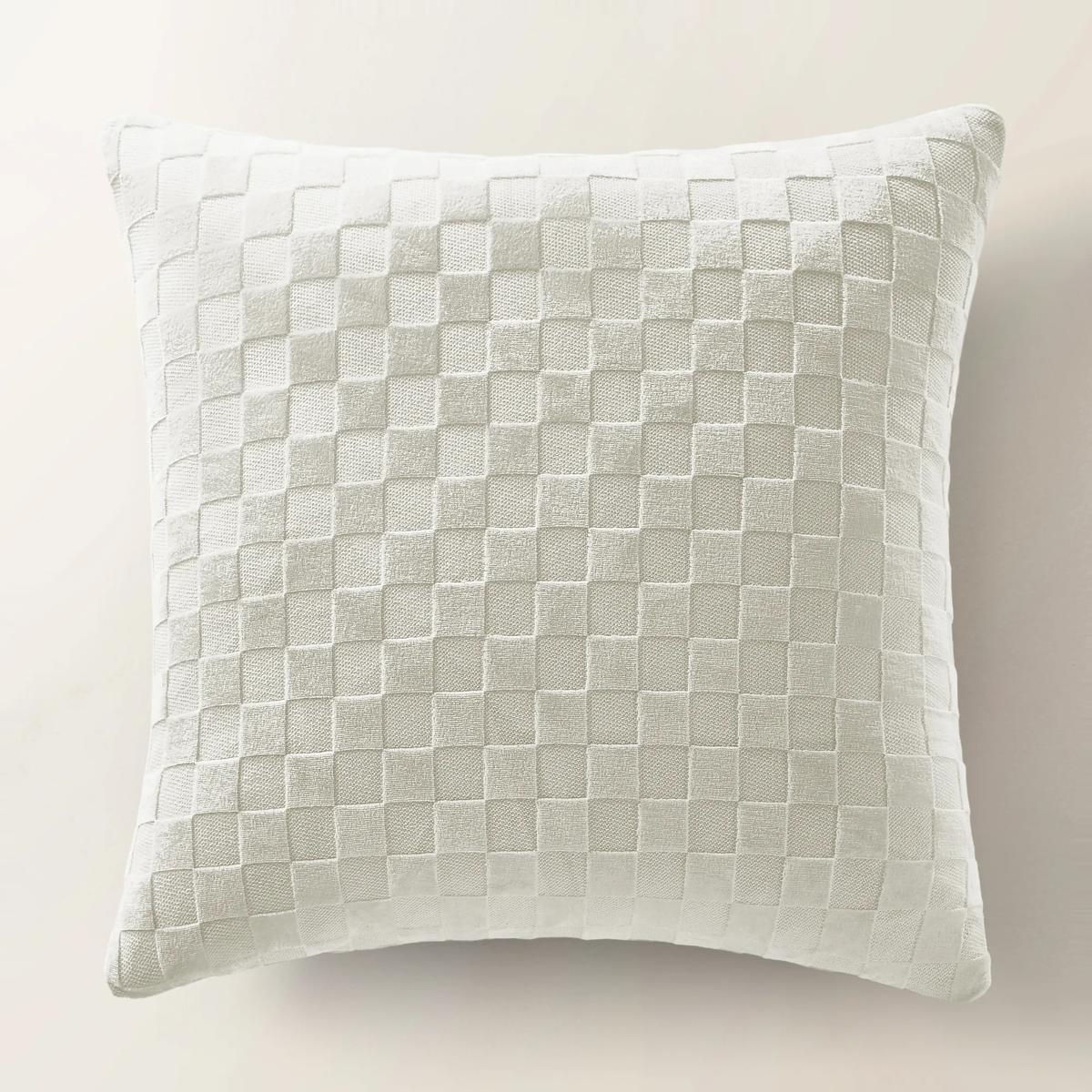 Checker White Cut Velvet Pillow 22" x 22"$79
A crisp white velvet pillow featuring a modern checker pattern and a removable feather-down insert.
Add To Cart -
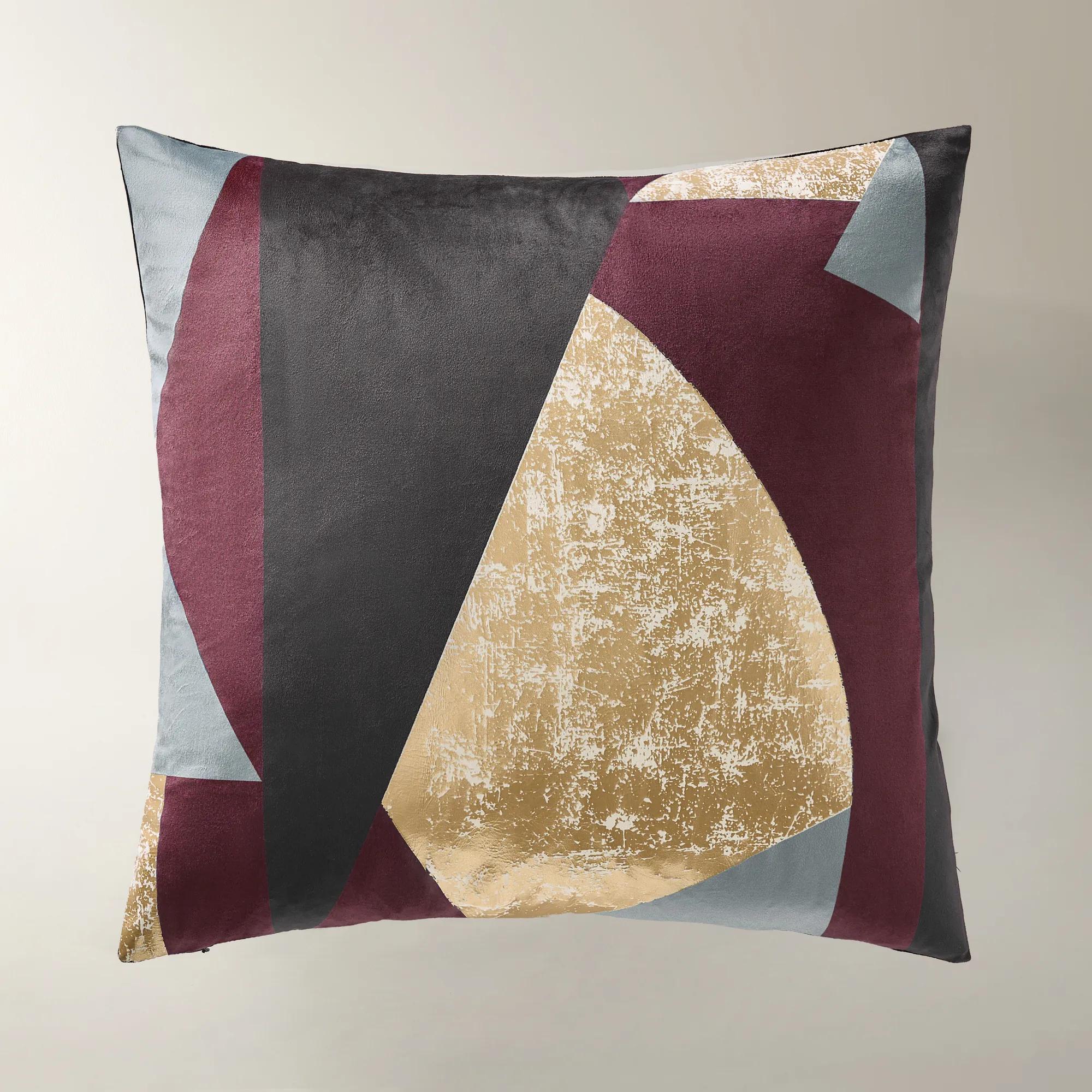 Niko Fig/Black/Gold Abstract Metallic Pillow 22" x 22"$89
A bold velvet pillow featuring abstract fig, black, and gold color blocking with metallic accents and feather insert.
Add To Cart -
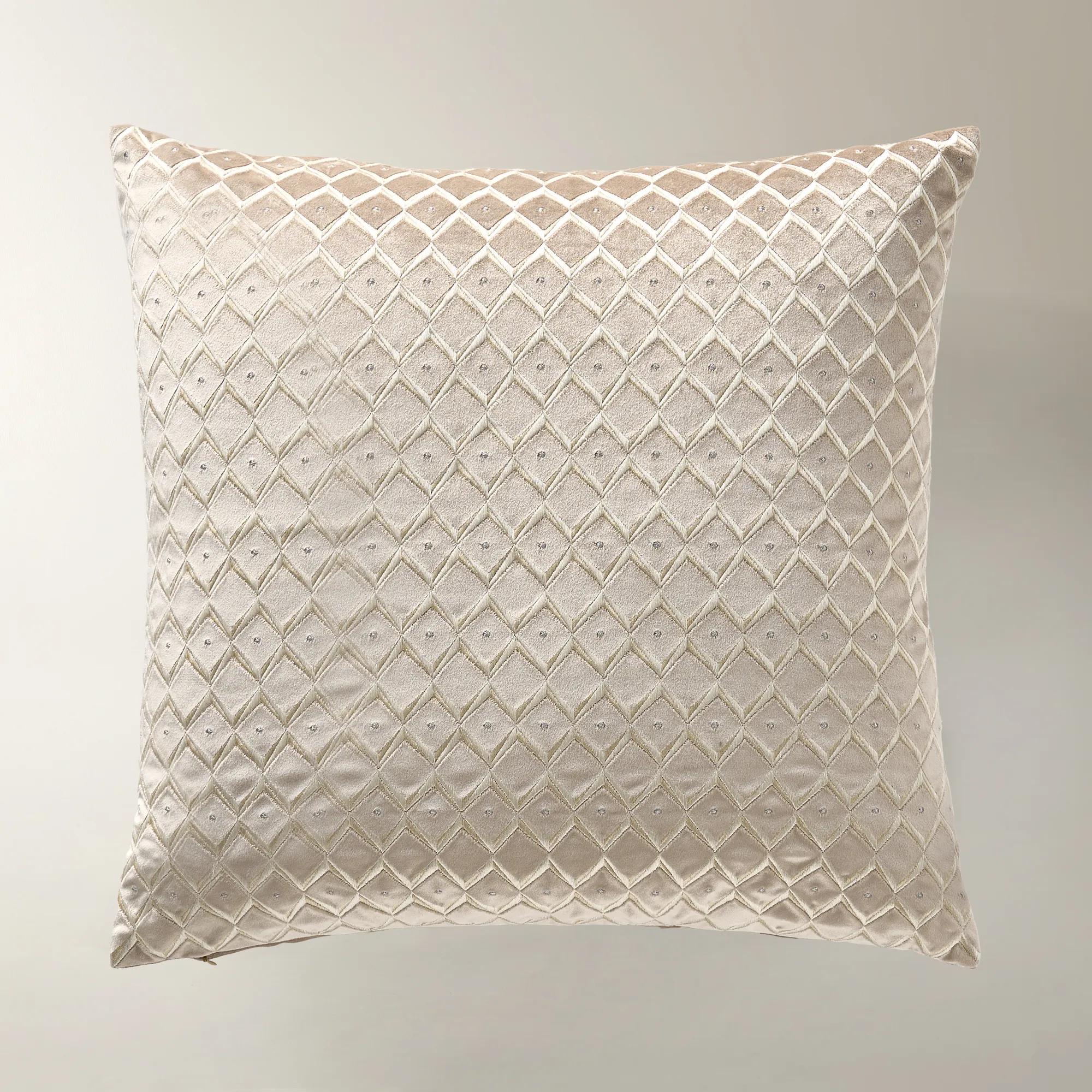
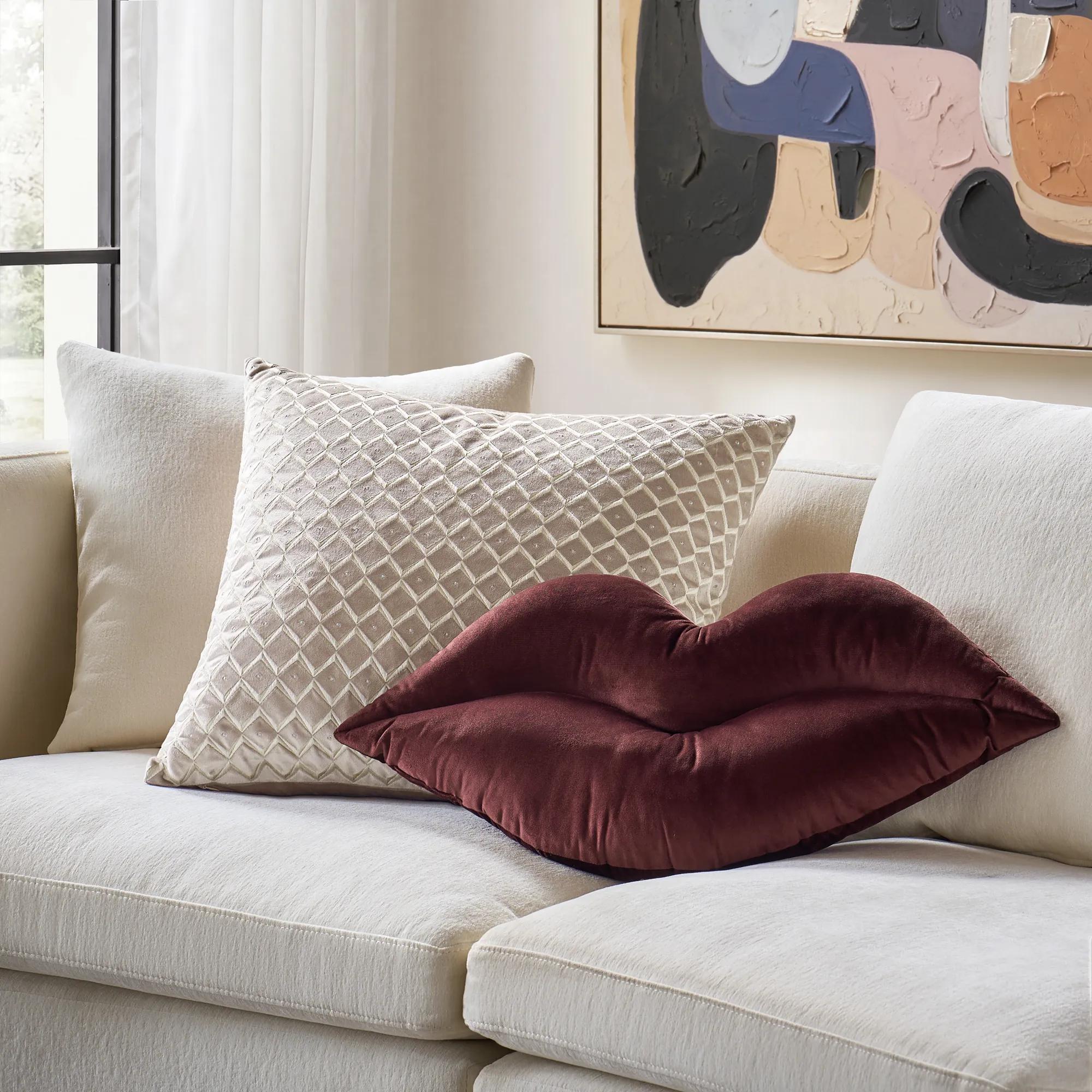 Boucard Diamond Check Embroidered Taupe Pillow 22" x 22"$119
A taupe velvet pillow featuring champagne and ivory metallic diamond embroidery with a feather-down insert.
Add To Cart -
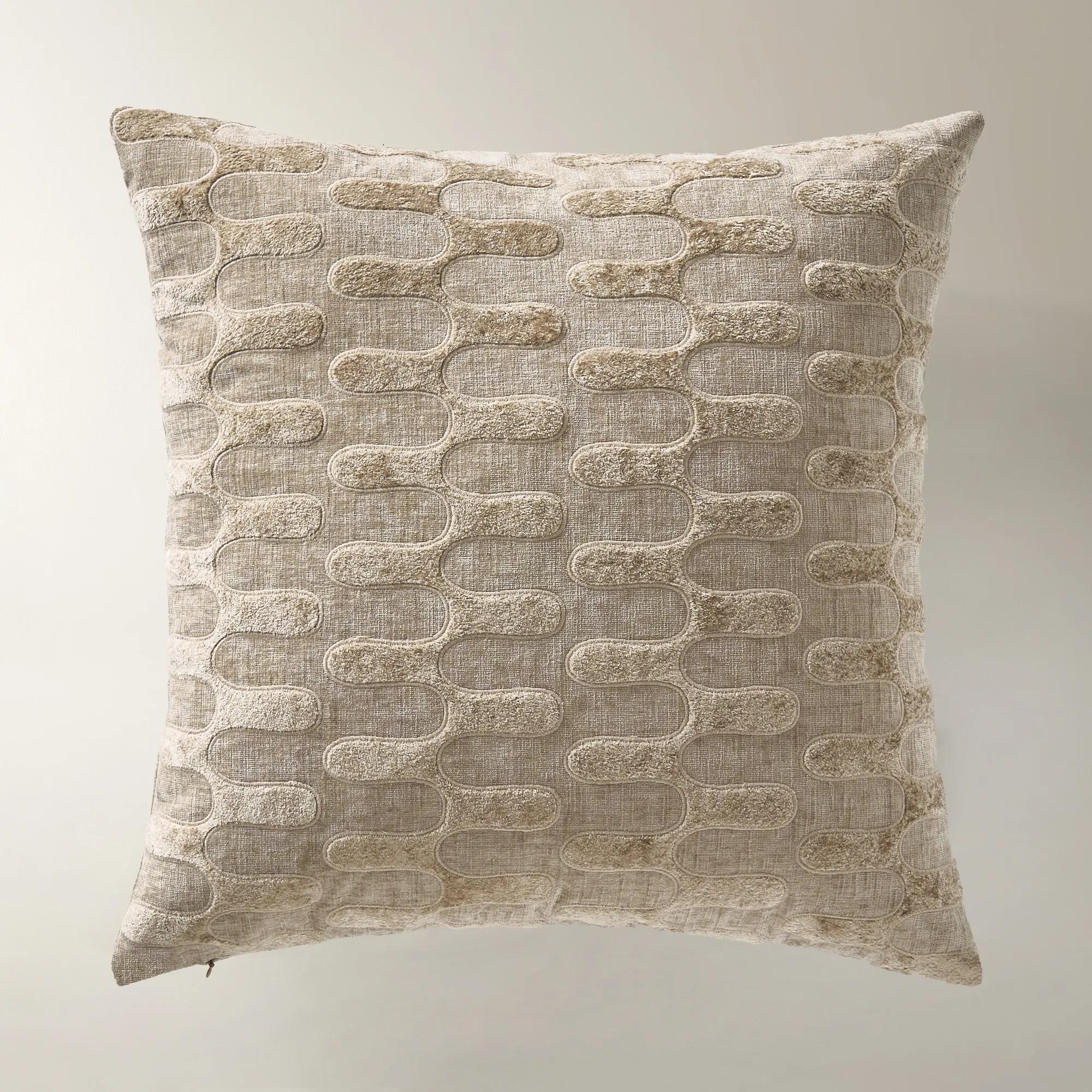 Reis Taupe Geometric Chenille Applique Pillow 22" x 22"$99
A taupe velvet chenille pillow featuring a raised geometric applique and a plush feather-down insert.
Add To Cart -
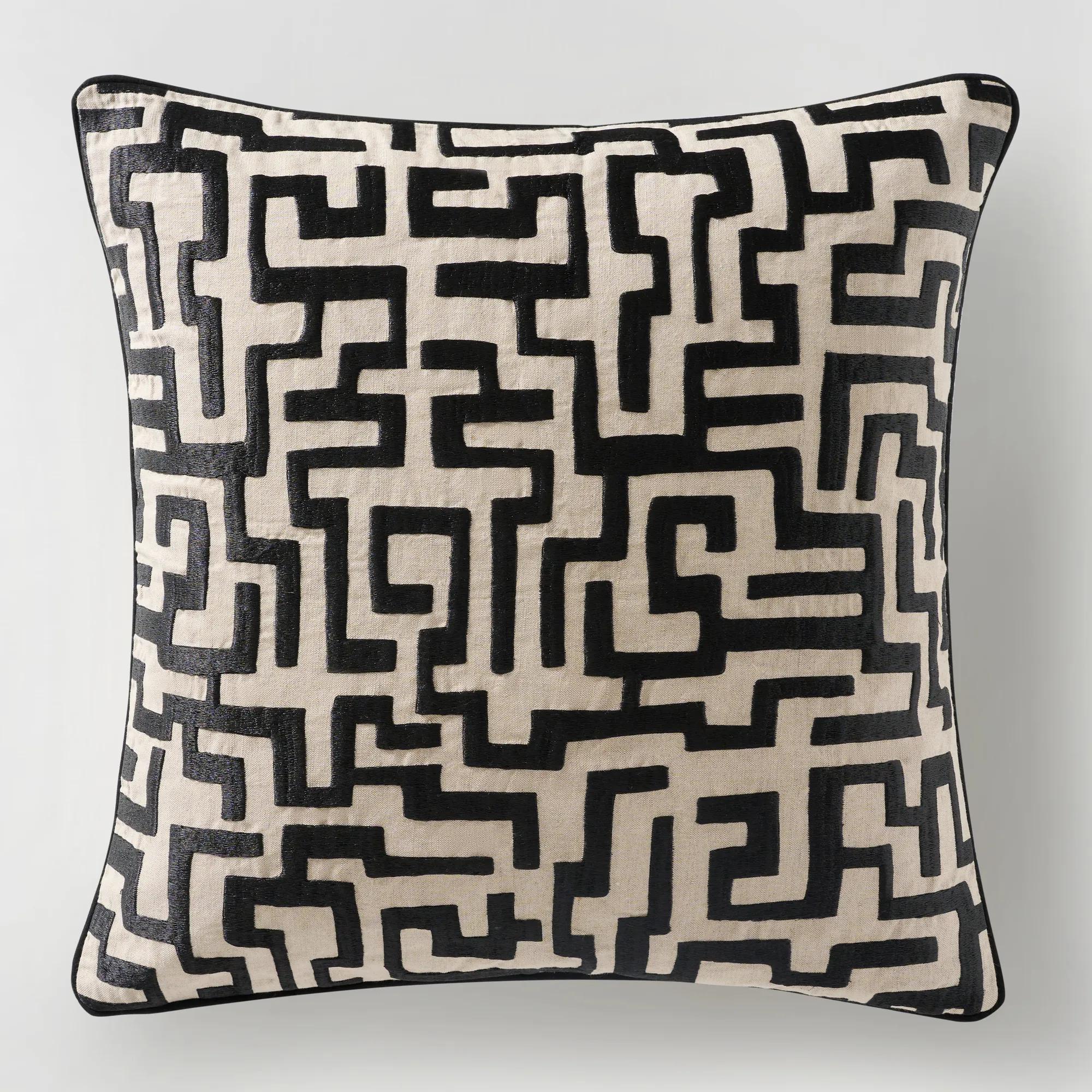 Mod Maze Pillow 22" - Black$149
A contemporary pillow featuring a black metallic geometric embroidery on a cotton-linen blend with piped edges.
Add To Cart -
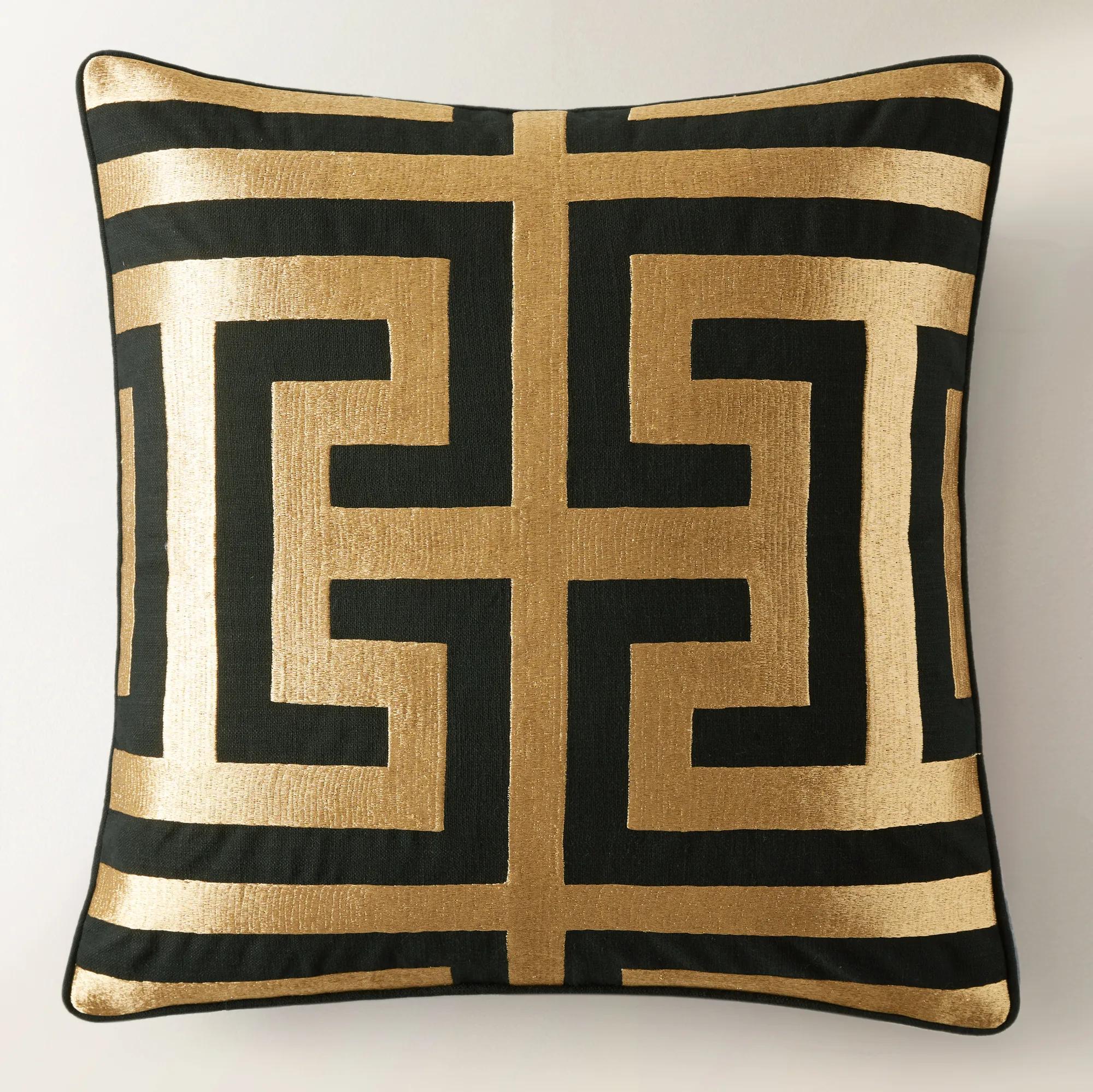
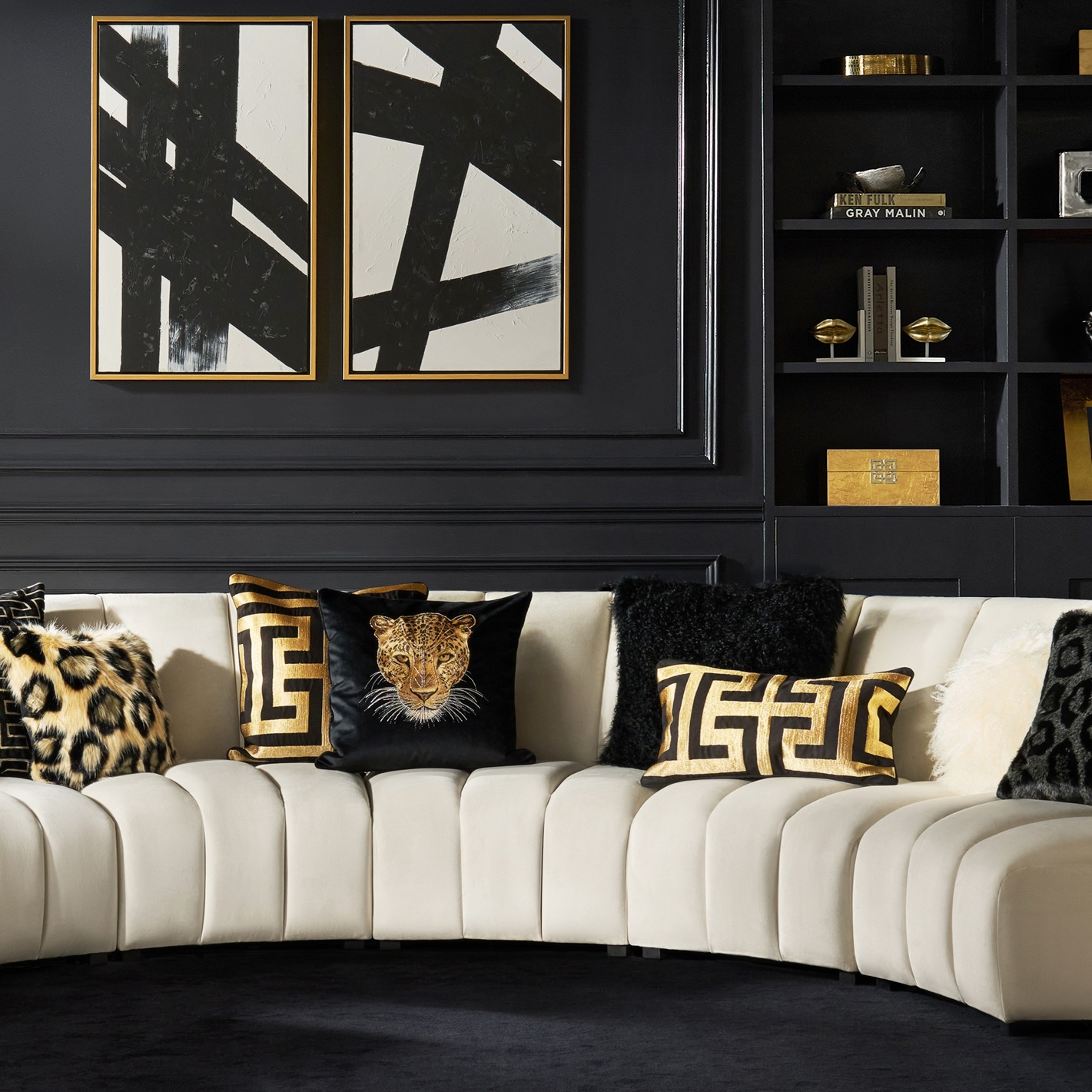 Cace Embroidered Gold/Black Linen Pillow 22" x 22"$129
A cotton-linen pillow in black and gold with metallic Greek key embroidery and feather-down insert.
Add To Cart

Contemporary Geometric Pillows
A symphony of angles, color, and artistry—contemporary geometric pillows are the ultimate exclamation point for the modern interior. Each piece transforms your sofa or bed into a gallery-worthy showcase, layering bold patterns and sculptural silhouettes that command attention. Whether you gravitate toward sharp lines or mesmerizing curves, these pillows infuse every corner with a sense of movement and expressive energy. Elevate your space with accents that blur the line between comfort and couture—because in a home designed for drama, every detail deserves to be a masterpiece.
Contemporary geometric pillows bring modern structure, dimensional texture, and expressive pattern to sofas, accent chairs, and beds. Defined by shapes such as interlocking squares, diamonds, chevrons, circles, and angular lines, these decorative accents create a sense of rhythm without requiring a room full of pattern. Their appeal lies in the interplay between precision and softness: a crisp lattice can sharpen the silhouette of a sumptuous sofa, while sweeping arcs can soften the presence of a glass coffee table or an angular bed frame. Geometry has a long history in decorative design, from architectural grids to intricate woven motifs; contemporary interpretations play with oversized proportions, asymmetry, interrupted lines, and unexpected color combinations. The result can feel tailored and quiet or lavishly graphic, depending on the scale and contrast of the design. Black and ivory geometric throw pillows create a striking focal point against pale upholstery, while tonal patterns in cream, taupe, or charcoal reveal their character more gradually through texture and changing light. Jewel tones introduce depth, and metallic threads or lustrous accents can echo the glow of nearby lighting and decorative objects. Pattern scale is especially important to the overall impression. A broad, open motif reads clearly across a spacious living room, whereas smaller repeated shapes reward a closer look on a bedroom chair or intimate seating arrangement. For a room with expressive artwork, geometric accent pillows can draw out a single color or repeat an architectural line rather than compete for attention. On an otherwise restrained sofa, a more assertive pattern gives the seating area a deliberate visual signature. These are accents for interiors that value personality as much as polish, whether the setting is a formal living room arranged for conversation, a richly layered bedroom, or a reading corner with one beautifully proportioned chair. Their compact scale makes them particularly effective in apartments and smaller rooms, where a concentrated gesture of color and pattern can establish a distinct mood.
The fabric and construction of contemporary geometric pillows shape both their appearance and their everyday feel. Cotton can provide a soft, matte foundation that lets a printed motif remain the focus, while linen and linen blends lend subtle irregularity to precise lines. Velvet brings a richer dimension: its pile catches light differently across the surface, giving even a restrained geometric design a sense of movement. Woven patterns integrate the motif into the fabric, embroidery adds raised detail, and appliqué can create sculptural contrast between adjoining shapes. Each technique has a different presence at close range, especially when several textures share a sofa. Metallic embellishments and beaded details are more decorative in character and may be better suited to lower-contact settings than to a favorite lounging spot. For seating used daily, a smooth surface, secure stitching, and neatly finished seams are practical considerations that preserve the polished effect. Pillow size matters just as much as material. An 18-by-18-inch square offers a compact accent for many chairs and sofas, while a 20-by-20-inch or 22-by-22-inch pillow creates a fuller impression on deeper seating. These dimensions are useful reference points rather than universal rules; seat depth, arm height, and the space needed to sit comfortably should guide the fit. A rectangular lumbar pillow, often around 14 by 20 inches, introduces a contrasting silhouette and can sit neatly in front of larger squares or across an accent chair. Decorative lumbar shapes may offer light cushioning, but they should not be confused with specialized ergonomic support. Inserts also influence the finish. Feather-and-down blends tend to feel yielding and require regular fluffing, while synthetic fills vary in firmness and can provide an alternative for those avoiding feathers. A cover should be paired with an insert according to its construction and manufacturer recommendations; excessive stuffing can distort the motif or strain the closure. Product details should clarify whether a pillow includes an insert or is a cover only, as well as whether its pattern appears on one side or both.
A layered arrangement gives geometric decorative pillows room to express their character without making the furniture feel crowded. On a generous sofa, larger squares at the ends can frame a smaller rectangular accent, leaving the center open for comfortable seating. A compact settee may need only two contrasting pillows to feel complete. On a bed, geometric designs introduce definition in front of solid shams, especially when their colors connect with a throw, upholstered headboard, or nearby artwork. Repeating one hue across different patterns creates continuity, while varying the size of the motifs keeps the composition from feeling rigid. A fine grid beside a broad diamond design usually offers more visual distinction than two equally dense patterns. Solid velvet, softly textured linen, or a nubby woven companion gives the eye a place to rest between graphic elements. For an arrangement that contrasts measured lines with freer forms, Contemporary Abstract Pillows introduce a complementary direction, with organic movement that can balance the precision of geometric motifs. During the cooler months, deeper colors and plush textures add warmth without tying the room to a single occasion. Long-term enjoyment depends on matching the level of detail to the way the space is used. Homes with children or pets may benefit from removable covers and fabrics with clearly stated care instructions, while elaborate embroidery deserves placement away from claws, sharp accessories, and frequent friction. A removable cover is not necessarily machine washable; the care label should determine whether spot cleaning, laundering, or professional cleaning is appropriate. Blotting spills promptly rather than rubbing helps avoid working them deeper into the fabric, and any cleaning method should be tested as directed. Regular fluffing and rotation can help distribute wear, while limiting prolonged direct sunlight may reduce fading. Unless specifically labeled for outdoor use, decorative pillows belong indoors, protected from moisture and weather. They also make thoughtful housewarming or wedding gifts when chosen around the recipient’s palette, seating proportions, and care preferences—a personal finishing touch that acknowledges how someone wants their home to feel.
FAQs
Contemporary geometric pillows are exceptionally versatile, making them a striking addition to a range of design styles. They effortlessly enhance modern and mid-century interiors but also bring a refreshing edge to eclectic, glam, or even transitional spaces. Their bold patterns and dynamic shapes can serve as a focal point in minimalist rooms or layer beautifully with other textures and motifs for a more maximalist look.
Swapping in geometric pillows is a simple yet transformative way to update your décor as the seasons change. During the winter months, opt for rich textures like velvet or metallic finishes to add warmth and depth. Play with color—deep jewel tones or shimmering neutrals can evoke a festive, cozy atmosphere perfect for entertaining or quiet evenings at home.
Geometric pillows make exceptional gifts for anyone who appreciates design and self-expression. Their artistic patterns and luxurious materials suit a variety of tastes, making them ideal for housewarmings, holidays, or special occasions. A thoughtfully chosen geometric pillow can become a cherished accent that adds personality and style to any home.
Absolutely. Geometric pillows are designed to play well with others. Pair them with florals, abstracts, or solid colors to create a layered, curated look. The key is to find a common thread—whether it’s a shared color palette or a complementary scale of patterns—to ensure harmony and visual interest.
Contemporary geometric pillows often feature sumptuous materials such as velvet, jacquard, linen, or metallic-threaded fabrics. These textiles not only showcase the intricate patterns but also add tactile richness and a hint of luxury to your space. The choice of material can influence the overall mood, from plush and cozy to sleek and sophisticated.
.jpg?w=3234&h=3234)