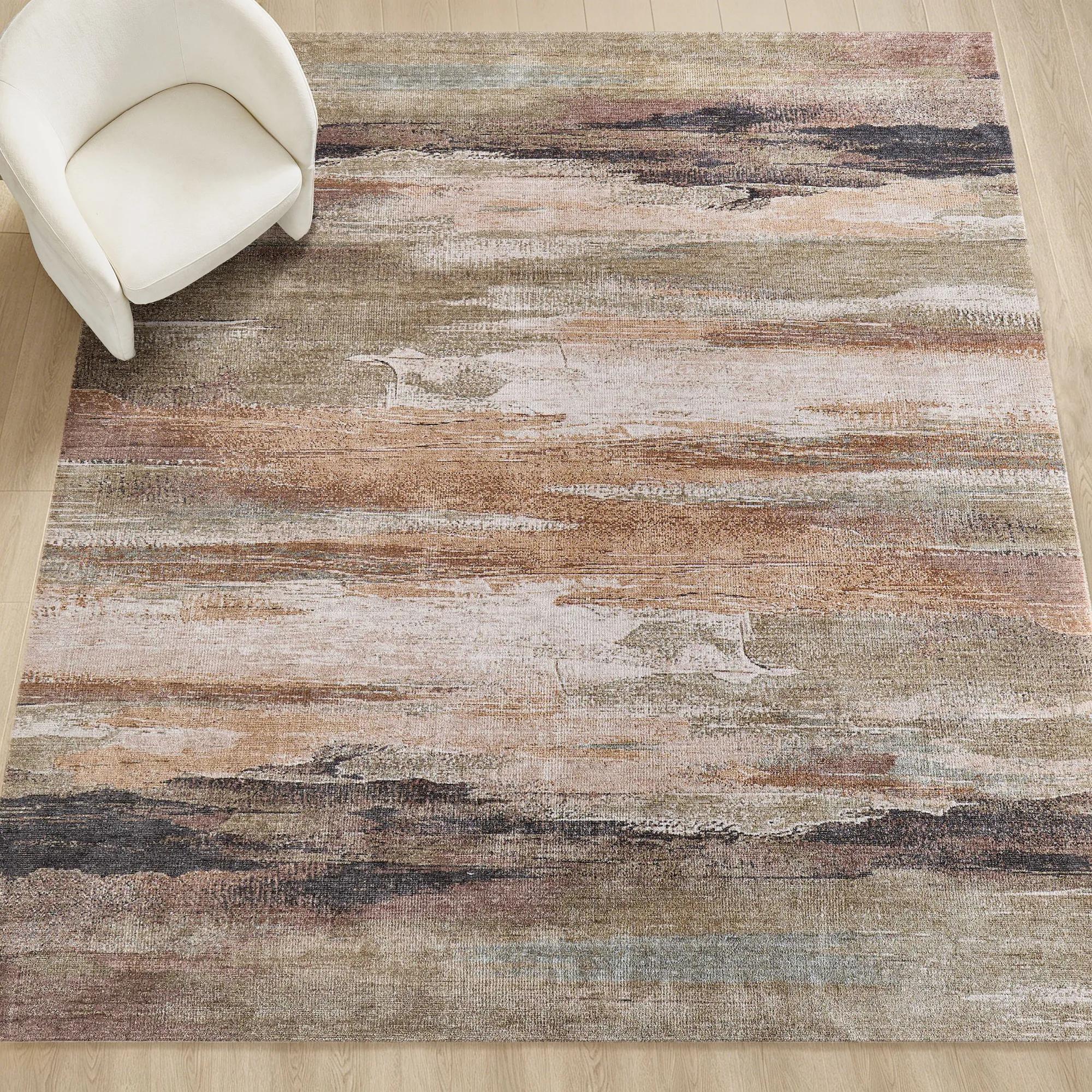
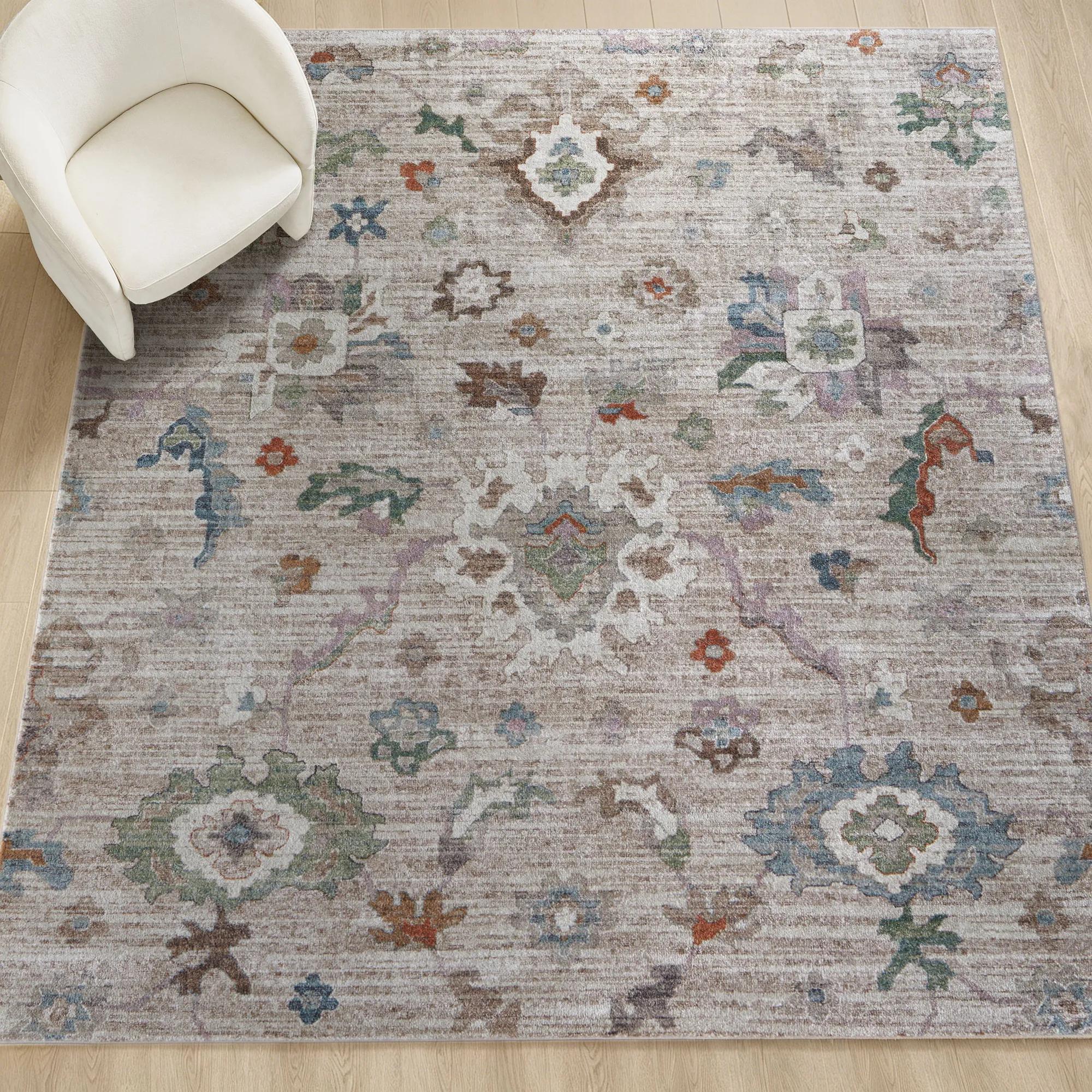
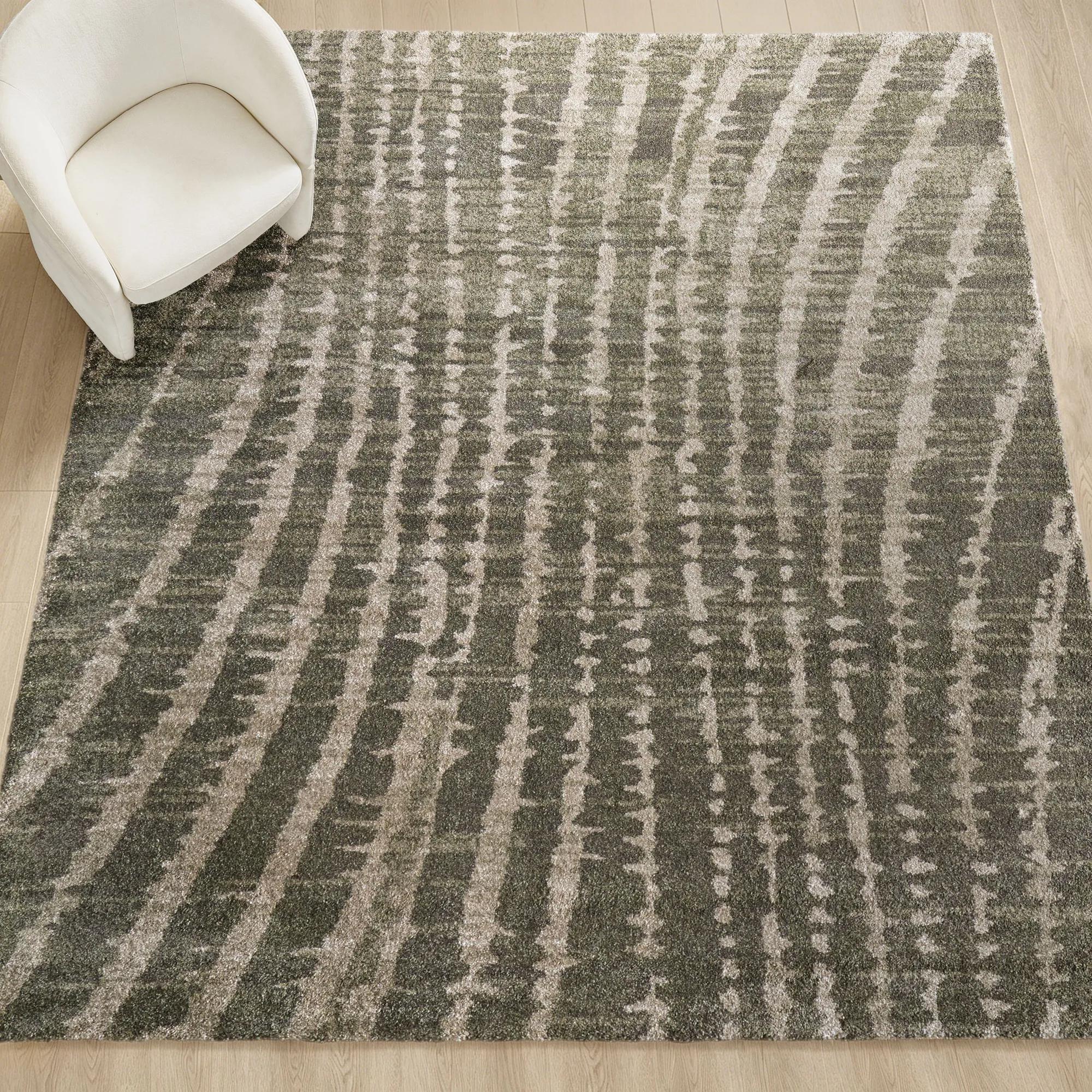
Contemporary Pattern Wool Rugs
Contemporary Pattern Wool Rugs
-
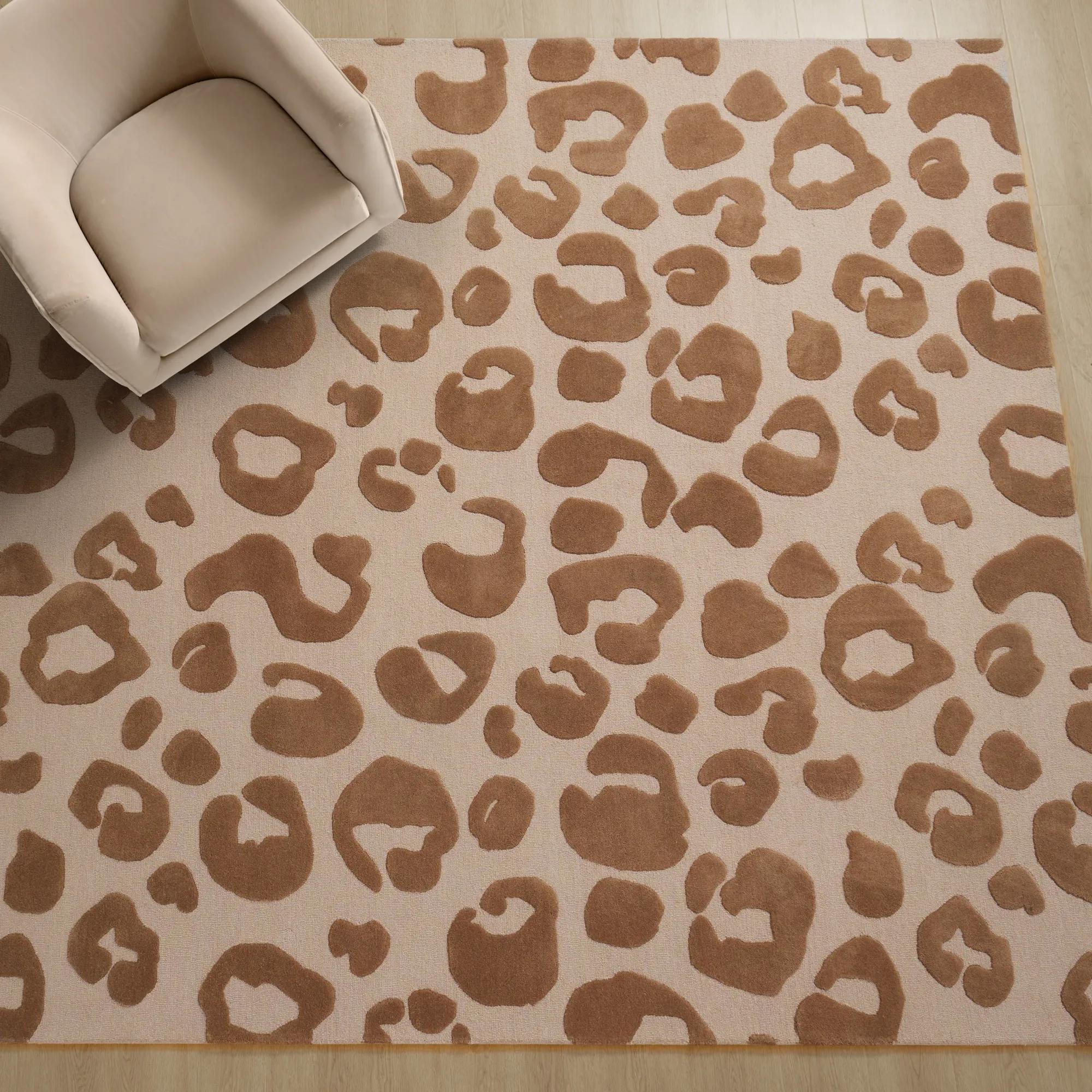 Pounce Hand-Tufted Tawny Brown Leopard Print Wool Rugs$999
A hand-tufted pure wool rug in tawny brown with a bold oversized leopard print and sculptural texture.
Add To Cart -
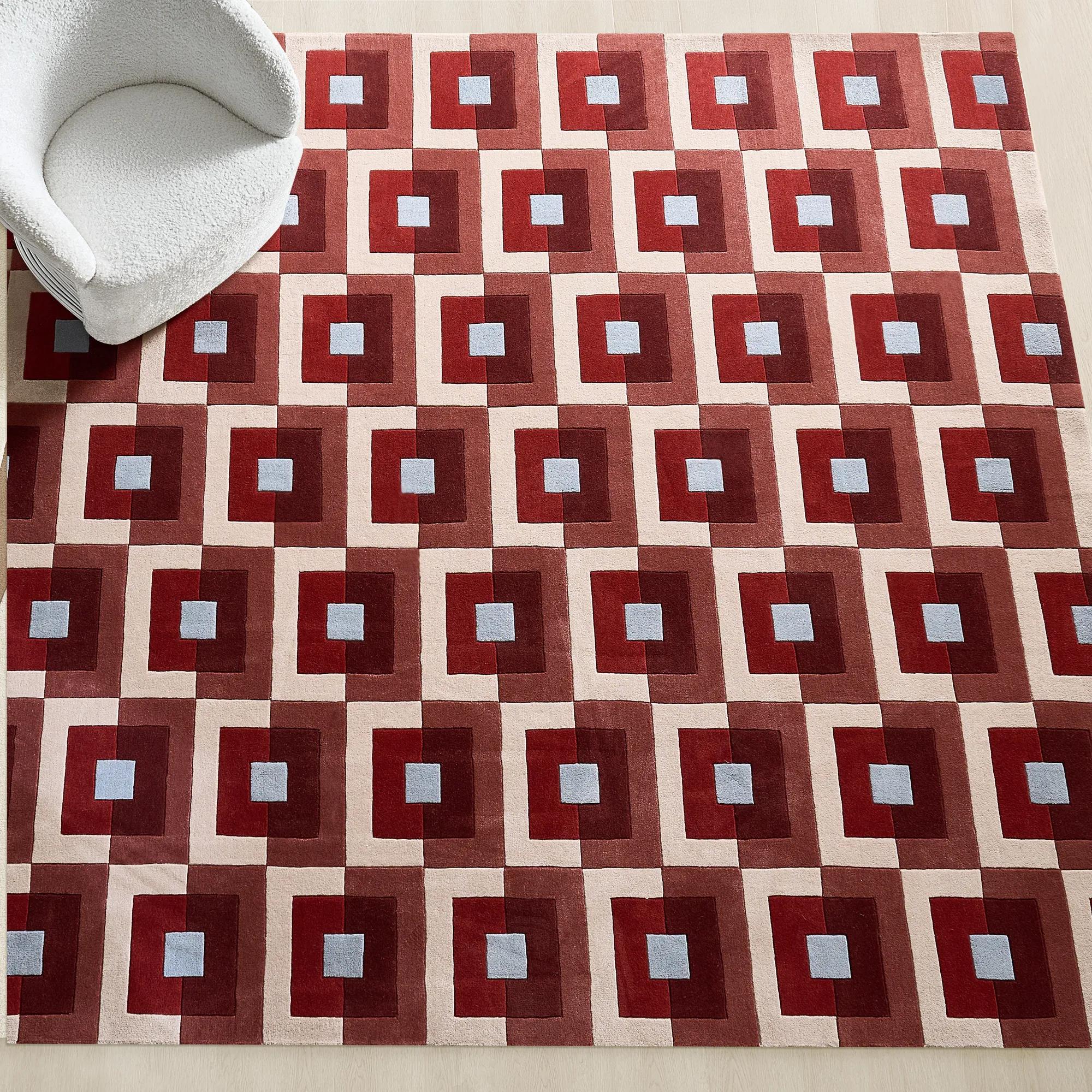
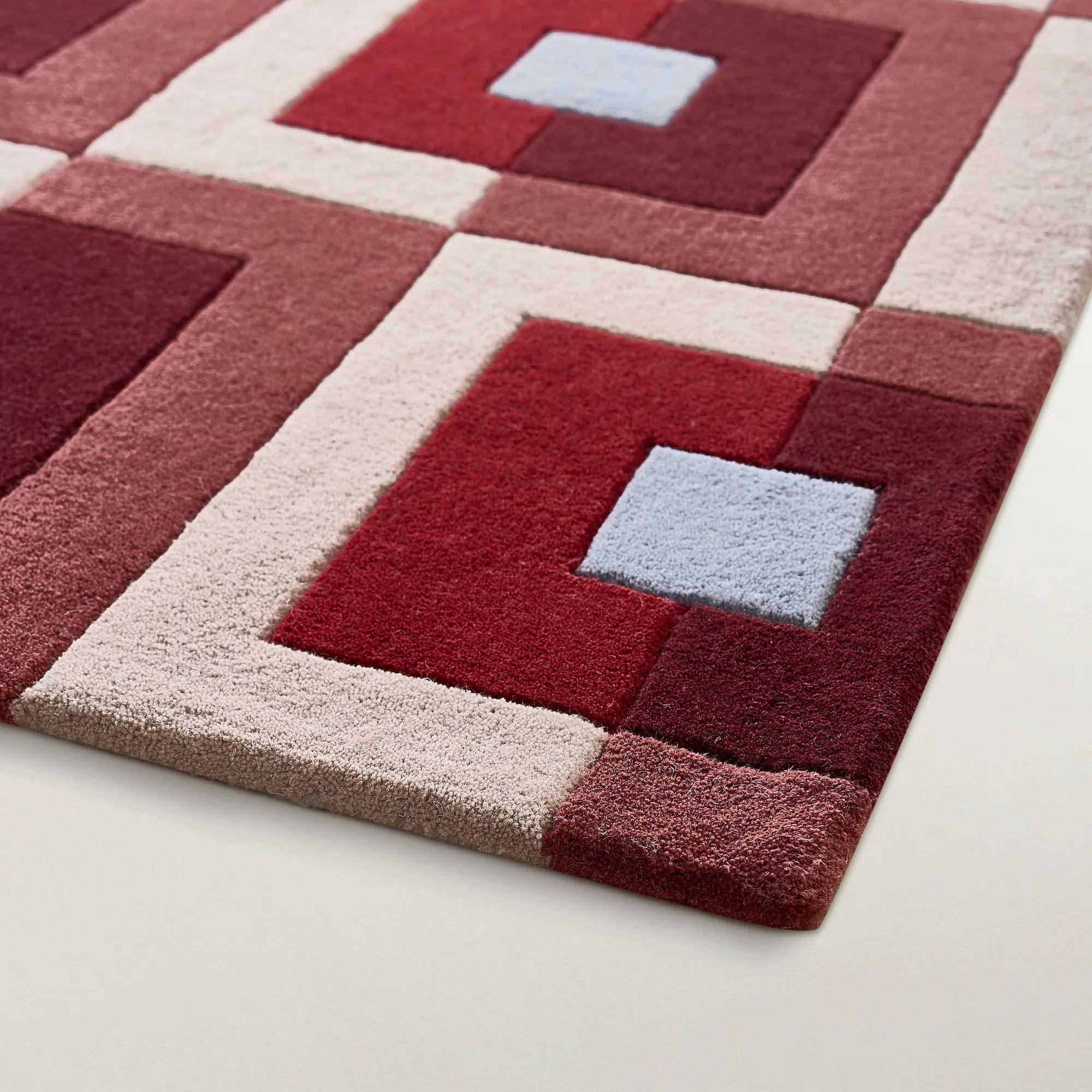 Geo Pop Wool Rug - Oxblood Red/Airy Blue$599
A geometric wool rug combining oxblood red and airy blue for a bold, modern statement.
Add To Cart -
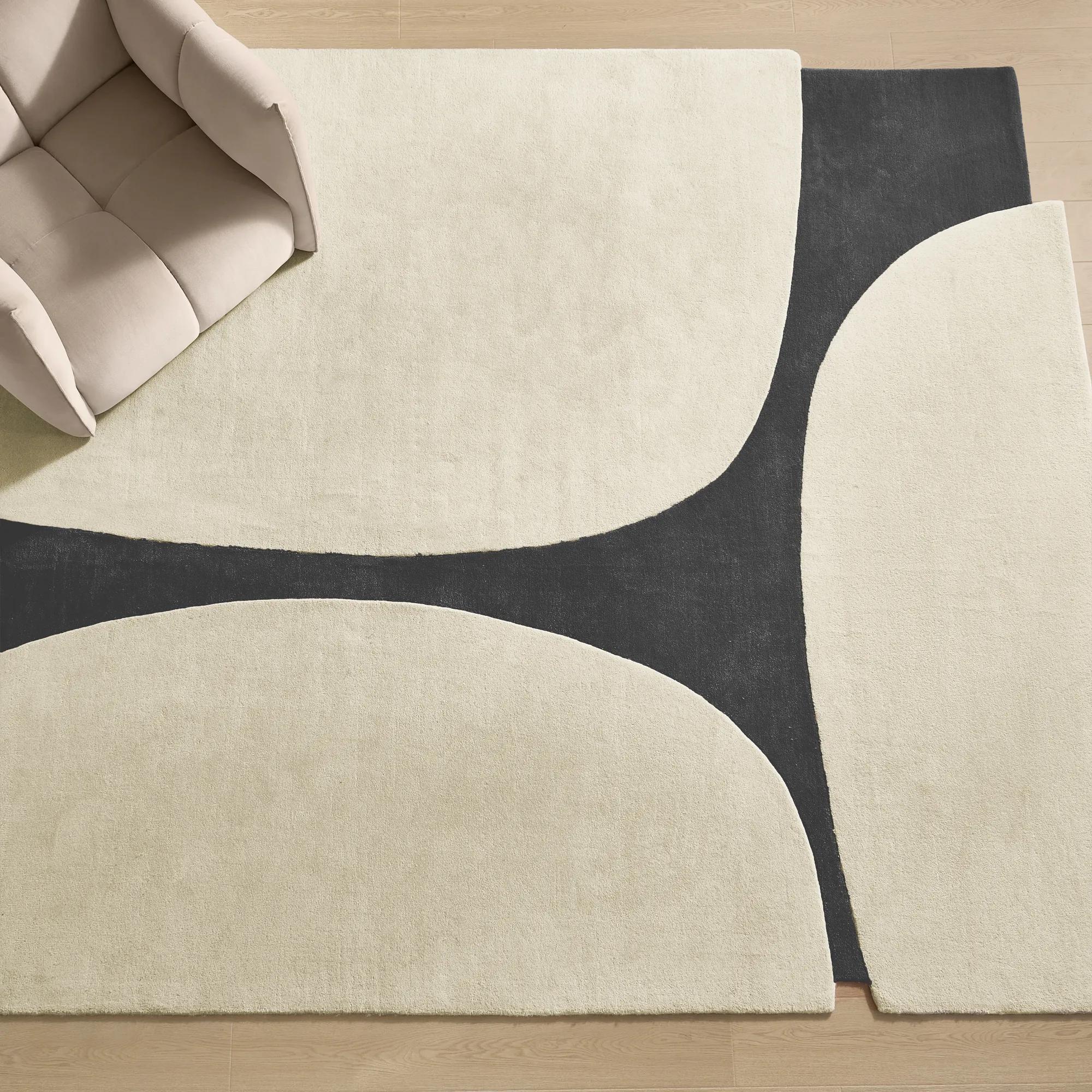 Contour Hand-Tufted Ivory/Charcoal Wool & Viscose Rugs$1499
An artfully shaped hand-tufted rug featuring high-low texture in warm ivory and charcoal wool-viscose blend.
Add To Cart -
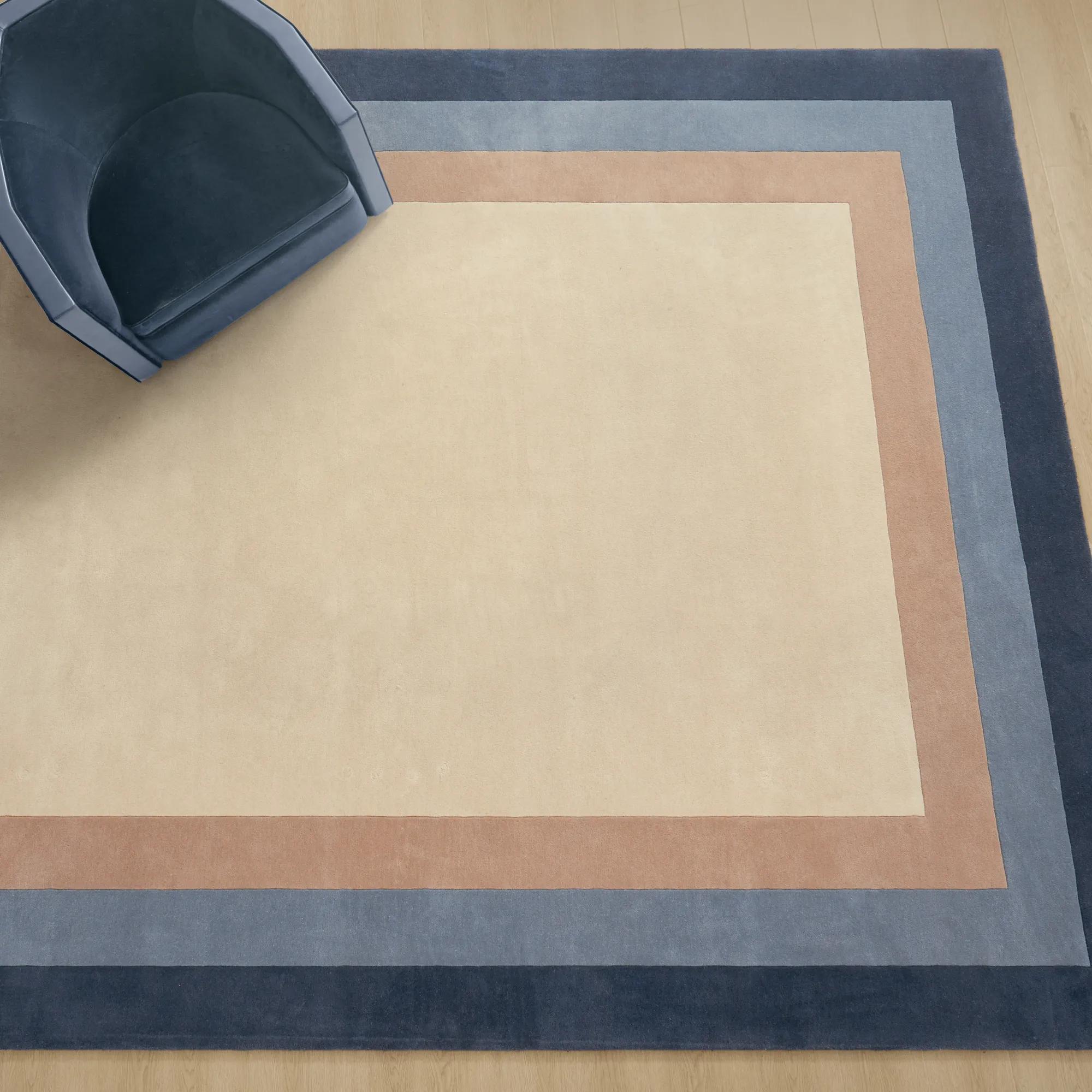 Bastien Hand-Tufted Blue/Taupe/Ivory Wool Border Rugs$1499
A hand-tufted wool rug featuring a bold color-blocked border in dusty blue, taupe, and ivory tones.
Add To Cart -
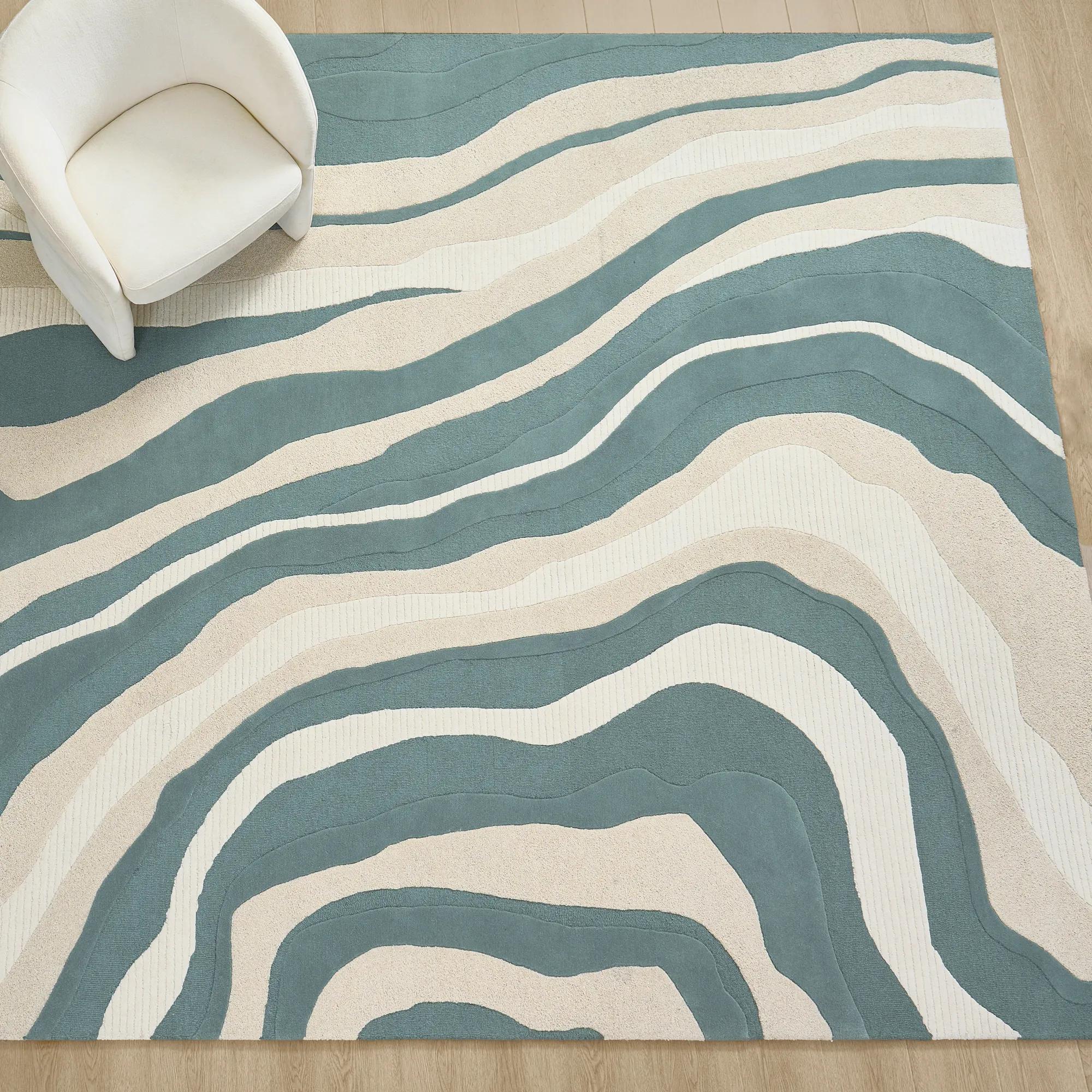 Kadence Hand-Tufted Sage Green/Ivory Wool Rugs$1499
A hand-tufted wool rug in deep sage green and ivory with a sculptural high-low abstract wave pattern.
Add To Cart -
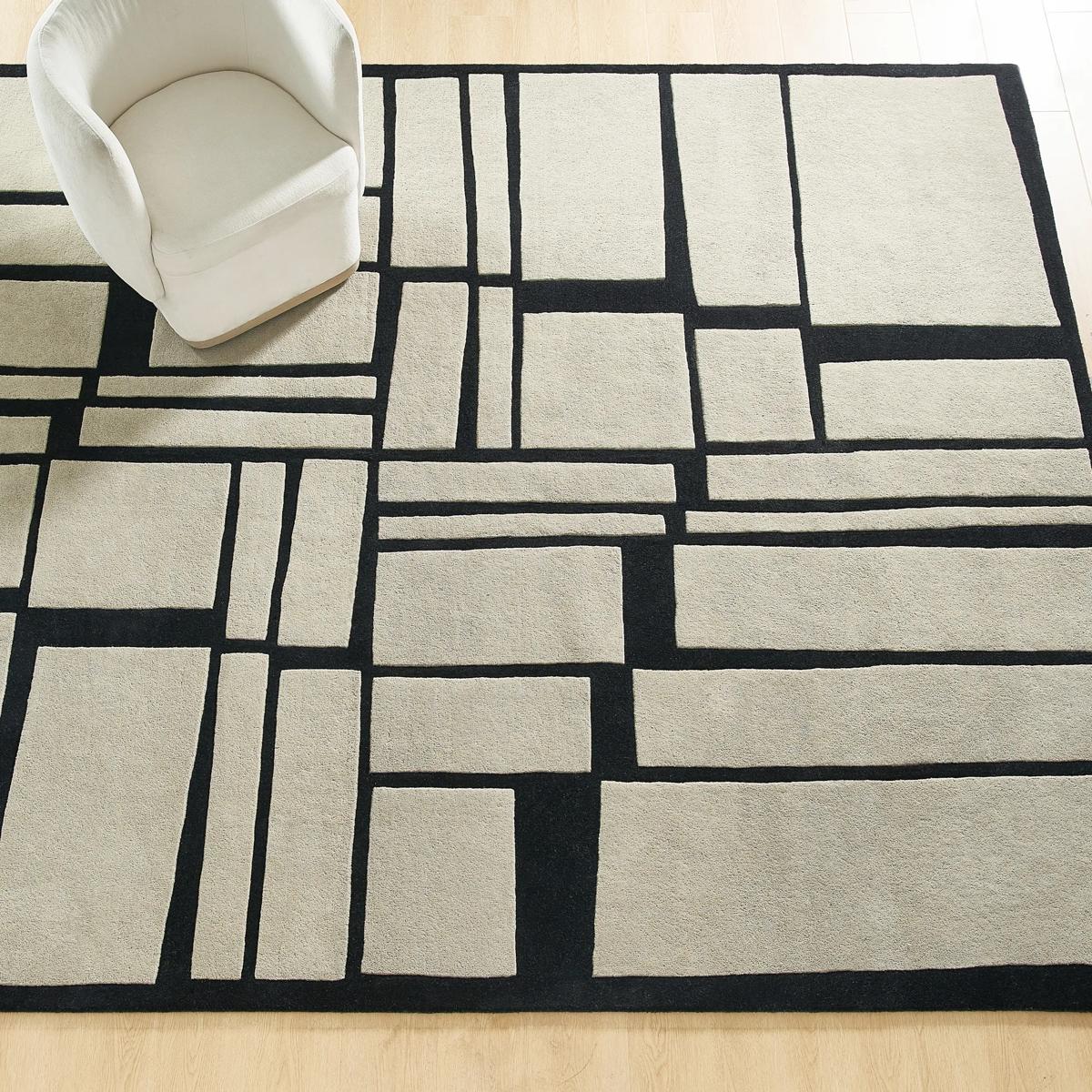 Novak Hand-Tufted Natural/Black Wool Rug$1399
A hand-tufted wool rug featuring a bold black and natural grid design for modern contrast.
Add To Cart -
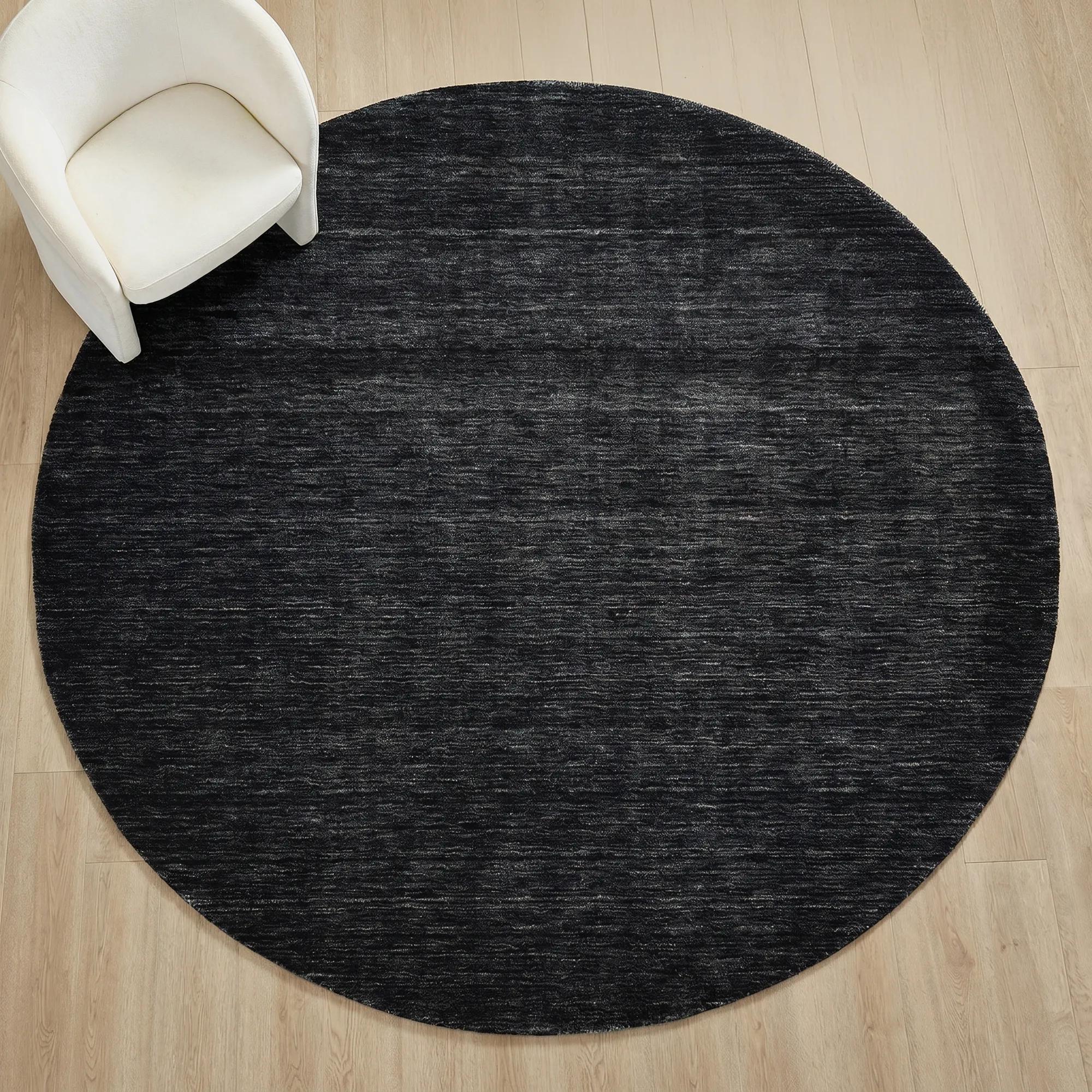 Juni Hand Woven Heathered Black Rug$799
A handwoven round wool rug in heathered black, offering durable texture and moody, contemporary style.
Add To Cart -
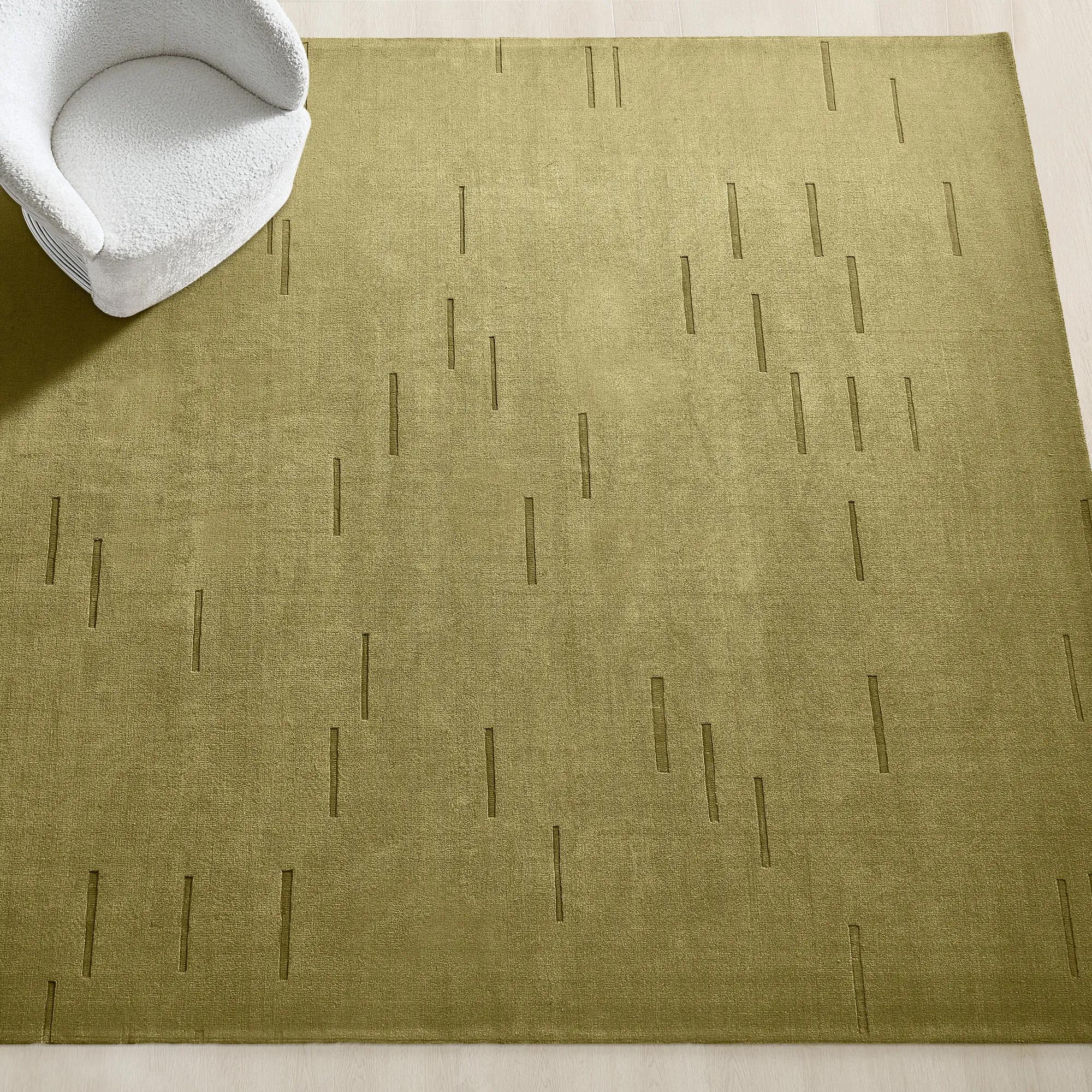
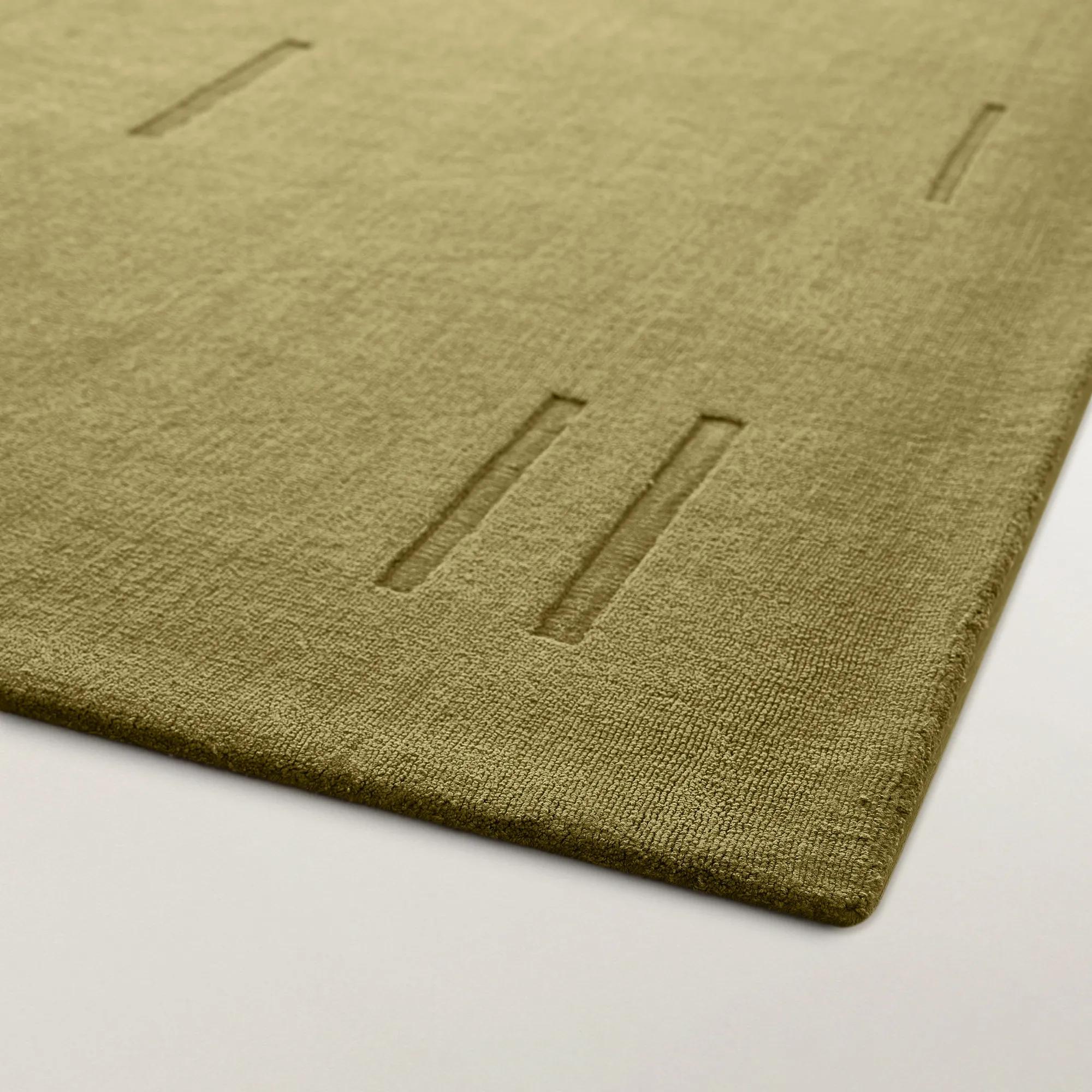 Lamita Muted Olive Green Wool Blend Rug$1299
A muted olive green wool-blend rug adding soft texture and understated warmth to modern interiors.
Add To Cart -
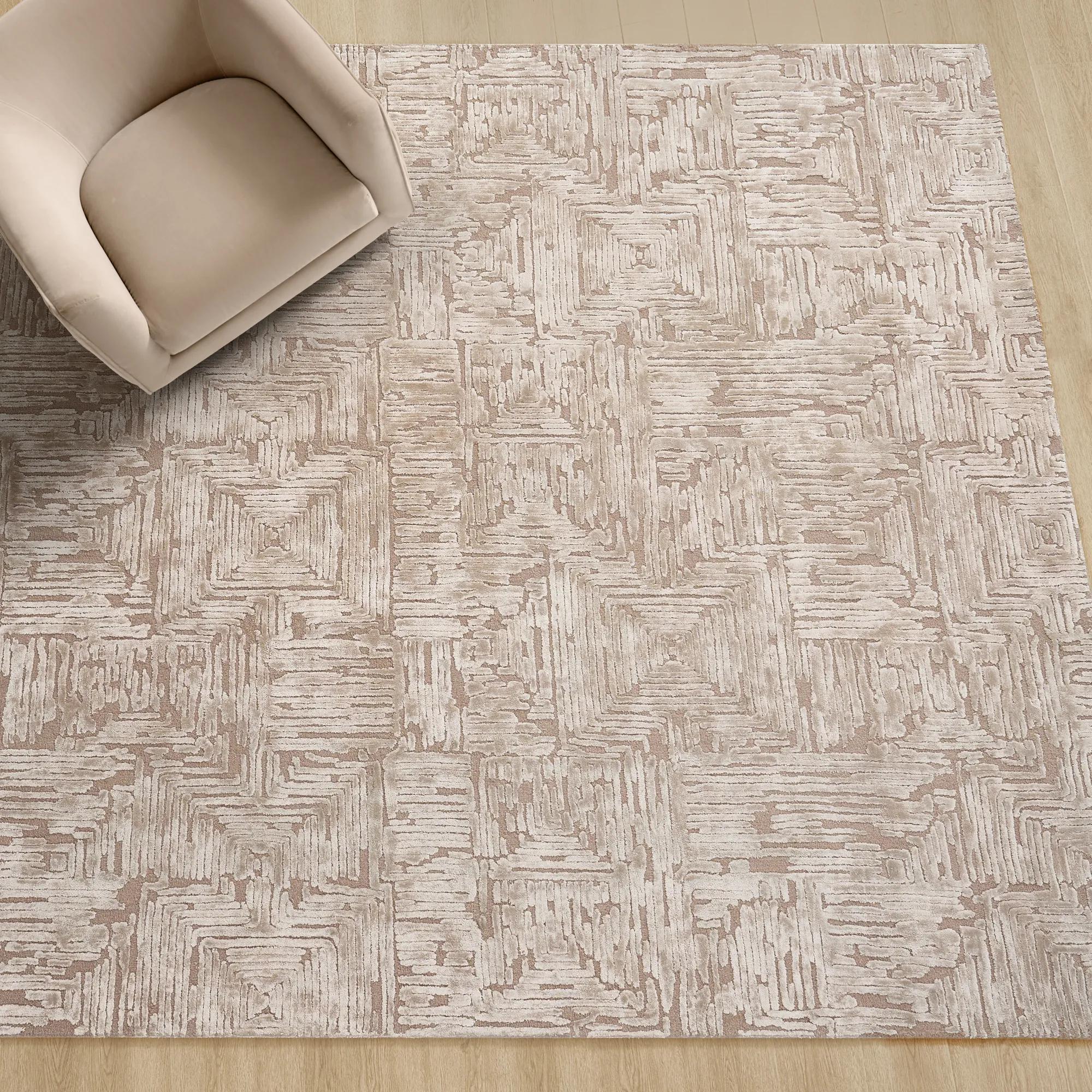
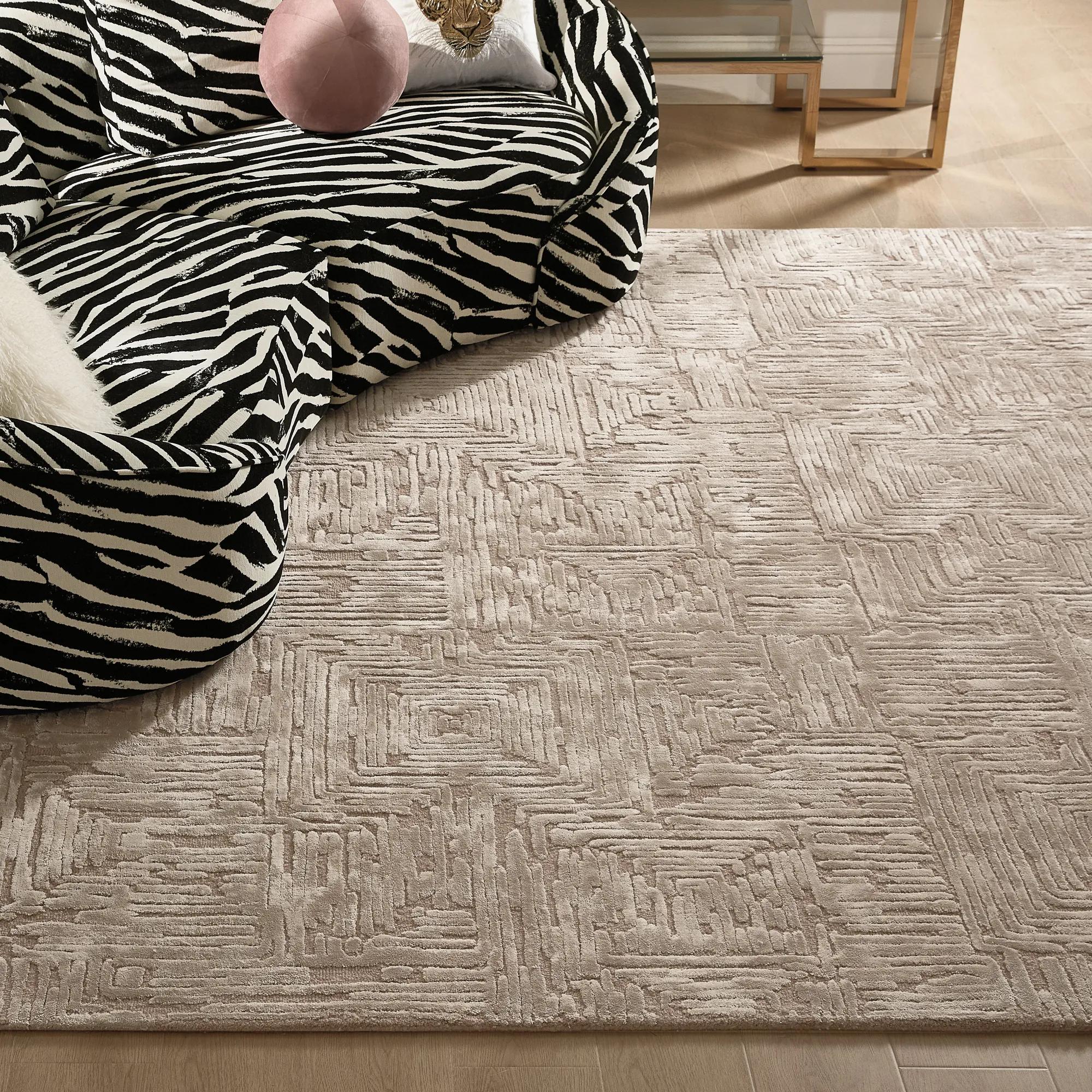 Andra Hand-Tufted Mocha Rose Viscose & Wool Dimensional Rugs$499
A hand-tufted viscose and wool rug in mocha rose, featuring a dimensional high-low geometric pattern.
Add To Cart -
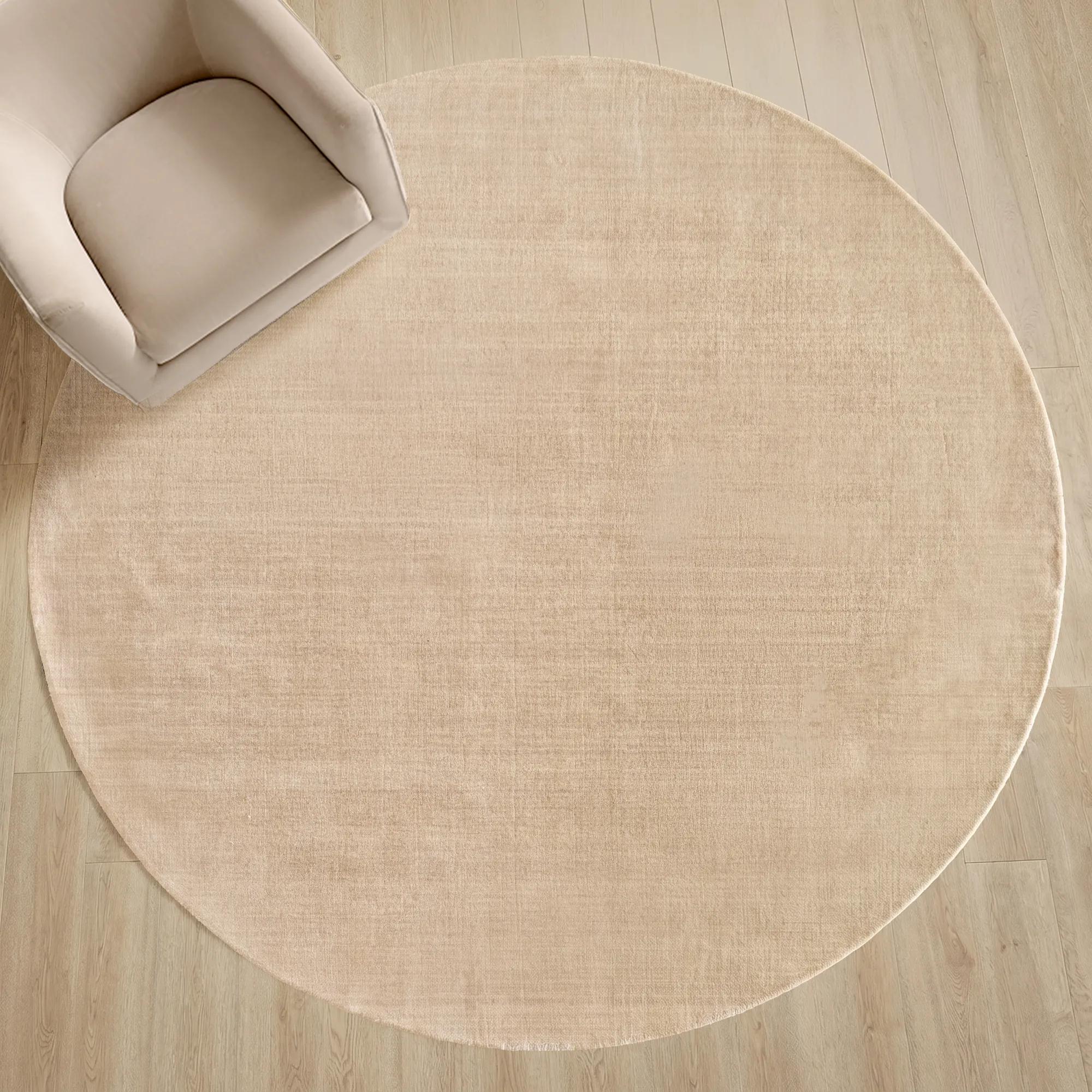 Juni Hand Woven Heathered Warm Beige Round Rug$1399
A handwoven round wool rug in heathered warm beige, offering refined texture and everyday durability.
Add To Cart -
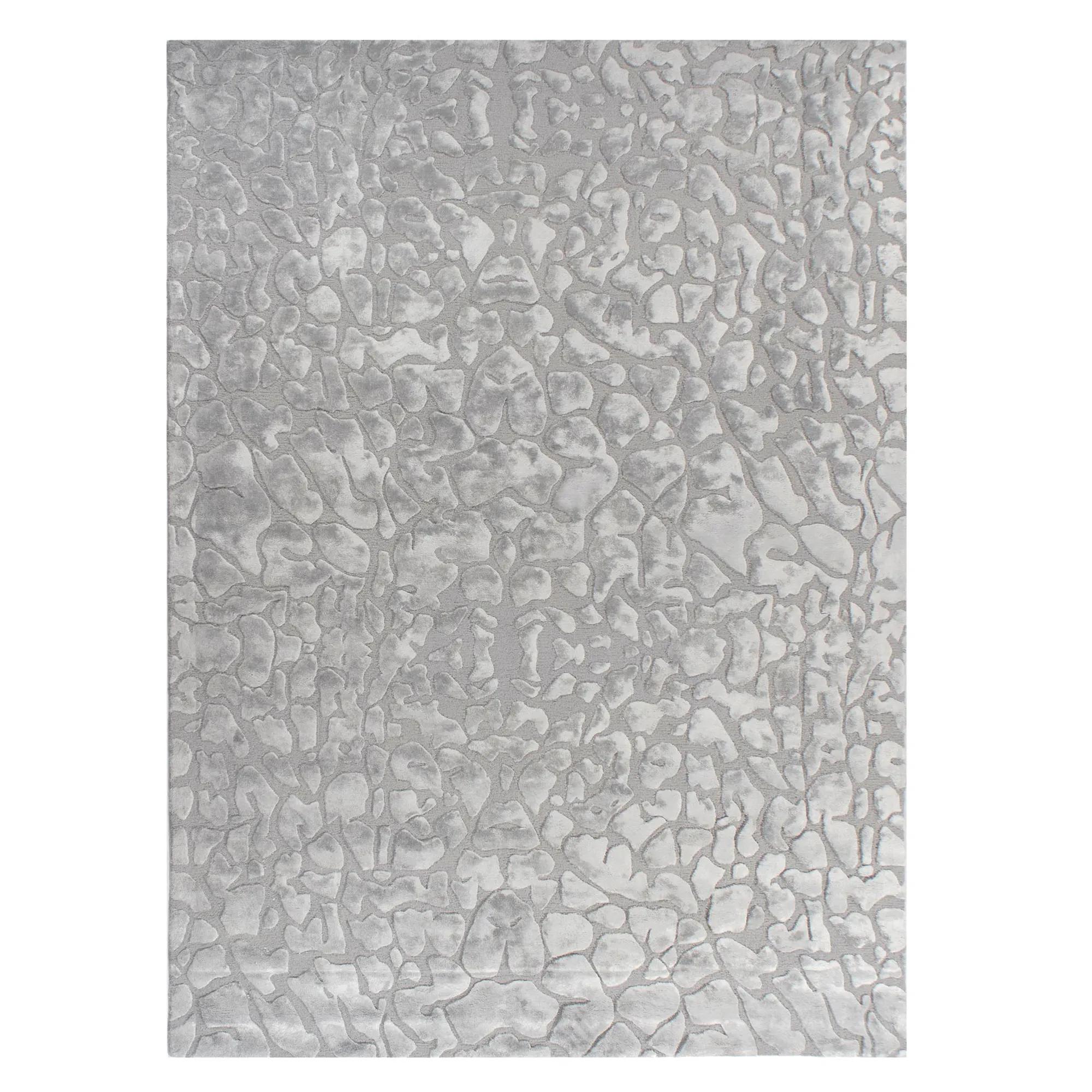
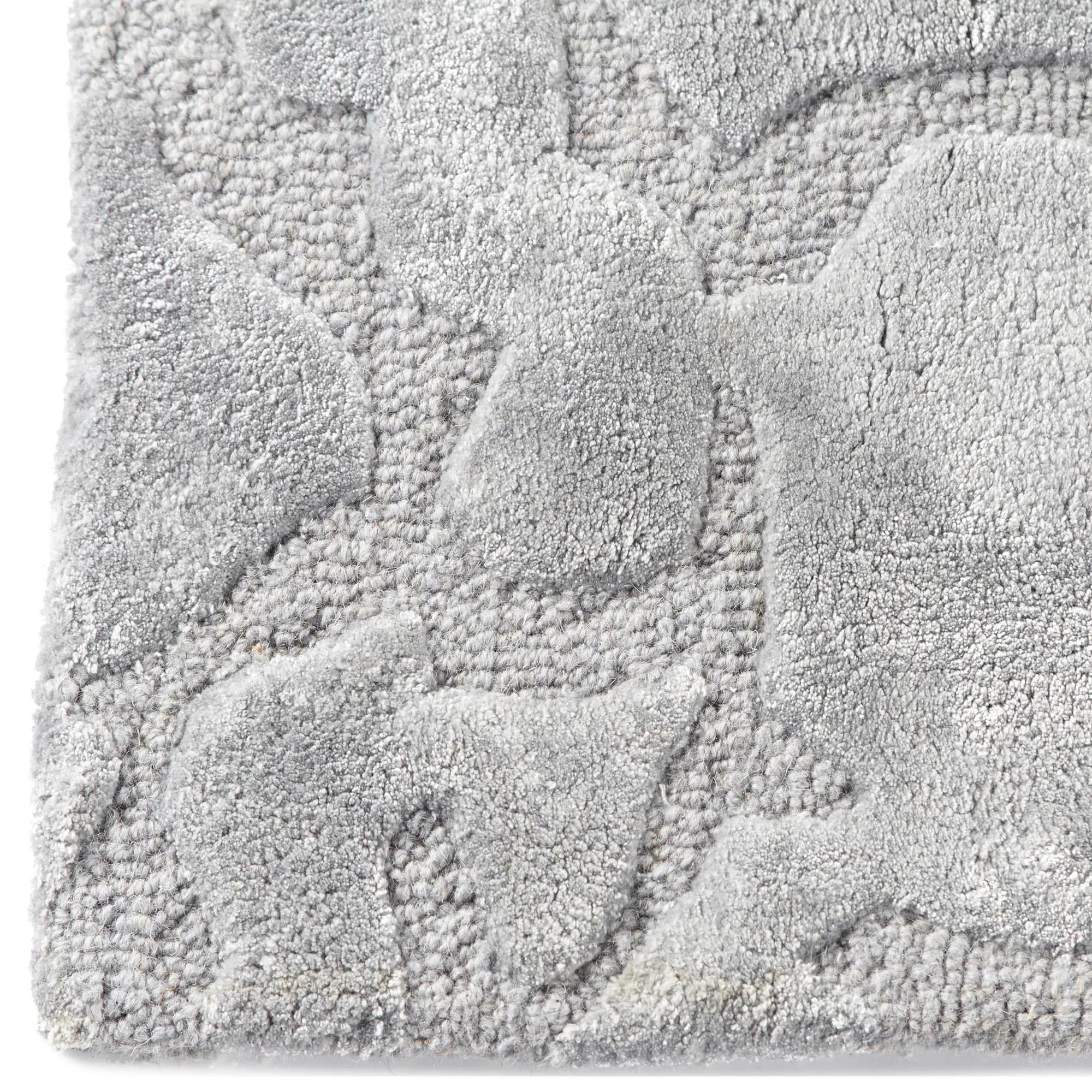 Nola Hand-Tufted Cool Grey Wool Blend Rug$849
A hand-tufted silver rug with contrasting pile heights, crafted from wool and viscose for plush texture.
Add To Cart -
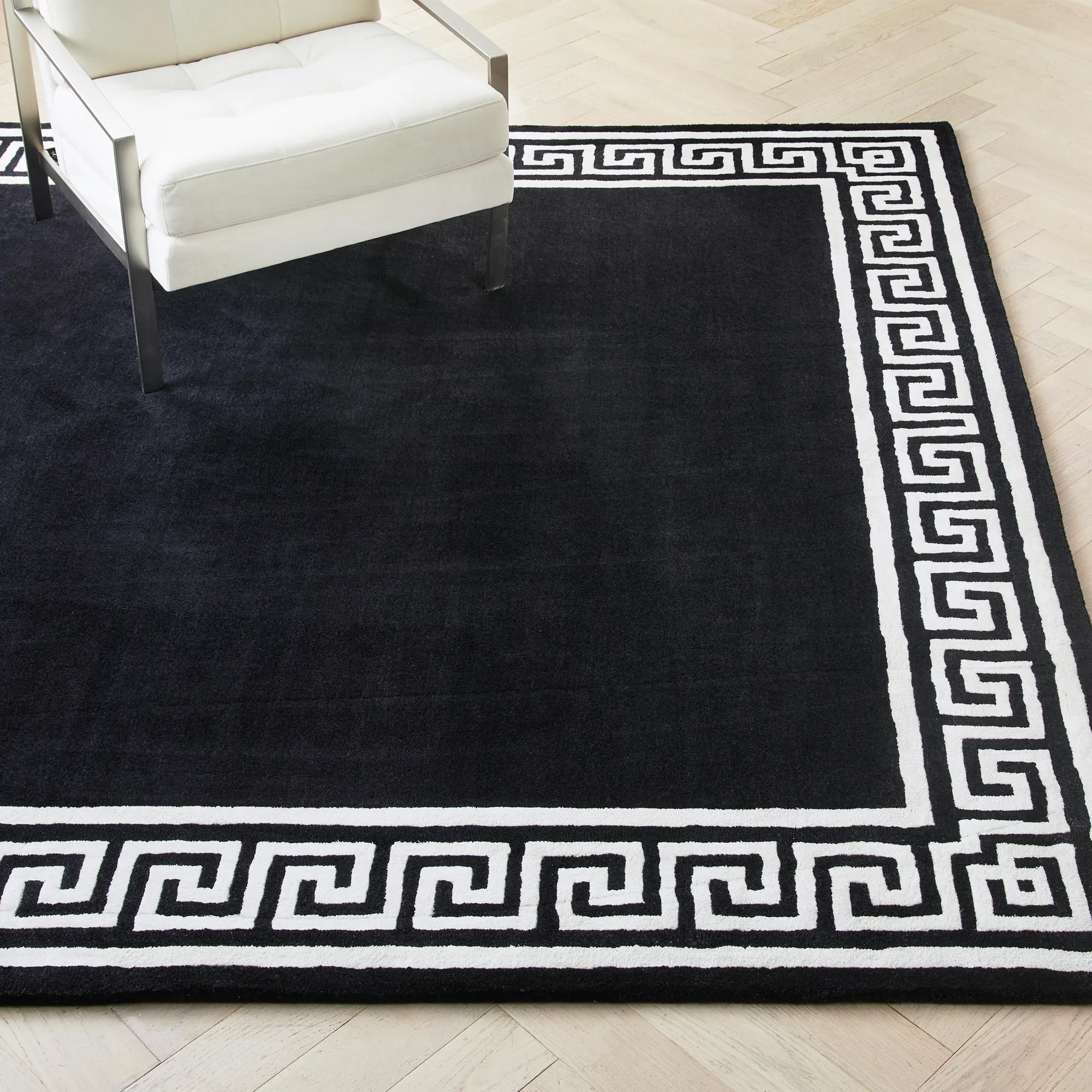
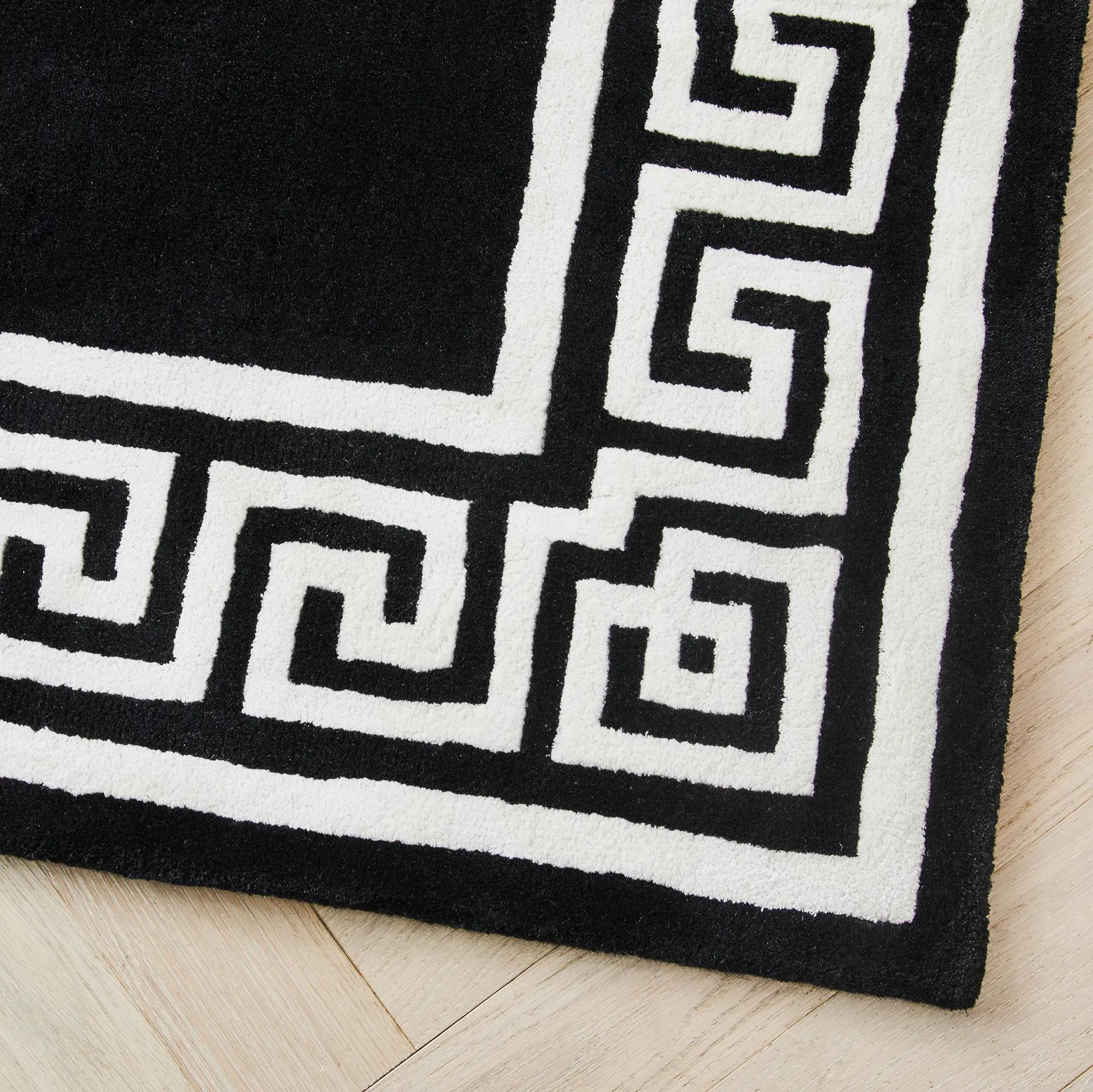 Greek Key Rug - Black/Ivory$1799
A hand-tufted black and ivory rug featuring a classic Greek key pattern in wool and viscose.
Add To Cart -
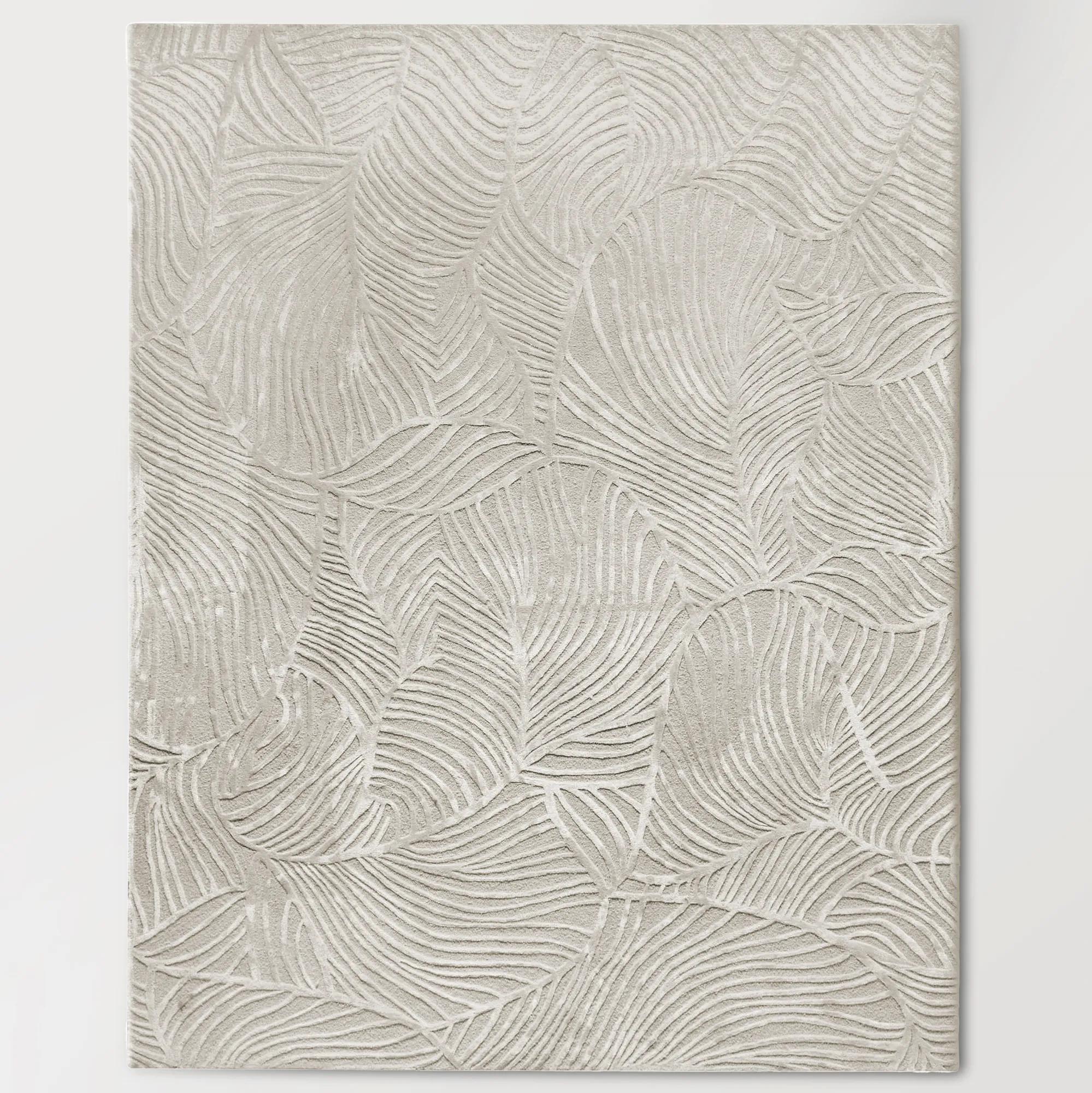 Palm Hand-Tufted Ivory Wool Blend Rug$999
An ivory rug featuring a dynamic palm-leaf design with high-low pile in viscose and wool.
Add To Cart -
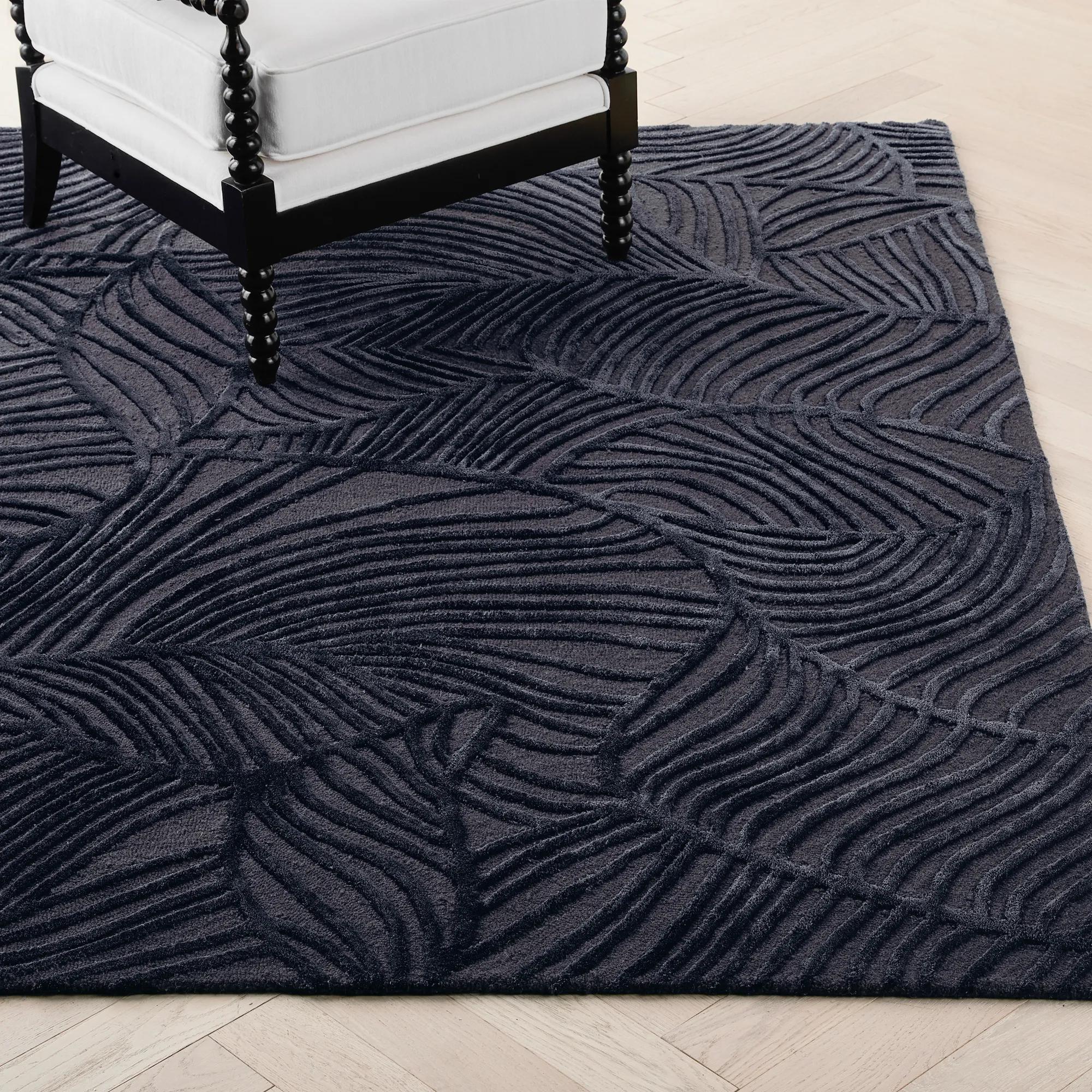
 Palm Rug - Charcoal$1499
A charcoal rug featuring a dynamic palm-leaf design with a textured high-low viscose and wool pile.
Add To Cart -
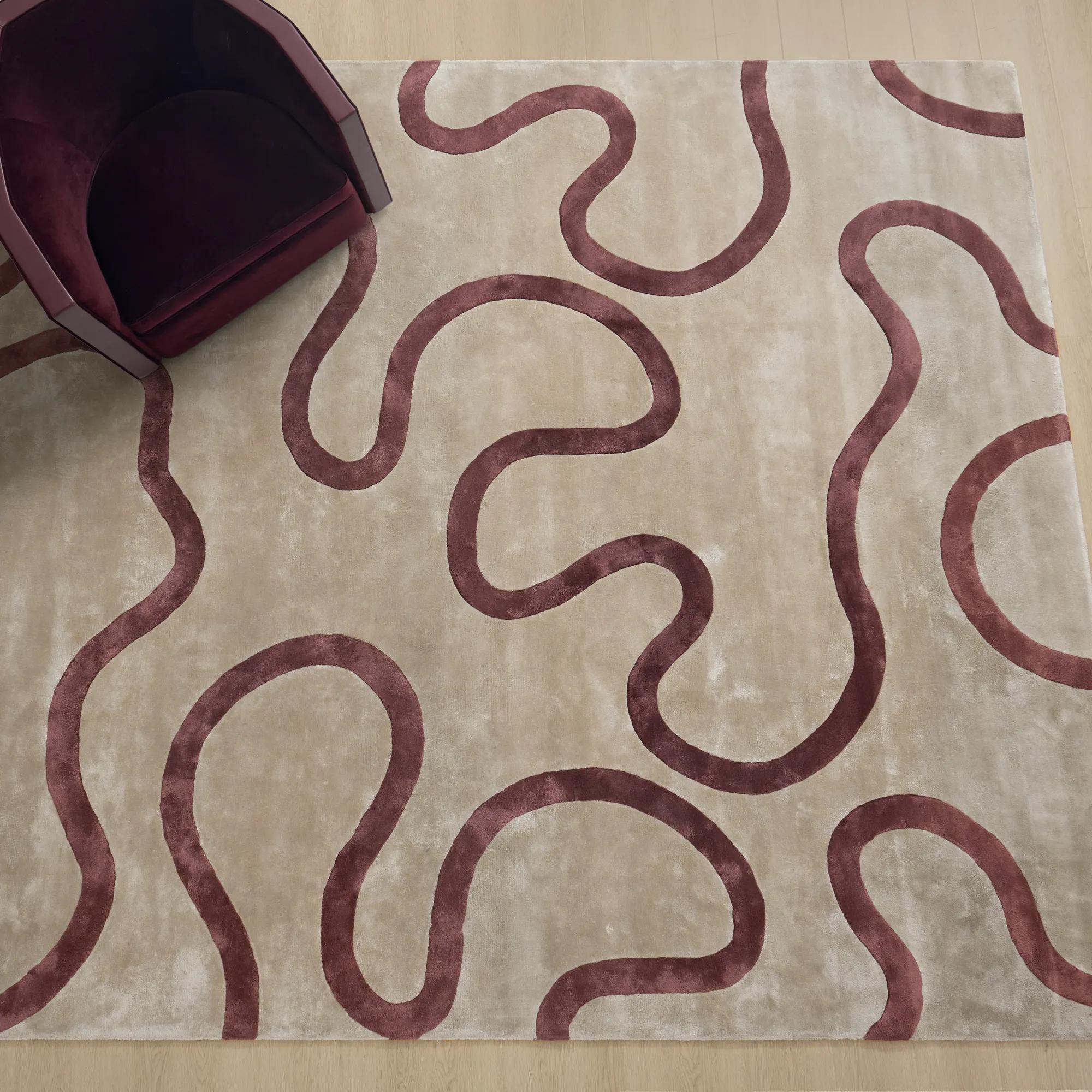 Seraphine Hand-Tufted Fig/Taupe Viscose Loop Rugs$1799
A hand-tufted wool rug featuring bold fig and taupe loops for a graphic, Deco-inspired statement.
Add To Cart -
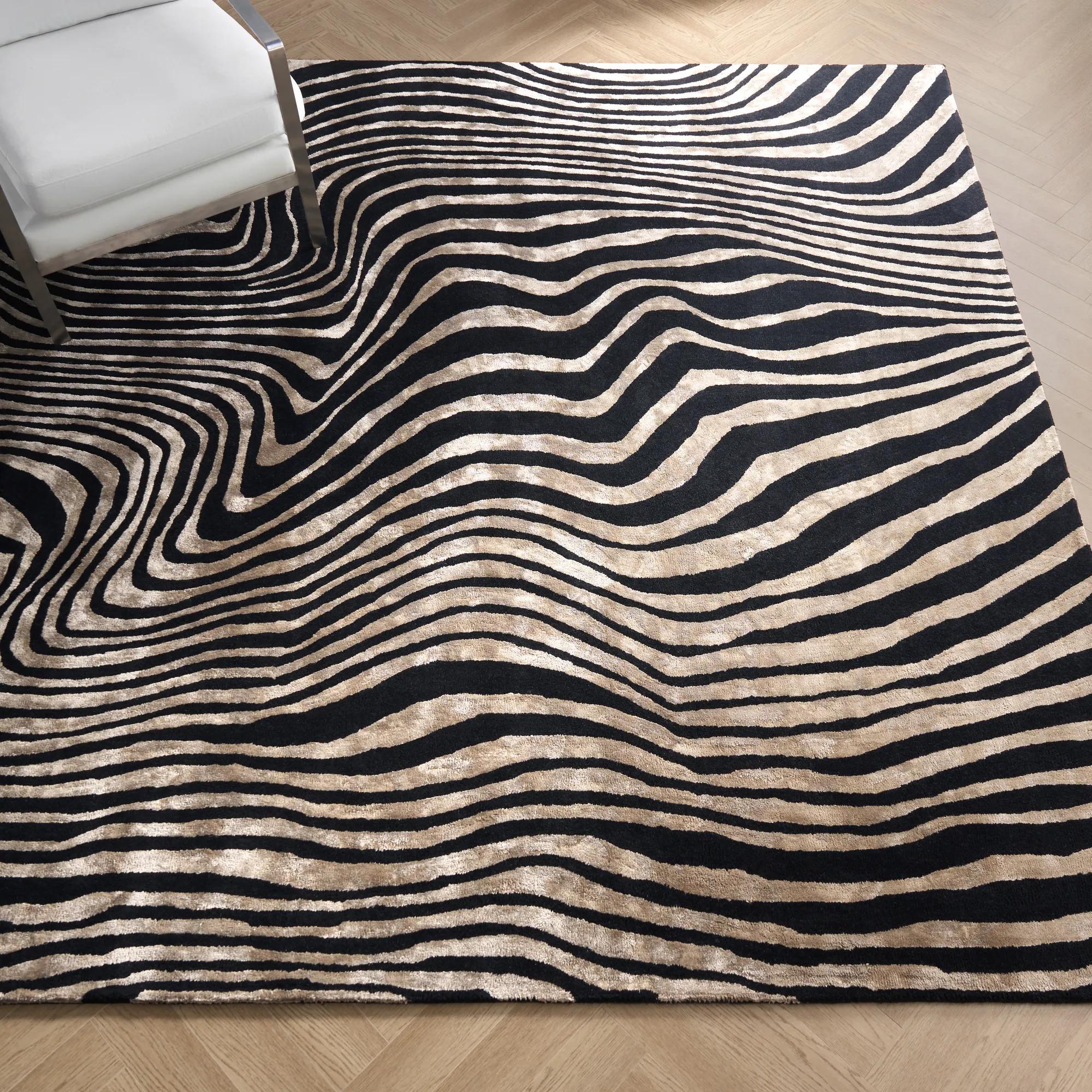
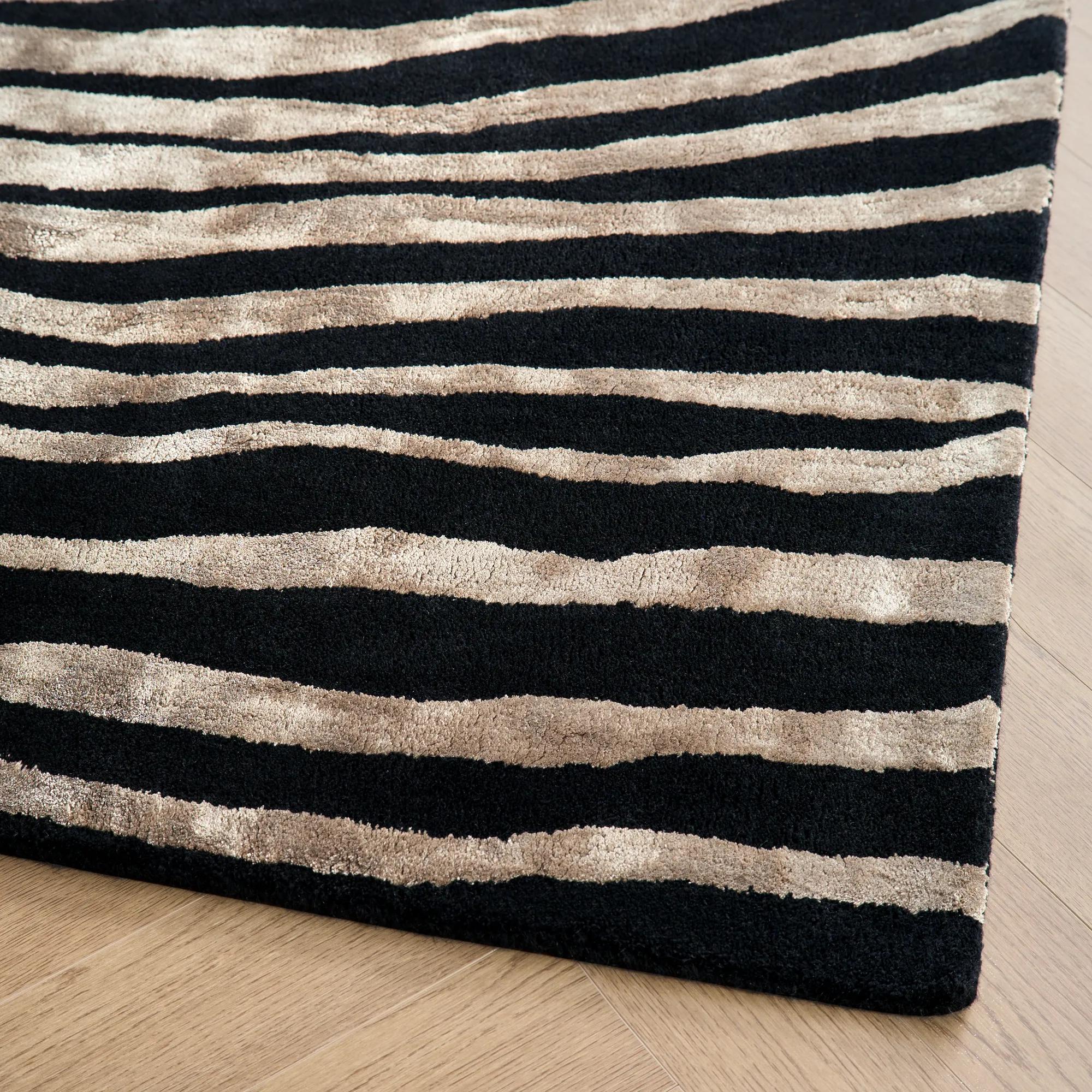 Abstract Zebra Hand-Tufted Black/Taupe Wool Blend Rug$599
An artisan hand-tufted rug in black and taupe wool-viscose, featuring a striking abstract zebra pattern.
Add To Cart -
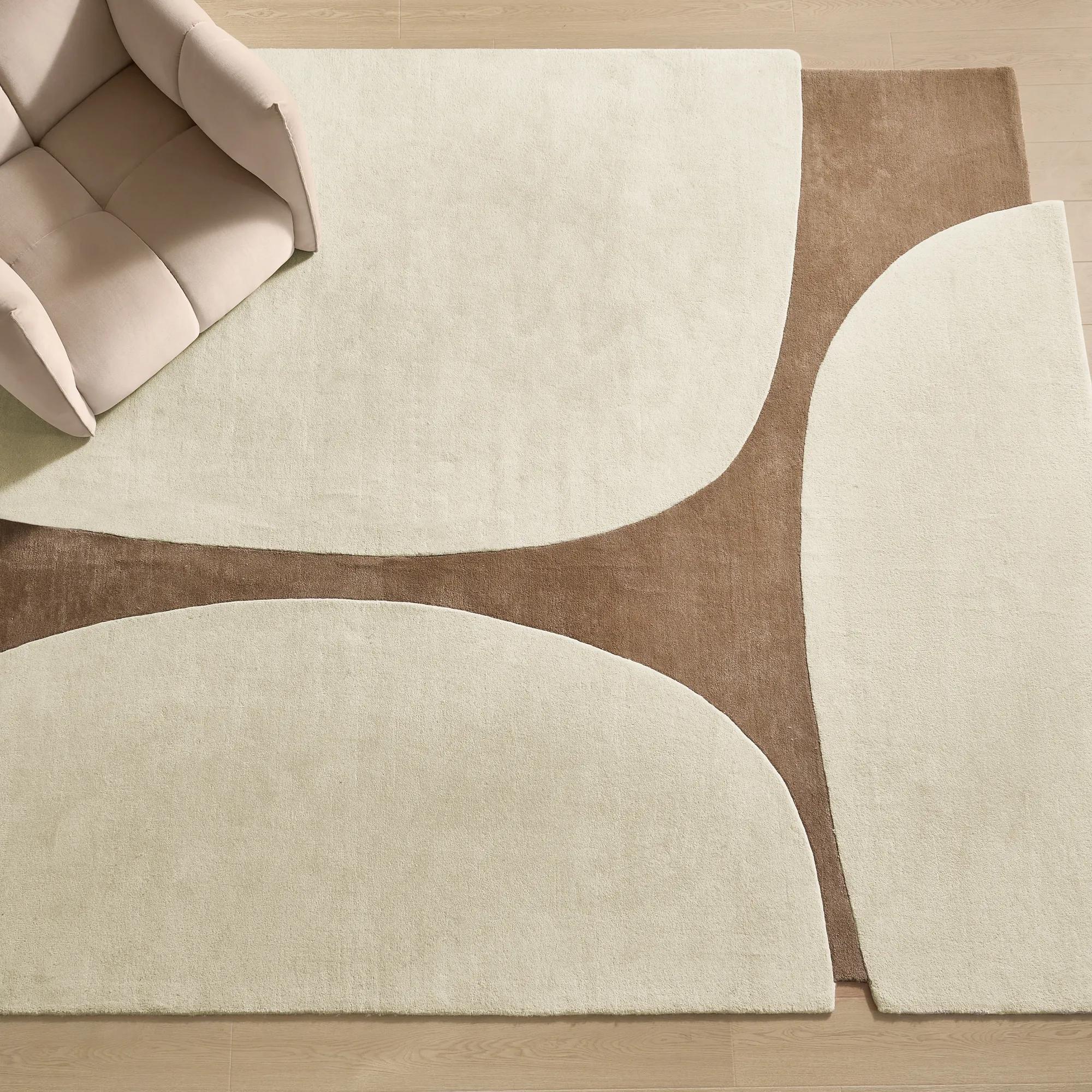
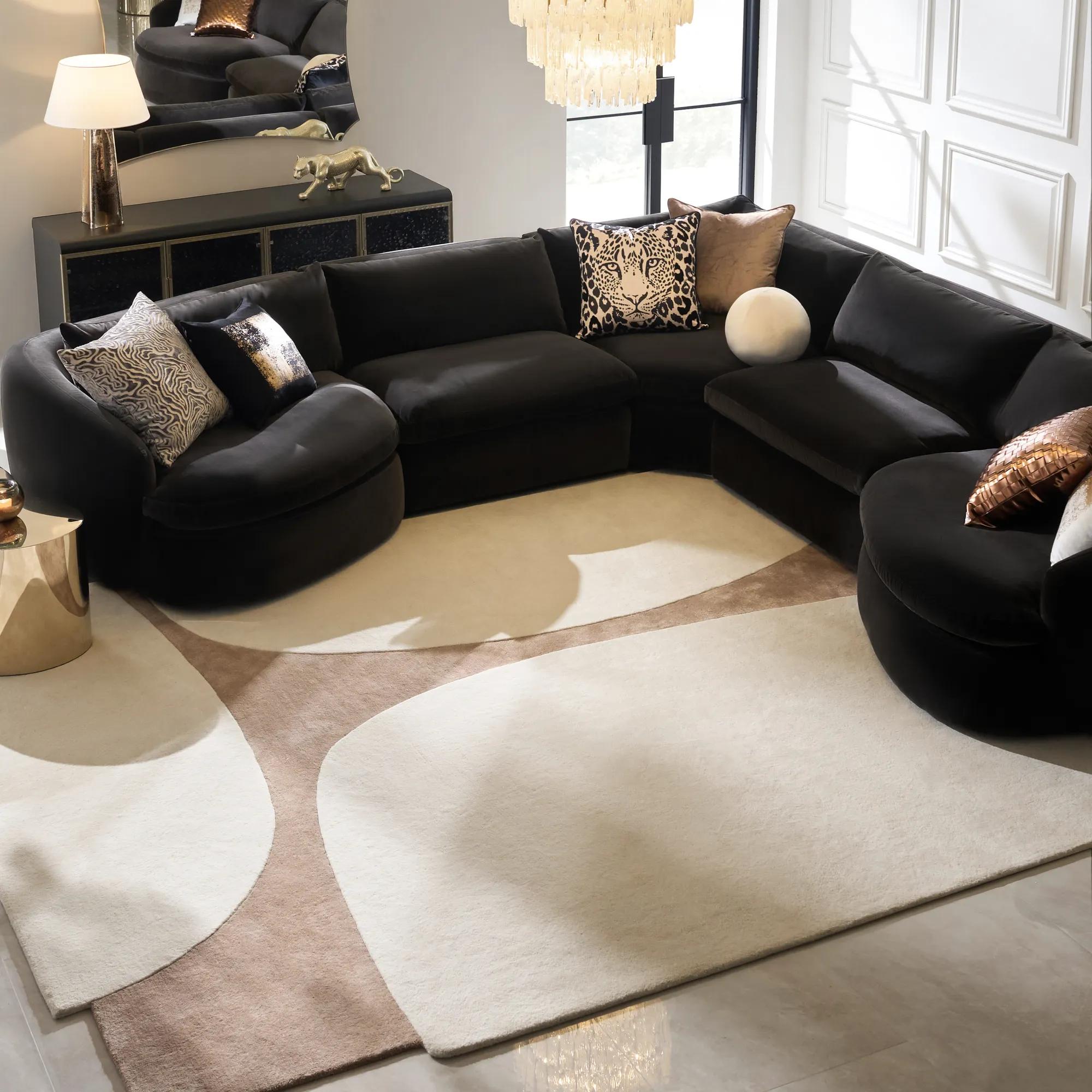 Contour Hand-Tufted Ivory/Ginger Root Wool Blend Rug$499
A hand-tufted wool rug blending ivory and ginger root tones for textured, modern warmth.
Add To Cart -
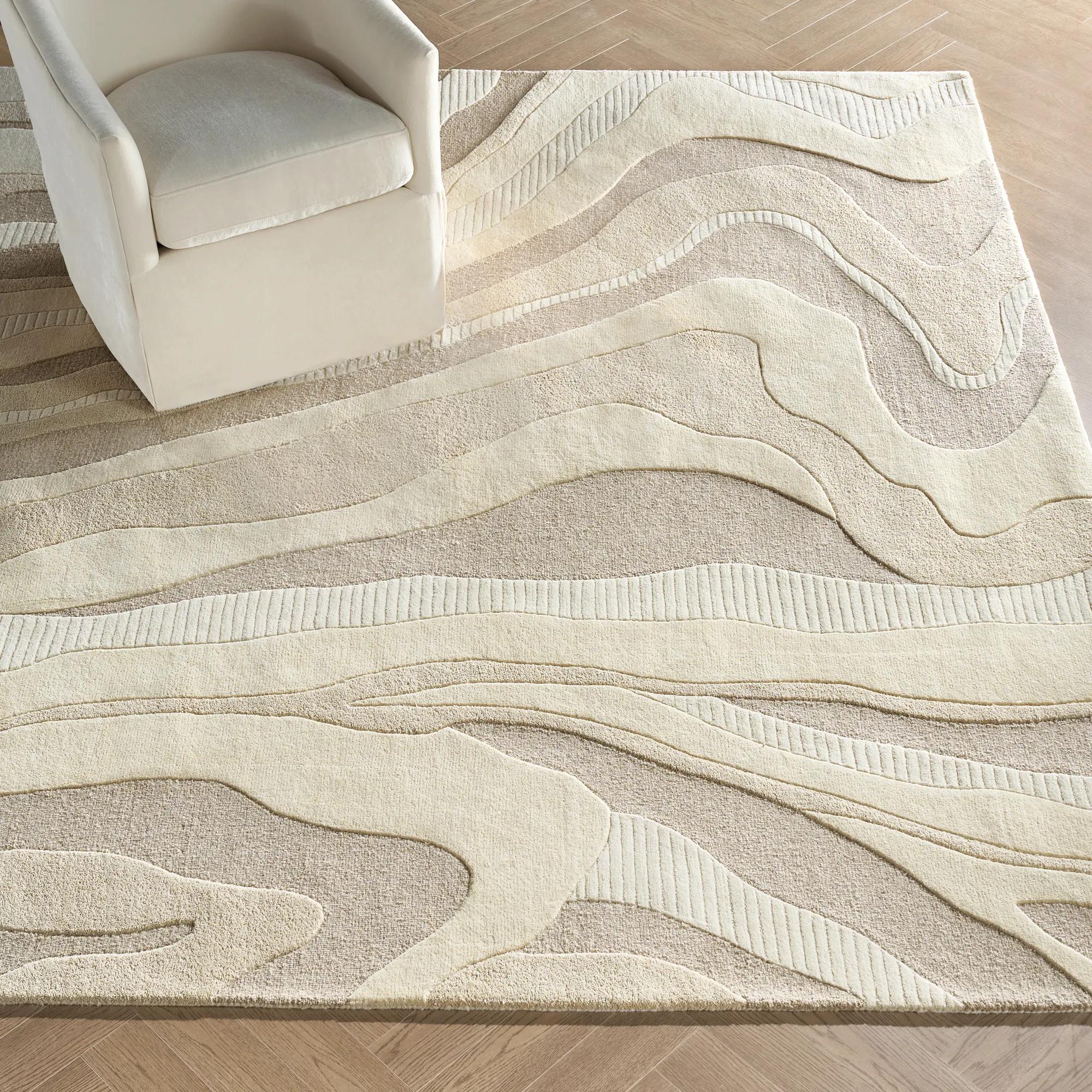 Kadence Hand-Tufted Ivory/Tan Wool Rug$499
A hand-tufted wool rug featuring a multi-textured swirl design in ivory and tan for elegant depth.
Add To Cart -
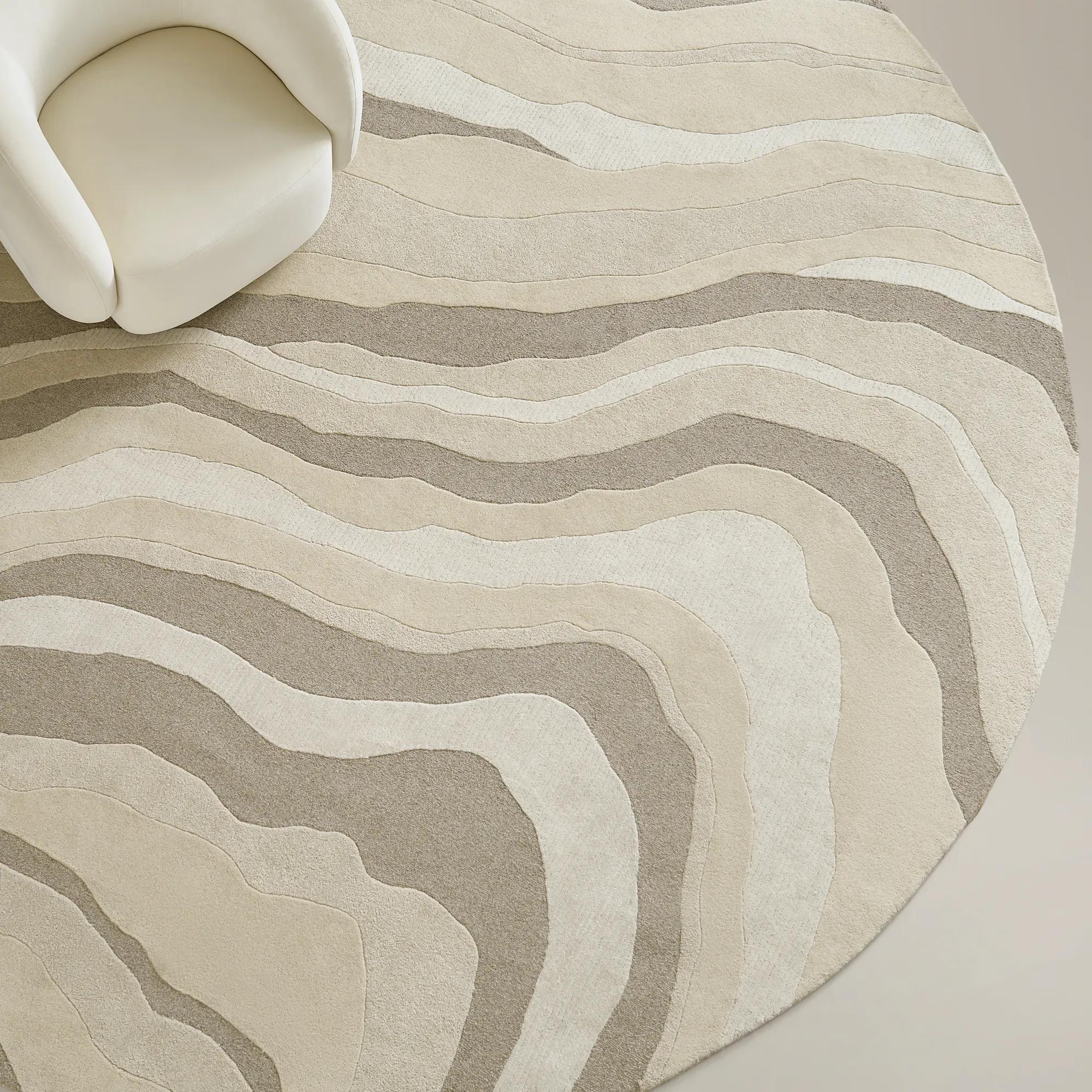 Kadence Hand-Tufted White/Ivory/Tan Wool Round Rug 12"$1799
A hand-tufted round rug in white, ivory, and tan, crafted from 100% wool for natural warmth.
Add To Cart -
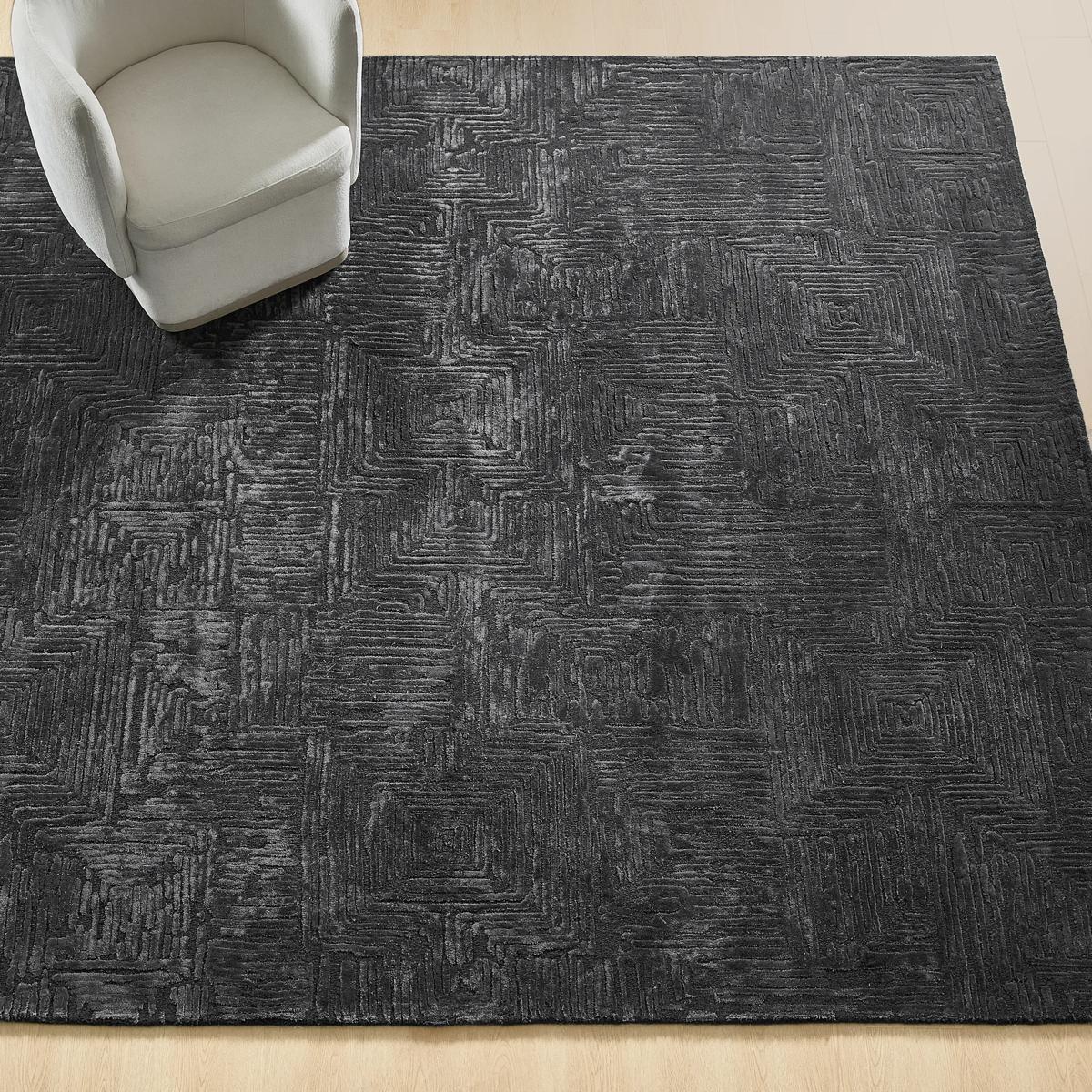
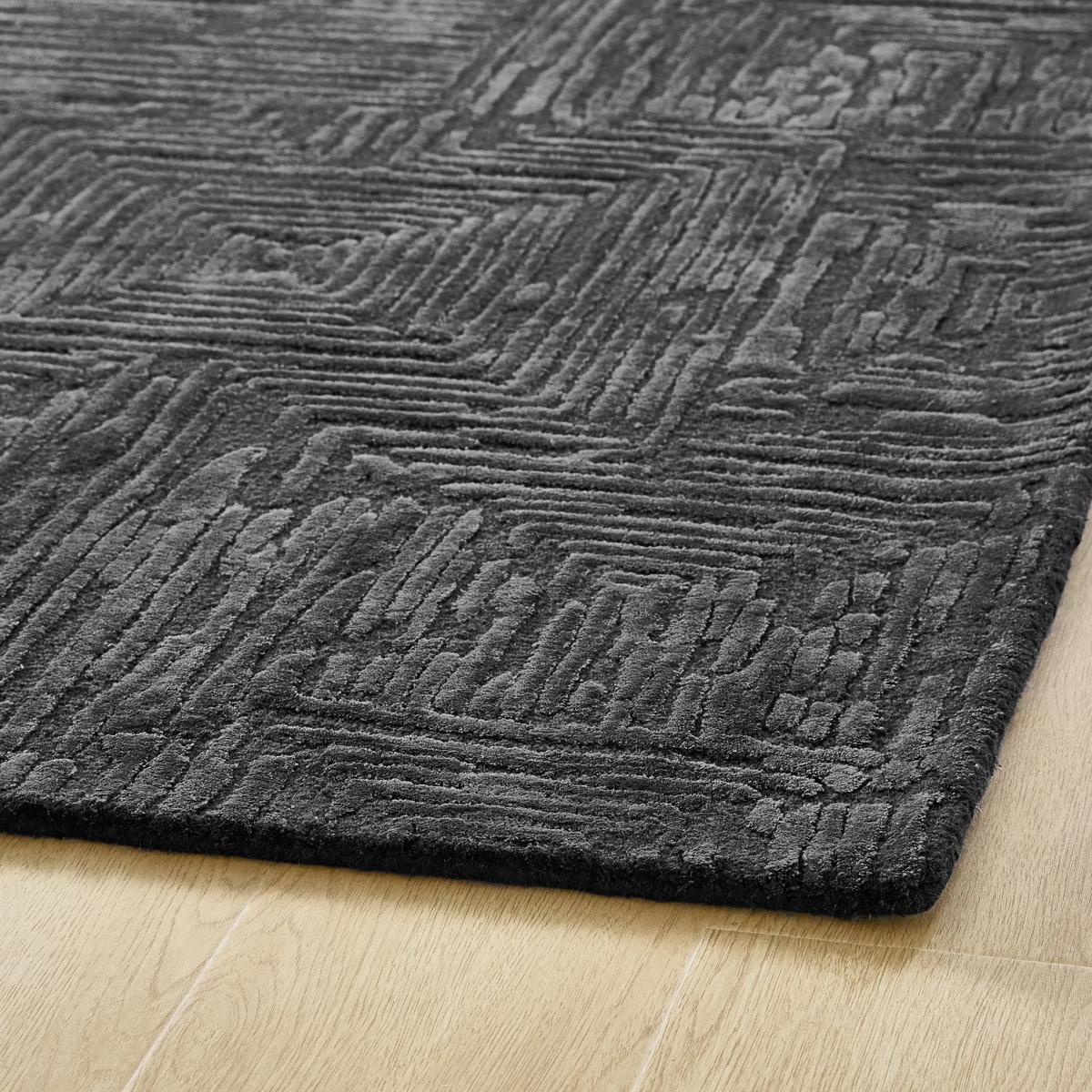 Andra Charcoal Hand-Tufted Wool Blend Dimensional Rug$999
A hand-tufted viscose-wool rug in rich charcoal with a sculptural, dimensional pattern and plush texture.
Add To Cart -
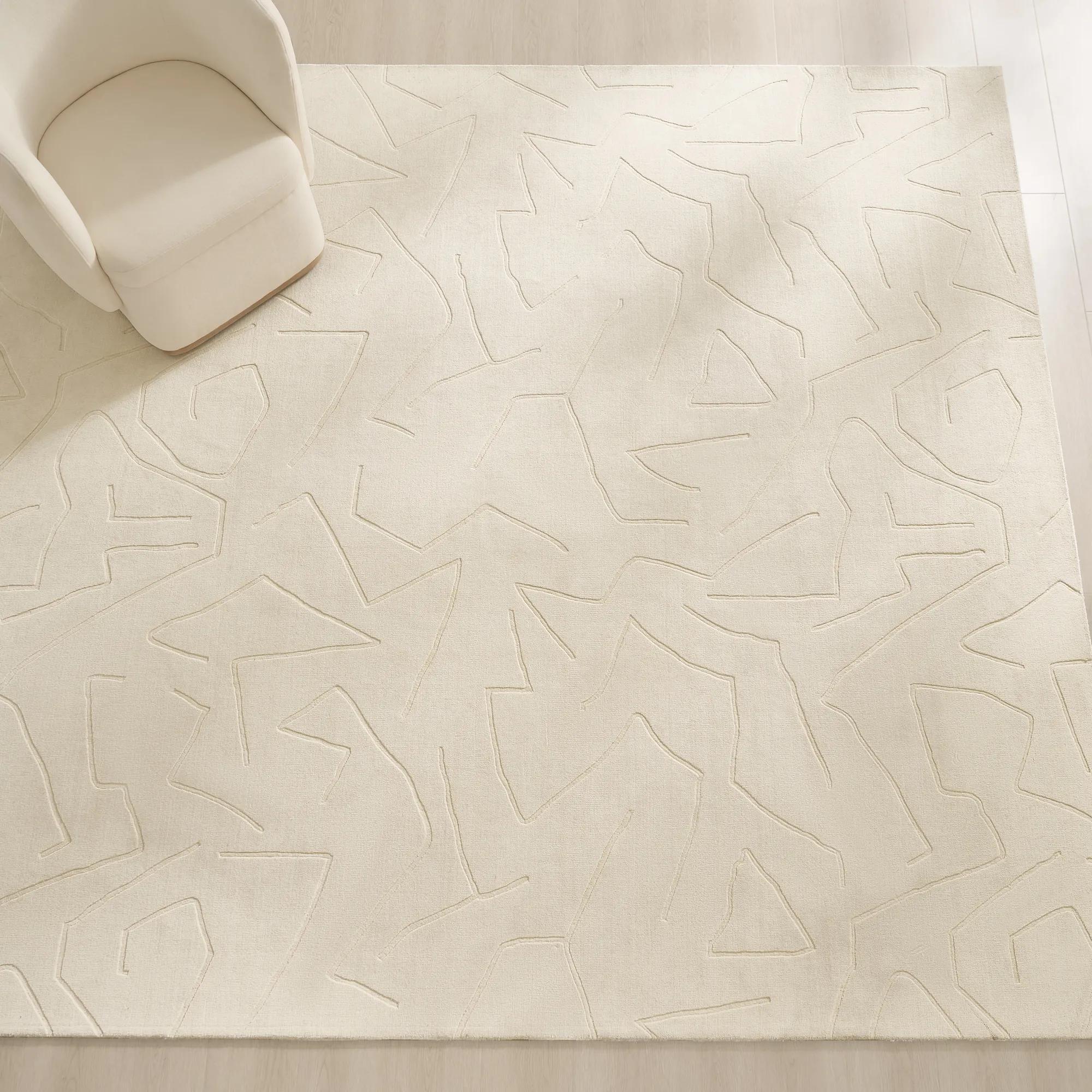 Carved Maze Ivory Hand-Loomed Wool Blend Rug$699
A hand-loomed ivory wool-blend rug featuring a carved maze pattern for modern, textural appeal.
Add To Cart -
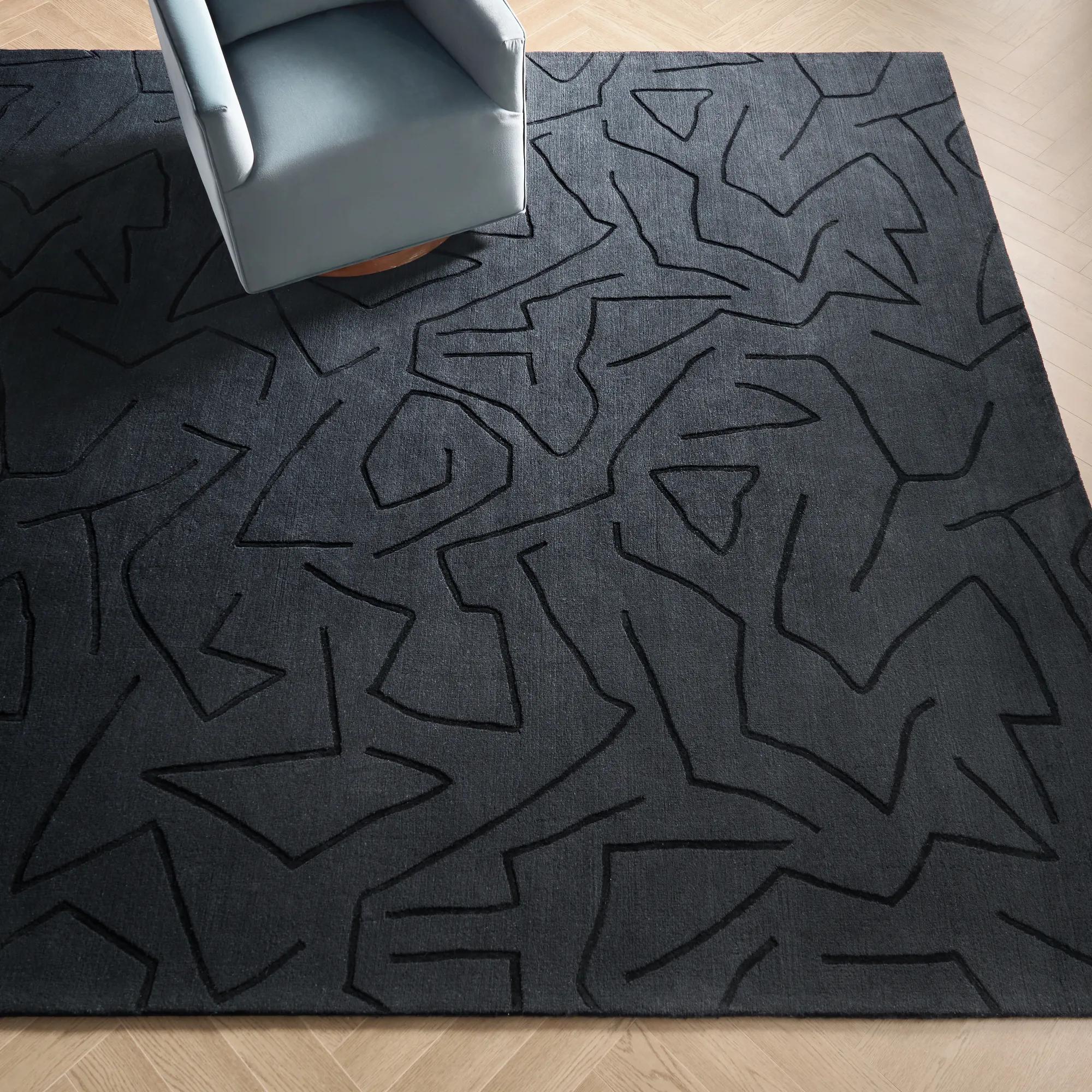 Carved Maze Rug$1999
A hand-loomed black rug crafted from wool and viscose, featuring an intricately carved, textured design.
Add To Cart -
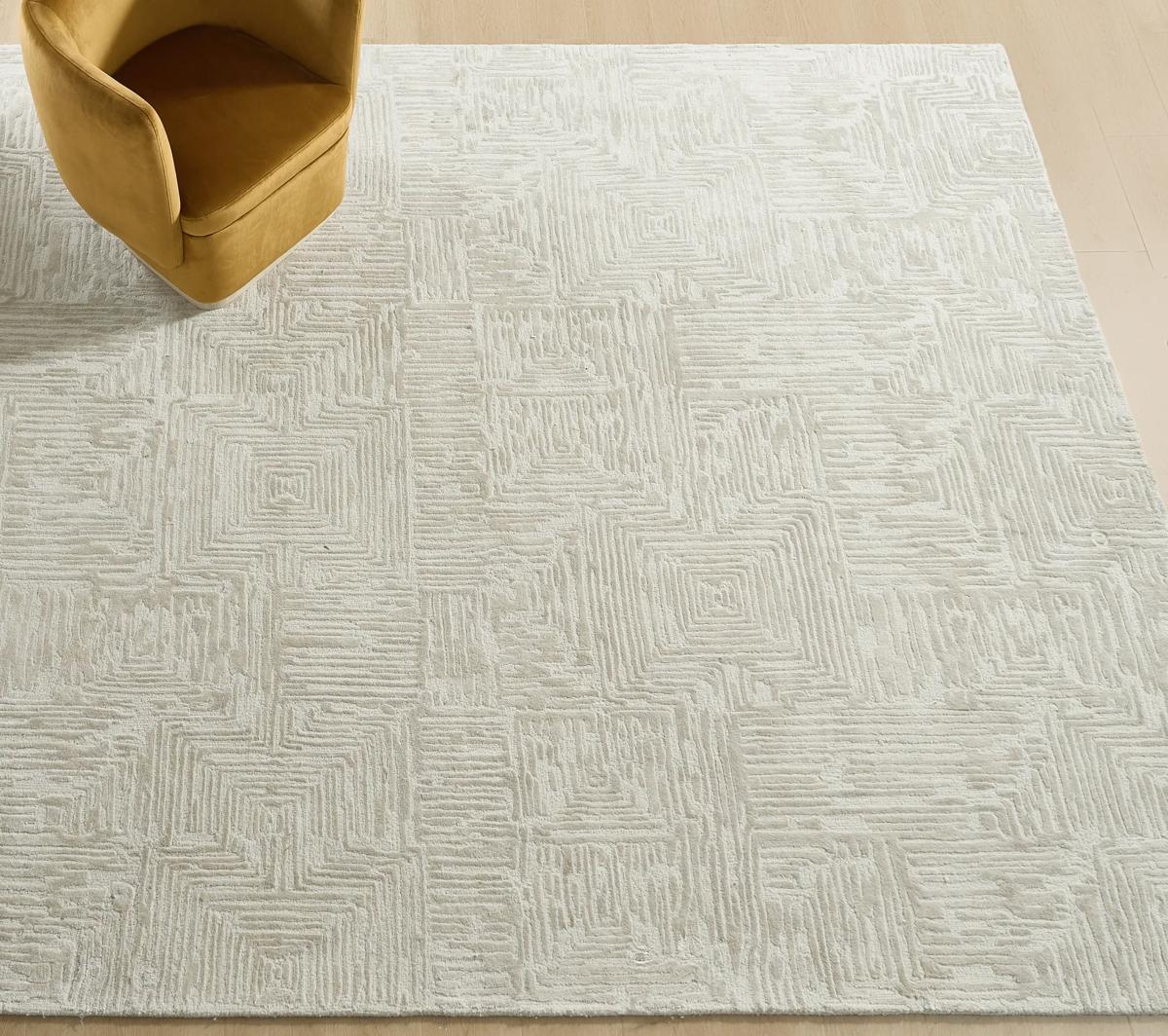 Andra Ivory Hand-Tufted Wool Blend Dimensional Rug$999
A hand-tufted ivory rug featuring a viscose-wool blend, raised textural detailing, and a subtle sheen.
Add To Cart -
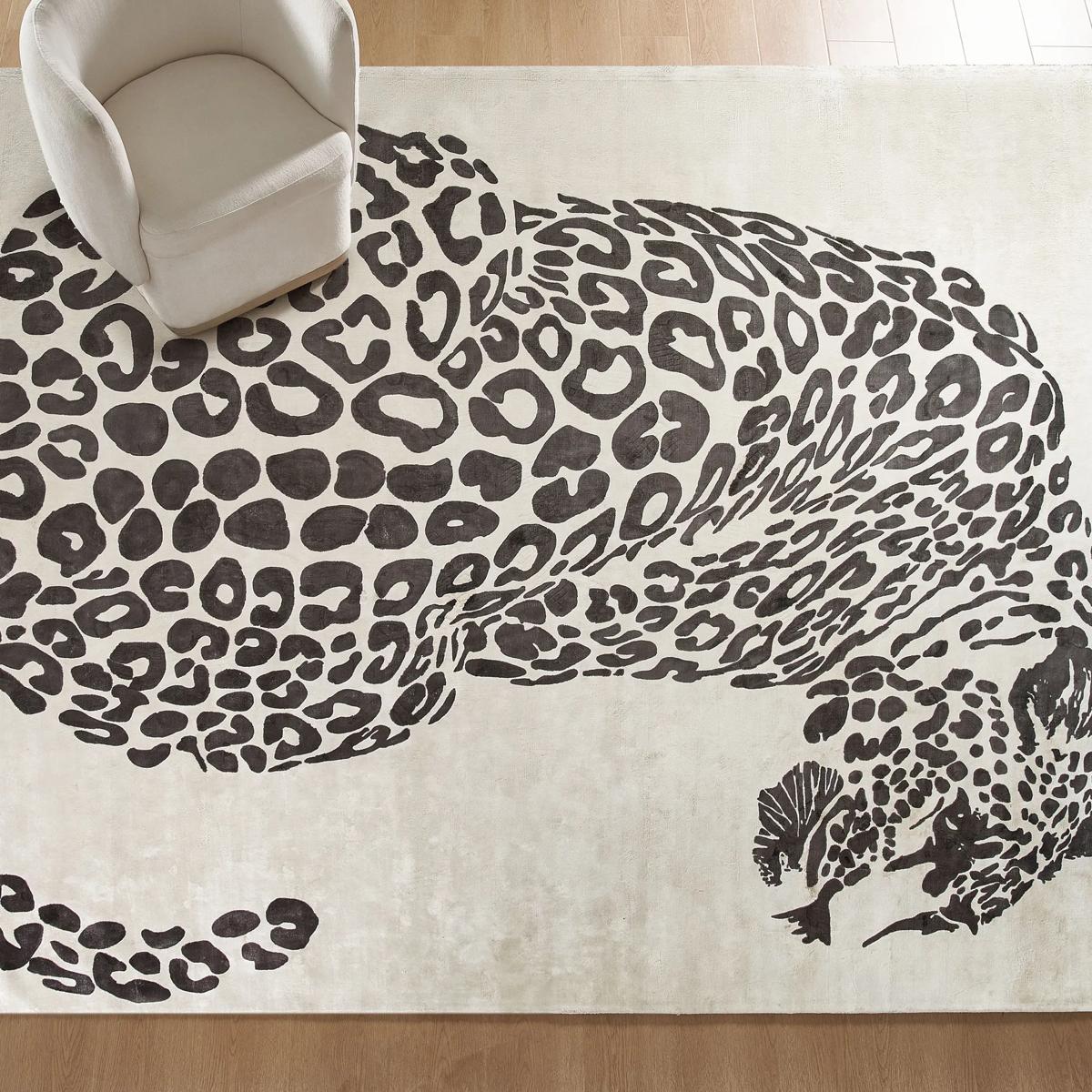 Pardus Leopard Hand-Loomed Ivory/Black Rug$499
An artful ivory and black viscose rug featuring a bold leopard motif and a smooth, silky texture.
Add To Cart

Contemporary Pattern Wool Rugs
Contemporary pattern wool rugs are more than floor coverings—they are the foundation of a room’s artistry, transforming blank spaces into captivating canvases of color and form. Each piece weaves together bold geometry, fluid abstraction, and sumptuous texture, inviting you to revel in a world where design knows no boundaries. Let your interiors pulse with energy and sophistication as these modern masterpieces ground your décor in luxury, elevating every step with a flourish of creative expression.
Contemporary pattern wool rugs bring the expressive energy of modern art to the floor, pairing geometric lines, abstract shapes, and fluid compositions with the dimensional texture of natural wool. Their appeal lies in that contrast: a crisp lattice becomes more inviting in a tactile pile, while a sweeping tonal pattern gives a tailored room a sense of movement. Unlike traditional rugs organized around ornate borders or central medallions, contemporary designs often favor asymmetry, enlarged motifs, interrupted lines, or open fields of color. Some read as quiet texture from across the room; others command attention with graphic contrast and sculptural relief. An ivory rug traced with charcoal lines can sharpen the silhouette of a curved sofa, while a layered composition of taupe, cream, and gray creates depth beneath a glass coffee table without competing with the objects above it. For a more expressive interior, bold geometry can hold its own alongside lacquered furniture, metallic finishes, and richly textured upholstery. Pattern scale matters as much as color. Broad, spacious motifs feel expansive beneath a substantial seating arrangement, whereas intricate repeats create a more closely woven visual rhythm. A generously scaled abstract design can serve as the principal artwork in a room, leaving furnishings free to emphasize shape and material. Subtler contemporary wool area rugs establish continuity between statement pieces, drawing together a chair’s upholstery, the veining of a stone tabletop, and the tones in a favorite painting. The most compelling pairing does not require every shade to match; repeating one or two undertones is often enough to make the composition feel intentional. These rugs suit interiors that celebrate personal expression, from a polished apartment with a single dramatic living area to a spacious home where separate seating groups need their own visual identity. Beneath it all, wool adds a substantial, inviting surface that makes an artfully composed room feel lived in rather than merely arranged.
Wool is valued for its natural crimp and resilience, which help its fibers recover from compression and give a well-constructed rug lasting body. That resilience makes contemporary patterned wool rugs a considered choice for frequently used living rooms, bedrooms, and other indoor spaces, although performance depends on construction, pile density, placement, and care. Fiber content deserves attention: a wool rug and a wool-blend rug can have different textures, maintenance requirements, and responses to everyday wear. For another interpretation of this material, Contemporary Wool Blend Rugs combine wool with other fibers, with the resulting softness, sheen, and durability shaped by the particular blend. Construction contributes just as much to the experience underfoot. Hand-knotted rugs form their pile through individual knots, hand-tufted rugs typically secure inserted yarns with a backing system, and flatwoven rugs have no upright pile, giving them a lower profile. None of those labels alone establishes quality; yarn, density, finishing, and intended use all matter. A plush pile lends a bedroom a sumptuous landing, while a lower-profile surface can accommodate dining chairs and door clearance more readily. Raised and recessed patterns introduce another layer of artistry, catching light across the surface, though their channels may require extra attention during cleaning. Proportion determines whether that texture feels integrated with the room. In a living area, a rug that reaches beneath at least the front legs of the primary seating pieces helps unify the arrangement instead of leaving the coffee table visually isolated. Beneath a dining table, allowing roughly 24 to 30 inches beyond each edge generally gives chairs room to move while remaining on the rug; the actual chair depth and room layout should confirm the fit. In a bedroom, a generous border beside the bed places softness where feet naturally land. Measuring the full arrangement, including furniture movement and door swings, creates a more assured result than choosing dimensions from the open floor alone. A compatible rug pad adds cushioning, helps limit shifting, and reduces friction against the floor; its material should suit both the rug backing and the flooring manufacturer’s recommendations.
Everyday practicality belongs in a luxurious room, and wool’s strengths are best preserved with thoughtful maintenance. Its fibers offer some natural resistance to soiling, but wool is not stainproof, and spills still need prompt attention. Blot liquids gently with a clean, white absorbent cloth rather than rubbing them into the pile, and follow the rug’s care instructions before applying any cleaning solution. Saturating wool can affect dyes, backing, and dimensional stability, making controlled treatment especially important. Professional cleaning by a specialist familiar with wool rugs is often appropriate for deeper cleaning or persistent marks. Loose-fiber shedding is common in many new wool rugs, particularly certain cut-pile constructions, and usually diminishes with use and gentle vacuuming. A suction-only setting or a vacuum configuration approved by the rug manufacturer helps avoid unnecessary abrasion; aggressive brush action can damage delicate surfaces and catch loops or fringe. Occasional rotation distributes wear and light exposure more evenly, especially where one side of a rug receives the daily passage between a sofa and a doorway. Furniture cups or other suitable protectors can help spread concentrated weight, while periodic repositioning may reduce lasting impressions. For homes shared with pets, a dense, lower pile may be easier to maintain than an elaborate high-low surface, and looped constructions warrant consideration if claws are likely to snag. Pattern can soften the visibility of everyday traces, but it does not replace cleaning. A gently variegated abstract rug offers visual forgiveness in an active sitting room; a sharply contrasted ivory design makes a more graphic statement but may reveal marks sooner. Wool rugs are generally intended for indoor use in dry spaces rather than exposed patios or persistently damp rooms. Within the right setting, their combination of texture, resilience, and expressive pattern supports both quiet moments and lively gatherings. The reward is a floor with genuine presence: softening footsteps, defining furniture groupings, and giving the entire room a richer visual foundation without sacrificing the comfort that makes a beautiful interior worth spending time in.
FAQs
Contemporary pattern wool rugs stand out for their striking motifs, bold color palettes, and artistic flair. They serve as both a foundation and a statement piece, infusing rooms with personality and drama. Unlike traditional designs, these rugs often feature geometric shapes, abstract patterns, and unexpected color combinations, making them ideal for expressing individual style and elevating the atmosphere of any modern space.
Wool rugs are naturally insulating, offering a plush, cozy surface that retains warmth and softens the feel of hard floors. During winter, their dense fibers create an inviting retreat, making living areas and bedrooms feel more intimate and luxurious. The tactile richness of wool also dampens sound, fostering a serene, restful ambiance that’s especially welcome when the weather turns chilly.
Yes, contemporary pattern wool rugs are an excellent choice for homes with pets or children. Wool’s resilient fibers withstand daily activity, while the intricate patterns can help disguise minor spills or pet hair between cleanings. The natural softness provides a gentle landing for little ones and a comfortable spot for pets to lounge, making these rugs both stylish and practical for lively households.
Contemporary pattern wool rugs are remarkably versatile and complement a wide range of design styles. They add bold contrast to minimalist and modern interiors, bring cohesion to eclectic spaces, and introduce a sense of artistry to transitional rooms. Whether anchoring a sleek living room, adding warmth to a chic bedroom, or creating a dynamic vignette in an entryway, these rugs adapt beautifully to your unique vision.
Wool rugs offer a luxurious feel, lasting durability, and a natural resistance to stains and crushing. Their fibers are renewable and biodegradable, making them an eco-conscious choice. Wool also has exceptional color retention, so patterns remain vivid over time. Unlike many synthetics, wool’s breathability and moisture-wicking properties contribute to a healthier indoor environment, enhancing both comfort and air quality.