Modern Hand Loomed Rugs
Modern Hand Loomed Rugs
-
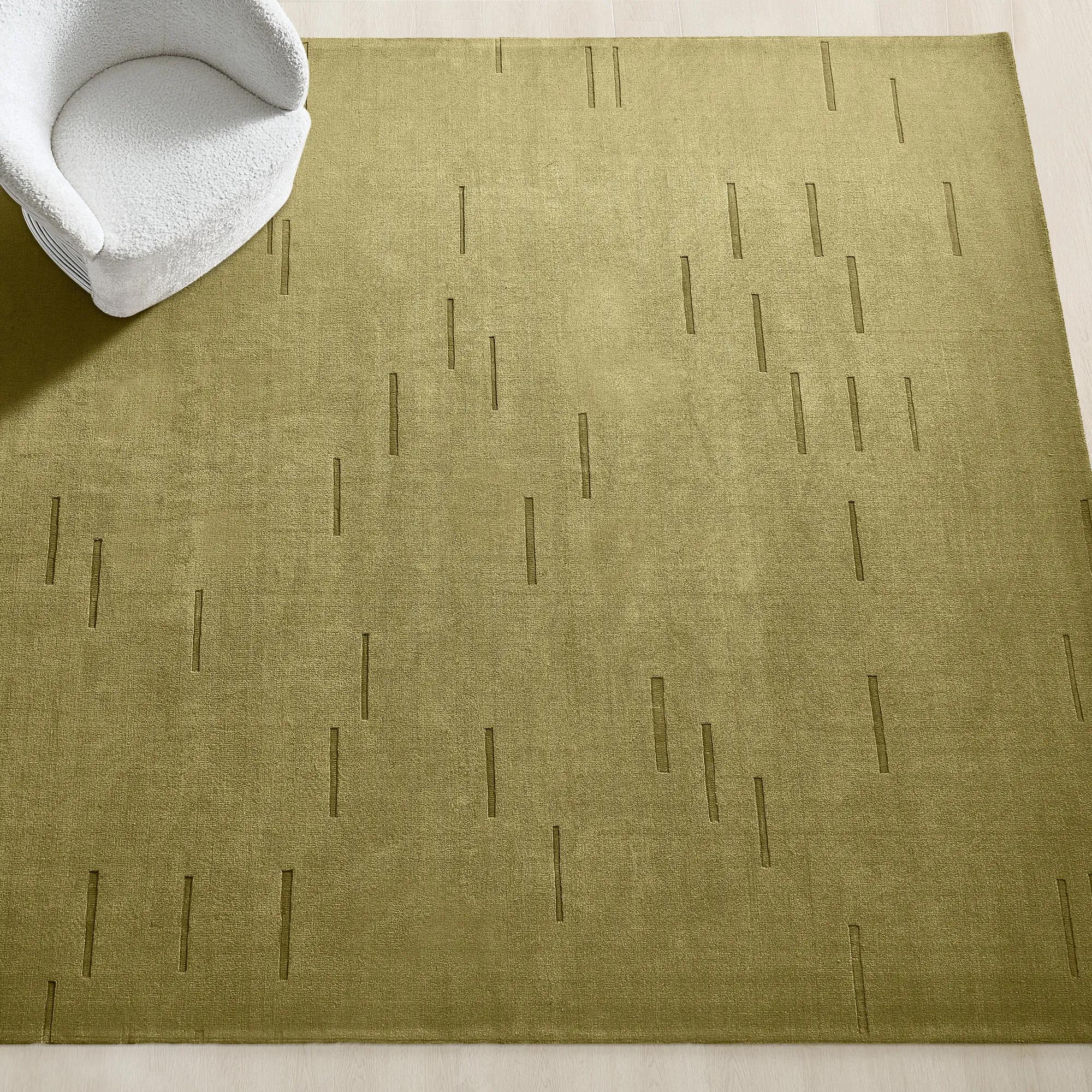
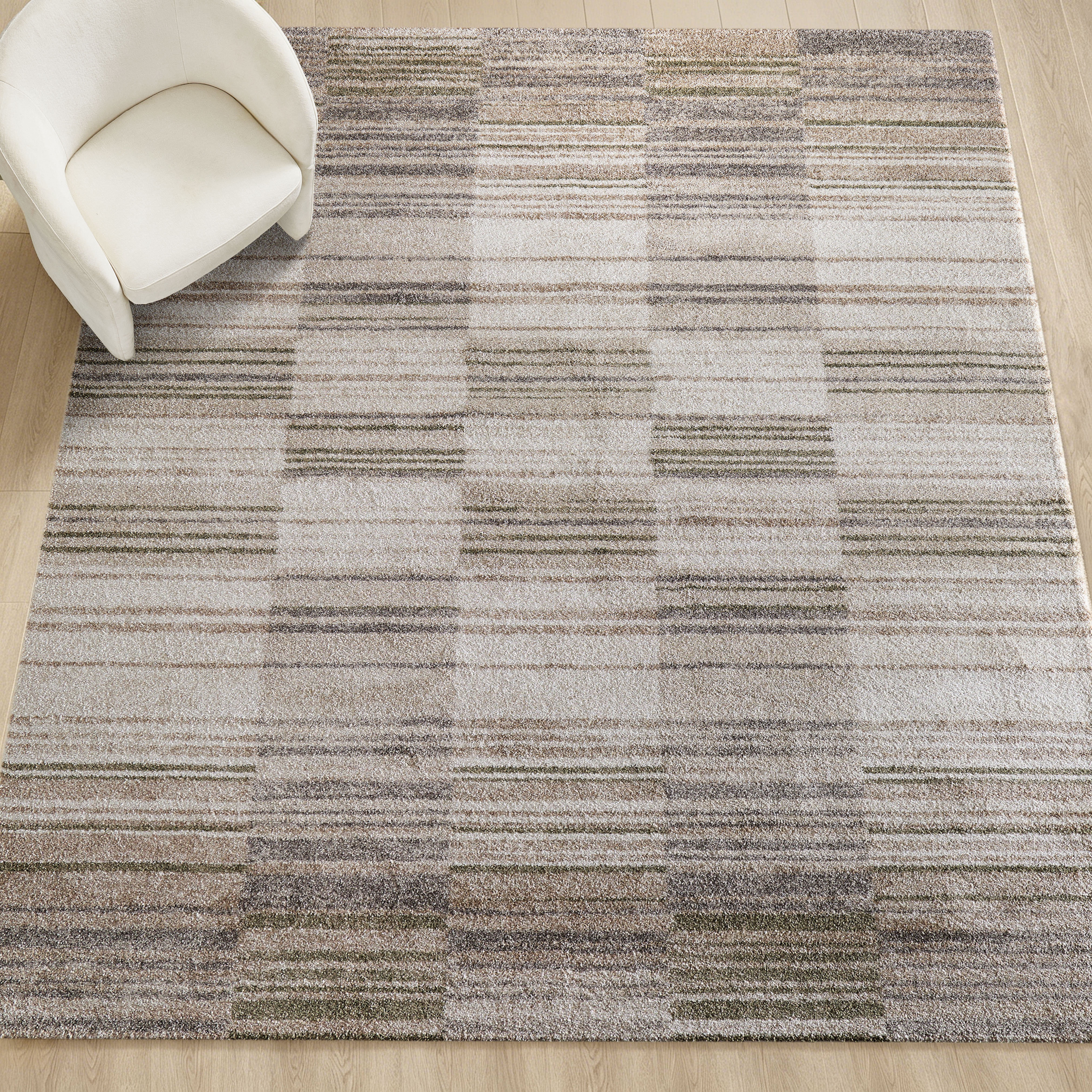
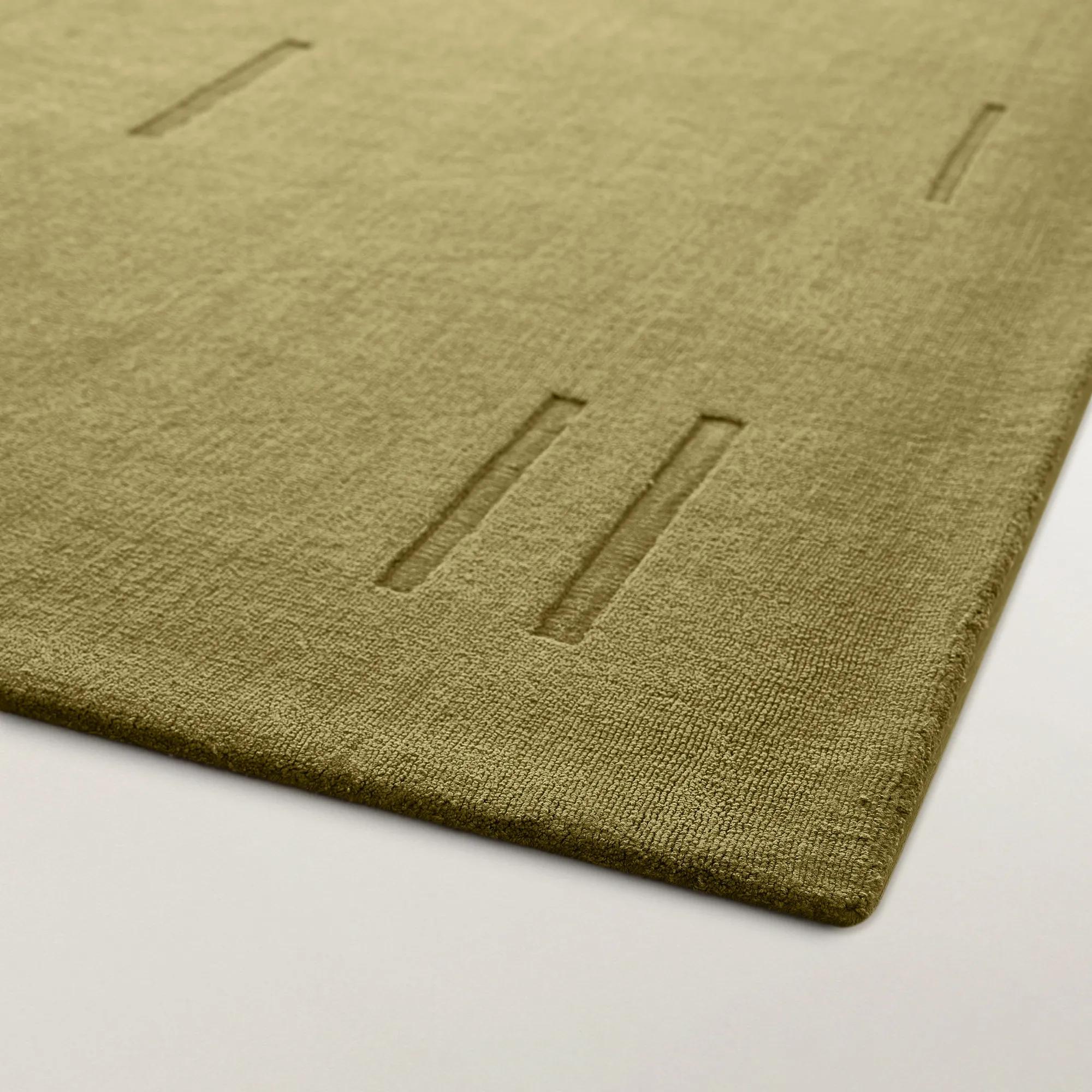 Lamita Muted Olive Green Wool Blend Rug$1299
A muted olive green wool-blend rug adding soft texture and understated warmth to modern interiors.
Add To Cart -
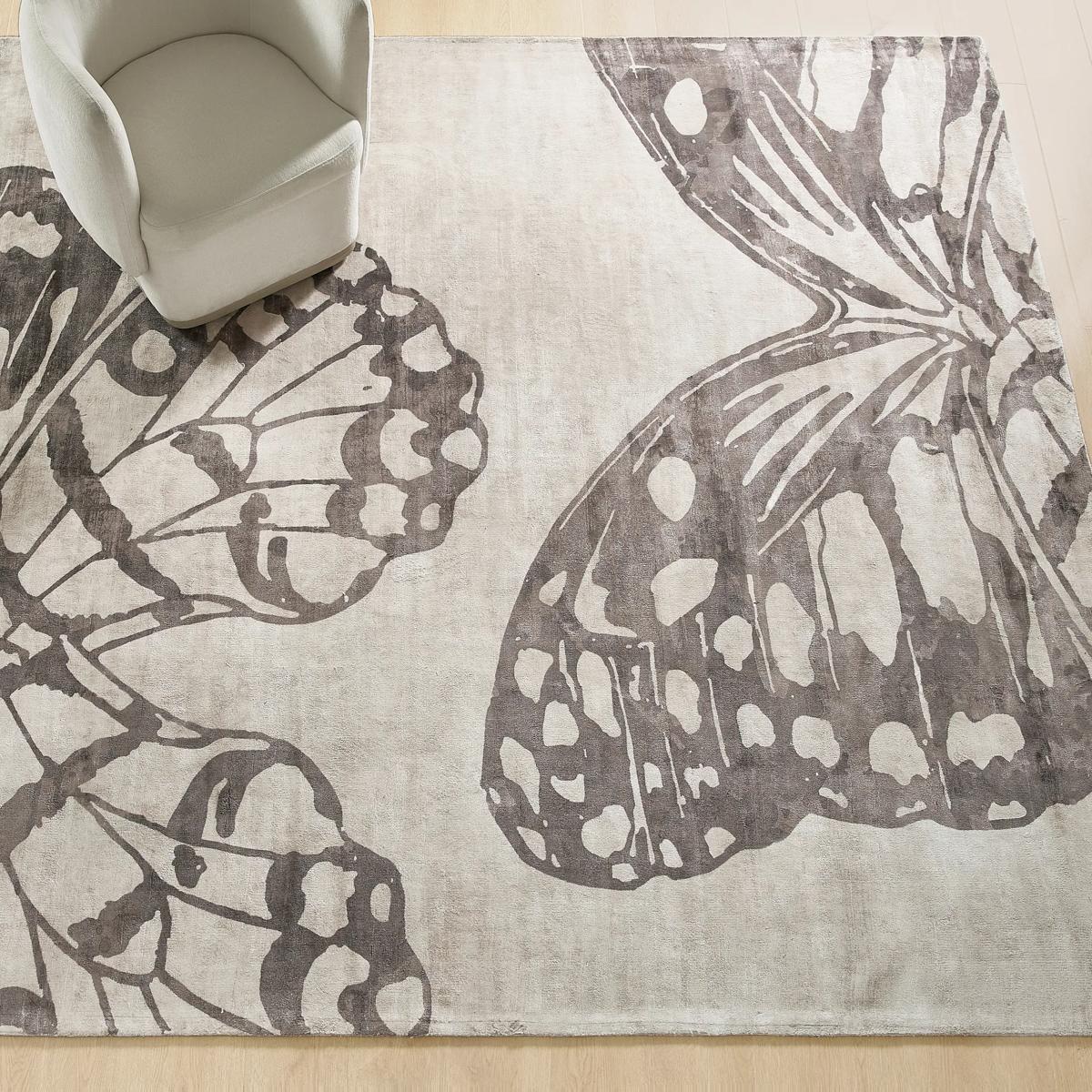
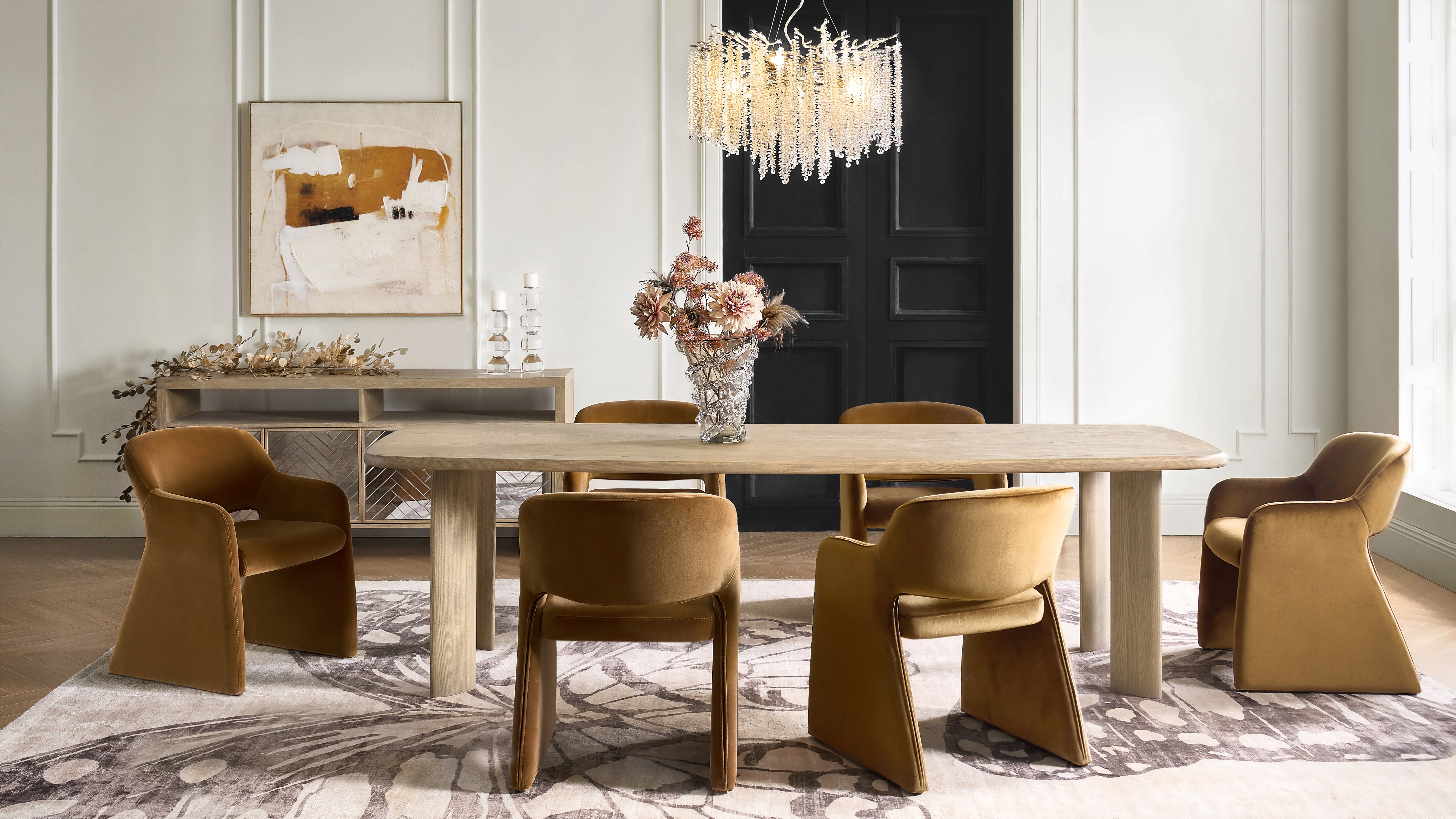 Mariposa Rug - Ivory/Dusty Mauve$1499
A hand-loomed viscose rug featuring oversized butterfly motifs in soft ivory and dusty mauve tones.
Add To Cart -
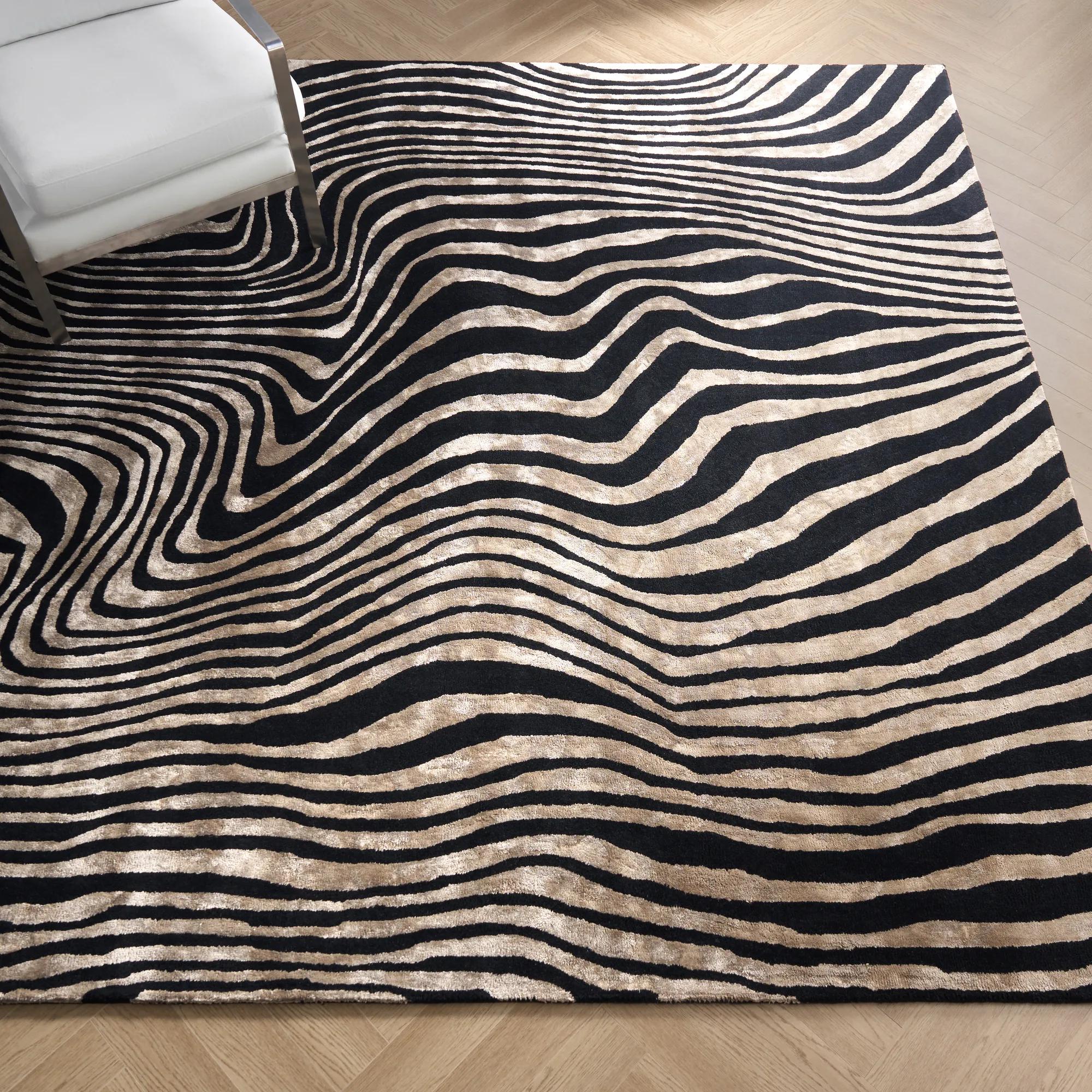
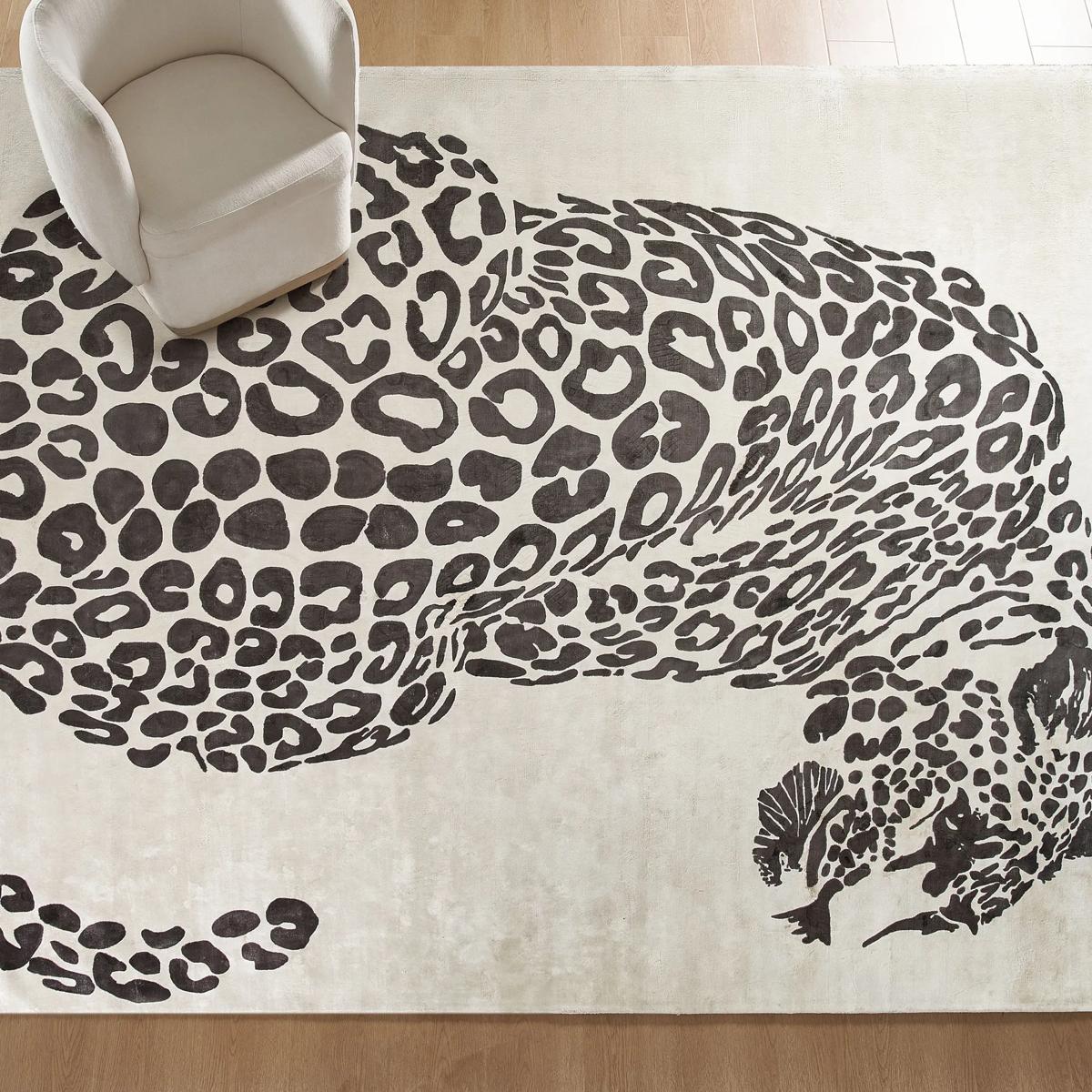 Pardus Leopard Hand-Loomed Ivory/Black Rug$499
An artful ivory and black viscose rug featuring a bold leopard motif and a smooth, silky texture.
Add To Cart -
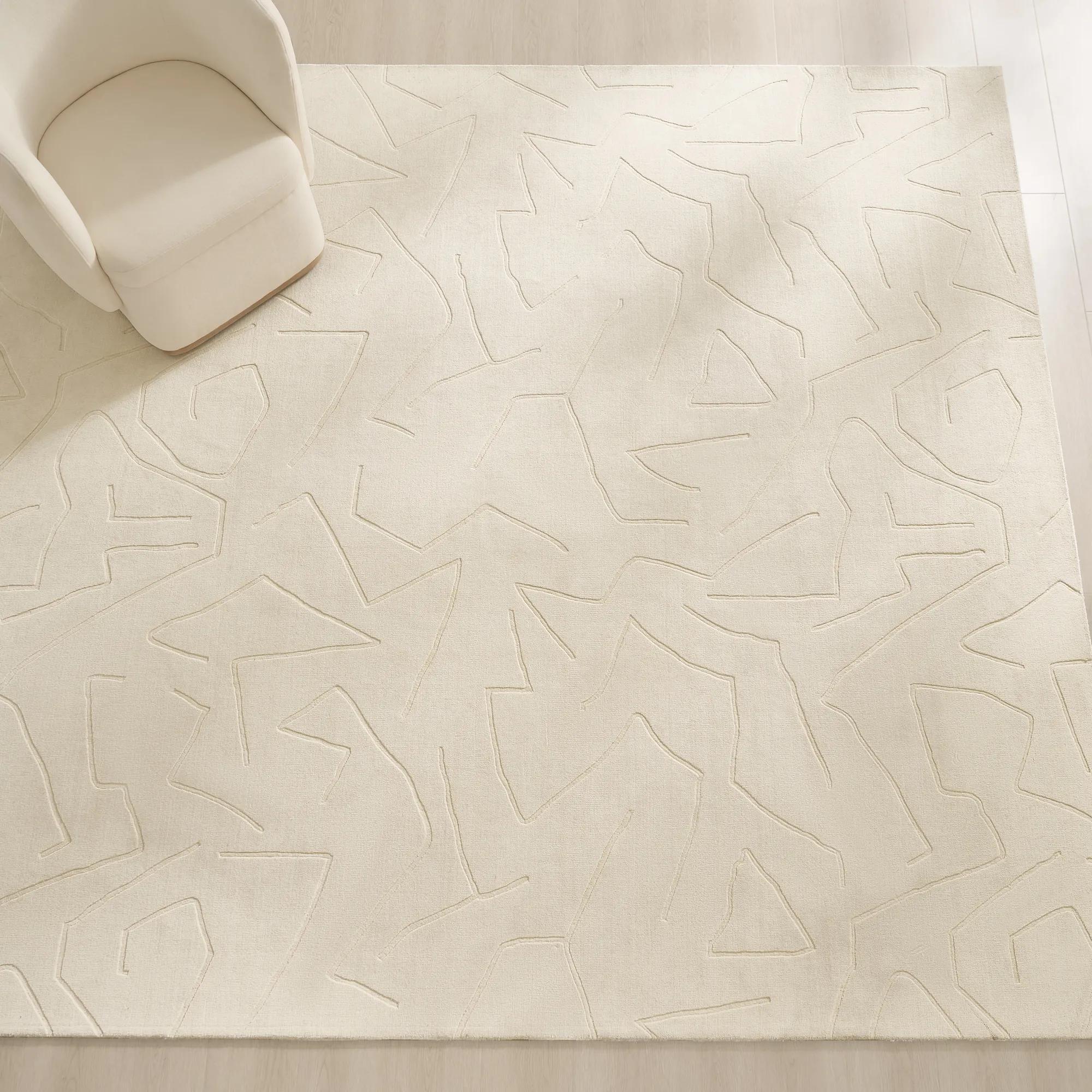 Carved Maze Ivory Hand-Loomed Wool Blend Rug$1399
A hand-loomed ivory wool-blend rug featuring a carved maze pattern for modern textural appeal.
Add To Cart -
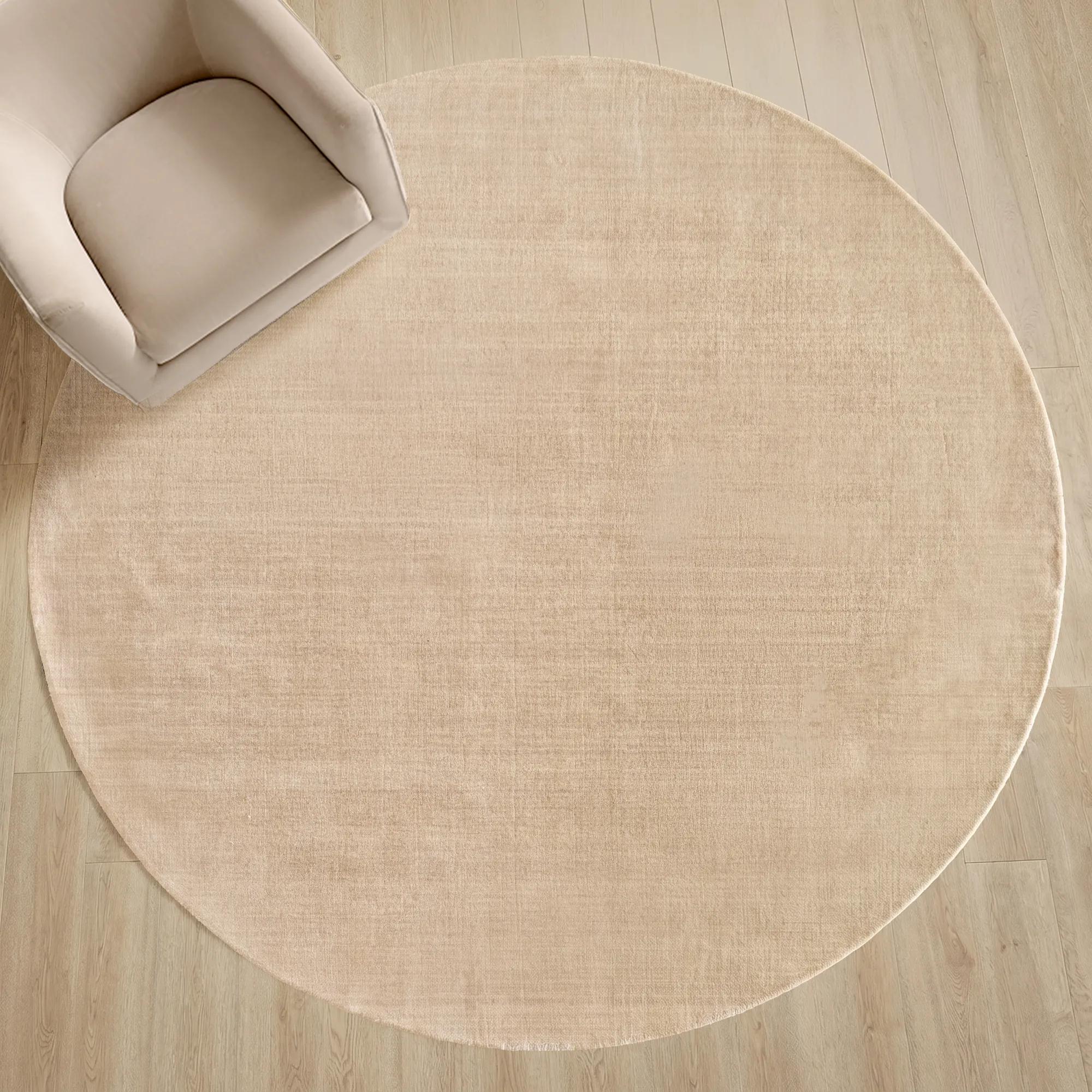 Juni Hand Woven Heathered Warm Beige Round Rug$1399
A handwoven round wool rug in heathered warm beige, offering refined texture and everyday durability.
Add To Cart -
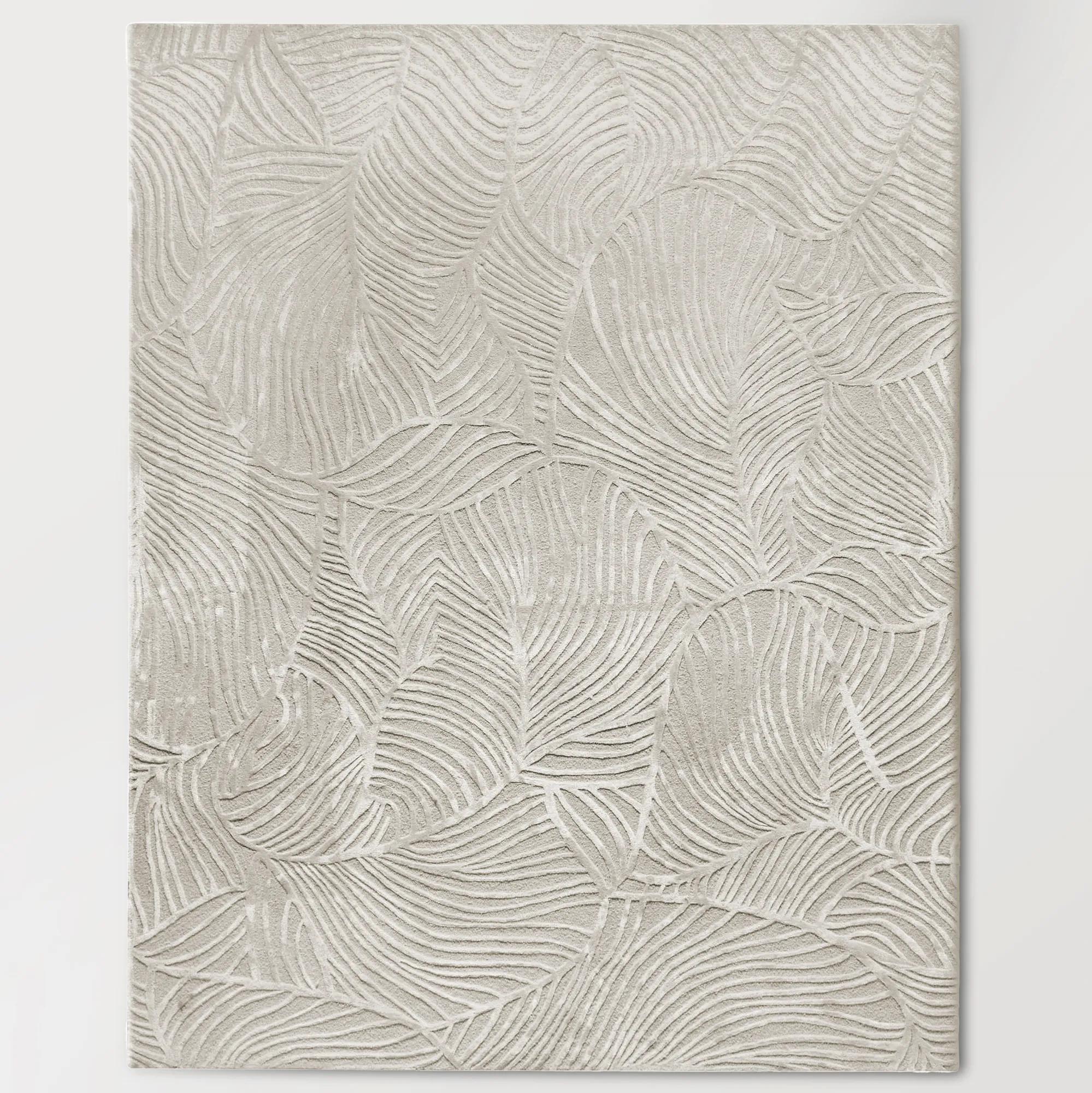 Palm Hand-Tufted Ivory Wool Blend Rug$1499
An ivory rug featuring a dynamic palm-leaf design with high-low pile in viscose and wool.
Add To Cart -
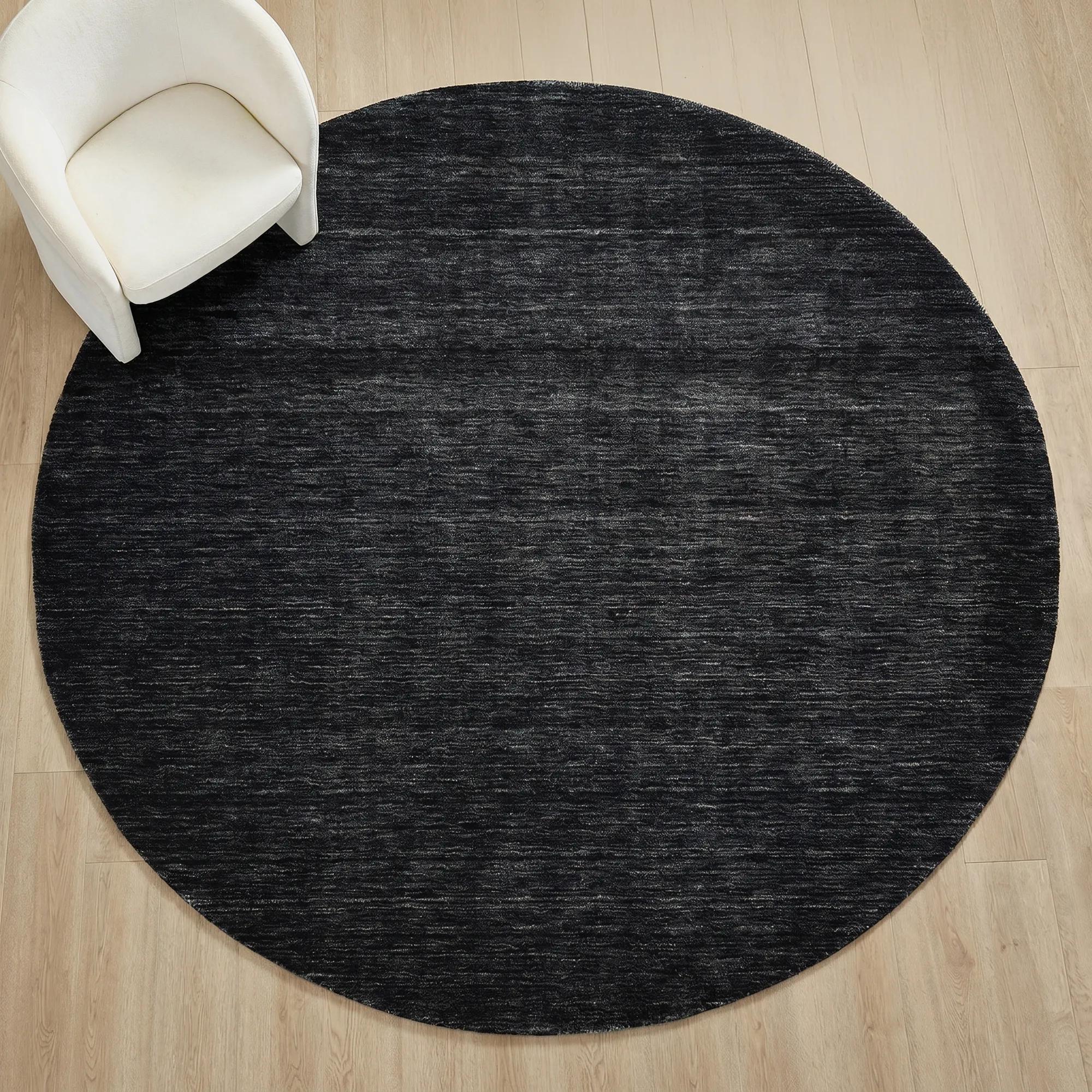 Juni Hand Woven Heathered Black Rug$799
A handwoven round wool rug in heathered black, offering durable texture and moody, contemporary style.
Add To Cart -
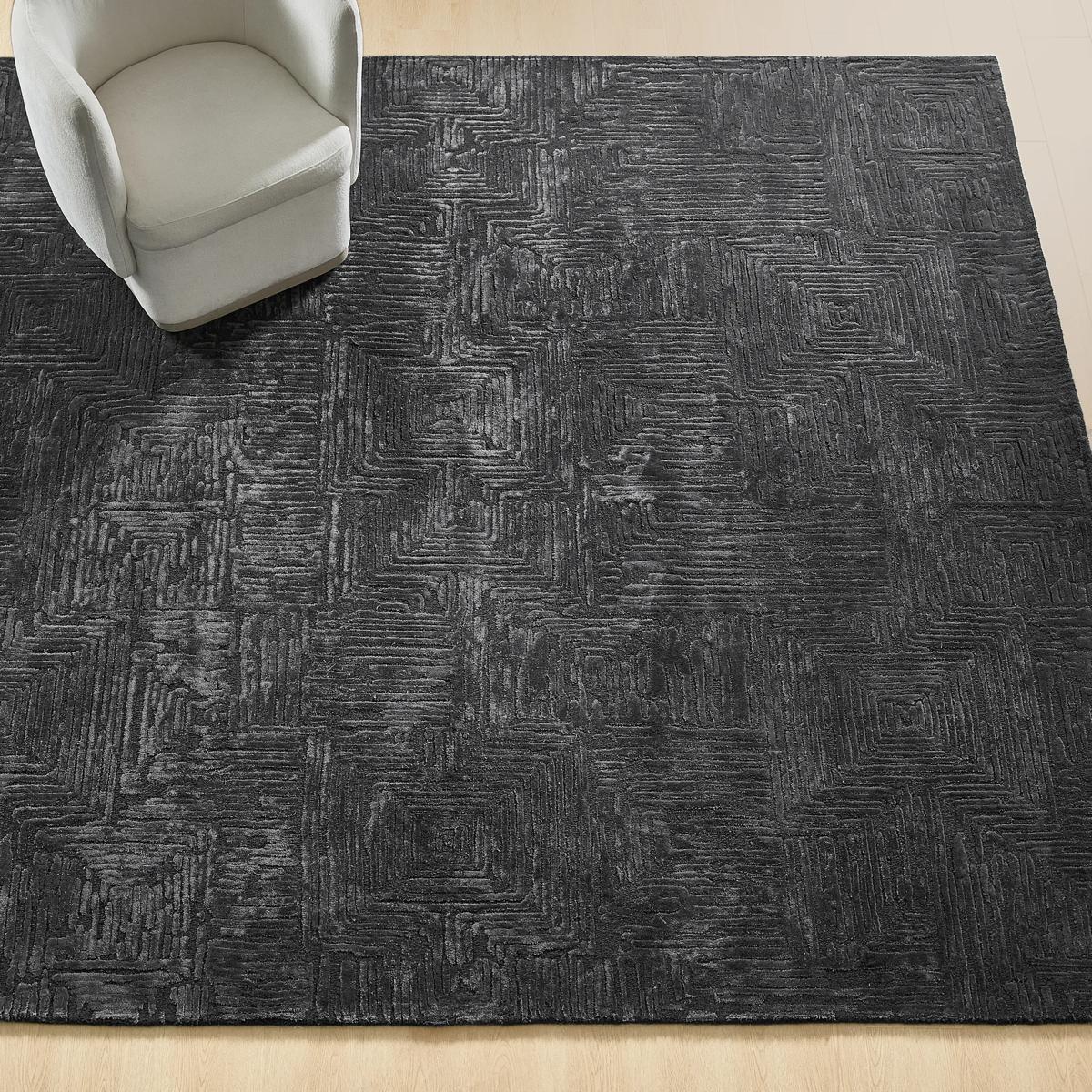
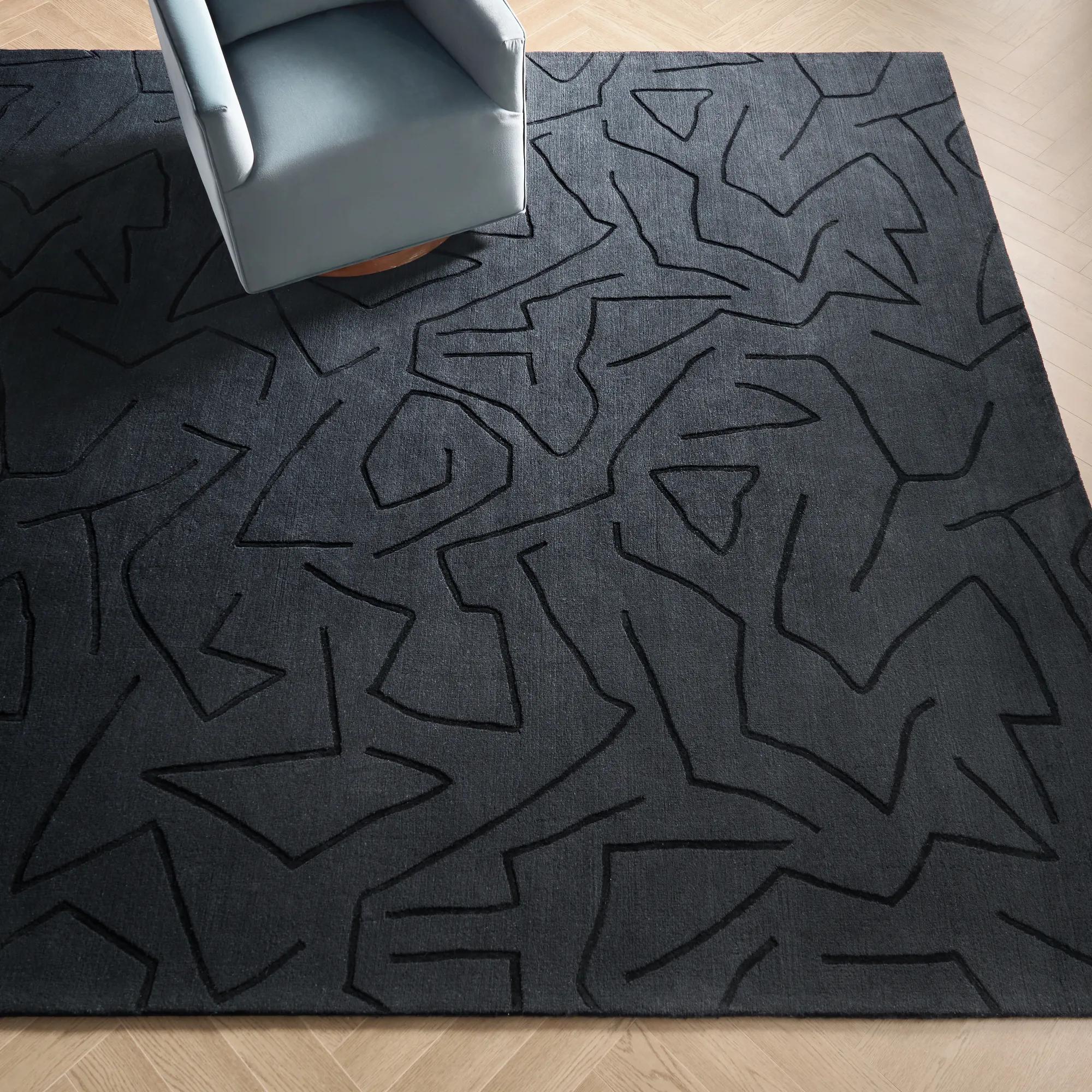 Carved Maze Rug$699
A hand-loomed black rug crafted from wool and viscose, featuring a carved maze design for added texture.
Add To Cart -
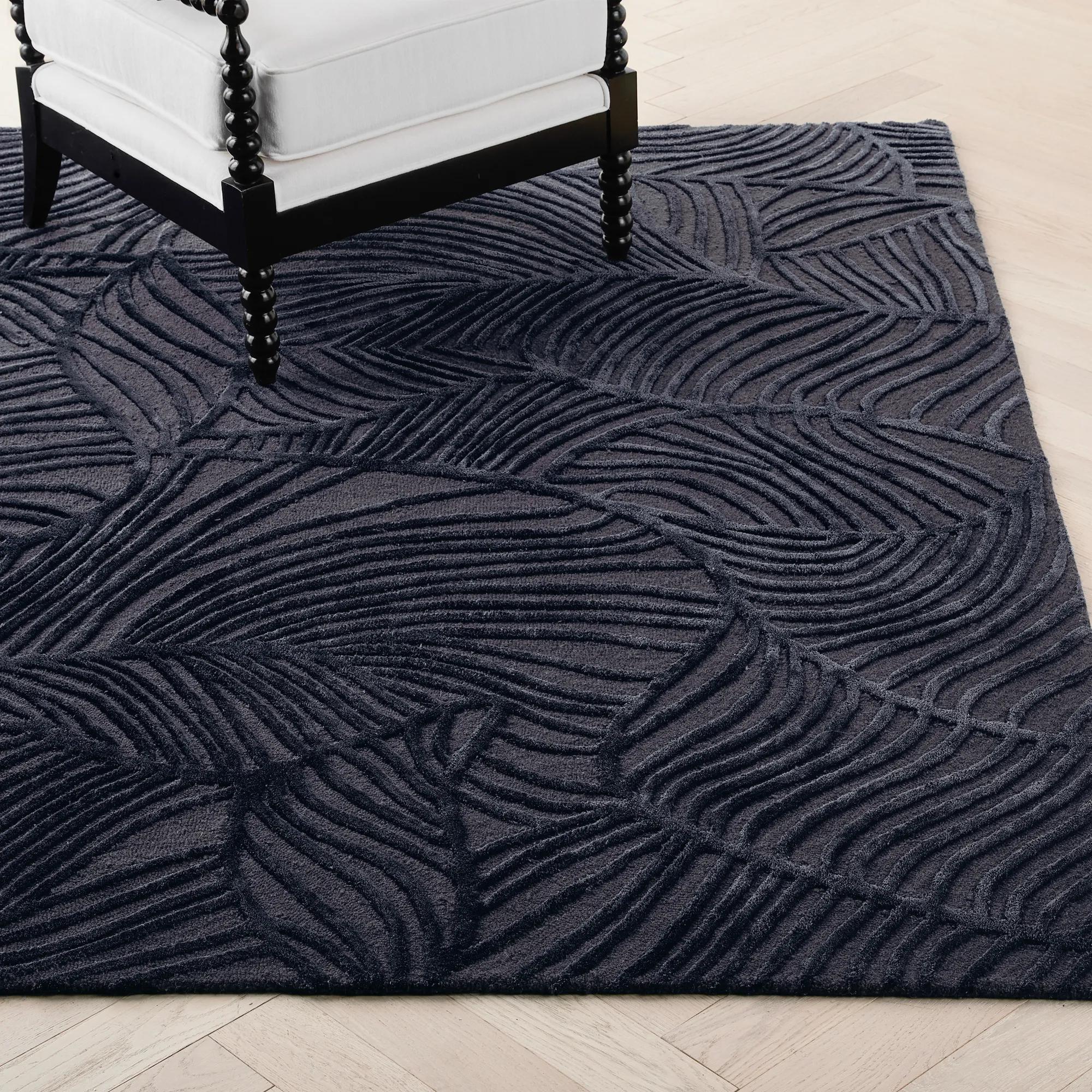
 Palm Rug - Charcoal$1499
A charcoal rug featuring a dynamic palm-leaf design with a textured high-low viscose and wool pile.
Add To Cart -
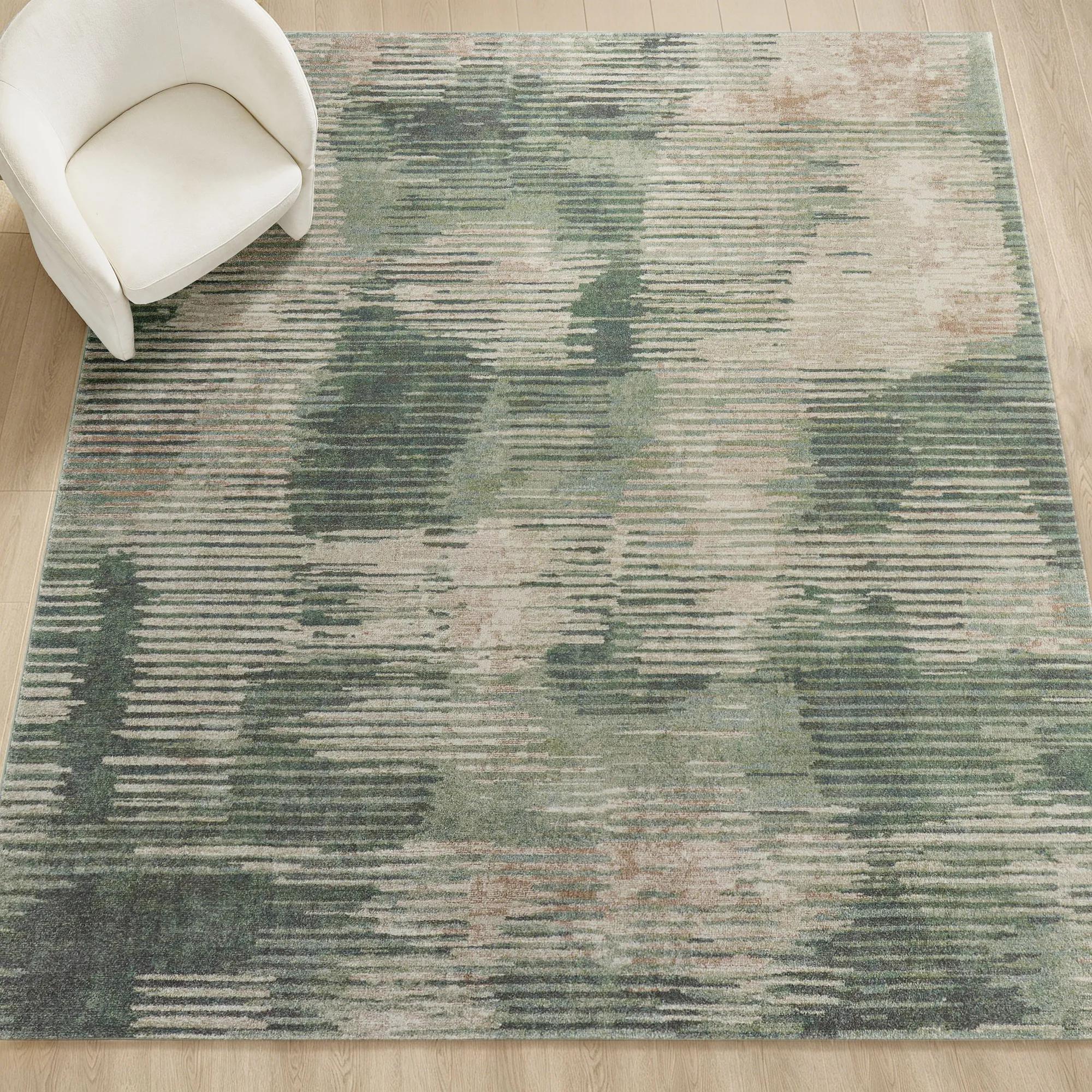
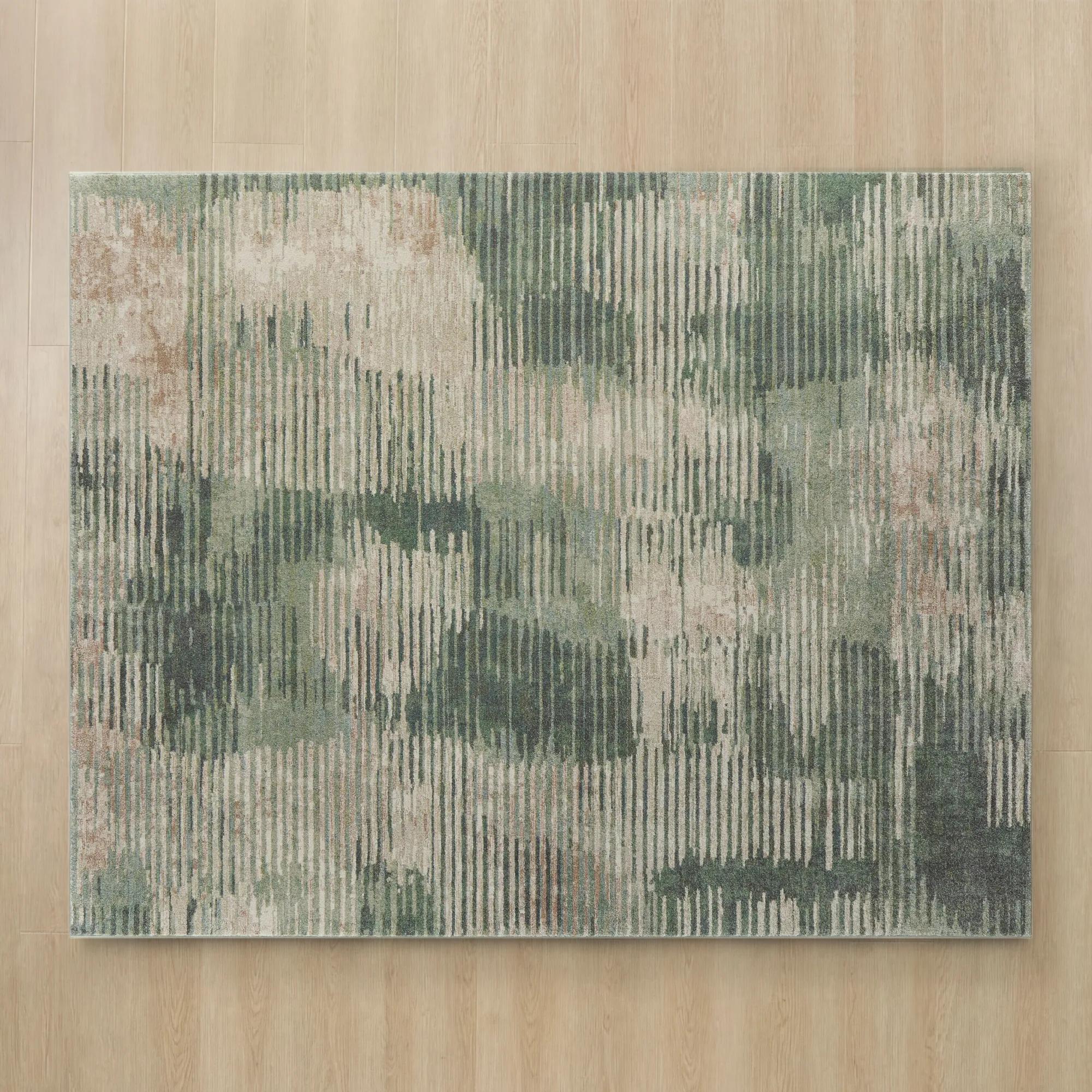 Sylvan Green/Beige Power Loomed Rug$1349
A power-loomed polypropylene rug featuring a contemporary organic pattern in smoked olive green and beige.
Add To Cart -
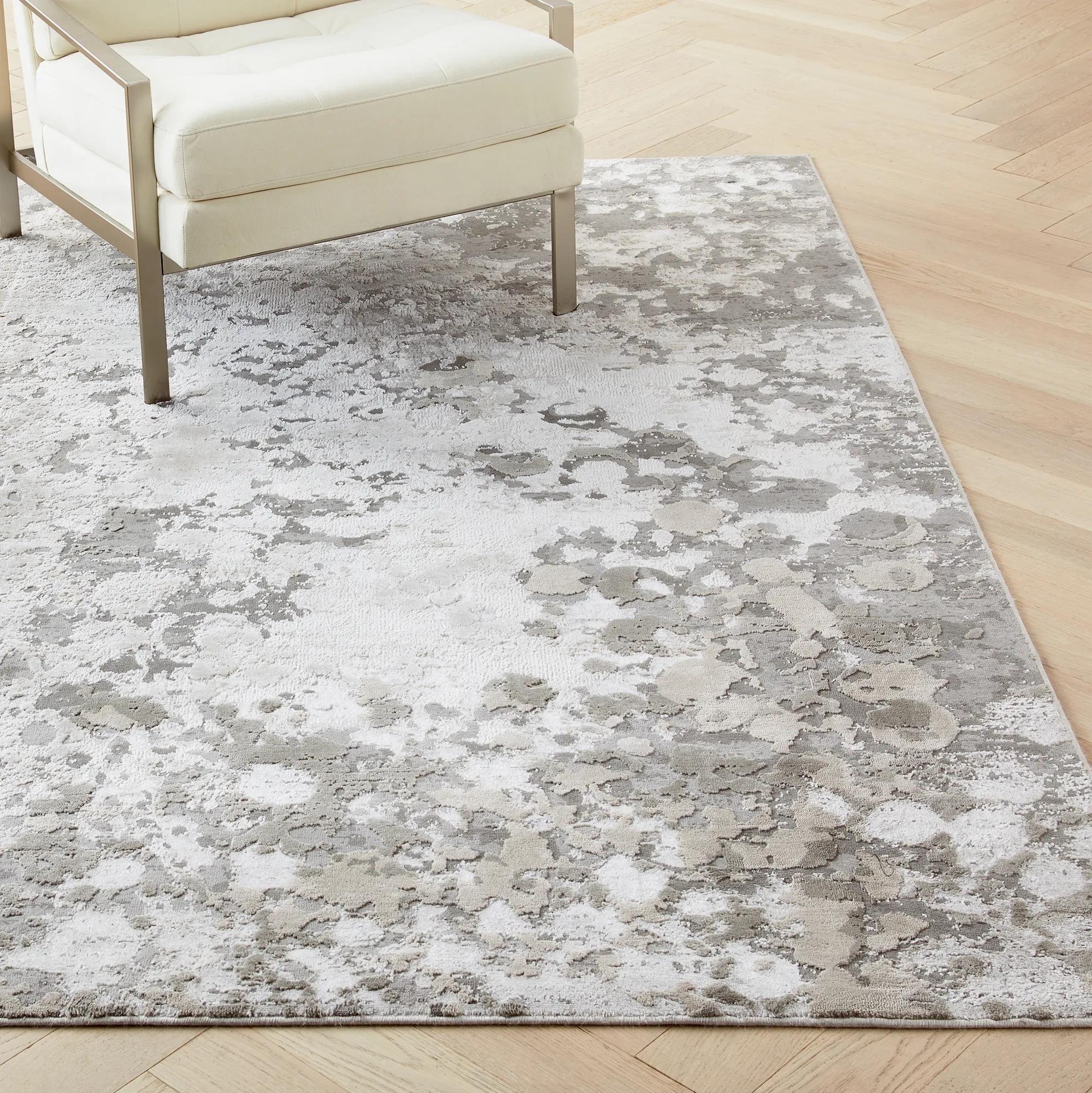 Mercury Power-Loomed Silver/Grey/Beige Rug$1649
A textured rug in silver, grey, and beige crafted from polyester, polypropylene, jute, and cotton.
Add To Cart -
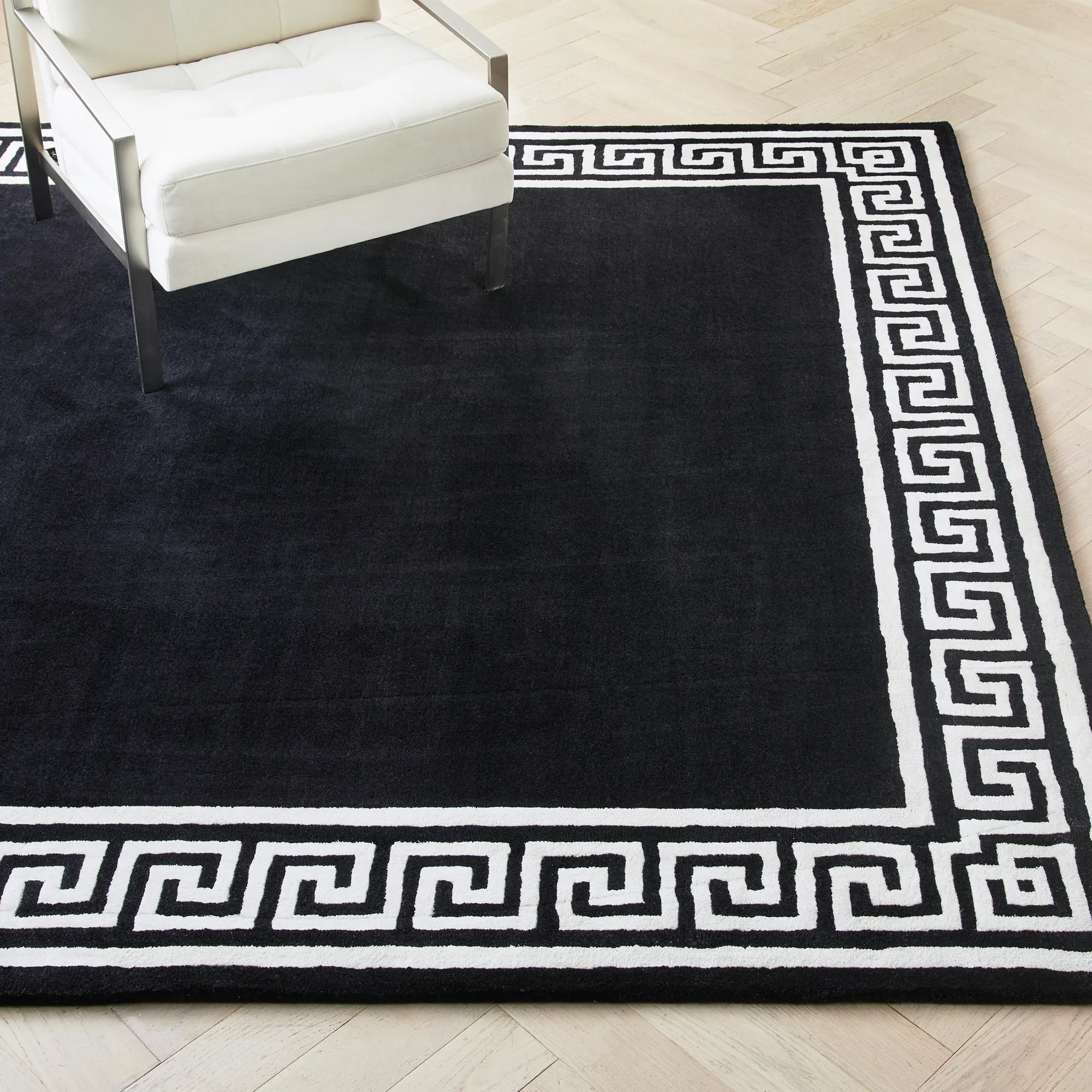
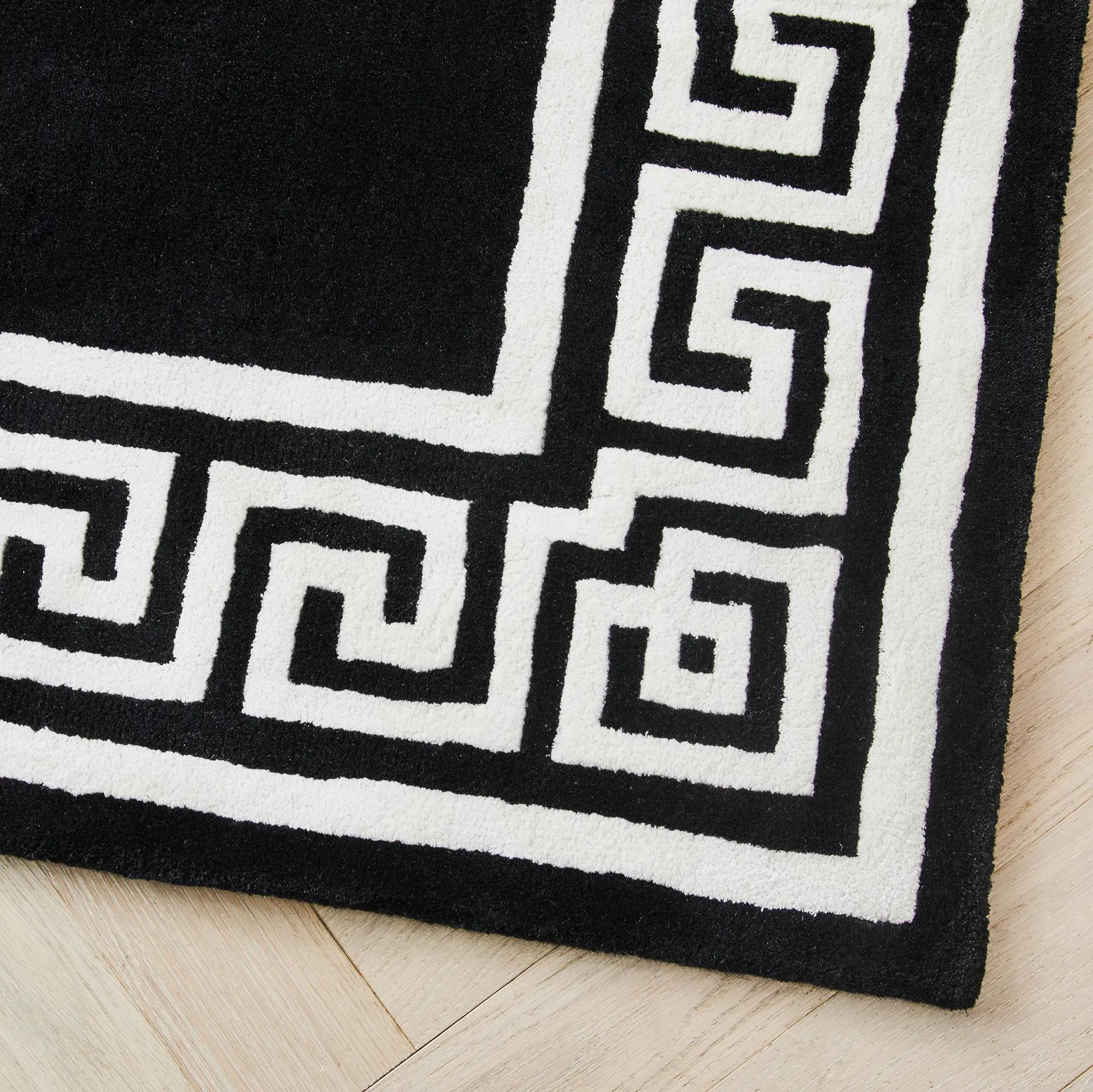 Greek Key Rug - Black/Ivory$1799
A hand-tufted black and ivory rug featuring a classic Greek key pattern in wool and viscose.
Add To Cart -
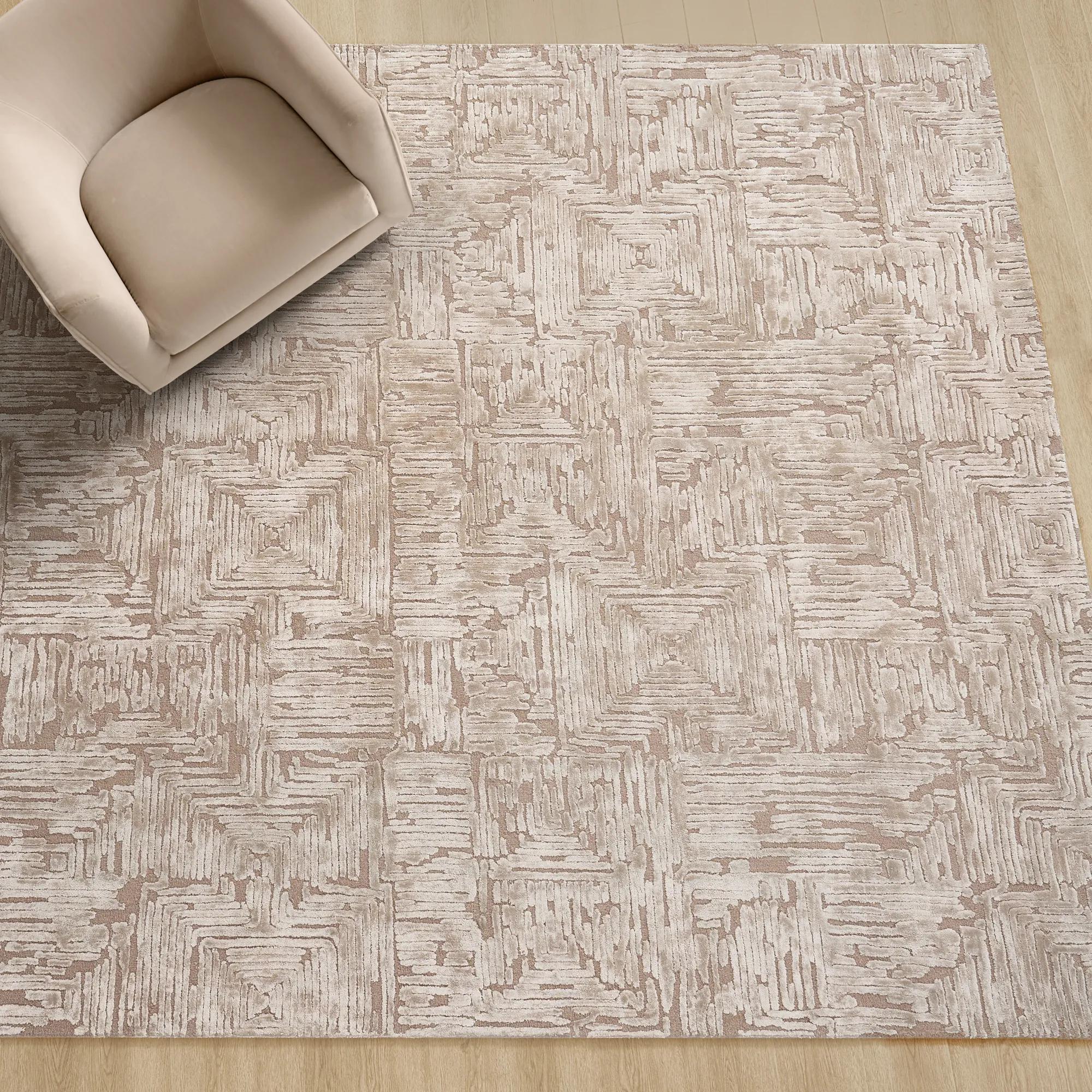
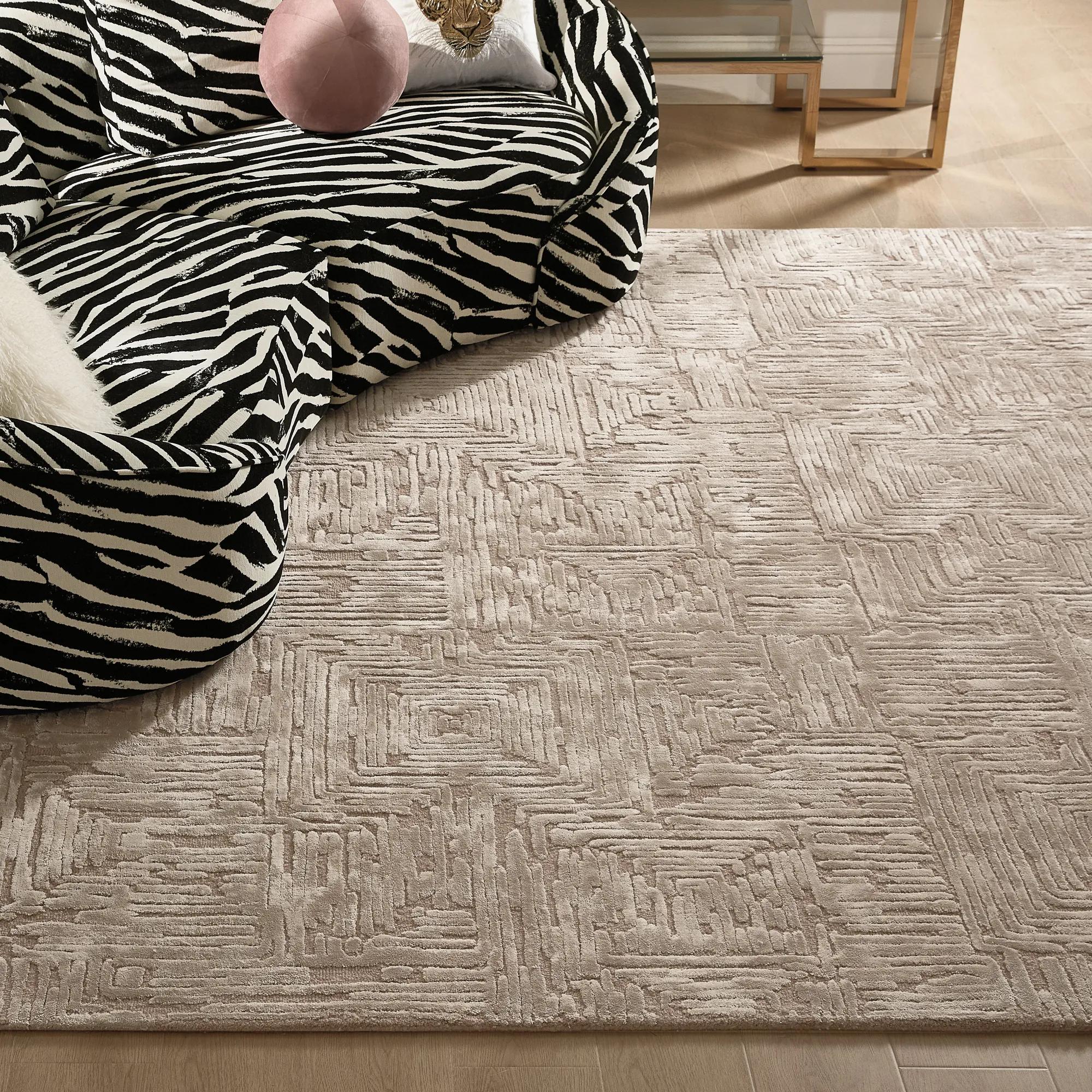 Andra Hand-Tufted Mocha Rose Viscose & Wool Dimensional Rugs$1499
A hand-tufted viscose and wool rug in mocha rose, featuring a dimensional geometric pattern and soft sheen.
Add To Cart -
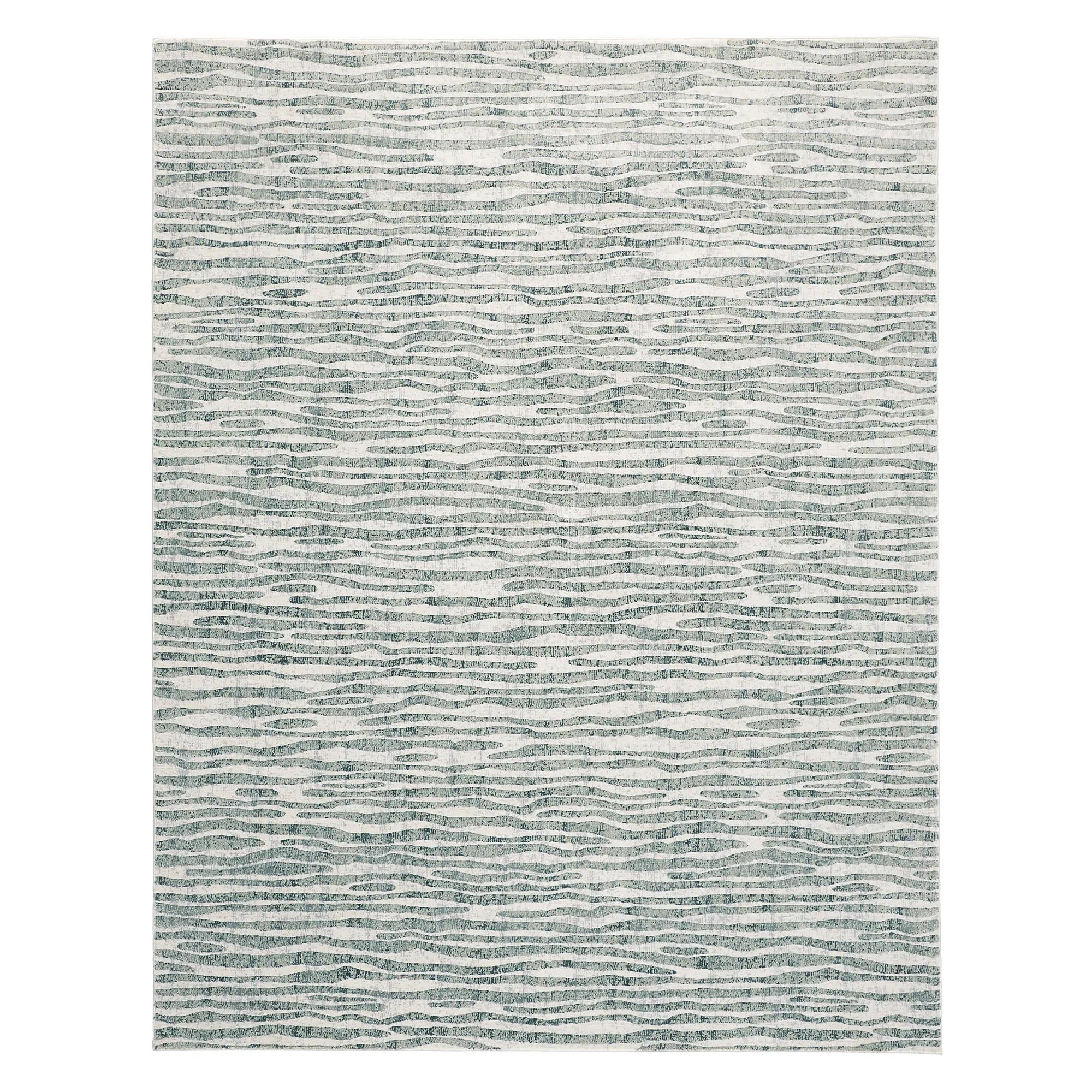 Samantha Power-Loomed Aqua/Grey Rug$719
A machine-woven rug featuring silvery-aqua and green accents on an ivory and grey polypropylene base.
Add To Cart -
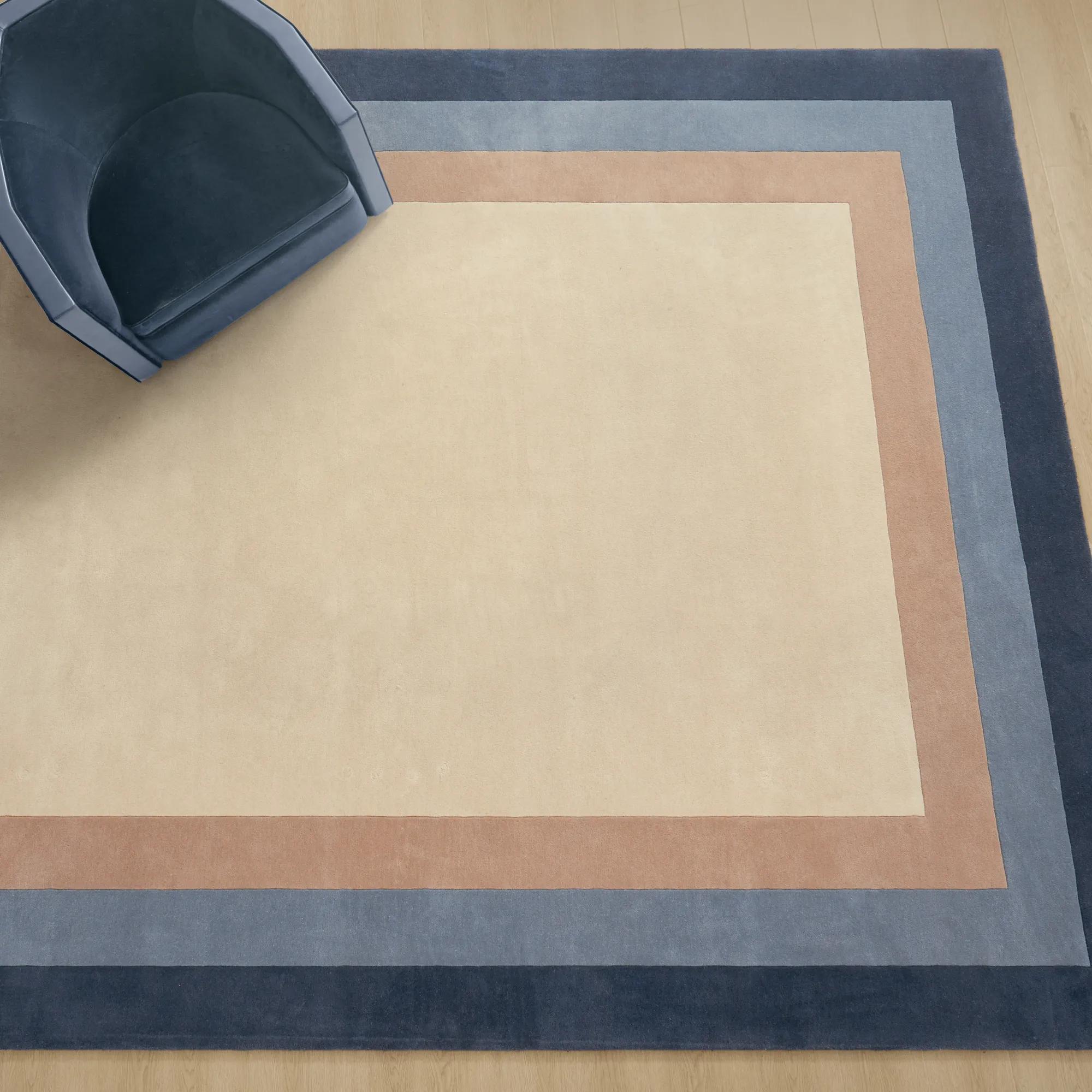 Bastien Hand-Tufted Blue/Taupe/Ivory Wool Border Rugs$499
A hand-tufted pure wool rug featuring a bold color-blocked border in dusty blue, taupe, and ivory.
Add To Cart -
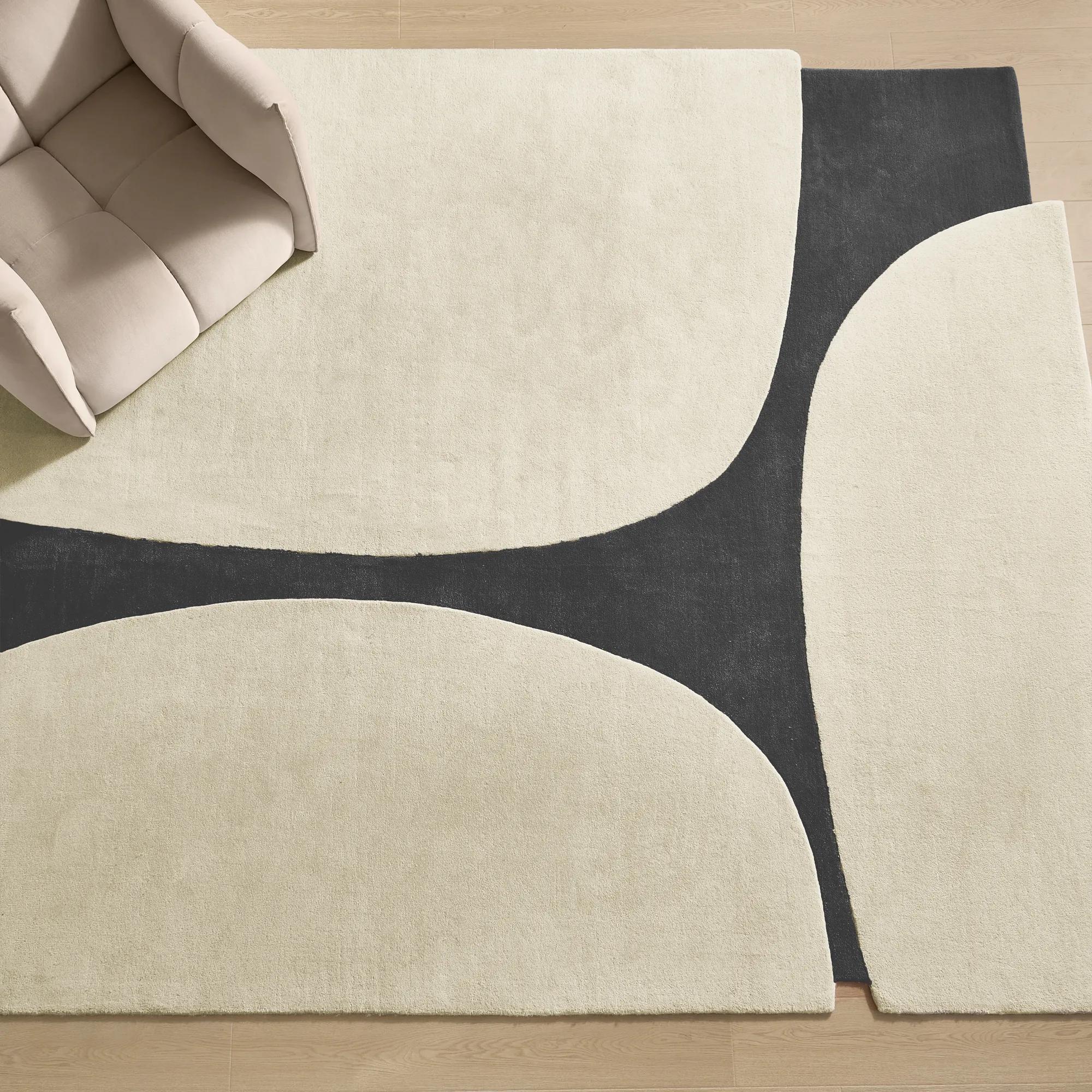 Contour Hand-Tufted Ivory/Charcoal Wool & Viscose Rugs$1499
An artfully shaped hand-tufted rug featuring high-low texture in warm ivory and charcoal wool-viscose blend.
Add To Cart -
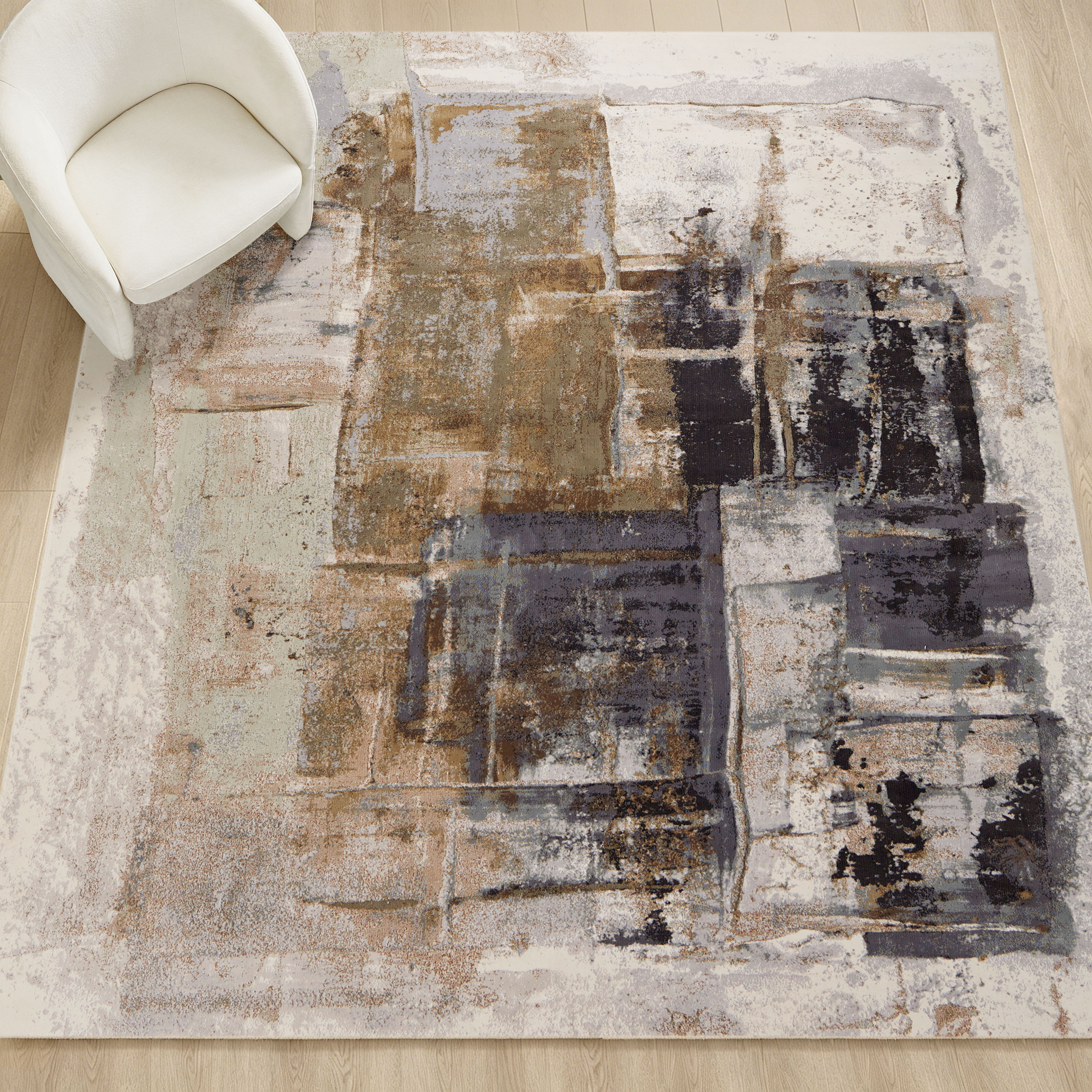
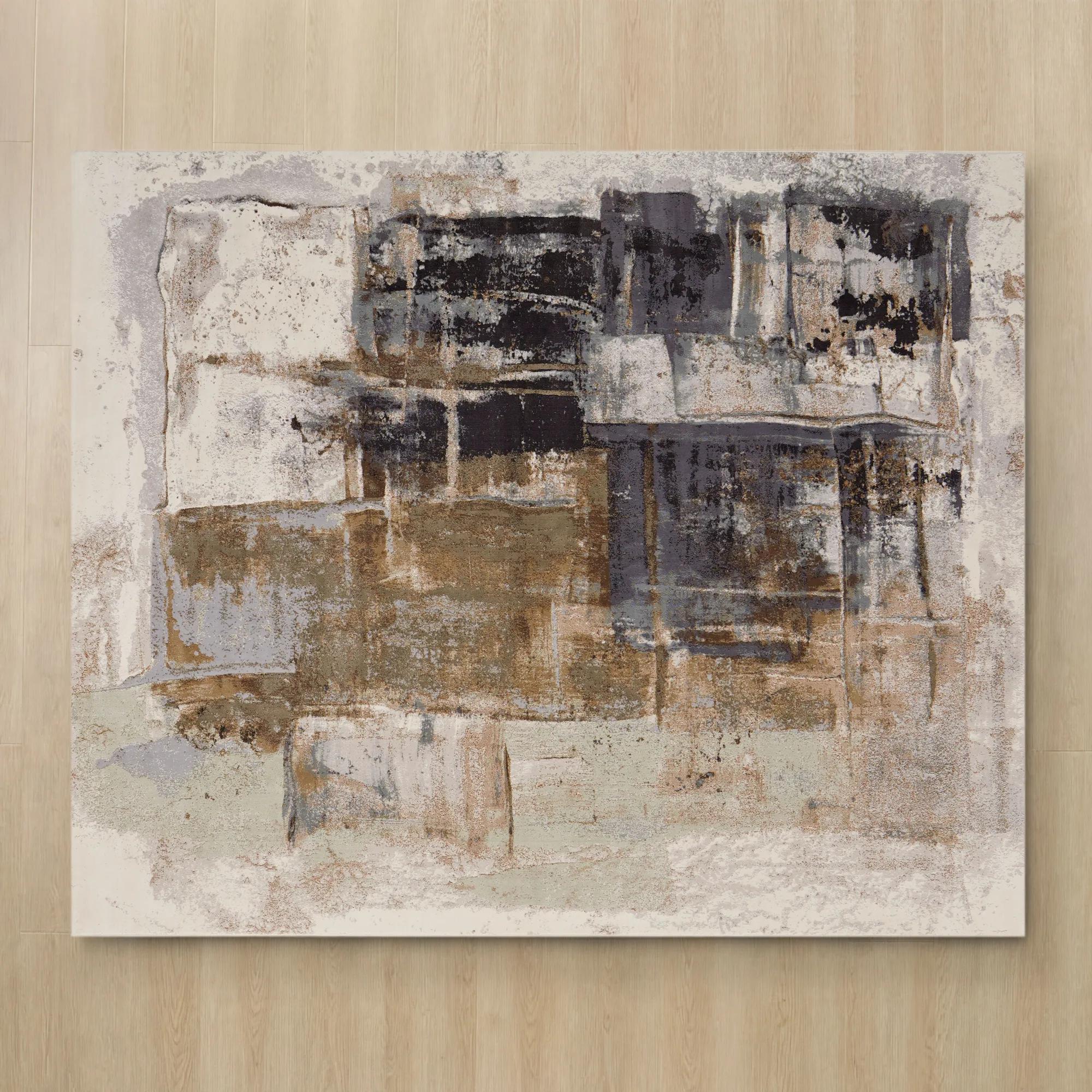 Gaia Abstract Grey/Charcoal/Ivory/Gold/Blue Performance Power Loomed Rug$449
An abstract rug in grey, charcoal, ivory, gold, and blue with a soft, stain-resistant performance blend.
Add To Cart -
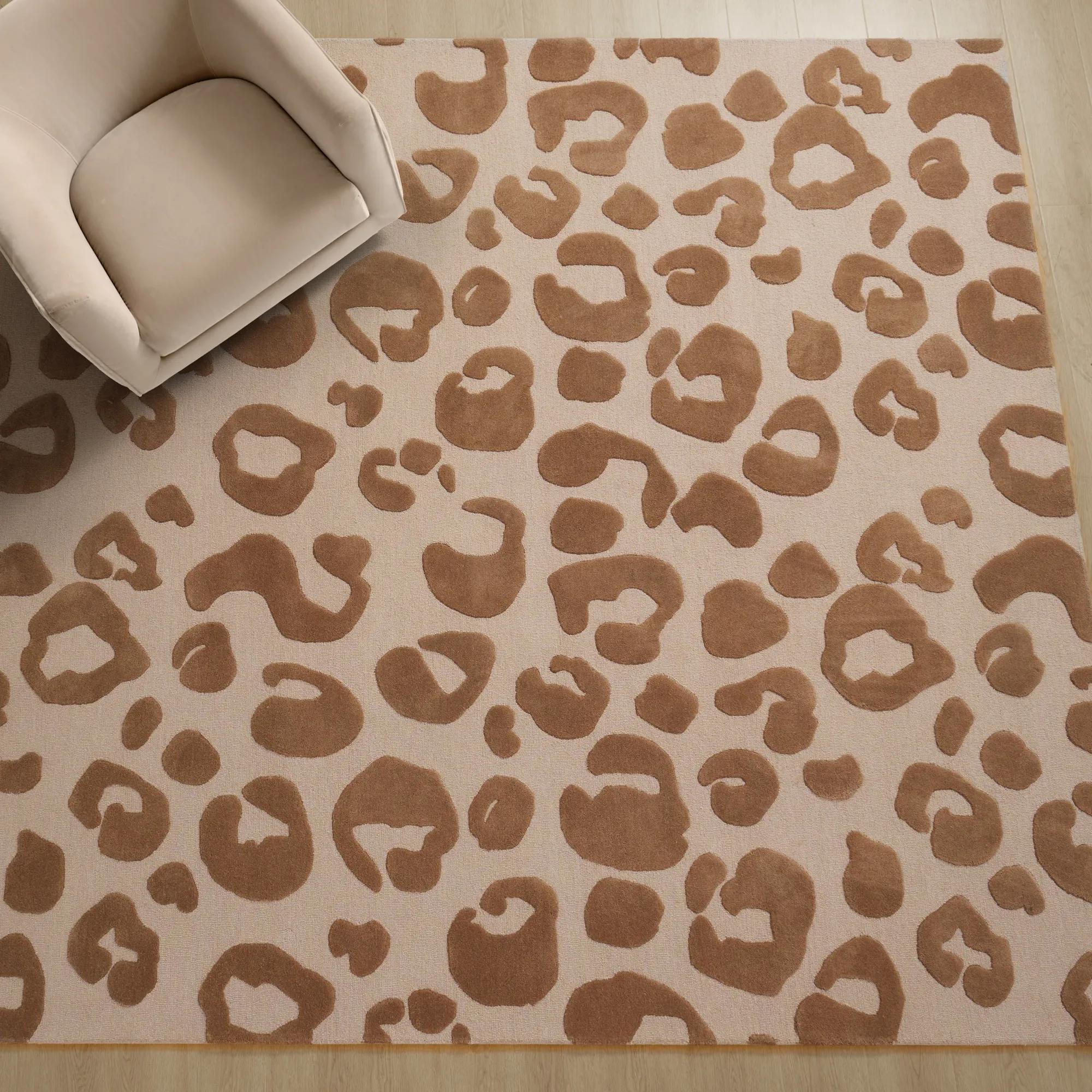 Pounce Hand-Tufted Tawny Brown Leopard Print Wool Rugs$499
A hand-tufted pure wool rug featuring a bold tawny brown leopard print and sculptural high-low texture.
Add To Cart -
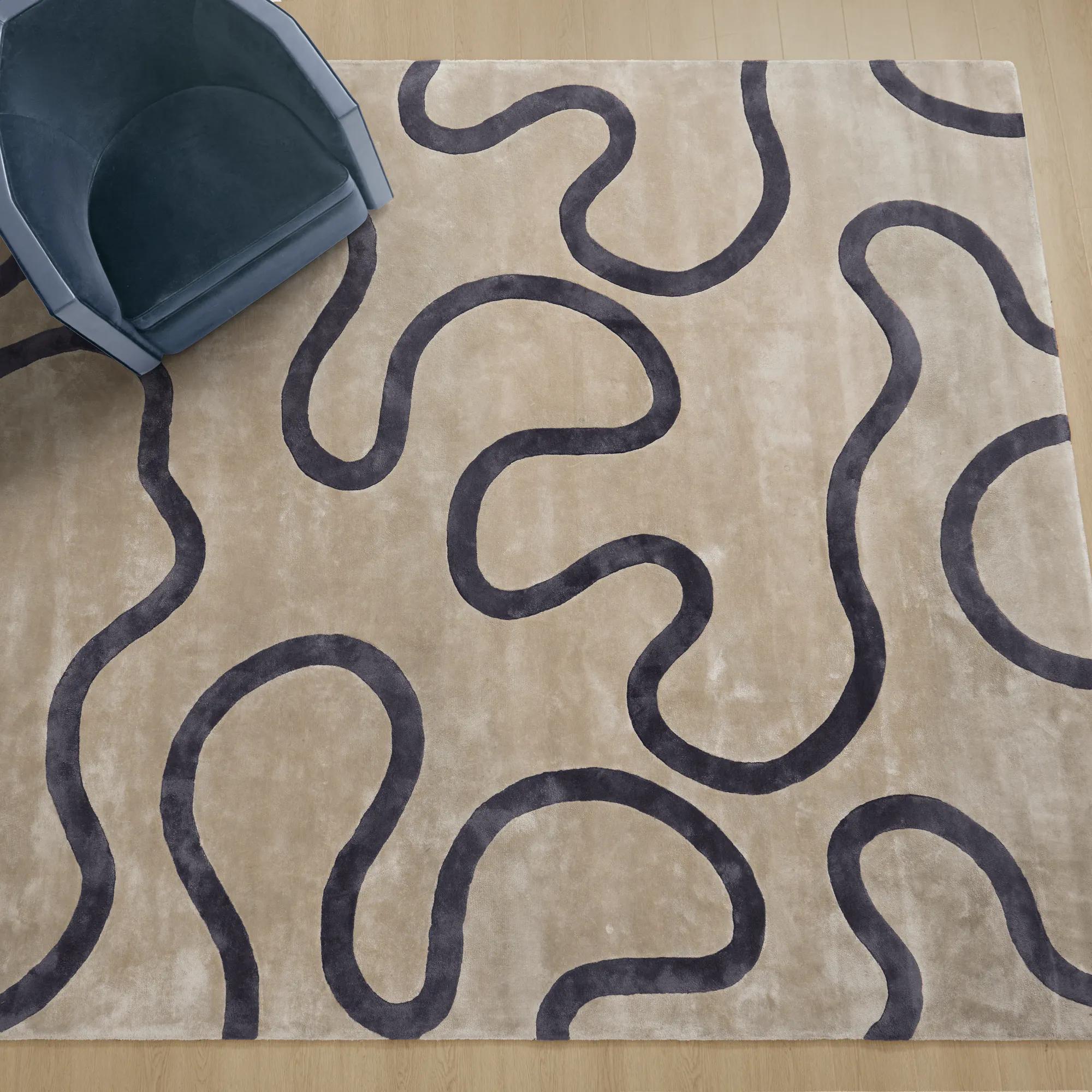 Seraphine Hand-Tufted Smoked Pearl/Taupe Viscose Loop Rugs$1799
A hand-tufted viscose rug in smoked pearl and taupe with bold Deco-inspired loop patterns and subtle sheen.
Add To Cart -
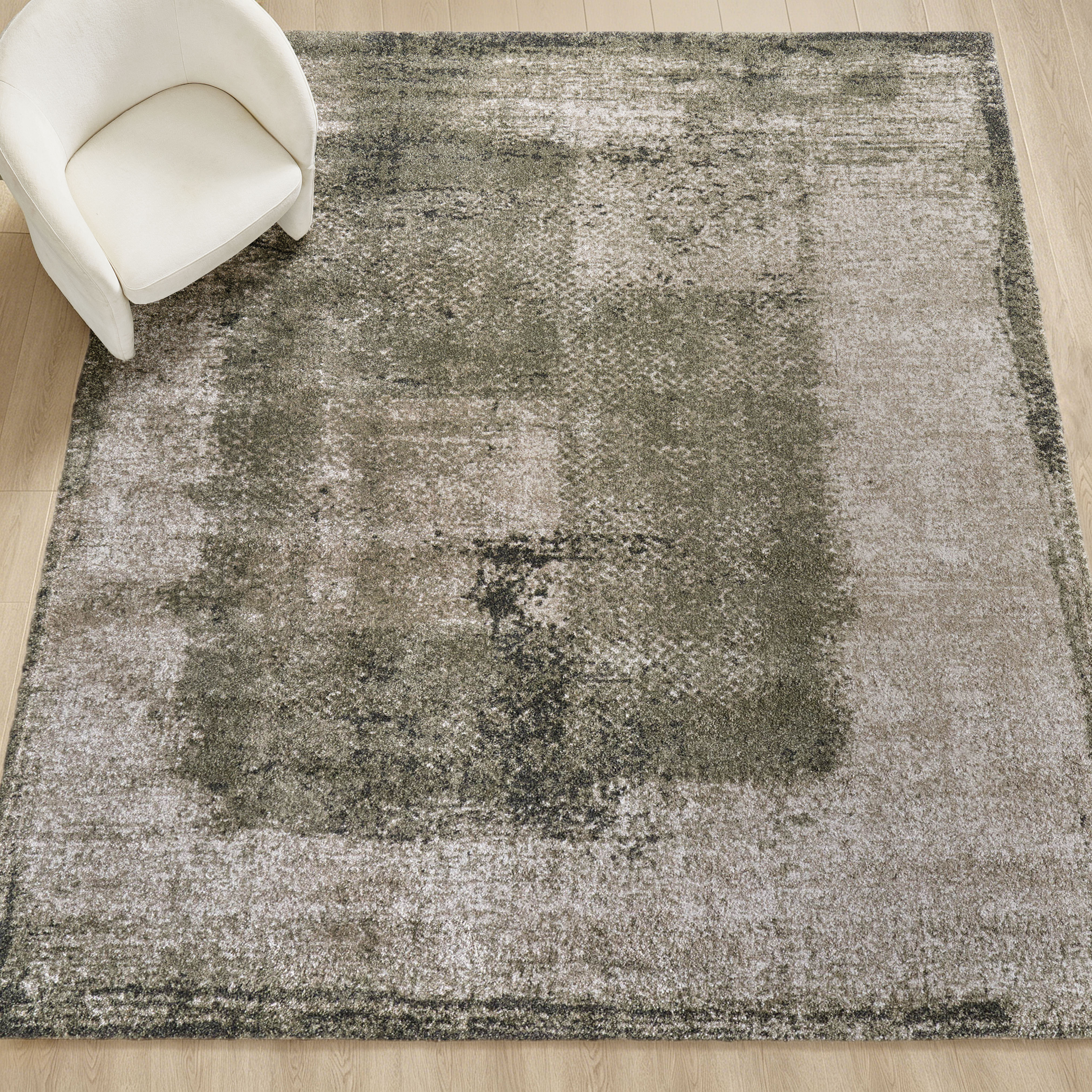
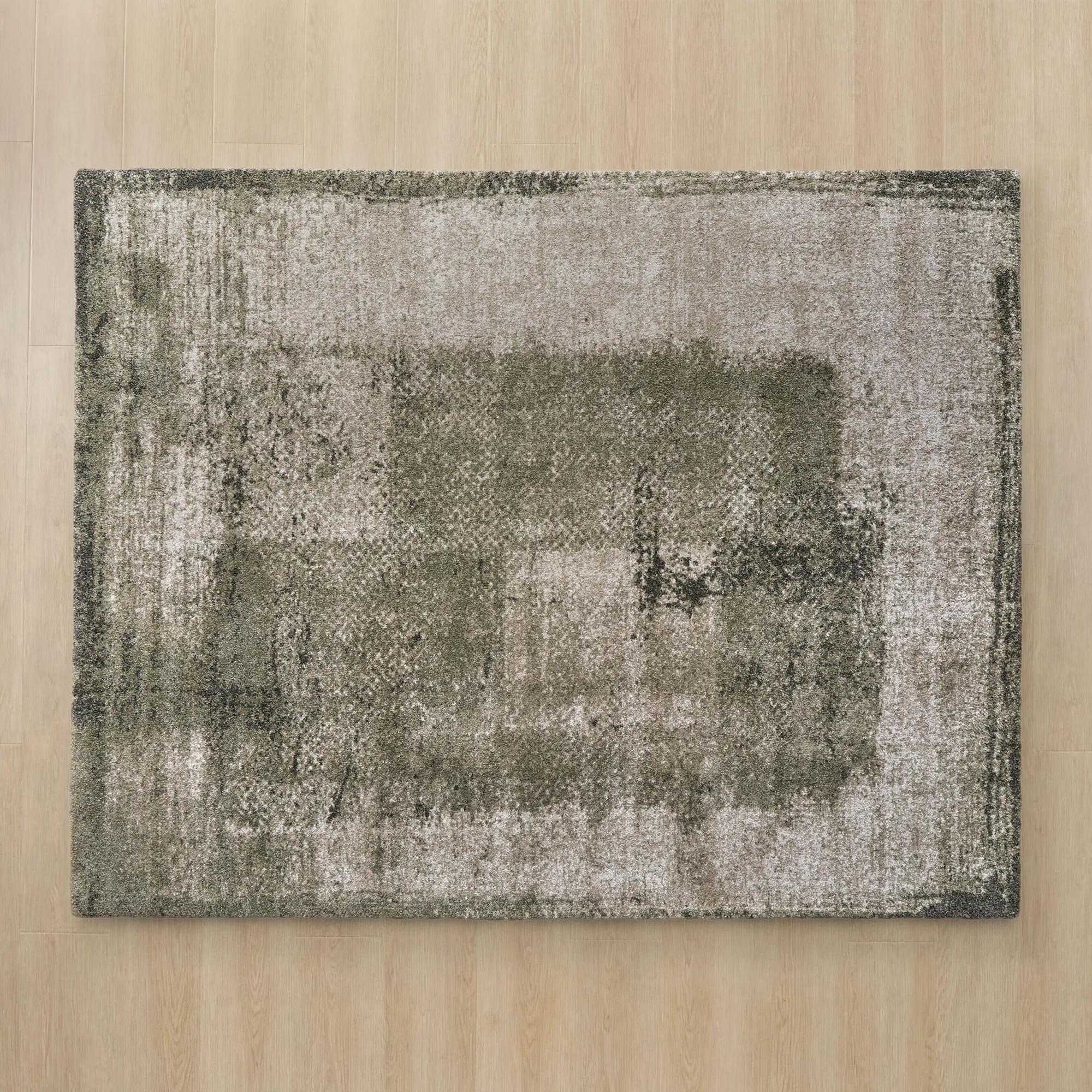 Irving Abstract Moss Green/Beige/Grey Performance Power Loomed Rug$849
An abstract rug in moss green, beige, and grey with plush, durable power-loomed polypropylene and polyester.
Add To Cart -
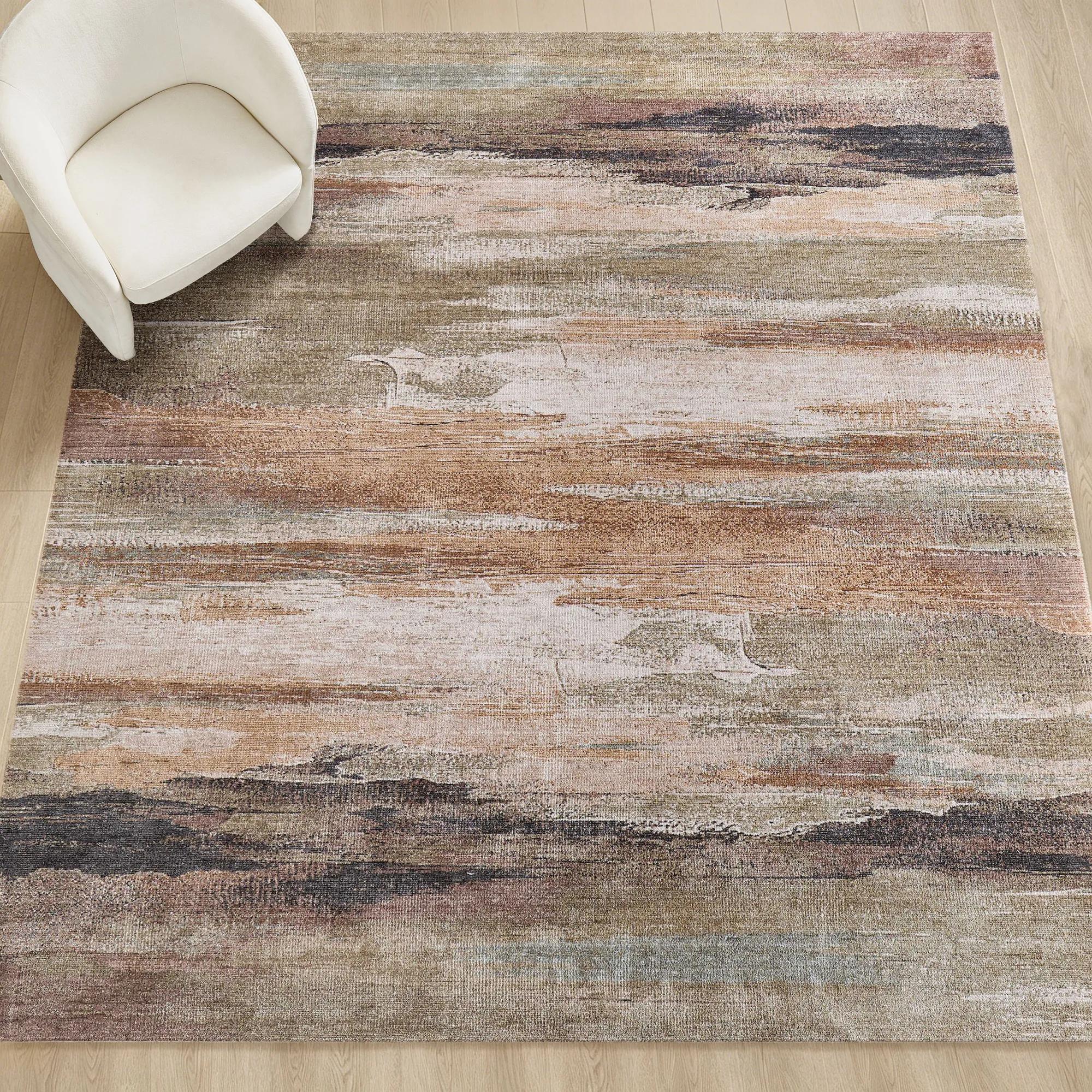
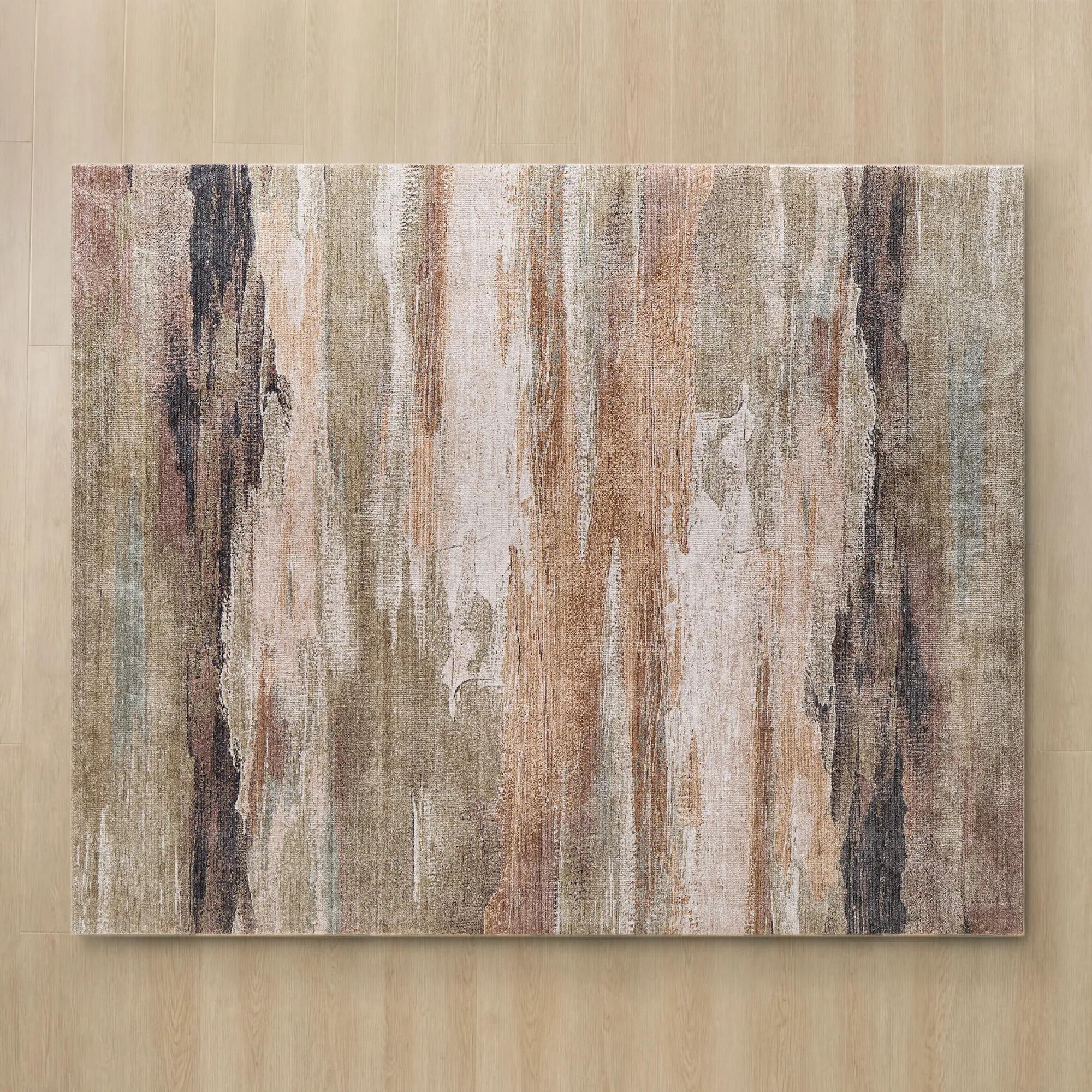 Sedona Rust/Beige/Moss Green/Charocal/Blue Performance Power Loomed Rug$1999
A power-loomed polyester rug featuring a rich abstract pattern in rust, beige, moss green, charcoal, and blue.
Add To Cart -
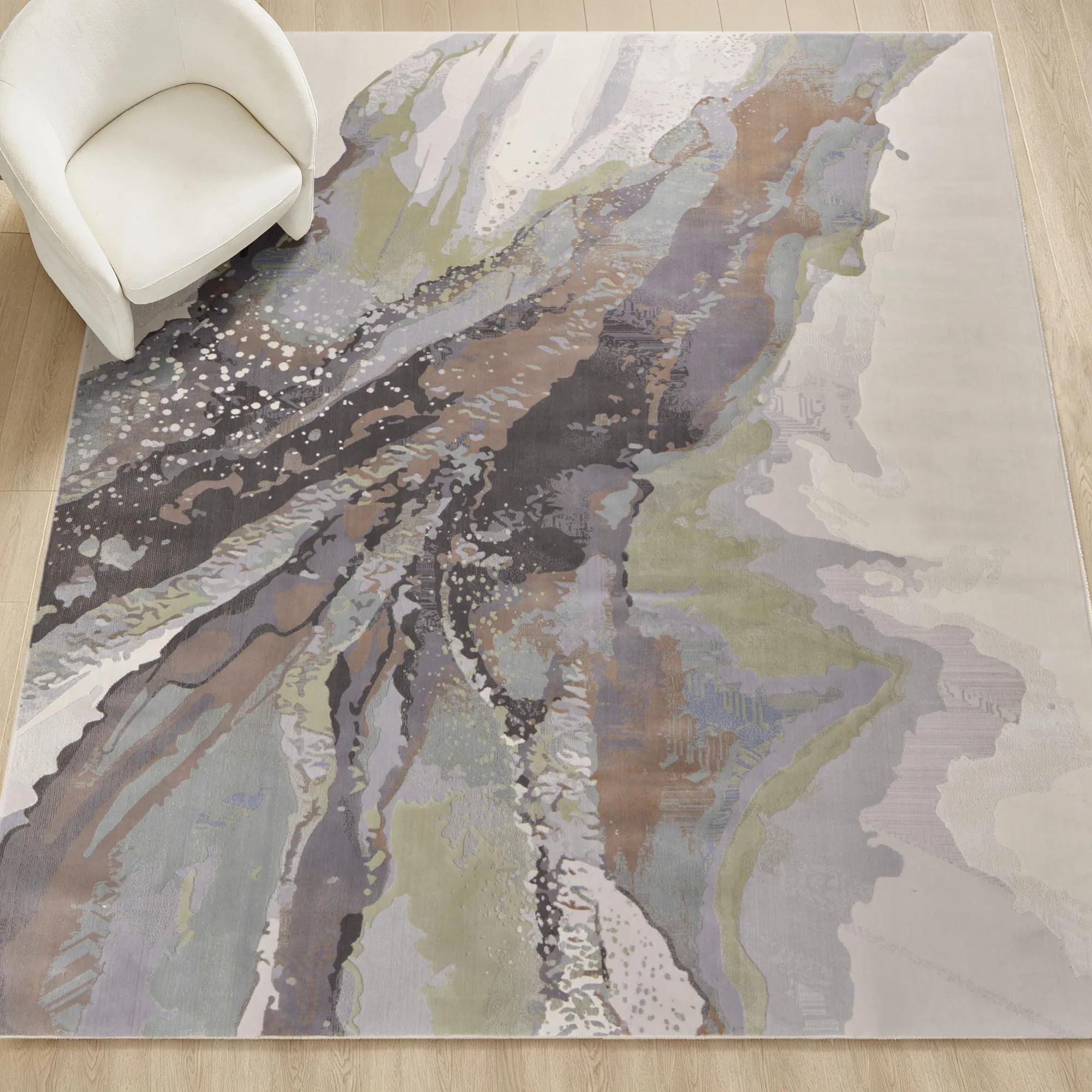
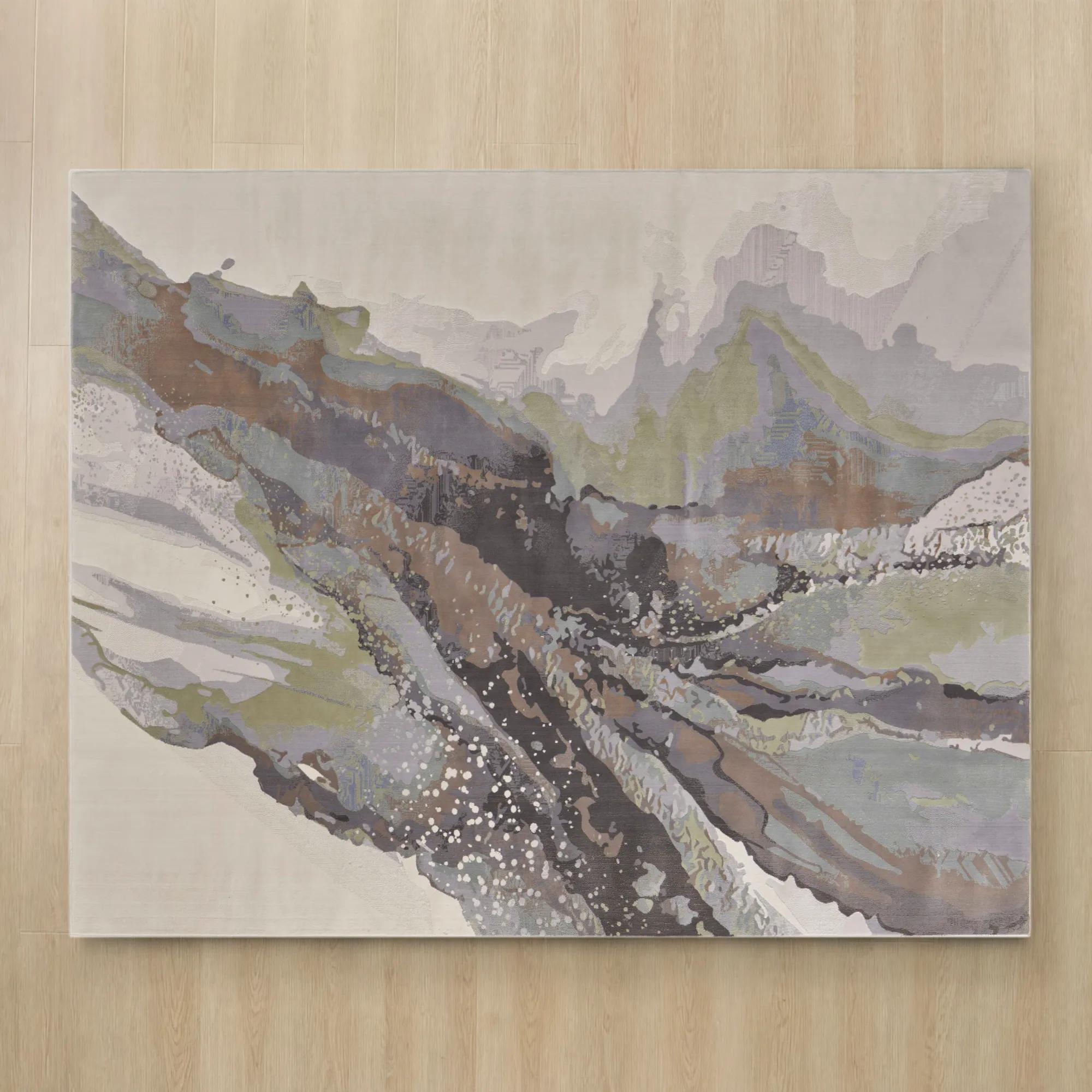 Nerissa Abstract Ivory/Grey/Blue/Green Performance Power Loomed Rug$449
An abstract rug in ivory, grey, blue, and green with a textured, stain-resistant polypropylene-polyester blend.
Add To Cart -
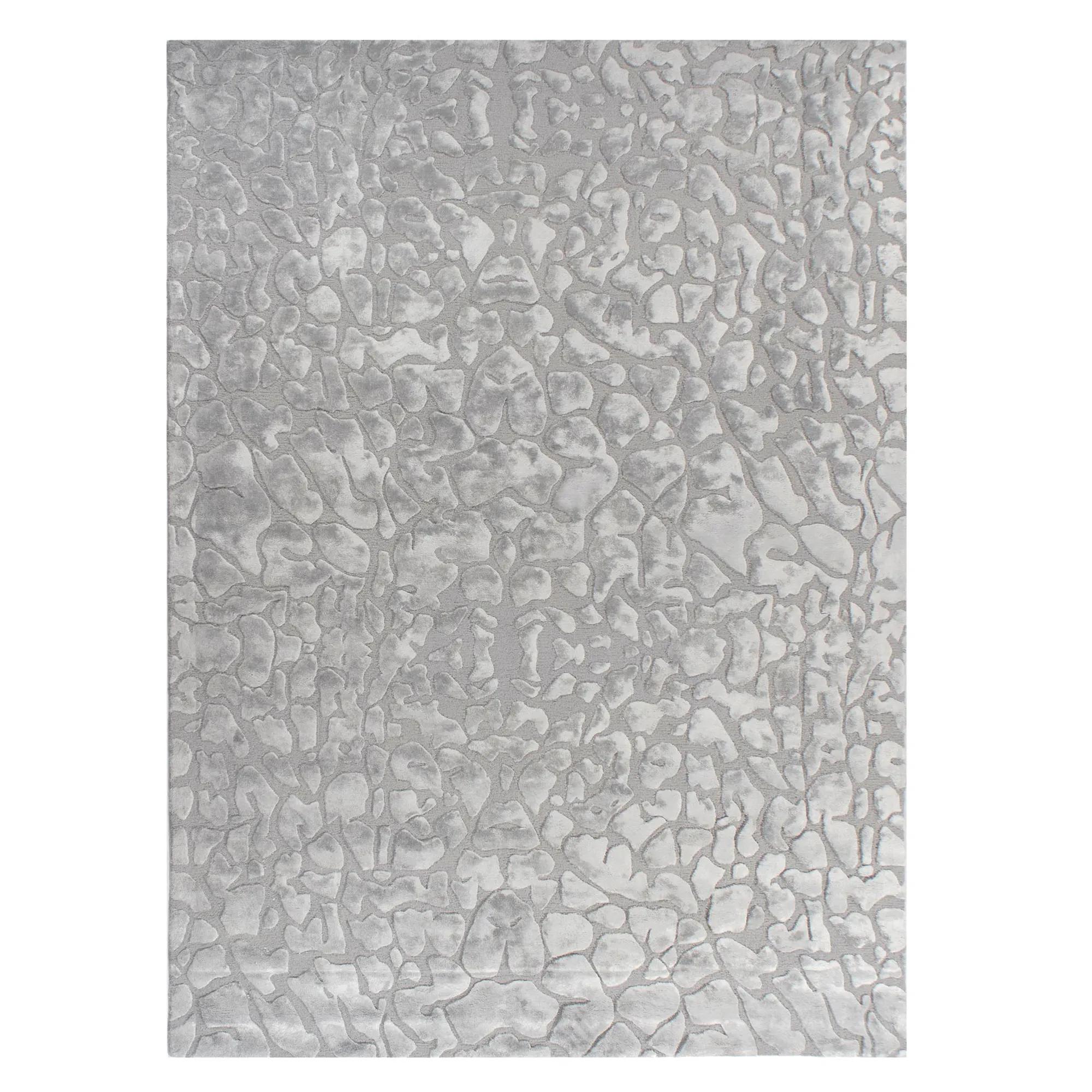
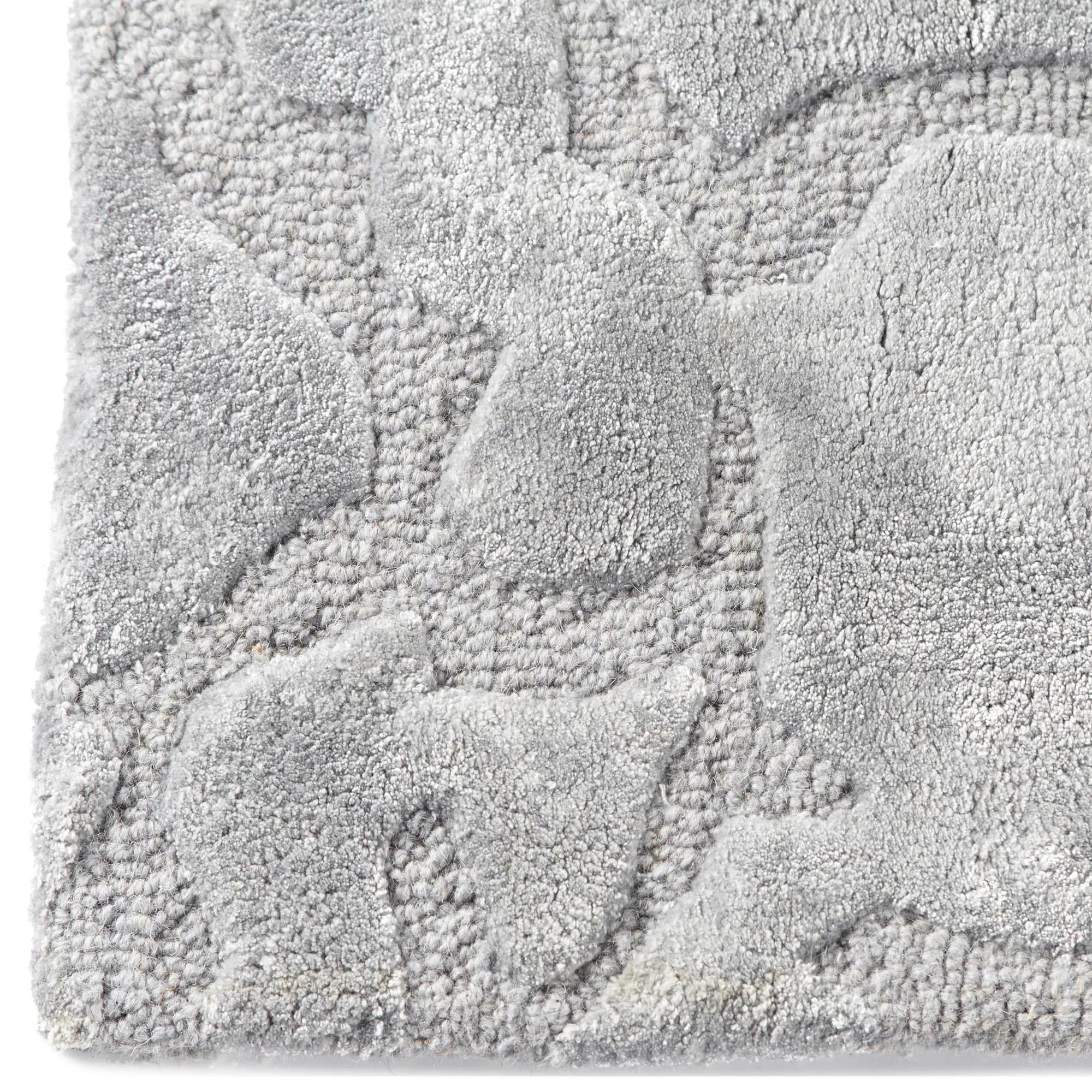 Nola Hand-Tufted Cool Grey Wool Blend Rug$849
A hand-tufted silver rug with contrasting pile heights, crafted from wool and viscose for plush texture.
Add To Cart -
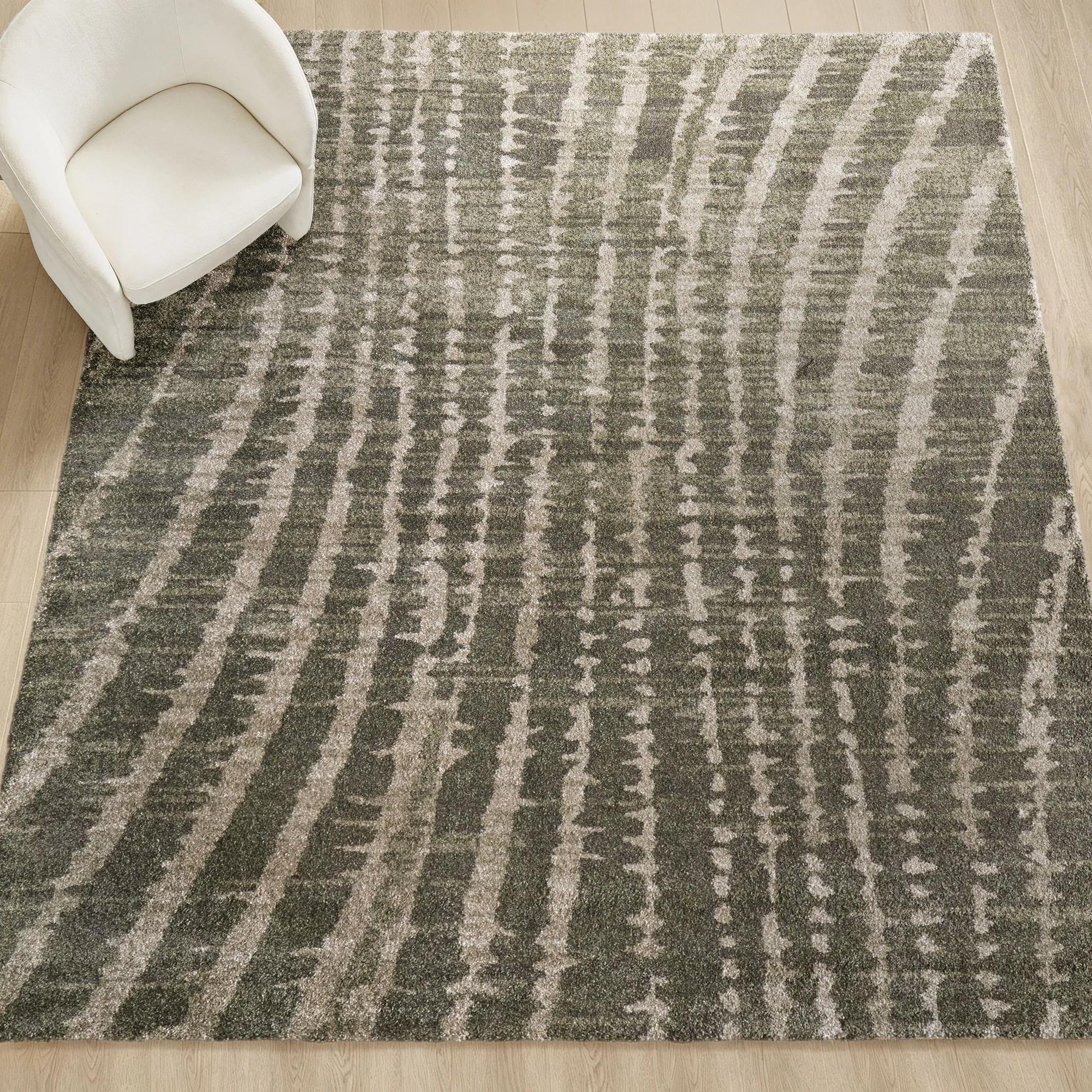
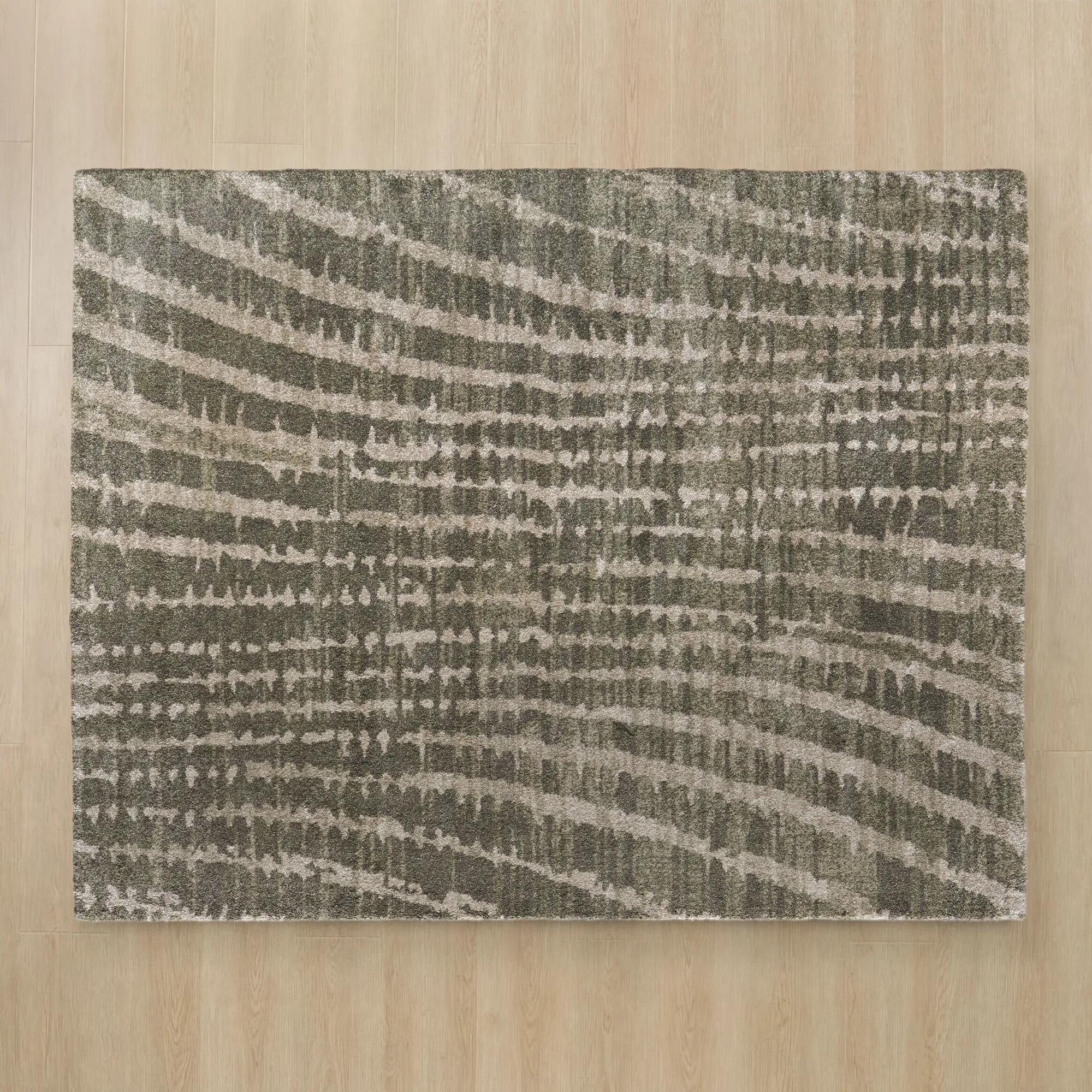 Tempo Green/Grey/Beige Performance Power Loomed Rug$1349
An abstract charcoal grey and beige rug with plush, power-loomed polypropylene and polyester construction.
Add To Cart

Modern Hand Loomed Rugs
Modern hand loomed rugs are the foundation of a truly expressive space—each one a tactile work of art, woven with intention and layered with allure. These masterpieces invite you to indulge in a world where texture reigns supreme and every step is cushioned in sophistication. Whether anchoring a grand living room or elevating an intimate reading nook, modern hand loomed rugs infuse your home with depth, drama, and undeniable personality. Let your floors become the stage for artistry and imagination—where every detail tells a story of bold design and luxurious living.
Modern hand-loomed rugs bring an artful foundation to contemporary interiors, pairing the character of artisan weaving with clean lines, expressive pattern, and richly layered texture. Made on manually operated looms, these rugs take shape as a weaver works yarn through a framework of lengthwise threads, with techniques that can produce flat surfaces, plush pile, or subtle variations in relief. Hand-loomed construction is distinct from hand-knotting and hand-tufting; the finished texture, backing, and performance depend on the particular weaving method and materials. That craftsmanship gives a modern area rug presence beyond its pattern alone. A seemingly simple ivory field can reveal tonal striations as light moves across it, while sculpted lines or an abstract composition introduce dimension beneath a tailored sofa or polished dining table. Small variations in texture and color can be part of the handmade character, lending depth without overwhelming the room. Wool is a common choice for its natural resilience, comfortable feel, and ability to recover from everyday compression. Its matte texture lends substance to both restrained palettes and more dramatic designs, and some initial shedding is normal for many wool rugs. Cotton may appear in the foundation or fiber blend, contributing a different texture and structure. Silk and regenerated cellulose fibers such as viscose can introduce a luminous finish, though they require more careful placement and maintenance than many wool constructions. Fibers marketed as bamboo silk are often regenerated cellulose rather than traditional silk, so the actual fiber label matters more than the descriptive name. A lustrous blend can create a beautiful play of light in a bedroom or formal sitting area, while a resilient wool construction may be better suited to a frequently used gathering space. Across these materials, modern hand-loomed area rugs offer a distinctive balance: contemporary design with enough tactile complexity to make the room feel considered, expressive, and complete.
Scale gives that texture its architectural role. In a living room, a generously proportioned rug can connect a sofa, accent chairs, and coffee table into one composed seating area, making separate pieces feel like a deliberate arrangement. A rug that reaches beneath at least the front legs of the main seating often creates a stronger visual connection than one that floats beneath the coffee table alone. Larger rooms may accommodate all furniture legs on the rug, while a smaller conversation area can still feel expansive when its proportions are balanced. Measuring the furniture arrangement, rather than only the room, helps establish the footprint that makes sense. An 8-by-10-foot or 9-by-12-foot rug may suit many living areas, but the right dimensions depend on the layout, furniture depth, and clearances around the grouping. In a dining room, the rug should extend far enough beyond the table for chairs to remain on it when pulled out; approximately 24 to 30 inches on each side is a useful starting point, adjusted for chair size and the available space. A relatively low, even pile makes chair movement easier and is generally more practical where crumbs and spills are likely. In a bedroom, a rug extending beyond the sides and foot of the bed creates a sumptuous frame and a soft landing underfoot. Door clearance also matters, especially with thicker pile and a rug pad underneath. Color and pattern then shape the atmosphere: pale neutrals illuminate a vignette of sculptural furniture, charcoal introduces depth beside gleaming metal, and tonal geometric lines bring rhythm without competing with statement artwork. An abstract rug can serve as the room’s visual centerpiece, with upholstery and accessories drawing from its quieter shades. For households with children or pets, a nuanced pattern or mixed-tone surface may make everyday debris less conspicuous, although it does not replace routine cleaning. Texture deserves equal attention; raised loops can be vulnerable to claws, while delicate sheen is best reserved for areas where its beauty can be enjoyed without constant abrasion.
The lasting appeal of a hand-loomed rug rests on the relationship between its fibers, construction, placement, and care. A dense surface may feel substantial, but thickness alone is not a reliable measure of durability; yarn quality, weave, fiber content, and finishing all influence how a rug responds to daily life. Wool’s resilience makes it appealing for spaces used often, while more delicate, lustrous fibers can show pressure marks, changes in pile direction, or moisture-related discoloration. Those differences make material information especially valuable when choosing between a family room foundation and an elegant accent for a quieter space. A compatible rug pad adds cushioning, helps limit movement, and reduces friction between the rug and the floor. Its material should be suitable for the flooring beneath it, and its dimensions should sit slightly inside the rug’s edges so the outline remains crisp. Regular vacuuming with suction rather than an aggressive rotating brush is often appropriate for handmade rugs, but the care label should determine the method, particularly for loops, fringe, or delicate fibers. Loose fibers should not be pulled, and a snag is better assessed by a qualified rug-care professional than worked back into place by force. Spills call for prompt blotting with a clean, undyed cloth rather than rubbing, which can spread moisture and distort the surface. Avoid saturating the rug or applying an unapproved cleaner; viscose and other sensitive fibers may need specialist treatment even after a small spill. Periodic rotation can help distribute wear and light exposure, while professional cleaning suited to the fiber and construction supports the rug’s long-term appearance. For another approach to dimensional design, modern hand-tufted wool rugs offer a related category with a different construction: yarn is inserted into a foundation fabric, usually secured with an adhesive backing, rather than formed through loom weaving. Each technique brings its own possibilities for surface detail and finish. Whether anchoring a dramatic entertaining space or lending quiet richness to a bedroom, a thoughtfully chosen hand-loomed rug gives beautiful furniture a setting with substance, artistry, and unmistakable presence.
FAQs
Modern hand loomed rugs are crafted by skilled artisans using traditional manual looms, resulting in a smooth, subtly textured surface that showcases both craftsmanship and contemporary design. Their handwoven nature brings nuanced variations and a tactile richness that machine-made rugs simply cannot replicate, making each piece a one-of-a-kind statement for your home.
Hand loomed rugs often feature natural fibers such as wool, jute, hemp, and linen. Wool offers a plush, resilient texture with a gentle sheen, while jute and hemp provide earthy tones and a slightly coarser feel. Linen introduces a refined softness, enhancing both comfort and visual appeal. The choice of fiber influences not only the rug’s durability but also its ability to harmonize with different interior moods.
A hand loomed rug acts as both anchor and artwork, grounding your furniture arrangement while introducing layers of texture, warmth, and visual intrigue. Its clean lines and modern patterns can elevate a minimalist space, while its tactile surface adds depth and coziness to more eclectic or dramatic interiors. The result is a room that feels thoughtfully curated and luxuriously inviting.
Absolutely. A hand loomed rug is a gift that speaks to both artistry and practicality, making it ideal for housewarmings, weddings, or celebrations of new beginnings. Its timeless appeal and handcrafted quality convey a sense of intention and care, ensuring it becomes a cherished part of the recipient’s home story.
To maintain the elegance of your hand loomed rug, use a gentle vacuum without a beater bar and rotate the rug periodically to ensure even wear. Promptly address spills with a clean, damp cloth and avoid placing the rug in high-traffic areas to protect the integrity of the handwoven loops. With thoughtful care, your rug will remain a luxurious foundation for years to come.