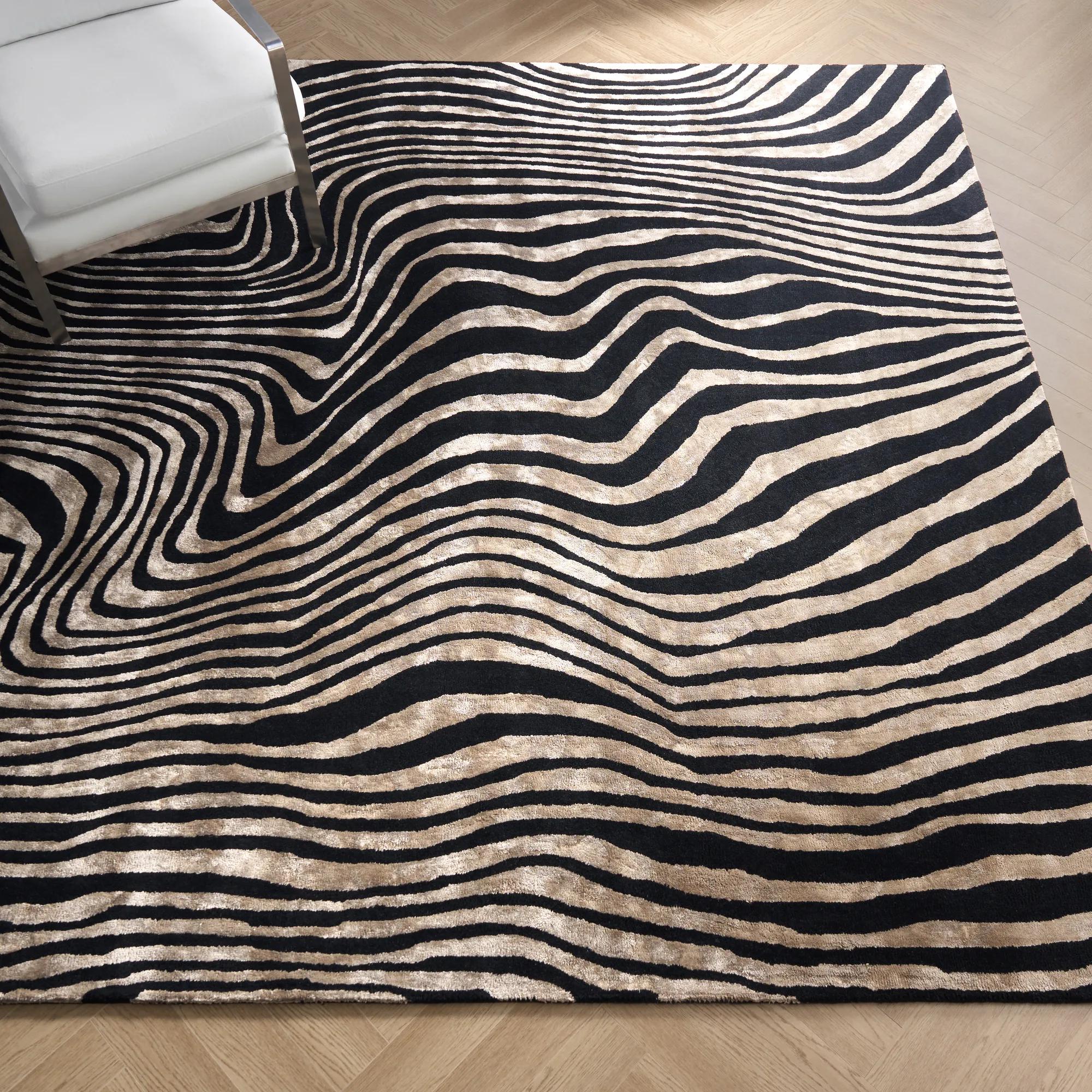
Neutral Geometric Area Rugs
Neutral Geometric Area Rugs
-
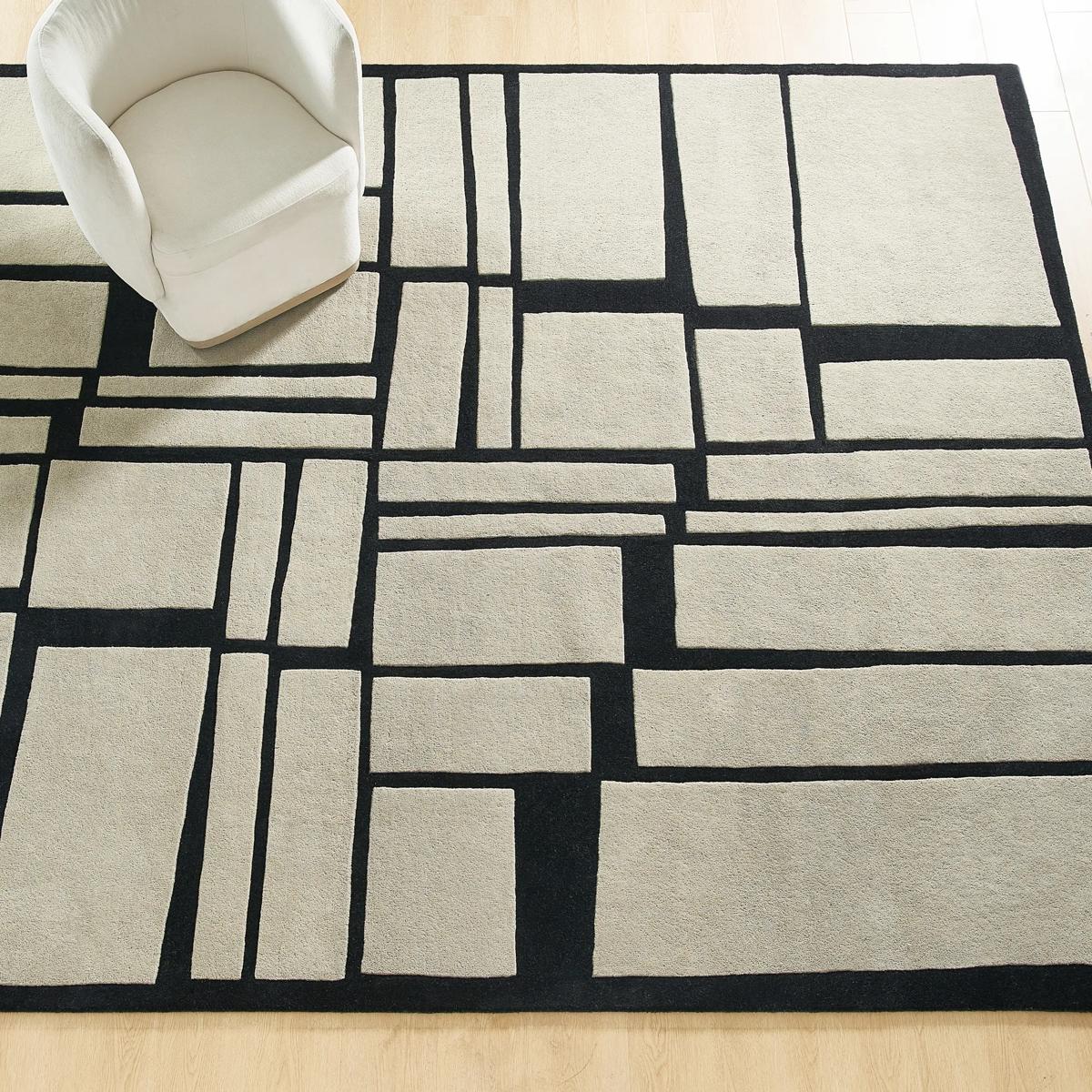 Novak Hand-Tufted Natural/Black Wool Rug$949
A hand-tufted wool rug featuring a bold black and natural grid design for modern, graphic appeal.
Add To Cart -
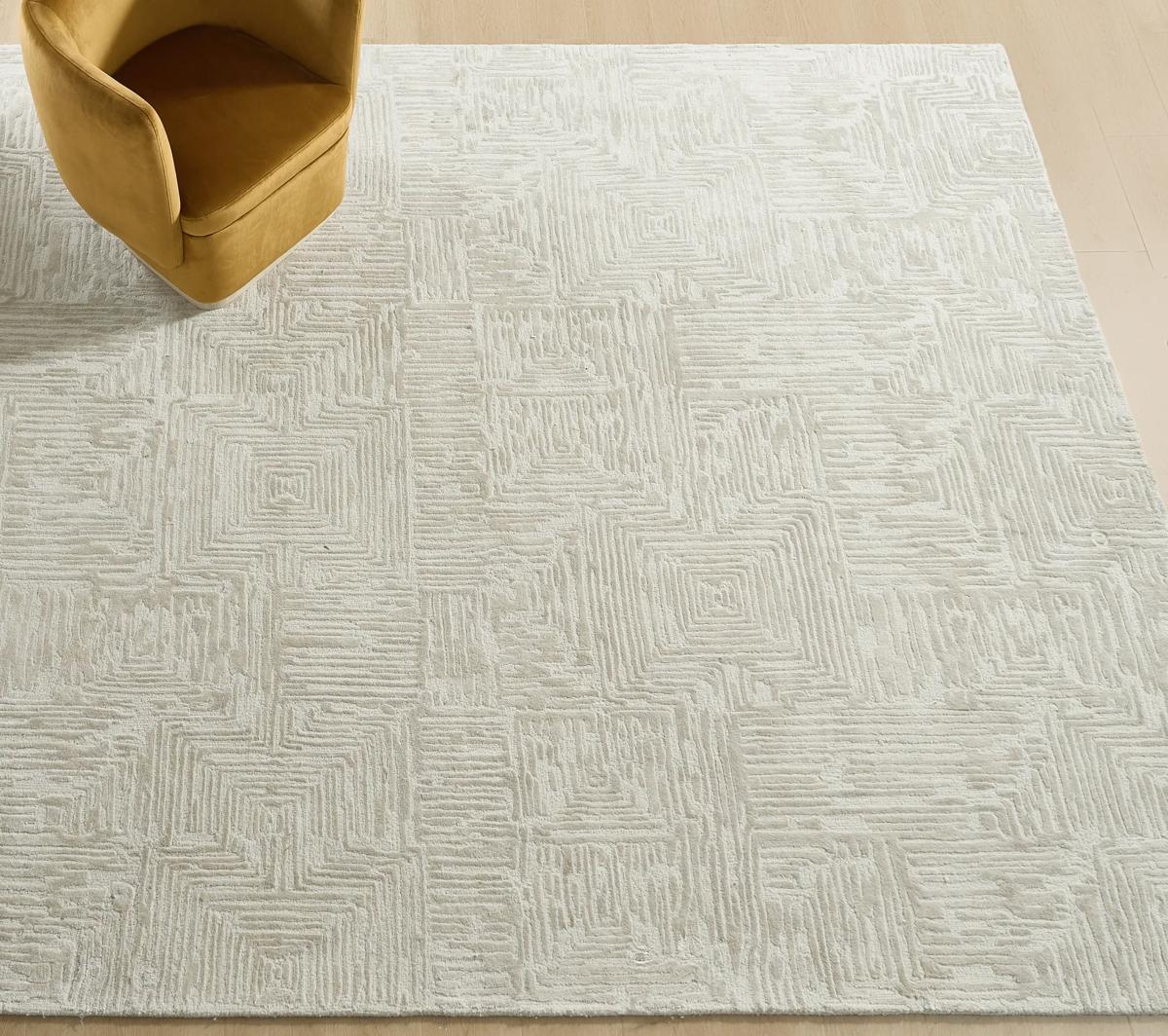 Andra Ivory Hand-Tufted Wool Blend Dimensional Rug$1499
A hand-tufted ivory rug in a viscose-wool blend with raised detailing and a subtle sheen.
Add To Cart -
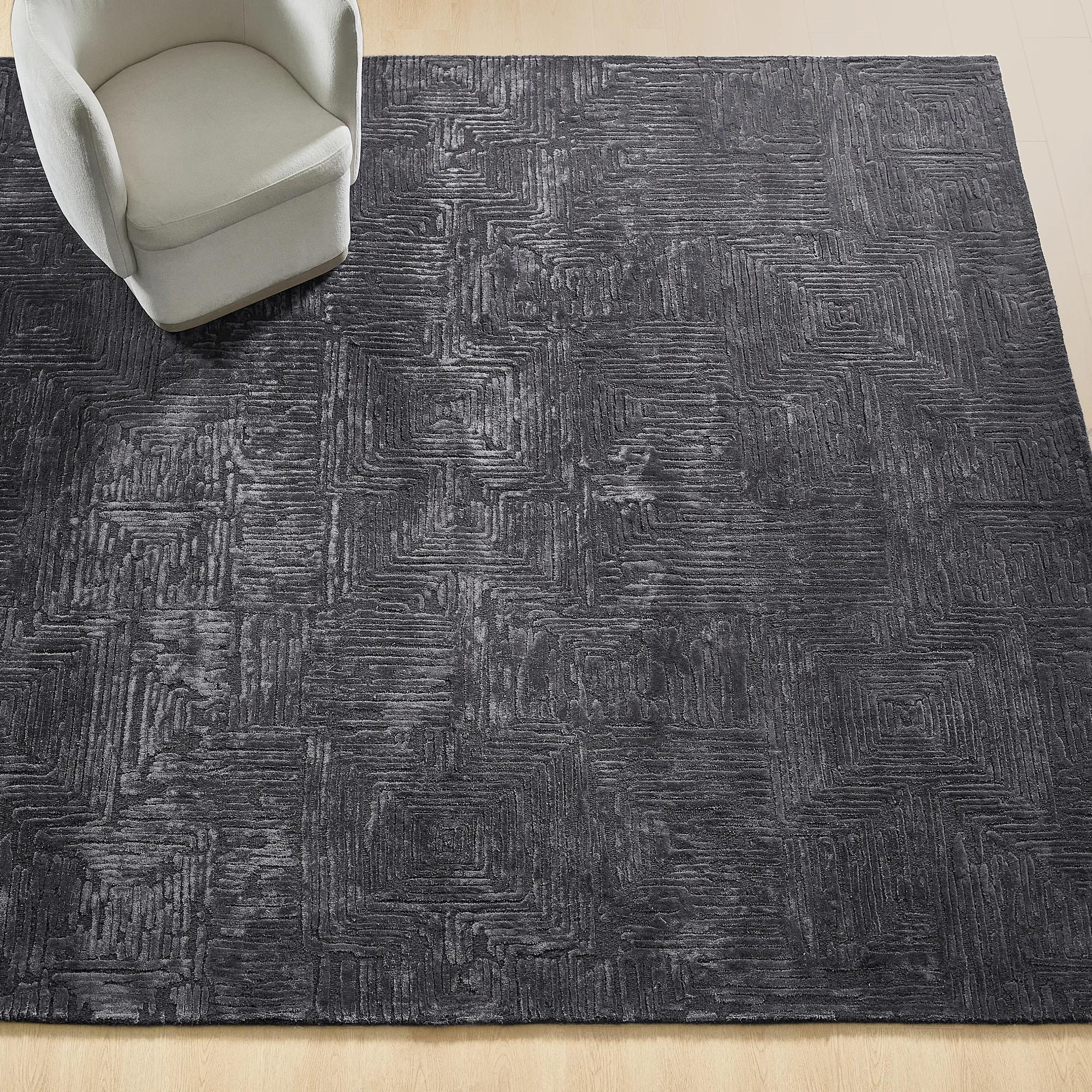
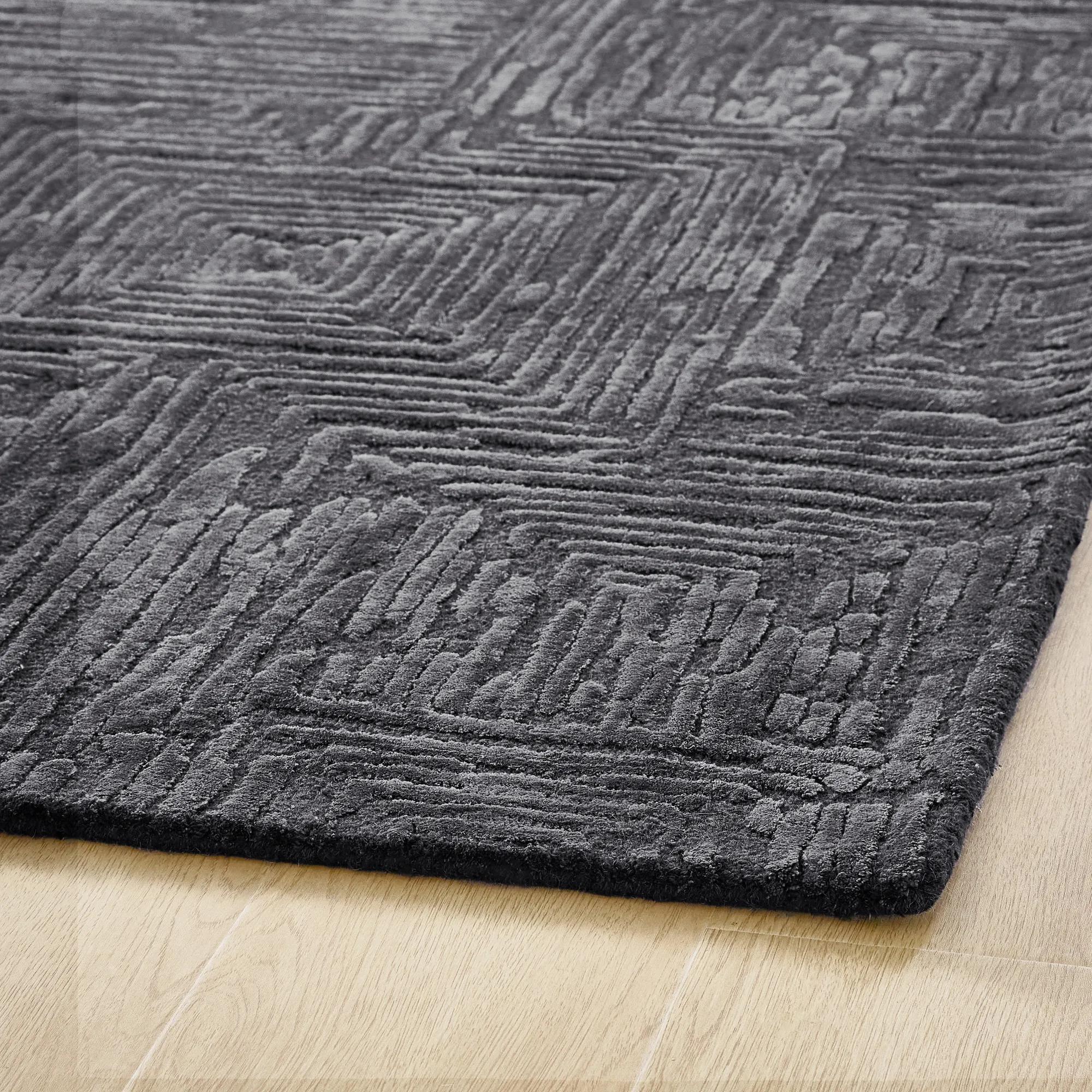 Andra Charcoal Hand-Tufted Wool Blend Dimensional Rug$1499
A hand-tufted viscose-wool rug in rich charcoal with a sculptural, dimensional pattern and plush texture.
Add To Cart -
 Fiona Hand-Tufted Ivory/Beige/Black Border Fringe Rug$1099
A hand-tufted ivory, beige, and black rug featuring a framed border and decorative fringe.
Add To Cart -
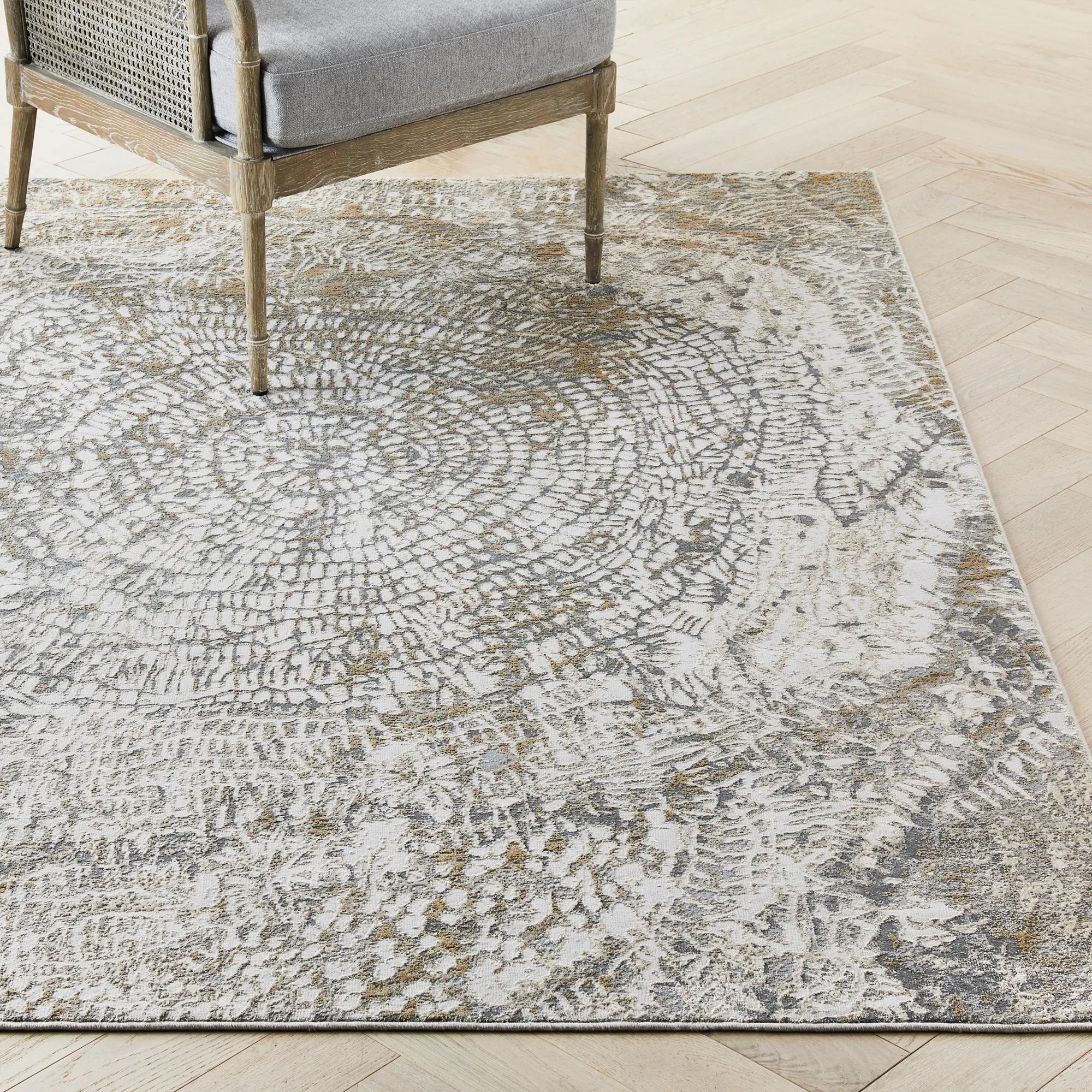 Nautilus Power-Loomed Silver/Grey/Natural Rug$449
A machine-woven ivory rug featuring subtle tree ring-inspired patterns in durable polypropylene and viscose.
Add To Cart -
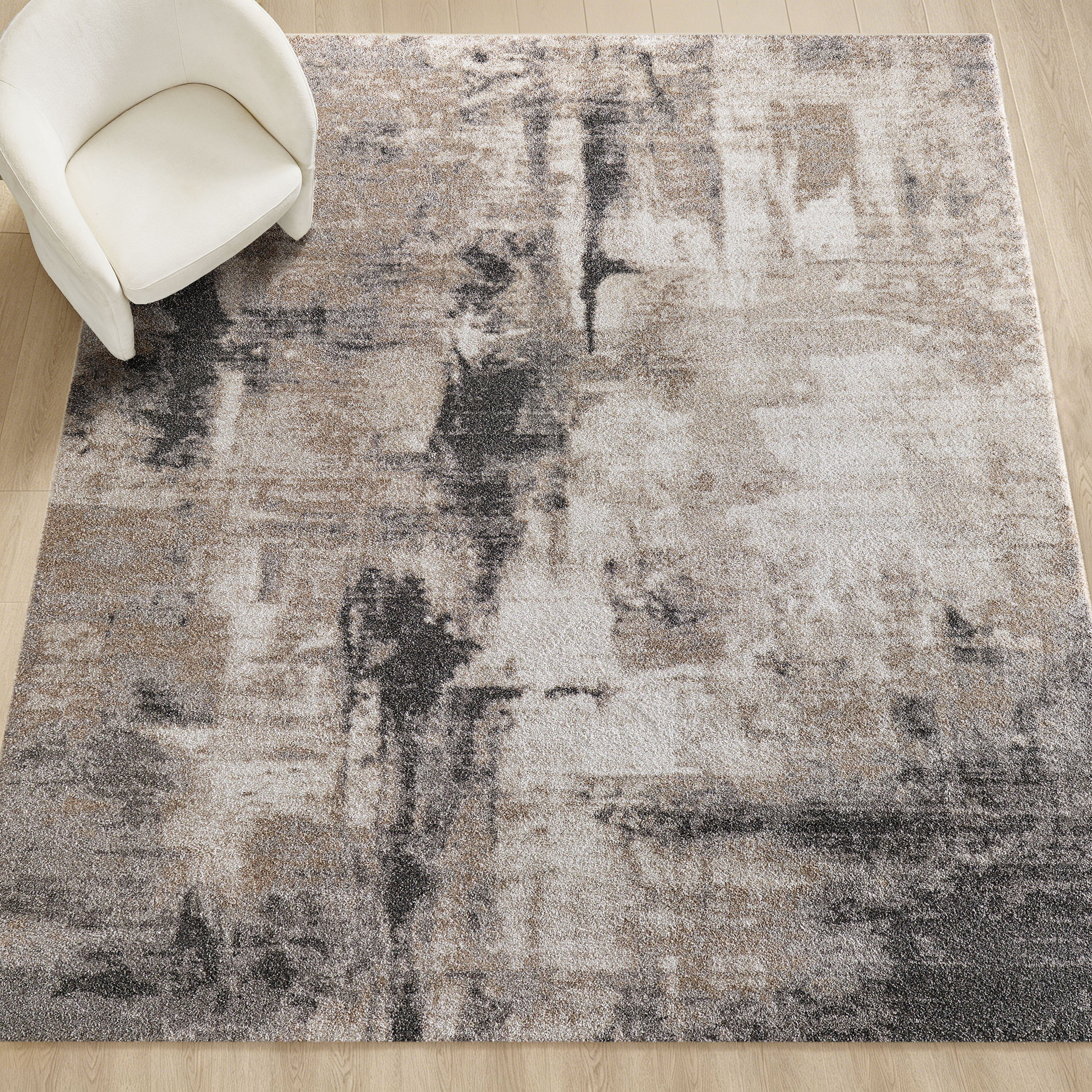
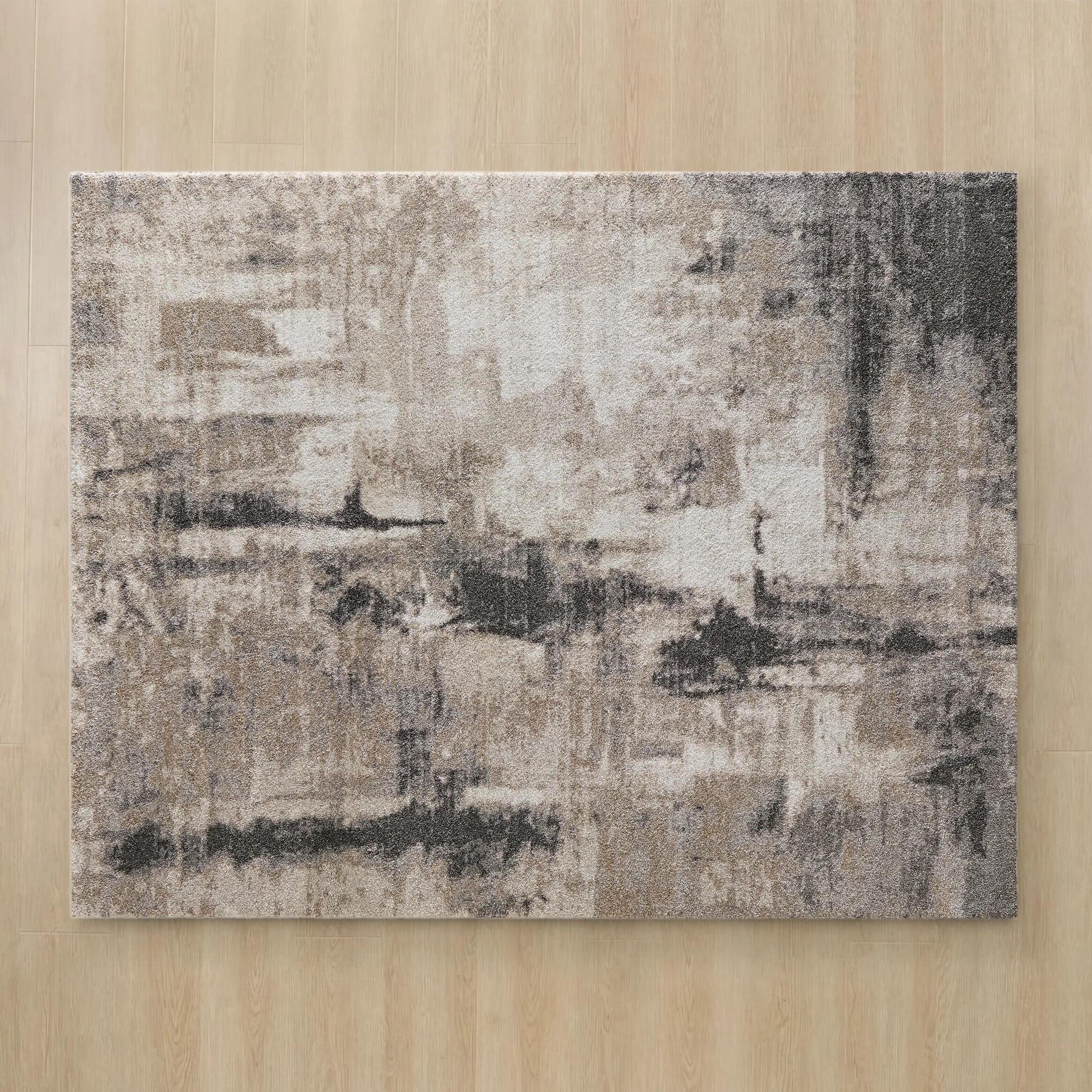 Atlas Abstract Grey/Taupe/Ivory/Charcoal Performance Power Loomed Rug$399
An abstract rug in grey, taupe, ivory, and charcoal with a plush, stain-resistant polypropylene blend.
Add To Cart -
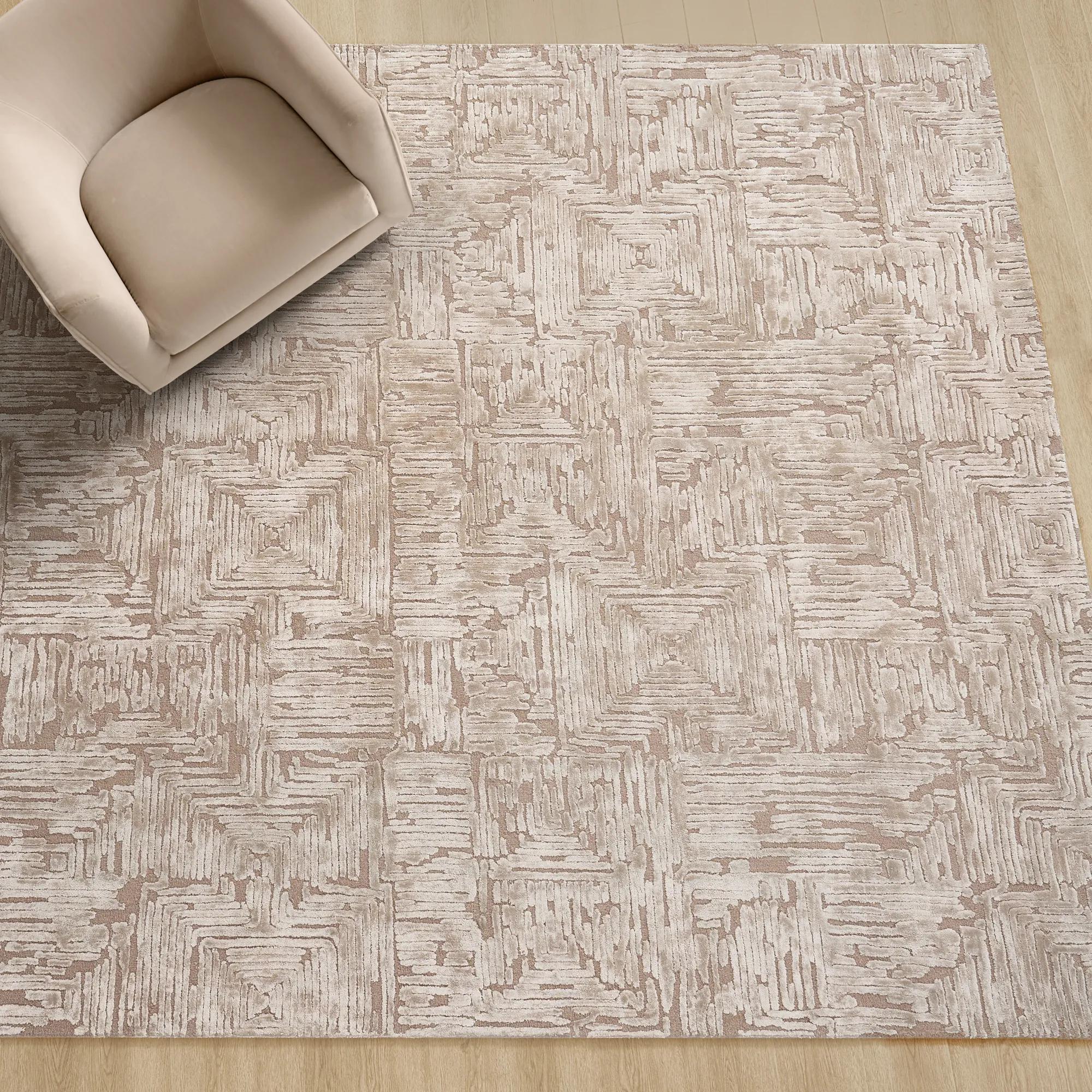
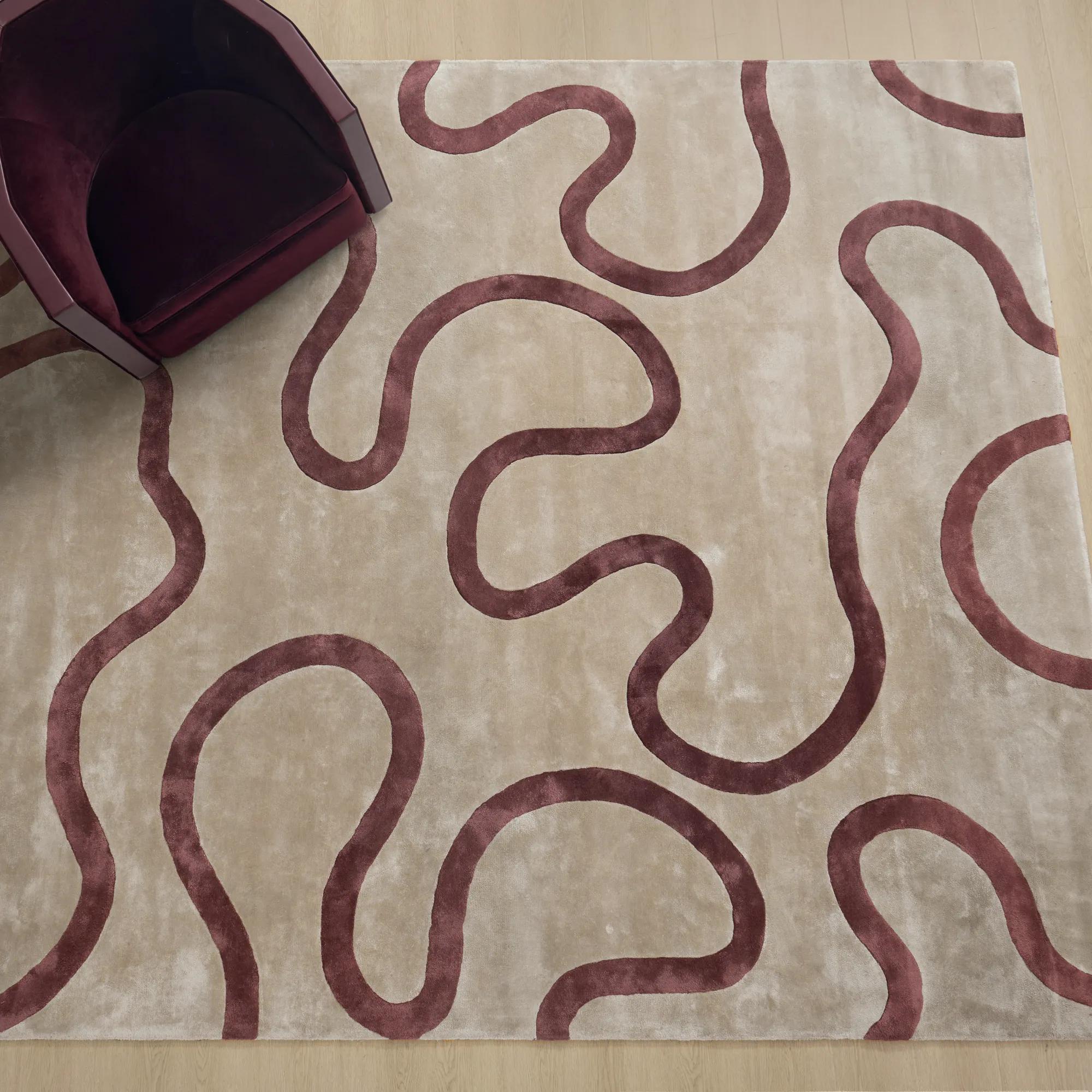
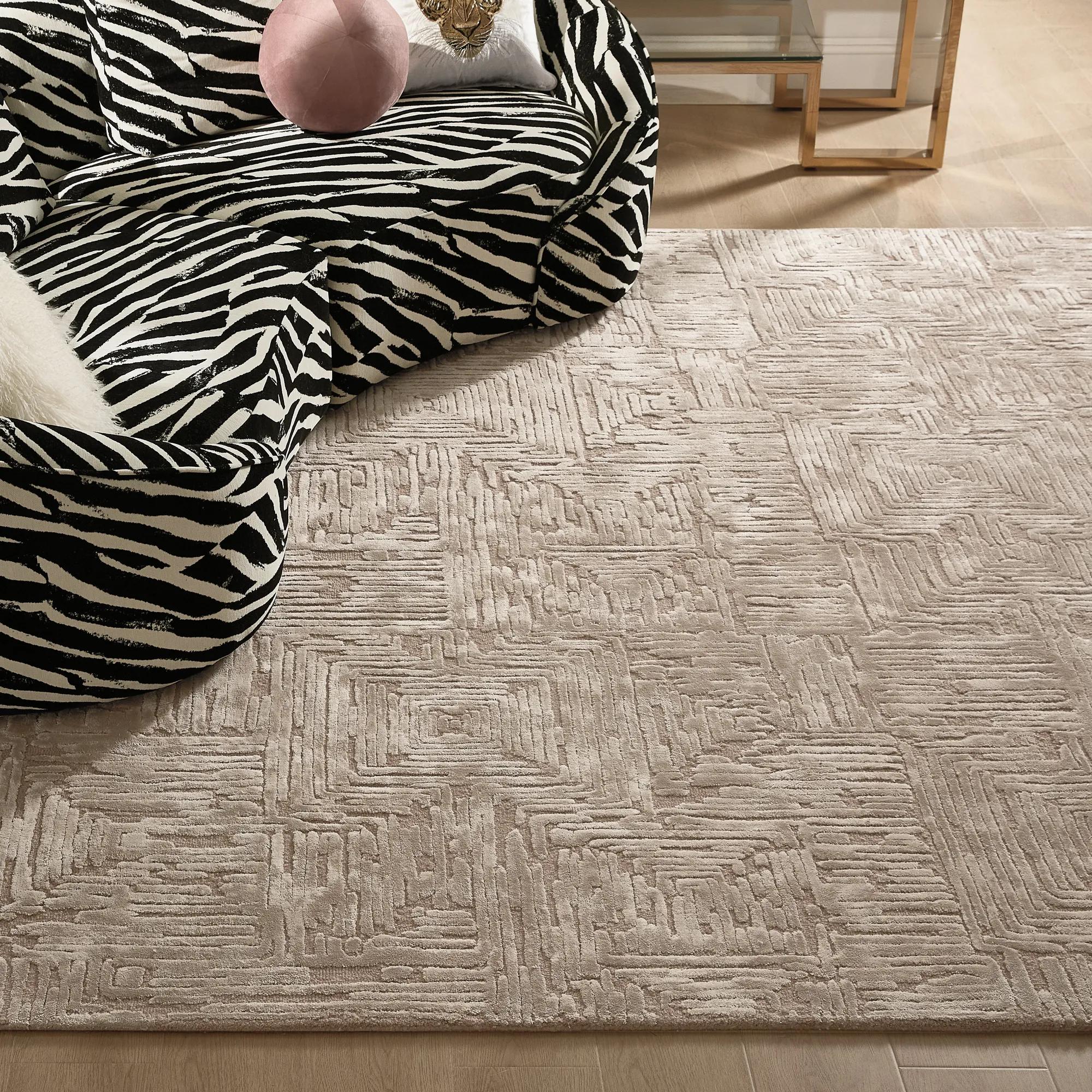 Andra Hand-Tufted Mocha Rose Viscose & Wool Dimensional Rugs$1499
A hand-tufted viscose and wool rug in mocha rose, featuring a dimensional geometric pattern and soft sheen.
Add To Cart -
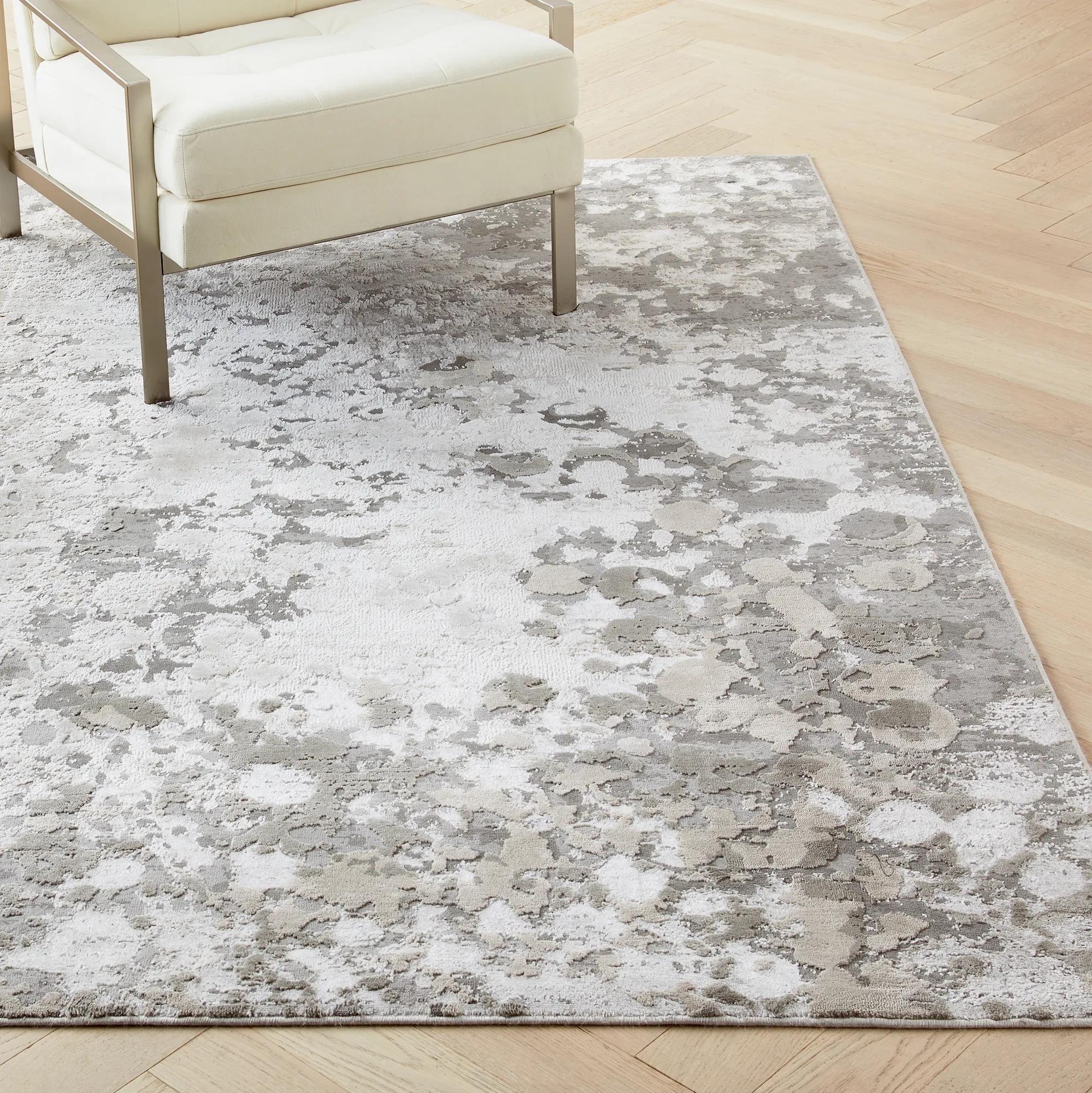 Mercury Power-Loomed Silver/Grey/Beige Rug$449
A neutral floor covering featuring a silver, grey, and beige palette with a soft, textured polyester blend.
Add To Cart -
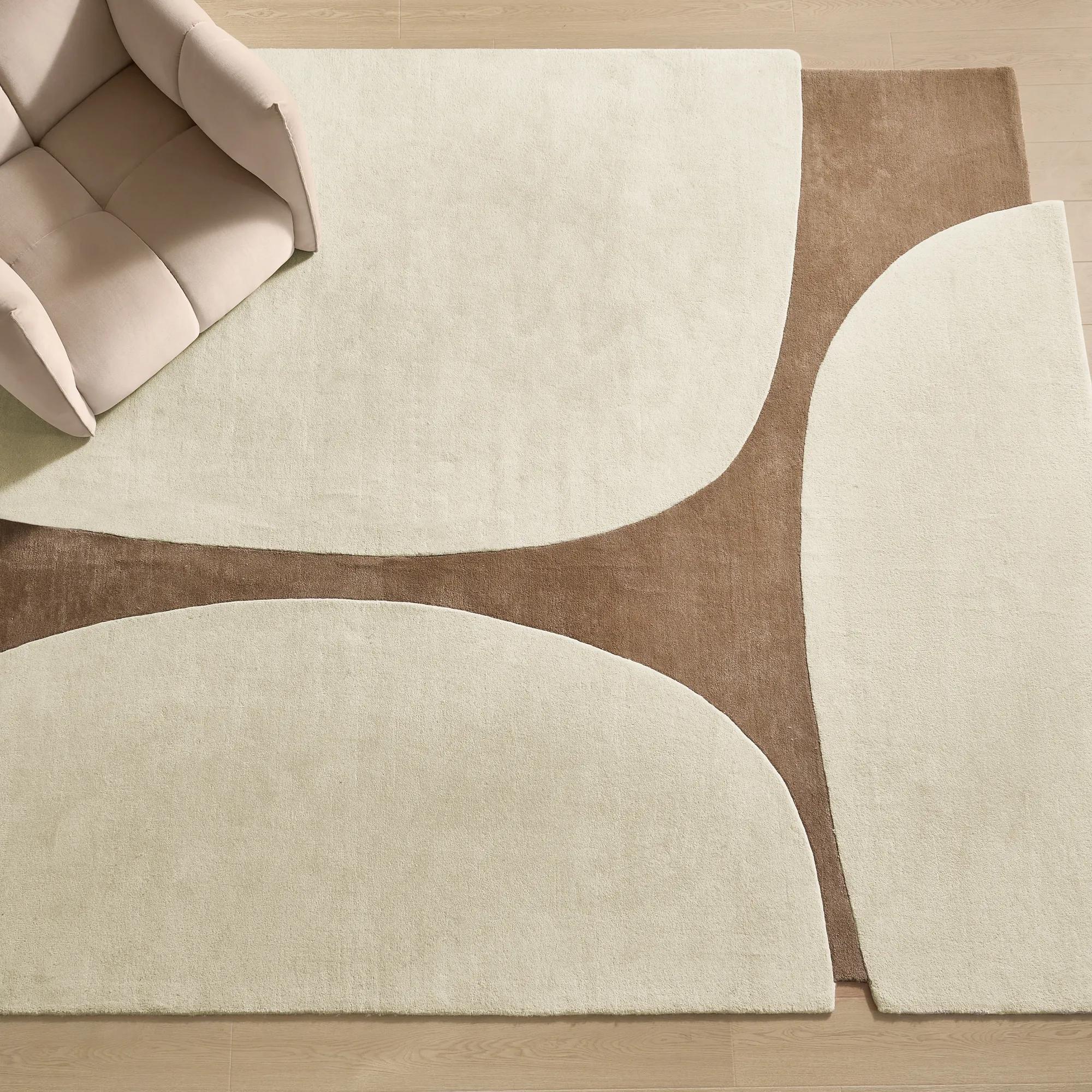
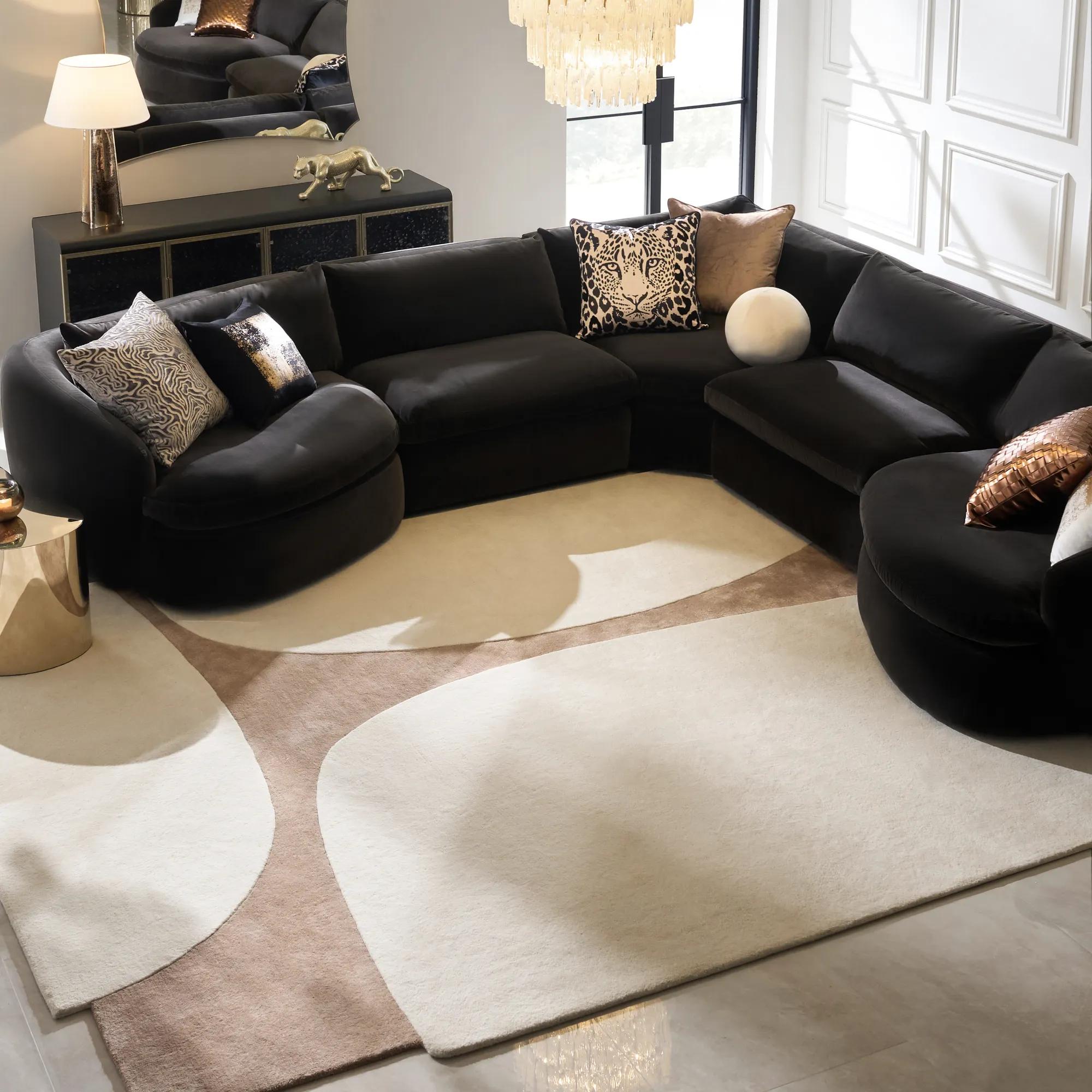 Contour Hand-Tufted Ivory/Ginger Root Wool Blend Rug$499
A hand-tufted wool rug blending ivory and ginger root tones for textured, modern warmth.
Add To Cart -
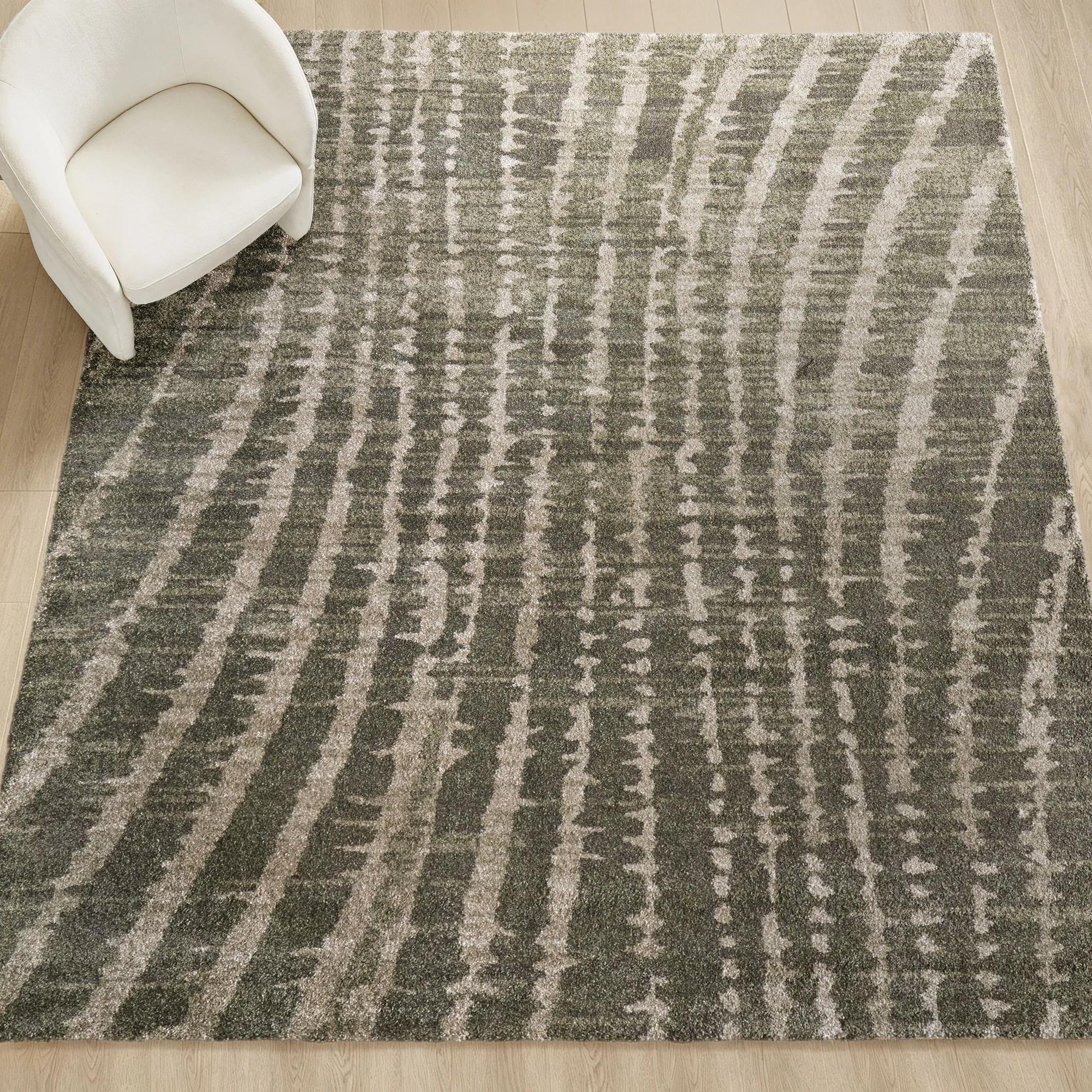
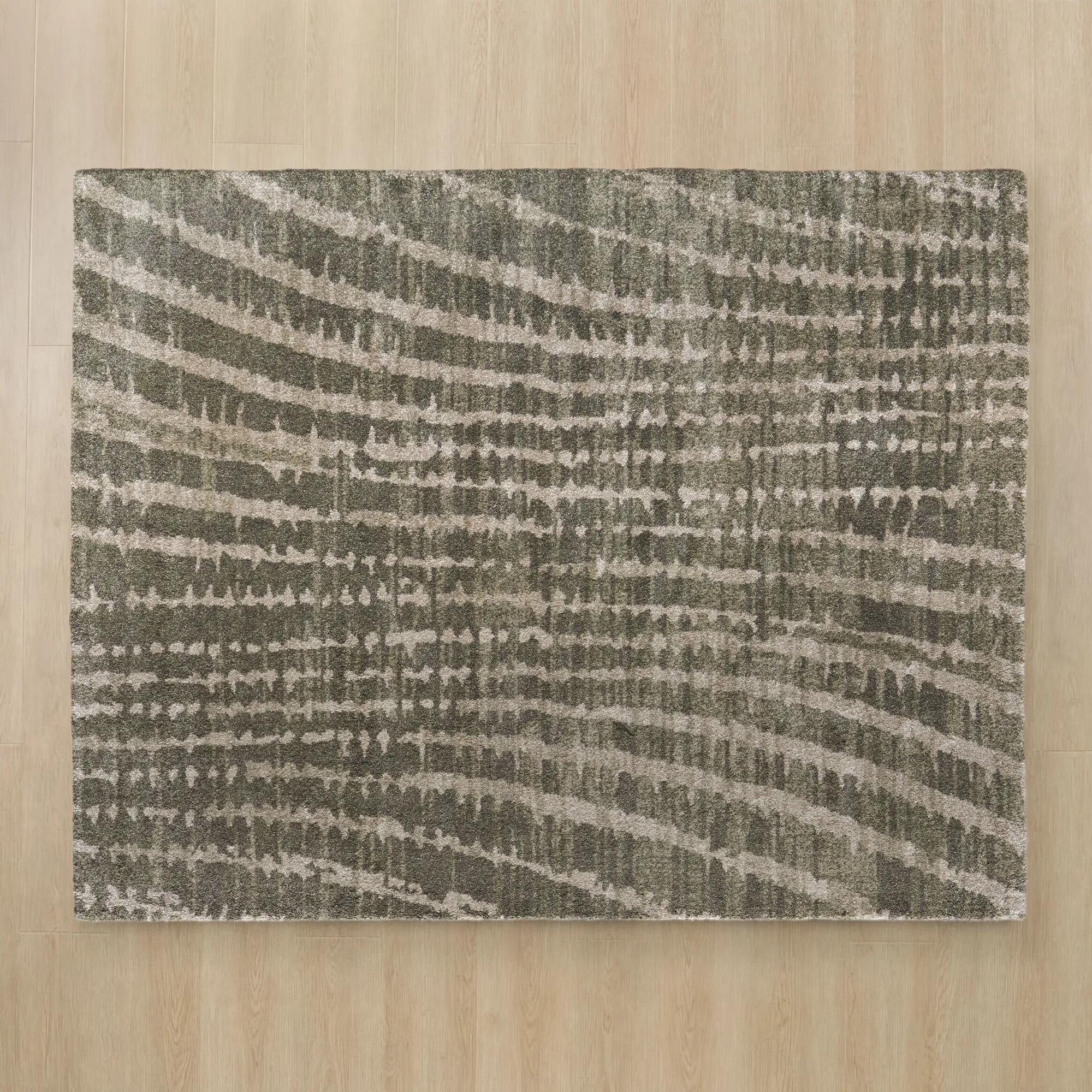 Tempo Green/Grey/Beige Performance Power Loomed Rug$399
An abstract charcoal grey and beige rug with plush cut pile and durable, stain-resistant polypropylene-polyester blend.
Add To Cart -
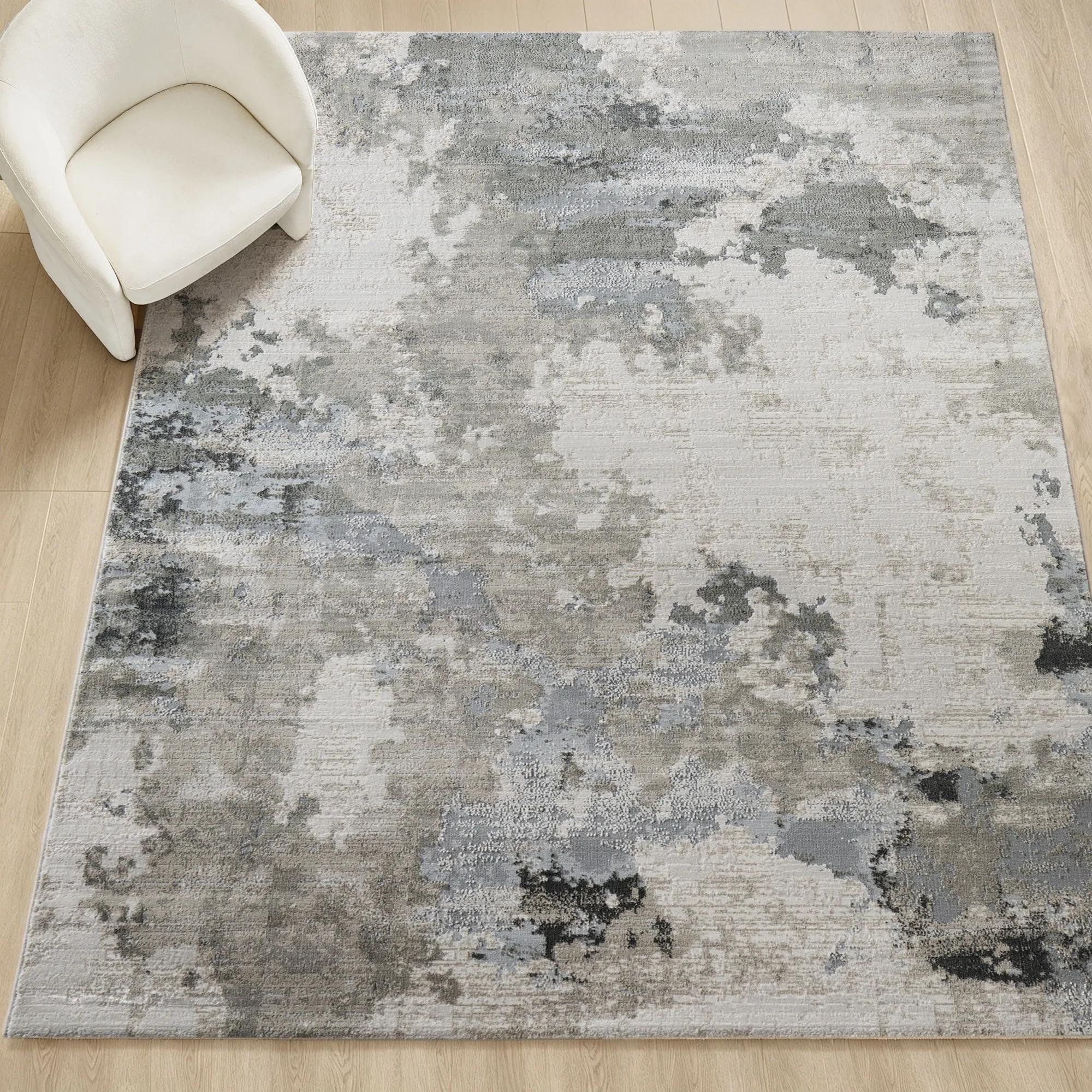 Alarion Abstract Grey/Muted Blue/Ivory Performance Power Loomed Rug$849
A power-loomed rug featuring a distressed abstract pattern in grey, muted blue, and ivory with stain resistance.
Add To Cart -
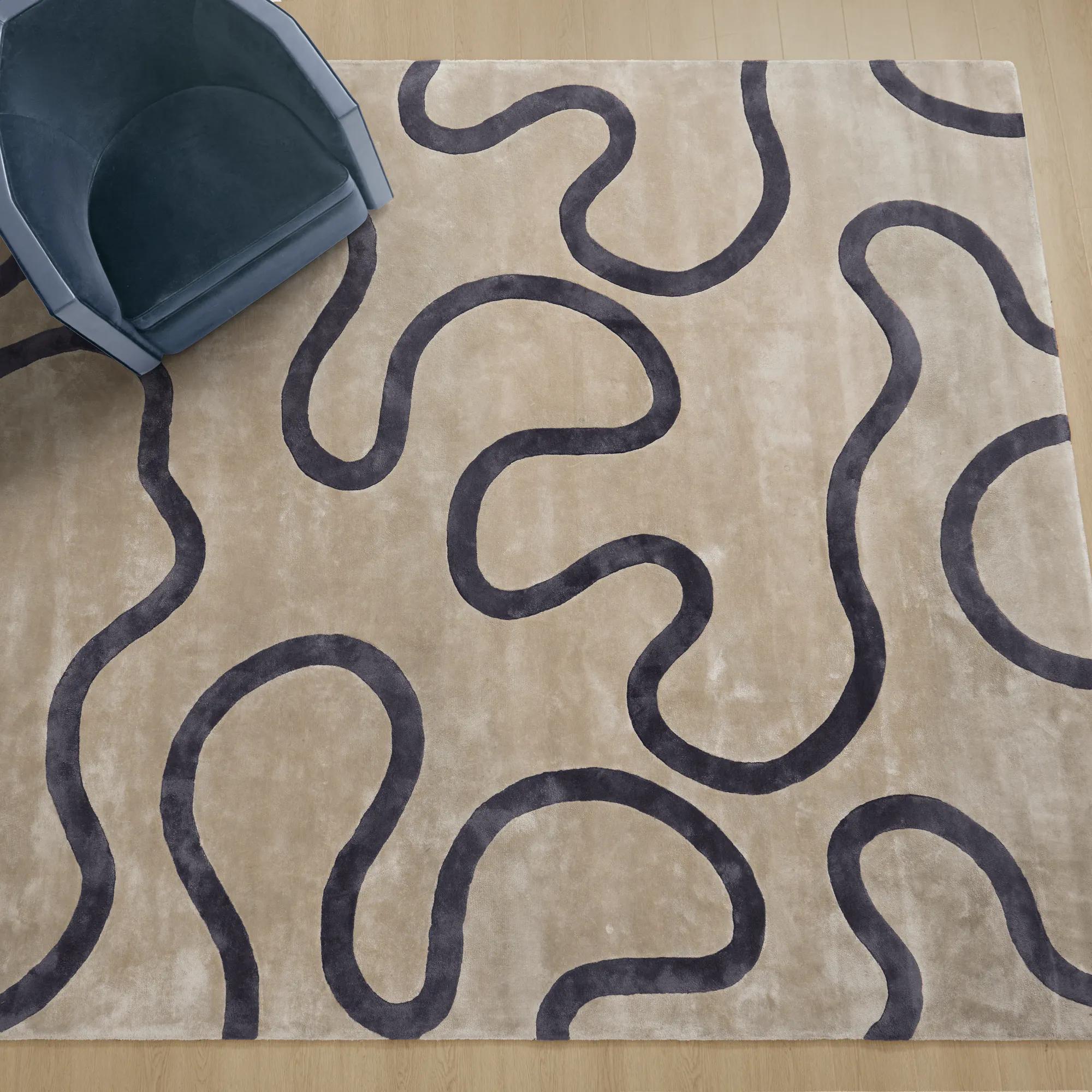 Seraphine Hand-Tufted Smoked Pearl/Taupe Viscose Loop Rugs$1799
A hand-tufted viscose rug in smoked pearl and taupe with bold Deco-inspired loop patterns and subtle sheen.
Add To Cart -
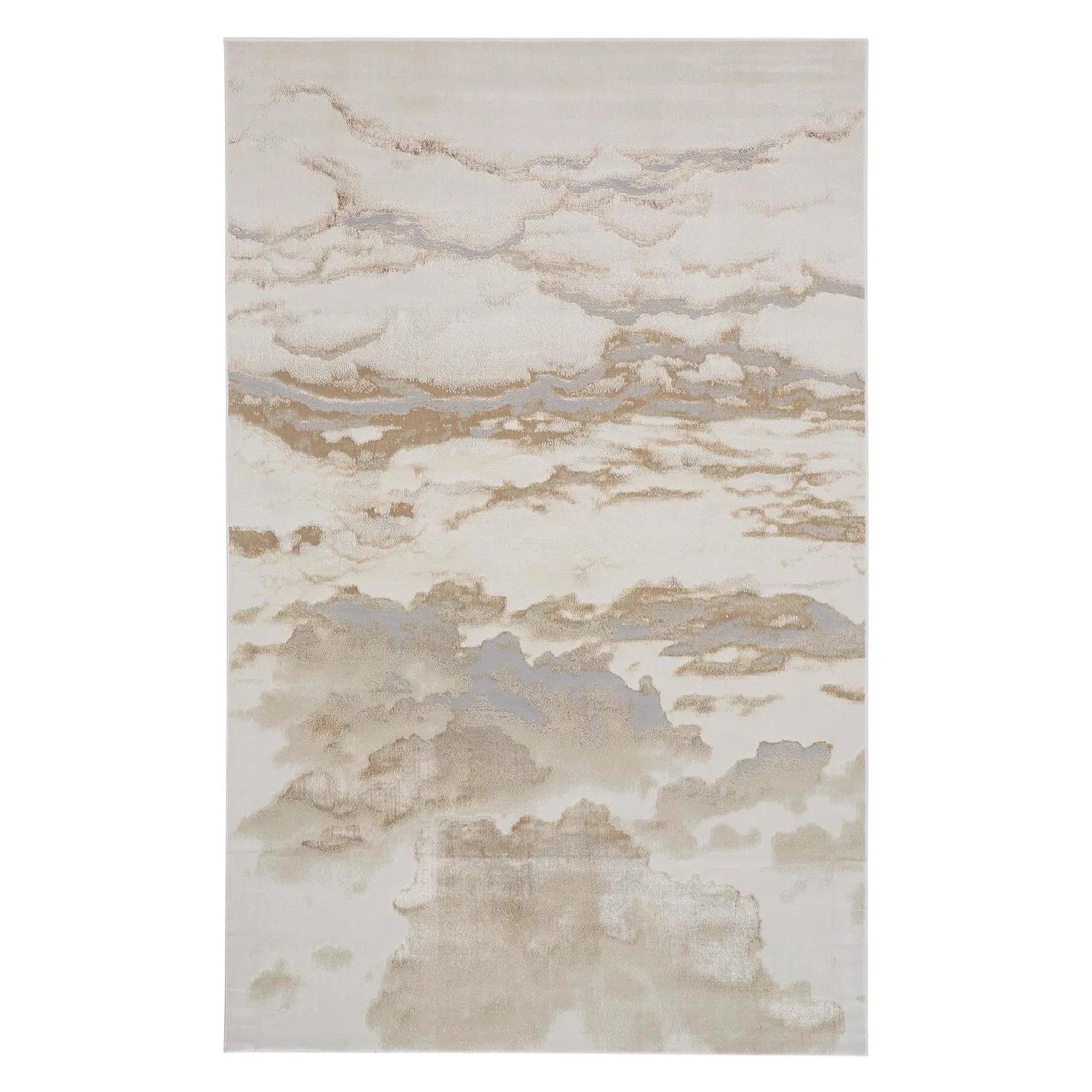
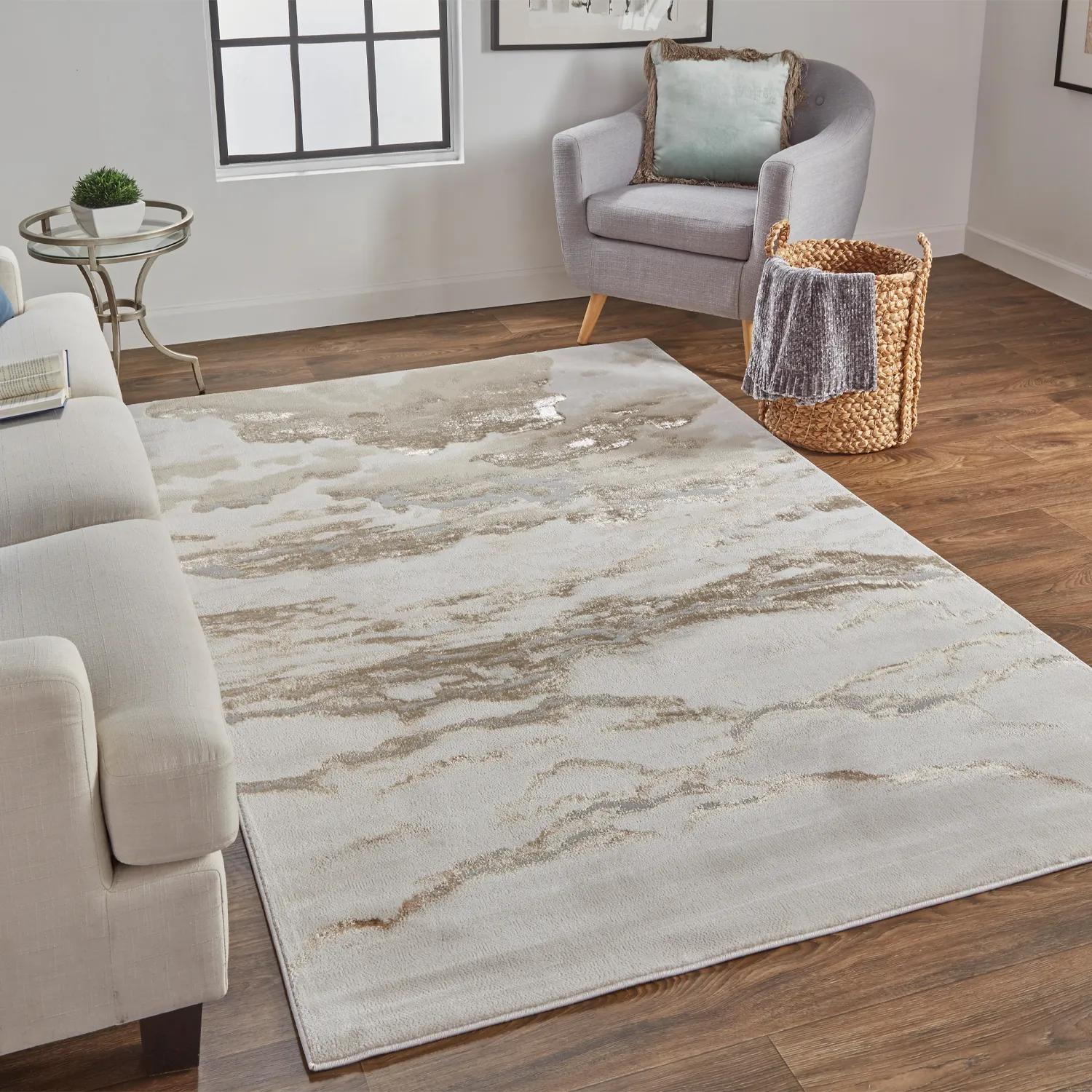 Tide Power-Loomed Beige/Gold/Ivory Rug$899
A machine-made rug in beige and gold, crafted from ultra-soft polyester and polypropylene for elegant spaces.
Add To Cart -
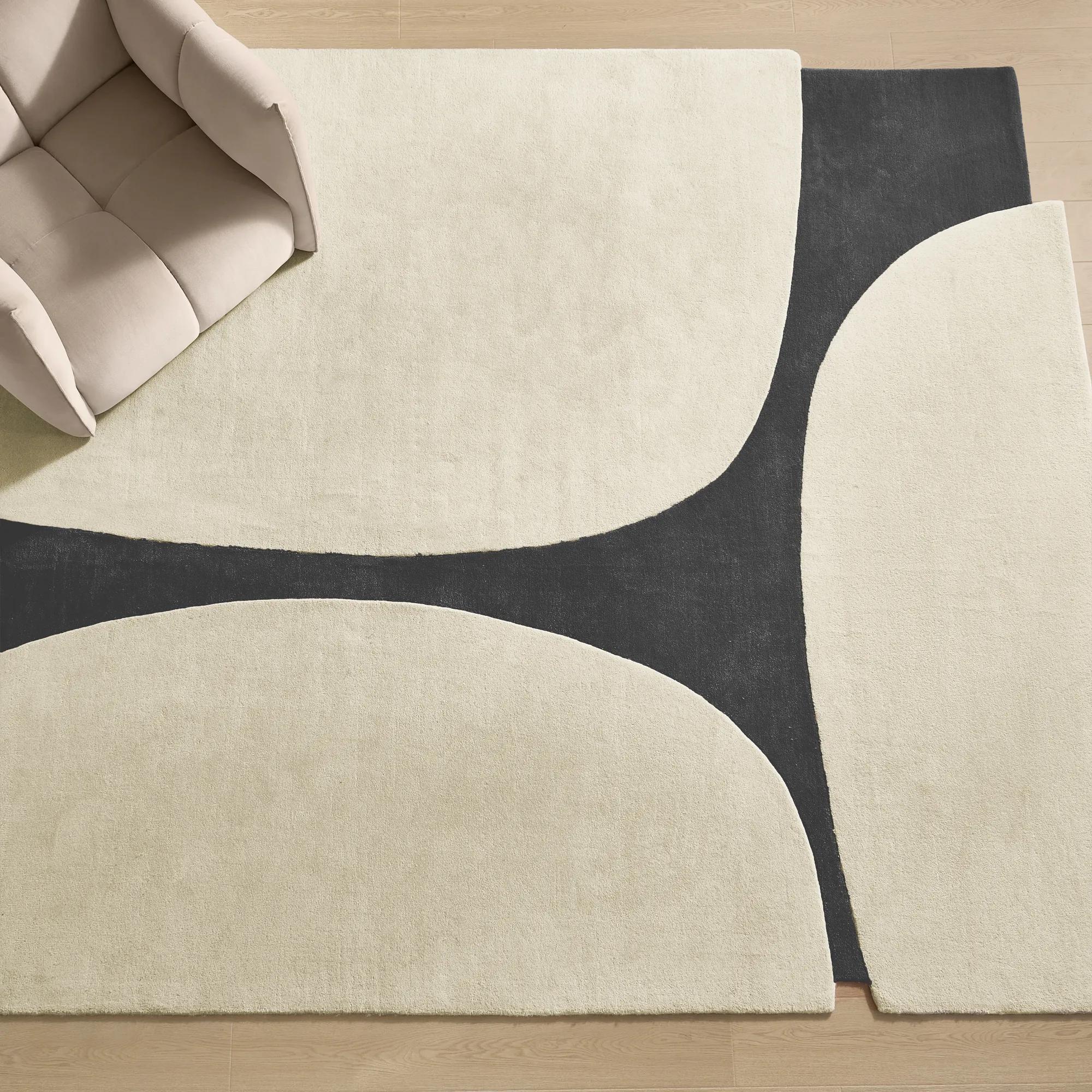 Contour Hand-Tufted Ivory/Charcoal Wool & Viscose Rugs$1499
An artfully shaped hand-tufted rug featuring high-low texture in warm ivory and charcoal wool-viscose blend.
Add To Cart -
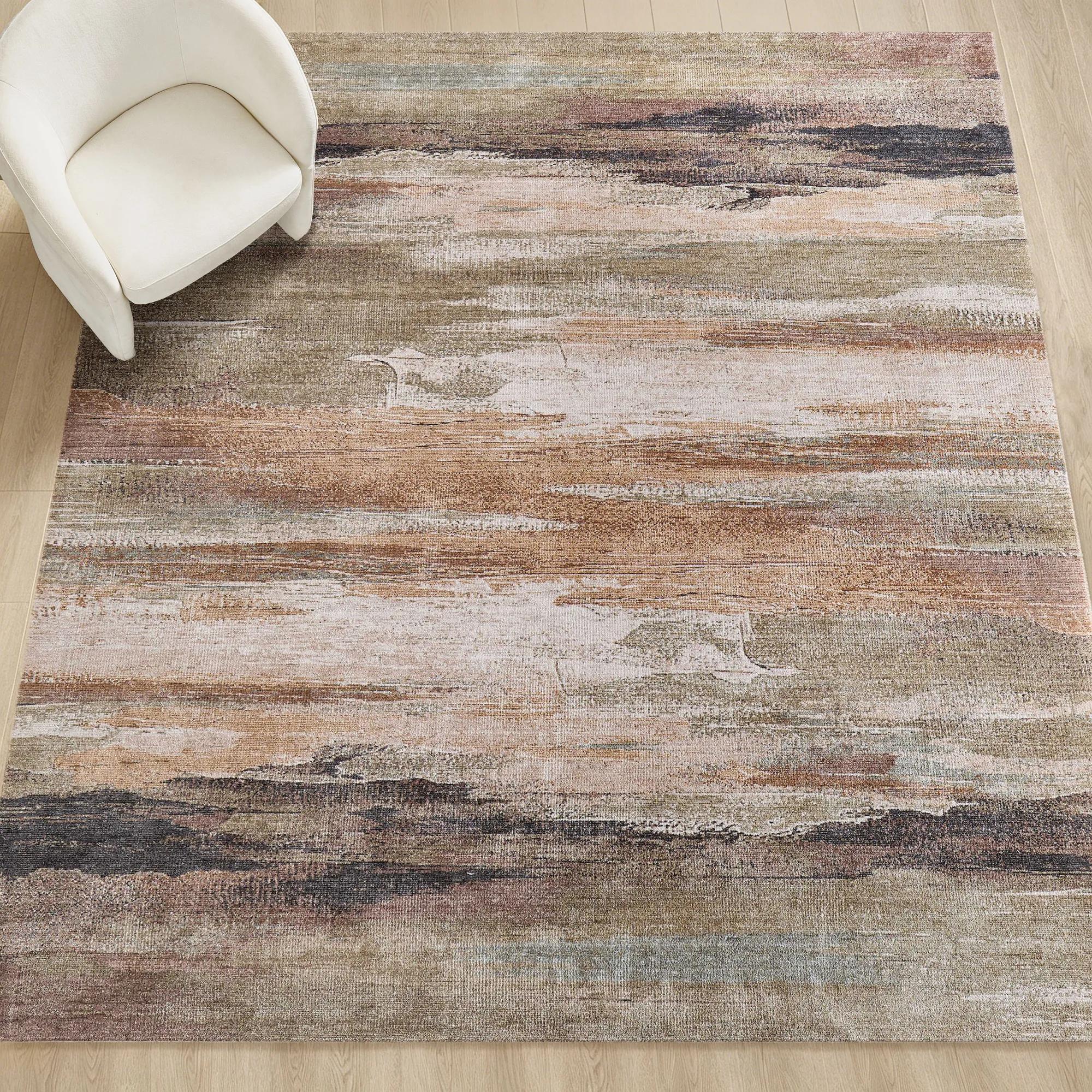
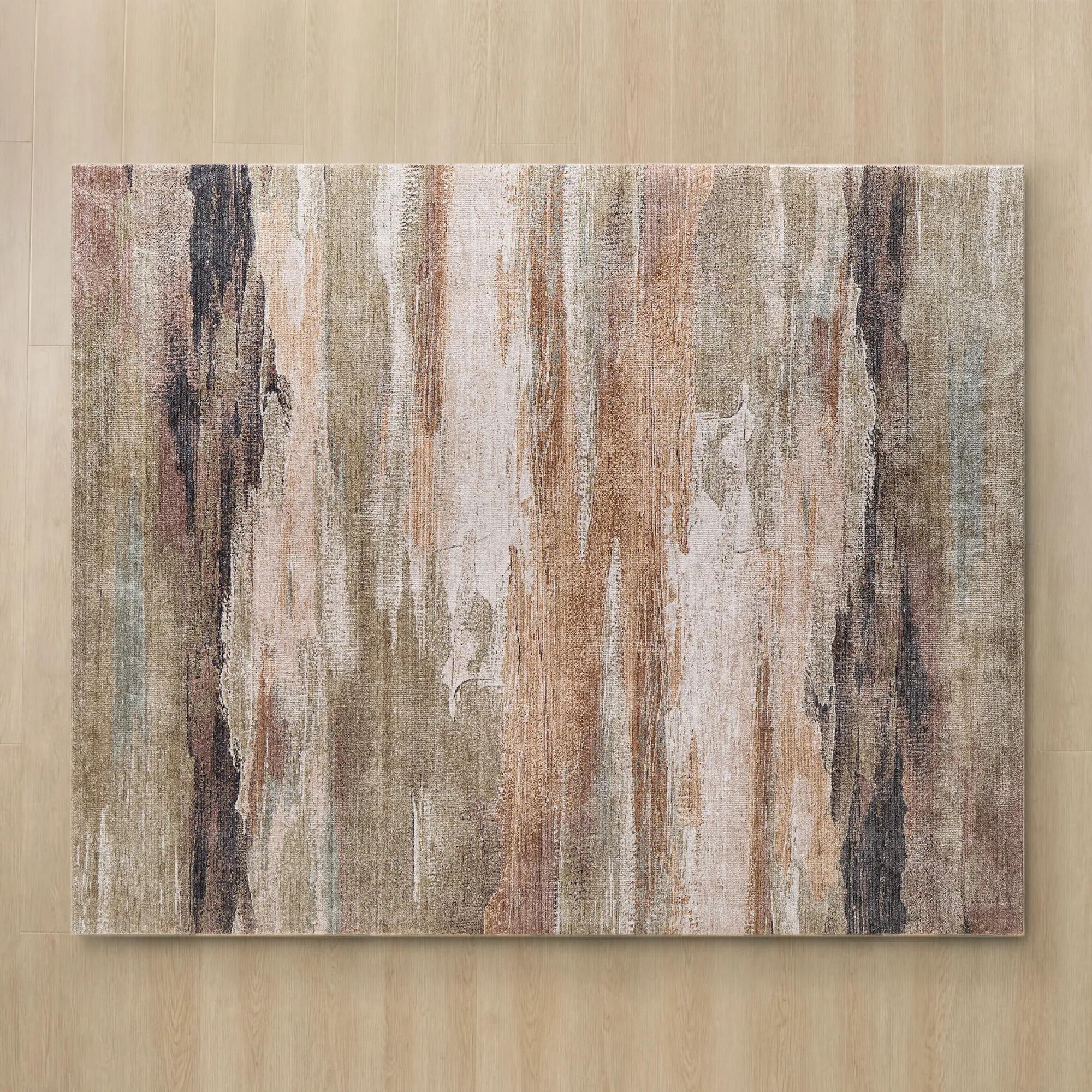 Sedona Rust/Beige/Moss Green/Charocal/Blue Performance Power Loomed Rug$1999
A power-loomed polyester rug featuring a rich abstract pattern in rust, beige, moss green, charcoal, and blue.
Add To Cart -
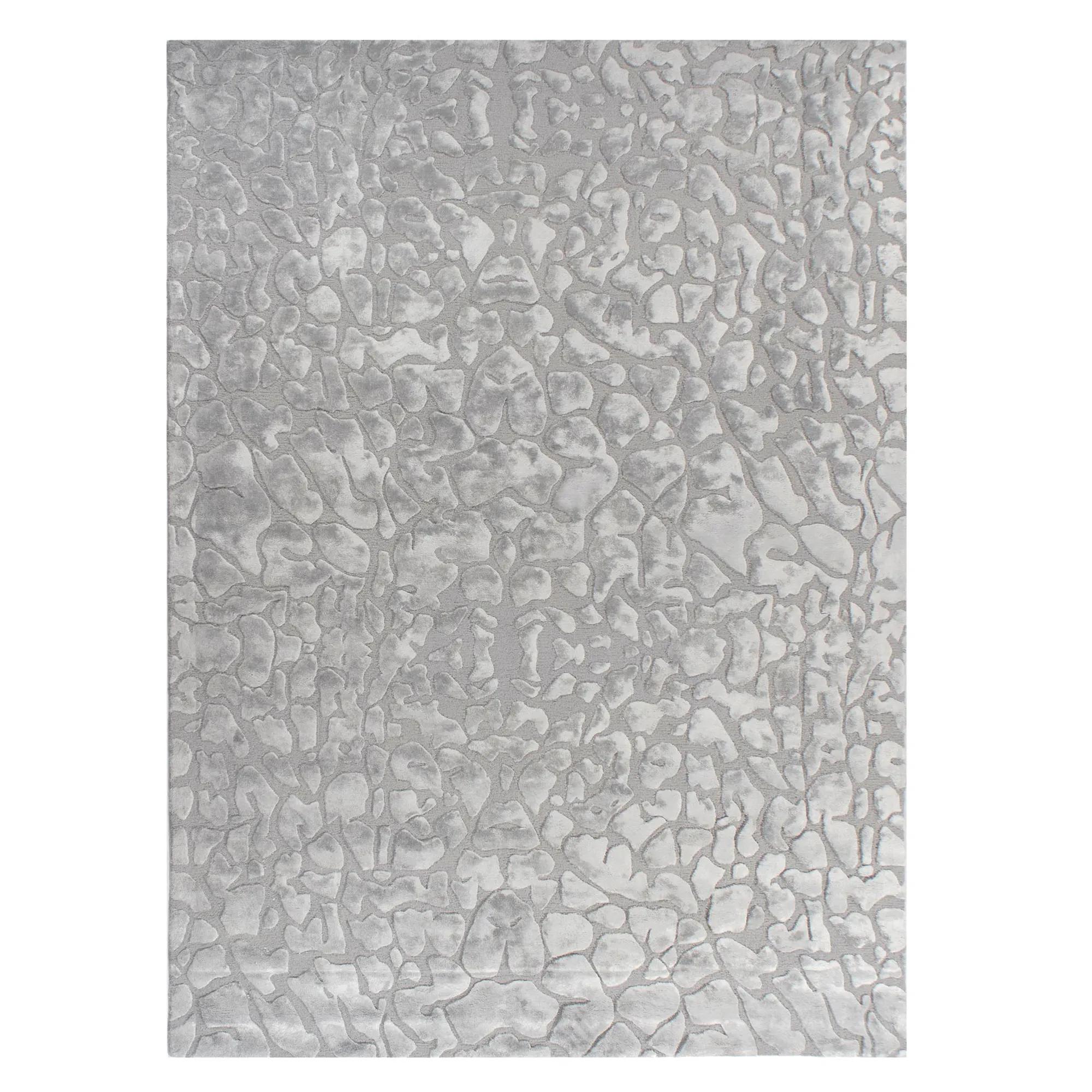
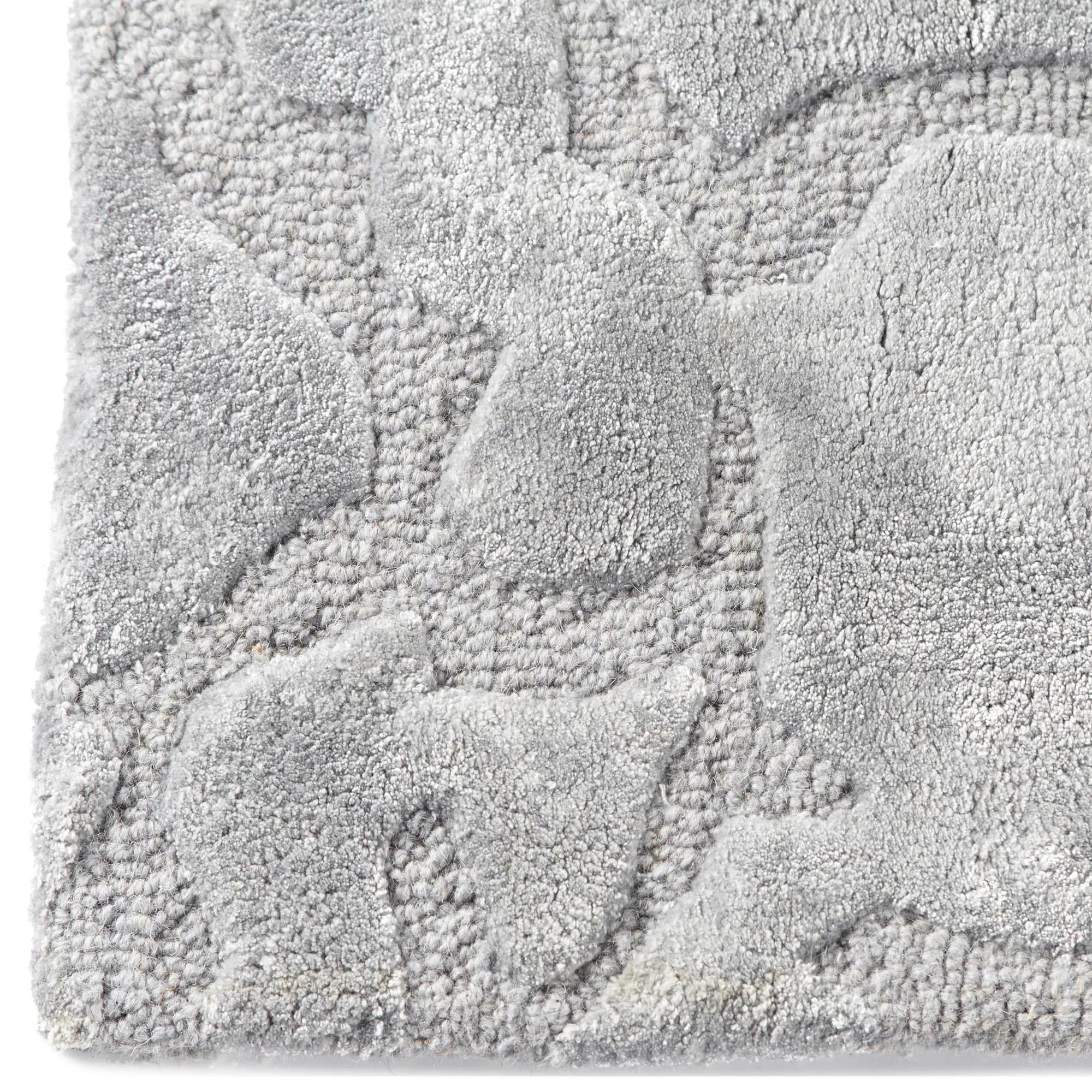 Nola Hand-Tufted Cool Grey Wool Blend Rug$849
A hand-tufted silver rug with contrasting pile heights, crafted from wool and viscose for plush texture.
Add To Cart -
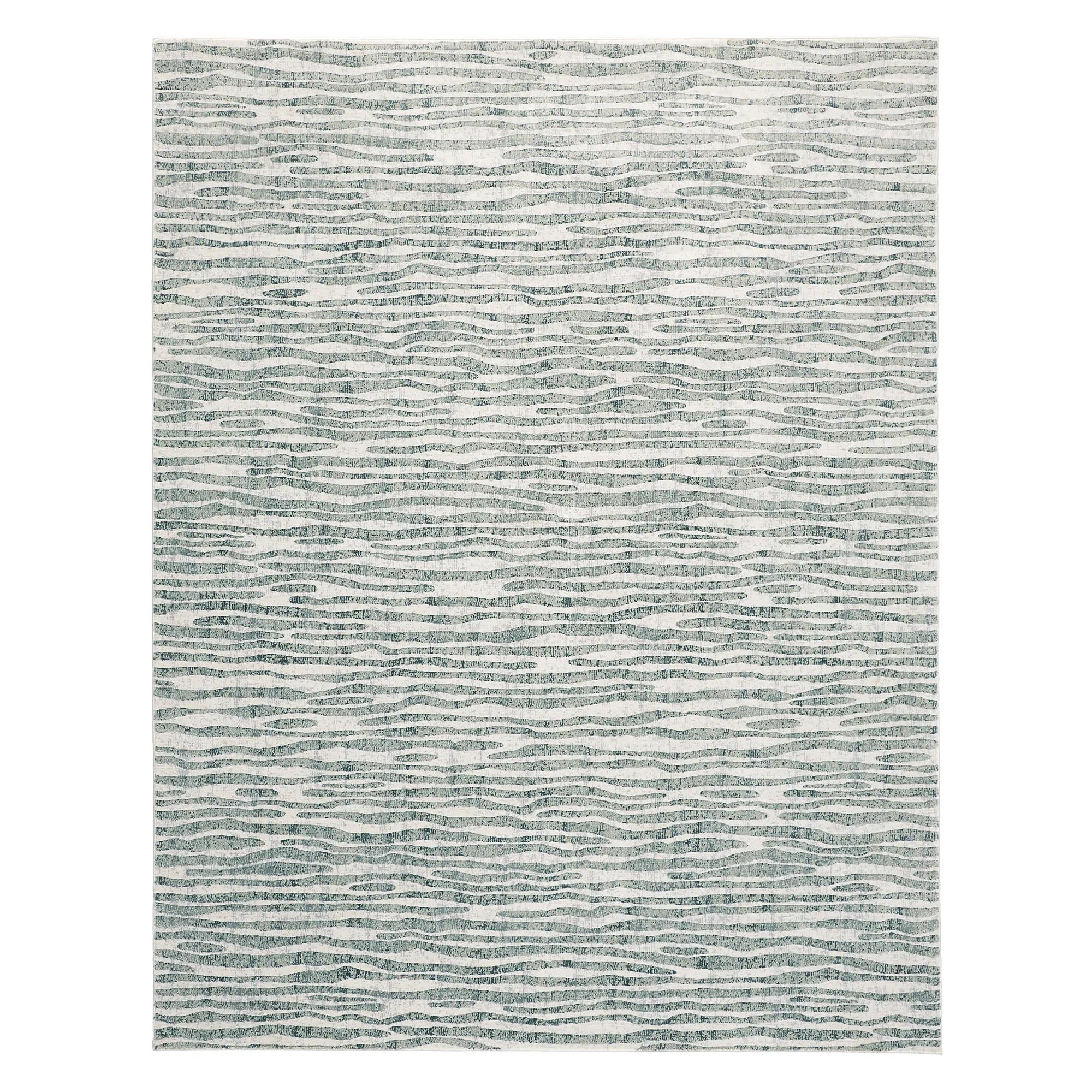 Samantha Power-Loomed Aqua/Grey Rug$719
A machine-woven rug featuring silvery-aqua and green accents on an ivory and grey polypropylene base.
Add To Cart -
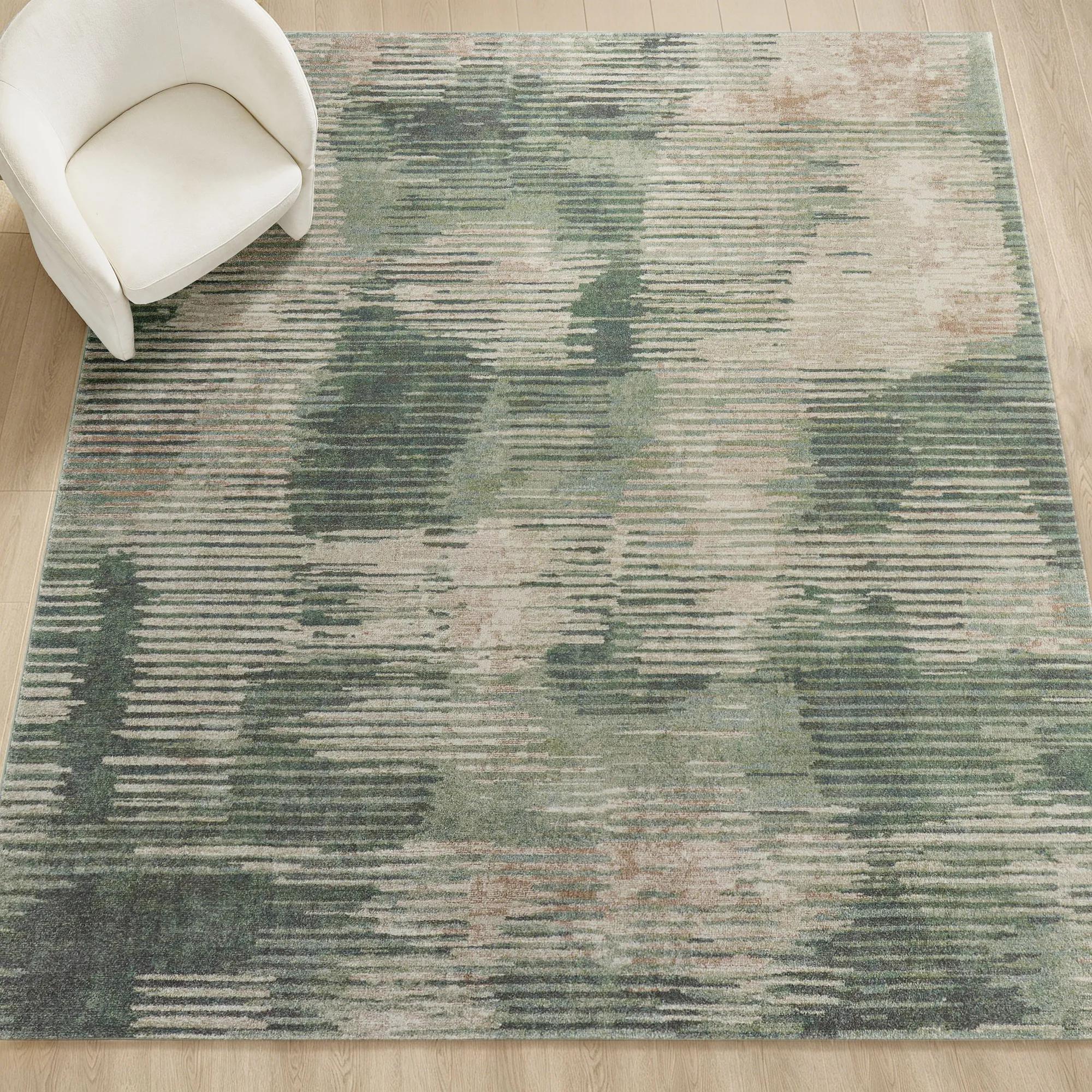
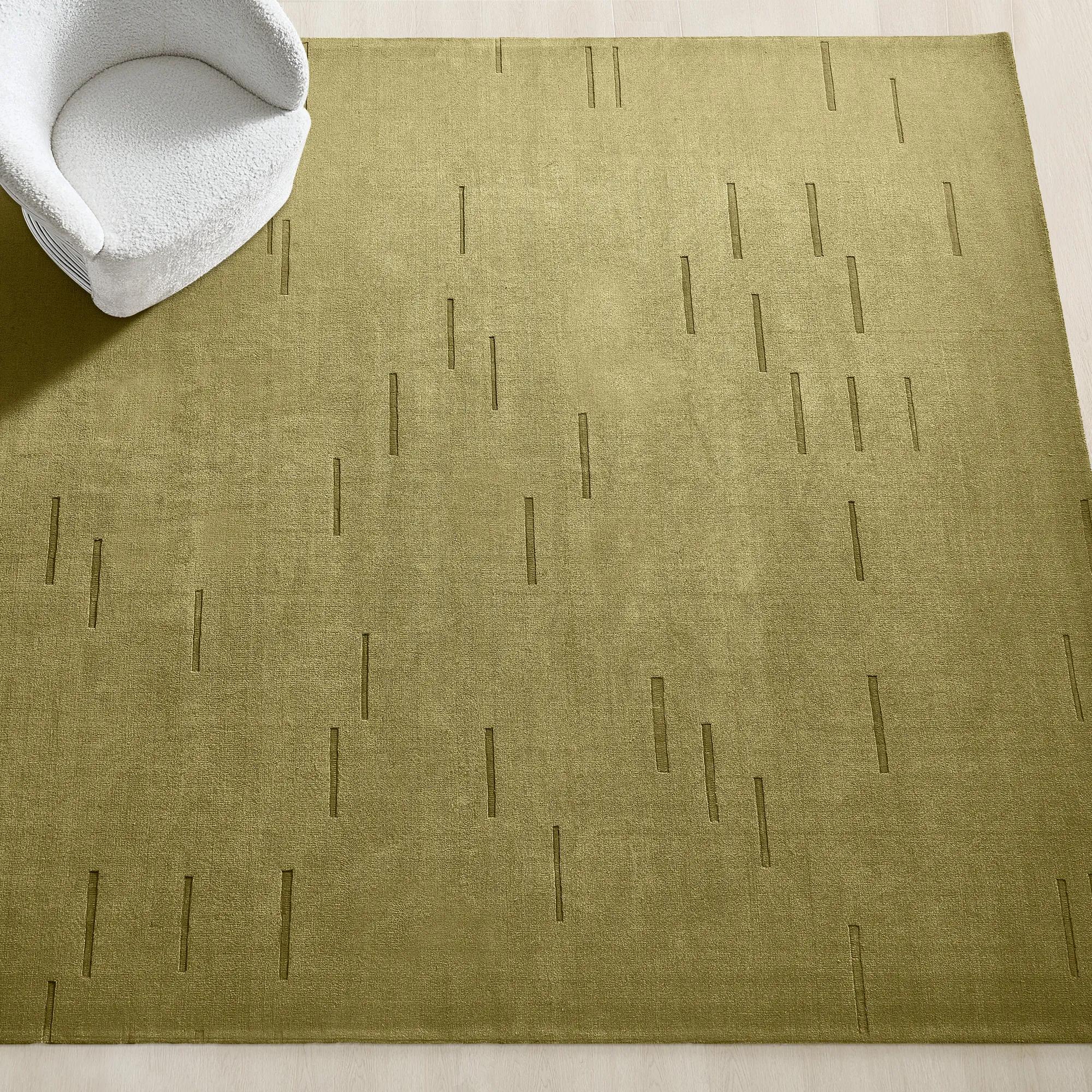
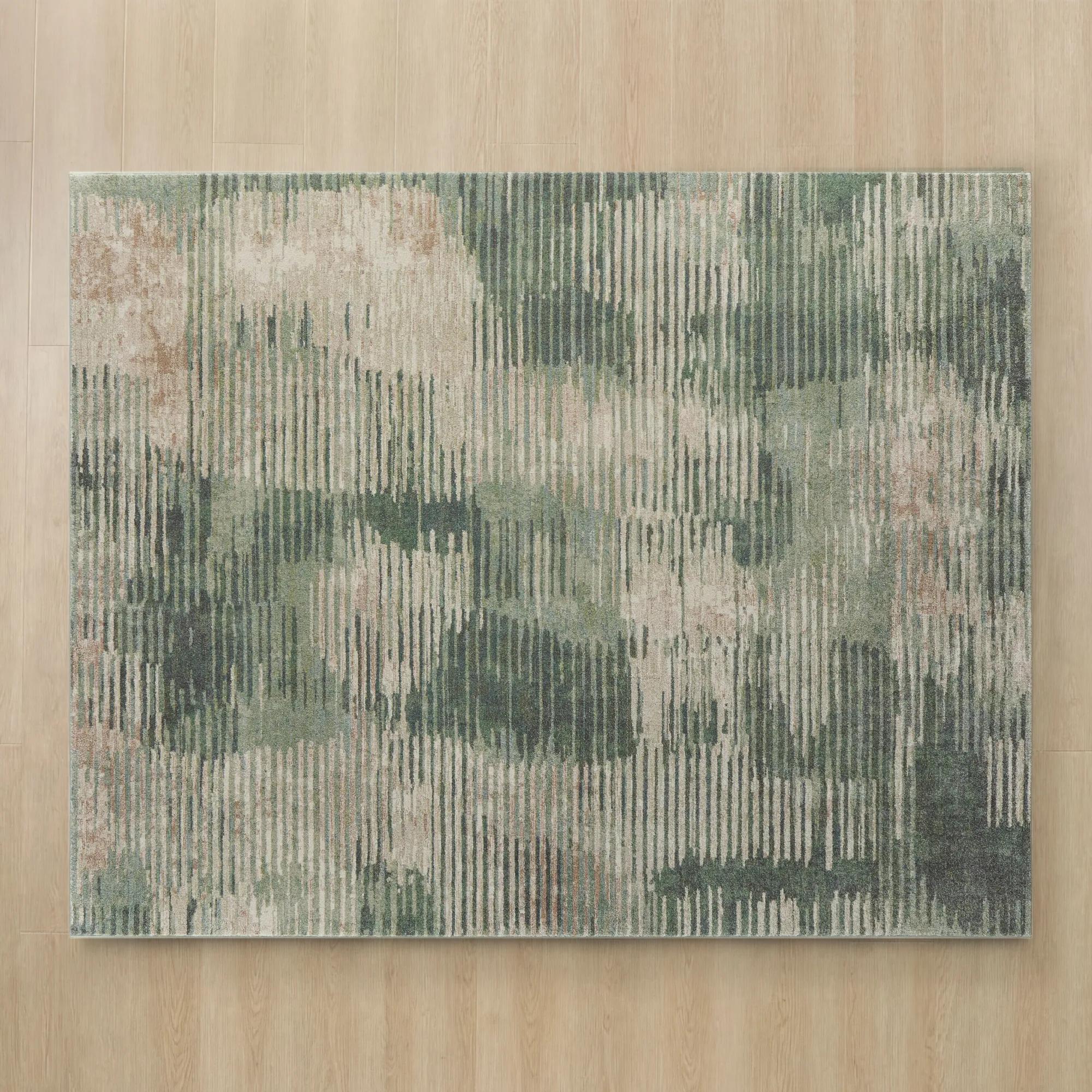 Sylvan Green/Beige Power Loomed Rug$689
A contemporary rug featuring a smoked olive green and beige organic pattern with a soft, power-loomed polypropylene pile.
Add To Cart -
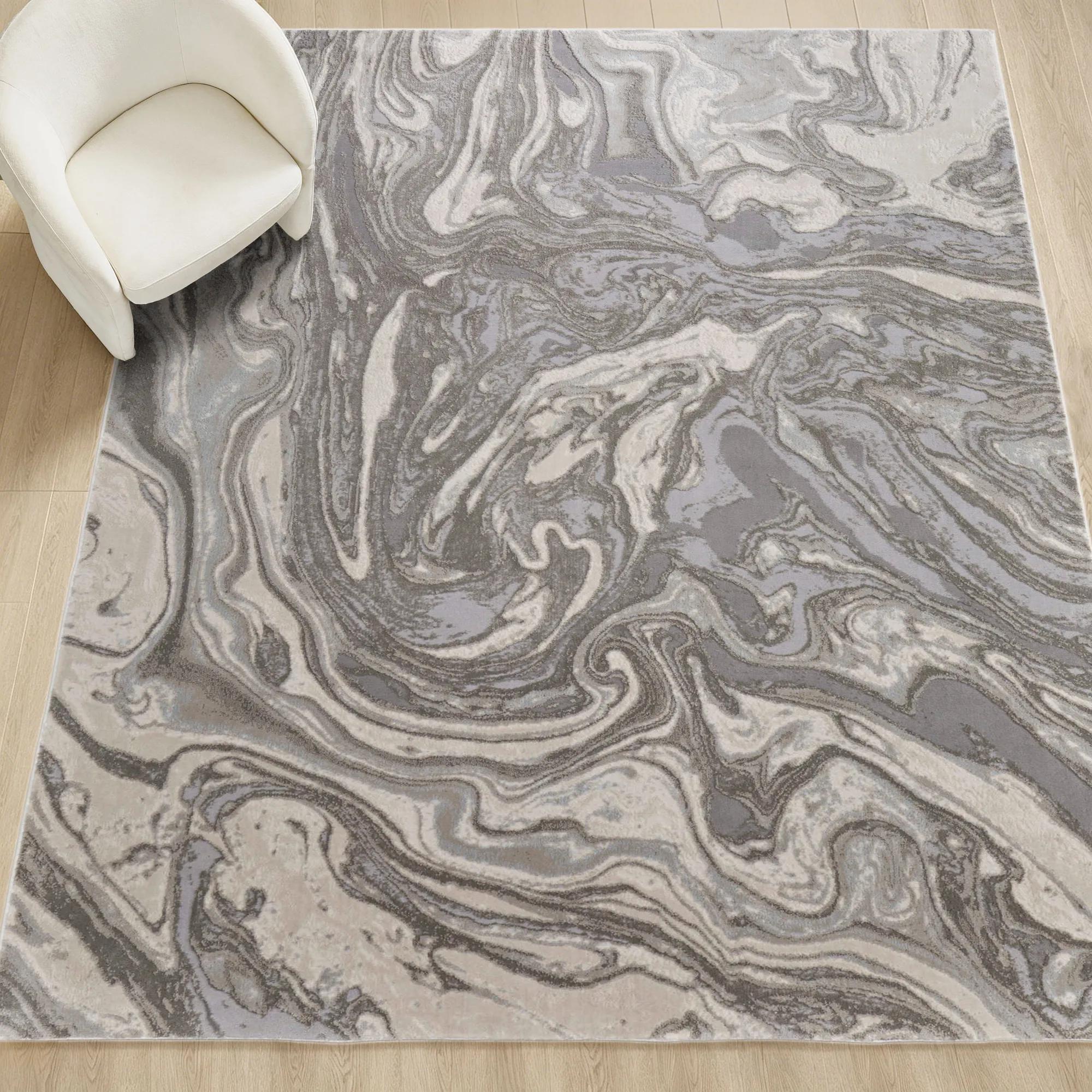
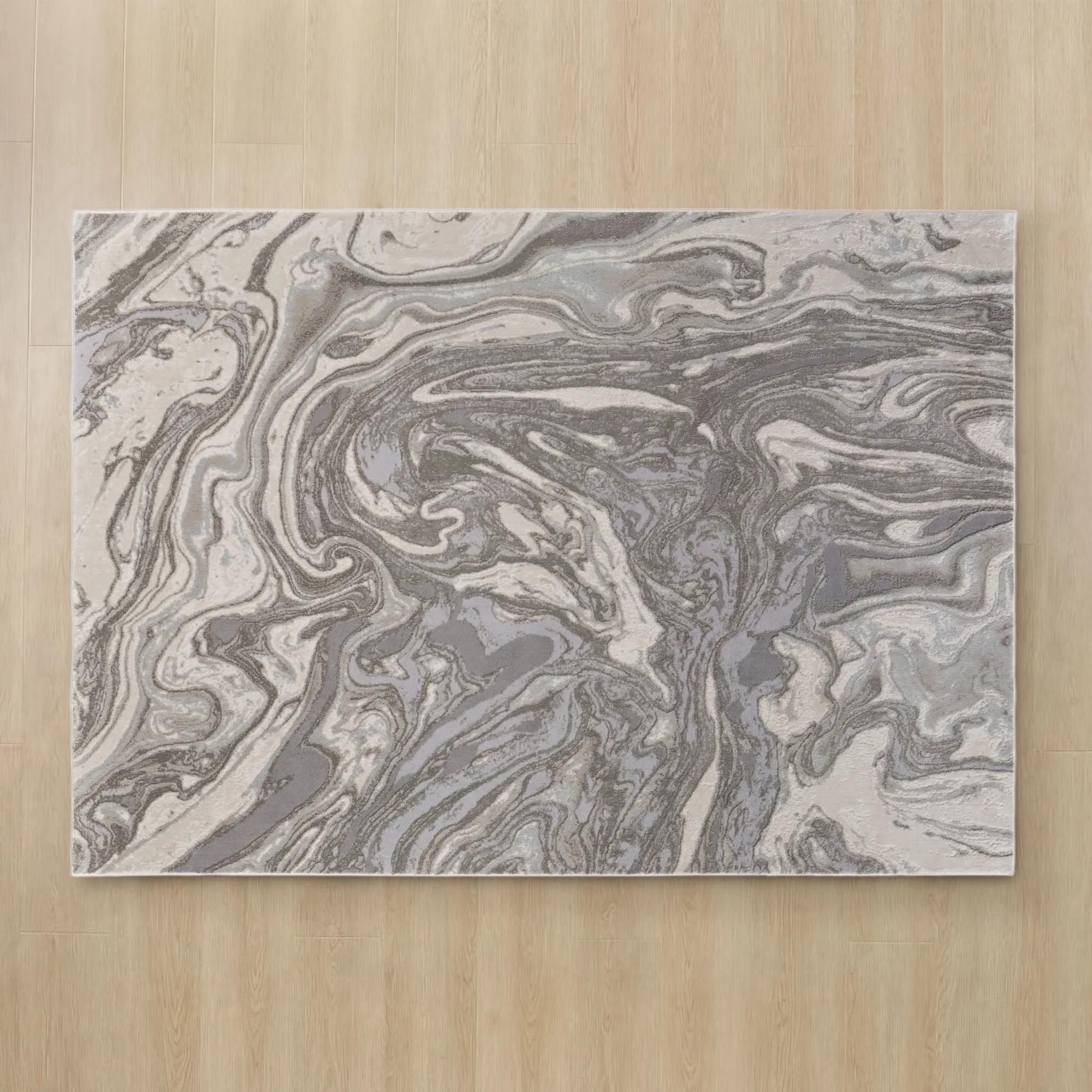 Marbre Marbled Grey/Taupe/Powder Blue Performance Power Loomed Rug$1499
A softly marbled rug in grey, taupe, and powder blue with a textured, stain-resistant performance blend.
Add To Cart -
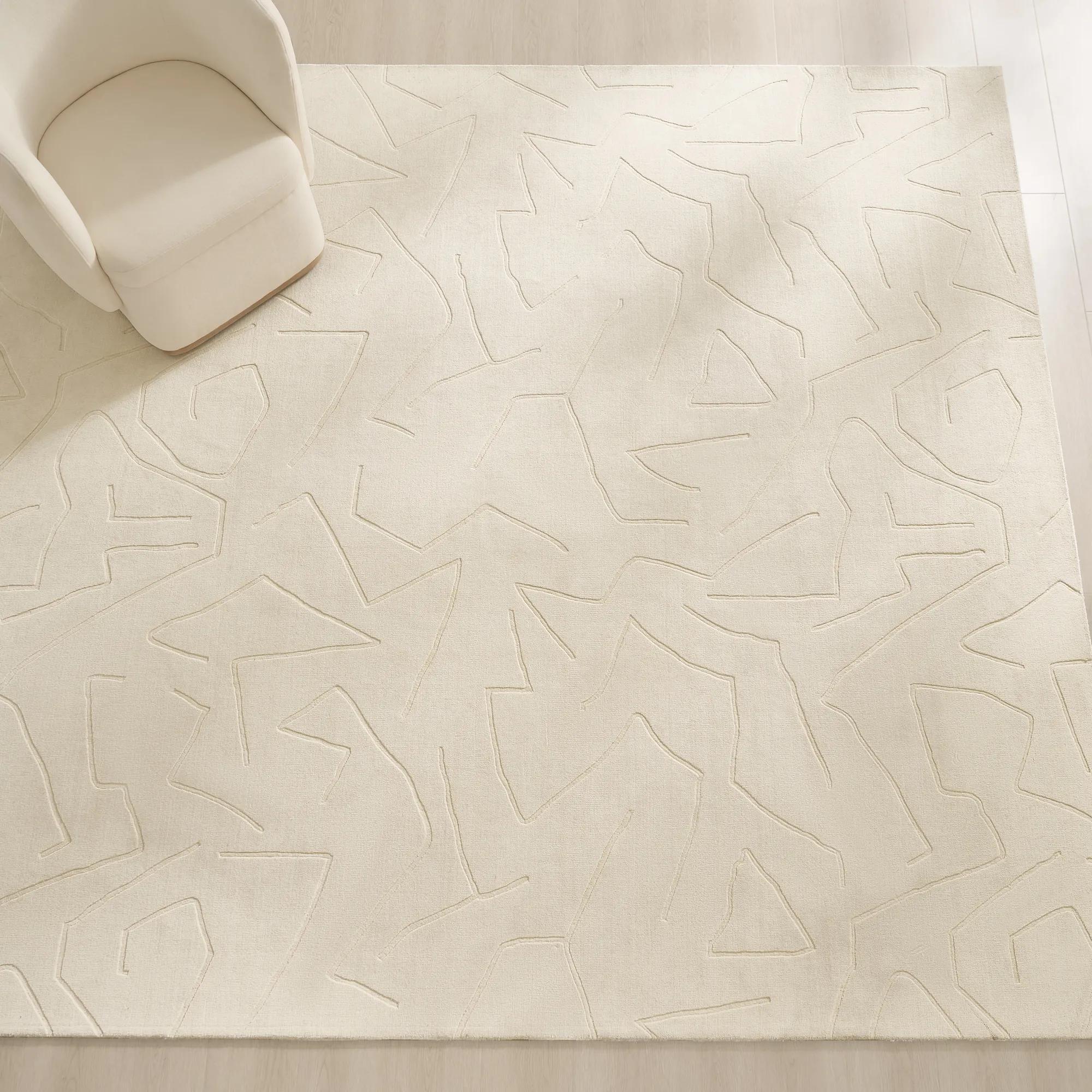 Carved Maze Ivory Hand-Loomed Wool Blend Rug$699
A hand-loomed ivory wool-blend rug featuring a carved maze pattern for modern, textural appeal.
Add To Cart -
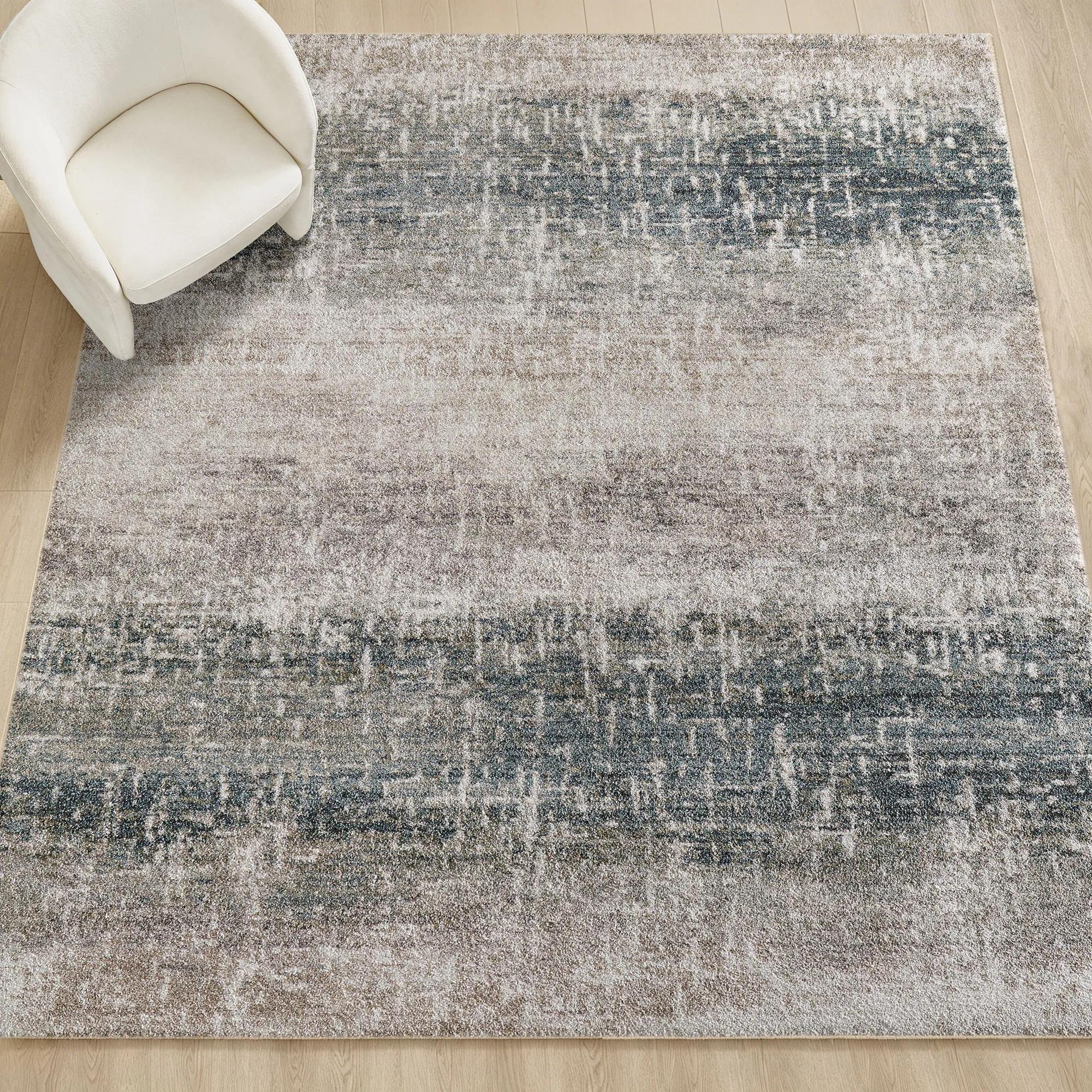
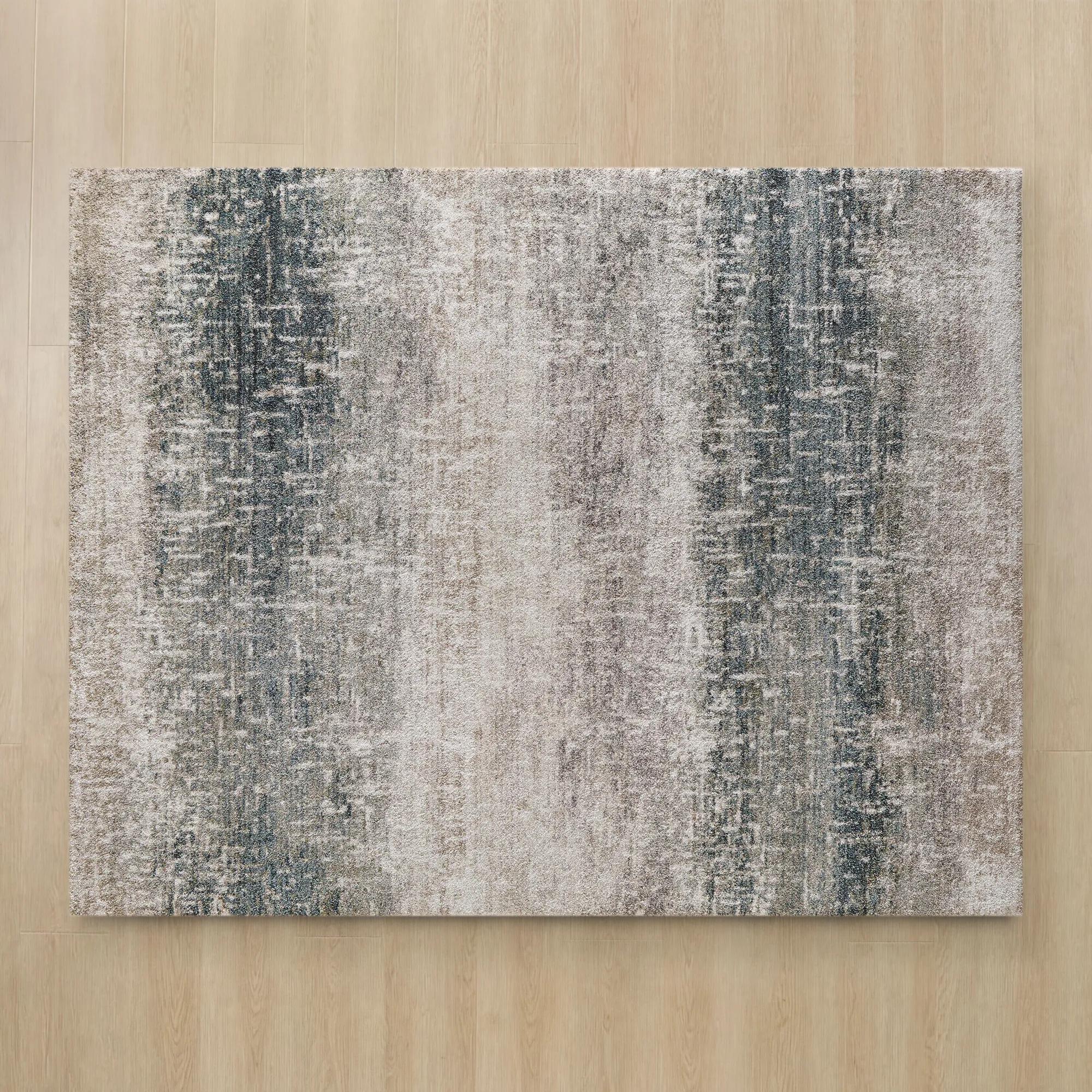 Collier Taupe/Grey/Blue/Green Performance Power Loomed Rug$1649
An abstract rug in taupe, grey, blue, and green with a plush pile and durable, easy-care blend.
Add To Cart -
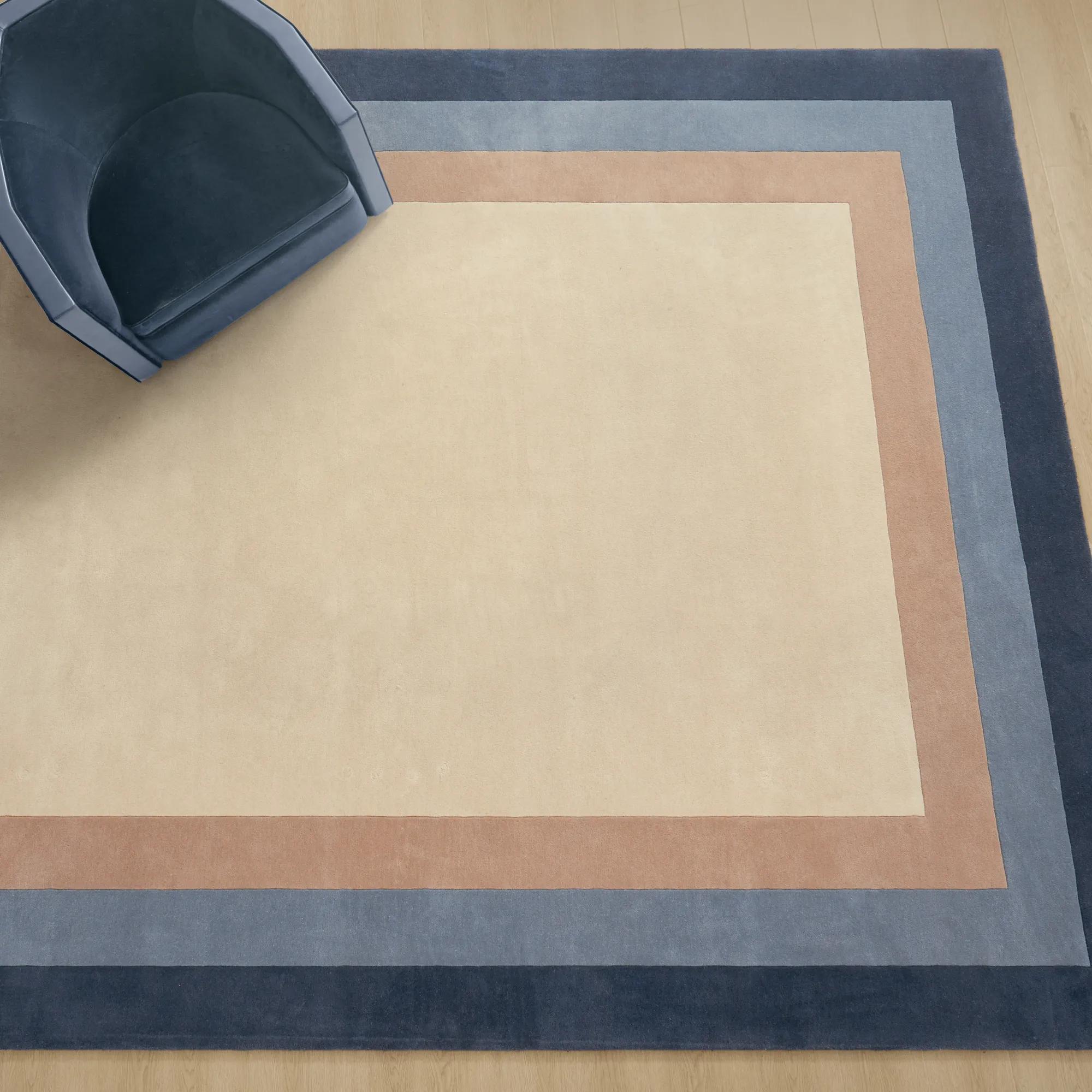 Bastien Hand-Tufted Blue/Taupe/Ivory Wool Border Rugs$1499
A hand-tufted wool rug featuring a bold color-blocked border in dusty blue, taupe, and ivory tones.
Add To Cart -
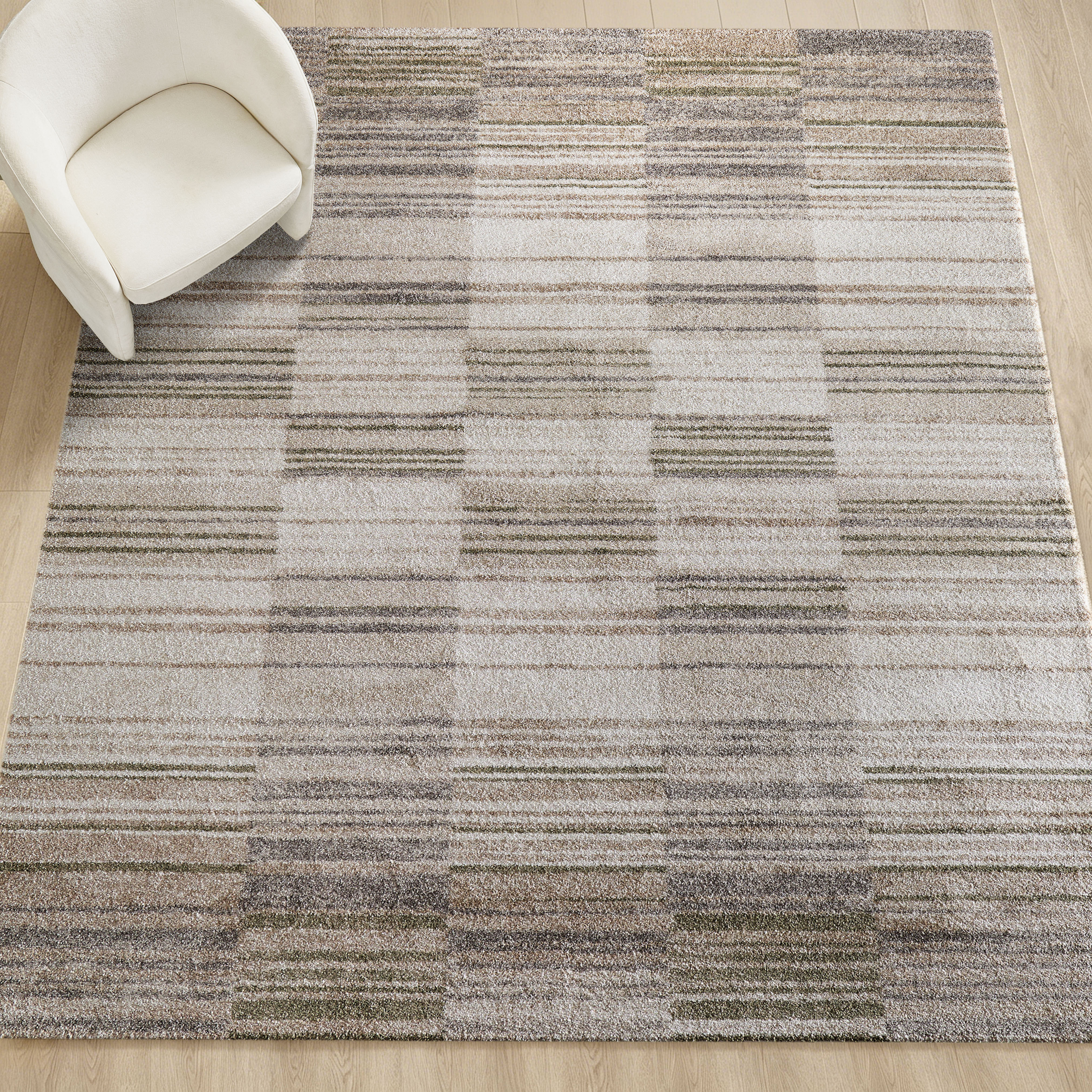
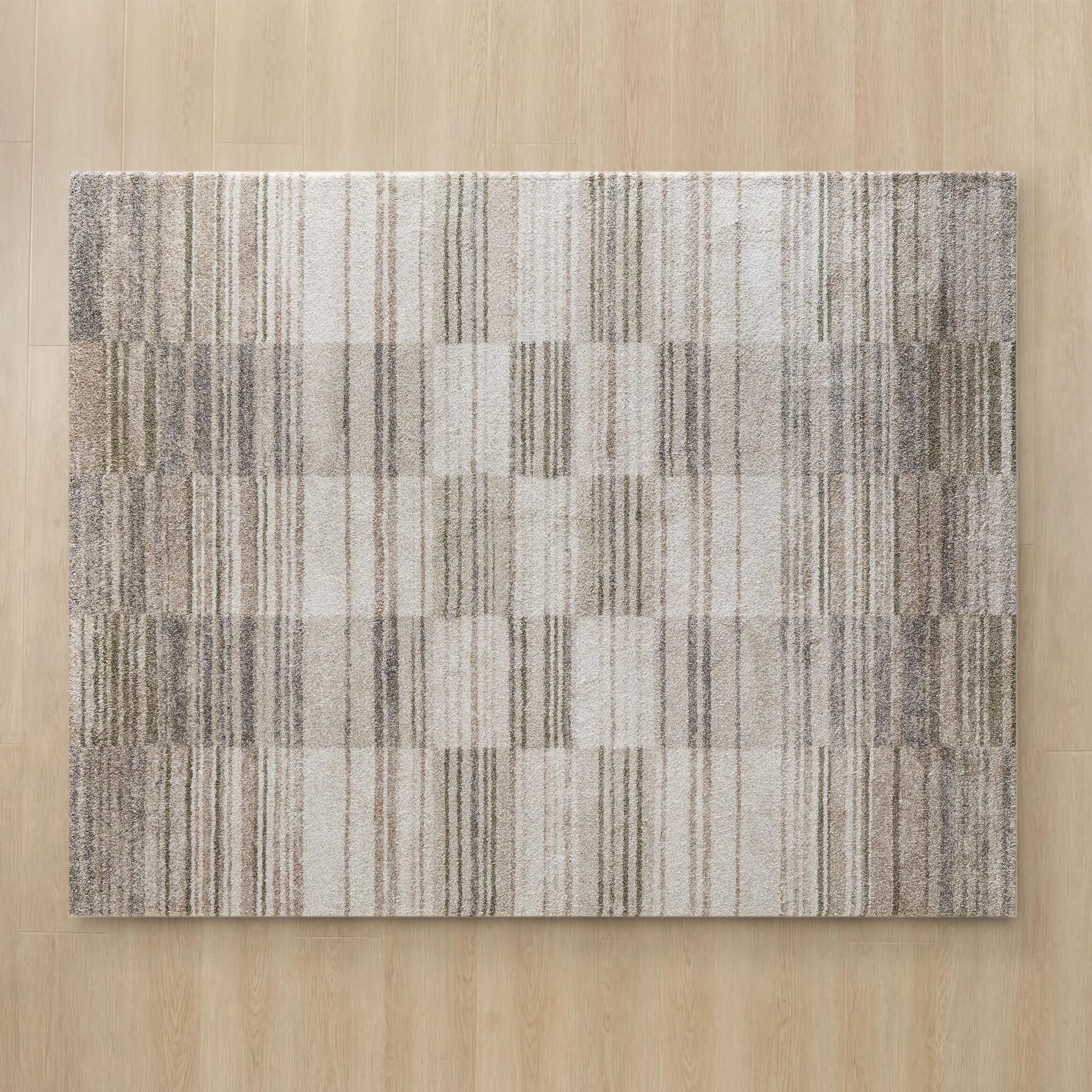 Checka Grey/Tan/Ivory/Soft Green Performance Power Loomed Rug$849
A plush, power-loomed rug featuring a soft check pattern in grey, tan, ivory, and green.
Add To Cart -
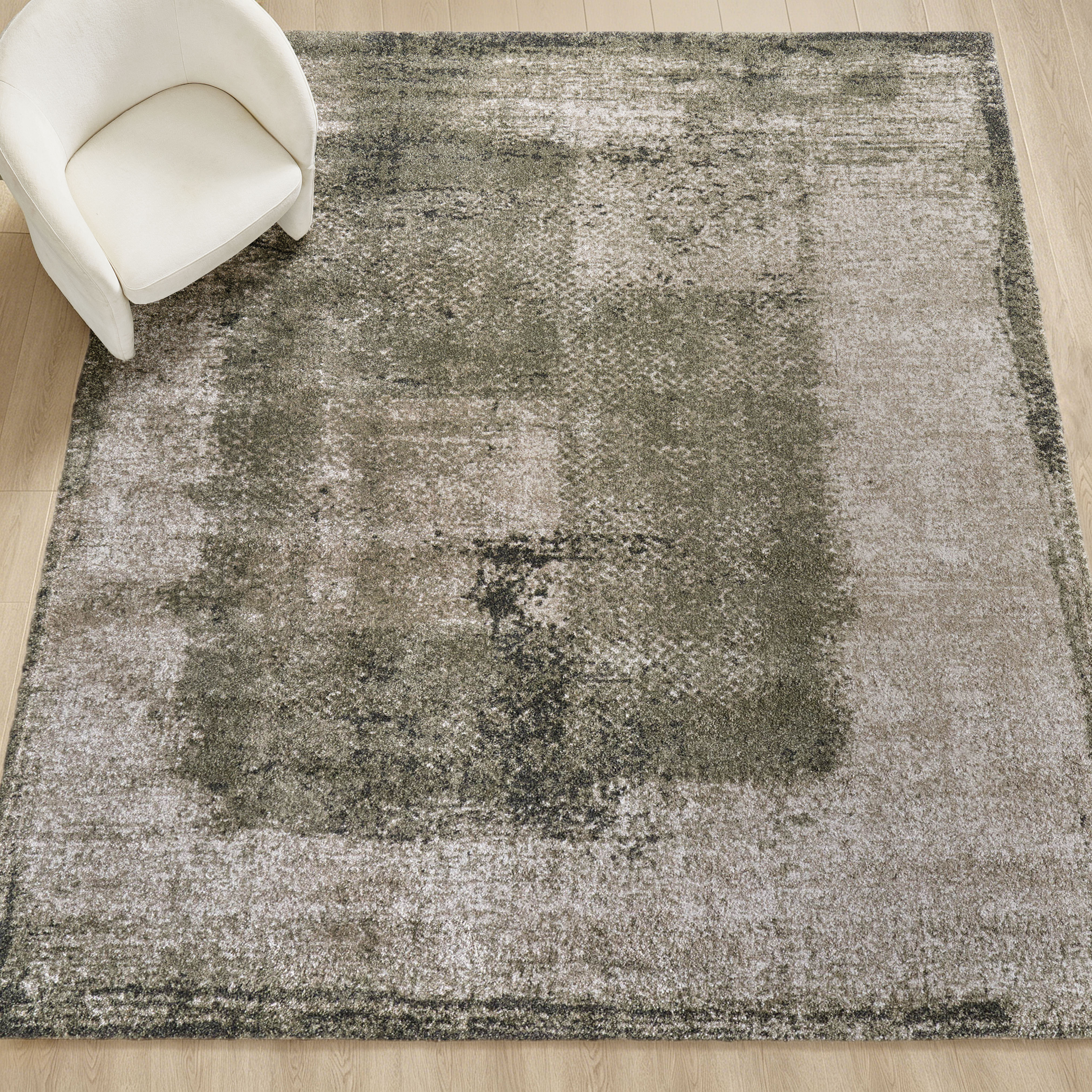
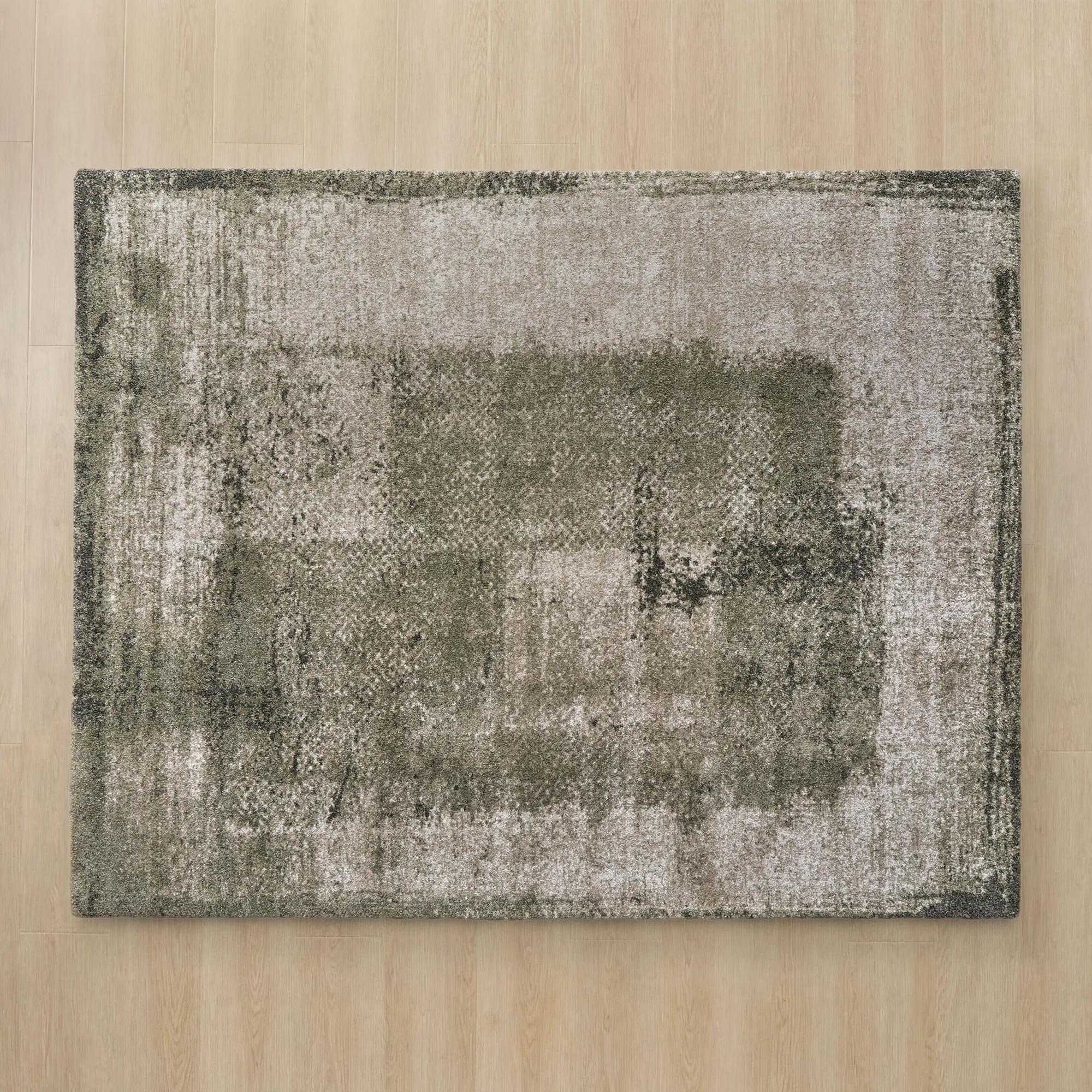 Irving Abstract Moss Green/Beige/Grey Performance Power Loomed Rug$1649
An abstract rug in moss green, beige, and grey with plush, durable polypropylene and polyester construction.
Add To Cart

Neutral Geometric Area Rugs
Elevate your sanctuary with neutral geometric area rugs—where understated hues meet artful pattern to create a foundation of quiet drama. These rugs are more than accents; they are the brushstrokes that define a room’s mood, layering sculptural motifs and serene palettes for a look that is both sophisticated and endlessly versatile. Whether anchoring a modern living space or adding intrigue to a tranquil bedroom, neutral geometric area rugs invite you to play with light, texture, and form—transforming every floor into a gallery-worthy canvas.
Neutral geometric area rugs bring architectural rhythm to a room through clean lines, sculptural curves, and a palette that lets texture take the spotlight. Ivory, cream, beige, taupe, gray, and greige create a versatile foundation, while diamonds, interlocking shapes, linear grids, and sweeping arcs give that foundation a distinct point of view. The result is understated in color, not in character. A cream rug traced with charcoal lines can sharpen the silhouette of a curved sofa; a tonal beige design with raised geometric detailing can soften a room filled with glass, metal, and polished stone. These rugs suit modern, contemporary, and transitional interiors because their visual impact depends as much on contrast and scale as on the pattern itself. Large, open shapes feel expansive beneath substantial furniture, while smaller repeating motifs introduce a more intricate rhythm. Low-contrast geometry often reads as texture from across the room, revealing its detail as someone moves closer. Stronger contrasts create a more graphic focal point, especially when surrounding upholstery remains solid. Undertones matter, too: warm oatmeal and sand sit comfortably beside walnut and brass, while silver-gray and cool ivory complement chrome, mirrored surfaces, and crisp white upholstery. In rooms with a mix of finishes, a neutral geometric rug can connect the composition without making every element match. Its pattern gives a pale interior depth and offers richly colored furniture a composed backdrop. A room with emerald upholstery, for example, can feel expressive rather than crowded when the floor carries a restrained ivory-and-taupe motif. The same palette can extend into adjoining spaces with Soft Neutral Area Rugs, creating continuity without repeating an identical design. For anyone drawn to statement interiors with a measured use of color, geometry delivers distinction through line, proportion, and beautifully considered detail.
Material and construction shape how a neutral geometric area rug feels, wears, and holds its pattern over time. Wool offers natural resilience and a substantial, inviting hand, making it appealing for living rooms and bedrooms where comfort matters as much as visual presence. Some wool rugs shed, particularly early in their use, and their care requirements depend on the weave, backing, and any additional fibers. Polypropylene and polyester can offer practical options for active households, though stain resistance, softness, and long-term performance vary by construction and finish. A dense, low-pile surface generally allows easier vacuuming and furniture movement than a deep, plush pile, making it well suited to frequently used seating areas and dining spaces. Higher pile brings a more sumptuous sensation underfoot, especially beside a bed or beneath a quiet reading arrangement, but can hold more debris and requires adequate clearance beneath doors. High-low designs use changes in pile height to make geometric shapes stand out without relying on bold color; light skimming across the surface reveals a subtle, dimensional relief. Flatwoven rugs offer a tailored profile, though some lighter constructions need a suitable pad to help limit movement and bunching. Rugs containing viscose or similar lustrous fibers can introduce a silk-like sheen, but may be sensitive to moisture and abrasion, making careful placement and fiber-specific care especially important. For homes with pets, tightly constructed, shorter-pile rugs may be more manageable than loose loops or elaborate fringe that claws can catch. A pale rug is not automatically impractical, nor is a synthetic rug automatically suited to every spill or setting. Fiber content, backing, construction, and the manufacturer’s care directions provide a more useful picture of everyday suitability. Outdoor placement also requires an explicit indoor-outdoor designation; a durable-looking weave alone does not establish resistance to moisture or sun exposure. The strongest choice balances the desired atmosphere with the way the room is genuinely used, from frequent entertaining to daily family lounging.
Proportion gives geometric pattern its full expression. In a living room, a rug large enough to sit beneath the front legs of the sofa and neighboring chairs helps the seating arrangement read as one composition rather than a collection of separate pieces. Common dimensions such as 8 by 10 feet or 9 by 12 feet can serve as starting points, but the furniture footprint and room layout determine the right fit. A generous sectional may require more coverage, while a compact conversation area can feel beautifully resolved with a smaller rug that still connects the seating. Beneath a dining table, approximately 24 to 30 inches of rug beyond each edge generally allows chairs to remain on the surface when pulled out, provided the room has sufficient space. Here, a lower pile supports smoother chair movement, and a visible border of geometric pattern can frame the table with intention. In a bedroom, extending the rug beyond the sides and foot of the bed provides both visual balance and a softer landing underfoot. Pattern placement deserves attention: a dramatic central motif may disappear beneath a large table, whereas an allover design or border can remain visible around furniture. A rug pad compatible with both the rug and the flooring can add cushioning, help reduce shifting, and limit friction; its thickness should preserve door clearance and a stable walking surface. Regular care protects the clarity of the design as well as the fibers. Vacuum according to the manufacturer’s directions, avoiding aggressive brush settings when they are unsuitable for the pile or fringe. Blot spills promptly rather than rubbing, and use only cleaning methods approved for the material, since excess moisture or an unsuitable solution can leave lasting marks. Periodic rotation can help distribute wear and light exposure, while professional cleaning may be appropriate for delicate fibers or substantial soiling. With thoughtful placement and care, a neutral geometric rug becomes more than a finishing layer: it gives the room structure, tactile richness, and a confident foundation for personal expression.
FAQs
Neutral geometric area rugs are remarkably versatile, complementing a wide range of interior styles—from modern and contemporary to transitional and Scandinavian. Their understated color palette and bold patterns create a sophisticated foundation that works beautifully with both minimalist furnishings and more eclectic, layered decor. Whether your space leans toward sleek lines or plush textures, these rugs add visual interest without overwhelming the room.
These rugs infuse spaces with a sense of balance and artistry. The interplay of geometric patterns and neutral hues brings depth and movement, anchoring your furniture while maintaining a light, airy ambiance. They create a harmonious backdrop that allows statement pieces—like sculptural lighting or vivid artwork—to shine, while still offering their own subtle drama.
Absolutely. Many neutral geometric rugs are crafted from durable, easy-to-clean materials such as wool or polypropylene, making them a practical yet stylish choice for lively households. Their patterns can also help disguise minor spills or pet hair, ensuring your space remains polished and inviting even with daily activity.
Yes, a beige geometric area rug is a master of adaptability. In formal settings, its refined palette and structured pattern elevate the room with quiet elegance. In more casual spaces, the same rug brings warmth and a touch of modern flair, seamlessly bridging the gap between comfort and sophistication.
During winter, layer your neutral geometric rug with plush throws, velvet pillows, and metallic accents to create a cozy yet glamorous retreat. Position the rug where it will catch natural light, allowing its pattern to cast subtle shadows and add dimension. Pair with warm-toned woods and soft lighting to transform your space into a welcoming haven during the colder months.