Large Neutral Pattern Rugs
Large Neutral Pattern Rugs
-
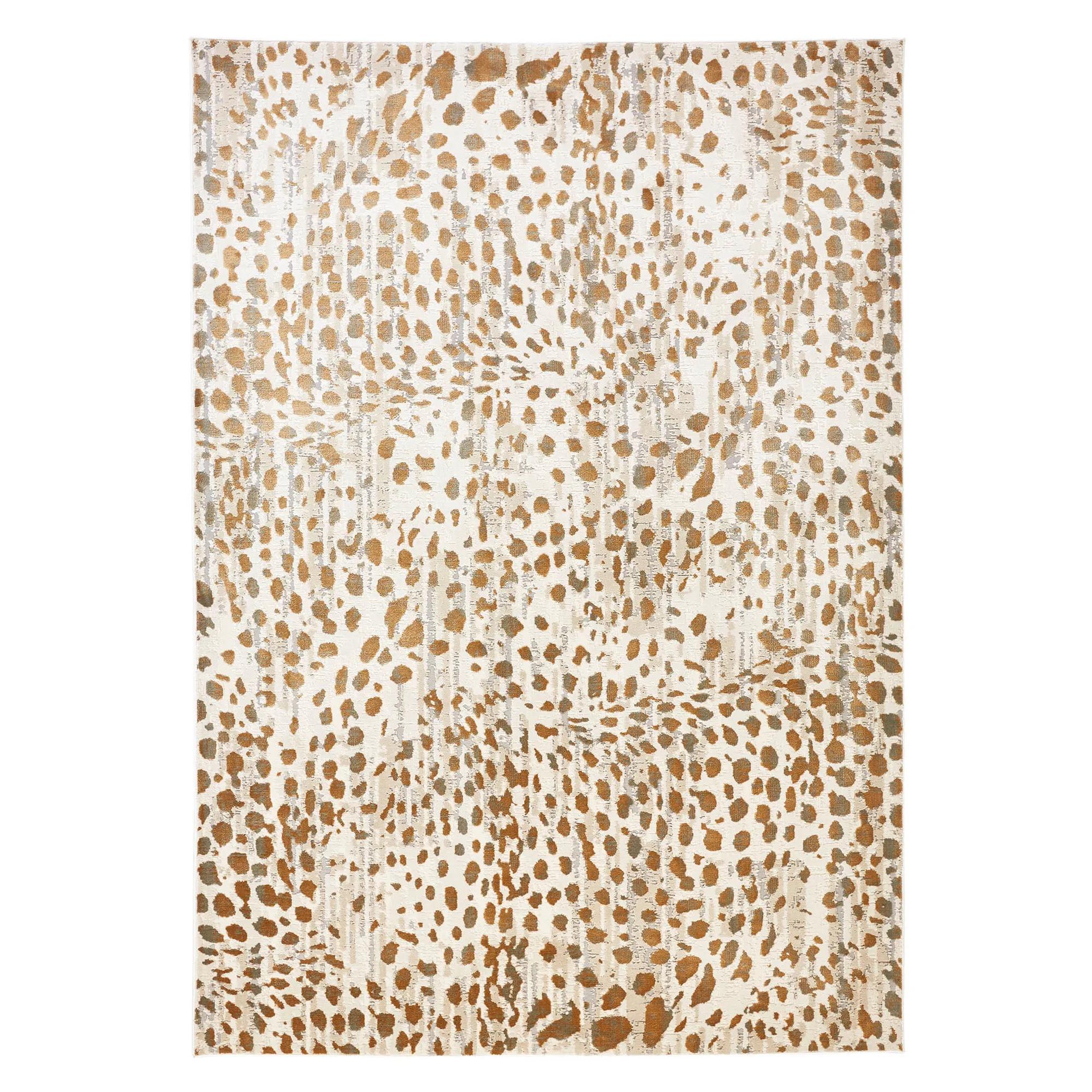
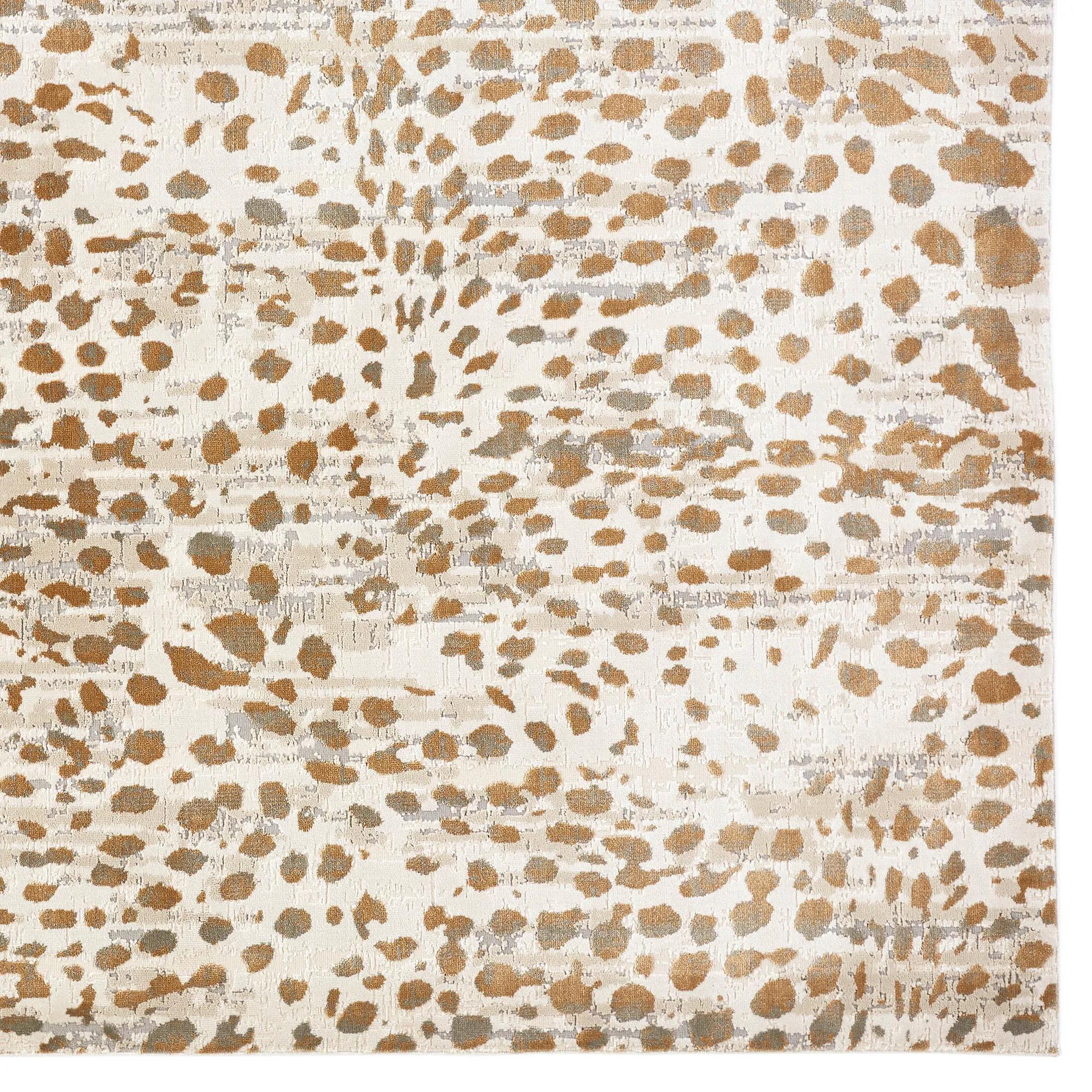 Amur Ivory/Natural Animal Print Power-Loomed Rug$399
A hand-tufted wool and viscose rug featuring a gold chain link design on neutral grey.
Add To Cart -
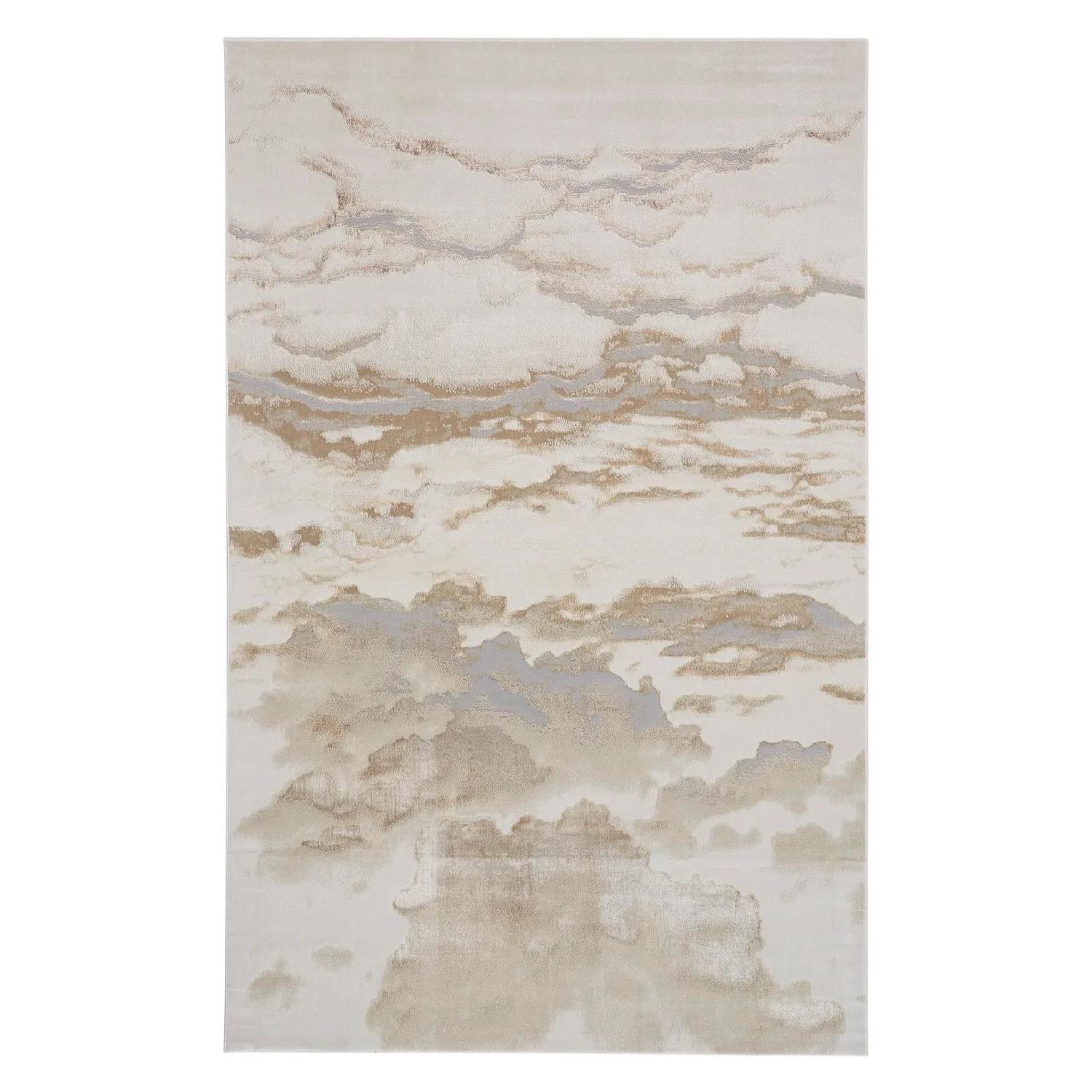
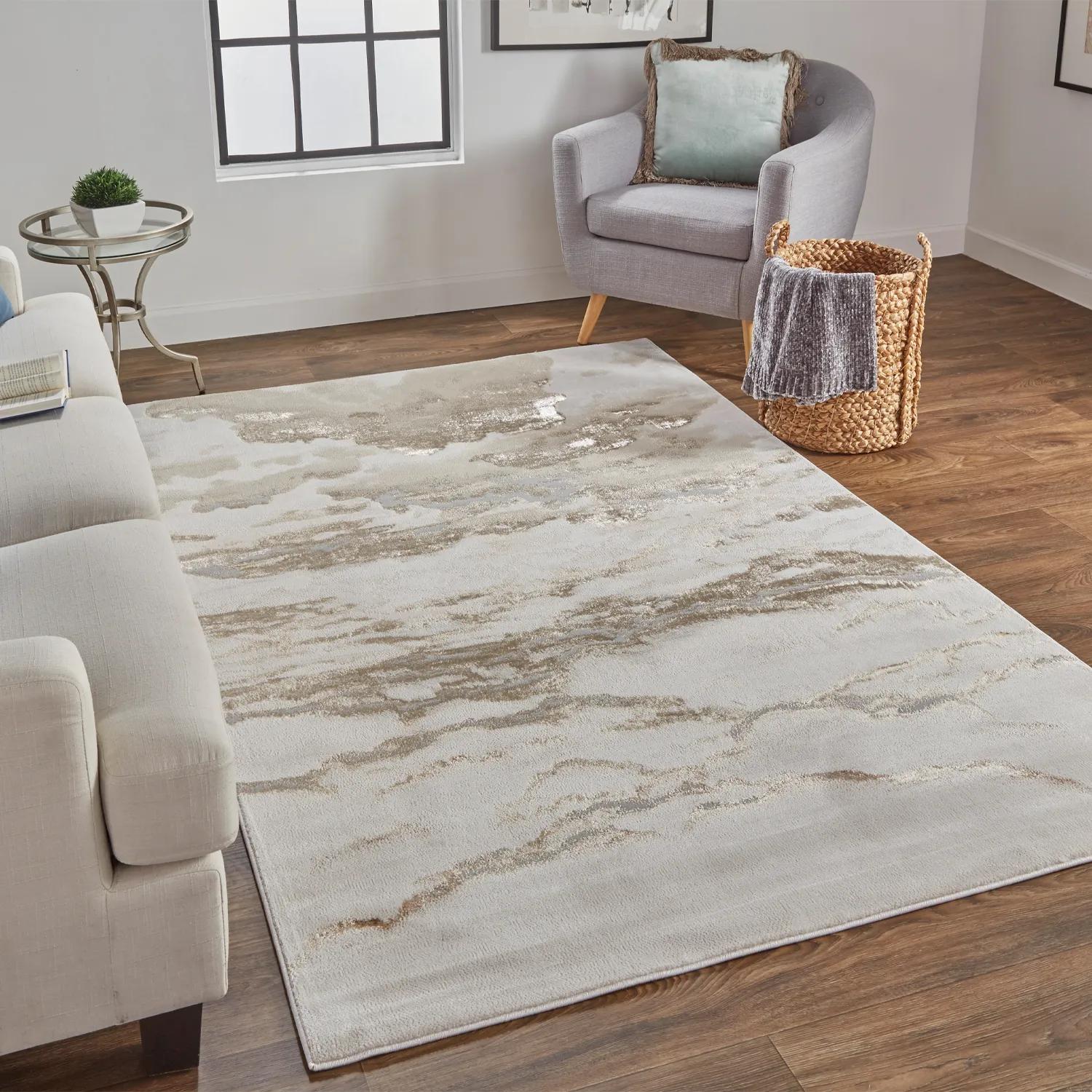 Tide Power-Loomed Beige/Gold/Ivory Rug$899
A machine-made rug in beige and gold, crafted from ultra-soft polyester and polypropylene for elegant spaces.
Add To Cart -
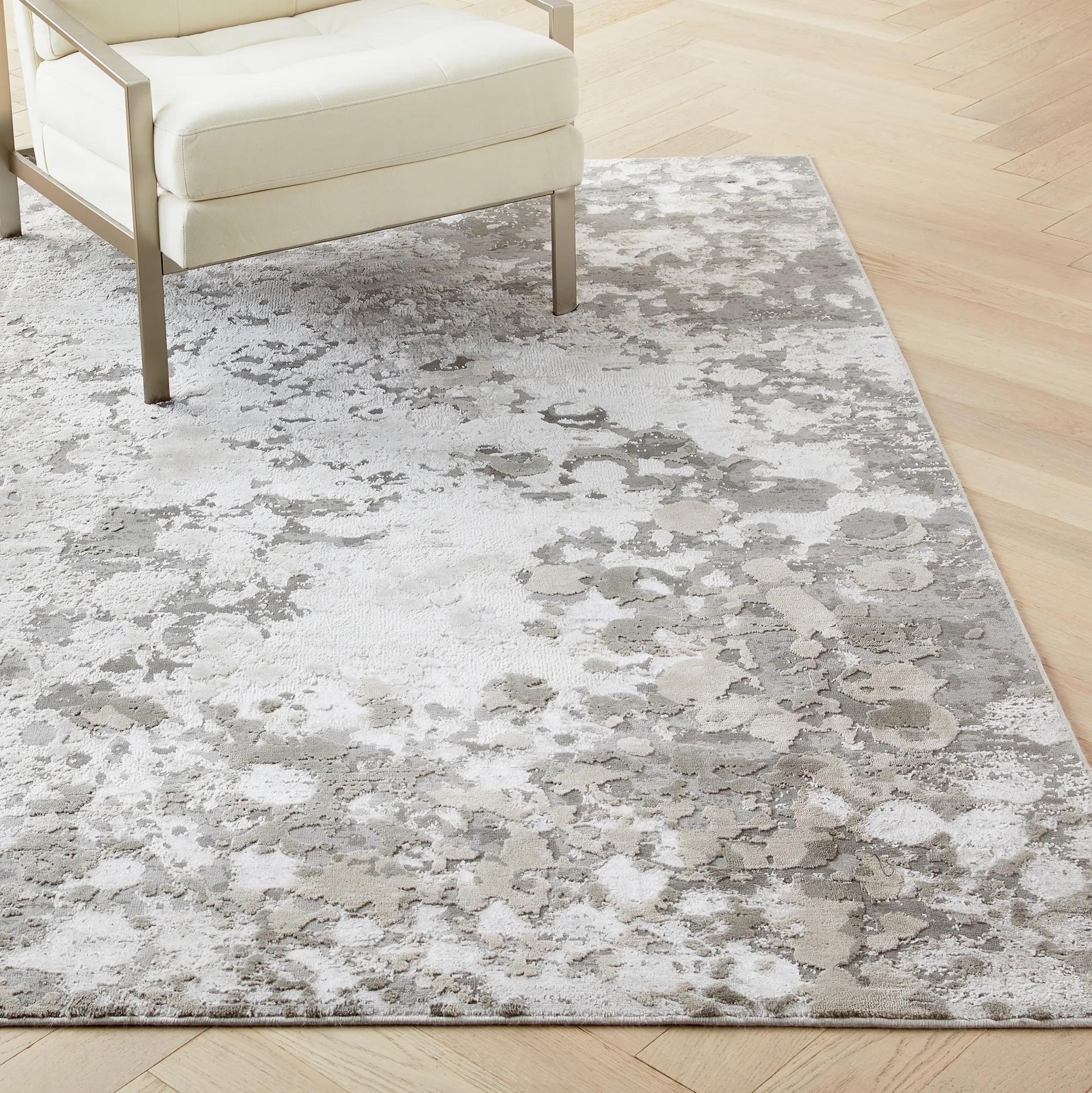 Mercury Power-Loomed Silver/Grey/Beige Rug$249
A neutral floor covering featuring a silver, grey, and beige palette with a textured polyester blend.
Add To Cart -
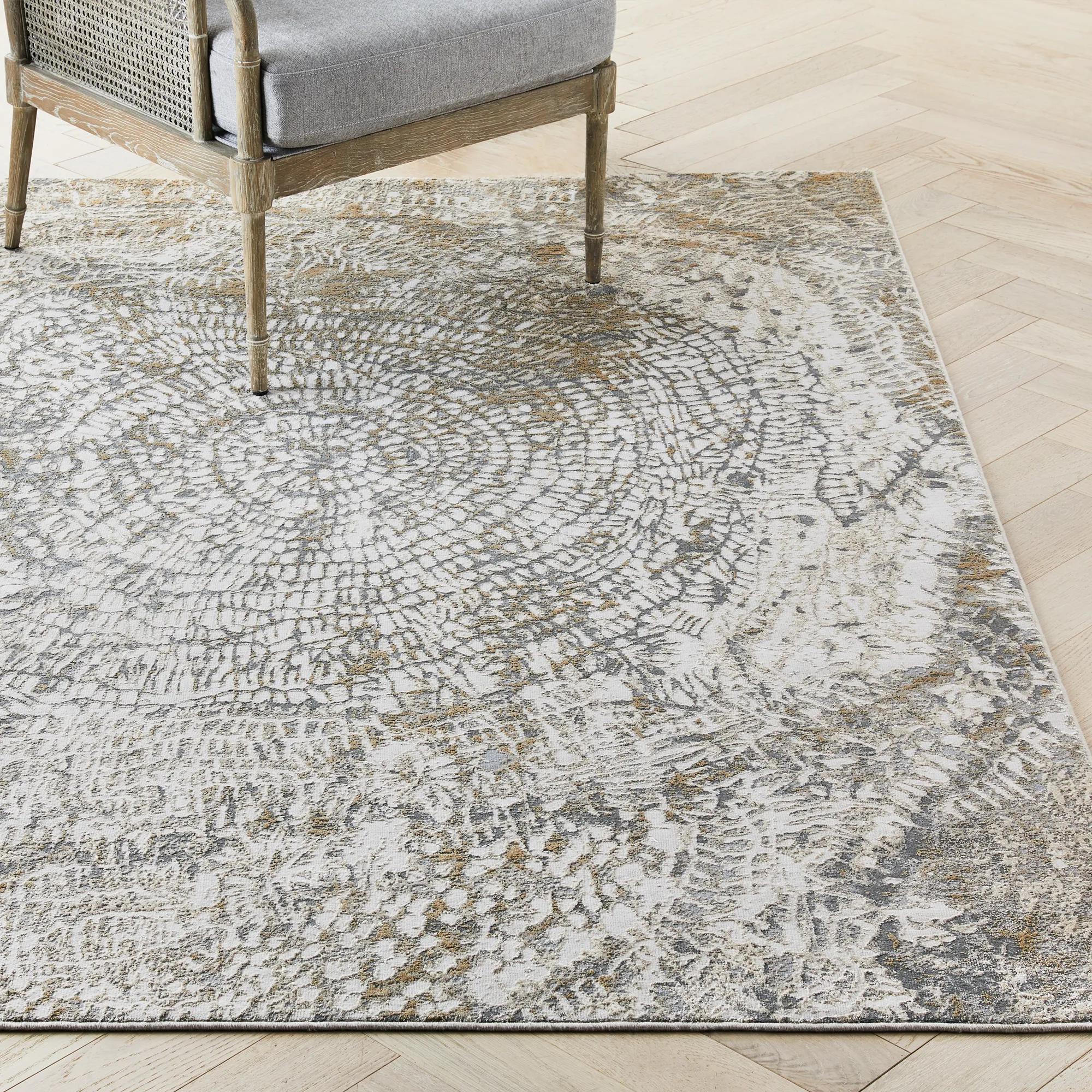 Nautilus Power-Loomed Silver/Grey/Natural Rug$999
A machine-woven ivory rug featuring subtle tonal variations and a durable polypropylene blend construction.
Add To Cart -
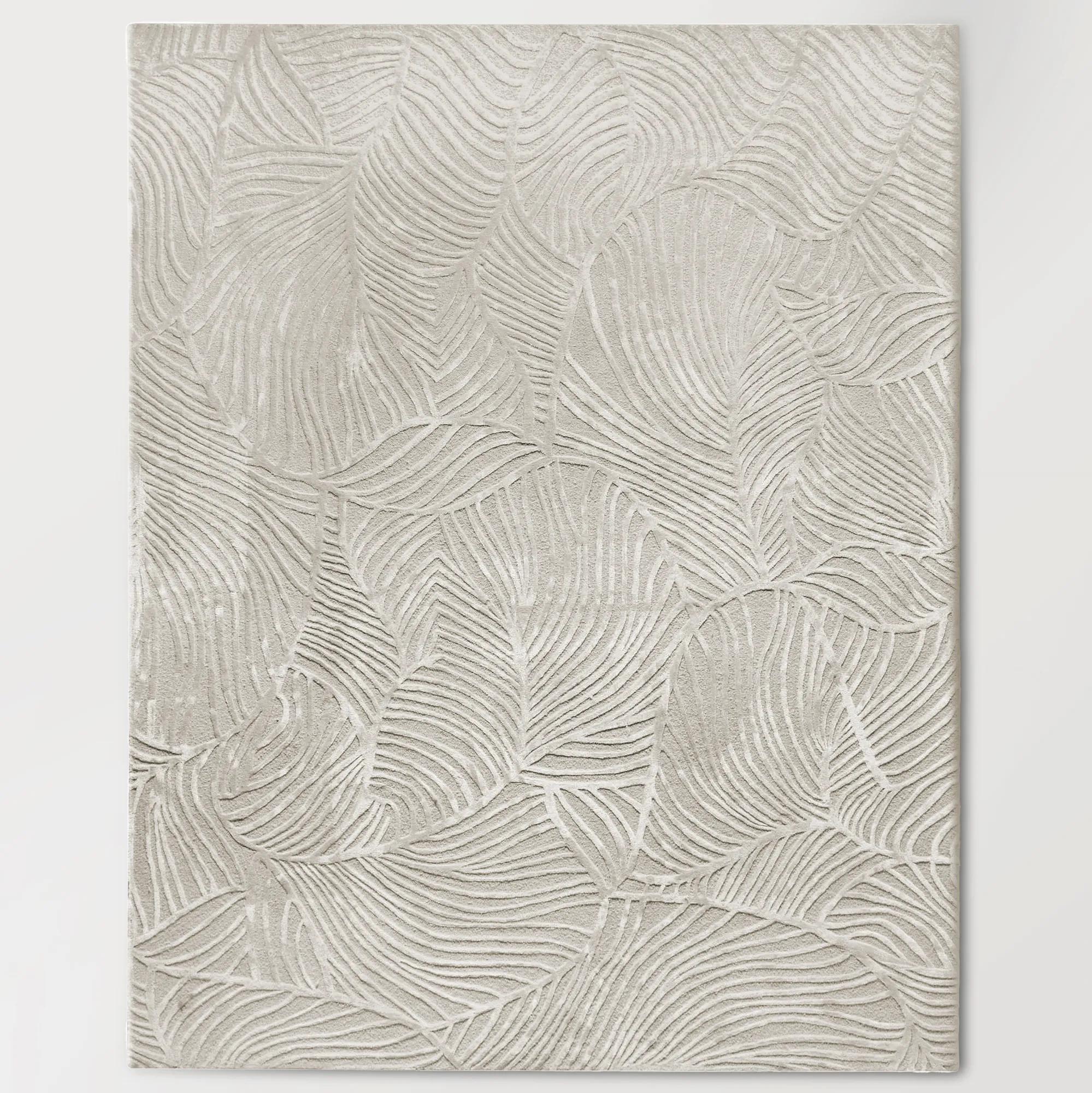 Palm Hand-Tufted Ivory Wool Blend Rug$999
An ivory rug featuring a dynamic palm-leaf design with high-low pile in viscose and wool.
Add To Cart -
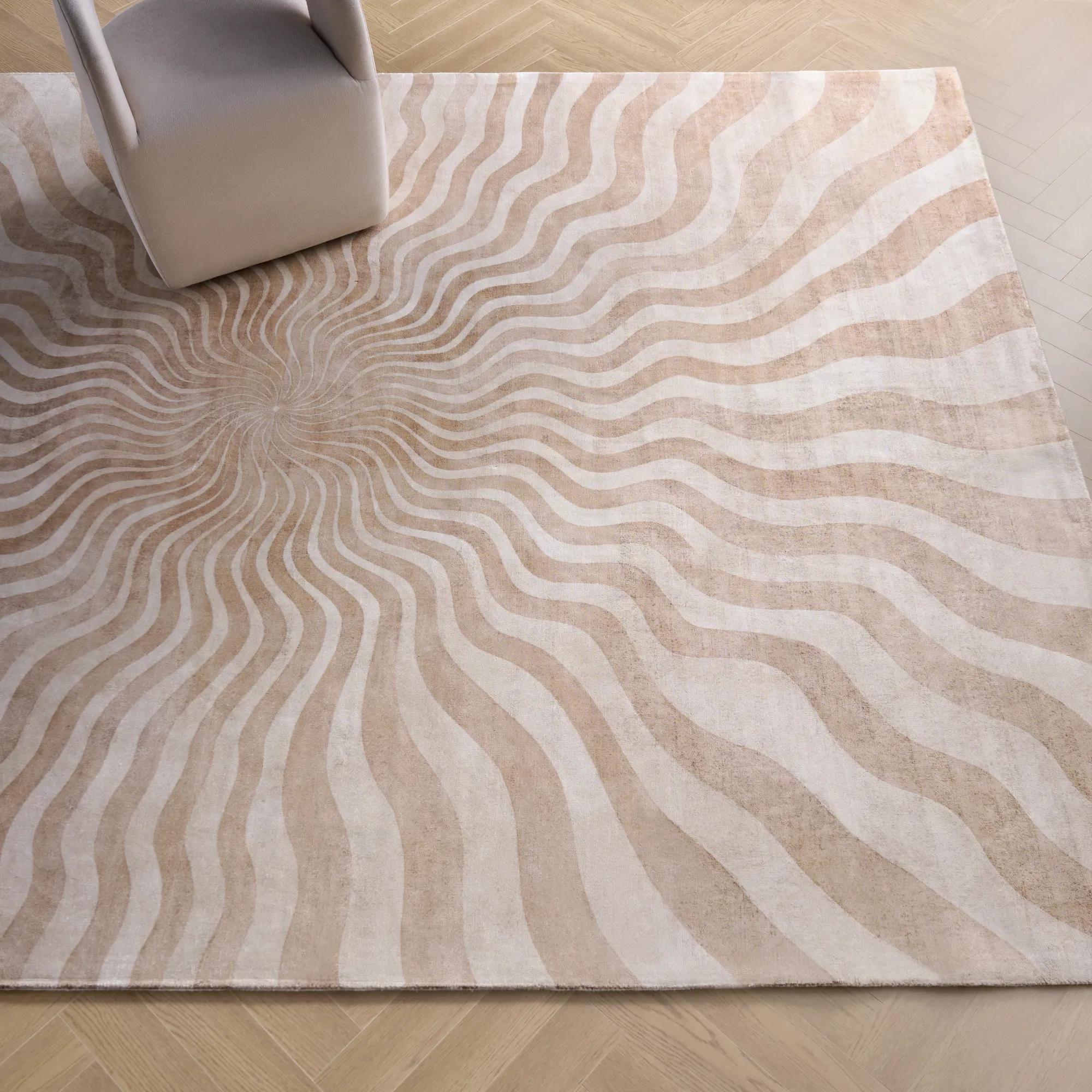
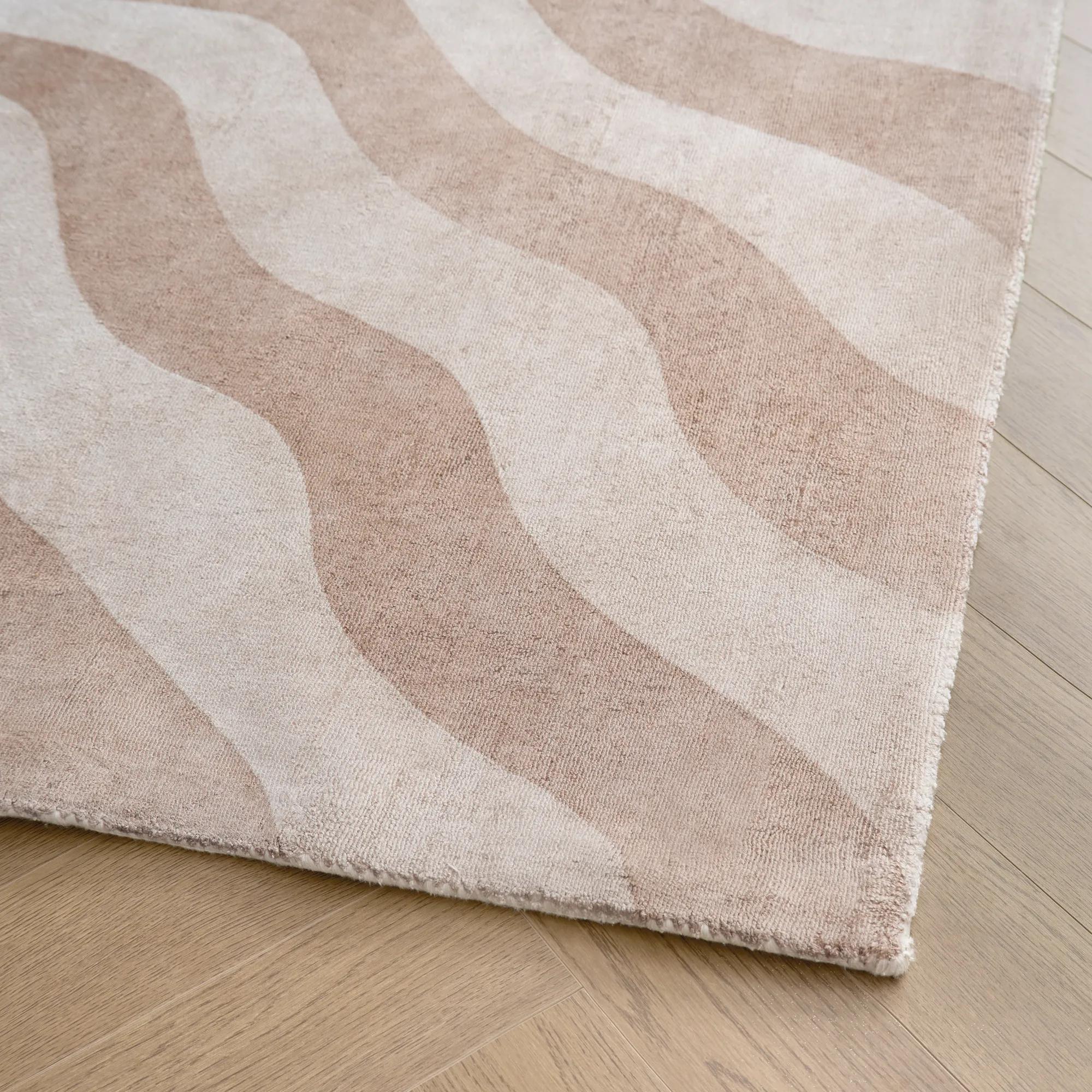 Spiral Rug$499
A hand-loomed taupe and cream rug featuring a mesmerizing printed swirl pattern in luxurious viscose.
Add To Cart -
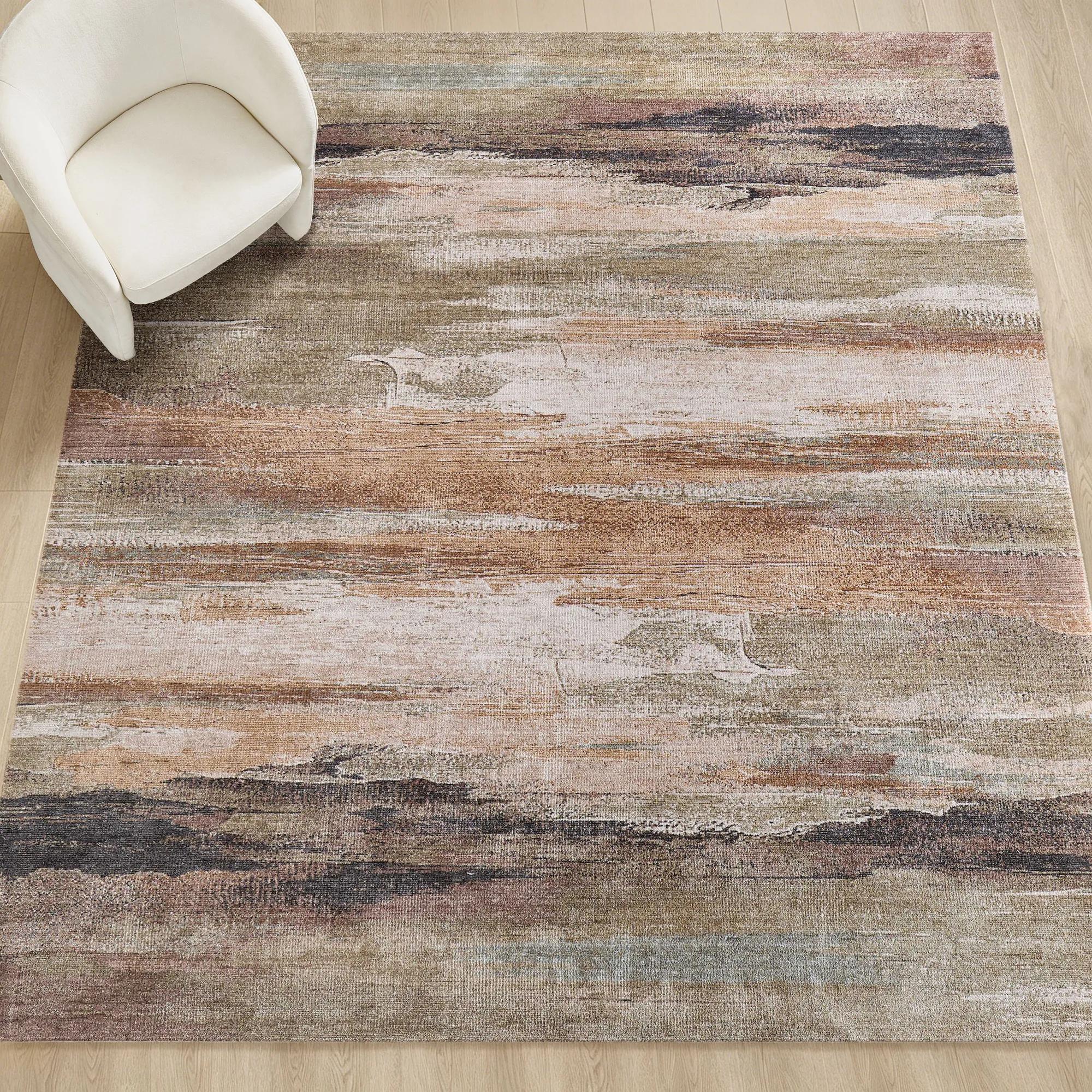
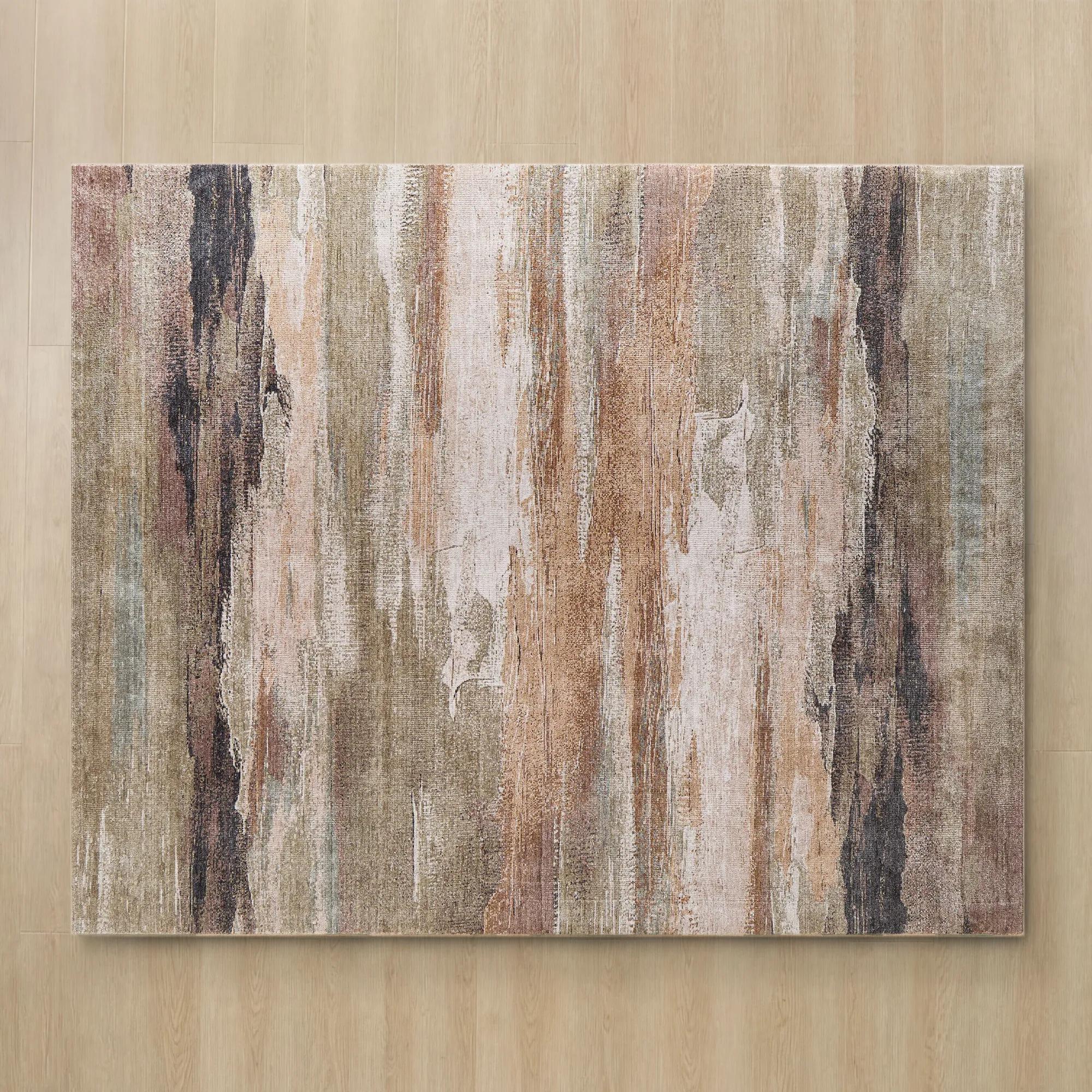 Sedona Rust/Beige/Moss Green/Charocal/Blue Performance Power Loomed Rug$1999
A power-loomed polyester rug featuring a rich abstract pattern in rust, beige, moss green, charcoal, and blue.
Add To Cart -
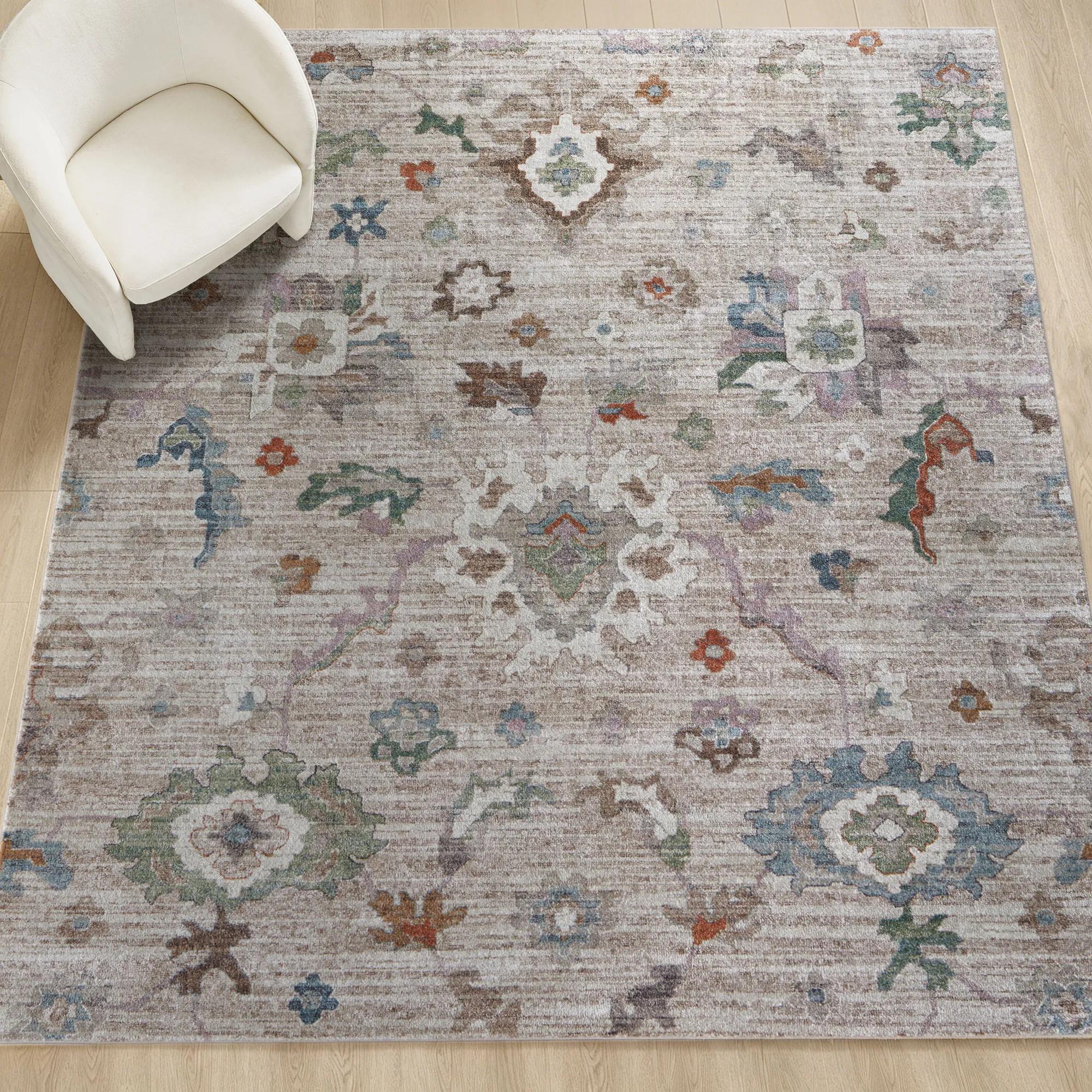
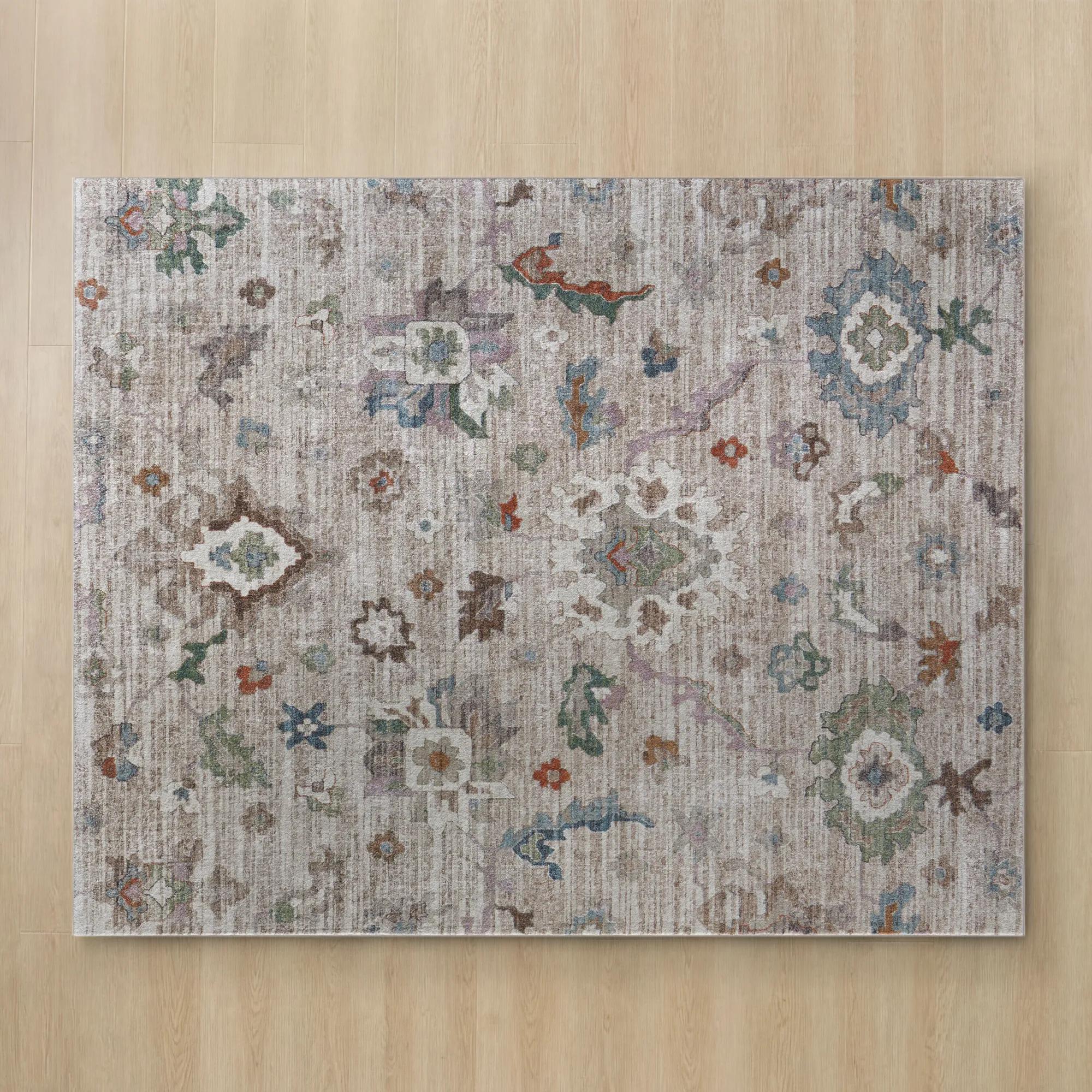 Ariella Floral Taupe/Ivory/Beige/Blue/Green Performance Power Loomed Rug$1399
A Persian-inspired rug in taupe, ivory, beige, blue, and green with a plush, power-loomed polypropylene pile.
Add To Cart -
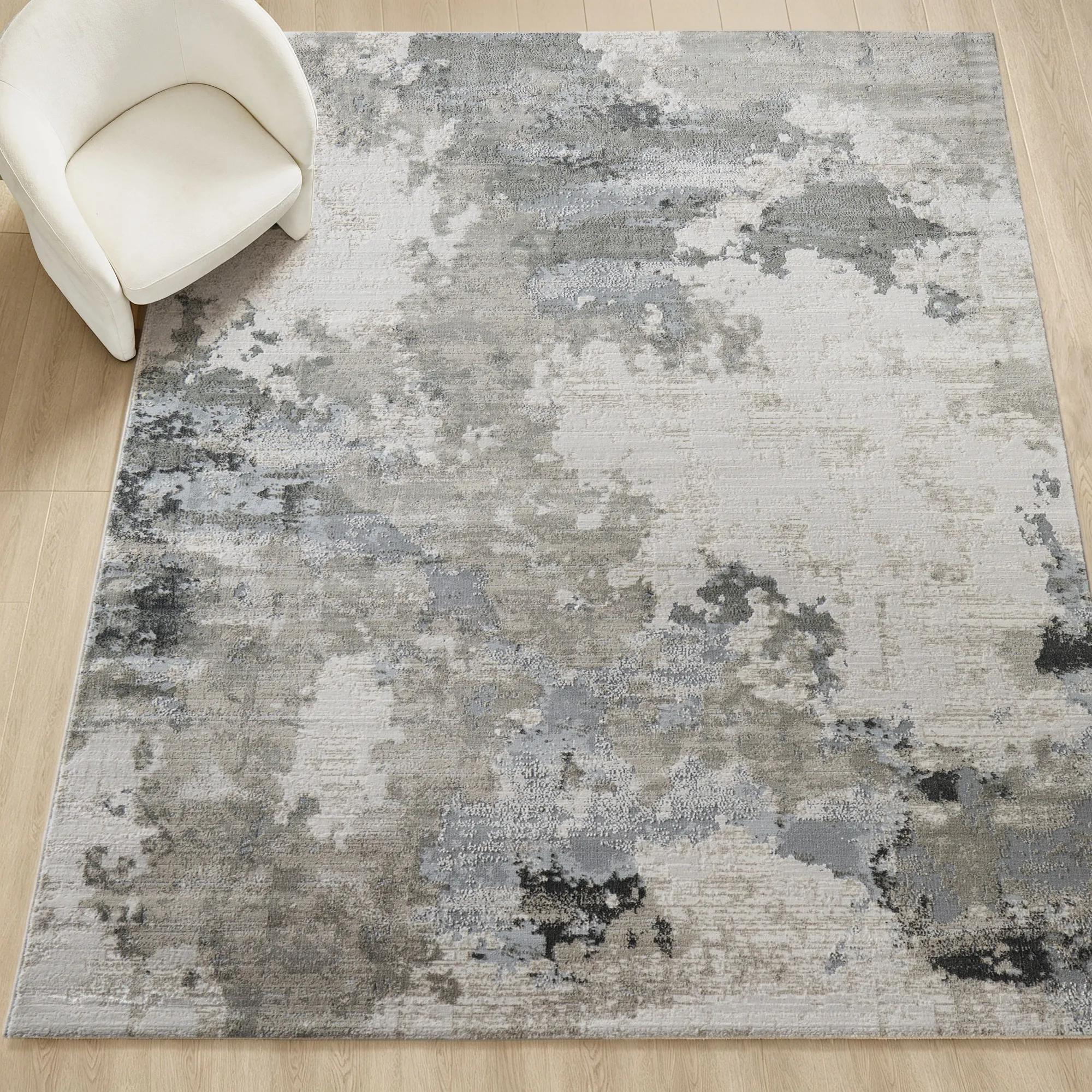 Alarion Abstract Grey/Muted Blue/Ivory Performance Power Loomed Rug$1499
A power-loomed rug featuring a distressed abstract pattern in grey, muted blue, and ivory with stain resistance.
Add To Cart -
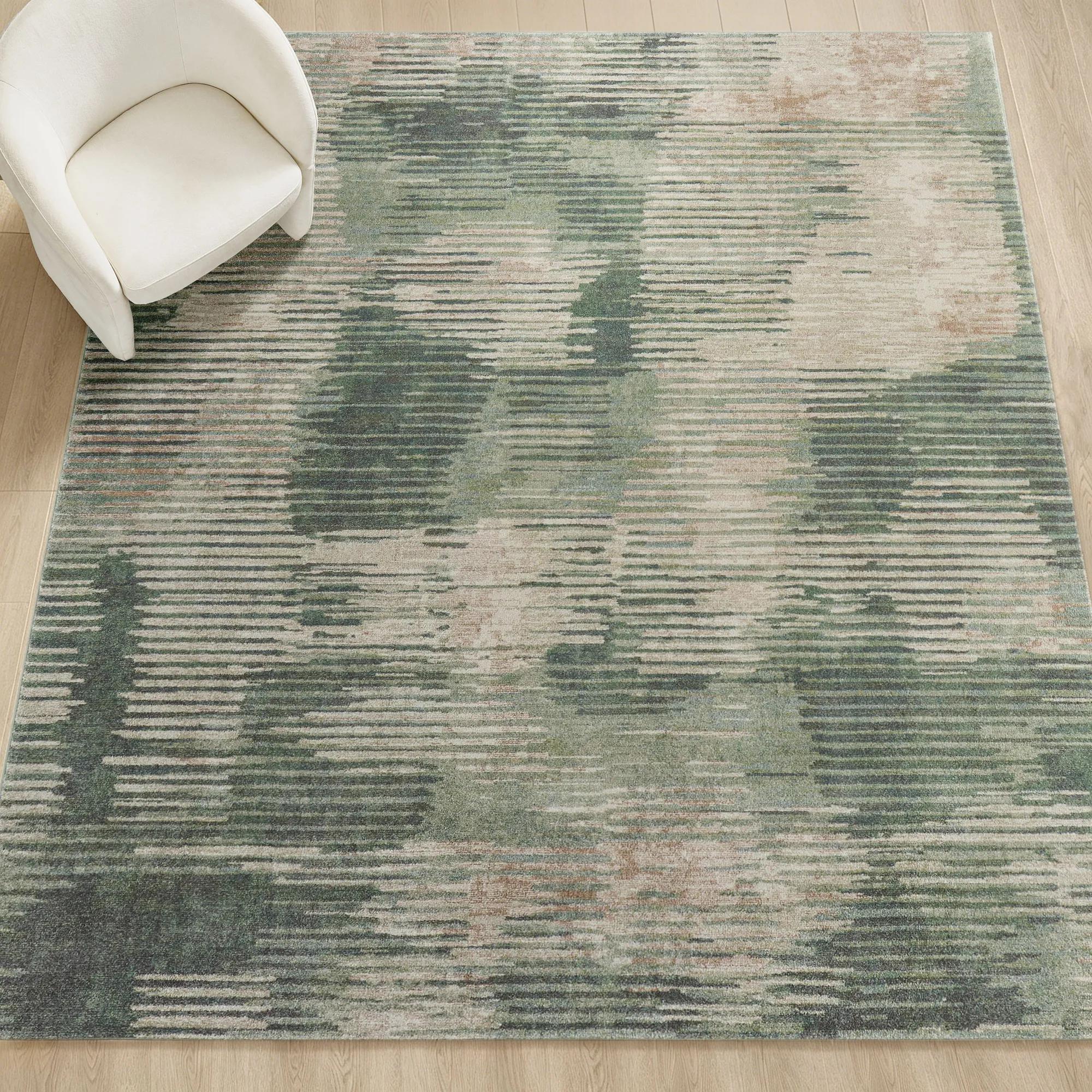
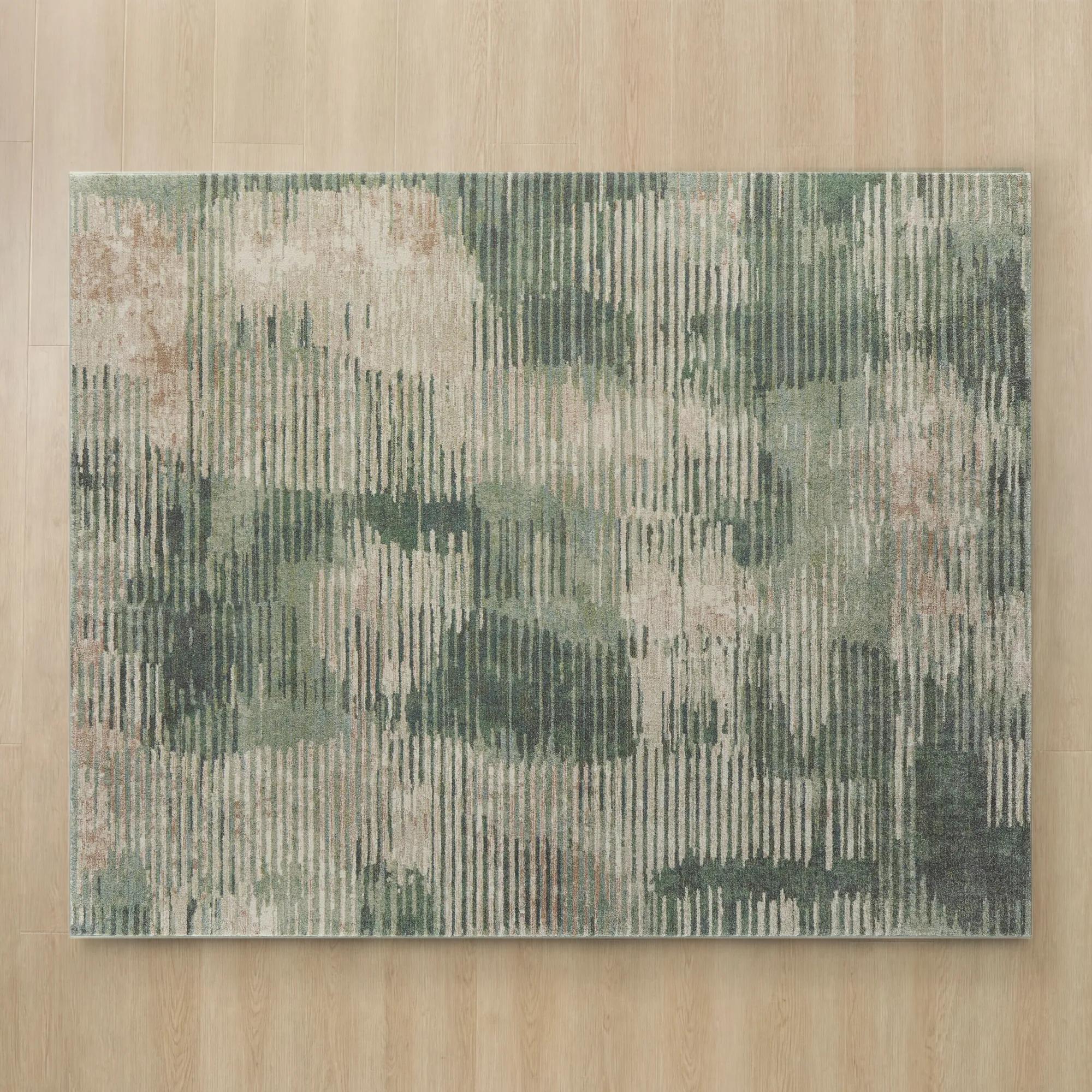 Sylvan Green/Beige Power Loomed Rug$689
A contemporary rug featuring a smoked olive green and beige organic pattern with a soft, power-loomed polypropylene pile.
Add To Cart -
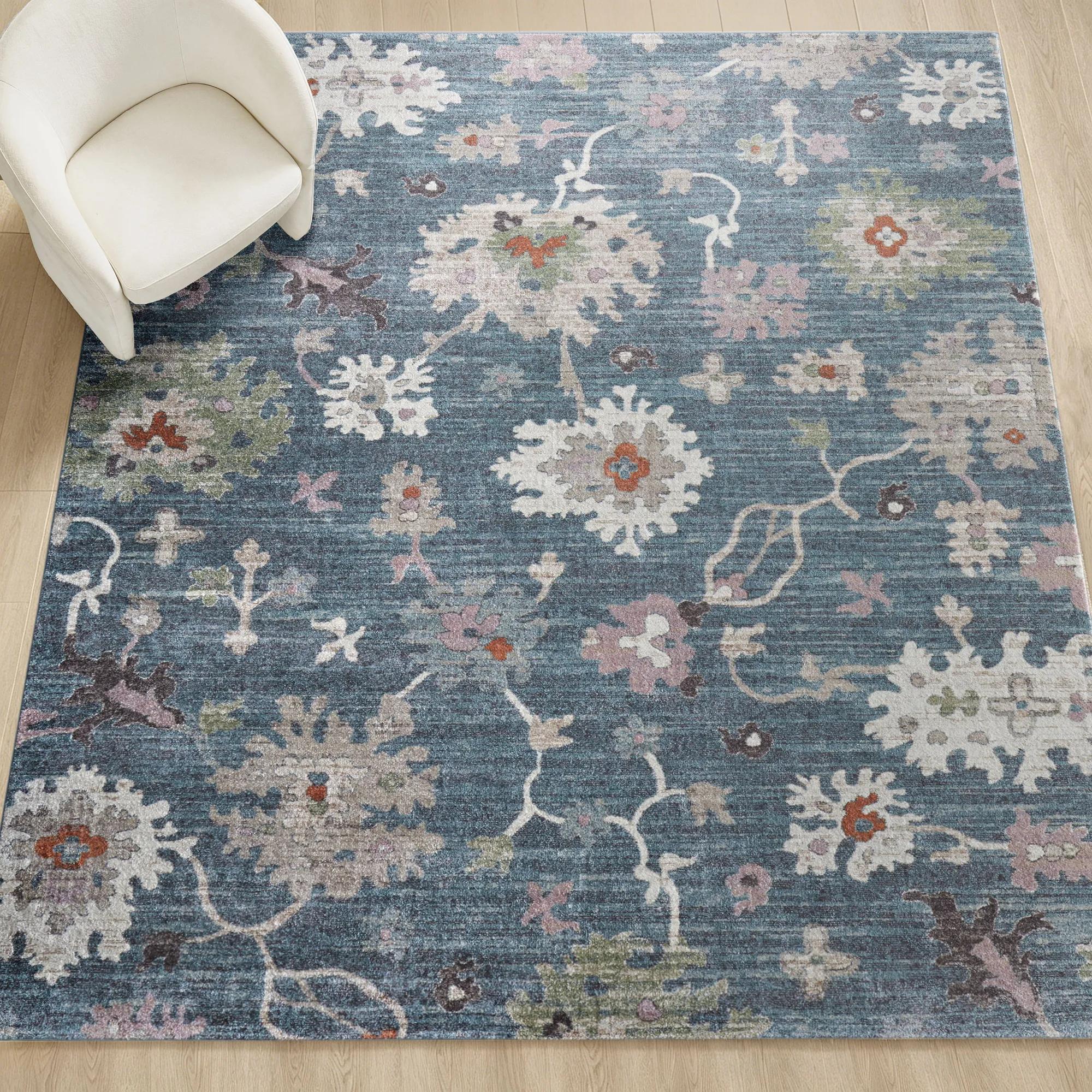
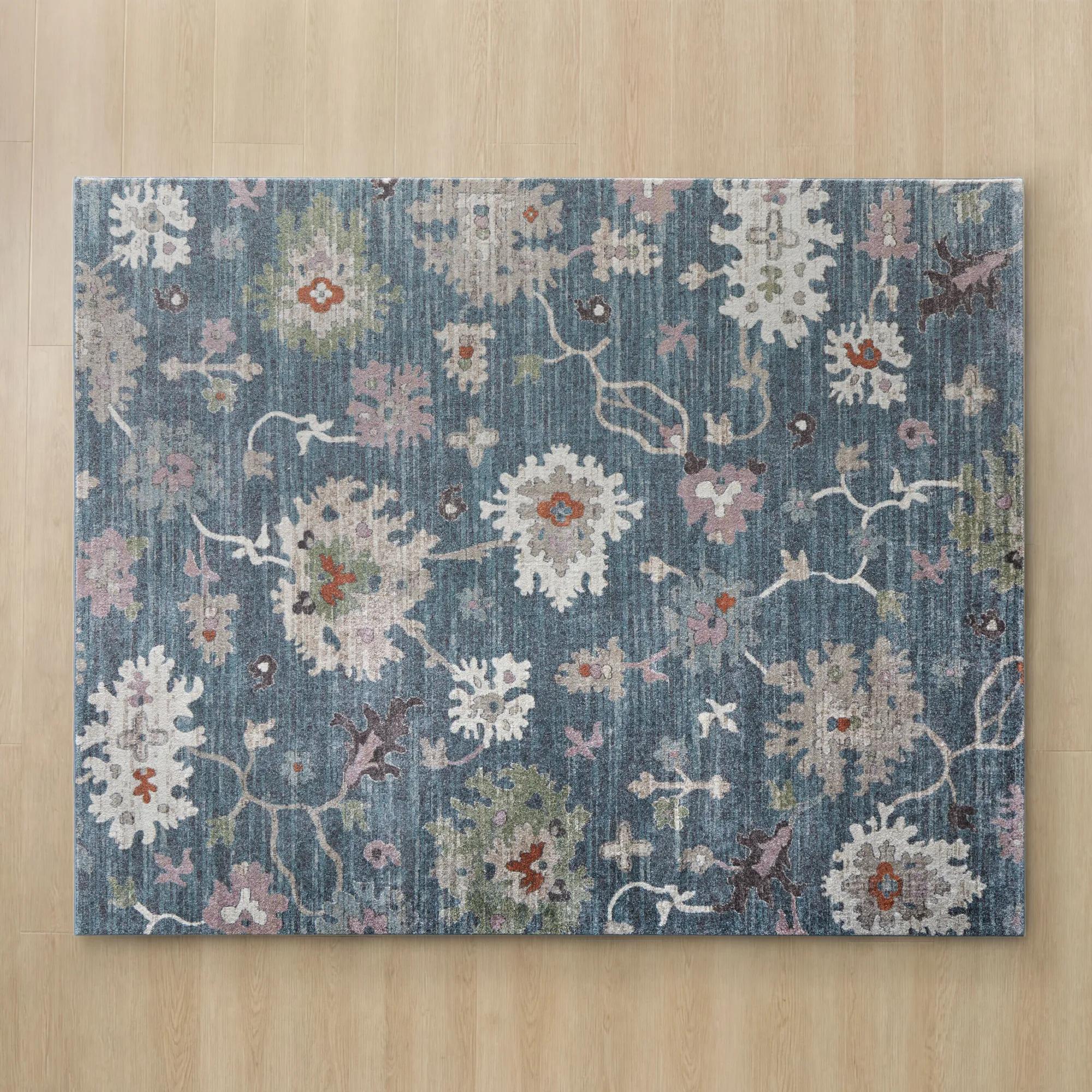 Ariella Floral Blue/Ivory/Beige/Green/Rose Dust Performance Power Loomed Rug$1499
A Persian-inspired rug in blue, ivory, beige, green, and rose dust with plush, stain-resistant polypropylene.
Add To Cart -
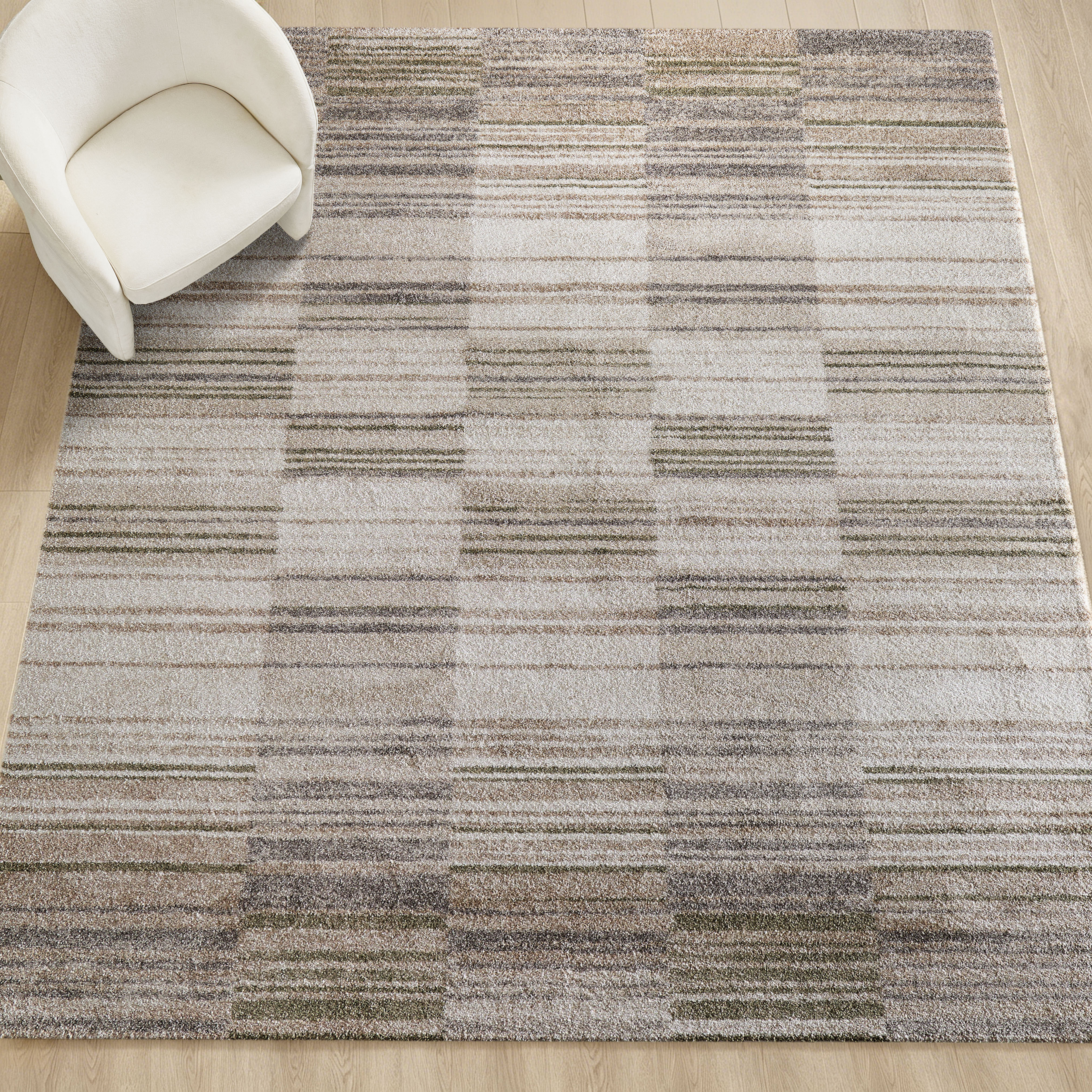
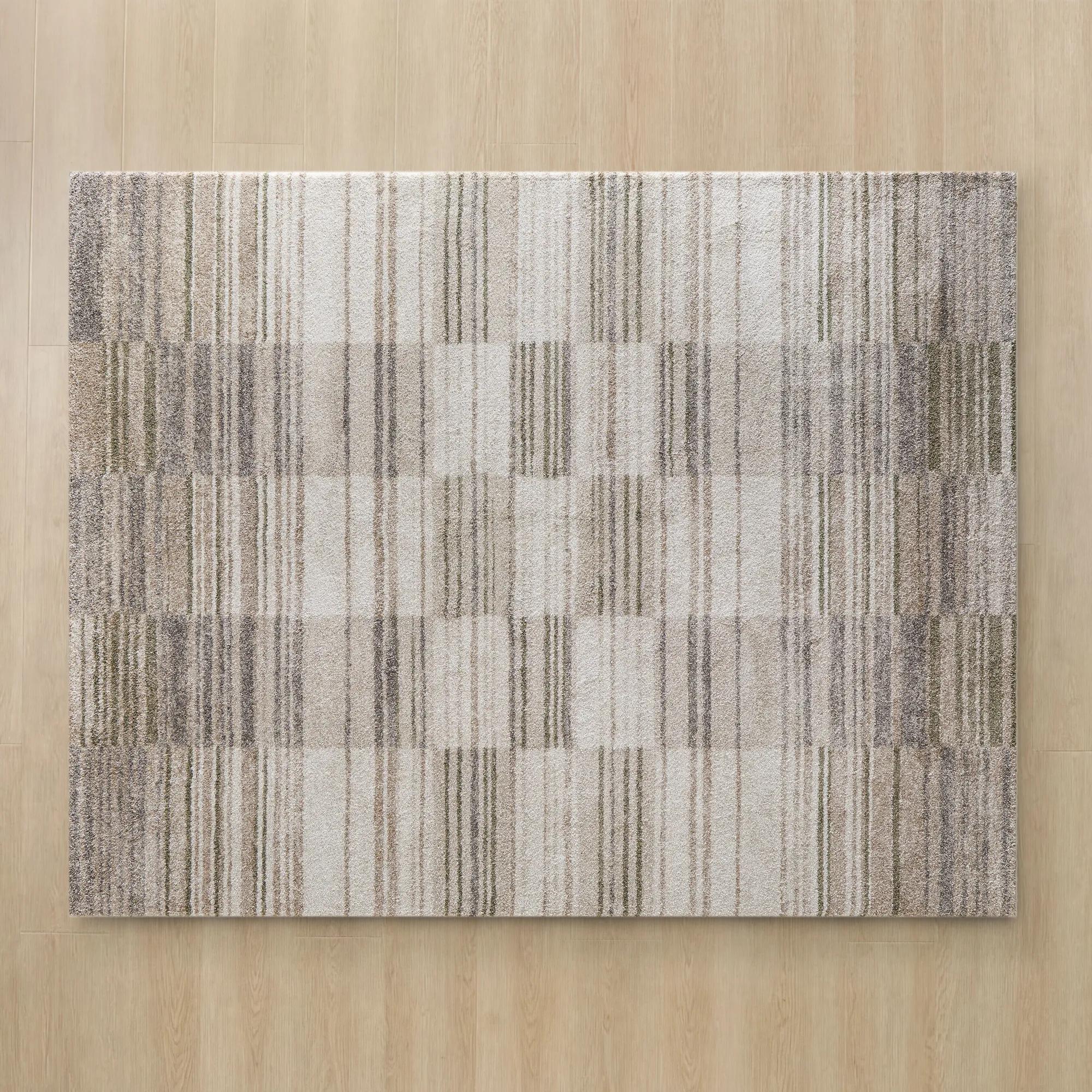 Checka Grey/Tan/Ivory/Soft Green Performance Power Loomed Rug$399
A plush, power-loomed rug featuring a soft check pattern in grey, tan, ivory, and green.
Add To Cart -
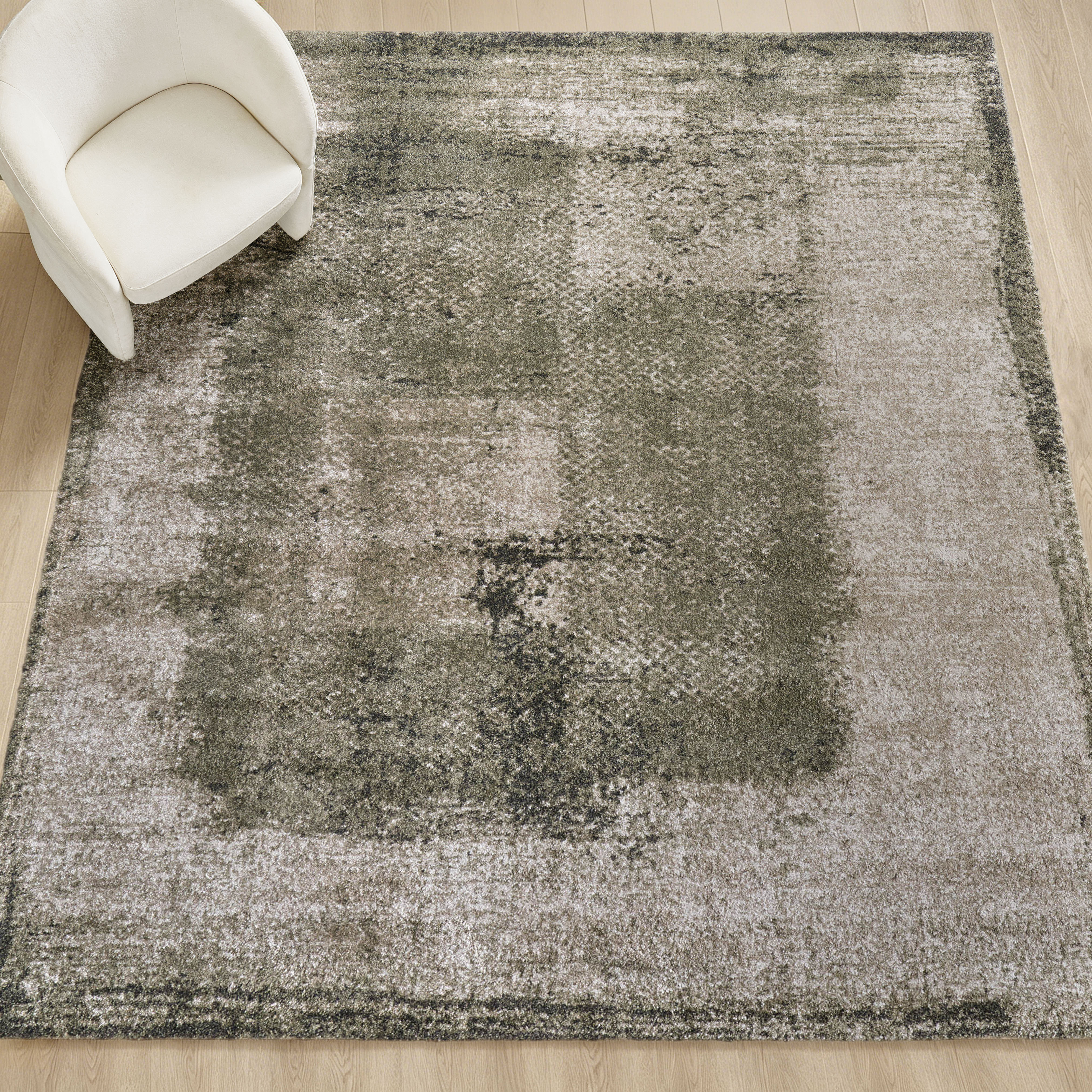
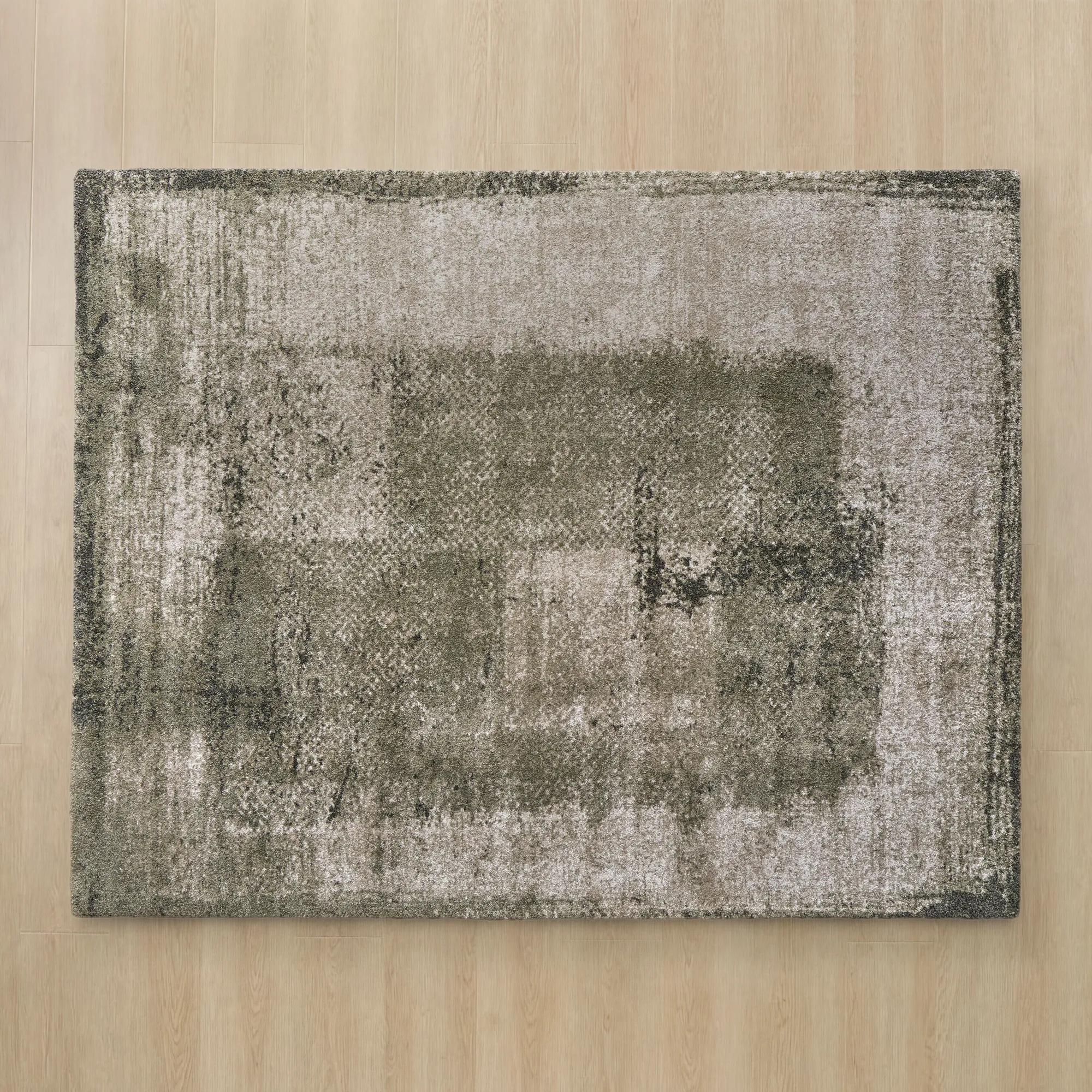 Irving Abstract Moss Green/Beige/Grey Performance Power Loomed Rug$849
An abstract rug in moss green, beige, and grey with plush, durable power-loomed polypropylene and polyester.
Add To Cart -
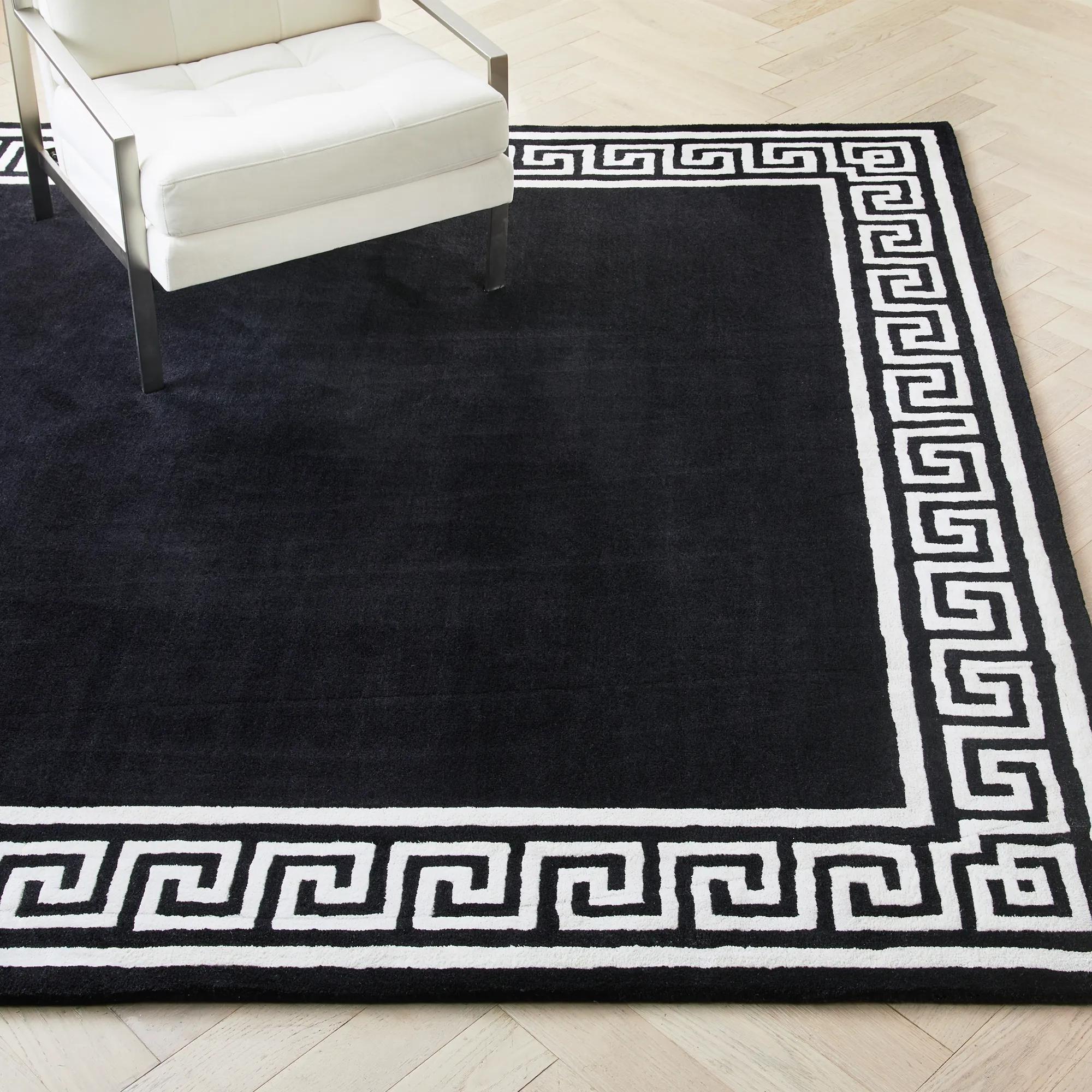
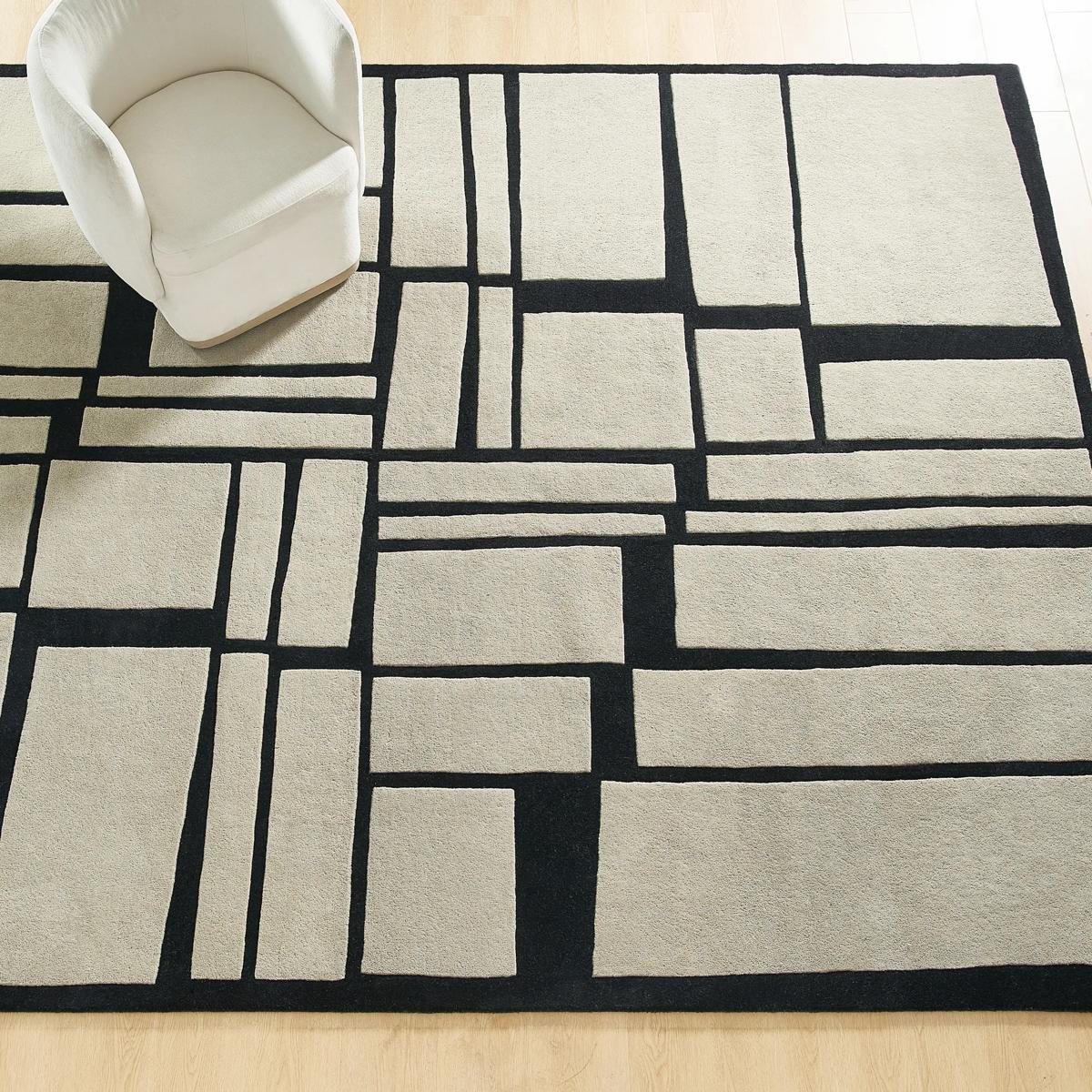 Novak Hand-Tufted Natural/Black Wool Rug$449
A hand-tufted wool rug featuring a bold black and natural grid design for modern visual impact.
Add To Cart -
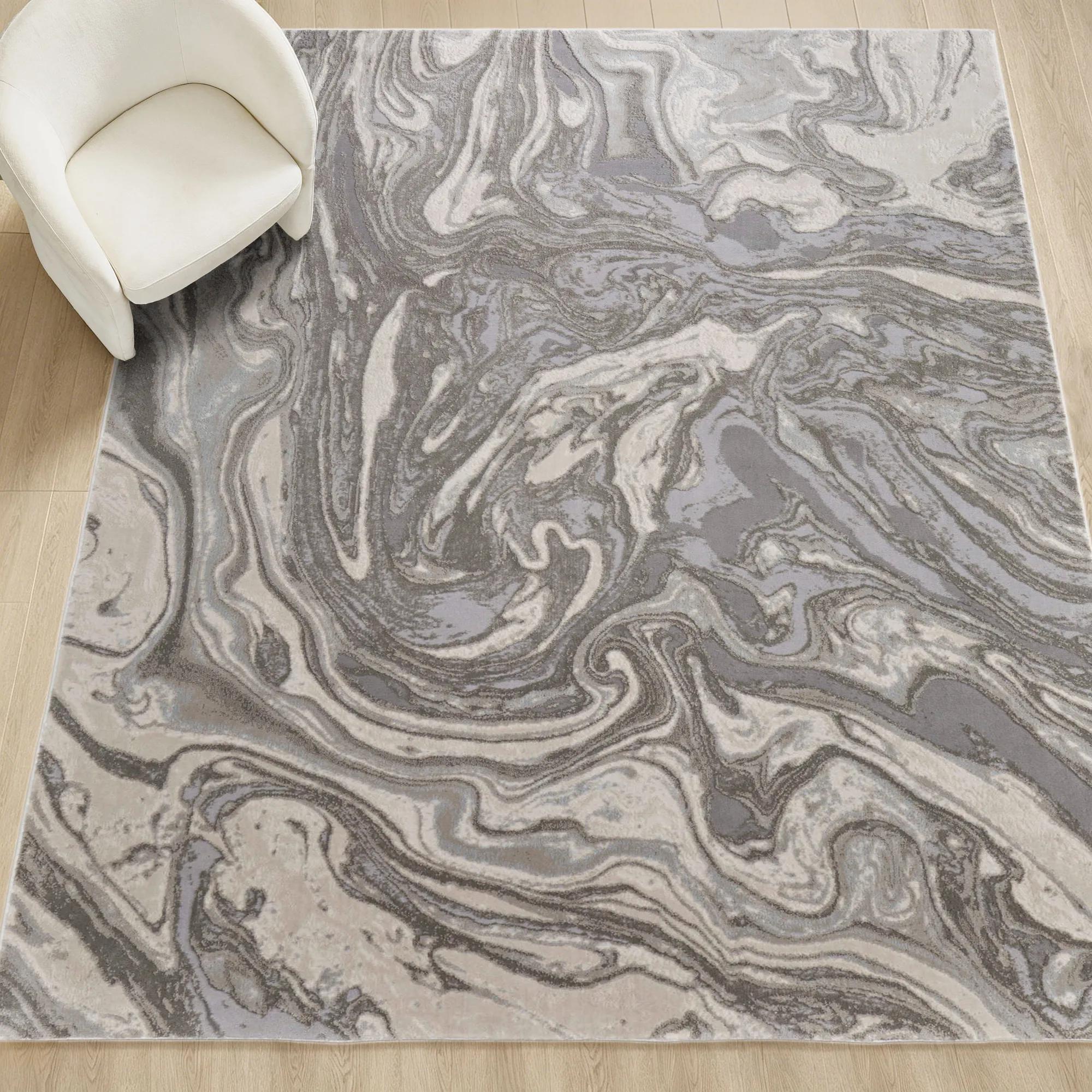
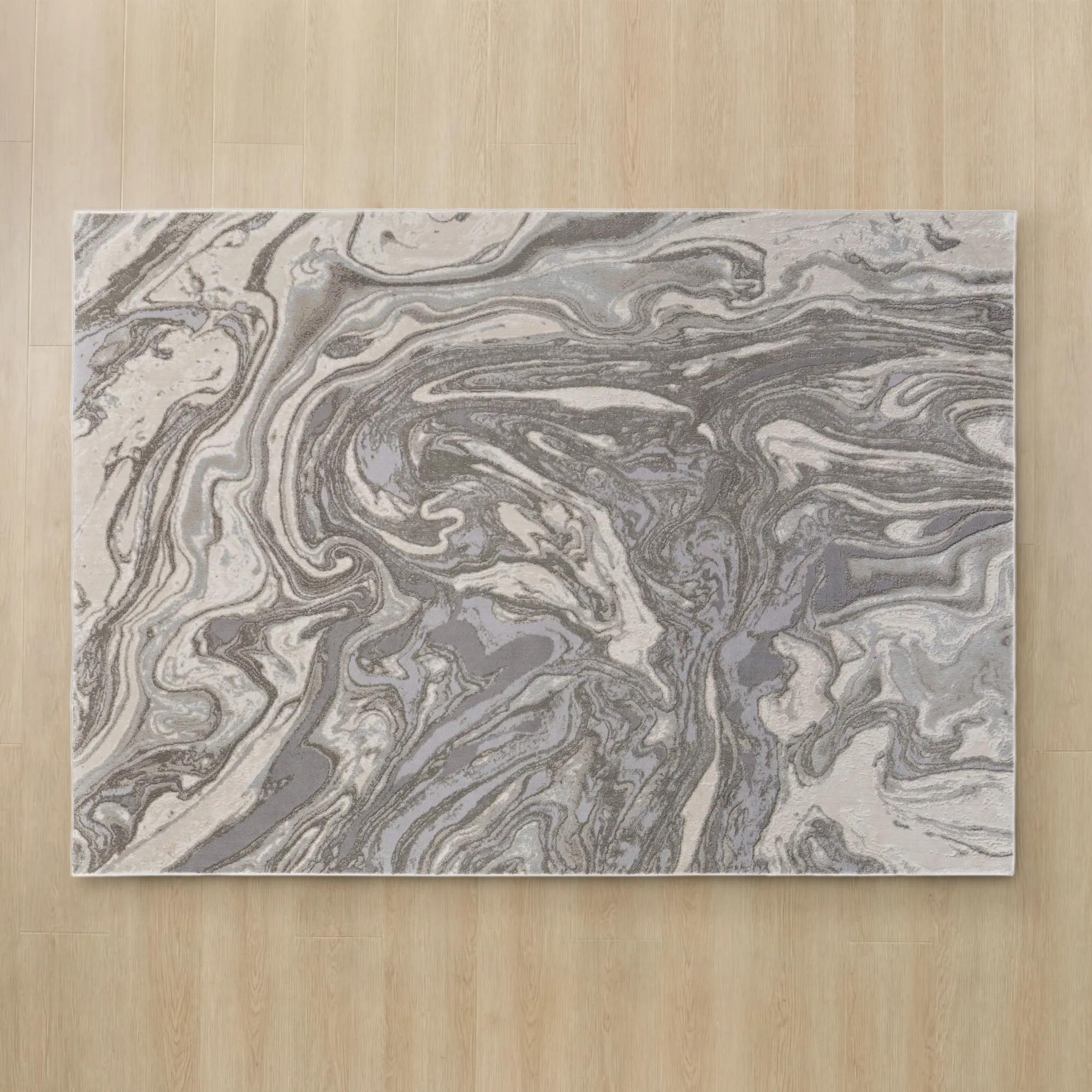 Marbre Marbled Grey/Taupe/Powder Blue Performance Power Loomed Rug$379
A softly marbled rug in grey, taupe, and powder blue with a textured, stain-resistant polypropylene blend.
Add To Cart -
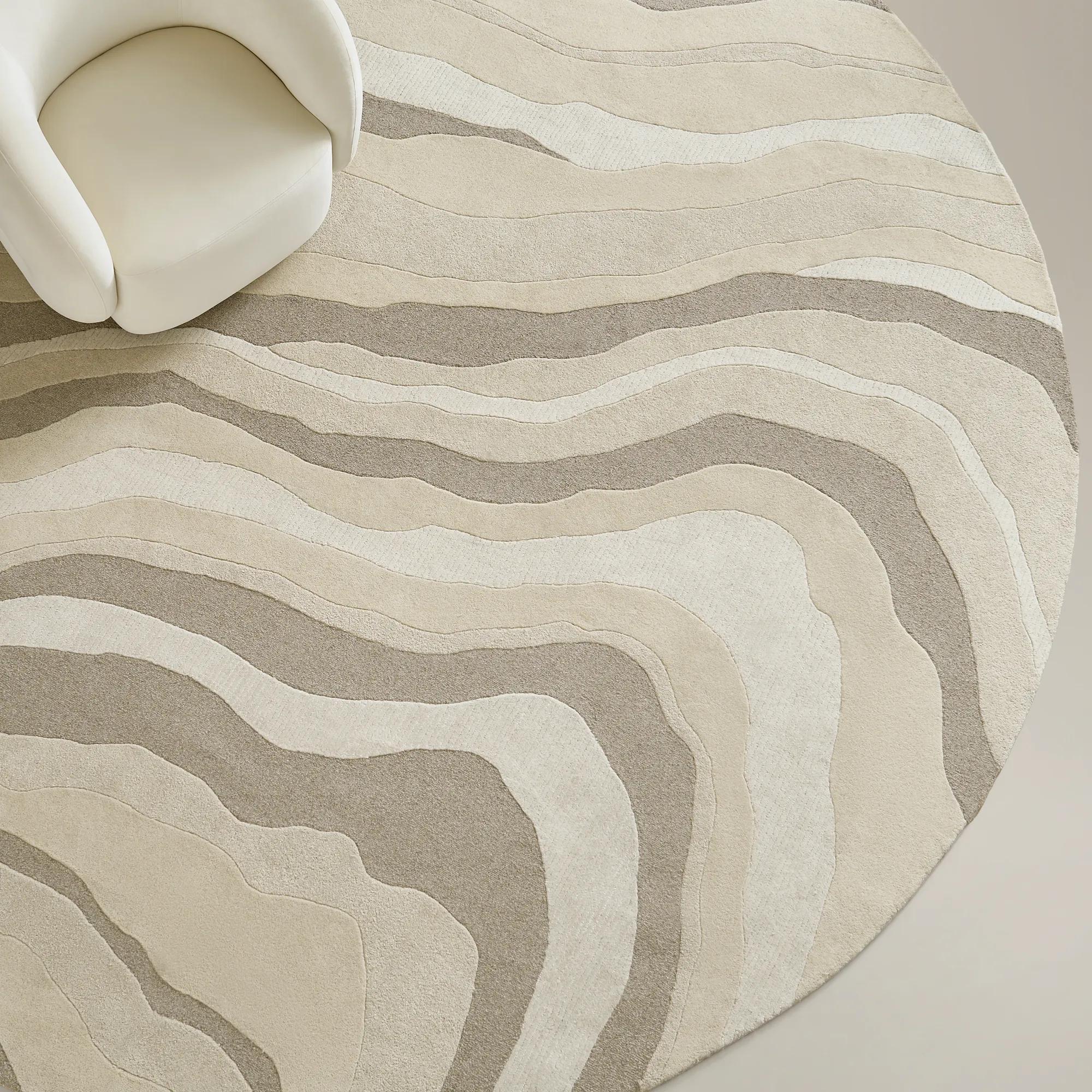 Kadence Hand-Tufted White/Ivory/Tan Wool Round Rug 12"$1799
A hand-tufted round rug in white, ivory, and tan, crafted from 100% wool for natural warmth.
Add To Cart -
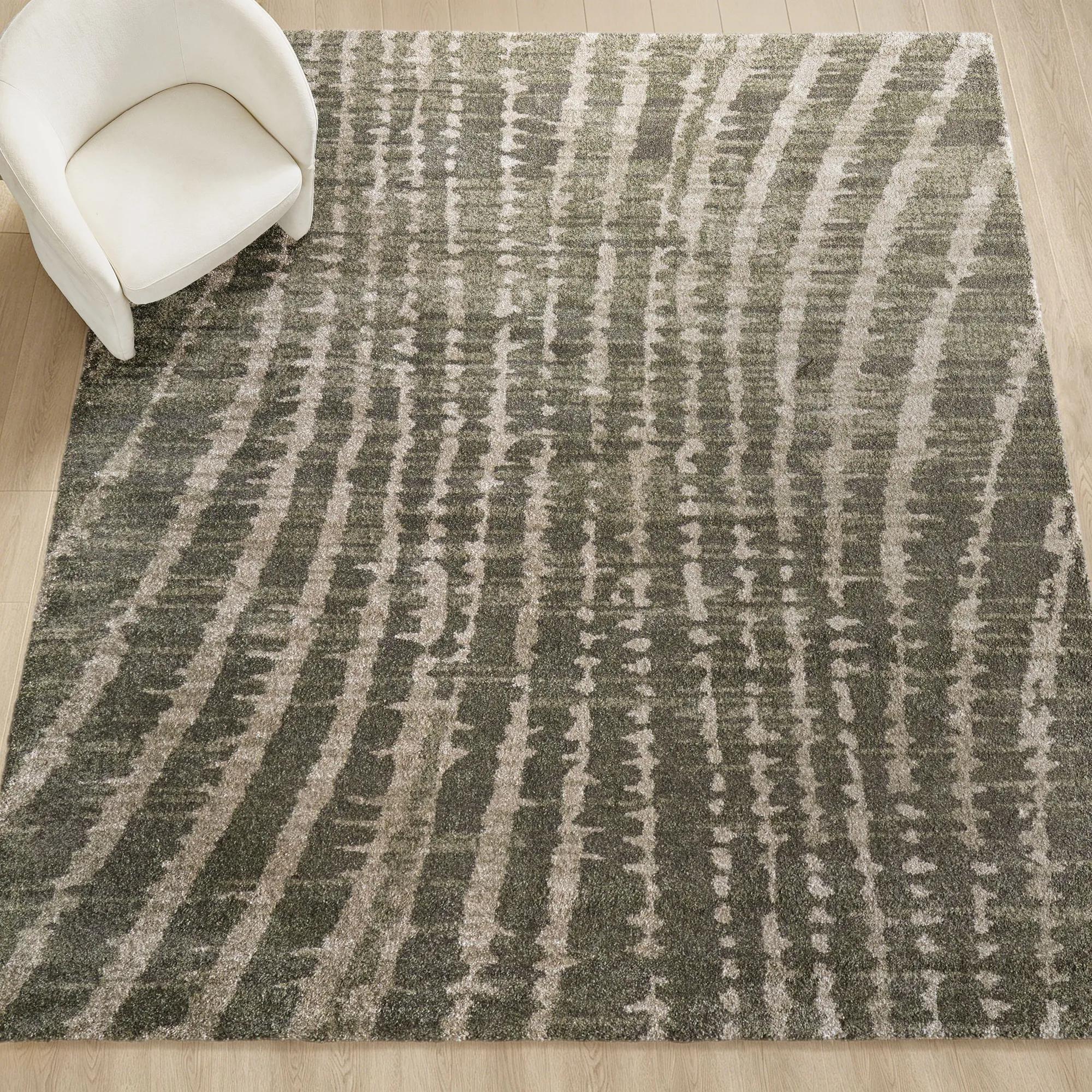
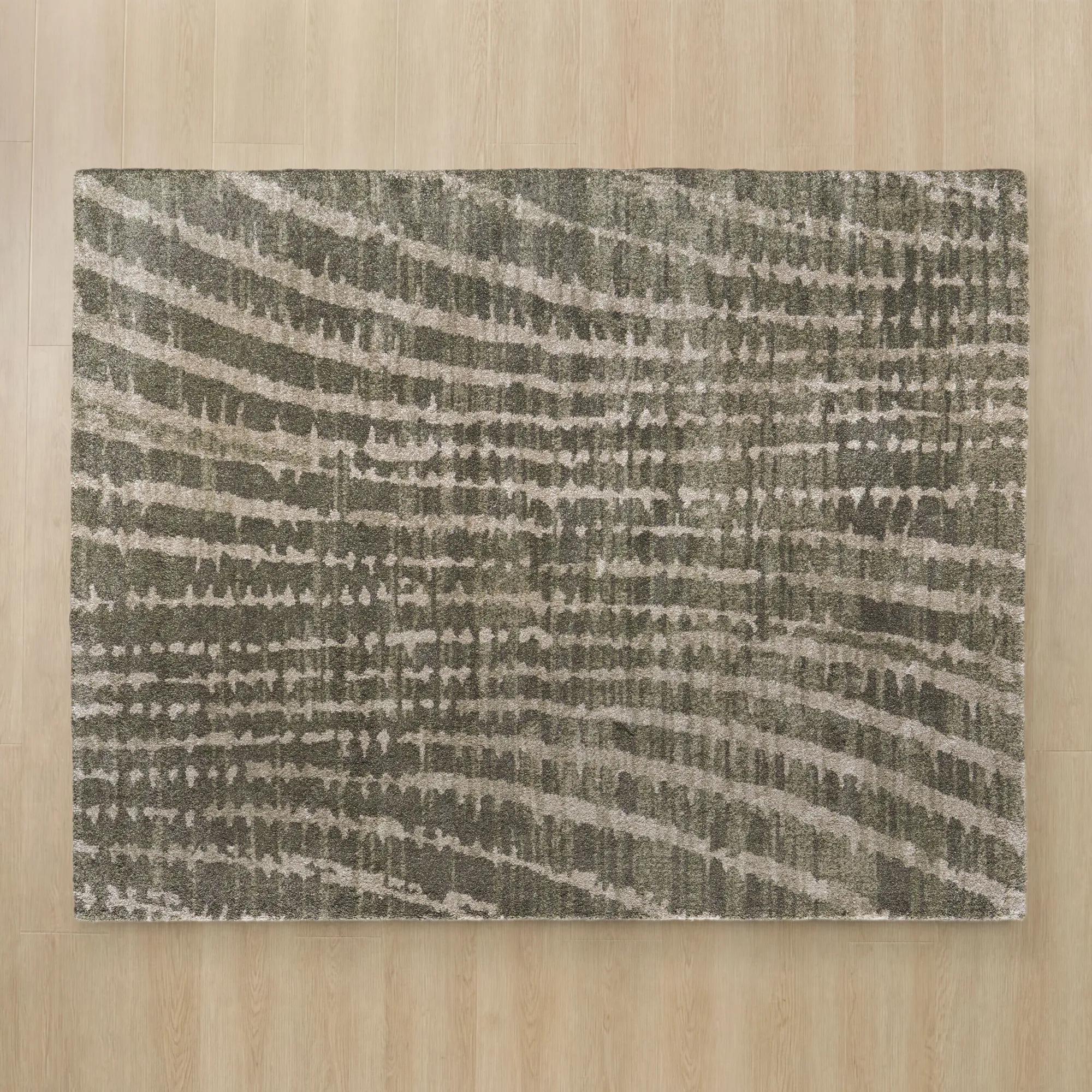 Tempo Green/Grey/Beige Performance Power Loomed Rug$1649
An abstract charcoal grey and beige rug with plush cut pile and durable, stain-resistant polypropylene-polyester construction.
Add To Cart -
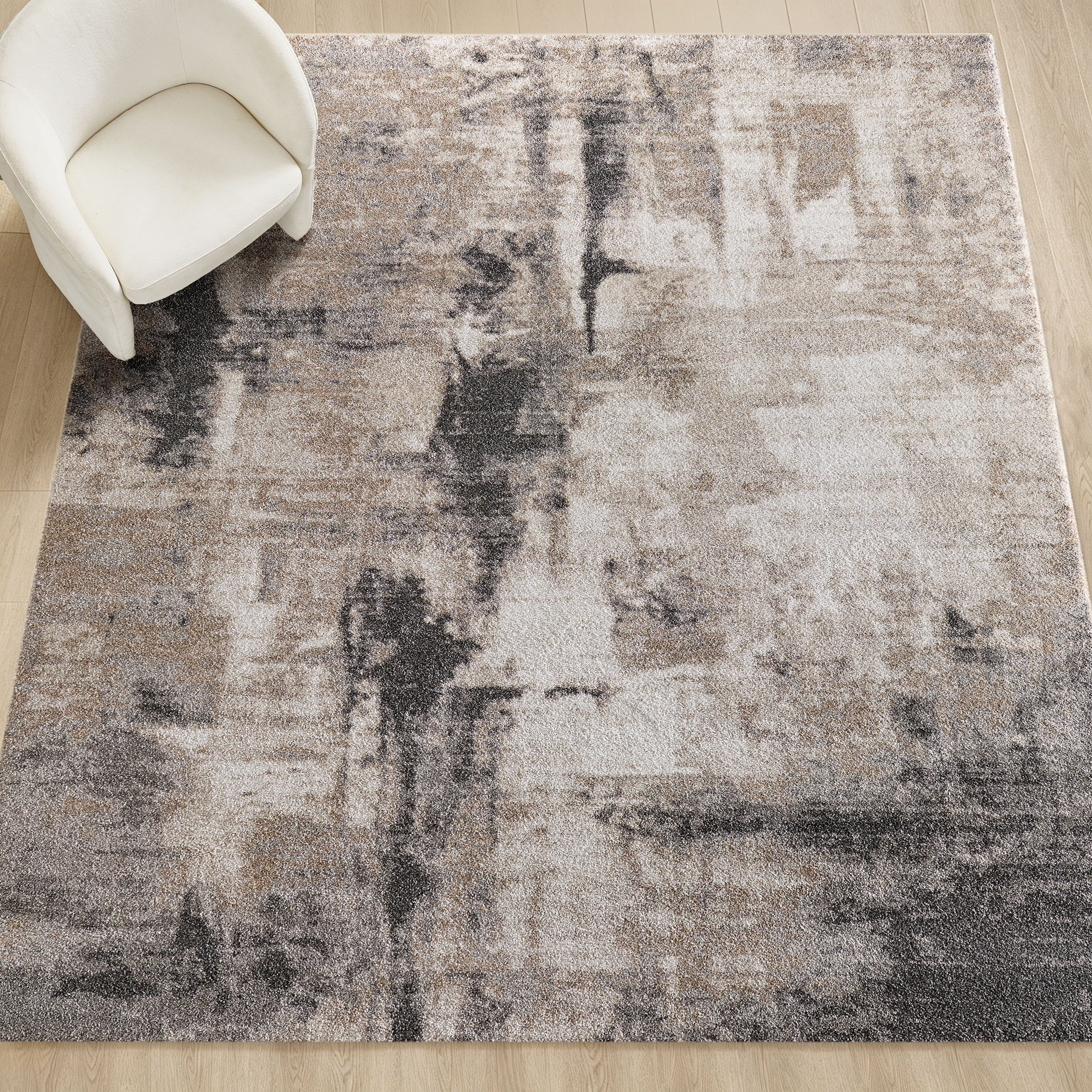
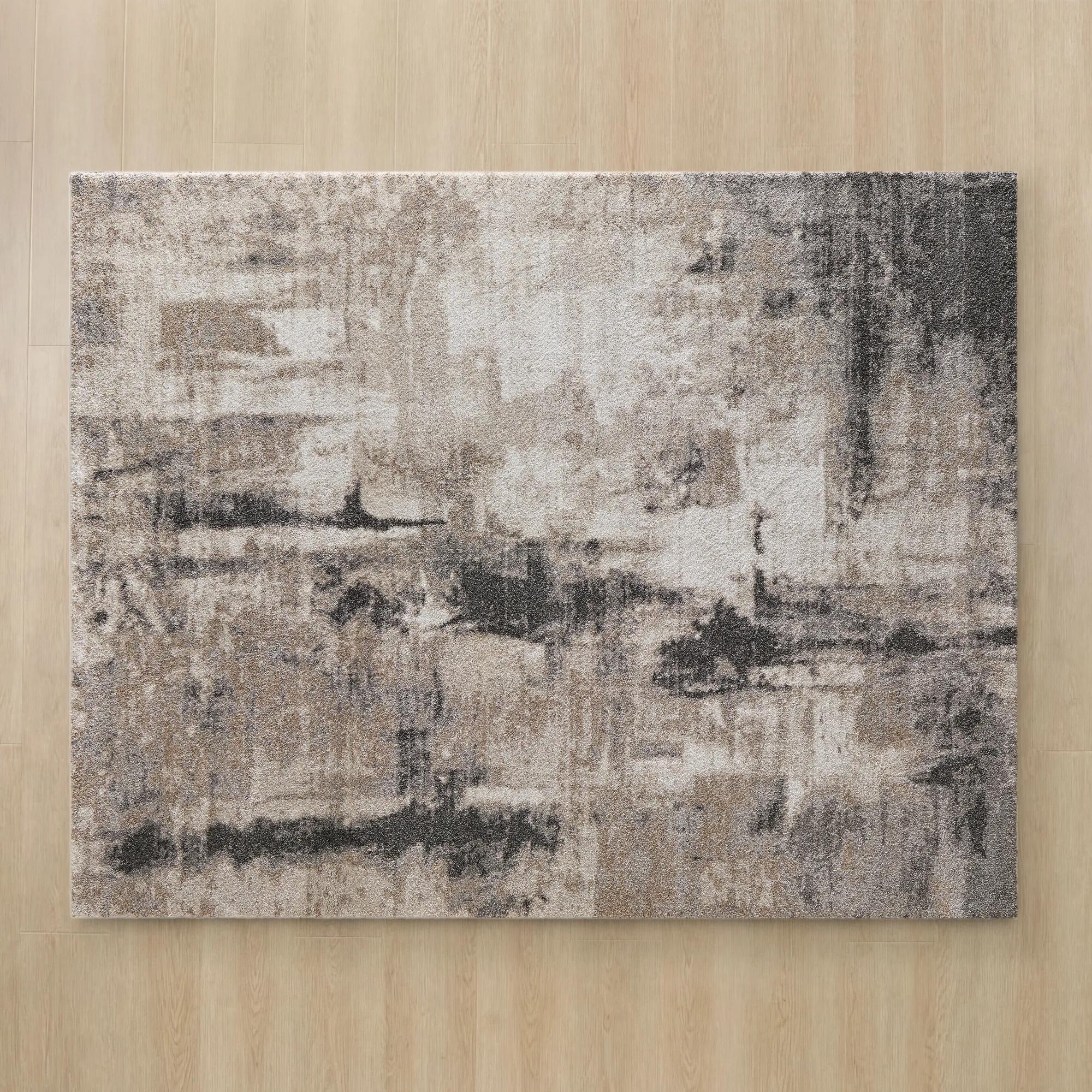 Atlas Abstract Grey/Taupe/Ivory/Charcoal Performance Power Loomed Rug$399
An abstract rug in grey, taupe, ivory, and charcoal with a plush, stain-resistant polypropylene blend.
Add To Cart -
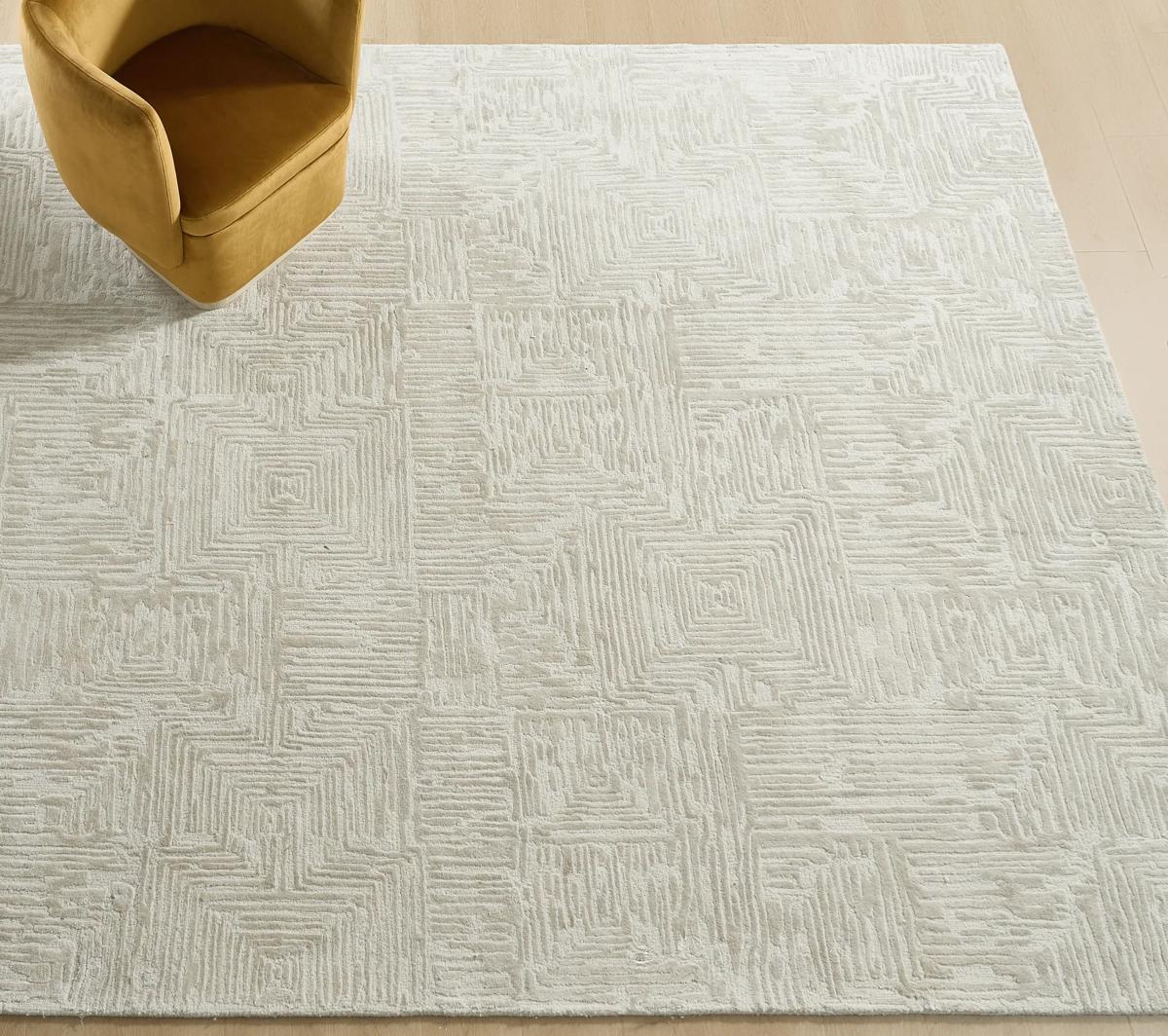 Andra Ivory Hand-Tufted Wool Blend Dimensional Rug$499
A hand-tufted ivory rug in a viscose-wool blend with raised textural detailing and subtle sheen.
Add To Cart -
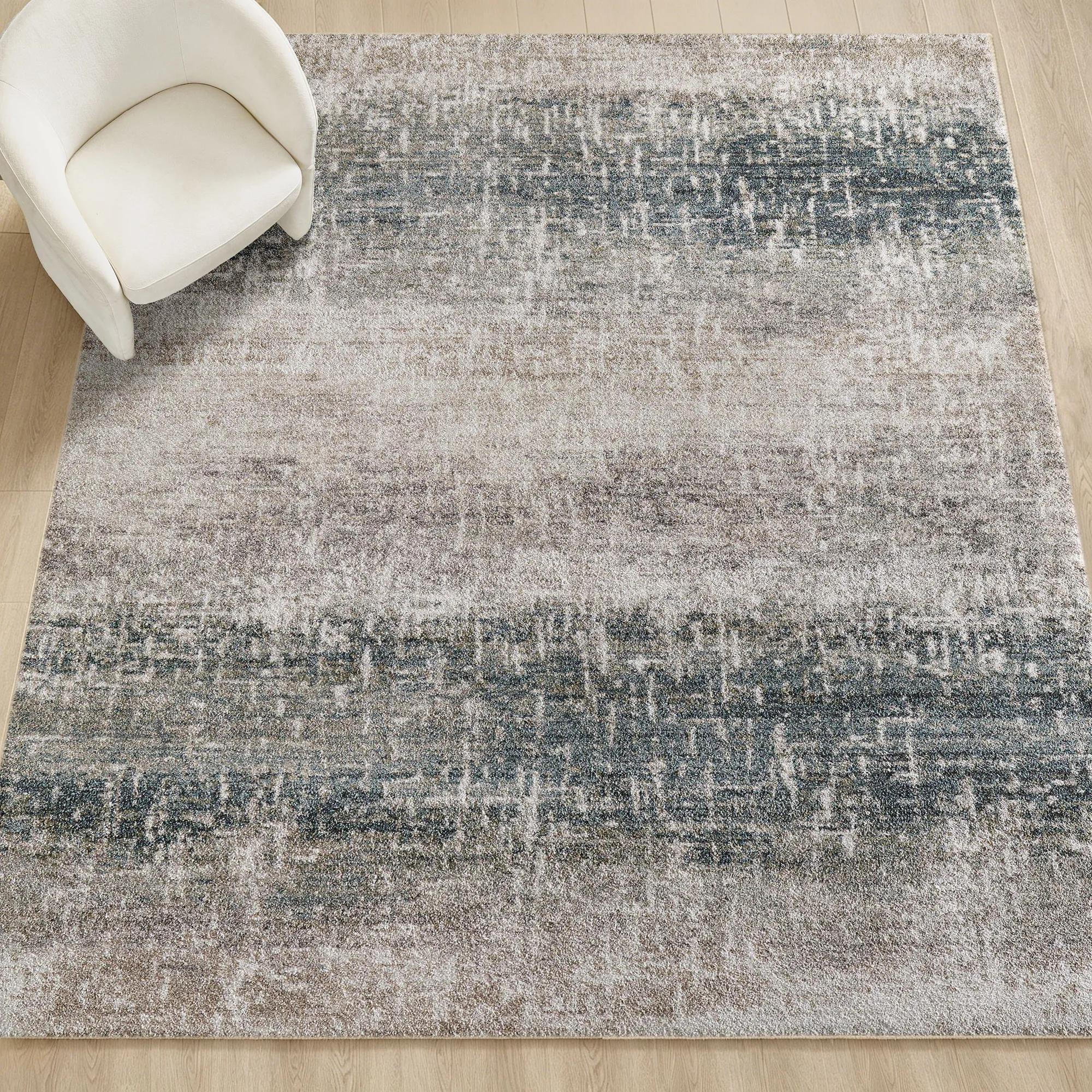
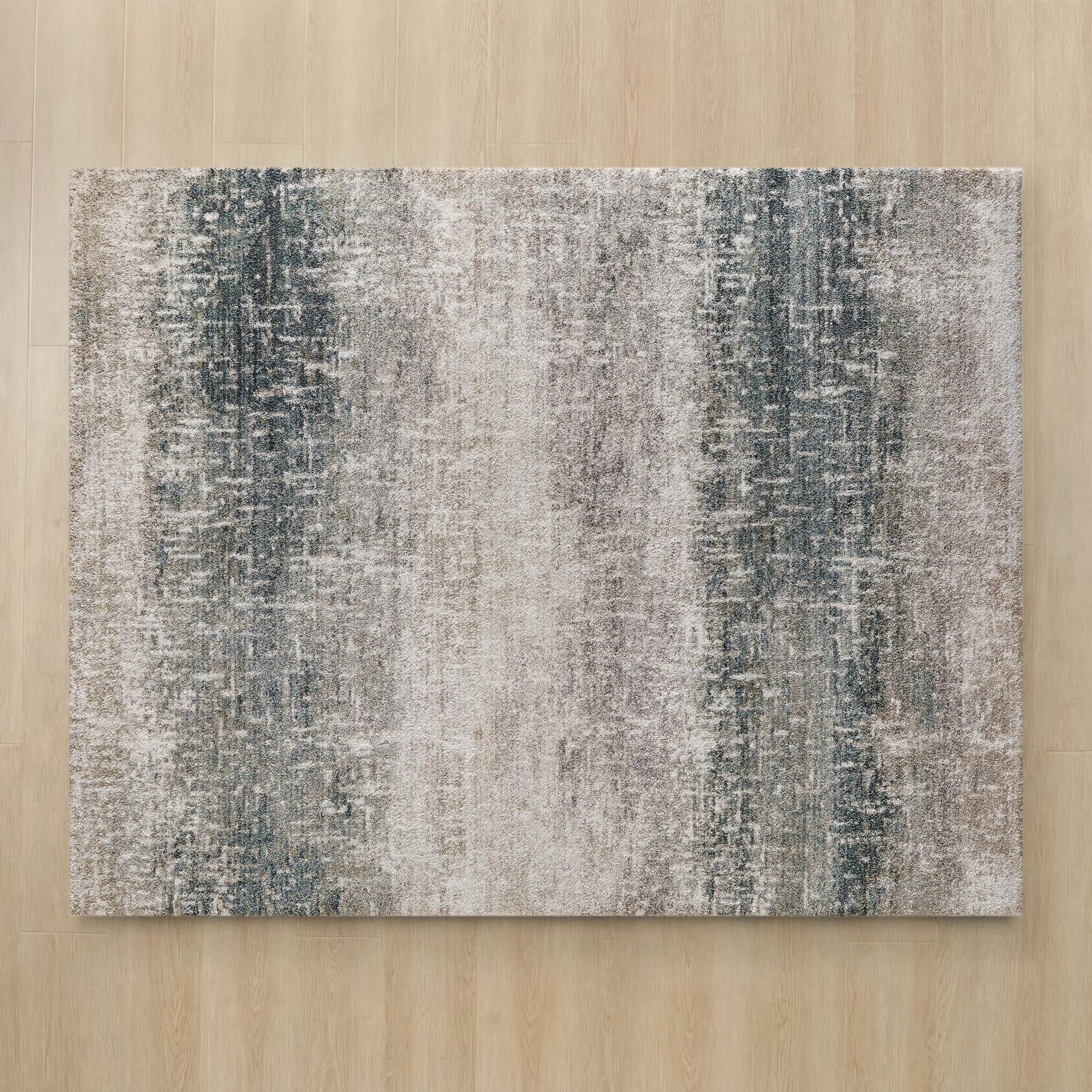 Collier Taupe/Grey/Blue/Green Performance Power Loomed Rug$1649
An abstract rug in taupe, grey, blue, and green with a plush pile and durable, easy-care blend.
Add To Cart -
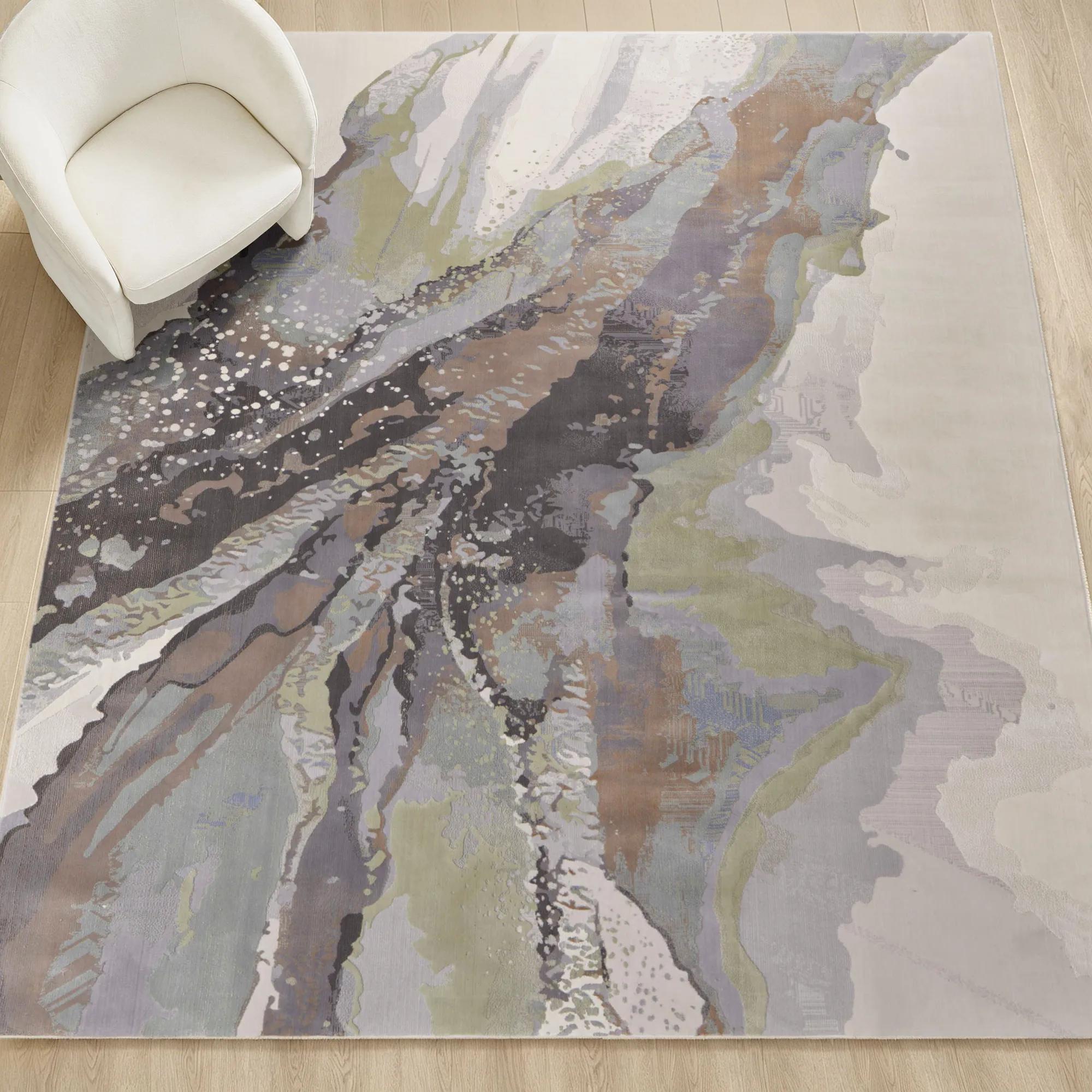
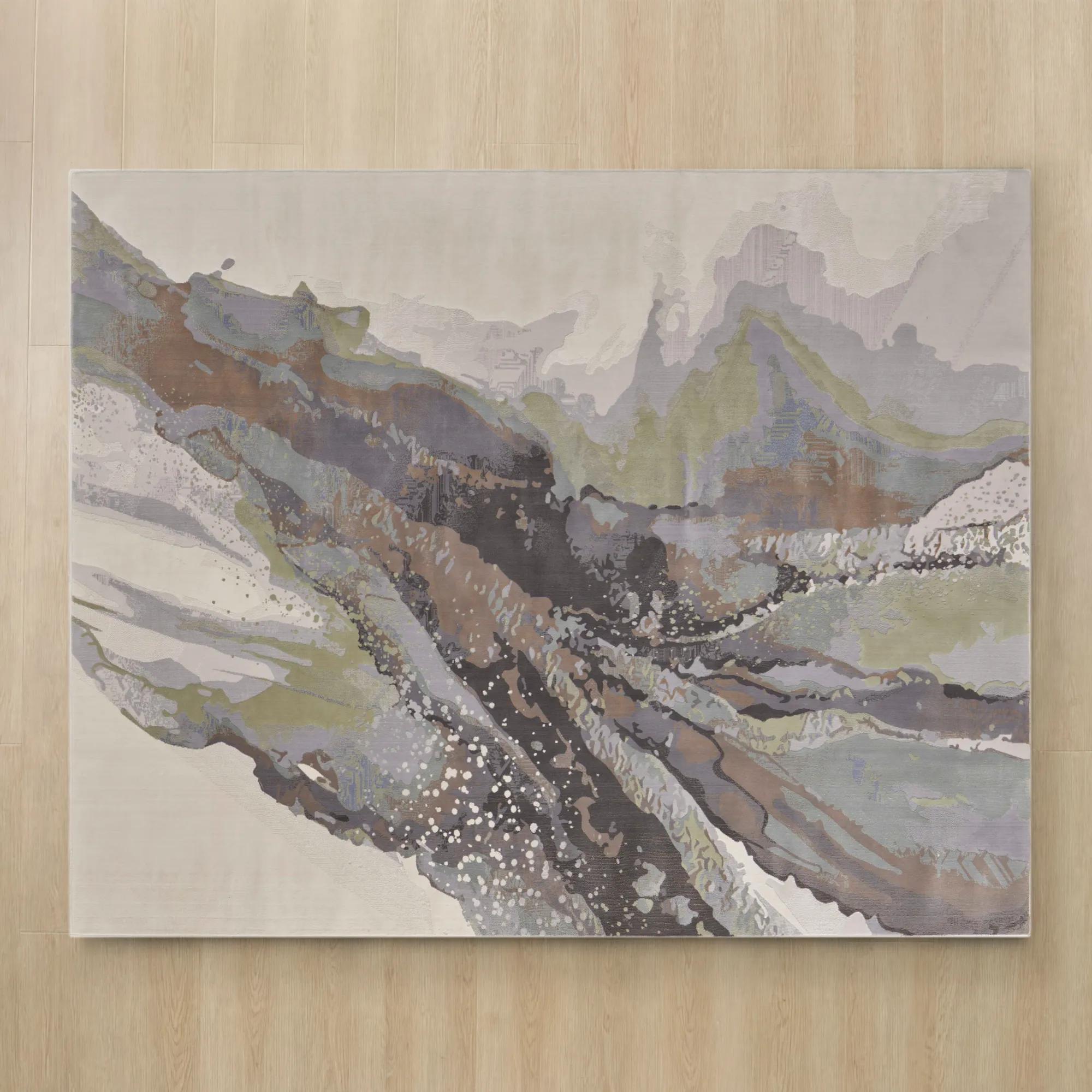 Nerissa Abstract Ivory/Grey/Blue/Green Performance Power Loomed Rug$949
An abstract rug in ivory, grey, blue, and green with a textured, stain-resistant polypropylene-polyester blend.
Add To Cart -
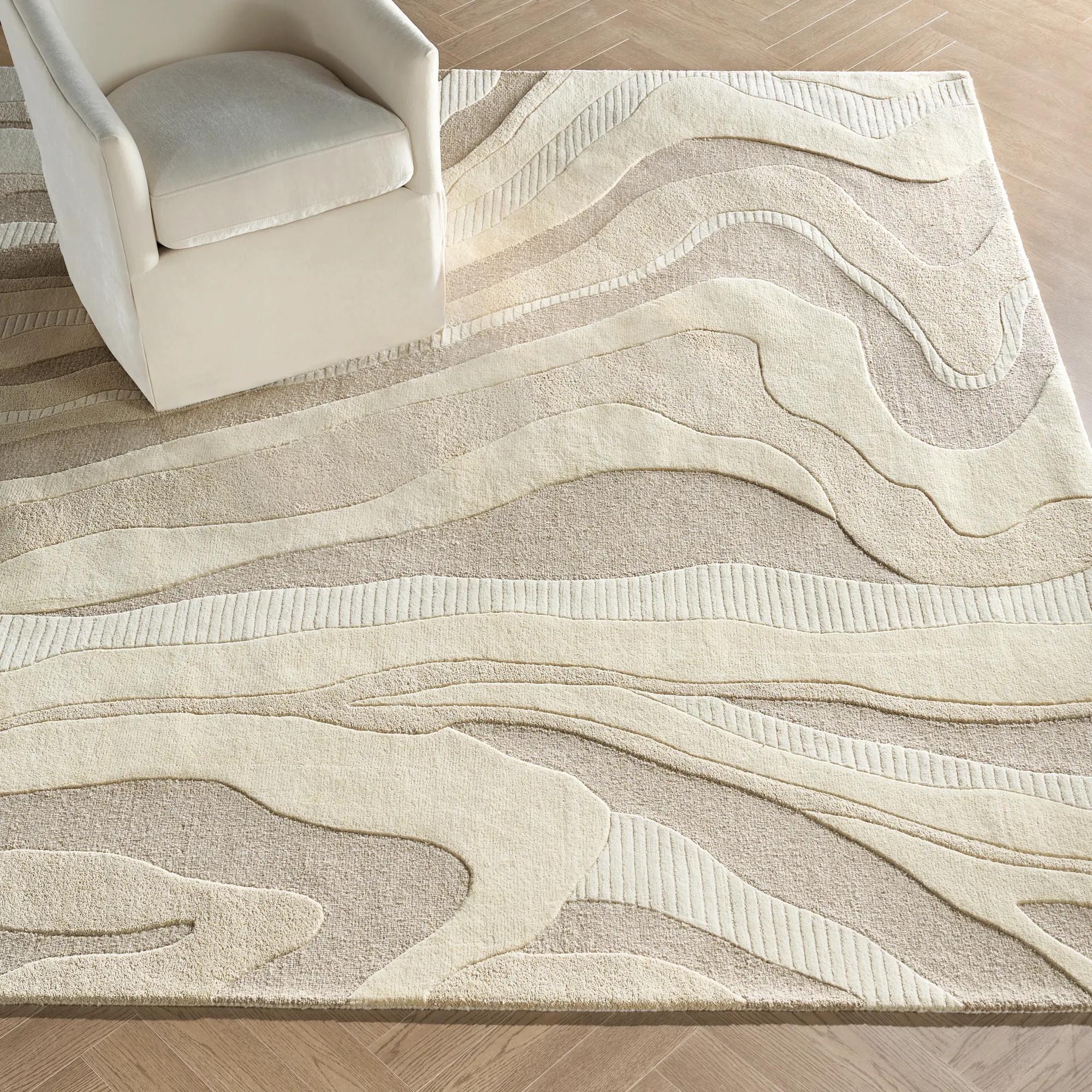 Kadence Hand-Tufted Ivory/Tan Wool Rug$1499
A hand-tufted wool rug featuring a multi-textured swirl design in ivory and tan for timeless elegance.
Add To Cart -
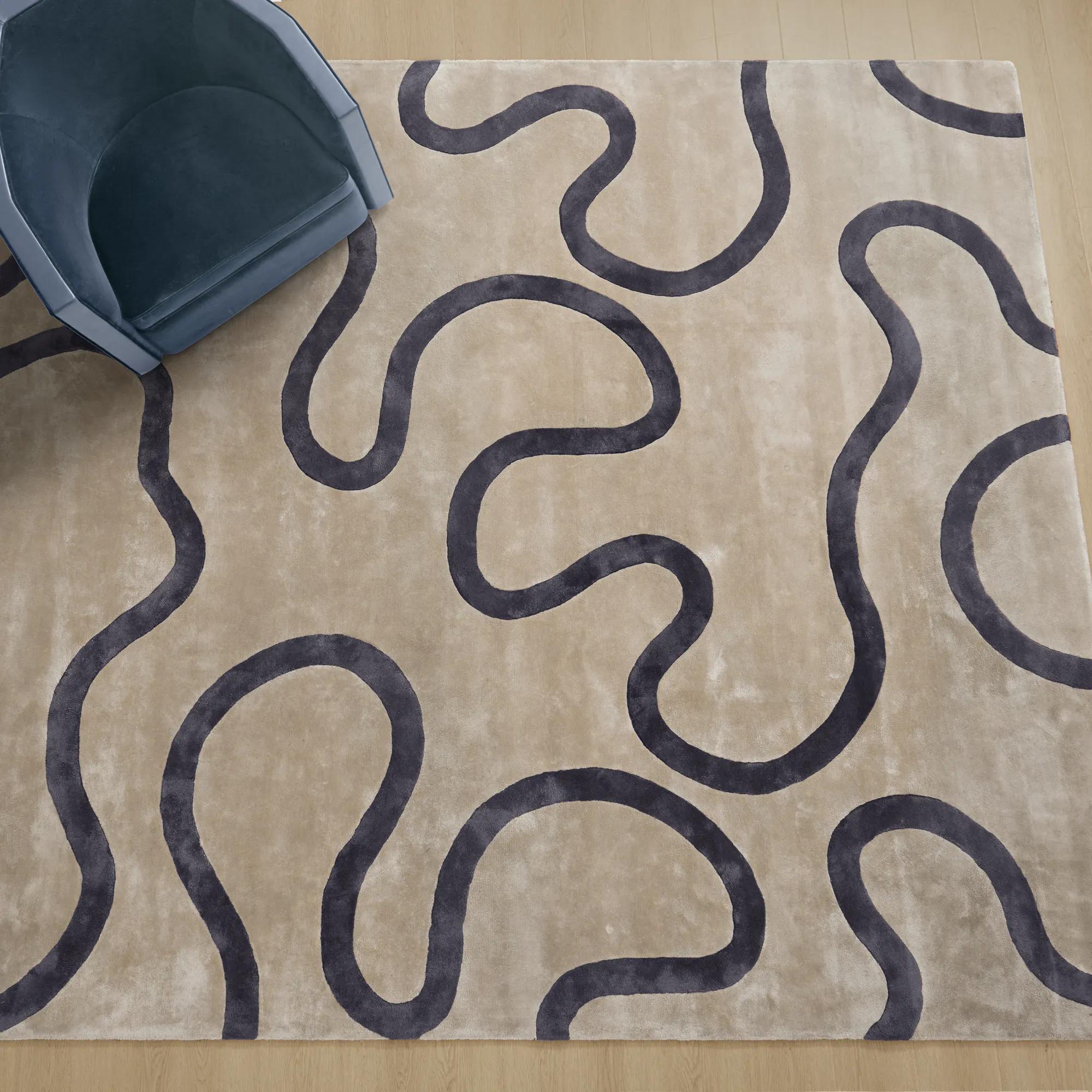 Seraphine Hand-Tufted Smoked Pearl/Taupe Viscose Loop Rugs$1799
A hand-tufted viscose rug in smoked pearl and taupe with bold Deco-inspired loop patterns and subtle sheen.
Add To Cart -
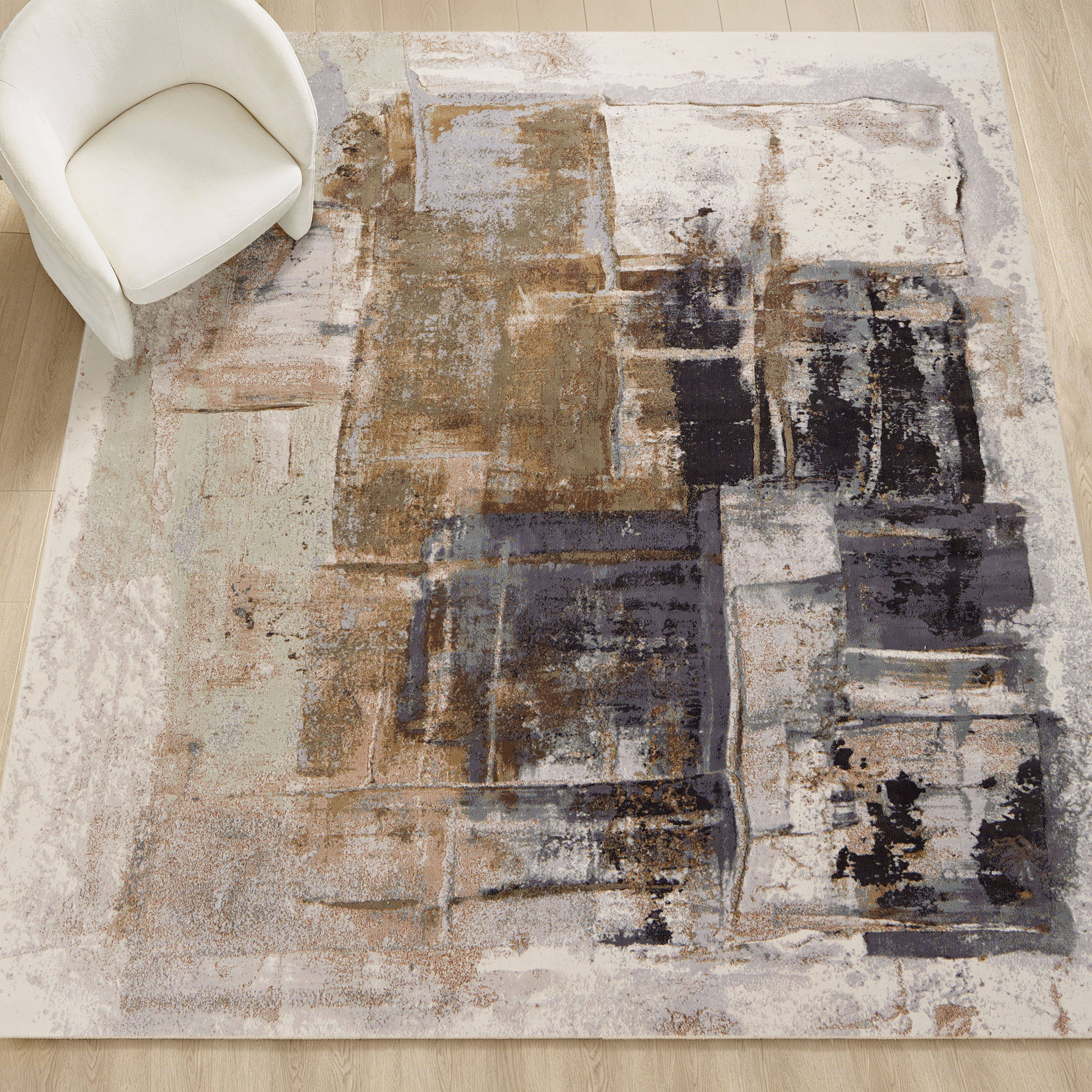
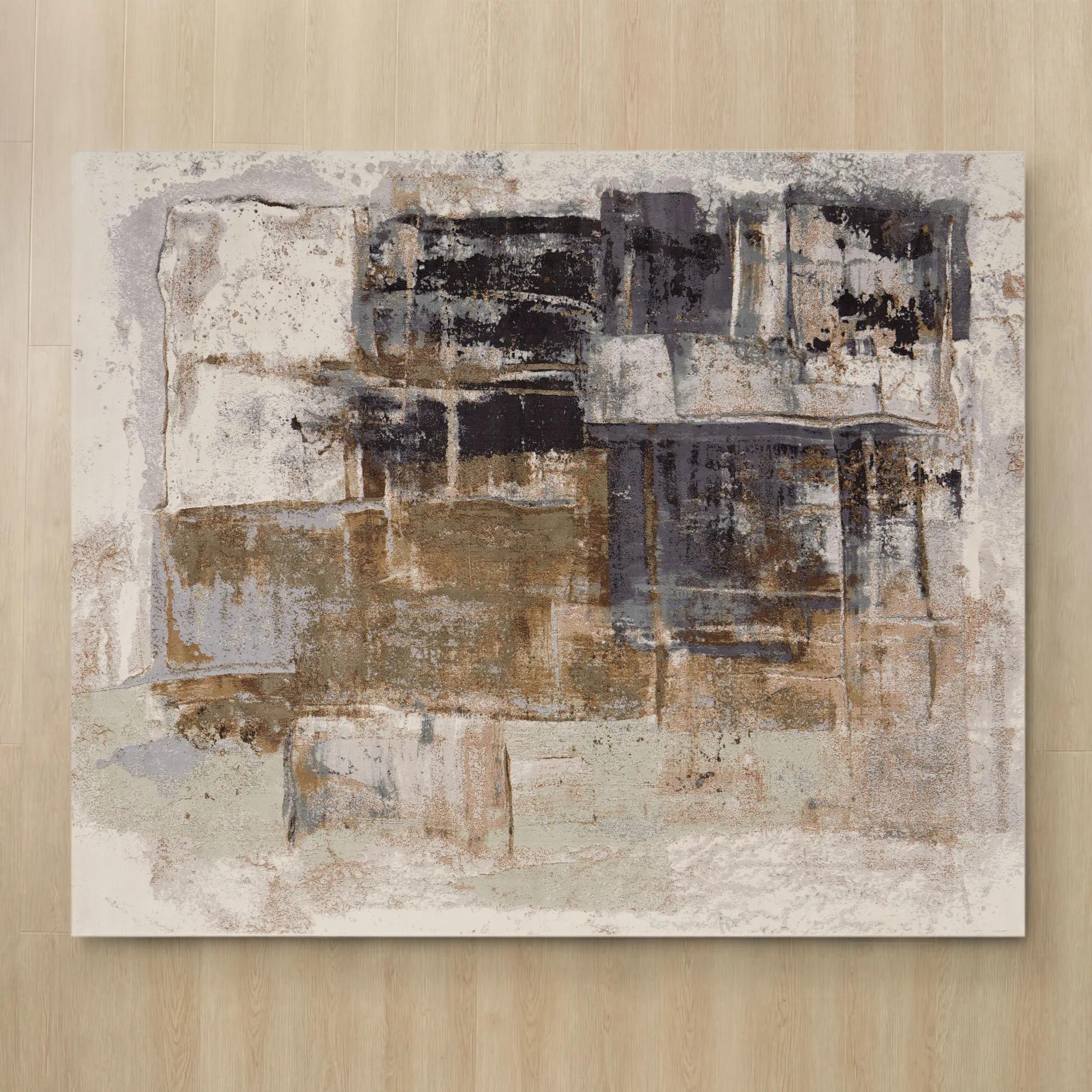 Gaia Abstract Grey/Charcoal/Ivory/Gold/Blue Performance Power Loomed Rug$1549
An abstract rug in grey, charcoal, ivory, gold, and blue with a soft, stain-resistant performance blend.
Add To Cart

Large Neutral Pattern Rugs
Large neutral pattern rugs are the unsung heroes of sophisticated interiors, weaving together artistry and elegance with effortless grace. These expansive canvases ground a room in subtle drama, their intricate patterns whispering luxury while their neutral palette invites endless possibilities for expression. Whether anchoring a grand living space or elevating a serene bedroom retreat, large neutral pattern rugs infuse every corner with understated opulence—proving that true style speaks volumes in a hushed, harmonious tone. Let your home unfold in layers of texture and refinement, where every step is an invitation to indulge in the art of living boldly.
Large neutral pattern rugs give spacious interiors a sense of composition, bringing furniture, finishes, and decorative accents into a cohesive scene. Their generous proportions establish the room’s foundation, while patterns in ivory, cream, beige, taupe, greige, and gray introduce dimension without demanding that everything else recede. Neutral does not mean invisible: a charcoal line crossing a pale ground can echo the silhouette of a sculptural chair, while a softly mottled design can lend movement to a room furnished with tailored upholstery. Geometric rugs offer rhythm through grids, diamonds, and interlocking shapes; abstract rugs create a more fluid impression with layered markings and tonal variation. Striped patterns draw the eye across a space, and faded traditional motifs bring intricate detail to contemporary settings. The effect depends as much on contrast as on the motif itself. Cream against oatmeal feels understated and enveloping, while ivory against deep taupe creates a more pronounced graphic statement. A large-scale pattern can hold its own beneath substantial furniture, whereas smaller, closely spaced markings often read as texture from across the room. In a living area with a curved sofa, a glass coffee table, and gleaming metal accents, a softly patterned rug gives the arrangement depth without competing with its silhouettes. In a bedroom, an expansive neutral rug frames the bed and adds a sumptuous surface where bare feet meet the floor. These rugs are especially compelling for interiors that balance expressive pieces with a quieter foundation, allowing velvet, lacquer, stone, and richly grained wood to remain distinct. Undertones deserve attention: creamy beige complements warm woods and brass, while cooler gray can sharpen a palette of chrome, white, and charcoal. Greige and taupe often bridge those directions, though their appearance changes with surrounding colors and lighting. Viewing a sample, when possible, alongside upholstery and flooring helps reveal whether a neutral feels golden, rosy, or cool in the intended setting. For a broader exploration of motifs within this palette, Patterned Neutral Area Rugs offer another perspective on balancing decorative detail with tonal restraint.
Proportion gives a large patterned rug its architectural presence. Common sizes such as 8 by 10 feet and 9 by 12 feet suit many living rooms and bedrooms, but the furniture arrangement—not the room label—determines the most convincing fit. A rug should connect the pieces that belong together rather than sit isolated beneath a coffee table. In a living room, placing at least the front legs of the sofa and accompanying chairs on the rug creates a defined conversation area; a larger footprint that accommodates all legs can make a generous seating arrangement feel even more composed. With a sectional, account for the full length of the chaise so the rug’s edge does not interrupt the furniture’s outline awkwardly. Leaving a visible border of flooring helps frame the design, although that border need not be identical on every side in an open-plan room. A dining room calls for different proportions: allowing approximately 24 to 30 inches of rug beyond each side of the tabletop usually gives chairs space to remain on the rug when pulled out. Confirm that allowance against the actual chairs, particularly deep upholstered seats. A low pile makes chair movement easier and keeps the surface from feeling cumbersome beneath the table. In a bedroom, positioning the rug beneath the lower portion of the bed can provide comfortable coverage along both sides and at the foot, while a larger size may also accommodate the nightstands. Measure the exposed rug area rather than relying solely on mattress dimensions. Painter’s tape on the floor makes the proposed footprint easy to assess before committing to a size. Door clearance, nearby walkways, floor vents, and transitions to adjacent rooms also matter. Pattern placement deserves the same consideration: a dramatic central motif may disappear beneath a solid coffee table or bed, while an allover abstract, trellis, or linear design remains visible around furniture. In open living spaces, a generously sized neutral area rug can distinguish a lounge from a dining area without introducing a competing color story, giving each setting its own identity within a continuous interior.
Material and construction shape how a large neutral patterned rug looks, feels, and lives over time. Wool offers natural resilience, a substantial hand, and appealing depth of color, making it a strong consideration for living rooms and bedrooms where comfort and lasting texture matter. Some wool rugs shed, particularly early in use, and require gentle, regular vacuuming according to their care instructions. Cotton can bring a softer, more relaxed finish, though cleaning methods and dimensional stability vary by construction. Jute and sisal introduce pronounced organic texture and earthy tonal variation; their firmer feel may be less desirable beside a bed or in a space devoted to floor play, and moisture can leave marks or damage natural plant fibers. Synthetic fibers such as polypropylene and polyester can offer practical stain resistance and straightforward maintenance, but performance differs by fiber, weave, backing, and finish. A densely constructed, low-pile rug is often well suited to busy seating areas, dining spaces, and households with children or pets. For pets inclined to scratch or catch their claws, consider the potential for snagging in prominent loops. Higher piles create a plush impression underfoot but may retain more debris and make heavy furniture harder to move. Rugs containing viscose or similarly lustrous fibers can produce a luminous, almost brushed effect, yet often need more specialized care and protection from spills. Always follow the individual rug’s cleaning directions rather than assuming that a material is washable or stainproof. Even a rug labeled machine washable must fit the washer’s stated capacity, which is especially important for large formats. Routine care includes blotting spills promptly with a clean, undyed cloth, avoiding vigorous rubbing, and using only approved cleaning products. A pad compatible with both the rug and the flooring helps limit movement, adds cushioning, and reduces friction beneath the rug. Periodic rotation can distribute wear and light exposure more evenly. Tonal patterning may soften the appearance of everyday lint or small marks, but it does not replace regular cleaning. The most satisfying choice pairs a captivating surface with the demands of the room: refined enough to frame a statement sofa, comfortable enough for everyday gathering, and proportioned to make the entire interior feel intentional.
FAQs
Large neutral pattern rugs are remarkably versatile, complementing a wide range of interior styles. Their subtle motifs and earthy palettes effortlessly enhance contemporary, transitional, and classic spaces alike. Whether anchoring a modern loft, softening a traditional living room, or bringing cohesion to an eclectic mix, these rugs provide a sophisticated foundation that adapts beautifully to your evolving décor.
A large neutral pattern rug introduces visual texture and dimension without overwhelming your space. Patterns such as soft geometrics, delicate stripes, or abstract designs add movement and interest, while the muted tones keep the overall look serene. Layering the rug with bold furnishings or metallic accents can further enhance the sense of depth and create a rich, inviting atmosphere.
Absolutely. Many large neutral pattern rugs are crafted from durable, easy-to-clean materials that withstand the demands of busy households. The forgiving nature of patterned designs helps conceal everyday footprints and minor spills, making them a stylish and practical choice for families with pets or children.
Popular materials include wool, jute, and performance blends, each offering unique benefits. Wool provides plush softness and natural resilience, while jute introduces organic texture and earthy appeal. Performance blends are ideal for high-traffic areas, offering durability and easy maintenance without sacrificing style.
Yes, a large neutral pattern rug acts as a visual anchor in open-concept layouts, defining distinct zones while maintaining a harmonious flow. The understated patterns and tonal hues create cohesion among varied furnishings, allowing your space to feel both expansive and thoughtfully composed.