Neutral Pattern Living Room Rugs
Neutral Pattern Living Room Rugs
-
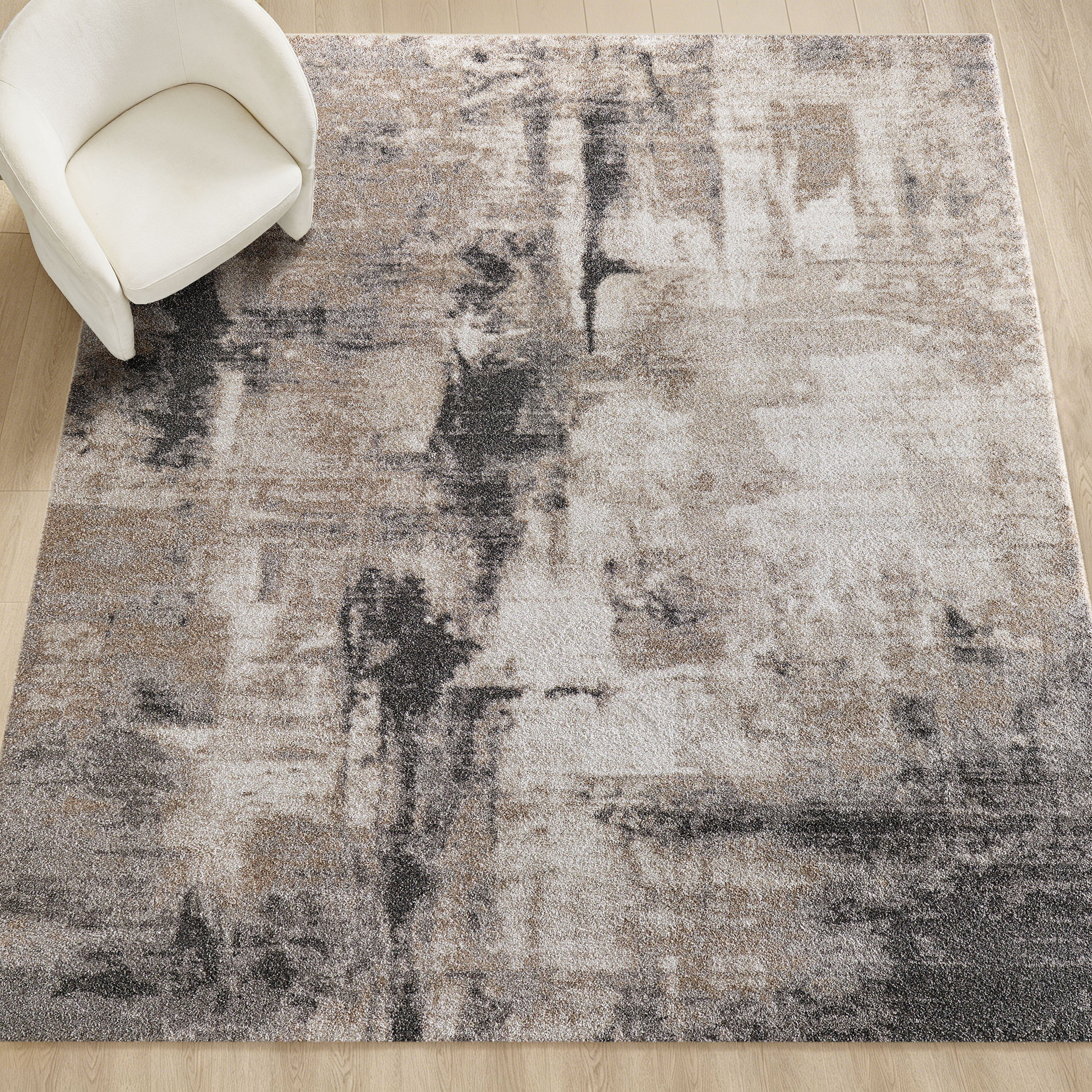
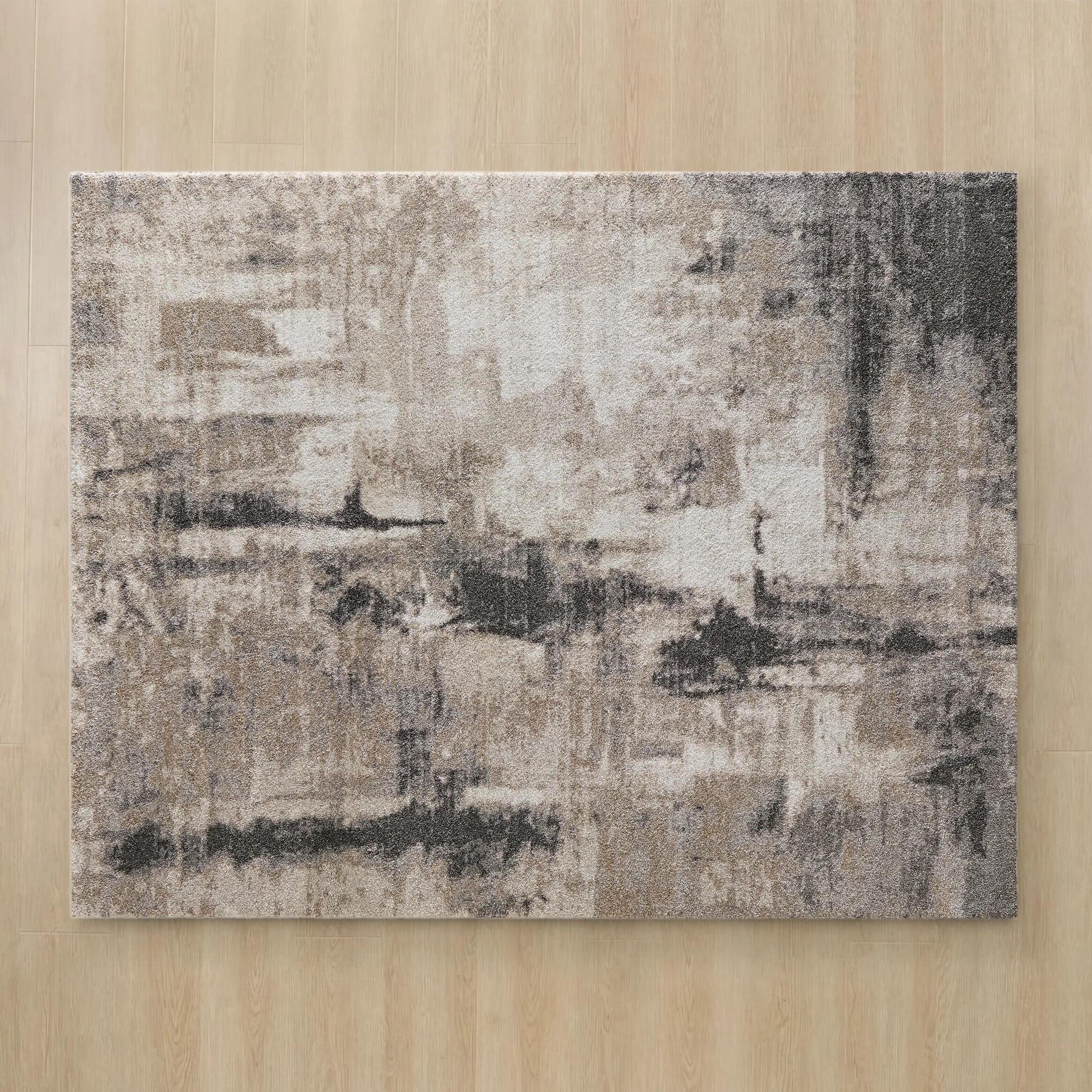 Atlas Abstract Grey/Taupe/Ivory/Charcoal Performance Power Loomed Rug$399
An abstract rug in grey, taupe, ivory, and charcoal with a plush, stain-resistant polypropylene blend.
Add To Cart -
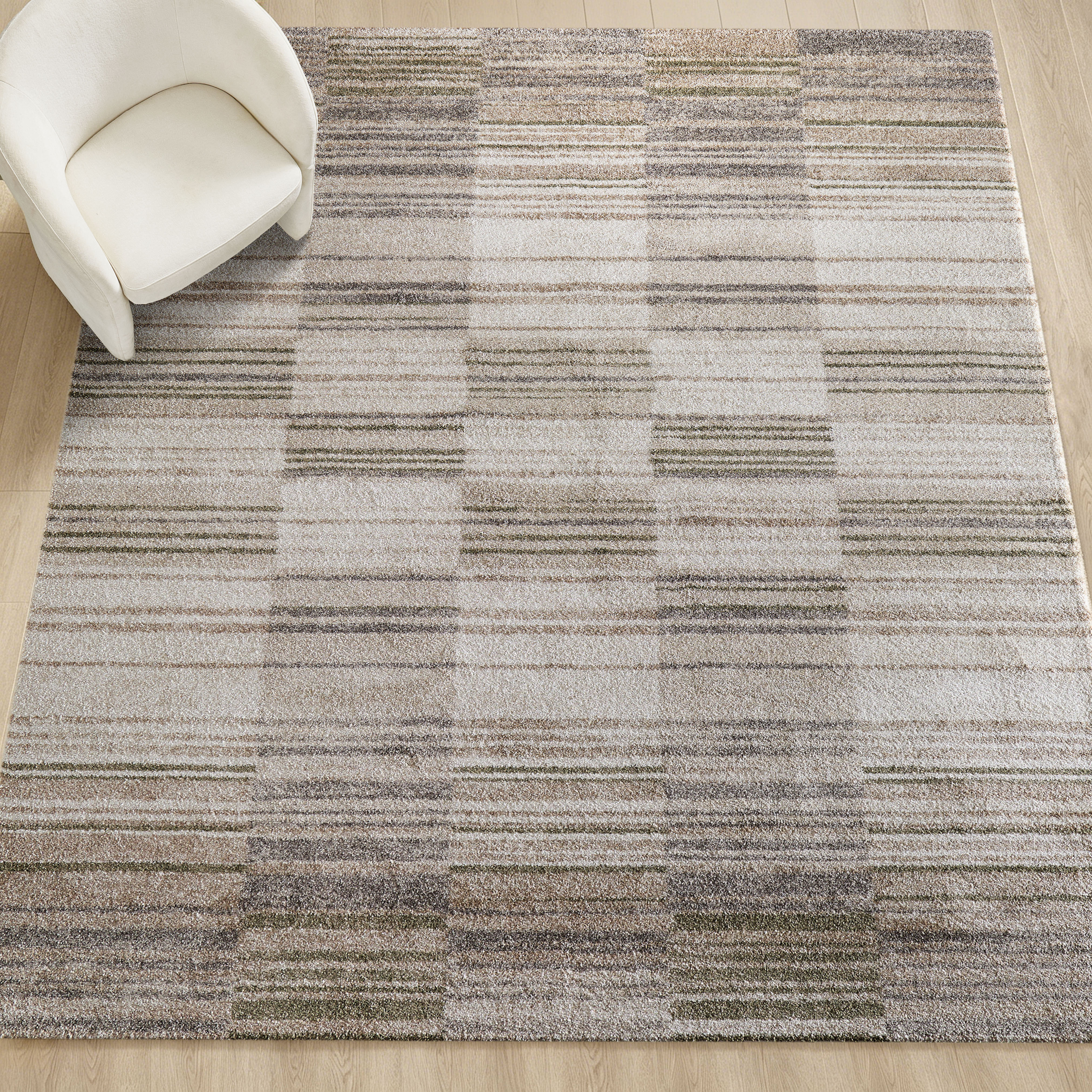
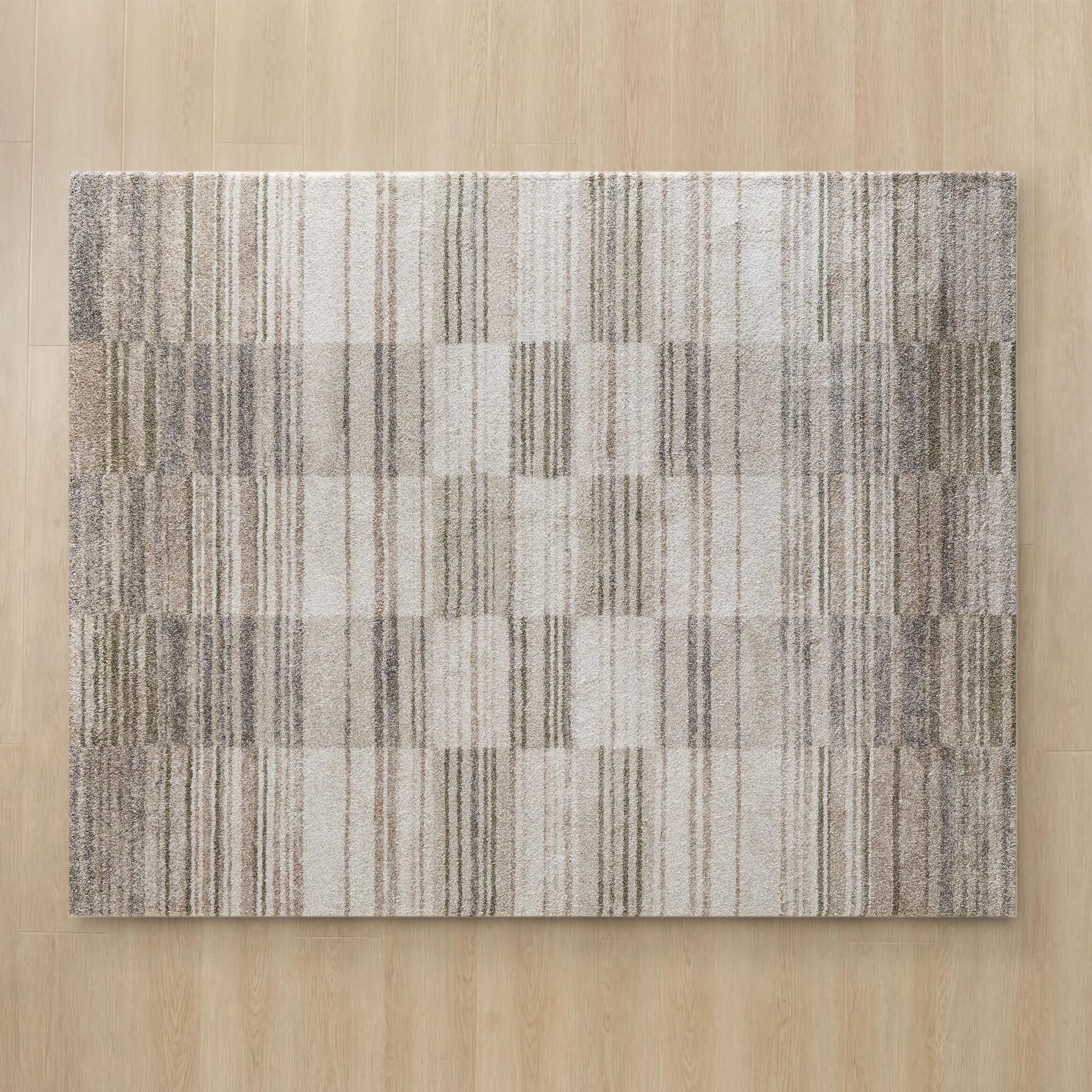 Checka Grey/Tan/Ivory/Soft Green Performance Power Loomed Rug$1349
A plush, power-loomed rug featuring a soft check pattern in grey, tan, ivory, and green.
Add To Cart -
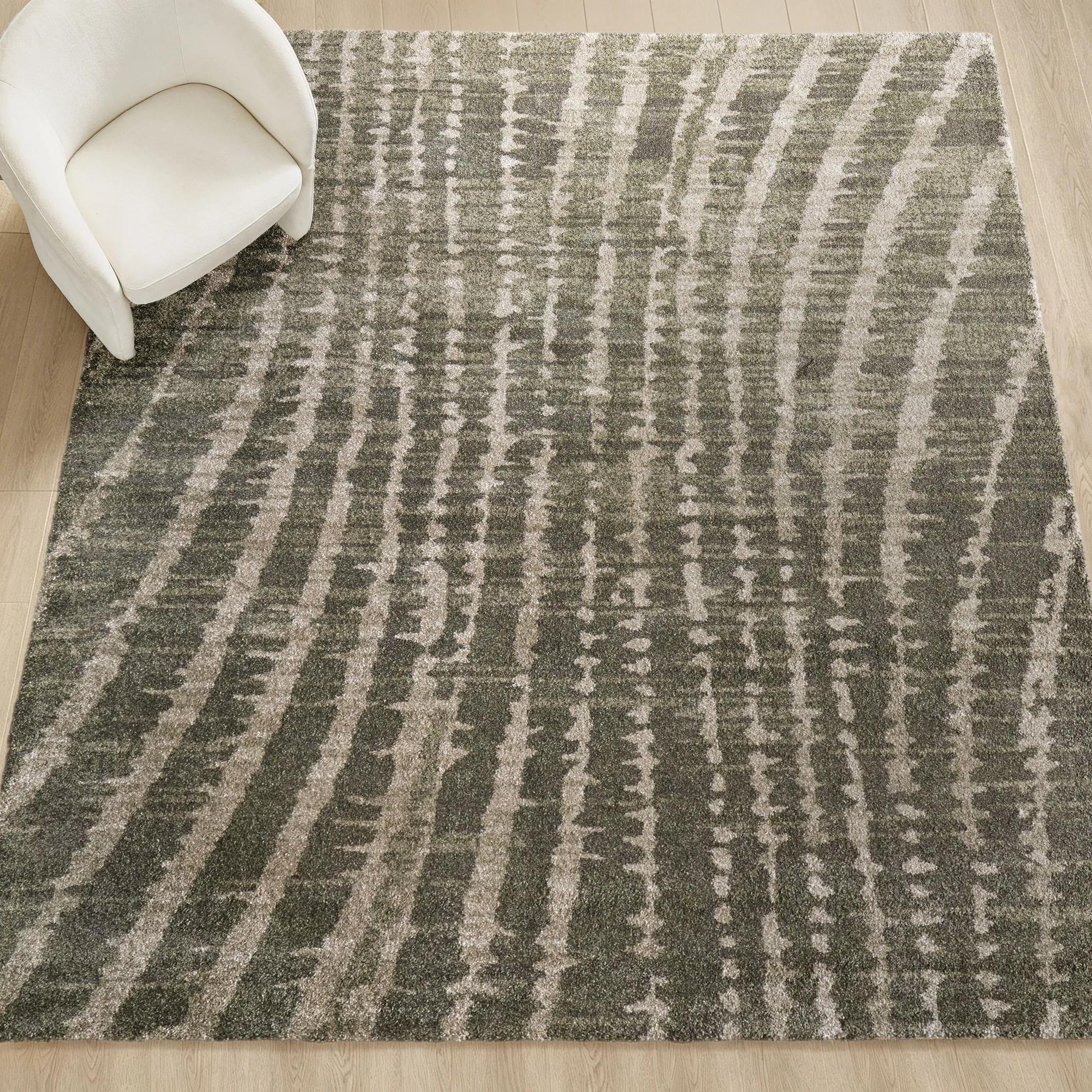
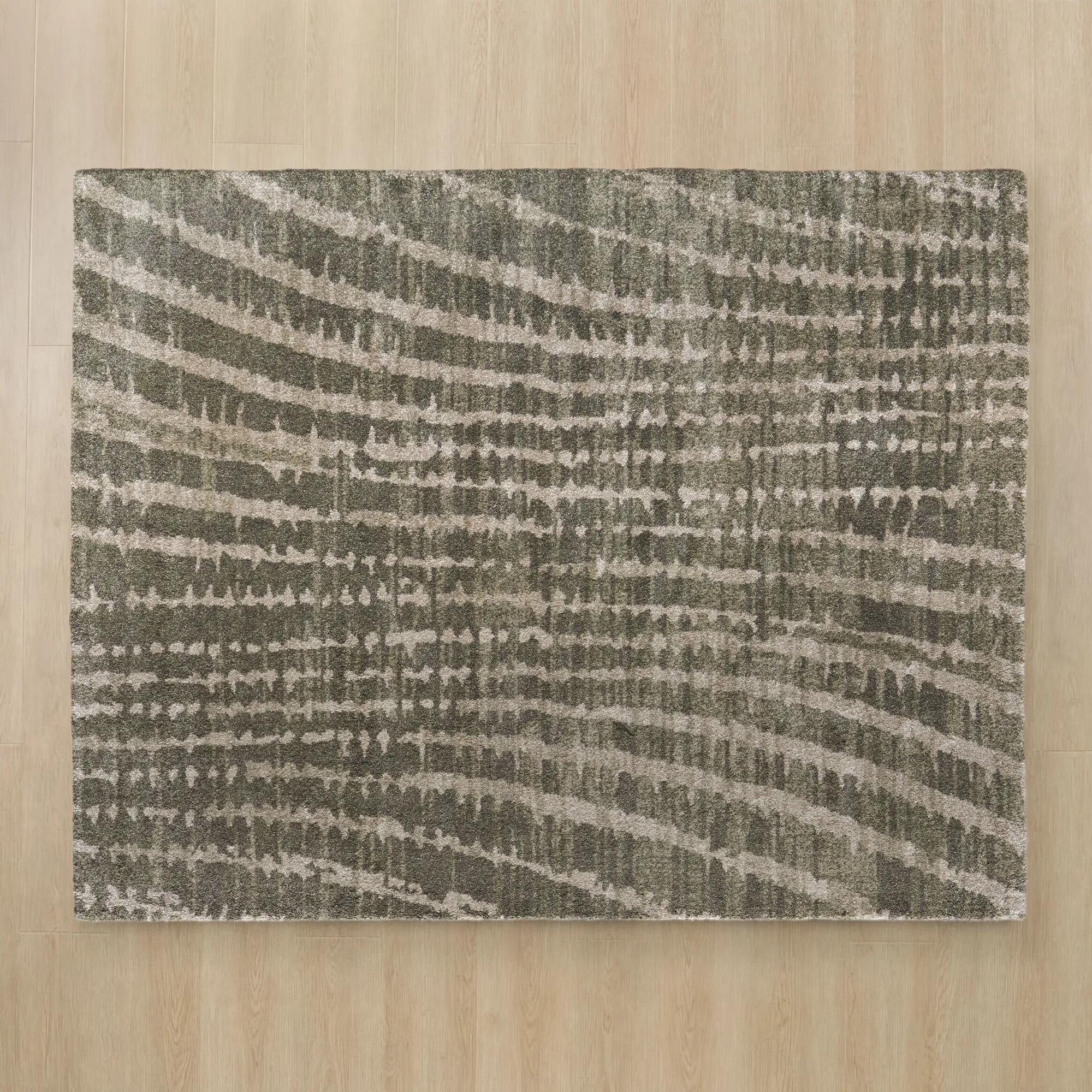 Tempo Green/Grey/Beige Performance Power Loomed Rug$1349
An abstract charcoal grey and beige rug with plush, power-loomed polypropylene and polyester construction.
Add To Cart -
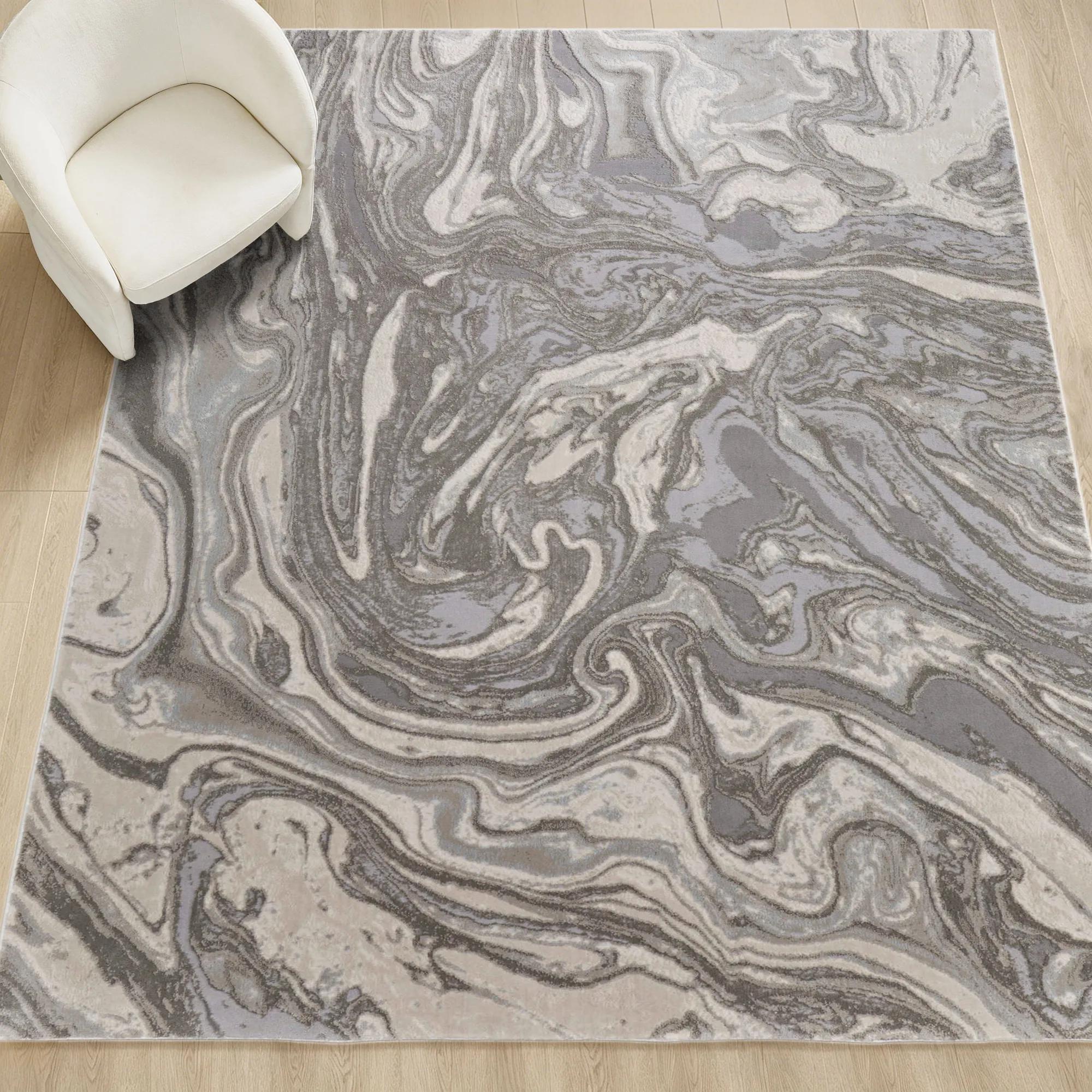
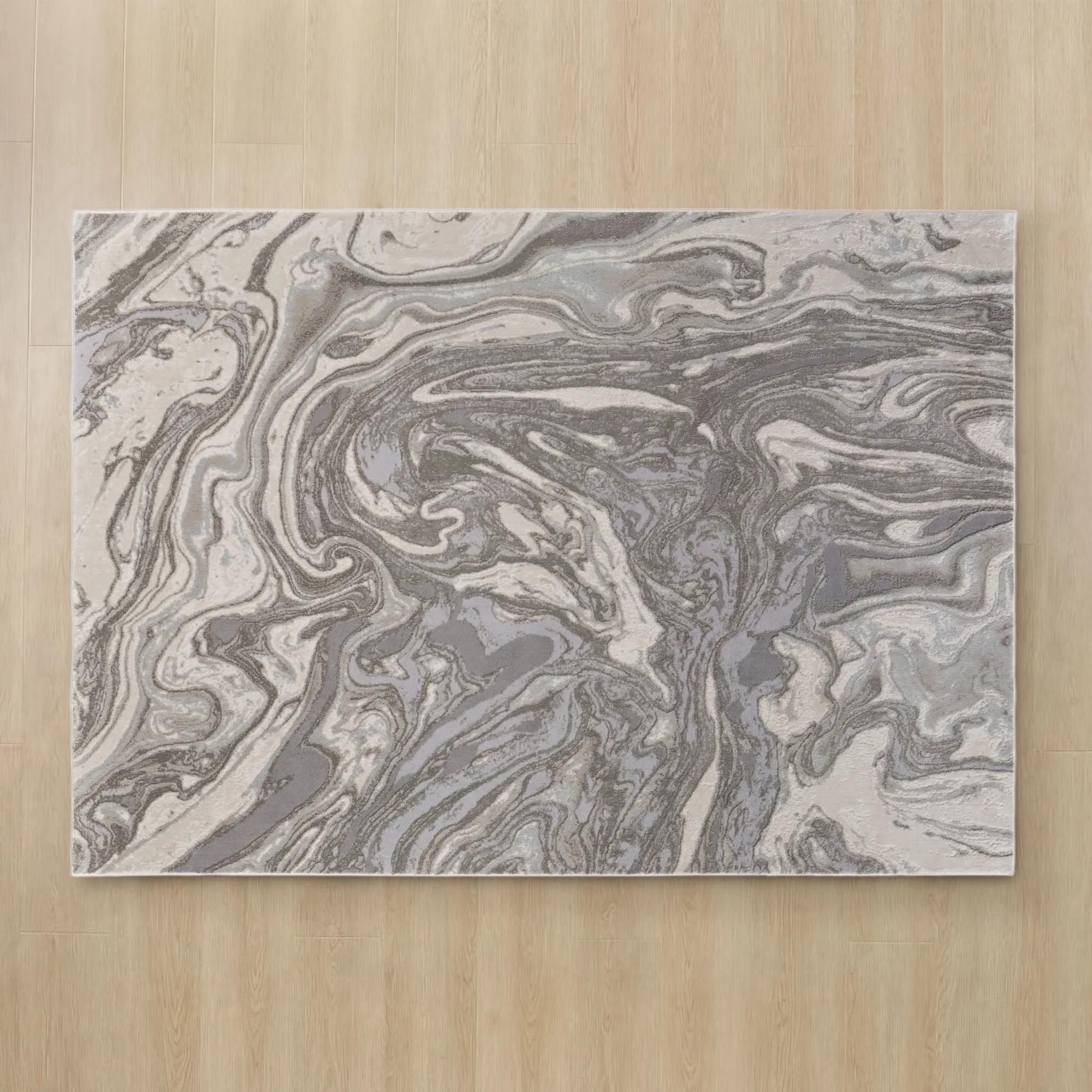 Marbre Marbled Grey/Taupe/Powder Blue Performance Power Loomed Rug$1499
A softly marbled rug in grey, taupe, and powder blue with a textured, stain-resistant performance blend.
Add To Cart -
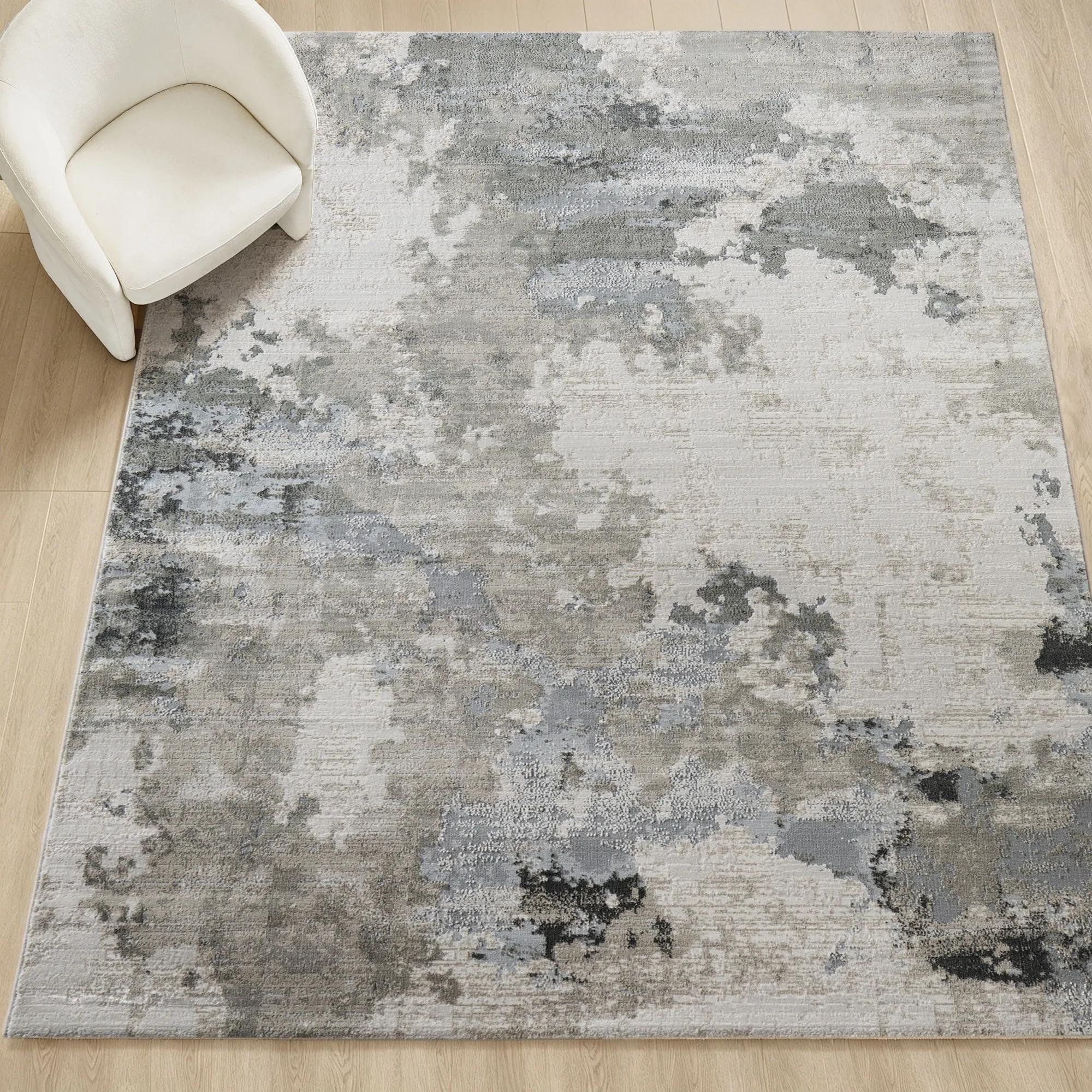 Alarion Abstract Grey/Muted Blue/Ivory Performance Power Loomed Rug$379
A power-loomed rug featuring a grey, muted blue, and ivory abstract pattern with stain-resistant durability.
Add To Cart -
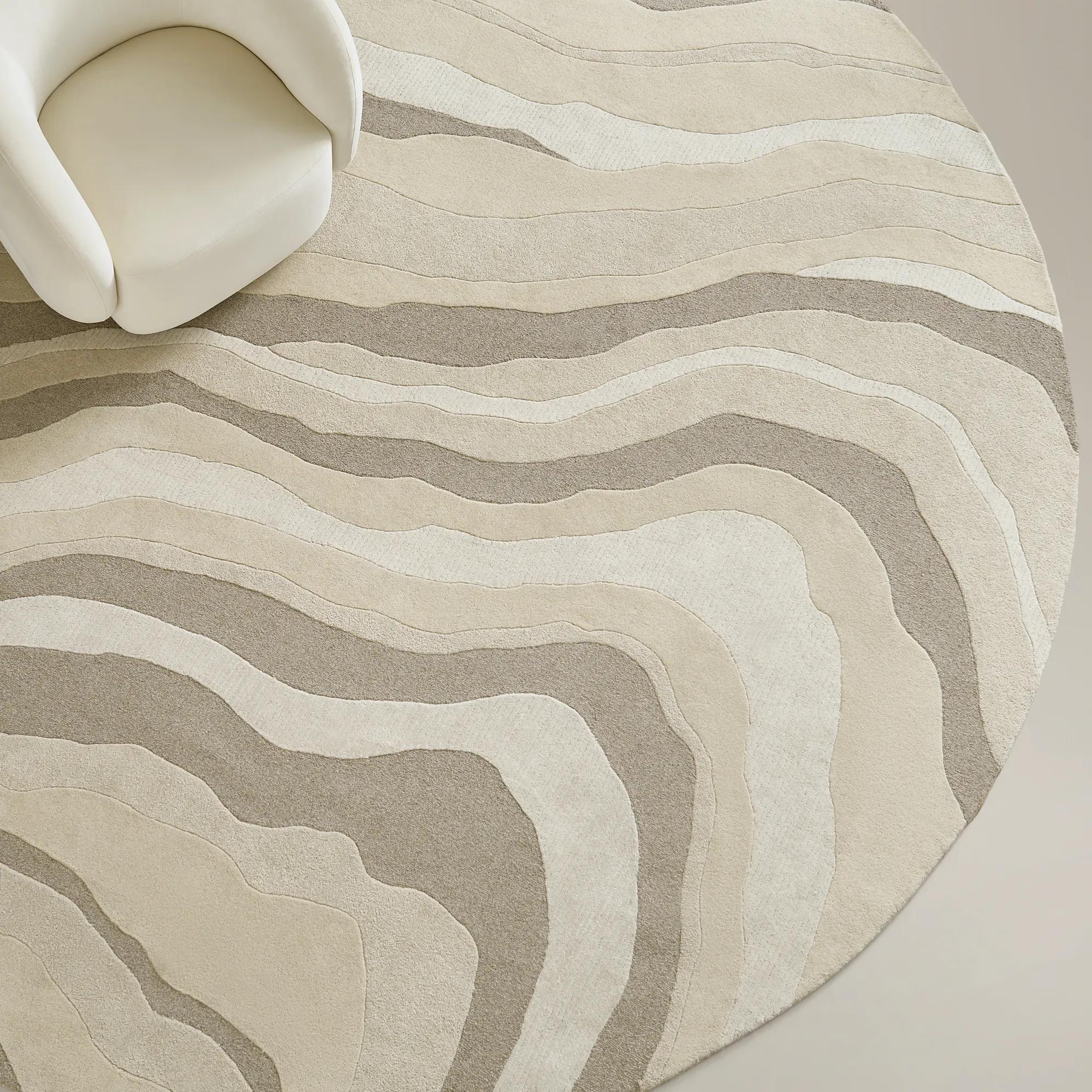 Kadence Hand-Tufted White/Ivory/Tan Wool Round Rug 12"$1799
A hand-tufted round rug in white, ivory, and tan, crafted from 100% wool for natural warmth.
Add To Cart -
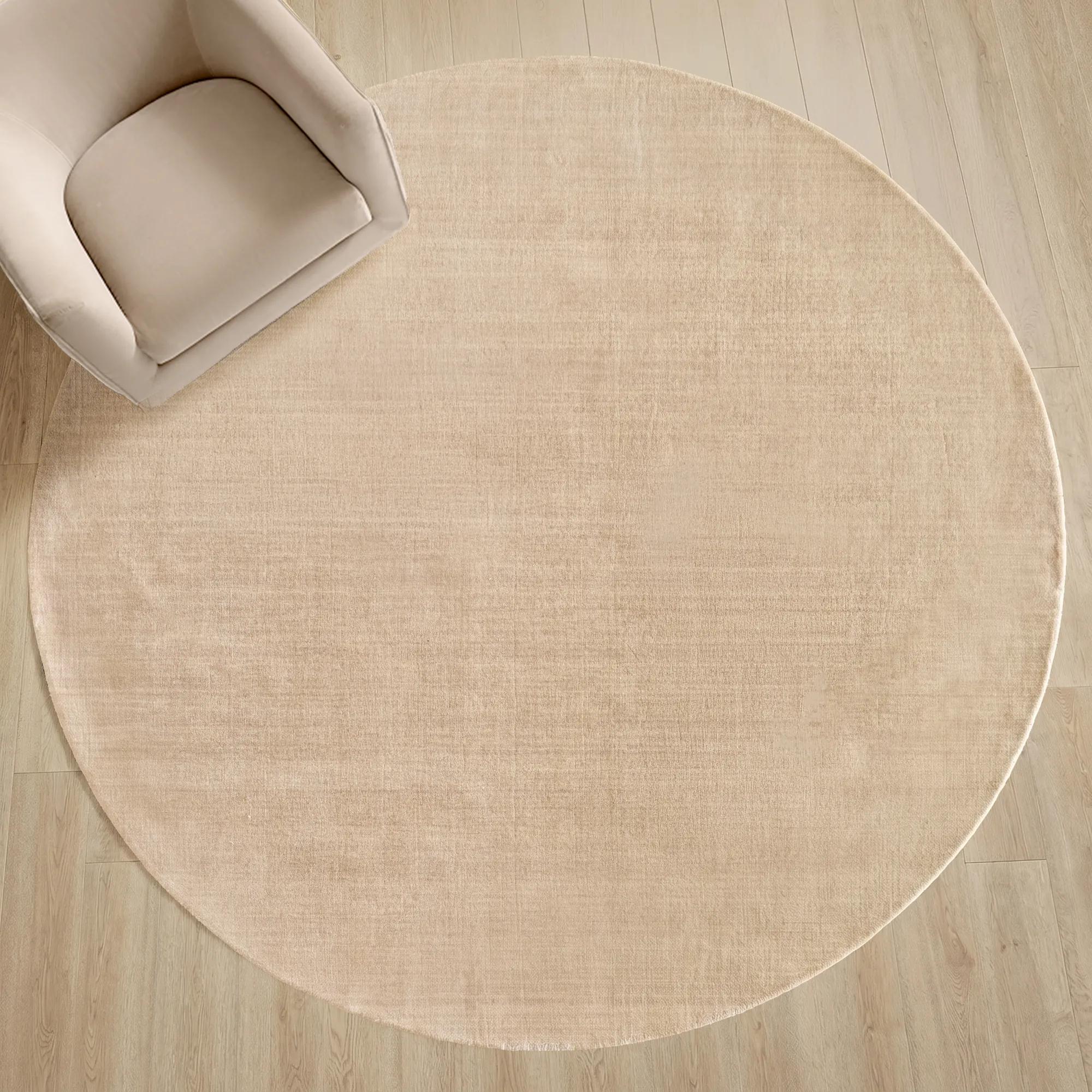 Juni Hand Woven Heathered Warm Beige Round Rug$1399
A handwoven round wool rug in heathered warm beige, offering refined texture and everyday durability.
Add To Cart -
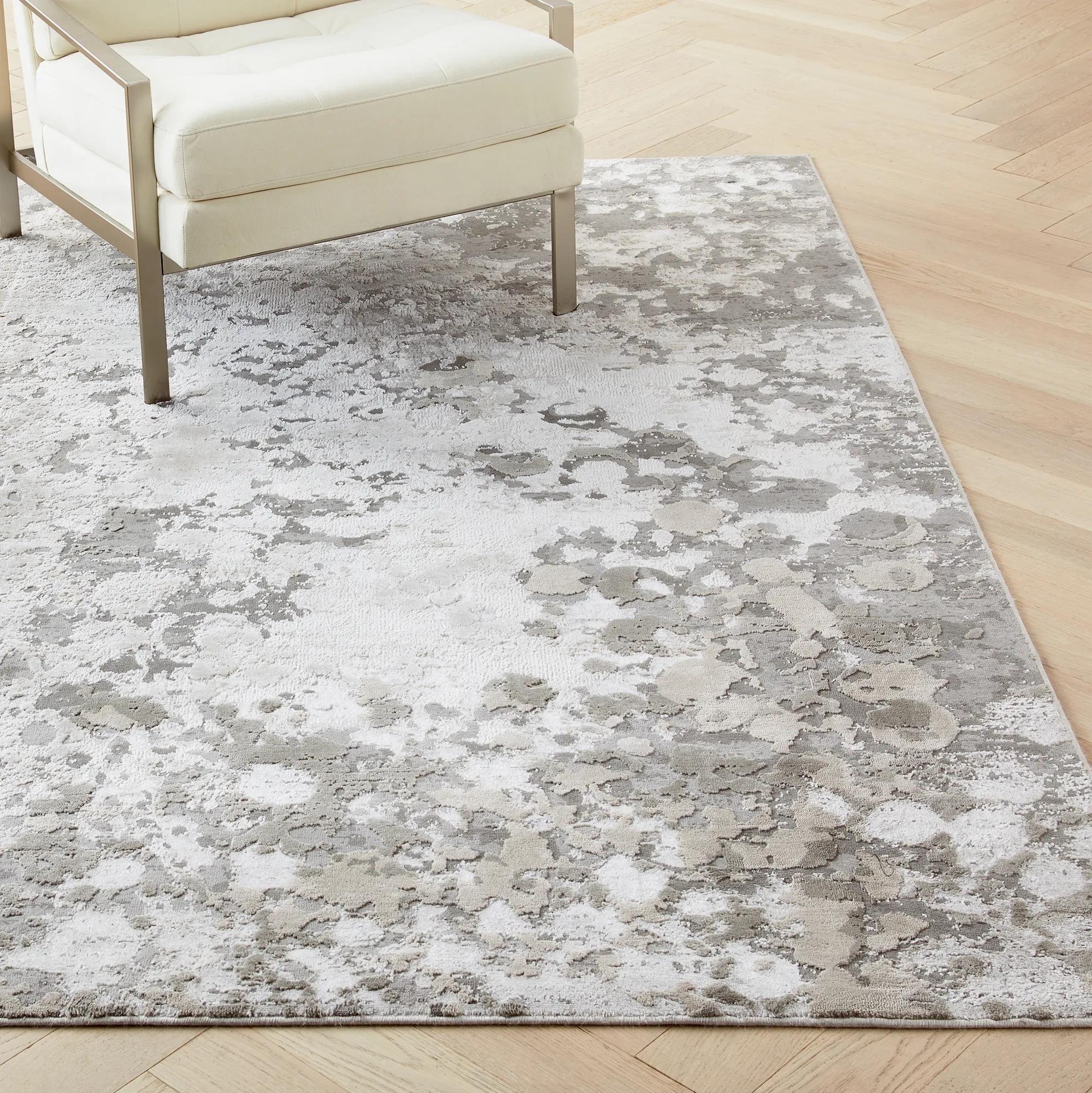 Mercury Power-Loomed Silver/Grey/Beige Rug$1649
A textured rug in silver, grey, and beige crafted from polyester, polypropylene, jute, and cotton.
Add To Cart -
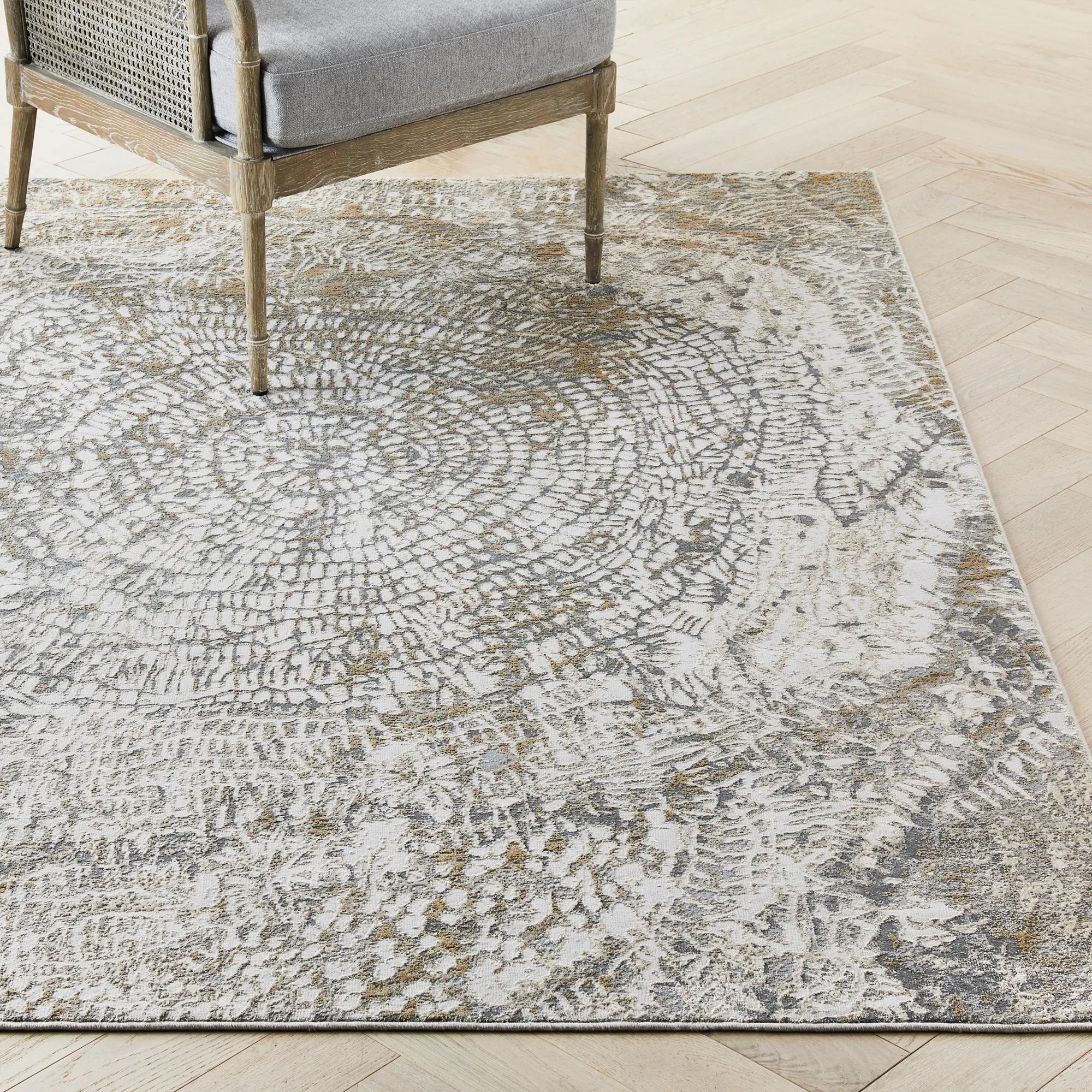 Nautilus Power-Loomed Silver/Grey/Natural Rug$449
A machine-woven ivory rug featuring subtle tree ring-inspired patterns in durable polypropylene and viscose.
Add To Cart -
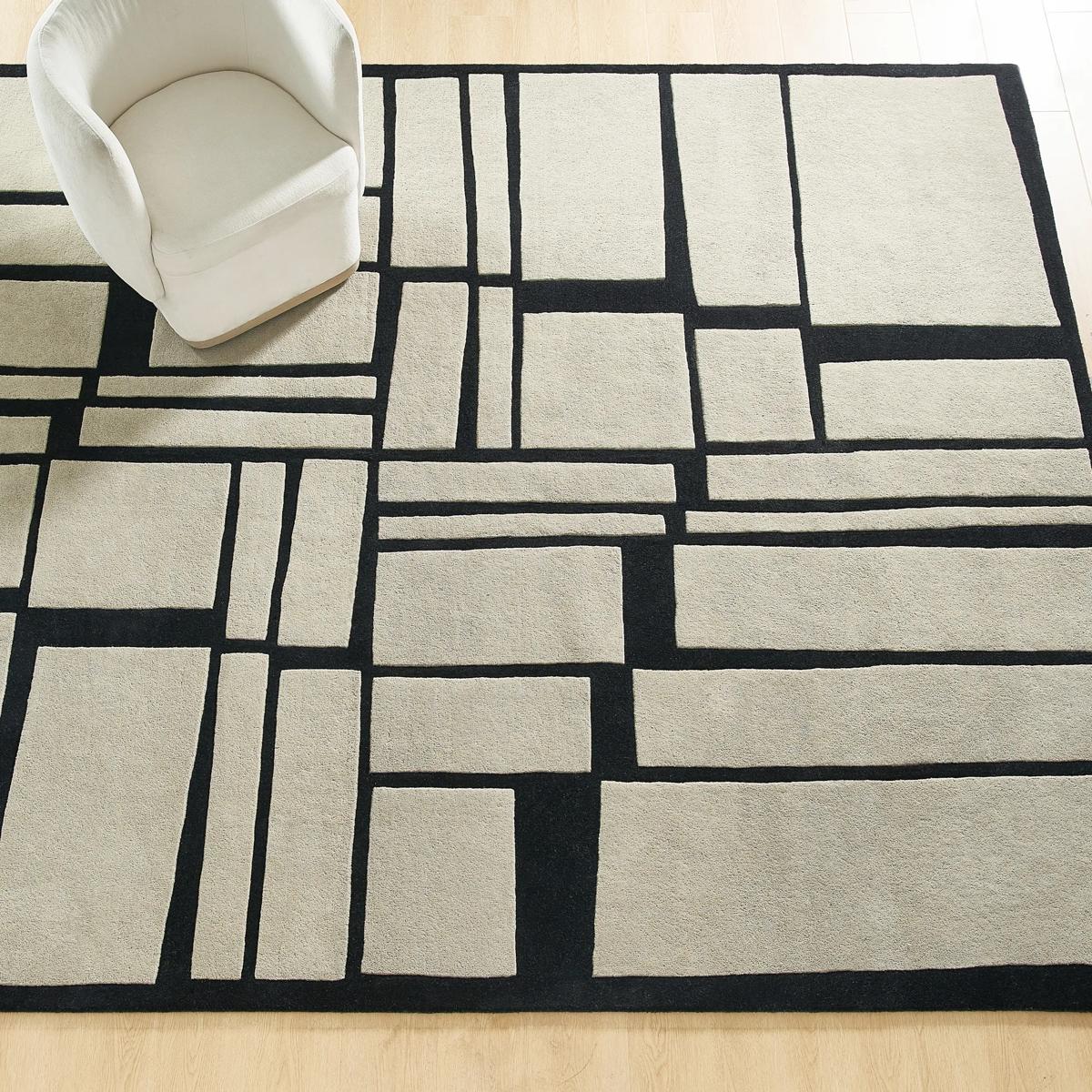 Novak Hand-Tufted Natural/Black Wool Rug$1399
A hand-tufted wool rug featuring a bold black and natural grid design for modern contrast.
Add To Cart -
 Fiona Hand-Tufted Ivory/Beige/Black Border Fringe Rug$599
A hand-tufted ivory, beige, and black rug featuring a distinctive border and fringe detailing.
Add To Cart -
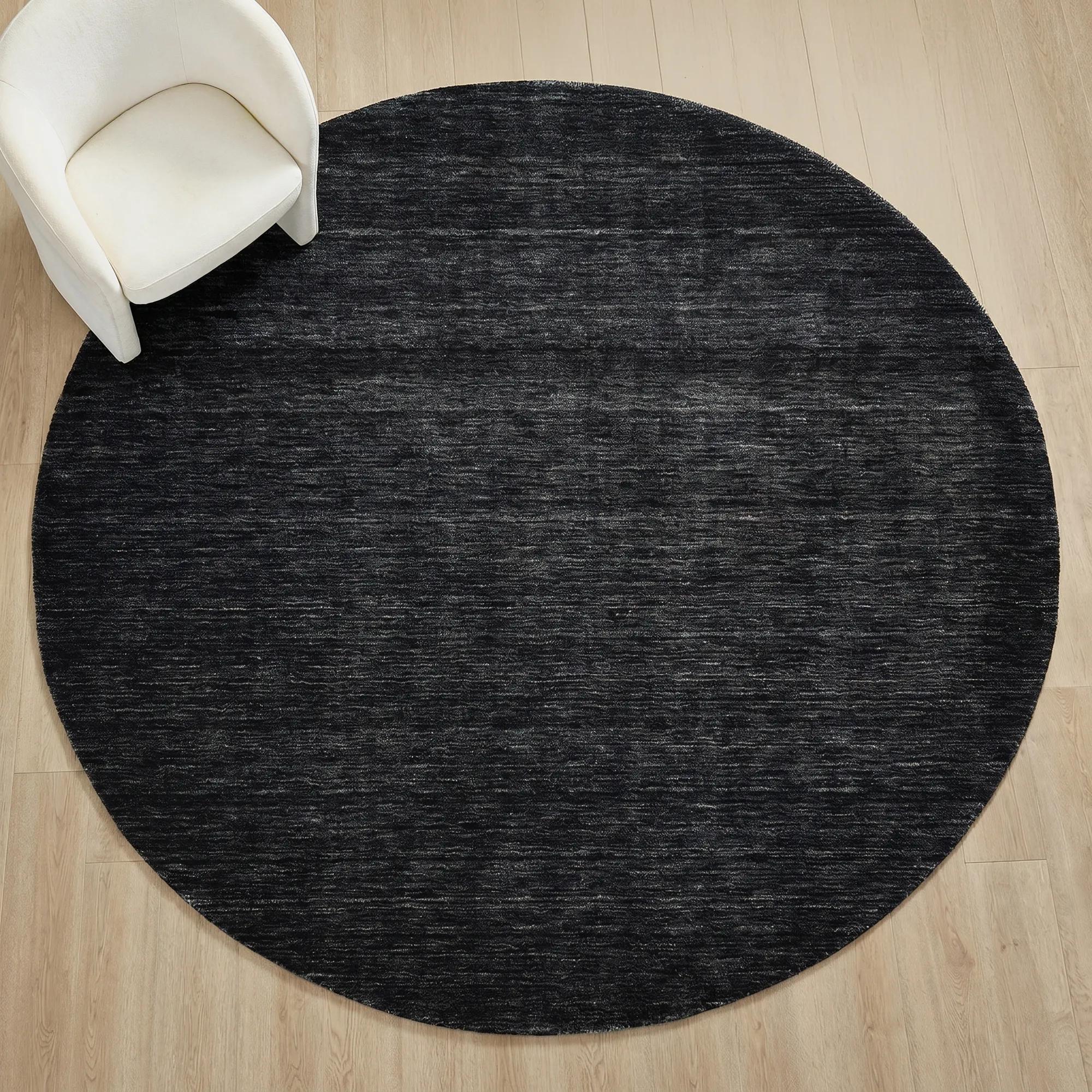 Juni Hand Woven Heathered Black Rug$799
A handwoven round wool rug in heathered black, offering durable texture and moody, contemporary style.
Add To Cart -
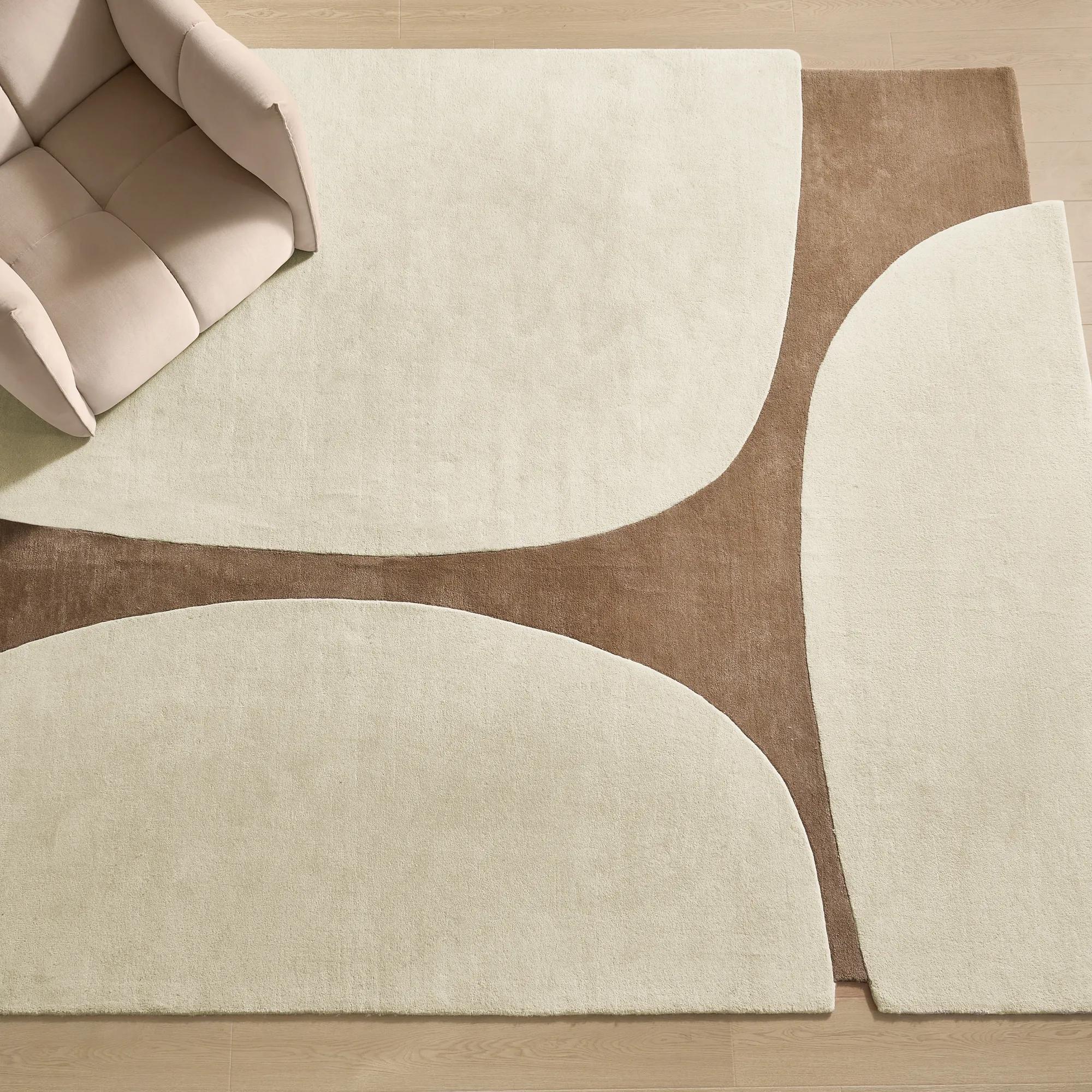
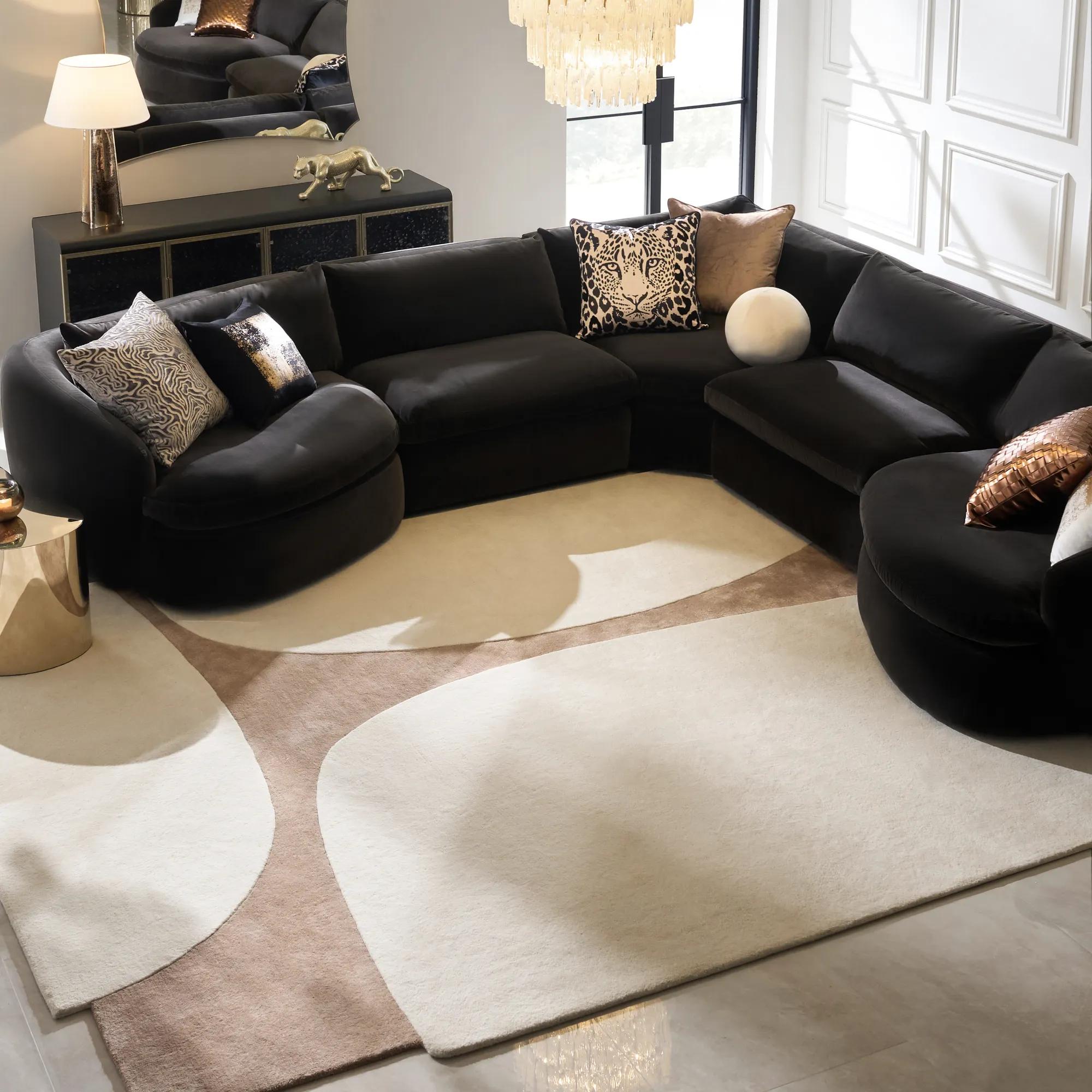 Contour Hand-Tufted Ivory/Ginger Root Wool Blend Rug$499
A hand-tufted wool rug blending ivory and ginger root tones for textured, modern warmth.
Add To Cart -
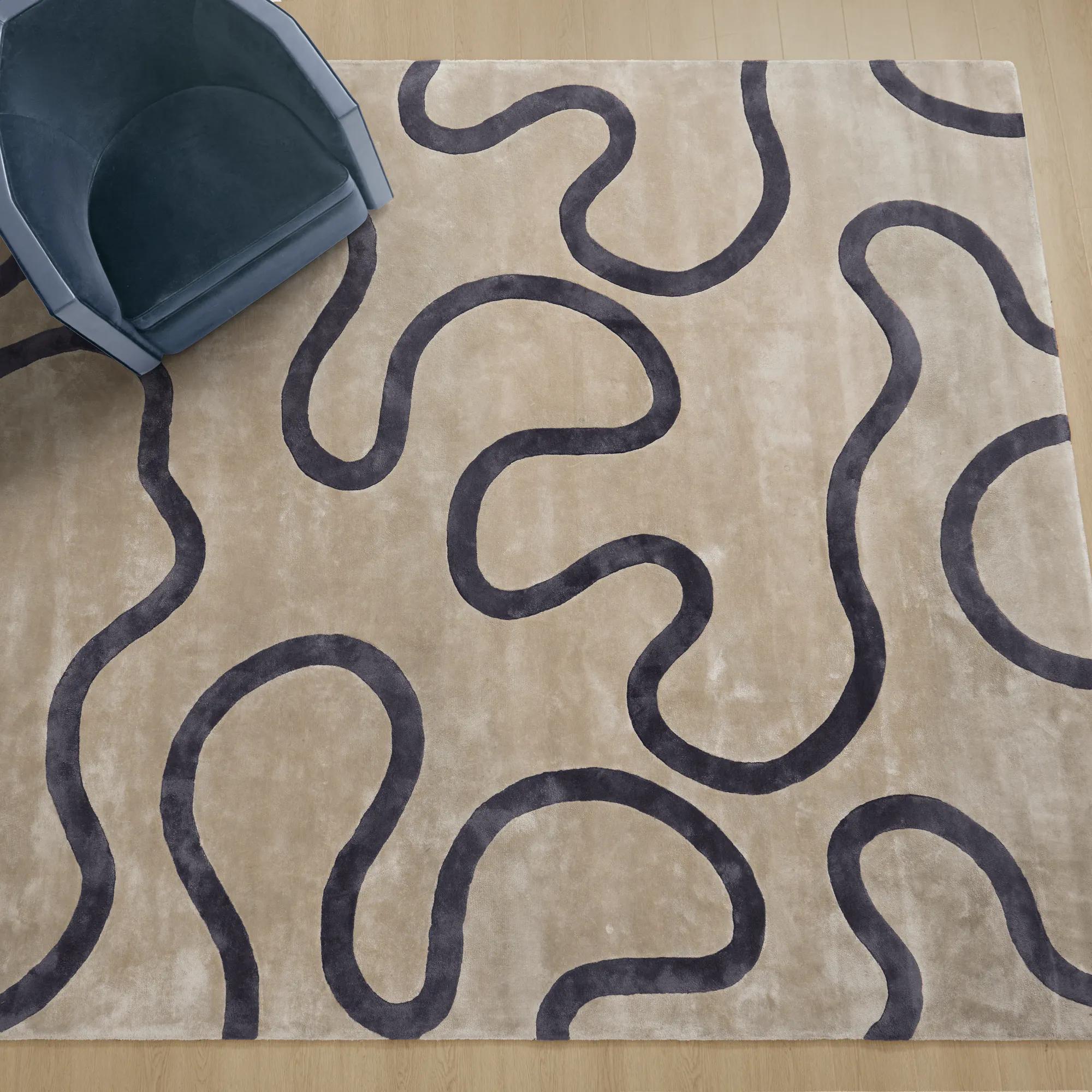 Seraphine Hand-Tufted Smoked Pearl/Taupe Viscose Loop Rugs$1199
A hand-tufted viscose rug featuring bold loop patterns in smoked pearl and taupe for modern elegance.
Add To Cart -
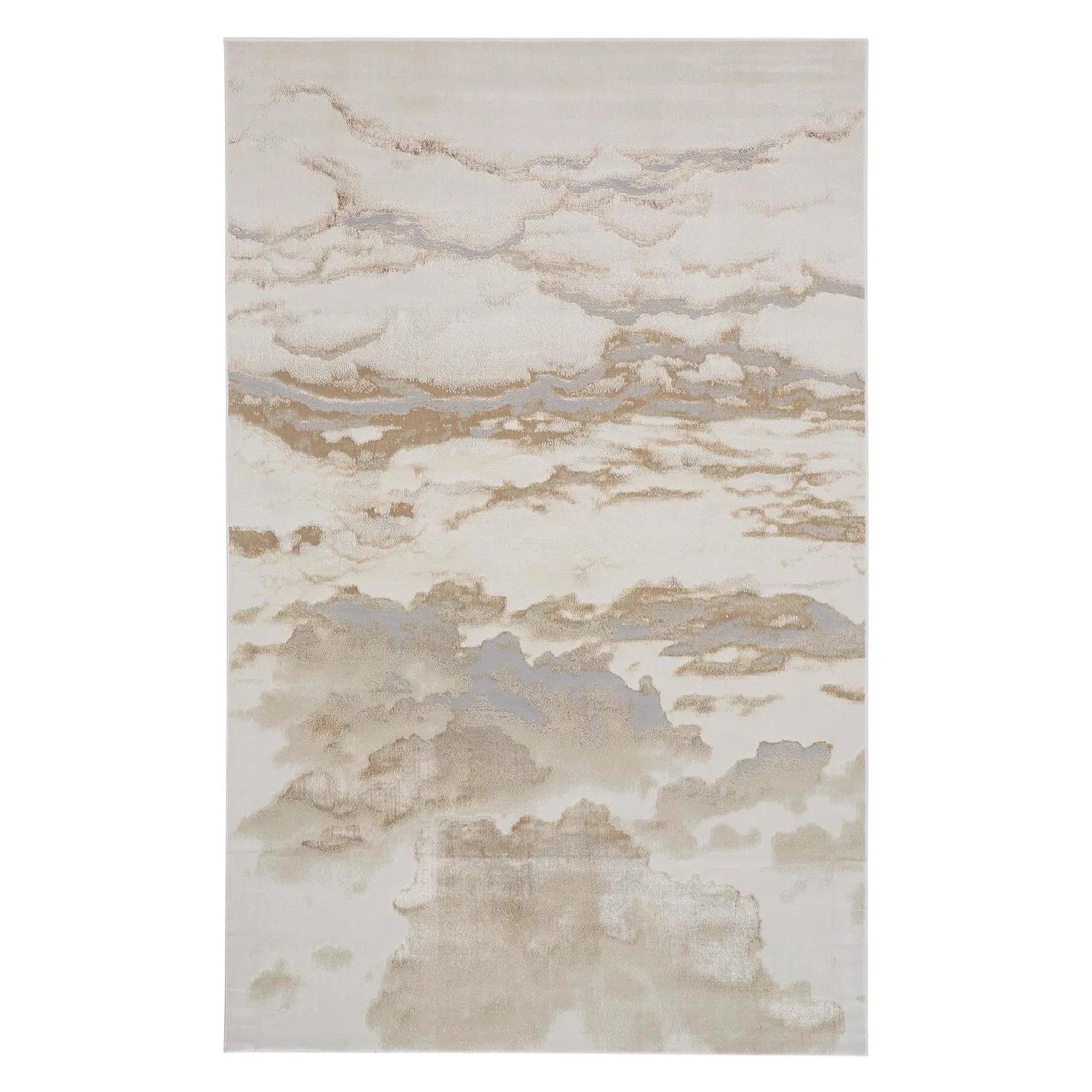
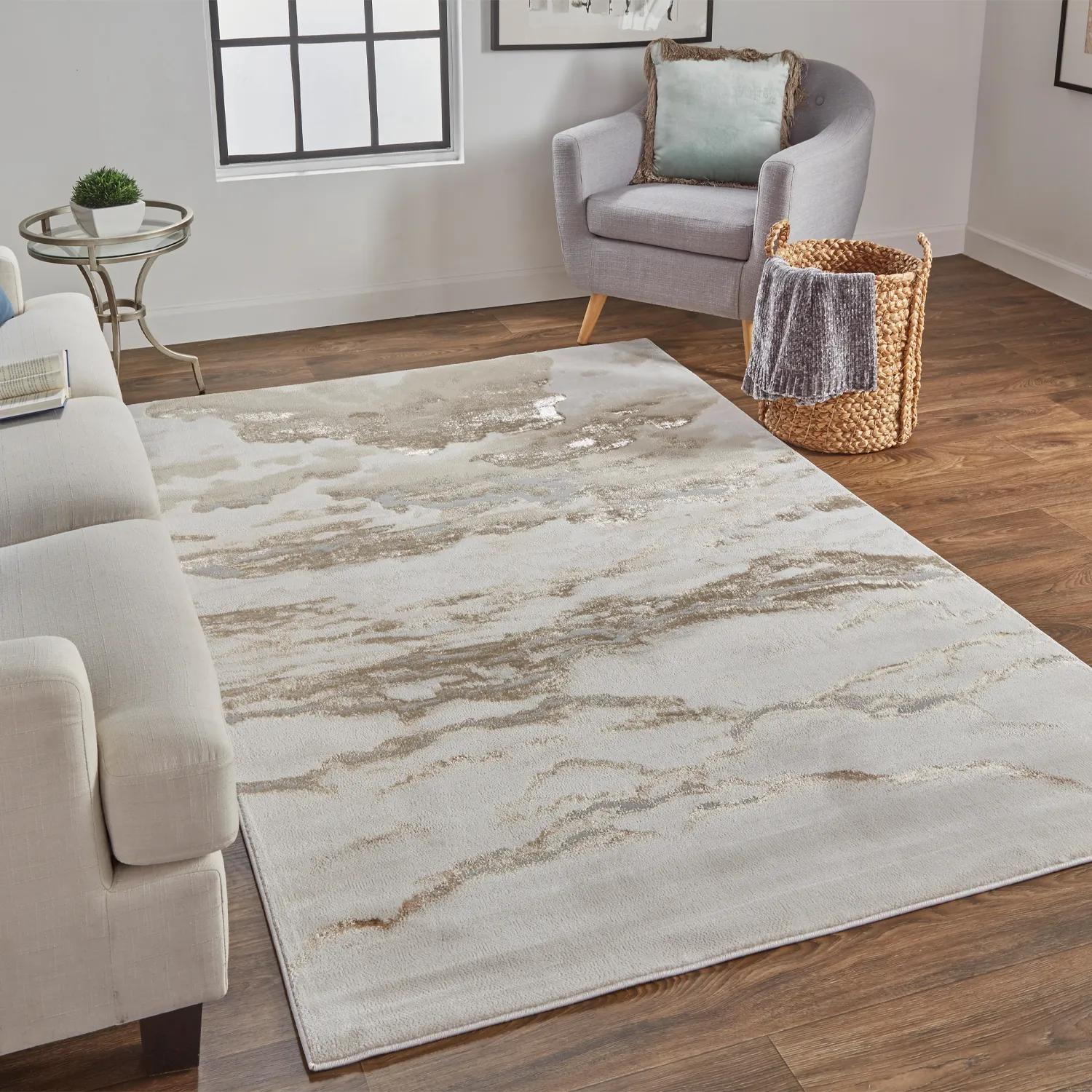 Tide Power-Loomed Beige/Gold/Ivory Rug$899
A machine-made rug in beige and gold, crafted from ultra-soft polyester and polypropylene for elegant spaces.
Add To Cart -
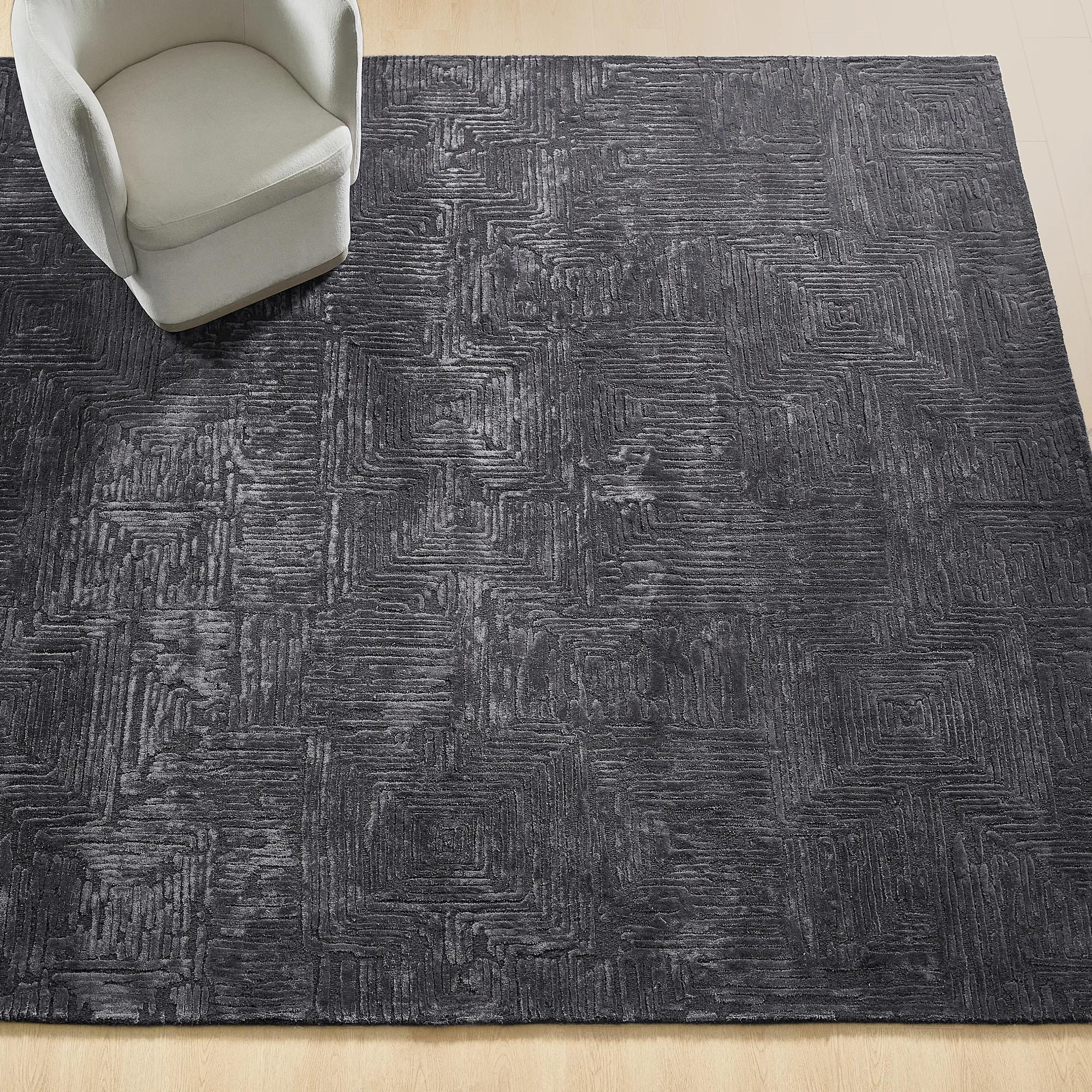
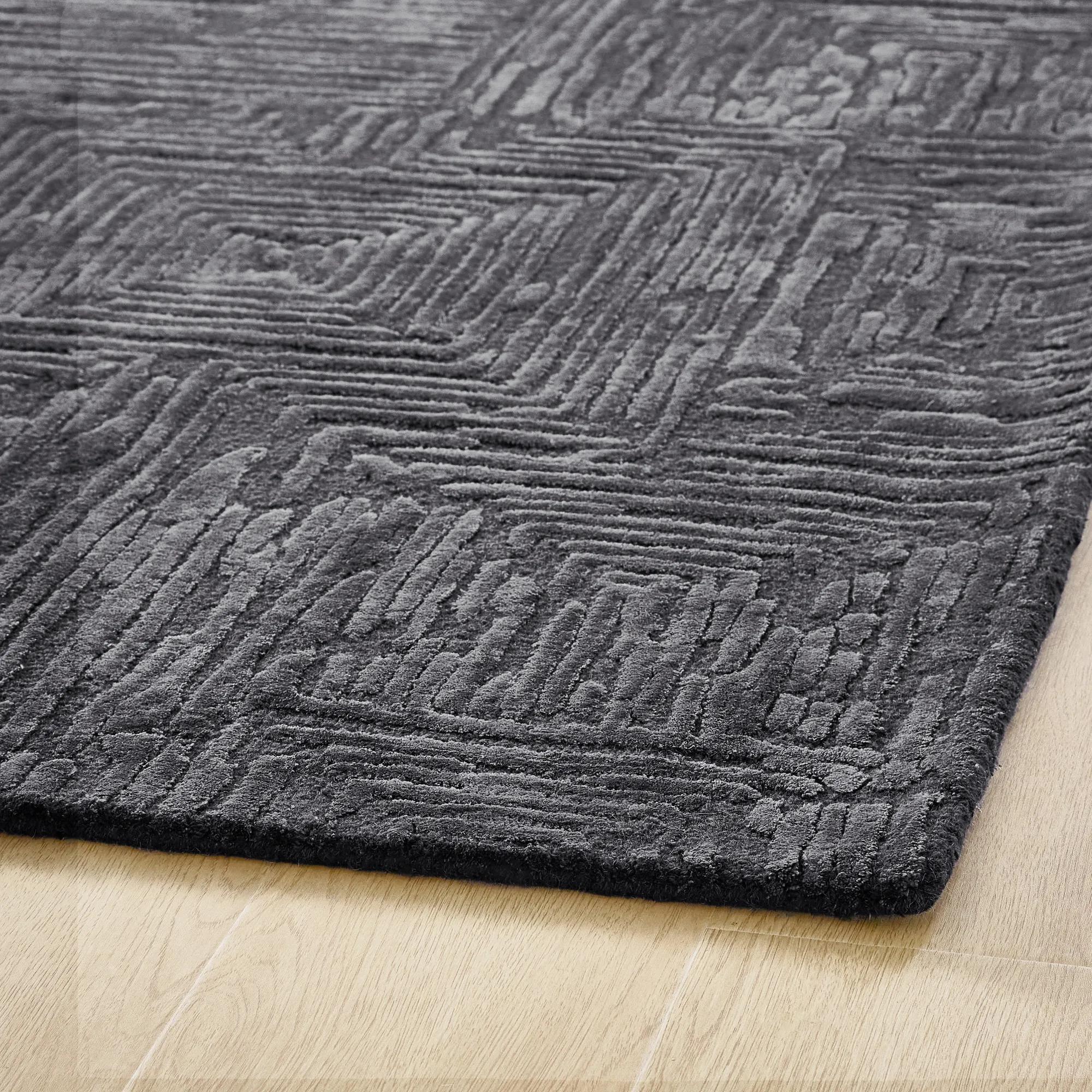 Andra Charcoal Hand-Tufted Wool Blend Dimensional Rug$999
A hand-tufted viscose-wool rug in rich charcoal with a sculptural, dimensional pattern and plush texture.
Add To Cart -
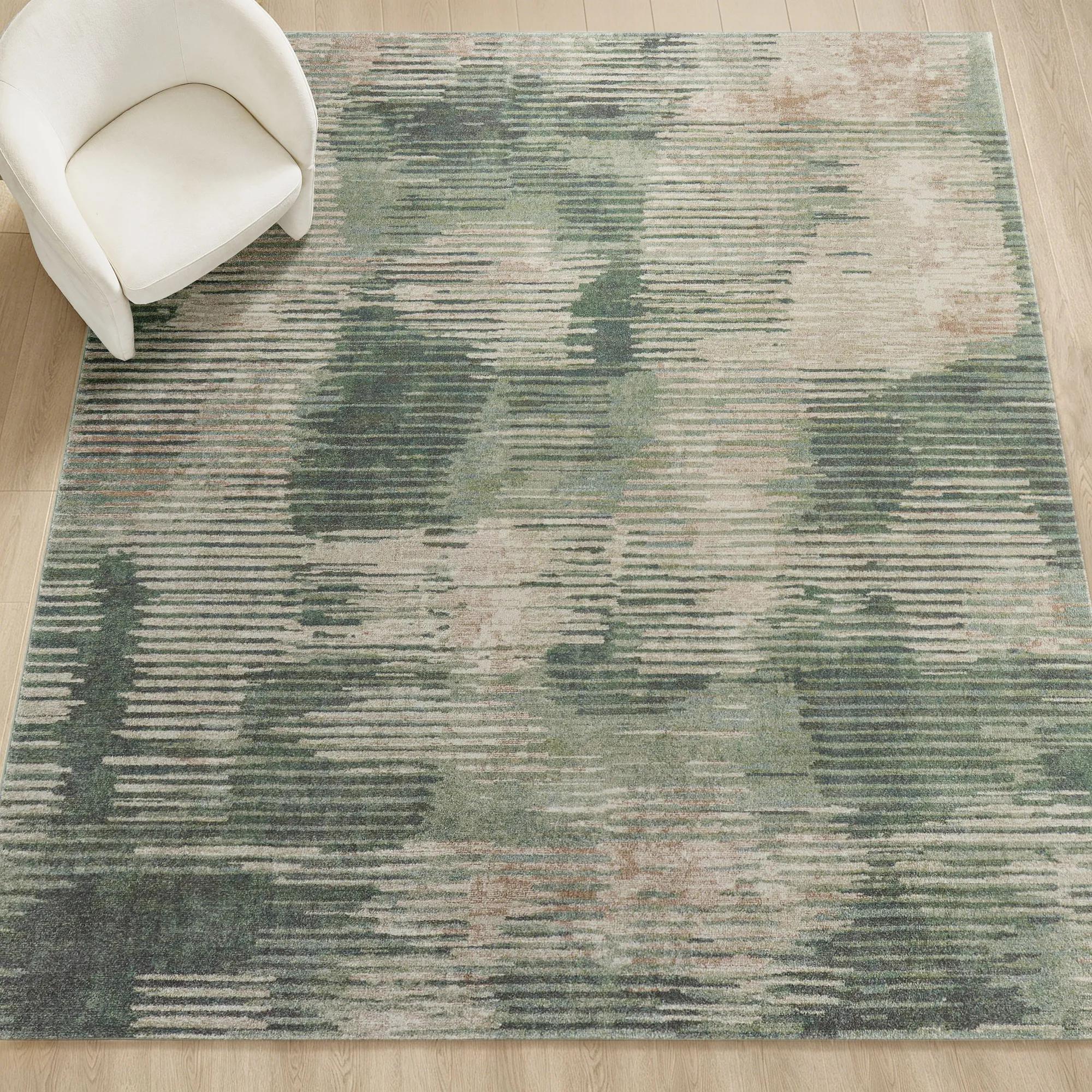
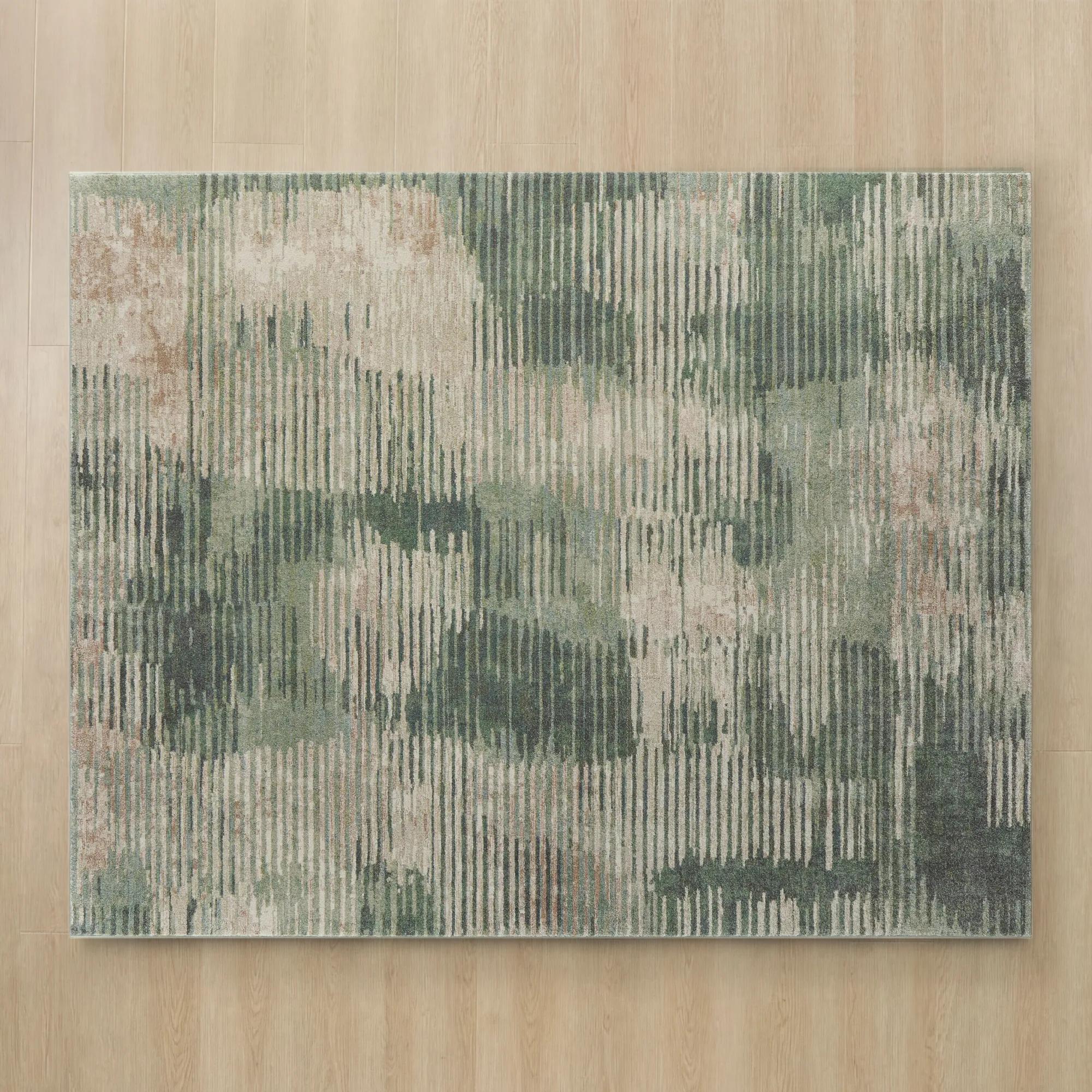 Sylvan Green/Beige Power Loomed Rug$689
A contemporary rug featuring a smoked olive green and beige organic pattern with a soft, power-loomed polypropylene pile.
Add To Cart -
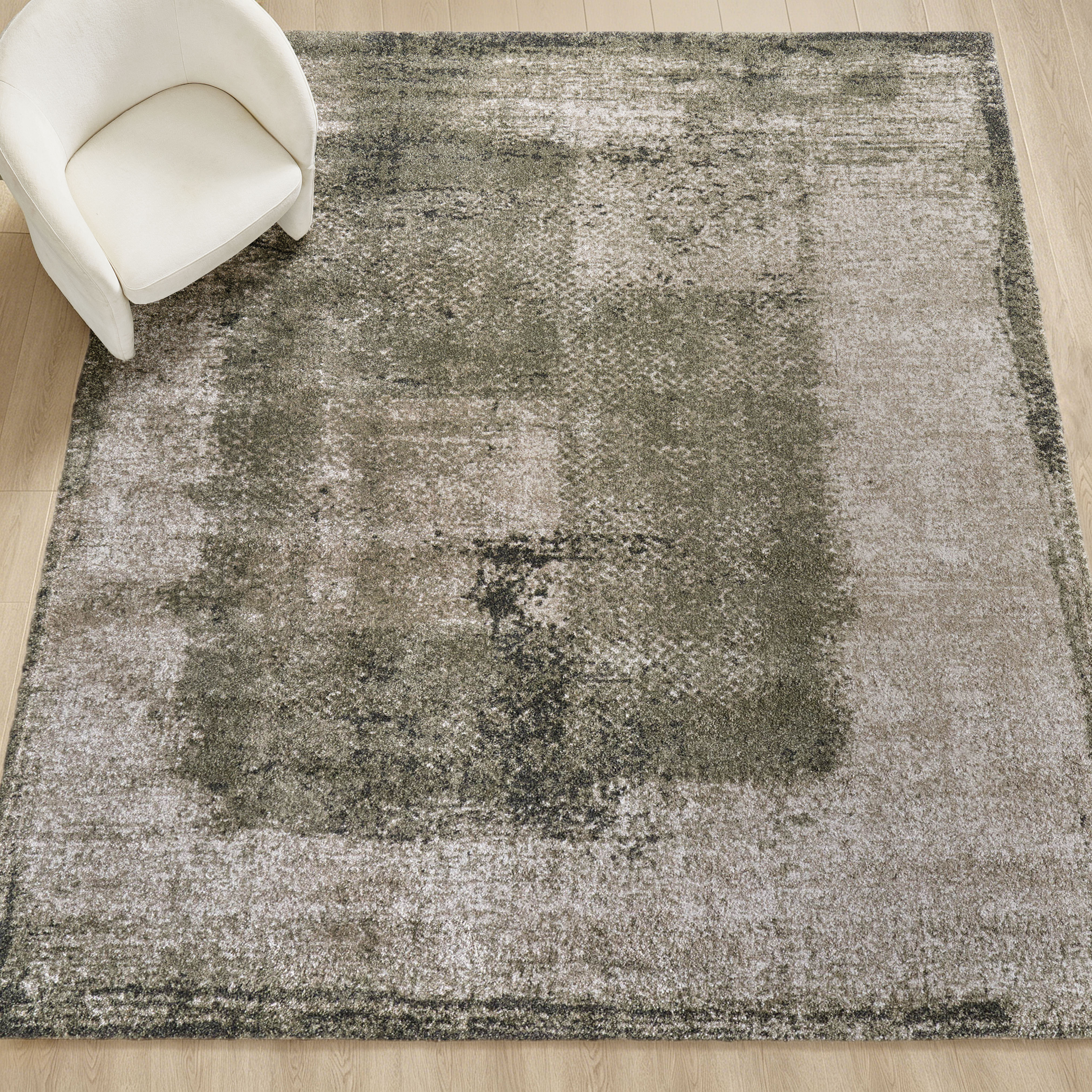
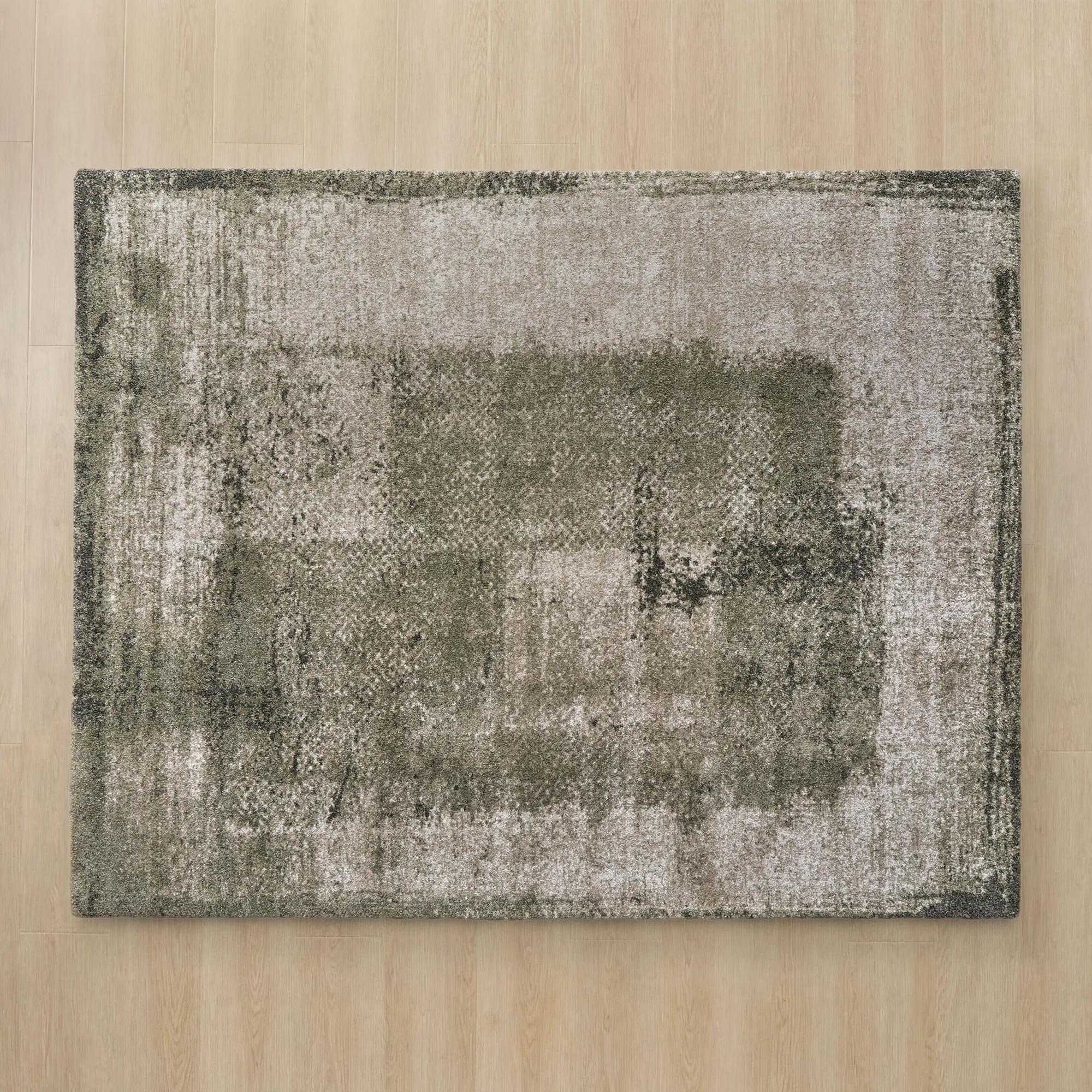 Irving Abstract Moss Green/Beige/Grey Performance Power Loomed Rug$1649
An abstract rug in moss green, beige, and grey with plush, durable polypropylene and polyester construction.
Add To Cart -
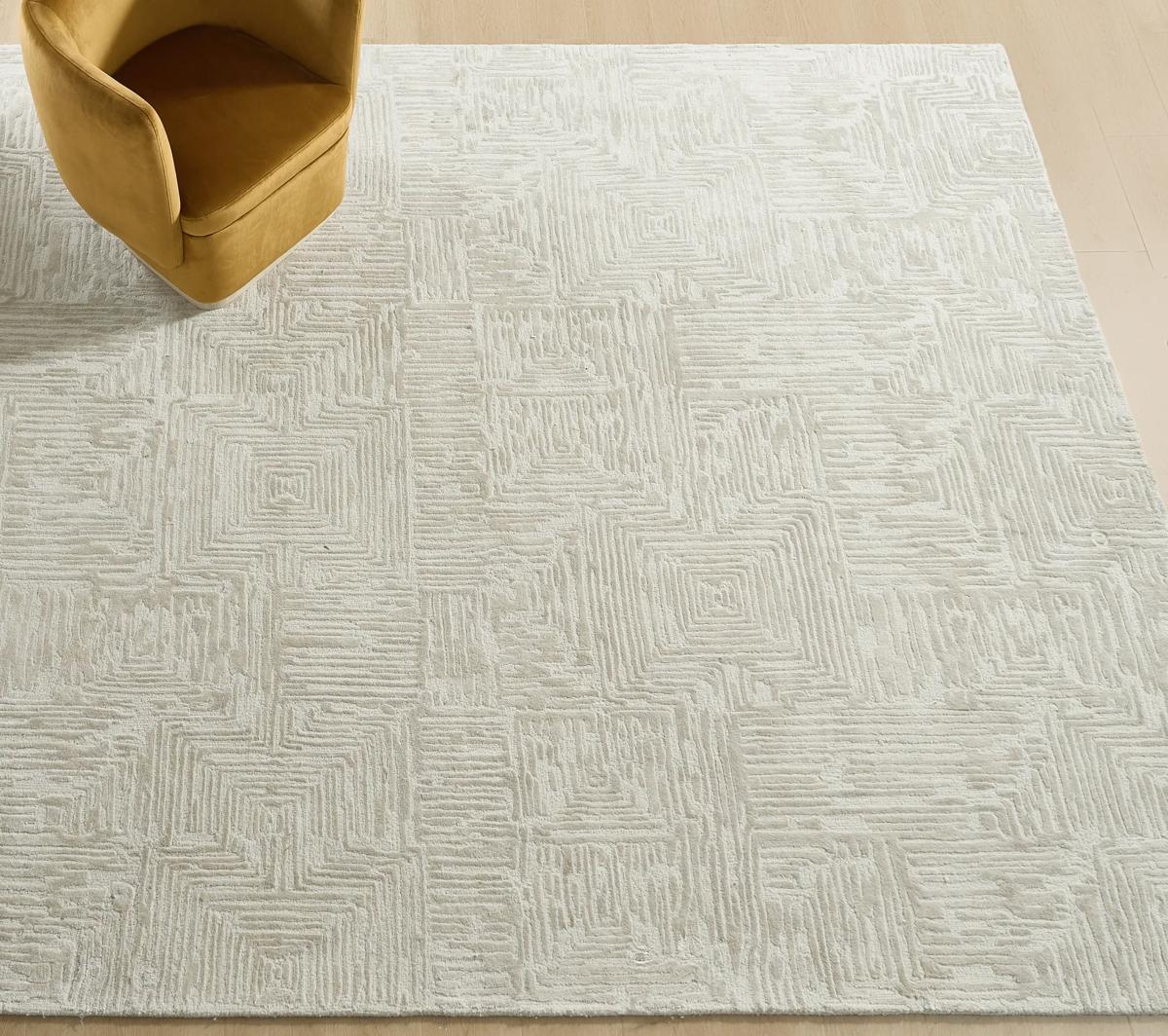 Andra Ivory Hand-Tufted Wool Blend Dimensional Rug$499
A hand-tufted ivory rug in a viscose-wool blend with raised textural detailing and subtle sheen.
Add To Cart -
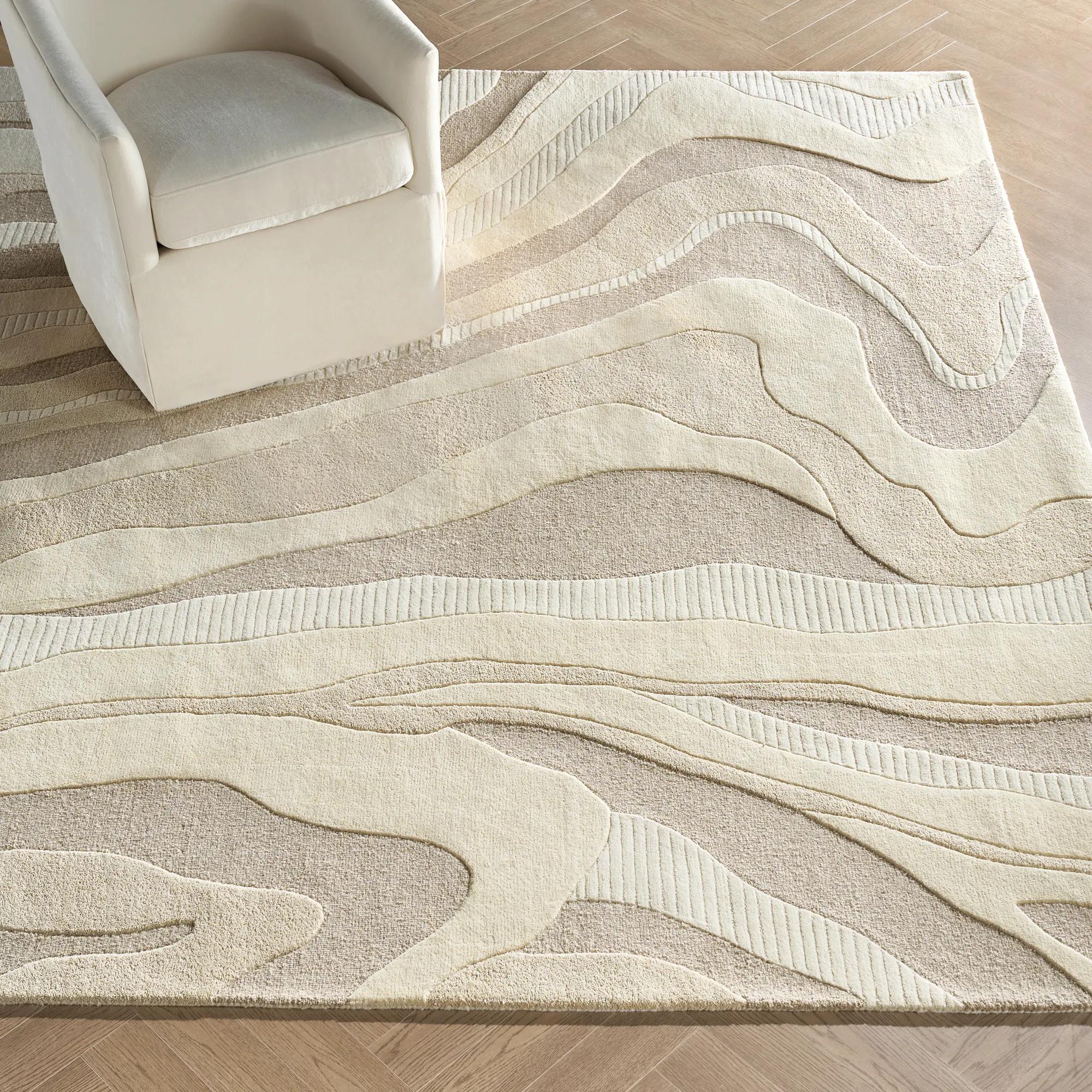 Kadence Hand-Tufted Ivory/Tan Wool Rug$499
A hand-tufted wool rug featuring a multi-textured swirl design in ivory and tan for elegant depth.
Add To Cart -
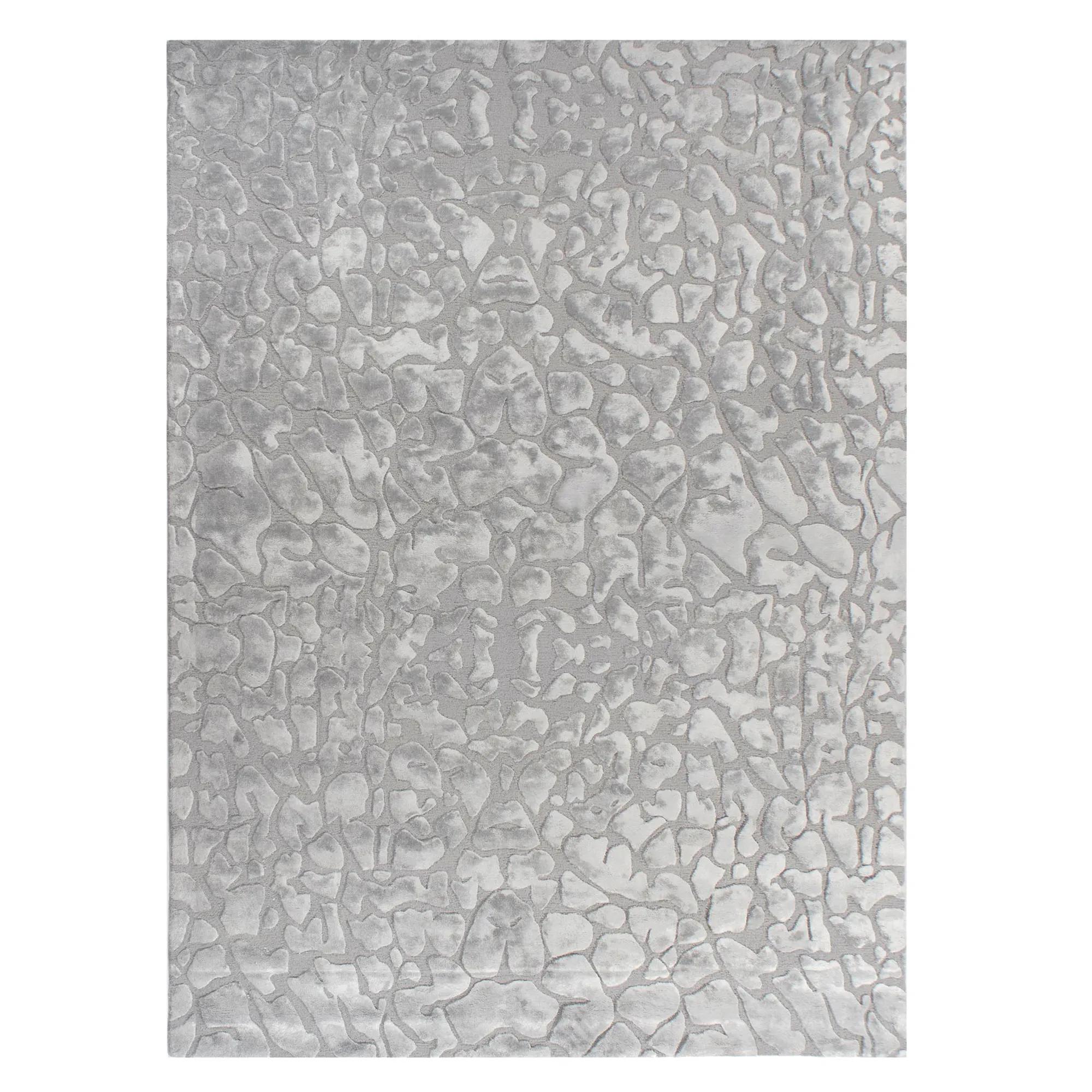
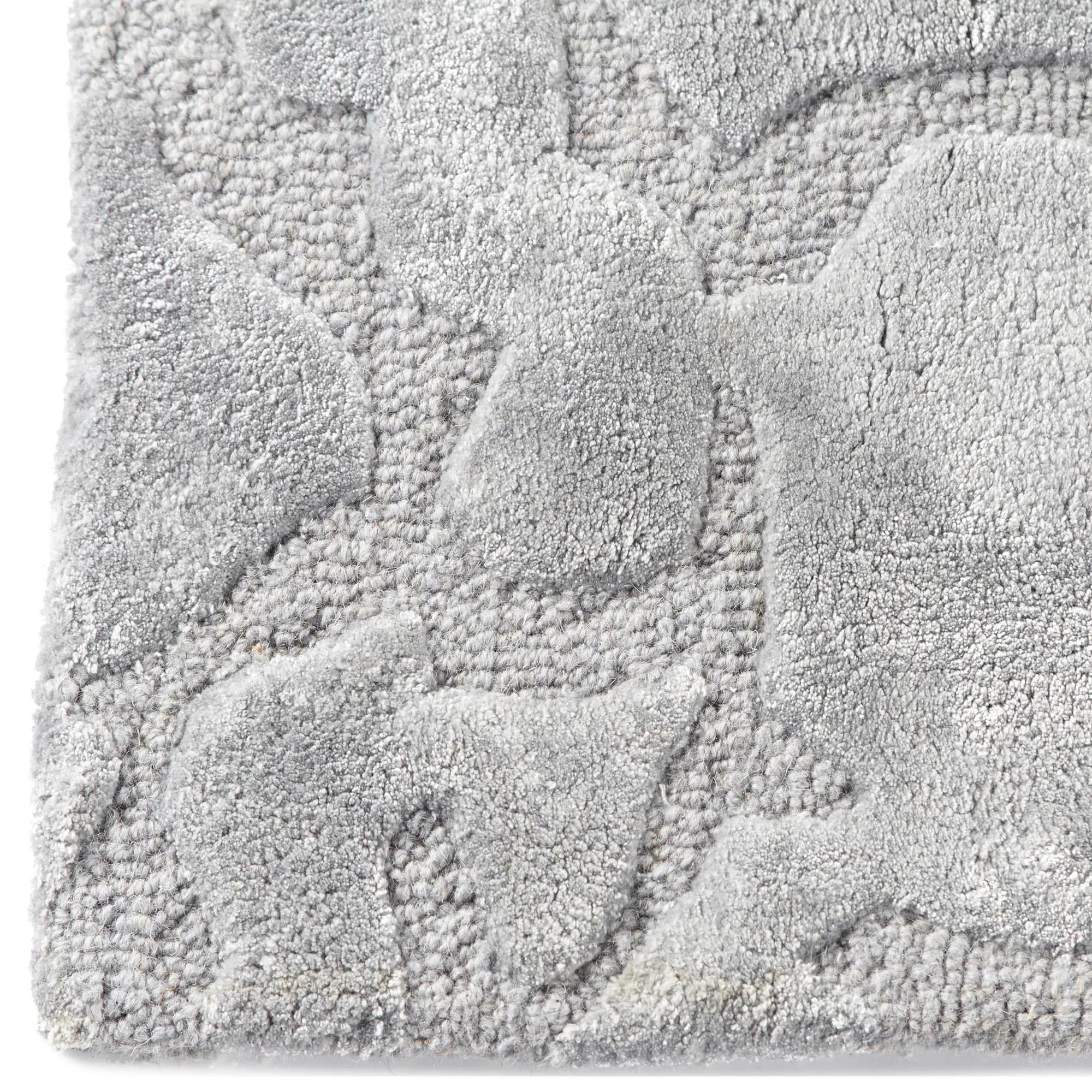 Nola Hand-Tufted Cool Grey Wool Blend Rug$849
A hand-tufted silver rug with contrasting pile heights, crafted from wool and viscose for plush texture.
Add To Cart -
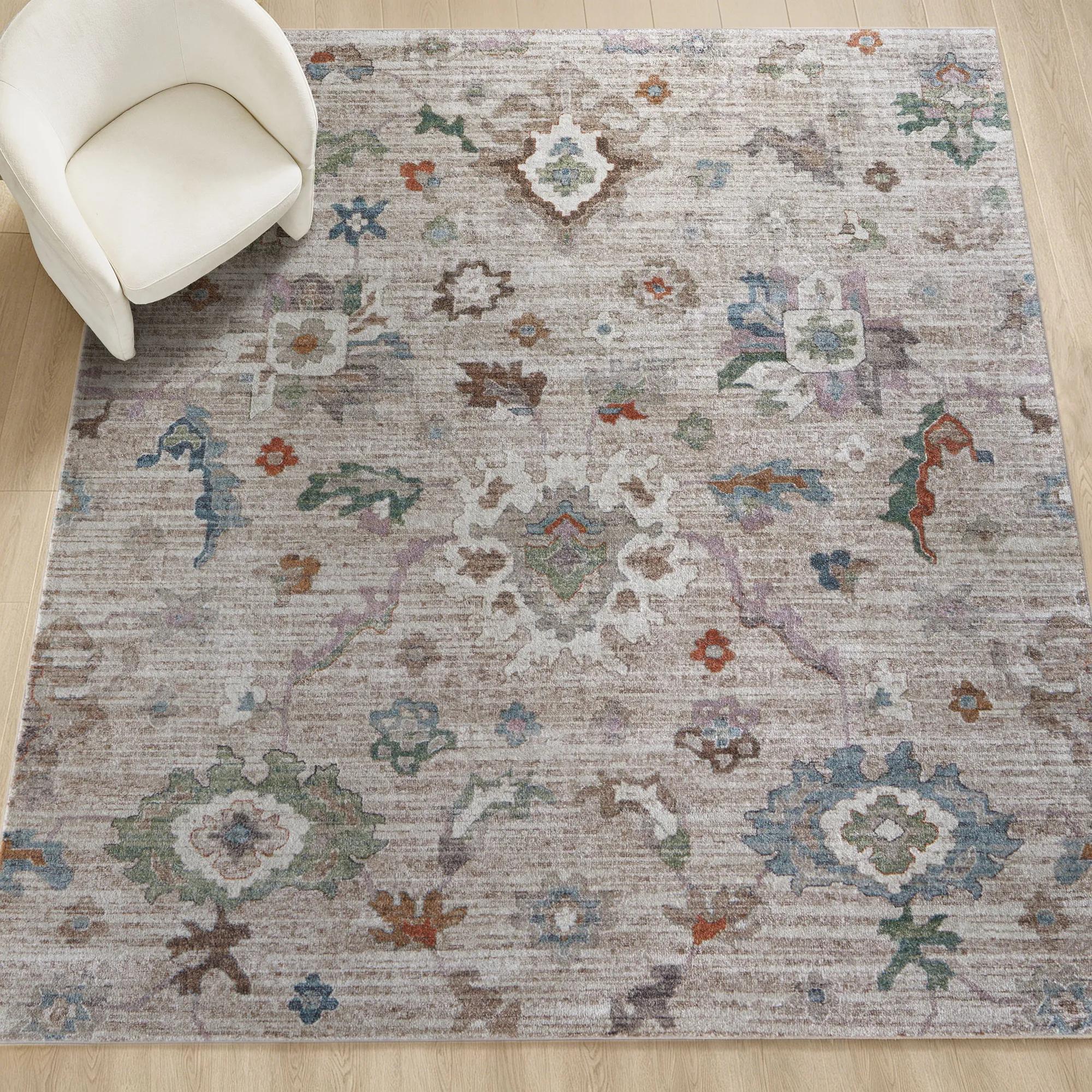
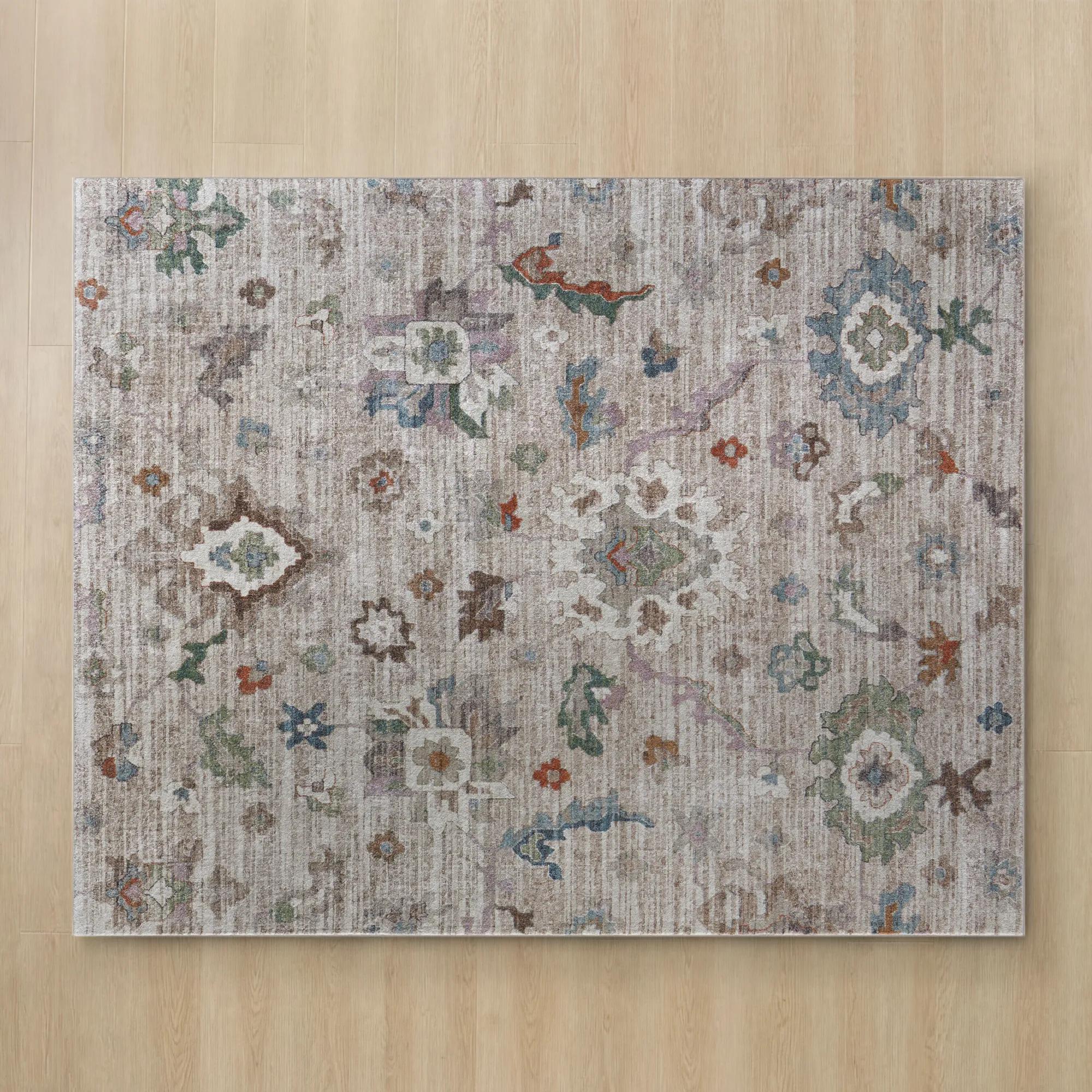 Ariella Floral Taupe/Ivory/Beige/Blue/Green Performance Power Loomed Rug$699
A Persian-inspired rug in taupe, ivory, beige, blue, and green with a plush, power-loomed polypropylene pile.
Add To Cart -
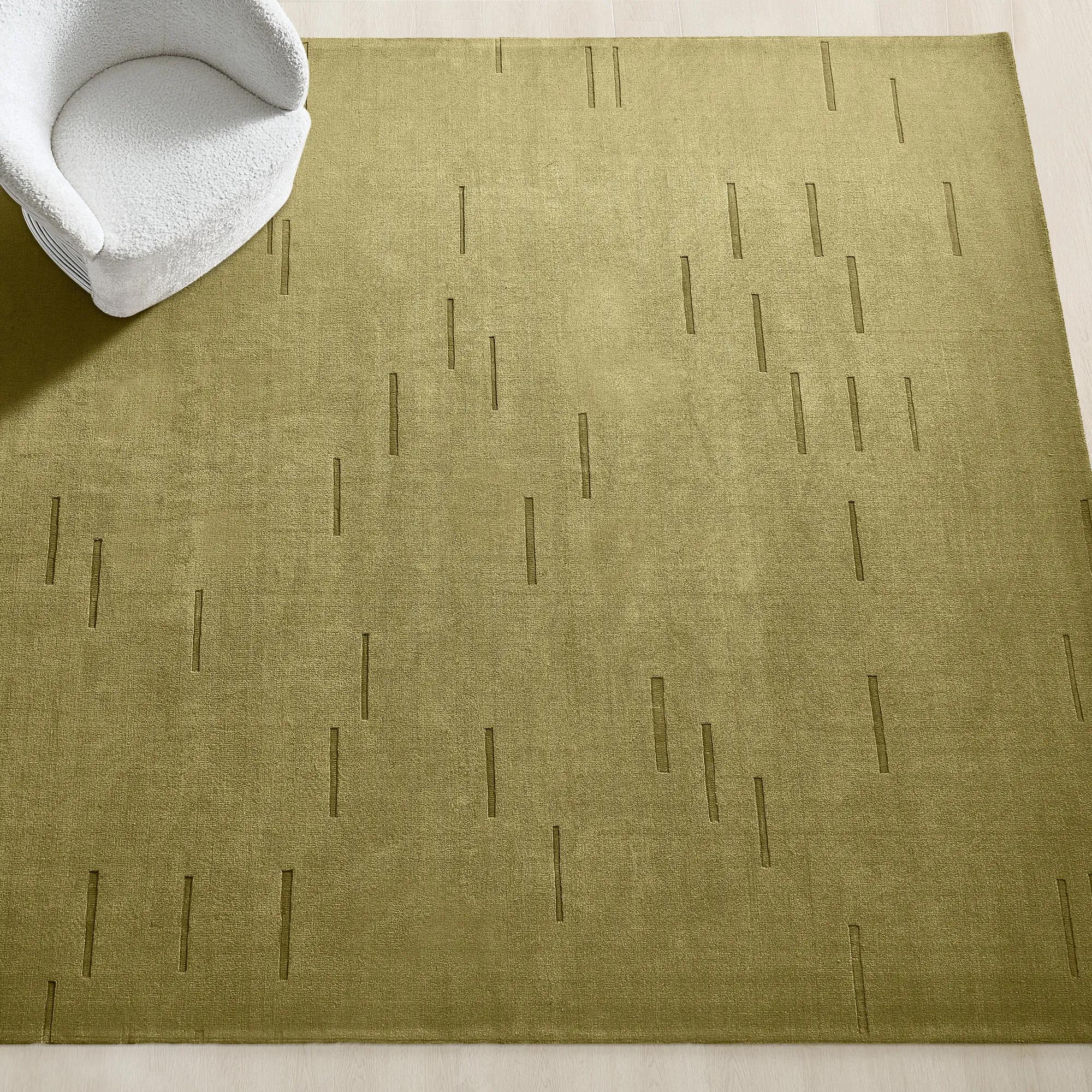
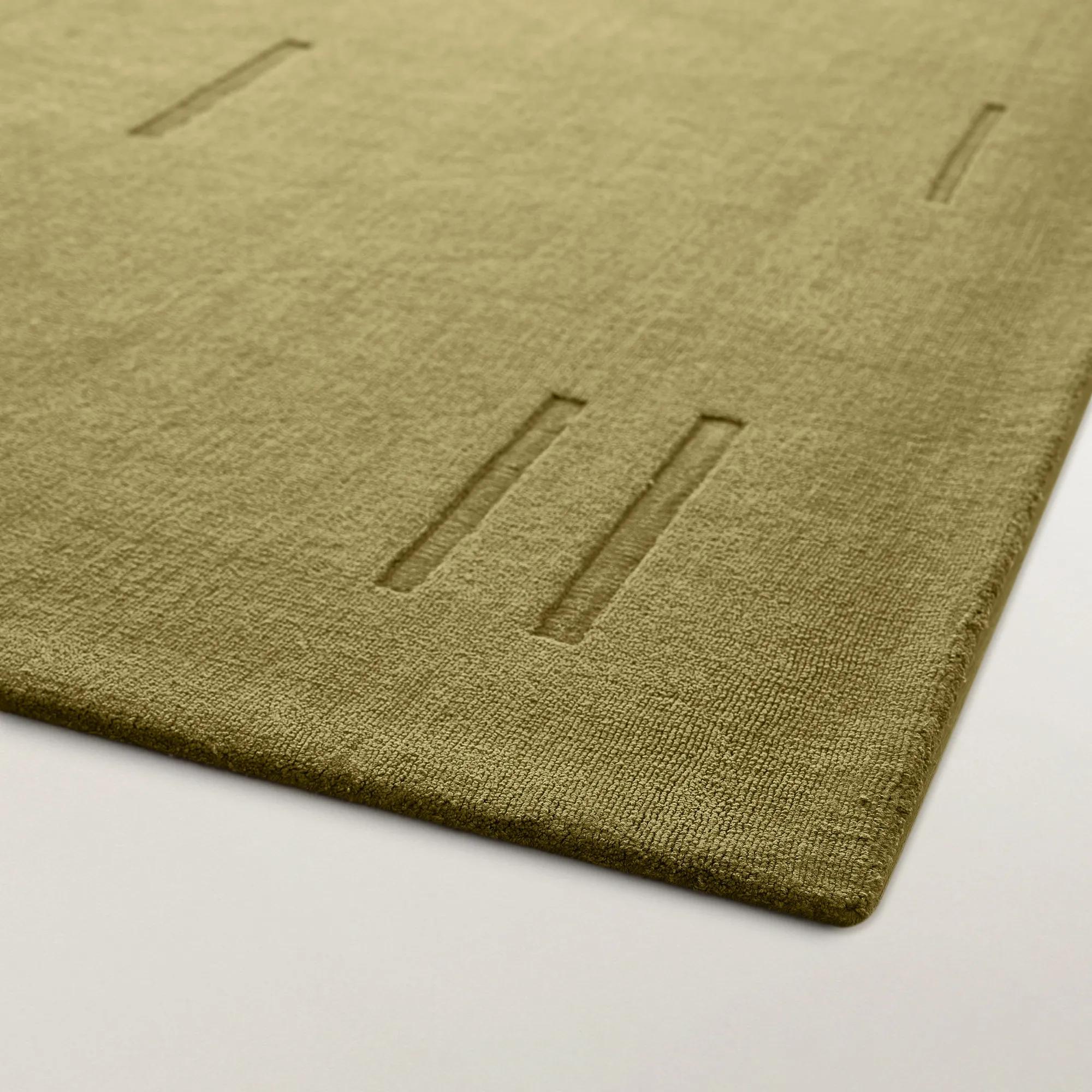 Lamita Muted Olive Green Wool Blend Rug$1299
A muted olive green wool-blend rug adding soft texture and understated warmth to modern interiors.
Add To Cart -
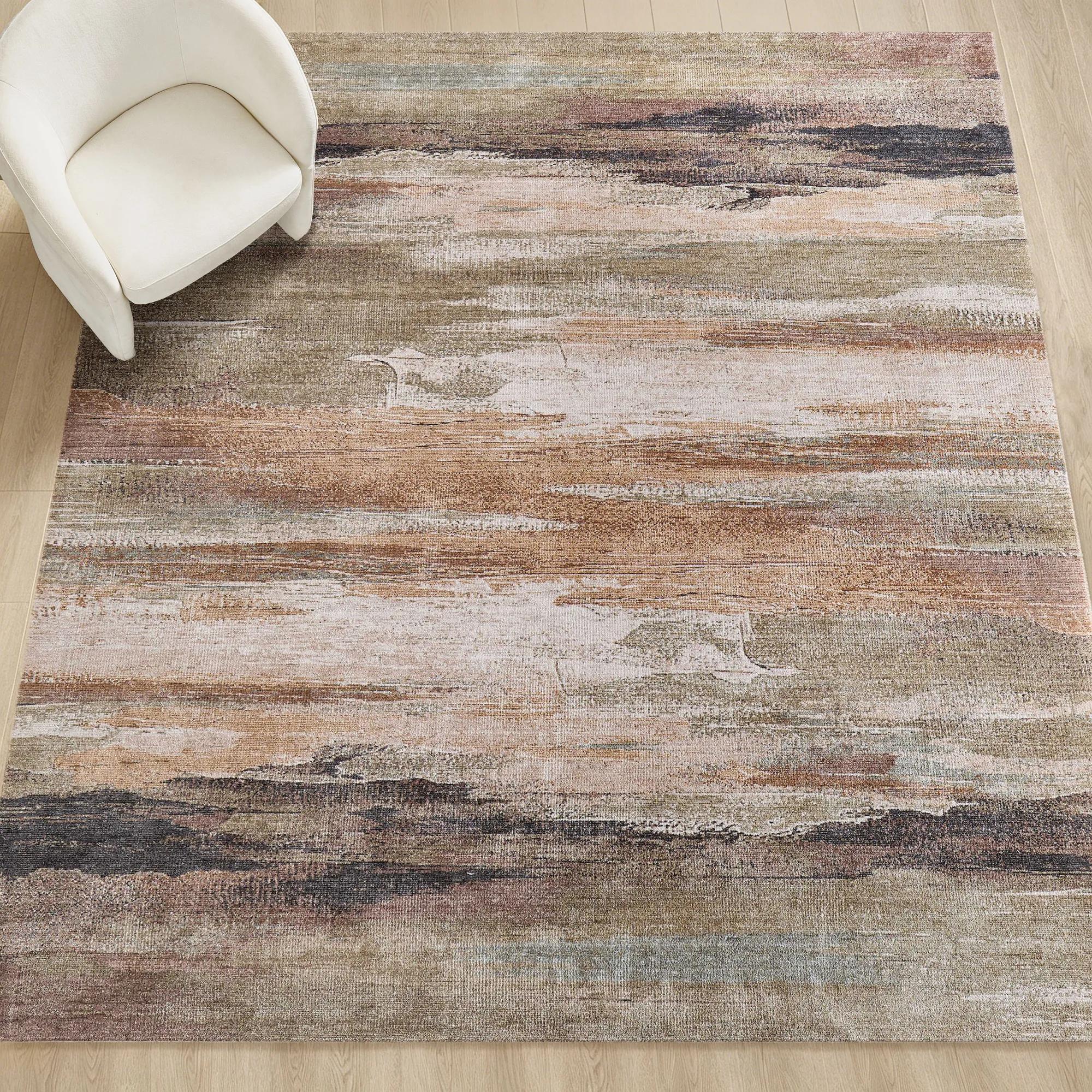
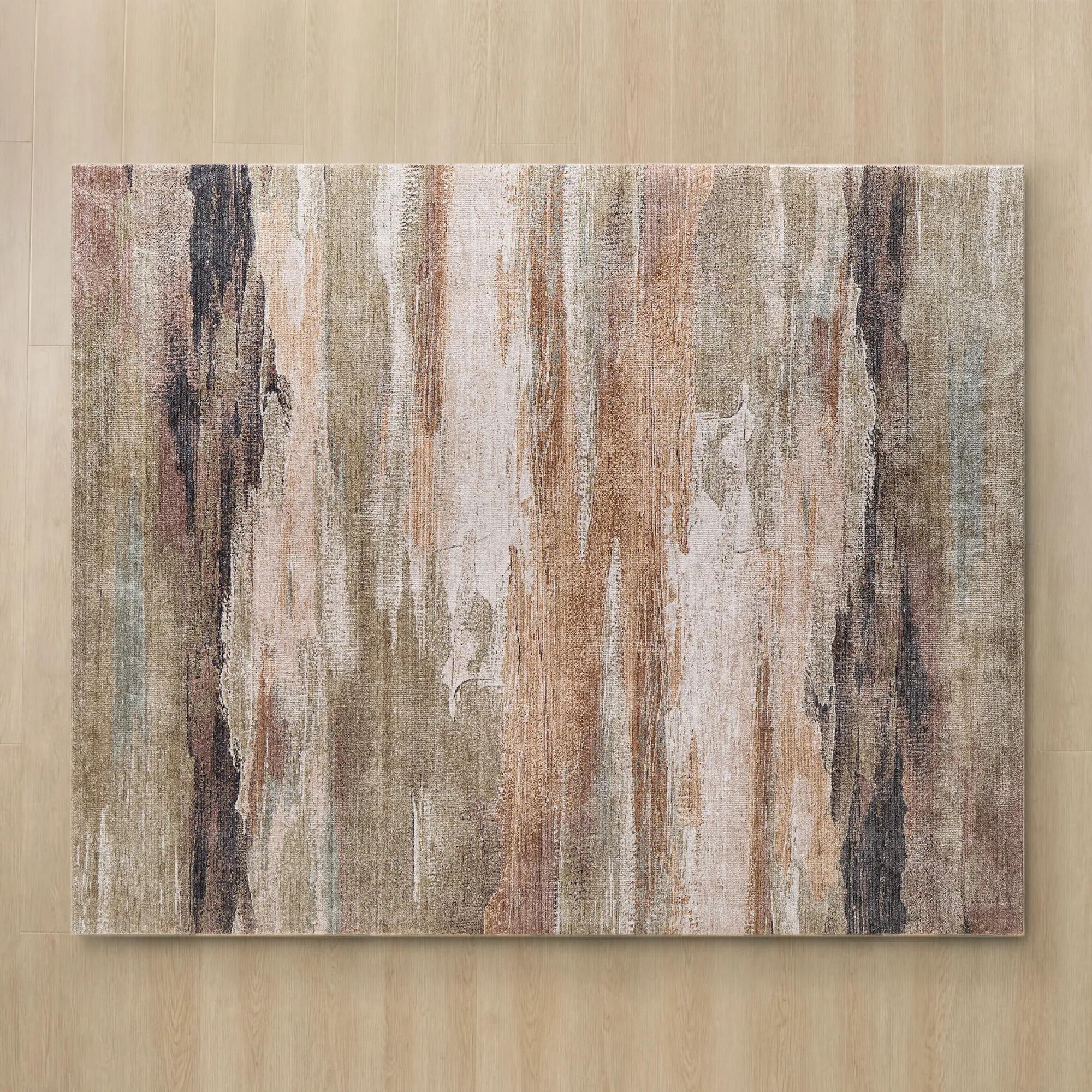 Sedona Rust/Beige/Moss Green/Charocal/Blue Performance Power Loomed Rug$1999
A power-loomed polyester rug featuring a rich abstract pattern in rust, beige, moss green, charcoal, and blue.
Add To Cart

Neutral Pattern Living Room Rugs
Neutral pattern living room rugs are the unsung heroes of sophisticated spaces—whispering elegance while anchoring your artistry. These refined foundations invite layered luxury, blending subtle motifs and soft tones to create a canvas for your boldest design dreams. Whether you seek to evoke serene calm or understated drama, each rug offers a harmonious interplay of pattern and palette, transforming your living room into a sanctuary of style. With every step, experience how neutral pattern living room rugs elevate the ordinary to the extraordinary, letting texture and nuance speak volumes beneath your feet.
Neutral pattern living room rugs bring texture, visual rhythm, and a composed foundation to a space without requiring a bold color statement. Their appeal lies in the details: an ivory line crossing a field of taupe, a charcoal motif softened by a weathered effect, or a raised cream pattern that reveals itself as light moves across the room. Shades of oatmeal, sand, stone, greige, and soft gray create depth while leaving room for expressive furniture and art. Neutral does not have to mean quiet. An oversized abstract pattern can feel as dramatic as a painting, while a lattice or repeating diamond introduces architectural order beneath a sculptural coffee table. For a more structured expression, Geometric Neutral Living Room Rugs bring defined lines and repeating forms into the seating arrangement. The relationship between pattern and contrast determines much of the mood. Closely related tones produce a layered, atmospheric effect; darker markings against a pale background give the floor a more pronounced graphic presence. In a room with a sumptuous velvet sofa, mirrored accents, or richly veined stone, a softly patterned rug offers balance without disappearing. Against streamlined upholstery and pale walls, a bolder neutral motif can become the defining gesture. Pattern scale matters, too: broad shapes remain legible beneath substantial furniture, while smaller repeats add intricate detail around open table bases and exposed stretches of floor. Warm beige and cream can complement brass and honey-toned wood, while gray and silver-toned neutrals echo chrome, glass, and cooler stone finishes. Mixed warm and cool shades can connect pieces that might otherwise feel unrelated. For homes with an open floor plan, that tonal flexibility helps a living area feel distinct yet connected to adjacent spaces. The result is a foundation with enough character to complete the room and enough versatility to accommodate a new accent chair, an oversized artwork, or an entirely different arrangement.
Material and construction shape how a neutral patterned rug looks, feels, and performs in everyday life. Wool offers natural resilience and a substantial hand, with fibers that can recover from compression, although shedding may occur, particularly early in use. Polyester can deliver a soft feel and clear pattern definition, while polypropylene is often chosen for its resistance to moisture absorption and many common stains. Neither fiber makes a rug immune to spills, wear, or discoloration; construction, finishes, and care remain important. Viscose and similar lustrous fibers create a light-catching surface with an elegant, shifting appearance, but they generally require greater care around moisture and heavy use. Natural-fiber textures can introduce an earthy counterpoint to polished furnishings, though coarser weaves may feel less plush beneath bare feet. Pile height adds another dimension. A low-pile rug offers a tailored profile that tends to be easier to vacuum and allows furniture to move more freely, making it a practical consideration around frequently used seating. A deeper pile creates a sumptuous landing beneath a lounge chair or sofa, but can hold more debris and make smaller objects harder to spot. High-low construction gives a tonal pattern sculptural definition, with raised areas catching the light and recessed sections adding shadow. In a household with children, pets, or frequent guests, a dense construction and a softly varied pattern can be useful considerations: flecks of taupe, gray, and ivory may make everyday lint or minor marks less conspicuous than an uninterrupted pale field. Pets with claws may catch open loops, so pile structure deserves attention alongside softness. A living room used for conversation and entertaining may call for a different balance of sheen and durability than a family gathering space that also hosts playtime. The most satisfying choice brings the desired atmosphere into step with the room’s actual routines, rather than relying on color or fiber alone.
Proportion gives a patterned living room rug its sense of purpose. A rug large enough to sit beneath at least the front legs of the sofa and accompanying chairs usually connects the seating more convincingly than one that floats beneath the coffee table alone. Sizes such as 8 by 10 feet or 9 by 12 feet often suit living room arrangements, but the furniture footprint and room dimensions should determine the fit. A generous sectional may need a larger area of coverage to keep its chaise and neighboring chair visually connected; a compact apartment can benefit from a well-proportioned rug that gathers the seating without crowding doorways or circulation paths. Leaving a visible border of flooring preserves definition, while extending the rug beyond the ends of a sofa gives the composition breathing room. Rectangular shapes echo many seating layouts, and round forms can soften an arrangement of curved chairs or create contrast with angular furnishings. Pattern placement also changes the finished effect: a central medallion may disappear beneath a broad coffee table, whereas an allover abstract or repeating motif remains visible around its edges. Beneath the rug, a pad suited to both the rug and the floor can improve stability, add cushioning, and reduce friction; backing alone should not be assumed to prevent slipping. Combined rug-and-pad thickness matters near doors and beneath low-clearance furniture. Ongoing care protects both the palette and the texture. Regular vacuuming with settings appropriate to the fiber and construction helps remove abrasive grit, while fringe and delicate raised details need a gentler approach. Spills are best blotted promptly with a clean, absorbent cloth rather than rubbed into the pile, and any cleaning treatment should follow the manufacturer’s directions. A synthetic rug is not automatically machine-washable, and even washable constructions require attention to size, equipment capacity, and drying instructions. Periodic rotation helps distribute wear and light exposure; professional cleaning may be appropriate for delicate fibers or persistent marks. With thoughtful proportions and care suited to the material, a neutral patterned rug becomes more than a backdrop: it lends the living room dimension, comfort, and a distinctive sense of polish.
FAQs
Neutral pattern living room rugs often feature timeless designs such as subtle geometrics, organic lines, soft abstract motifs, and understated medallions. These patterns add visual interest without overpowering your existing decor, making them versatile choices for both classic and contemporary spaces.
Neutral pattern rugs act as a sophisticated canvas that harmonizes with a wide range of interior styles. Whether your living room exudes modern glamor, rustic charm, or urban minimalism, these rugs ground the space with texture and tone while allowing statement furniture and artwork to shine.
Absolutely. Many neutral pattern rugs are crafted from durable materials that stand up beautifully to daily life, including playful pets and energetic children. Their subtle designs also do a wonderful job of camouflaging minor spills or pet hair, making them as practical as they are elegant.
Swapping in a neutral pattern rug is an effortless way to breathe new life into your living room as the seasons change. In winter, these rugs add warmth and softness underfoot, creating a cozy retreat. Their versatile palette makes it easy to layer with plush throws, metallic accents, or seasonal decor.
Yes, layering a neutral pattern rug with other rugs or textiles is a chic way to add depth and dimension to your living space. Pairing a patterned rug with a solid or textured piece enhances visual interest and allows you to create a custom, curated look that reflects your personal style.