Soft Geometric Living Room Rugs
Soft Geometric Living Room Rugs
-
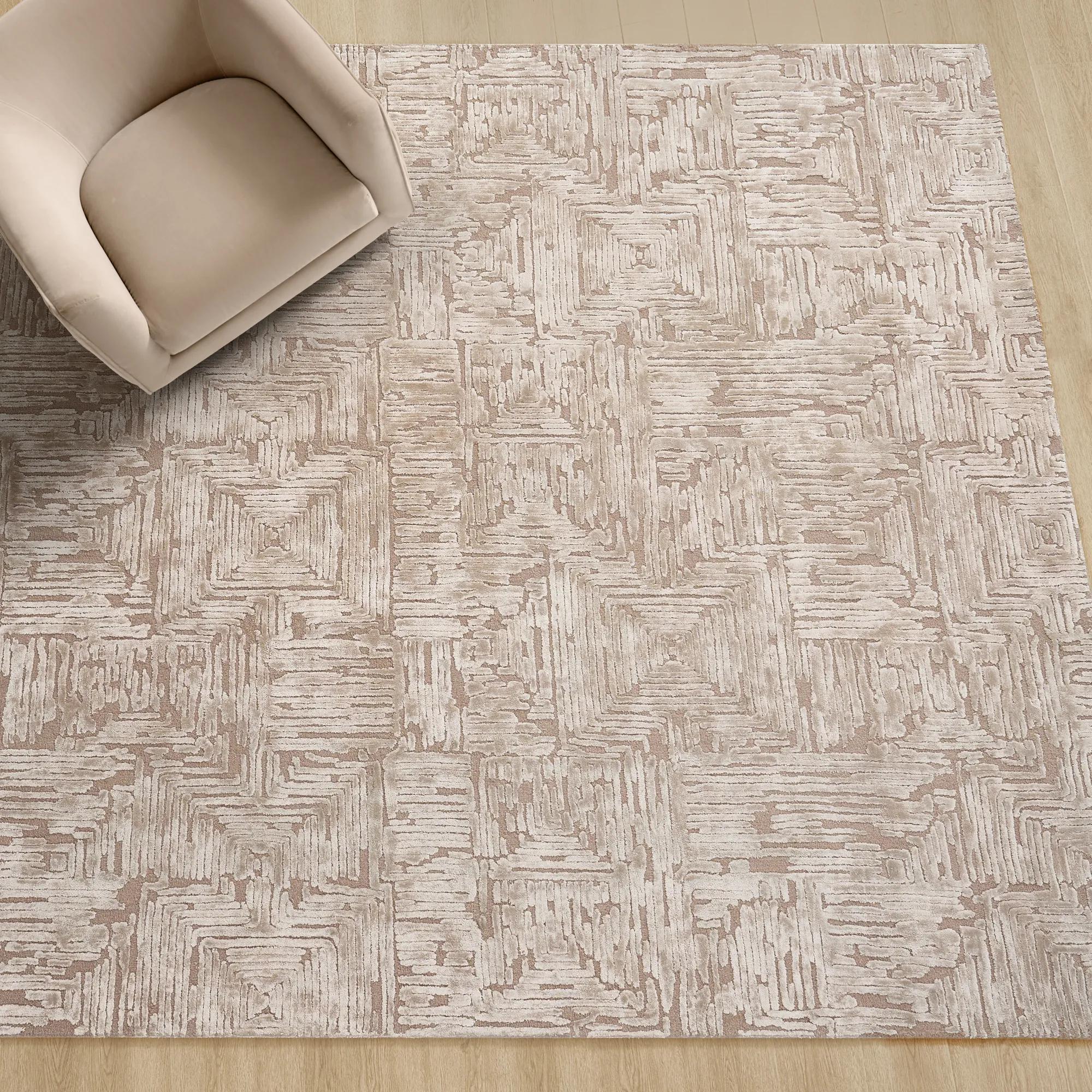
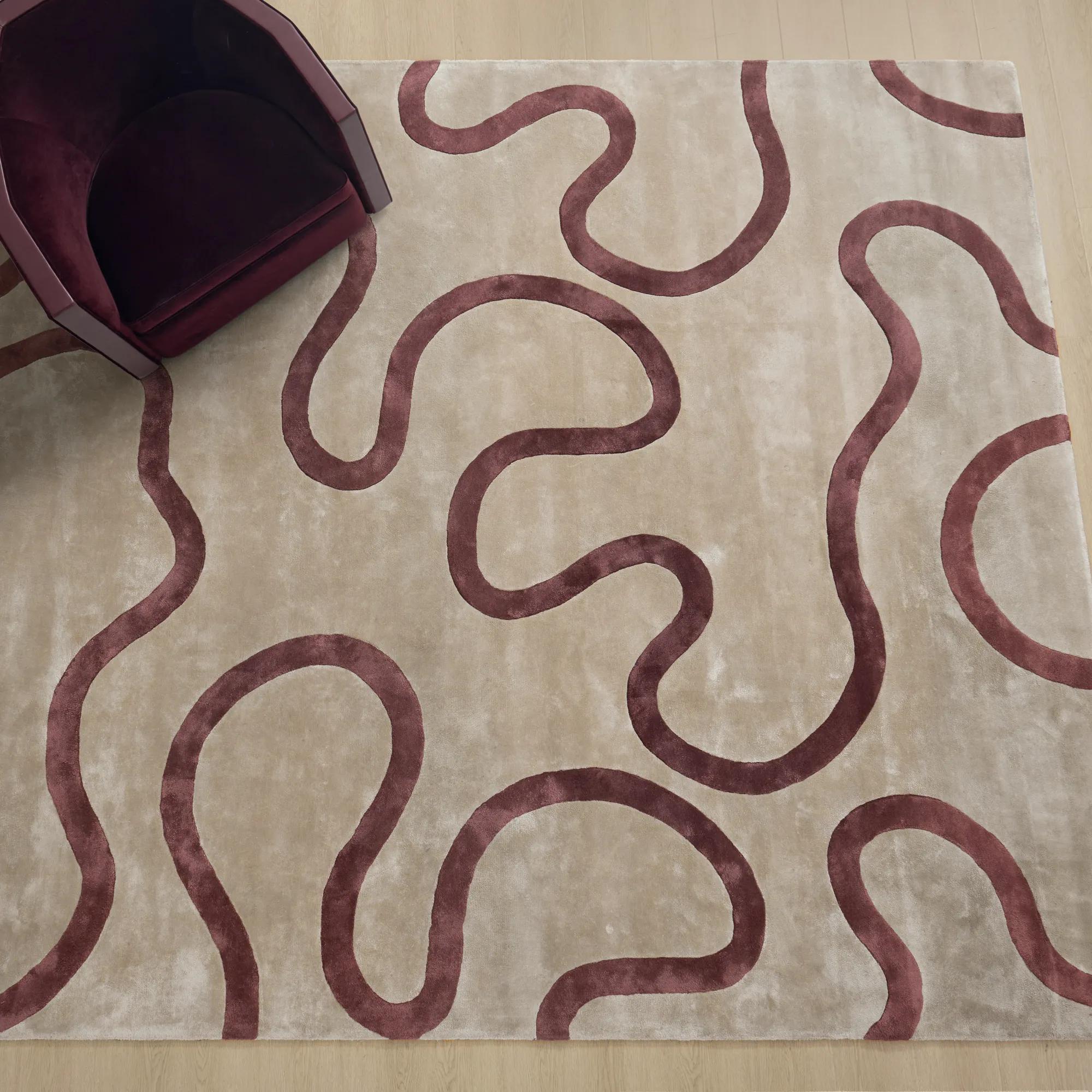
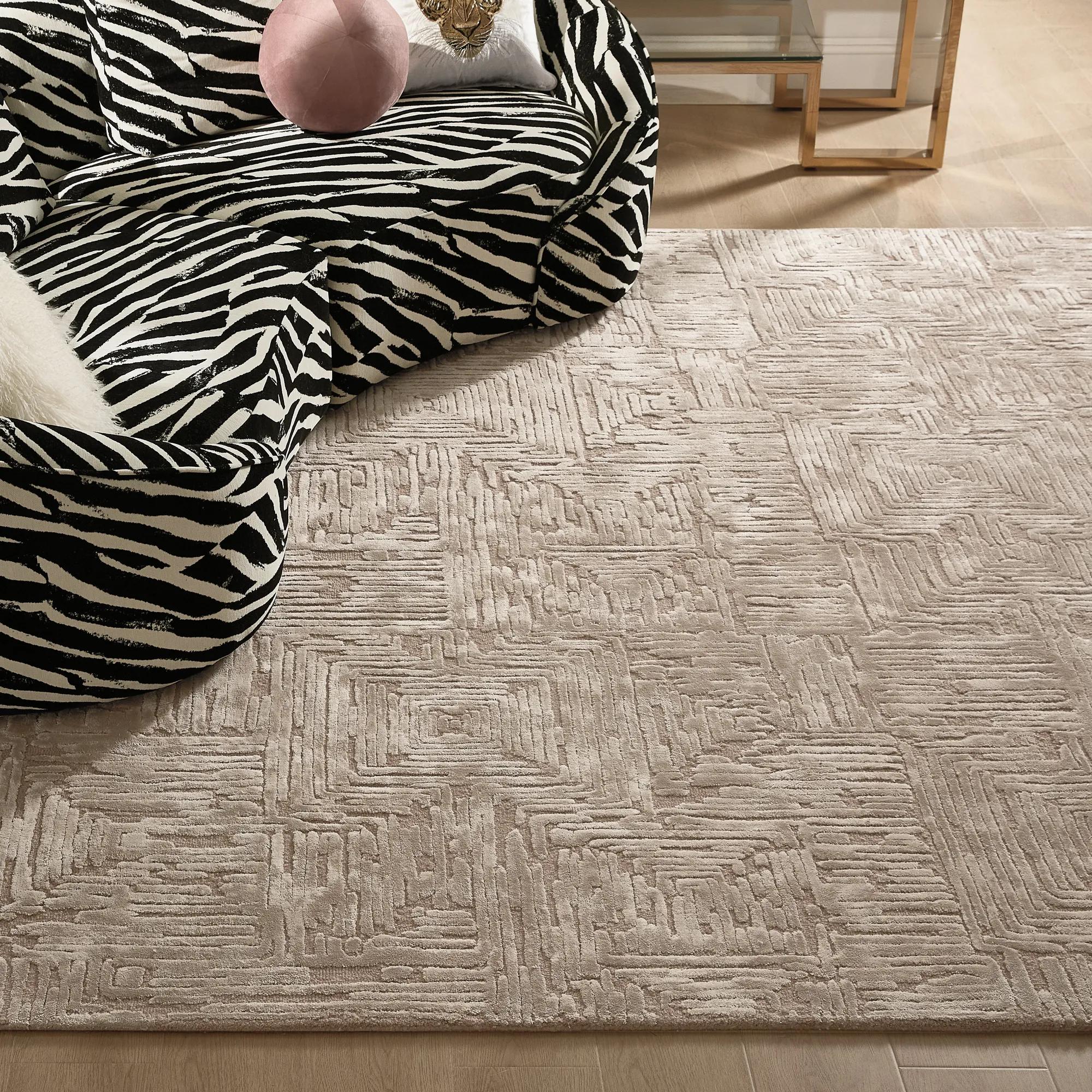 Andra Hand-Tufted Mocha Rose Viscose & Wool Dimensional Rugs$1499
A hand-tufted viscose and wool rug in mocha rose, featuring a dimensional geometric pattern and soft sheen.
Add To Cart -
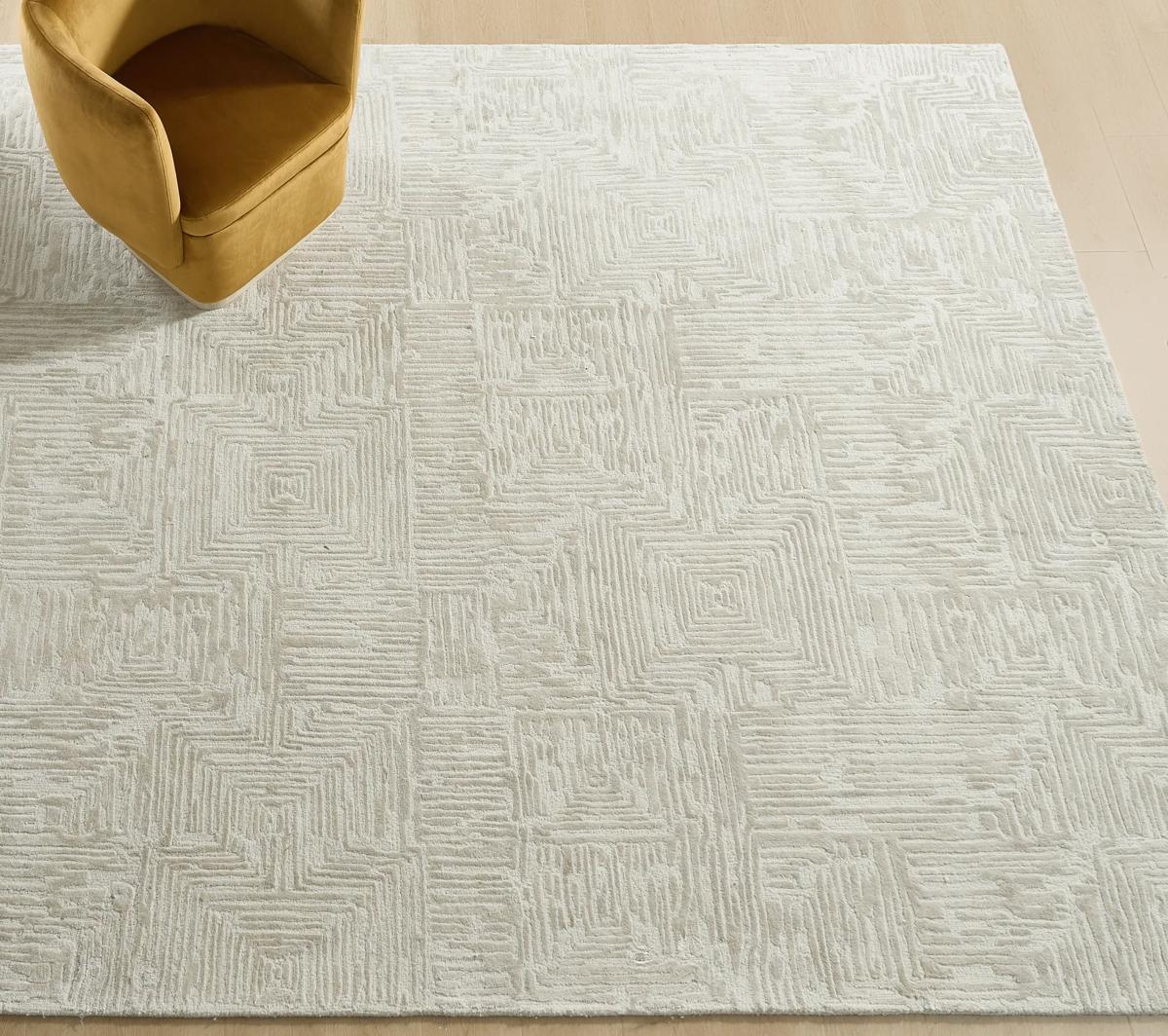 Andra Ivory Hand-Tufted Wool Blend Dimensional Rug$1499
A hand-tufted ivory rug in a viscose-wool blend with raised detailing and a subtle sheen.
Add To Cart -
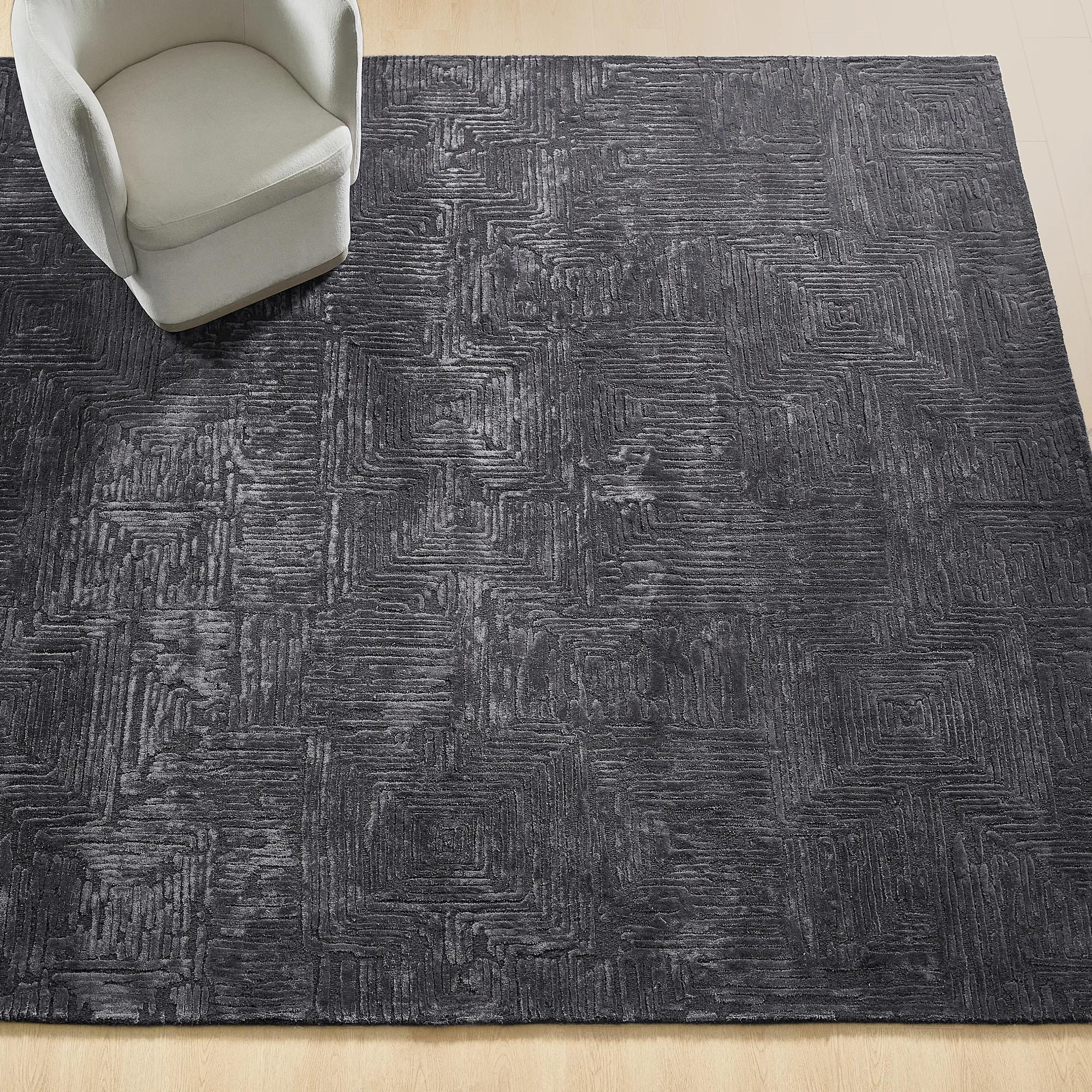
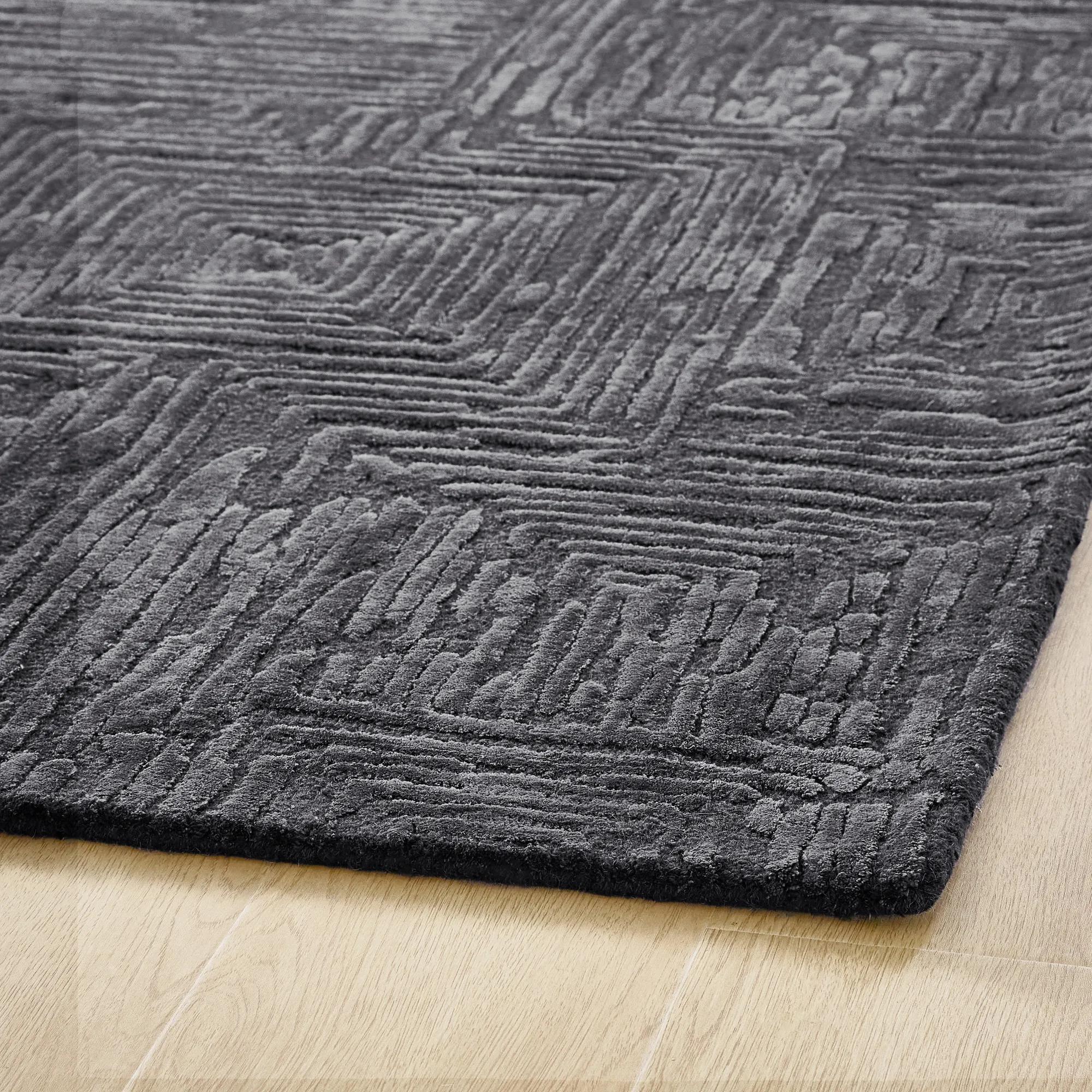 Andra Charcoal Hand-Tufted Wool Blend Dimensional Rug$1499
A hand-tufted viscose-wool rug in rich charcoal with a sculptural, dimensional pattern and plush texture.
Add To Cart -
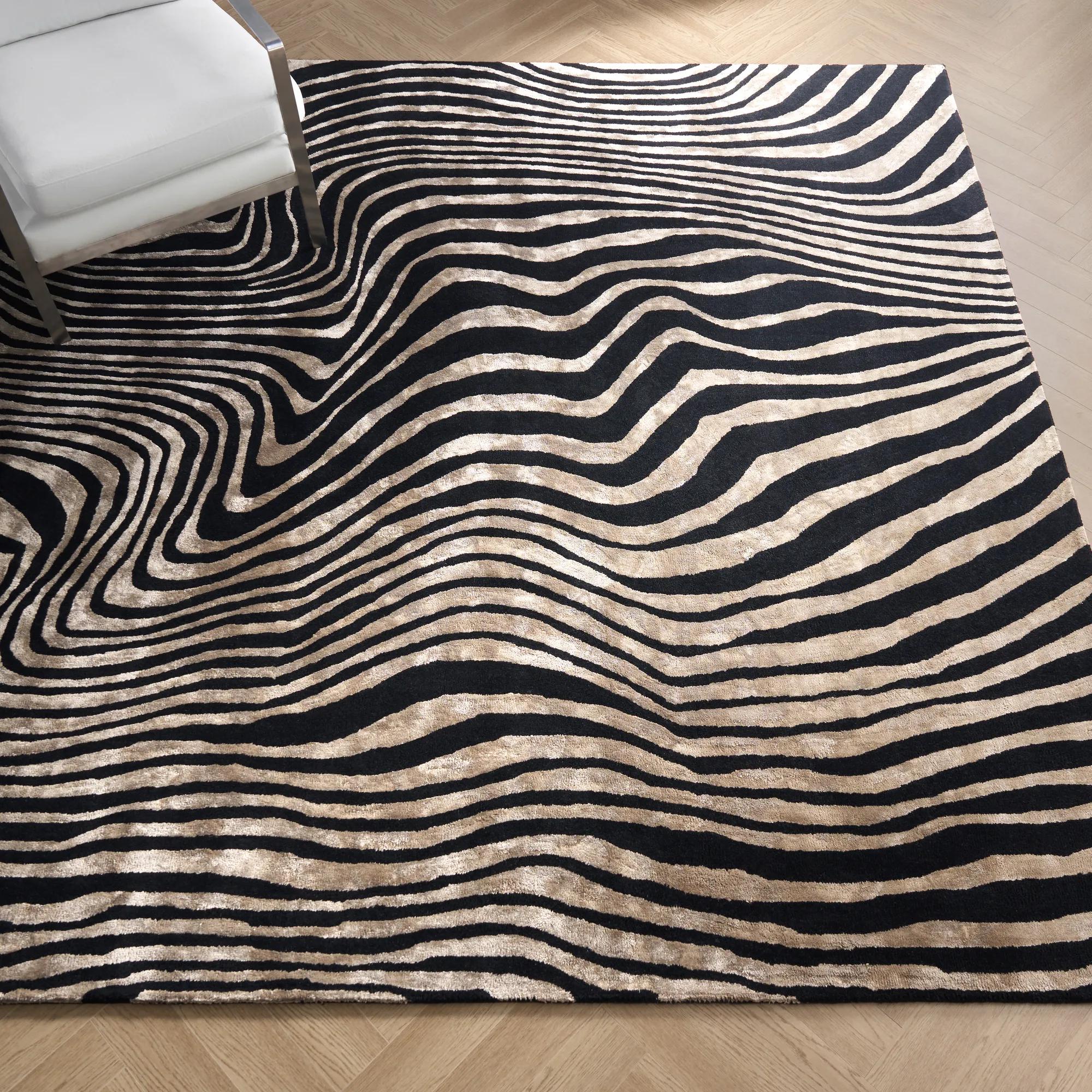
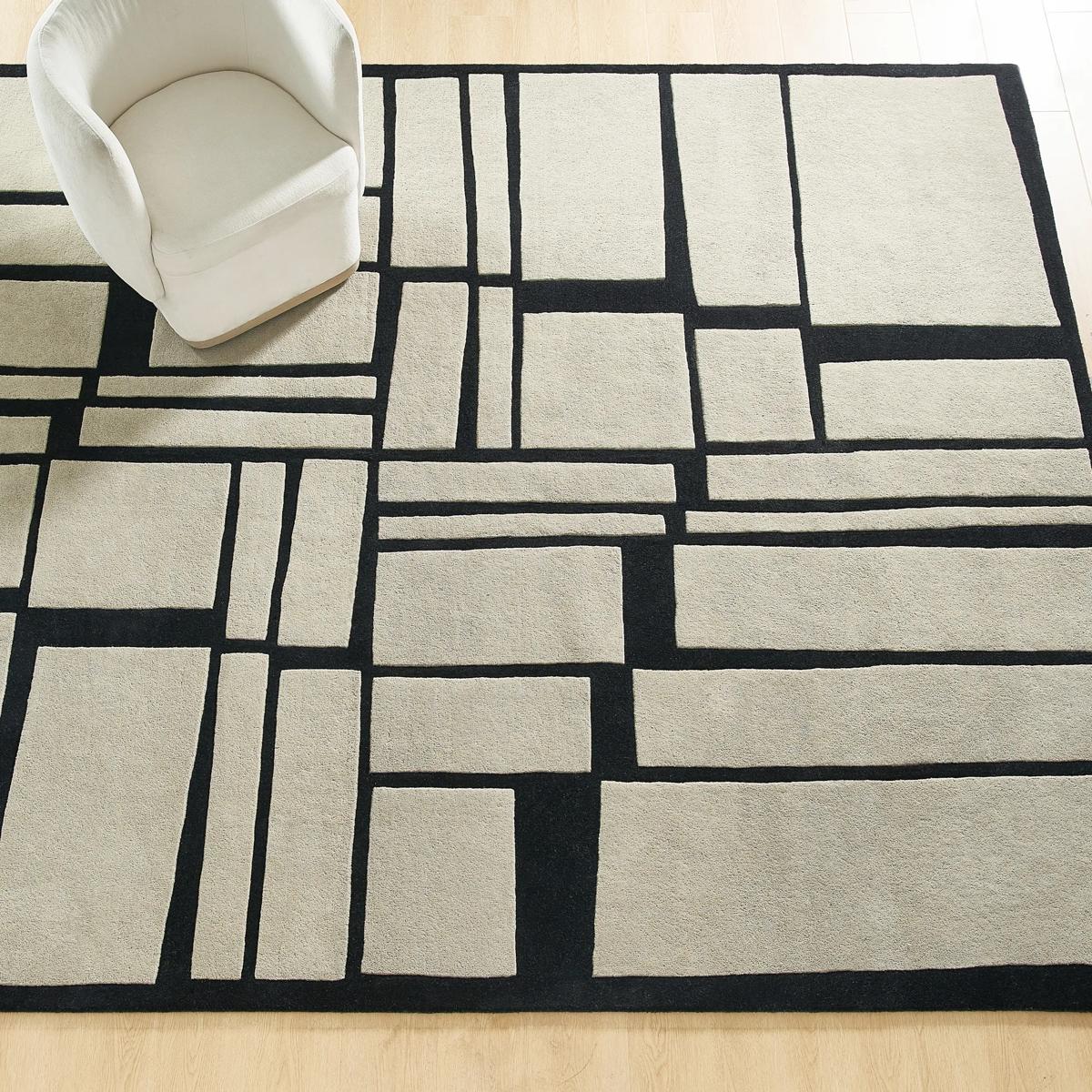 Novak Hand-Tufted Natural/Black Wool Rug$949
A hand-tufted wool rug featuring a bold black and natural grid design for modern, graphic appeal.
Add To Cart -
 Fiona Hand-Tufted Ivory/Beige/Black Border Fringe Rug$1099
A hand-tufted ivory, beige, and black rug featuring a framed border and decorative fringe.
Add To Cart -
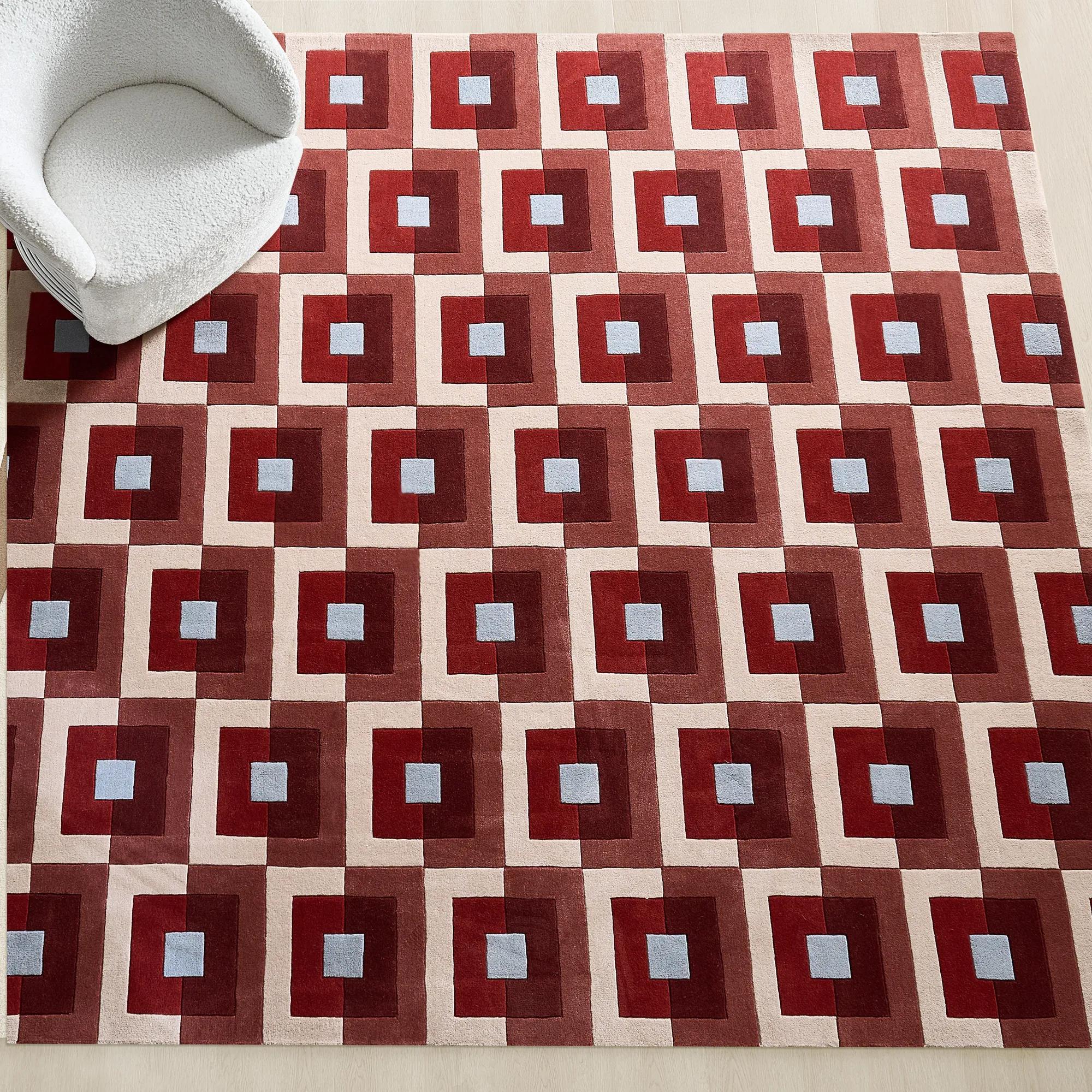
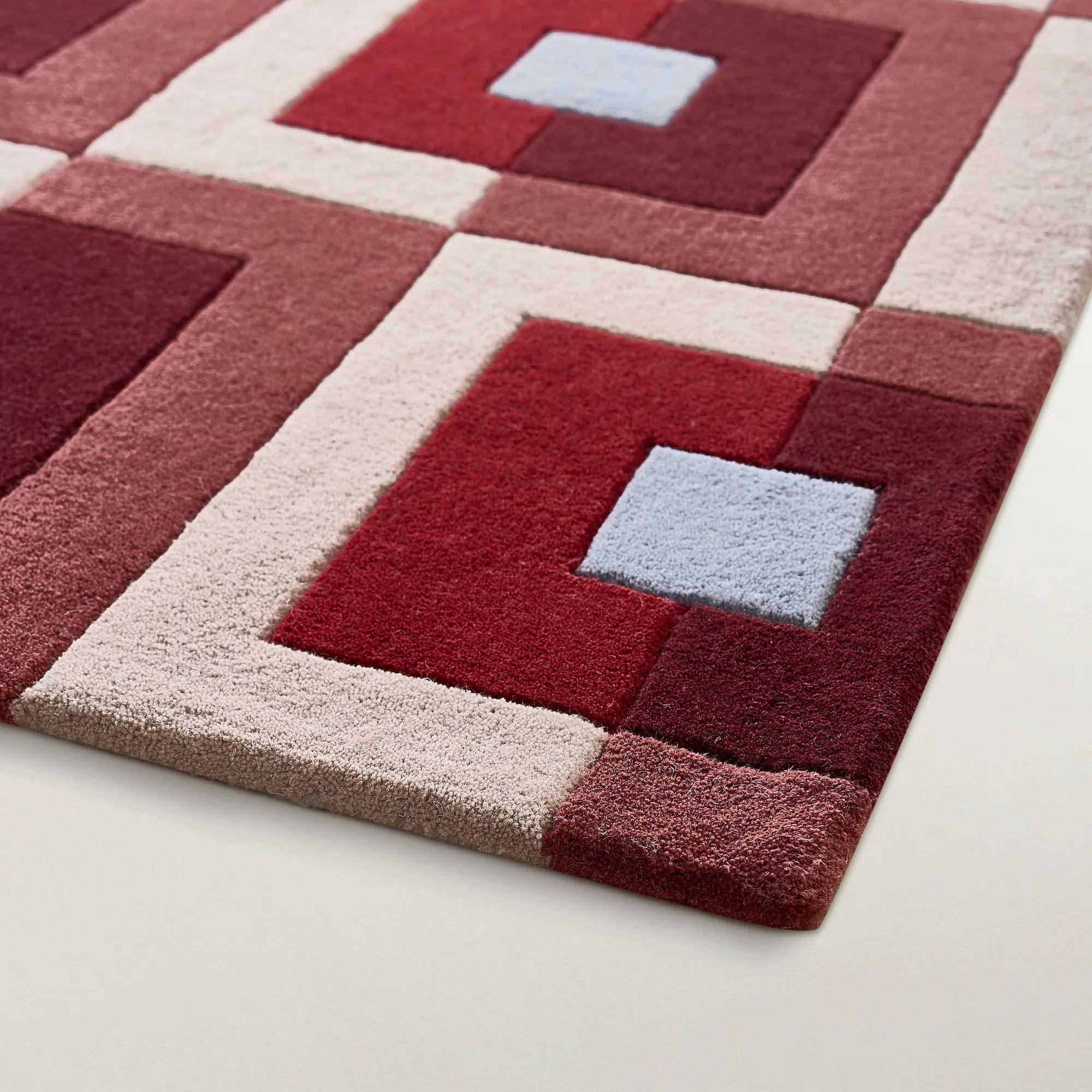 Geo Pop Wool Rug - Oxblood Red/Airy Blue$1099
A geometric wool rug blending oxblood red and airy blue for bold, modern interiors.
Add To Cart -
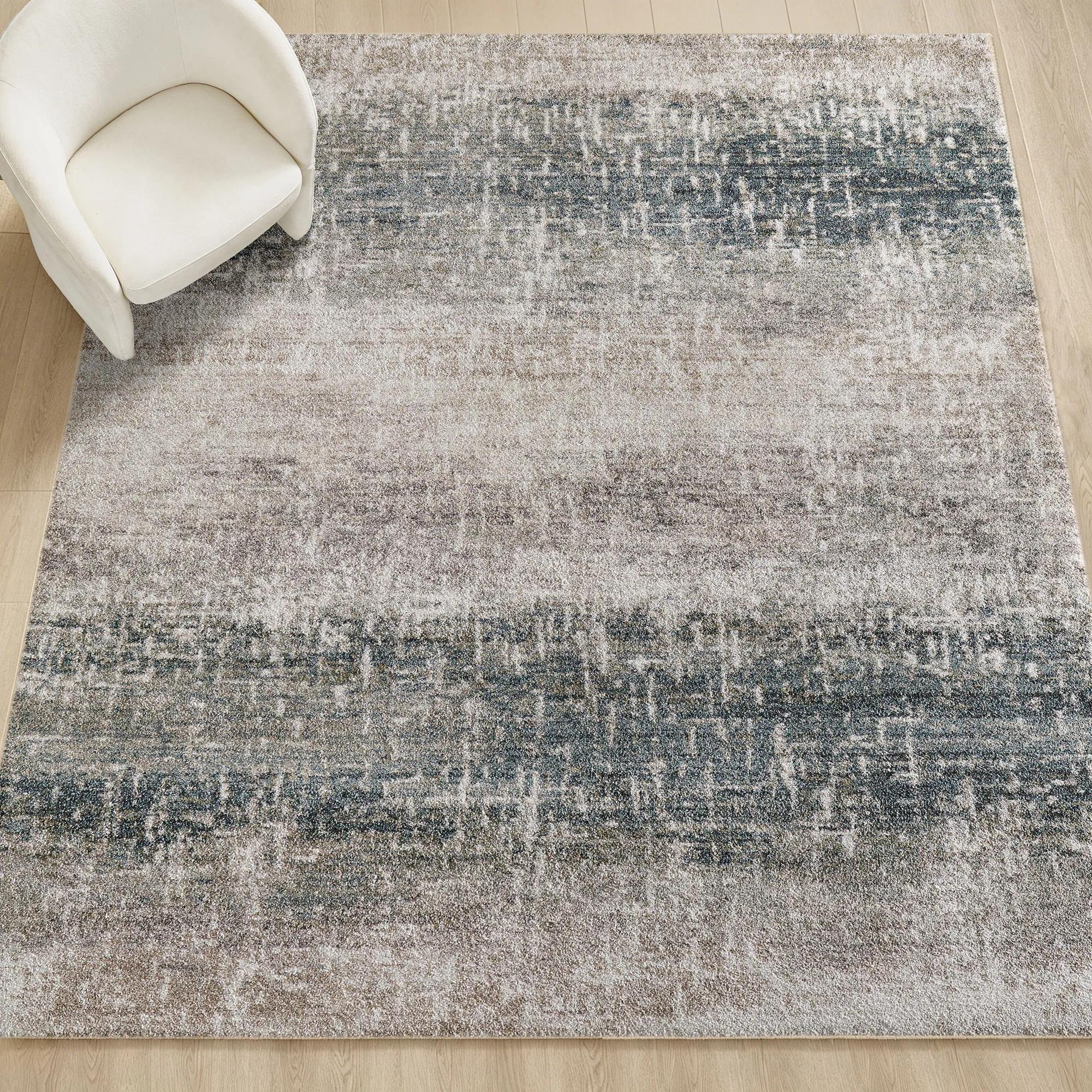
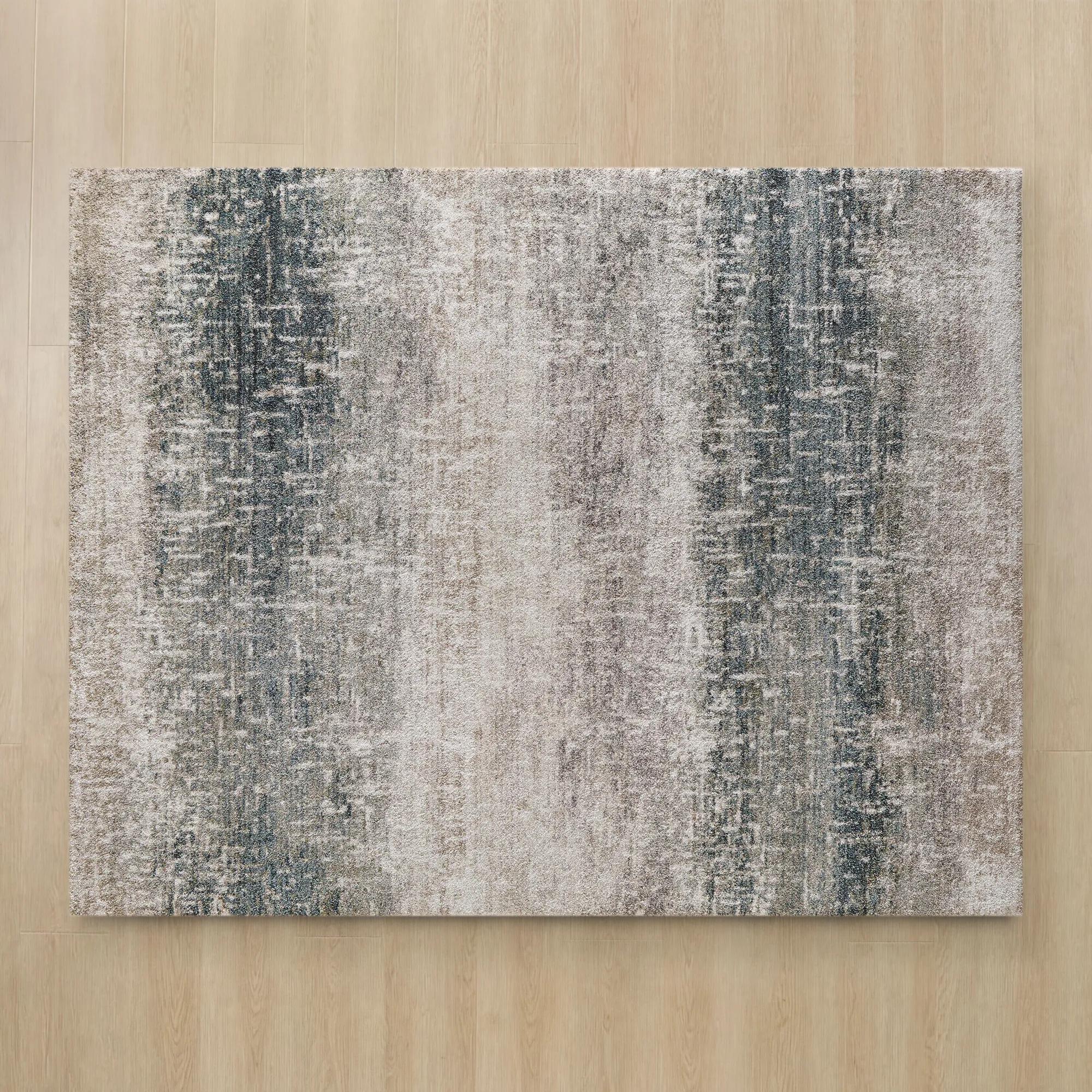 Collier Taupe/Grey/Blue/Green Performance Power Loomed Rug$1649
An abstract rug in taupe, grey, blue, and green with a plush pile and durable, easy-care blend.
Add To Cart -
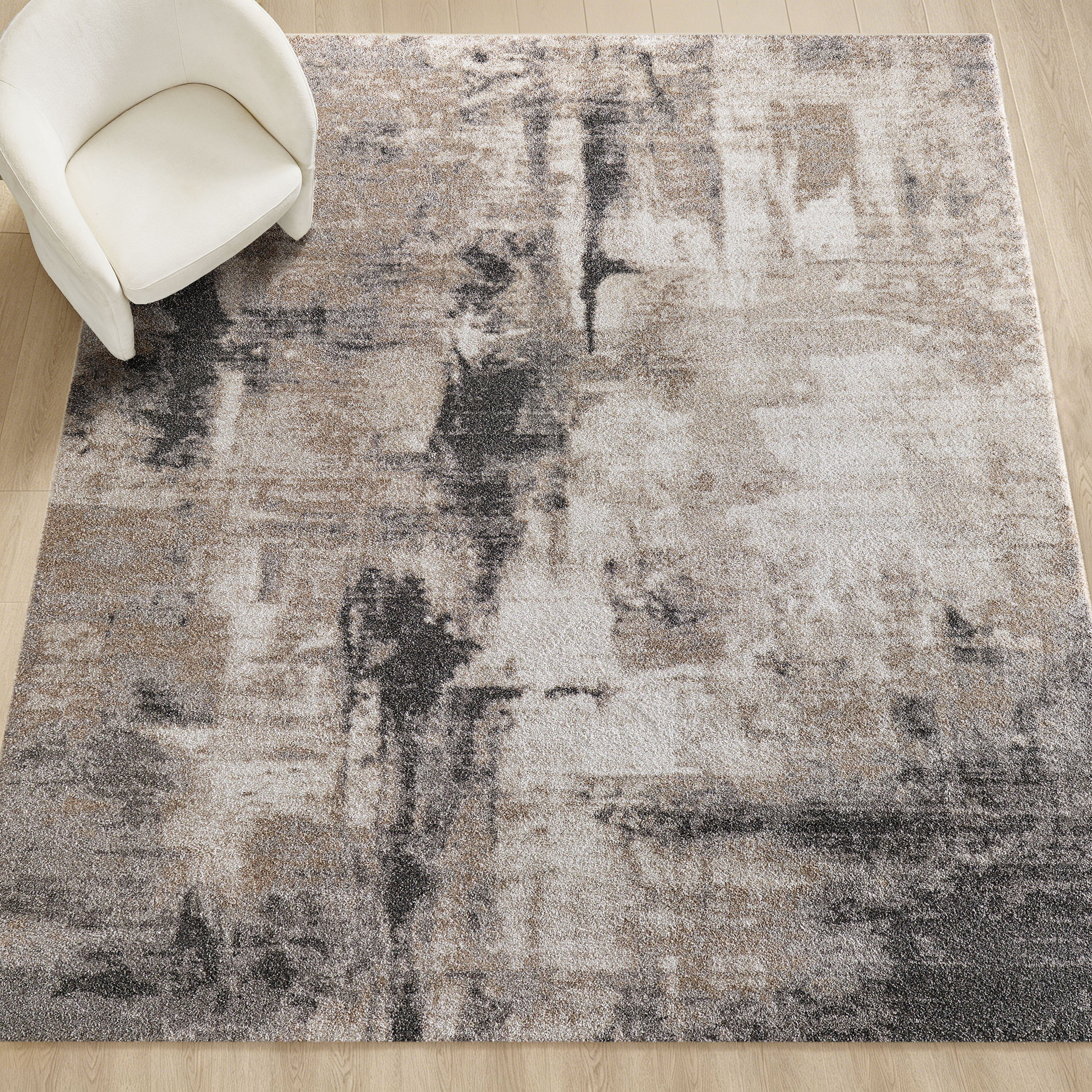
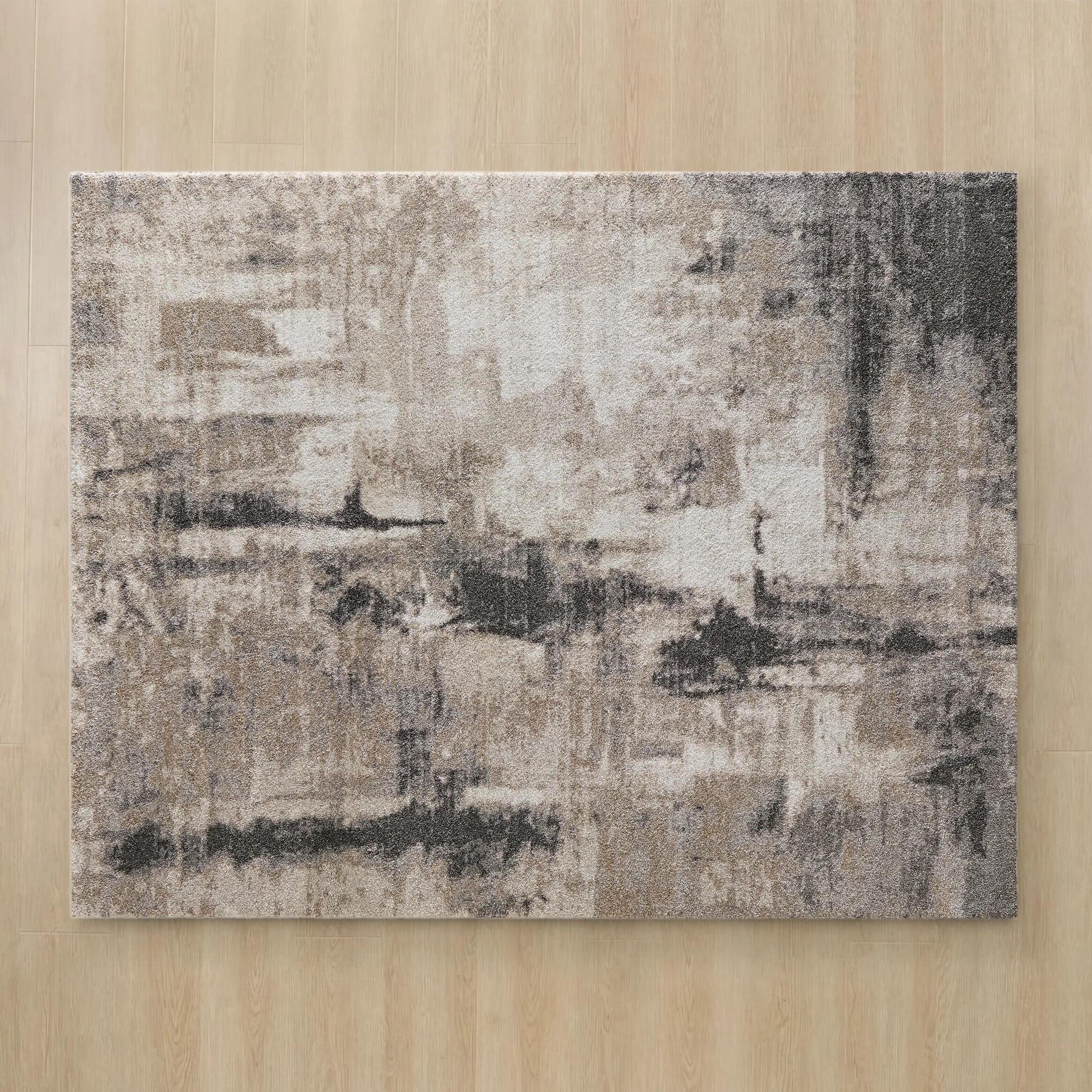 Atlas Abstract Grey/Taupe/Ivory/Charcoal Performance Power Loomed Rug$1349
An abstract rug in grey, taupe, ivory, and charcoal with a plush, stain-resistant polypropylene-polyester blend.
Add To Cart -
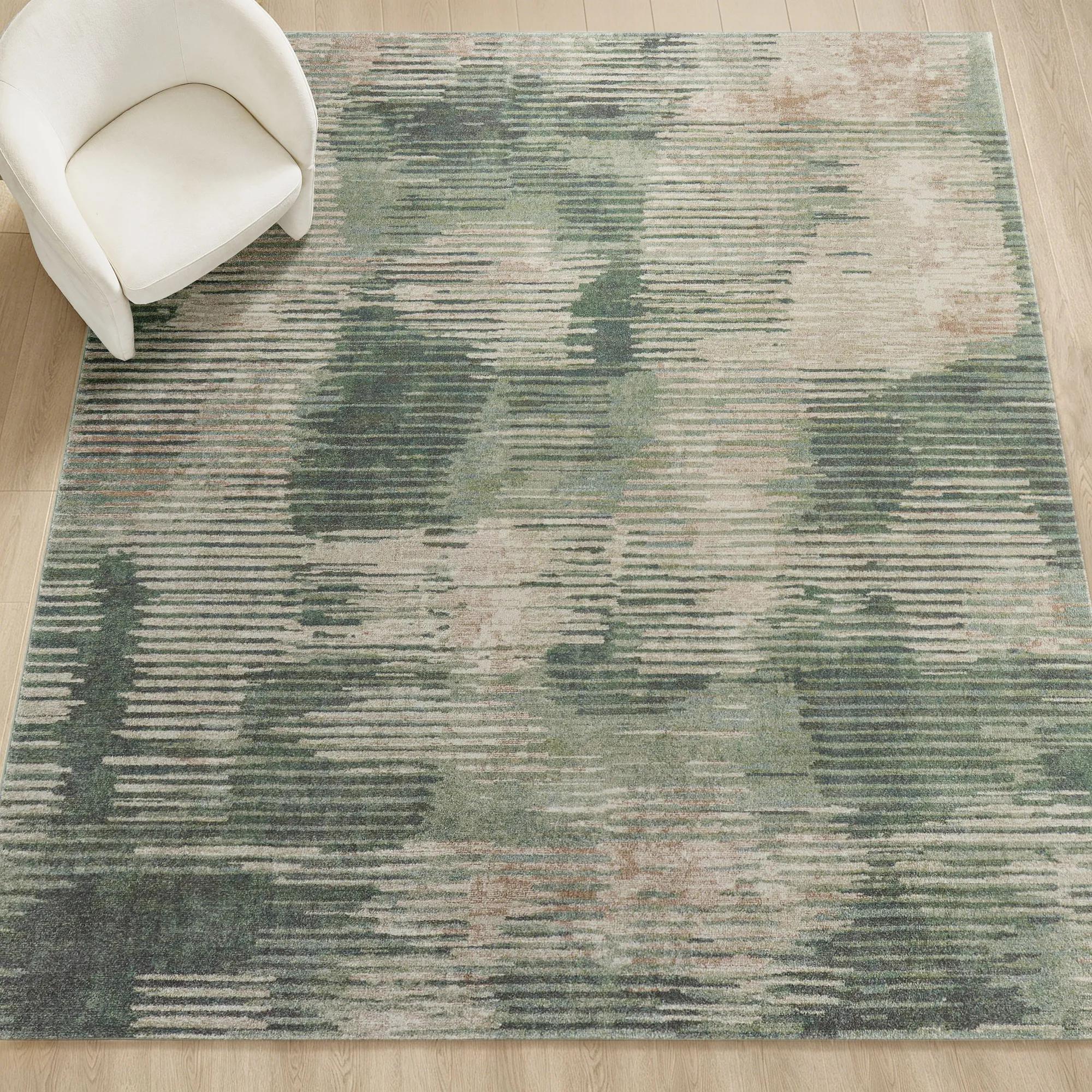
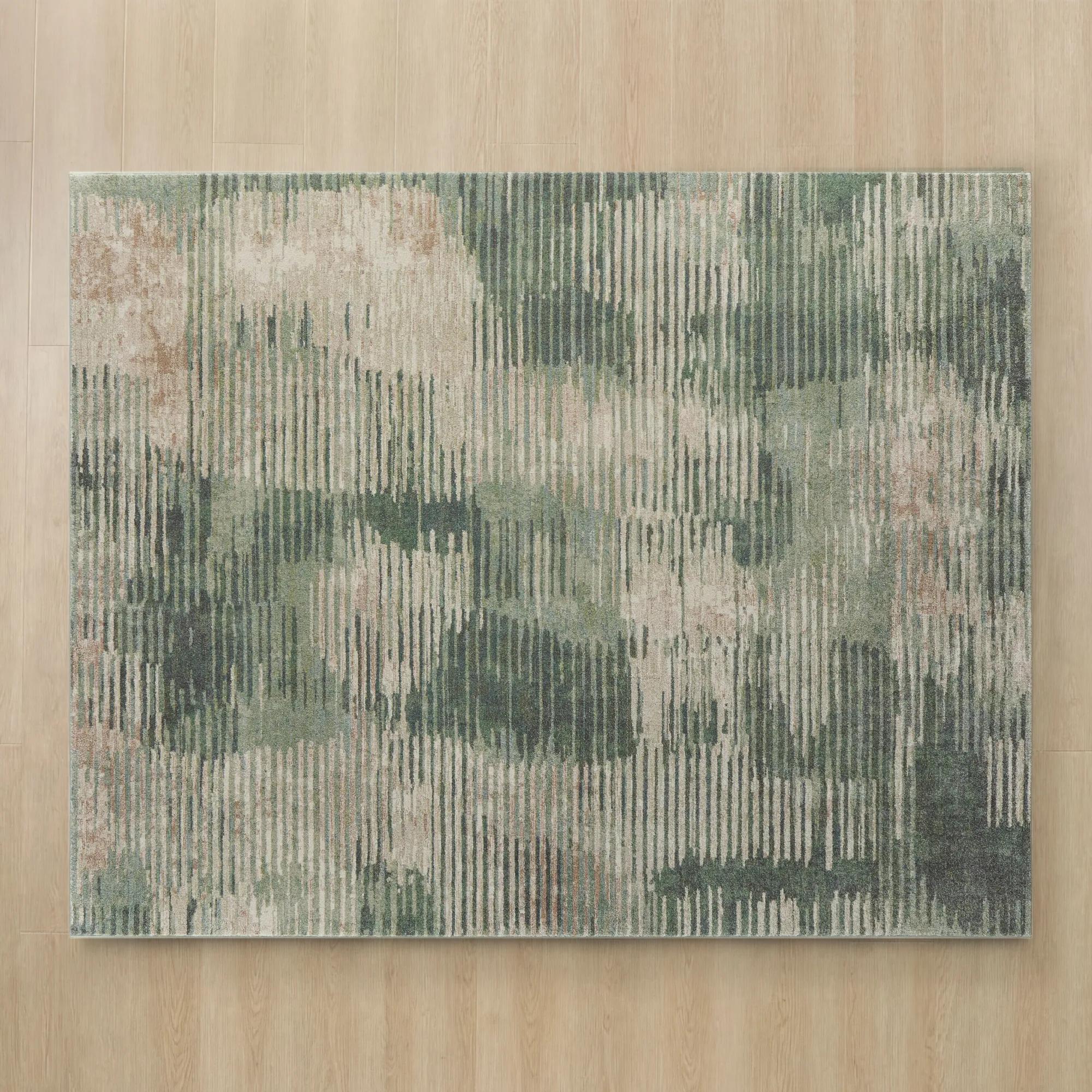 Sylvan Green/Beige Power Loomed Rug$1349
A power-loomed polypropylene rug featuring a contemporary organic pattern in smoked olive green and beige.
Add To Cart -
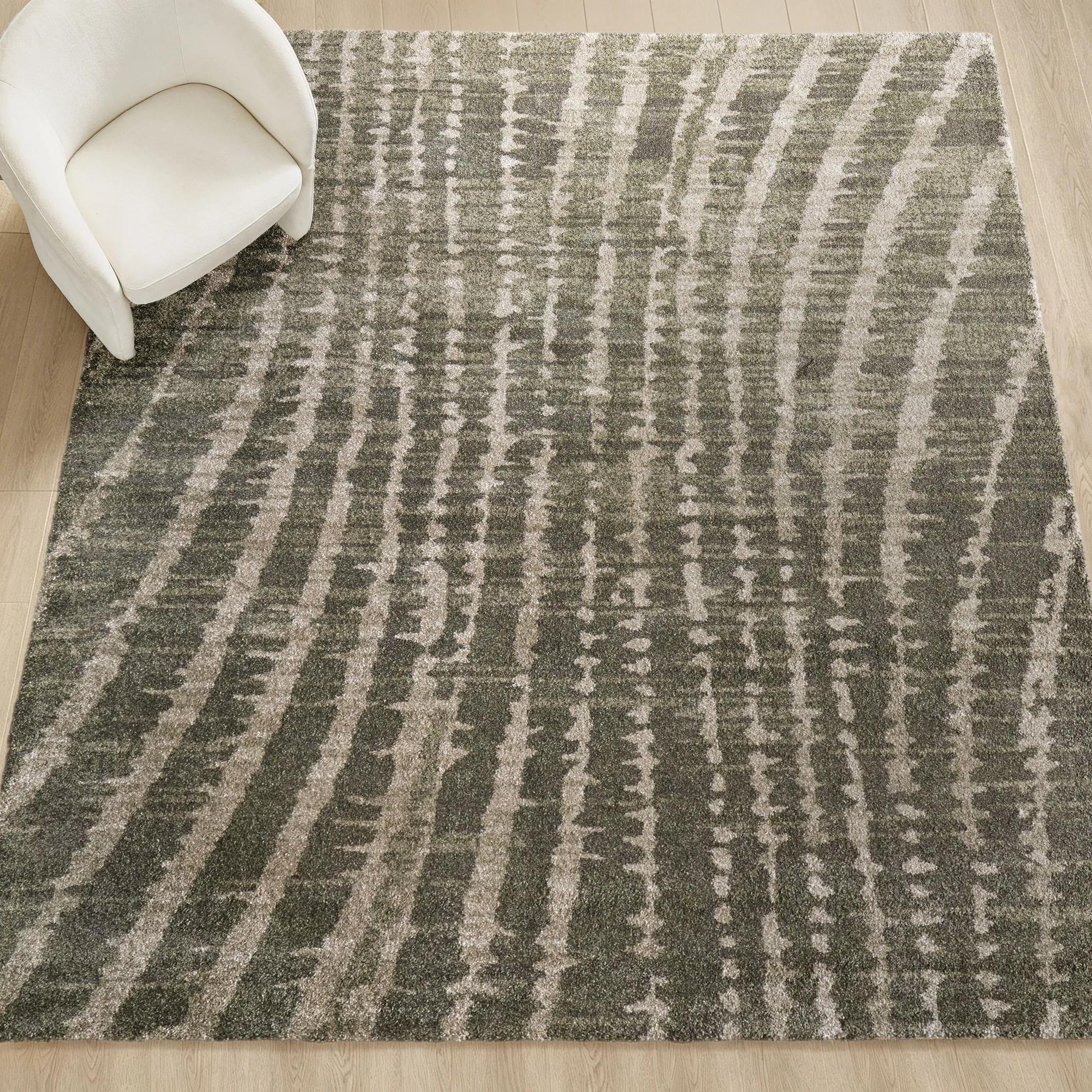
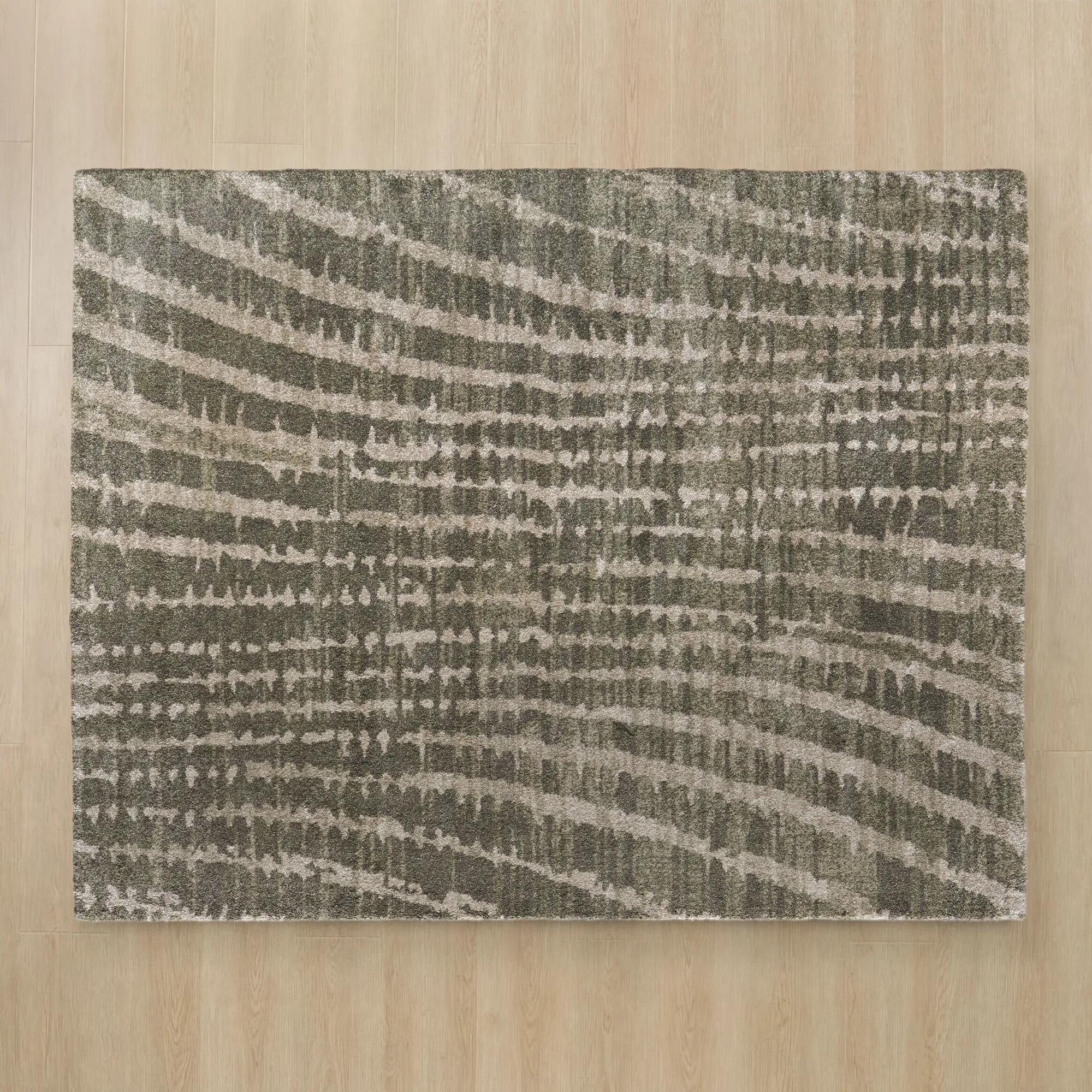 Tempo Green/Grey/Beige Performance Power Loomed Rug$1649
An abstract charcoal grey and beige rug with plush cut pile and durable, stain-resistant polypropylene-polyester construction.
Add To Cart -
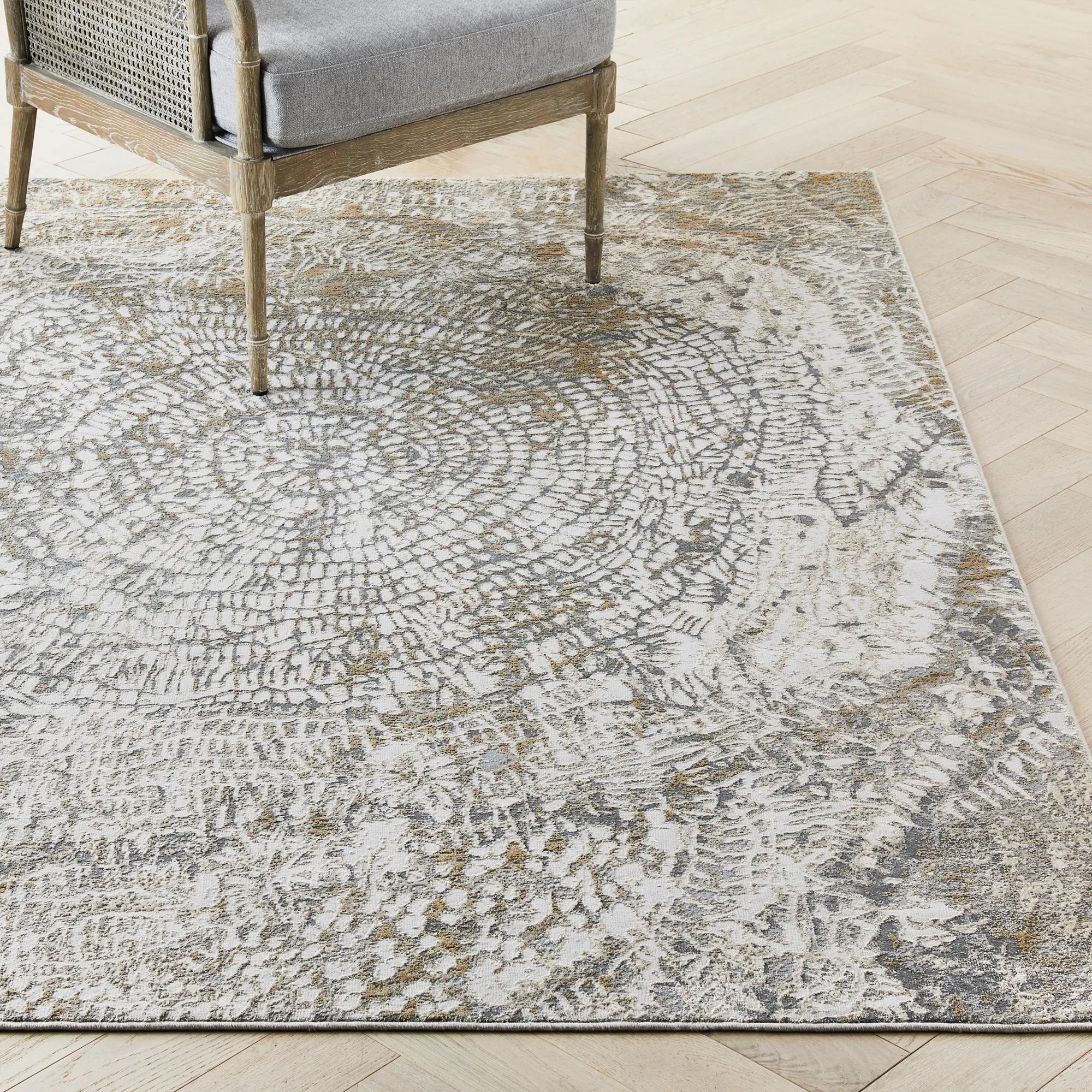 Nautilus Power-Loomed Silver/Grey/Natural Rug$999
A machine-woven ivory rug featuring subtle tonal variations and a durable polypropylene blend construction.
Add To Cart -
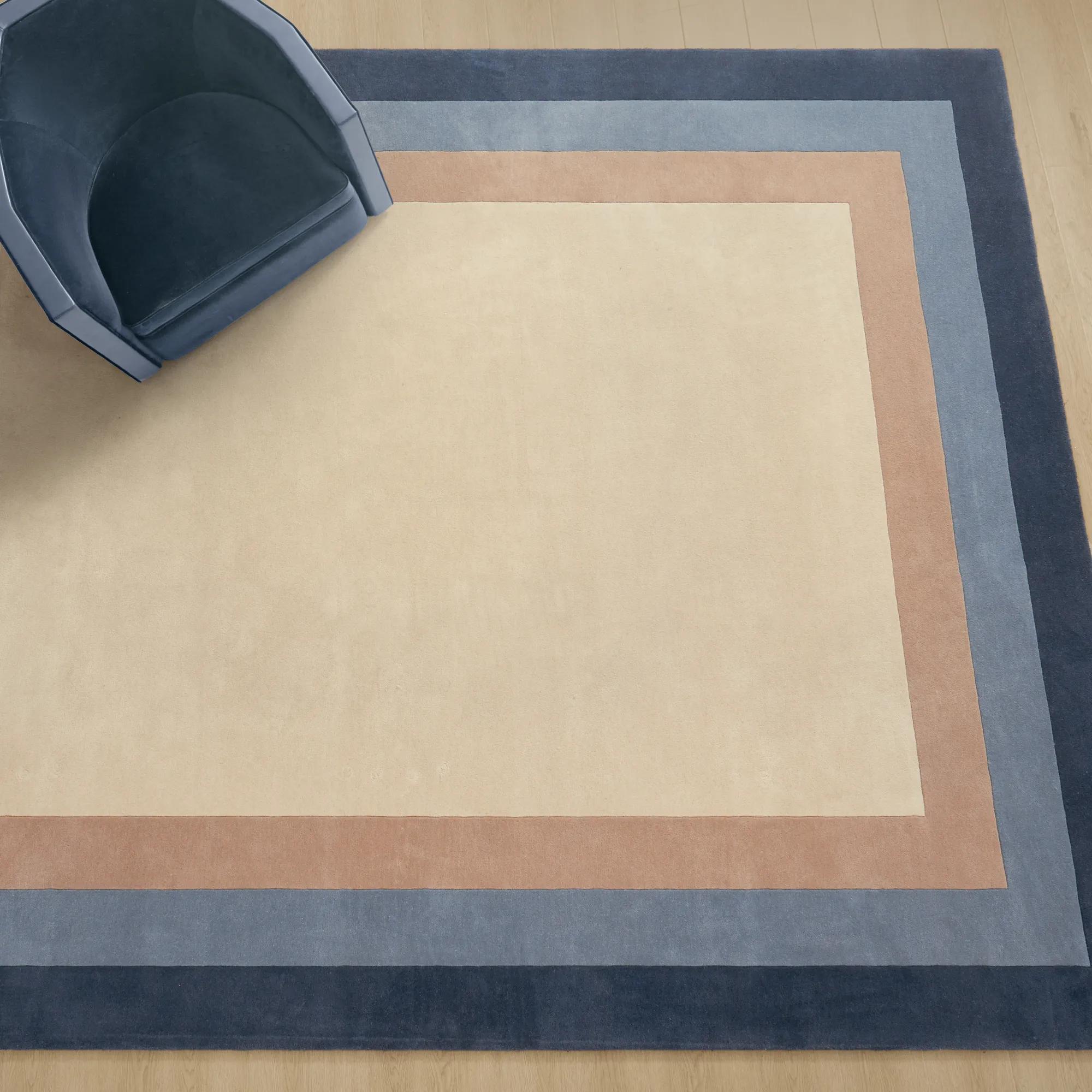 Bastien Hand-Tufted Blue/Taupe/Ivory Wool Border Rugs$499
A hand-tufted pure wool rug featuring a bold color-blocked border in dusty blue, taupe, and ivory.
Add To Cart -
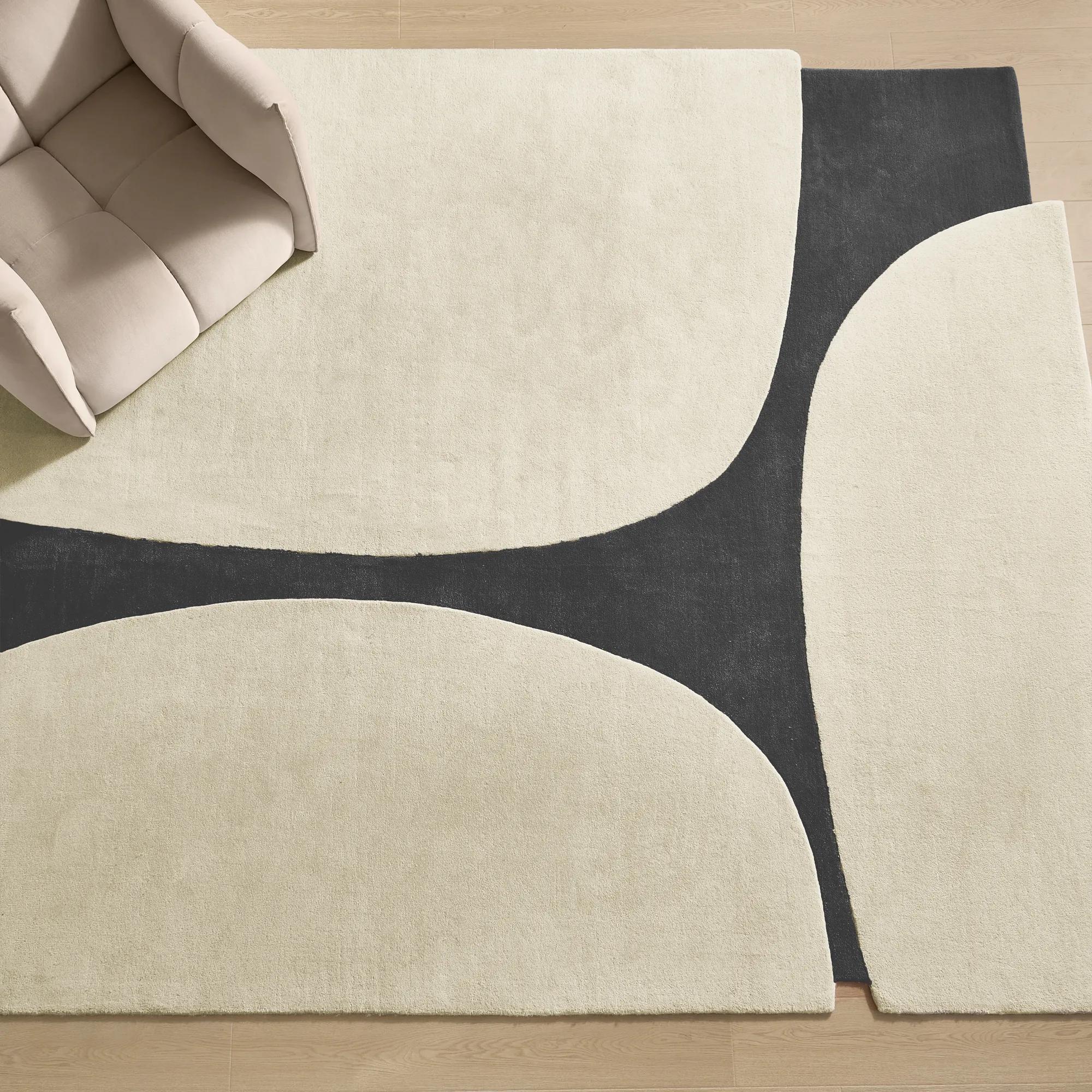 Contour Hand-Tufted Ivory/Charcoal Wool & Viscose Rugs$1499
An artfully shaped hand-tufted rug featuring high-low texture in warm ivory and charcoal wool-viscose blend.
Add To Cart -
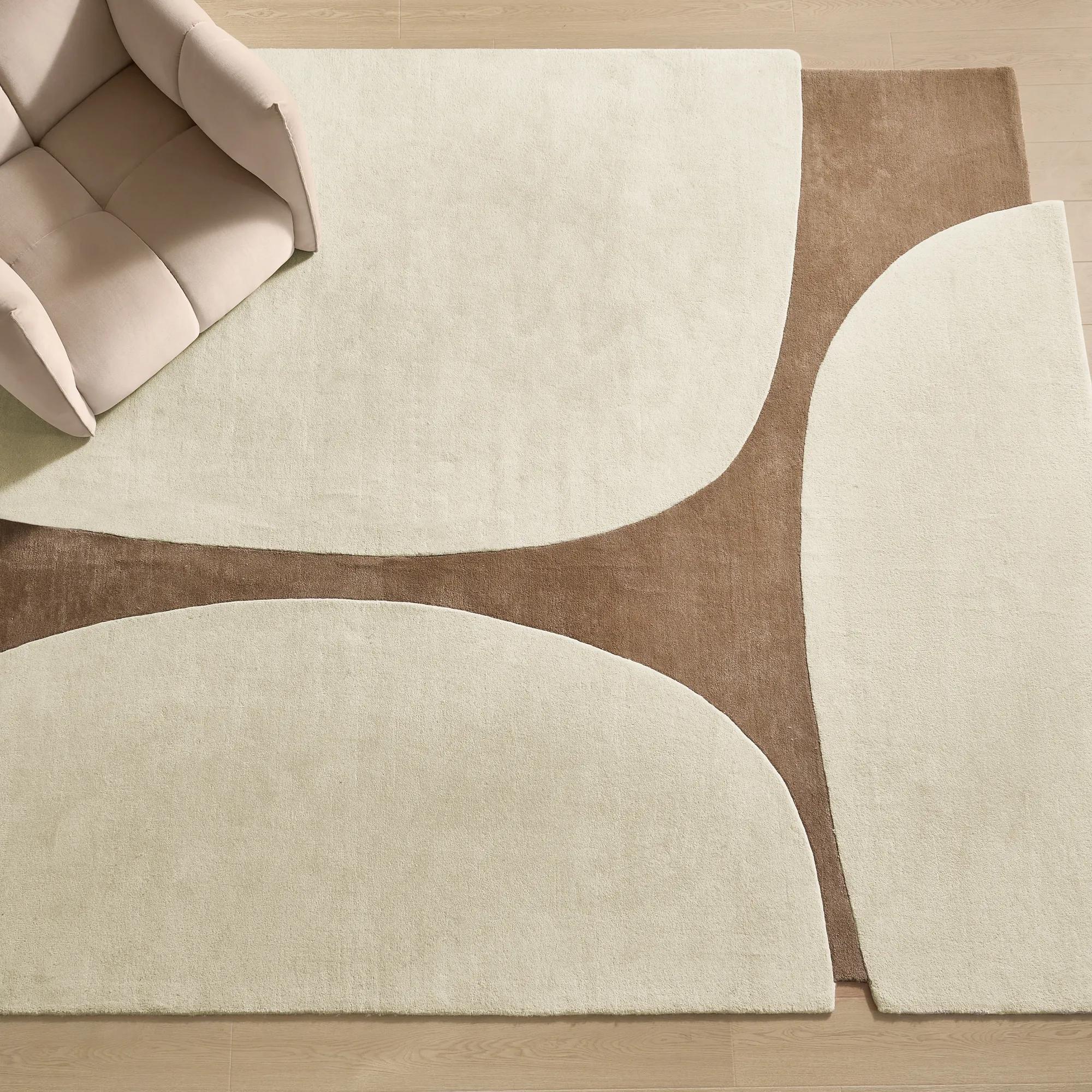
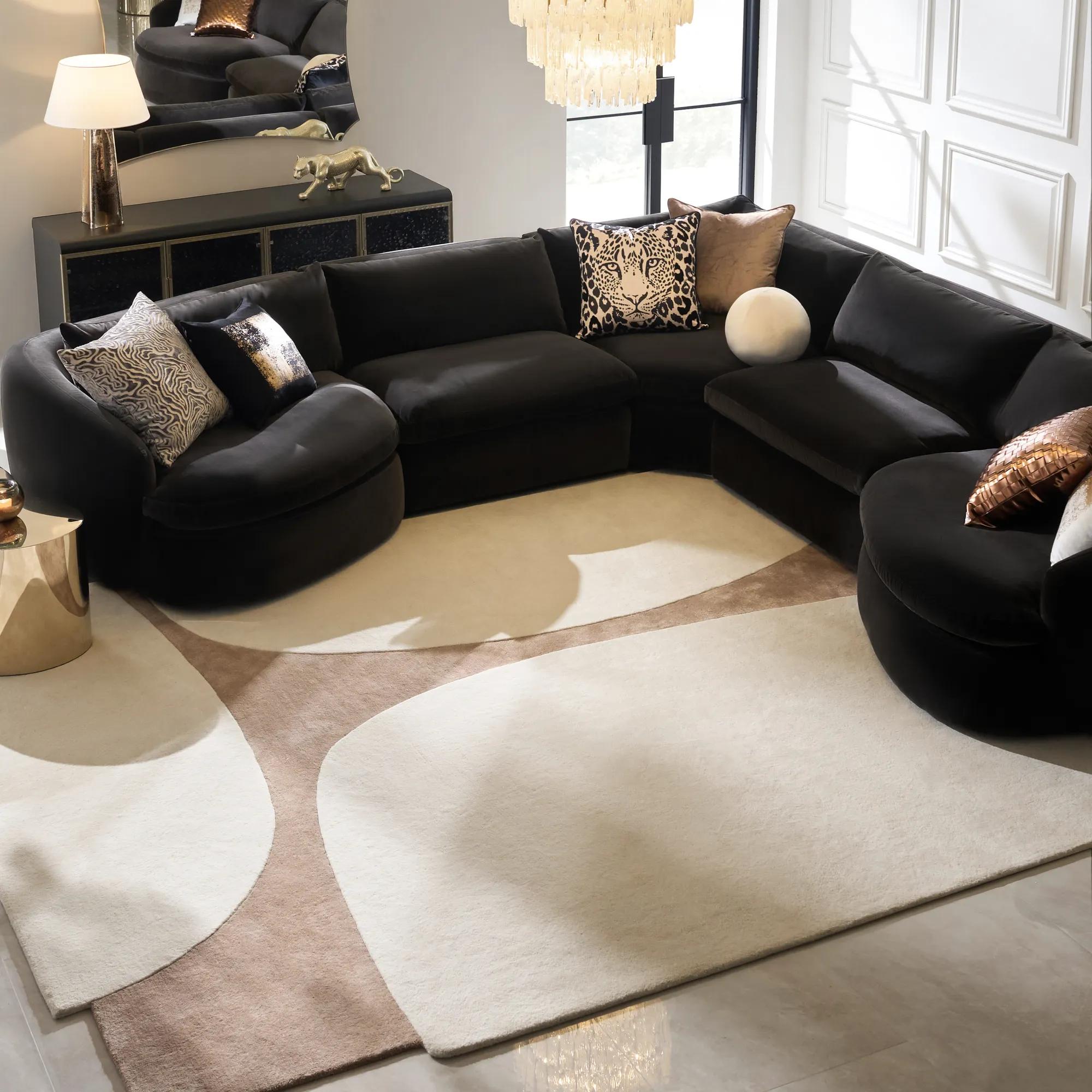 Contour Hand-Tufted Ivory/Ginger Root Wool Blend Rug$499
A hand-tufted wool rug blending ivory and ginger root tones for textured, modern warmth.
Add To Cart -
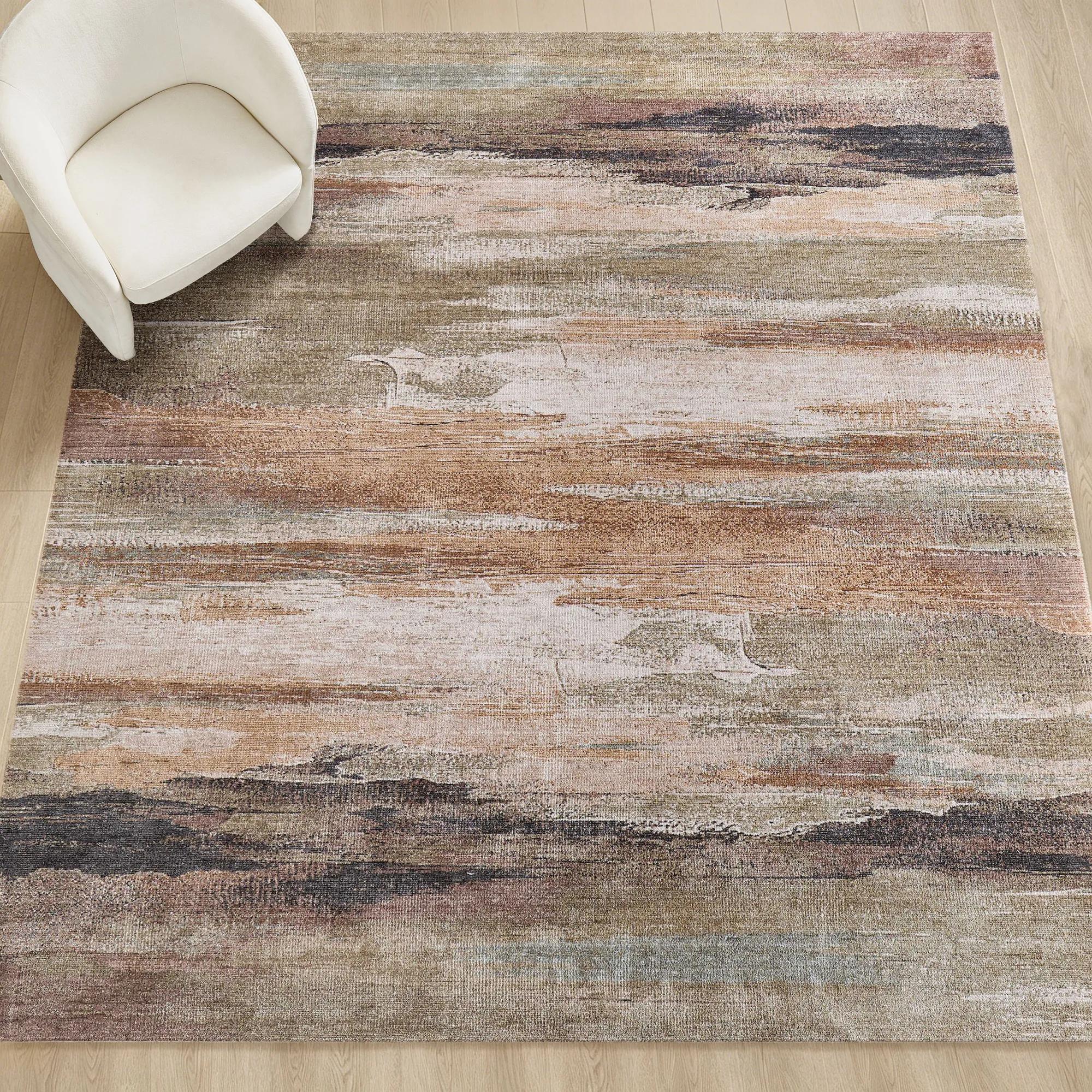
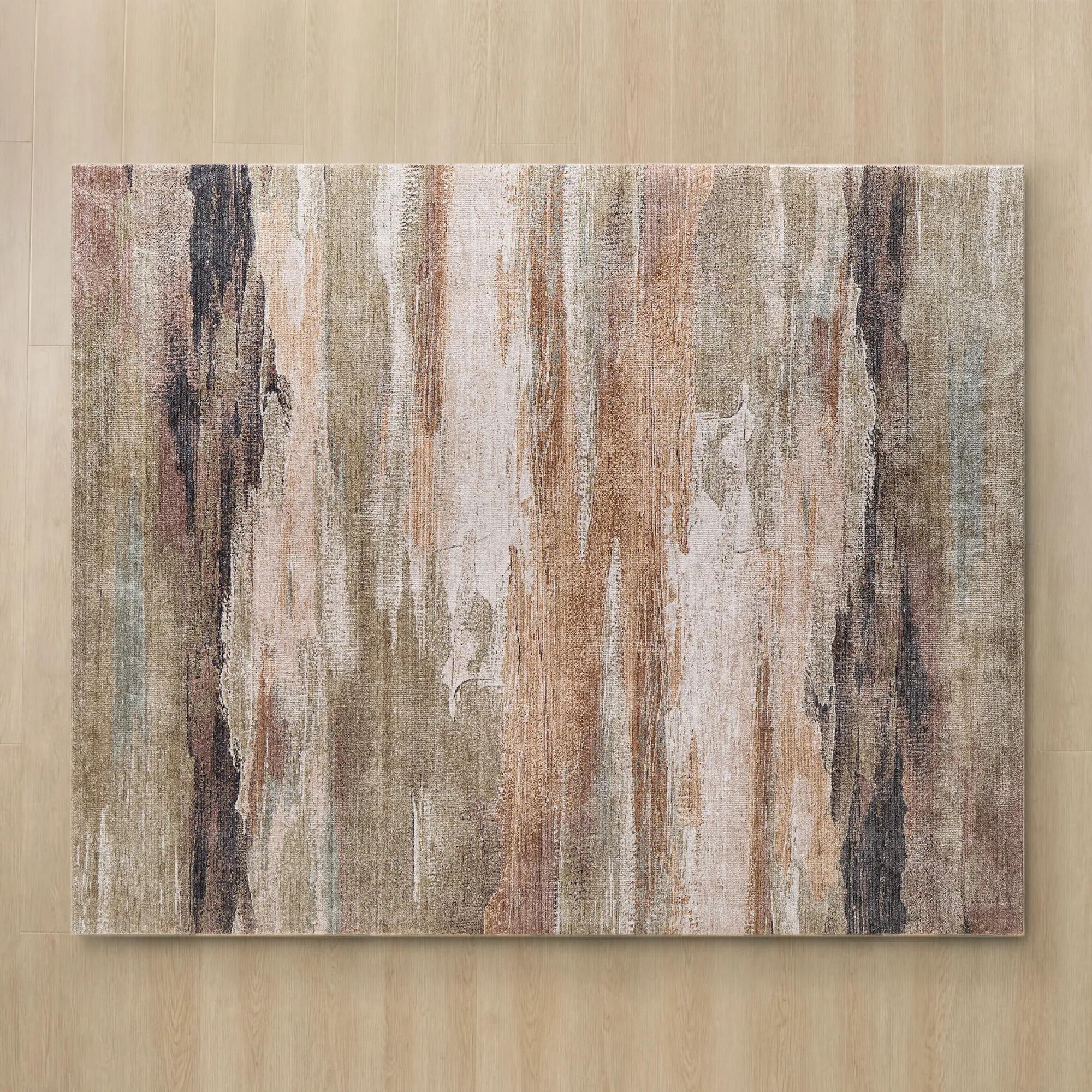 Sedona Rust/Beige/Moss Green/Charocal/Blue Performance Power Loomed Rug$1999
A power-loomed polyester rug featuring a rich abstract pattern in rust, beige, moss green, charcoal, and blue.
Add To Cart -
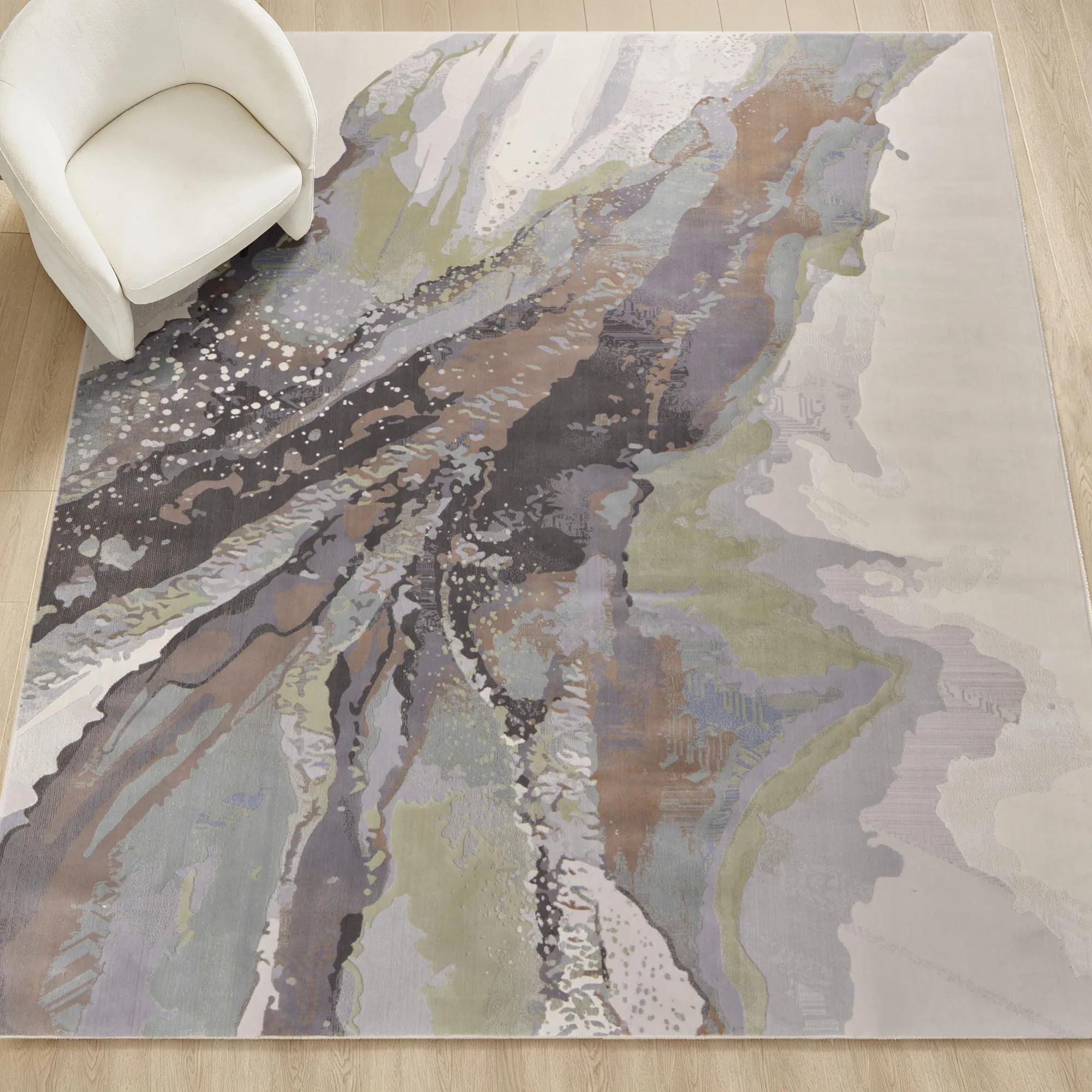
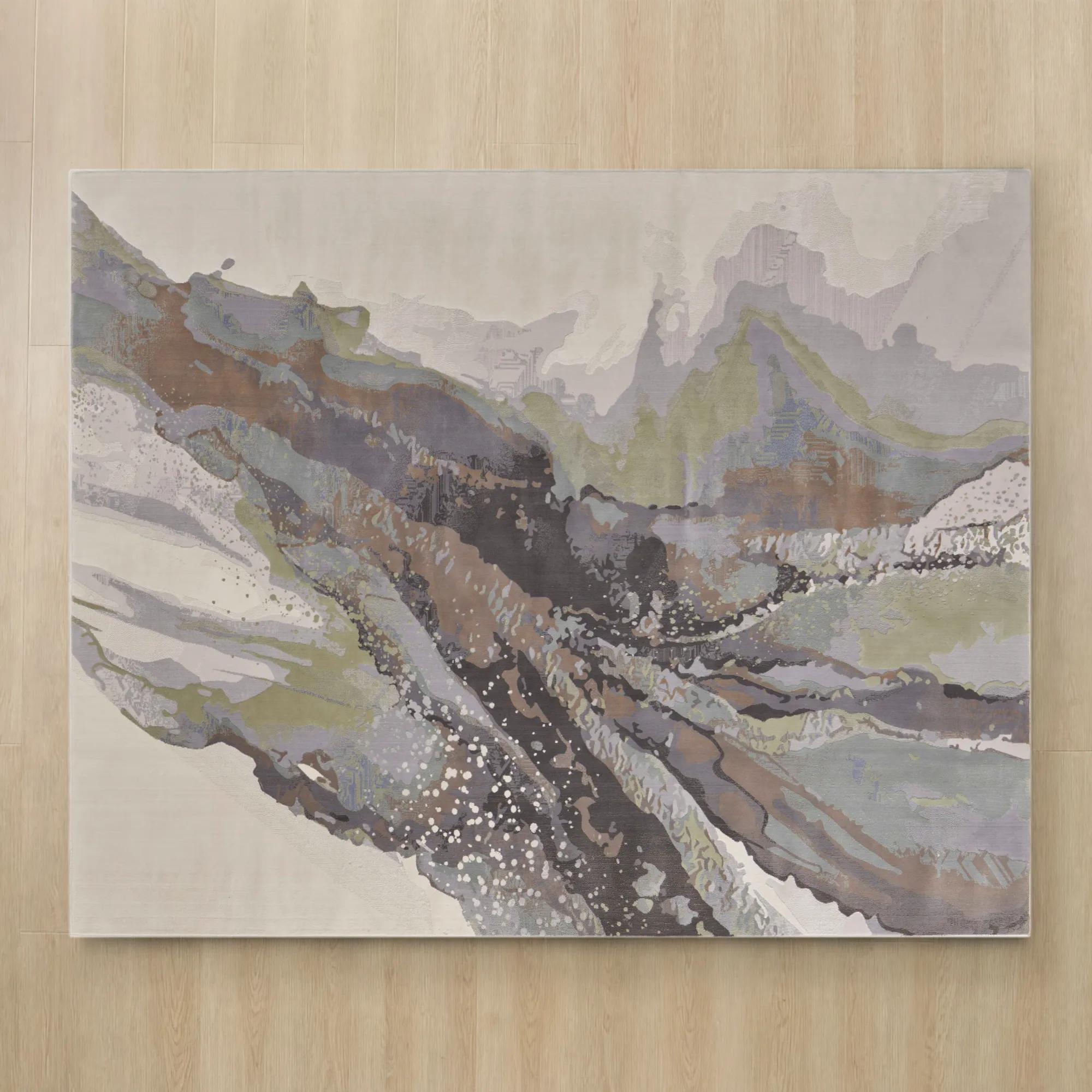 Nerissa Abstract Ivory/Grey/Blue/Green Performance Power Loomed Rug$449
An abstract rug in ivory, grey, blue, and green with a textured, stain-resistant polypropylene-polyester blend.
Add To Cart -
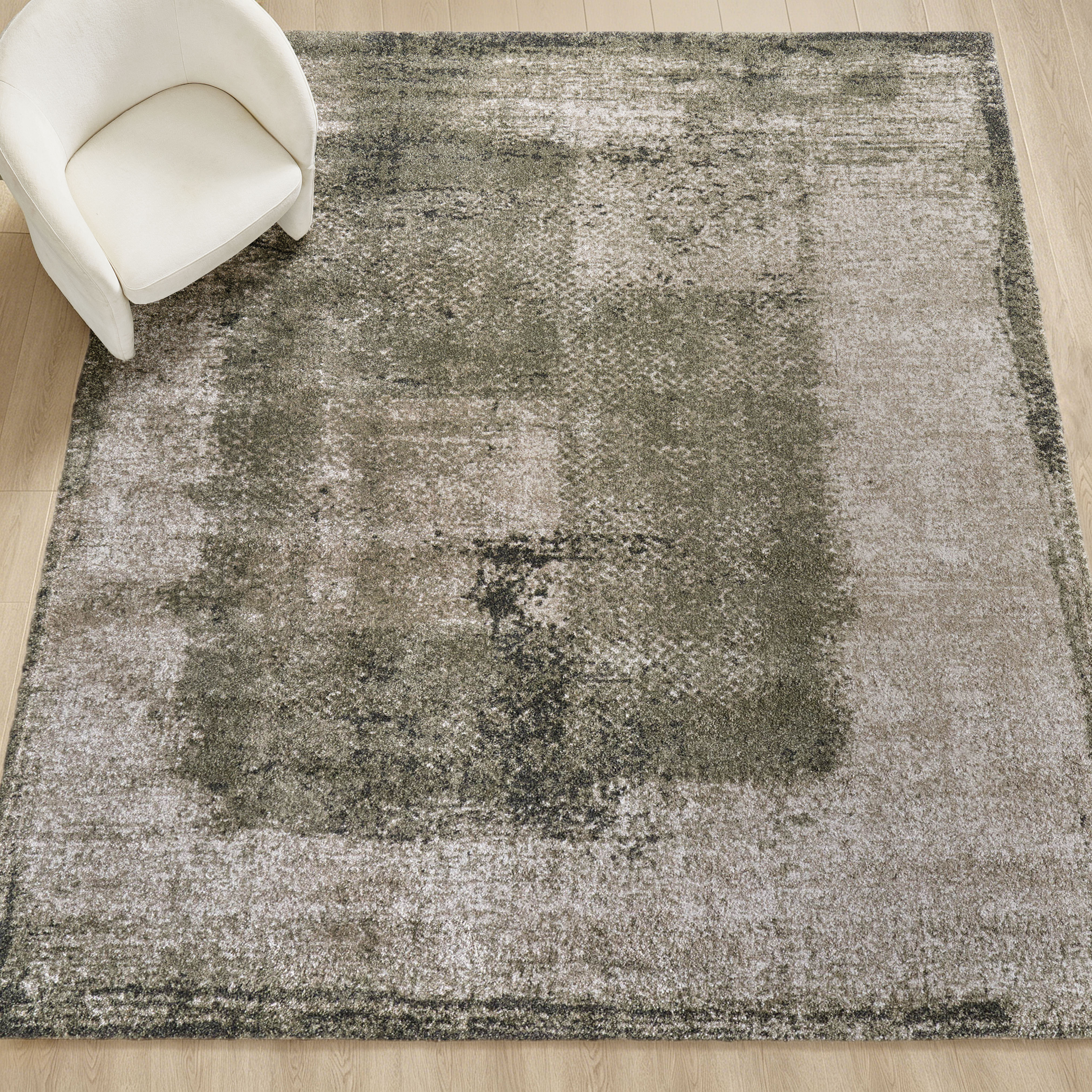
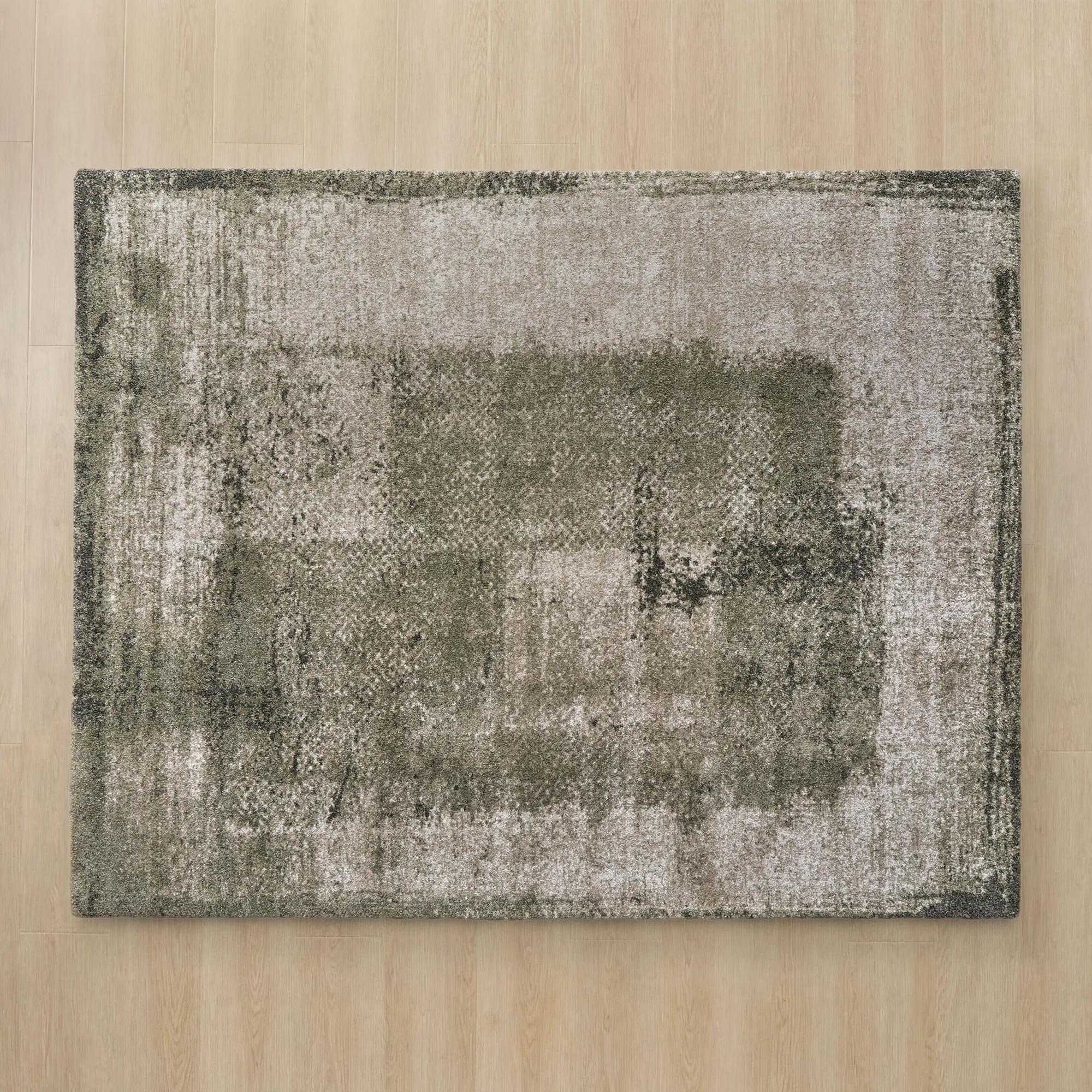 Irving Abstract Moss Green/Beige/Grey Performance Power Loomed Rug$1349
An abstract rug in moss green, beige, and grey with plush, durable polypropylene and polyester construction.
Add To Cart -
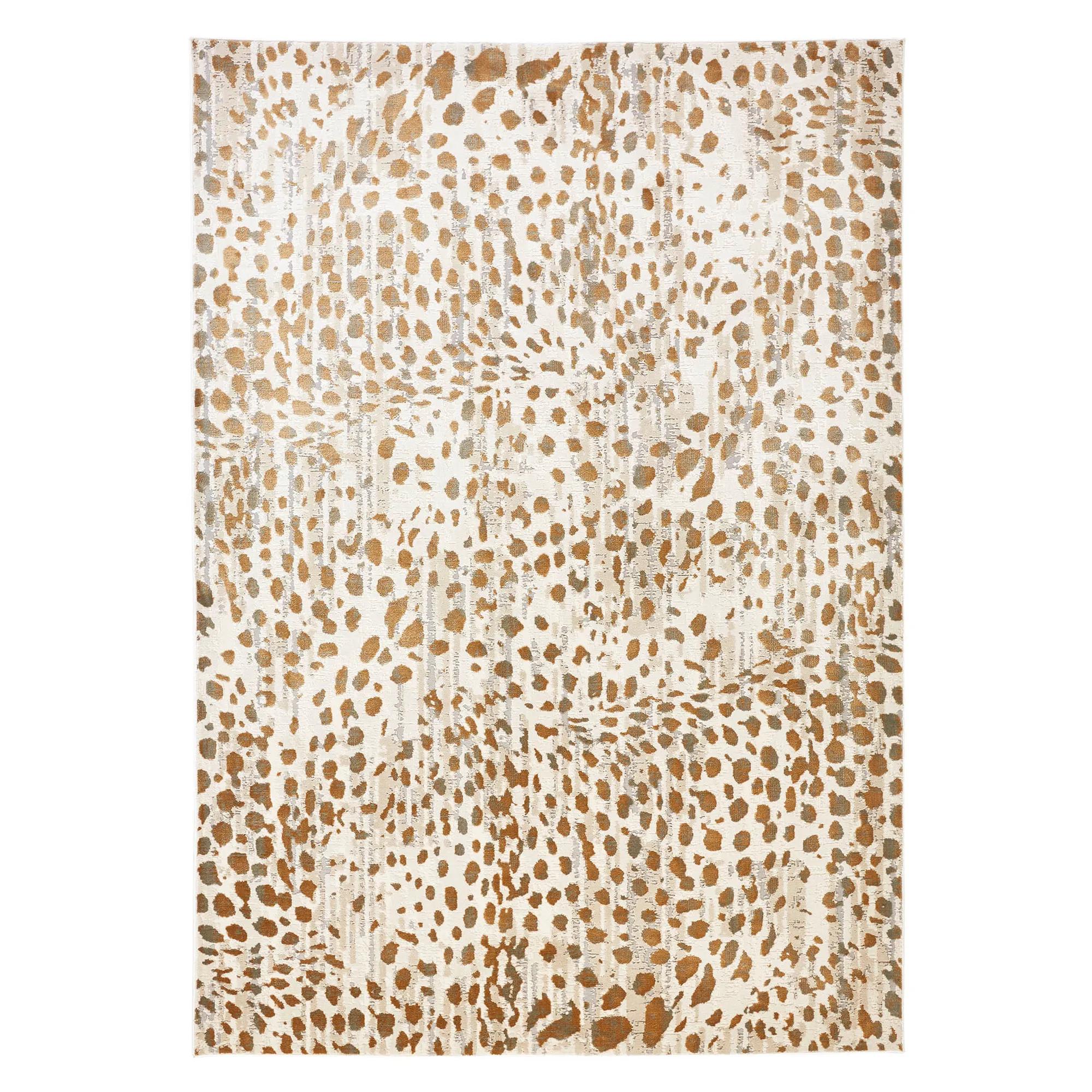
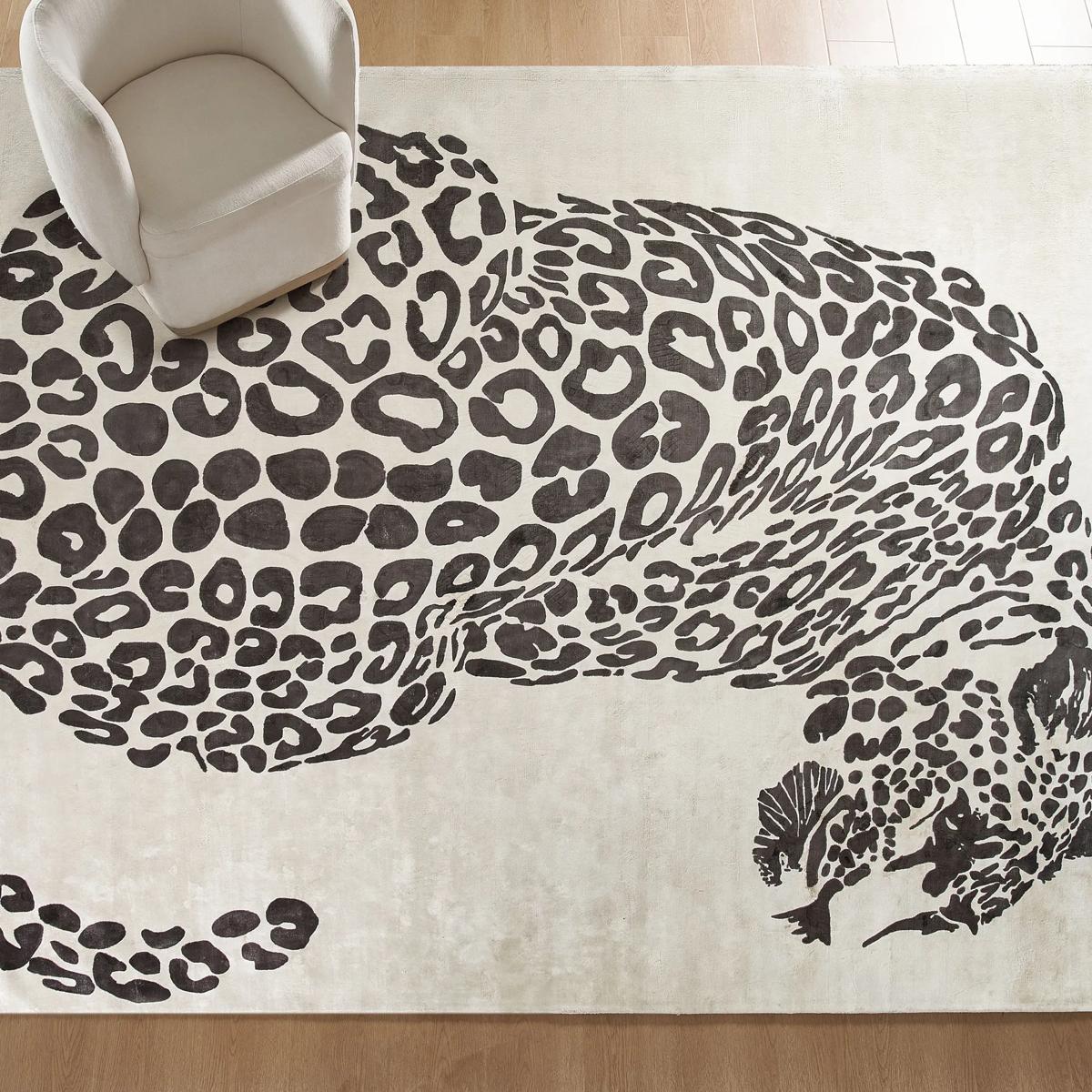
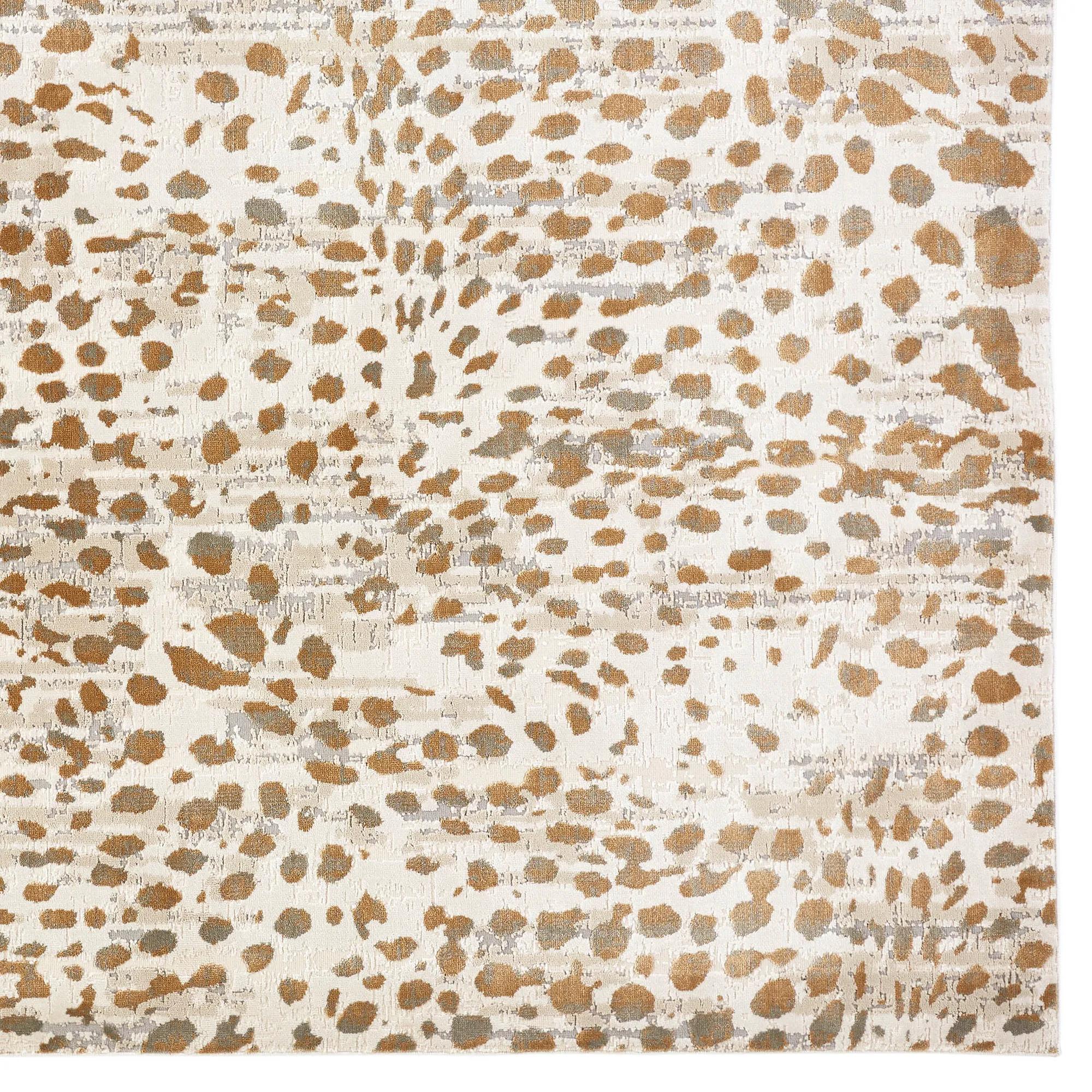 Amur Ivory/Natural Animal Print Power-Loomed Rug$399
A hand-tufted wool and viscose rug featuring a gold chain link design on neutral grey.
Add To Cart -
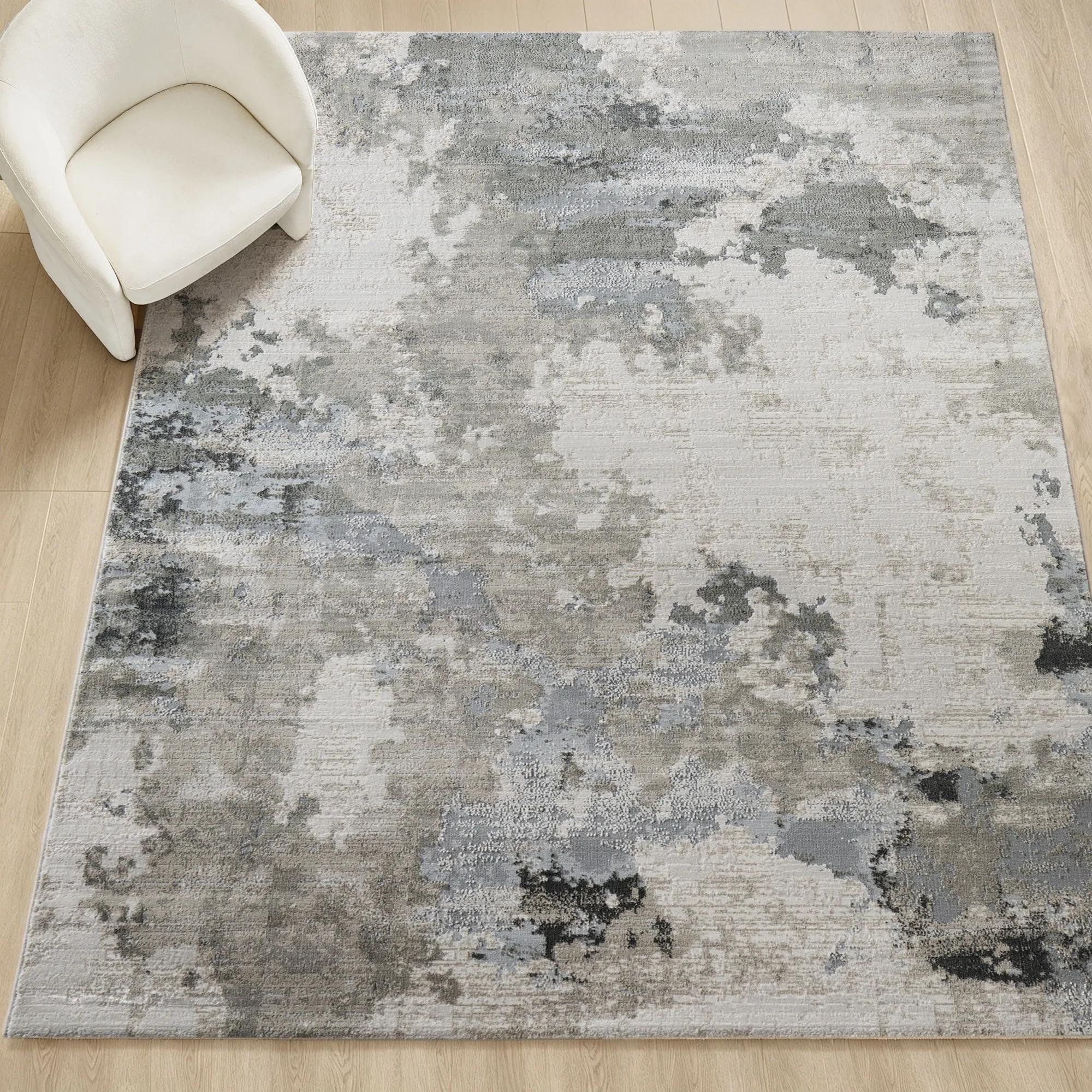 Alarion Abstract Grey/Muted Blue/Ivory Performance Power Loomed Rug$379
A power-loomed rug featuring a grey, muted blue, and ivory abstract pattern with stain-resistant durability.
Add To Cart -
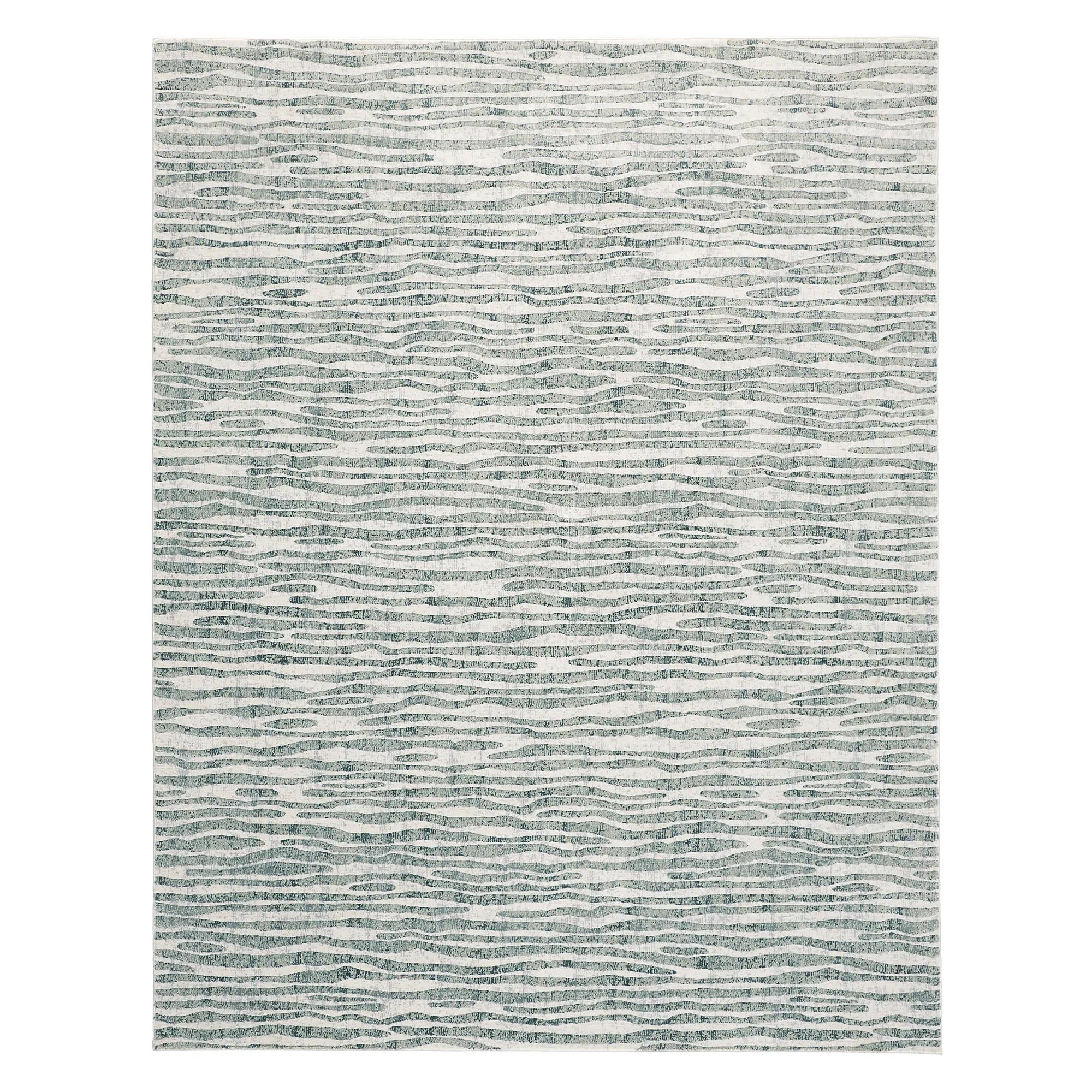 Samantha Power-Loomed Aqua/Grey Rug$719
A machine-woven rug featuring silvery-aqua and green accents on an ivory and grey polypropylene base.
Add To Cart -
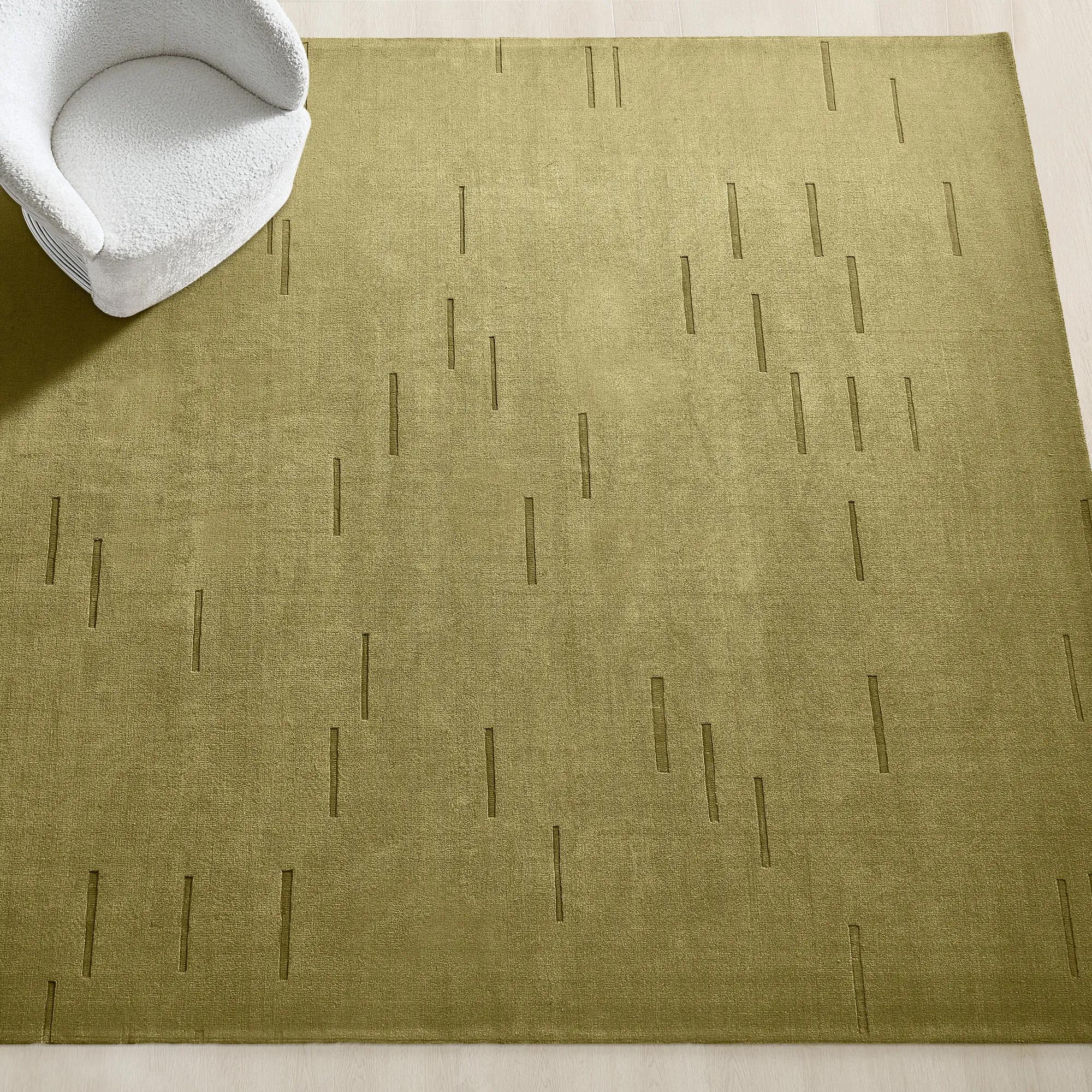
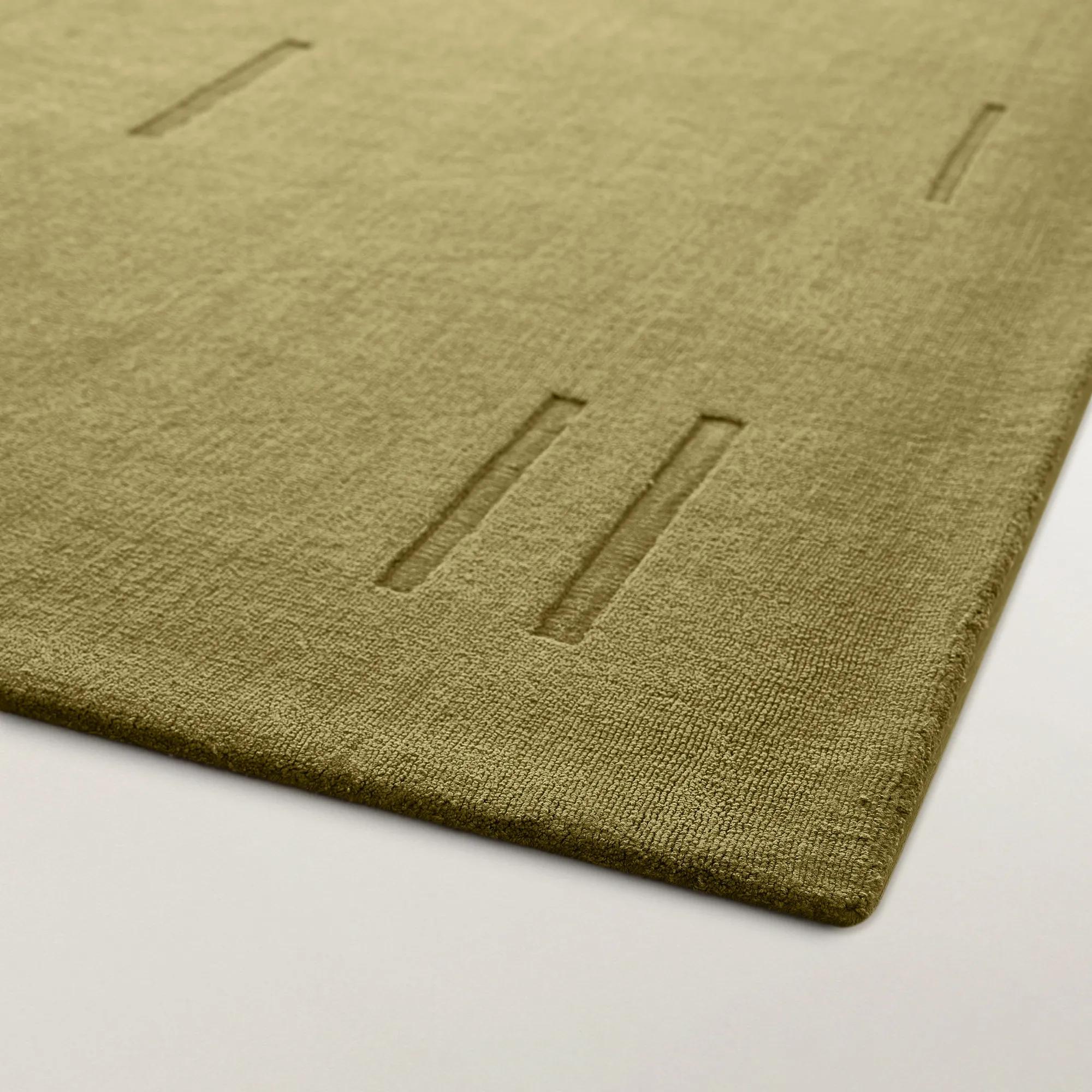 Lamita Muted Olive Green Wool Blend Rug$1299
A muted olive green wool-blend rug adding soft texture and understated warmth to modern interiors.
Add To Cart -
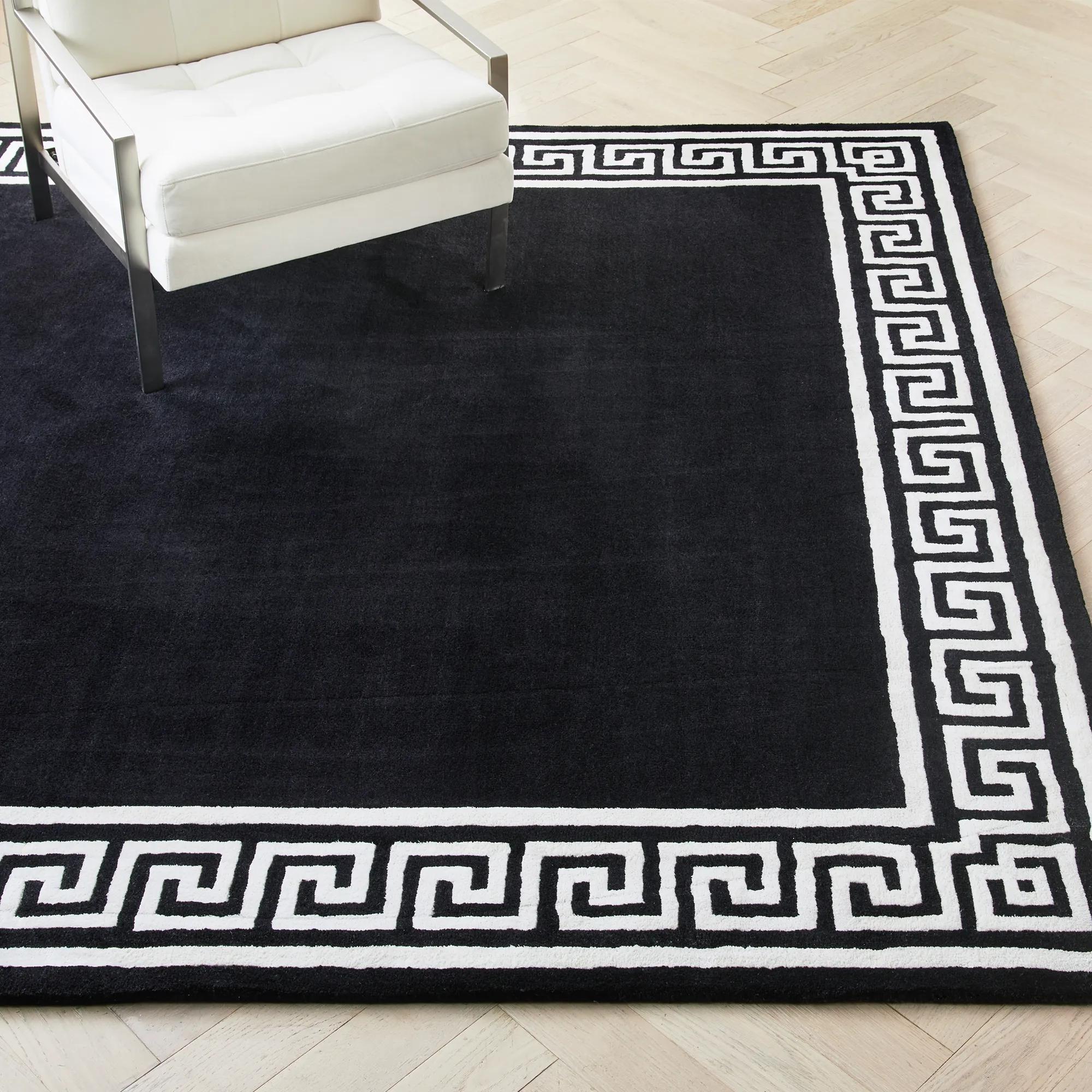
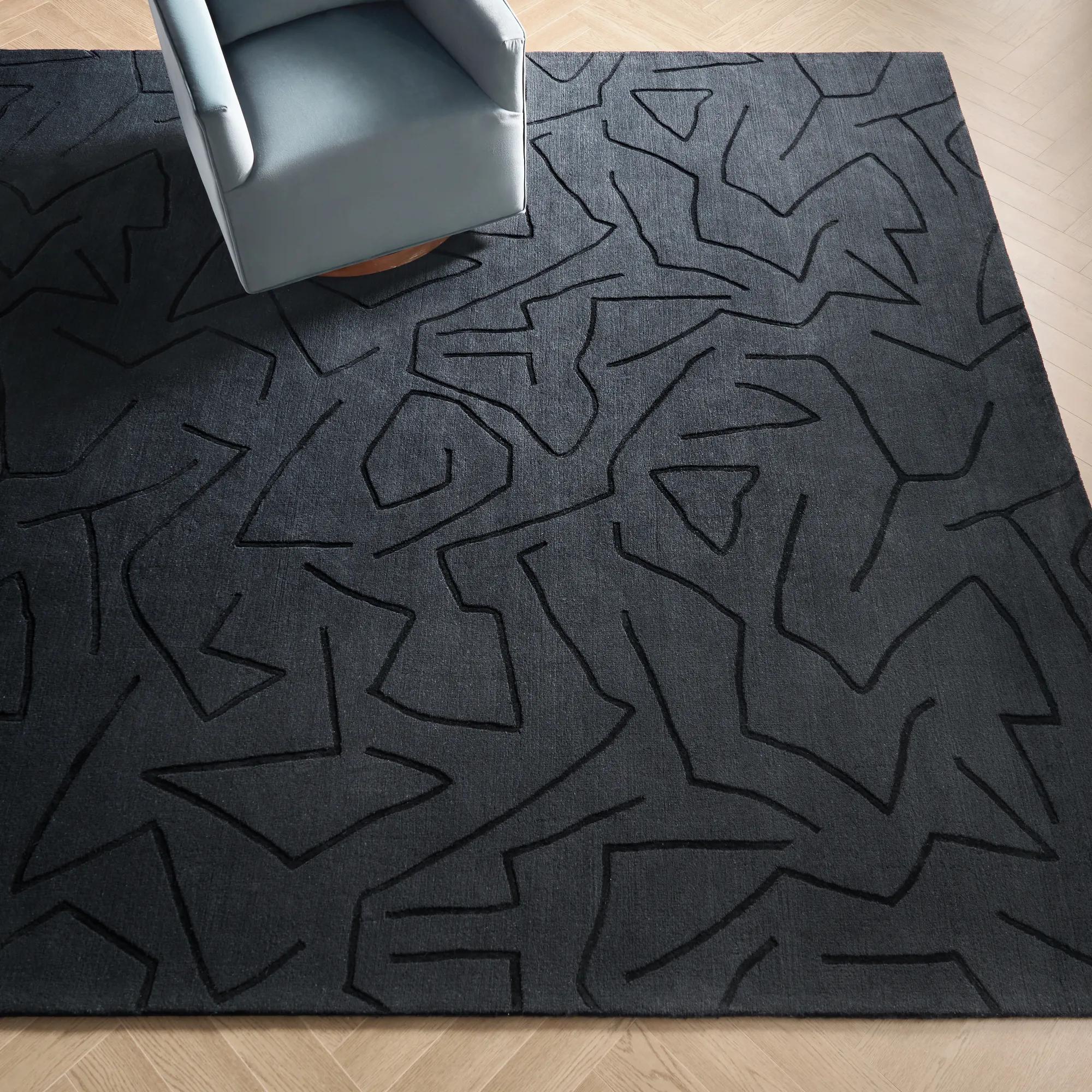 Carved Maze Rug$699
A hand-loomed black rug crafted from wool and viscose, featuring a carved maze design for added texture.
Add To Cart -
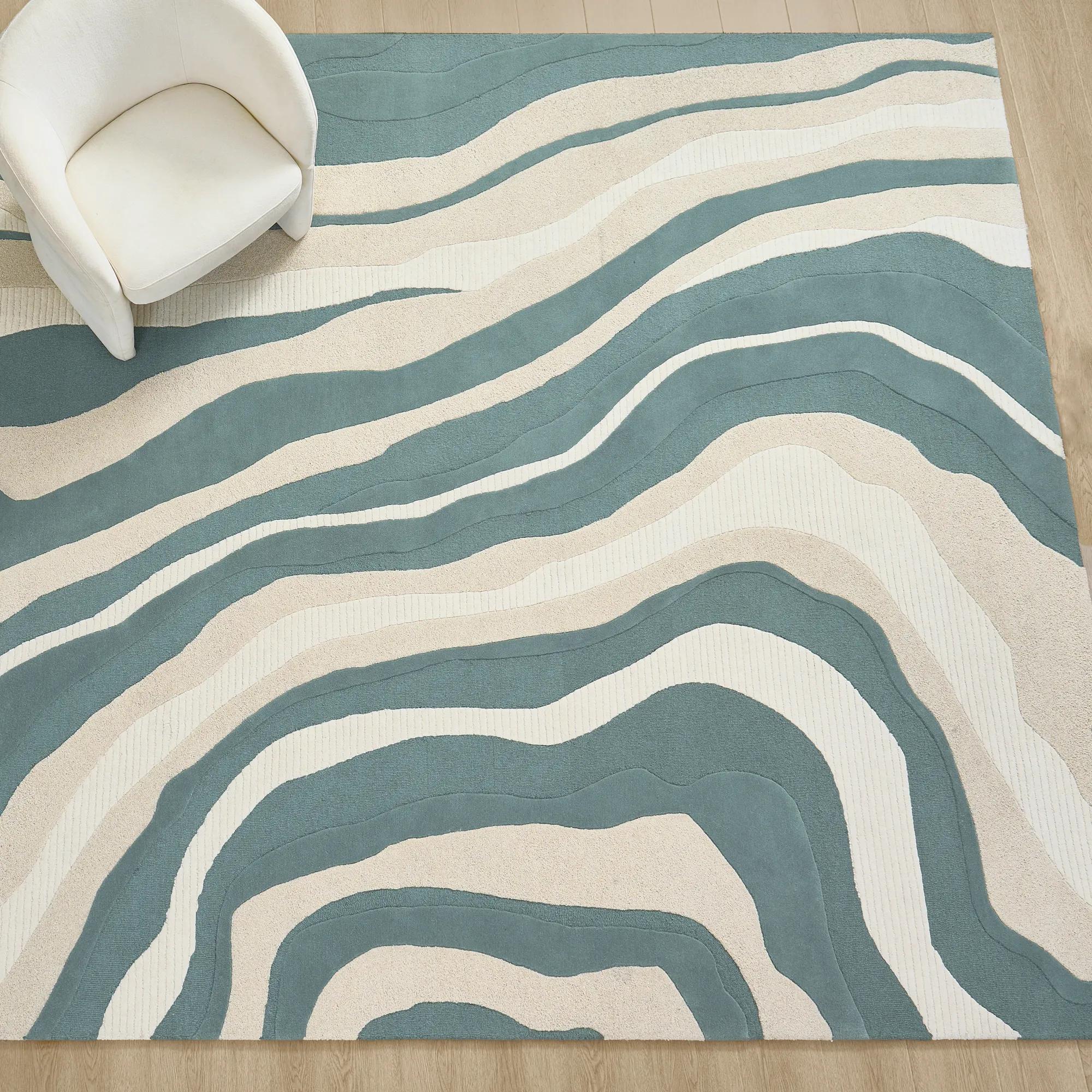 Kadence Hand-Tufted Sage Green/Ivory Wool Rugs$1499
A hand-tufted wool rug in deep sage green and ivory with a sculptural high-low abstract wave pattern.
Add To Cart -
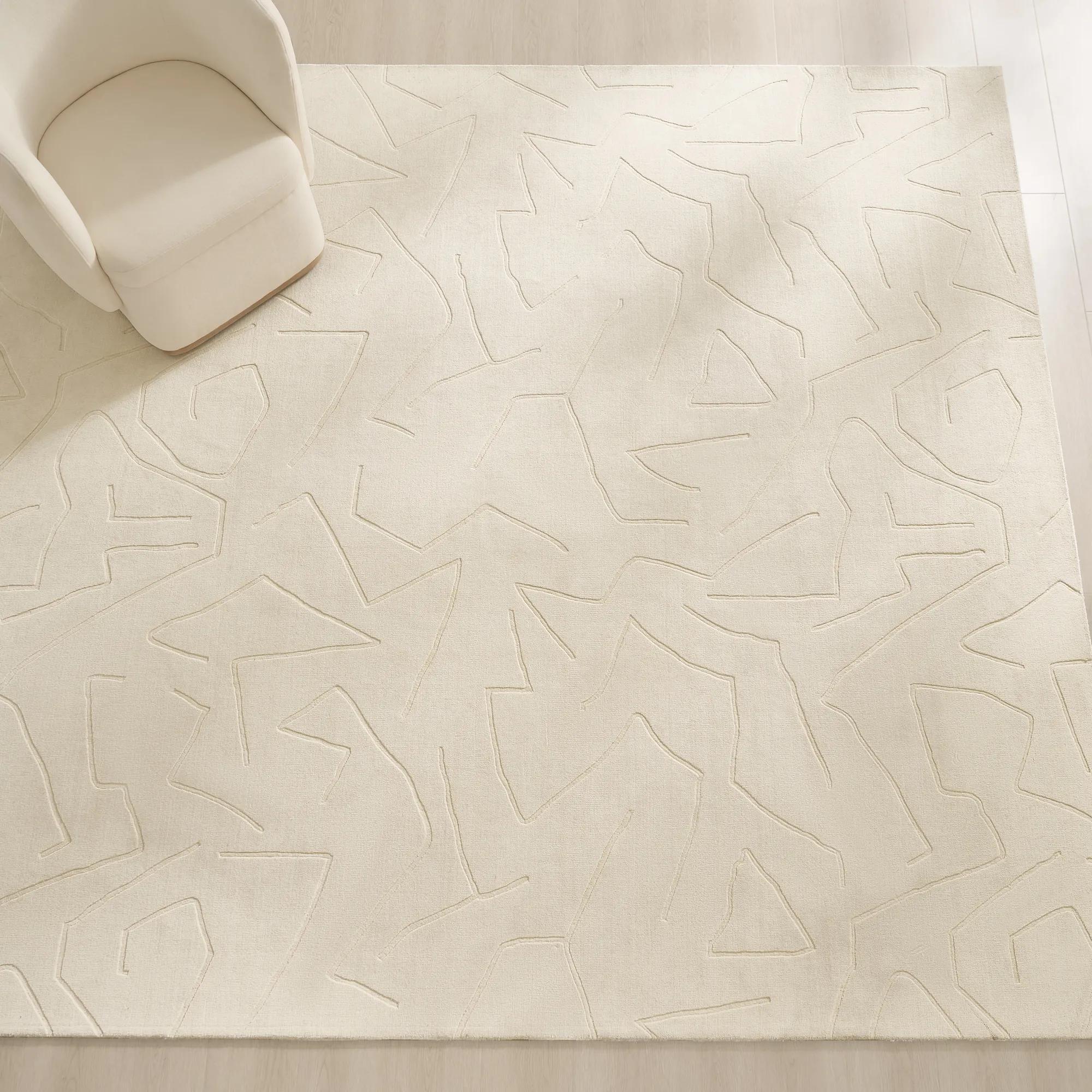 Carved Maze Ivory Hand-Loomed Wool Blend Rug$1399
A hand-loomed ivory wool-blend rug featuring a carved maze pattern for modern textural appeal.
Add To Cart

Soft Geometric Living Room Rugs
Soft geometric living room rugs invite a symphony of shape and sensation into your space, transforming the ordinary floor into a masterpiece underfoot. Each design weaves together fluid lines and modern geometry, striking a harmonious balance between structure and softness. The result is an artful foundation that anchors your living room in comfort while dazzling the eye with sculptural intrigue. Let these rugs be the statement that draws every gaze, the tactile luxury that beckons bare feet—where bold pattern meets plush perfection, and every moment at home feels exquisitely curated.
Soft geometric living room rugs combine a comfortable surface with the visual rhythm of repeating shapes, creating a foundation that feels inviting without surrendering its architectural presence. Their softness can come from the pile, the palette, or the pattern itself: plush fibers cushion each step, muted colors soften contrast, and rounded diamonds or gently broken lines keep geometry from feeling rigid. These qualities give a seating area definition while leaving room for expressive furniture, sculptural lighting, and art. An ivory rug traced with tonal arcs can bring subtle movement beneath a richly upholstered sofa, while an oversized lattice in taupe and charcoal gives pale seating a more dramatic frame. Curves, offset blocks, elongated hexagons, and abstract grids each establish a different rhythm; larger motifs tend to read as expansive gestures, while smaller repeats create a more intricate surface. Pattern contrast matters as much as shape. A closely matched ground and motif often feels serene, whereas darker outlines make the floor a stronger part of the composition. For an understated palette with an architectural point of view, Geometric Neutral Living Room Rugs offer a related expression of this balance. Cream, stone, gray, and sand can connect contrasting finishes without making the room feel overly coordinated. A geometric rug is especially compelling beside curved seating, where its lines lend structure, or beneath a glass coffee table that allows the design to remain visible. In a room already rich with veined stone, mirrored surfaces, or patterned pillows, quieter geometry provides continuity rather than another competing focal point. The effect depends on proportion and texture, not simply on how bold the motif appears in isolation. A softly defined pattern can hold a room together with remarkable confidence, giving conversation areas a deliberate center and allowing individual furnishings to retain their character.
Material and construction shape how a soft geometric rug feels, wears, and reveals its design. Wool offers a substantial hand and natural fiber resilience, making it appealing for living rooms where comfort and lasting texture carry equal importance. Its crimp helps the pile recover from everyday compression, though furniture can still leave impressions and some wool rugs shed loose fibers, particularly early in use. Polyester can deliver a smooth, plush feel and clear color definition, lending itself to both hazy tonal patterns and more sharply drawn geometry. Polypropylene resists moisture absorption and many common stains, making it a practical consideration for frequently used gathering spaces, although it is not immune to soiling, flattening, or damage. Blends combine characteristics in different proportions, so fiber content alone does not tell the whole story. Pile density, yarn quality, backing, and construction also influence performance. A dense, lower pile generally accommodates foot traffic and furniture movement more easily, while a deeper pile offers a more enveloping feel for lounging close to the floor. Higher pile can also hold crumbs and pet hair more readily, an important distinction in a living room shared by children, animals, and frequent guests. Raised geometric motifs add another dimension, catching light across sculpted lines and making a restrained color palette feel richly detailed. High-low surfaces can look particularly striking beside smooth upholstery, but their channels may need more deliberate vacuuming. Flatwoven constructions provide a slimmer profile and crisp pattern definition, with less cushioning than a plush cut pile. A compatible rug pad can improve the feel underfoot while helping reduce movement; its material should suit both the rug backing and the floor finish. For households that gather around the coffee table for games or stretch out for movie nights, softness deserves to be considered alongside ease of cleaning. In a more formal sitting room, the appeal may lie in a finely textured surface that brings depth to the arrangement without visually overwhelming it.
Scale gives these rugs their presence. A generous rug can connect a sofa, accent chairs, and coffee table into one composition, while a rug that sits entirely beneath the coffee table may leave the surrounding seating feeling disconnected. Common living room dimensions such as 8 by 10 feet or 9 by 12 feet are useful starting points, but the furniture footprint and room proportions should determine the final fit. Placing at least the front legs of the main seating pieces on the rug often creates a cohesive arrangement; in a larger room, a rug that accommodates all the seating legs can establish an especially expansive setting. Leaving a visible border of flooring preserves the distinction between the rug and the room, while adequate clearance at doorways prevents a plush surface from interfering with movement. Pattern placement deserves attention, too. A central medallion-like geometry may disappear beneath a substantial coffee table, whereas an allover design remains legible around furniture. In an open living area, the rug can mark the conversation zone without introducing a physical barrier. Everyday care helps preserve both that definition and the pleasure of the pile. Regular vacuuming, using settings appropriate to the construction, removes abrasive grit before it works deeper into the fibers; fringes and raised details may require gentler handling. Blot spills promptly with a clean, absorbent cloth rather than rubbing, and follow the care label before applying water or cleaning solutions. Machine washing is appropriate only when the rug is specifically labeled for it, regardless of fiber type. Periodic rotation can distribute traffic and light exposure more evenly, while suitable furniture protectors help limit concentrated pressure. Professional cleaning may be appropriate for wool, delicate fibers, or substantial rugs, according to the manufacturer’s recommendations. With proportions, texture, and maintenance matched to the household, a soft geometric living room rug becomes more than a decorative layer: it gives daily life a beautifully composed setting, from quiet reading beside an accent chair to an evening of conversation gathered around the sofa.
FAQs
Soft geometric living room rugs are remarkably versatile, complementing a variety of aesthetics from contemporary glam to mid-century modern and even eclectic maximalism. Their sculptural patterns and plush textures add depth and artistry to minimalist spaces, while their bold shapes and subtle hues can anchor more expressive, layered interiors. Whether your room is adorned with mirrored accents, velvet upholstery, or metallic finishes, these rugs provide a foundation of visual intrigue and tactile luxury.
A soft geometric rug instantly elevates the atmosphere, infusing your living room with a sense of curated elegance and inviting comfort. The interplay of shapes and textures creates movement and visual interest, while the sumptuous feel underfoot encourages relaxation and connection. As natural light shifts throughout the day, the rug’s patterns come alive, casting subtle shadows and transforming the mood of the space—making every moment at home feel like a work of art.
Absolutely. The plush construction and gentle patterns of soft geometric rugs make them both inviting and practical for families with pets or children. Their durable fibers can withstand daily activity, while their soft surfaces offer a cozy spot for playtime, reading, or lounging. Plus, the layered geometric designs are forgiving of minor spills or footprints, blending beauty with everyday livability.
Layering soft geometric rugs with other pieces—such as textured neutrals or bold accent rugs—can create a dramatic, curated look that’s rich in personality. Pairing them with metallic tables, glass accessories, or statement art enhances their visual impact, while coordinating throws and pillows can echo their patterns and hues for a cohesive, gallery-worthy space.
Soft geometric living room rugs are often crafted from luxurious materials such as hand-tufted wool, silky viscose, or plush synthetic blends. These fibers are chosen for their durability, sheen, and ability to hold intricate patterns. The result is a rug that feels as sumptuous as it looks, offering both resilience and a touch of opulence to your living space.