Soft Neutral Pattern Rugs
Soft Neutral Pattern Rugs
-
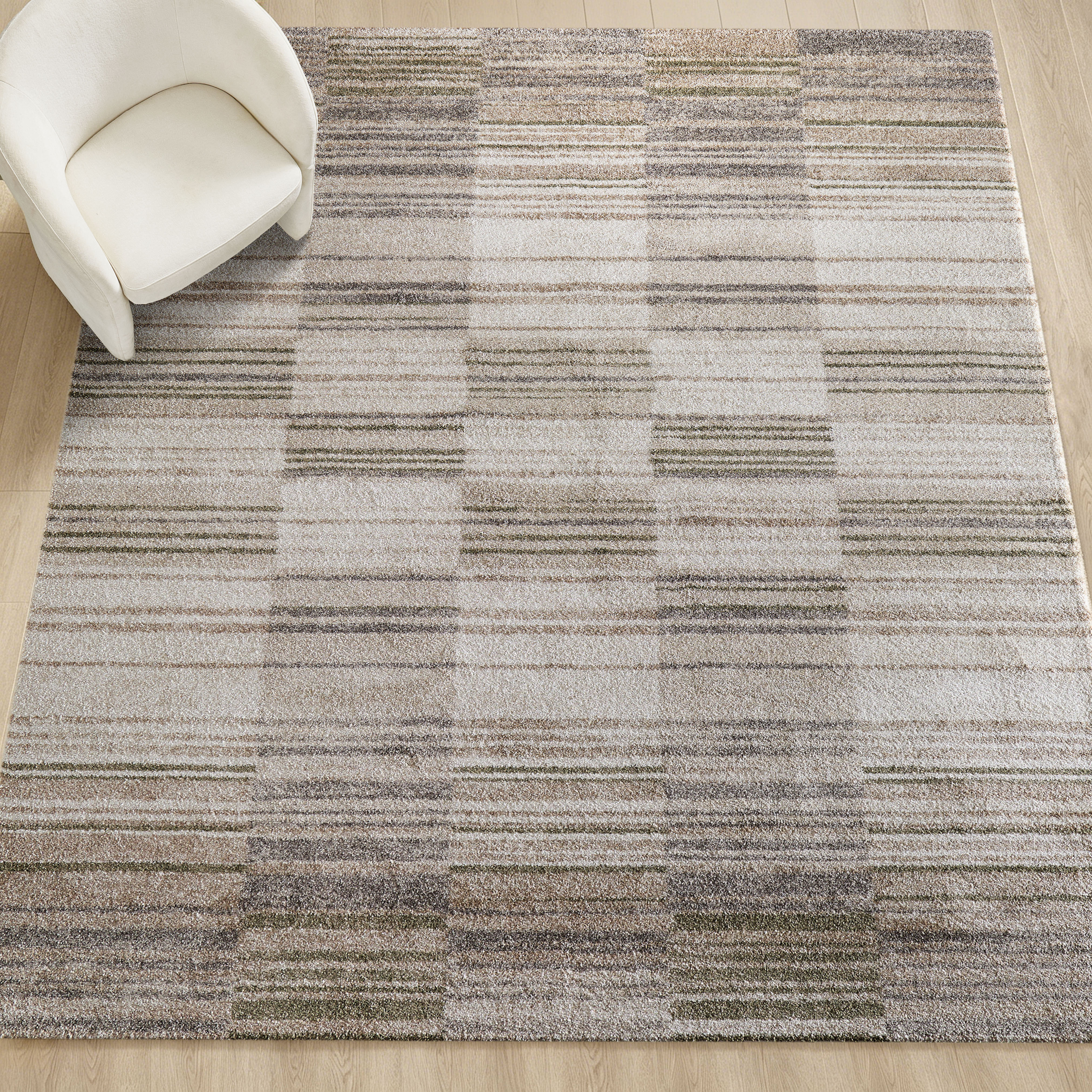
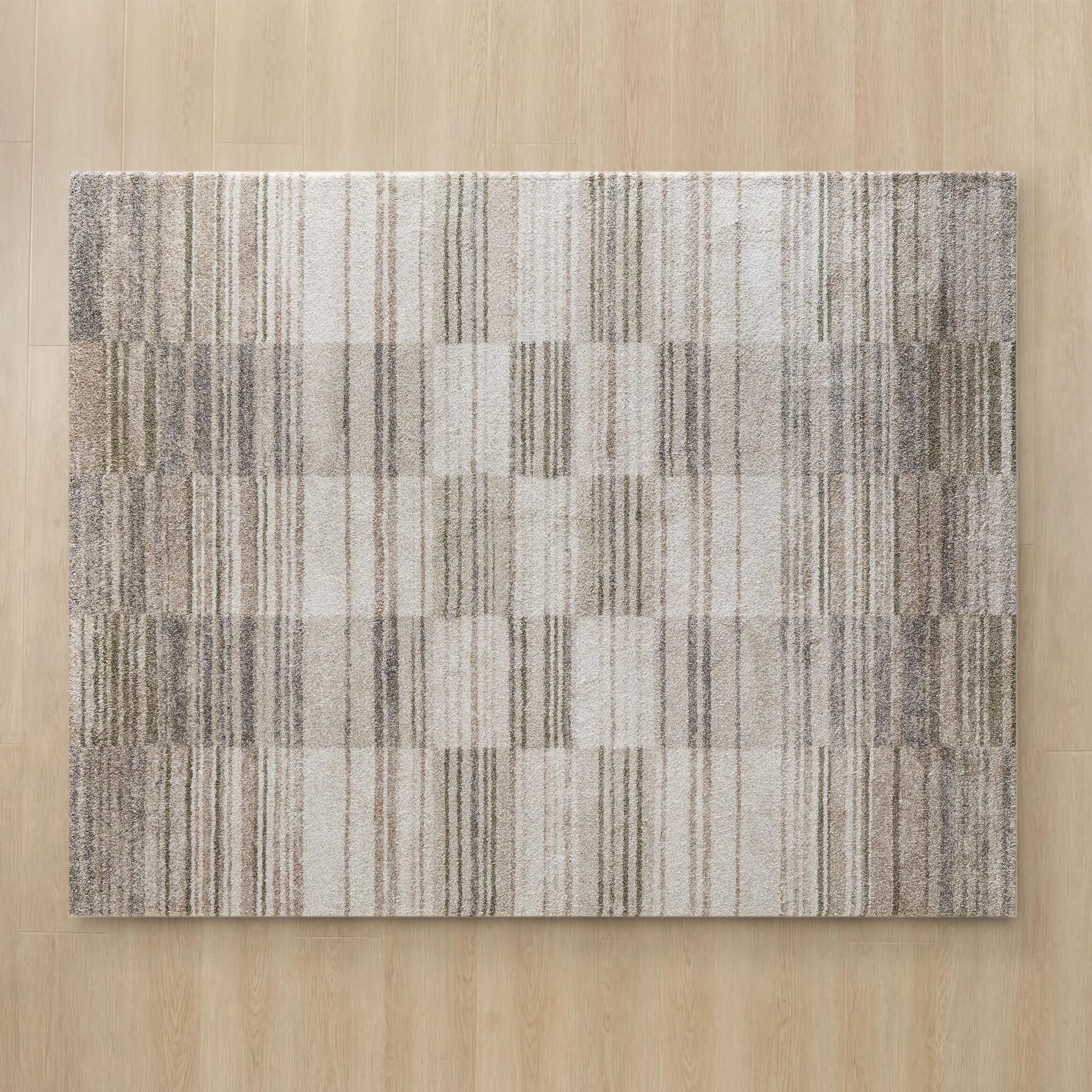 Checka Grey/Tan/Ivory/Soft Green Performance Power Loomed Rug$399
A plush, power-loomed rug featuring a soft check pattern in grey, tan, ivory, and green.
Add To Cart -
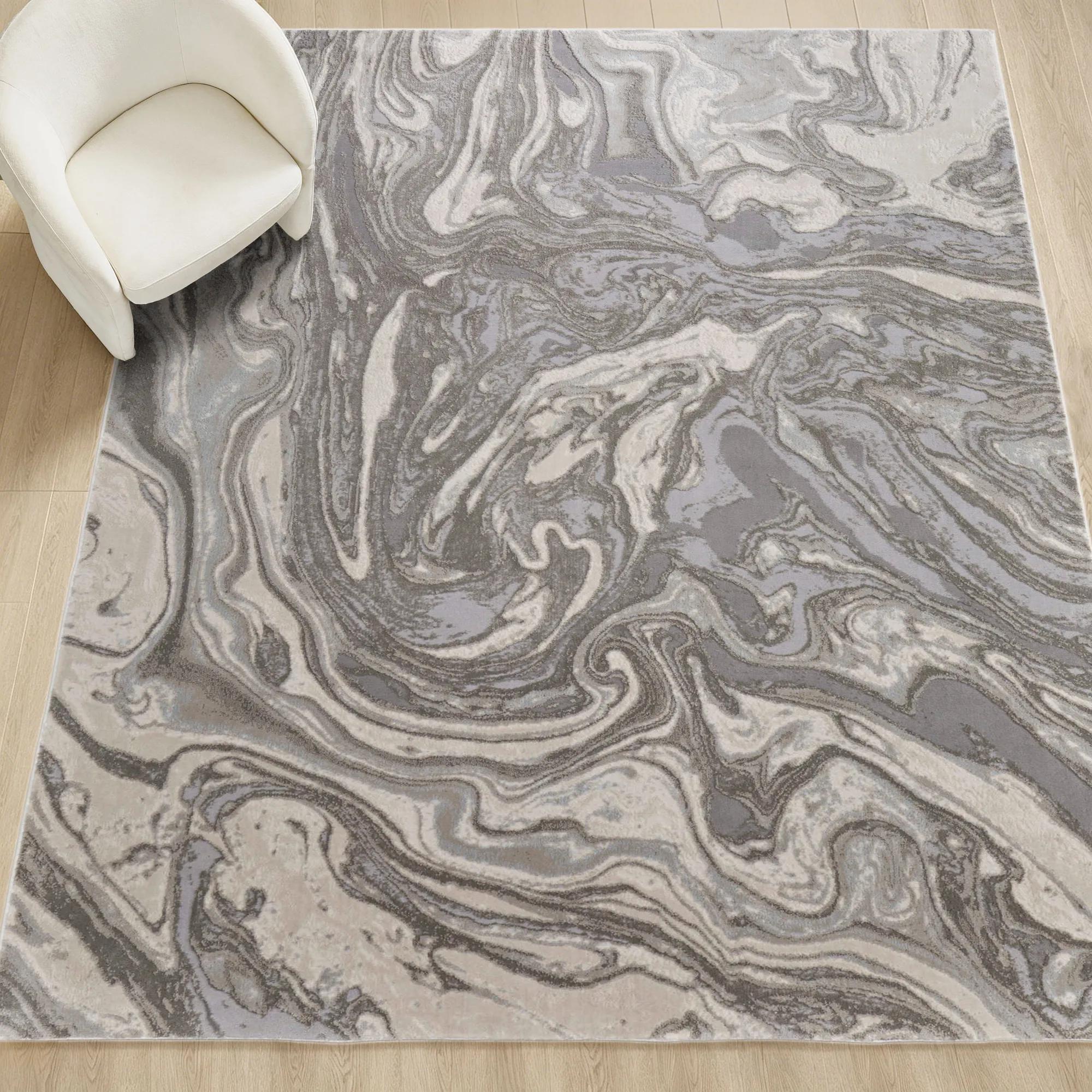
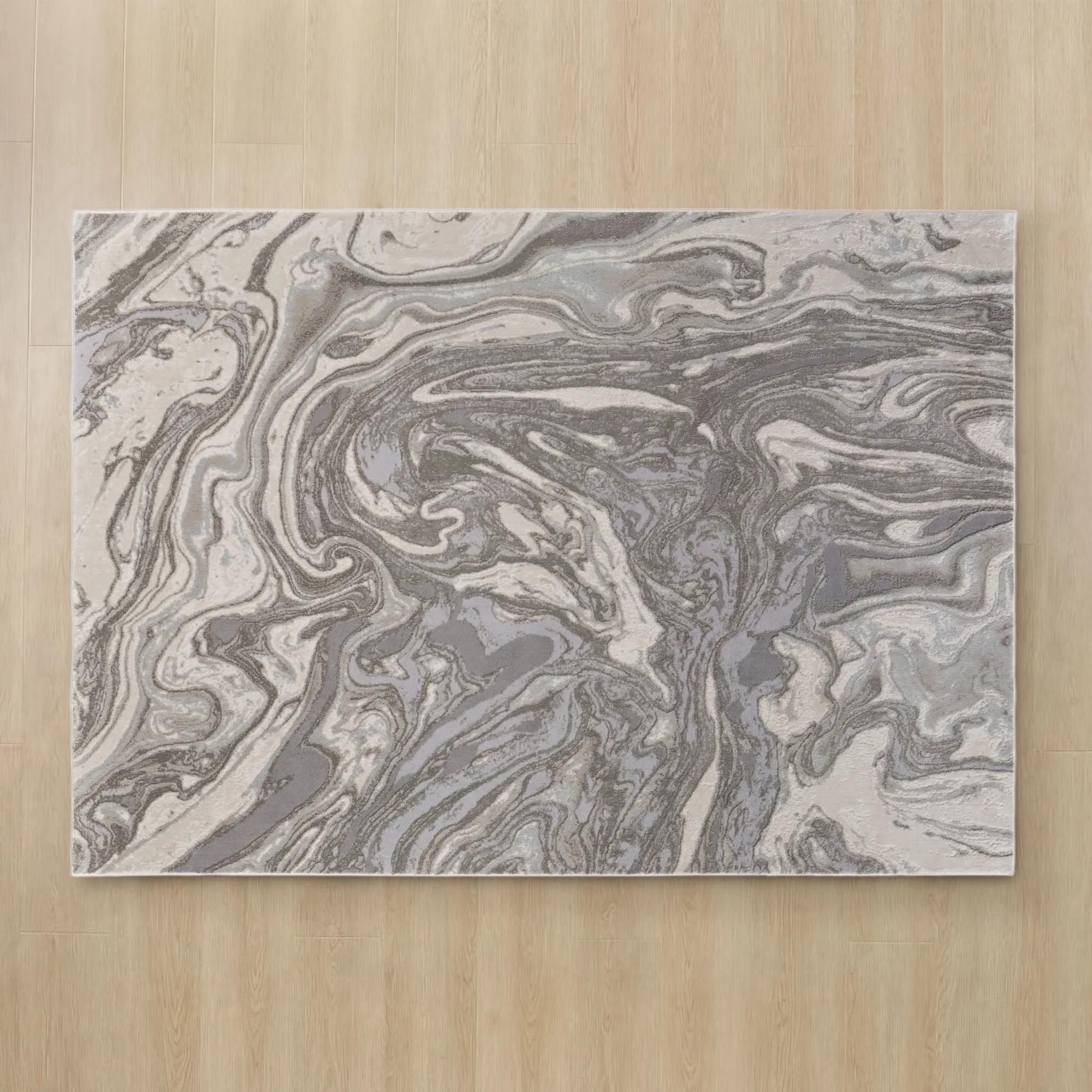 Marbre Marbled Grey/Taupe/Powder Blue Performance Power Loomed Rug$379
A softly marbled rug in grey, taupe, and powder blue with a textured, stain-resistant polypropylene blend.
Add To Cart -
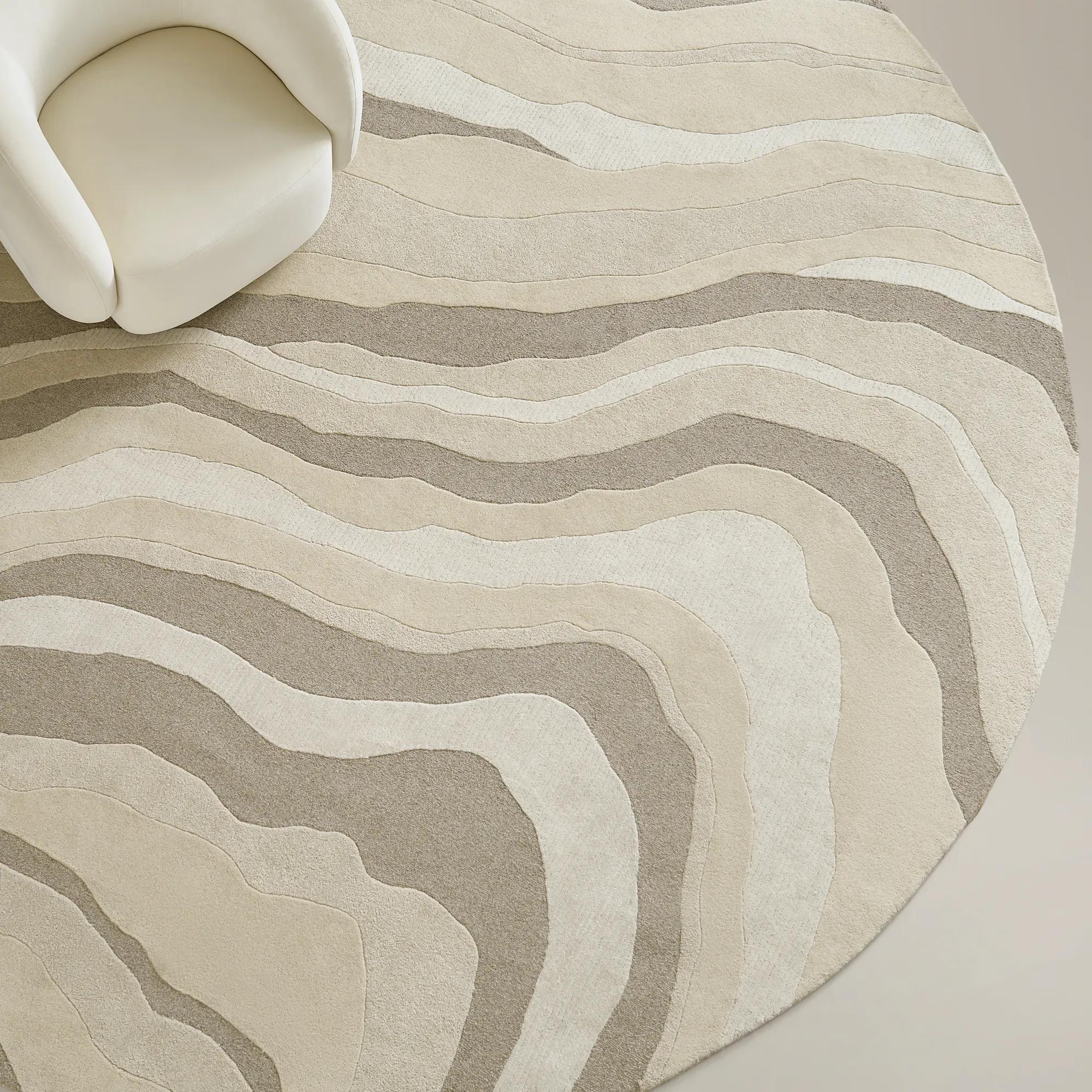 Kadence Hand-Tufted White/Ivory/Tan Wool Round Rug 12"$1799
A hand-tufted round rug in white, ivory, and tan, crafted from 100% wool for natural warmth.
Add To Cart -
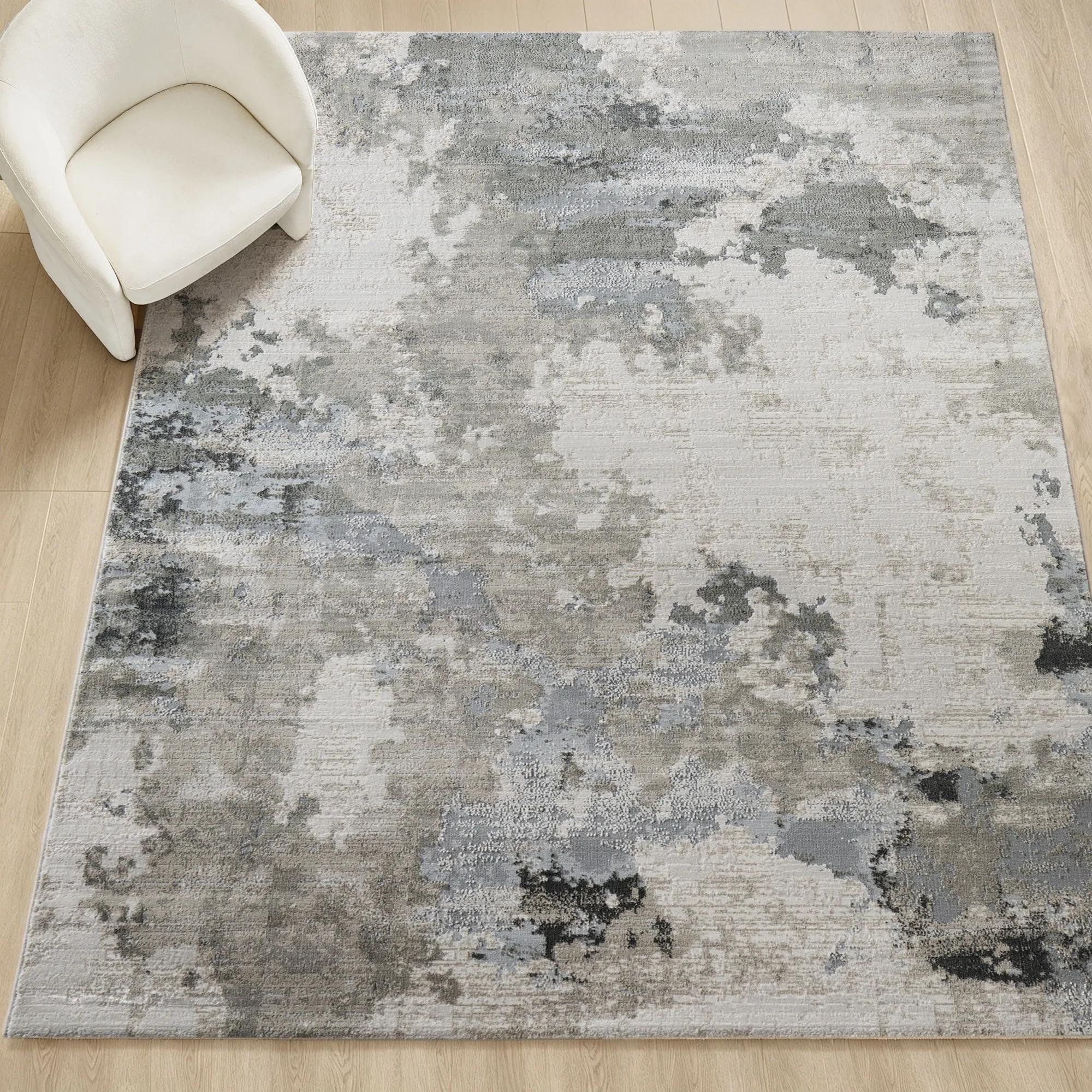 Alarion Abstract Grey/Muted Blue/Ivory Performance Power Loomed Rug$379
A power-loomed rug featuring a grey, muted blue, and ivory abstract pattern with stain-resistant durability.
Add To Cart -
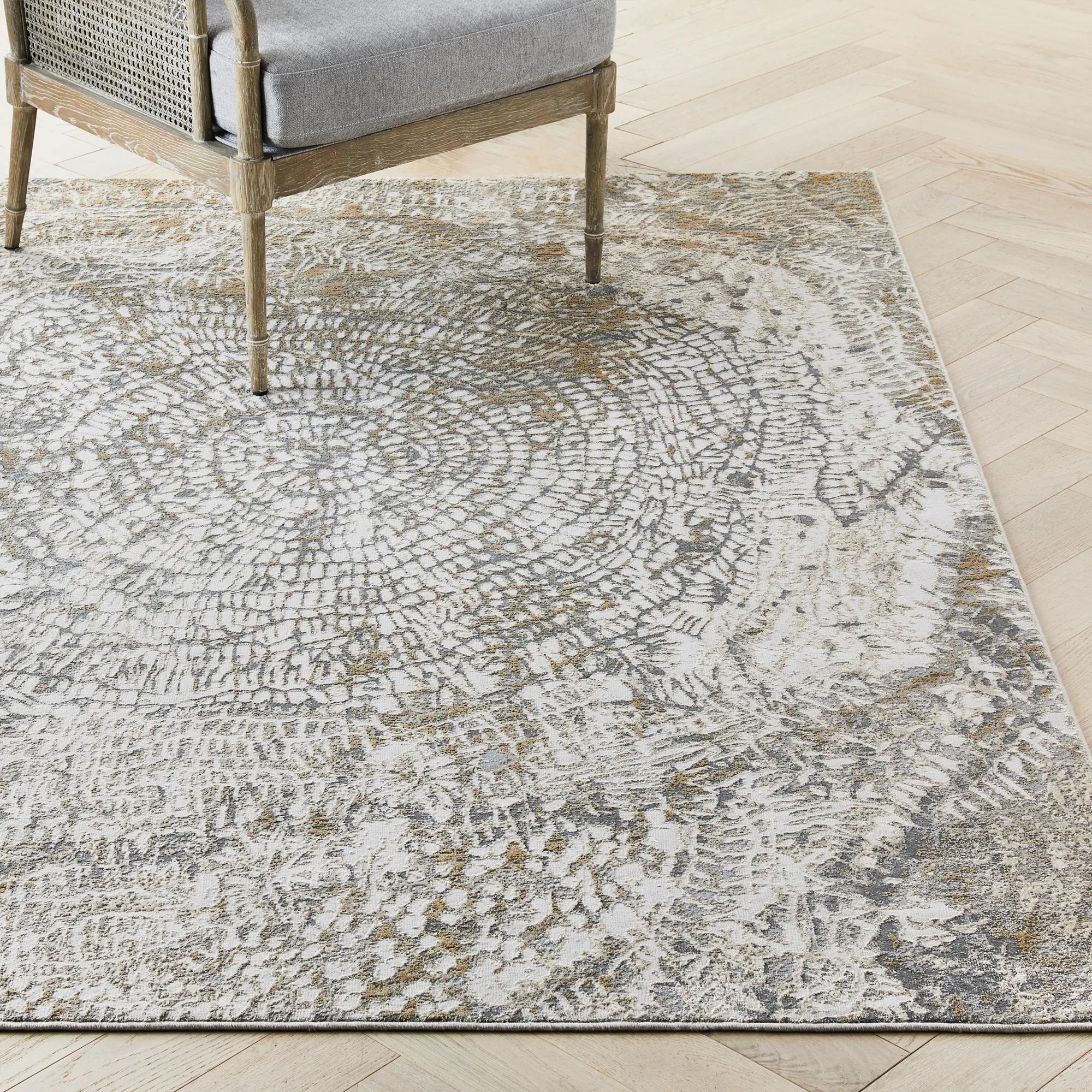 Nautilus Power-Loomed Silver/Grey/Natural Rug$449
A machine-woven ivory rug featuring subtle tree ring-inspired patterns in durable polypropylene and viscose.
Add To Cart -
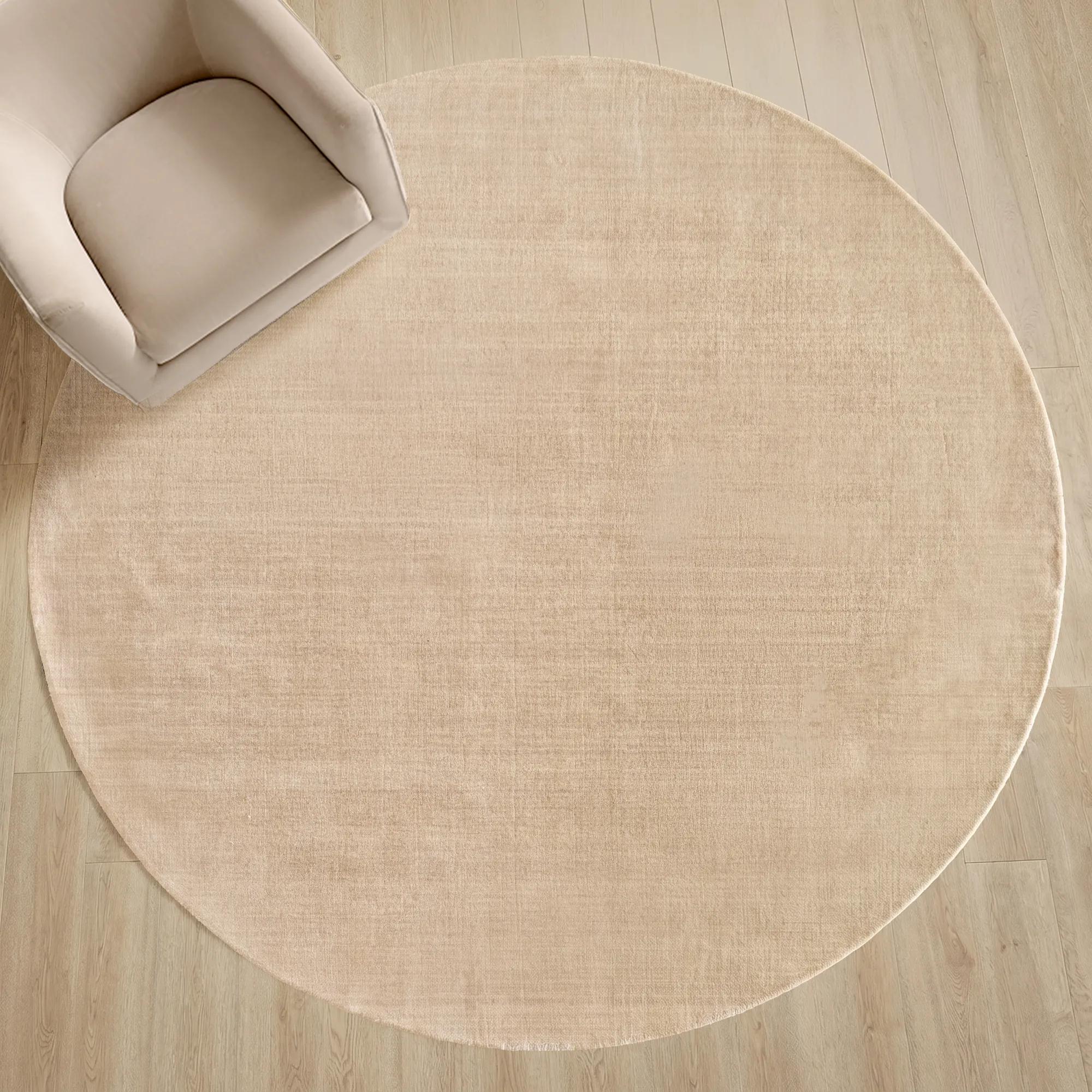 Juni Hand Woven Heathered Warm Beige Round Rug$1399
A handwoven round wool rug in heathered warm beige, offering refined texture and everyday durability.
Add To Cart -
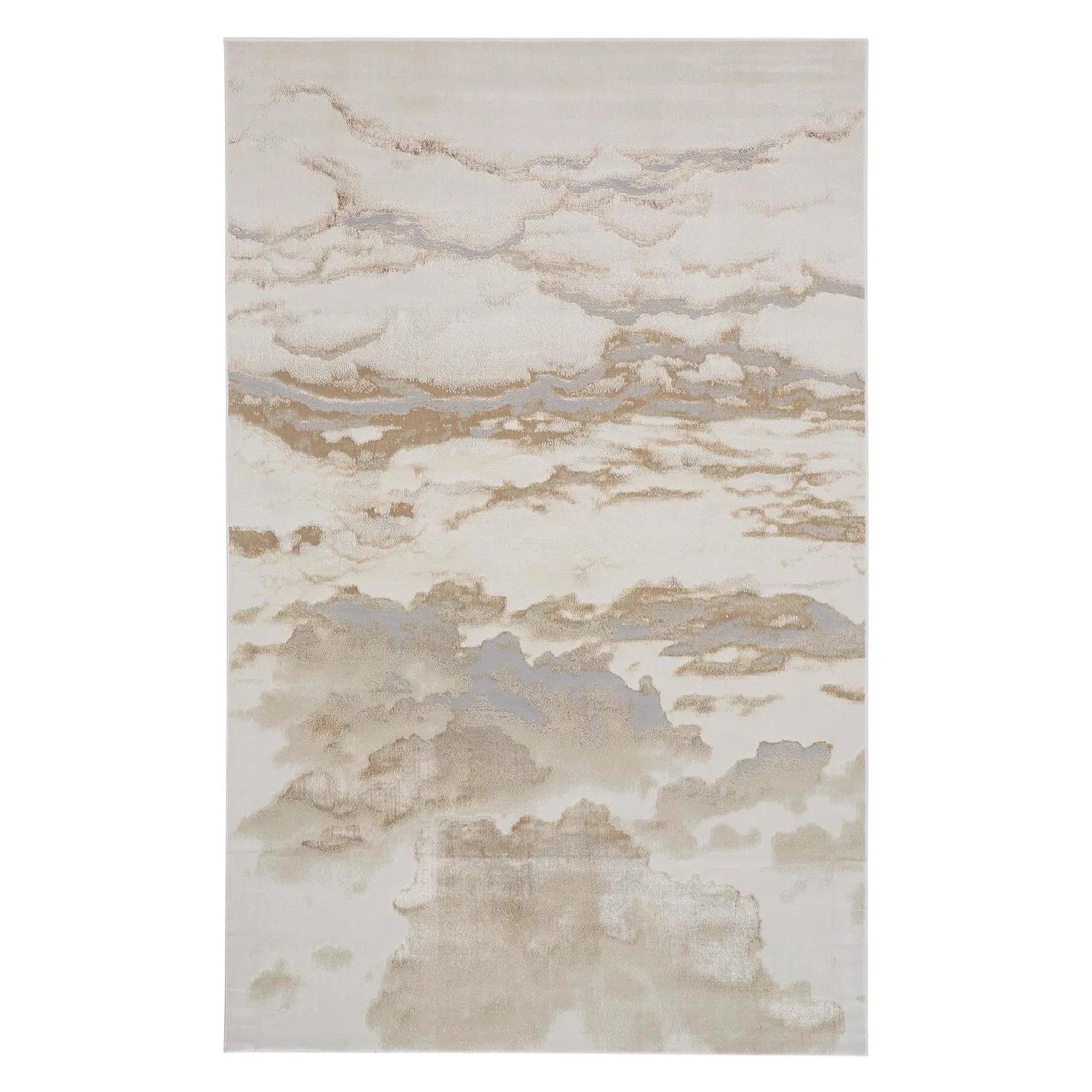
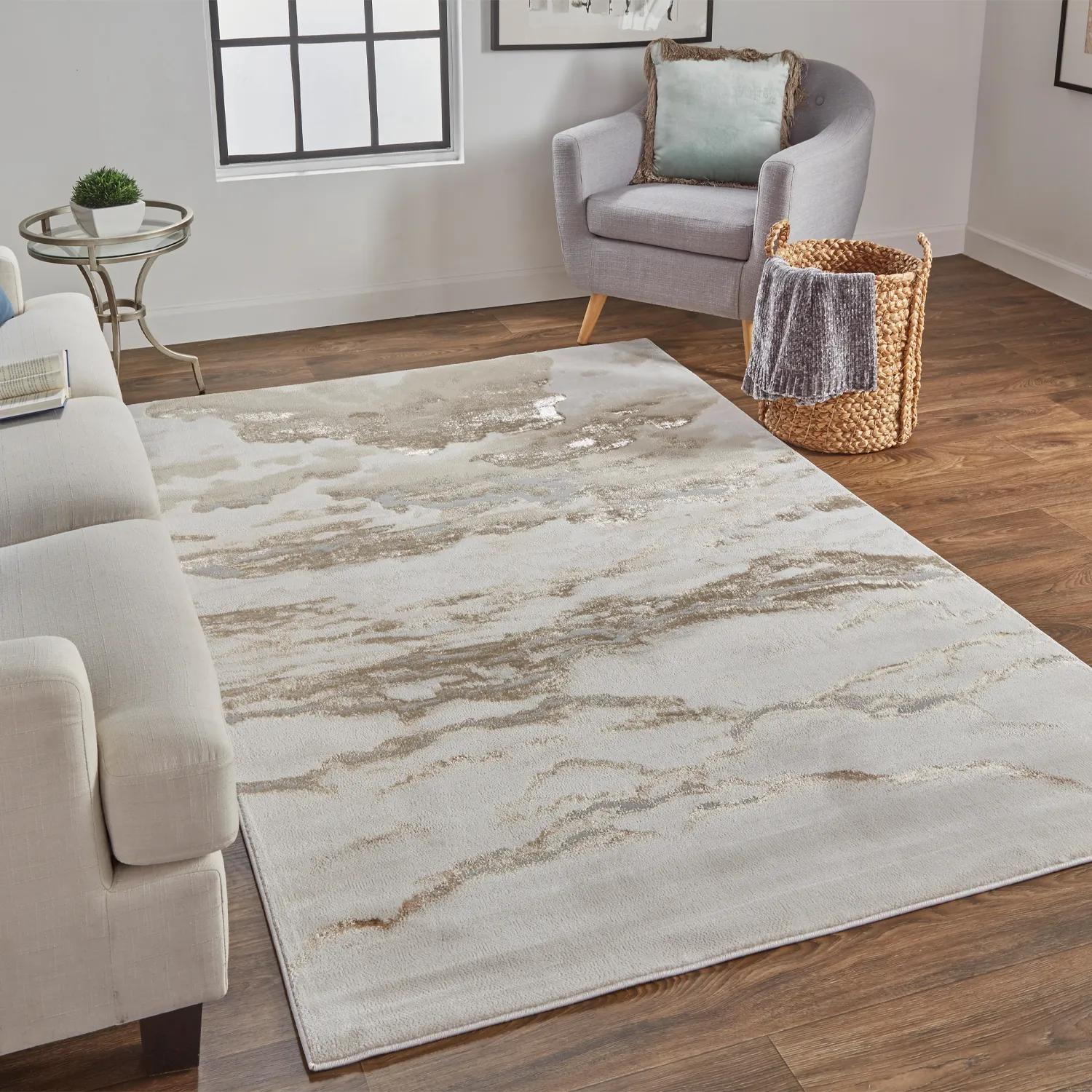 Tide Power-Loomed Beige/Gold/Ivory Rug$899
A machine-made rug in beige and gold, crafted from ultra-soft polyester and polypropylene for elegant spaces.
Add To Cart -
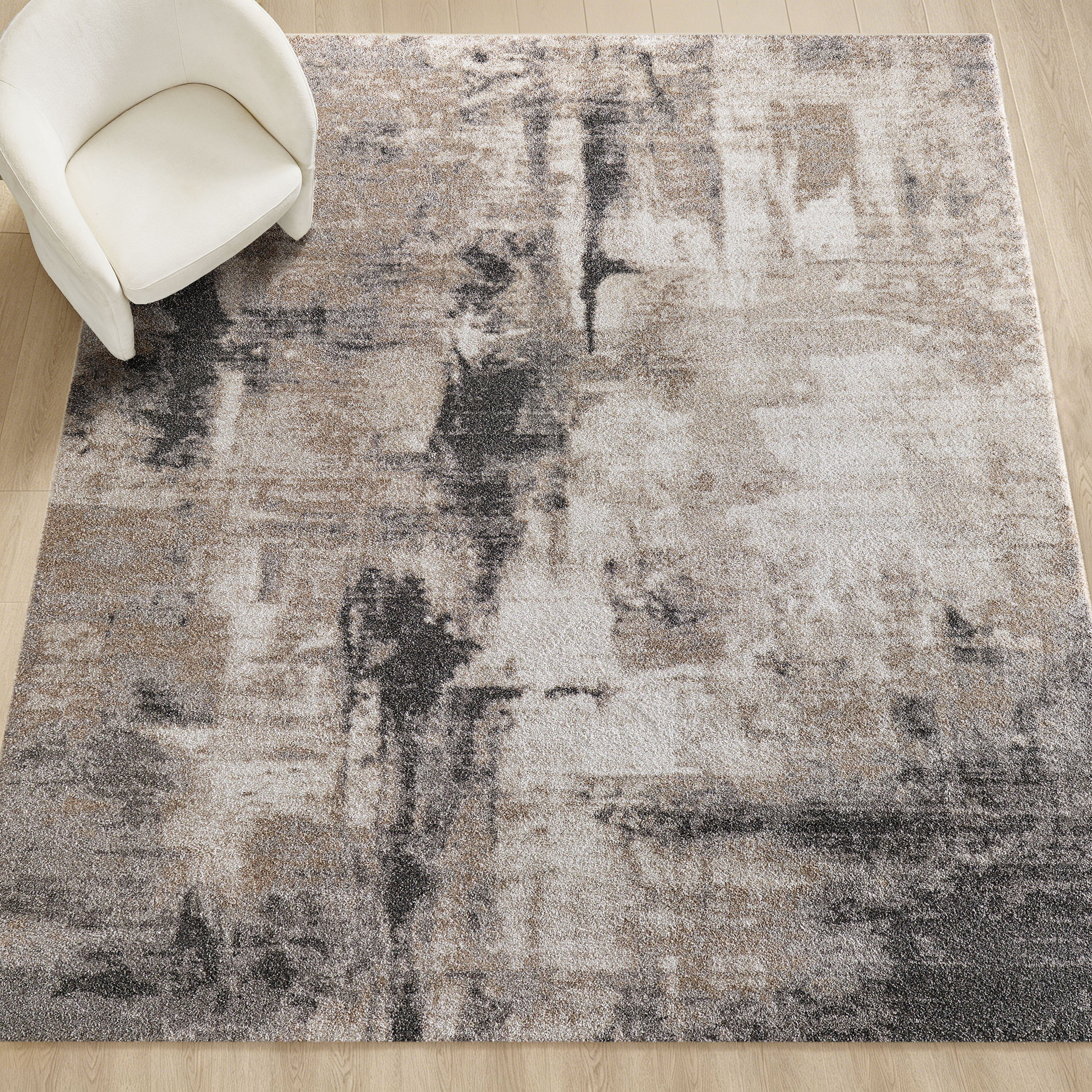
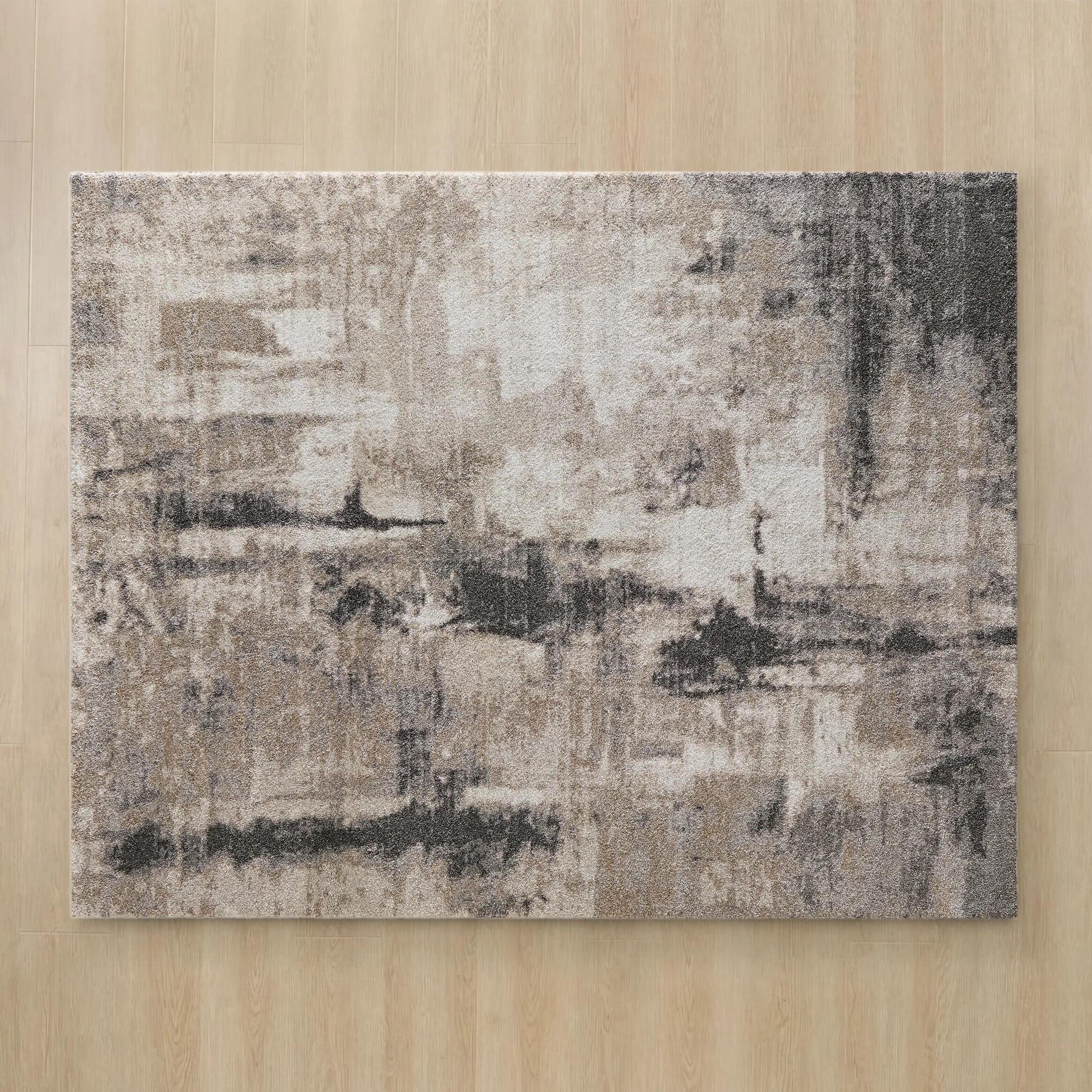 Atlas Abstract Grey/Taupe/Ivory/Charcoal Performance Power Loomed Rug$399
An abstract rug in grey, taupe, ivory, and charcoal with a plush, stain-resistant polypropylene blend.
Add To Cart -
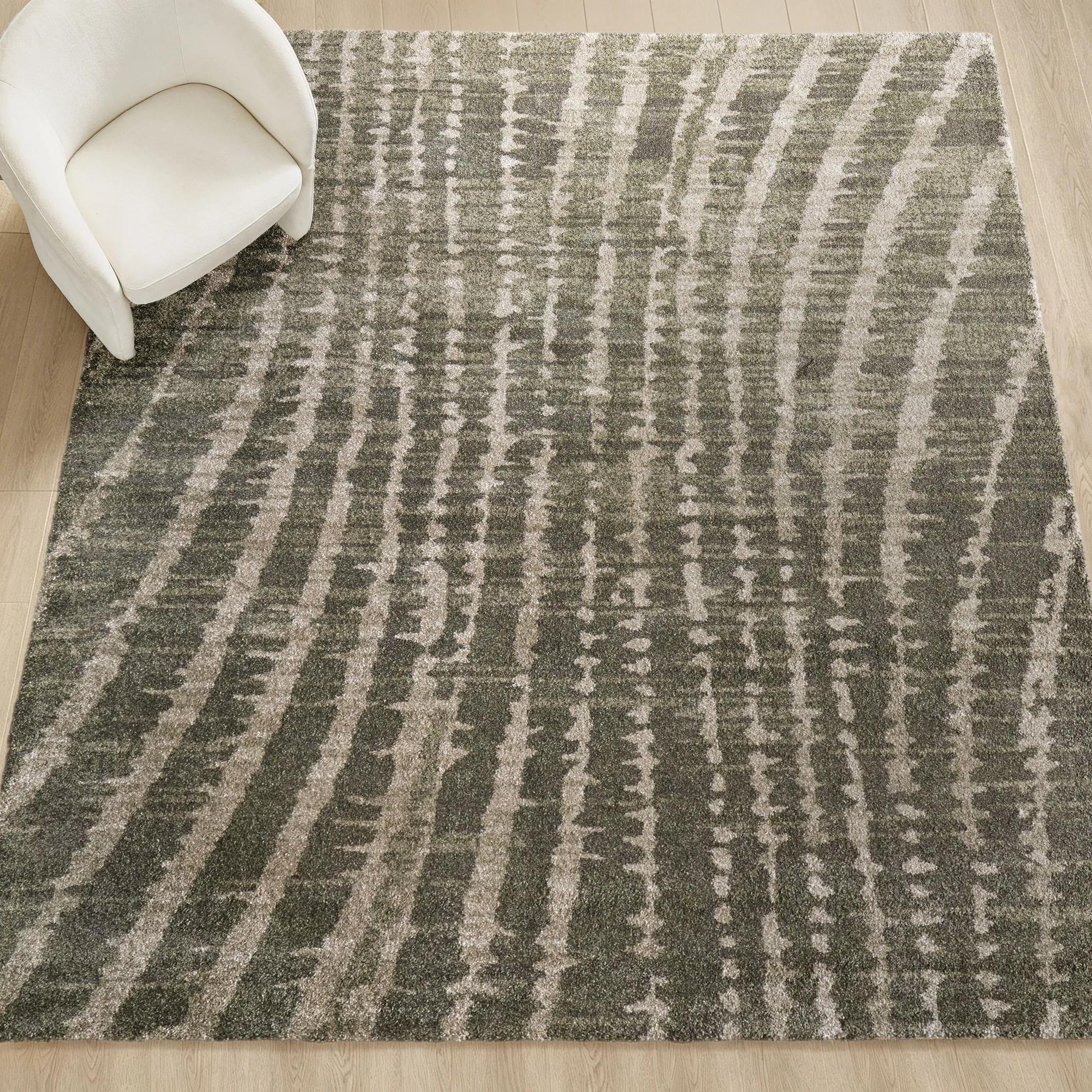
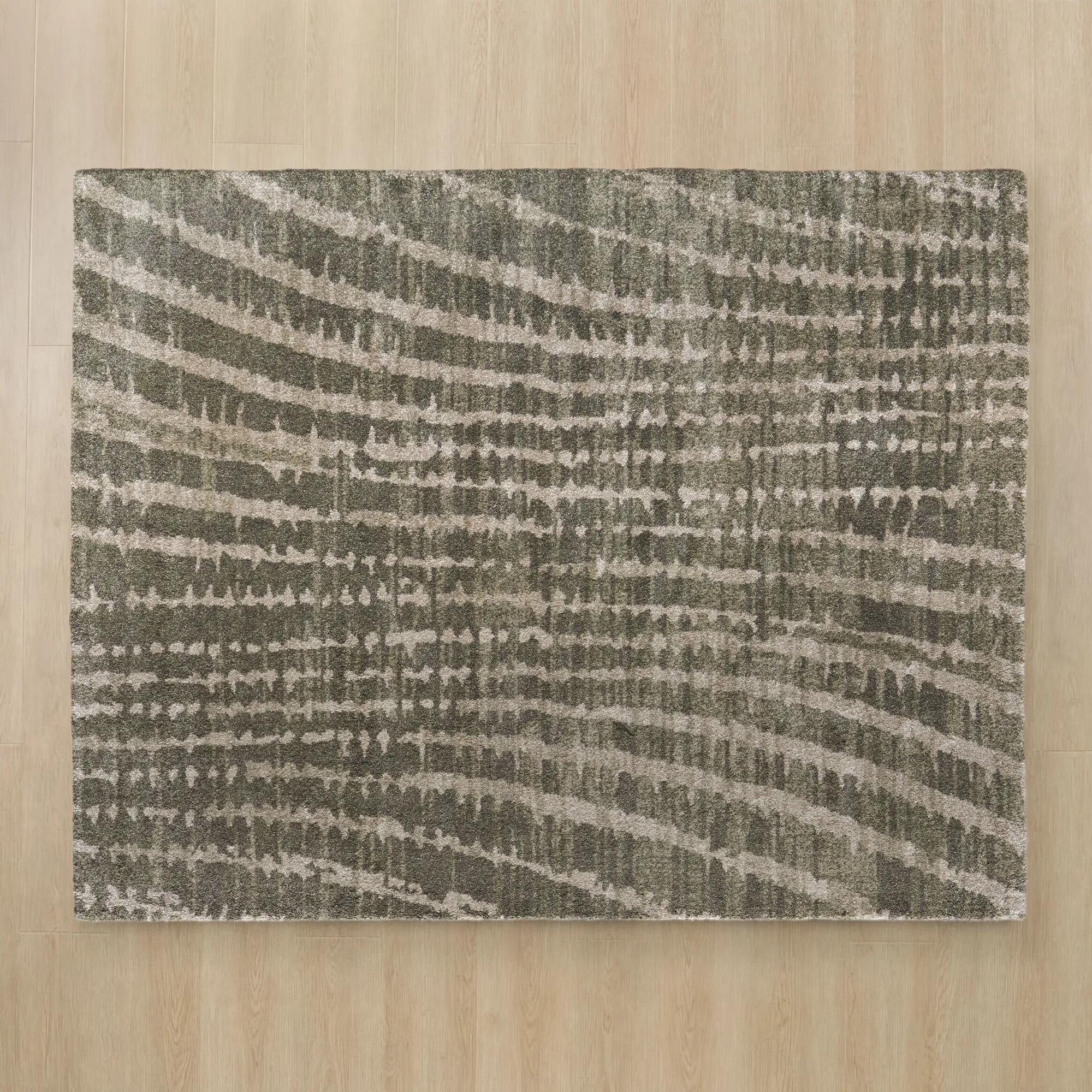 Tempo Green/Grey/Beige Performance Power Loomed Rug$399
An abstract charcoal grey and beige rug with plush cut pile and durable, stain-resistant polypropylene-polyester blend.
Add To Cart -
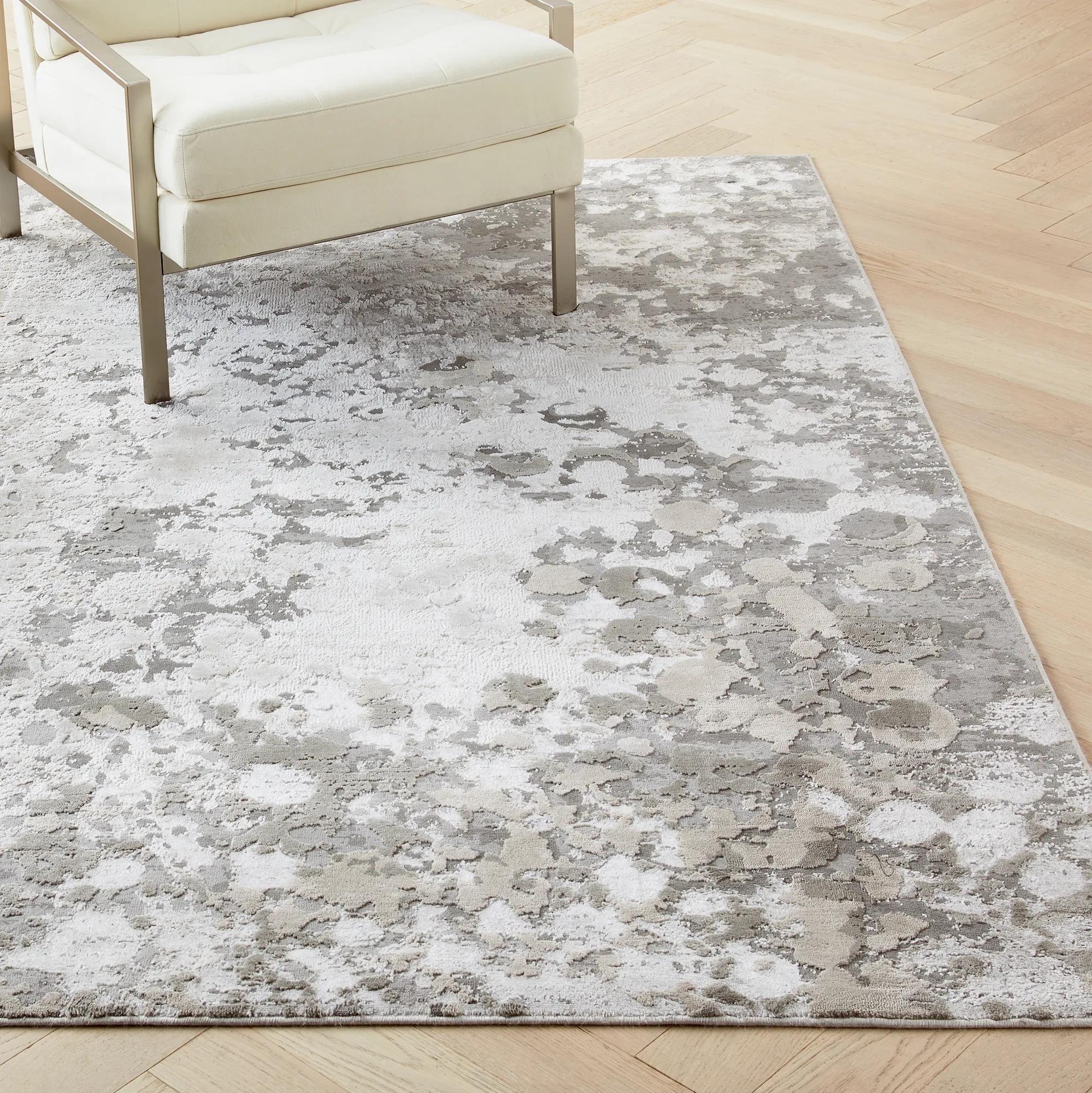 Mercury Power-Loomed Silver/Grey/Beige Rug$449
A neutral floor covering featuring a silver, grey, and beige palette with a soft, textured polyester blend.
Add To Cart -
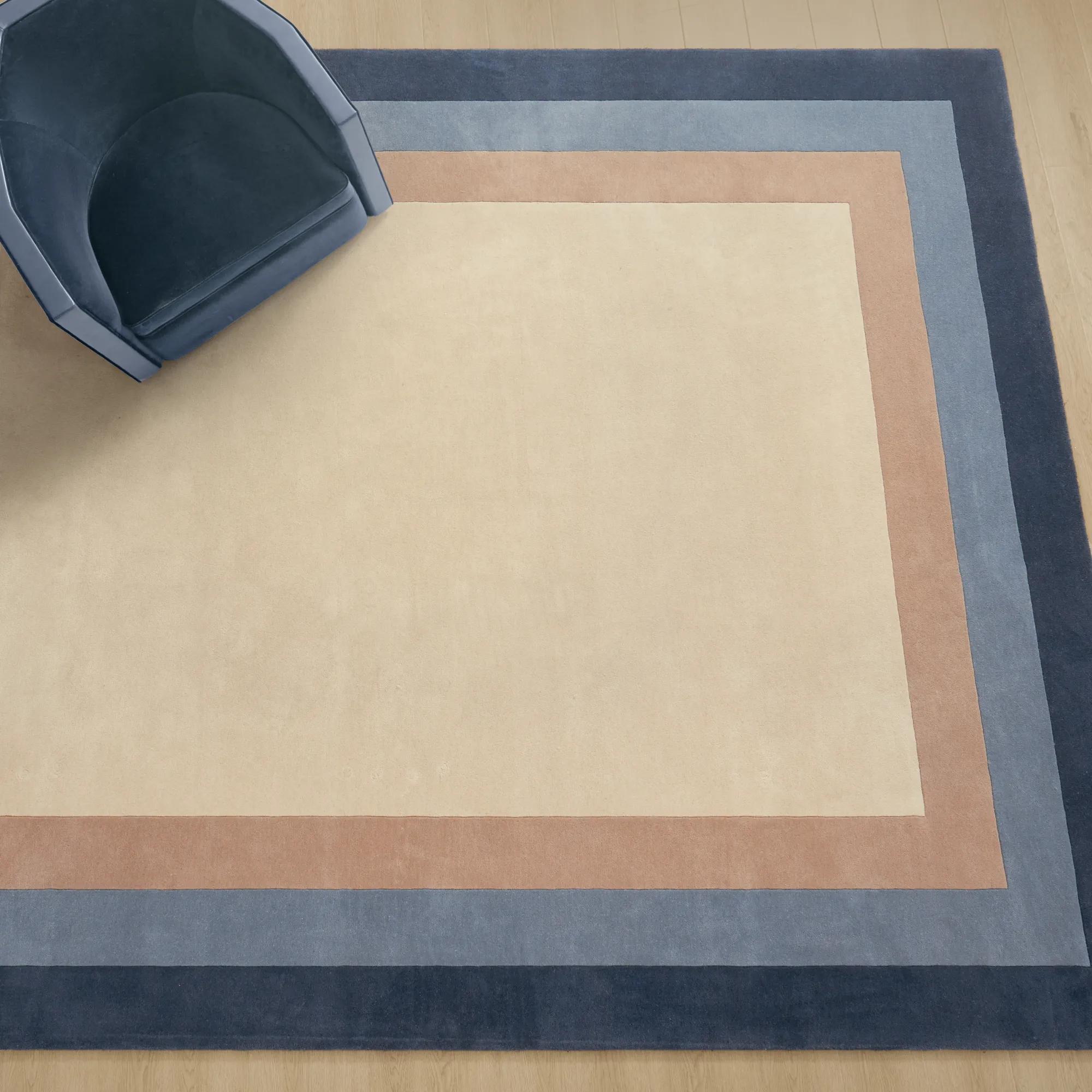
 Fiona Hand-Tufted Ivory/Beige/Black Border Fringe Rug$1099
A hand-tufted ivory, beige, and black rug featuring a framed border and decorative fringe.
Add To Cart -
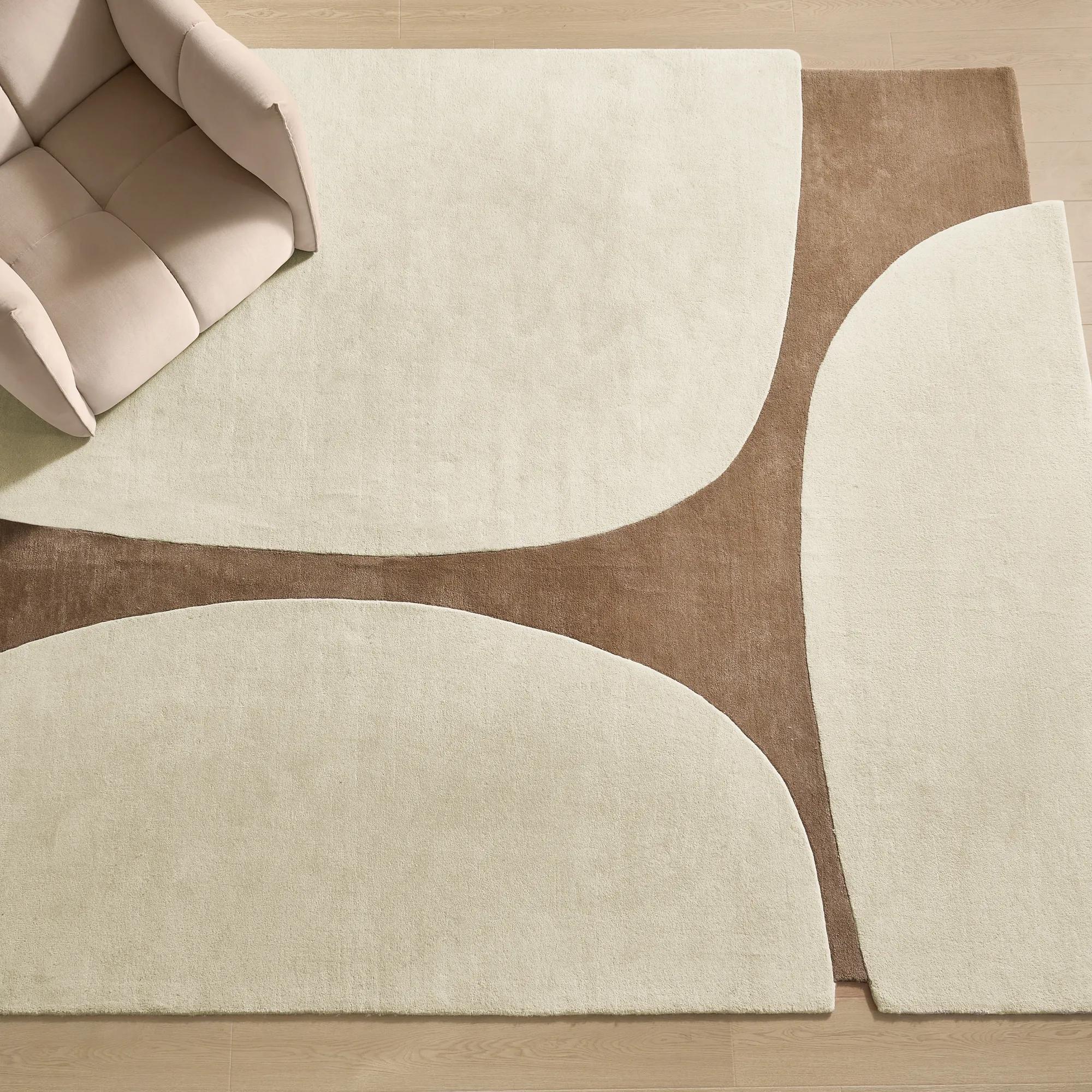
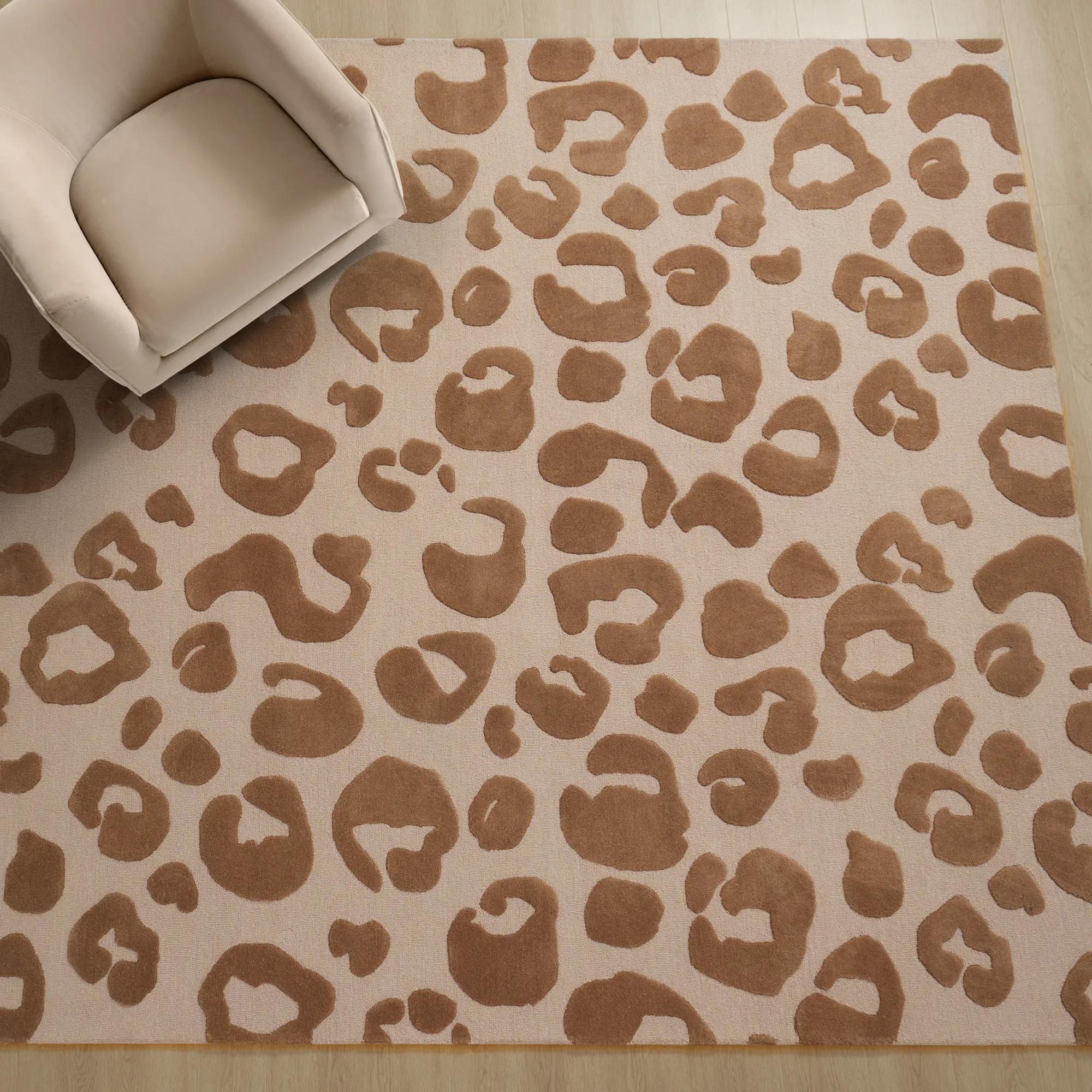
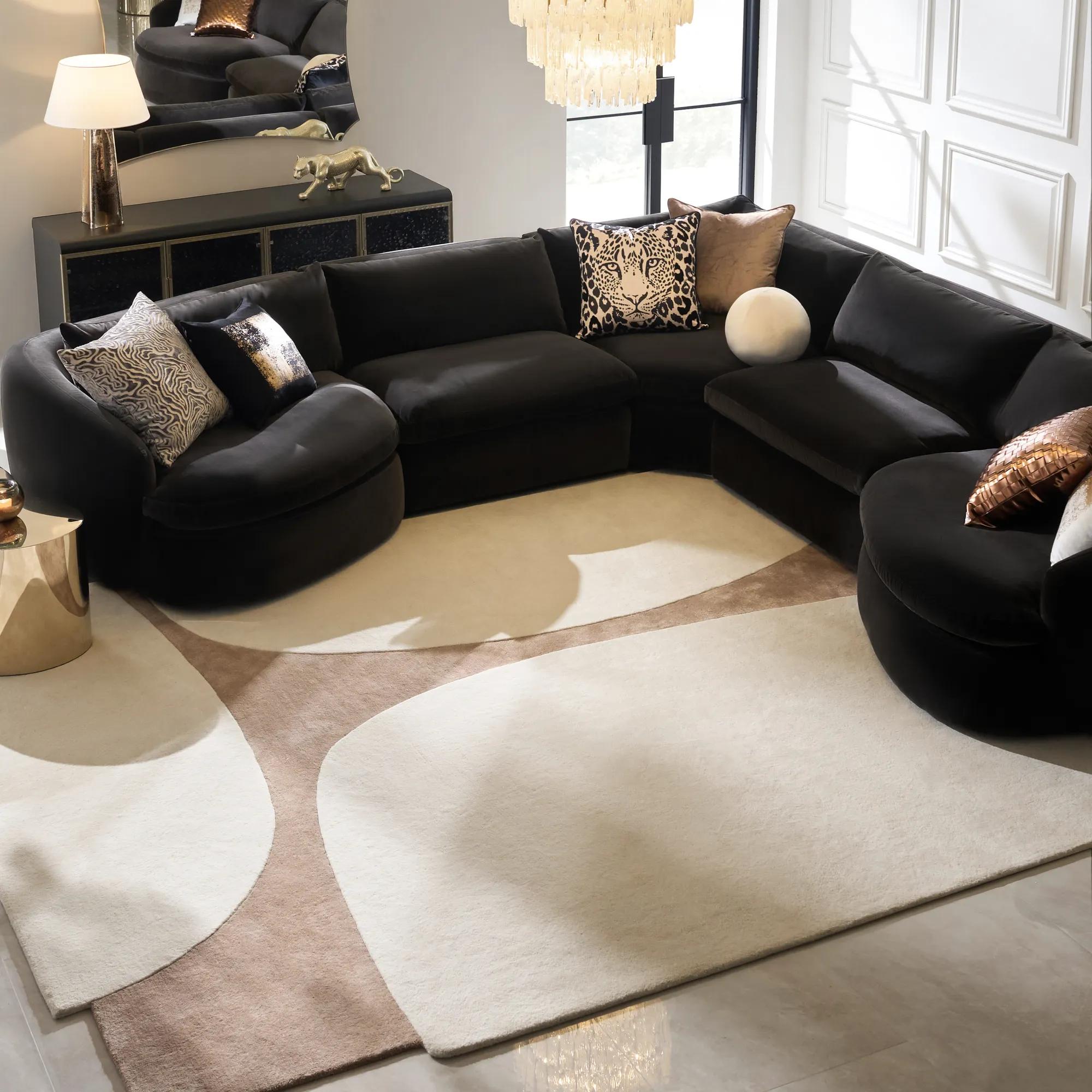 Contour Hand-Tufted Ivory/Ginger Root Wool Blend Rug$499
A hand-tufted wool rug blending ivory and ginger root tones for textured, modern warmth.
Add To Cart -
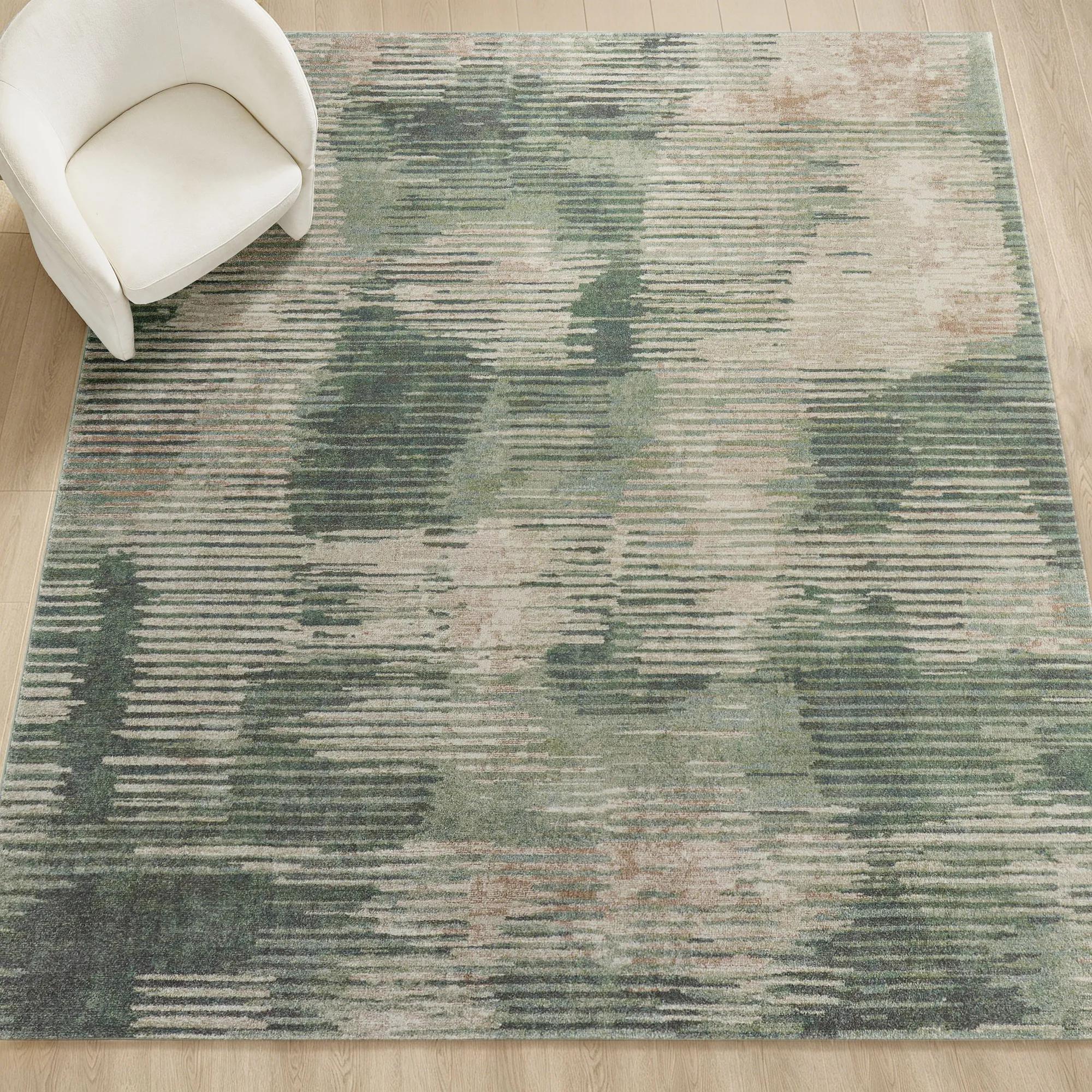
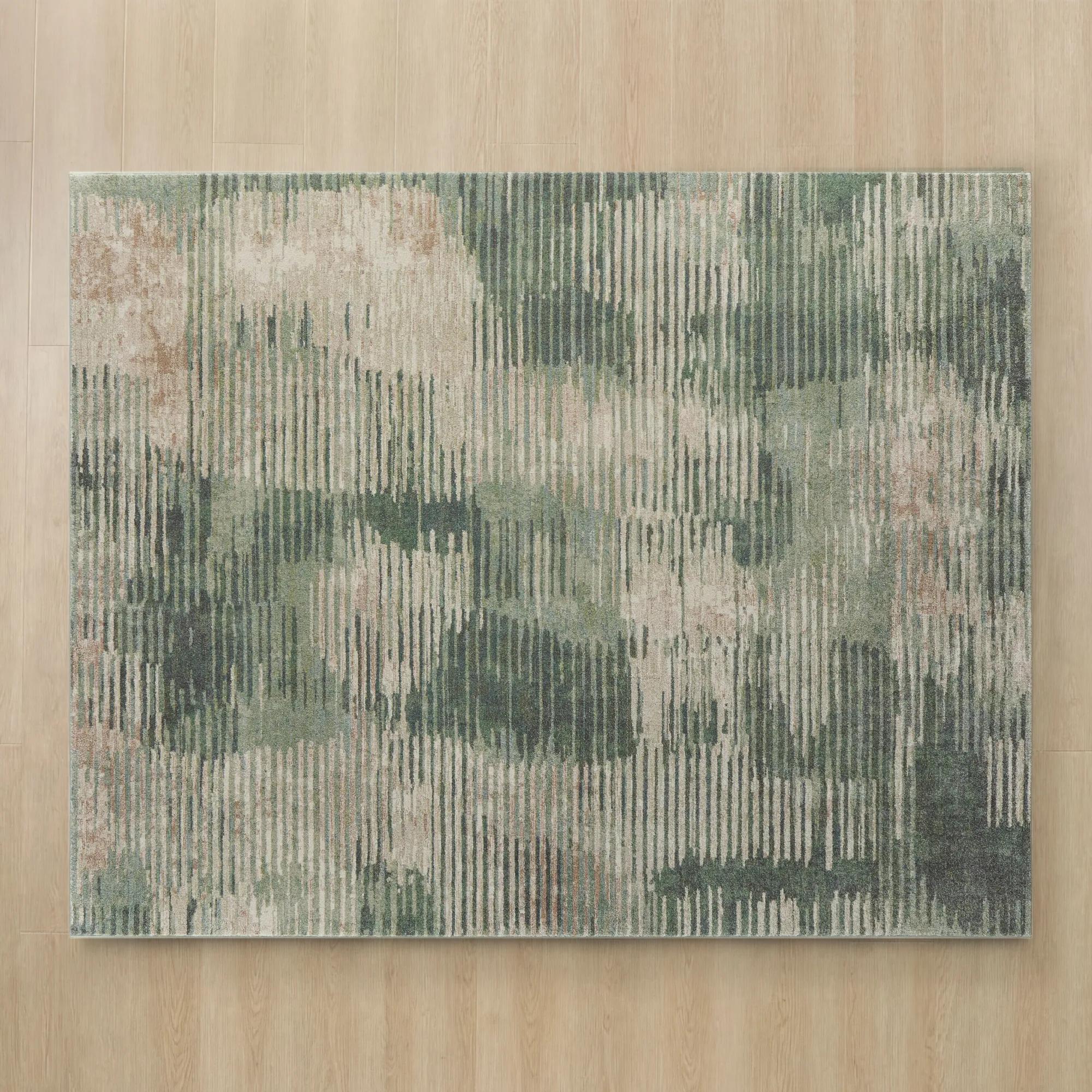 Sylvan Green/Beige Power Loomed Rug$689
A contemporary rug featuring a smoked olive green and beige organic pattern with a soft, power-loomed polypropylene pile.
Add To Cart -
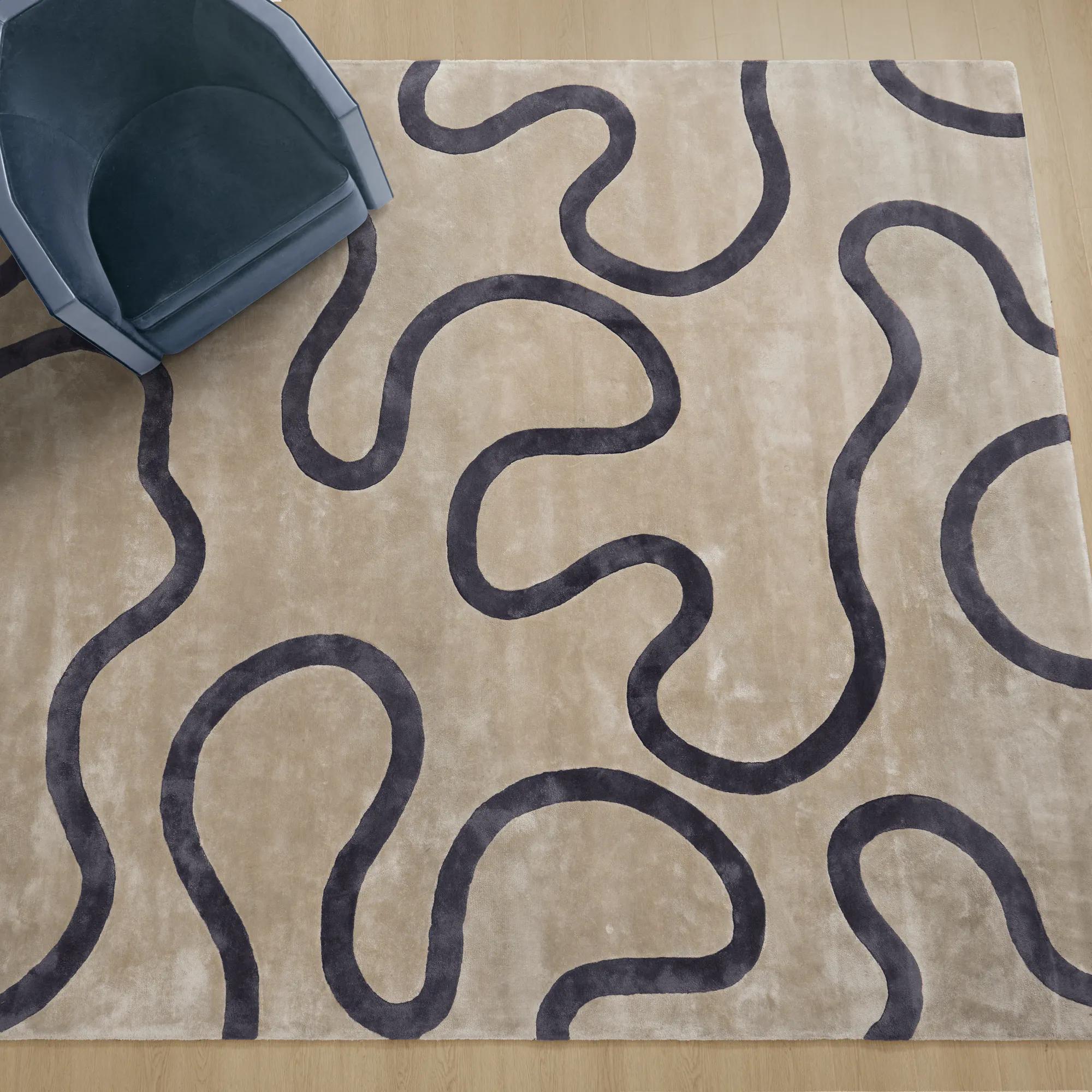 Seraphine Hand-Tufted Smoked Pearl/Taupe Viscose Loop Rug$599
A hand-tufted viscose rug in smoked pearl and taupe, featuring high-contrast loops and luminous sheen.
Add To Cart -
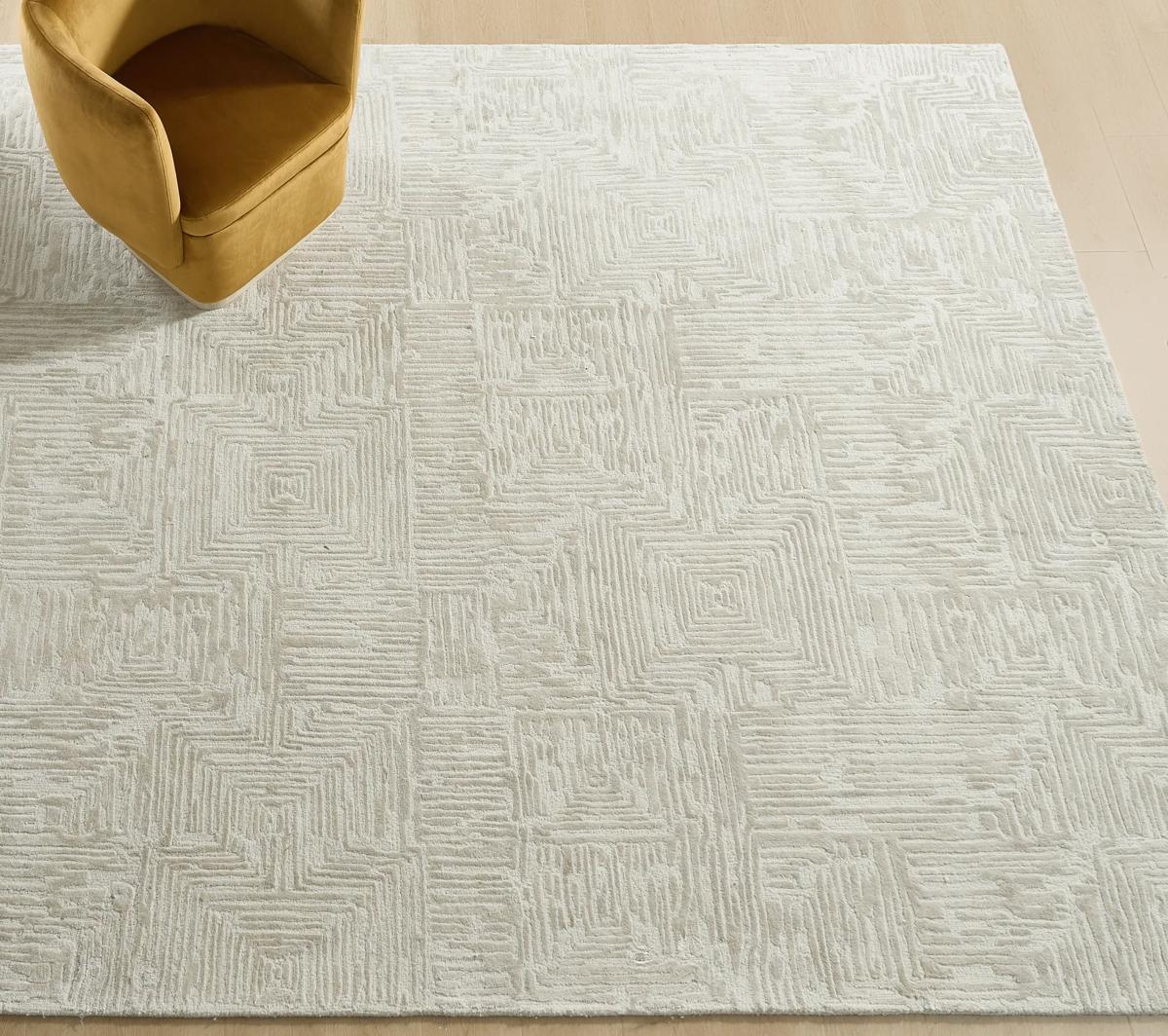 Andra Ivory Hand-Tufted Wool Blend Dimensional Rug$1499
A hand-tufted ivory rug in a viscose-wool blend with raised detailing and a subtle sheen.
Add To Cart -
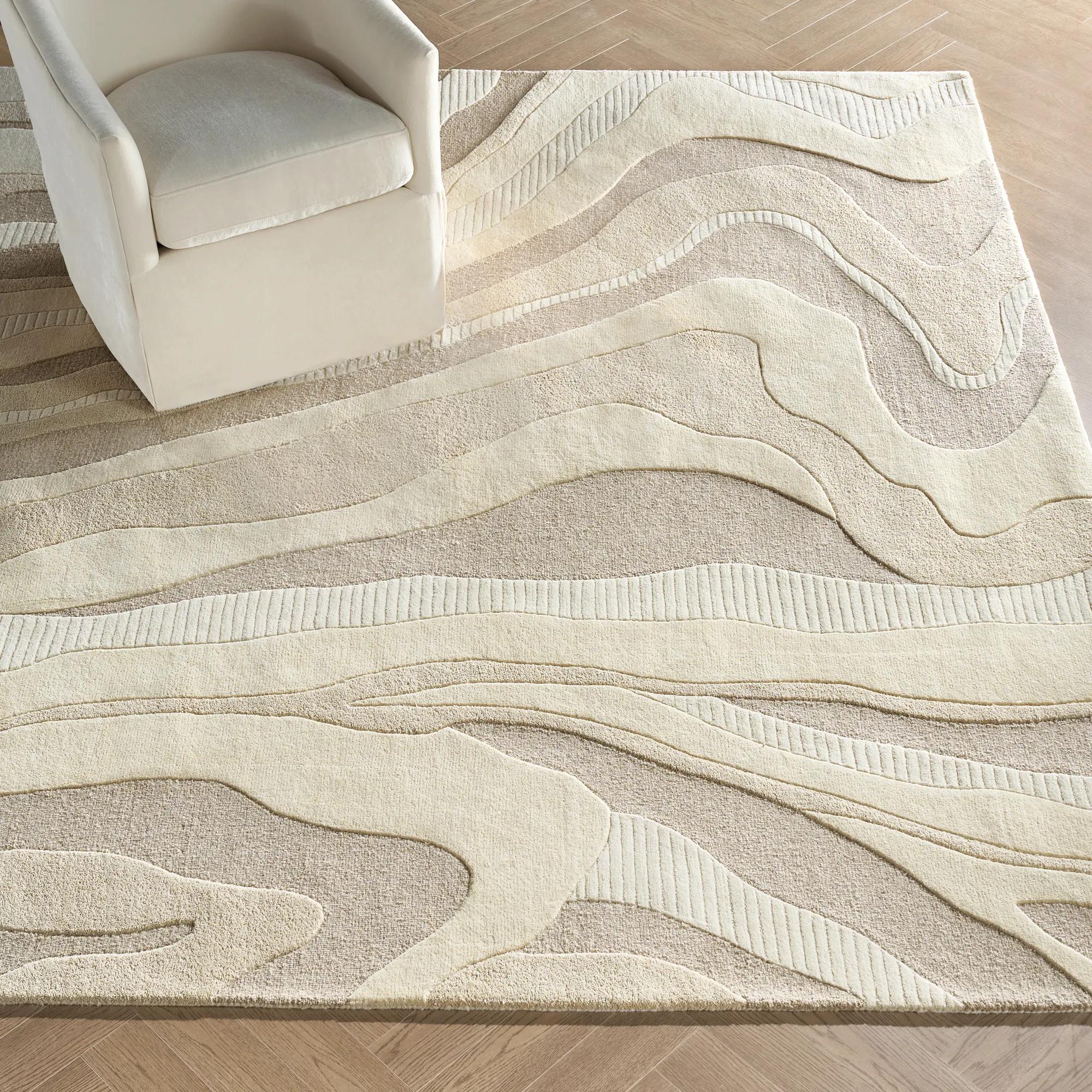 Kadence Hand-Tufted Ivory/Tan Wool Rug$1499
A hand-tufted wool rug featuring a multi-textured swirl design in ivory and tan for timeless elegance.
Add To Cart -
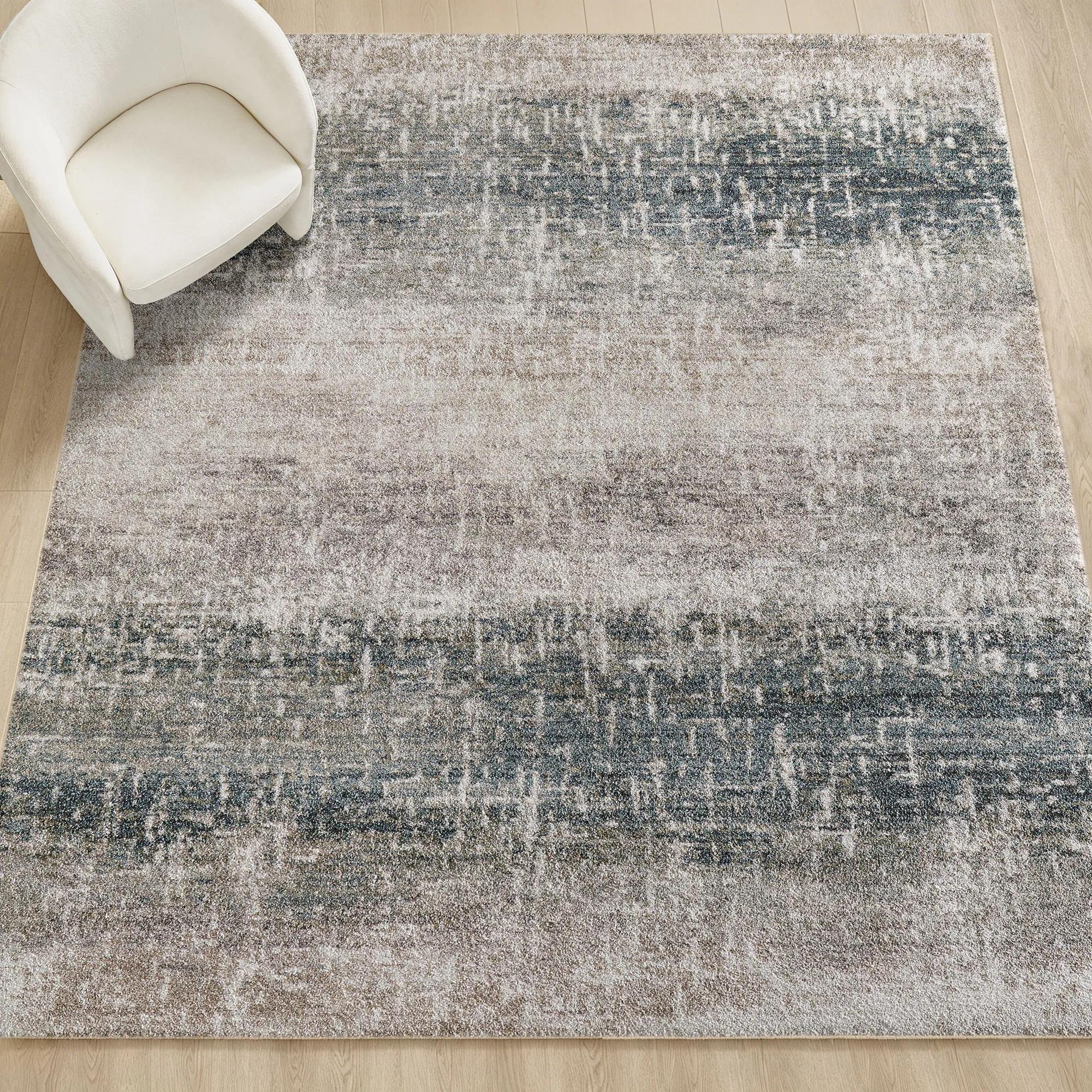
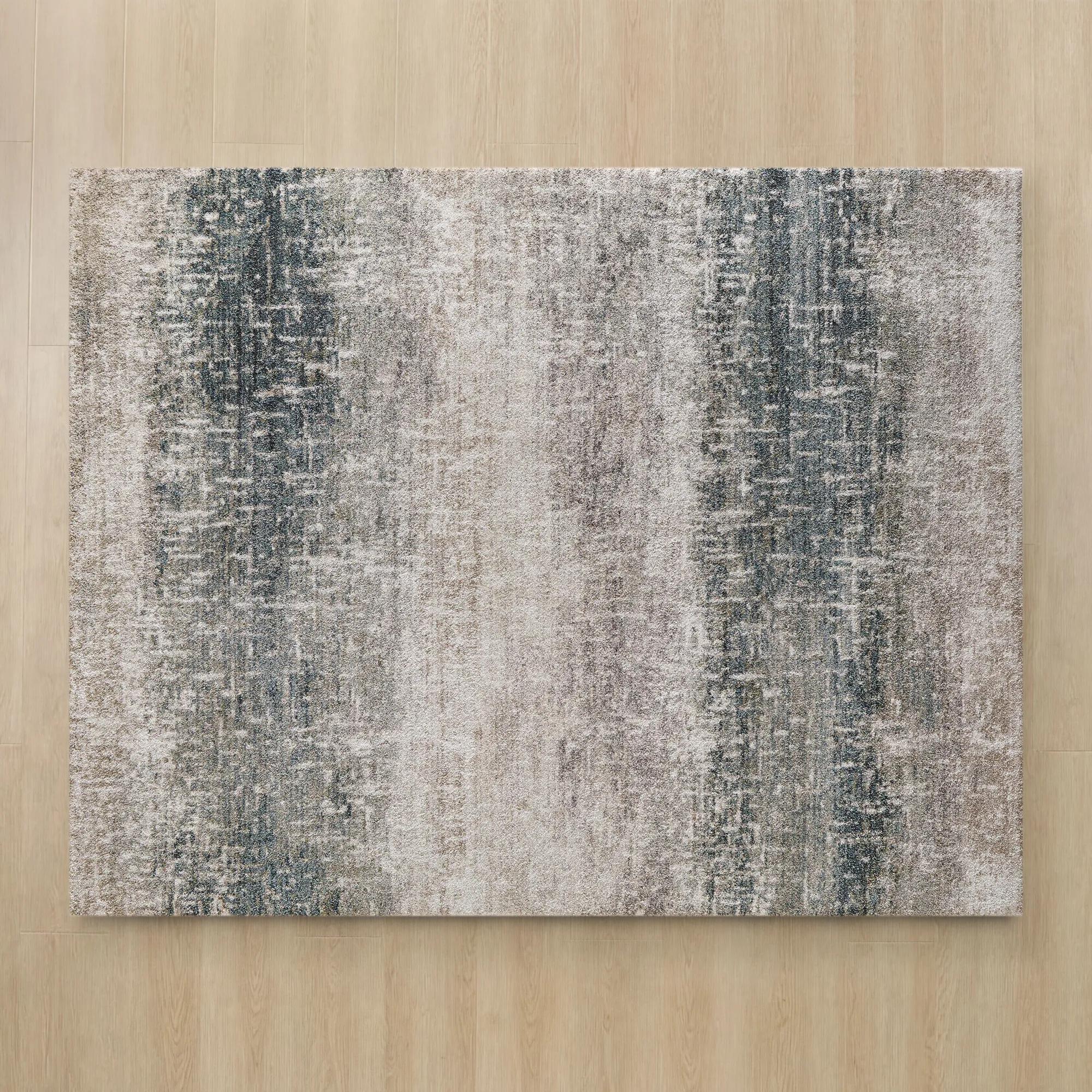 Collier Taupe/Grey/Blue/Green Performance Power Loomed Rug$1649
An abstract rug in taupe, grey, blue, and green with a plush pile and durable, easy-care blend.
Add To Cart -
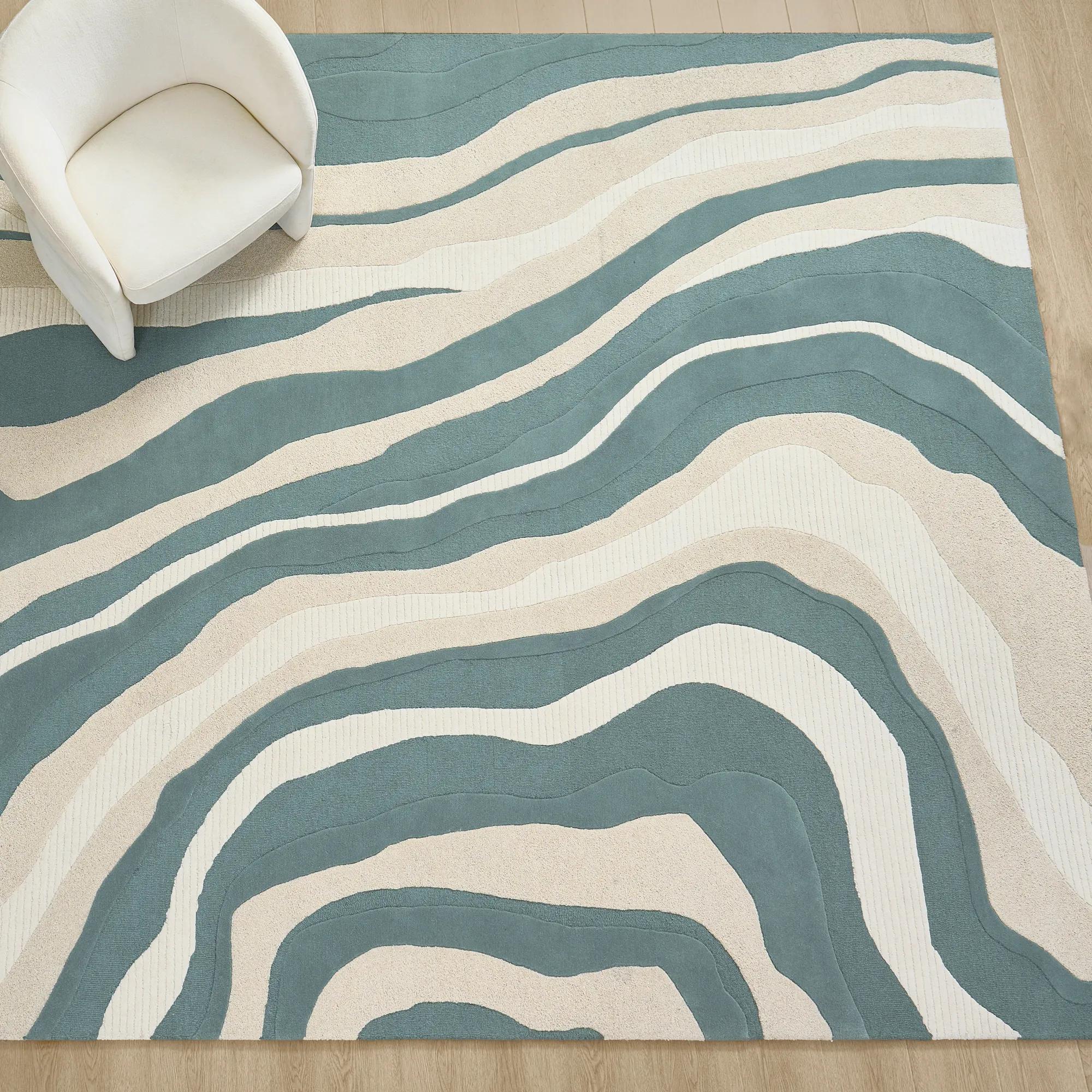 Kadence Hand-Tufted Sage Green/Ivory Wool Rug$1499
A hand-tufted wool rug with organic waves, sculptural high-low texture, and sage-ivory hues.
Add To Cart -
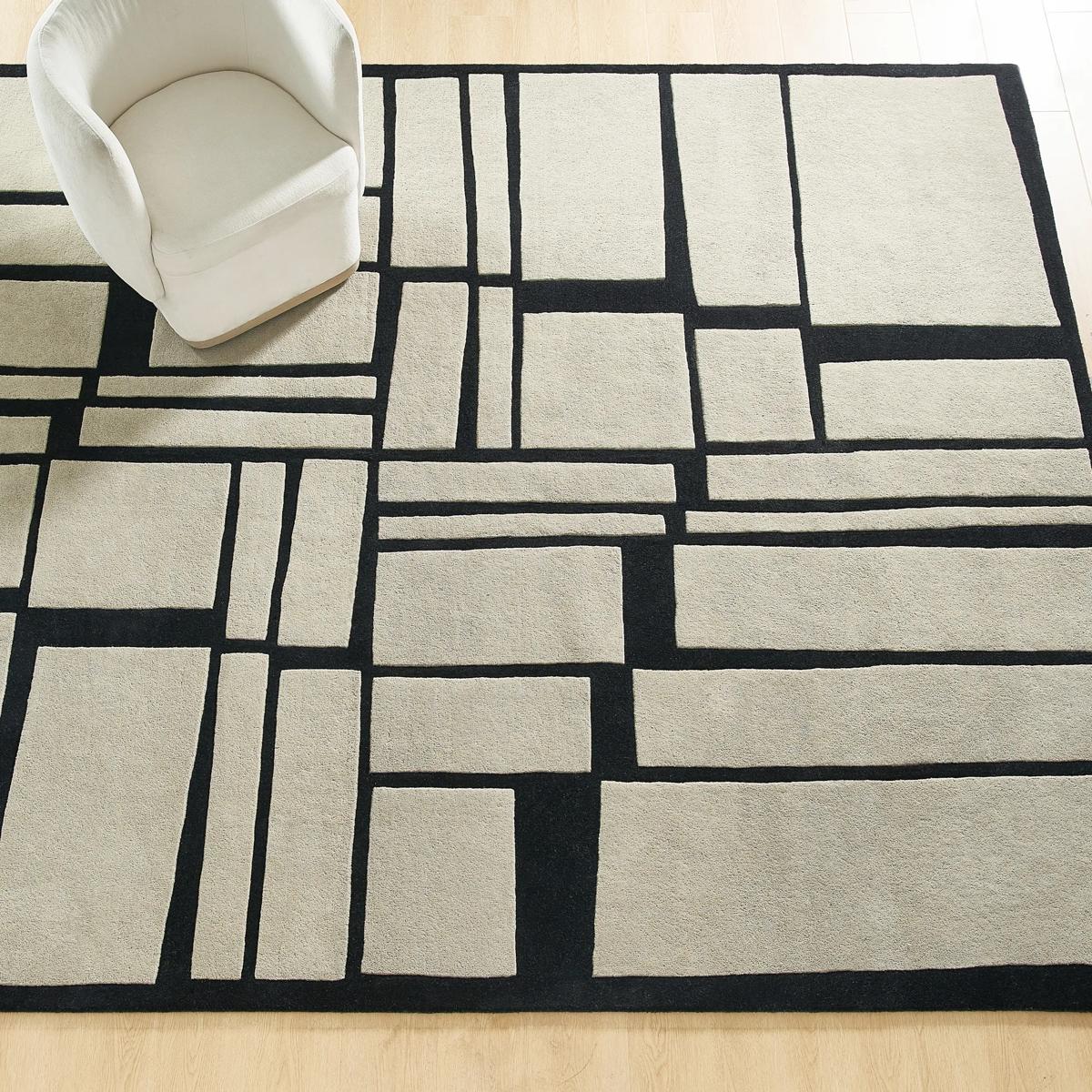 Novak Hand-Tufted Natural/Black Wool Rug$449
A hand-tufted wool rug featuring a bold black and natural grid design for modern visual impact.
Add To Cart -
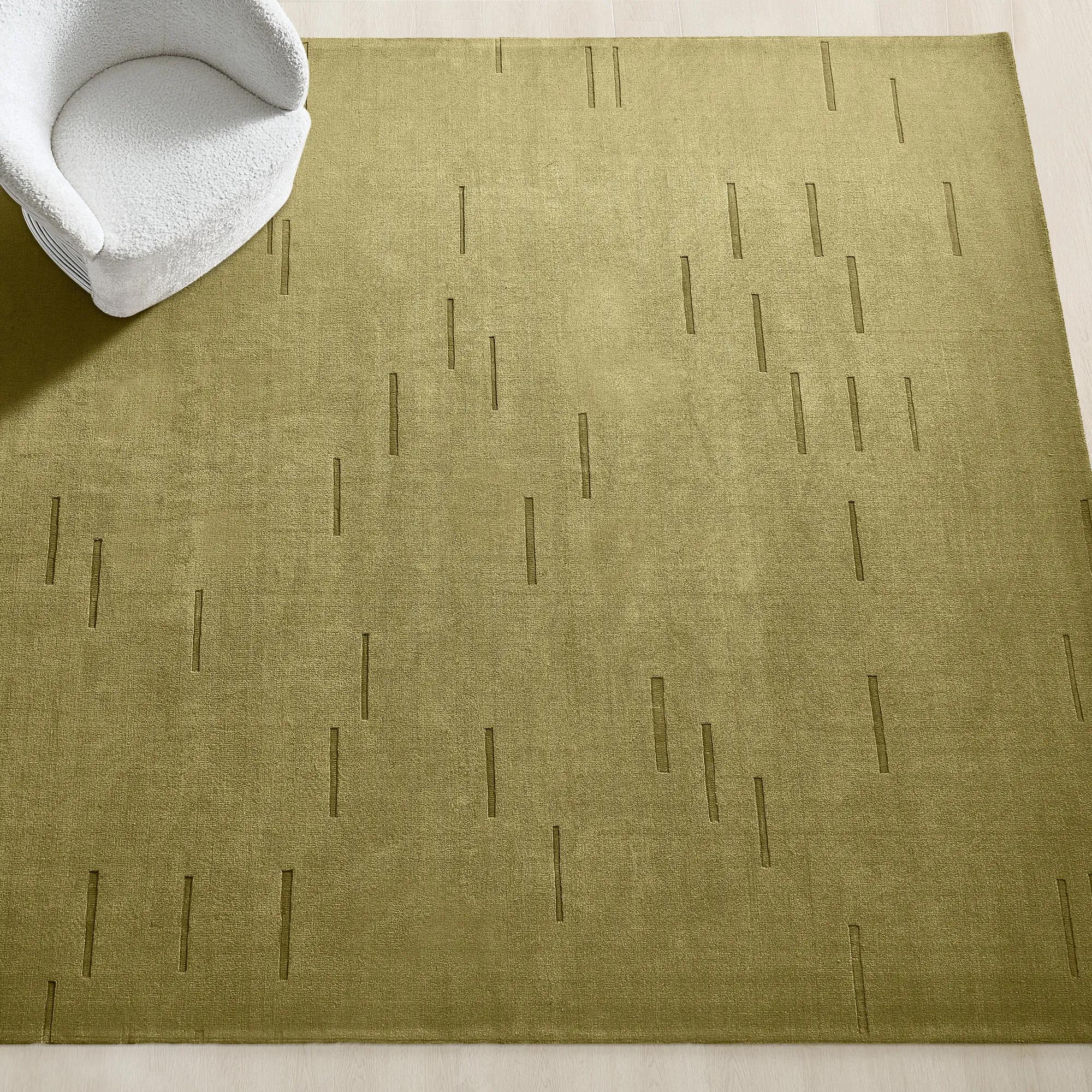
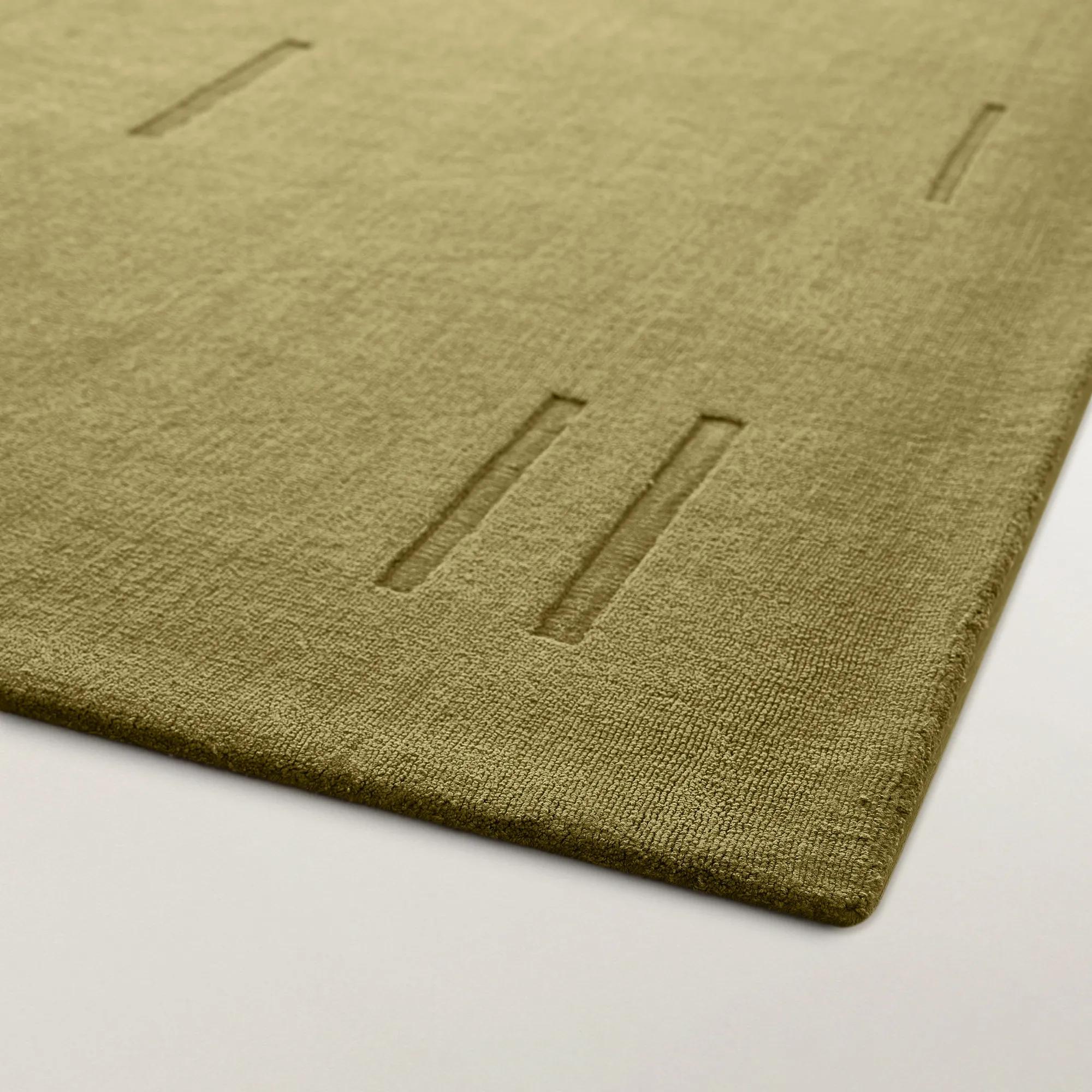 Lamita Muted Olive Green Wool Blend Rug$1299
A muted olive green wool-blend rug adding soft texture and understated warmth to modern interiors.
Add To Cart -
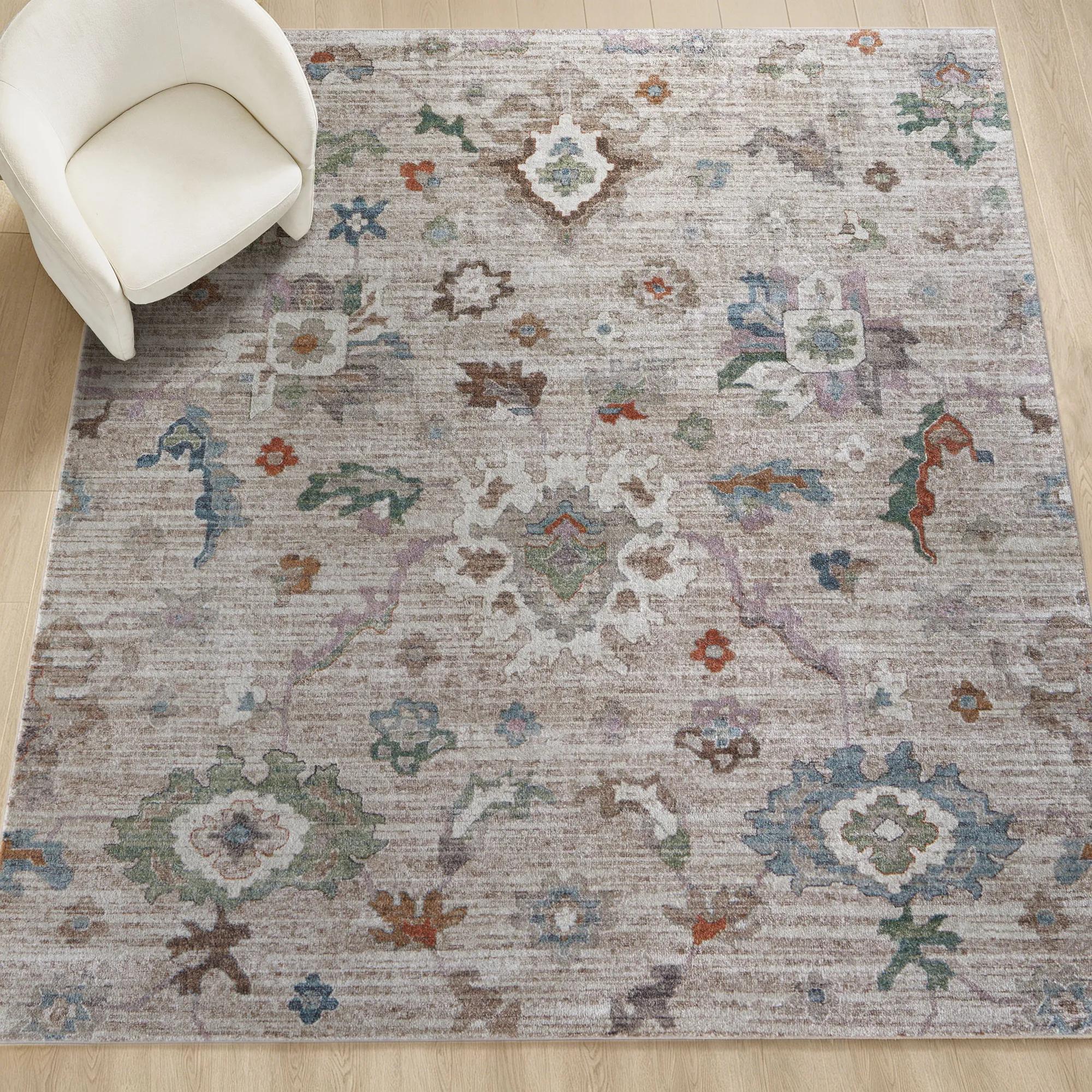
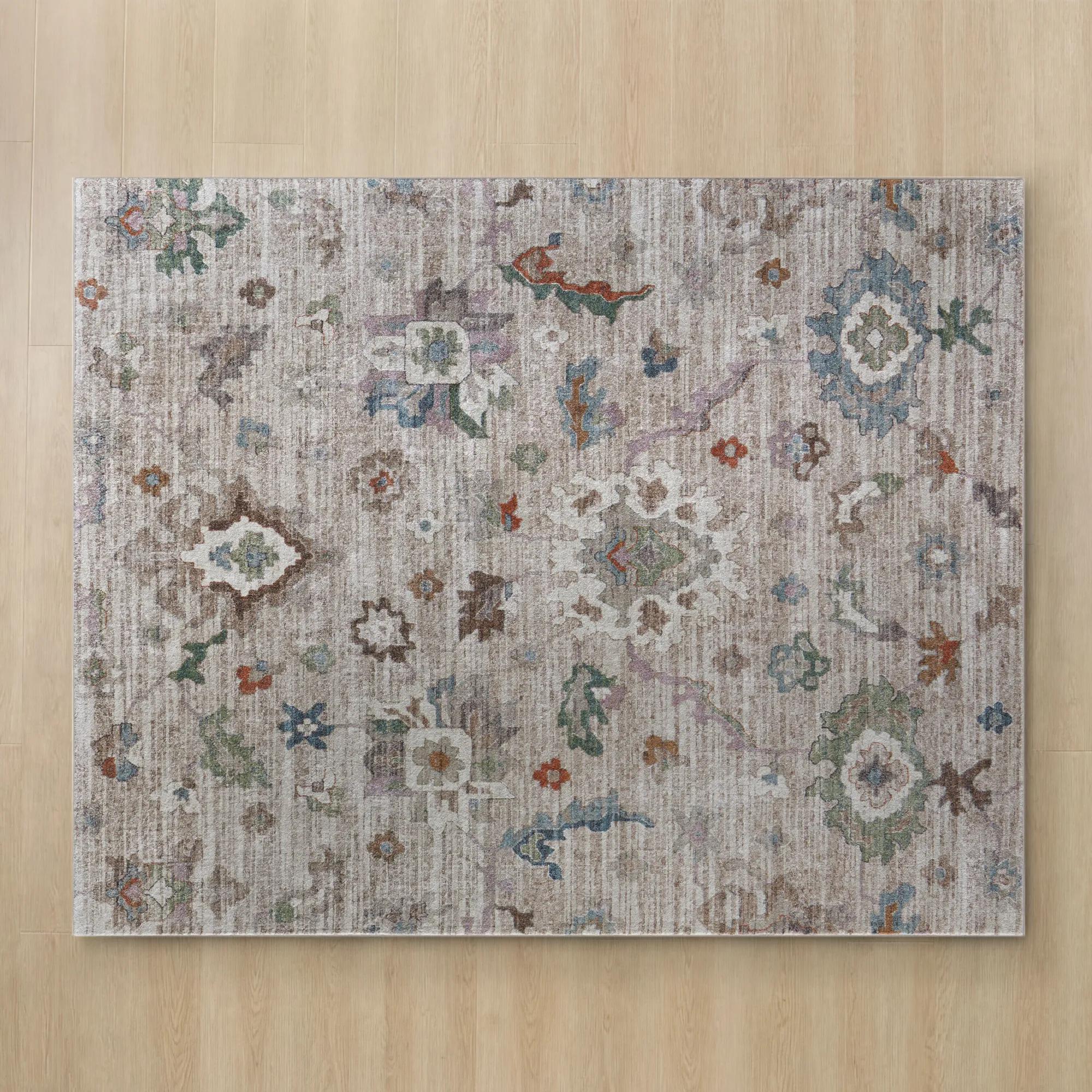 Ariella Floral Taupe/Ivory/Beige/Blue/Green Performance Power Loomed Rug$349
A Persian-inspired rug in taupe, ivory, beige, blue, and green with a plush, power-loomed polypropylene pile.
Add To Cart -
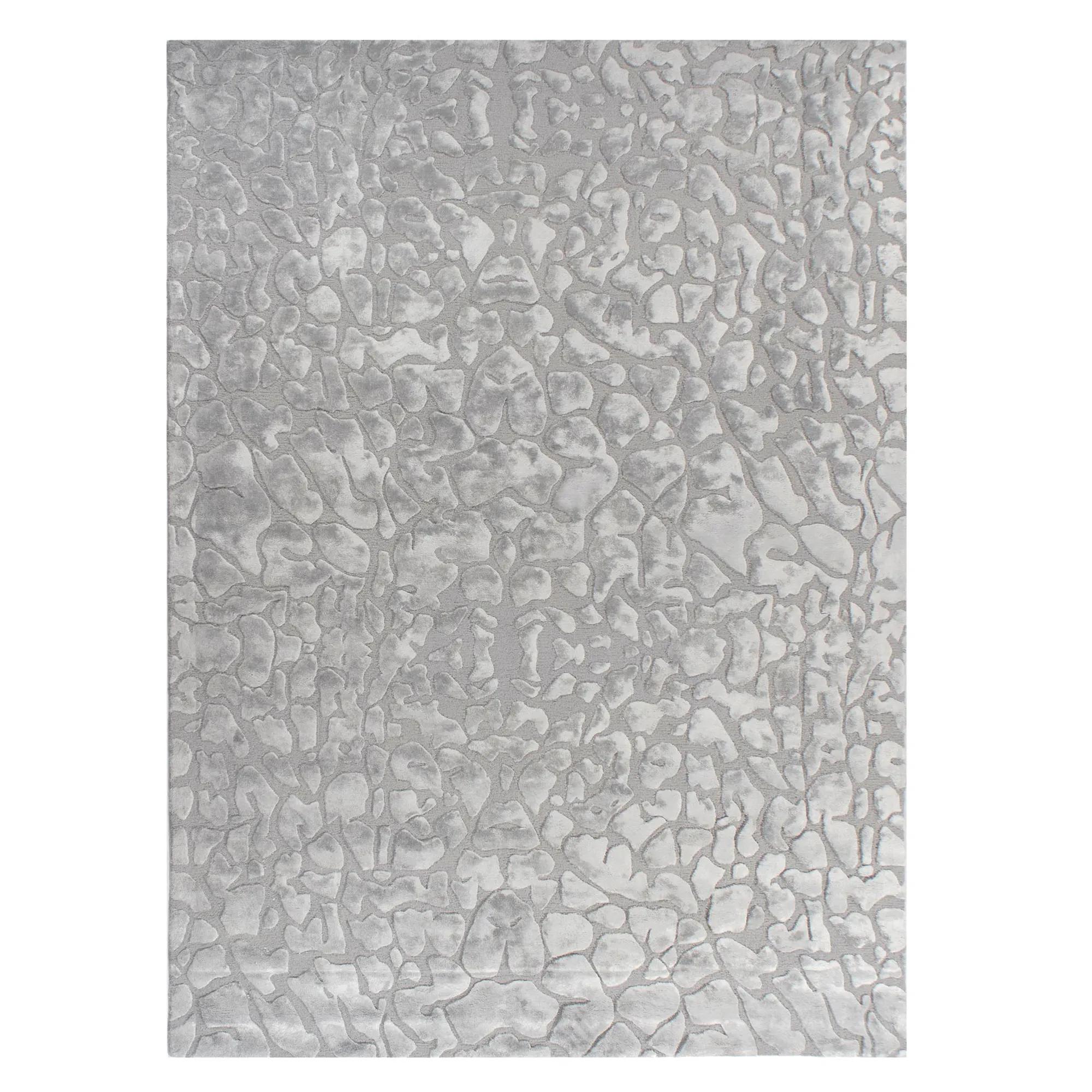
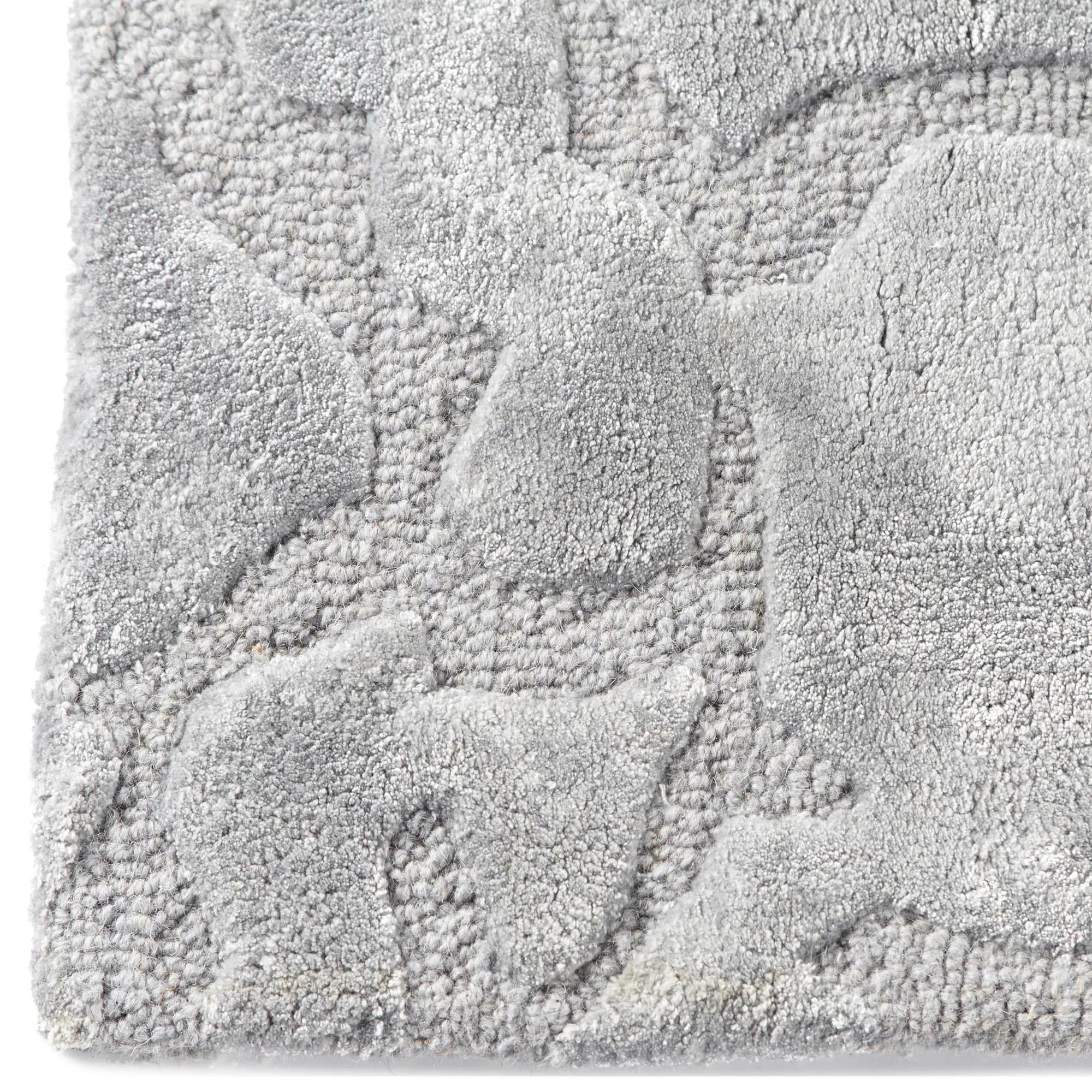 Nola Hand-Tufted Cool Grey Wool Blend Rug$849
A hand-tufted silver rug with contrasting pile heights, crafted from wool and viscose for plush texture.
Add To Cart -
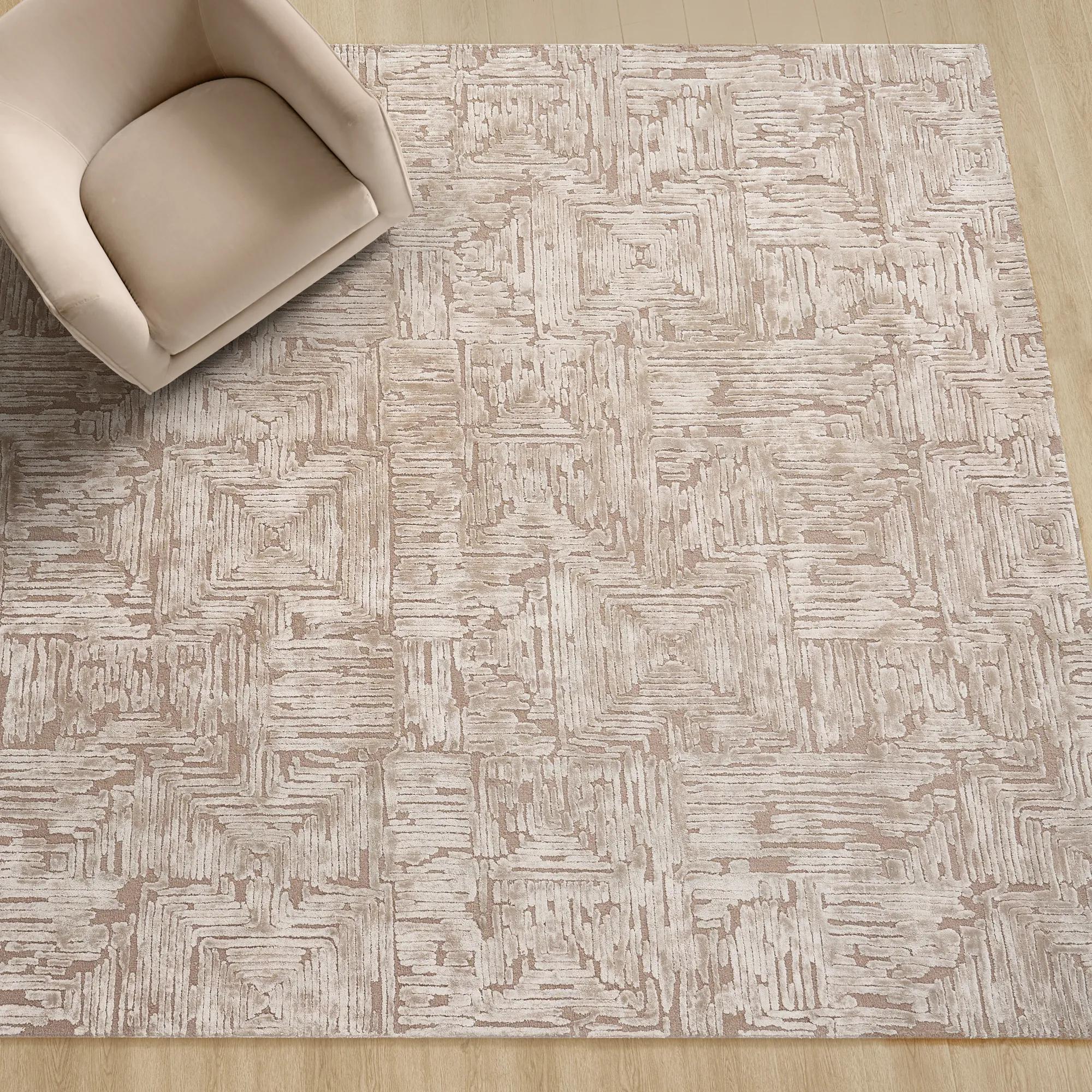
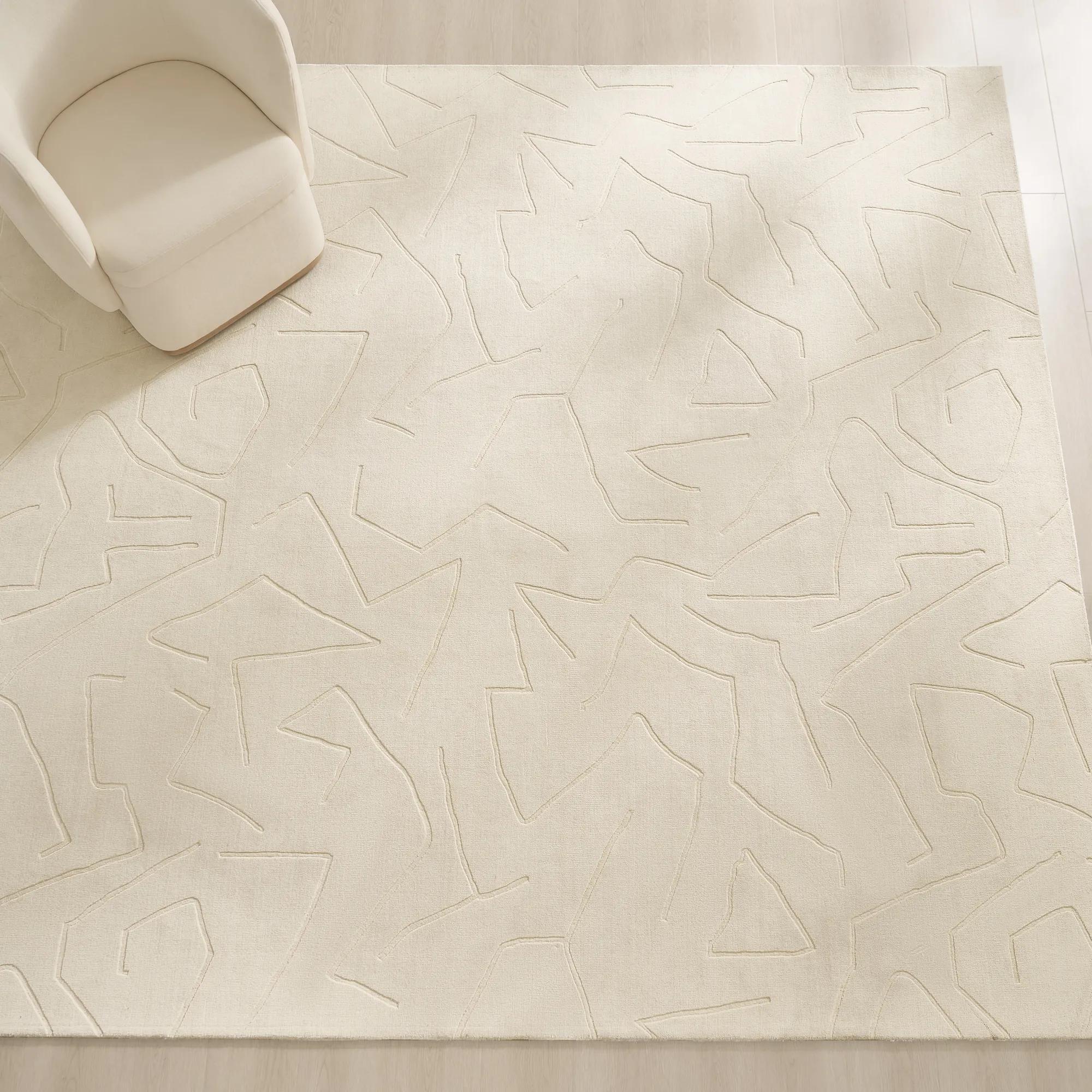 Carved Maze Ivory Hand-Loomed Wool Blend Rug$1399
A hand-loomed ivory wool-blend rug featuring a carved maze pattern for modern textural appeal.
Add To Cart -
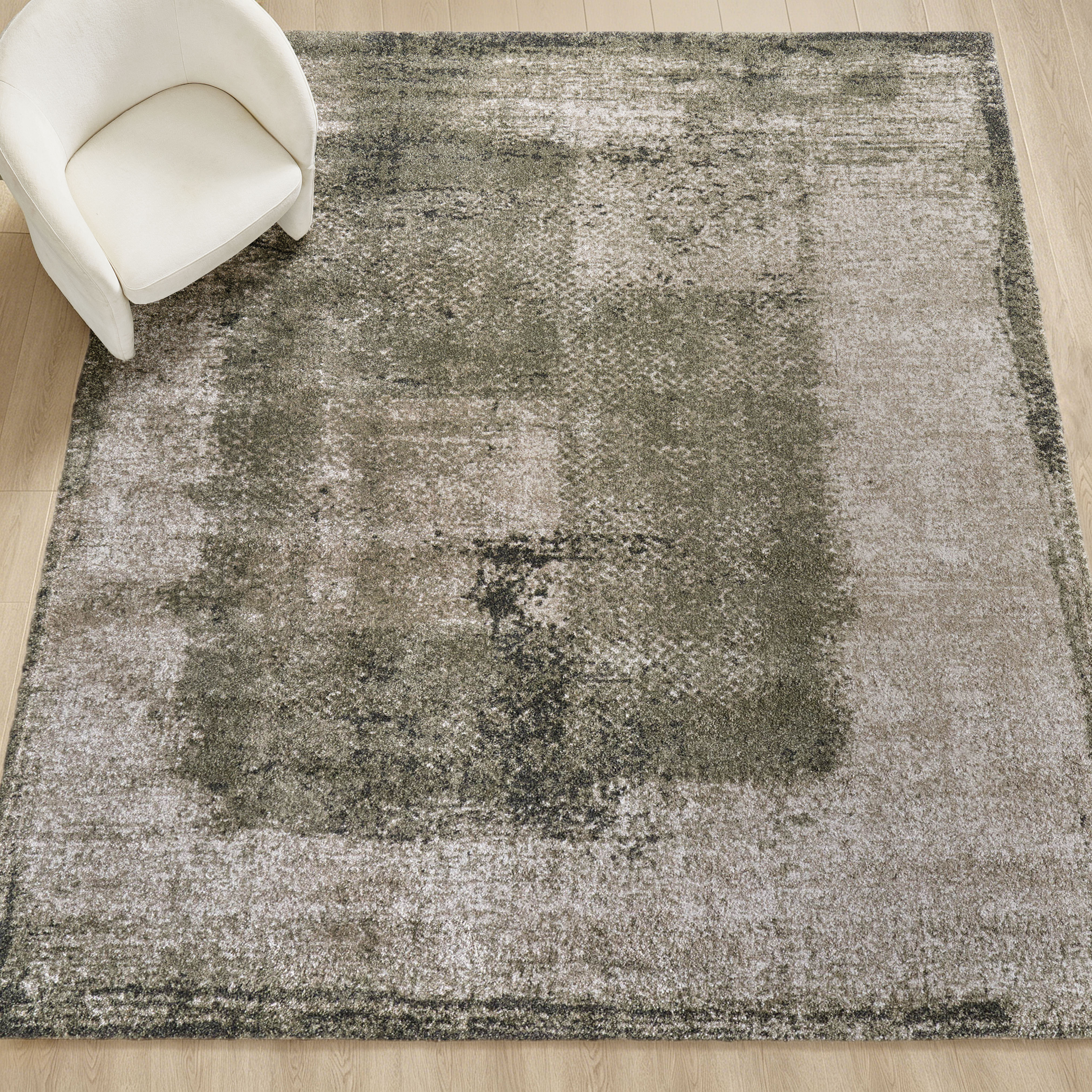
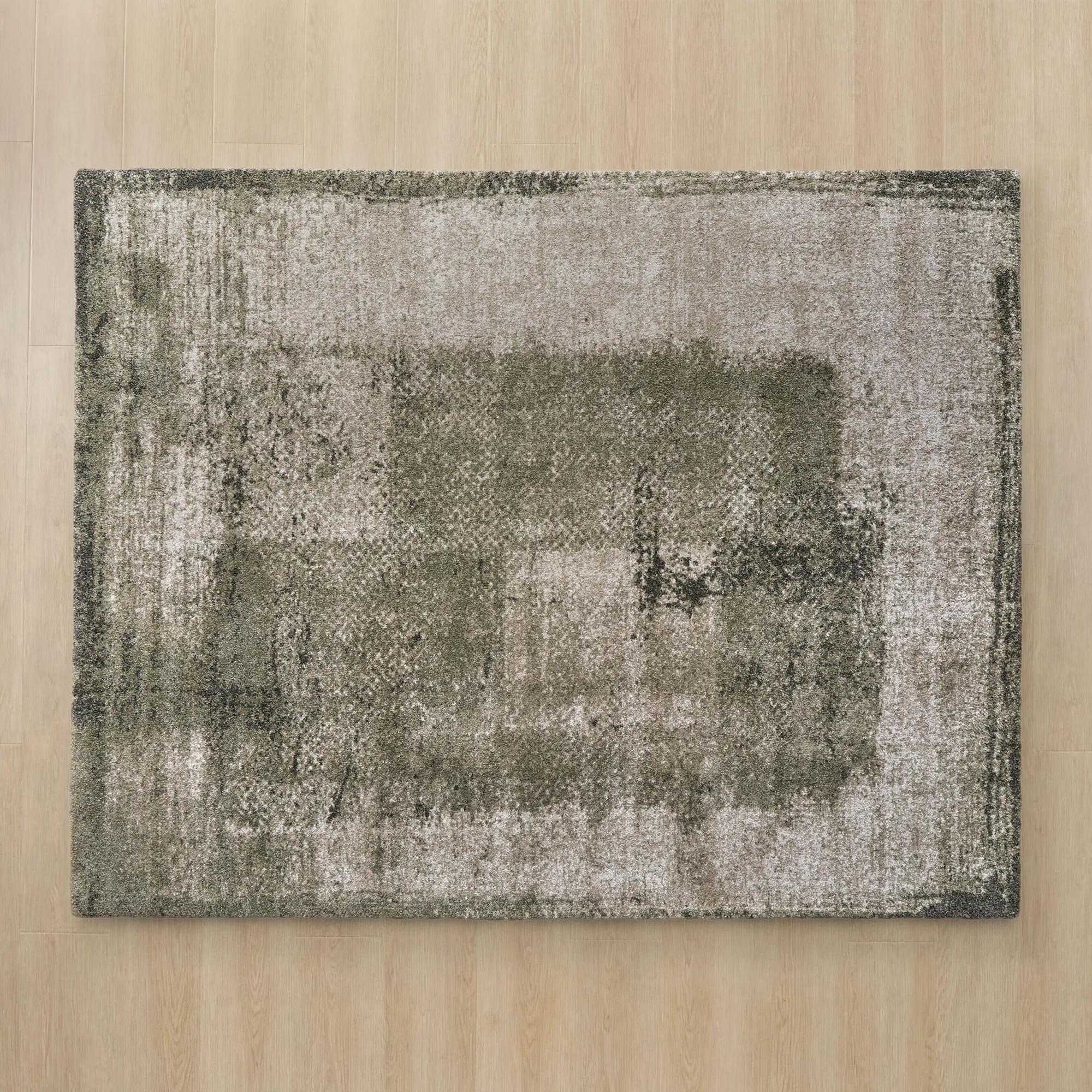 Irving Abstract Moss Green/Beige/Grey Performance Power Loomed Rug$1649
An abstract rug in moss green, beige, and grey with plush, durable polypropylene and polyester construction.
Add To Cart

Soft Neutral Pattern Rugs
Soft neutral pattern rugs are the unsung heroes of refined interiors, quietly captivating with their understated artistry. These rugs summon a sense of calm sophistication, layering subtle patterns in tones of ivory, sand, and dove grey to create a canvas that feels both serene and endlessly intriguing. Each piece brings texture and movement underfoot, inviting light to dance across its surface while anchoring your space in effortless elegance. With soft neutral pattern rugs, every room becomes a study in balance—where tranquility meets visual intrigue, and timeless design is anything but ordinary.
Soft neutral pattern rugs bring quiet color and expressive detail together, pairing shades such as ivory, cream, beige, taupe, greige, and light gray with designs that give a room depth without dominating it. Their appeal lies in the balance: a geometric motif can lend architecture to a seating area, while an abstract wash of color creates a more fluid, painterly foundation. Tone-on-tone checkerboards, slender linear patterns, softened medallions, and sculpted blocks each offer a distinct rhythm within a restrained palette. Subtle does not have to mean flat. A raised ivory motif against a lower taupe ground can feel richly dimensional, especially beside a velvet sofa or a polished metal table. A faded pattern introduces a different kind of character, softening the precision of contemporary furniture without making the setting feel overly traditional. These neutral patterned area rugs work beautifully for people who want their home to feel composed but personal, with enough visual interest to reward a closer look. In a living room, an understated design gives statement seating and large-scale art room to command attention. In a bedroom, a pale pattern can frame an upholstered bed while adding definition beneath a mostly solid bedding arrangement. For a dining space, a small-scale motif provides texture around the table rather than competing with the tabletop. Undertones matter as much as pattern: creamy neutrals often complement warm wood and brass, while silver-gray and cooler greige shades can echo chrome, glass, and charcoal upholstery. Compare rug colors with flooring and fabric samples in the room’s own light, since an ivory that appears crisp in one setting may look more buttery in another. Repeating a rug’s secondary shade in a pillow, curtain, or ceramic accent helps connect the composition without making every element match. The result is a foundation with presence, not a background that disappears.
The character of a soft neutral rug depends on its fibers and construction as well as its palette. “Soft neutral” describes a gentle color story; it does not, by itself, guarantee a plush feel. Wool can offer natural resilience, a substantial hand, and the subtle color variation that gives a restrained pattern added richness. For interiors where fiber and tonal warmth are the main attraction, Soft Neutral Wool Rugs offer a related direction to explore. Polyester often contributes softness and clear color definition, while polypropylene is commonly chosen for its resistance to moisture absorption and many everyday stains. Neither fiber makes a rug immune to spills, matting, or wear, so construction and the maker’s care instructions remain important. Viscose can introduce a luminous surface with a silk-like effect, but it is generally more sensitive to moisture and abrasion, making placement especially important. A lustrous rug may be better suited to a quieter sitting area than the path between a frequently used doorway and sofa. Blended fibers can balance different qualities, though their exact performance depends on the composition. Pile height also changes the experience. A low-pile design generally allows dining chairs to move more easily and can be simpler to vacuum, while a deeper pile creates a more cushioned impression beside a bed or beneath a lounge arrangement. High-low patterns add sculptural definition through contrasting pile heights; consider whether that texture suits rolling chairs, frequent foot traffic, or household members who need a smoother surface. Hand-knotted, hand-tufted, and machine-woven constructions have different structures and care needs, and none should be judged by appearance alone. Review fiber content, backing, edge finishing, and cleaning guidance together. In a household with children or pets, a dense construction and forgiving pattern may be more practical than a very pale, deeply textured surface, particularly where snacks, paws, and daily activity converge.
Scale gives a neutral patterned rug its authority in a room. A rug that is too small can leave substantial furniture looking disconnected, even when the color is beautifully chosen. In a living area, allowing at least the front legs of the main seating pieces to rest on the rug usually creates a more cohesive arrangement than placing a small rectangle beneath only the coffee table. An 8-by-10-foot or 9-by-12-foot rug may suit that layout, but the furniture footprint and room dimensions should determine the choice. Mark the proposed edges with painter’s tape before deciding, and check nearby door swings and circulation paths. Beneath a dining table, aim for roughly 24 to 30 inches of rug beyond the tabletop on each side so chairs can remain on the surface when pulled out, adjusting for the actual chair depth. Beside a bed, enough exposed rug to meet bare feet gives the pattern a purpose beyond decoration. Pattern scale deserves equal attention: a broad geometric design needs room to be seen, while a finer motif can remain legible around furniture legs. A compatible rug pad helps limit shifting and can add cushioning; choose one approved for both the rug backing and the flooring beneath it. To preserve the finish, vacuum according to the manufacturer’s instructions, taking particular care with fringe, raised details, and fibers that should not meet a rotating brush. Blot spills promptly with a clean, absorbent cloth rather than rubbing them into the pile, and test any permitted cleaning solution in an inconspicuous area. Machine washing is appropriate only when the rug is specifically labeled washable and fits the recommended equipment. Rotate the rug periodically when practical to distribute traffic and light exposure, and follow any professional-cleaning recommendations. With thoughtful placement and care, a soft neutral patterned rug can support everyday living while giving the room a distinctly considered finish: tactile beneath the furniture, nuanced across the floor, and expressive without demanding the entire spotlight.
FAQs
Soft neutral pattern rugs have a remarkable ability to unify a space, lending a sense of calm and understated luxury. Their gentle tones and subtle designs create visual harmony, allowing bolder furnishings or decorative accents to shine while still making a statement of their own. Whether placed in a living room, bedroom, or study, these rugs bring warmth, texture, and a curated touch that elevates the everyday into something truly special.
Soft neutral pattern rugs are exceptionally versatile and complement a wide range of interior design aesthetics. They blend seamlessly with modern, transitional, and contemporary spaces, and can soften the edges of industrial or minimalist rooms. Their timeless palette also makes them a natural fit for coastal, Scandinavian, or even glam-inspired interiors, offering a foundation that supports both subtlety and drama.
Yes, soft neutral pattern rugs are an excellent choice for busy households. Their nuanced patterns and forgiving tones help to gently disguise everyday footprints, pet hair, and minor spills, maintaining a polished look with minimal effort. Opt for durable materials and easy-care finishes to ensure your rug remains both beautiful and practical in high-traffic areas.
When selecting a pattern, consider the existing motifs and textures in your space. If your furniture and accessories are bold or highly detailed, a subtle, tone-on-tone pattern can balance the look. For more minimalist rooms, a rug with intricate or geometric detailing can introduce visual interest without overwhelming the palette. Let your rug echo the mood you wish to create—whether serene, sophisticated, or artfully eclectic.
Absolutely. In open-concept layouts, soft neutral pattern rugs are invaluable tools for delineating zones and creating a sense of intimacy within larger rooms. Placing a rug beneath a seating area or dining table visually anchors the space, while the gentle hues and refined patterns maintain cohesion and flow throughout the home.