Neutral Color Area Rugs
Neutral Color Area Rugs
-
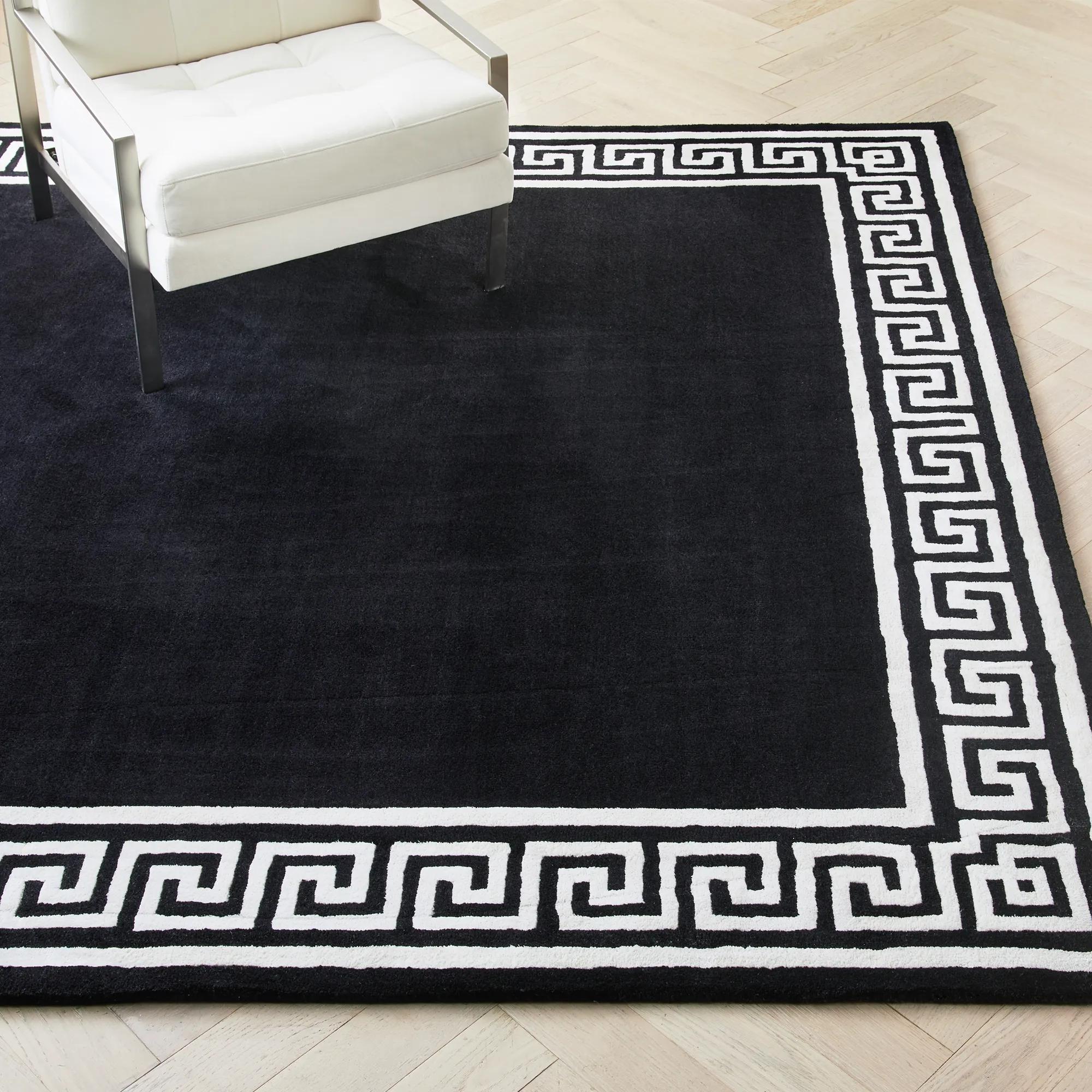
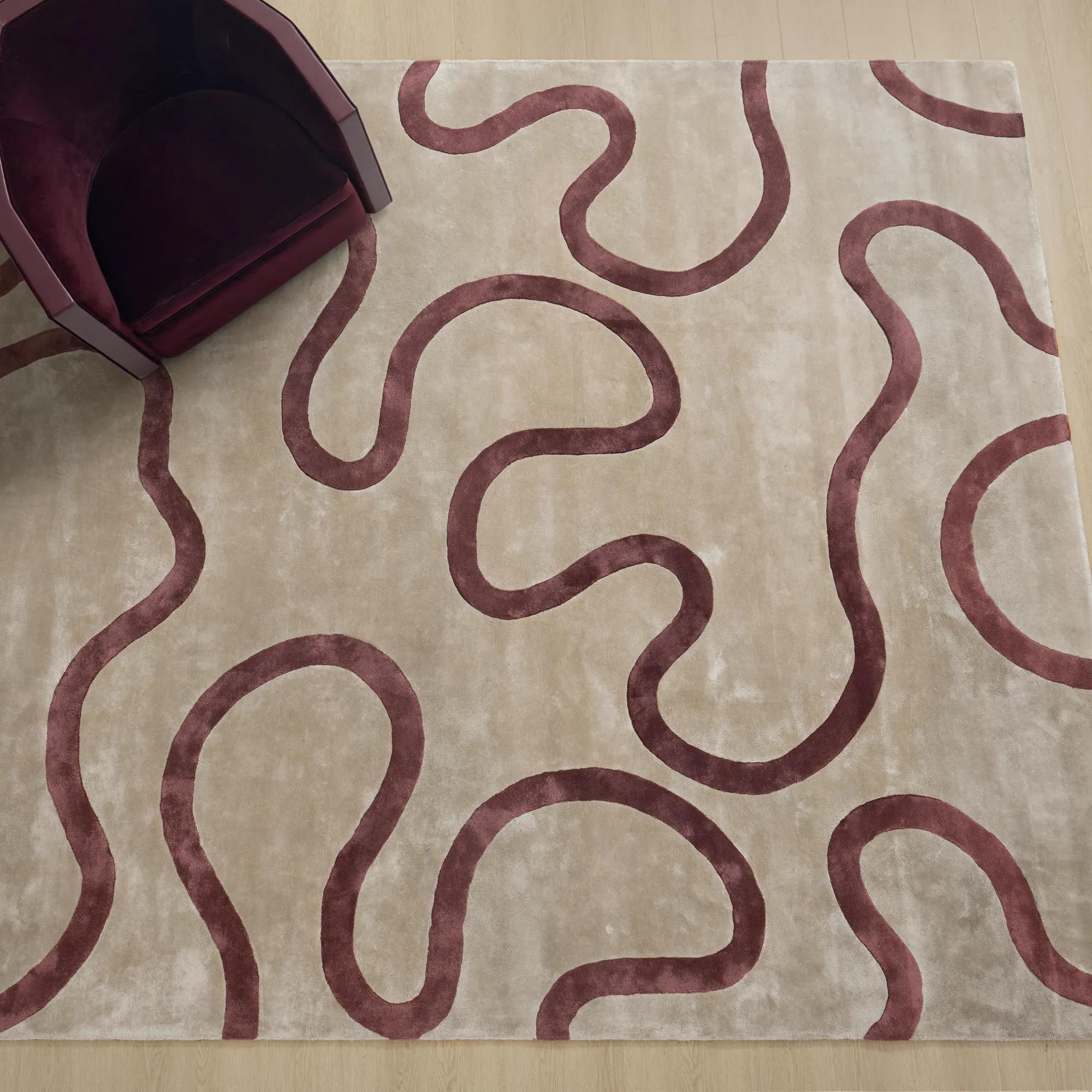
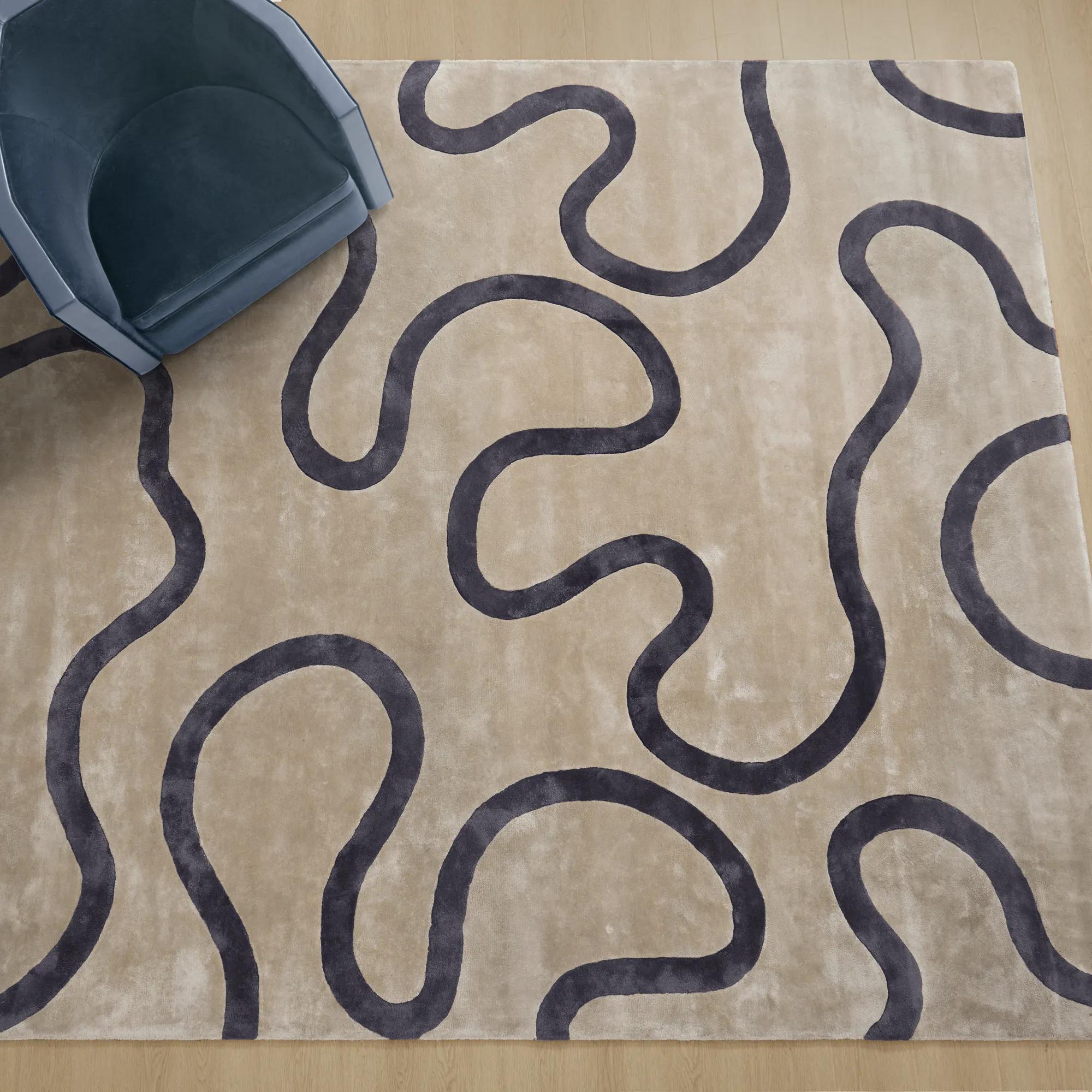
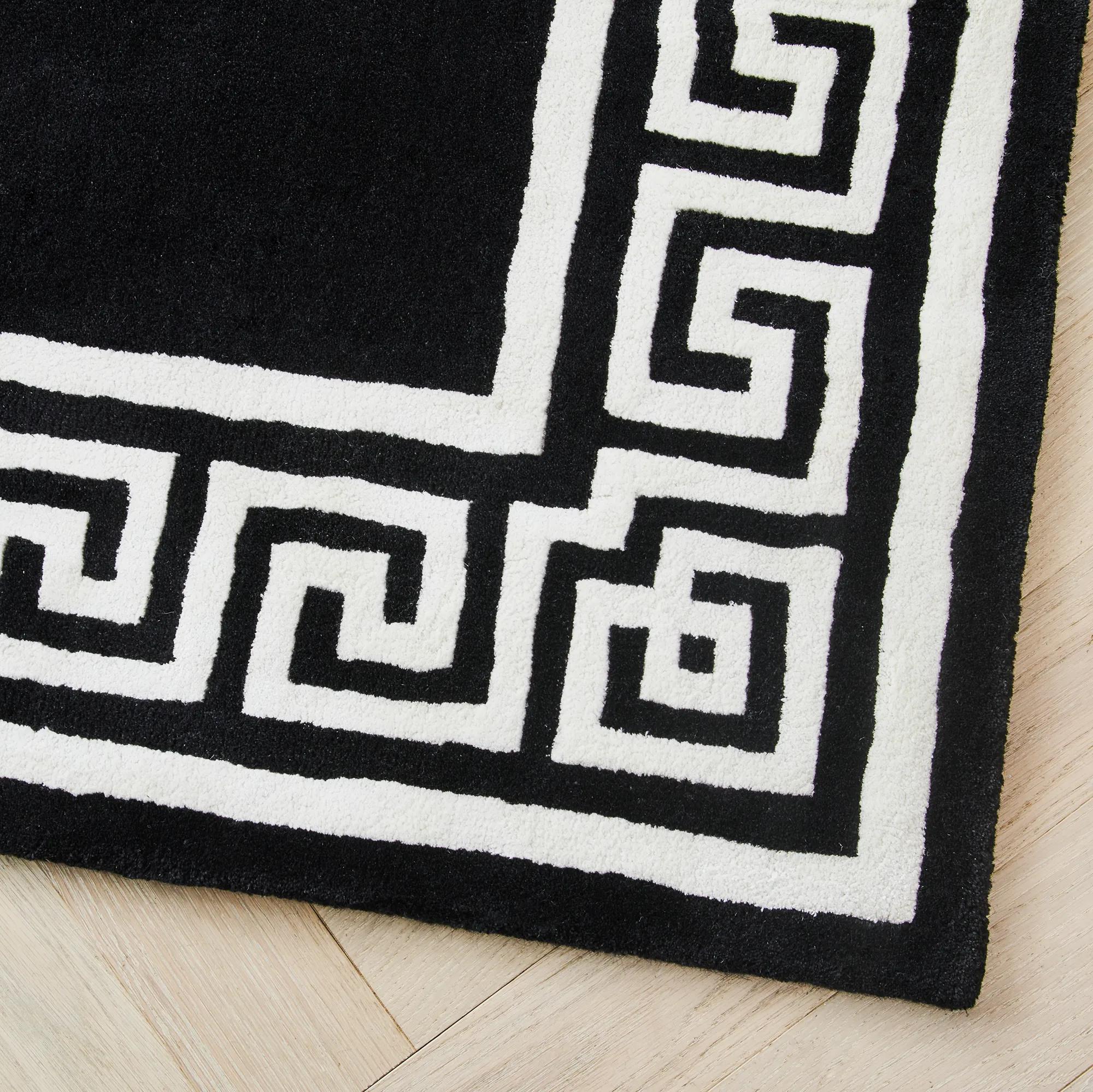 Greek Key Rug - Black/Ivory$599
A hand-tufted black and ivory rug featuring a modern Greek key design in wool and viscose.
Add To Cart -
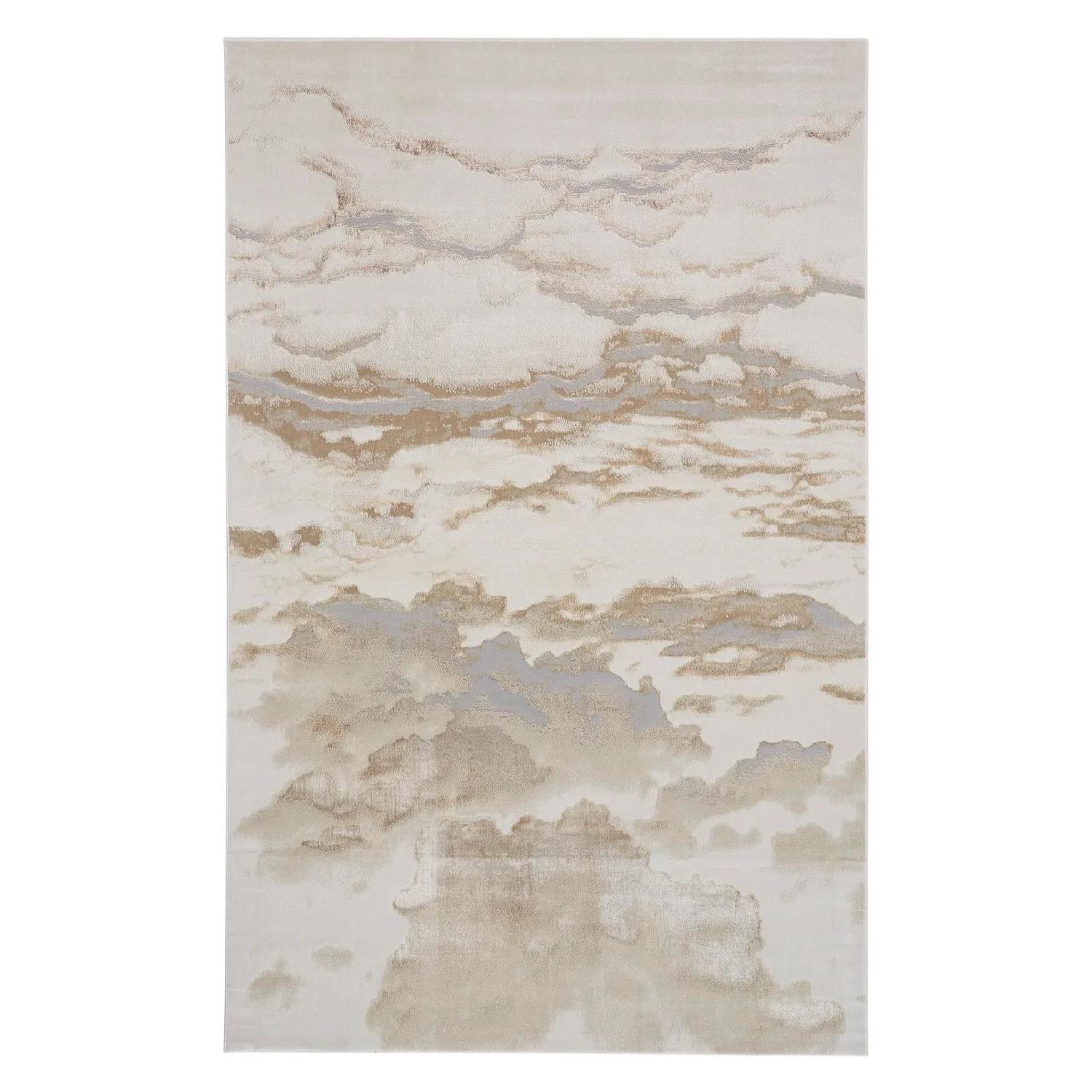
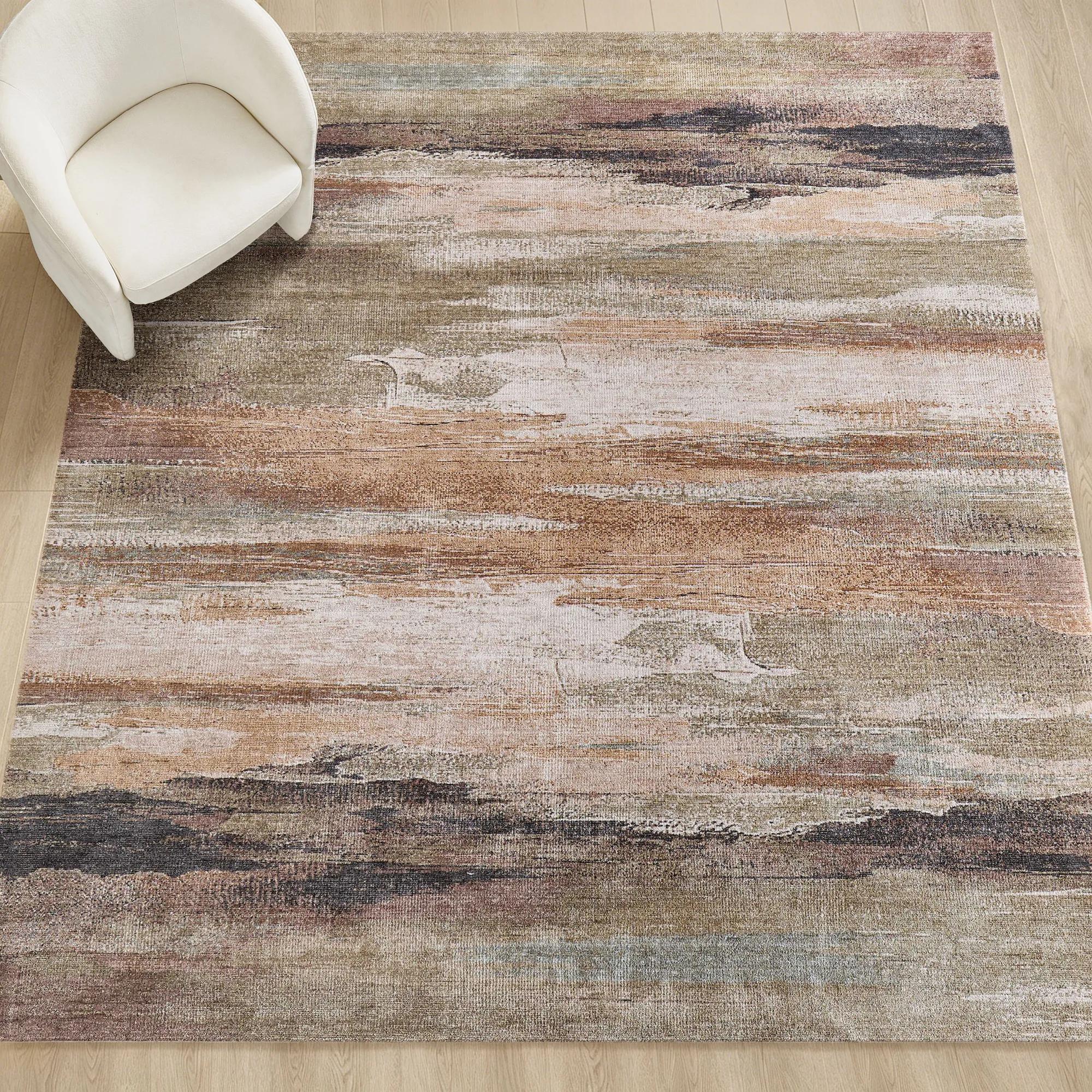
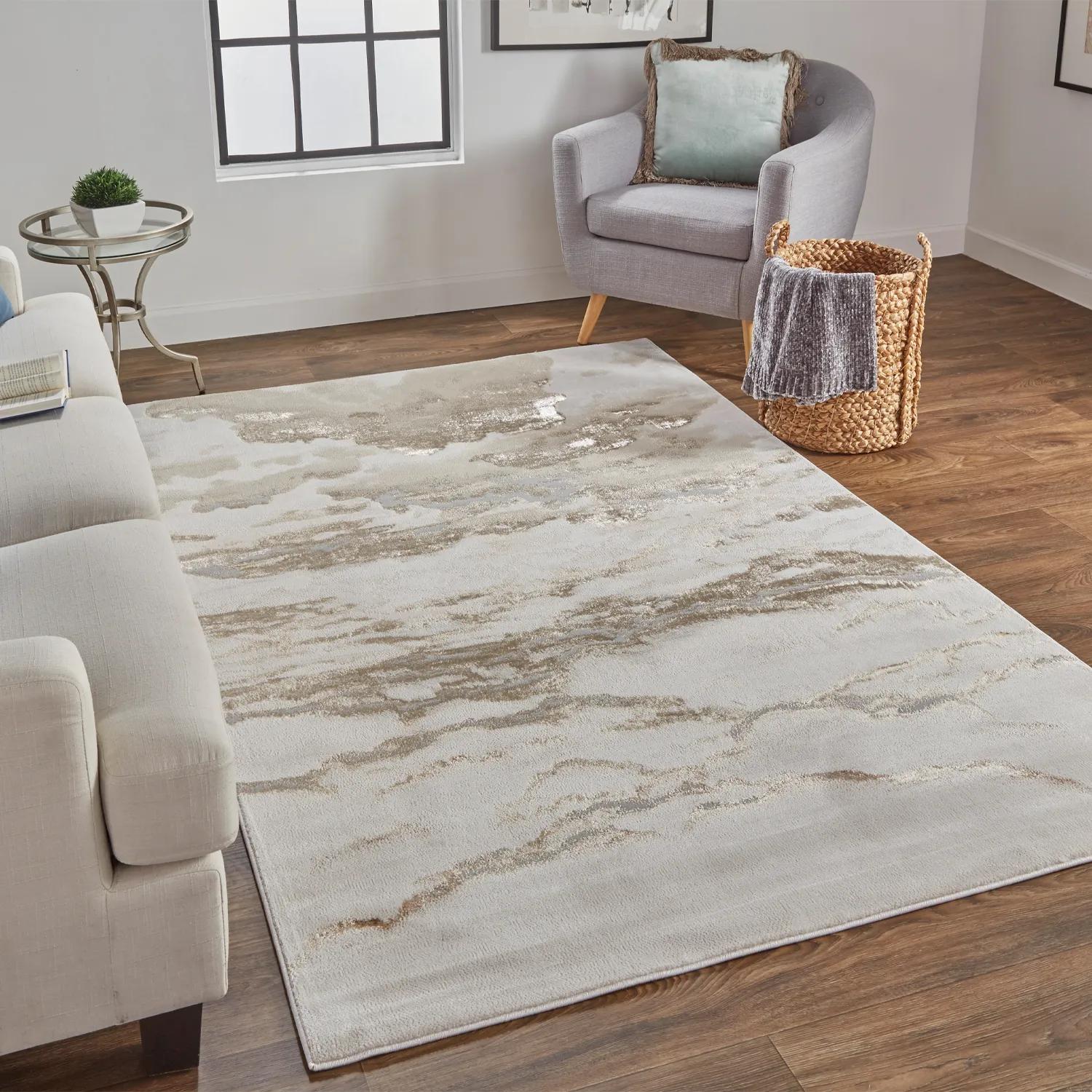 Tide Power-Loomed Beige/Gold/Ivory Rug$899
A machine-made rug in beige and gold, crafted from ultra-soft polyester and polypropylene for elegant spaces.
Add To Cart -
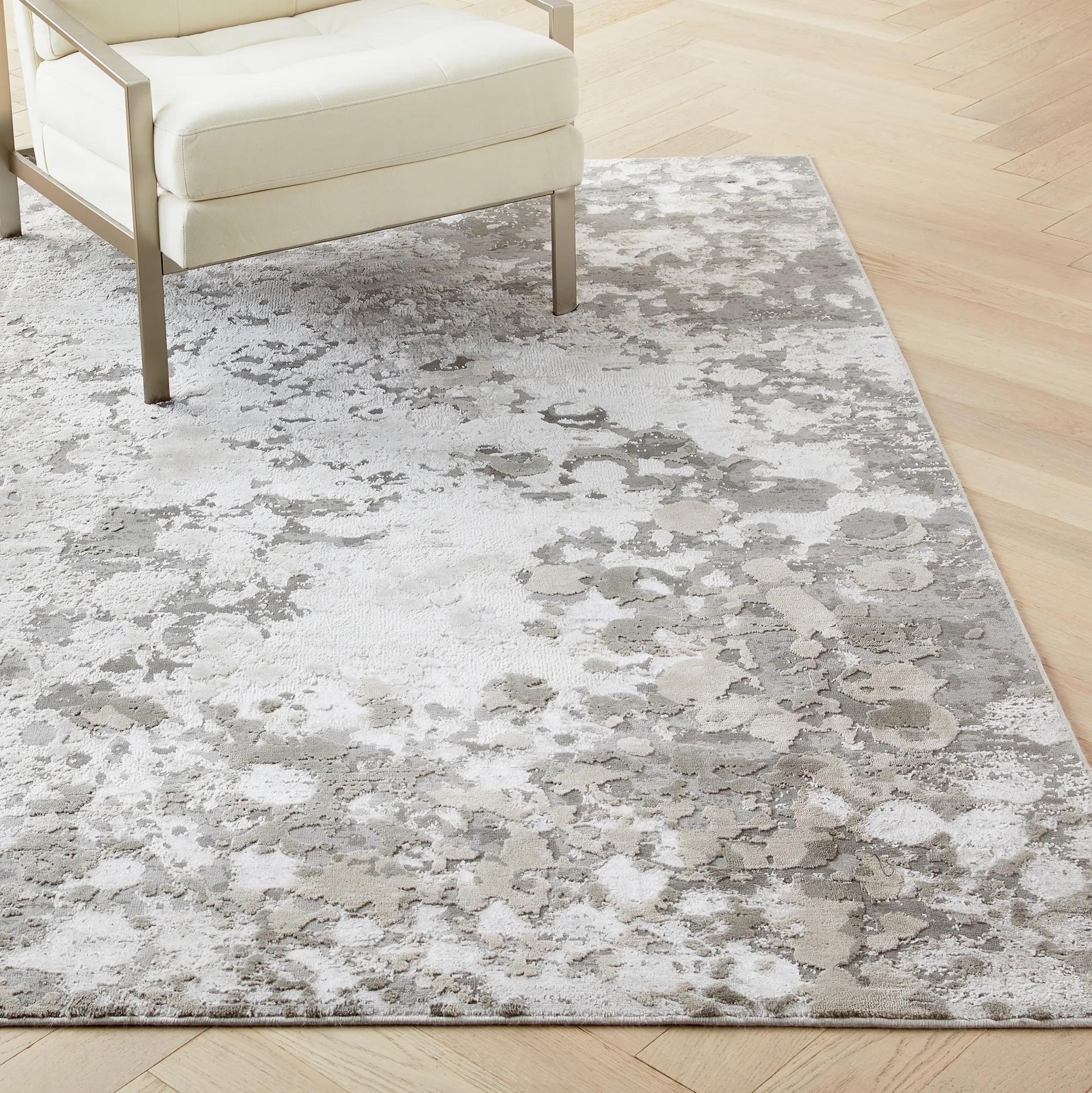 Mercury Power-Loomed Silver/Grey/Beige Rug$249
A neutral floor covering featuring a silver, grey, and beige palette with a textured polyester blend.
Add To Cart -
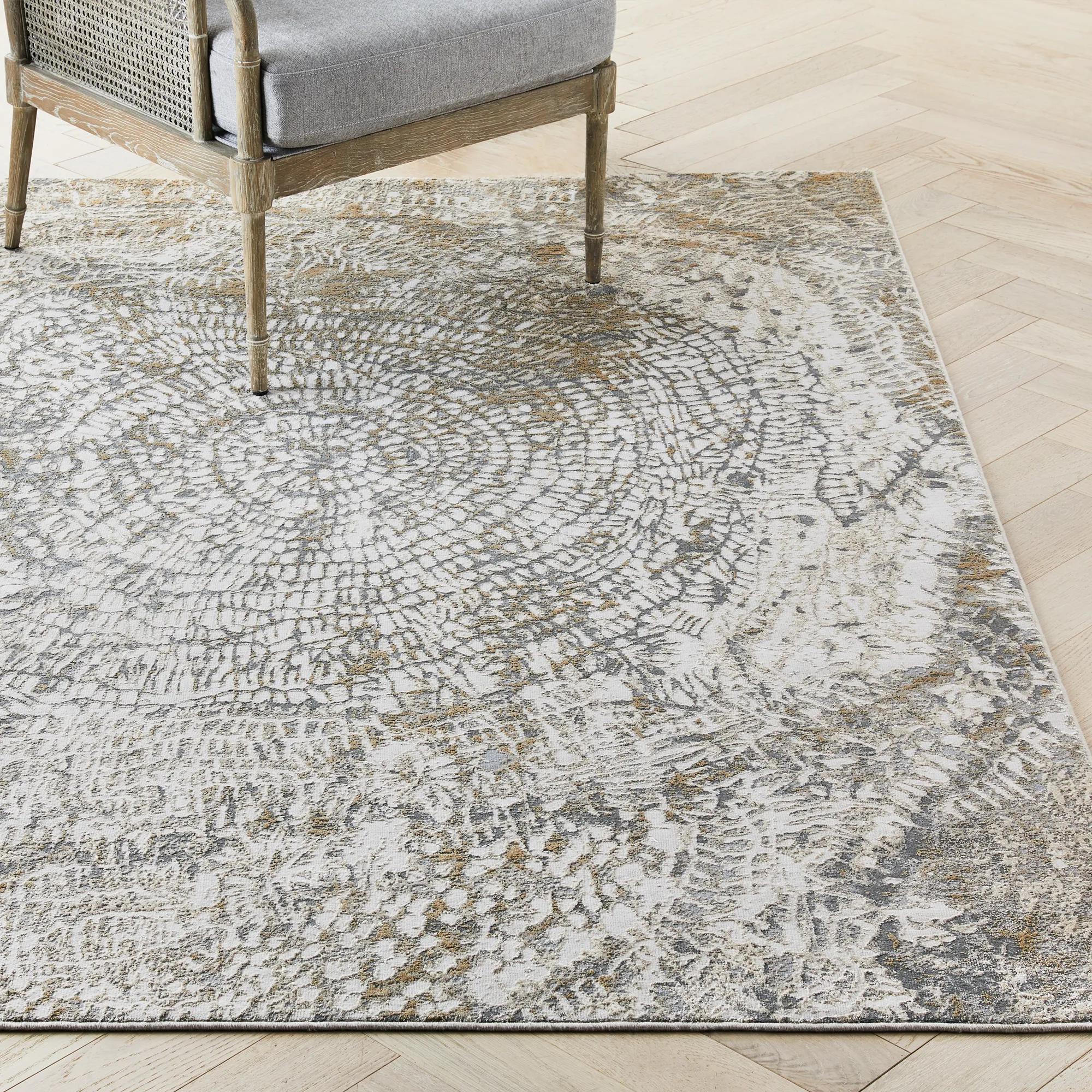 Nautilus Power-Loomed Silver/Grey/Natural Rug$999
A machine-woven ivory rug featuring subtle tonal variations and a durable polypropylene blend construction.
Add To Cart -
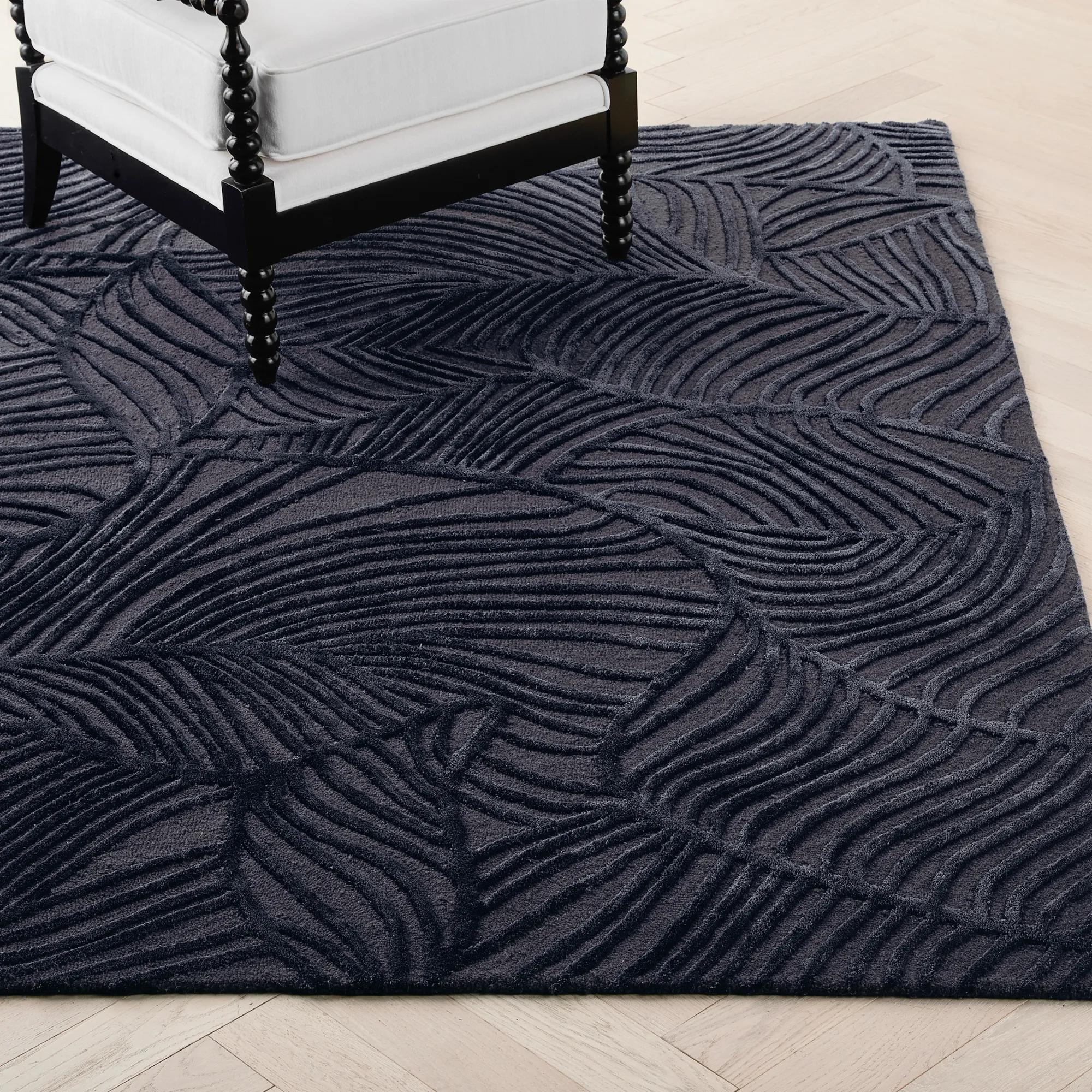
 Palm Rug - Charcoal$1499
A charcoal rug featuring a dynamic palm-leaf design with a textured high-low viscose and wool pile.
Add To Cart -
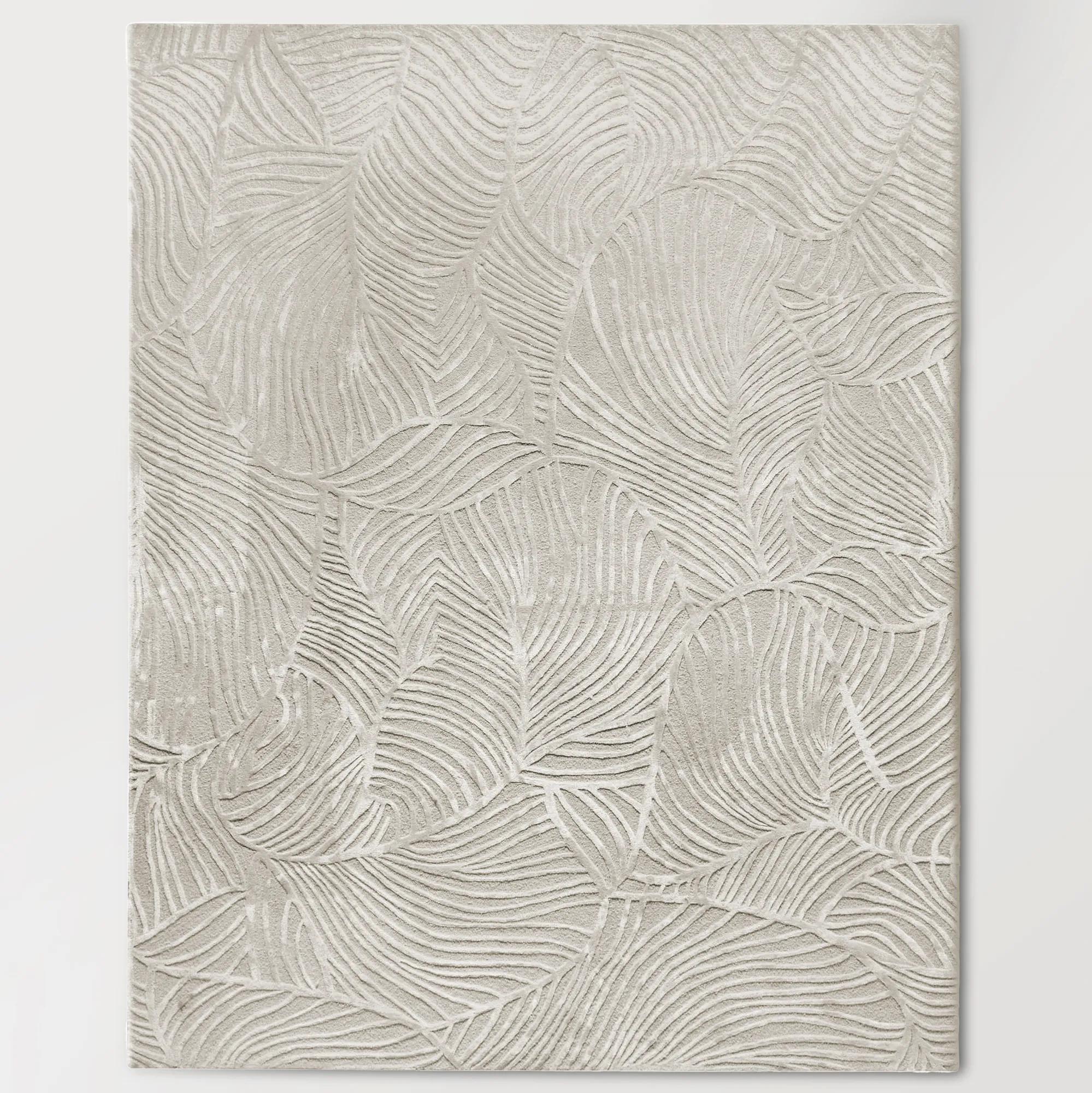 Palm Hand-Tufted Ivory Wool Blend Rug$999
An ivory rug featuring a dynamic palm-leaf design with high-low pile in viscose and wool.
Add To Cart -
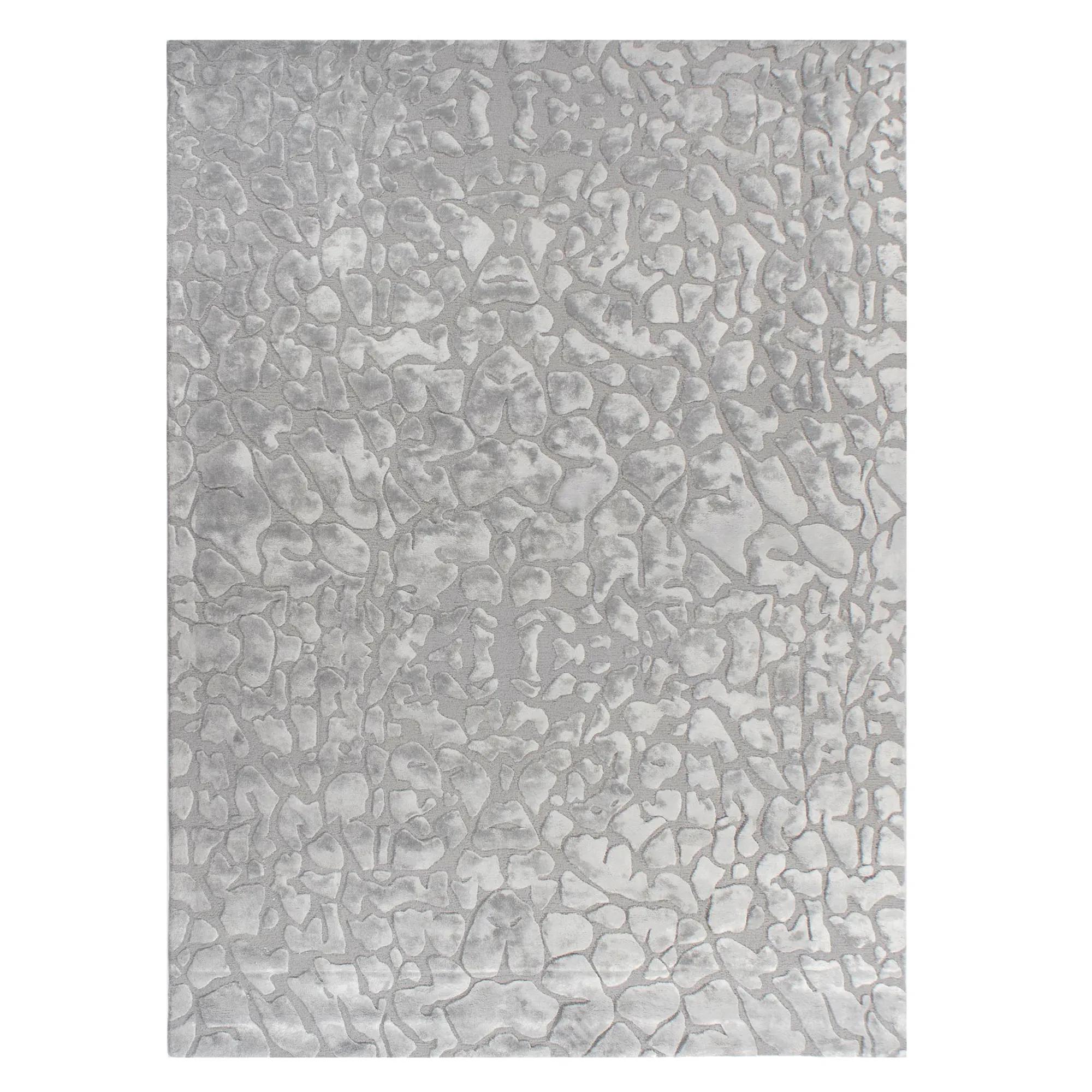
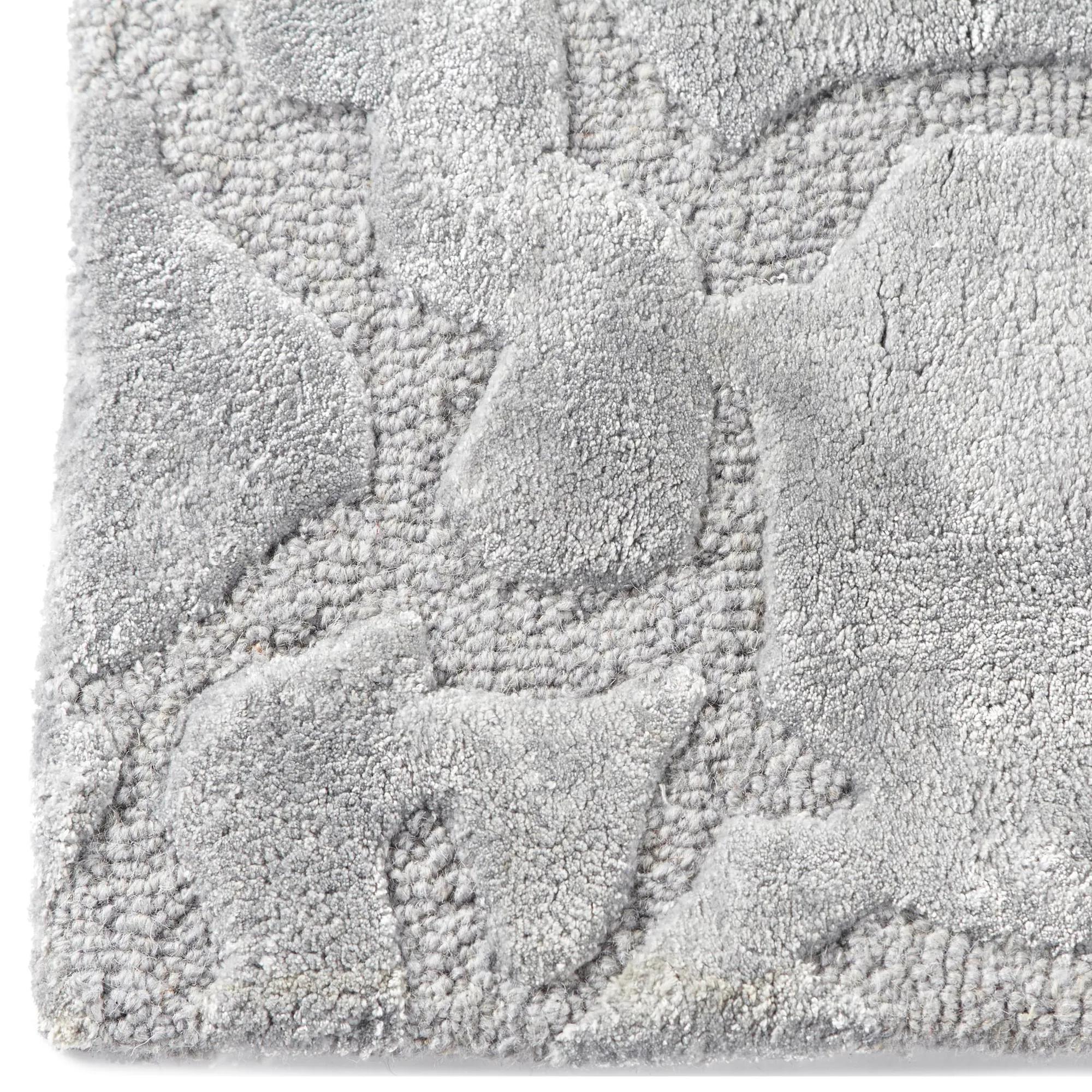 Nola Hand-Tufted Cool Grey Wool Blend Rug$849
A hand-tufted silver rug with contrasting pile heights, crafted from wool and viscose for plush texture.
Add To Cart -
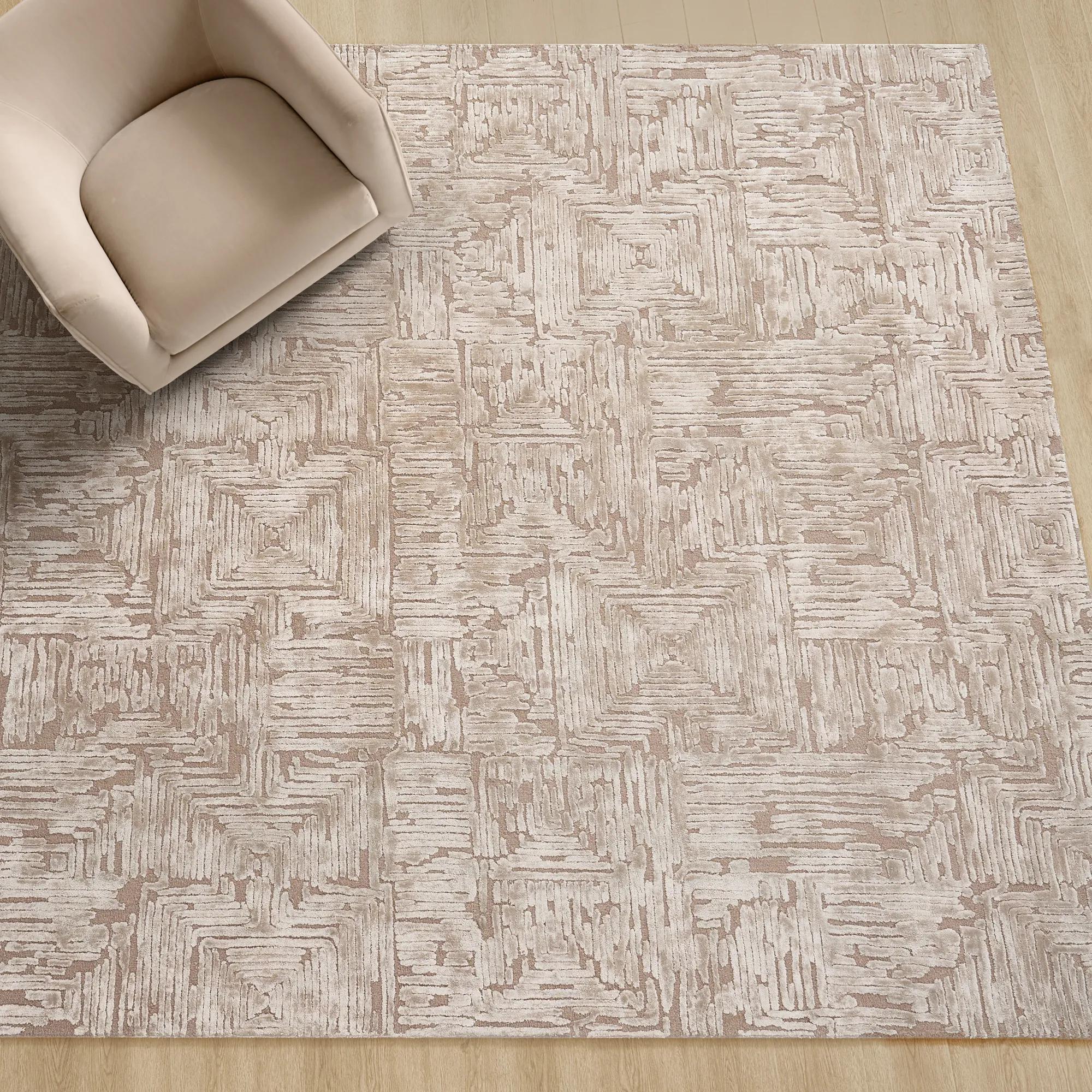
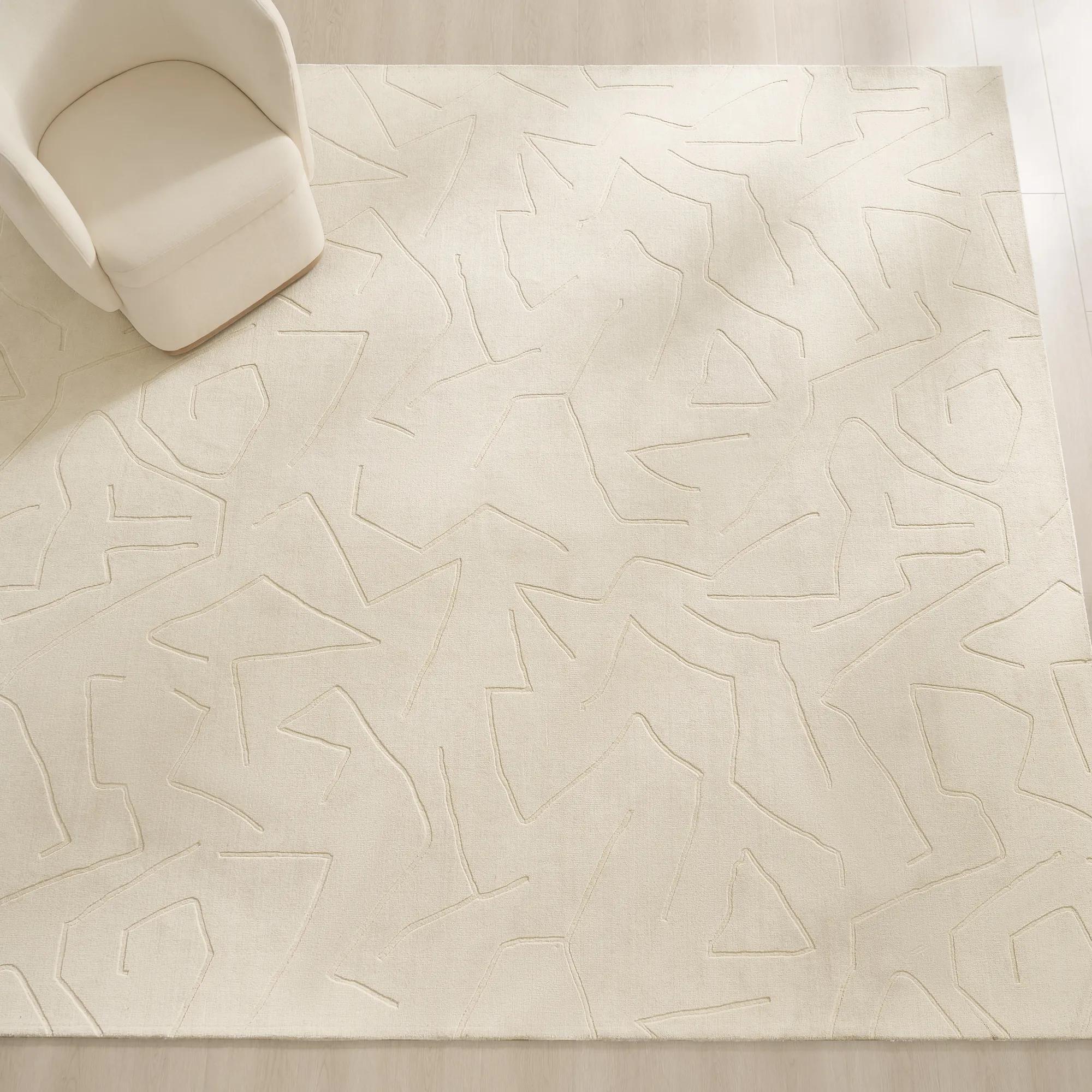 Carved Maze Ivory Hand-Loomed Wool Blend Rug$699
A hand-loomed ivory wool-blend rug featuring a carved maze pattern for modern, textural appeal.
Add To Cart -
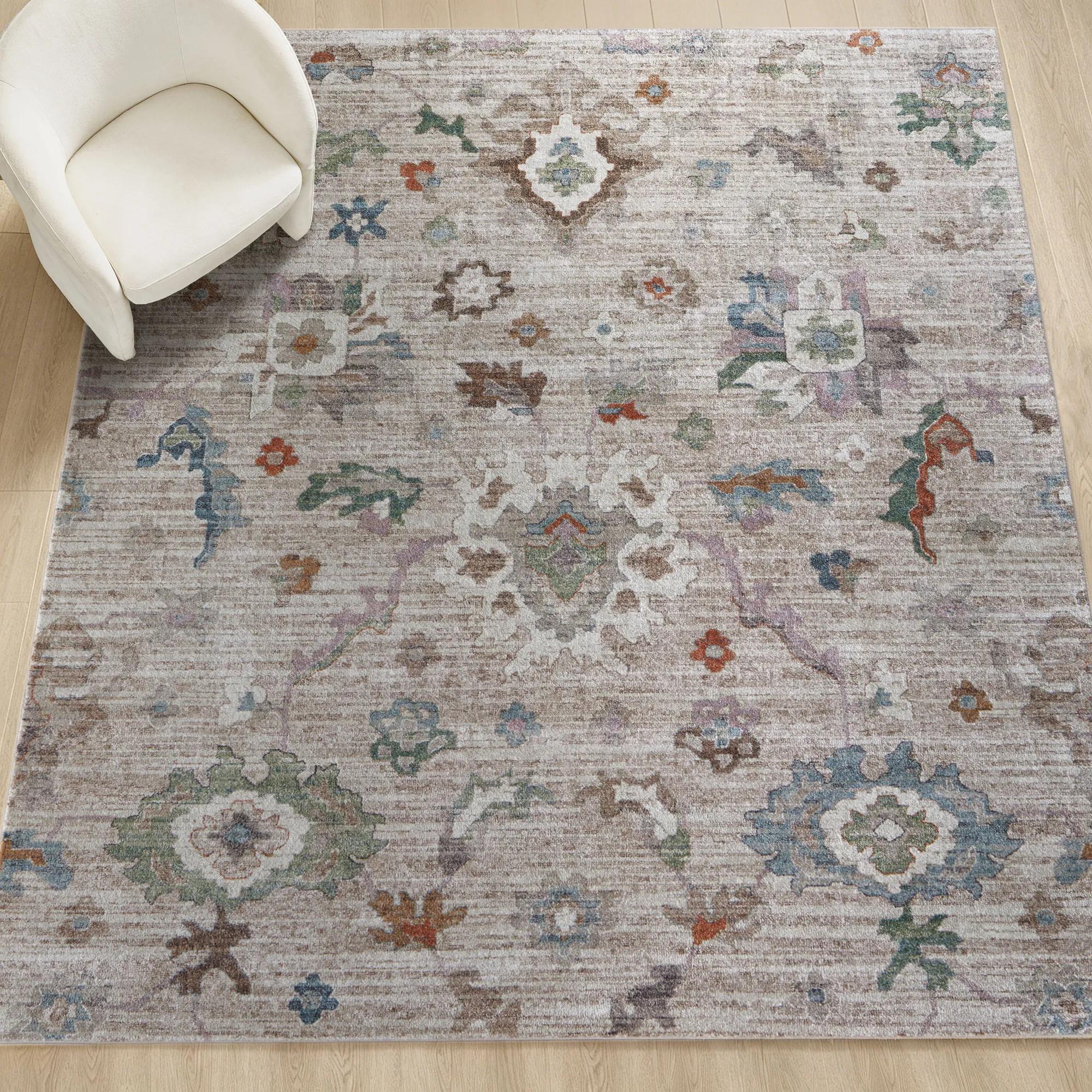
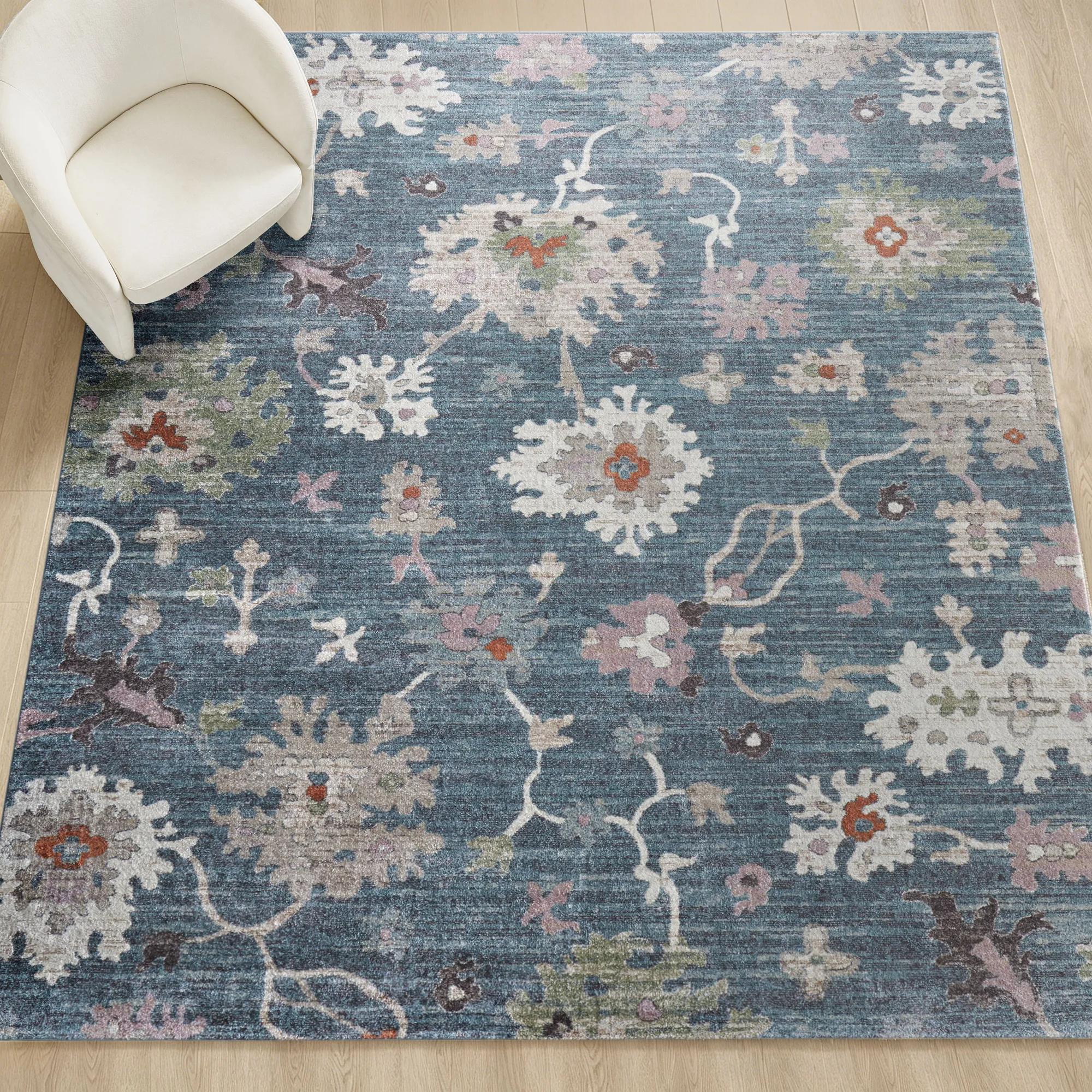
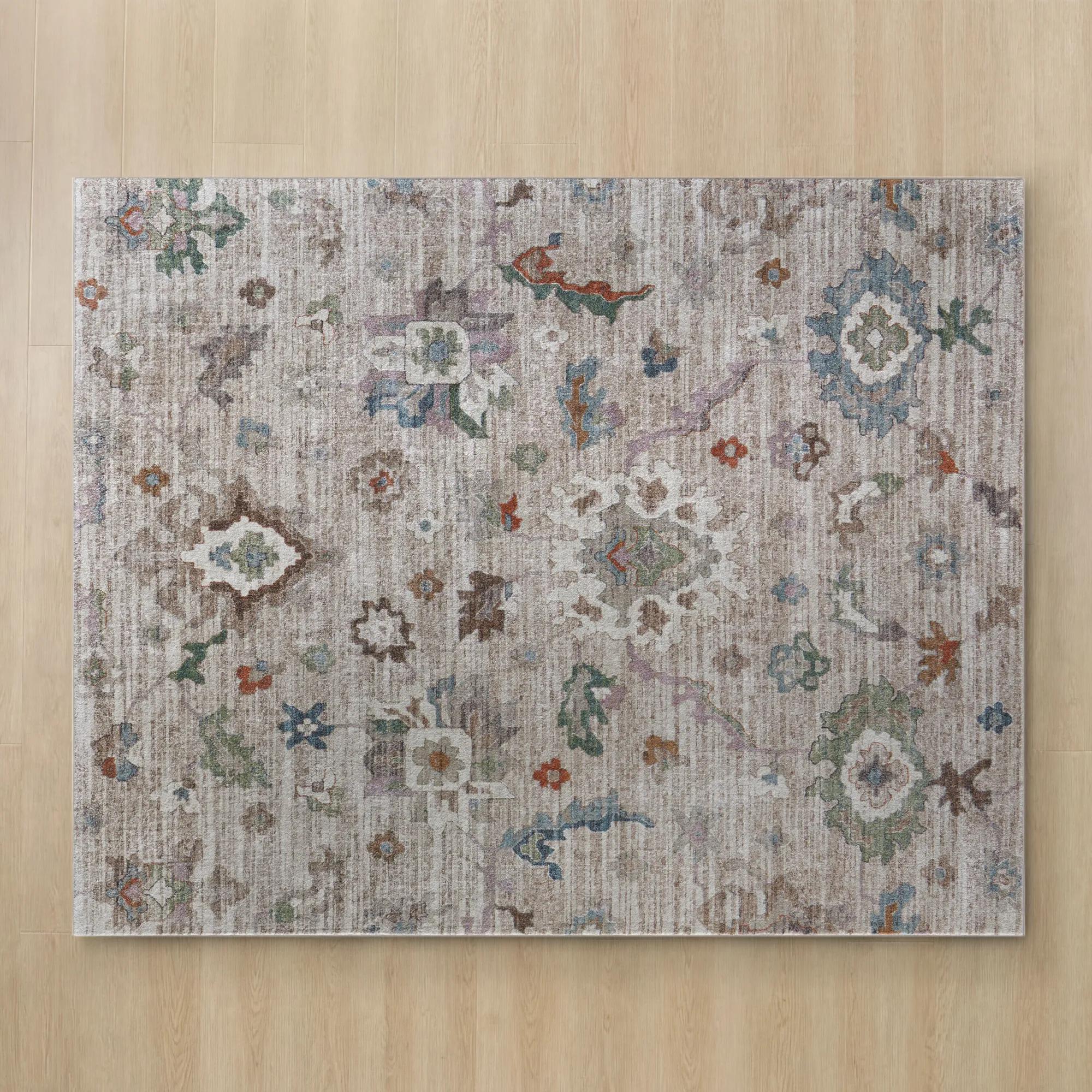 Ariella Floral Taupe/Ivory/Beige/Blue/Green Performance Power Loomed Rug$1399
A Persian-inspired rug in taupe, ivory, beige, blue, and green with a plush, power-loomed polypropylene pile.
Add To Cart -
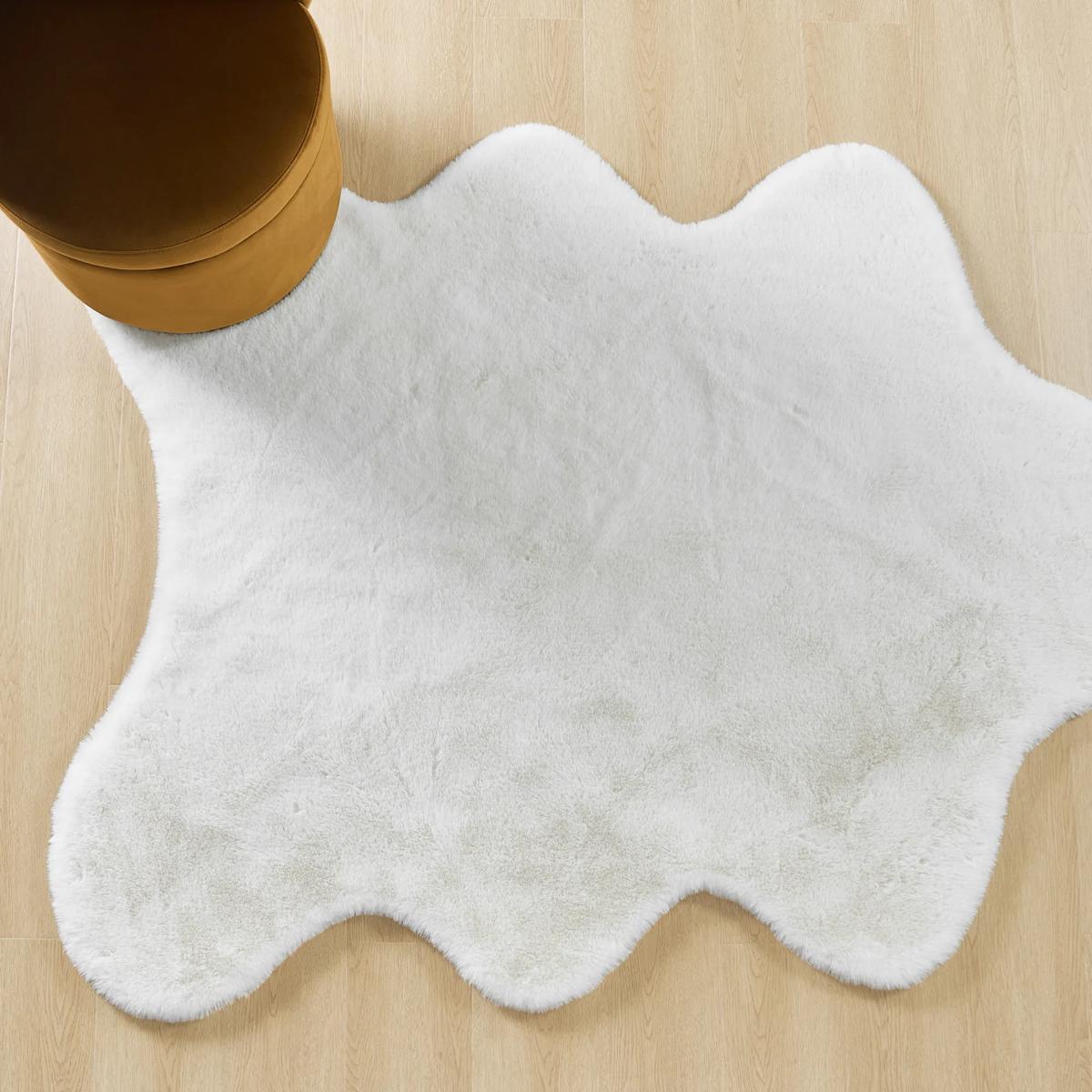
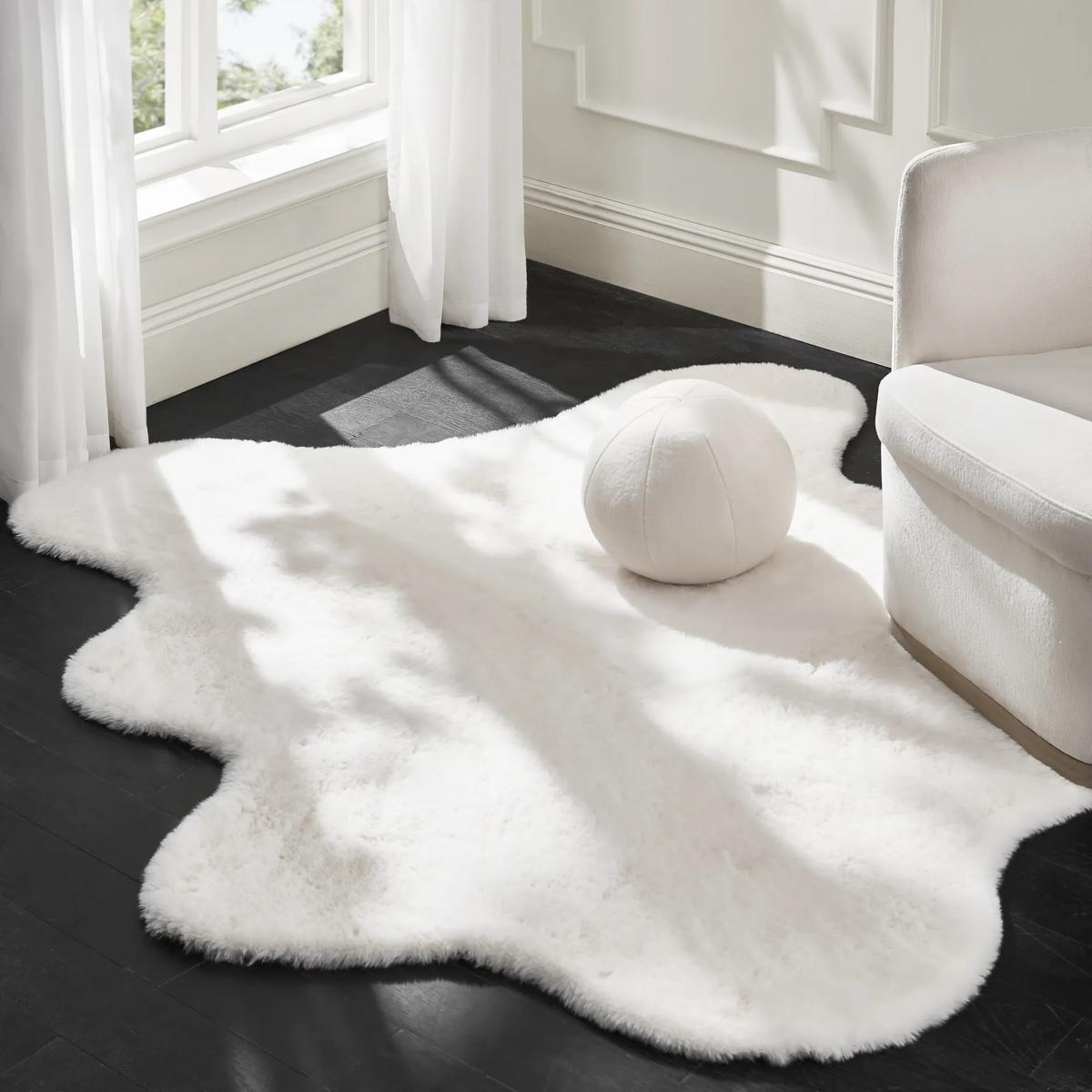 Odin Faux Fur White Shaped Rug 5' x 6'$249
A plush, cloud-shaped white rug with ultra-soft polyester pile and a practical non-slip backing.
Add To Cart -
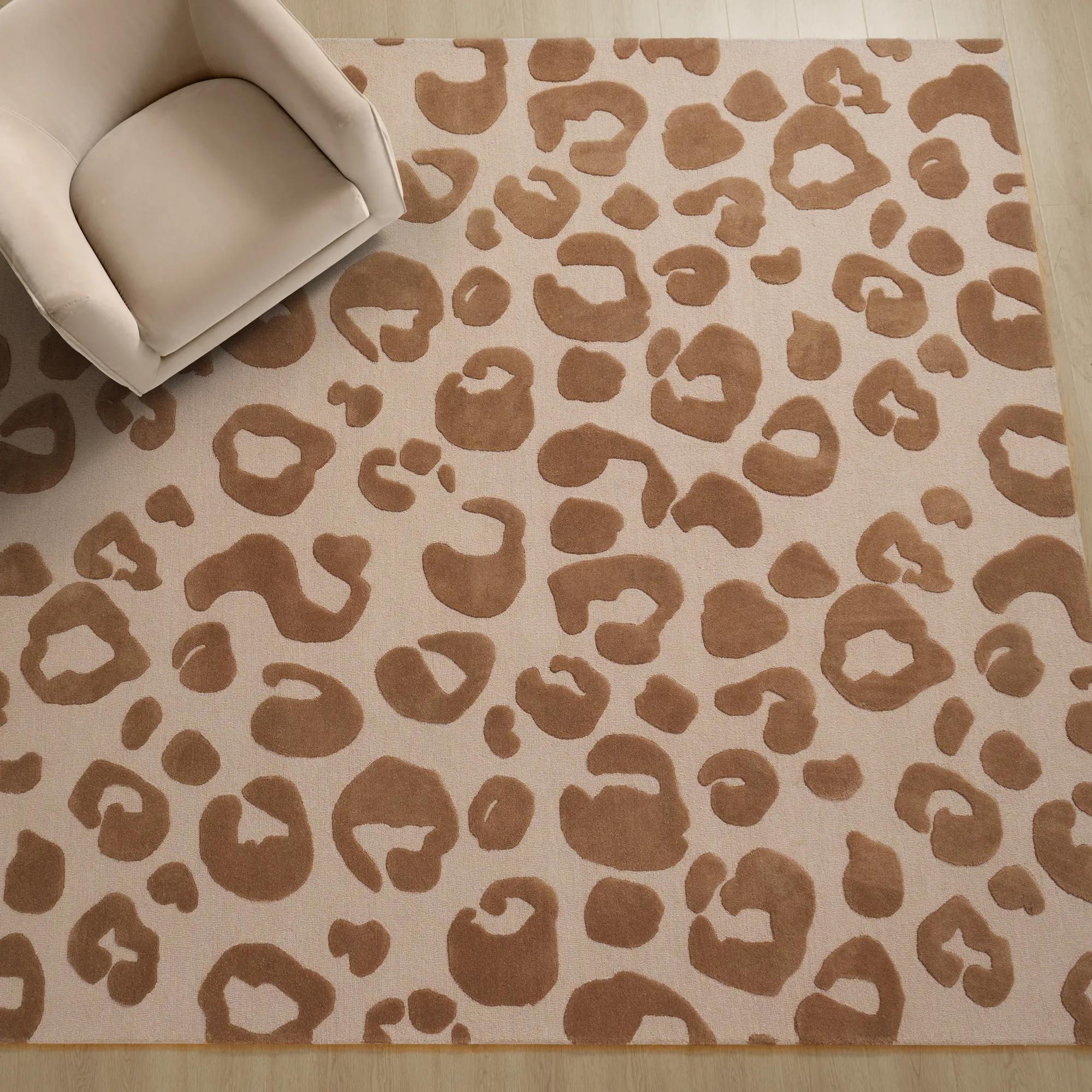 Pounce Hand-Tufted Tawny Brown Leopard Print Wool Rugs$499
A hand-tufted pure wool rug featuring a bold tawny brown leopard print and sculptural high-low texture.
Add To Cart -
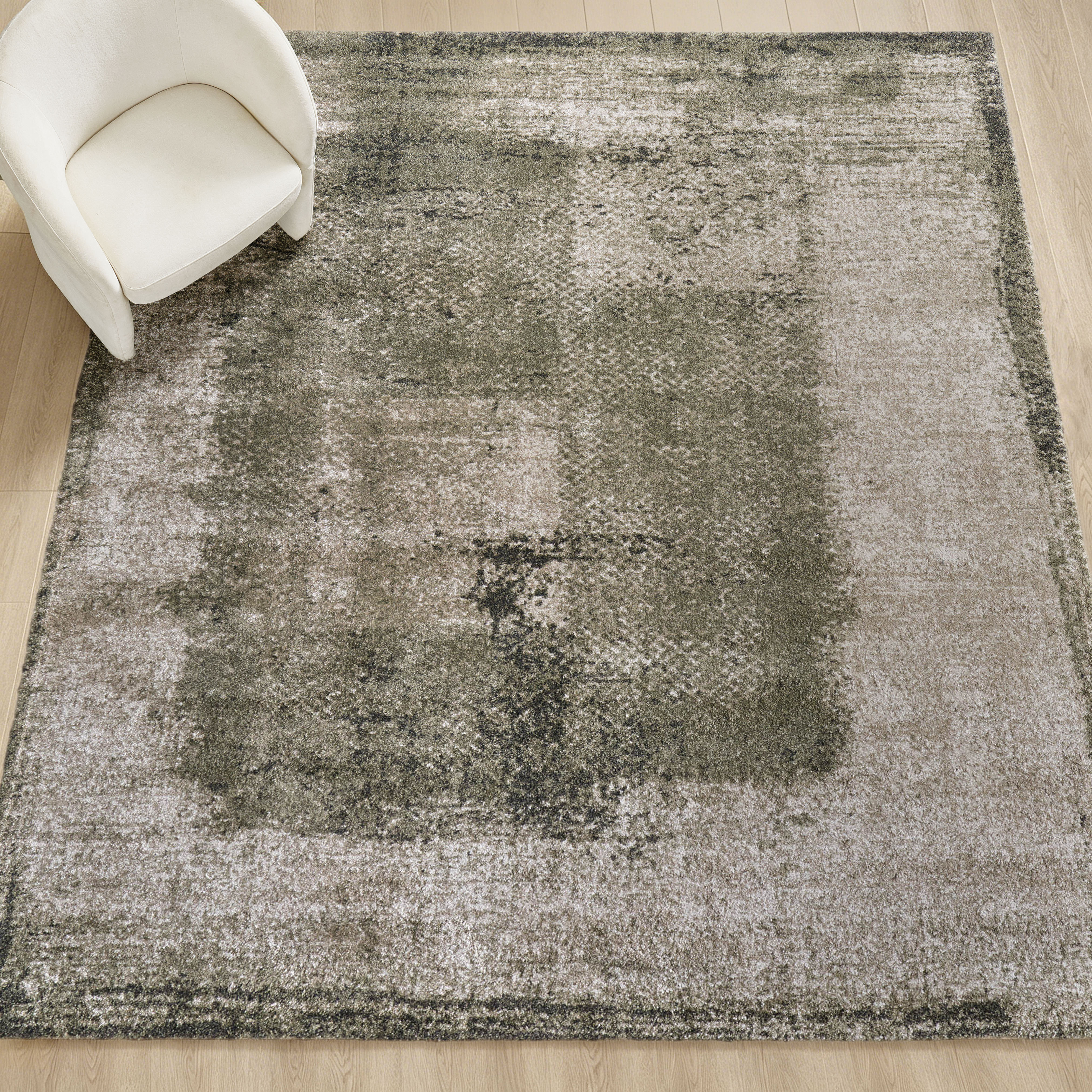
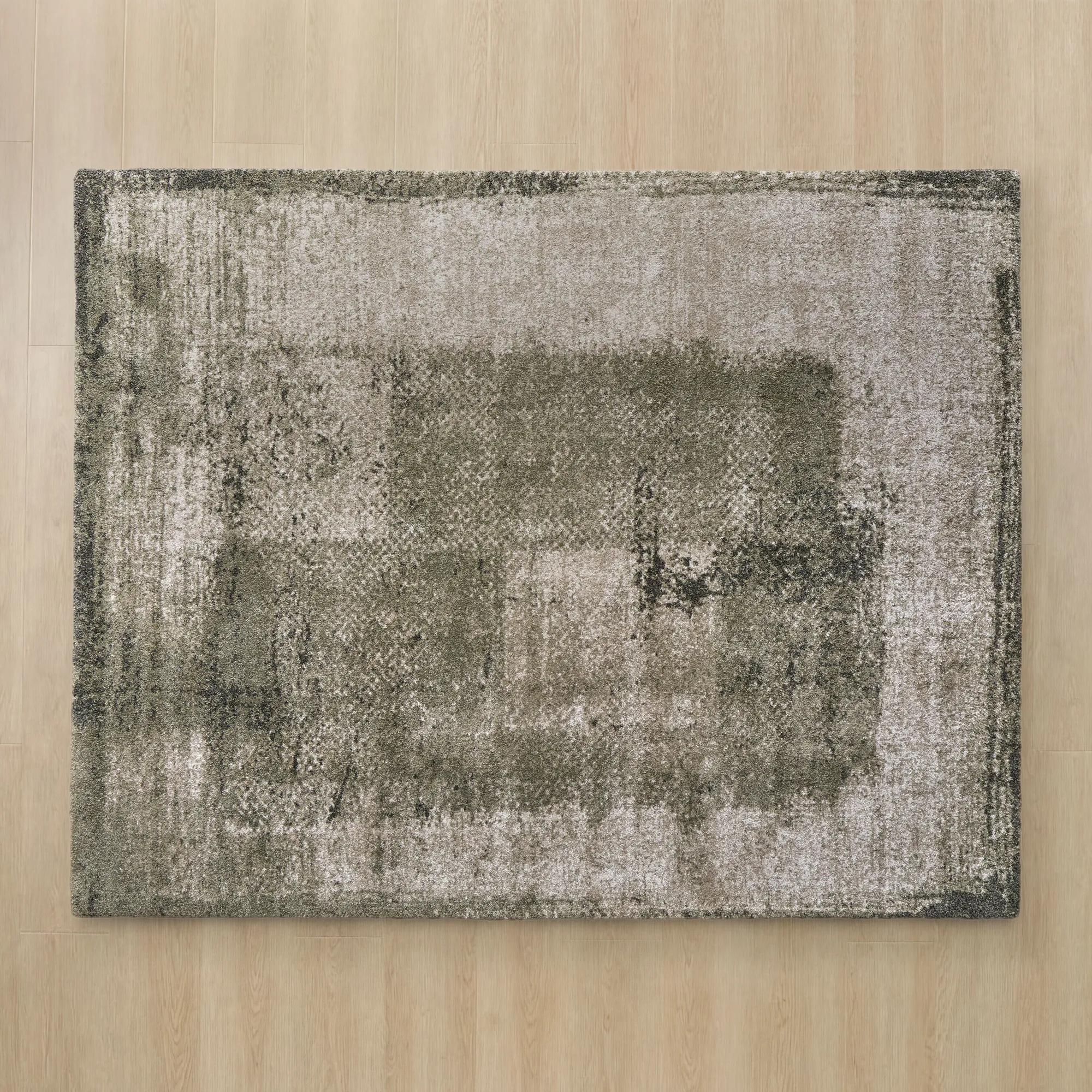 Irving Abstract Moss Green/Beige/Grey Performance Power Loomed Rug$1649
An abstract rug in moss green, beige, and grey with plush, durable polypropylene and polyester construction.
Add To Cart -
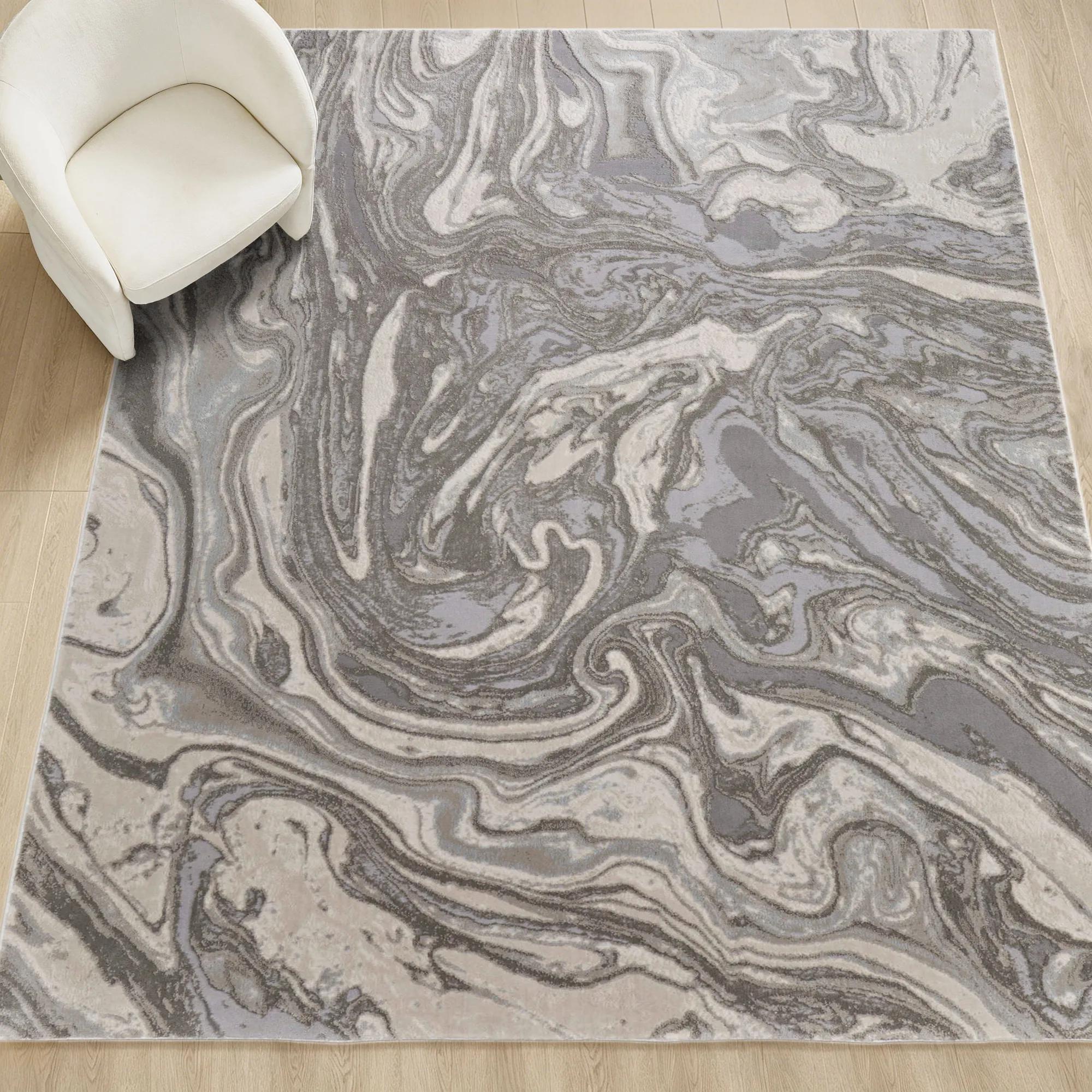
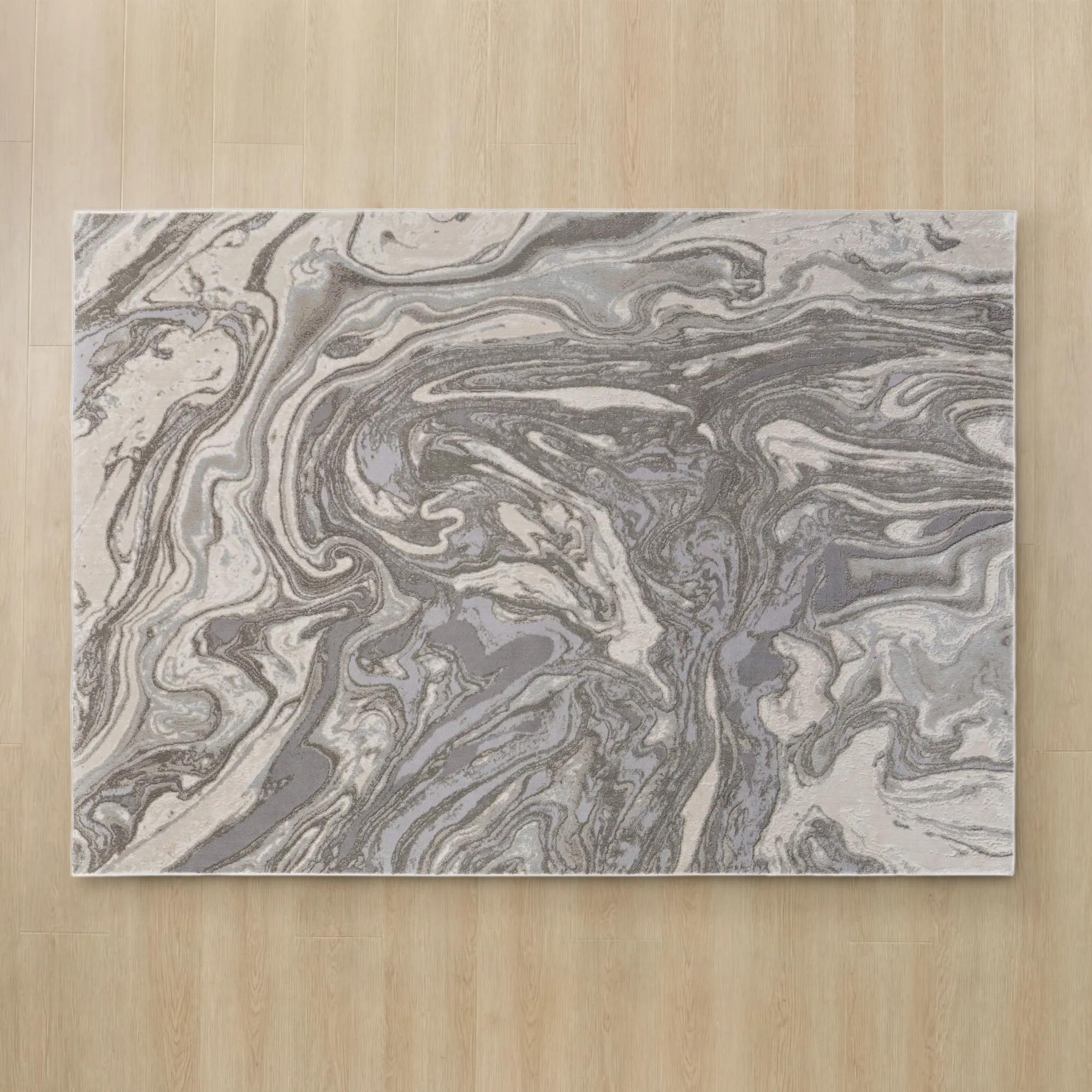 Marbre Marbled Grey/Taupe/Powder Blue Performance Power Loomed Rug$1499
A softly marbled rug in grey, taupe, and powder blue with a textured, stain-resistant performance blend.
Add To Cart -
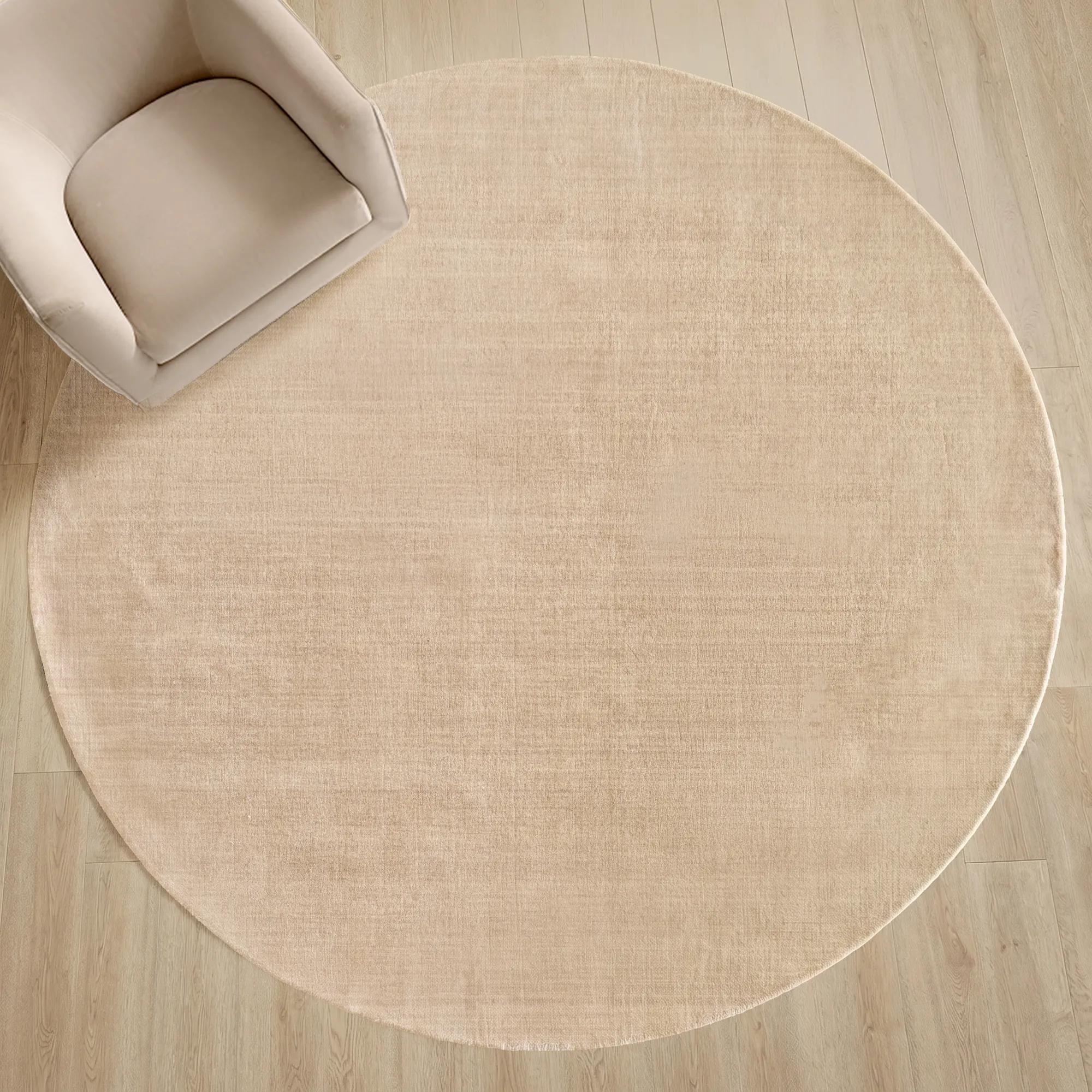 Juni Hand Woven Heathered Warm Beige Round Rug$1399
A handwoven round wool rug in heathered warm beige, offering refined texture and everyday durability.
Add To Cart -
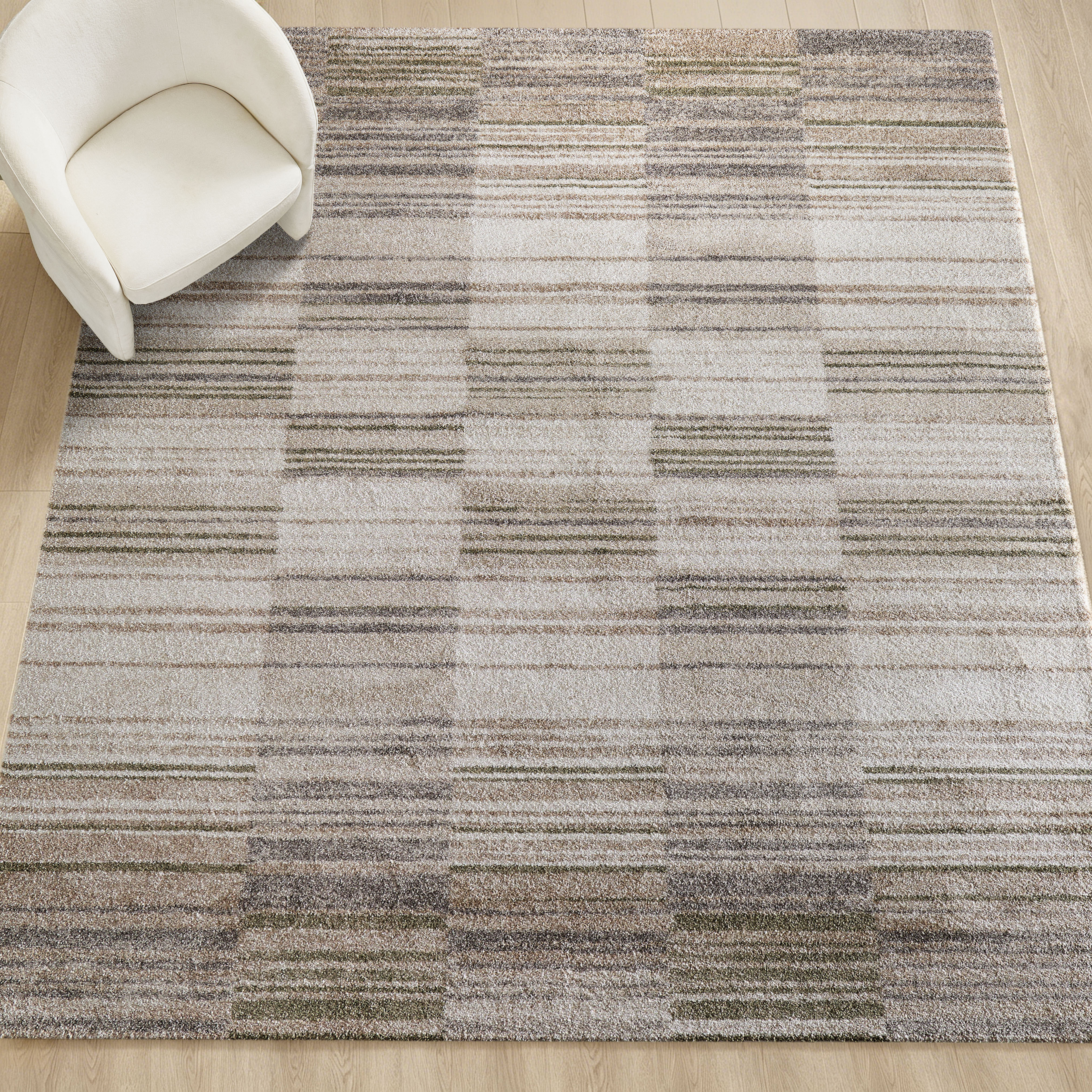
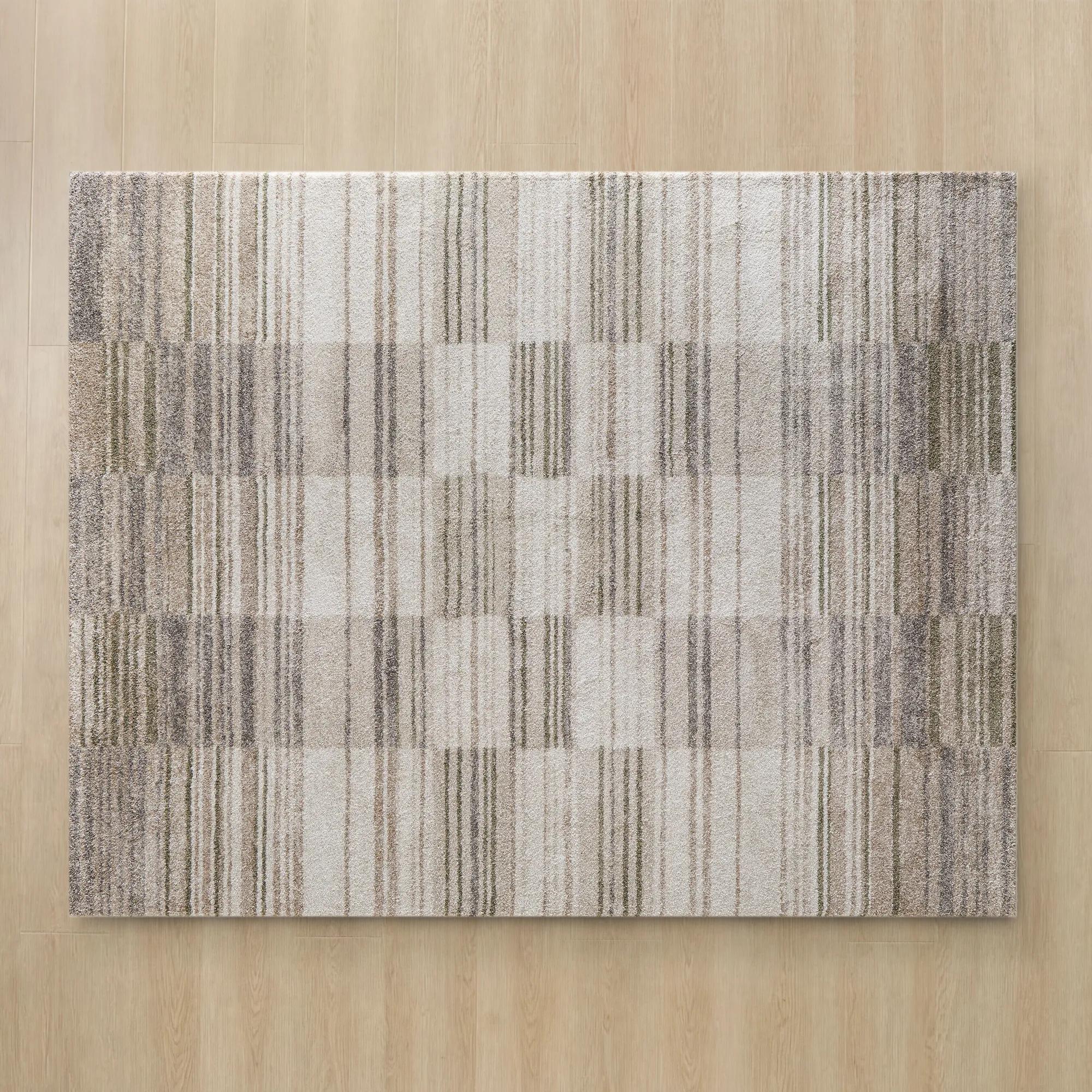 Checka Grey/Tan/Ivory/Soft Green Performance Power Loomed Rug$399
A plush, power-loomed rug featuring a soft check pattern in grey, tan, ivory, and green.
Add To Cart -
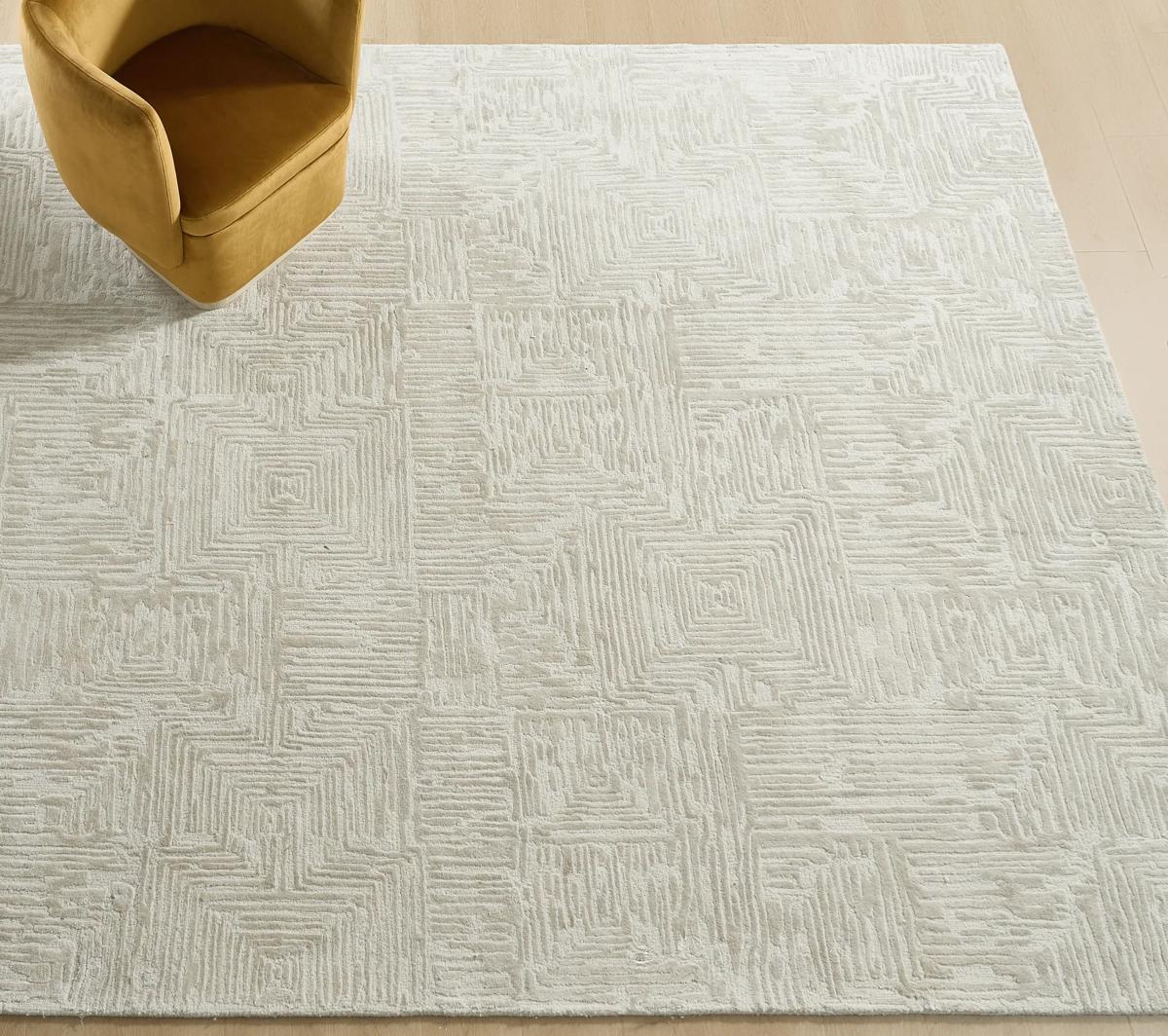 Andra Ivory Hand-Tufted Wool Blend Dimensional Rug$1499
A hand-tufted ivory rug in a viscose-wool blend with raised detailing and a subtle sheen.
Add To Cart -
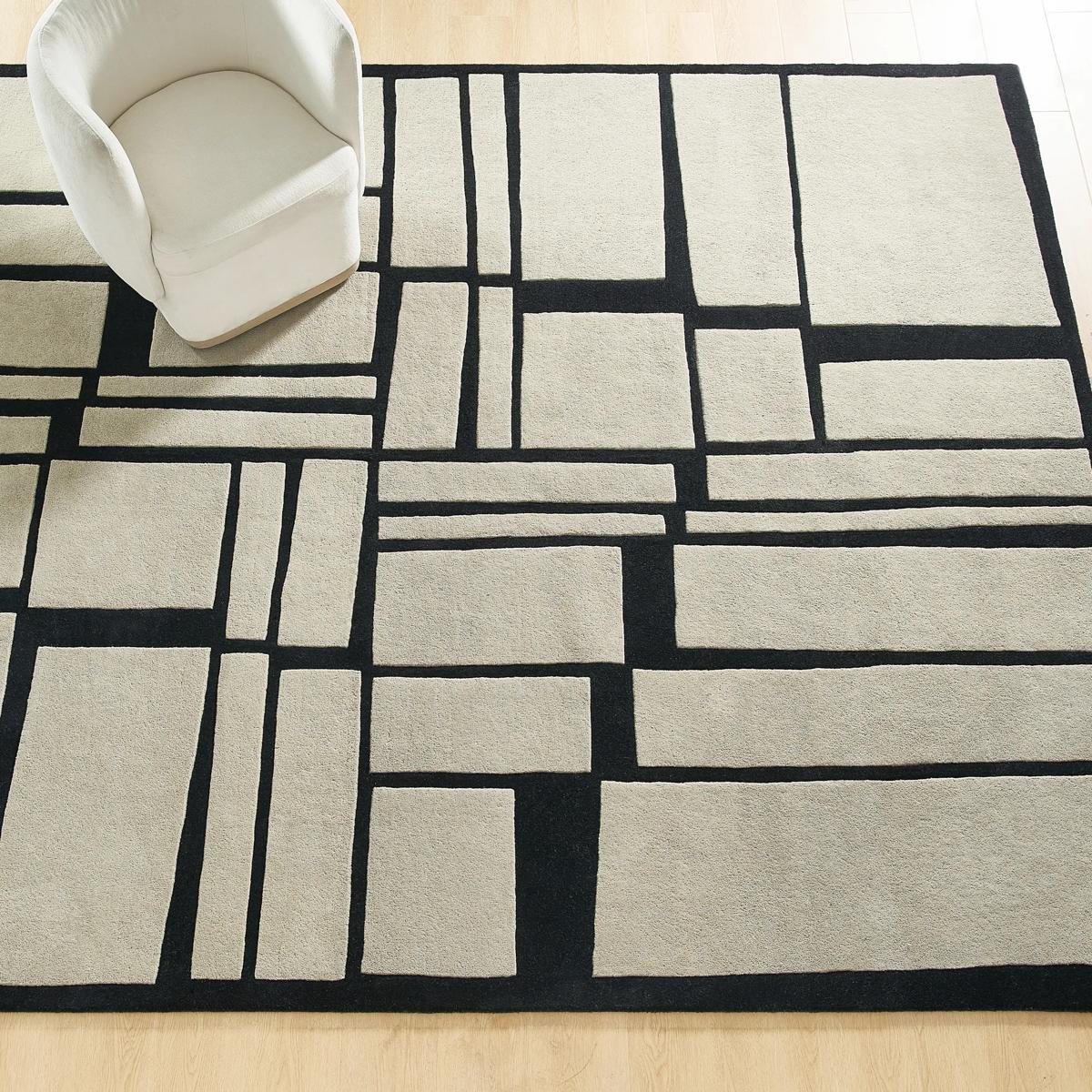 Novak Hand-Tufted Natural/Black Wool Rug$449
A hand-tufted wool rug featuring a bold black and natural grid design for modern visual impact.
Add To Cart -
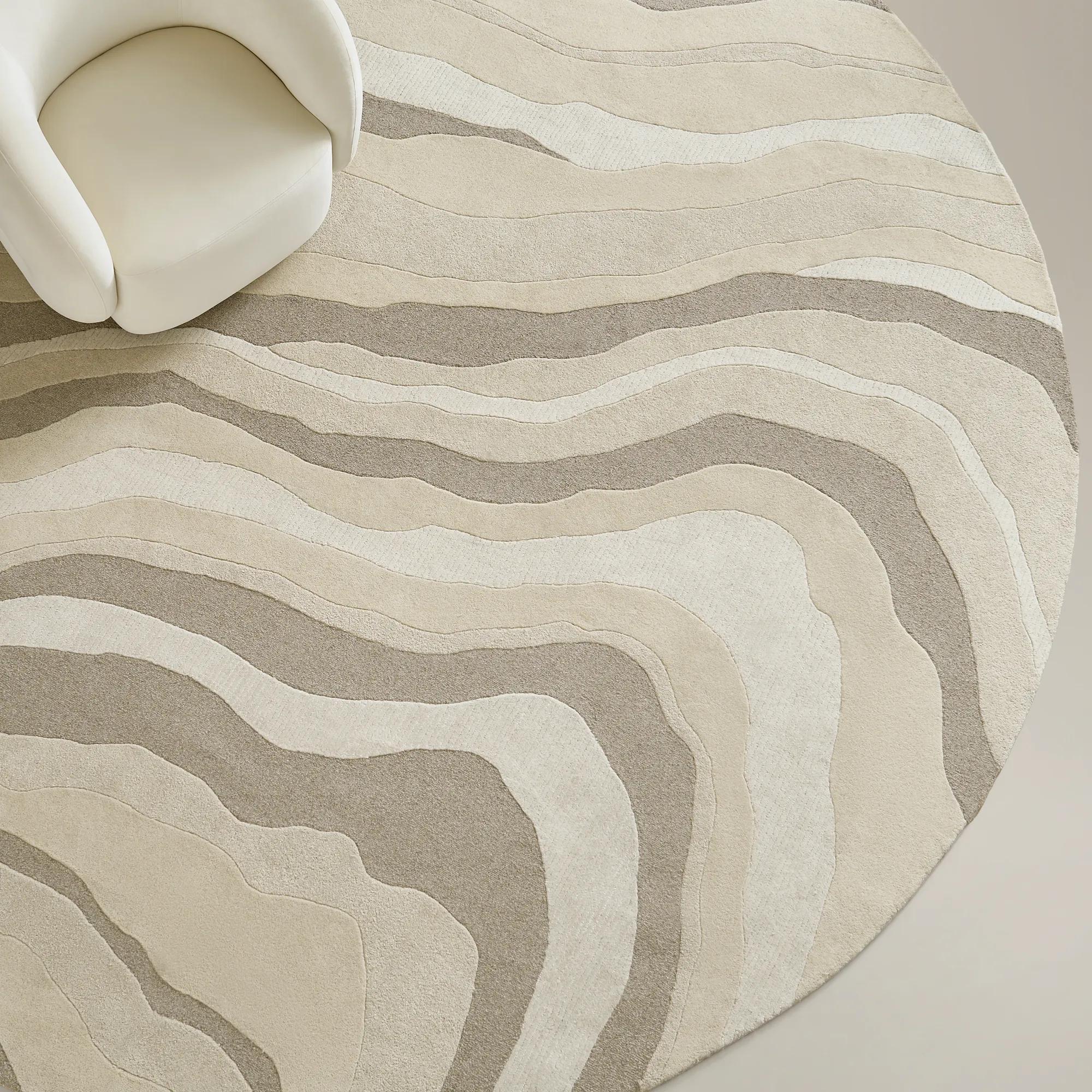 Kadence Hand-Tufted White/Ivory/Tan Wool Round Rug 12"$1799
A hand-tufted round rug in white, ivory, and tan, crafted from 100% wool for natural warmth.
Add To Cart -
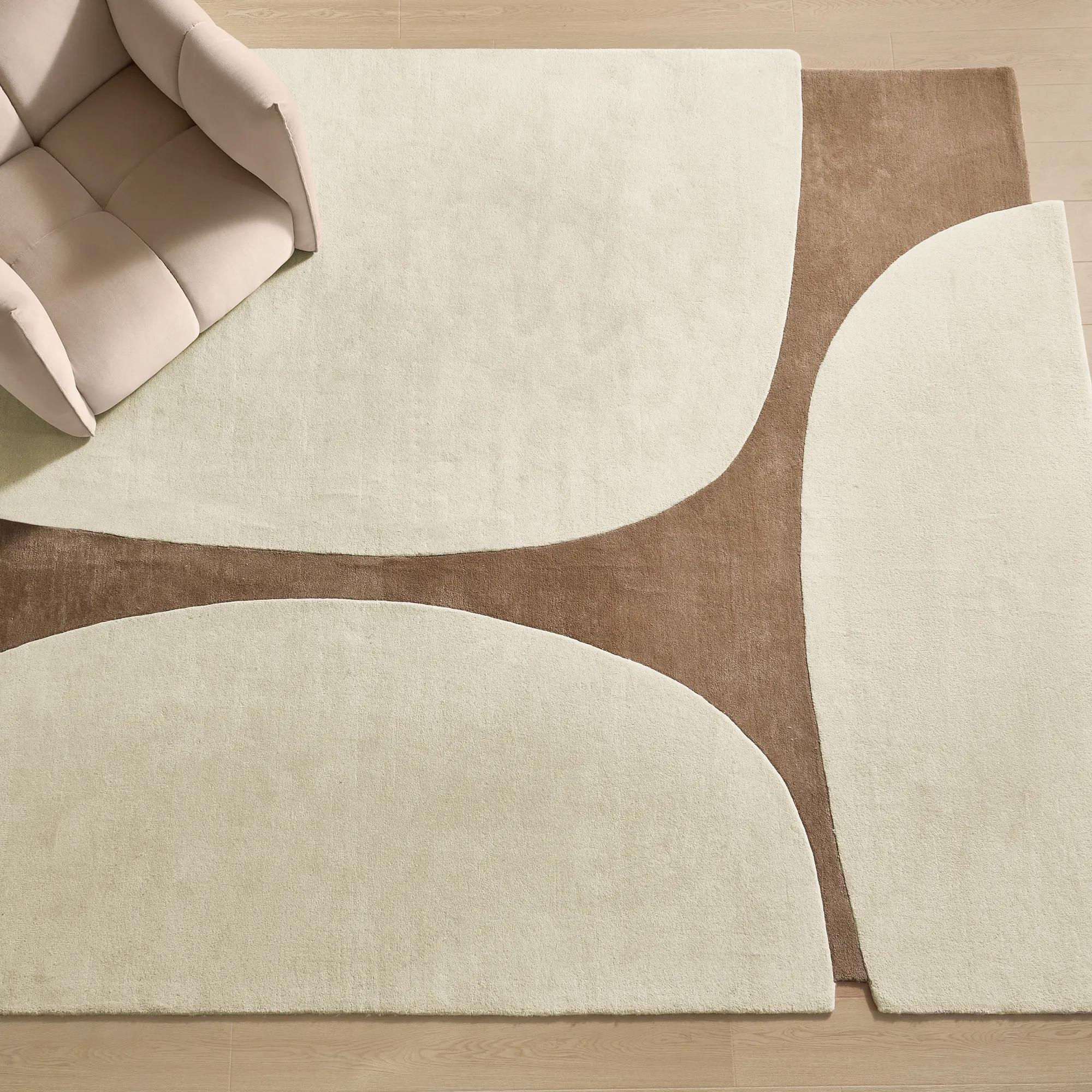
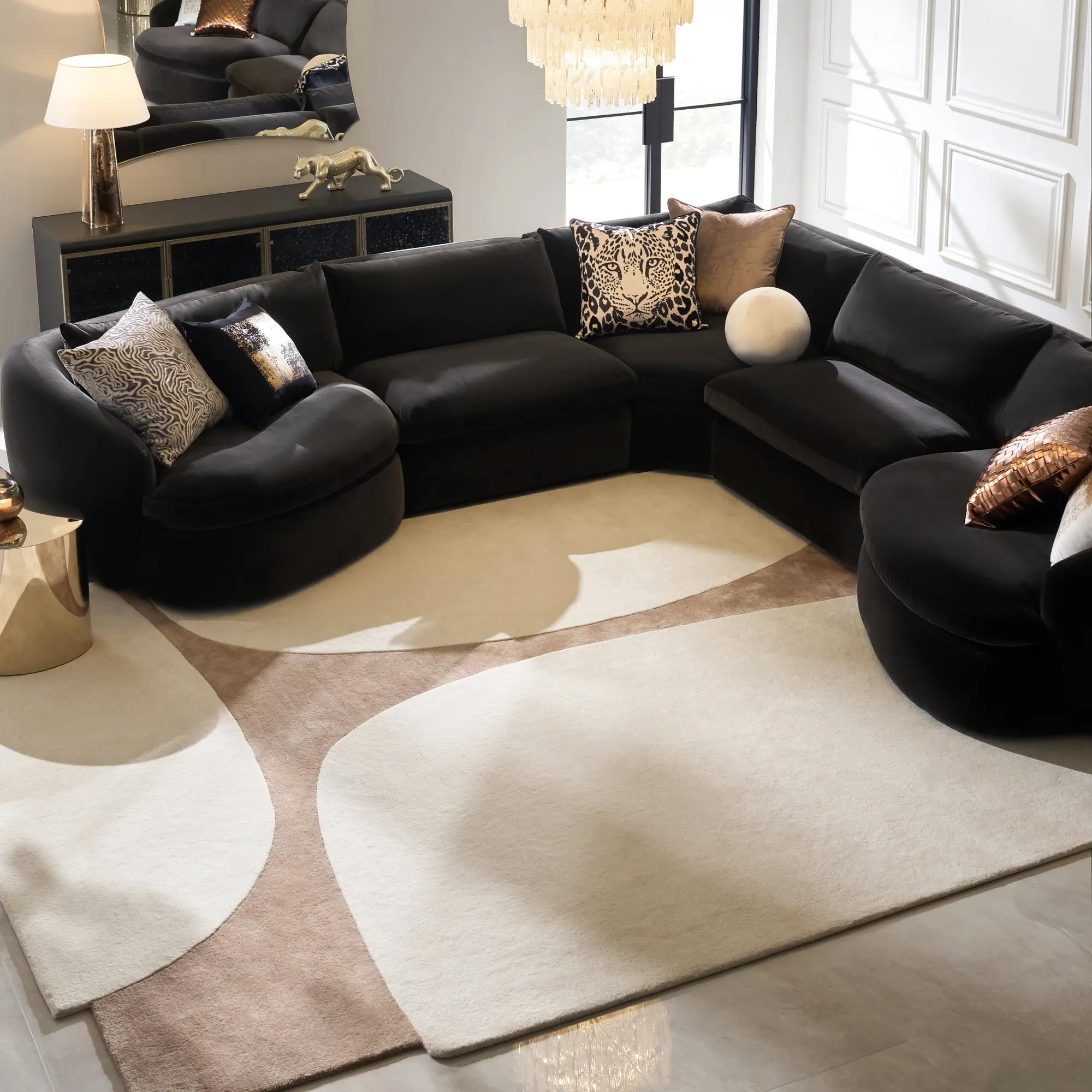 Contour Hand-Tufted Ivory/Ginger Root Wool Blend Rug$499
A hand-tufted wool rug blending ivory and ginger root tones for textured, modern warmth.
Add To Cart -
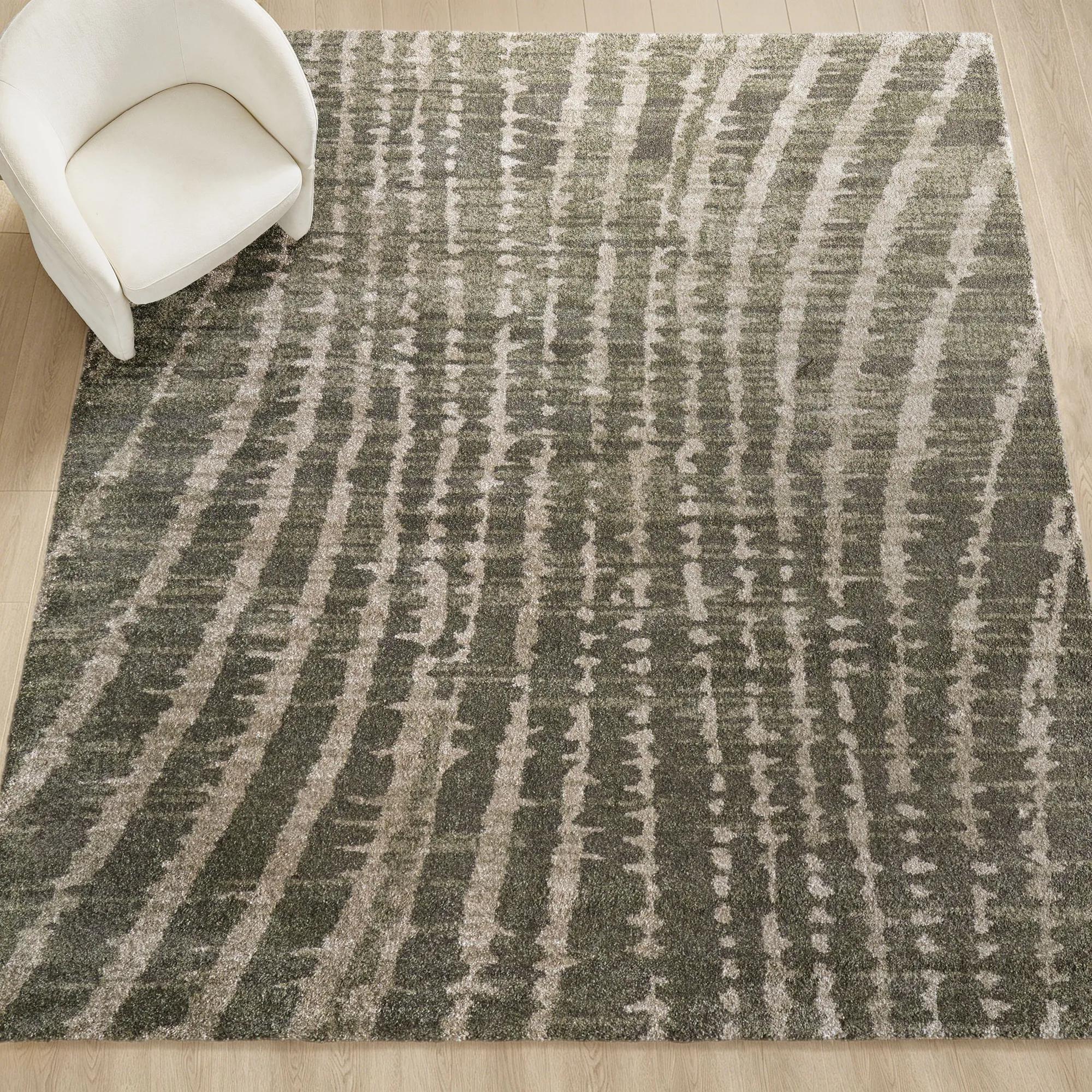
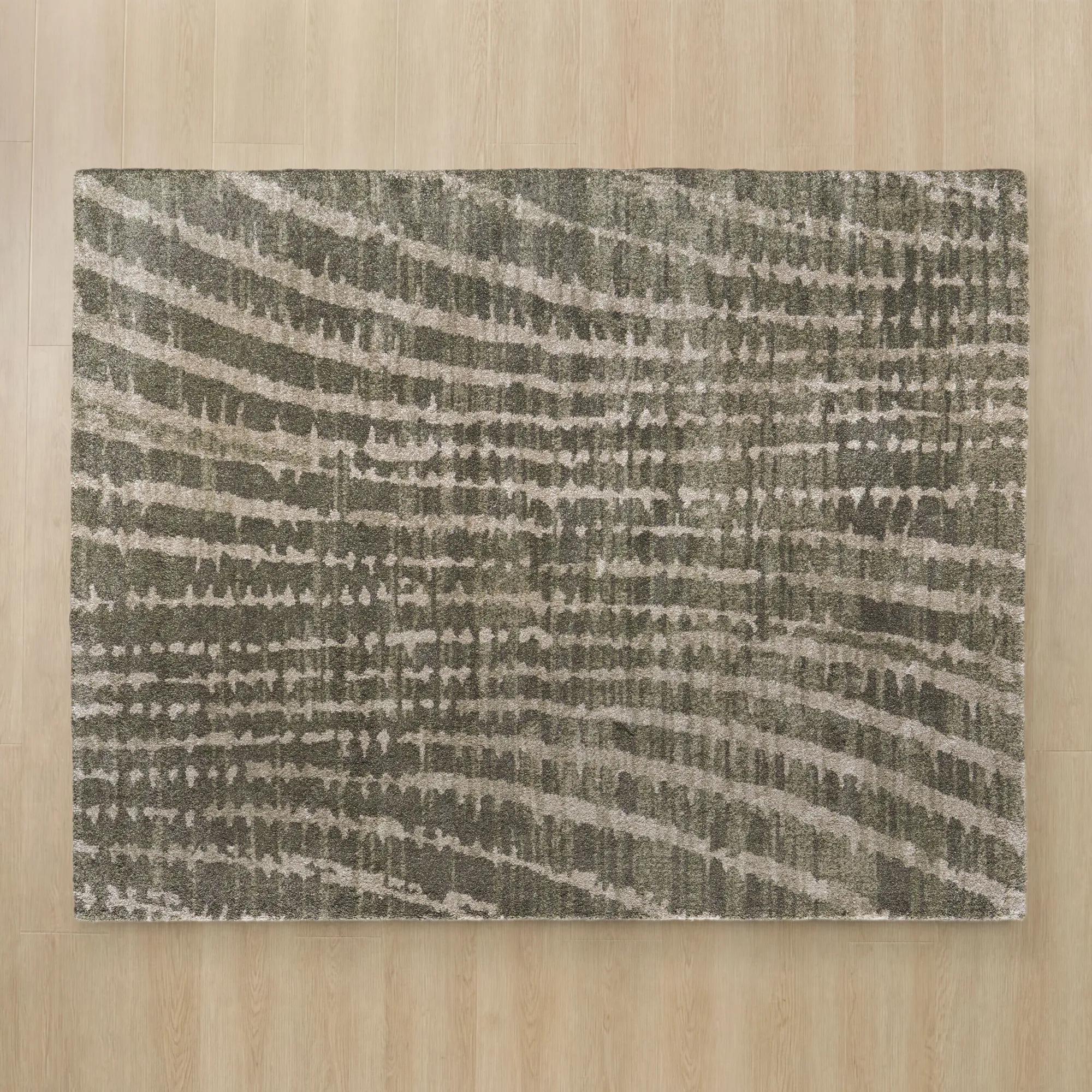 Tempo Green/Grey/Beige Performance Power Loomed Rug$1649
An abstract charcoal grey and beige rug with plush cut pile and durable, stain-resistant polypropylene-polyester construction.
Add To Cart -
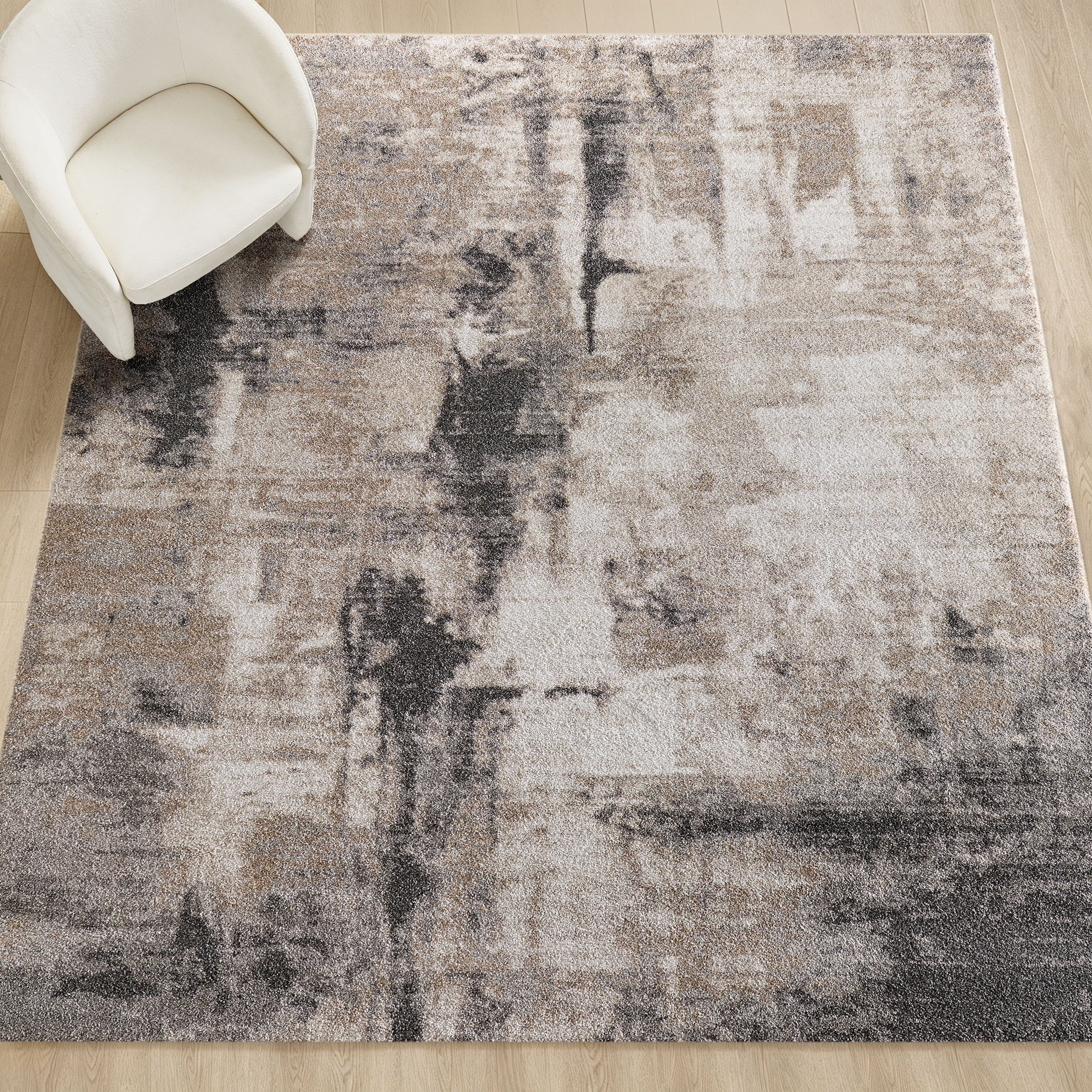
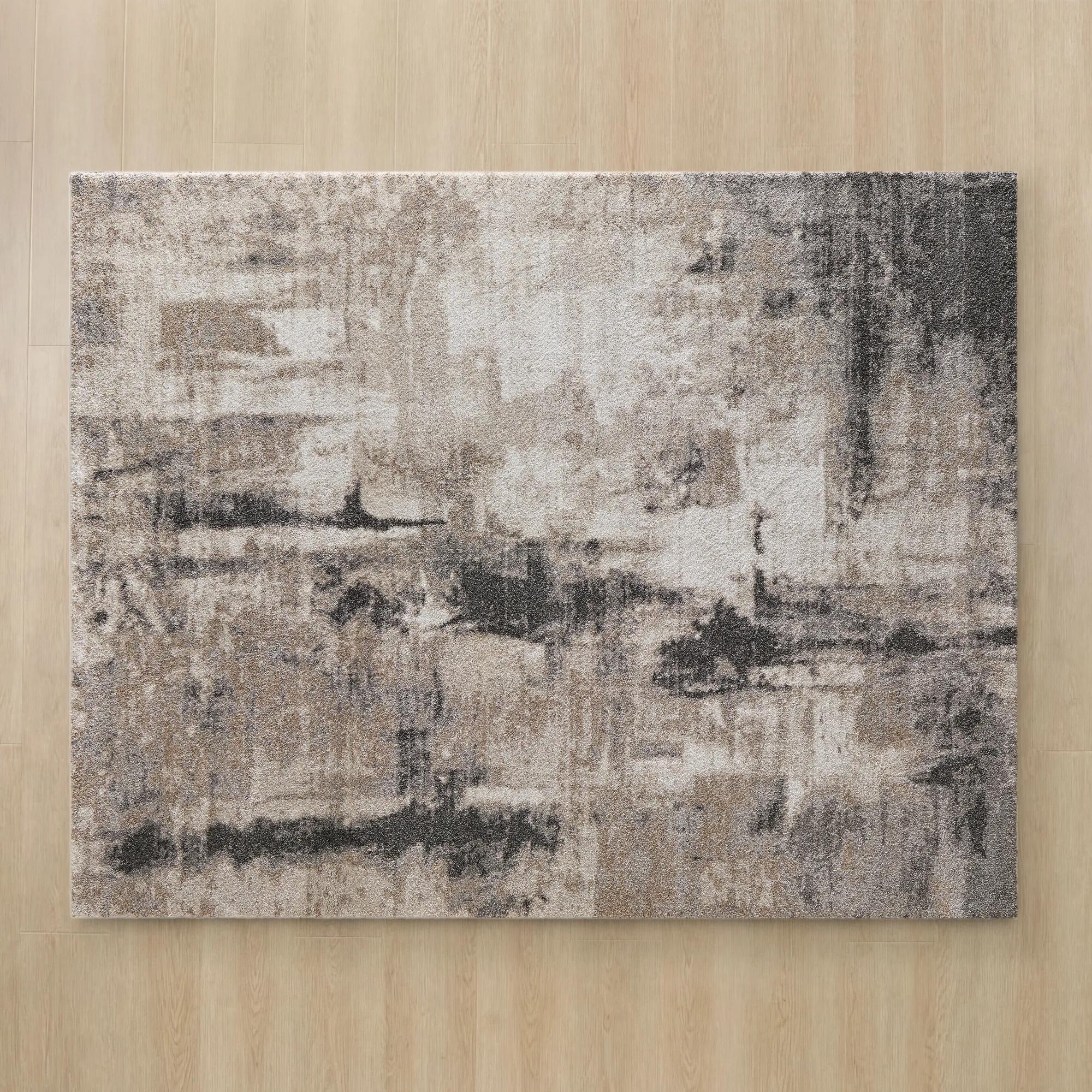 Atlas Abstract Grey/Taupe/Ivory/Charcoal Performance Power Loomed Rug$399
An abstract rug in grey, taupe, ivory, and charcoal with a plush, stain-resistant polypropylene blend.
Add To Cart -
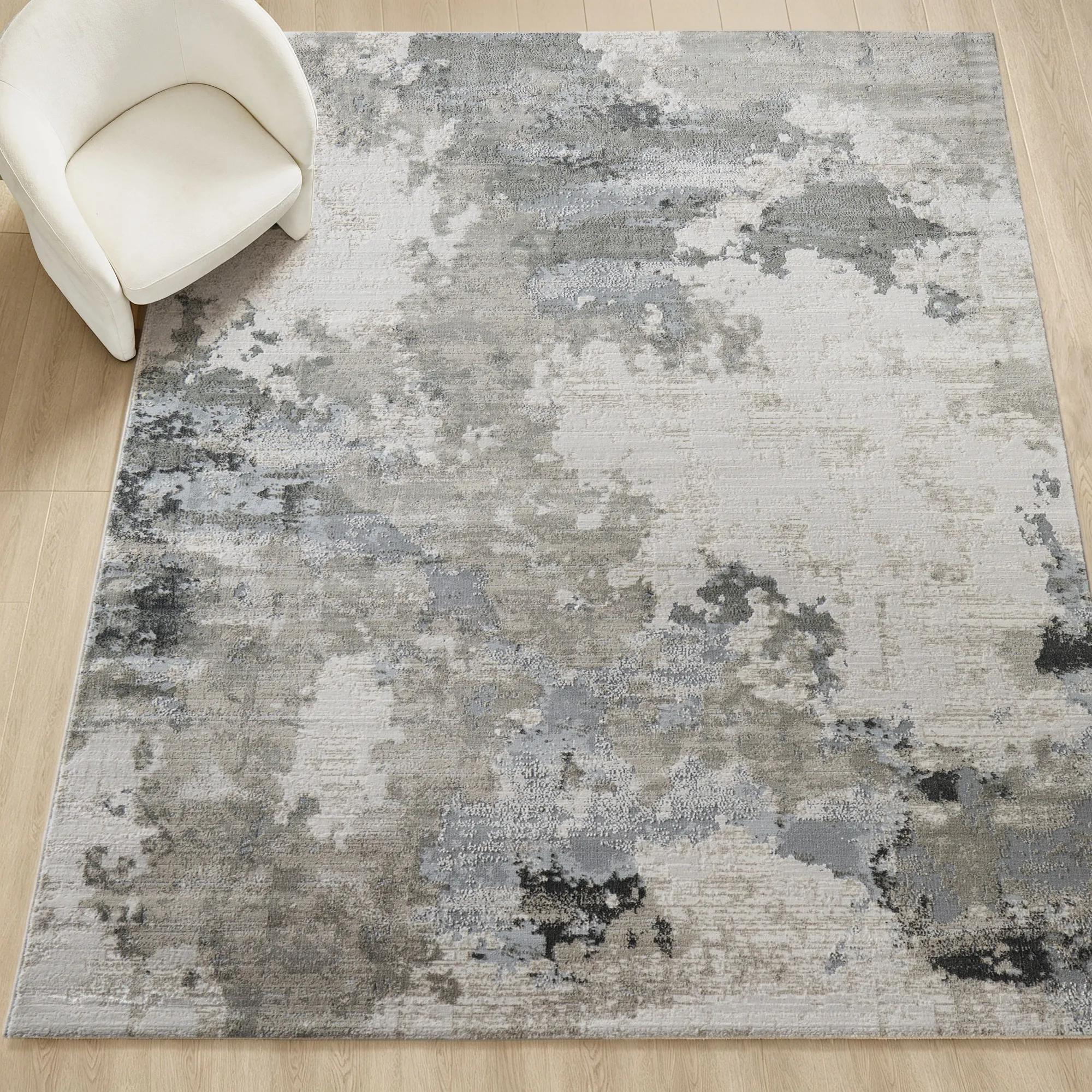 Alarion Abstract Grey/Muted Blue/Ivory Performance Power Loomed Rug$379
A power-loomed rug featuring a grey, muted blue, and ivory abstract pattern with stain-resistant durability.
Add To Cart -
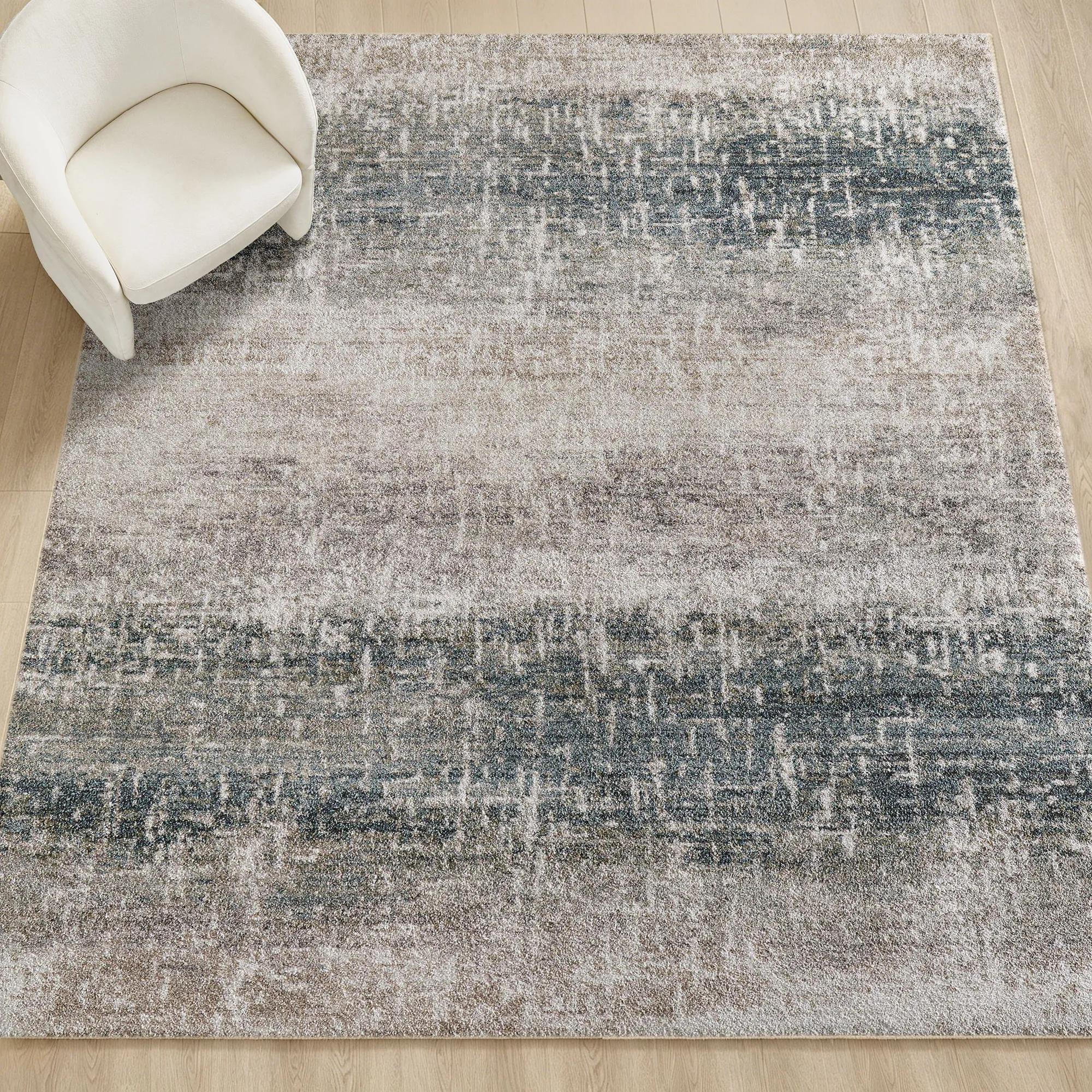
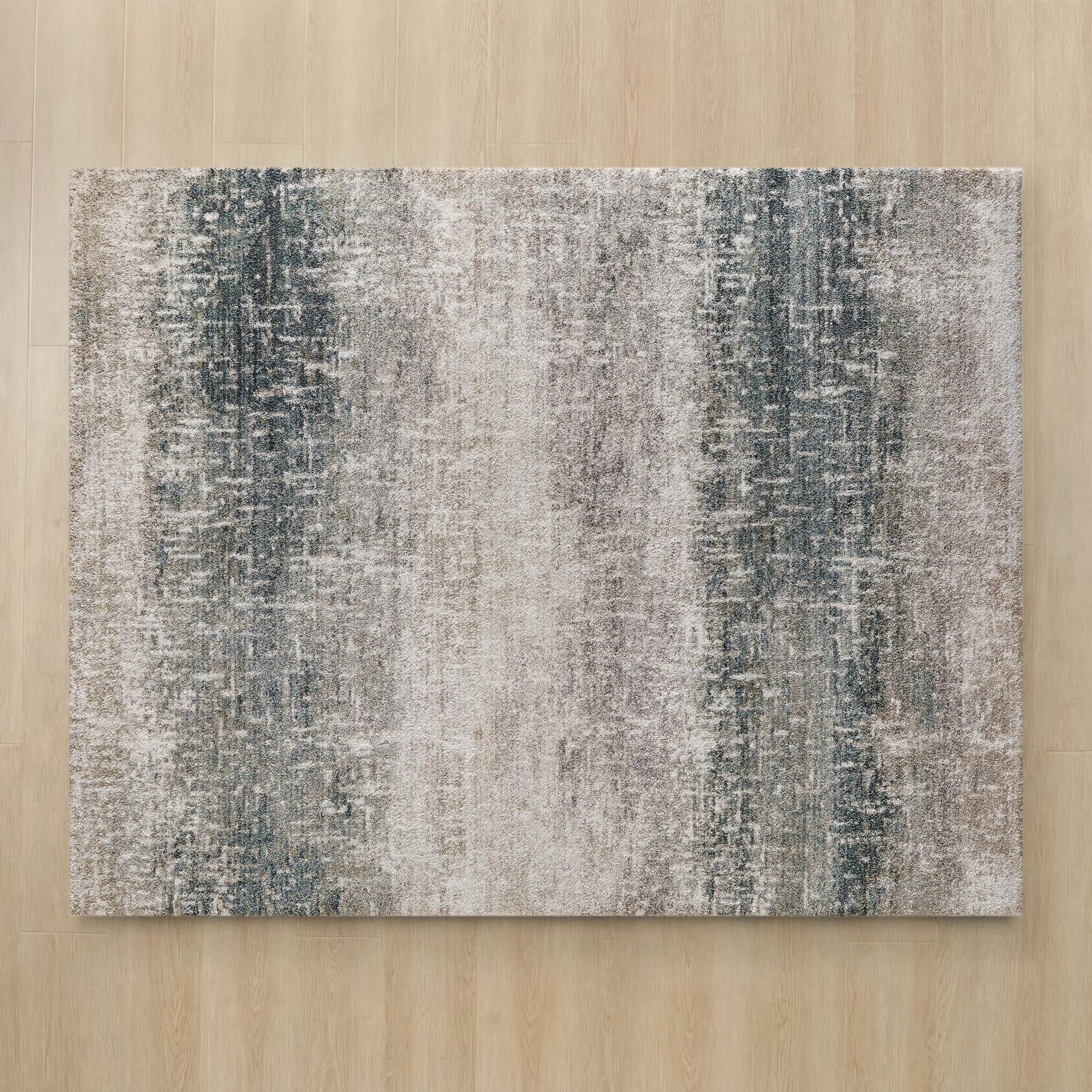 Collier Taupe/Grey/Blue/Green Performance Power Loomed Rug$1649
An abstract rug in taupe, grey, blue, and green with a plush pile and durable, easy-care blend.
Add To Cart -
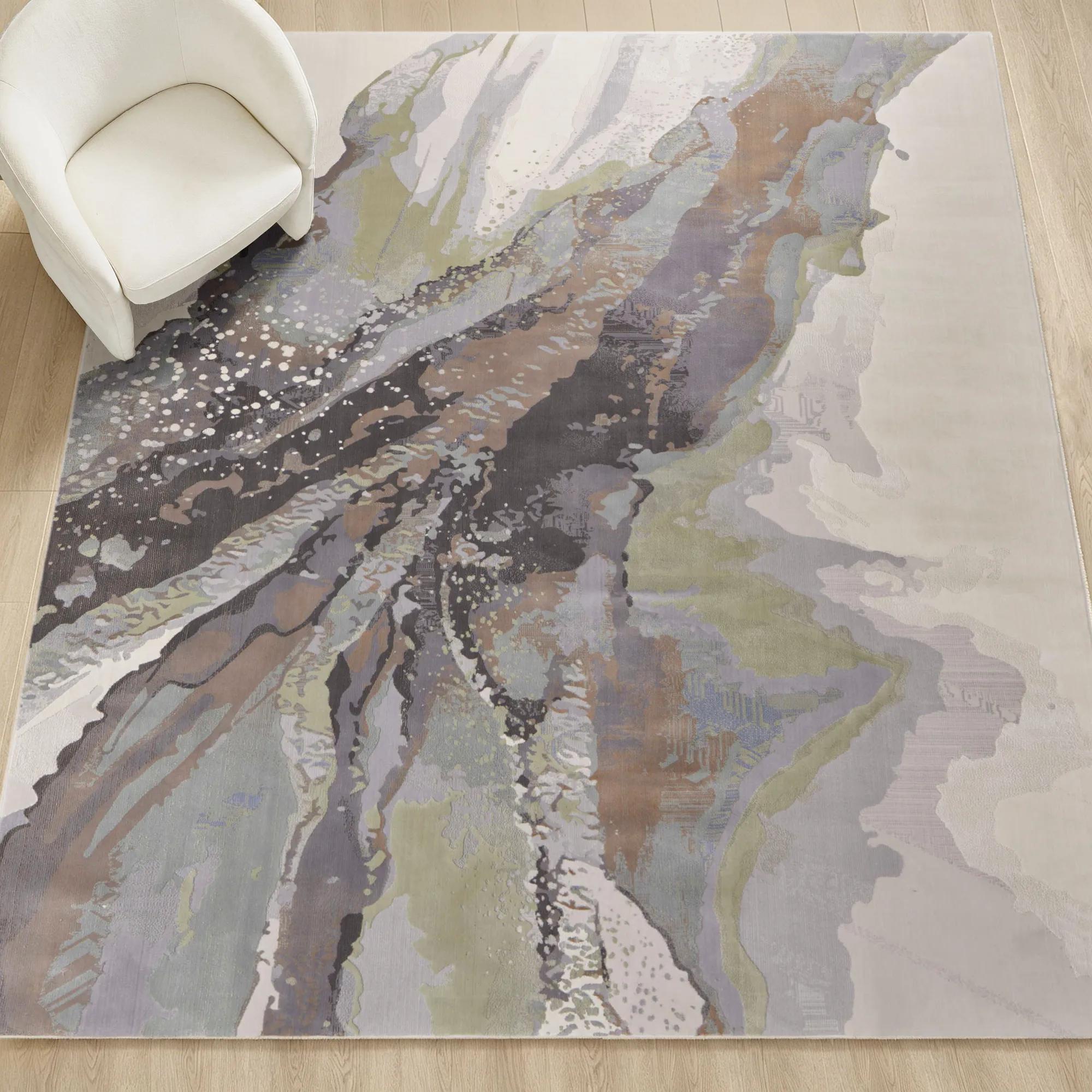
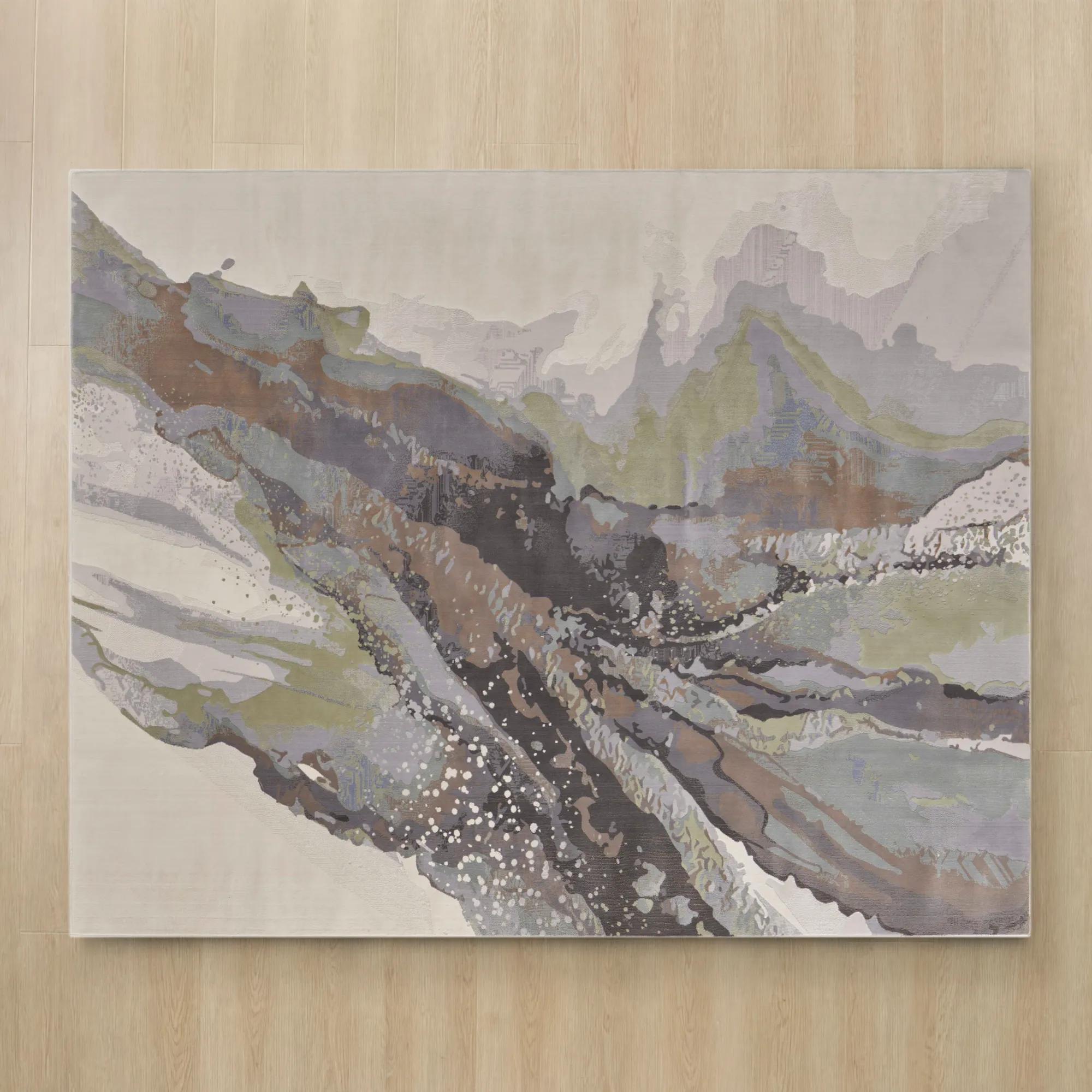 Nerissa Abstract Ivory/Grey/Blue/Green Performance Power Loomed Rug$449
An abstract rug in ivory, grey, blue, and green with a textured, stain-resistant polypropylene-polyester blend.
Add To Cart

Neutral Color Area Rugs
Explore neutral color area rugs that ground your room in understated color while leaving space for expressive design. A neutral palette creates a composed backdrop for sculptural furniture, dramatic artwork, or layered accents. As you browse, consider how each rug’s tone, pattern, and dimensions will work with your seating arrangement and bring balance to the room.
Neutral color area rugs bring a quietly commanding presence to a room, creating a canvas for sculptural furniture, gleaming accents, and expressive art. From luminous ivory and warm beige to nuanced taupe and soft gray, neutral rug colors establish a sophisticated foundation without competing with your most dramatic design choices. The secret is in the undertone: creamy hues lend warmth to spaces layered with gold-tone accents and rich wood finishes, while cooler grays create a crisp counterpoint to polished chrome and saturated upholstery. A neutral area rug need not disappear into the background, either. Tonal patterns, subtle contrasts, and dimensional designs can give the floor its own artistic rhythm, adding visual depth while keeping the overall palette composed. For a glamorous living room, pair a beige or ivory area rug with sumptuous seating and a striking coffee table; for a more atmospheric setting, explore taupe or gray tones that complement deep accent colors. Together, these elements make a neutral palette feel intentional, expressive, and anything but restrained. Choosing neutral color area rugs is also an exercise in proportion, placement, and the way you want a space to feel. A generously scaled living room area rug can visually unite a seating arrangement, ideally extending beneath the front legs of sofas and accent chairs rather than floating beneath the coffee table alone. In the bedroom, a neutral rug that reaches beyond the sides and foot of the bed creates a graceful border and a welcoming transition underfoot. For dining rooms, measure with chairs pulled away from the table so the rug accommodates everyday movement as beautifully as it frames the setting. Consider your existing flooring, natural light, and household routines before settling on a shade or design: pale neutrals create a luminous visual foundation, while tonal variation can help make everyday debris less conspicuous than a uniform light-colored surface. Review the dimensions, care instructions, and pile details of any rug you are considering, and select a rug pad suited to both the rug and the floor beneath it. With thoughtful scale and a nuanced palette, a neutral area rug grounds the room while giving every expressive detail space to shine.
FAQs
Neutral area rugs typically feature ivory, cream, beige, taupe, gray, or greige—a blend of gray and beige. Warm neutrals create a soft, inviting foundation, while cooler shades lend a crisp, architectural feel. These understated hues leave room for sculptural furniture, expressive art, and gleaming accents to command attention.
Look to the undertones in your flooring, upholstery, and walls. Cream and beige harmonize with warm woods and golden accents, while gray complements cooler palettes and polished metallic details. For a more expressive composition, choose a neutral rug that contrasts with your furnishings rather than matching every surface.
Absolutely. A restrained palette gives pattern and texture room to shine. Tonal geometrics, abstract motifs, and sculptural surface details can make a neutral area rug feel like artwork underfoot. Pair it with sleek furniture to spotlight its visual depth, or layer it into a richly detailed room for quieter drama.
Use a neutral area rug to give vivid upholstery and distinctive silhouettes a composed backdrop. Ivory can create luminous contrast beneath jewel-toned seating, while taupe offers a softer counterpoint to richly colored furnishings. Echo one rug tone in pillows or decorative objects to connect the room without diminishing its personality.
A solid neutral rug creates a calm visual foundation, especially in a room with expressive artwork or patterned upholstery. A patterned neutral rug introduces movement and artistry without adding strong color. Consider subtle tonal variation for a layered look, or a more defined motif when you want the floor to become part of the room’s focal story.