Furniture For Contemporary Interiors
Furniture For Contemporary Interiors
-
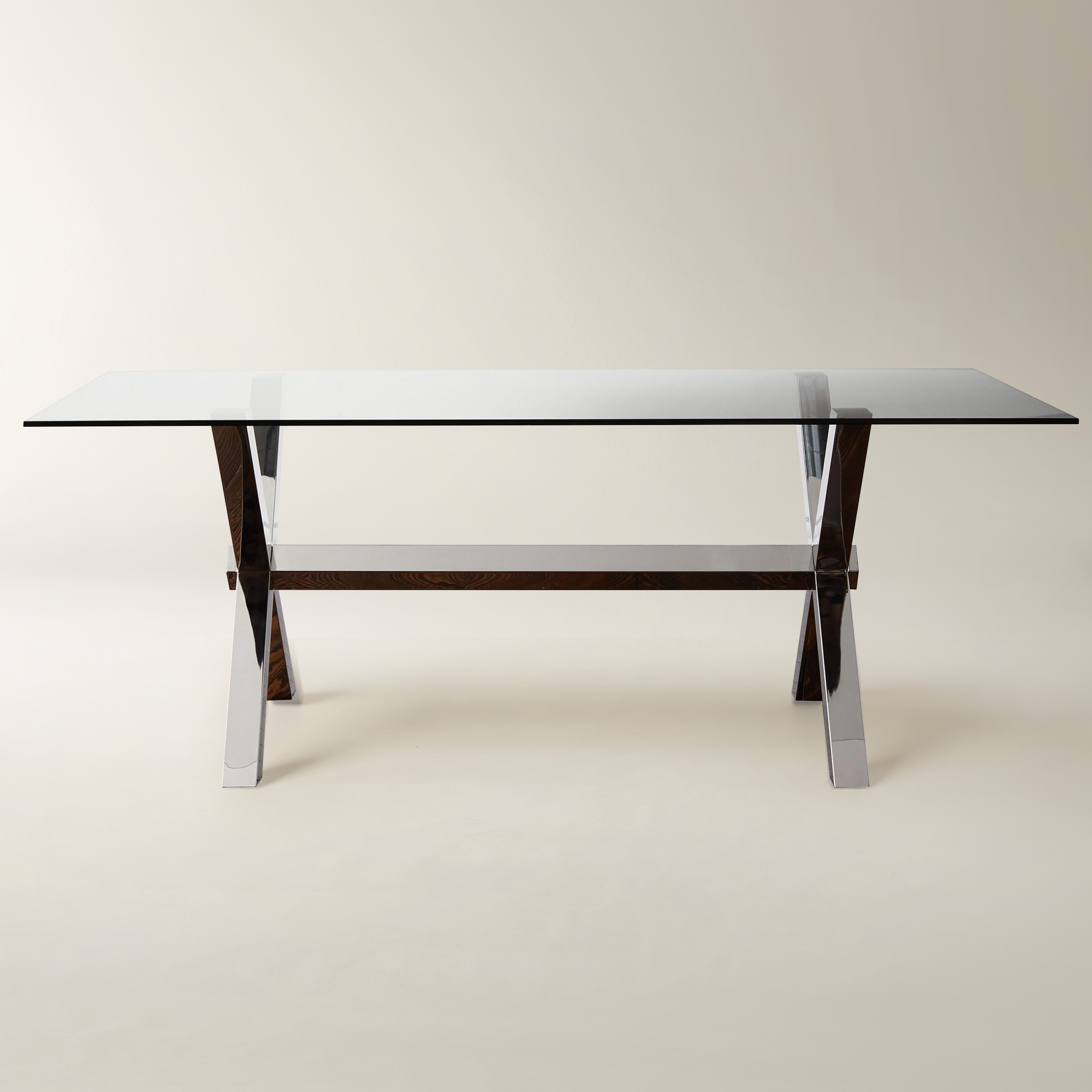
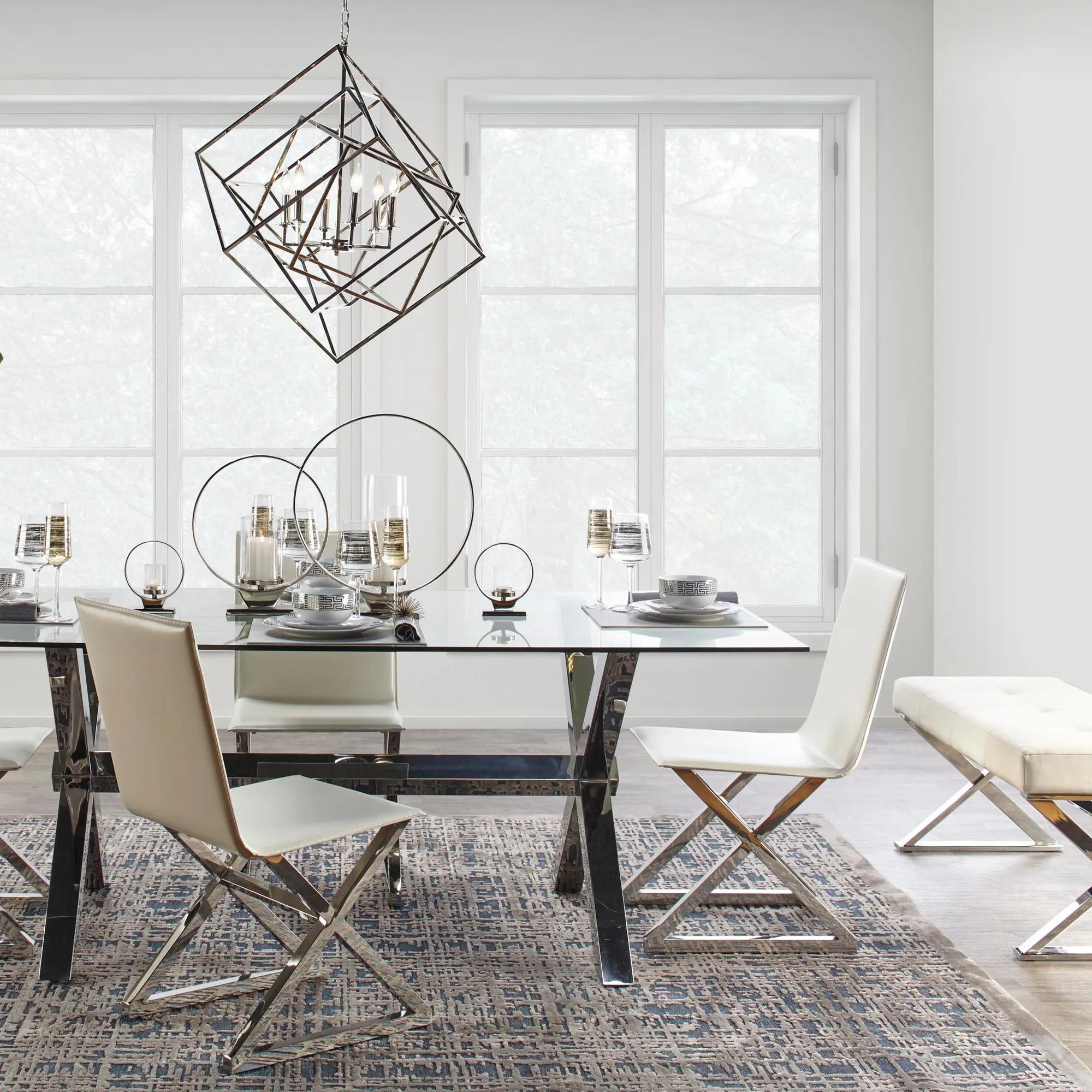 Axis Rectangular Silver Dining Table With Glass Top (78")$1199
A contemporary dining table featuring a polished stainless steel base and durable tempered glass top.
Add To Cart -

 Nia Lacquered Turtle Dove Wood Desk (62")$1099
A modern desk featuring a soft turtle dove lacquer finish, cylindrical legs, and engineered wood construction.
Add To Cart -
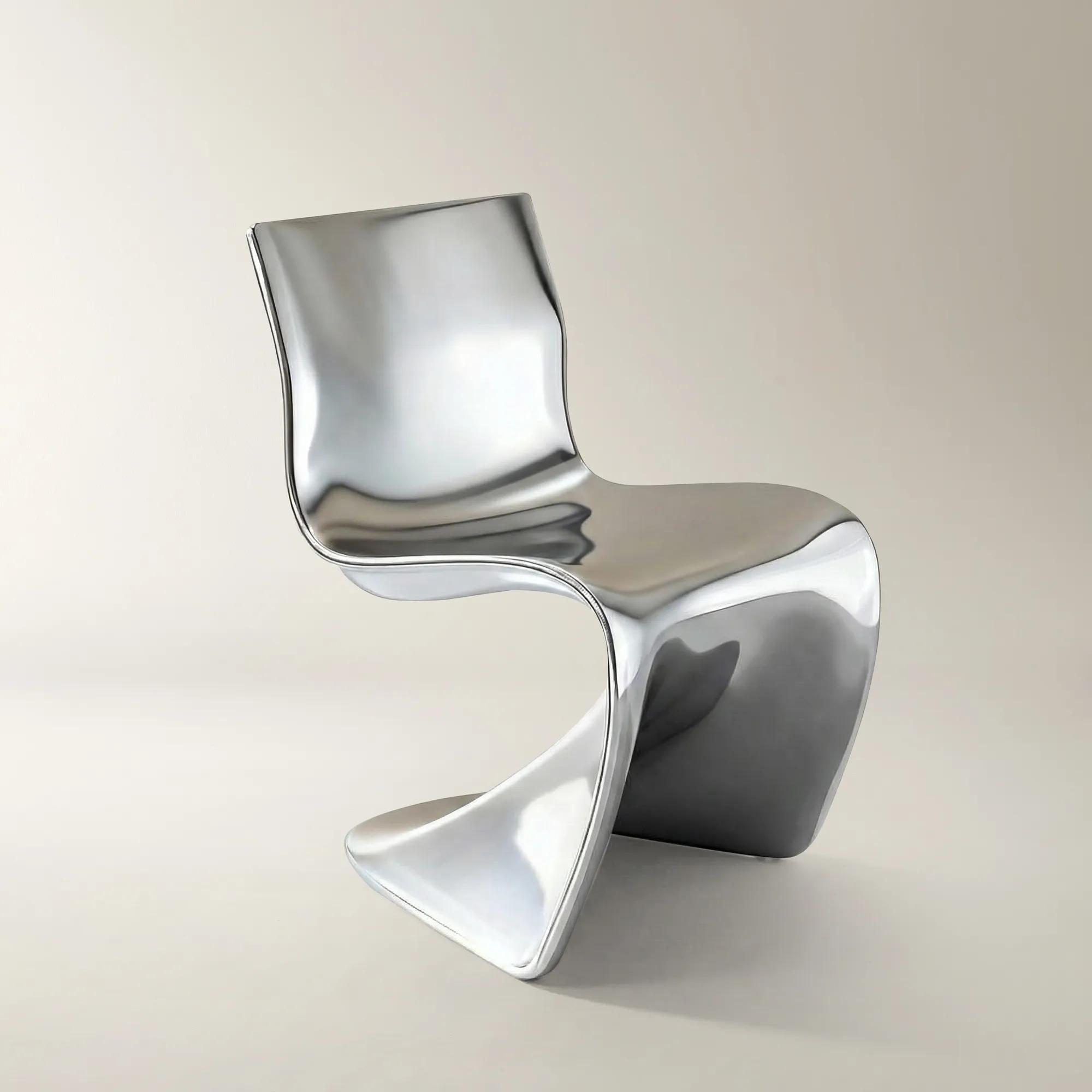
 Sasha Chrome Dining Chair$899
A sculptural accent chair crafted from polished chrome-finished fiberglass for a sleek, modern statement.
Add To Cart -
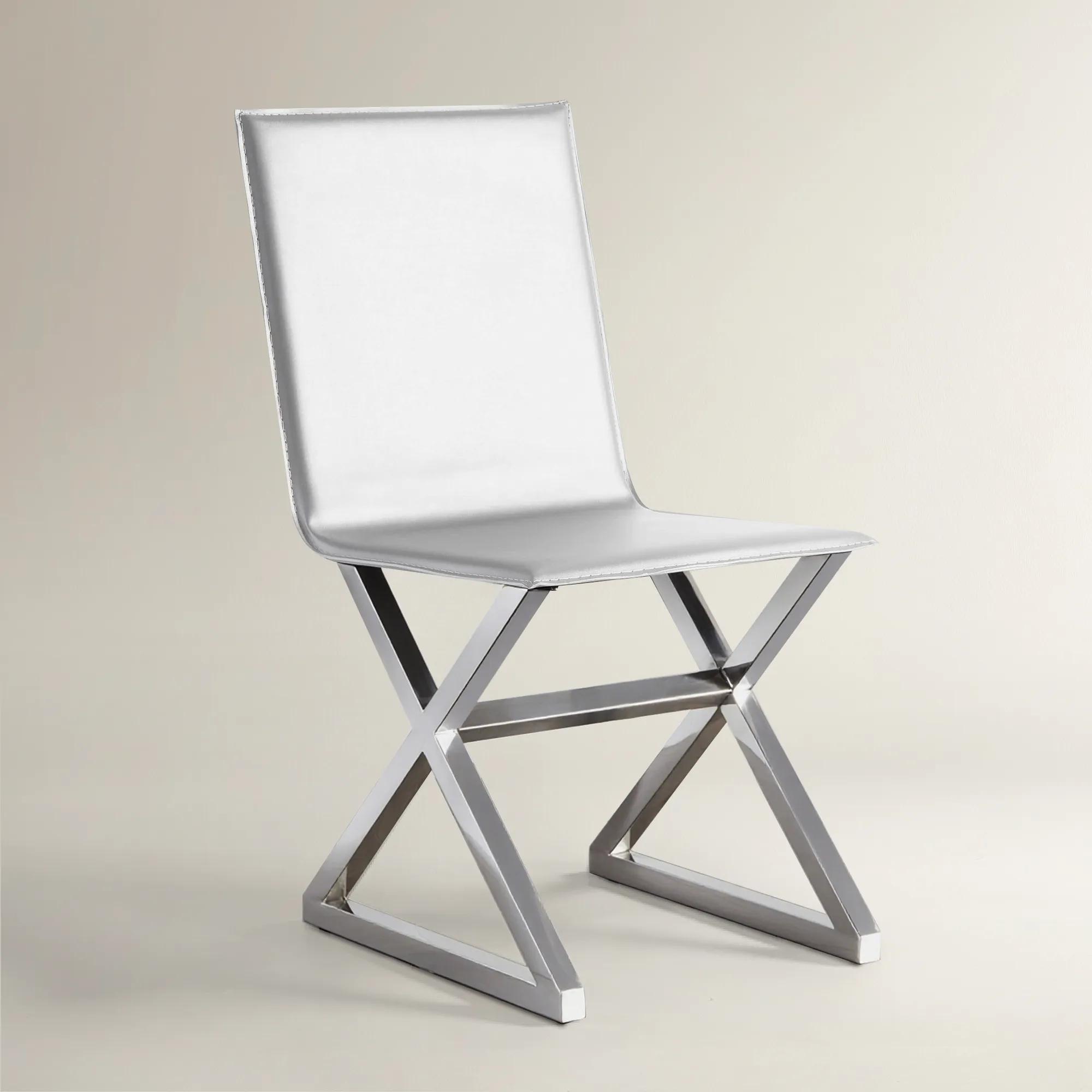
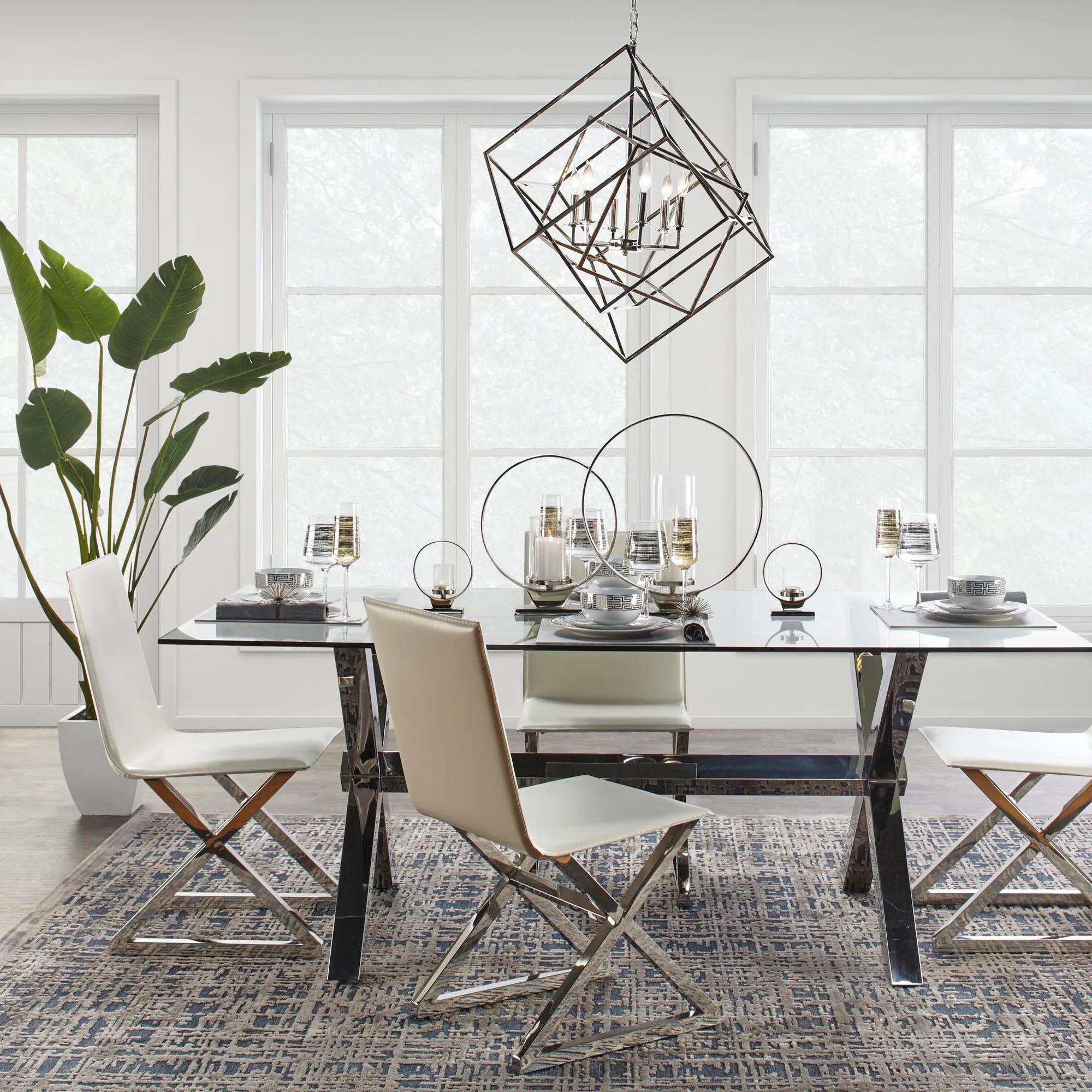 Axis Dining Chair - Set of 2$399
A contemporary chair set featuring white bonded leather upholstery and a polished stainless steel base.
Add To Cart -

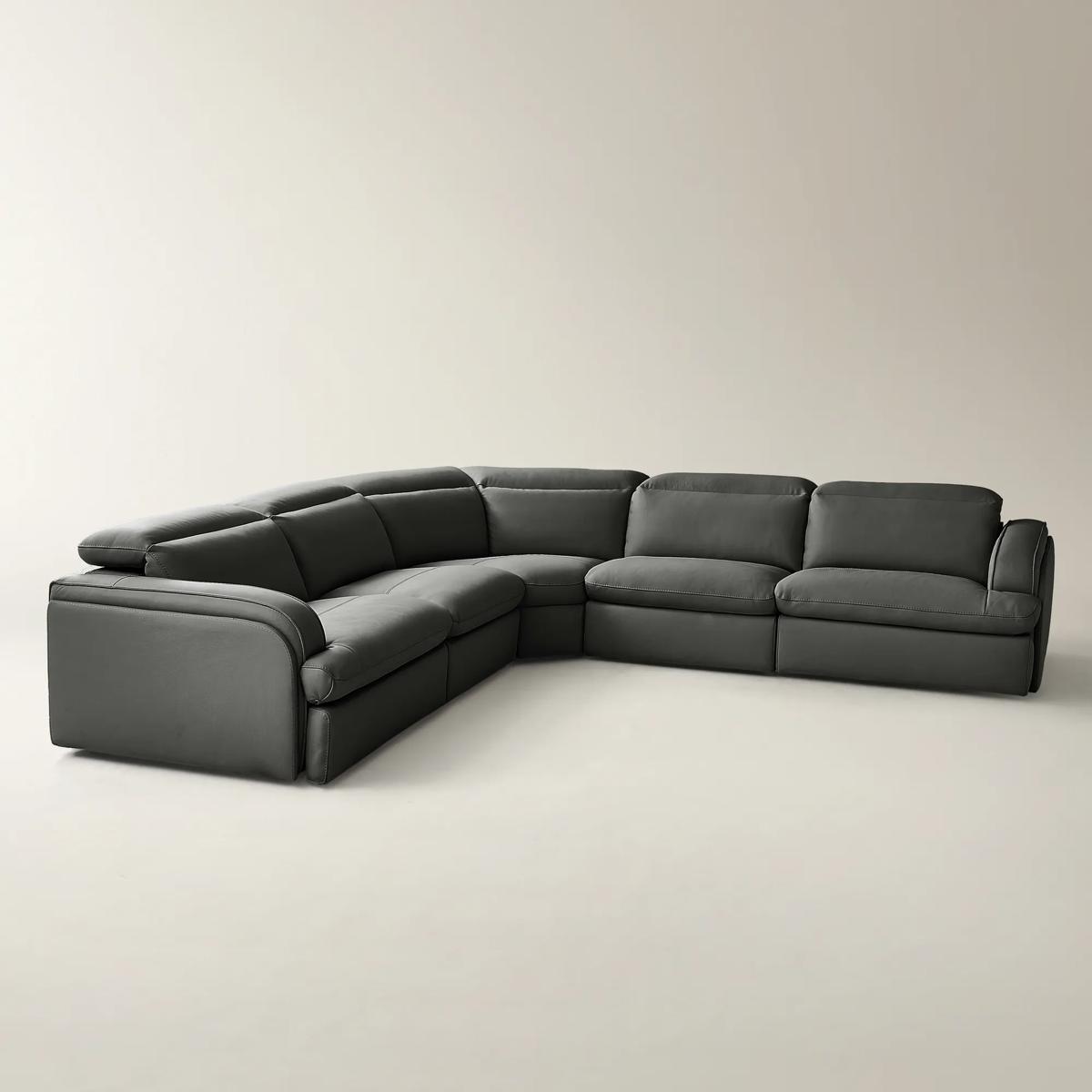 Terra 5-Piece Reclining Charcoal Leather Sectional$7399
A charcoal genuine leather sectional with powered reclining headrests and footrests, modular styling, and foam-down cushioning.
Add To Cart -
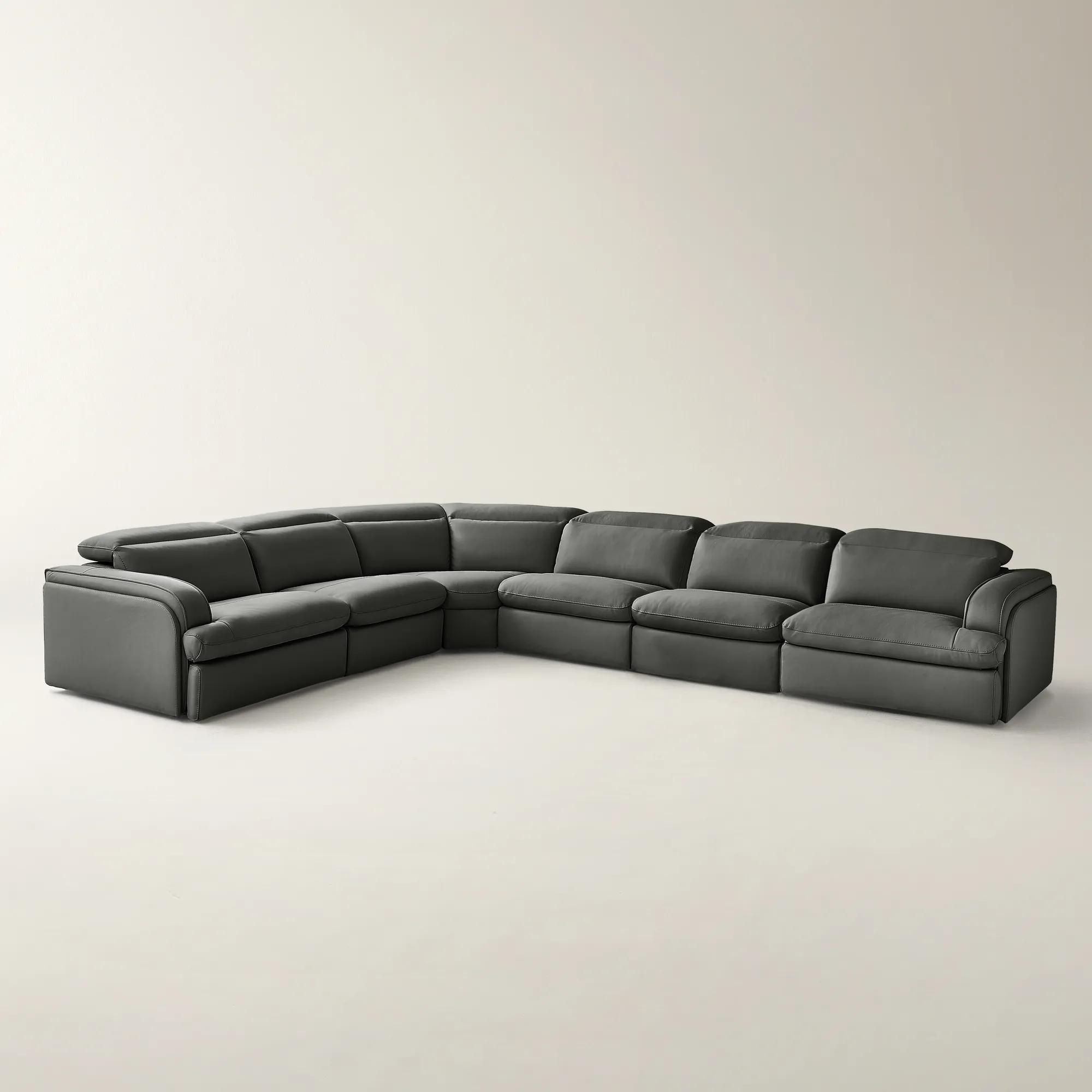 Terra 6-Piece Reclining Charcoal Leather Sectional$8499
A curved modular sectional in charcoal velvet with feather-blend cushions and customizable configurations for luxurious lounging.
Add To Cart -
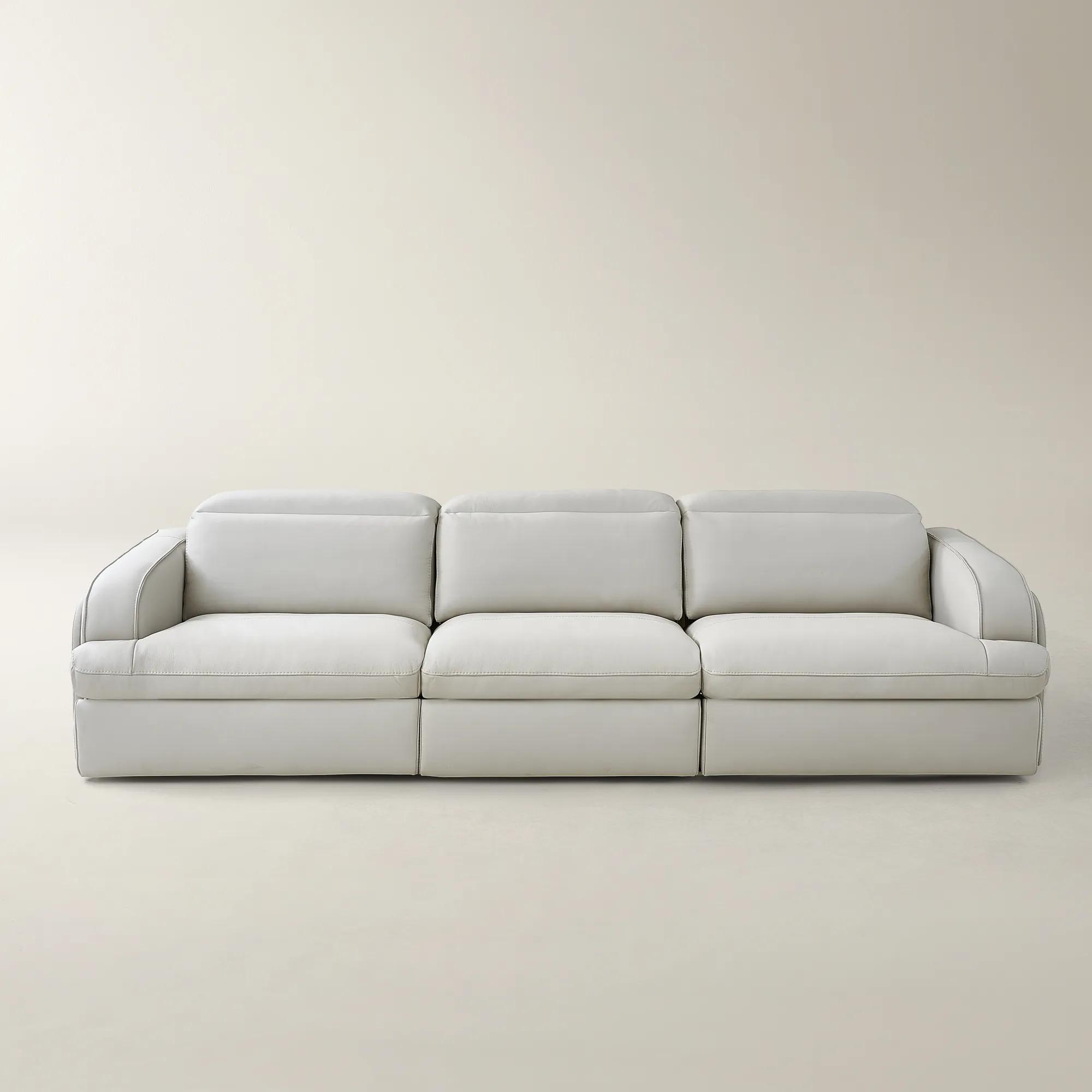
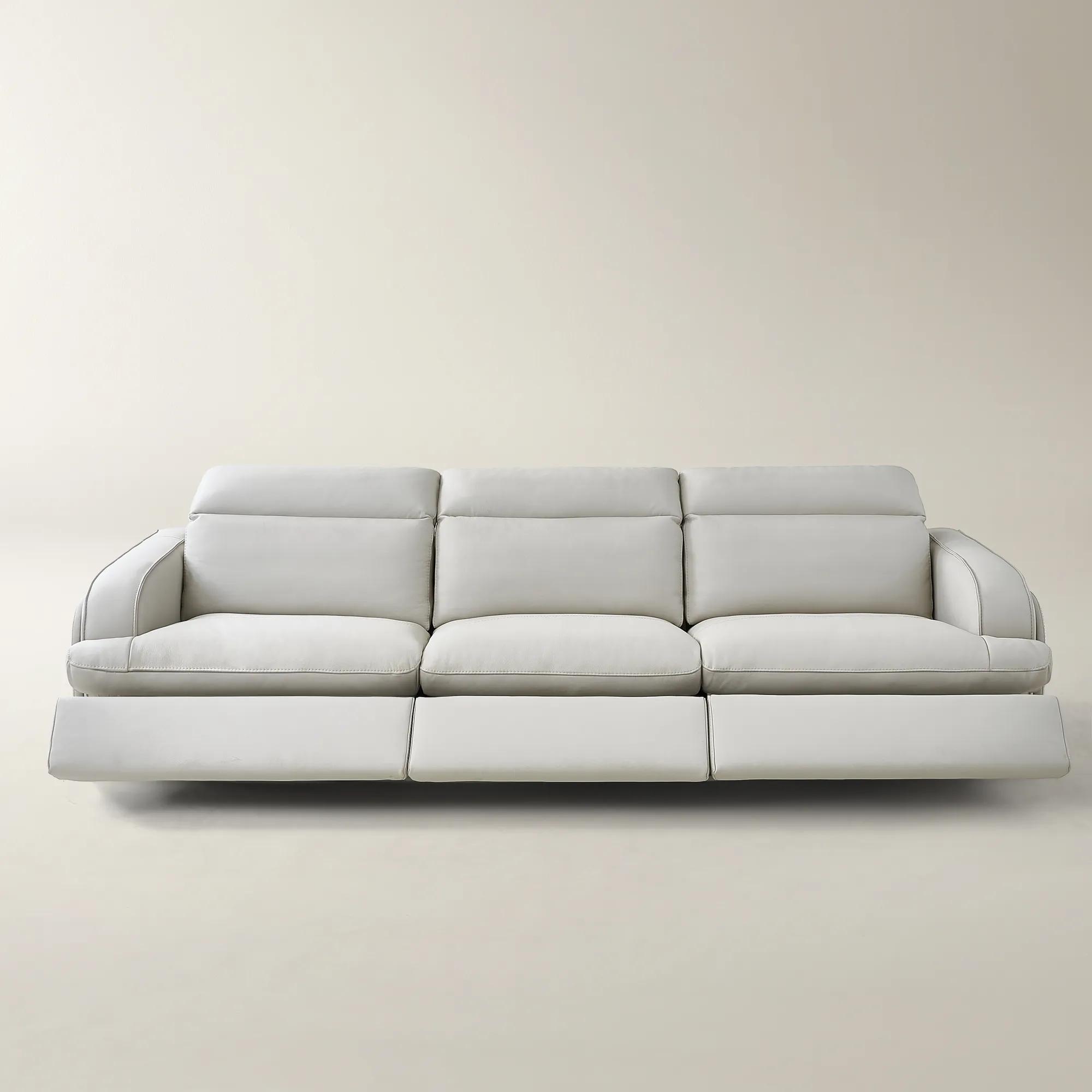 Terra 3-Piece Reclining Frost Leather Sectional$4699
A contemporary frost genuine leather modular sectional with power reclining headrests, footrests, and plush foam-down cushioning.
Add To Cart -
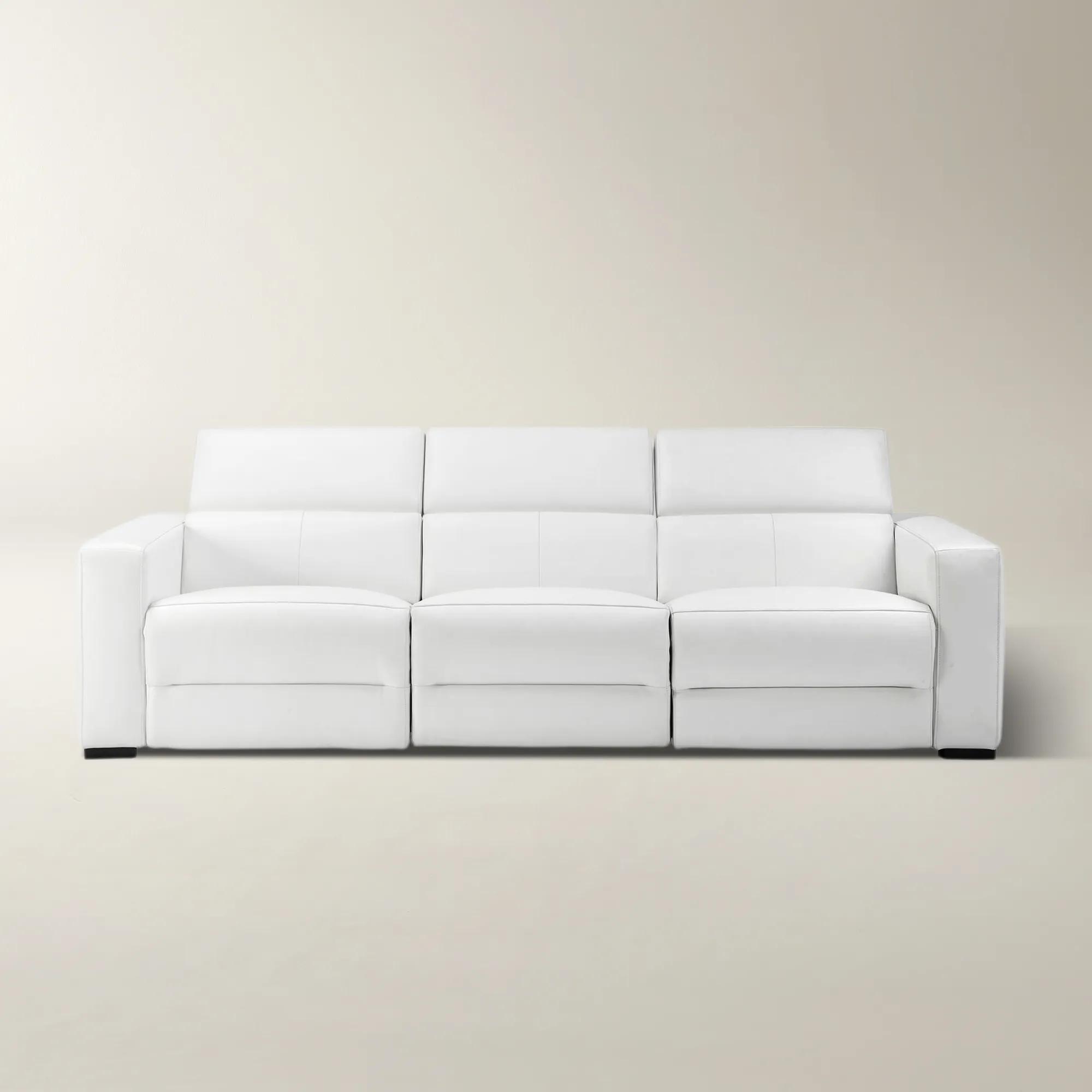
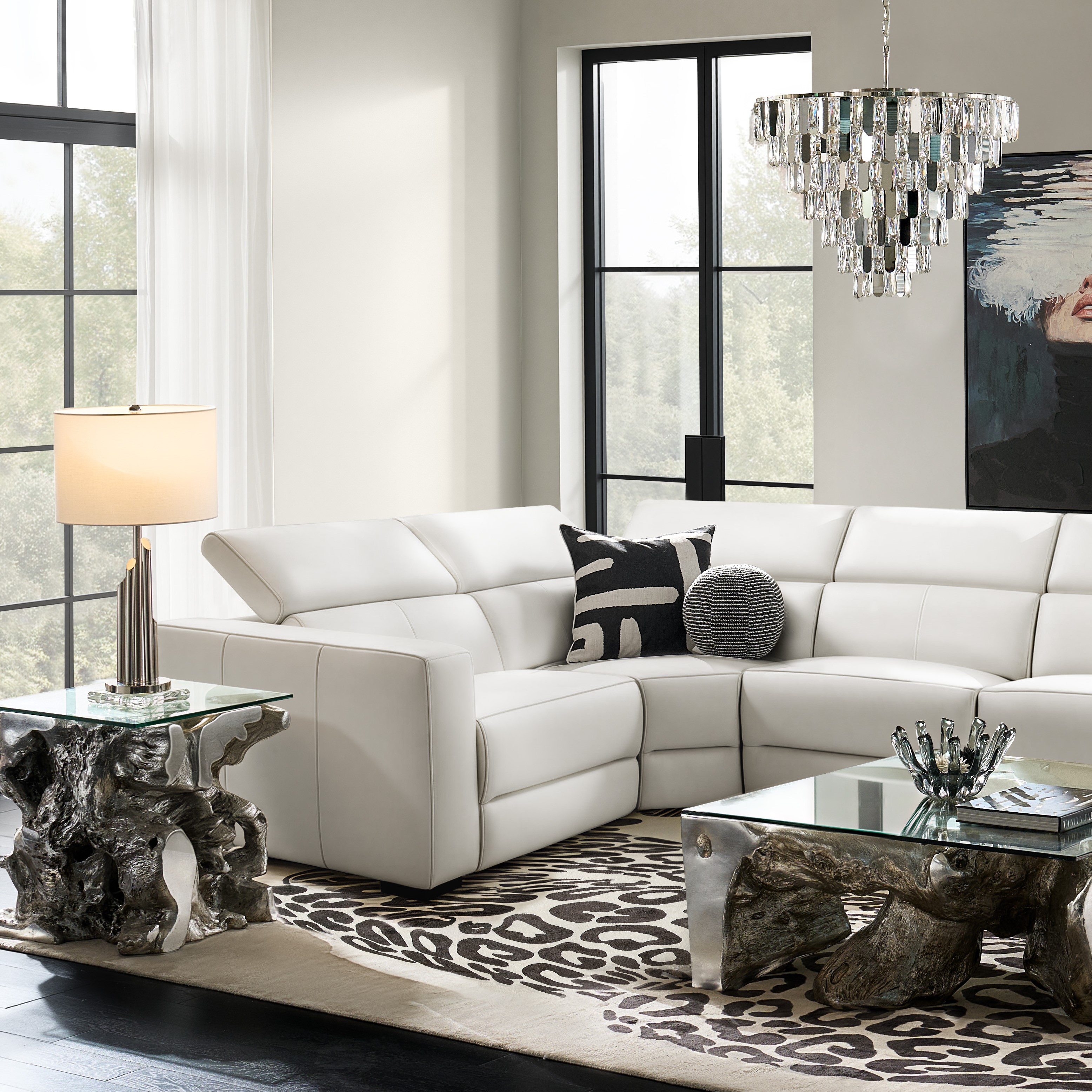 Verona 3-Piece White Leather Sectional Sofa$4399
A modern white sectional upholstered in supple semi-aniline leather with adjustable headrests and power-reclining seats.
Add To Cart -
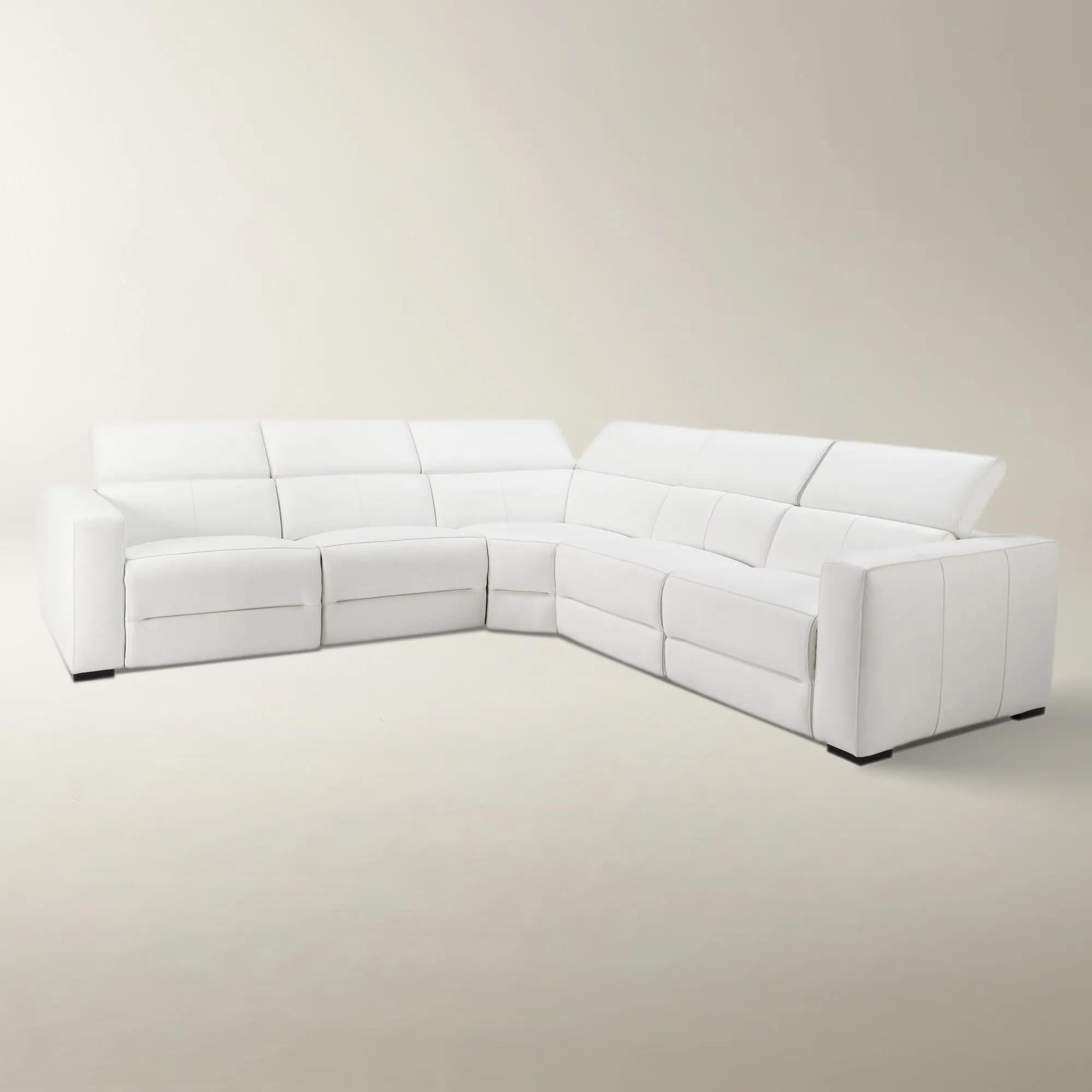 Verona 5-Piece Reclining White Leather Sectional Sofa$7199
A modern sectional upholstered in supple white semi-aniline leather with adjustable headrests and power-reclining seats.
Add To Cart -
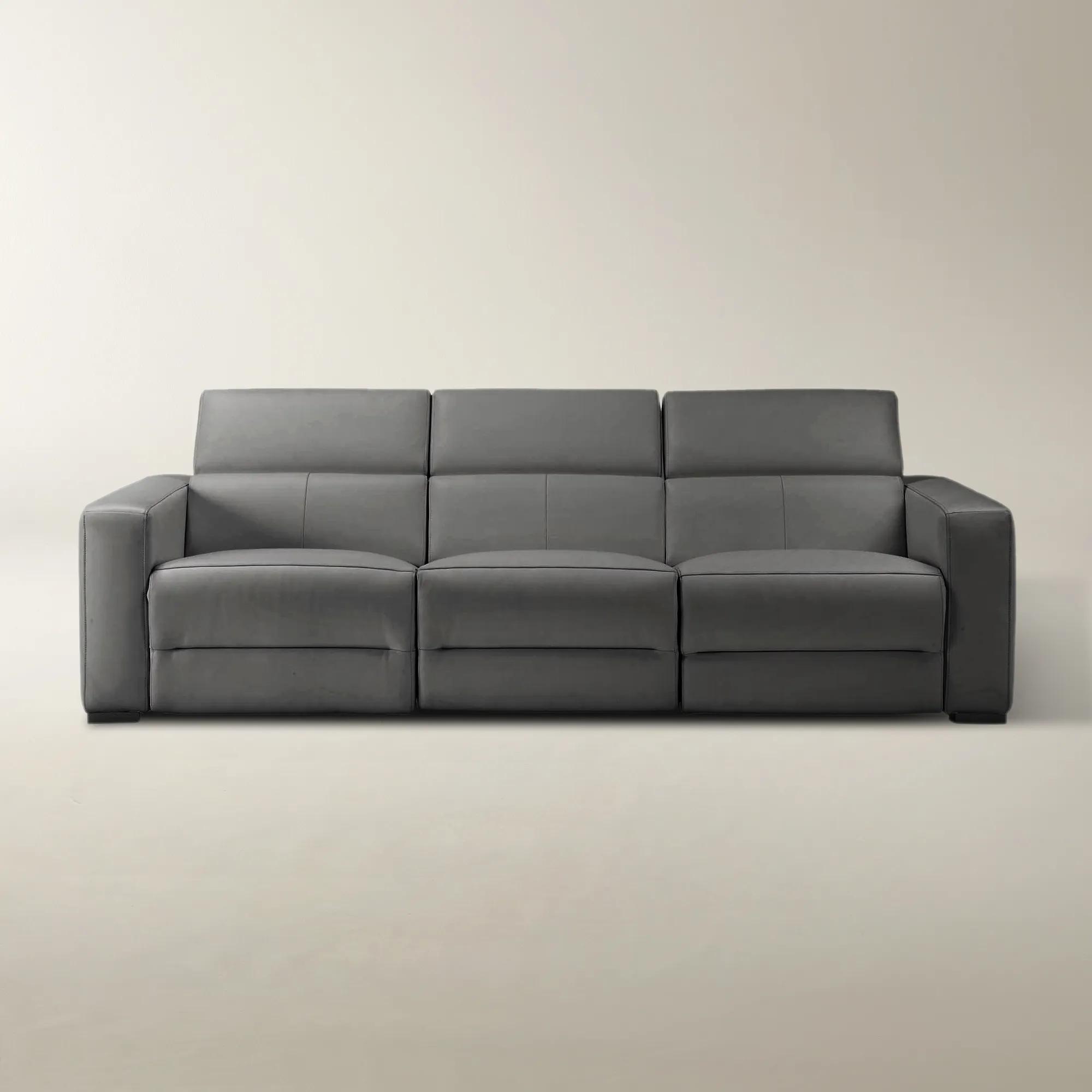 Verona 3-Piece Charcoal Leather Sectional Sofa$4399
A charcoal semi-aniline leather sectional featuring adjustable headrests, kiln-dried hardwood frame, and optional power recline.
Add To Cart -
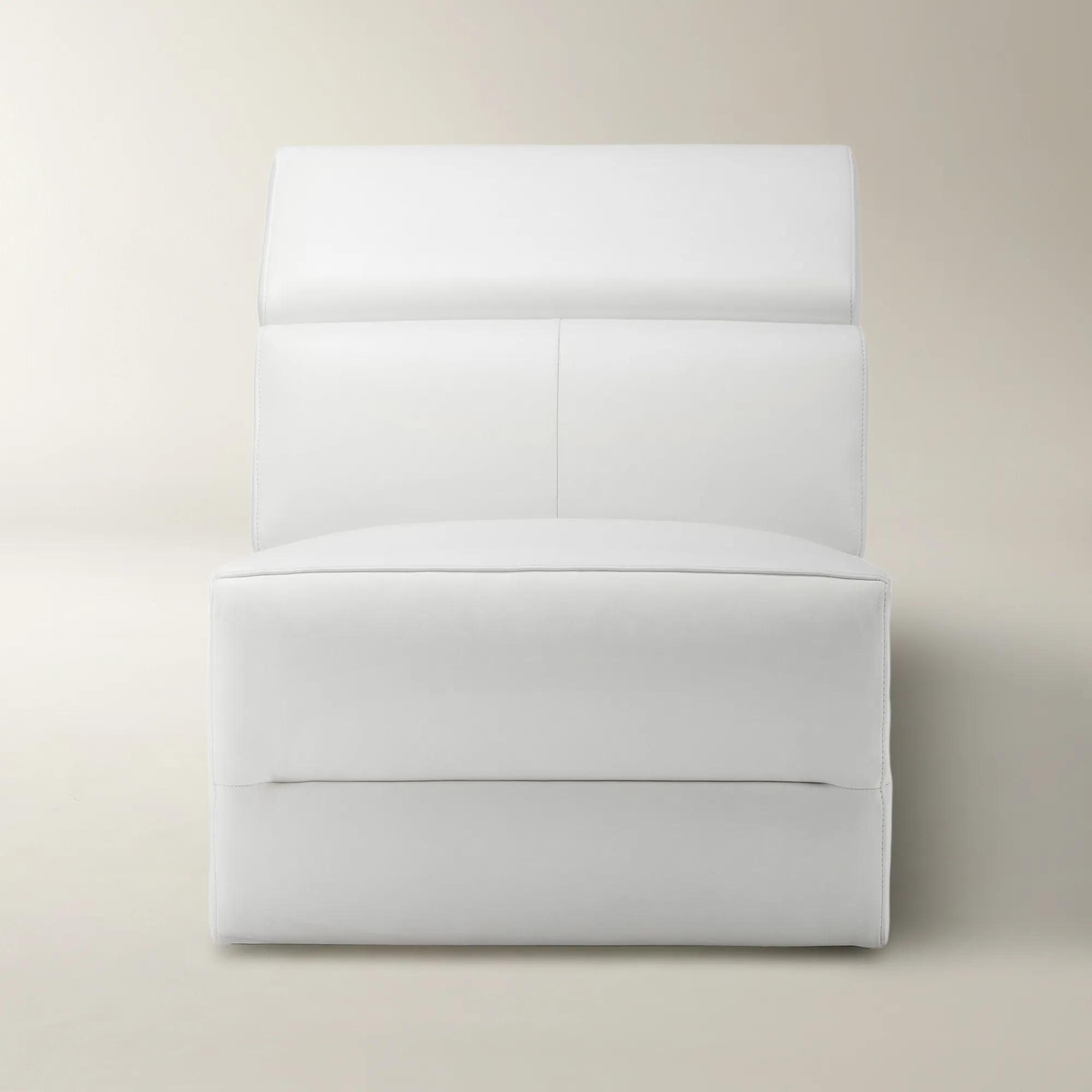
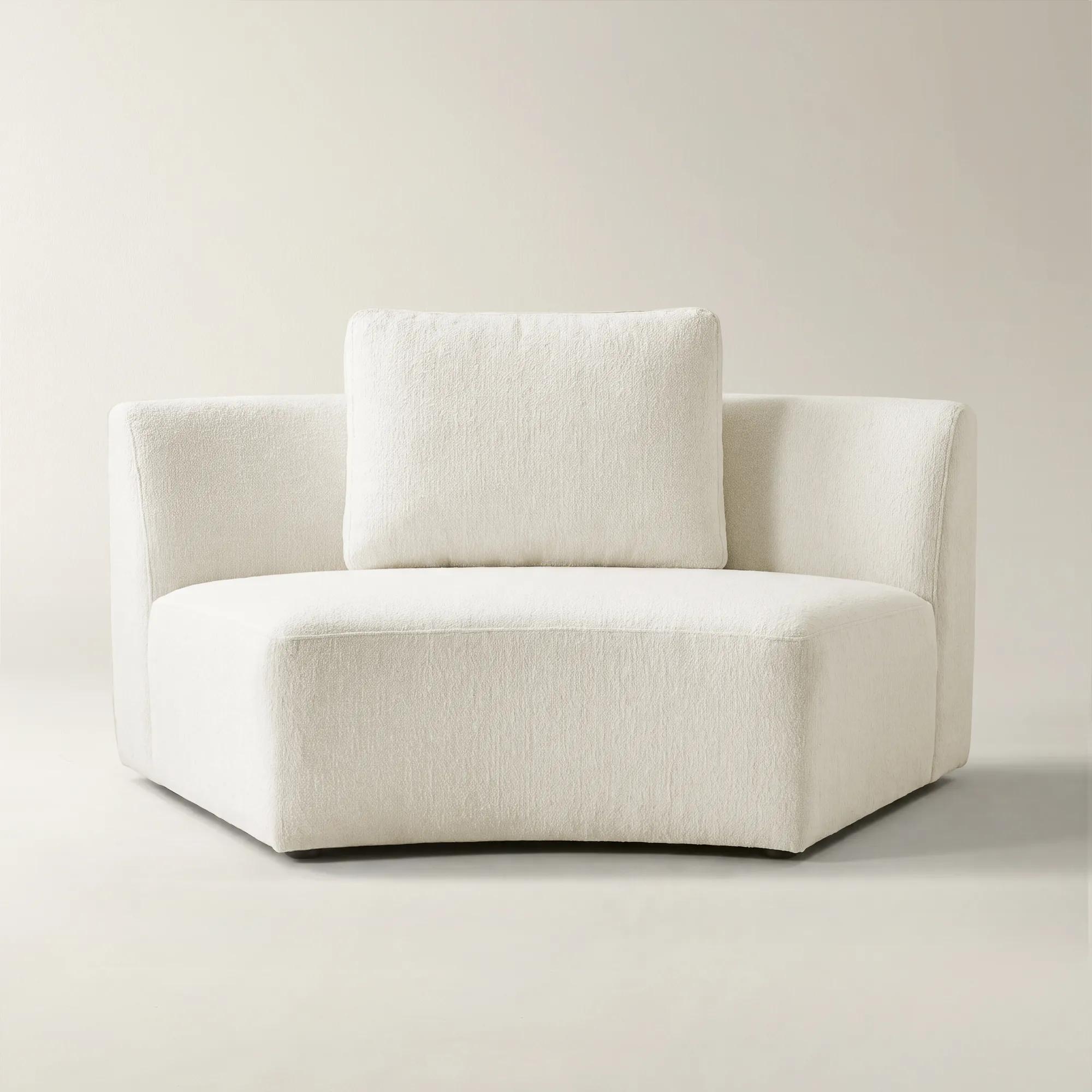
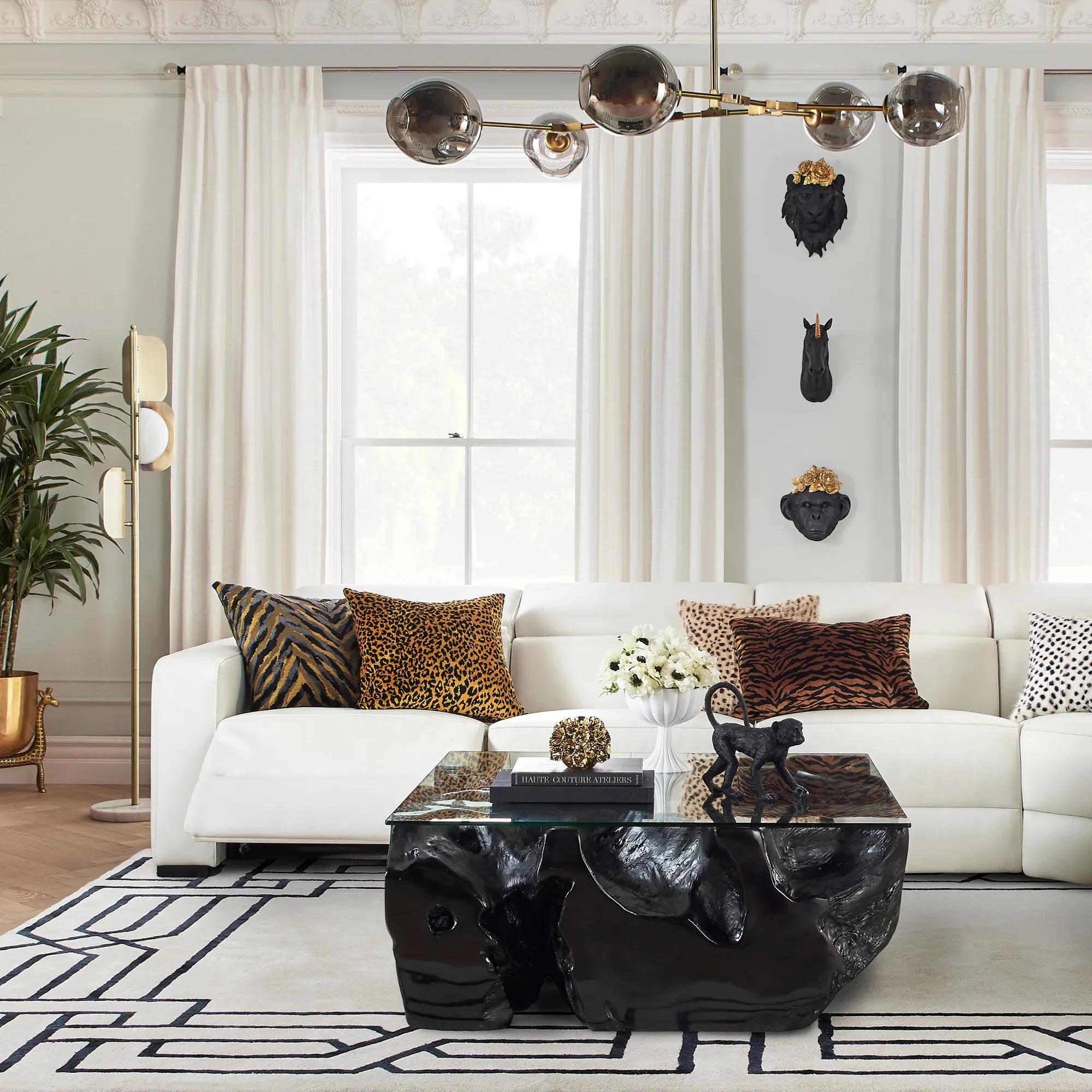 Verona White Leather Armless Chair$1099
A modern sectional upholstered in supple white semi-aniline leather with adjustable headrests and power-reclining options.
Add To Cart -
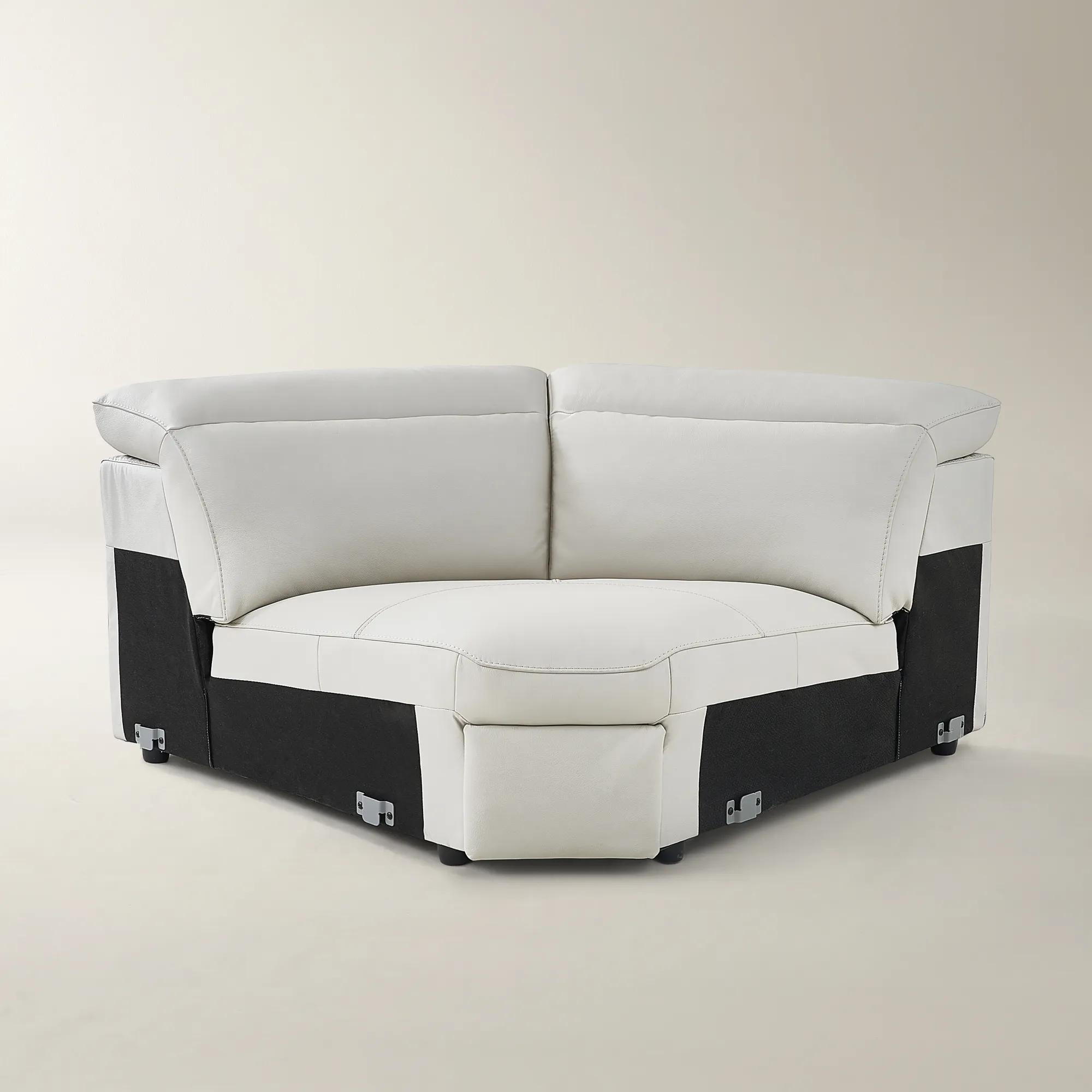
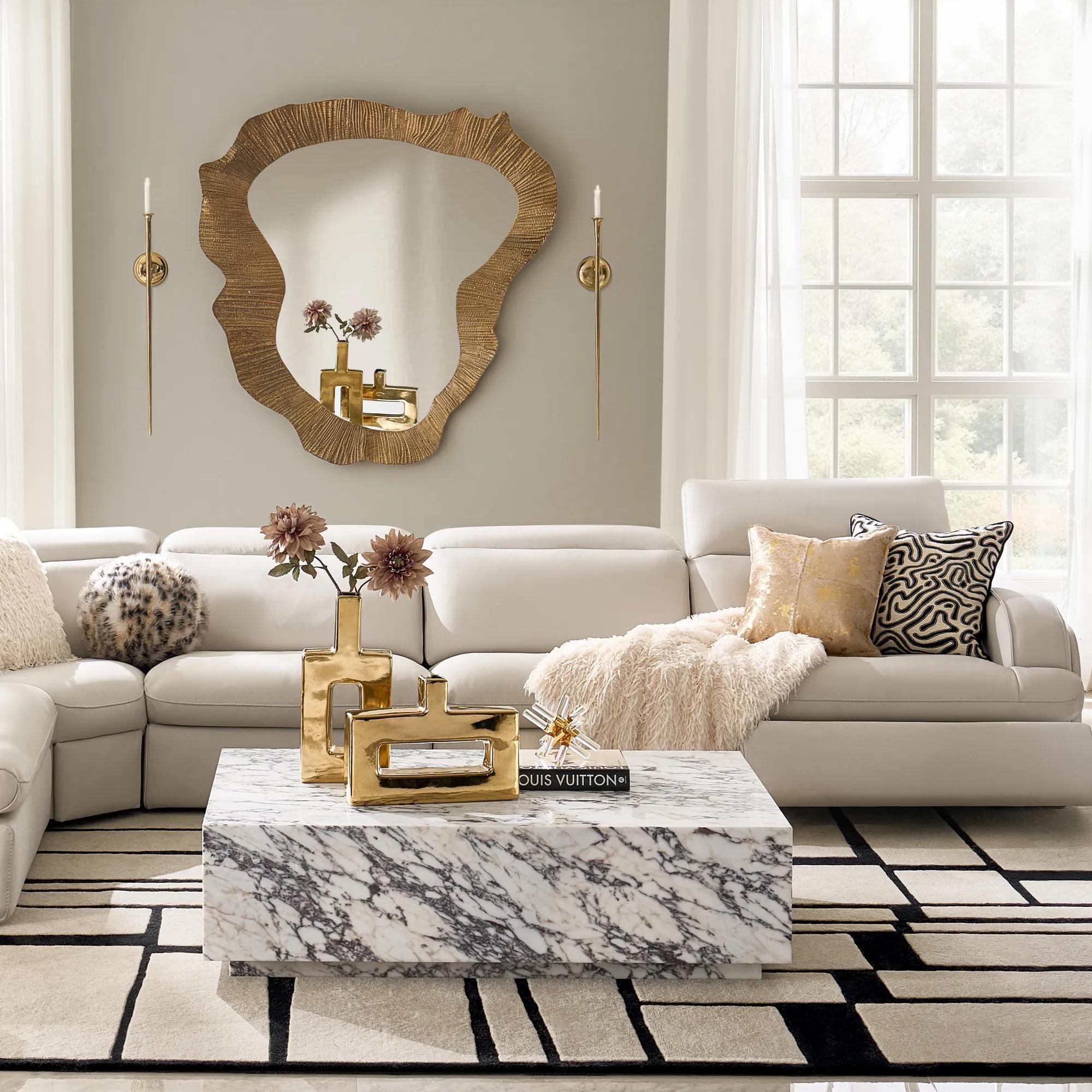 Terra Frost Leather Corner Chair With Rachet Headrest$1499
A frost-toned genuine leather corner chair with modular design, plush cushioning, and adjustable ratchet headrest.
Add To Cart -
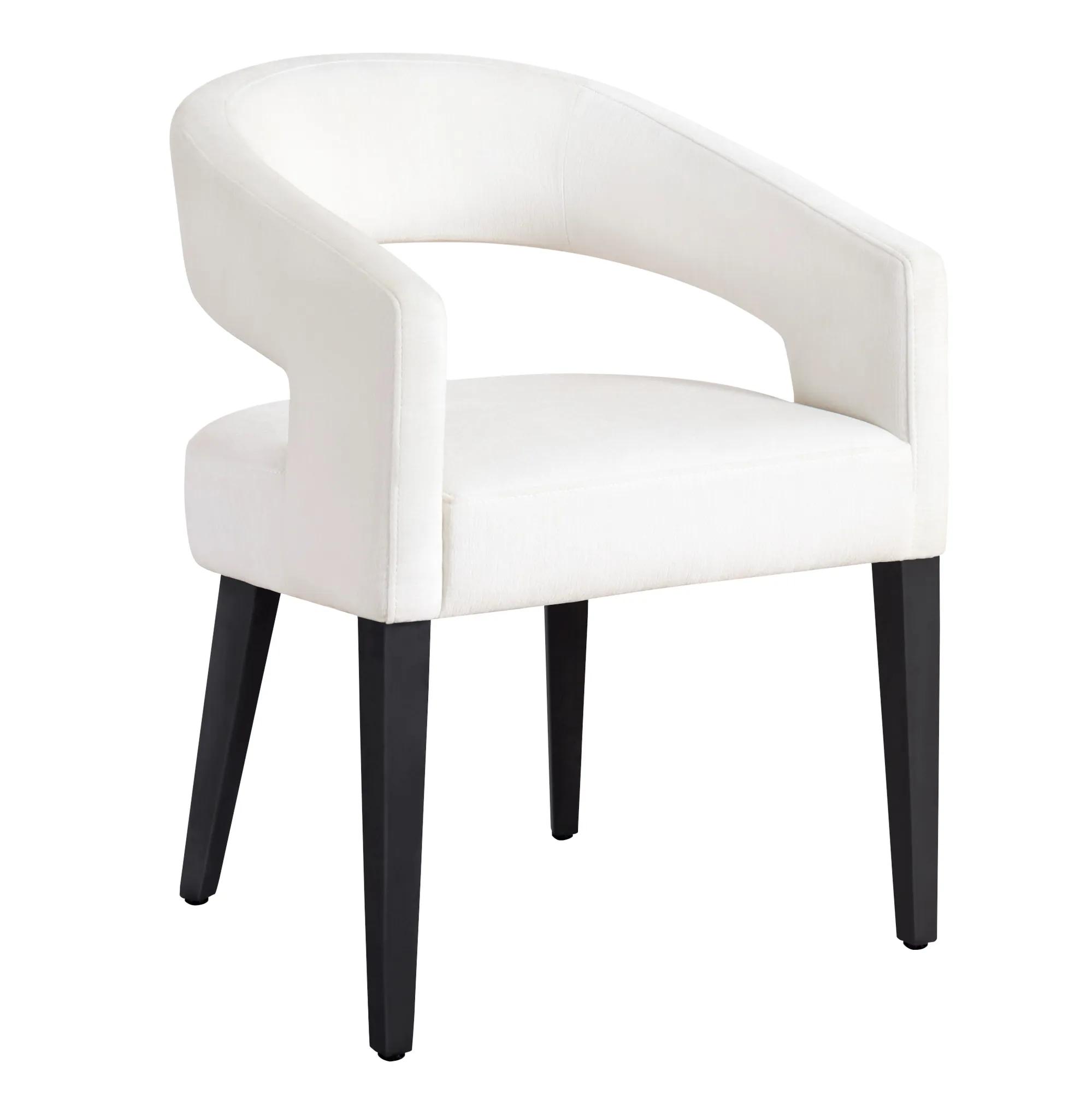
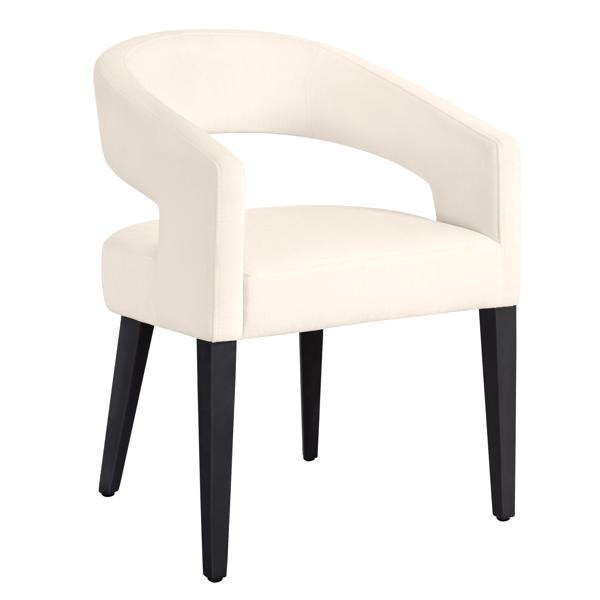 Philippa Dining Chair - Matte Black$699
A modern dining chair featuring a curved silhouette, tailored upholstery, and matte black legs for contemporary appeal.
Add To Cart -
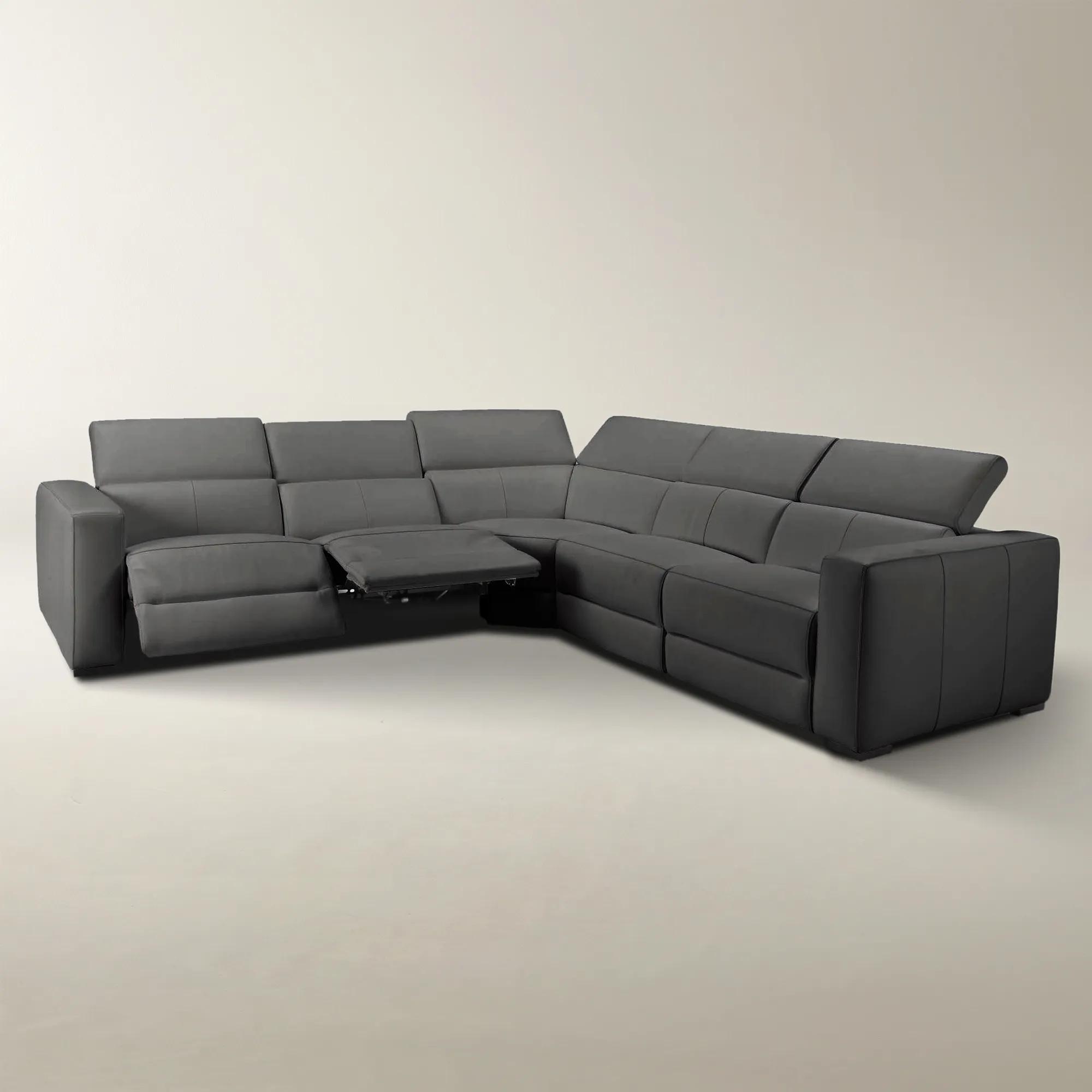 Verona 5-Piece Reclining Charcoal Leather Sectional Sofa$7199
A charcoal semi-aniline leather sectional featuring adjustable headrests, kiln-dried hardwood frame, and optional power recline.
Add To Cart -
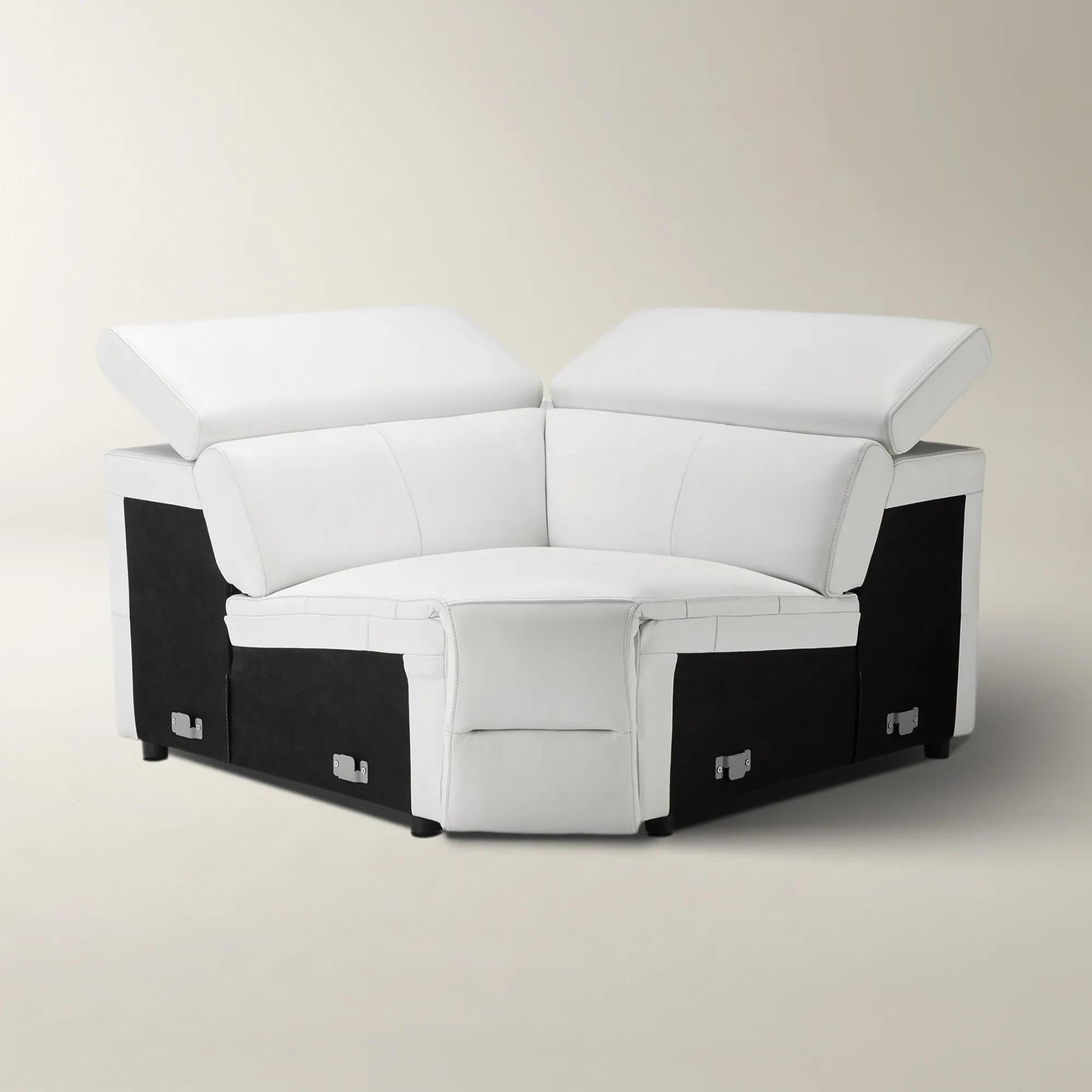 Verona White Leather Corner Chair With Power$1699
A modern sectional upholstered in supple white semi-aniline leather with adjustable headrests and power-reclining seats.
Add To Cart -
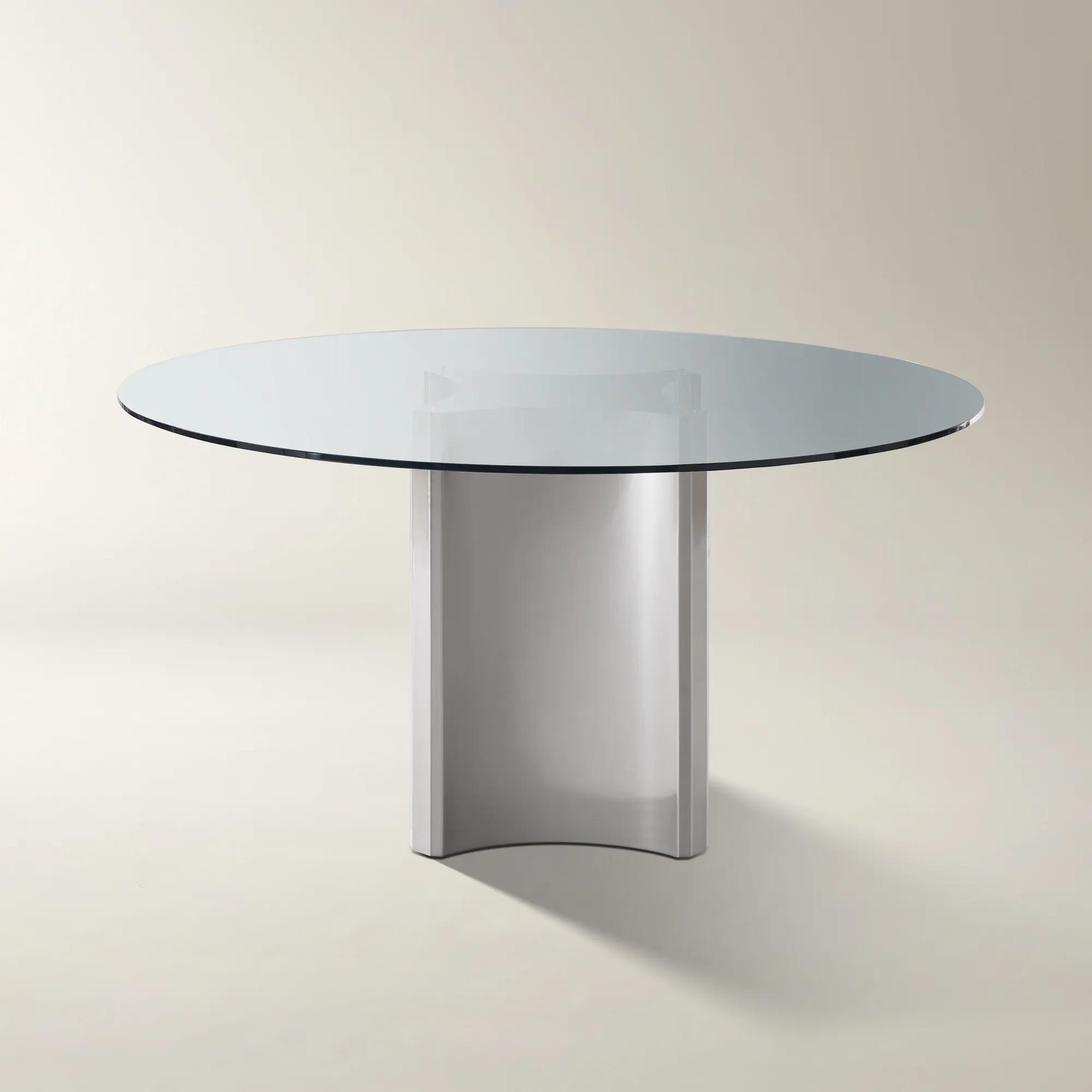 Ventane Round Clear Glass and Stainless steel Dining Table (58")$1499
A modern dining table featuring a clear tempered glass top and polished stainless steel base with anti-fingerprint finish.
Add To Cart -

 Tenley Bed$2599
A modern bed with a kiln-dried hardwood frame and plush, high-density foam headboard in oyster linen.
Add To Cart -
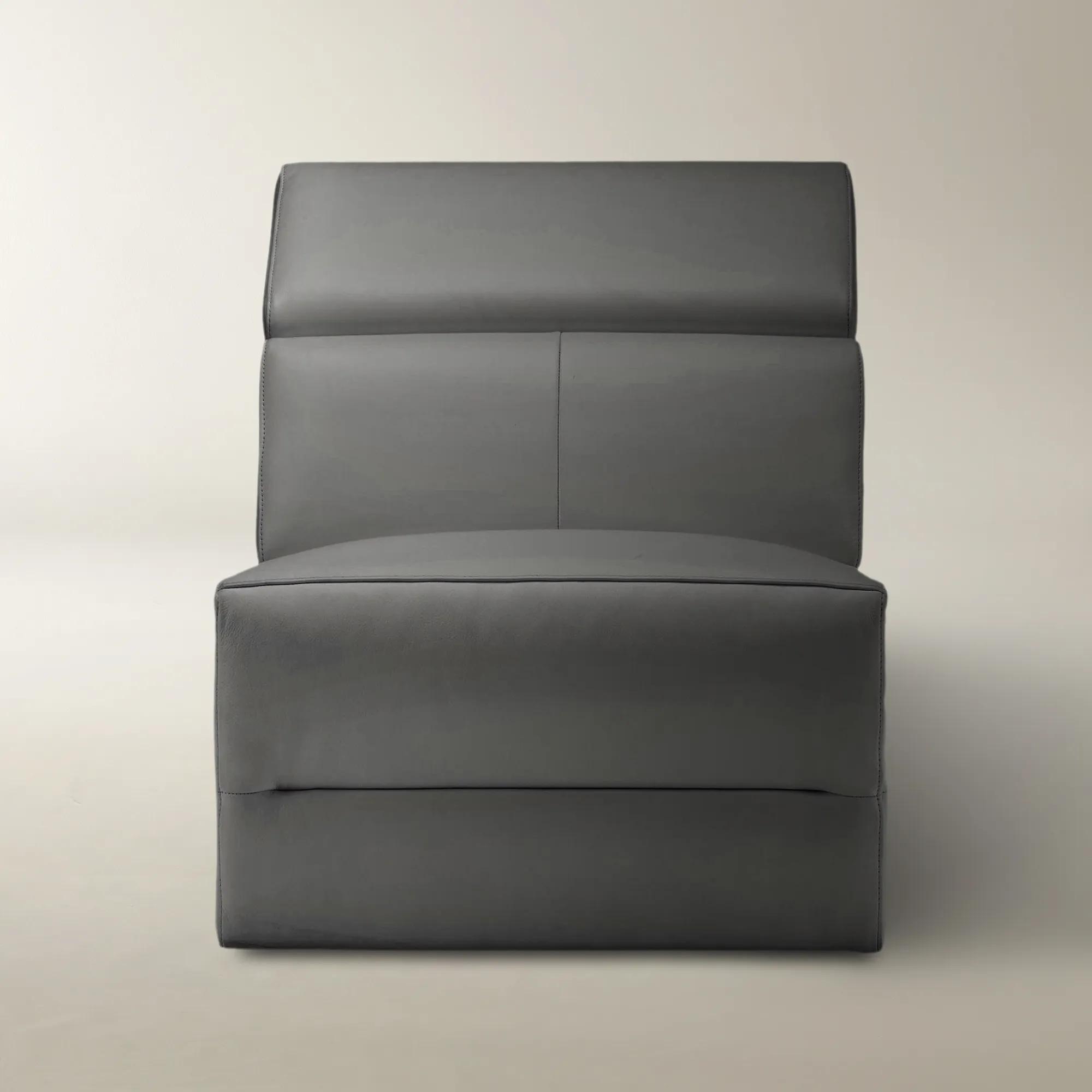
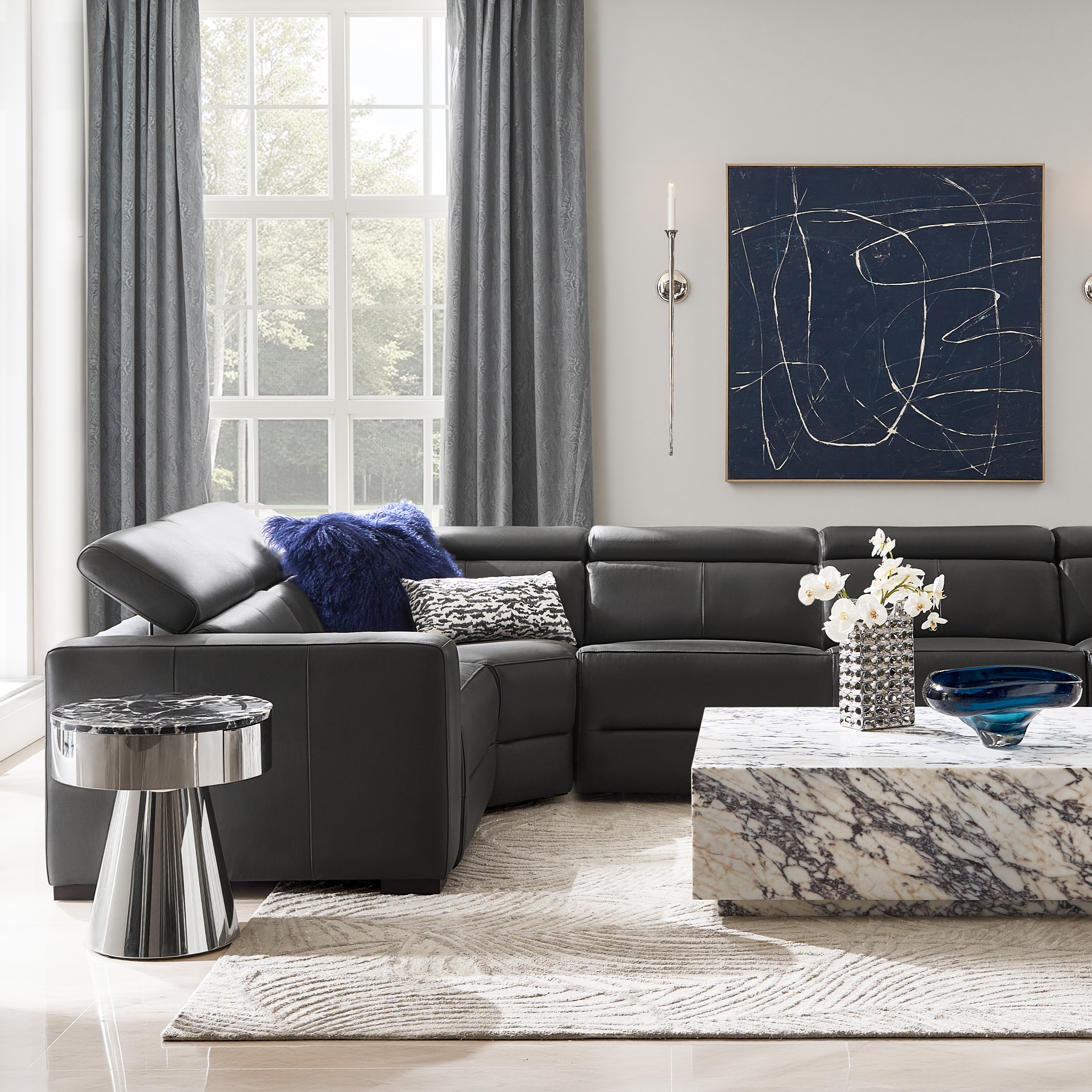 Verona Charcoal Leather Armless Chair$1099
A charcoal semi-aniline leather sectional featuring adjustable headrests and optional power-reclining seats for comfort.
Add To Cart -
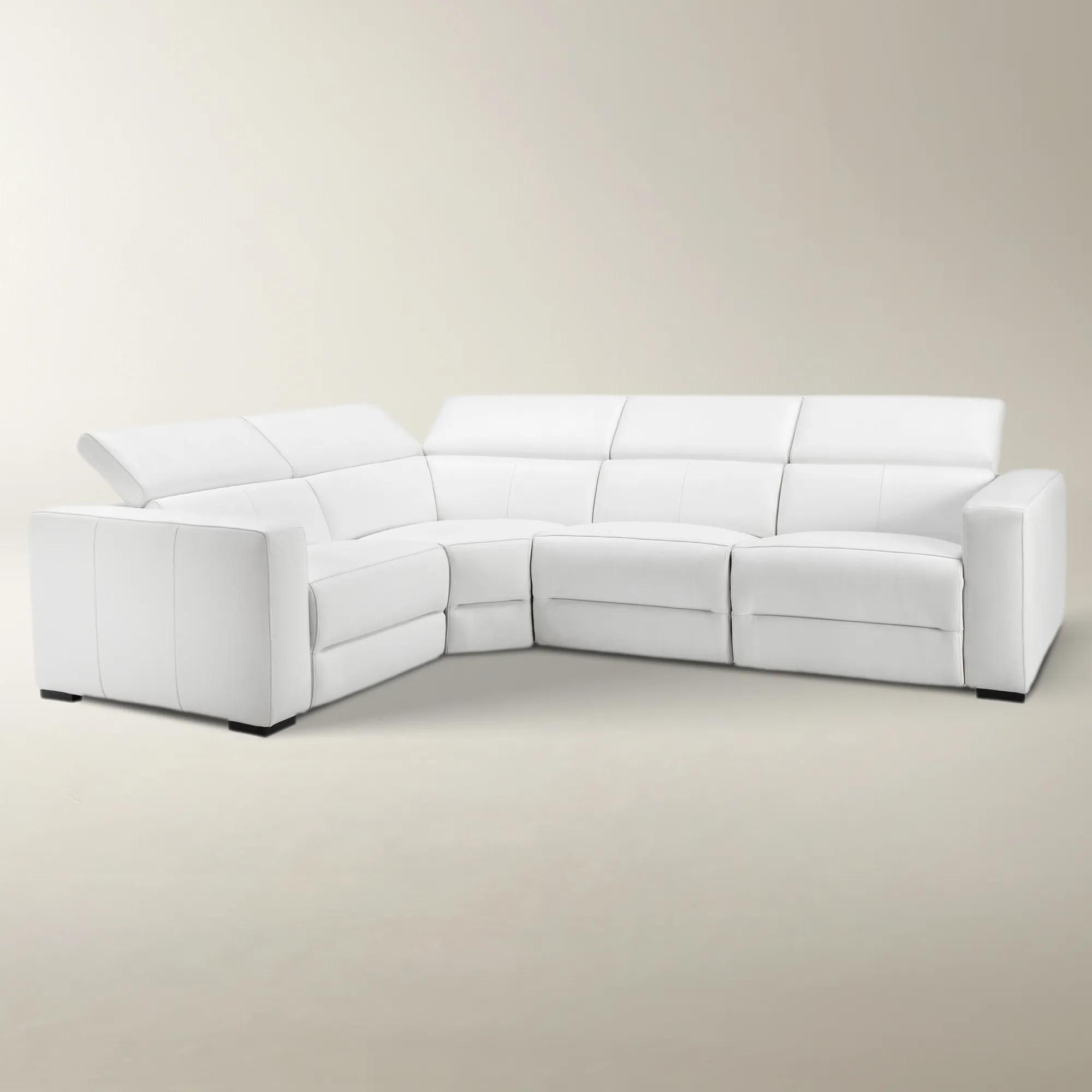 Verona 4-Piece L-Shaped Reclining White Leather Sectional Sofa With Left-Arm$5899
A modern sectional upholstered in supple white semi-aniline leather with adjustable headrests and power-reclining seats.
Add To Cart -
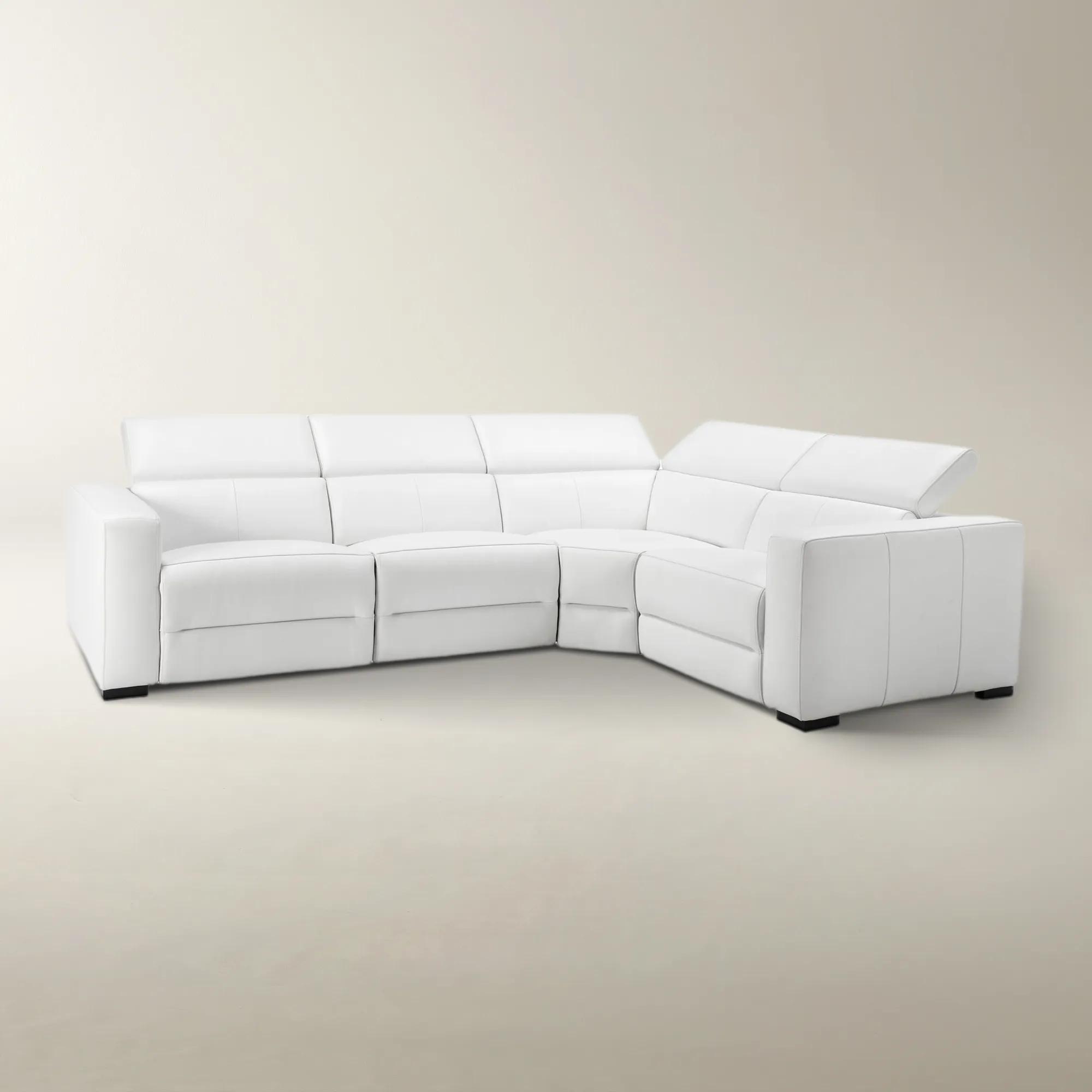 Verona 4-Piece L-Shaped Reclining White Leather Sectional Sofa With Right-Arm$5899
A modern sectional upholstered in supple white semi-aniline leather with adjustable headrests and power-reclining seats.
Add To Cart -
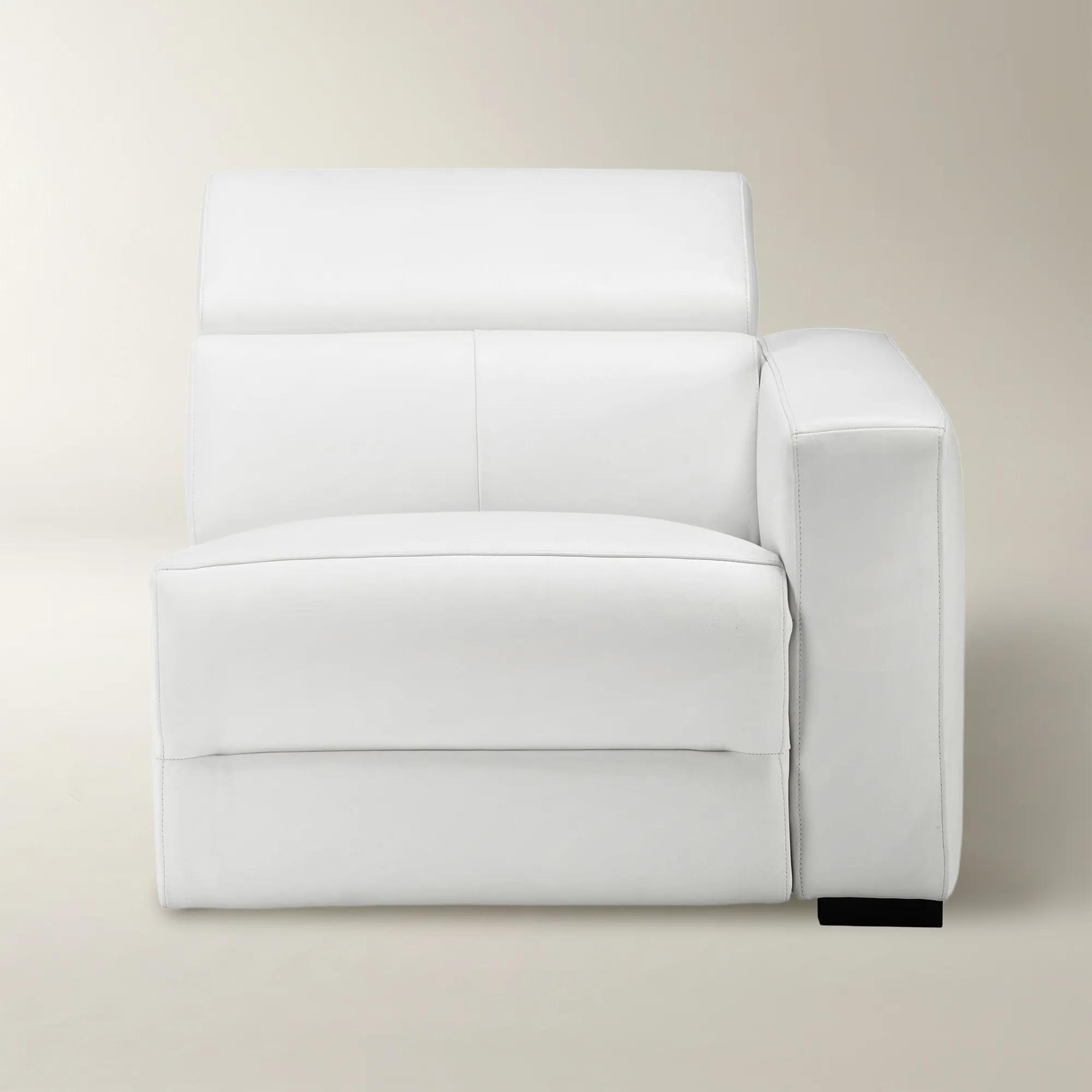 Verona White Leather Right Arm Chair$1399
A modern white sectional upholstered in supple semi-aniline leather with adjustable headrests and power-reclining options.
Add To Cart -
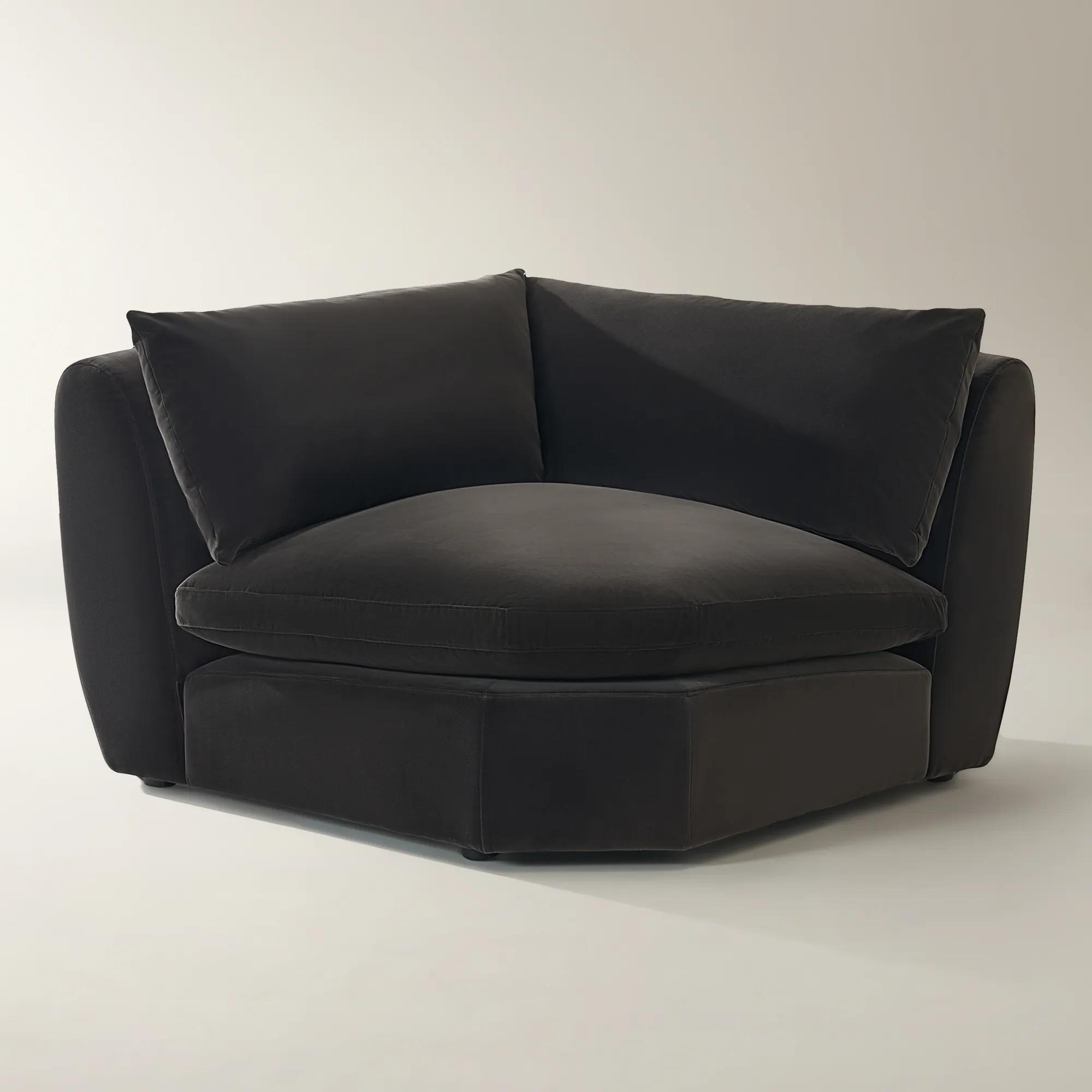
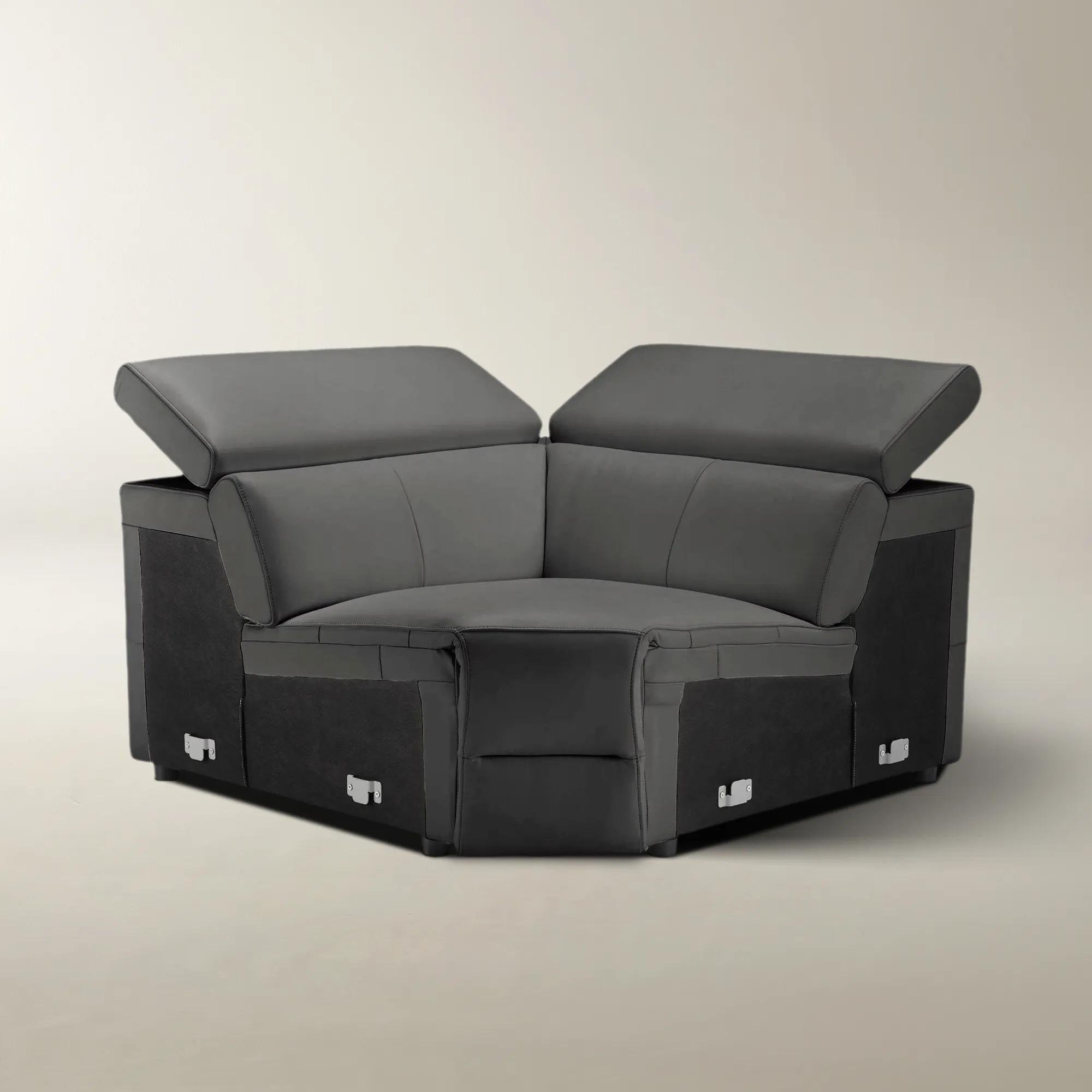 Verona Charcoal Leather Corner Chair With Power$1699
A modern charcoal sectional upholstered in supple semi-aniline leather with adjustable headrests and optional power recline.
Add To Cart -
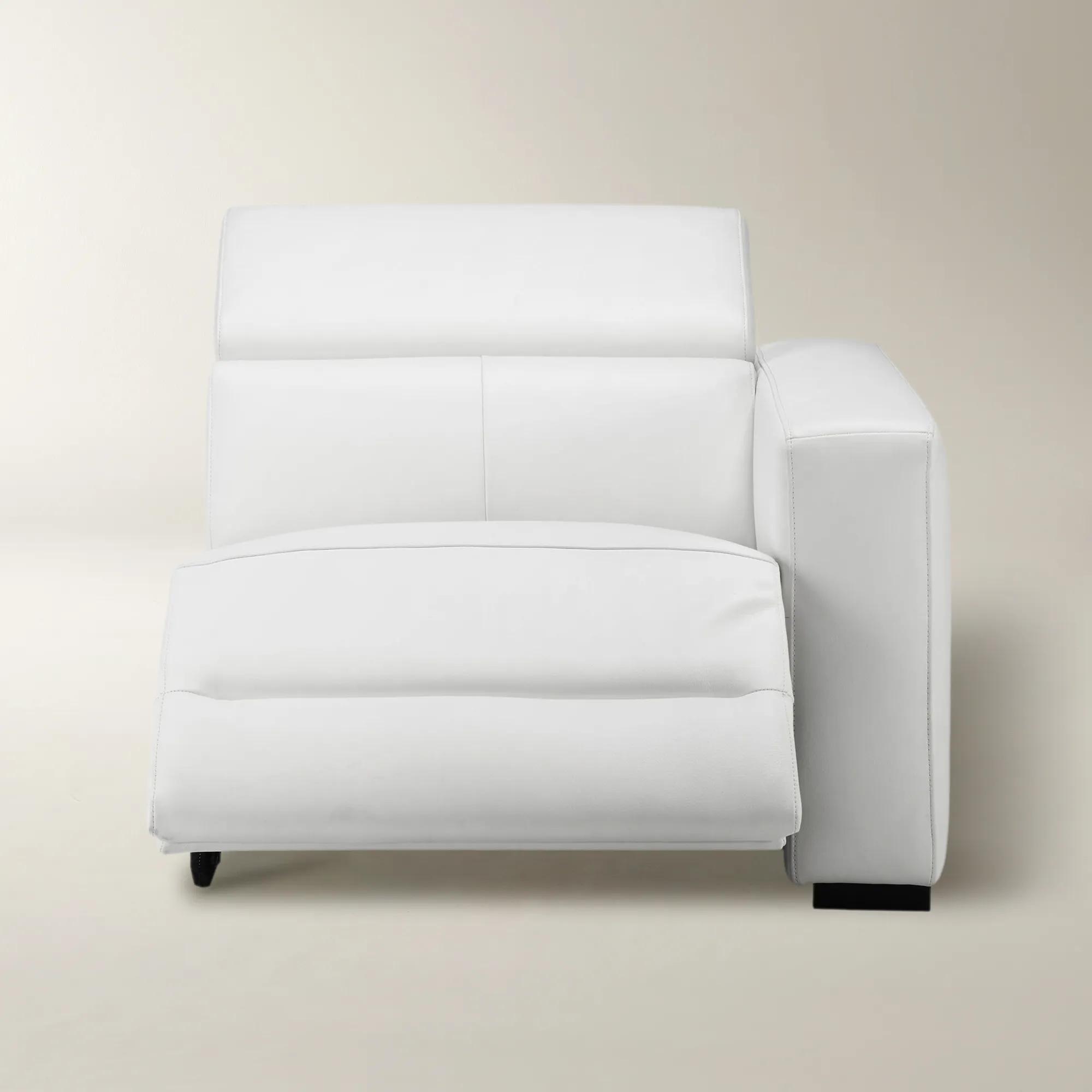 Verona Reclining White Leather Right Arm Chair With Power$1599
A modern white sectional upholstered in supple semi-aniline leather with adjustable headrests and power-reclining options.
Add To Cart -
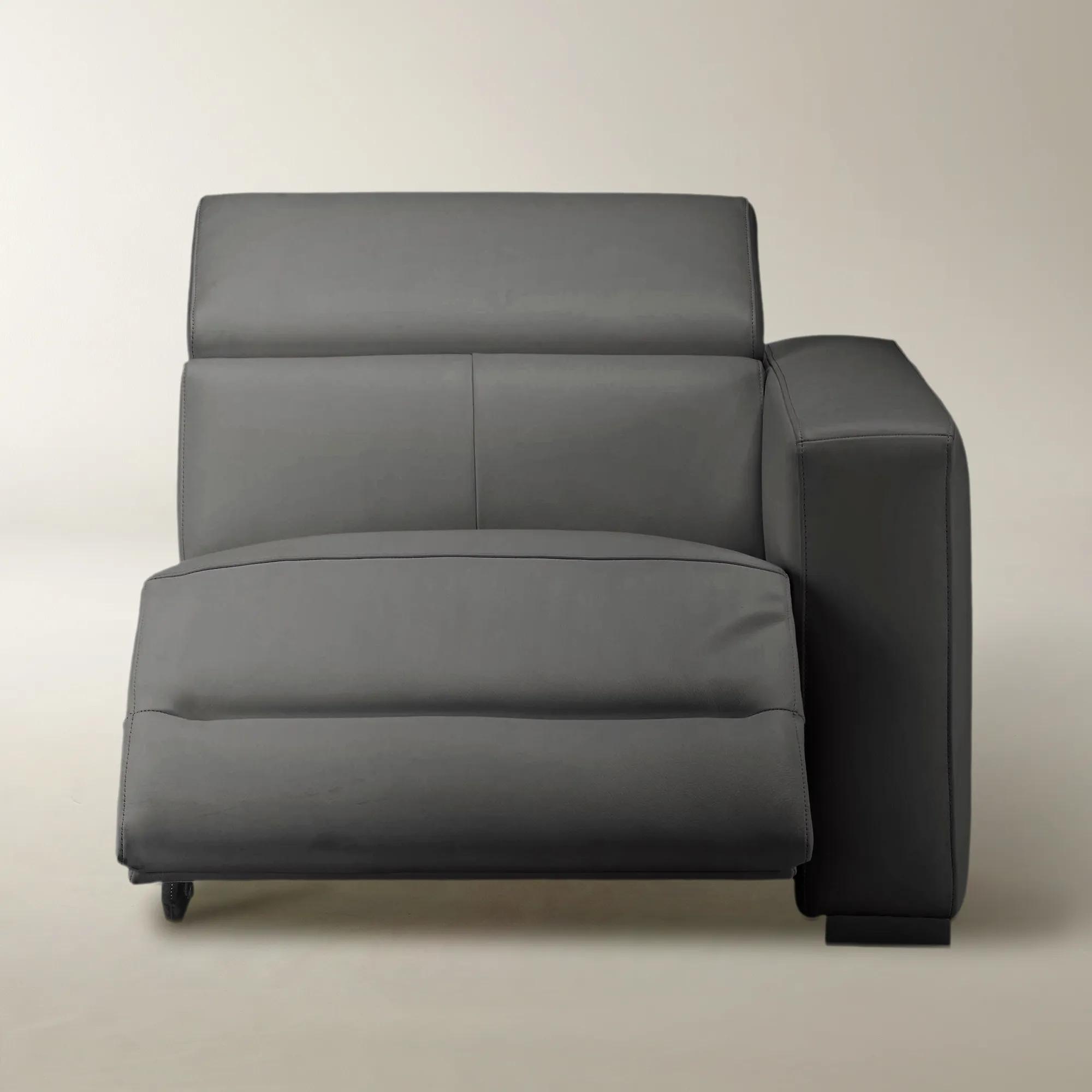 Verona Reclining Charcoal Leather Right Arm Chair With Power$1599
A charcoal semi-aniline leather sectional with adjustable headrests and optional power-reclining seats for comfort.
Add To Cart

Furniture For Contemporary Interiors
Furniture For Contemporary Interiors is an invitation to reimagine your space as a gallery of modern artistry—where every silhouette commands attention and every finish whispers of refined taste. Here, bold geometry meets sumptuous texture, creating a visual symphony that transforms the everyday into the extraordinary. Whether you crave sleek minimalism or sculptural drama, each piece is curated to infuse your home with undeniable flair and sophistication. Elevate your surroundings and let your personal style take center stage—because in the world of contemporary interiors, furniture doesn’t just furnish a room; it defines it.
Furniture for contemporary interiors brings together clean lines, sculptural shapes, and purposeful comfort, creating rooms that feel open, expressive, and beautifully composed. Unlike modern furniture, which often refers to a particular historical design movement, contemporary furniture reflects an evolving approach to how people live. Its defining qualities include balanced proportions, uncluttered silhouettes, and a thoughtful mix of textures rather than one rigid look. A low-profile sofa can establish a confident horizontal line, while a rounded accent chair softens the geometry of a room. Slender metal legs reveal more of the floor; a substantial pedestal base creates a grounded, architectural presence. Neither approach requires a room to feel spare. Ivory upholstery, warm taupe, charcoal, and rich wood tones provide a sophisticated foundation for the gleam of polished metal or the depth of a saturated accent color. Texture supplies another layer of expression: velvet catches the light with a subtle change in tone, bouclé introduces a nubby surface, and leather offers a smooth counterpoint to woven fabrics. In contemporary living room furniture, these contrasts make even a restrained palette feel dimensional. Comfort deserves equal attention to silhouette. Deeper seating suits relaxed evenings and stretching out, while a more upright seat can feel better for conversation or reading. Seat height, cushion firmness, arm placement, and back support all influence how a piece feels beyond its first impression. In a shared living area, a sofa and two movable chairs can accommodate both intimate conversation and a larger gathering without making the room feel crowded. A curved profile may soften a sharply angled floor plan, while a tailored rectangular form can define the edge of an open living space. The most compelling arrangement leaves room for movement and gives each shape enough breathing space to be appreciated. For apartment dwellers, growing households, and homeowners reimagining a favorite room, contemporary design offers a distinctive balance: visual drama that remains inviting enough for everyday life.
That balance extends to contemporary dining room, bedroom, and home office furniture, where scale and intended use shape the atmosphere as much as finish. A dining table with a glass top can preserve sightlines in a compact space, while wood brings warmth and visual weight to a room with expansive windows or pale walls. A sculptural pedestal can turn the base into a focal point, although its footprint still needs to work comfortably with the placement of chairs. Dining chair seat height should relate to the underside of the tabletop, and upholstered arms need clearance beneath any apron. Generous space behind occupied chairs makes a dinner party feel gracious rather than tightly choreographed. Sideboards and cabinets contribute more than concealed storage: their broad surfaces offer a setting for art, ceramics, and a carefully edited arrangement of serving pieces. Inside, shelf dimensions determine whether larger platters, glassware, or household essentials can be stored conveniently. In the bedroom, an upholstered bed introduces softness against crisp casegoods, while a tall headboard draws the eye upward and gives the sleeping area an architectural anchor. Its height should relate to windows, artwork, and the ceiling rather than overwhelm them. Nightstands work best when their surfaces sit within easy reach of the mattress, and dressers need enough clearance for drawers to open fully. Home office furniture benefits from the same attention to proportion, with a generous work surface, supportive seating, and storage that keeps paperwork from dominating the room. In multipurpose spaces, a desk with a finished back can face outward without appearing unfinished from the living area. Fit also begins before furniture reaches its destination. Doorways, elevators, stair turns, and delivery paths matter alongside room dimensions, particularly for broad sofas, tall cabinets, and substantial tabletops. Checking those measurements preserves the intended effect: furniture that feels deliberately placed, not squeezed into its surroundings.
Materials and construction determine how that polished impression holds up to daily use. Solid wood offers natural variation in grain, while wood veneers can create beautifully consistent patterns over a stable substrate; either deserves protection from standing moisture and excessive heat. Painted, lacquered, and metallic finishes each bring a different character, from quiet depth to a luminous reflection, and their care requirements vary. Glass creates transparency and highlights the geometry of a base beneath it, but even tempered glass requires protection from hard impacts and damaged edges. Upholstery deserves similarly close consideration. Bouclé describes a looped or curled yarn effect, not a guarantee of stain resistance, and velvet can vary considerably by fiber content and construction. Where furniture will see frequent use, fabric specifications, abrasion testing when provided, and clearly stated cleaning instructions offer more useful information than texture alone. Performance treatments may make some spills easier to manage, but they do not make upholstery impervious to stains. Leather develops character with use, although its finish affects how readily it shows marks and how it should be maintained. Supportive frames, sound joinery, secure hardware, and cushions suited to the intended level of use contribute to lasting comfort. Routine care protects the details that make contemporary furniture so distinctive: gentle vacuuming helps keep dust from settling into upholstery, prompt blotting limits the spread of spills, and coasters or protective pads help preserve tabletop finishes. Manufacturer instructions should determine which cleaners are appropriate, especially for delicate fabrics, leather, and high-sheen surfaces. Direct sunlight can alter the color of textiles and wood over time, making placement part of long-term care as well as design. For professionally planned homes, Furniture For Interior Designers reflects the importance of considering silhouette, material, scale, and everyday function together. A successful contemporary interior carries that attention through every room: the gentle sweep of a chair beside an angular table, the contrast of plush upholstery against gleaming metal, the quiet order of storage that lets a favorite work of art command attention. Each element earns its place through both beauty and purpose, giving the home a confident, distinctly personal point of view.
FAQs
Contemporary furniture is characterized by its clean lines, sculptural forms, and a harmonious blend of materials such as polished metal, glass, lacquer, and natural wood. The style emphasizes both artistry and comfort, often pairing neutral color palettes with bold accent pieces and organic shapes to create spaces that feel fresh, expressive, and inviting.
Blending contemporary pieces into a traditional setting creates a captivating juxtaposition of old and new. Start with statement furniture—like a curved lounge chair or a sleek glass table—to introduce modern flair. Layer in textural accents such as velvet cushions or metallic decor to bridge the aesthetic, allowing each piece to complement rather than compete with existing elements.
Contemporary furniture often showcases a sophisticated mix of materials, including polished metals like chrome or brass, glossy lacquer finishes, clear or smoked glass, and richly grained woods. These materials are chosen for their ability to reflect light, add visual interest, and bring a sense of luxury and artistry to any room.
Contemporary furniture makes a memorable gift for design enthusiasts, new homeowners, newlyweds, or anyone embarking on a new chapter. Its timeless appeal and expressive shapes suit those who value both style and comfort, and who see their living space as a canvas for creativity and personal expression.
To achieve a cohesive contemporary look, focus on a unified color palette—such as soft neutrals with strategic pops of color—and select furniture with complementary silhouettes. Incorporate a variety of textures and finishes, from plush upholstery to reflective metals, and arrange pieces to highlight both functionality and visual harmony within the space.