
Dining Room Furniture For Contemporary Homes
Dining Room Furniture For Contemporary Homes
-
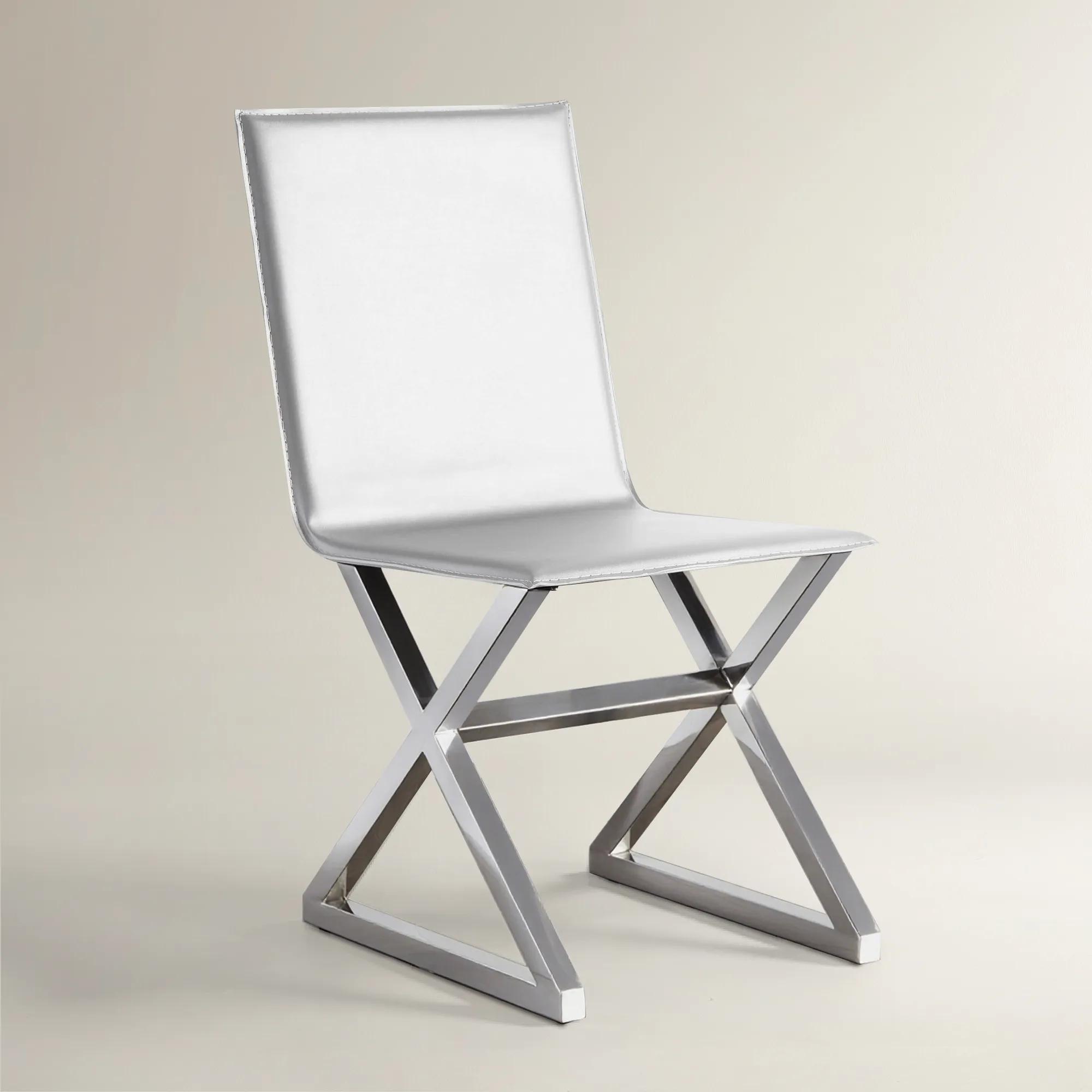
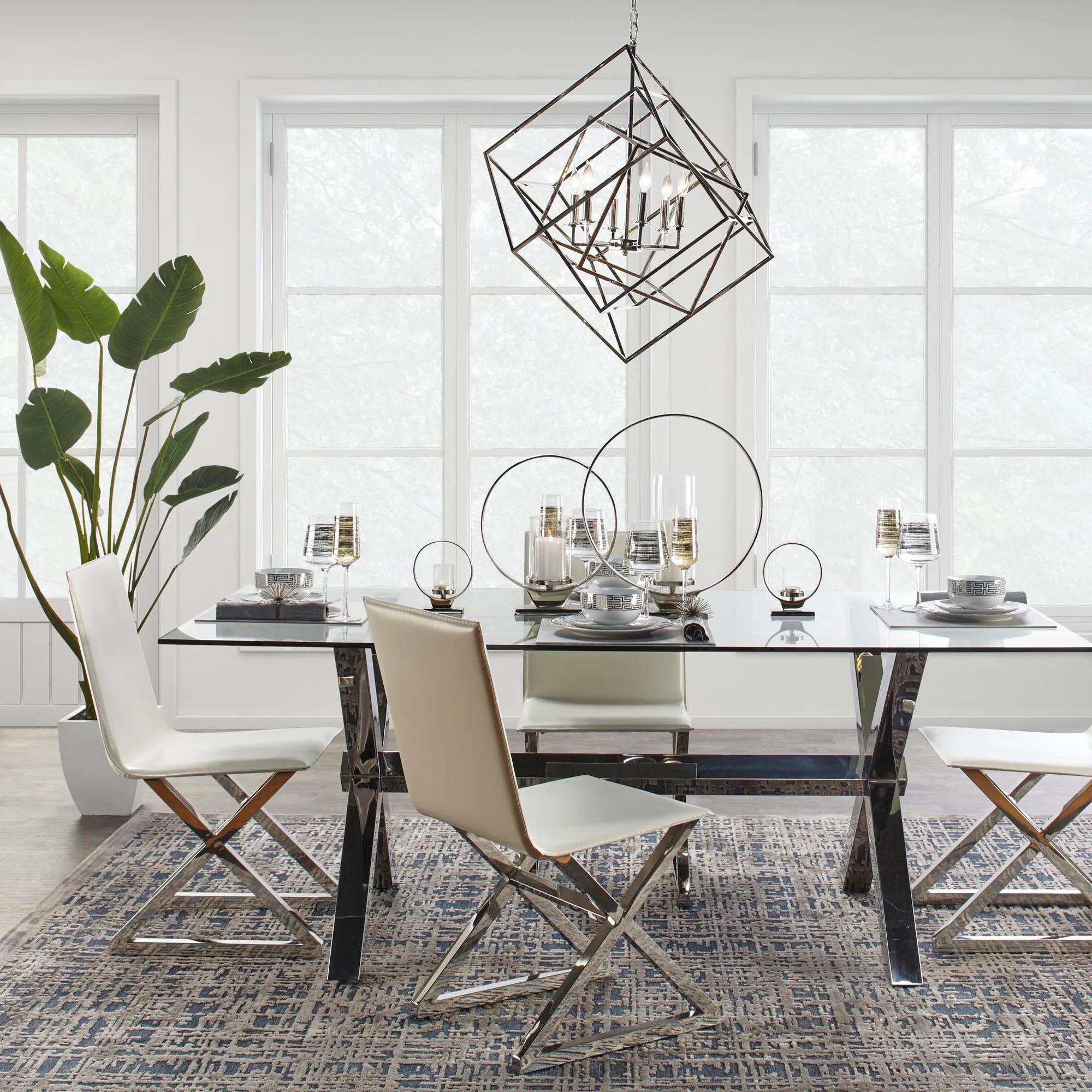 Axis Dining Chair - Set of 2$399
A contemporary chair set featuring white bonded leather upholstery and a polished stainless steel base.
Add To Cart -
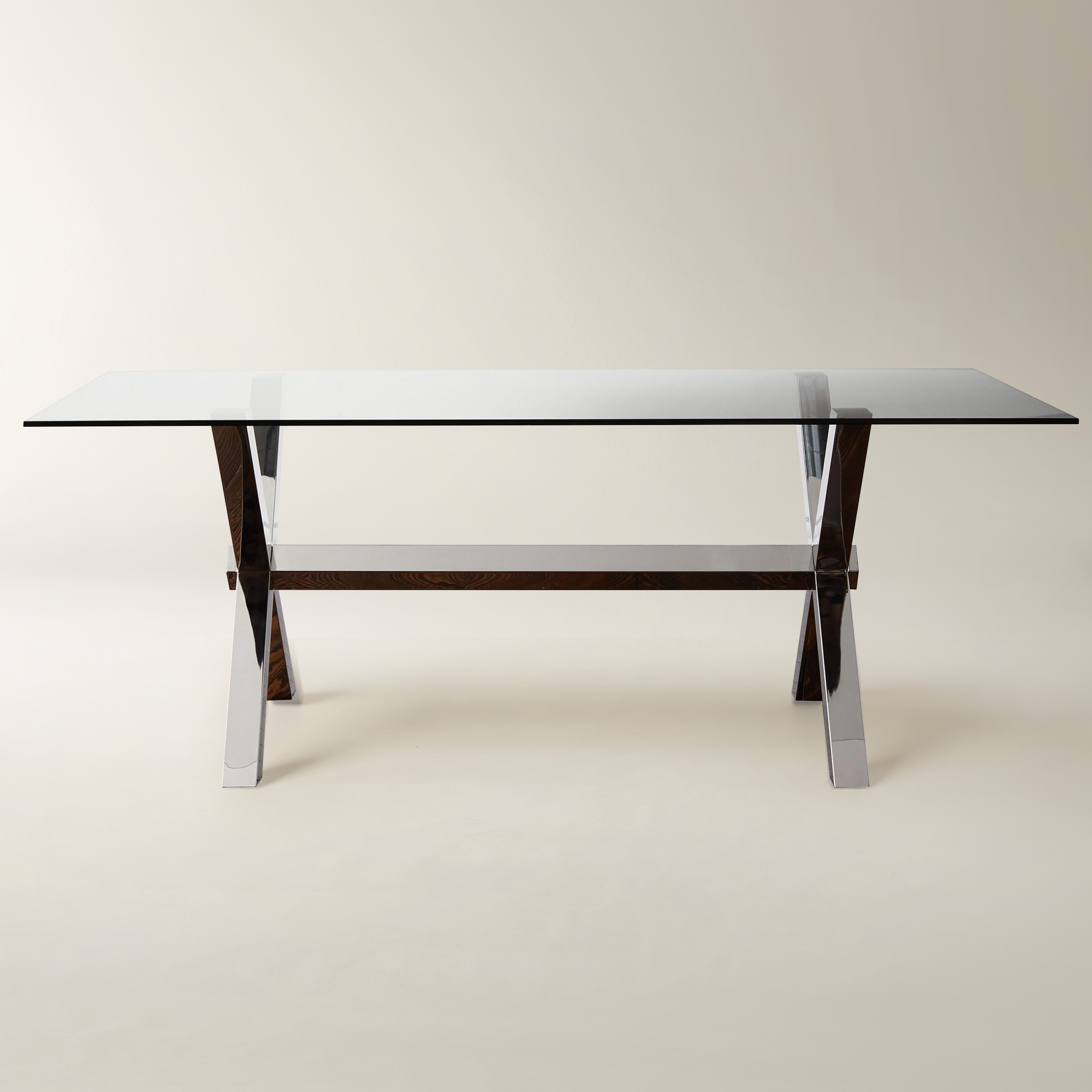
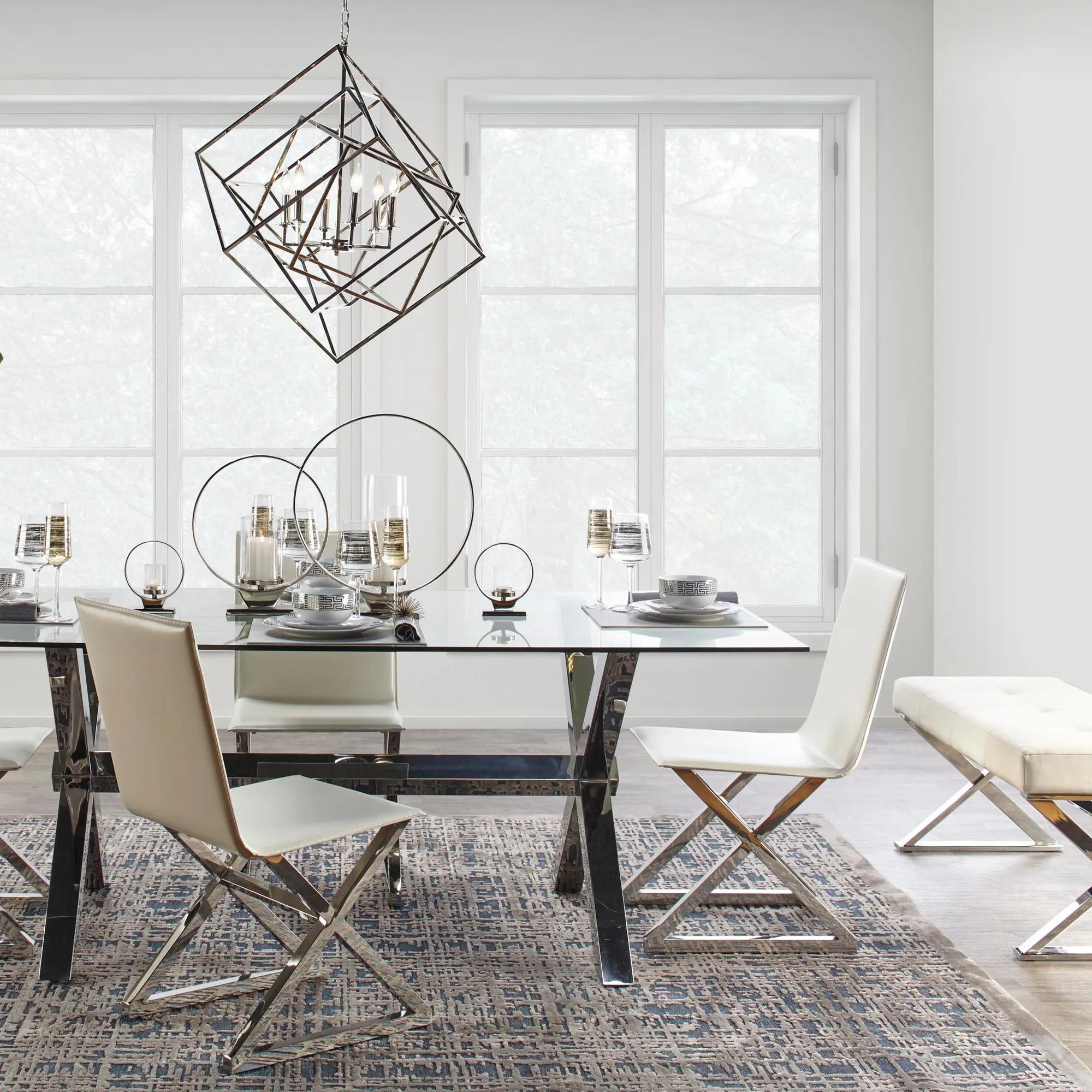 Axis Rectangular Silver Dining Table With Glass Top (78")$1199
A contemporary dining table featuring a polished stainless steel base and durable tempered glass top.
Add To Cart -
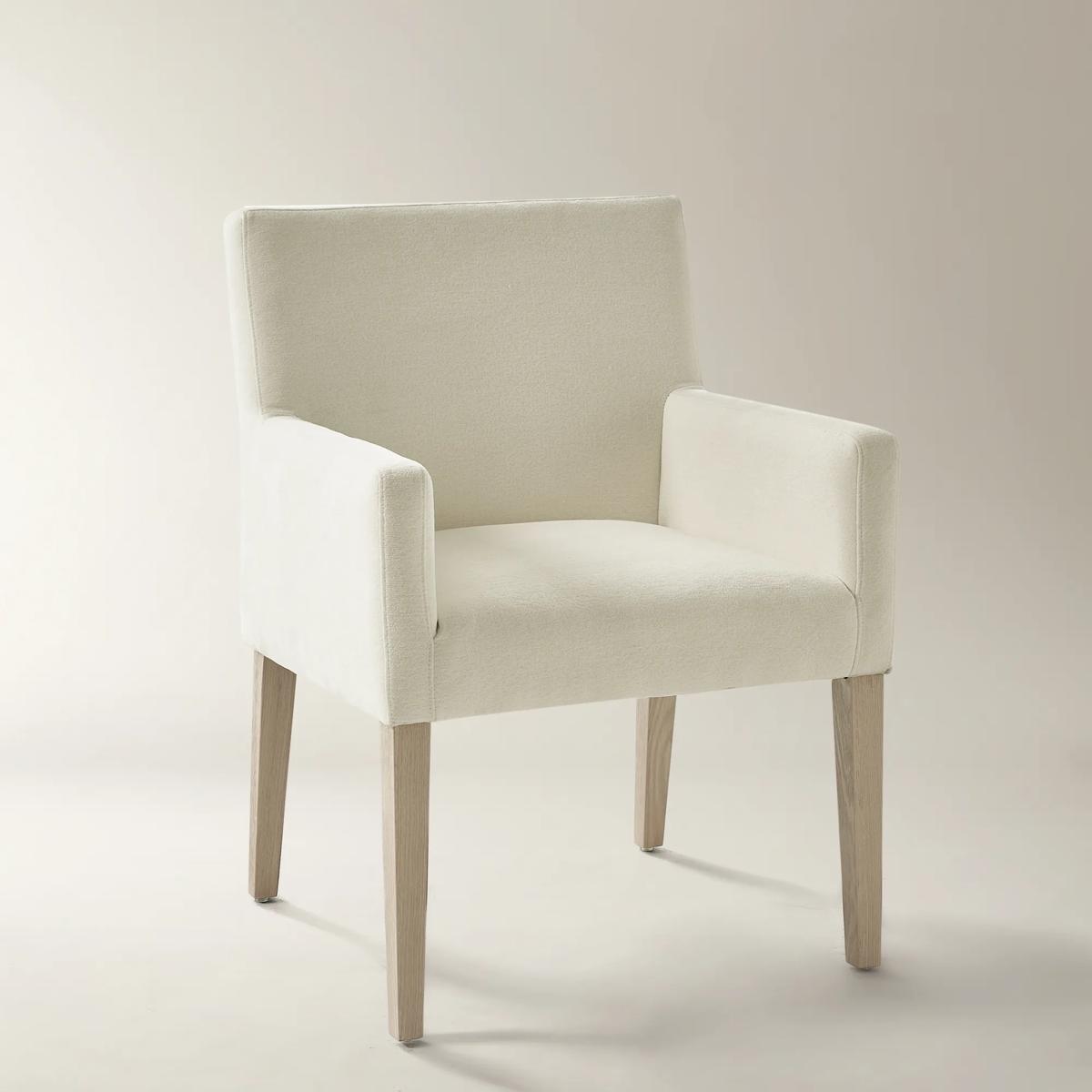
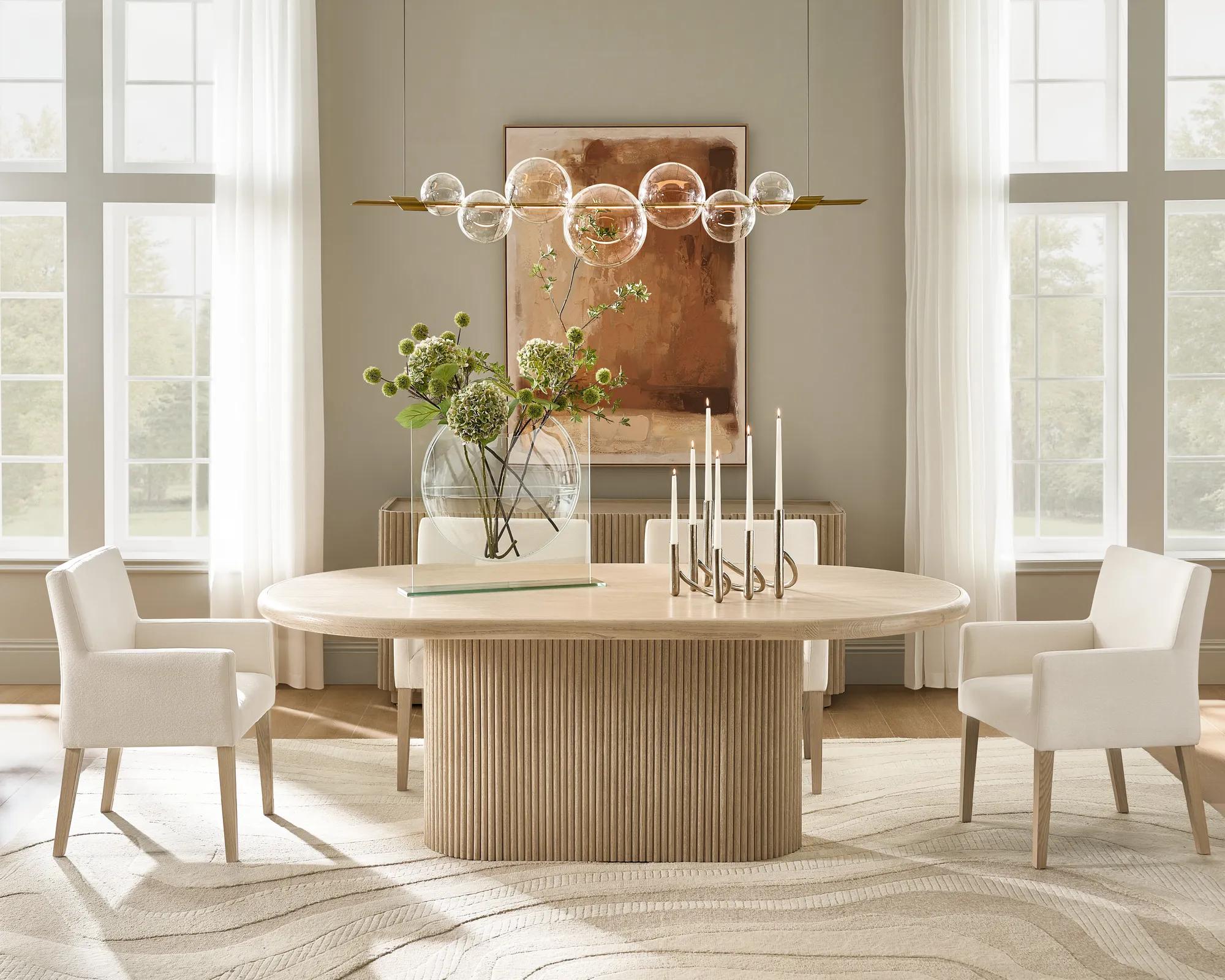 Stria Ivory Chenille Dining Chair Set Of 2$599
A pair of ivory chenille arm chairs with natural oak legs, offering plush comfort and modern elegance.
Add To Cart -
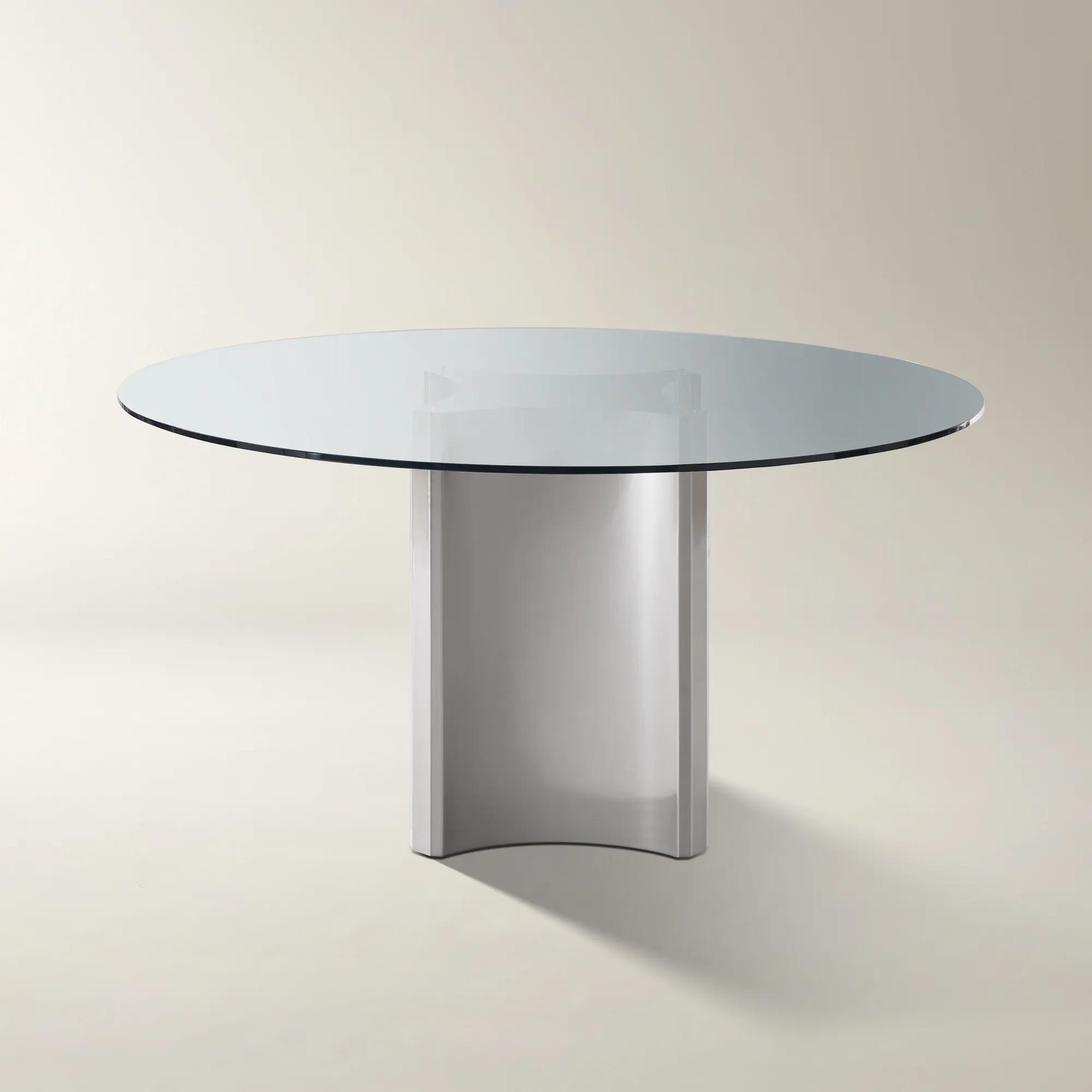 Ventane Round Clear Glass and Stainless steel Dining Table (58")$1499
A modern dining table featuring a clear tempered glass top and polished stainless steel base with anti-fingerprint finish.
Add To Cart -
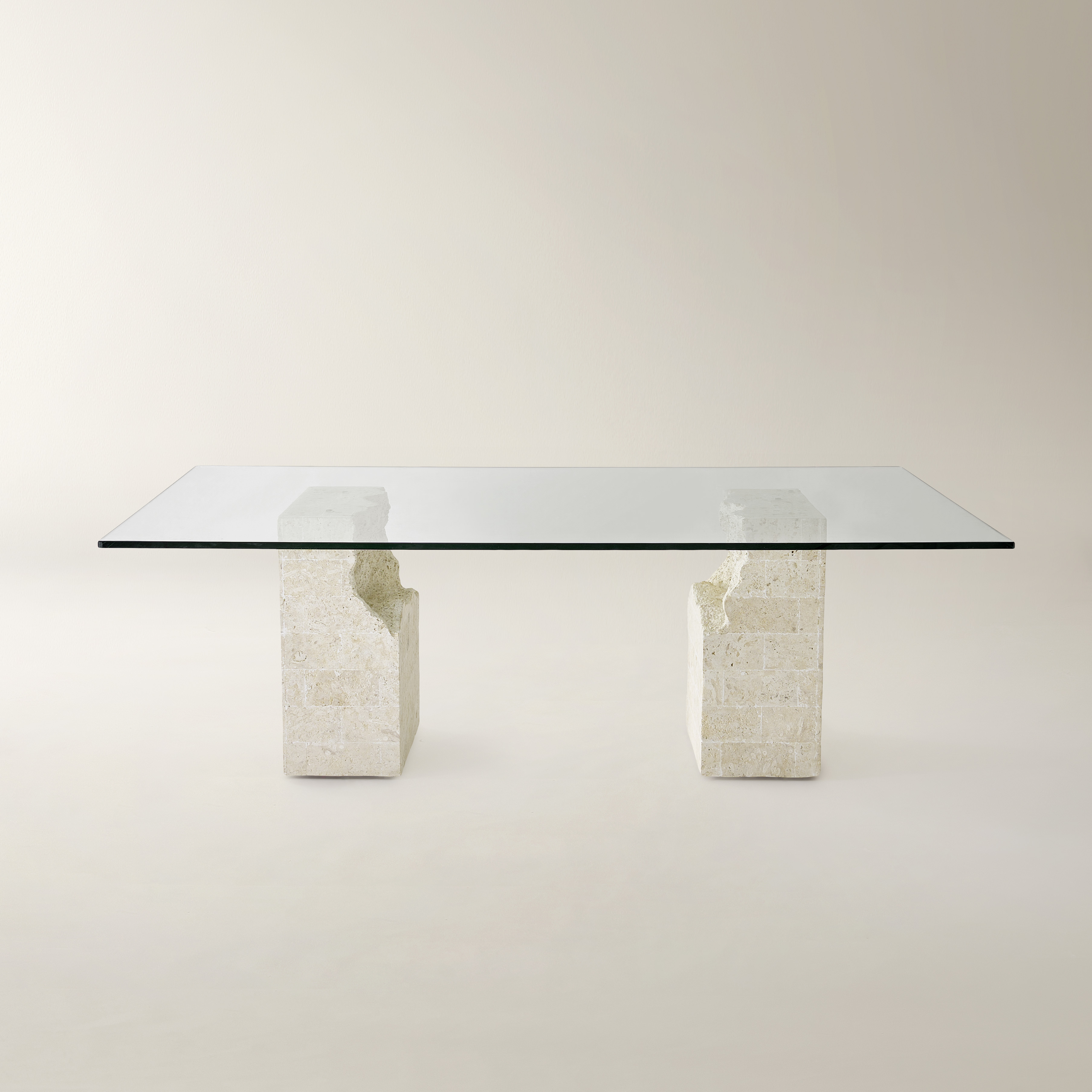 Cairo Rectangular Mactan Stone Dining Table With Glass Top (86.6")$2399
A contemporary dining table featuring a clear tempered glass top over hand-carved Mactan stone bases.
Add To Cart -
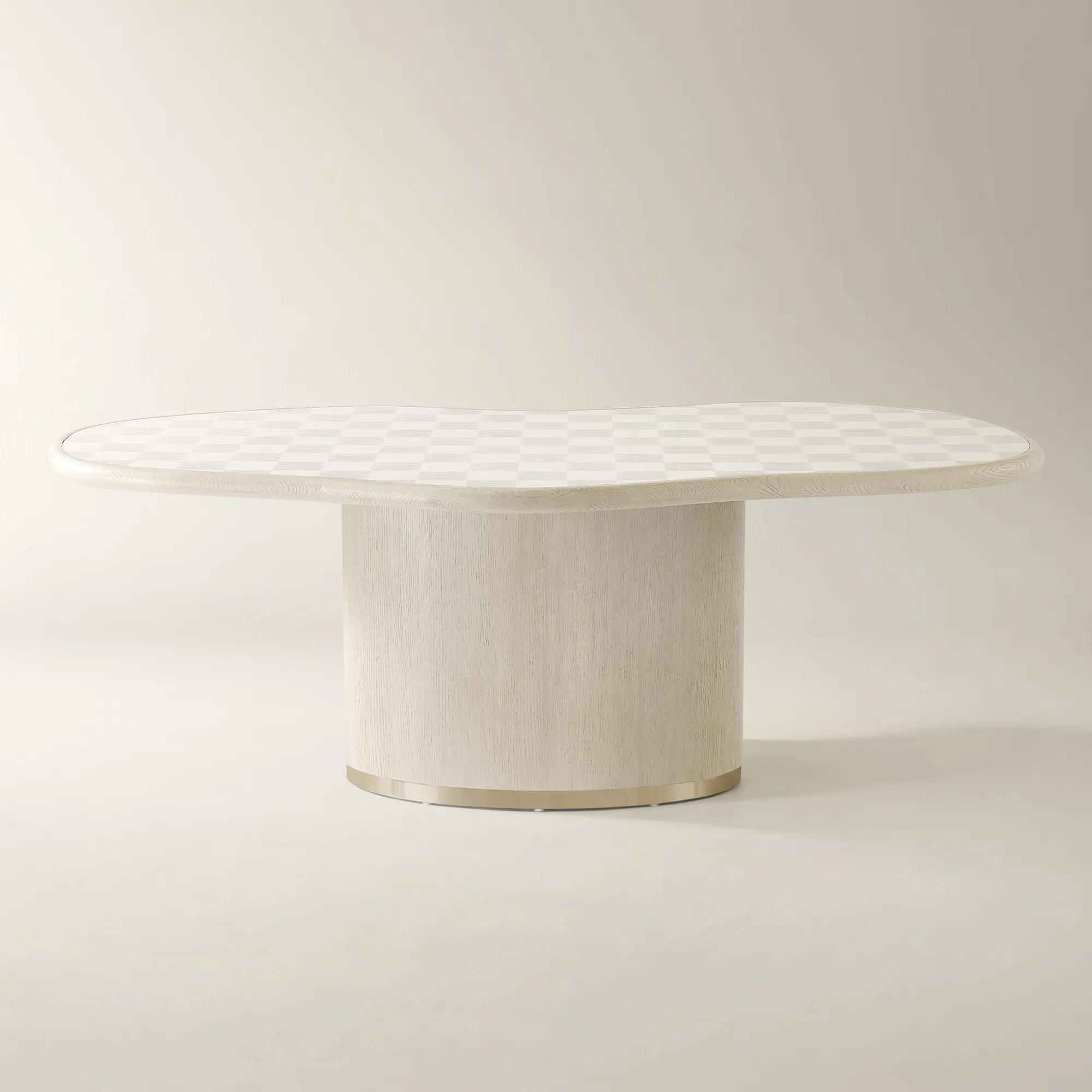 Vetra Checkerboard Oak and Maple Dining Table (84")$2399
A striking dining table featuring a hand-arranged oak and maple checkerboard veneer with soft gold accents.
Add To Cart -
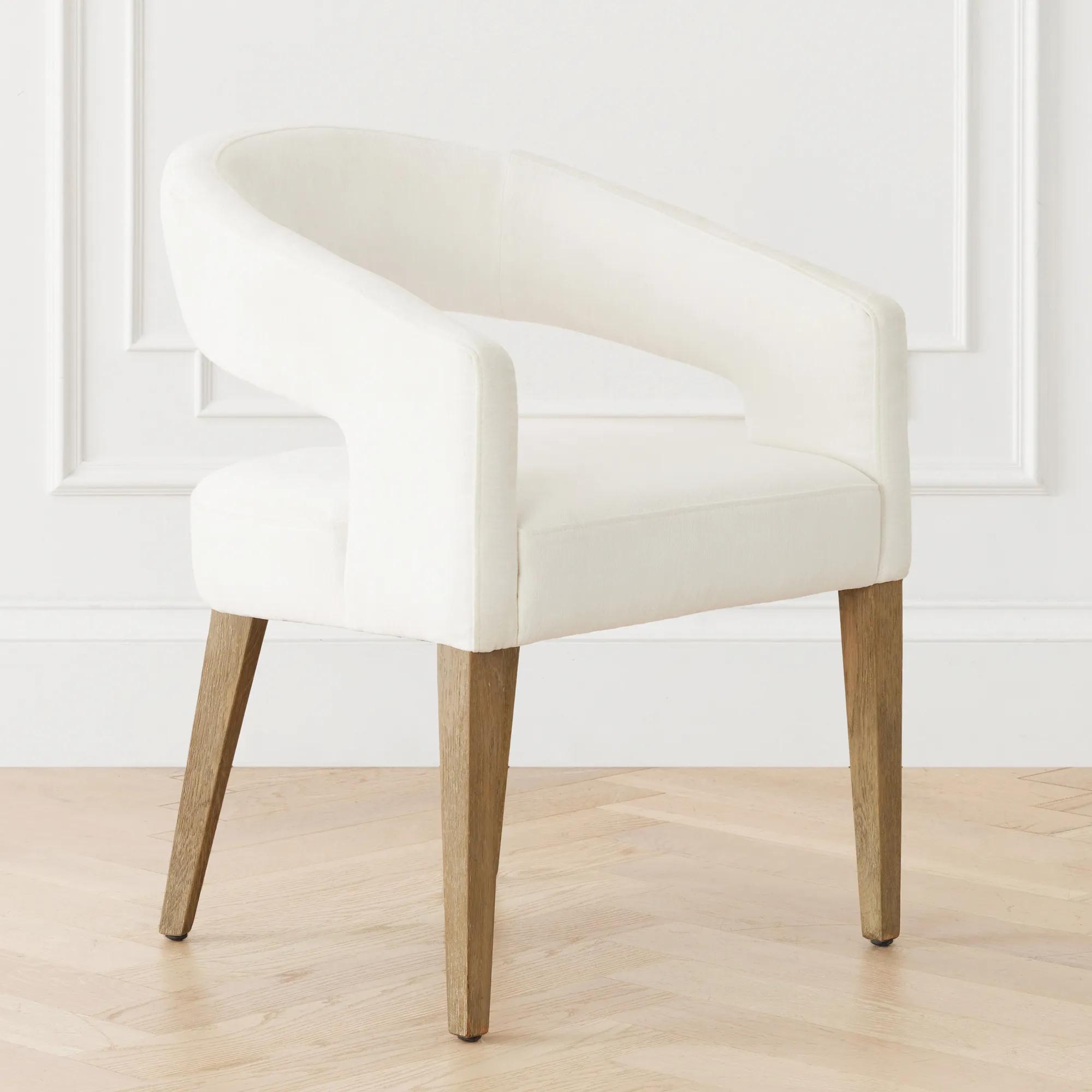 Philippa Dining Chair - Natural Grey$845
A modern dining chair featuring a curved silhouette, grey upholstery, and a kiln-dried hardwood frame.
Add To Cart -
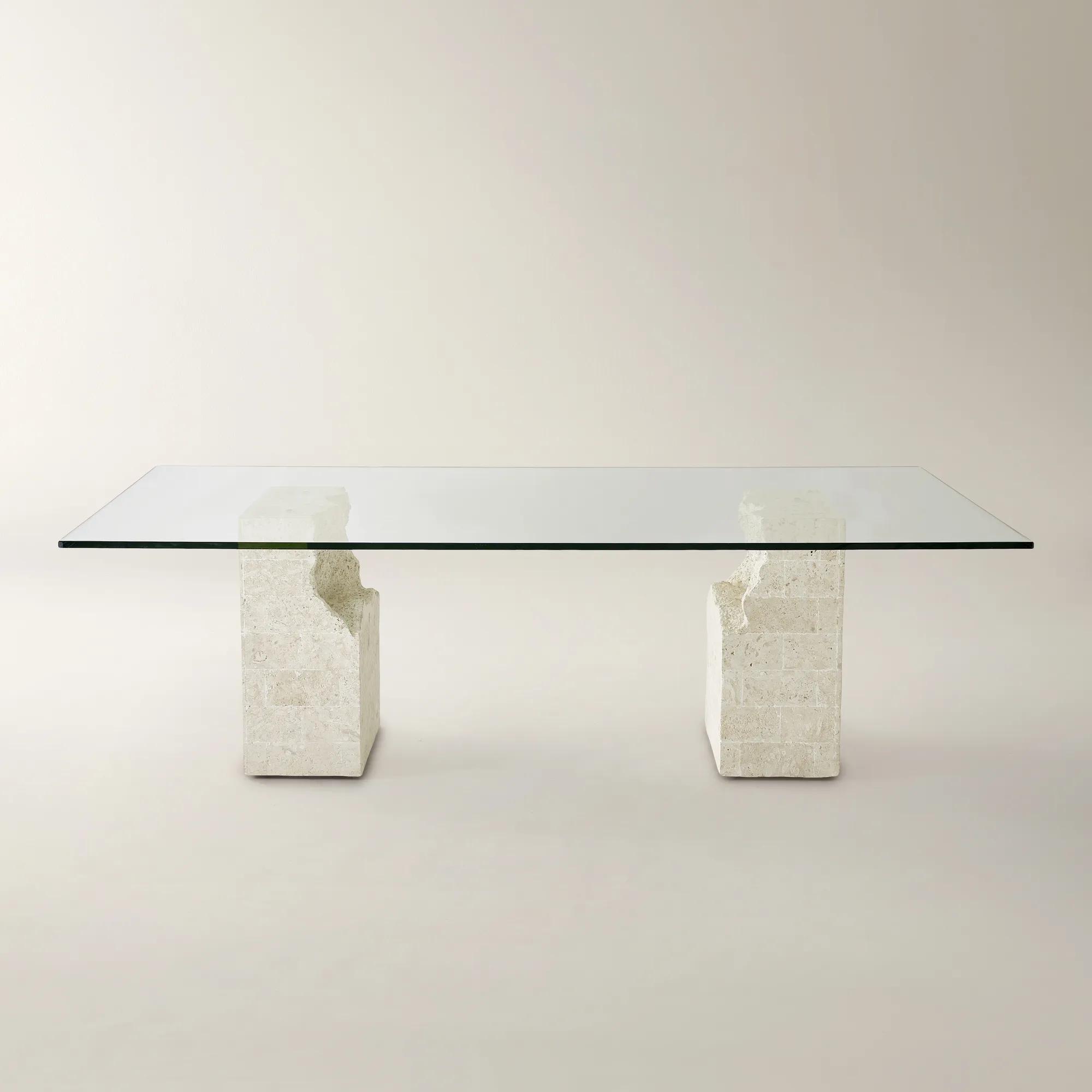 Cairo Rectangular Mactan Stone Dining Table With Glass Top (96")$2599
A contemporary dining table featuring a clear tempered glass top over hand-carved Mactan stone bases.
Add To Cart -
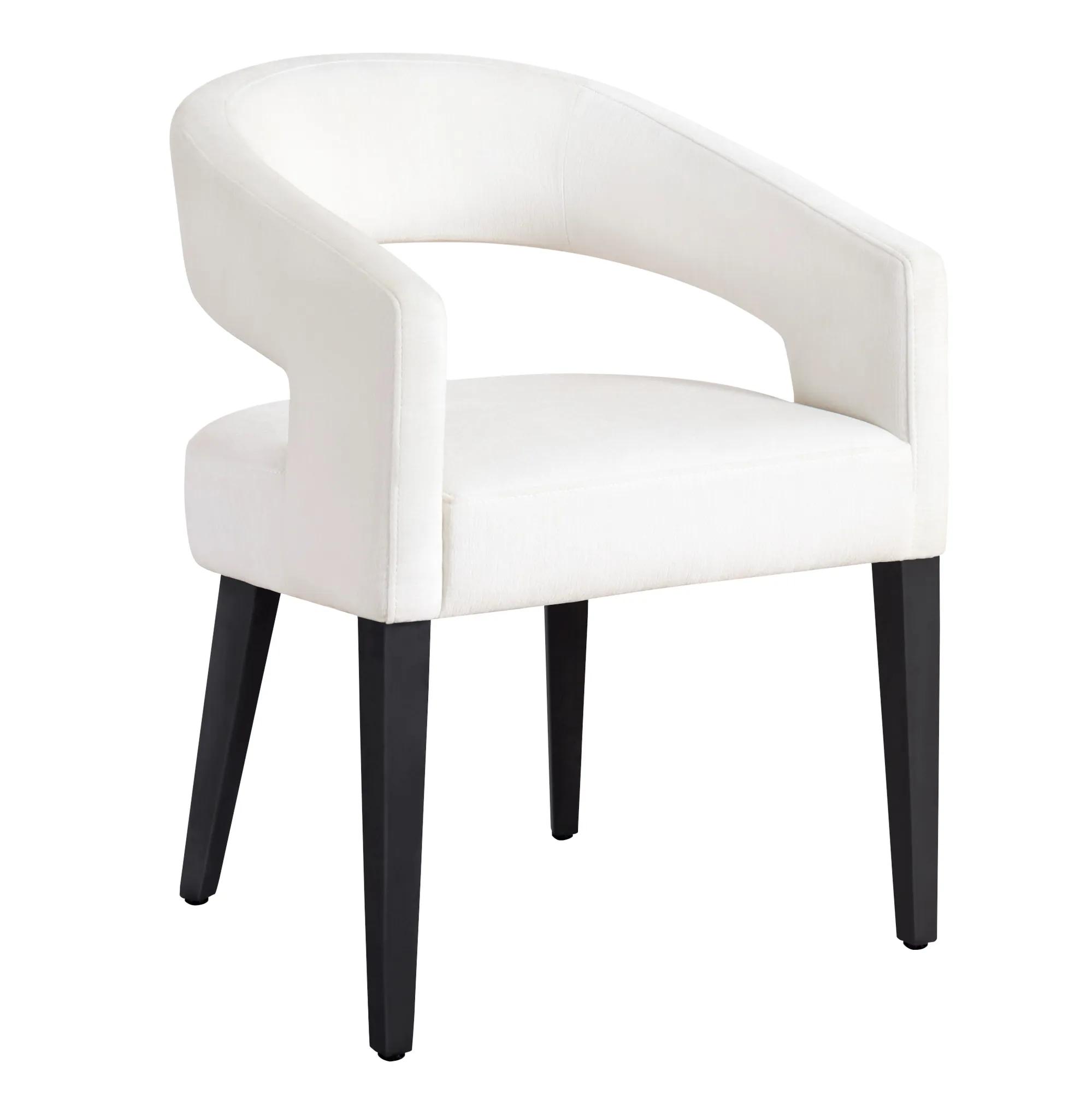
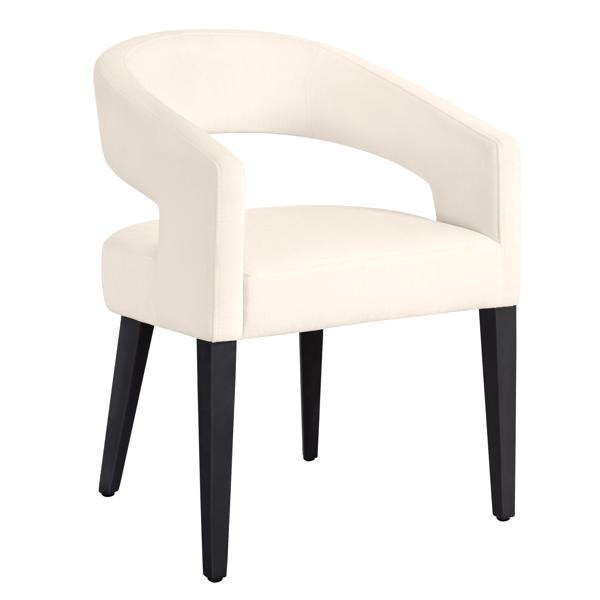 Philippa Dining Chair - Matte Black$599
A modern dining chair featuring a curved silhouette, matte black legs, and neatly tailored upholstery.
Add To Cart -
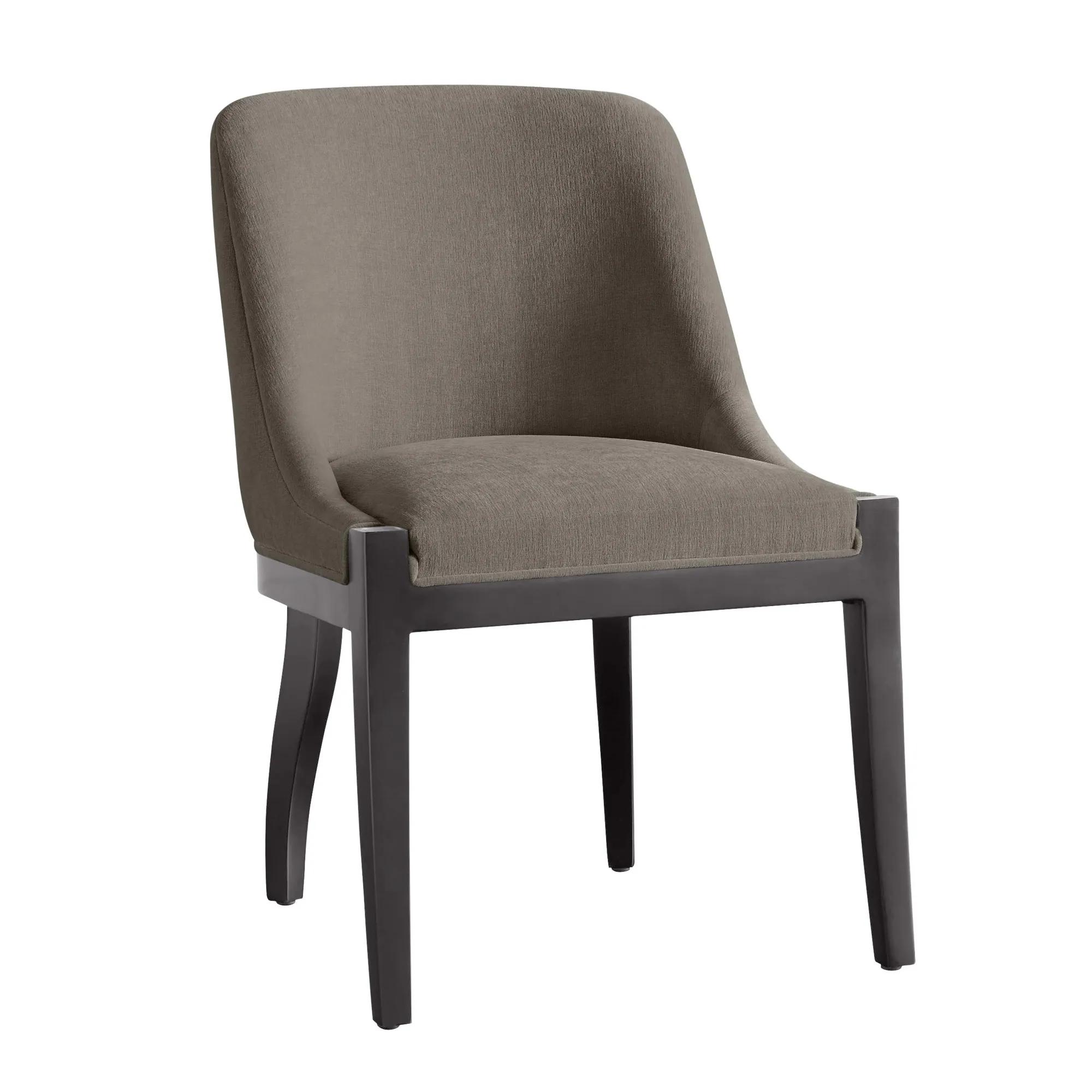
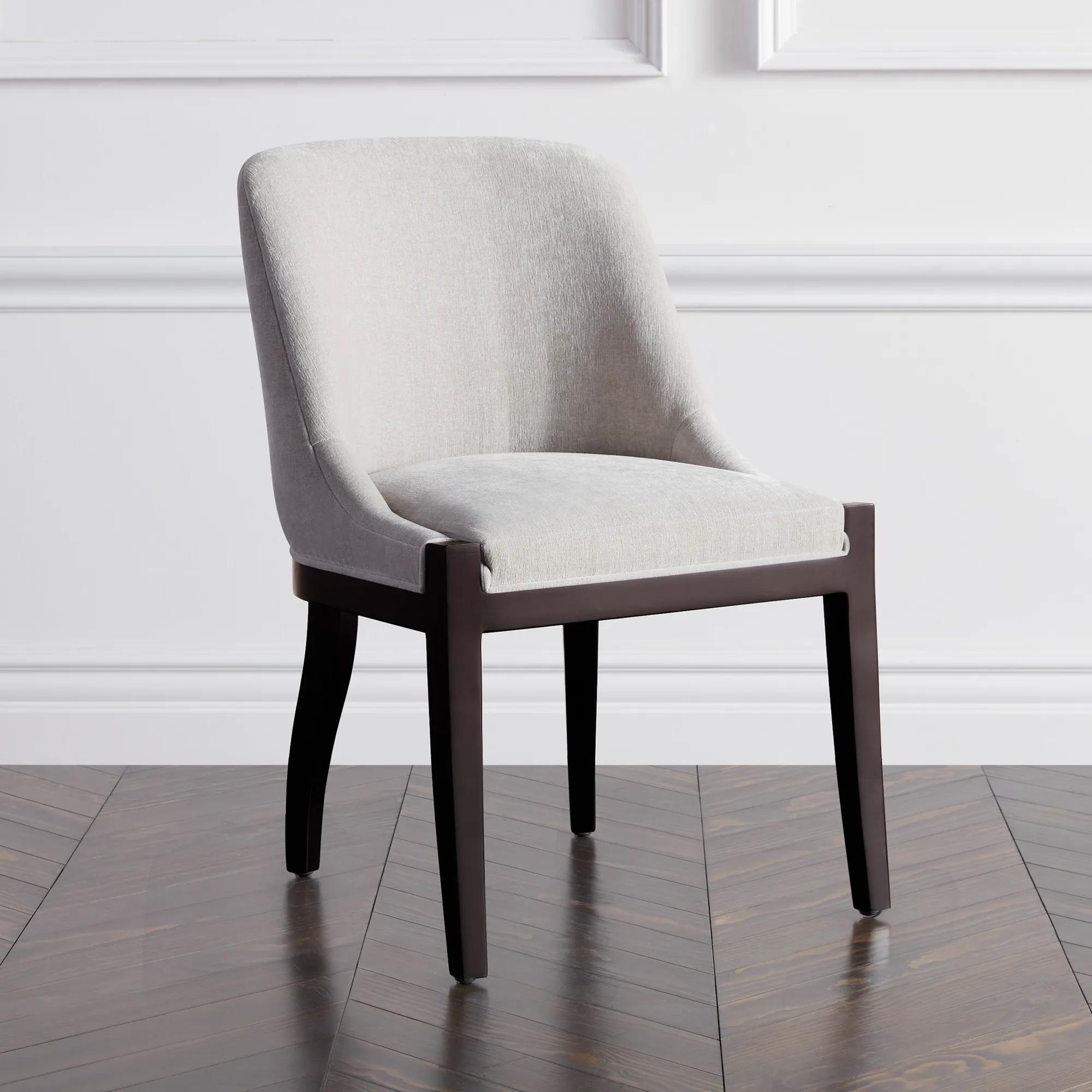 Lily Dining Chair - Espresso$649
A modern dining chair featuring espresso-finished hardwood, curvaceous silhouette, and plush tailored upholstery.
Add To Cart -

 Alric Dining Chair$599
A modern dining chair featuring solid oak in a natural grey finish and neatly tailored upholstery.
Add To Cart -
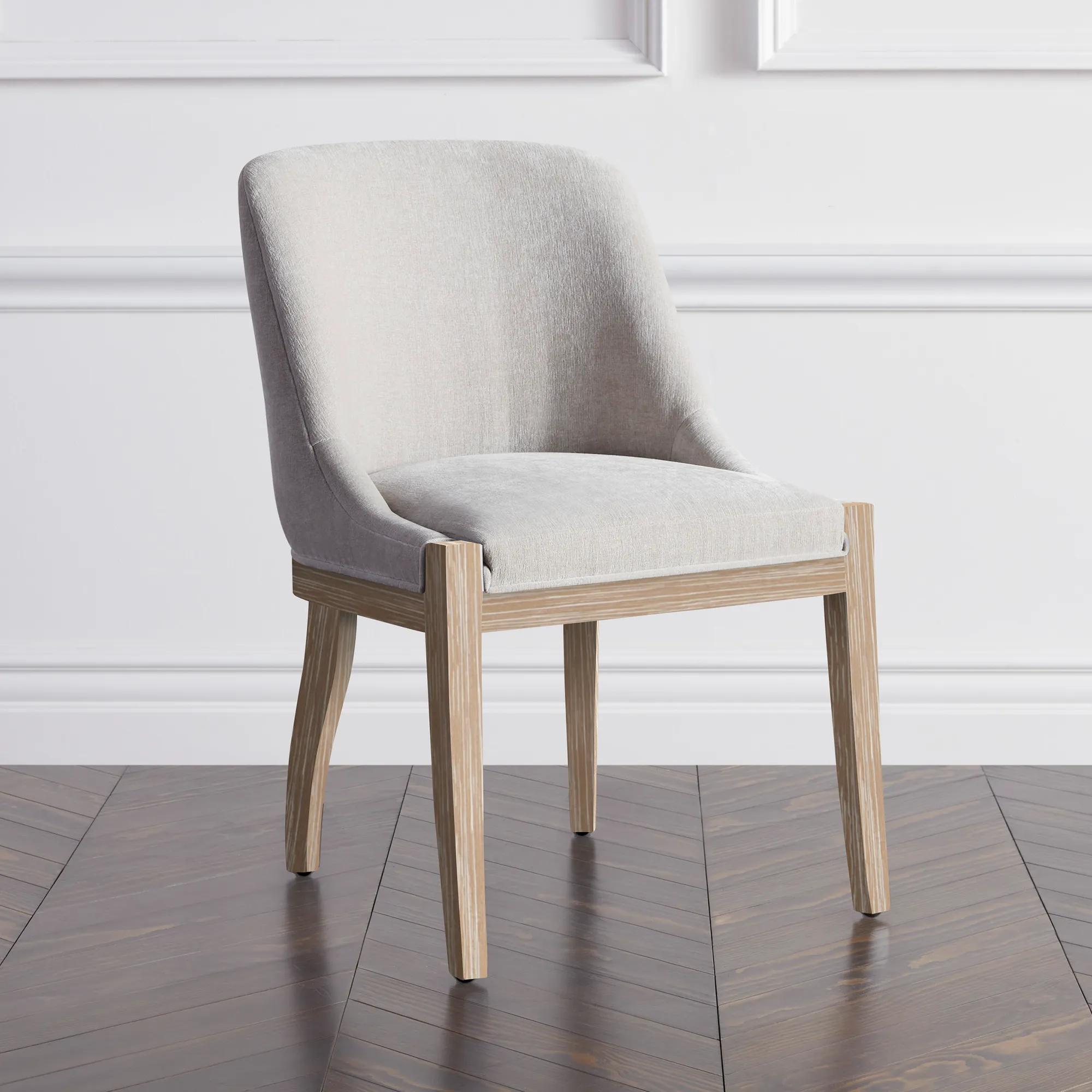
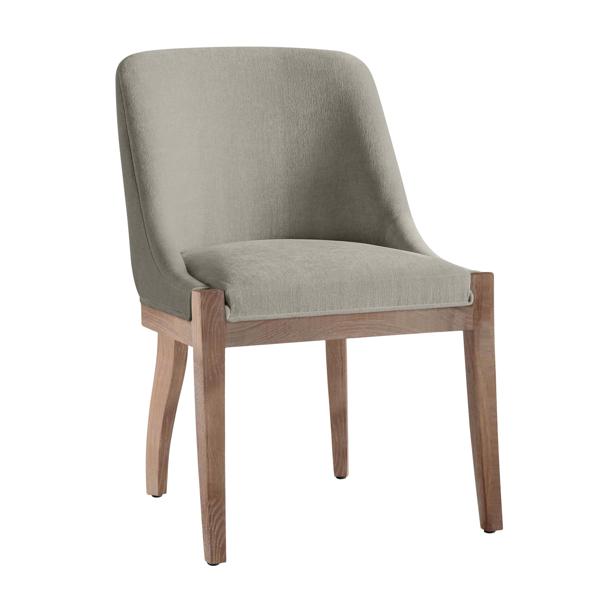 Lily Dining Chair - Wash Oak$749
A modern dining chair featuring a kiln-dried hardwood frame, wash oak legs, and tailored chenille upholstery.
Add To Cart -
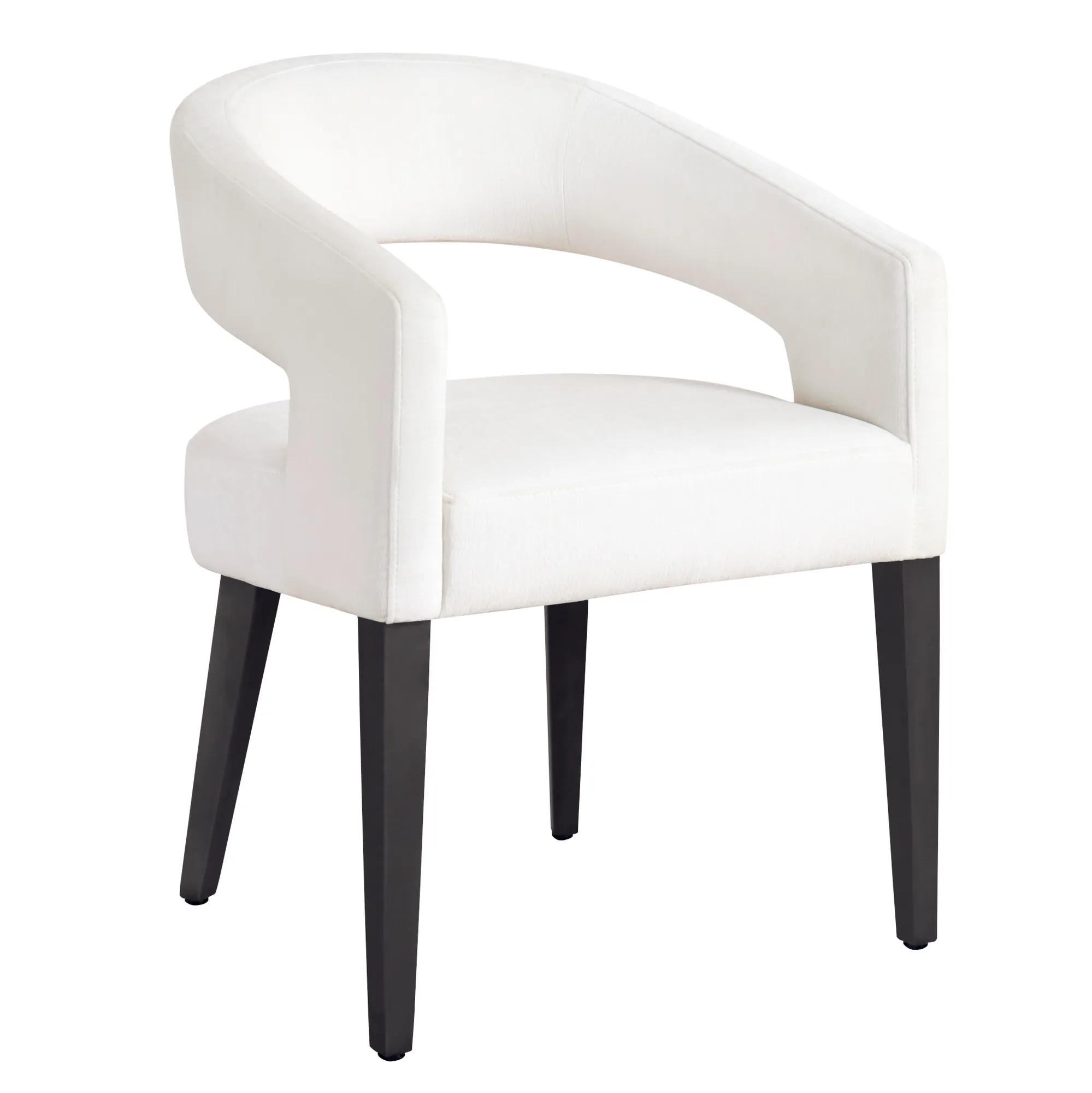
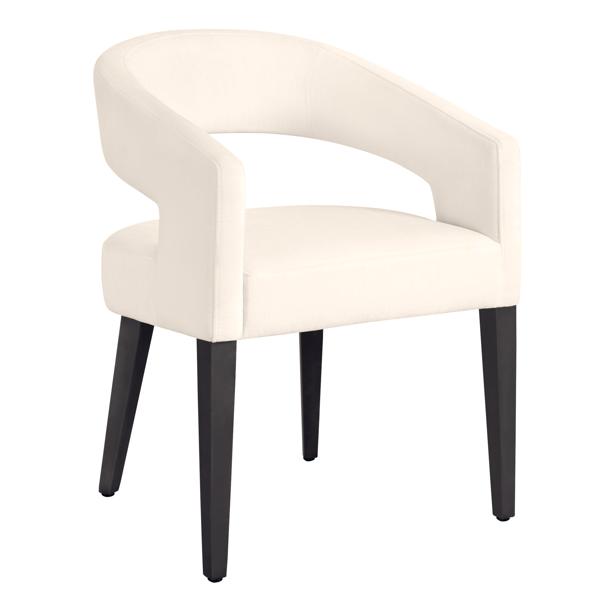 Philippa Dining Chair - Espresso$599
A modern dining chair featuring a curved silhouette, espresso legs, and neatly tailored chenille upholstery.
Add To Cart -
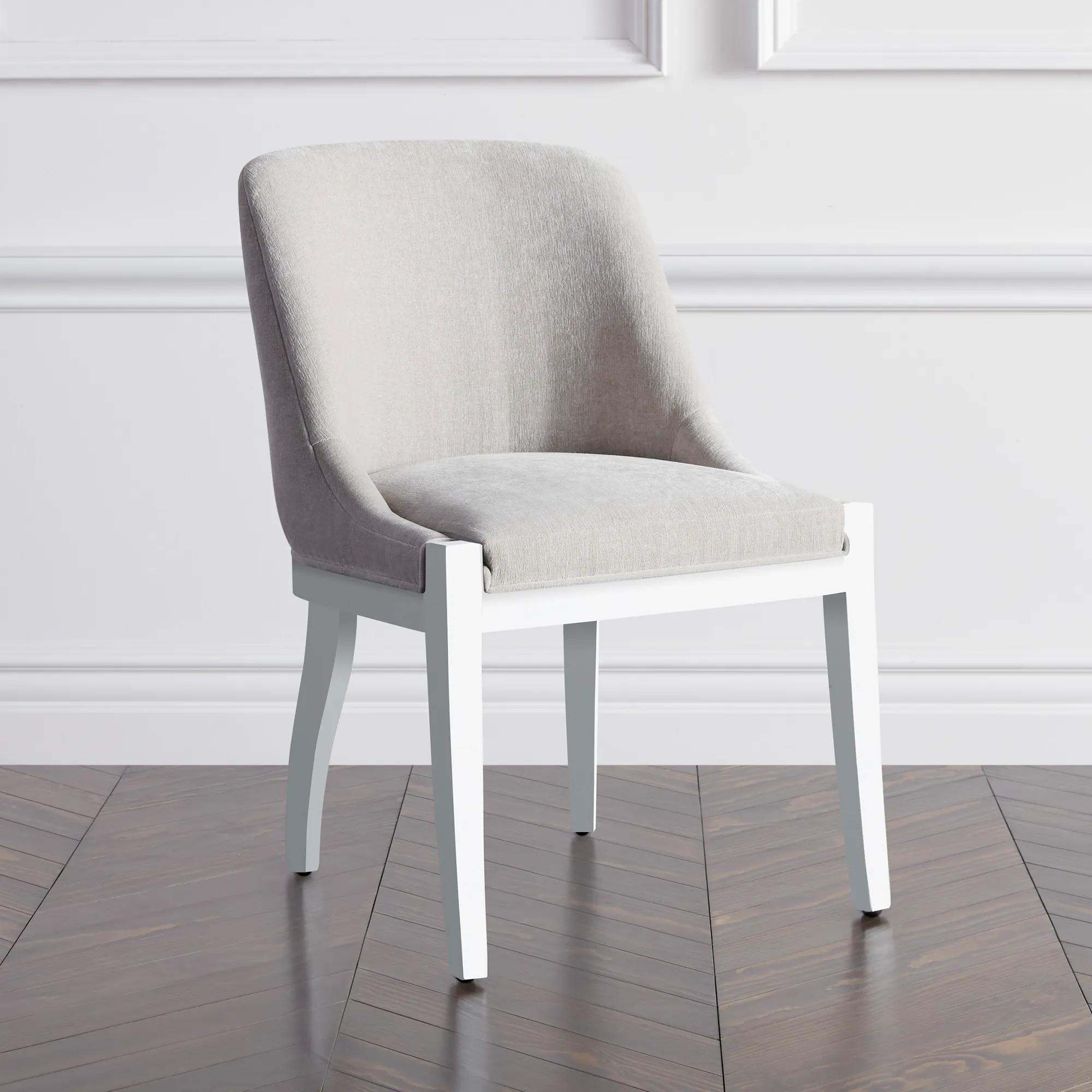
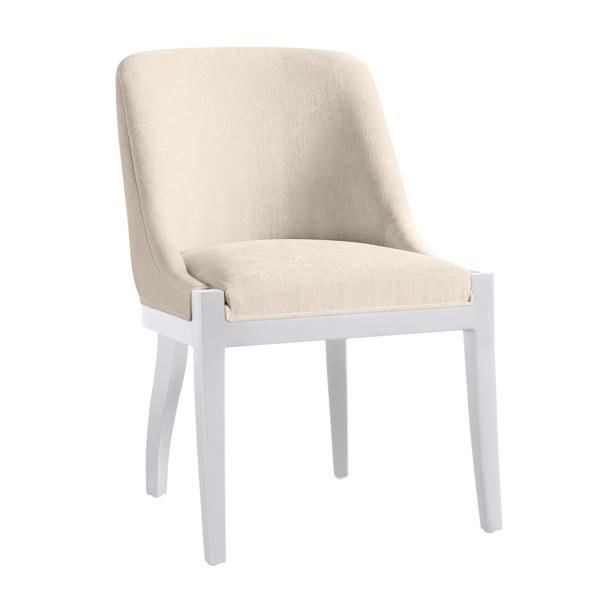 Lily Dining Chair - High Gloss White$649
A modern dining chair with a kiln-dried hardwood frame and high gloss white finish for lasting elegance.
Add To Cart -
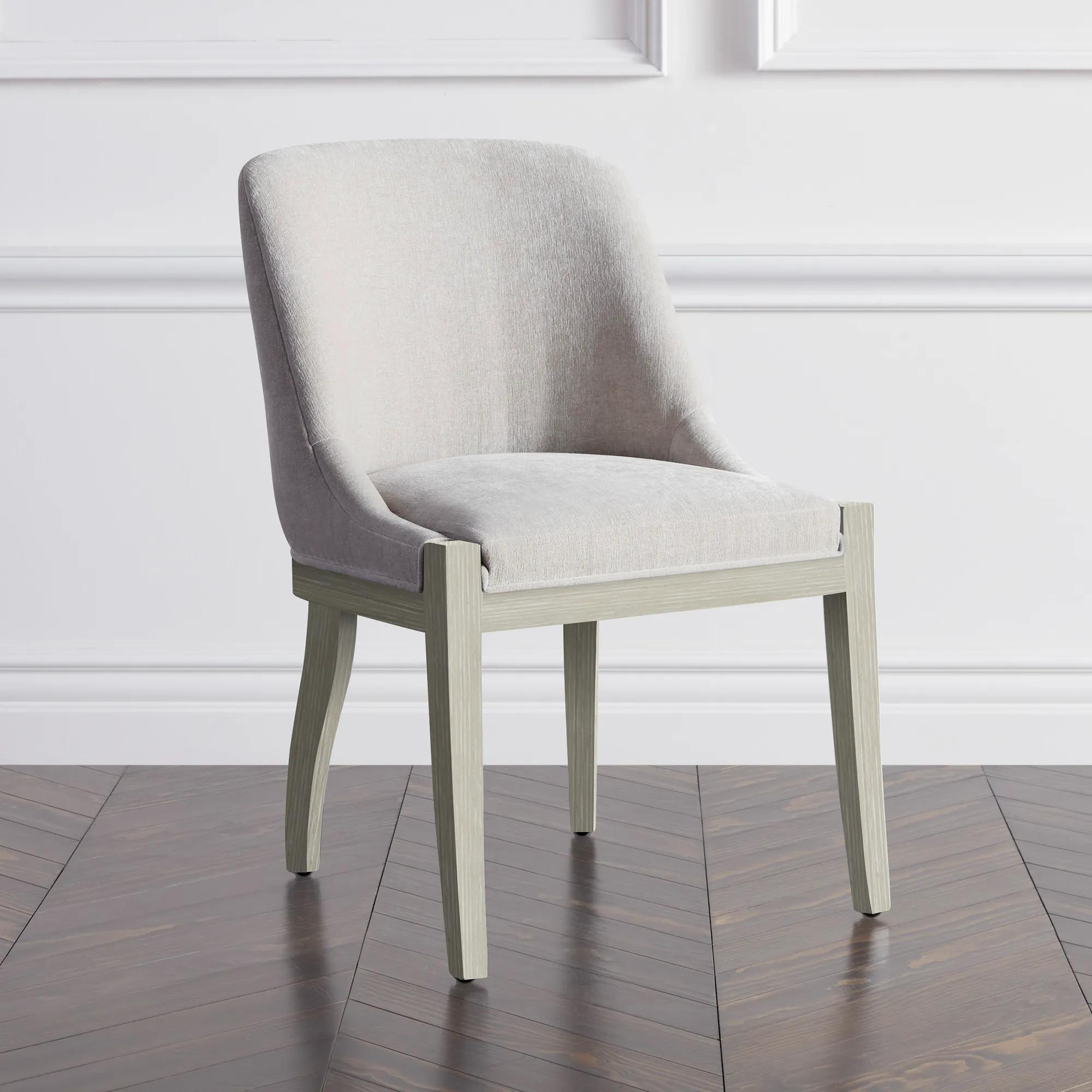 Lily Dining Chair - Natural Grey$649
A modern grey dining chair featuring kiln-dried hardwood, plush foam cushioning, and tailored chenille upholstery.
Add To Cart -
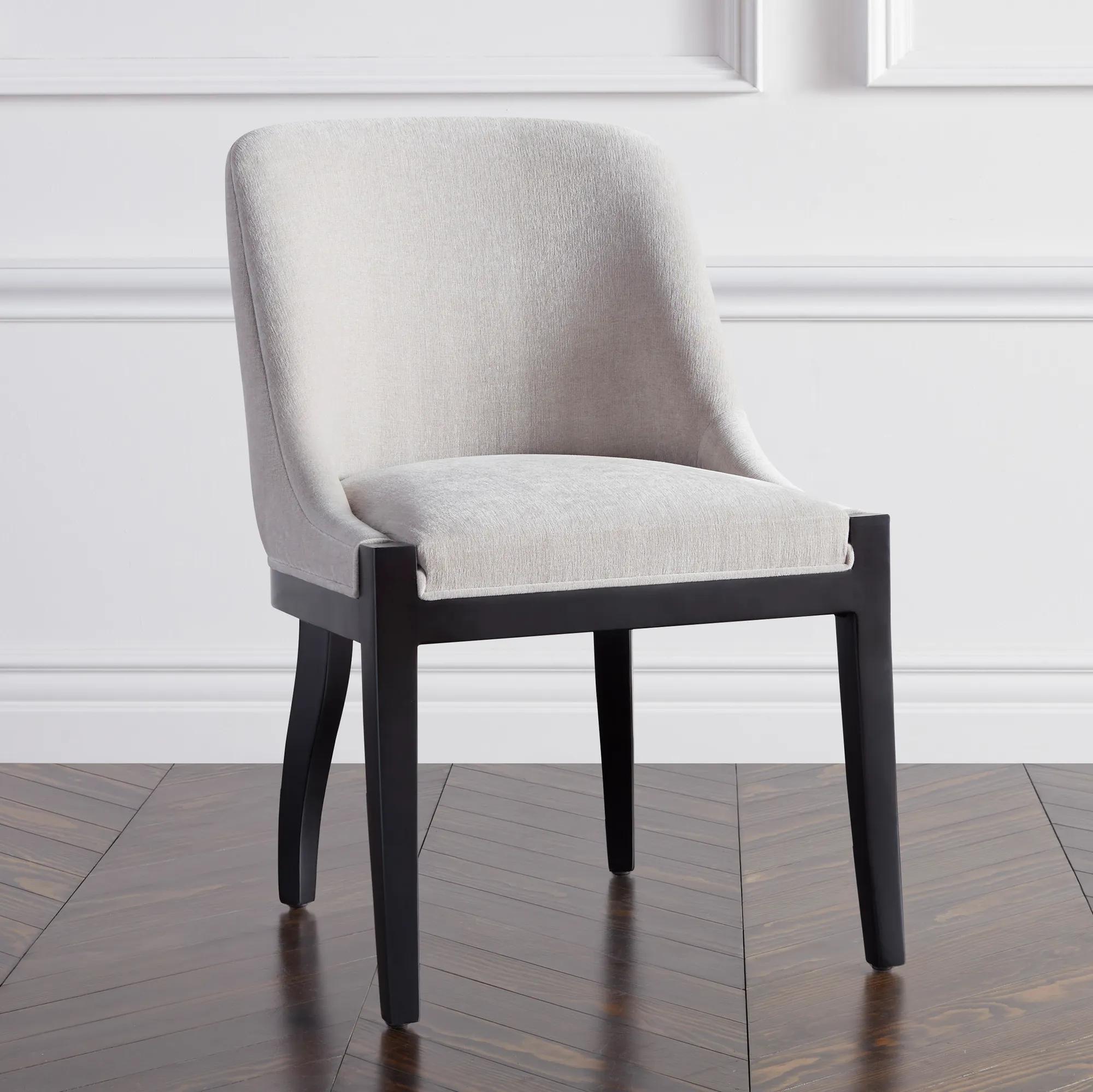 Lily Dining Chair - Matte Black$649
A modern dining chair featuring a kiln-dried hardwood frame and tailored upholstery in your choice of fabric.
Add To Cart -
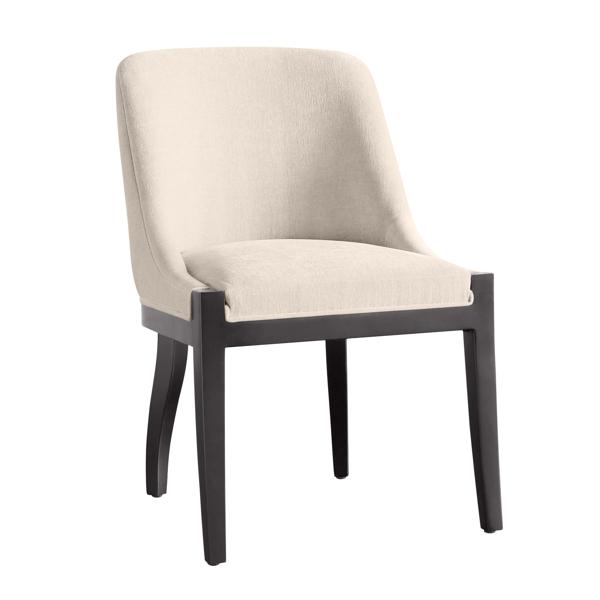 Lily Dining Chair - Espresso$599
A modern dining chair with kiln-dried hardwood frame, espresso legs, and plush, tailored upholstery.
Add To Cart -
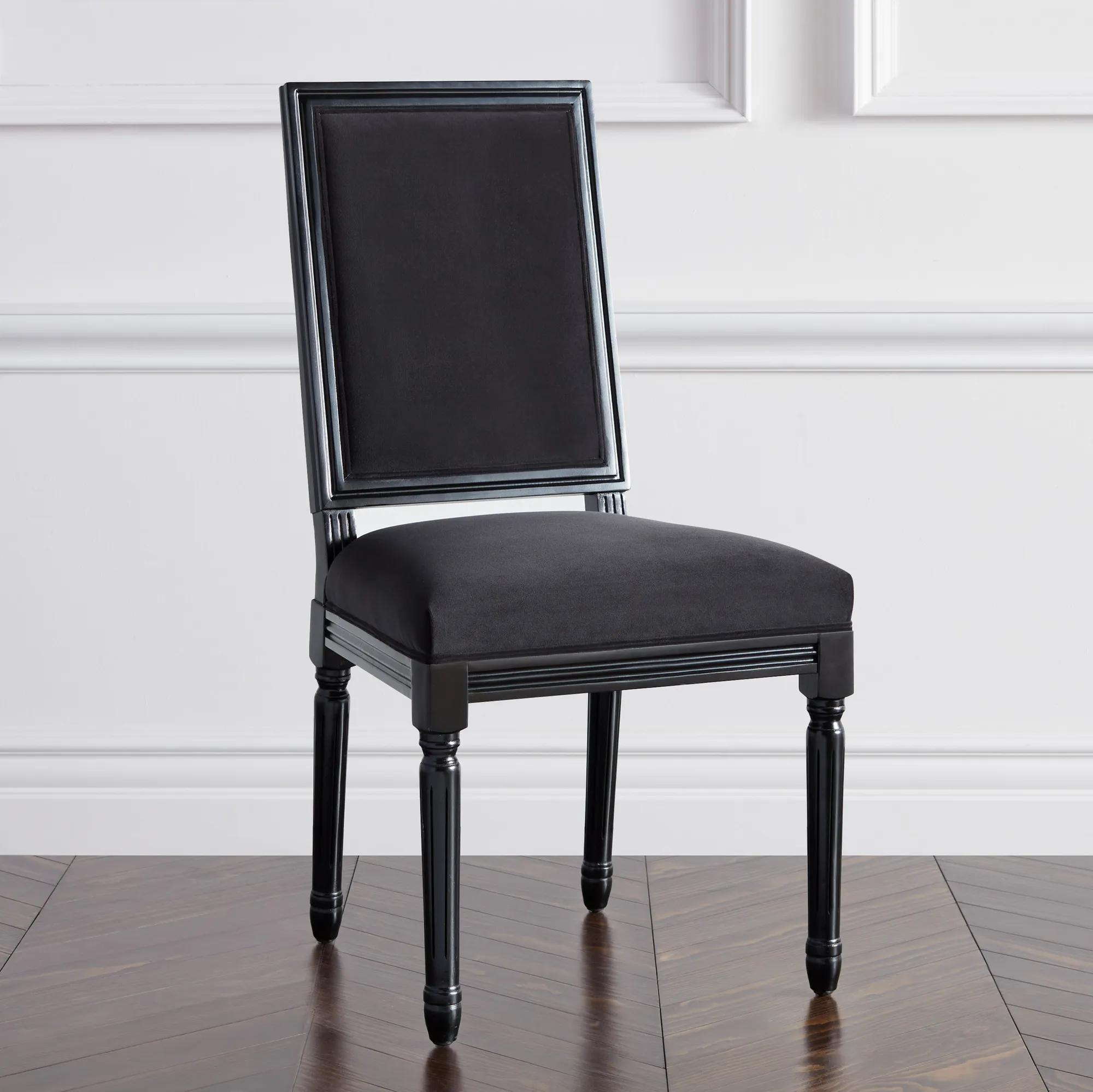
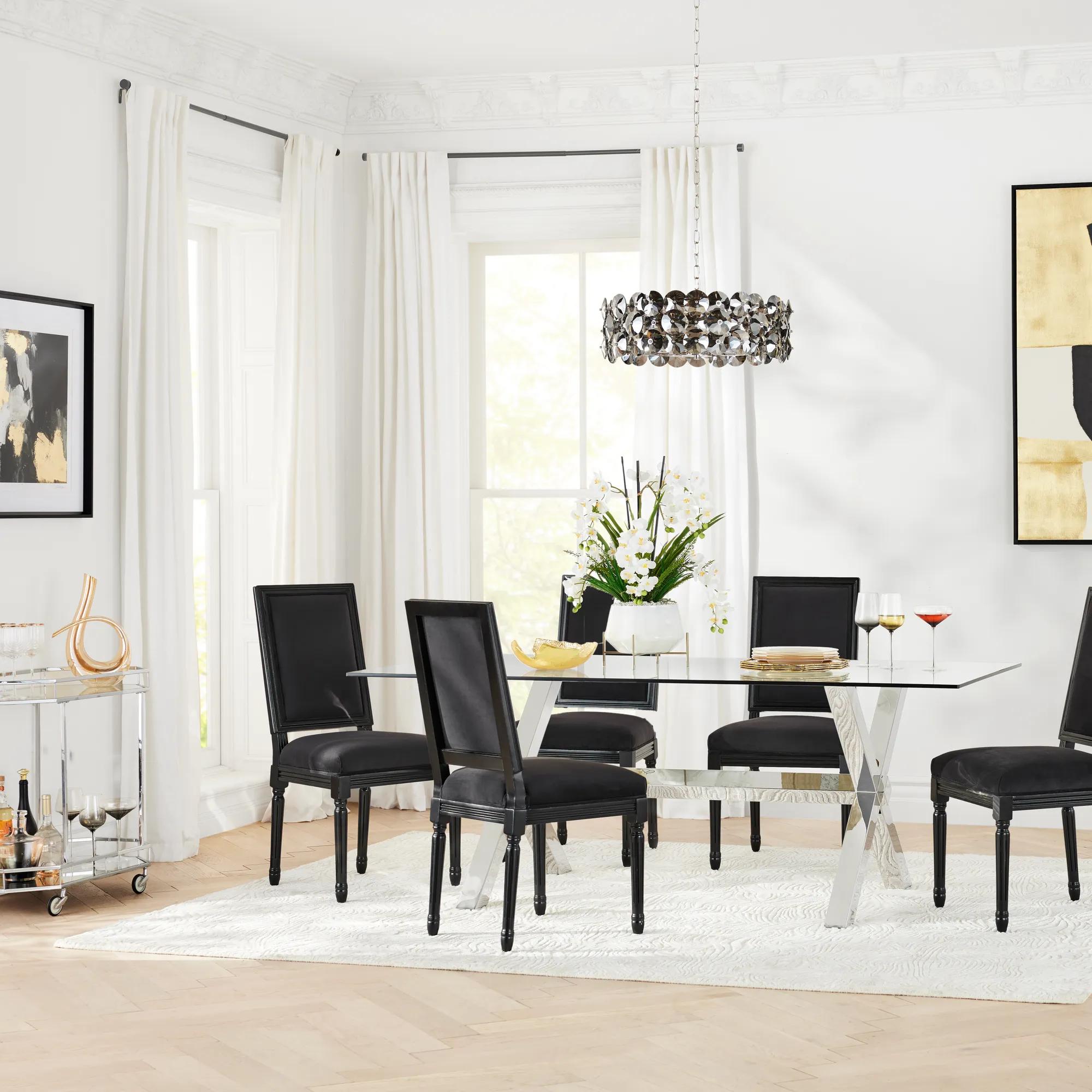 Callan Dining Chair - High Gloss Black$599
A handcrafted dining chair featuring high-gloss black Bella Velvet upholstery, fluted legs, and a squared back.
Add To Cart -
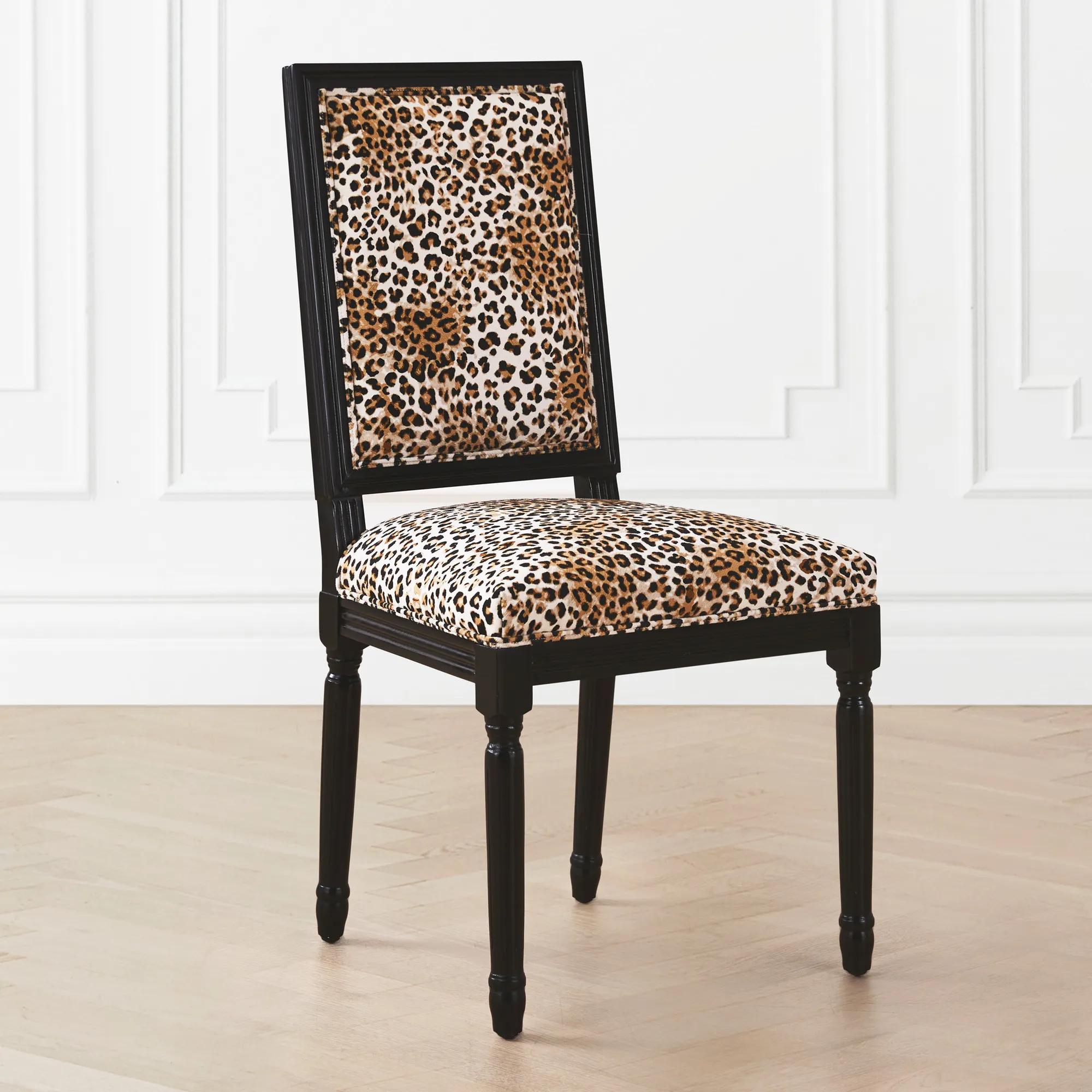
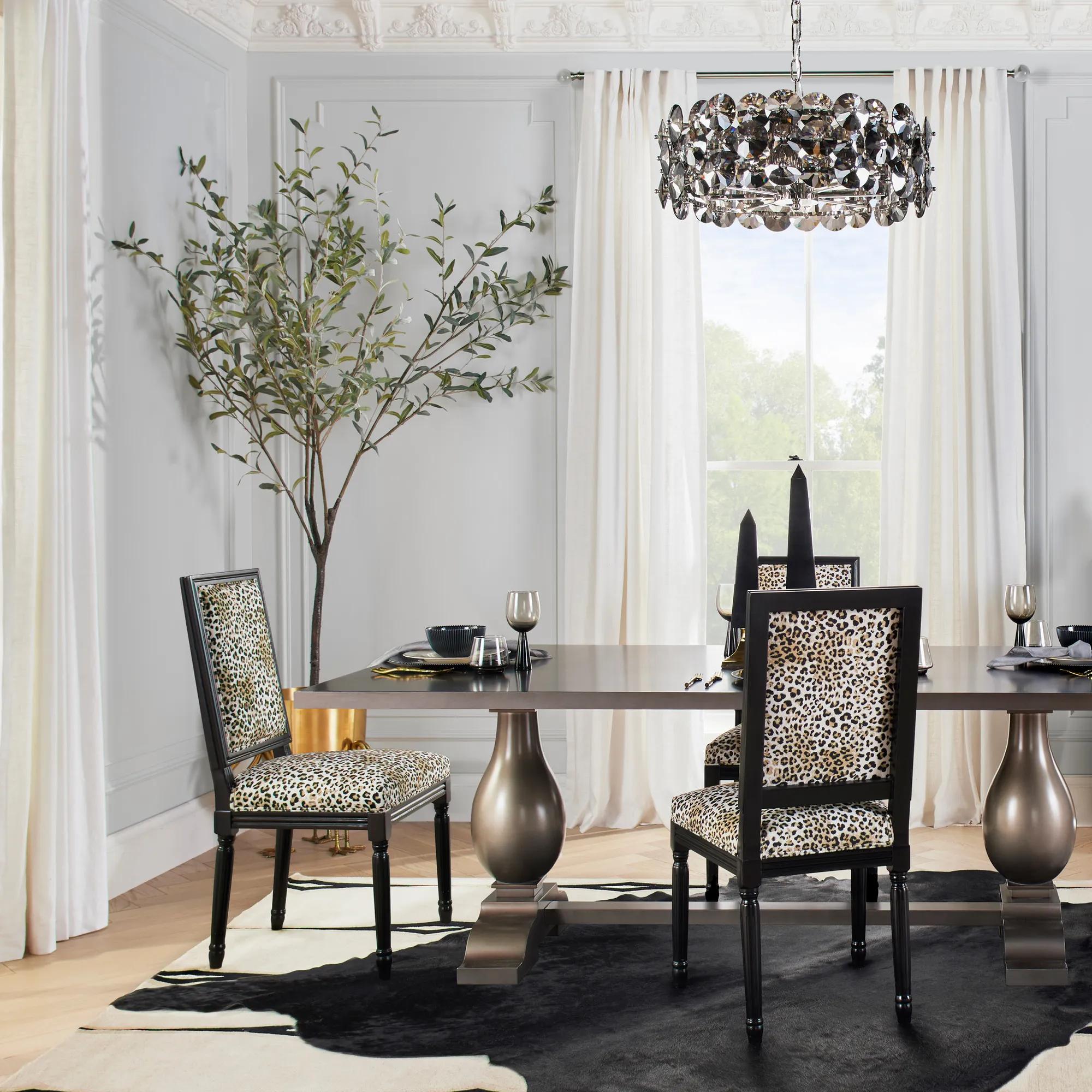 Callan Dining Chair$599
A handcrafted modern chair featuring classic upholstery, squared back, fluted legs, and high-gloss finish.
Add To Cart -
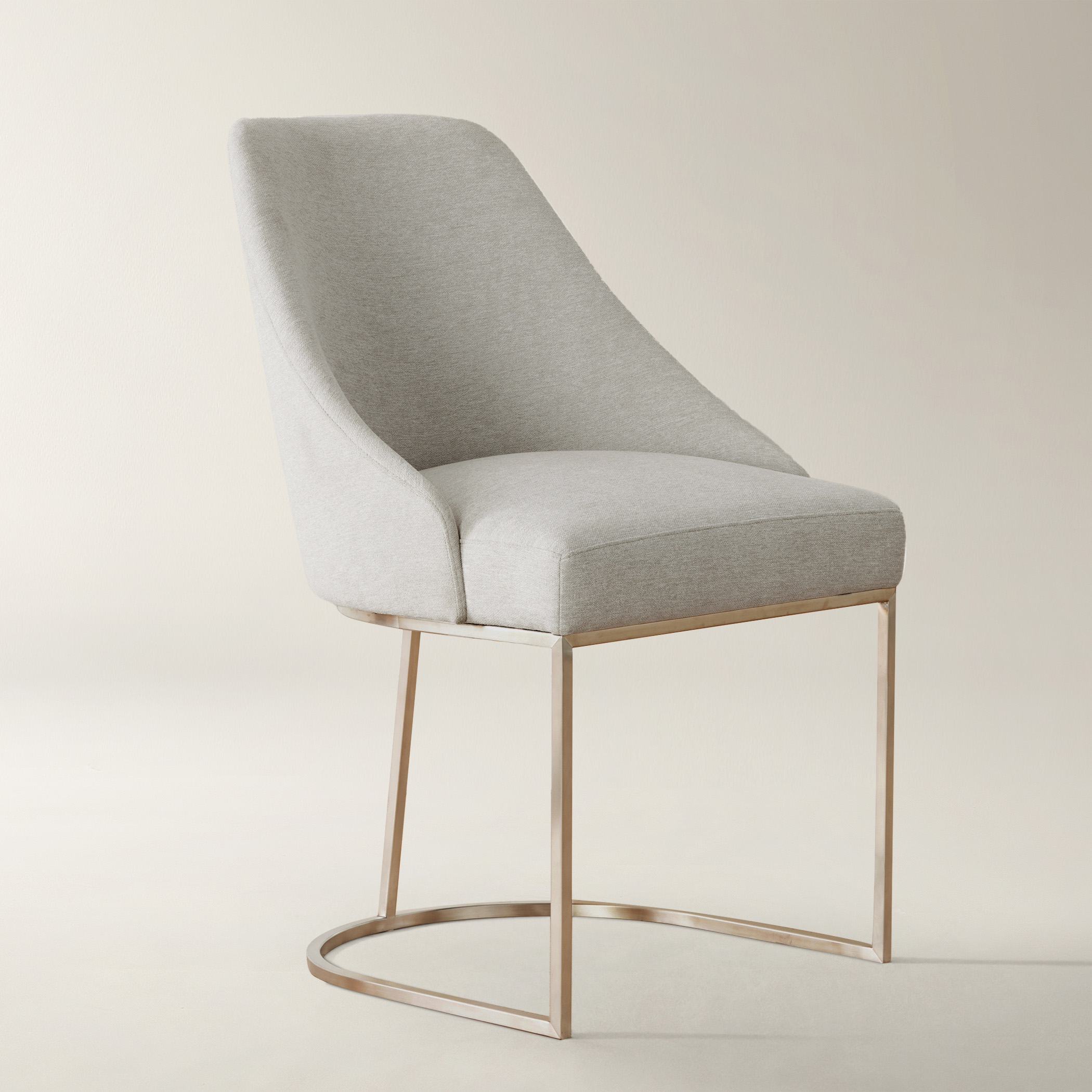
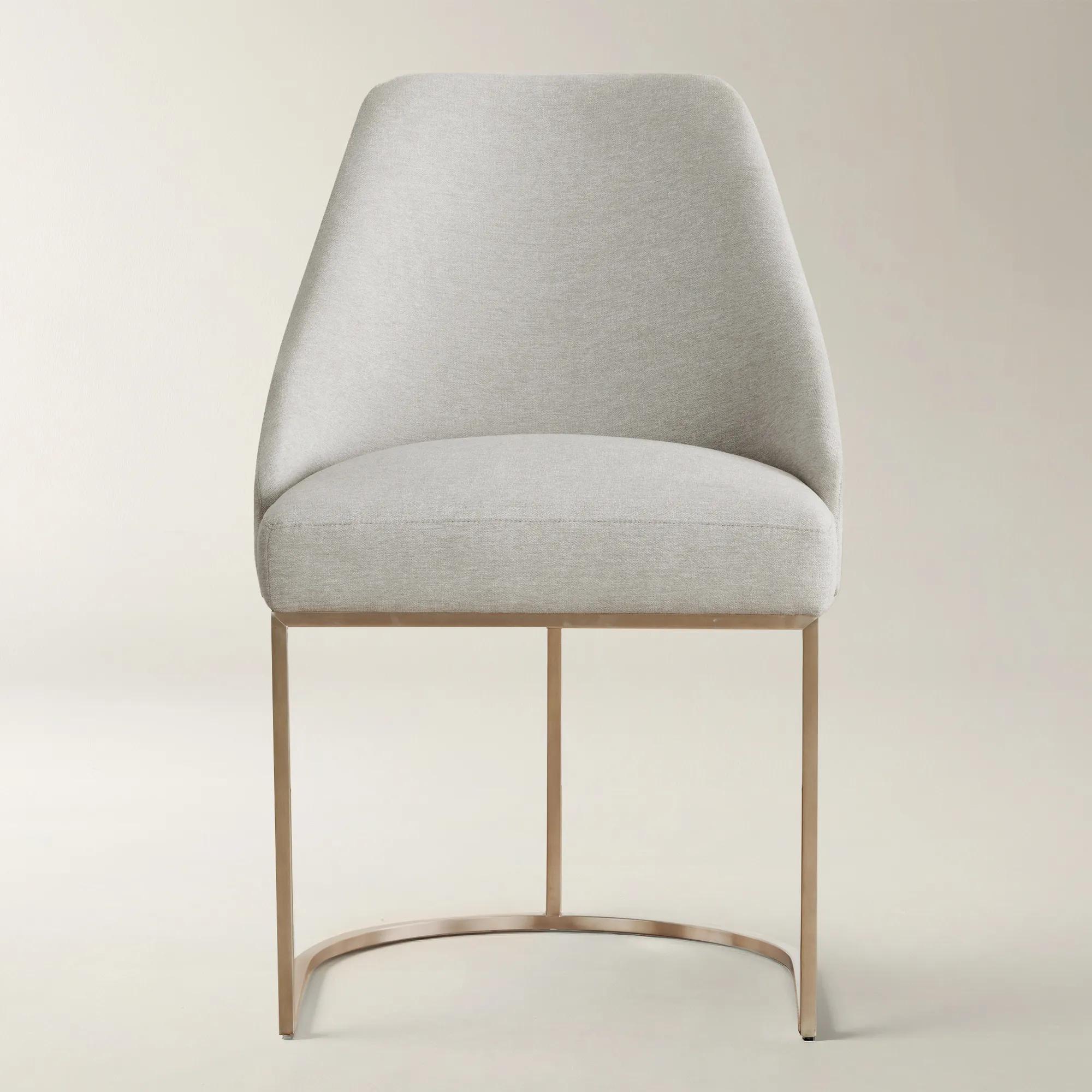 Rowan Ivory Fabric Dining Chair$599
A modern chair featuring brushed stainless steel legs and stain-resistant, water-repellent Roxboro Frost fabric.
Add To Cart -
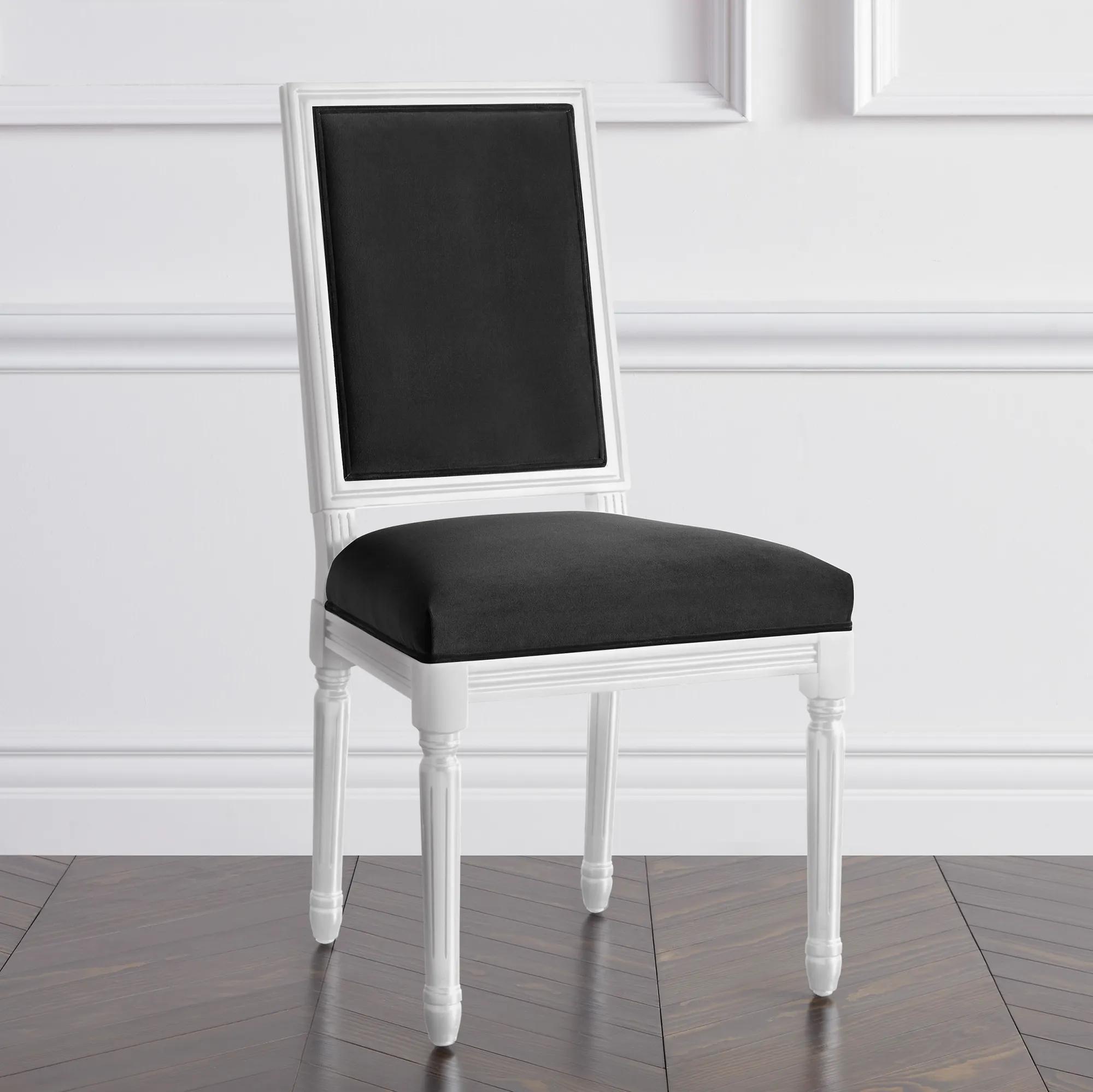
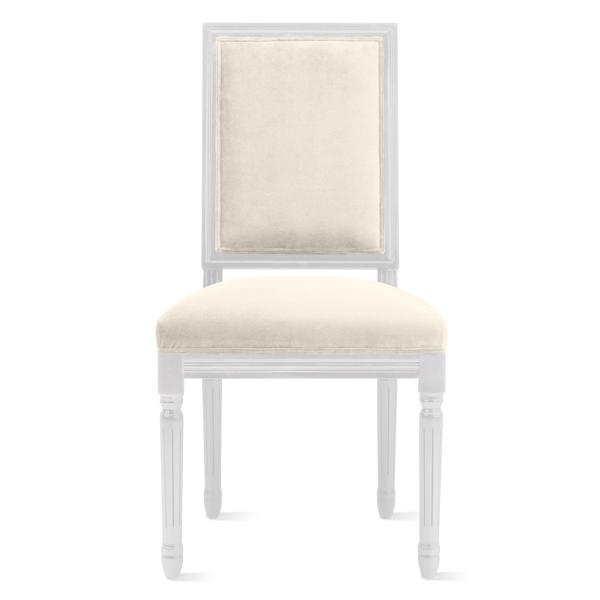 Callan Dining Chair - High Gloss White$549
A handcrafted dining chair featuring high-gloss white finish, kiln-dried hardwood frame, and plush velvet upholstery.
Add To Cart -
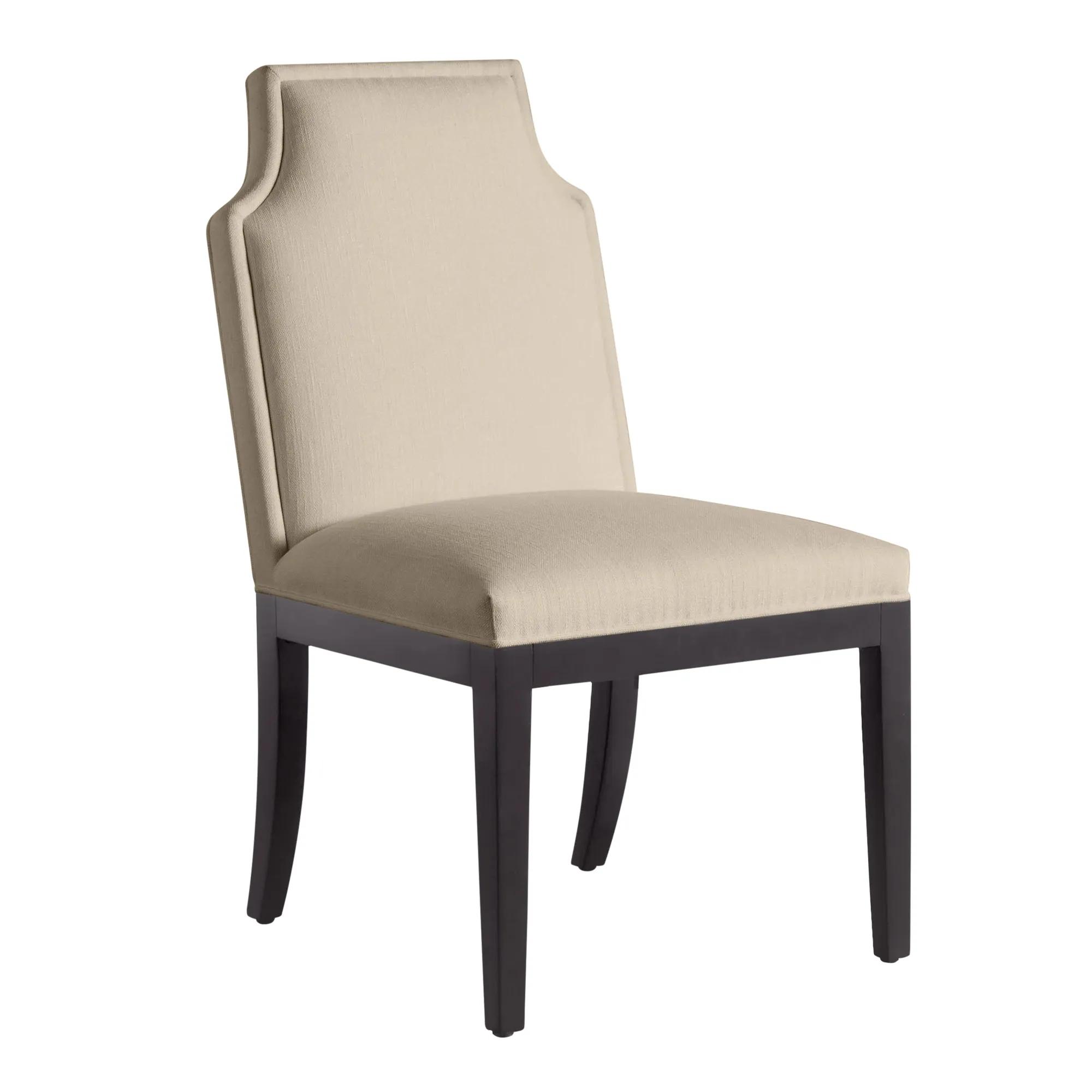
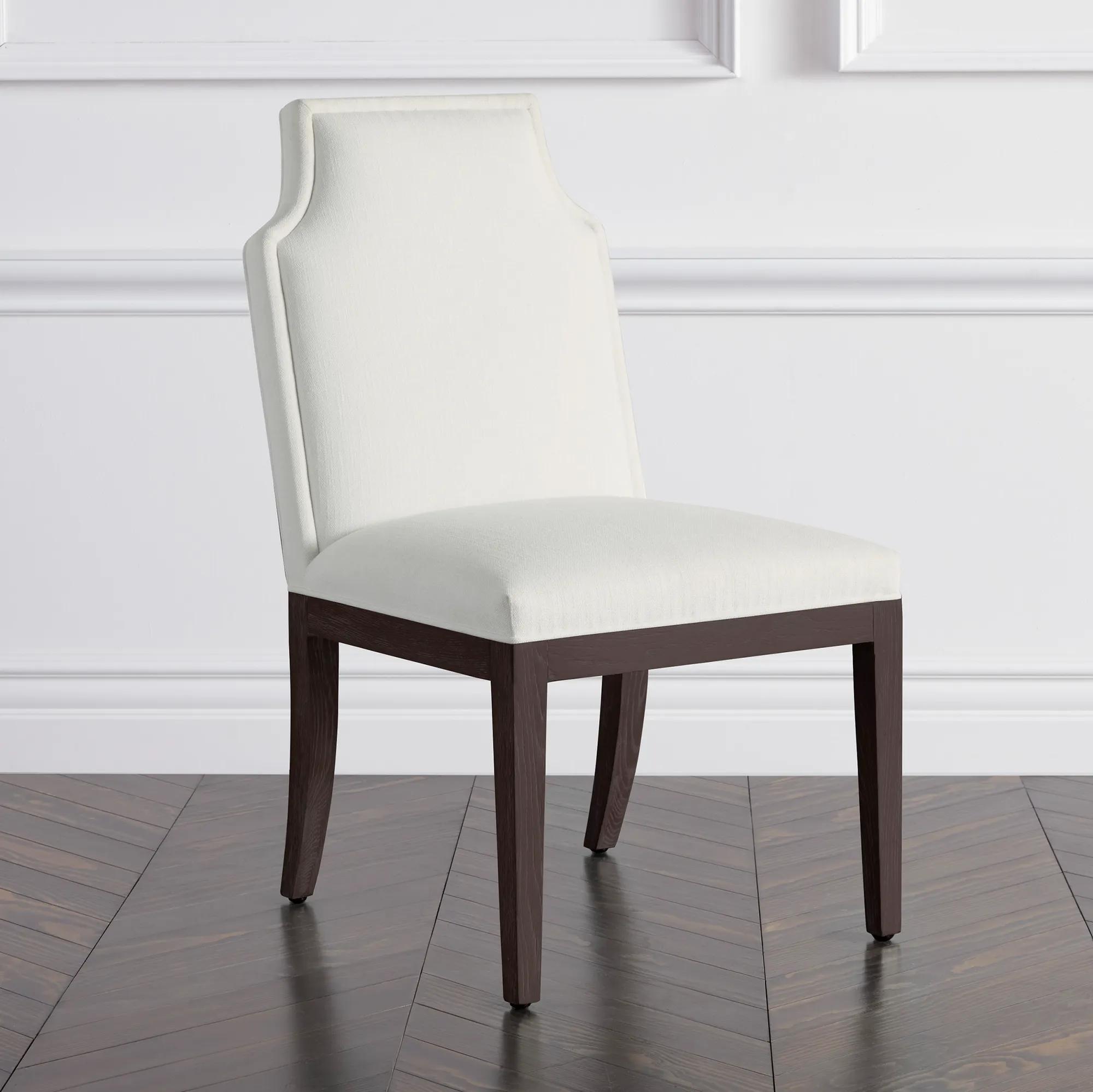 Jasmine Dining Chair - Espresso$649
A chic dining chair featuring a notched back, espresso legs, and plush upholstery for lasting comfort.
Add To Cart -
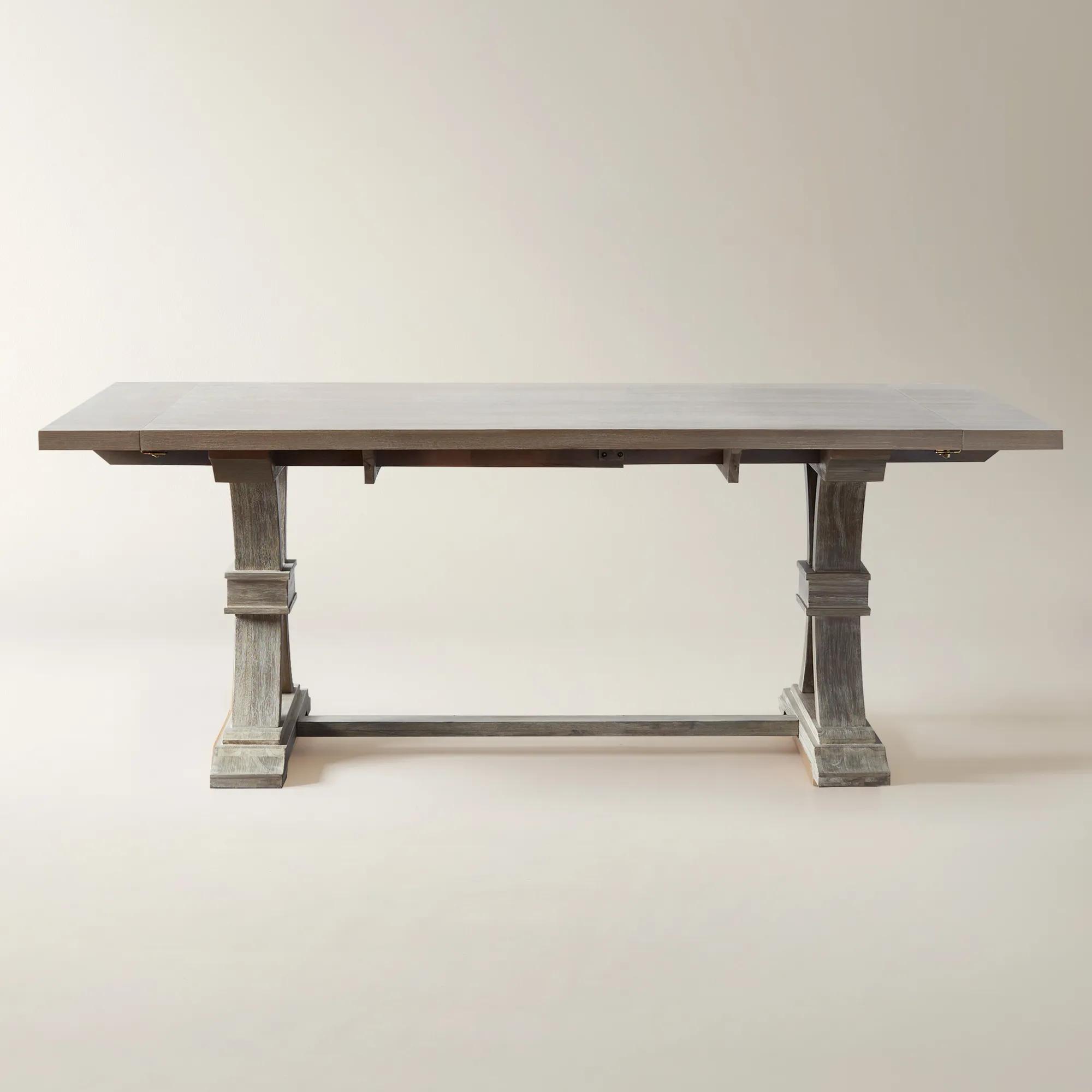 Archer Rectangular Grey Acacia Wood Extending Dining Table (78" - 110")$2499
A weathered grey acacia wood dining table with removable leaves and a kiln-dried hardwood frame.
Add To Cart -
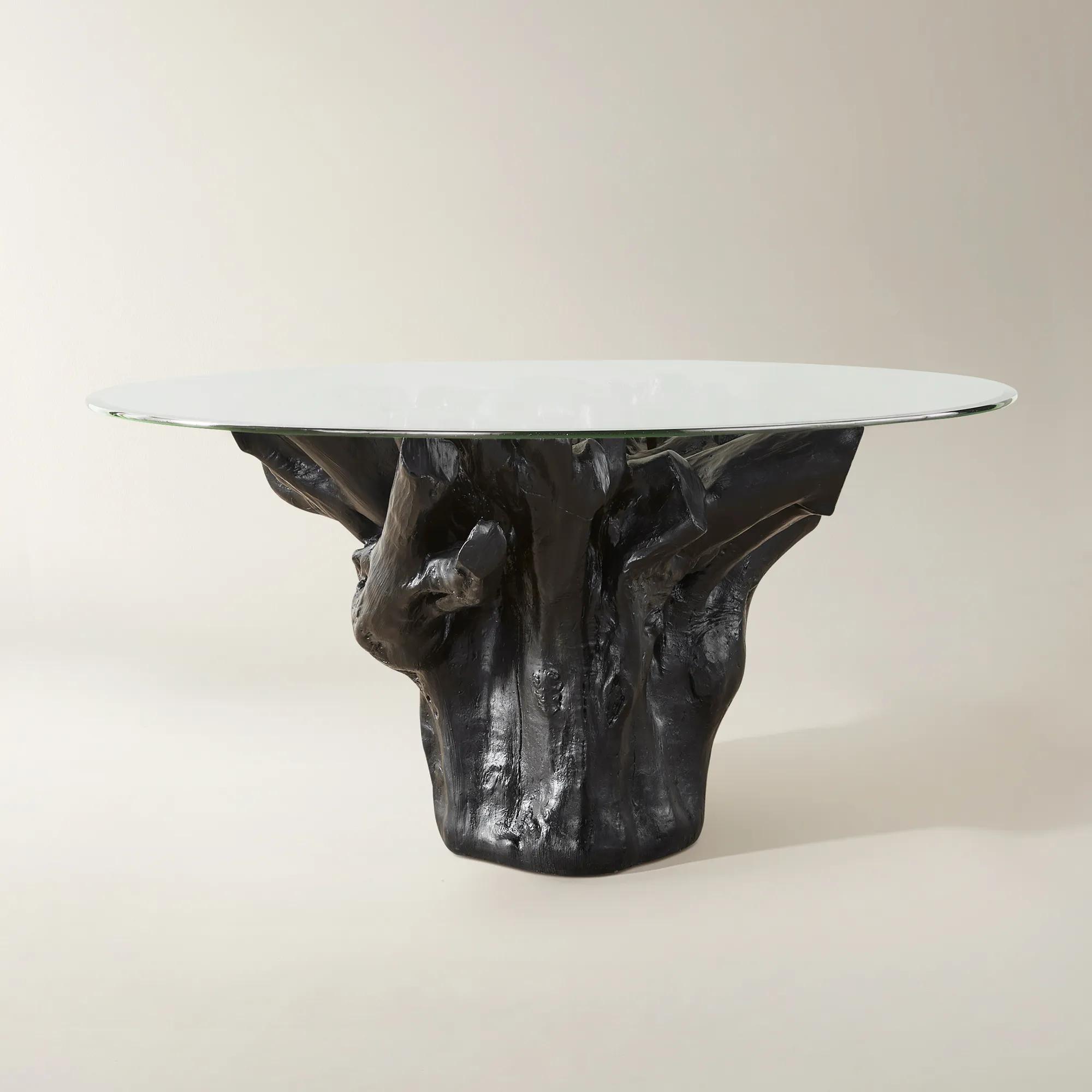 Sequoia Black Resin Dining Table With Glass Top (60")$2299
A sculptural black resin base with real stone fragments supports a round tempered glass top for organic elegance.
Add To Cart

Dining Room Furniture For Contemporary Homes
Explore dining room furniture for contemporary homes, from statement dining tables to seating that completes the room’s composition. Consider table size, seating capacity, and the space needed to move comfortably around each piece, then choose silhouettes that bring a cohesive, expressive look to everyday dining and special gatherings.
Dining room furniture for contemporary homes brings architectural form, tactile materials, and comfortable proportions to the place where daily rituals become shared occasions. The look is defined less by a single finish than by the relationship between pieces: a sculptural table against tailored upholstery, expressive wood grain beside polished metal, or a substantial stone surface balanced by softly curved seating. Contemporary design leaves room for contrast, allowing a dining space to feel composed without becoming overly matched. A table establishes the room’s visual center, whether its shape is round and intimate, oval with a sweeping profile, or rectangular with a strong, expansive presence. Round tables encourage conversation and can soften an angular floor plan, while rectangular designs often suit elongated rooms and larger gatherings. Oval tables offer generous length with curved ends, though the base and chair placement still determine how many people can sit comfortably. In open-concept homes, the dining table also connects neighboring spaces; repeating a wood tone, metallic accent, or upholstery color from the living area creates continuity without requiring identical furniture. Materials shape that connection. Solid wood brings depth and distinctive grain, while wood veneer can showcase striking patterns over an engineered core. Veneer is a construction choice, not an automatic measure of quality; the substrate, edges, joinery, and finish all influence performance. Glass offers visual openness and reveals the artistry of a sculptural base, while stone introduces natural variation and a more substantial presence. Metal adds definition through slender legs, bold pedestals, or gleaming details. Each material changes how a room feels as much as how a table functions. An extension table can accommodate both intimate meals and larger celebrations, provided there is enough space for the expanded footprint and somewhere suitable to store removable leaves. For a household that gathers at the table every day, an easy-care finish and a stable base may matter as much as a dramatic profile. For frequent hosts, generous seating positions and unobstructed legroom help the setting feel as inviting as it looks.
Proportion gives contemporary dining furniture its poise, and comfortable seating begins with the relationship between the table, chairs, and surrounding room. As a general planning allowance, leave about 36 inches between the table edge and a wall or other furniture so chairs can pull out; closer to 42 to 48 inches is often more comfortable where people need to pass behind seated guests. Door swings, nearby cabinets, and the route from the kitchen deserve equal attention. A room may accommodate a large tabletop on paper yet feel constrained once chairs are occupied. Allow roughly 24 inches of table width per diner as a starting point, with more room for broad upholstered chairs, armchairs, or generous place settings. Pedestal bases can open up seating options, while corner legs and substantial supports may limit where chairs fit. Dining chair seats commonly sit about 10 to 12 inches below the tabletop, but the table apron, seat cushion compression, and arm height can change the fit. Comparing actual measurements helps prevent an elegant armchair from stopping short of the table or leaving too little room for knees. Seating also determines the character of the room. A high upholstered back lends ceremony, a curved shell creates an enveloping outline, and a slender frame keeps a compact dining area visually open. Explore Dining Chairs For Stylish Homes for seating that gives comfort the same consideration as silhouette. Upholstered chairs can make lingering conversations more comfortable, particularly when the back offers support and the seat depth suits the people using it. Textured woven fabrics introduce dimension, velvet adds a luminous surface, and leather offers a distinctive hand that may develop character with use, depending on its finish. Families with young children or homes with pets may favor tightly woven upholstery and documented stain-resistance features, while recognizing that no fabric is entirely spillproof. Matching chairs create a unified composition; contrasting host chairs or a carefully proportioned bench can add personality without sacrificing cohesion.
Beyond the table and chairs, dining room storage gives a contemporary space the polish of a considered interior and the ease of a room that works beautifully. A sideboard or buffet can hold serving pieces, linens, and glassware close to the table, reducing trips away from conversation. Its surface also creates a stage for a sculptural vessel, a pair of lamps, or a restrained arrangement with enough open space left for serving. In a narrow room, a shallower cabinet may preserve circulation better than a deep piece, while adjustable shelves can accommodate taller pitchers and varied dishware. Check door and drawer clearances against the dining chairs, and follow any supplied anchoring instructions, particularly in homes with children. Construction details deserve attention throughout the room: secure joints, balanced bases, smoothly operating extension mechanisms, and drawer hardware suited to regular use all contribute to lasting satisfaction. Care should reflect the specific material and finish rather than a single routine for every surface. Wipe spills promptly, use coasters and heat-resistant trivets, and follow the manufacturer’s cleaning directions. Natural stone can be vulnerable to staining or etching, with sealing needs that vary by stone and treatment; an engineered or ceramic surface should not be assumed to share the same care requirements. Wood benefits from protection against excess moisture and prolonged direct sunlight, while glass shows fingerprints readily and calls for suitable cleaners and a soft cloth. Upholstery may require vacuuming, blotting rather than rubbing, and cleaning products matched to its care code. These practical choices protect the room’s expressive details without asking the space to become untouchable. A breakfast shared before a busy day, a working lunch, and a long dinner with friends place different demands on the same furniture. Contemporary dining room furniture succeeds when it accommodates those moments with assurance: enough room to settle in, surfaces suited to real use, and forms that give even a simple table setting a sense of occasion. The result is a dining room with presence, personality, and a welcome that lasts well beyond the final course.
FAQs
Contemporary dining room furniture pairs sculptural silhouettes with expressive materials and refined detailing. Think glass dining tables, upholstered chairs, and sideboards with striking geometric fronts. For a glamorous interpretation, layer polished metal, rich wood, and sumptuous fabrics to create a dining space with an artful point of view.
Glass, marble, lacquer, and richly grained wood bring distinctive character to contemporary dining furniture. Polished chrome introduces a cool gleam, while brushed brass adds warmth. Pair a luminous tabletop with velvet dining chairs, or contrast a glossy sideboard with textured upholstery for a composition that feels richly layered.
Yes—an intentional mix gives a contemporary dining room its own signature. Connect your dining table and chairs through a shared finish, recurring curve, or complementary color palette rather than matching every detail. A sculptural wood table paired with tailored upholstered chairs creates a compelling dialogue between natural texture and refined softness.
Look for a sideboard or buffet that extends the room’s design story through its silhouette, finish, and decorative details. Fluted fronts introduce rhythm, mirrored surfaces catch the light, and lacquer creates a polished focal point. Style the top with expressive artwork and a sculptural vessel, letting the furniture’s distinctive detailing remain part of the composition.
Create a visual connection by repeating select colors, materials, or shapes across both spaces. Dining chairs with curved backs can echo a rounded sofa, while metallic table details can relate to living room accents. Give the dining area its own character with a distinctive table finish or richly colored upholstery.


