Framed Paper Art Wall Decors
Framed Paper Art Wall Decors
-

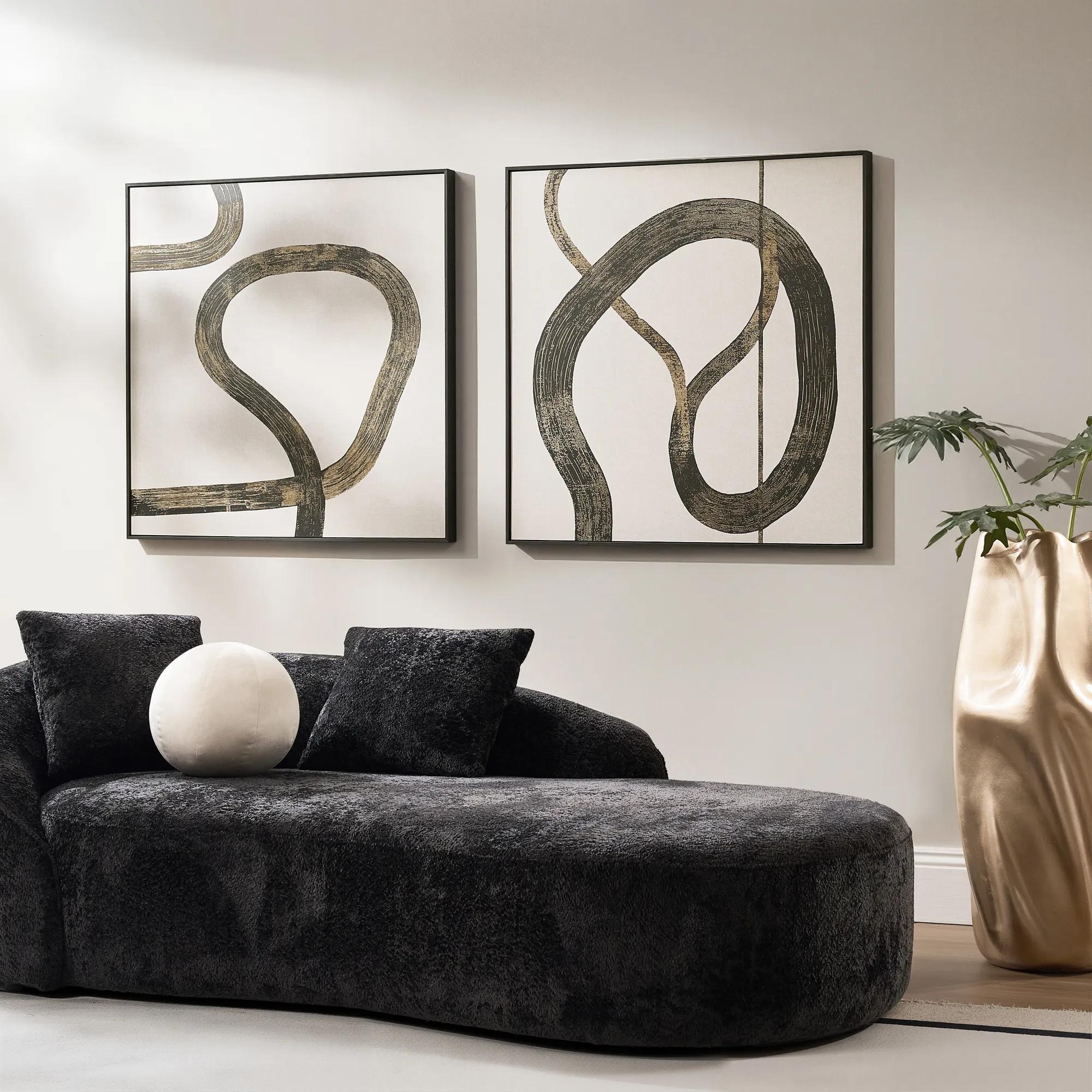 Live Wire Framed Gold Foil Painted Wall Art II 39" x 39"$349
A framed wall artwork featuring gold foil-painted detailing for glamorous modern display.
Add To Cart -
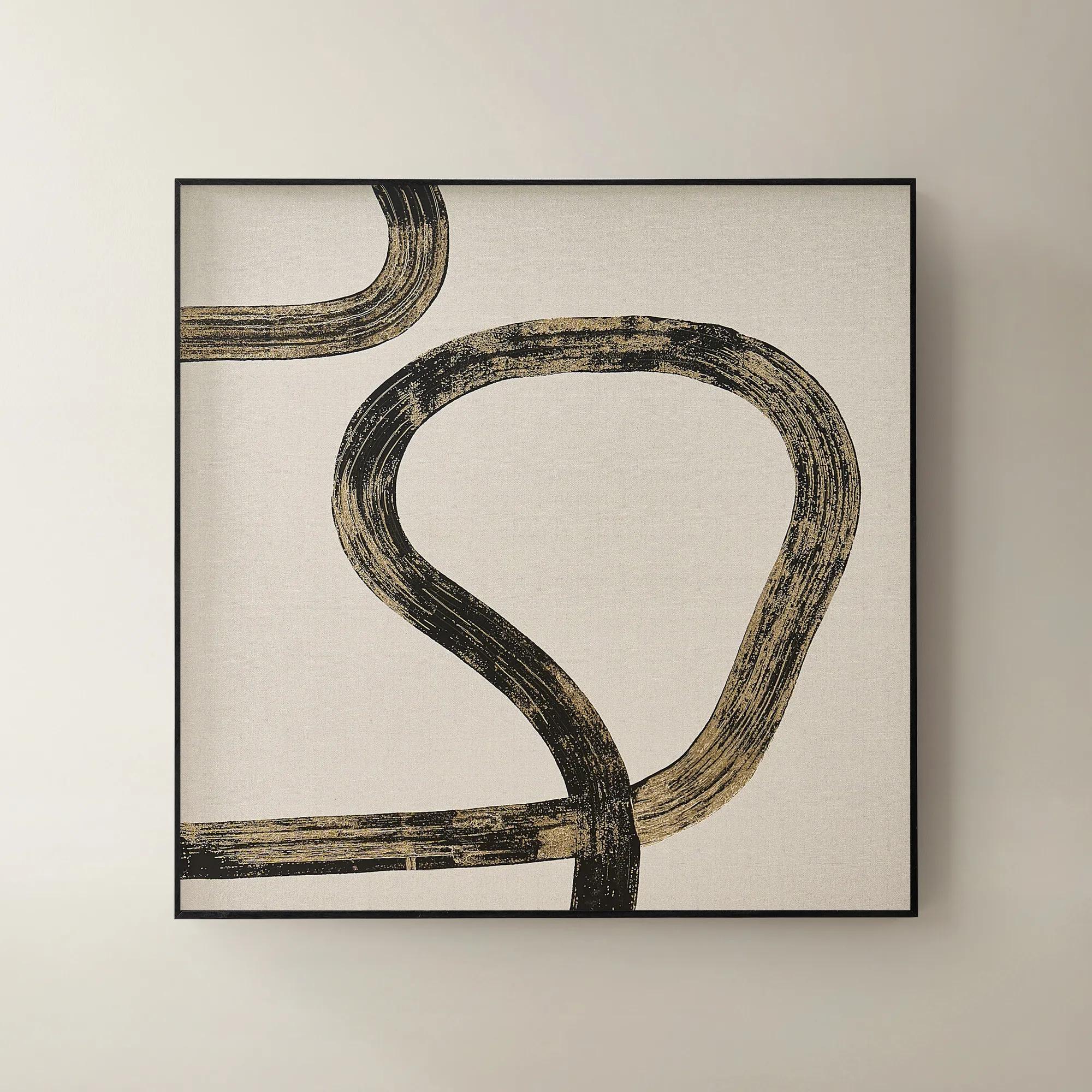 Live Wire Framed Gold Foil Painted Wall Art I 39" x 39"$349
A striking gold foil painting framed to bring modern artistic elegance and luminous texture to any wall.
Add To Cart -

 Sand Storm Framed Gold Foil Wall Art 32" x 47"$329
A refined abstract artwork with gold foil accents, sand and charcoal tones, framed in solid wood.
Add To Cart -
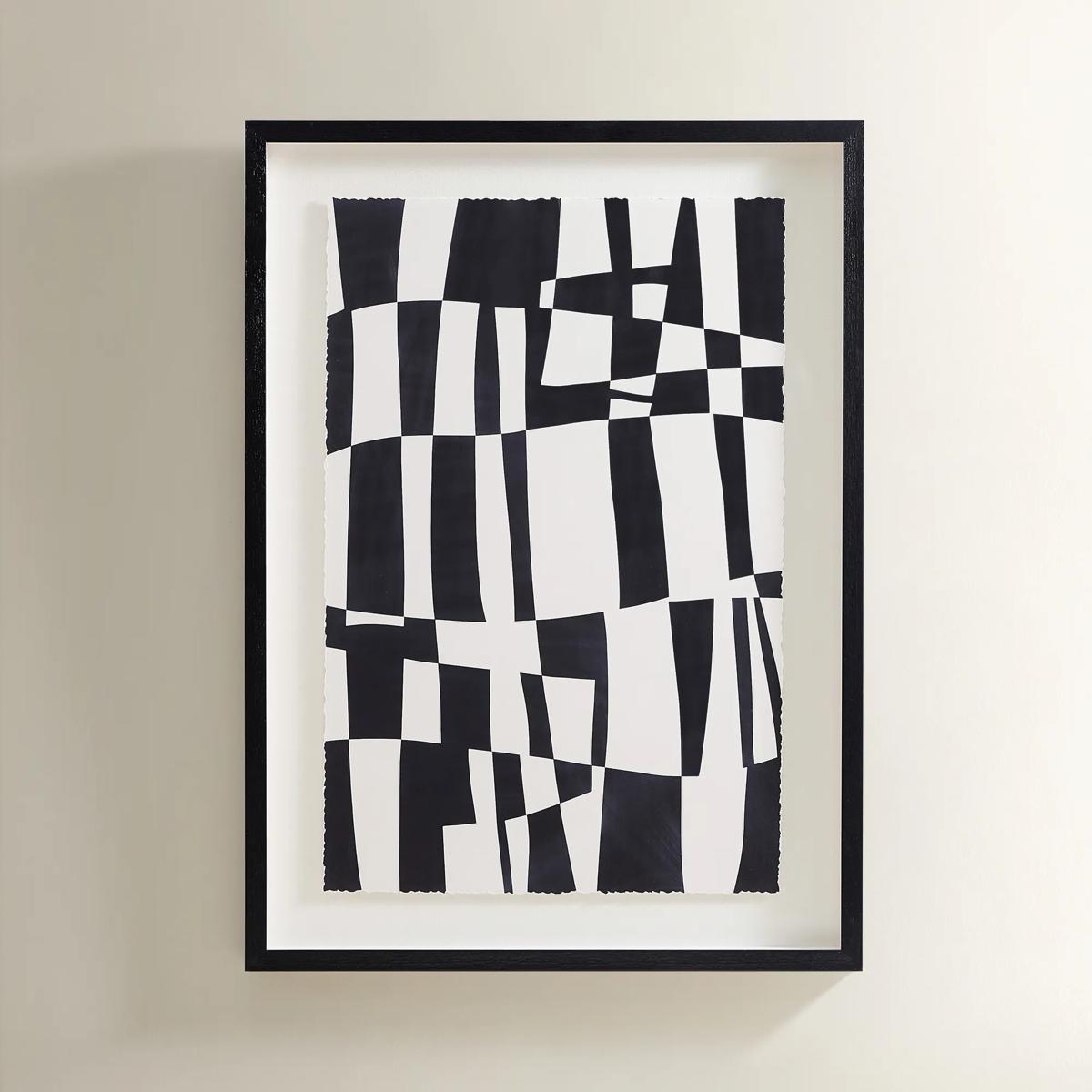 Matrix Art$369
A striking black and white abstract grid print set in a sleek black polyresin frame.
Add To Cart -

 Tribe V Framed Wall Art 24" x 28"$599
A striking contemporary art piece designed by acclaimed interior designer Nikki Chu.
Add To Cart -
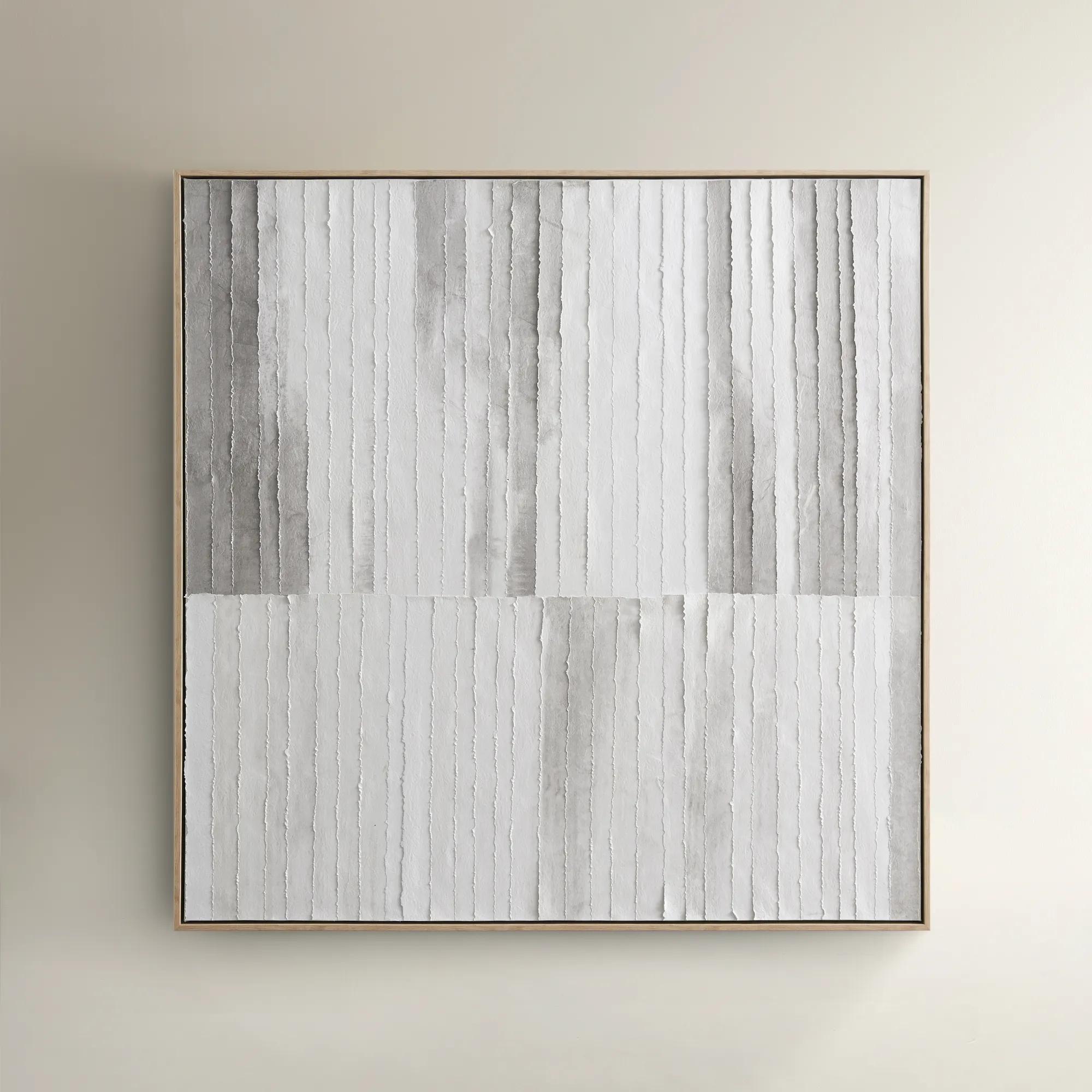
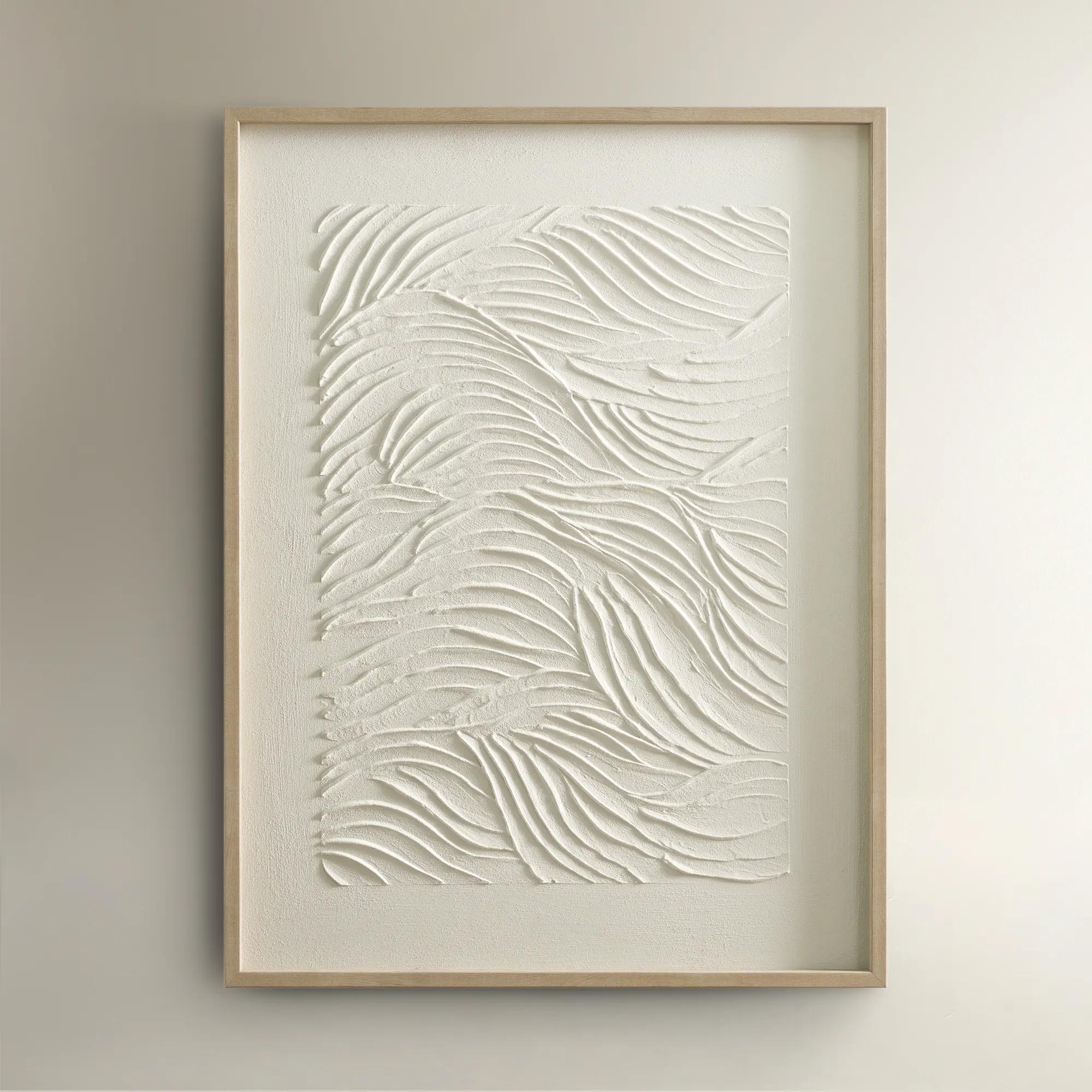
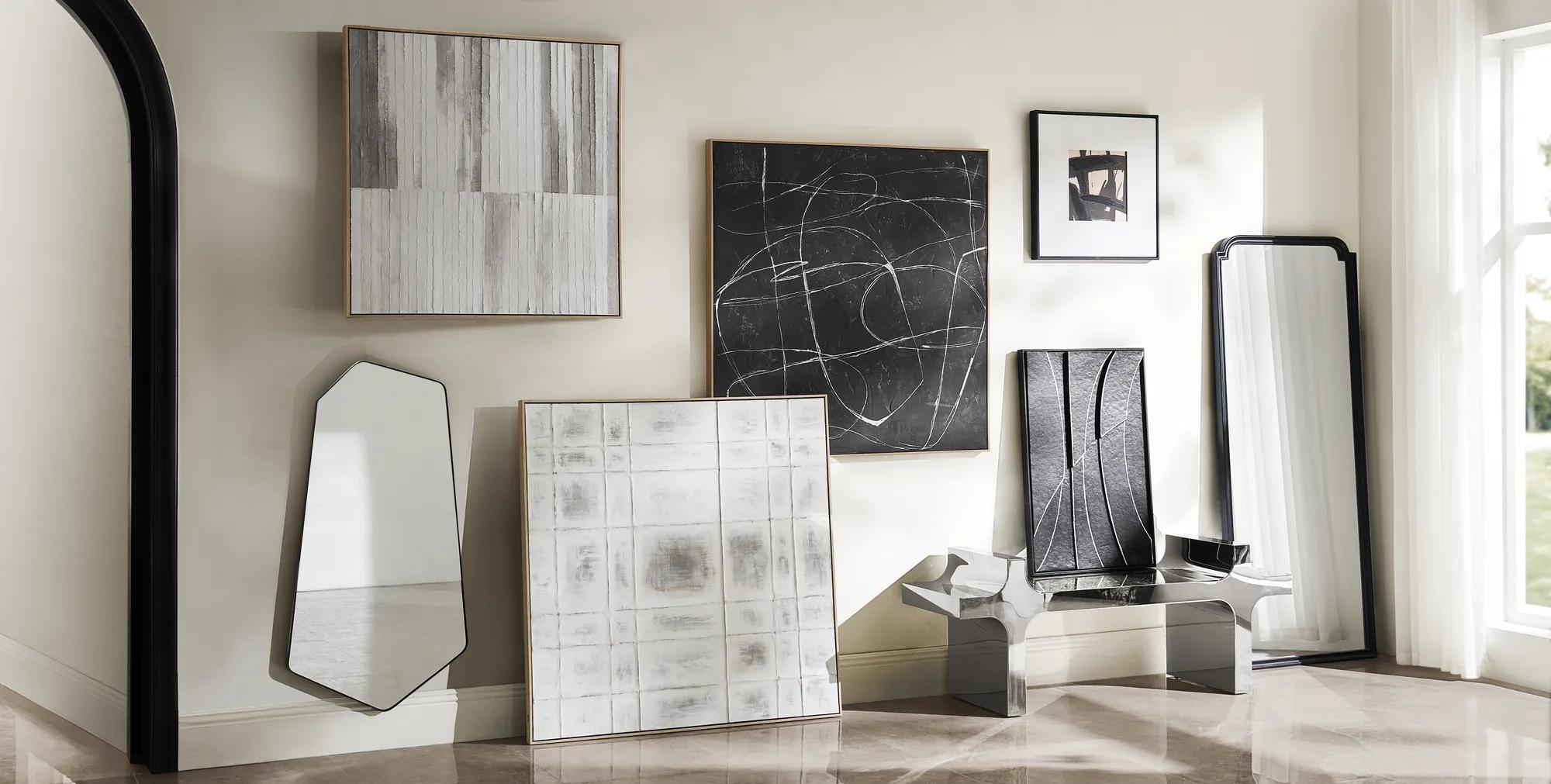 Morning Mist Paper Art$329
A hand-painted canvas featuring rhythmic grey lines in a textured, whitewashed floater frame for serene style.
Add To Cart -
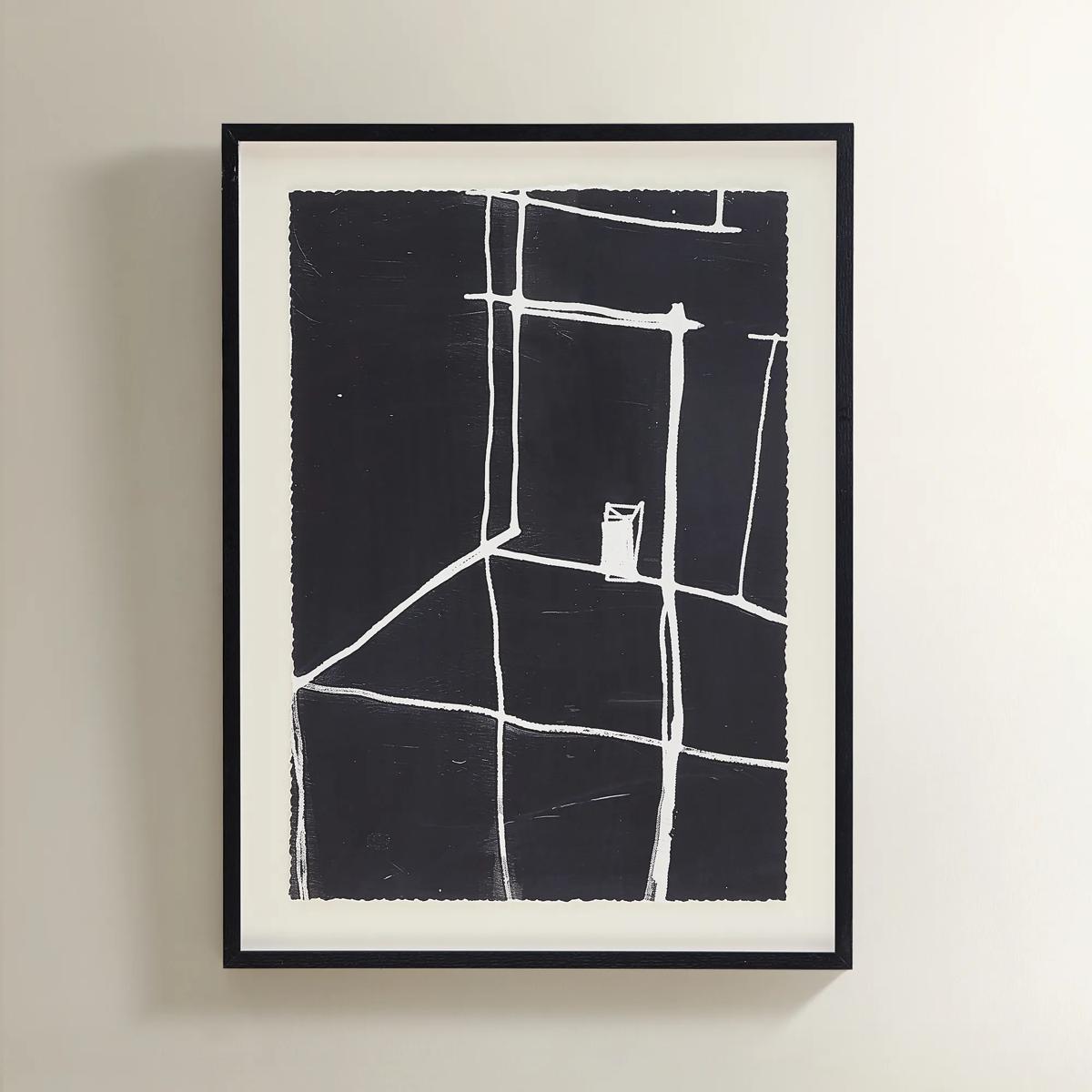 Solitude Art$269
A minimalist black-and-white abstract print featuring bold white lines in a sleek black polyresin frame.
Add To Cart -
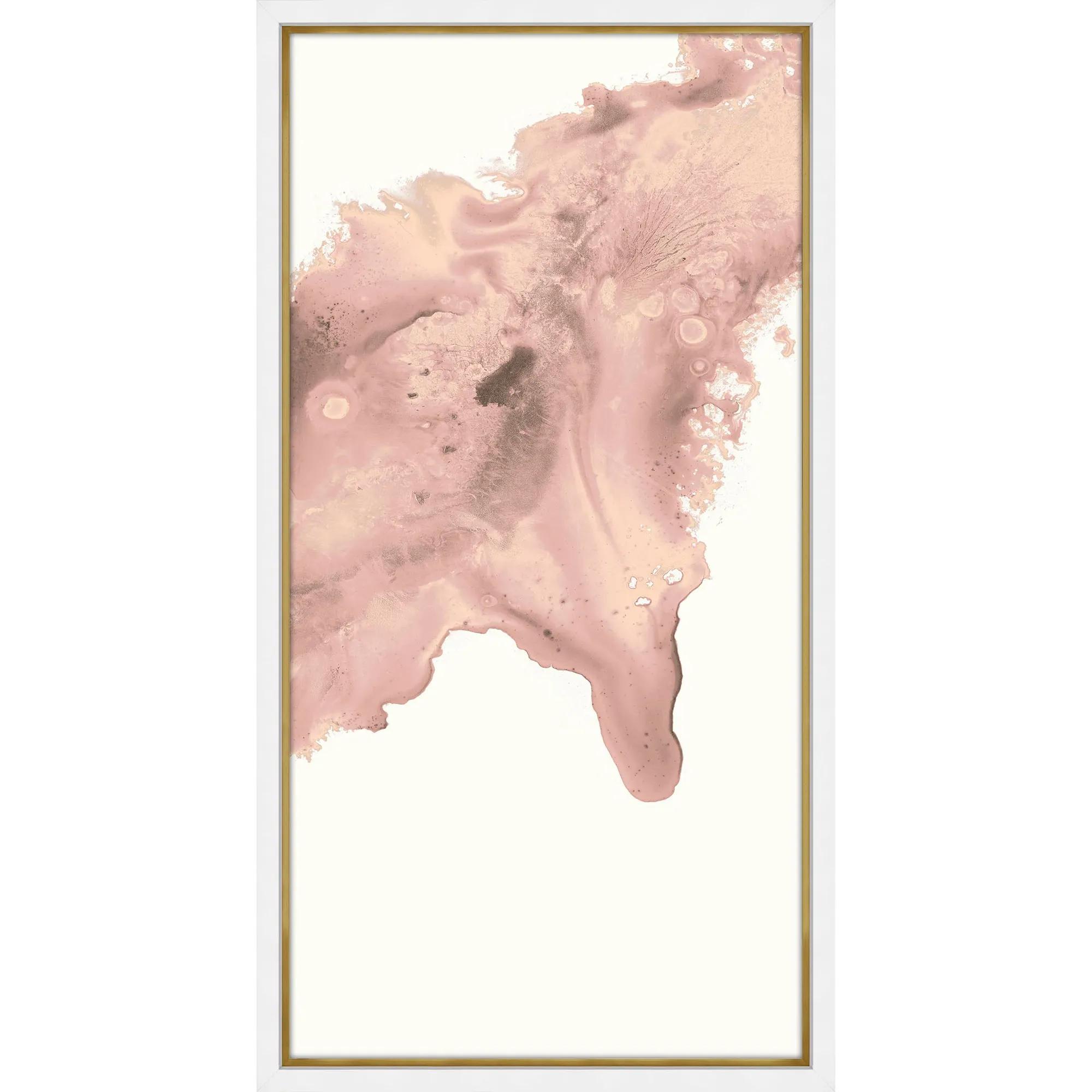
 Blush Conduit 2 Framed Wall Art 24" x 48"$849
A striking abstract print on pearl paper, elegantly framed in gold and matte white for modern appeal.
Add To Cart -
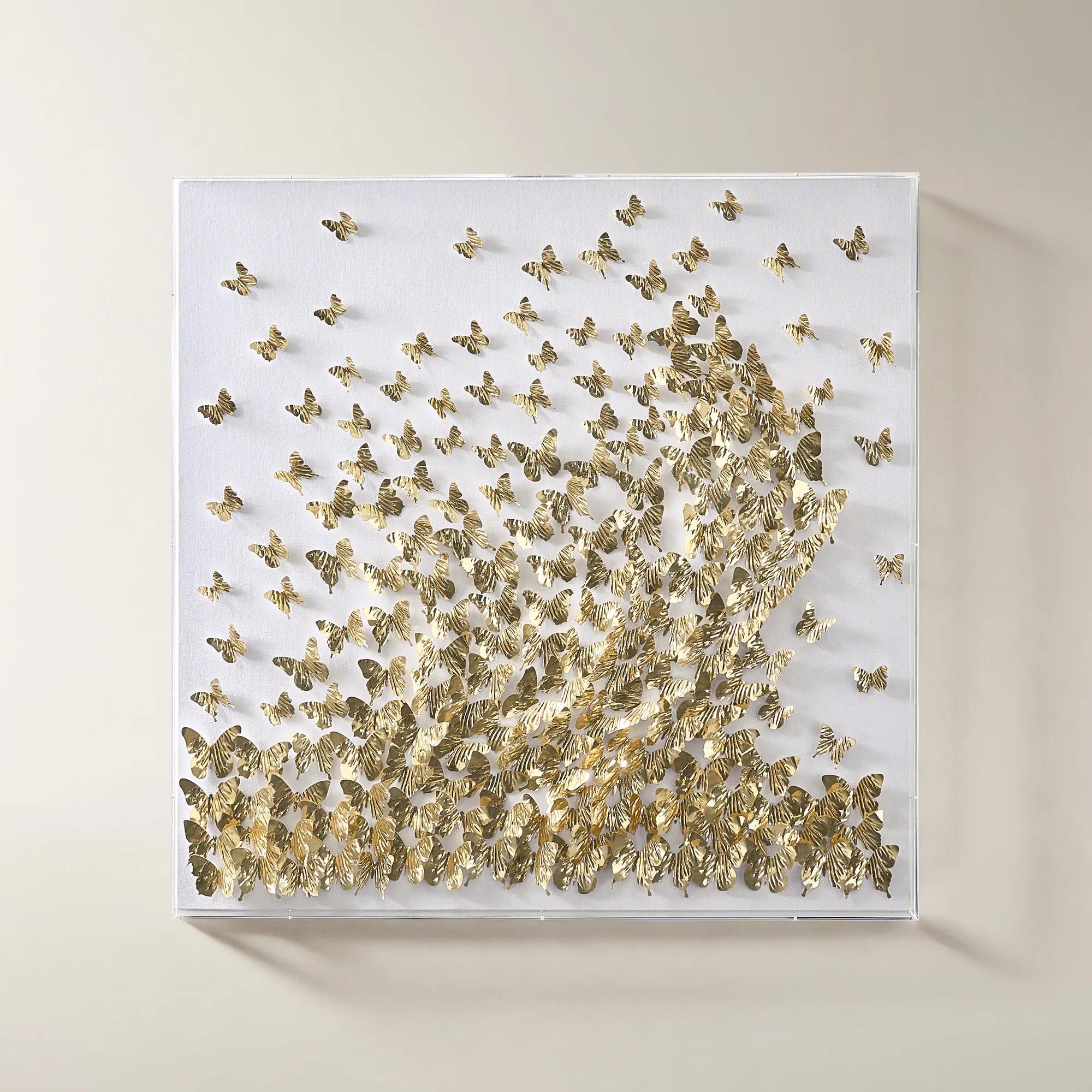
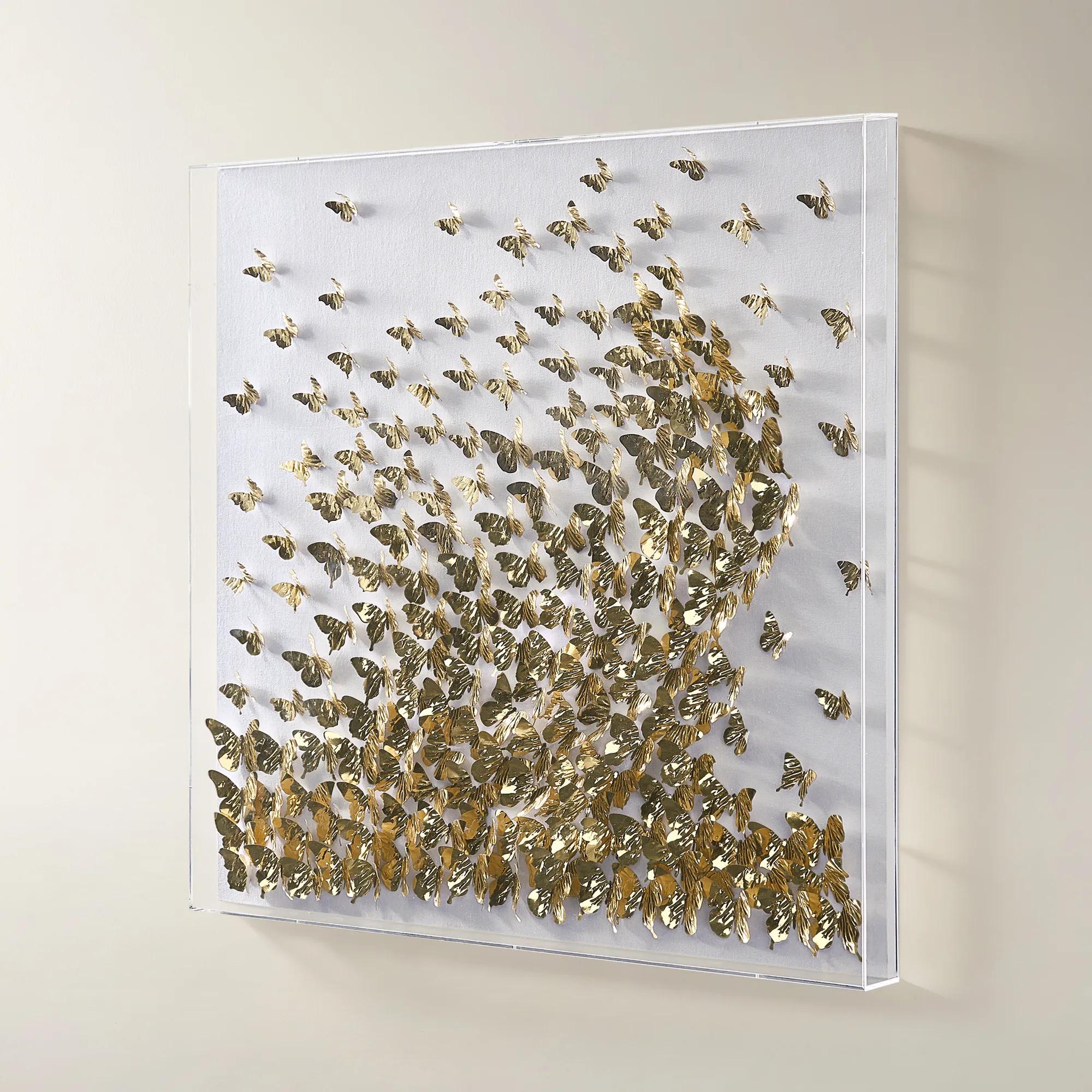 Butterfly Mist Handmade Gold Foil Wall Decor in Acrylic 39.25" x 39.25"$799
A sculptural wall art piece featuring handmade gold foil paper butterflies on linen, encased in a clear acrylic box.
Add To Cart -
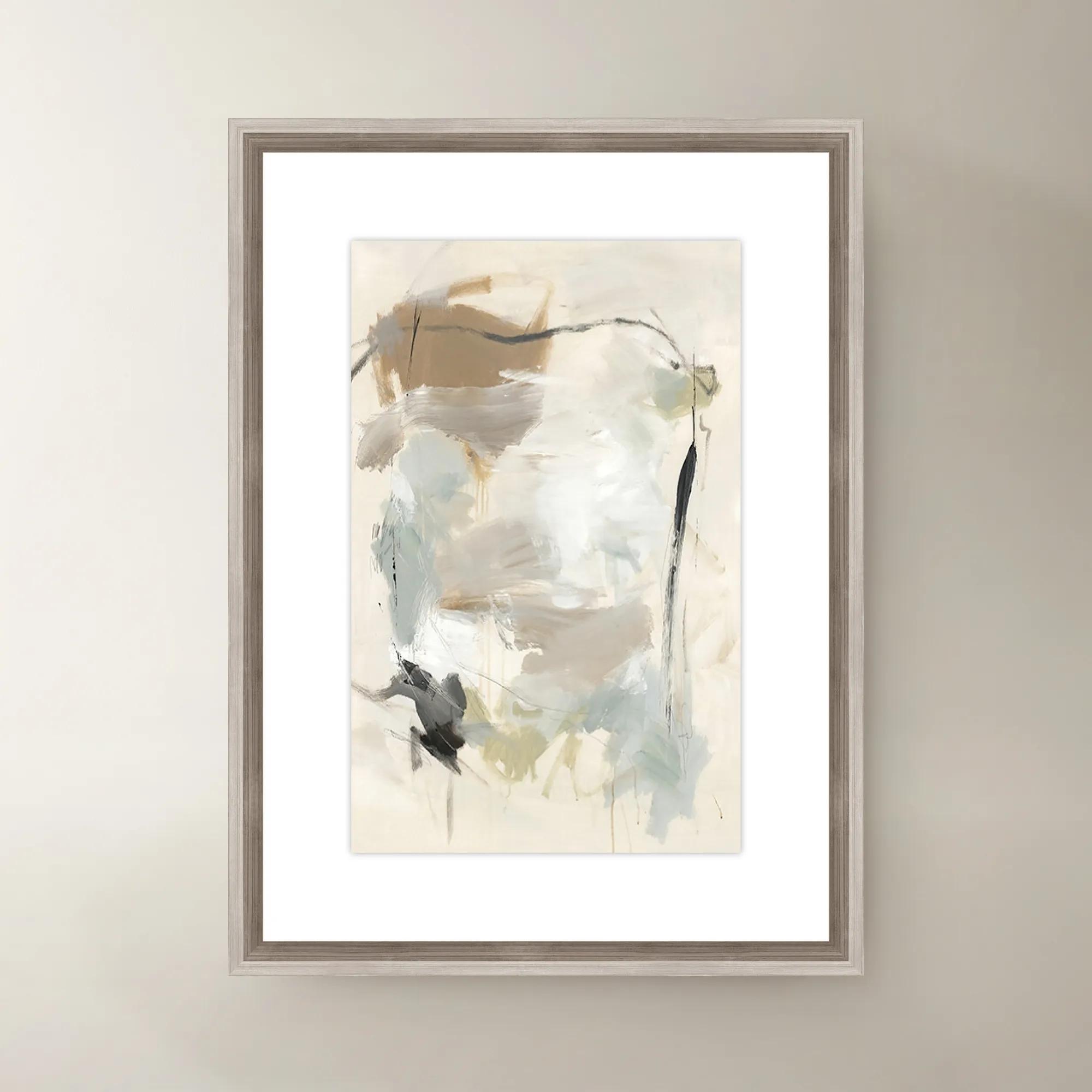
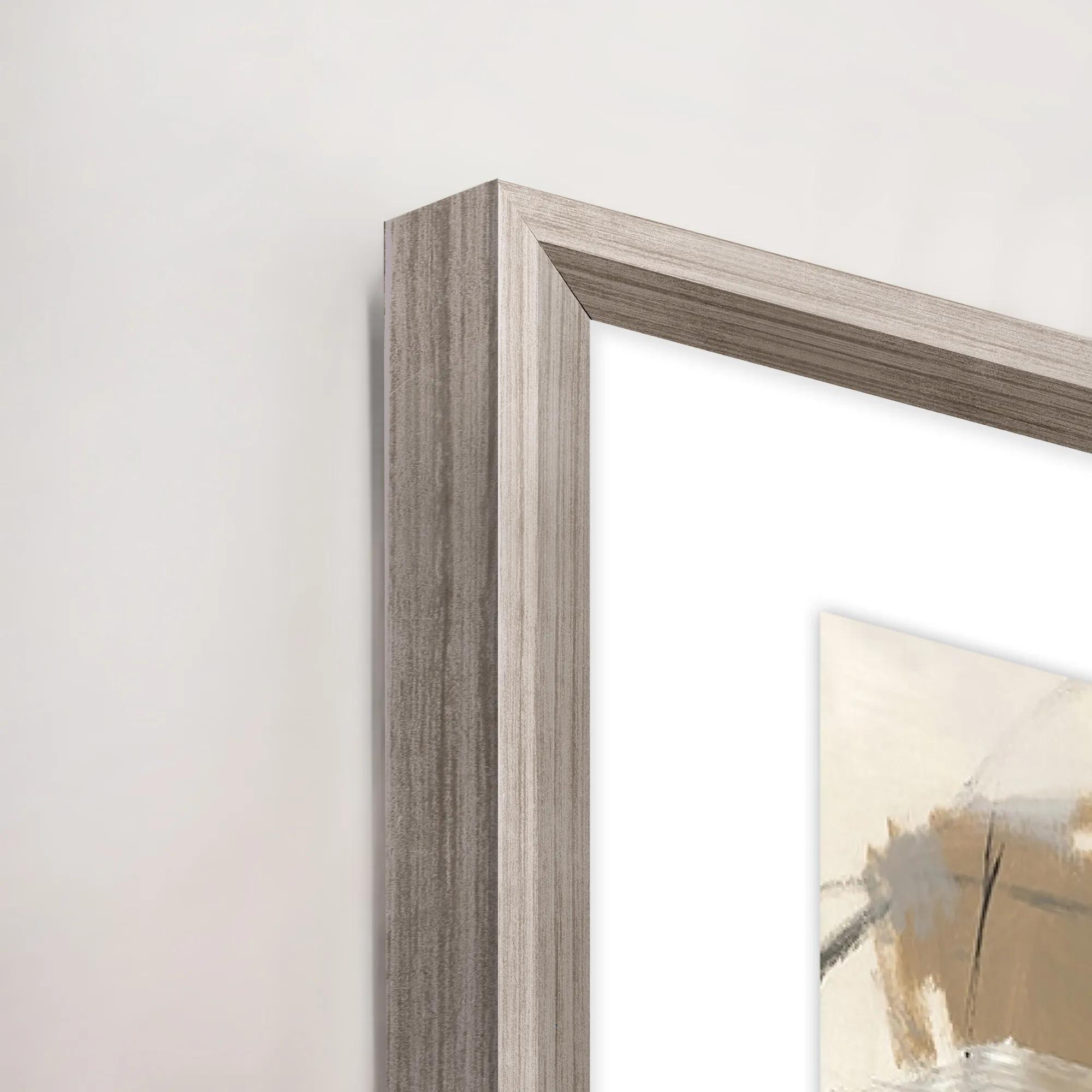 French Bakery I Framed Wall Art 20" x 30"$419
A multi-colored canvas wall artwork in a framed presentation, inspired by a charming French bakery.
Add To Cart -
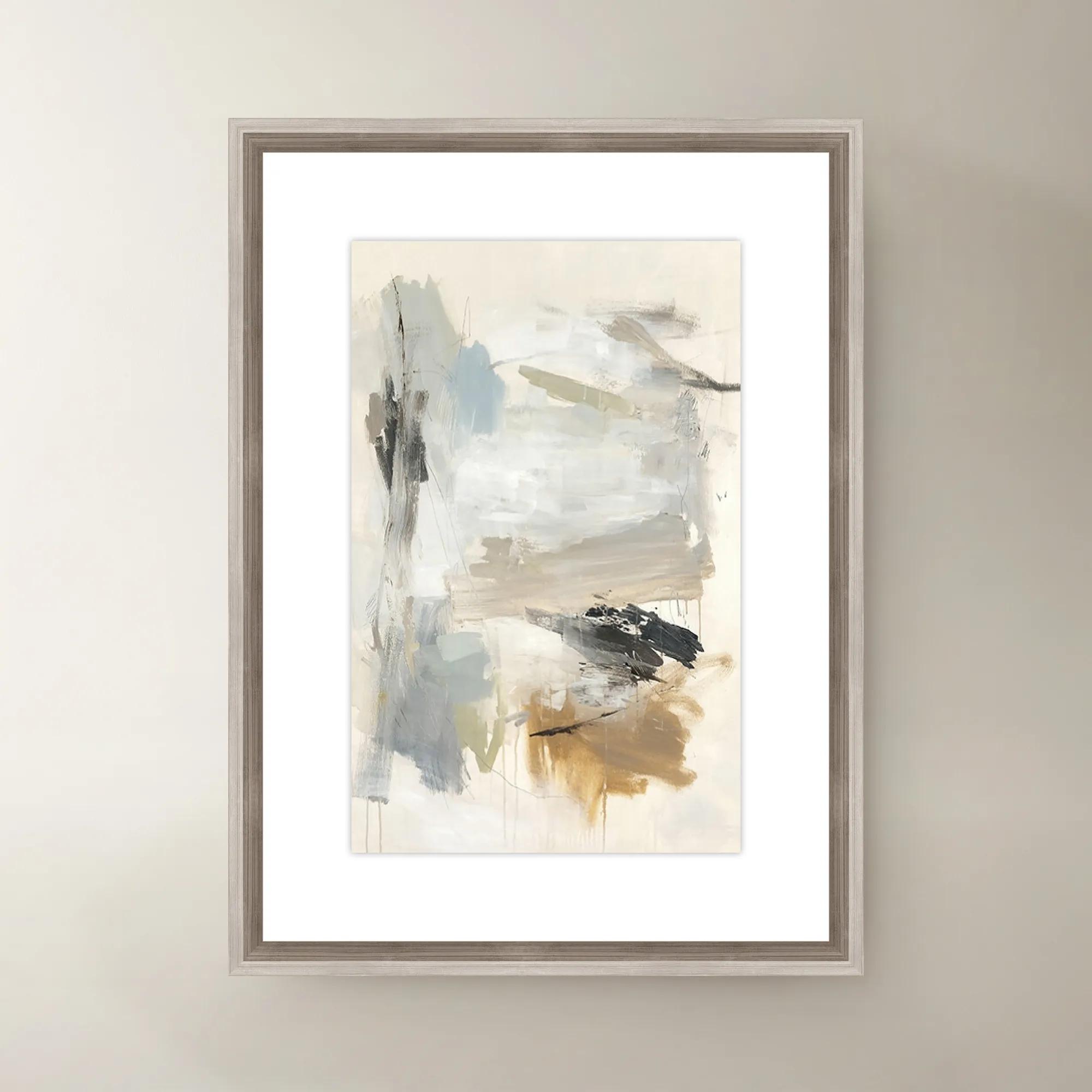
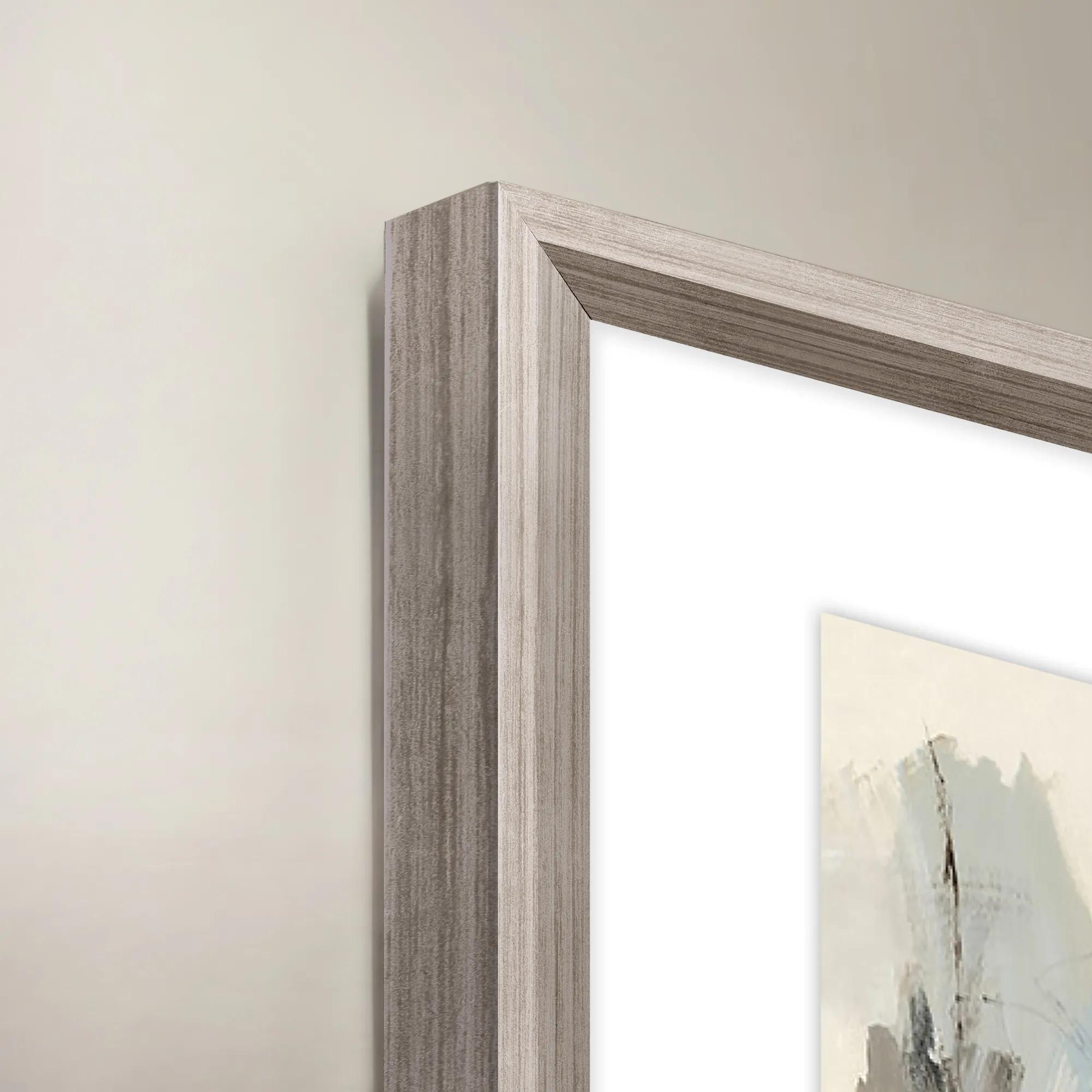 French Bakery II Framed Wall Art 20" x 30"$419
A colorful canvas wall art piece featuring a charming French bakery scene in a decorative frame.
Add To Cart -
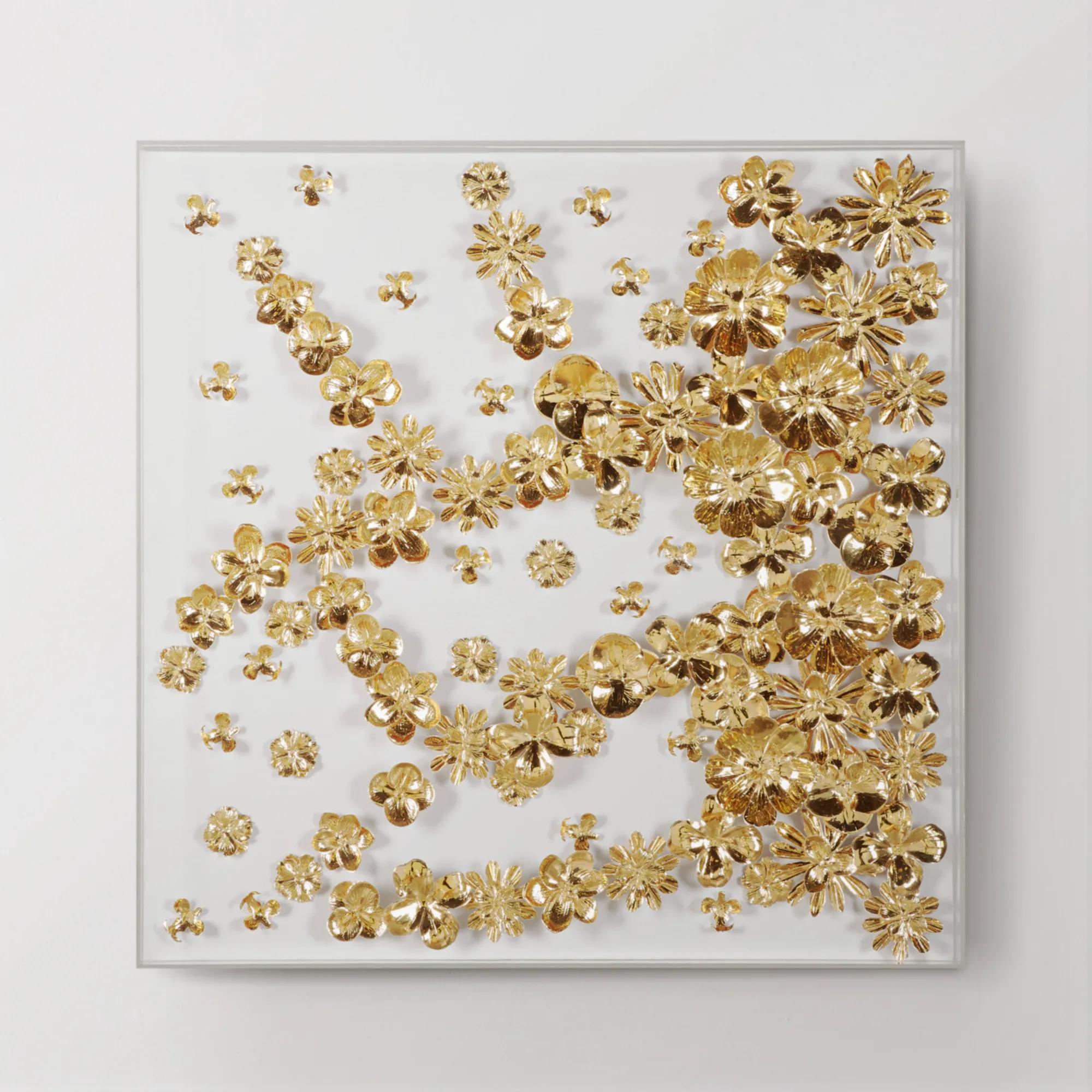
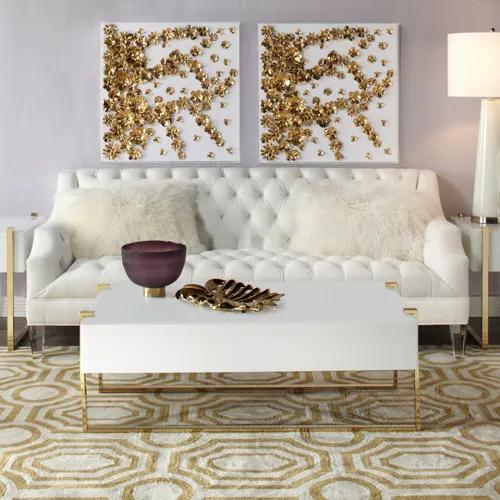 Gold Flora Handmade Foil Wall Decor in Acrylic 31" x 31"$499
A glam botanical wall art featuring handmade gold foil paper flowers on a white linen background.
Add To Cart -
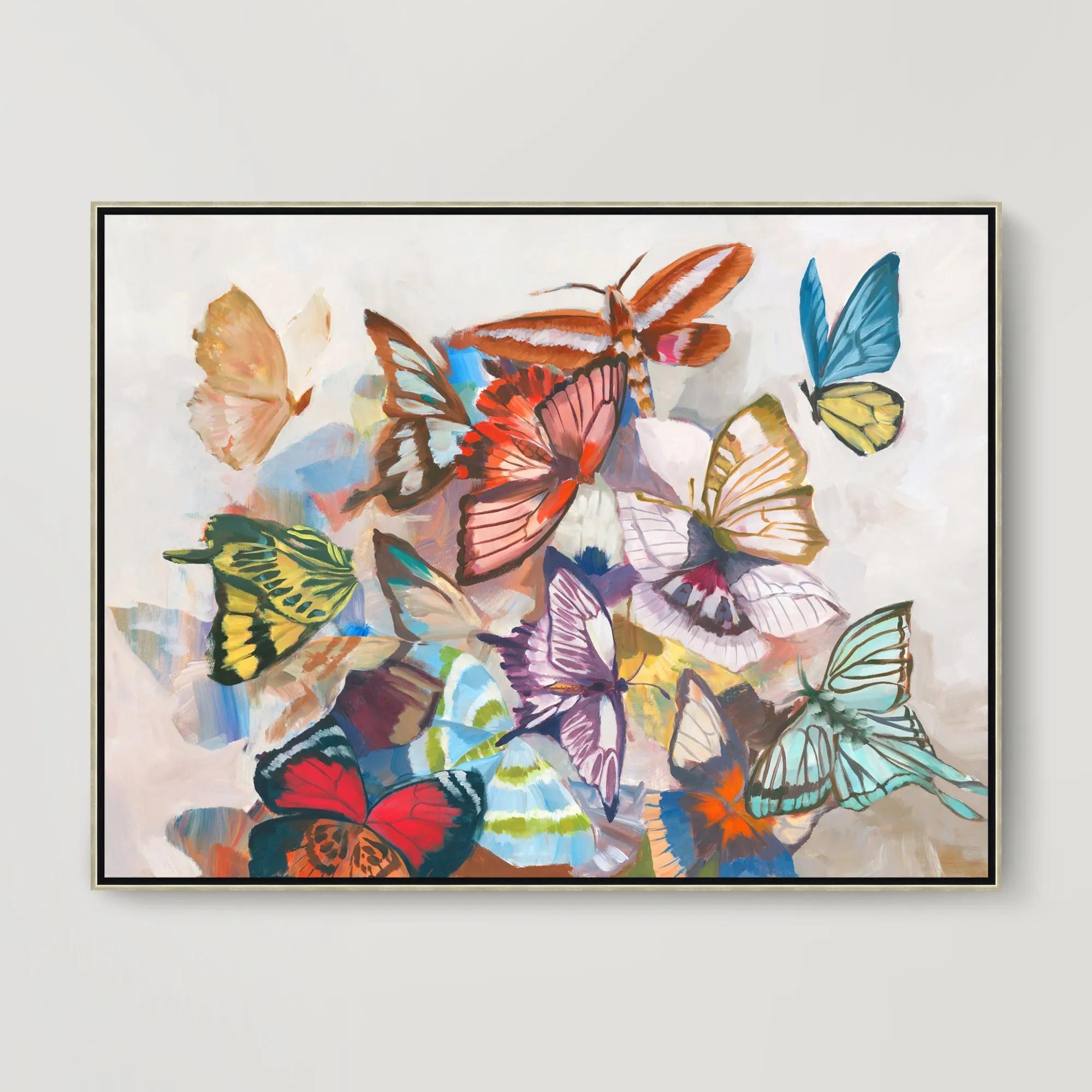 Sugar Wings Framed Wall Art 49.5" x 37.5"$799
A vibrant gallery-wrapped canvas artwork with hand-applied brush gel finish in a sleek silver floater frame.
Add To Cart -
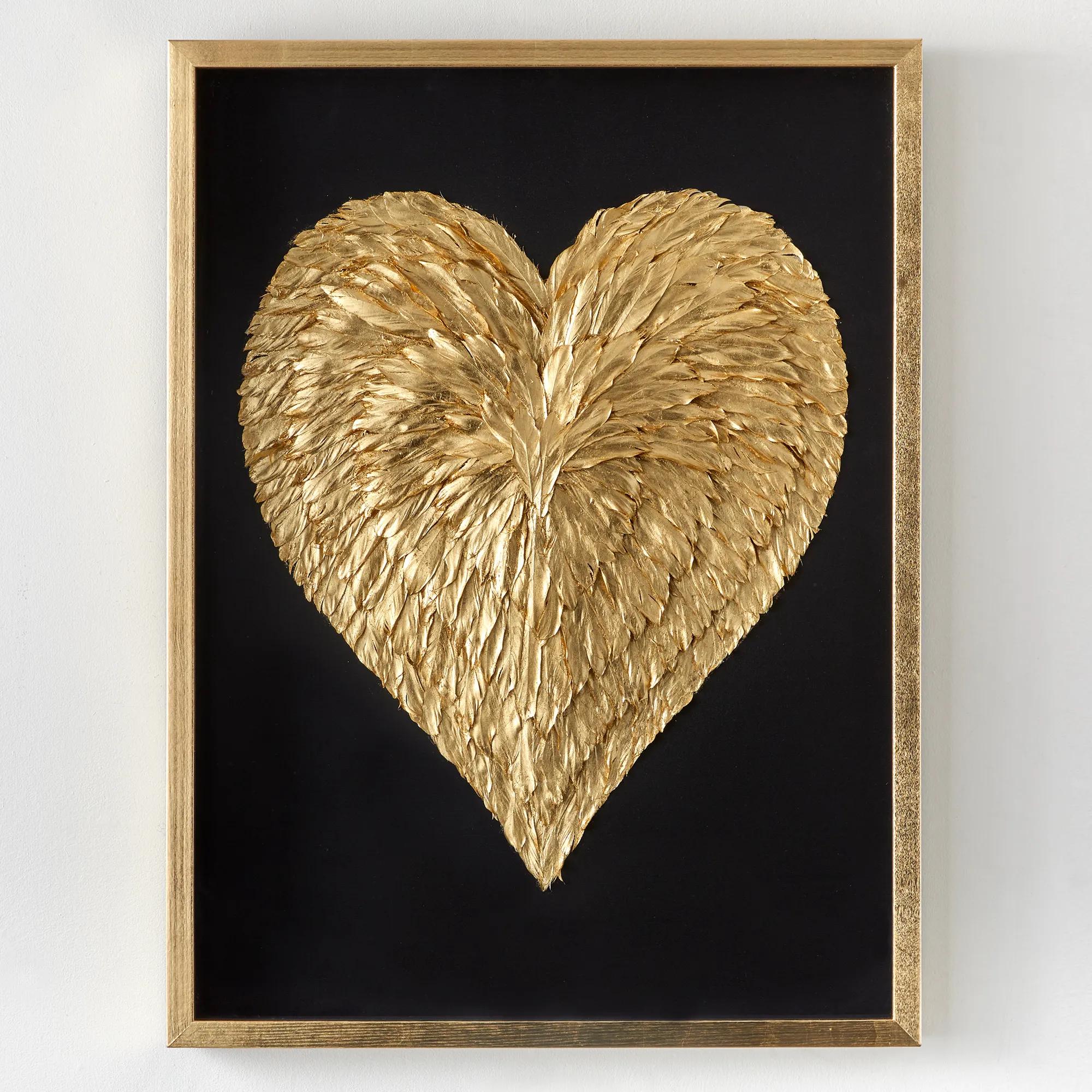 Heart Of Gold Feather Shadowbox 29.5" x 39.5"$449
A hand-painted feather artwork set on black fabric and framed in a gold shadowbox display.
Add To Cart -
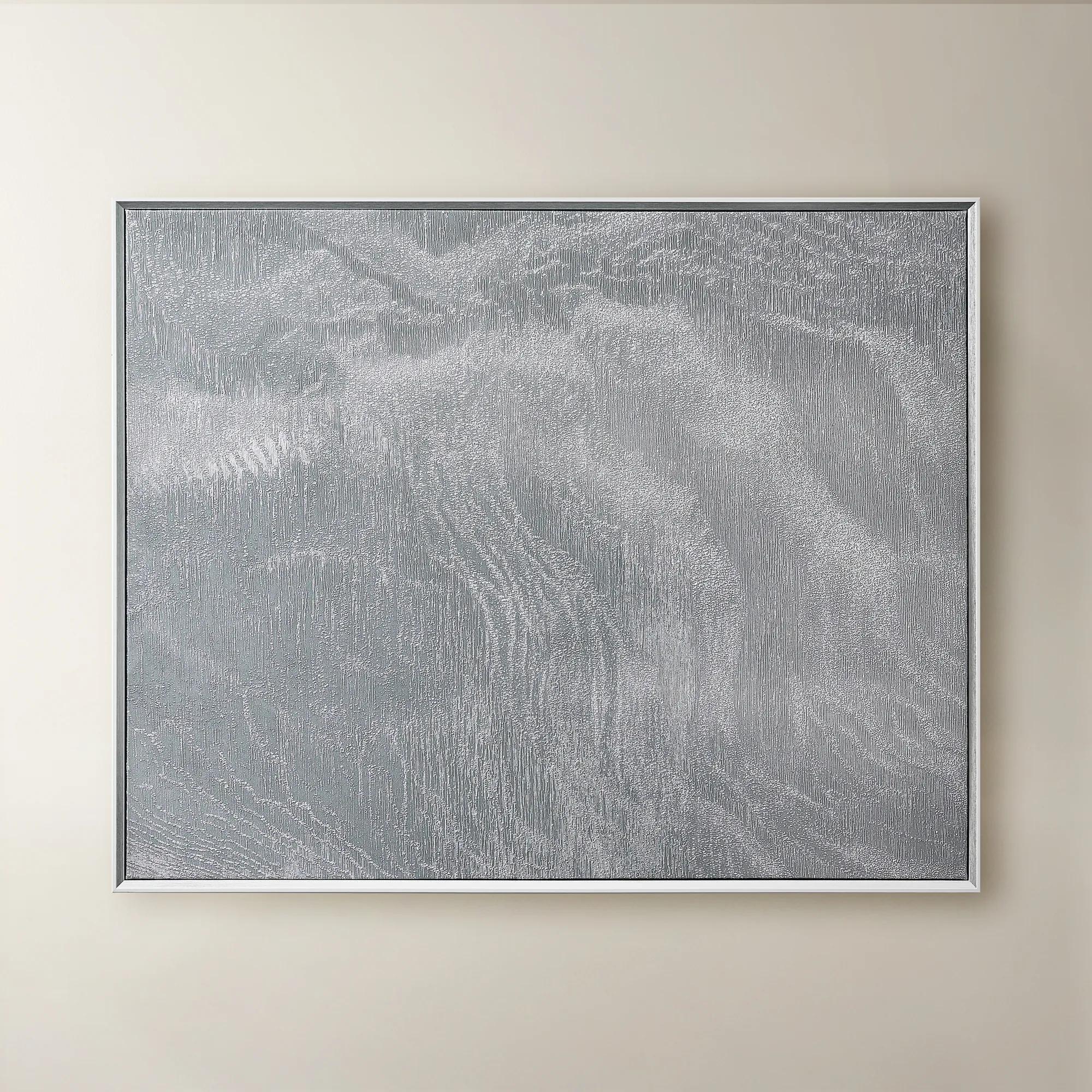 Slow Blue Morning Framed Silver Foil Wall Art 48" x 60"$599
A serene powder blue abstract canvas with silver foil accents, framed in silver and white for modern elegance.
Add To Cart -
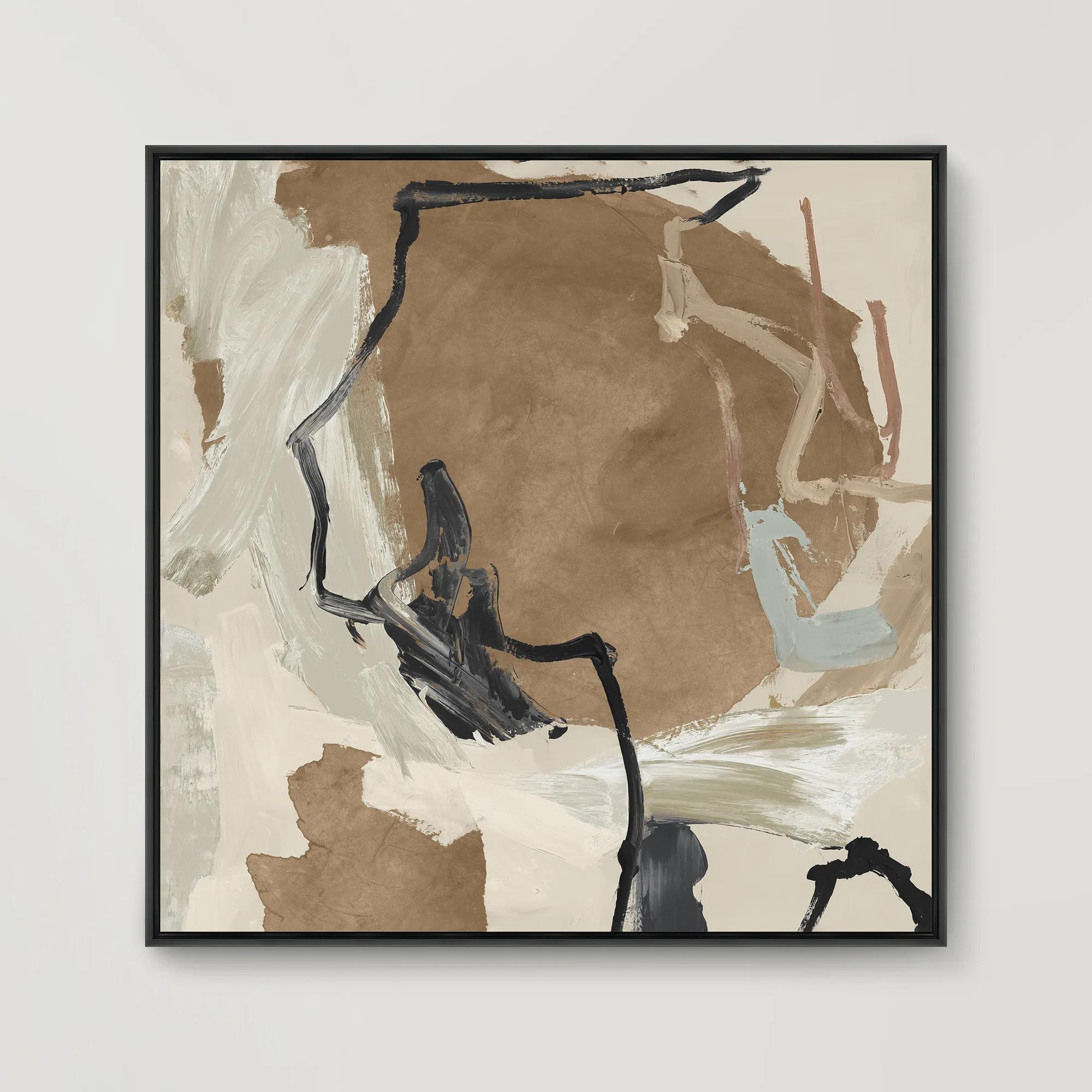
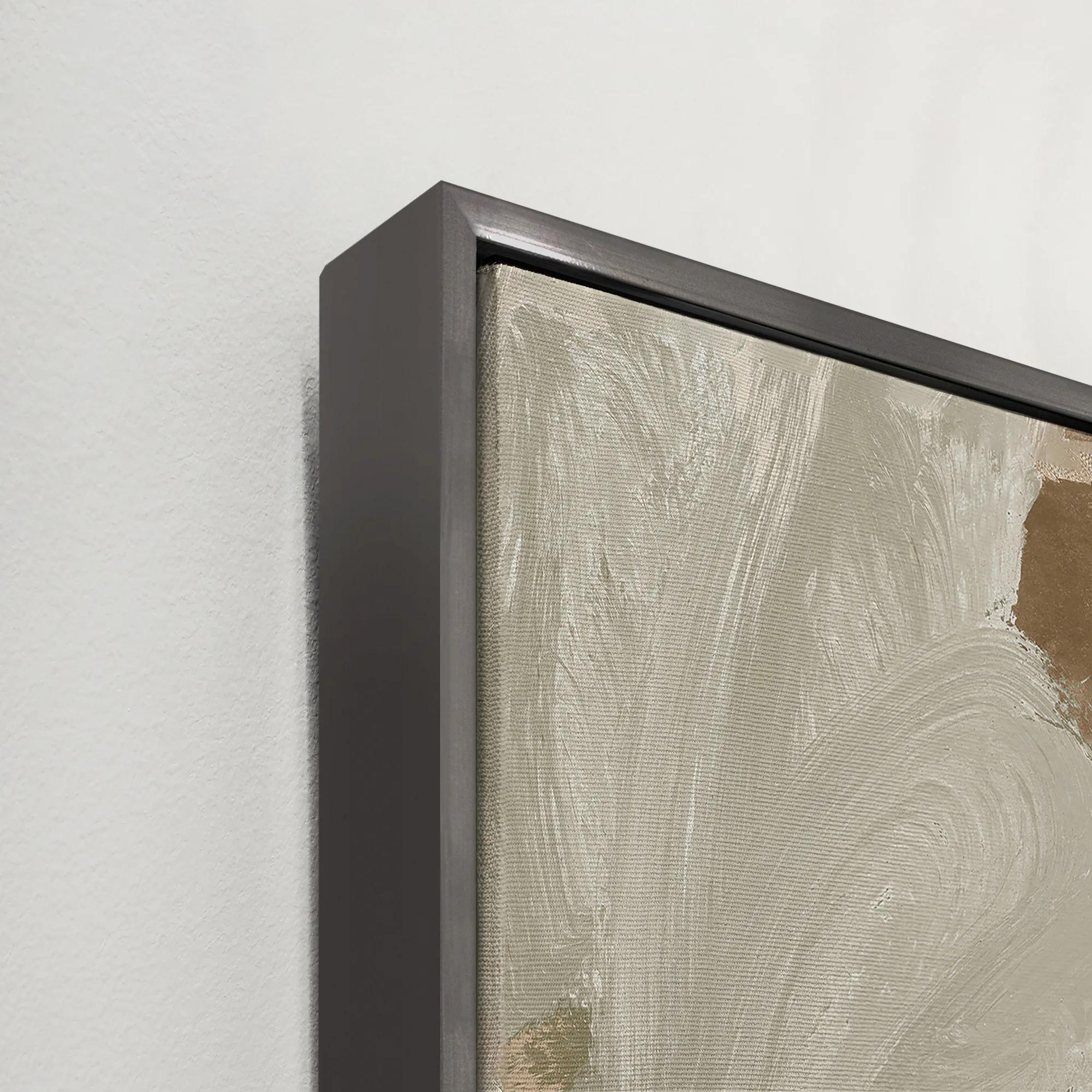 Borderlands IV Framed Wall Art 31.5" x 31.5"$499
A gallery-wrapped canvas artwork with a hand-applied brush gel finish in a sleek gray floater frame.
Add To Cart -
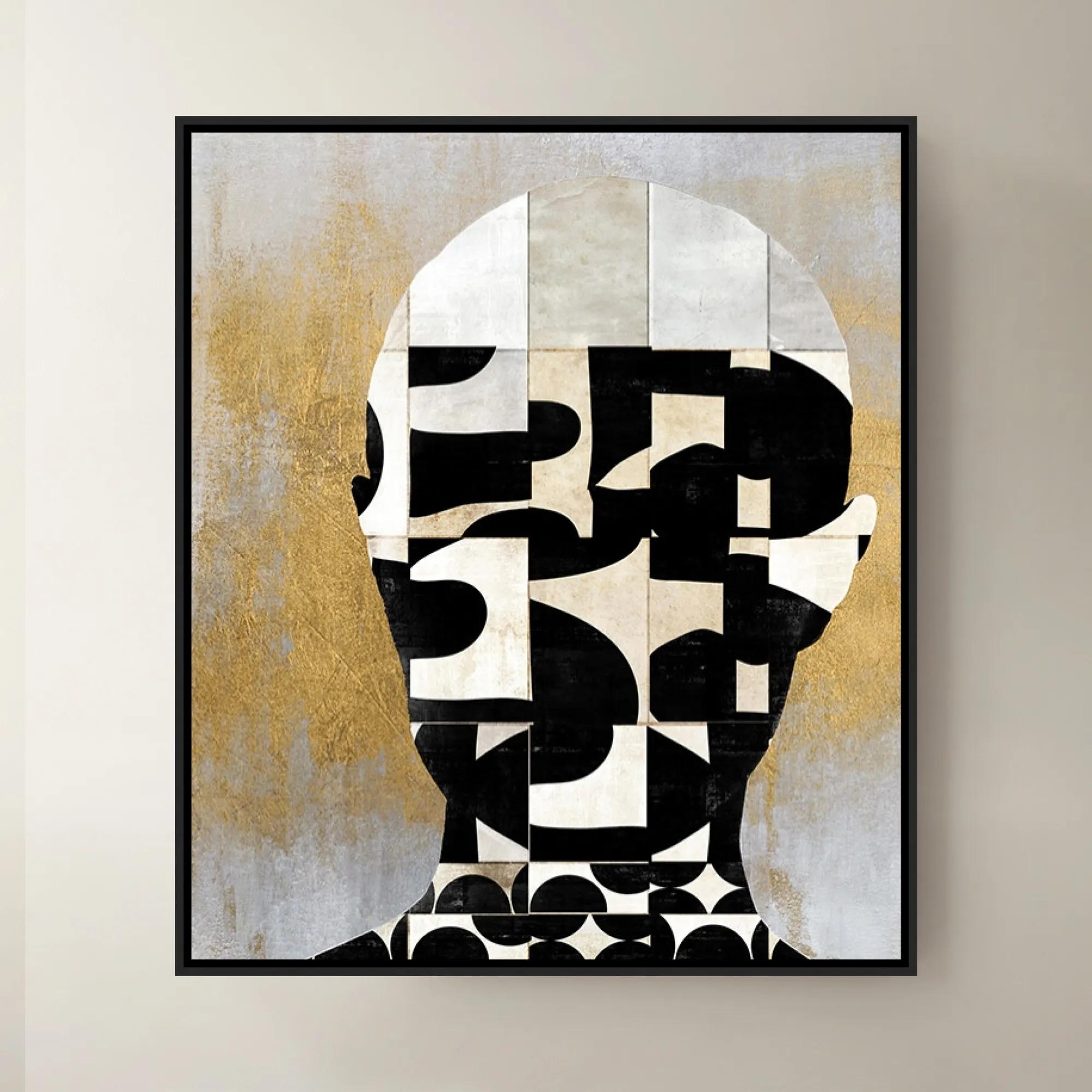
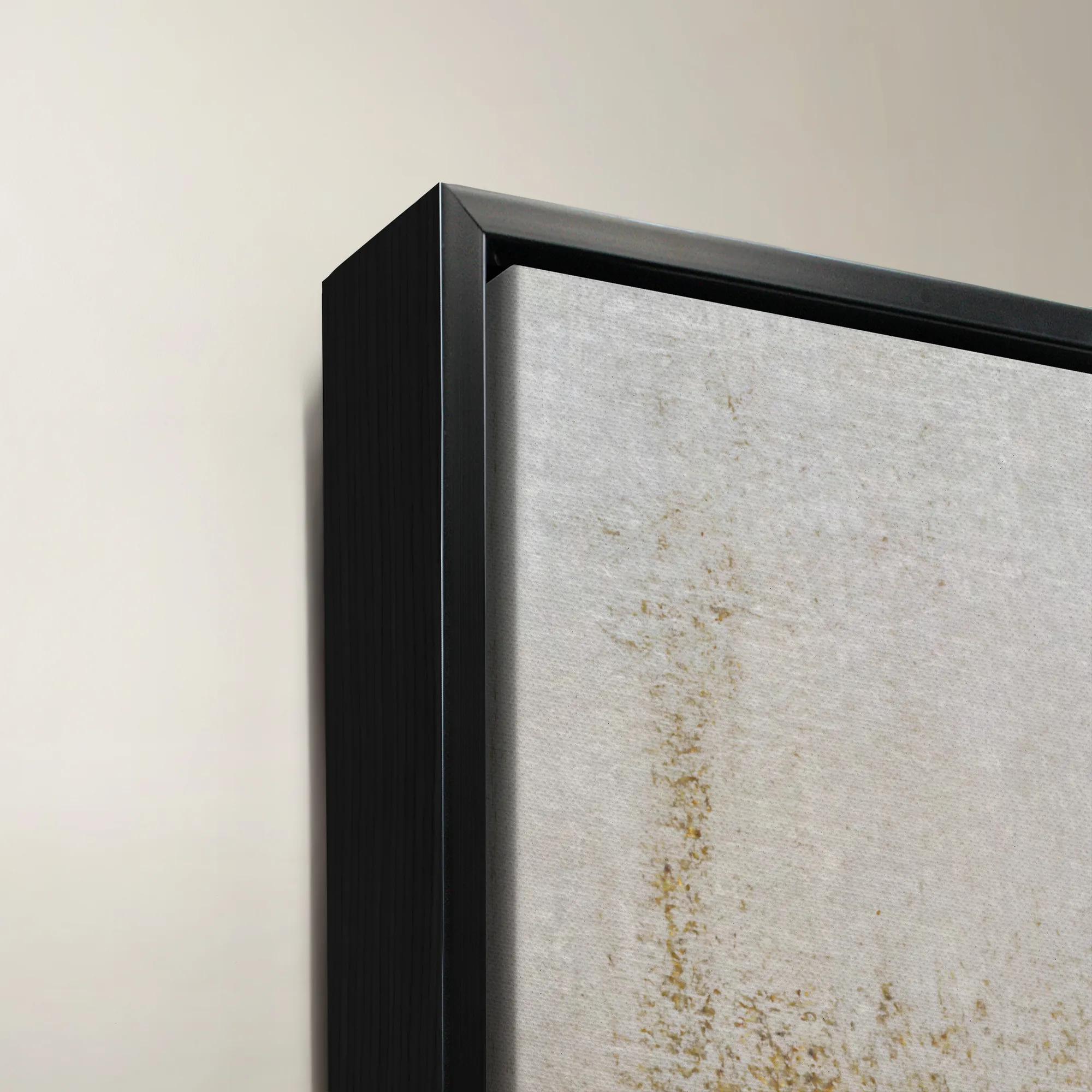 Lets Face It II Framed Wall Art 30" x 35"$699
A striking contemporary art piece showcasing bold design and creative flair by a renowned interior designer.
Add To Cart -
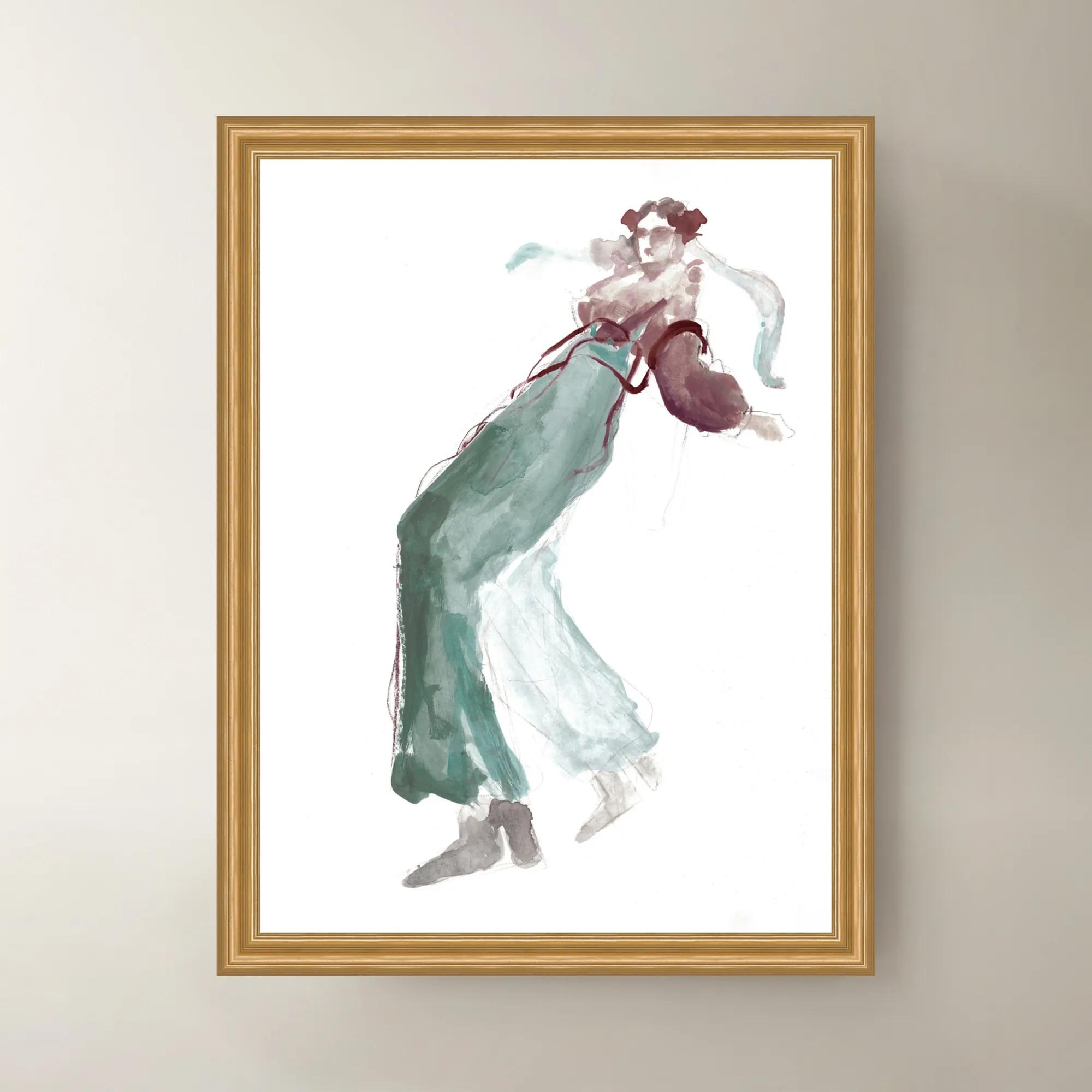
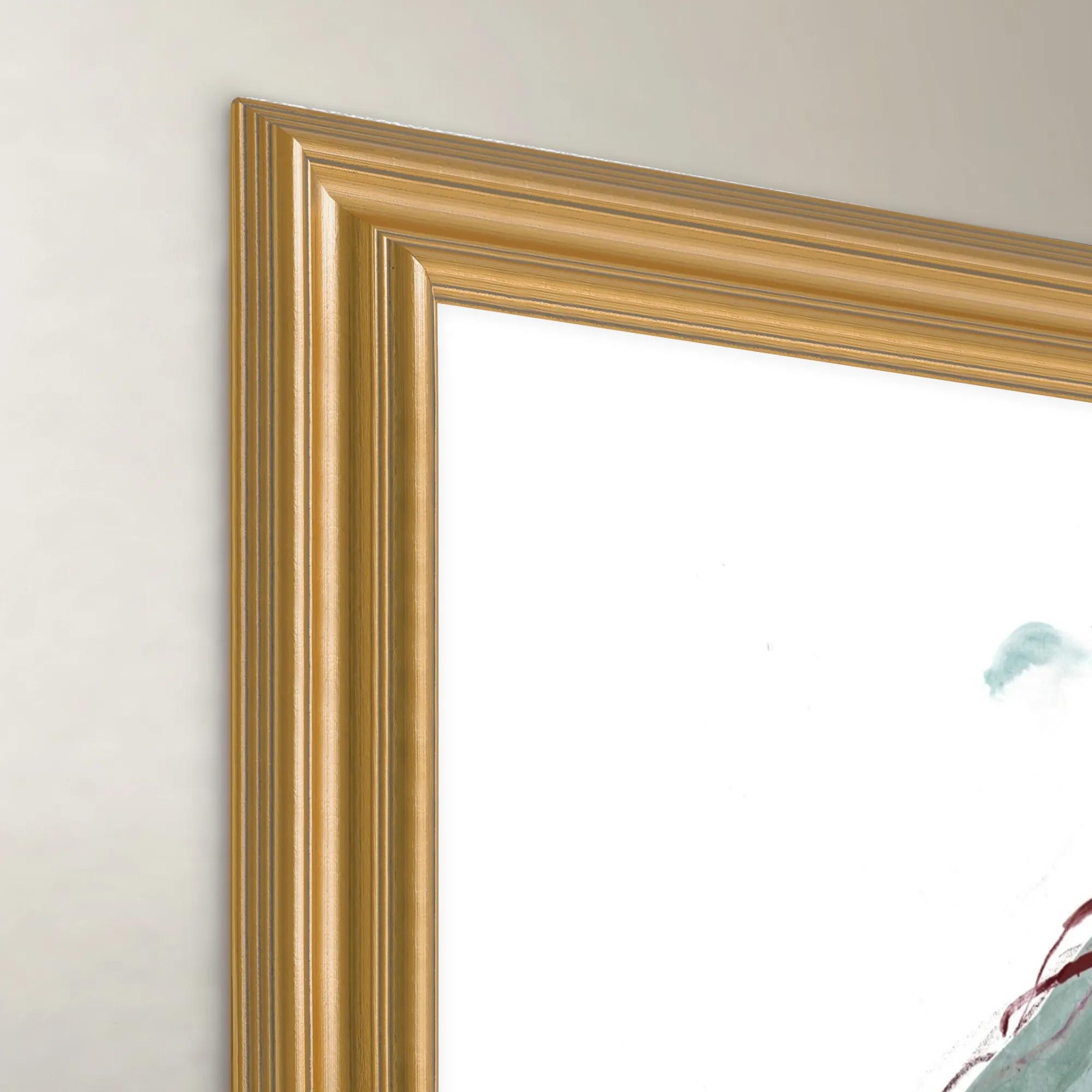 A Le Mode II Framed Wall Art 30" x 40"$799
A green canvas wall art piece presented in a sleek frame.
Add To Cart -

 Rosebud Framed Painted Wall Art 40" x 60"$1599
A framed painted canvas artwork featuring elegant gold tones for sophisticated modern interiors.
Add To Cart -
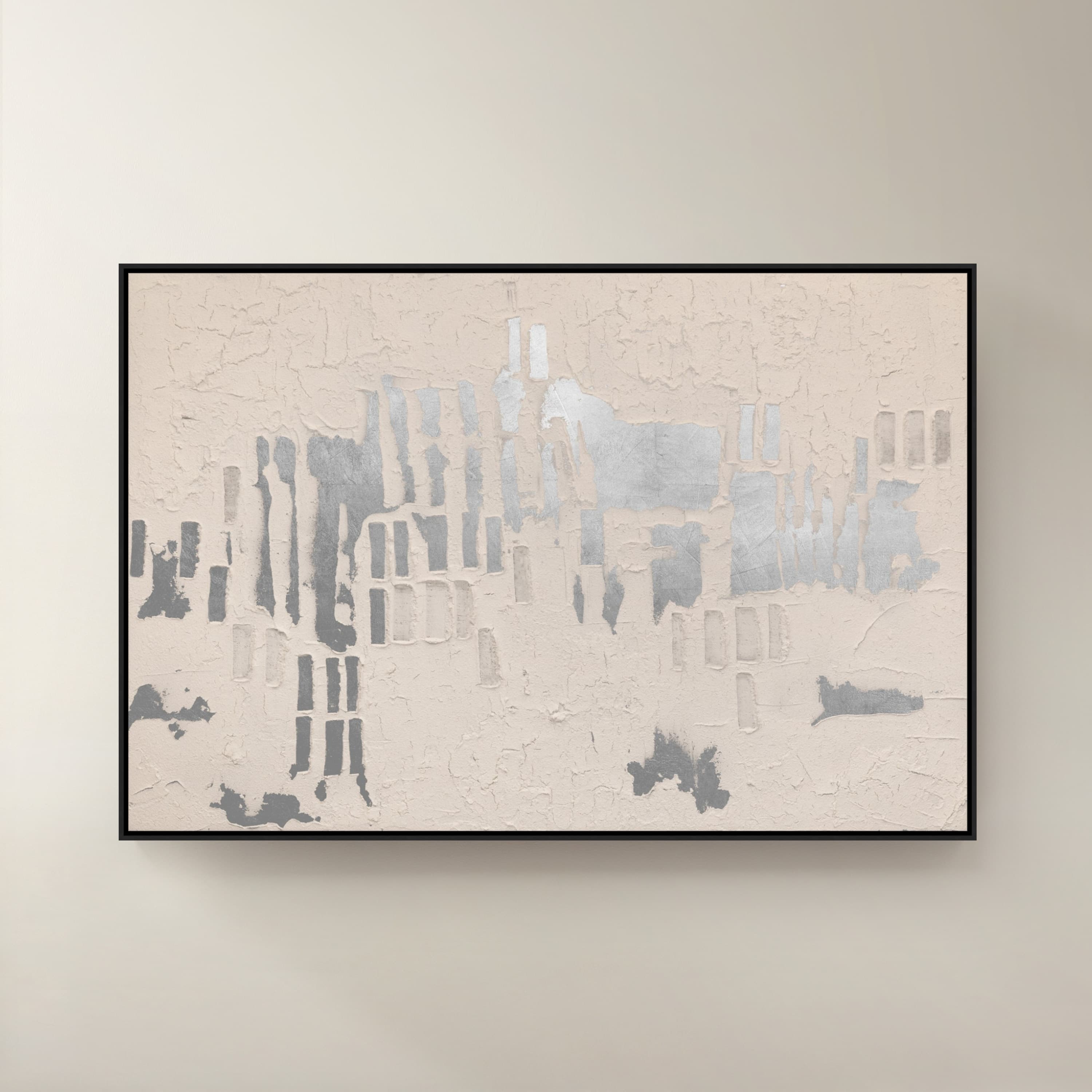
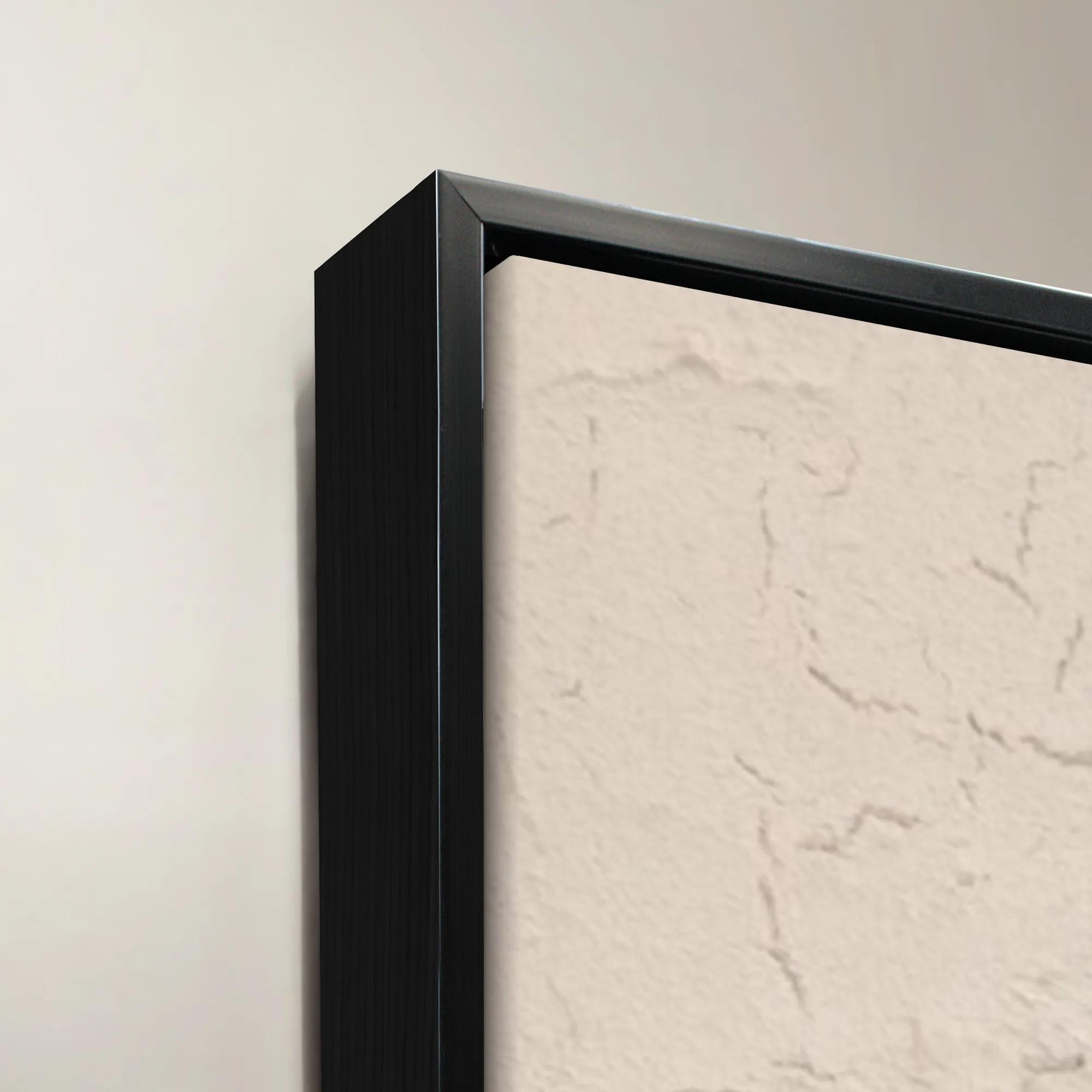 Silver Reverie Framed Painted Wall Art 60" x 40"$1699
A silver-toned painted canvas artwork framed for a sophisticated, contemporary wall display.
Add To Cart -

 Floral Jungle II Framed Wall Art 30" x 40"$799
A striking gold-framed canvas artwork depicting lush tropical foliage in an expressive botanical composition.
Add To Cart -
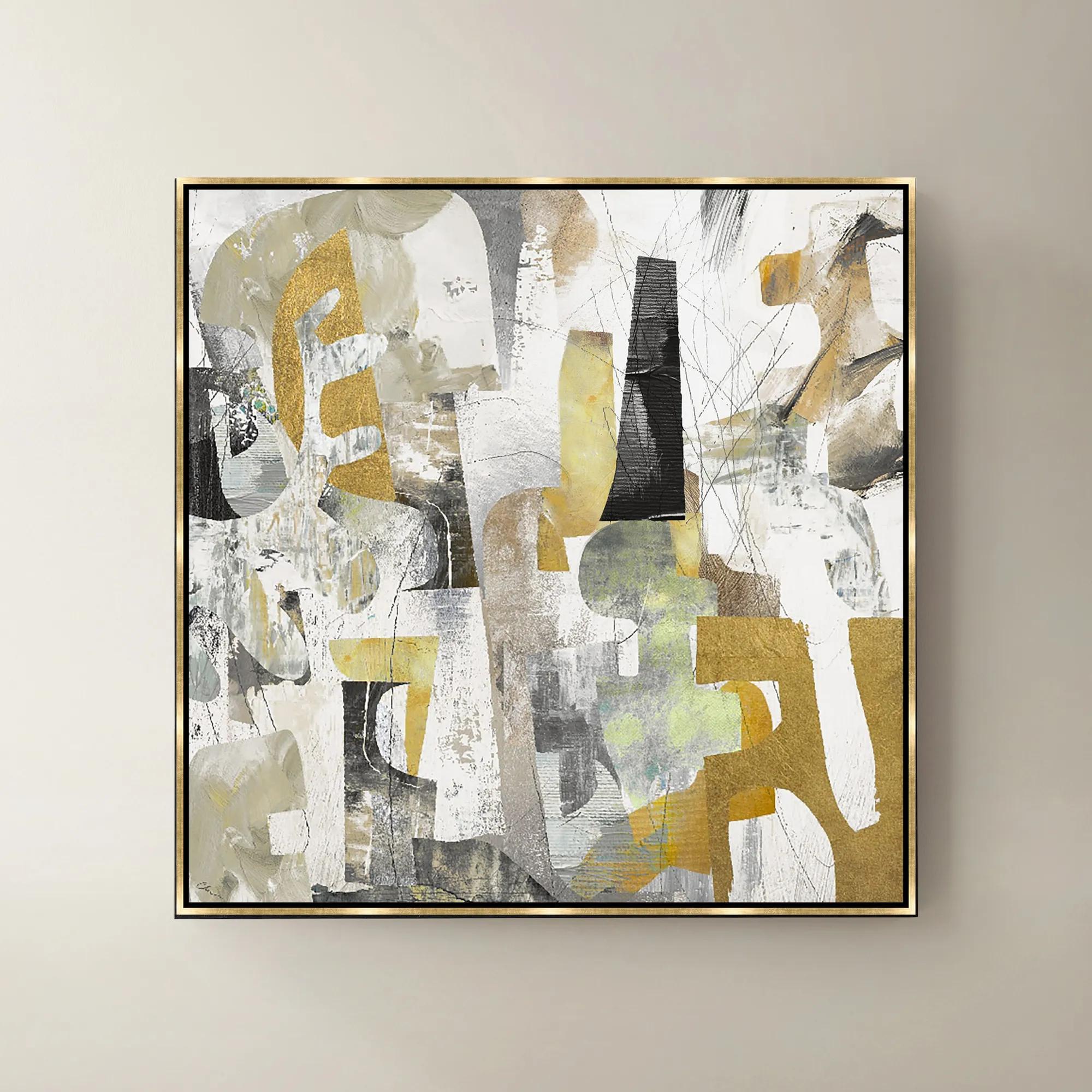
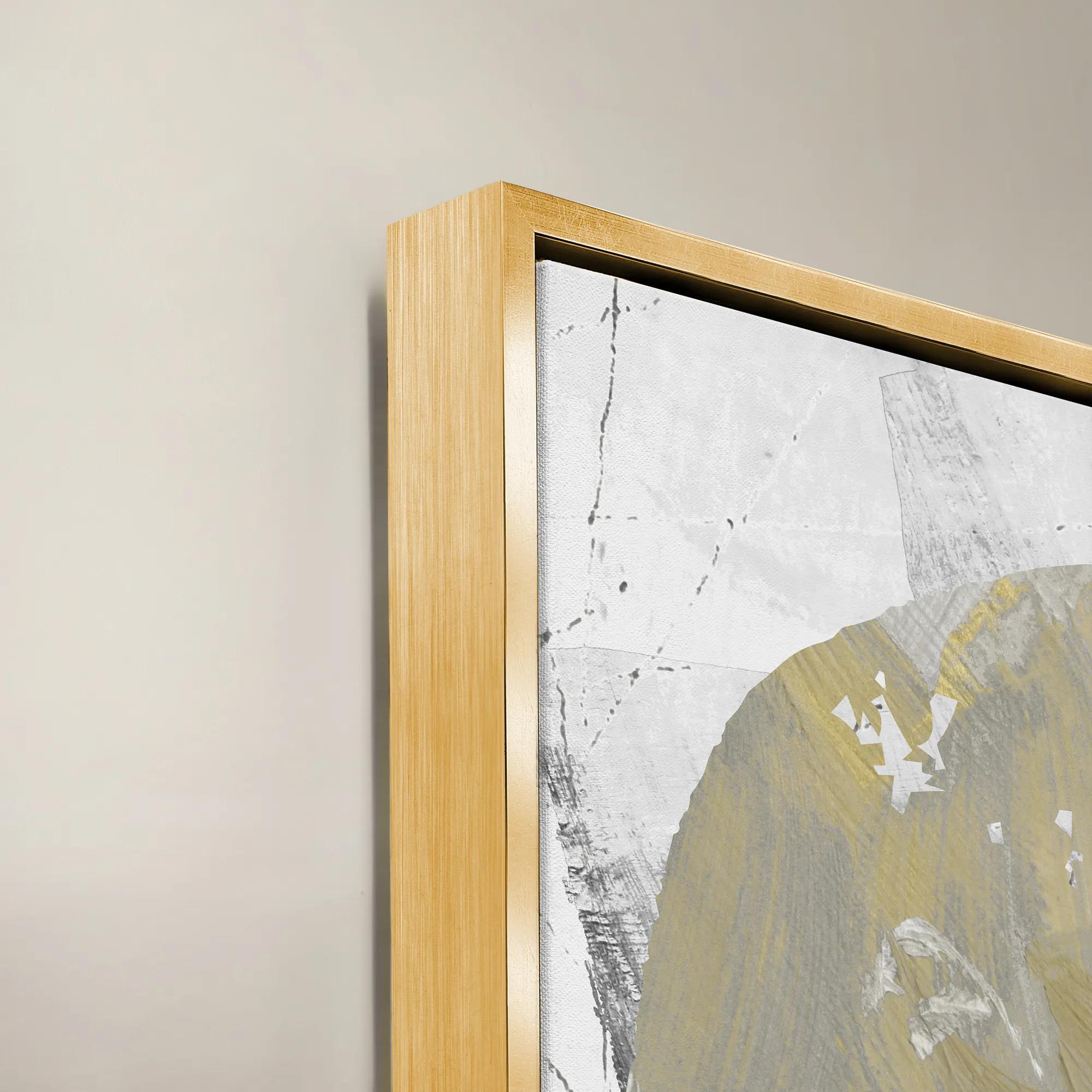 Abby II Framed Wall Art 40" x 40"$849
An abstract art piece inspired by Nikki Chu’s modern design aesthetic and creative expertise.
Add To Cart -
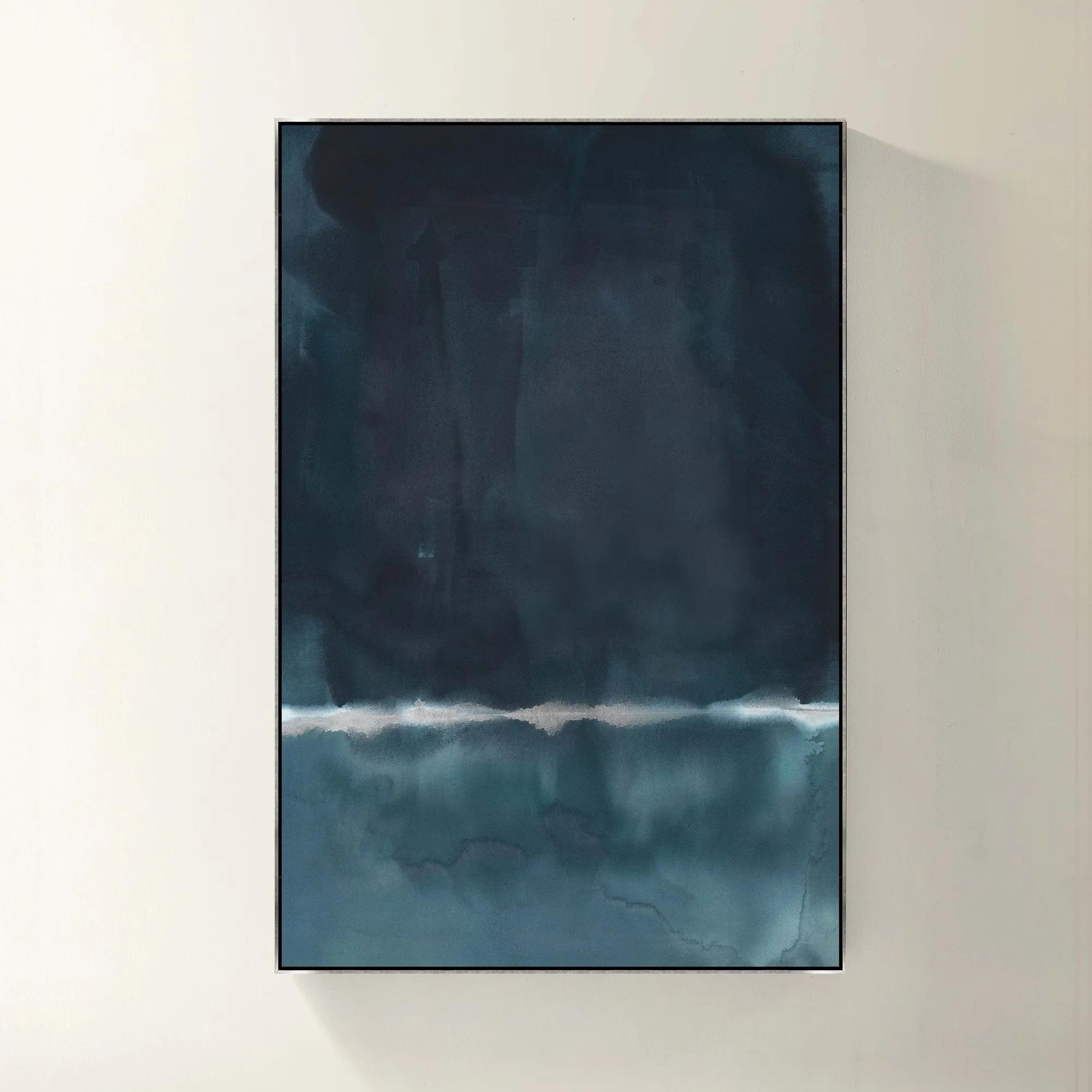 Blue Monday Framed Wall Art 40" x 60"$1119
A gallery-wrapped blue canvas with hand-embellished silver accents in a sleek silver floater frame.
Add To Cart -
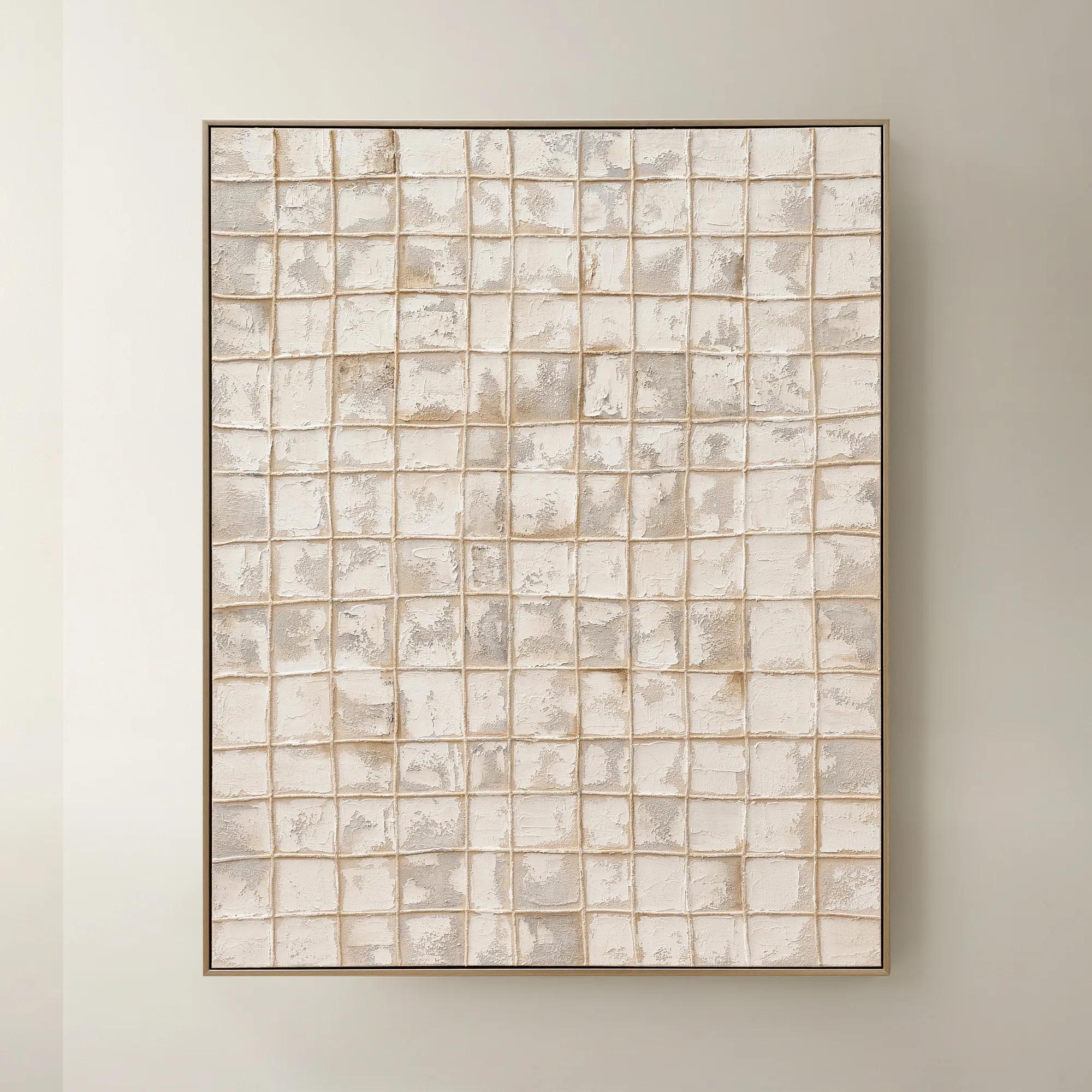
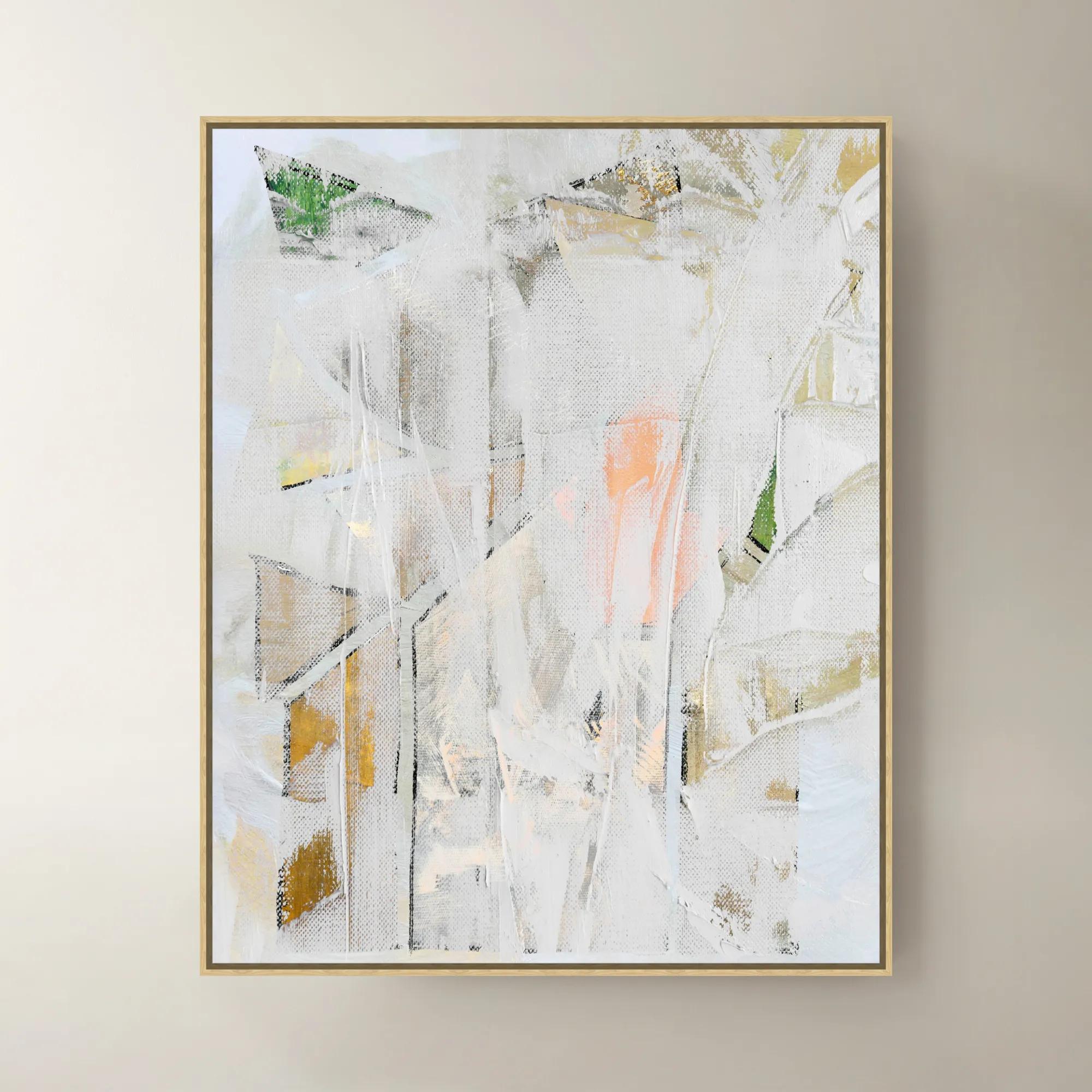
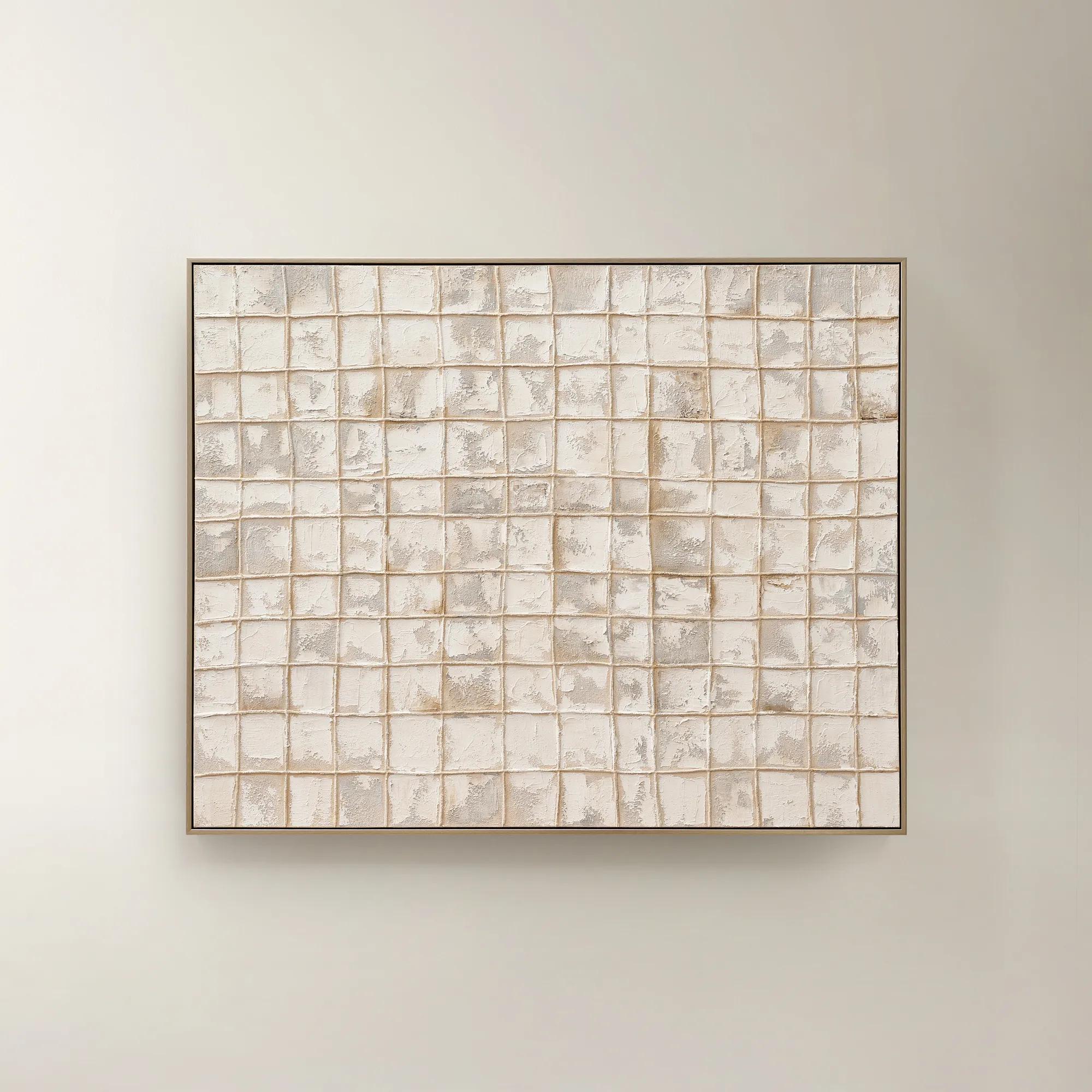 Painted Echos Framed Gold Leaf Wall Art 60" x 48"$699
A hand-painted abstract canvas with gold leaf accents and a champagne frame for modern, versatile display.
Add To Cart

Framed Paper Art Wall Decors
Framed paper art wall decors transform blank walls into curated galleries of imagination and intrigue. Each piece is a testament to the power of artistry—delicate layers, intricate textures, and bold compositions that command attention and invite conversation. Whether you’re drawn to abstract forms or evocative illustrations, these masterpieces capture the essence of expressive living, infusing every room with a sense of wonder and sophistication. Elevate your space with framed paper art wall decors that turn everyday moments into extraordinary visual stories.
Framed paper art wall decor encompasses artwork on paper displayed within a frame, from fine art prints and expressive drawings to cut-paper compositions, layered paper sculptures, and dimensional shadow boxes. Its appeal lies in the conversation between the artwork and its presentation: a slender border sharpens a sweeping composition, a generous mat gives delicate marks room to breathe, and a deep frame turns folded paper into a sculptural focal point. Paper offers remarkable visual range. Smooth surfaces lend crisp definition to architectural lines and graphic shapes, while textured sheets introduce a softer, tactile quality that remains visible beneath glazing. Torn edges, embossed details, and raised layers can become part of the composition rather than details to conceal. Giclée prints use fine inkjet printing to reproduce tonal variation and intricate detail; dimensional paper works rely on cutting, folding, layering, or shaping to create depth and shadow. These are distinct forms of expression, with different effects on a room. A monochromatic print can bring poised contrast to sumptuous upholstery, while an intricate paper relief rewards a closer look beside an entryway console. The frame adds its own architectural presence. Wood can introduce warmth or a crisp painted outline, metal can lend a sleek edge, and metallic finishes can echo the gleam of nearby lighting or decorative accents. A shadow box provides space between the artwork and the glazing, allowing dimensional elements to remain visible without being flattened. Mats can emphasize the artwork’s scale, establish a deliberate border, or create a quiet interval between an energetic image and an ornate frame. Whether the composition is restrained or exuberant, framed paper wall art makes color, line, and texture feel intentional. It brings an artistic point of view to spaces where furniture establishes the silhouette but the walls carry the personality, from an intimate reading corner to a living room designed for memorable gatherings.
Scale and placement shape how framed paper art feels within an interior. A large composition above a sofa can anchor the entire seating arrangement, while a smaller work over a narrow chest creates a concentrated moment of artistry. Framed dimensions matter more than image dimensions alone: a broad mat or substantial molding can considerably increase the space a piece occupies. The depth of a shadow box also changes its presence, projecting beyond the wall and casting subtle shadows that become part of the display. Above furniture, artwork generally feels more connected when its overall width leaves breathing room at either side rather than extending past the piece below. On an expansive wall, a pair or carefully spaced grouping can create the visual weight of a single oversized work while introducing rhythm. Matching frames bring order to varied subjects; a shared palette can unite different frame profiles without making the arrangement feel rigid. For interiors drawn to sweeping gestures, fractured geometry, and unexpected color relationships, Framed Modern Abstract Wall Art offers a related direction with an expressive visual language. Paper-based compositions can also bridge contrasting materials elsewhere in the room. An ivory relief brings depth to a wall near polished stone, a charcoal drawing lends definition beside pale upholstery, and a luminous metallic frame picks up the finish of a sculptural lamp without requiring every accent to match. In a dining room, art can establish a dramatic backdrop visible from across the table; in a bedroom, softer tonal transitions can support a more intimate atmosphere. A home office benefits from a composition with enough presence to feel considered without overwhelming the desk beneath it. Framed paper artwork can also make a thoughtful housewarming, wedding, or milestone gift for someone whose taste is familiar. Subject matter, palette, and overall dimensions are particularly meaningful considerations for a gift, allowing the gesture to reflect the recipient’s space and sensibility rather than simply filling an empty wall.
The lasting beauty of framed paper art depends on both its construction and the environment surrounding it. Paper is sensitive to light, moisture, and contact with unsuitable materials, so framing details deserve attention alongside the image itself. Acid-free mats and appropriate archival backing help reduce the risk of discoloration caused by materials touching the artwork. For works displayed behind glass or acrylic, a mat or spacer keeps the paper from resting directly against the glazing. Glass offers a clear, substantial surface, while acrylic is generally lighter and more resistant to shattering, though it can scratch more easily and requires suitable cleaning products. UV-filtering glazing can help limit light-related damage, but it does not eliminate fading or make direct sunlight an ideal setting. A wall away from strong sun, persistent humidity, and splashes is better suited to preserving delicate fibers, pigments, and dimensional details. This makes living rooms, bedrooms, hallways, and offices natural settings, while steamy bathrooms or areas close to cooking surfaces call for greater caution. Durability also rests on secure framing and hanging hardware appropriate to the artwork’s weight and wall type, especially for larger glazed pieces. Day-to-day care is gentle rather than elaborate: a soft, dry cloth can remove dust from the frame, and any glazing cleaner should be compatible with the surface and applied to the cloth rather than sprayed directly onto the artwork. Moisture can seep beneath the frame’s edges, and abrasive cleaners can cloud acrylic or damage decorative finishes. Layered paper and exposed edges are best left untouched, preserving the contours that give them character. With thoughtful placement and careful handling, framed paper art offers enduring visual richness without demanding a room full of competing statements. A beautifully resolved composition can hold its own above a console, deepen the character of a collected arrangement, or give an entire room its defining note of drama.
FAQs
Framed paper art wall decor elevates a wide range of interiors, from contemporary and minimalist spaces craving a touch of texture, to eclectic and bohemian rooms seeking artisanal detail. These pieces are especially impactful in living rooms, bedrooms, entryways, and offices, where their sculptural surfaces and intricate designs can become a captivating focal point.
To preserve the beauty of your framed paper art, display it away from direct sunlight and high-humidity areas to prevent fading or warping. Gently dust the frame and glass or plexiglass front with a soft, dry cloth as needed. Avoid using water or cleaning sprays directly on the artwork to maintain its pristine condition.
Framed paper art wall decor makes a thoughtful and distinctive gift for art lovers, newlyweds, or anyone celebrating a new home or milestone. Their unique textures and handcrafted appeal offer a sense of personal, curated luxury, making them memorable presents for those who appreciate expressive, one-of-a-kind design.
Absolutely. Framed paper art adds depth and tactile interest to gallery wall arrangements. Pair these pieces with paintings, photographs, or mirrors to create a dynamic, layered display. Their dimensional surfaces and neutral or bold palettes make them versatile companions in any curated collection.
Framed paper art stands apart through its sculptural quality and artisanal craftsmanship. Unlike flat prints or canvases, these works feature raised, embossed, or woven textures that play with light and shadow, offering a sense of depth and movement. Each piece is a celebration of material artistry, bringing an unexpected tactile element to your walls.