Formal Living Room Accent Chairs
Formal Living Room Accent Chairs
-
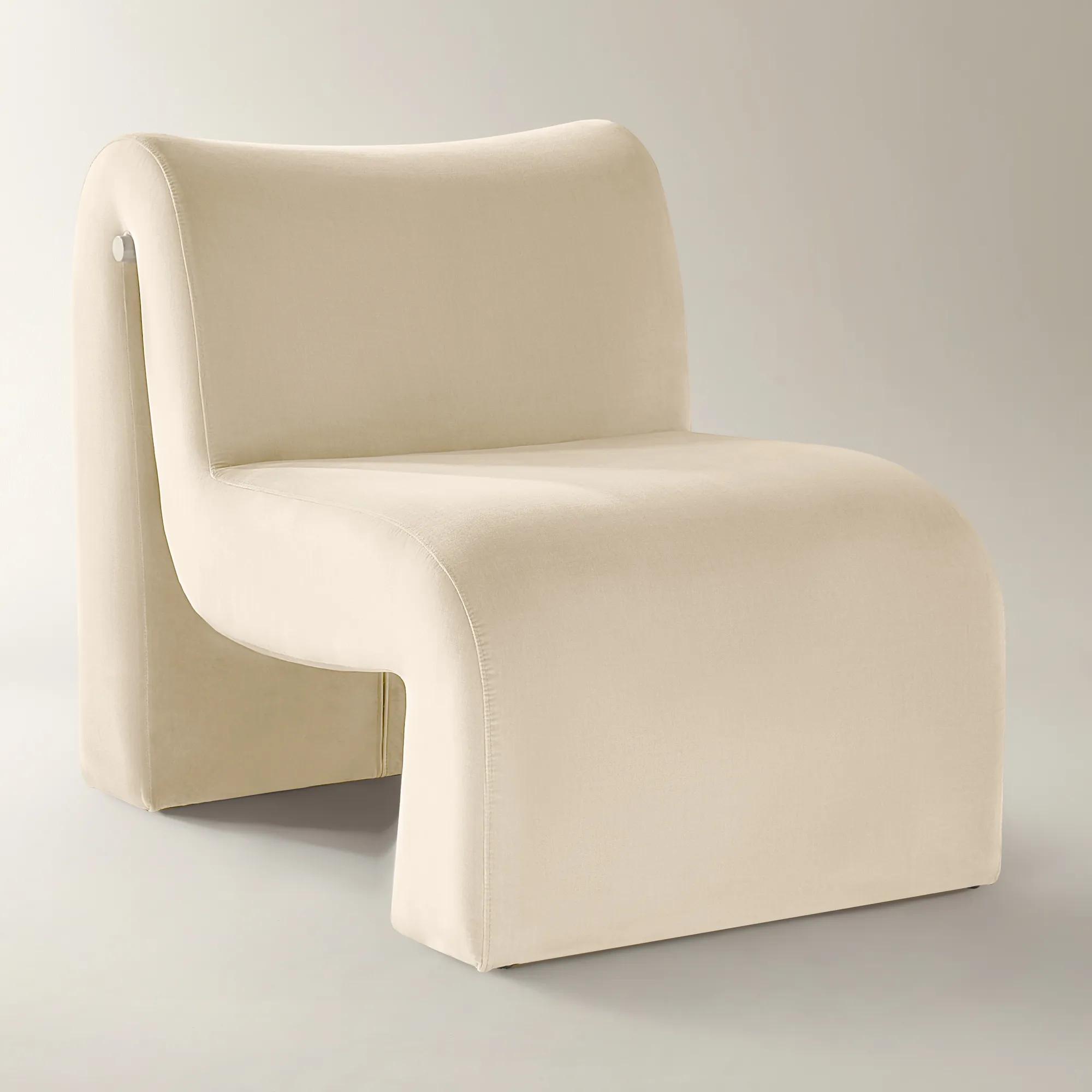 Cora Ivory Velvet Accent Chair$899
A sculpted ivory velvet chair featuring a continuous curved silhouette and a gold stainless-steel accent.
Add To Cart -
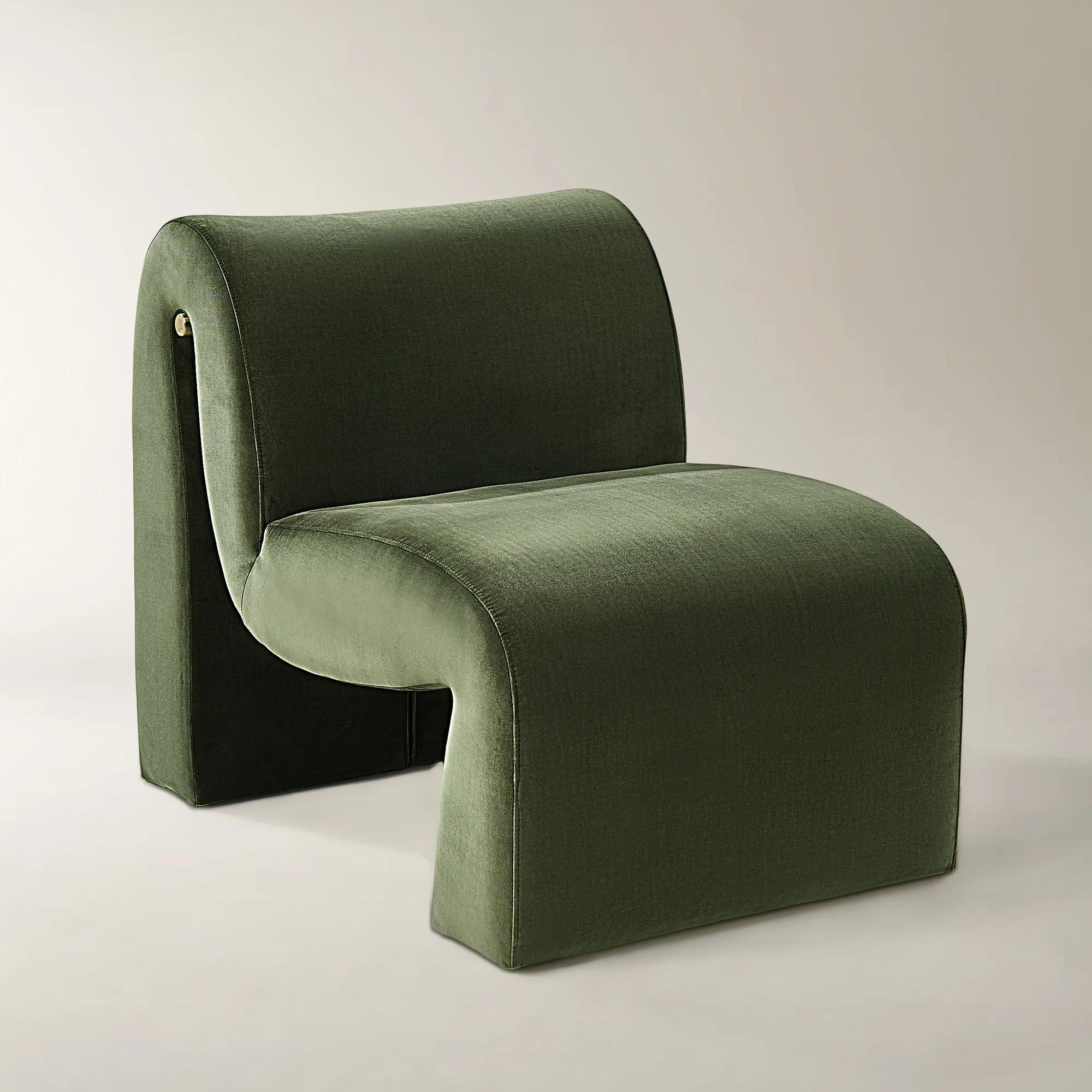
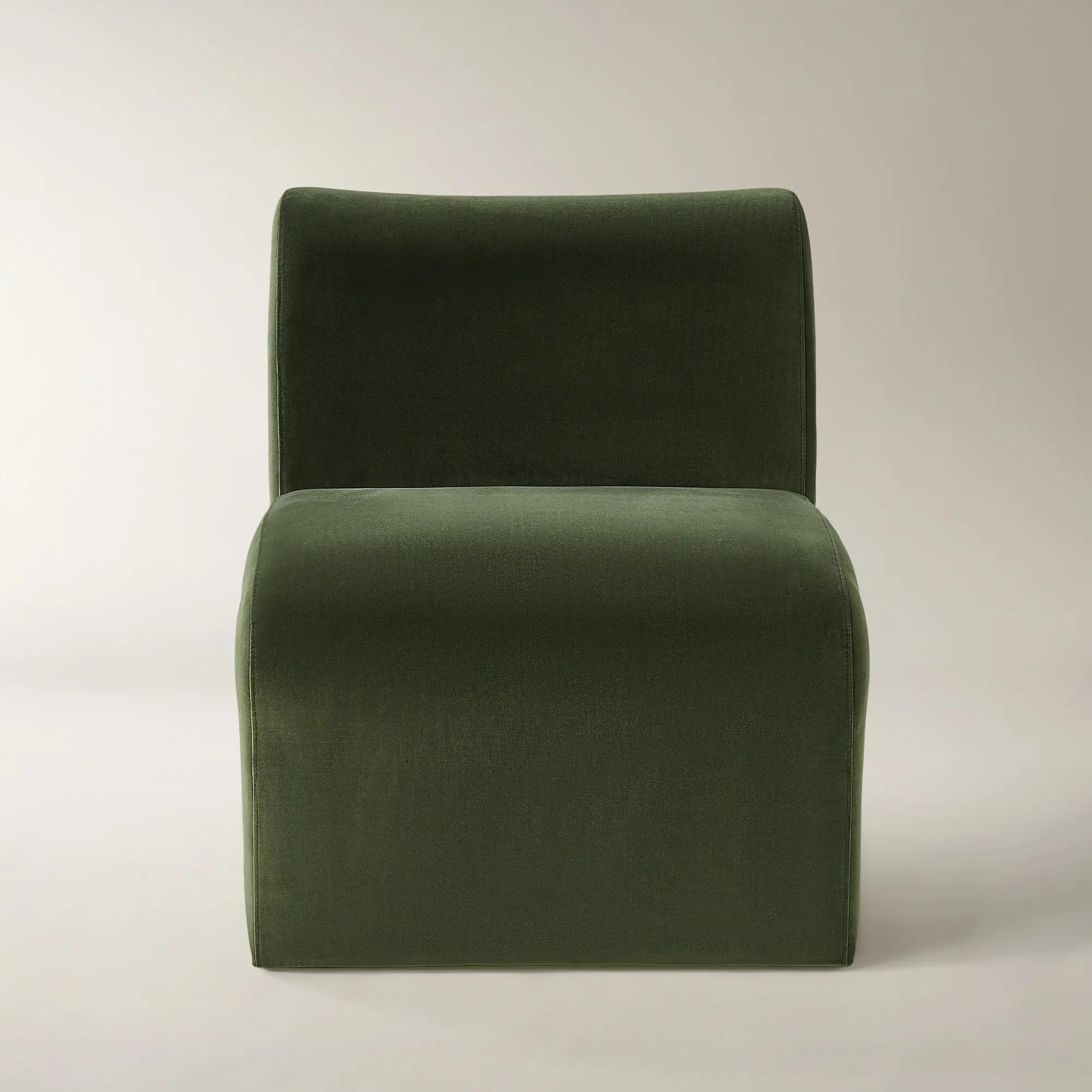 Cora Jade Green Velvet Accent Chair$899
A sculpted accent chair in jade green velvet with a gold stainless-steel inlay for refined glamour.
Add To Cart -
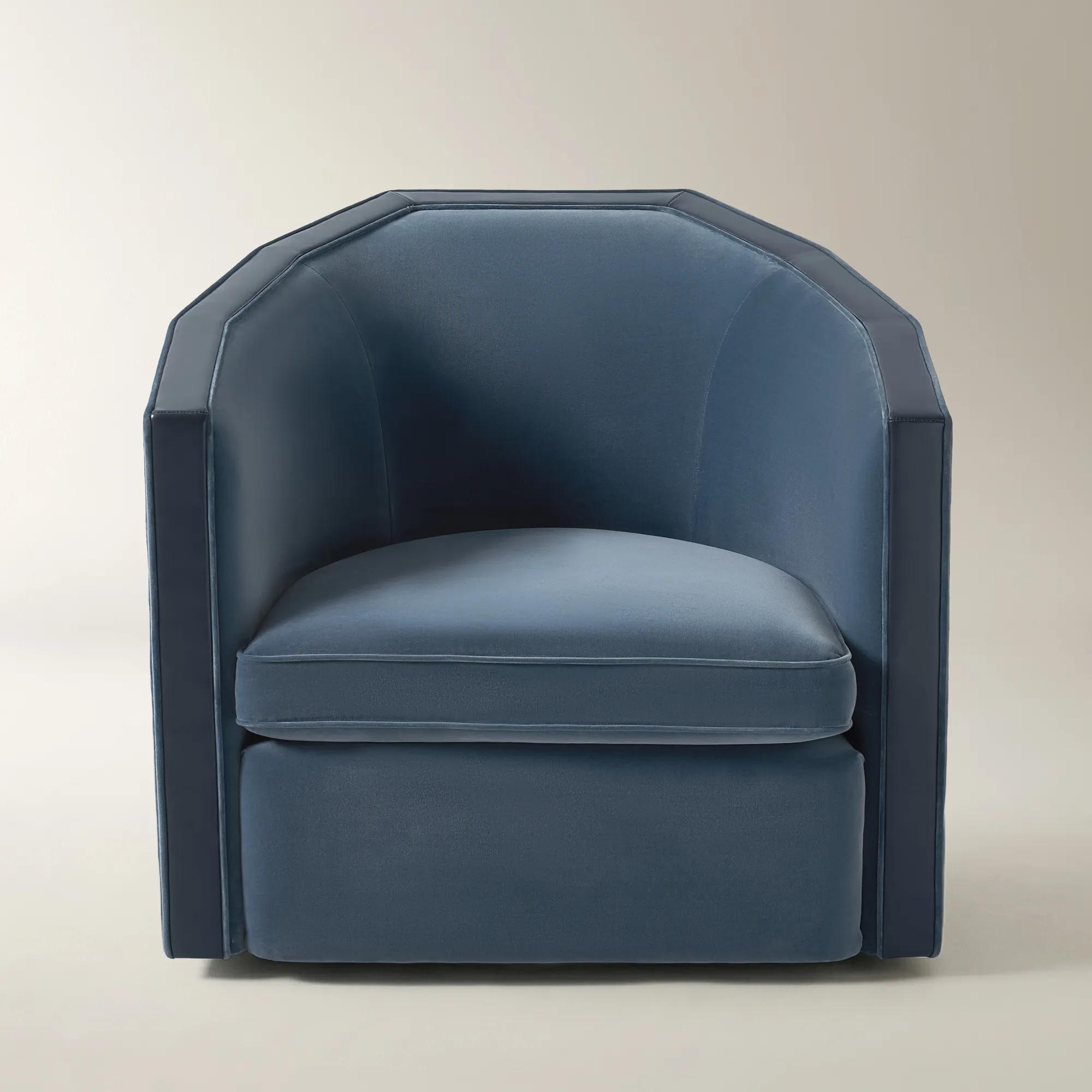 Vesper Dusty Blue Velvet With Leather Swivel Accent Chair$999
A modern accent chair in dusty blue velvet with tonal leather trim and a smooth 360-degree swivel base.
Add To Cart -
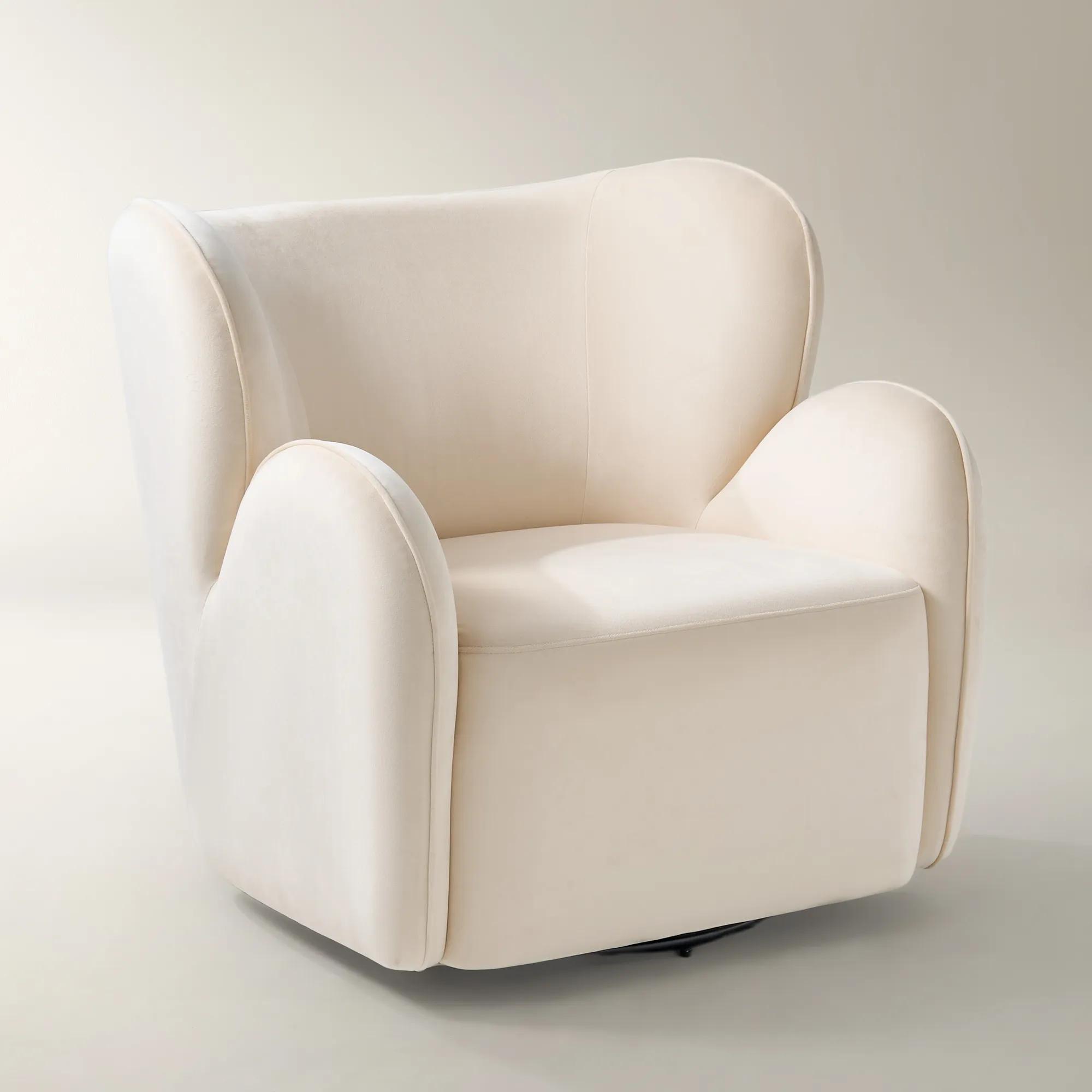
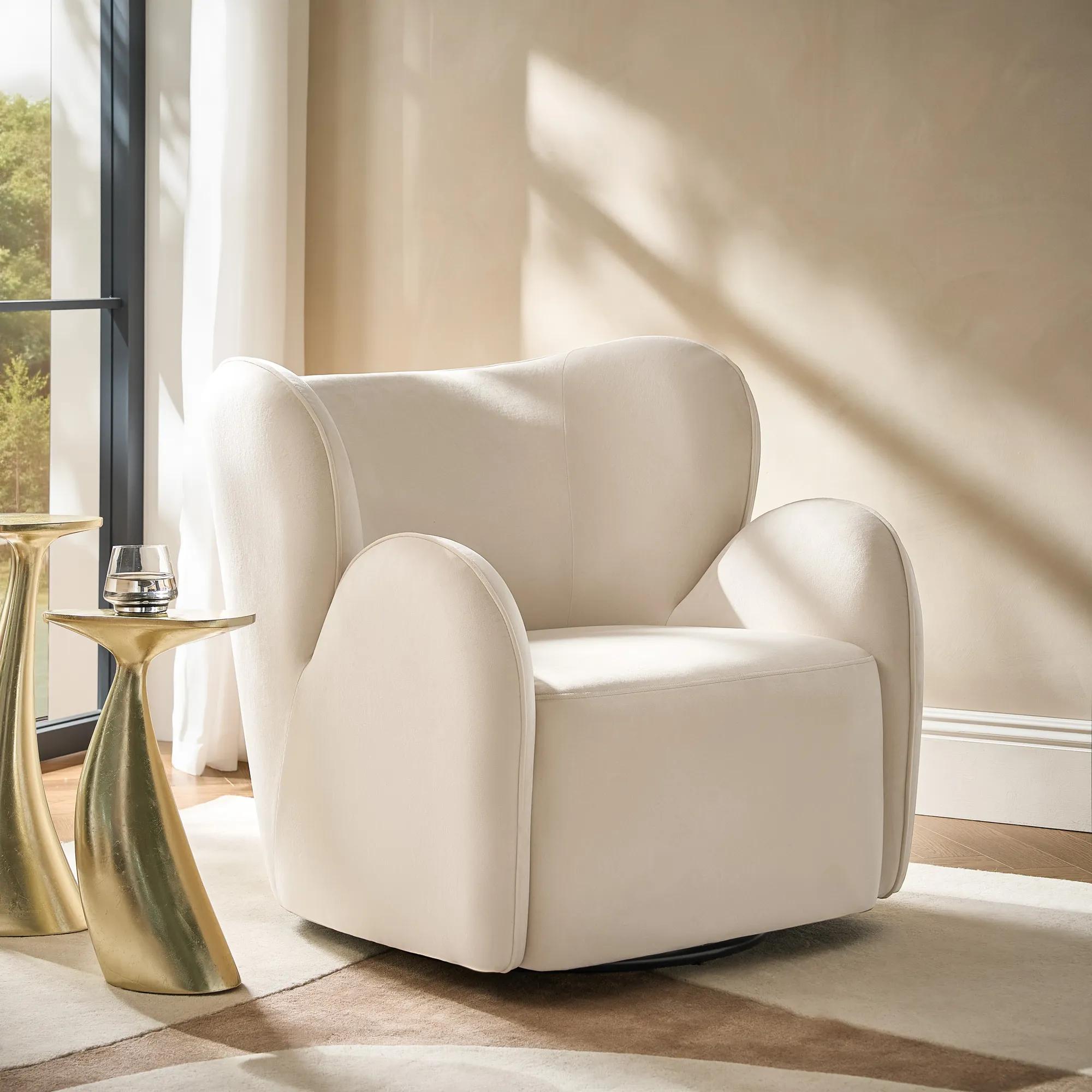 Ceres Ivory Velvet Swivel Accent Chair$799
An ivory velvet accent chair featuring a curved silhouette, 360° swivel, and plush, supportive cushioning.
Add To Cart -
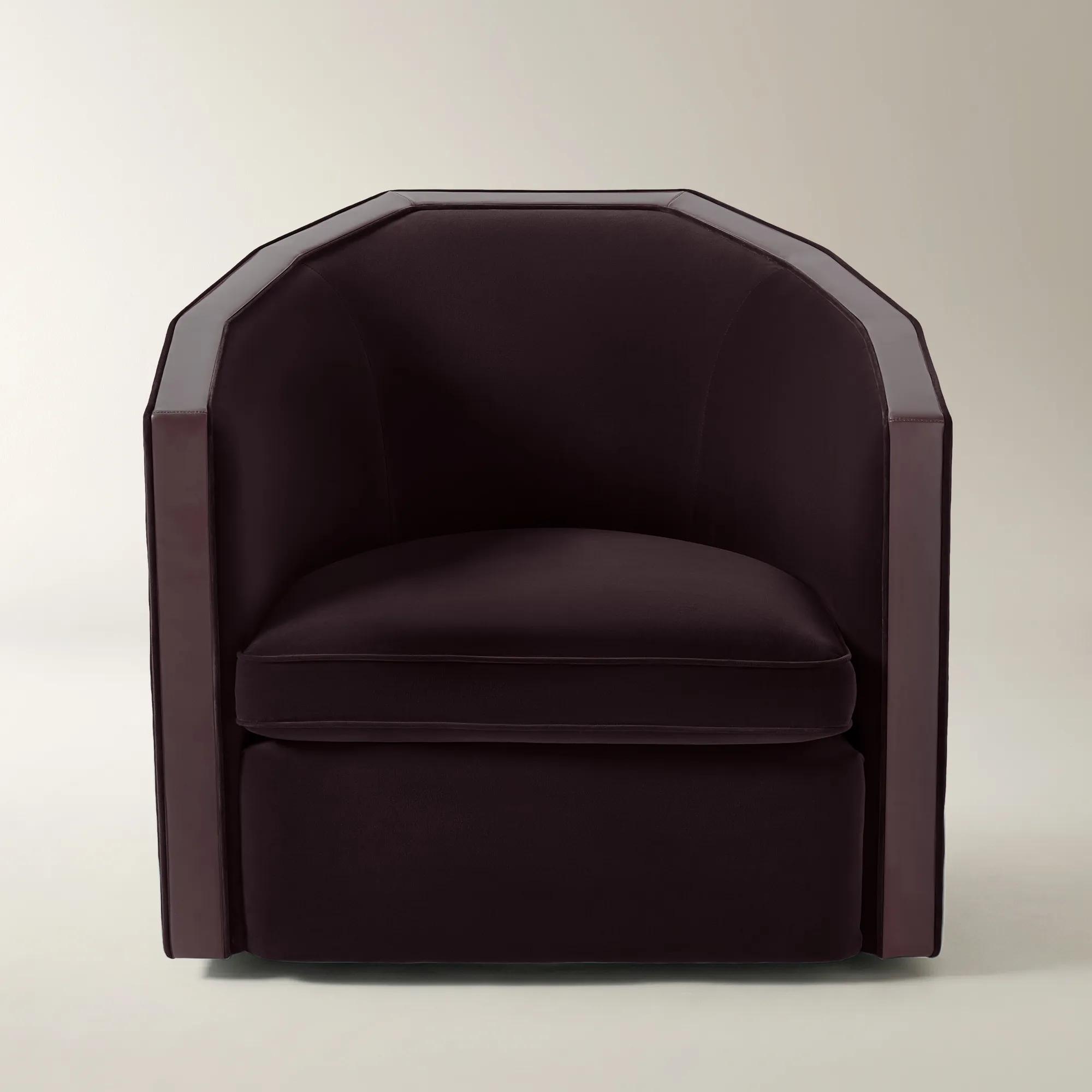
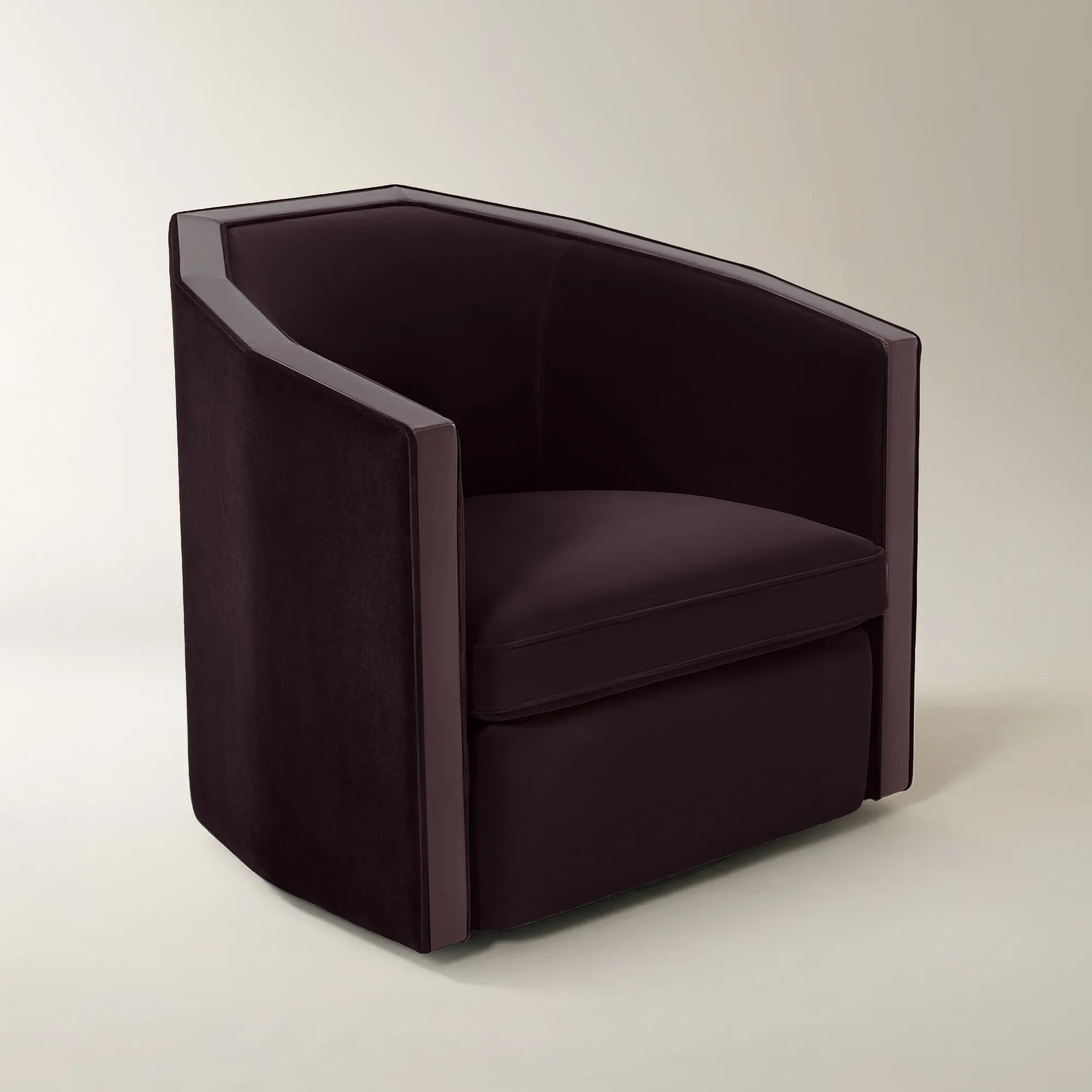 Vesper Fig Velvet With Leather Swivel Accent Chair$999
A modern accent chair featuring fig velvet upholstery, tonal leather trim, and a smooth 360° swivel base.
Add To Cart -
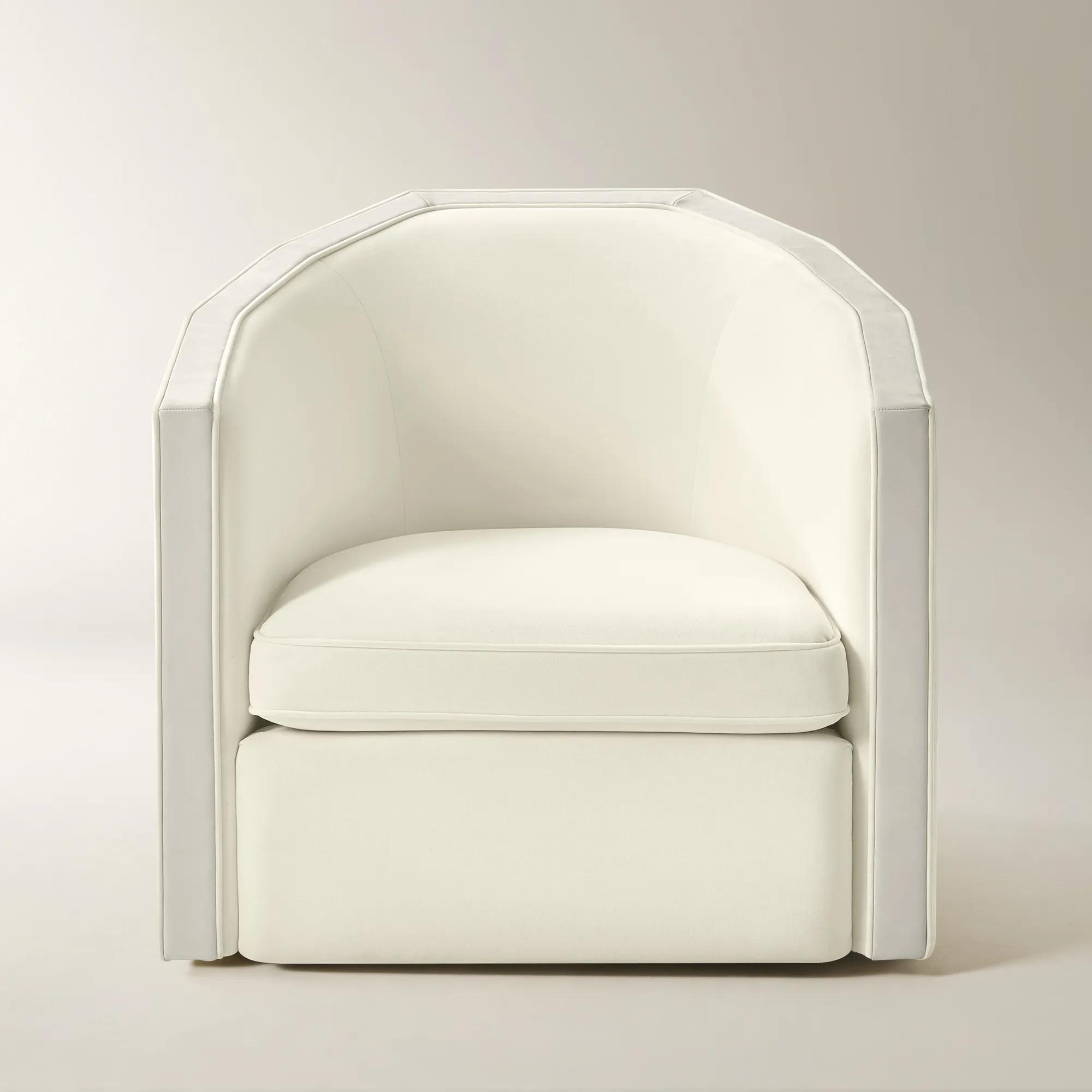 Vesper Cloud Velvet With Leather Swivel Accent Chair$999
A modern accent chair featuring cloud velvet upholstery, tonal leather trim, and a smooth 360° swivel base.
Add To Cart -
 Lyssa Pleated Simply Taupe Velvet Swivel Accent Chair$1099
A taupe velvet accent chair with pleated panels, curved styling, swivel motion, and gold metal base.
Add To Cart -
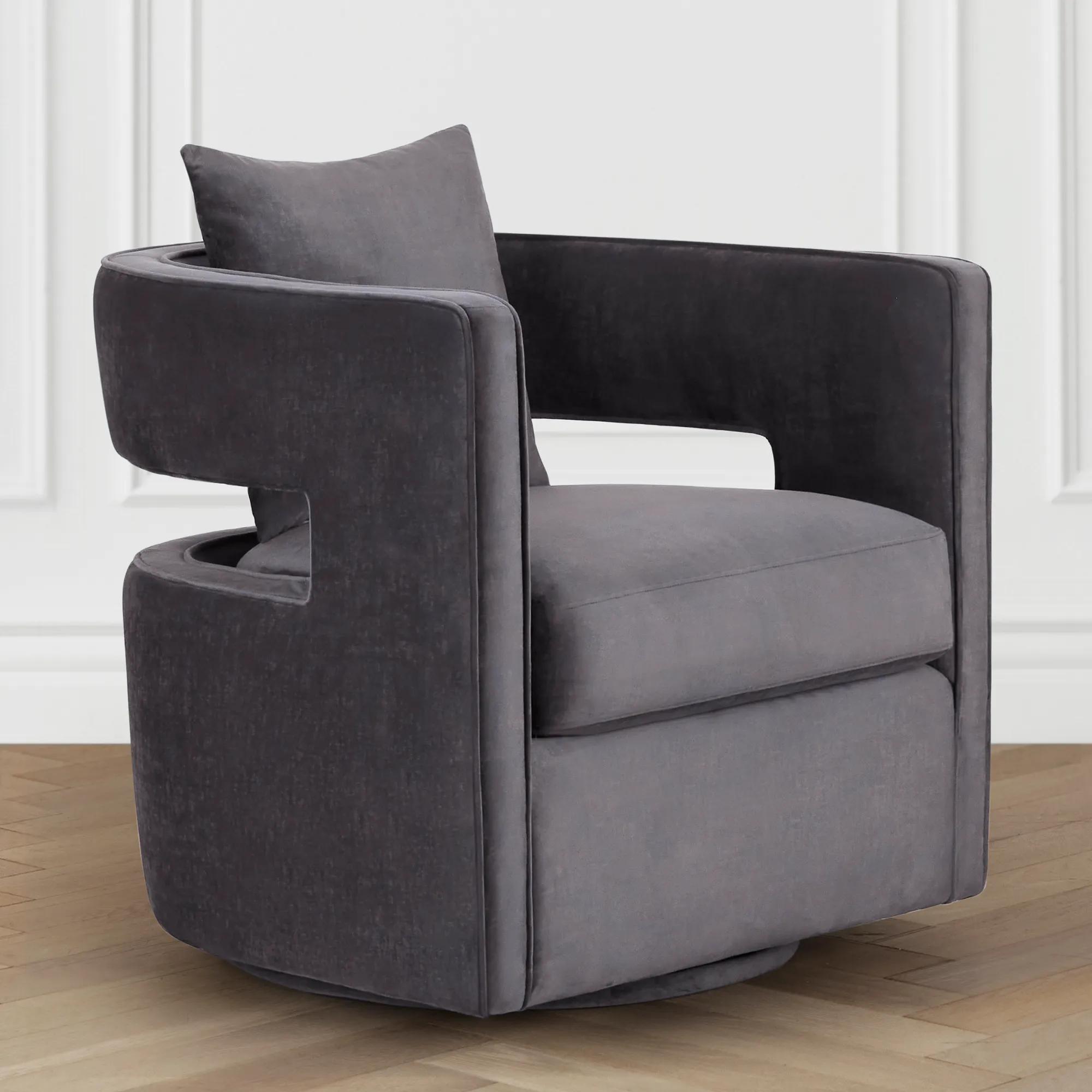 Lottie Grey Velvet Swivel Accent Chair$999
A glamorous grey velvet swivel chair featuring a barrel back, cutout arms, and plush foam cushioning.
Add To Cart -
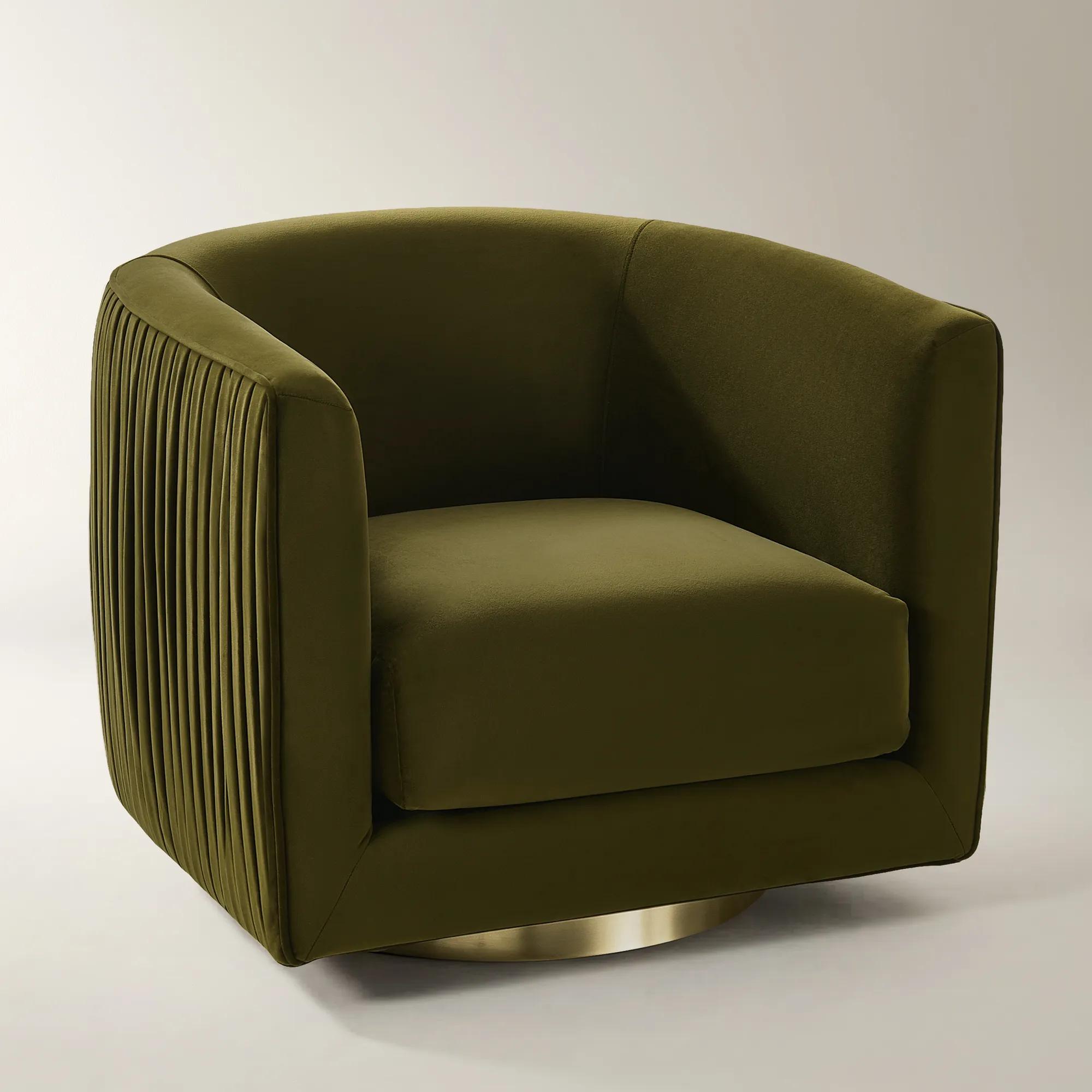
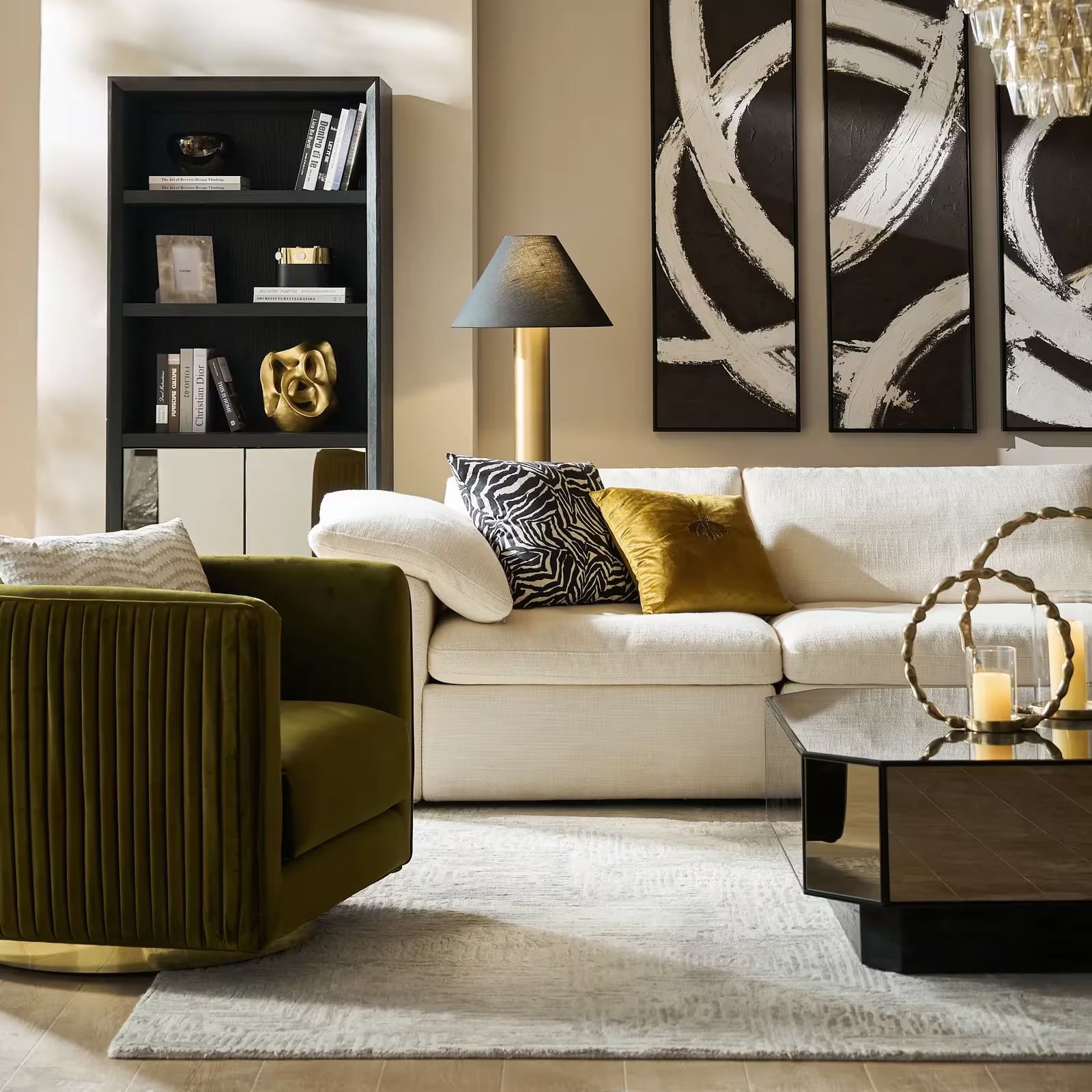 Lyssa Pleated Deep Olive Velvet Swivel Accent Chair$1099
A deep olive velvet accent chair with pleated panels, 360-degree swivel, and gold metal base.
Add To Cart -
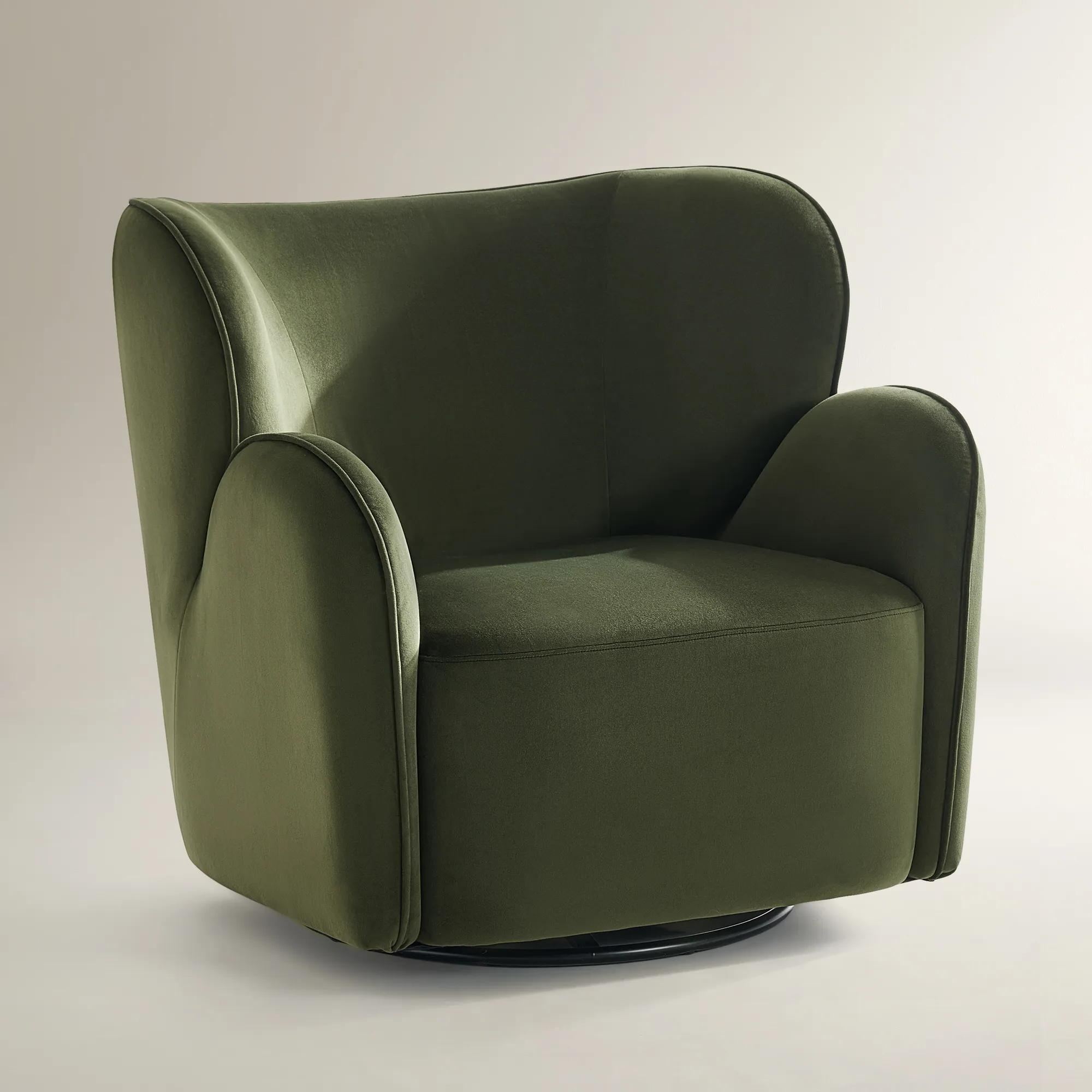
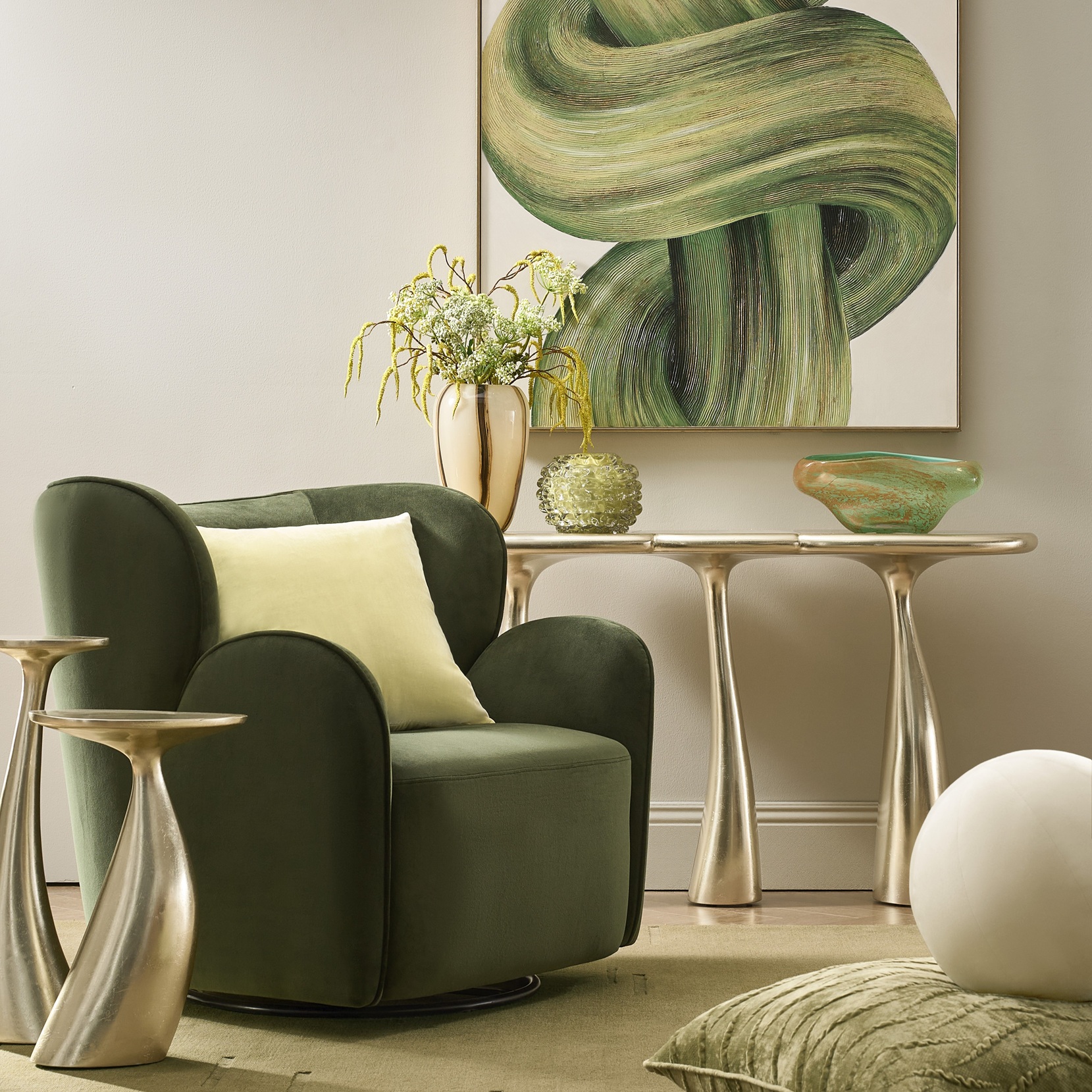 Ceres Jade Green Velvet Swivel Accent Chair$799
A plush jade green velvet chair with a curved silhouette, 360° swivel, and supportive foam cushioning.
Add To Cart -
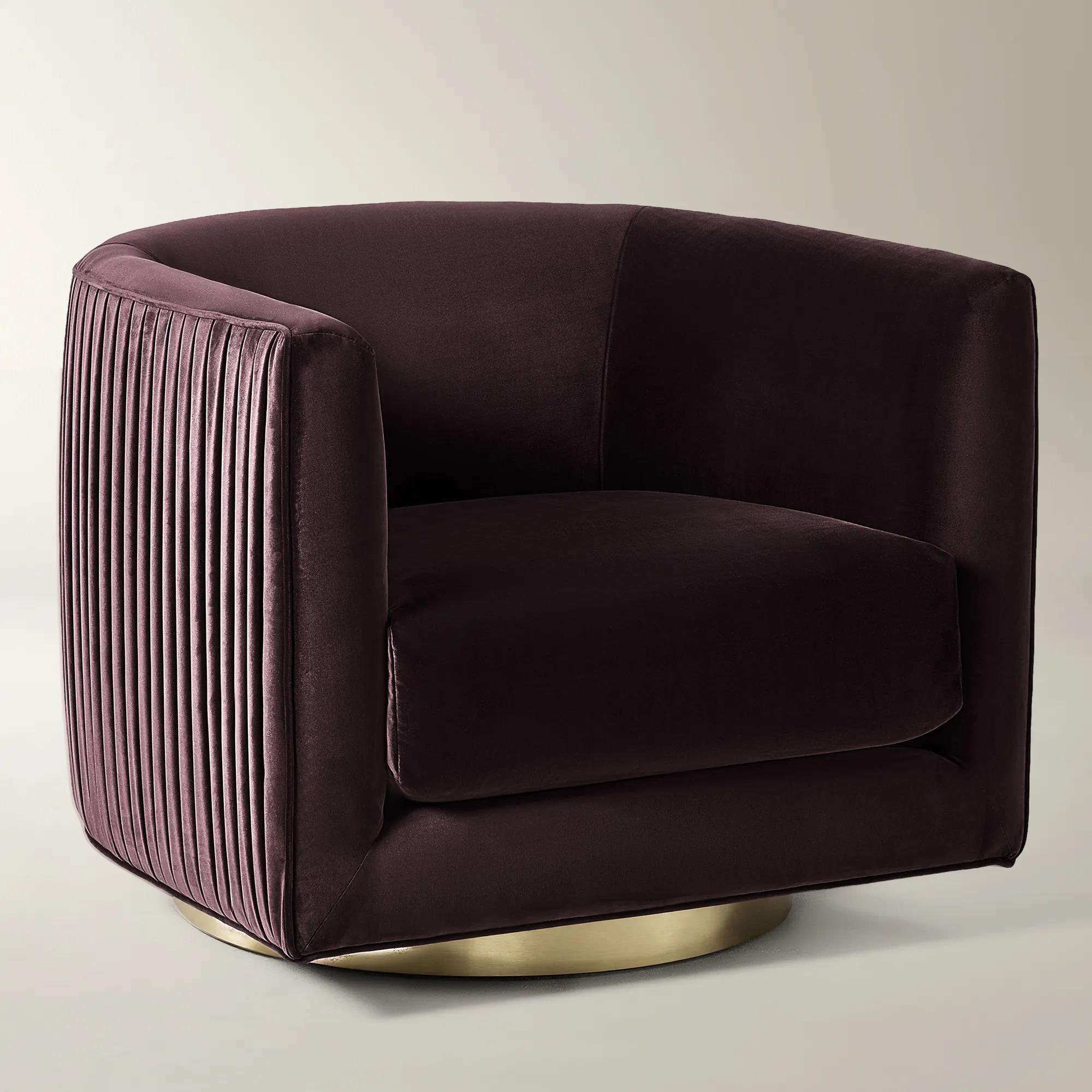 Lyssa Pleated Fig Velvet Swivel Accent Chair$1099
A red velvet swivel chair with pleated panels, curved styling, and a soft-gold stainless steel base.
Add To Cart -
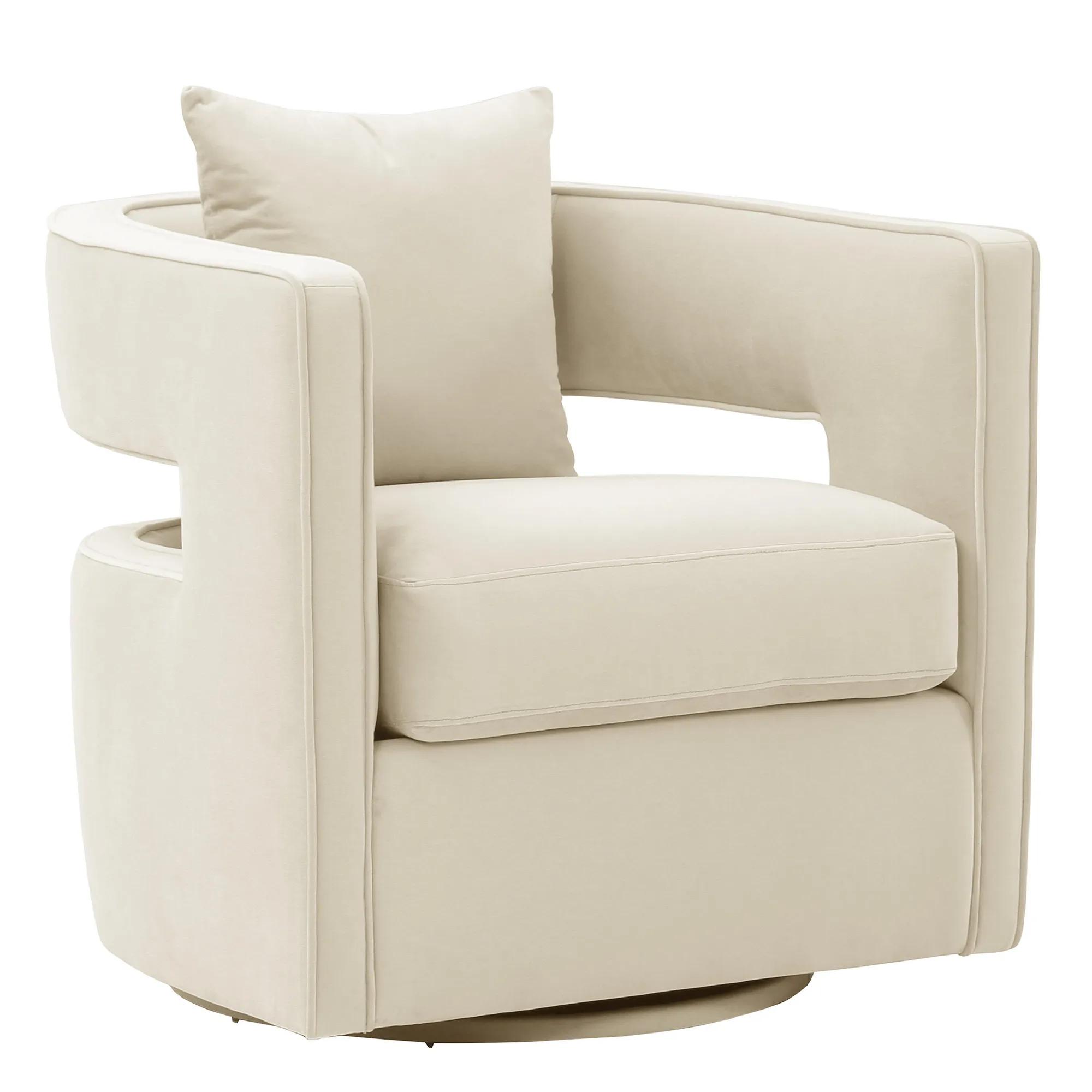
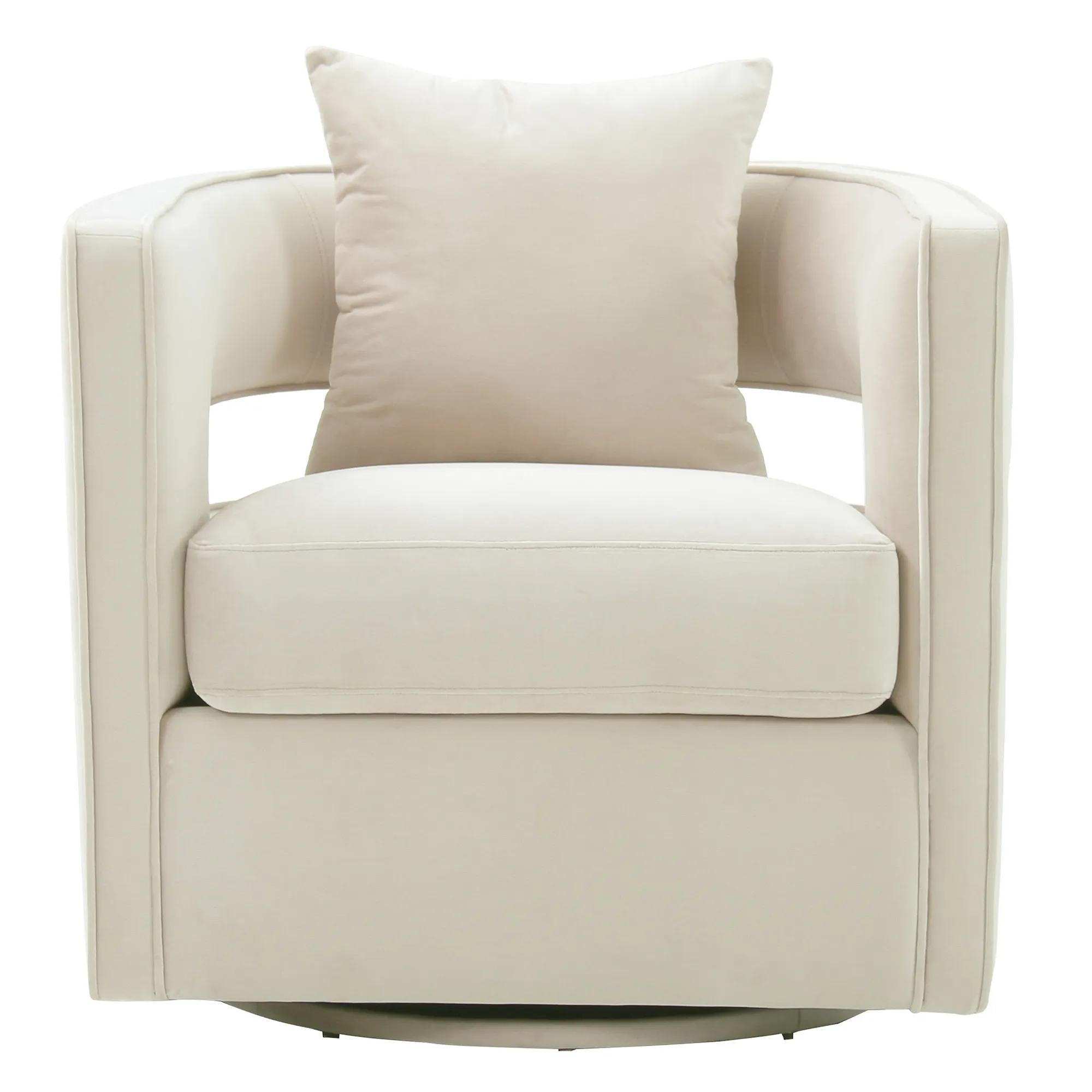 Lottie Cream Velvet Swivel Accent Chair$999
A glamorous cream velvet swivel chair featuring a barrel back, cutout arms, and plush foam cushioning.
Add To Cart -
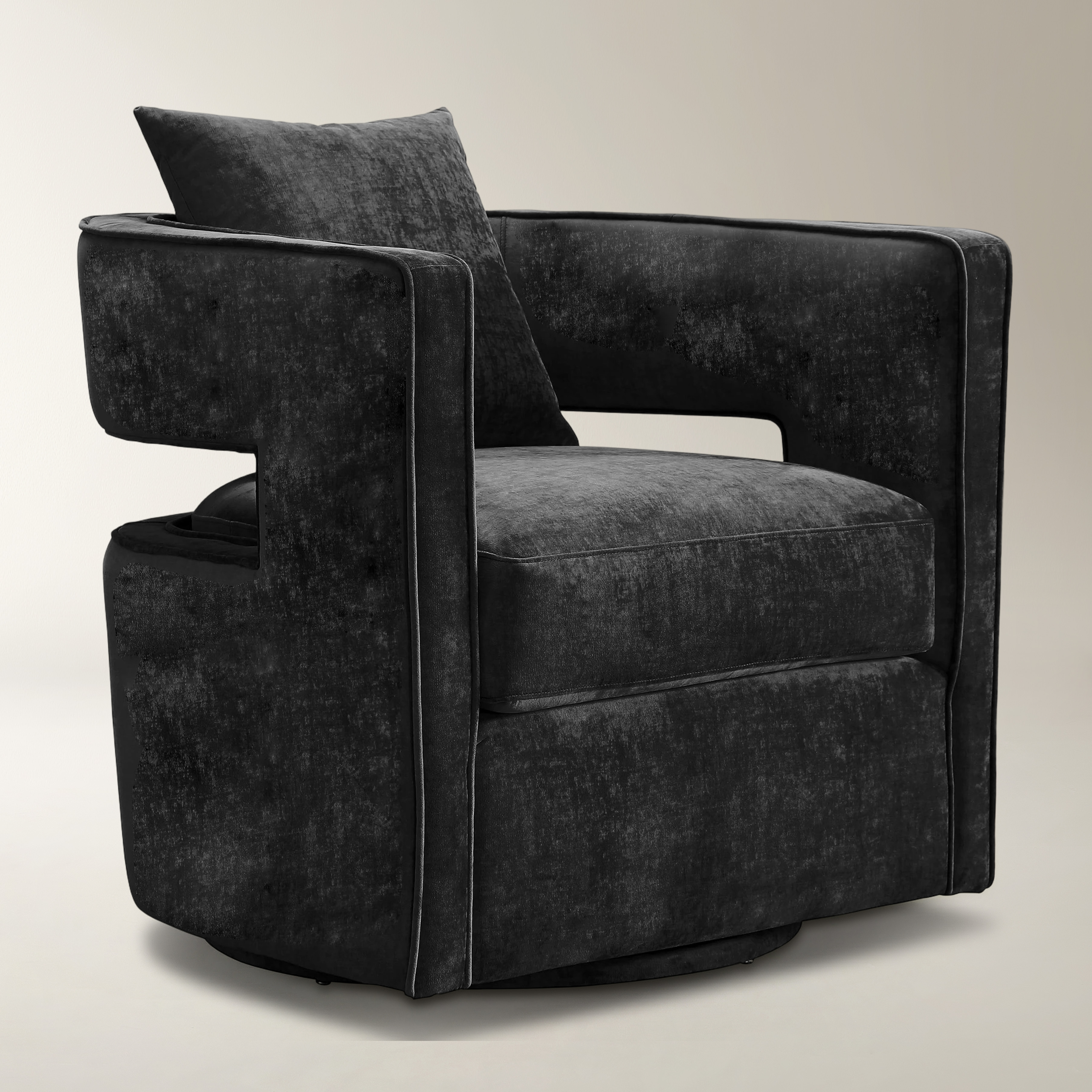 Lottie Black Velvet Swivel Accent Chair$999
A black velvet swivel accent chair with a sculpted barrel silhouette, open arms, and supportive cushioning.
Add To Cart -
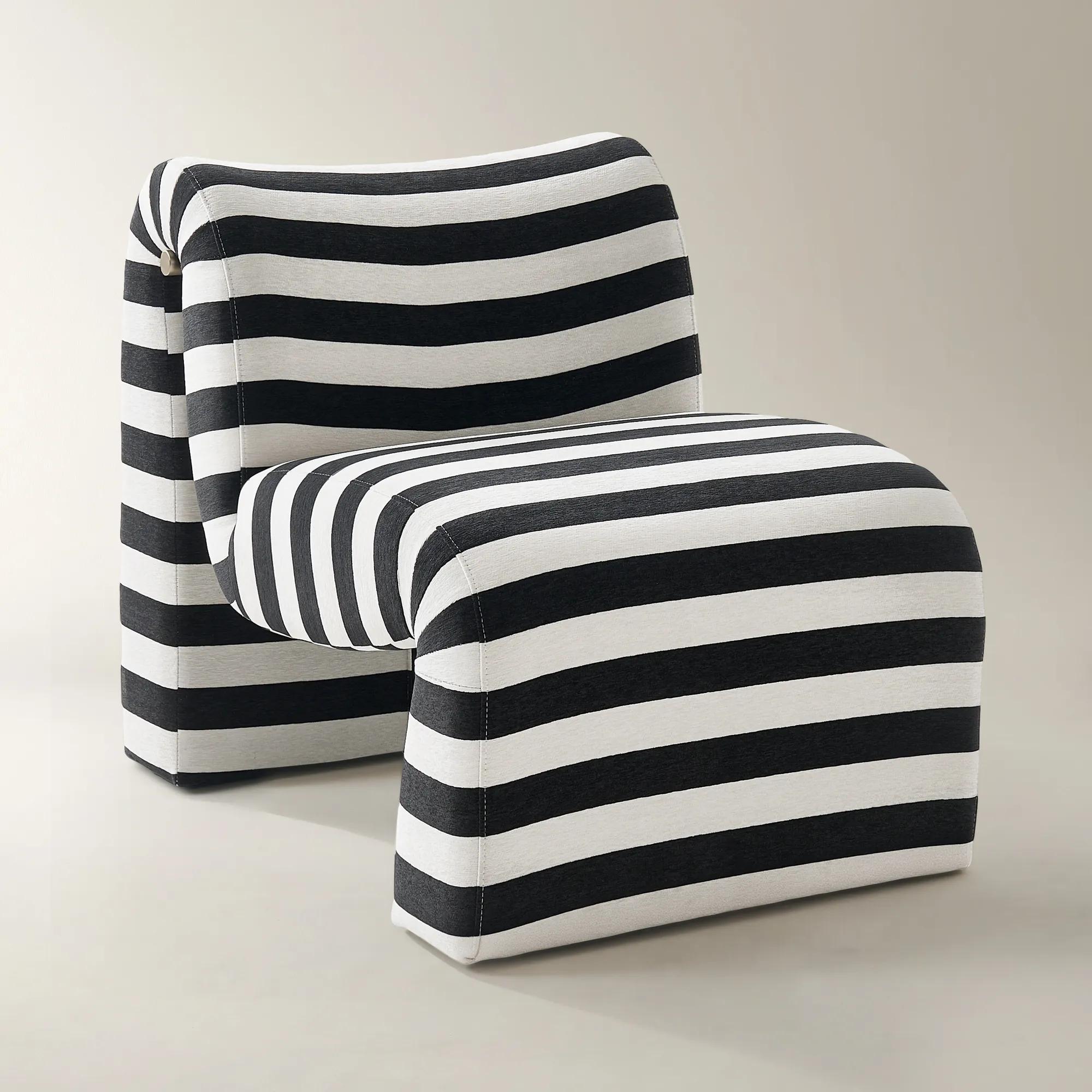 Cora Stripe Chenille Accent Chair$899
A bold black-and-white striped accent chair featuring water-repellent chenille and a gold stainless-steel inlay.
Add To Cart -
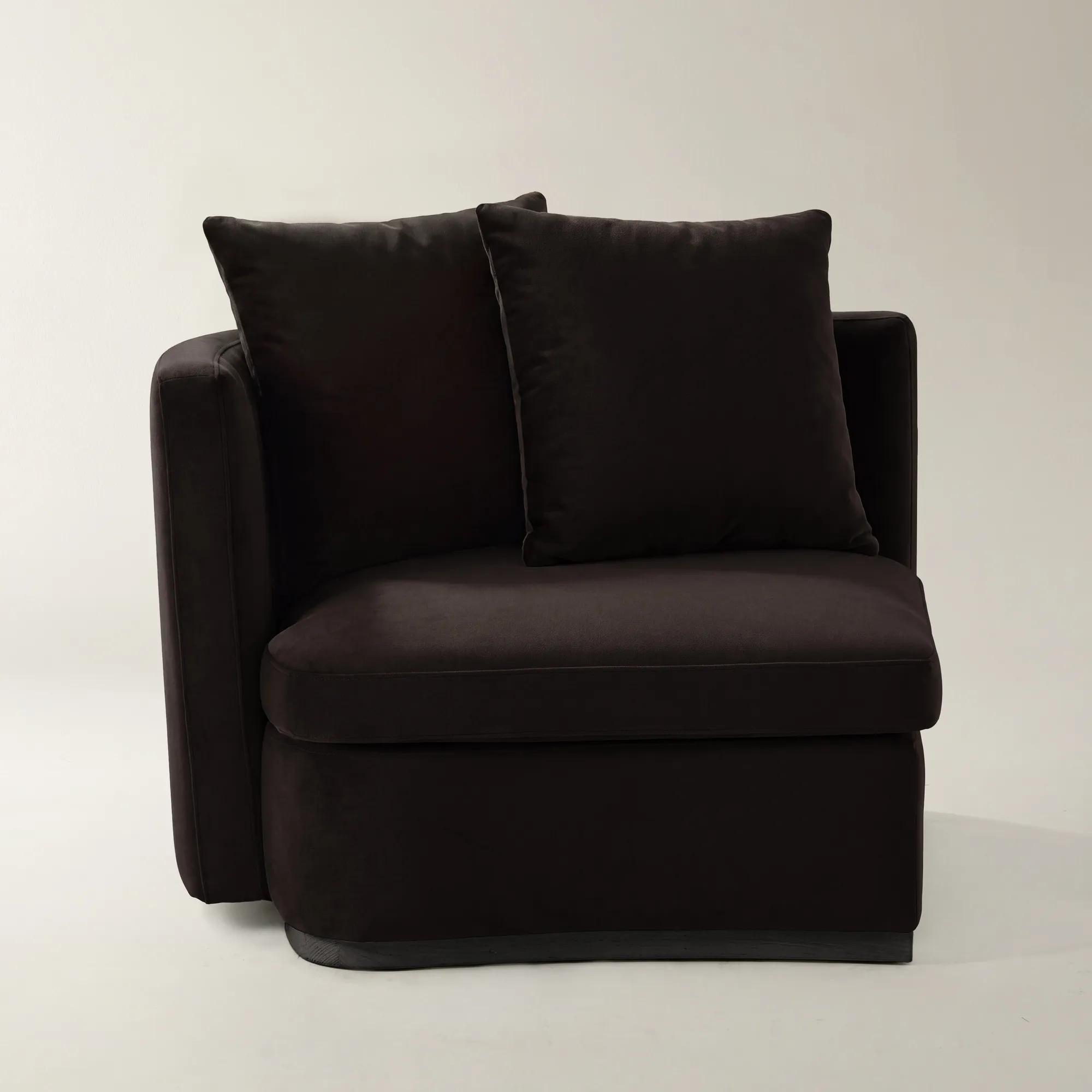 Stria Dark Chocolate Velvet Left-Arm Chair$1199
A sculptural dark chocolate velvet chair with curved silhouette, layered down-blend cushioning, and kiln-dried wood construction.
Add To Cart -
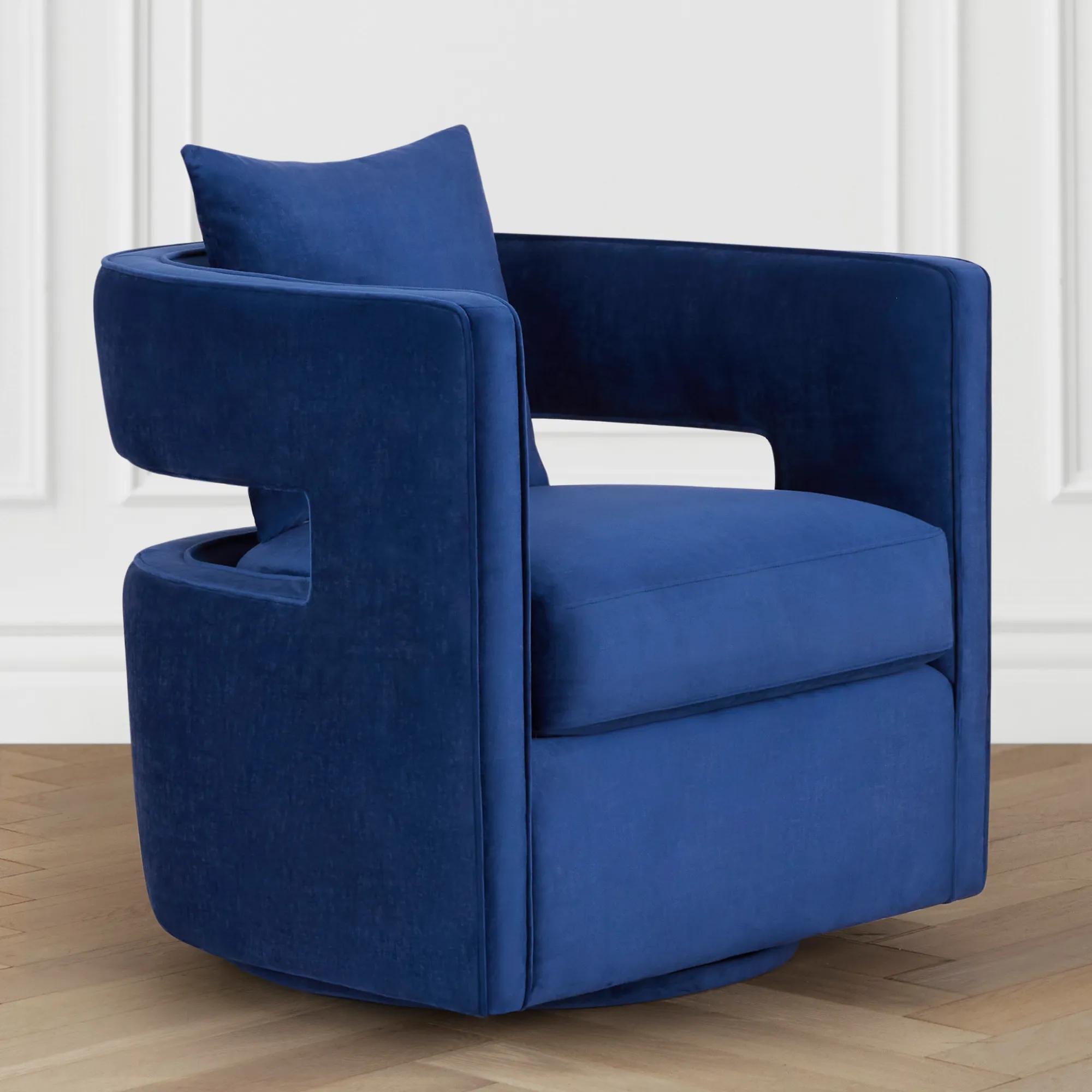
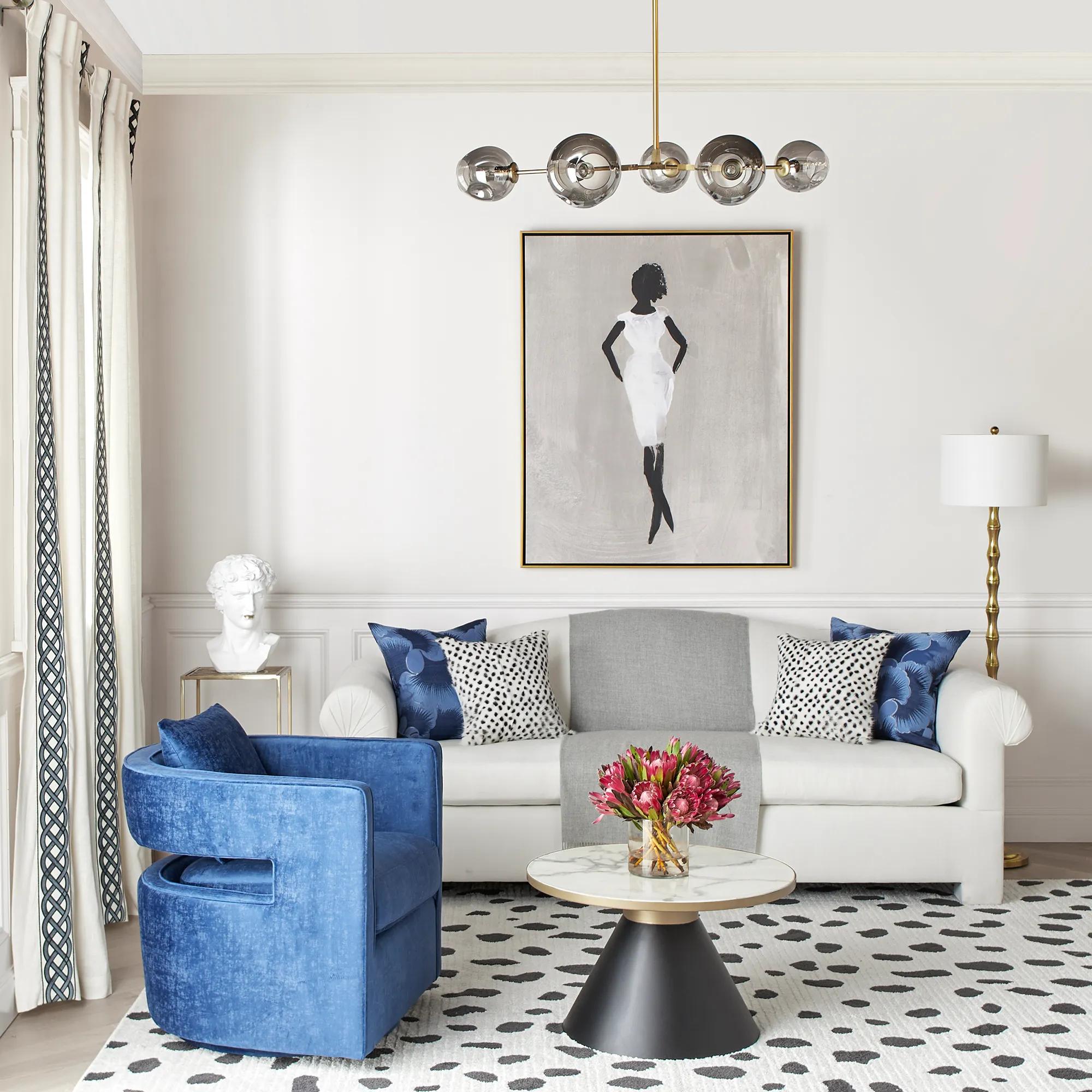 Lottie Navy Velvet Swivel Accent Chair$999
A navy velvet swivel accent chair featuring a sculpted barrel silhouette, open arms, and supportive cushioning.
Add To Cart -
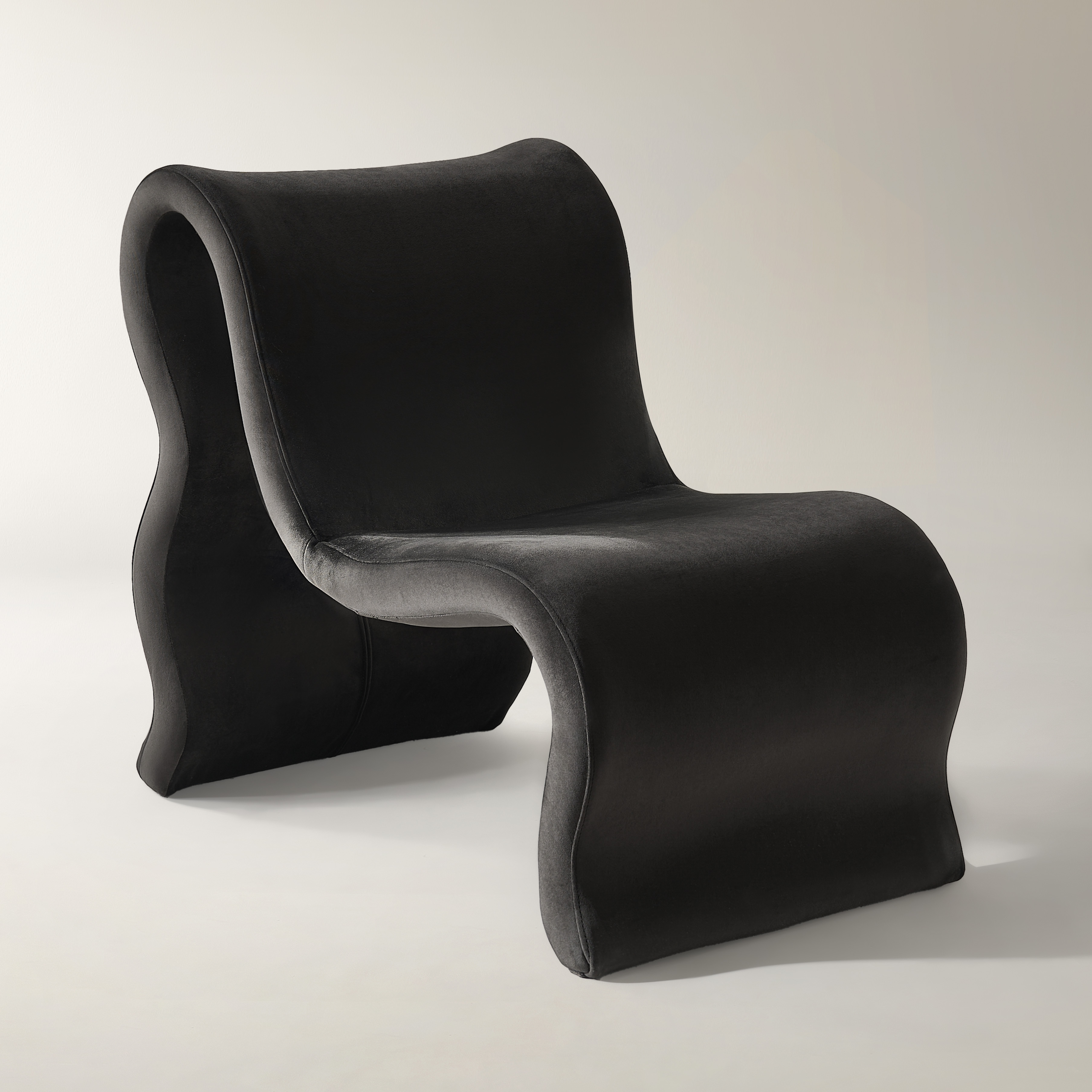 Romy Charcoal Velvet Accent Chair$999
A sculptural accent chair in charcoal velvet with a wave-like silhouette and full foam construction.
Add To Cart -
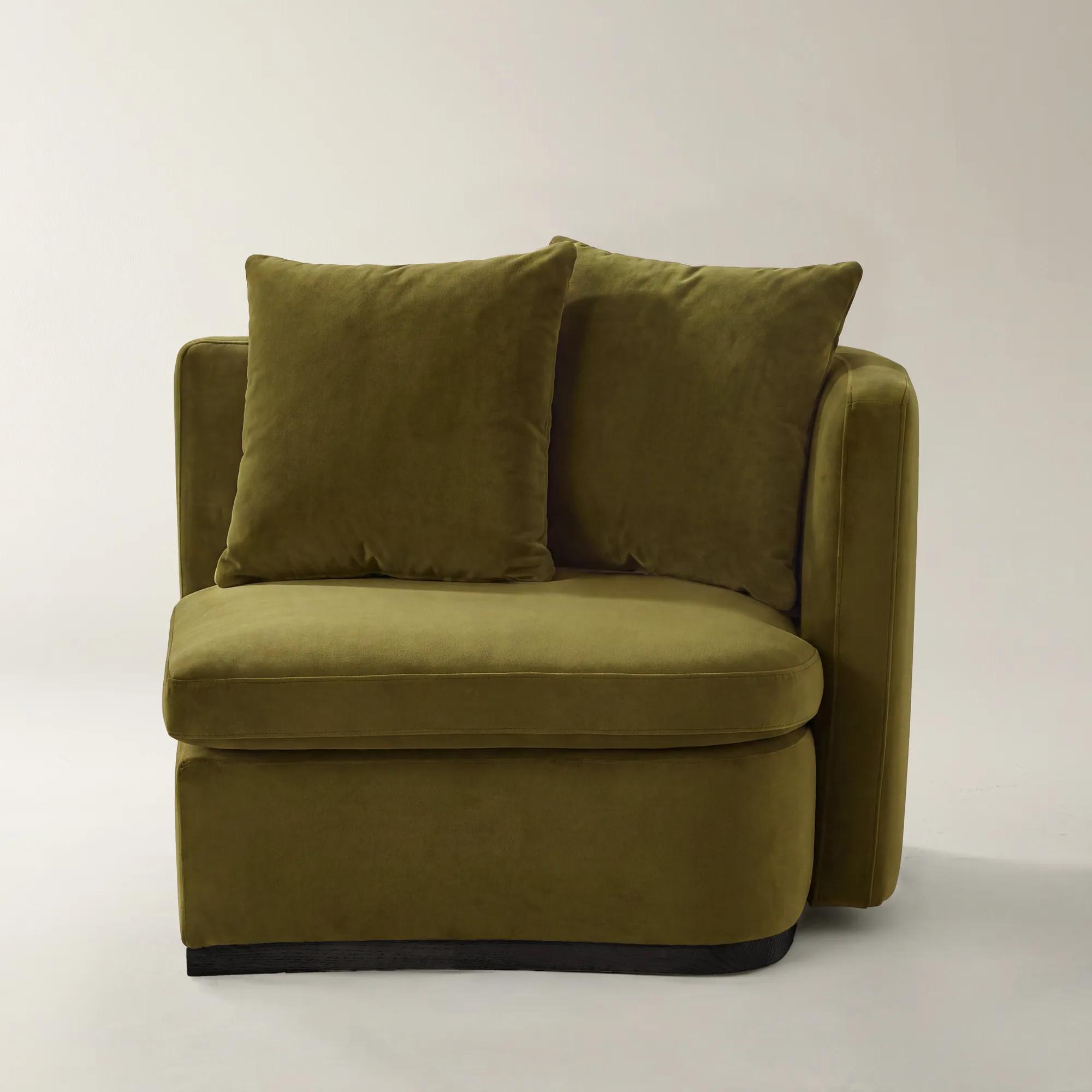 Stria Deep Olive Velvet Right-Arm Chair$1199
A sculptural deep olive velvet chair with curved styling, layered cushioning, and a kiln-dried wood frame.
Add To Cart -
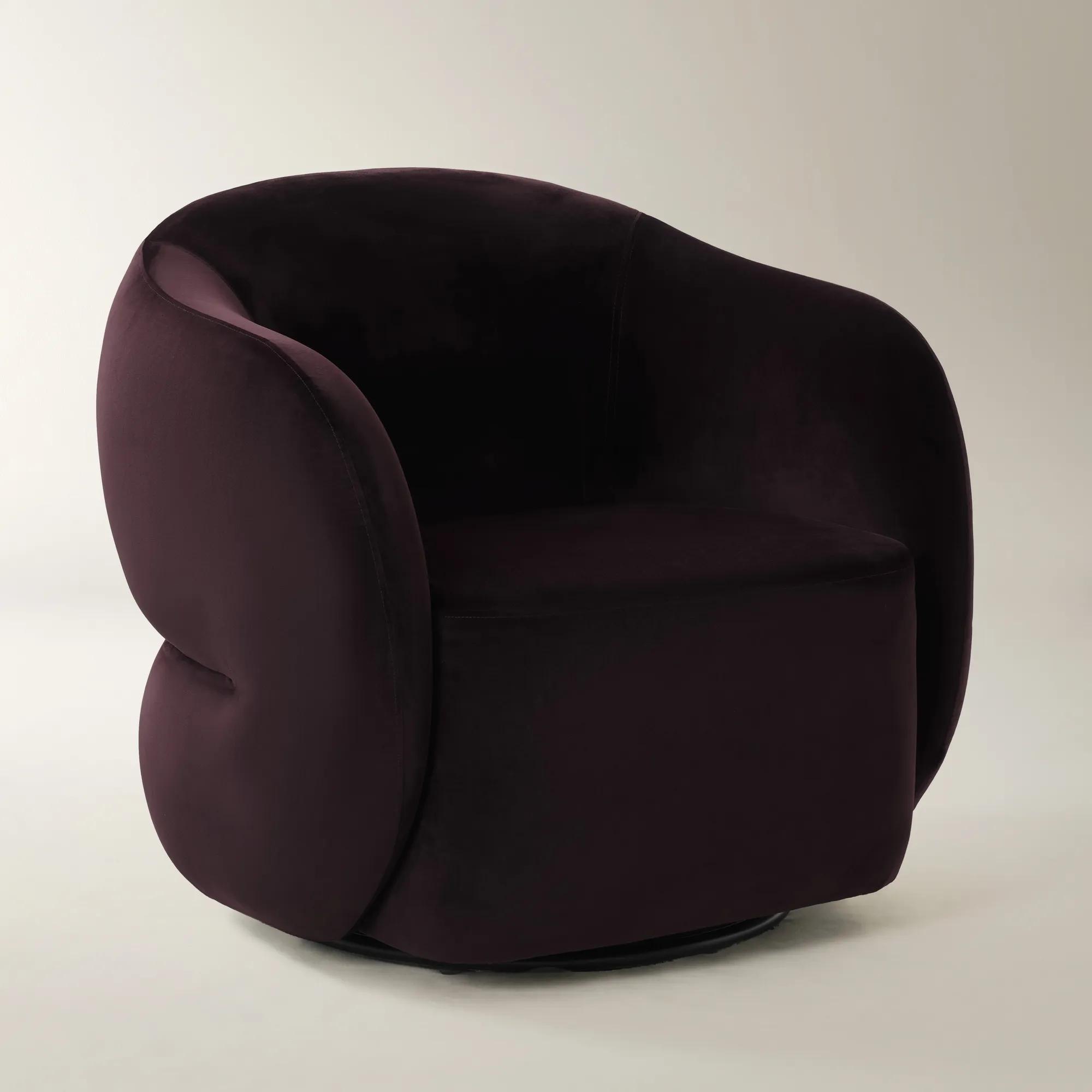 Sierra Fig Velvet Swivel Accent Chair$899
A modern accent chair in plush fig velvet with a wraparound back and smooth 360° swivel base.
Add To Cart -
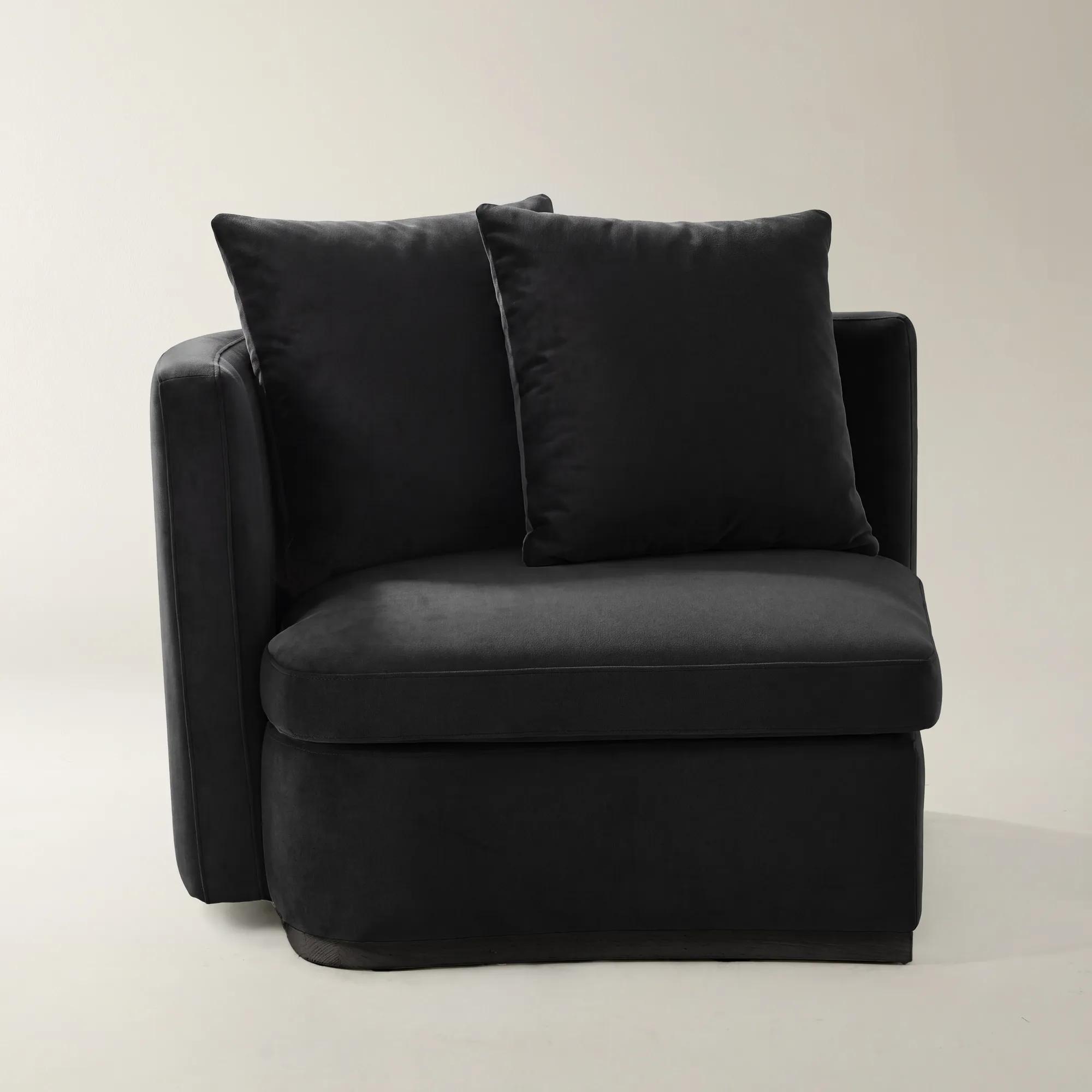 Stria Charcoal Velvet Left-Arm Chair$1199
A sculptural charcoal velvet armchair featuring layered foam-and-down cushioning, curved edges, and a kiln-dried wood frame.
Add To Cart -
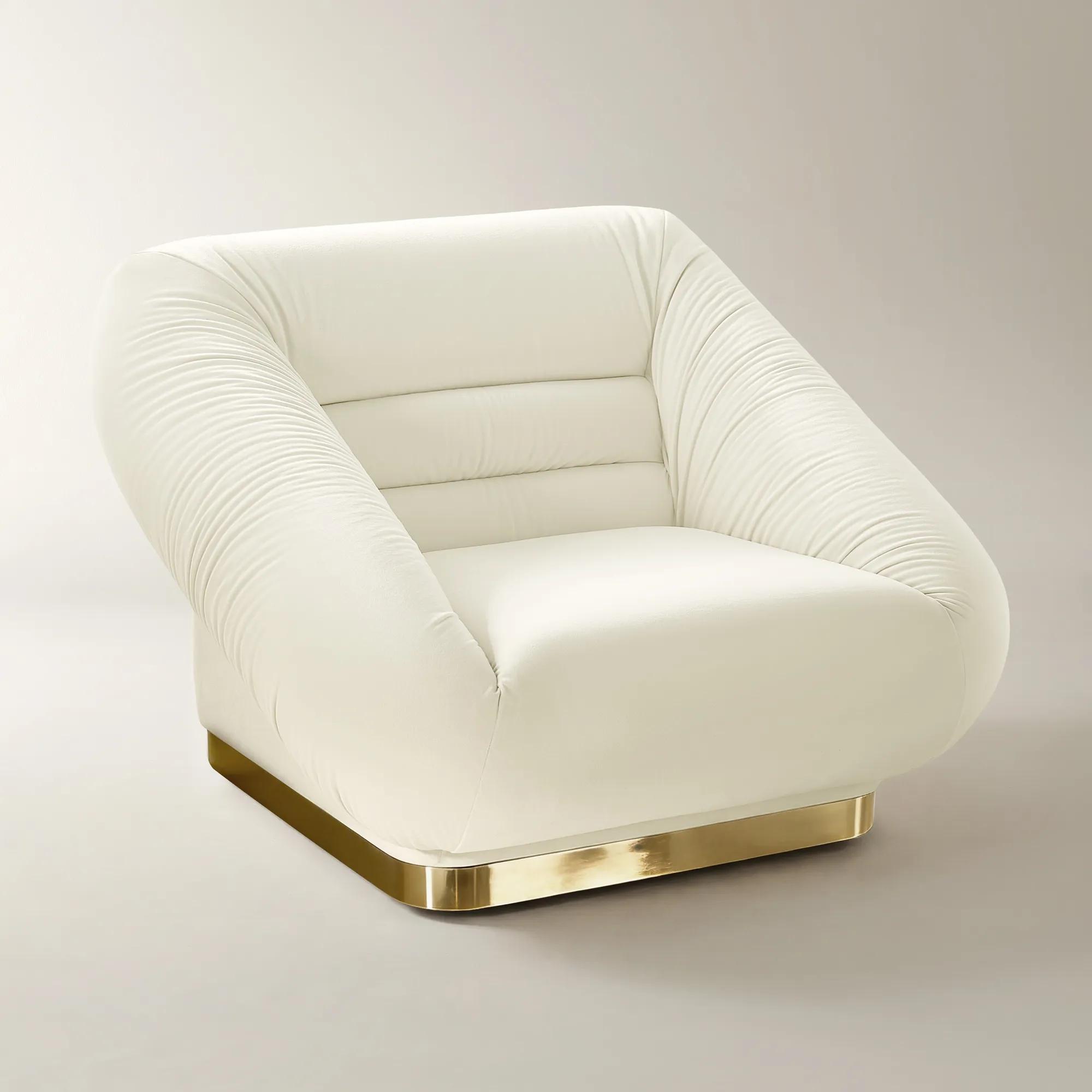 Dover Cloud Velvet Swivel Accent Chair$1299
A sculptural accent chair in cloud velvet with a gold-trimmed base and smooth 360° swivel function.
Add To Cart -
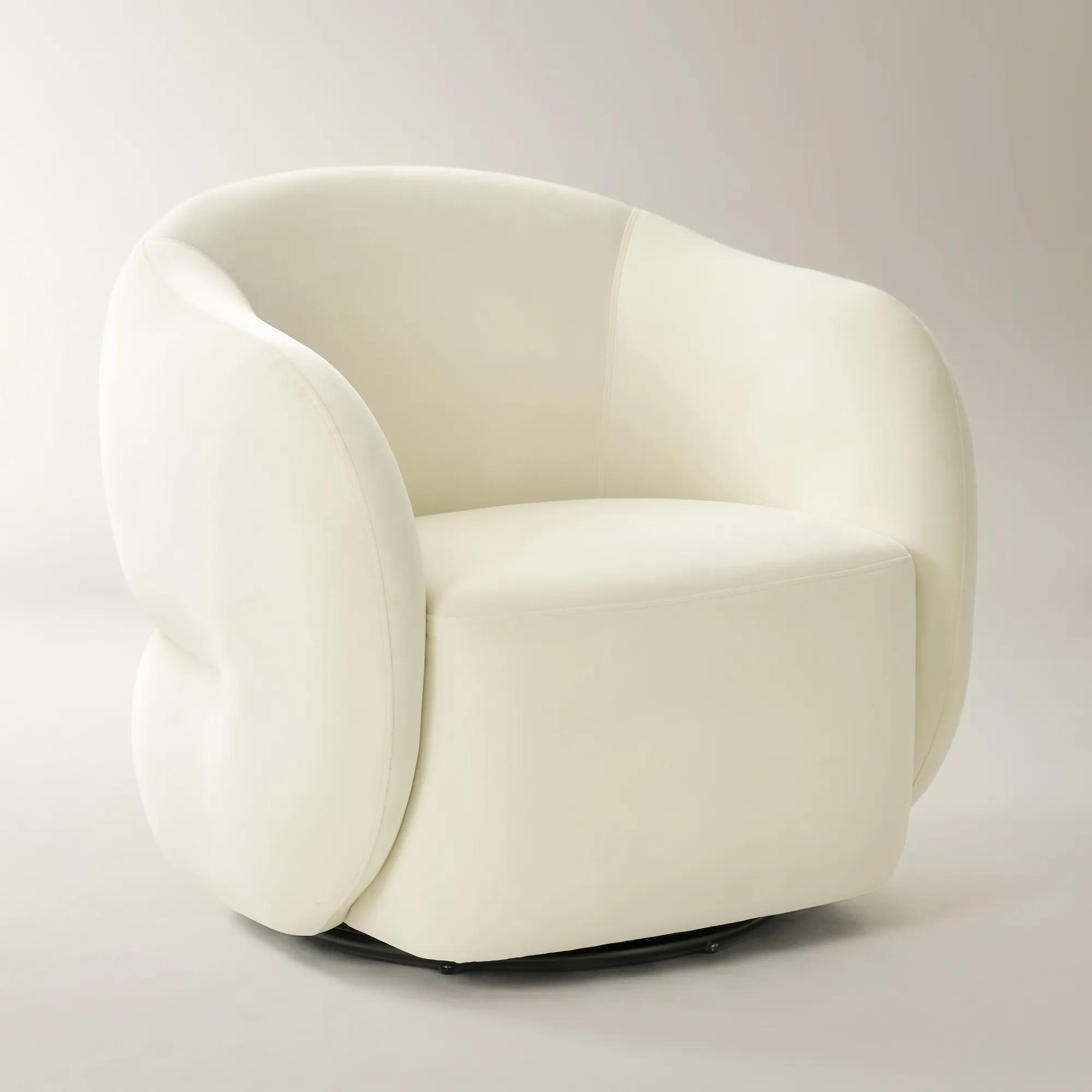
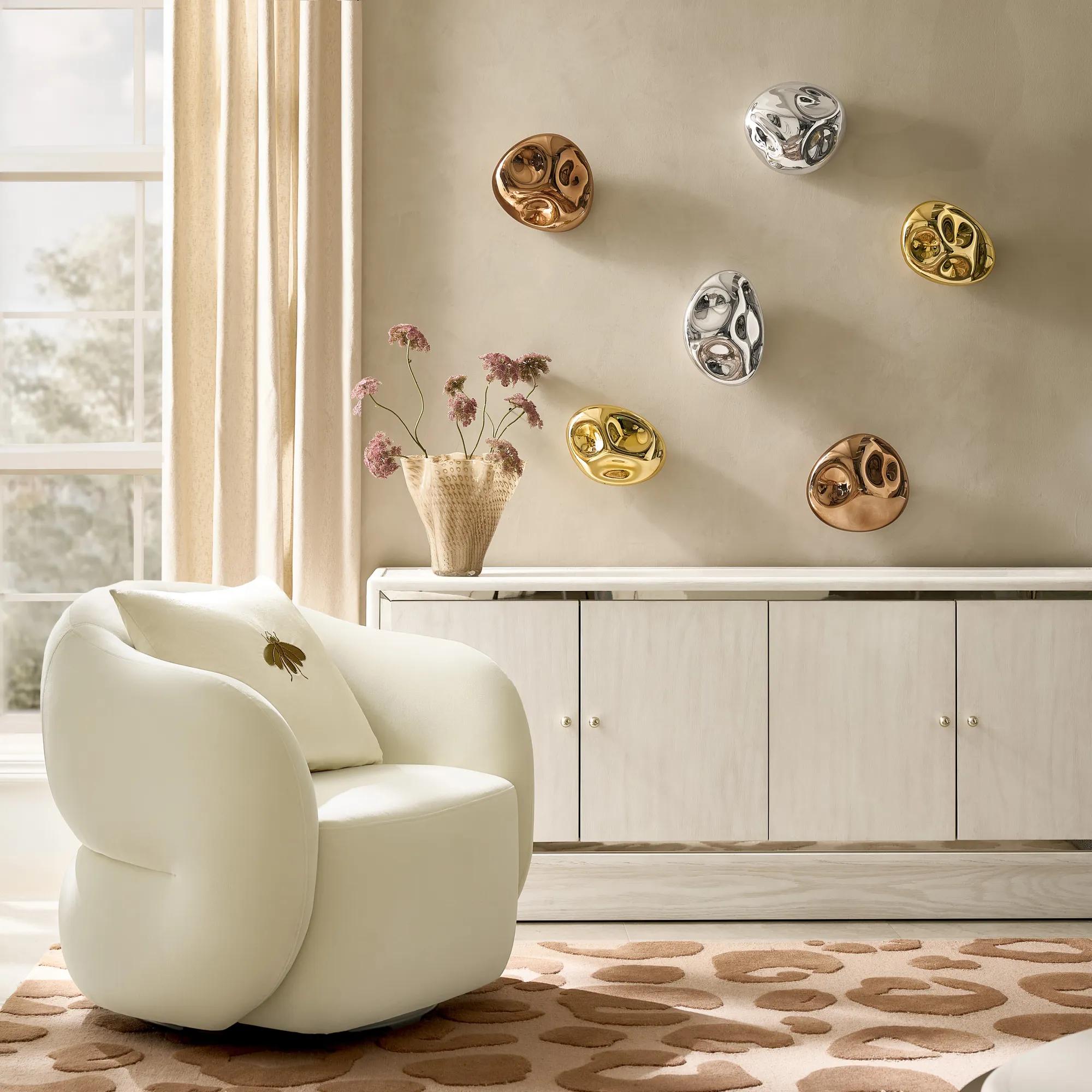 Sierra Cloud Velvet Swivel Accent Chair$899
A plush velvet accent chair featuring a wraparound back, fluid curves, and smooth 360° swivel base.
Add To Cart -

 Nia Lacquered Turtle Dove Faux Fur Accent Chair$899
A sculptural accent chair featuring a high-gloss sand-toned fiberglass frame and plush turtle dove faux fur upholstery.
Add To Cart -
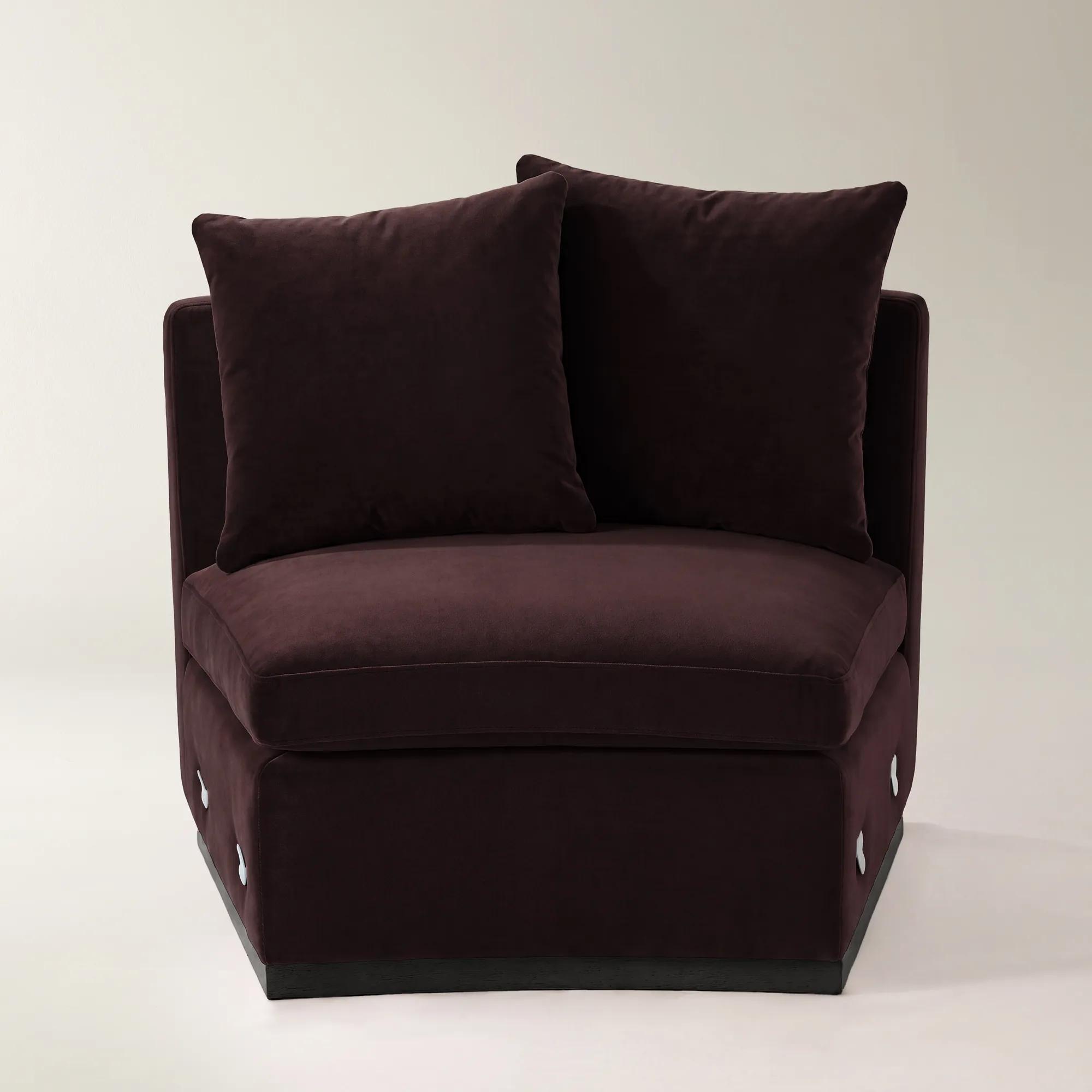
 Stria Fig Velvet Armless Chair$1099
A sculptural fig velvet chair with layered cushioning, curved edges, and a kiln-dried wood frame.
Add To Cart

Formal Living Room Accent Chairs
Formal living room accent chairs are more than mere seating—they are statements of intent, invitations to linger, and the exclamation points in a well-composed space. Each chair is an opportunity to orchestrate drama or whisper elegance, elevating your living room from expected to extraordinary. Whether you seek sculptural silhouettes that command attention or refined textures that beckon guests to sink in, these accent chairs transform any gathering into an event. Let your formal living room become a gallery of self-expression, where every detail is curated and every moment feels worthy of celebration.
Formal living room accent chairs bring sculptural presence, inviting comfort, and a distinct sense of occasion to a seating arrangement. Defined by their decorative role as much as their function, these chairs complement a sofa without needing to repeat its upholstery or silhouette. A wingback chair introduces height and architectural definition; a barrel chair creates a graceful, enveloping profile; an exposed-frame armchair reveals the beauty of its structure. Button tufting, tailored welting, nailhead trim, and richly finished legs can lend a chair its formal character, while clean lines and a curved back offer a more contemporary expression. The most compelling combinations share a visual connection rather than an exact match: ivory upholstery against a charcoal sofa, jewel-toned velvet beside a pale woven sectional, or warm wood framing near a gleaming metal table. A matching pair placed across from a sofa establishes balance and gives guests an unmistakable invitation to settle into conversation. Beside a fireplace, two chairs angled slightly inward create an intimate gathering place without making the room feel rigid. A single distinctive chair can be equally effective, lending an otherwise symmetrical arrangement a deliberate note of contrast. Formality comes from proportion, finish, and composition—not simply elaborate ornament. In a room with decorative molding and a dramatic chandelier, a restrained chair shape allows those architectural details to remain visible. Where the backdrop is quieter, a deeply curved silhouette or lustrous fabric can supply the drama. These are pieces for hosts who enjoy lingering conversation, homeowners furnishing a dedicated reception space, and anyone who wants everyday seating to carry the presence of a considered design choice. A formal room need not feel untouchable. With supportive cushions, thoughtfully positioned side tables, and enough space for people to move comfortably, accent seating makes a polished interior feel genuinely welcoming, whether it accommodates two close friends or a larger gathering.
Upholstery and construction shape how an accent chair looks, feels, and performs over time. Velvet brings depth through its directional pile, catching light differently across a curved arm or tufted back; gentle shading and pressure marks can be part of its character. Woven fabrics introduce a more textured effect, with the fiber content, weave density, and finish influencing their suitability for regular use. Leather offers another expression of luxury, ranging from supple surfaces that develop a patina to more protected finishes designed for easier maintenance. Neither a fabric’s appearance nor its name alone establishes durability, so upholstery specifications and care instructions matter, particularly in a formal living room that also serves as a daily retreat. Performance fabrics may offer useful resistance to certain stains or spills, but the specific treatment and cleaning requirements deserve attention. Beneath the upholstery, frame construction, joint reinforcement, suspension, and cushion composition contribute to lasting support. Solid wood and engineered wood can both have roles in a well-constructed frame; the assembly matters more than a material label in isolation. Foam cushions often provide a more defined seat, while fiber or feather blends may create a softer surface that needs periodic reshaping. Fit is just as important as finish. A deep seat encourages reclining but may leave a shorter guest without comfortable back support, while a shallower seat and supportive arms can make sitting down and standing up easier. Overall width determines how a chair fits the floor plan, but usable seat width determines how it accommodates the person sitting in it. Seat height should relate comfortably to the surrounding sofa and tables, without requiring every measurement to be identical. Tall backs lend visual stature, though they can interrupt sightlines in an open arrangement; lower profiles preserve a view toward artwork or an adjoining room. Doorways, hall turns, and the chair’s full footprint also deserve consideration, especially when substantial arms or an angled placement extend beyond the apparent size of the seat.
The enduring appeal of formal accent seating depends on how naturally it belongs to the room and how thoughtfully it is maintained. A chair placed close enough to a table for a guest to set down a glass feels more hospitable than one positioned solely for symmetry. Clear routes around the seating group keep a beautifully composed room comfortable to use, and chairs angled toward one another support conversation better than a row arranged along a wall. A rug can visually connect the chairs and sofa, while a small table between a pair gives the arrangement a shared center. Texture brings dimension without requiring every surface to compete: a smooth upholstered chair gains definition beside a tactile rug, and a carved or metallic frame feels especially expressive against a quieter fabric. One accent pillow may be enough to echo a color from artwork or drapery without obscuring the chair’s shape or crowding its seat. The appeal of Elegant Living Room Accent Chairs rests in this balance of decorative presence and livable comfort, with each element contributing to a composed interior. Care helps preserve that effect. Upholstery benefits from routine attention using methods approved for its particular material, including gentle vacuuming with an appropriate attachment when recommended. Spills should be addressed promptly according to the care label rather than treated with an all-purpose cleaner; rubbing can spread a mark or disturb delicate fibers. Leather requires products suited to its finish, and exposed wood or metal should be cleaned without abrasive tools that could dull the surface. Prolonged direct sunlight can alter upholstery color, while nearby heat sources may affect leather and wood. Rotating reversible cushions where the construction allows, reshaping soft fills, and checking accessible hardware as directed can help seating retain its intended form. With that attention, formal living room accent chairs remain more than decorative punctuation: they become comfortable places for conversation, quiet reading, and the pleasure of spending time in a room with unmistakable personality.
FAQs
A chair becomes an accent piece through its distinctive design, luxurious materials, and ability to command attention within a formal living room. Look for sculptural silhouettes, rich upholstery, and exquisite detailing—such as polished metallic frames, hand-tufted backs, or artisanal woodwork—that elevate the room’s ambiance and express your personal style.
To create a dramatic focal point, position your accent chair where it naturally draws the eye—such as beside a fireplace, beneath a statement chandelier, or paired with a striking side table. Choose bold fabrics, unexpected textures, or eye-catching hues to ensure your chair stands out, transforming the space into a showcase of artistry and elegance.
Absolutely. An accent chair is a sophisticated and memorable gift, perfect for housewarmings, milestone birthdays, or anniversaries. Its enduring style and comfort make it a cherished addition to any home, serving as a lasting reminder of a meaningful celebration.
Mixing and matching accent chairs is an opportunity to showcase your creativity. Select chairs that complement your existing palette and textures, but don’t be afraid to introduce contrast—think a velvet chair alongside a leather sofa, or a metallic frame paired with wooden furnishings. The key is to balance harmony and visual interest, creating a layered, curated look.
Popular materials for formal accent chairs include sumptuous velvets, rich leathers, gleaming metals, and finely grained woods. These materials not only exude luxury but also offer tactile pleasure and lasting durability, ensuring your accent chair remains a standout piece for years to come.