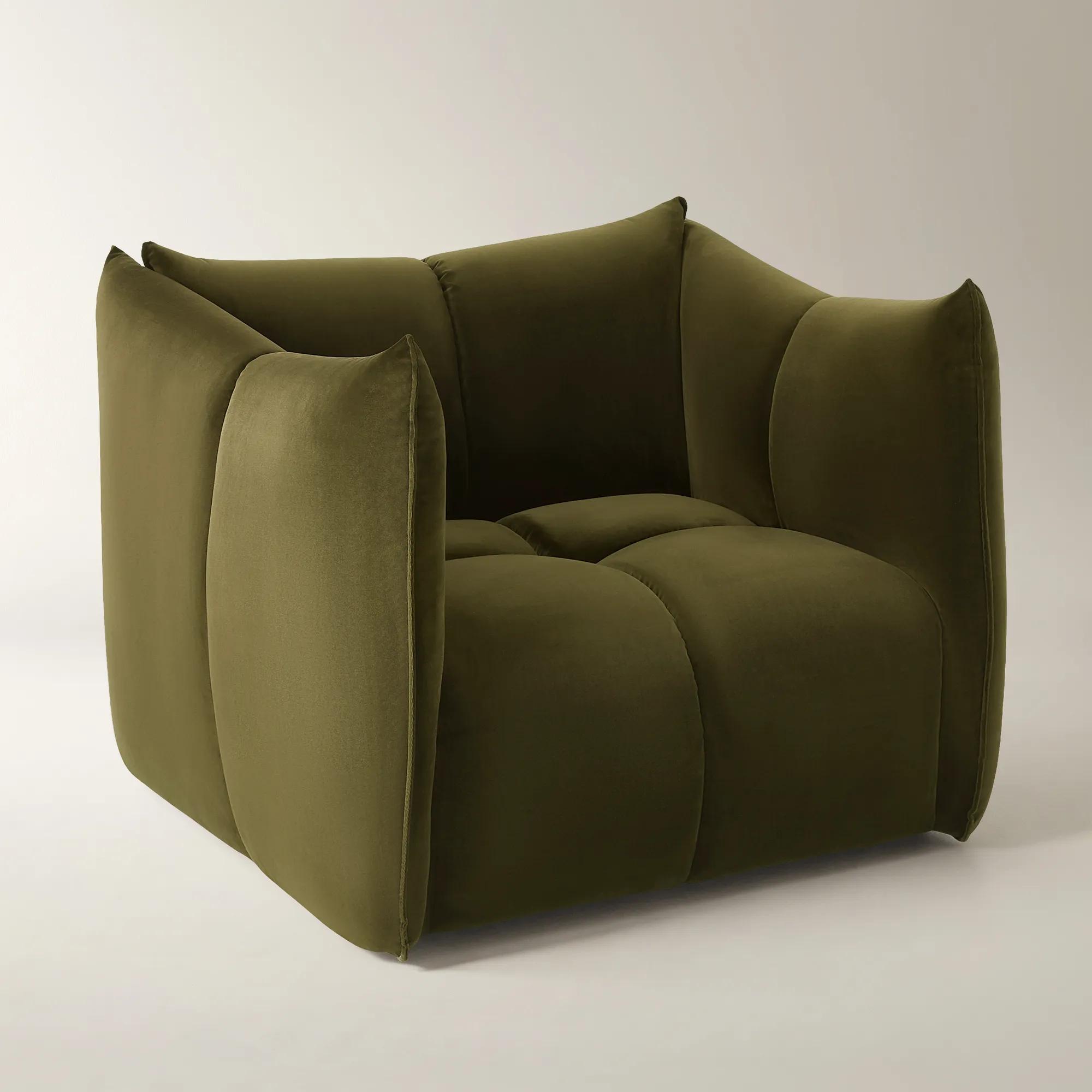
Formal Accent Chairs For Guests
Formal Accent Chairs For Guests
-
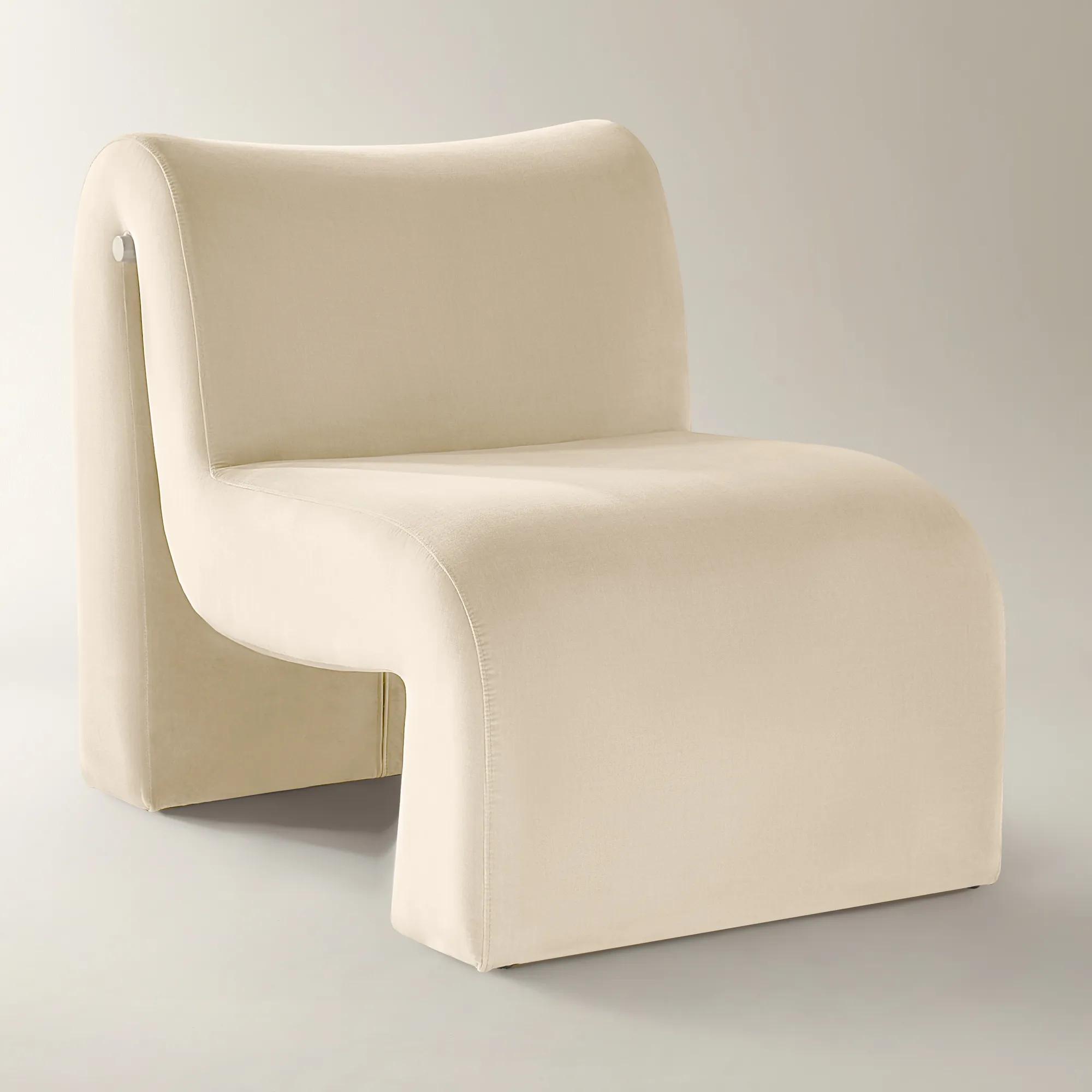 Cora Ivory Velvet Accent Chair$899
A sculpted ivory velvet chair featuring a continuous curved silhouette and a gold stainless-steel accent.
Add To Cart -
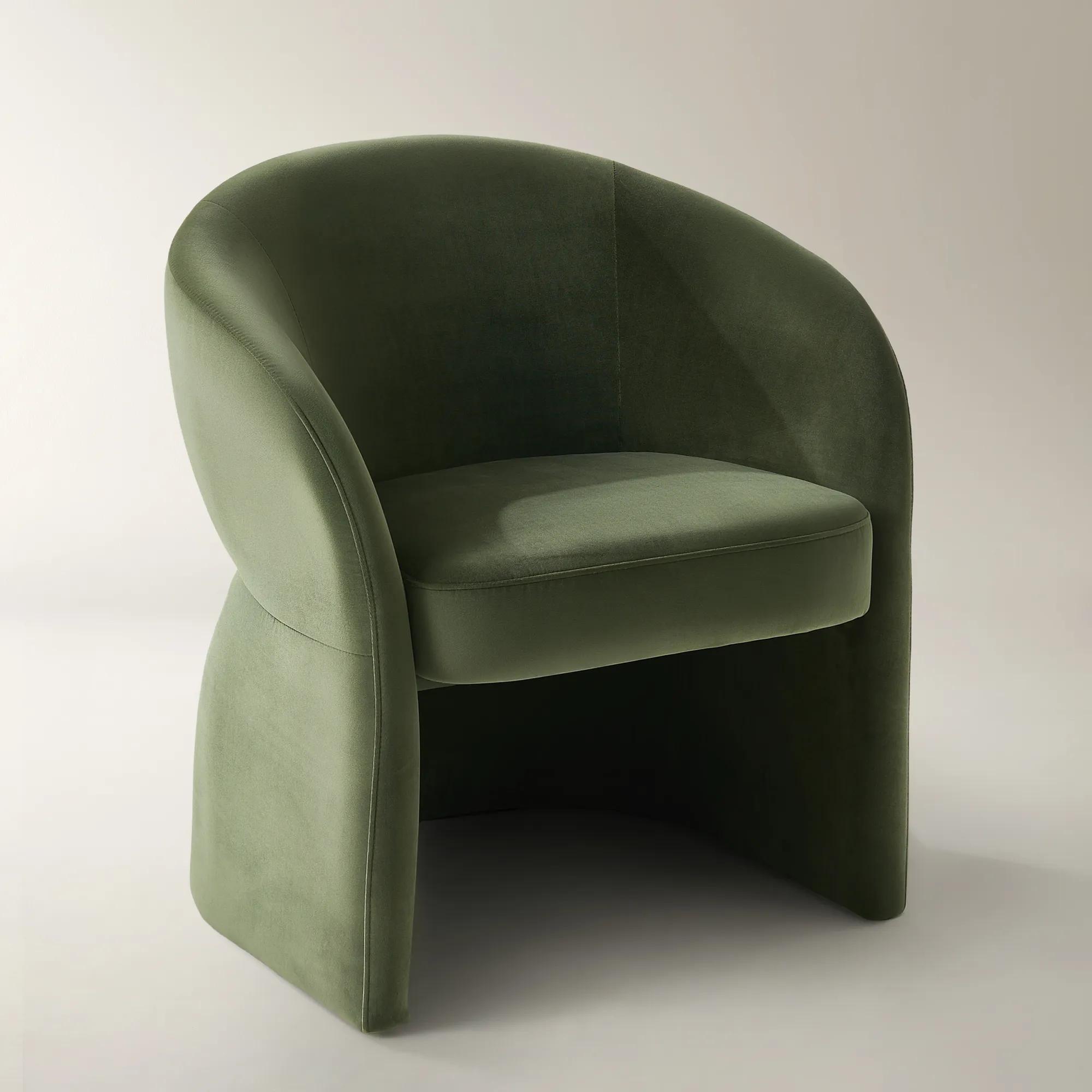
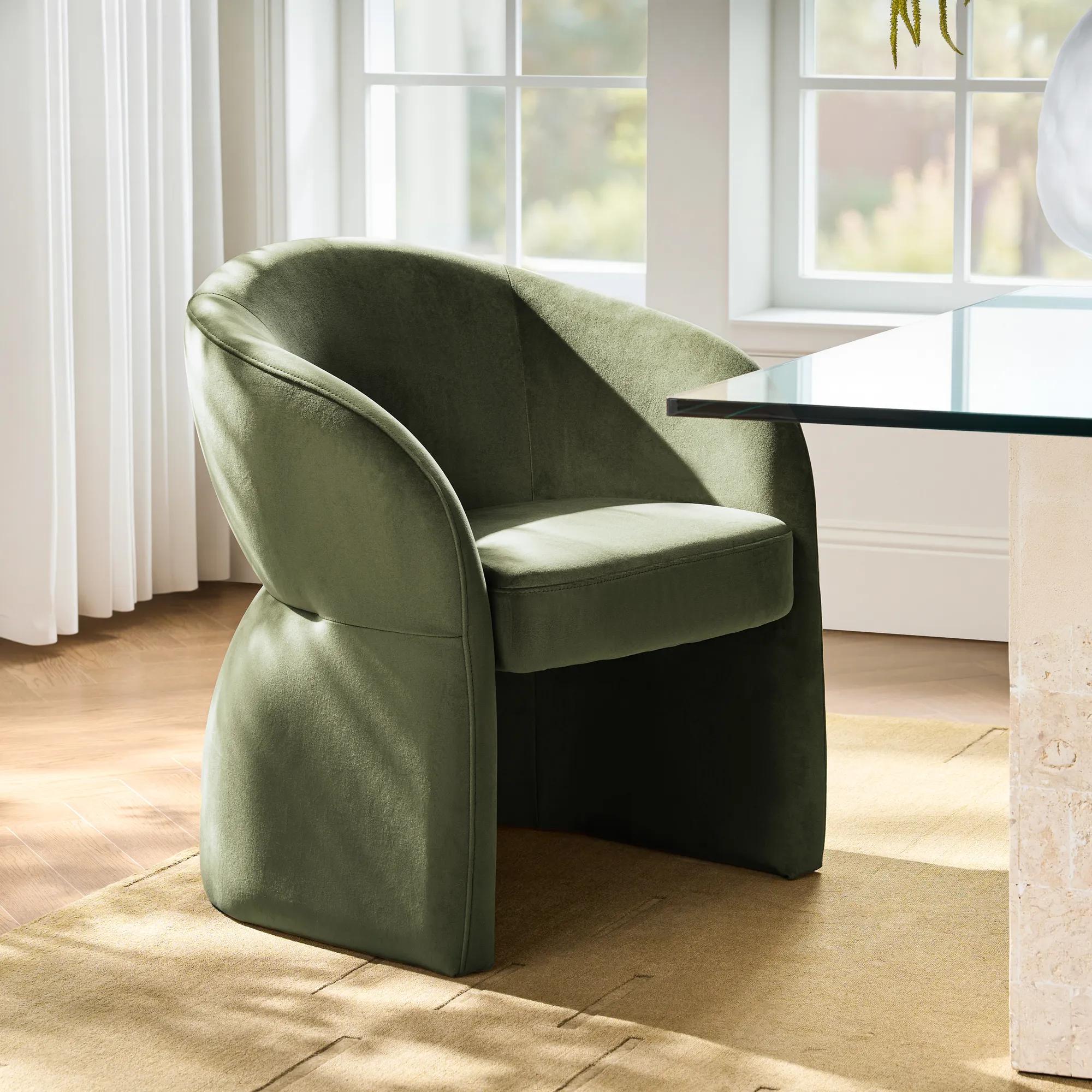 Sierra Jade Green Velvet Dining Chair$599
A sculptural accent chair in jade green velvet with gracefully arched arms and plush, supportive cushioning.
Add To Cart -
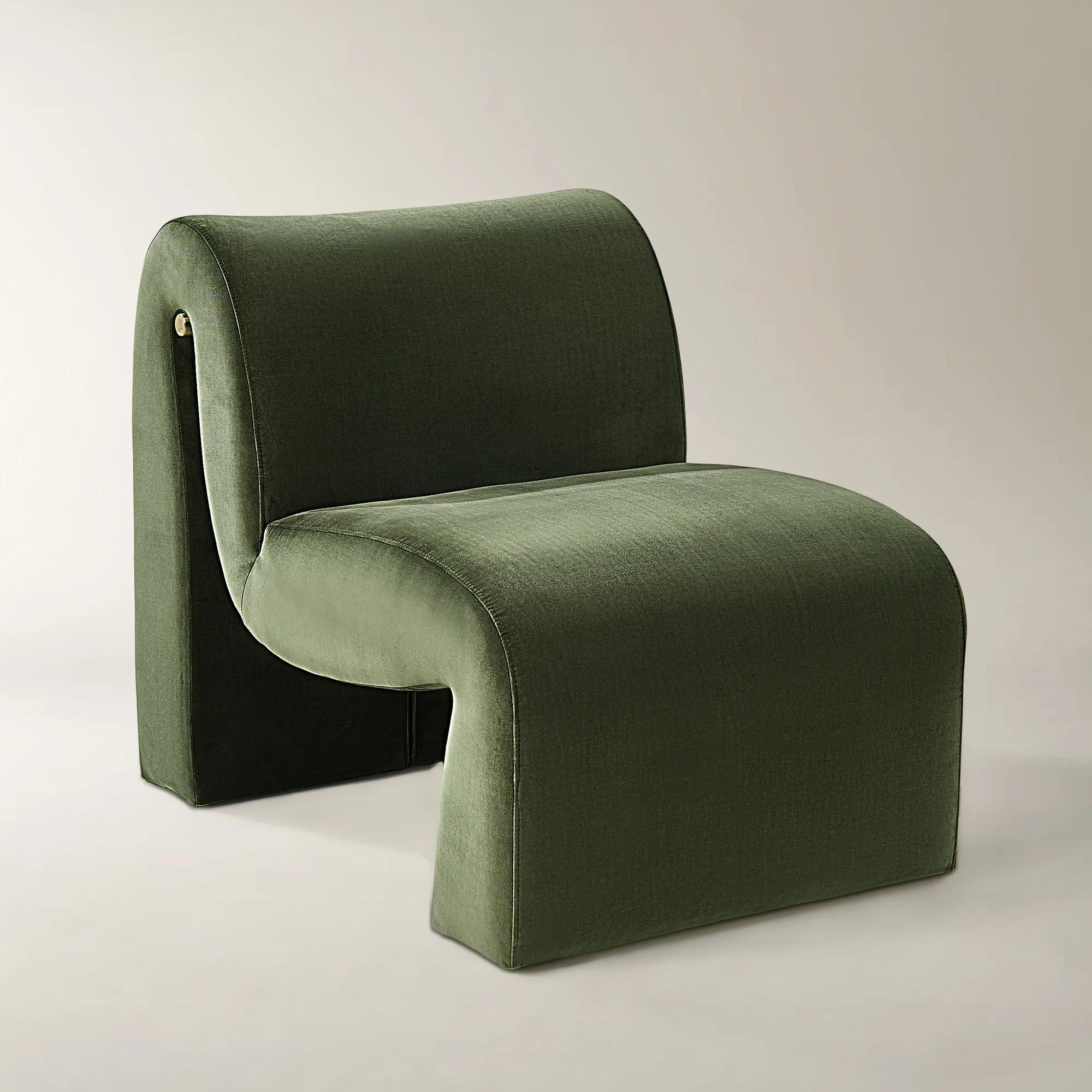
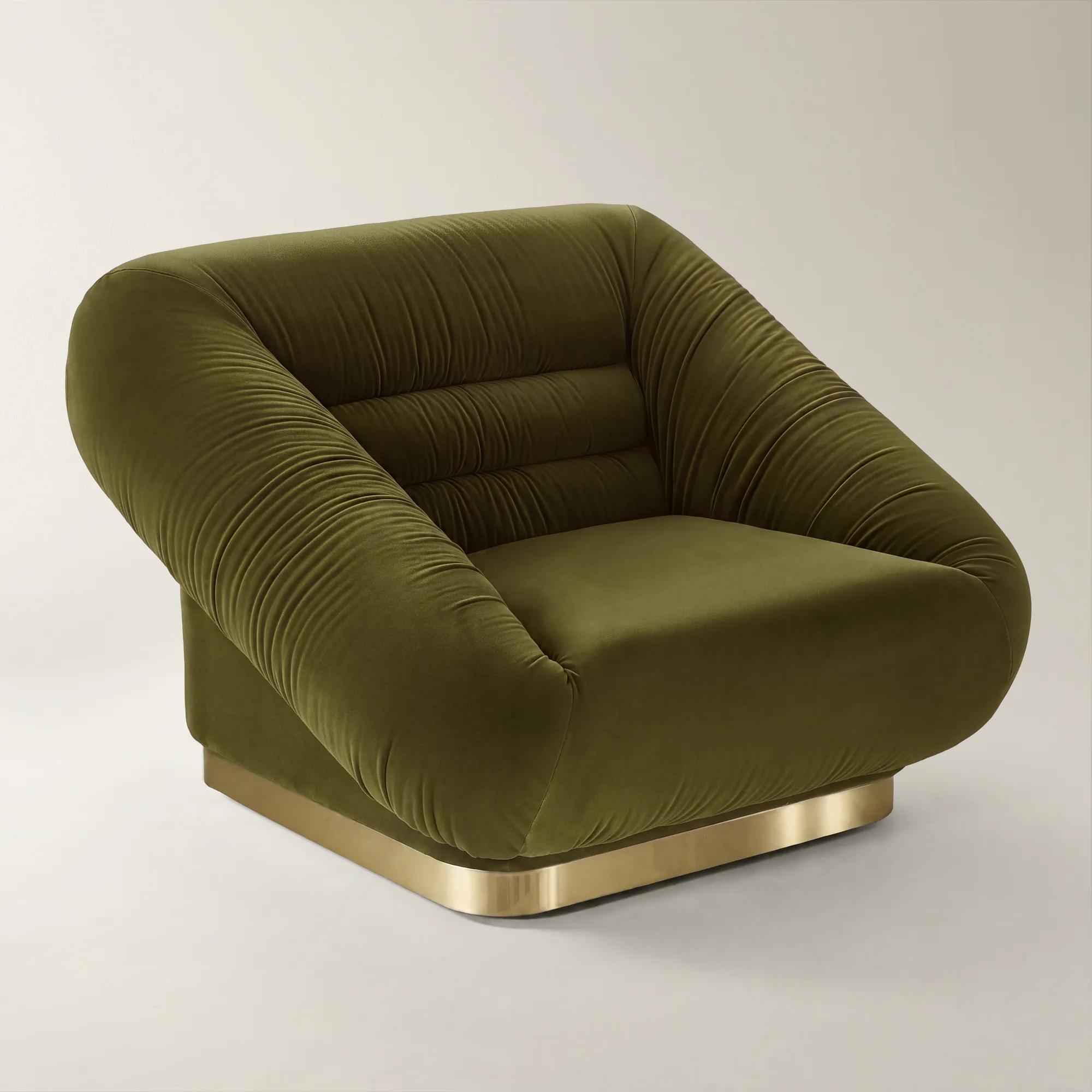
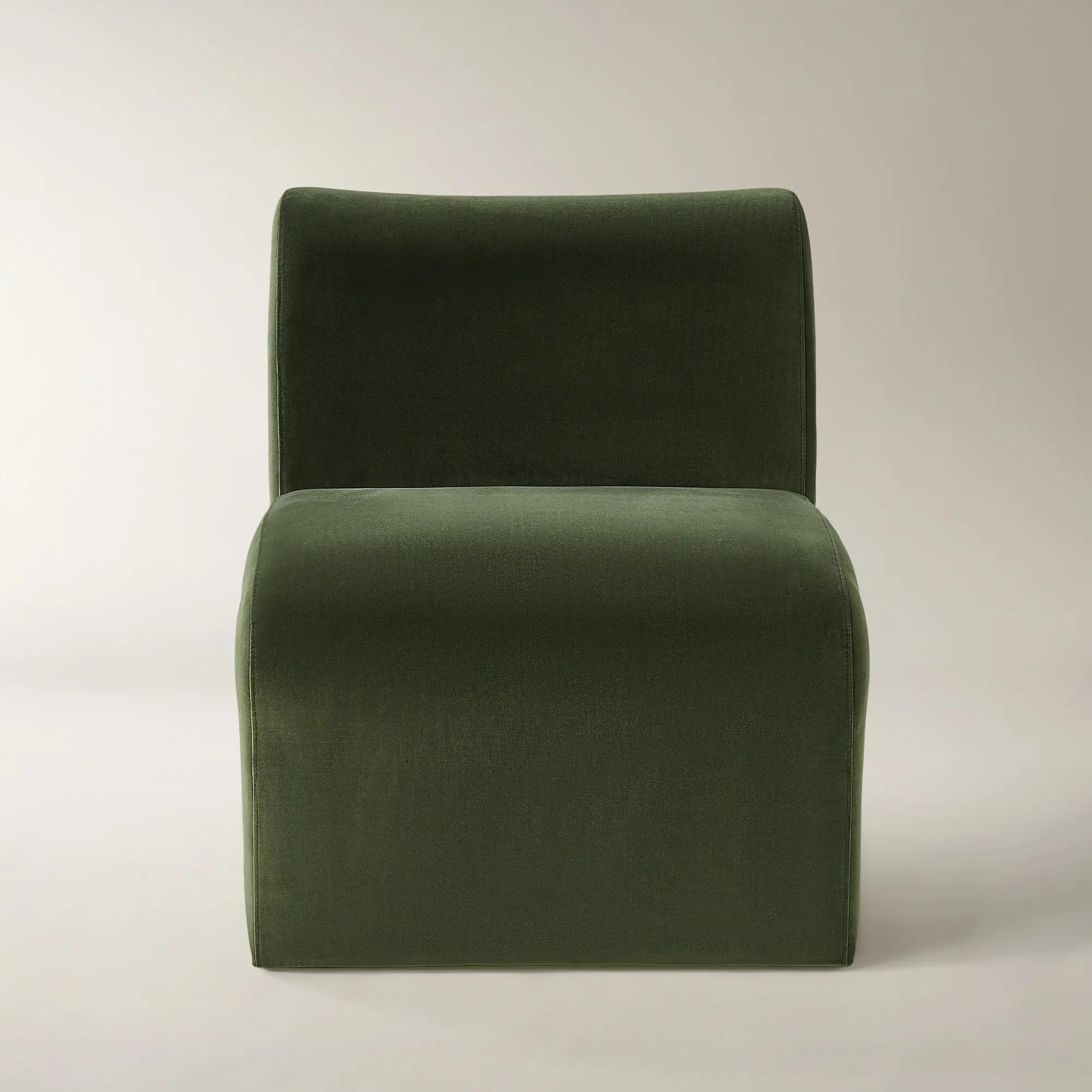 Cora Jade Green Velvet Accent Chair$899
A sculpted accent chair in jade green velvet with a gold stainless-steel inlay for refined glamour.
Add To Cart -
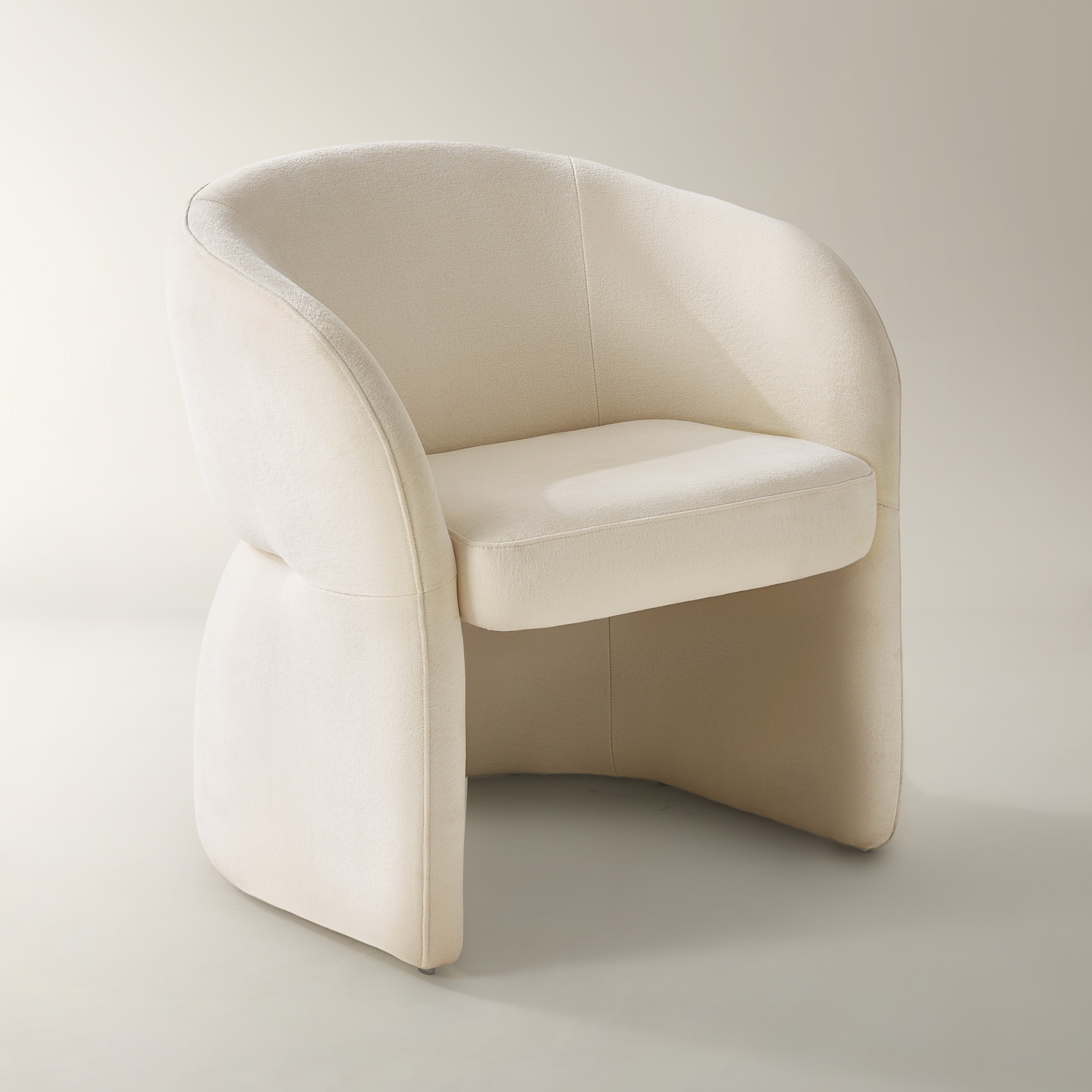
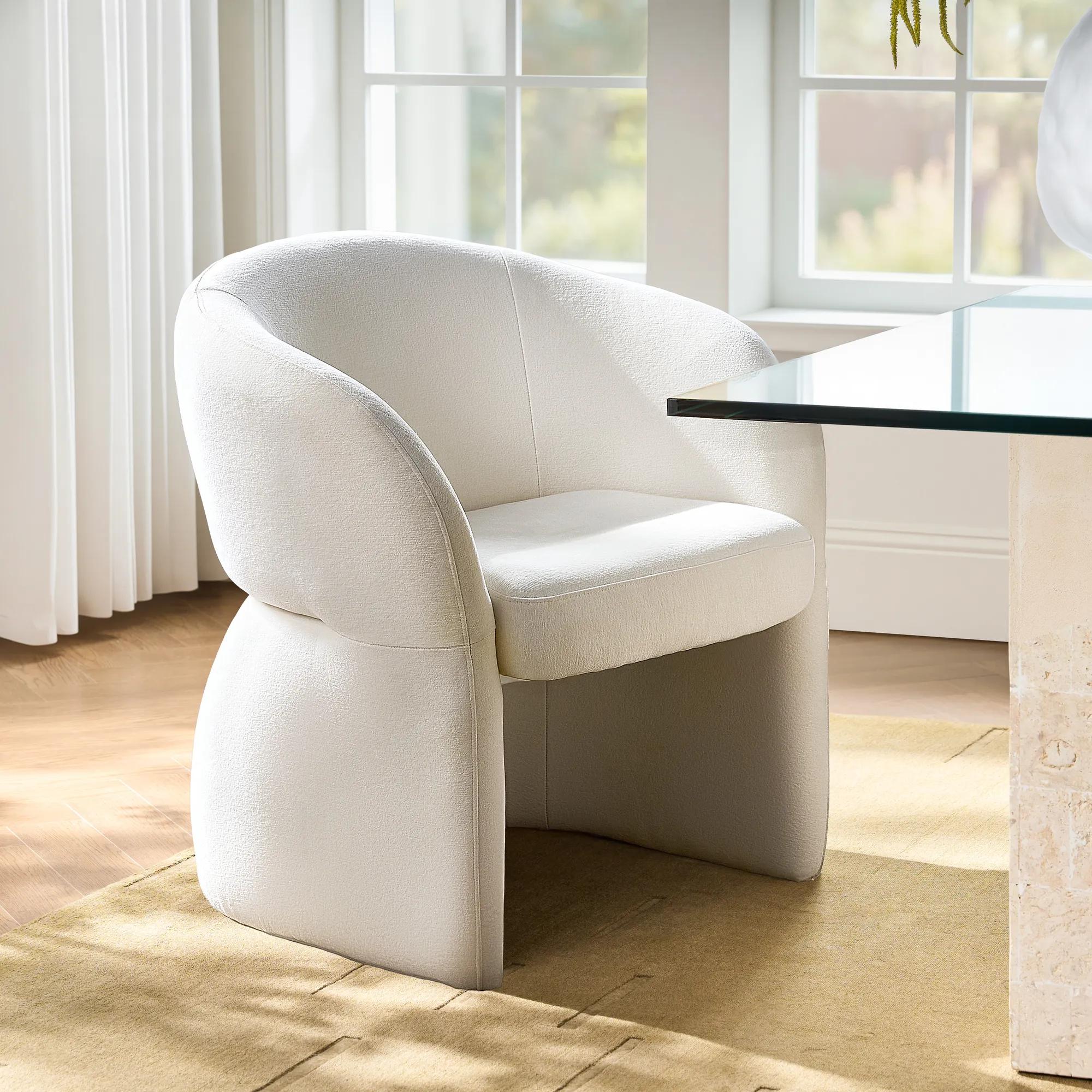 Sierra Oatmeal Velvet Dining Chair$599
An elegant accent chair in oatmeal velvet with gracefully arched arms, curved back, and plush cushioning.
Add To Cart -
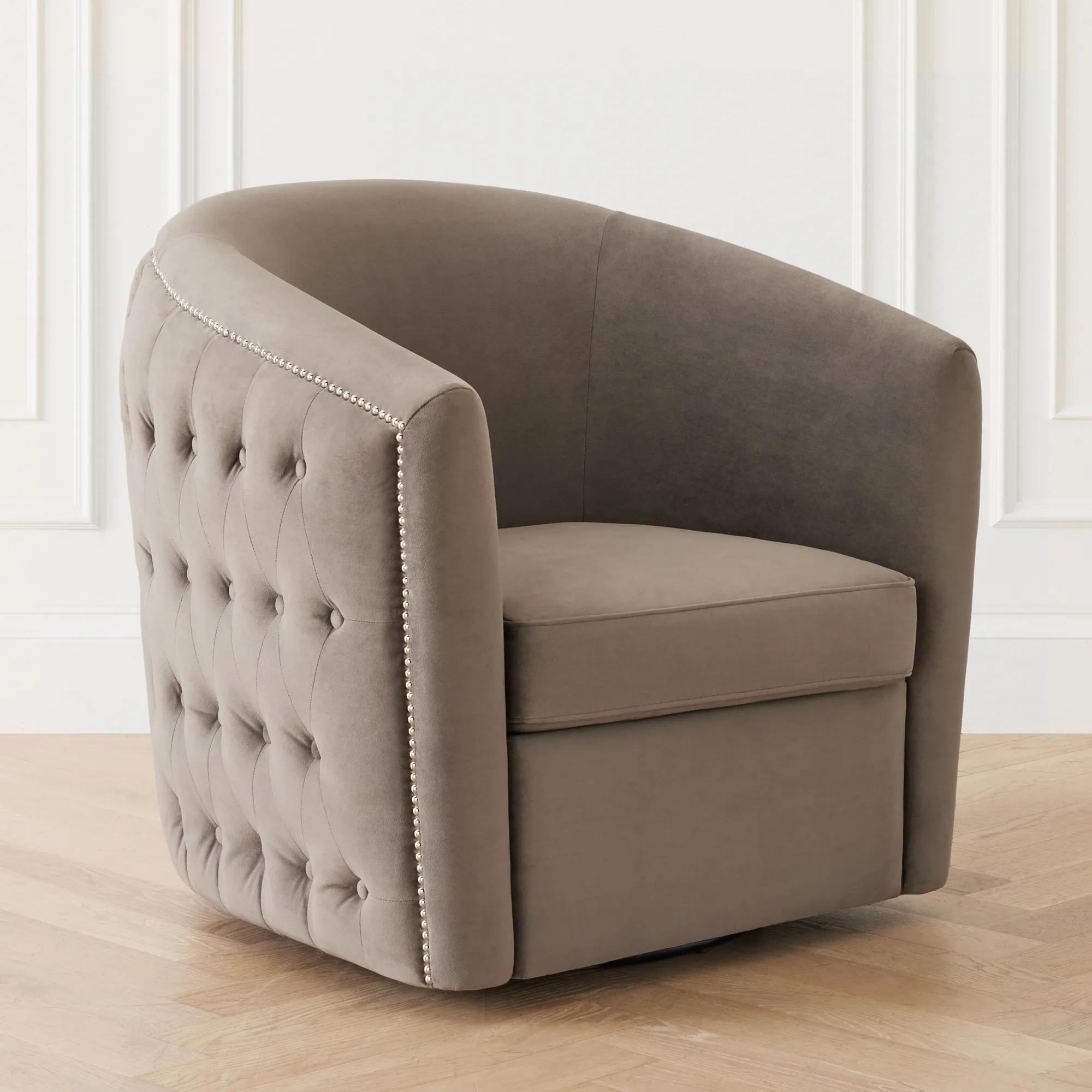
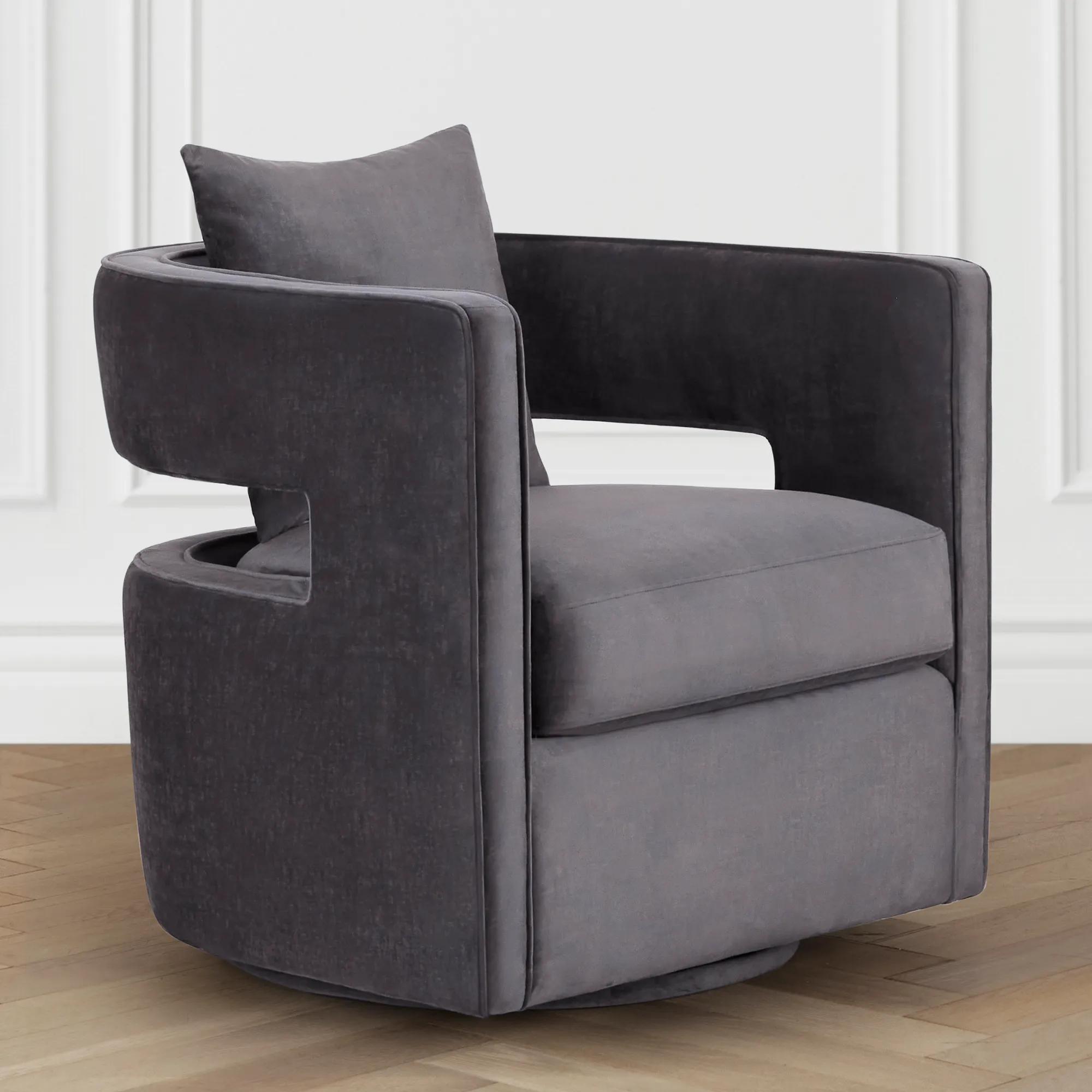 Lottie Grey Velvet Swivel Accent Chair$999
A glamorous grey velvet swivel chair featuring a barrel back, cutout arms, and plush foam cushioning.
Add To Cart -
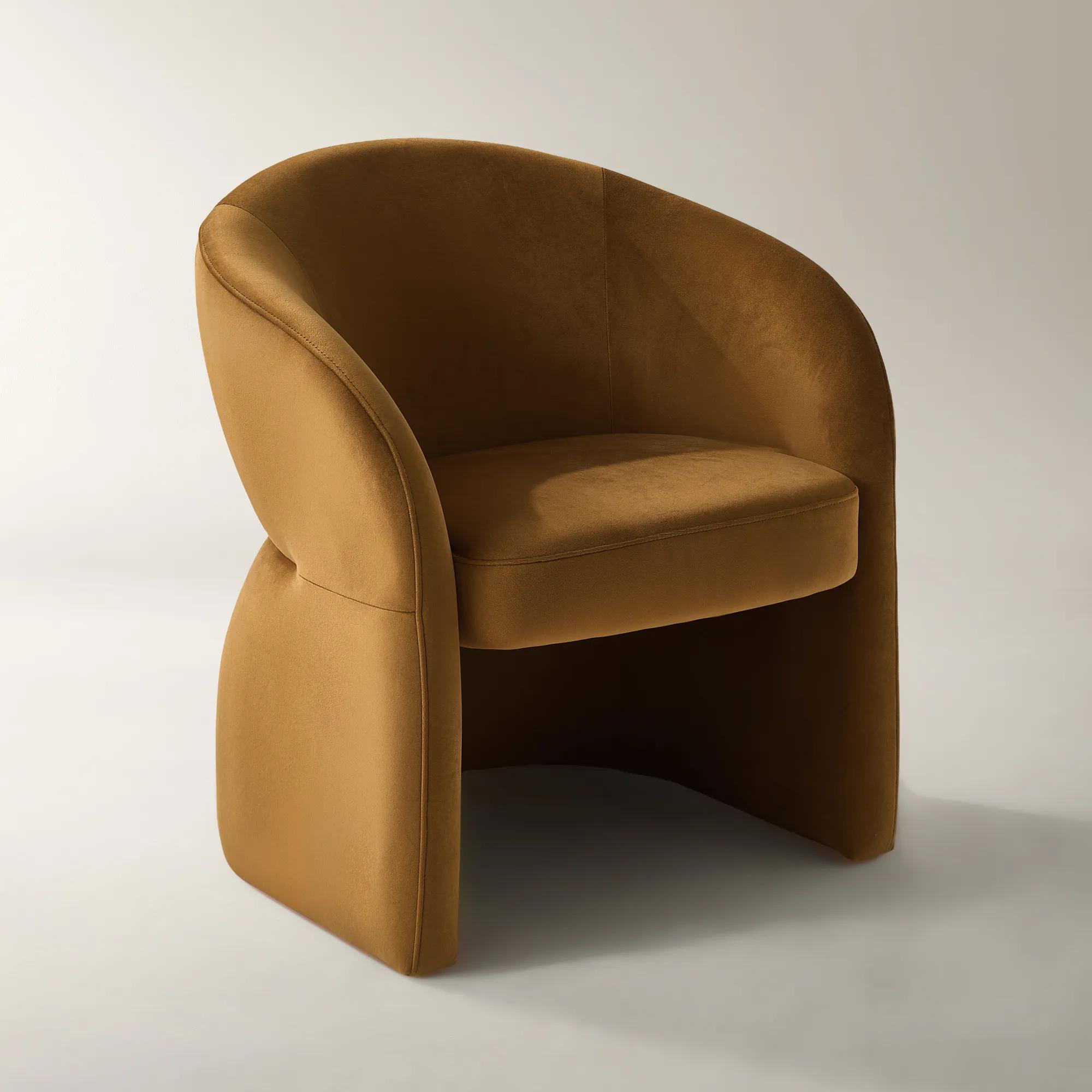
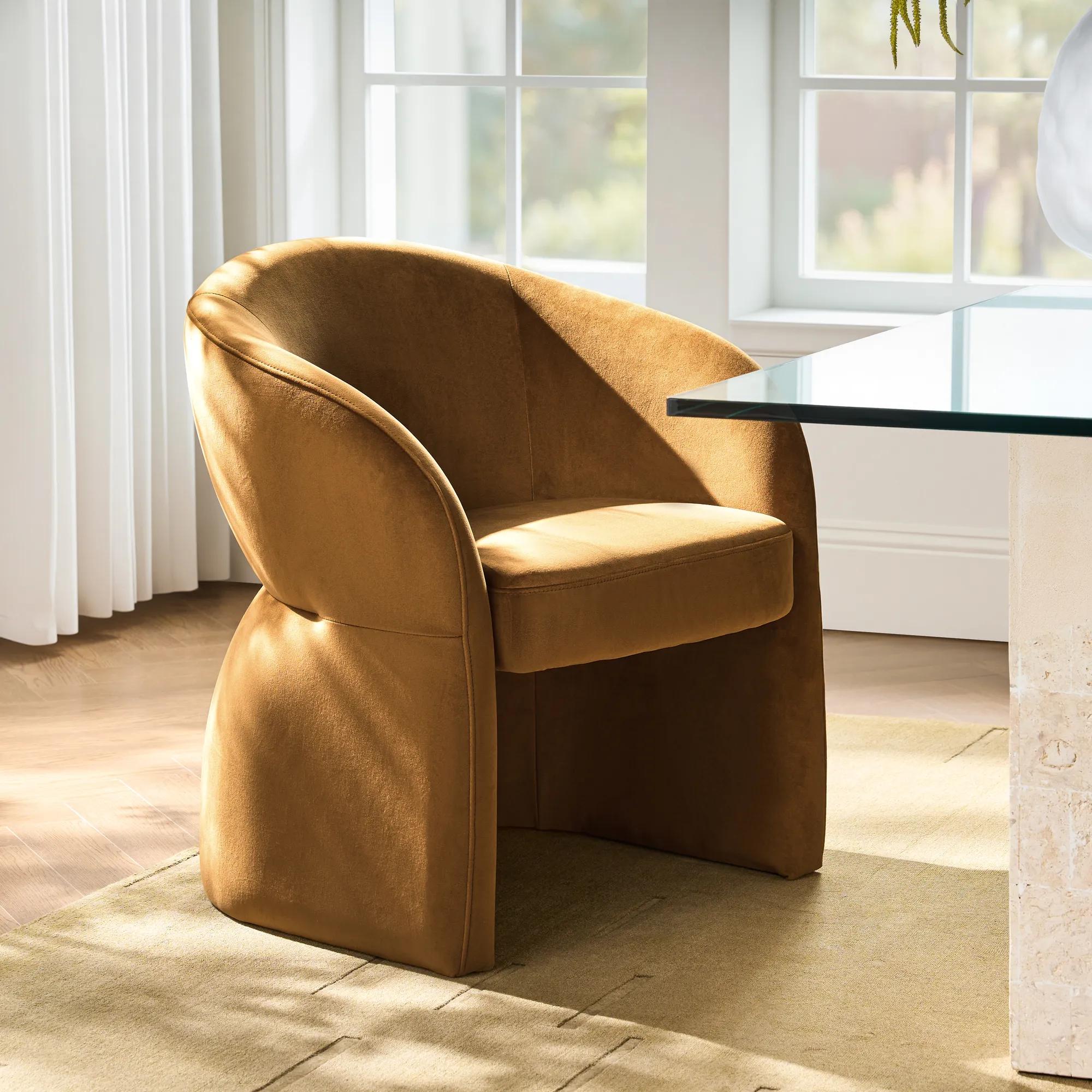 Sierra Roasted Pecan Velvet Dining Chair$599
A sculptural accent chair in roasted pecan velvet with arched arms, curved back, and plush cushioning.
Add To Cart -
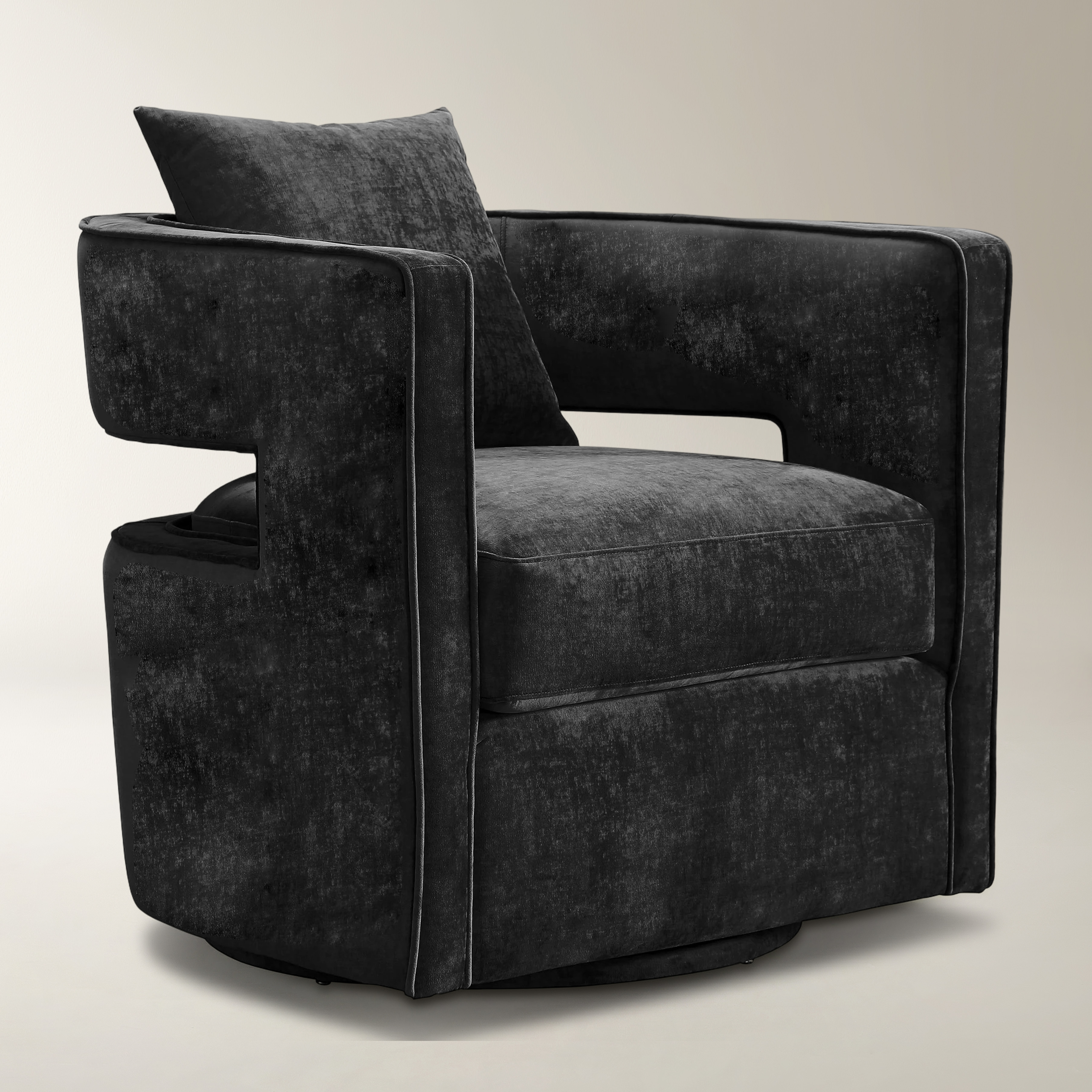 Lottie Black Velvet Swivel Accent Chair$999
A black velvet swivel accent chair with a sculpted barrel silhouette, open arms, and supportive cushioning.
Add To Cart -
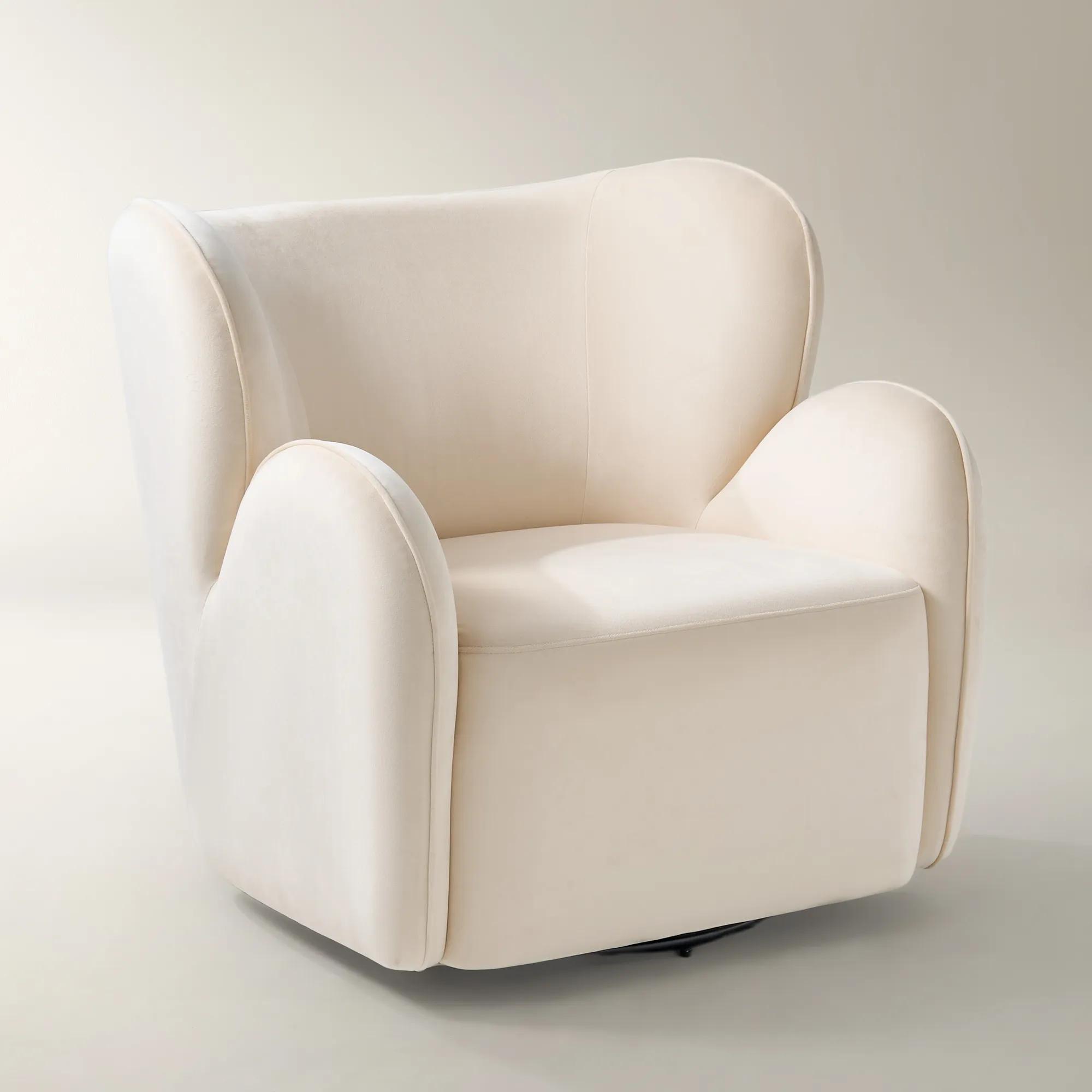
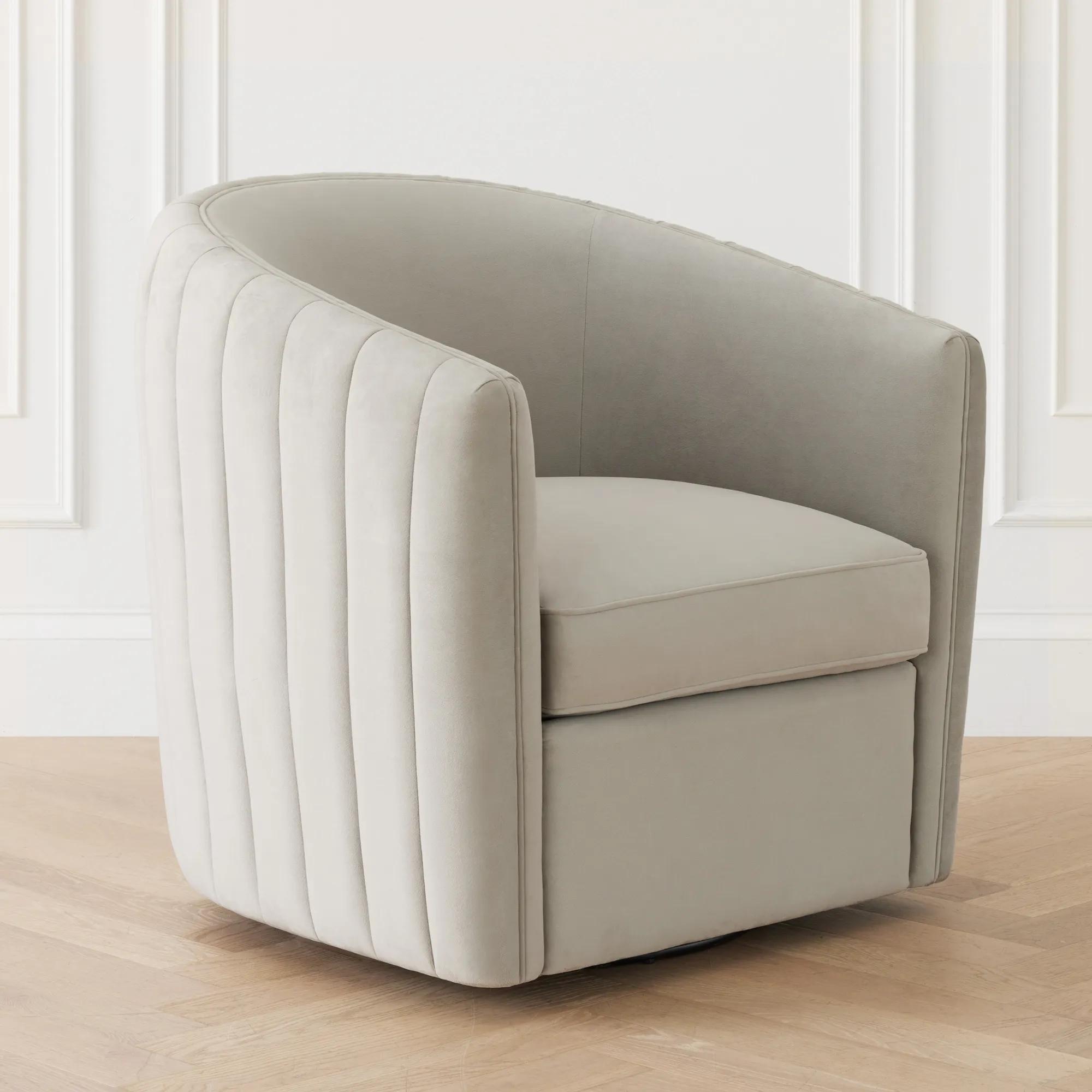
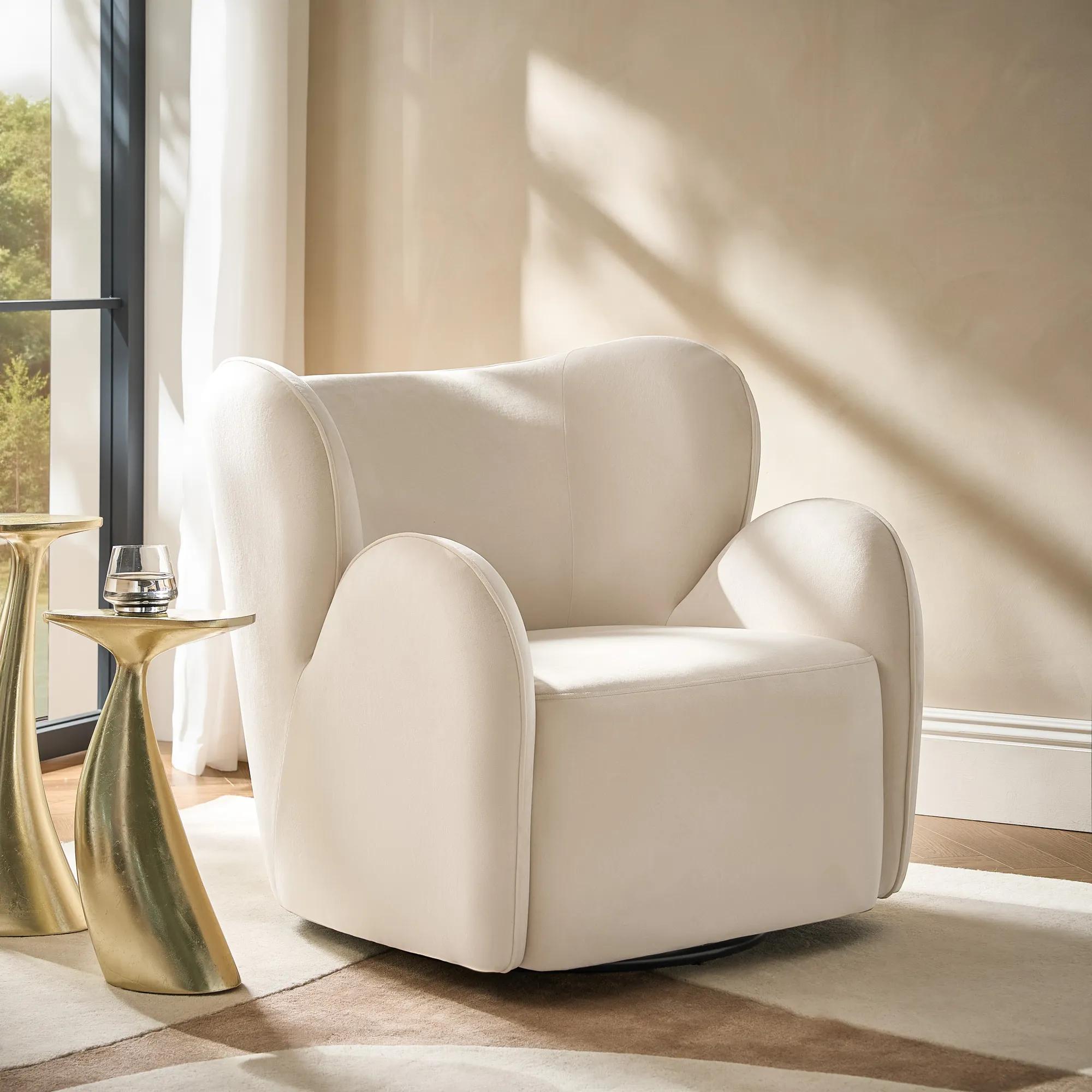 Ceres Ivory Velvet Swivel Accent Chair$799
An ivory velvet accent chair featuring a curved silhouette, 360° swivel, and plush, supportive cushioning.
Add To Cart -
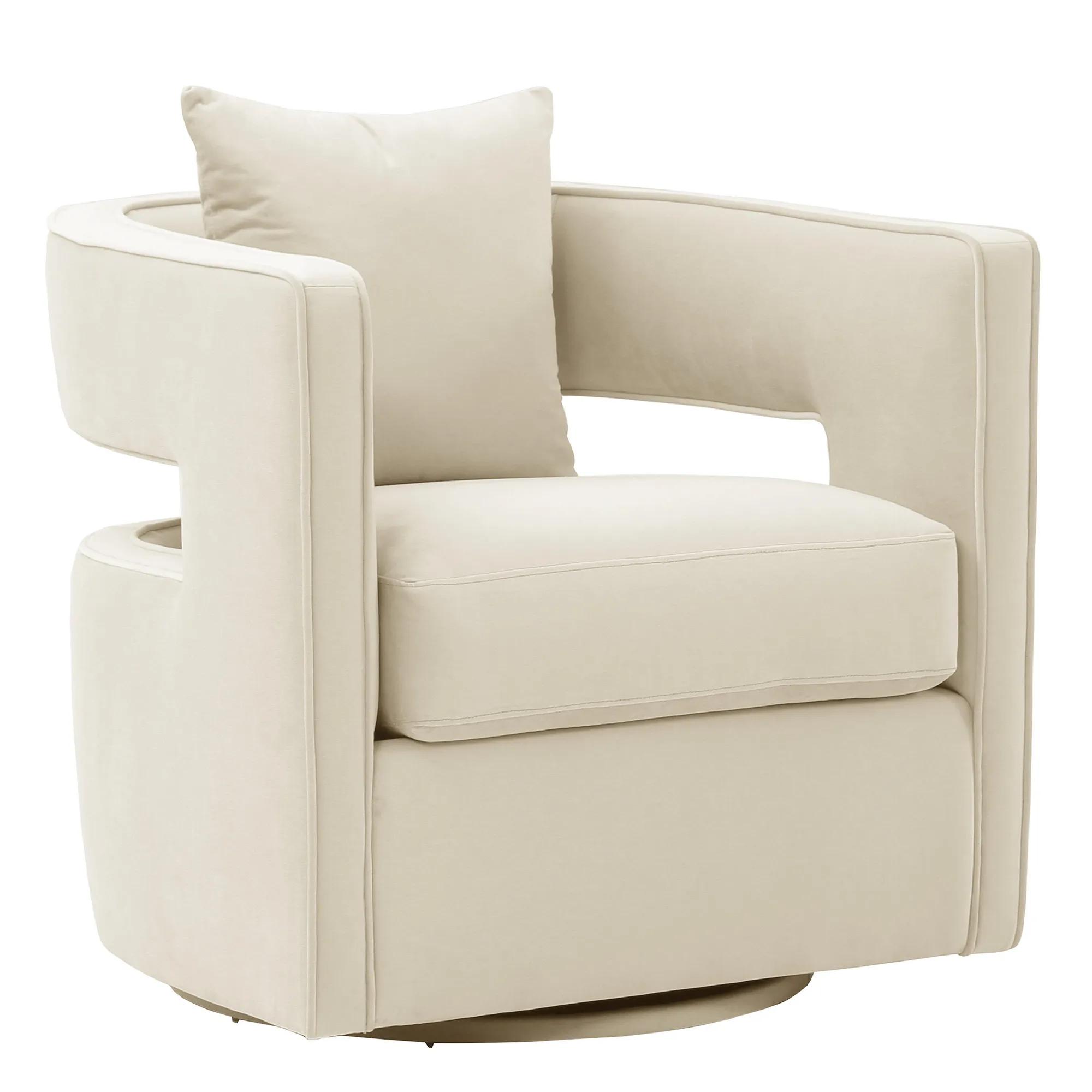
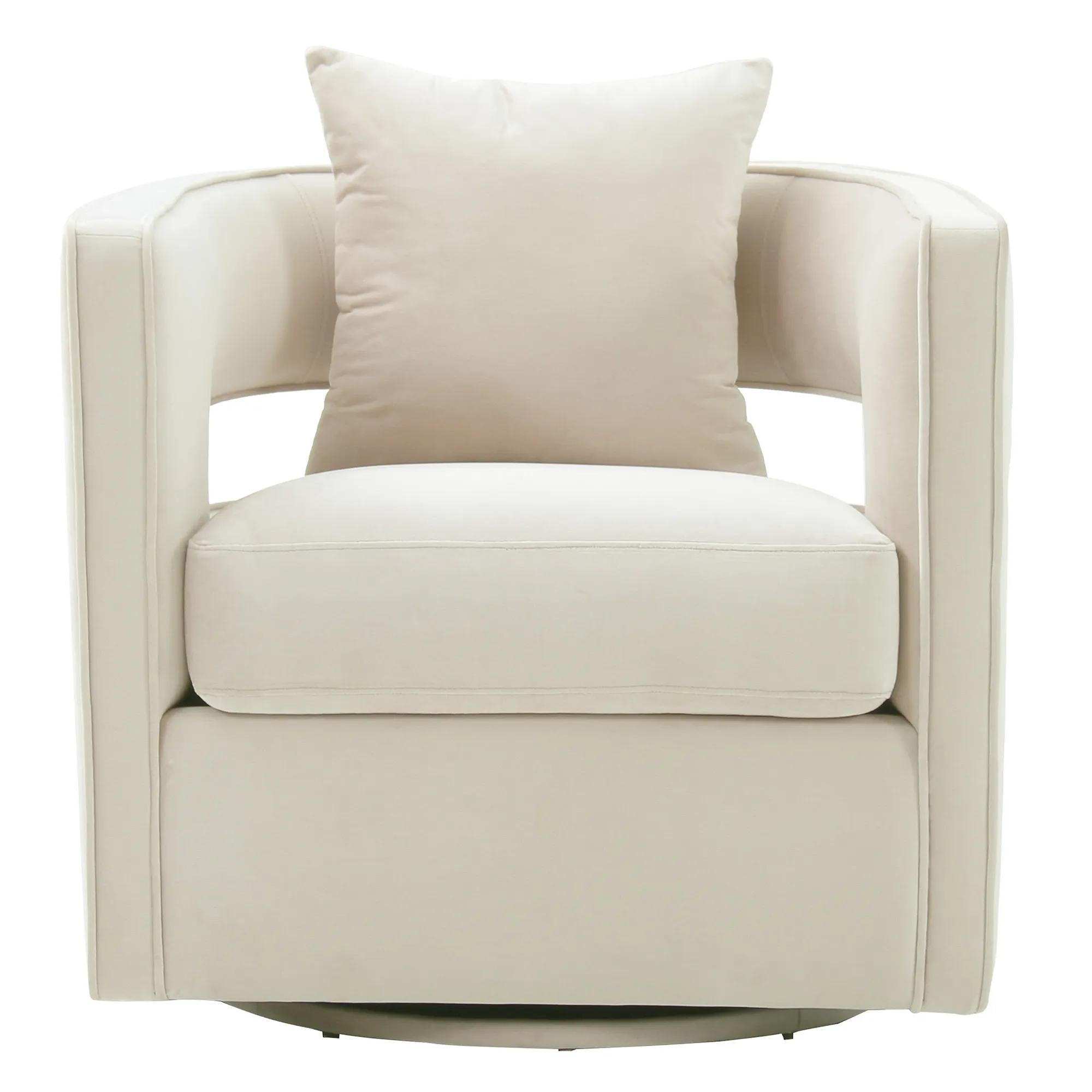 Lottie Cream Velvet Swivel Accent Chair$999
A glamorous cream velvet swivel chair featuring a barrel back, cutout arms, and plush foam cushioning.
Add To Cart -
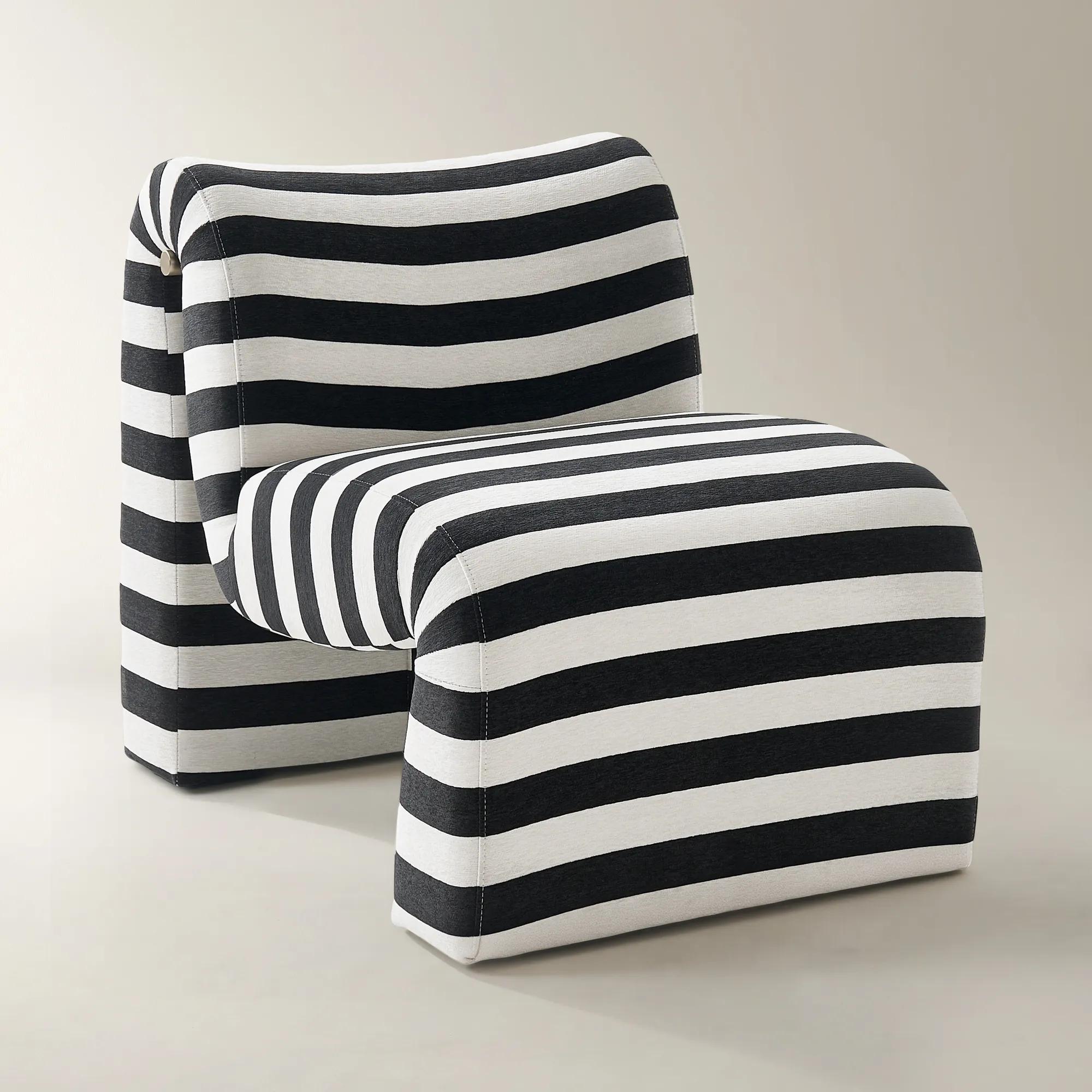 Cora Stripe Chenille Accent Chair$899
A bold black-and-white striped accent chair featuring water-repellent chenille and a gold stainless-steel inlay.
Add To Cart -
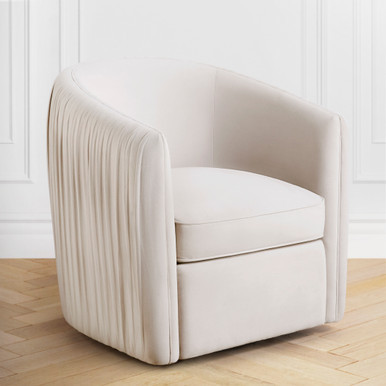
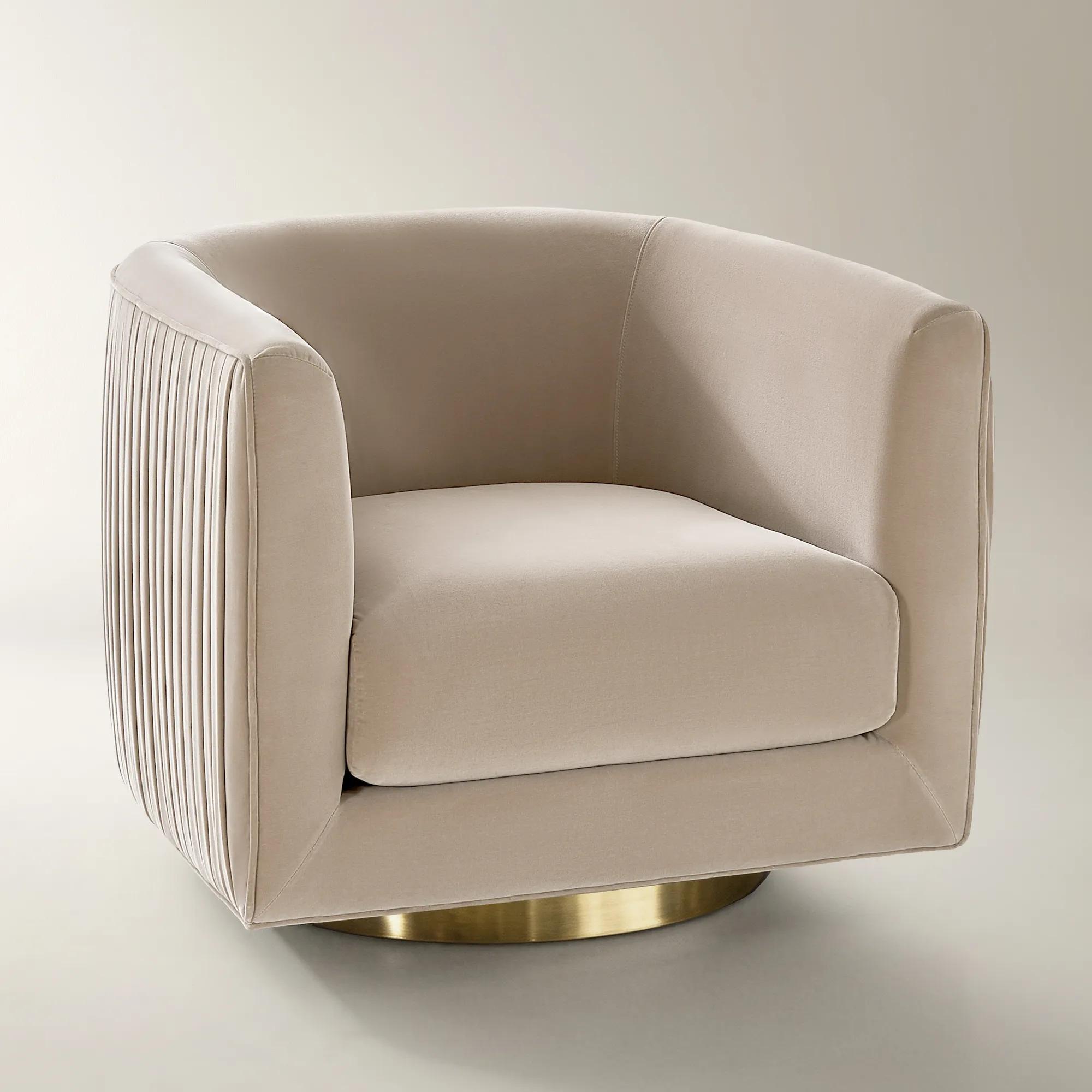 Lyssa Pleated Simply Taupe Velvet Swivel Accent Chair$1099
A softly curved taupe velvet accent chair featuring pleated detailing, 360° swivel, and a gold stainless steel base.
Add To Cart -
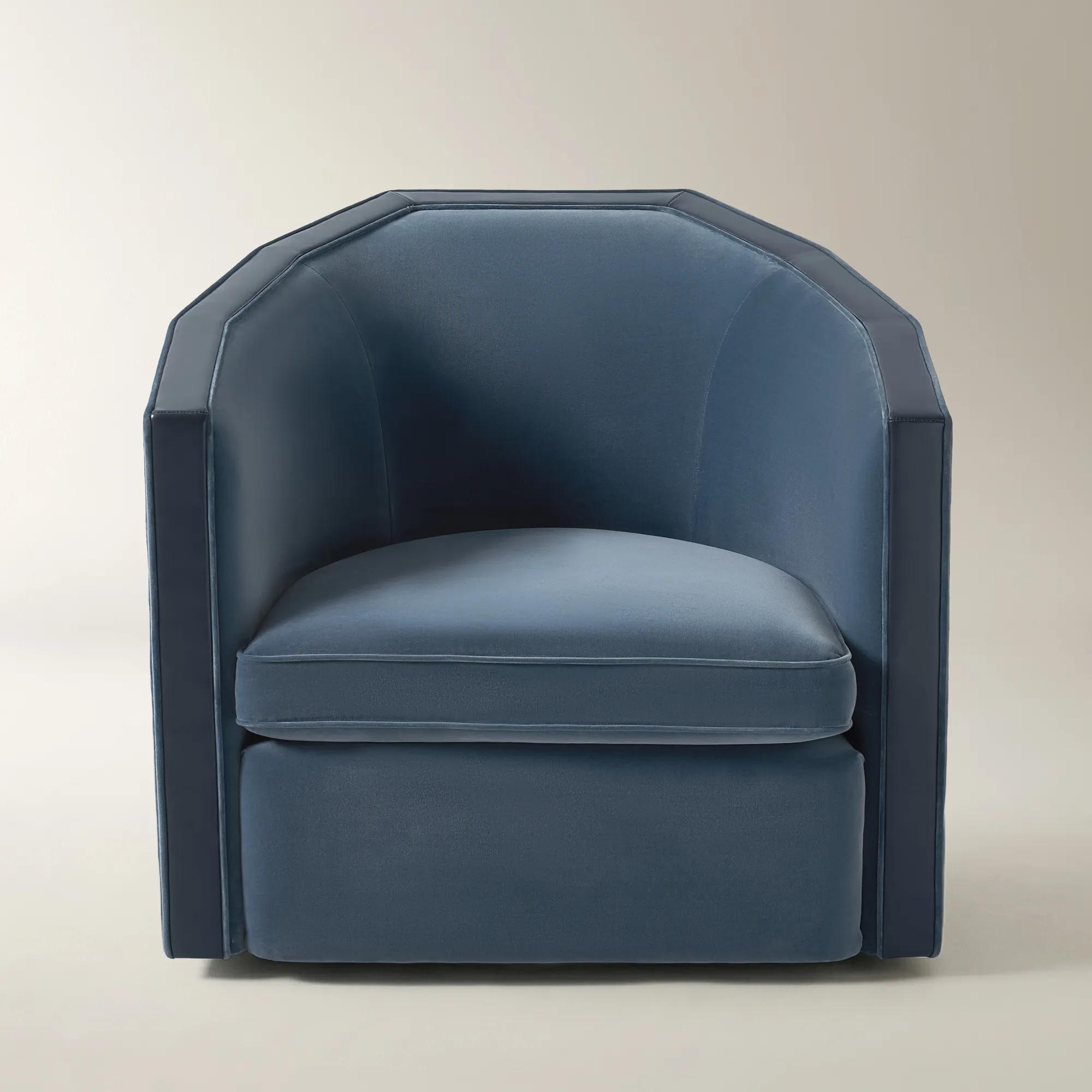 Vesper Dusty Blue Velvet With Leather Swivel Accent Chair$999
A modern accent chair in dusty blue velvet with tonal leather trim and a smooth 360-degree swivel base.
Add To Cart -
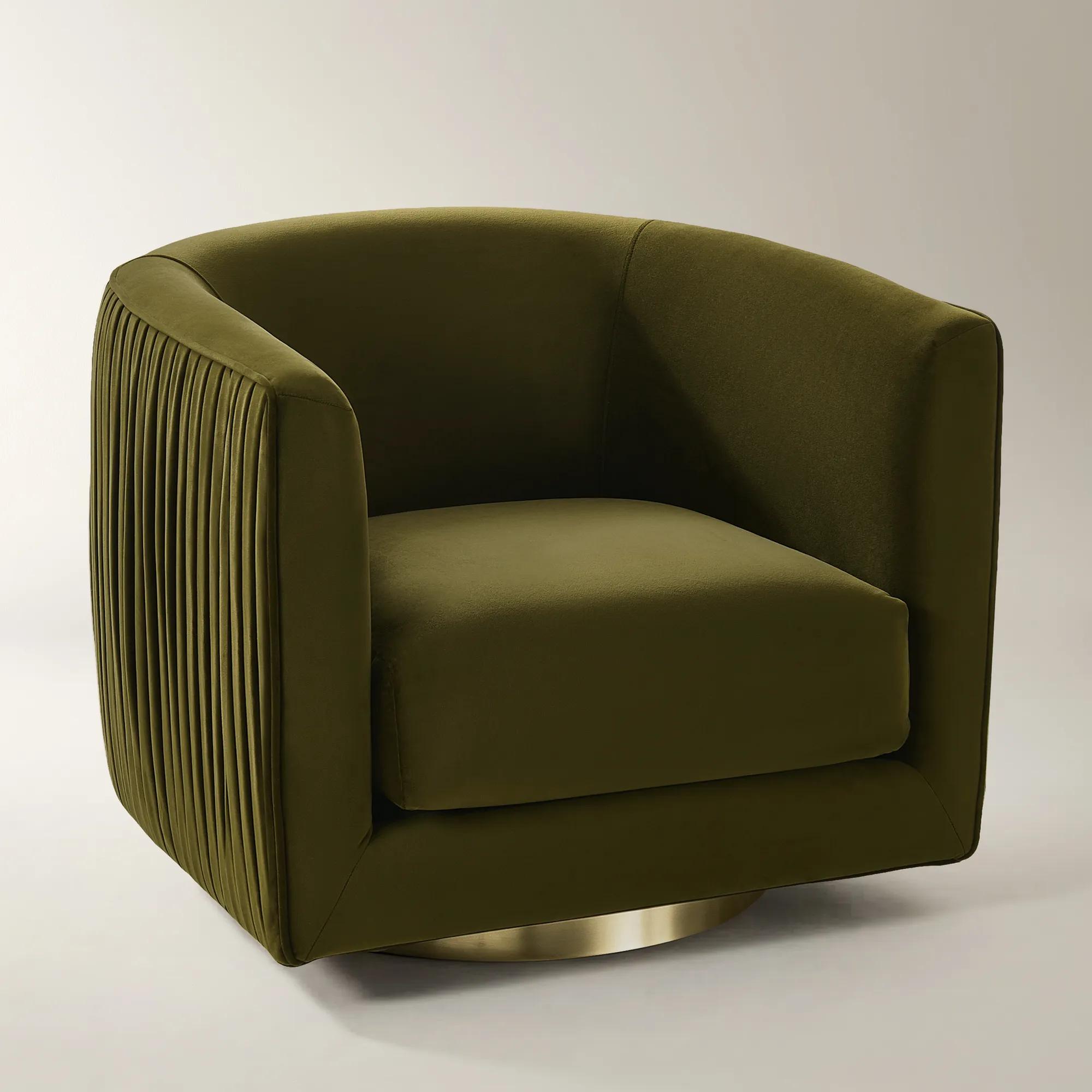
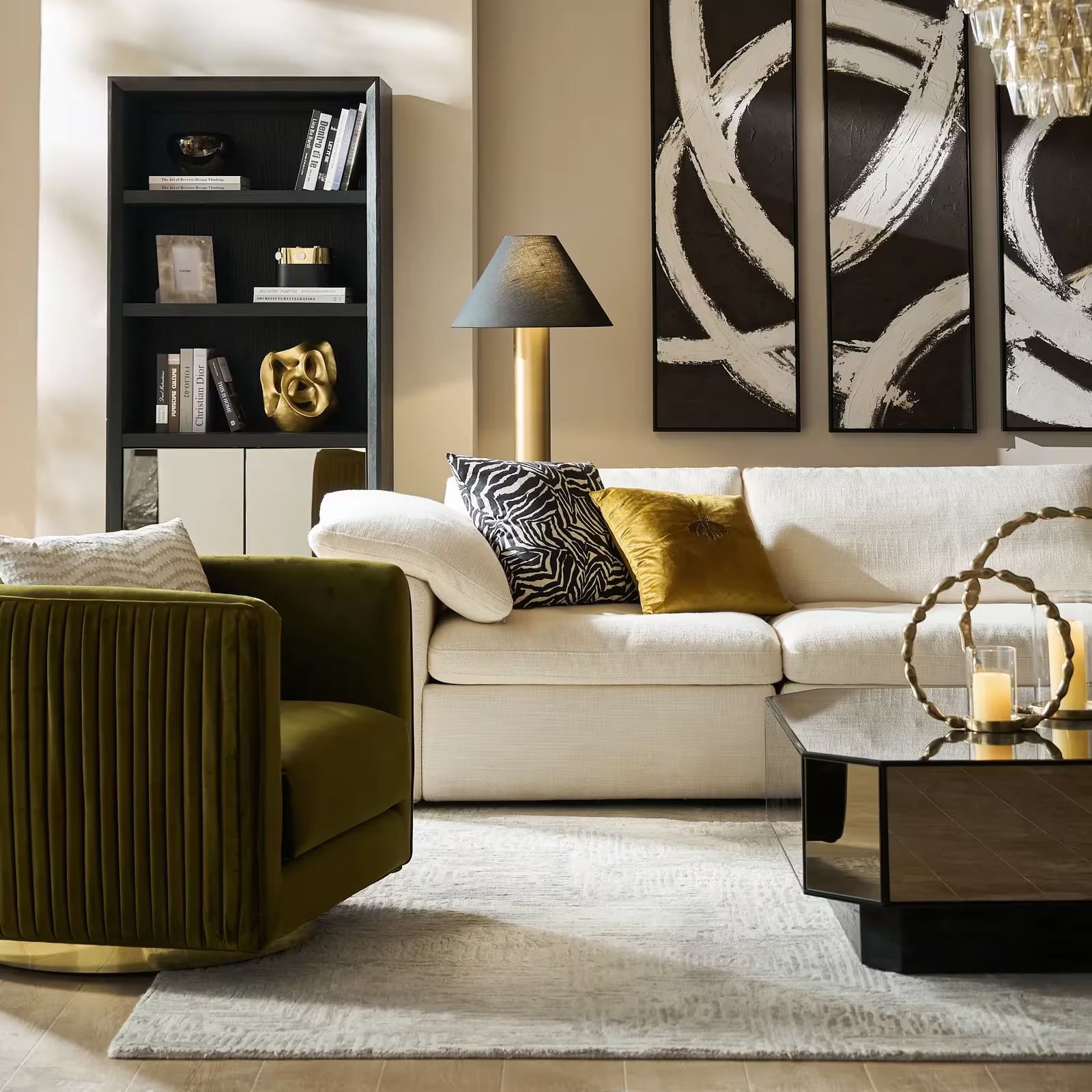 Lyssa Pleated Deep Olive Velvet Swivel Accent Chair$1099
A deep olive green velvet accent chair featuring pleated panels, smooth curves, and a 360-degree swivel base.
Add To Cart -
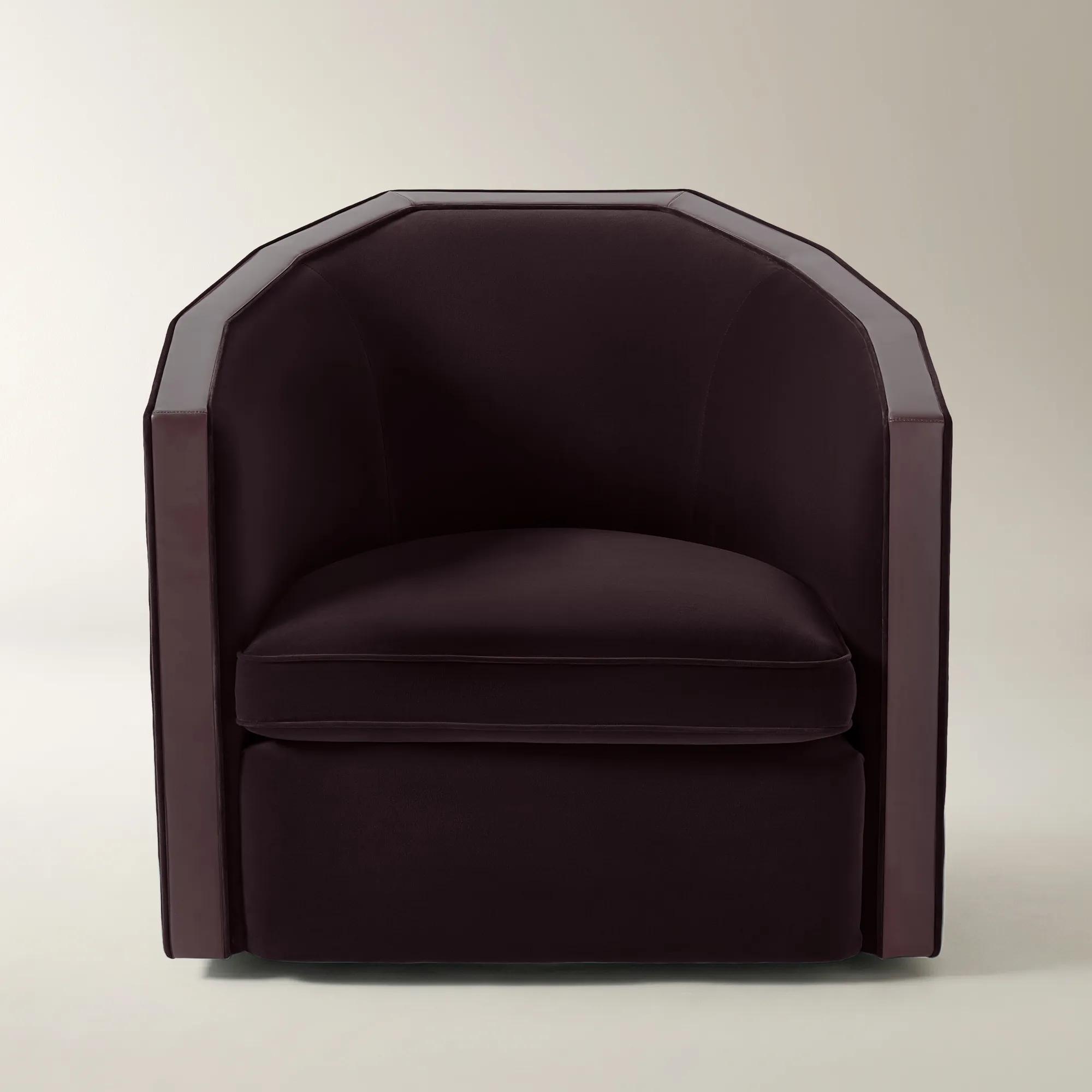
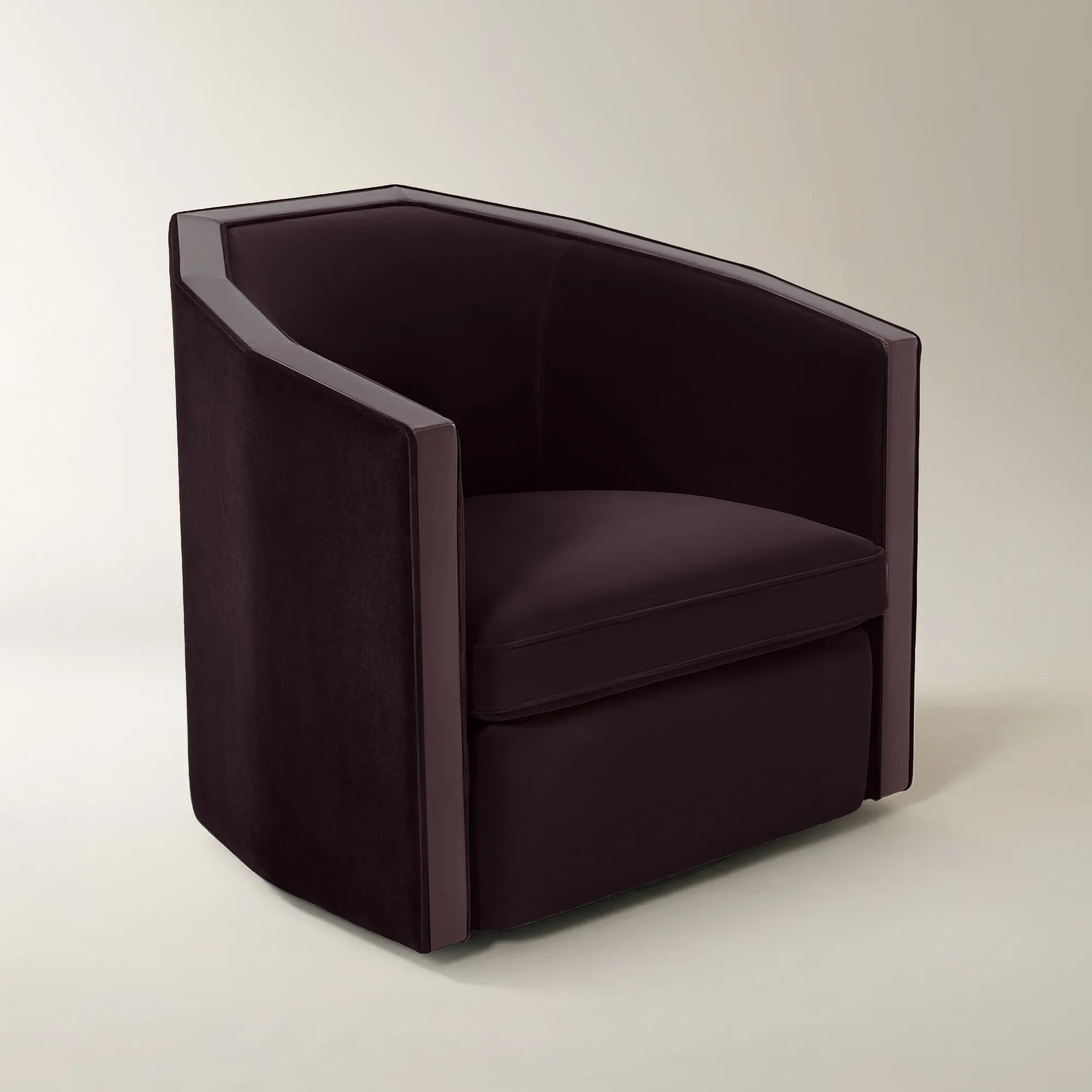 Vesper Fig Velvet With Leather Swivel Accent Chair$999
A modern accent chair featuring fig velvet upholstery, tonal leather trim, and a smooth 360° swivel base.
Add To Cart -
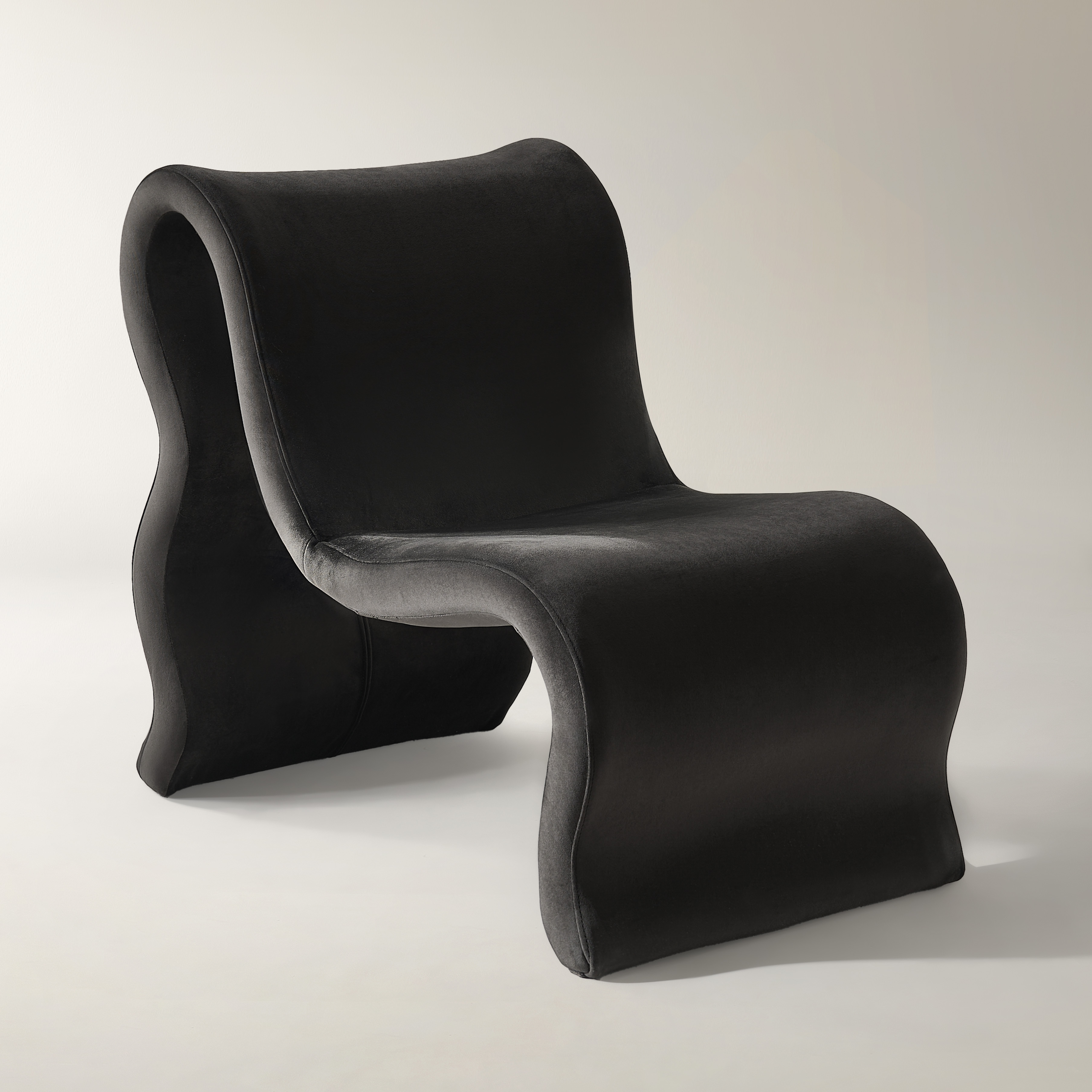 Romy Charcoal Velvet Accent Chair$999
A sculptural accent chair in charcoal velvet with a wave-like silhouette and full foam construction.
Add To Cart -
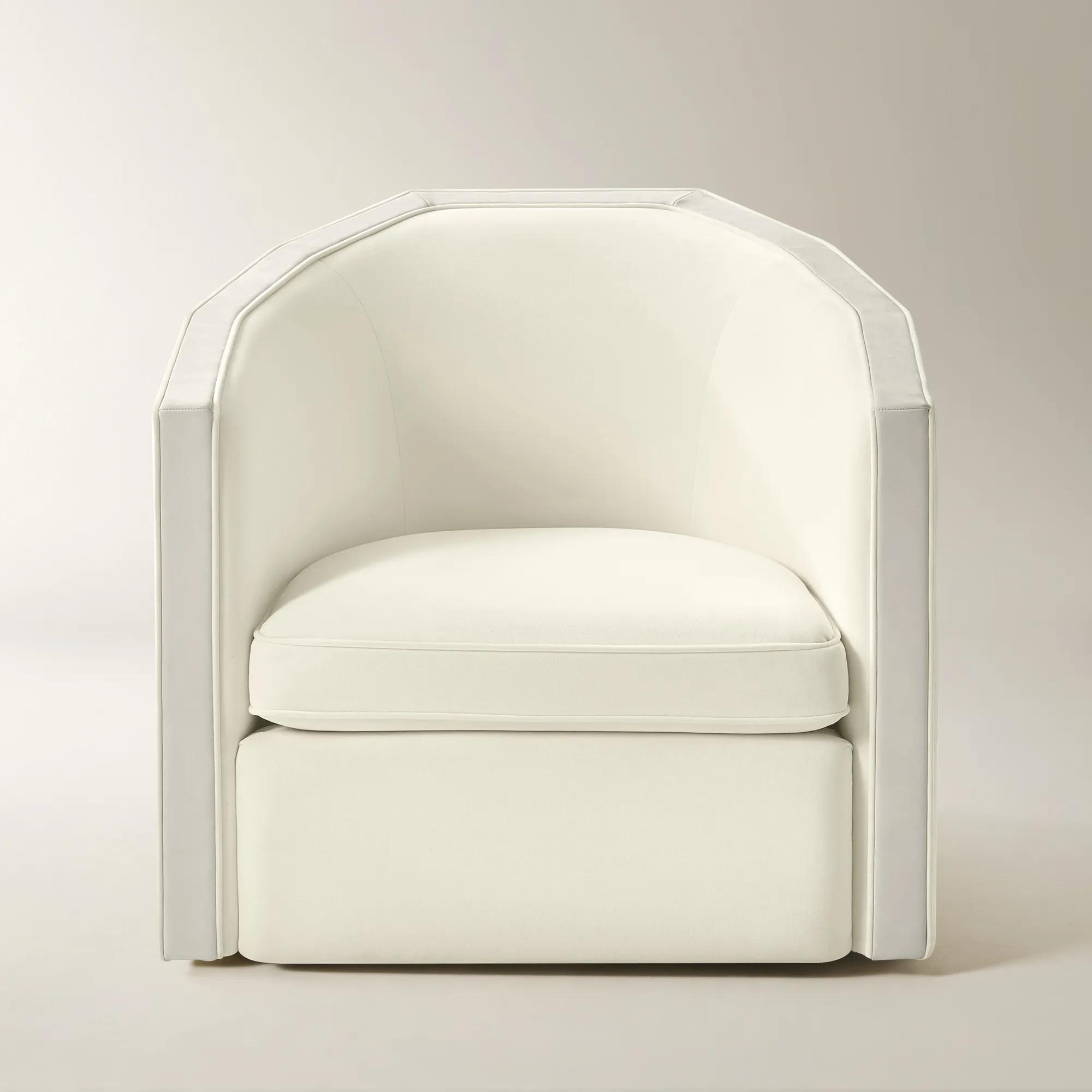 Vesper Cloud Velvet With Leather Swivel Accent Chair$999
A modern accent chair featuring cloud velvet upholstery, tonal leather trim, and a smooth 360° swivel base.
Add To Cart -
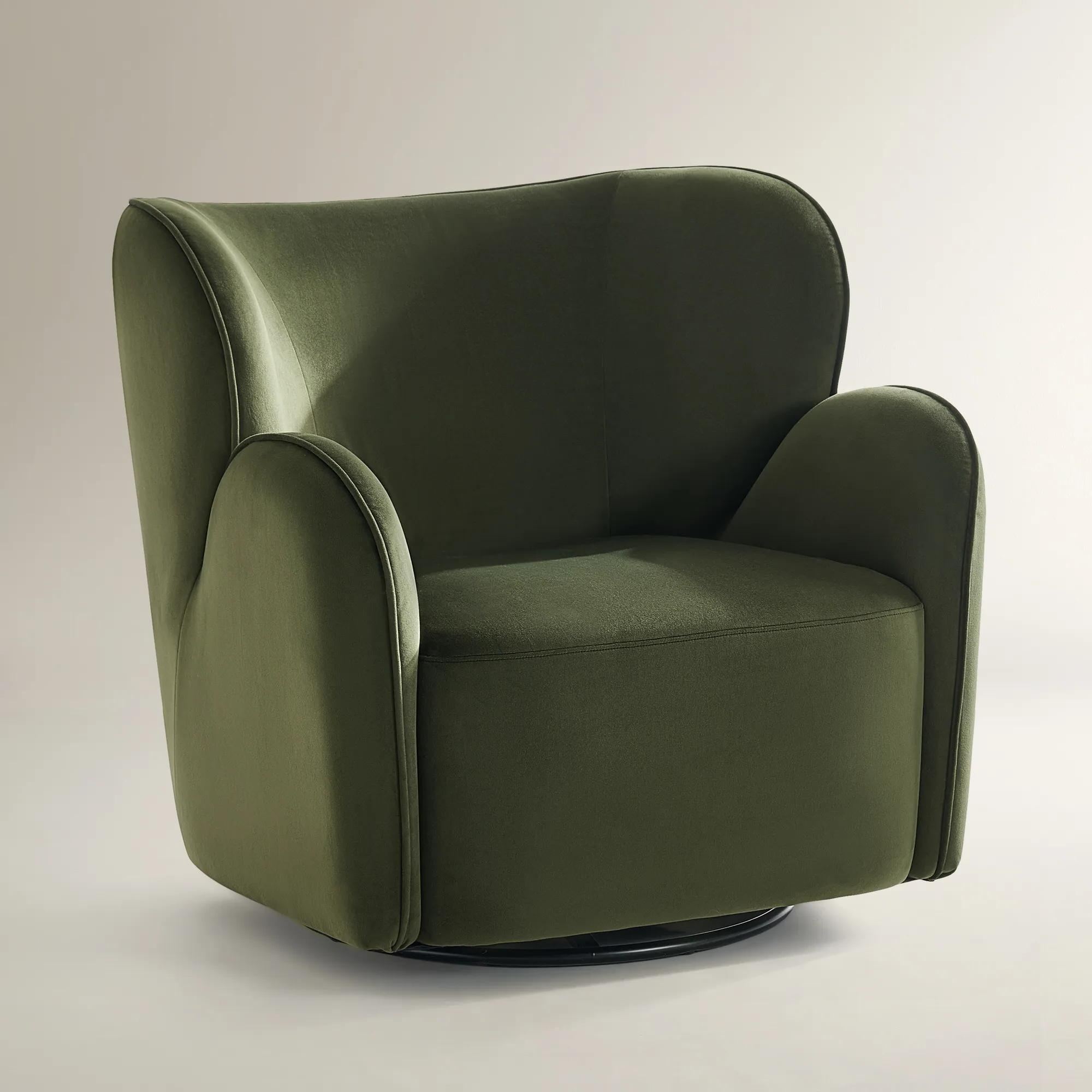
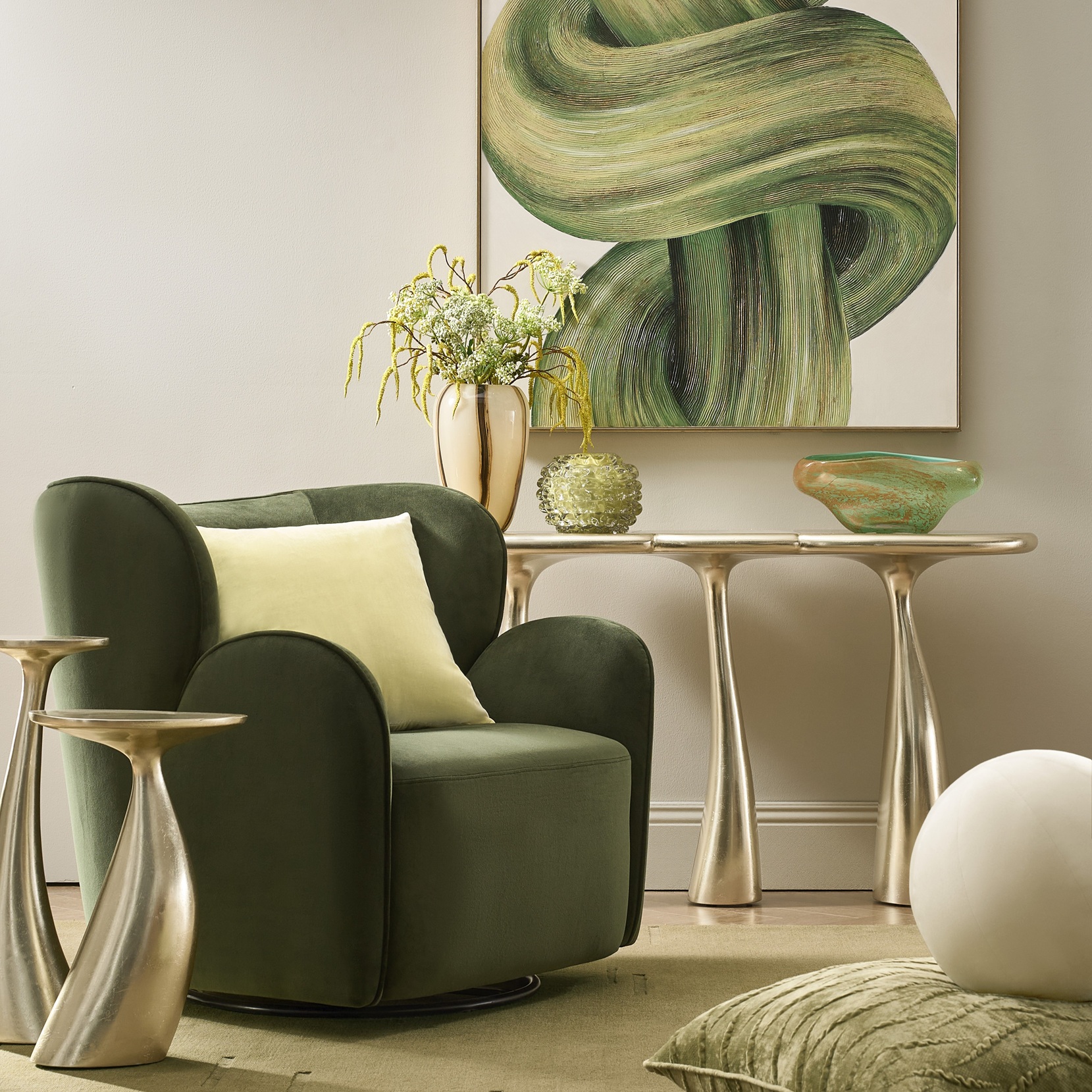 Ceres Jade Green Velvet Swivel Accent Chair$799
A plush jade green velvet chair with a curved silhouette, 360° swivel, and supportive foam cushioning.
Add To Cart -
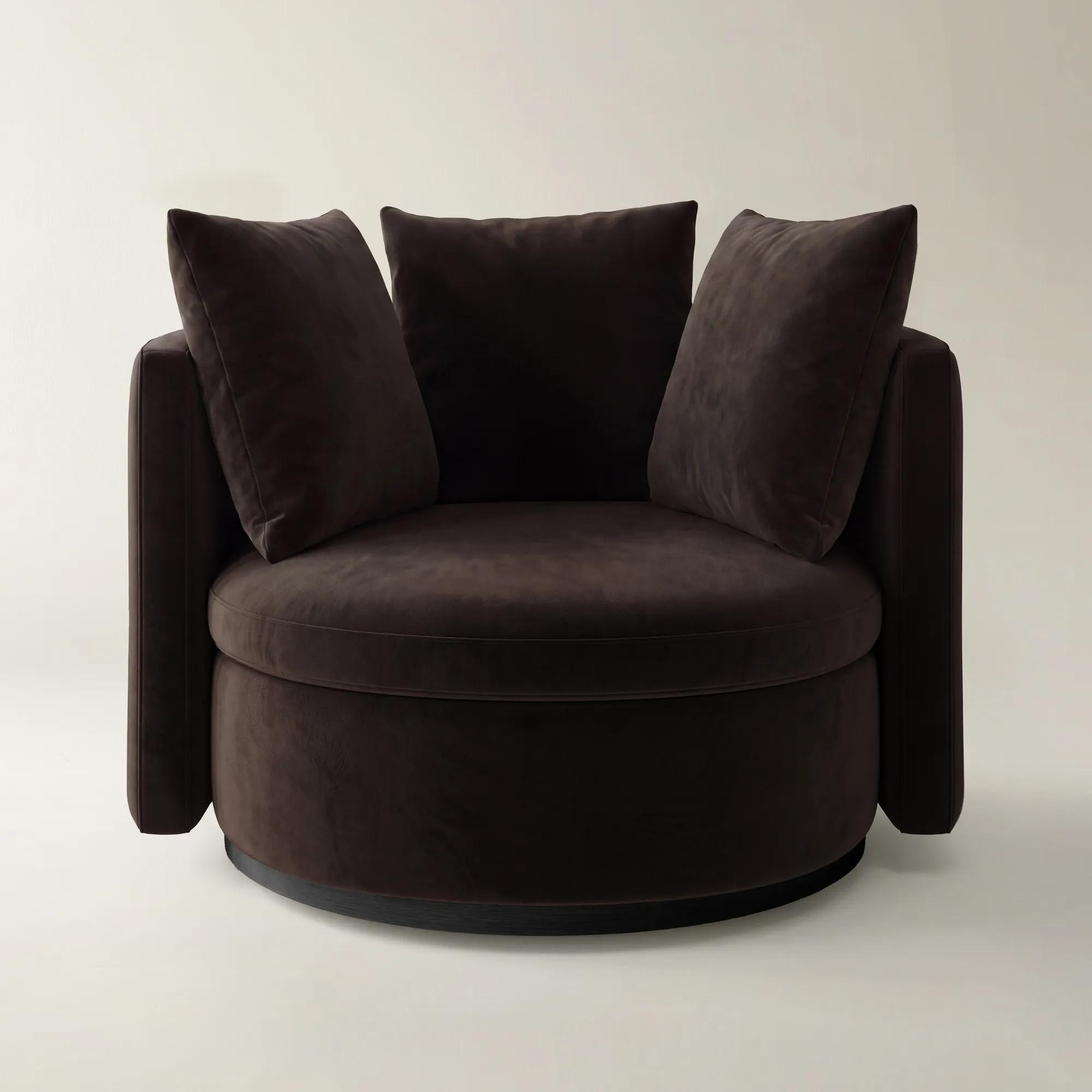
 Stria Dark Chocolate Velvet Swivel Accent Chair$1499
A dark chocolate velvet accent chair with enveloping curves, plush cushioning, and a concealed 360-degree swivel.
Add To Cart -
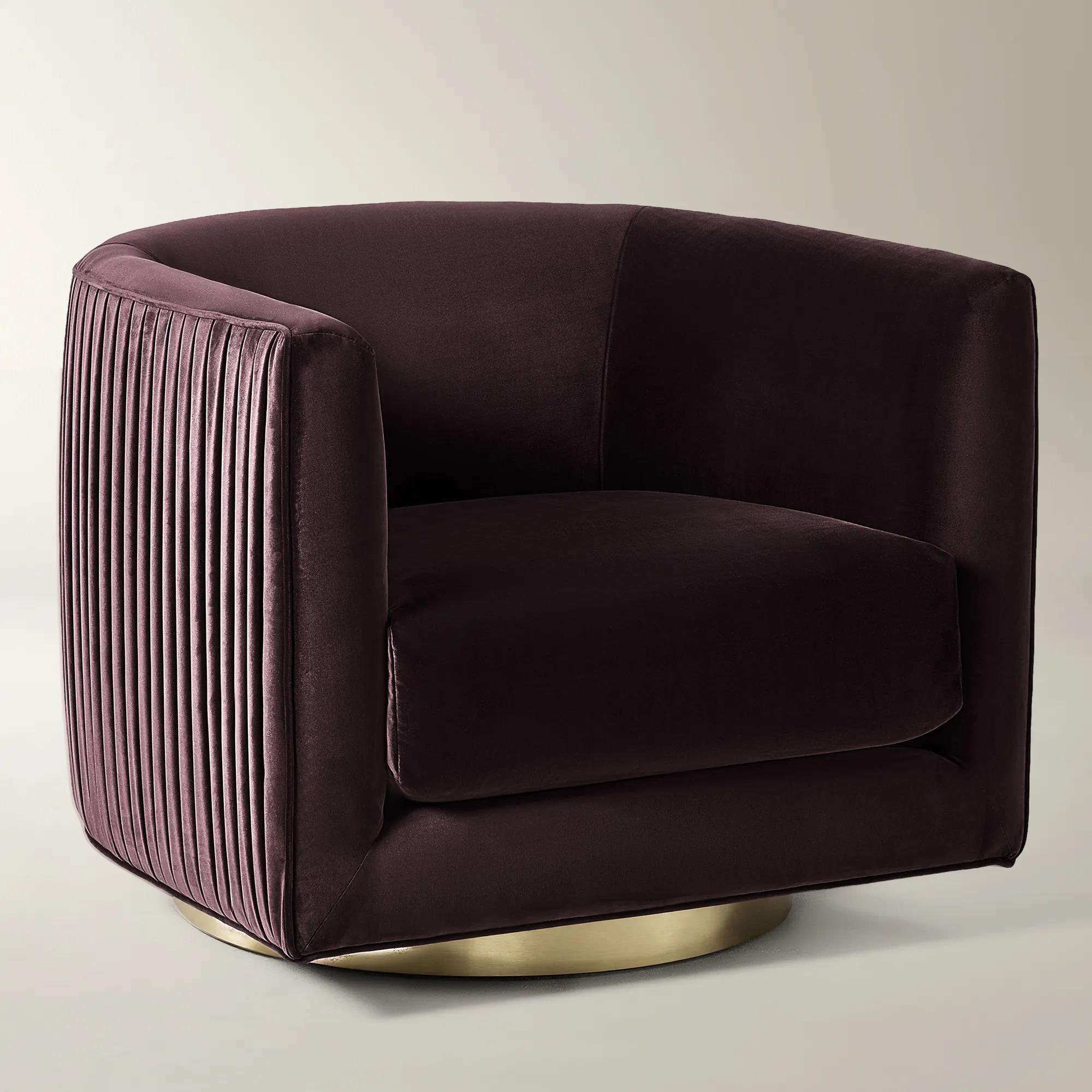 Lyssa Pleated Fig Velvet Swivel Accent Chair$1099
A fig-colored velvet accent chair featuring pleated detailing, a curved silhouette, and a smooth 360° swivel base.
Add To Cart -
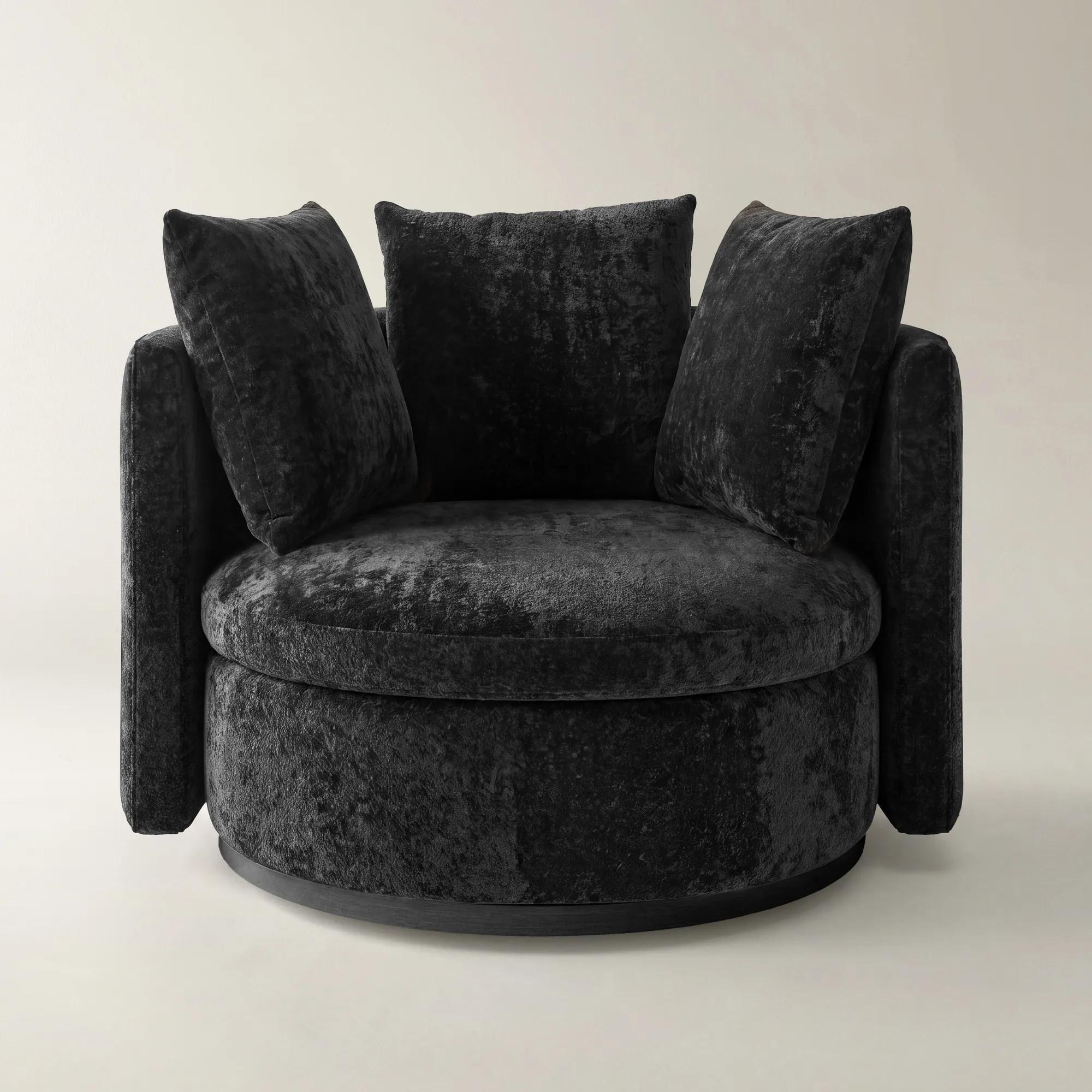 Stria Black Chenille Swivel Accent Chair$1599
A black chenille accent chair with enveloping curves, foam-and-down comfort, and a concealed 360-degree swivel.
Add To Cart -
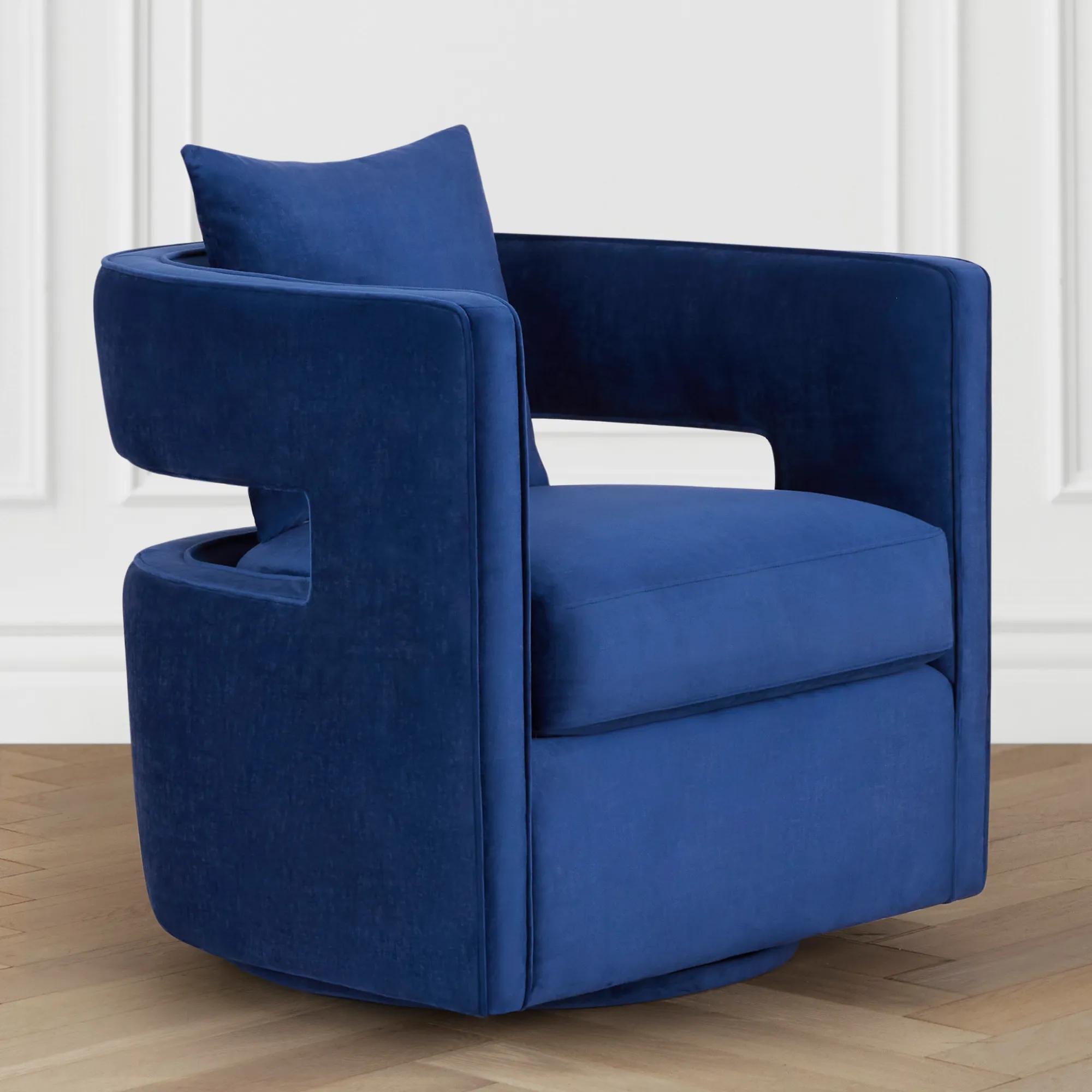
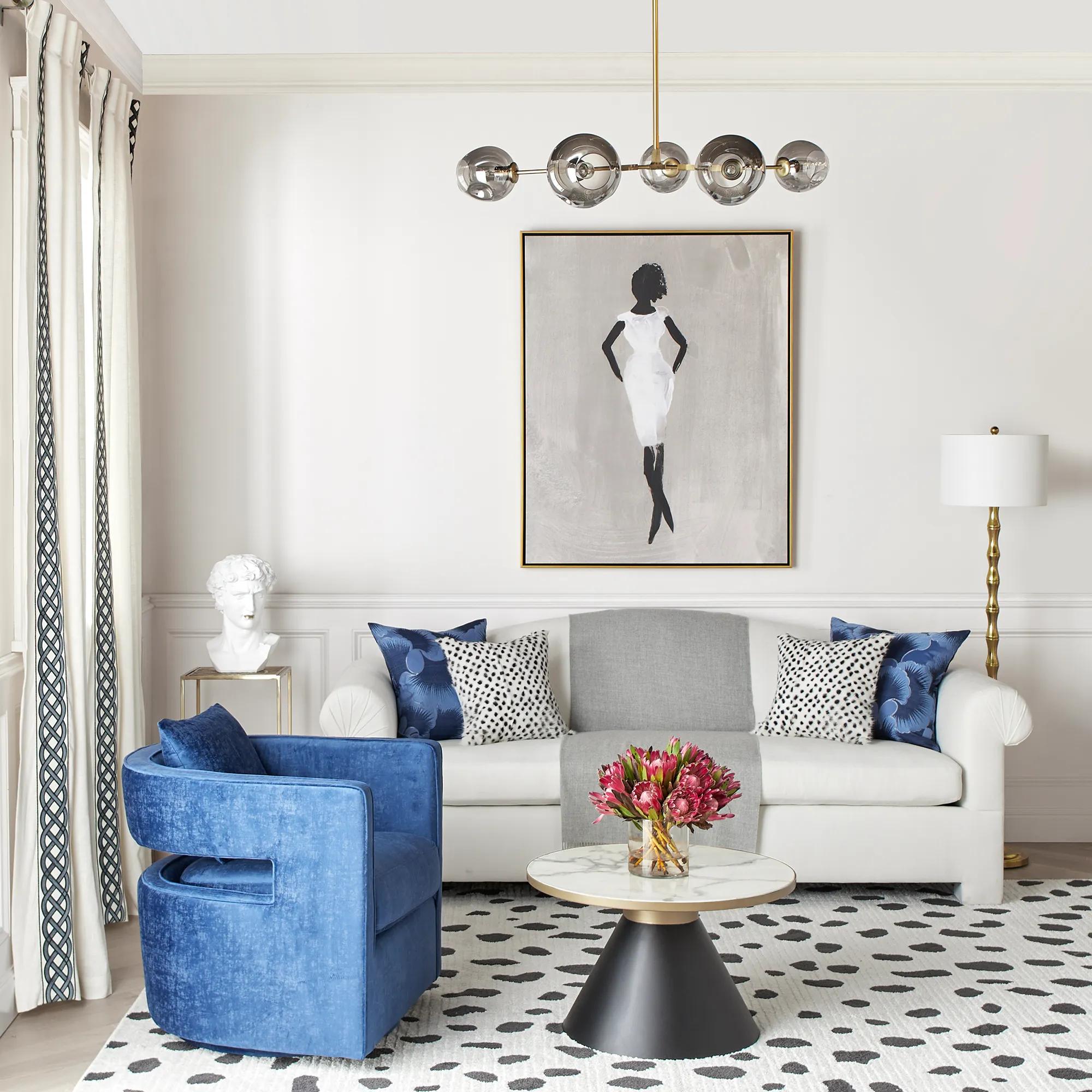 Lottie Navy Velvet Swivel Accent Chair$999
A navy velvet swivel accent chair featuring a sculpted barrel silhouette, open arms, and supportive cushioning.
Add To Cart -
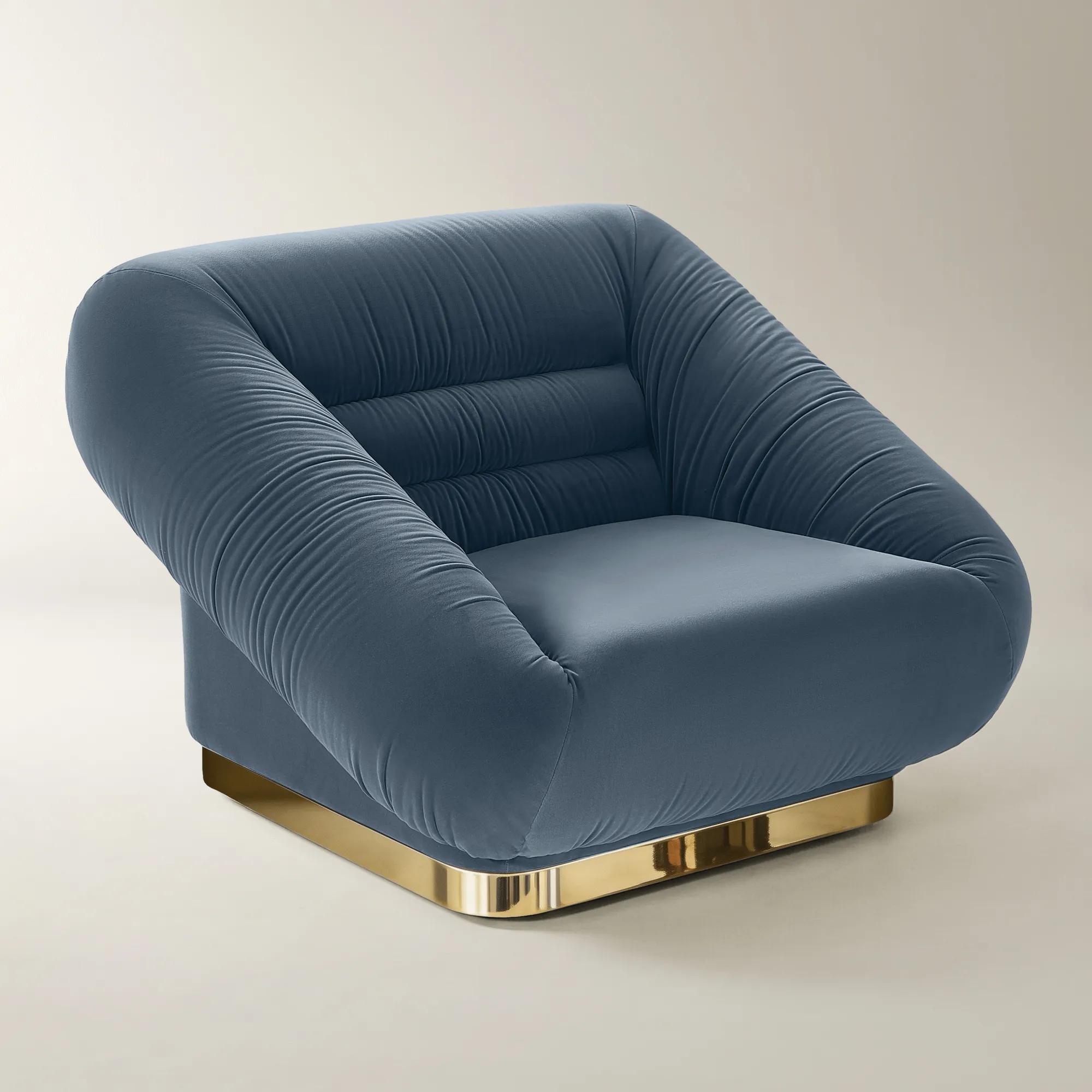 Dover Dusty Blue Velvet Swivel Accent Chair$1299
A sculptural blue velvet accent chair featuring soft gathered upholstery, gold-trimmed base, and smooth 360° swivel.
Add To Cart -
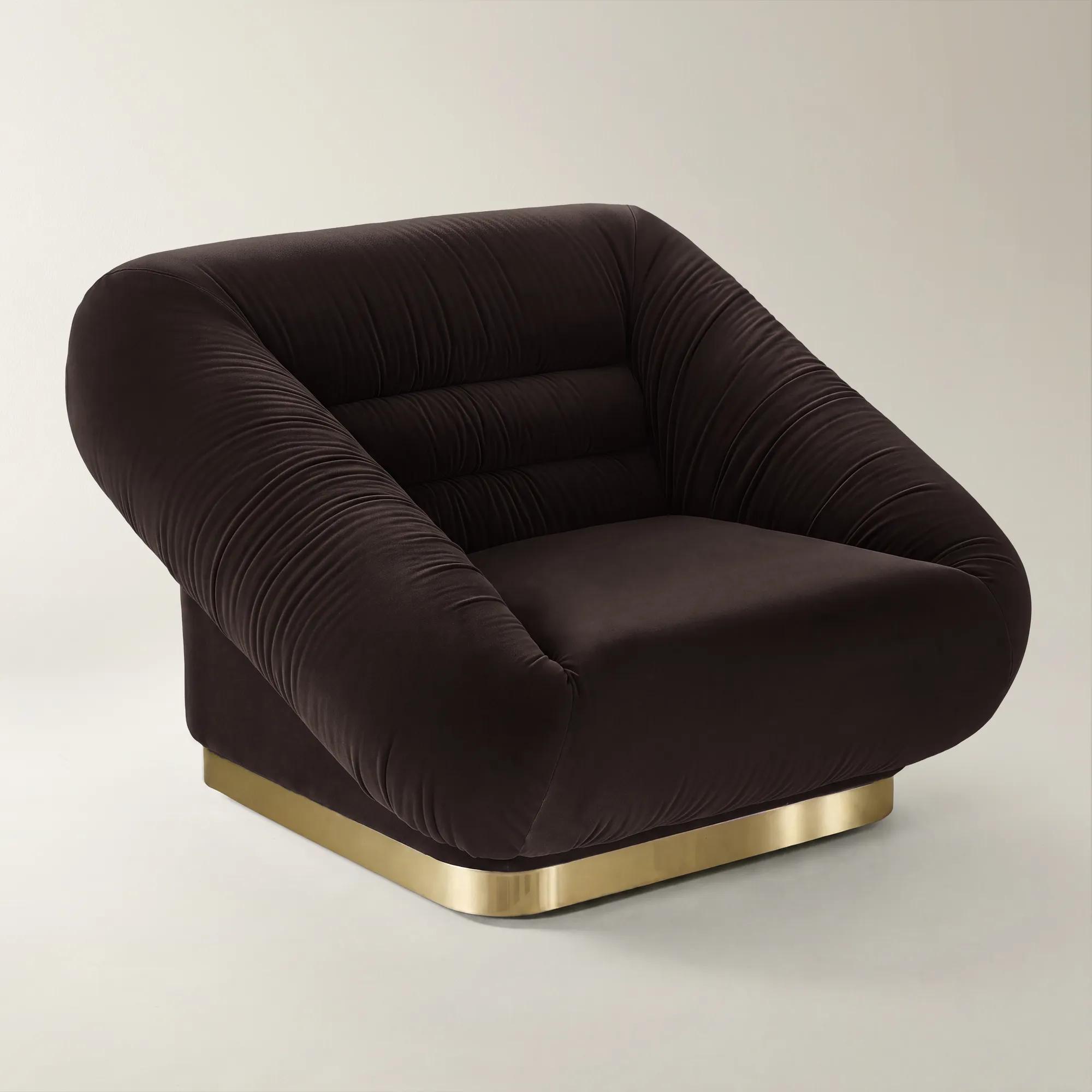
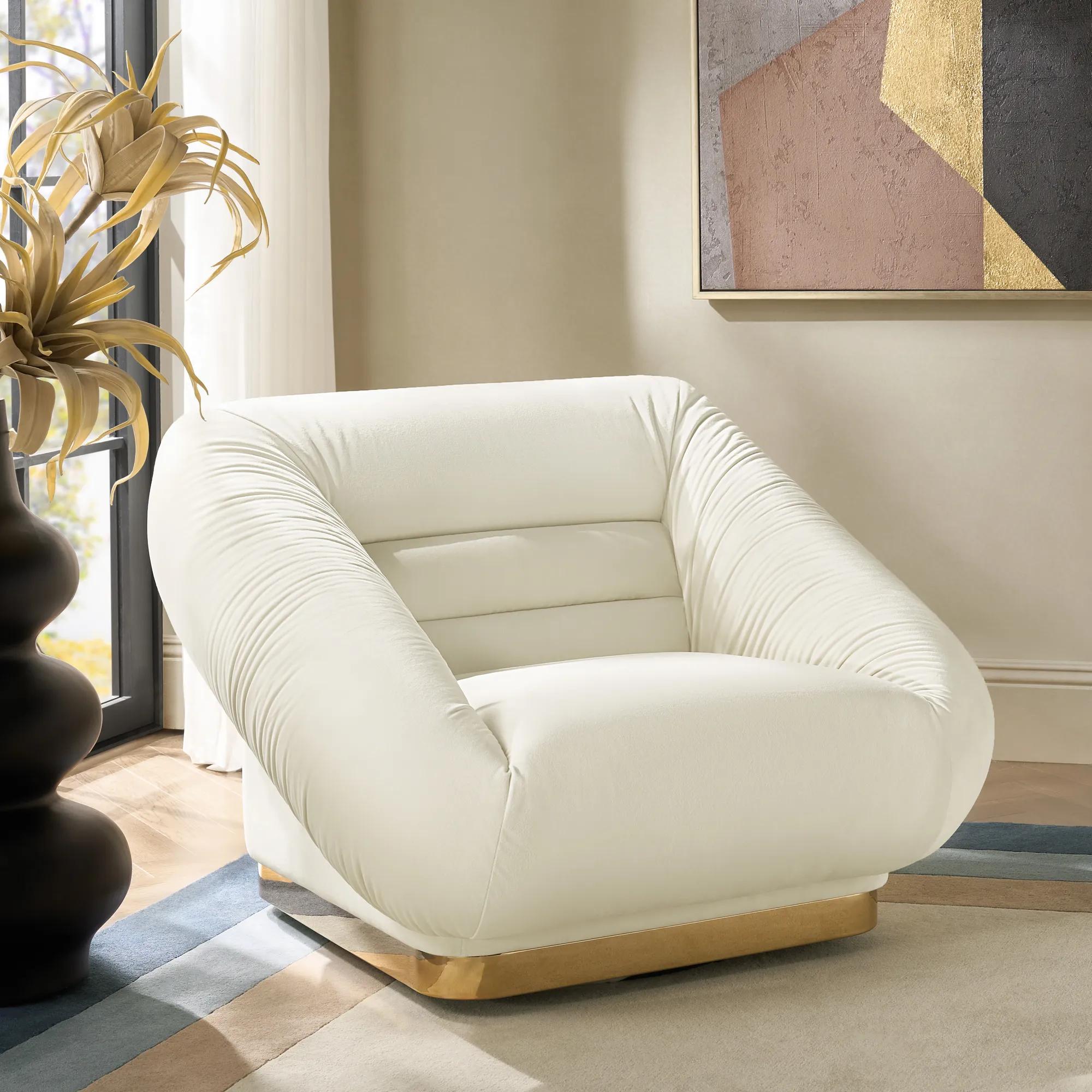 Dover Dark Chocolate Velvet Swivel Accent Chair$1299
A dark chocolate velvet accent chair with a sculptural silhouette, 360° swivel, and soft gold-finished trim.
Add To Cart -
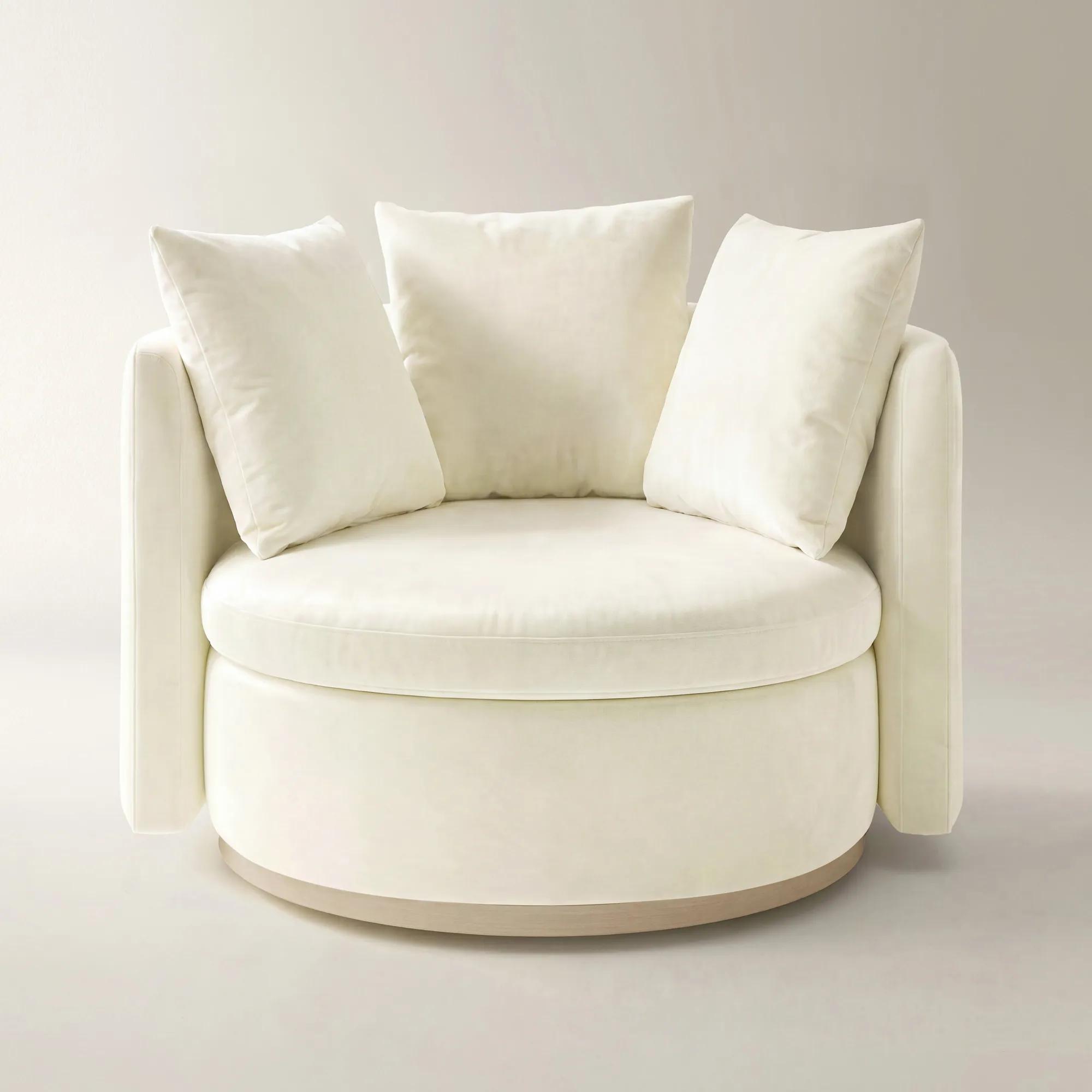 Stria Cloud Velvet Swivel Accent Chair$1499
A sculptural cloud-velvet accent chair with enveloping curves, layered cushioning, and a concealed 360-degree swivel base.
Add To Cart

Formal Accent Chairs For Guests
Formal accent chairs for guests are more than seating—they are statement pieces that transform every gathering into an occasion. Imagine silhouettes sculpted for sophistication, sumptuous fabrics that invite admiration, and gleaming finishes that capture the light just so. Each chair is a curated flourish, designed to impress and inspire conversation, turning your living room or parlor into a stage set for elegance. With formal accent chairs for guests, you create an atmosphere where every arrival feels like a grand entrance and every moment is steeped in style.
Formal accent chairs for guests combine refined design with comfortable, supportive seating for conversation, entertaining, and a beautifully composed room. Their purpose extends beyond filling an empty corner: a distinctive silhouette, richly textured upholstery, or gleaming frame can give visitors an inviting place to settle while bringing definition to the surrounding furniture. Formality comes from proportion and detail rather than a single style. A high-backed wing chair lends architectural presence, a gently curved armchair softens the lines of a tailored sofa, and a sculptural chair with slender metal legs introduces a more contemporary elegance. Button tufting, precise seams, decorative nailhead trim, and exposed wood frames can each contribute to a dressed, deliberate appearance, though restraint often allows one exceptional detail to command attention. In a living room, a coordinated pair facing a sofa creates a balanced setting for lingering conversation. In a sitting room, two chairs angled toward a small table establish a more intimate arrangement, with space for a drink and an unobstructed view of another guest. A single accent chair can also bring distinction to a home office, offering visitors a seat that feels separate from the working side of the room. Color helps establish the mood: ivory and warm taupe emphasize graceful contours, charcoal creates a crisp visual anchor, and saturated jewel tones give upholstery depth against quieter walls. Matching chairs offer symmetry, while complementary silhouettes can feel equally formal when their scale, finish, or upholstery connects them. The most successful guest seating belongs to the room without disappearing into it. It should look considered beside the sofa, artwork, and lighting, yet feel approachable enough that visitors recognize it as a place to sit rather than a piece reserved for display. For households that entertain frequently, this balance between expressive design and genuine hospitality gives formal seating its lasting appeal, whether the occasion is an intimate dinner party, a family celebration, or a relaxed conversation after a meal.
Upholstery and construction determine how a formal accent chair feels in use and how gracefully it handles repeated visits. Velvet brings luminous color and a soft hand, with a pile that catches light differently across the seat, arms, and back. Its distinctive shading is part of its visual character, although cleaning requirements and resistance to wear vary by fiber and construction. Woven fabrics offer another kind of richness, from finely textured surfaces that complement polished finishes to substantial weaves that add dimension without elaborate ornament. Leather can give guest seating a sleek, structured presence, while coated upholstery may offer a similar visual effect with different care needs and aging characteristics; the material description matters more than appearance alone. Where spills or frequent use are a concern, performance upholstery may be worth considering, but any stain-resistance claim should be checked against the stated fabric specifications. Beneath the upholstery, frame construction, secure joints, cushion support, and the chair’s stated weight capacity are important indicators of suitability. A dramatic profile is most welcoming when the seat feels stable and the back offers meaningful support. Seat height and depth deserve particular attention because guests differ in stature and mobility. A deep, low chair may encourage reclining but make standing more difficult, while a shallower seat and supportive arms can make sitting down and rising more manageable for some visitors. Measuring the intended space helps preserve both comfort and composition: the chair’s full width includes its arms, and its depth may extend farther than the seat cushion suggests. Clearance around doors, walkways, and nearby tables keeps the arrangement from feeling crowded. In a smaller room, an open base or slender arms can create visual breathing room without sacrificing presence. In a larger setting, a broad seat or substantial back can hold its own beside expansive furniture. Residential guest chairs may also suit a private office, but shared reception spaces require closer attention to commercial-use ratings, cleaning requirements, and applicable accessibility needs rather than an assumption that every occasional chair is designed for public use.
The finishing details around formal guest seating shape the experience as much as the chair itself. A side table within comfortable reach gives a visitor somewhere to place a glass without leaning across the room, while a floor lamp can illuminate the upholstery’s texture and make the seat useful for reading between gatherings. A rug can connect the chairs to the sofa and bring coherence to a conversational grouping, provided its edges do not create an awkward transition beneath the chair legs. Cushions should complement the chair’s proportions rather than consume the usable seat; a slender lumbar cushion may suit a deeper profile better than a large decorative pillow. For rooms that favor a softer, enveloping expression of hospitality, Plush Accent Chairs For Welcoming Guests offer a related direction, with comfort taking a more prominent role in the overall silhouette. Formal seating still benefits from tactile warmth, whether that comes through sumptuous upholstery, a curved back, or arms that feel comfortable beneath the hand. Maintaining that invitation requires care suited to each material. Regular, gentle vacuuming with an appropriate upholstery attachment can help remove dust from seams and tufting, while spills generally call for prompt blotting rather than vigorous rubbing. The manufacturer’s care instructions and cleaning code should determine which products and methods are appropriate; velvet, leather, woven fabric, and coated upholstery do not share a universal cleaning routine. Wood and metal details also need finish-specific care, and moving a chair by its frame rather than dragging it helps protect joints and flooring. Strong direct sunlight can affect some upholstery and finishes, so placement deserves consideration alongside color and scale. A formal accent chair can make a thoughtful housewarming or wedding gift when the recipient’s room dimensions, seating preferences, and design taste are already understood. More often, it is a personal choice for someone who wants entertaining spaces to feel both expressive and accommodating: seating that contributes artistry to the room while making the guest’s comfort an unmistakable part of the composition.
FAQs
Formal accent chairs for guests often feature luxurious materials such as velvet, rich leather, and high-end woven fabrics. These materials not only provide a sumptuous tactile experience but also add a layer of visual sophistication to any space. Details like button tufting, metallic accents, and sculpted wood frames further enhance their opulent appeal.
Formal accent chairs act as statement pieces, instantly elevating the ambiance with their dramatic silhouettes, refined textures, and artful detailing. Whether placed in an entryway, living room, or study, they create a focal point that signals thoughtful design and a warm welcome, ensuring guests feel both comfortable and inspired.
A formal accent chair makes an exceptional gift for milestones such as weddings, anniversaries, or housewarmings. Its blend of function and artistry allows the recipient to infuse their home with personal style and lasting elegance—a gift that becomes part of cherished gatherings and new traditions.
Signature elements of formal accent chairs include high backs, graceful curves, deep tufting, and ornate carvings. Finishes such as mirror-polished metals, nailhead trim, and plush upholstery in saturated hues contribute to their majestic presence and sense of occasion.
To harmonize formal accent chairs with your current decor, consider echoing or contrasting colors and textures. Pair a velvet chair with a metallic side table or layer a richly hued chair against a neutral backdrop for dramatic effect. Accessories like throws or decorative pillows can further personalize the look, creating a cohesive and inviting vignette.