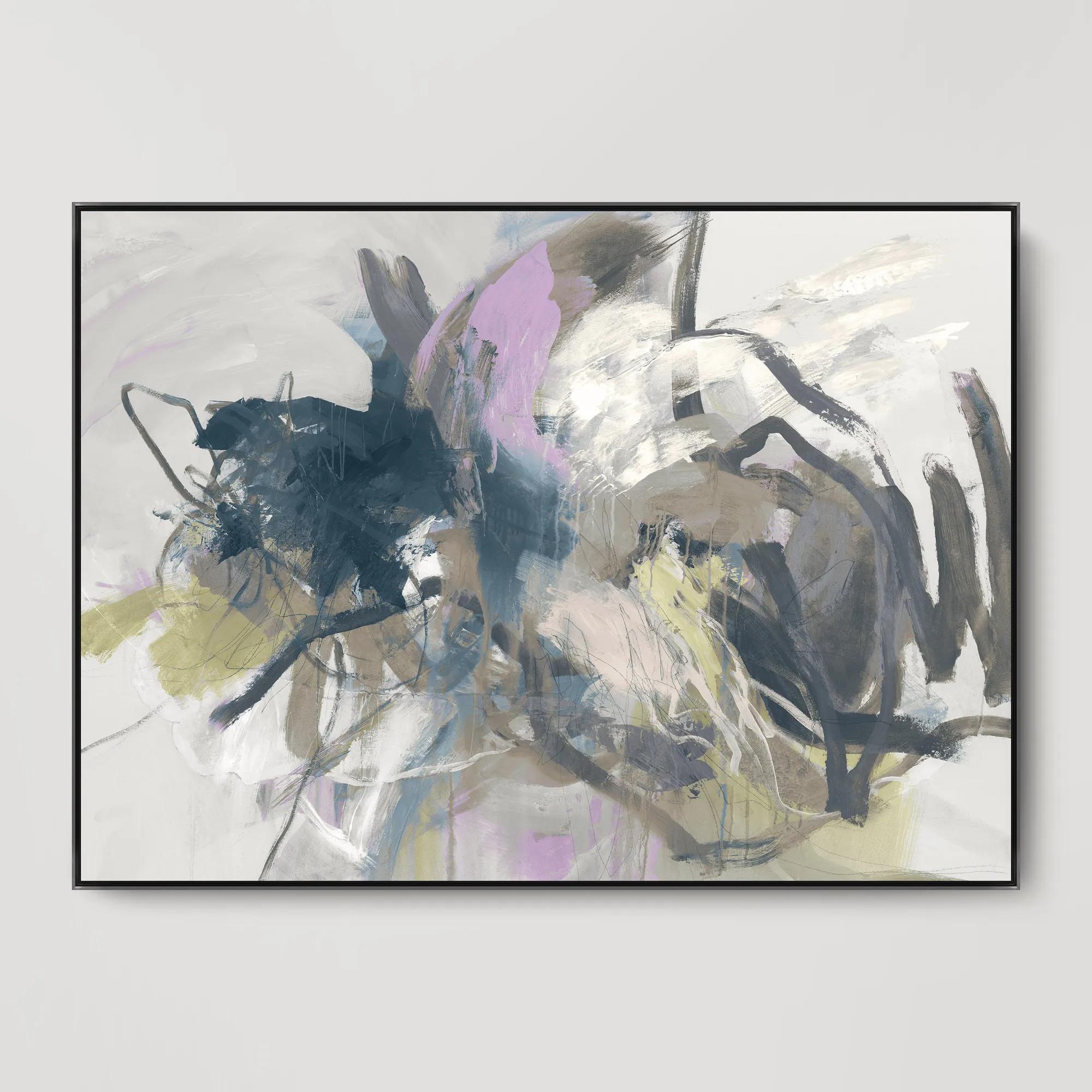
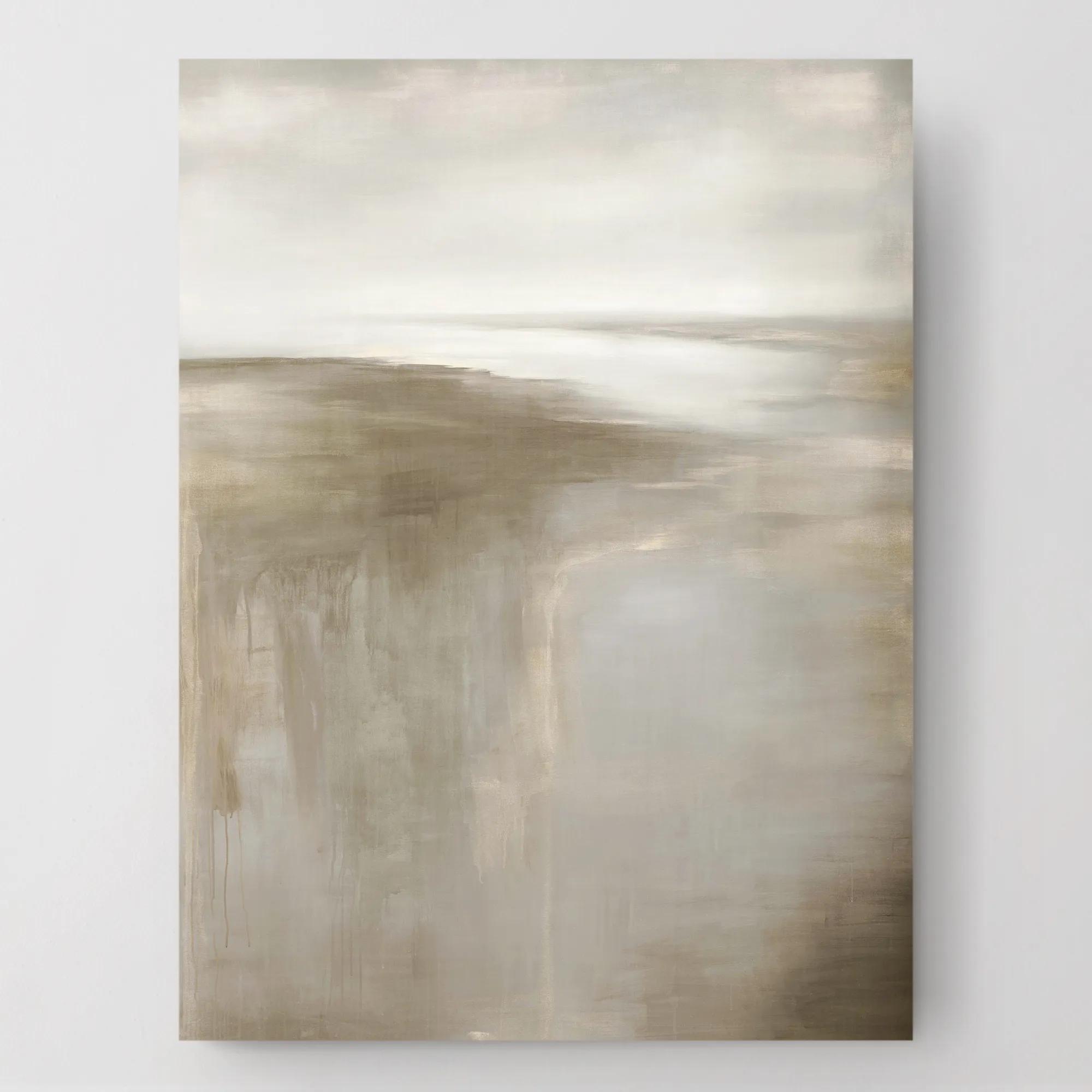
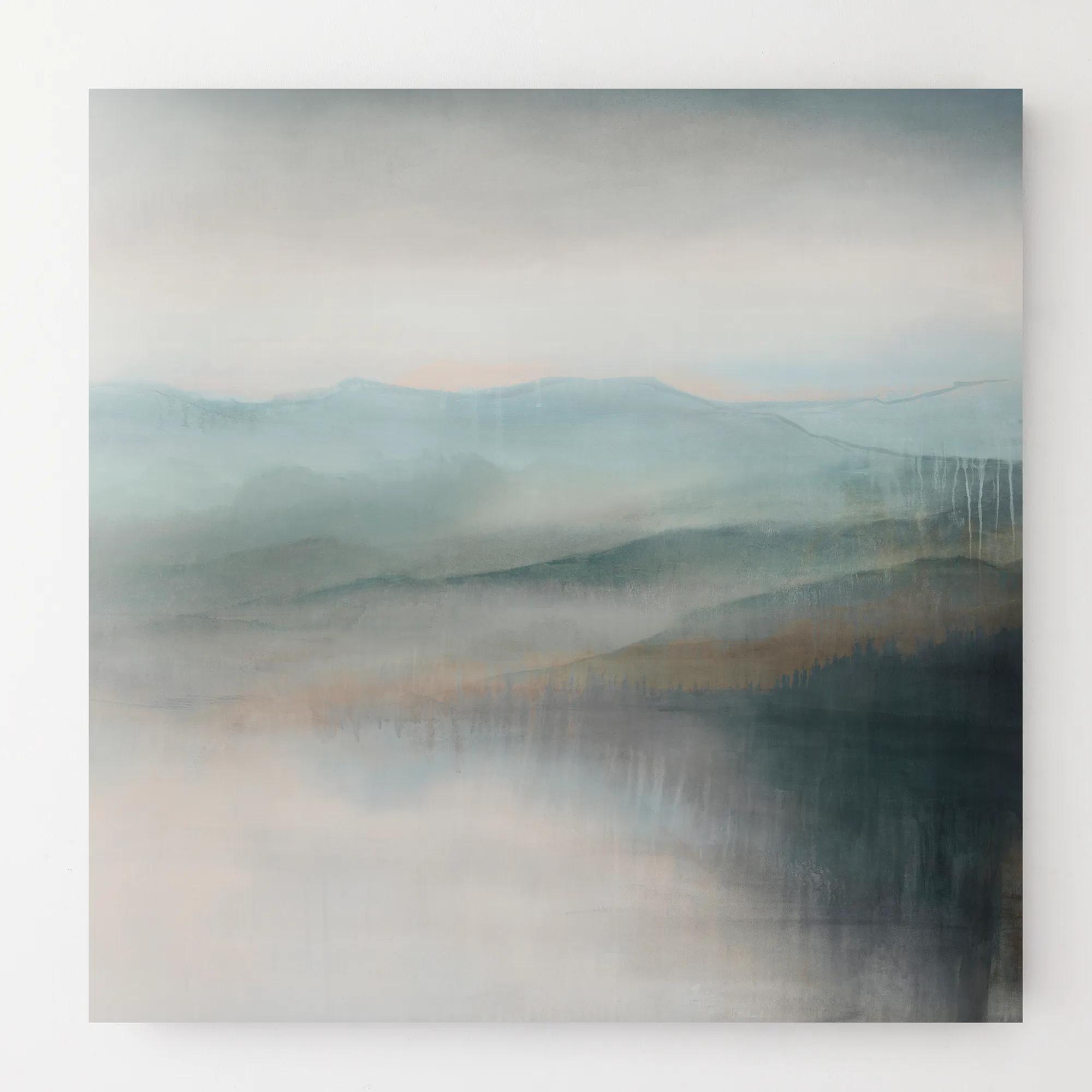
Contemporary Geometric Wall Art
Contemporary Geometric Wall Art
-
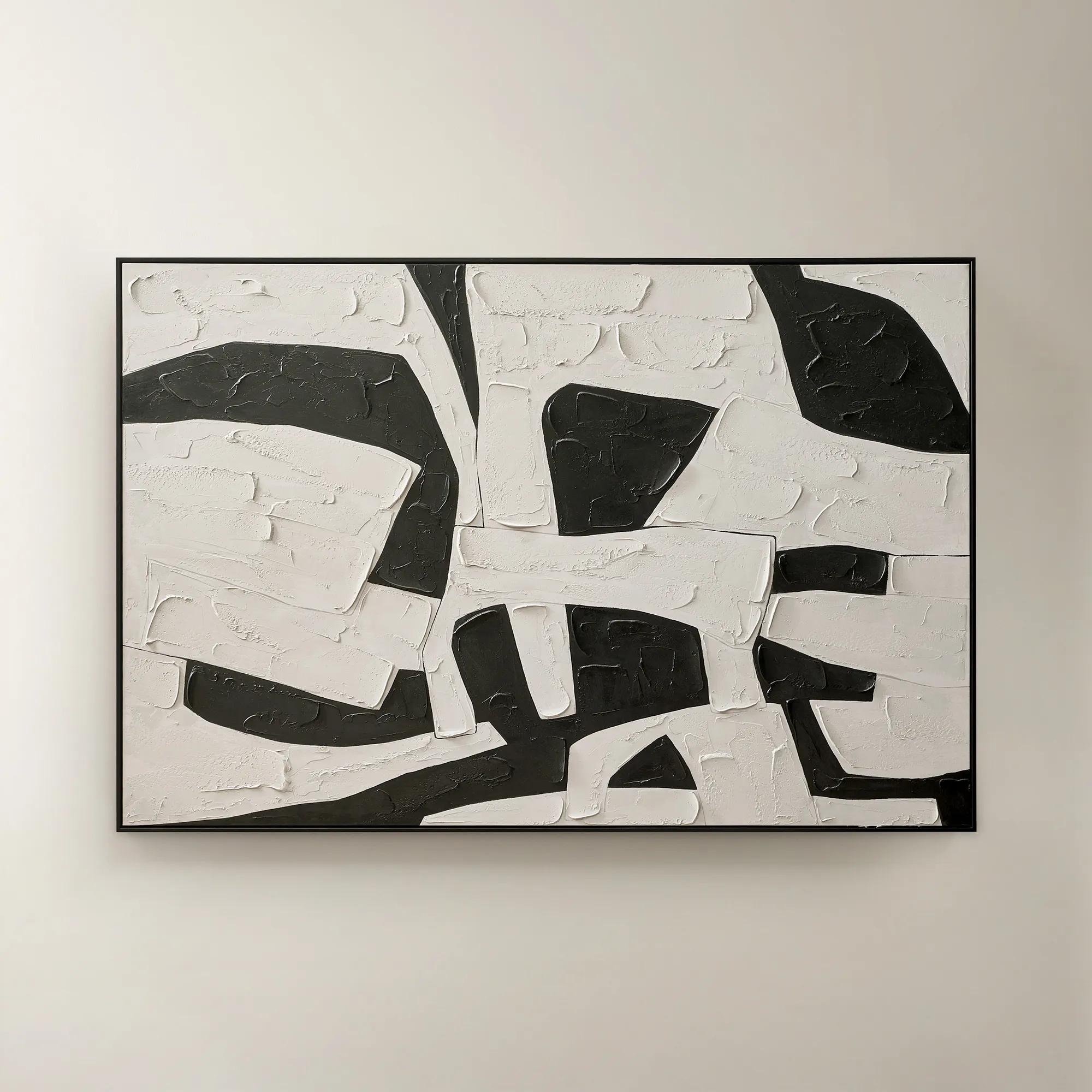 Space Between Shadows Framed Painted Wall Art 72" x 48"$799
A hand-painted abstract canvas featuring bold alabaster and black geometric forms in a sleek black frame.
Add To Cart -
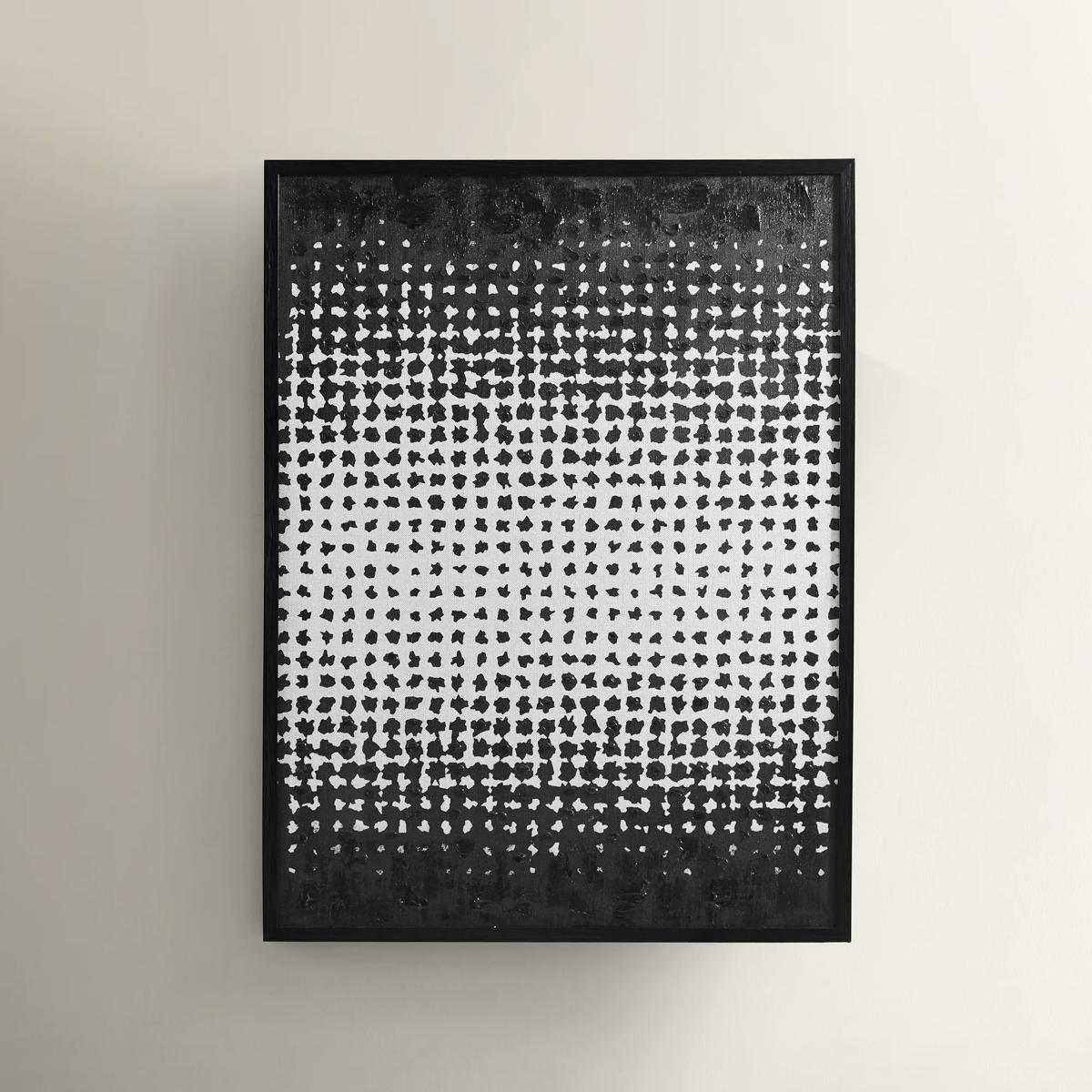
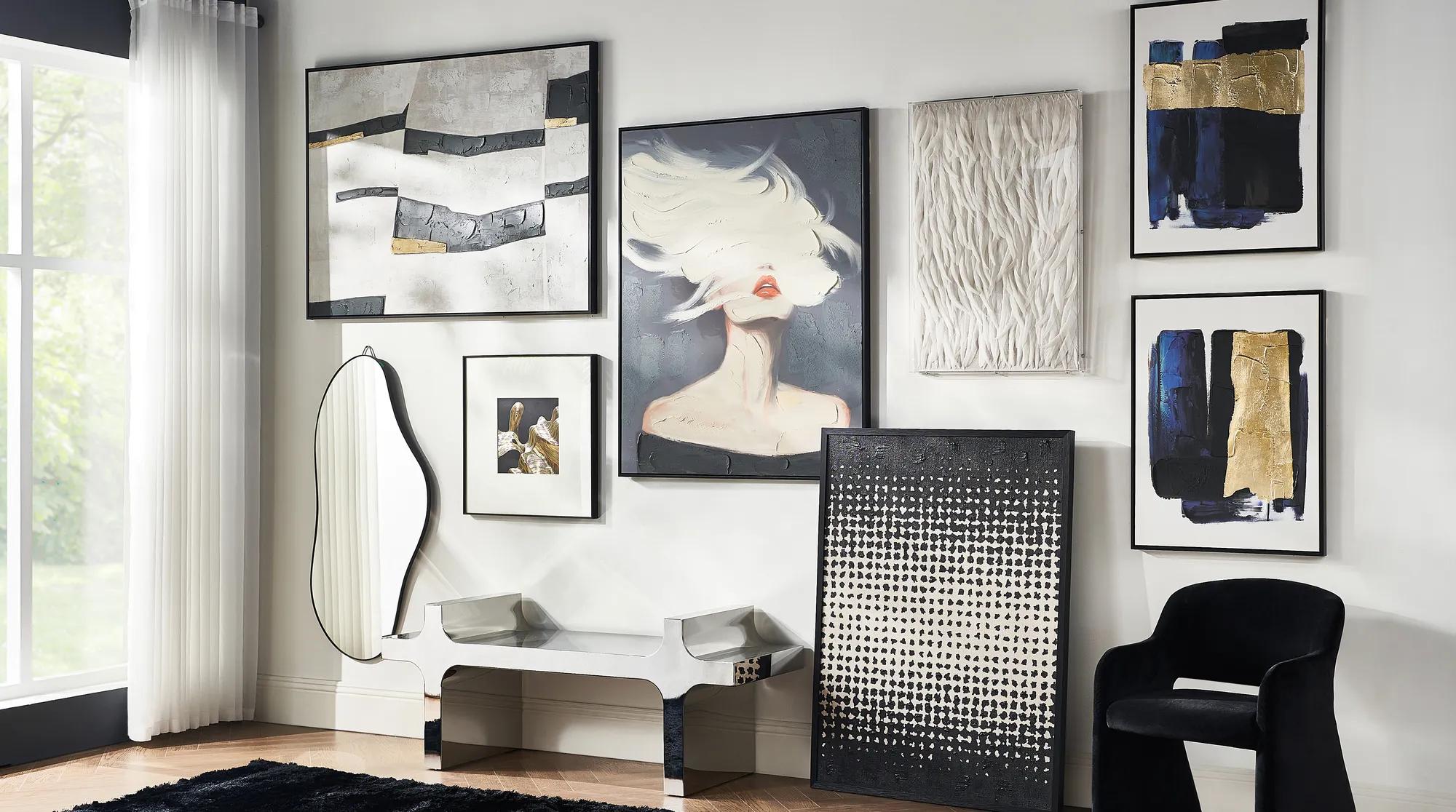 In Time Painting$399
A hand-painted linen canvas featuring cream and black dots in a modern, minimalist geometric pattern.
Add To Cart -
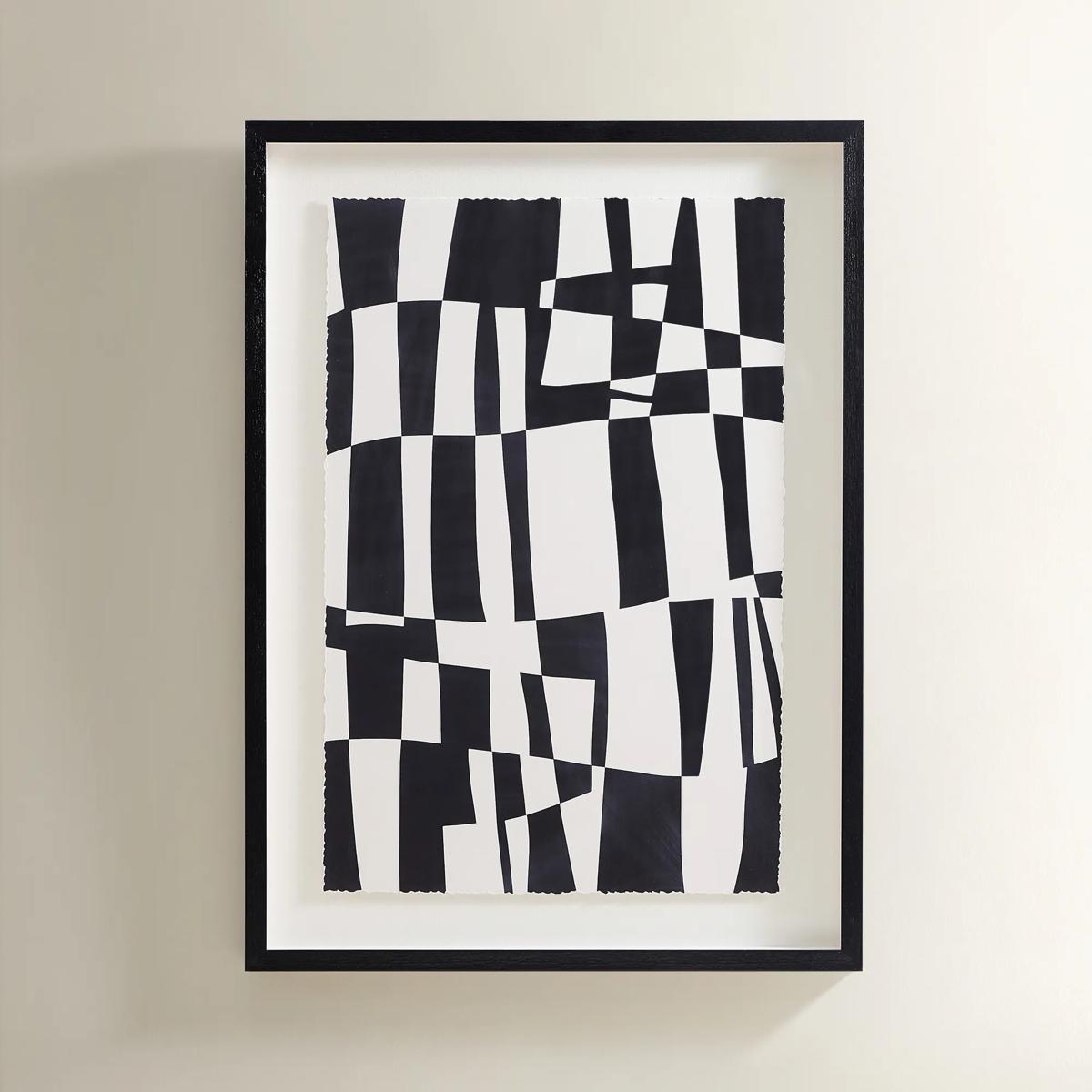 Matrix Art$369
A striking black and white abstract grid print set in a sleek black polyresin frame.
Add To Cart -
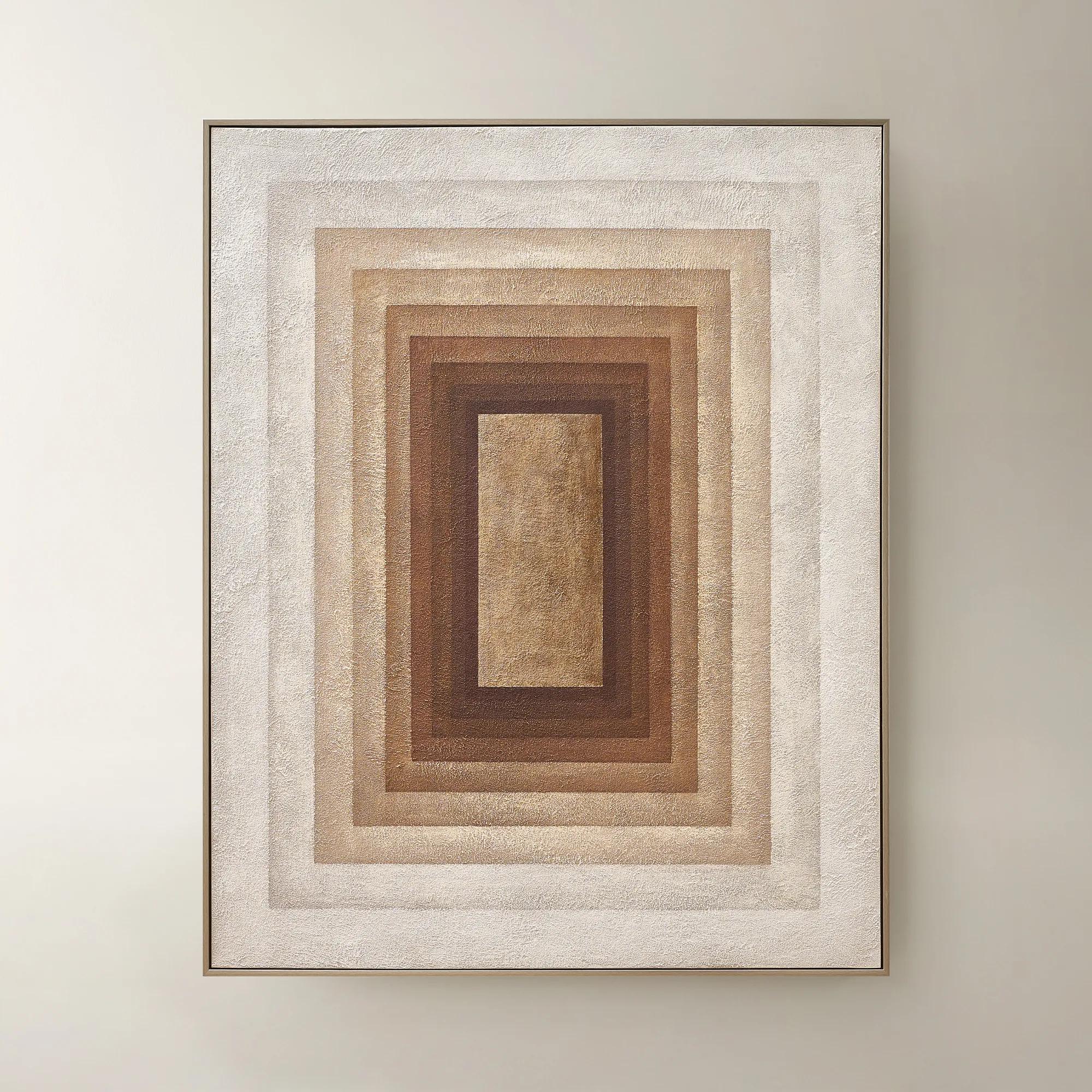 Monochrome Drift Framed Painted Wall Art 60" x 48"$699
A hand-painted abstract canvas with champagne leafing, featuring cocoa and gold tones in modern geometric design.
Add To Cart -
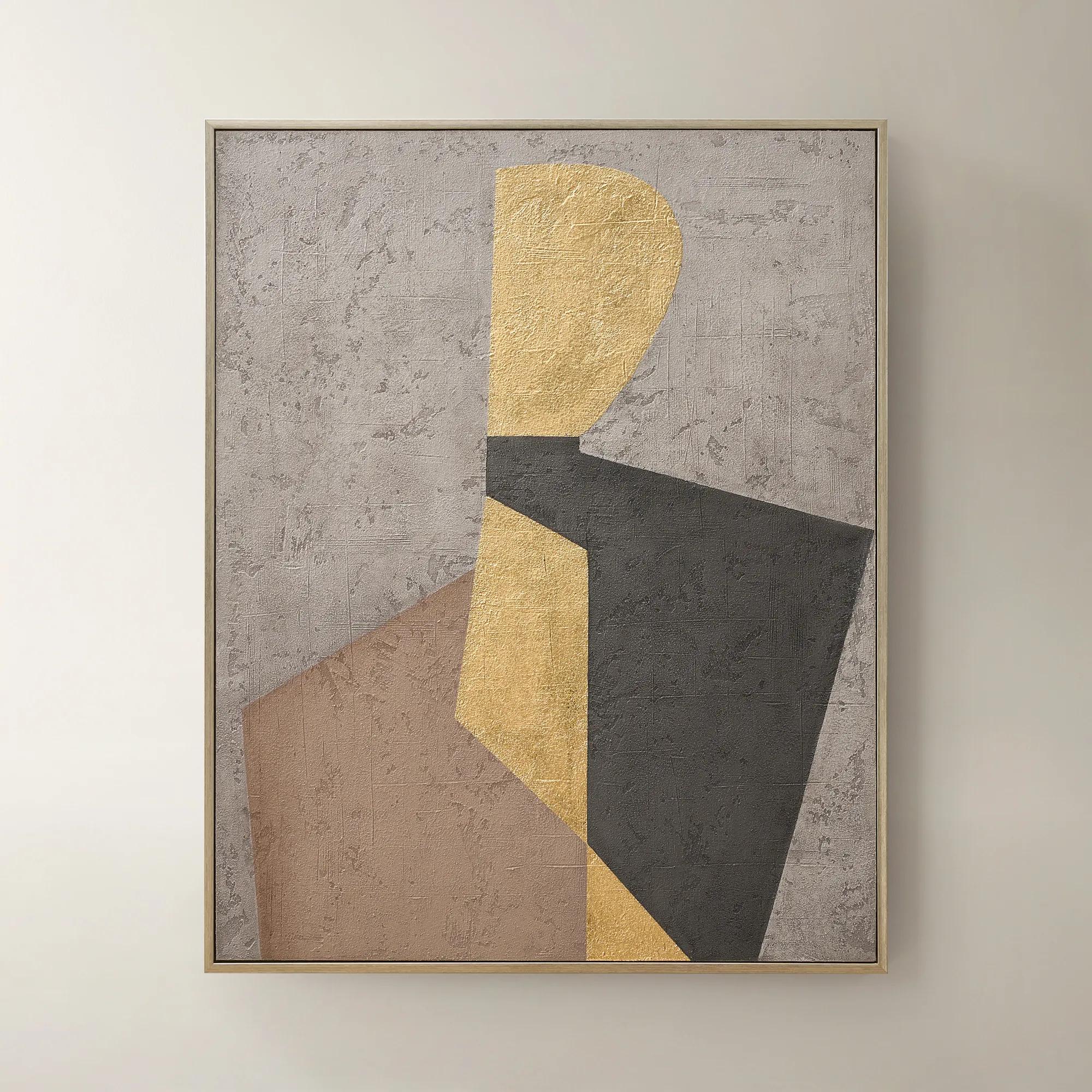 Aura of Gold Framed Painted Wall Art 40" x 50"$399
A hand-painted canvas with champagne leafing and a brushed champagne frame in mocha, grey, black, and gold.
Add To Cart -
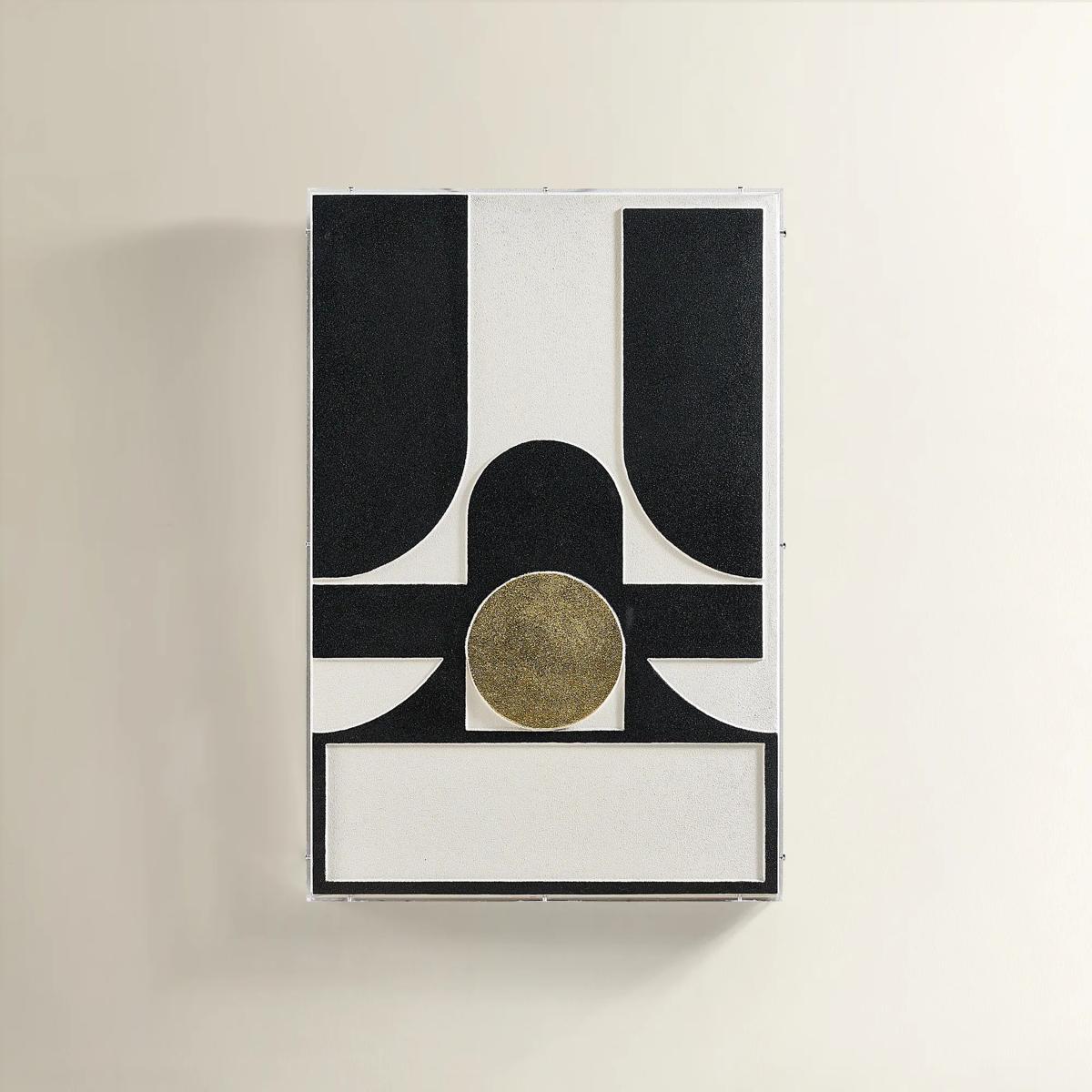
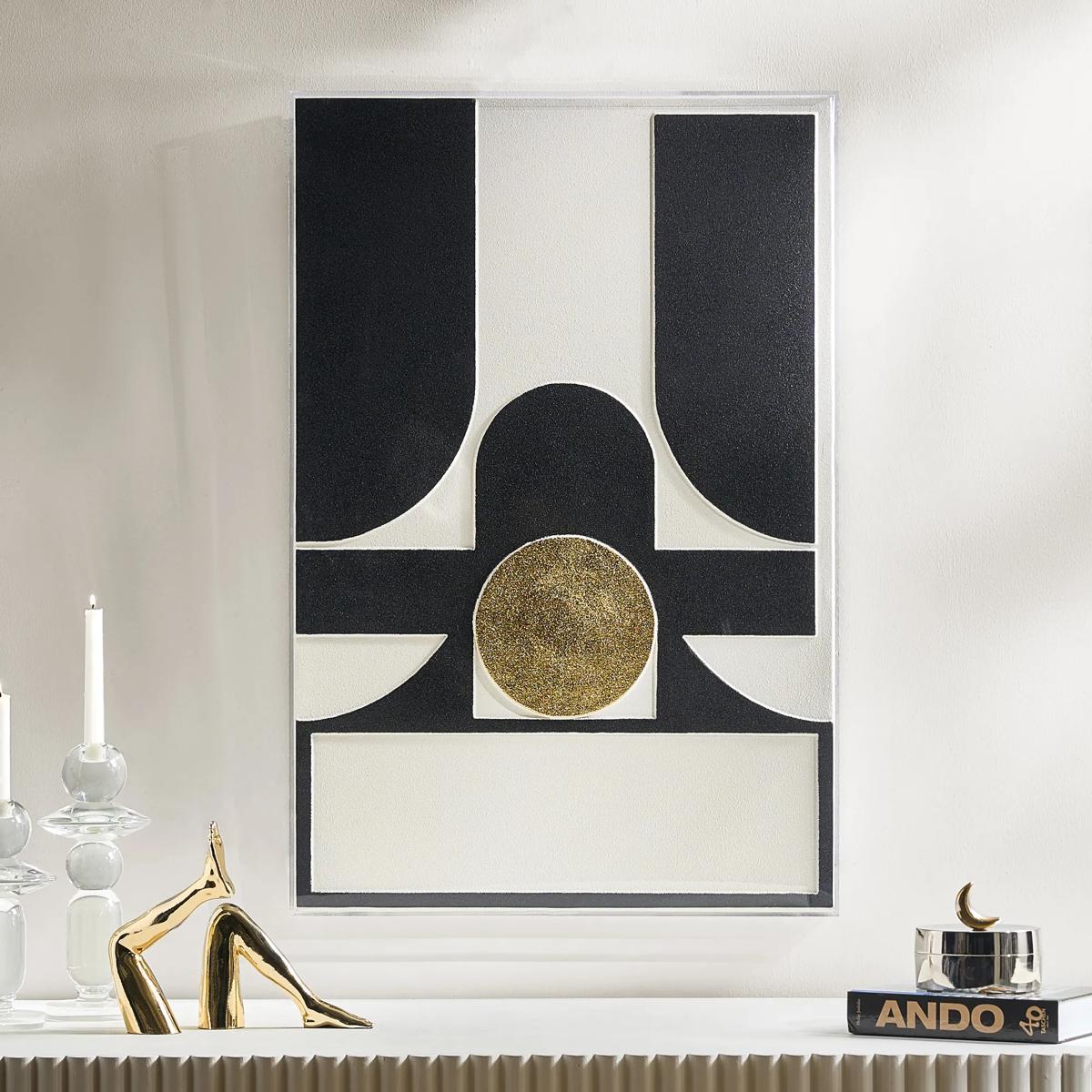 Siren Black And Gold Wall Decor in Acrylic 23.5" x 35.5"$299
A layered composition of black, ivory, and gold geometric forms set in a sleek acrylic shadow box.
Add To Cart -
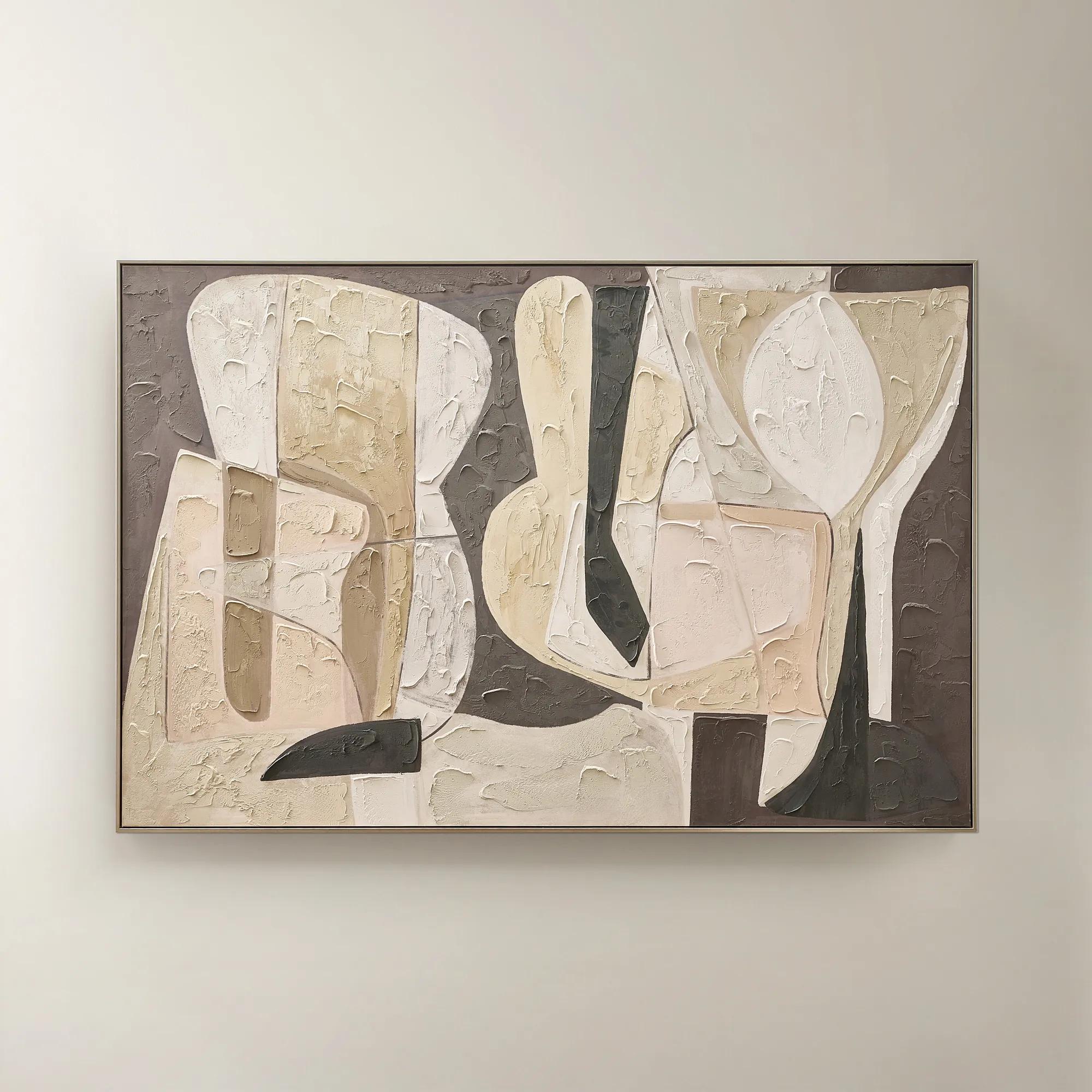 Wishful Thinking Framed Painted Wall Art 72" x 48"$599
A hand-painted abstract canvas featuring bold geometric forms and warm smoked plum, apricot, and tawny hues.
Add To Cart -

 Jewel Toned Geometry Framed Wall Art 24" x 33"$519
A jewel-toned geometric canvas artwork framed to bring vibrant modern dimension to any wall.
Add To Cart -
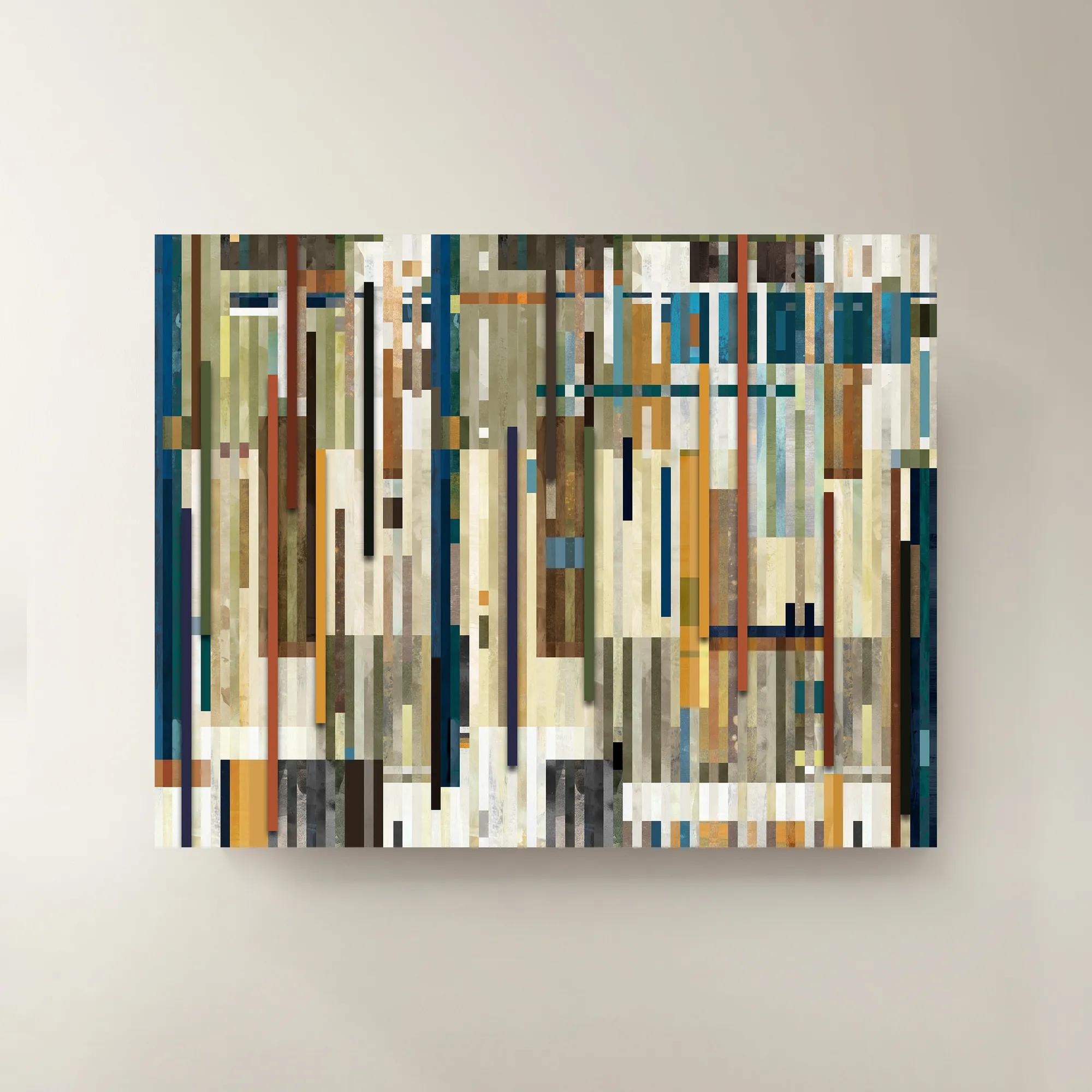
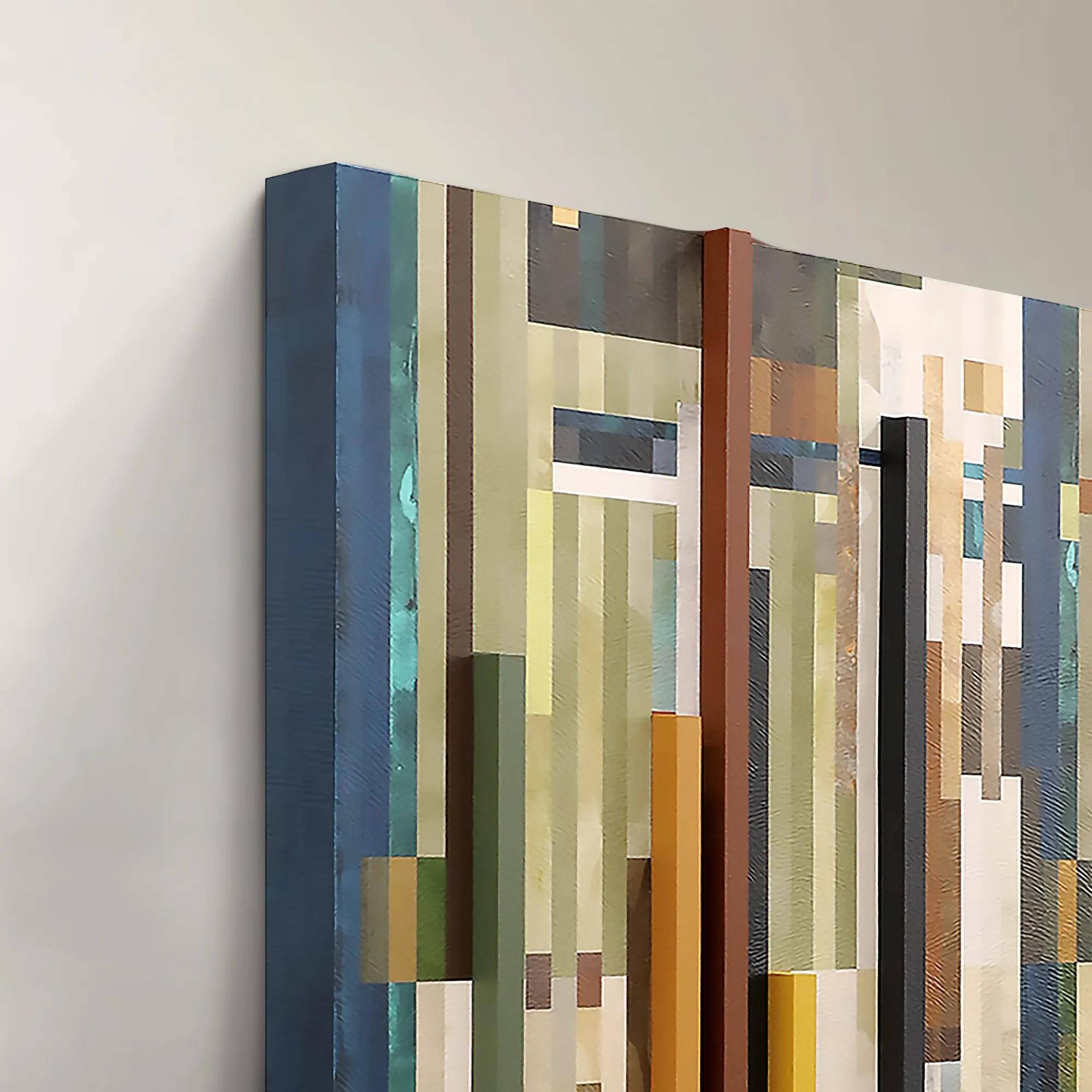 Chromatic Rhythms II Wall Art 60" x 47"$1899
A dynamic blue abstract canvas artwork featuring rhythmic geometric composition.
Add To Cart -
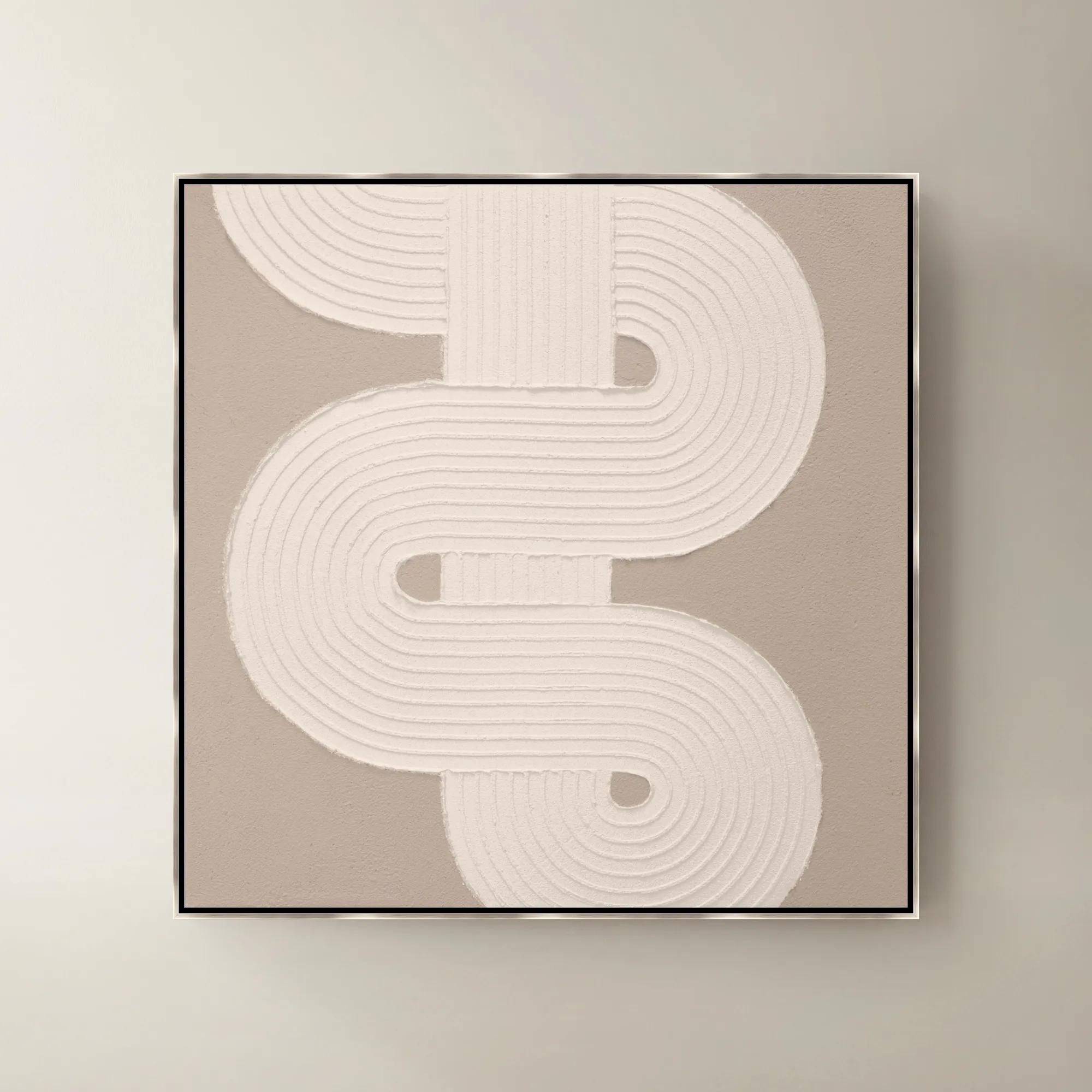
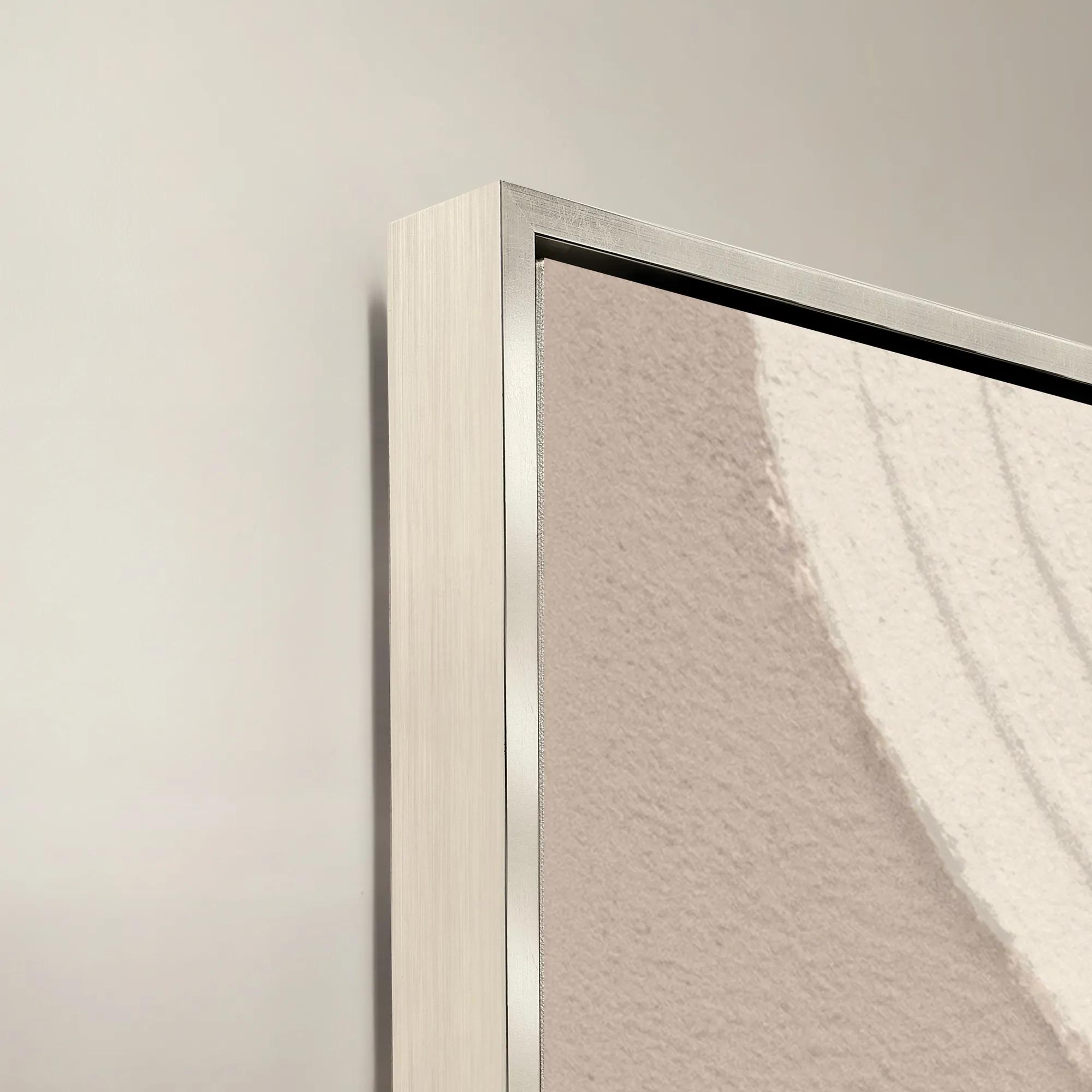 Sacred Geometry V Framed Painted Wall Art 40" x 40"$1099
A striking abstract art piece featuring bold geometric patterns for a modern, sophisticated touch.
Add To Cart -
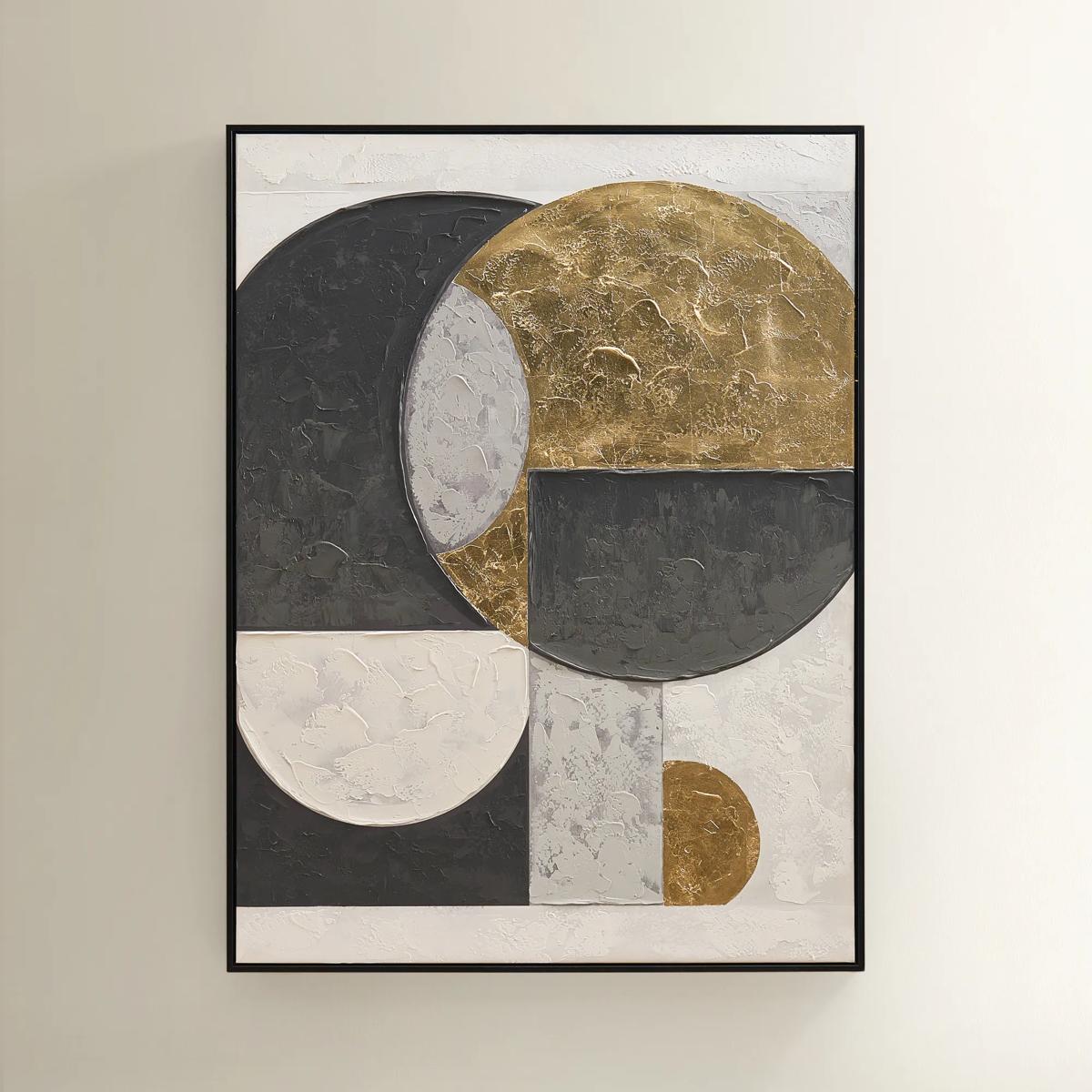
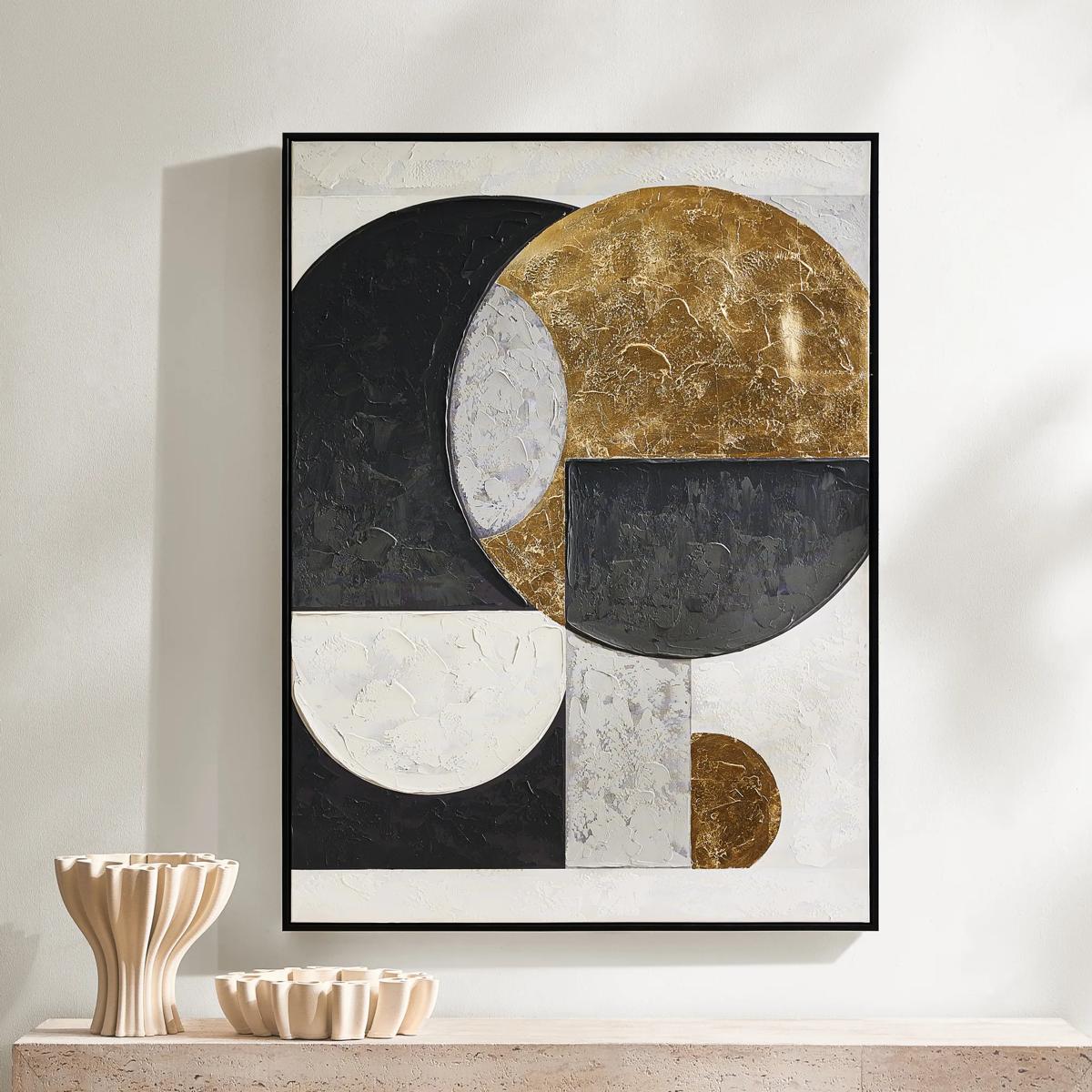 Eclipse Framed Gold Leaf Painted Wall Art 35.25" x 47.25"$449
A hand-painted canvas featuring bold black, grey, and gold geometric shapes with shimmering gold leaf accents.
Add To Cart -
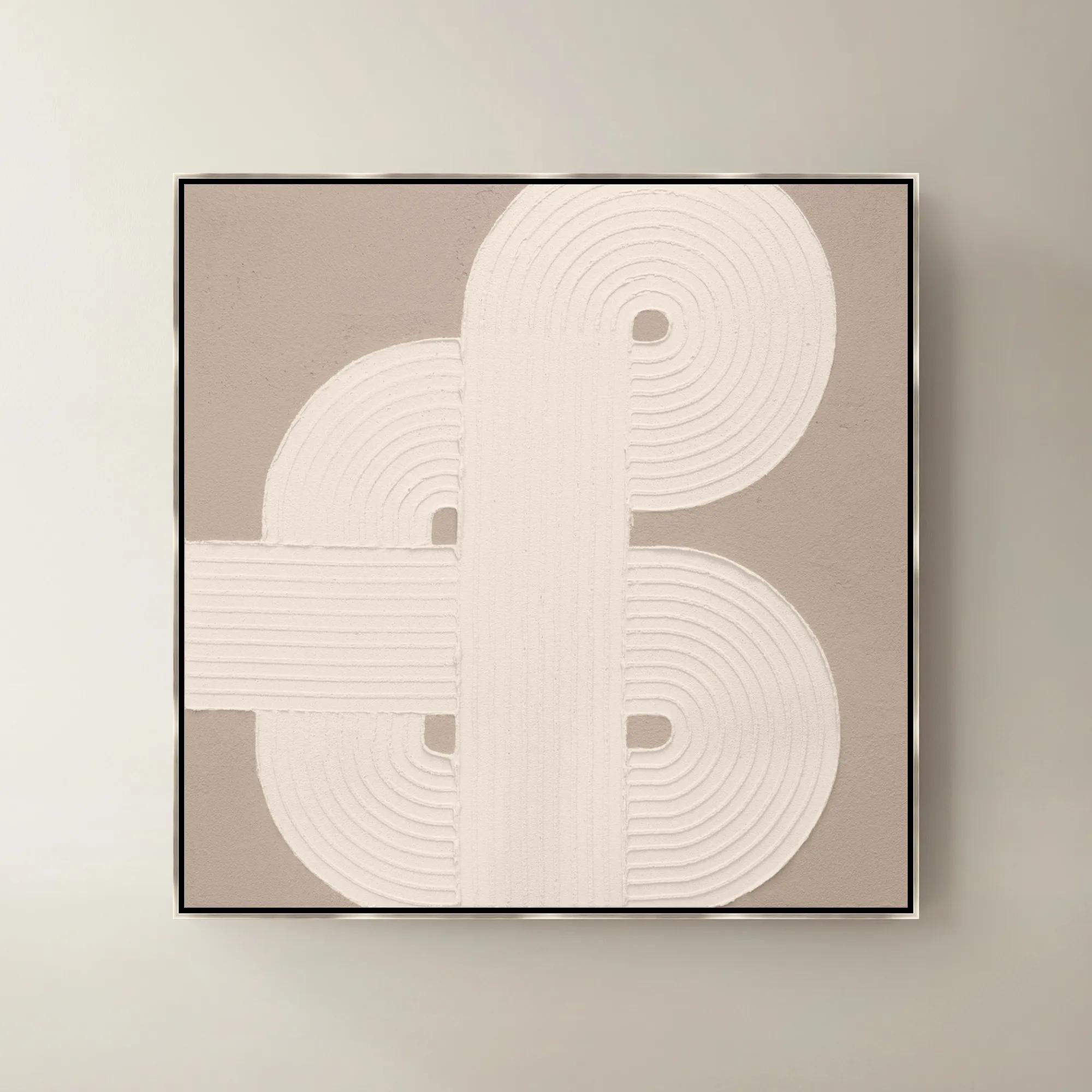
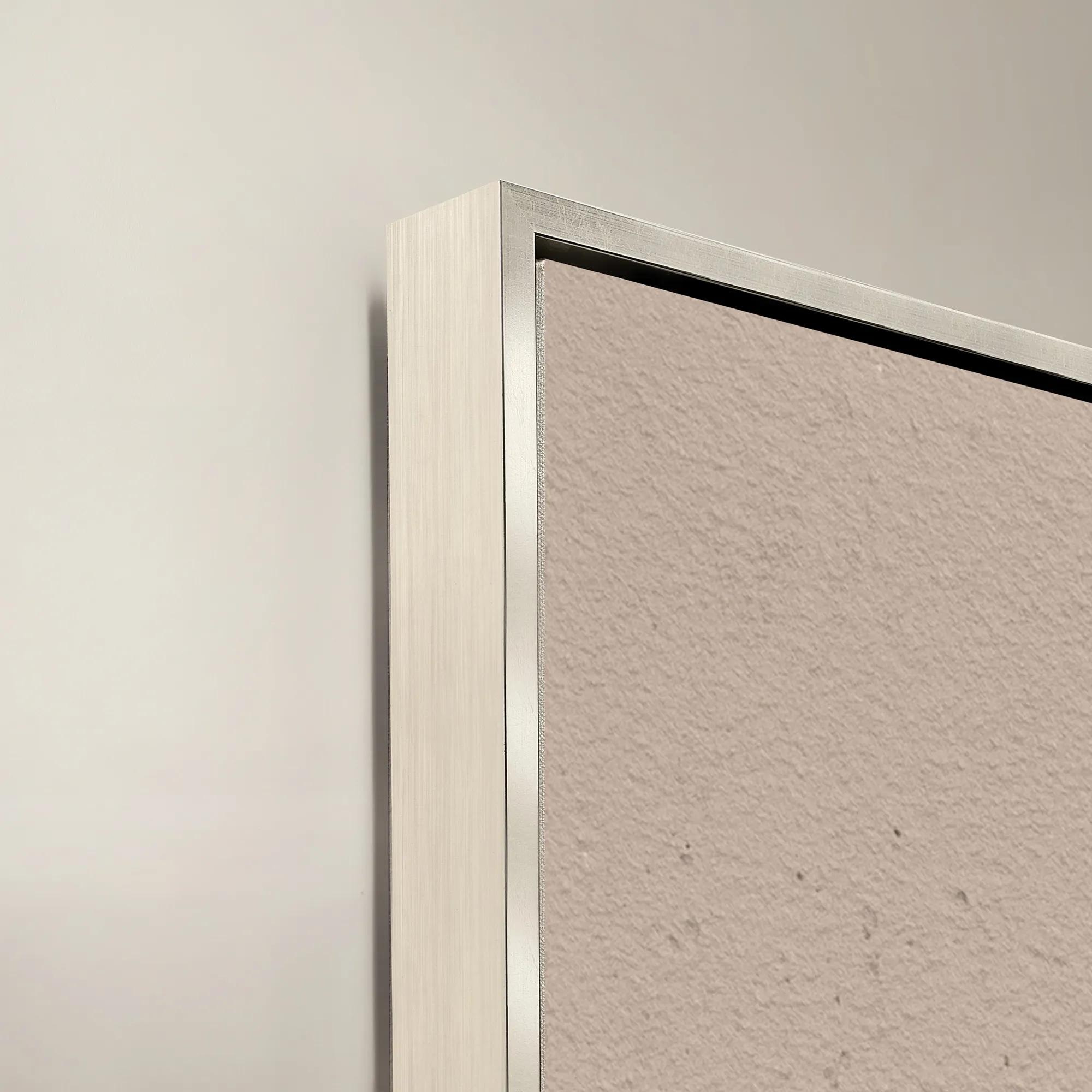 Sacred Geometry IV Framed Painted Wall Art 40" x 40"$1099
A striking abstract art piece featuring bold geometric patterns for a modern, sophisticated touch.
Add To Cart -
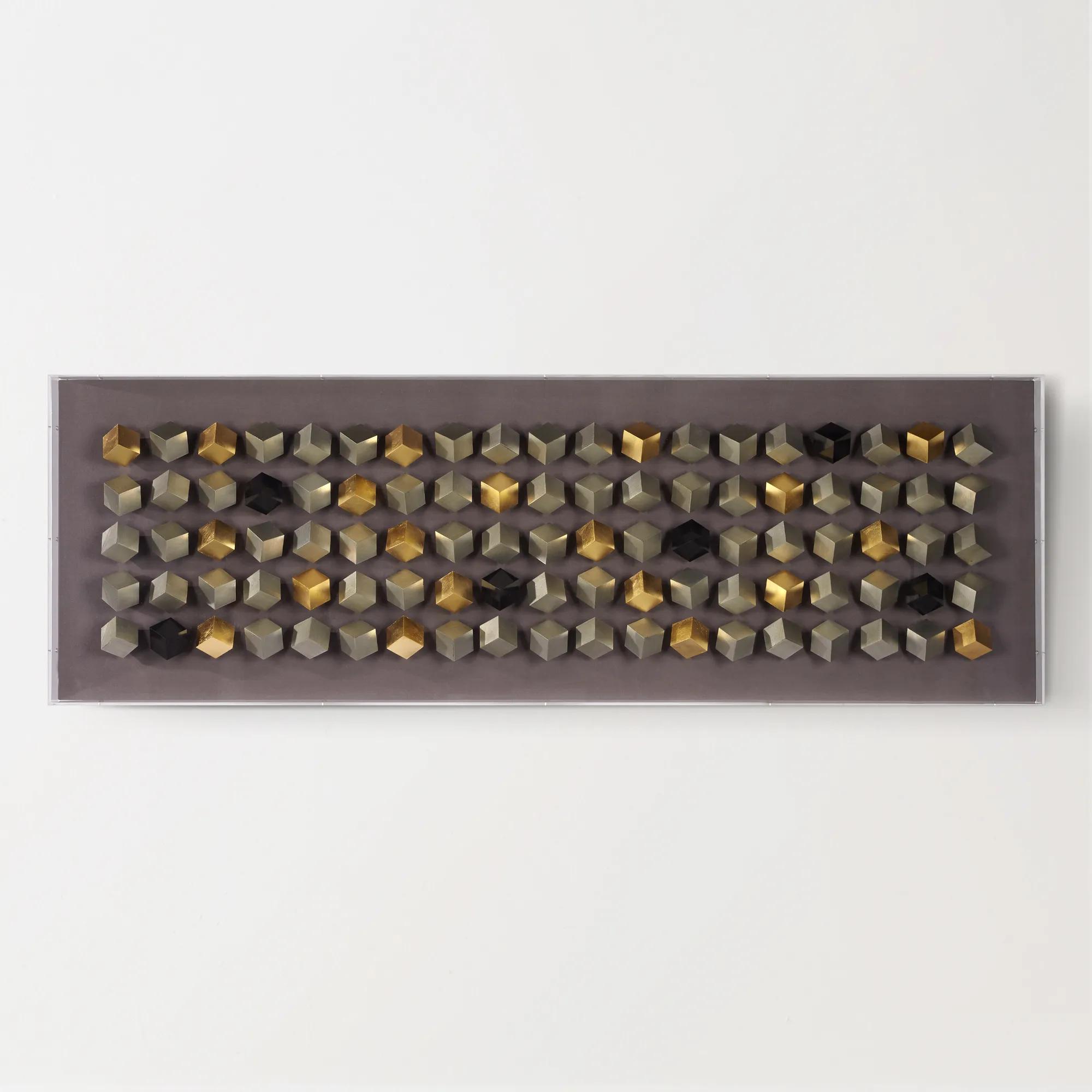
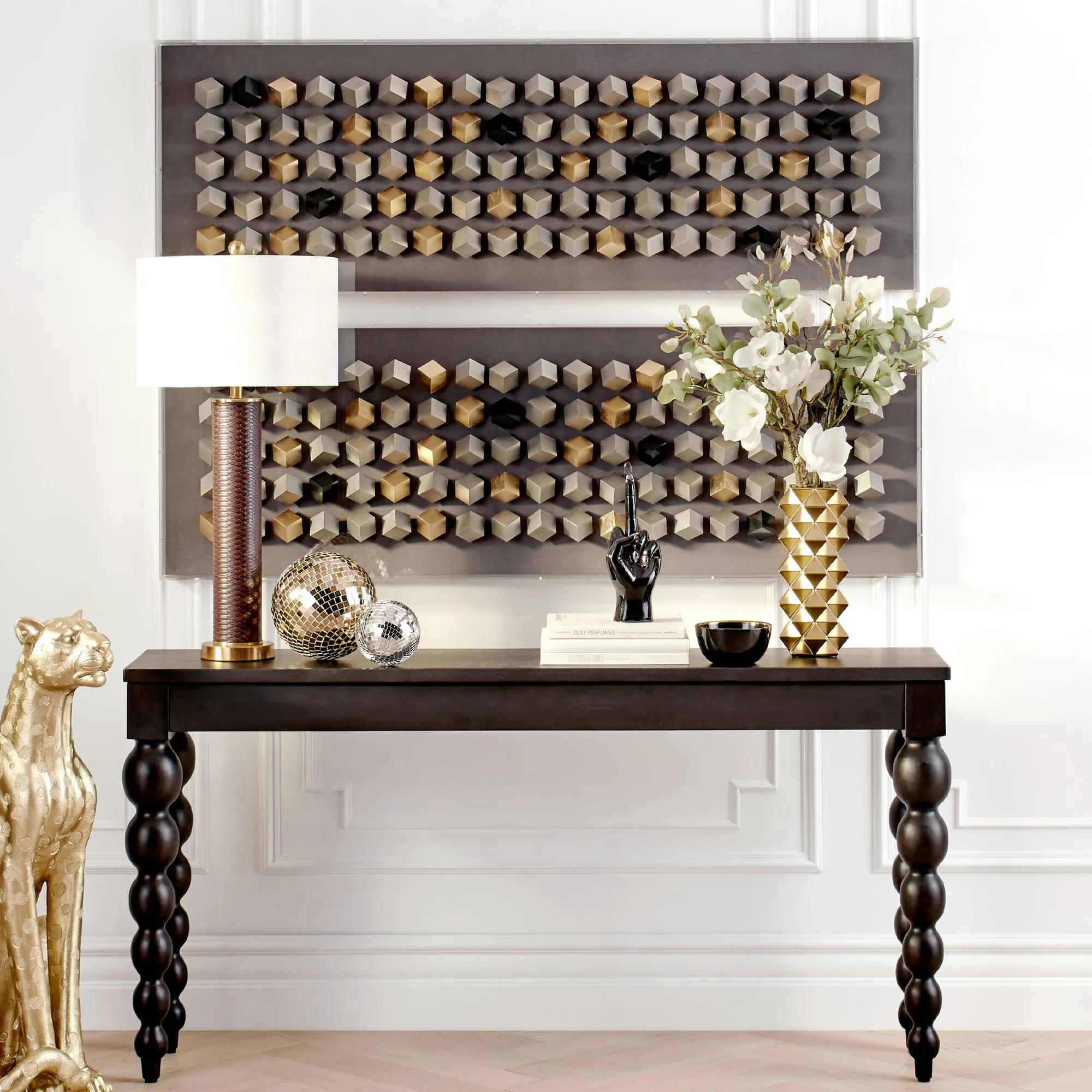 Cubic Array Dimensional Wall Decor in Acrylic 59" x 19.75"$599
A striking shadowbox wall art featuring a cubic, dimensional design with a tri-tone metallic finish.
Add To Cart -
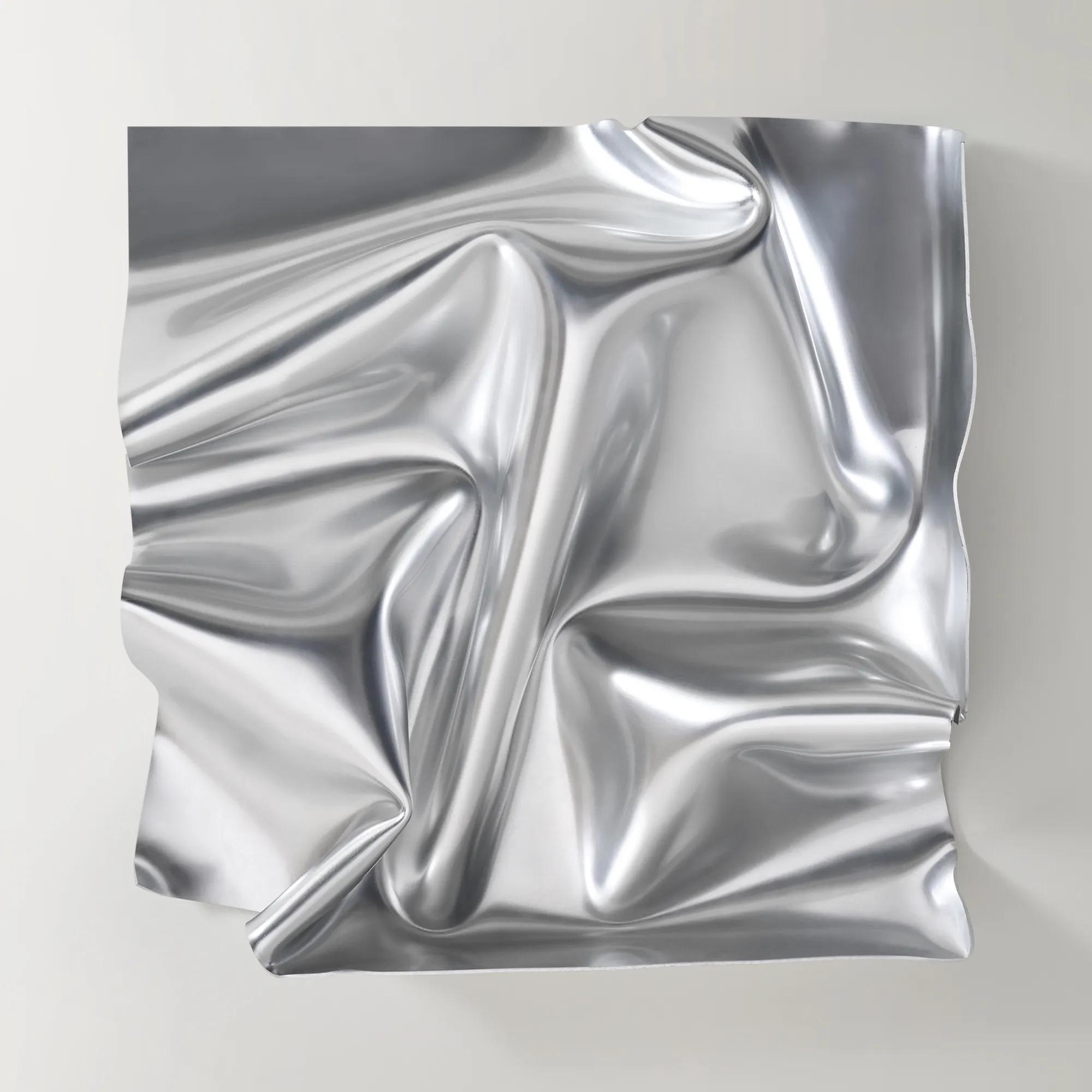
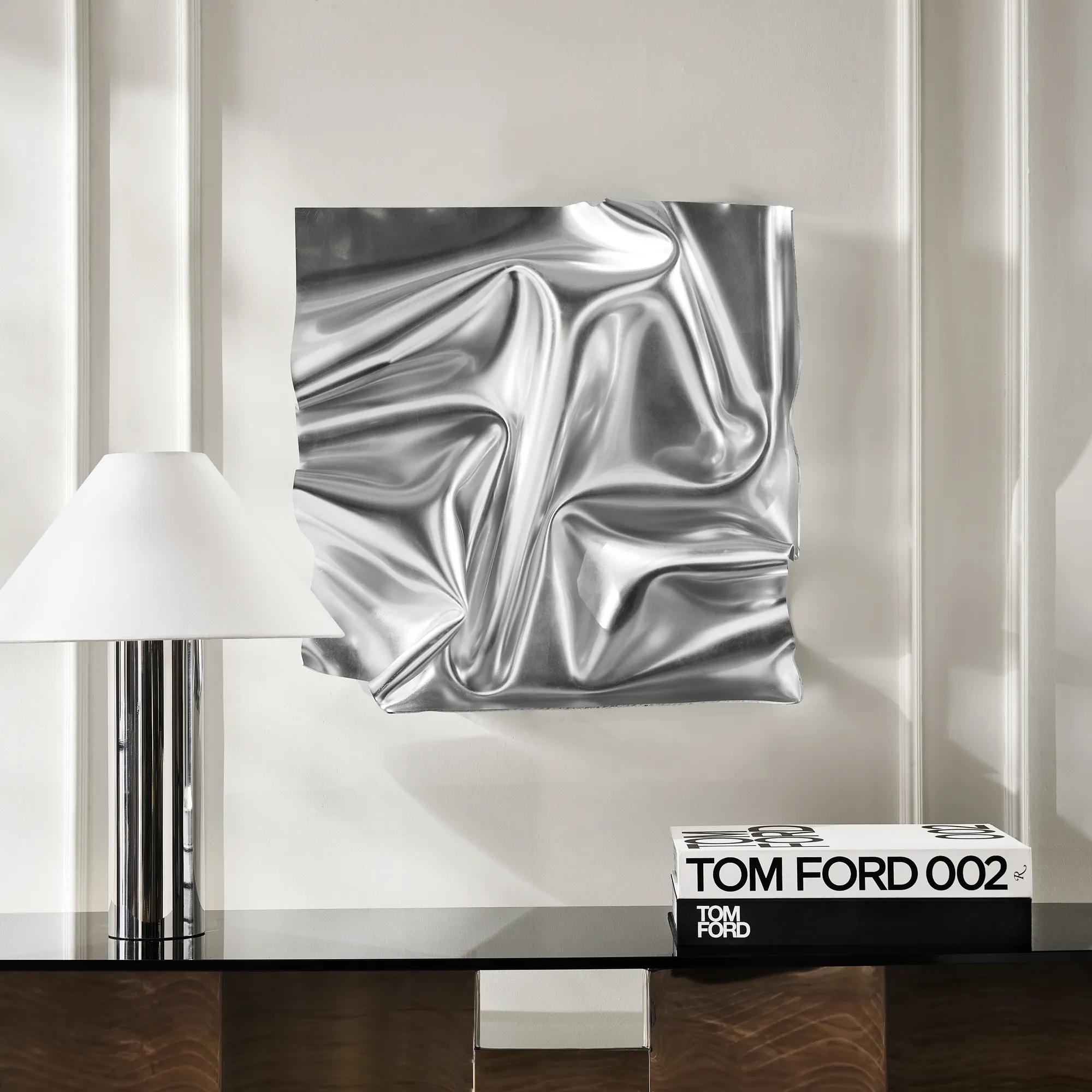 Surface Sculpted Silver Leaf Acrylic Wall Decor 23.6" x 23.6"$189
A striking acrylic wall piece featuring fluid, reflective silver shapes for dramatic, modern visual impact.
Add To Cart -
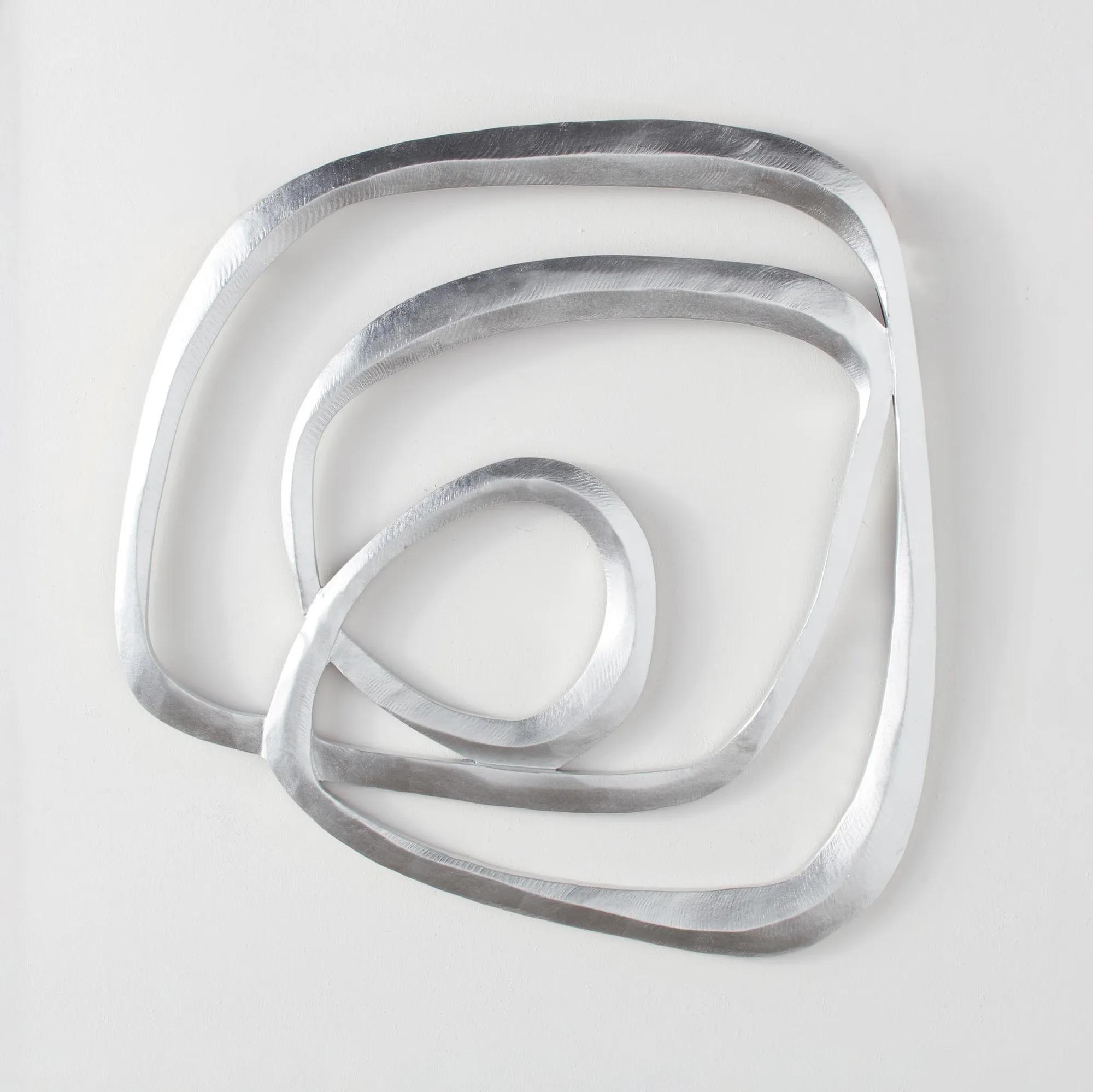 Infinity Silver Leaf Wood Wall Decor II 31.5" x 31.5"$299
A swirling wooden wall sculpture featuring a striking metallic silver finish for modern visual impact.
Add To Cart -
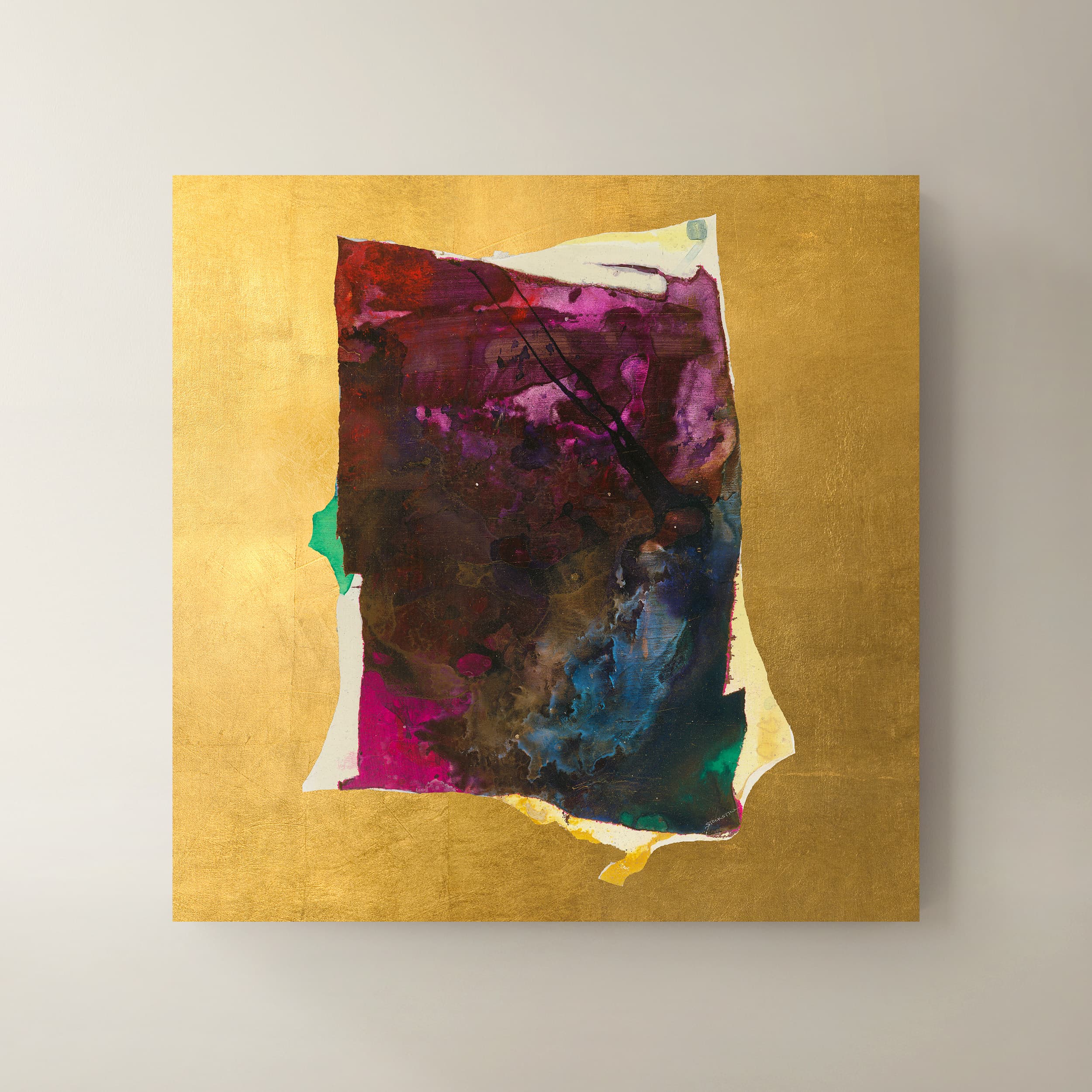 Supremo I Wall Art 40" x 40"$999
A multicolored canvas wall art piece adding contemporary visual interest to your interior.
Add To Cart -
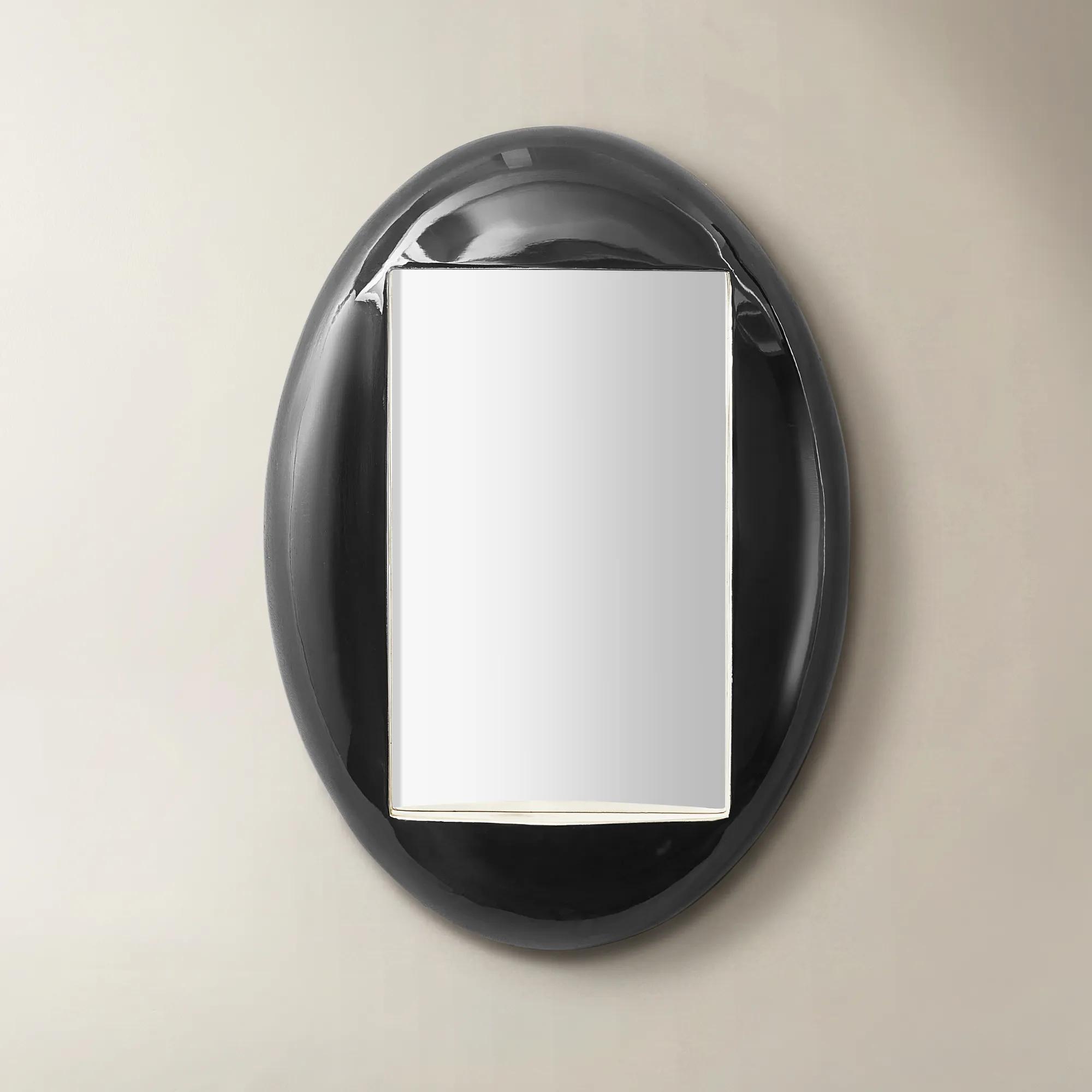 Tuxedo Black And Champagne High Gloss Resin Geometric Wall Mirror 28" x 20"$299
A geometric wall mirror with a black and champagne resin frame for bold, modern sophistication.
Add To Cart -
 Gilt Collage Gold Hand Crafted Wood Dimensional Wall Panel 30" x 60"$799
A glamorous gilt-finished collage wall panel bringing sculptural dimension and contemporary elegance to your decor.
Add To Cart -
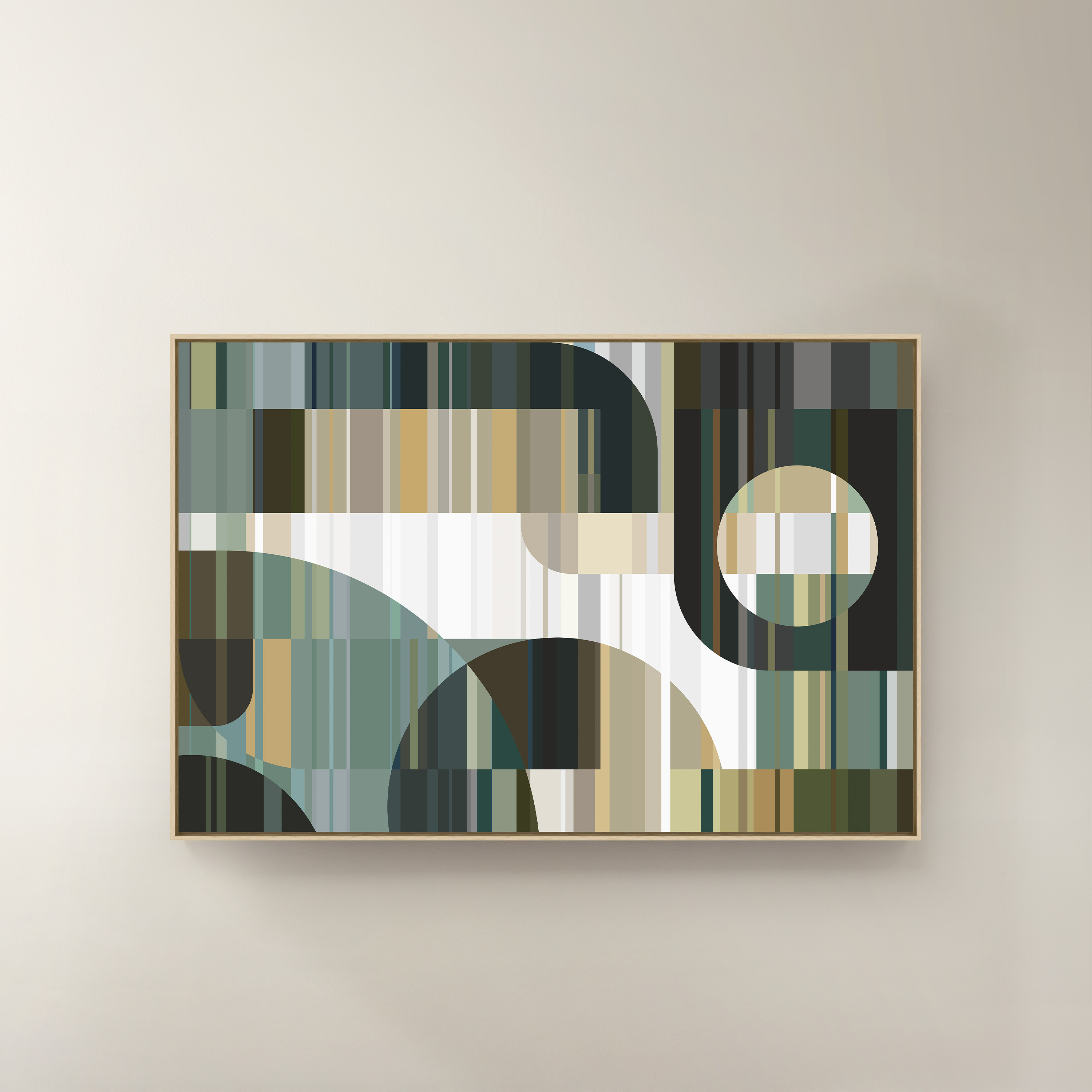
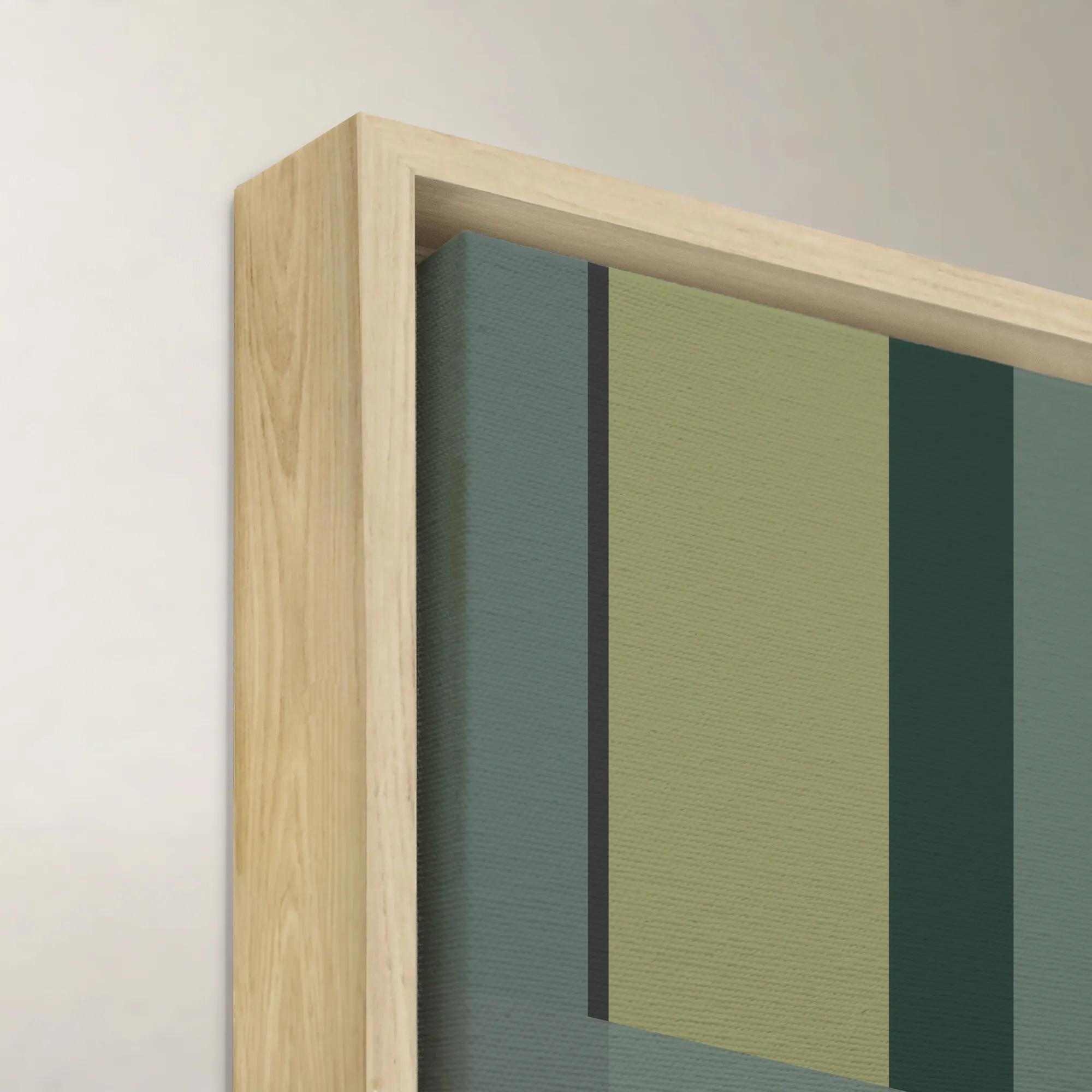 Cool Intersecting Forms II Framed Wall Art 60" x 40"$1099
A framed canvas wall artwork featuring cool-toned intersecting forms in a multicolored abstract composition.
Add To Cart -
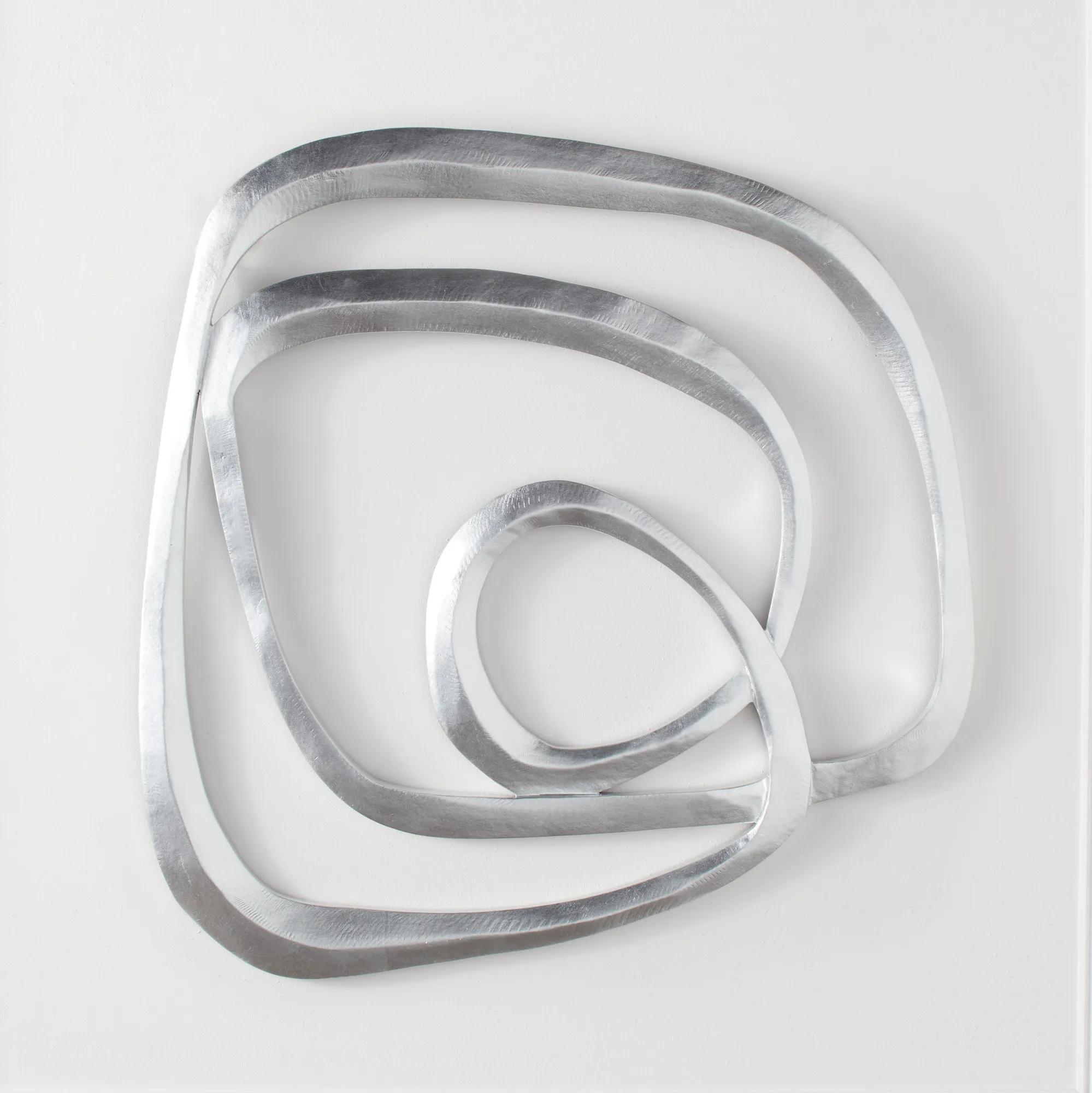 Infinity Silver Leaf Wood Wall Decor I 31.5" x 31.5"$299
A swirling wooden wall sculpture featuring a striking metallic silver finish for modern visual impact.
Add To Cart -
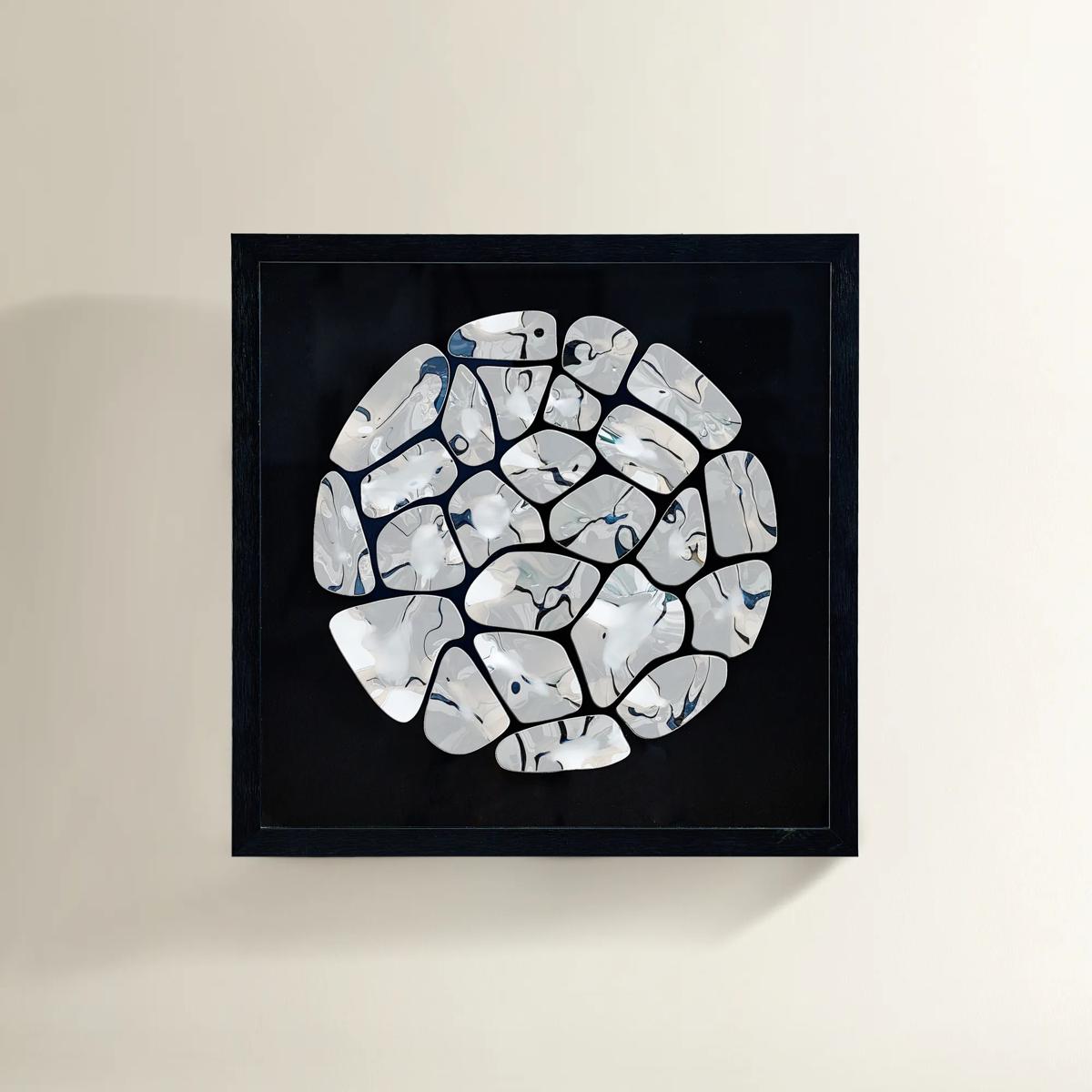
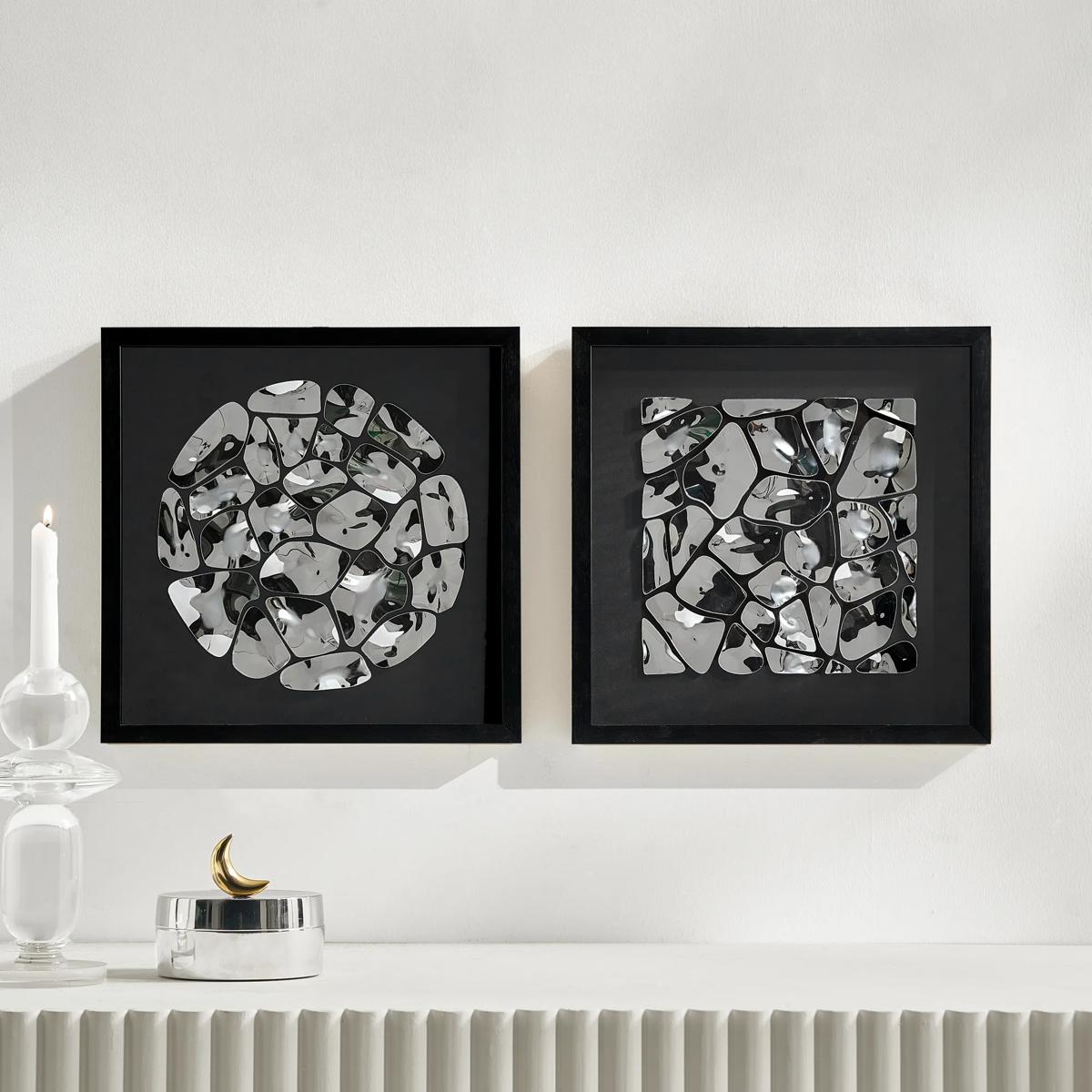 Reflect Silver And Black Shadowbox Art II$189
A dimensional metal wall art piece featuring polished silver and black forms in a sleek black frame.
Add To Cart -
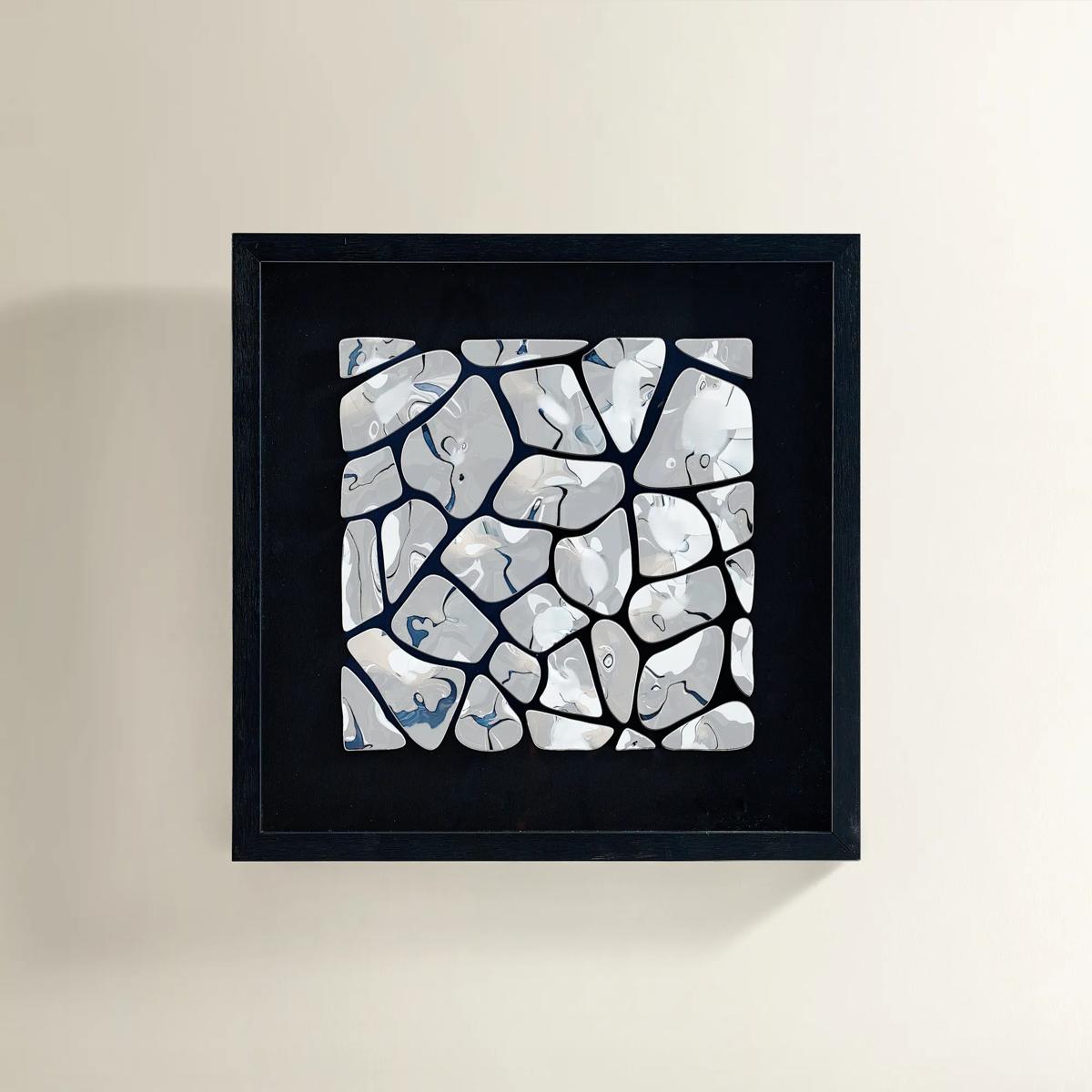 Reflect Silver And Black Shadowbox Art I$189
A dimensional metal wall art piece featuring polished silver and black forms in a sleek black frame.
Add To Cart -

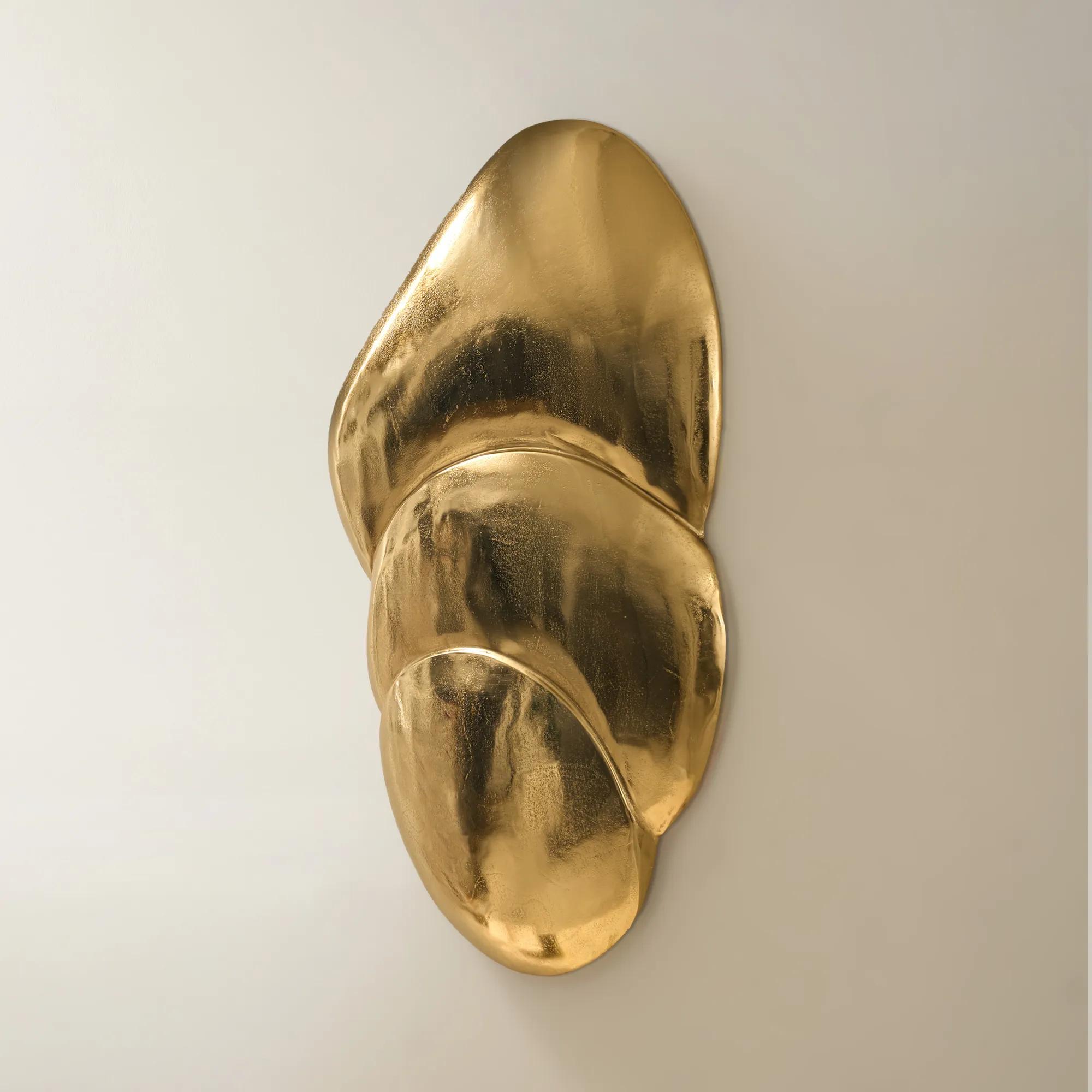 Echo Gold Handcrafted Aluminum Wall Decor 19" x 30"$169
A handcrafted gold aluminum wall sculpture with crisp definition and a polished, gallery-ready framed presentation.
Add To Cart -

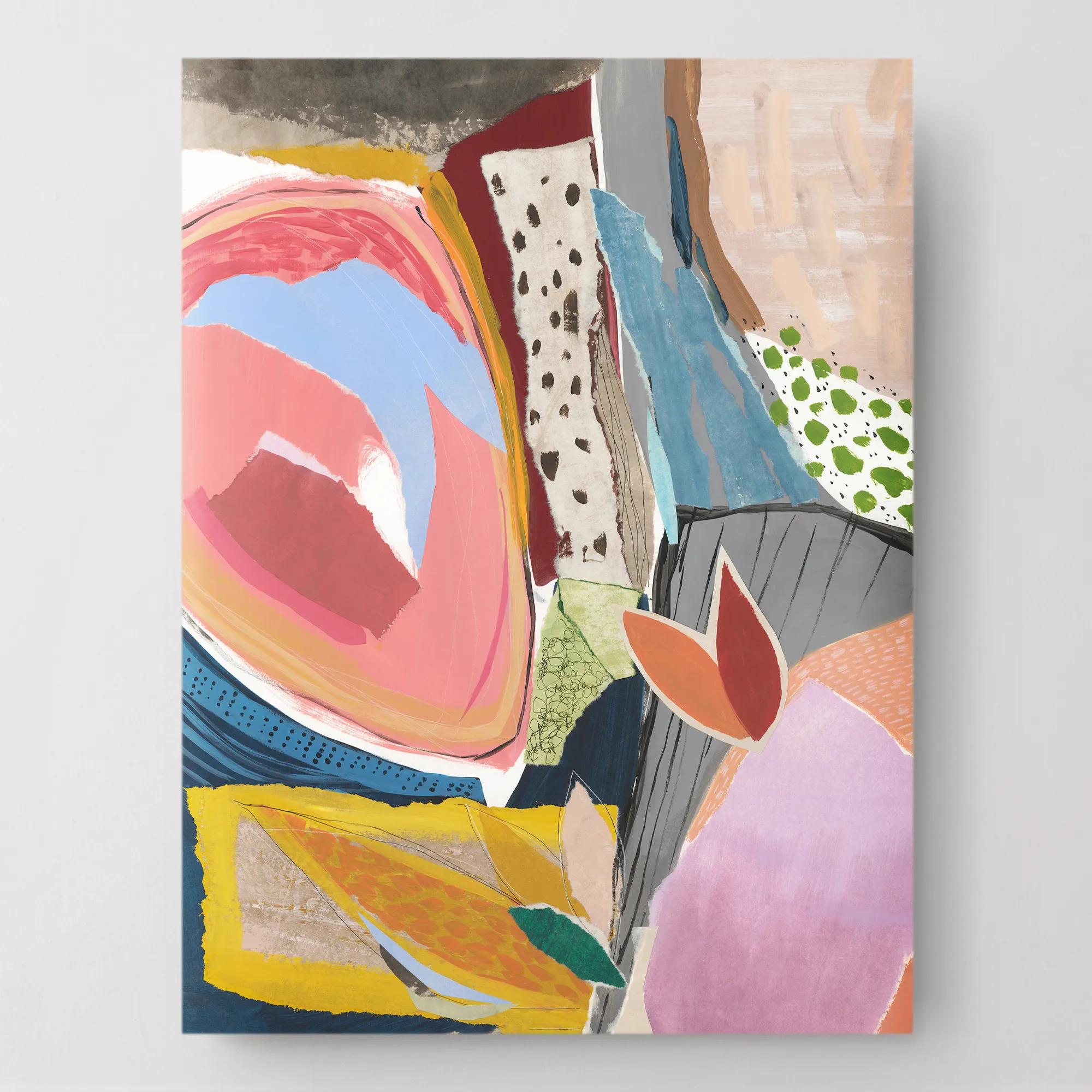
 Hint of Spring Framed Painted Wall Art 48" x 48"$599
A framed, multicolored painted canvas artwork that brings a vibrant, artistic touch to contemporary interiors.
Add To Cart

Contemporary Geometric Wall Art
Contemporary Geometric Wall Art transforms your walls into a gallery of bold expression and modern artistry. Each piece is a celebration of form and balance, where sharp lines and mesmerizing patterns invite the eye to linger and explore. These works captivate with their striking interplay of shape, color, and negative space, infusing any room with a sense of curated sophistication. Let your interiors radiate confidence and creativity as you adorn your home with statement-making designs that reflect your unique vision.
Contemporary geometric wall art brings circles, grids, intersecting lines, and angular forms into compositions that give a room structure, movement, and a distinctive point of view. Its appeal lies in the tension between precision and expression: a disciplined arrangement of squares can feel architectural, while overlapping curves and unexpected color blocks create a more playful, expansive mood. Unlike representational artwork, geometric art draws attention to relationships between shape, proportion, color, and space rather than depicting a recognizable scene. That makes it especially compelling in interiors where the art is meant to establish the atmosphere, not simply echo the furnishings. An oversized composition above a velvet sofa can introduce a crisp counterpoint to sumptuous upholstery; a constellation of metallic forms can bring dimension to a wall beside a sculptural console. Black-and-white geometric wall art offers graphic definition, particularly against richly colored walls, while tonal compositions in ivory, taupe, and charcoal reveal their complexity through subtle contrasts. Gold and silver accents introduce luminosity, catching light differently throughout the day without requiring an elaborate color scheme. More saturated palettes can establish a deliberate connection between artwork and an accent chair, a patterned rug, or a single striking accessory. Repeating one color from the composition elsewhere in the room creates continuity without making the space feel overly coordinated. Geometry also moves comfortably between decorating styles. In a glamorous living room, clean angles sharpen the effect of mirrored surfaces and polished metal. In an eclectic interior, repeated shapes provide a visual thread among expressive furnishings. In a dining room, broad arcs or rhythmic blocks of color can create a focal point that remains compelling from every seat. The strongest compositions leave room for contrast: intricate art gains presence beside quieter surfaces, while bold, uncomplicated shapes can hold their own against richly textured surroundings. Whether restrained or exuberant, this category gives walls an intentional role in the room’s overall design.
Materials determine much of the character of geometric wall decor, influencing how an artwork handles light, how much dimension it introduces, and how it should be maintained. Canvas brings a woven texture that softens precise outlines, making it a compelling surface for large abstract shapes and layered color. Printed or painted works on paper can emphasize delicate linework and fine detail, with a mat and frame providing a tailored border around the composition. Glazing adds a protective barrier, although reflections deserve consideration when artwork faces a window or hangs near a bright lamp. Metal wall art creates a different experience altogether: open frameworks, folded planes, and layered shapes allow the wall itself to become part of the composition. Shadows extend the geometry beyond the object, giving dimensional pieces an architectural presence. A brushed finish produces a softer glow than a highly polished surface, while darker metal emphasizes silhouette. Wood introduces grain and warmth, offering an organic counterpoint to disciplined patterns; layered wood and mixed-media constructions can make even a neutral palette feel richly tactile. Fiber-based geometric art brings another kind of depth, balancing crisp arrangements with the softness of woven or layered material. These differences matter beyond appearance. Weight varies with construction, so a substantial metal or wood piece may require different mounting hardware than a lightweight canvas. Secure installation depends on the artwork’s hanging system, the wall material, and hardware rated for the load. Long-term care should follow the maker’s instructions, with gentle dusting generally preferable to abrasive wiping or household sprays. Unframed canvas, paper, textile surfaces, and decorative finishes can be sensitive to moisture or friction, and prolonged direct sunlight may alter colors or materials. For a kitchen-adjacent wall, bathroom, or covered outdoor setting, suitability should be confirmed rather than assumed. A piece intended for a dry interior may not tolerate humidity, splashes, or exposure. Thoughtful placement preserves the distinction that makes geometric art so captivating: sharp contours, deliberate surfaces, and beautifully resolved detail.
Scale and placement turn contemporary geometric wall art from an attractive accent into an integral part of the interior. Above a sofa, a composition spanning roughly two-thirds of the furniture’s width is a useful starting point, adjusted for the wall’s proportions and the visual weight of the artwork. A dense black composition can feel more commanding than an airy metal framework of the same dimensions, so measurements alone do not tell the whole story. Leaving a comfortable margin around the art allows its shapes to register clearly, while positioning it in relation to the furniture keeps the arrangement grounded. In an entryway, a tall geometric composition can draw the eye upward above a narrow console; along a hallway, a series with consistent spacing establishes rhythm without overwhelming the passage. For a home office, repeated forms and a measured palette offer a composed backdrop, while a dining area can support a more theatrical interplay of color, metallic detail, and dimensional shadow. Bedrooms often suit softer contrasts or rounded forms, especially when the artwork is visible from the bed. A gallery arrangement can combine different interpretations of geometry, provided a shared palette, frame finish, or recurring shape gives the grouping cohesion. Exploring Contemporary Art Wall Decor can also introduce expressive companions to geometric compositions, allowing structured forms to sit alongside more fluid abstraction. Before selecting a piece, consider its full framed dimensions, its depth from the wall, and the room’s primary viewing distance. A dimensional sculpture near a doorway needs adequate clearance, while detailed linework rewards a position where it can be appreciated up close. For a housewarming or wedding gift, geometric artwork can be a thoughtful choice when the recipient’s palette, available wall space, and taste are well understood; a manageable scale makes placement more flexible. Ultimately, the most resonant choice feels connected to the person living with it. A daring arrangement of angles, a luminous circle, or a quietly layered grid can give everyday surroundings the presence of a carefully composed interior, with enough individuality to feel unmistakably personal.
FAQs
Contemporary geometric wall art infuses your space with energy, structure, and visual intrigue. The interplay of bold lines, shapes, and textures creates a dynamic focal point, transforming a blank wall into a statement of artistic confidence. Whether you seek to anchor a room with dramatic flair or introduce a sense of harmony and movement, geometric designs set the tone for a sophisticated, expressive environment.
Geometric wall art makes a striking gift for anyone who delights in modern design, artistic expression, or bold interior statements. It’s especially well-suited for new homeowners, design enthusiasts, or anyone celebrating a milestone. The sculptural quality and contemporary edge of these pieces make them a memorable gesture for those who appreciate creativity and originality in their living spaces.
Geometric wall art thrives in a variety of settings, from grand entryways and dramatic living rooms to serene bedrooms and creative home offices. Use these pieces to define a focal point above a sofa, console, or bed, or to enliven transitional spaces like hallways. Their versatility allows them to complement both maximalist and minimalist interiors, bringing a curated sense of artistry wherever they reside.
Materials and finishes play a pivotal role in the emotional impact of geometric wall art. Metallics add shimmer and drama, while matte finishes offer subtle sophistication. Glass and acrylic elements introduce lightness and reflection, amplifying the sense of movement. The choice of material can either heighten the boldness of the design or lend a soft, ethereal quality, allowing you to tailor the mood to your personal taste.
Contemporary geometric wall art harmonizes beautifully with a range of styles, from modern glam and art deco to eclectic and transitional interiors. Pair with plush textiles, mirrored surfaces, or sleek furnishings to amplify the drama, or juxtapose with organic elements like wood and greenery for a balanced, curated look. The sculptural lines and striking patterns of geometric art invite endless opportunities for creative styling.