Unique Geometric Wall Art Designs
Unique Geometric Wall Art Designs
-
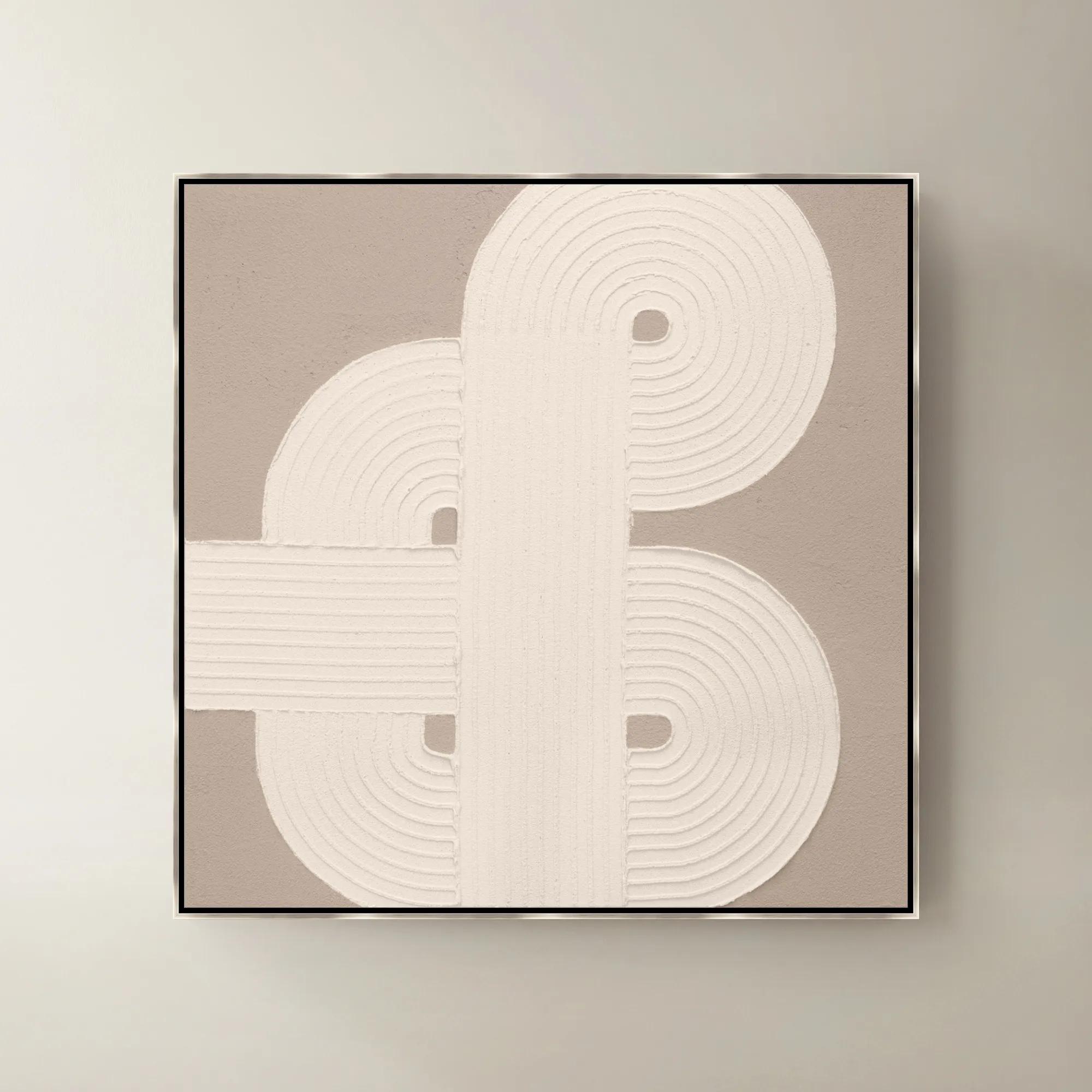
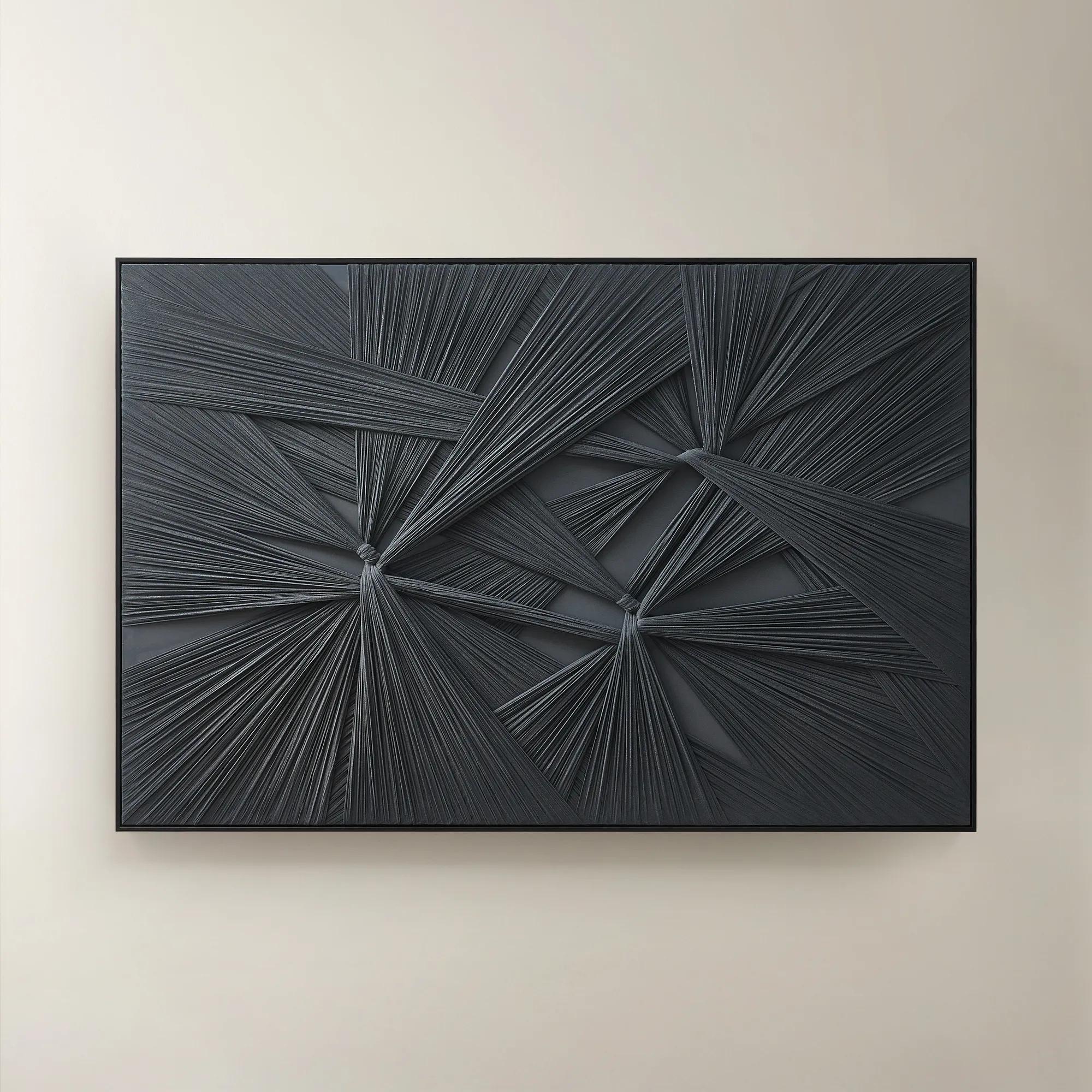
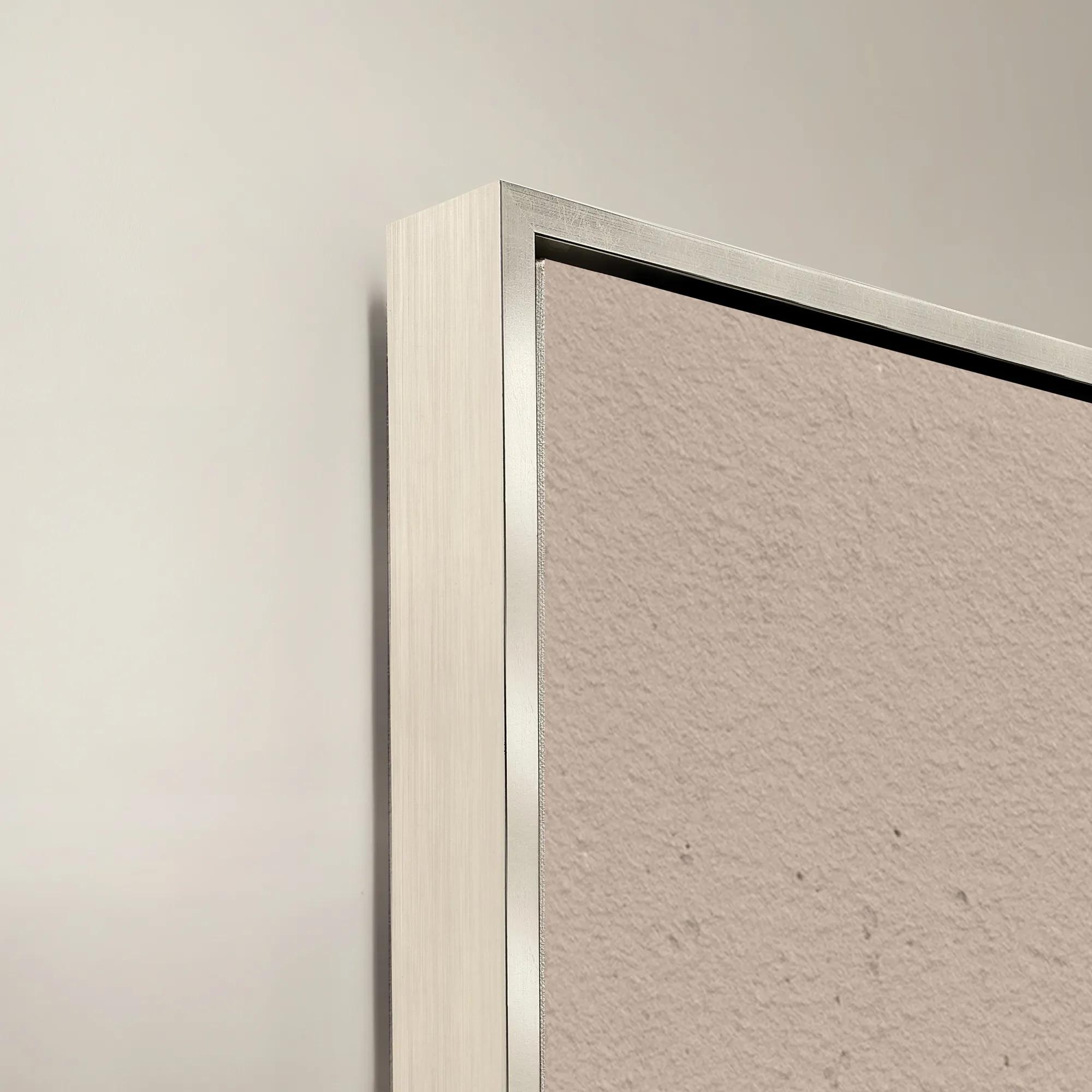 Sacred Geometry IV Framed Painted Wall Art 40" x 40"$1099
A striking abstract art piece featuring bold geometric patterns for a modern, sophisticated touch.
Add To Cart -
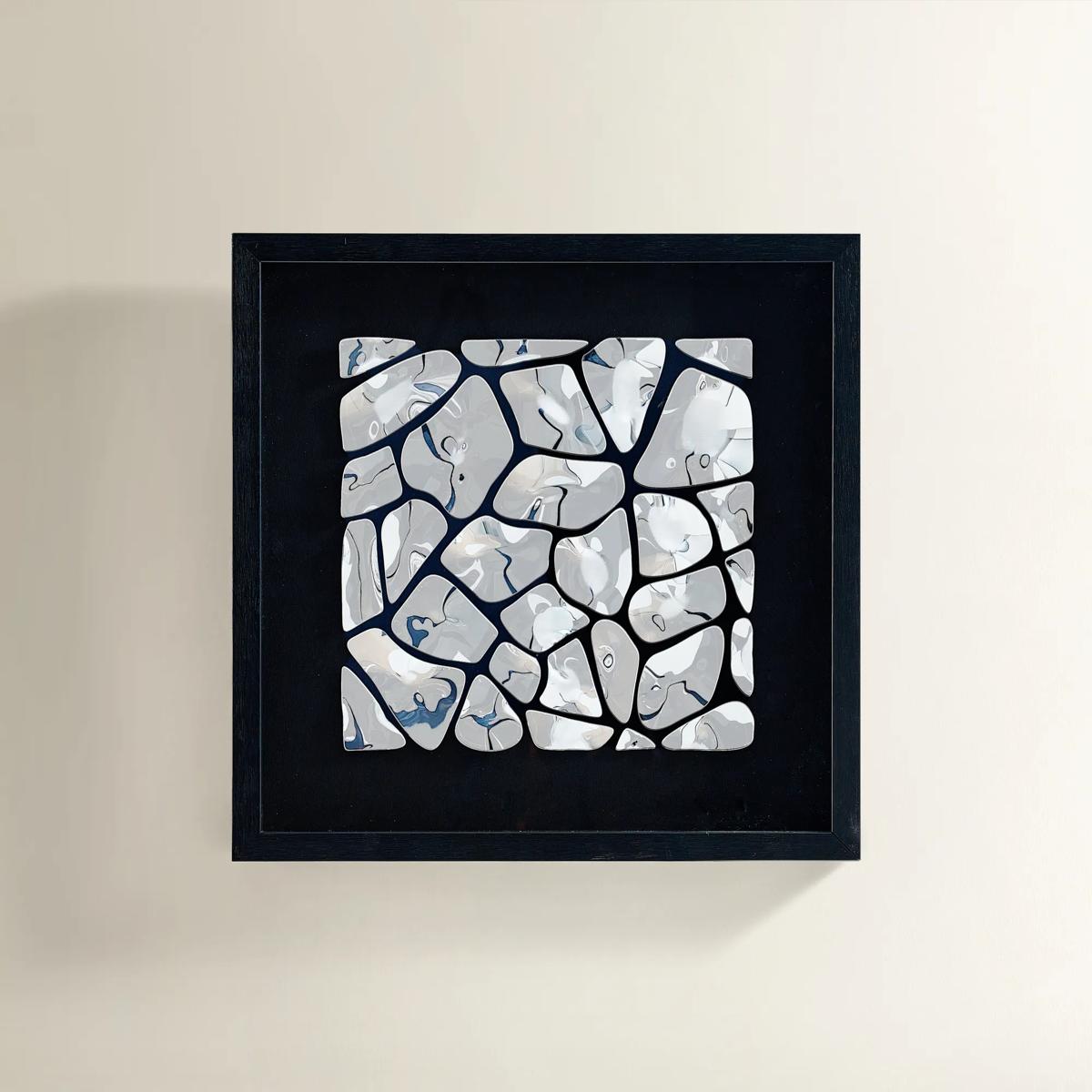 Reflect Silver And Black Shadowbox Art I$189
A dimensional metal wall art piece featuring polished silver and black forms in a sleek black frame.
Add To Cart -
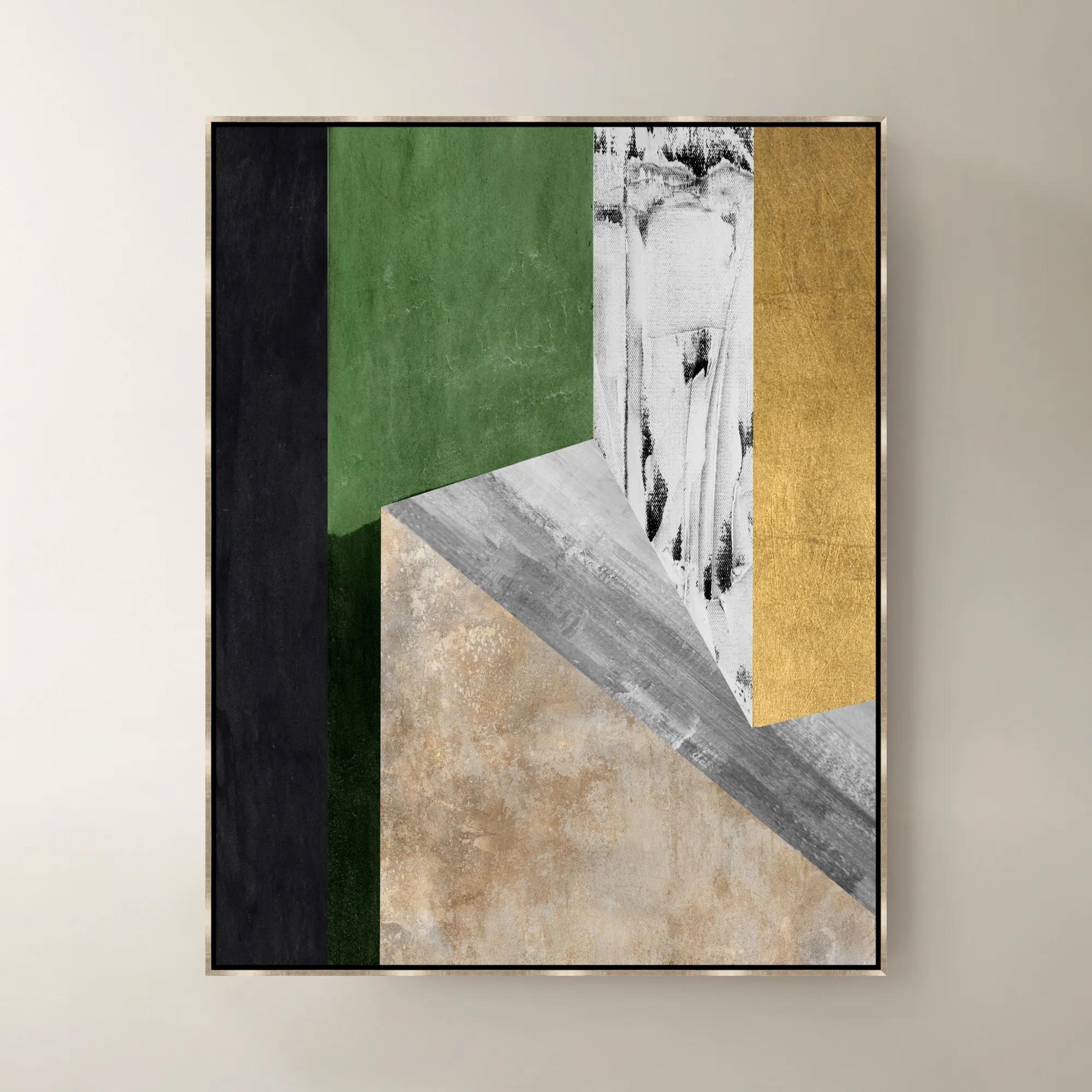
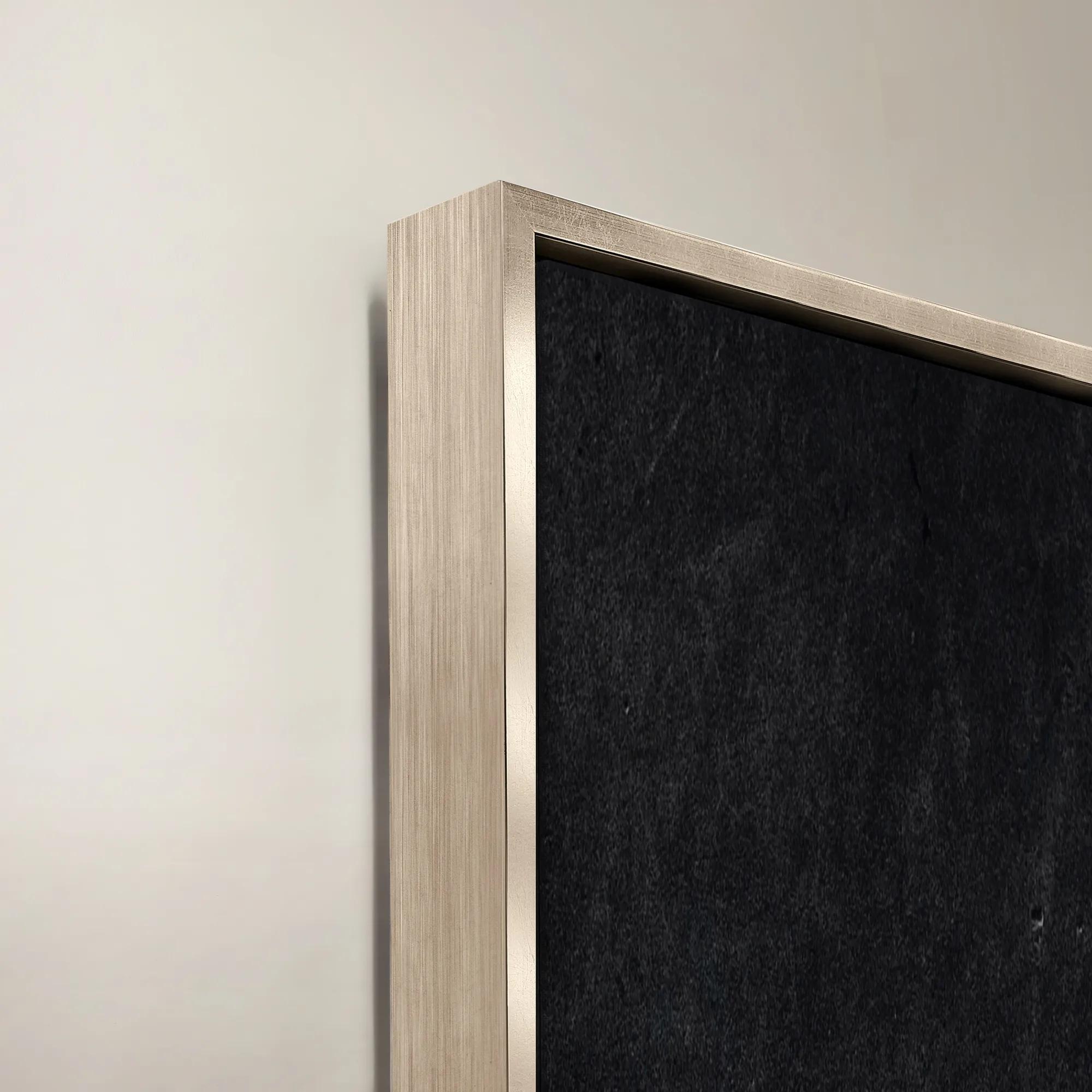 Blocked III Framed Wall Art 42" x 50"$1199
A striking abstract art piece featuring bold geometric shapes and modern design by Nikki Chu.
Add To Cart -
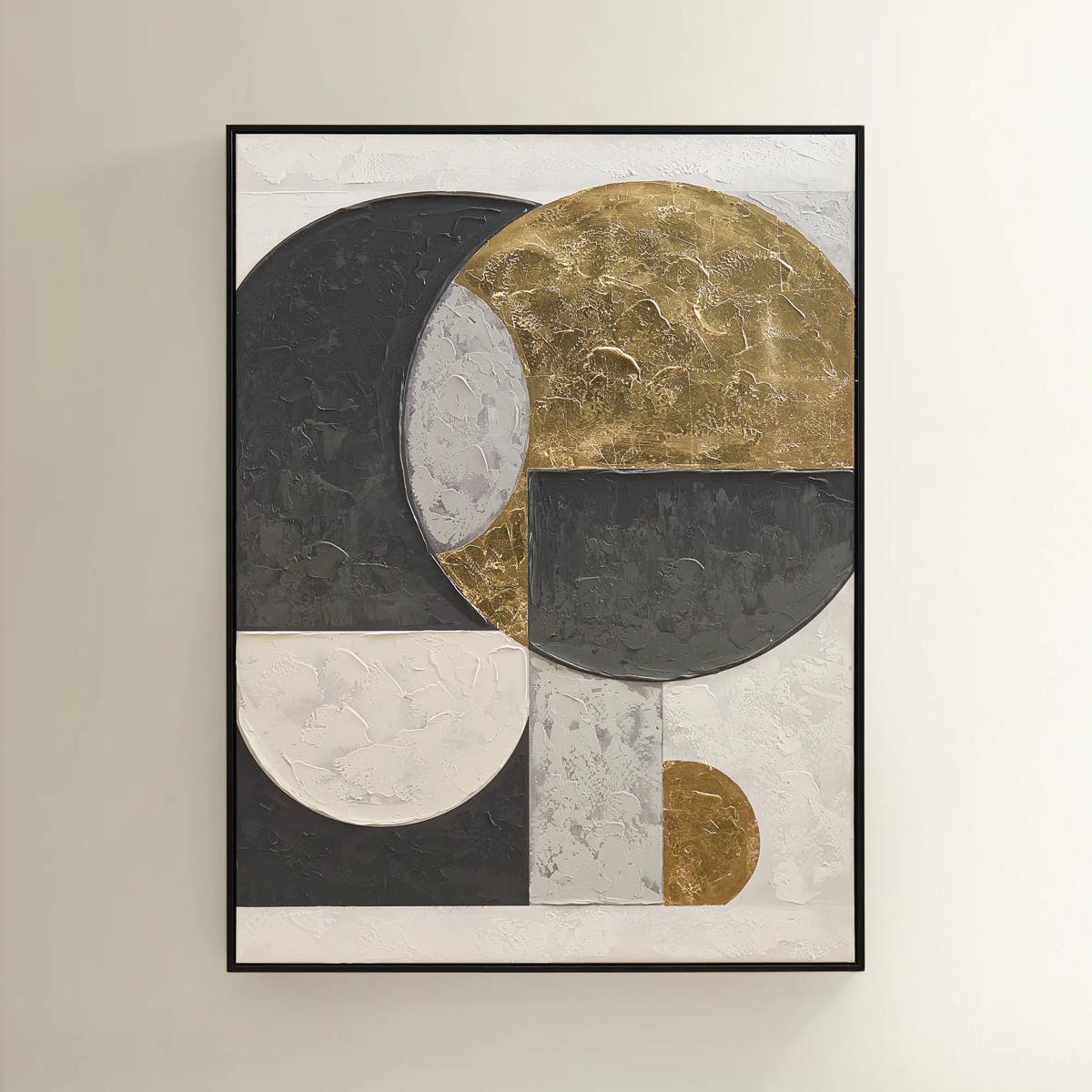
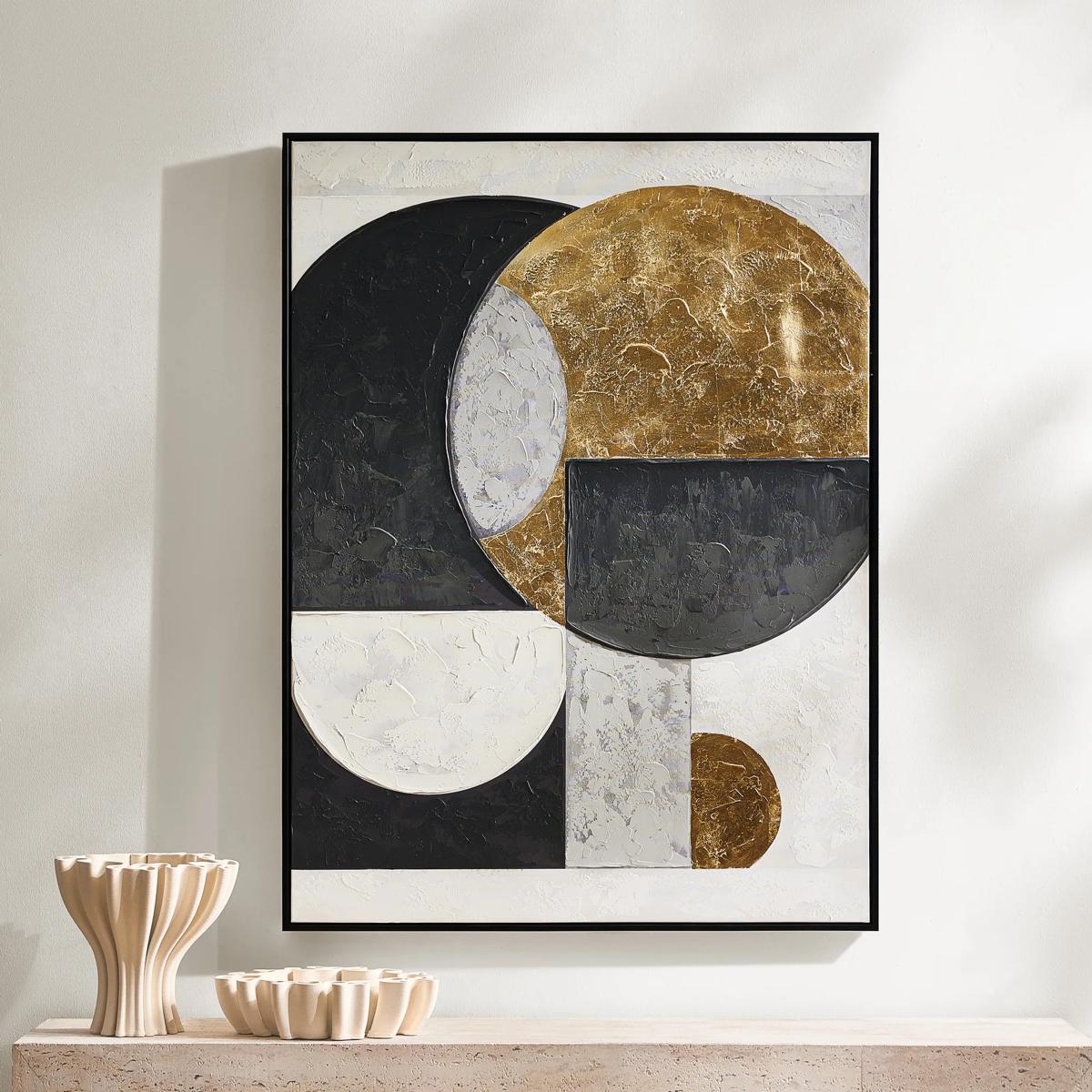 Eclipse Framed Gold Leaf Painted Wall Art 35.25" x 47.25"$449
A hand-painted canvas featuring bold black, grey, and gold geometric shapes with shimmering gold leaf accents.
Add To Cart -
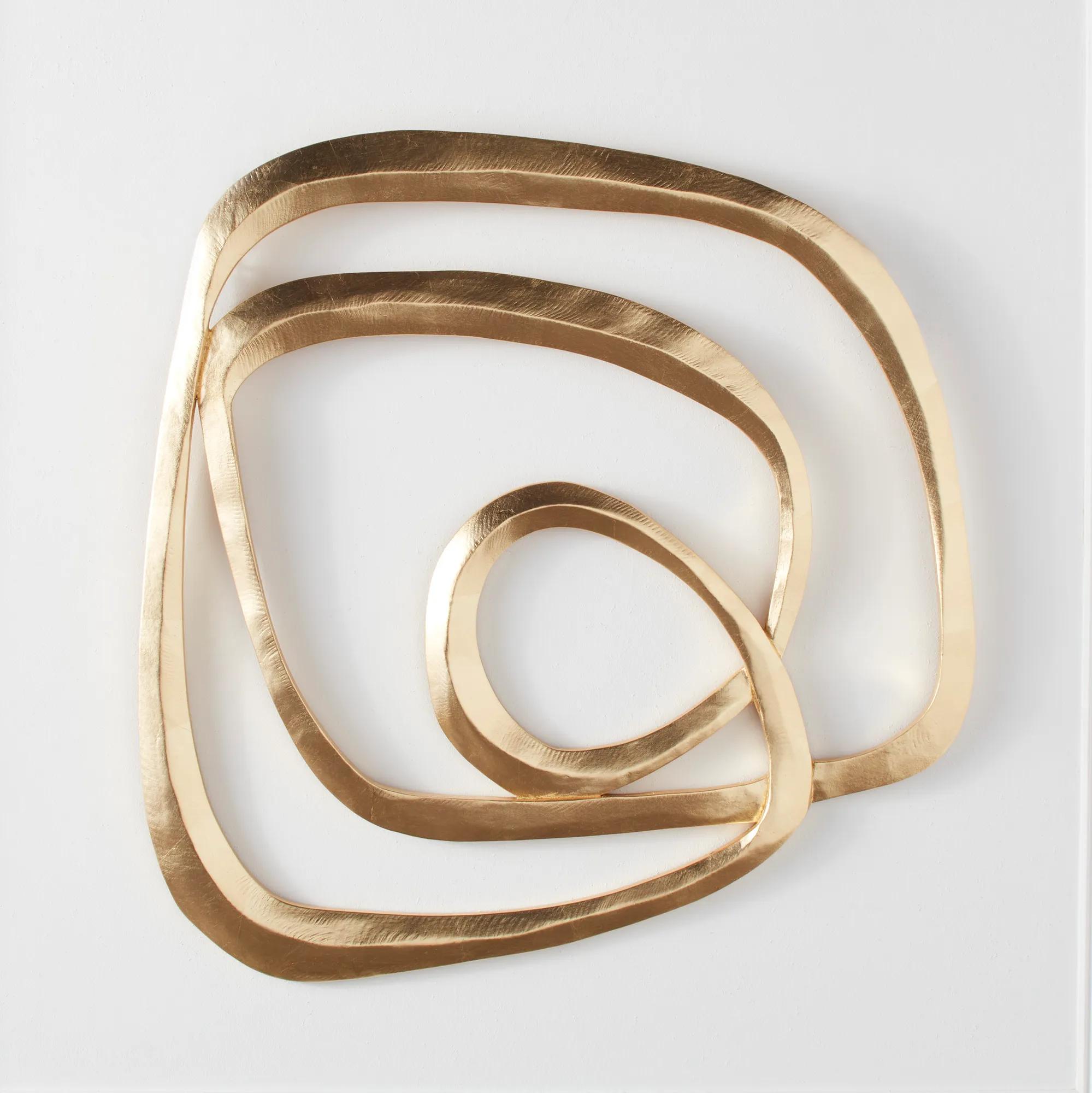 Infinity Gold Leaf Wood Wall Decor I 31.5" x 31.5"$299
A swirling wooden wall sculpture featuring a striking metallic gold finish for a bold decorative statement.
Add To Cart -
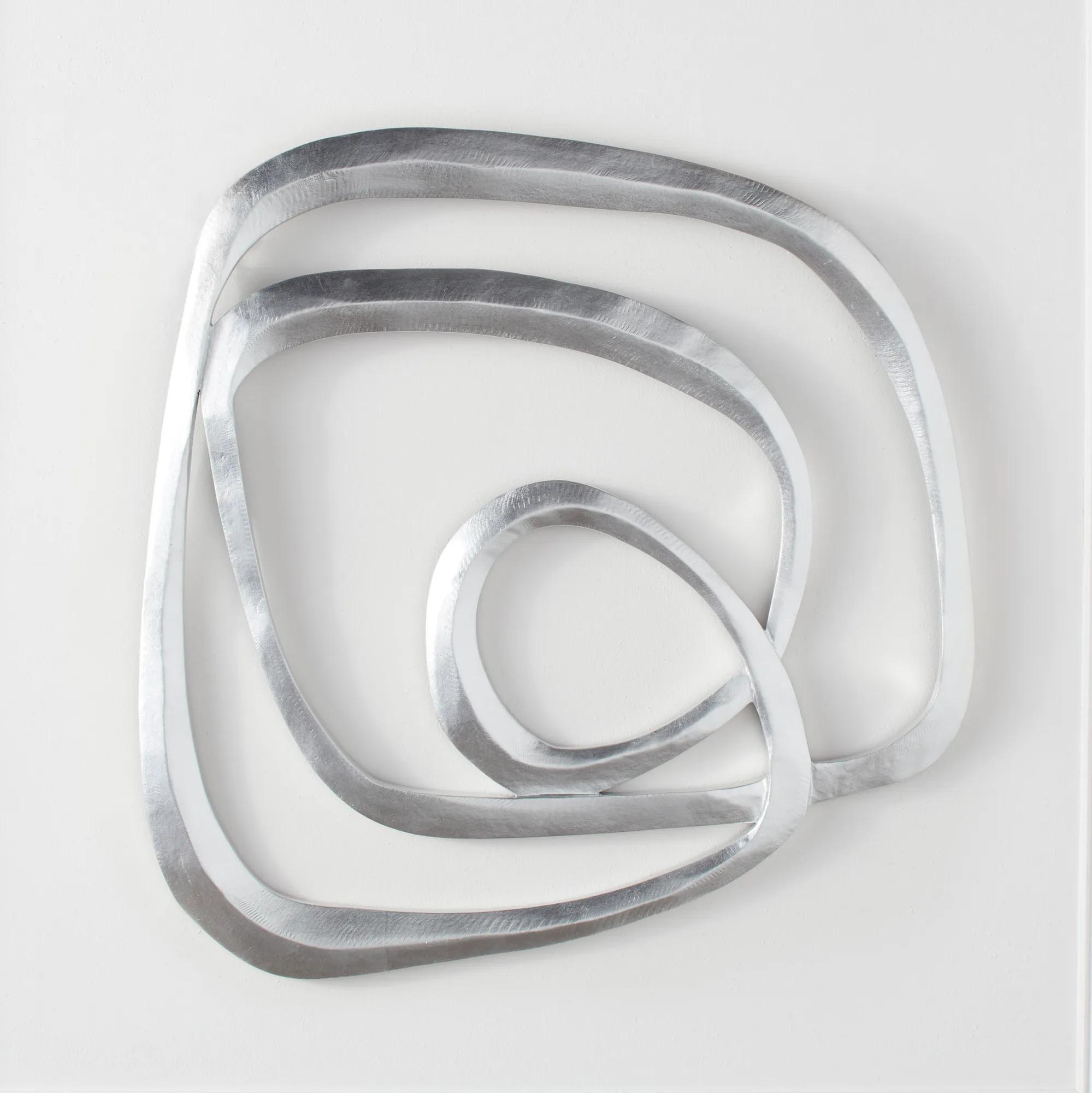 Infinity Silver Leaf Wood Wall Decor I 31.5" x 31.5"$299
A swirling wooden wall sculpture featuring a striking metallic silver finish for modern visual impact.
Add To Cart -
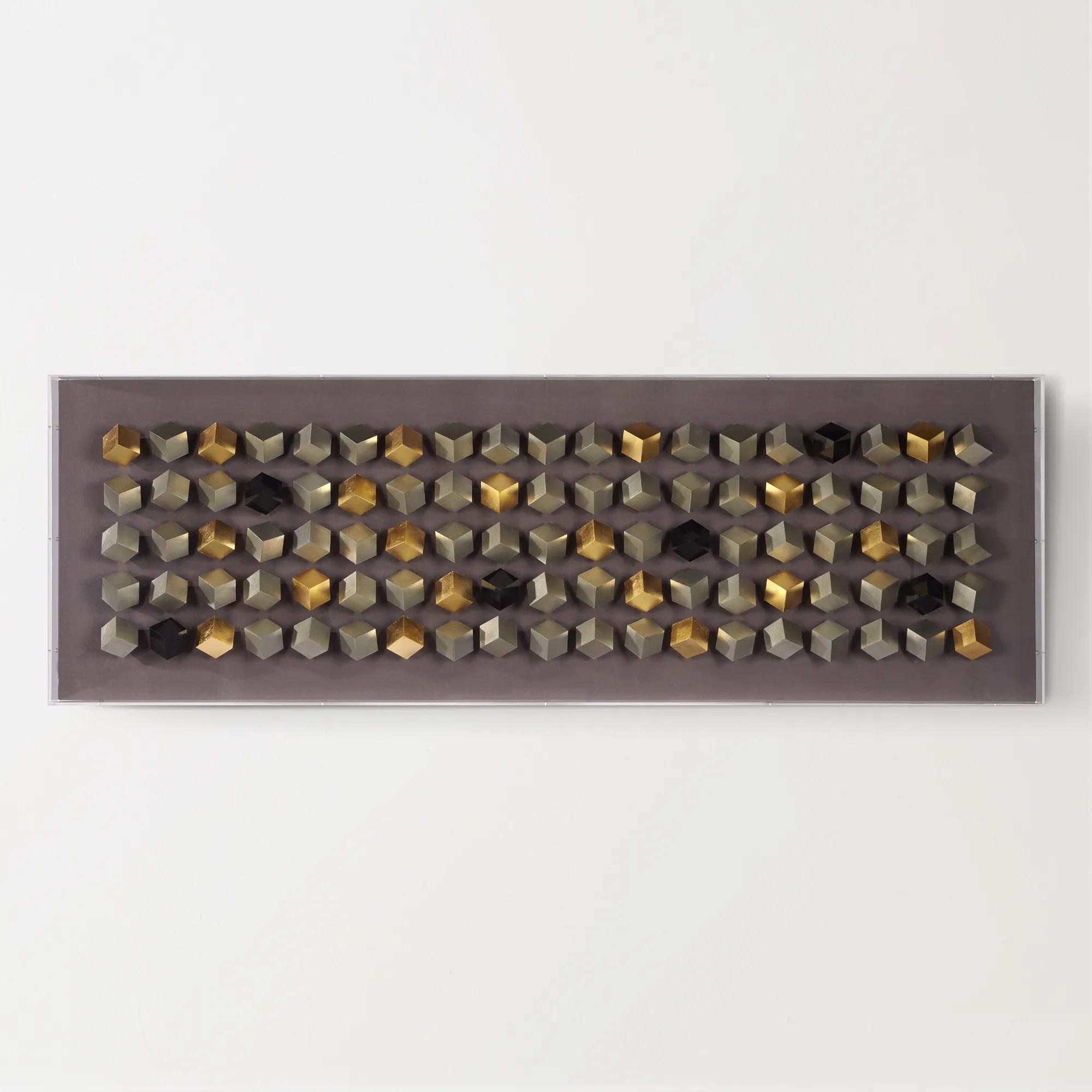
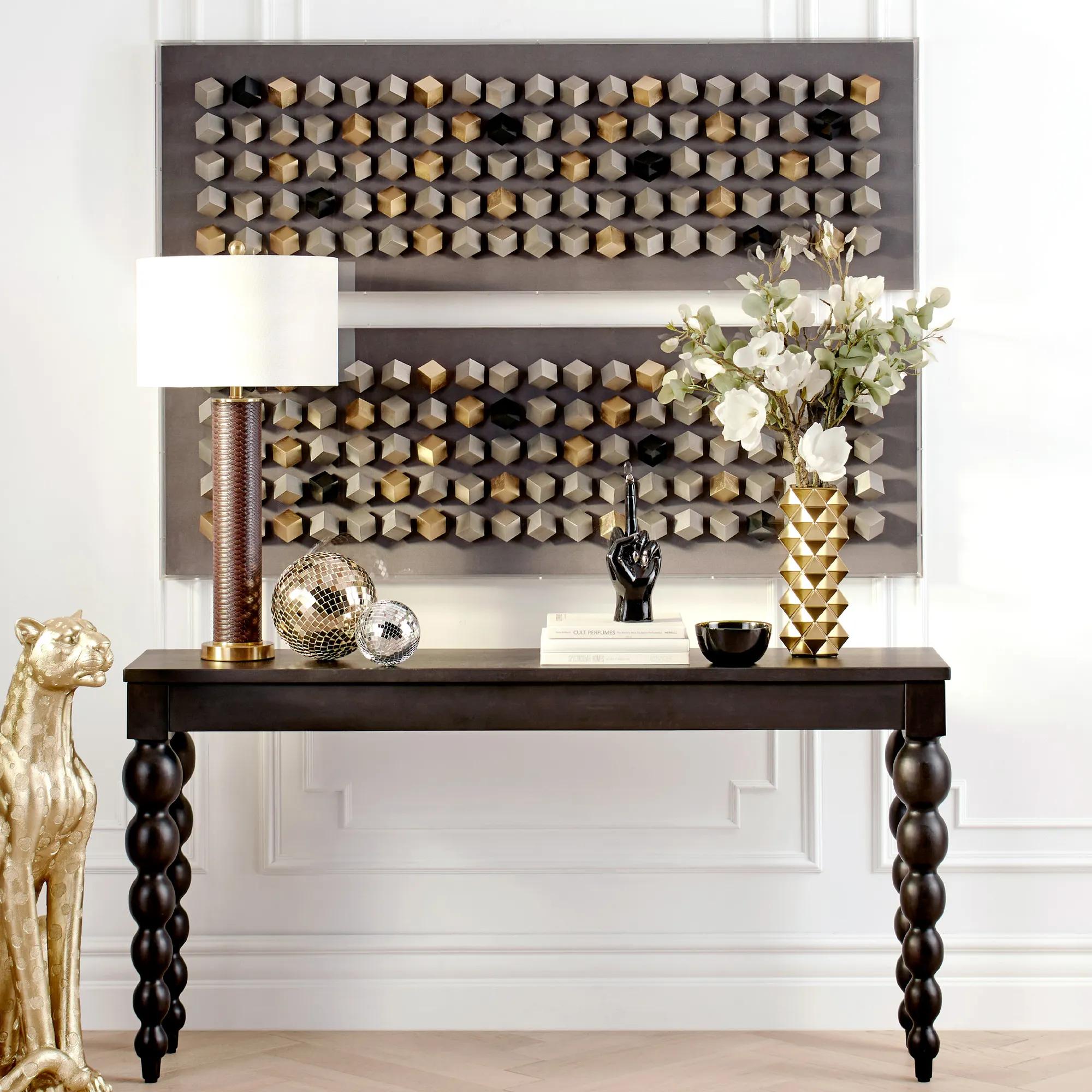 Cubic Array Dimensional Wall Decor in Acrylic 59" x 19.75"$599
A striking shadowbox wall art featuring a cubic, dimensional design with a tri-tone metallic finish.
Add To Cart -
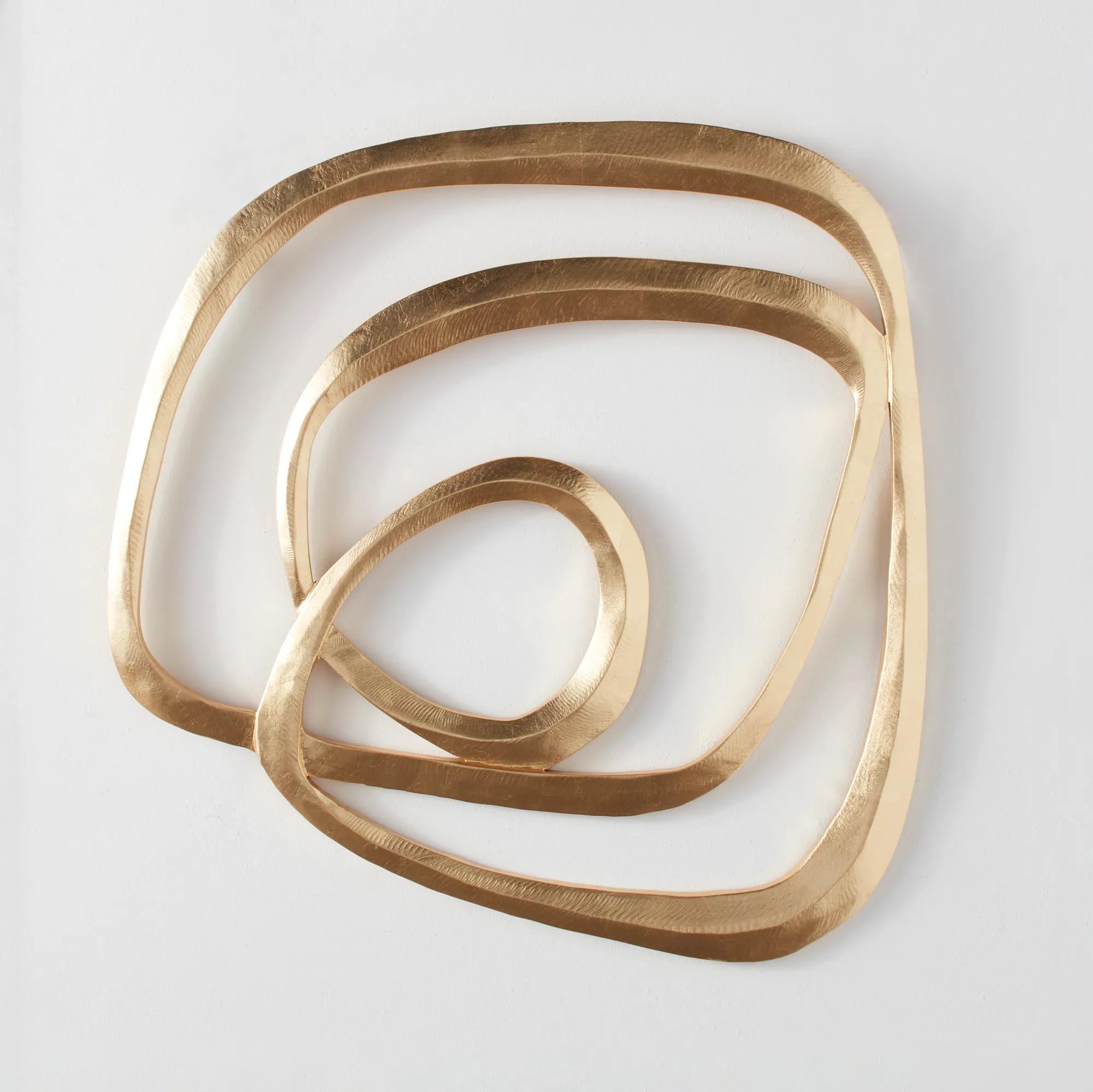 Infinity Gold Leaf Wood Wall Decor II 31.5" x 31.5"$299
A swirling wooden wall sculpture featuring a striking metallic gold finish for a modern statement.
Add To Cart -
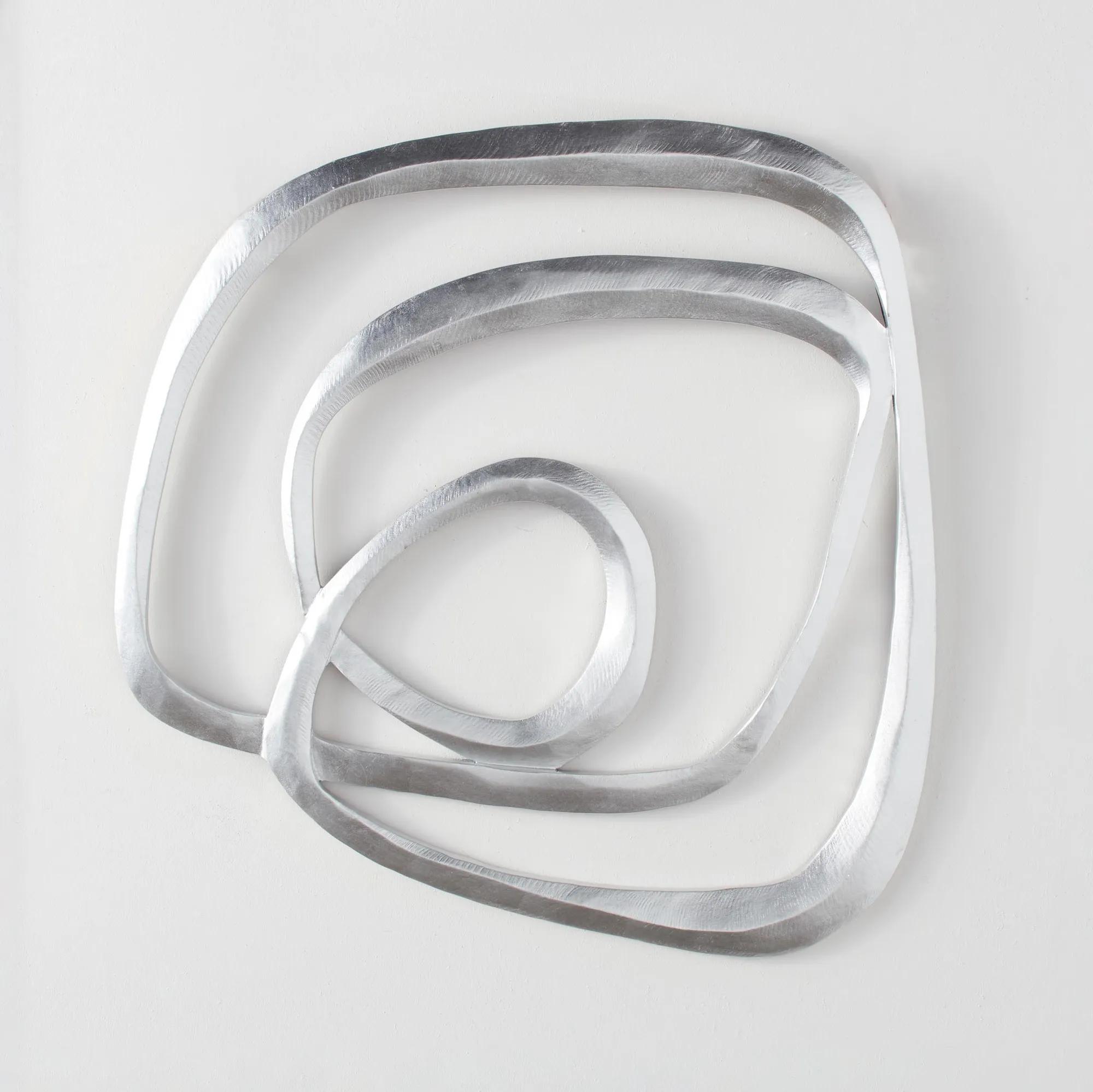 Infinity Silver Leaf Wood Wall Decor II 31.5" x 31.5"$299
A swirling wooden wall sculpture featuring a striking metallic silver finish for modern visual impact.
Add To Cart -
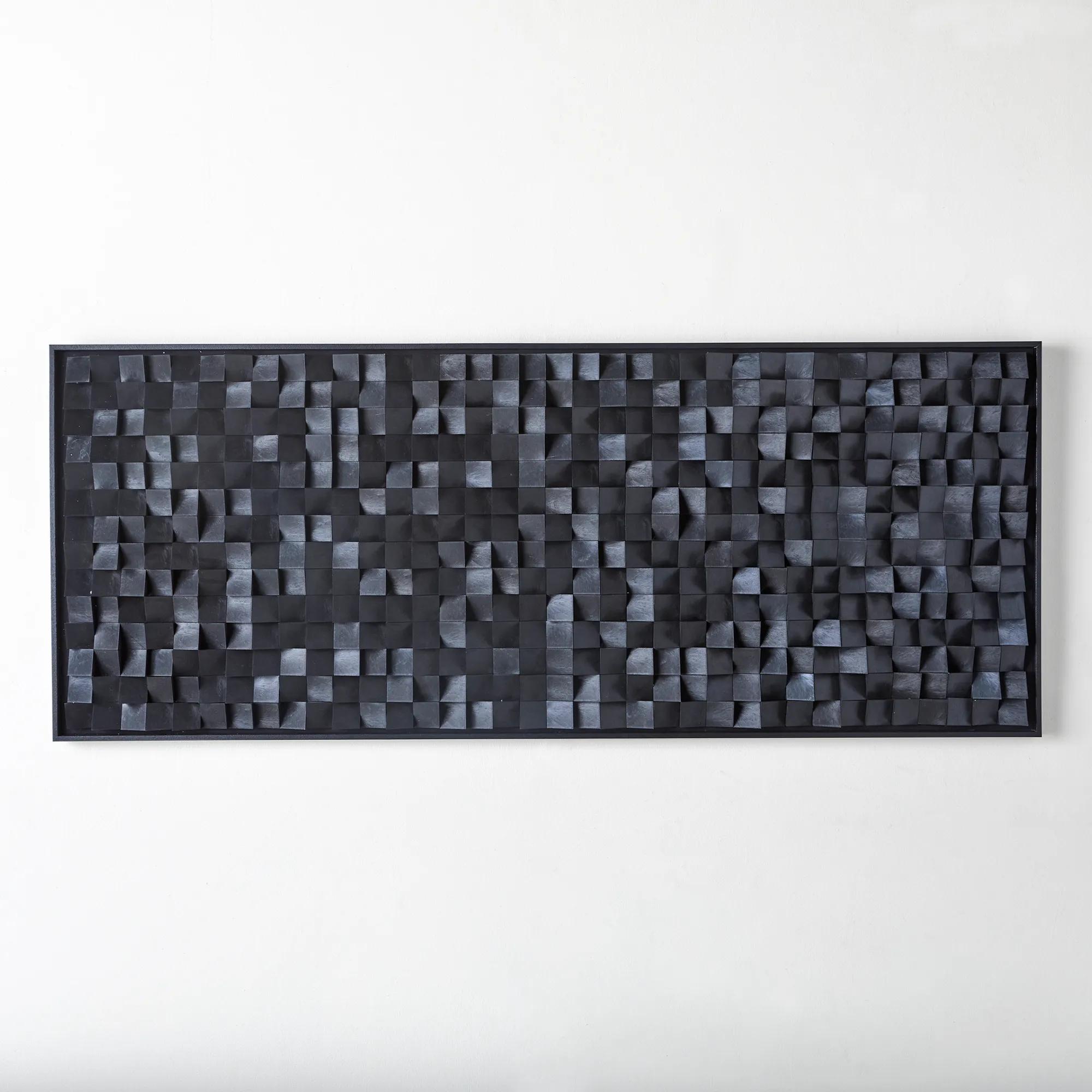 Nightfall Black Wood Dimenisonal Wall Panel 59" x 23.5"$599
An abstract wall art piece featuring cut black blocks in a sleek, low-profile black frame.
Add To Cart -
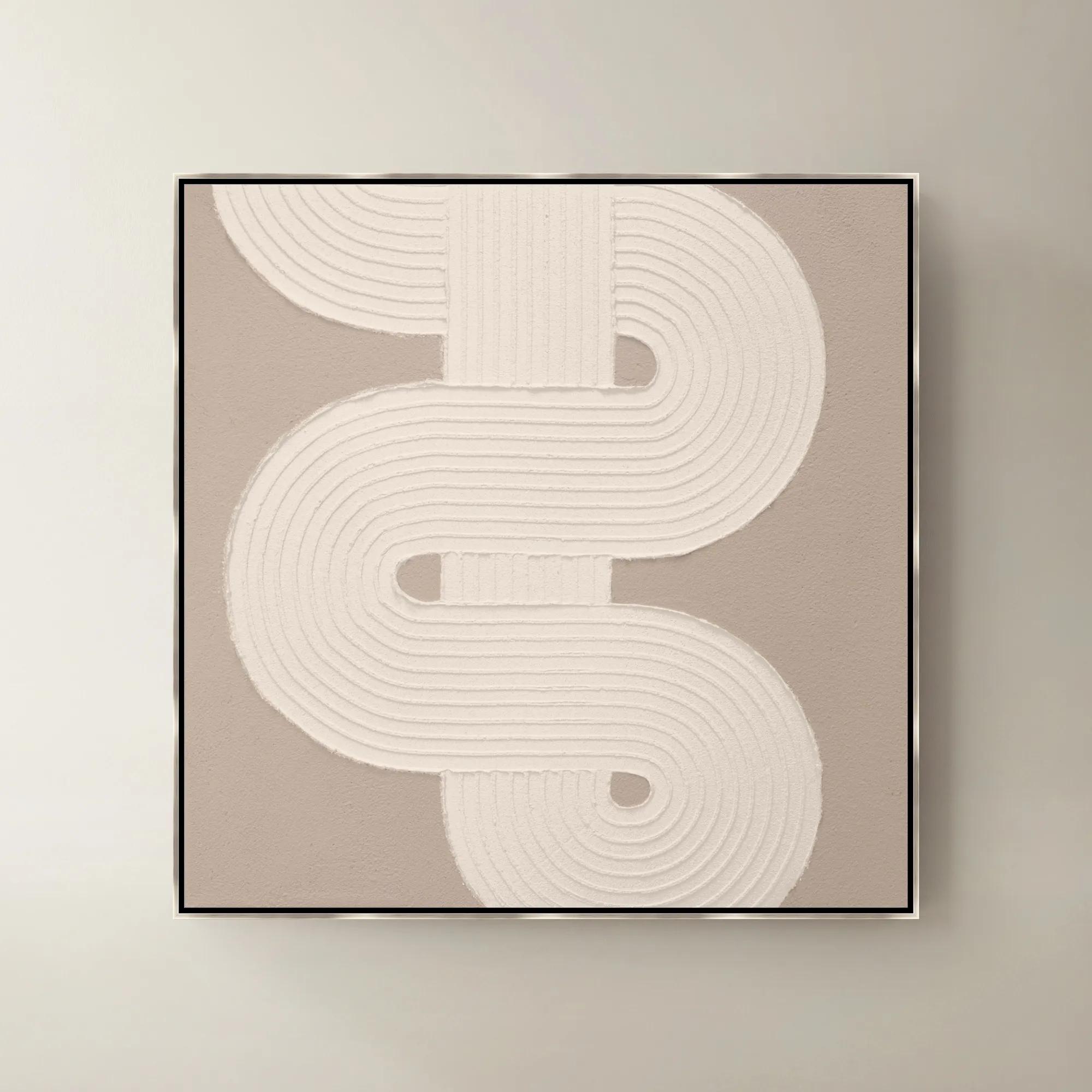
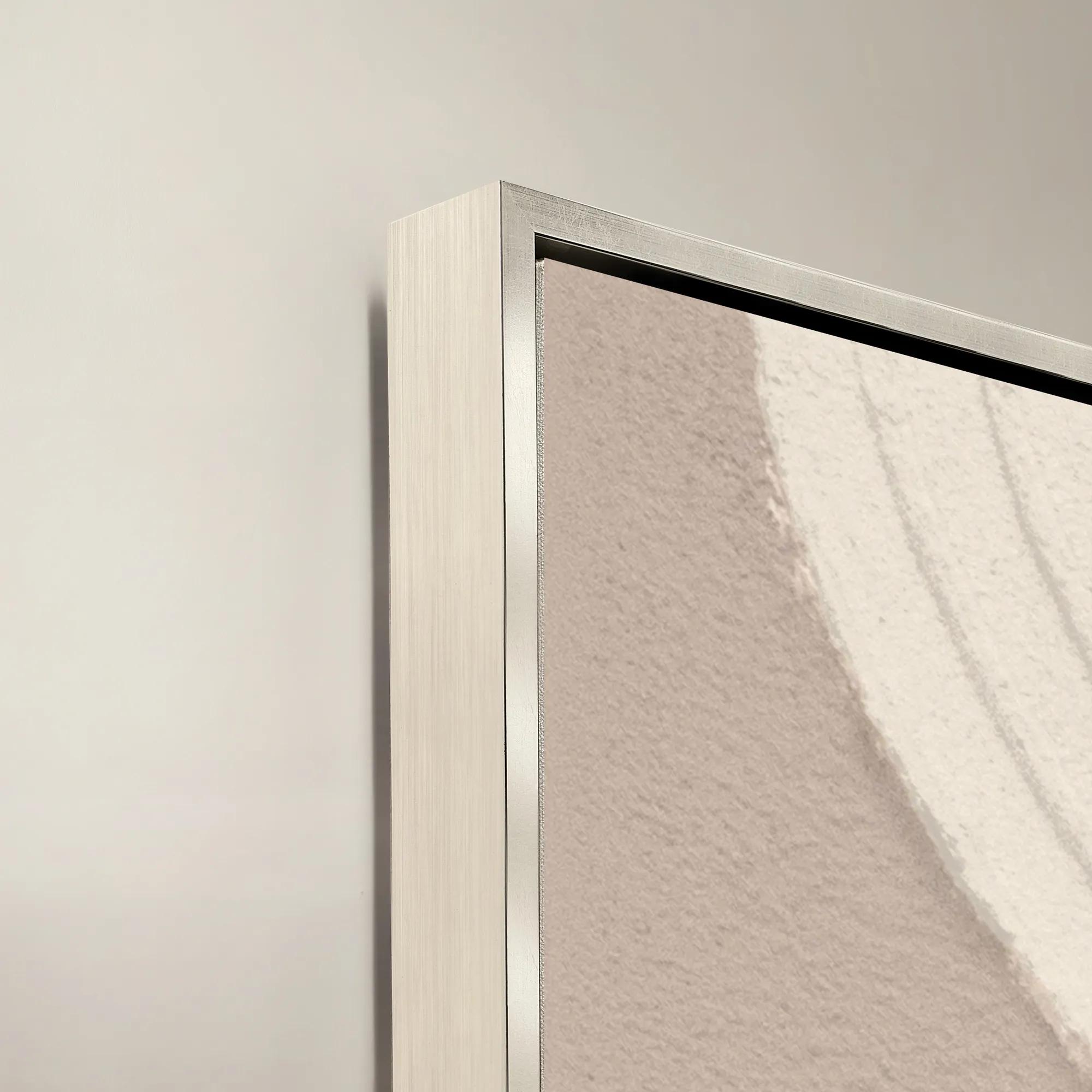 Sacred Geometry V Framed Painted Wall Art 40" x 40"$1099
A striking abstract art piece featuring bold geometric patterns for a modern, sophisticated touch.
Add To Cart -
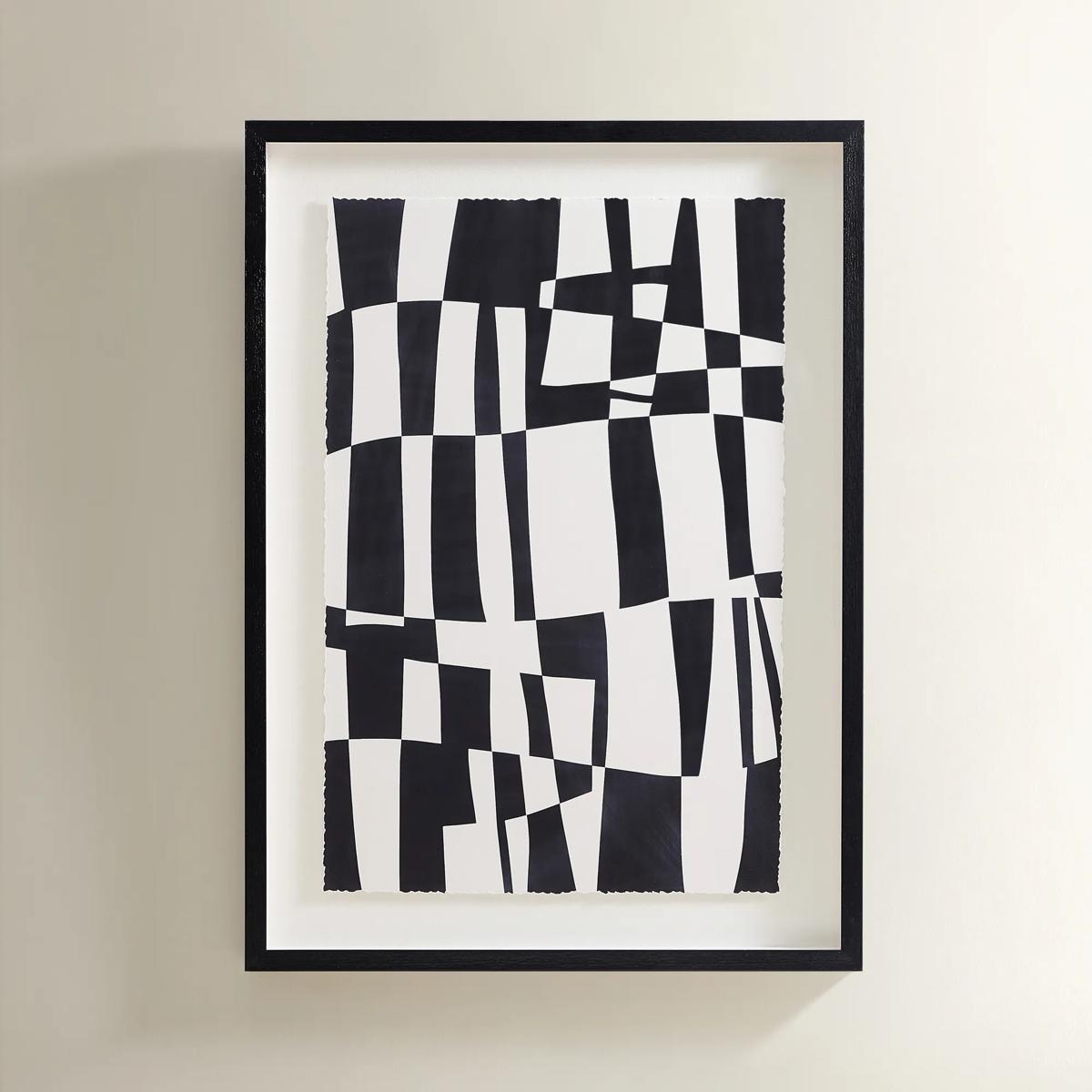 Matrix Art$369
A striking black and white abstract grid print set in a sleek black polyresin frame.
Add To Cart -
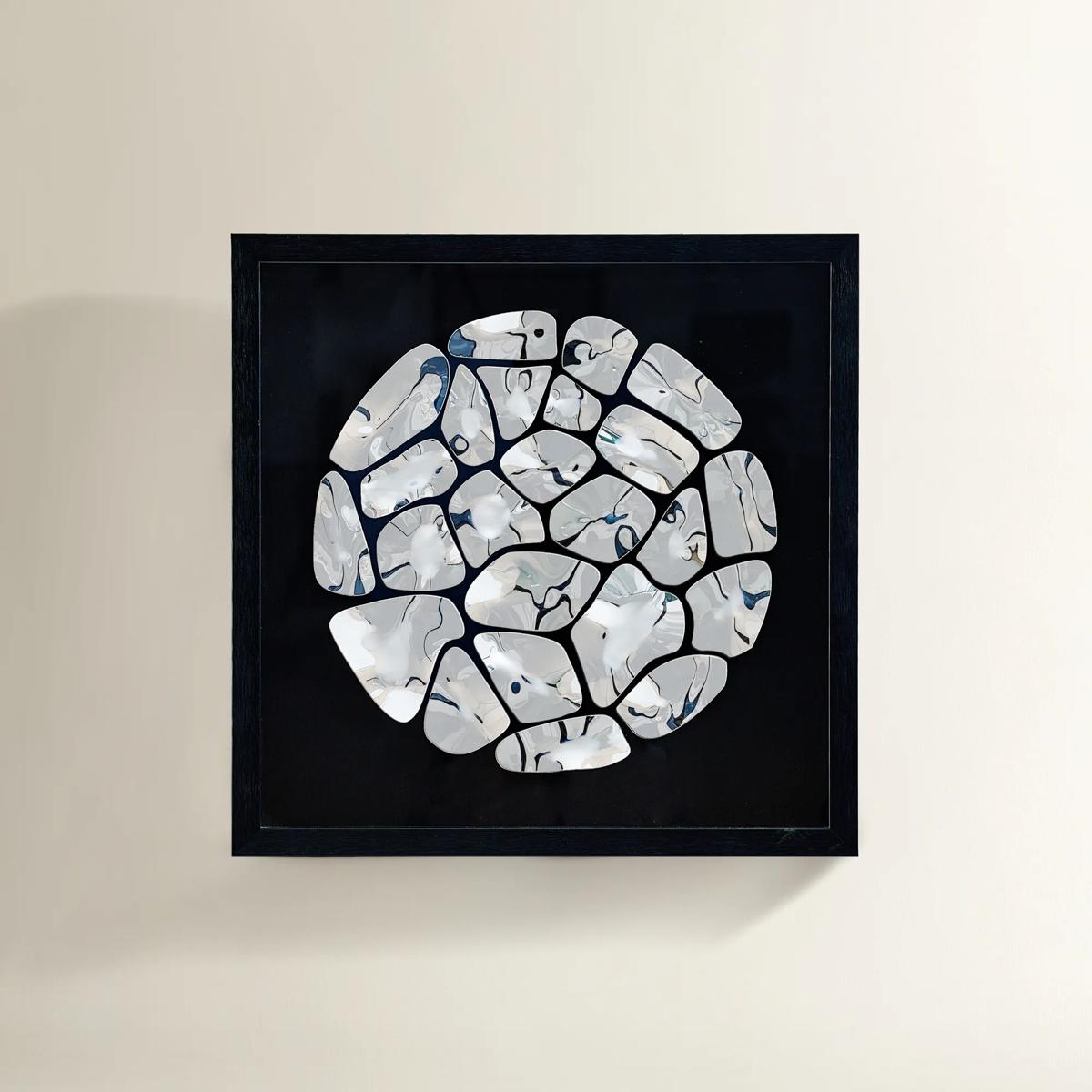
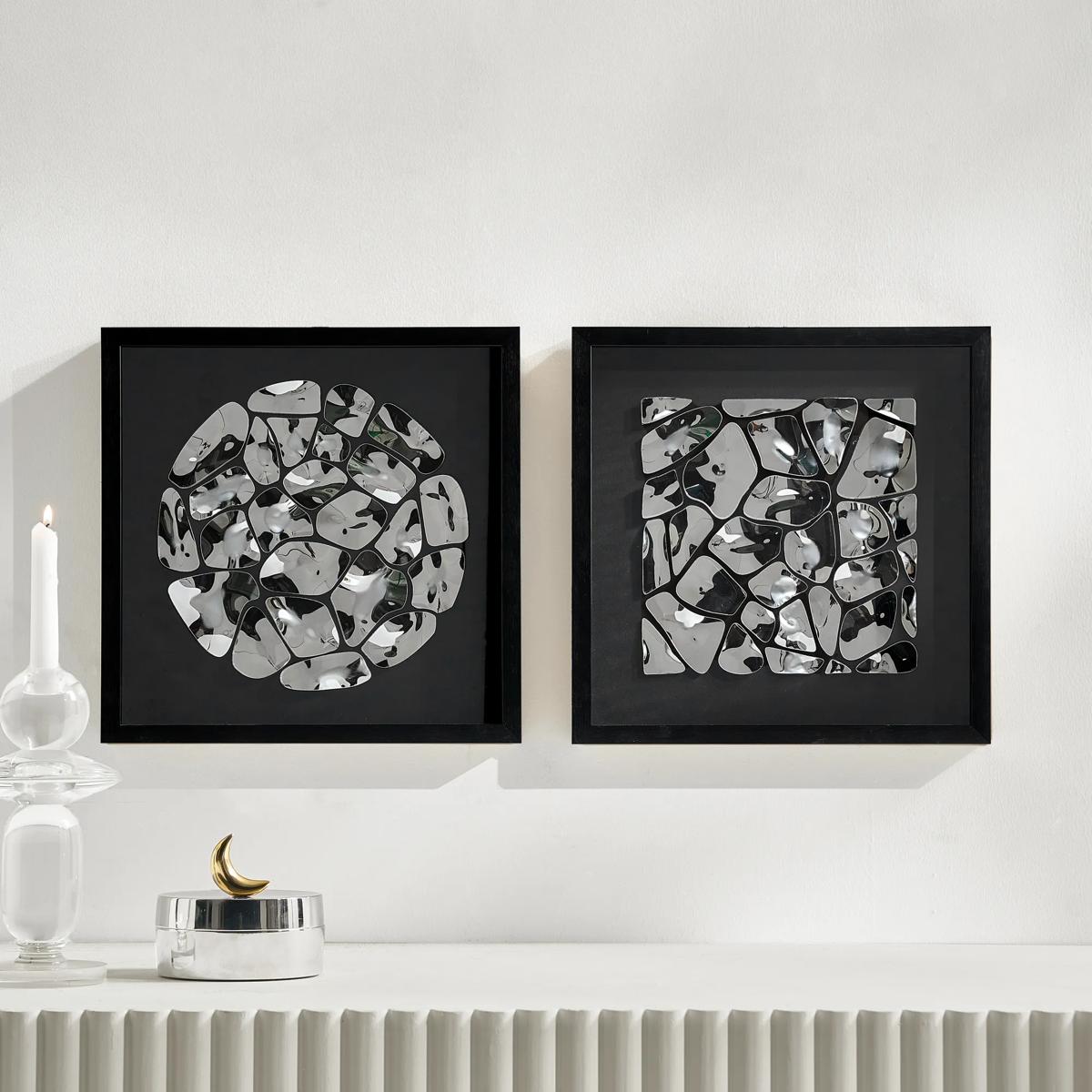 Reflect Silver And Black Shadowbox Art II$189
A dimensional metal wall art piece featuring polished silver and black forms in a sleek black frame.
Add To Cart -
-compressed.jpg?w=1200&h=1200) Etched in Silver$229
Etched in Silver$229An abstract hand-carved aluminum wall art featuring shimmering silver tones in a modern black alloy frame.
Add To Cart -
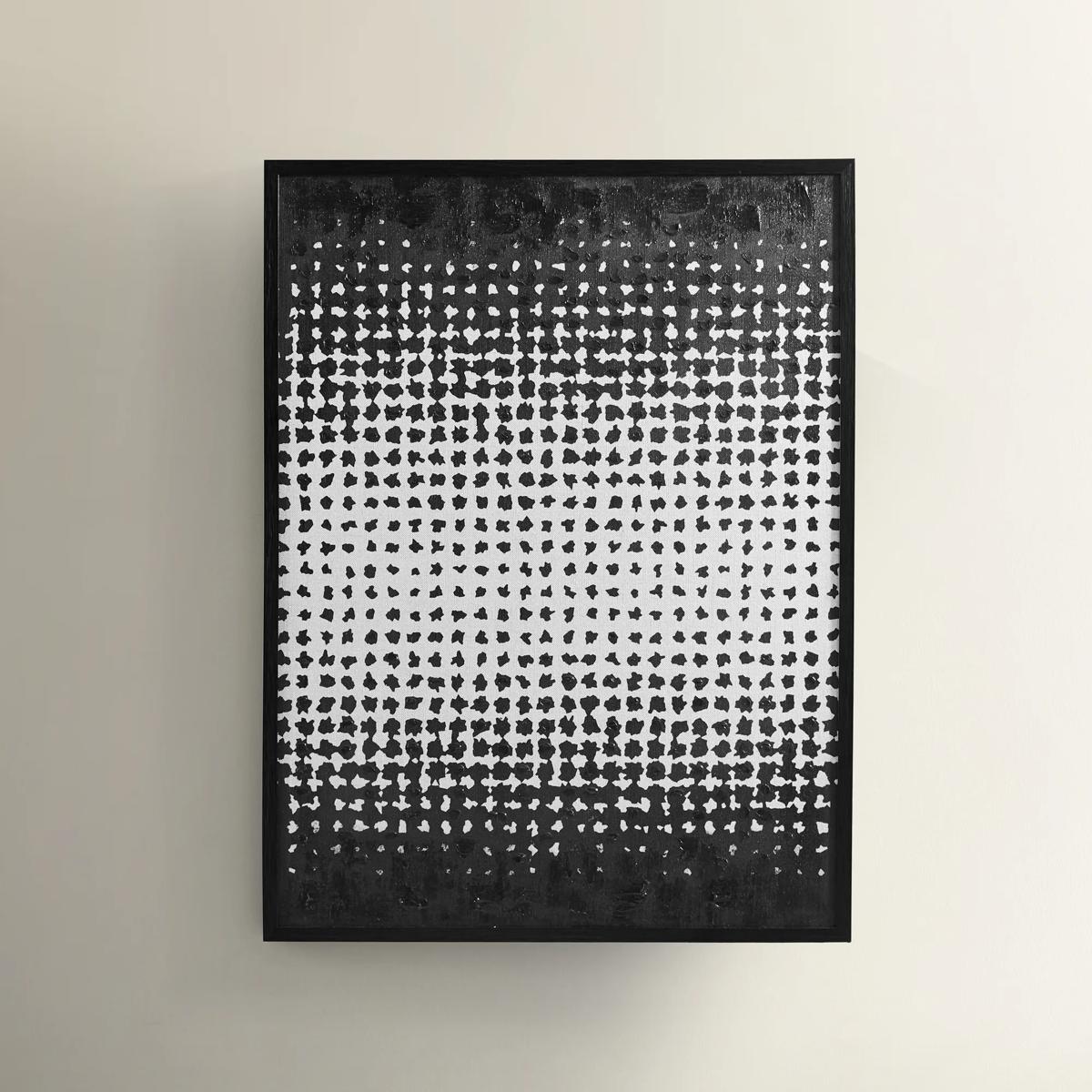
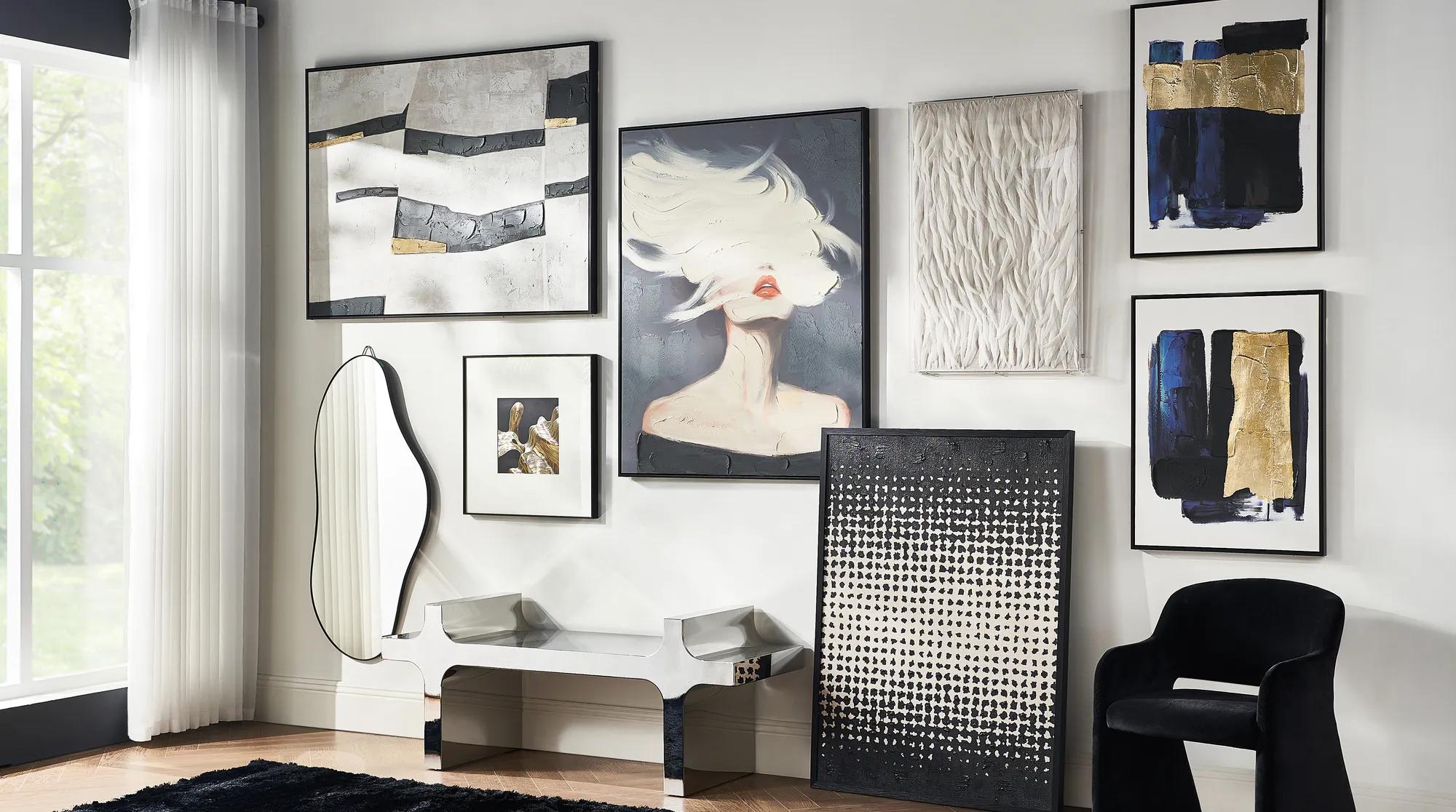 In Time Painting$399
A hand-painted linen canvas featuring cream and black dots in a modern, minimalist geometric pattern.
Add To Cart -
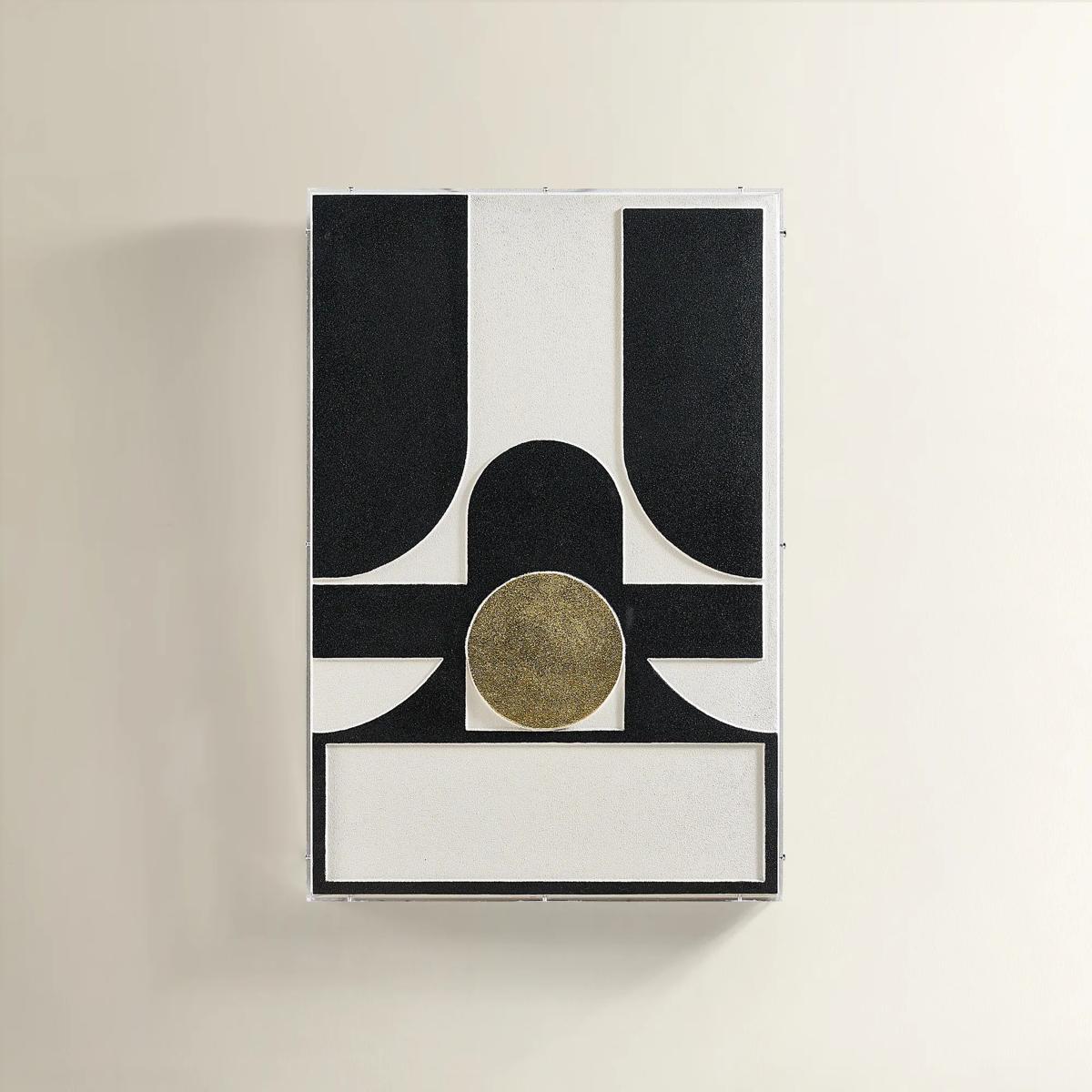
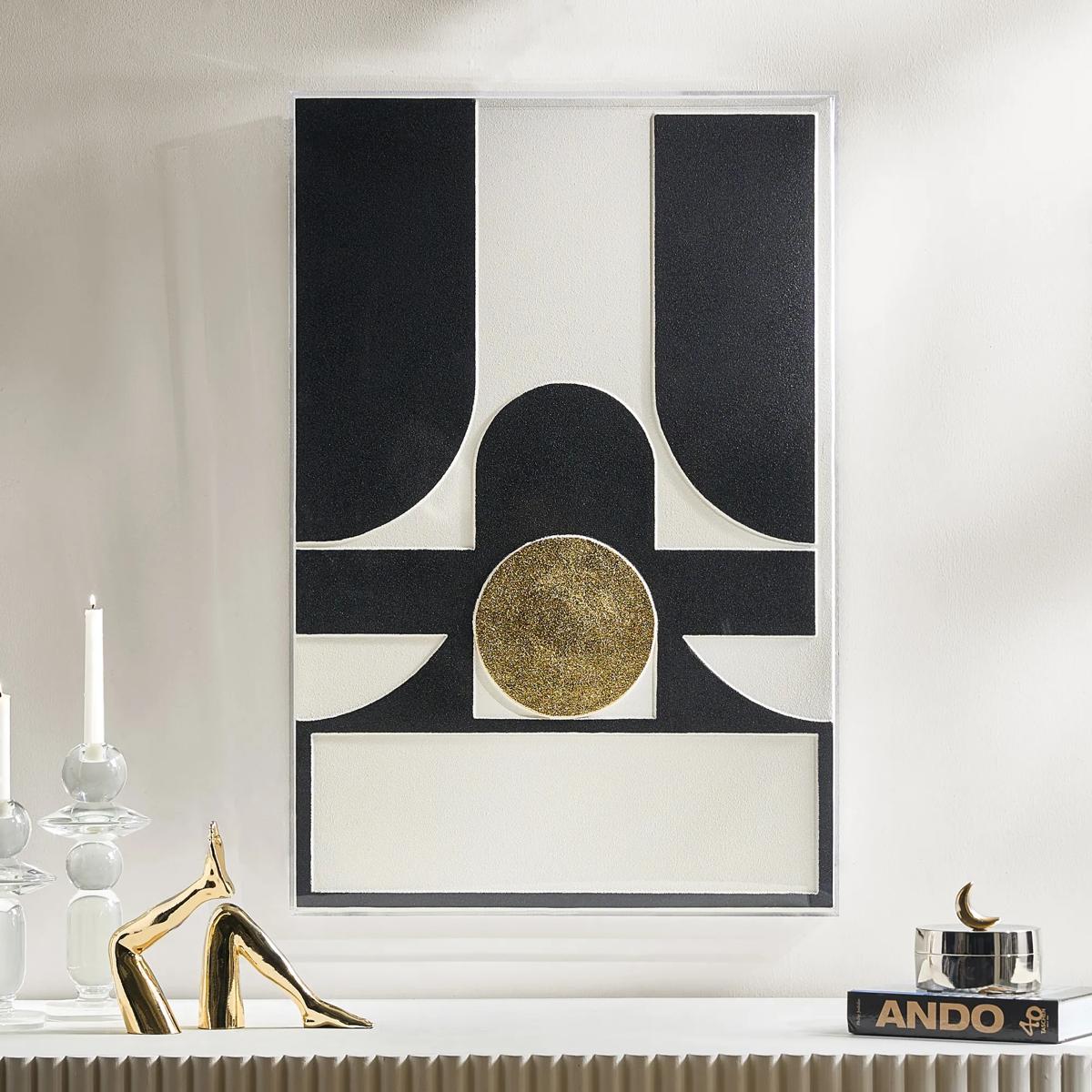 Siren Black And Gold Wall Decor in Acrylic 23.5" x 35.5"$299
A layered composition of black, ivory, and gold geometric forms set in a sleek acrylic shadow box.
Add To Cart -
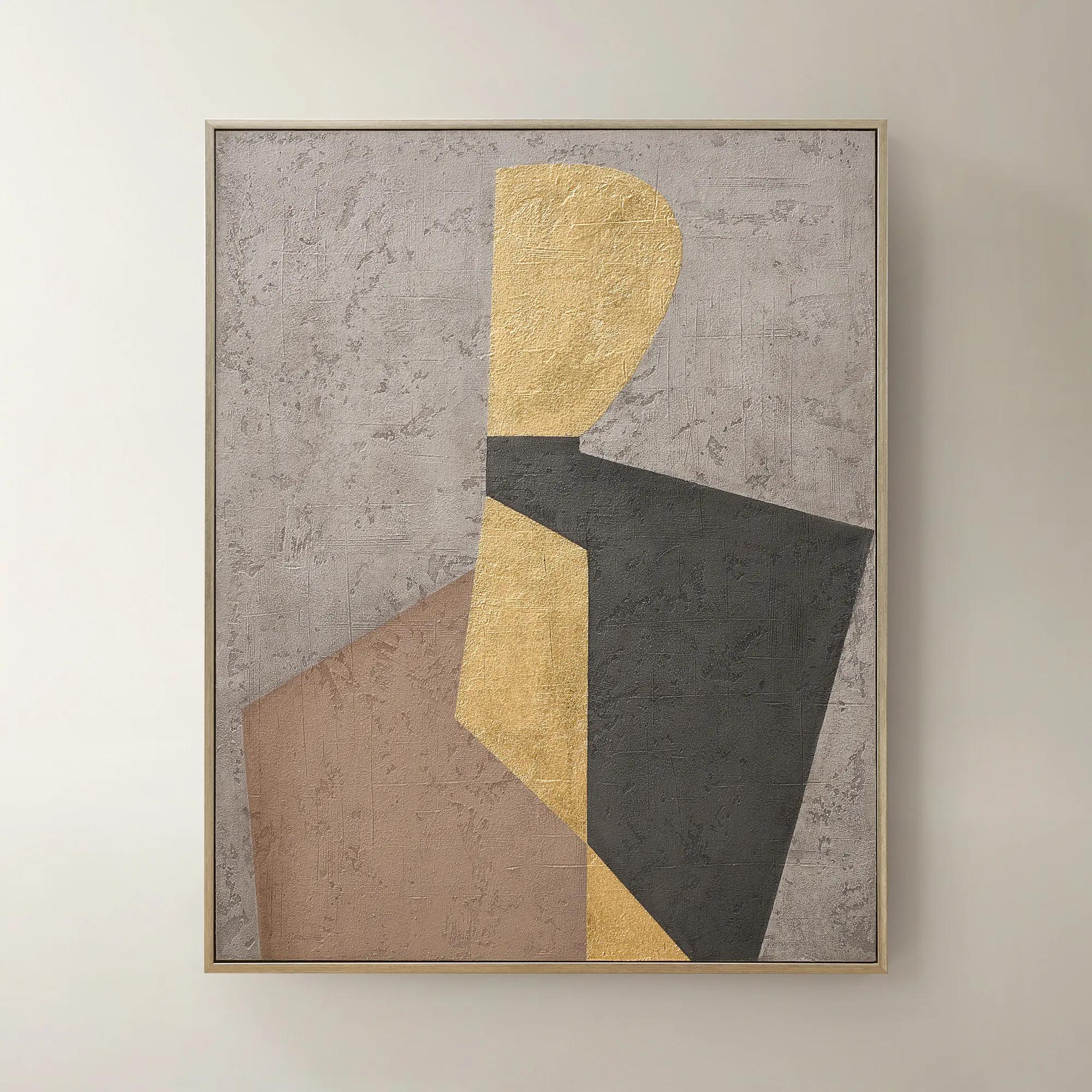 Aura of Gold Framed Painted Wall Art 40" x 50"$399
A hand-painted canvas with champagne leafing and a brushed champagne frame in mocha, grey, black, and gold.
Add To Cart -
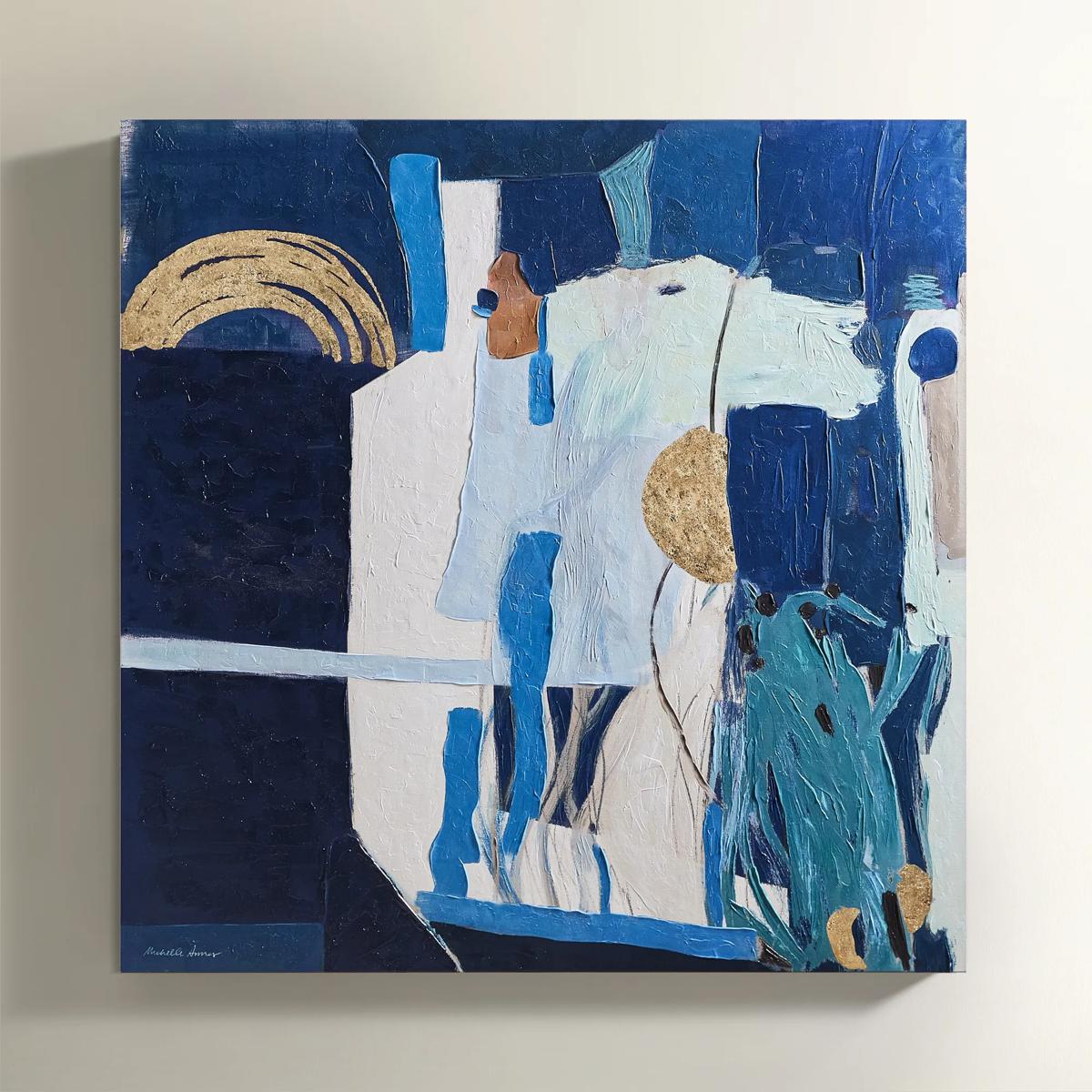
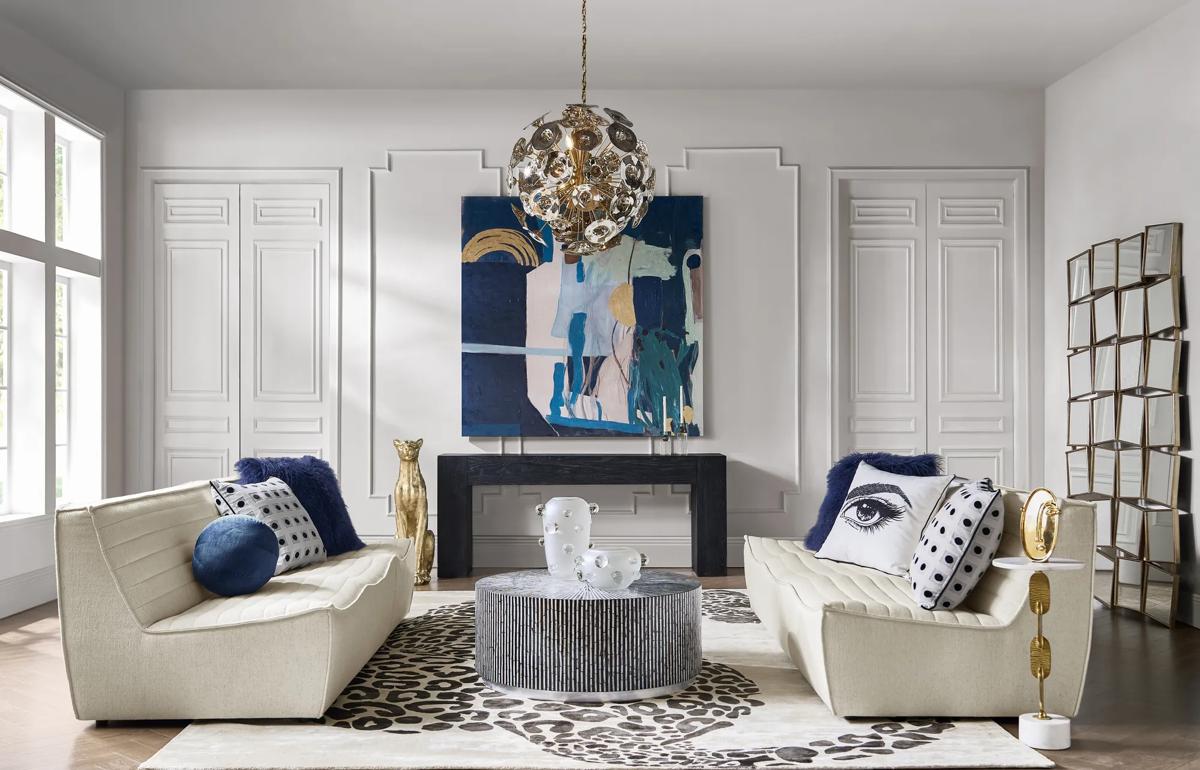 In Flux Painting$699
A hand-embellished canvas artwork featuring deep teal, green, ivory, and gold in a black Art Deco frame.
Add To Cart -
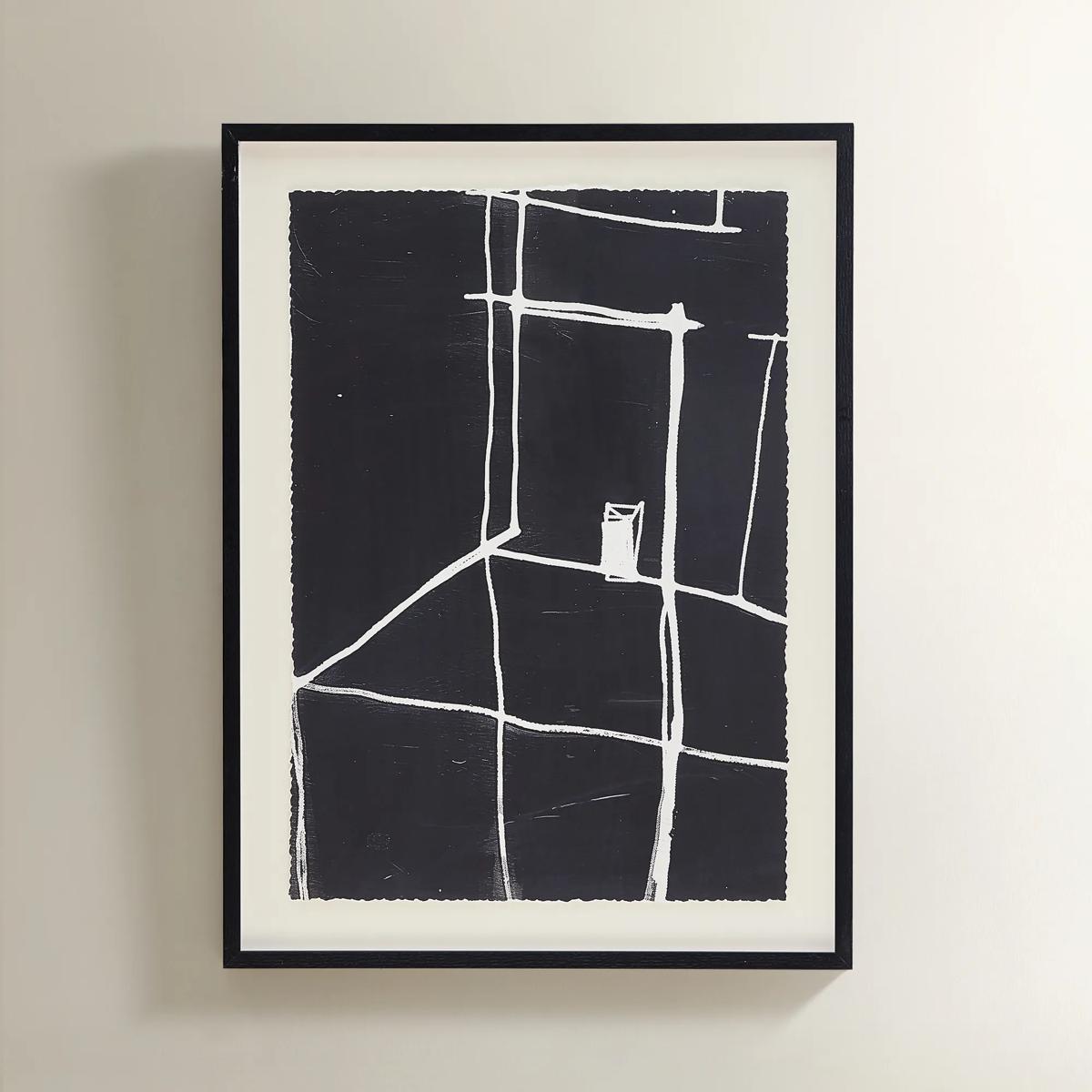 Solitude Art$269
A minimalist black-and-white abstract print featuring bold white lines in a sleek black polyresin frame.
Add To Cart -
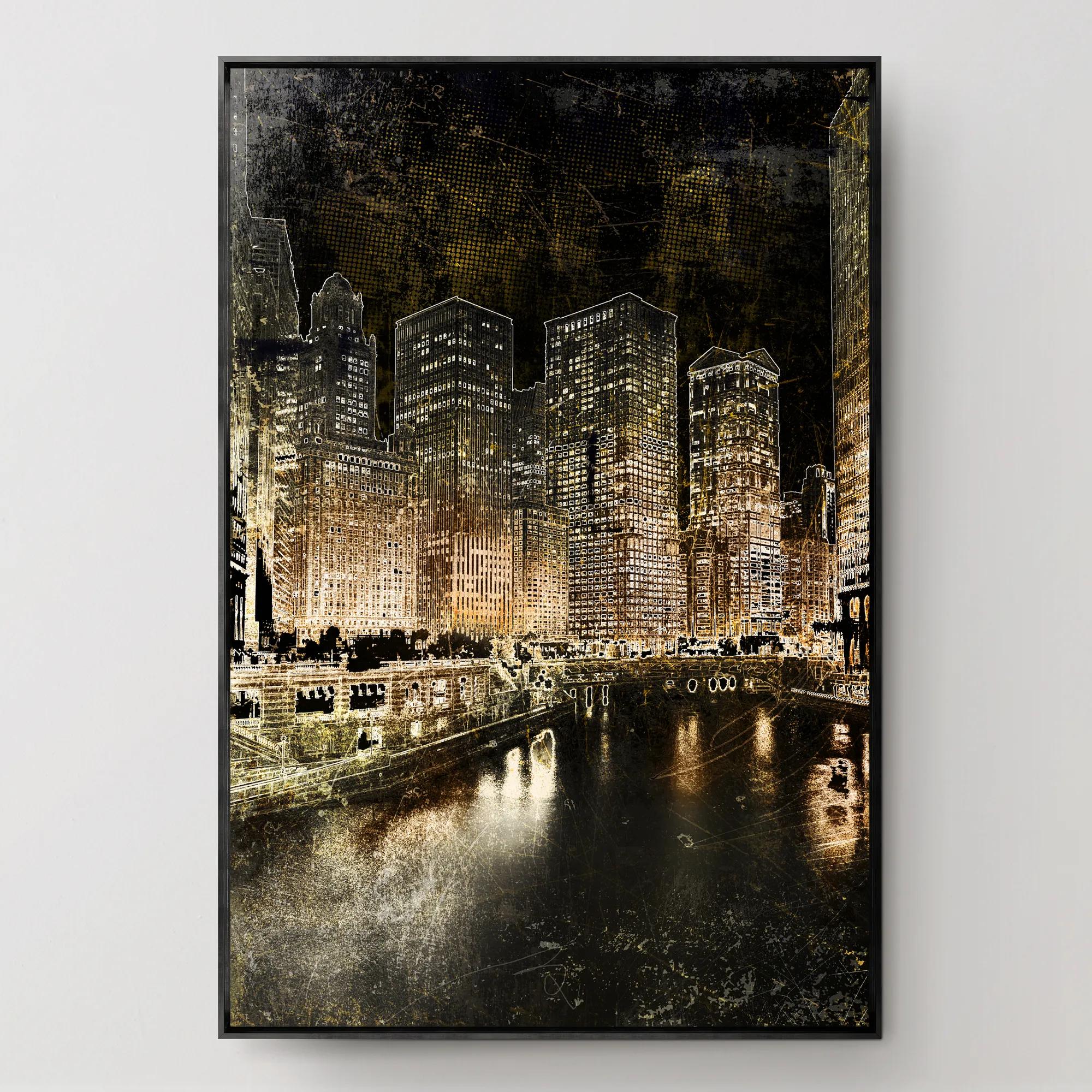
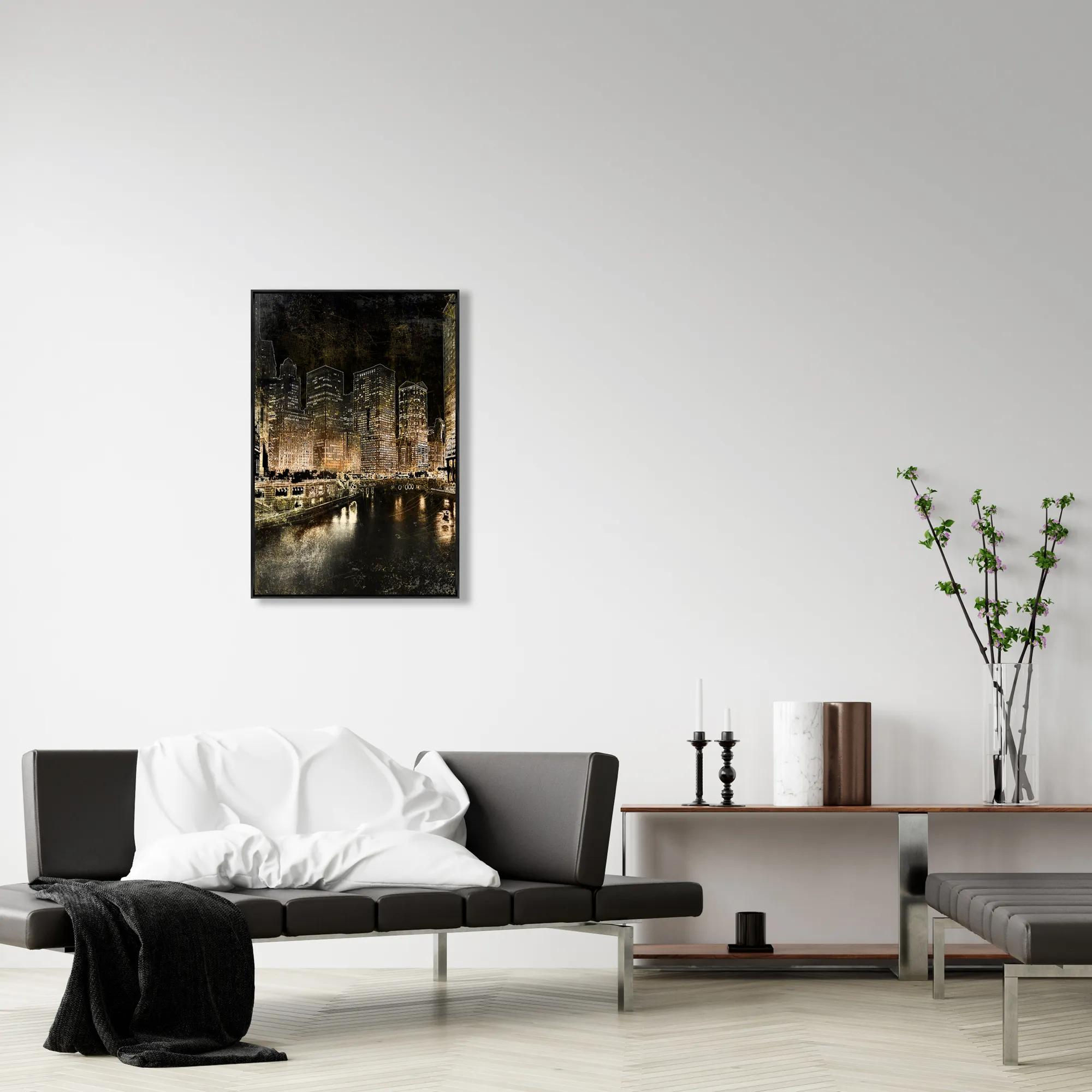 Chicago Lights Framed Wall Art 30" x 45"$649
A gallery-wrapped canvas artwork featuring a hand-applied gel finish in a sleek black floater frame.
Add To Cart -
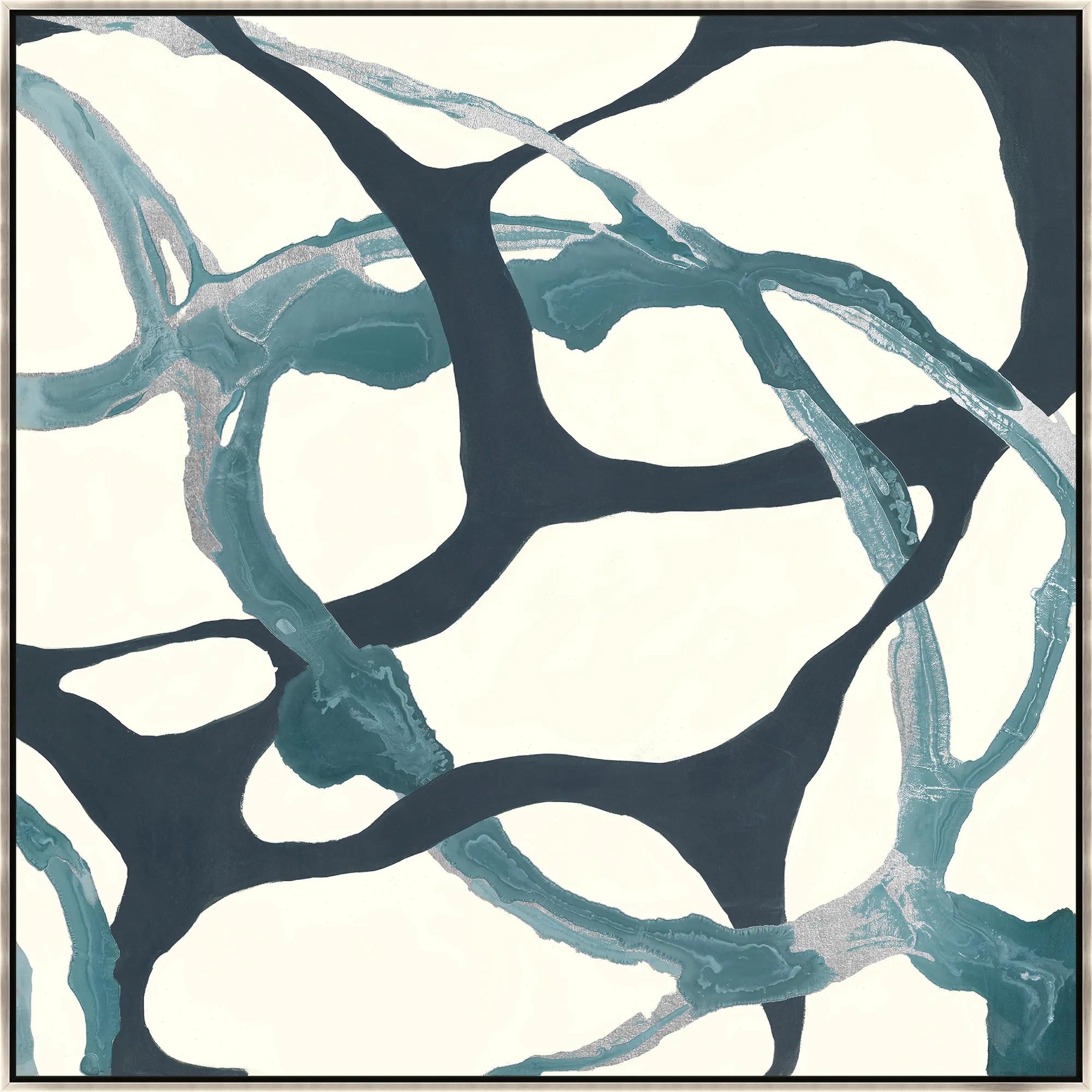
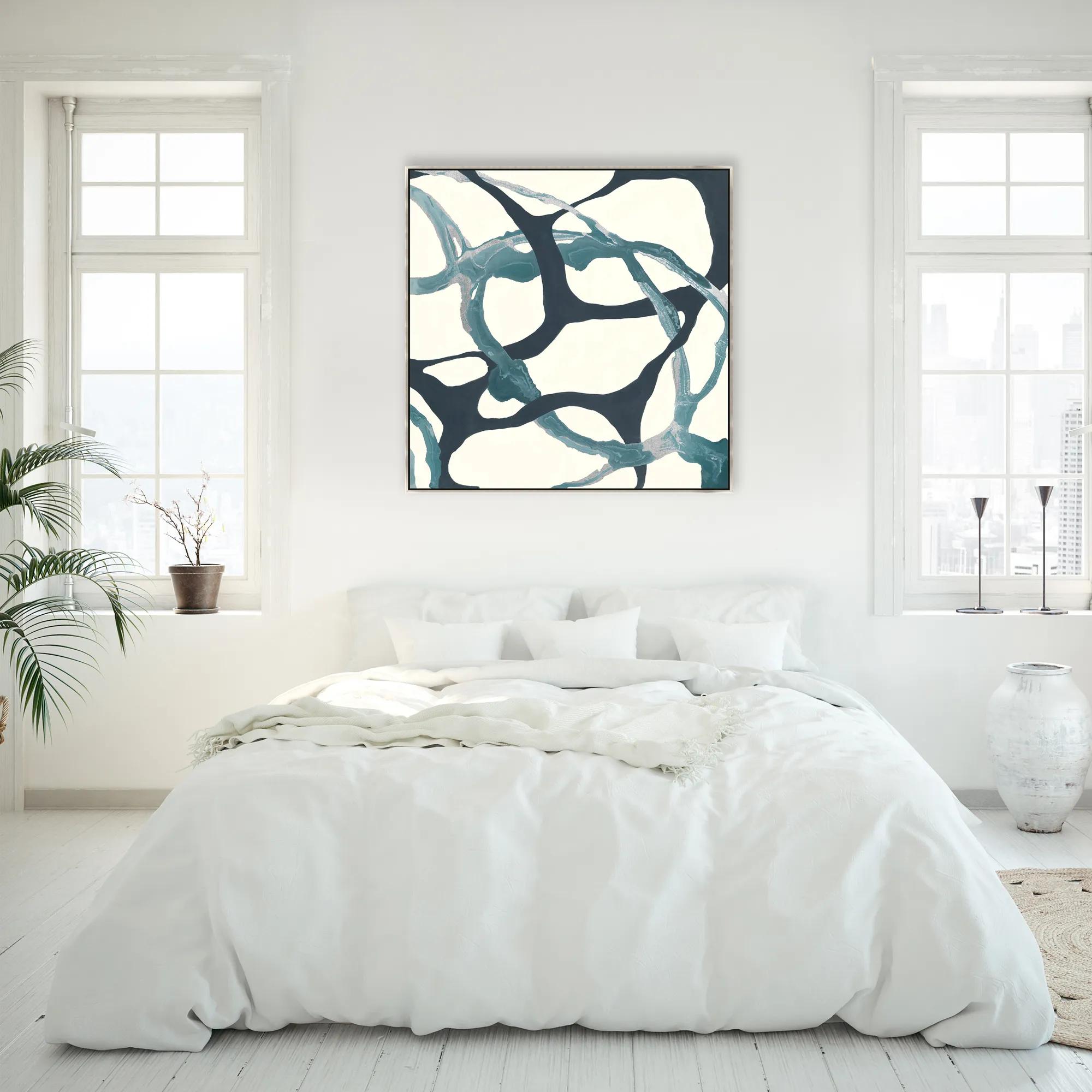 Alignments II Framed Wall Art 40" x 40"$899
A gallery-wrapped canvas featuring gilded silver accents and hand-applied brush gel in a silver floater frame.
Add To Cart -
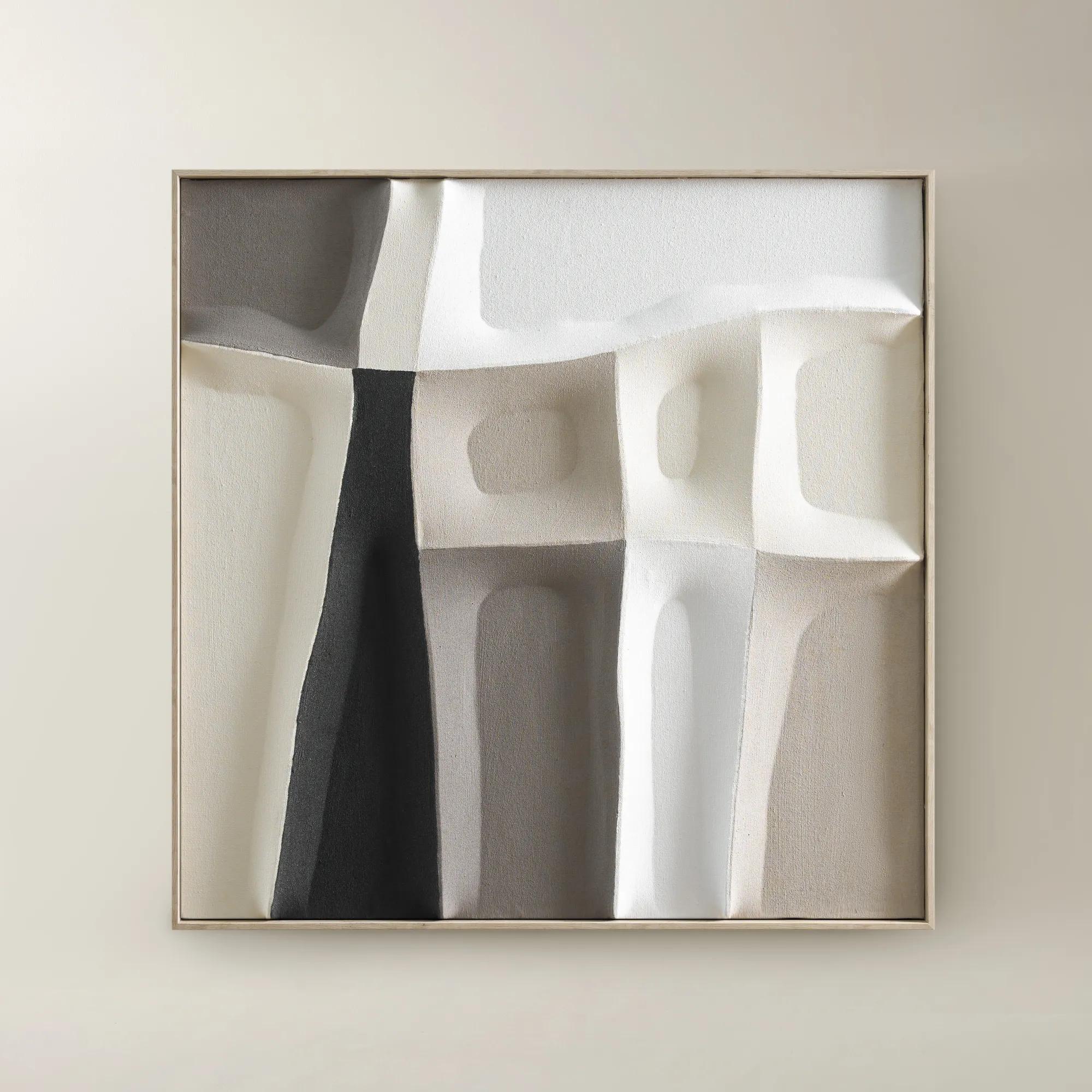 Shadow Painting 1$179
A hand-painted canvas featuring bold colors and sculptural textures in a warm whitewash floater frame.
Add To Cart -
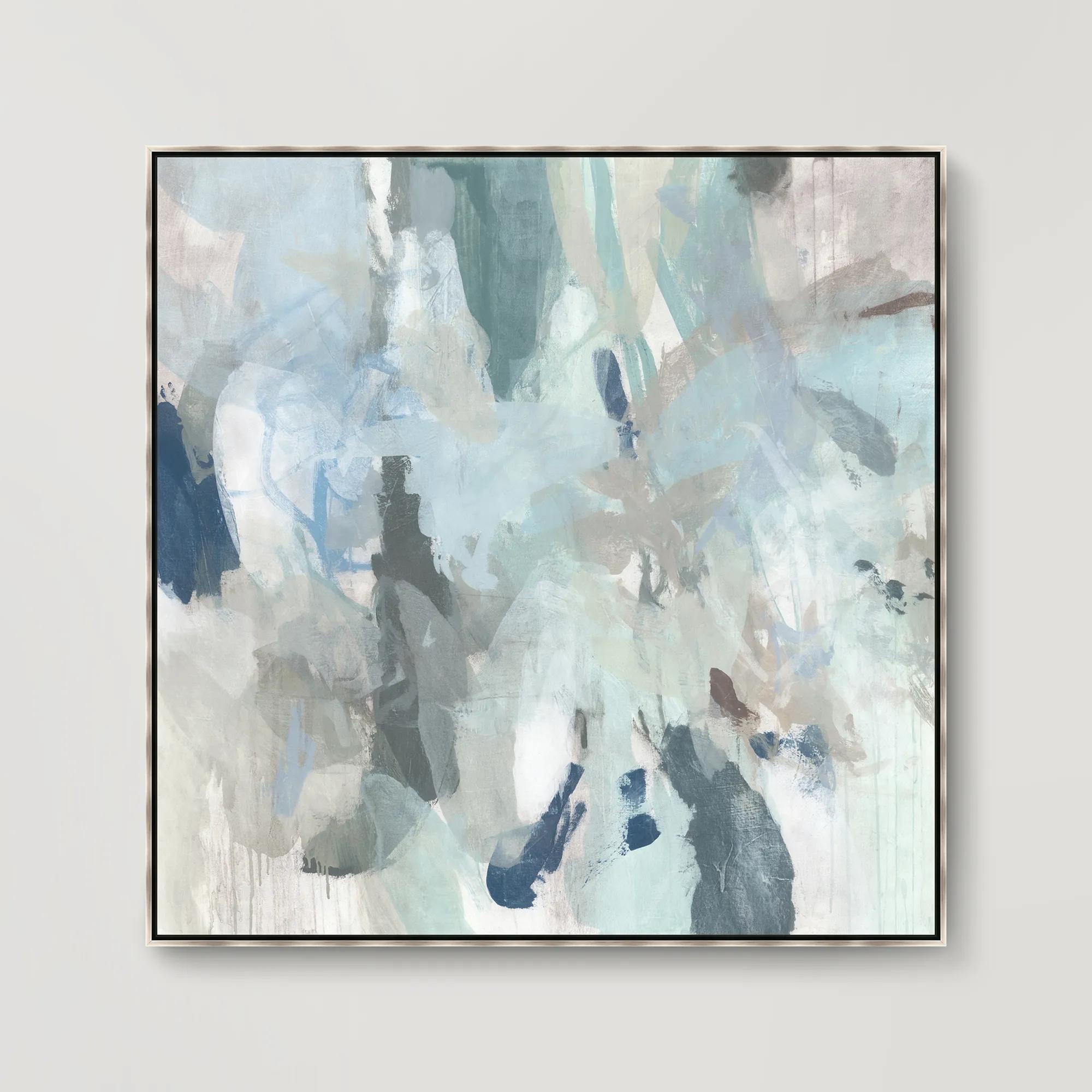
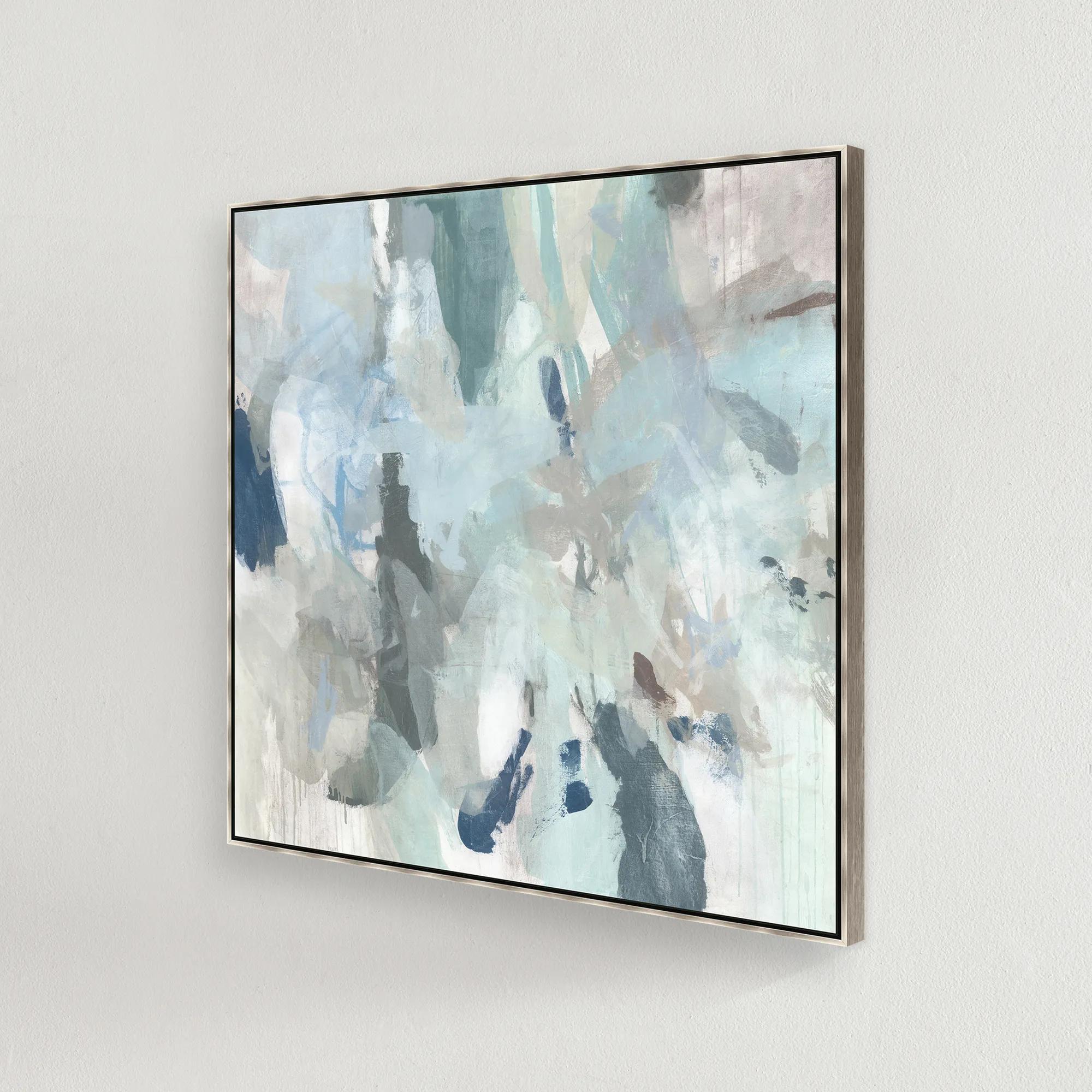 Sage Honey Dew I Framed Wall Art 41.5" x 41.5"$749
A gallery-wrapped abstract canvas featuring hand-applied gel finish in a silver floater frame.
Add To Cart -
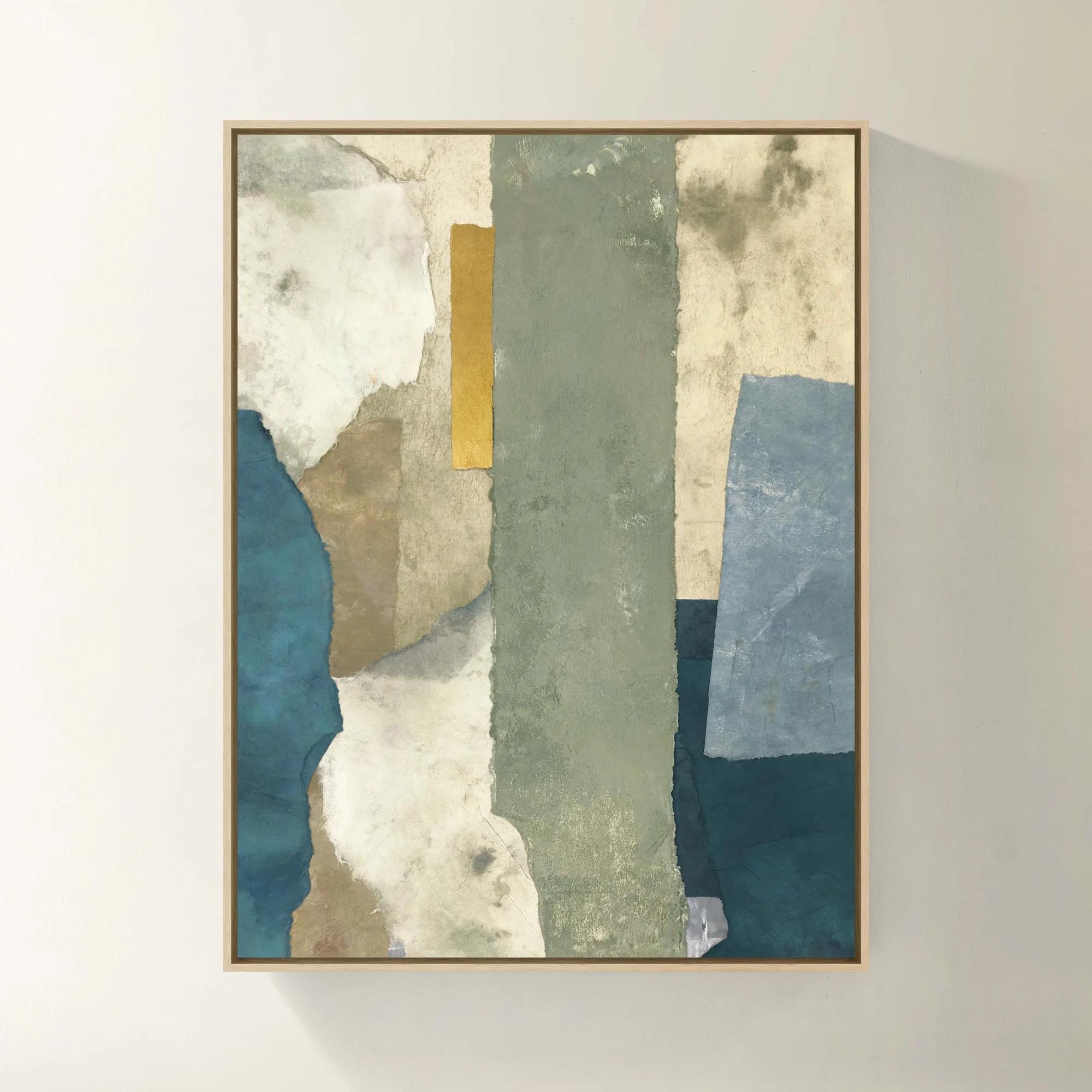 Earth Fragments II Framed Wall Art 30" x 40"$799
A gallery-wrapped canvas featuring gild accents and hand-applied gel, set in a natural floater frame.
Add To Cart

Unique Geometric Wall Art Designs
Unique Geometric Wall Art Designs transform blank walls into captivating focal points, where artistry and architecture collide in mesmerizing harmony. Each piece invites intrigue with bold lines, unexpected angles, and a symphony of shapes that command attention. Whether you’re curating a gallery wall or seeking a singular statement, these designs infuse your space with dimension, energy, and unmistakable style—proof that your home is more than a backdrop; it’s a living masterpiece. Elevate every room with wall art that celebrates geometry as high art, turning ordinary surfaces into extraordinary expressions of creativity.
Unique geometric wall art designs use lines, circles, angles, and polygons to create rhythm, balance, and visual depth, turning a bare wall into an expressive composition. Their distinction often comes from an unexpected relationship: a sweeping arc interrupted by a sharp diagonal, concentric forms that seem to move inward, or offset rectangles that cast changing shadows. Structured without feeling rigid, geometric artwork can bring architectural presence to a living room, a sense of focus to an office, or a dramatic first impression to an entryway. The medium shapes that experience as much as the pattern. Canvas softens crisp geometry with a subtly woven surface, allowing broad color fields and precise lines to feel richly layered rather than clinical. Prints on paper can emphasize delicate linework and tonal transitions, while a generous mat gives an intricate composition room to breathe. Metal wall art introduces a more sculptural effect: brushed surfaces offer a restrained shimmer, while polished finishes catch surrounding light and color. Layered wood brings grain, warmth, and dimensional shadows to angular arrangements, balancing the precision of the design with organic variation. Mixed-media artwork combines these qualities, placing textured surfaces against smooth planes for contrast that rewards a closer look. Color establishes another layer of personality. Black-and-white geometric wall art can lend definition to a room filled with sumptuous upholstery, while ivory, taupe, and charcoal create depth without competing with richly patterned textiles. Jewel tones make a more assertive statement, especially when repeated sparingly in a pillow, vessel, or accent chair. Metallic details can echo nearby lighting or hardware without requiring every finish to match. For collectors drawn to expressive interiors, the appeal lies in this range: geometry can feel poised and meditative, boldly graphic, or almost theatrical. A restrained arrangement of circles and lines may command attention through proportion alone, while fractured shapes and saturated color introduce energy that carries across the room.
Scale and placement determine whether geometric wall decor feels integrated into the room or disconnected from it. Above a sofa, sideboard, or headboard, artwork spanning approximately two-thirds to three-quarters of the furniture’s width is a useful starting point, with surrounding architecture and ceiling height guiding the final proportion. For a multi-panel arrangement, that overall measurement includes the spaces between panels. A wide composition can visually anchor a long credenza, while a vertical design gives a narrow wall an elegant sense of height. In an open living area, one oversized geometric artwork can establish a focal point that remains legible from across the room; beside a reading chair, a smaller framed composition offers detail at a more intimate distance. Hanging the center near eye level, often around 57 to 60 inches from the floor, works in many settings, though furniture groupings and seated viewing may call for adjustment. Above a sofa, leaving roughly 6 to 10 inches between the furniture and the lower edge of the artwork often creates a connected arrangement without crowding the upholstery. Paper templates make these proportions easier to judge before installation, particularly with asymmetrical metal sculptures or sets that need deliberate spacing. Dimensional pieces also deserve consideration from the side: a projecting form may be striking above a console but intrusive along a narrow passage. Light completes the composition. Soft illumination from one side reveals the relief of layered wood and sculptural metal, allowing shadows to become part of the design. A reflective surface opposite a bright window, however, may produce glare rather than a flattering gleam. Adjustable accent lighting offers greater control, especially for evening entertaining when geometric forms can take on a more intimate, gallery-like presence. For a cohesive visual direction across adjoining rooms, Contemporary Geometric Wall Art offers a related aesthetic to consider. Repeating one element, such as curved forms or a charcoal-and-gold palette, creates continuity while leaving room for different scales, textures, and moods.
Material quality, construction, and care help preserve the impact of geometric artwork beyond its first placement. For framed designs, consider the frame’s stability, the backing, the hanging hardware, and whether glazing is included; glass and acrylic have different weights and cleaning requirements, and neither should be assumed to provide UV protection unless specified. A cleanly joined frame and an evenly presented surface are especially important with geometric compositions, where misalignment can distract from the intended precision. Canvas benefits from even tension and protection from pressure or accidental contact, while dimensional wood requires an environment that avoids excessive humidity and abrupt moisture changes. Metal may feel substantial, but its finish can still scratch, tarnish, or react to unsuitable cleaners, depending on the material and coating. Most decorative wall art is intended for indoor display unless expressly rated otherwise, making a dry living room, bedroom, dining area, or office a more appropriate setting than an exposed patio or a steamy bathroom. Direct sunlight can fade pigments and affect other materials over time, so a wall with indirect daylight is often a better long-term choice. Routine care should follow the maker’s directions: a soft, dry cloth or gentle duster is suitable for many durable surfaces, while textured, unsealed, or delicate artwork may need more specialized handling. Avoid spraying cleaner directly onto artwork or framing, since moisture can travel behind glazing or collect along edges. Installation matters just as much as surface care. Match fasteners and anchors to the wall type and the artwork’s weight, use the designated attachment points, and seek professional installation for heavy or complex arrangements. These practical details support a setting that feels composed, whether the artwork brings graphic confidence to a home office or adds sculptural depth above a dining room sideboard. Geometric art can also make a thoughtful housewarming or wedding gift for someone whose taste leans toward modern architecture, abstract design, or richly layered interiors. Familiarity with the recipient’s wall space and preferred palette makes that gesture more personal. Chosen with attention to proportion, material, and setting, geometric wall art gives structure an expressive role, shaping not only the wall but the atmosphere around it.
FAQs
Unique geometric wall art designs complement a wide spectrum of interiors, from modern and contemporary spaces to eclectic and transitional rooms. Their bold lines and dynamic forms add visual intrigue to minimalist settings, while their sculptural qualities bring balance to richly layered environments. Whether your style leans toward industrial chic, mid-century glamour, or artful maximalism, geometric art offers a striking focal point that elevates your decor.
Absolutely. Geometric wall art is a versatile design element that can be repeated in various rooms to create a harmonious narrative. By selecting pieces that share similar motifs, finishes, or color palettes, you can weave a unified thread through your living spaces, hallways, and bedrooms. Coordinated sets or curated arrangements allow you to play with scale and placement while maintaining a cohesive artistic vision.
Geometric wall art has the power to transform a room’s ambiance by introducing movement, symmetry, and drama. Crisp lines and angular forms can energize a space, while softer curves and layered patterns evoke a sense of calm and balance. Metallic finishes reflect light and add glamour, while natural materials like wood bring warmth and texture. Choose designs that resonate with the mood you wish to evoke—be it bold sophistication or serene elegance.
Geometric wall art makes an inspired and memorable gift for anyone who appreciates artistry and expressive interiors. Its timeless appeal and versatility ensure it will be cherished for years to come, making it ideal for housewarmings, weddings, anniversaries, or milestone celebrations. Opt for pieces that reflect the recipient’s personality or offer a coordinated set for an instantly curated look.
For a dramatic effect, consider creating a gallery wall with multiple geometric pieces in varying sizes and materials. Alternatively, let a single statement piece command attention above a sofa or bed. Layering geometric art with mirrors or contrasting textures amplifies depth and dimension, while placing art in unexpected spaces—such as entryways or stairwells—adds an element of surprise. Experiment with lighting to highlight metallic finishes or cast intriguing shadows, further enhancing the art’s sculptural allure.