Unique Fluid Form Wall Art Designs
Unique Fluid Form Wall Art Designs
-
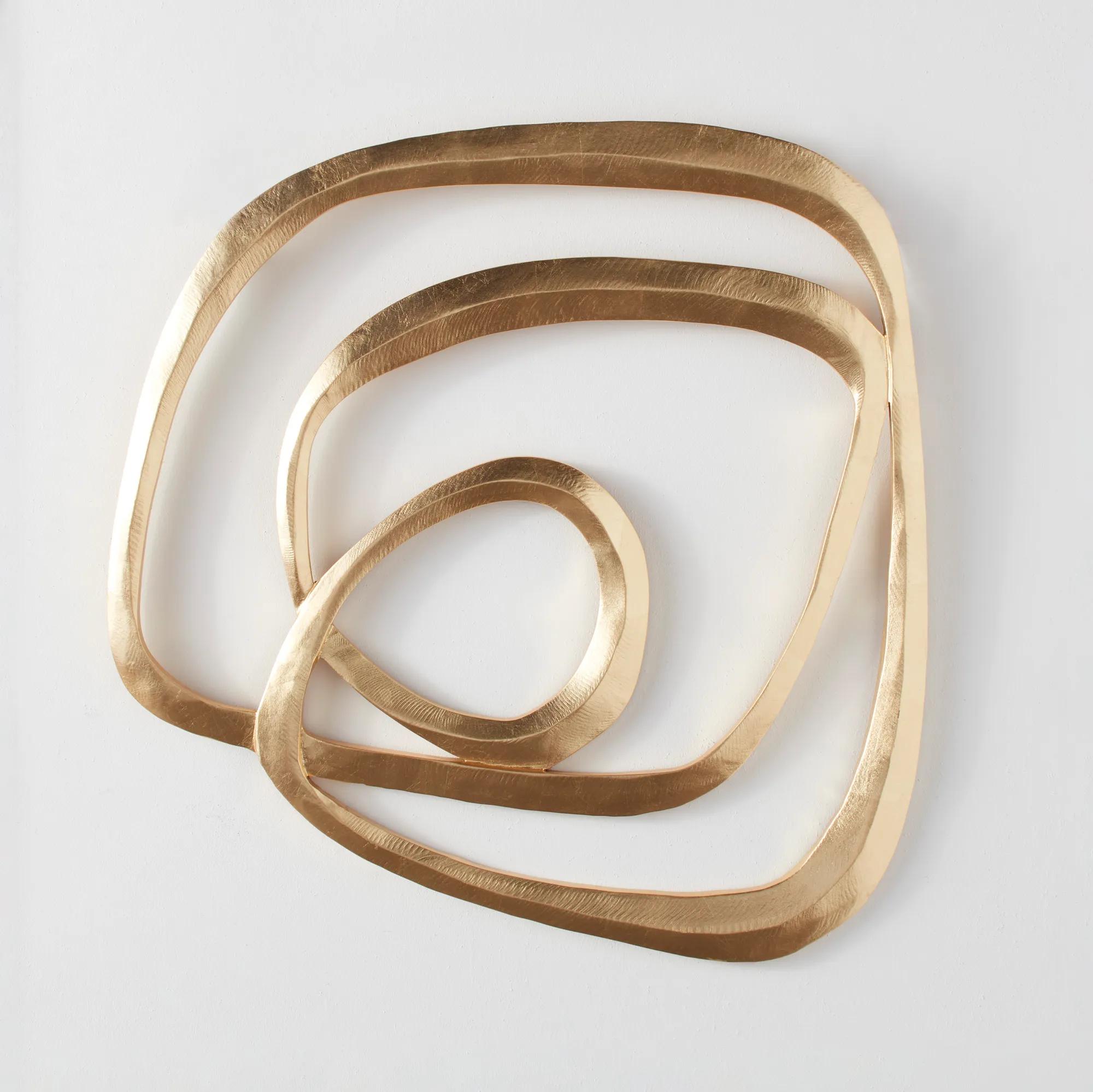 Infinity Gold Leaf Wood Wall Decor II 31.5" x 31.5"$299
A swirling wooden wall sculpture featuring a striking metallic gold finish for a modern statement.
Add To Cart -
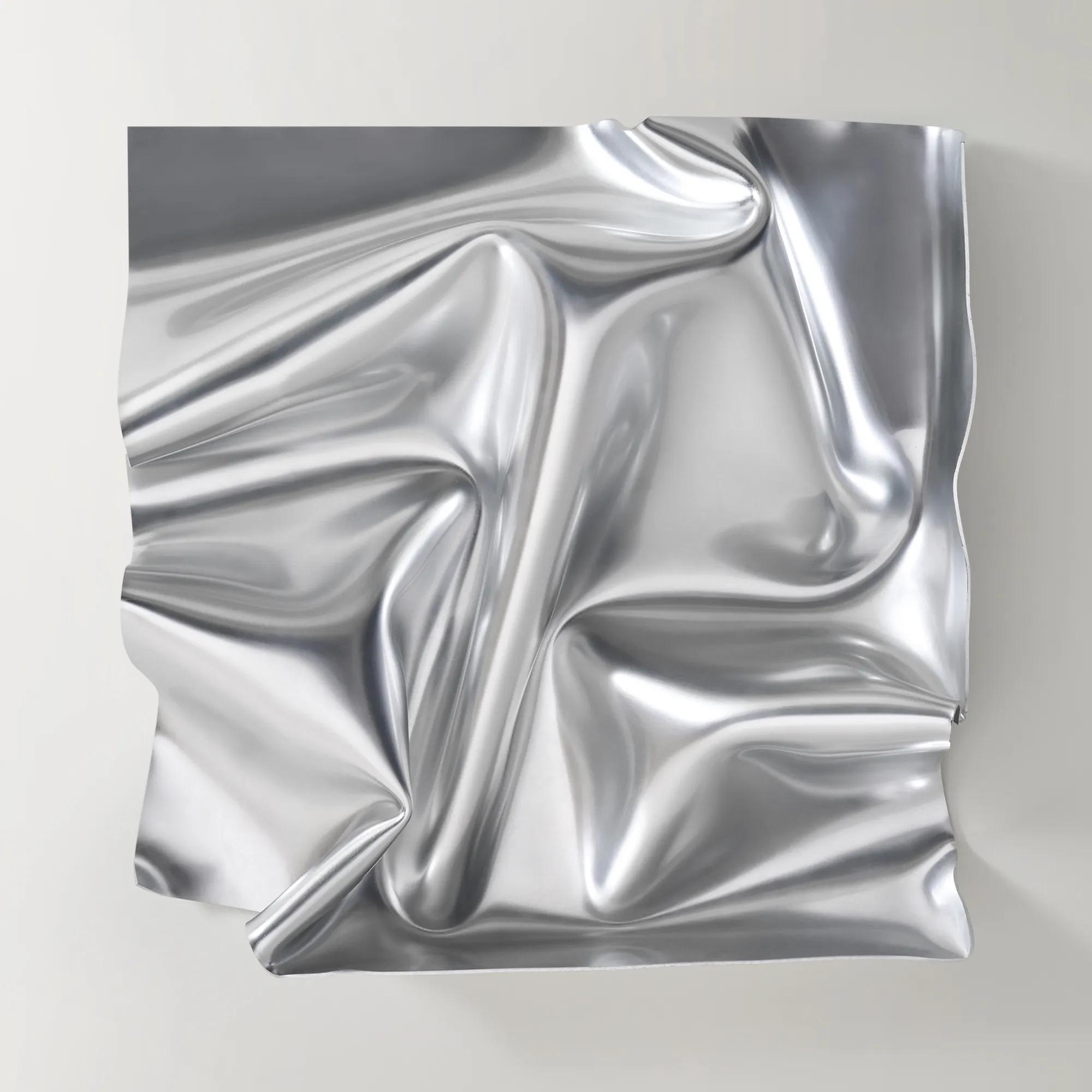
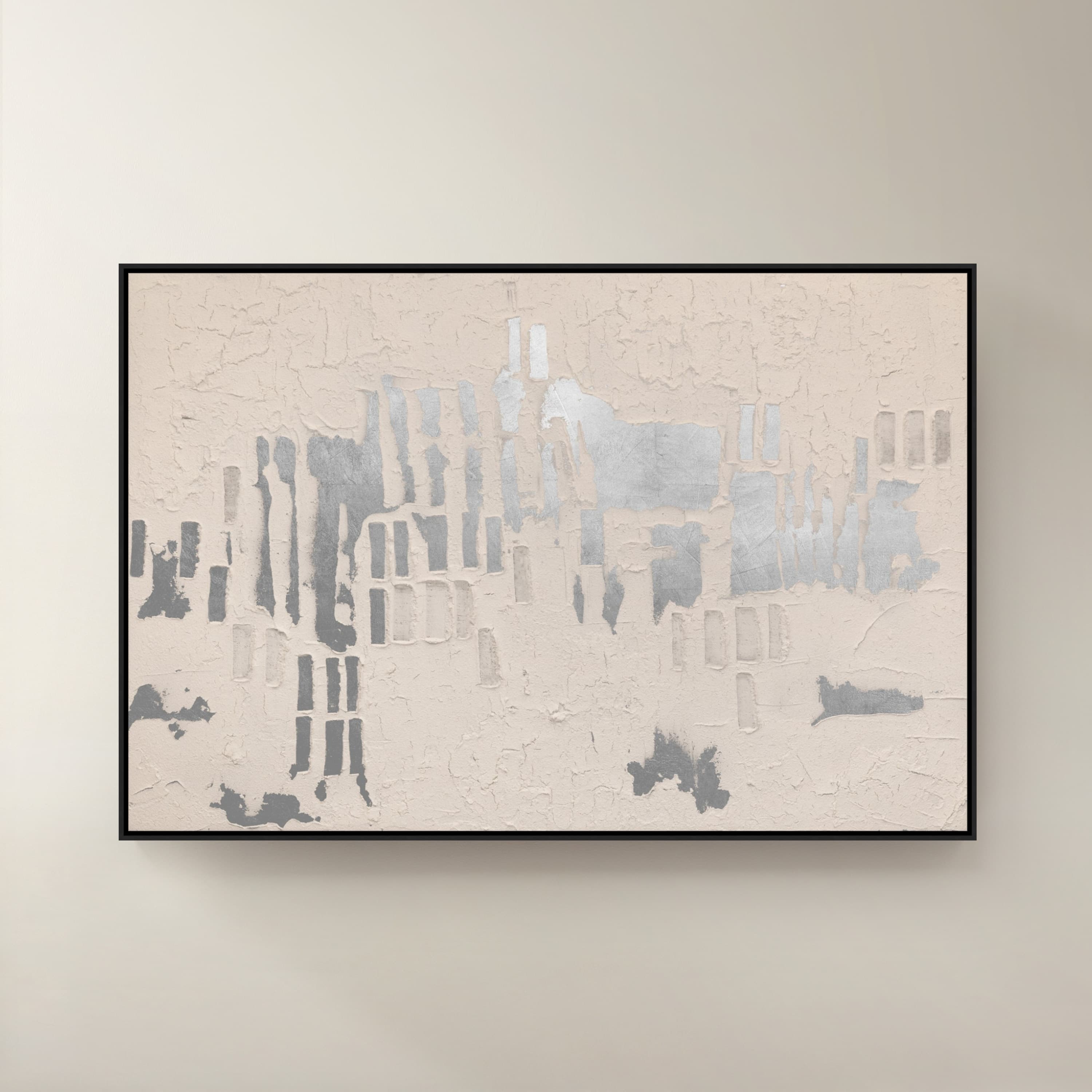
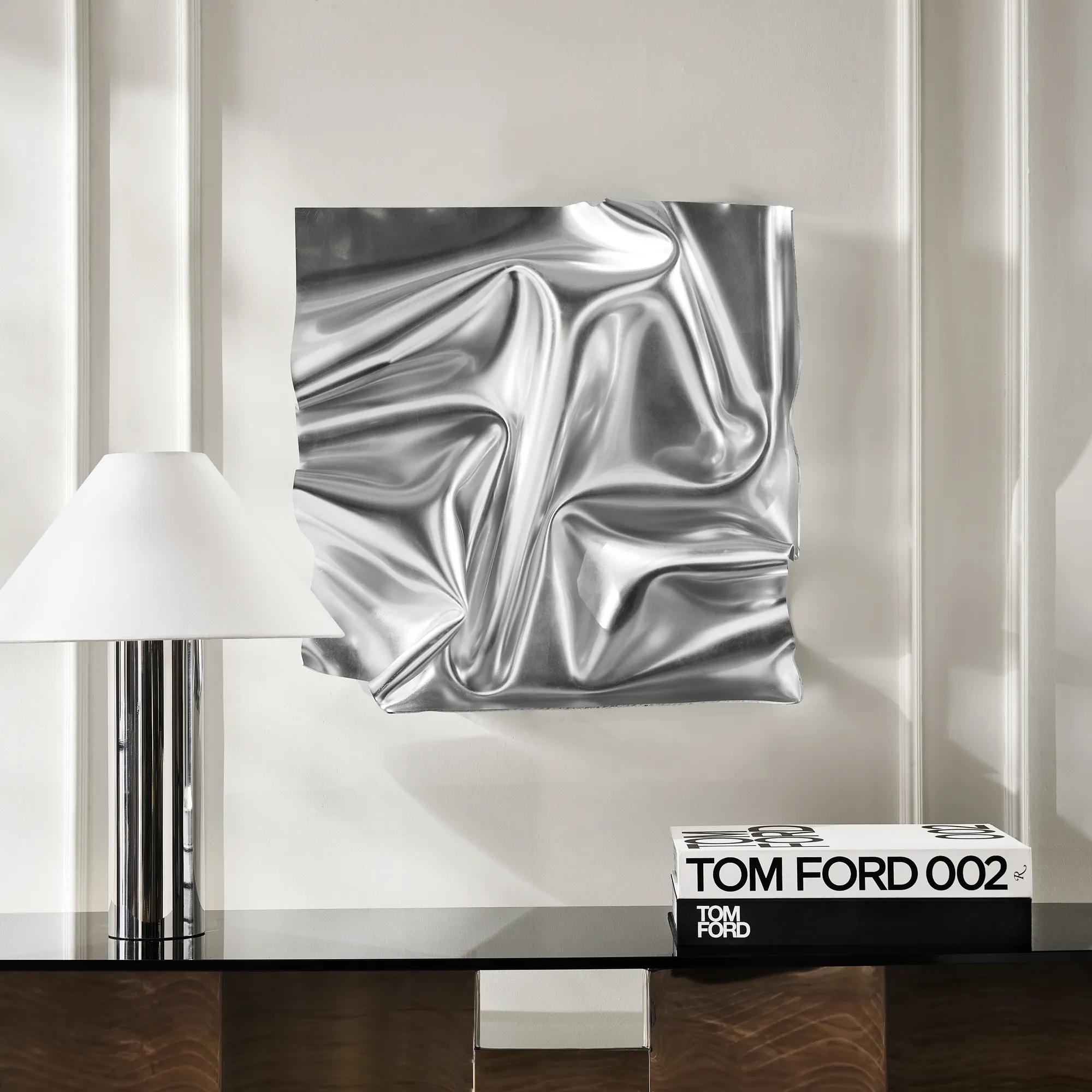 Surface Sculpted Silver Leaf Acrylic Wall Decor 23.6" x 23.6"$189
A striking acrylic wall piece featuring fluid, reflective silver shapes for dramatic, modern visual impact.
Add To Cart -
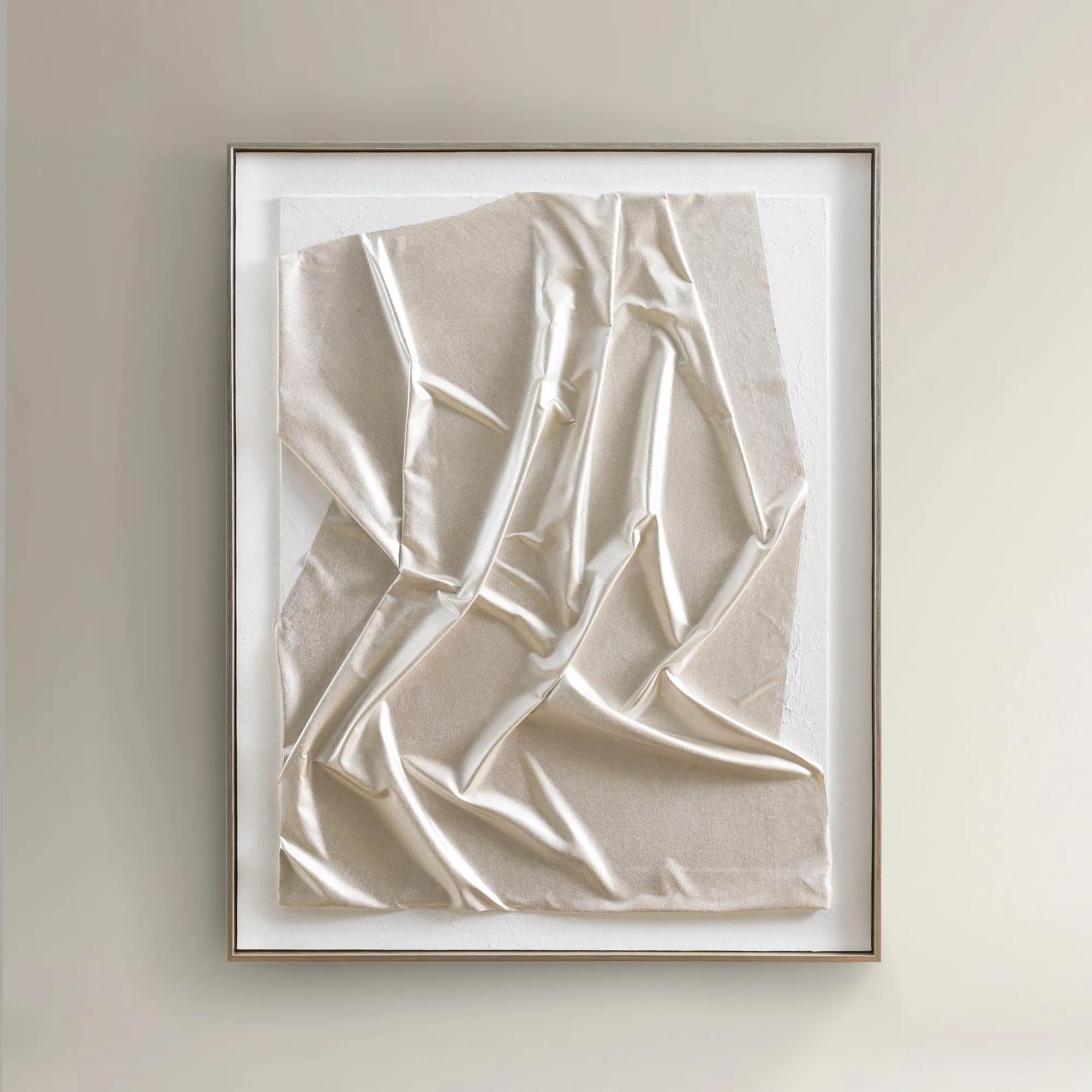
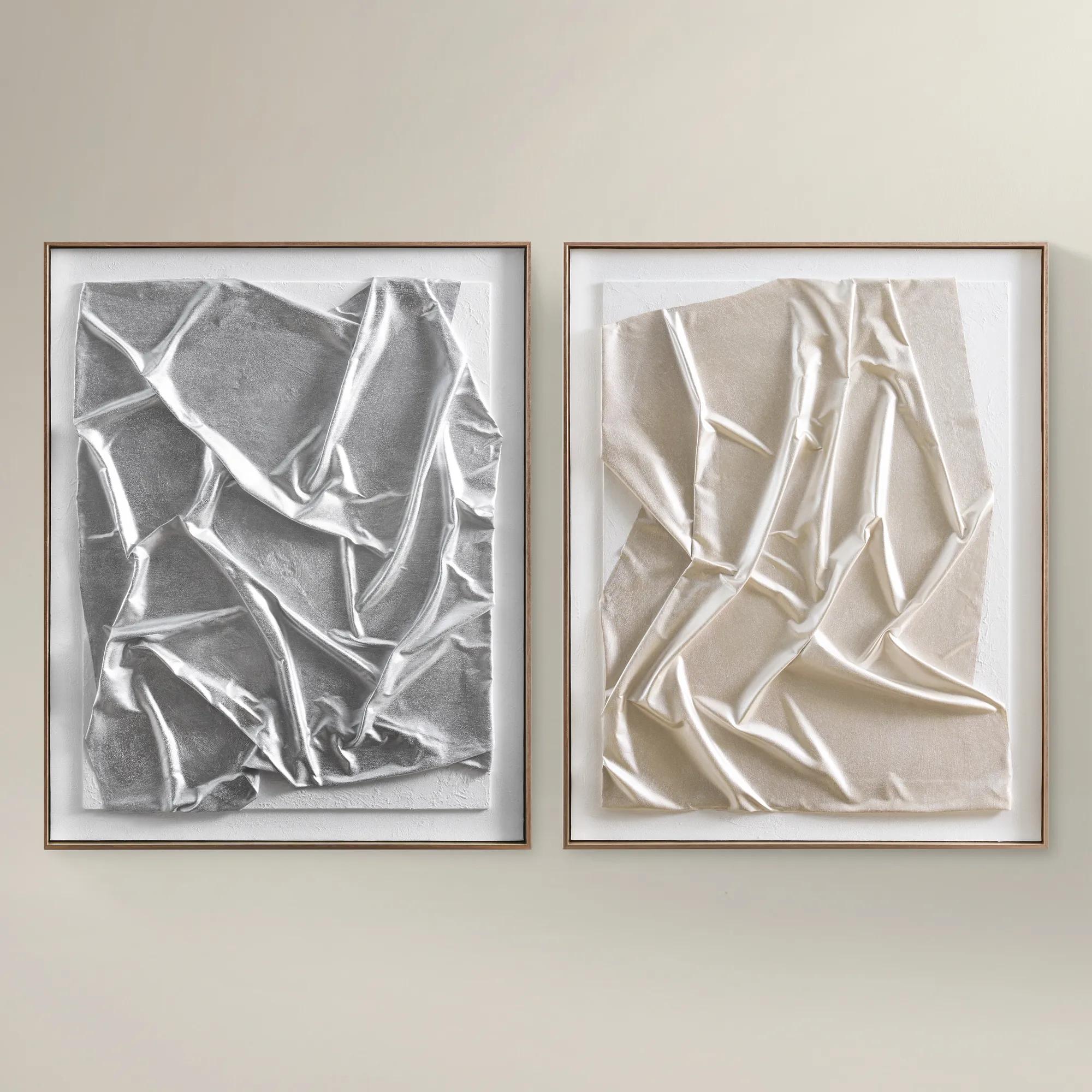 In the Mood Framed Painted Wall Art 31.5" x 39.5"$199
A hand-painted gold canvas artwork featuring textured surfaces and fluid forms in a champagne floater frame.
Add To Cart -
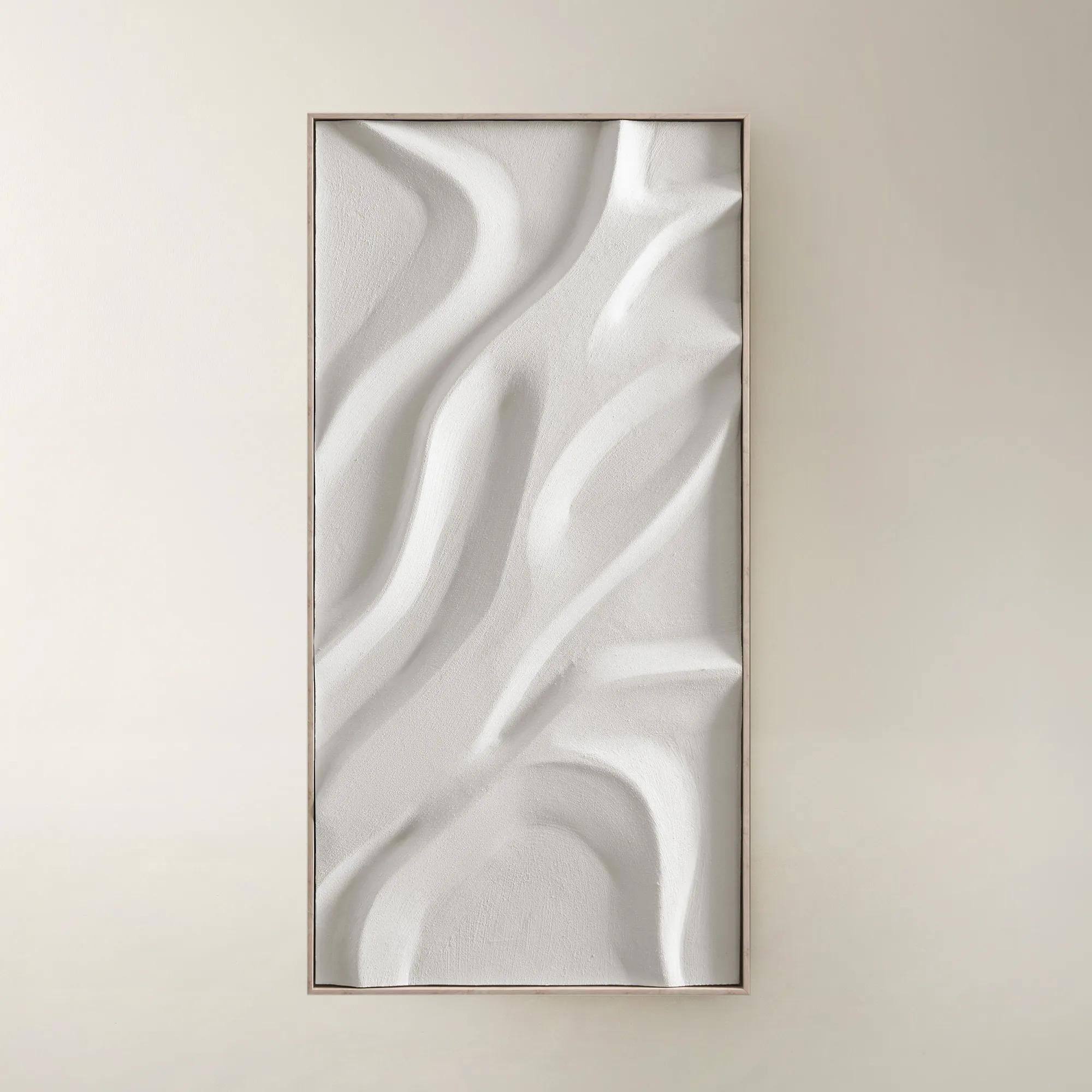
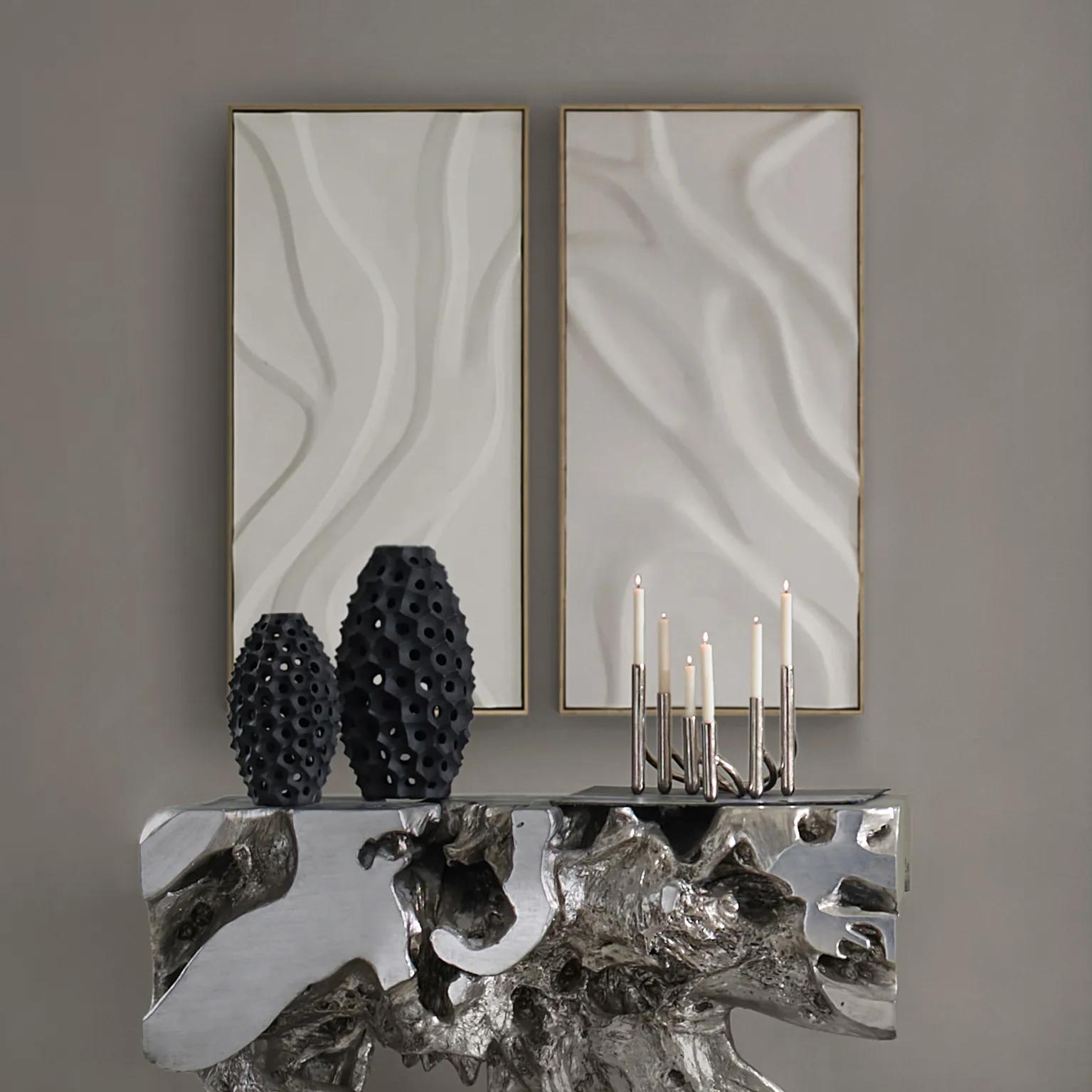 Au Lait Framed Painted Wall Art II 47.2" x 23.6"$199
A serene hand-painted canvas in beige, set in a warm whitewash floater frame for modern interiors.
Add To Cart -
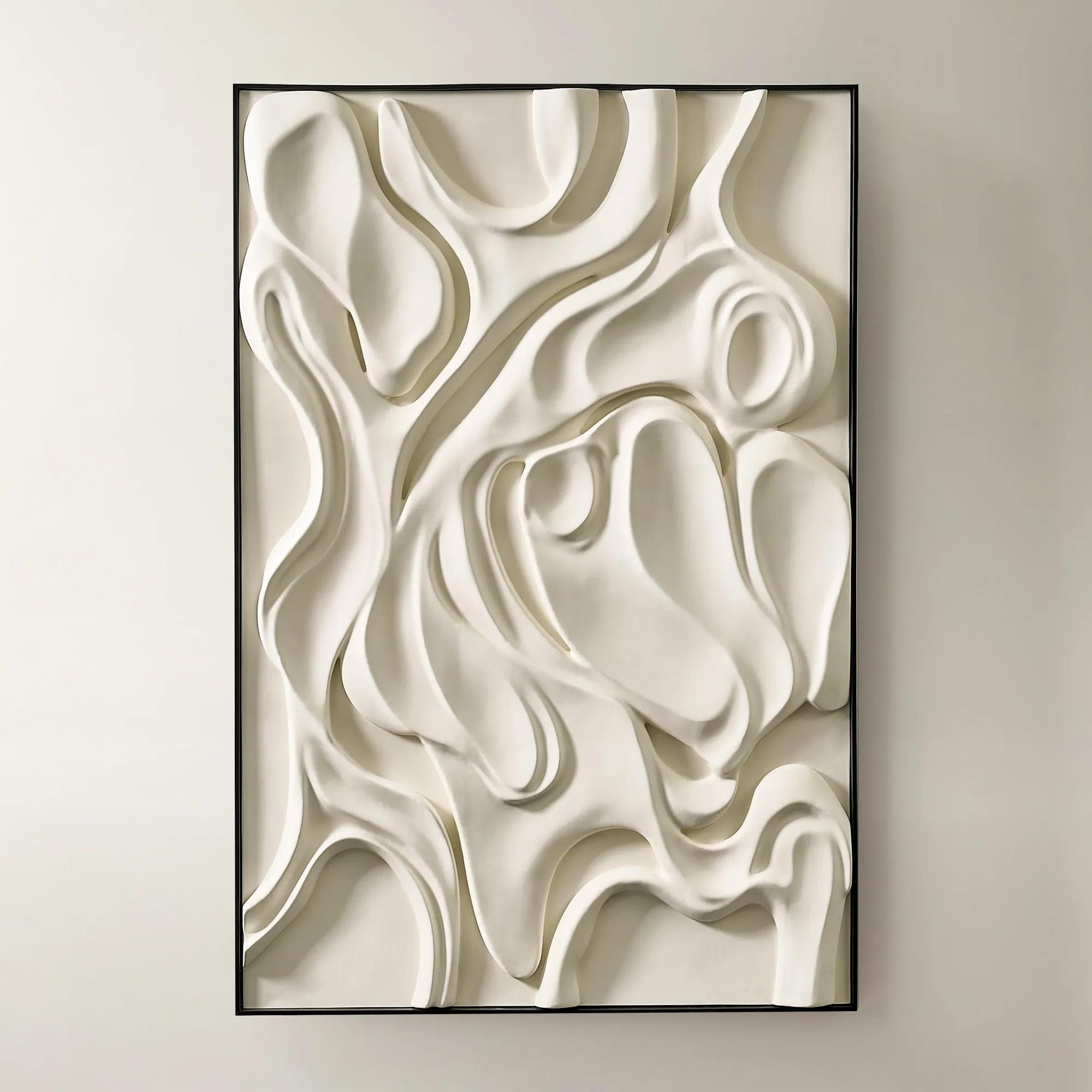 Overflow Alabaster Sculpted Resin Wall Panel 40" x 60"$699
An alabaster fiberglass resin wall panel with sculptural texture and a versatile black frame for modern spaces.
Add To Cart -
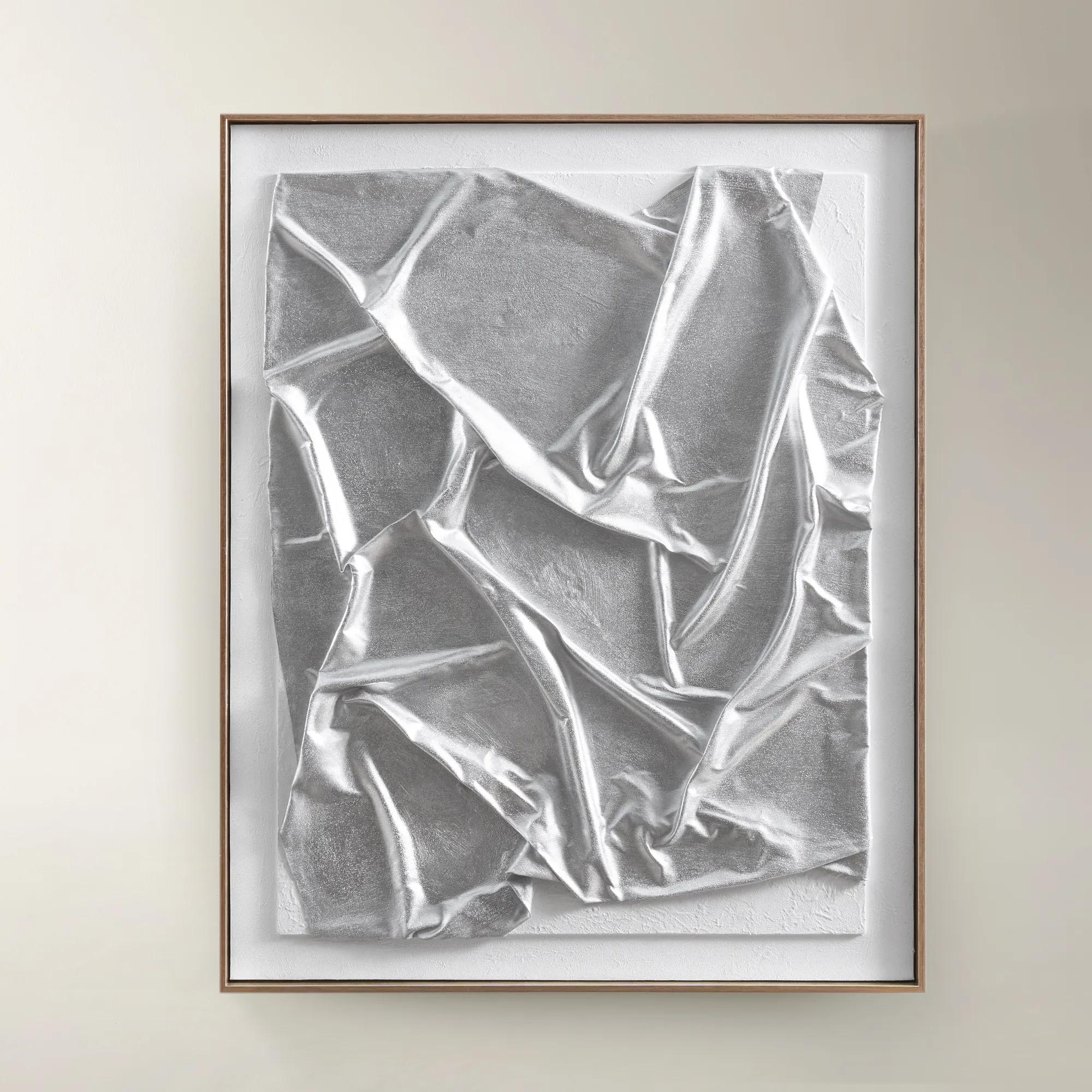 In the Mood Framed Painted Wall Art 31.5" x 39.5"$199
A hand-painted abstract canvas in shimmering silver tones, set in a warm champagne floater frame.
Add To Cart -
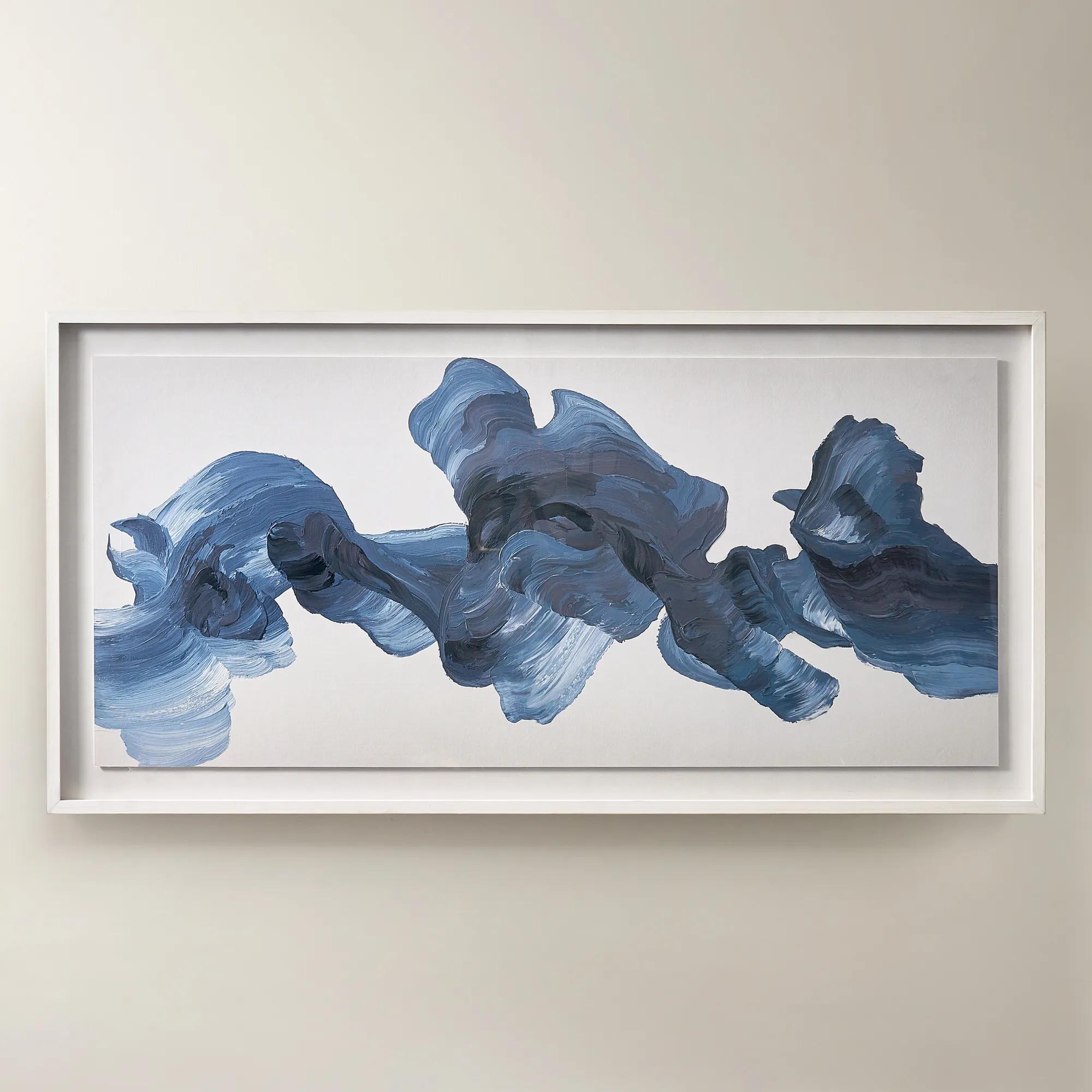
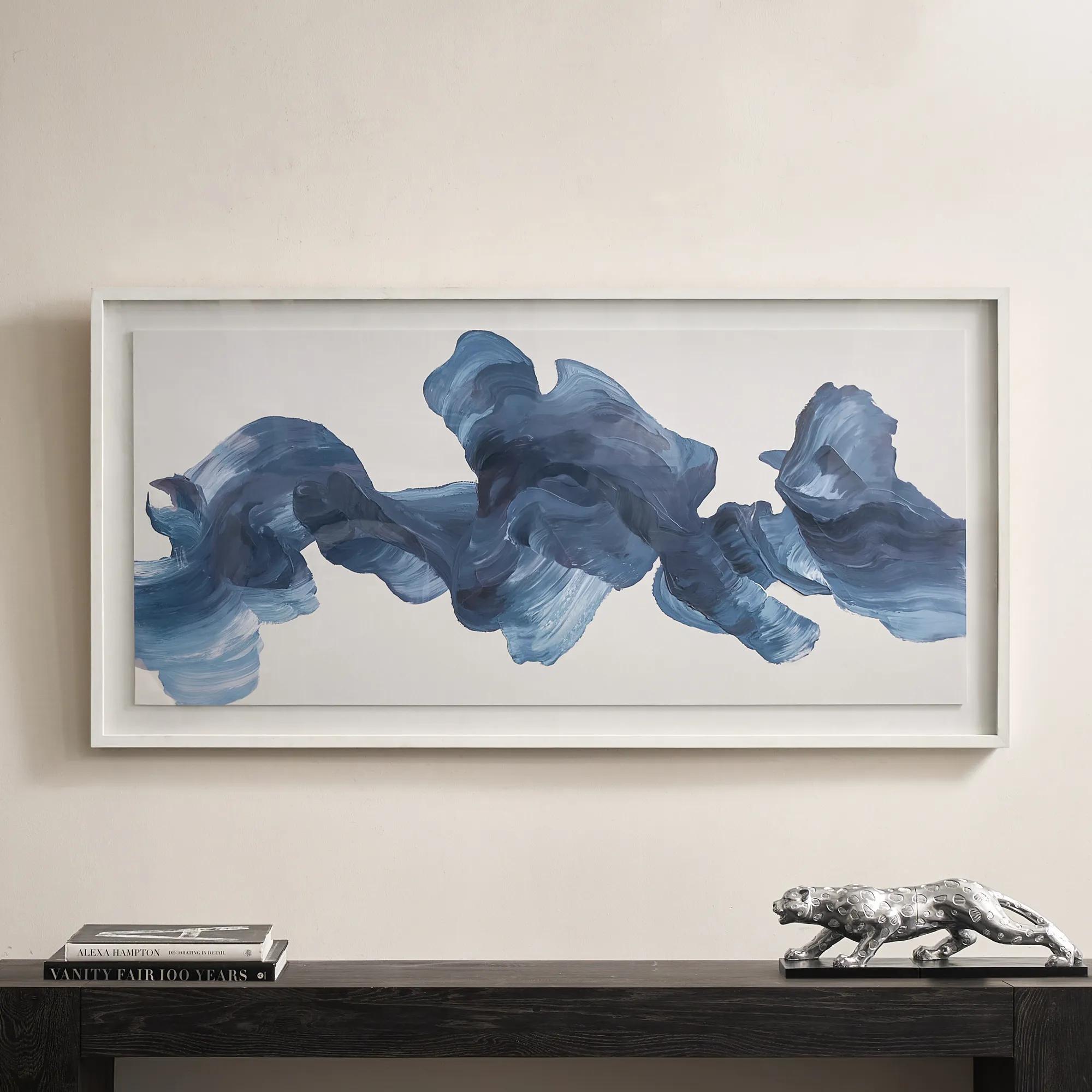 Blue Theory Framed Painted Wall Art in Acrylic 60" x 30"$499
A hand-painted canvas in deep ink blue, framed under acrylic with a whitewashed wood frame.
Add To Cart -
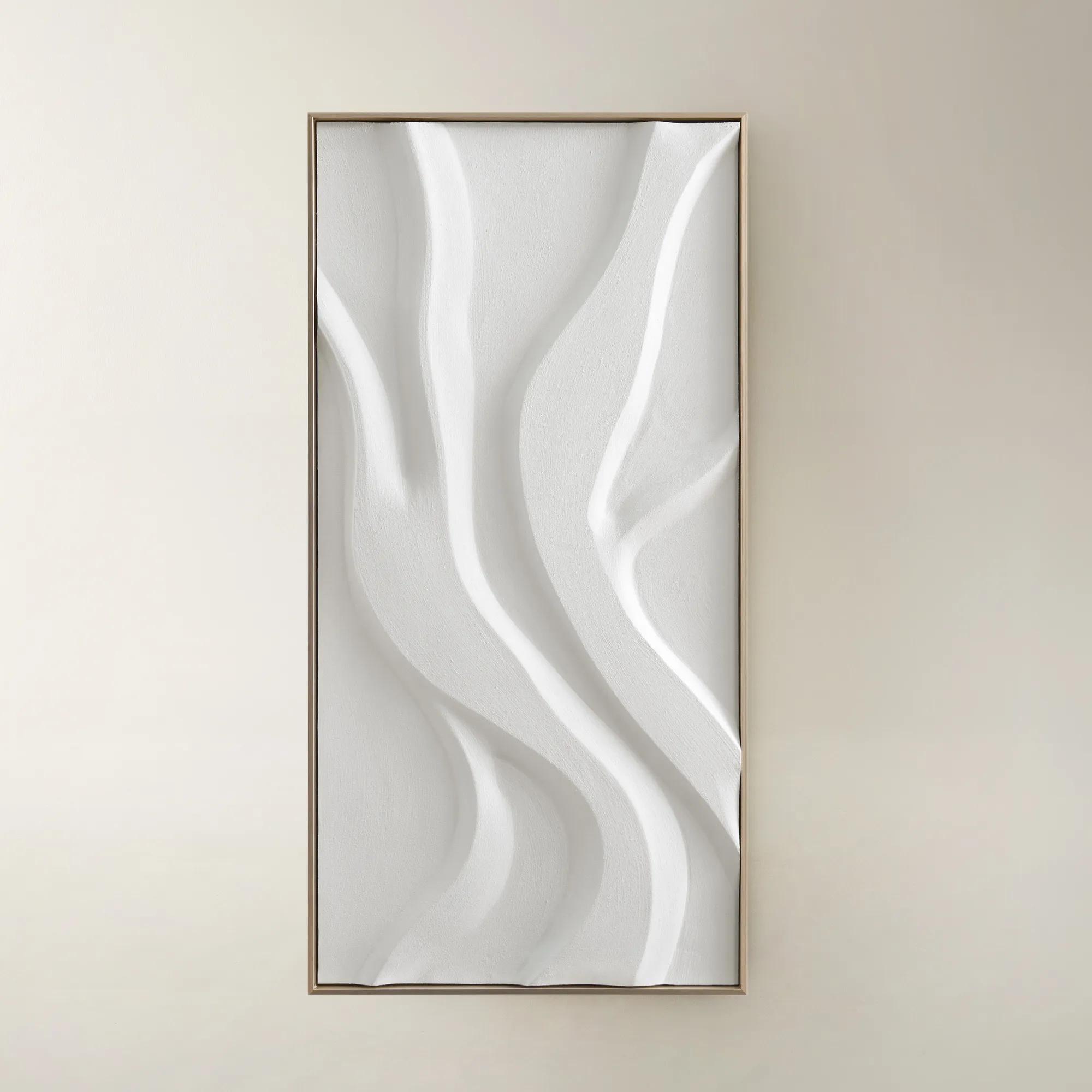
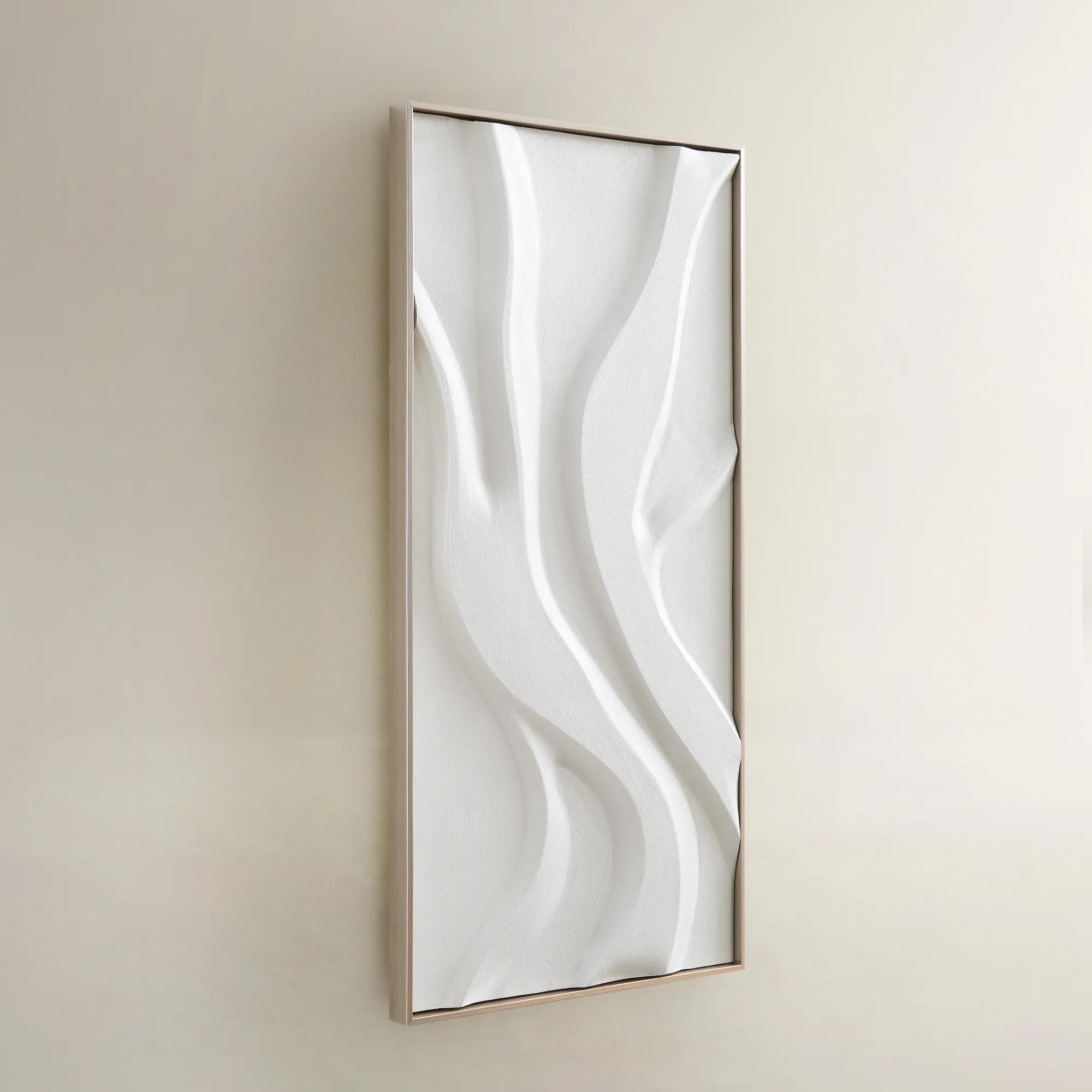 Au Lait Framed Painted Wall Art I 47.2" x 23.6"$199
An organic hand-painted canvas featuring flowing white forms in a warm champagne finish floater frame.
Add To Cart -
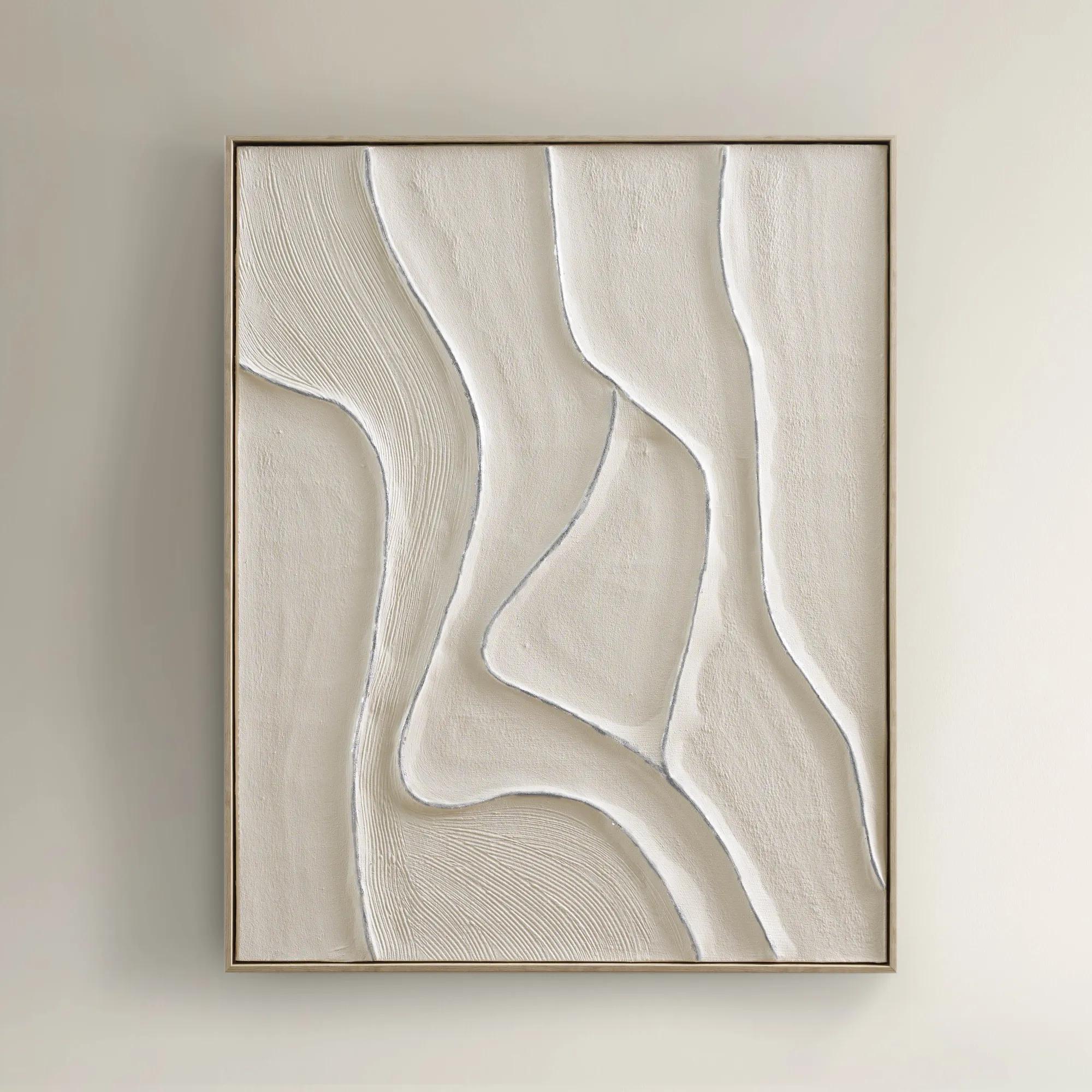
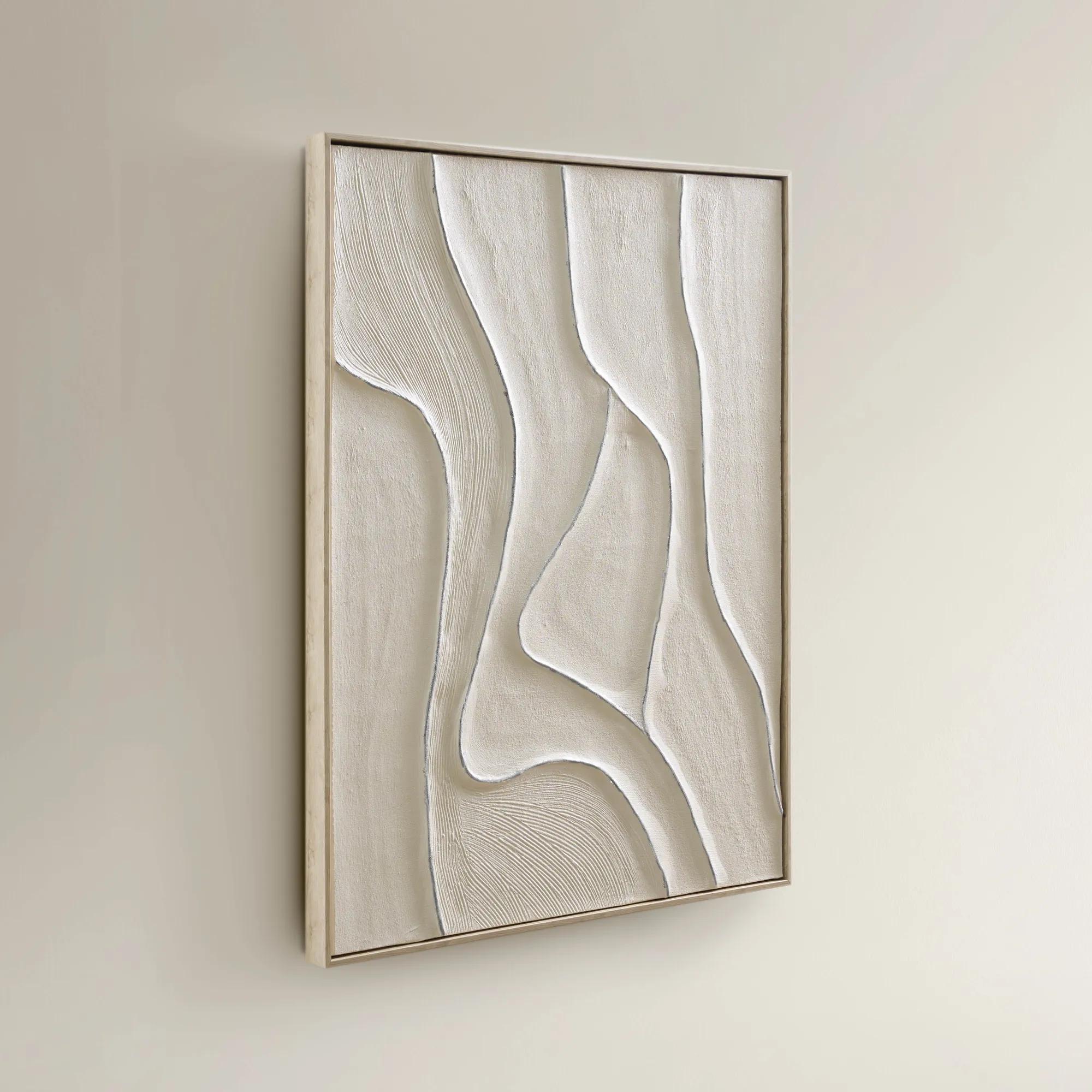 Vivre Framed Painted Wall Art 39.25" x 31.5"$199
A hand-painted canvas featuring tranquil beige hues and flowing lines in a warm whitewash floater frame.
Add To Cart -
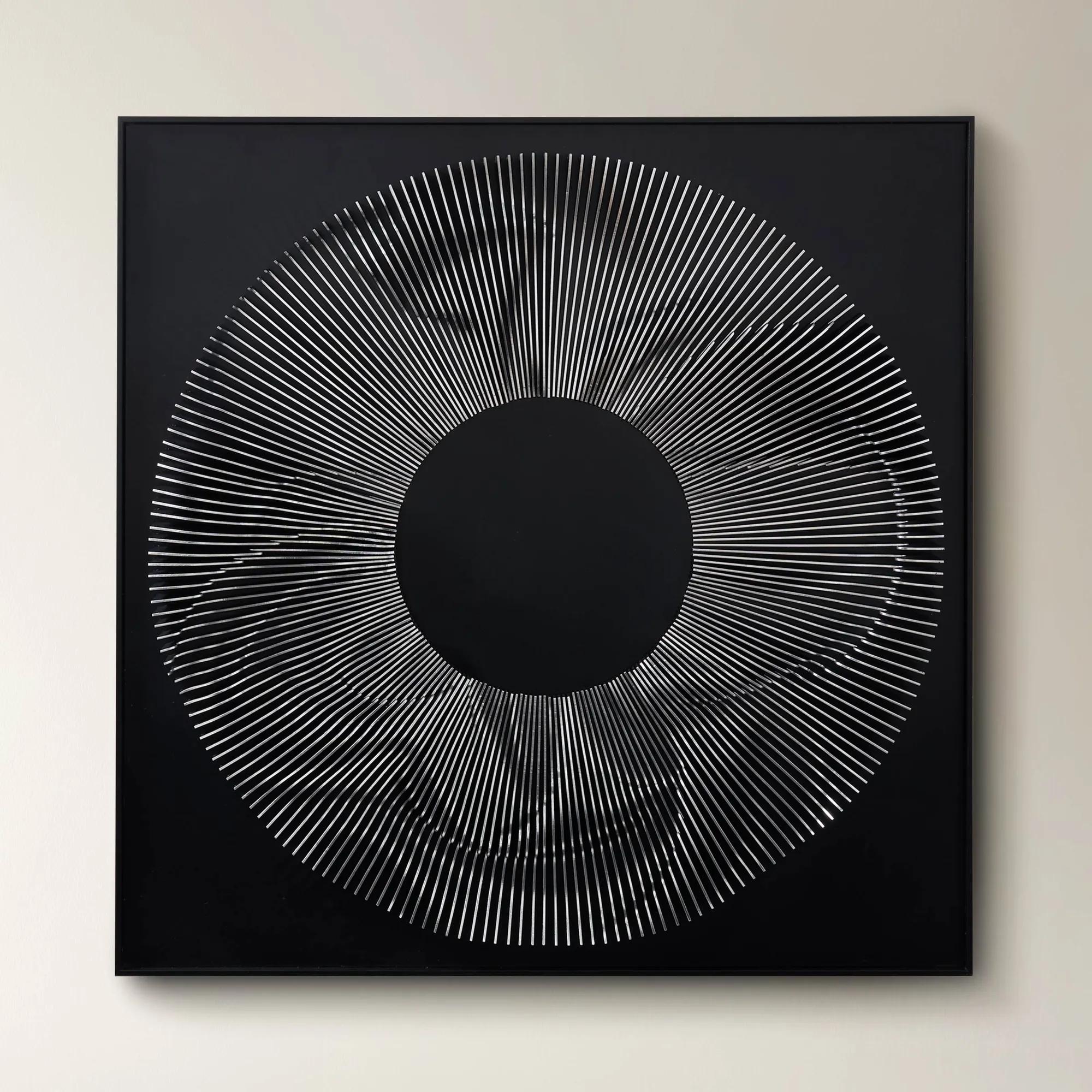 Efflorescence Wood Carving$799
A three-dimensional pine wood panel features a flowing carved motif in a striking silver finish.
Add To Cart -
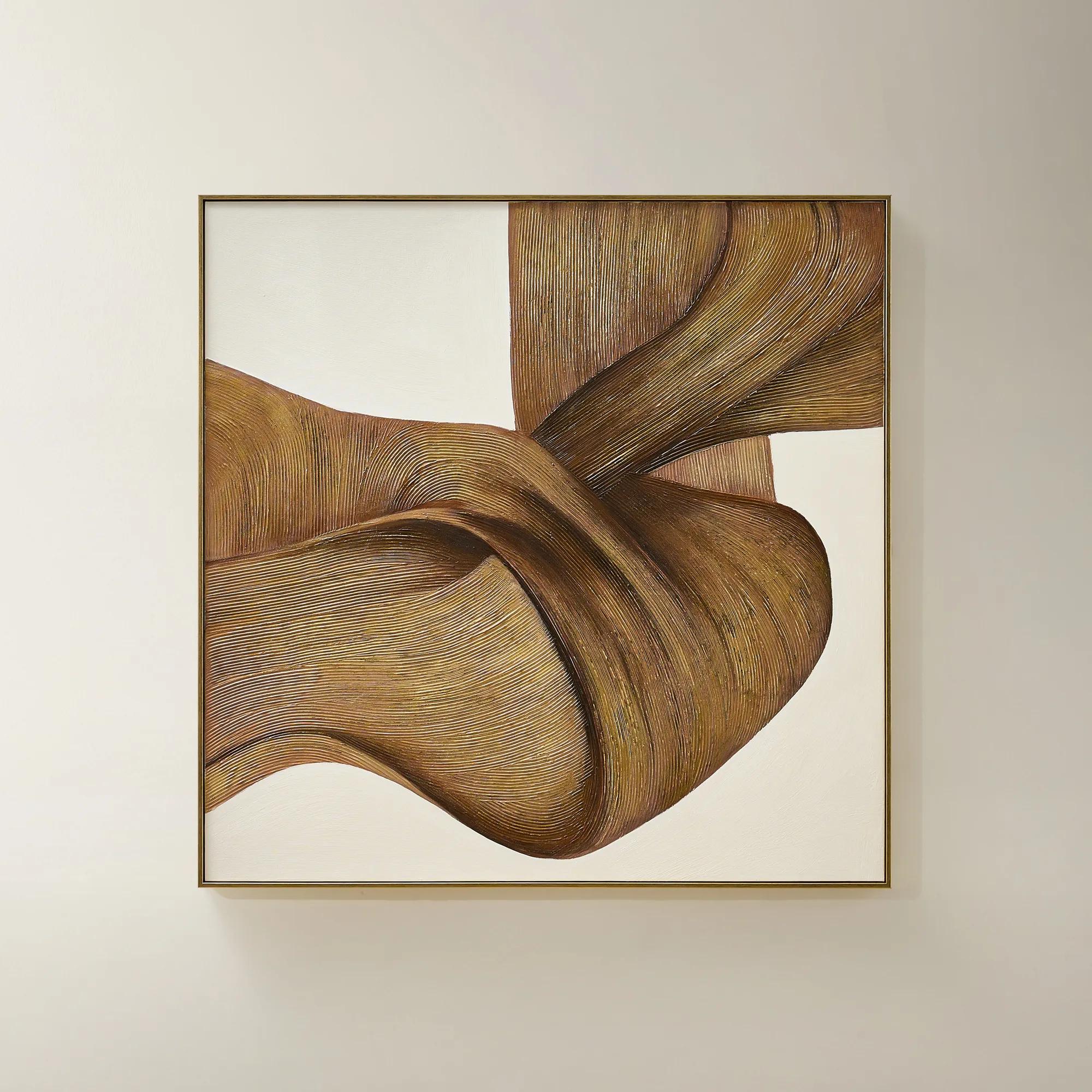
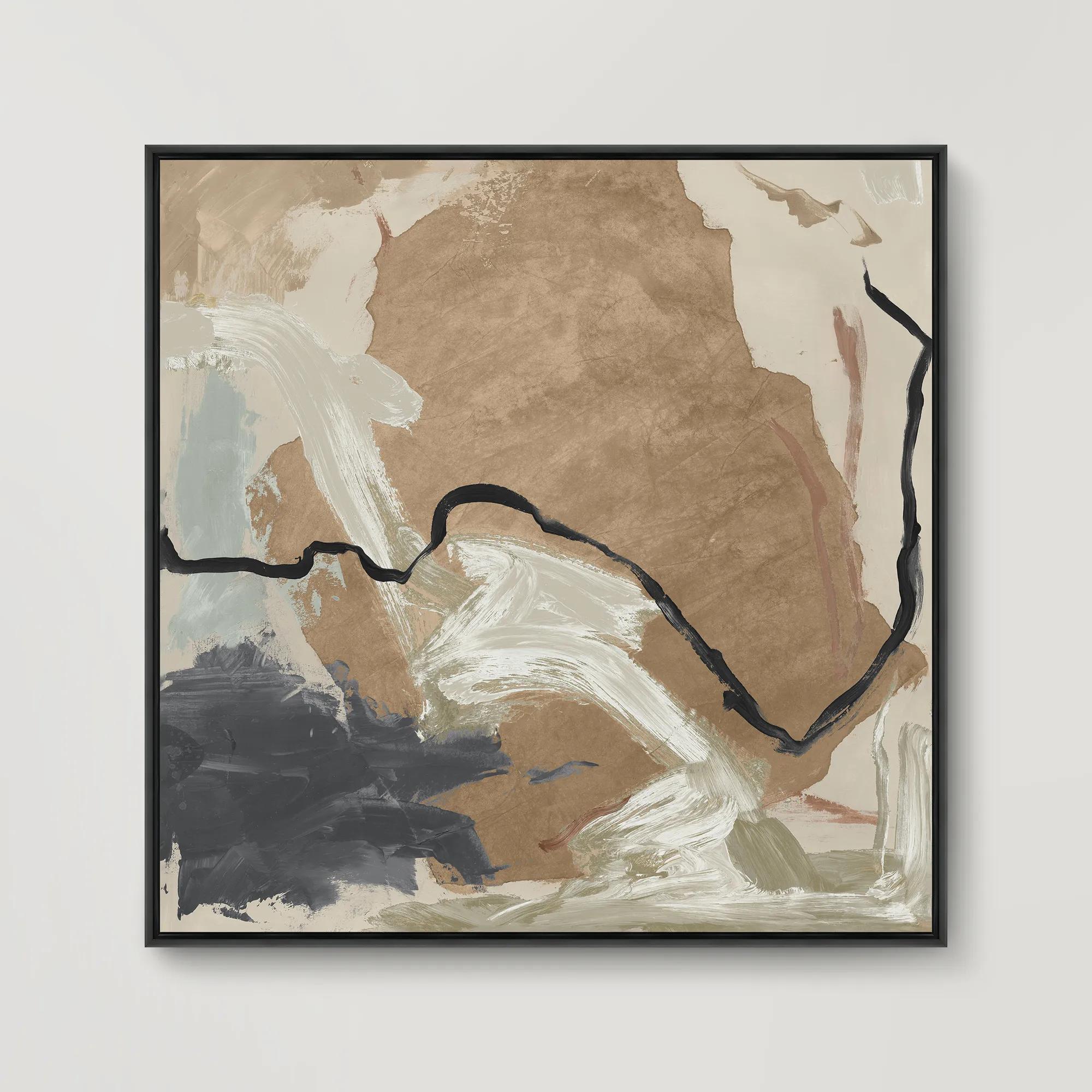
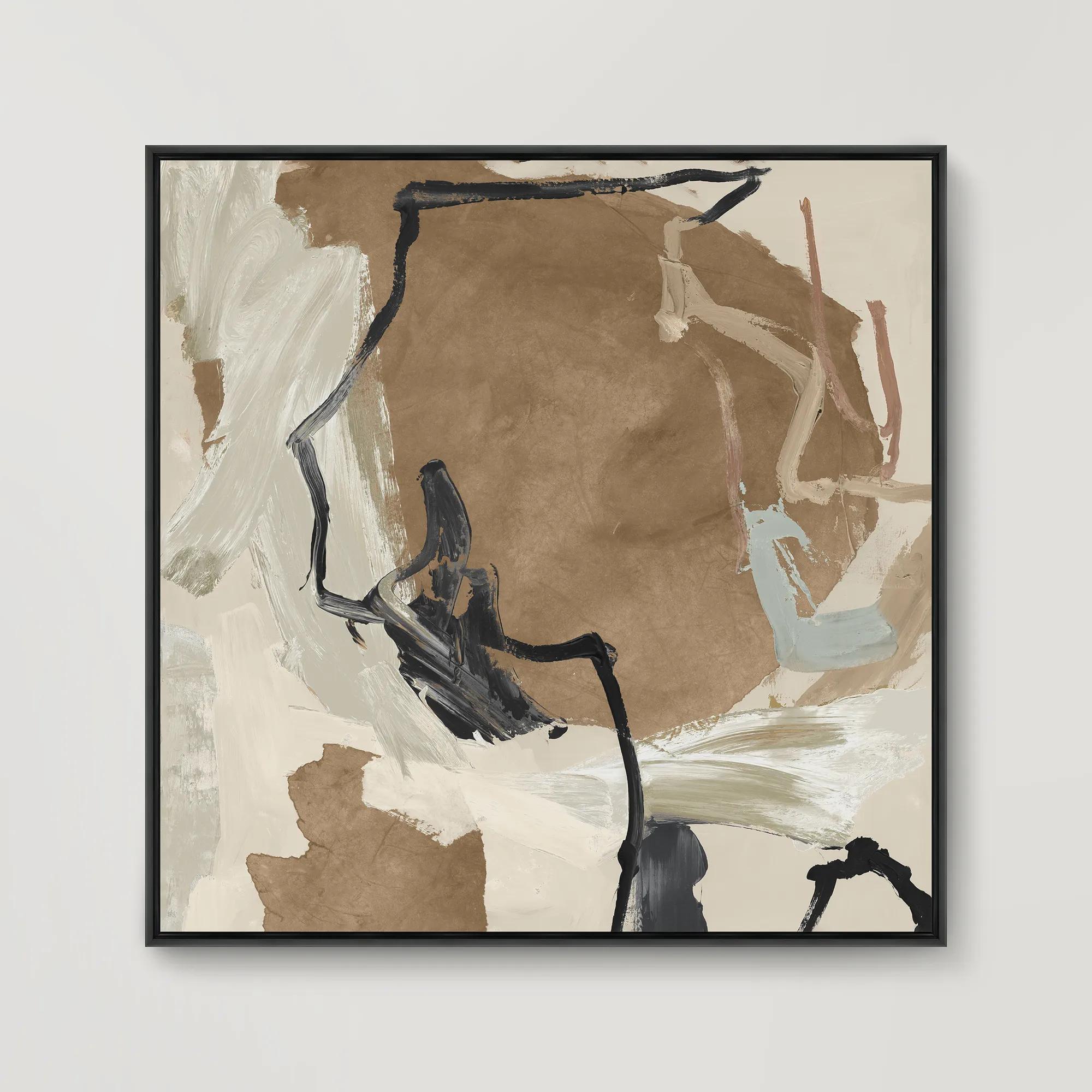
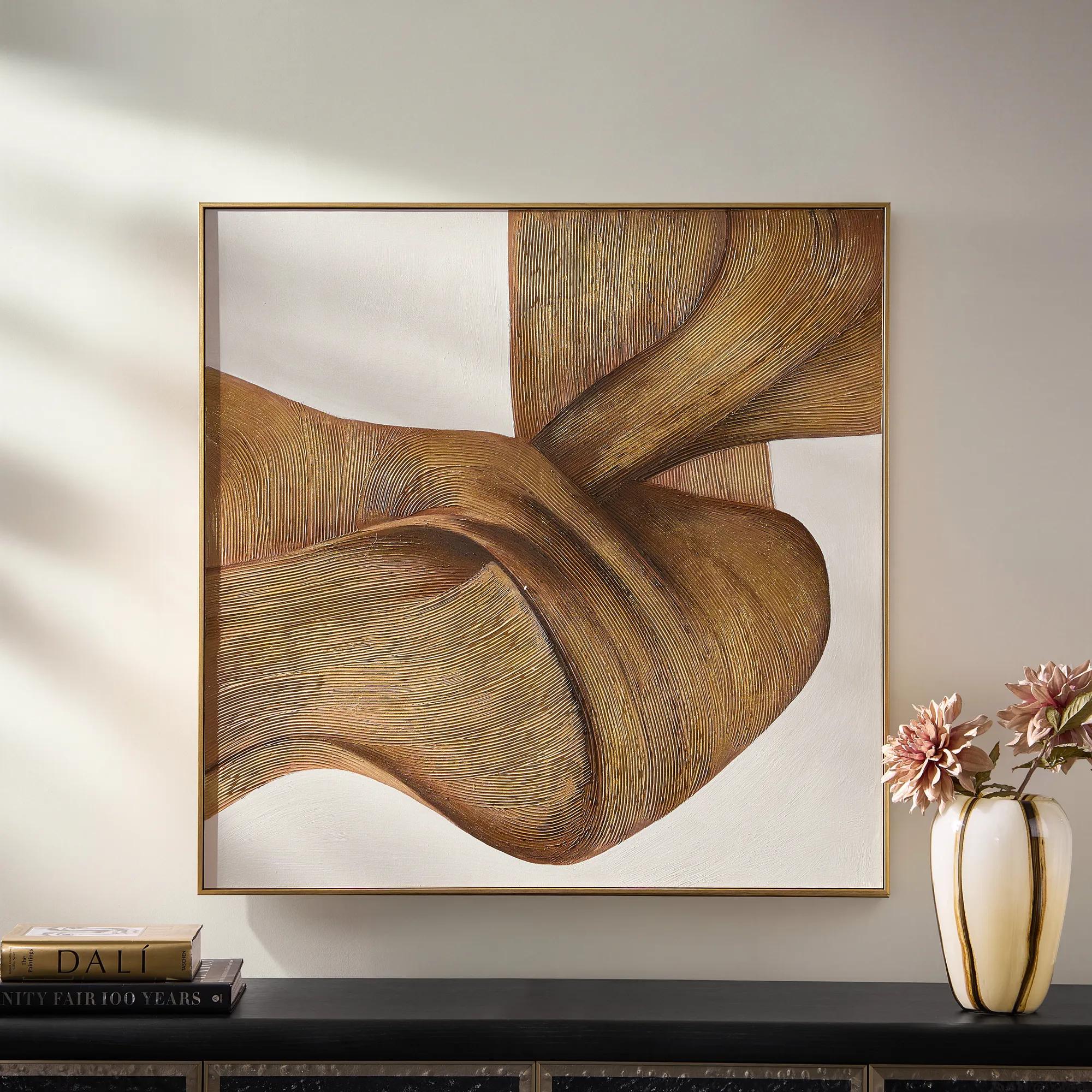 Latte Framed Gold Leaf Painted Wall Art 40" x 40"$499
A hand-painted canvas with fluid brown lines, luminous gold leafing, and a crisp black floater frame.
Add To Cart -
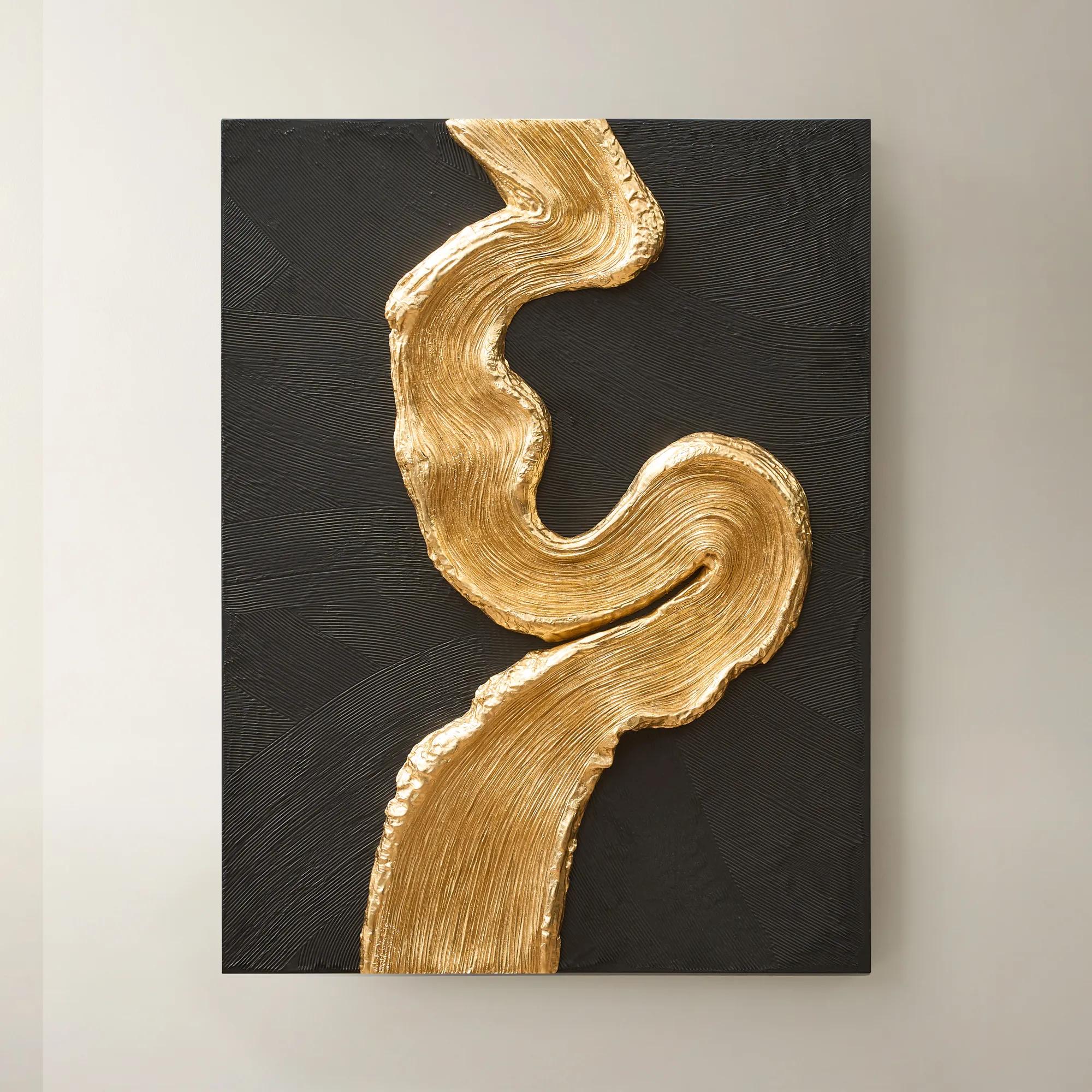
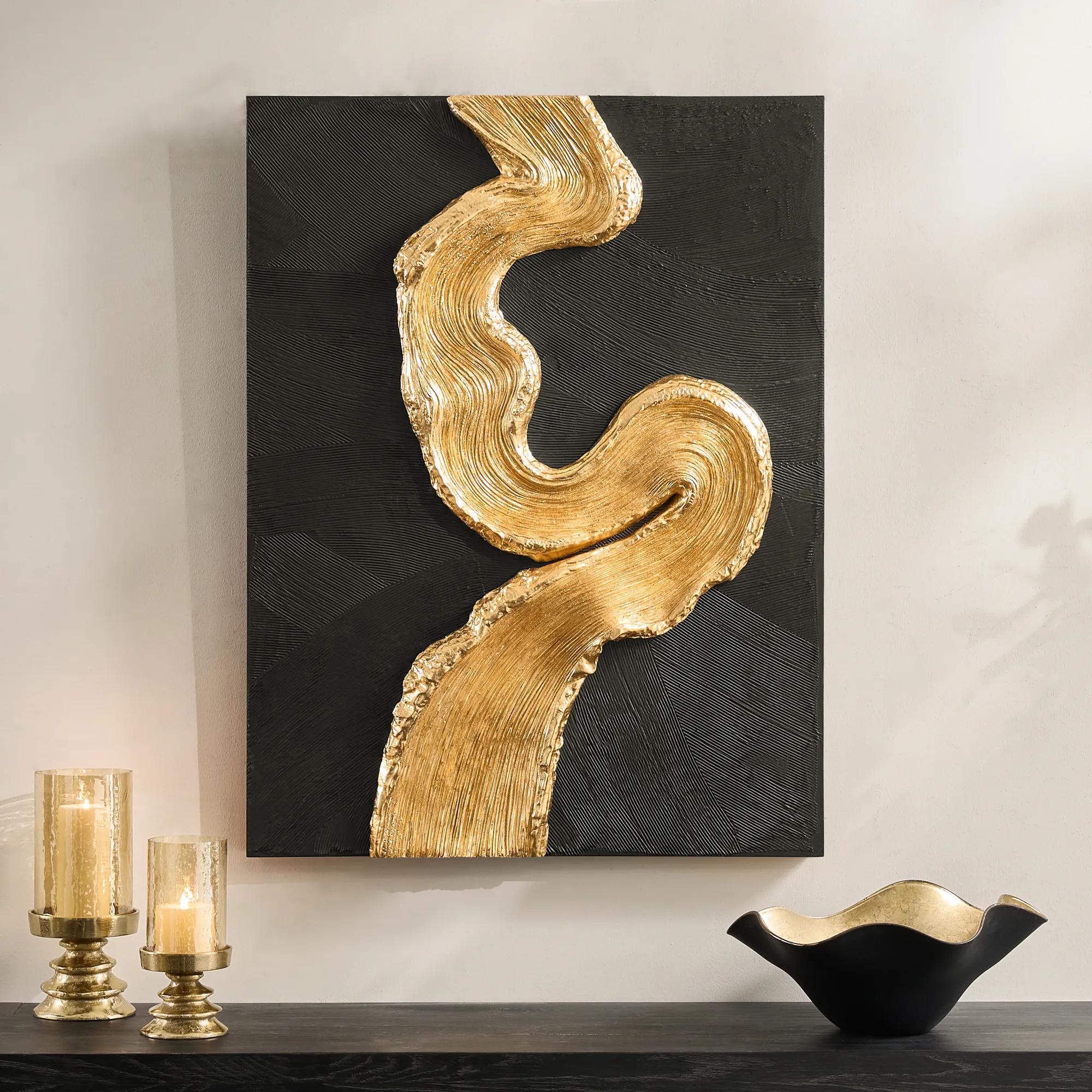 Gold Impasto Sculpted Resin Wall Panel 30" x 40"$499
A sculpted fiberglass resin wall panel featuring gold leaf detail and bold impasto texture on a black backdrop.
Add To Cart -
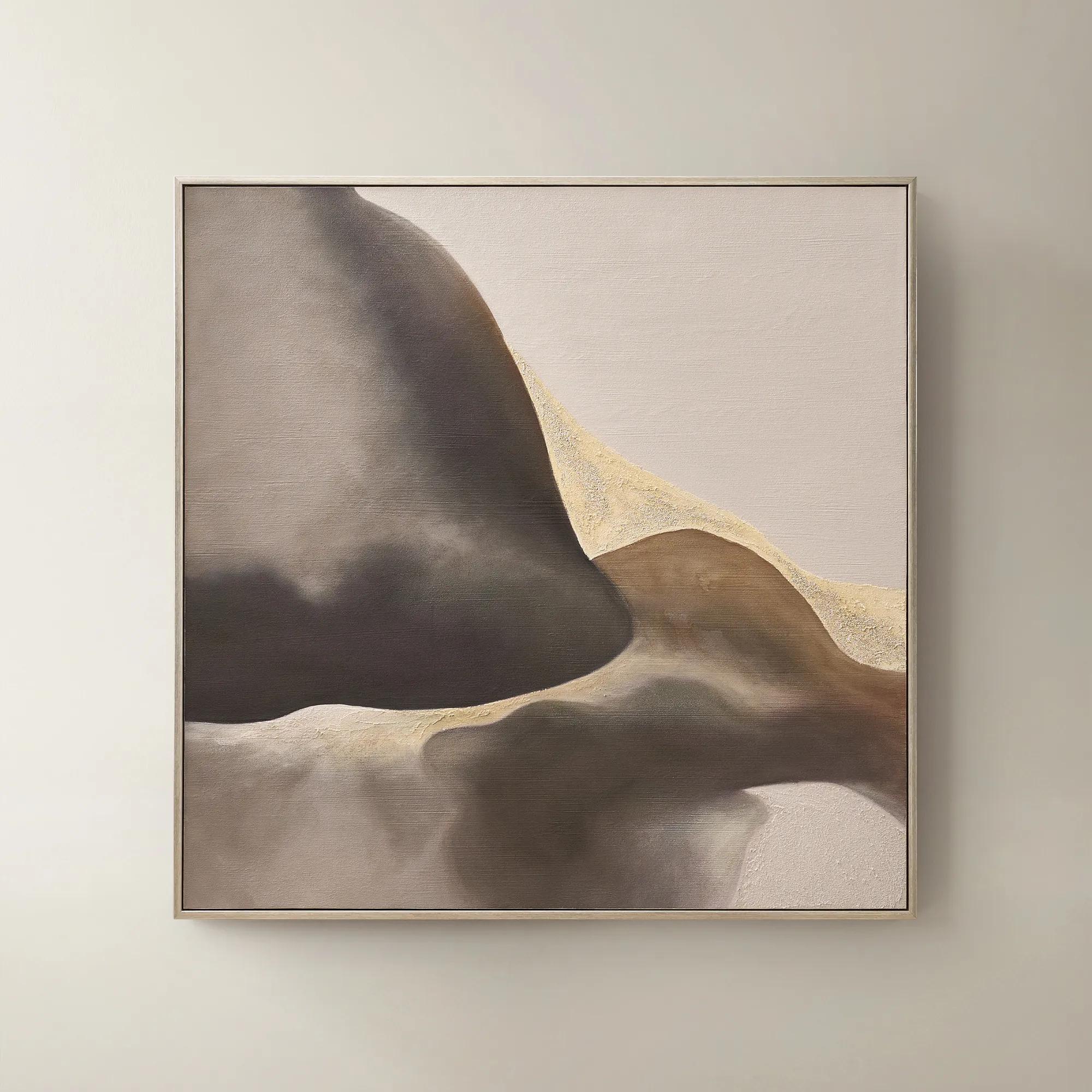 Windswept Framed Gold Leaf Painted Wall Art 50" x 50"$549
A hand-painted abstract canvas in plum truffle with gold leaf accents and a brushed champagne frame.
Add To Cart -
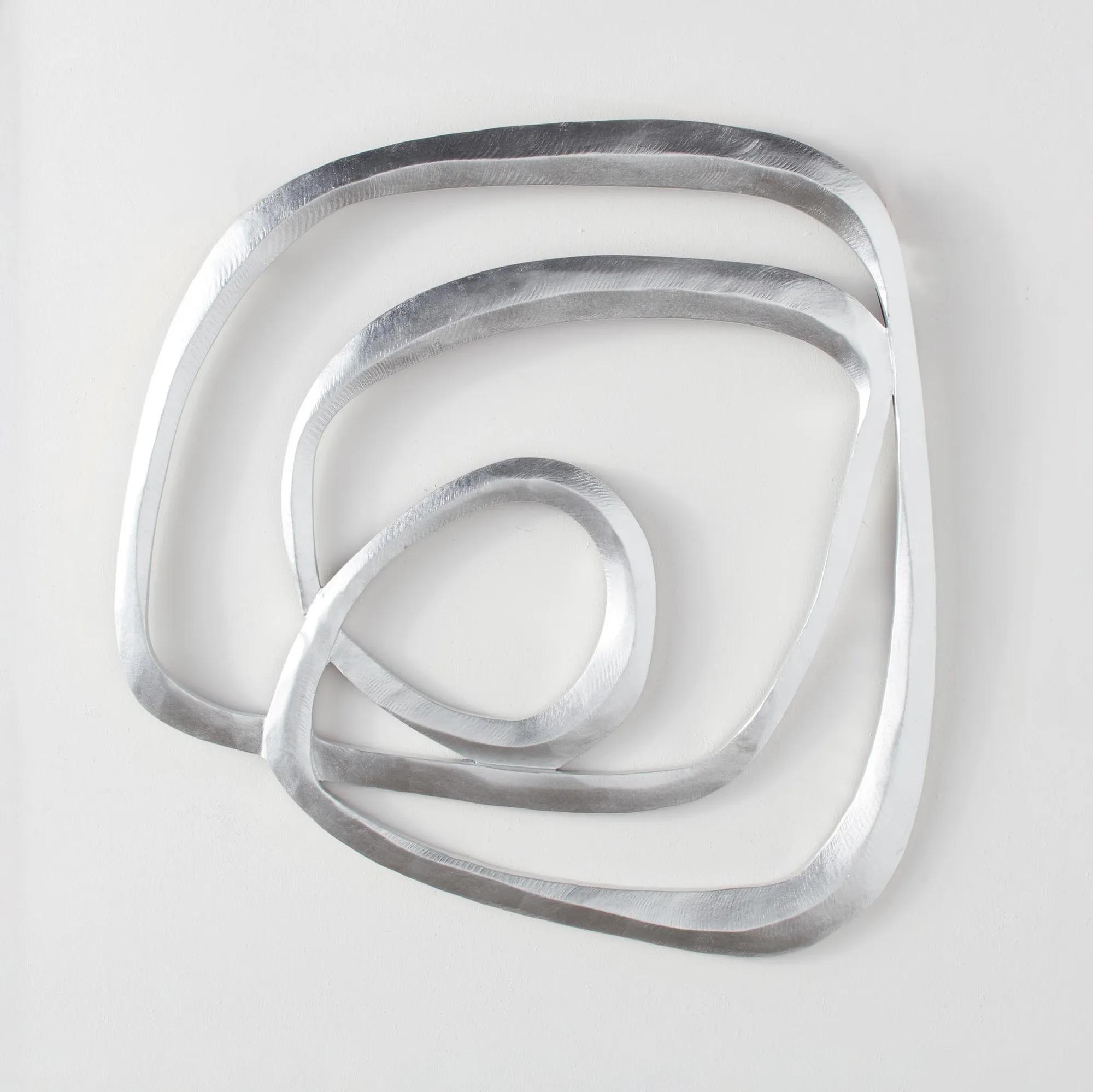 Infinity Silver Leaf Wood Wall Decor II 31.5" x 31.5"$299
A swirling wooden wall sculpture featuring a striking metallic silver finish for modern visual impact.
Add To Cart -
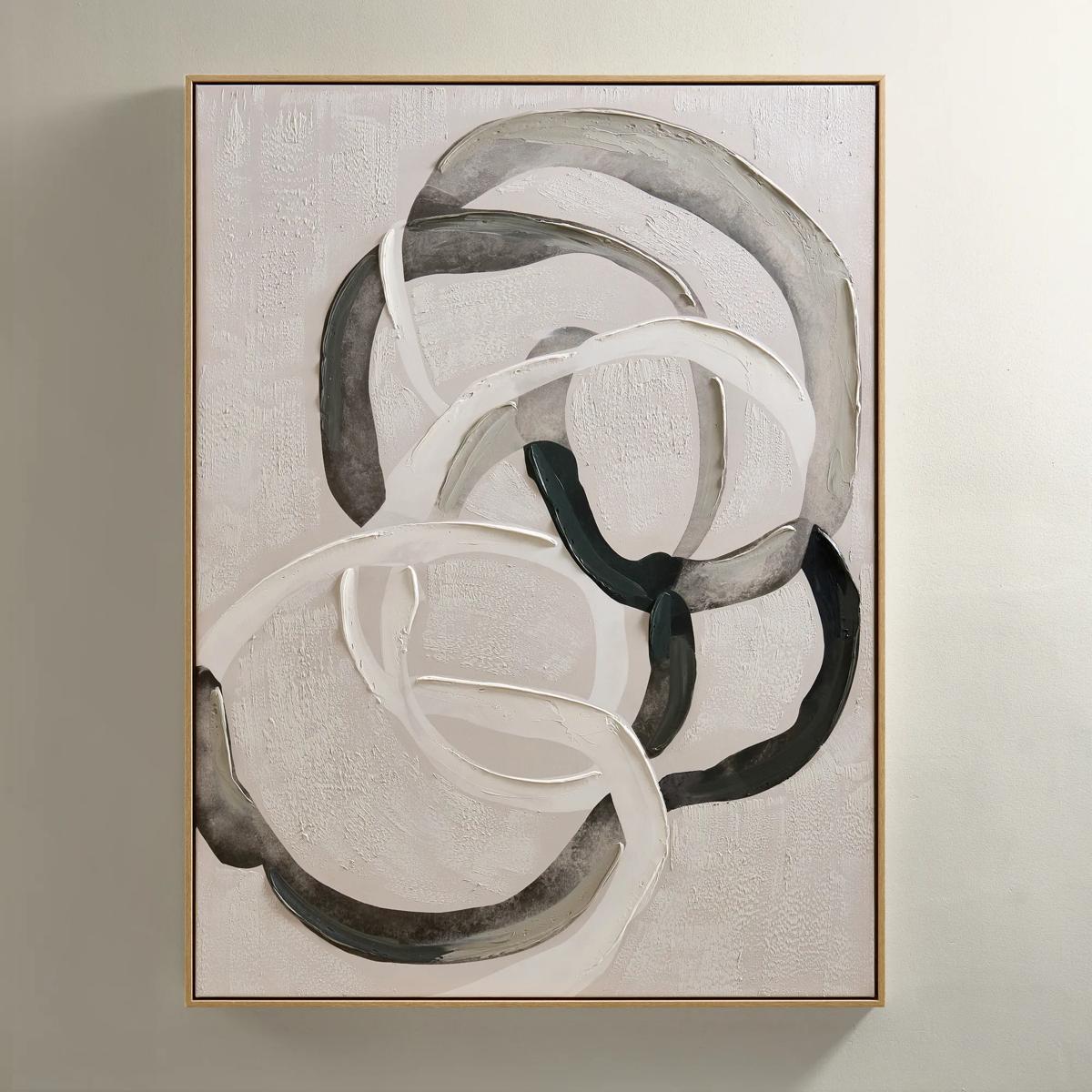
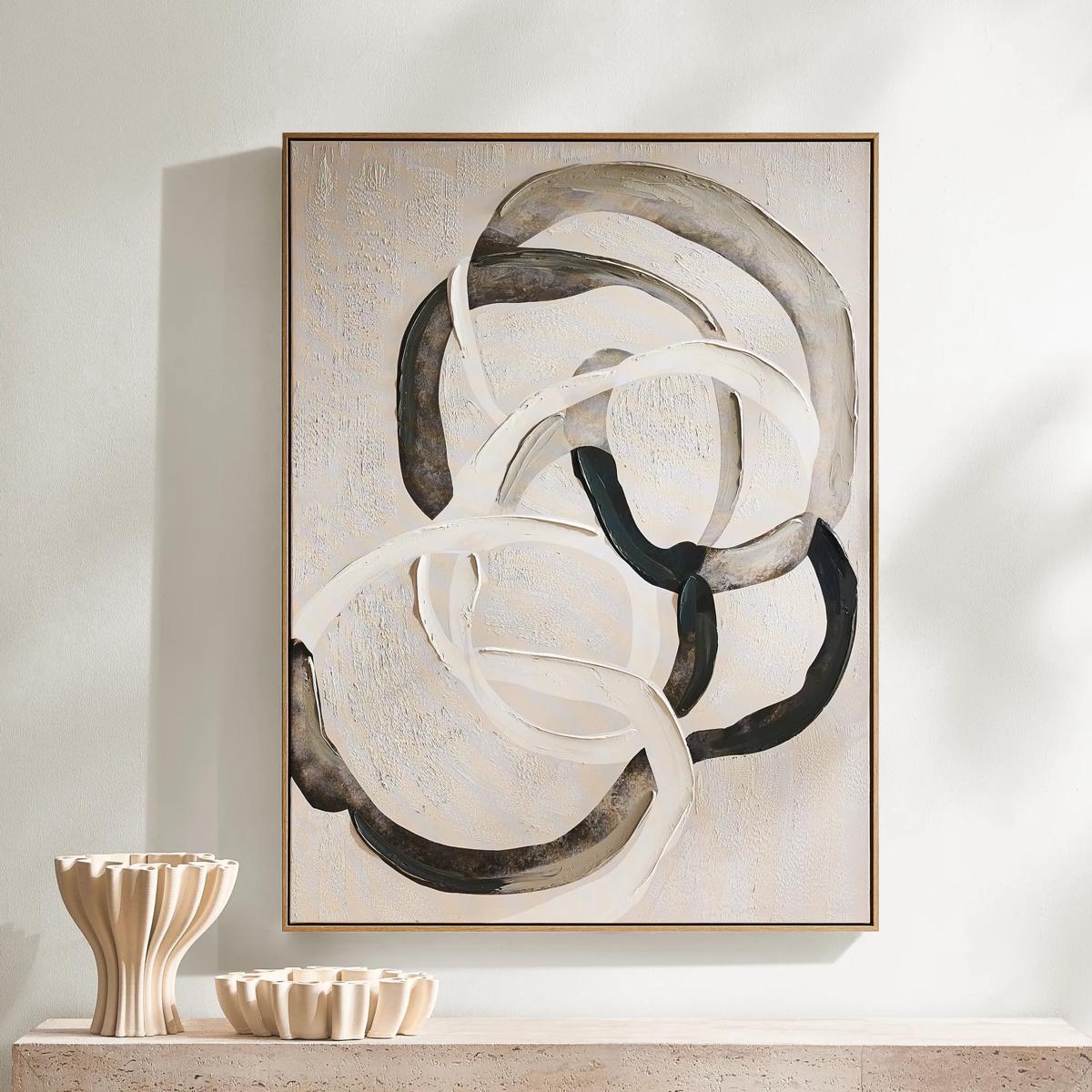 Round About Framed Painted Wall Art 35.25" x 47.25"$349
An abstract hand-painted canvas with tonal whites, charcoals, and taupes in a light wood floater frame.
Add To Cart -
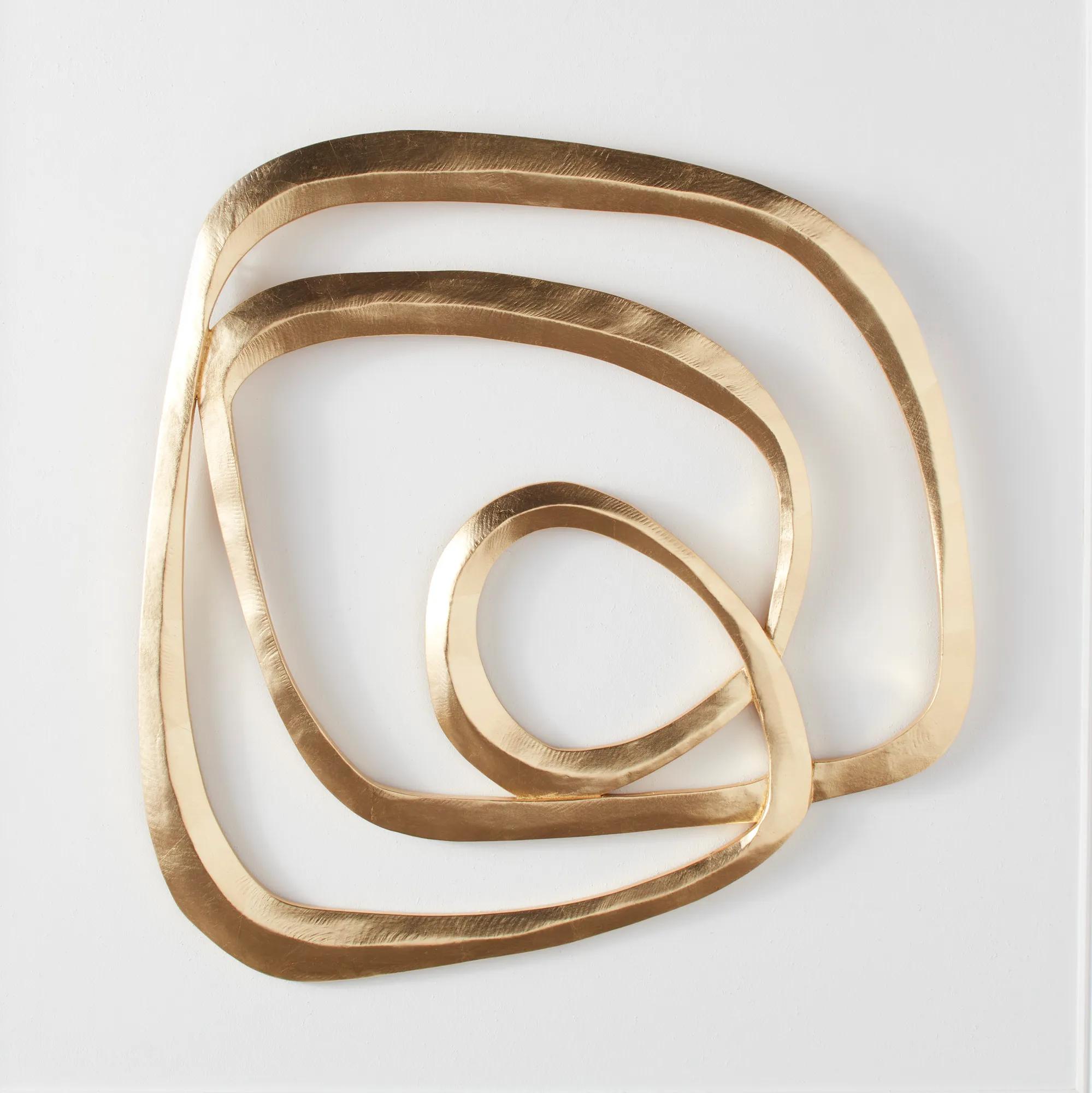 Infinity Gold Leaf Wood Wall Decor I 31.5" x 31.5"$299
A swirling wooden wall sculpture featuring a striking metallic gold finish for a bold decorative statement.
Add To Cart -
 Etched in Silver$229
An abstract hand-carved aluminum wall art featuring shimmering silver tones in a modern black alloy frame.
Add To Cart -
 Etched in Gold$229
A hand-carved gold copper artwork set in a sleek black alloy frame for modern contrast.
Add To Cart -

 Blooming in Her Own Time Framed Wall Art 40" x 50"$1029
A vibrant multicolored canvas wall artwork featuring an expressive botanical-inspired design in a framed presentation.
Add To Cart -
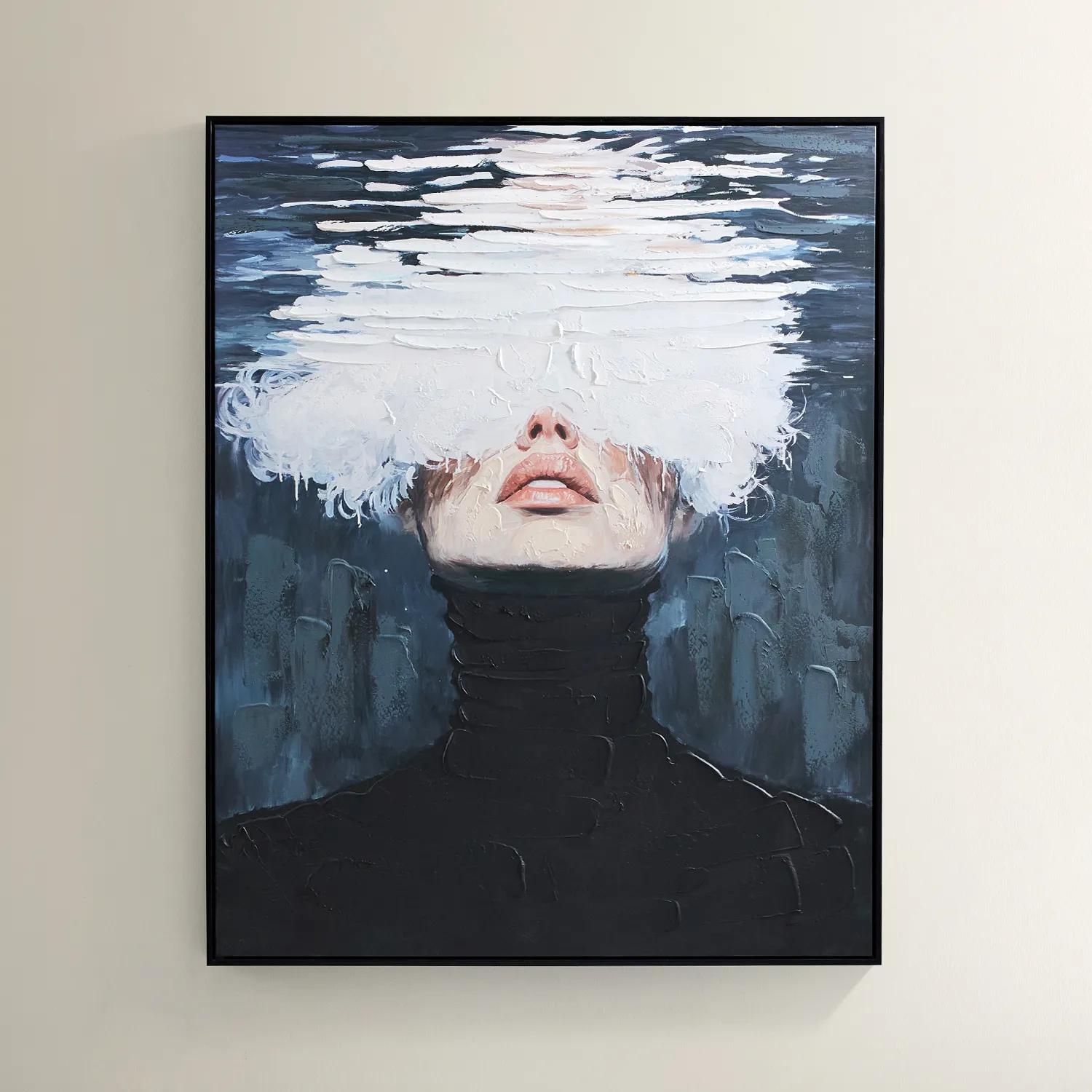
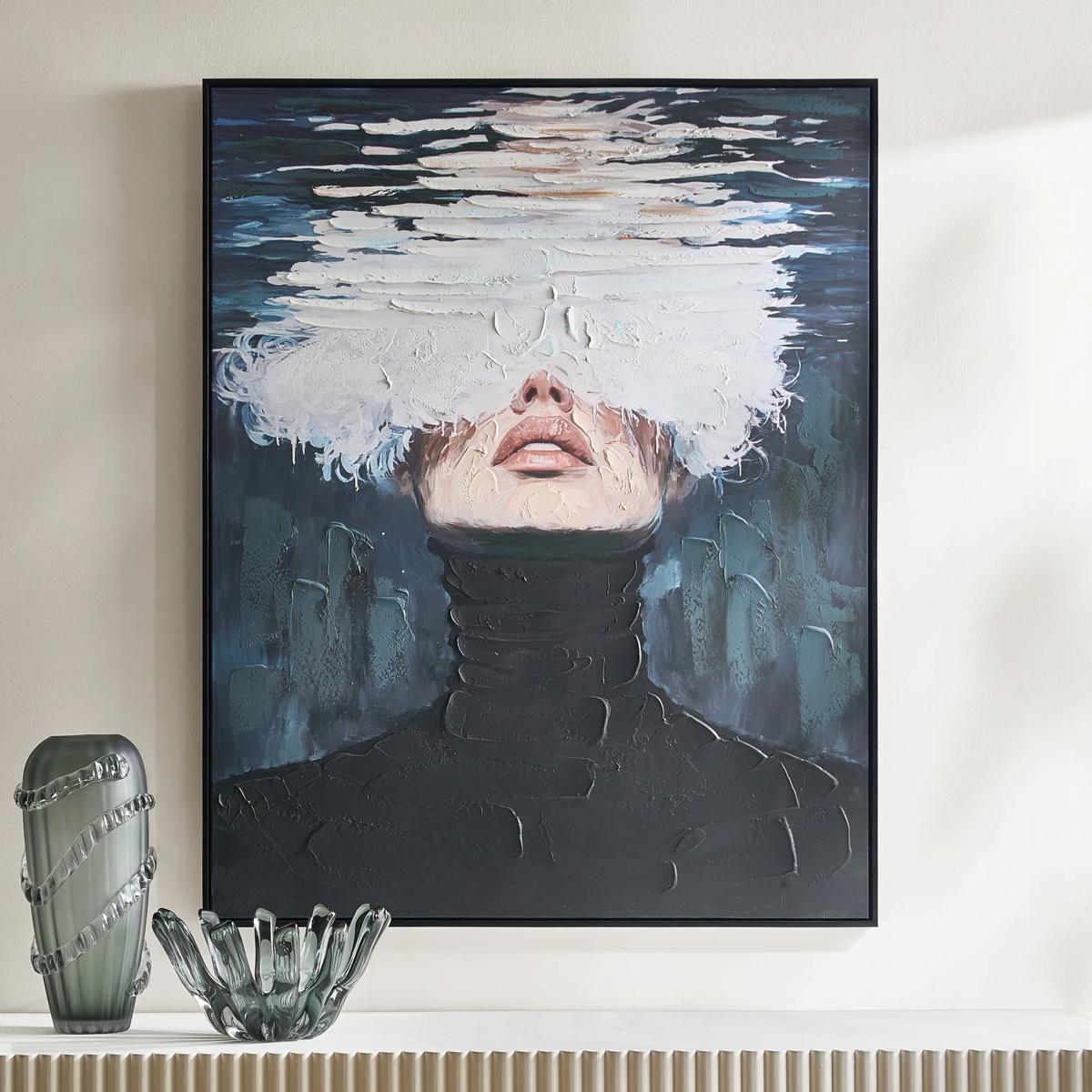 Submerged Framed Painted Wall Art 40" x 50"$599
A hand-painted canvas featuring a surreal portrait in black, blue, and white with a black floater frame.
Add To Cart -
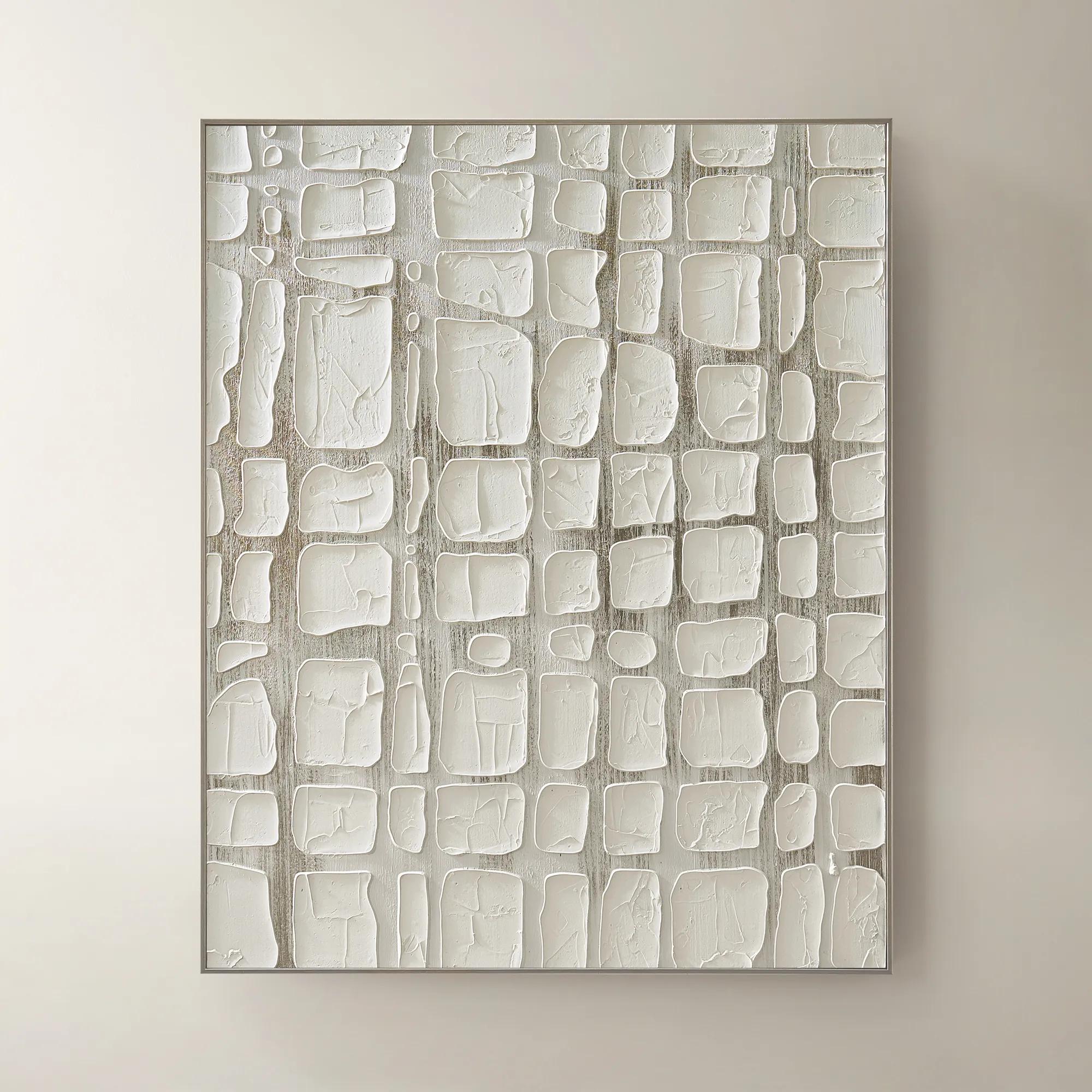
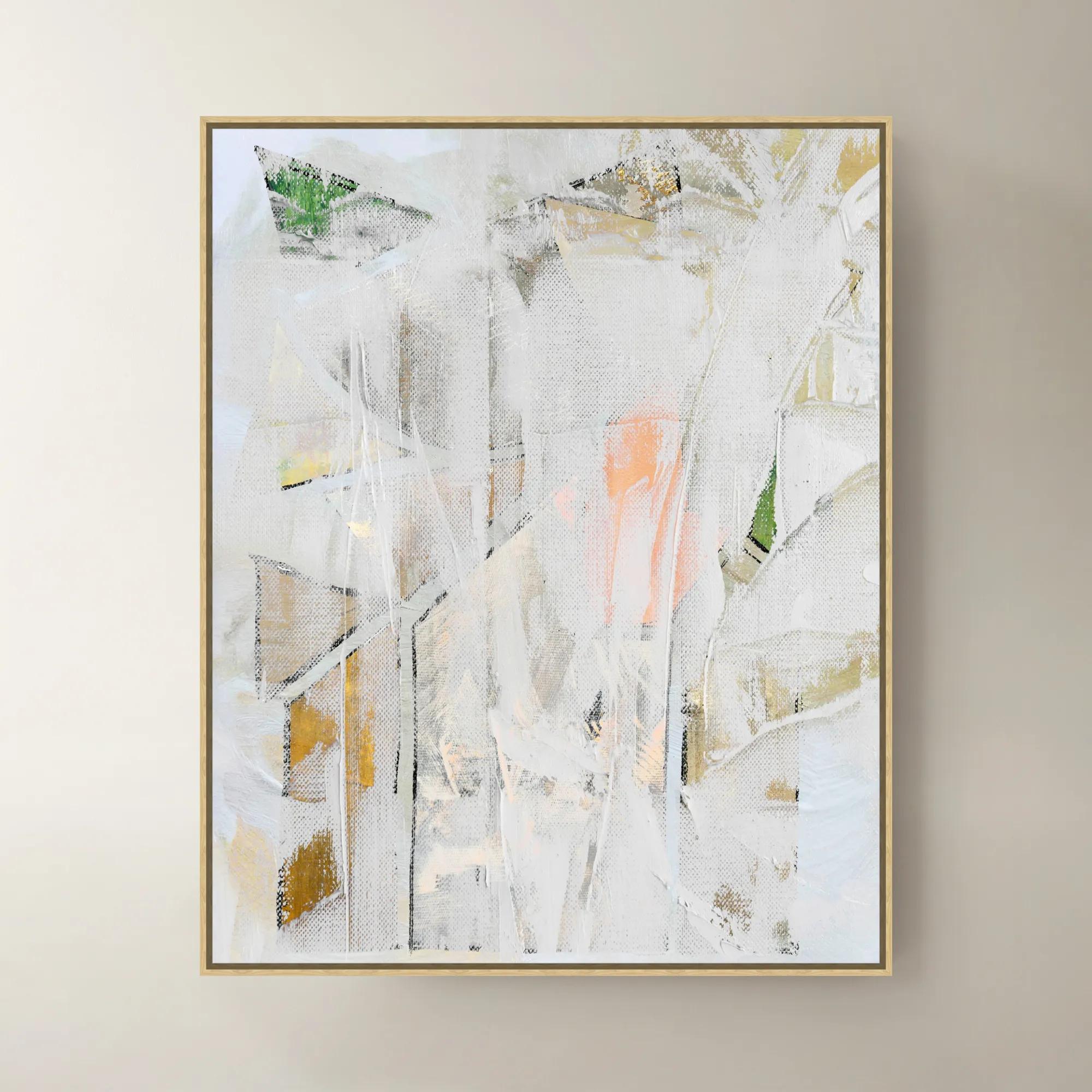
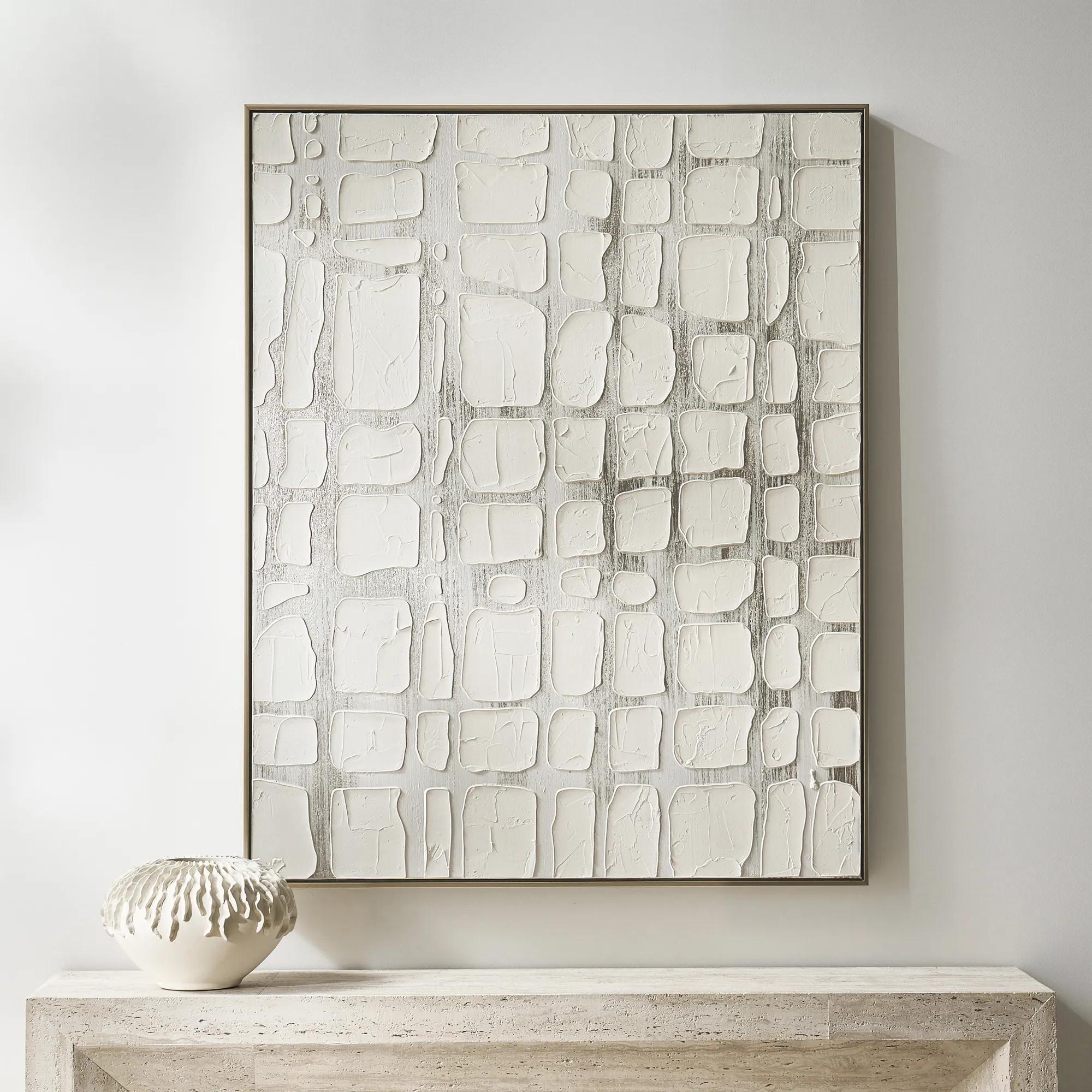 Vanish Framed Painted Wall Art 40" x 50"$499
A hand-painted canvas with raised white forms over champagne metallic ground in a refined floater frame.
Add To Cart -
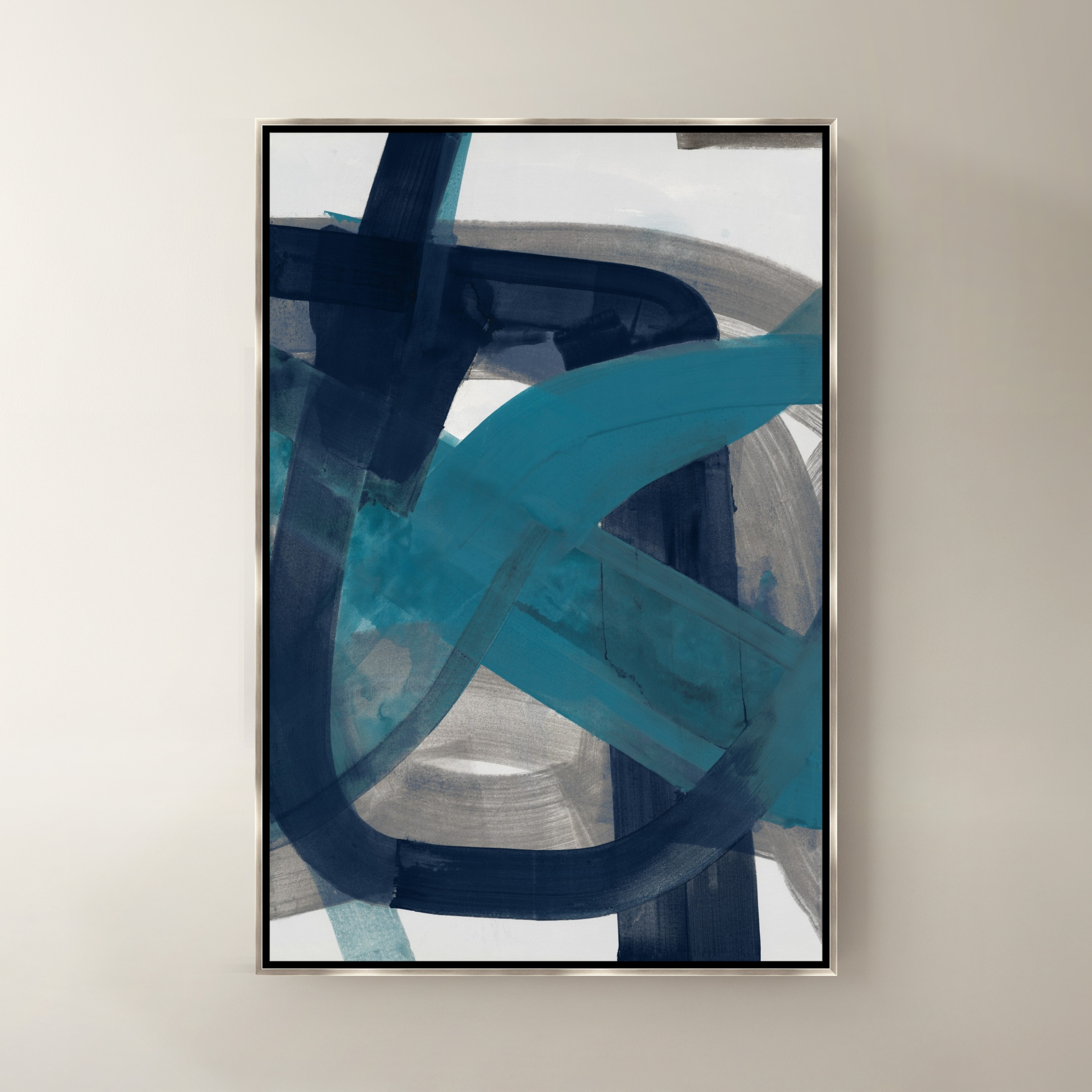
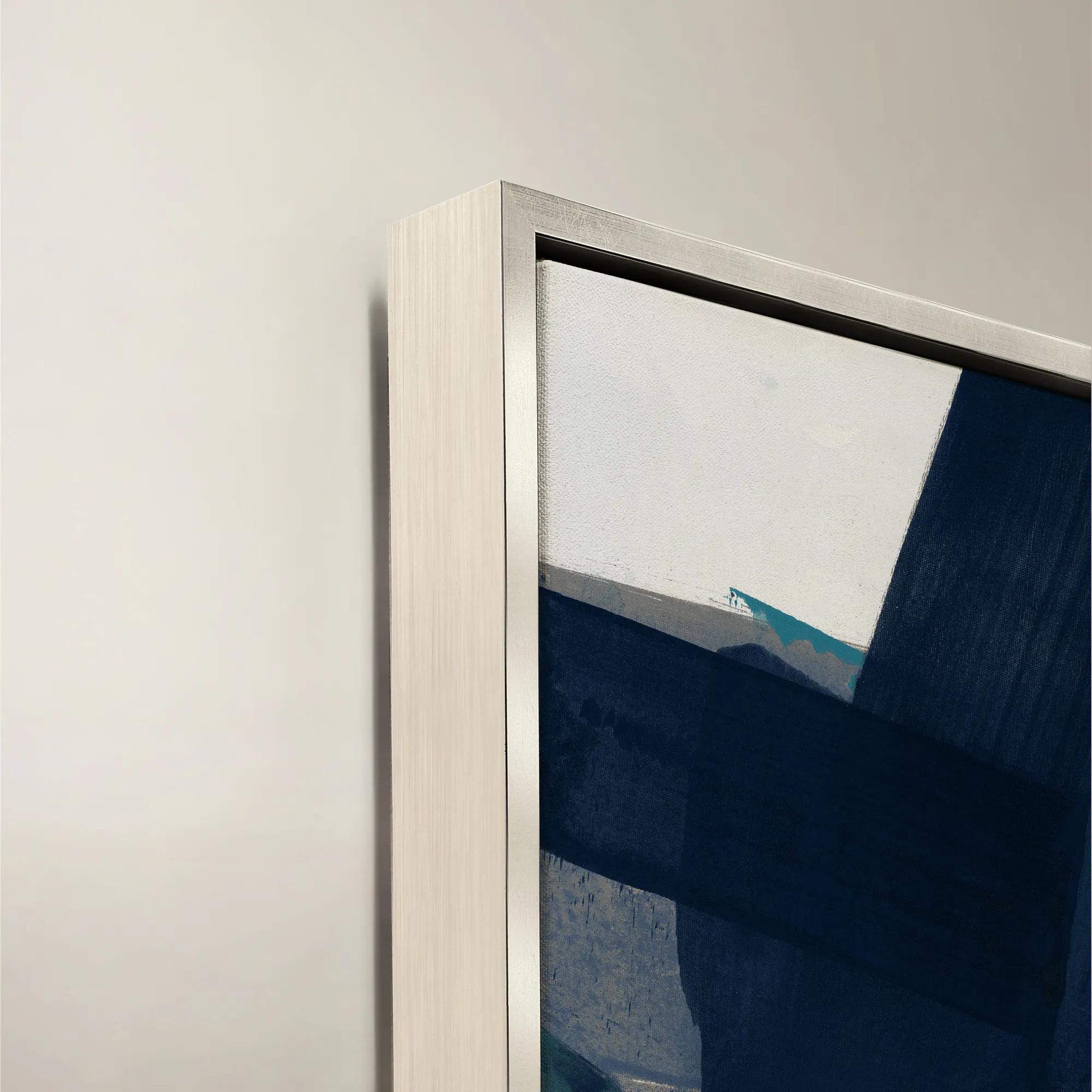 Fractured Currents II Framed Wall Art 24" x 36"$499
A framed canvas wall artwork featuring dynamic blue and purple tones for a modern, expressive accent.
Add To Cart -
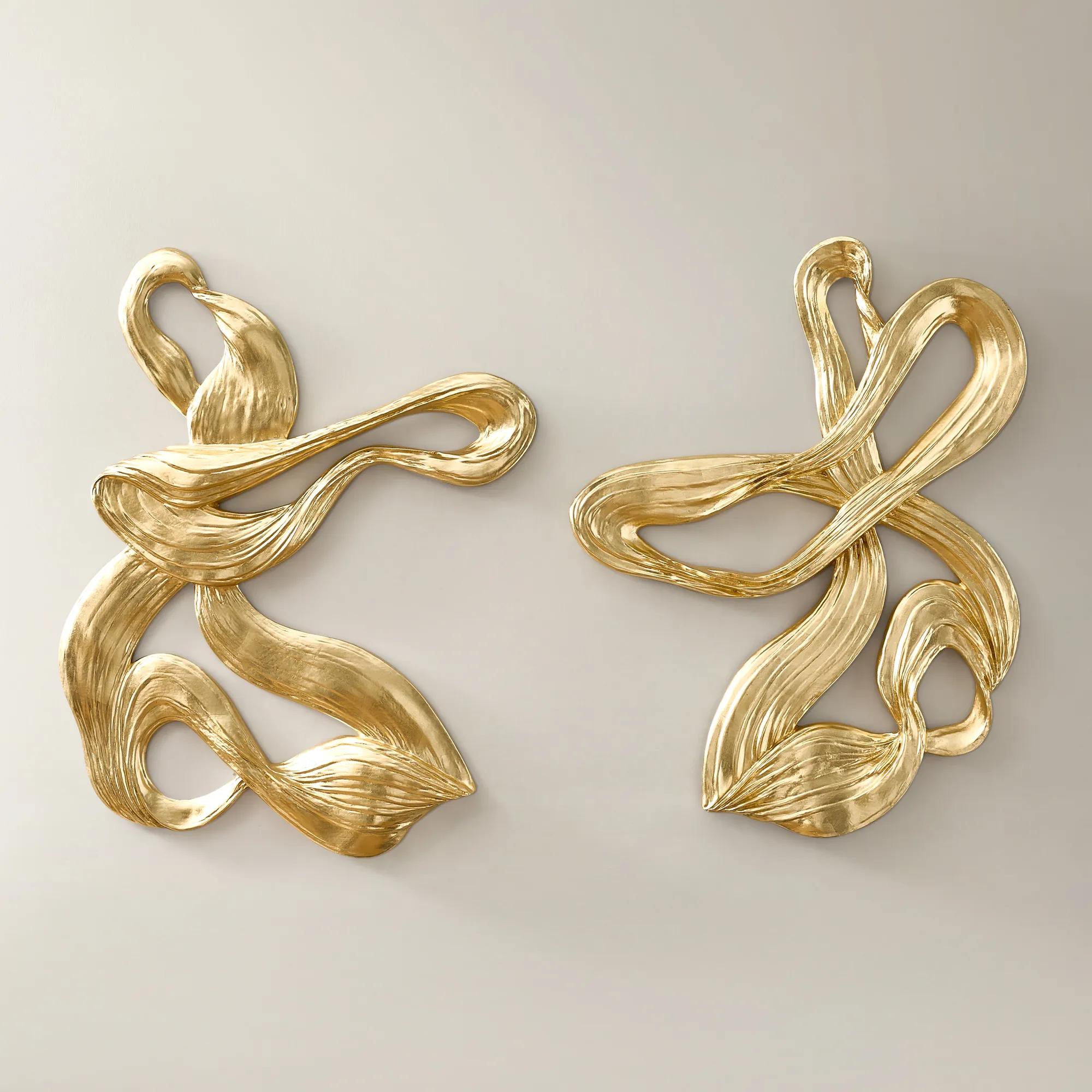
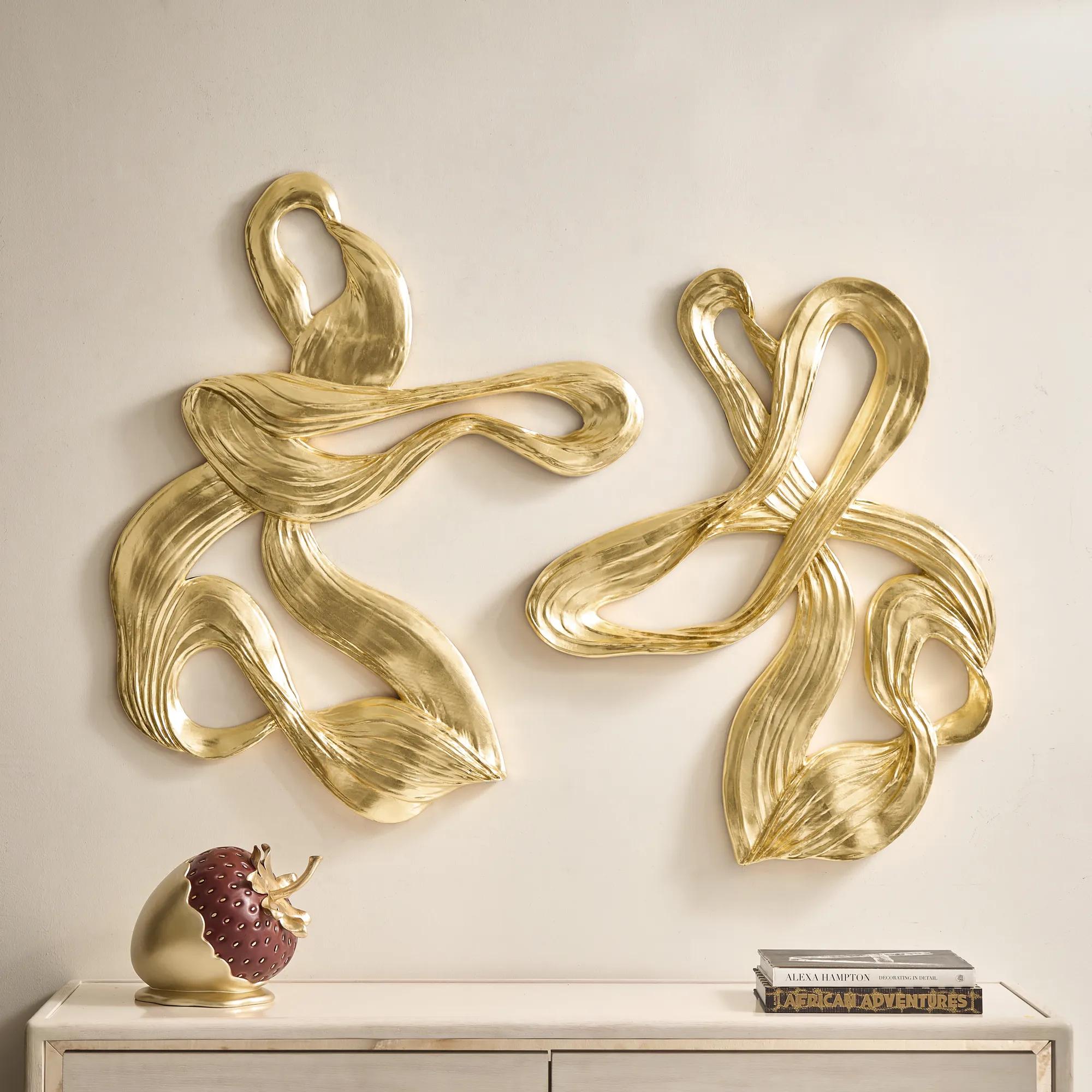 Vela Gold Leaf Sculpted Resin Wall Decor 30.5" x 39.25" Set of 2$699
A set of two resin wall sculptures featuring abstract loop designs and soft gold leafing for modern elegance.
Add To Cart -
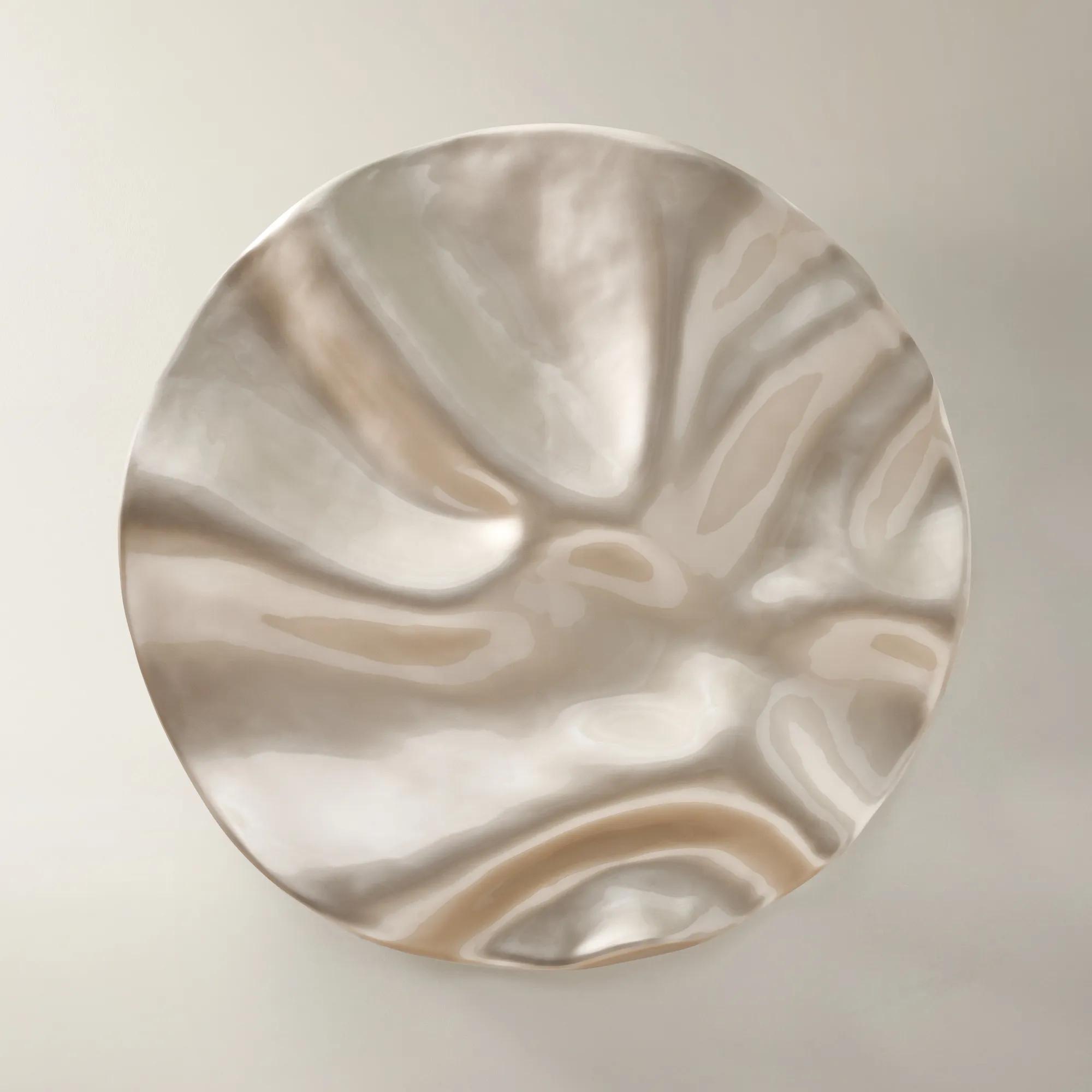
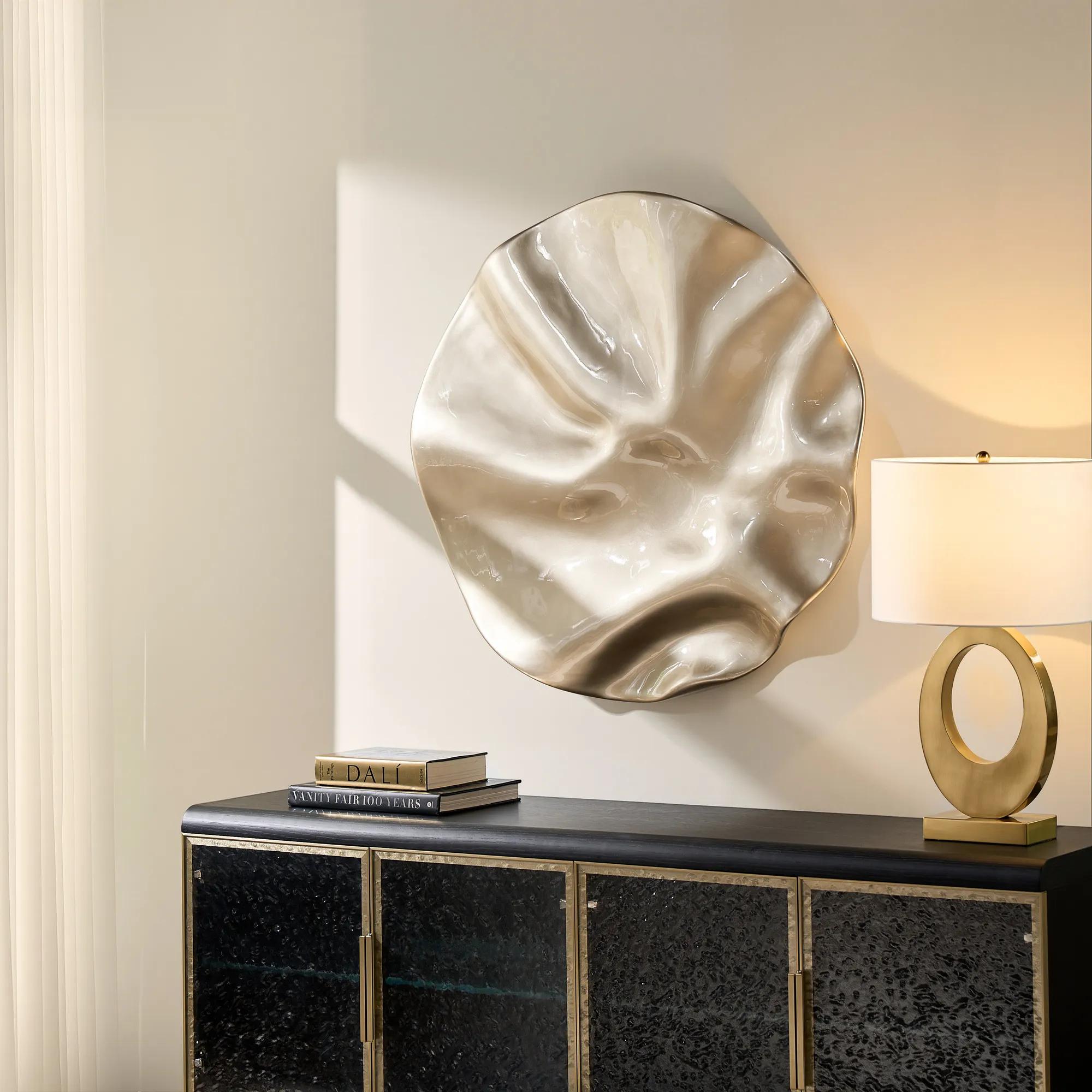 Moonlight Champagne Resin Round Wall Panel 39.75"$499
A luminous champagne-toned resin wall panel with a round silhouette and sculptural modern appeal.
Add To Cart

Unique Fluid Form Wall Art Designs
Unique Fluid Form Wall Art Designs transform bare walls into sweeping statements of movement and artistry. Each piece is a visual symphony—organic curves, swirling silhouettes, and dynamic contours that capture the energy of bold self-expression. These captivating works invite the eye to wander, creating a sense of flow and intrigue that elevates any room from ordinary to extraordinary. With every glance, discover new depths and unexpected drama—because your walls deserve art as daring and distinctive as you are.
Unique fluid form wall art designs bring the visual energy of flowing liquid to a still surface through organic shapes, swirling color, and contours that seem to expand beyond the frame. Unlike geometric abstraction, which often relies on repeated angles and precise divisions, fluid art favors irregular edges, translucent layers, marbled passages, and sweeping transitions between tones. The effect can be quietly atmospheric or unapologetically dramatic: a pale wash threaded with charcoal feels entirely different from an inky field crossed by luminous gold. That range makes fluid abstract wall art especially expressive in interiors where furniture establishes the structure and artwork introduces movement. Above a tailored sofa, a broad composition with drifting forms can soften the room’s straight lines without losing its sophistication. In an entryway, a concentrated swirl of color gives the eye somewhere to land, creating a distinct introduction to the home. The most compelling choice is not necessarily the boldest palette, but the composition whose movement feels right against the surrounding architecture. Open areas within an image allow richly layered furnishings to breathe, while denser marbling can bring depth to a restrained setting. Blue and green passages suggest watery depth; ivory, taupe, and smoke create a more tonal impression; black and metallic accents sharpen contrast with a glamorous edge. Fluid form designs can also appear as sculptural silhouettes rather than painted imagery, with looping, folded, or rippling shapes that cast real shadows. Both approaches share an emphasis on movement, but their presence on a wall is different: one draws attention into an image, while the other extends into the room. For collectors drawn to expressive abstraction, this category offers a way to introduce energy without relying on a literal landscape, portrait, or familiar motif. The result feels personal because the shapes leave room for interpretation, revealing different relationships between color, light, and negative space with each viewing.
Material gives that movement its particular character, so the surface deserves as much attention as the composition. Canvas brings a woven texture that can lend depth to broad color fields and soften the appearance of flowing gradients. A print on canvas reproduces the visual qualities of a fluid composition, while an original poured or painted work may have physical variations in its surface; the two should not be mistaken for the same construction. Glass and acrylic presentations introduce a smoother, more reflective finish that can intensify contrast and give layered imagery a luminous appearance. Their gloss also makes placement important, since a window or exposed bulb reflected across the surface can interrupt the image. Glass can be comparatively heavy and vulnerable to impact, while acrylic is generally lighter but can scratch if handled or cleaned carelessly. Shaped metal wall art creates another kind of dimension, using rigid contours, bends, and layered elements to translate fluid motion into sculptural form. Its shadow becomes part of the composition, particularly when light reaches it from an angle. Metal finishes vary, so reflective, brushed, and painted surfaces should be evaluated individually rather than treated as interchangeable. Framing changes the mood as well: a slender dark border gives an airy composition definition, while a metallic frame can echo a luminous accent within the artwork. Scale is equally consequential. Above a sofa or console, a composition roughly two-thirds to three-quarters the width of the furniture can provide a useful starting point, adjusted for nearby lamps, molding, and open wall space. A horizontal format emphasizes breadth, a vertical composition draws attention upward, and a coordinated grouping creates rhythm across a larger expanse. Measure the full framed dimensions, not just the image, and leave enough separation for individual forms to remain legible. Related selections in Fluid Wall Art for Modern Decor Themes can help connect an expressive focal point with the broader visual language of a contemporary room.
The right fluid wall art should suit both the atmosphere of the room and the realities of daily life. In a living room, an expansive composition can hold its own against a deep sofa, sculptural lighting, and richly textured upholstery. A dining room may benefit from flowing shapes that introduce movement without competing with a statement chandelier, while a bedroom often calls for gentler contrasts and a composition that feels balanced from across the bed. In a home office, a clearly defined swirl or sculptural contour creates a focal point without the visual density of a crowded arrangement. Consider the artwork from the doorway and from the seat used most often; a piece that commands attention at close range may read quite differently across the room. Lighting should reveal the work rather than overwhelm it. Diffused illumination helps preserve subtle transitions, while carefully positioned accent lighting can bring out raised contours and metallic details. Direct sunlight can contribute to fading or material changes over time, and damp locations may be unsuitable unless the construction is specifically intended for those conditions. Secure installation matters, especially for glass or dimensional metal: use hardware rated for the artwork’s weight and appropriate to the wall, following the supplied mounting directions. For routine care, a soft, dry cloth is often suitable for frames and many smooth surfaces, but the manufacturer’s instructions should determine the method. Avoid spraying cleaner directly onto artwork, scrubbing textured areas, or assuming that acrylic tolerates the same products as glass. Unfinished paint, embellished surfaces, and delicate relief may require more specialized care. Fluid abstract art can also make a thoughtful housewarming or wedding gift for someone whose taste leans toward expressive interiors, particularly when the palette and dimensions reflect a space they already love. Whether chosen as a gift or as a personal finishing gesture, its lasting appeal comes from the relationship between expressive movement and deliberate placement: color that speaks to the furnishings, scale that respects the wall, and a surface that rewards a closer look.
FAQs
Fluid form wall art harmonizes beautifully with a range of interior styles, from modern and contemporary spaces that celebrate bold, abstract statements to eclectic rooms that thrive on contrast and visual intrigue. These pieces also add a dynamic edge to transitional and glam-inspired settings, infusing any space with movement, color, and a sense of artistic spontaneity.
Strategically placed lighting can elevate the drama of fluid wall art by highlighting its shimmering finishes, layered textures, and shifting hues. Consider accent lighting such as picture lights or wall sconces to draw attention to metallic highlights or pearlescent swirls, or let natural light reveal subtle color transitions throughout the day.
Absolutely—fluid wall art makes a striking and thoughtful gift, perfect for housewarmings, weddings, anniversaries, or milestone celebrations. Its expressive forms and vibrant colors resonate with recipients who appreciate creativity and individuality, offering a lasting reminder of a meaningful moment.
Fluid form wall art is inherently evocative, lending a sense of movement, energy, and sophistication to any room. Depending on the palette and composition, it can create a calming, meditative atmosphere or infuse a space with bold, uplifting energy—always inviting conversation and admiration.
Yes, fluid wall art is exceptionally versatile and can be seamlessly integrated into gallery walls or mixed-media arrangements. Pair it with sculptural mirrors, metallic accents, or photography to create a layered, curated look that celebrates both cohesion and contrast, transforming your wall into a true work of art.