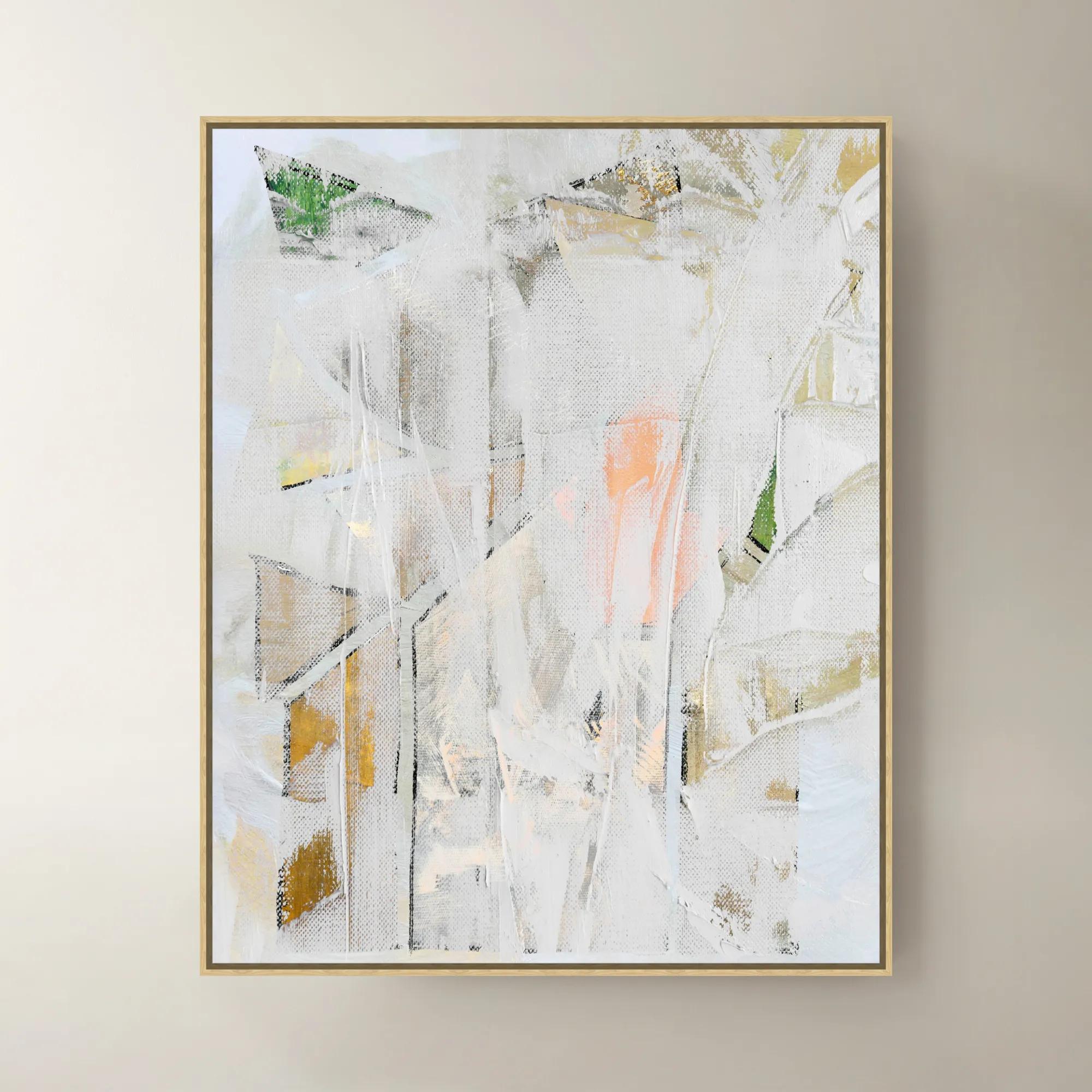
Exclusive Contemporary Wall Art Pieces
Exclusive Contemporary Wall Art Pieces
-
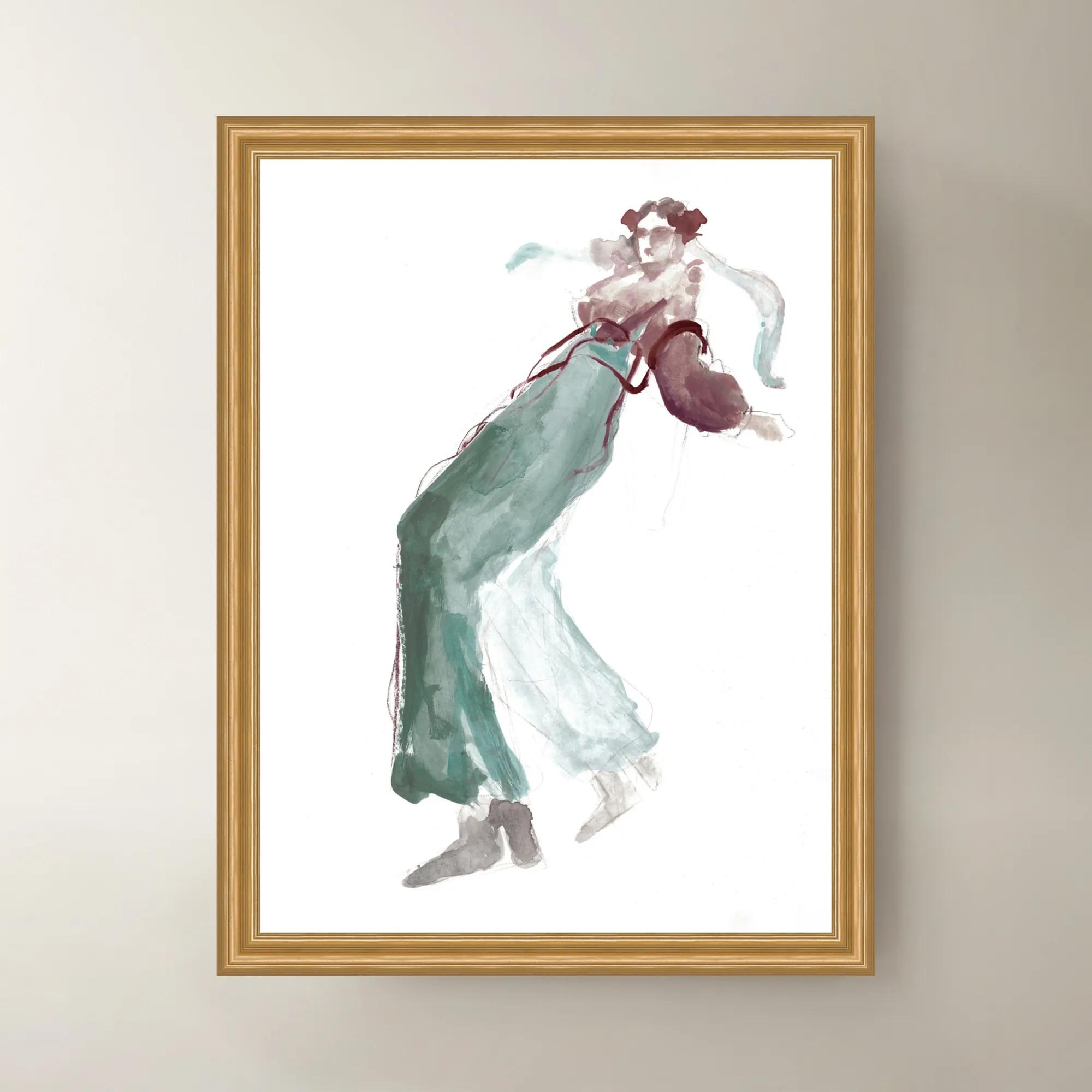
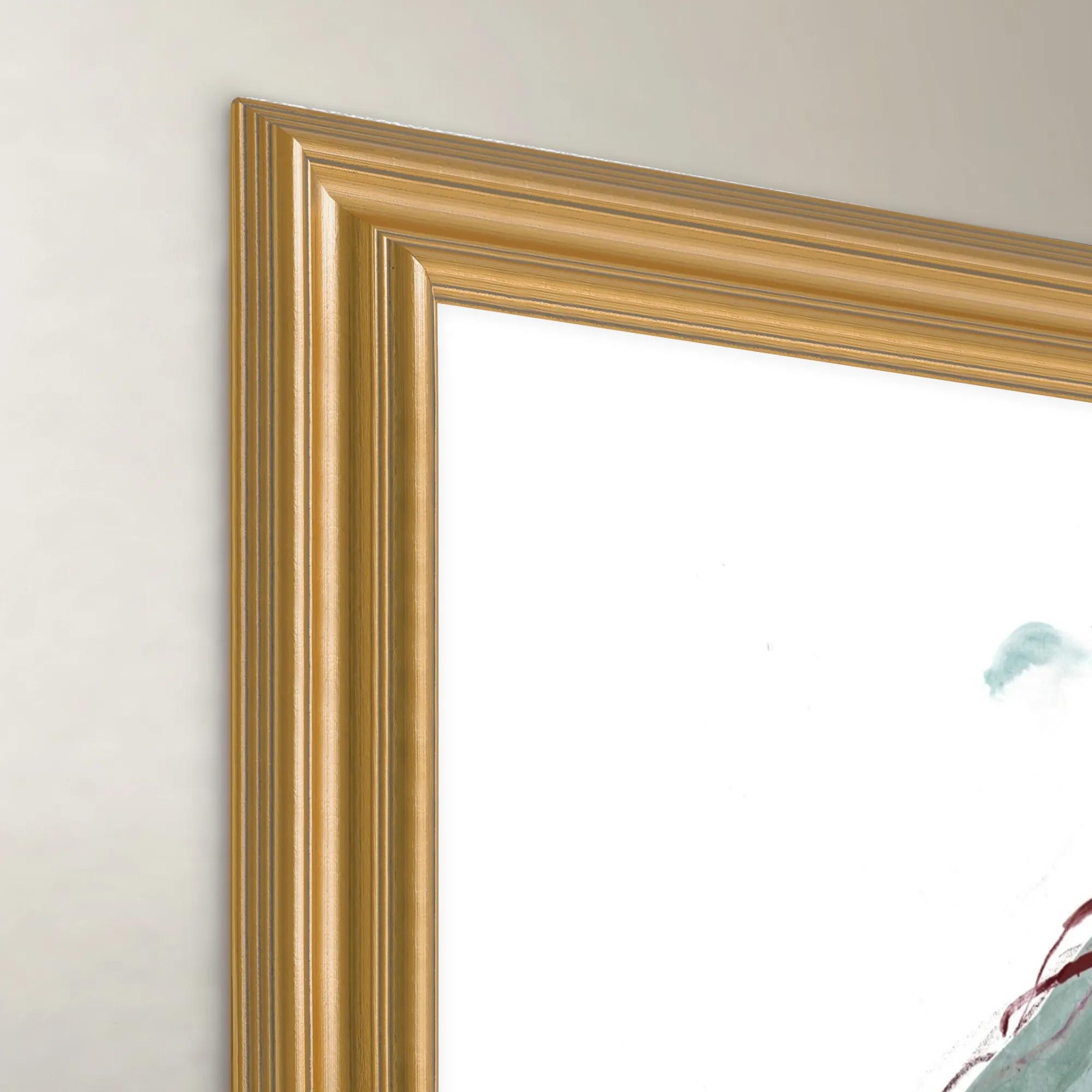 A Le Mode II Framed Wall Art 30" x 40"$799
A green canvas wall art piece presented in a sleek frame.
Add To Cart -

 Disco Head Queen II Framed Wall Art 24" x 30"$499
A vibrant multicolored canvas wall artwork presented in a sophisticated frame.
Add To Cart -
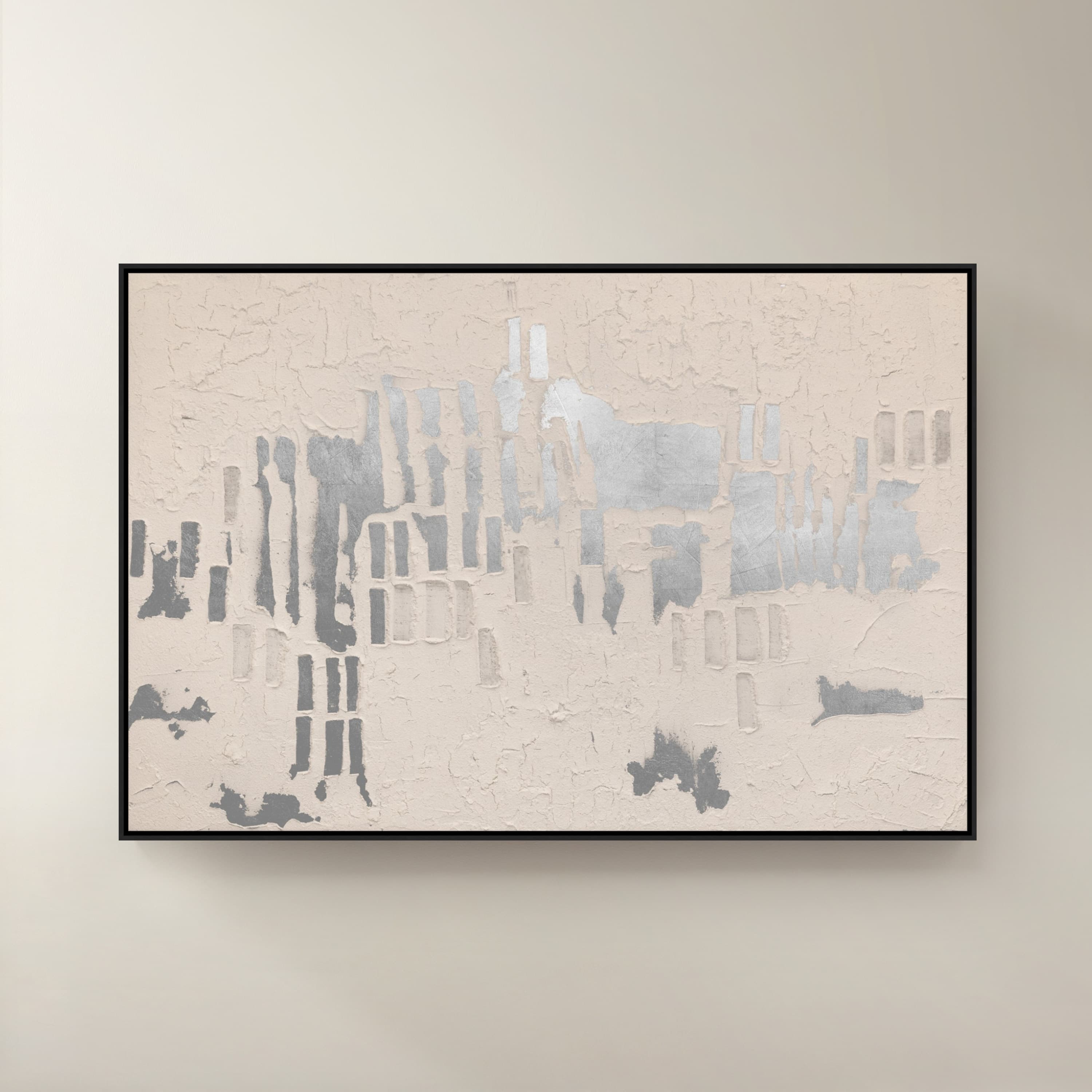
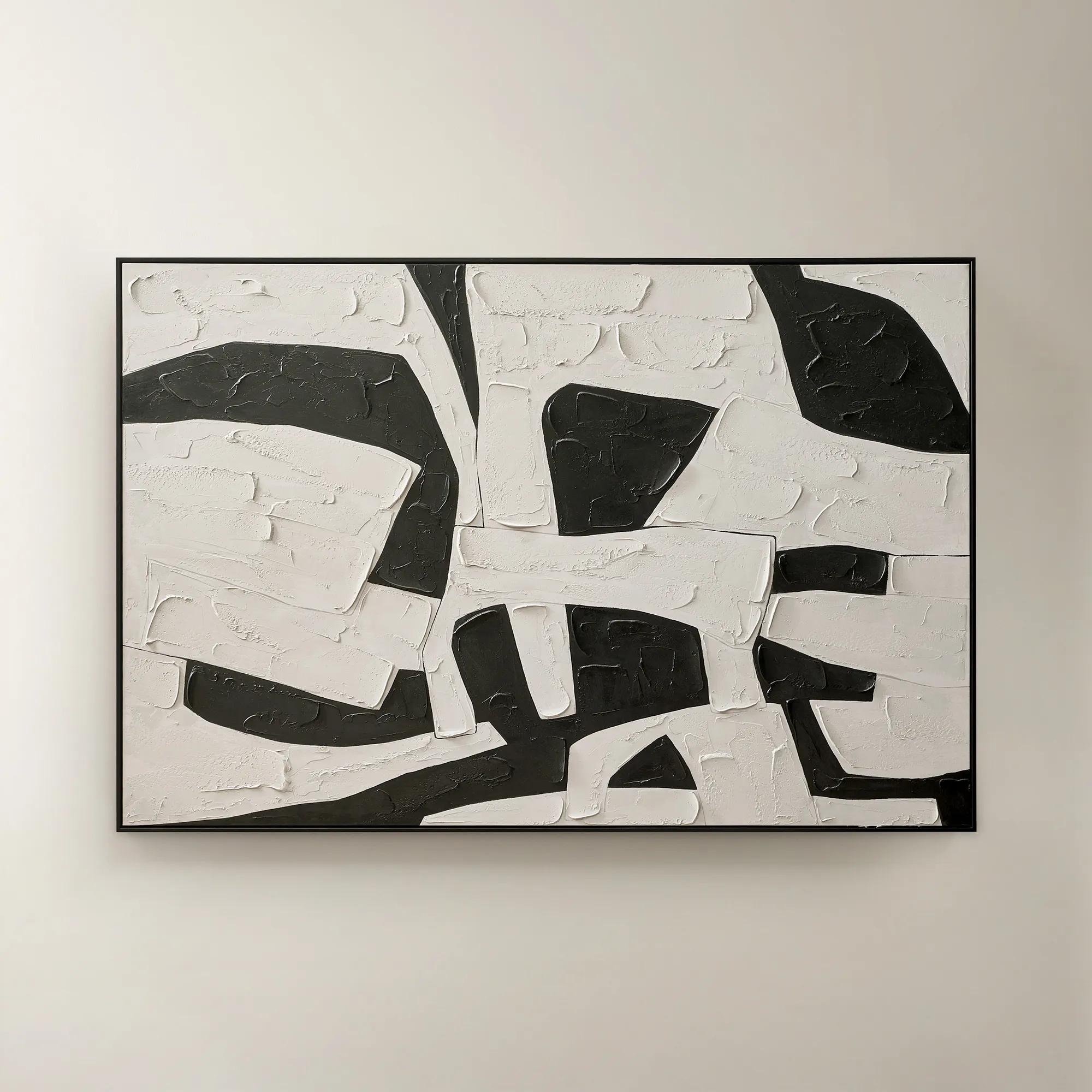 Space Between Shadows Framed Painted Wall Art 72" x 48"$799
A hand-painted abstract canvas featuring bold alabaster and black geometric forms in a sleek black frame.
Add To Cart -
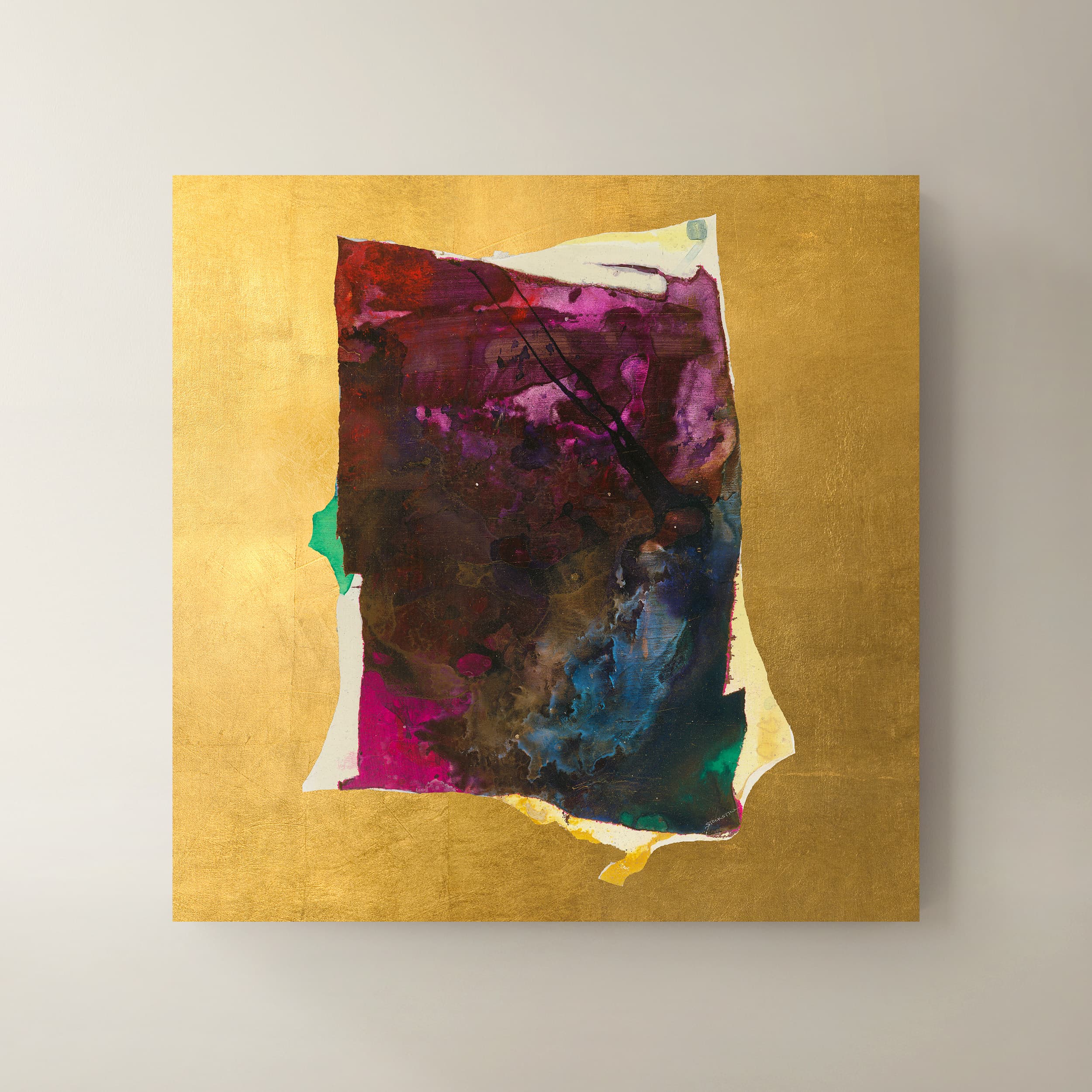 Supremo I Wall Art 40" x 40"$999
A multicolored canvas wall art piece adding contemporary visual interest to your interior.
Add To Cart -
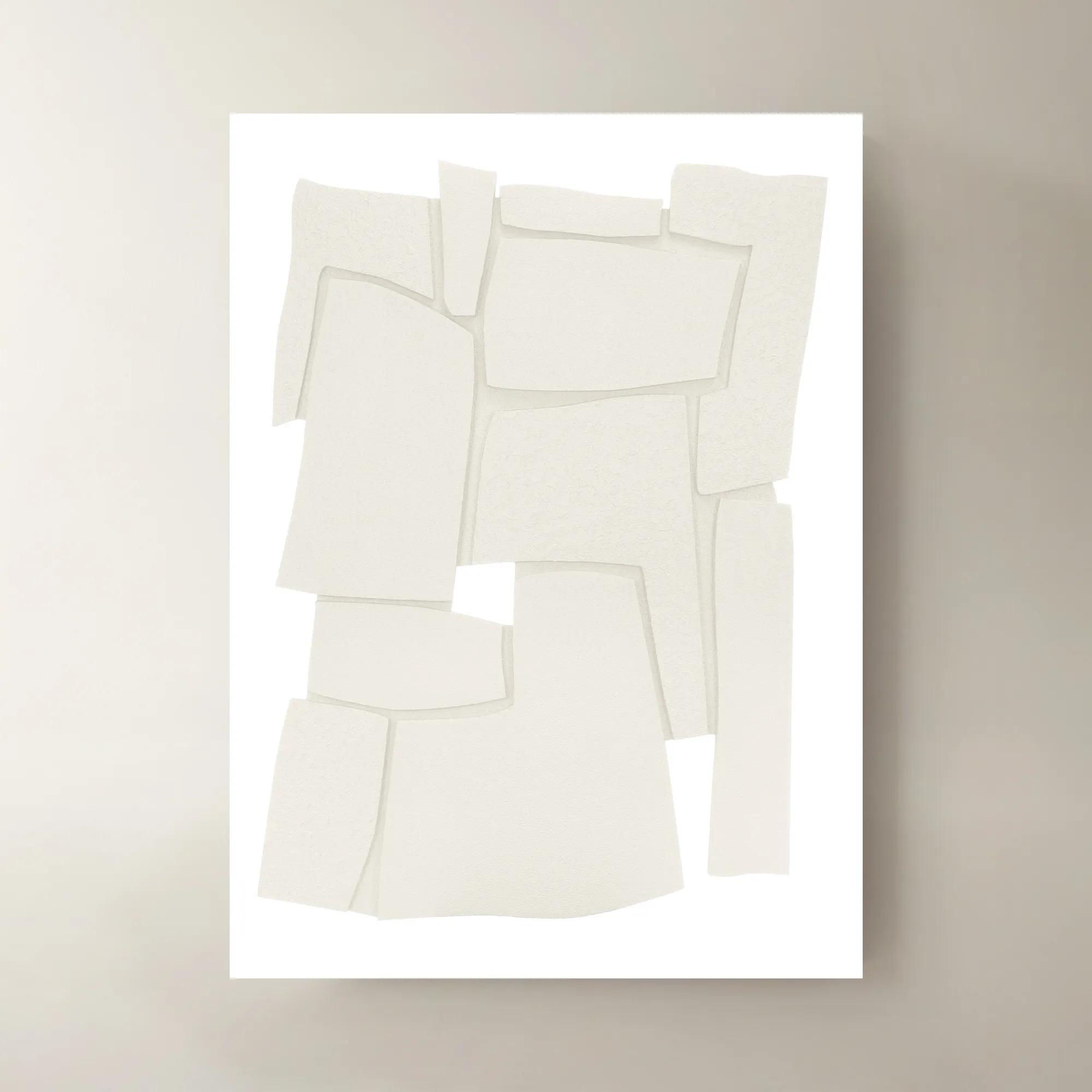
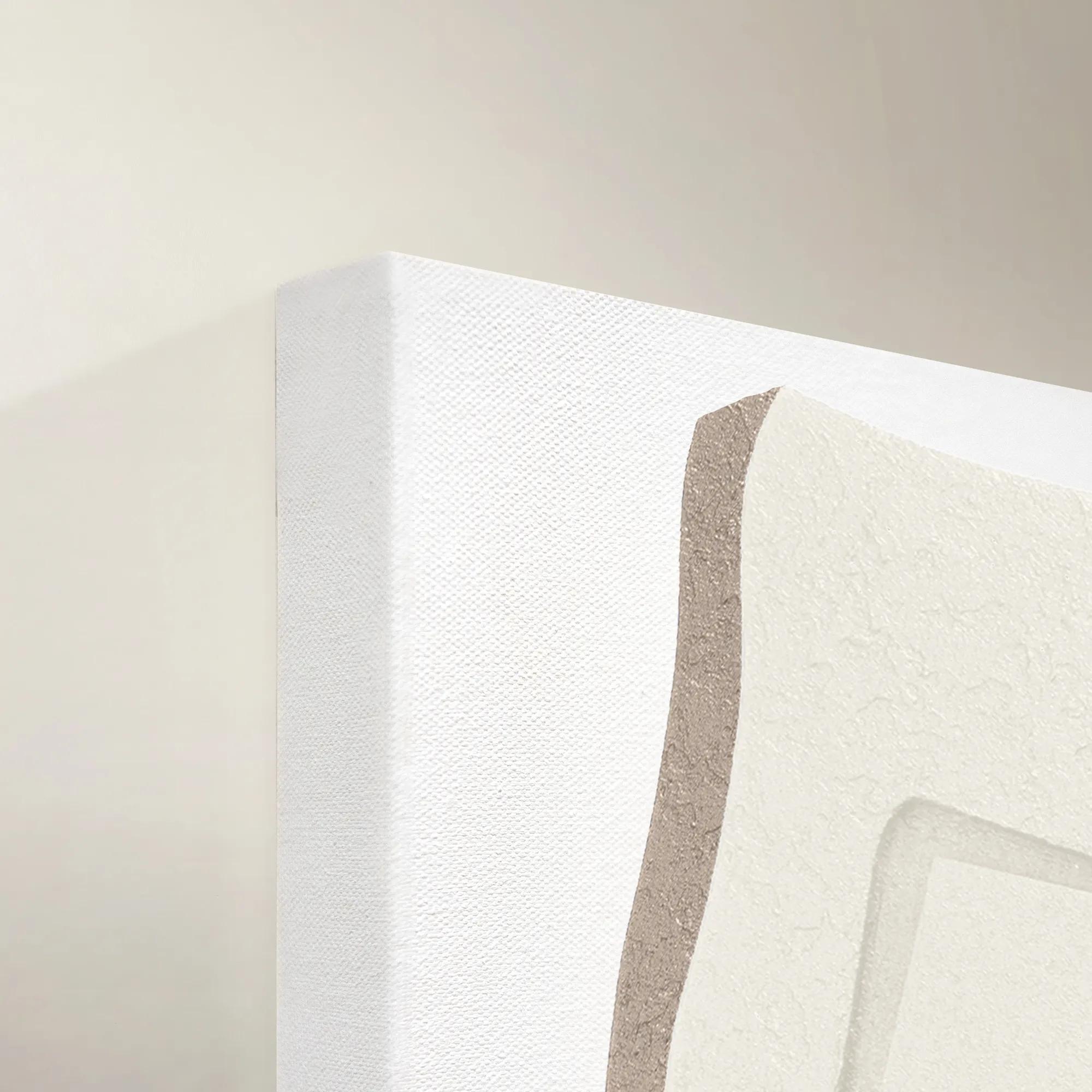 Wonder Maze III Wall Art 40" x 55"$1699
A contemporary canvas wall art piece featuring an intriguing abstract maze-inspired design.
Add To Cart -
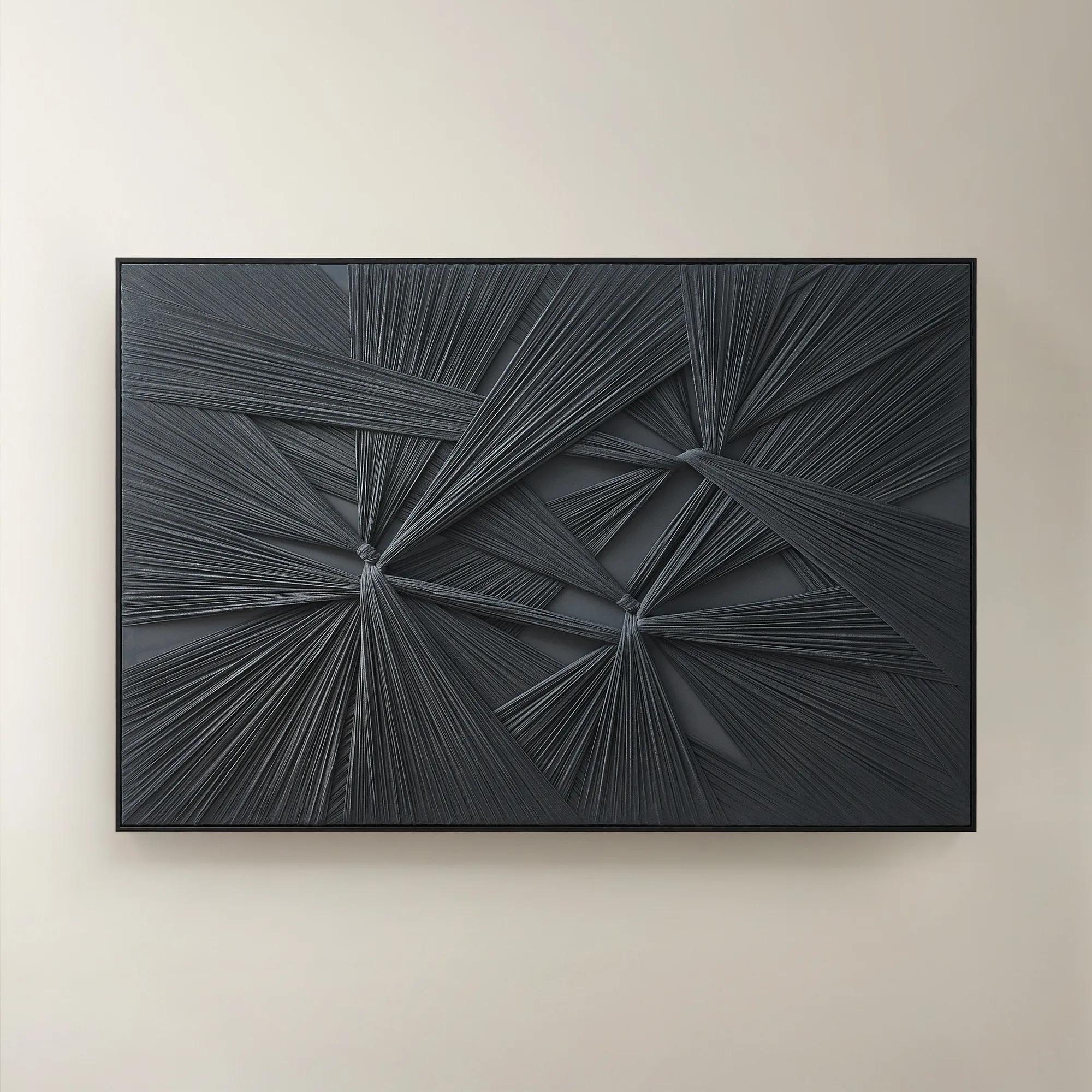 Grace in Dark Slate Hand-crafted Fabric Wall Art 70.75" x 47"$799
A hand-crafted textile wall art piece in dark slate, featuring sculptural texture and versatile display options.
Add To Cart -
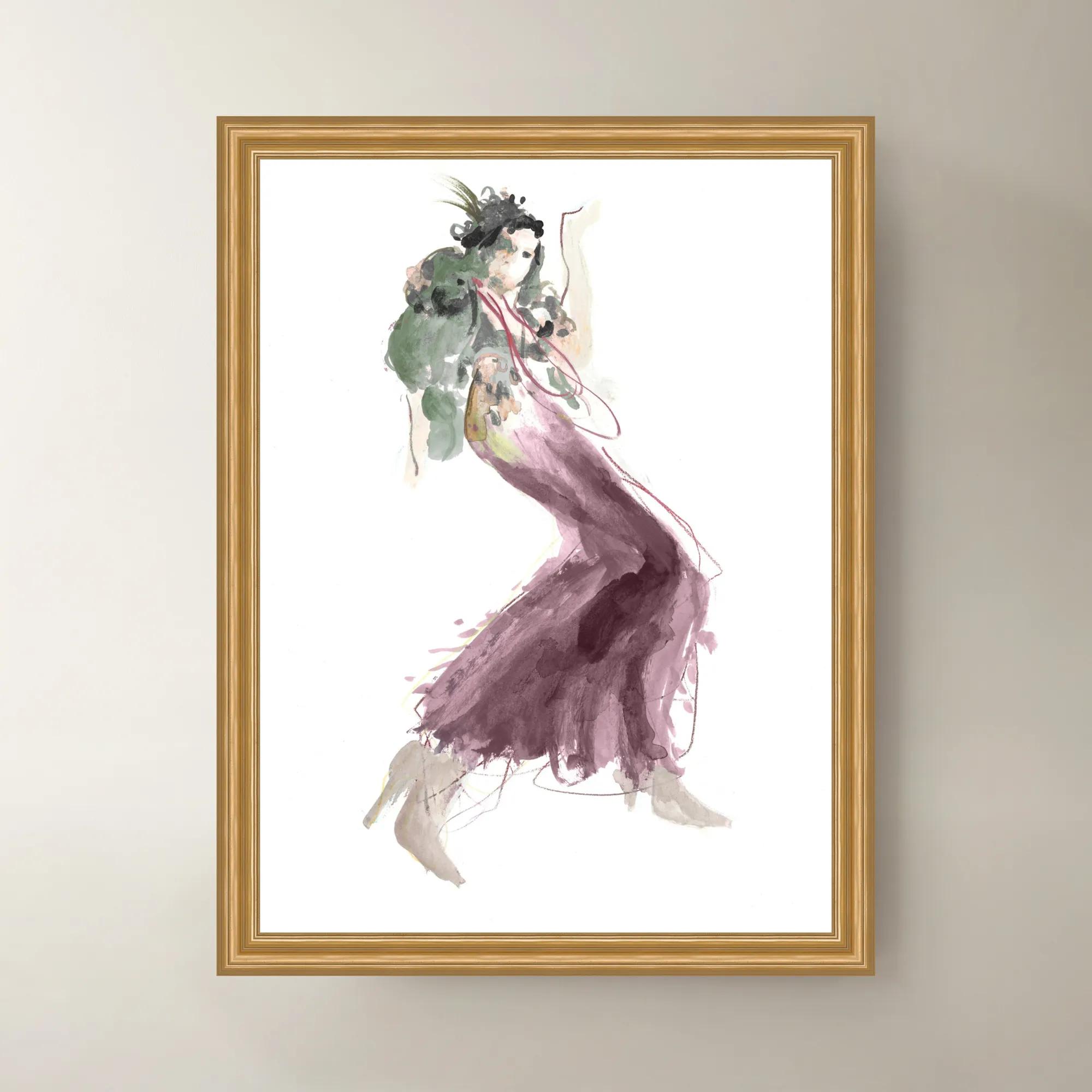
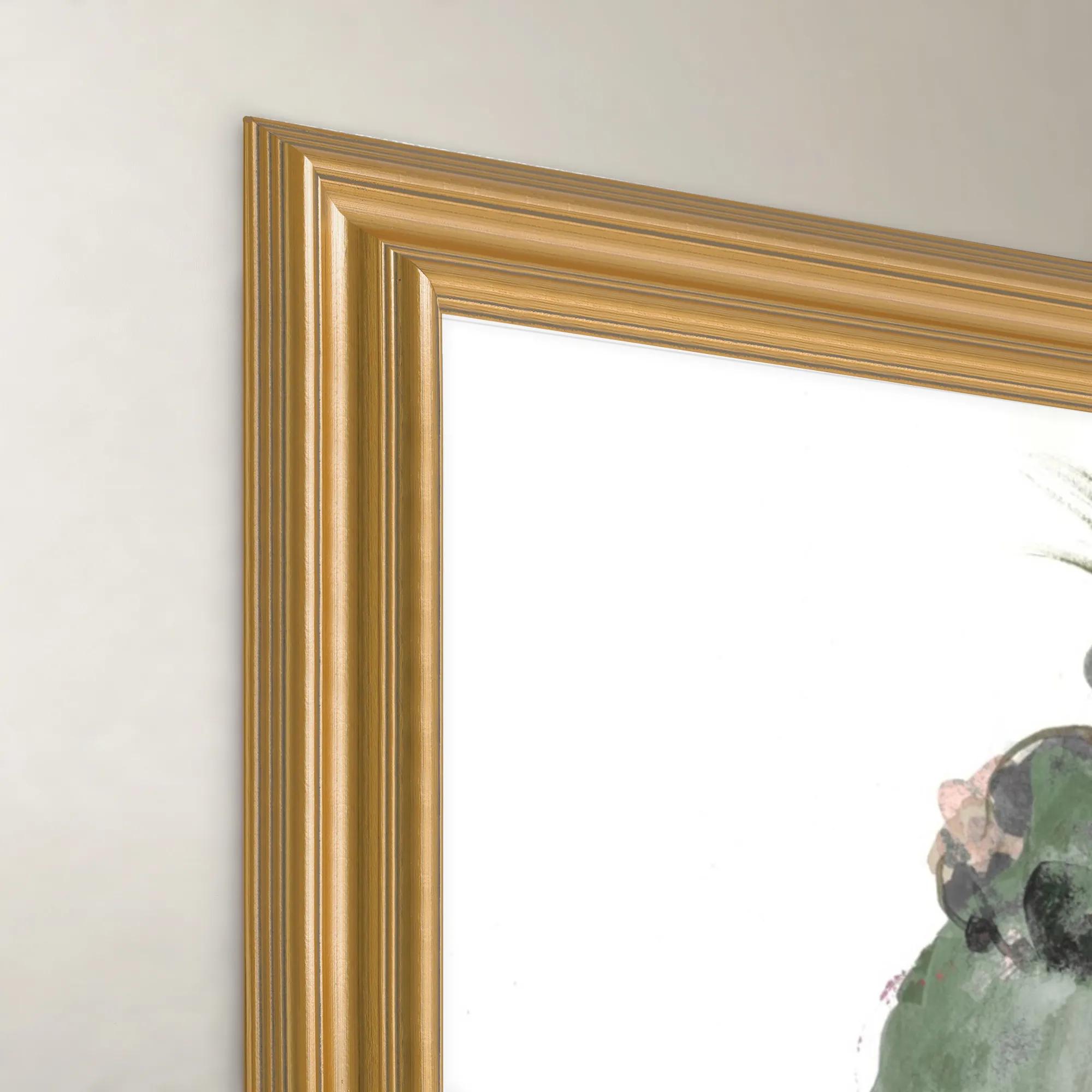 A Le Mode I Framed Wall Art 30" x 40"$799
A blue and purple framed canvas wall artwork bringing contemporary color and dimension to interior spaces.
Add To Cart -
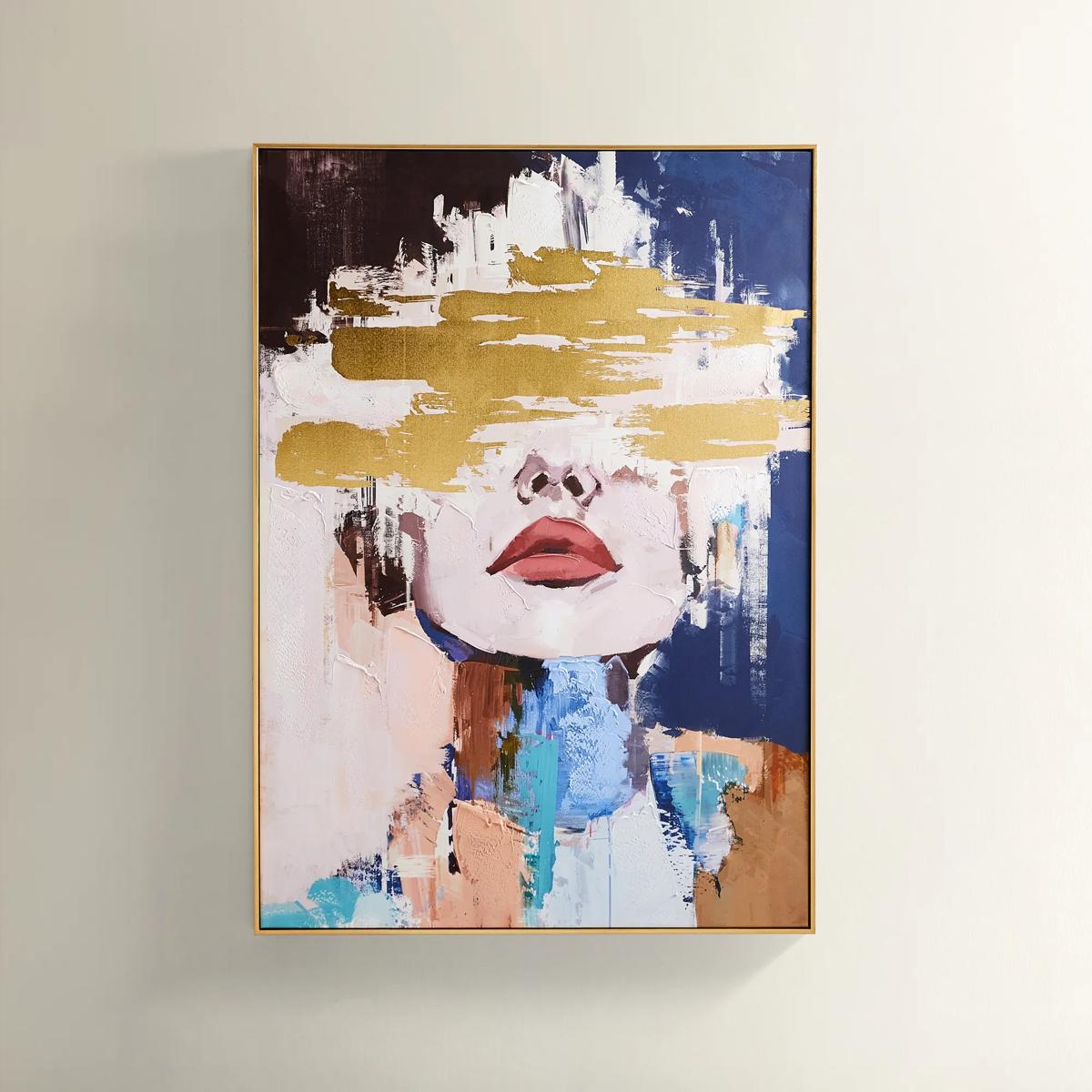
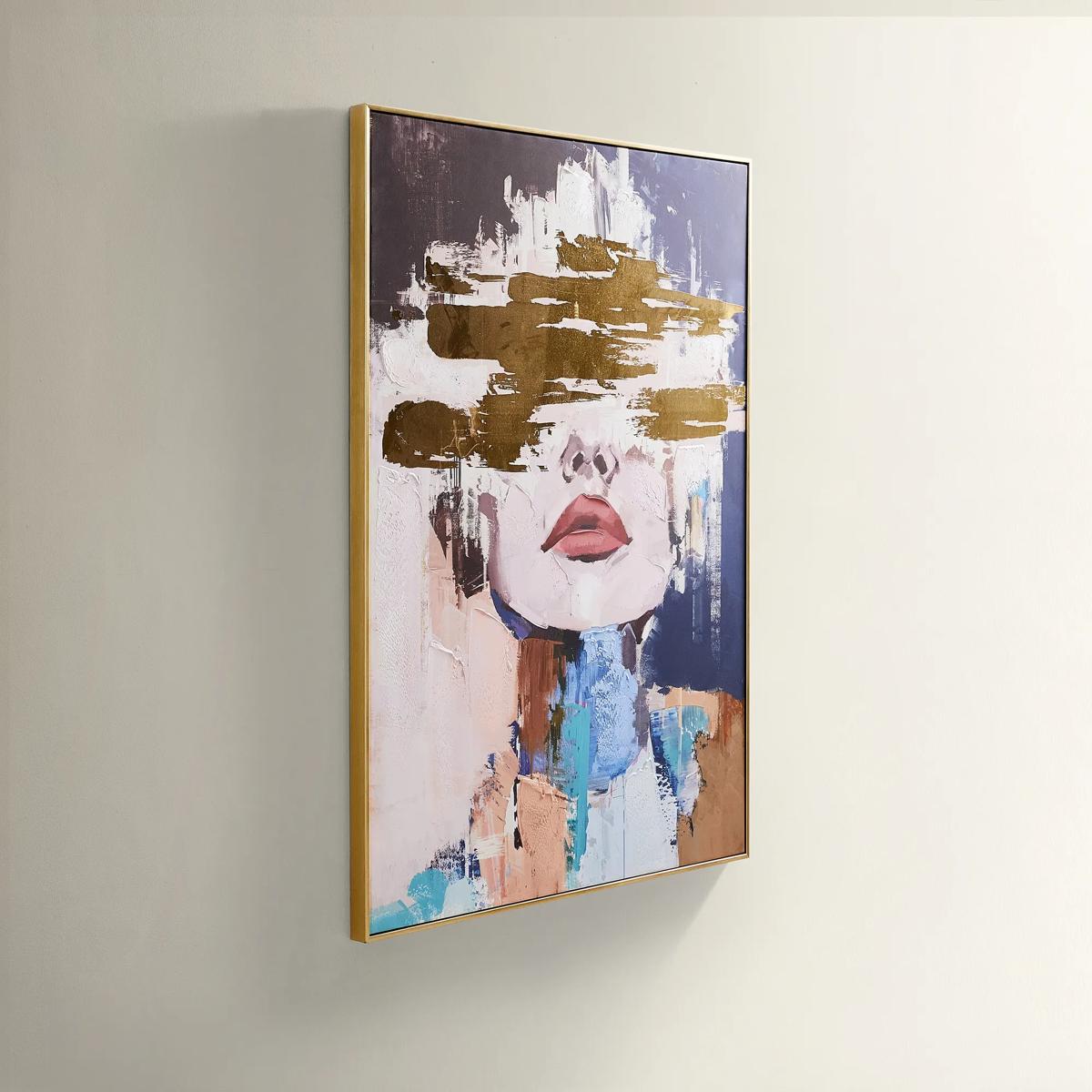 Waiting in Color Gold Foil Painted Wall Art 39.25" x 55"$499
A hand-painted abstract portrait in vivid blue, blush, and gold foil, framed in luxe gold.
Add To Cart -
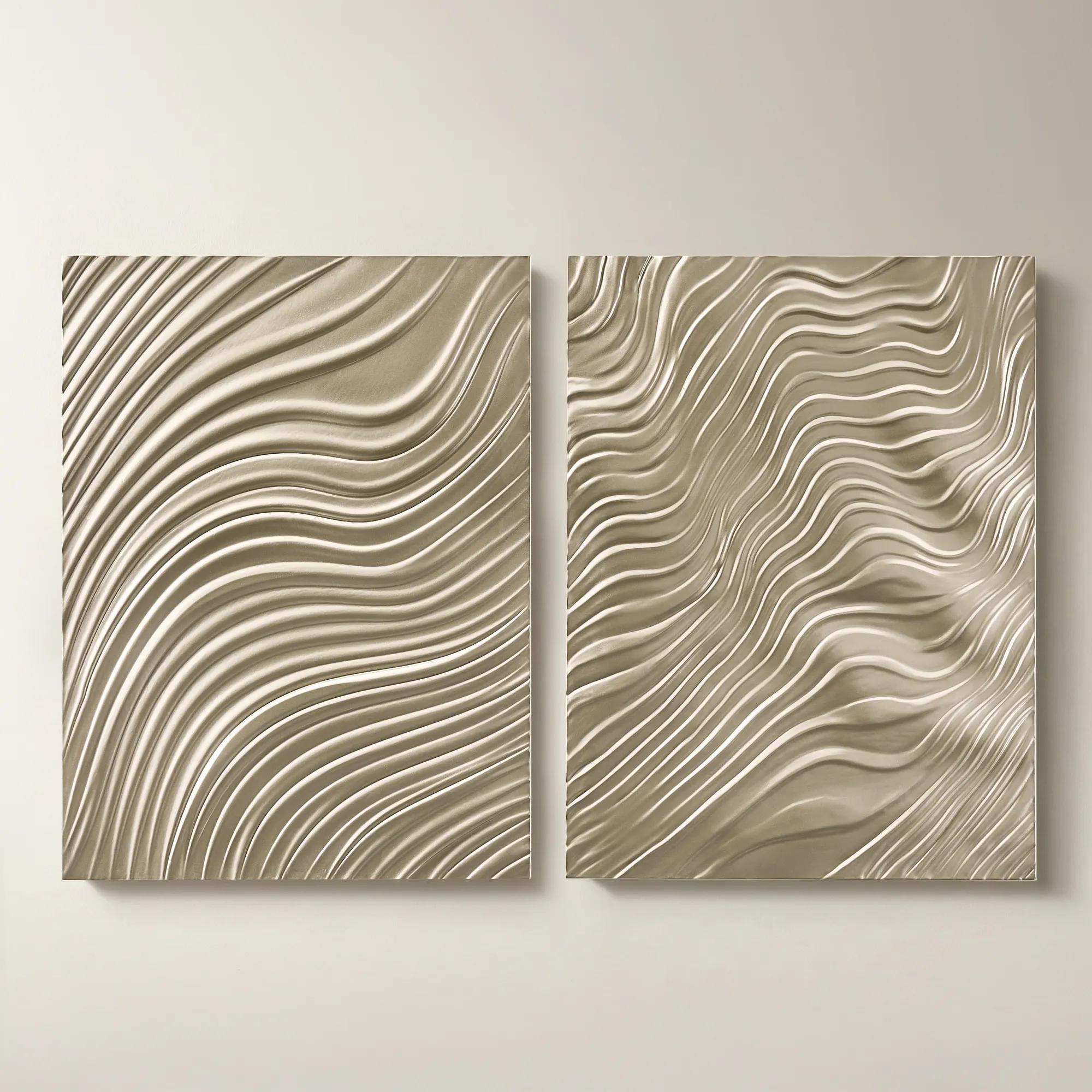
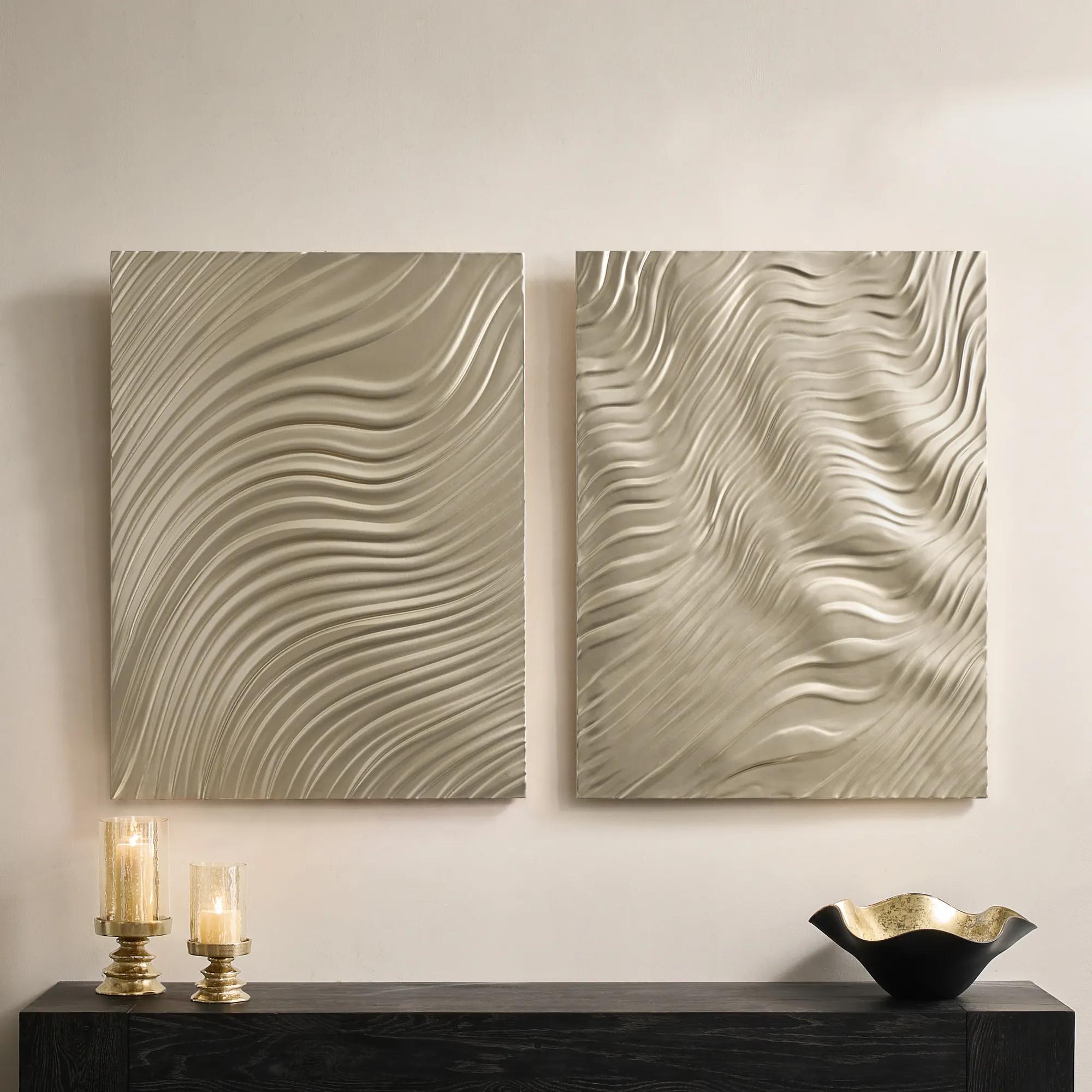 Mirage Champagne Carved Wood Wall Panels 30" x 40" Set of 2$799
A set of two intricately carved wood composite panels in a champagne finish with flowing 3D patterns.
Add To Cart -
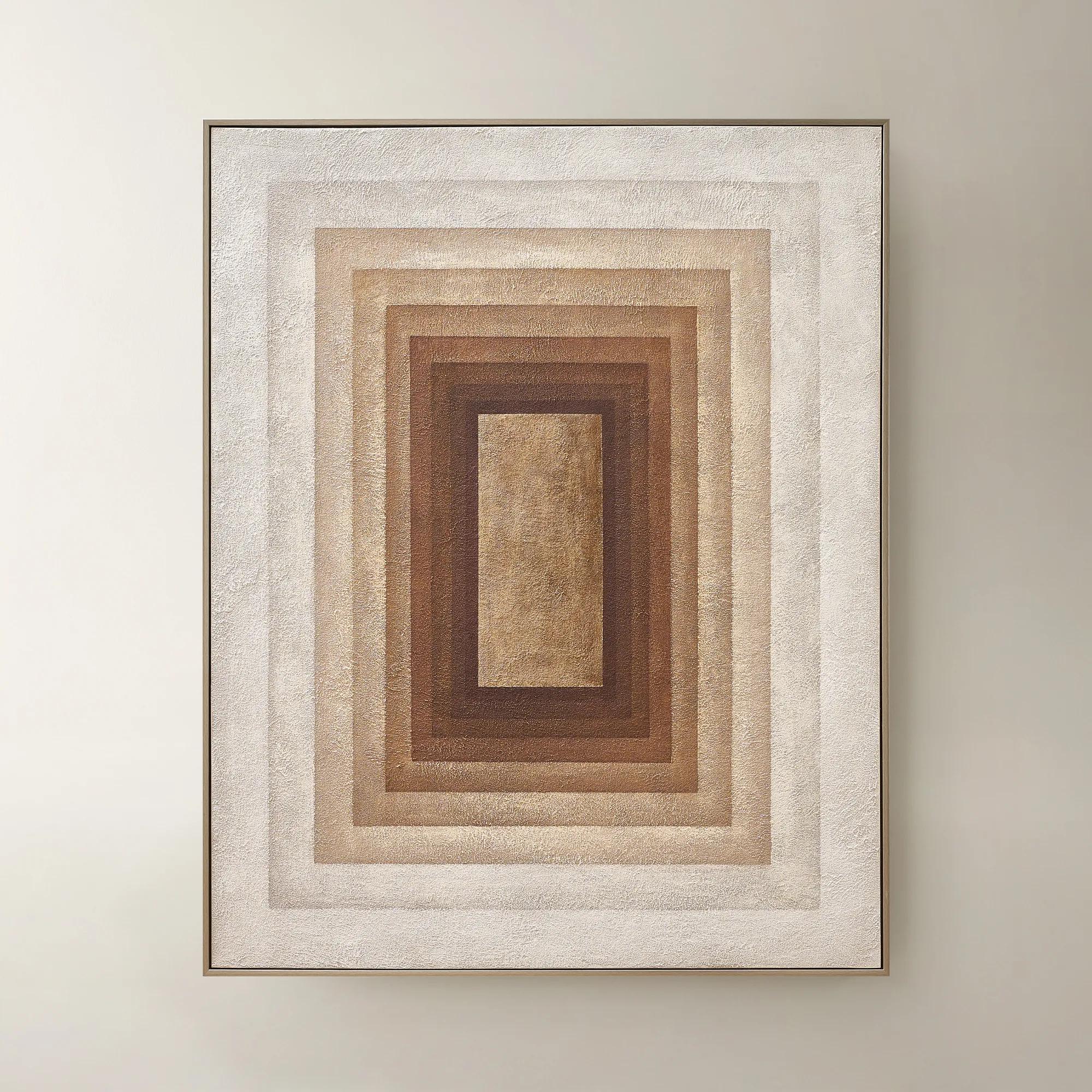 Monochrome Drift Framed Painted Wall Art 60" x 48"$699
A hand-painted abstract canvas with champagne leafing, featuring cocoa and gold tones in modern geometric design.
Add To Cart -
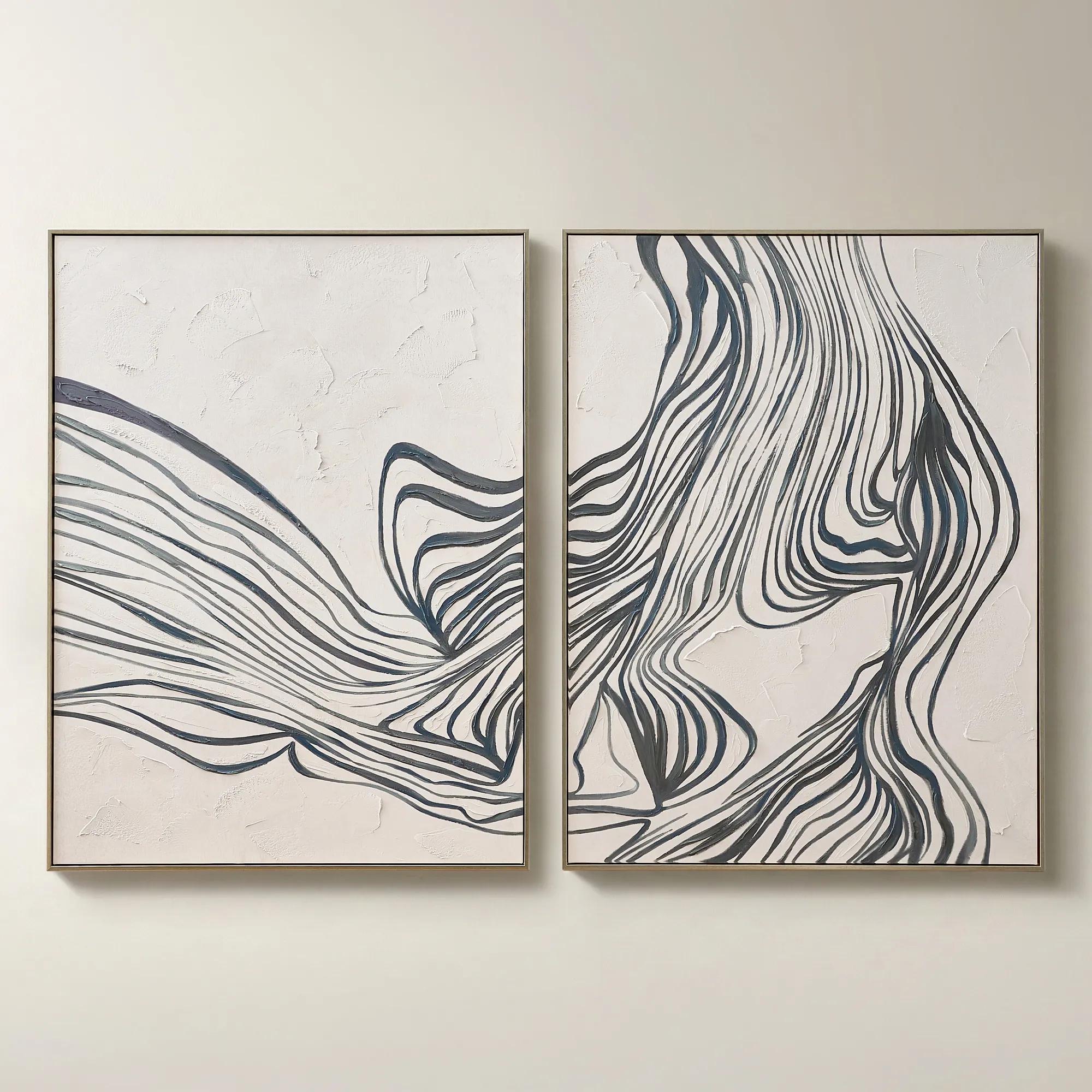
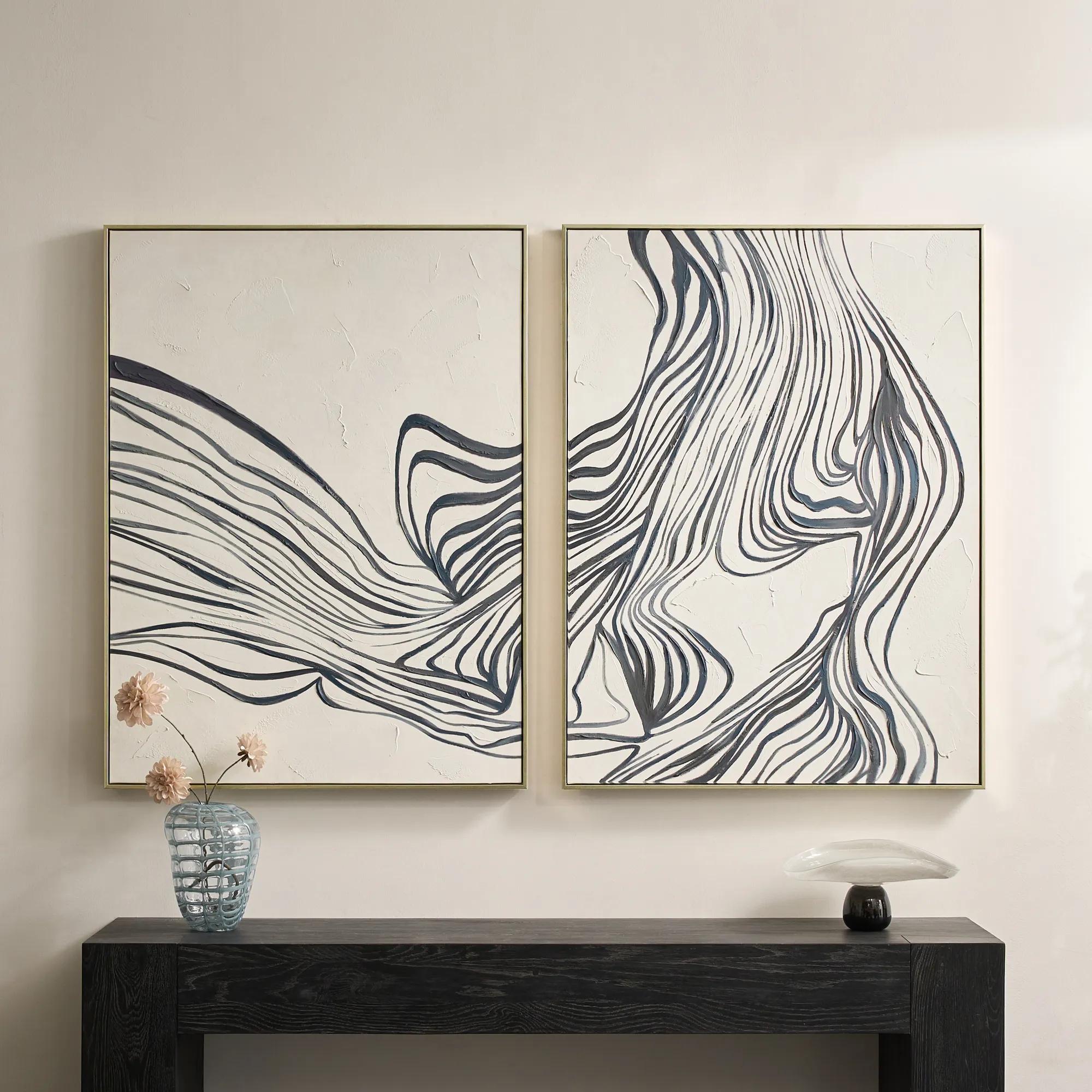 Rhythmic Framed Painted Wall Art 36" x 48" Set of 2$599
A hand-painted diptych featuring bold abstract stripes in dark slate and dusty blue with champagne frames.
Add To Cart -
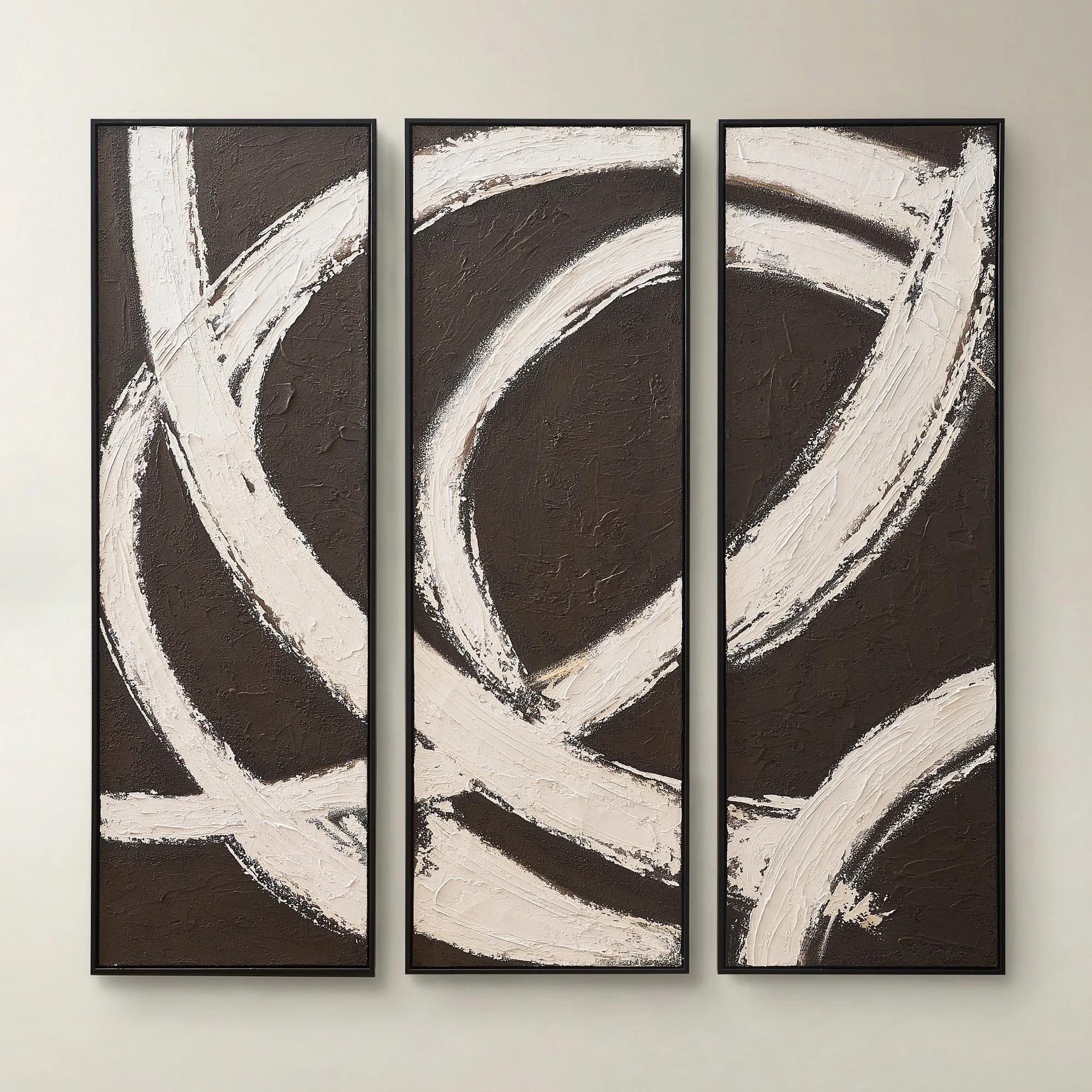
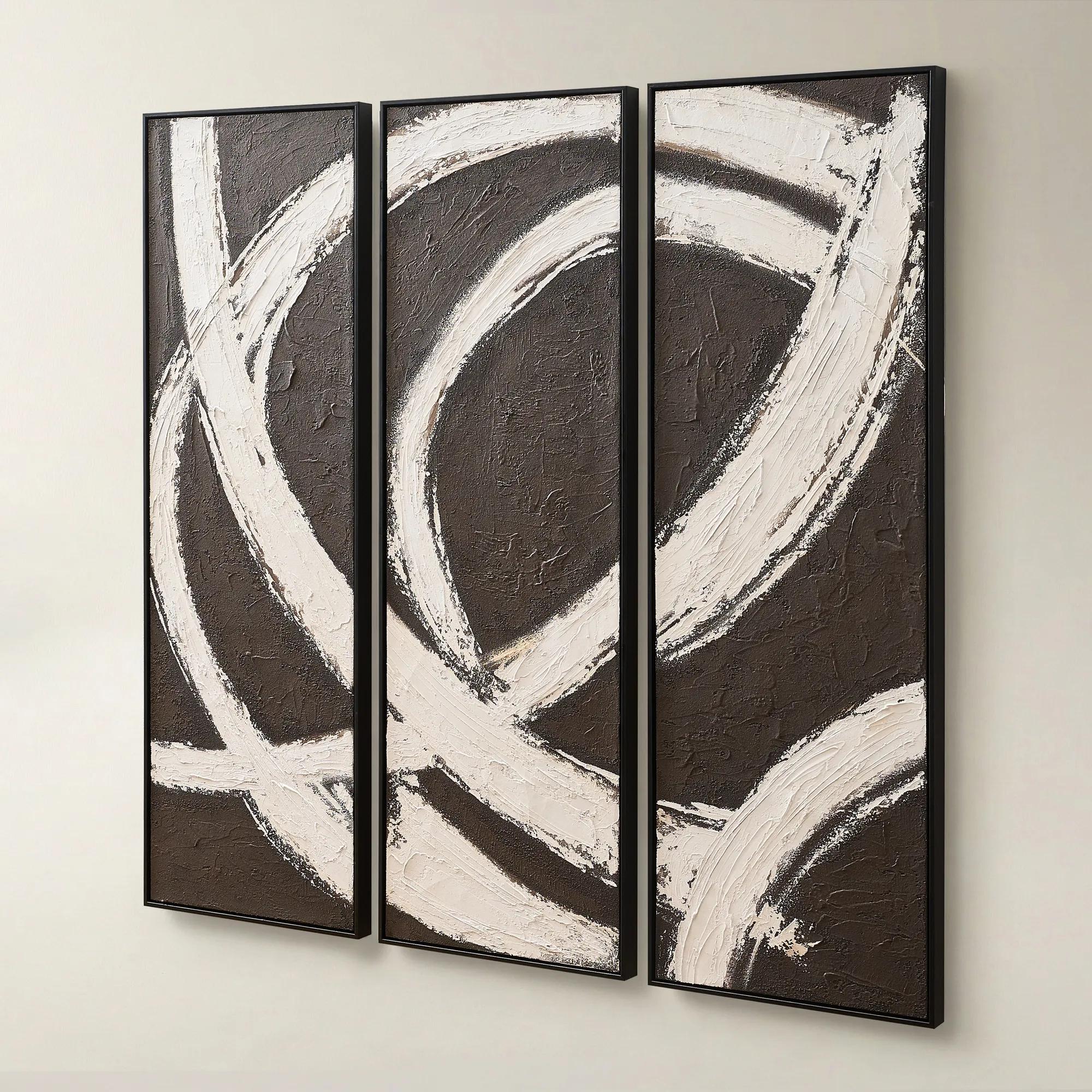 Spun in Coco Framed Painted Wall Art 20" x 60" Set of 3$499
A hand-painted triptych featuring dark chocolate and alabaster tones with rich texture and modern contrast.
Add To Cart -
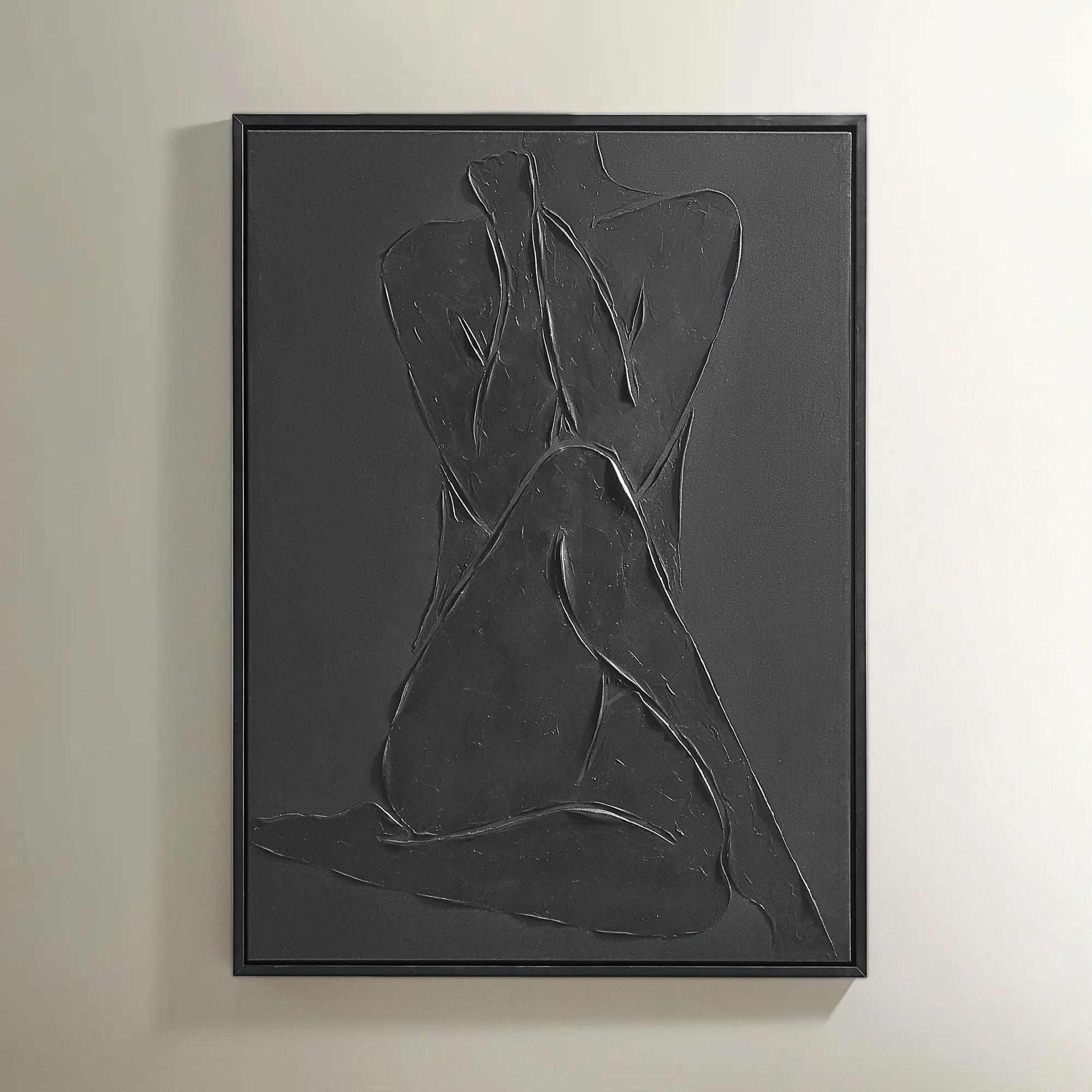 Modern Elegance Nude Black Framed Painted Wall Art 35.5" x 47.25"$599
A hand-embellished canvas artwork featuring textured strokes and vibrant hues in a black and gold Art Deco frame.
Add To Cart -
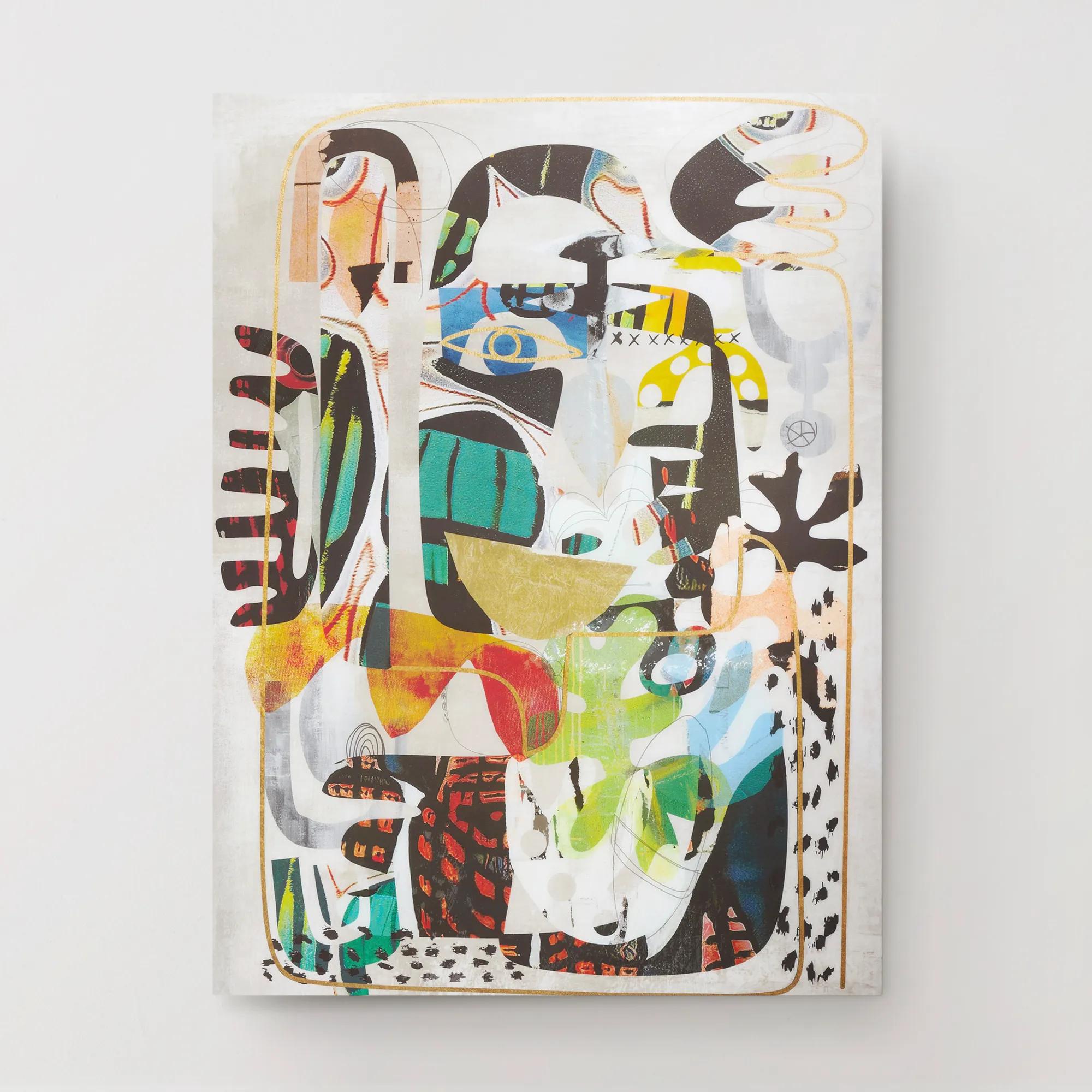
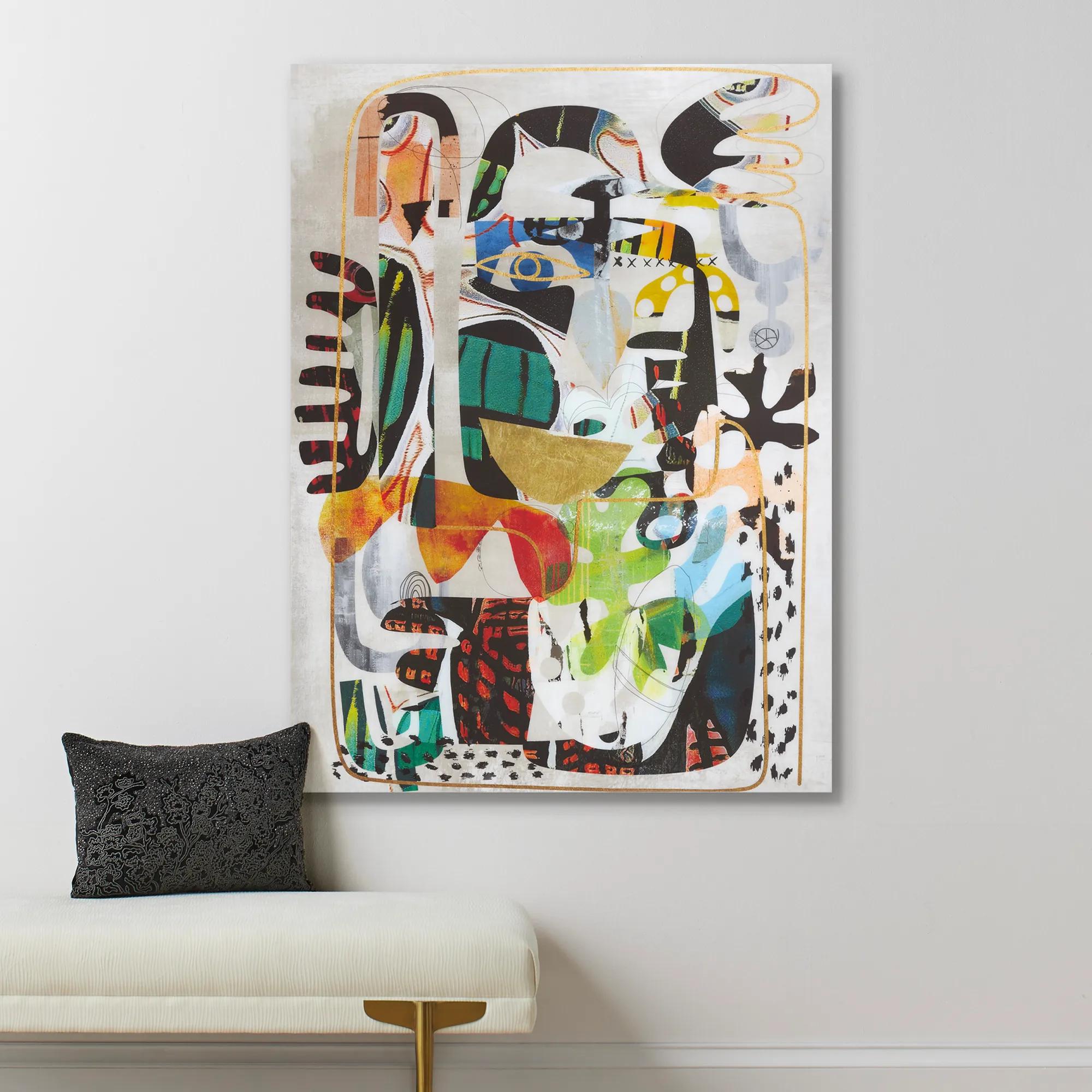 Nikki Chu Masked Wall Art 40" x 54"$899
A vibrant giclee print on canvas featuring a hand-applied glossy finish for a modern statement.
Add To Cart -
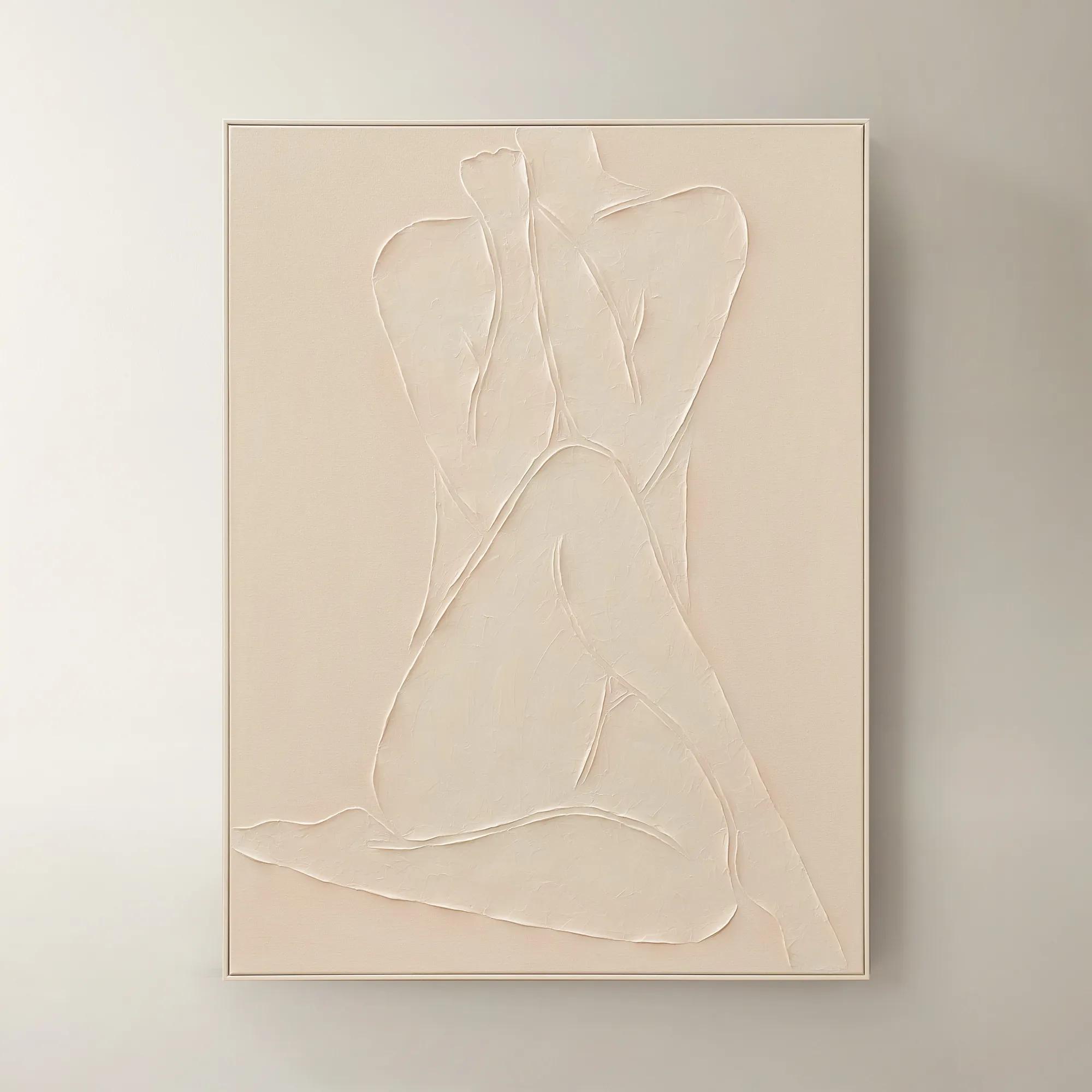
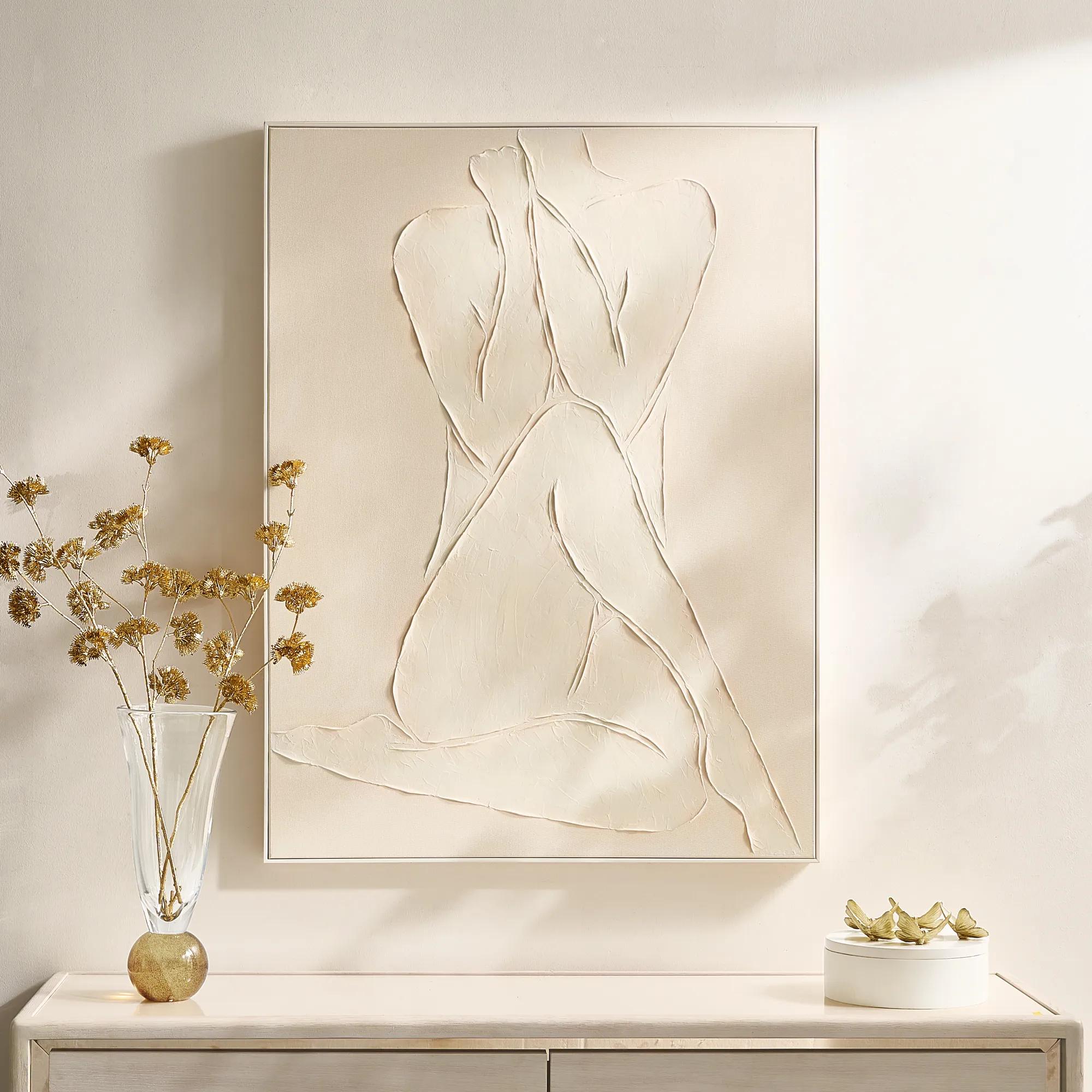 Modern Elegance Nude Ivory Framed Painted Wall Art 35.5" x 47.25"$599
A hand-painted ivory canvas in a white frame brings serene, modern artistry to any space.
Add To Cart -
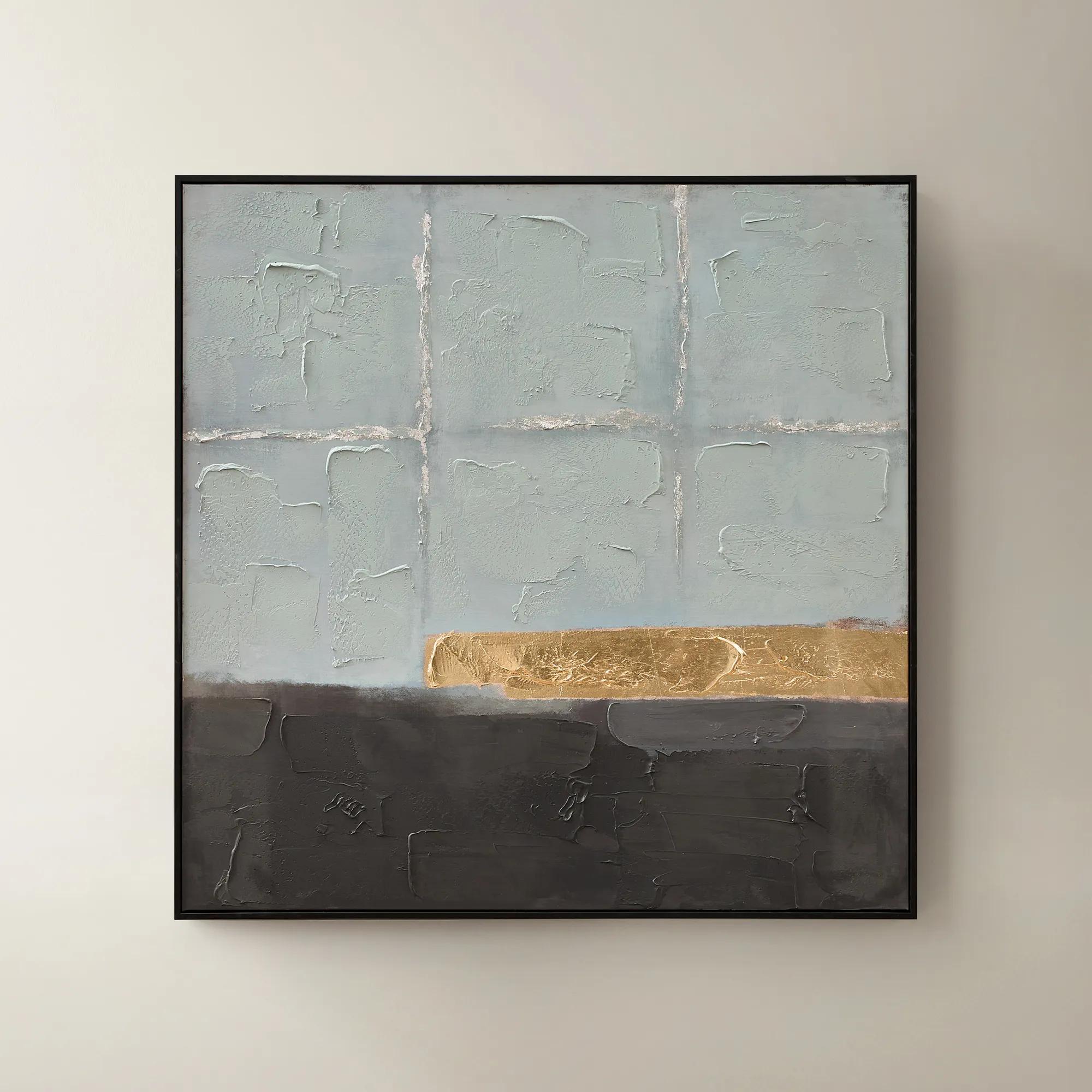
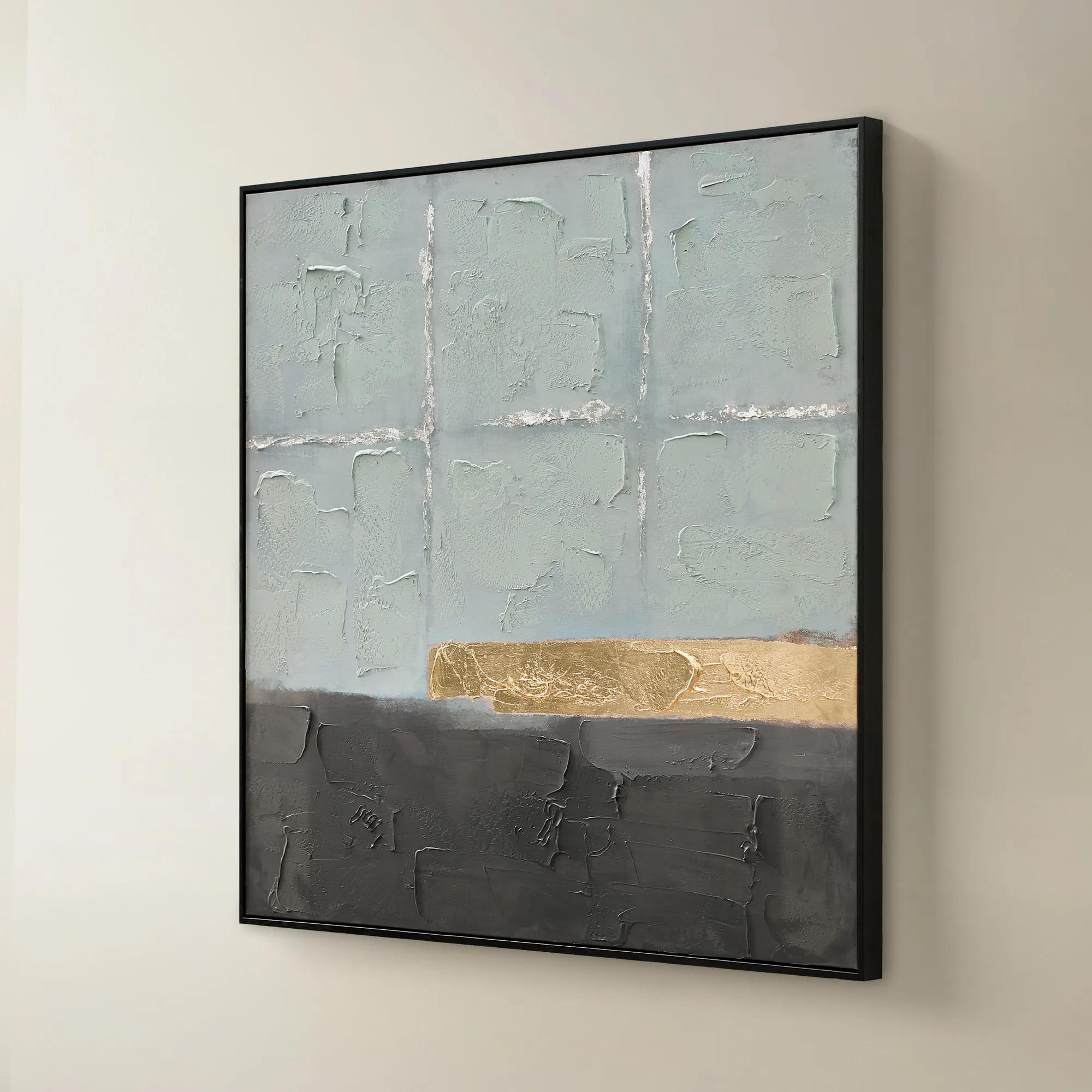 Jules Framed Gold Leaf Painted Wall Art 40" x 40"$299
A hand-painted canvas in mineral blue with gold leaf accents and a sleek black frame for modern appeal.
Add To Cart -

 Twin Abstract 1 Framed Wall Art 30" x 45"$699
A captivating abstract canvas artwork featuring layered blue and purple tones in a sophisticated framed presentation.
Add To Cart -
 Gilt Collage Gold Hand Crafted Wood Dimensional Wall Panel 30" x 60"$799
A glamorous gilt-finished collage wall panel bringing sculptural dimension and contemporary elegance to your decor.
Add To Cart -
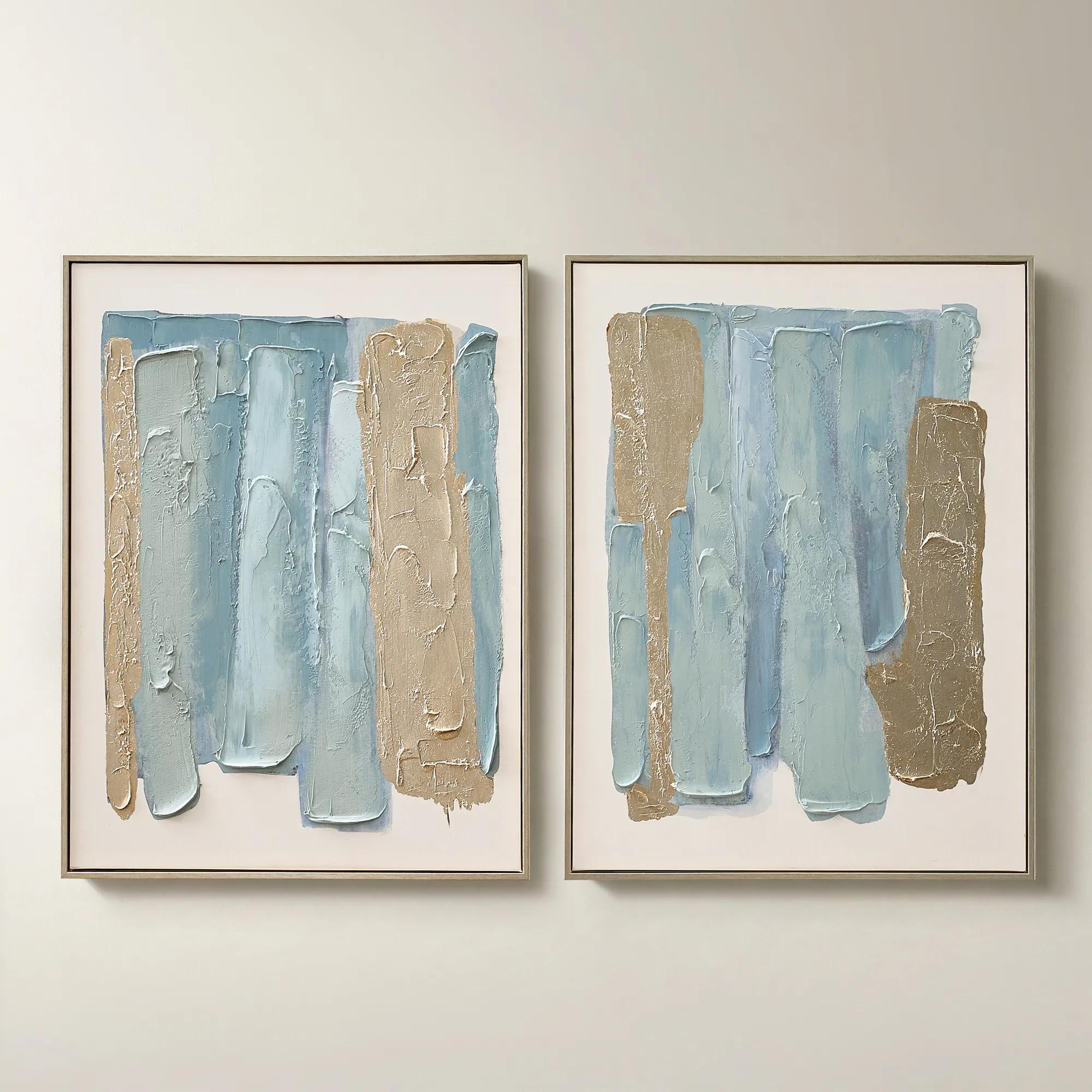
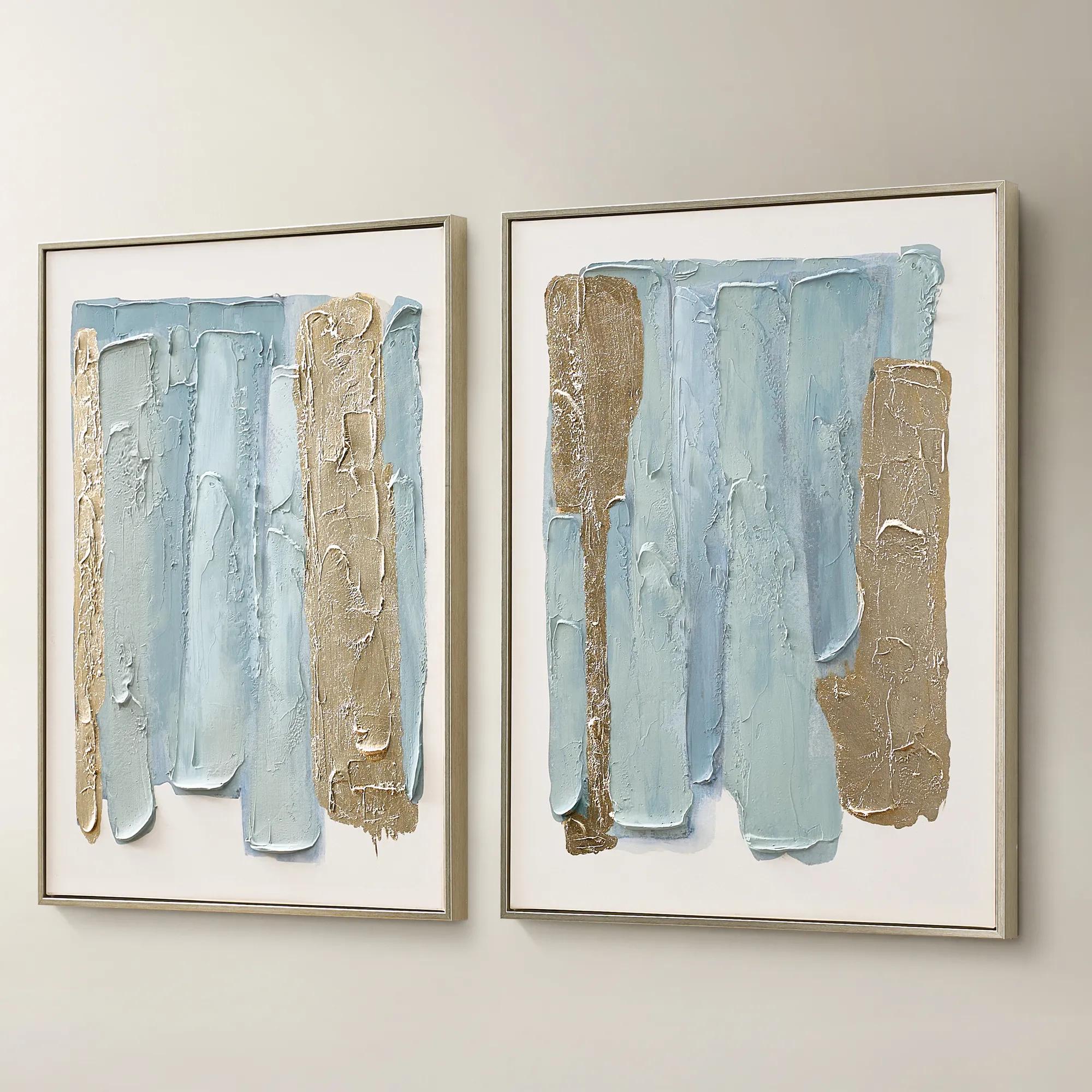 Blue Drift Framed Champagne Painted Wall Art 24" x 32" Set of 2$199
A set of two hand-painted canvases in dusty blue with champagne leafing and modern abstract movement.
Add To Cart -
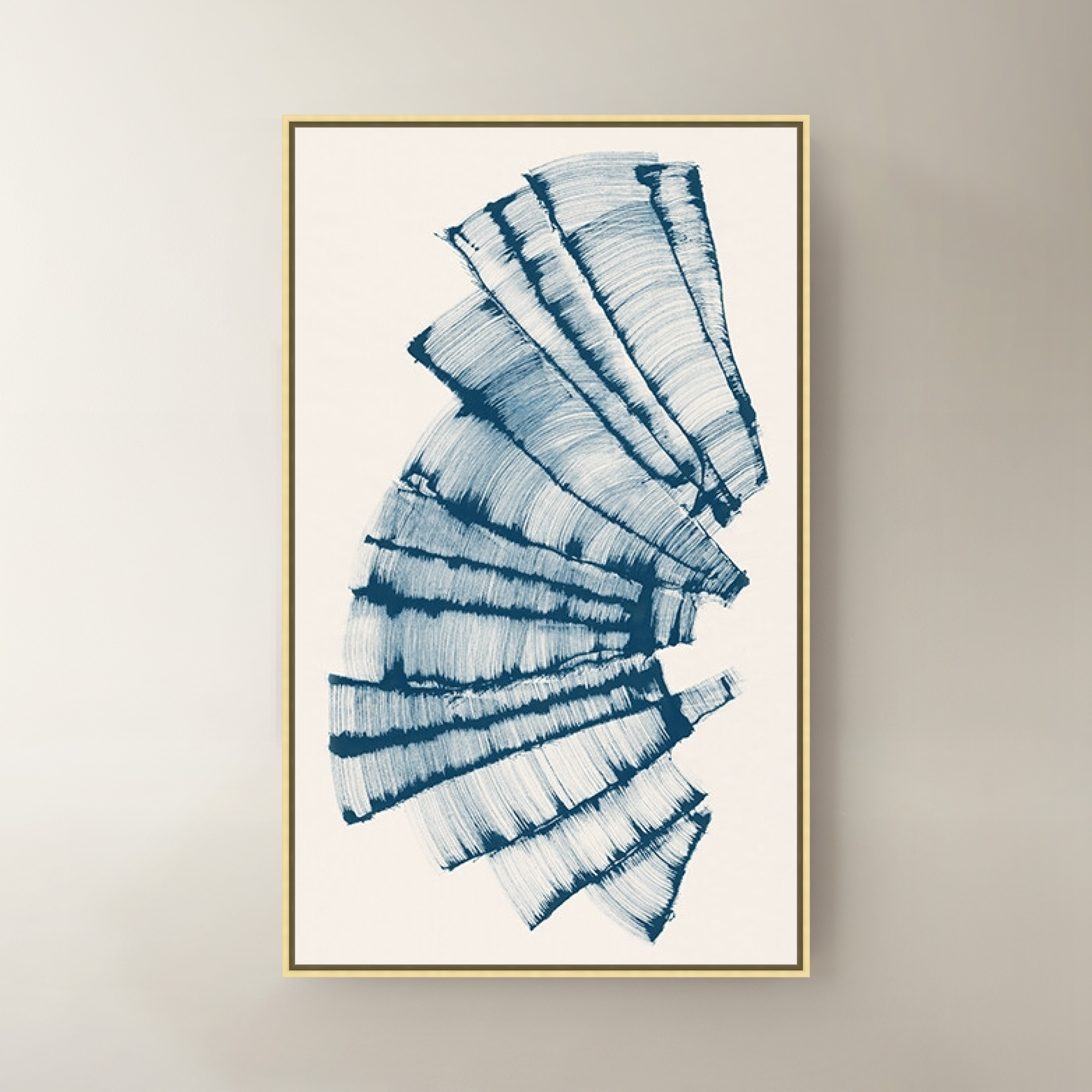
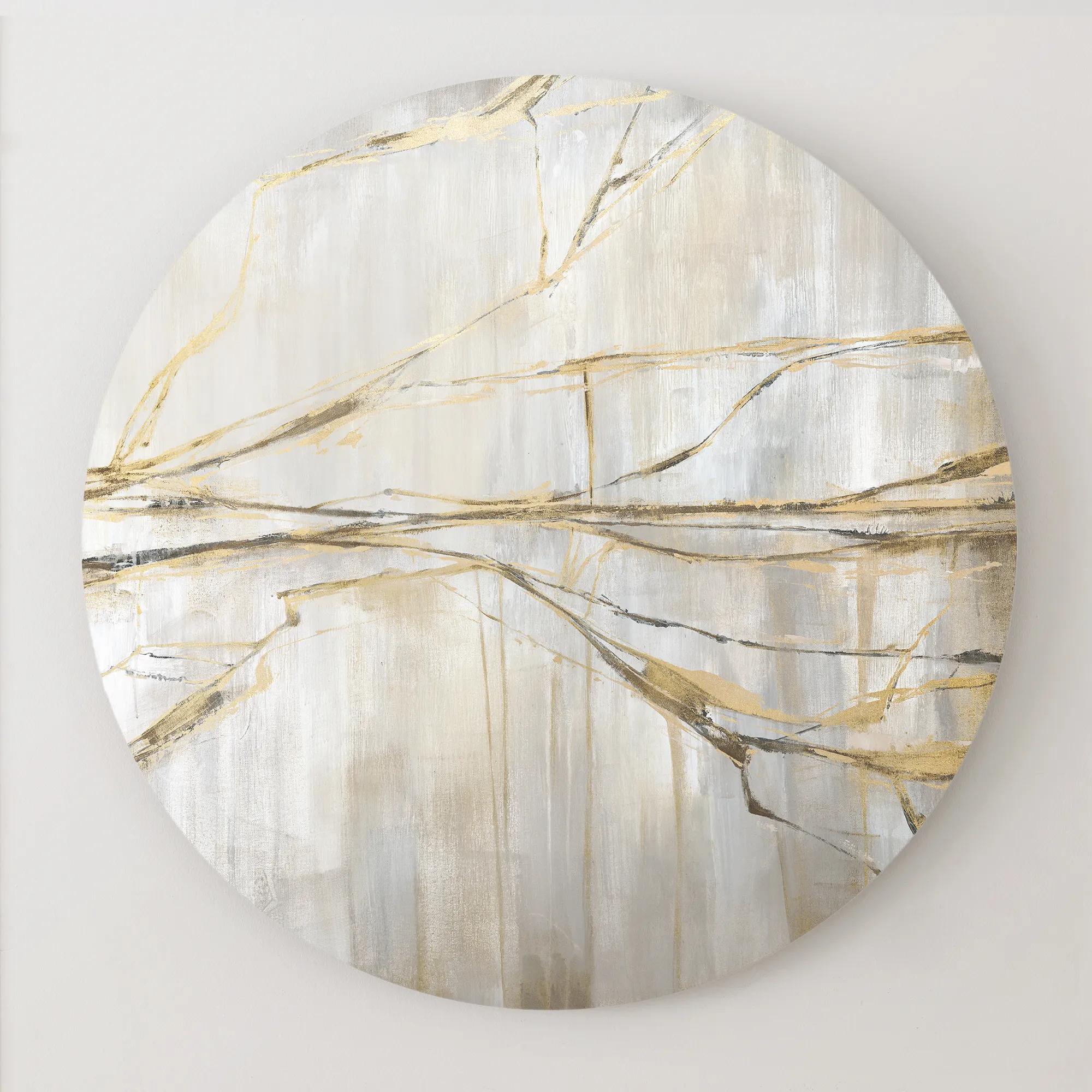
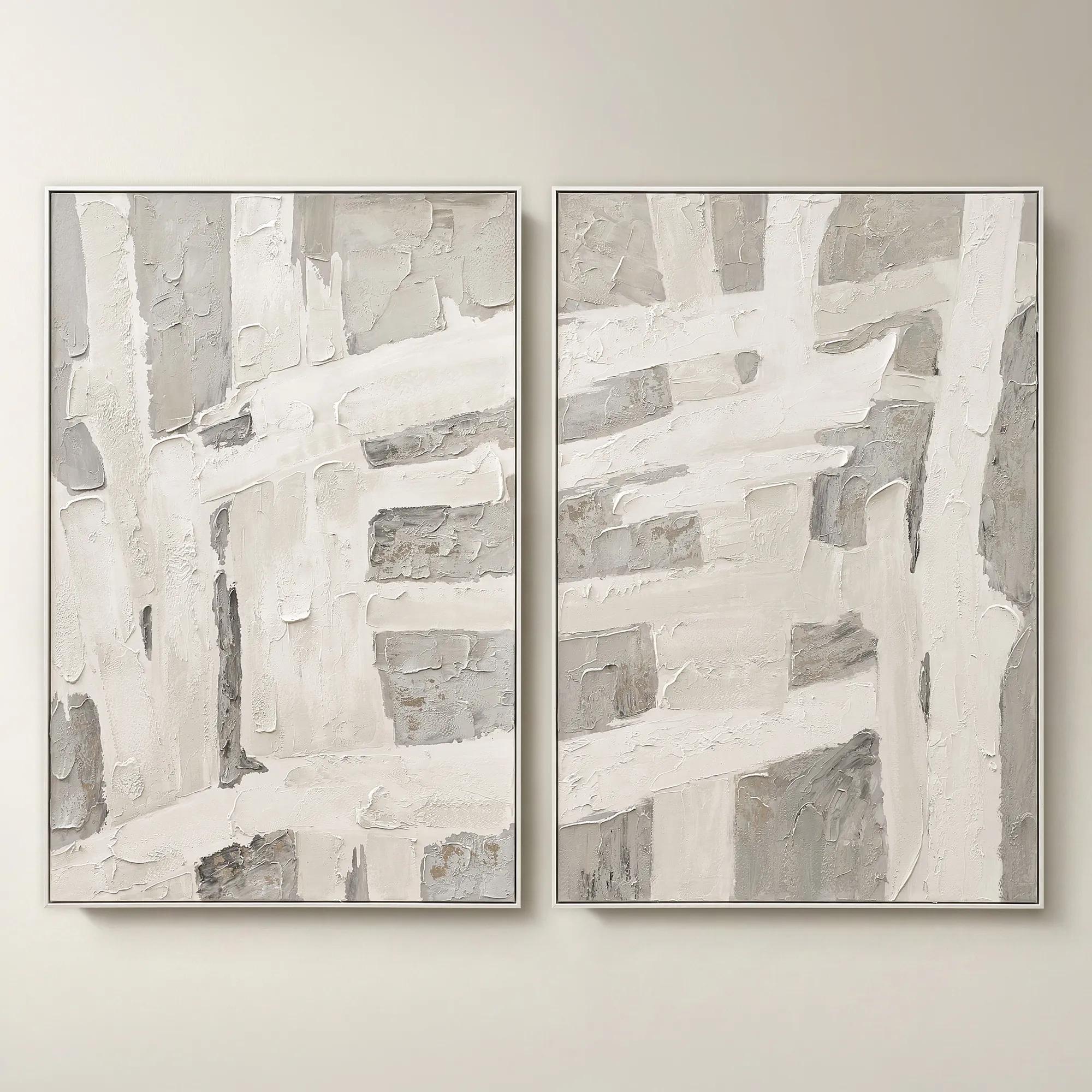 Traverse Framed Painted Wall Art 40" x 60" Set of 2$799
A hand-painted abstract diptych features champagne accents and soft grey, pearl, and alabaster tones in white frames.
Add To Cart -
 The Fight Between Two Creatures Framed Wall Art 30" x 40"$699
A dramatic blue and purple canvas artwork presented in an elegant frame.
Add To Cart -

 Tribe V Framed Wall Art 24" x 28"$599
A striking contemporary art piece designed by acclaimed interior designer Nikki Chu.
Add To Cart -
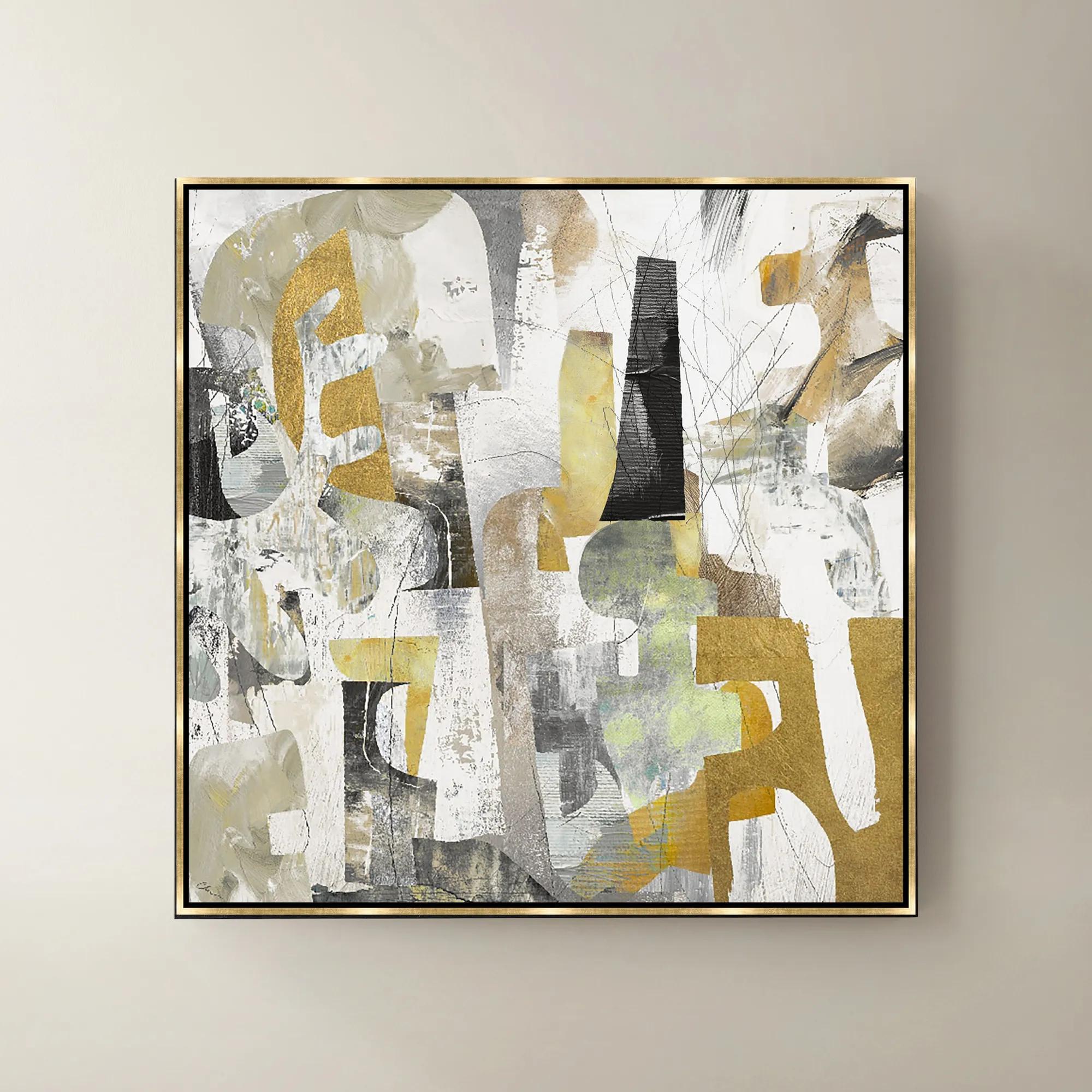
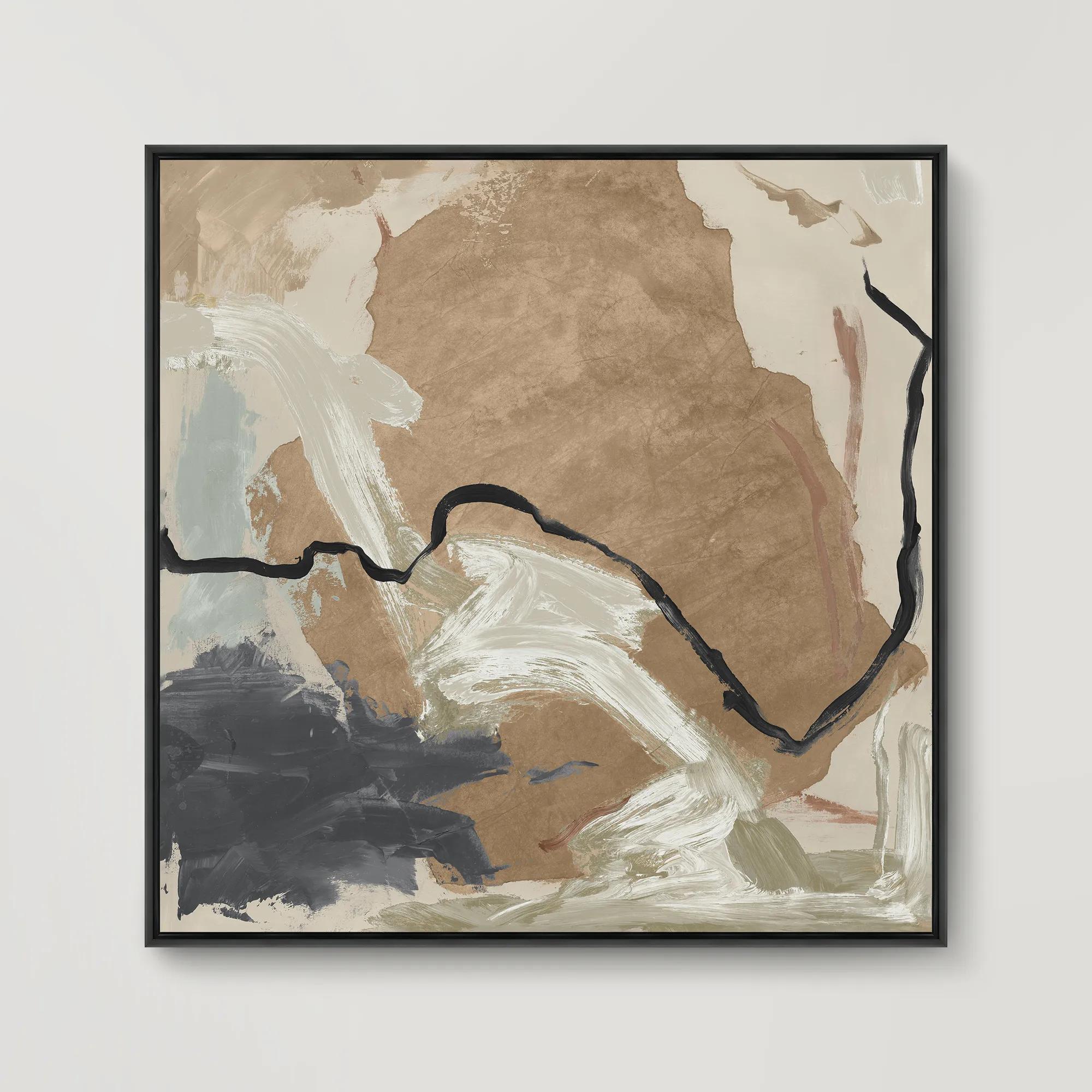
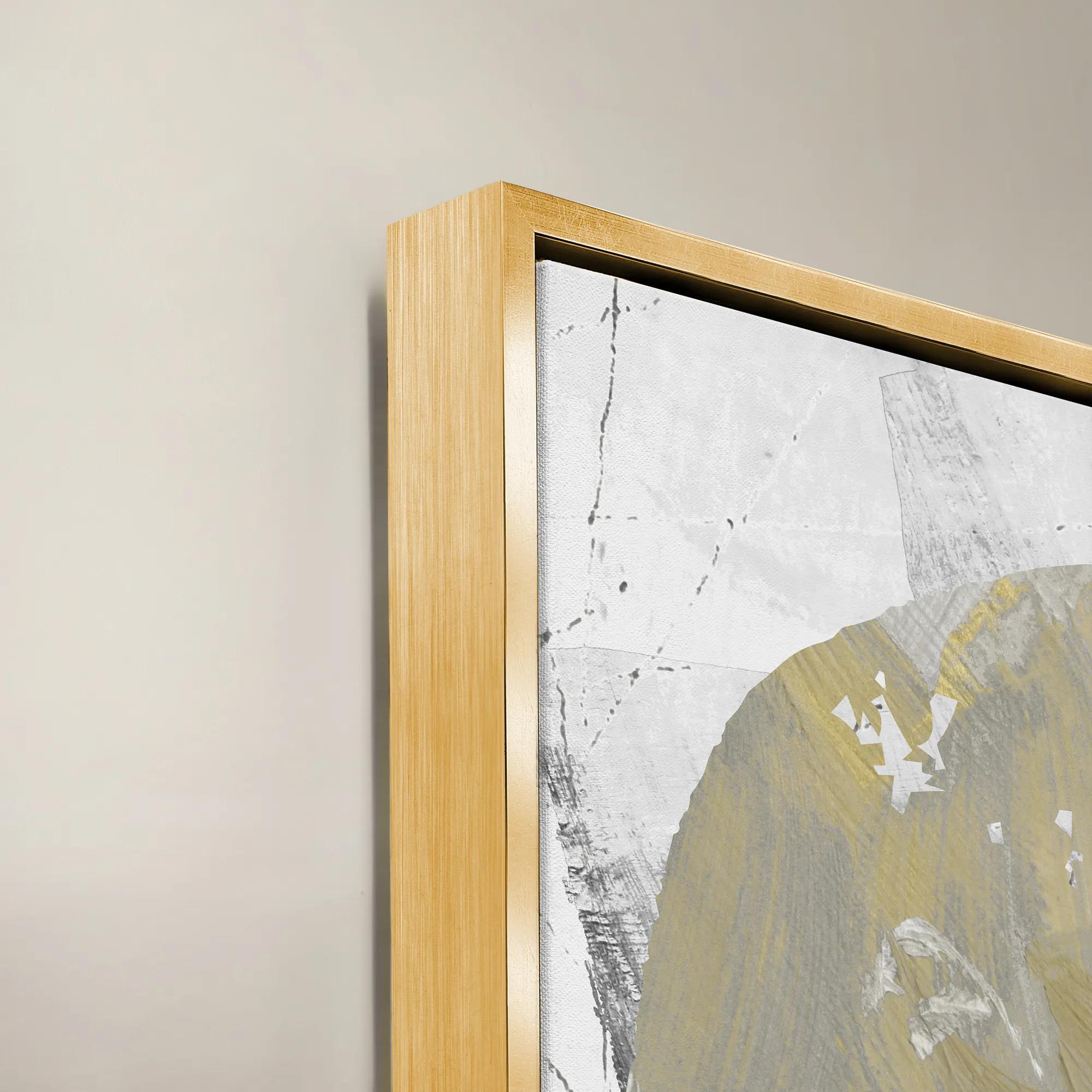 Abby II Framed Wall Art 40" x 40"$849
An abstract art piece inspired by Nikki Chu’s modern design aesthetic and creative expertise.
Add To Cart -
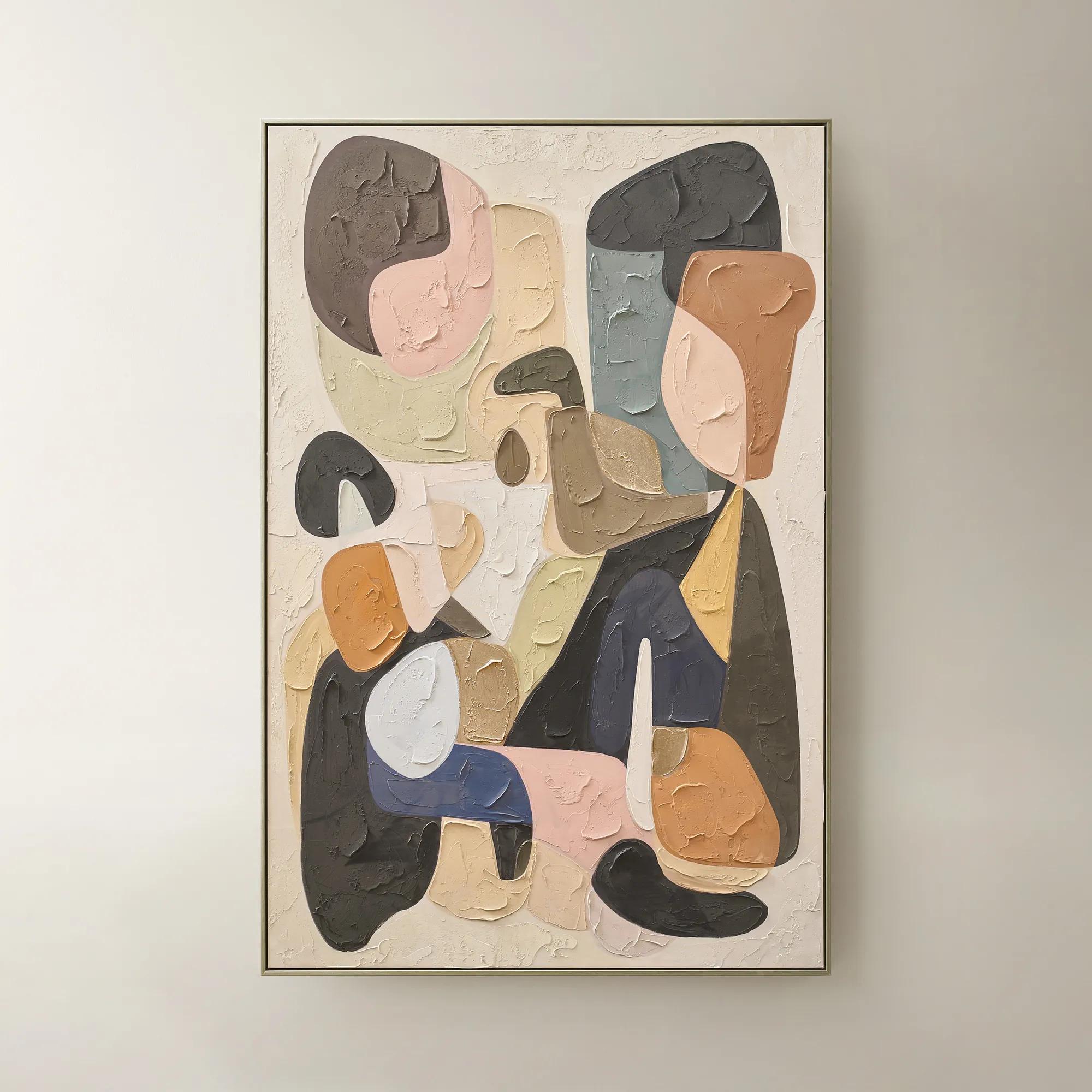 Chromatic Bloom Framed Painted Wall Art 40" x 60"$519
A hand-painted abstract canvas featuring a vibrant multi-color palette and shimmering champagne detailing.
Add To Cart

Exclusive Contemporary Wall Art Pieces
Elevate your interiors to the extraordinary with exclusive contemporary wall art pieces that transform every wall into a gallery-worthy statement. Each creation is a celebration of bold vision and artistic daring—designed for those who crave drama, sophistication, and the thrill of self-expression. From sculptural abstracts to mesmerizing color stories, these artworks invite you to curate a home that is as unique as your imagination. Let every glance reveal new textures, moods, and moments of wonder; with exclusive contemporary wall art pieces, your space becomes a canvas for modern luxury and unapologetic style.
Exclusive contemporary wall art pieces give a room its signature: a bold abstract composition, a richly textured canvas, or a statement print that changes the character of an entire wall. Contemporary wall art is defined less by a single look than by its expressive use of color, form, material, and perspective. Gestural brushwork can bring movement to a tailored interior, while architectural shapes and sculptural reliefs create drama through shadow and dimension. Large fields of ivory, charcoal, and metallic tones offer a striking counterpoint to sumptuous upholstery; saturated jewel tones can establish a more theatrical mood. The distinction lies in the composition and craftsmanship, not simply in the size or intensity of the palette. Contemporary artwork can take the form of original paintings, fine art prints, photographs, mixed-media compositions, and hand-embellished reproductions, each with its own surface character. Canvas lends a woven texture that can soften the appearance of a printed image, while paper allows crisp detail and subtle tonal transitions, depending on its finish and the printing process. Hand-applied paint or other embellishments can introduce raised marks and variations that catch the light, although an embellished reproduction is not necessarily an original painting or a one-of-a-kind work. When exclusivity is tied to authorship or an edition, the stated edition size, signature, and accompanying documentation are meaningful distinctions. Framing adds another layer of expression: a slender black profile sharpens a graphic composition, a metallic frame introduces a gleaming edge, and a floating frame emphasizes the depth of a canvas. A generous mat gives a work on paper breathing room and a more architectural presence. For a collector drawn to expressive interiors, these details make the difference between art that merely coordinates and art that feels deliberately chosen. The most compelling piece holds attention at a distance, then rewards a closer look through an unexpected line, a nuanced color shift, or the dimensional quality of its surface.
Scale and placement determine how that visual presence translates into a room. Above a broad sofa, an expansive horizontal composition can establish a confident focal point without requiring additional decoration around it. Artwork spanning roughly two-thirds to three-quarters of the furniture’s width often creates a balanced relationship, although the shape of the wall, surrounding lighting, and the composition itself may call for a different proportion. A tall, narrow work brings purpose to a slim wall beside a doorway; a diptych or triptych can carry color across a longer expanse while preserving a measured rhythm between panels. In a dining room, dimensional art offers shifting highlights as guests move through the space, while a serene abstract in a bedroom can provide depth without the visual intensity of a highly detailed image. Viewing distance matters as much as measurements. Broad gestures and strong contrasts remain legible across an open living area, whereas fine linework and intricate textures invite closer viewing in an entry, reading corner, or intimate seating arrangement. A paper template can help establish the full framed footprint before installation, including the space needed around sconces, switches, and nearby furnishings. The center of a work often sits comfortably near eye level, around 57 to 60 inches from the floor, but art above furniture should also relate to the furniture rather than follow a measurement mechanically. Several inches of clearance above a console or sofa can keep the arrangement connected without appearing crowded. For interiors that favor clean geometry alongside expressive finishes, Modern Wall Art Pieces offer a related visual direction. Cohesion does not require matching every shade in the room. A single recurring accent, such as a warm metallic note or an inky blue, can connect the artwork to textiles and decorative objects while allowing the composition to remain independent. Even an exuberant interior benefits from open wall space that gives its strongest artwork room to command attention.
Materials, construction, and care help preserve that impact beyond the first impression. Stretched canvas has a different presence from a glazed work on paper: its exposed surface makes texture immediately visible, but it also leaves the image more vulnerable to dust, contact, and accidental splashes. Paper-based art generally benefits from suitable protective glazing and conservation-minded framing, including acid-free matting or backing where appropriate. Glass offers clarity and scratch resistance but adds weight; acrylic glazing is lighter and less prone to shattering, though it scratches more easily and requires compatible cleaning products. UV-filtering glazing can reduce some light-related damage, but it does not make artwork immune to fading, so prolonged direct sunlight remains an important placement consideration. Bathrooms, cooking areas, and walls exposed to moisture or grease may be unsuitable for delicate paper, textured finishes, or unprotected canvas unless the artwork is specifically intended for those conditions. Secure installation is equally important for substantial frames, mirrored elements, and dimensional compositions. Hanging hardware should suit the weight of the work and the wall construction, with professional installation worth considering for oversized or unusually heavy pieces. Care should follow the maker’s instructions: a soft, dry cloth may suit a smooth frame, while painted surfaces, metallic leaf, and raised embellishments can require a more delicate approach. Cleaning liquid should never be sprayed directly onto framed artwork, where moisture could seep beneath the frame. These practical details allow an expressive piece to retain its presence in a frequently enjoyed living space, a polished home office, or an entry designed to make an immediate impression. Wall art can also be a thoughtful housewarming, wedding, or milestone gift when the recipient’s tastes, wall dimensions, and preferred colors are well understood. A dramatic abstract suits someone who enjoys visual intensity; a restrained tonal composition may resonate with someone who prefers quieter layers. Chosen with that degree of attention, contemporary art becomes more than a finishing touch. It gives personal taste a visible, enduring place in the home.
FAQs
Exclusive contemporary wall art pieces are distinguished by their unique designs, limited availability, and the artistry behind each creation. These works often feature innovative materials, bold color palettes, and sophisticated techniques that set them apart from mass-produced decor, ensuring your space feels curated and truly one-of-a-kind.
Contemporary wall art is remarkably versatile and can enhance every room in your home. In living rooms, a statement piece above the sofa creates a dramatic focal point, while in bedrooms, serene abstracts add a touch of tranquility. Hallways and entryways come alive with vibrant or sculptural pieces, making a memorable first impression for guests.
Absolutely. Gifting a contemporary wall art piece is a sophisticated gesture that conveys thoughtfulness and an appreciation for style. Whether celebrating a housewarming, anniversary, or milestone achievement, these pieces offer a lasting reminder of the occasion and the recipient’s unique taste.
When selecting colors for your wall art, consider the existing palette of your room and the mood you wish to evoke. Bold hues can energize a space, while softer tones offer a sense of calm. Look for pieces that either complement or thoughtfully contrast your furnishings to create visual harmony or a striking statement.
To preserve the beauty of your contemporary wall art, display it away from direct sunlight and moisture to prevent fading and damage. Dust the surface regularly with a soft, dry cloth, and avoid using harsh cleaning agents. With proper care, your art will remain a captivating centerpiece for years to come.