Contemporary Abstract Sculptures
Contemporary Abstract Sculptures
-
 Cubism Black Resin Floor Totem 65"$329
A sculptural black resin totem with stacked geometric forms and brushed gold accents creates drama.
Add To Cart -
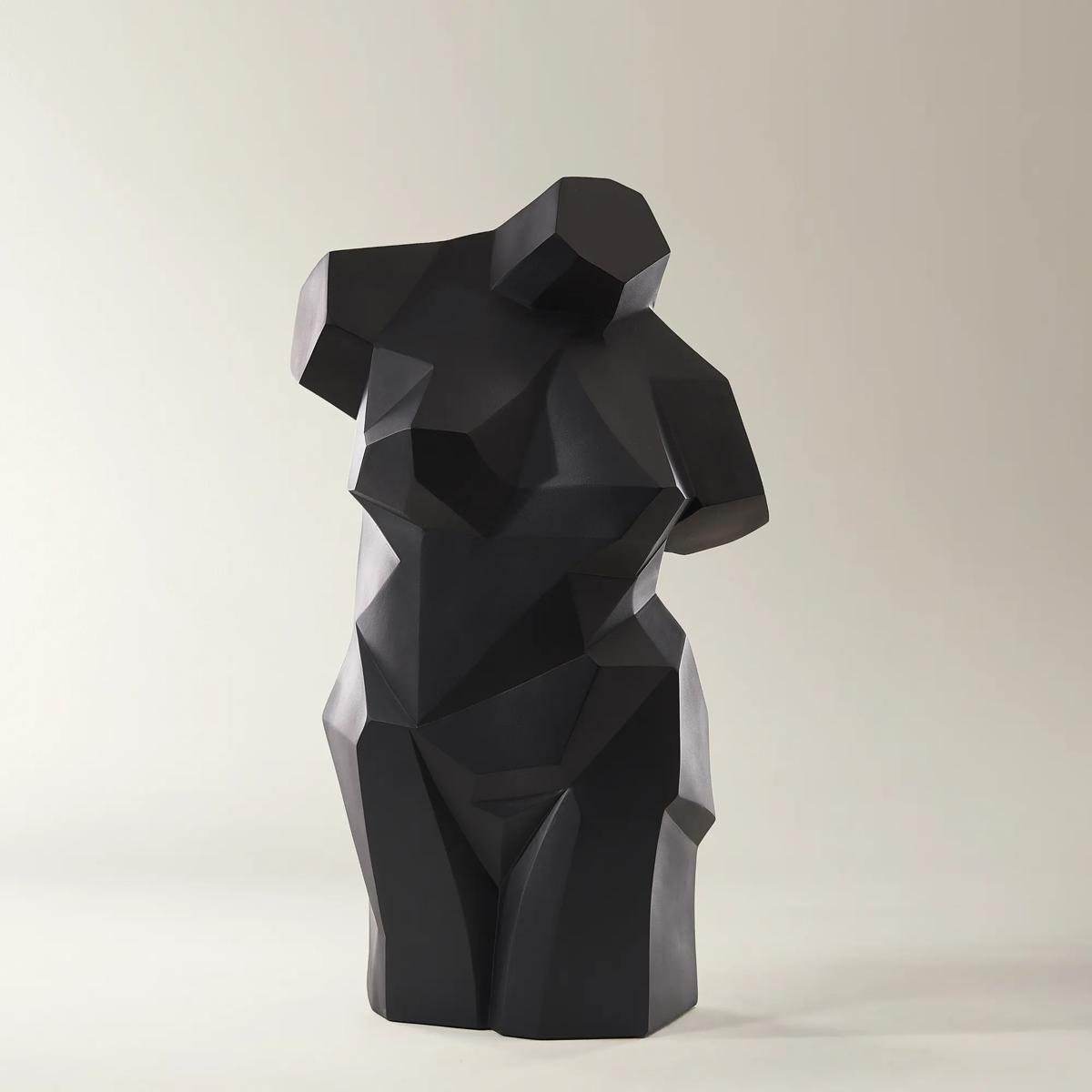
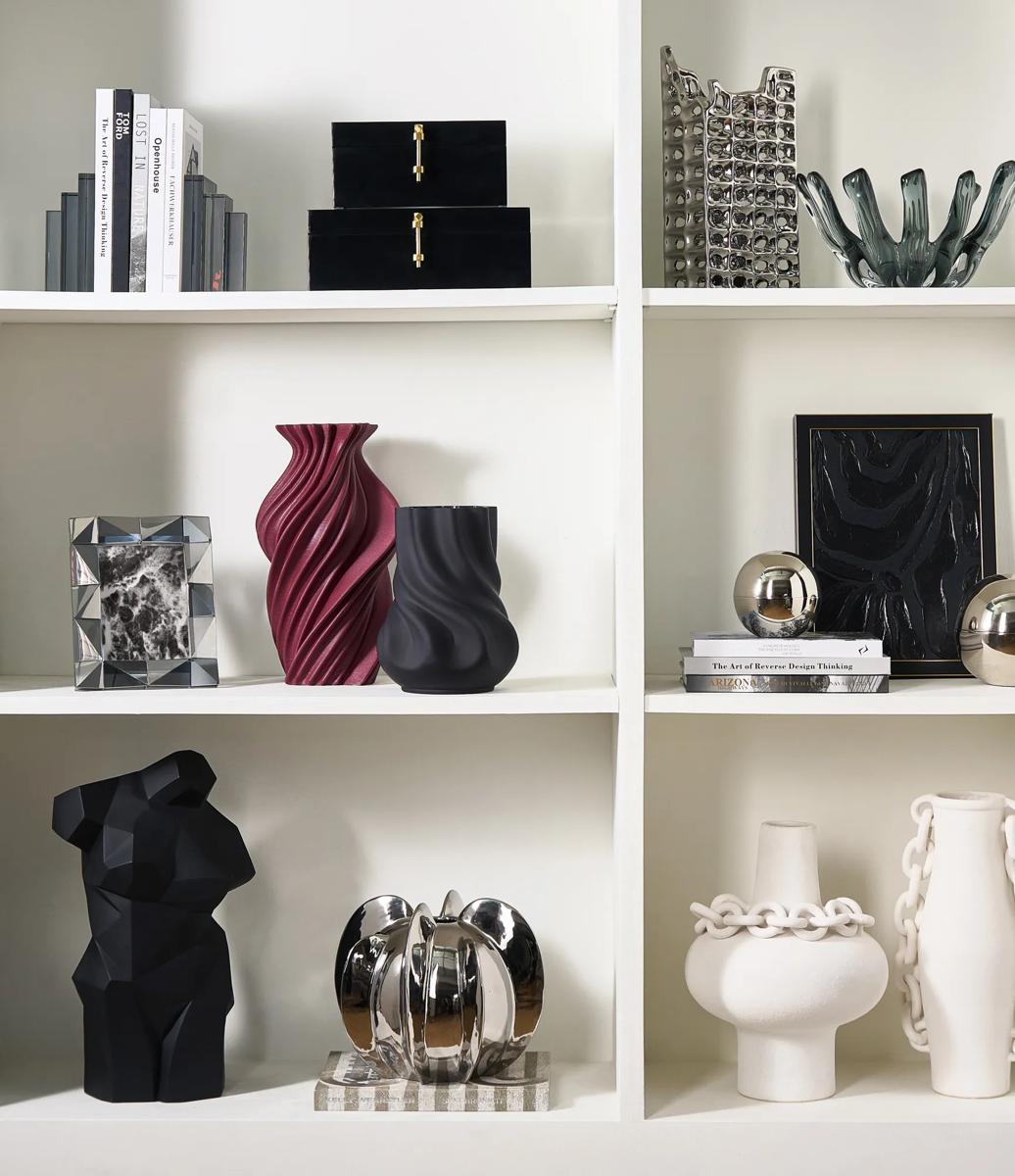 Pose Black Resin Decorative Object 19.75"$99
A sculptural matte black resin accent featuring a faceted geometric design and modern artistic appeal.
Add To Cart -
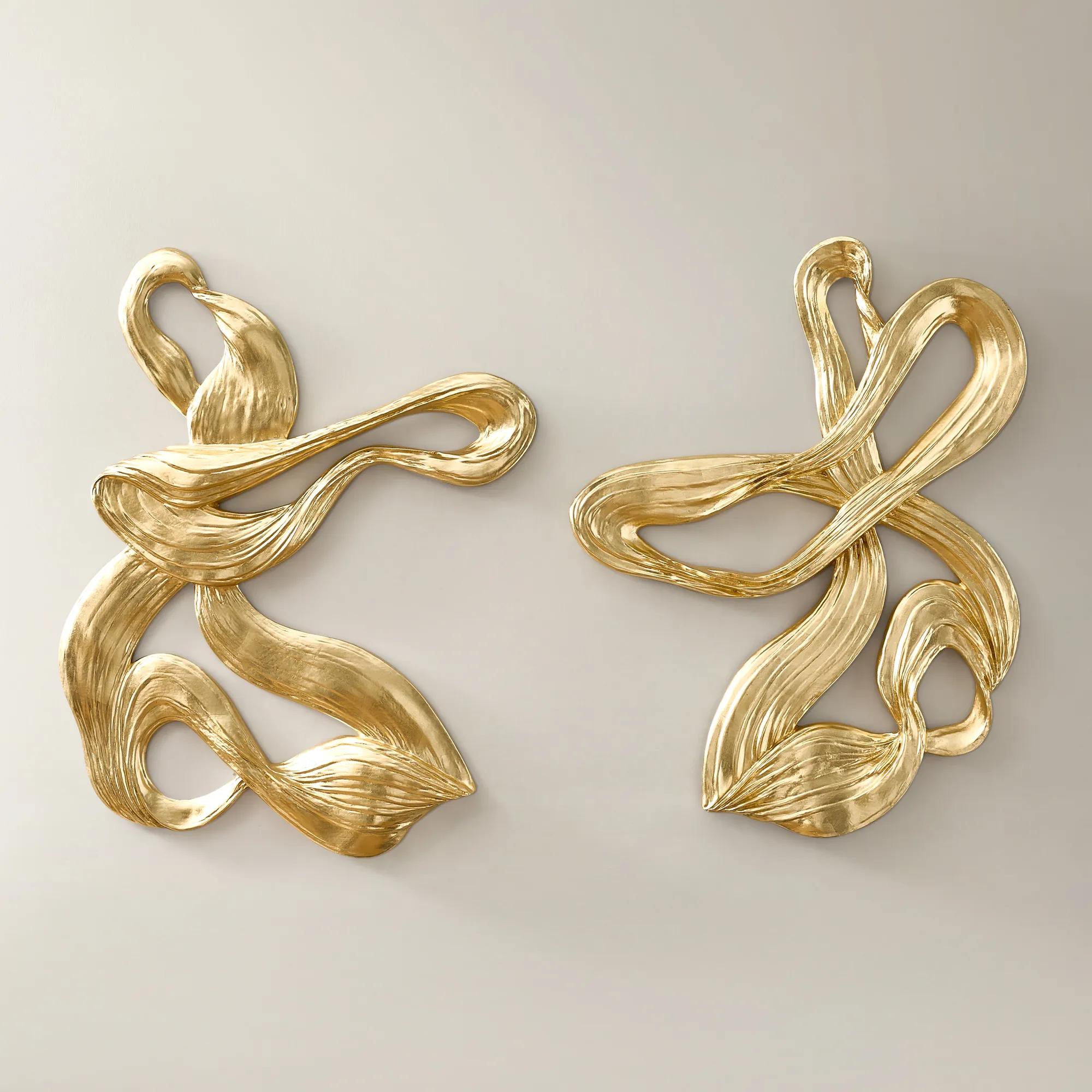
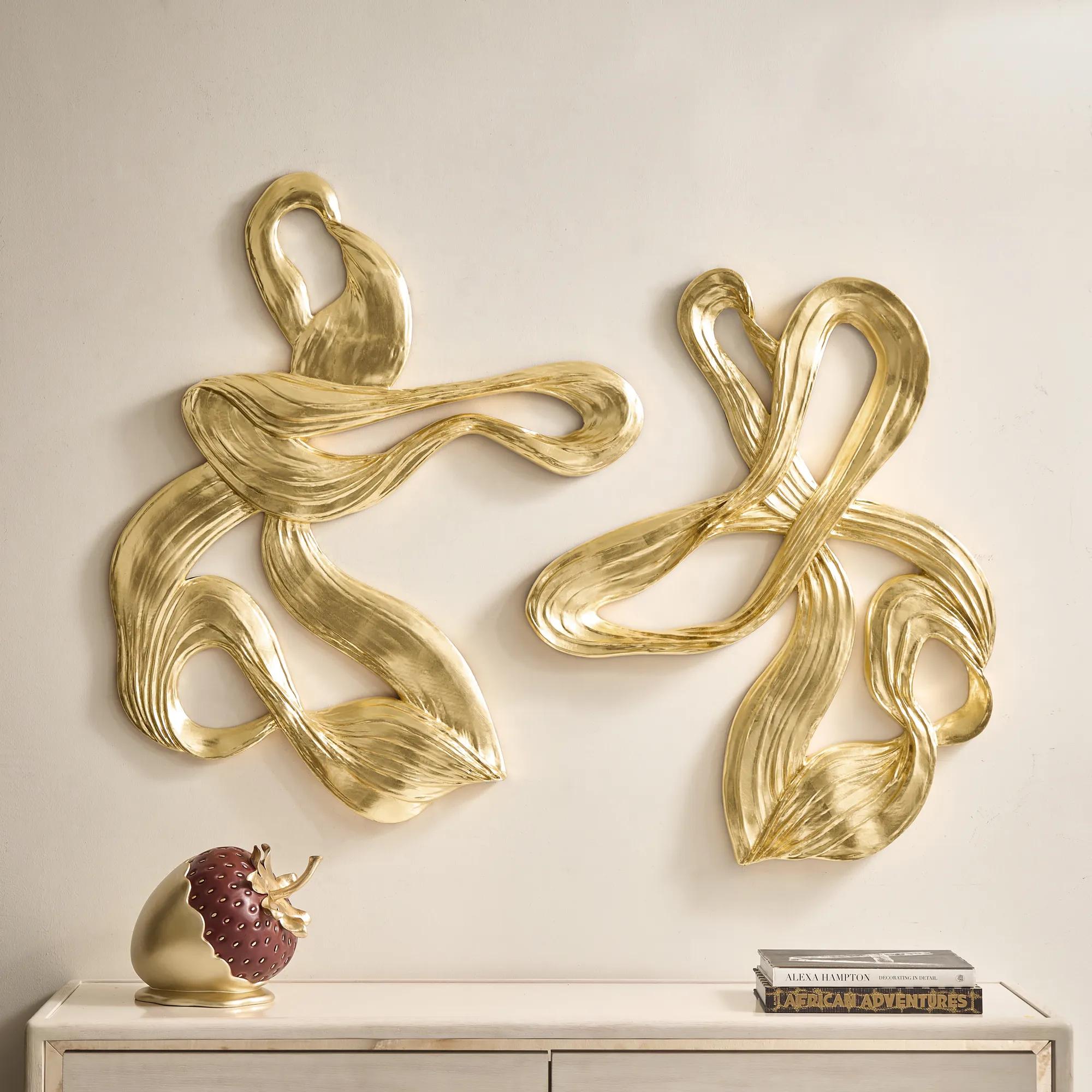 Vela Gold Leaf Sculpted Resin Wall Decor 30.5" x 39.25" Set of 2$699
A set of two resin wall sculptures featuring abstract loop designs and soft gold leafing for modern elegance.
Add To Cart -
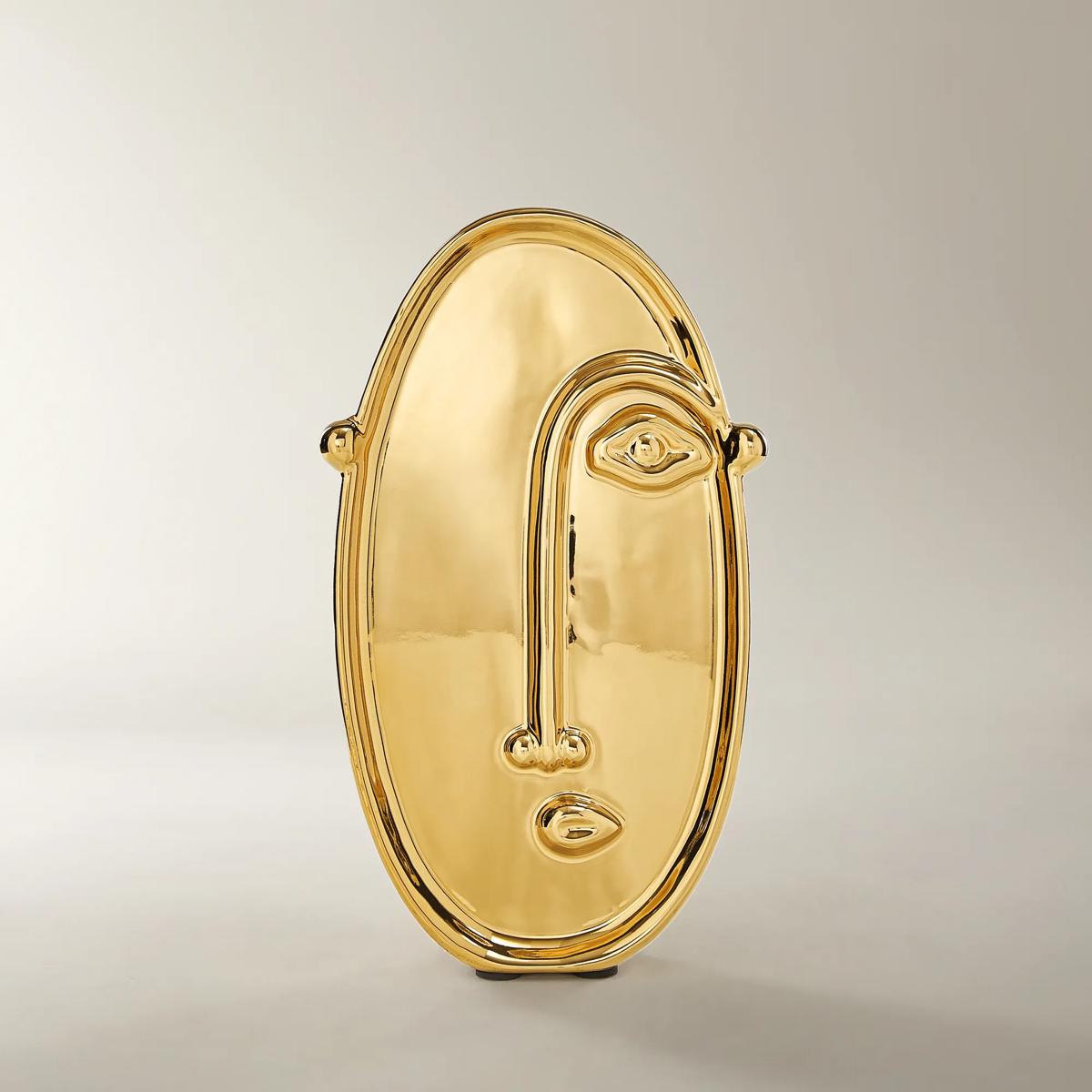
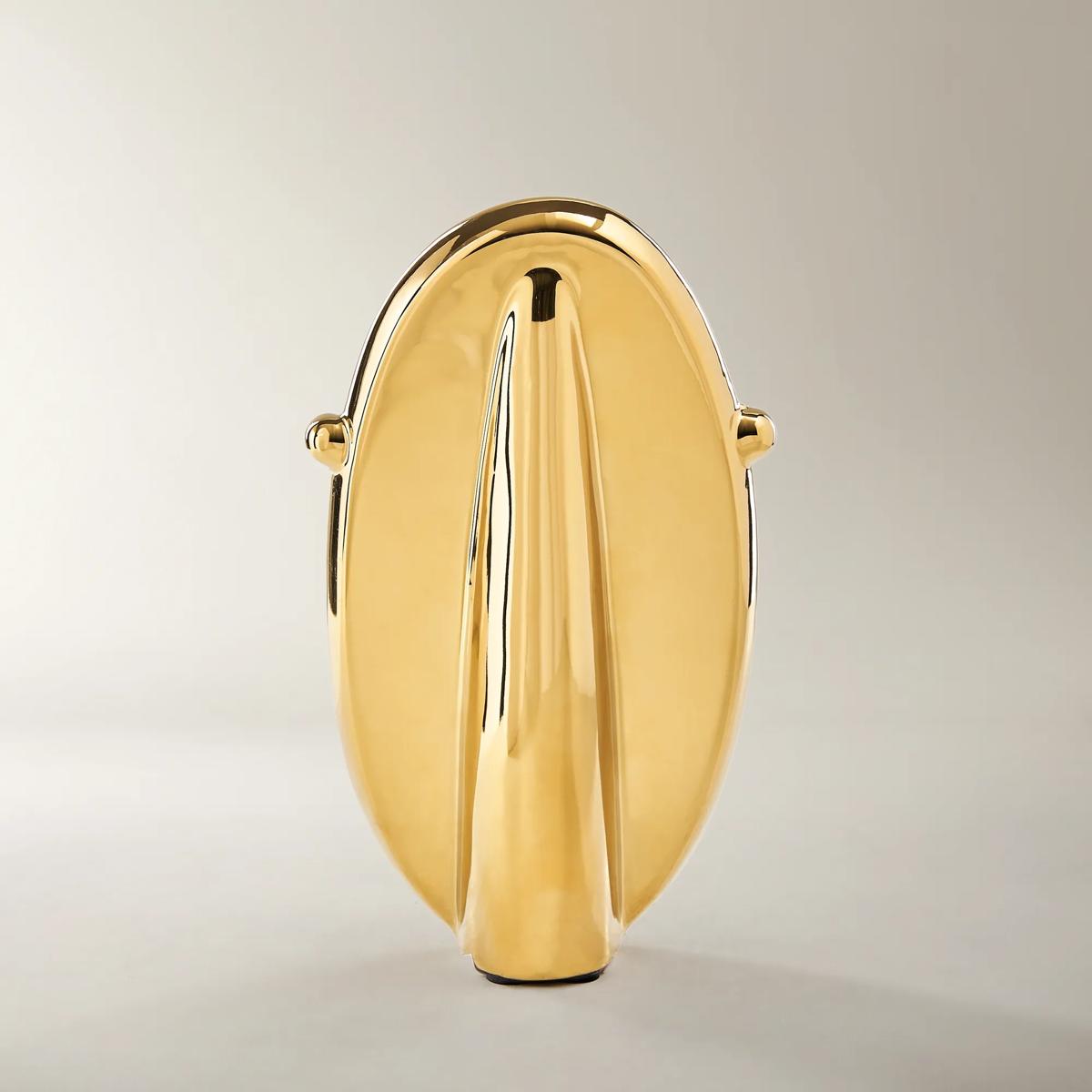 Golden Eye Ceramic Decorative Object 8"$39
A radiant gold ceramic sculpture featuring abstract, elongated facial details for a bold, modern accent.
Add To Cart -
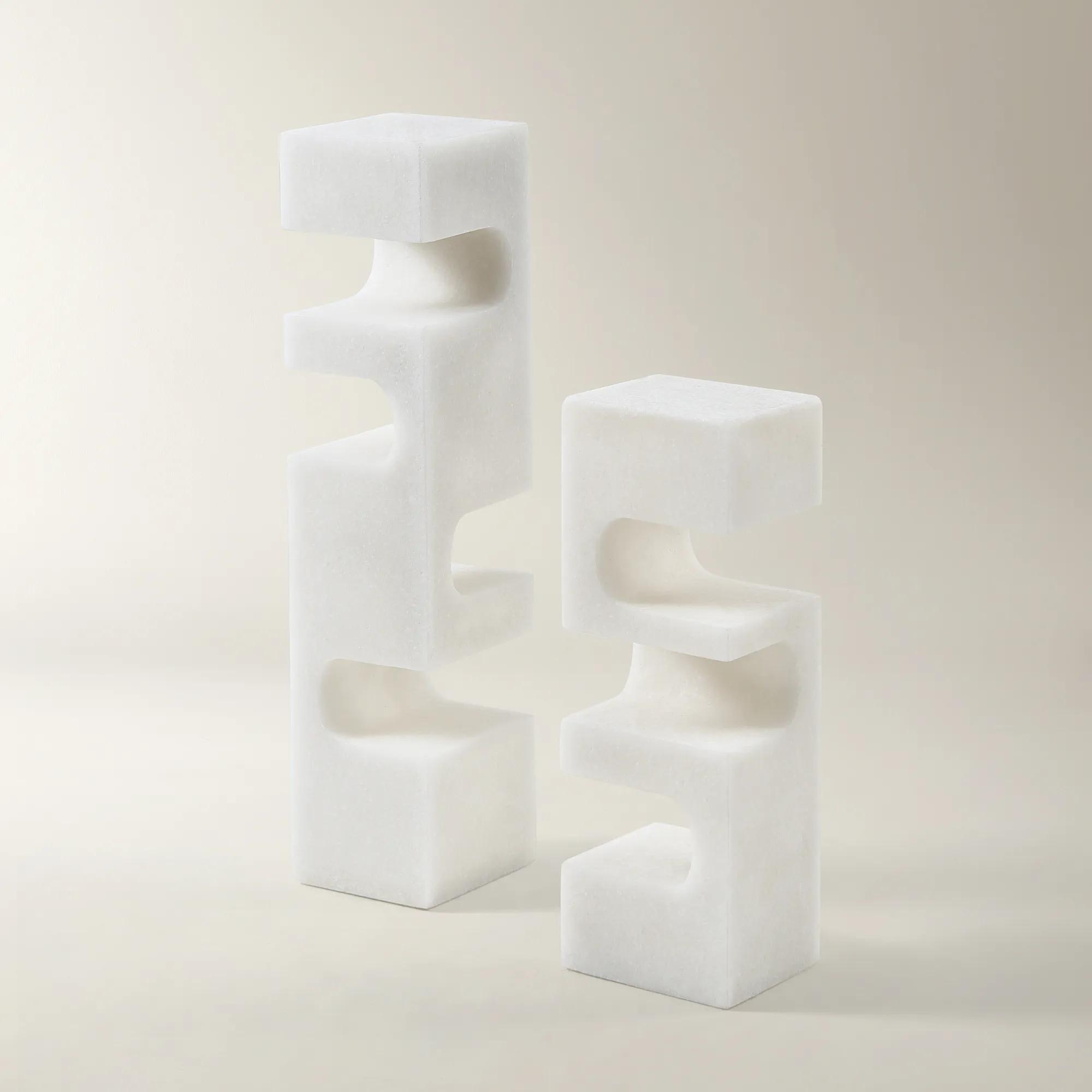
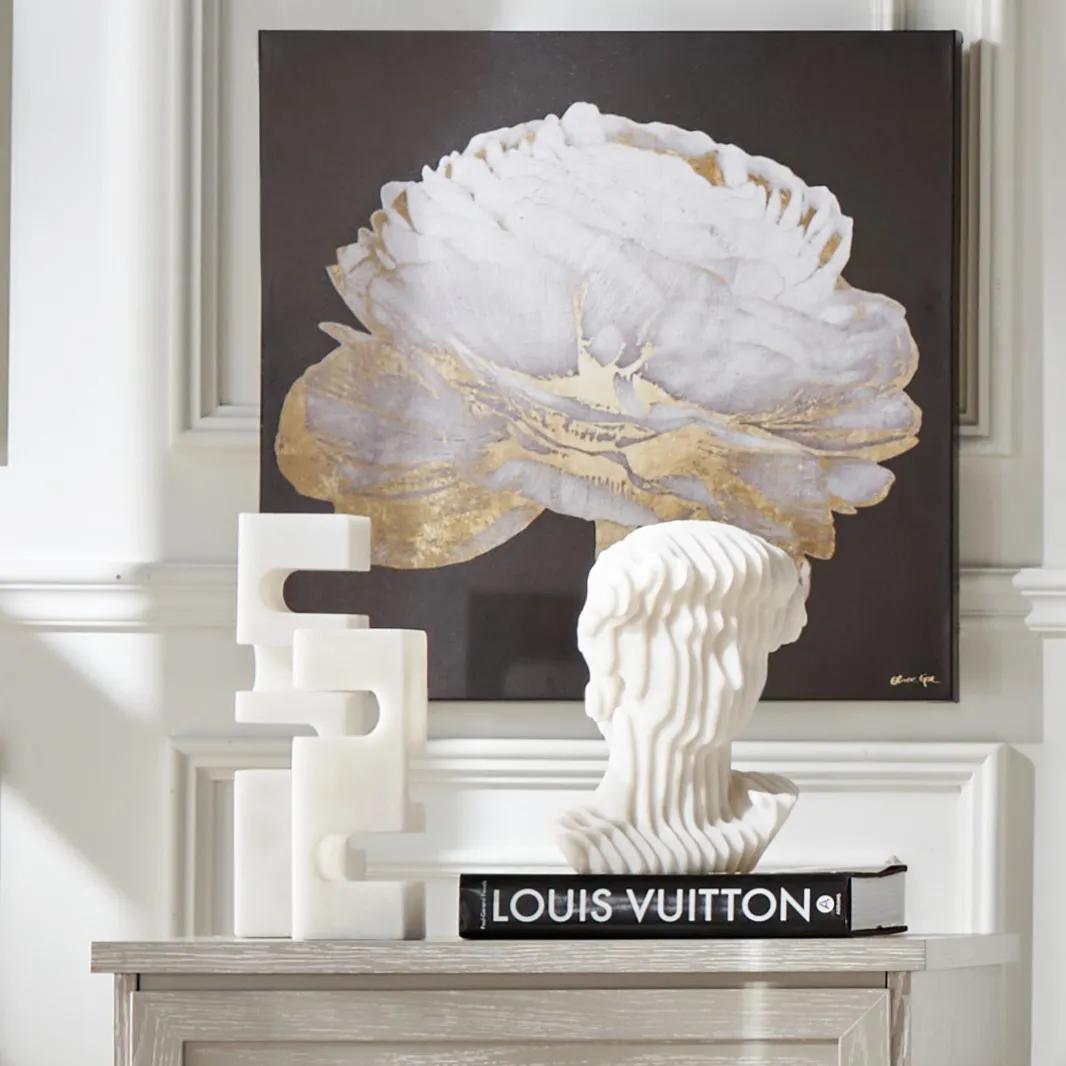 Enna Sculpture$49
A modern Cubist-inspired sculpture crafted from resin and stone powder with a textured white finish.
Add To Cart -
 Modern David Bust White Resin Decorative Object 12"$99
A white resin and stone powder bust featuring a Cubist-inspired, contemporary take on a classic icon.
Add To Cart -

 Stone Heart Black Marquino Marble Decorative Object 8"$199
A sculptural heart-shaped decorative object crafted from luxurious black Marquina marble.
Add To Cart -
 Glossy Fig Stainless Steel Decorative Ball 7.75"$59
A glossy fig-hued stainless steel ball that adds modern warmth and sculptural shine to any display.
Add To Cart -
 Jagged Black Leather Wall Decor in Acrylic 23.5" x 35.5"$329
A sculptural wall art piece featuring folded black leather strips encased in a clear acrylic shadow box.
Add To Cart -
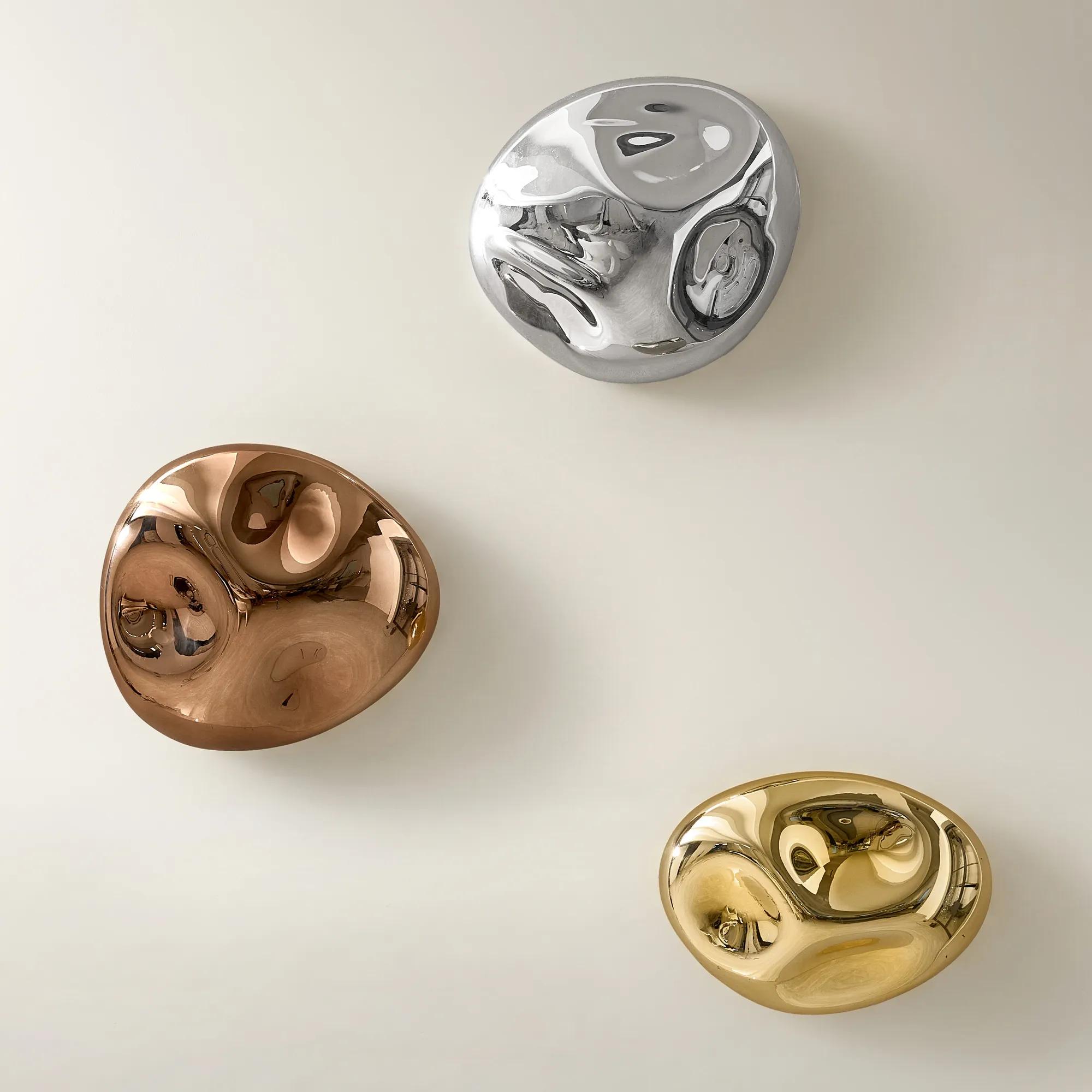
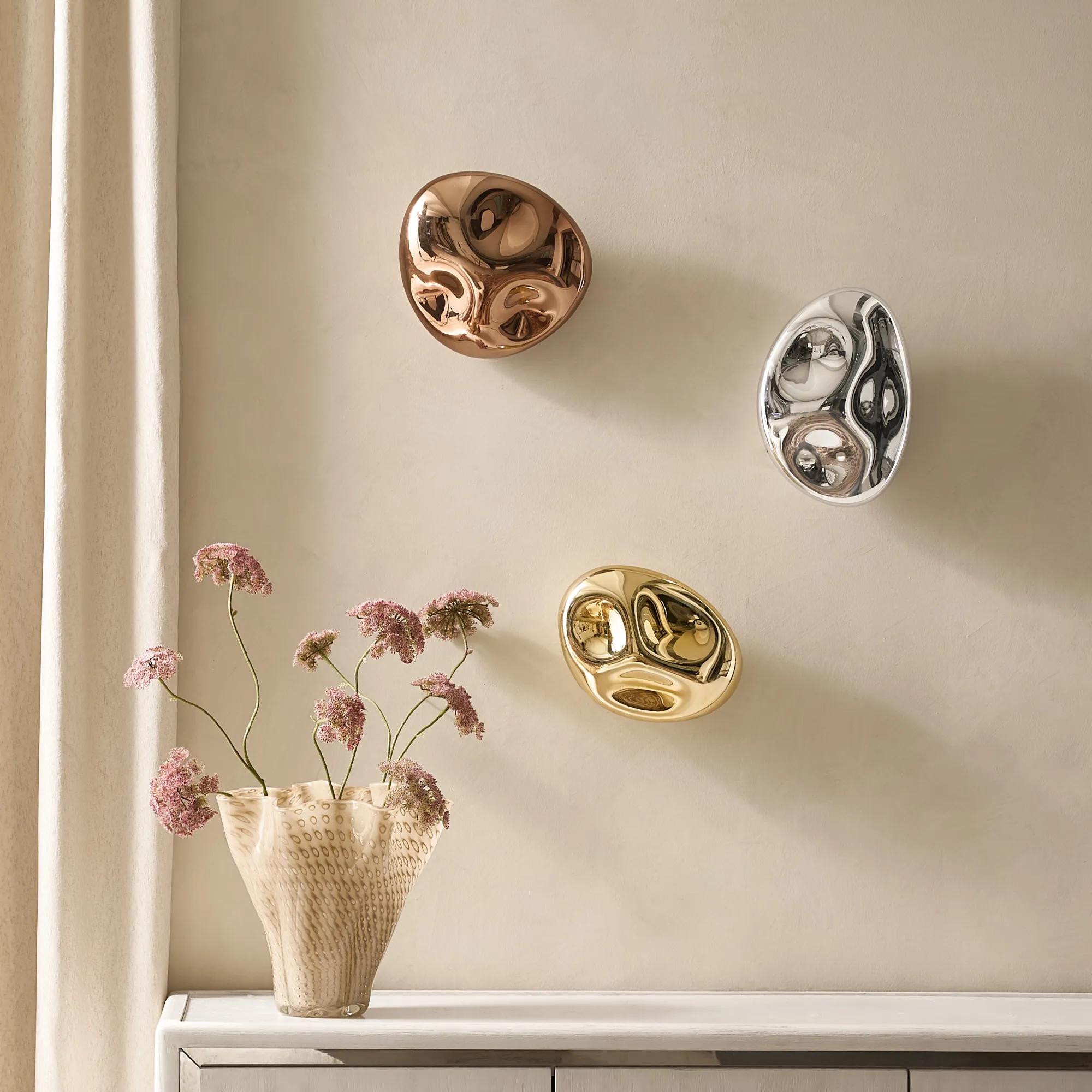 Nebula Electroplated Metallic Glass Wall Decor Set of 3$279
A set of three electroplated glass wall sculptures in polished silver, soft gold, and bronze tones.
Add To Cart -
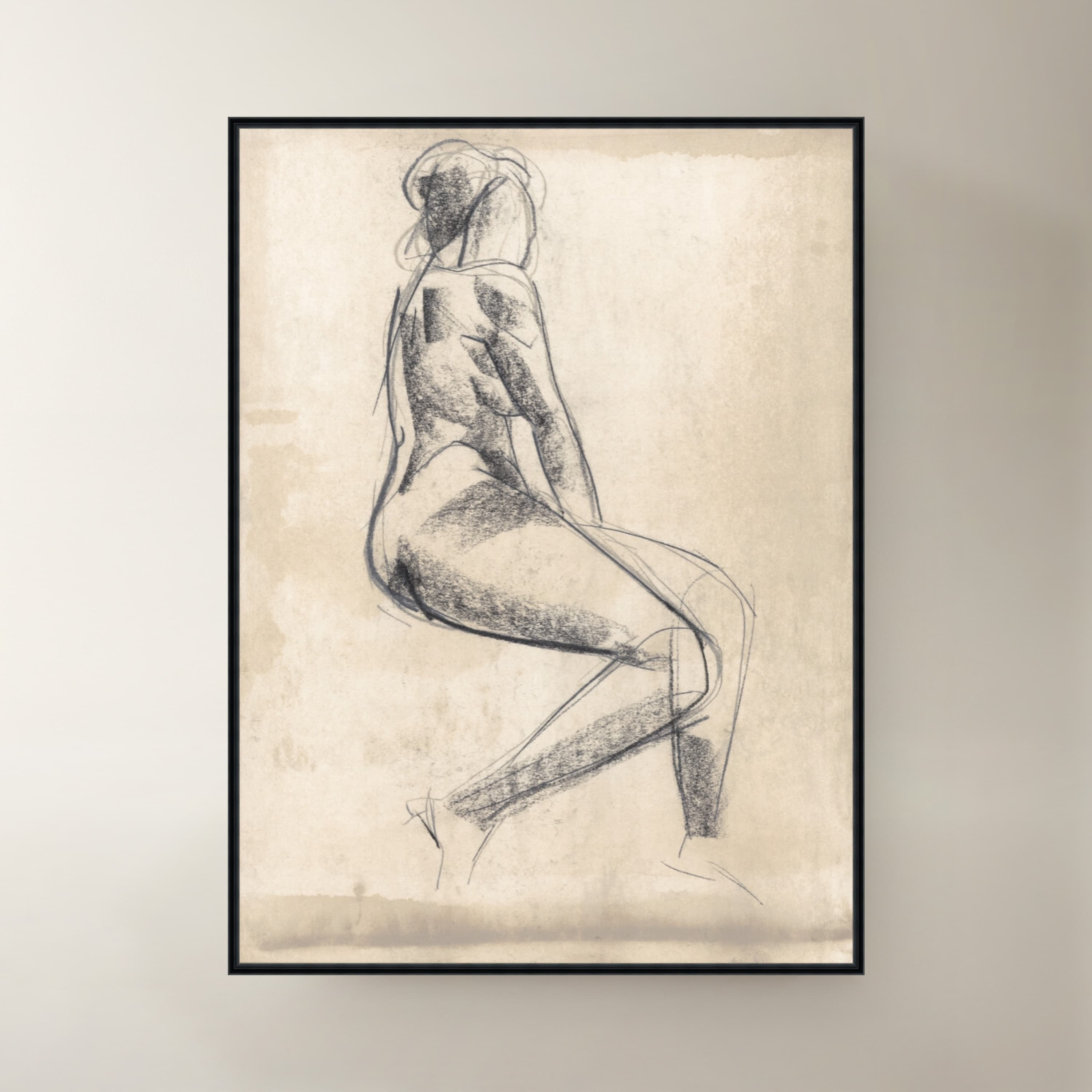
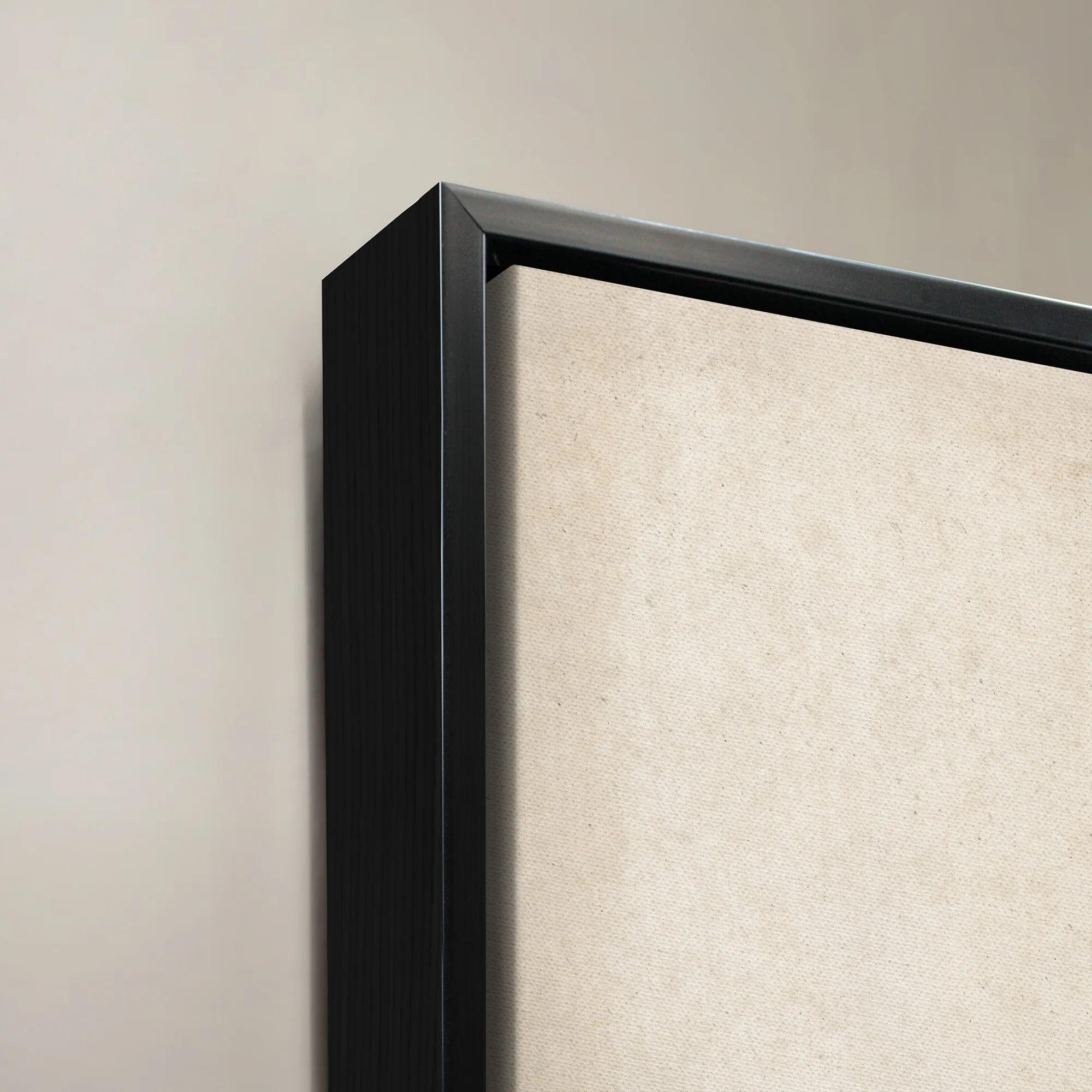 Restful Figure I Framed Wall Art 20" x 27"$449
A serene figurative canvas artwork in warm brown tones, elegantly framed for sophisticated wall display.
Add To Cart -

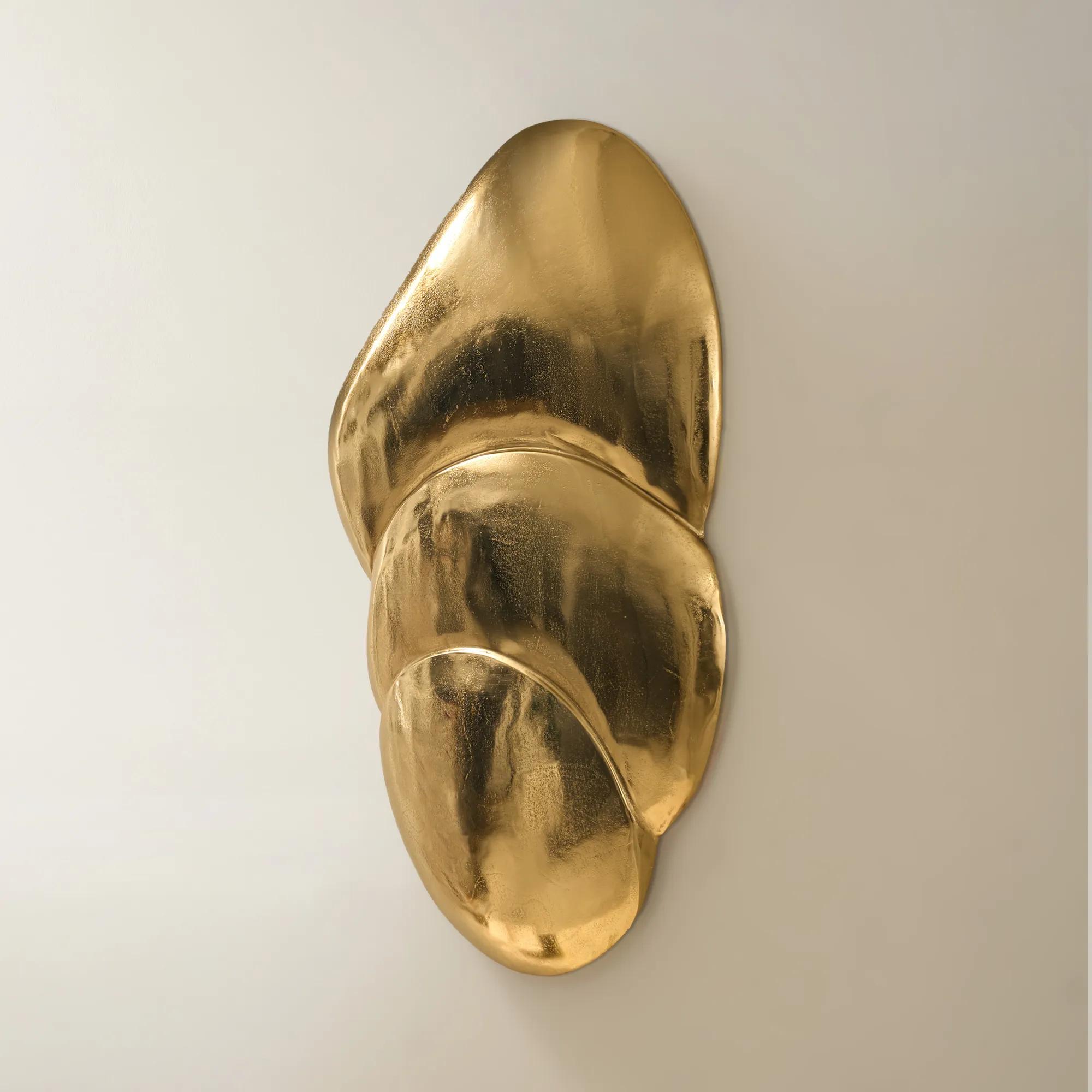 Echo Gold Handcrafted Aluminum Wall Decor 19" x 30"$169
A handcrafted gold aluminum wall sculpture with crisp definition and a polished, gallery-ready framed presentation.
Add To Cart -
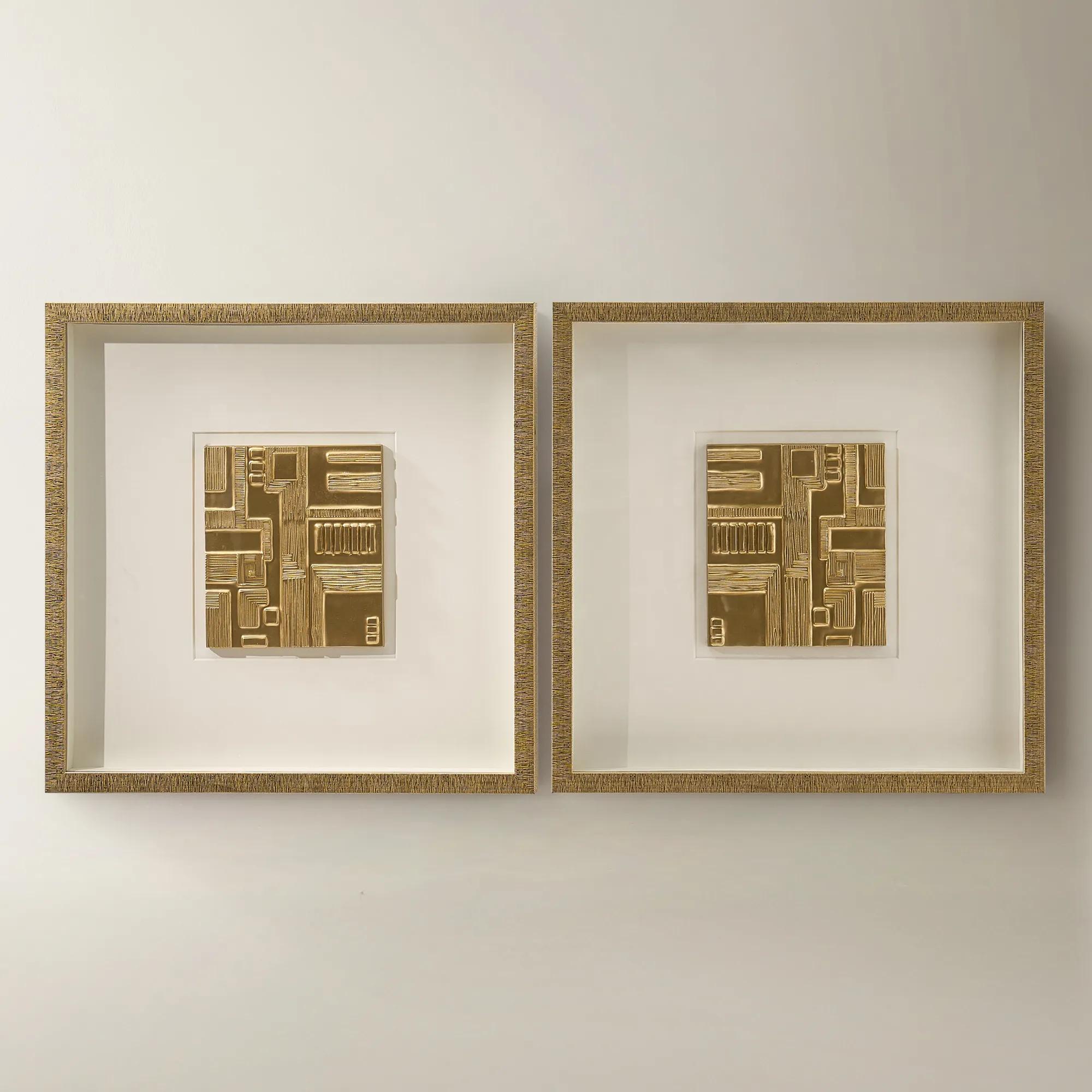
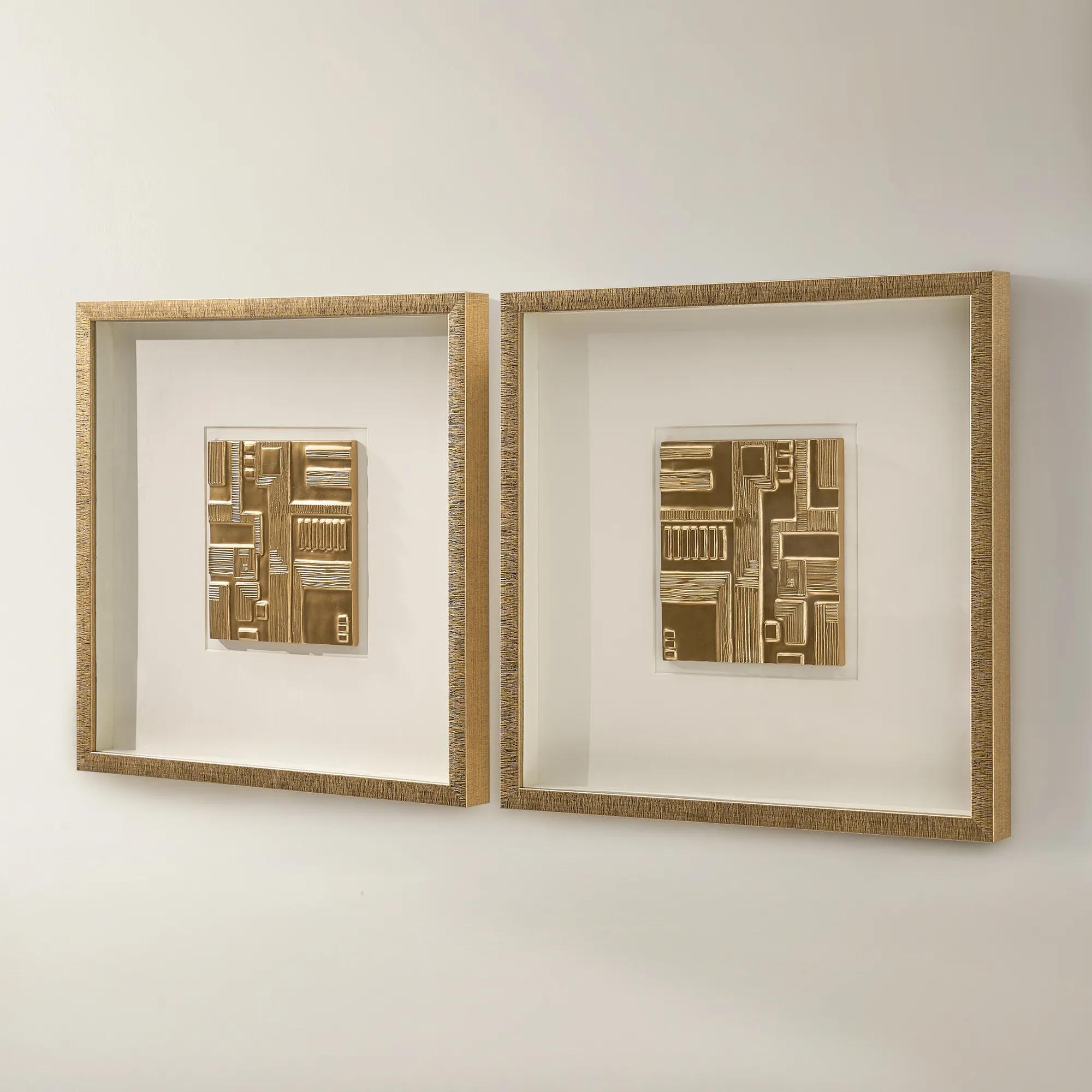 Ritual Framed Woodcarving Wall Decor Set of 2$329
A set of two gold-framed woodcarvings with ivory mats and dimensional relief for gallery-style wall decor.
Add To Cart -
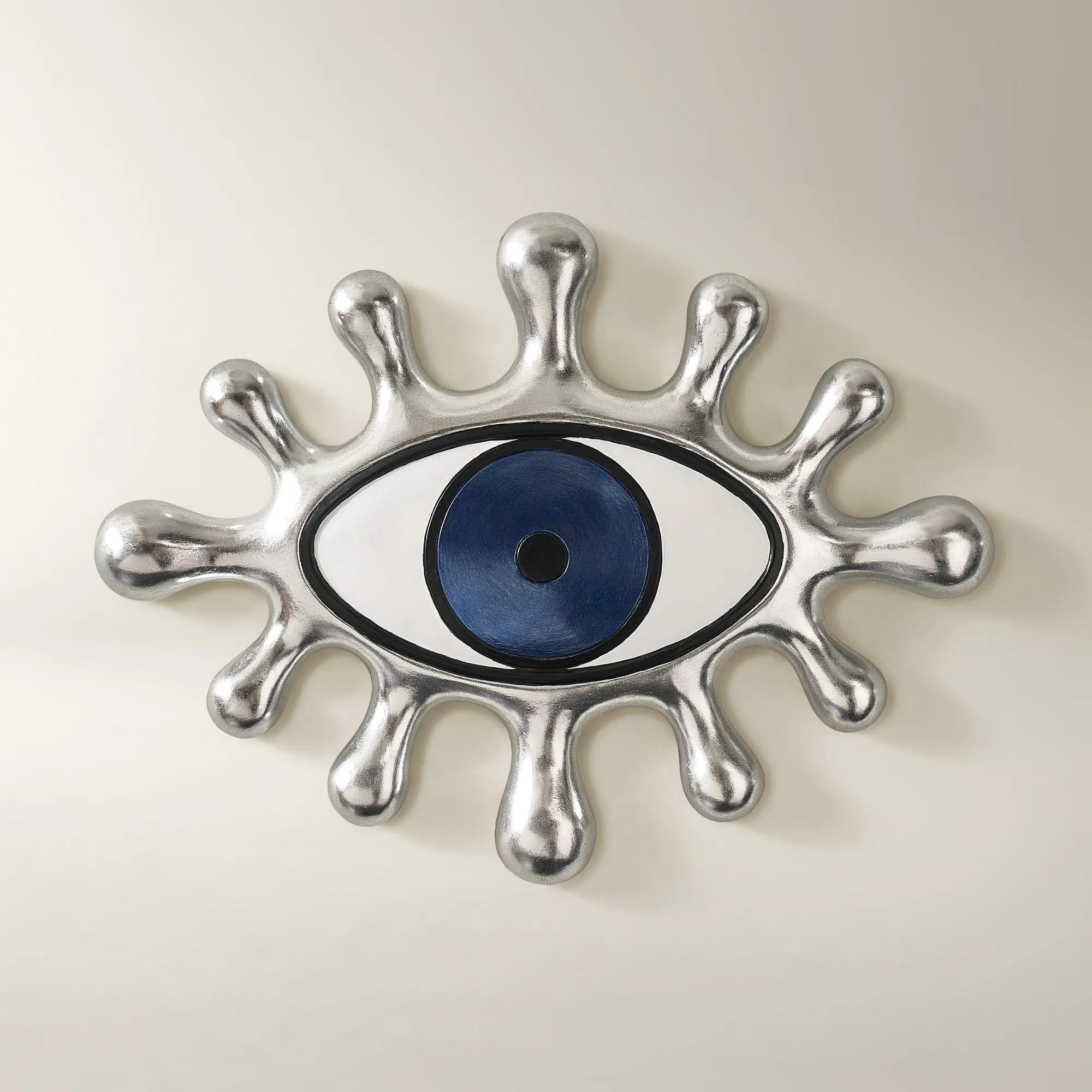 Grand Eye Ink Blue And Silver Resin Wall Decor 18" x 13.5"$79
An exaggerated eye motif in ink blue and silver brings playful, sculptural texture to any wall.
Add To Cart -
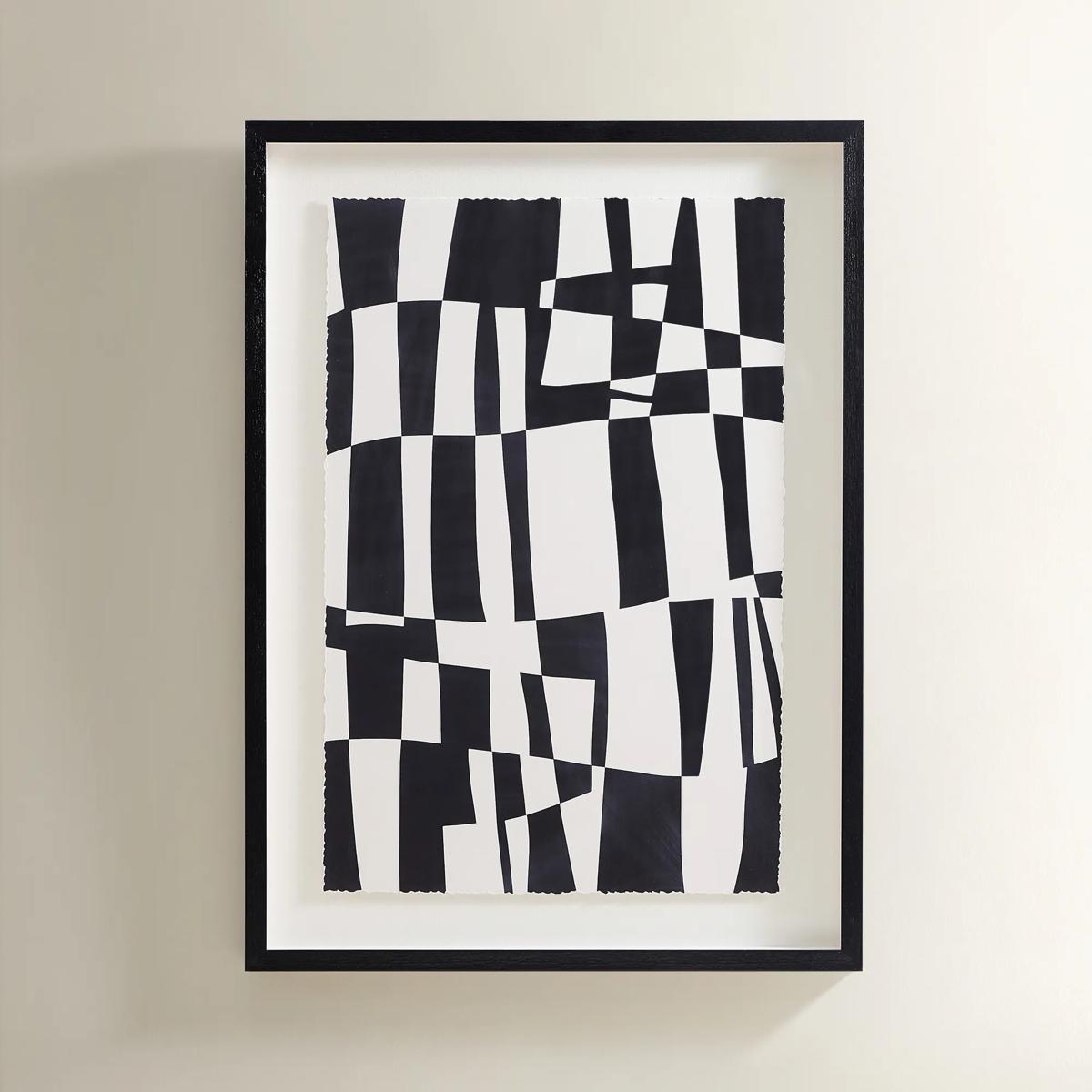 Matrix Art$369
A striking black and white abstract grid print set in a sleek black polyresin frame.
Add To Cart -
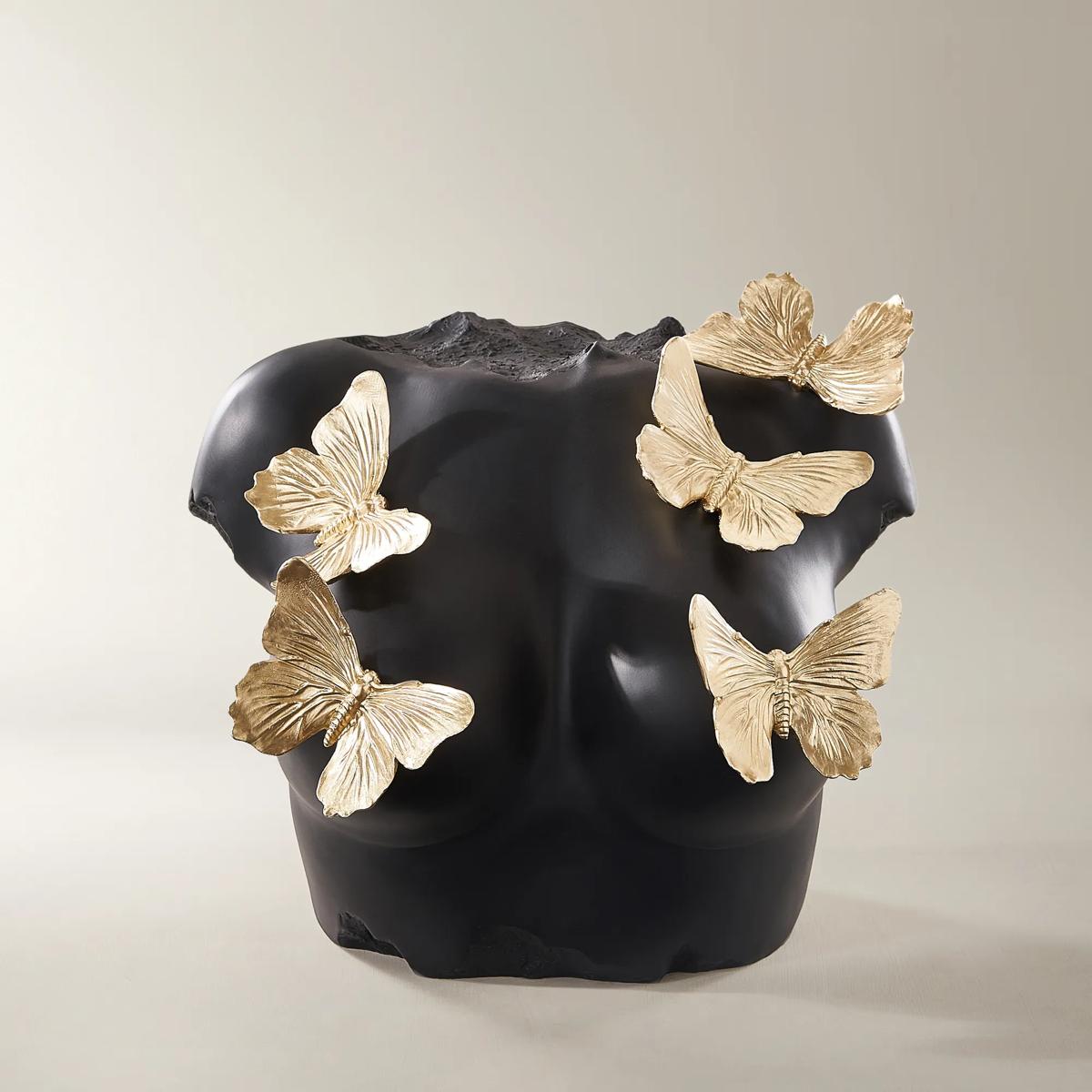 Butterfly Bust Black And Gold Resin Decorative Object 11.75"$149
A matte black resin bust adorned with gilded butterflies, offering poetic movement and modern elegance.
Add To Cart -
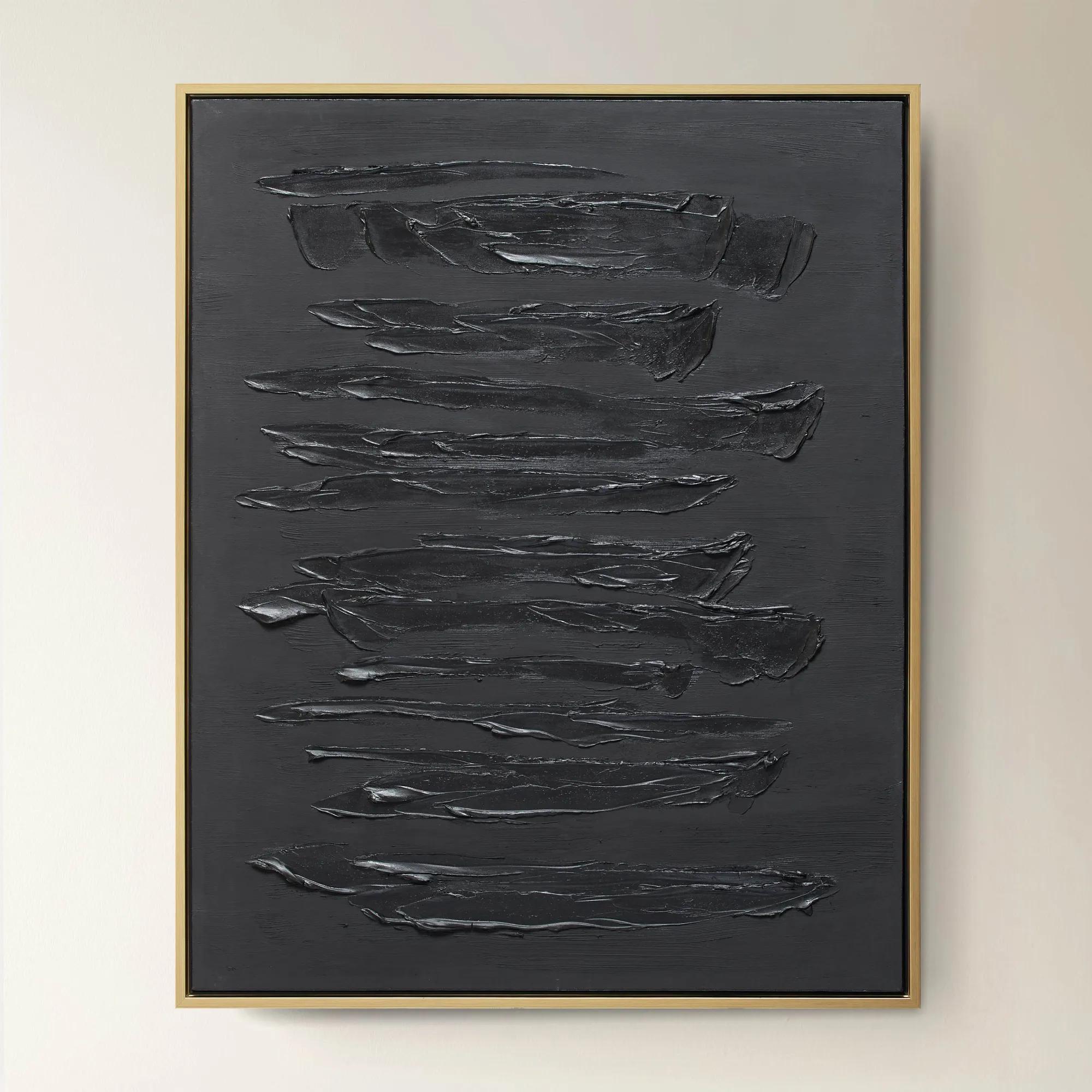
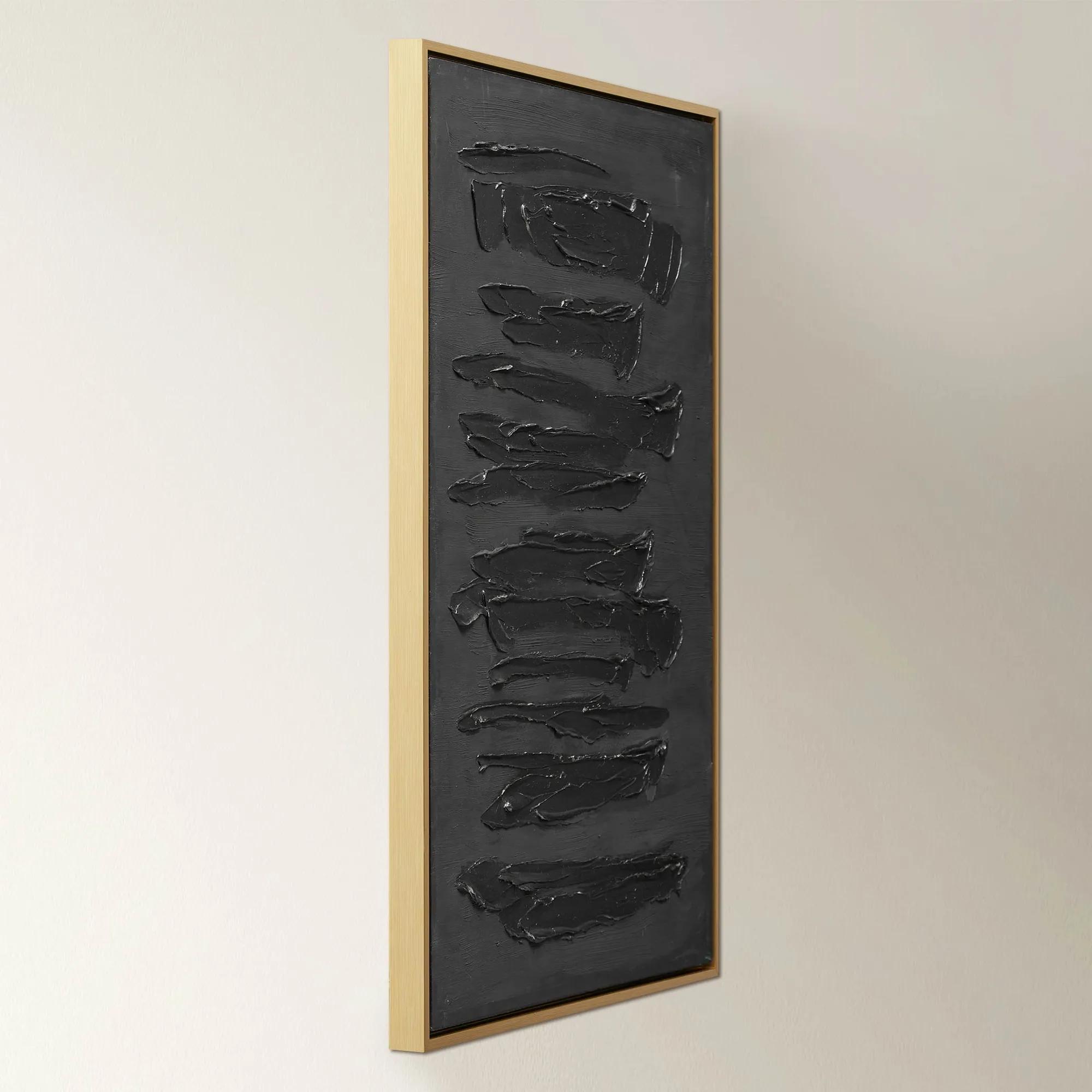 Nocturne$599.95
A dramatic abstract artwork featuring bold, dark brushstrokes on hand-painted canvas in a gold floater frame.
Add To Cart -

 Twin Abstract 1 Framed Wall Art 30" x 45"$699
A captivating abstract canvas artwork featuring layered blue and purple tones in a sophisticated framed presentation.
Add To Cart -
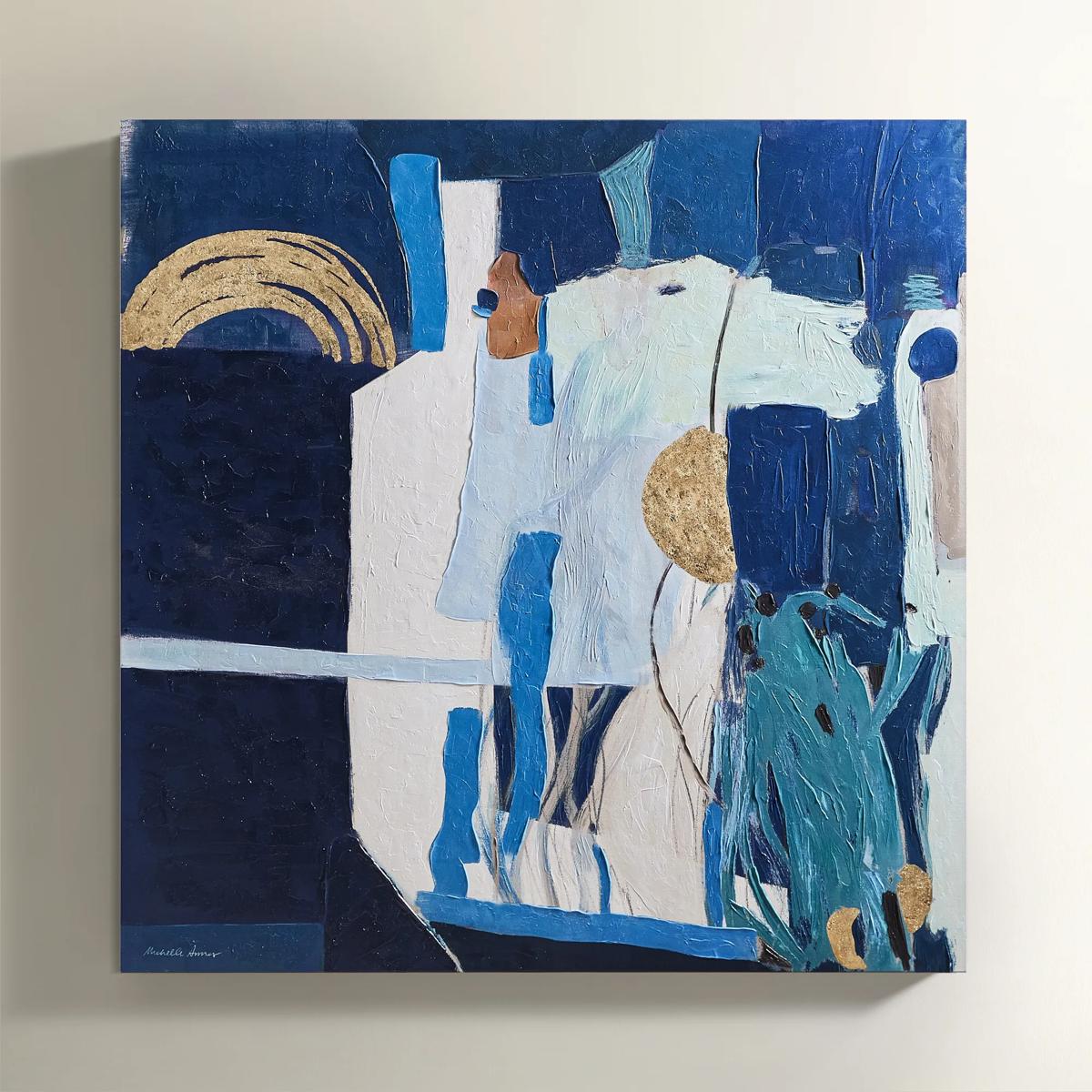
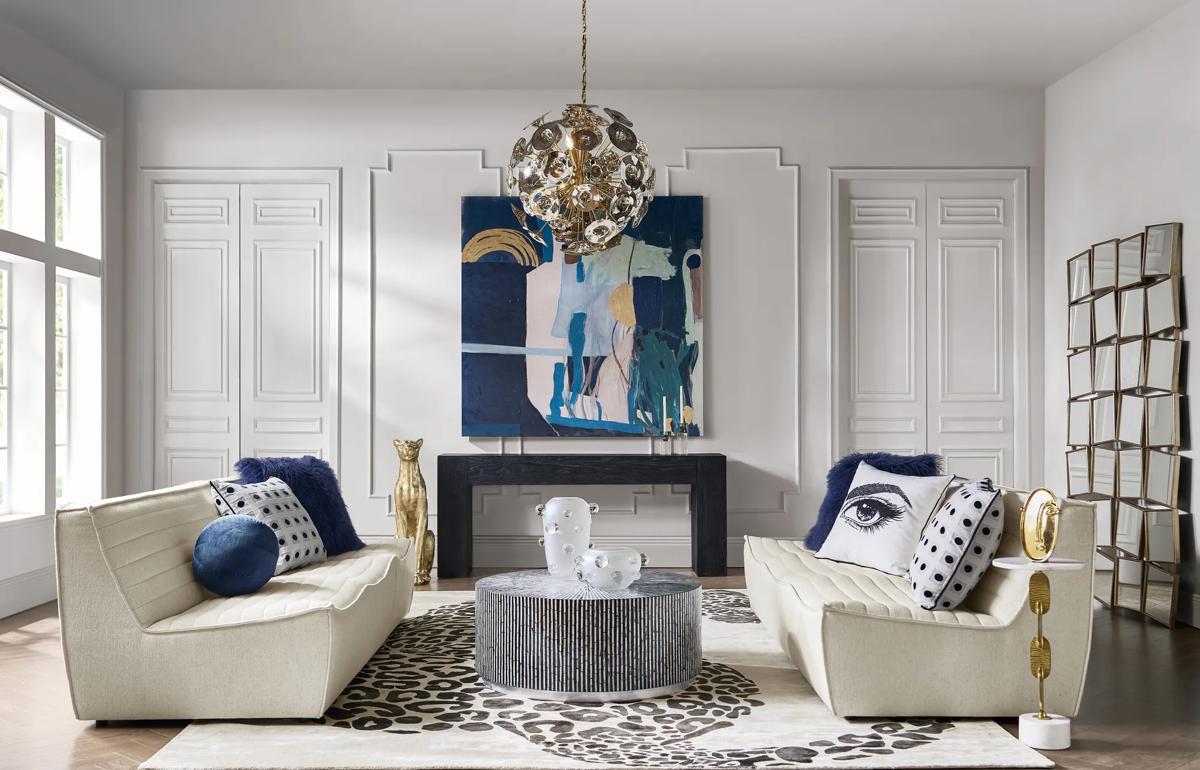 In Flux Painting$699
A hand-embellished canvas artwork featuring deep teal, green, ivory, and gold in a black Art Deco frame.
Add To Cart -
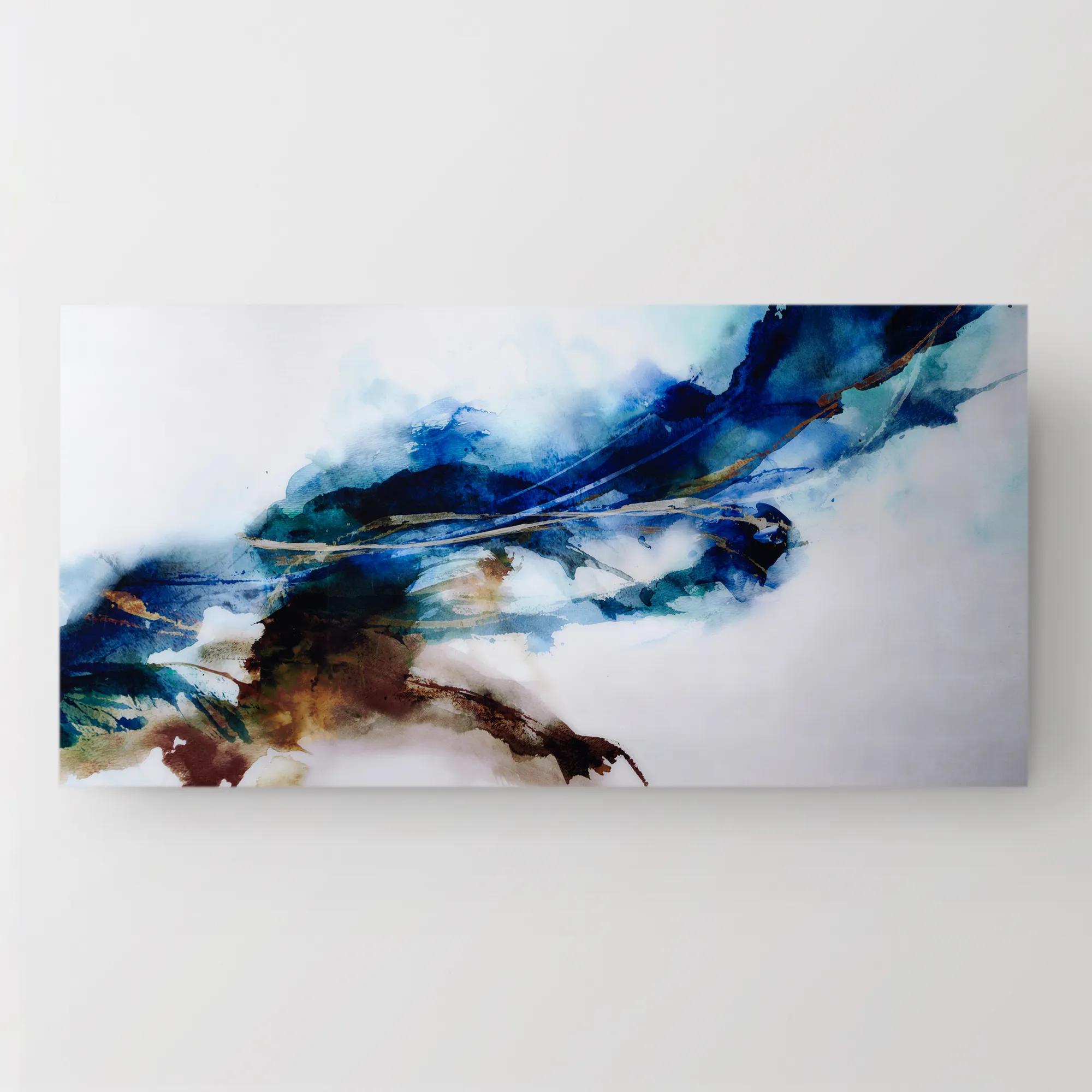 Cerulean Movement Acrylic Art 72" x 36"$1299
A vibrant abstract artwork printed on high-gloss acrylic, infusing your space with dynamic energy and movement.
Add To Cart -
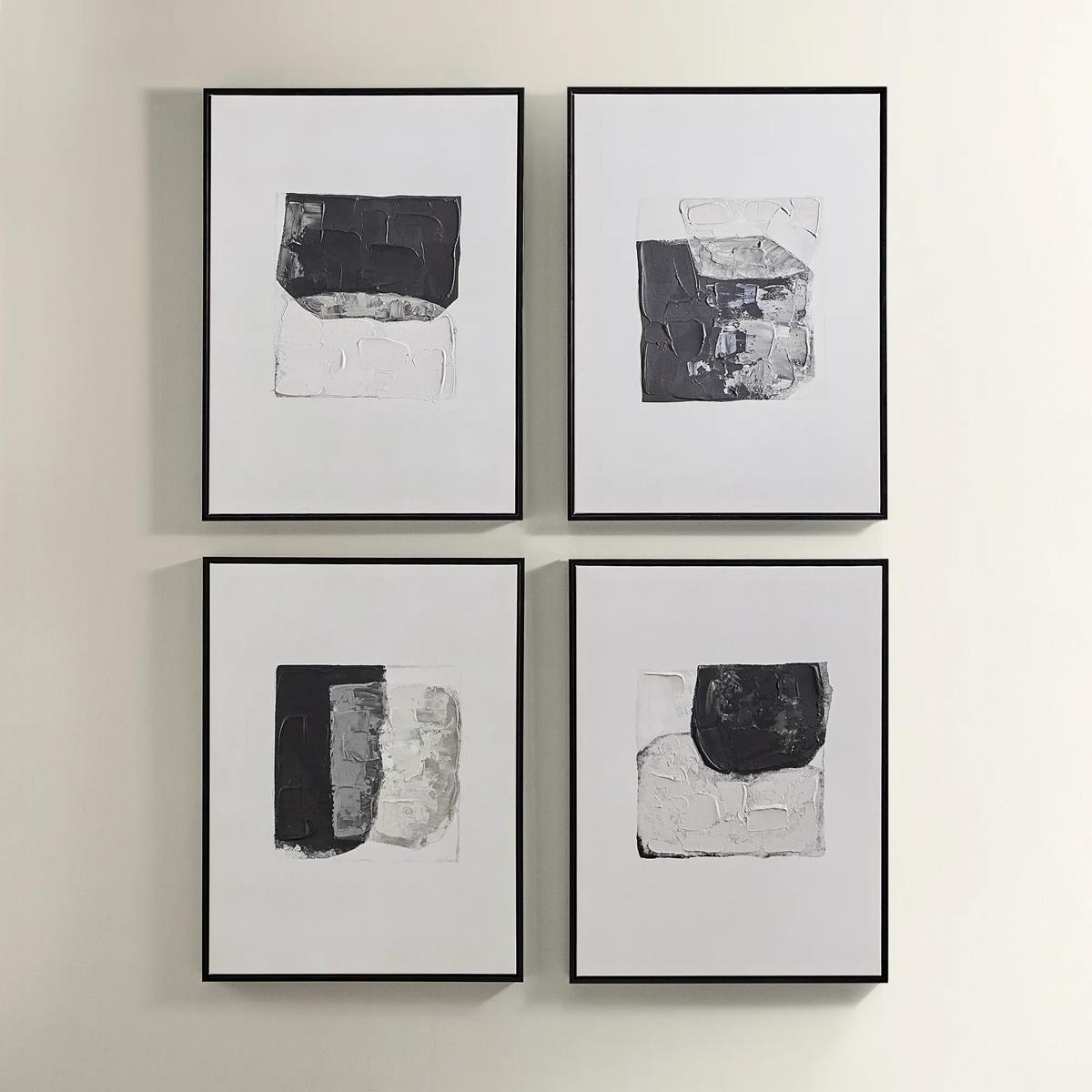
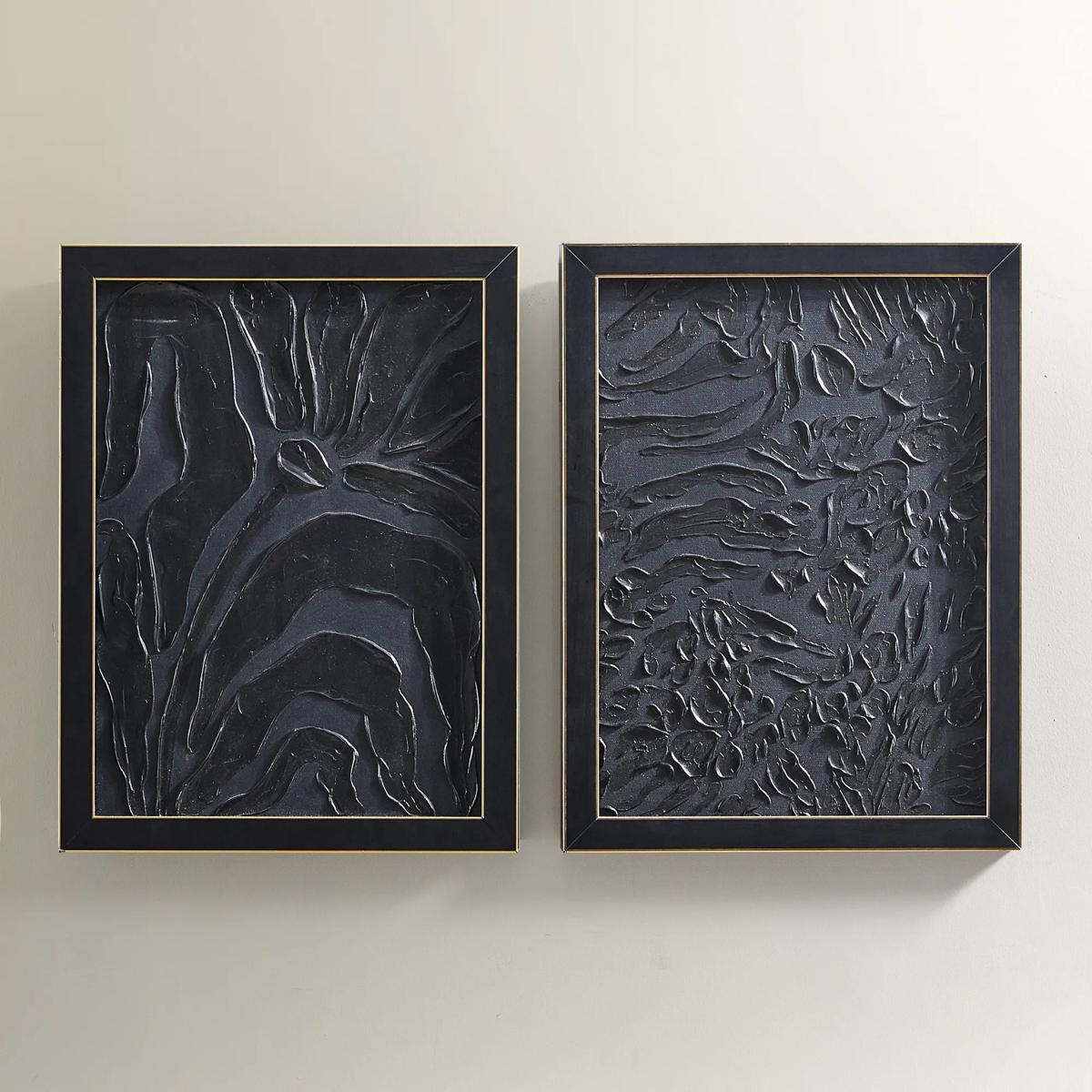
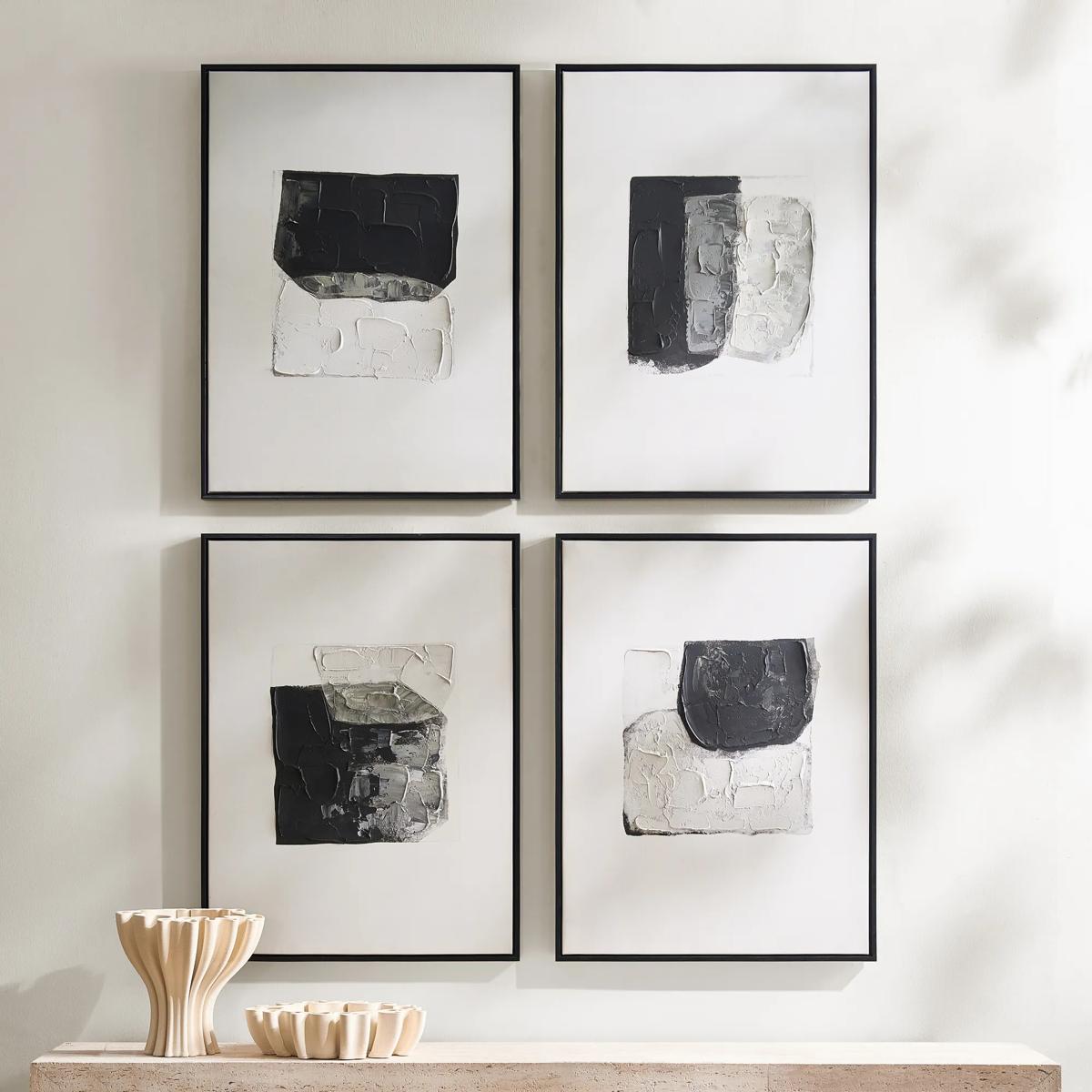 Shadows Framed Painted Wall Art Set of 4$299
A set of four hand-painted abstract canvases featuring black, white, and gold accents in black frames.
Add To Cart -
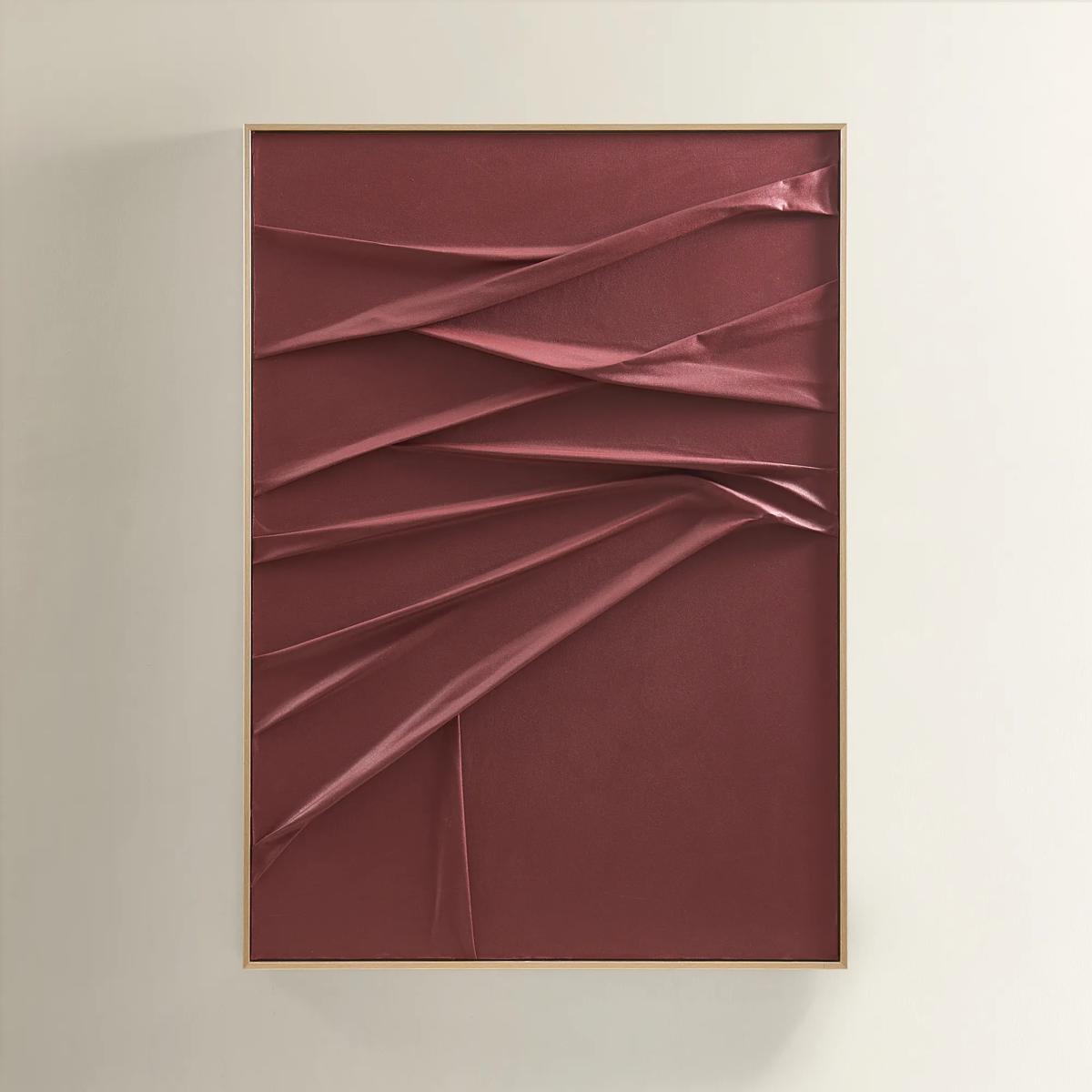
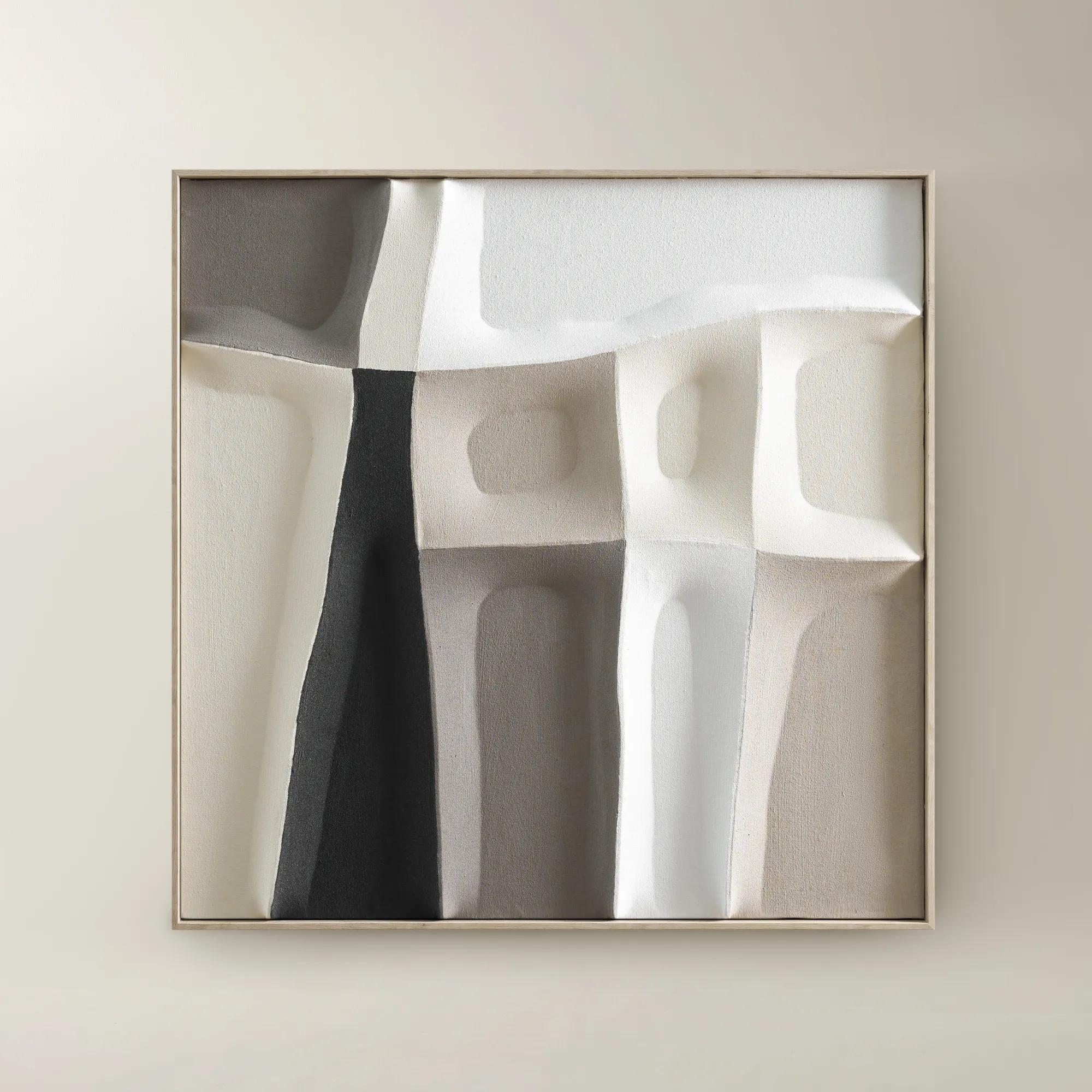
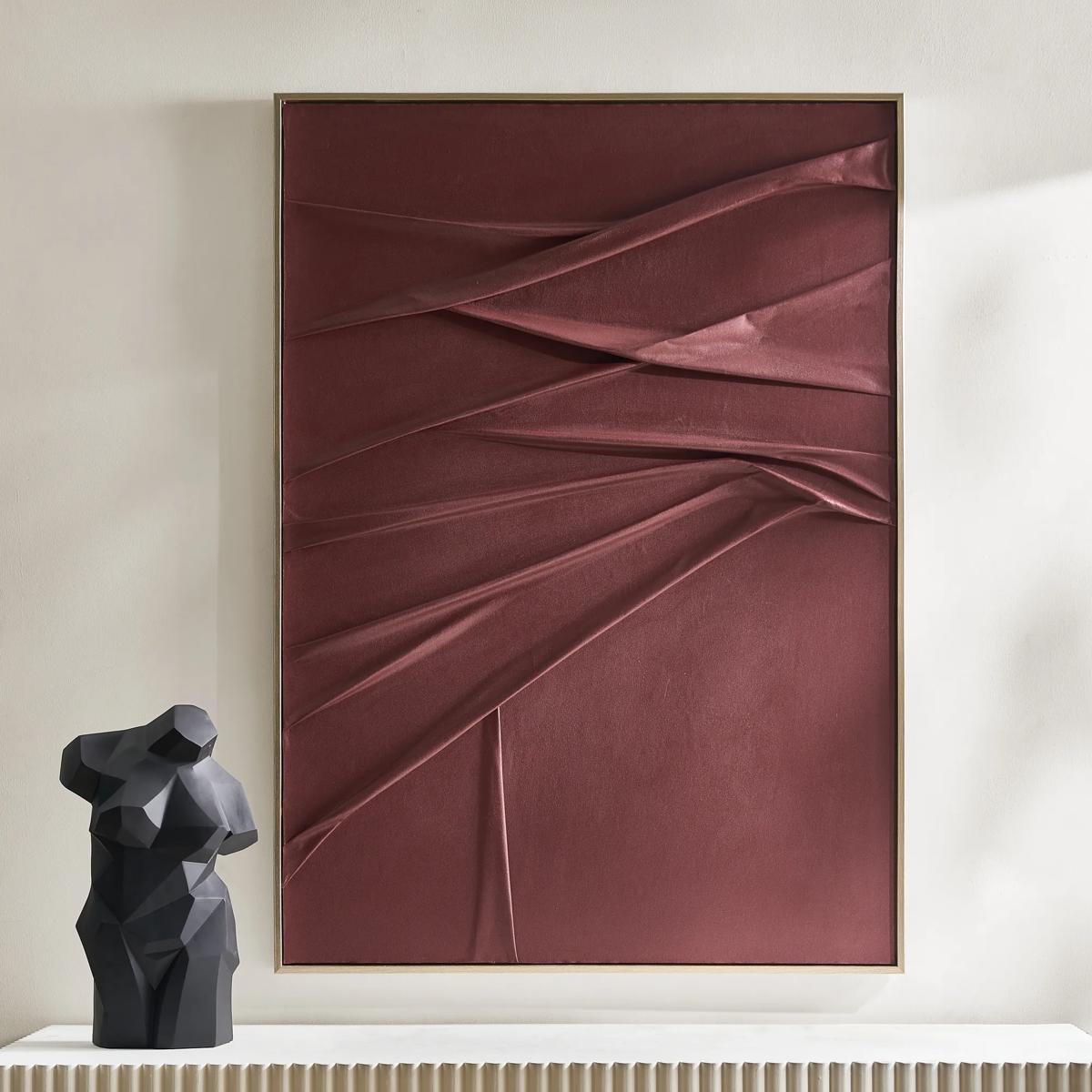 Crimson Painting$599
A handcrafted burgundy canvas artwork with sculptural folds, framed in champagne for a dramatic, textured effect.
Add To Cart -
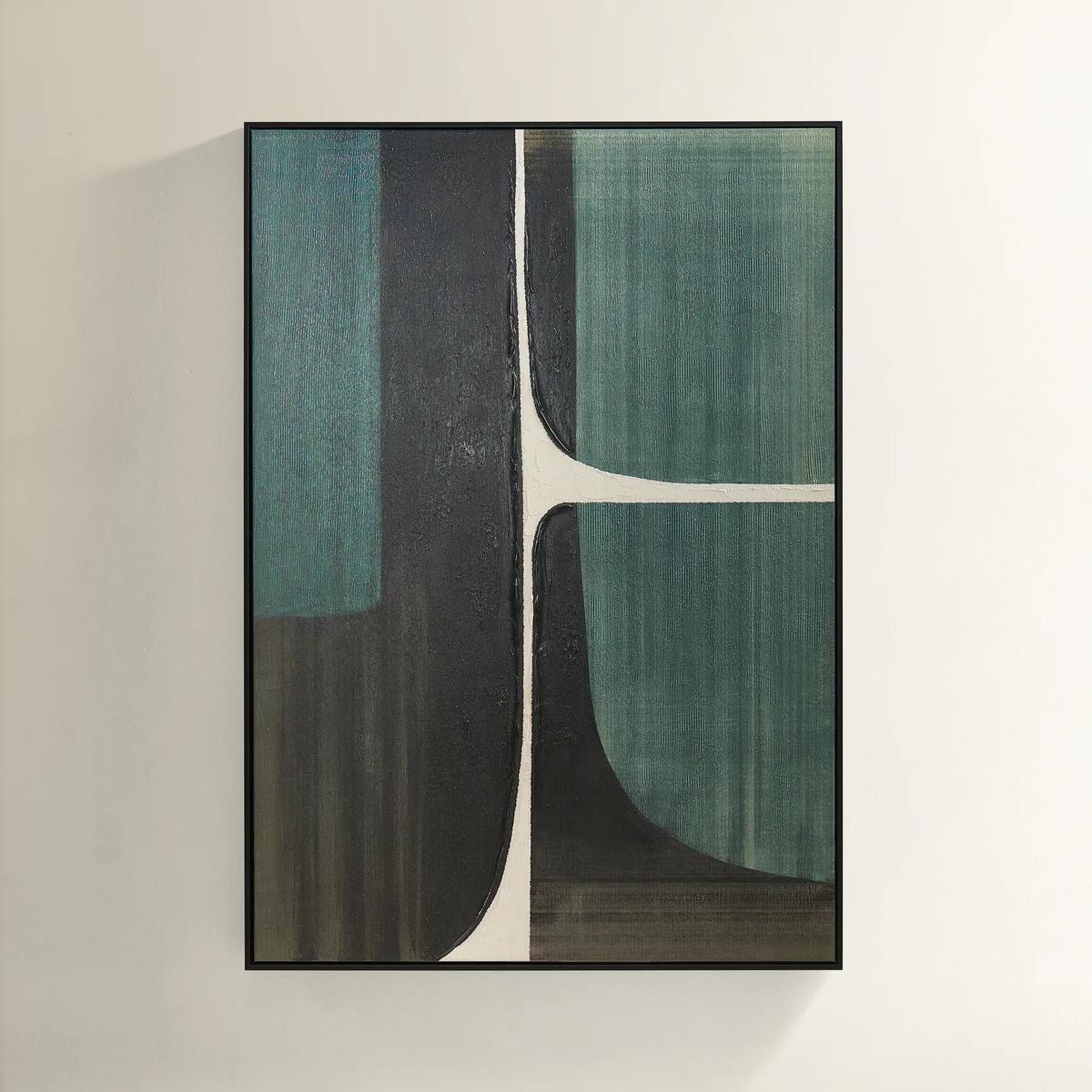 Plains Framed Painted Wall Art 39.25" x 55"$499
A hand-painted abstract canvas in forest green, ivory, and black with a sleek black floater frame.
Add To Cart -
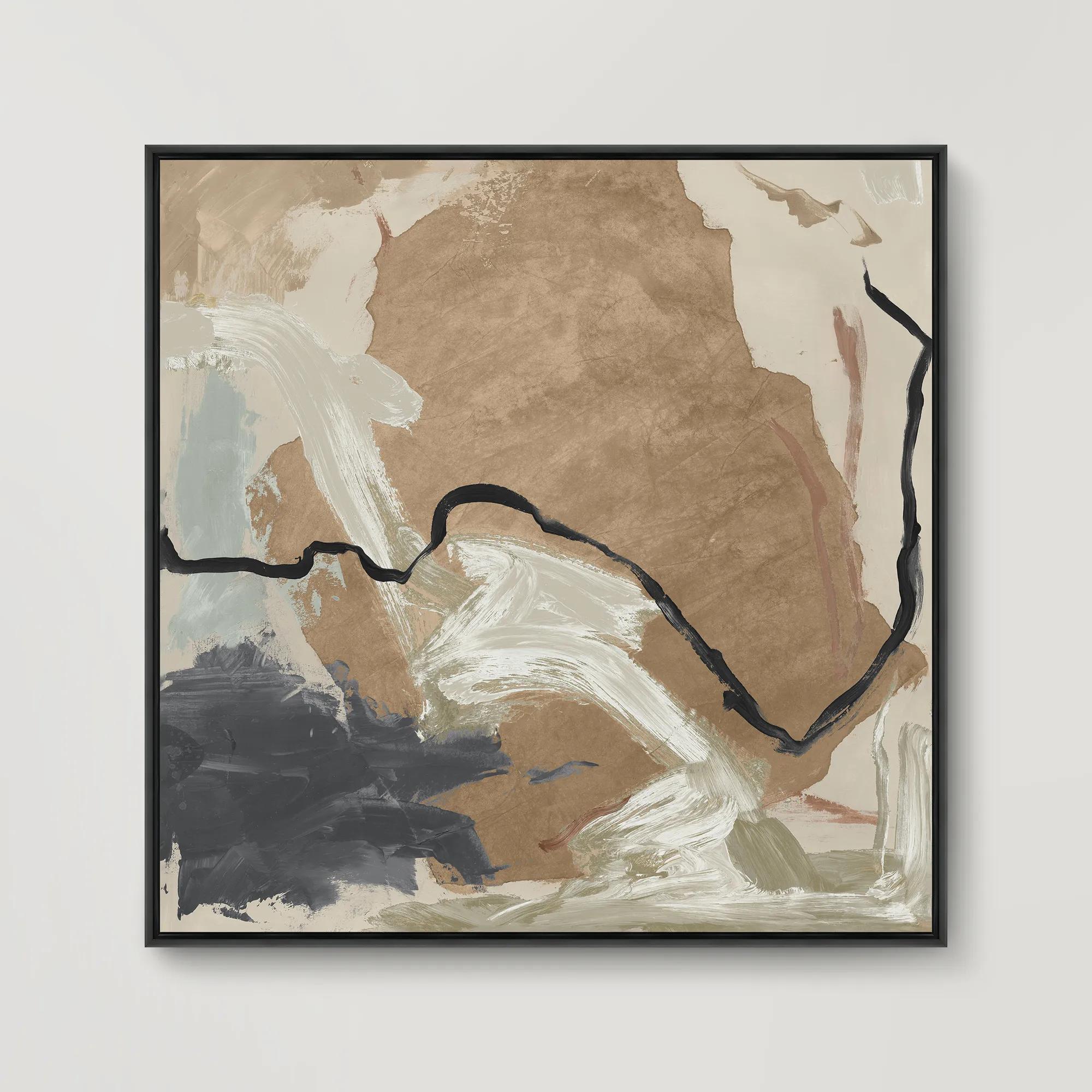
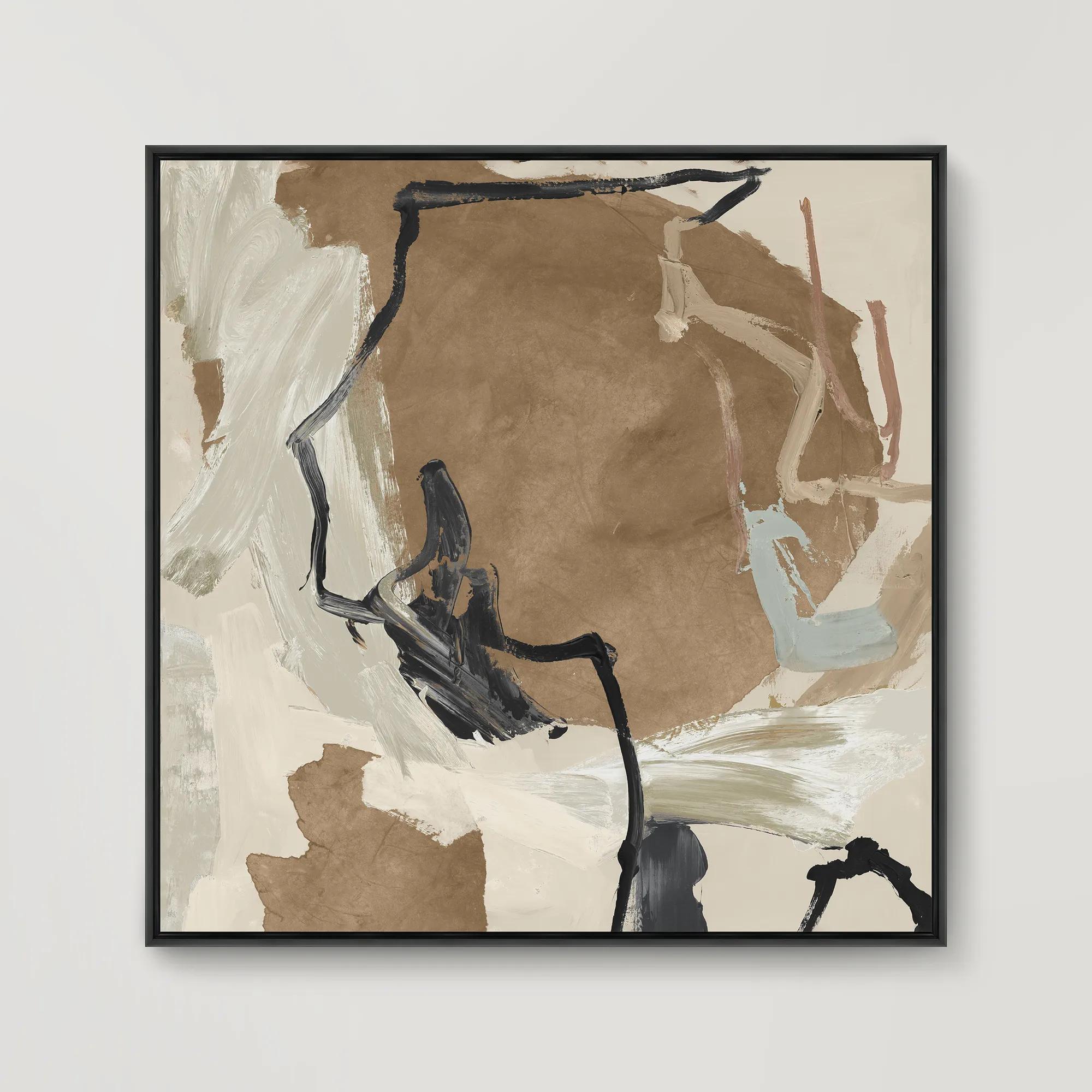
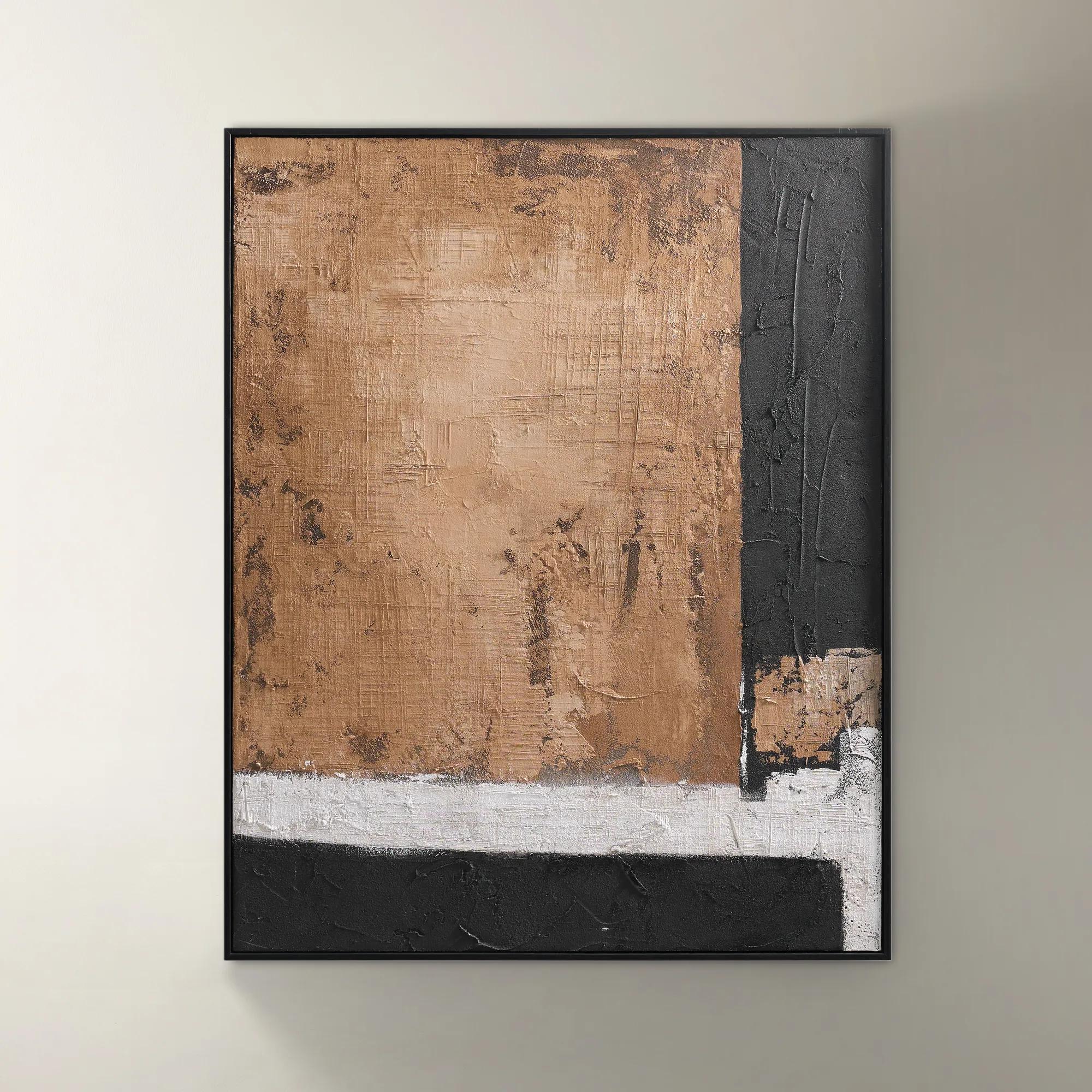 Drift Framed Painted Wall Art I 39.4" x 31.5"$299
A bold hand-painted abstract artwork featuring layered brown tones in a sleek black floater frame.
Add To Cart

Contemporary Abstract Sculptures
Explore contemporary abstract sculptures that bring expressive form and a distinct point of view to your interior. This selection of modern sculptural art puts silhouette and composition in focus; consider each piece’s proportions and how its shape will complement your furnishings or create a deliberate, dramatic contrast.
Contemporary abstract sculptures are three-dimensional works that emphasize form, volume, texture, and spatial relationships rather than realistic depictions of recognizable subjects. Their expressive power comes from the way a curve holds light, an angular plane casts a shadow, or an open center frames the room beyond it. Some suggest movement through sweeping lines and twisting silhouettes; others create drama through stacked shapes, asymmetry, or the tension between substantial mass and delicate balance. In an interior, these qualities give decorative sculpture a presence that changes with the viewing angle. A piece seen head-on from an entryway may reveal an entirely different composition from the adjoining living room, making its surroundings part of the experience. That visual depth suits homes where art is woven into daily life rather than reserved for a single wall. On a console beneath an expansive painting, an abstract form introduces dimension without repeating the artwork literally. Against a richly colored wall, a pale or metallic silhouette becomes especially pronounced; against a tonal backdrop, texture and shadow take the lead. Rounded, organic shapes can soften the architectural lines of cabinetry, while crisp geometric forms lend definition to rooms layered with plush upholstery and flowing textiles. Neither approach requires a perfectly matched interior. The most compelling arrangements often pair contrasting elements: a fluid sculpture beside a tailored sofa, or a sharply faceted form above a console with a softly grained surface. Contemporary abstract sculptures and Modern Art Sculptures share an emphasis on expressive shape, offering ways to introduce artistic character without relying on literal imagery. Whether the mood is serene and sculptural or exuberant and theatrical, the right composition gives the eye somewhere to linger. Even a modestly scaled form can command attention when its outline is distinct and its setting allows it room to breathe.
Materials and finishes shape that presence as much as silhouette. Metal can convey a taut, architectural quality, with polished surfaces reflecting nearby color and brushed or textured finishes revealing subtler variations in light. Depending on the metal and protective treatment, its appearance may remain relatively consistent or develop a patina; those characteristics belong in the material description rather than being assumed. Resin allows intricate contours and expressive surface treatments, although its weight, strength, and finish vary by construction. Ceramic brings a different sensibility, from the luminous depth of a glaze to the tactile character of an unglazed surface. Glass introduces transparency, reflection, and layered views, while stone contributes natural variation in veining, tone, and texture. Mixed-material sculpture can make the contrast itself part of the composition, setting a gleaming element against a matte base or a smooth curve beside a rougher surface. Material names alone do not establish durability, so construction, finish, and intended use deserve equal attention. Scale is equally consequential. A tall, narrow form can create an elegant vertical accent on an entry console, but its full height should sit comfortably beneath artwork or a mirror without visually colliding with the frame. A lower, wider composition may feel more assured on a coffee table, where it leaves conversation and sight lines open. Shelving calls for attention to depth as well as height: projecting curves and angled edges need clearance, and the entire base should rest securely within the shelf. Substantial pieces also require furniture capable of supporting their weight. In a dining room, a sculpture used as a centerpiece should leave ample space for place settings and avoid obstructing faces across the table. Negative space belongs in these decisions, too. Leaving an open interval around a distinctive shape allows its contours and shadows to register, especially when nearby objects have strong patterns or reflective finishes. A single sculptural statement can feel more deliberate than several competing accents crowded onto the same surface.
Thoughtful placement protects both the sculpture and the atmosphere it creates. A stable, level surface away from busy walkways helps preserve intricate edges and projecting details, particularly in homes with children or pets. Protective pads may help prevent scratches where a base meets furniture, provided they are compatible with both surfaces and do not compromise stability. Tabletop designs should not be treated as floor sculptures, and indoor decorative objects should not be assumed suitable for outdoor exposure, moisture, or prolonged direct sunlight. Display conditions matter for finishes as well: strong sunlight can affect some pigments and coatings, while humidity may be unsuitable for certain metals or mixed materials. Care should follow the maker’s instructions, especially where a sculpture combines several finishes. A soft, dry cloth is often an appropriate starting point for routine dusting, but textured recesses, delicate extensions, and polished surfaces need a gentle touch. Avoid abrasive pads, harsh cleaners, and soaking unless the care guidance expressly permits them. Lifting from a secure base rather than a slender arm or decorative projection helps reduce stress on vulnerable areas. These practical considerations leave room for the pleasure of living with abstract art. A home office can gain a point of visual relief from a form that offers something different from straight-edged screens and shelving. An entryway can establish a confident first impression through a silhouette that feels expressive without demanding a literal interpretation. In a living room, sculpture can become a conversation piece precisely because different viewers see different associations in the same shape. That openness also makes abstract sculpture a thoughtful housewarming, wedding, or milestone gift for someone whose taste favors art and distinctive interiors. A recipient’s available display space, preferred palette, and comfort with delicate materials offer more useful direction than an assumed meaning. Chosen with those details in mind, contemporary abstract sculpture brings lasting visual interest to a room: dimensional, personal, and capable of revealing something new each time the light moves across its surface.
FAQs
Contemporary abstract sculptures emphasize form, movement, and artistic expression rather than realistic representation. Sweeping curves, angular silhouettes, and open spaces invite interpretation, turning a decorative accent into a conversation piece. Their appeal lies in the emotion they evoke—and the distinctive point of view they bring to a room.
Contemporary abstract sculptures bring artistic tension to a range of interiors. In glamorous rooms, expressive forms echo the drama of lustrous finishes and sumptuous textures. In more restrained settings, a bold silhouette becomes a compelling focal point. Paired with traditional furnishings, abstract art creates an unexpected dialogue between classic elegance and modern expression.
Give an abstract sculpture a deliberate place in your composition, with open space around it so its contours remain visible. On a console, pair it with a stack of art books or a decorative bowl. On shelving, alternate sculptural accents with quieter arrangements to create rhythm without visual clutter.
Consider the mood you want to create. Reflective finishes introduce light-catching glamour, while matte surfaces draw attention to shape and contour. A tonal palette creates a composed, gallery-inspired effect; a contrasting hue adds a daring punctuation mark. Repeat an existing accent color when you want the sculpture to feel connected to the room.
Look for a shared visual thread, such as a recurring curve, geometric motif, or accent color. A fluid sculpture can echo the gestures in an abstract painting, while an angular form introduces contrast. Let one piece lead the composition so the pairing feels curated rather than competitive.