Blue Area Rugs
Blue Area Rugs
-
-compressed.jpg?w=1200&h=1200)
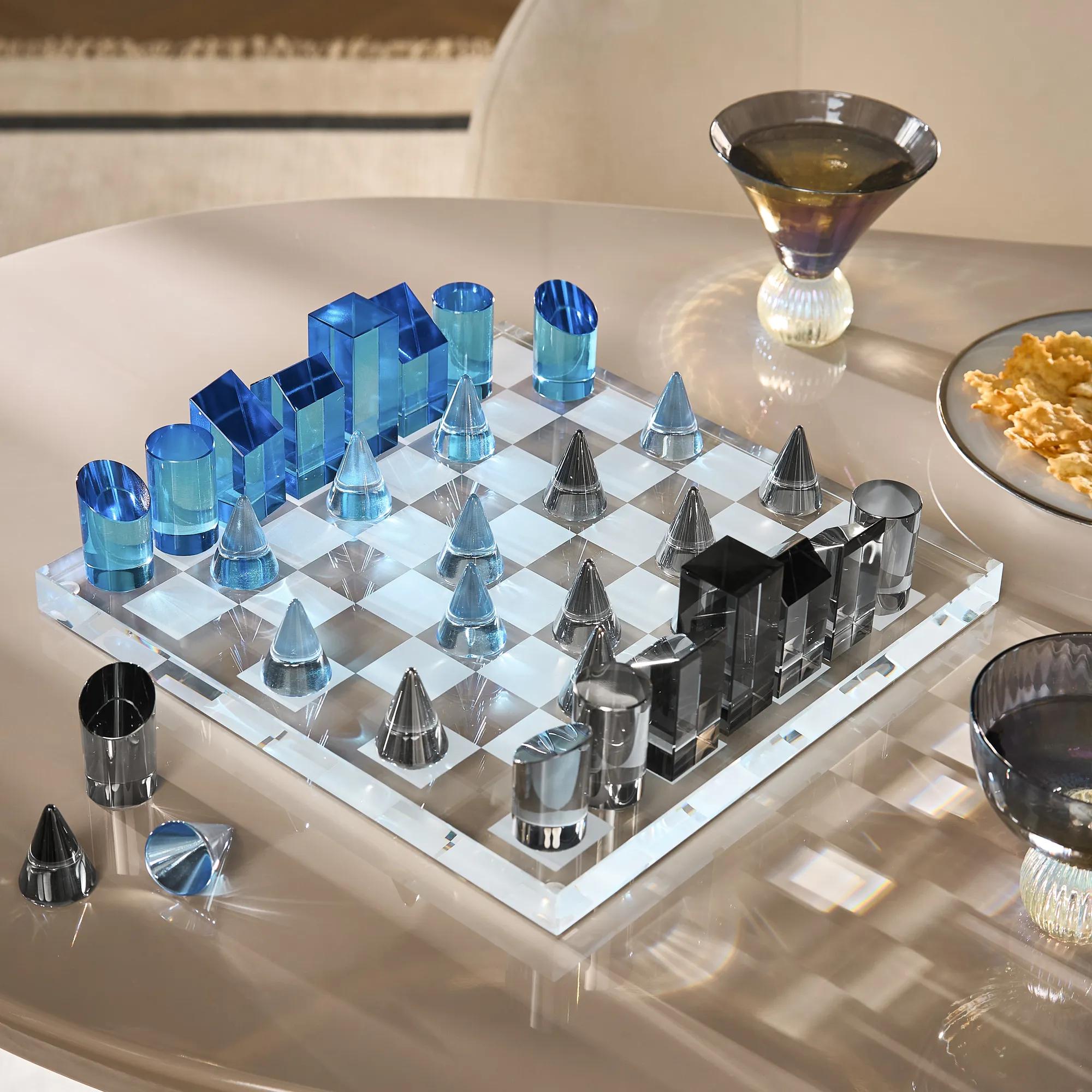 Blue Grey Crystal Glass Chess Set$299
A sophisticated blue and grey crystal glass chess set for stylish entertaining.
Add To Cart -
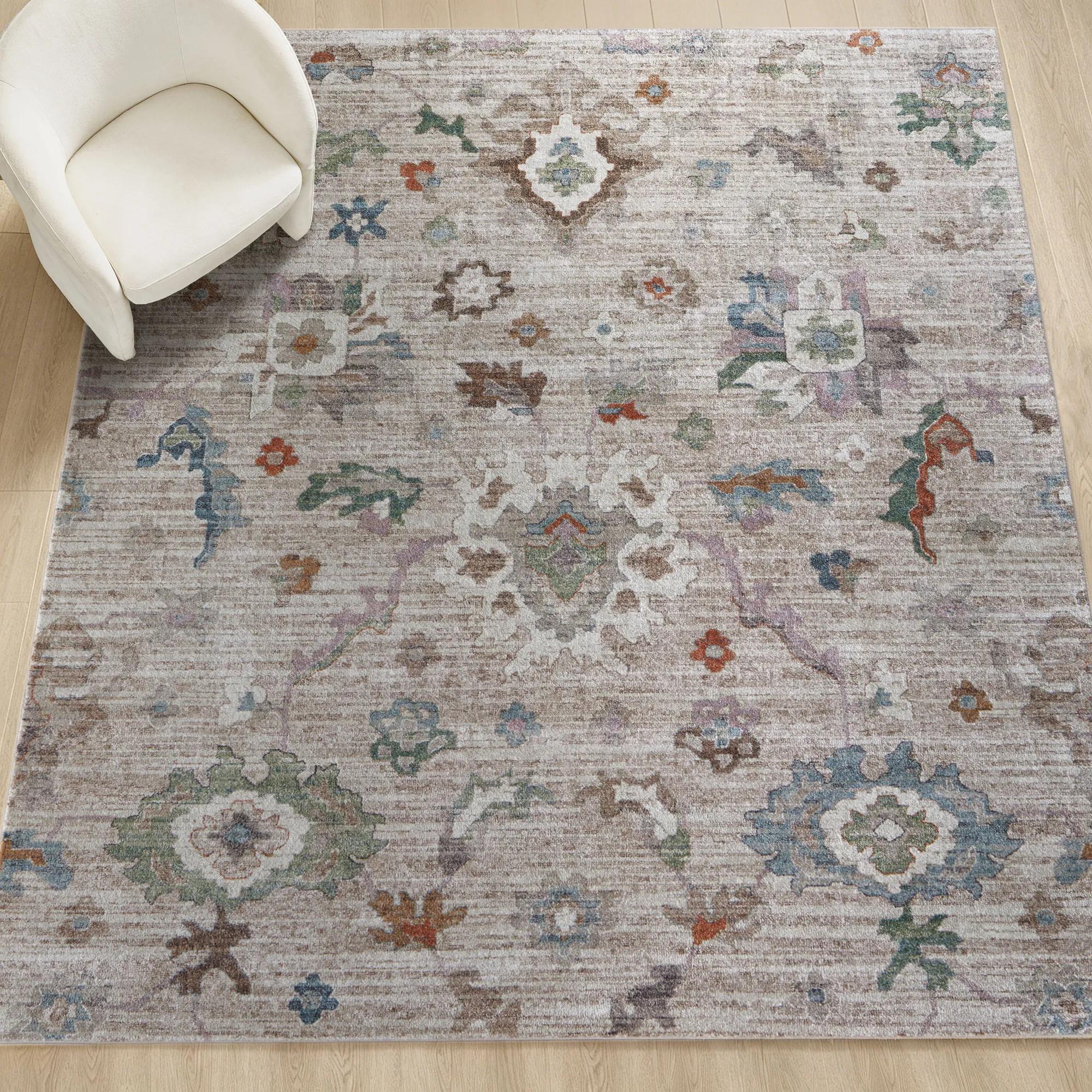
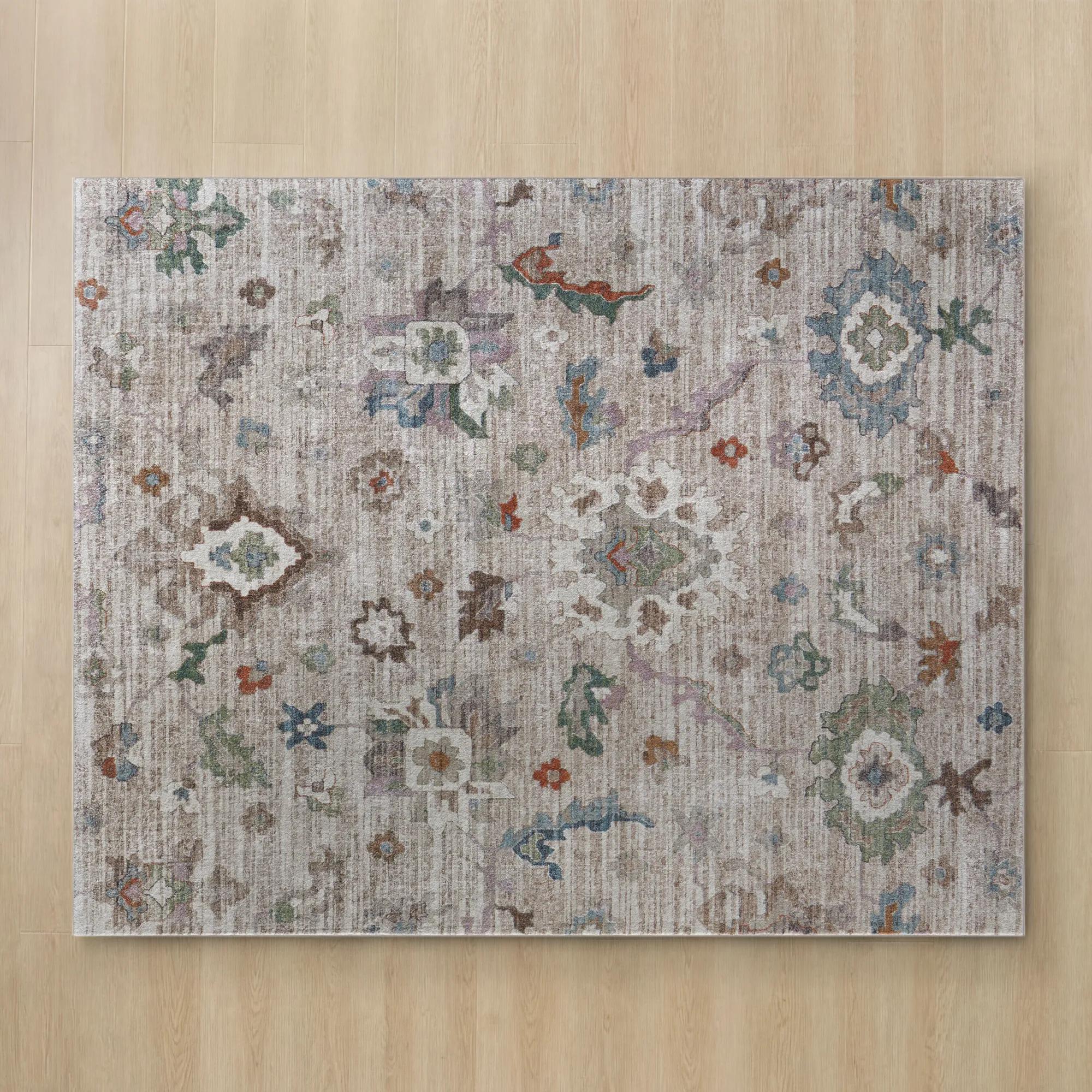 Ariella Floral Taupe/Ivory/Beige/Blue/Green Performance Power Loomed Rug$1499
A Persian-inspired rug in taupe, ivory, beige, blue, and green with a plush, power-loomed polypropylene pile.
Add To Cart -
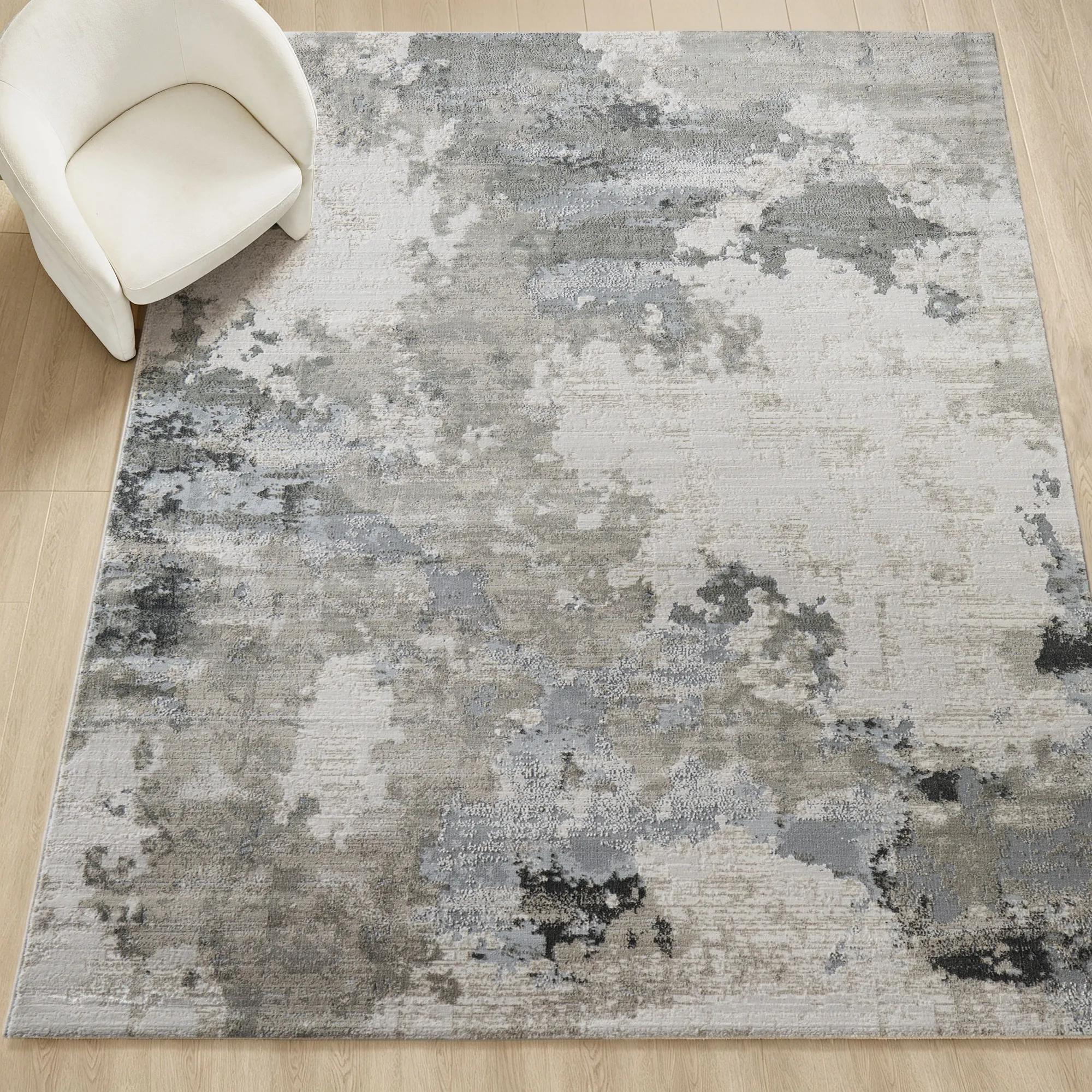 Alarion Abstract Grey/Muted Blue/Ivory Performance Power Loomed Rug$1499
A power-loomed rug featuring a distressed abstract pattern in grey, muted blue, and ivory with stain resistance.
Add To Cart -
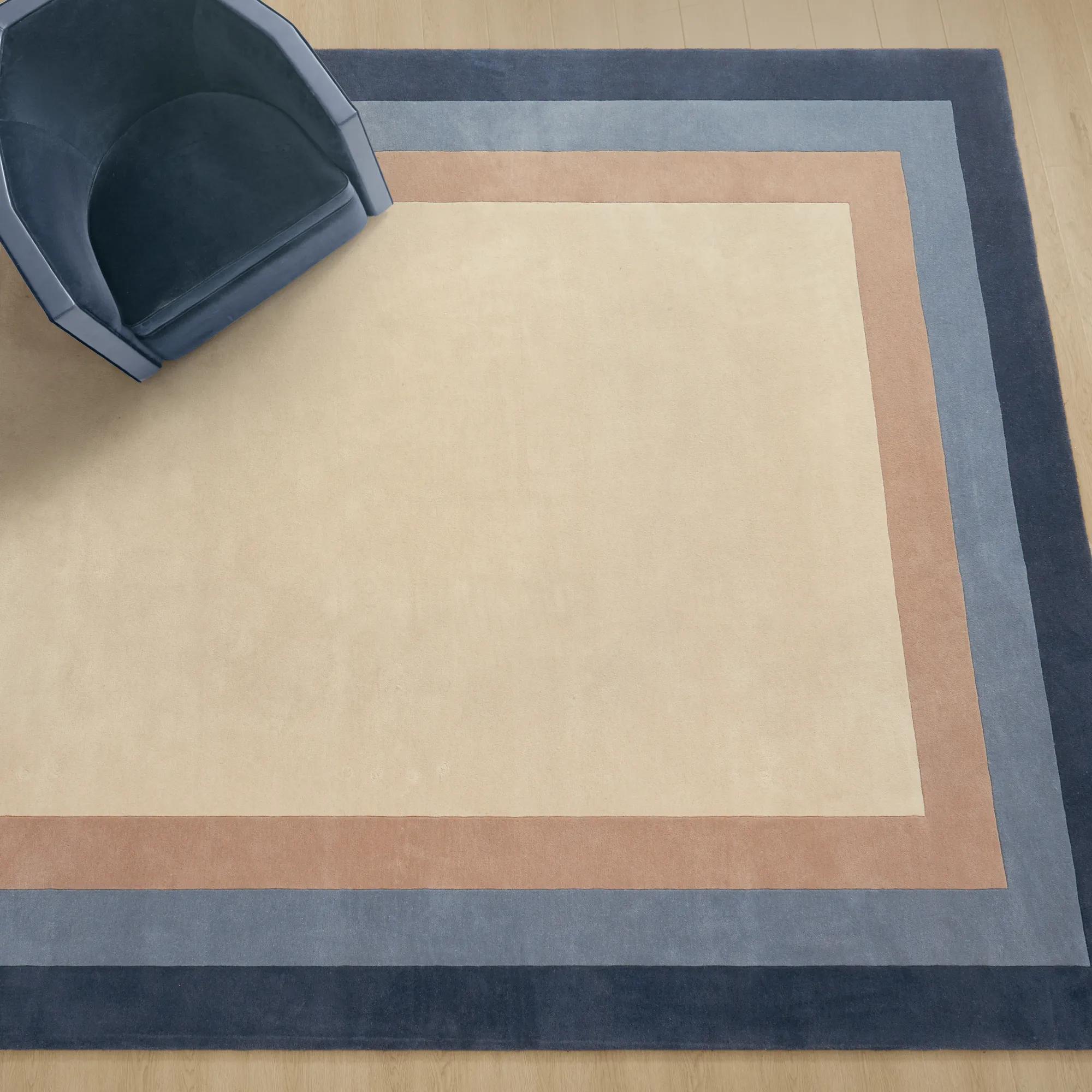 Bastien Hand-Tufted Blue/Taupe/Ivory Wool Border Rugs$999
A hand-tufted wool rug featuring a bold color-blocked border in dusty blue, taupe, and ivory tones.
Add To Cart -
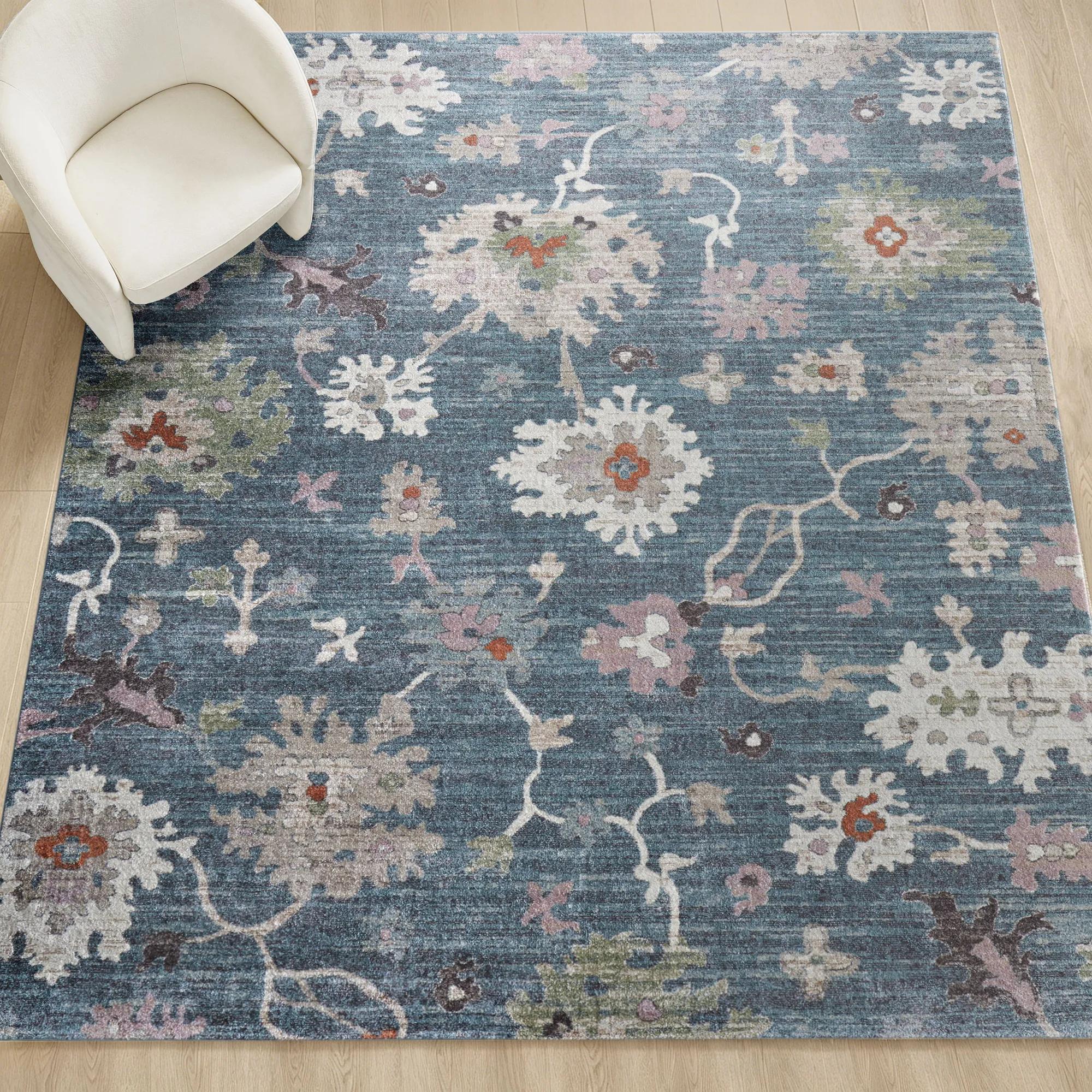
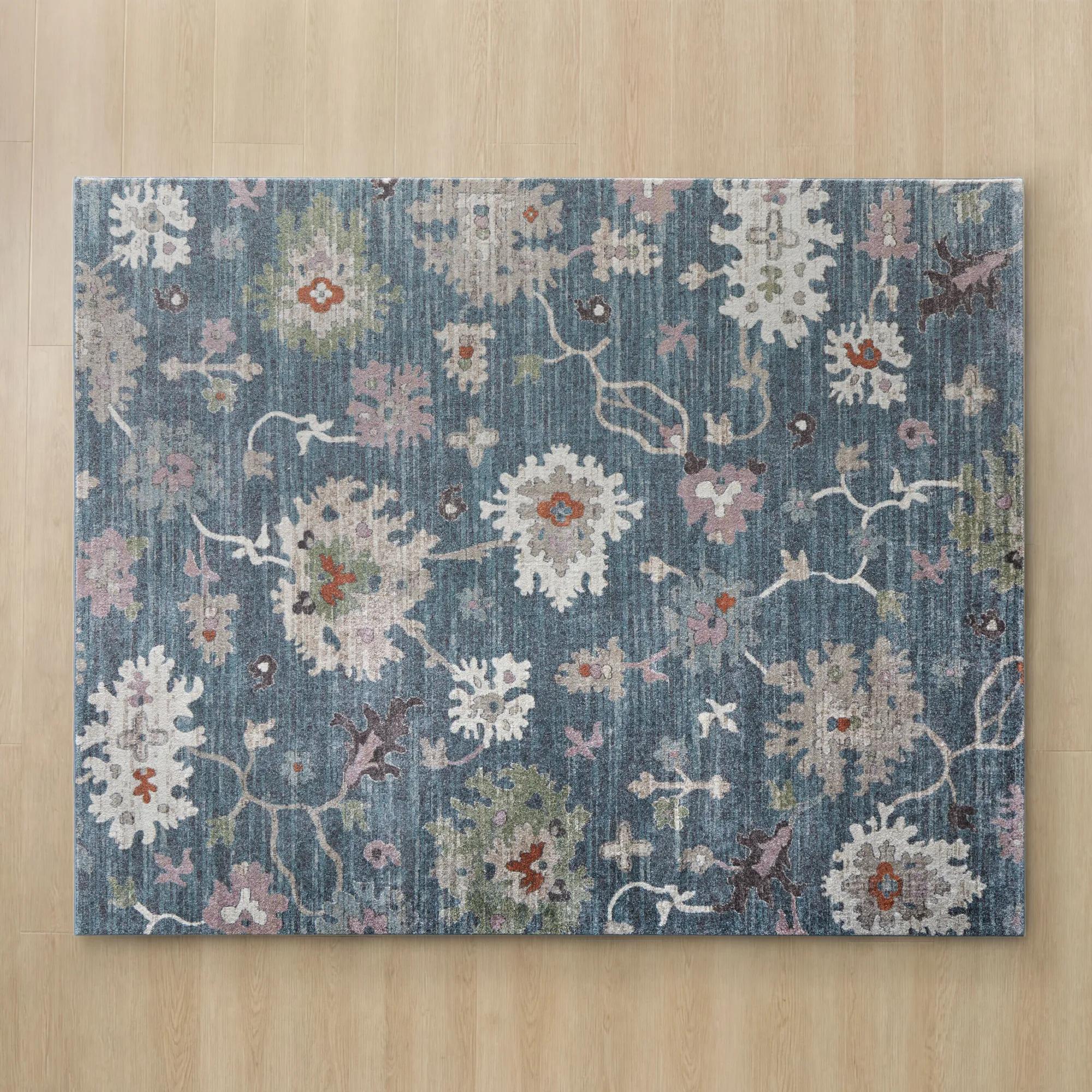 Ariella Floral Blue/Ivory/Beige/Green/Rose Dust Performance Power Loomed Rug$1499
A Persian-inspired rug in blue, ivory, beige, green, and rose dust with plush, stain-resistant polypropylene.
Add To Cart -
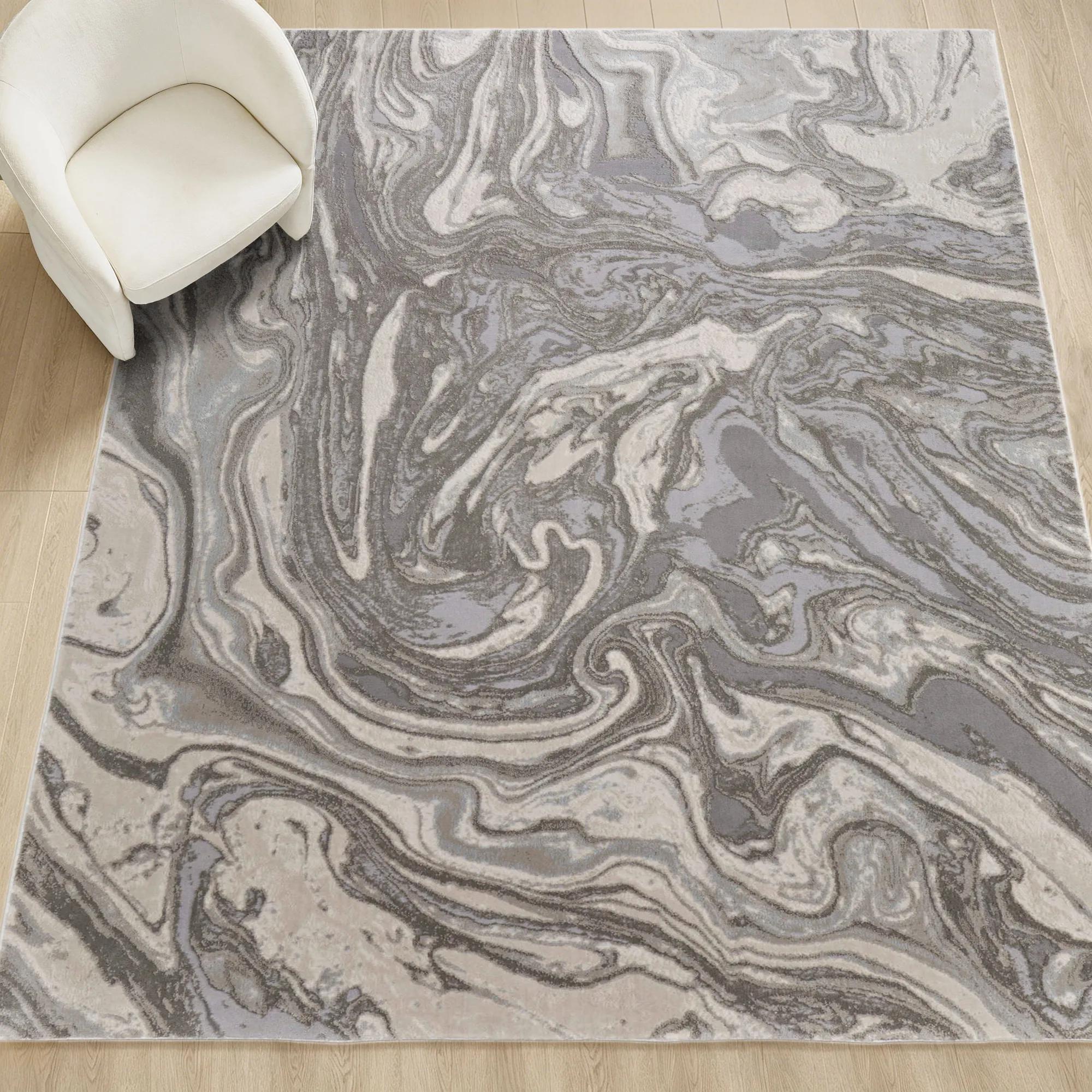
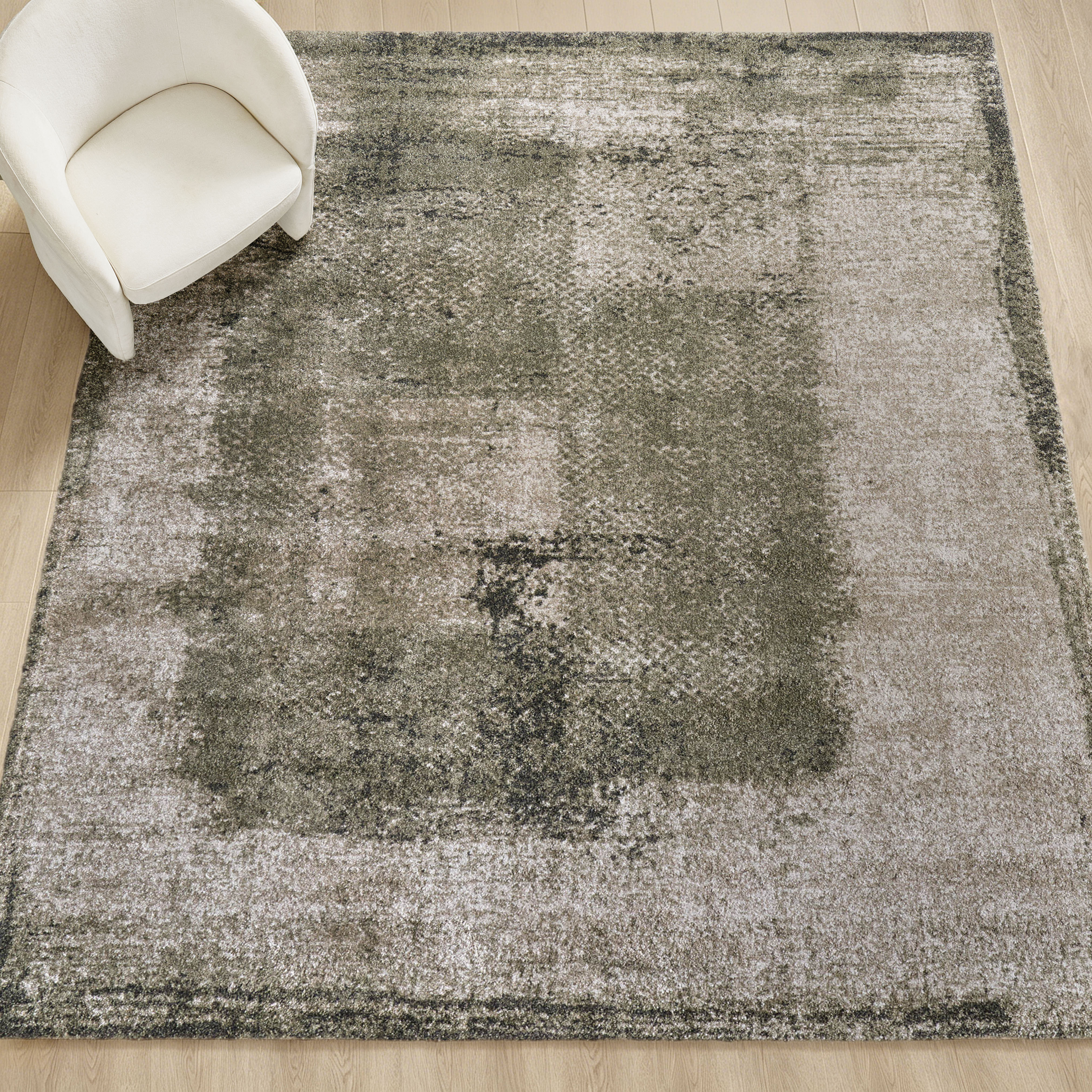
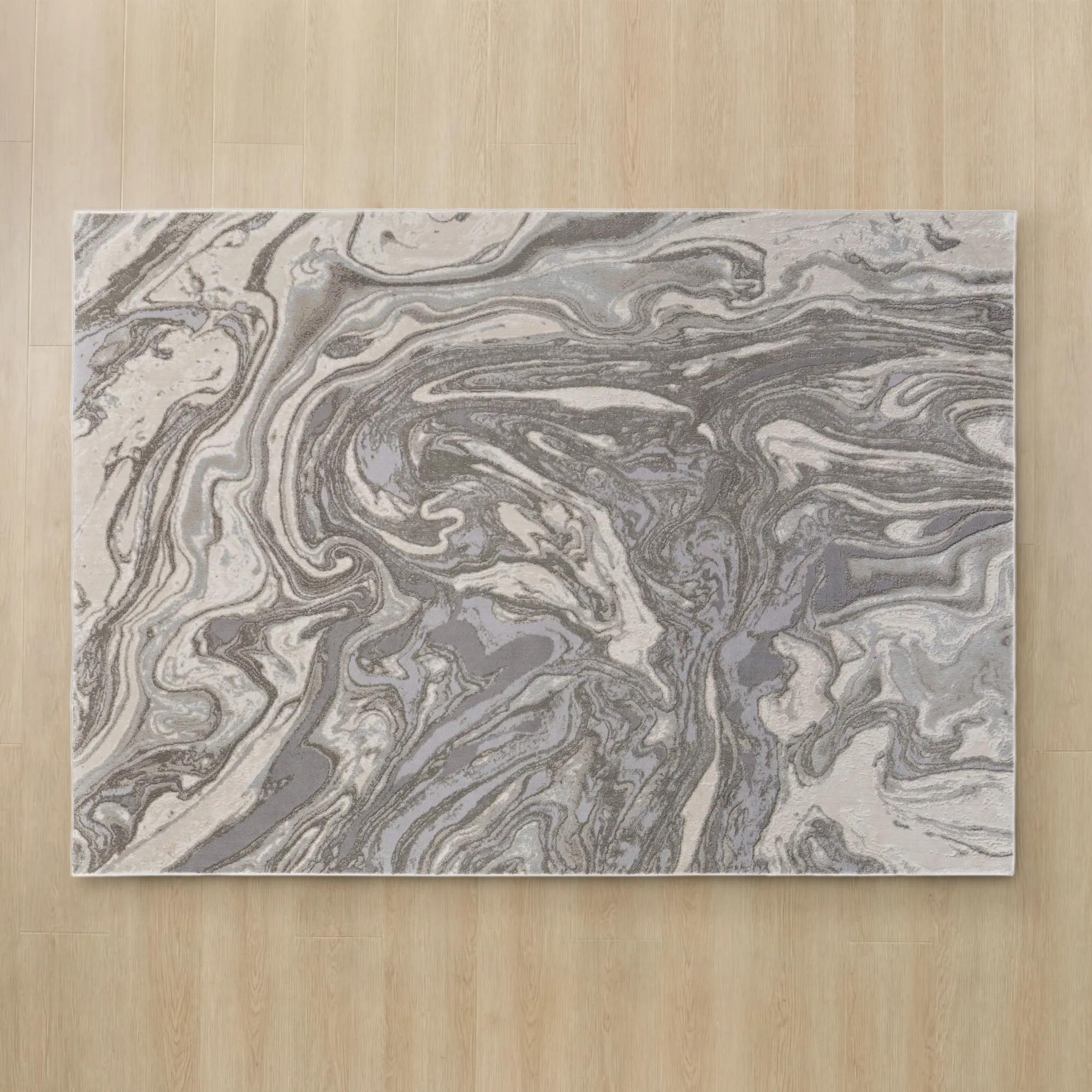 Marbre Marbled Grey/Taupe/Powder Blue Performance Power Loomed Rug$1499
A softly marbled rug in grey, taupe, and powder blue with a textured, stain-resistant performance blend.
Add To Cart -
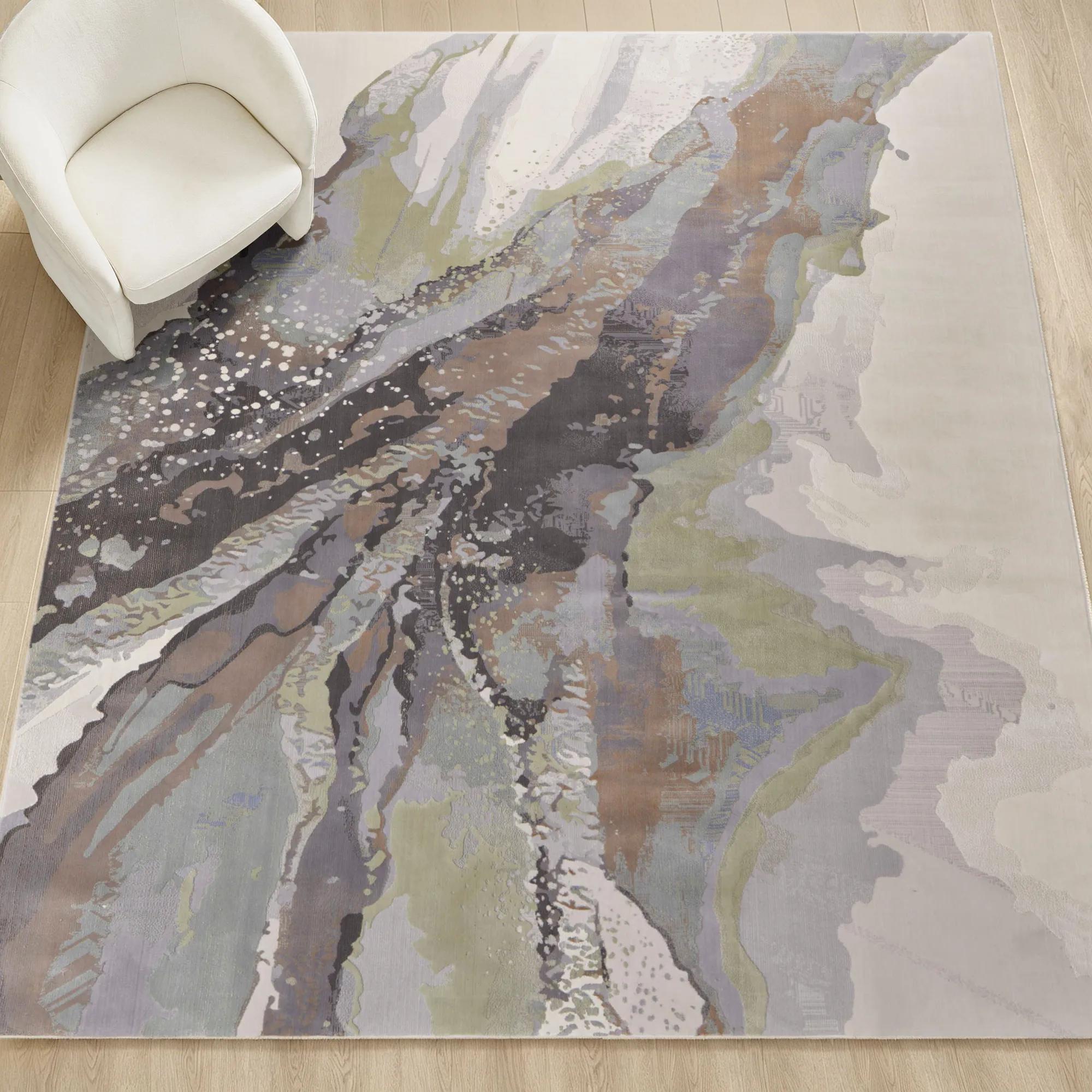
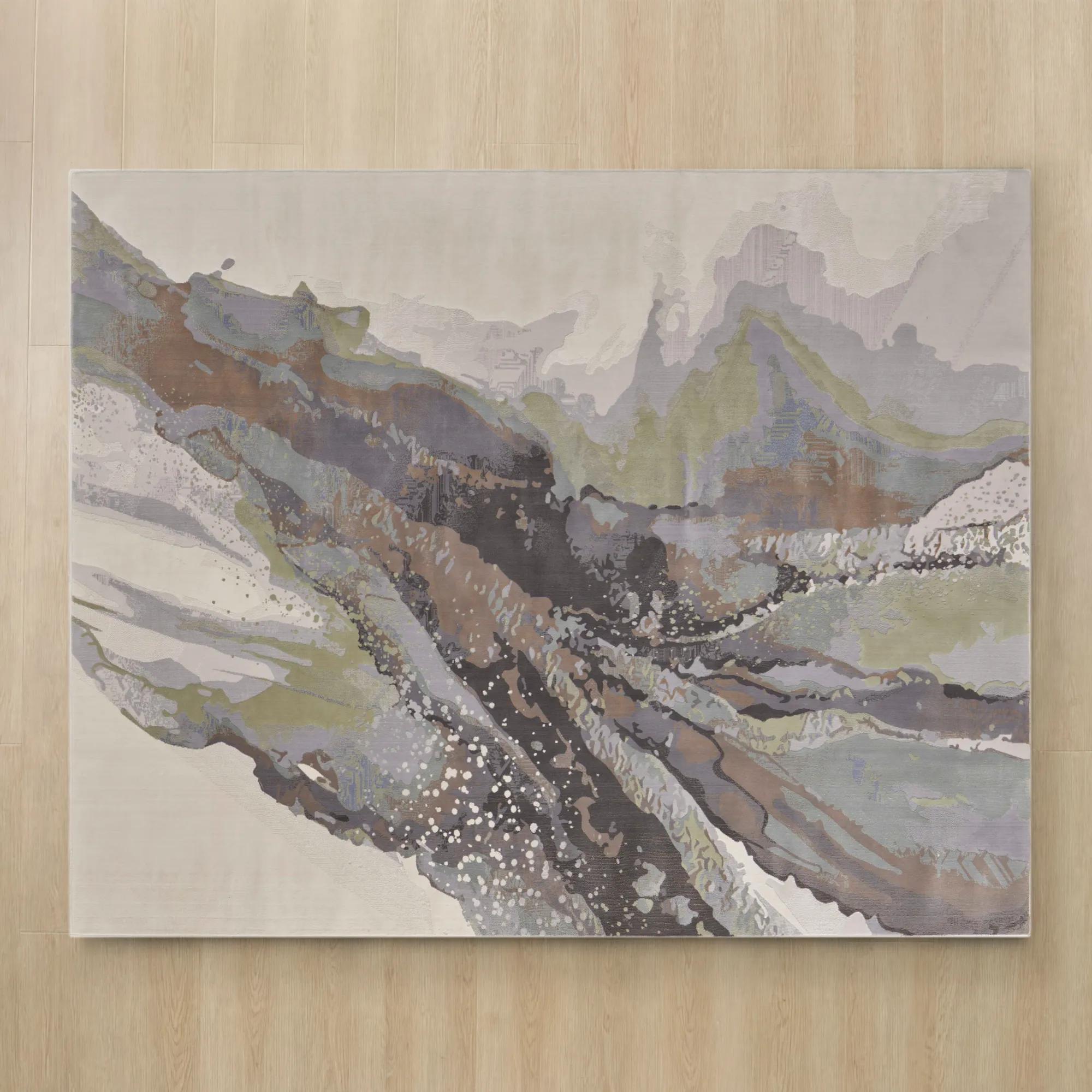 Nerissa Abstract Ivory/Grey/Blue/Green Performance Power Loomed Rug$949
An abstract rug in ivory, grey, blue, and green with a textured, stain-resistant polypropylene-polyester blend.
Add To Cart -
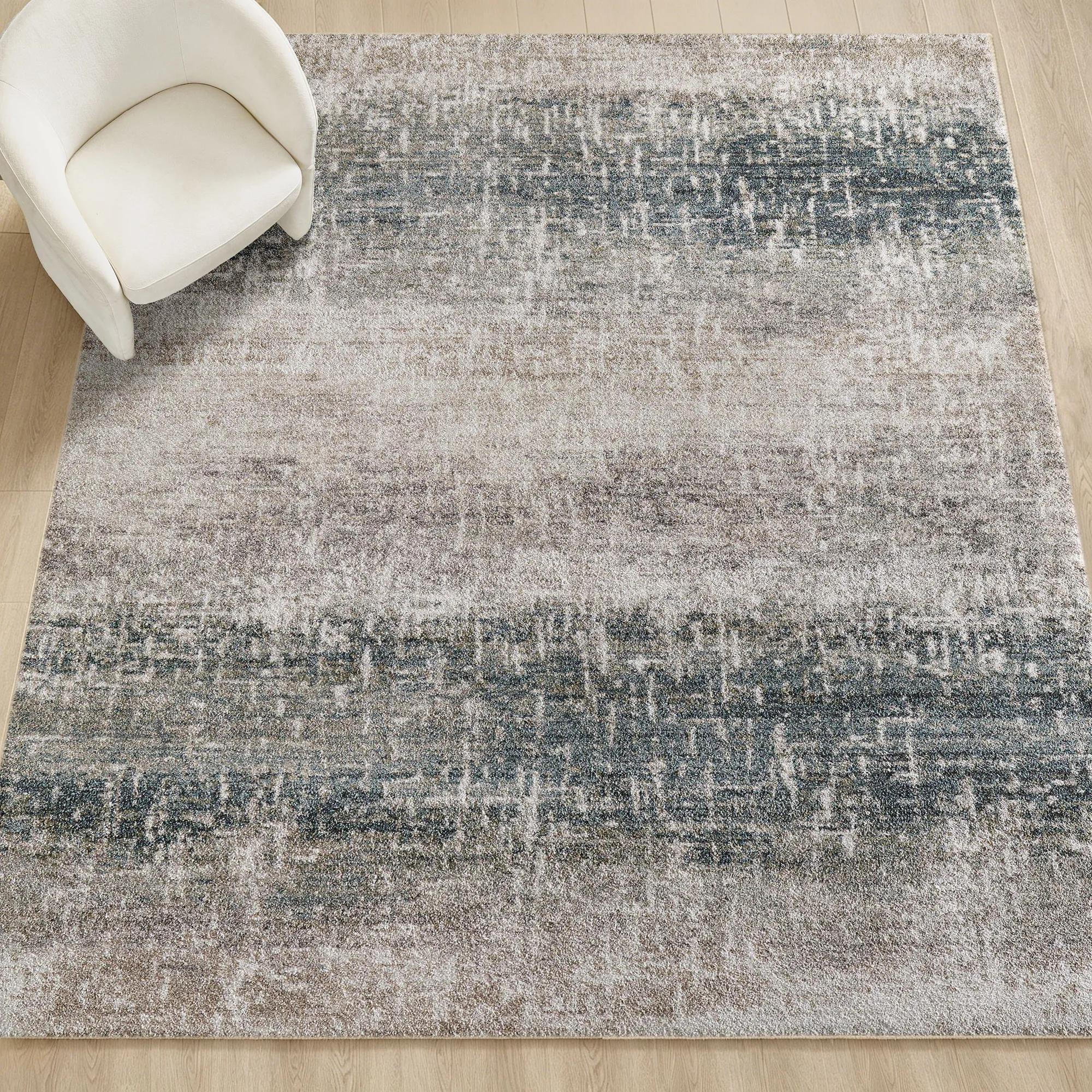
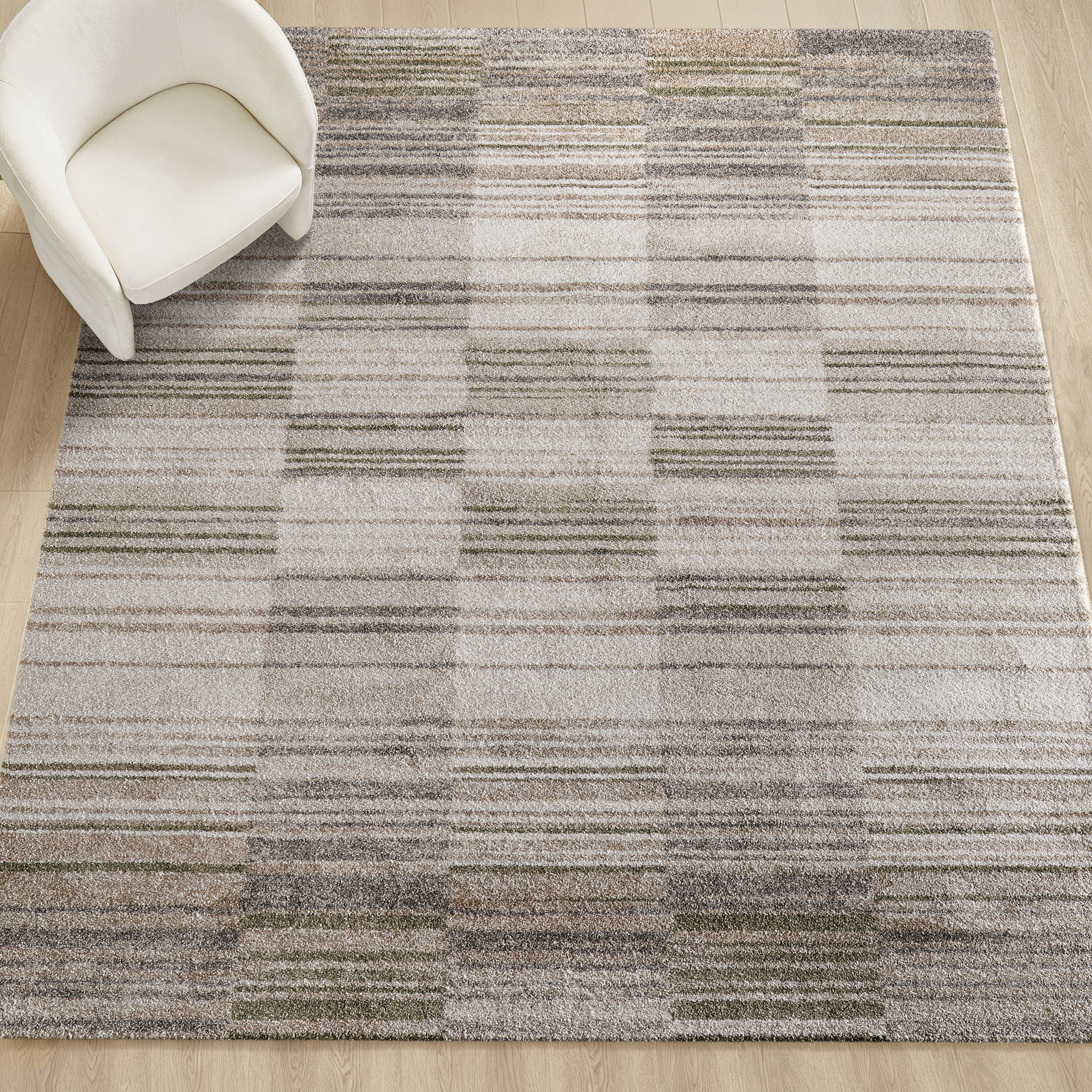
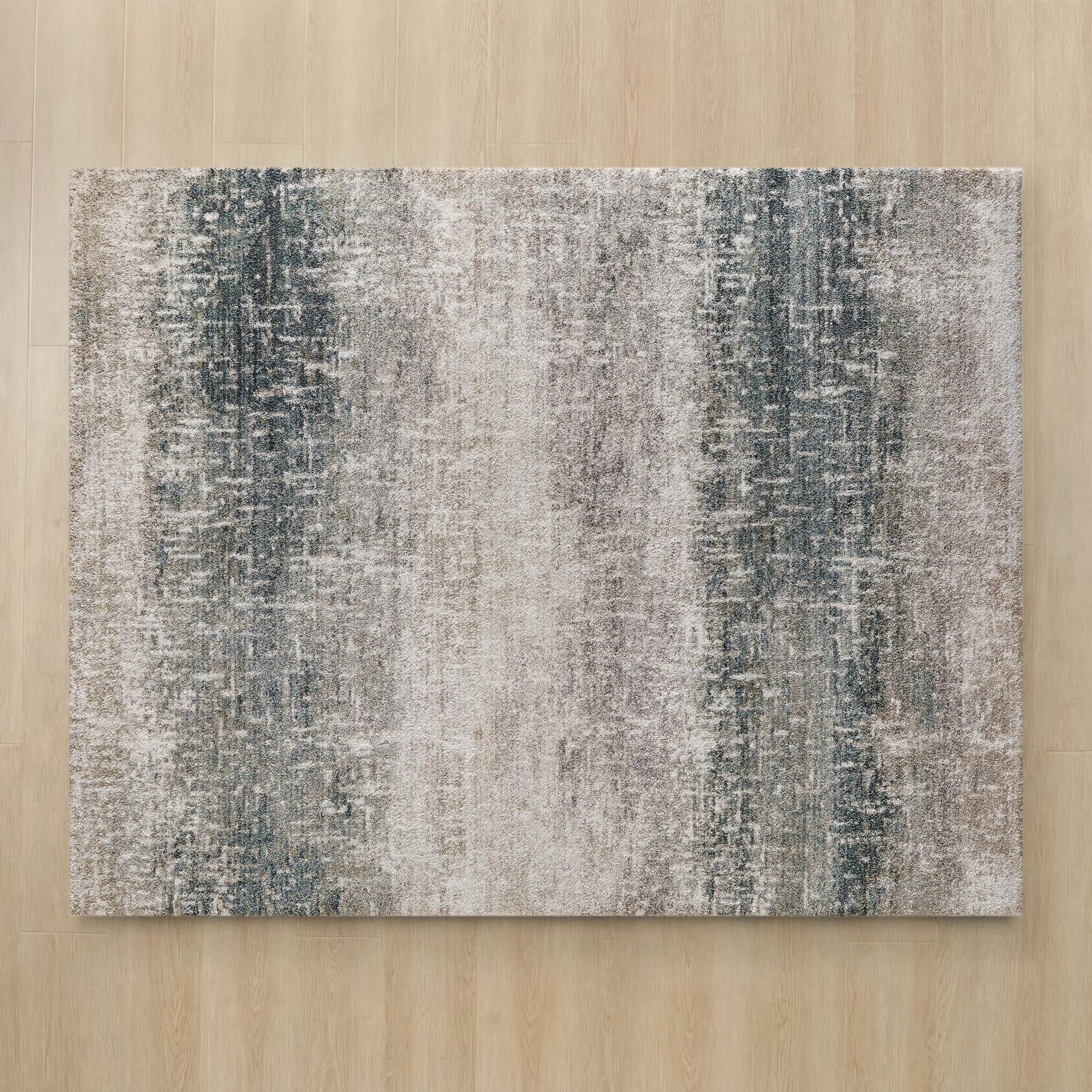 Collier Taupe/Grey/Blue/Green Performance Power Loomed Rug$849
An abstract rug in taupe, grey, blue, and green with a plush, durable, and easy-care performance blend.
Add To Cart -
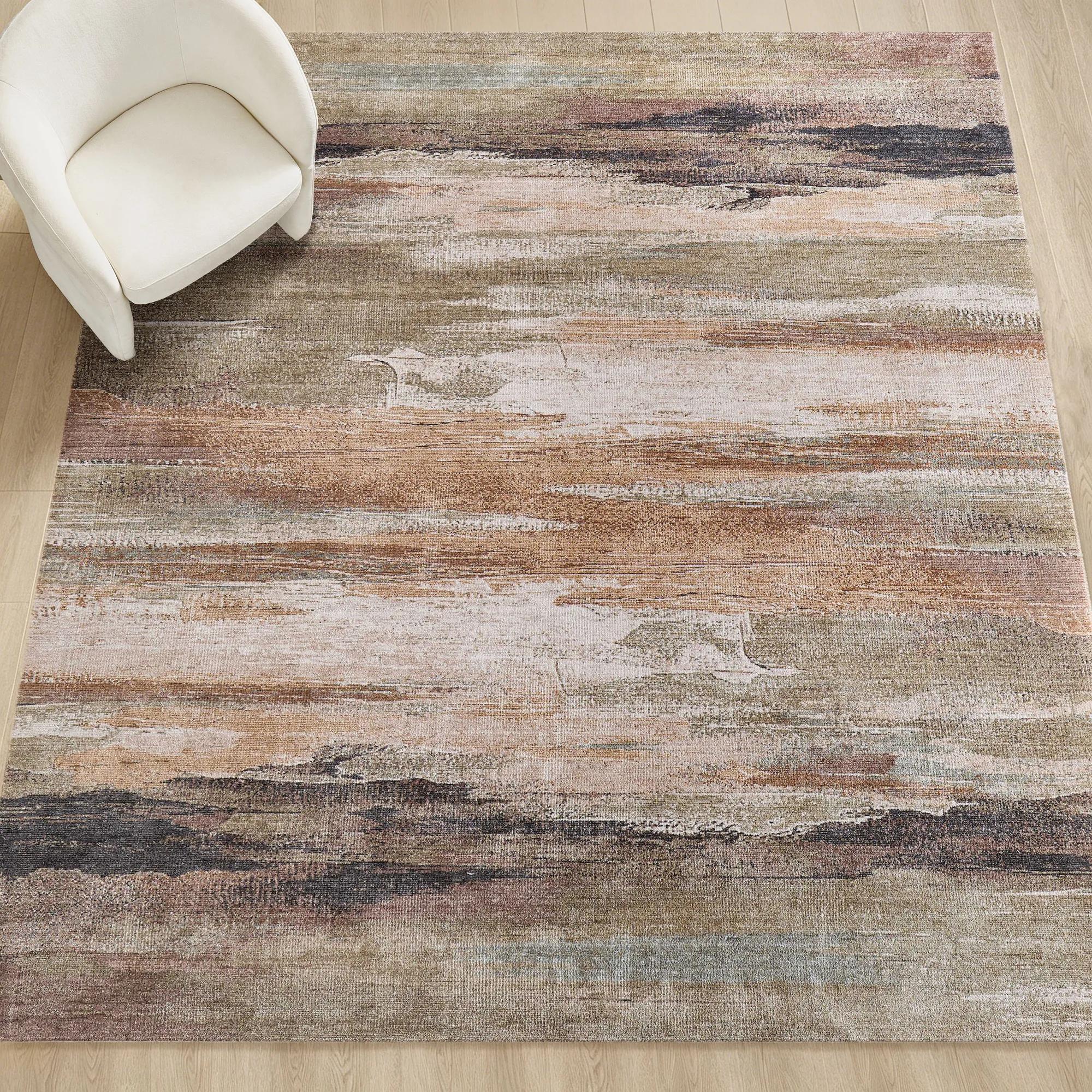
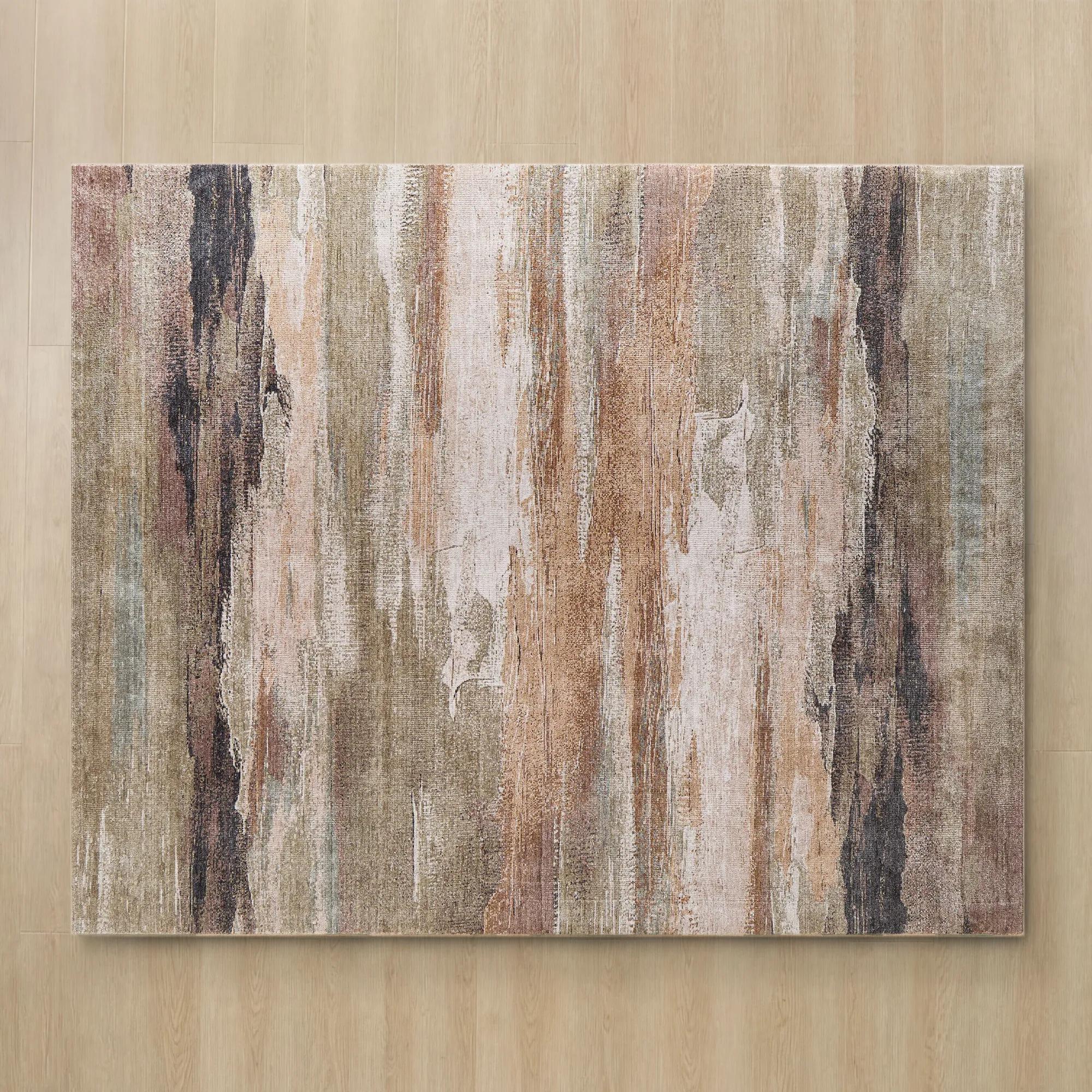 Sedona Rust/Beige/Moss Green/Charocal/Blue Performance Power Loomed Rug$599
A plush, power-loomed polyester rug featuring a rich abstract pattern in rust, beige, moss green, charcoal, and blue.
Add To Cart -
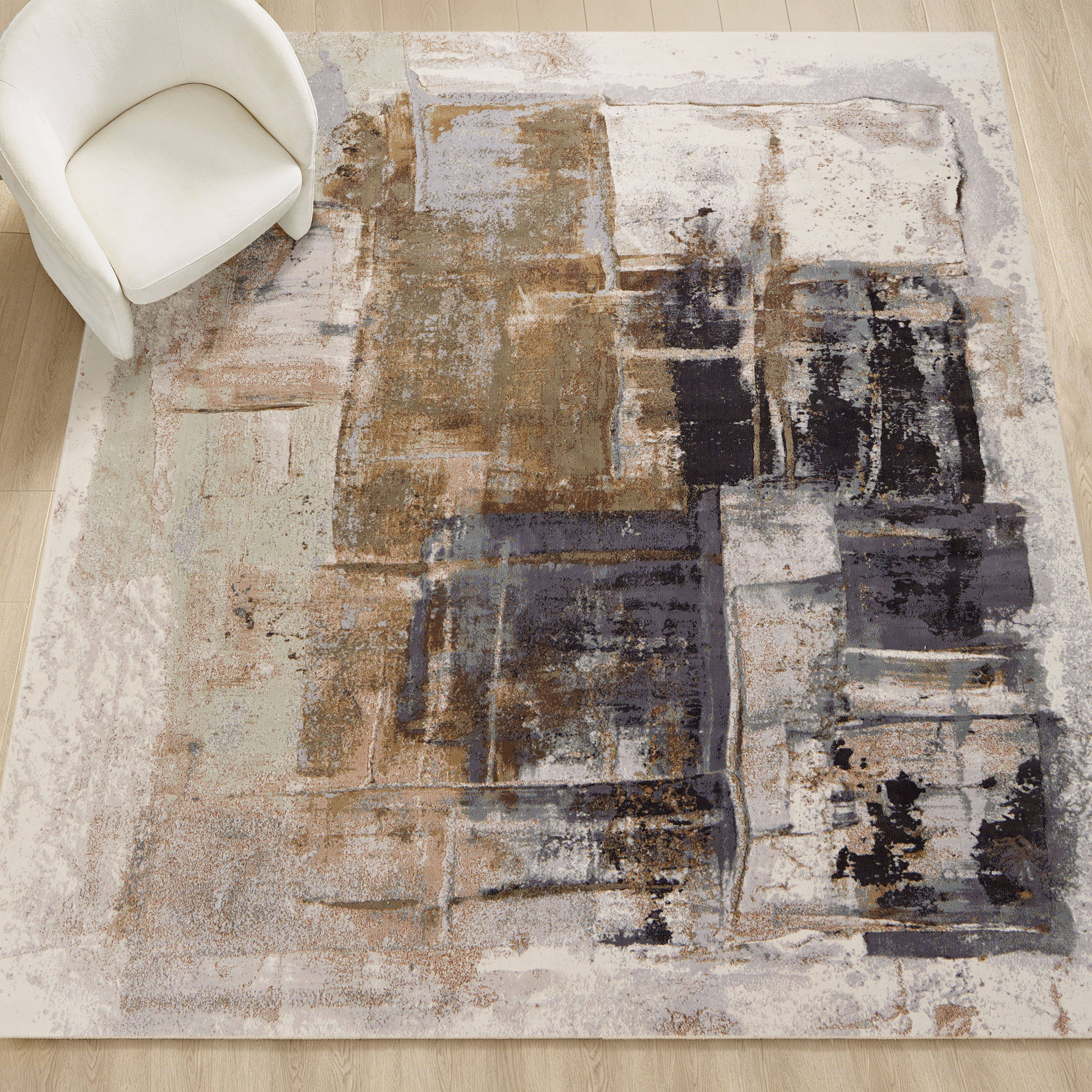
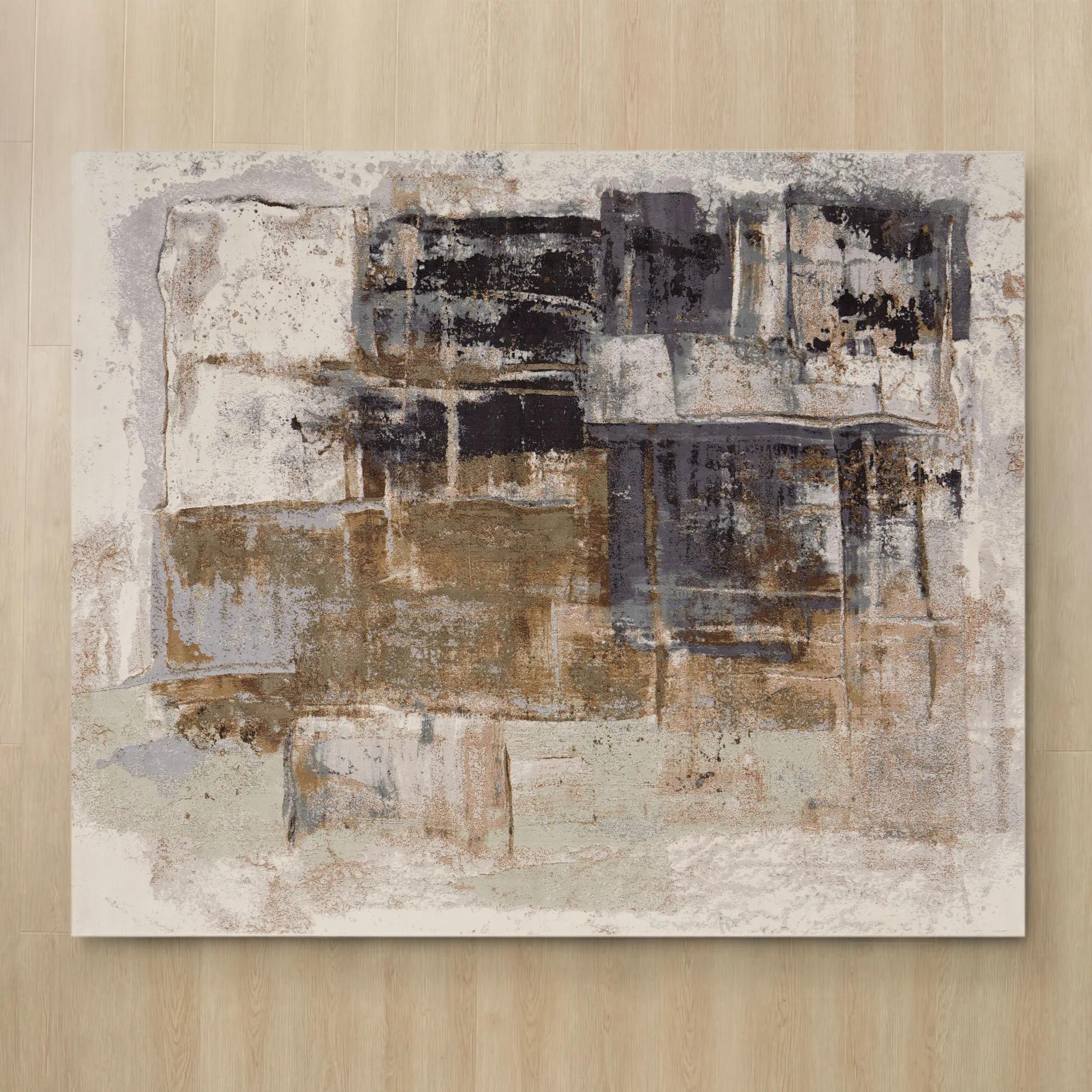 Gaia Abstract Grey/Charcoal/Ivory/Gold/Blue Performance Power Loomed Rug$1549
An abstract rug in grey, charcoal, ivory, gold, and blue with a soft, stain-resistant performance blend.
Add To Cart

Blue Area Rugs
Blue area rugs are the secret ingredient for a room that dares to dream in color. From deep sapphire to soft sky, these captivating floor coverings infuse your space with an air of artistry and serenity. Let waves of blue ground your décor in elegance, conjuring visions of tranquil coastlines or bold, cosmopolitan flair. Each blue area rug transforms the ordinary into the extraordinary, inviting you to layer, play, and create a living canvas that’s as expressive as you are.
Blue area rugs bring a distinctive kind of drama to a room: color with depth, movement without clutter, and a foundation that can feel serene or spectacular depending on the shade. Inky navy gives pale upholstery a crisp silhouette, while smoky denim softens the contrast between dark furniture and light flooring. Sapphire and cobalt create a more expressive setting, especially alongside gleaming metal, sculptural accents, and richly textured fabrics. At the quieter end of the palette, powder blue and silvery blue introduce an airy wash of color that lets artwork and architectural details command attention. The effect depends as much on pattern as on hue. A sweeping abstract design can read like a painting beneath a seating arrangement, with layered blues suggesting brushwork, ink, or rippling water. Geometric patterns bring definition to a space with curved furniture, while traditional motifs interpreted in blue can lend visual richness to a clean-lined interior. A tonal rug offers another approach, building interest through subtle variations rather than sharp contrast. Think of a navy field beneath an ivory sofa, where the deep color makes every curve more pronounced, or a softly mottled blue rug beneath a glass coffee table, where the pattern remains visible through the transparent surface. Blue also works beautifully with colors beyond white and silver. Camel leather adds warmth, walnut introduces depth, and touches of rust or ochre give the room an artful tension. For a more restrained palette, blue can sit comfortably beside charcoal, taupe, and cream without losing its presence. Spaces that call for an even quieter foundation may also benefit from grey area rugs, particularly when bold upholstery or large-scale artwork supplies the primary color. With blue, the most compelling result often comes from repetition used sparingly: a thread of the same hue in a painting, a glazed vessel, or a patterned cushion creates continuity without making every detail match. The rug establishes the mood; the surrounding pieces give that mood its personality.
Scale and placement determine whether a blue area rug feels integral to the room or simply set down in it. In a living room, a rug large enough to accommodate at least the front legs of the main seating pieces usually creates a more cohesive arrangement than one that floats beneath the coffee table alone. A generous border of visible pattern around the table allows the design to contribute to the composition, especially when the tabletop is substantial or opaque. In an open-plan space, the rug can define a conversation area without interrupting sightlines, giving a sofa and pair of accent chairs a clear relationship to one another. Measure the full furniture grouping rather than judging the rug against an empty floor, and mark the proposed footprint with painter’s tape to see how it meets doorways and walking paths. For dining spaces, allow enough rug beyond the tabletop for chair legs to remain supported when guests pull back from the table; about 24 to 30 inches on each side is a useful starting point, adjusted for the chairs and room dimensions. A low, even pile generally makes that movement easier than a deeply plush surface. In a bedroom, extending the rug beyond the sides and foot of the bed gives the color room to breathe and creates a softer landing underfoot. A larger blue rug can balance the visual weight of an upholstered bed, while a smaller accent rug may suit a reading corner where a single chair and side table form their own intimate setting. Shape matters, too. A round rug can echo a circular table or soften an angular room, whereas a rectangular design often reinforces a long seating arrangement. Consider which portions of the rug will actually remain exposed: a dramatic central motif may disappear beneath a bed, while an allover design continues to deliver color wherever it is visible. Before choosing a shade, view any available sample beside the flooring and upholstery under both daylight and the room’s lamps, since blue can appear greener, grayer, or more violet as the light changes.
Material and construction bring another layer to the experience, influencing how a blue area rug feels, wears, and responds to everyday care. Wool is valued for its resilient fibers and substantial hand, making it an appealing choice for living spaces where comfort and lasting texture matter. Some wool rugs shed loose fibers, particularly early in use, so regular care should follow the maker’s directions. Synthetic fibers such as polyester and polypropylene can offer practical stain resistance, though performance varies with the fiber, weave, backing, and finish. Rugs containing viscose or similar lustrous fibers may lend blue a luminous, almost liquid appearance, but they often require greater care around moisture and spills. That sheen can be exquisite in a quieter sitting room, while a busy family room may call for a more forgiving construction. Pile height deserves the same attention as fiber content. Plush textures create a sumptuous surface for a bedroom or lounge area; flatter constructions tend to accommodate dining chairs, door clearance, and frequent foot traffic more easily. Households with pets should also consider whether claws might catch on pronounced loops and whether the pattern will make everyday debris more or less noticeable. Deep navy can disguise some marks yet reveal pale lint, while a varied blue pattern often softens the appearance of minor day-to-day traces. An appropriately sized rug pad, chosen for compatibility with both the rug and the flooring, helps reduce shifting and adds cushioning. Care should always begin with the label: vacuum using the recommended setting, blot spills promptly rather than rubbing, and avoid assuming that every rug can tolerate wet cleaning or machine washing. Periodic rotation can help distribute wear and light exposure, while suitable furniture protectors can reduce concentrated pressure beneath heavy legs. These practical details preserve the visual pleasure that draws people to blue in the first place. Whether anchoring a lively gathering space or adding depth to a private retreat, a thoughtfully chosen blue area rug gives color a purpose and makes the entire room feel more deliberately composed.
FAQs
Blue area rugs are remarkably versatile, seamlessly complementing a range of design aesthetics. Deep navy or sapphire hues lend themselves beautifully to classic, traditional, or glam spaces, while lighter shades like sky or powder blue evoke serenity in coastal or contemporary interiors. Abstract patterns and bold geometrics work wonders in modern and eclectic settings, while vintage-inspired motifs add character to transitional rooms. The key is to let the rug either anchor the space as a statement piece or harmonize with existing décor for a layered, curated look.
A blue area rug can evoke the essence of any season with ease. In winter, deeper blues paired with plush textures create a cocooning, luxurious vibe, inviting you to linger indoors. As spring arrives, lighter blues and airy patterns refresh a space, echoing the optimism of the season. Layering a blue rug with metallic accents or crisp whites can keep your home feeling current year-round, while rotating decorative pillows or throws in complementary tones allows you to adapt the mood with each passing month.
Luxury blue area rugs are often crafted from premium materials such as hand-tufted wool, silk blends, or viscose for a soft, sumptuous feel underfoot. Wool offers natural durability and resilience, making it ideal for high-traffic areas, while silk and viscose lend a luminous sheen and delicate texture perfect for formal spaces. Some rugs feature artful blends of fibers to achieve unique finishes, intricate patterns, and a tactile richness that elevates any room.
Absolutely. A blue area rug is an inspired and thoughtful gift, especially for occasions like housewarmings, weddings, or milestone celebrations. It’s a gesture that goes beyond the ordinary, offering both comfort and artistry. Blue’s universal appeal and calming qualities make it a versatile choice for a variety of recipients, and its ability to transform a space ensures your gift will be cherished and admired for years to come.
To harmonize a blue area rug with vibrant colors or eclectic patterns already present in your décor, opt for a rug that echoes one or more hues from your palette for a cohesive effect. Consider a rug with a subtle pattern or tonal variation to add depth without overwhelming the space. Alternatively, a solid or gradient blue rug can ground the room, allowing your statement furnishings or art to shine while still contributing a touch of drama and sophistication.