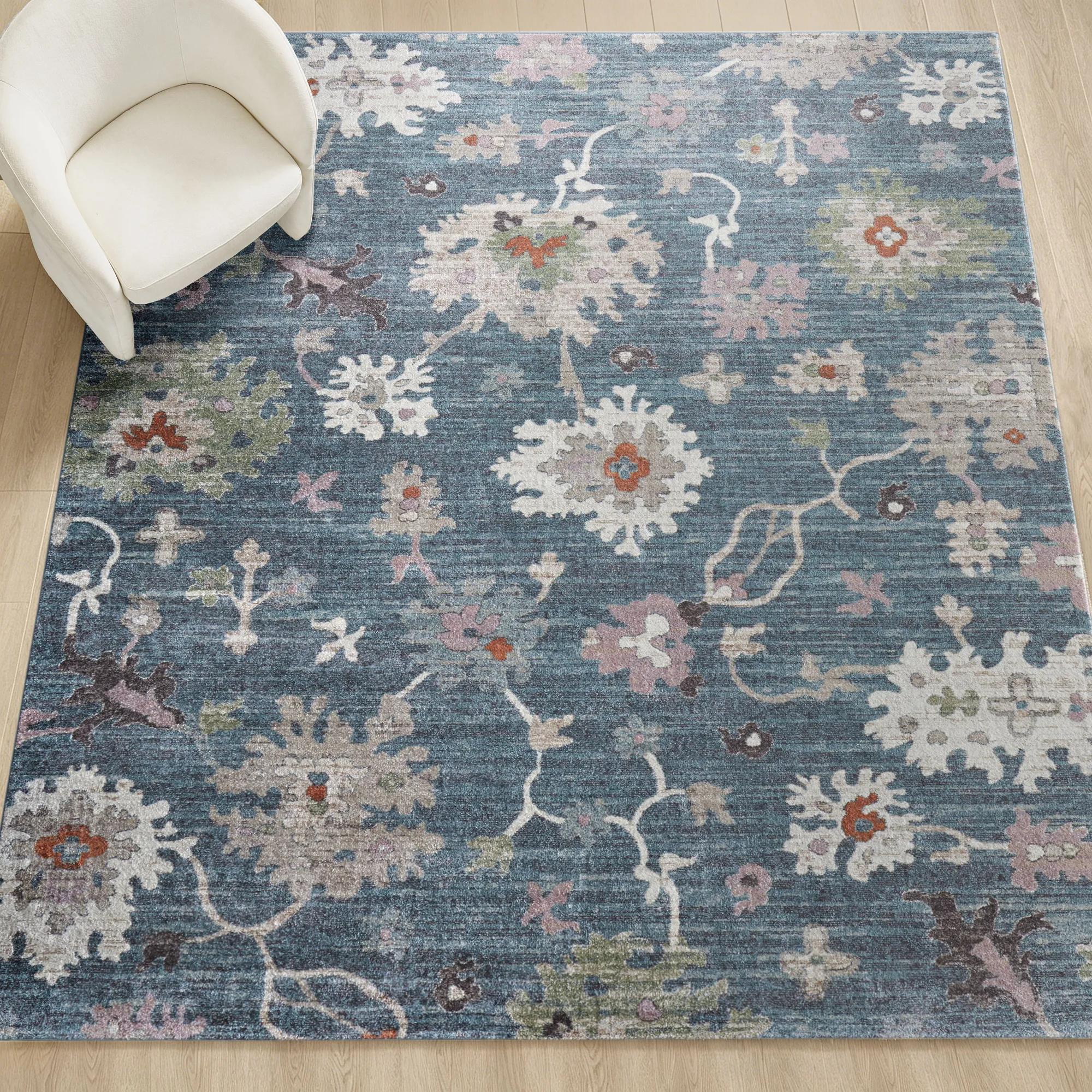
Grey Area Rugs
Grey Area Rugs
-
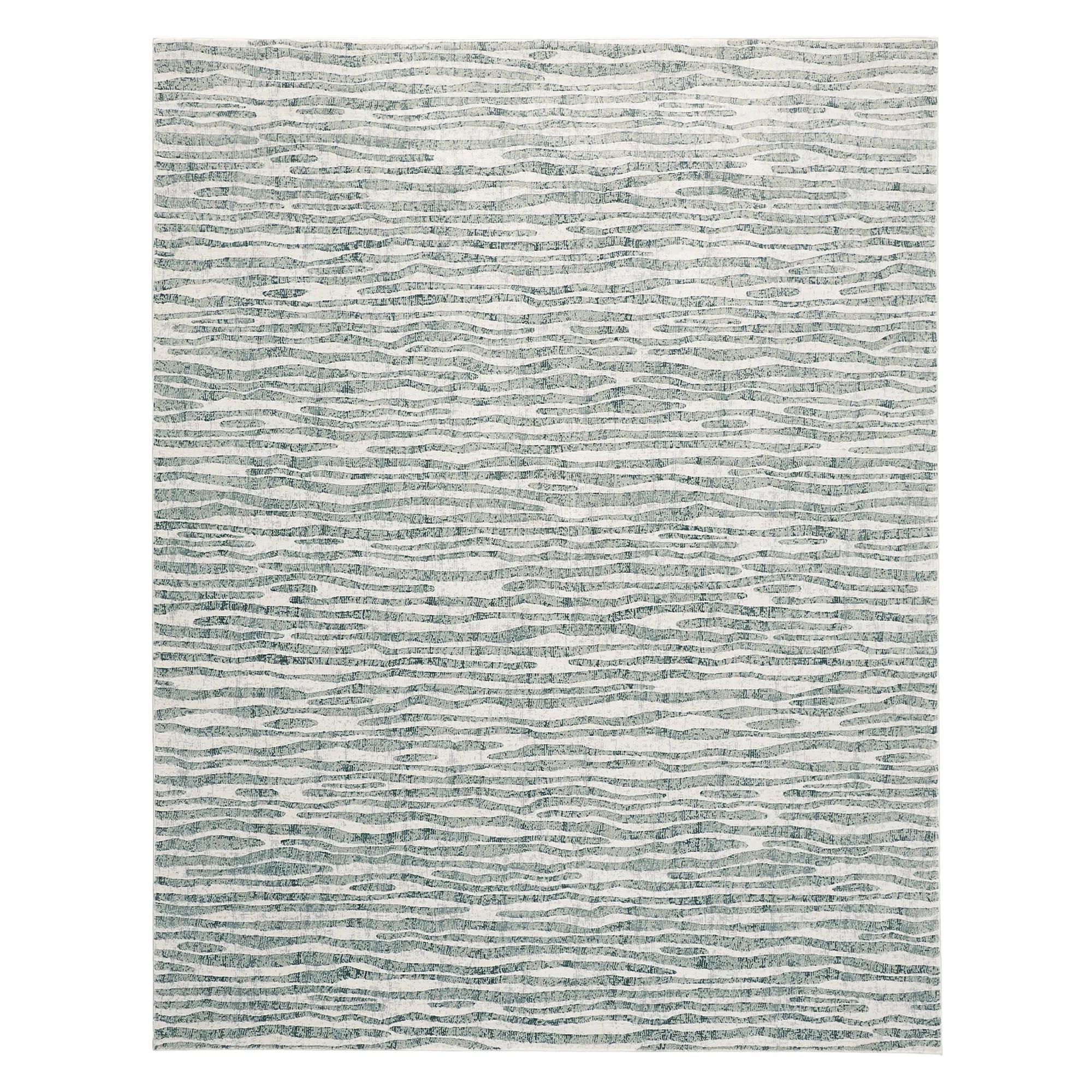 Samantha Power-Loomed Aqua/Grey Rug$719
A machine-woven rug featuring silvery-aqua and green accents on an ivory and grey polypropylene base.
Add To Cart -
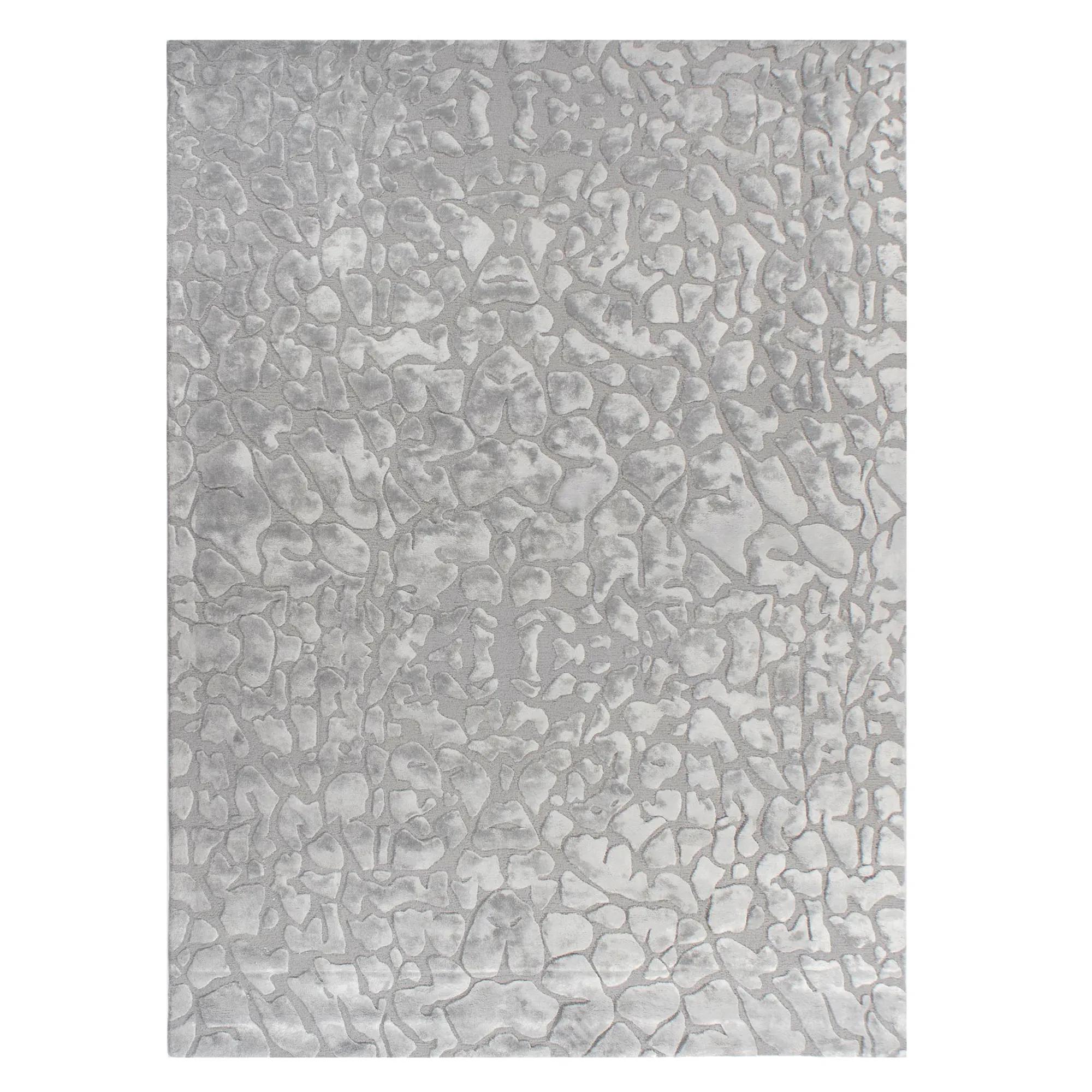
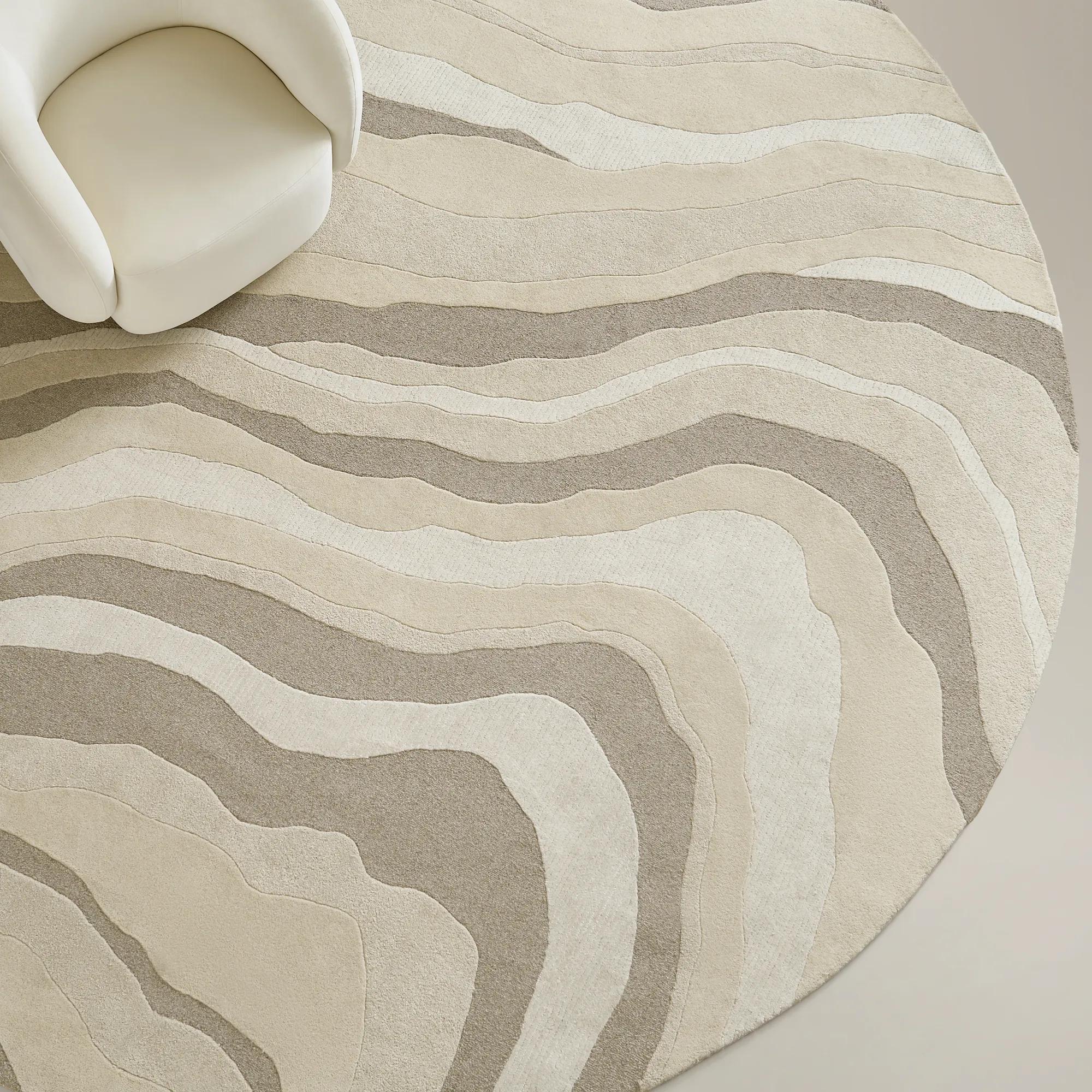
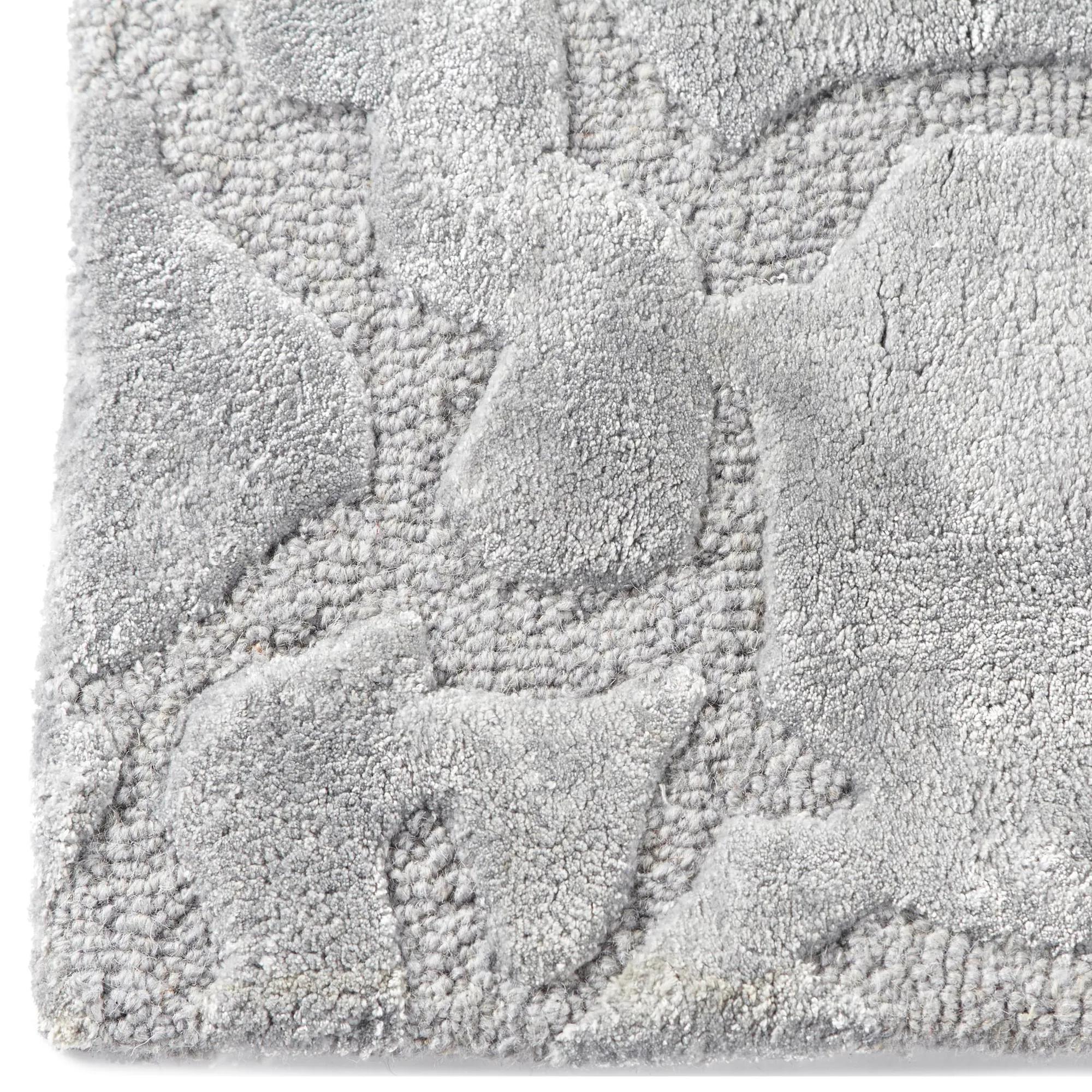 Nola Hand-Tufted Cool Grey Wool Blend Rug$849
A hand-tufted silver rug with contrasting pile heights, crafted from wool and viscose for plush texture.
Add To Cart -
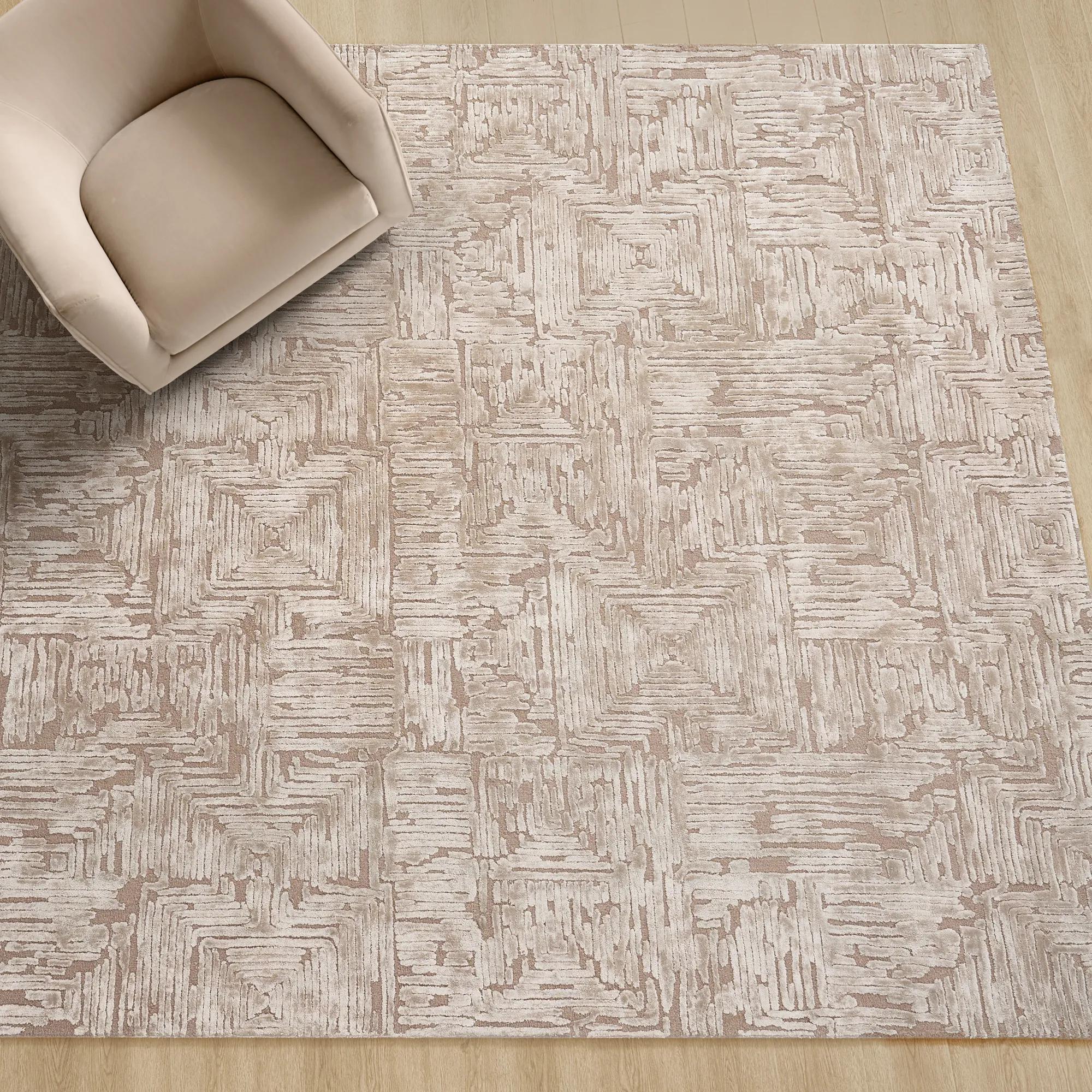
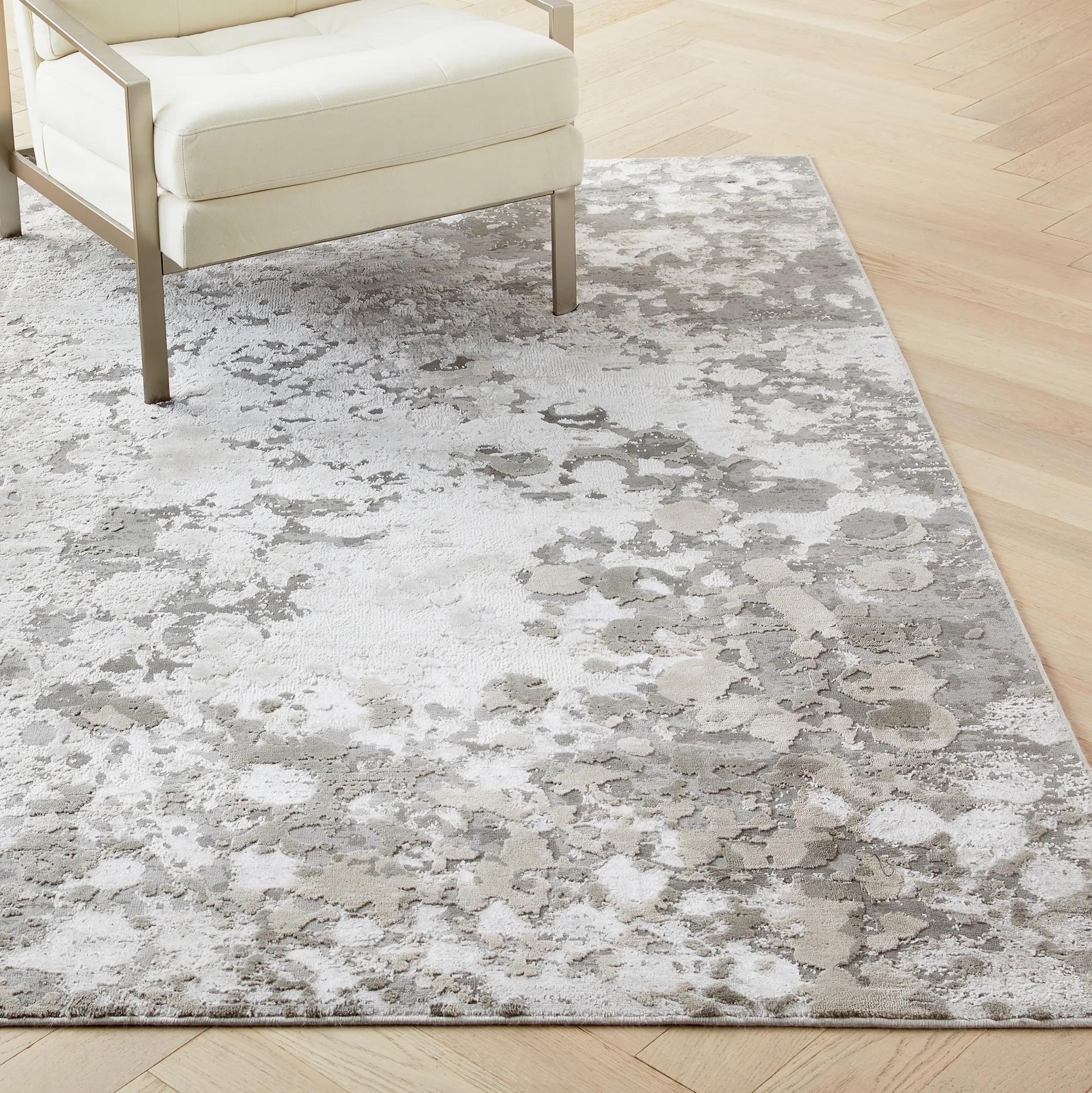 Mercury Power-Loomed Silver/Grey/Beige Rug$249
A neutral floor covering featuring a silver, grey, and beige palette with a textured polyester blend.
Add To Cart -
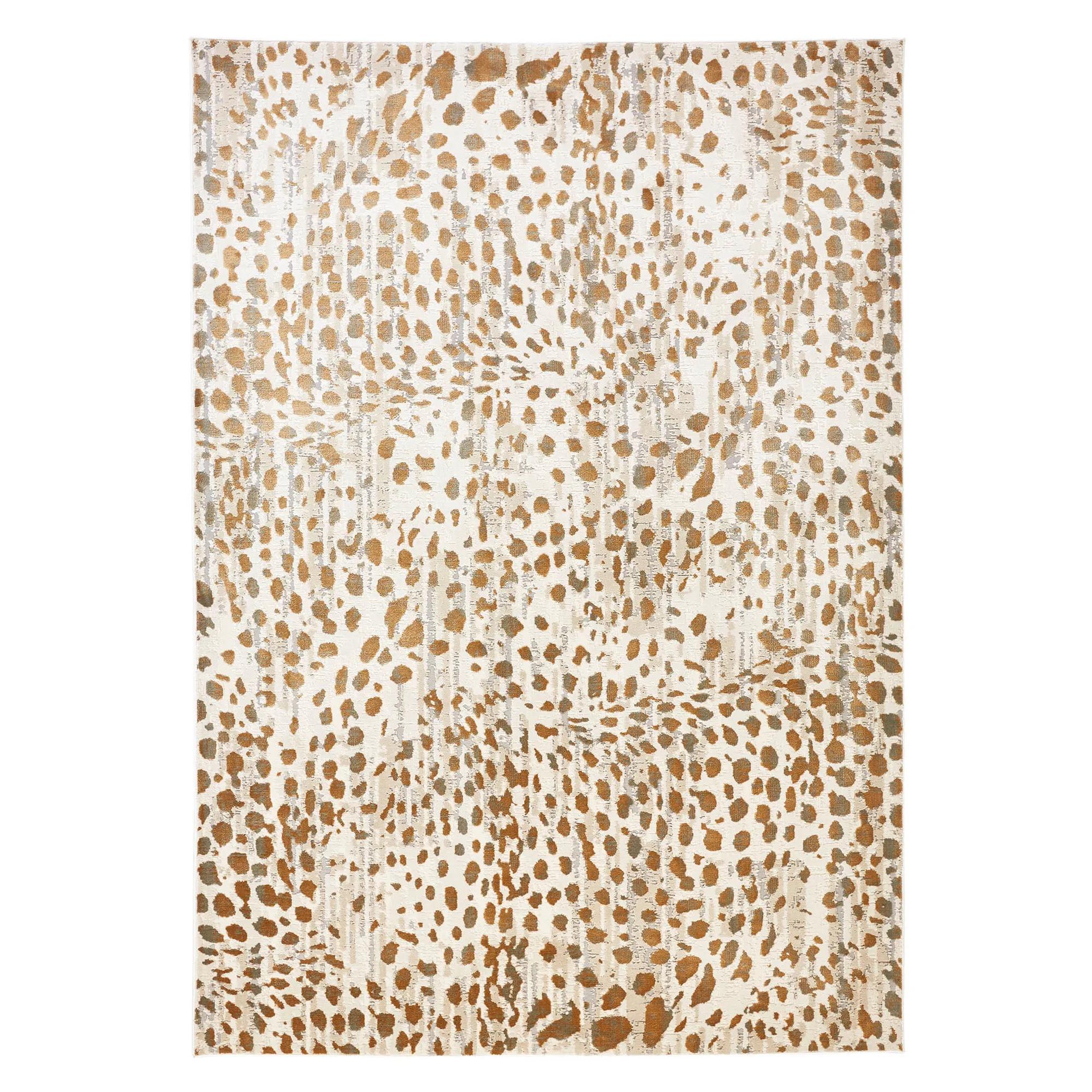
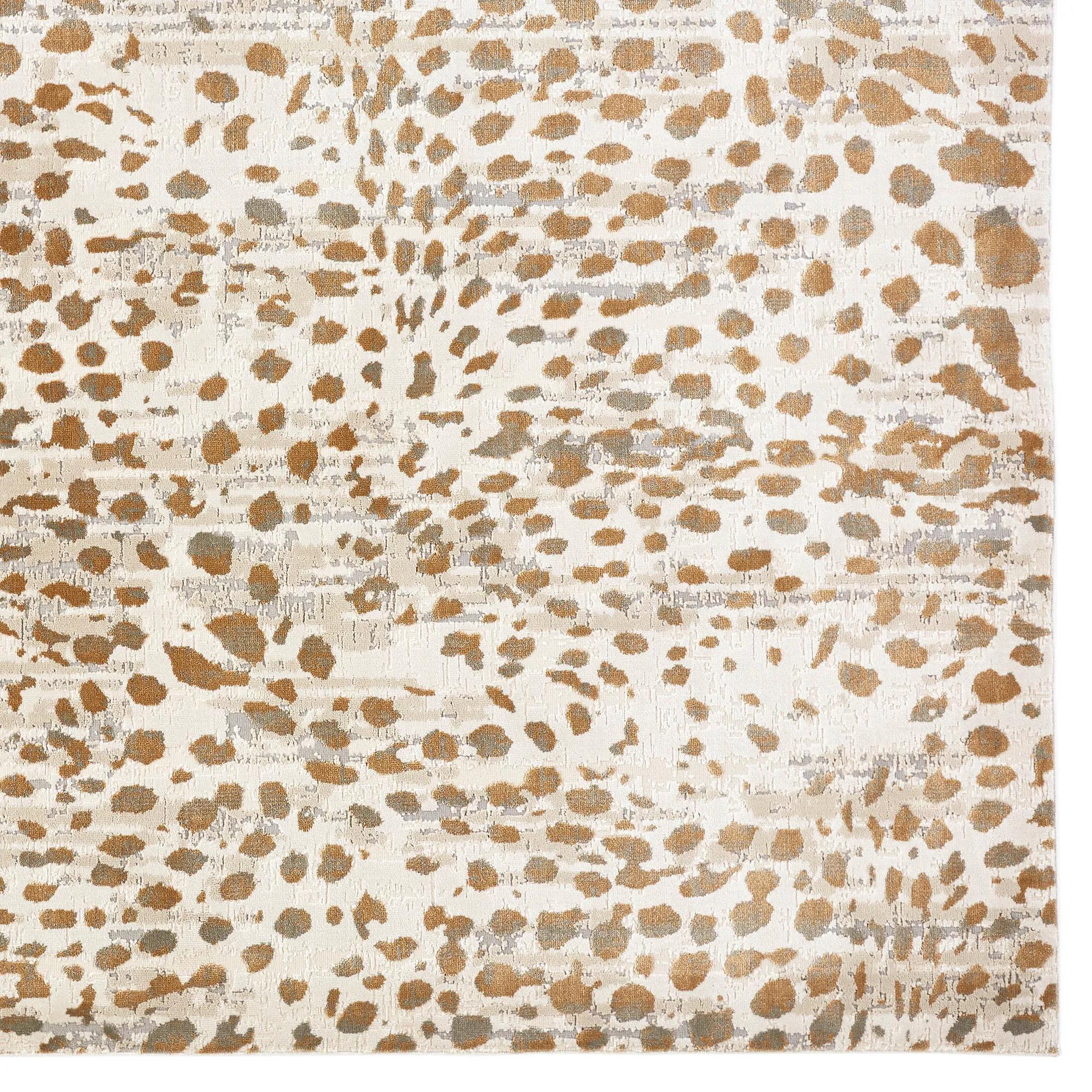 Amur Ivory/Natural Animal Print Power-Loomed Rug$399
A hand-tufted wool and viscose rug featuring a gold chain link design on neutral grey.
Add To Cart -
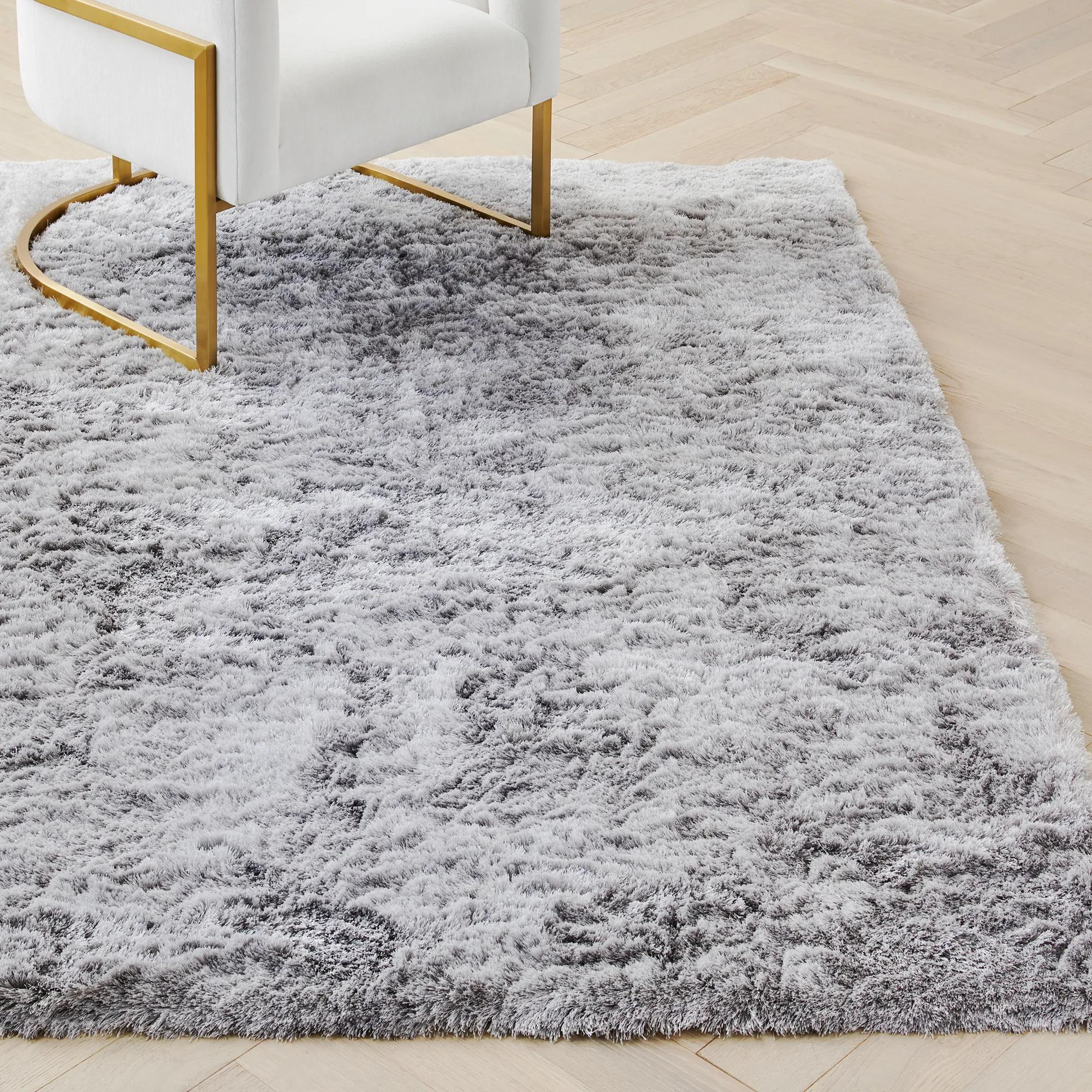 Indochine Shag Platinum Rug$399
A platinum-toned shag rug with a subtle sheen and plush 1.5" polyester pile for luxurious texture.
Add To Cart -
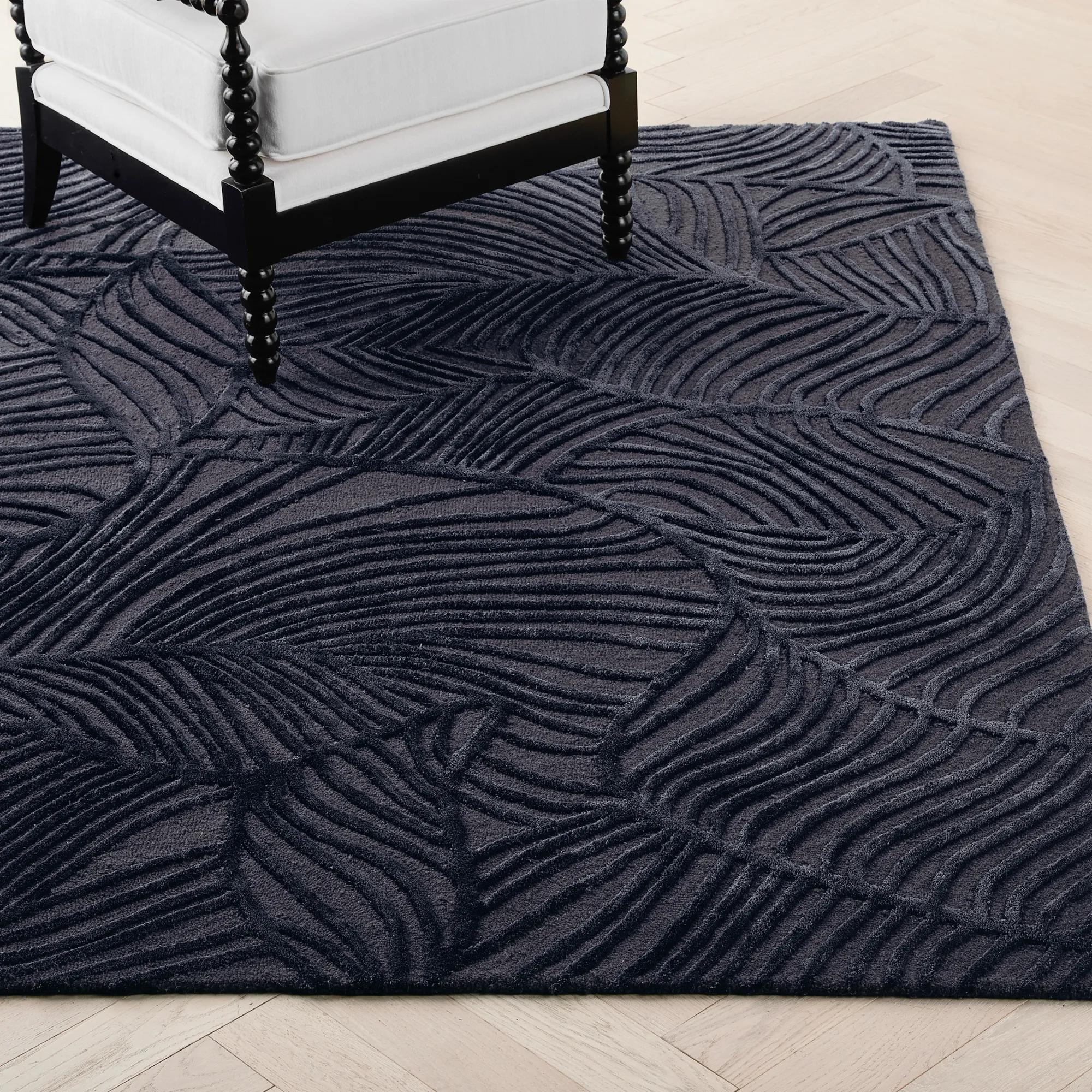
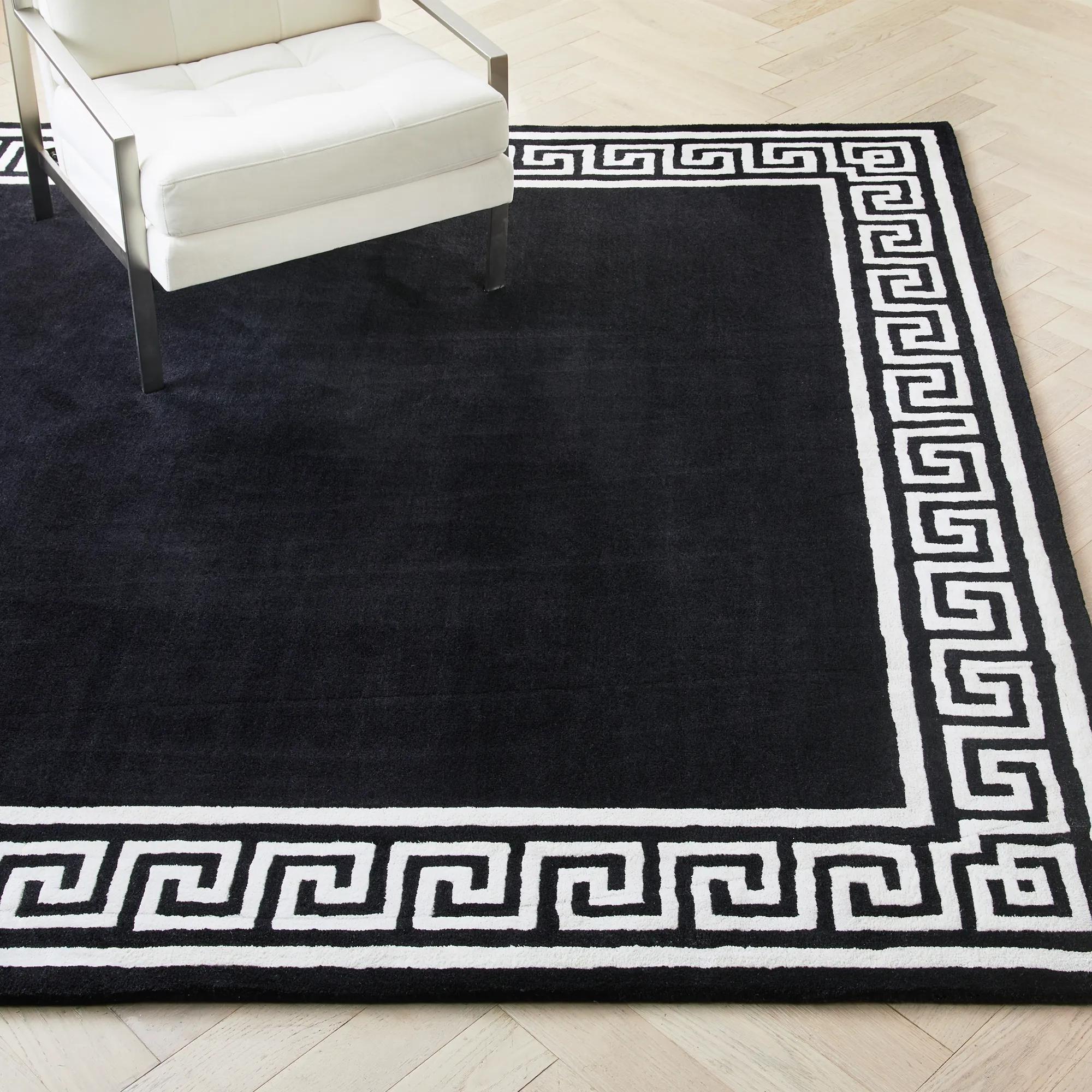
 Palm Rug - Charcoal$1499
A charcoal rug featuring a dynamic palm-leaf design with a textured high-low viscose and wool pile.
Add To Cart -
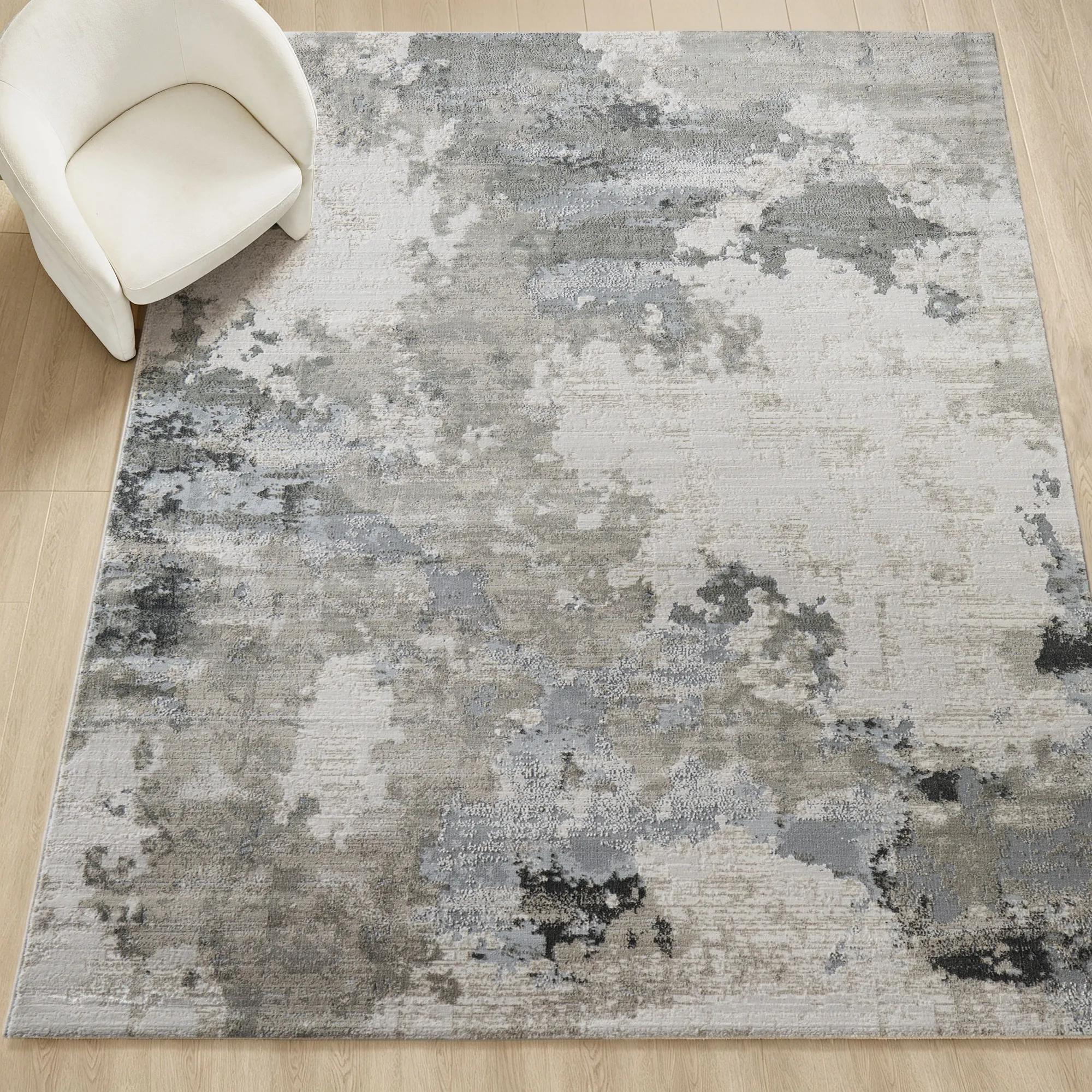 Alarion Abstract Grey/Muted Blue/Ivory Performance Power Loomed Rug$1499
A power-loomed rug featuring a distressed abstract pattern in grey, muted blue, and ivory with stain resistance.
Add To Cart -
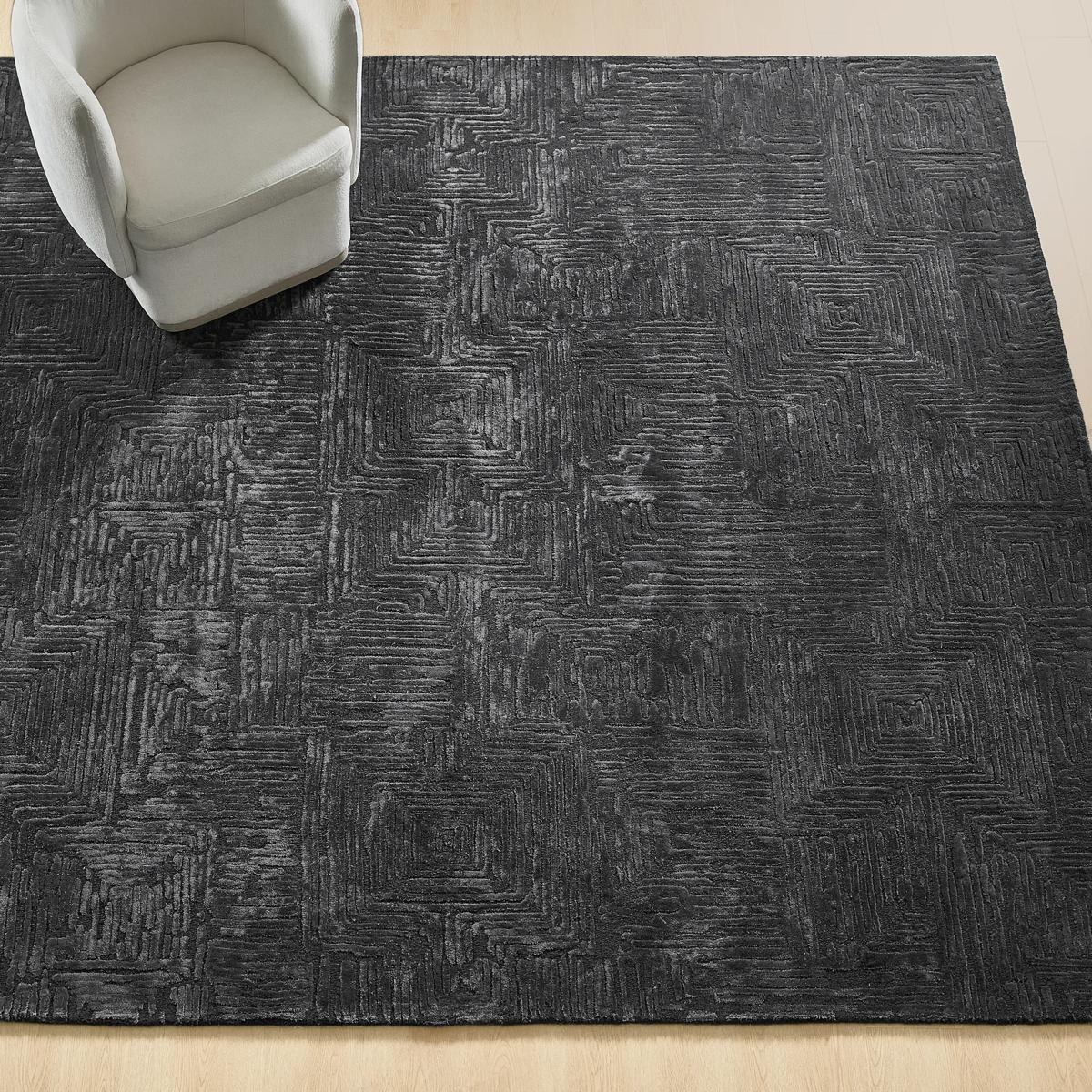
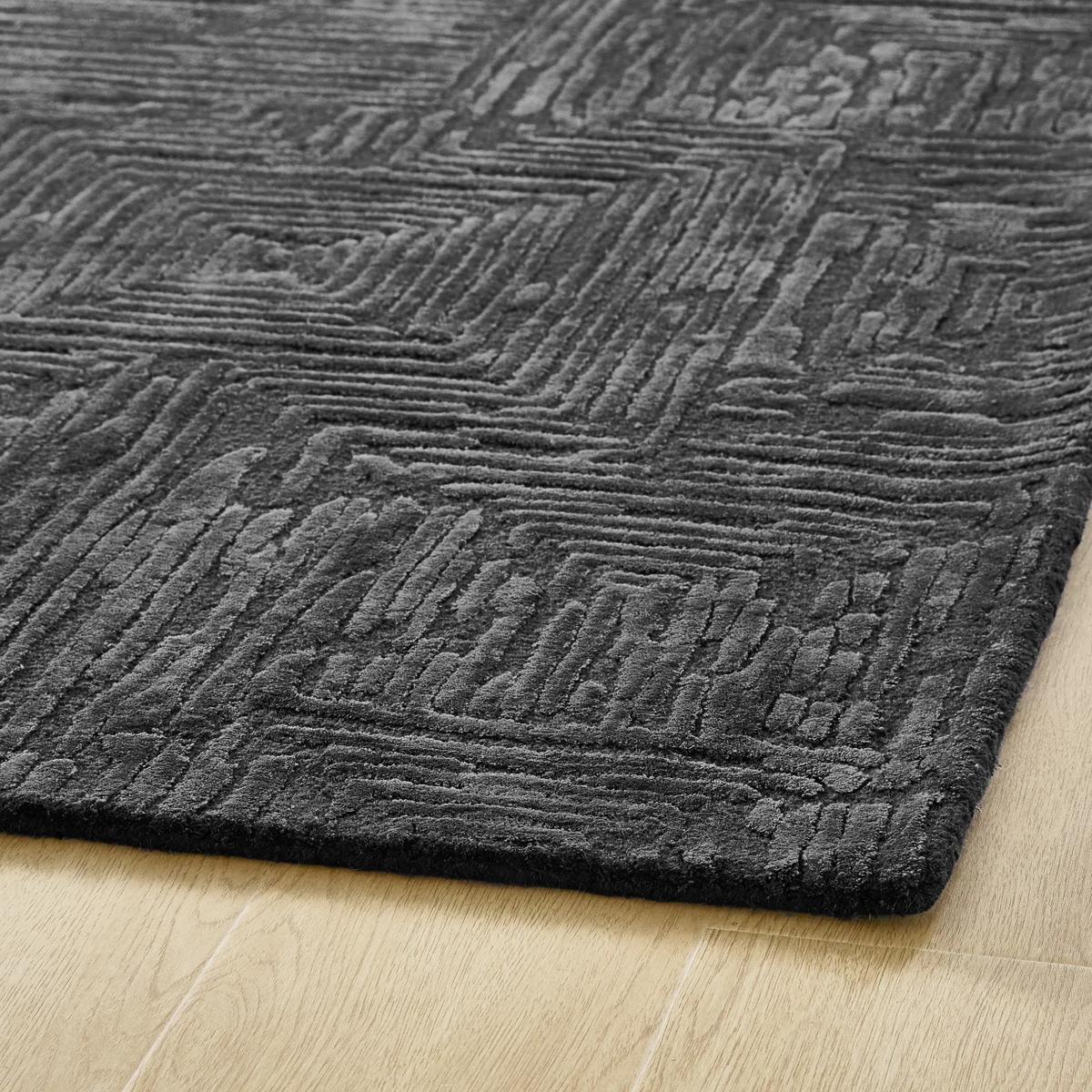 Andra Charcoal Hand-Tufted Wool Blend Dimensional Rug$1499
A hand-tufted viscose-wool rug in rich charcoal with a sculptural, dimensional pattern and plush texture.
Add To Cart -
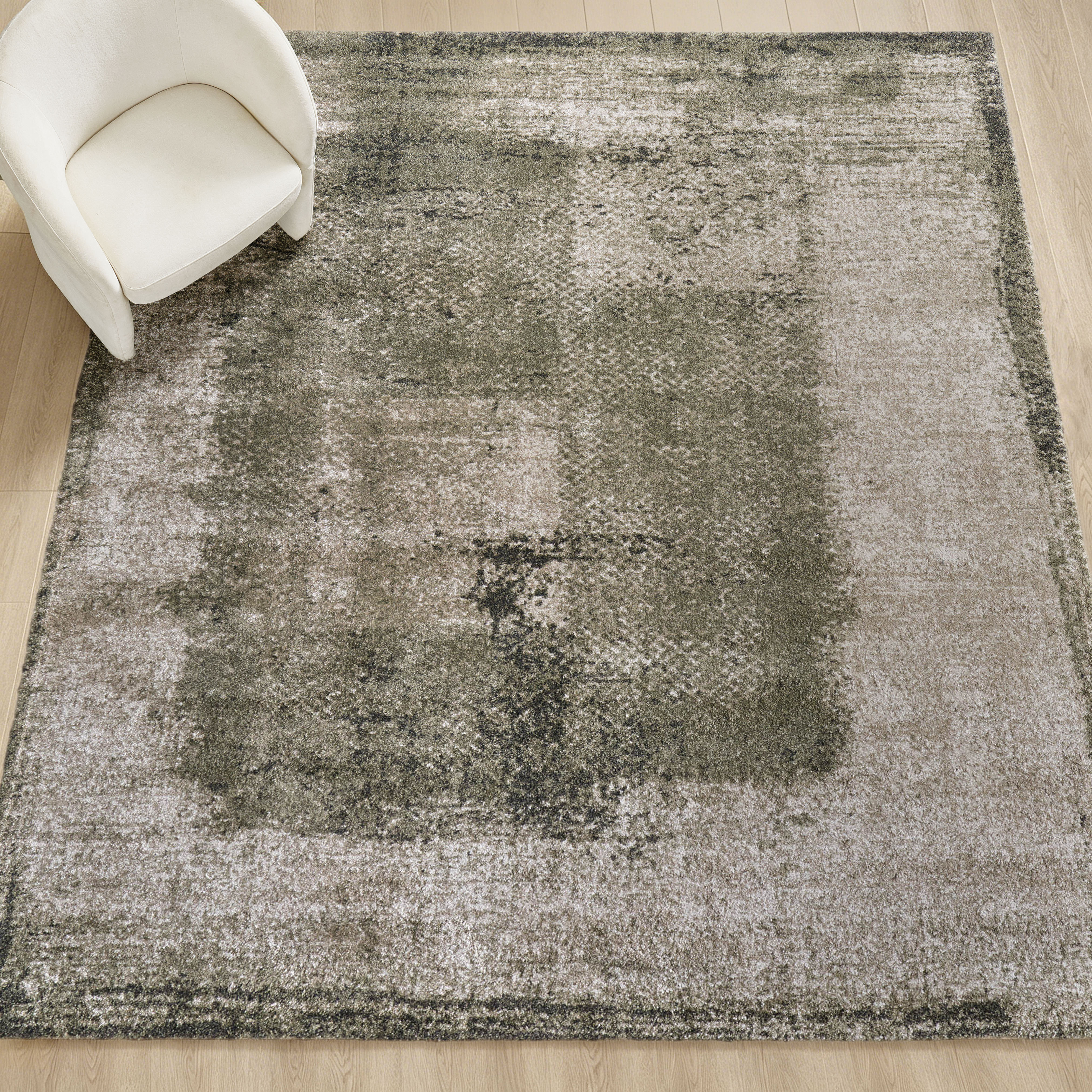
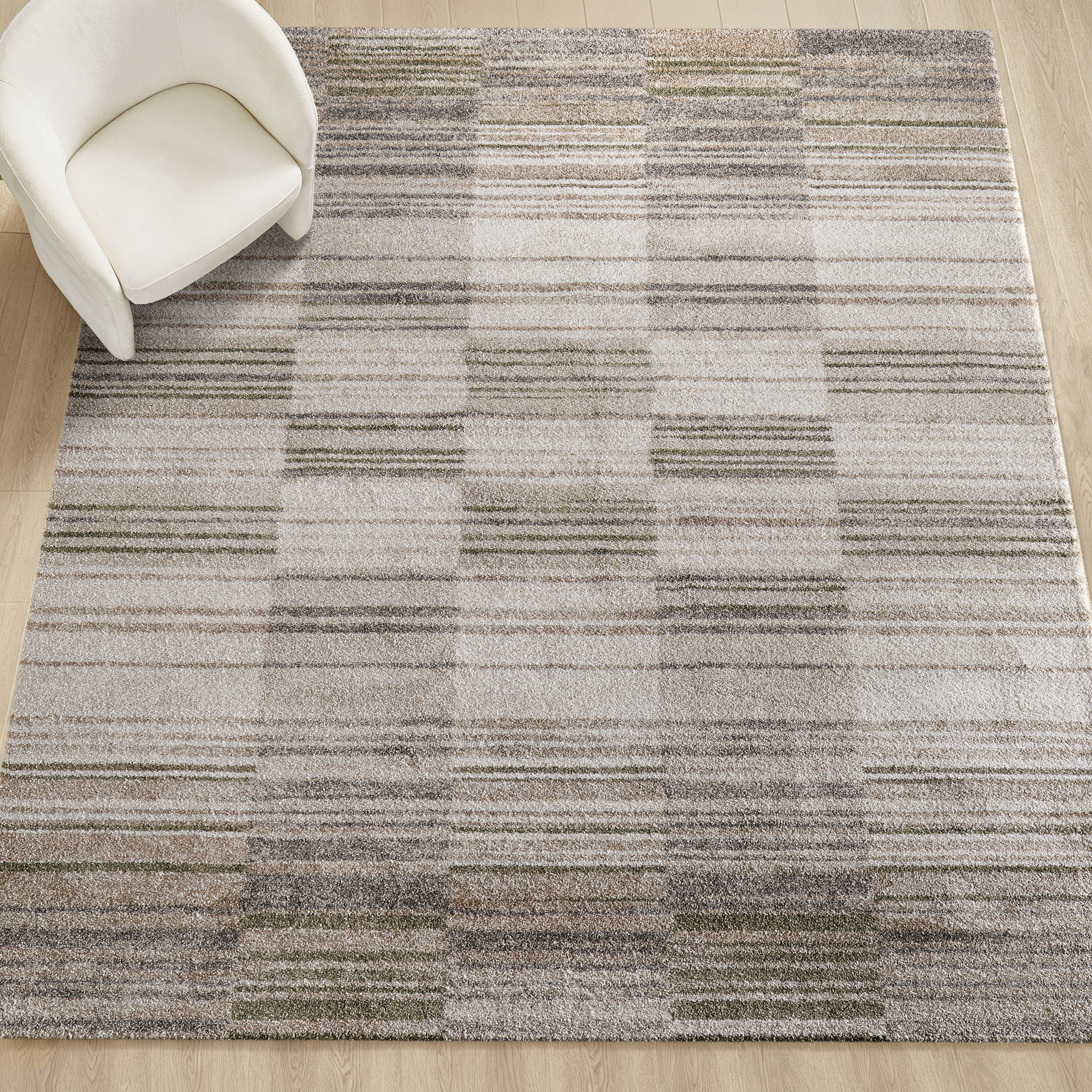
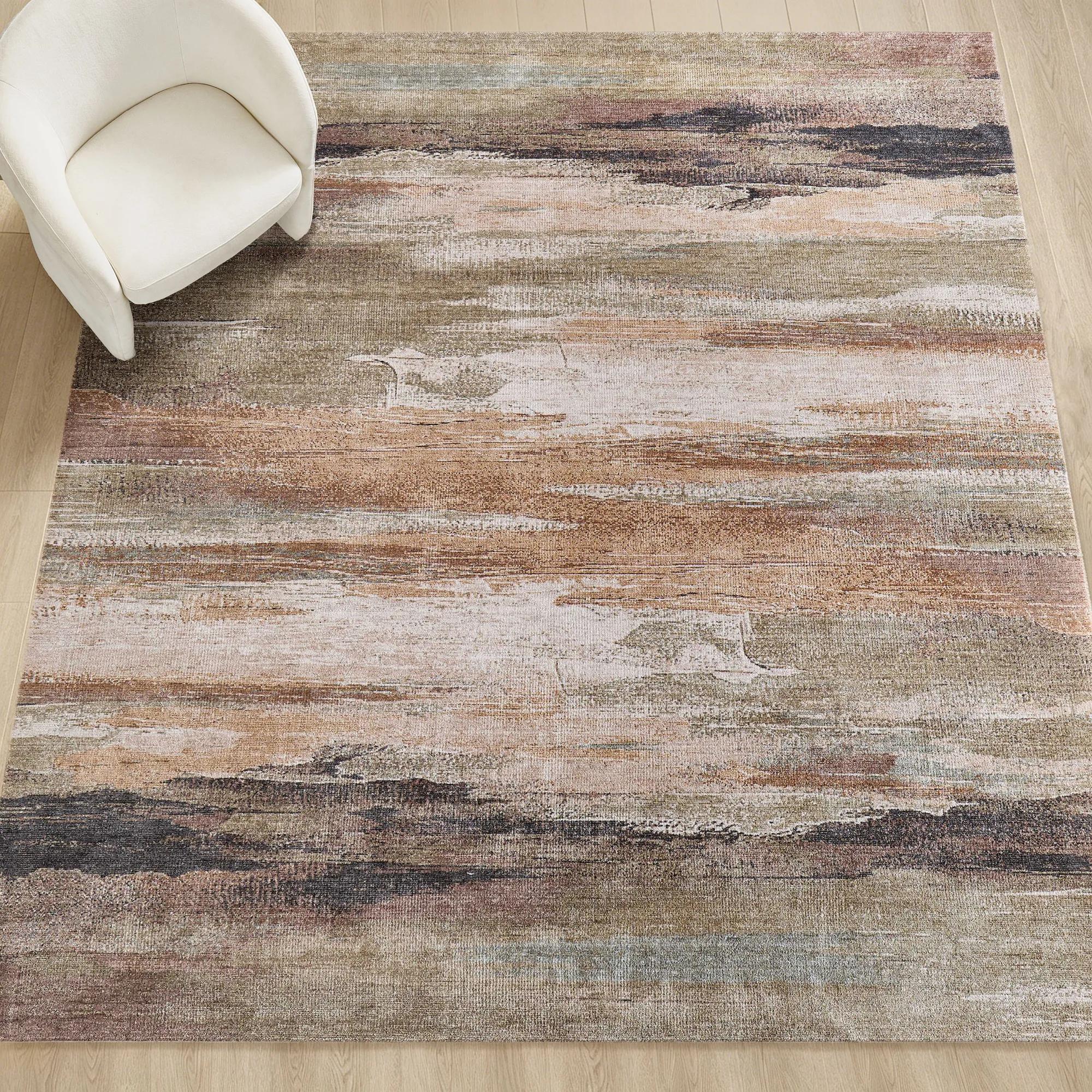
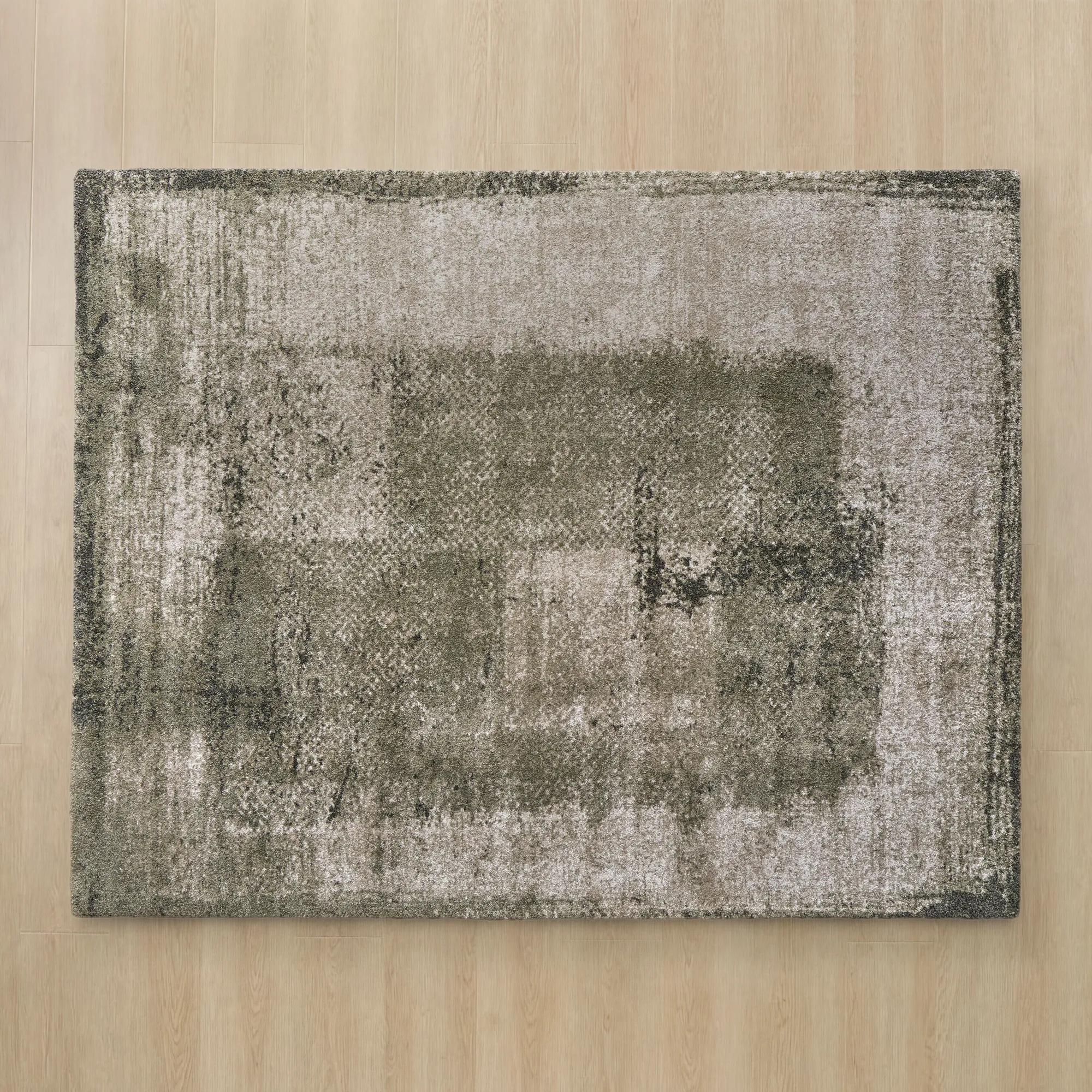 Irving Abstract Moss Green/Beige/Grey Performance Power Loomed Rug$849
An abstract rug in moss green, beige, and grey with plush, durable power-loomed polypropylene and polyester.
Add To Cart -
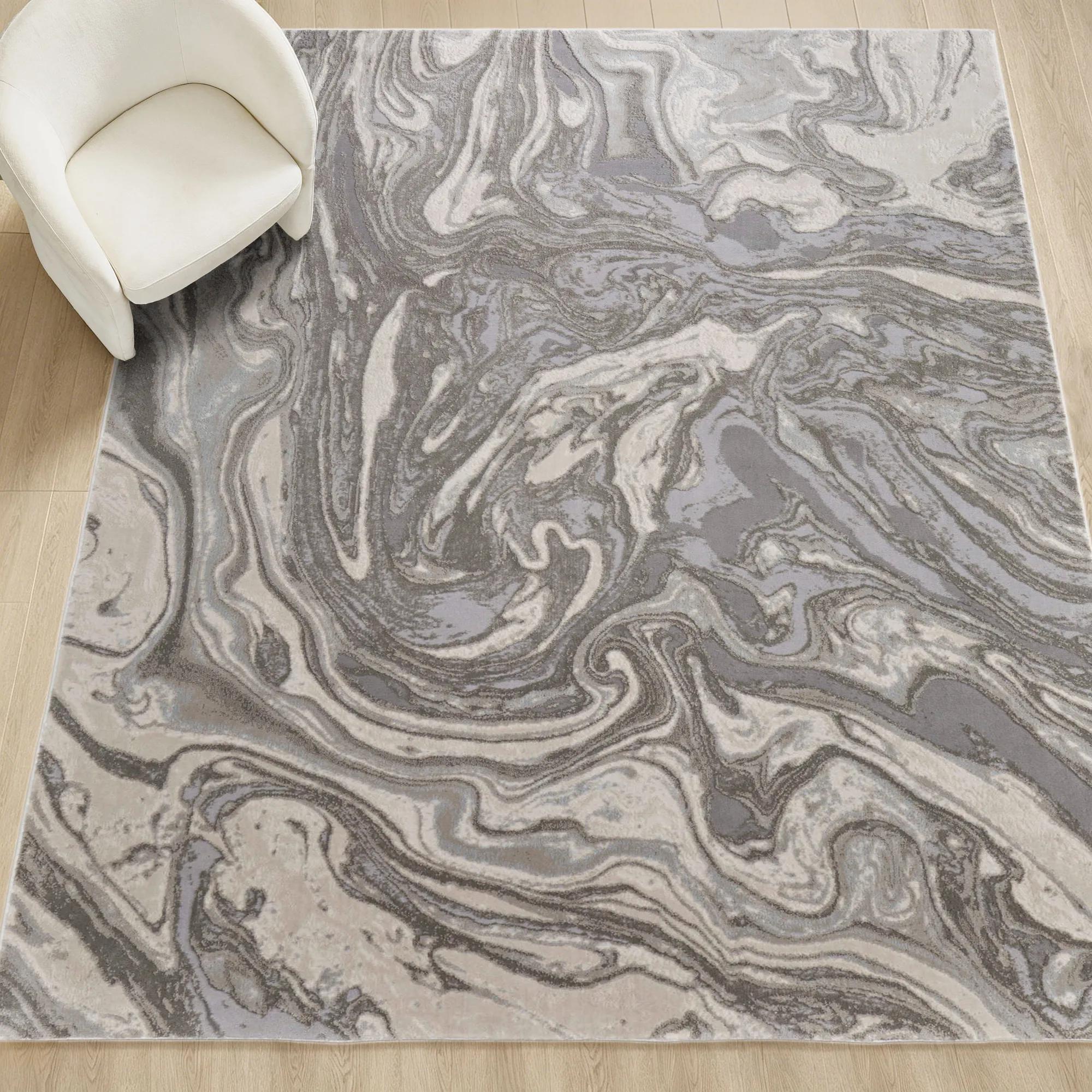
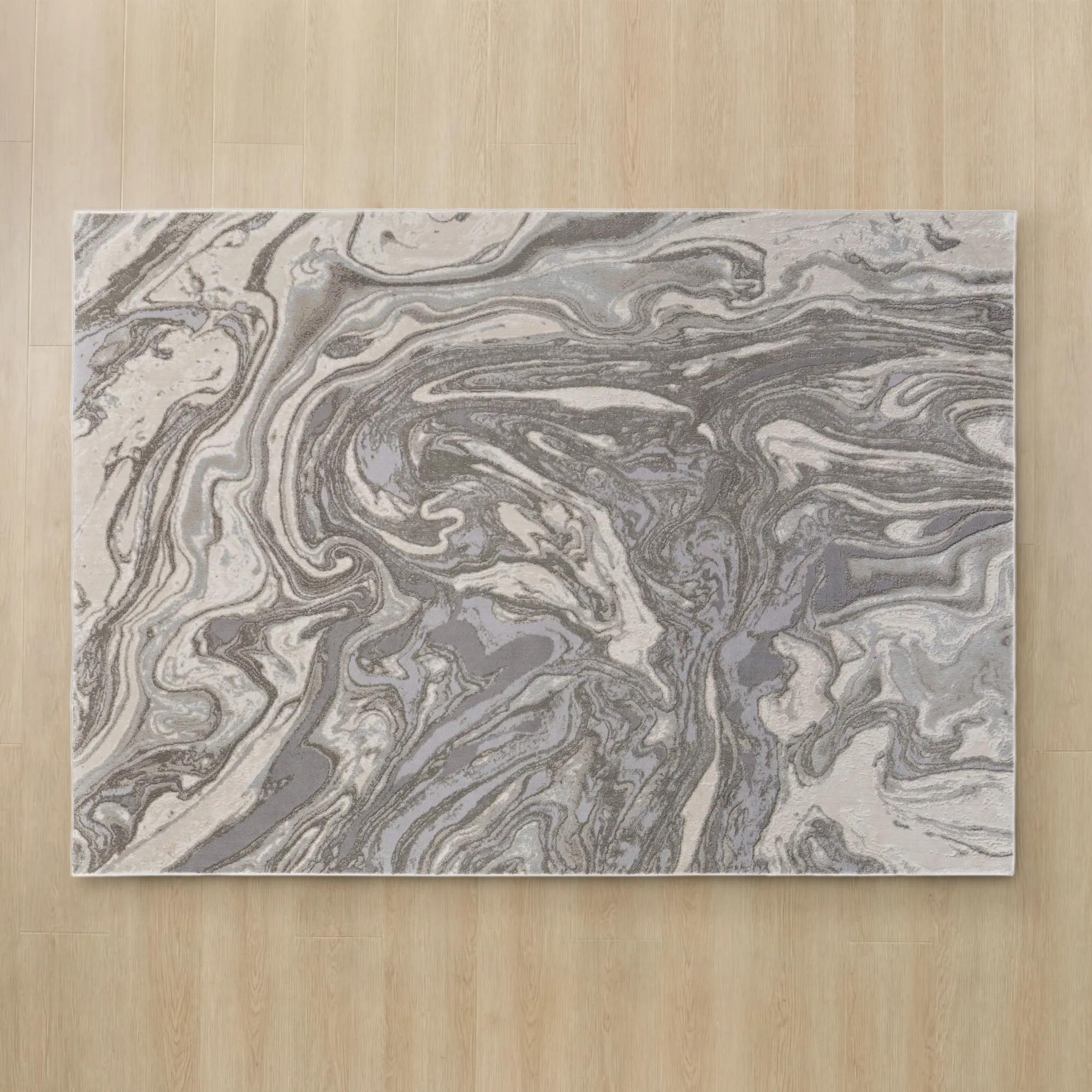 Marbre Marbled Grey/Taupe/Powder Blue Performance Power Loomed Rug$379
A softly marbled rug in grey, taupe, and powder blue with a textured, stain-resistant polypropylene blend.
Add To Cart

Grey Area Rugs
Grey area rugs are the ultimate foundation for a room where sophistication meets versatility. With their nuanced palette—ranging from misty silvers to deep charcoals—these rugs invite a sense of serene drama, effortlessly anchoring bold vignettes or elevating minimalist moments with textural intrigue. Whether cascading beneath a sculptural coffee table or stretching luxuriously across a grand living space, grey area rugs transform every step into an experience, setting the stage for artistry and self-expression in your home.
Grey area rugs give a room something more compelling than a neutral backdrop: depth, definition, and a sense of composition. From pale pearl to smoky charcoal, grey can soften a dramatic interior or lend quiet authority to a space filled with expressive art and sculptural furniture. The distinction lies in the undertone. A grey with beige or taupe notes sits beautifully alongside warm wood, ivory upholstery, and brushed brass, while a blue-based grey creates a crisp counterpoint to chrome, glass, and inky accents. Midtone shades bridge those worlds, bringing balance to rooms where finishes and fabrics mingle. Pattern changes the mood just as decisively. A sweeping abstract design can resemble a wash of pigment beneath a cocktail table, while geometric lines bring rhythm to a seating arrangement without competing with a statement chandelier. Distressed effects offer visual softness, making a newly furnished room feel layered rather than overly coordinated. For interiors that favor a luminous finish, grey and silver area rugs introduce another dimension to the palette, pairing smoky tones with light-catching effects that complement mirrored surfaces and polished accents. Grey also gives richer colors room to flourish: an emerald chair looks more saturated against a silvery ground, and burgundy pillows gain depth beside charcoal. A tonal room can be equally expressive when the rug supplies contrast through carved motifs, subtle striations, or variations in pile. Consider how much of that design will remain visible once furniture is in place. An open, oversized motif makes an impression around a substantial sofa, while an intricate pattern rewards a setting with more exposed floor area or an airy glass table. Light matters, too. Directional pile and lustrous fibers can appear lighter from one end of a room and deeper from the other, so the rug’s relationship to windows, lamps, and the main entrance becomes part of its character. The result is a foundation that feels deliberate, with enough nuance to support an evolving collection of furniture and art.
Scale is what turns a grey rug from an attractive accent into the element that holds a room together. In a living room, a generous size that accommodates at least the front legs of the sofa and companion chairs helps establish one cohesive conversation area. A rug that stops short of every seat can leave even beautiful furniture feeling disconnected. Allowing a visible border of flooring around the arrangement preserves the architecture of the room, especially where rich wood or stone deserves its own moment. In an open floor plan, grey area rugs can distinguish a lounge from a dining space without introducing abrupt color changes; related tones create continuity, while different textures give each setting its own identity. Under a dining table, the footprint should account for chairs when they are pulled out, not simply when they are tucked in. Extending the rug approximately 24 to 30 inches beyond each side of the tabletop is a useful starting point, with the final dimensions guided by chair depth and the room’s circulation paths. A lower pile generally makes chairs easier to move and helps keep the arrangement feeling composed through everyday meals and larger gatherings. In a bedroom, a rug that reaches beyond the sides and foot of the bed creates a generous frame and a softer place to step. Its placement should reflect the entire composition, including nightstands, a bench, and the clearance needed for doors and drawers. Round shapes can echo a curved settee or gather a pair of lounge chairs into an intimate reading area, while rectangular rugs emphasize the long lines of a sofa or dining table. Before choosing dimensions, marking the proposed edges on the floor with removable tape makes the proportions easier to judge. Walk through the room, pull out a chair, and check the sightline from the doorway. Those small tests reveal whether the rug creates a spacious, inviting setting or interrupts the movement that makes a room comfortable to inhabit.
Material and construction shape the experience of a grey area rug as much as its color. Wool offers natural resilience and a substantial feel, with fibers that can recover from compression; some shedding is normal, particularly early in use. Cotton often brings a lighter, more relaxed texture, although washability depends on the complete construction and the manufacturer’s instructions. Synthetic fibers such as polypropylene and polyester can offer practical stain resistance, but performance varies by fiber, pile, and treatment, and no rug should be assumed stainproof. Viscose and similar lustrous fibers create a silky, reflective surface that gives grey remarkable tonal movement, yet they can be sensitive to moisture and abrasion, making thoughtful placement especially important. A softly shimmering rug may suit a formal sitting room where appearance takes priority, while a densely constructed, lower-pile design can be a more accommodating choice for a busy family gathering space. Homes with pets benefit from attention to loop size, since claws may catch in some looped constructions, and a finely mottled pattern can make everyday lint or small marks less conspicuous than a uniform field of color. Plush piles offer an indulgent feel underfoot but may require more involved cleaning and can be less convenient beneath frequently moved furniture. A rug pad selected for both the rug and the flooring can help reduce shifting, add cushioning, and limit friction; compatibility matters, particularly with finishes that may react to certain backing materials. Regular vacuuming should follow the care label, with suction and brush settings appropriate to the fibers and construction. Blot spills promptly rather than rubbing, avoid saturating delicate materials, and use only recommended cleaning methods. Rotating the rug periodically helps distribute wear and light exposure, while furniture cups can lessen concentrated pressure where appropriate. For anyone furnishing a first home, refining a well-loved living room, or creating a more polished space for entertaining, grey offers enduring flexibility. With the right proportions and a texture suited to daily life, it becomes the detail that brings the entire interior into focus.
FAQs
Grey area rugs are the ultimate chameleons, seamlessly complementing a spectrum of design aesthetics. From the opulent drama of Art Deco spaces to the clean lines of contemporary minimalism, grey rugs provide a sophisticated foundation. They also thrive in transitional settings, where modern and classic elements merge, and can bring a calming, cohesive touch to eclectic interiors bursting with color and pattern.
To create a striking focal point, choose a grey rug with a bold pattern, shimmering accents, or an intriguing texture. Position it beneath a statement coffee table or beneath a sculptural chandelier to draw the eye and anchor the space. Layering a grey rug over hardwood or contrasting flooring further enhances its visual impact, transforming the floor into a work of art.
Grey area rugs are a savvy choice for lively households. Their neutral tones are adept at concealing minor spills and everyday wear, while textured or patterned designs can further disguise the evidence of busy lives. Many zgallerie rugs are crafted from durable materials that stand up beautifully to foot traffic, making them both practical and glamorous for family spaces.
Grey rugs are endlessly versatile and pair exquisitely with a variety of hues and materials. Jewel tones like emerald and sapphire pop against a grey foundation, while metallic finishes—think gold, silver, or brass—add a layer of luxe. For a softer look, blush, ivory, and powder blue create a serene palette. Materials such as velvet, glass, and marble all find harmony atop the understated elegance of a grey rug.
Grey rugs have a unique ability to set the tone of a room. Light grey shades evoke tranquility and airiness, perfect for restful bedrooms or serene living rooms. Darker greys infuse a space with drama and depth, ideal for creating a moody, sophisticated ambiance. No matter the shade, a grey rug brings cohesion and a sense of curated artistry to your home.