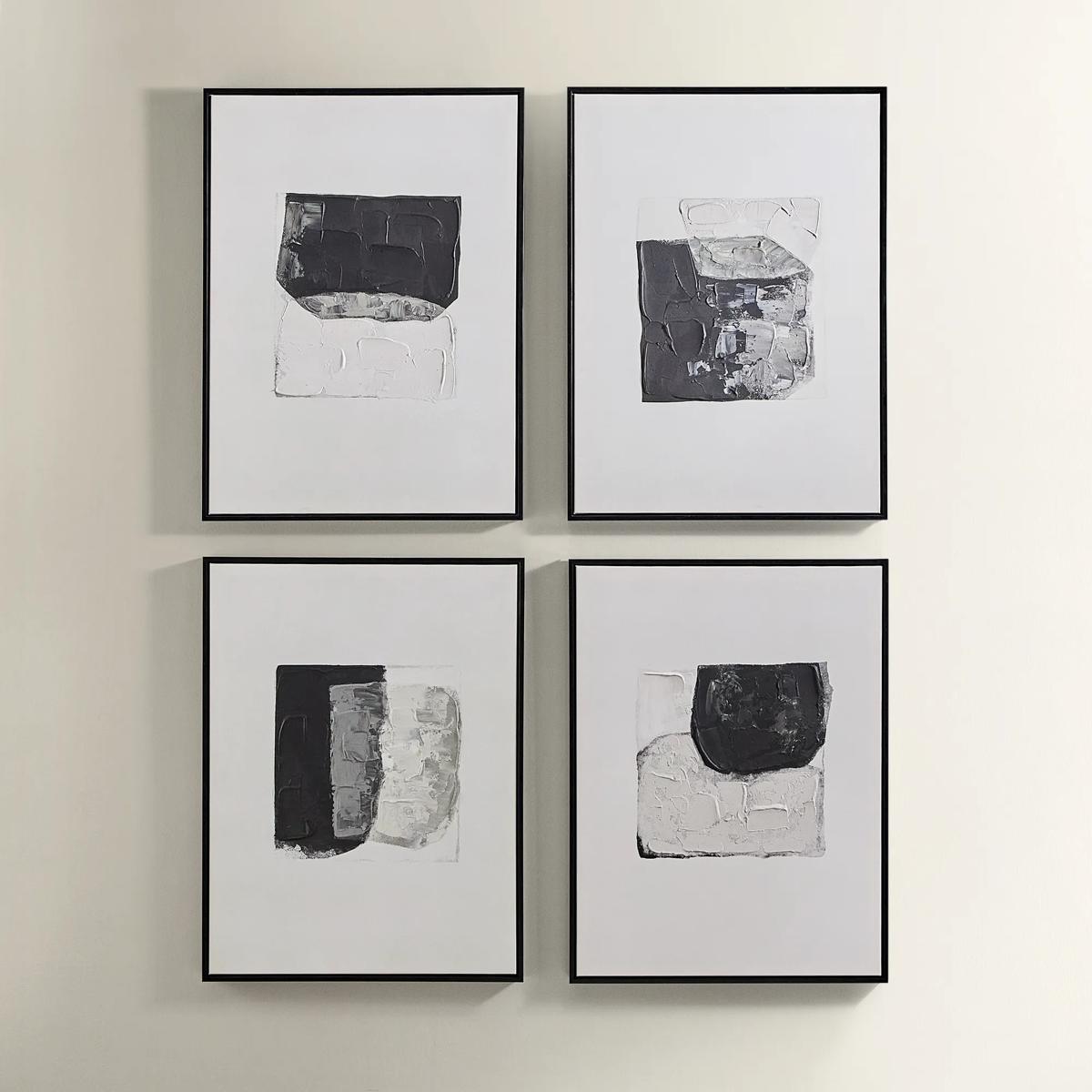
Art For Open Concept Spaces
Art For Open Concept Spaces
-
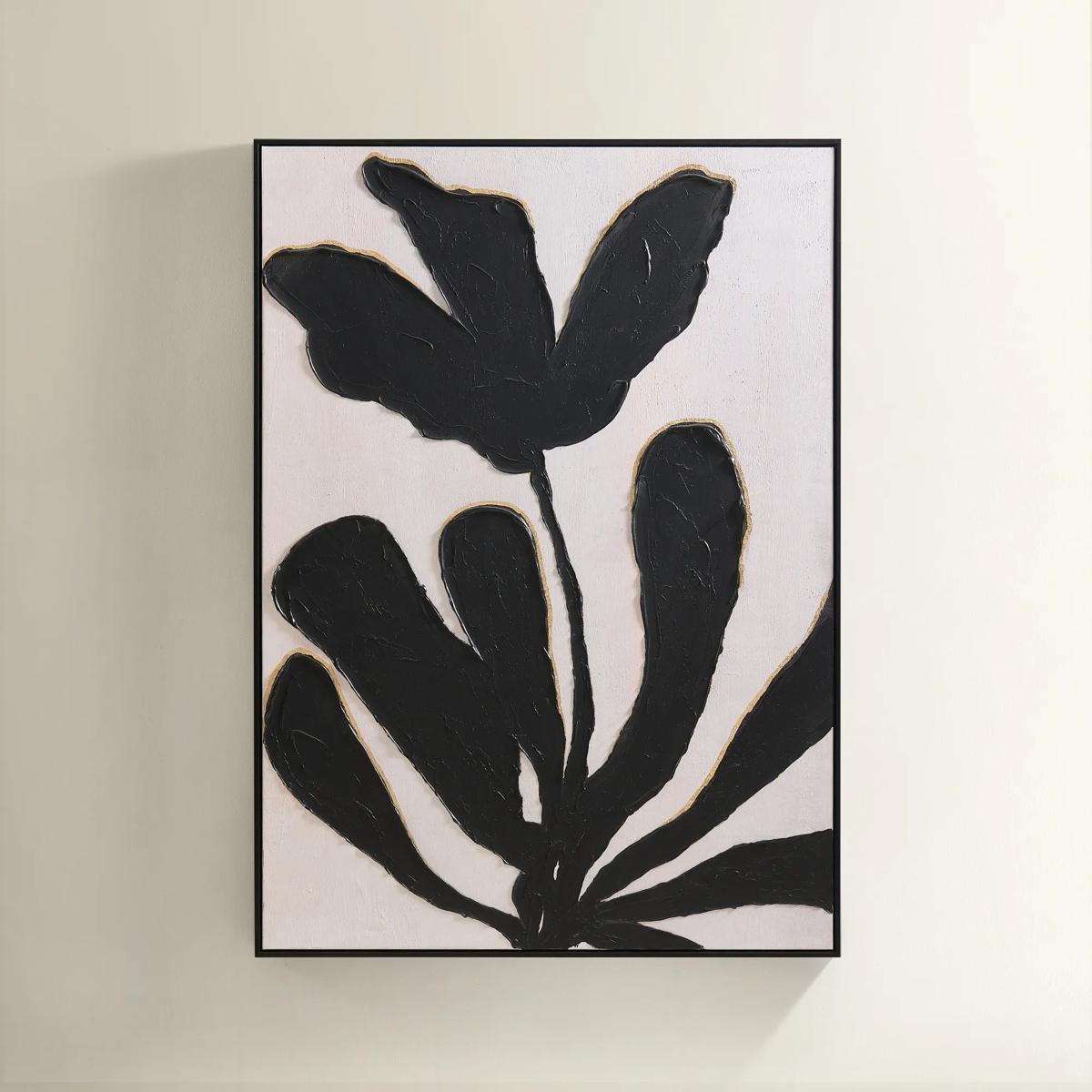
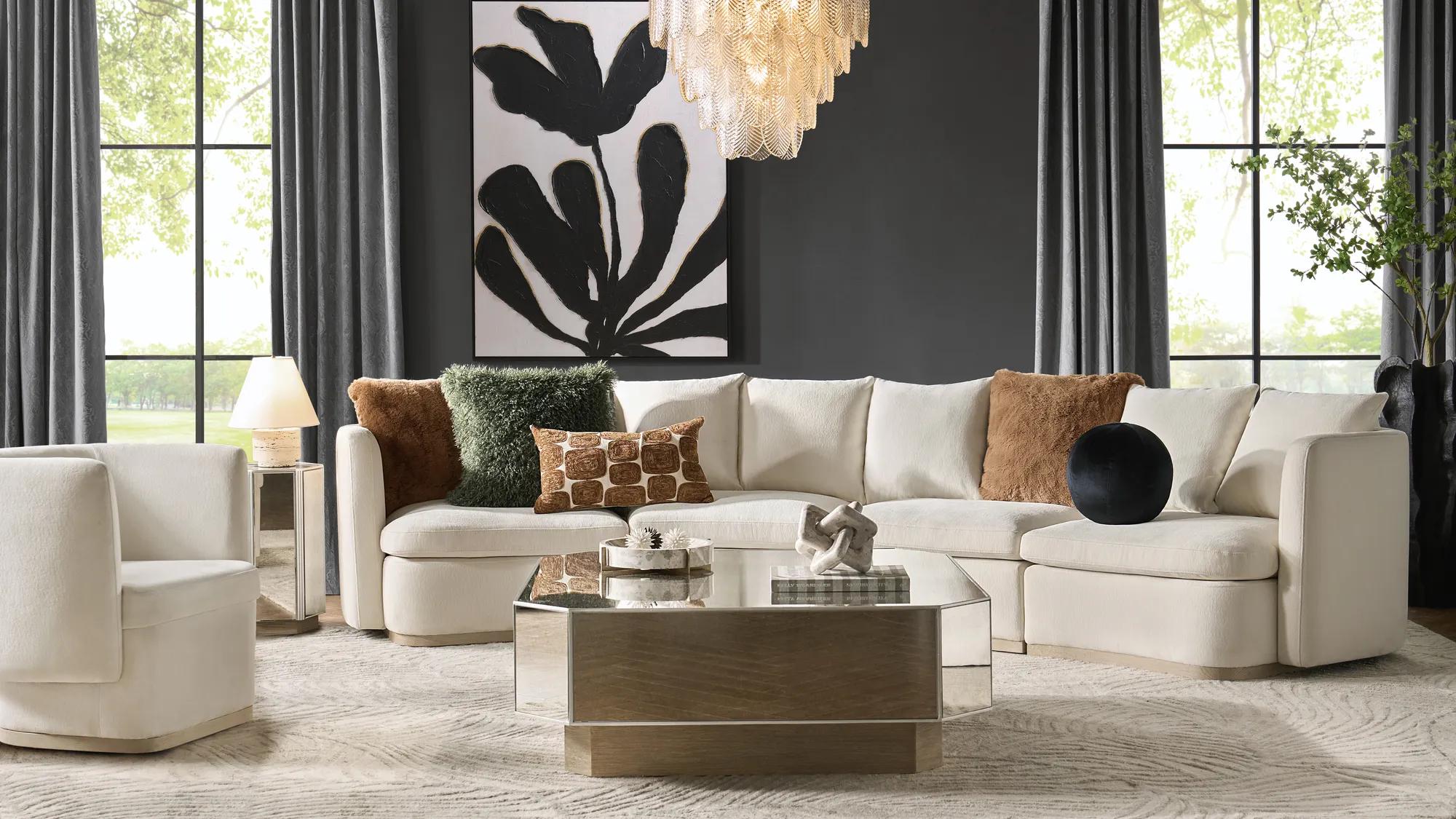 First Bloom Framed Painted Wall Art 39.25" x 55"$499
A hand-painted canvas featuring black abstract leaves and gold leafing on an ivory background in a black frame.
Add To Cart -
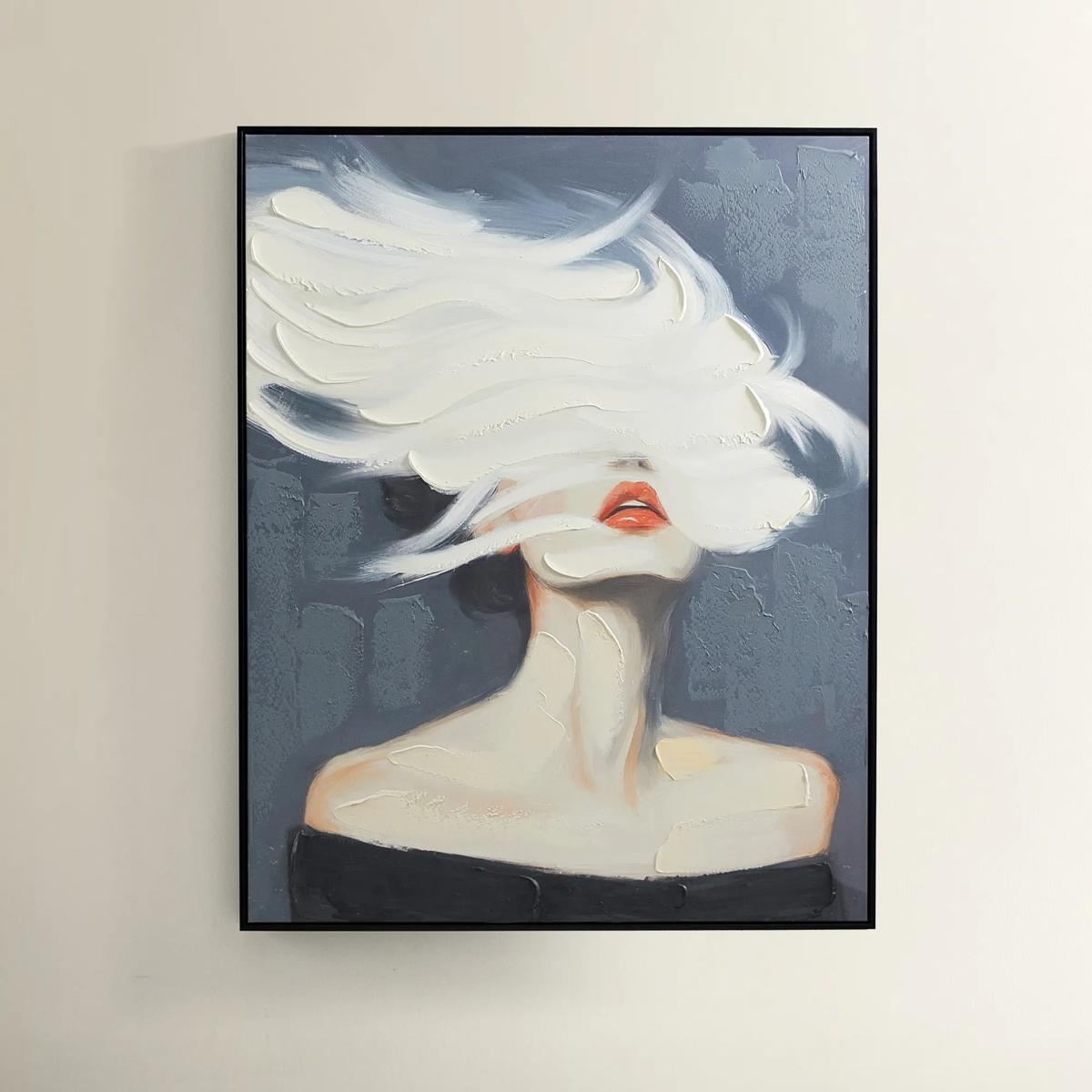
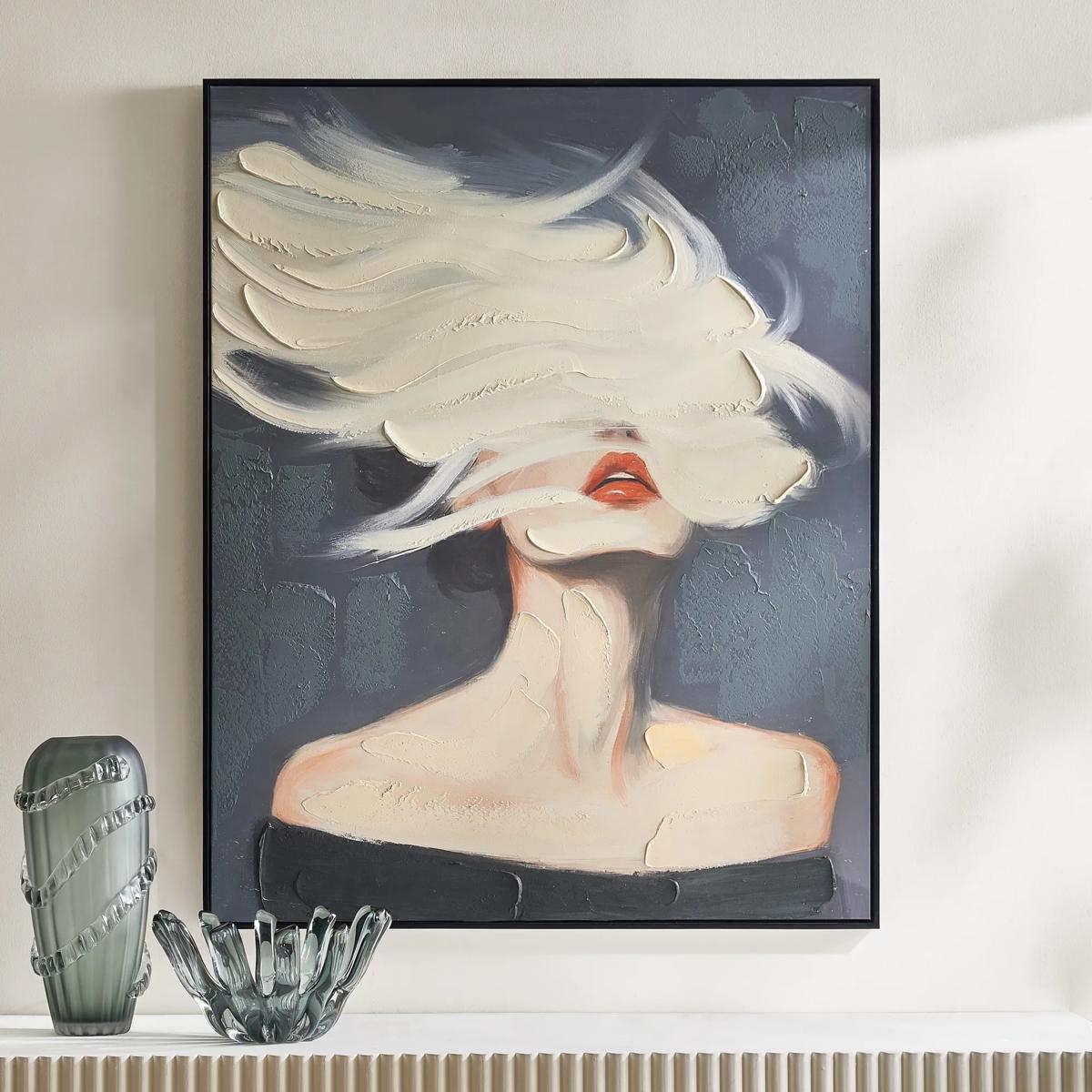 Daydreamer Painting$599
A hand-painted canvas portrait with sculptural white brushstrokes, bold red lips, and a sleek black frame.
Add To Cart -
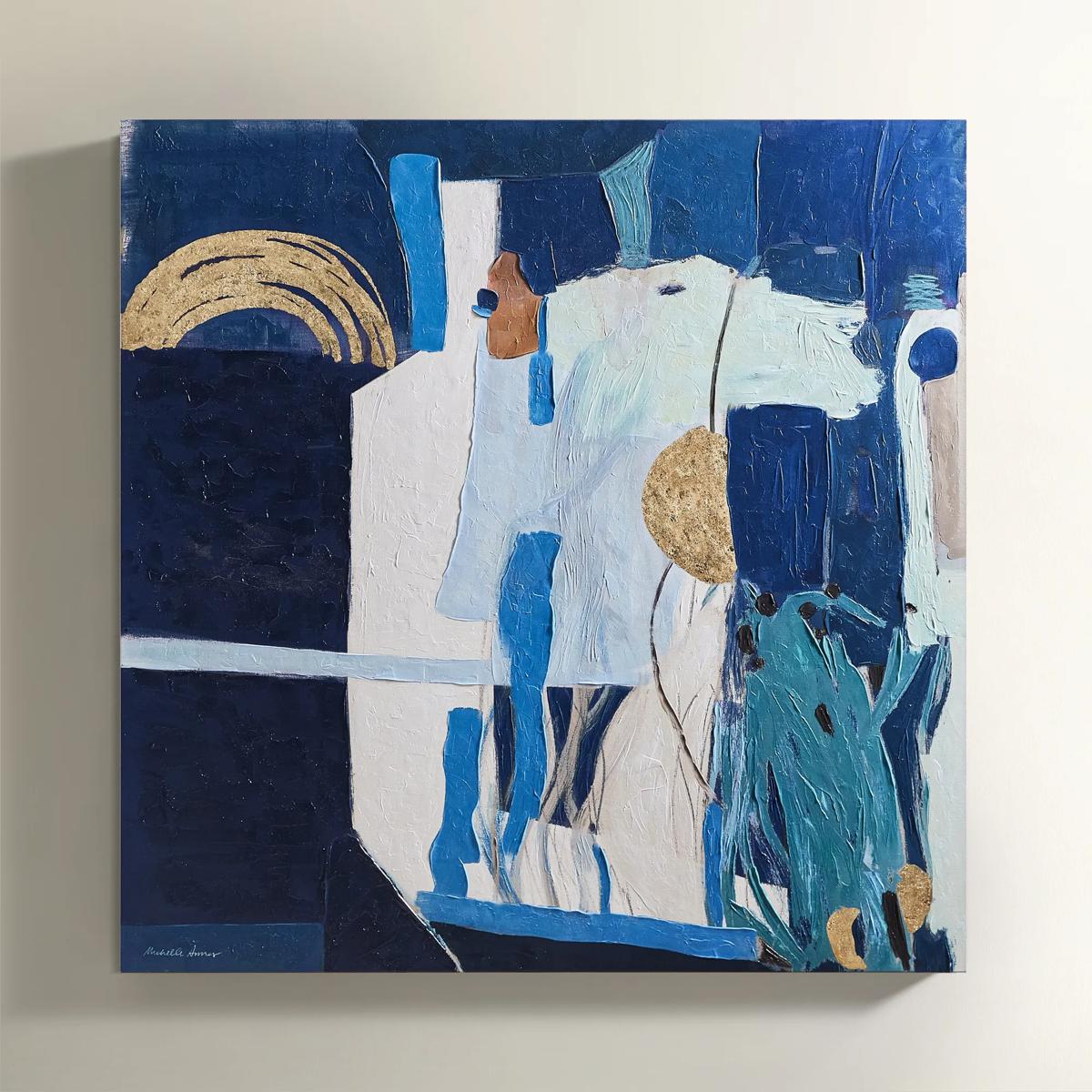
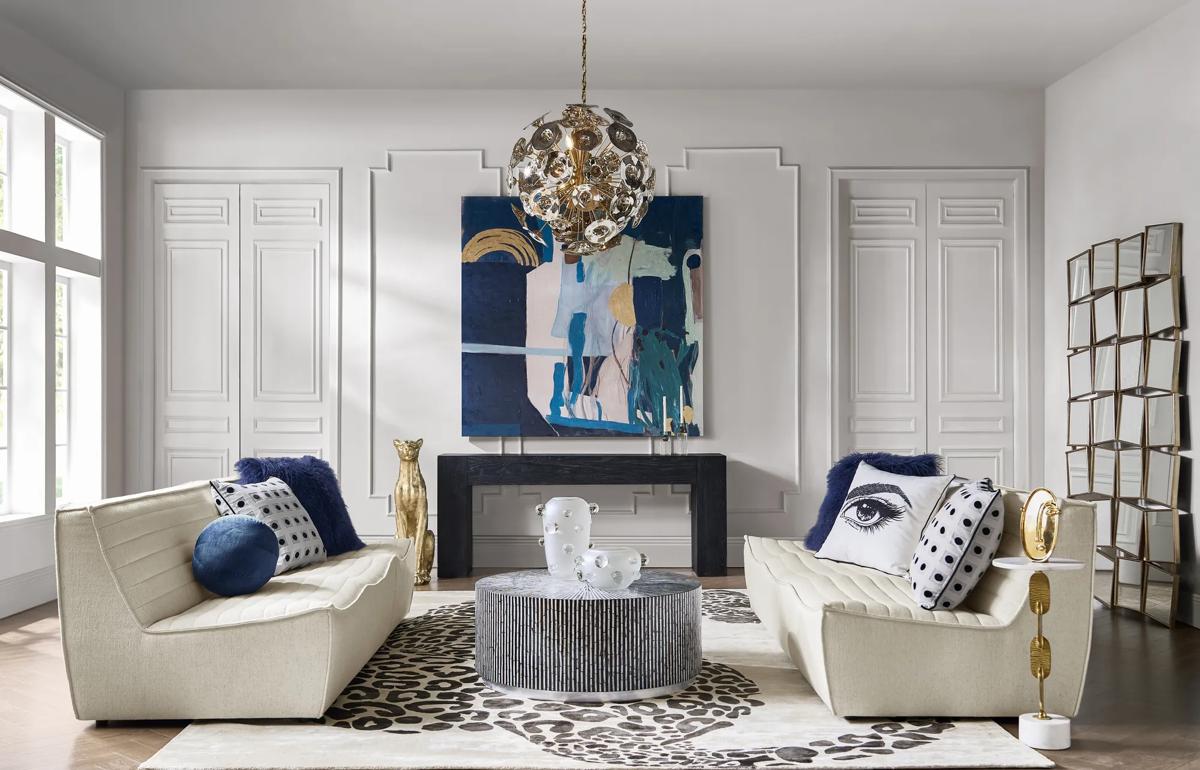 In Flux Painting$699
A hand-embellished canvas artwork featuring deep teal, green, ivory, and gold in a black Art Deco frame.
Add To Cart -
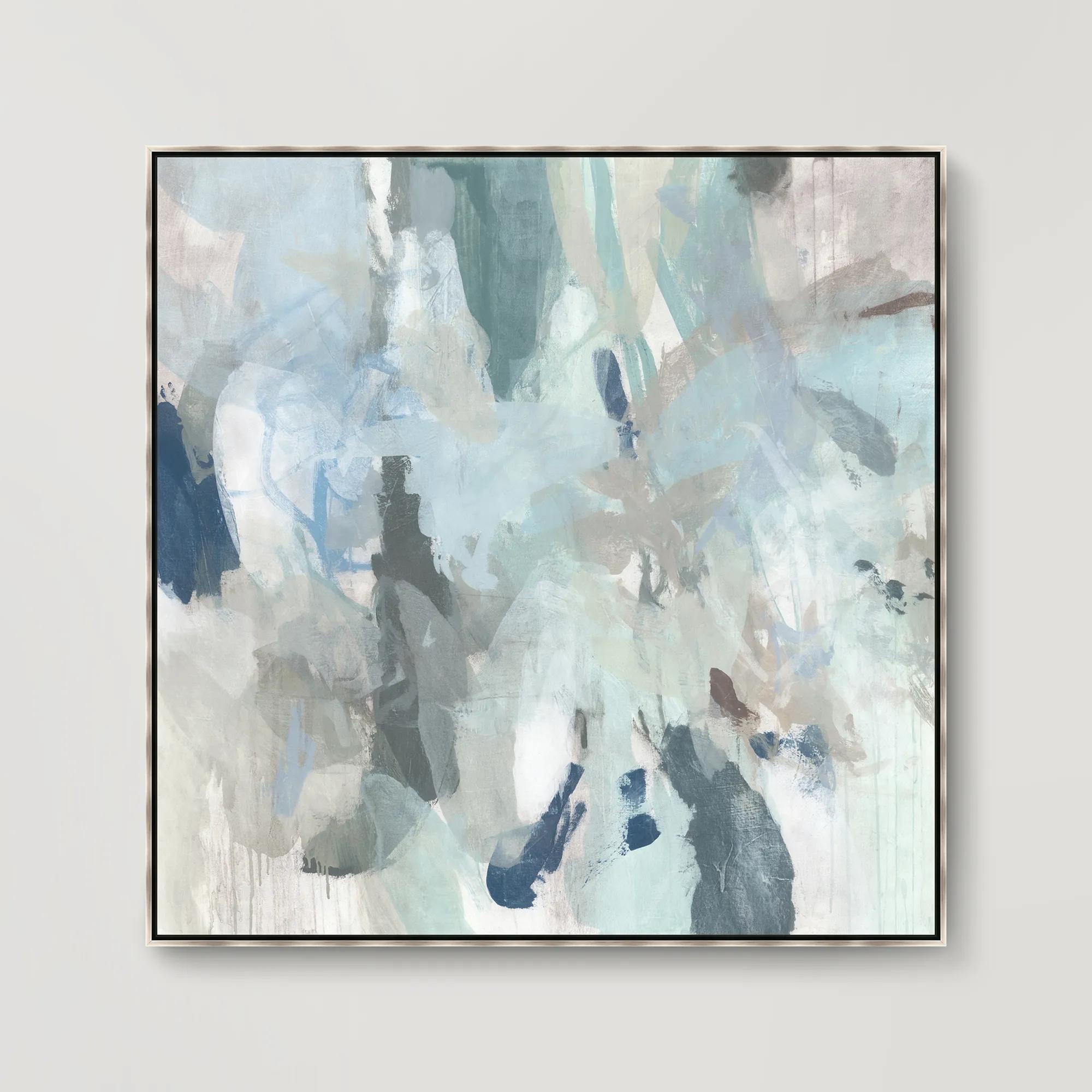
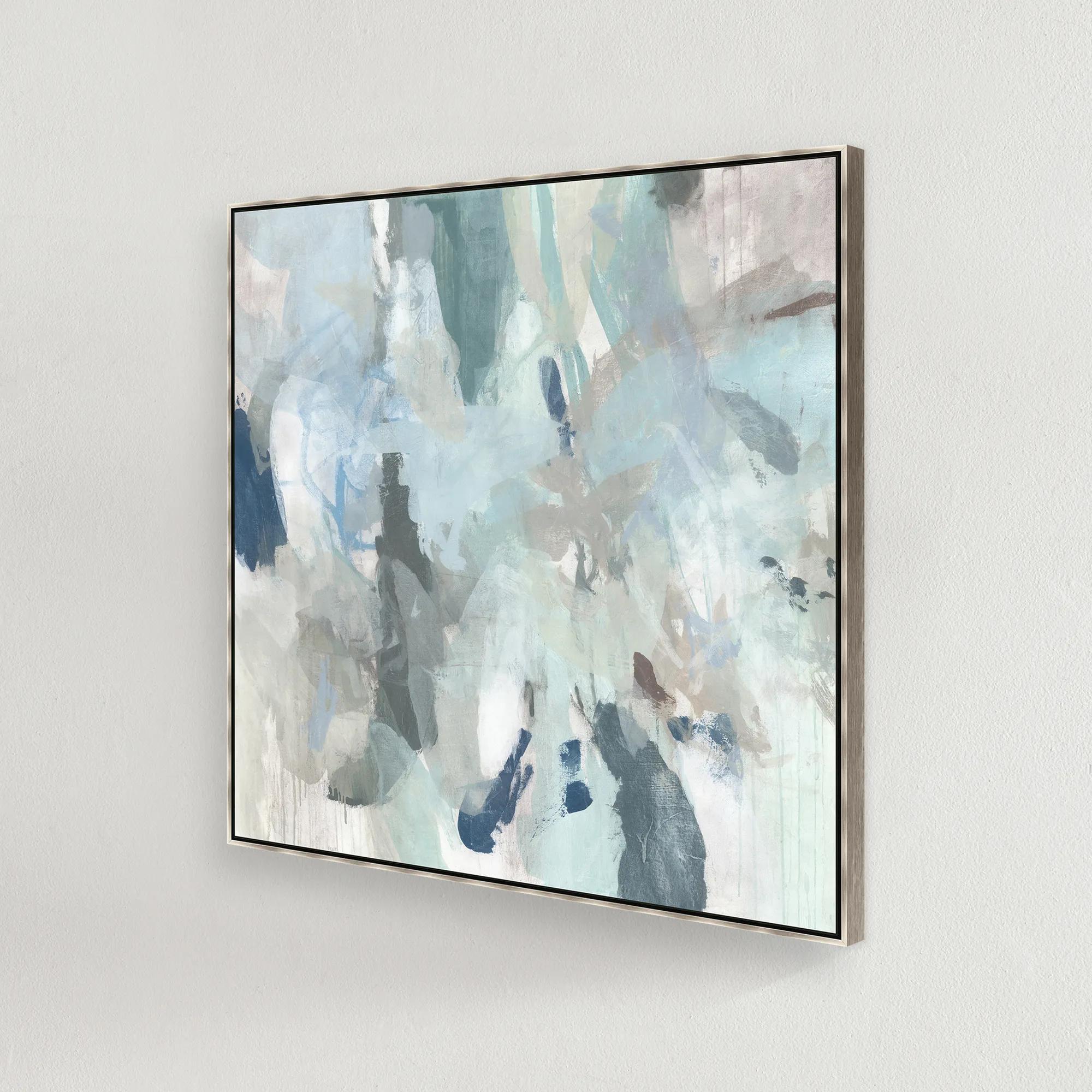 Sage Honey Dew I Framed Wall Art 41.5" x 41.5"$749
A gallery-wrapped abstract canvas featuring hand-applied gel finish in a silver floater frame.
Add To Cart -
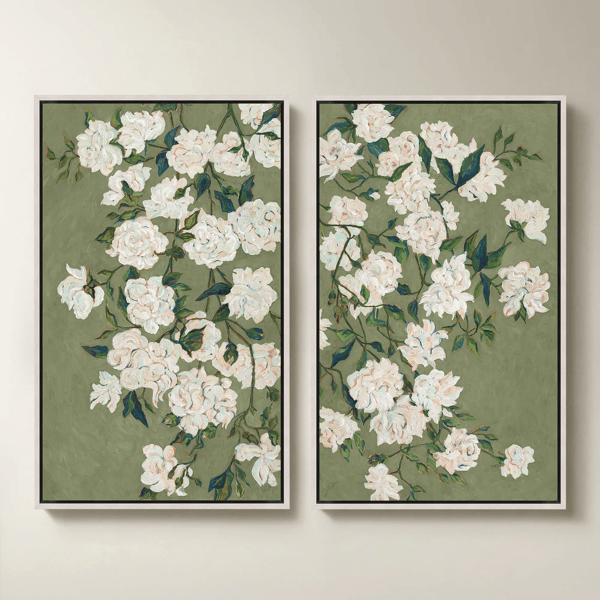
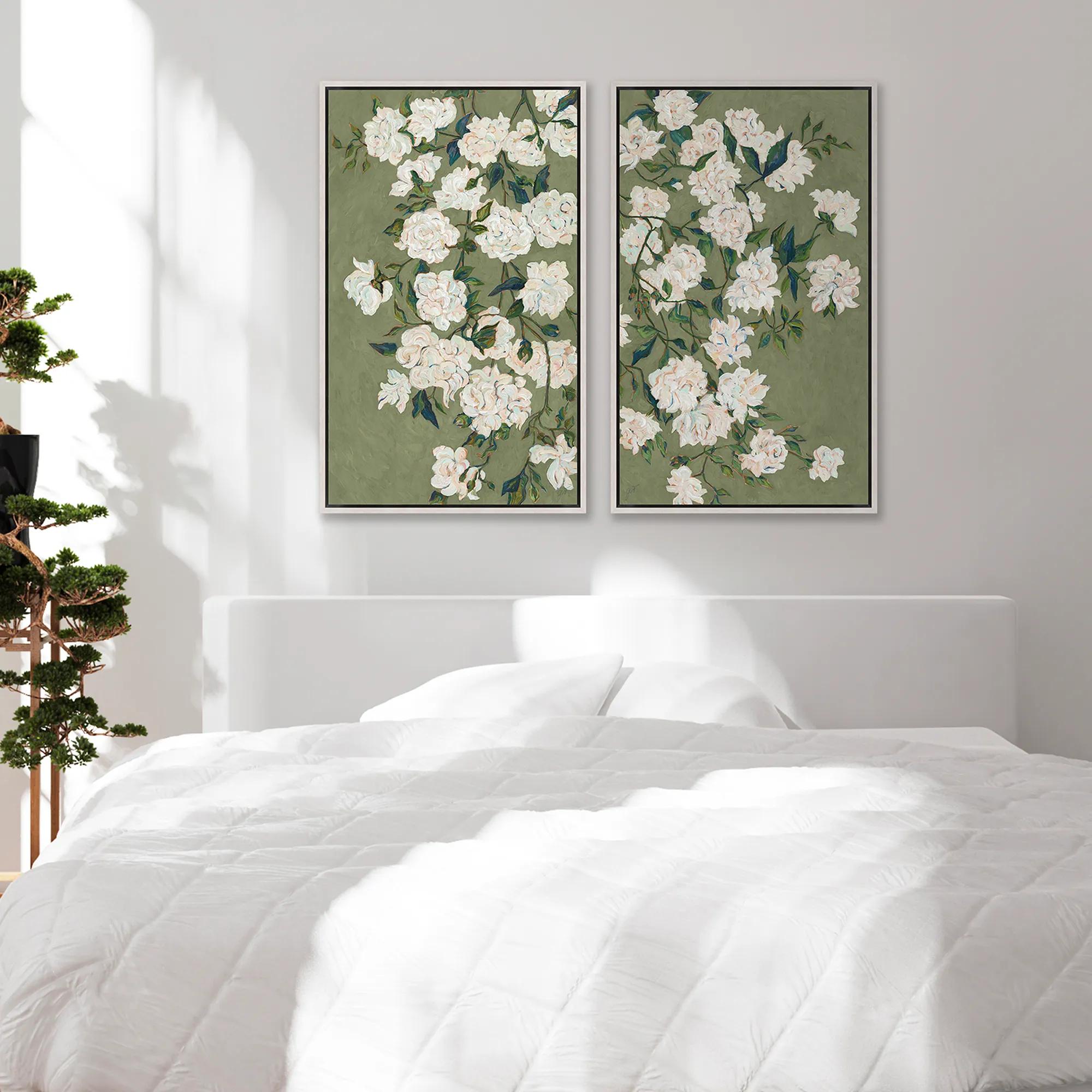 Verdi Vincent Framed Wall Art 21.5" x 41.5" Set of 2$949
A set of two gallery-wrapped fiber texture canvases in white floater frames for modern wall decor.
Add To Cart -
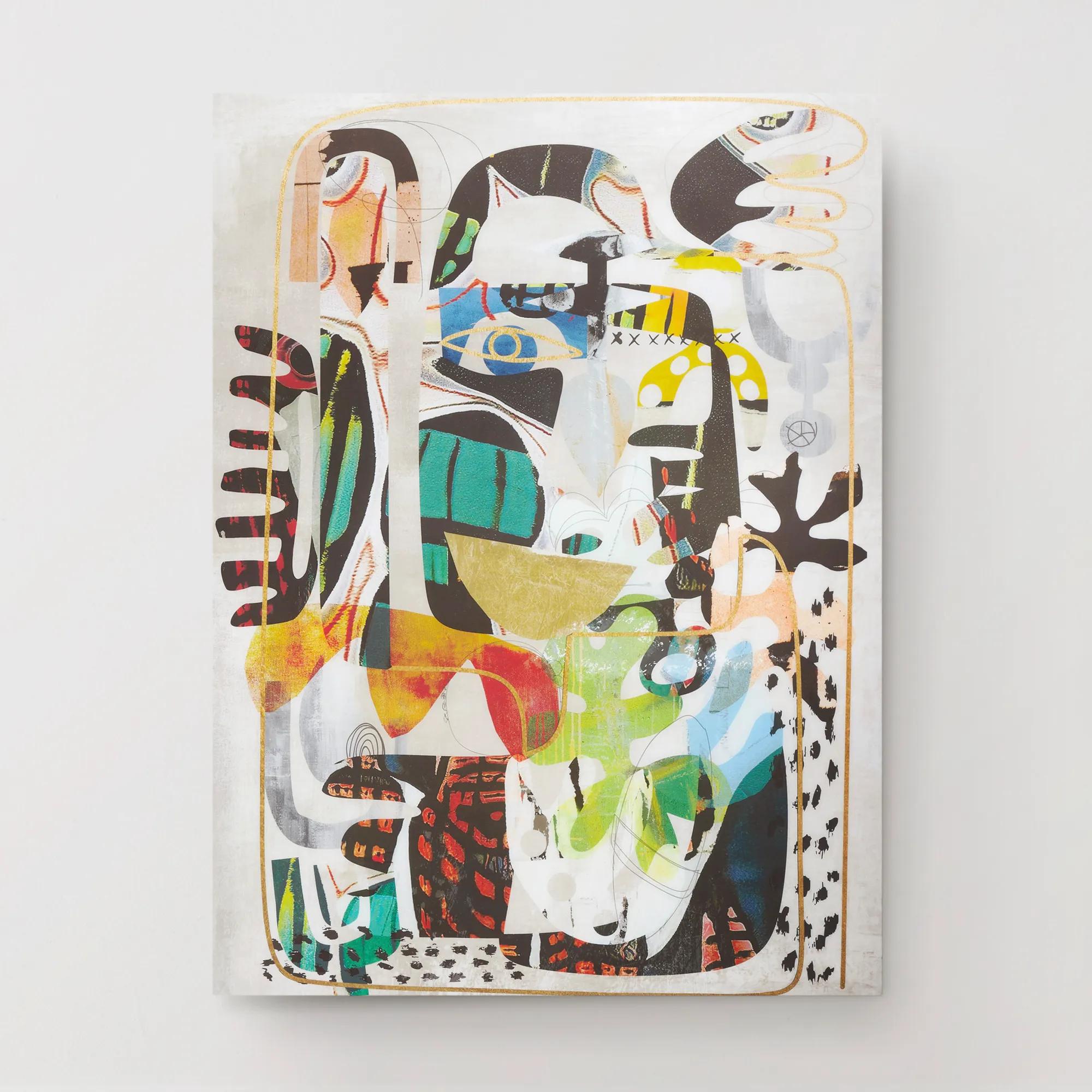
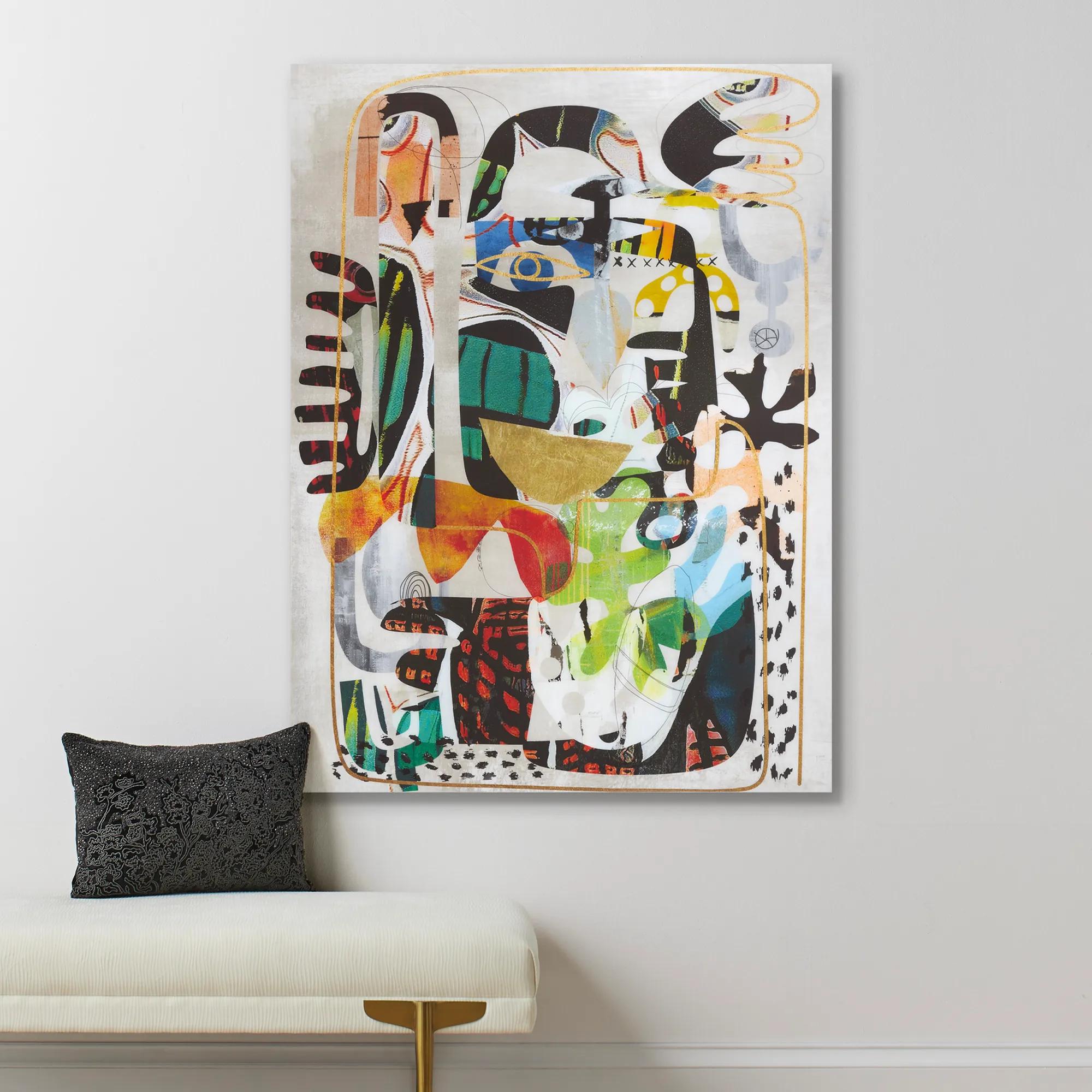 Nikki Chu Masked Wall Art 40" x 54"$899
A vibrant giclee print on canvas featuring a hand-applied glossy finish for a modern statement.
Add To Cart -
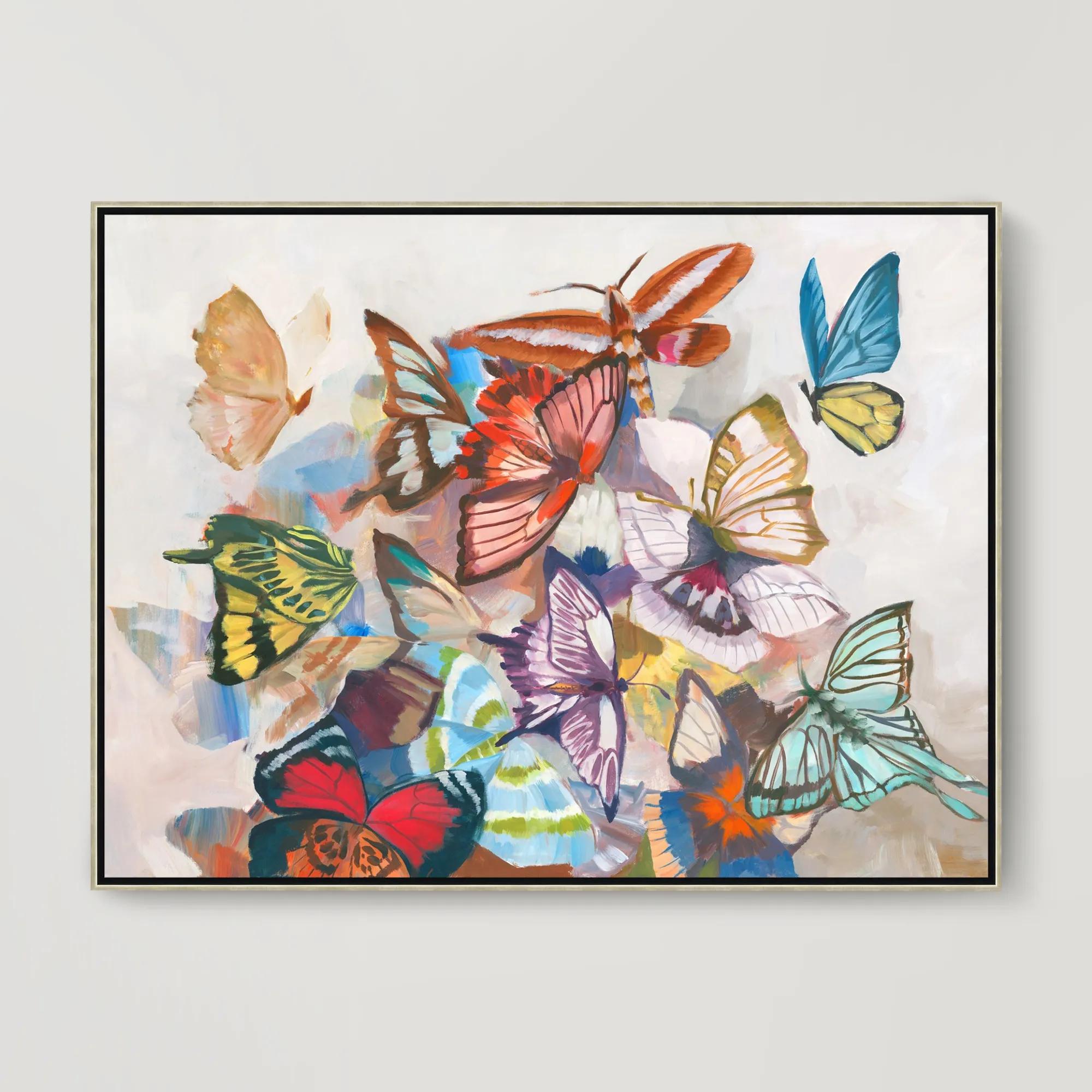 Sugar Wings Framed Wall Art 49.5" x 37.5"$799
A vibrant gallery-wrapped canvas artwork with hand-applied brush gel finish in a sleek silver floater frame.
Add To Cart -
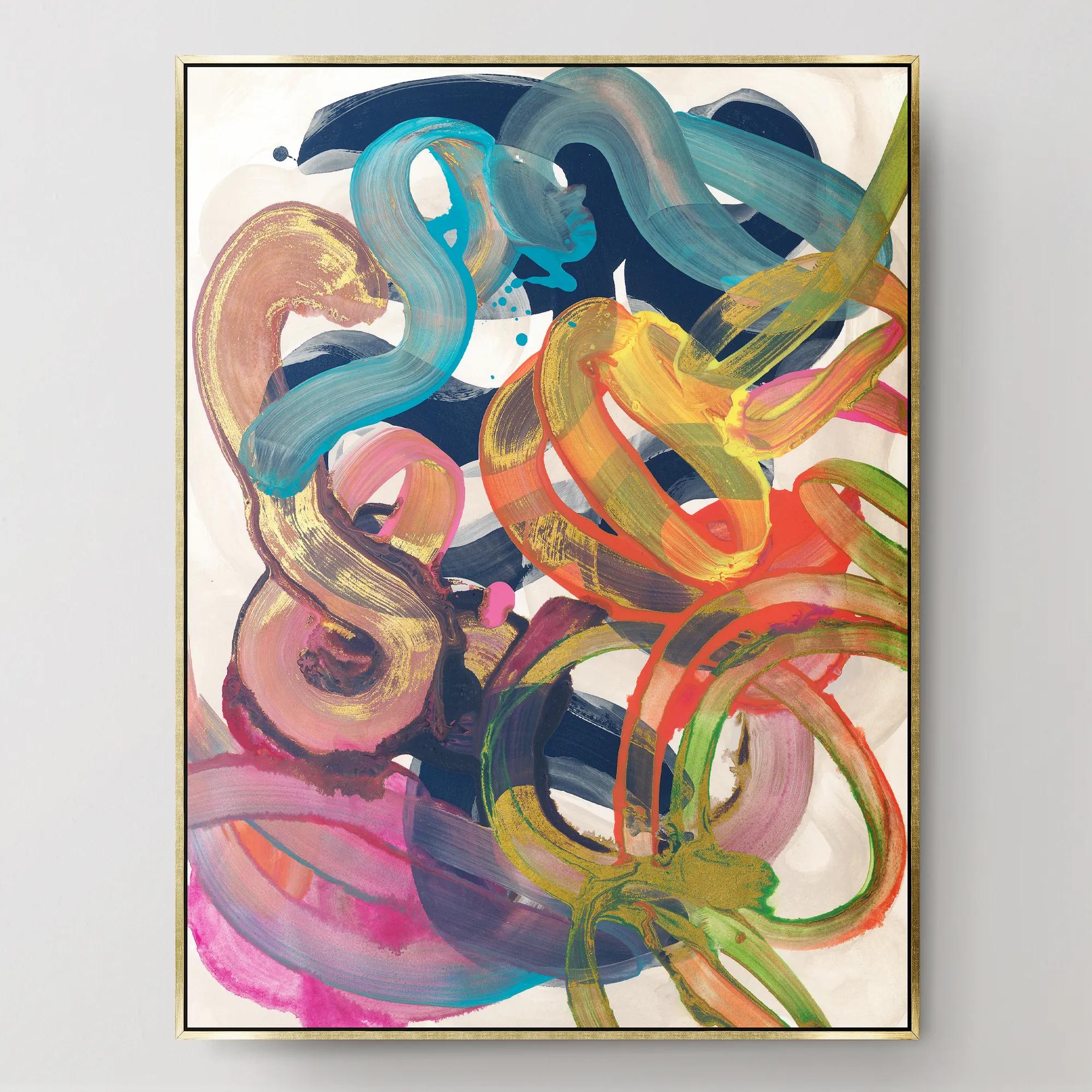
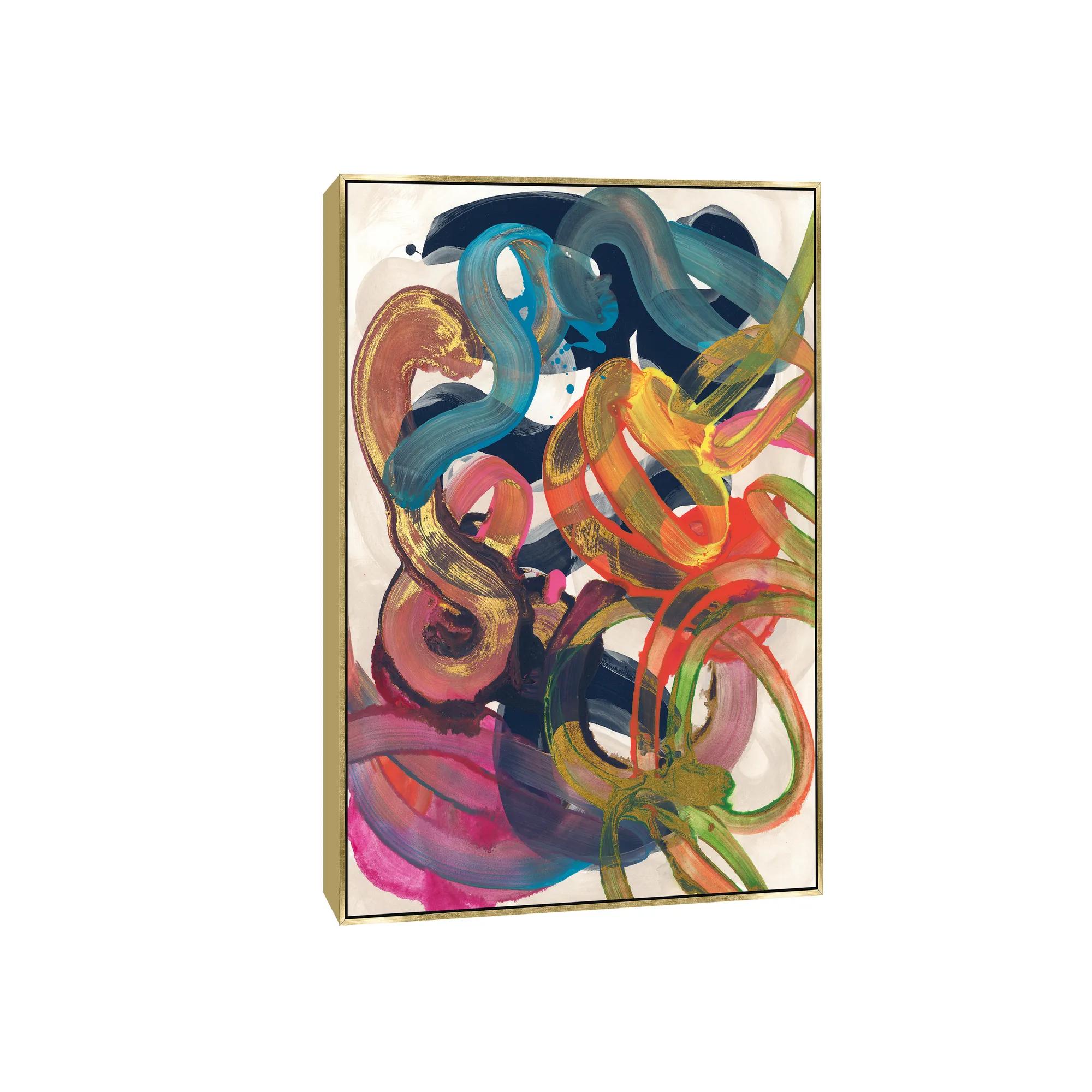 Illogical Conclusions Framed Wall Art 26" x 35"$499
A gallery-wrapped canvas artwork with a hand-applied gel finish, set in a gold float frame.
Add To Cart -
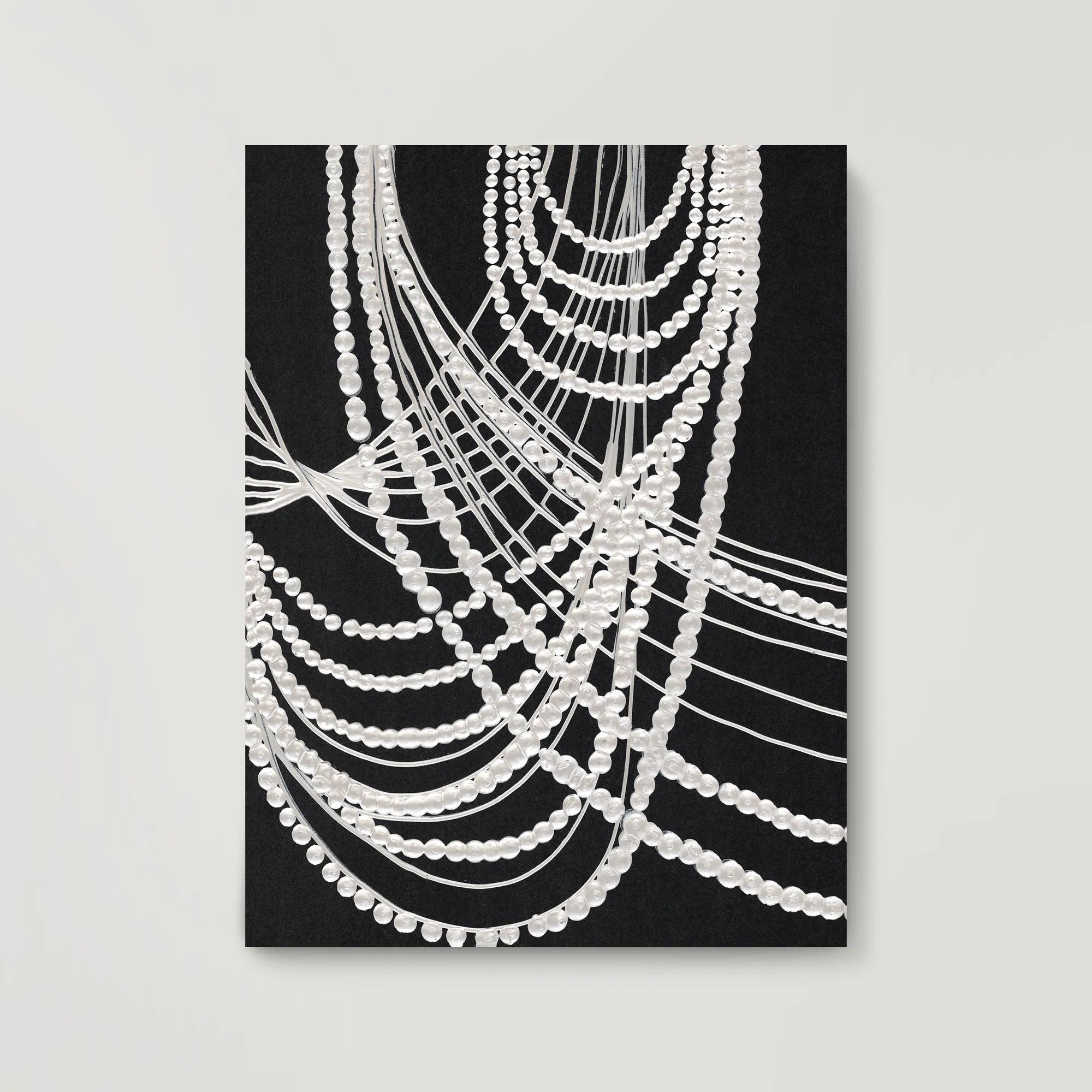 Dripping Pearls Painted Wall Art 36" x 48"$949
A striking hand-painted abstract artwork featuring layered acrylic and watercolor textures in a modern design.
Add To Cart -
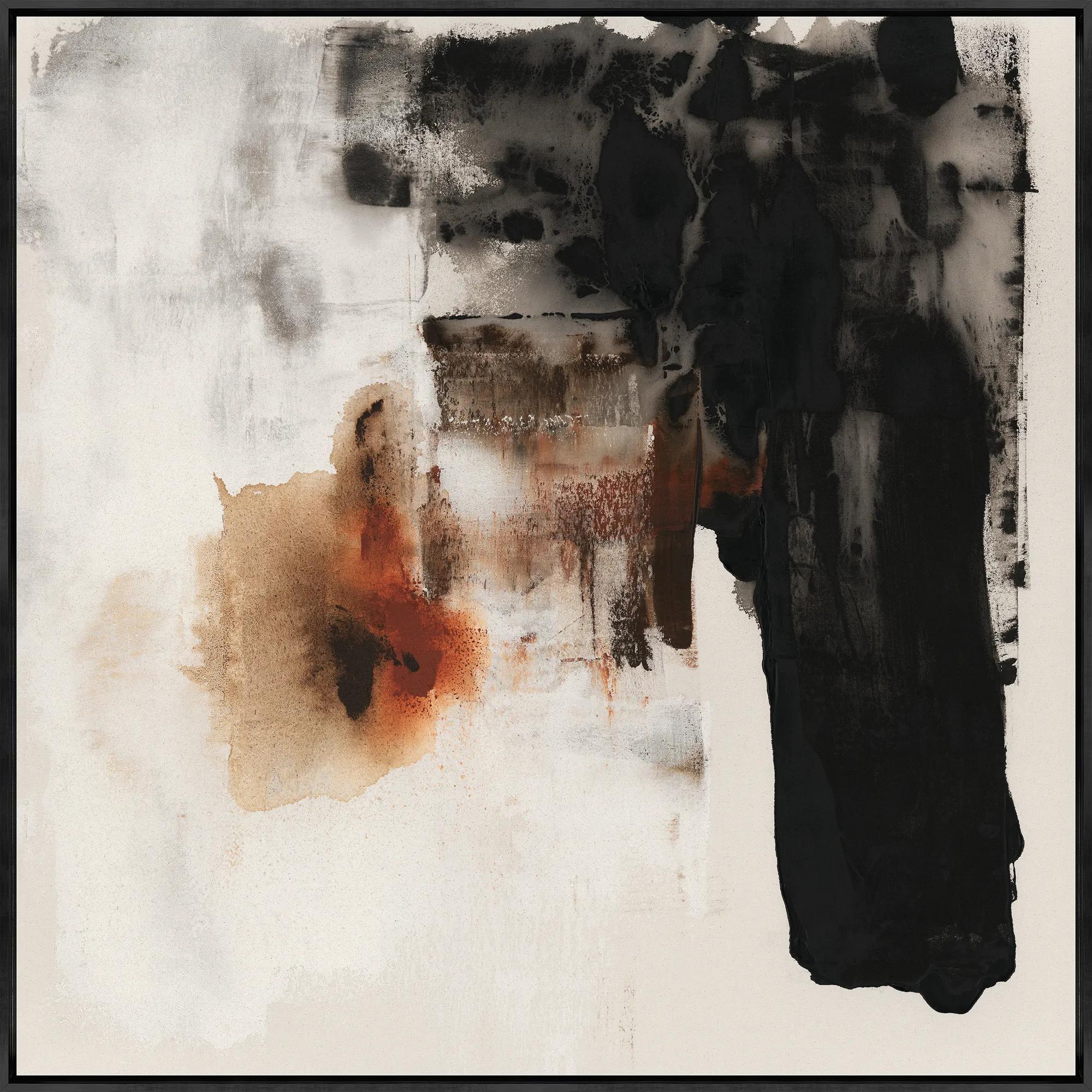
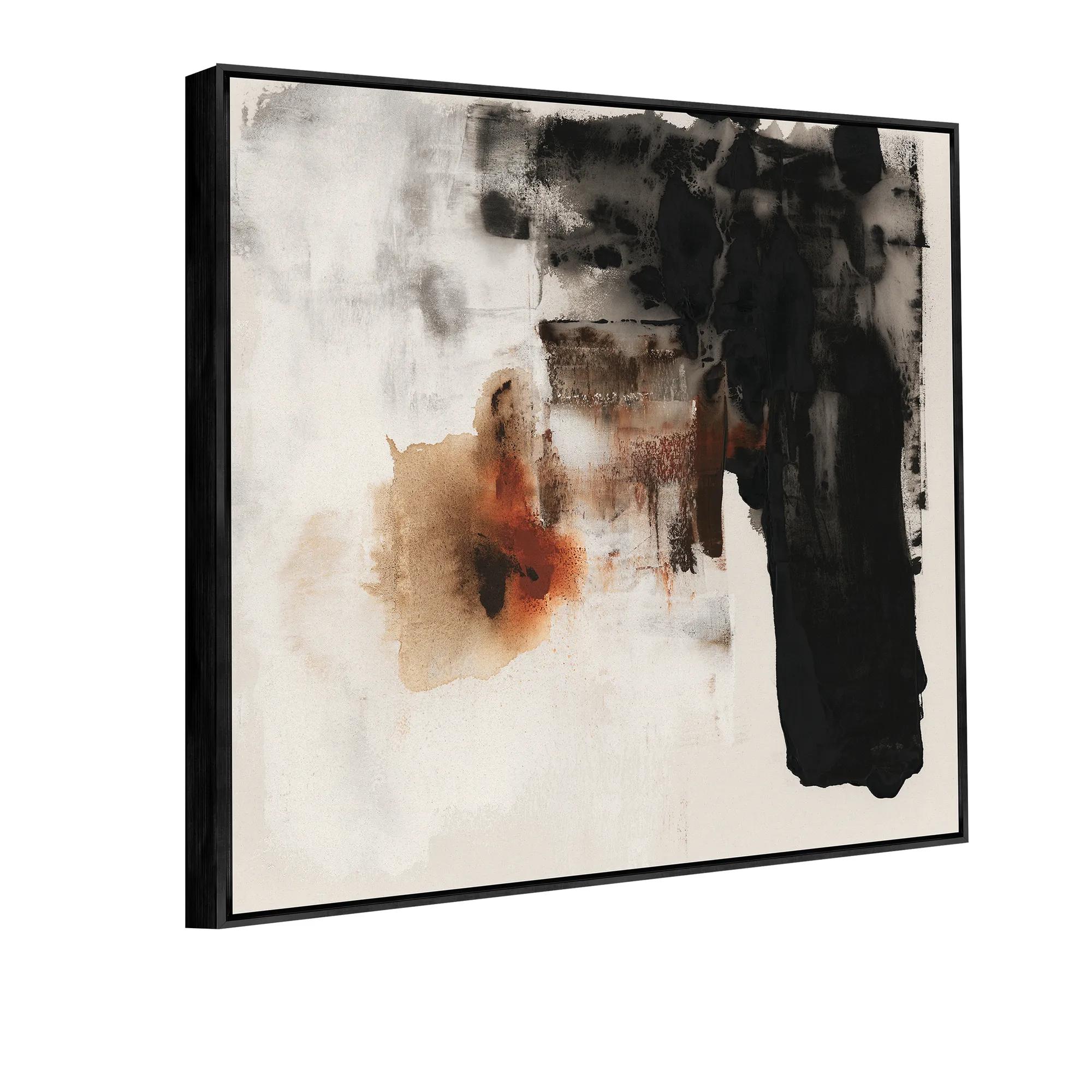 Burning for You II Framed Wall Art 40" x 40"$799
A gallery-wrapped canvas artwork with hand-applied brush gel, set in a sleek black floater frame.
Add To Cart -
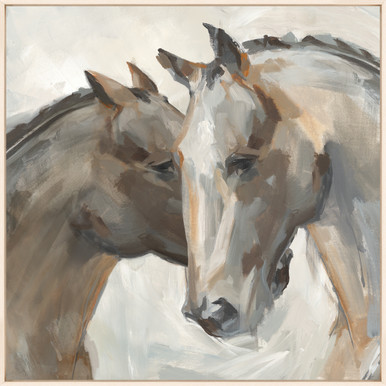
 Equine Duo Framed Wall Art 40" x 40"$699
A gallery-wrapped canvas featuring hand-applied brush gel and set in a natural floater frame.
Add To Cart -
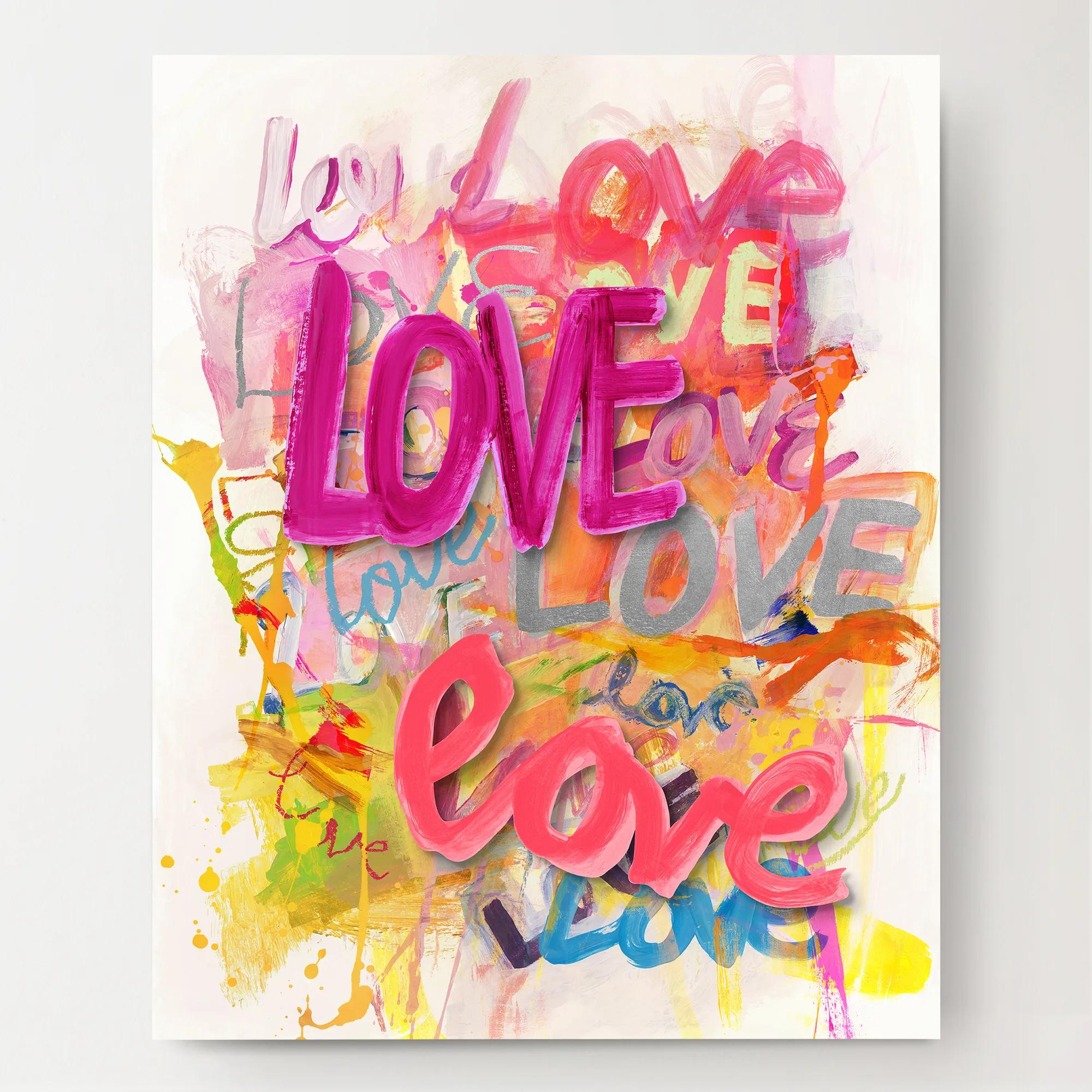
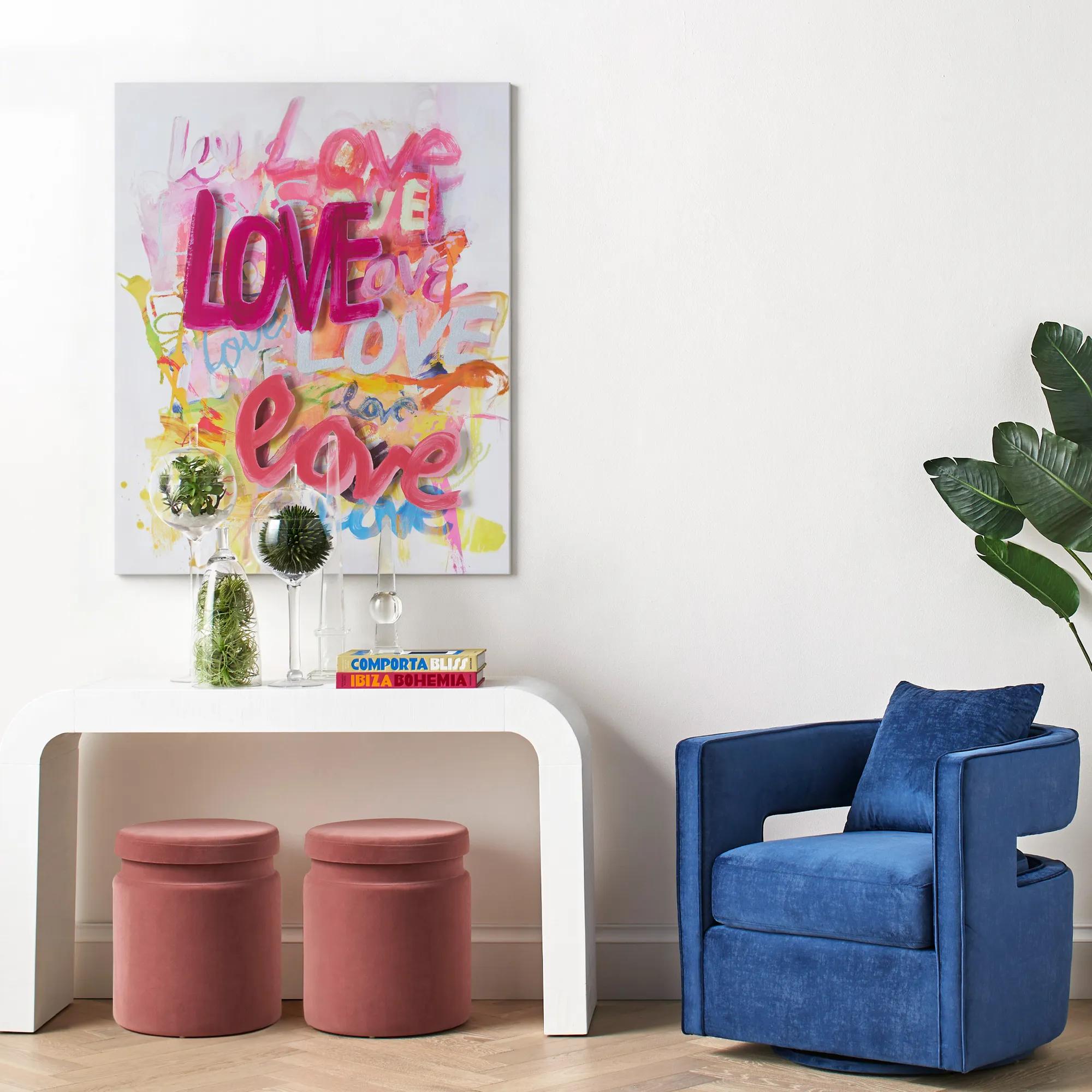 Love Is In The Air Wall Art 40" x 50"$1399
A vibrant giclee canvas print featuring hand-applied silver gilding and dimensional acrylic "Love" lettering.
Add To Cart -
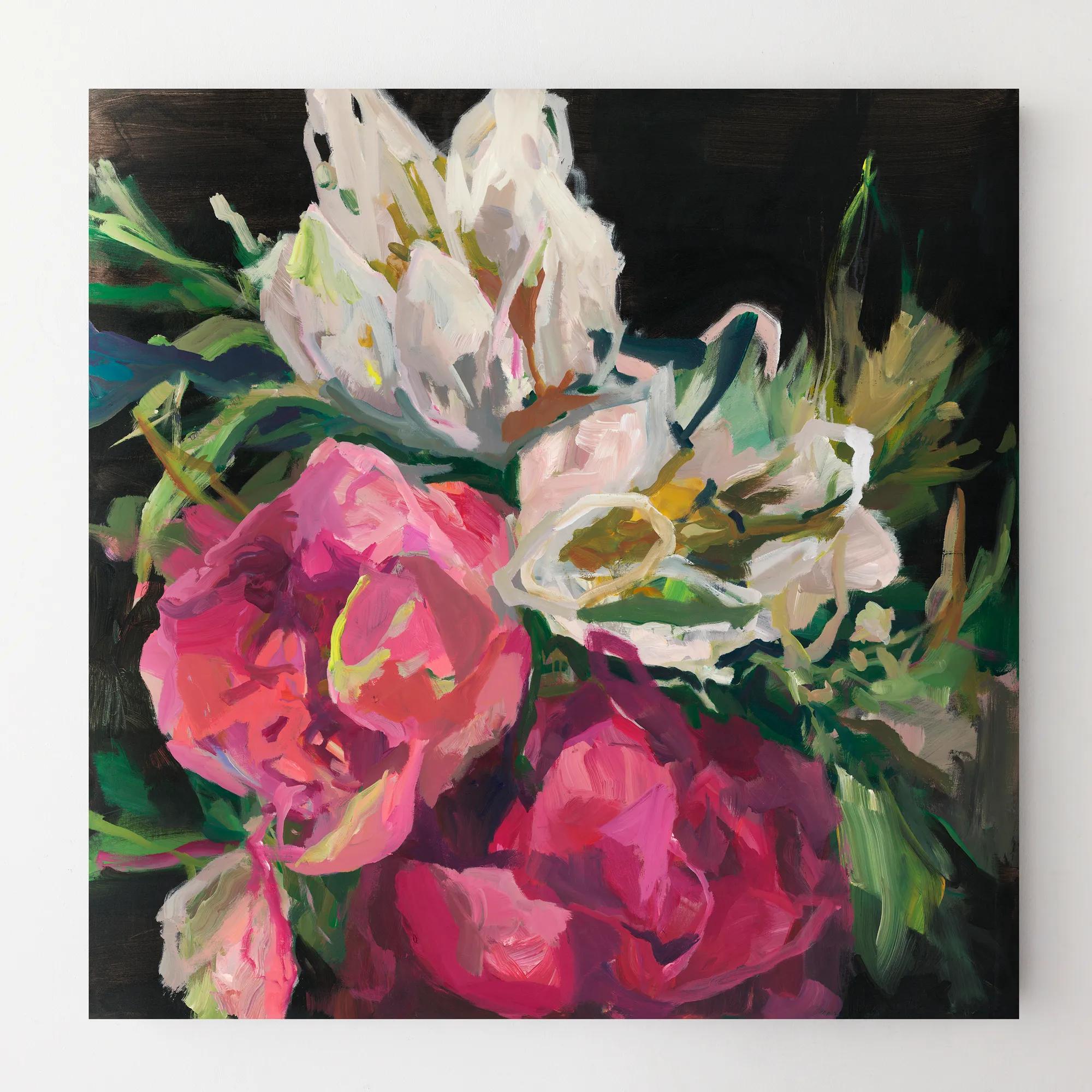
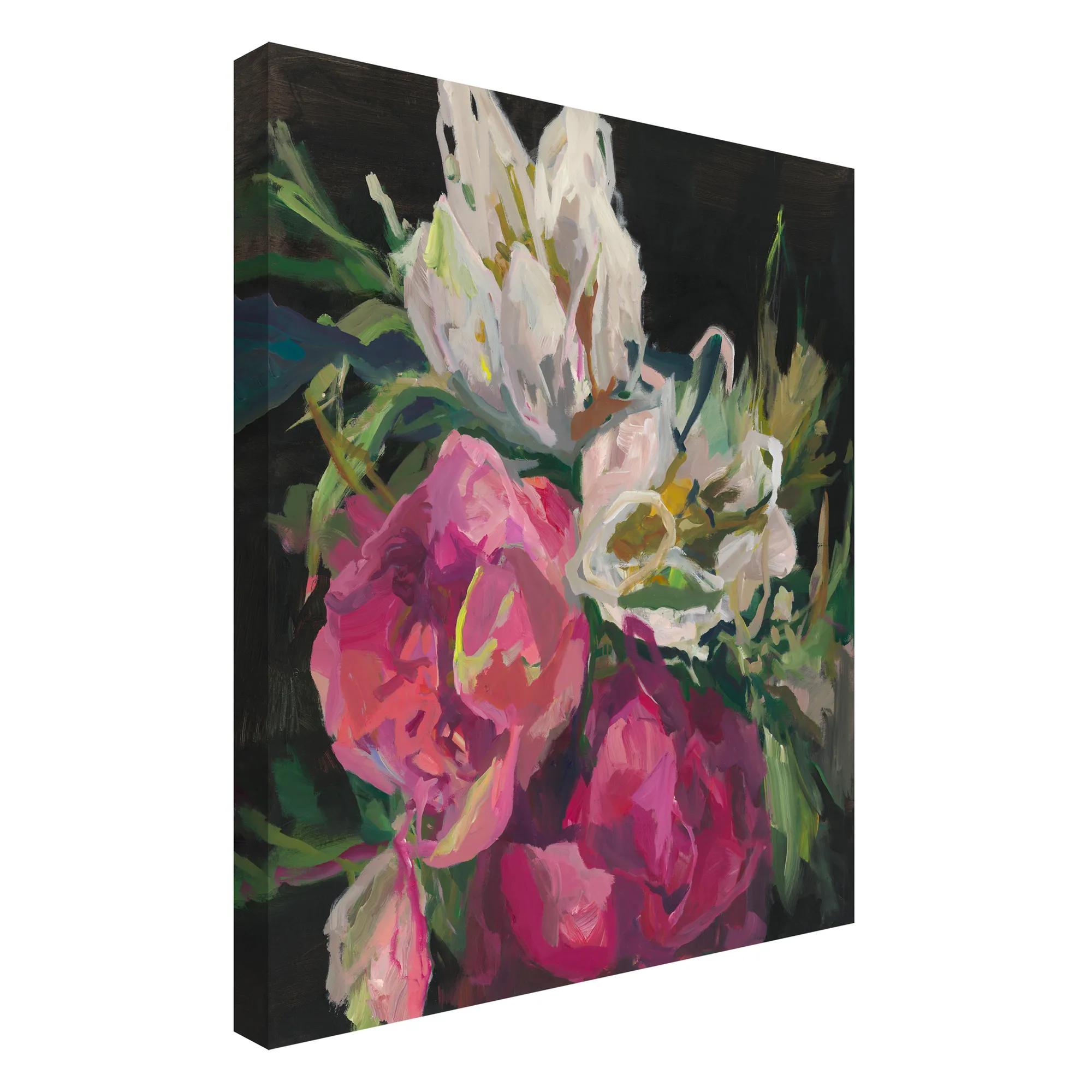 Wild At Heart Wall Art 30" x 30"$399
A gallery-wrapped canvas artwork featuring a hand-applied image brush gel finish for striking visual texture.
Add To Cart -
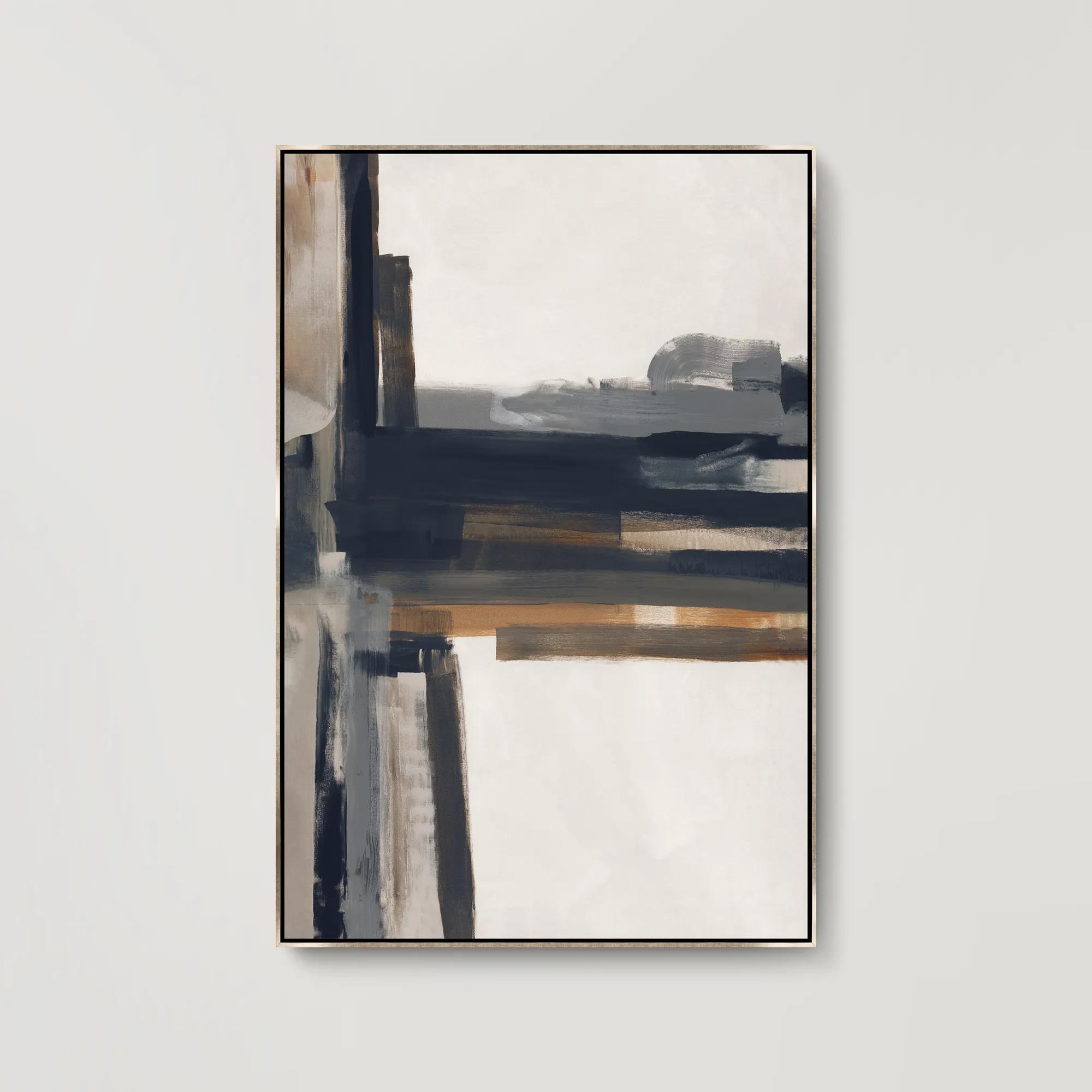
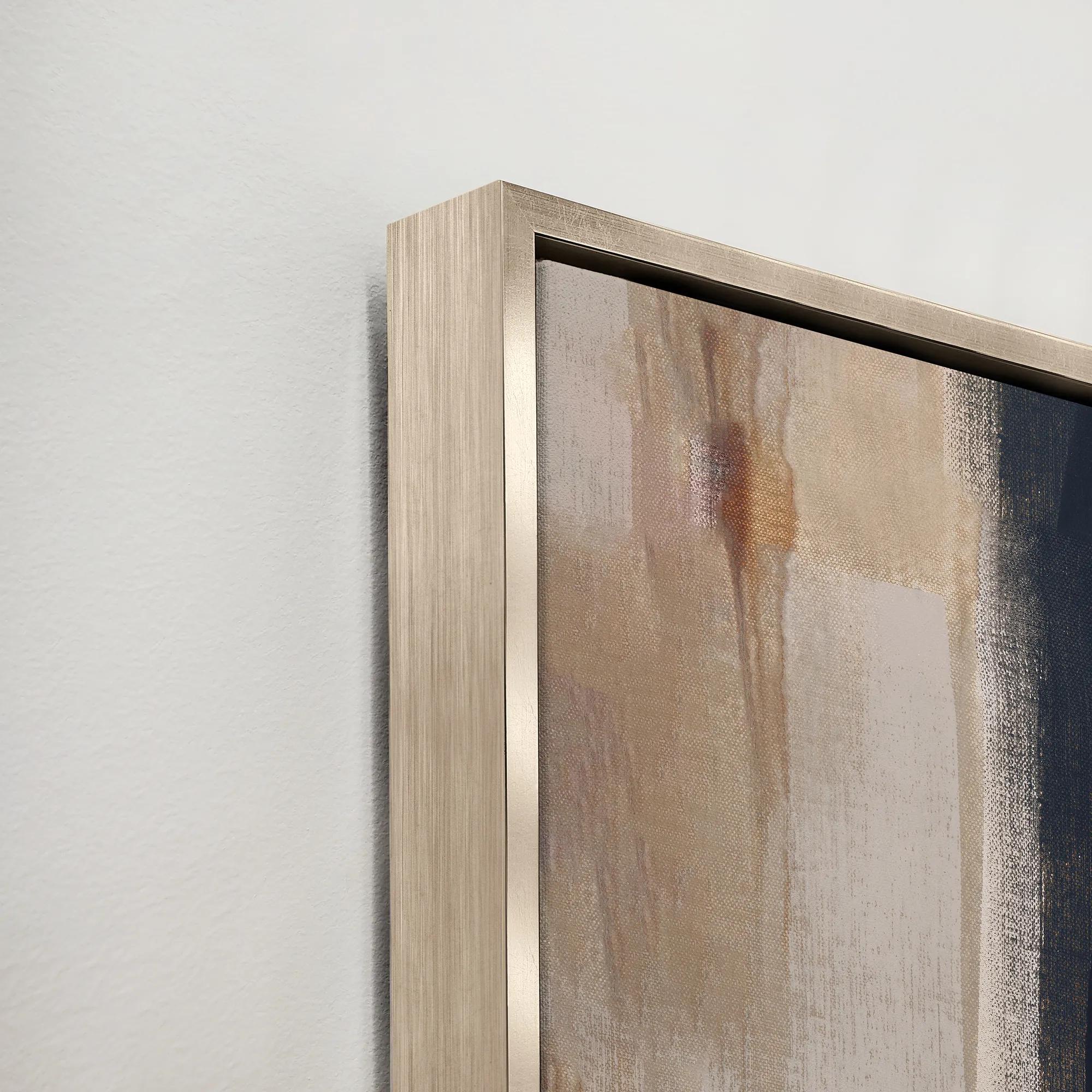 Imposing Construct I Framed Wall Art 41.5" x 61.5"$949
A gallery-wrapped abstract canvas featuring hand-applied brush gel and set in a sleek silver floater frame.
Add To Cart -
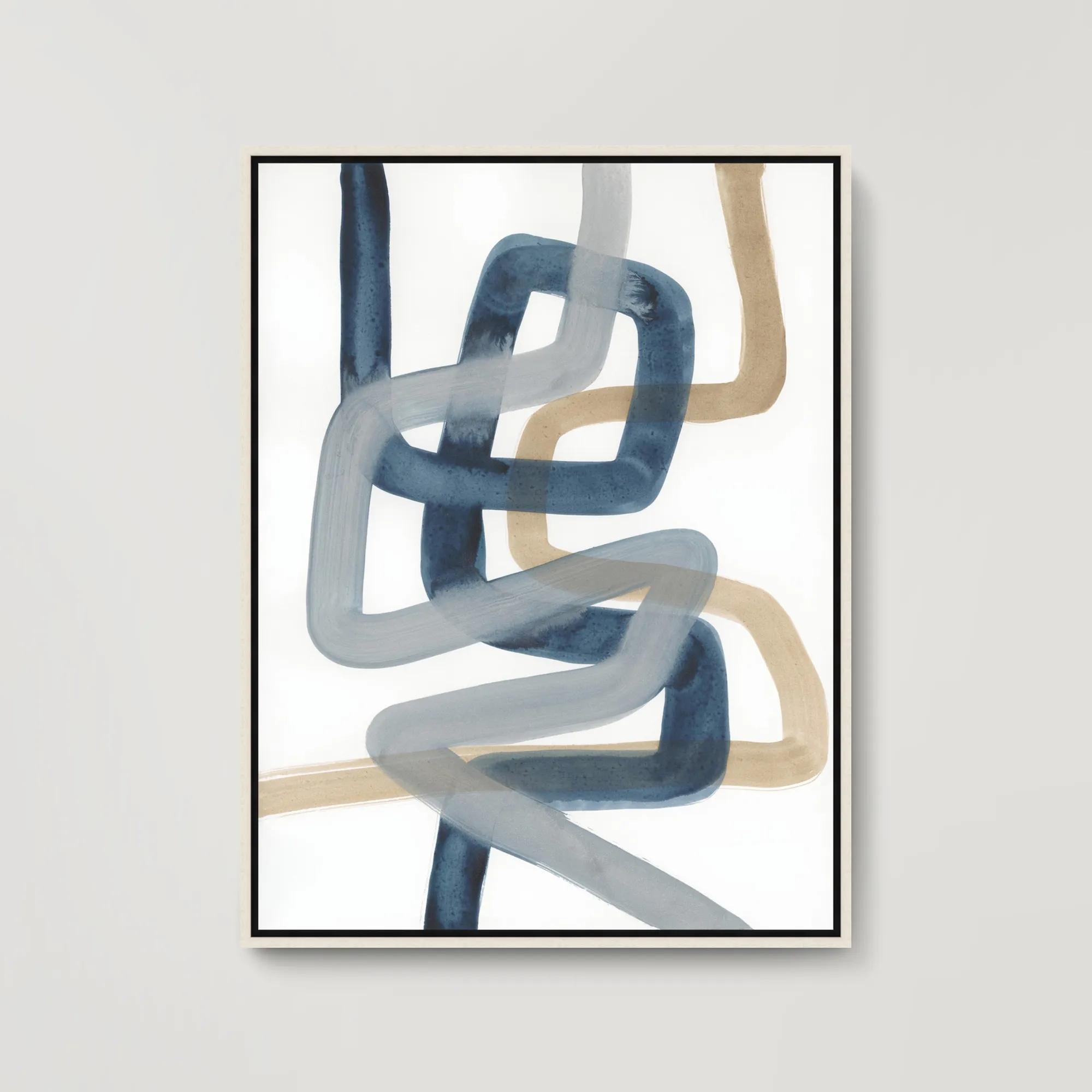 Looped In II Framed Wall Art 31.5" x 41.5"$699
A gallery-wrapped abstract canvas with hand-applied brush gel finish, set in a sleek white floater frame.
Add To Cart -
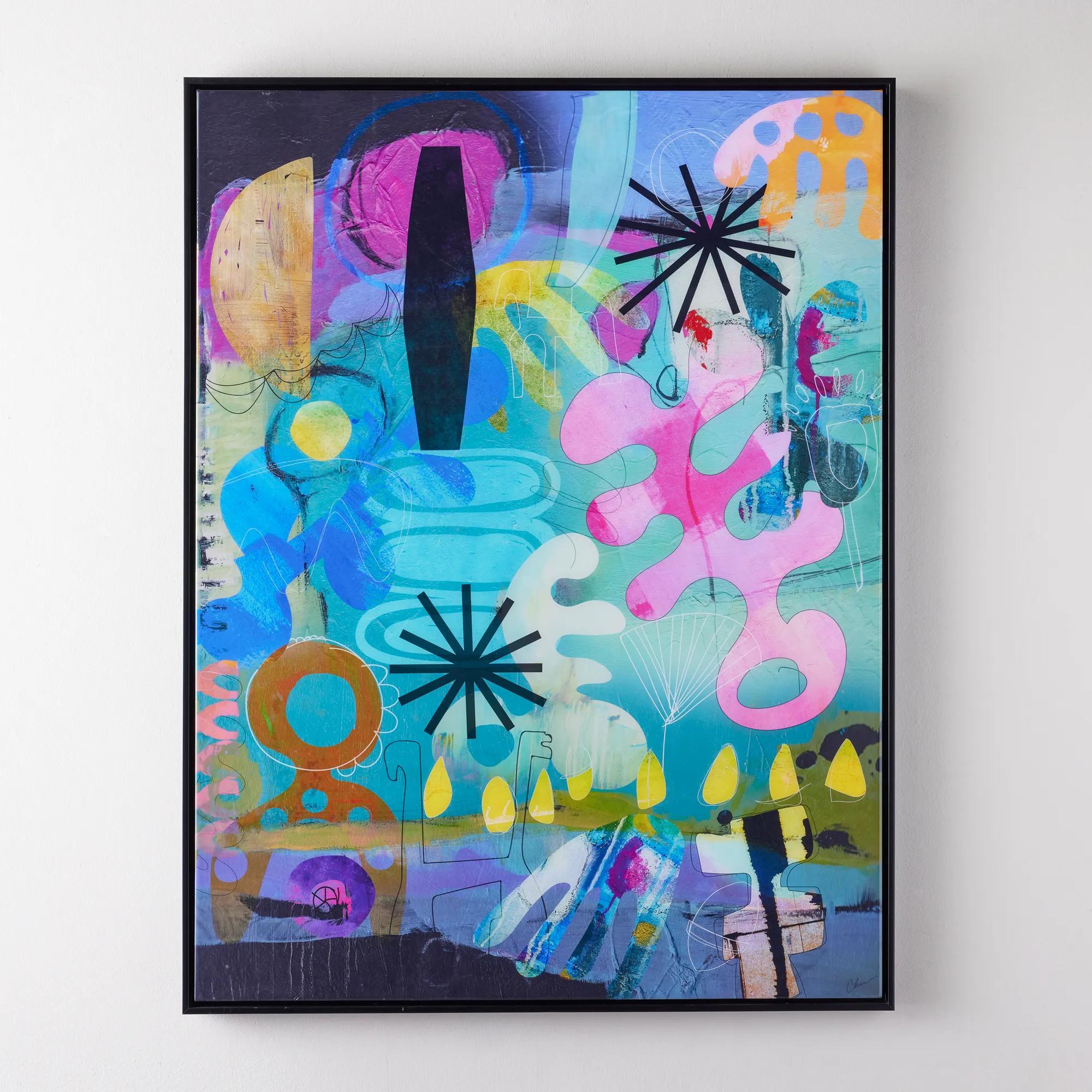
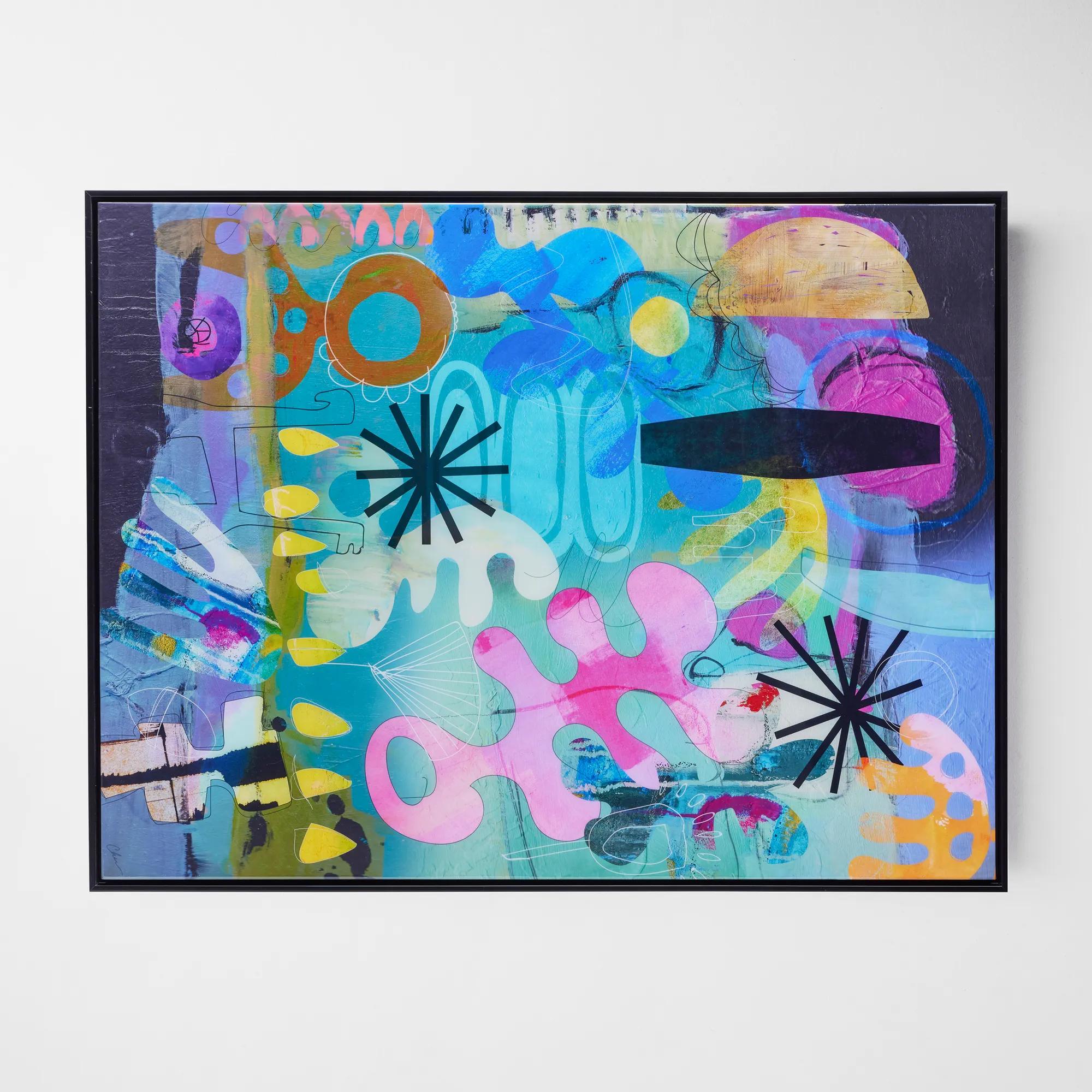 Nikki Chu Detailed Vision Framed Wall Art 54" x 41"$1099
A vibrant, high-gloss artwork with a black frame, designed to hang vertically or horizontally.
Add To Cart -
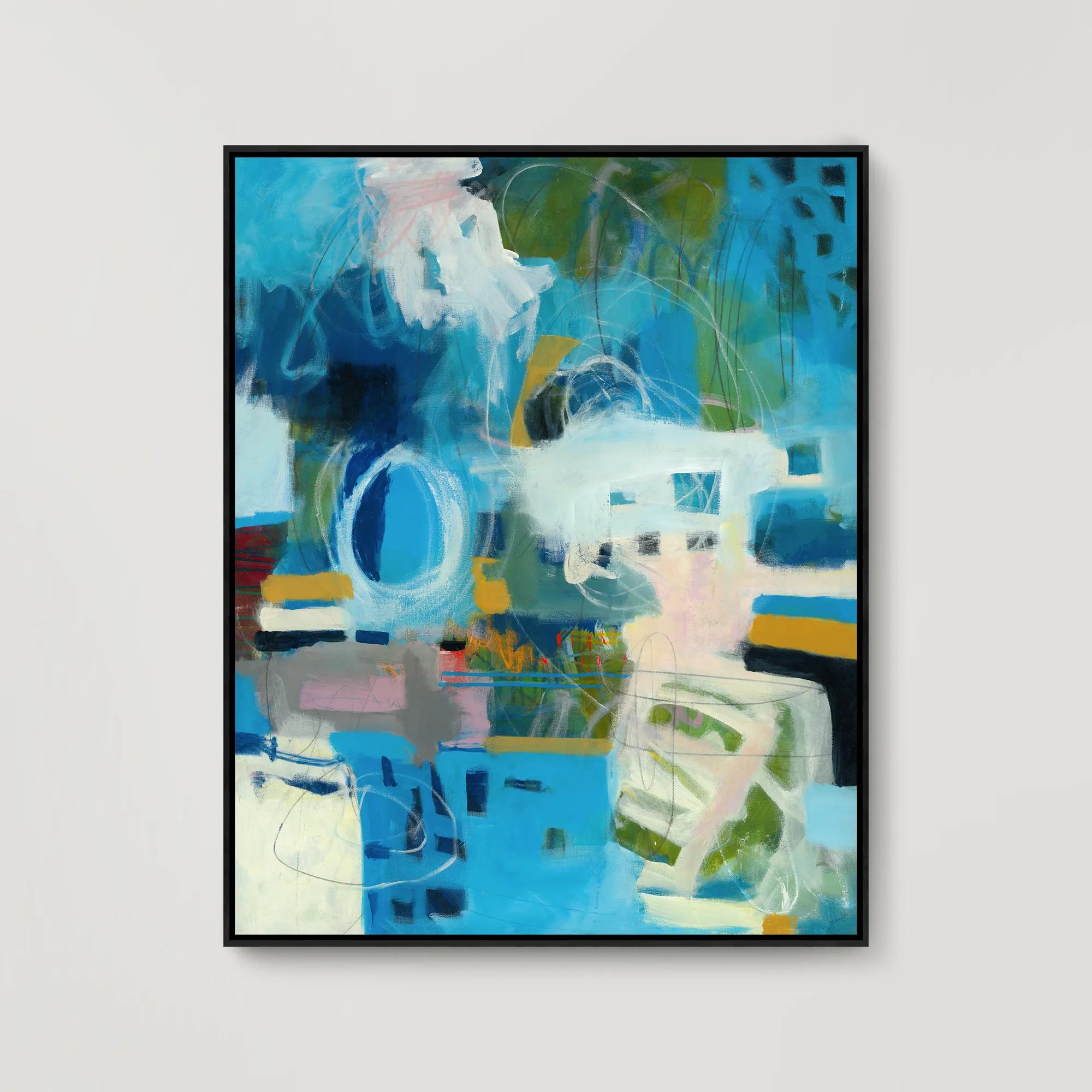
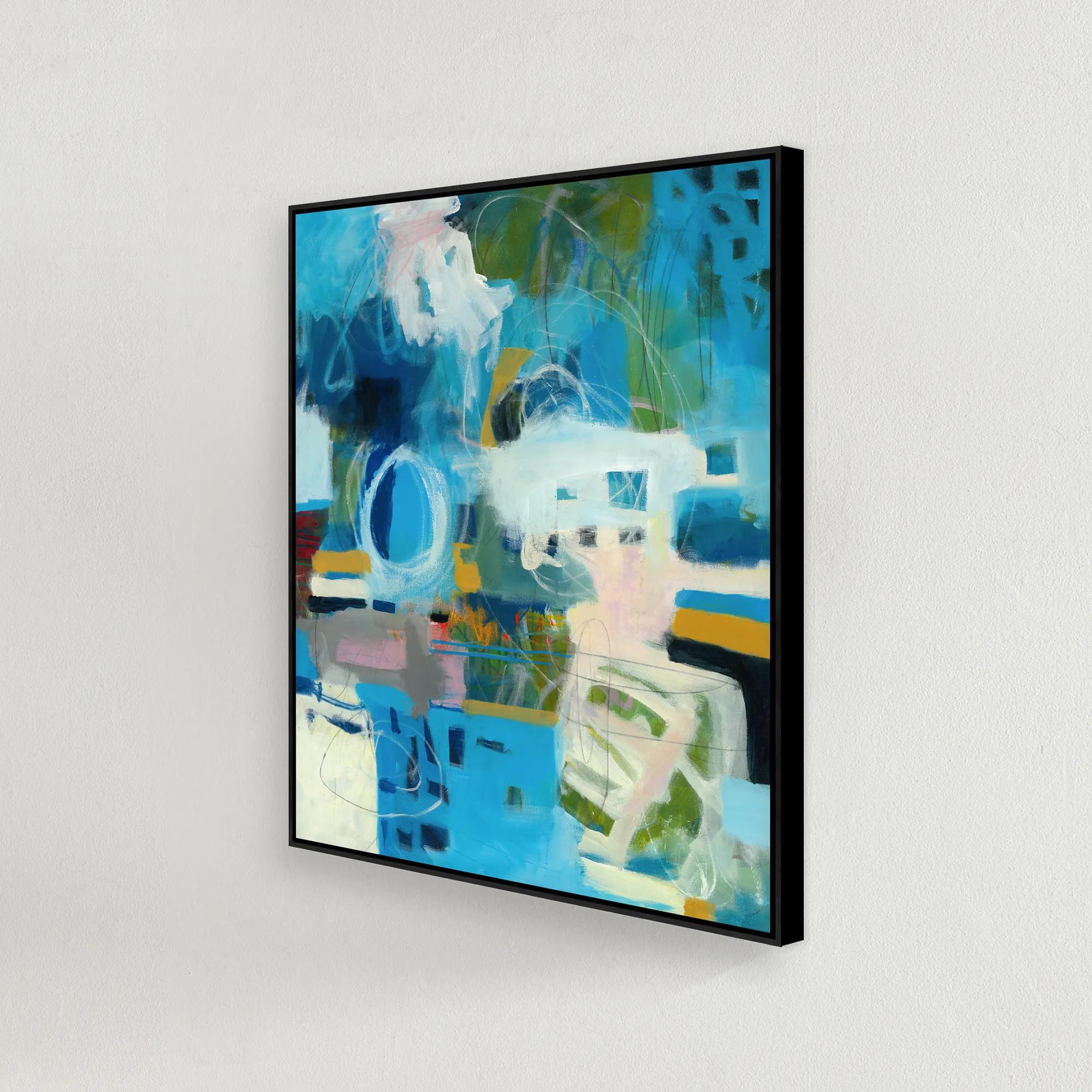 Just Across the Boarder Framed Wall Art 37.5" x 46.5"$749
A gallery-wrapped canvas artwork with hand-applied gel finish, set in a sleek black floater frame.
Add To Cart -
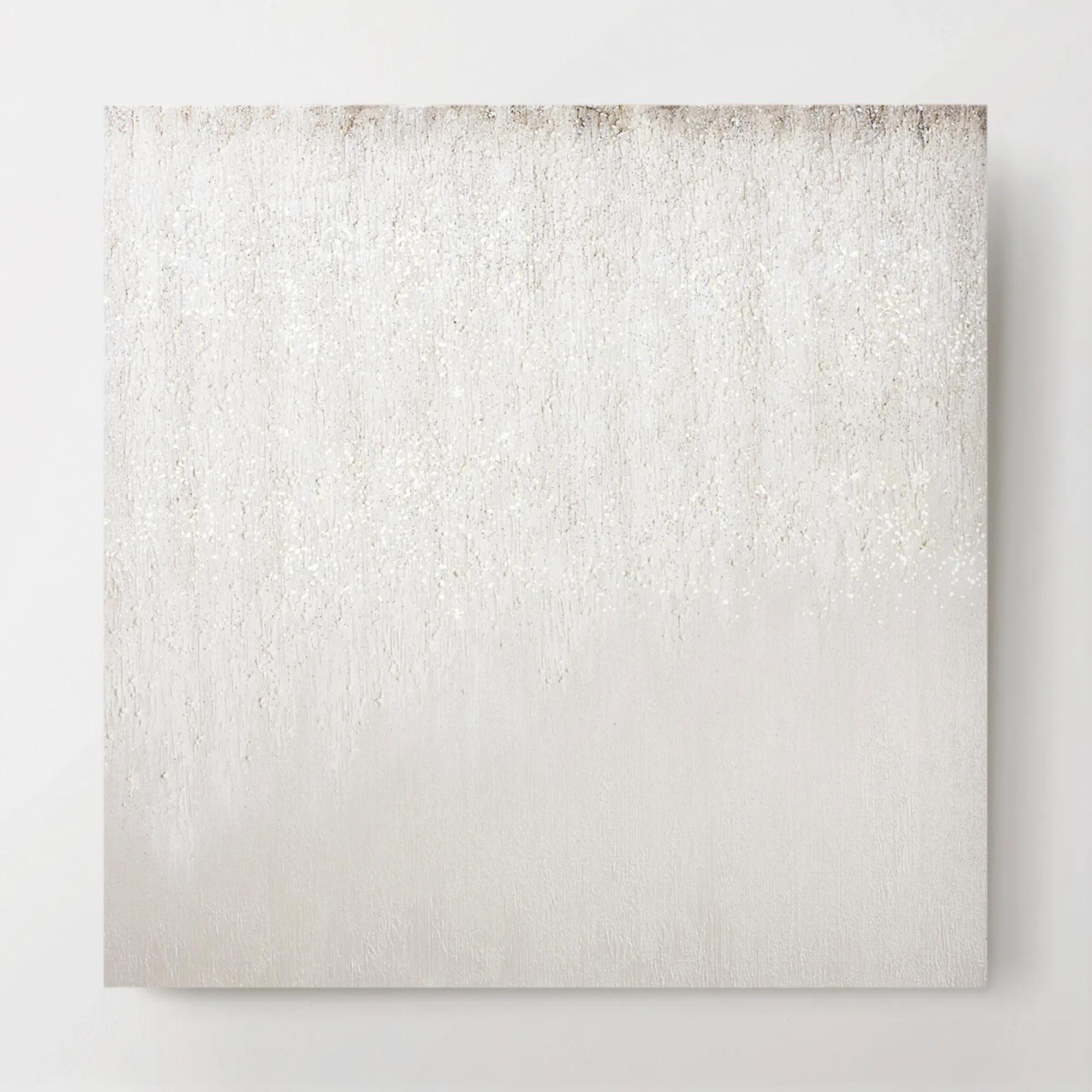 Je T'aime Glitter Painted Wall Art 30" x 30"$499
A hand-painted canvas artwork featuring ethereal hazy brushstrokes and subtle glitter embellishments.
Add To Cart -
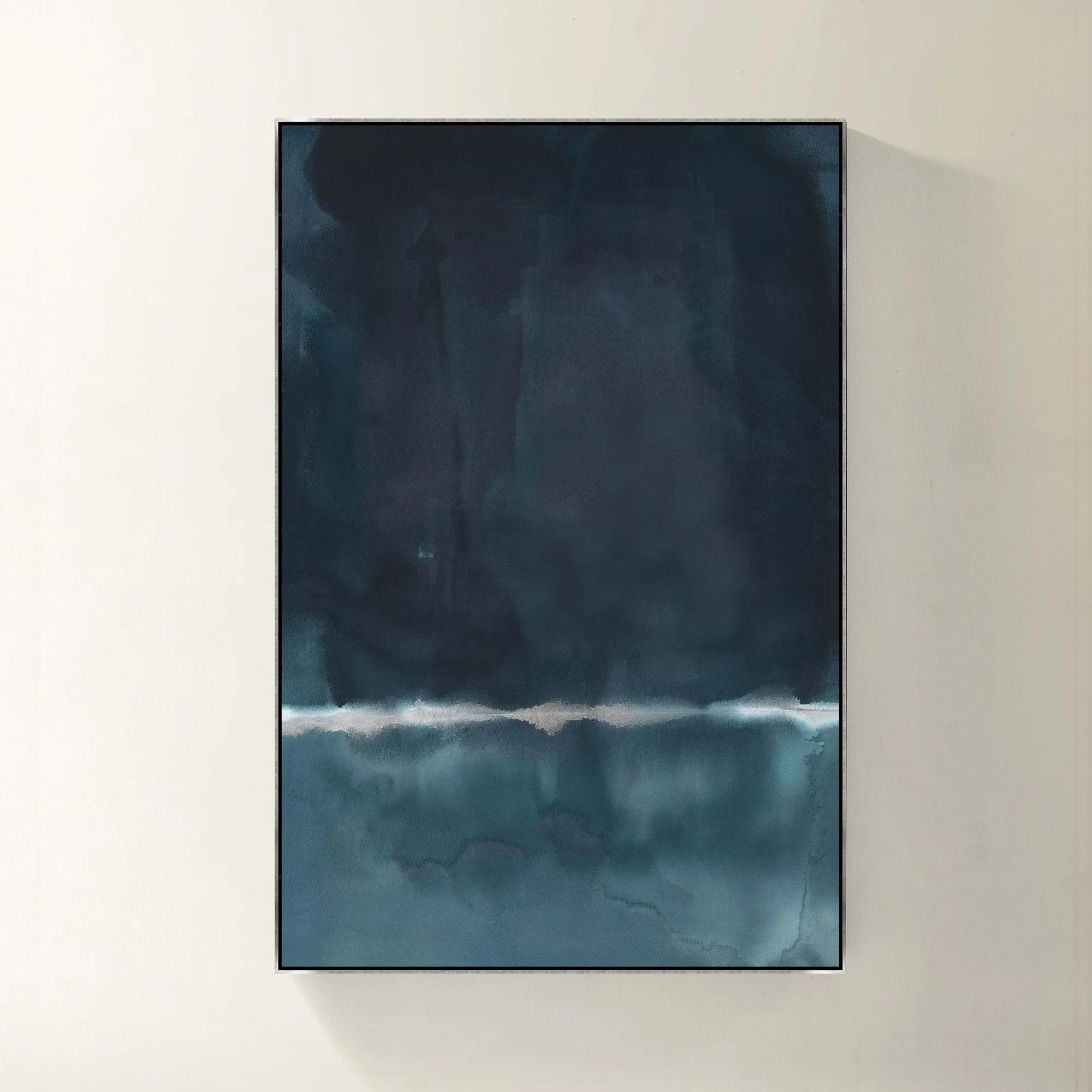 Blue Monday Framed Wall Art 40" x 60"$1119
A gallery-wrapped blue canvas with hand-embellished silver accents in a sleek silver floater frame.
Add To Cart -
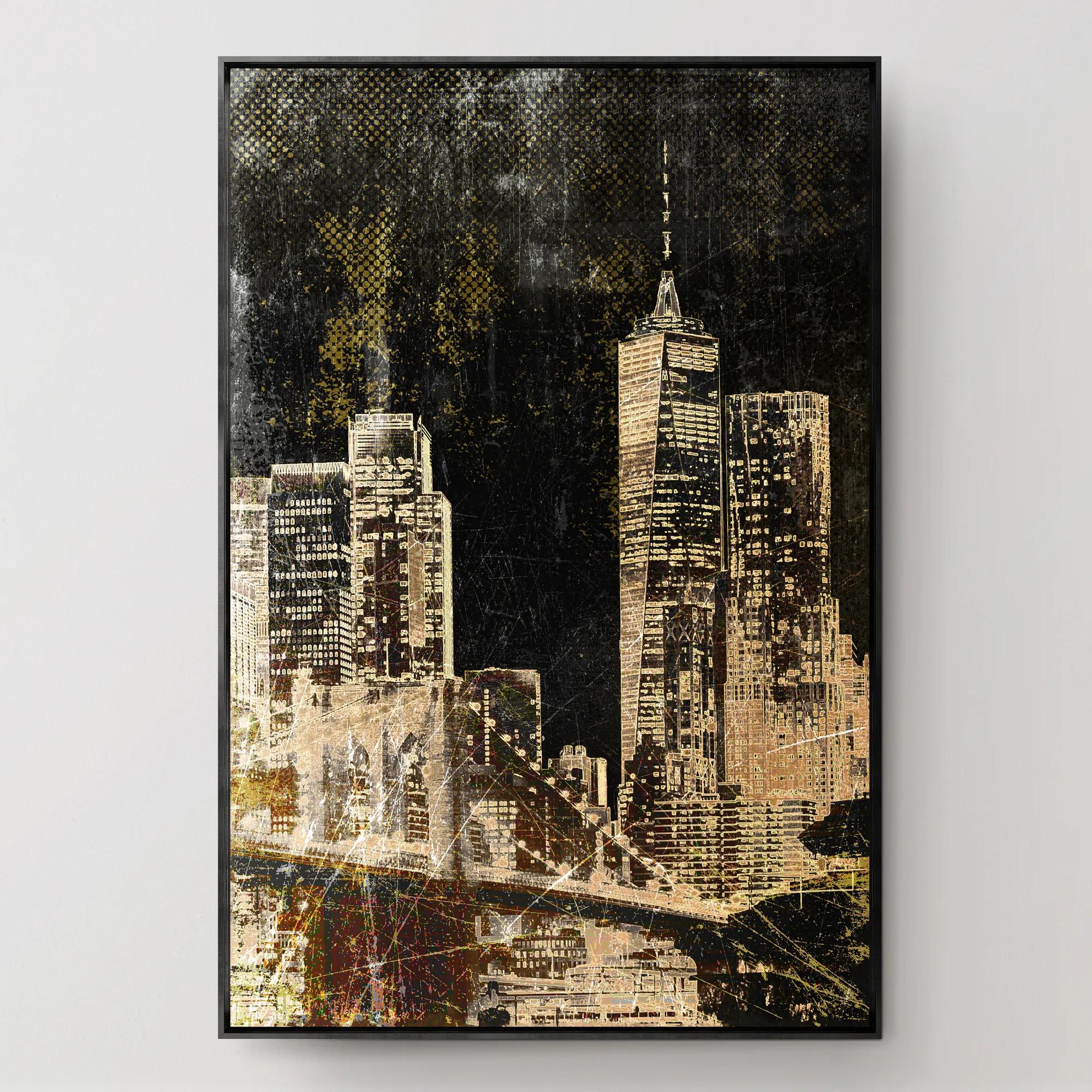
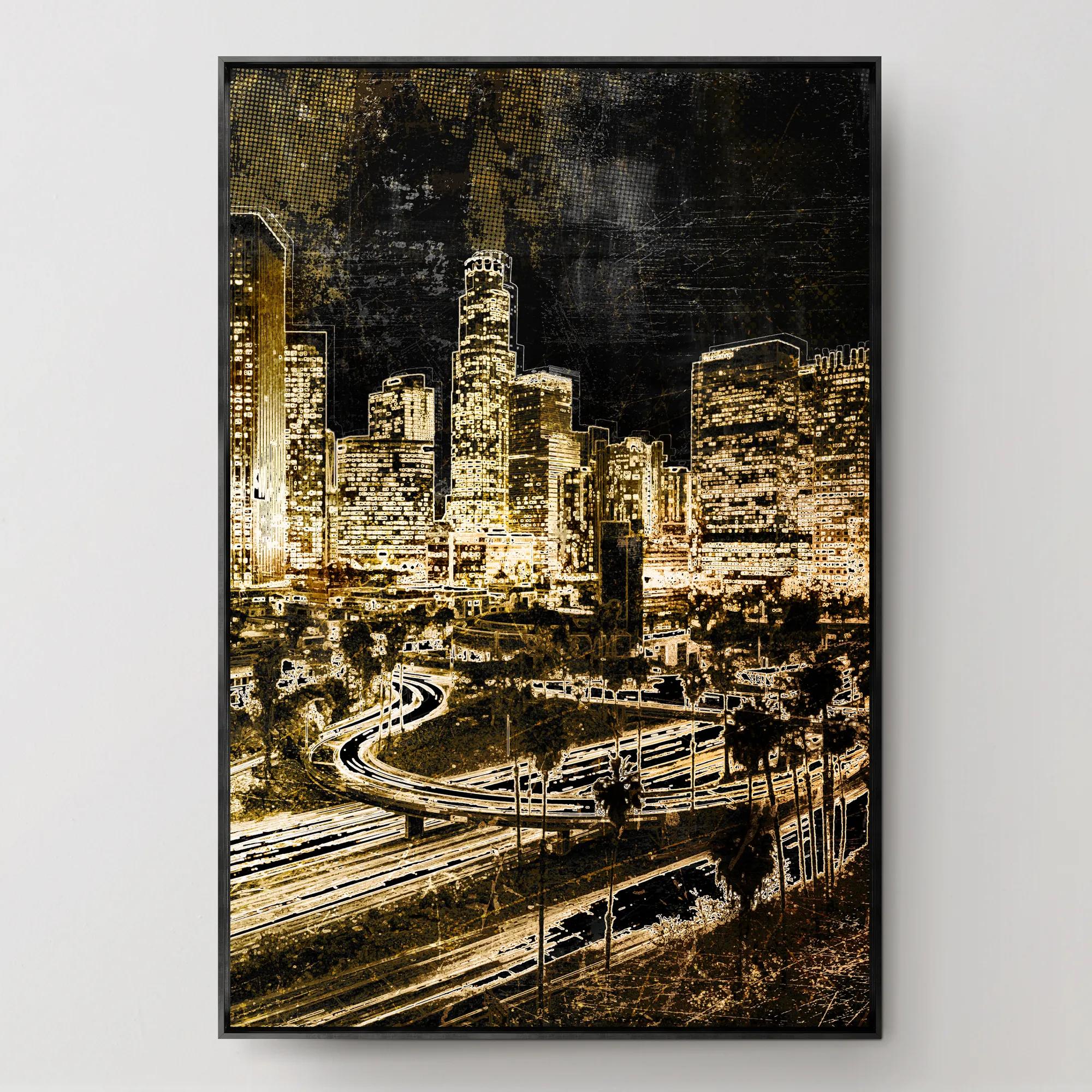 LA Lights Framed Wall Art 30" x 45"$649
A gallery-wrapped canvas artwork featuring a hand-applied brush gel finish in a sleek black floater frame.
Add To Cart -
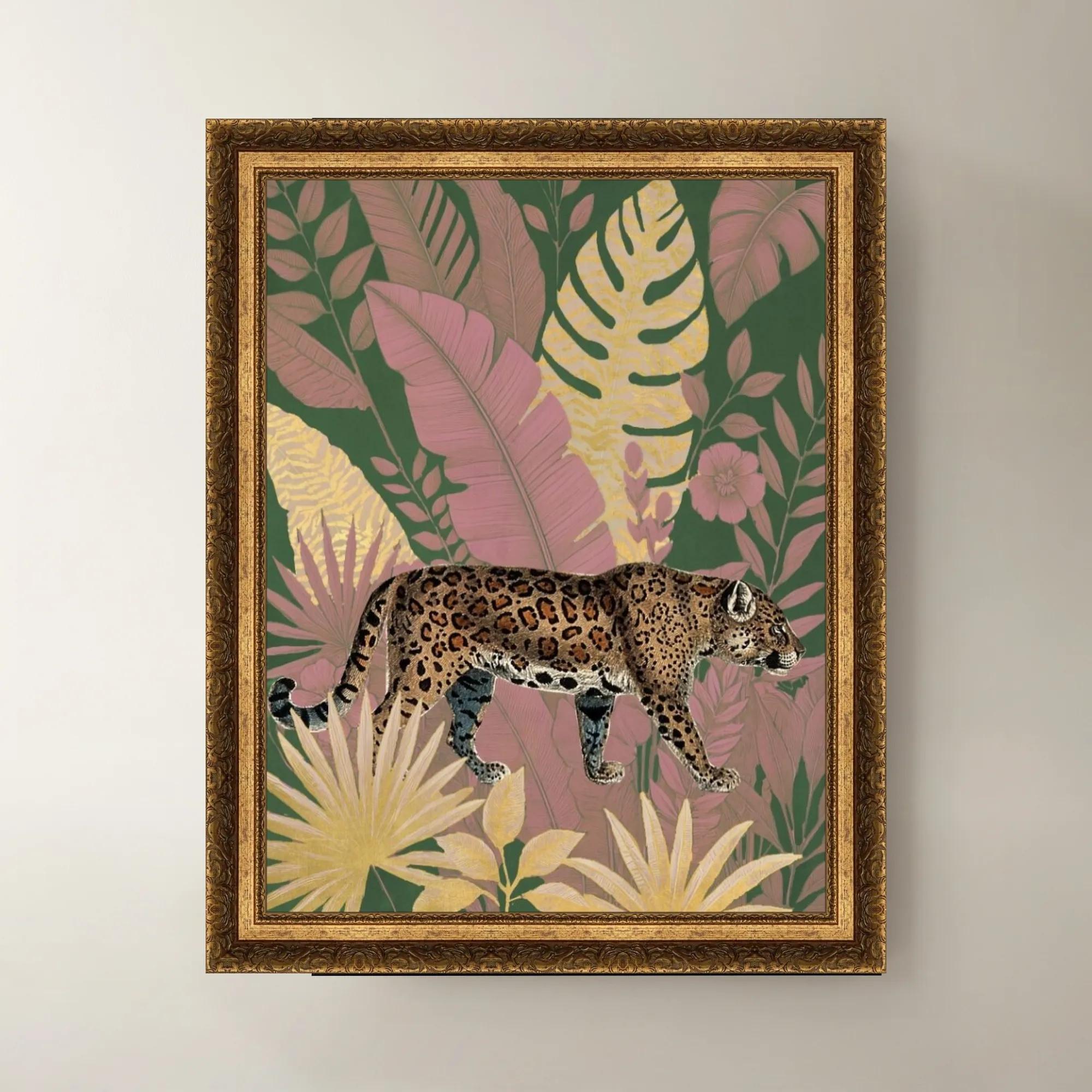
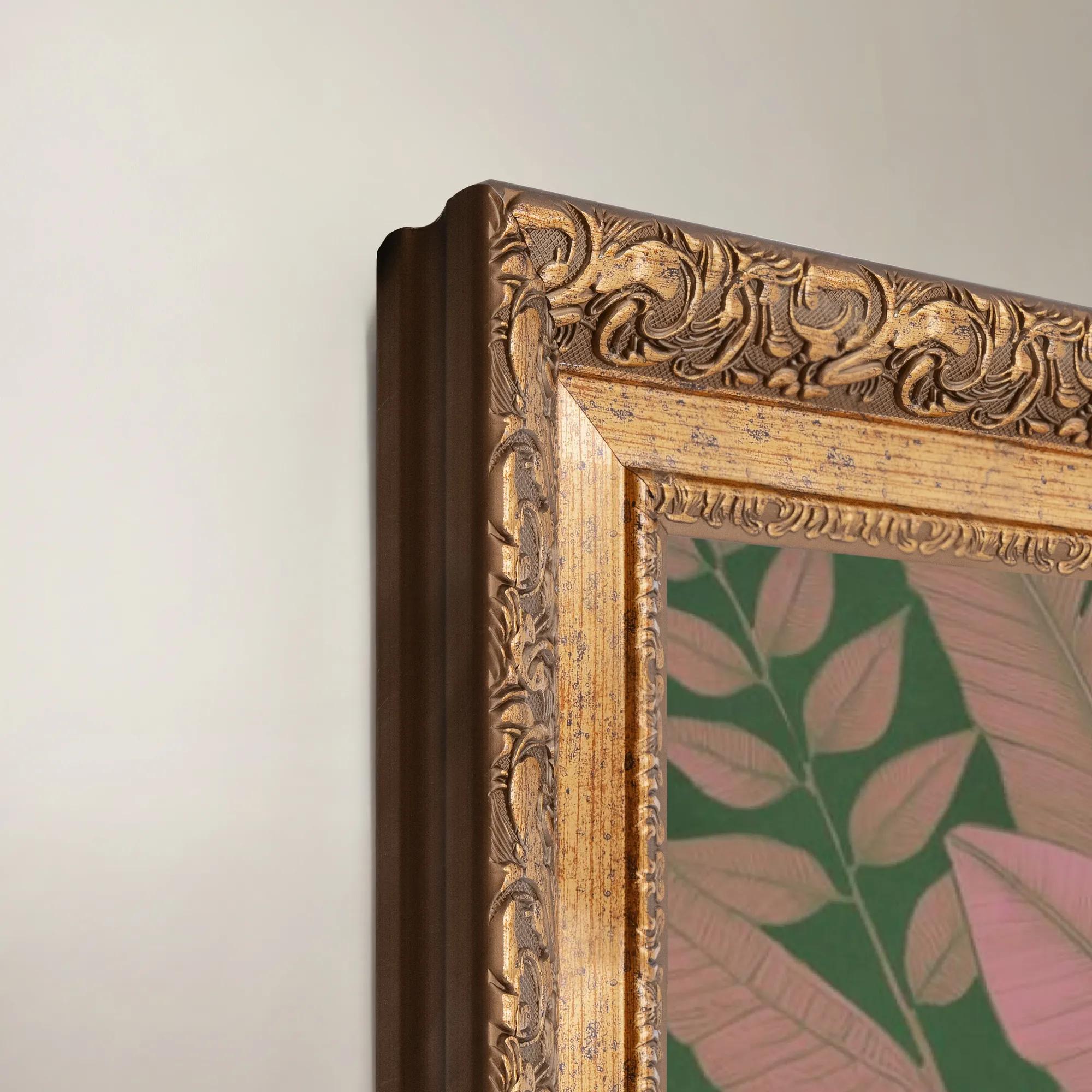 Floral Jungle I Framed Wall Art 30" x 40"$799
A gold-framed linen canvas artwork featuring vibrant pink and gold tones for a striking modern accent.
Add To Cart -
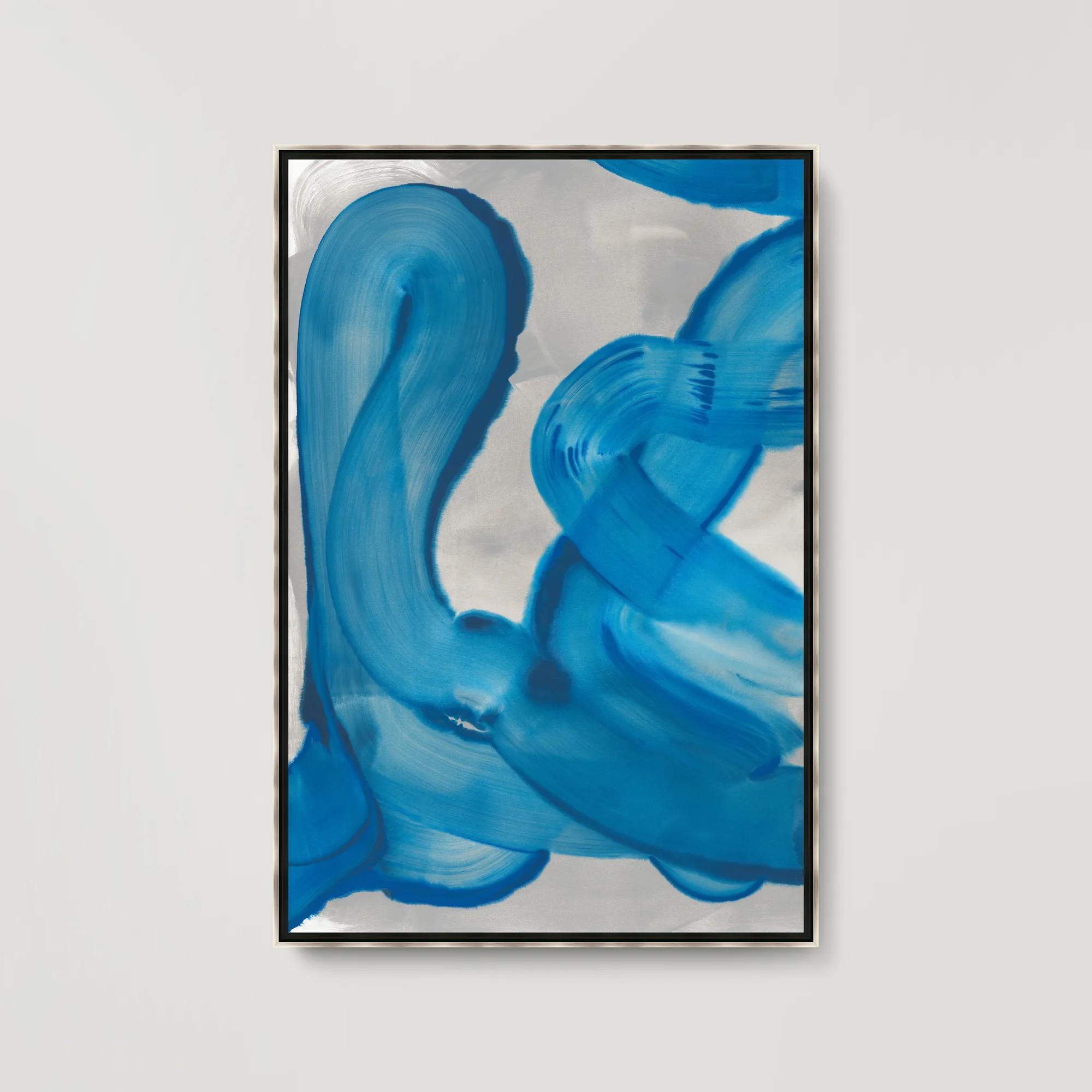 Royal Waves I Framed Wall Art 31.5" x 46.5"$699
A gallery-wrapped abstract canvas featuring hand-applied brush gel and set in a sleek silver floater frame.
Add To Cart -
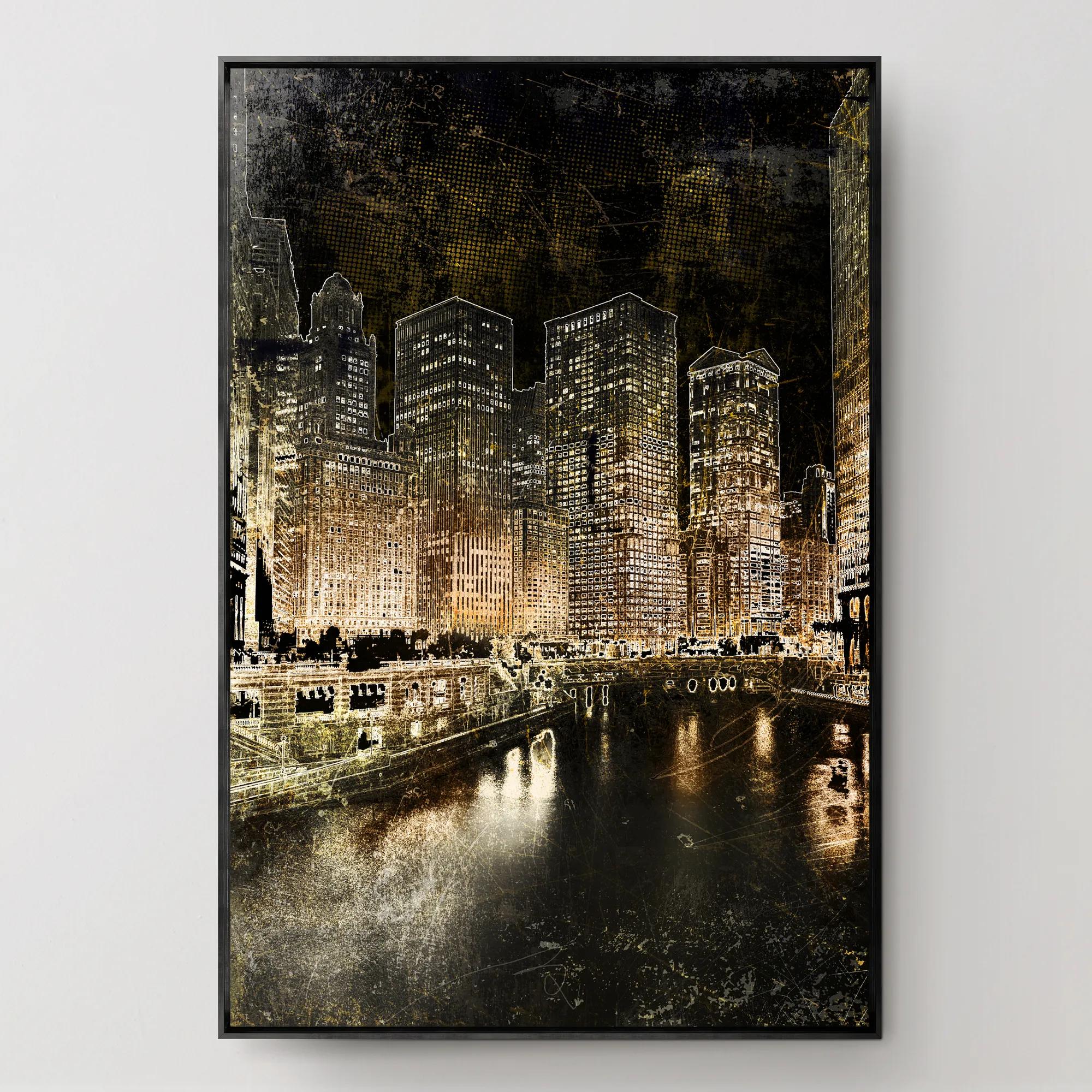
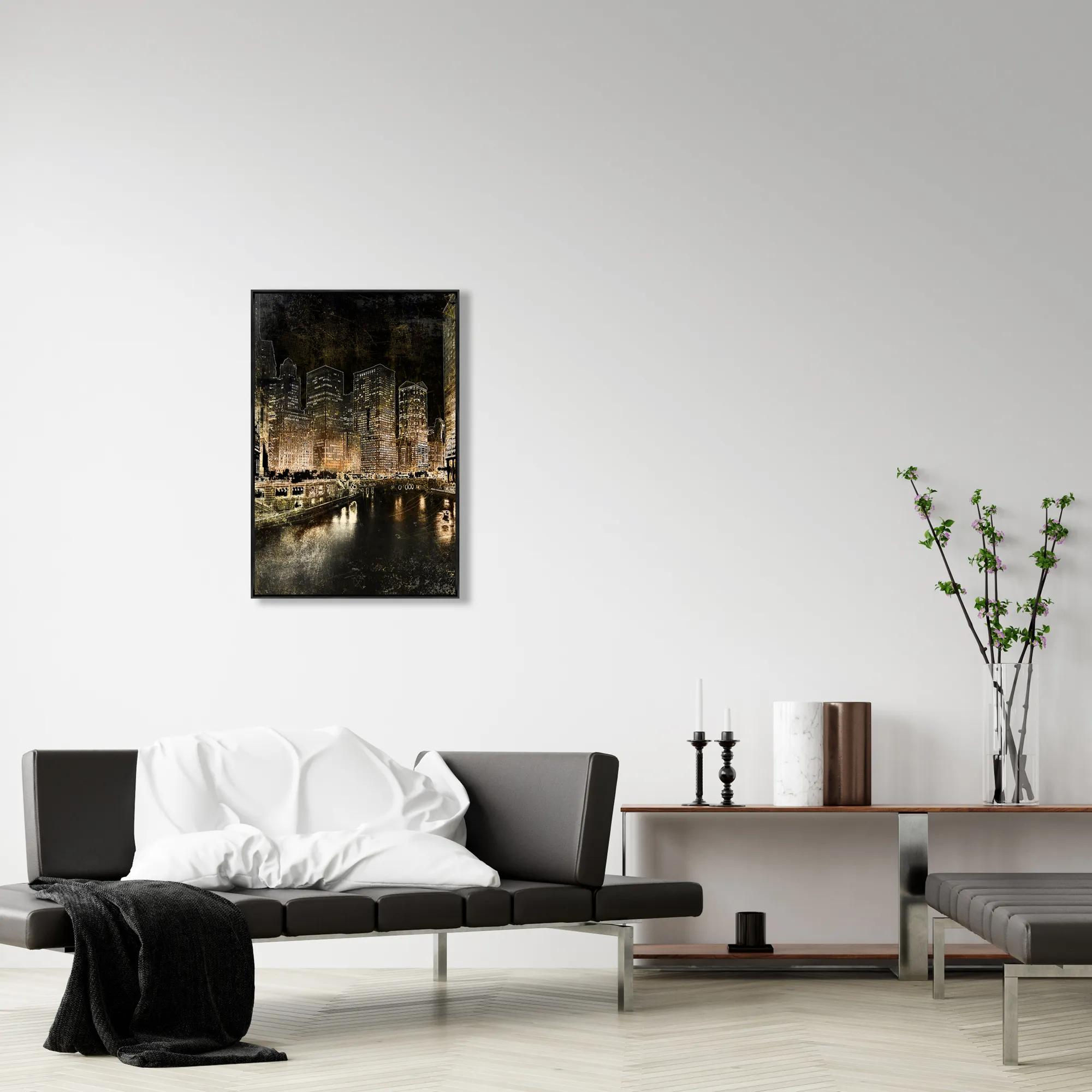 Chicago Lights Framed Wall Art 30" x 45"$649
A gallery-wrapped canvas artwork featuring a hand-applied gel finish in a sleek black floater frame.
Add To Cart -
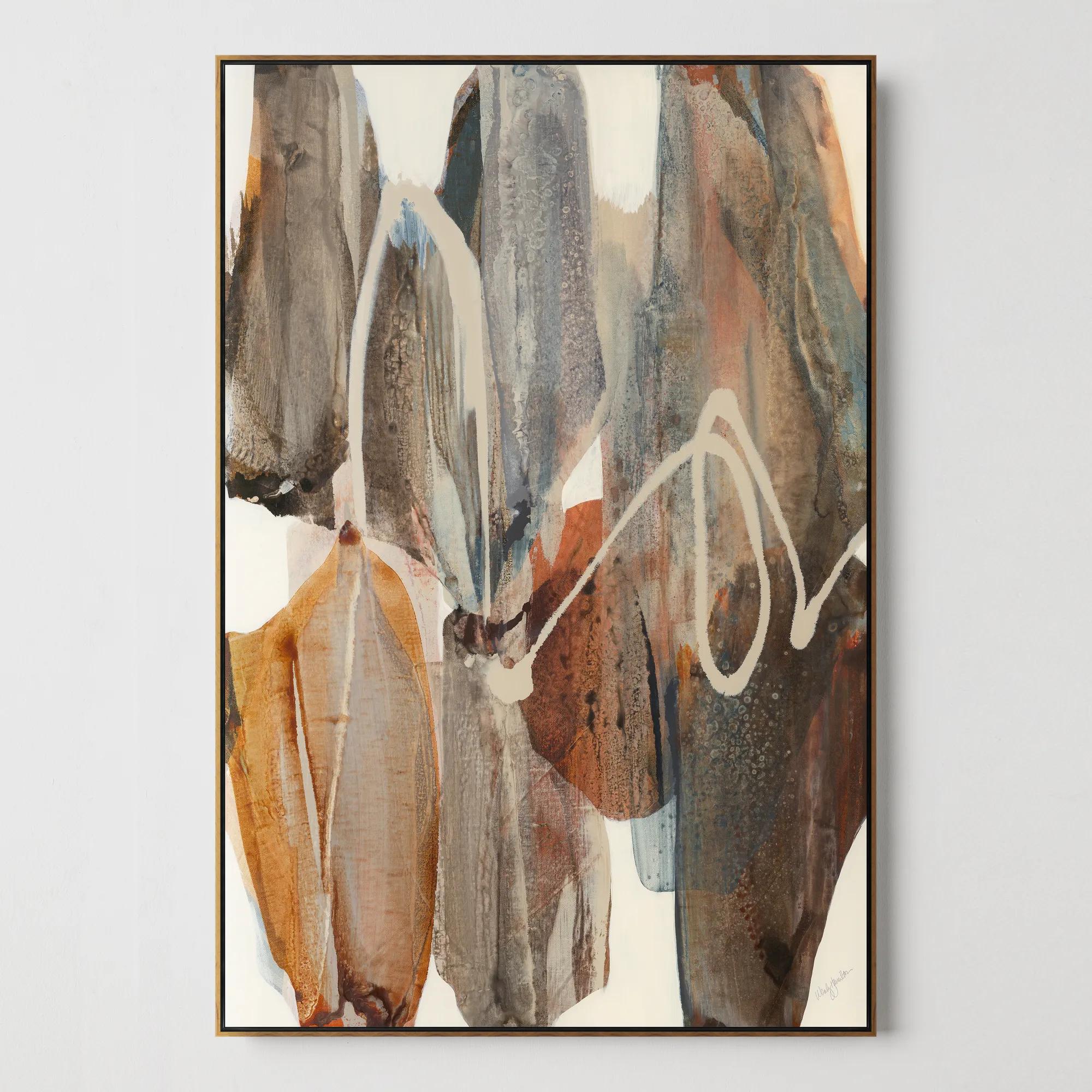
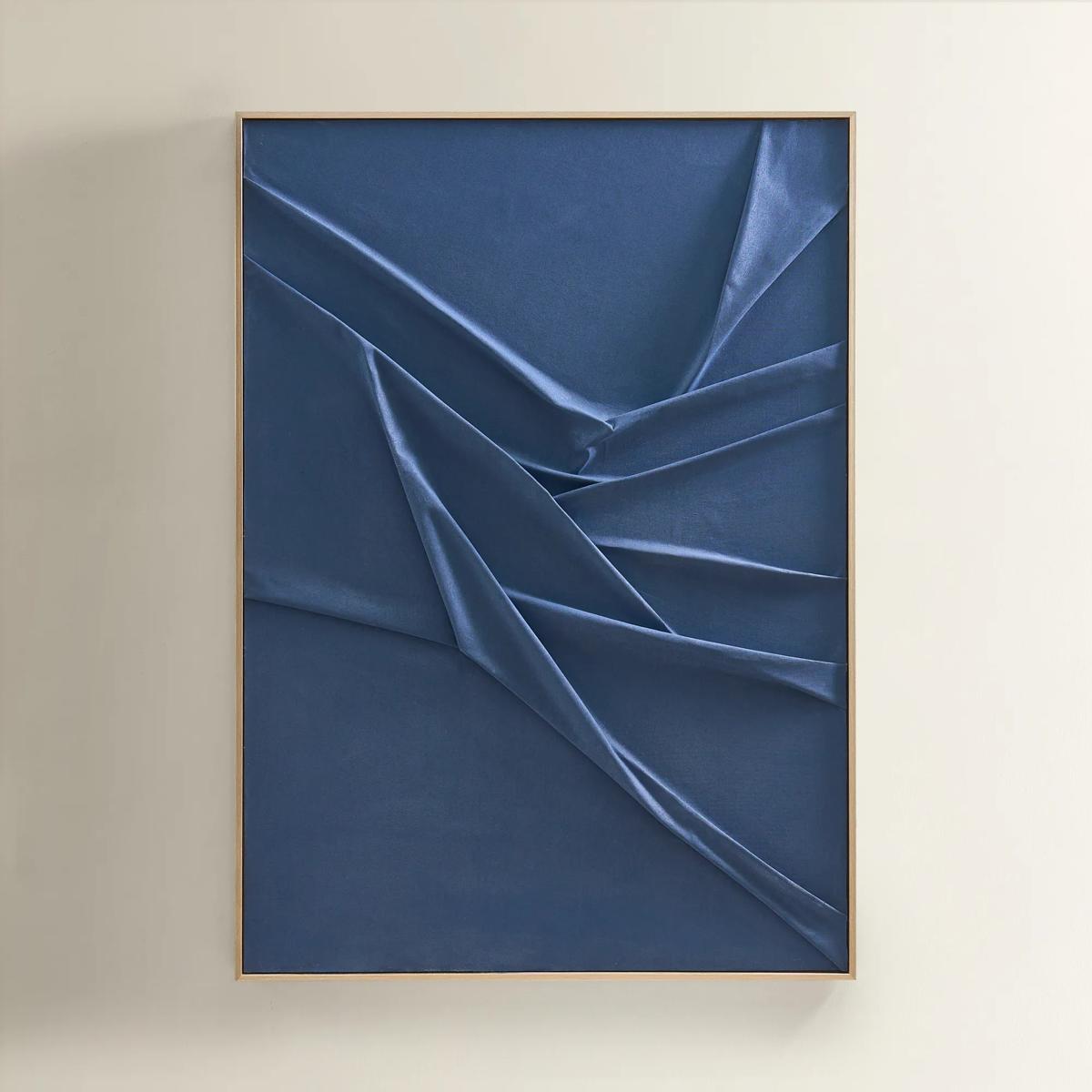
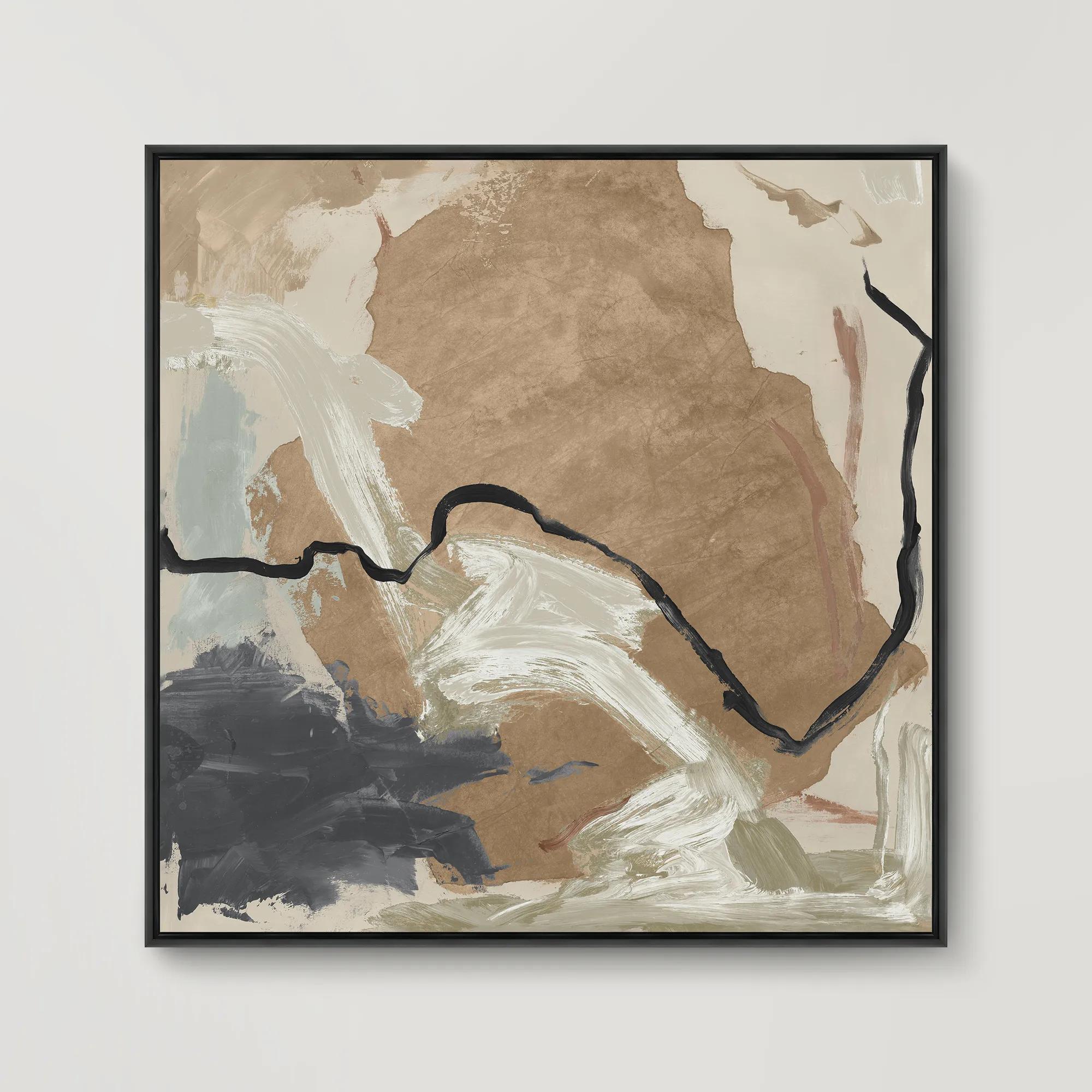
 Boundless Framed Wall Art 40" x 60"$999
A gallery-wrapped canvas artwork with hand-applied brush gel finish in an oak floater frame.
Add To Cart

Art For Open Concept Spaces
Art for open concept spaces is more than decoration—it’s the heartbeat that unites and defines each expanse. In a world where boundaries blur and rooms flow effortlessly into one another, art becomes the punctuation mark, drawing the eye and igniting conversation. Imagine gallery-worthy canvases commanding attention from every angle, or sculptural pieces creating moments of pure drama against sweeping backdrops. With every brushstroke and bold silhouette, art for open concept spaces transforms vastness into vision, infusing your home with expressive energy and curated cohesion. Let your walls become a living exhibition—where every glance reveals a new layer of luxury, personality, and creative intrigue.
Art for open concept spaces has the power to give a generous, flowing interior a sense of rhythm, intimacy, and unmistakable personality. In a home where the living room, dining area, kitchen, and entryway share one continuous view, artwork does more than decorate the walls—it helps define the architecture of everyday life. A large-scale abstract composition can anchor the living area above a sofa, while a smaller framed piece can guide the eye toward the dining table or kitchen island. The most successful arrangements feel connected without appearing overly matched. Begin with a color story that reflects the atmosphere you want to create: smoky neutrals and soft metallics bring quiet sophistication, while black, ivory, sapphire, rust, or emerald can introduce a more dramatic, gallery-like energy. Repeating one or two tones throughout the artwork allows distinct zones to feel intentional, even when each piece has its own character. Scale matters just as much as color. An expansive wall often calls for art with presence—something broad enough to hold its own against generous furniture and high ceilings—while a narrow passage or transitional wall benefits from vertical proportions or a carefully composed grouping. For an open floor plan, think of each view as part of a larger visual conversation. The artwork near the kitchen should complement, rather than compete with, the statement above the sofa, and pieces visible from the dining area should create a graceful transition from one setting to the next.
Placement is where open concept art becomes especially transformative. Hang a prominent piece where it can establish a focal point, ideally in relation to the room’s largest upholstered form or most important architectural feature. Above a sofa, the center of the artwork or arrangement should generally sit at a comfortable viewing height, with enough breathing room between the frame and the furniture to feel polished rather than crowded. In dining areas, artwork can be positioned to enrich the experience of gathering, adding color and texture to the wall guests naturally face. If your home has an island, peninsula, or open shelving, consider how art will look from multiple angles before committing to a location; a piece that is striking from the living room should also feel considered from the kitchen. When wall space is limited, create interest in unexpected places with artful objects arranged on a console, shelving, or a substantial sideboard. Sculptural forms are particularly effective in open layouts because they provide dimension from every direction, filling visual gaps without creating a hard divide between zones. Floor-standing art can give an empty corner the presence it needs, while smaller works layered against a wall can soften the expanse of a long, uninterrupted surface. Leave room around each statement piece so its shape and finish remain legible. Open concept interiors already contain many lines, surfaces, and functions; a little negative space allows the eye to rest and keeps the overall effect curated rather than busy. For added depth, layer artwork with tactile surroundings such as a textured rug, a luminous accent lamp, leafy greenery, or reflective accessories. A cluster of Glass Vases For Open Concept Spaces can catch changing light along a console or dining surface, creating a delicate bridge between framed art and the rest of the room.
Choosing art for an open concept home is also an opportunity to express how you live. Entertainers may gravitate toward dramatic, conversation-starting pieces that energize the room when friends gather around the island or linger after dinner. Those furnishing a first home can use artwork to establish a point of view, turning a blank wall into an expression of confidence even when the surrounding pieces are still evolving. Families often appreciate art with visual movement and rich tonal variation, which can make a large shared space feel layered and welcoming rather than overly formal. For lofts, condos, and homes with soaring ceilings, vertical pieces and sculptural accents can emphasize height and draw attention upward. In more intimate open layouts, a thoughtfully selected arrangement can create the impression of separate rooms without blocking light or interrupting the easy flow between them. Art also makes a memorable gift for someone moving into a new home, celebrating a milestone, or refining a space after a renovation. Choose with their aesthetic in mind, paying attention to the colors already present, the scale of their walls, and whether their style leans sleek, organic, glamorous, or eclectic. When gifting, versatile compositions in layered neutrals, expressive abstracts, or dimensional finishes can adapt as a room evolves, while a more distinctive piece suits someone who embraces bold design and sees their home as a personal gallery. During the cooler months, when interiors become the setting for longer evenings and more time spent together, art can bring warmth and atmosphere to the open plan without adding physical clutter. Look for craftsmanship, durable materials, thoughtful framing, and finishes that will remain compelling as natural light shifts from bright daytime clarity to the softer glow of lamps and candles. The ideal collection does not simply fill empty walls; it gives the room a visual pulse, guides movement from one zone to another, and makes every gathering, quiet morning, and evening at home feel beautifully composed.
FAQ List
Selecting art for an open concept space is all about creating visual harmony while making a statement. Look for pieces that echo the color palette and mood of your interiors, but don’t be afraid to embrace bold, dramatic works that anchor the room. Consider the flow between living, dining, and entertaining areas, and use art to guide the eye and define each zone with confidence and style.
Open concept homes invite creative displays—think gallery walls that span architectural transitions, large canvases as room dividers, or sculptural pieces that float between living and dining areas. Layering art with mirrors, metallic accents, or even acrylic napkin rings on the table can add depth and intrigue, making your space feel curated and cohesive.
Absolutely. Art is a powerful tool for setting the mood in open concept spaces. Vibrant abstracts can energize a room, while serene landscapes or blush concept pieces evoke calm and sophistication. Use lighting to highlight your favorite works and let the interplay of color and texture reflect the atmosphere you want to create.
Art makes a thoughtful and memorable gift for anyone with an open concept home. Choose pieces that reflect the recipient’s personality and style, or opt for versatile options like a 14x20 canvas or a set of artistic glass vases. Artful gifts not only beautify a space but also become cherished keepsakes that tell a story.
Blending wall art with decorative objects is a hallmark of expressive design. Pair striking canvases with sculptural vases or metallic accents to create layered vignettes. For inspiration, explore curated collections such as <a href="https://zgallerie.com/o/glass-vases-for-open-concept-spaces">Glass Vases For Open Concept Spaces</a> to find pieces that complement your artwork and add dimension to your open concept home.
.jpeg?w=4217&h=4217)