Coffee Tables For Open Concept Spaces
Coffee Tables For Open Concept Spaces
-
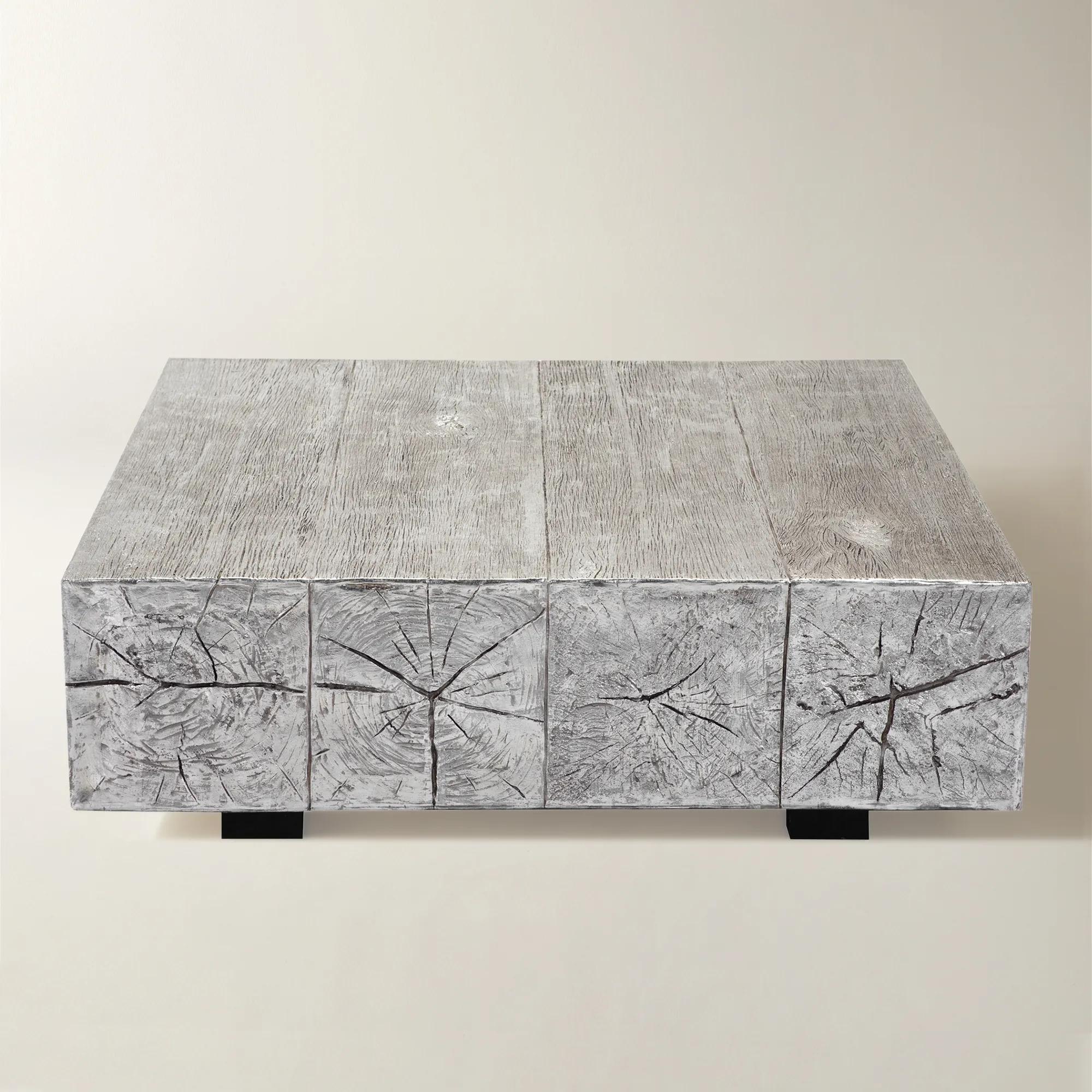
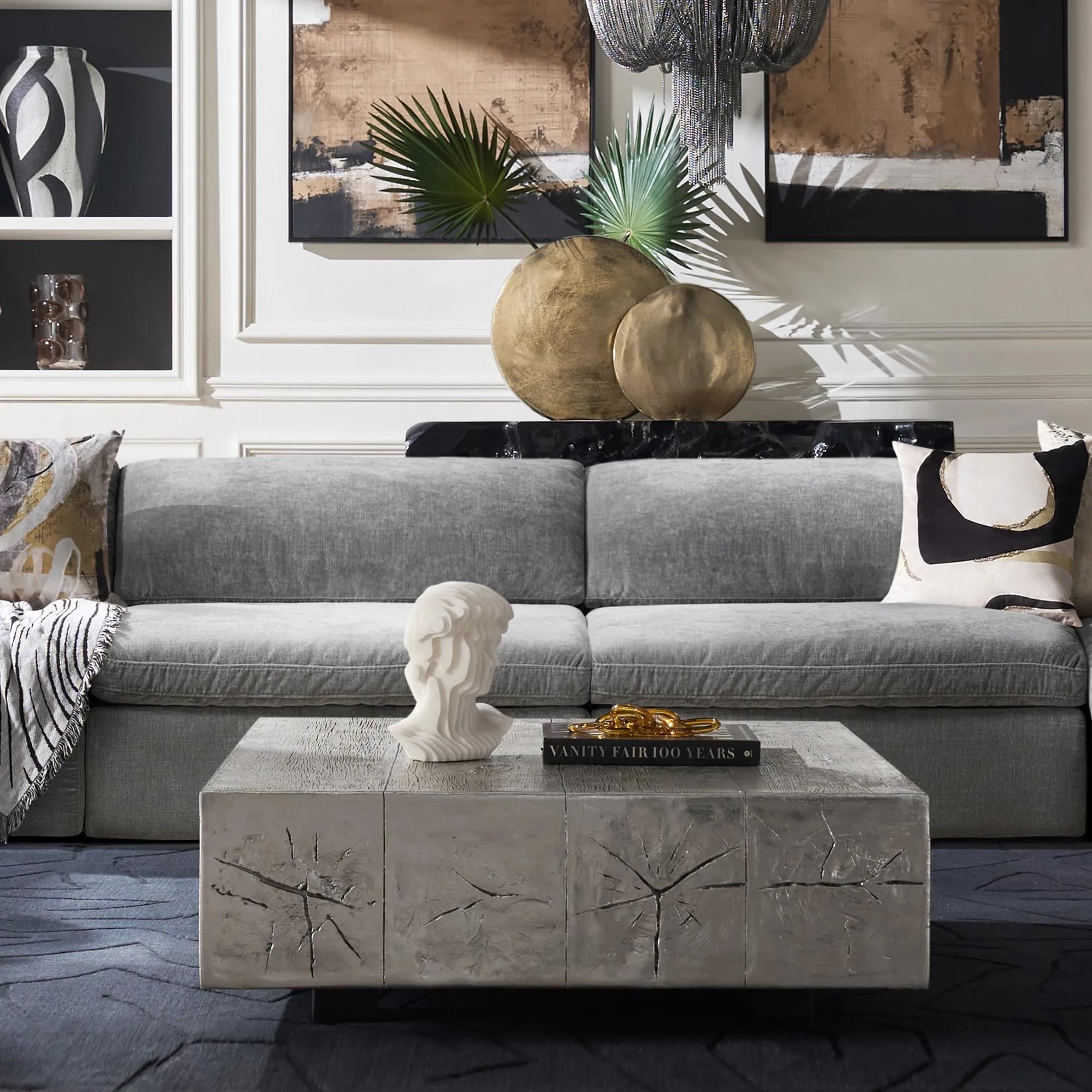 Timber Square Silver Resin Coffee Table (44")$1299
A hand-painted silver resin coffee table featuring authentic silver leaf and an antiqued, hand-rubbed oil finish.
Add To Cart -
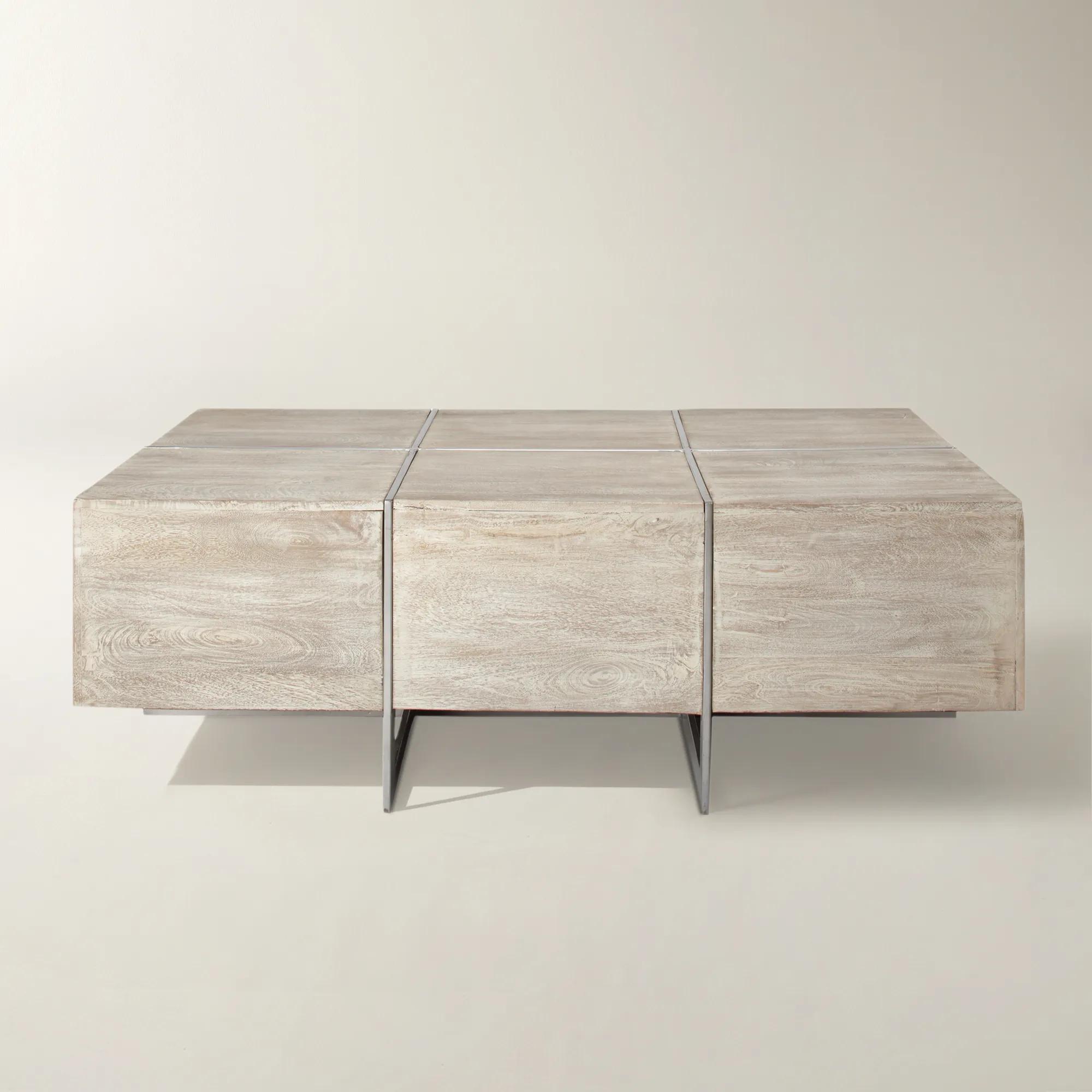
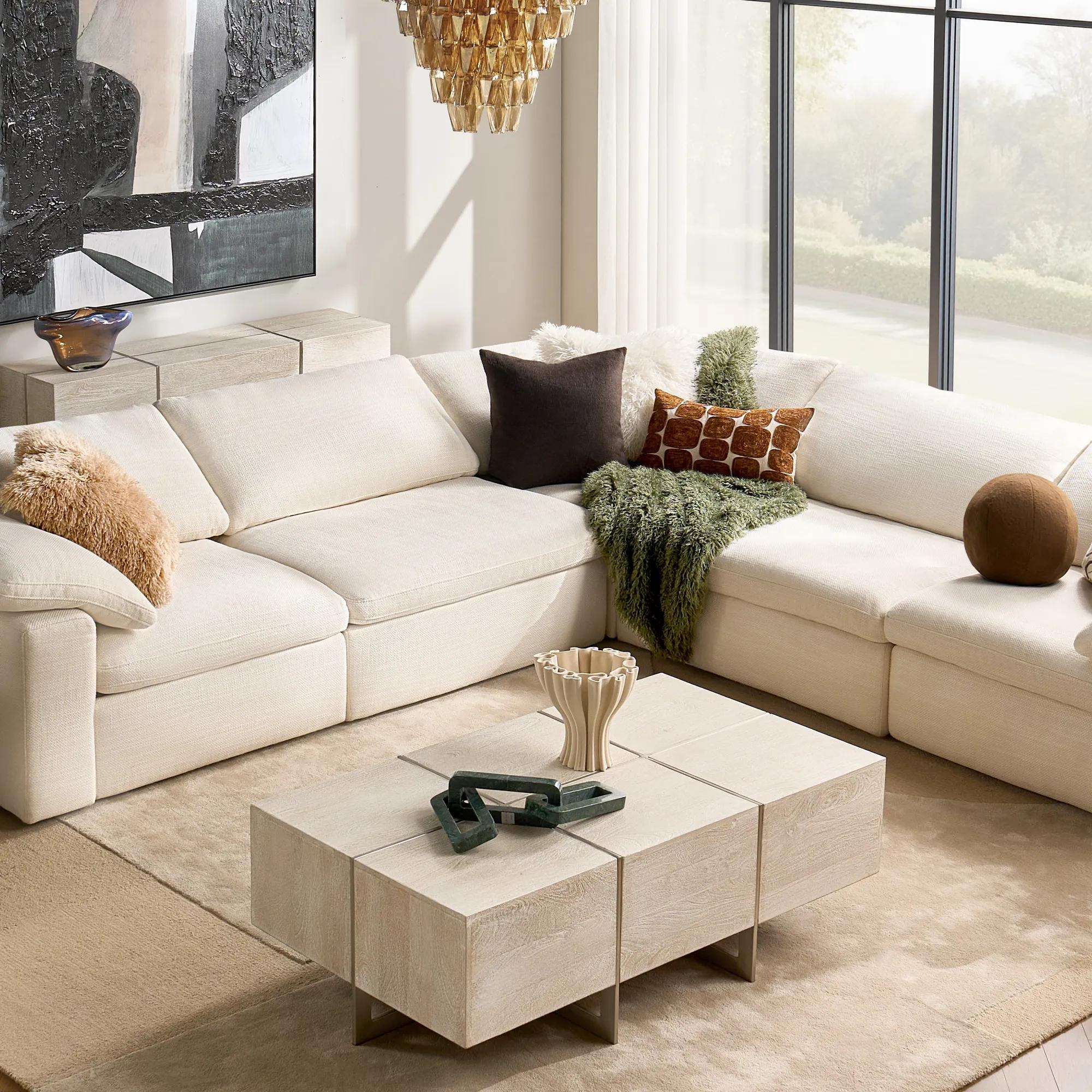 Clifton Rectangular Natural Mango Wood Coffee Table (54")$1299
A handcrafted mango wood table with a whitewashed finish and antiqued silver iron legs for organic appeal.
Add To Cart -
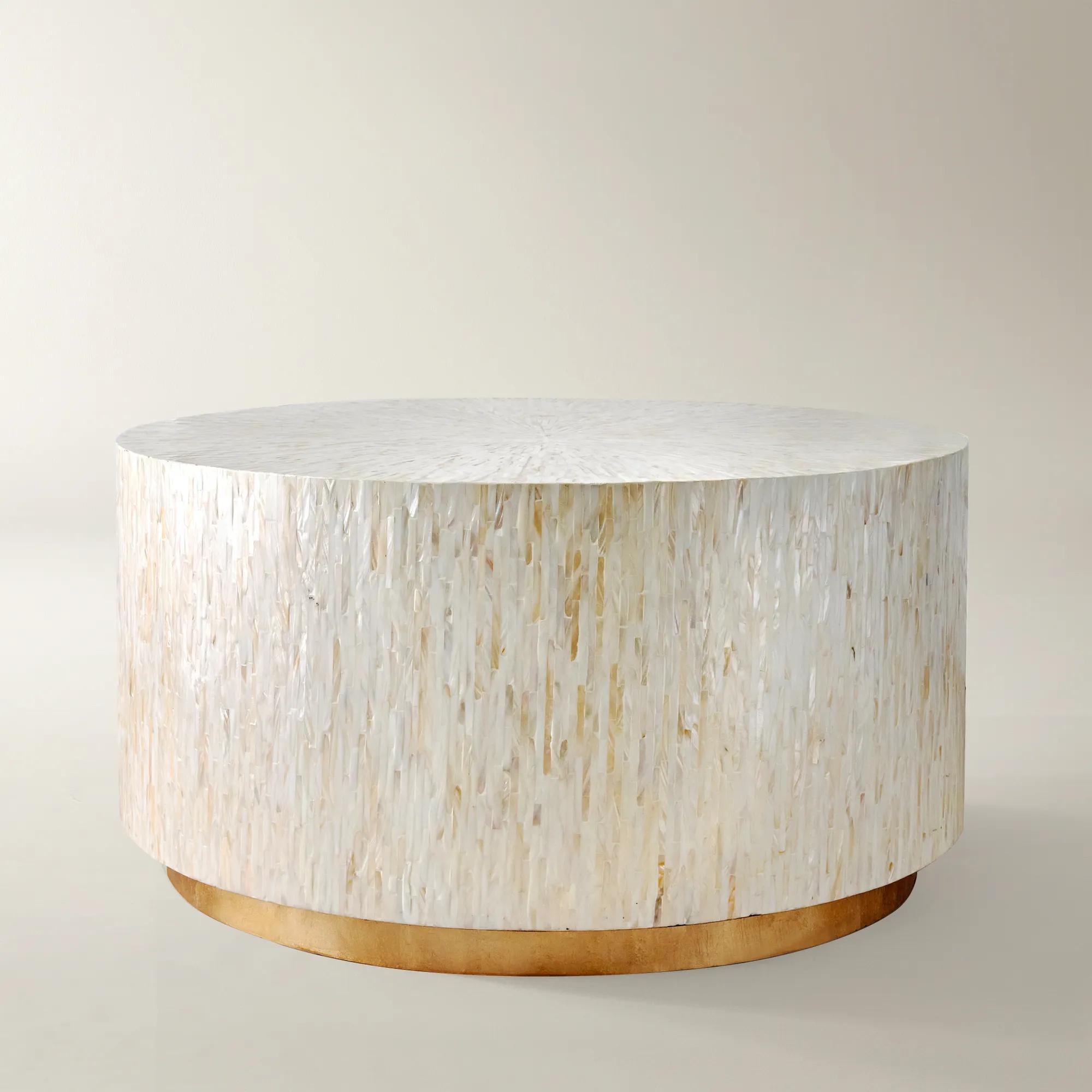
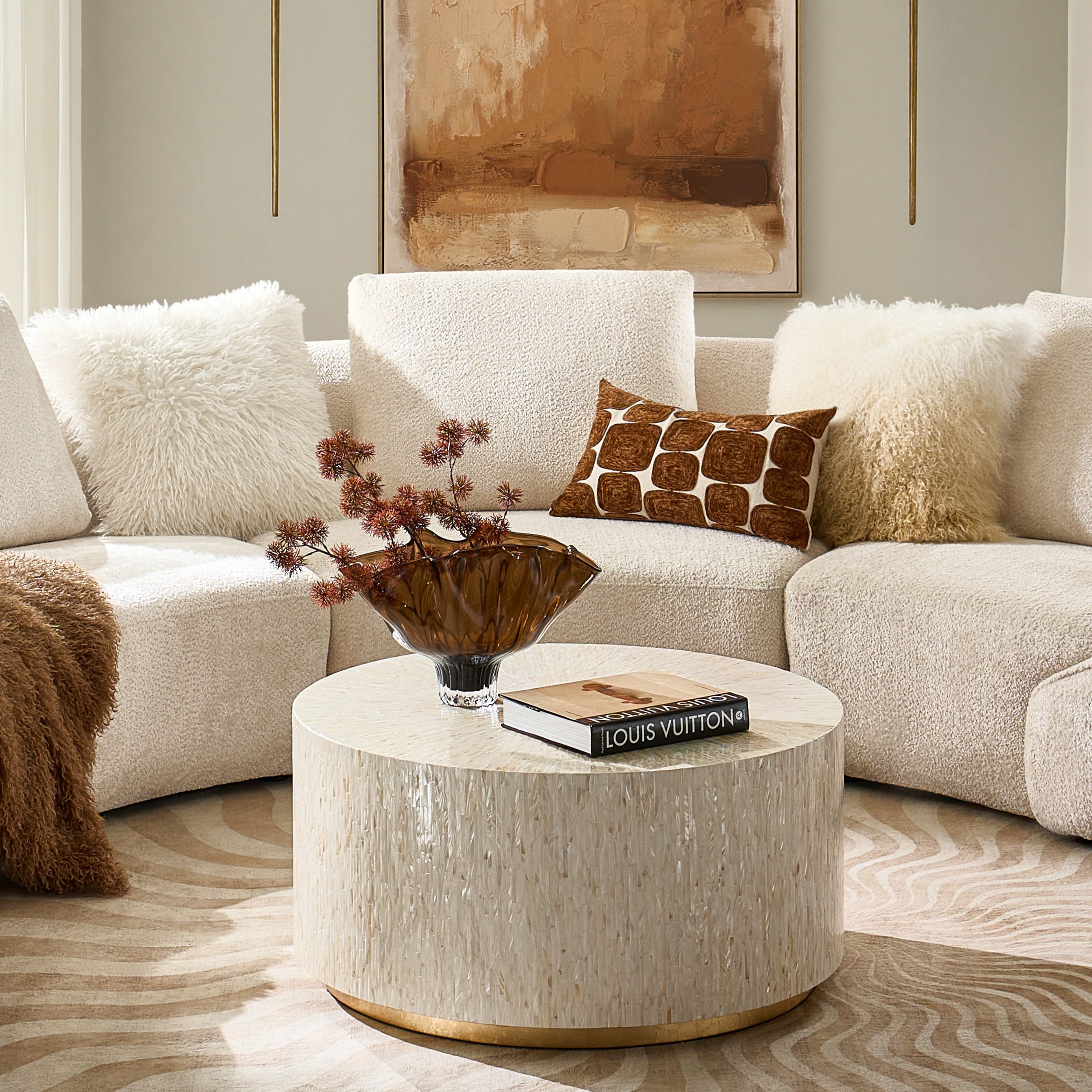 Alexandria Round Mosaic Platinum Coffee Table (36")$799
A luminous ivory coffee table featuring hand-applied mother-of-pearl mosaic and a gold leaf-accented base.
Add To Cart -
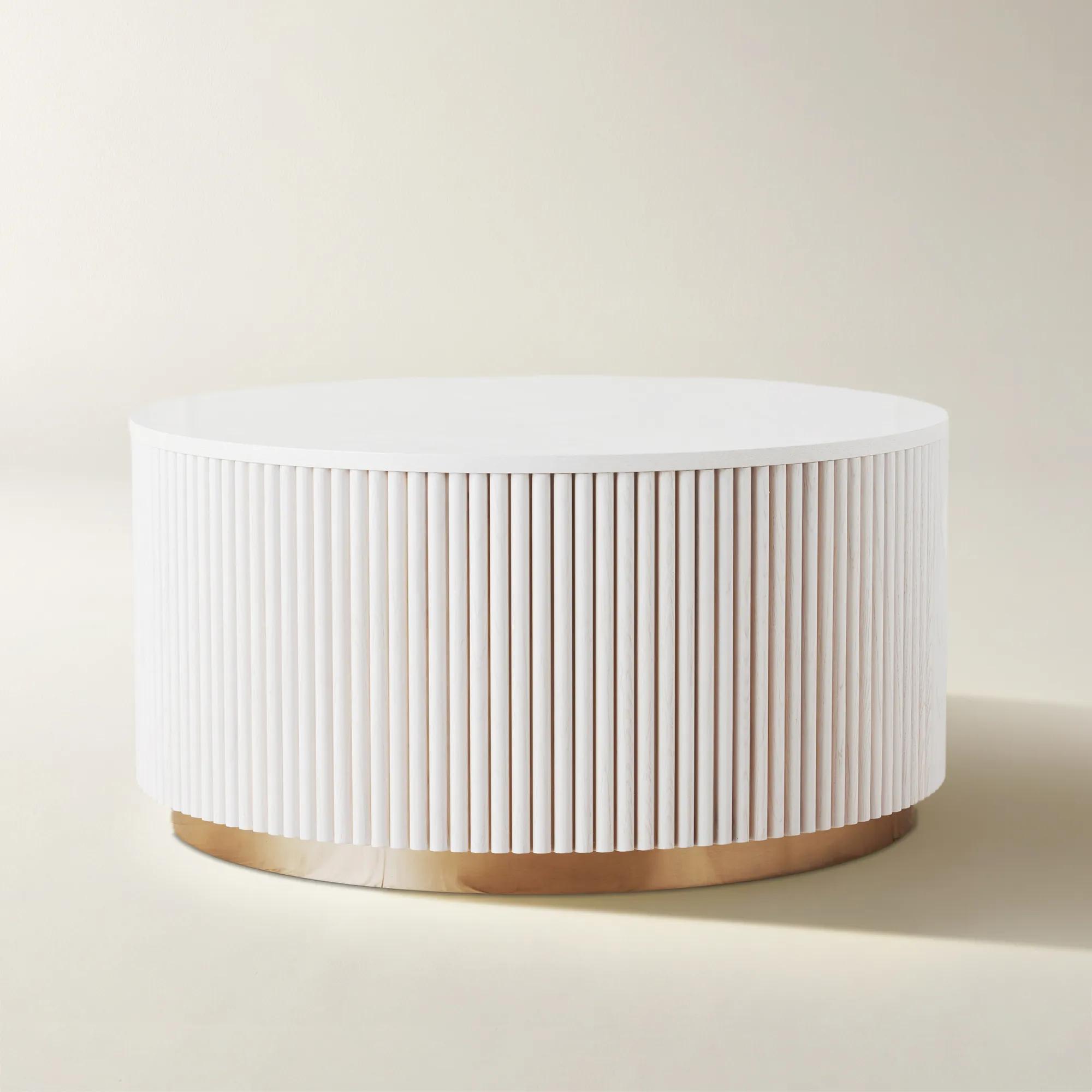
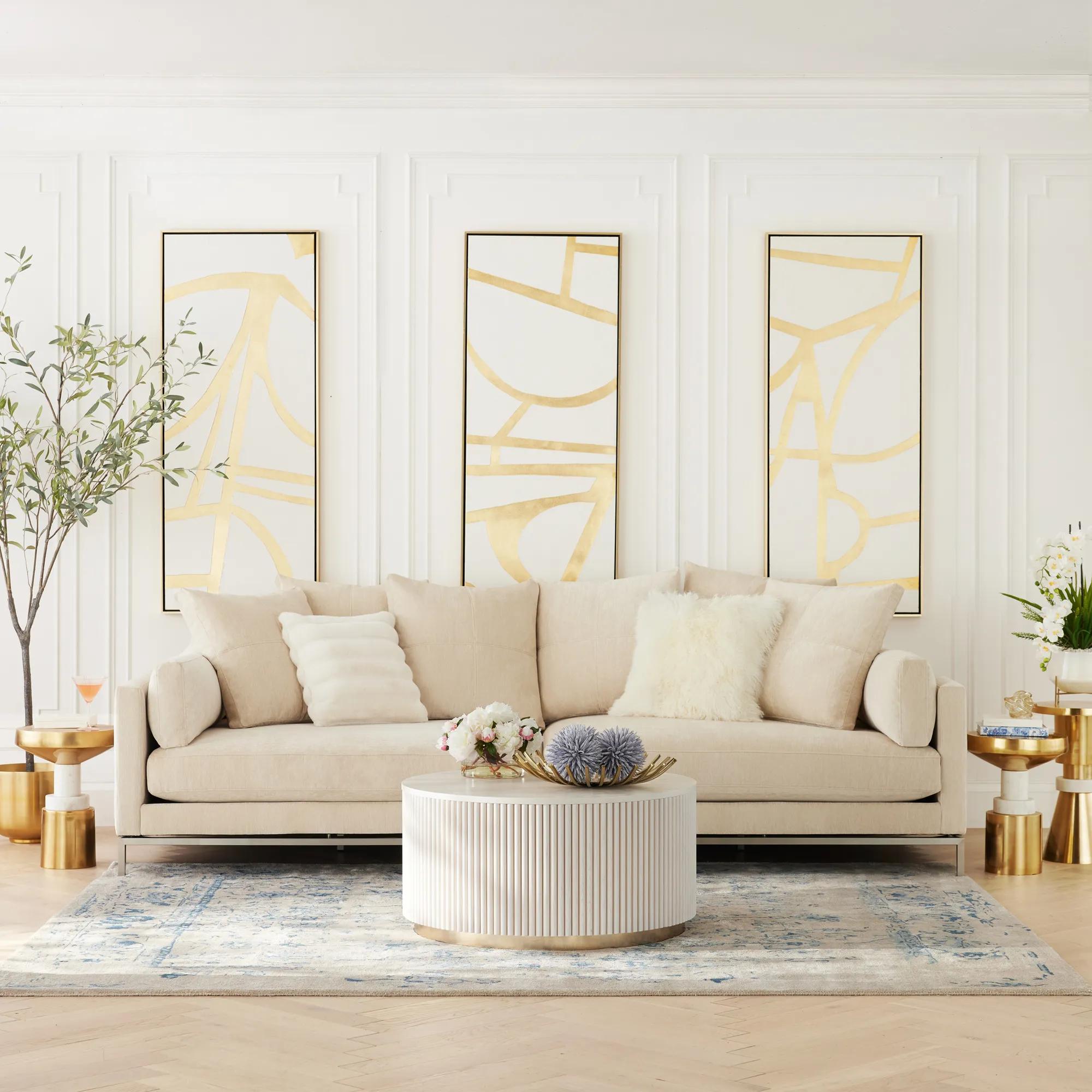 Natalia Round Reeded Whitewashed Ash Wood Coffee Table (36")$1299
A striking coffee table featuring reeded ash wood sides, a smooth top, and a whitewashed finish.
Add To Cart -
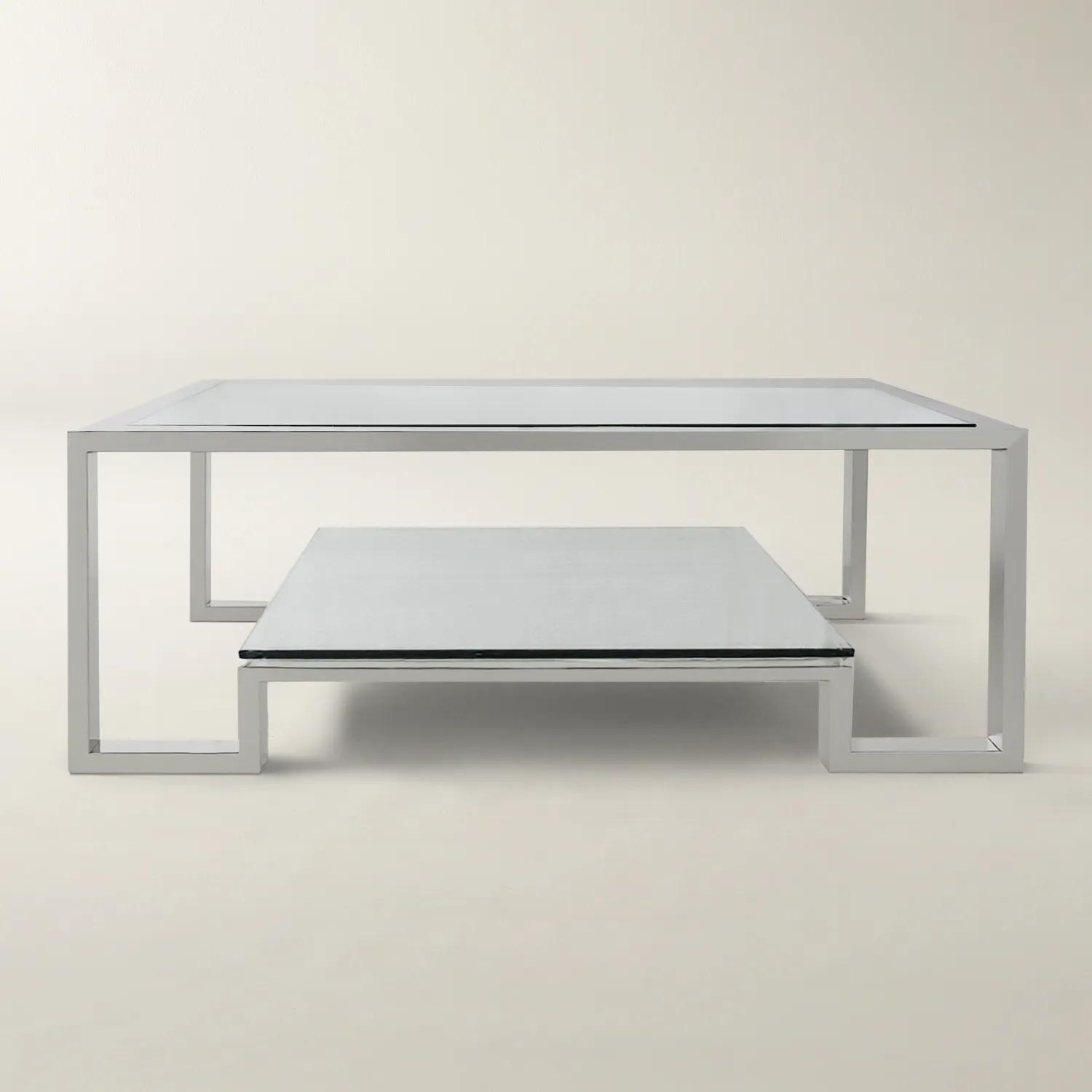
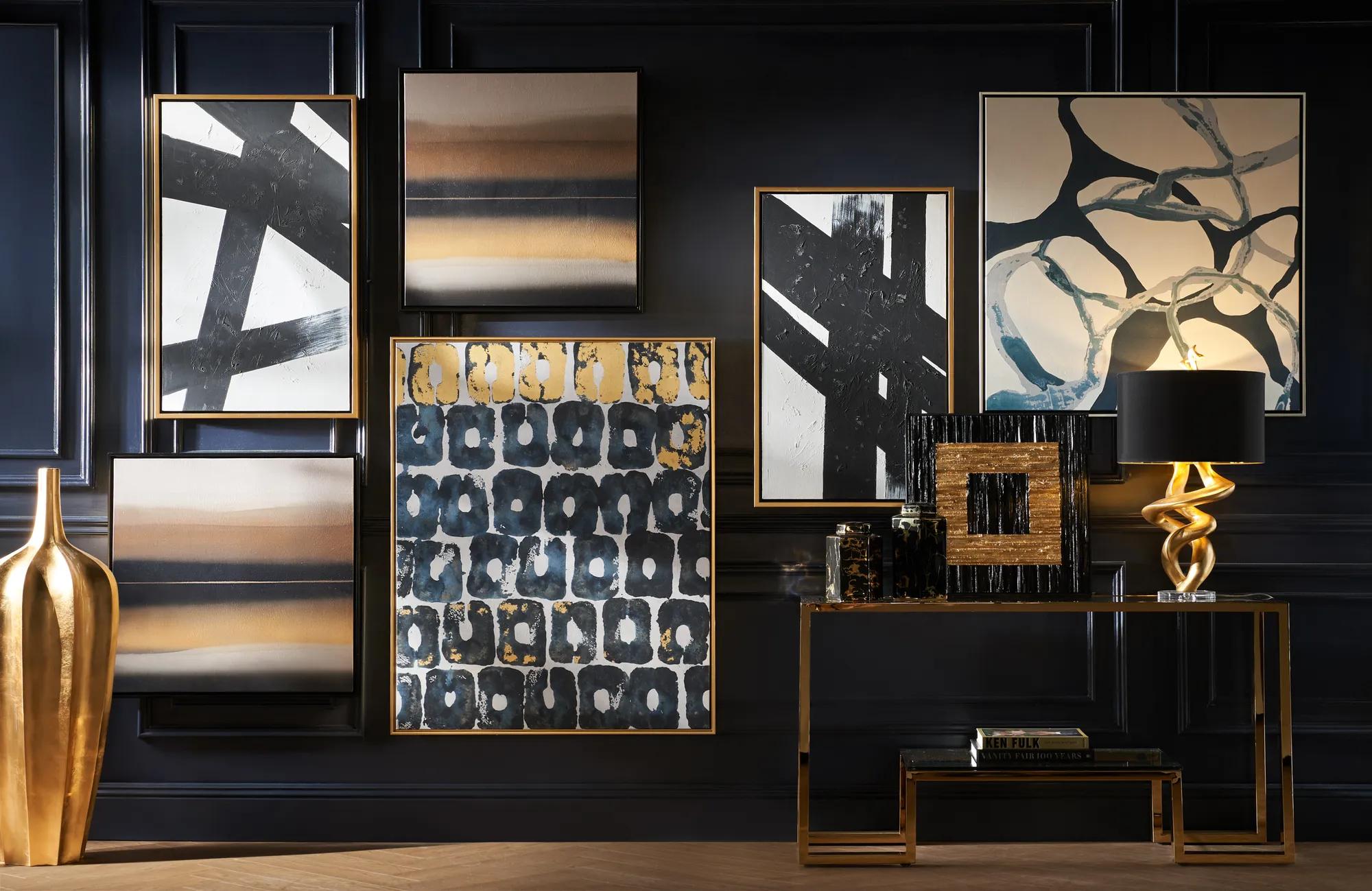 Duplicity Rectangular Silver Stainless Steel Coffee Table With Glass Top (50")$1399
A modern coffee table featuring a stainless steel frame, tempered glass top, and floating bottom shelf.
Add To Cart -
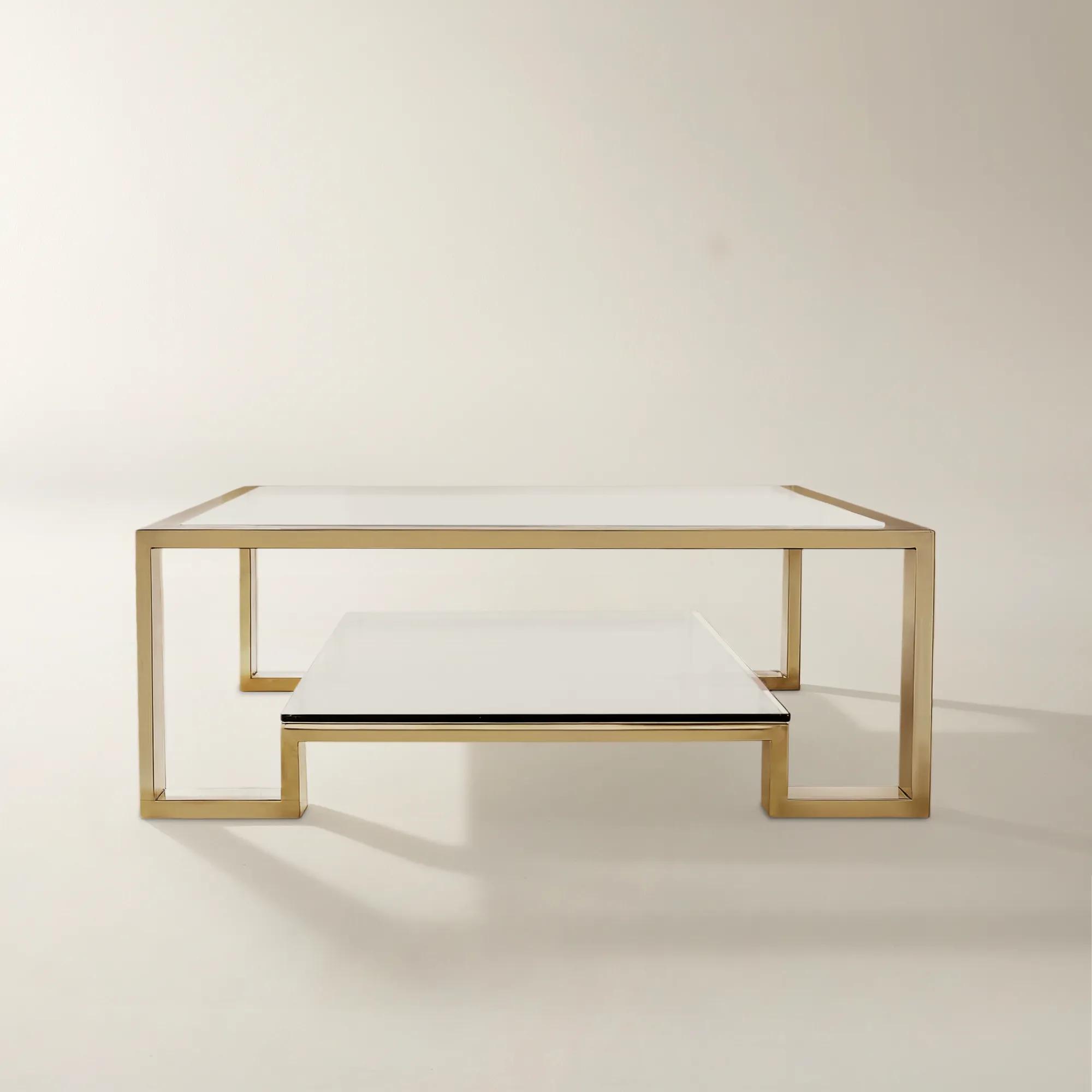 Duplicity Rectangular Gold Stainless Steel Coffee Table With Glass Top (50")$1399
A modern coffee table featuring a stainless steel frame, tempered glass top, and floating storage shelf.
Add To Cart -
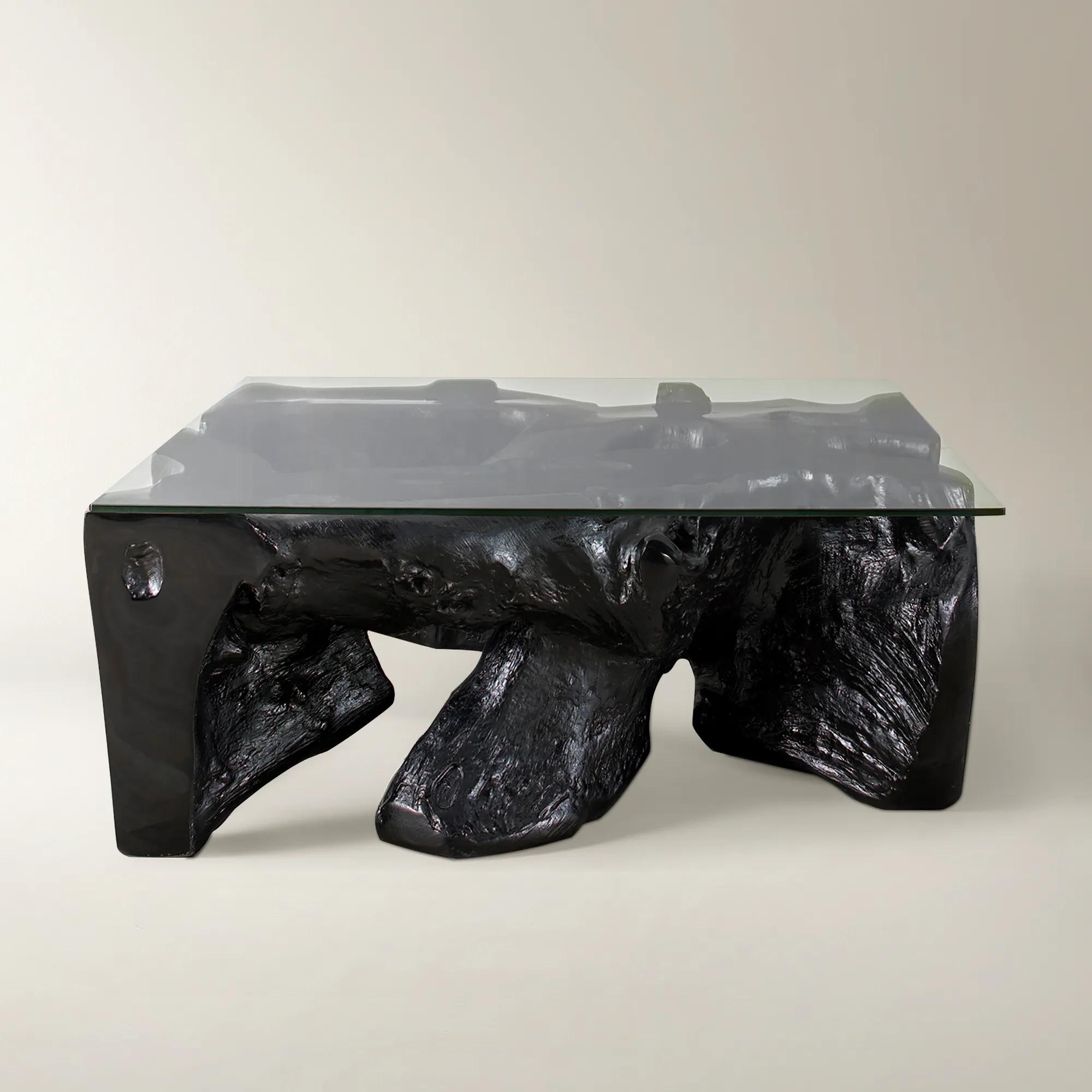
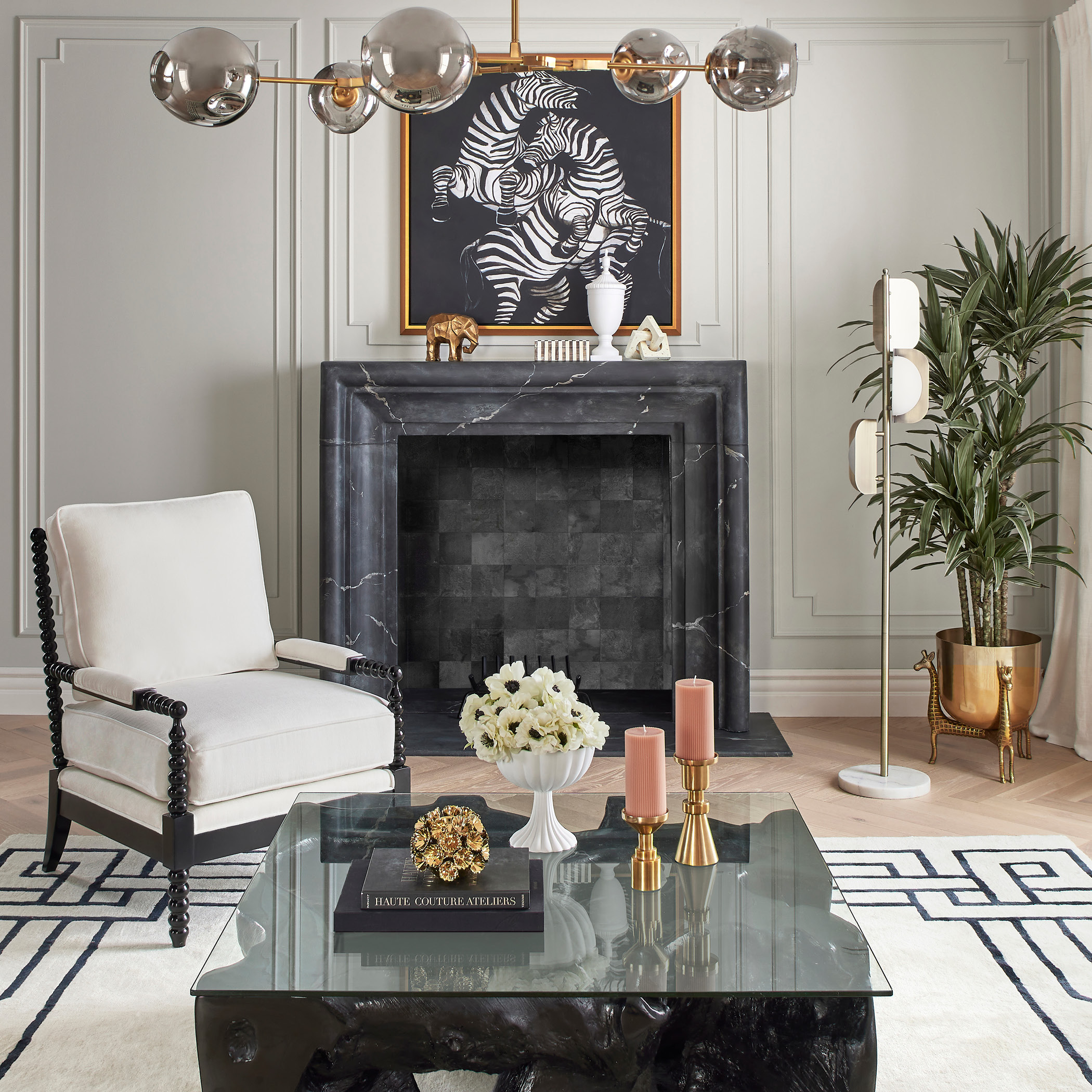 Sequoia Black Resin Coffee Table With Glass Top (44")$2299
A sculptural black coffee table crafted from resin and polished stone fragments for indoor or outdoor use.
Add To Cart -
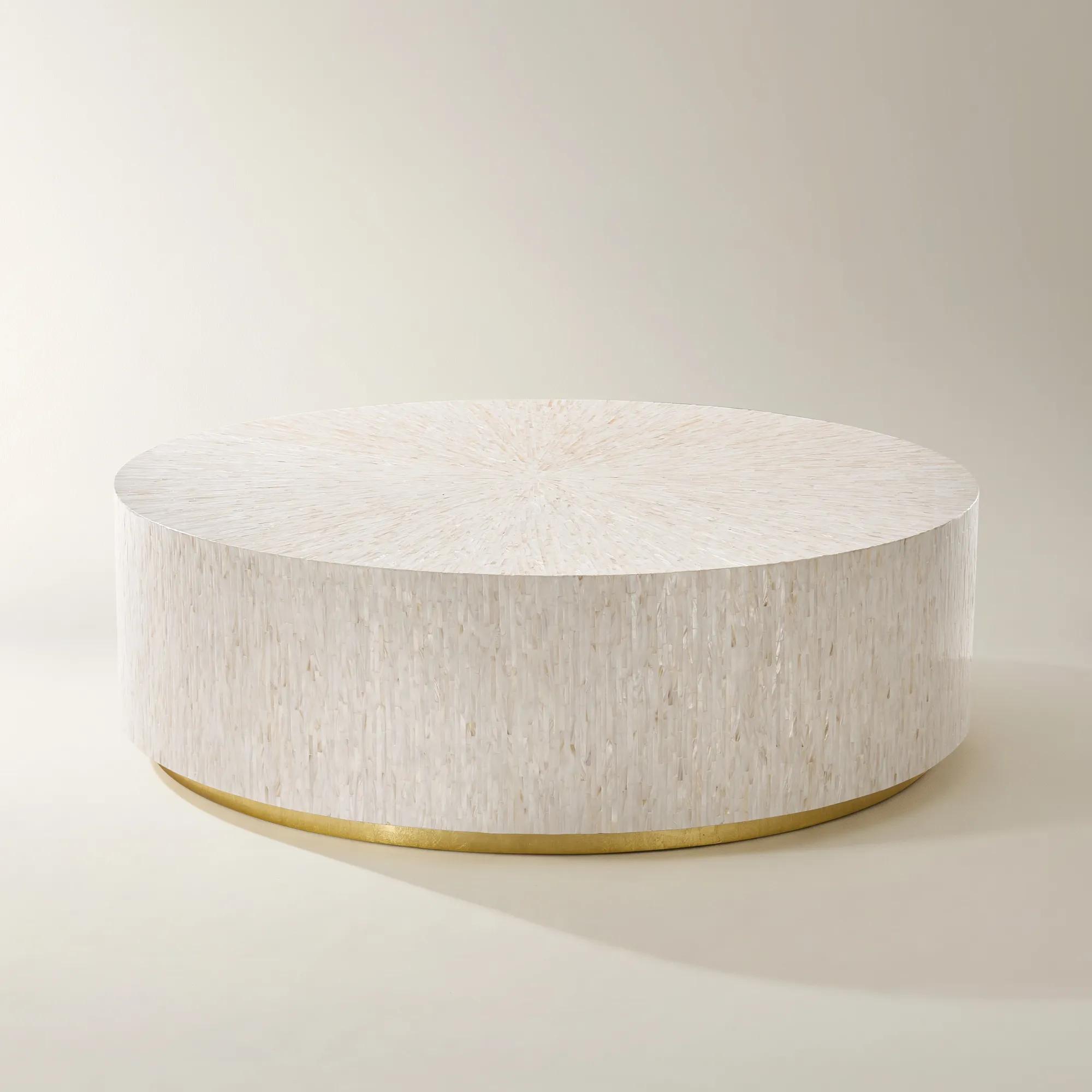 Alexandria Round Mosaic Platinum Coffee Table (52")$1299
A luminous mother-of-pearl mosaic coffee table with a sculptural round form and gold leaf–accented base.
Add To Cart -
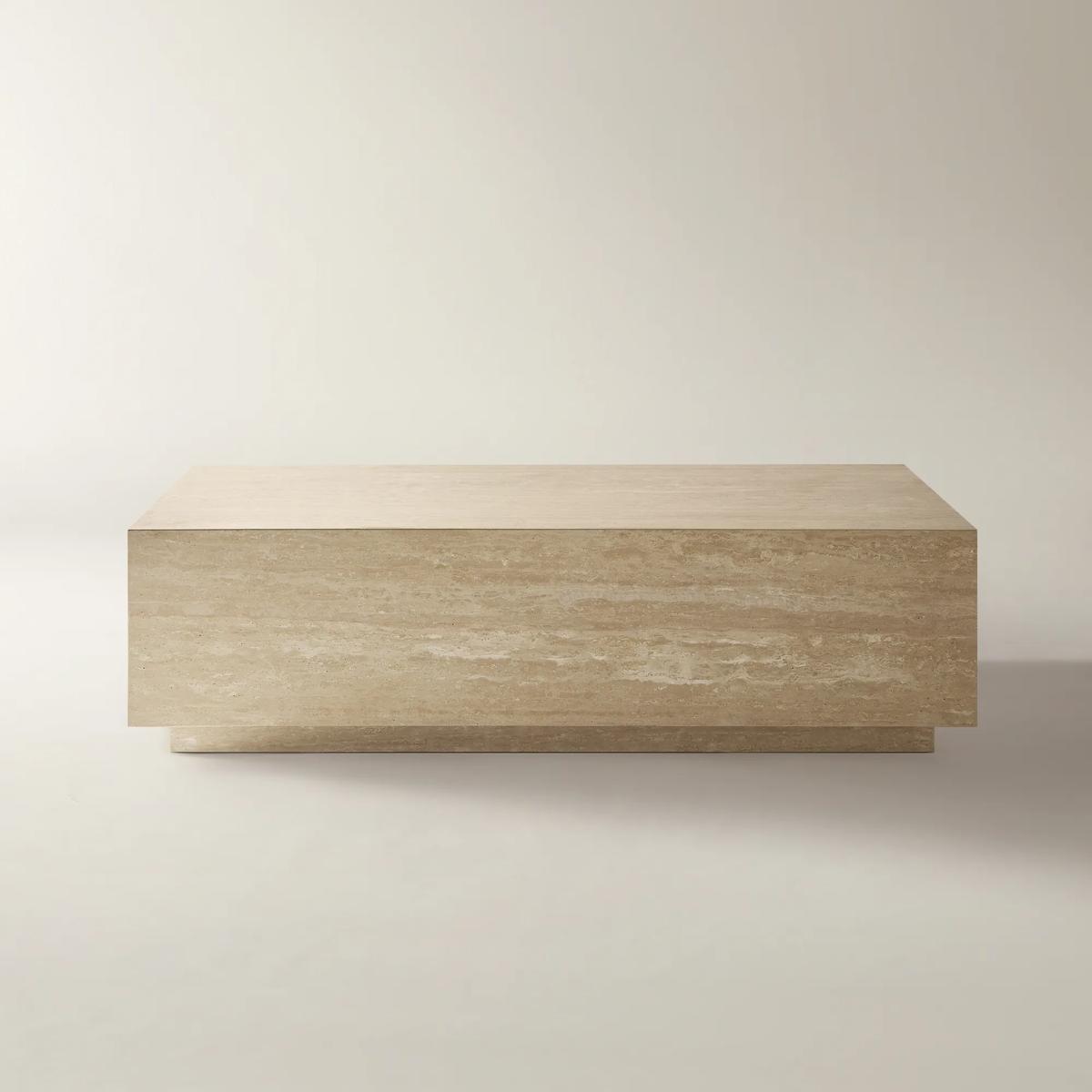
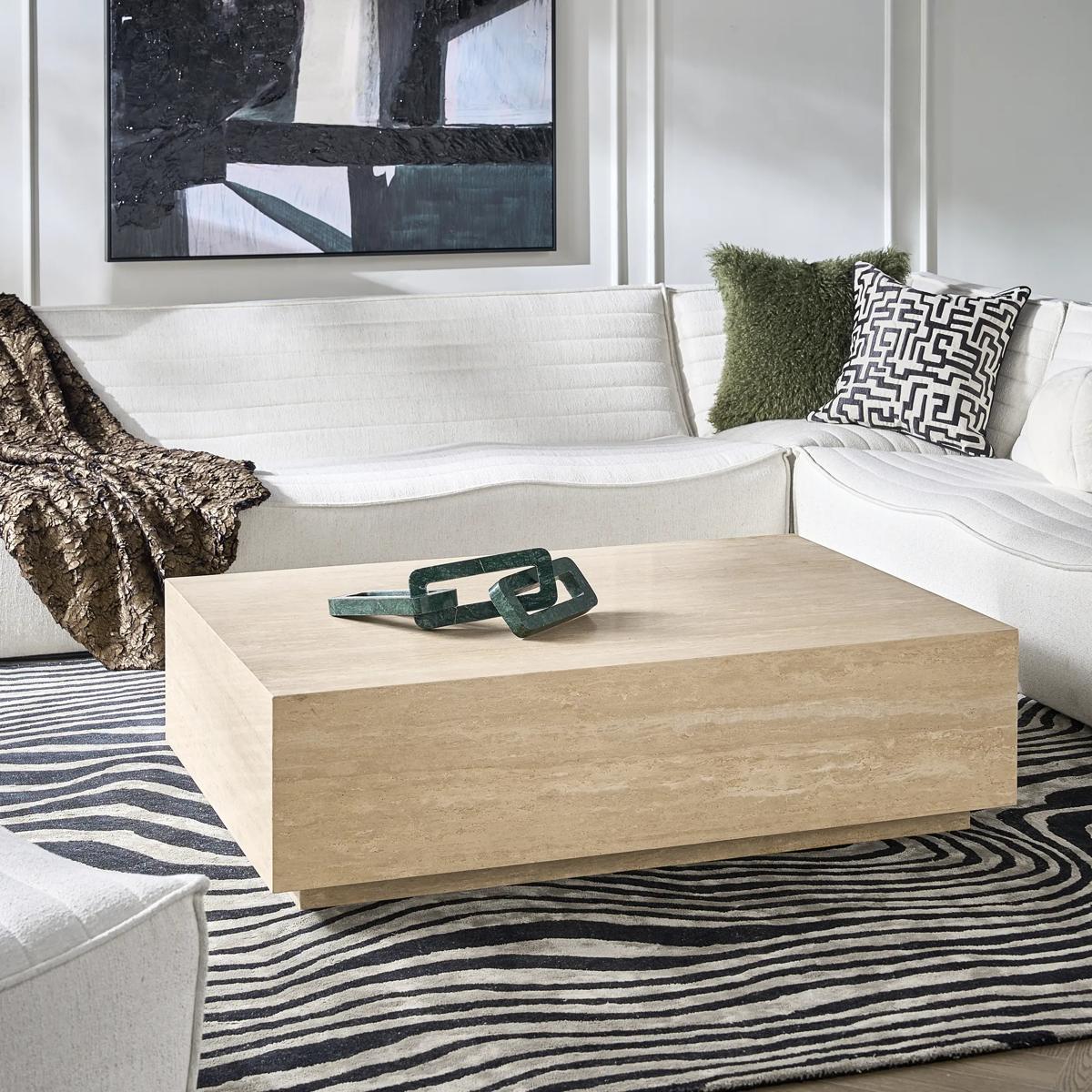 Vanta Rectangular Travertine Coffee Table (54")$2599
A seamless genuine travertine coffee table featuring ivory-gold tones and an ultra-light aluminum honeycomb core.
Add To Cart -
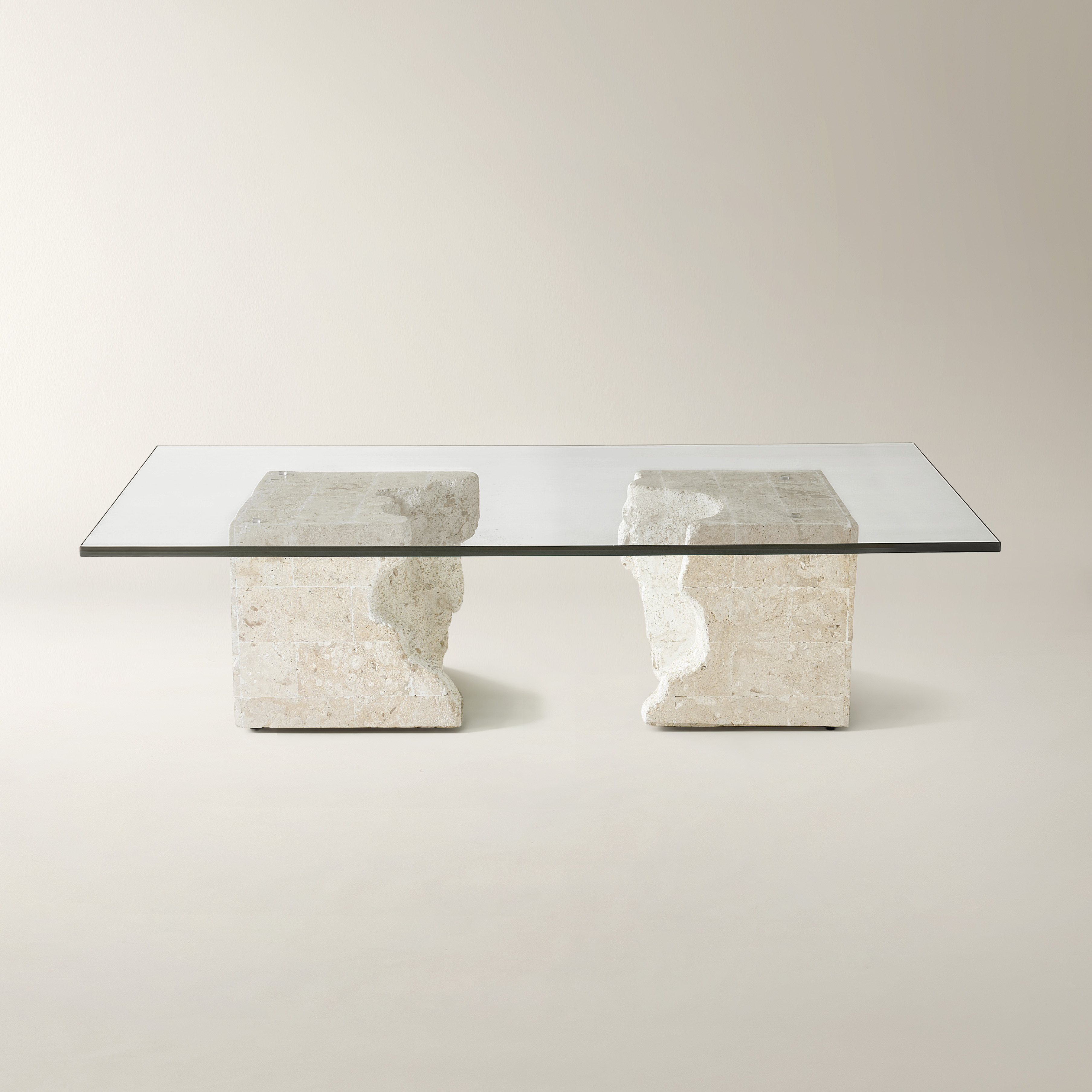 Cairo Rectangular Mactan Stone Coffee Table With Glass Top (63")$1899
A contemporary coffee table featuring a clear tempered glass top floating above hand-carved Mactan stone bases.
Add To Cart -
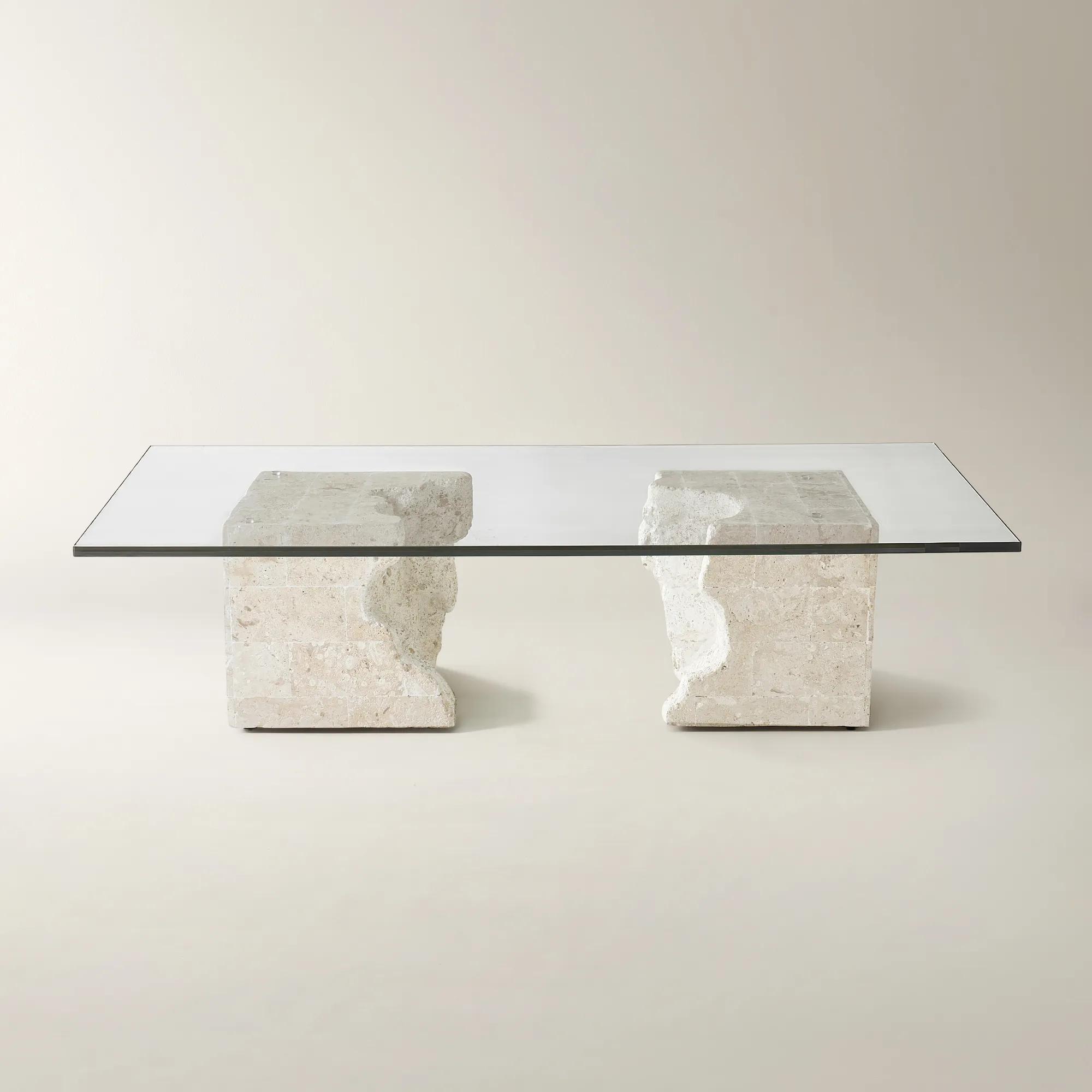 Cairo Rectangular Mactan Stone Coffee Table With Glass Top (70.87")$1999
A contemporary coffee table featuring a clear tempered glass top floating above hand-carved Mactan stone bases.
Add To Cart -
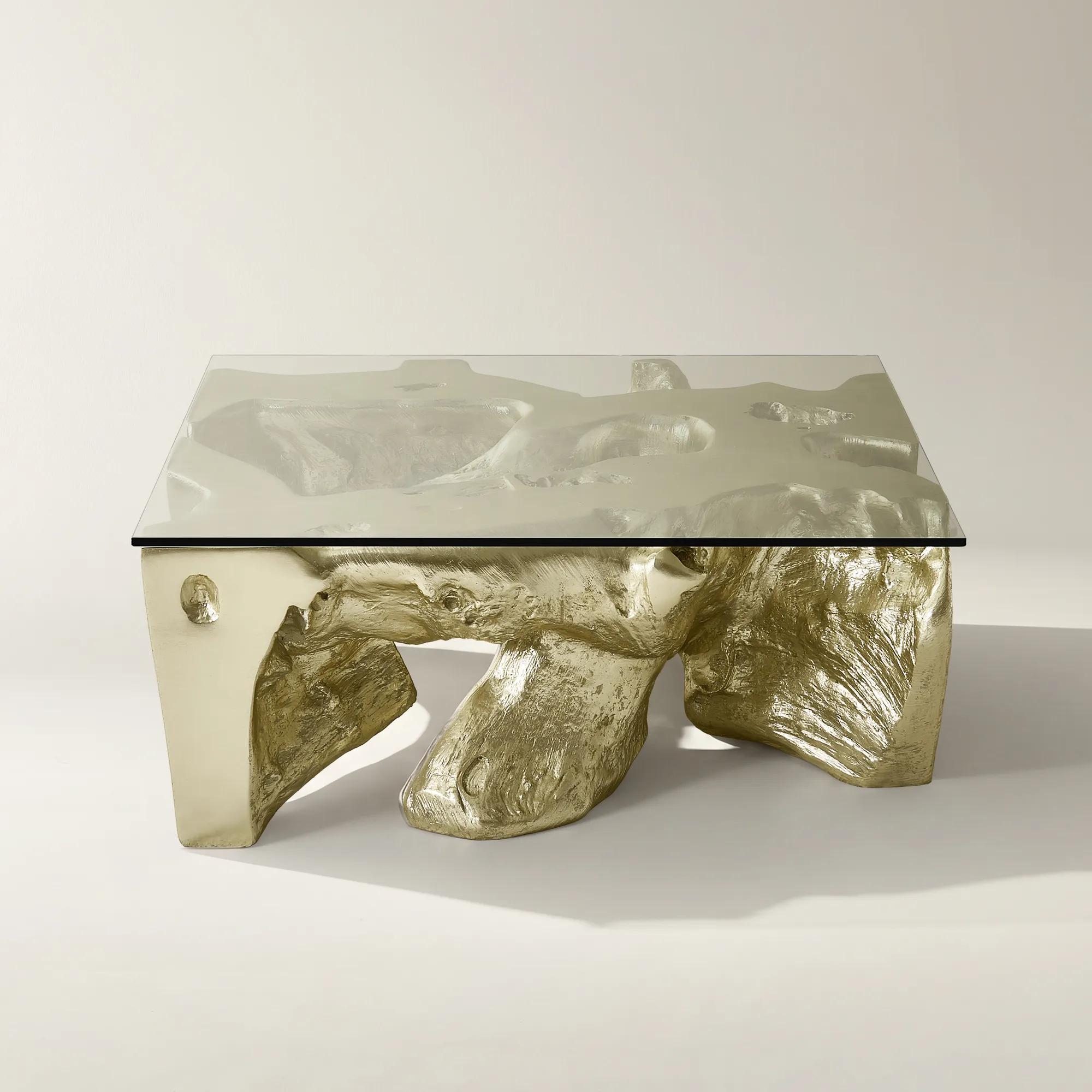 Sequoia Champagne Gold Resin Coffee Table With Glass Top (44")$2299
A sculptural resin coffee table with a champagne gold leaf finish and a clear tempered glass top.
Add To Cart -
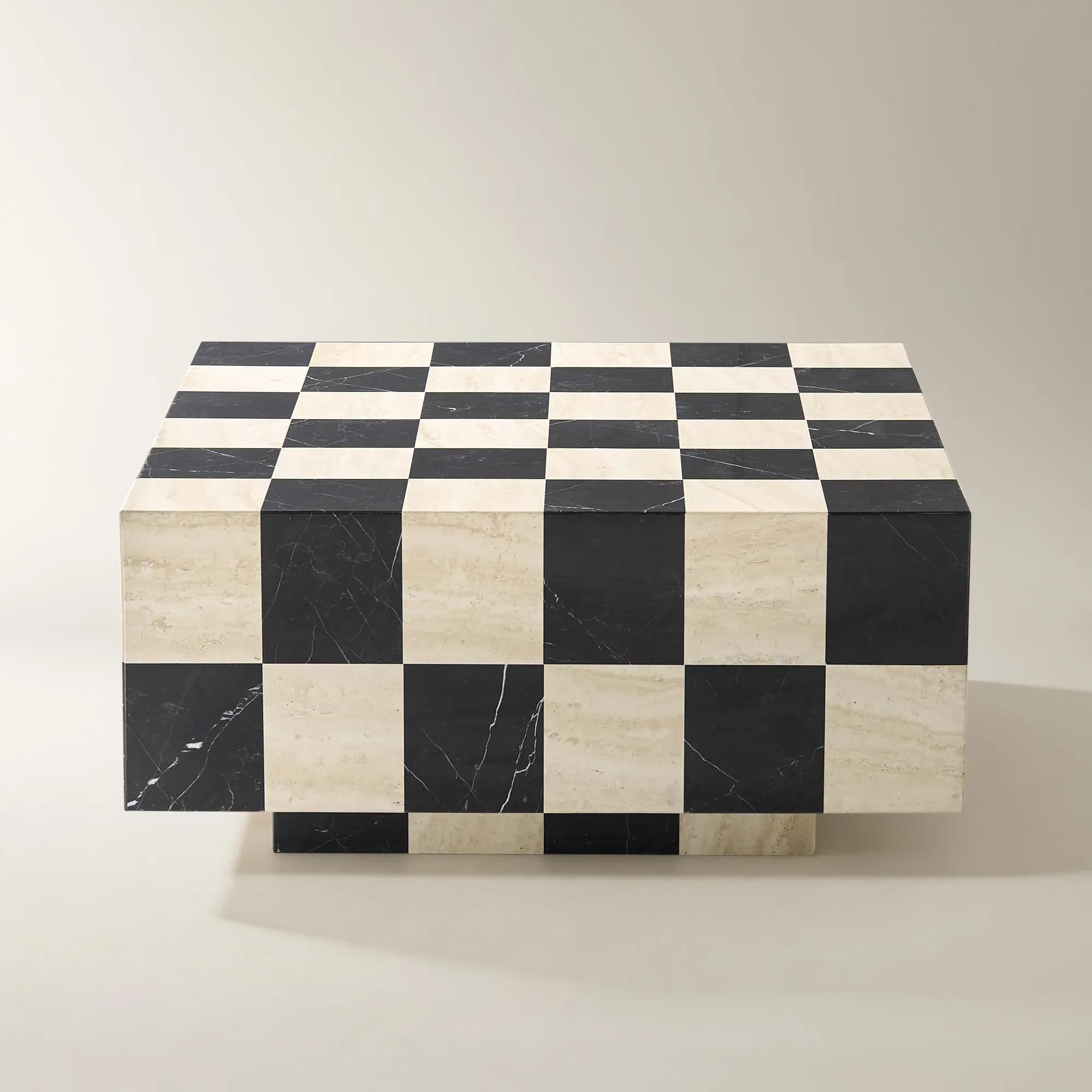
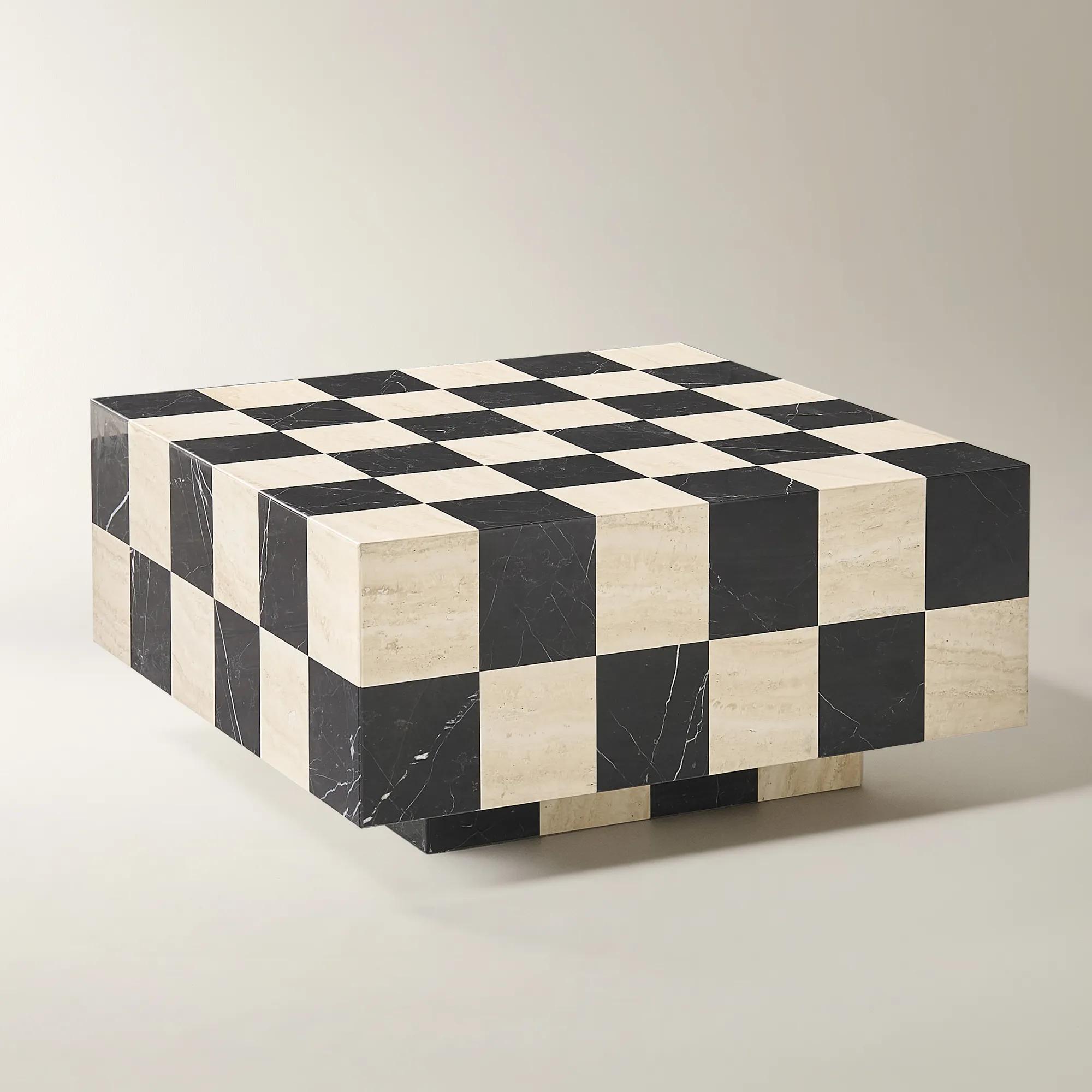 Chessa Square Chequered Marble Coffee Table (31.9")$1599
A striking coffee table featuring a dimensional black marble and travertine checkerboard mosaic with polished finish.
Add To Cart -
.jpg?w=1200&h=1200)
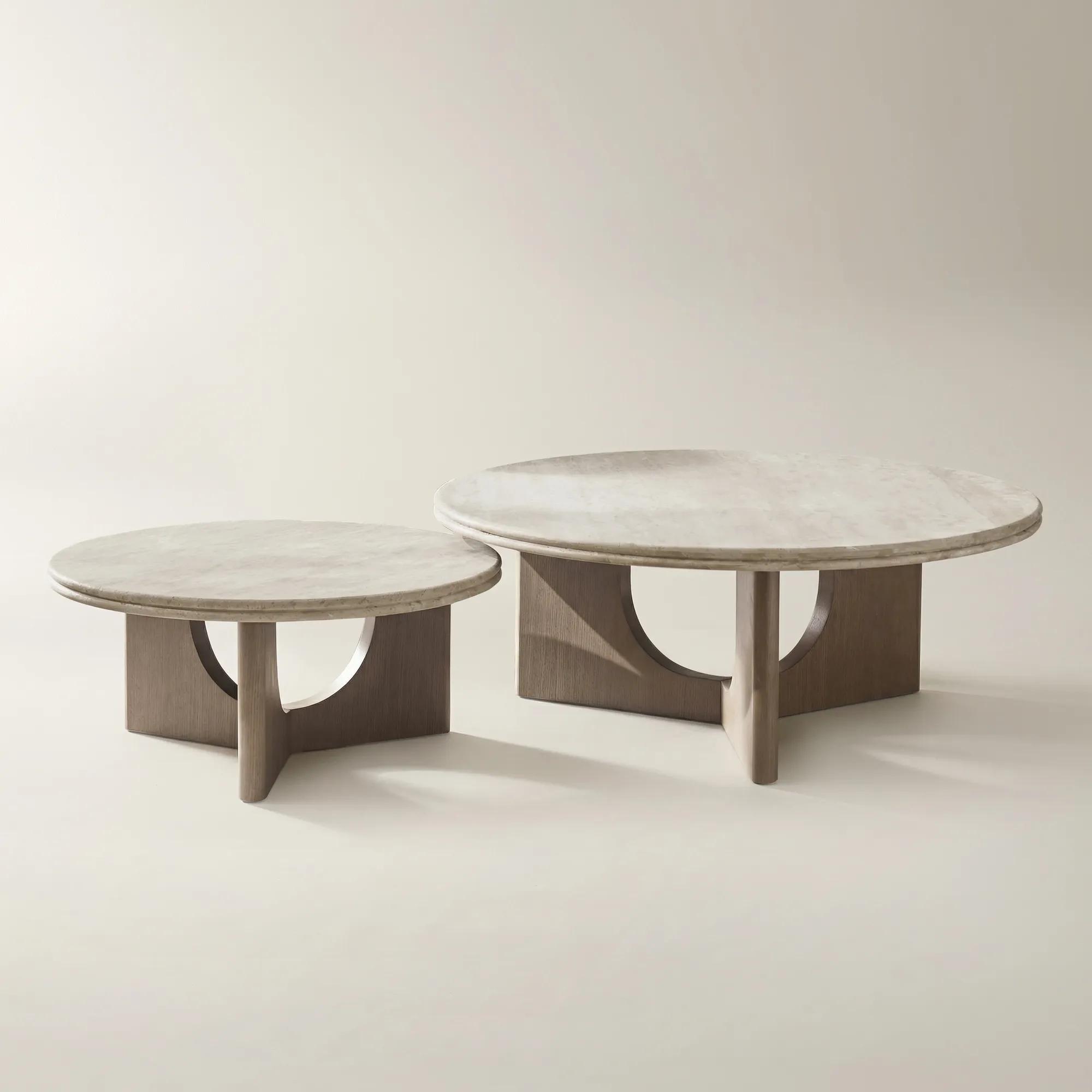
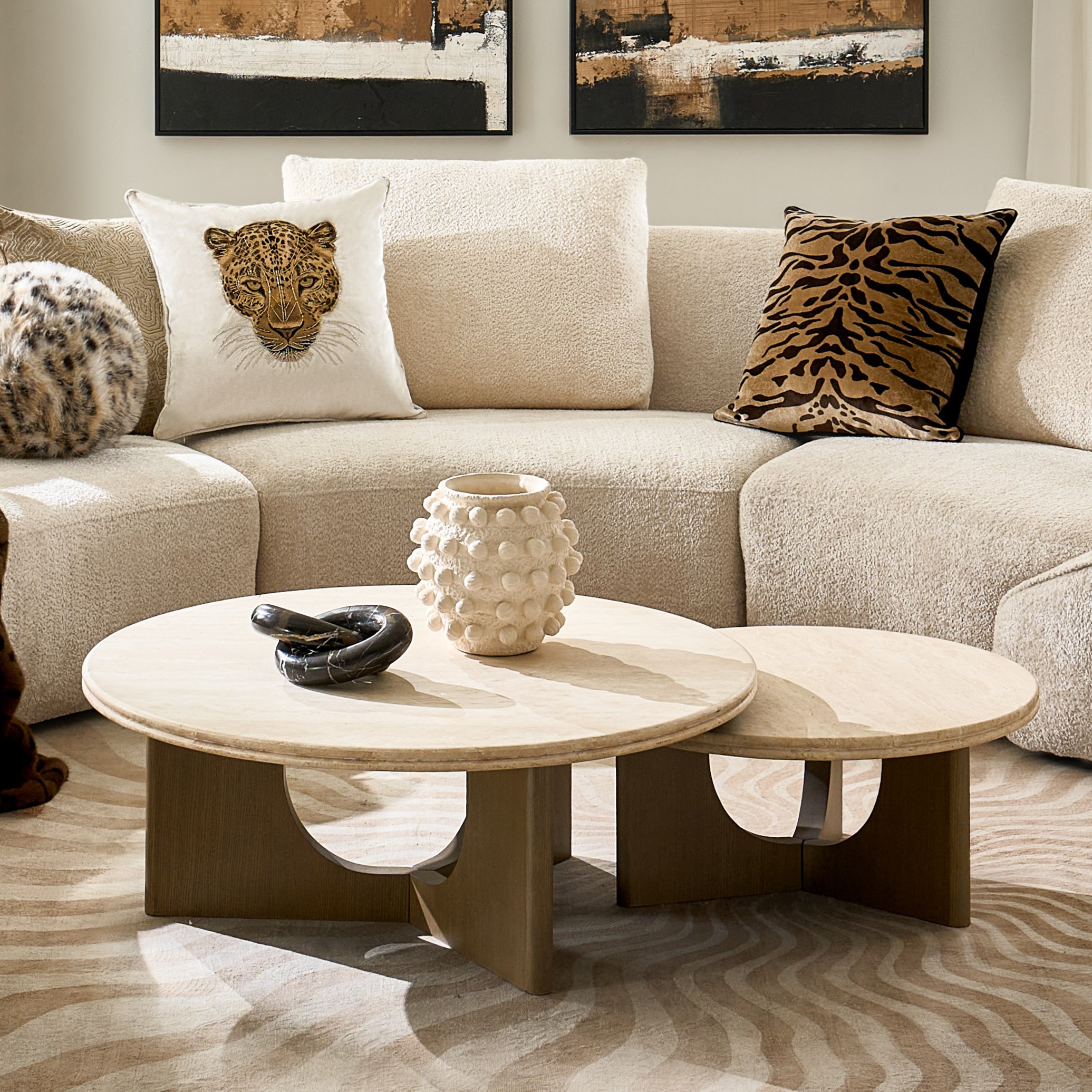 Bond Round Travertine and Wood Coffee Table (29.25")$699
A genuine travertine stone coffee table with warm ivory-gold tones atop a solid natural ash base.
Add To Cart -
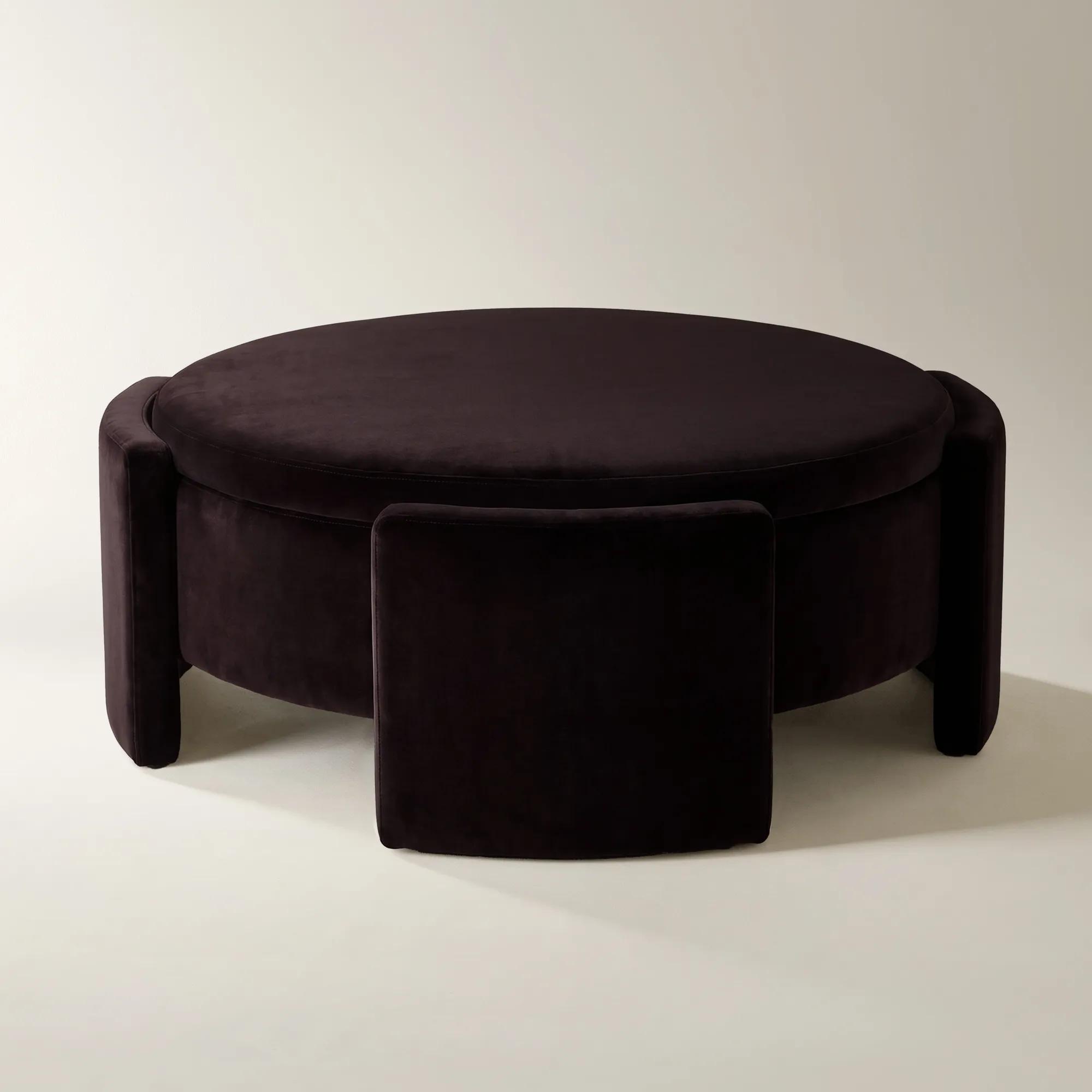
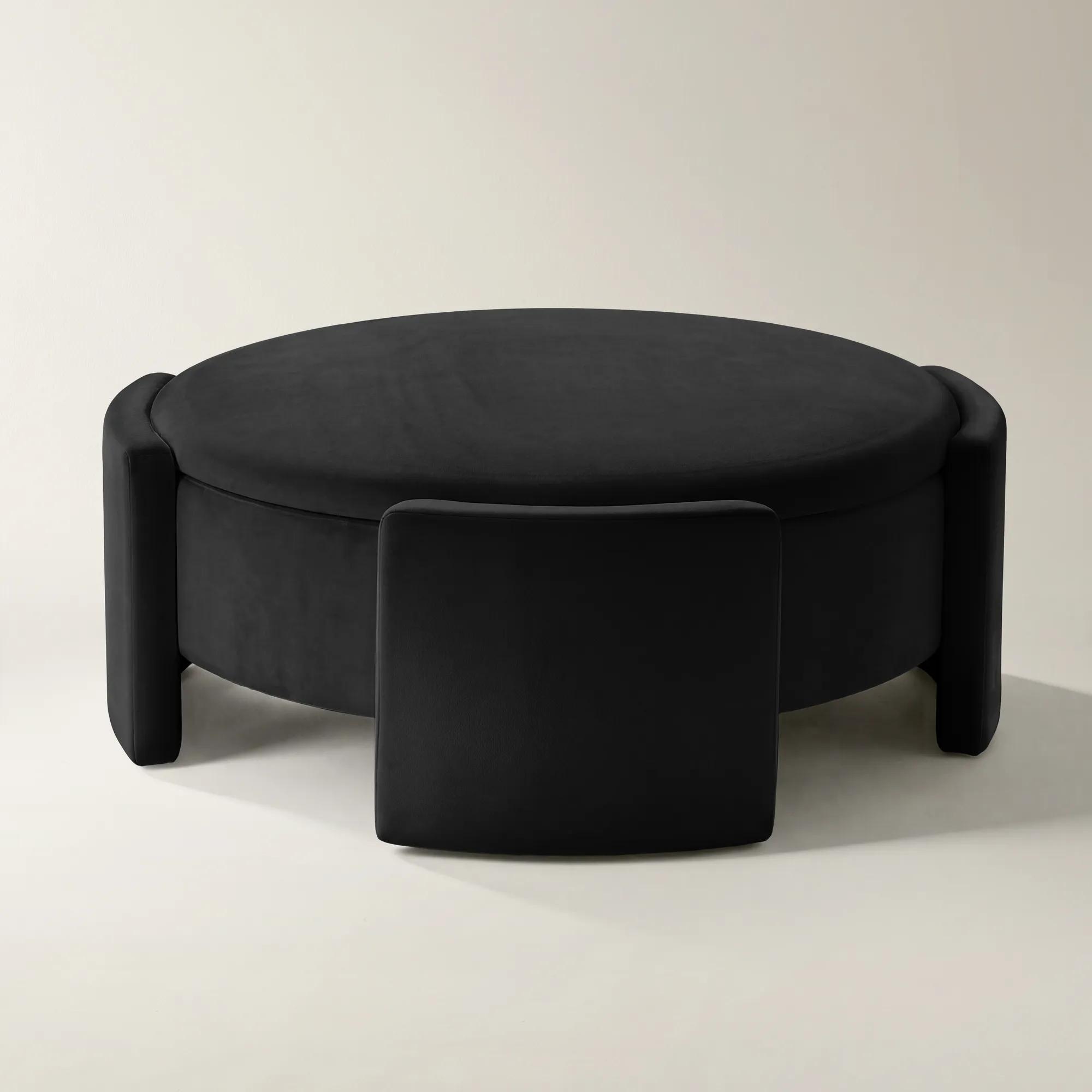
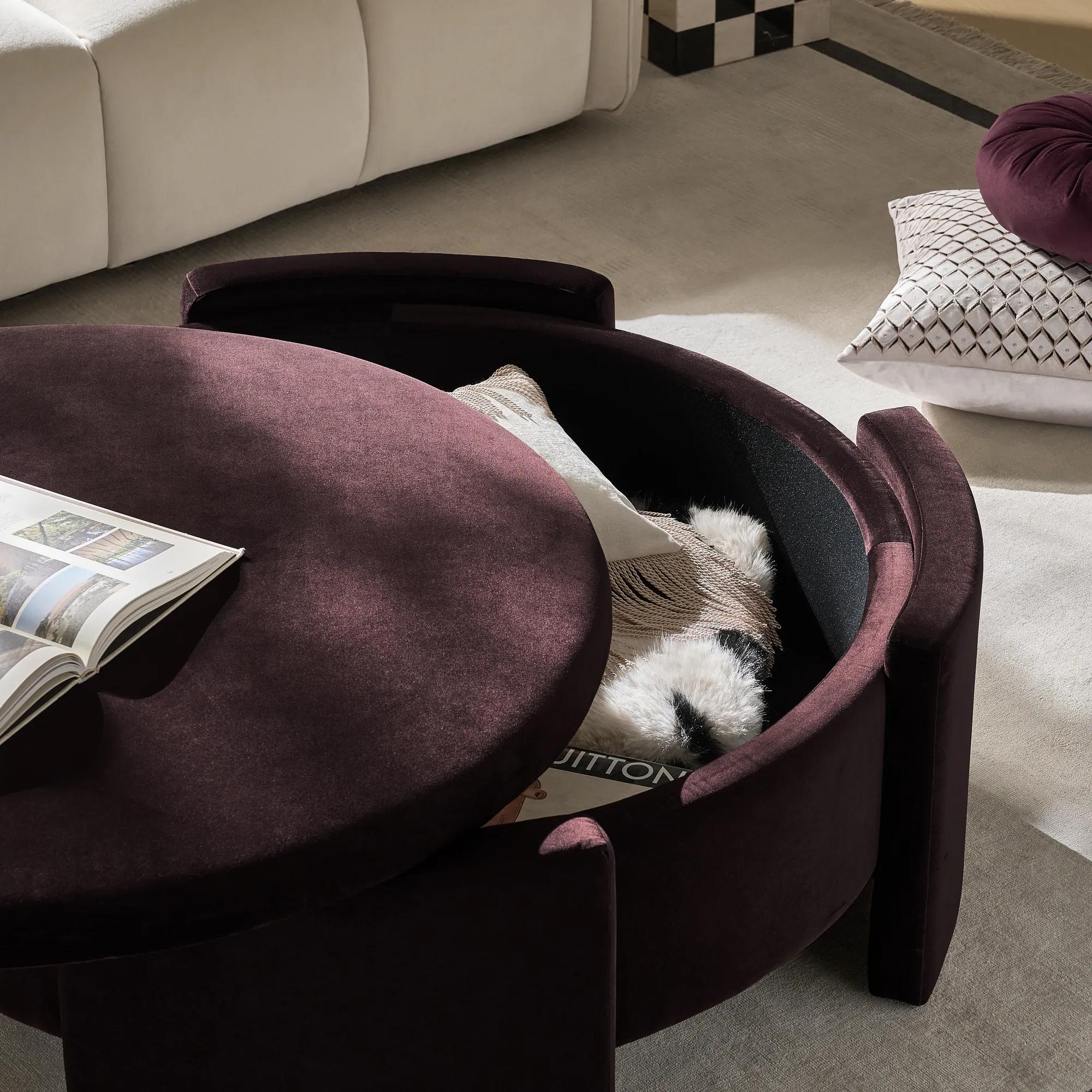 Jora Round Fig Velvet Storage Coffee Table With Reversible Tabletop (47.7")$799
A round fig velvet coffee table featuring a reversible wood tabletop and hidden interior storage.
Add To Cart -
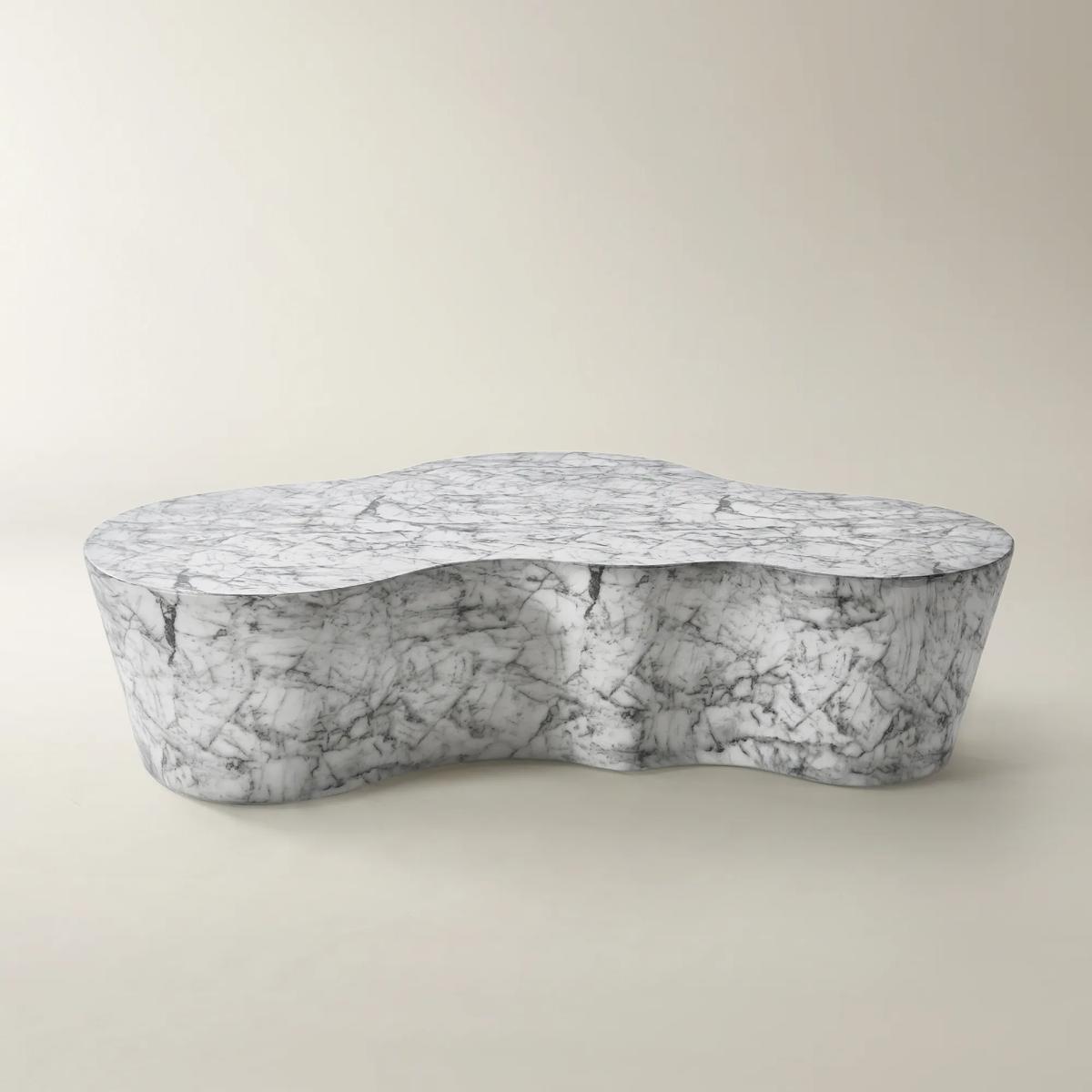
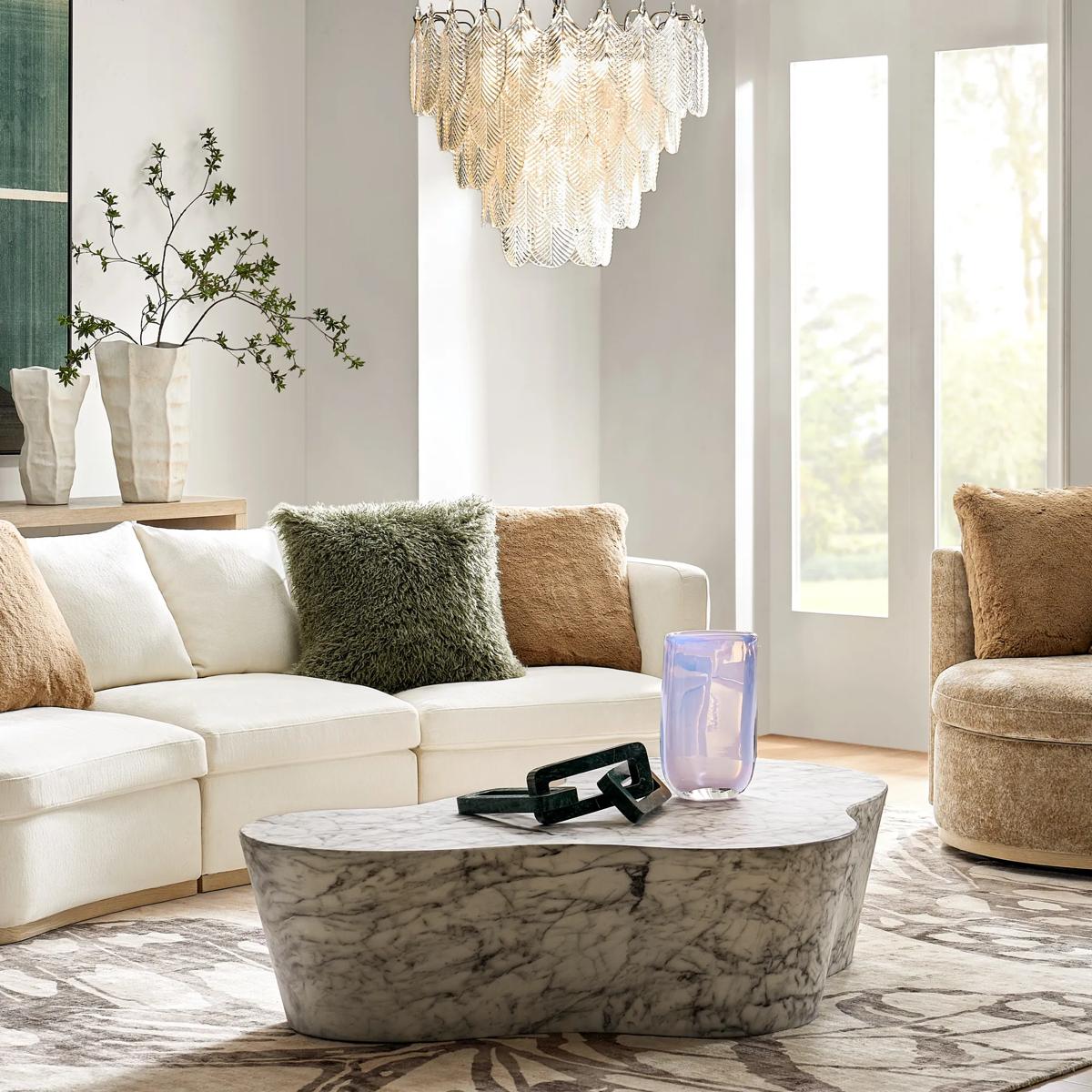 Petra White Concrete Indoor/outdoor Coffee Table (59.4")$1099
A cloud-inspired coffee table in lightweight fiber concrete with a hyper-realistic white marble finish.
Add To Cart -
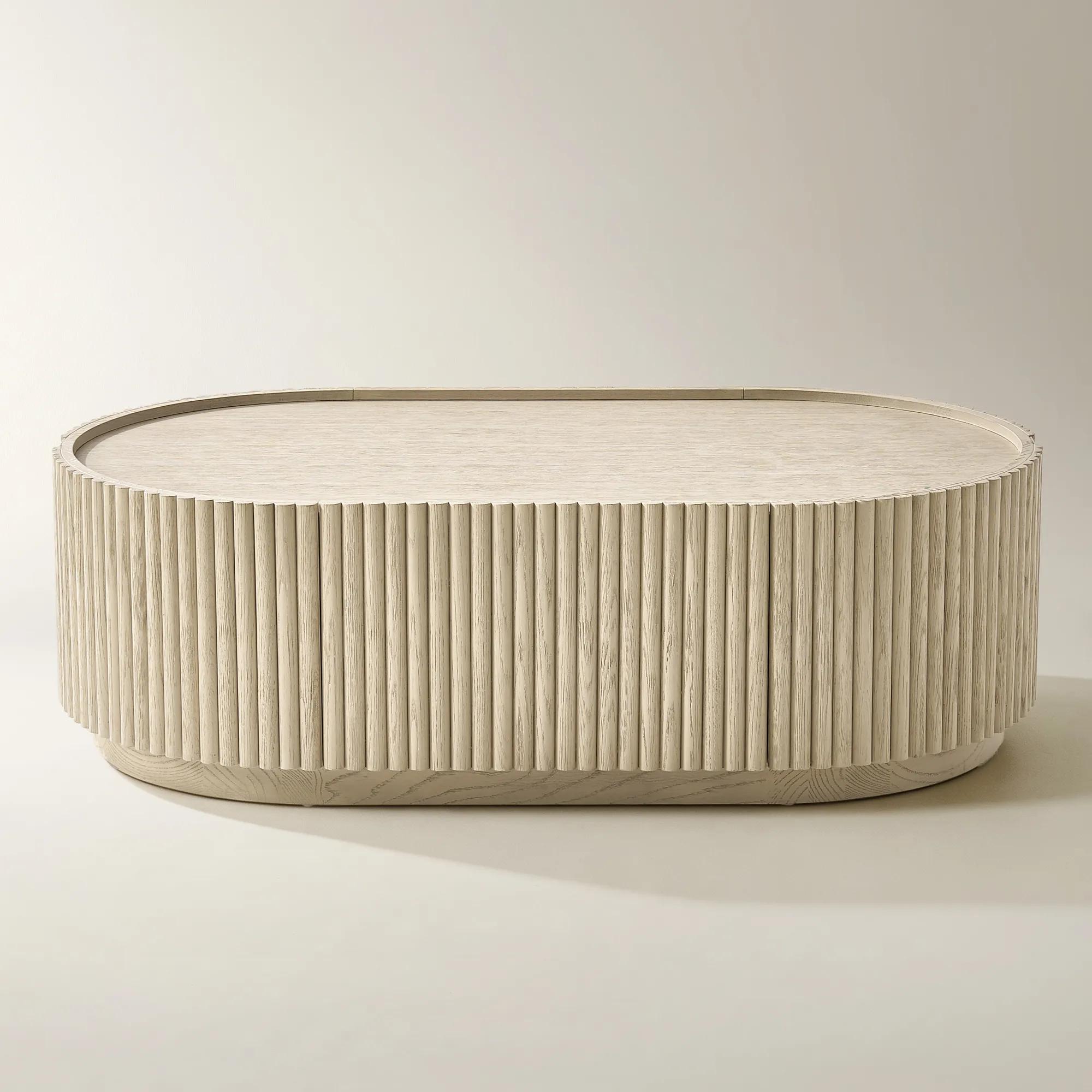
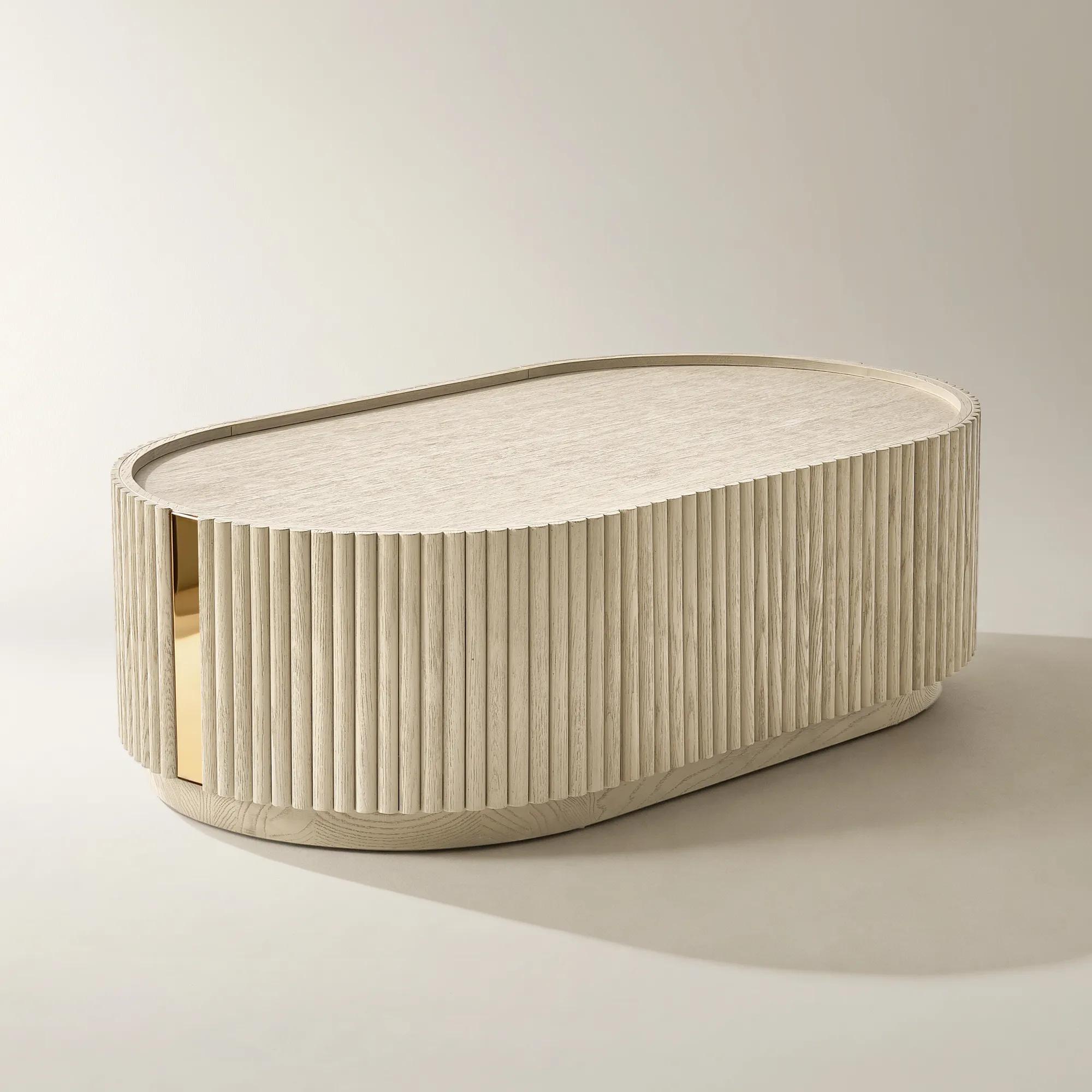 Stria Oval Reeded White Oak Coffee Table with Drawer (52")$1299
A reeded white oak coffee table with soft gold accents, recessed tabletop, and concealed soft-close drawer.
Add To Cart -
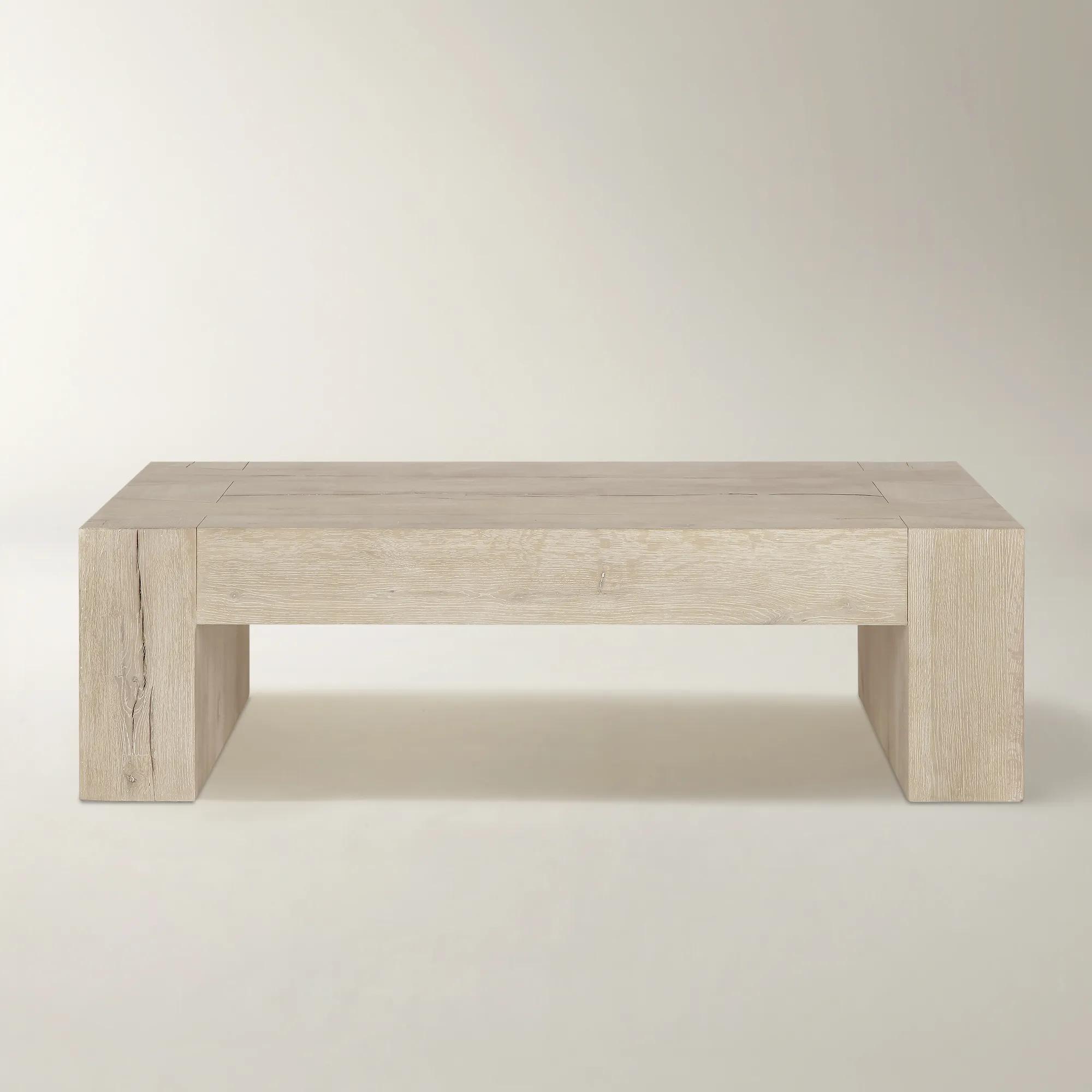 Bristol Rectangular Cream Oak Coffee Table (60")$2099
A handcrafted cream-finished coffee table featuring cracked oak details and modern dovetail accents for unique style.
Add To Cart -
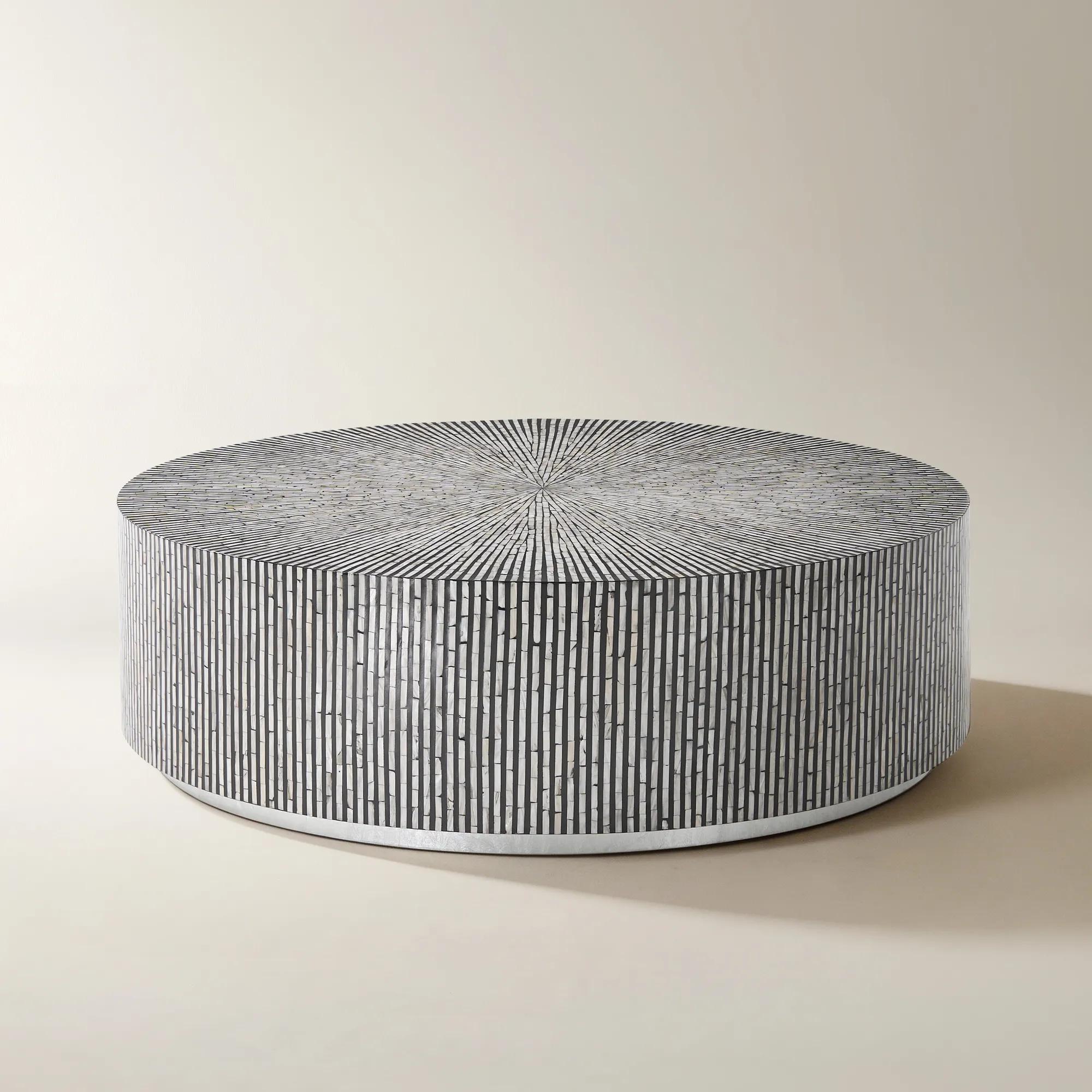
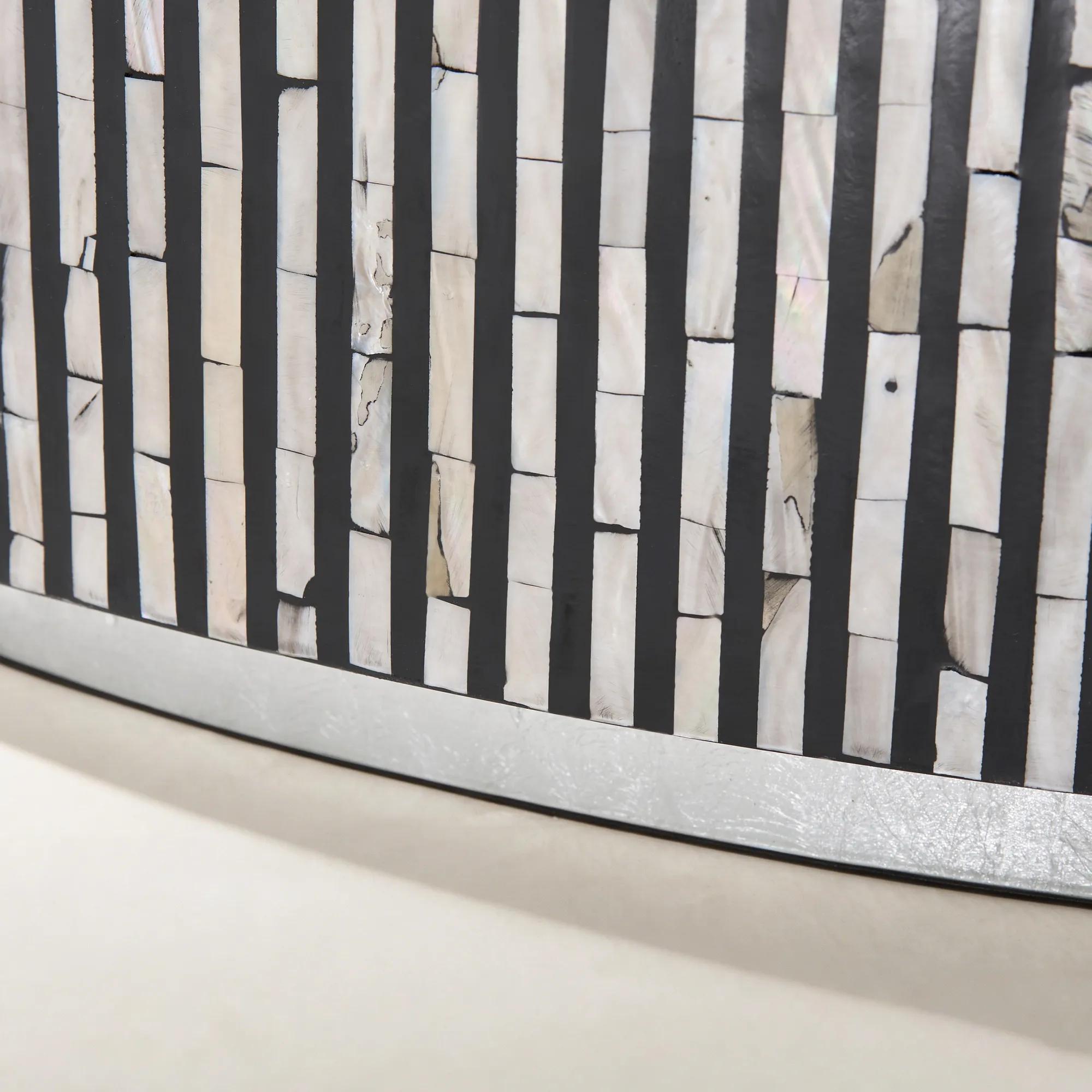 Marina Round Mosaic Black Coffee Table (52")$1299
A sculptural black coffee table featuring hand-applied mother-of-pearl mosaic and a silver leaf base.
Add To Cart -
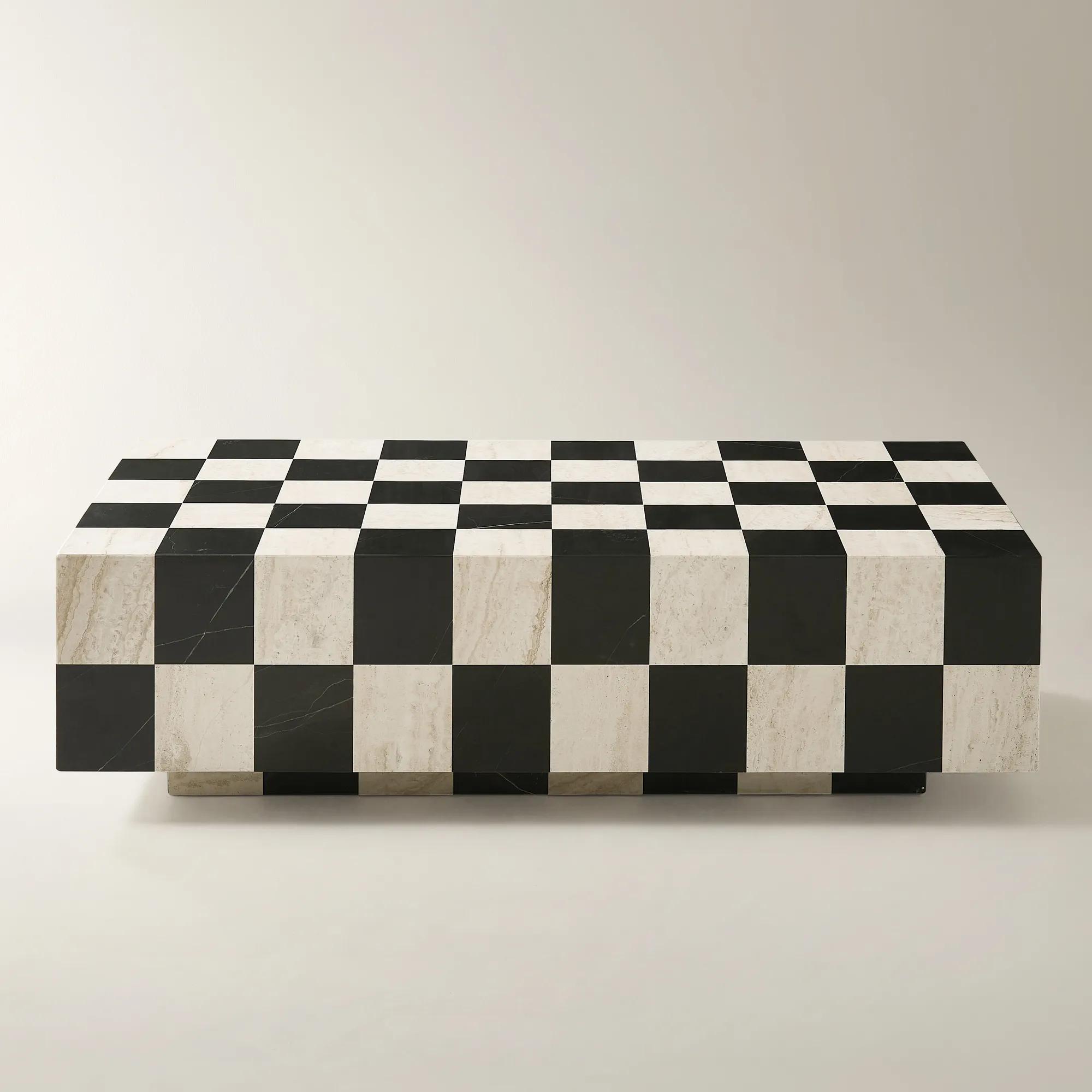 Chessa Rectangular Chequered Marble Coffee Table (53.1")$2399
A striking coffee table featuring a black marble and travertine checkerboard mosaic with sculptural precision.
Add To Cart -
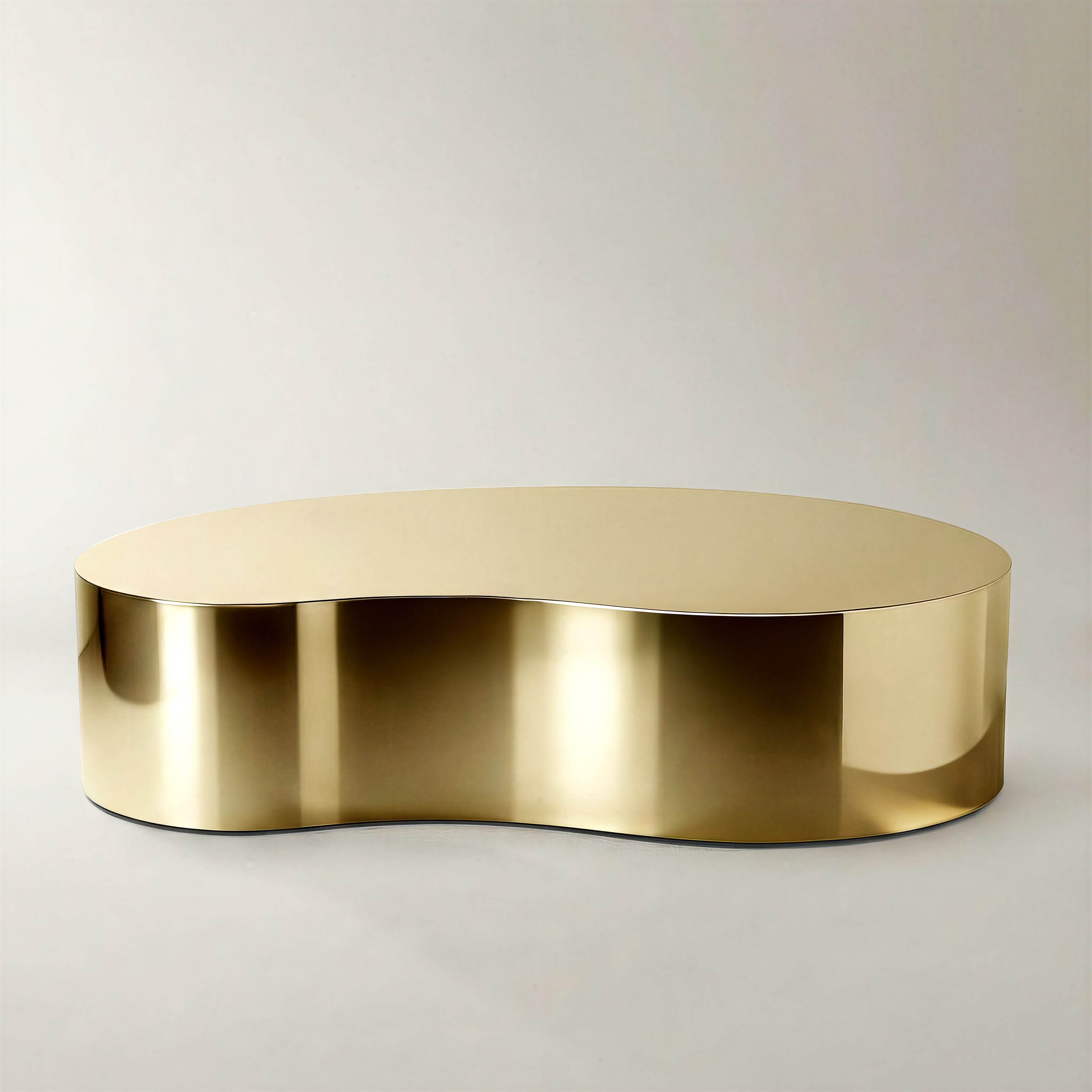
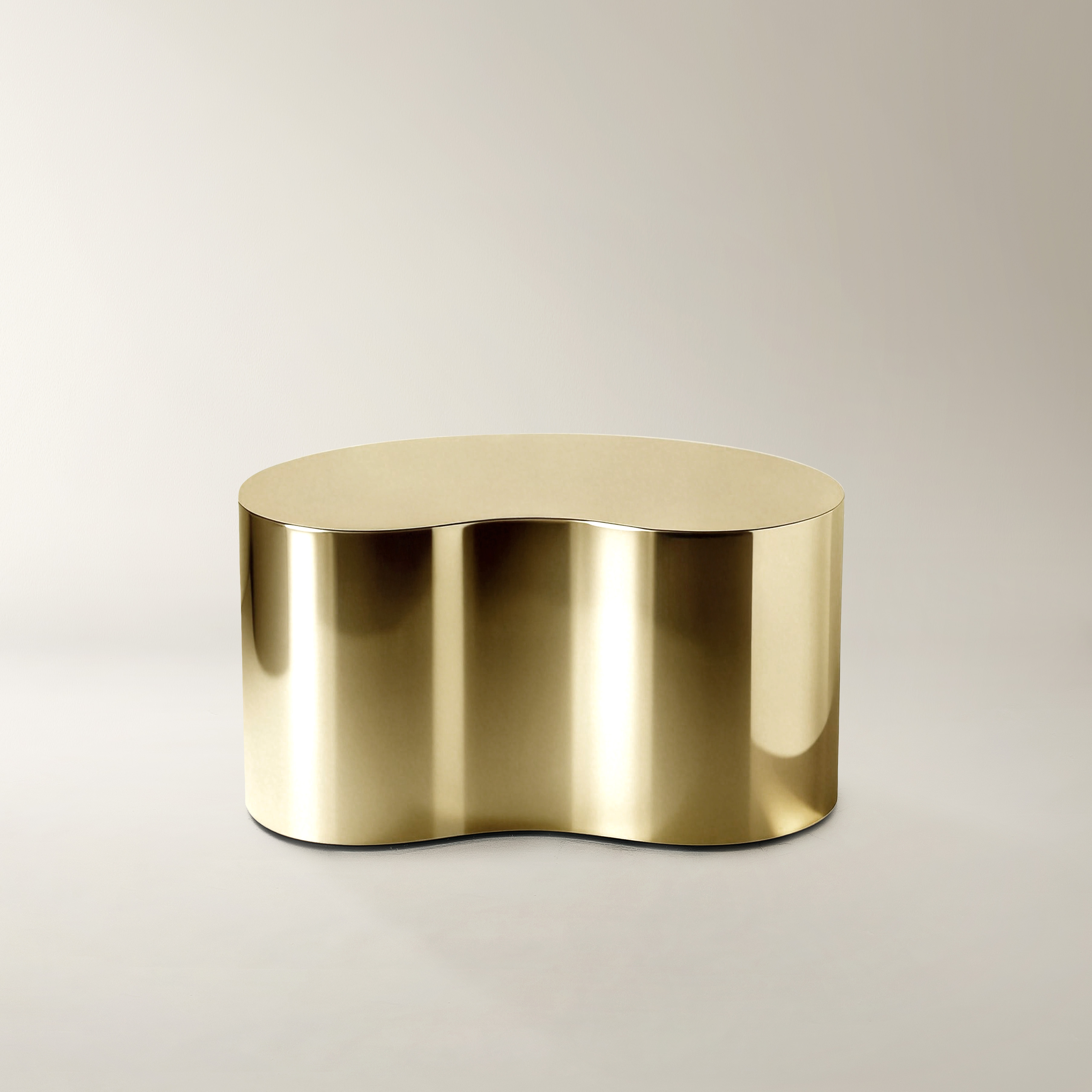
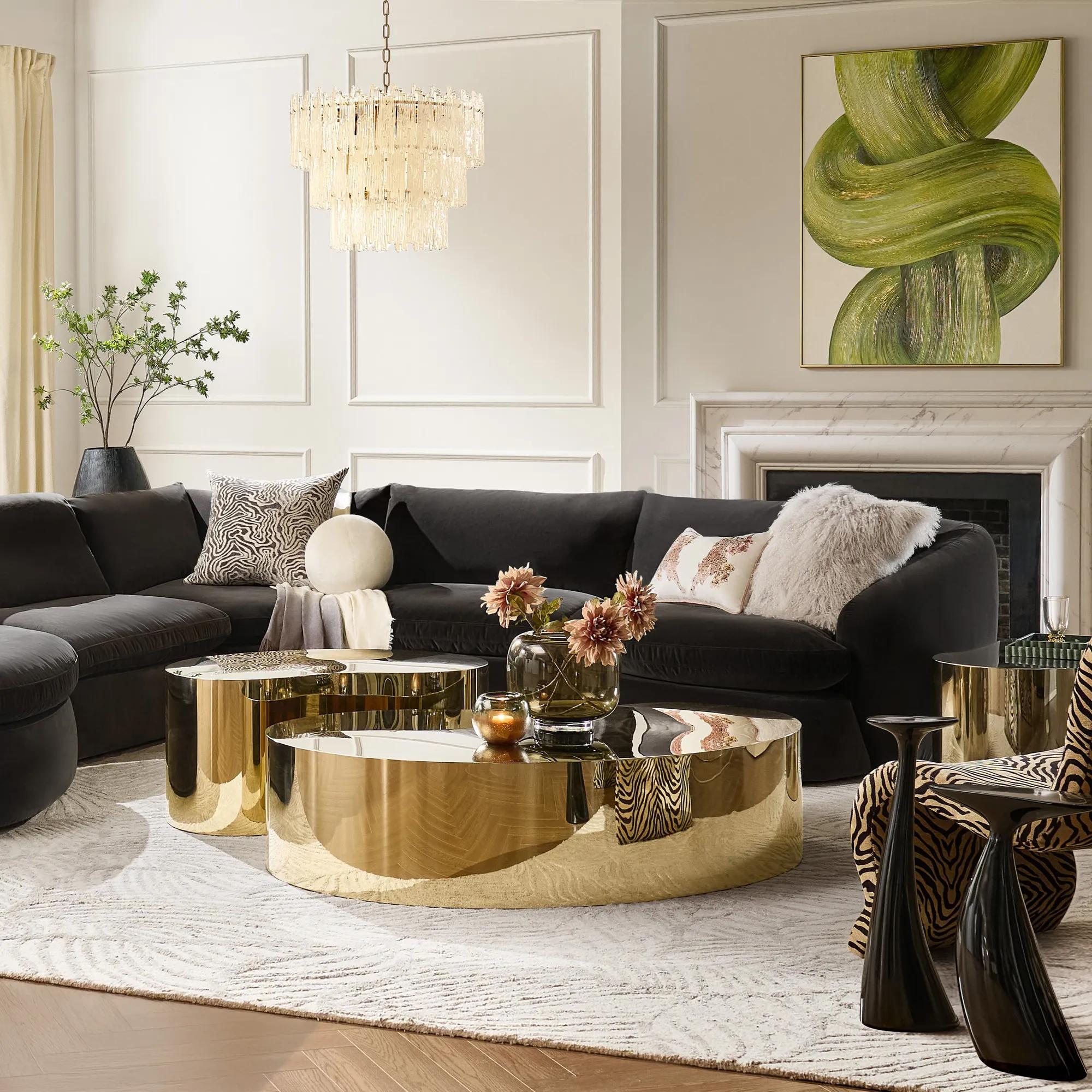 Aurea Soft Gold Coffee Table (57")$1299
A sculptural coffee table crafted from stainless steel with a high-gloss soft gold finish and rounded edges.
Add To Cart -
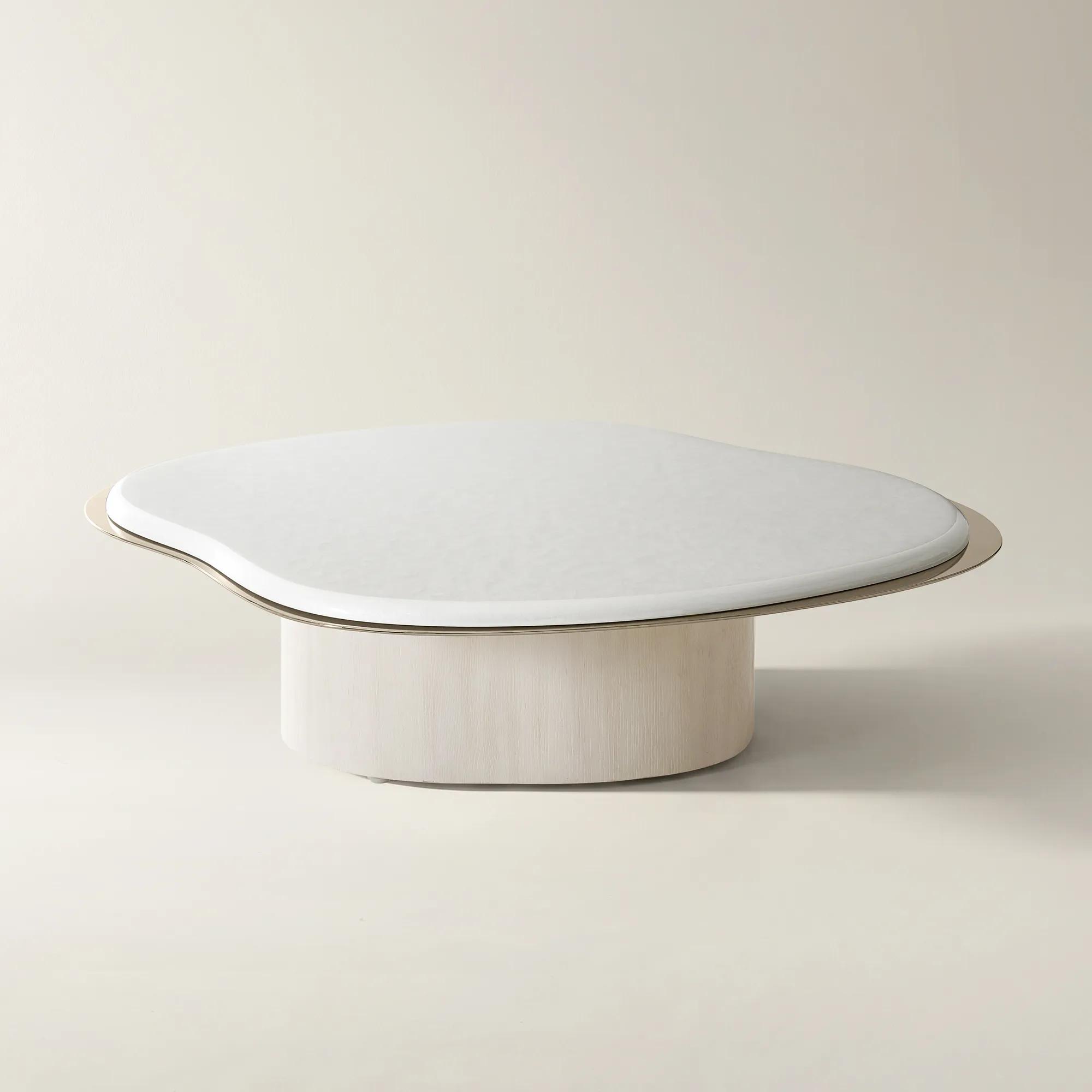
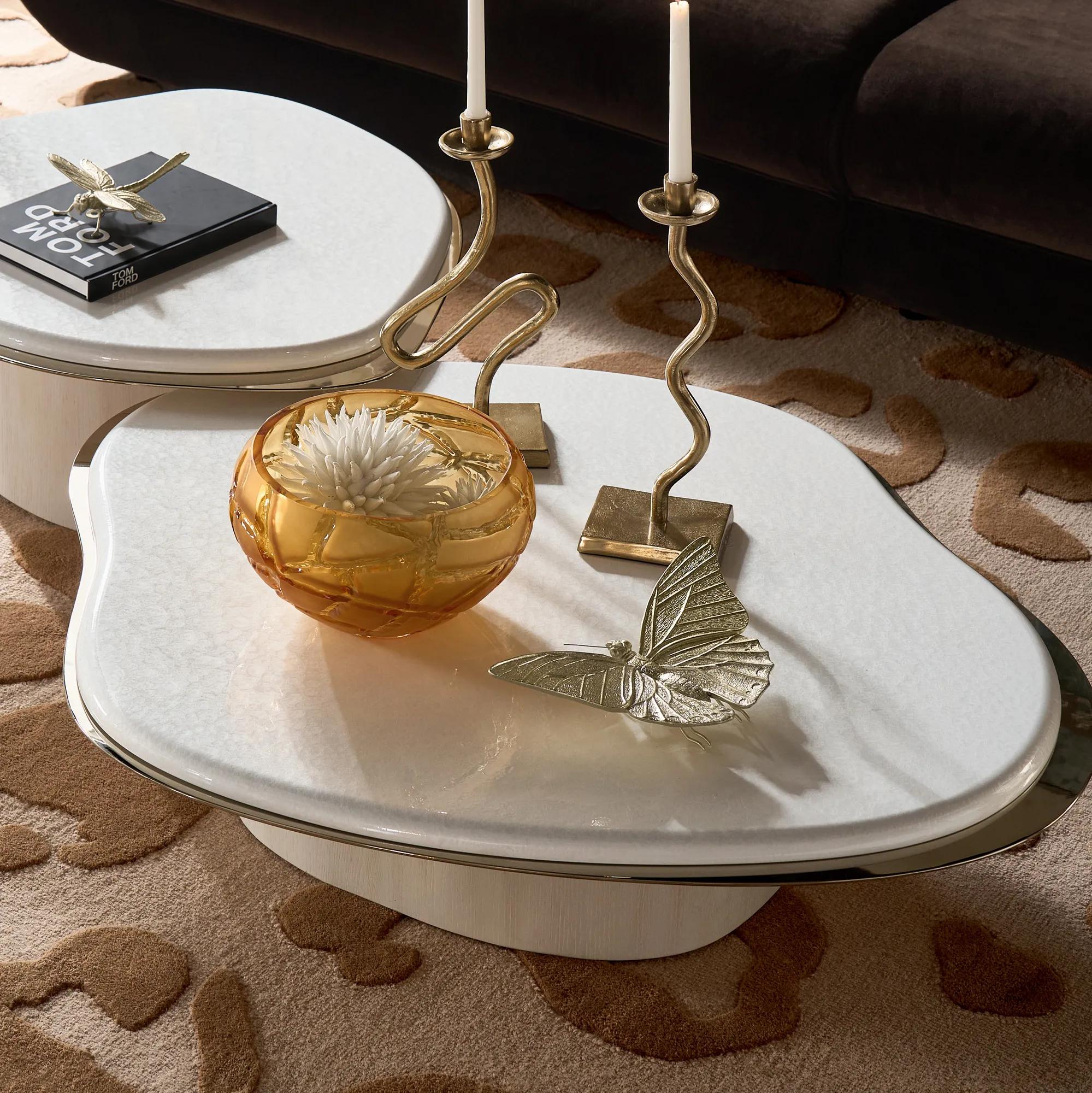 Lumina Bleached Oak Coffee Table With Pearl Lacquered Top (41")$1199
A sculptural coffee table featuring a pearl lacquered top, bleached oak base, and champagne gold trim.
Add To Cart -
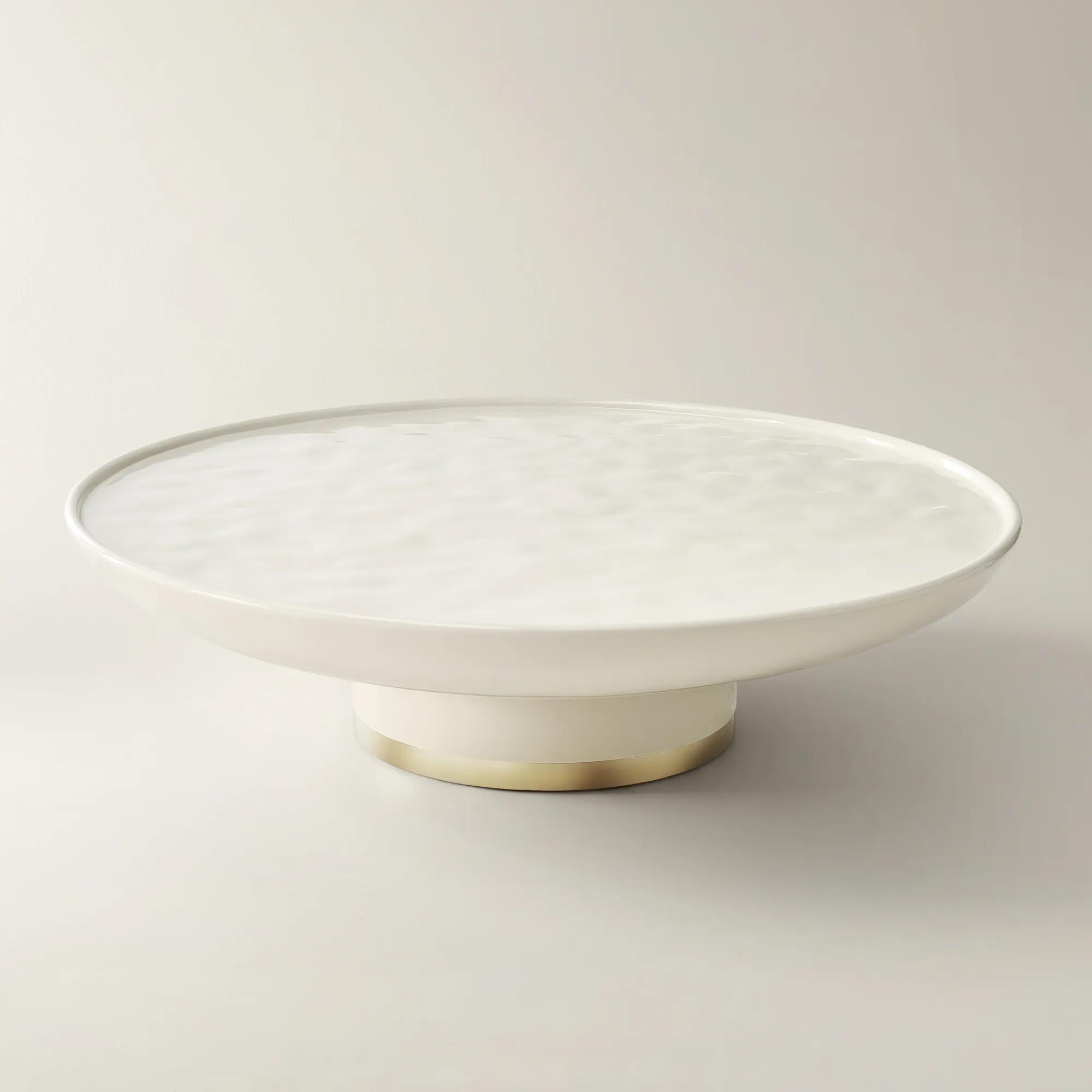
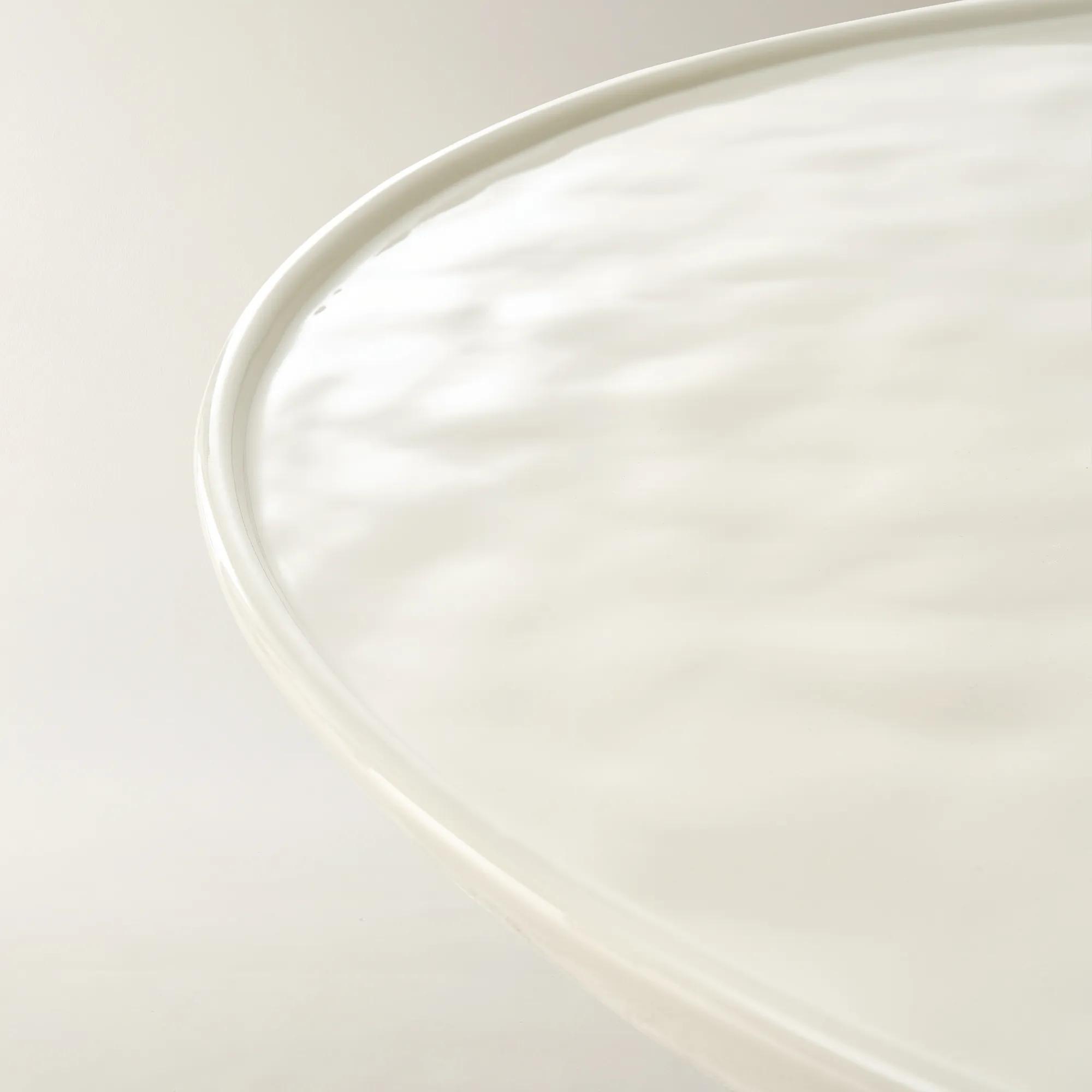 Celia Lacquered Cloud Resin Indoor/Outdoor Coffee Table (54")$1399
A sculptural one-piece resin coffee table with a high-gloss warm finish and gold stainless steel base.
Add To Cart -
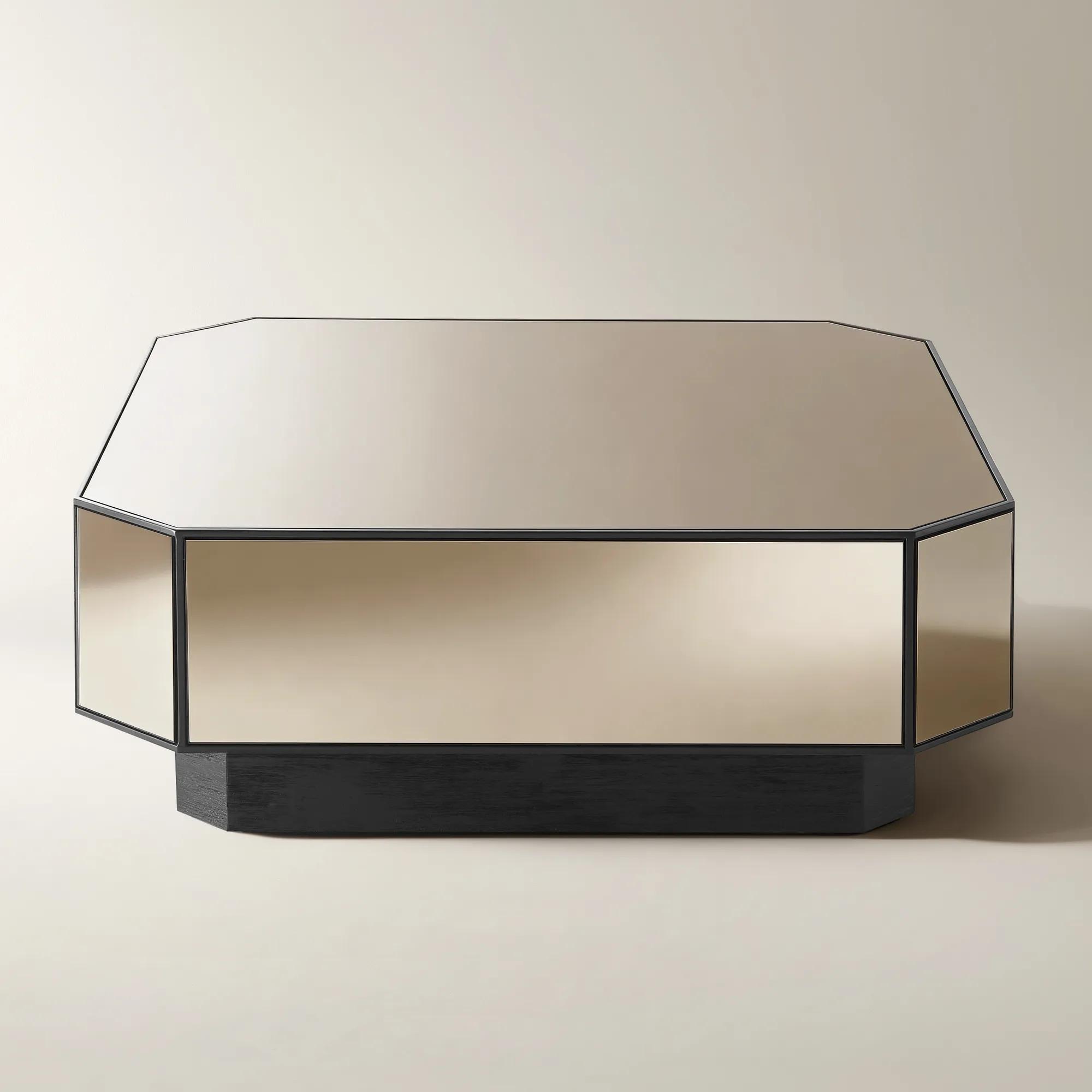 Glimmer Bronze Mirrored Coffee Table (44")$1499
A sculptural coffee table featuring bronze mirror panels and a black oak base for modern sophistication.
Add To Cart

Coffee Tables For Open Concept Spaces
Coffee tables for open concept spaces are more than mere surfaces—they are the anchors of artistry, defining zones and drawing the eye with sculptural presence. In a room where boundaries blur and light dances freely, the right coffee table becomes both statement and connector, inviting conversation and showcasing your flair for dramatic design. Whether you seek to punctuate a sprawling living area or create intimacy within a grand expanse, each piece is curated to transform open layouts into captivating canvases—where every detail speaks to your unique vision of modern luxury.
Coffee tables for open concept spaces do more than complete a seating arrangement; they help give an expansive room its sense of rhythm, intimacy, and purpose. In a home where the living room flows into the dining area, kitchen, or entryway, the right table can define the conversation zone without interrupting the architecture. Think of it as the centerpiece of a carefully composed vignette: a sculptural form that anchors sofas and chairs, offers an inviting landing place for coffee and cocktails, and brings warmth to the open stretch of floor between one area and the next. Round and oval silhouettes are especially effective in shared spaces because their curved profiles soften the straight lines of walls, windows, cabinetry, and sectional seating. Without sharp corners projecting into busy walkways, they encourage a more graceful flow around the room and help reduce the possibility of bumped knees in high-traffic areas. A circular table can also make a large seating arrangement feel more gathered, drawing everyone into the same visual and conversational orbit. Rectangular and square tables bring a more tailored, architectural presence, making them compelling choices for longer sofas or generously scaled rooms, particularly when their proportions echo the lines of a nearby kitchen island or dining table. For compact or frequently reconfigured spaces, nesting tables offer a beautifully flexible solution: separate them when guests arrive and additional surface area is needed, then tuck them together to restore a sense of openness. This adaptability is especially useful during the cooler months, when gatherings tend to move indoors and a living room may shift effortlessly from quiet reading retreat to evening entertaining scene.
Scale is the first consideration when selecting a coffee table for an open concept layout. As a reliable starting point, look for a table that measures roughly two-thirds the length of the sofa, leaving enough breathing room at either end while maintaining a balanced relationship with the seating. The table should sit comfortably within reach, generally about 16 to 18 inches from the front edge of a sofa or chair, while preserving a clear path for movement. In an open room, those walkways matter as much as the table itself; generous clearance around the perimeter keeps the space feeling airy rather than crowded and allows guests to move naturally between the living area, dining zone, and kitchen. Height deserves equal attention. A tabletop that sits near the seat height of the surrounding furniture creates a polished, cohesive composition, while a lower profile can introduce a relaxed, gallery-like feeling beneath a substantial sofa. Consider sightlines from every direction, not only from the primary seat. An open-frame base, a glass top, or another visually light construction can maintain the spacious impression of an open floor plan by allowing light and glimpses of the rug to travel beneath the table. This is particularly compelling in smaller shared areas, where a solid, weighty silhouette may create unnecessary visual pressure. Glass and acrylic surfaces can feel luminous and refined, while metal bases bring a sleek, sculptural edge. Wood introduces depth, grain, and an organic counterpoint to polished stone, lacquer, or reflective accents, grounding a room with warmth and craftsmanship. If the table will serve a household with children, pets, or frequent visitors, prioritize surfaces that are easy to live with and bases that feel stable beneath everyday use. Rounded edges, protective finishes, and resilient materials allow the piece to remain beautiful through coffee rings, game nights, flower arranging, and the occasional hurried breakfast.
The most successful coffee tables for open concept spaces are chosen not only for their dimensions but for the mood they create across the entire room. A gleaming surface can catch the glow of lamps and candlelight, adding a touch of evening drama when the weather turns cool. A richly grained wood finish can make a broad, airy interior feel more inviting, particularly when paired with woven textures, plush upholstery, and a rug that visually gathers the seating arrangement. A mirror-finish or sculptural table can heighten a glamorous setting, reflecting surrounding color and turning an everyday surface into part of the room’s artistic expression. Use the tabletop with intention: a low arrangement of branches, a stack of design books, or a striking vessel can create a focal point without overwhelming the view across an open plan. Leave enough open surface for practical living, including serving trays, drinks, remote controls, and the spontaneous gatherings that make a home feel personal. Those considering a coordinated dining area may also explore Modern Round Dining Tables for Open Concept Homes to continue the language of curved forms and graceful movement beyond the living room. Coffee tables can make thoughtful housewarming gifts as well, especially for someone settling into a loft, entertaining-friendly condo, or newly redesigned great room; a versatile silhouette offers both immediate beauty and years of use. Whether the preference is for an airy round table, an oval form that eases circulation, a transparent top that preserves visual flow, a handcrafted wood presence, or a nesting design that adapts to changing needs, the ideal choice should feel like a natural extension of the home. It defines the scene without closing it in, gives everyday rituals a more beautiful setting, and transforms open square footage into a room with atmosphere, comfort, and unmistakable character.
FAQs
Open concept spaces invite a blend of materials that reflect your personal style and the room’s overall mood. Timber coffee tables exude warmth and organic texture, while acrylic coffee tables create a sense of airiness and modern intrigue. Glass, metal, and mixed-material designs can add layers of visual interest, allowing your coffee table to become a true centerpiece that harmonizes with the surrounding decor.
Styling a coffee table in an open concept living area is all about balance and artistry. Layer decorative trays, sculptural objects, and coffee table books to create dimension, while keeping enough open space for functionality. Accentuate the table with fresh florals or a striking vase, and consider the sightlines from every angle—your table should captivate, no matter where you’re standing.
A statement coffee table makes a thoughtful and memorable gift, especially for housewarmings, weddings, or milestone celebrations. It’s a piece that anchors a home’s gathering space and becomes part of daily rituals, making it both beautiful and meaningful for those starting a new chapter or redefining their living environment.
To create a cohesive look, consider the shapes, finishes, and textures already present in your space. A bold, sculptural coffee table can provide dramatic contrast to soft, plush seating, while a minimalist acrylic coffee table can highlight colorful rugs or statement chairs. The key is to let your coffee table enhance the overall narrative of your room, whether through harmony or deliberate juxtaposition.
In open concept design, the coffee table acts as a visual anchor, defining the living area and encouraging flow between different zones. It invites gathering, conversation, and creativity, serving as both a functional surface and an artistic focal point. The right coffee table transforms your space, making every moment—whether entertaining guests or enjoying a quiet morning—feel elevated and intentional.
.jpeg?w=2999&h=3000)
.jpg?w=3951&h=3951)