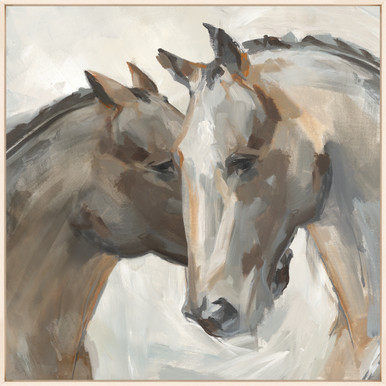
40 X 60 Framed Wall Art
40 X 60 Framed Wall Art
-
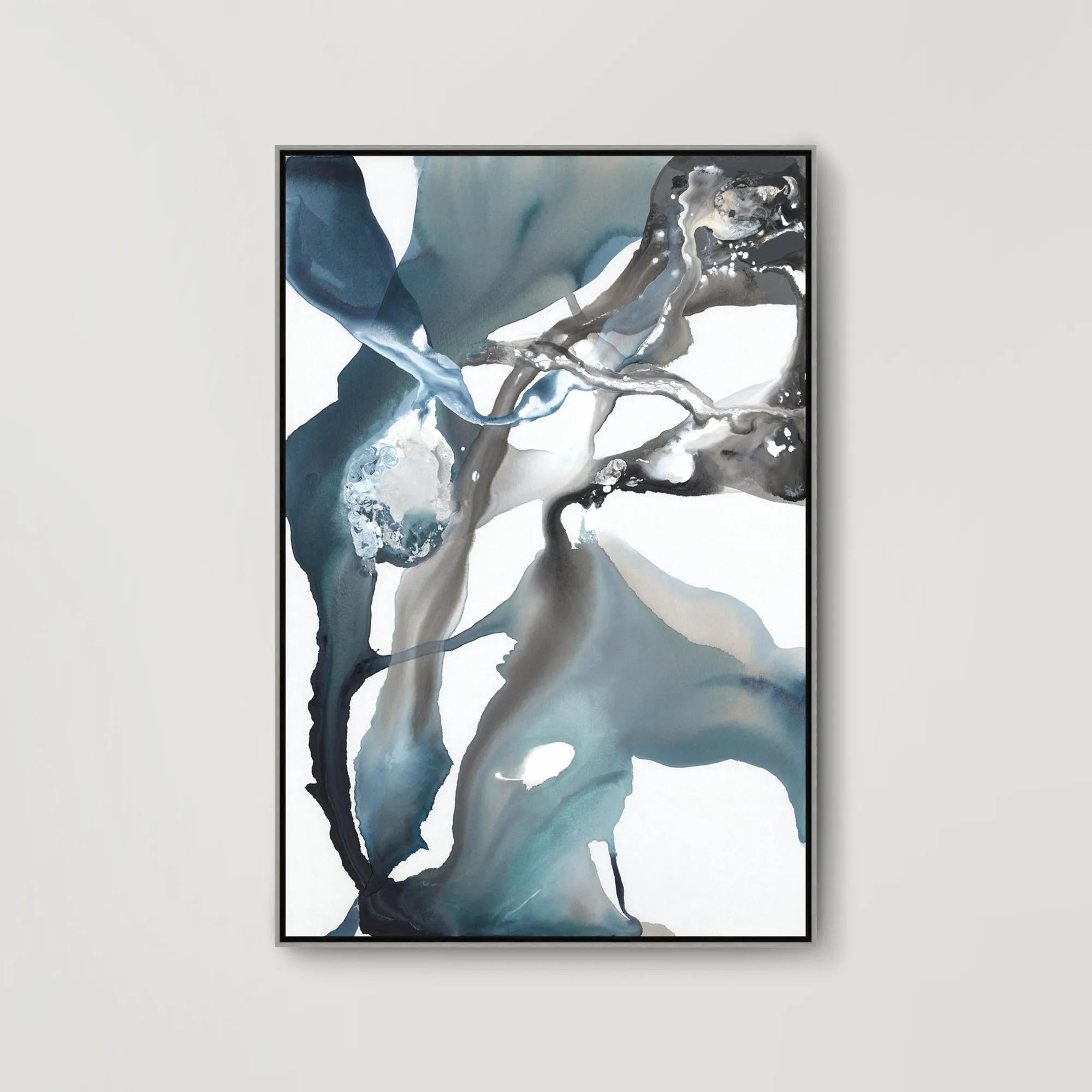
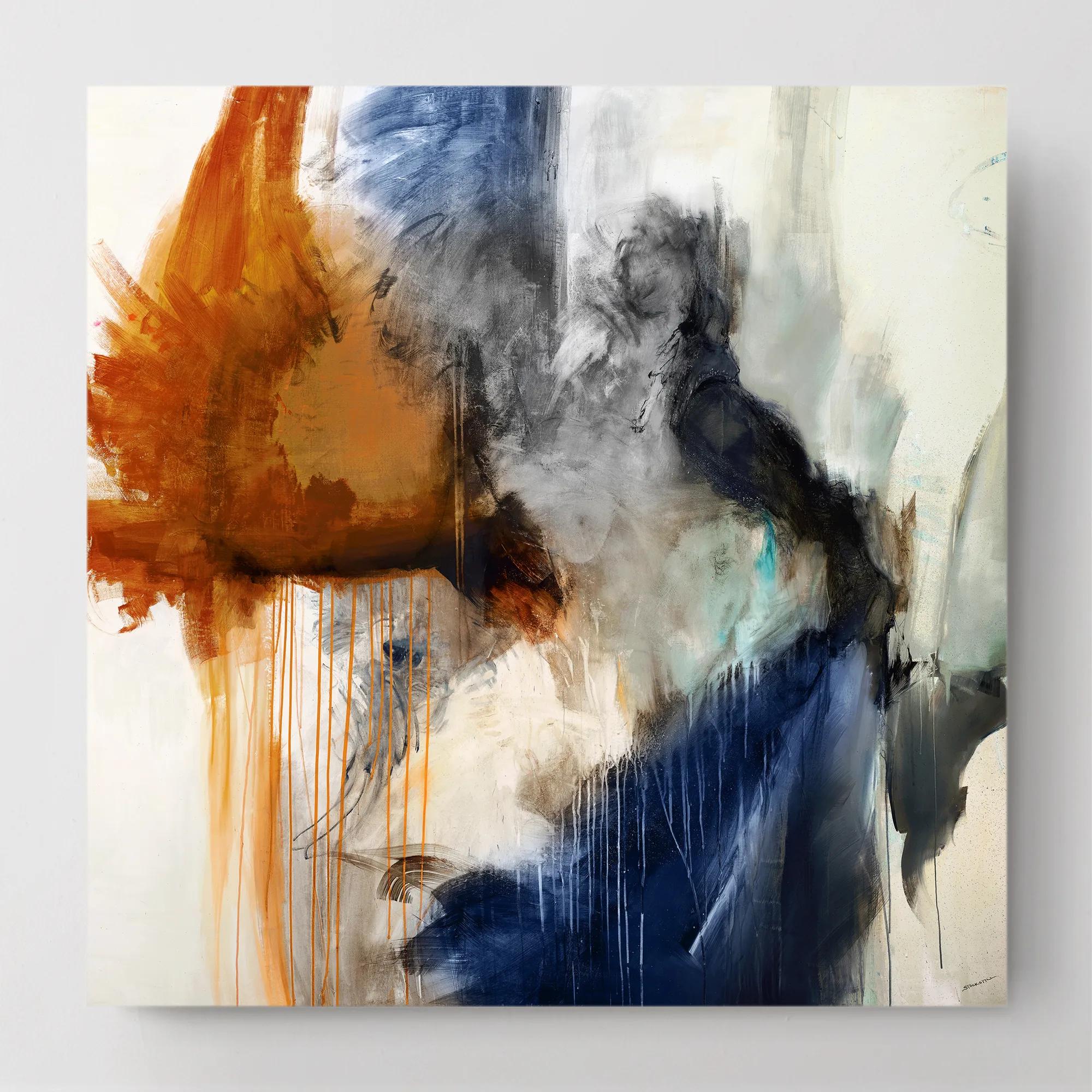
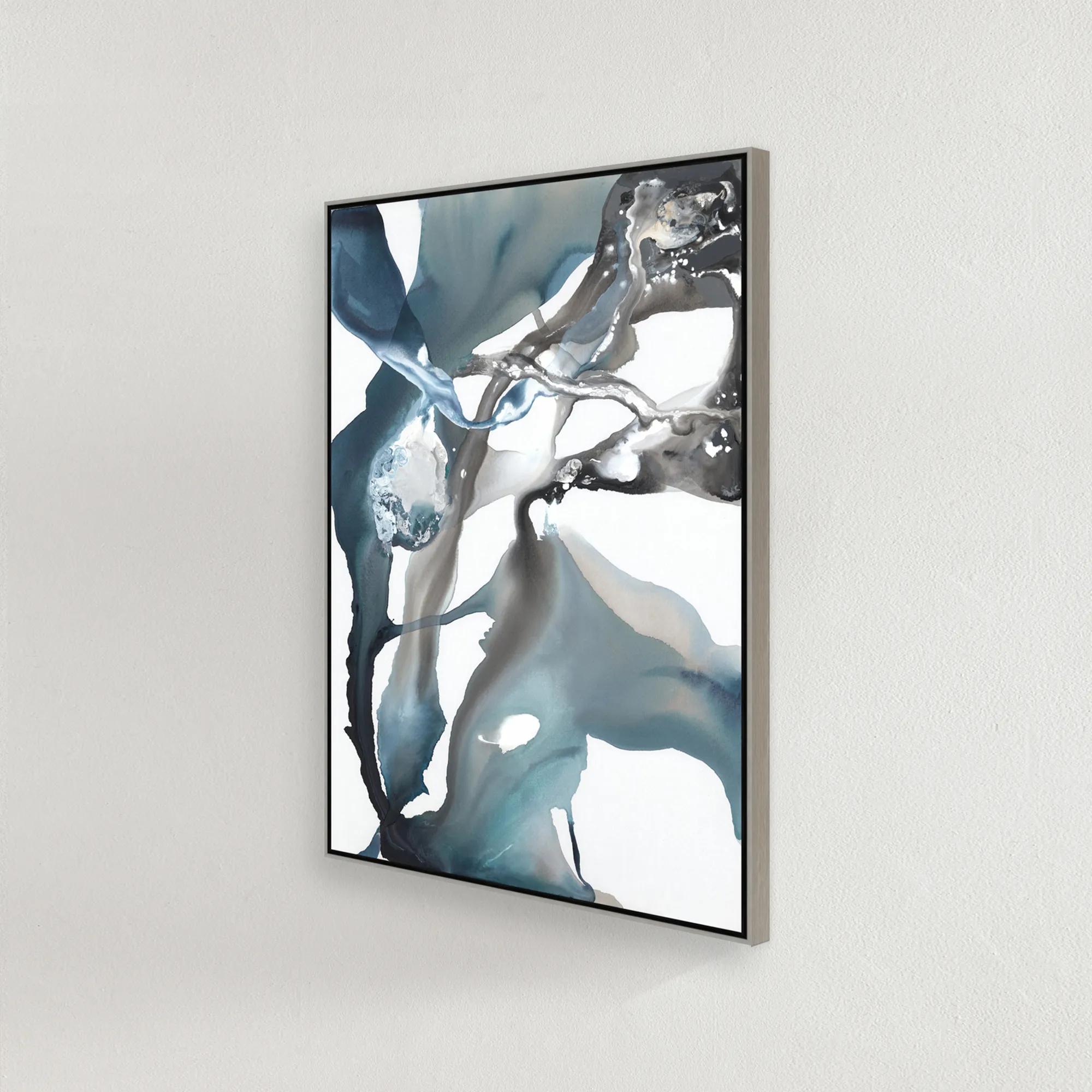 Cool Cascade Framed Wall Art 37.5" x 55.5"$849
A gallery-wrapped canvas artwork featuring expressive colors, hand-applied brush gel, and a gunmetal floater frame.
Add To Cart -
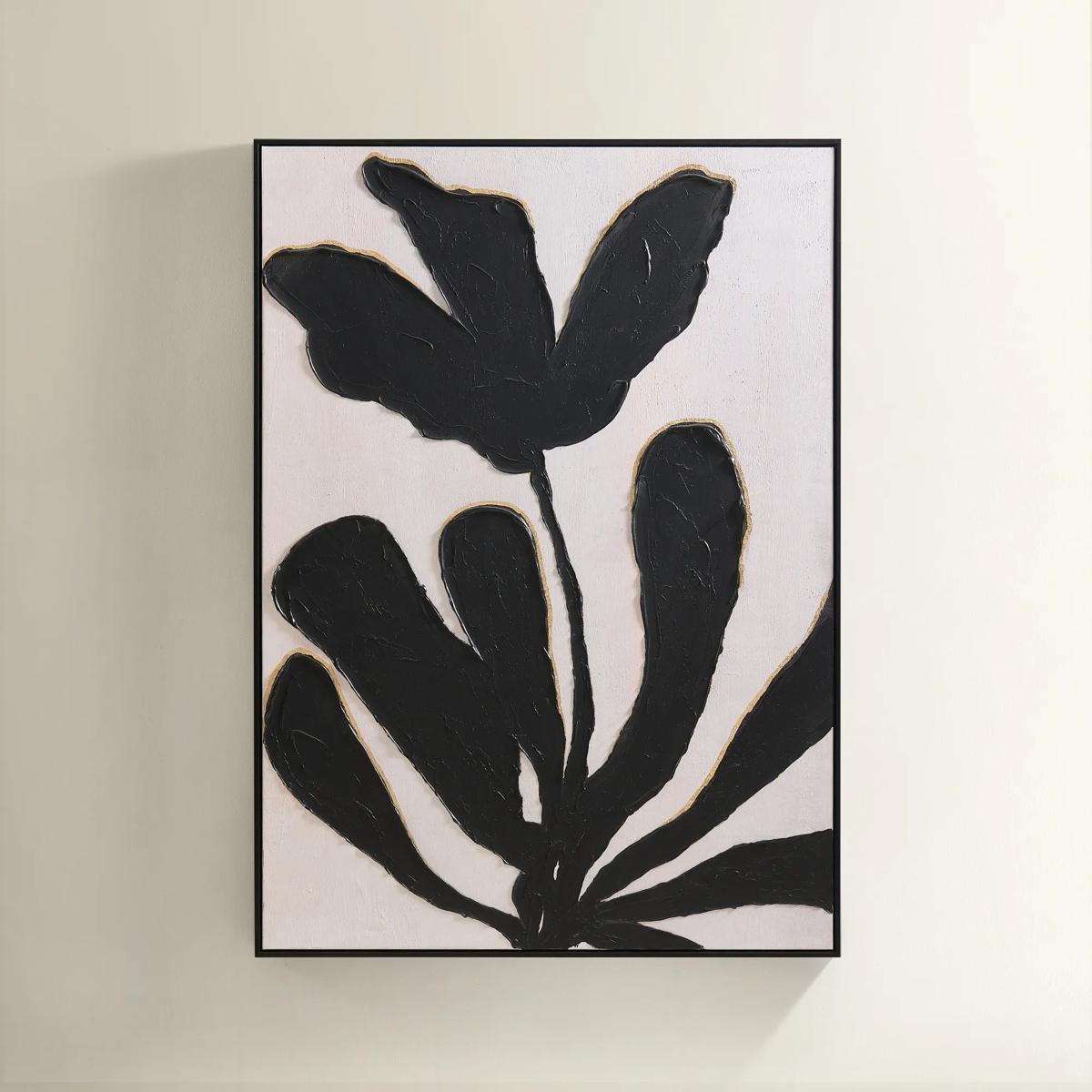
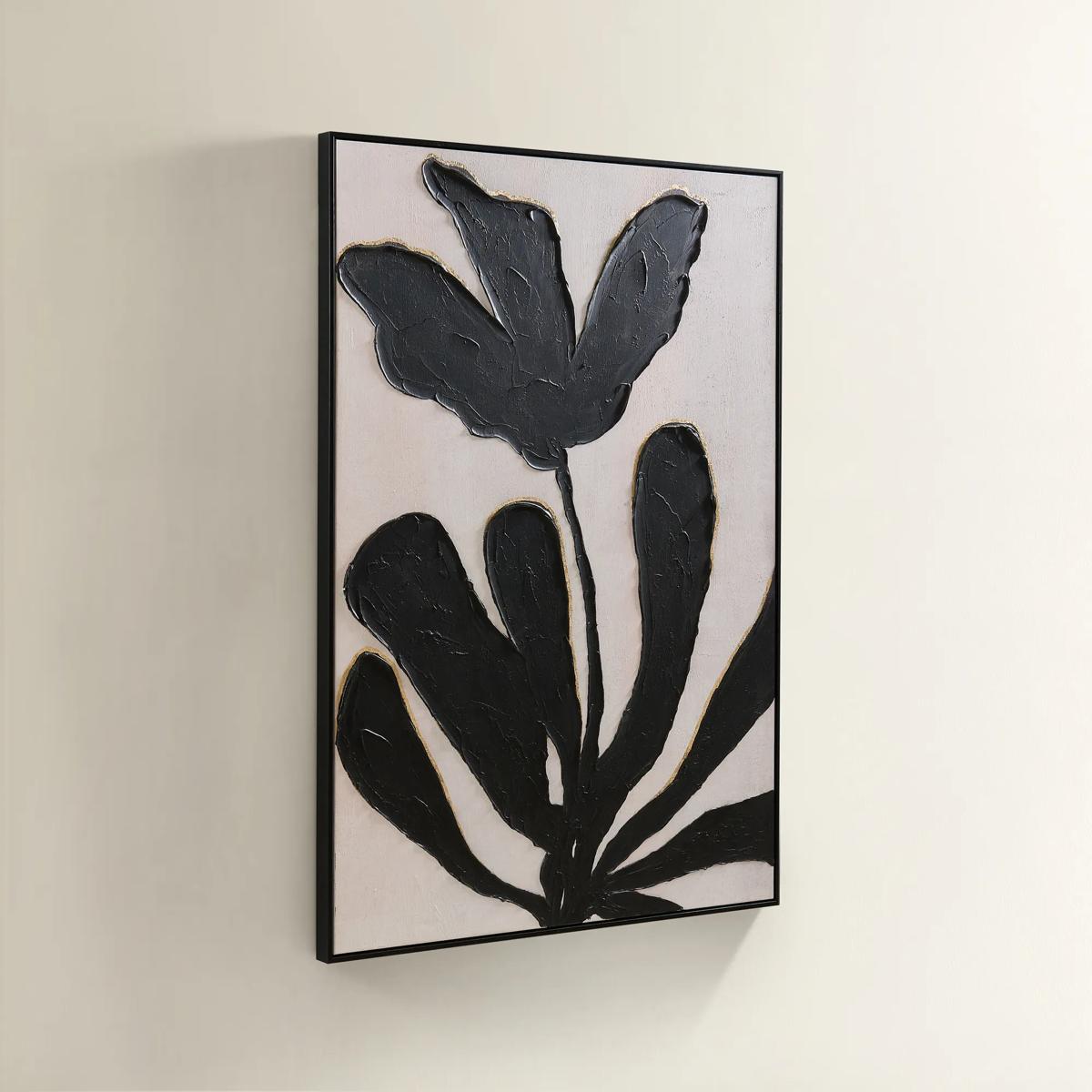 First Bloom Framed Painted Wall Art 39.25" x 55"$499
A hand-painted canvas featuring black abstract leaves and gold leafing on an ivory background in a black frame.
Add To Cart -
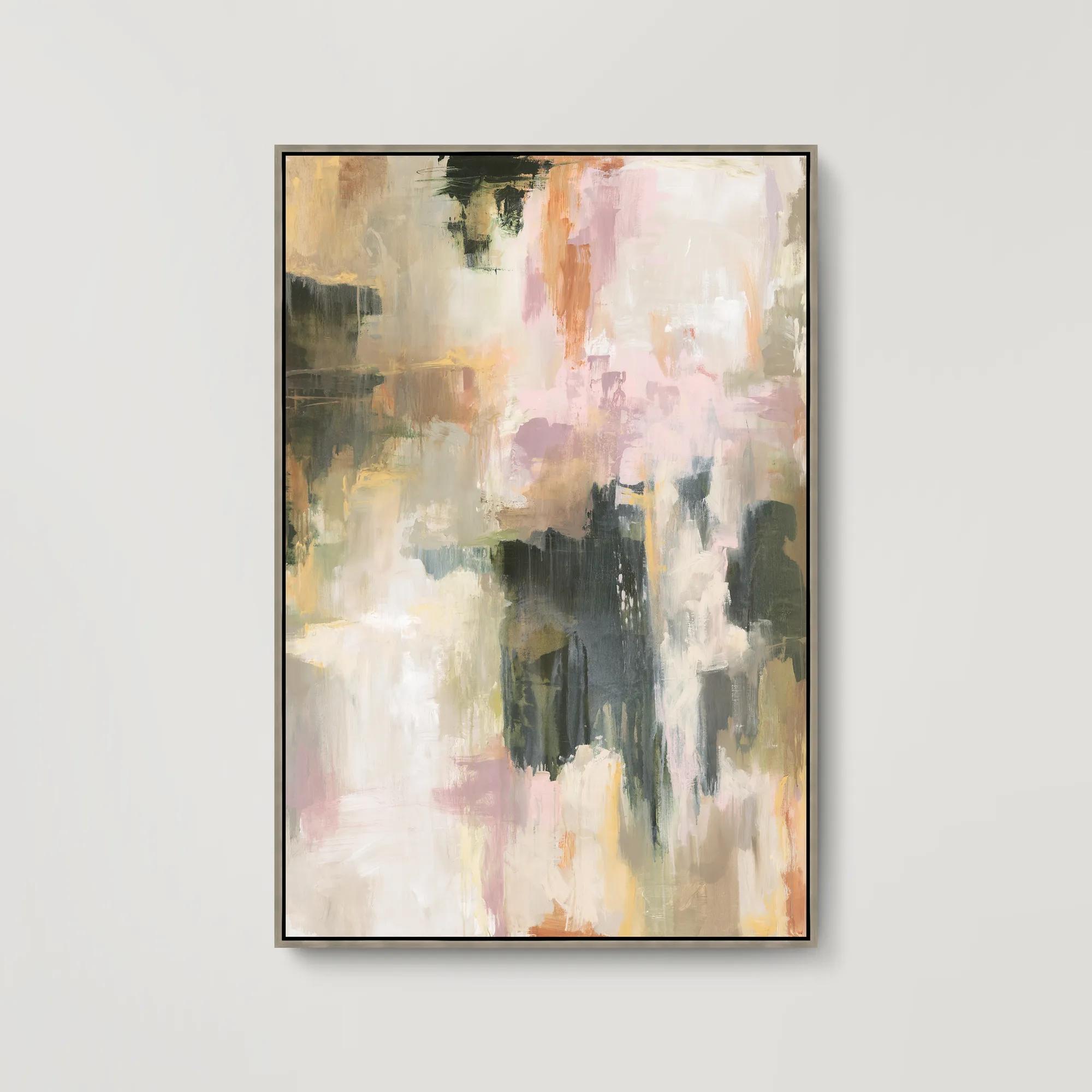
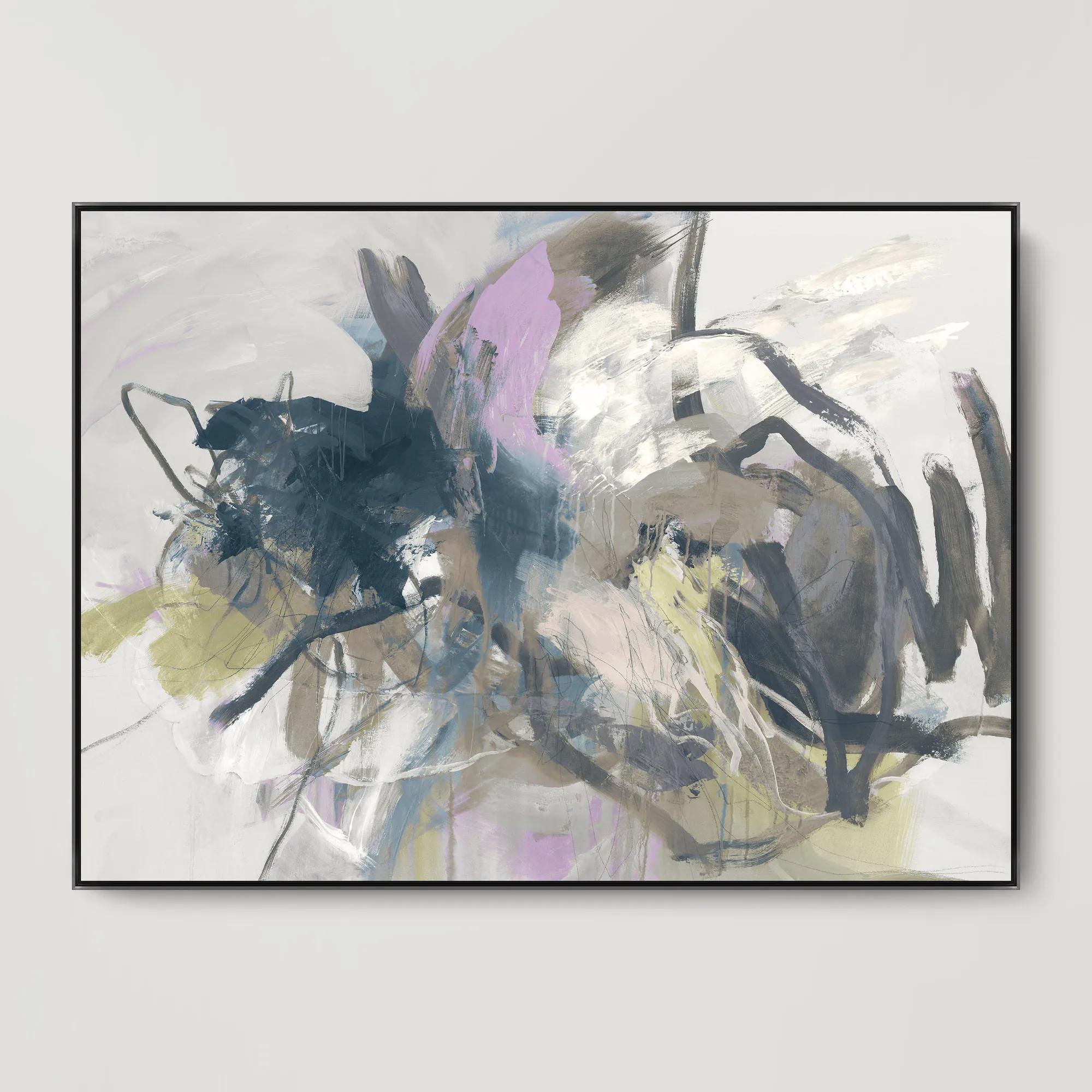
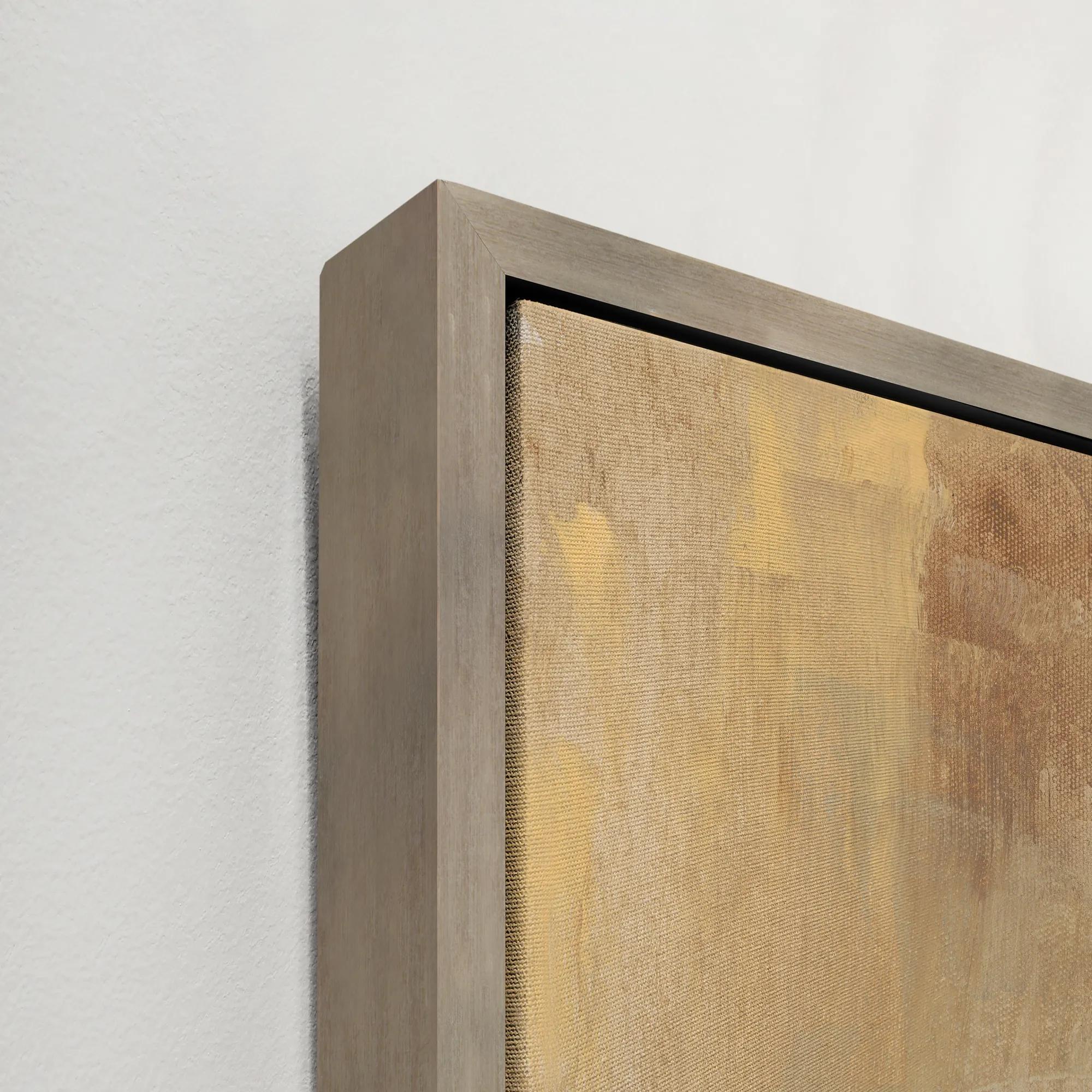 Sculpted Dreamscape Framed Wall Art 41.5" x 61.5"$999
A gallery-wrapped canvas artwork featuring a hand-applied gel finish and a sleek silver floater frame.
Add To Cart -
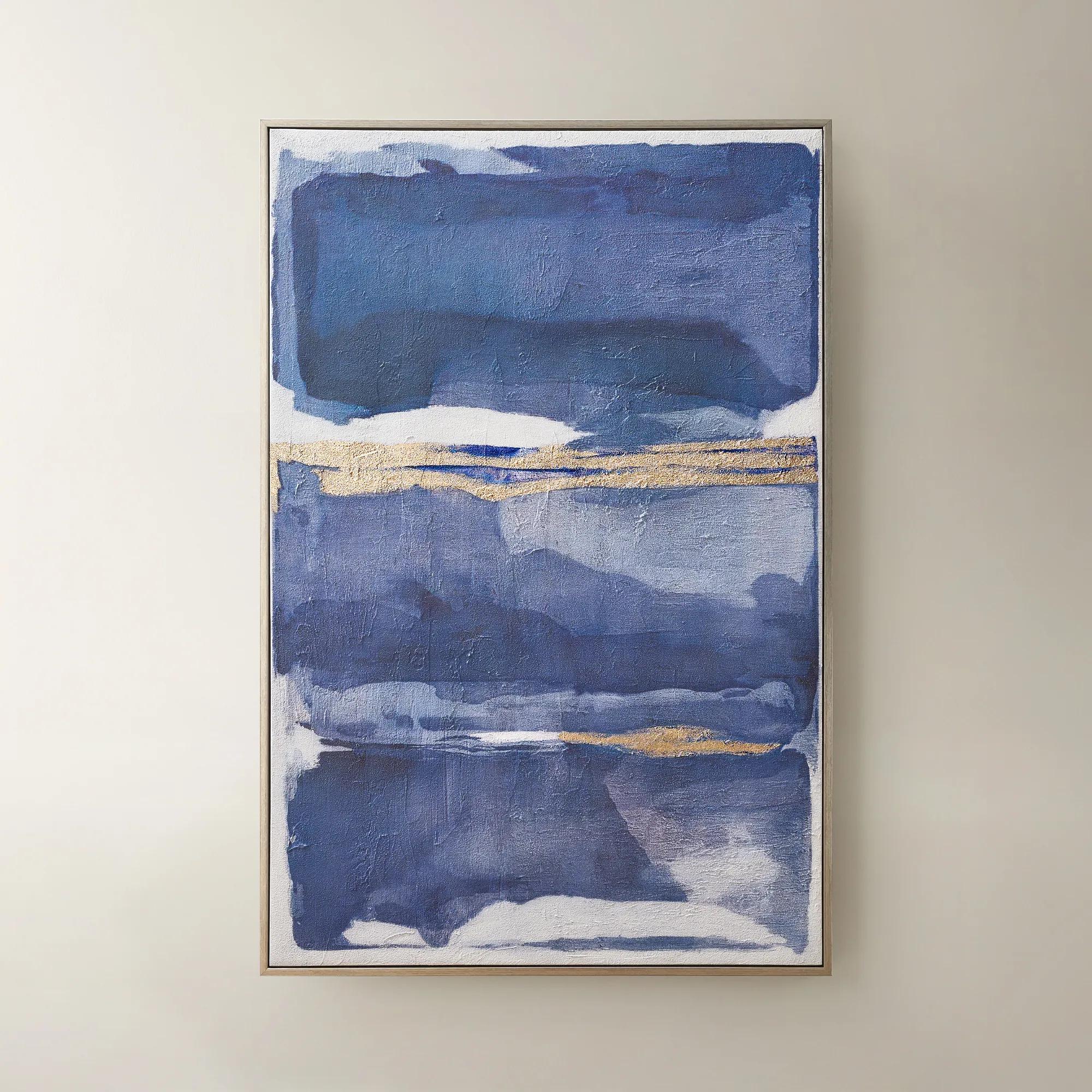
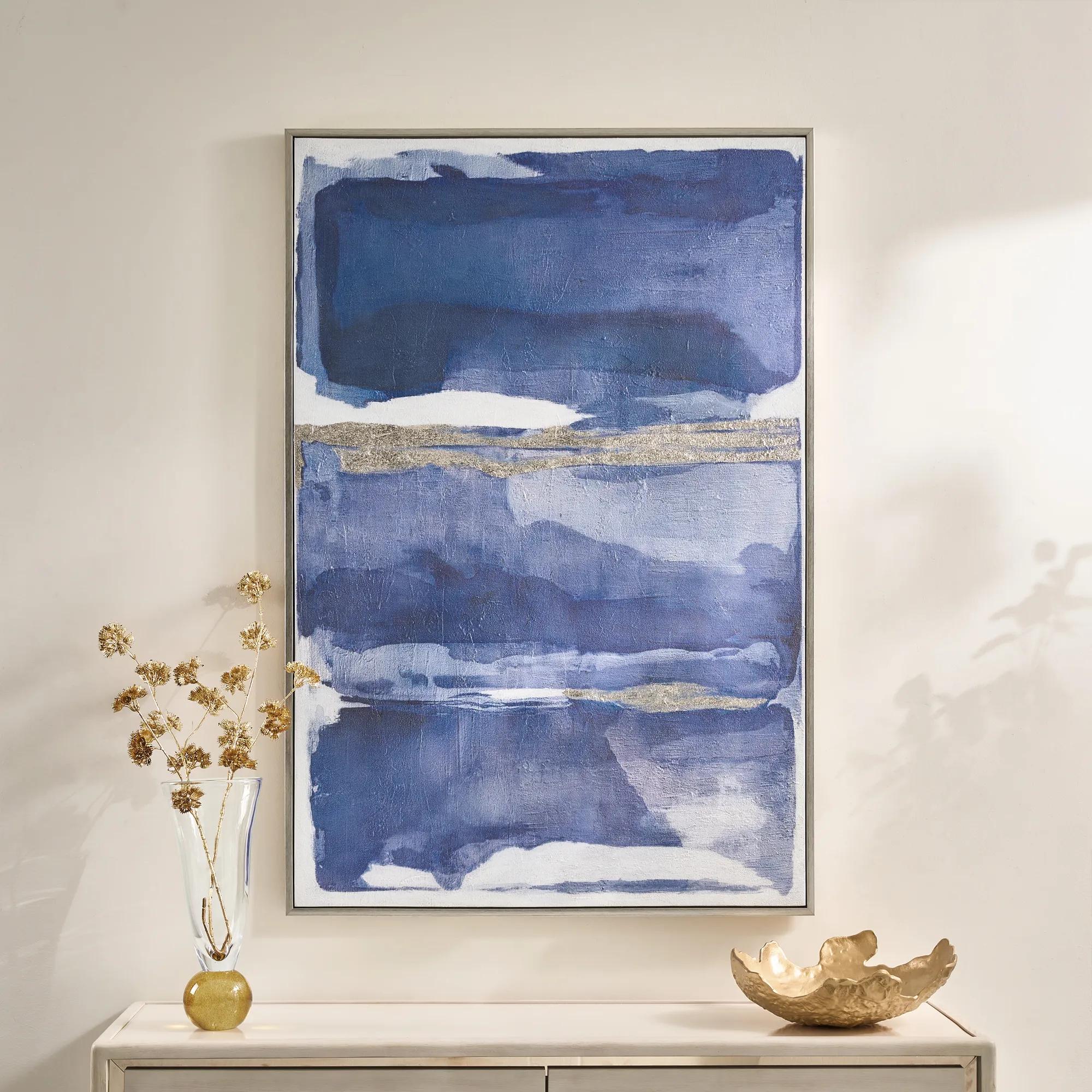 Memories in Blue Framed Painted Wall Art 40" x 60"$499
A hand-painted canvas in deep ink blue with champagne leafing for a sophisticated, gallery-inspired look.
Add To Cart -
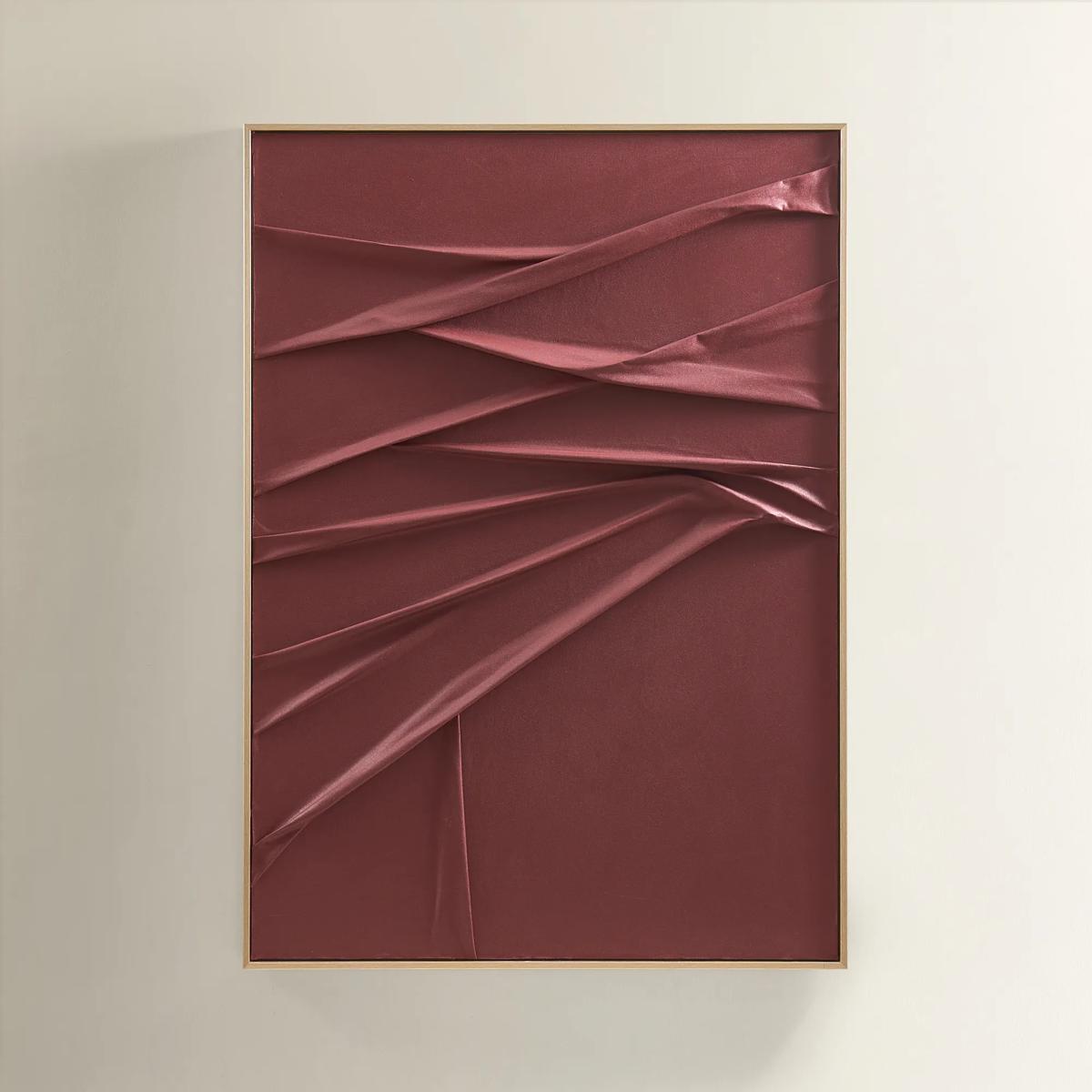
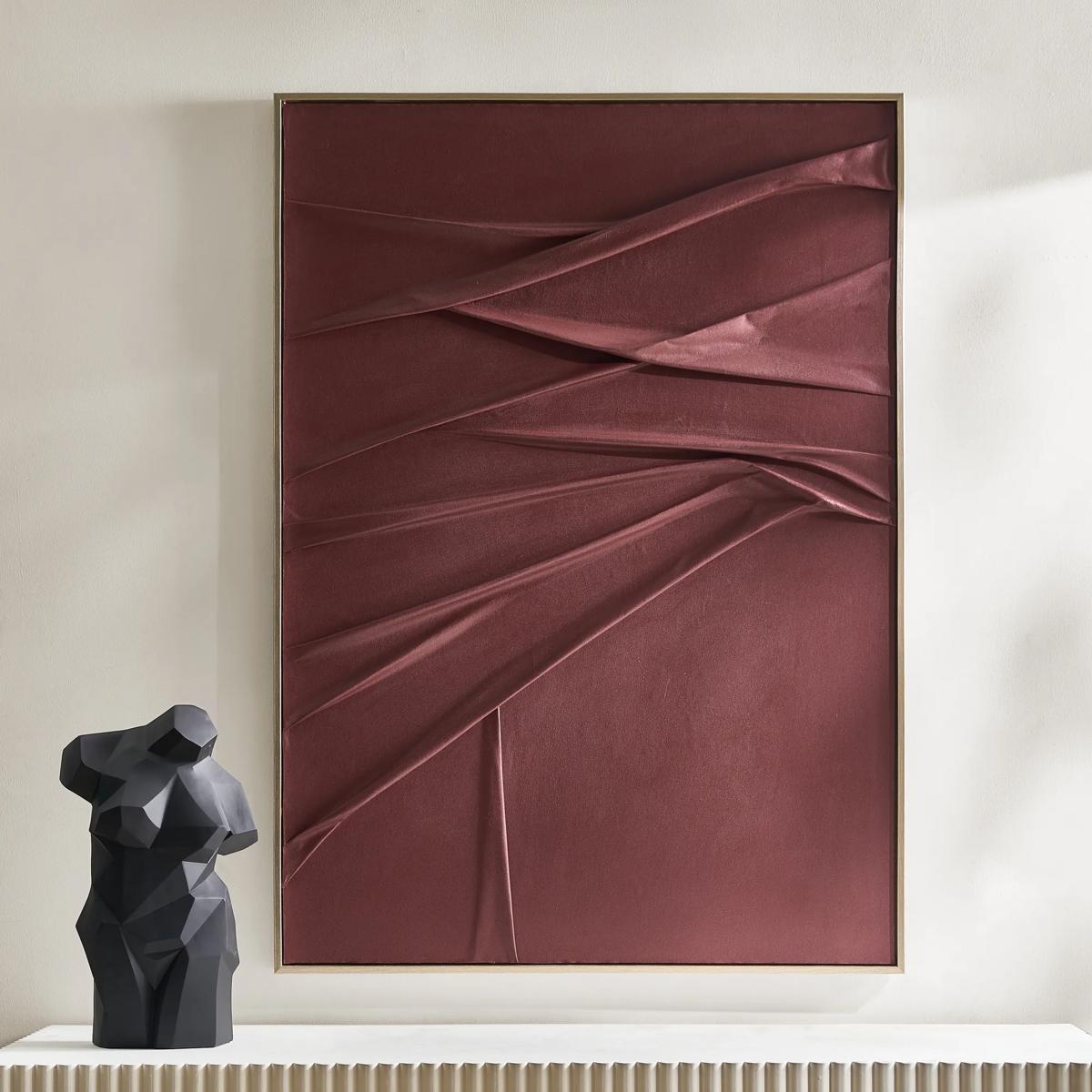 Crimson Painting$599
A handcrafted burgundy canvas artwork with sculptural folds, framed in champagne for a dramatic, textured effect.
Add To Cart -
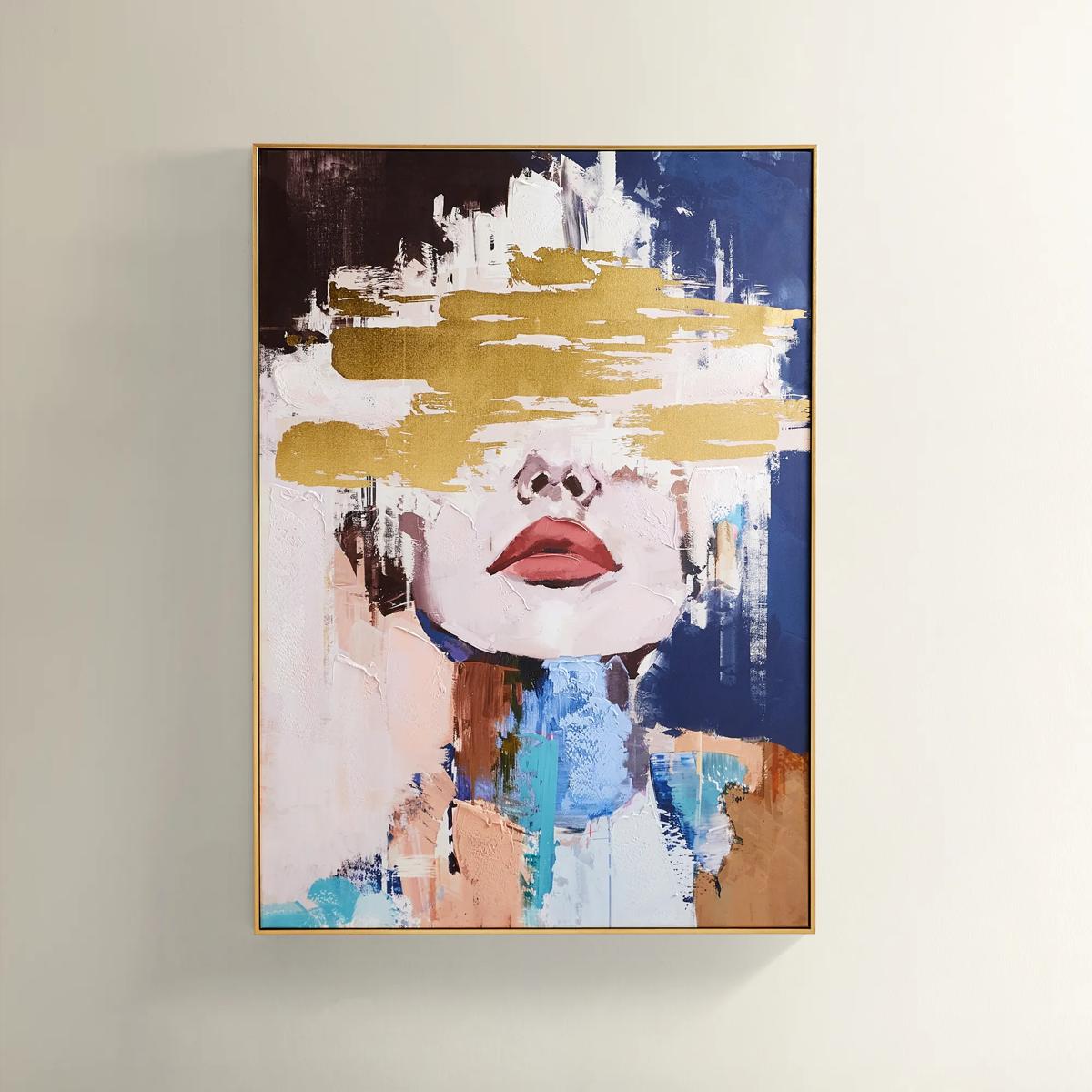
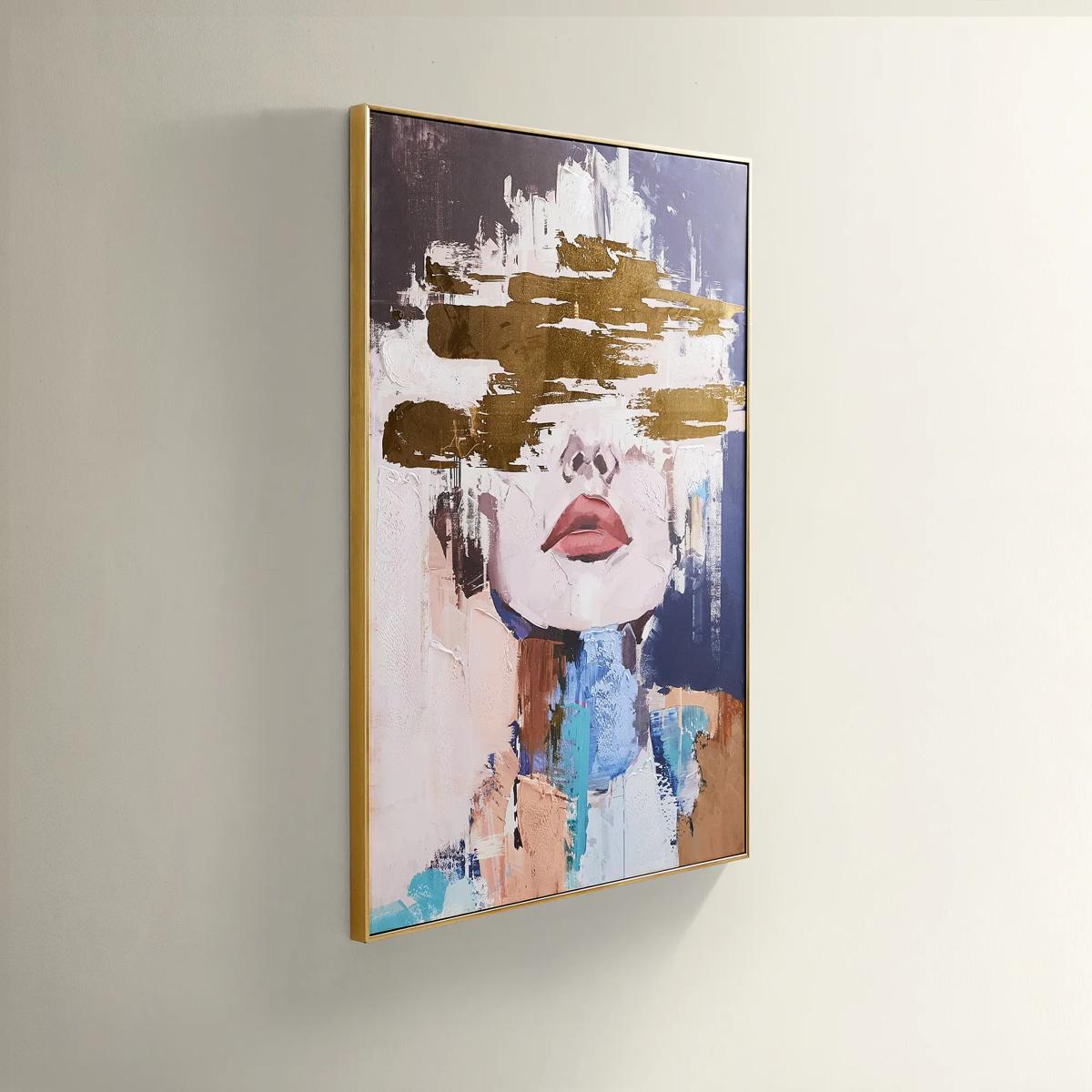 Waiting in Color Gold Foil Painted Wall Art 39.25" x 55"$499
A hand-painted abstract portrait in vivid blue, blush, and gold foil, framed in luxe gold.
Add To Cart -
.jpeg?w=1200&h=1200) Fossil Painting$299
Fossil Painting$299A bold hand-painted abstract artwork featuring textured black shades in a sleek black floater frame.
Add To Cart -
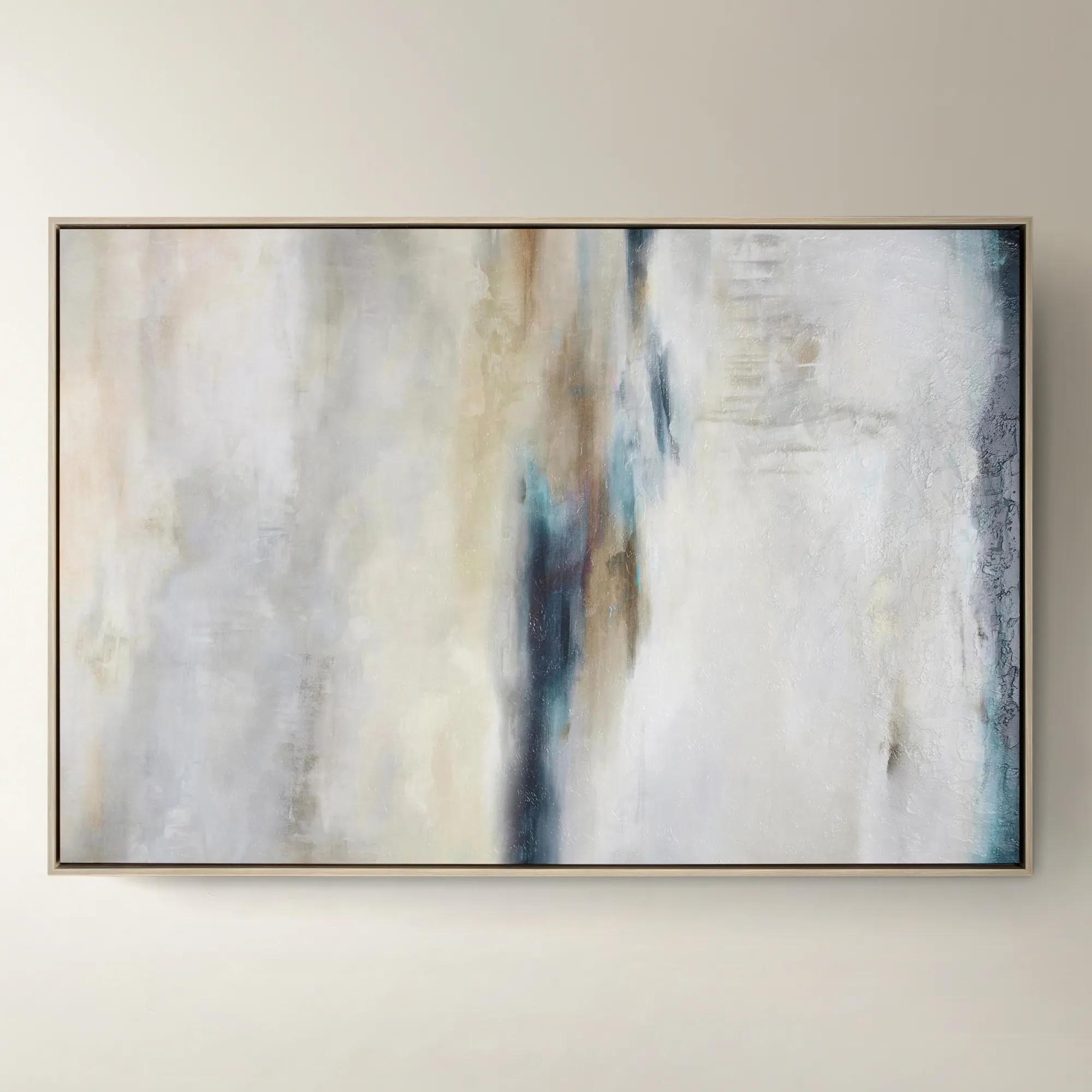
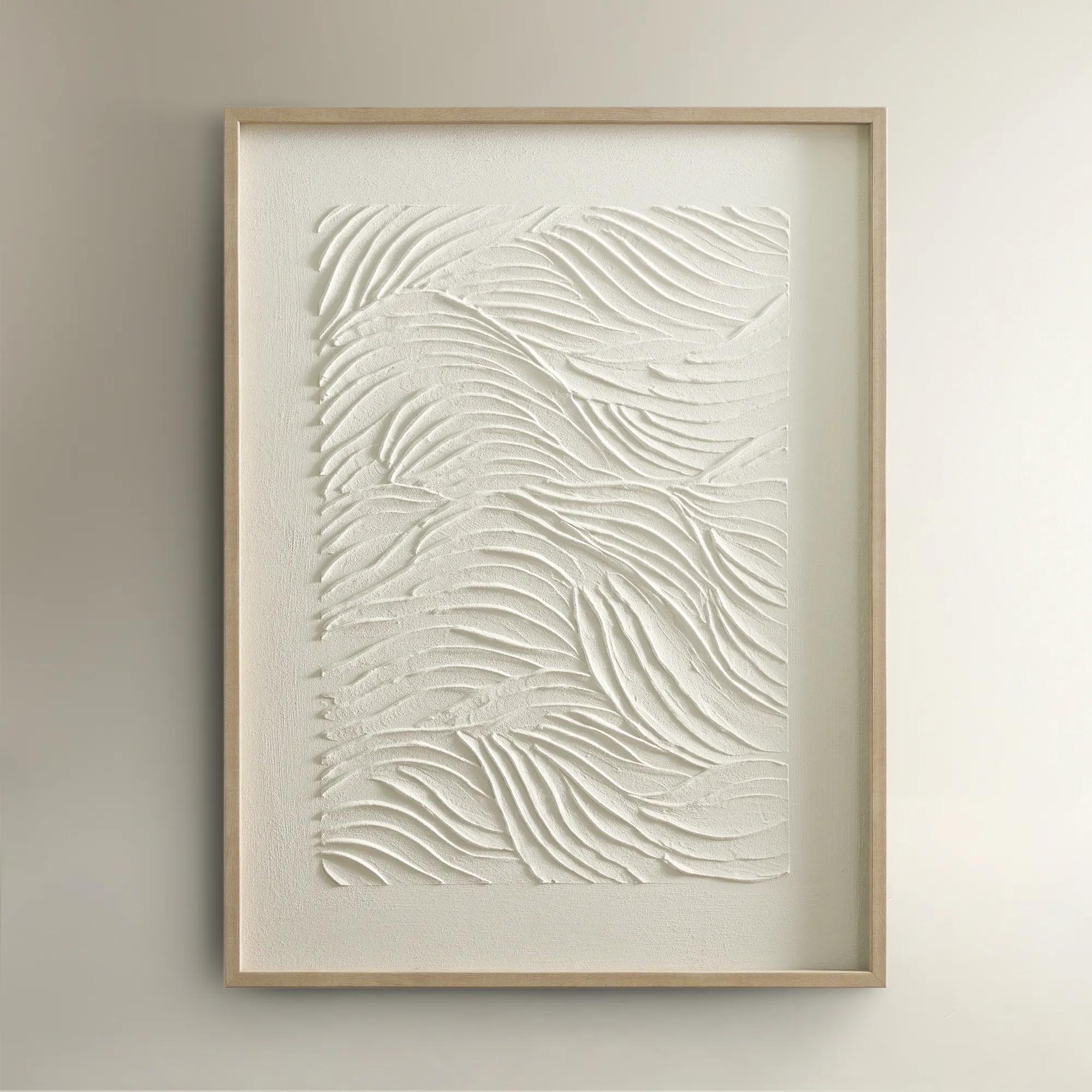
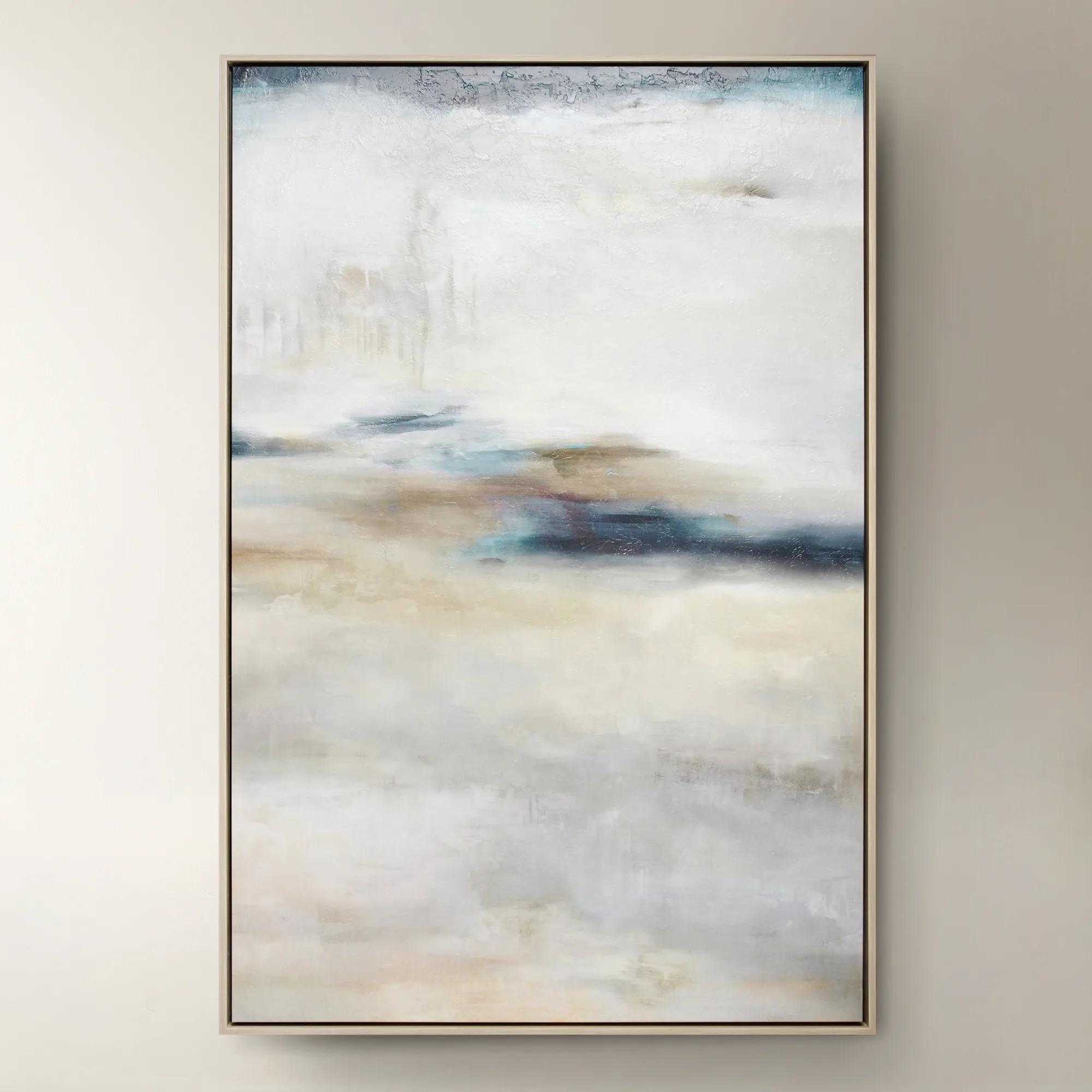 Forward Looking$1299
A softly layered abstract canvas print with a gel finish, set in a natural-hued floater frame.
Add To Cart -
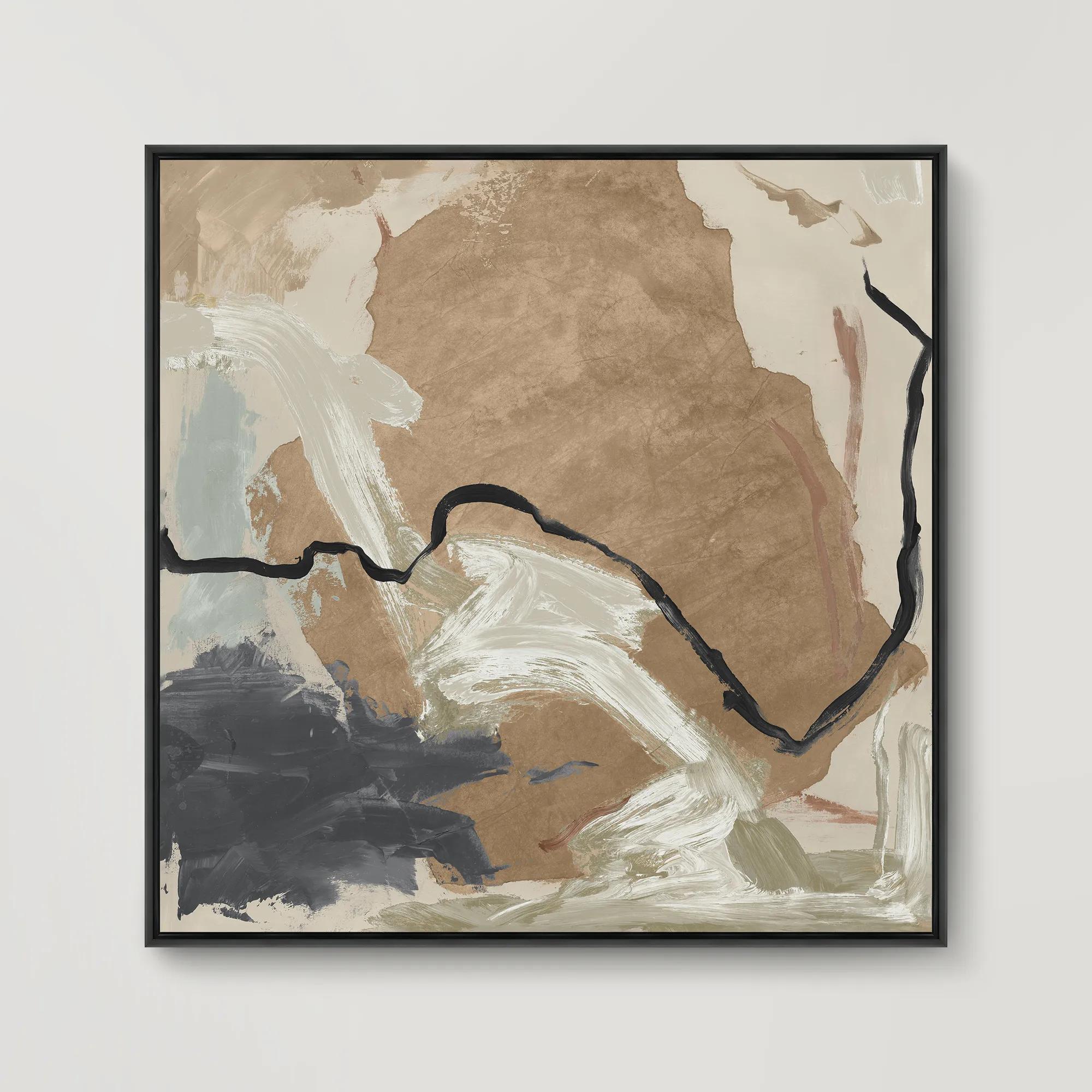
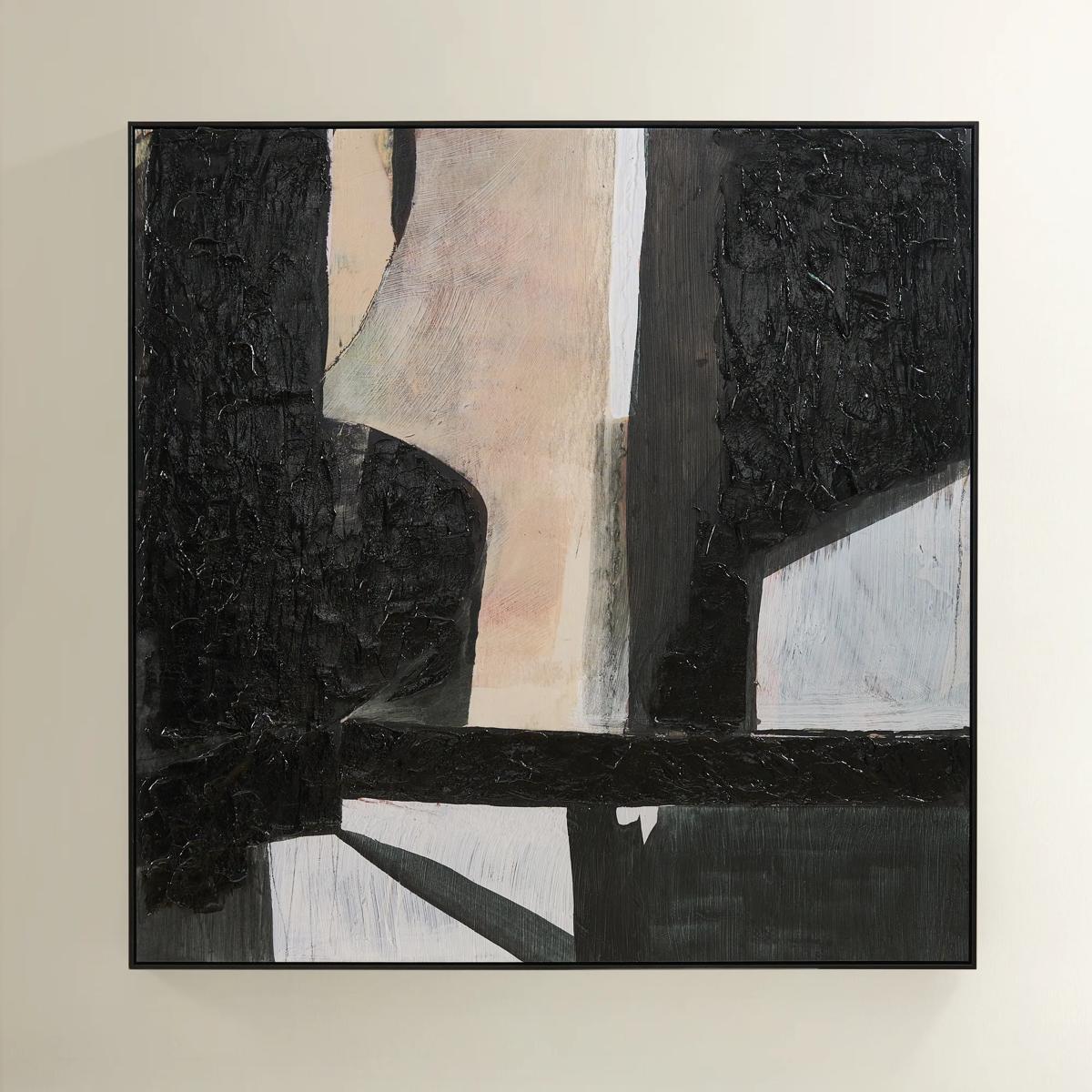 Grounded Painting$699
A hand-painted abstract canvas featuring black, cream, and earth tones in a sleek black floater frame.
Add To Cart -
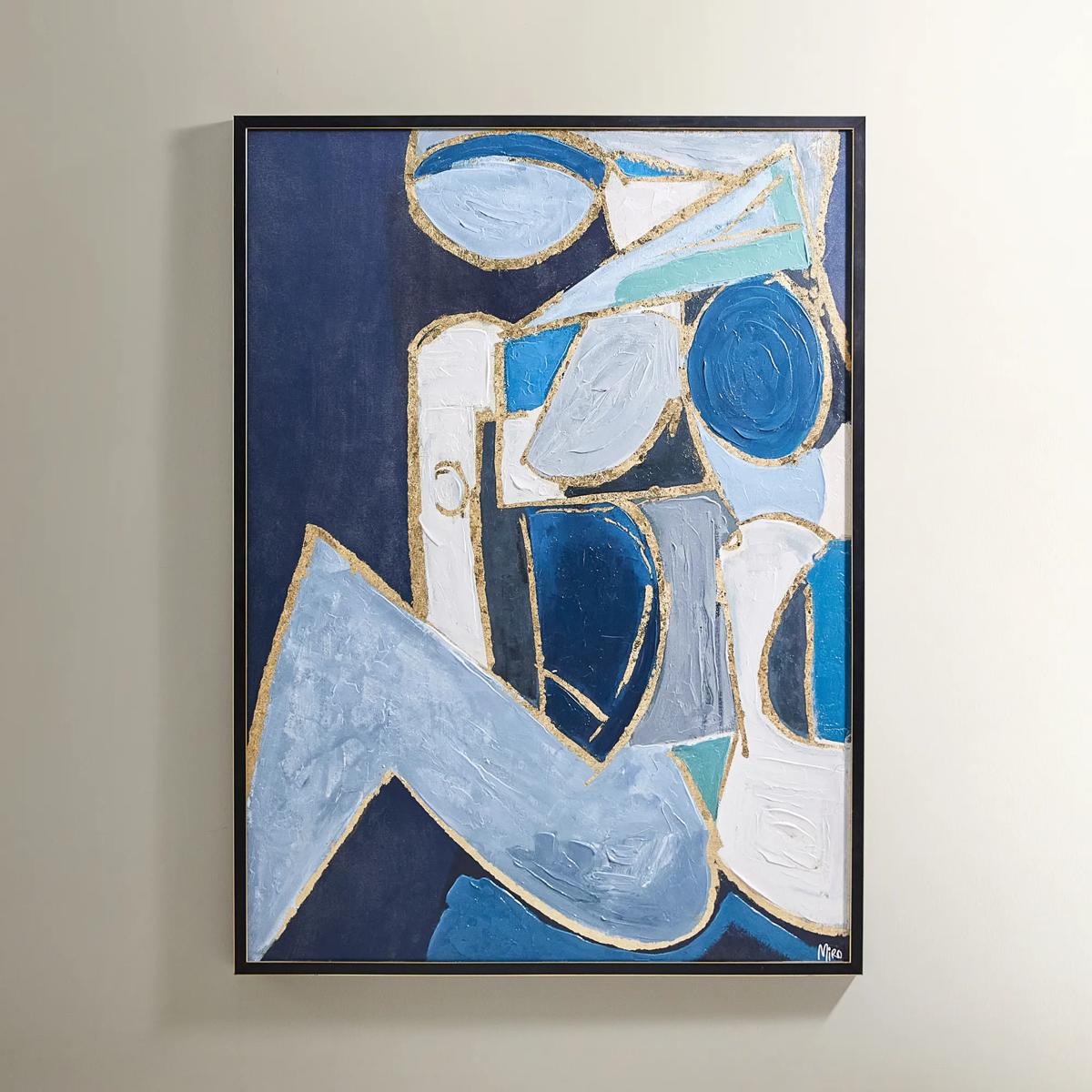
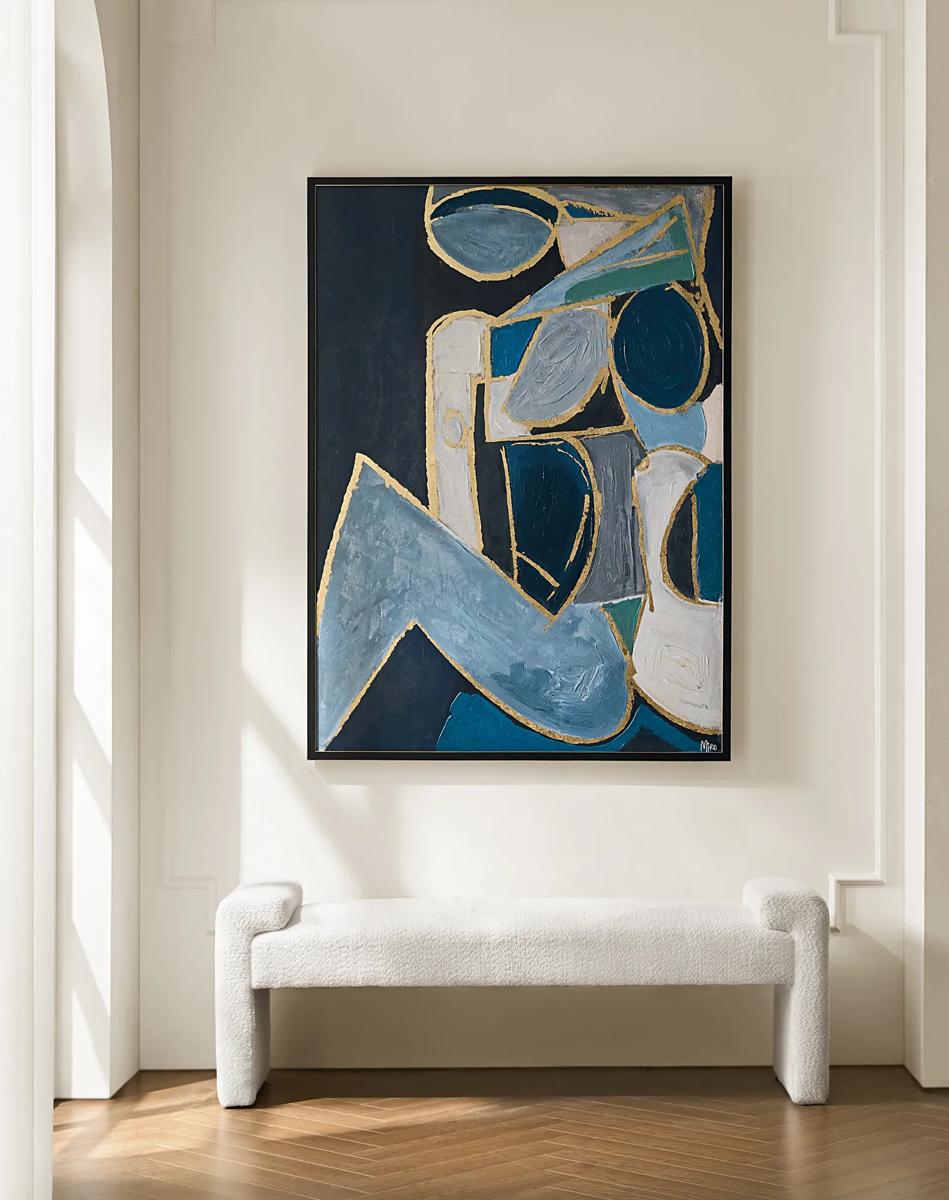 Figure in Cubism Painting$599
A hand-embellished canvas artwork featuring blue, gold, and white hues with elegant silver foil accents.
Add To Cart -
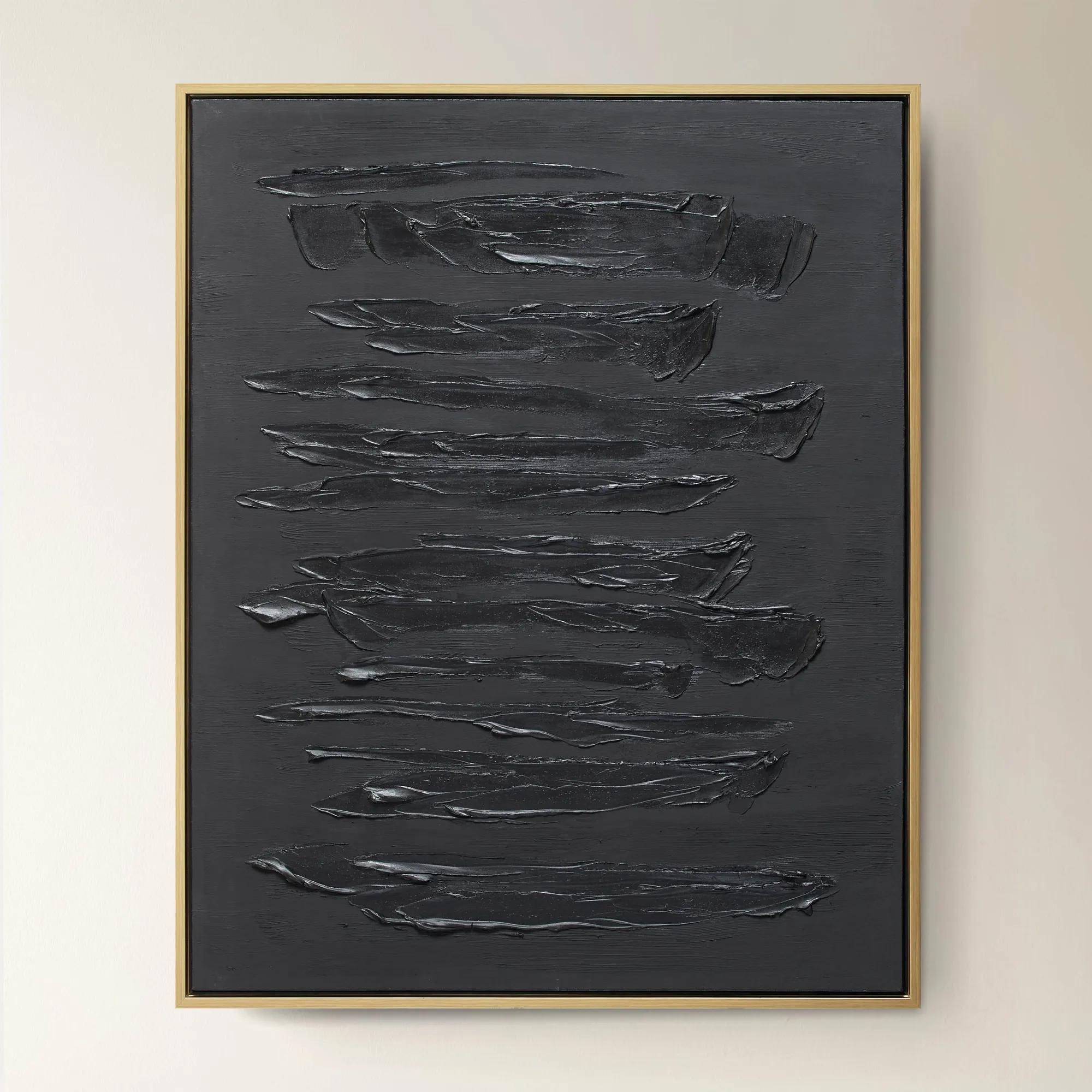
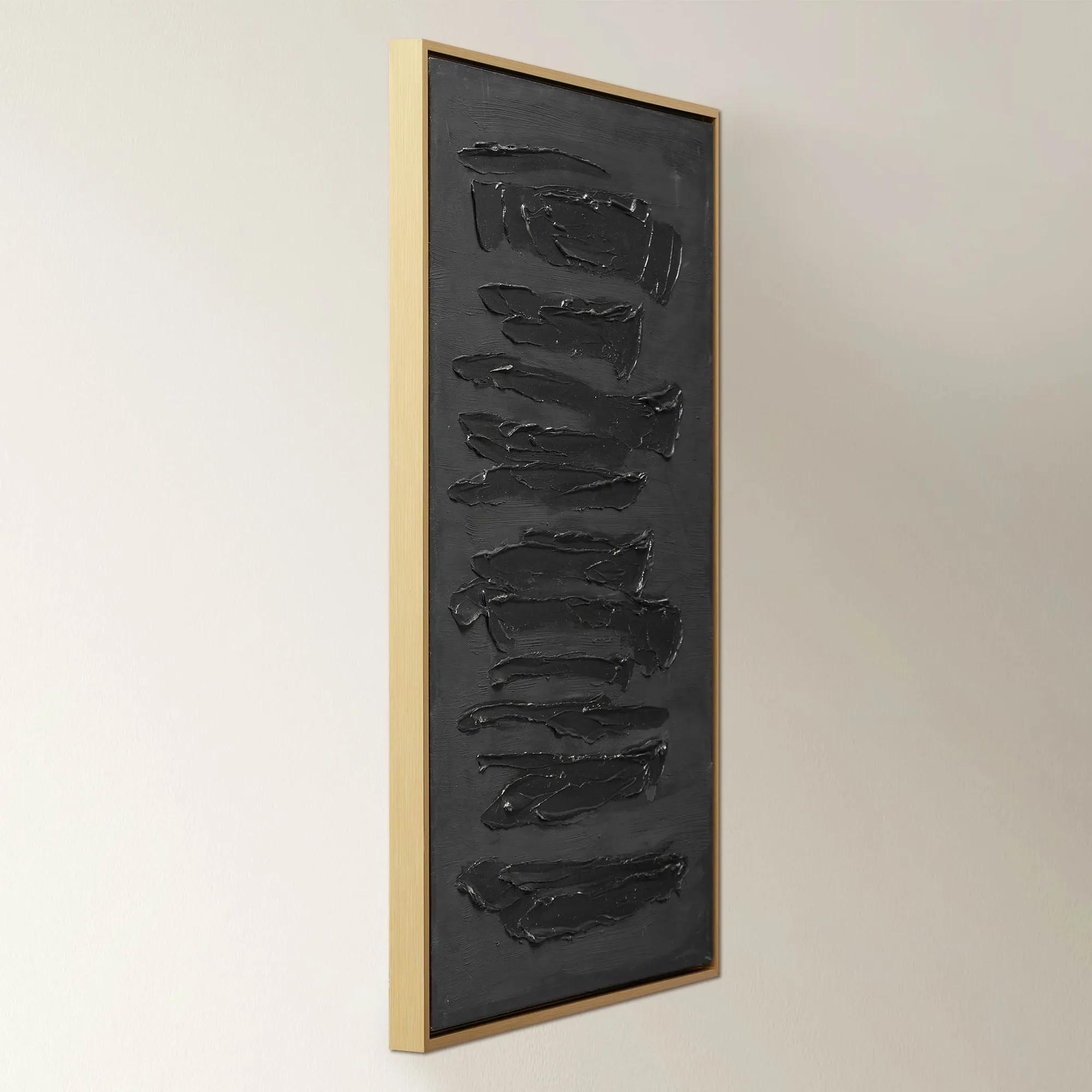 Nocturne$599.95
A dramatic abstract artwork featuring bold, dark brushstrokes on hand-painted canvas in a gold floater frame.
Add To Cart -
.jpeg?w=1200&h=1200)
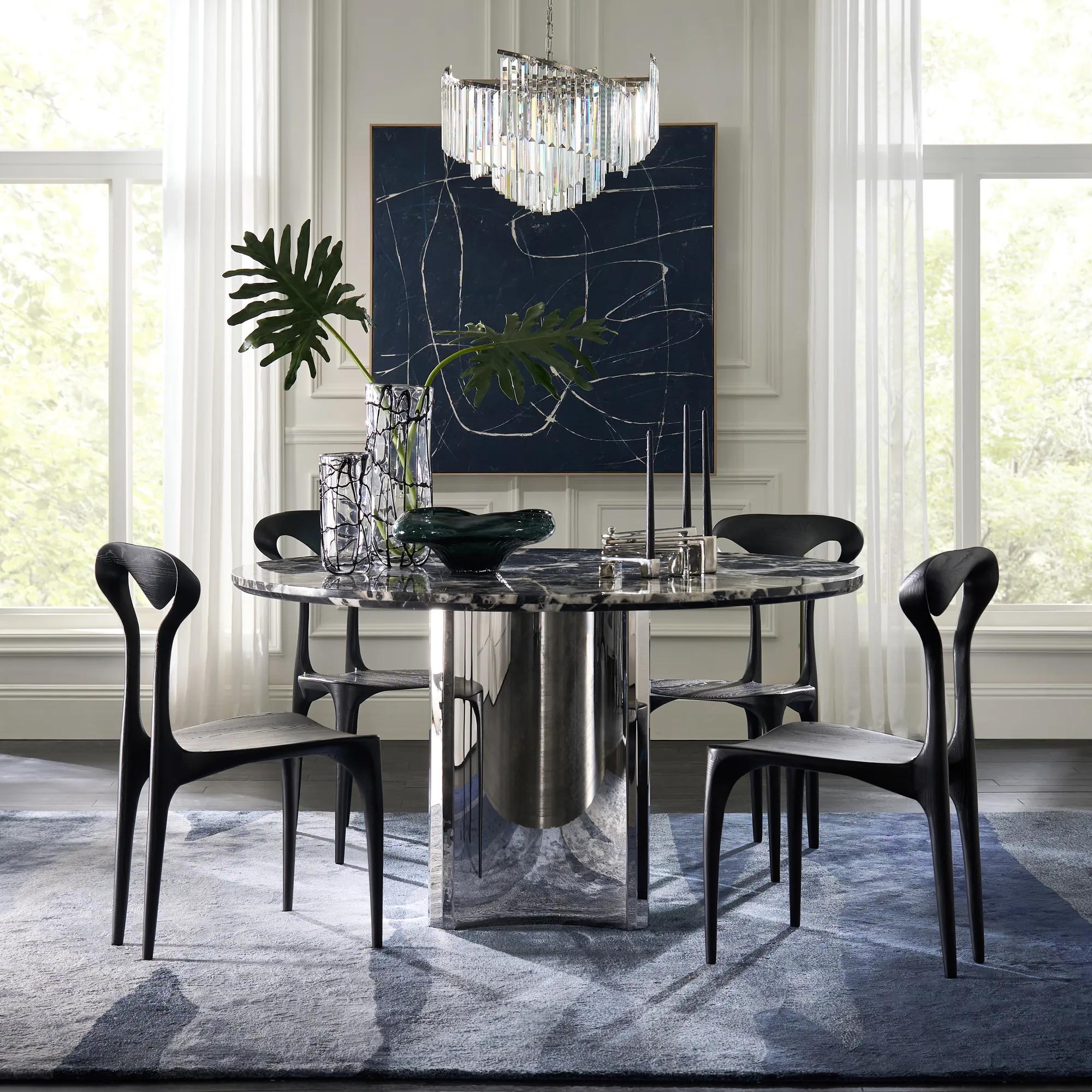 Almost Midnight Painting - Blue$439
A hand-painted canvas featuring bold blue and black tones with delicate white lines in a light wood frame.
Add To Cart -
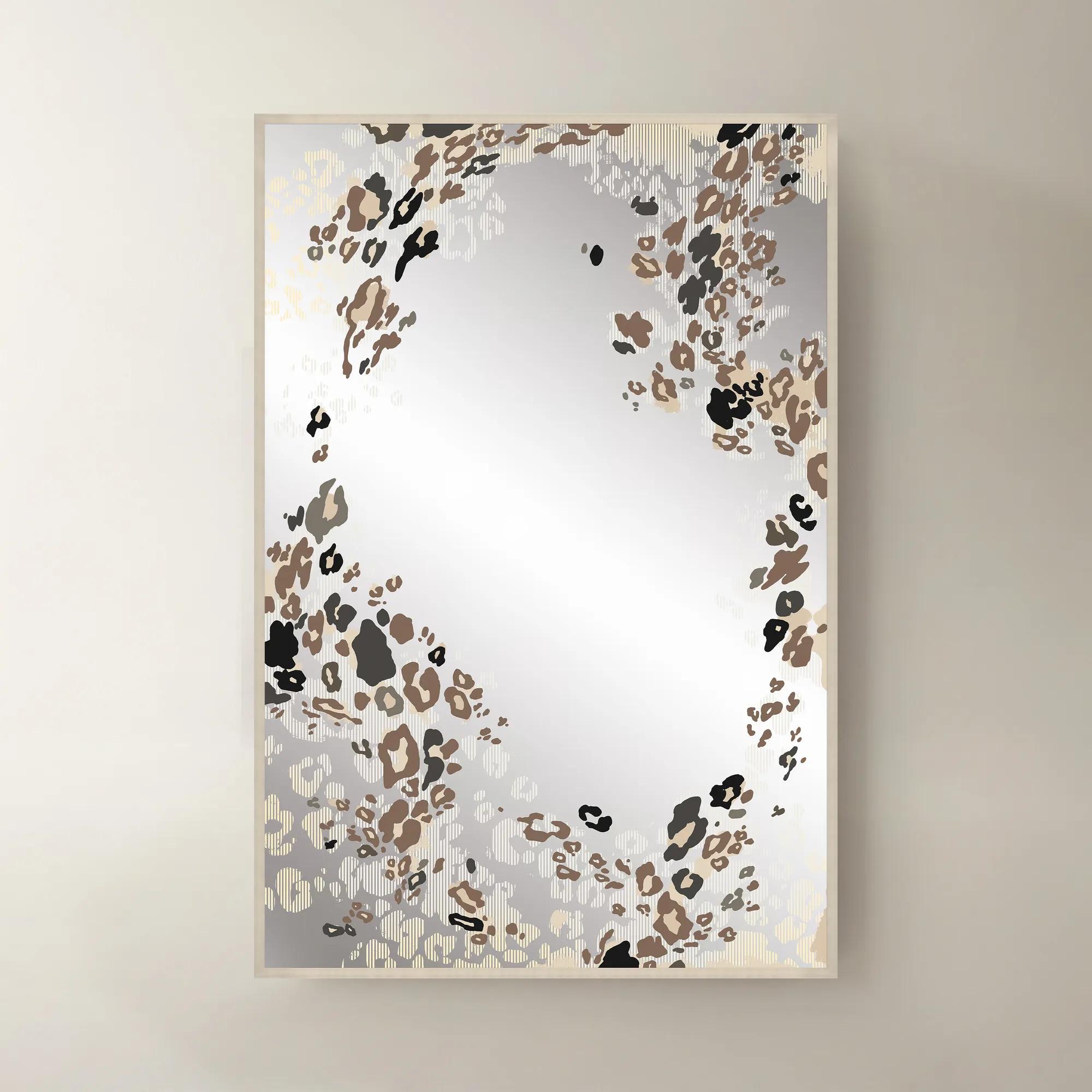
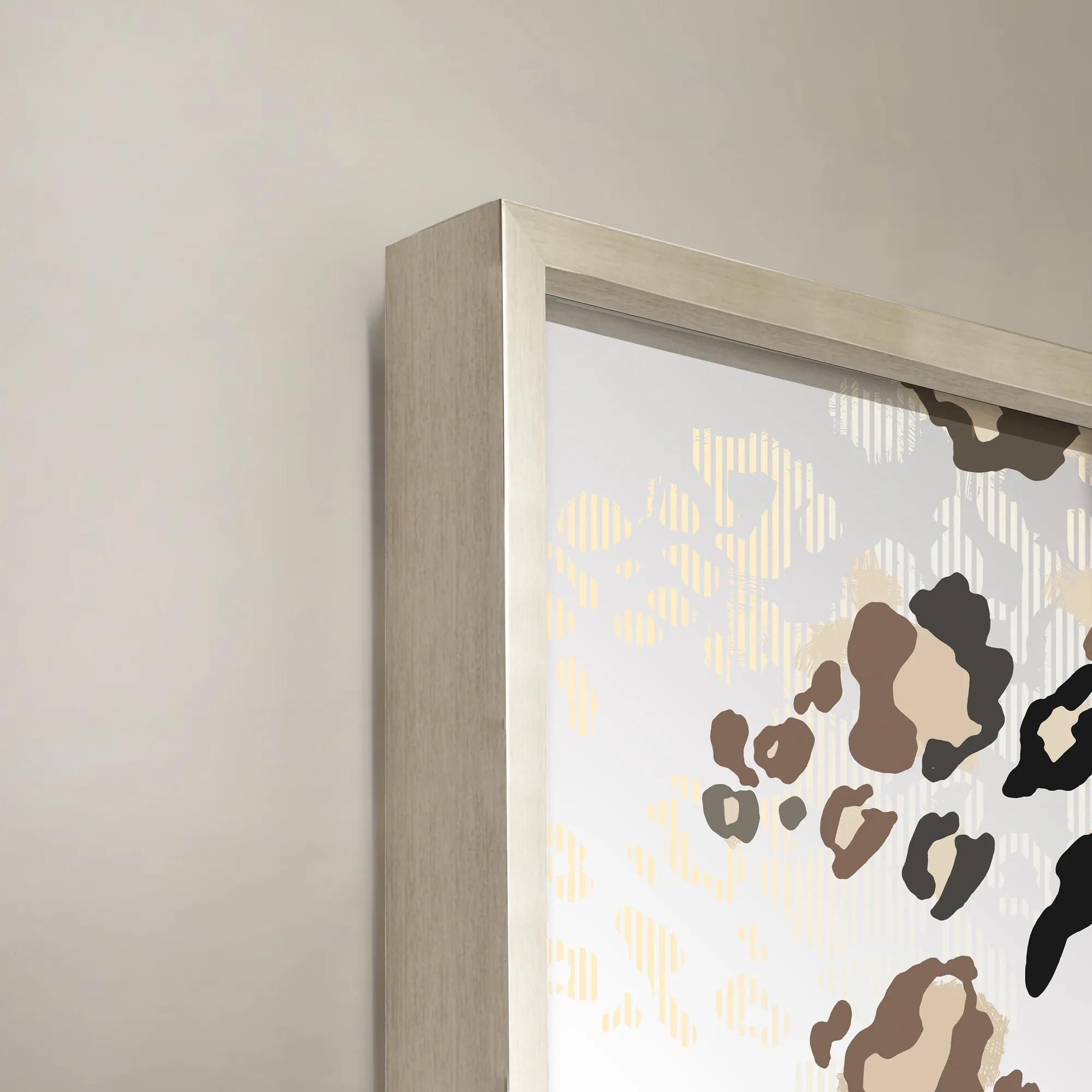 Leopard Luxe Framed Printed Wall Mirror 40" x 60"$1499
A printed mirror featuring Art Deco-inspired leopard artwork, set in a wood silver frame with brown and black tones.
Add To Cart -
 Way Back When Framed Painted Wall Art 36" x 48"$499
A hand-painted cotton canvas in sepia, black, and ivory with abstract animal-inspired patterns and a slim black frame.
Add To Cart -
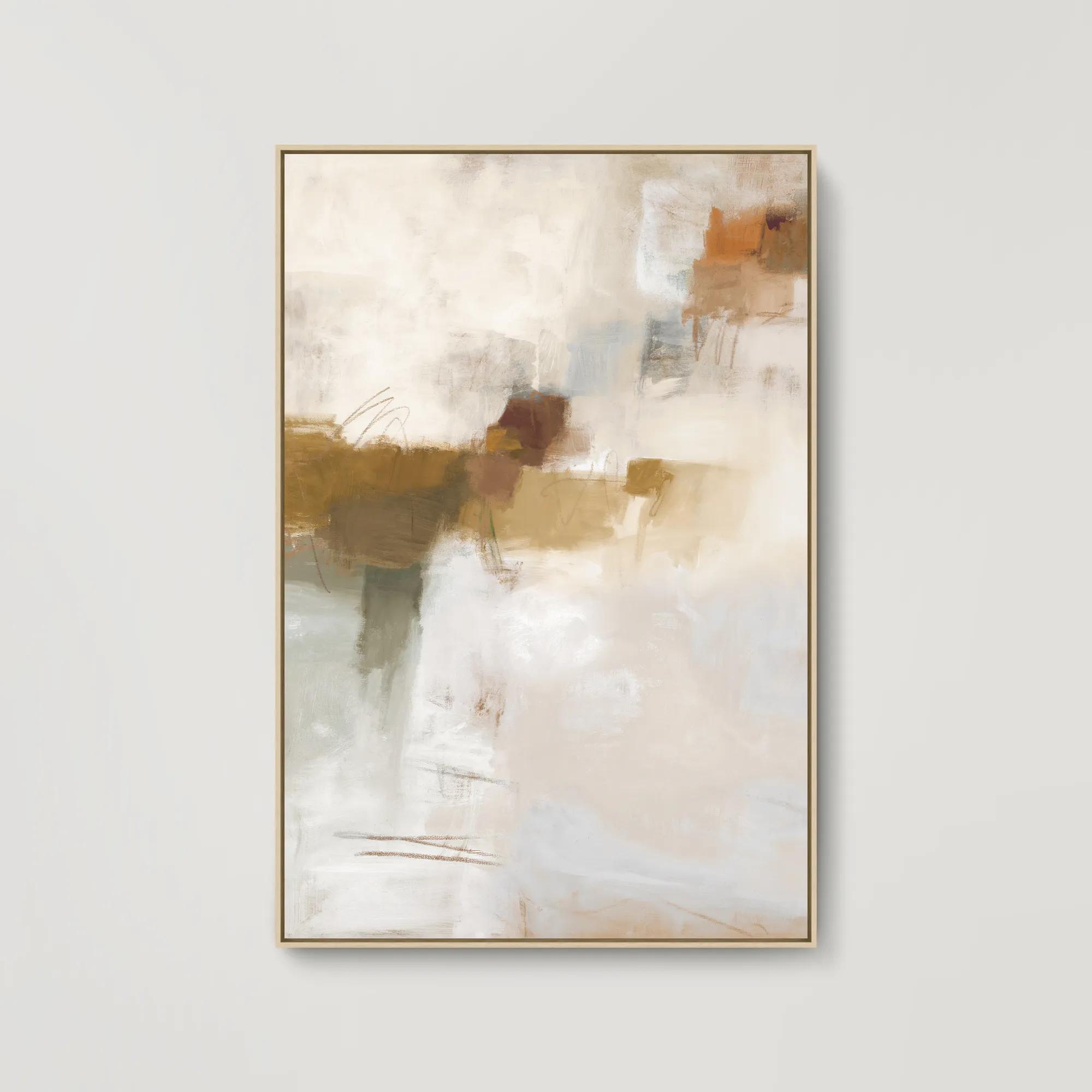
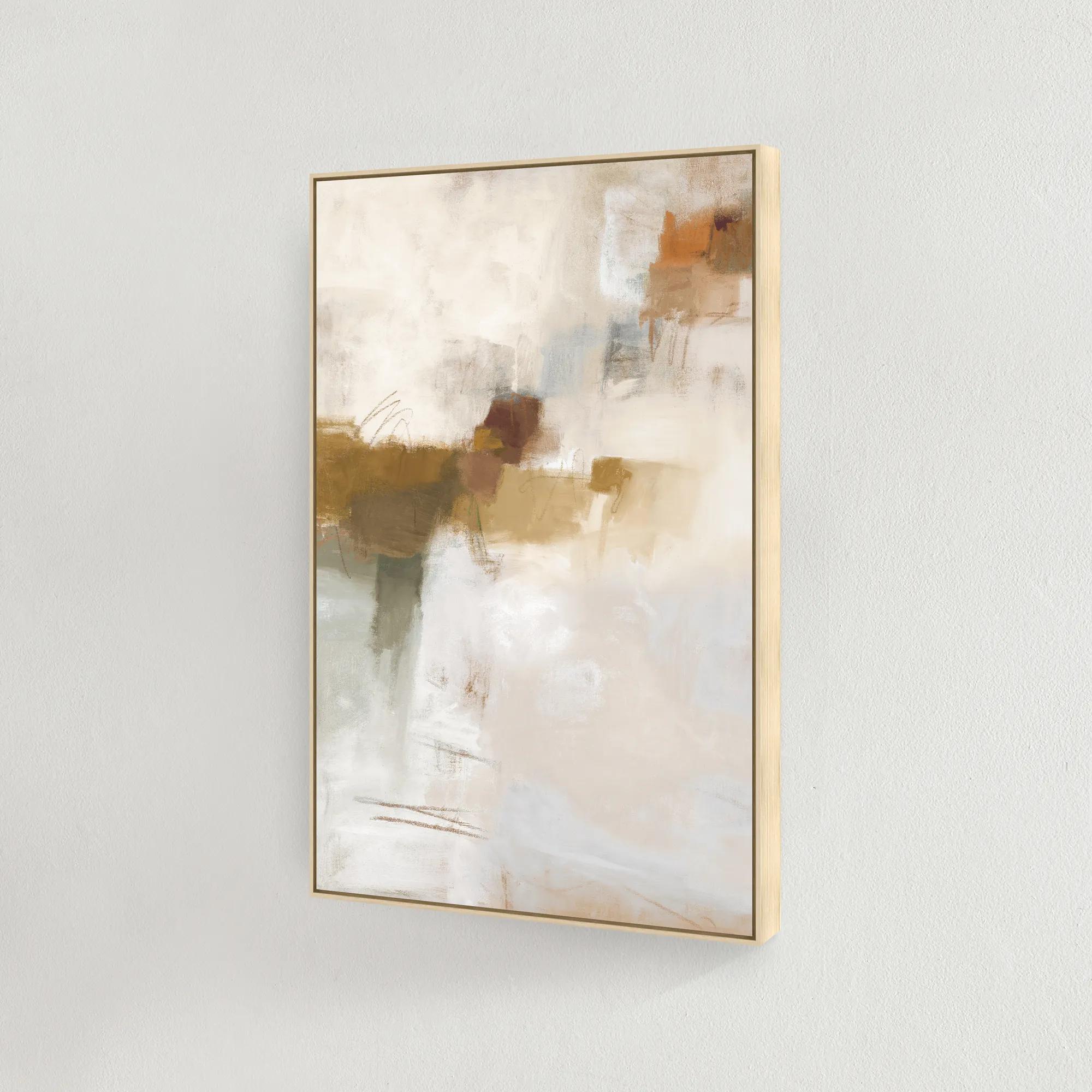 Lost I Framed Wall Art 41.5" x 61.5"$1199
A gallery-wrapped linen canvas art piece set in a natural floater frame for a modern touch.
Add To Cart -
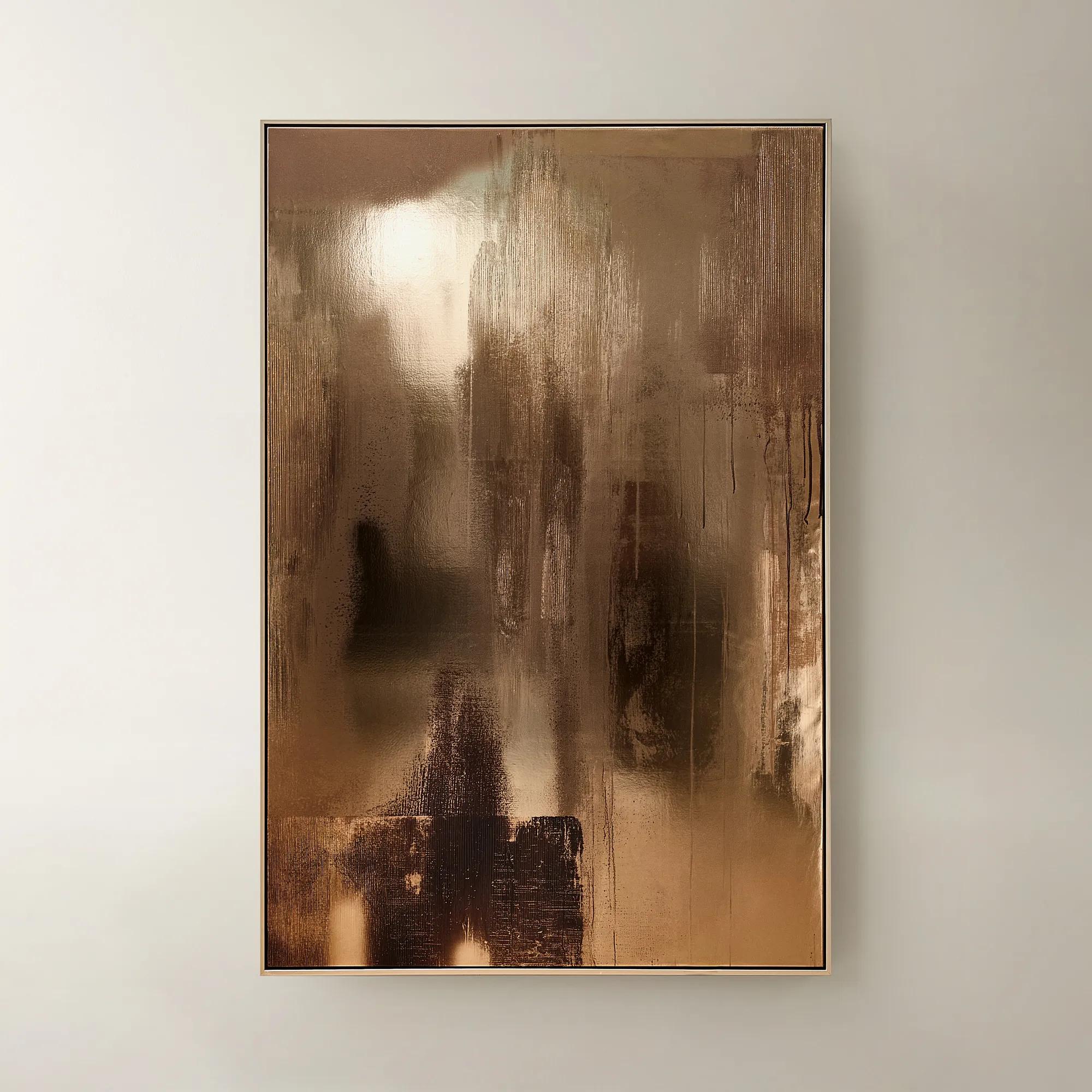
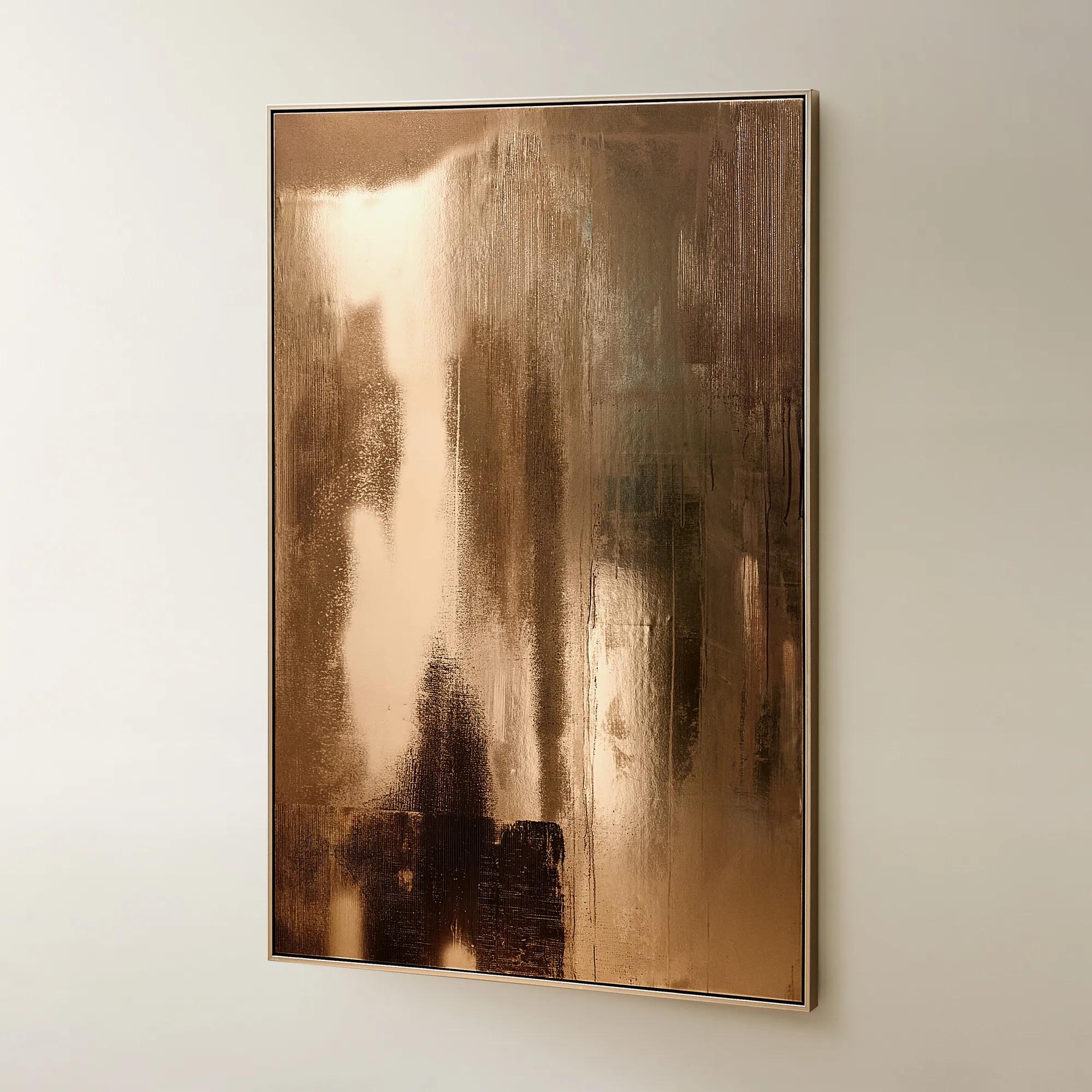 Bronze Reflective Framed Leather Painted Wall Art 40" x 60"$799
A hand-painted abstract wall art featuring reflective bronze faux leather and a warm champagne metallic frame.
Add To Cart -
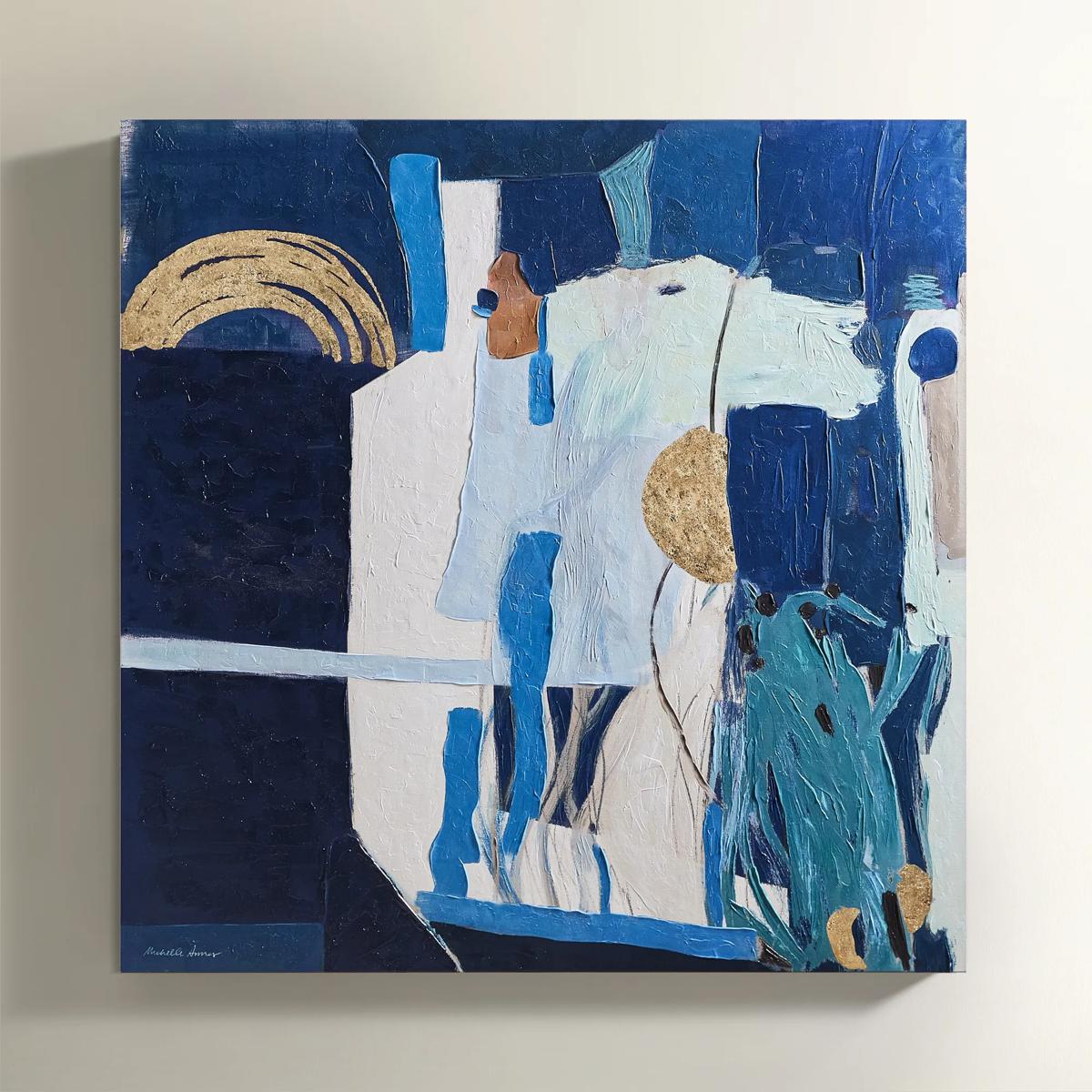
 In Flux Painting$699
A hand-embellished canvas artwork featuring deep teal, green, ivory, and gold in a black Art Deco frame.
Add To Cart -
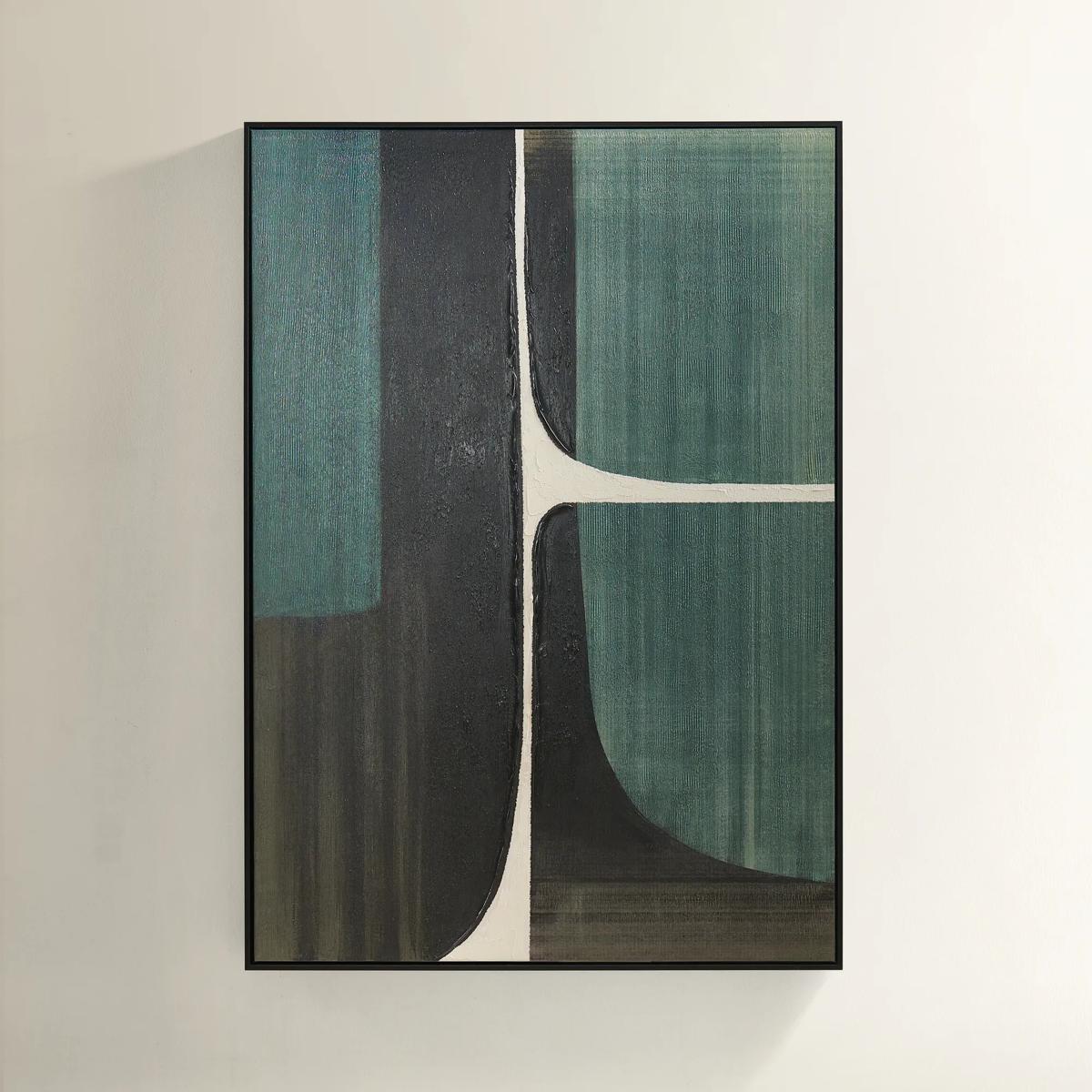 Plains Framed Painted Wall Art 39.25" x 55"$499
A hand-painted abstract canvas in forest green, ivory, and black with a sleek black floater frame.
Add To Cart -
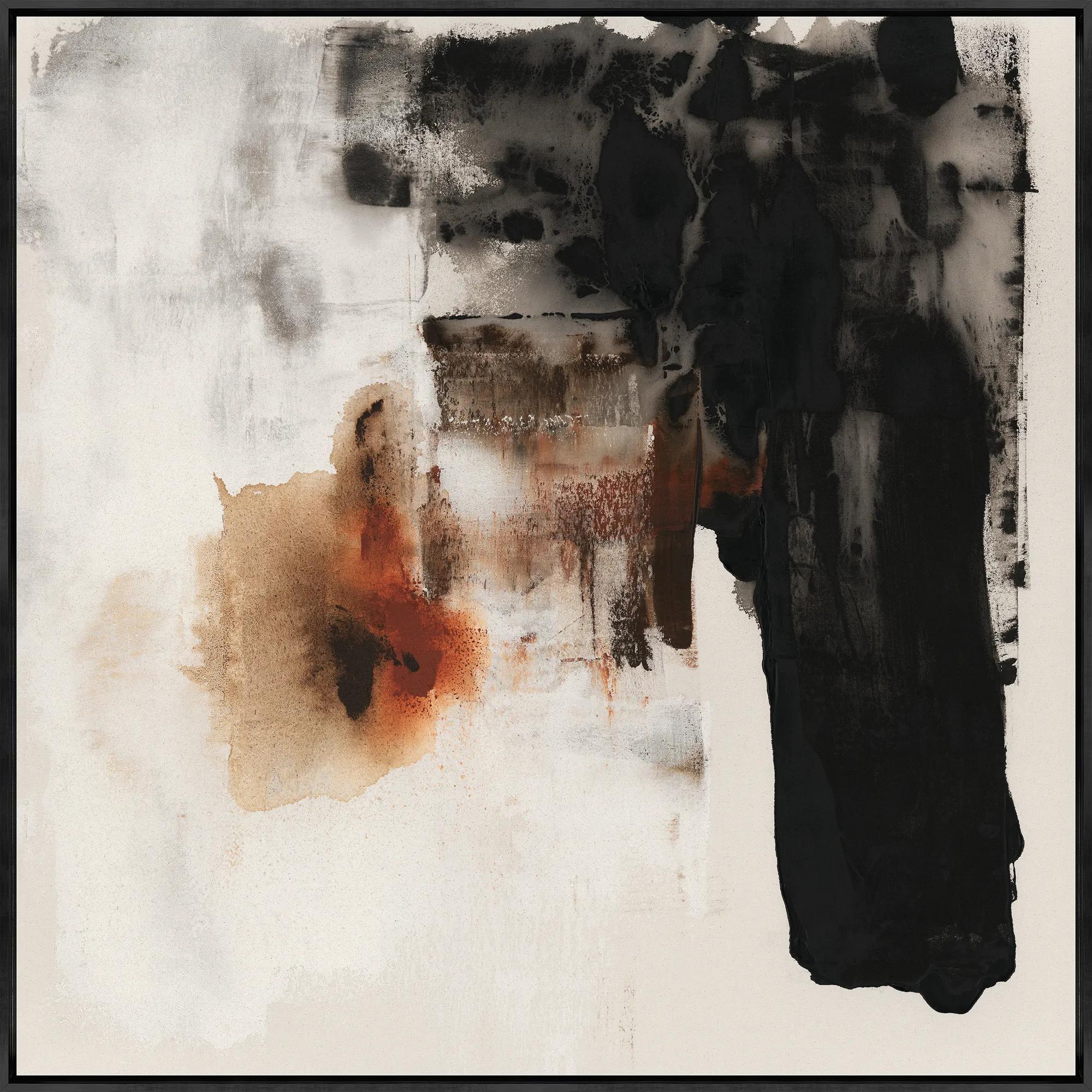
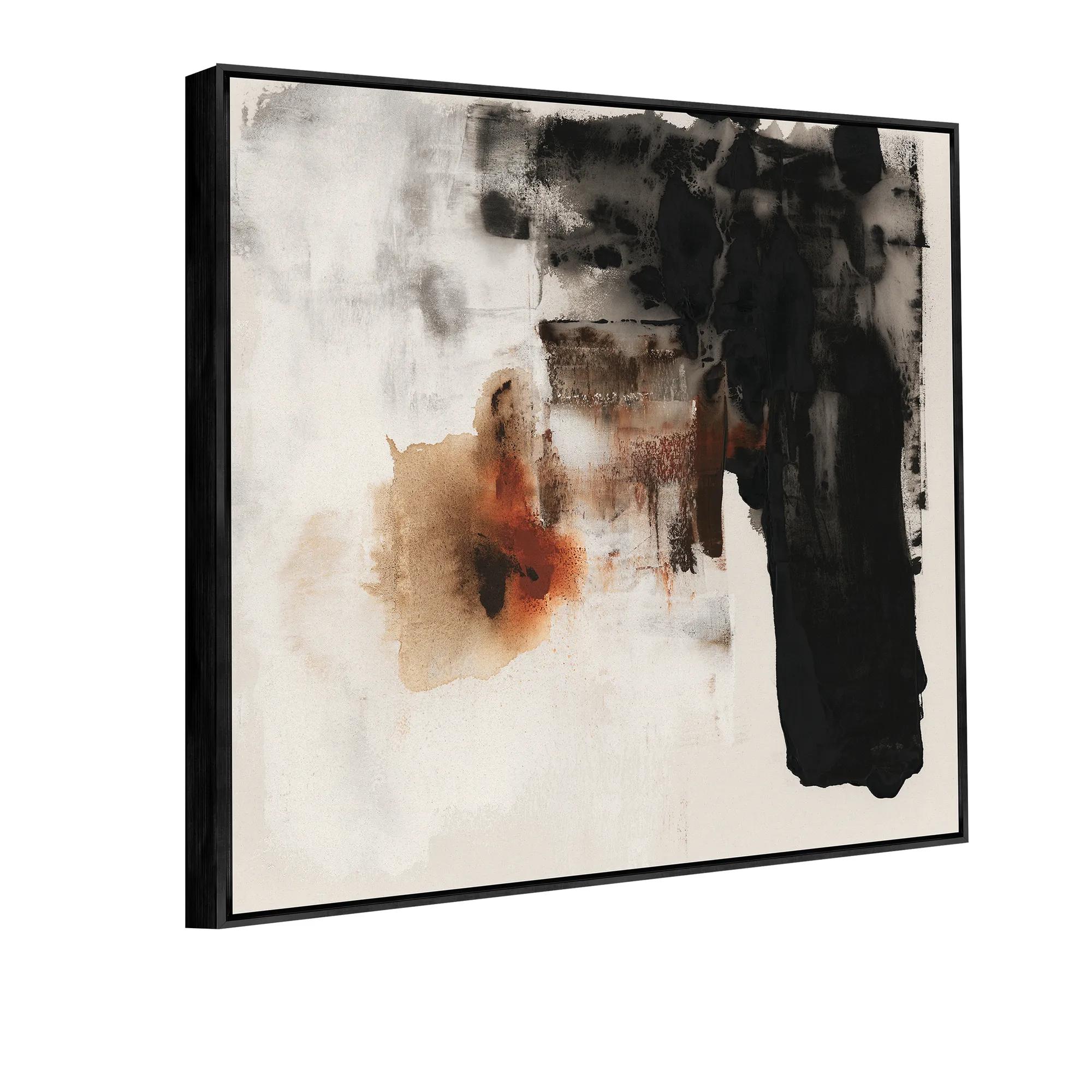 Burning for You II Framed Wall Art 40" x 40"$799
A gallery-wrapped canvas artwork with hand-applied brush gel, set in a sleek black floater frame.
Add To Cart -
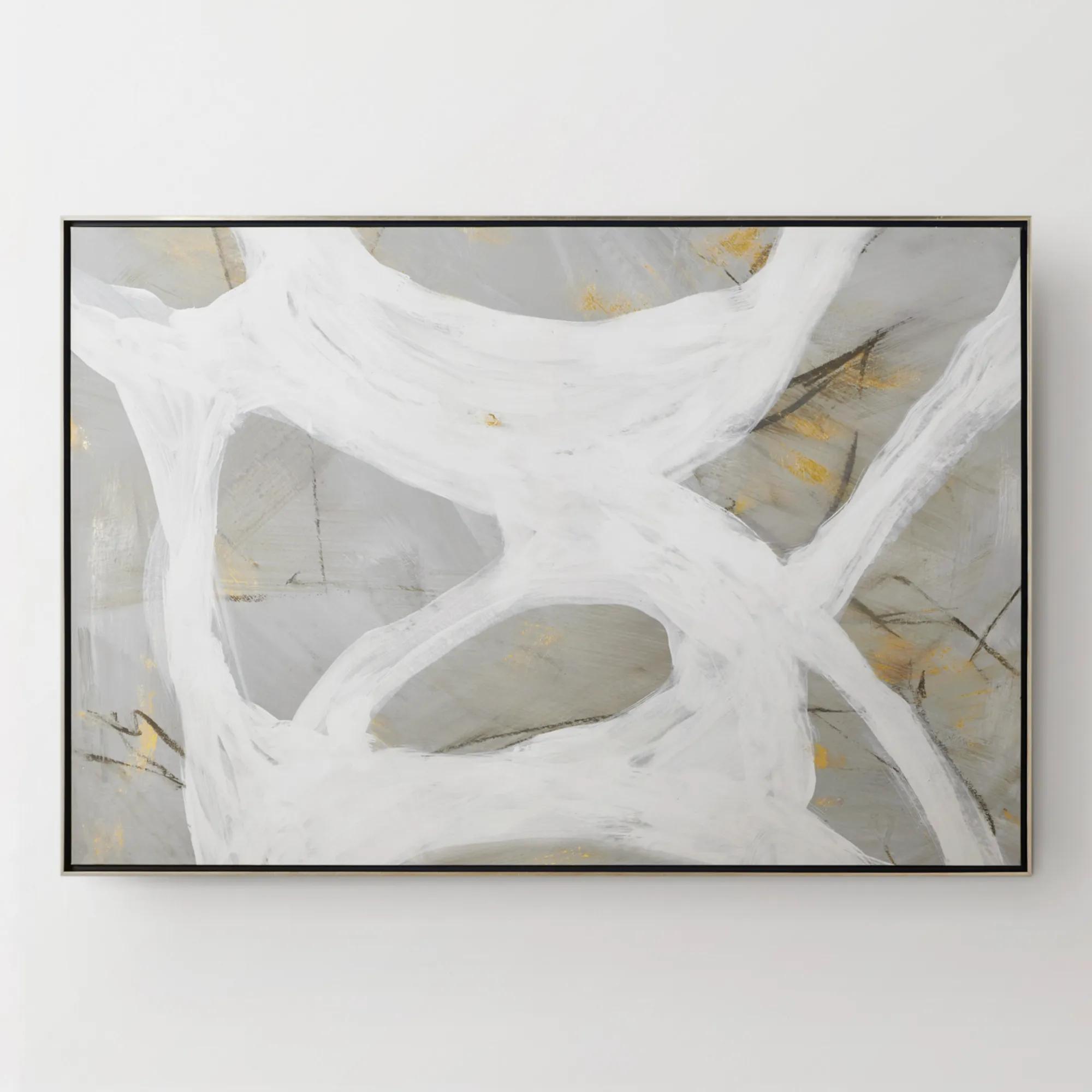
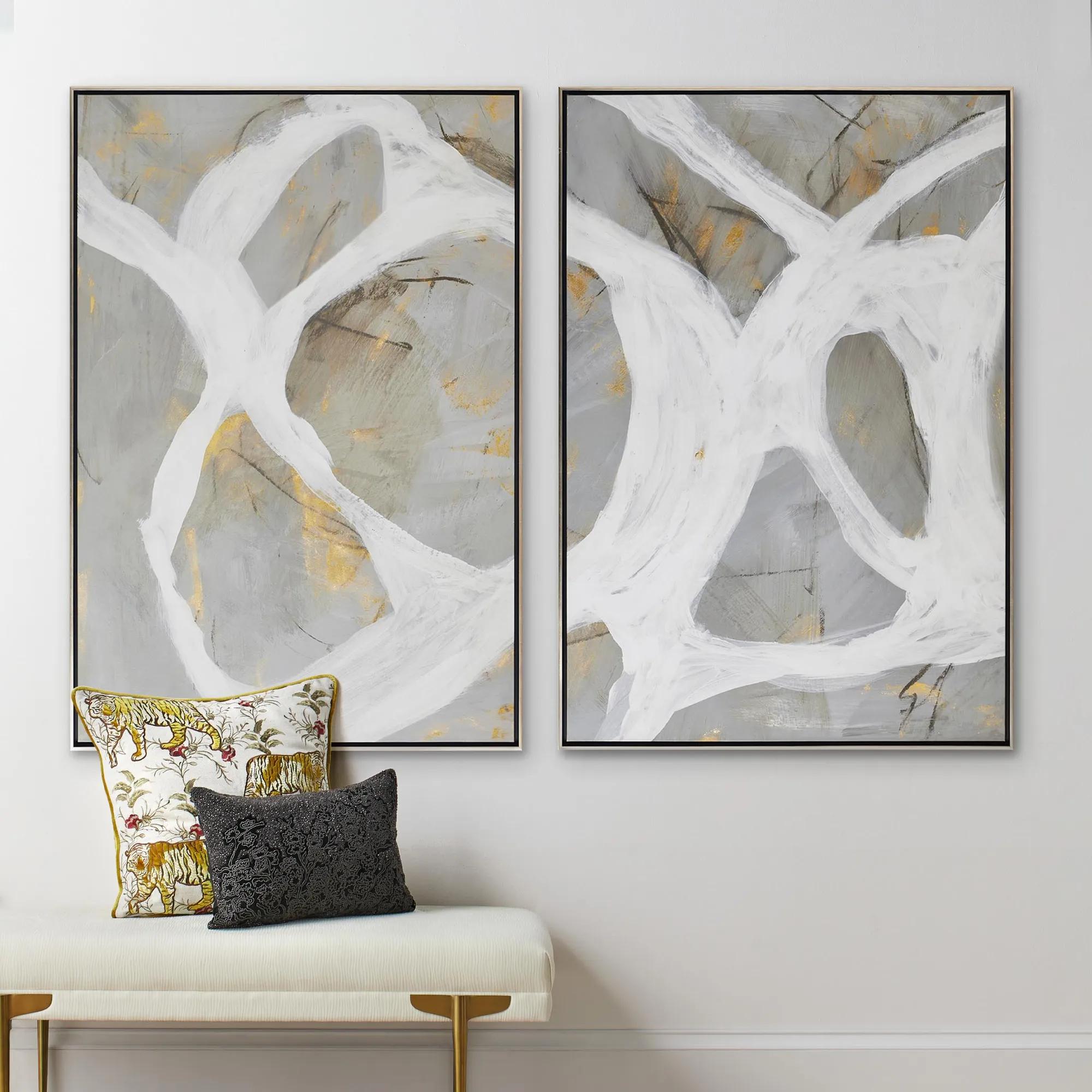 Les Series Framed Painted Wall Art II 61" x 41"$1099
An abstract canvas artwork featuring bold brushstrokes, hand-applied gold accents, and a silver floater frame.
Add To Cart -
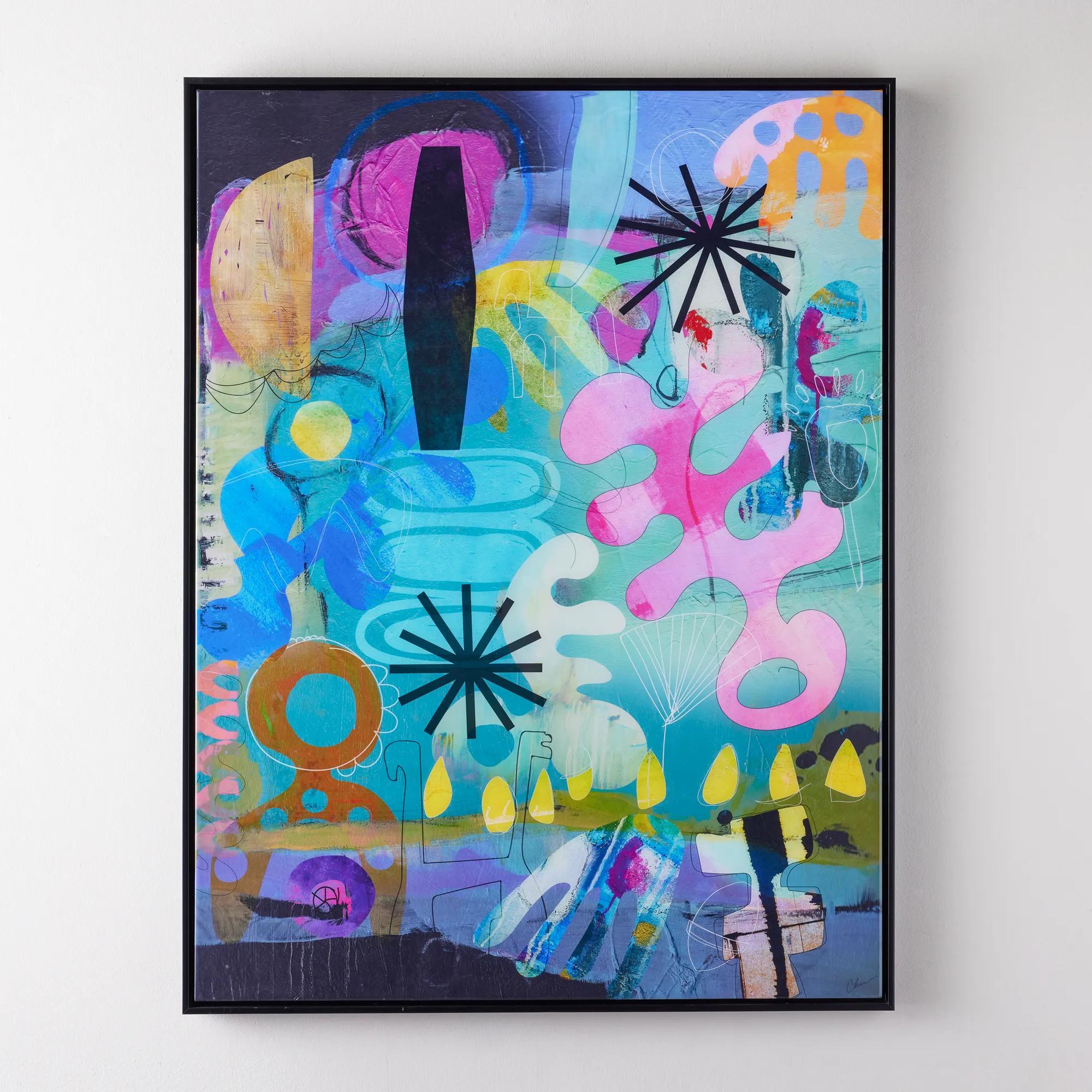
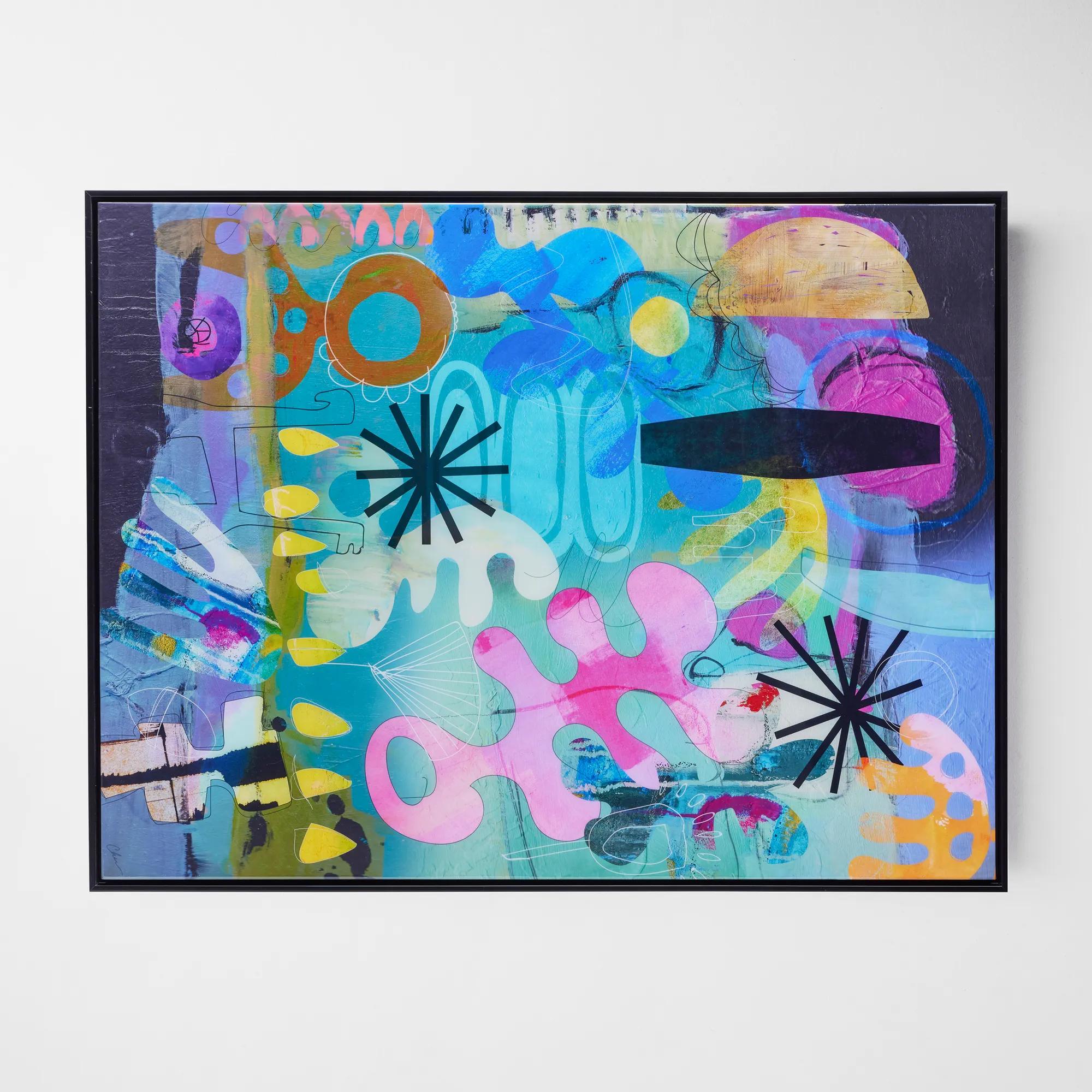 Nikki Chu Detailed Vision Framed Wall Art 54" x 41"$1099
A vibrant, high-gloss artwork with a black frame, designed to hang vertically or horizontally.
Add To Cart -
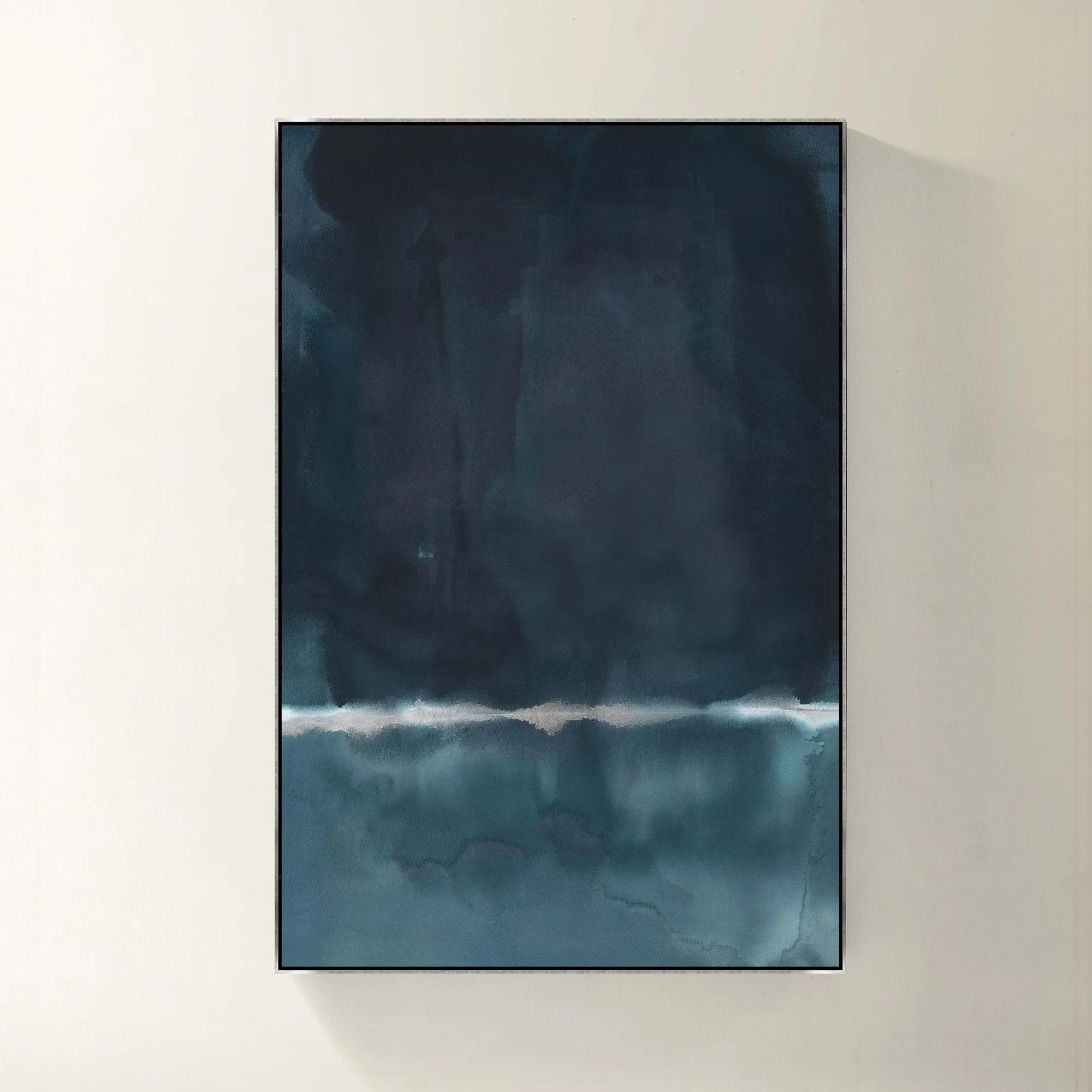 Blue Monday Framed Wall Art 40" x 60"$1119
A gallery-wrapped blue canvas with hand-embellished silver accents in a sleek silver floater frame.
Add To Cart -
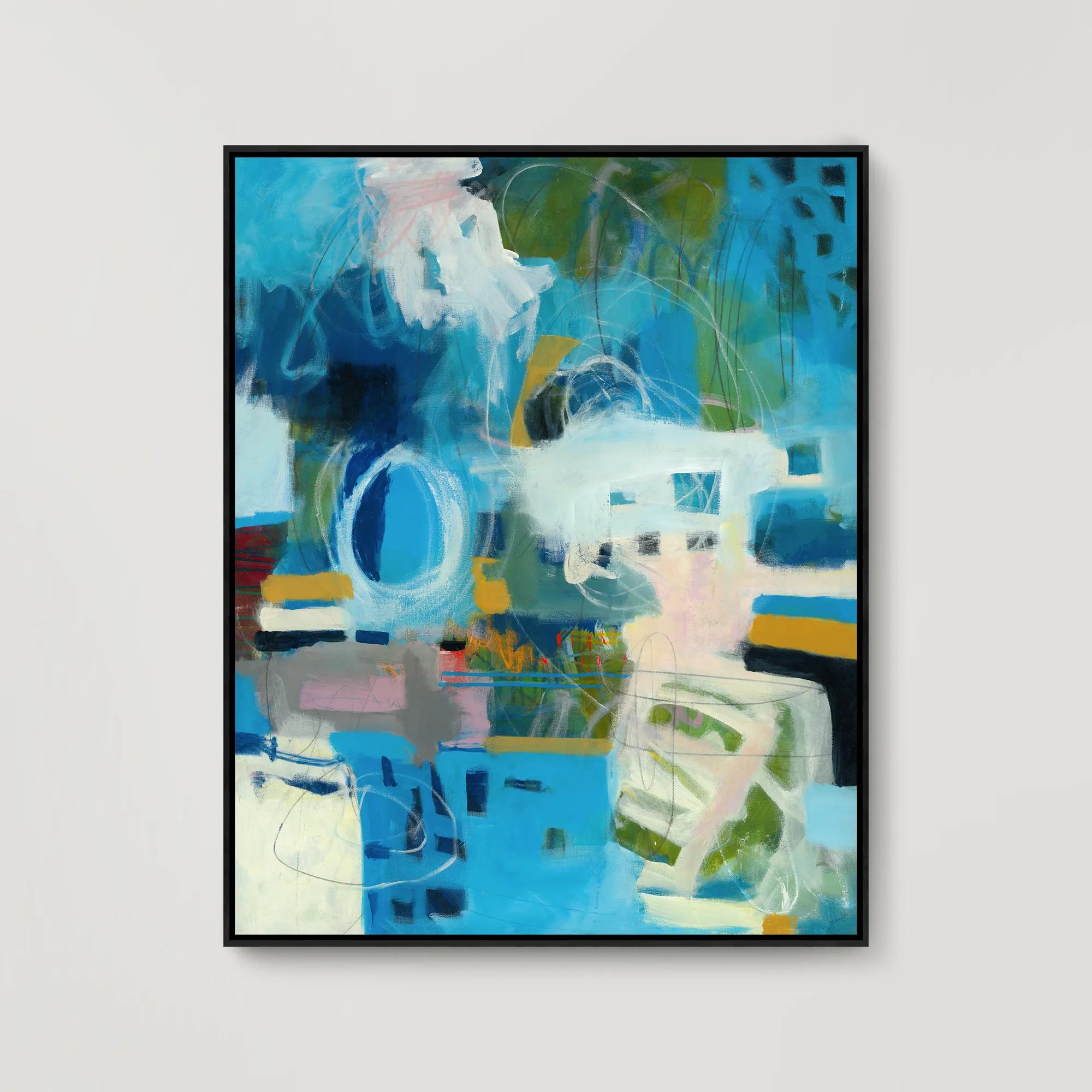
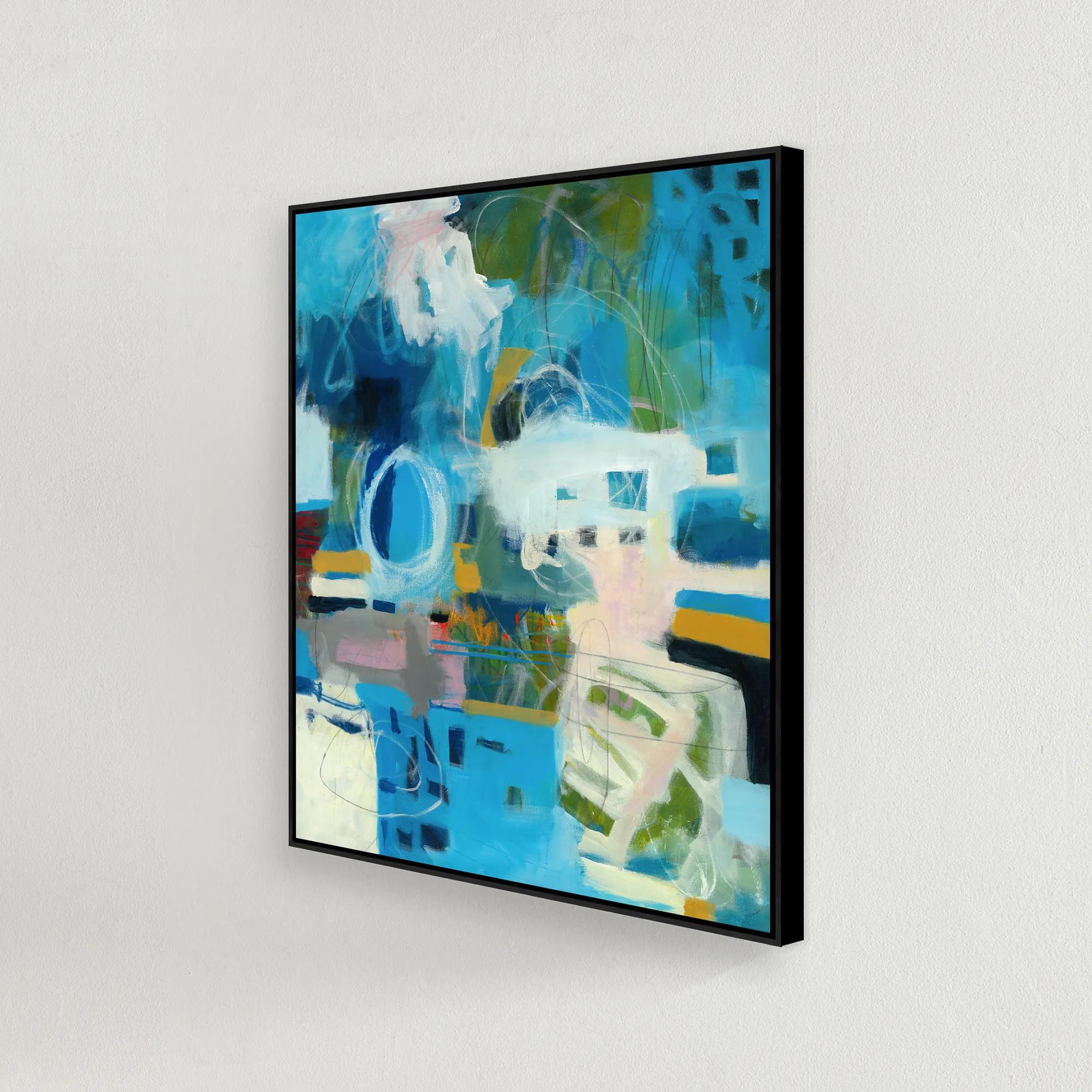 Just Across the Boarder Framed Wall Art 37.5" x 46.5"$749
A gallery-wrapped canvas artwork with hand-applied gel finish, set in a sleek black floater frame.
Add To Cart -
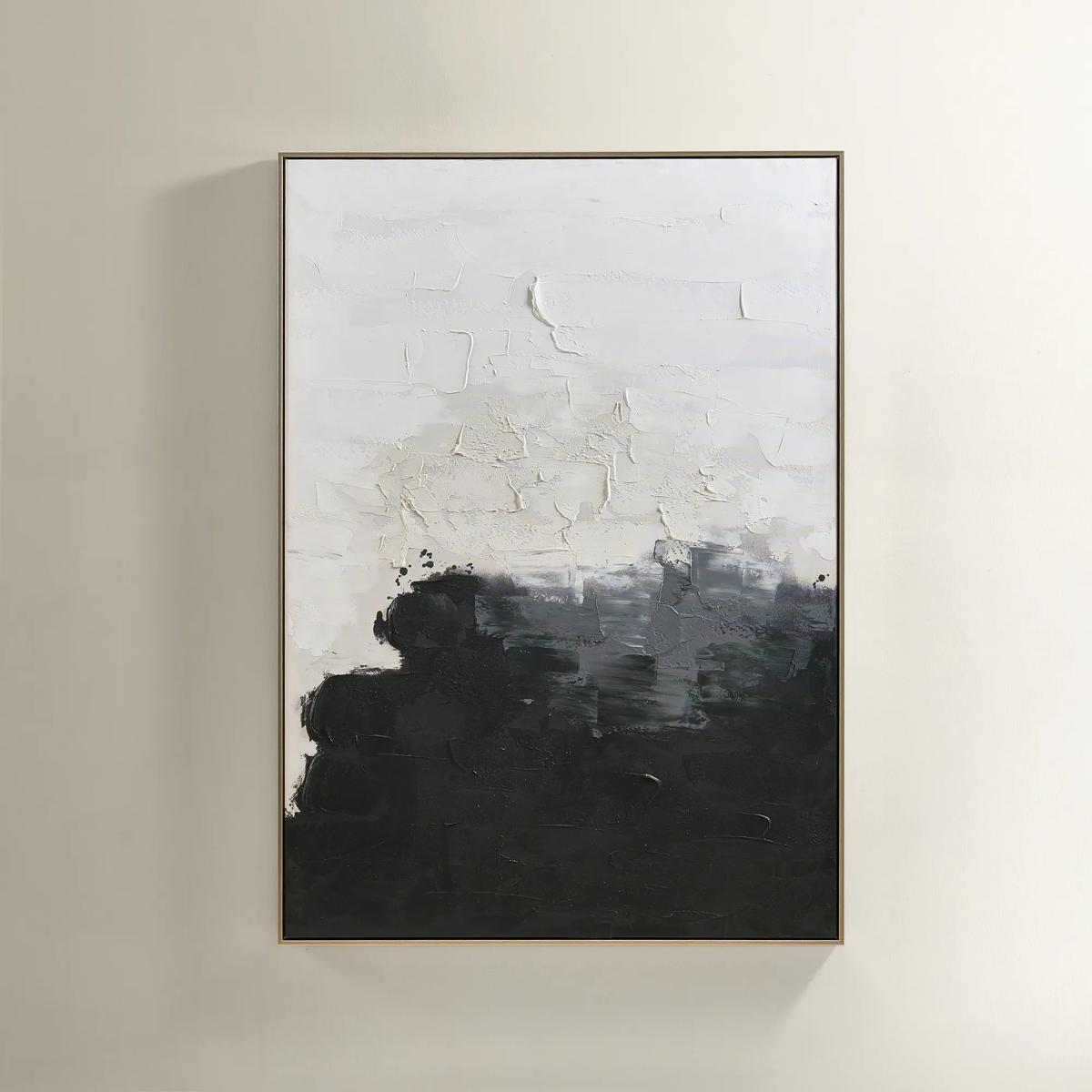
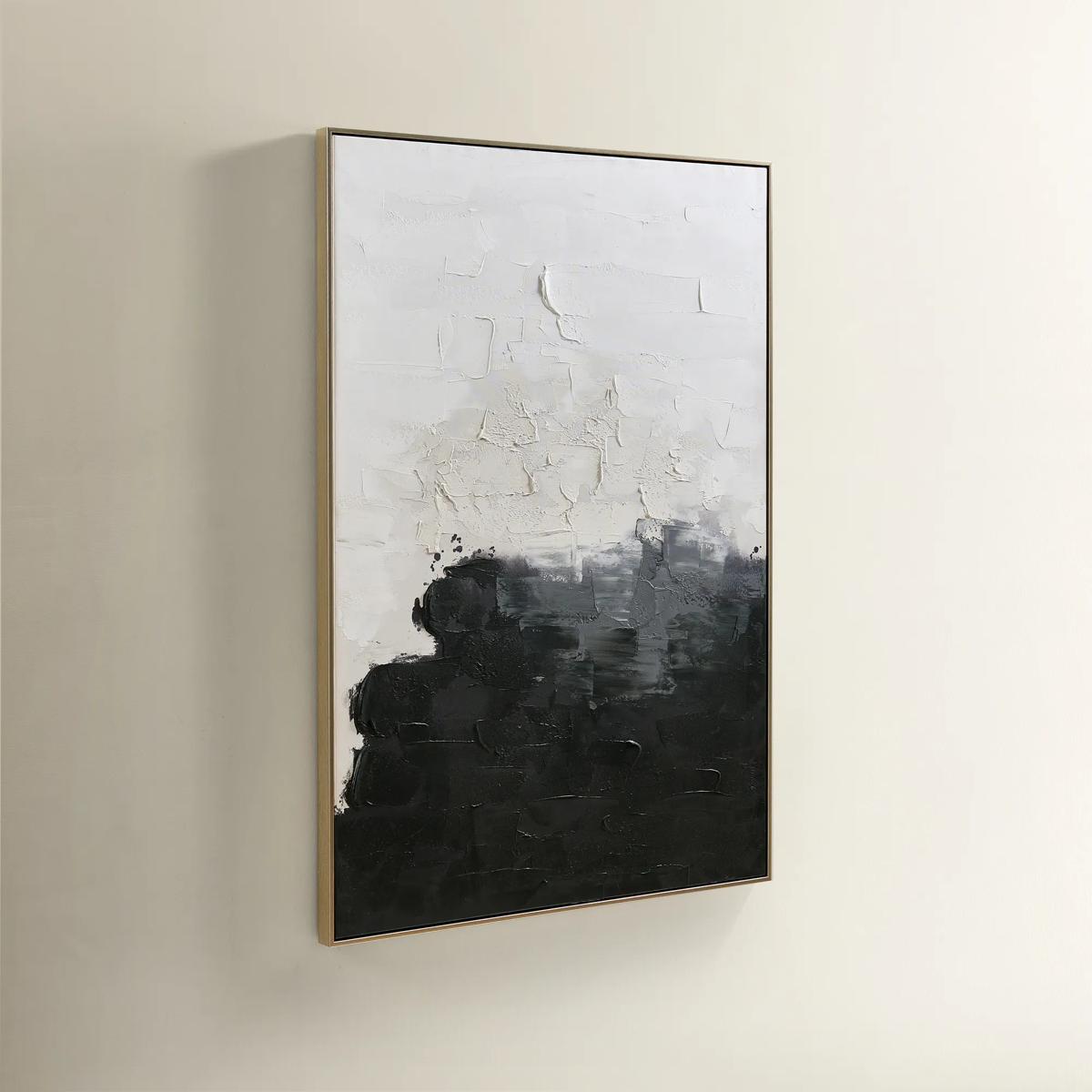 No Rush Painted Wall Art 39.25" x 55"$499
A hand-painted canvas featuring textured strokes of white, ivory, and charcoal in a natural wood frame.
Add To Cart

40 X 60 Framed Wall Art
Explore 40 x 60 framed wall art for a large-scale statement that gives your room a bold focal point. Browse framed artwork with an eye for color, composition, and how each piece complements your furniture and decor. For placement above a sofa, console, or bed, check the listed dimensions and orientation to find the right balance between the artwork and the space around it.
A generous expanse of art changes the way a room is experienced. With 40 x 60 framed wall art, color, movement, and composition have the space to become architectural: a sweep of charcoal can anchor a pale living room, while a luminous abstract can bring depth to a wall that once felt unfinished. This substantial format suits interiors with a confident point of view, whether the surrounding furnishings are sculptural and restrained or layered with velvet, polished metal, and expressive pattern. Its appeal lies in the relationship between scale and detail. From across the room, the overall composition makes an impression; closer inspection reveals tonal shifts, fine lines, or the visual rhythm of expressive brushwork. Abstract imagery lends itself to this interplay, but landscapes, botanical studies, photography, and graphic compositions can be equally compelling at this size. A horizontal orientation creates a broad visual connection above a sofa, credenza, or dining room sideboard. A vertical orientation draws attention upward, giving an entryway or an open wall beside a seating arrangement a poised, gallery-like presence. The frame completes that impression, defining where the artwork ends and the room begins. A slender profile allows an energetic composition to remain the focus, while a deeper or more substantial surround gives quieter imagery additional authority. Color matters just as much as profile: a dark frame introduces definition, a pale surround softens the boundary, and a metallic finish can echo the gleam of nearby lighting. For interiors that benefit from a crisp outline, Large Black Framed Wall Art offers a related direction, particularly alongside ivory upholstery, richly colored walls, or warm wood furniture. The strongest pairing does not require every finish to match. A repeated undertone, a shared line, or one deliberate contrast can make the artwork feel connected to the room without diminishing its independence. At this scale, a single framed composition can carry a wall, leaving the surrounding space open enough for its character to emerge.
Proportion is essential to the impact of 40 x 60 framed art, and the listed dimensions deserve a close look before a placement is chosen. A 40-by-60-inch measurement may describe the artwork itself or the finished framed piece, depending on the listing; matting and frame width can increase the overall footprint. Confirm the outside dimensions, orientation, depth, and weight rather than relying on the size category alone. A paper template or a rectangle marked with wall-safe tape helps reveal how the piece will relate to nearby furniture, doorways, sconces, and ceiling details. Above a sofa, the artwork generally feels most grounded when it occupies a substantial portion of the furniture’s width without stretching beyond it. Over a narrow console, a vertical composition may establish a more graceful relationship than a horizontal one, provided the surrounding wall gives it room. Placement should connect the art to the setting rather than float it near the ceiling. A center point around eye level is a useful starting place on an open wall, while furniture-backed arrangements often benefit from a modest gap above the furniture, adjusted for the frame’s proportions and the room’s sightlines. In a dining room, consider the view from a seated position; in an entry, consider the impression from the doorway and the clearance needed for everyday movement. Materials shape the experience as well. Printed canvas can introduce a textile surface and visible depth, while works on paper may pair with a mat and protective glazing for a more defined presentation. Glass and acrylic have different weight and handling considerations, and glare can affect either depending on the material and surface treatment. Wood, metal, and engineered frame materials each offer different profiles, finishes, and construction characteristics; durability depends on the complete assembly rather than appearance alone. Where specified, acid-free matting and backing or UV-filtering glazing can provide additional protection, although no glazing makes artwork impervious to prolonged sunlight. Viewing the intended wall at different times of day helps anticipate reflections and preserves the pleasure of seeing the composition clearly.
Living with large framed wall art is as much about thoughtful placement and care as it is about the initial visual statement. A substantial frame needs hanging hardware suited to its actual weight, the wall material, and the manufacturer’s mounting instructions. Drywall, masonry, and plaster call for different fastening solutions, and the hardware attached to the frame should be checked before installation. Two people or a professional installer can make positioning a piece of this size more controlled, especially over furniture or in a difficult-to-reach location. Intended use also matters: most framed artwork belongs in dry interior spaces, away from splashes, persistent humidity, direct heat, and strong sunlight unless expressly designed for those conditions. A glamorous dining room wall may be an ideal setting, while the area immediately beside a steamy cooking surface is less forgiving. Above a fireplace, heat exposure and the mantel configuration deserve particular attention. For routine care, follow the material-specific instructions and use a soft, clean cloth to lift dust gently from the frame. When cleaning compatible glazing, apply an approved cleaner to the cloth rather than spraying the artwork, keeping moisture away from seams, mats, and backing. Acrylic can scratch, textured finishes can catch fibers, and exposed canvas or embellished surfaces may require methods beyond ordinary wiping. These small distinctions help preserve the frame’s finish and the clarity of the image. For someone furnishing a new home, refining a primary bedroom, or giving a home office a more expressive identity, the right composition offers enduring personal resonance. Large artwork can also make a meaningful housewarming or milestone gift when the recipient’s taste, wall dimensions, and preferred palette are known. Its scale makes it an intimate design choice rather than a decorative afterthought. A sweeping neutral composition can create visual calm behind a richly layered seating area; saturated color can bring energy to an otherwise tonal room. The lasting appeal comes from that balance between the art’s own presence and the life unfolding around it—a bold gesture with enough nuance to reward a closer look.
FAQs
Framed wall art brings a distinctive point of view to modern, glamorous, transitional, and eclectic interiors. Abstract compositions introduce expressive energy, architectural photography lends graphic polish, and painterly botanicals create a softer counterpoint to sculptural furniture.
Above a living room sofa, behind a dining table, or along an entryway wall, framed art gives a room its visual signature. Choose a placement that draws the eye naturally, then let nearby lighting and decorative accents echo the artwork’s mood.
Consider the artwork’s tones alongside the finishes already shaping your room. Gold-toned frames introduce luminous warmth, silver-toned frames offer a cool gleam, black frames create crisp definition, and wood frames bring depth and natural character. A deliberate contrast can be just as compelling as a coordinated finish.
Framed wall art does not need to match every element to feel intentional. Echo one accent color from your upholstery or accessories for a subtle connection, or introduce an unexpected hue that gives a neutral room a more daring perspective. Repeating that hue in a single decorative detail can draw the composition together.
Give the artwork a leading role, then build a vignette with contrasting textures and silhouettes. A sculptural vase can echo a curve within the composition, while a mirror on an adjacent wall adds a reflective layer. Keep the surrounding arrangement selective so each detail contributes to the room’s story.