
Window Curtains For Small Apartments
Window Curtains For Small Apartments
-

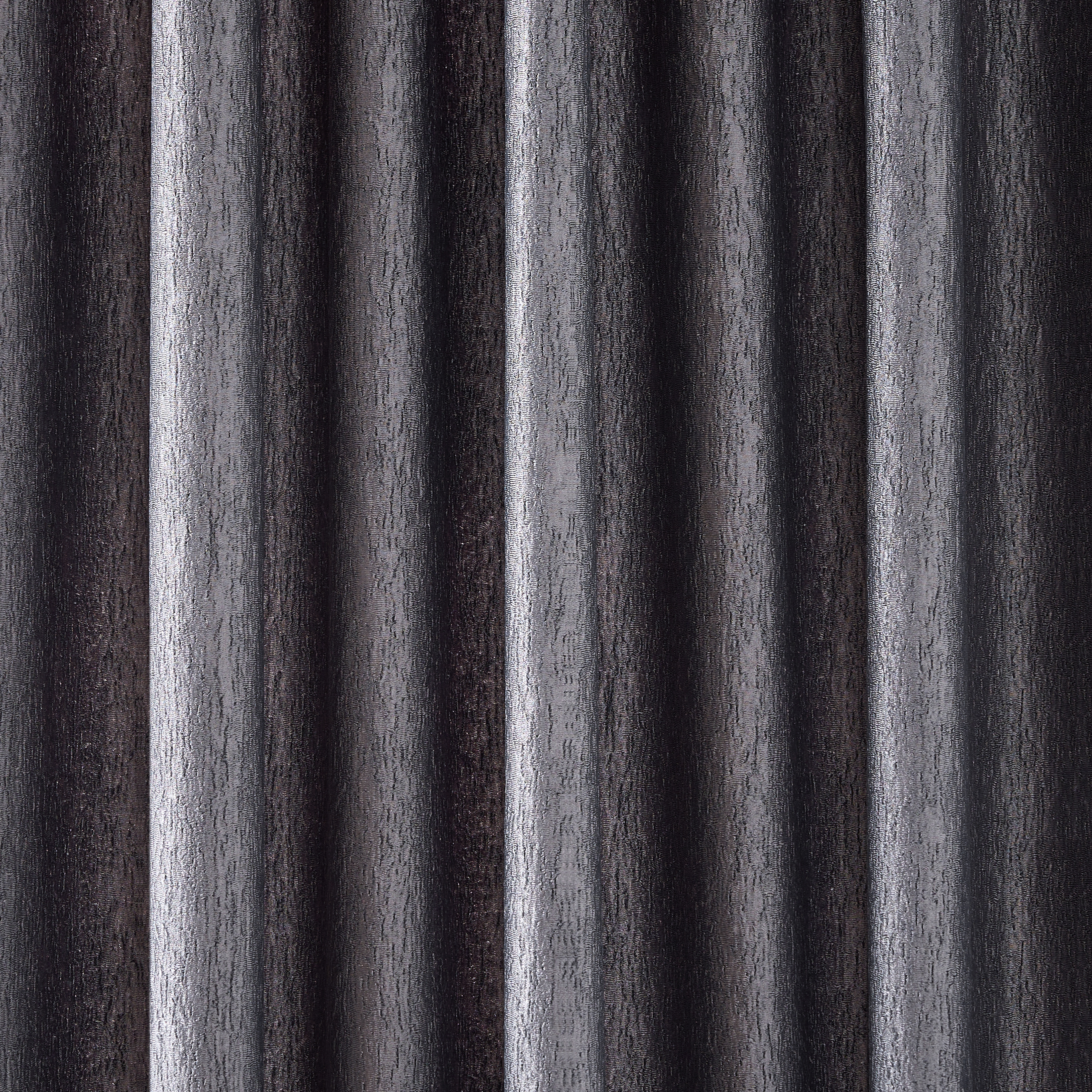 Anson Charcoal Textured Window Curtain Panel$89
A moody charcoal curtain with crushed polyester texture and subtle sheen for stylish, room-darkening appeal.
Add To Cart -

 Mabel Natural Velvet Swirl Window Curtain Panel$89
A warm neutral velvet curtain with a tonal swirl pattern, offering room-darkening privacy and versatile hanging options.
Add To Cart -
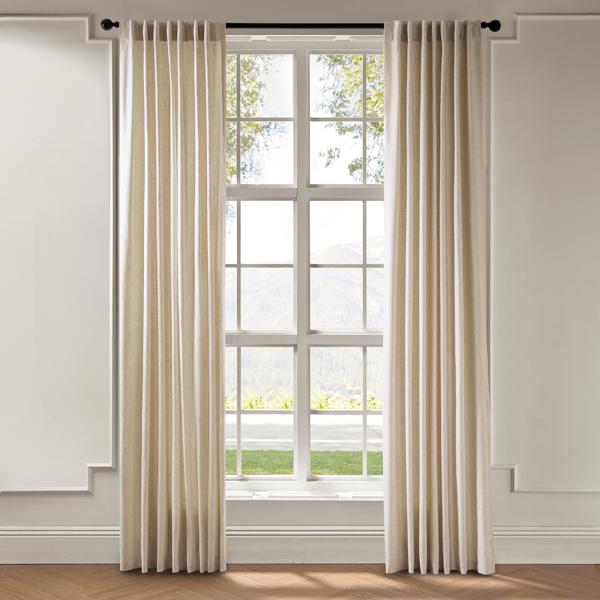
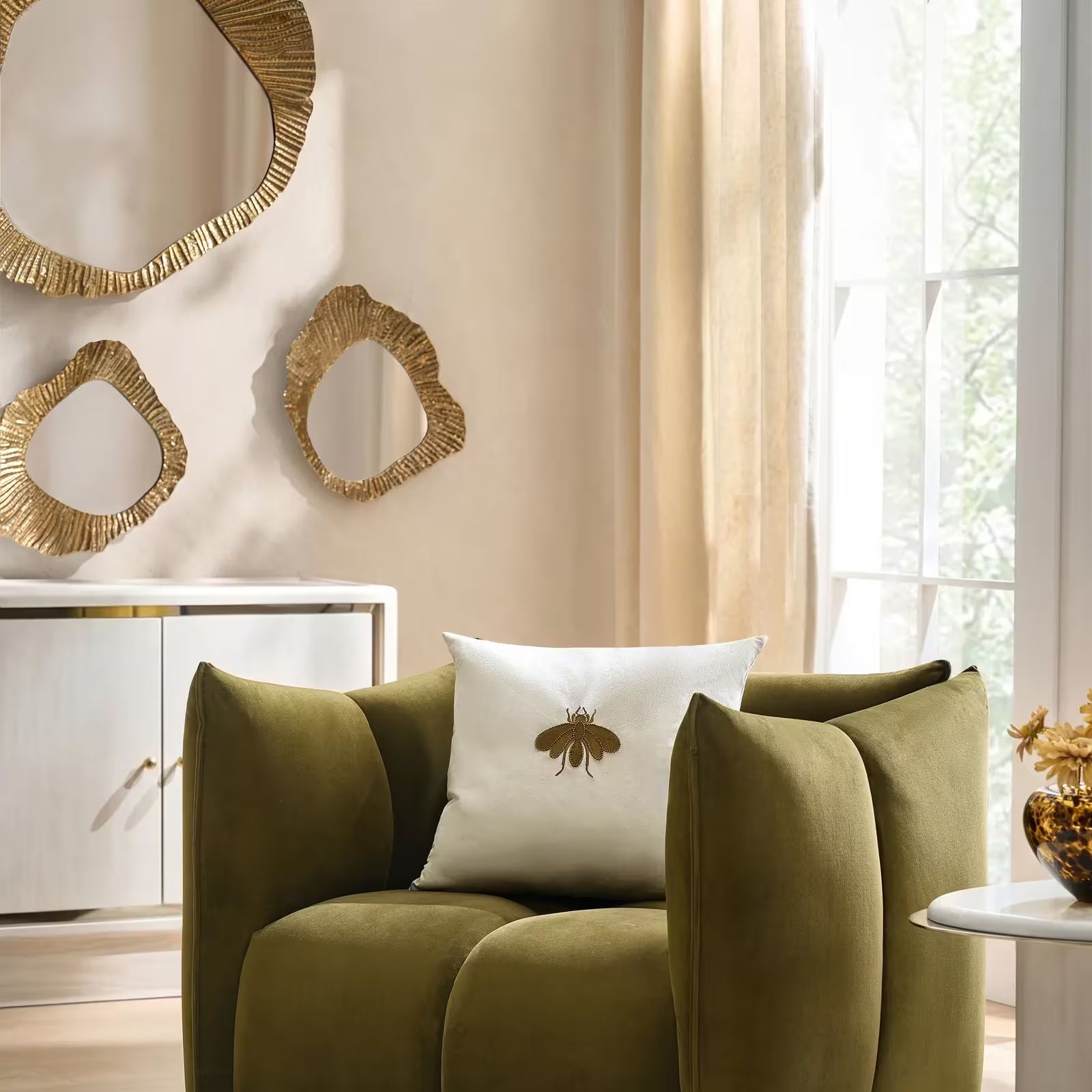 Anson Ivory Textured Window Curtain Panel$109
An elegant ivory curtain with a crushed, light-reflective texture and versatile dual hanging options.
Add To Cart -
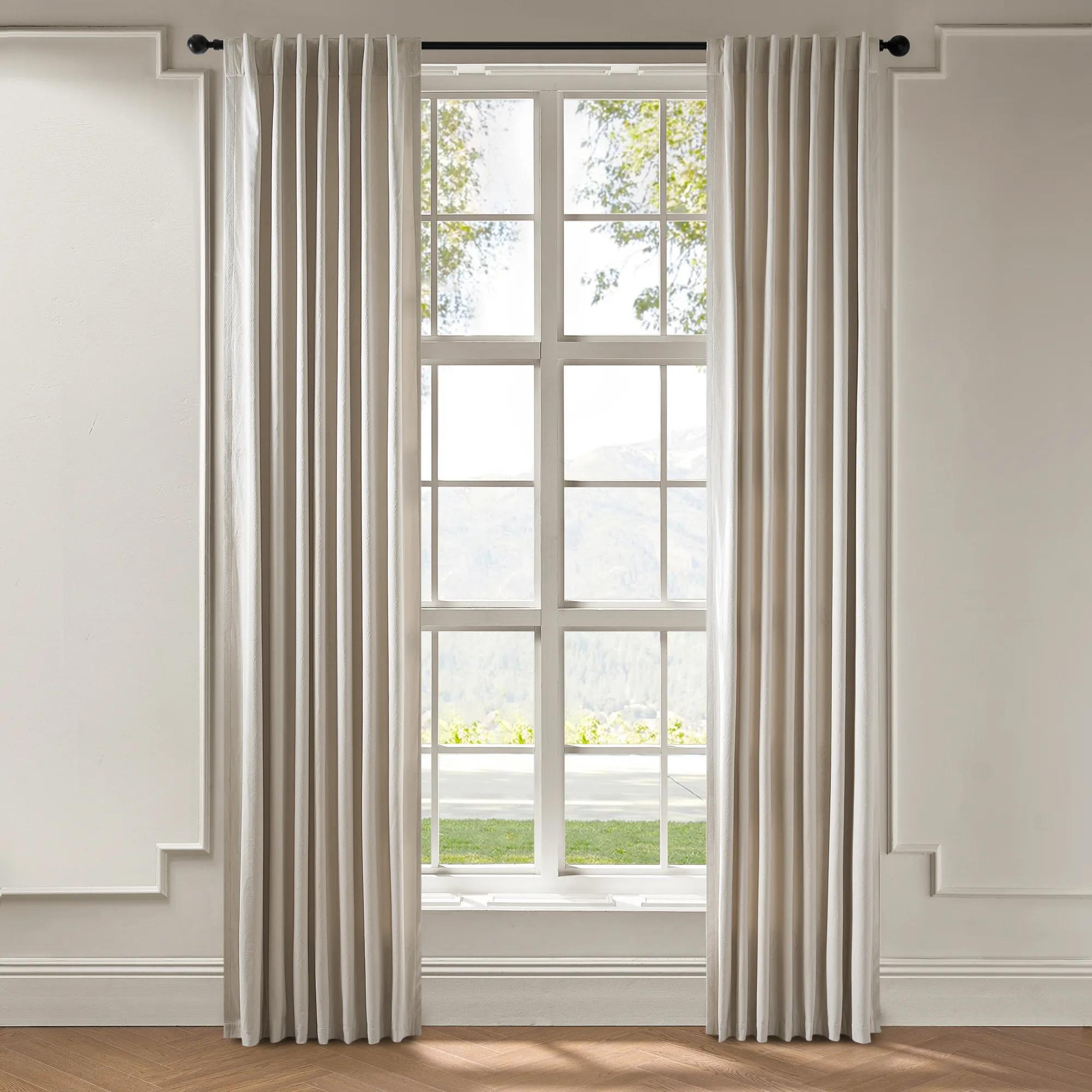
 Mabel White Velvet Swirl Window Curtain Panel$109
A crisp white velvet curtain featuring a tonal swirl texture and versatile dual hanging options.
Add To Cart -
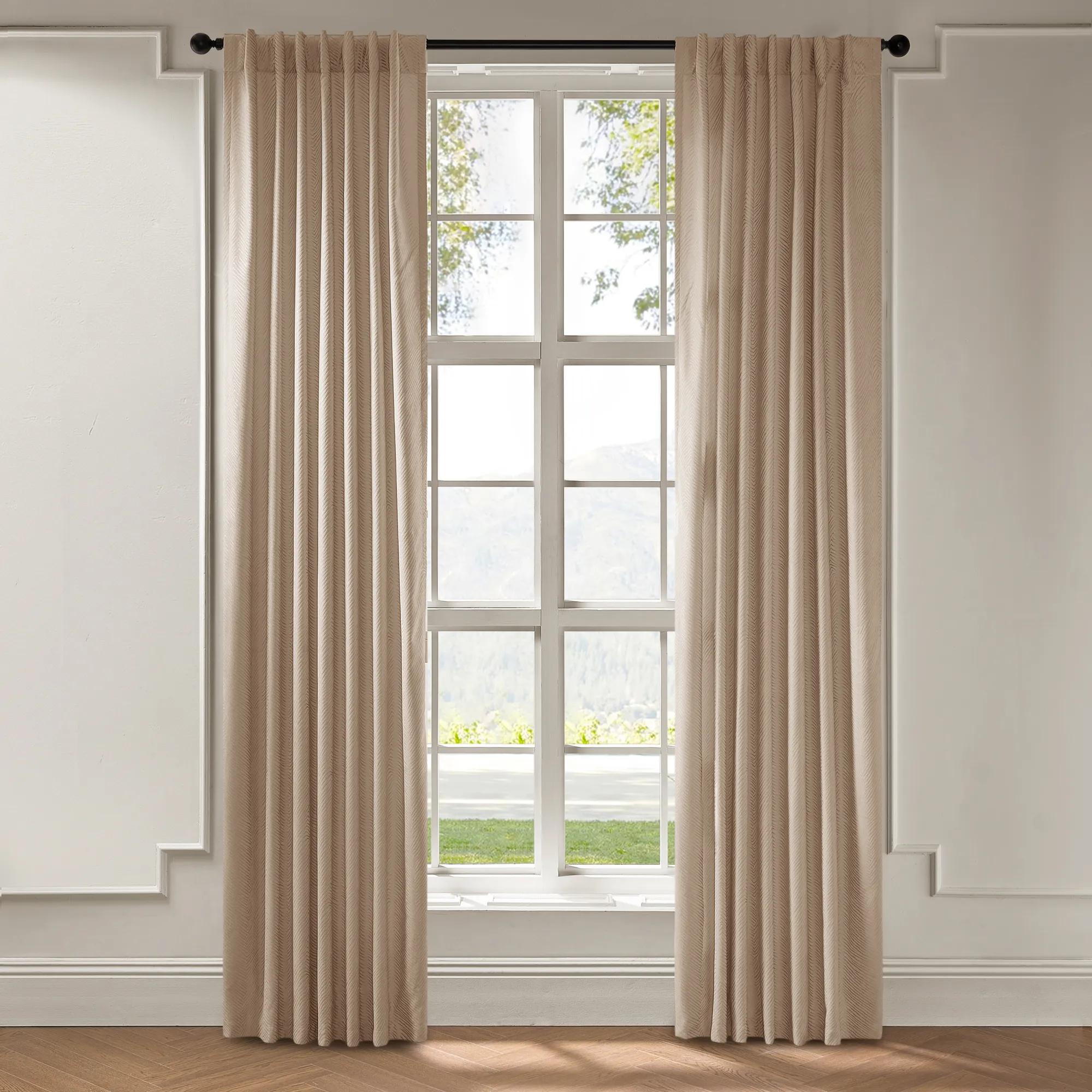 Kenzo Jacquard Beige Chenille Window Curtain Panel$139
A warm beige chenille jacquard curtain with a subtle sheen and versatile rod pocket or back tab hanging.
Add To Cart -
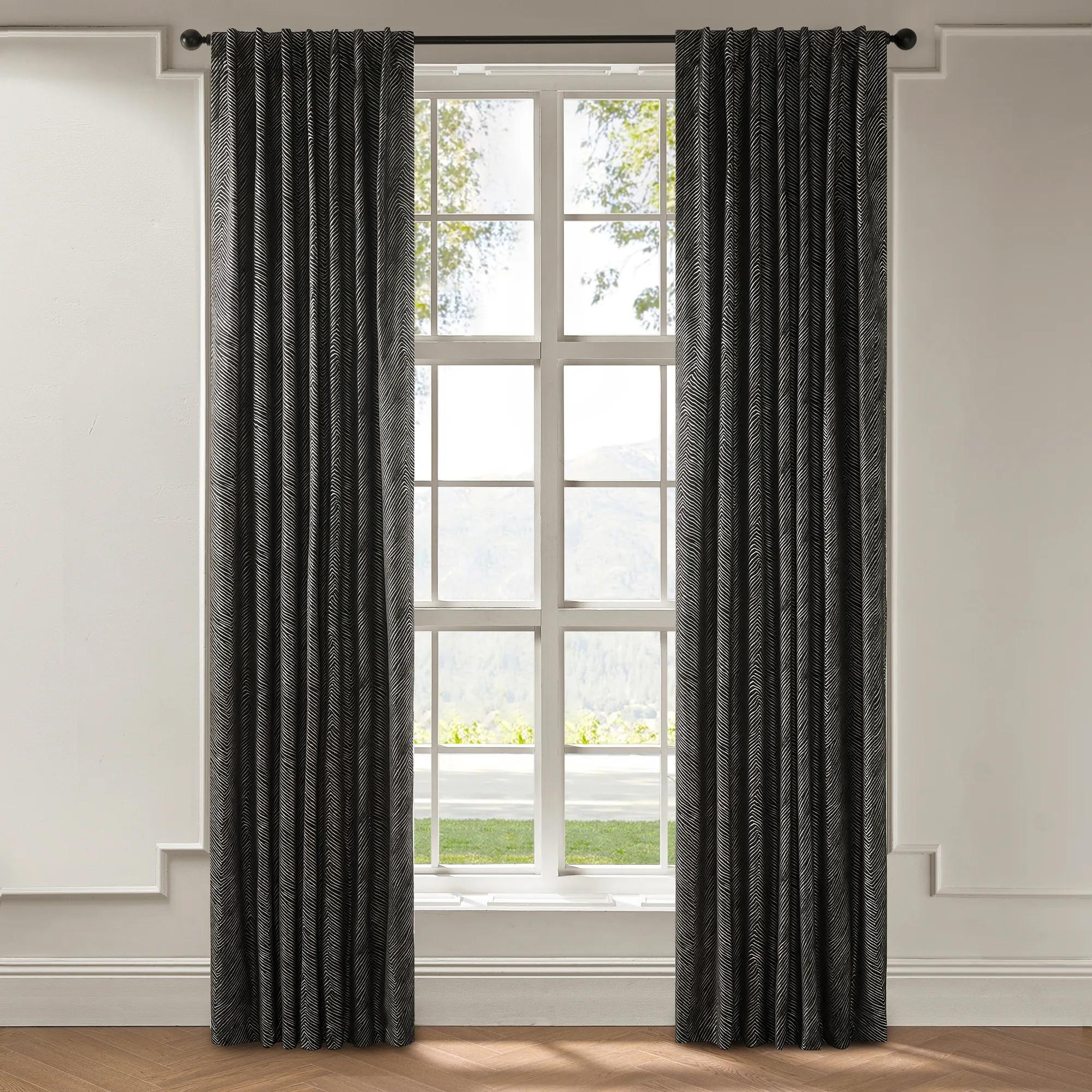
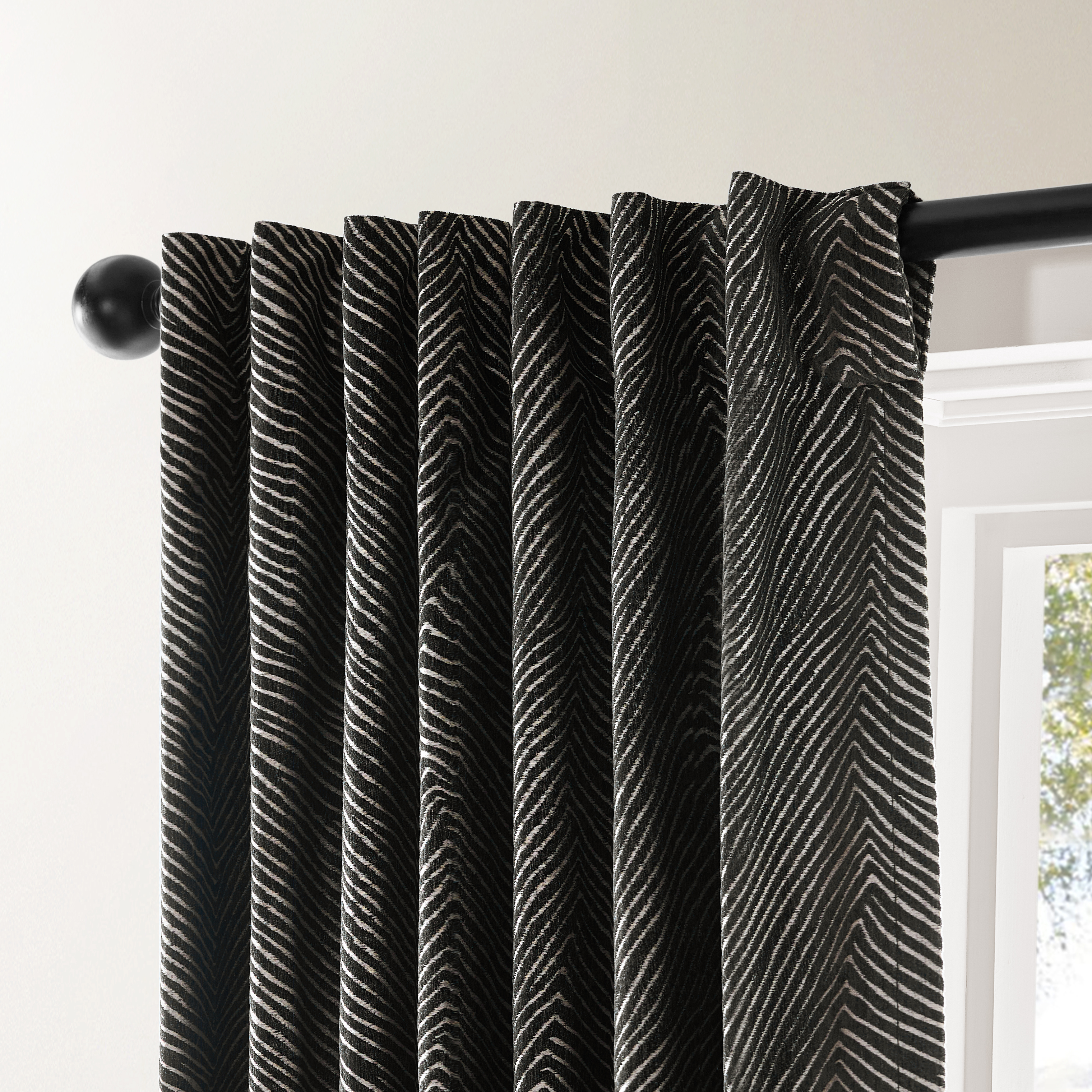 Kenzo Black Chenille Window Curtain Panel$129
A black chenille jacquard curtain with a luxe sheen and versatile dual hanging options.
Add To Cart -
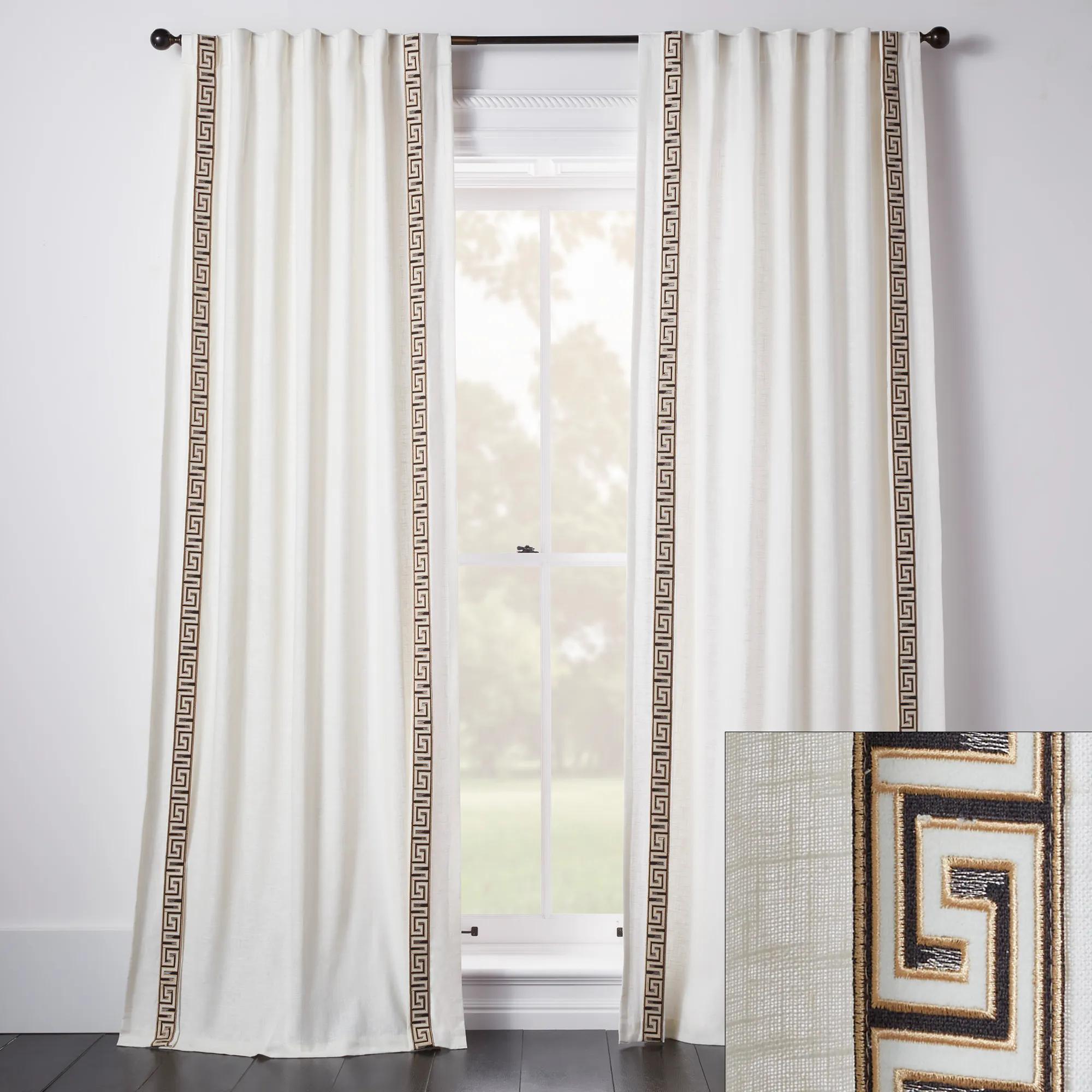 Chole Greek Key Border Velvet Widow Curtain Panels Custom$399
A white linen-blend curtain featuring a black and gold embroidered velvet Greek key border for elegant style.
Add To Cart -
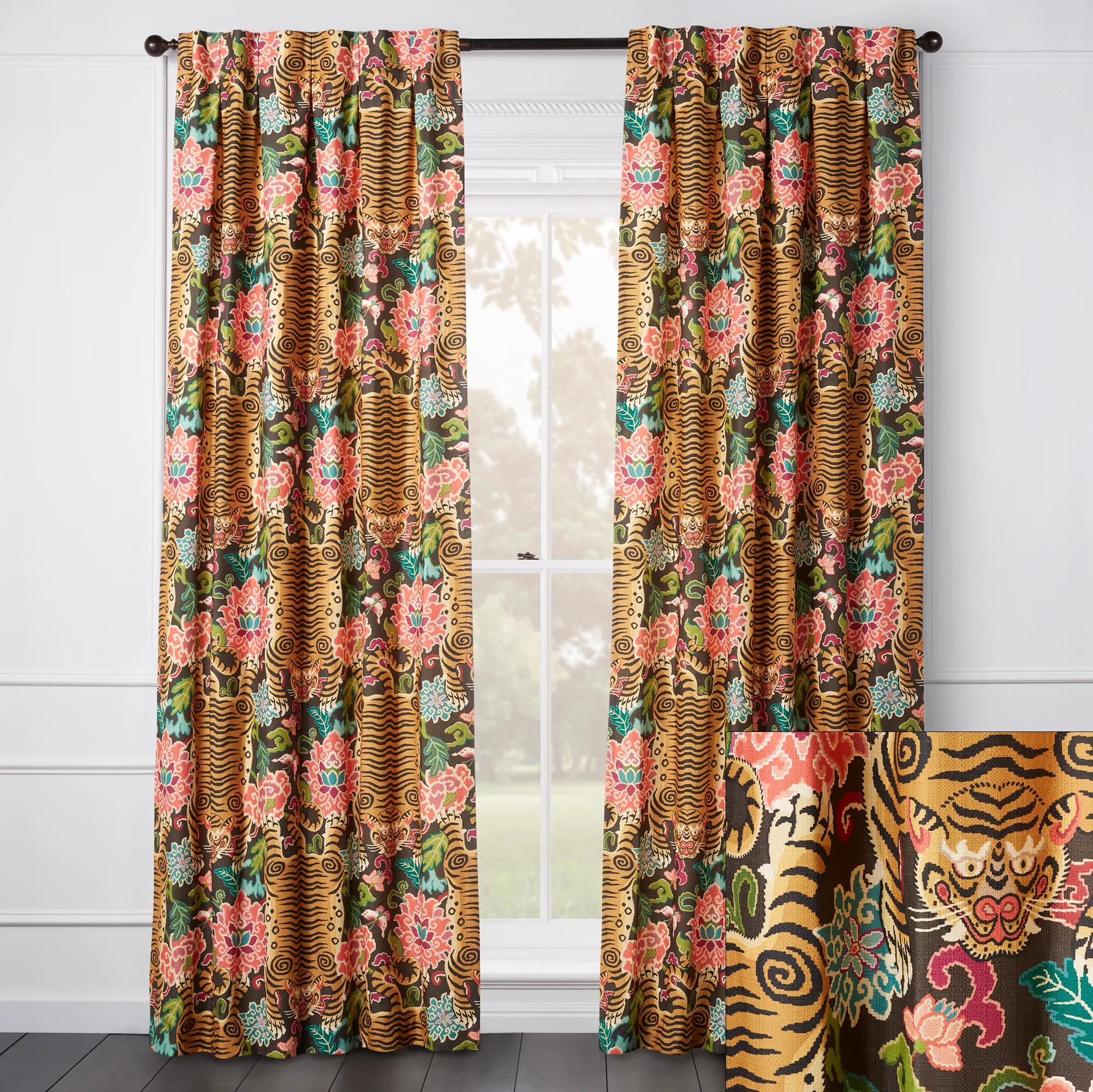
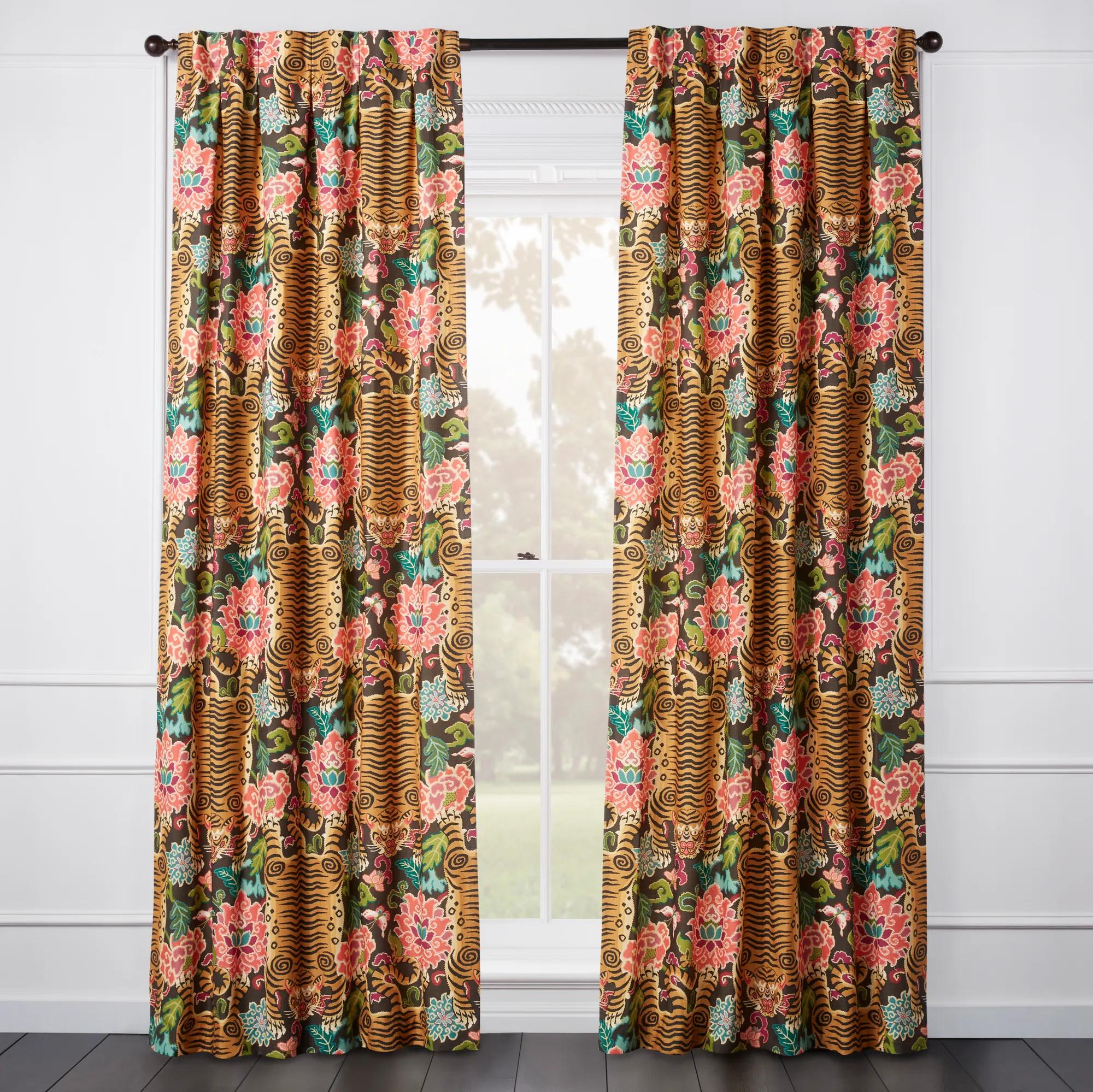 Nimer Gold/Multi Printed Slubbed Cotton Window Curtain Panel$299
A lively gold and multi-colored cotton curtain featuring a bold tiger print and customizable hanging options.
Add To Cart -
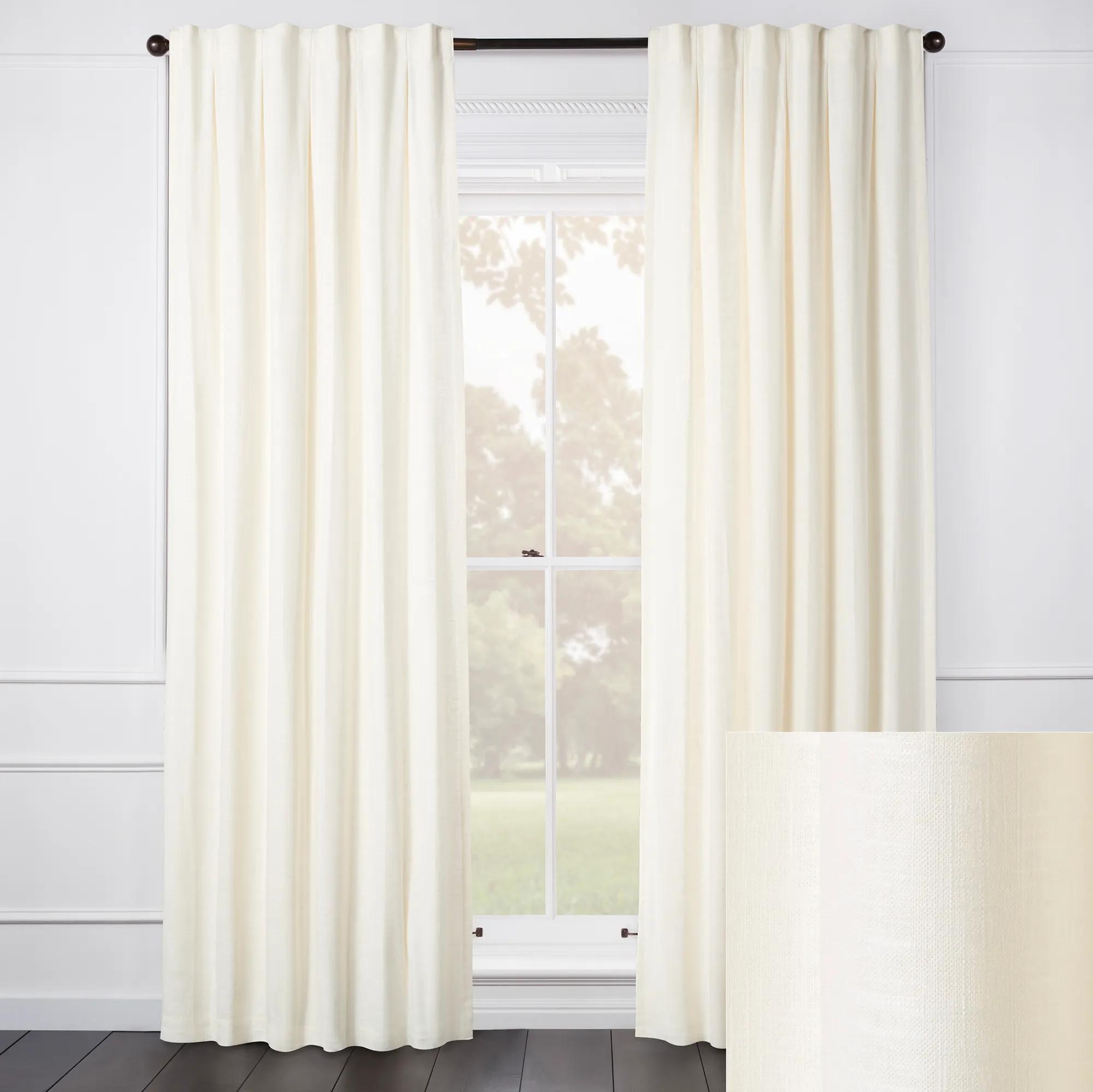
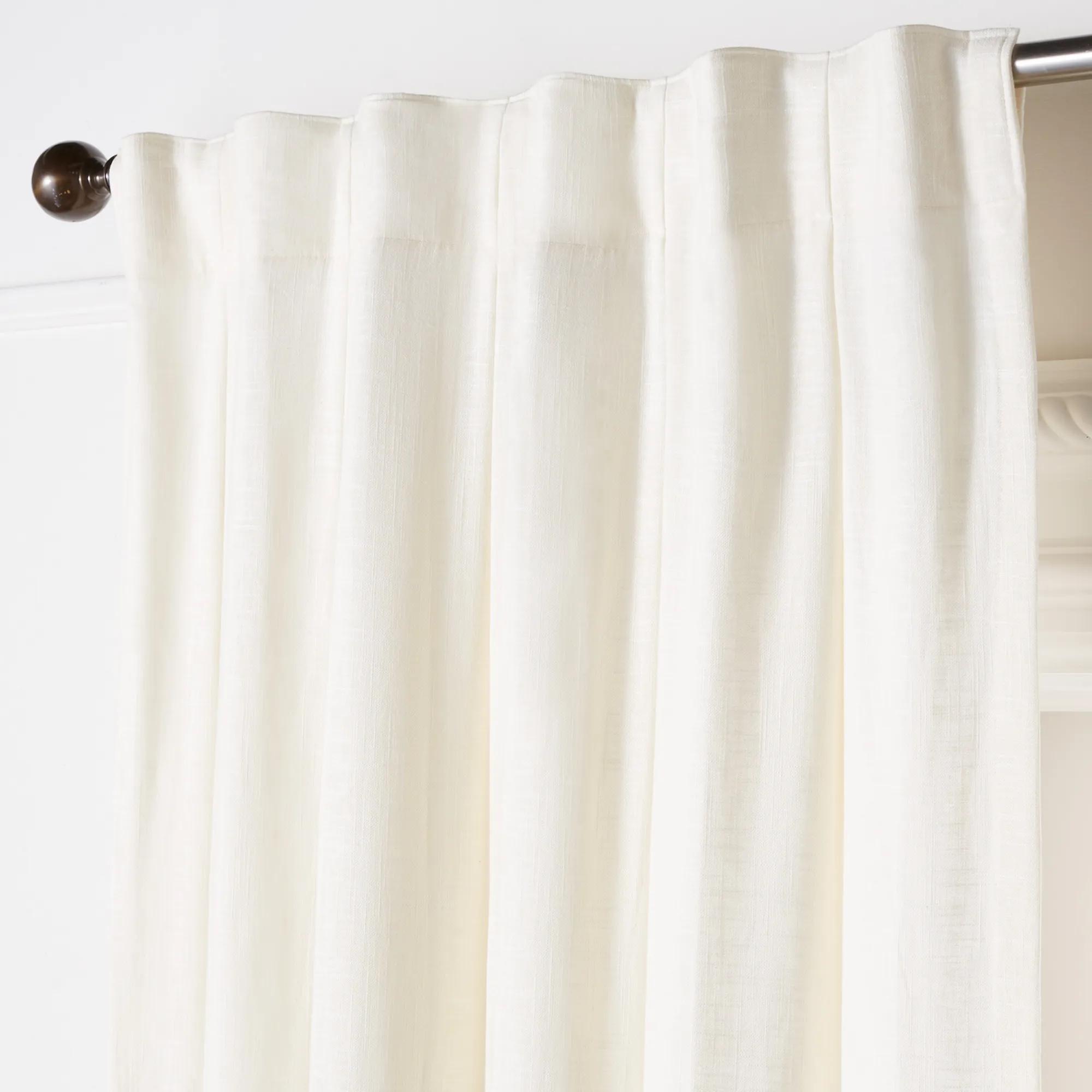 Audrey Linen Ivory Curtain - Custom$269
An ivory linen-blend curtain panel with lining, offering customizable lengths and two elegant header styles.
Add To Cart -
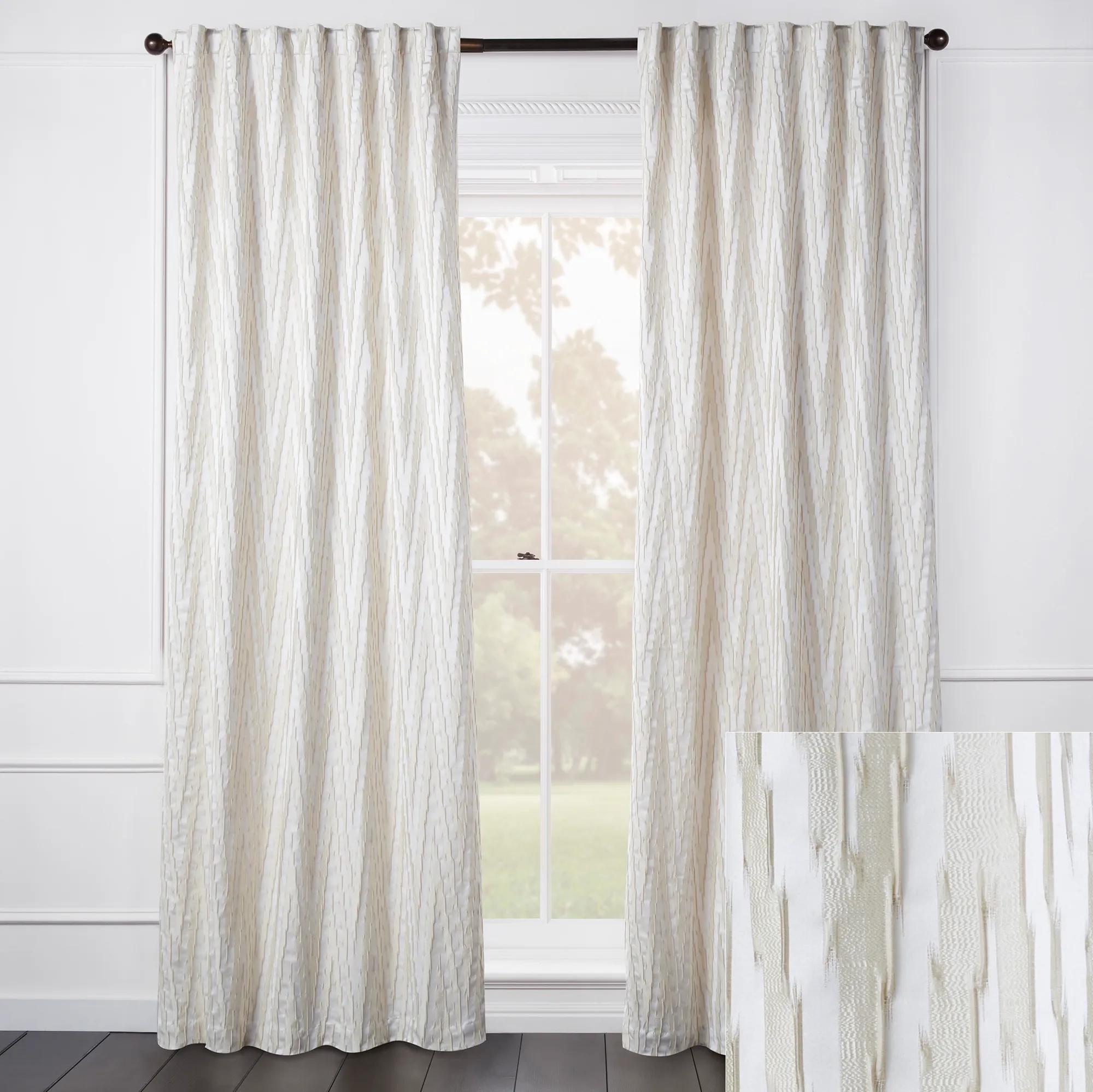
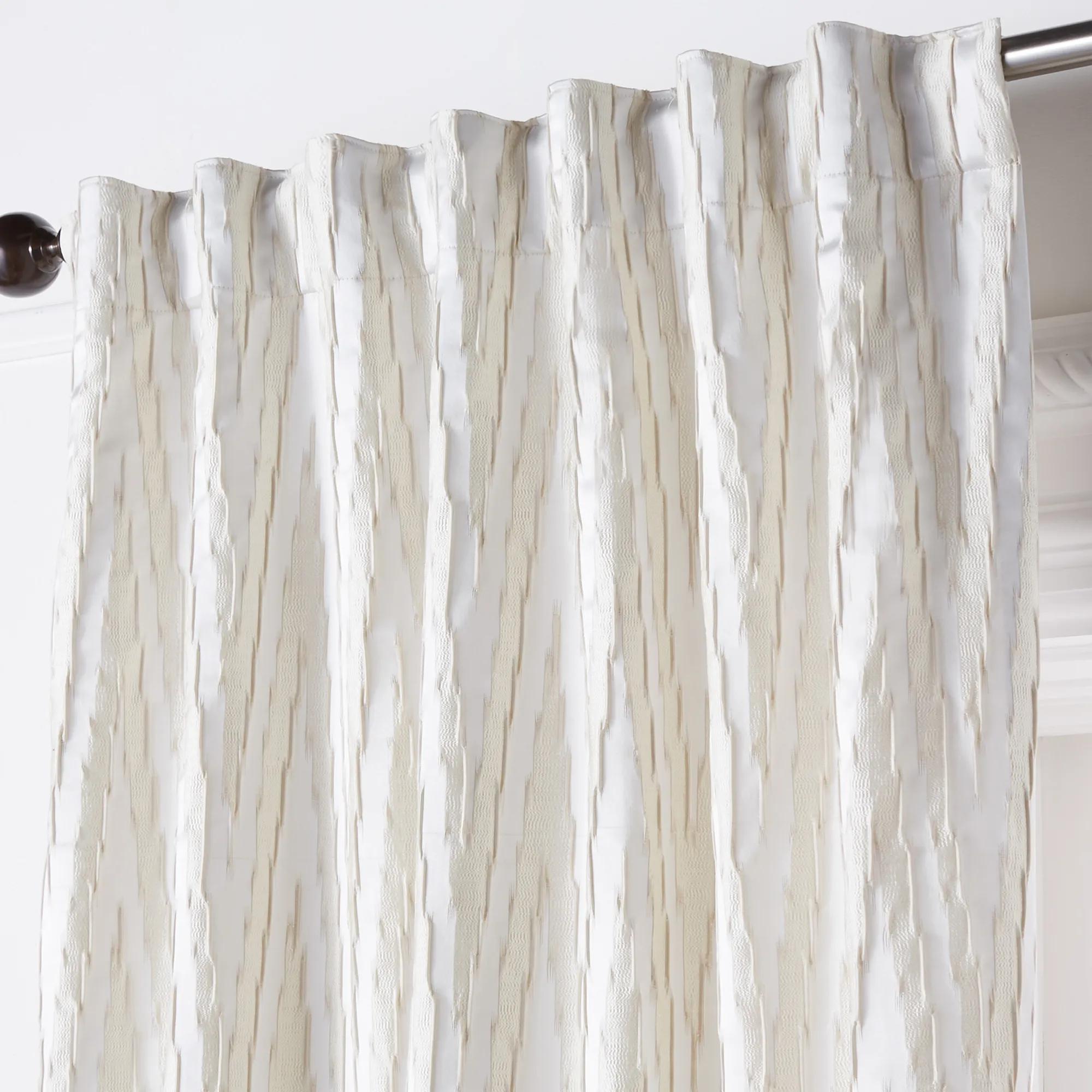 Minka Jacquard Pearl Window Curtain Panel Custom$249
A highly textured chevron curtain panel in pearl, grey, or natural polyester with customizable hanging options.
Add To Cart -
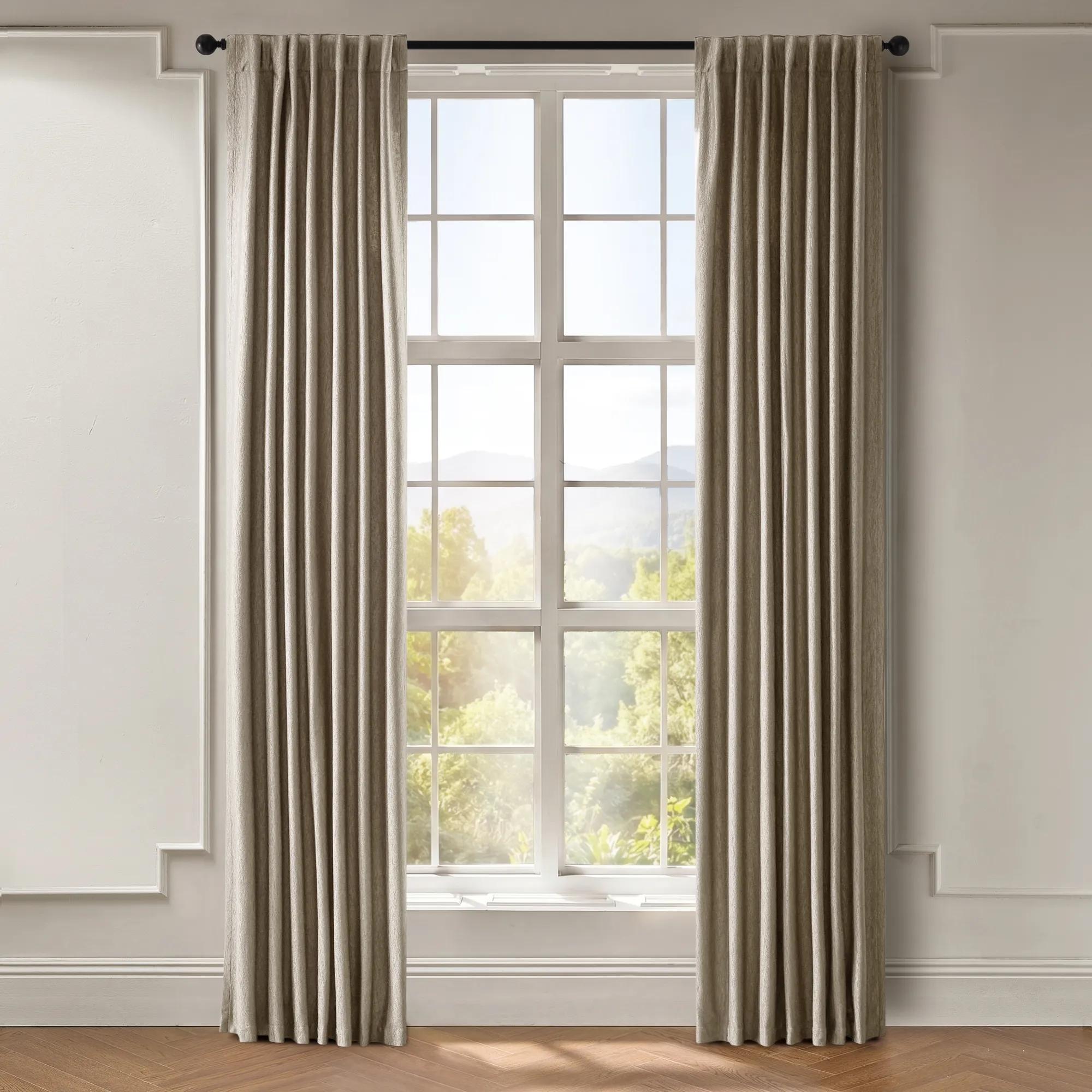
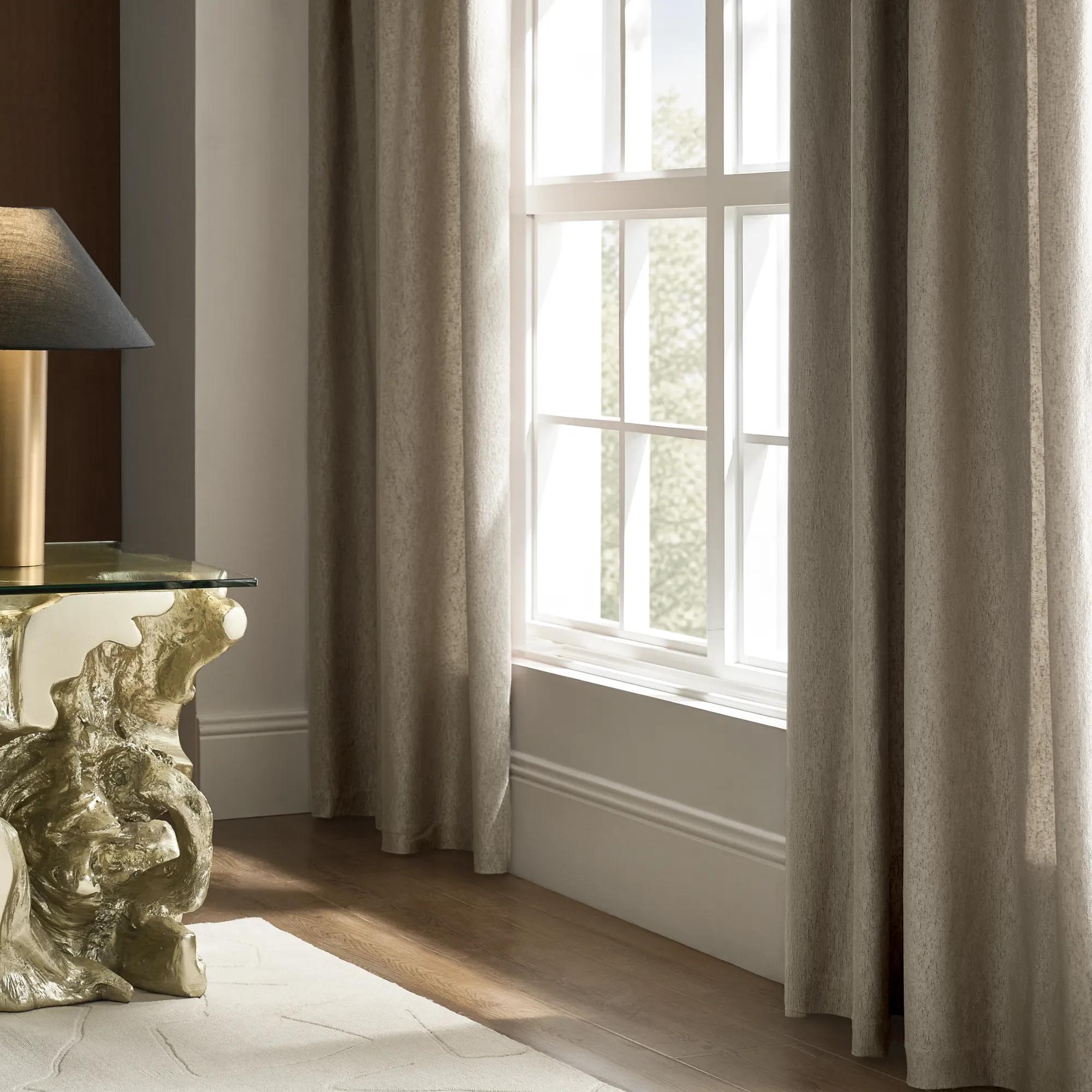 Anson Taupe Textured Window Curtain Panel$109
A taupe curtain panel featuring a crushed sheen texture and room-darkening, dual hanging design in 100% polyester.
Add To Cart -

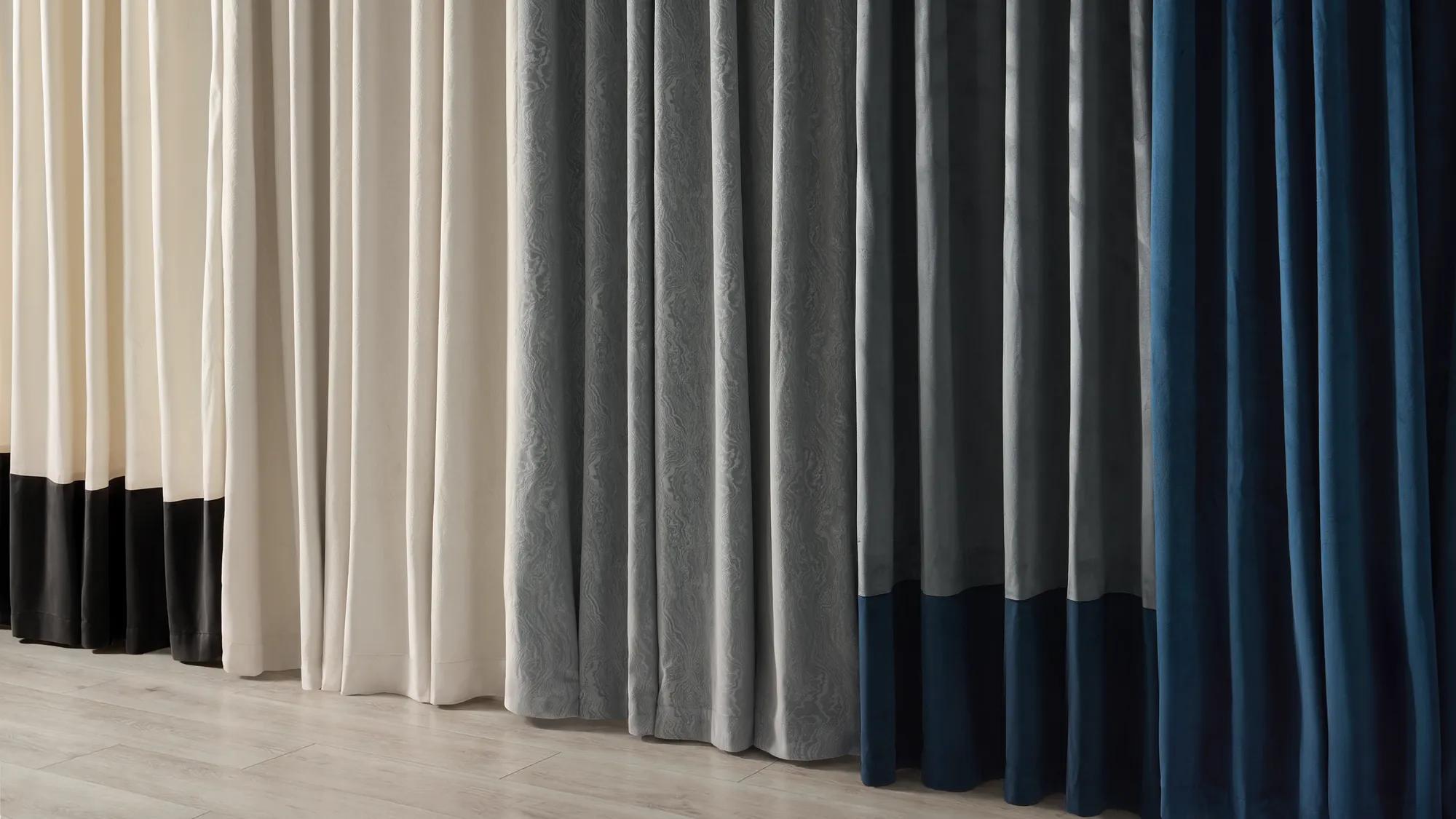 Mabel Velvet Swirl Curtain - Grey Blue$109
A grey blue velvet curtain featuring a tonal swirl pattern and versatile dual hanging options.
Add To Cart -

 Adair Midnight Blue Solid Velvet Window Curtain Panel$69
A sumptuous midnight blue velvet curtain that adds elegance, depth, and room-darkening style to any space.
Add To Cart -
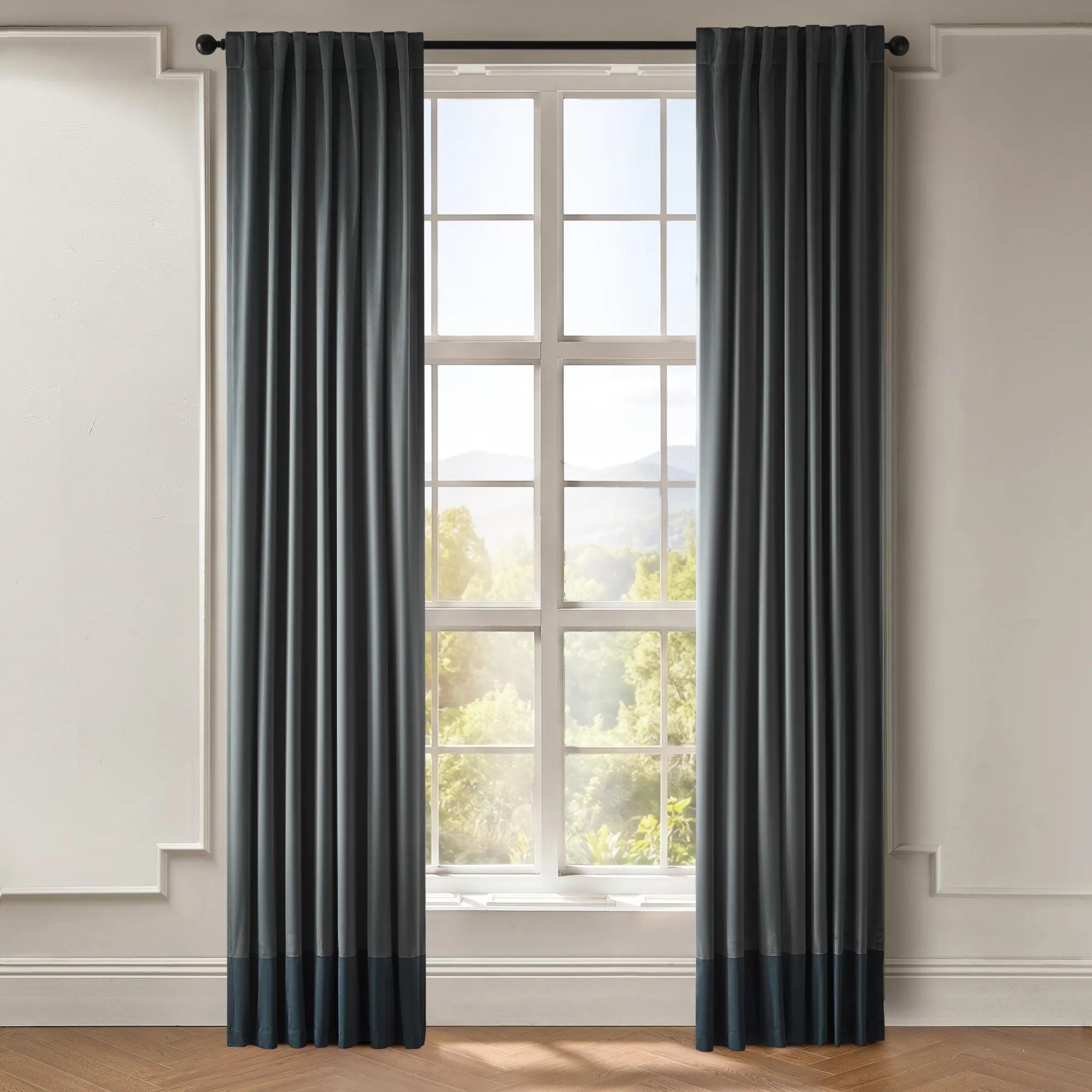
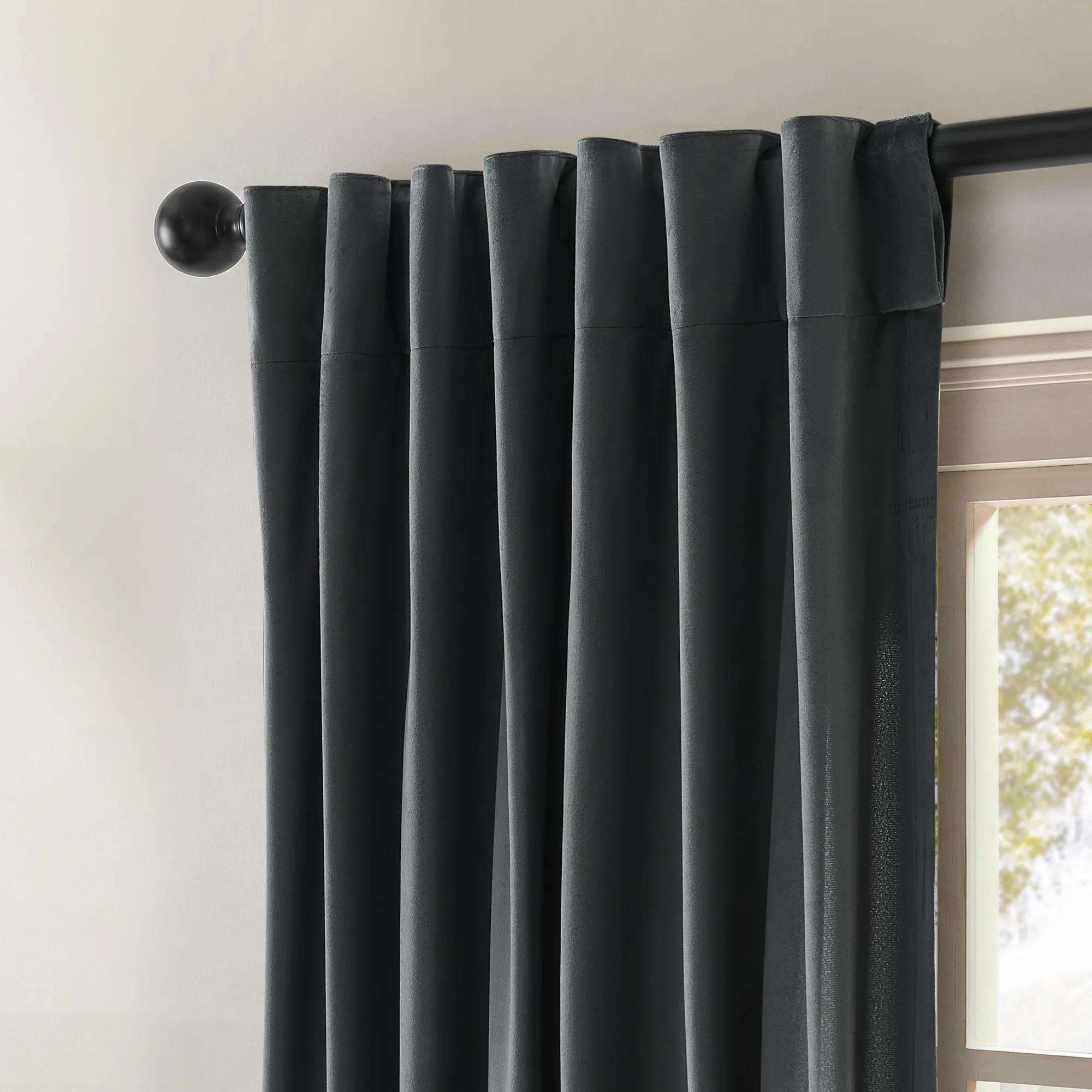 Bastien Blue/Midnight Velvet Border Window Curtain Panel$109
A two-tone dusty blue and midnight blue velvet curtain panel with room-darkening design and dual hanging options.
Add To Cart -
 Anson Mocha Rose Textured Window Curtain Panel$109
A light mocha rose curtain panel with crushed sheen texture and room-darkening, dual hanging design.
Add To Cart -

 Adair Sand Solid Velvet Window Curtain Panel$79
A room-darkening sand velvet curtain with dual hanging options for a soft, tailored finish.
Add To Cart -
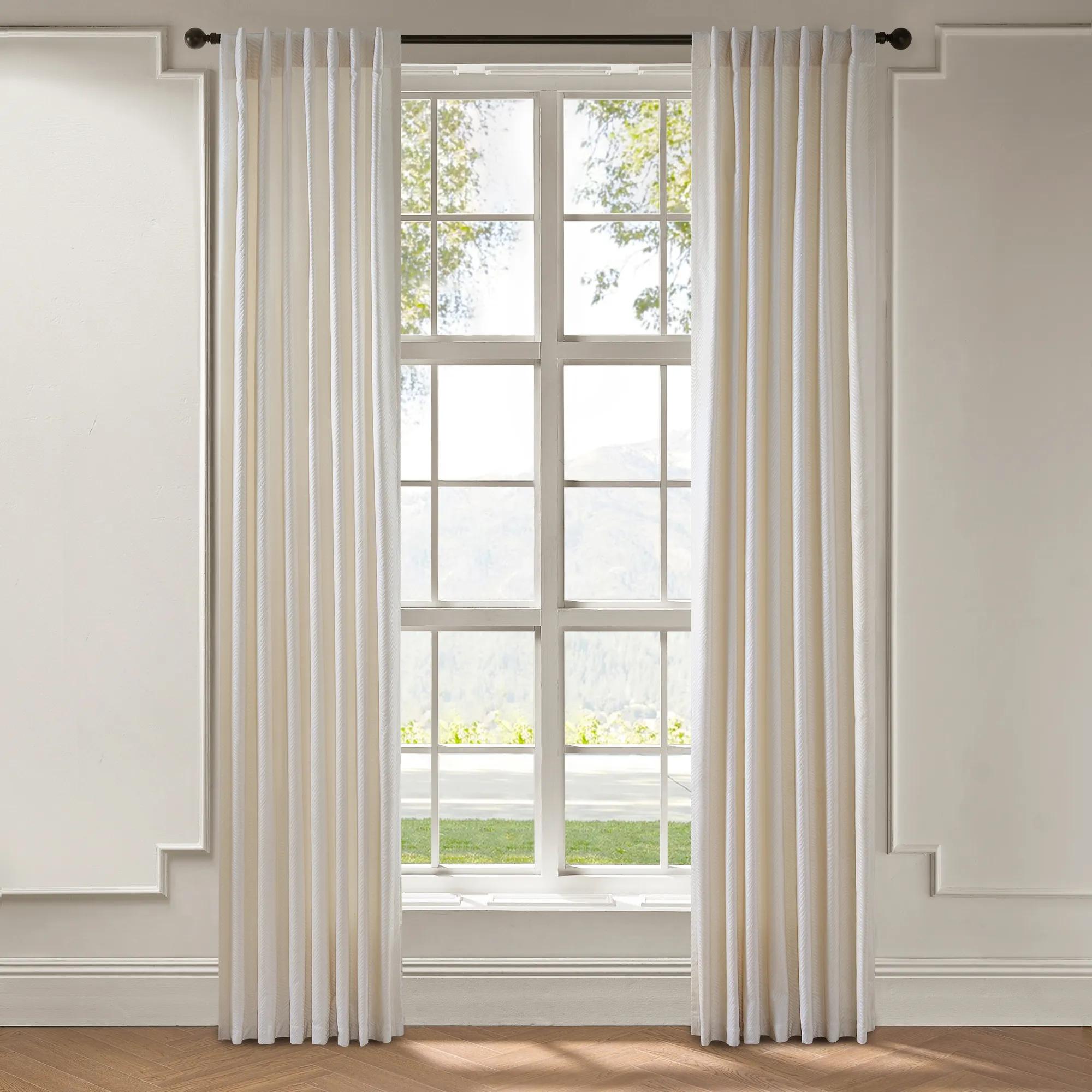
 Kenzo Chenille Curtain - White$129
A luxe white chenille jacquard curtain featuring a subtle high-contrast pattern and versatile dual construction.
Add To Cart -
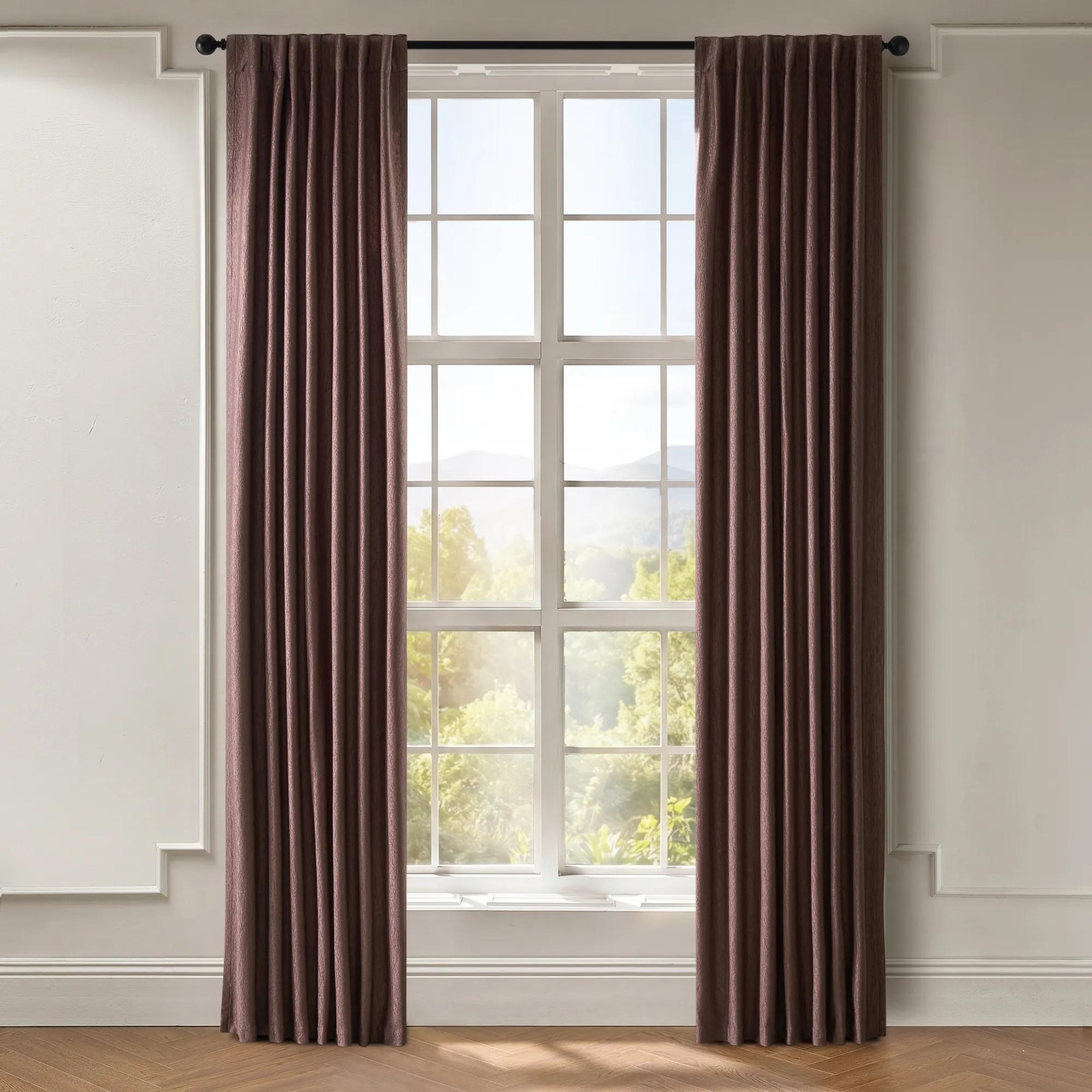
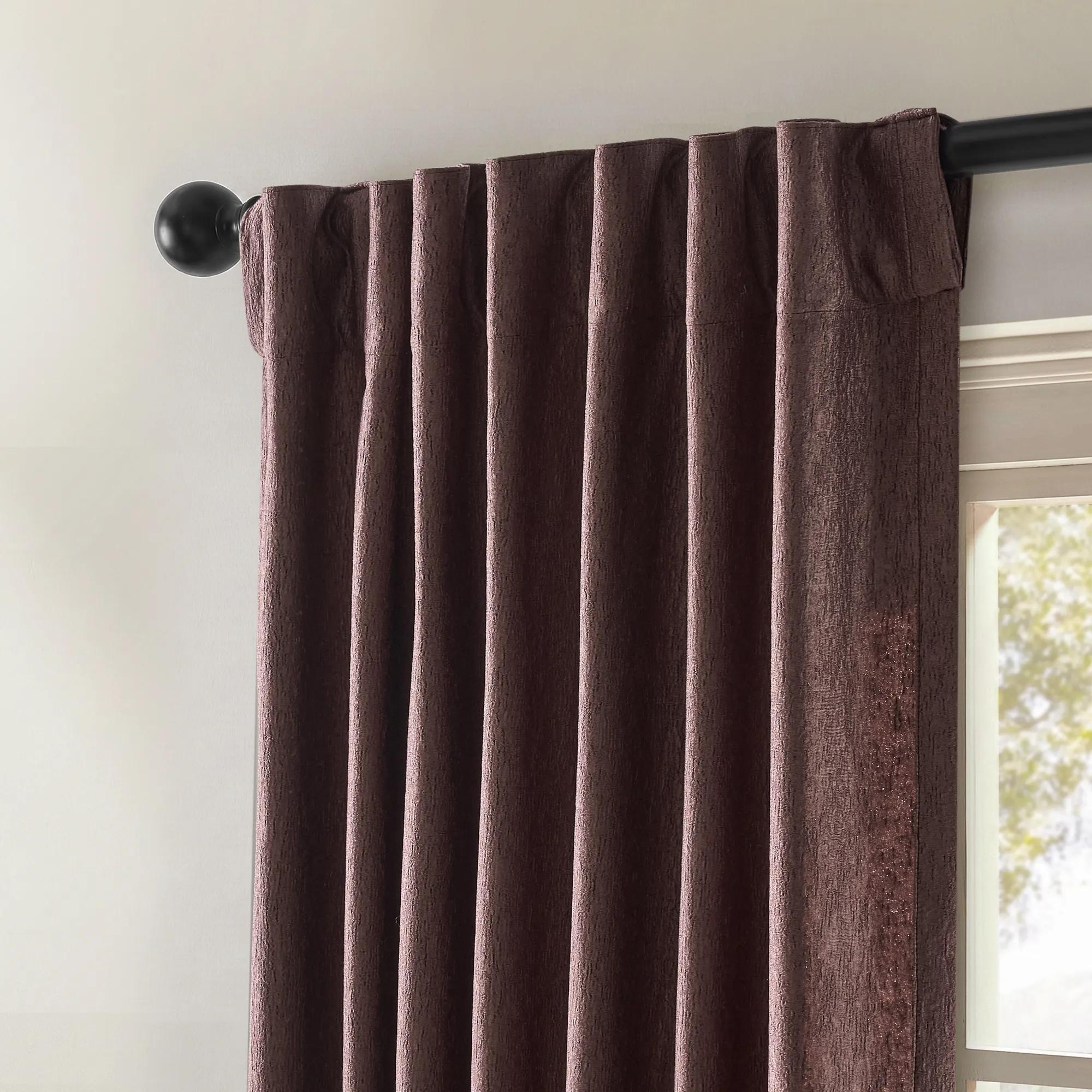 Anson Fig Textured Window Curtain Panel$109
A room-darkening fig curtain panel with a crushed sheen texture and versatile dual hanging options.
Add To Cart -
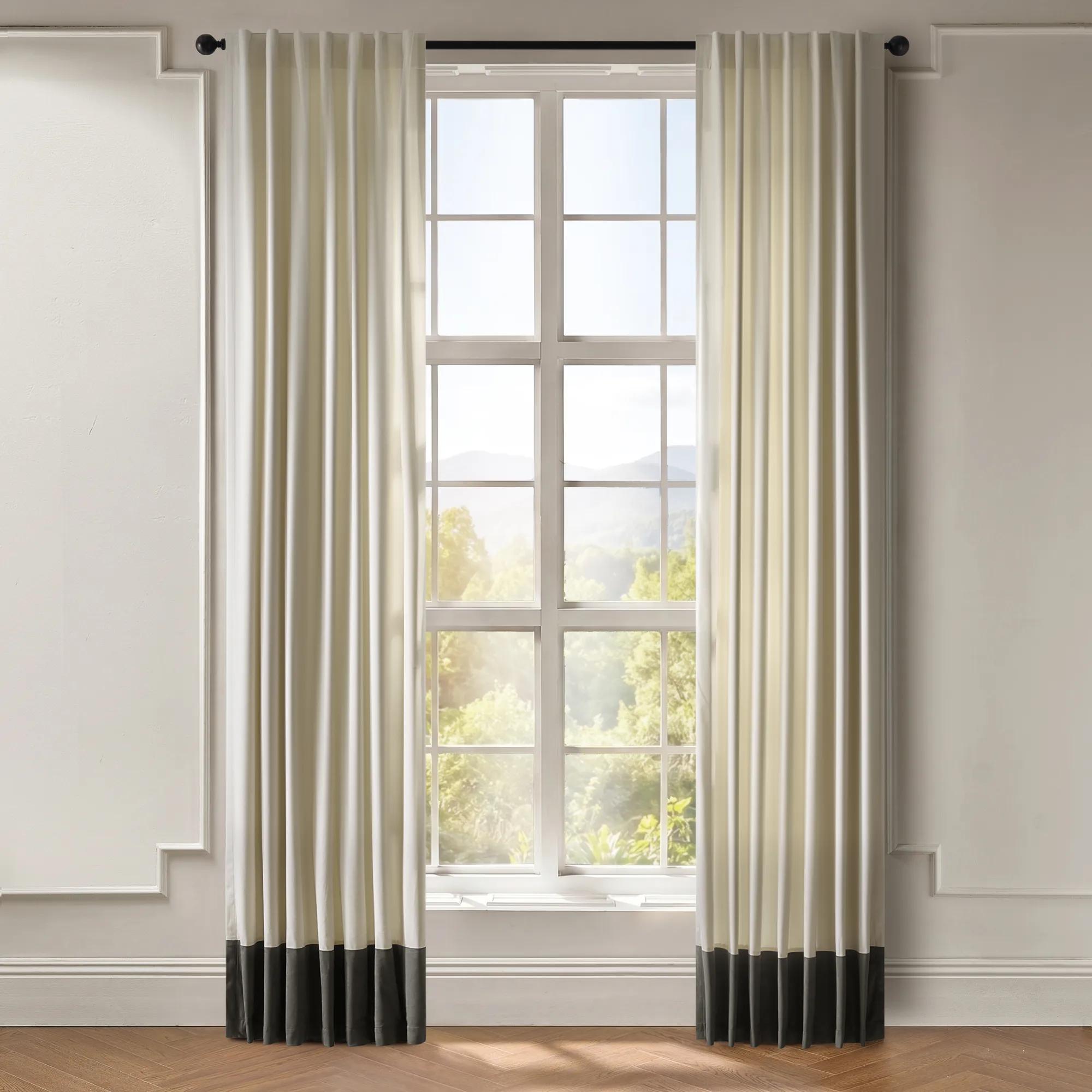
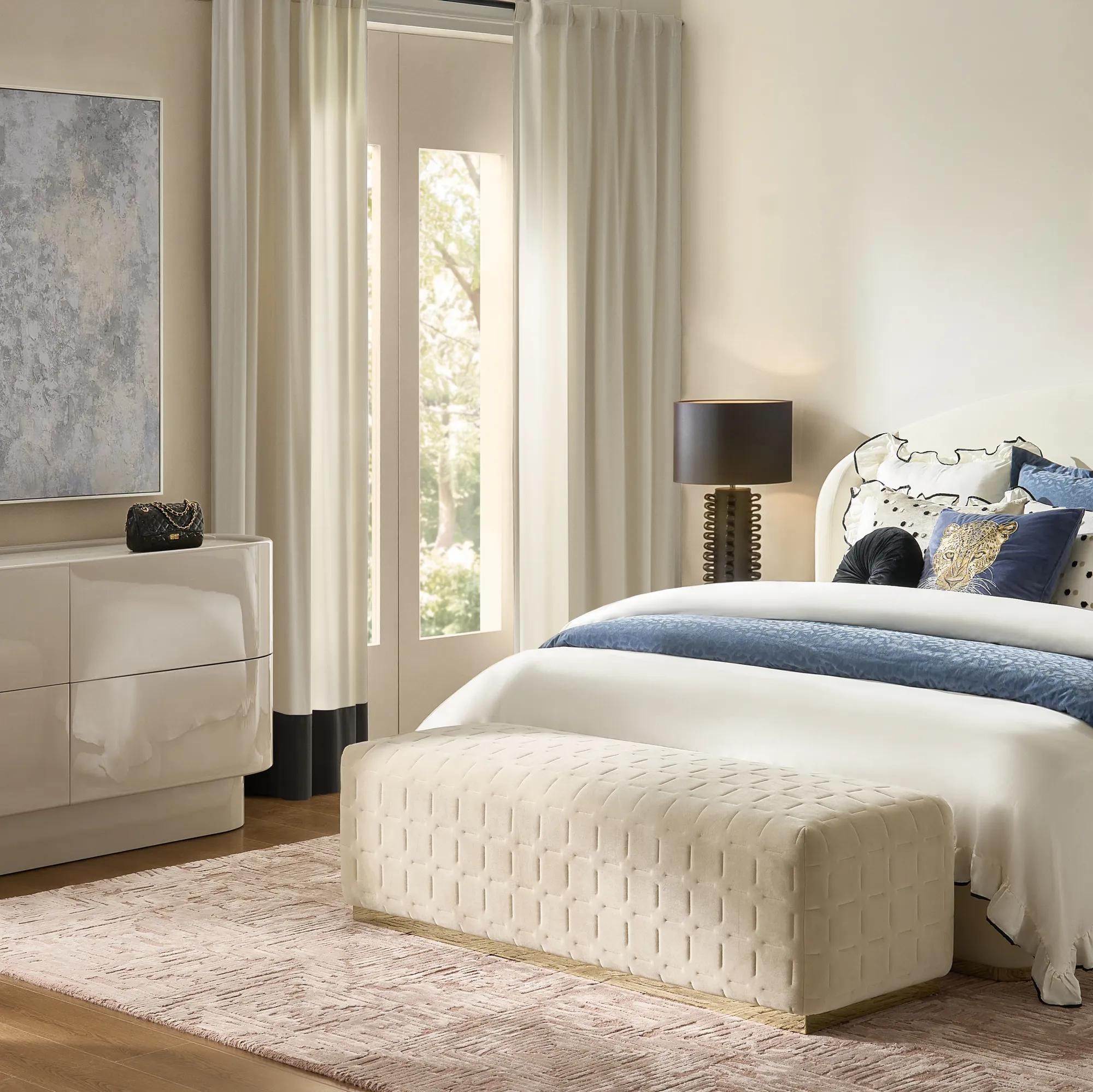 Bastien Ivory/Graphite Velvet Border Window Curtain Panel$89
A two-tone ivory and graphite velvet curtain panel with room-darkening design and versatile hanging options.
Add To Cart

Window Curtains For Small Apartments
Window curtains for small apartments are more than a finishing touch—they’re the secret to transforming compact spaces into luminous sanctuaries of style. With every fold and flourish, these draperies invite softness, movement, and a sense of curated drama, drawing the eye upward and making even the most petite rooms feel expansive. Whether you crave delicate sheers that capture the morning light or richly textured panels that frame your view with elegance, window curtains for small apartments set the stage for expressive living—proving that square footage is no limit to grandeur.
Window curtains for small apartments balance light control, privacy, and a sense of openness, turning a practical necessity into an expressive layer of design. The most effective choice depends on the room’s purpose, the window’s proportions, and how much daylight feels comfortable throughout the day. Sheer curtains soften direct light and lend an airy, luminous finish, while light-filtering fabrics offer more diffusion without the density of fully opaque panels. Sheers alone generally do not provide reliable privacy after dark when interior lights are on, making lined curtains or layered treatments a more suitable option for windows facing neighboring buildings or busy sidewalks. In a studio apartment, that distinction matters: the same window may illuminate a workspace, frame a seating area, and sit beside a sleeping space. Room-darkening and blackout curtains offer stronger light control for rest or screen viewing, although coverage around the top and sides also affects how much light enters. None of these choices needs to feel purely functional. An ivory panel with a subtle woven texture can give a compact living room a polished backdrop; a deeper, sumptuous fabric can create a cocooning bedroom atmosphere with the presence of an upholstered wall. Small rooms can carry expressive color, too. A curtain that echoes a jewel-toned accent chair or a dramatic piece of art makes the window feel deliberately composed rather than visually separate. Tonal curtains that sit close to the wall color create a quieter transition, while contrasting borders or a distinctive weave give the opening architectural definition. For an apartment with a single prominent window, the fabric becomes a substantial part of the room’s visual identity. Its color, opacity, and drape deserve the same consideration as the sofa or rug, particularly when the window remains visible from nearly every corner. The result is not additional floor space, but a more cohesive impression of scale, with light and texture working together instead of competing for attention.
Fit gives apartment curtains their finished character, especially where every inch of wall has a role. Curtain width refers to the fabric’s flat measurement, not the width it will cover once gathered, and listings may describe either a single panel or a pair. A combined panel width of roughly one and a half to two times the rod width often creates a softly gathered appearance, with the ideal fullness depending on fabric weight, heading style, and the desired silhouette. Substantial velvet can look sculptural with fewer folds, while a lightweight sheer benefits from enough fabric to fall in fluid waves. Length is equally influential. Floor-length curtains that just meet the floor or hover slightly above it deliver an elongated line without leaving excess fabric in a narrow walkway. Generous puddling has theatrical appeal, but it can interfere with cleaning, furniture placement, and daily movement in a compact room. Where a desk, radiator, or built-in feature sits beneath the window, a shorter treatment may be more appropriate; fabric should always remain clear of heat sources according to the equipment’s safety requirements. Mounting a rod above the window frame can emphasize vertical space, and extending it beyond the frame allows open panels to rest farther from the glass. The effect depends on available wall space, ceiling height, and secure installation rather than a universal mounting distance. In a small dining nook, that extra clearance can preserve daylight while giving the window a generous frame. Near a balcony door, smooth movement and sufficient clearance matter as much as appearance. Grommets, tabs, rod pockets, and pleated headings each create a different rhythm across the top of the curtain, and their dimensions must suit the rod. Hardware also needs to support the fabric’s weight. For renters, mounting choices should respect lease requirements; any no-drill solution must be rated for the full treatment rather than chosen on appearance alone.
Material determines how curtains look in the room, how they move, and what they demand over time. Linen and linen-blend fabrics bring a softly irregular texture that feels refined without looking rigid, with natural creasing contributing to their relaxed character. Cotton can offer a crisp, tailored impression or a gentler drape depending on its weave and weight. Polyester and blended fabrics may provide greater wrinkle resistance and dimensional stability, though performance varies by construction and finish. Velvet introduces depth through its pile, catching light differently across each fold and giving even a modest window a richly dimensional presence. A woven pattern or restrained sheen can add similar interest without relying on a large motif. In an apartment where curtains sit close to an upholstered sofa, a textured surface can distinguish neighboring fabrics while keeping the palette cohesive. Lining influences the final effect as well: it can add body, improve opacity, and help the face fabric fall more evenly, but a lined panel is not automatically a blackout curtain. Product measurements, opacity descriptions, and care instructions are more useful than appearance alone when assessing suitability. Machine-washable curtains may suit frequently handled spaces, while delicate fabrics, decorative finishes, and some lined constructions may require professional cleaning. Careful adherence to the label helps reduce the risk of shrinkage, distorted hems, or damage to a distinctive surface. Routine dust removal with an appropriate gentle method also preserves the fabric’s appearance, particularly along folds and lower edges. Homes with pets may benefit from hems kept off the floor and fabrics without easily snagged open weaves. For a coordinated view of privacy, proportion, and decorative possibilities, Window Treatments for Apartments offers a related perspective. Whether framing a first apartment’s reading corner or completing an intimate bedroom, curtains give compact interiors a compelling finishing gesture: a sweep of fabric that softens hard edges, shapes the light, and lets a small room express a confident point of view.
FAQs
For small apartments, opt for light, airy fabrics such as sheers, linen blends, or crisp cotton. These materials allow natural light to filter through, creating an open, expansive atmosphere while maintaining privacy. Their soft drape adds elegance without overwhelming the space, making them perfect for compact living.
Hang your curtains several inches above the window frame and extend the rods beyond the window’s width. This technique draws the eye upward and outward, giving the illusion of taller ceilings and wider windows. Choose floor-length panels for a touch of drama, and select fabrics that reflect light to maximize the sense of space and sophistication.
Absolutely. Tension rods, adhesive hooks, and magnetic rods offer drill-free solutions ideal for renters. These options allow you to update your apartment curtains with ease, transforming your windows without leaving a trace when it’s time to move or redecorate.
Café curtains are a chic and practical choice for kitchens and bathrooms. They cover the lower half of the window, providing privacy while still letting in abundant natural light. For a tailored look, consider Roman shades or slim side panels that add softness without crowding the space.
Window curtains make a sophisticated and personal housewarming gift, especially for those settling into a new apartment. They instantly elevate the ambiance, add a layer of comfort and style, and show an understanding of the recipient’s need for both beauty and function in a compact space.


