Textured Blue Paintings For Walls
Textured Blue Paintings For Walls
-
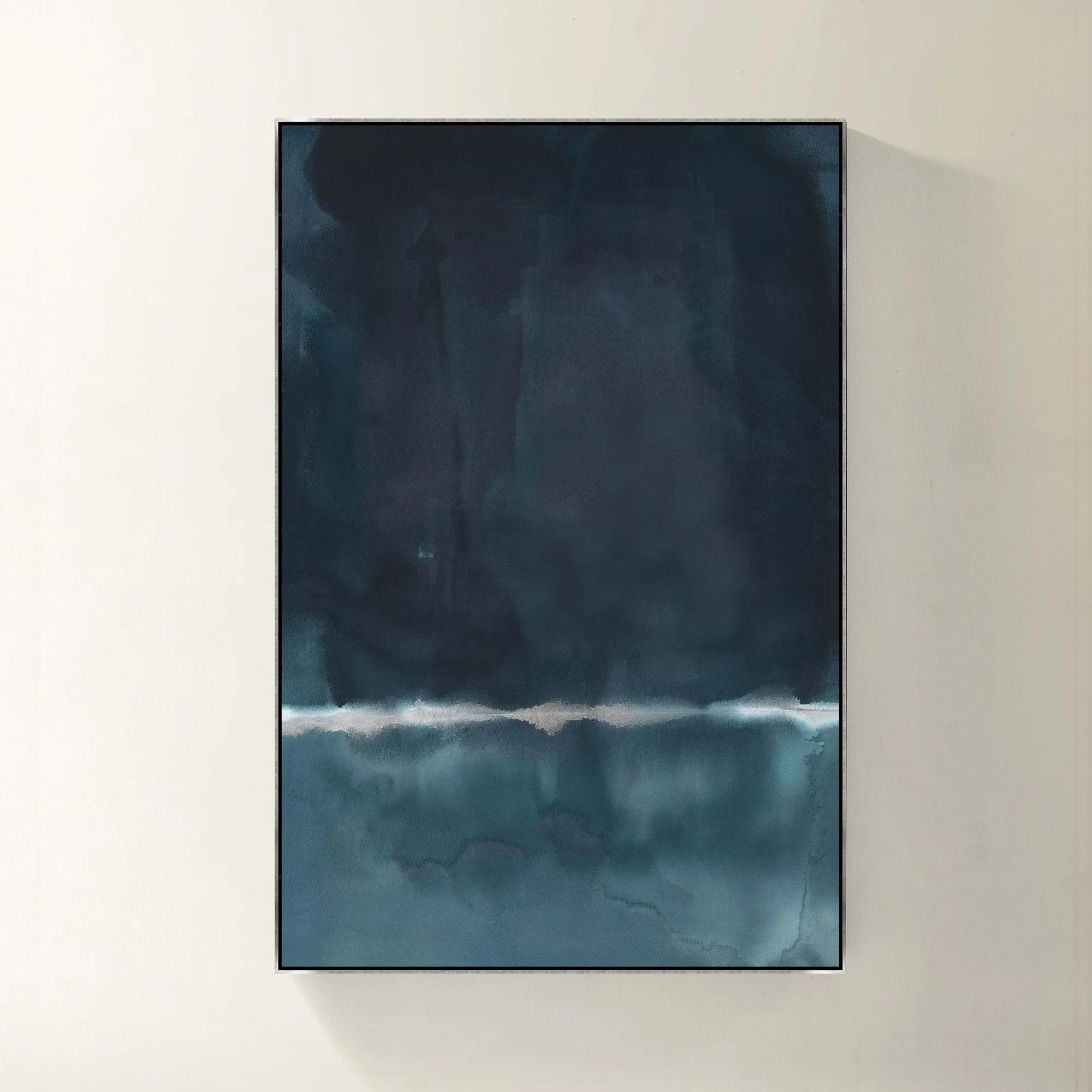 Blue Monday Framed Wall Art 40" x 60"$1119
A gallery-wrapped blue canvas with hand-embellished silver accents in a sleek silver floater frame.
Add To Cart -
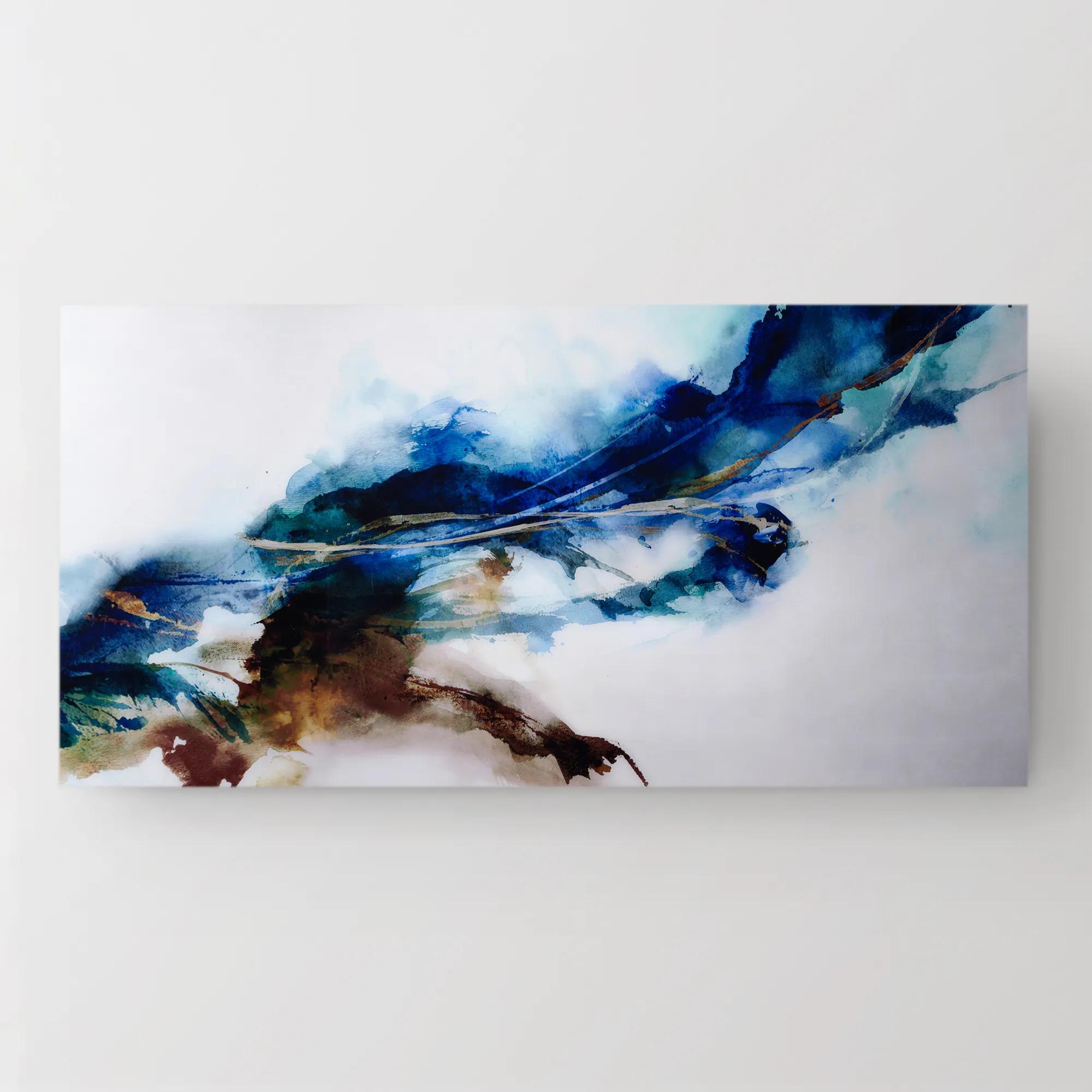 Cerulean Movement Acrylic Art 72" x 36"$1299
A vibrant abstract artwork printed on high-gloss acrylic, infusing your space with dynamic energy and movement.
Add To Cart -
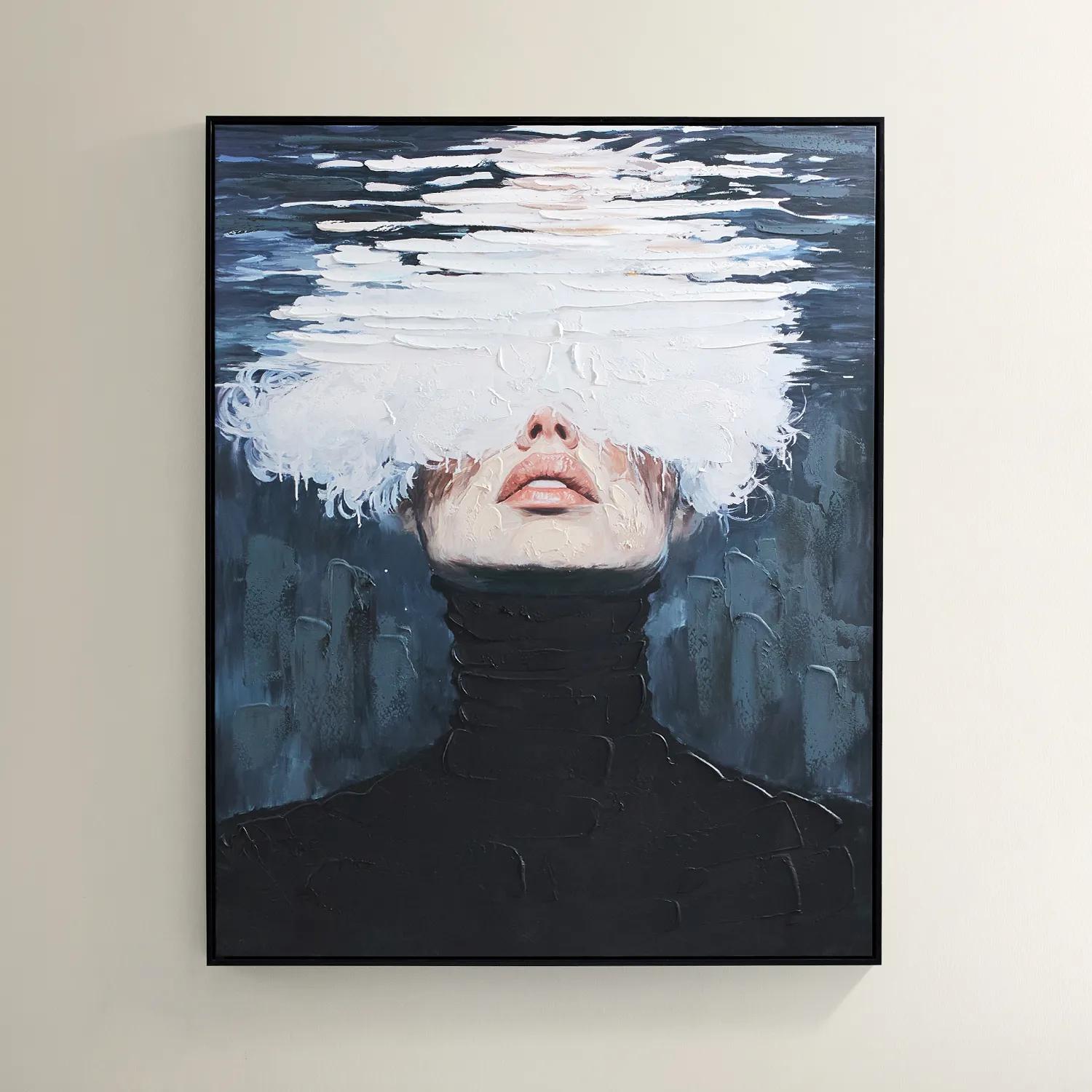
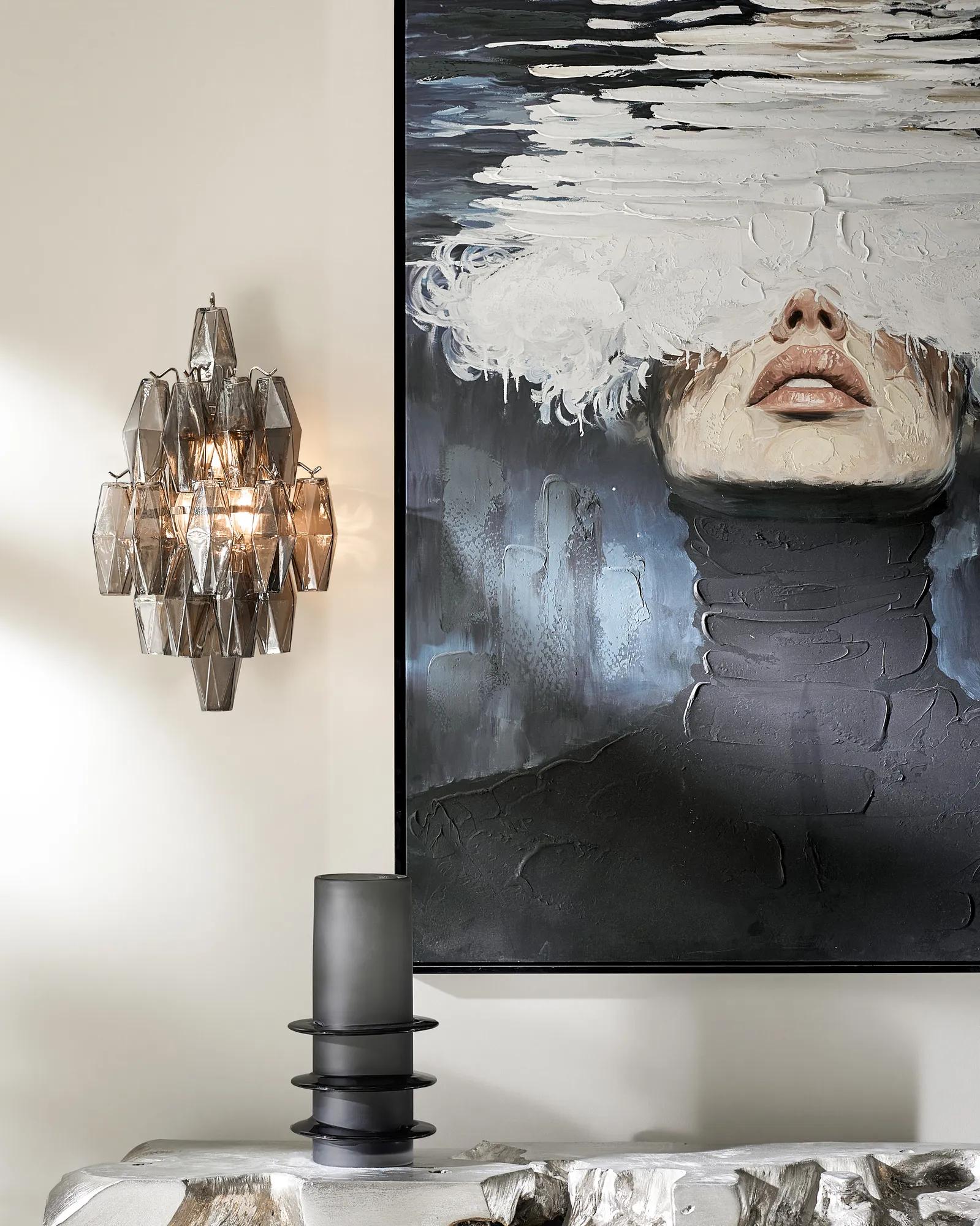 Submerged Framed Painted Wall Art 40" x 50"$599
A hand-painted canvas featuring a surreal portrait in black, blue, and white with a black floater frame.
Add To Cart -
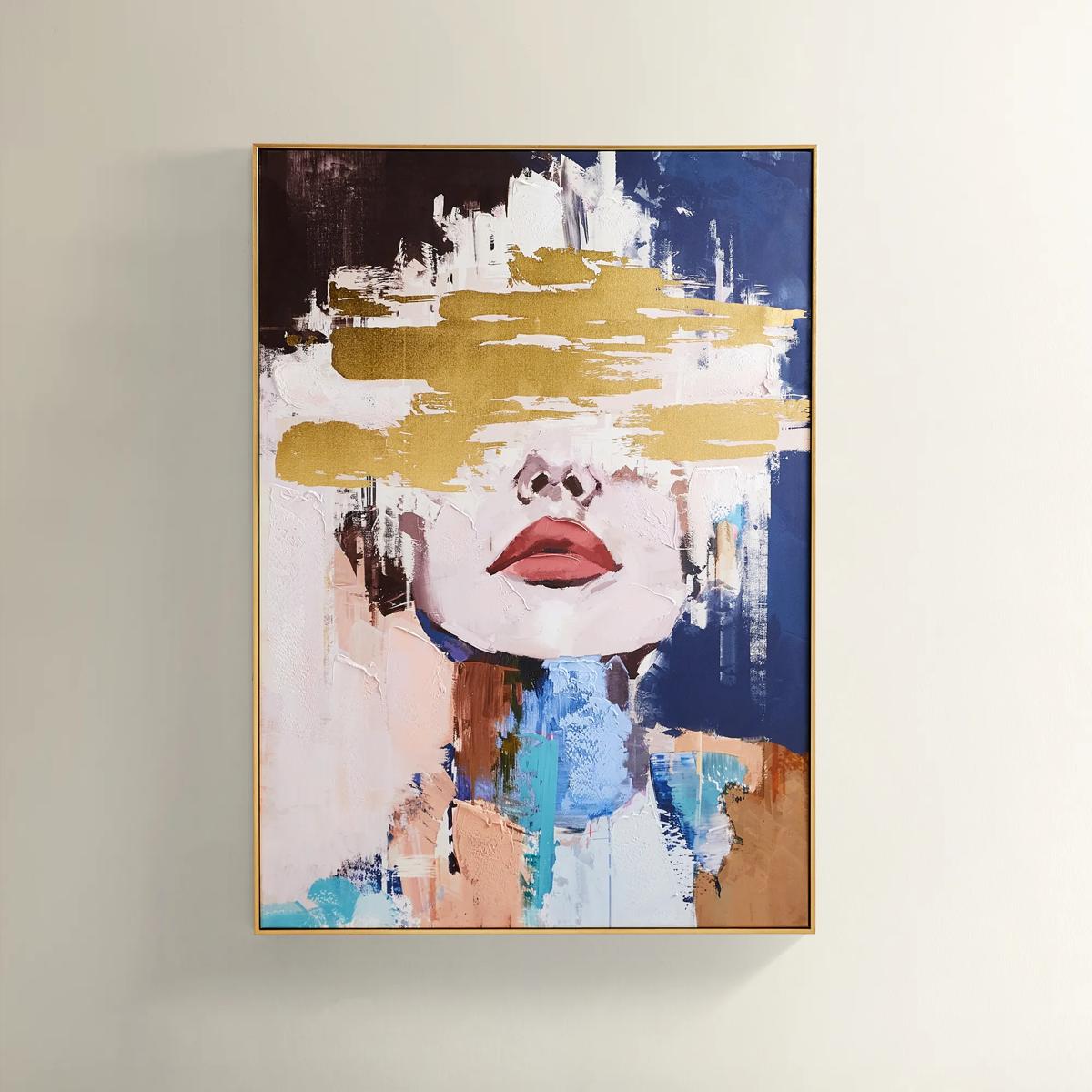
 Waiting in Color Gold Foil Painted Wall Art 39.25" x 55"$499
A hand-painted abstract portrait in vivid blue, blush, and gold foil, framed in luxe gold.
Add To Cart -
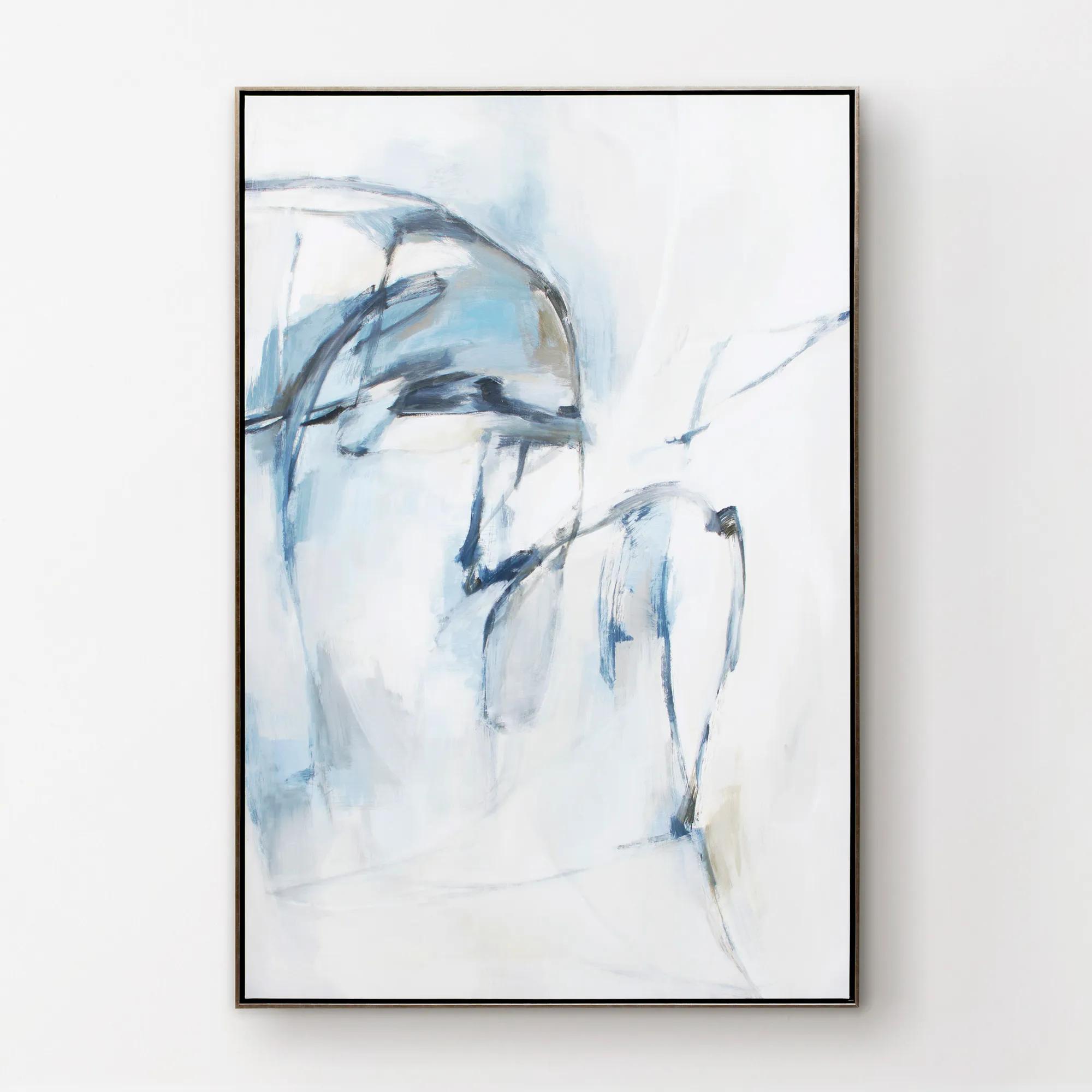 Profound Silence 1$899
A striking abstract canvas in cool blue tones with textured brush gel finish and a silver floater frame.
Add To Cart -
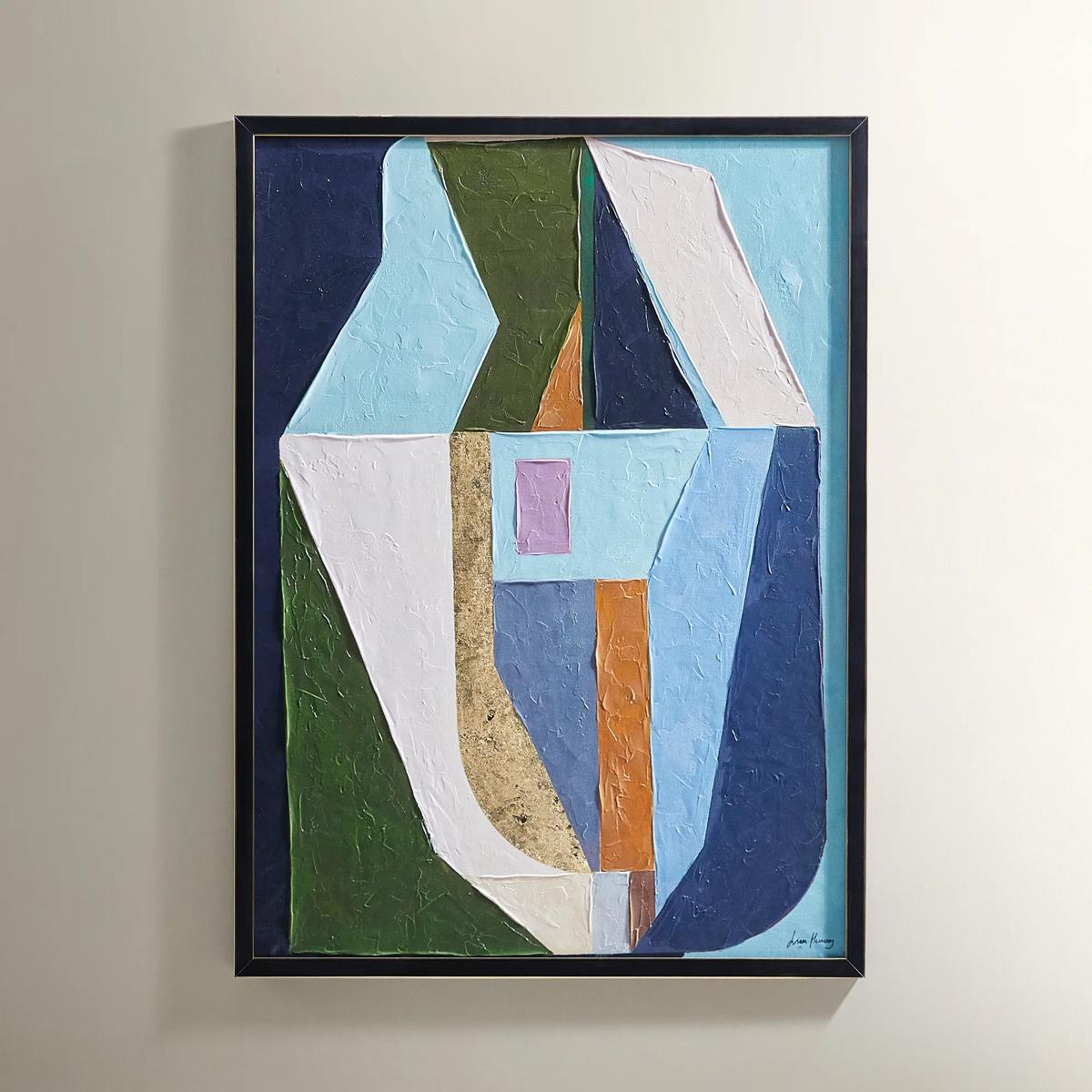 Thought Provoking Painting 2$249
A hand-embellished canvas artwork featuring textured strokes in deep blue, olive green, and gold accents.
Add To Cart -
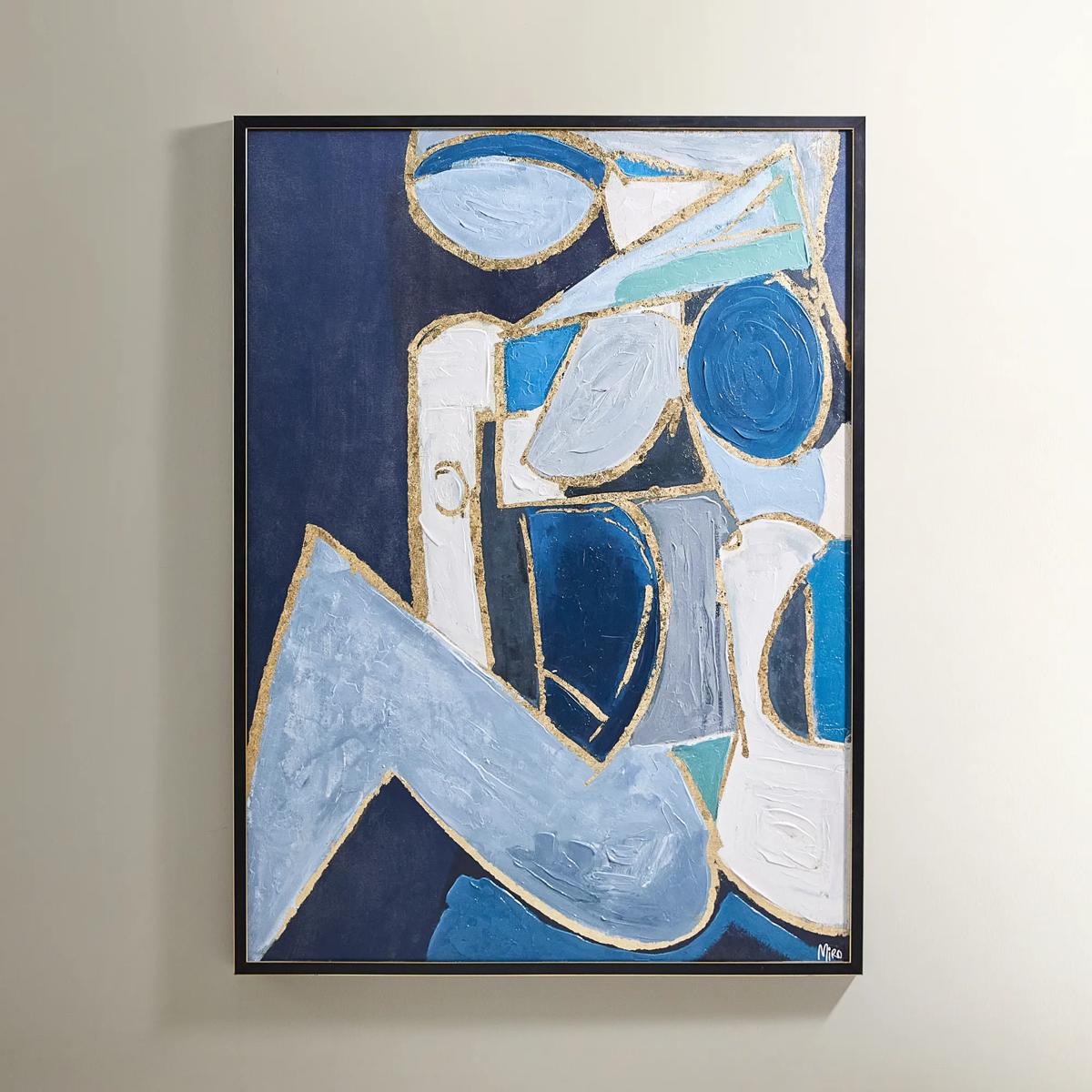
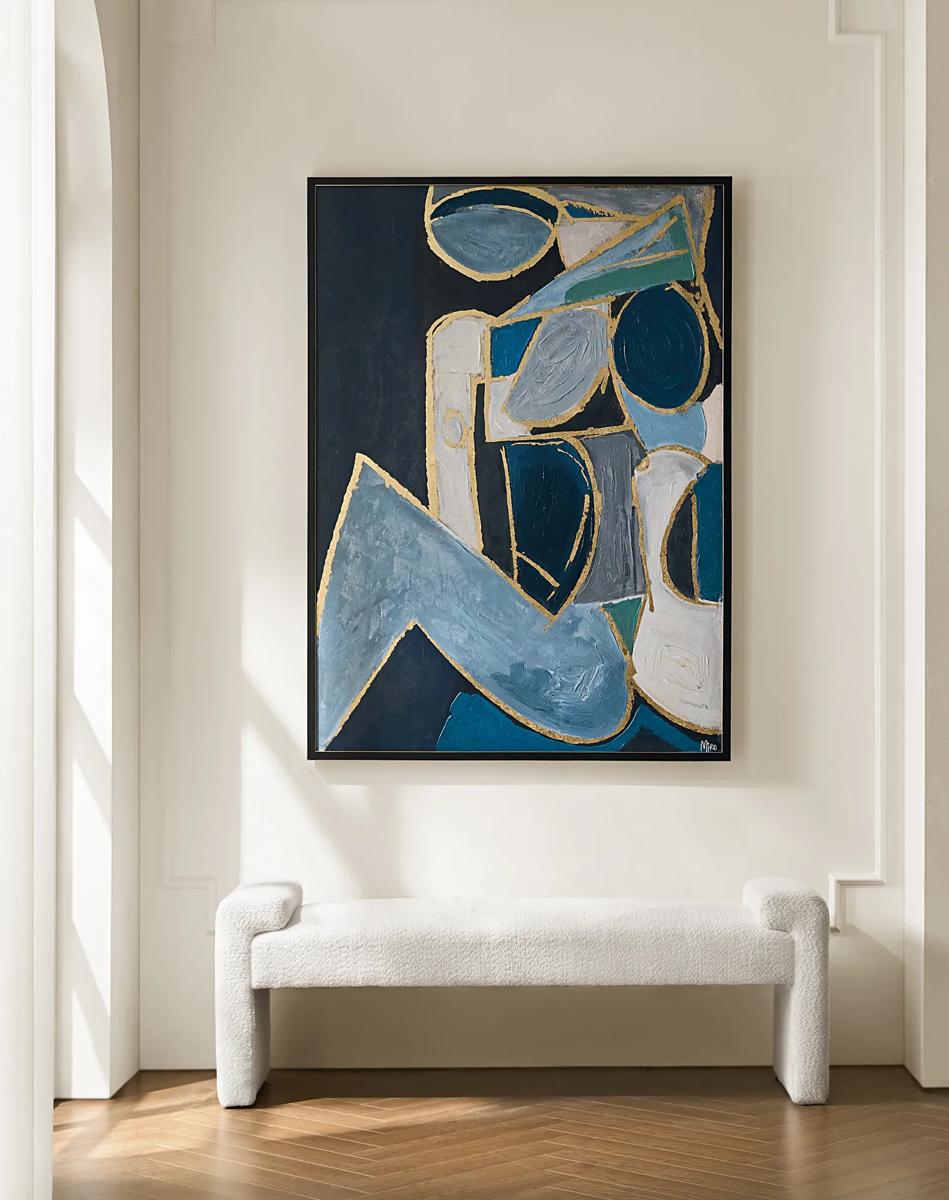 Figure in Cubism Painting$599
A hand-embellished canvas artwork featuring blue, gold, and white hues with elegant silver foil accents.
Add To Cart -
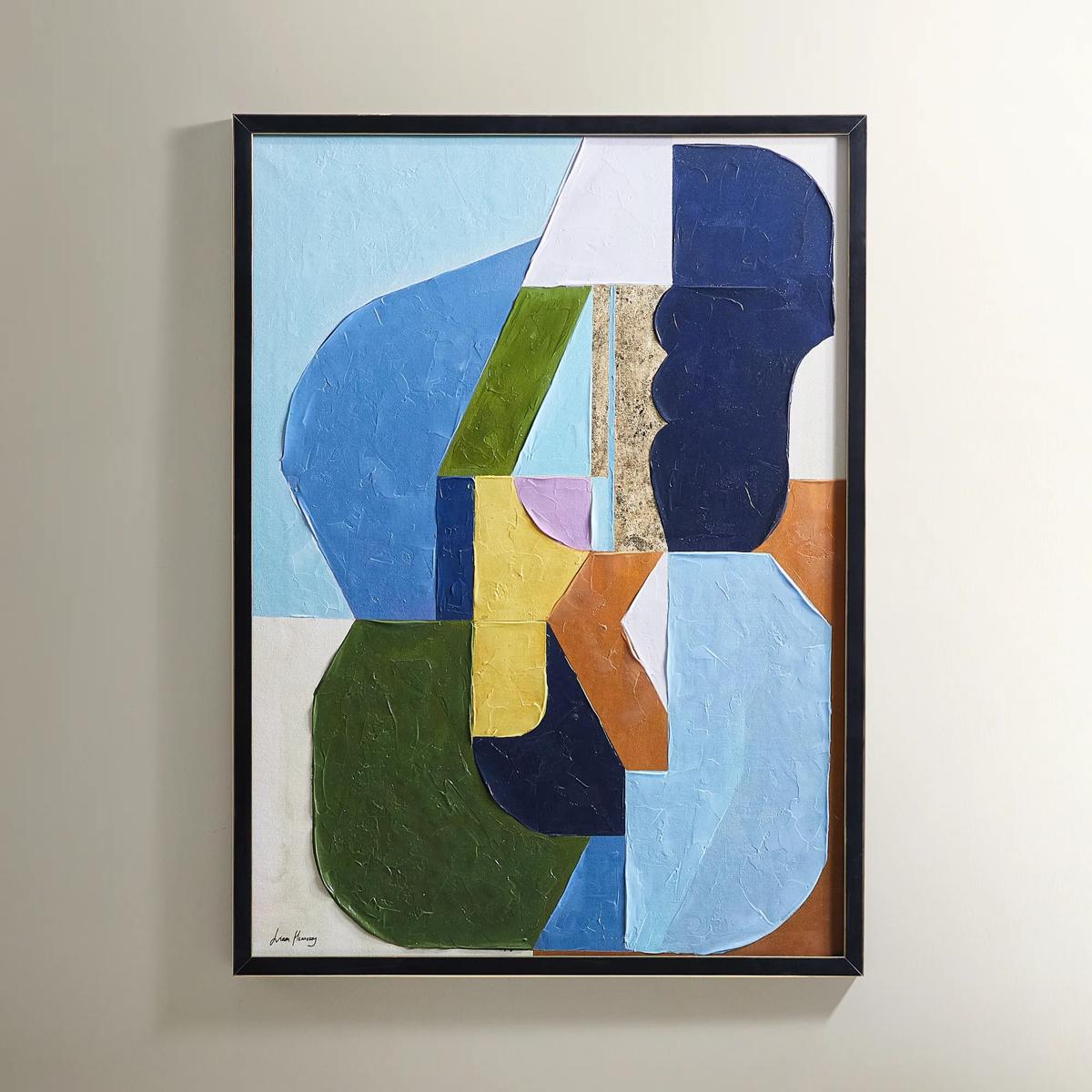
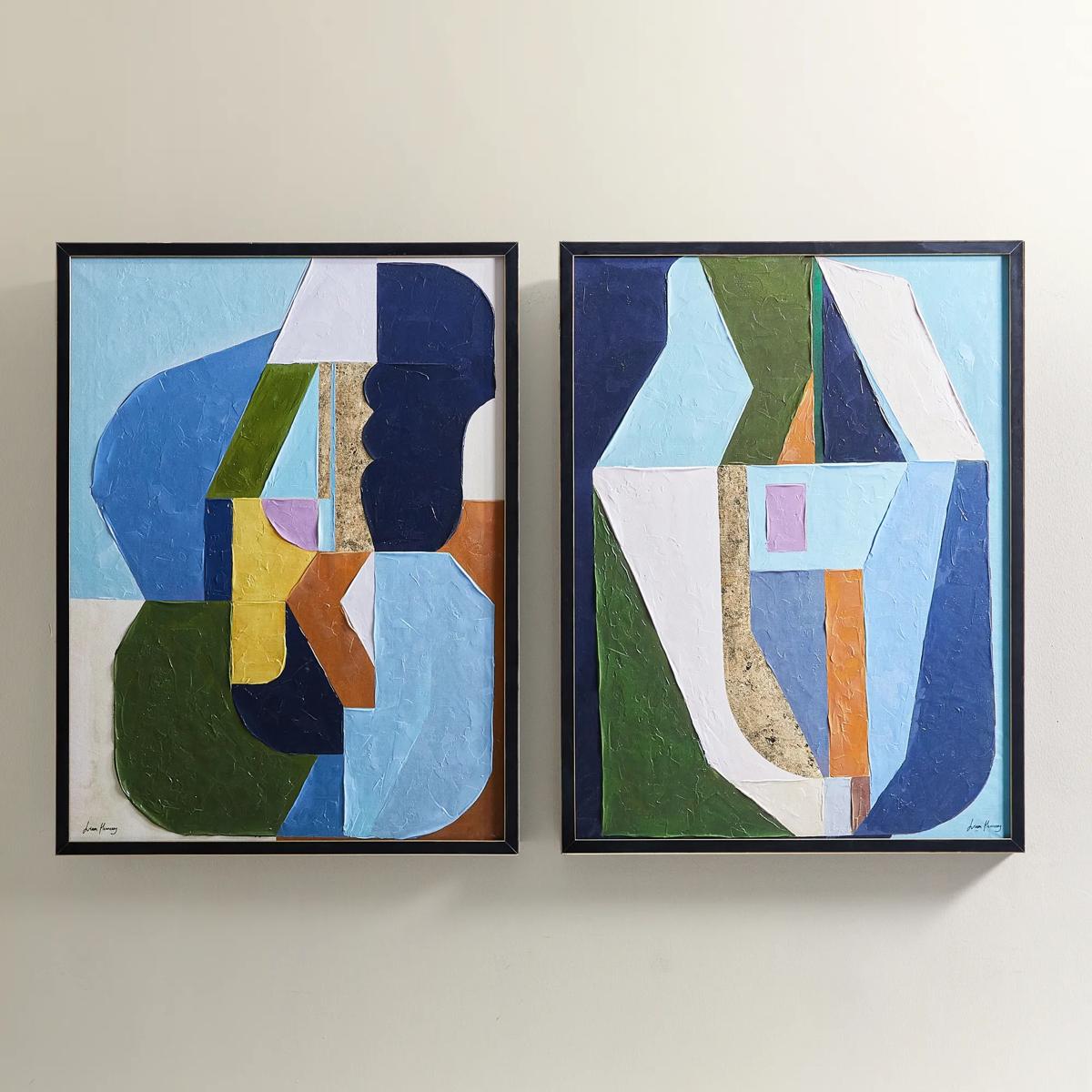 Thought Provoking Painting 1$249
A hand-embellished canvas artwork featuring textured strokes in deep blue, olive green, and gold accents.
Add To Cart -
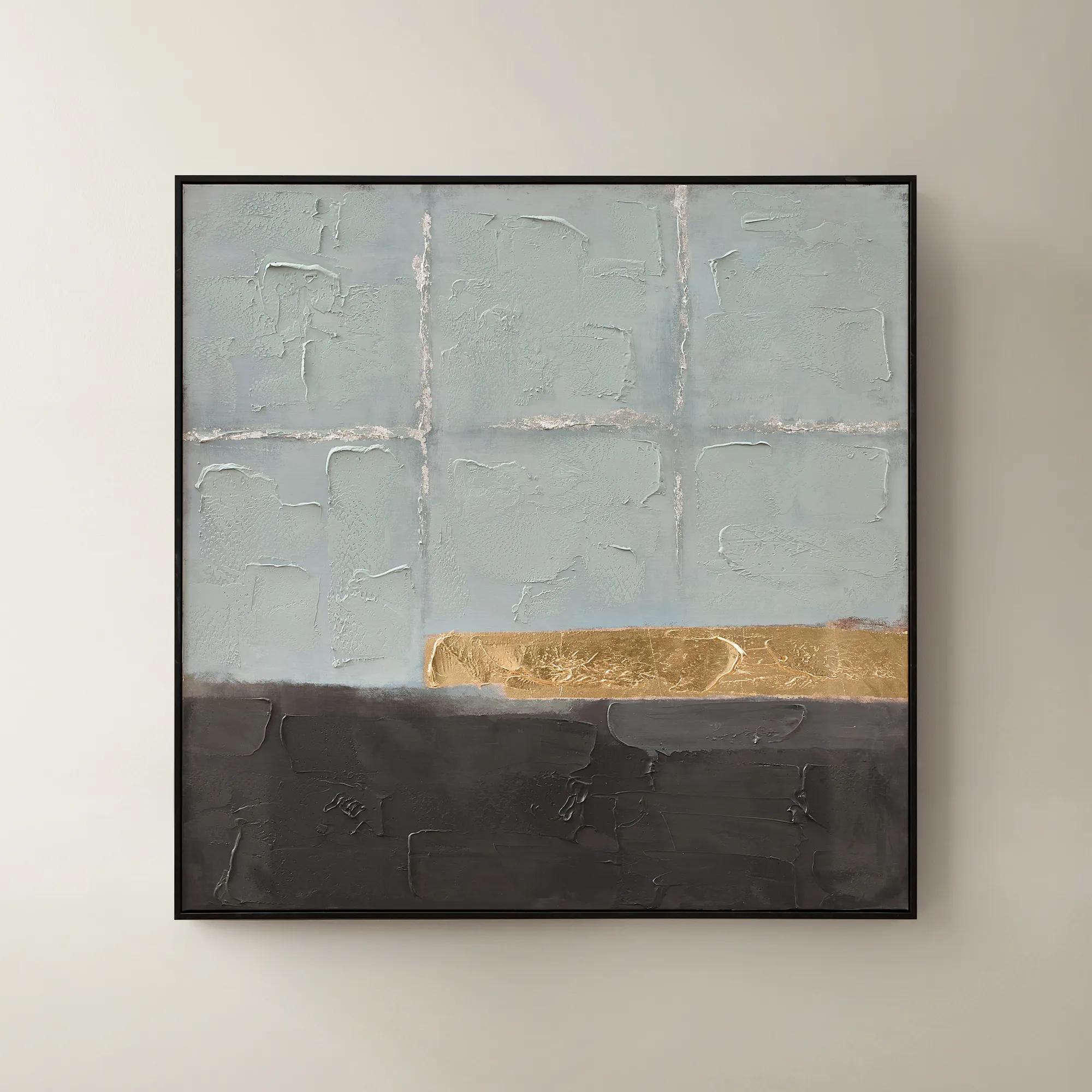
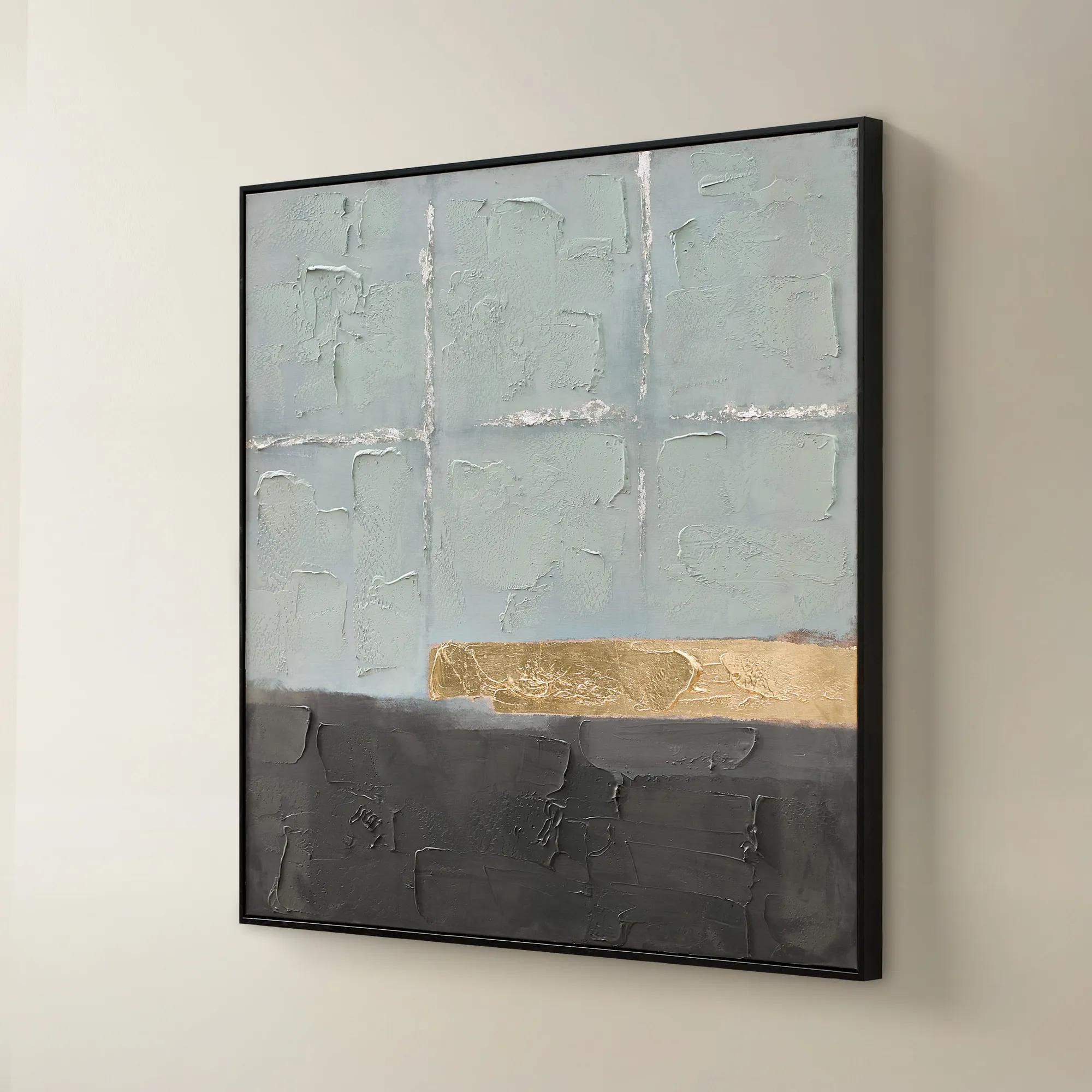 Jules Framed Gold Leaf Painted Wall Art 40" x 40"$299
A hand-painted canvas in mineral blue with gold leaf accents and a sleek black frame for modern appeal.
Add To Cart -
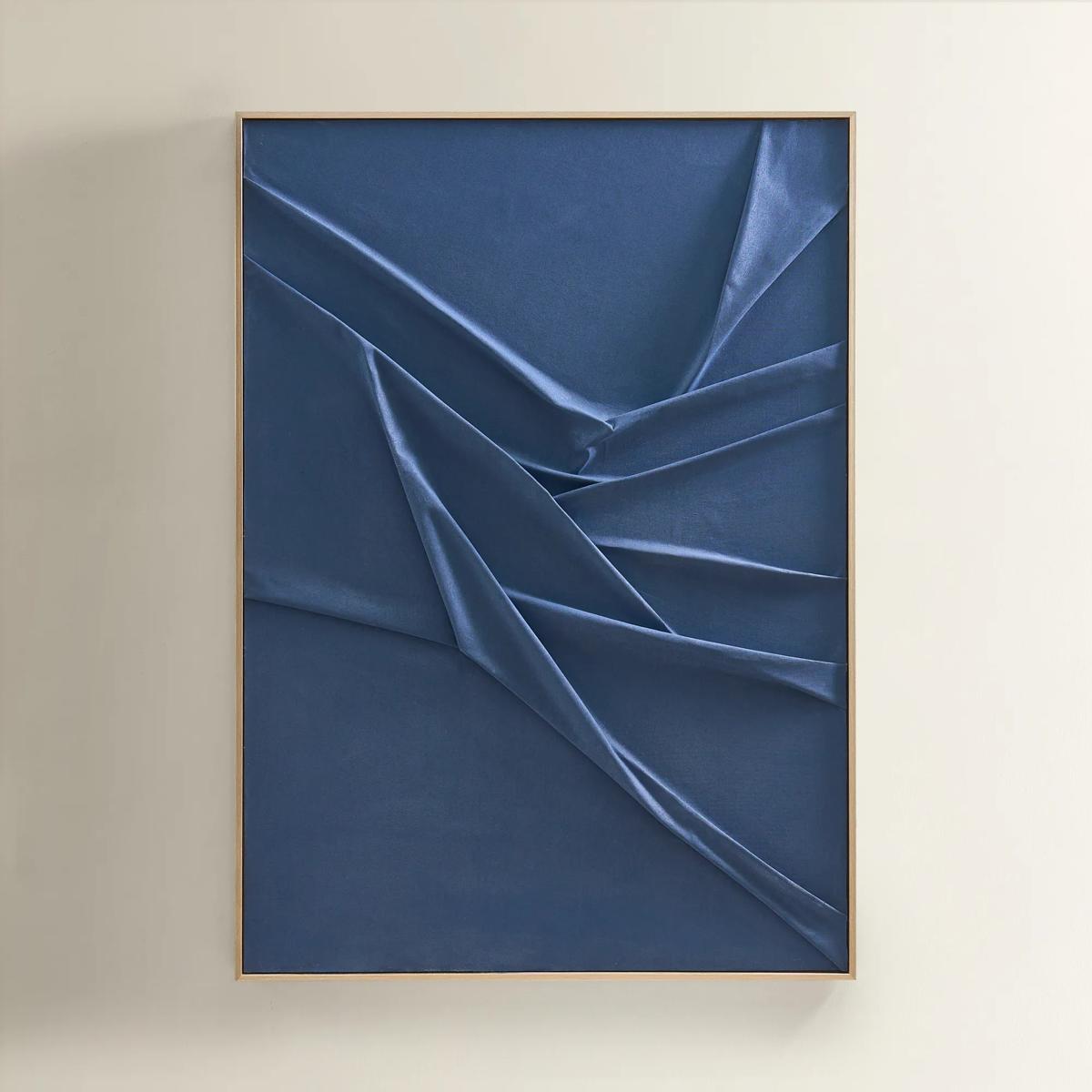 Deep Sea Painting$599
A hand-sculpted navy canvas with dimensional folds, framed in soft champagne for modern, serene elegance.
Add To Cart -
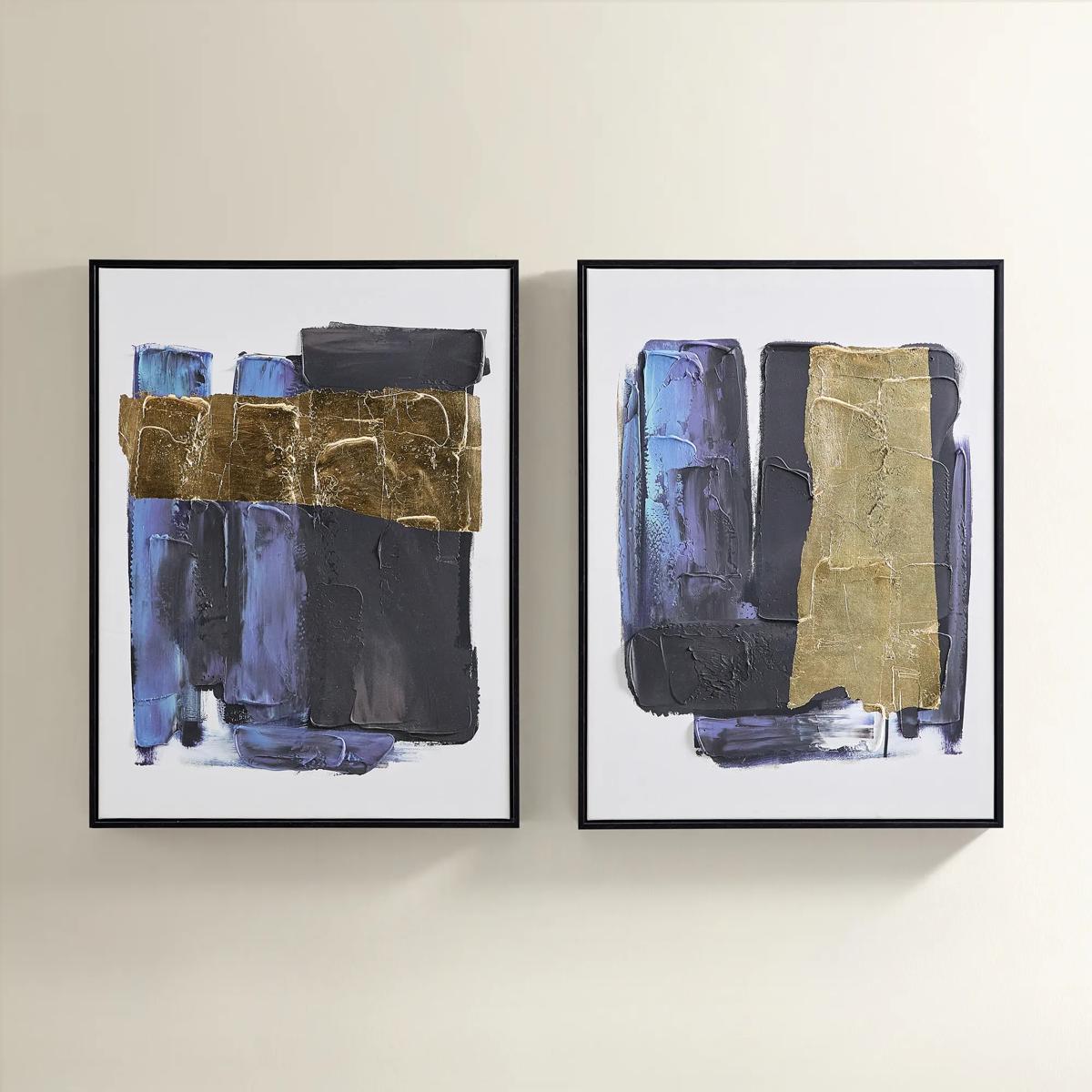
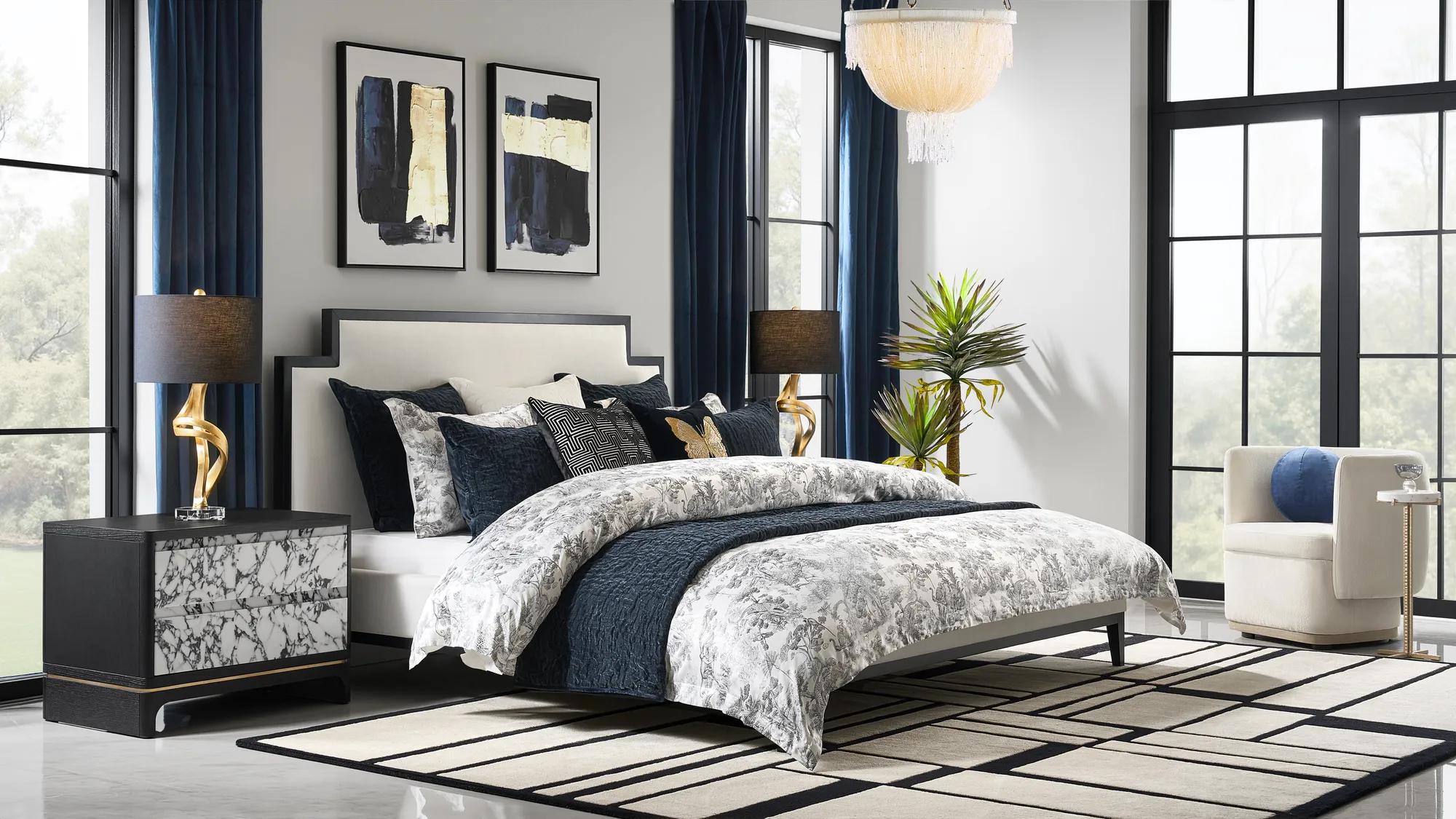 Deep Thoughts Gold Leaf Painted Wall Art Set of 2$199
A set of two hand-painted abstract canvases in blue and gold leaf, framed in sleek black.
Add To Cart -
.jpeg?w=1200&h=1200)
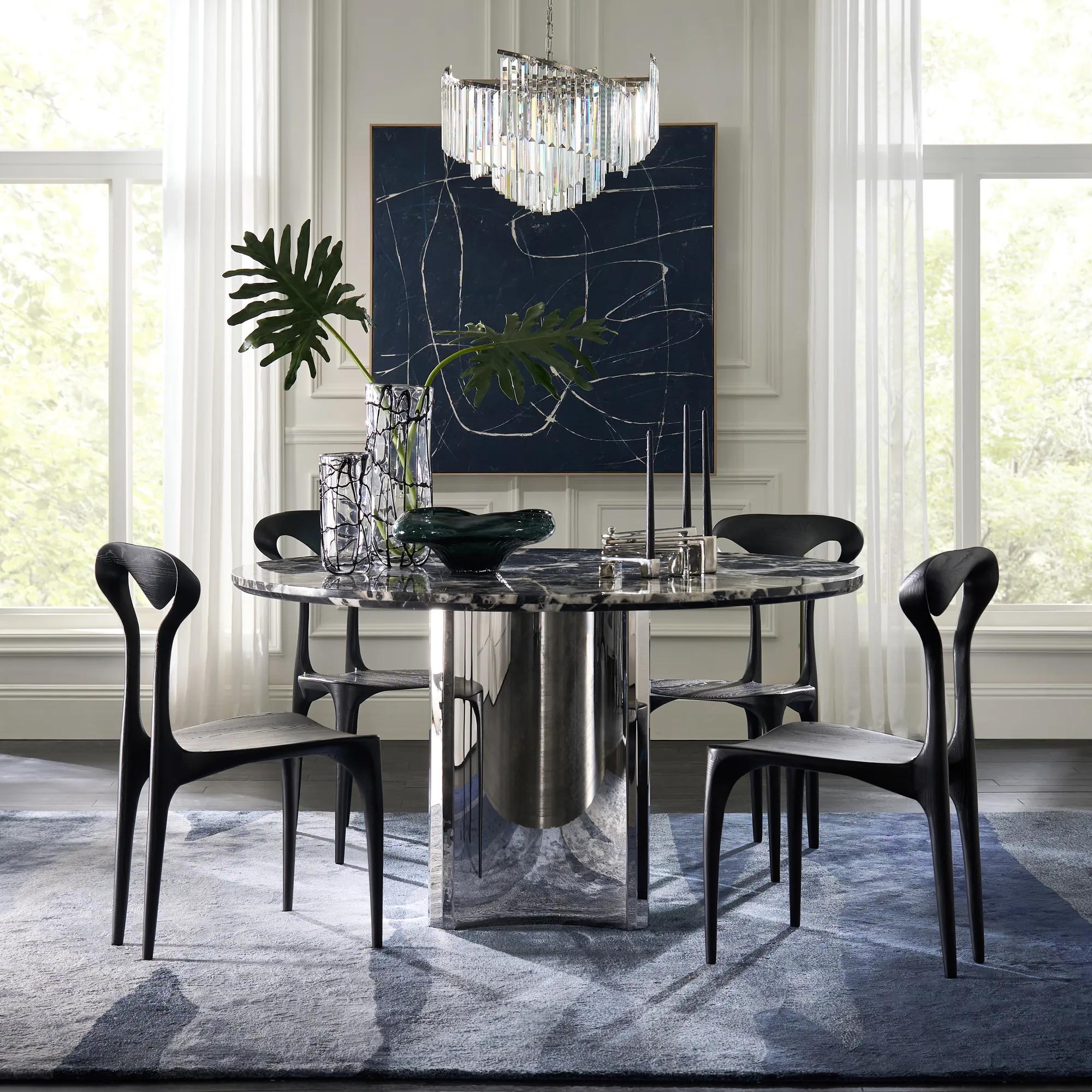 Almost Midnight Painting - Blue$439
A hand-painted canvas featuring bold blue and black tones with delicate white lines in a light wood frame.
Add To Cart -
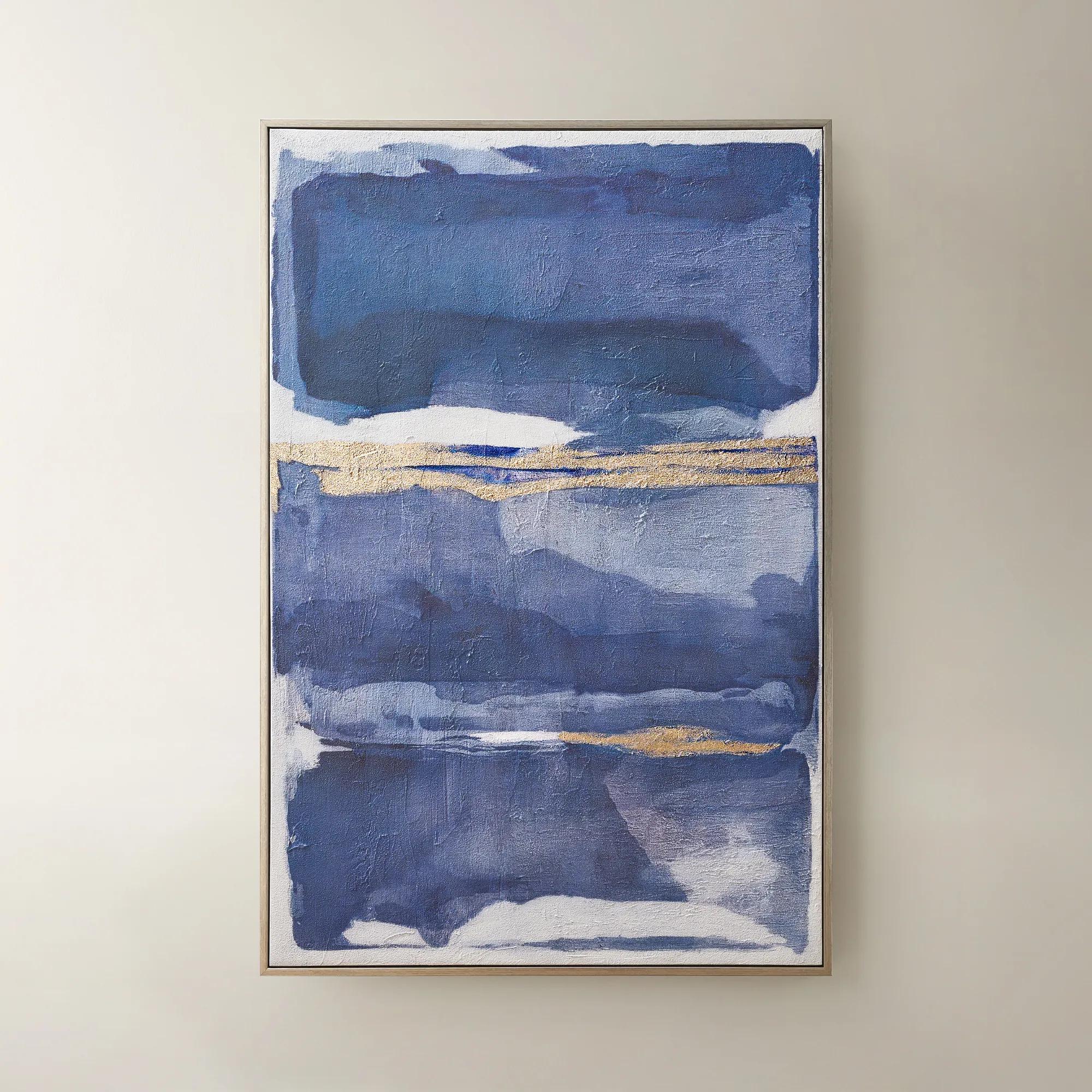
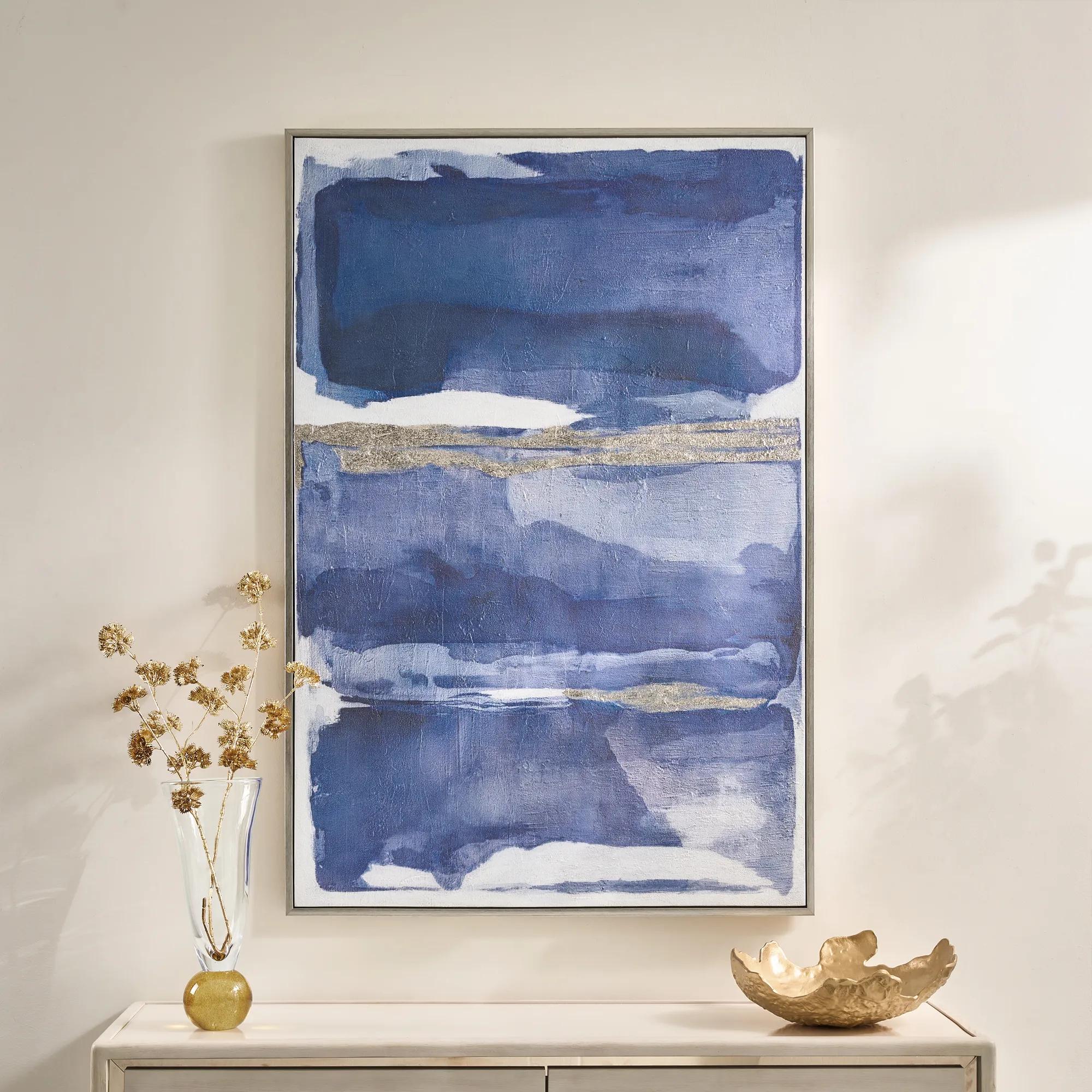 Memories in Blue Framed Painted Wall Art 40" x 60"$499
A hand-painted canvas in deep ink blue with champagne leafing for a sophisticated, gallery-inspired look.
Add To Cart -
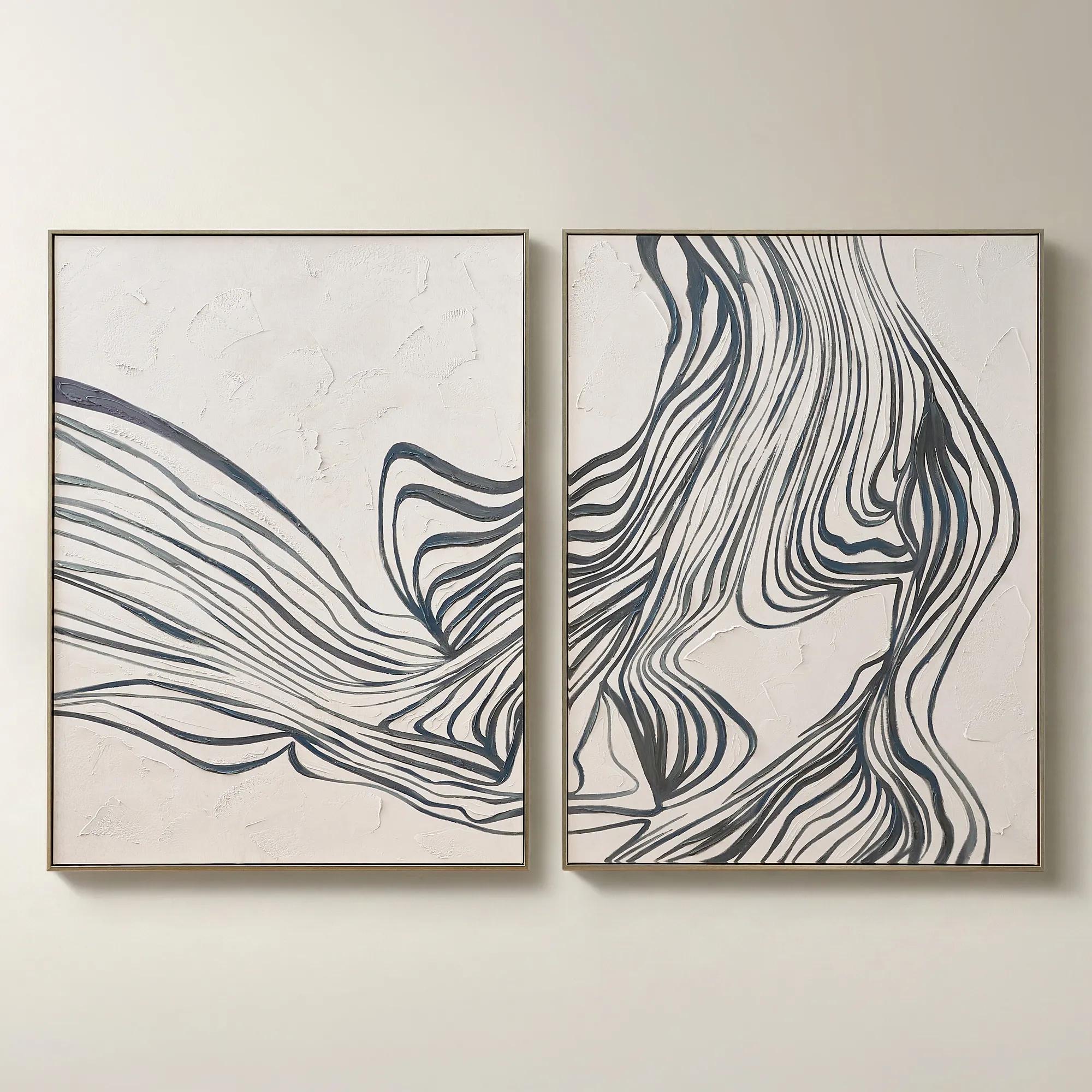
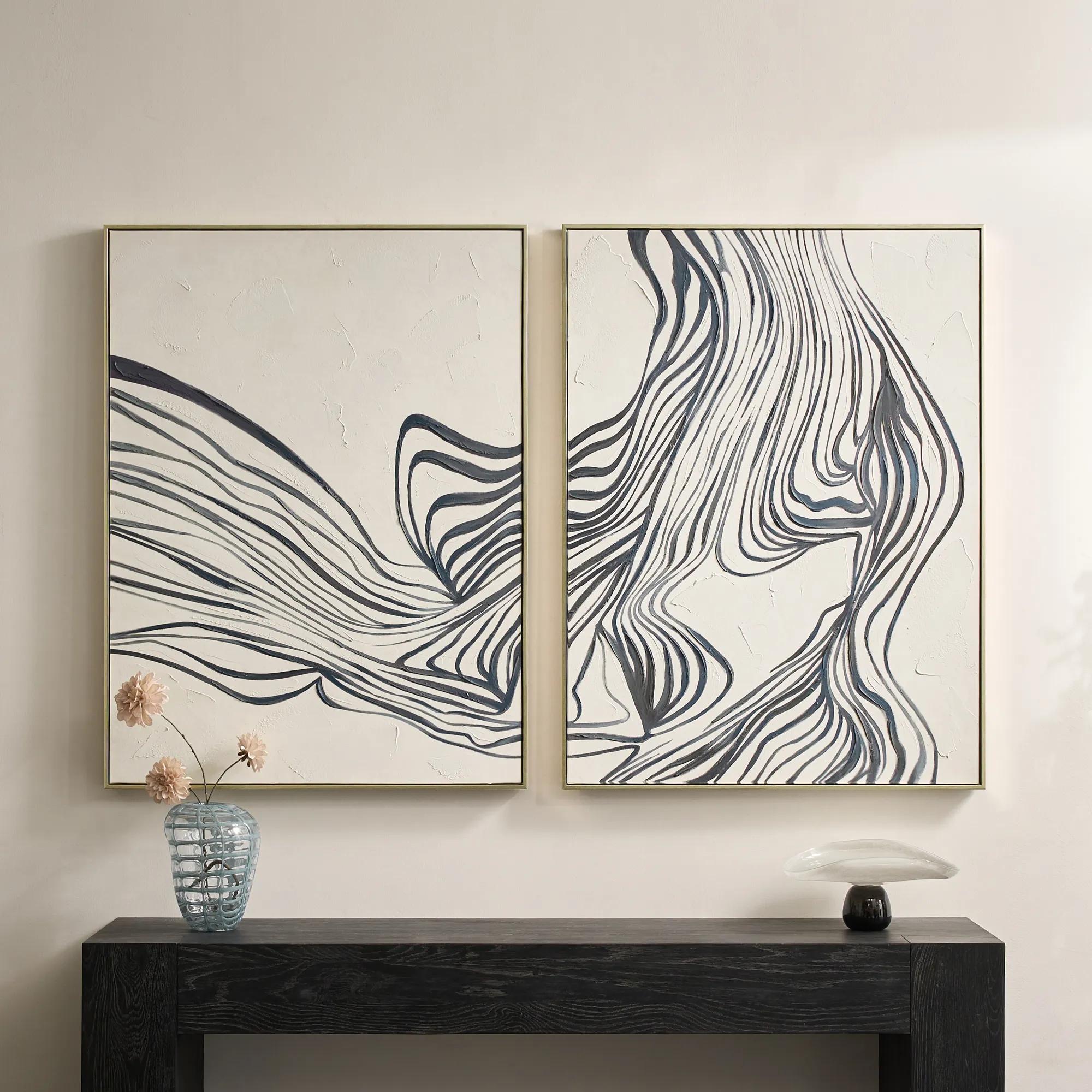 Rhythmic Framed Painted Wall Art 36" x 48" Set of 2$599
A hand-painted diptych featuring bold abstract stripes in dark slate and dusty blue with champagne frames.
Add To Cart -
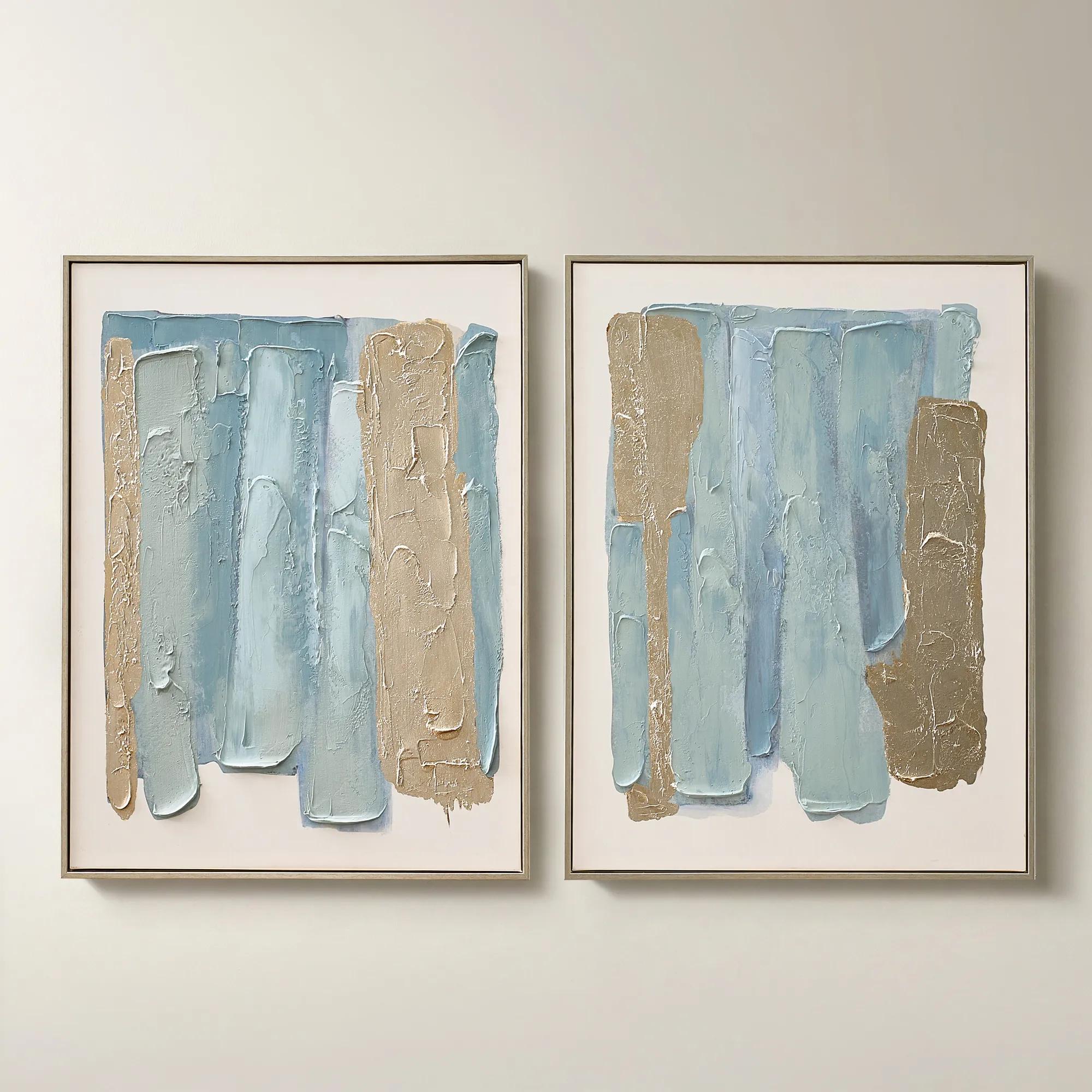
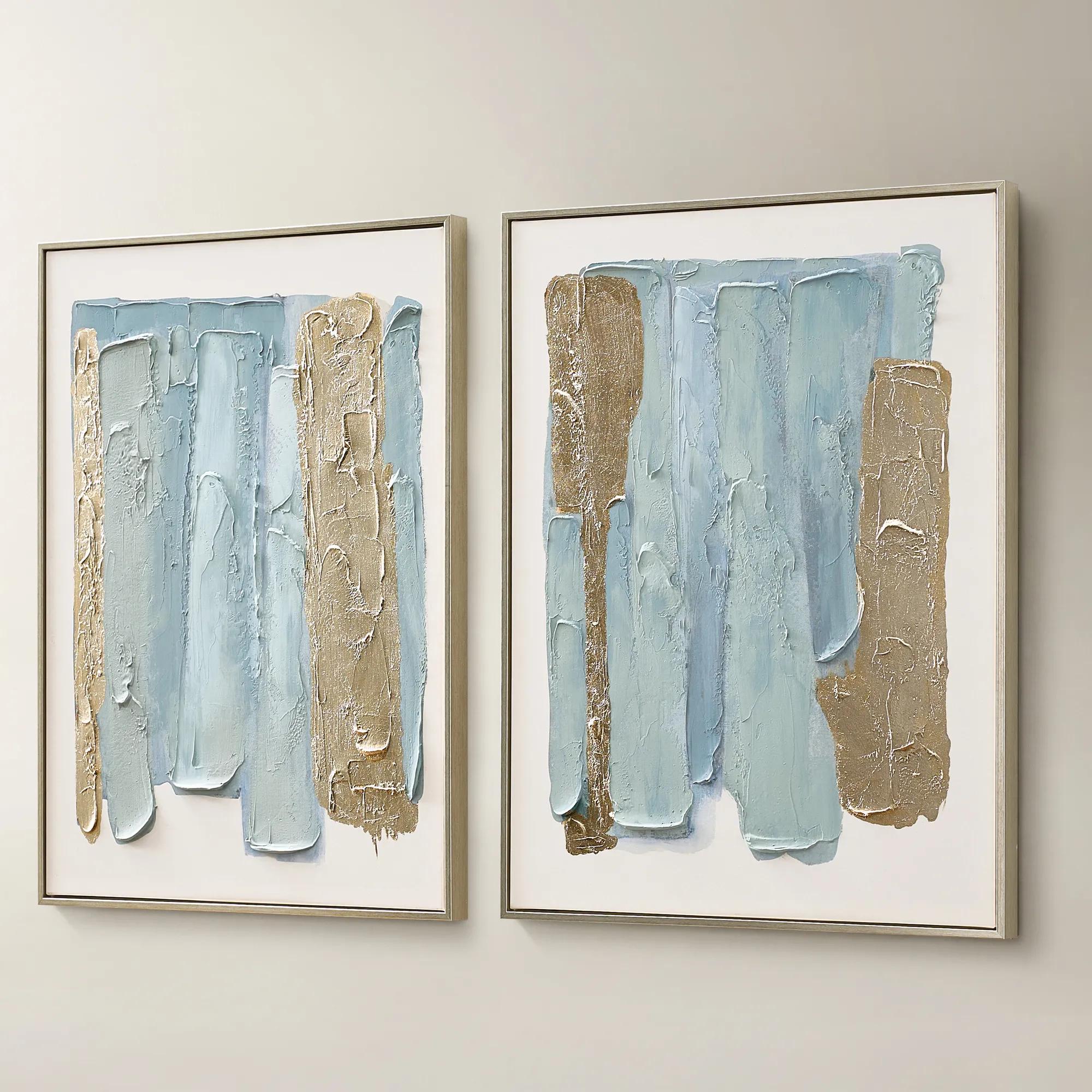 Blue Drift Framed Champagne Painted Wall Art 24" x 32" Set of 2$199
A set of two hand-painted canvases in dusty blue with champagne leafing and modern abstract movement.
Add To Cart -
.jpeg?w=1200&h=1200)
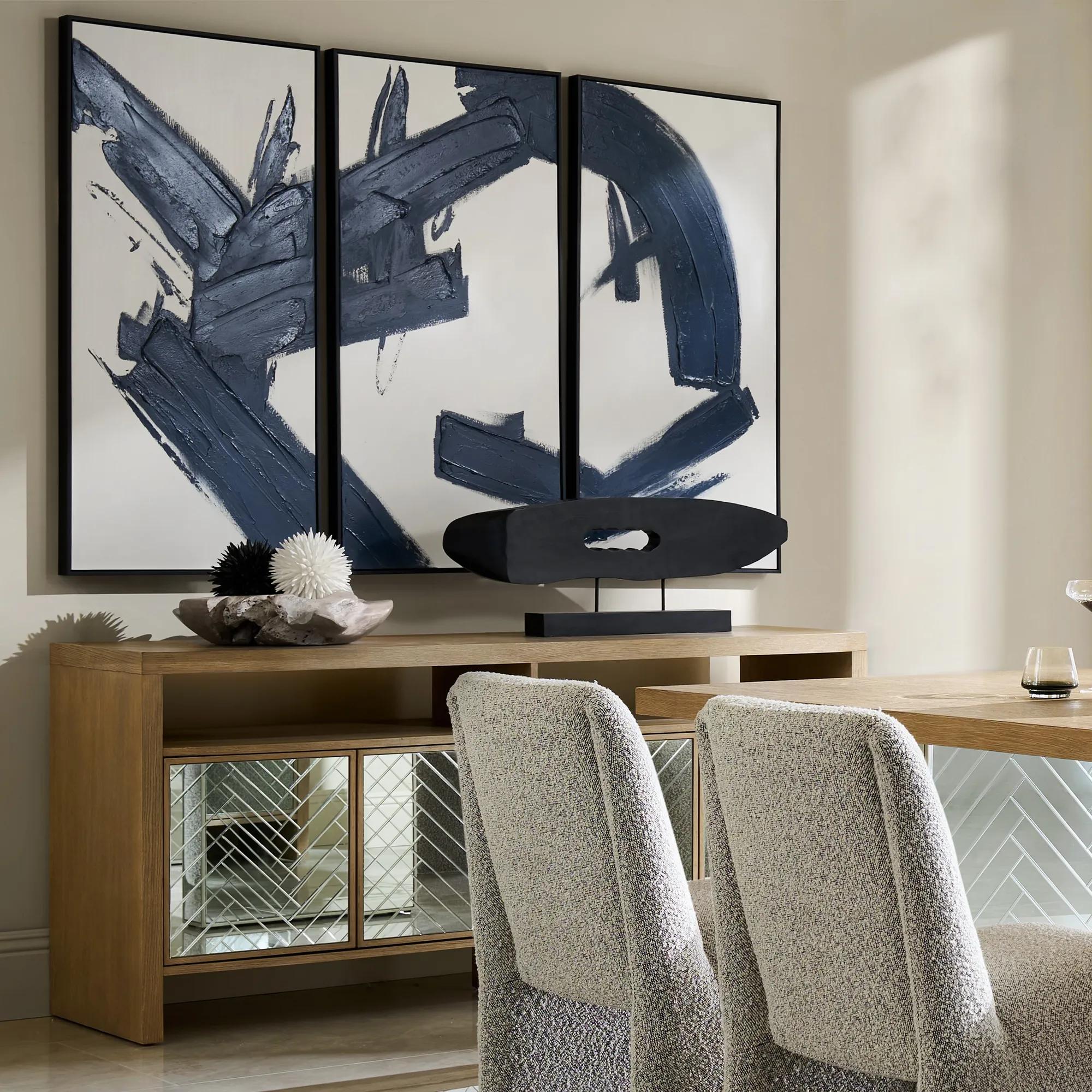 Relic Framed Painted Triptych Wall Art Set of 3$399
A hand-painted abstract triptych in deep navy and neutral tones, set in sleek black floater frames.
Add To Cart -
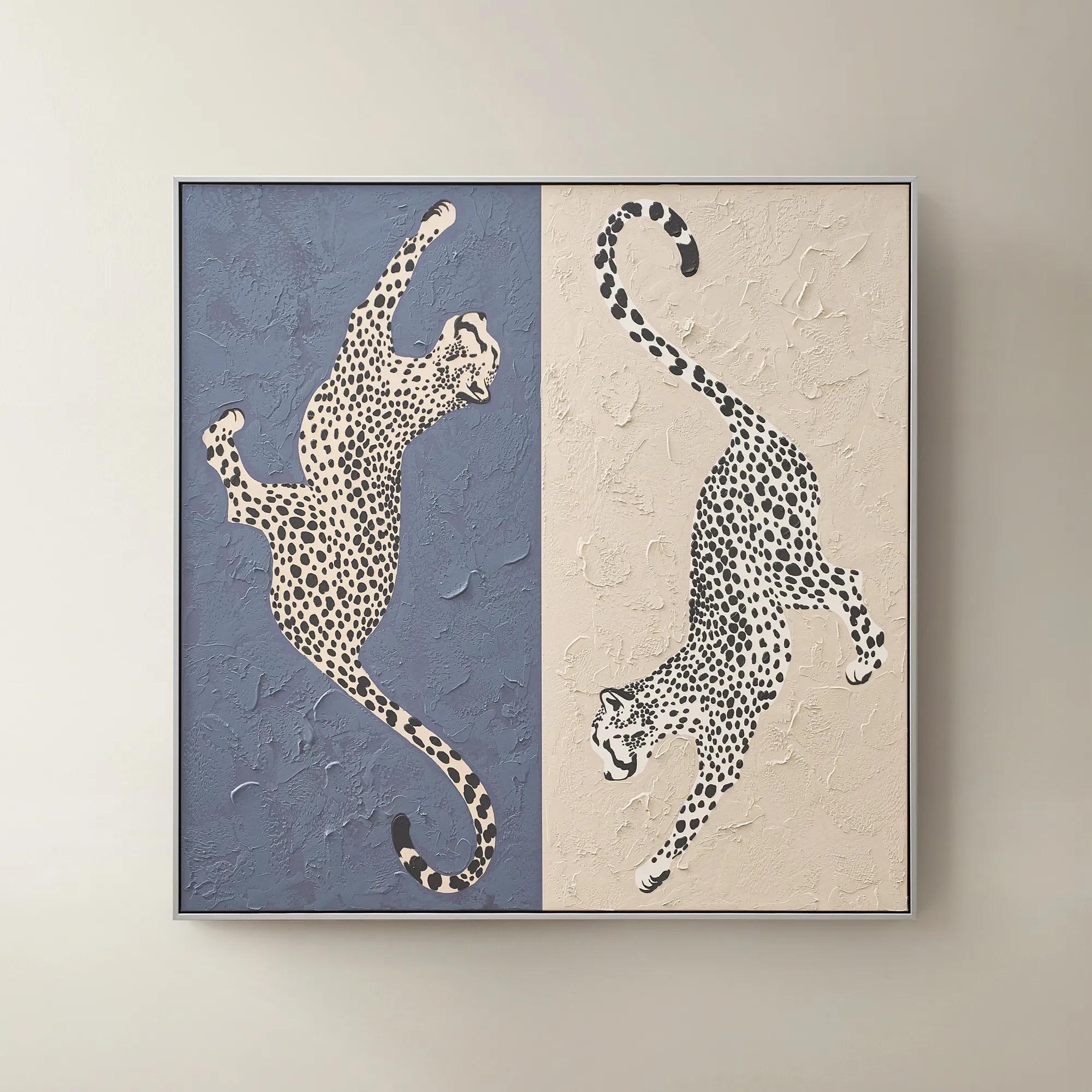 Leopard At Play Framed Painted Wall Art 40" x 40"$299
A hand-painted canvas in ink blue and taupe features playful leopard-inspired art with a silver-black frame.
Add To Cart -
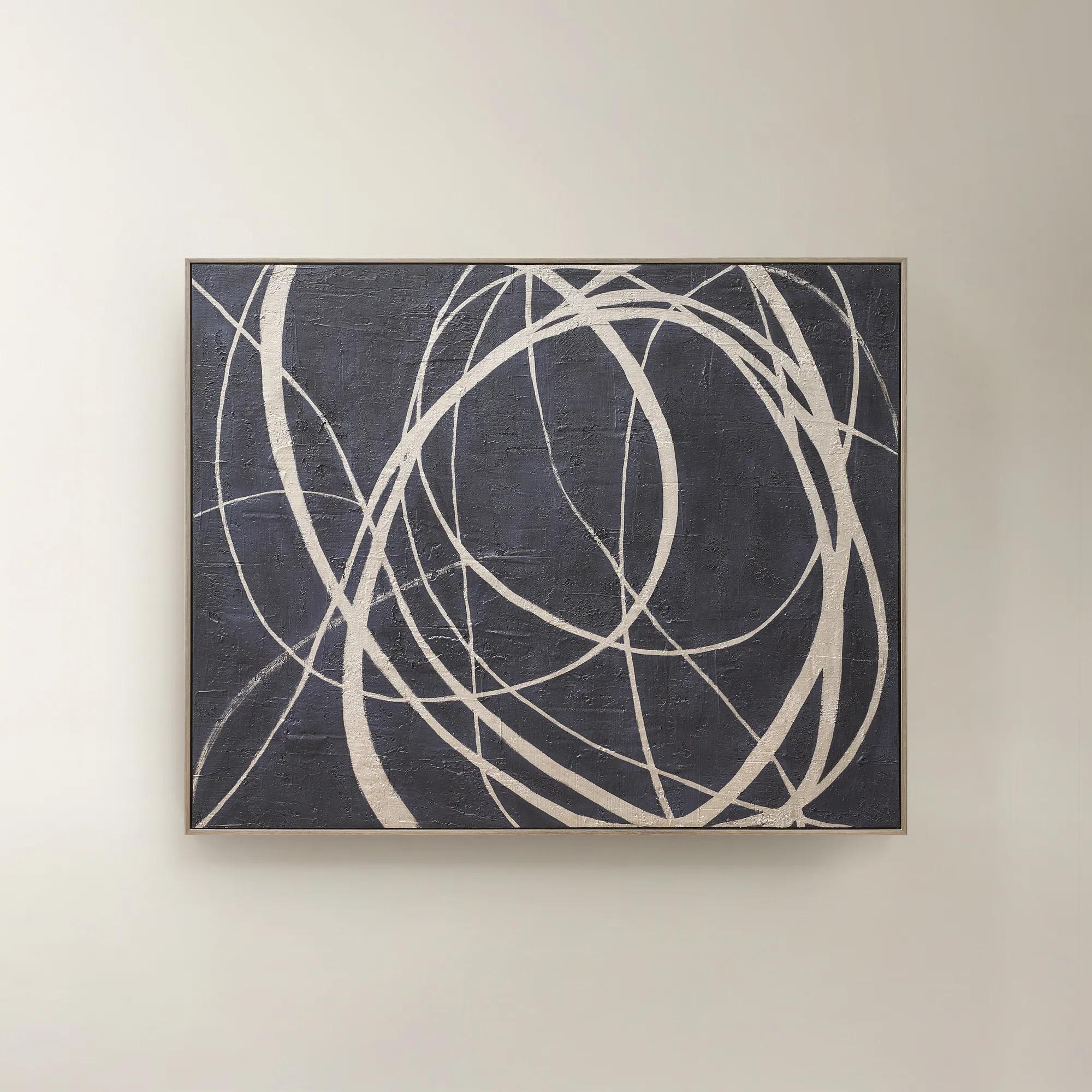 Wandering Framed Painted Wall Art 48" x 60"$699
An expressive hand-painted canvas in deep ink blue with champagne accents for a bold, sophisticated statement.
Add To Cart -
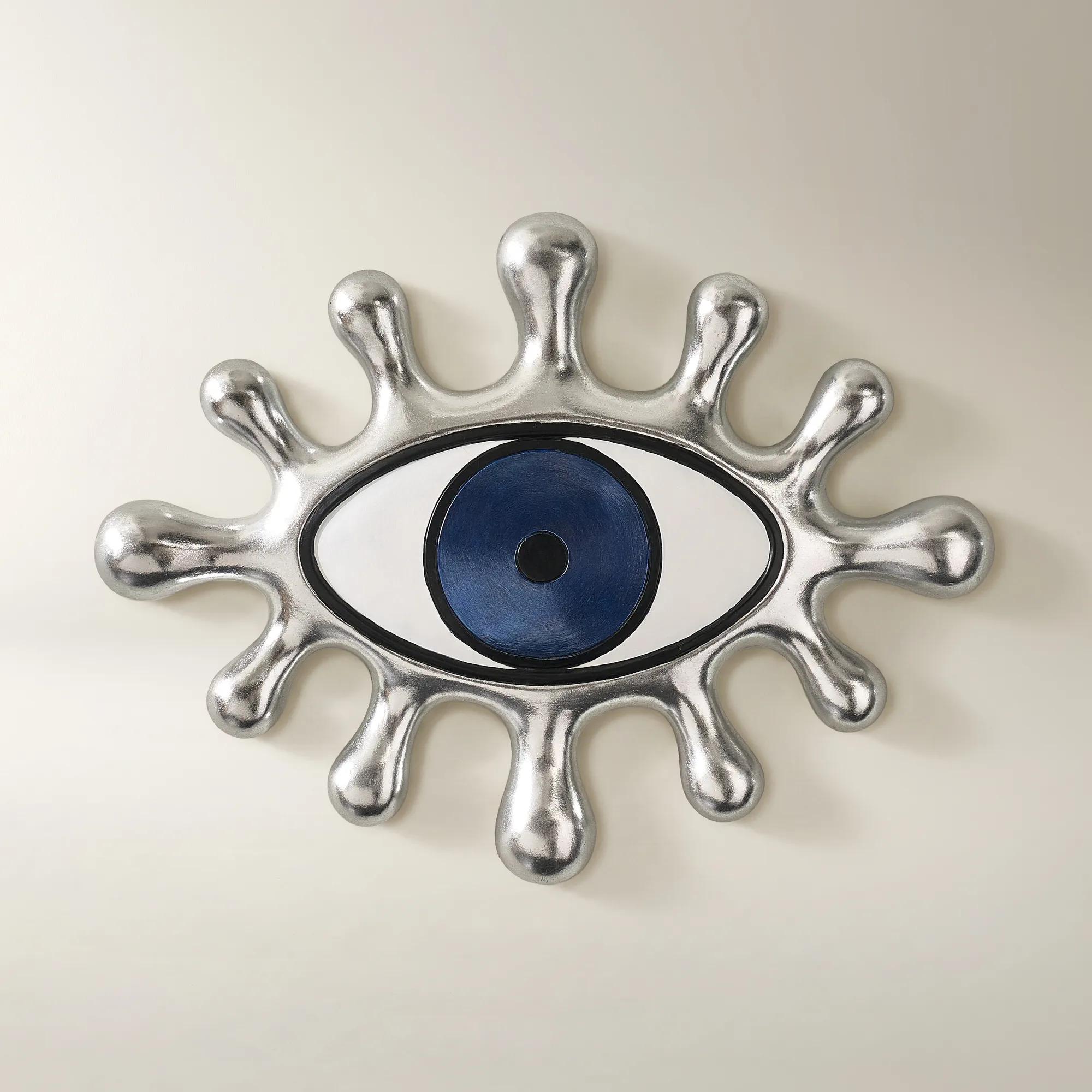 Grand Eye Ink Blue And Silver Resin Wall Decor 18" x 13.5"$79
An exaggerated eye motif in ink blue and silver brings playful, sculptural texture to any wall.
Add To Cart -
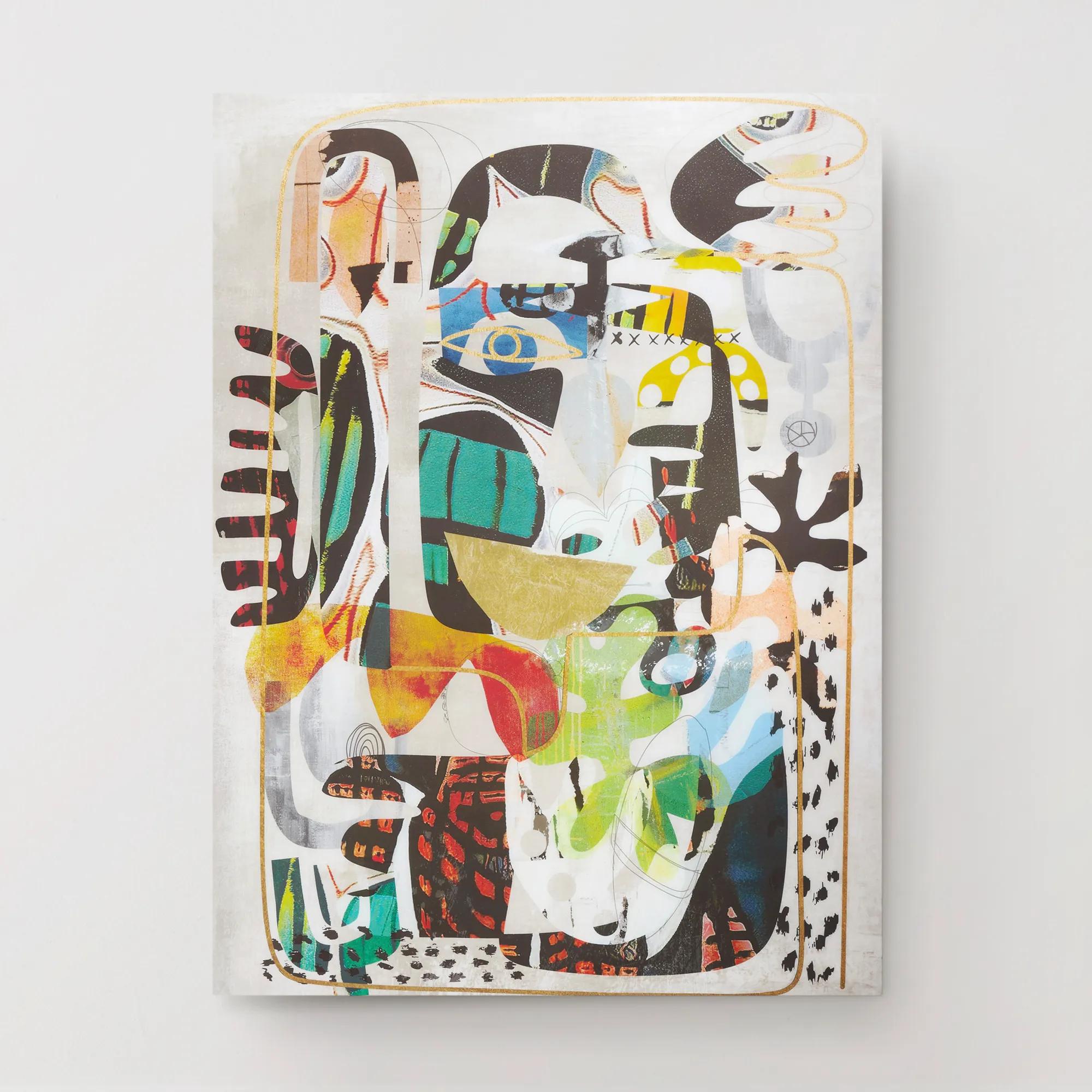
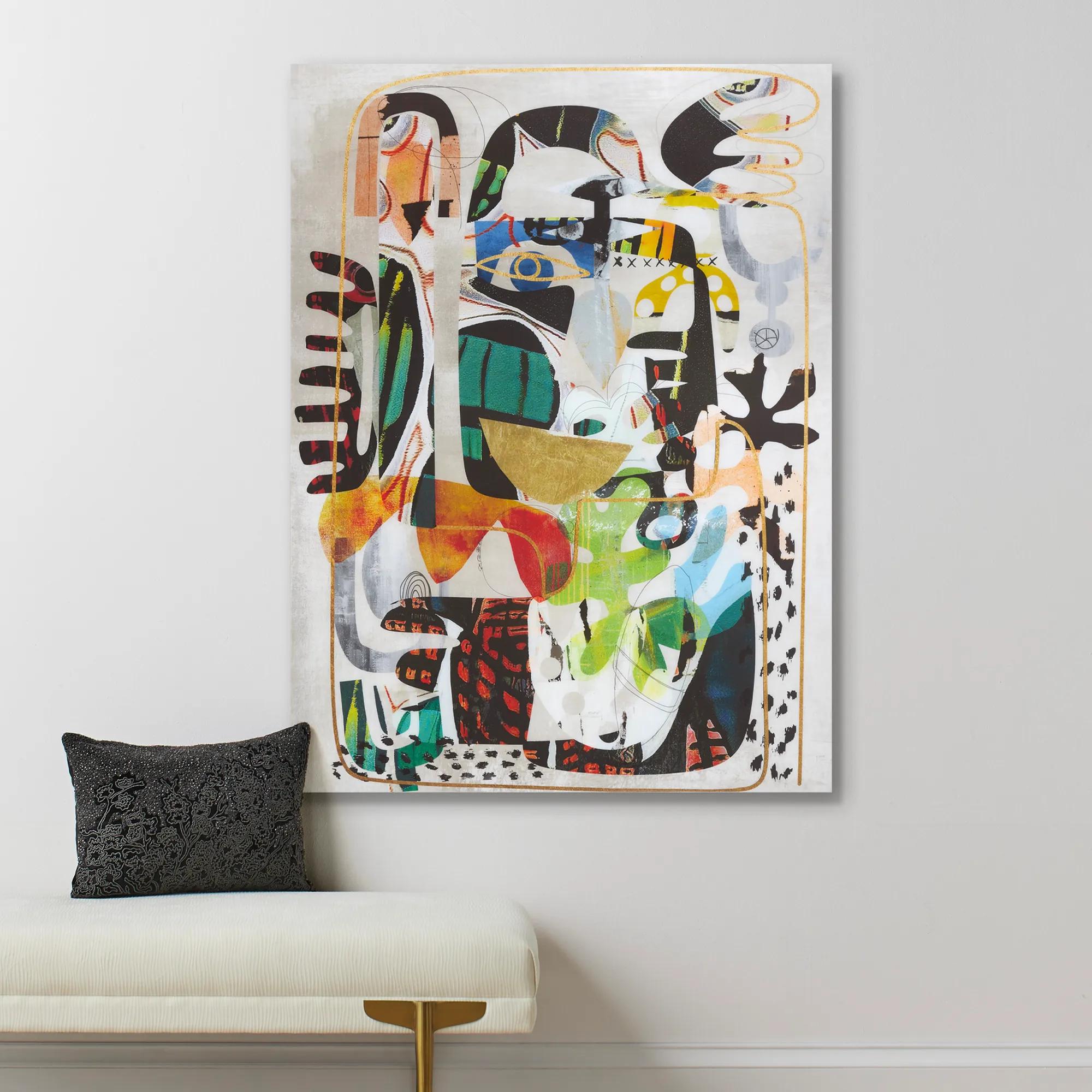 Nikki Chu Masked Wall Art 40" x 54"$899
A vibrant giclee print on canvas featuring a hand-applied glossy finish for a modern statement.
Add To Cart -
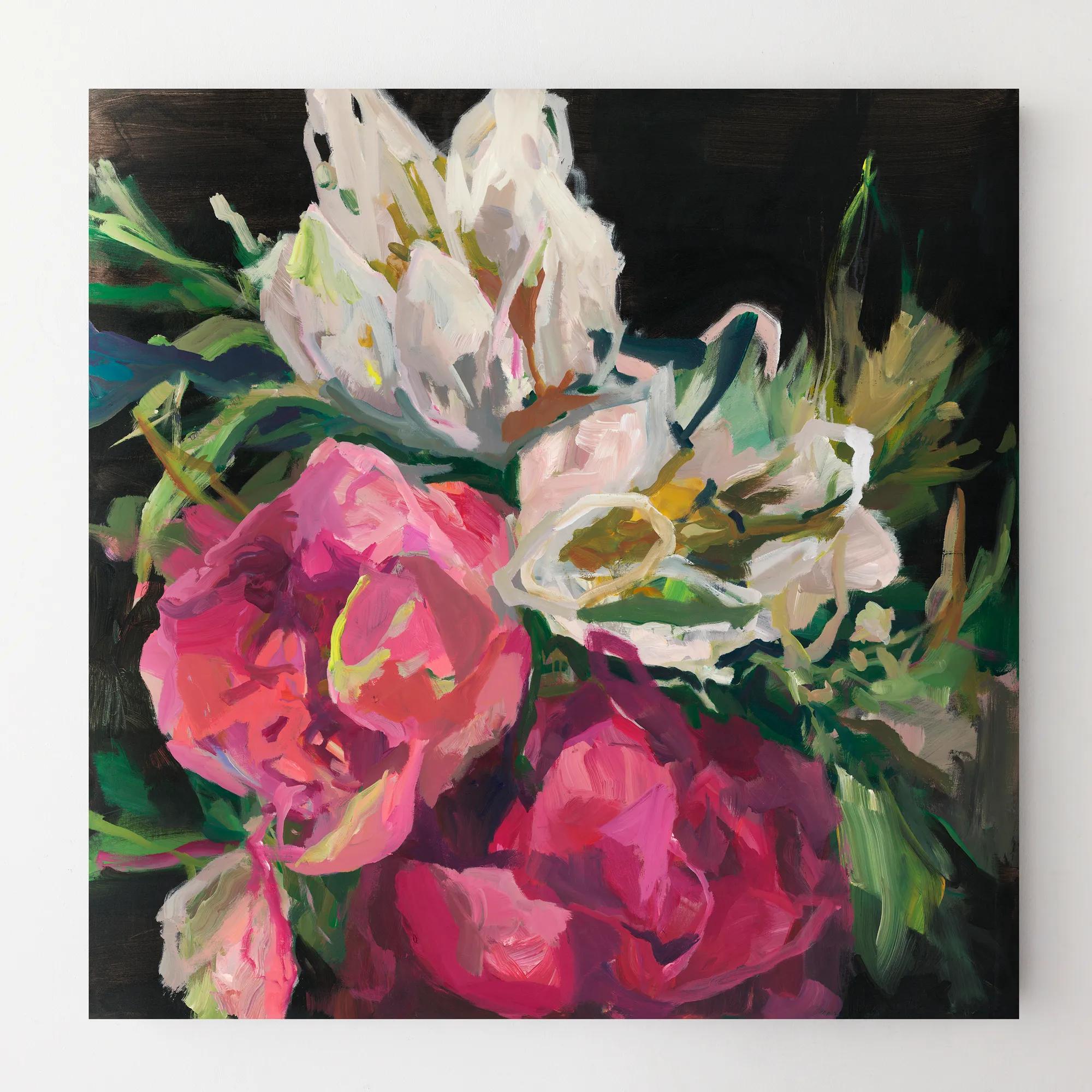
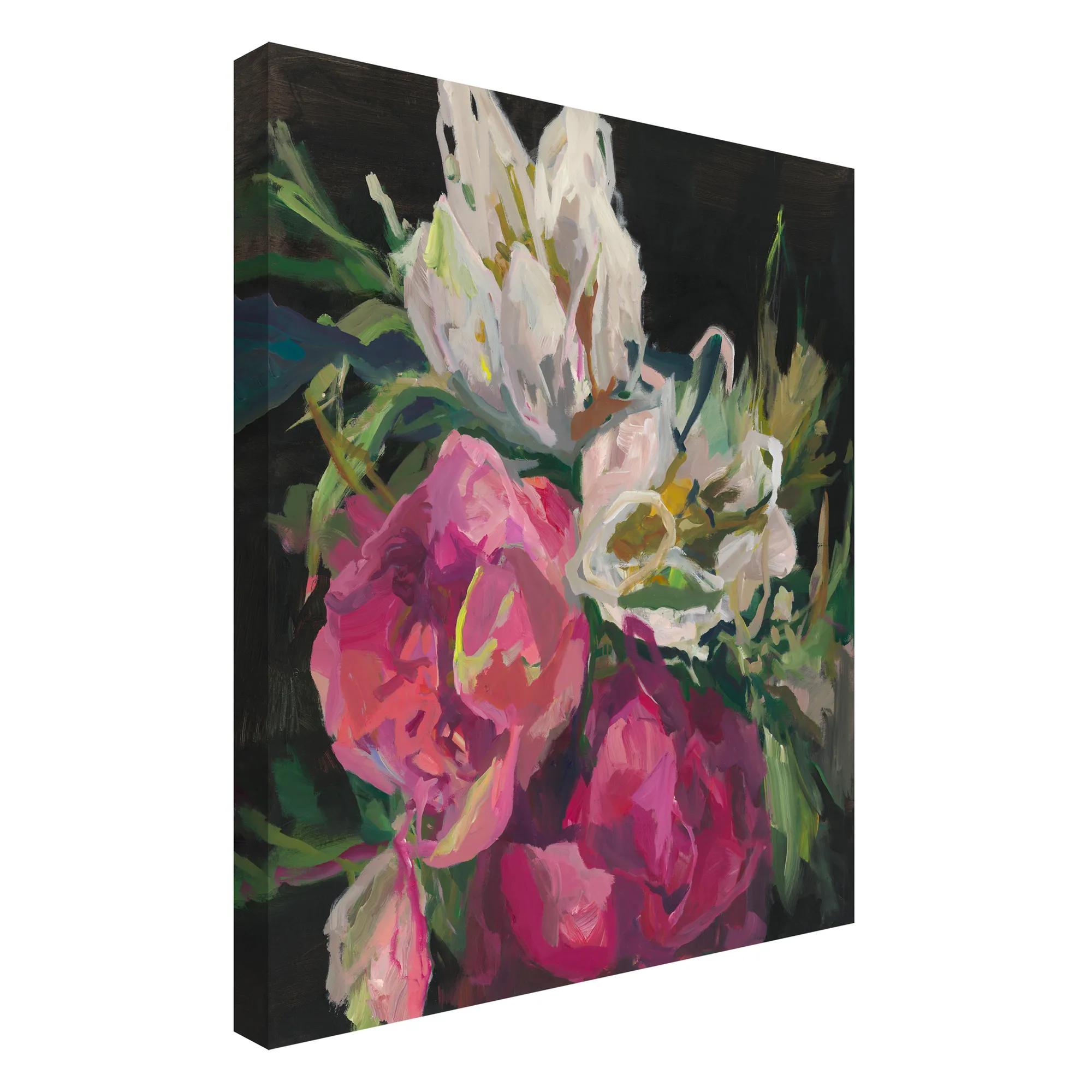 Wild At Heart Wall Art 30" x 30"$399
A gallery-wrapped canvas artwork featuring a hand-applied image brush gel finish for striking visual texture.
Add To Cart -
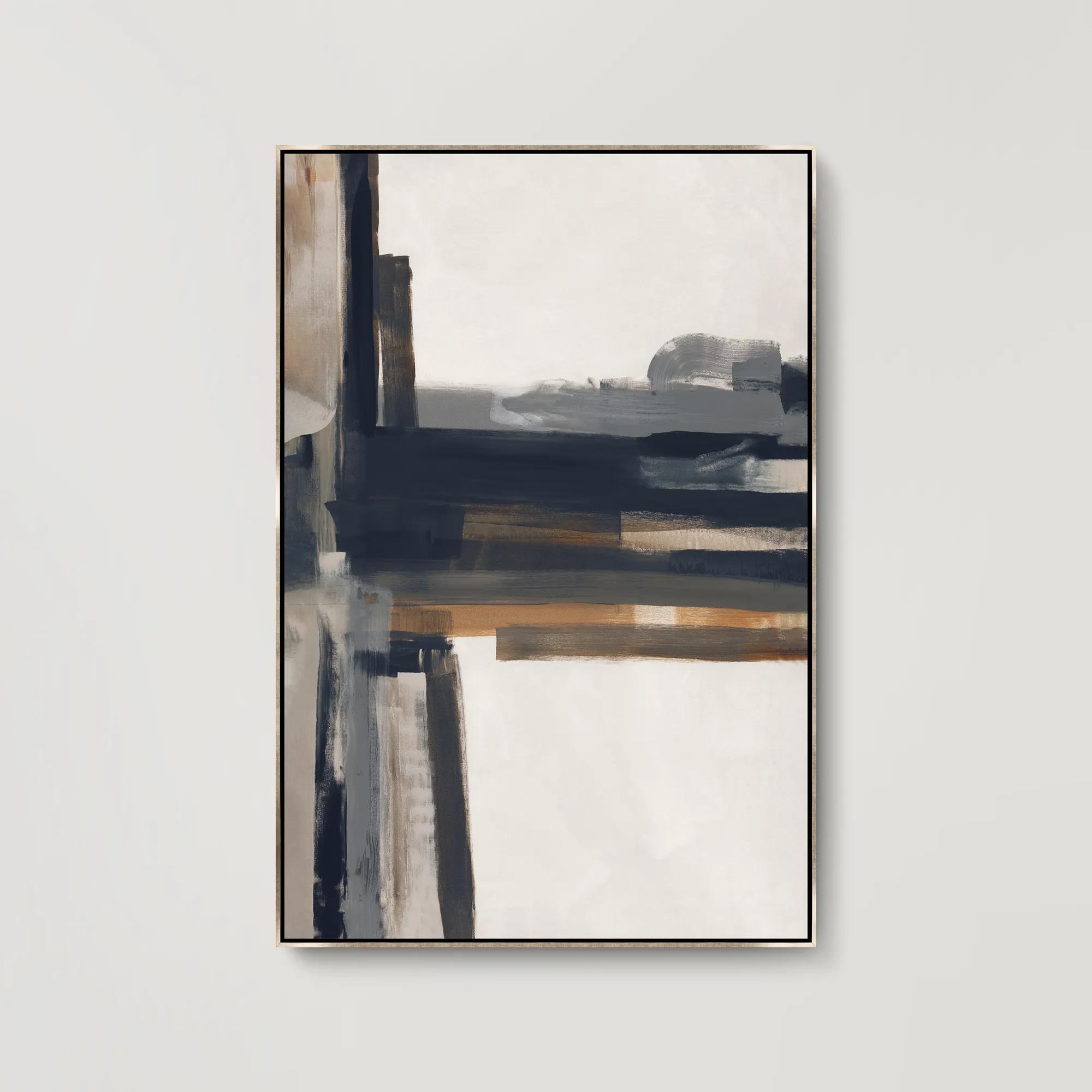
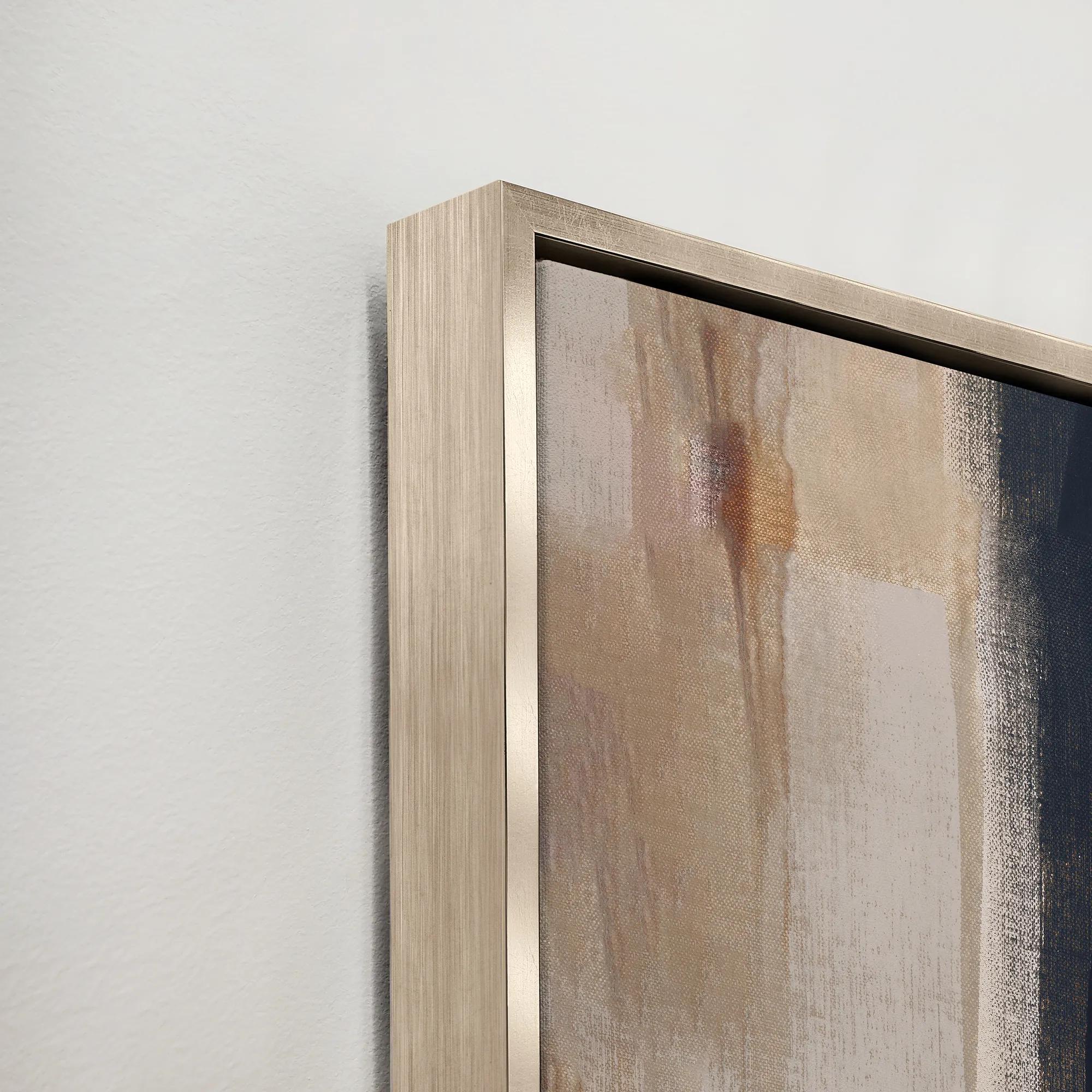 Imposing Construct I Framed Wall Art 41.5" x 61.5"$949
A gallery-wrapped abstract canvas featuring hand-applied brush gel and set in a sleek silver floater frame.
Add To Cart -
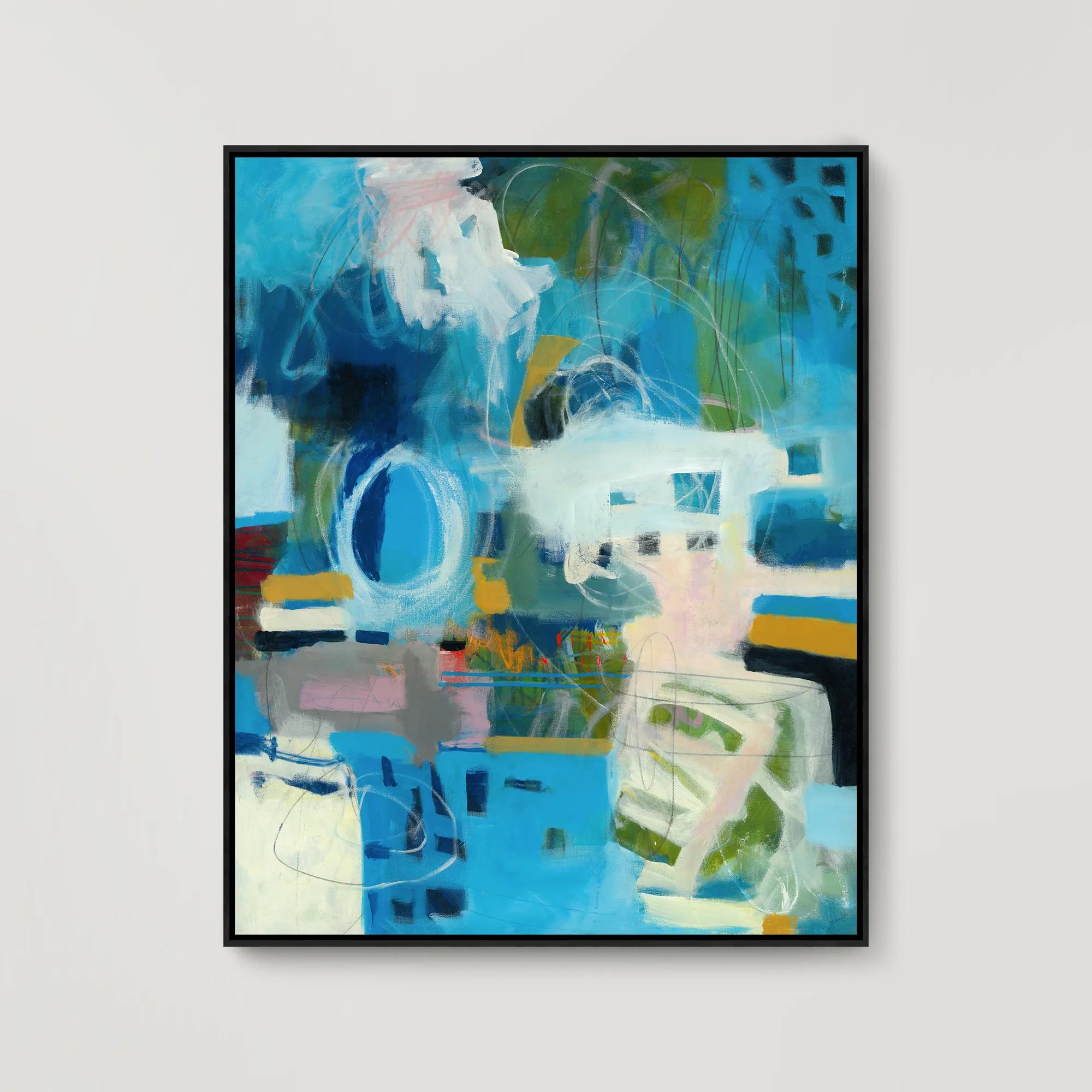
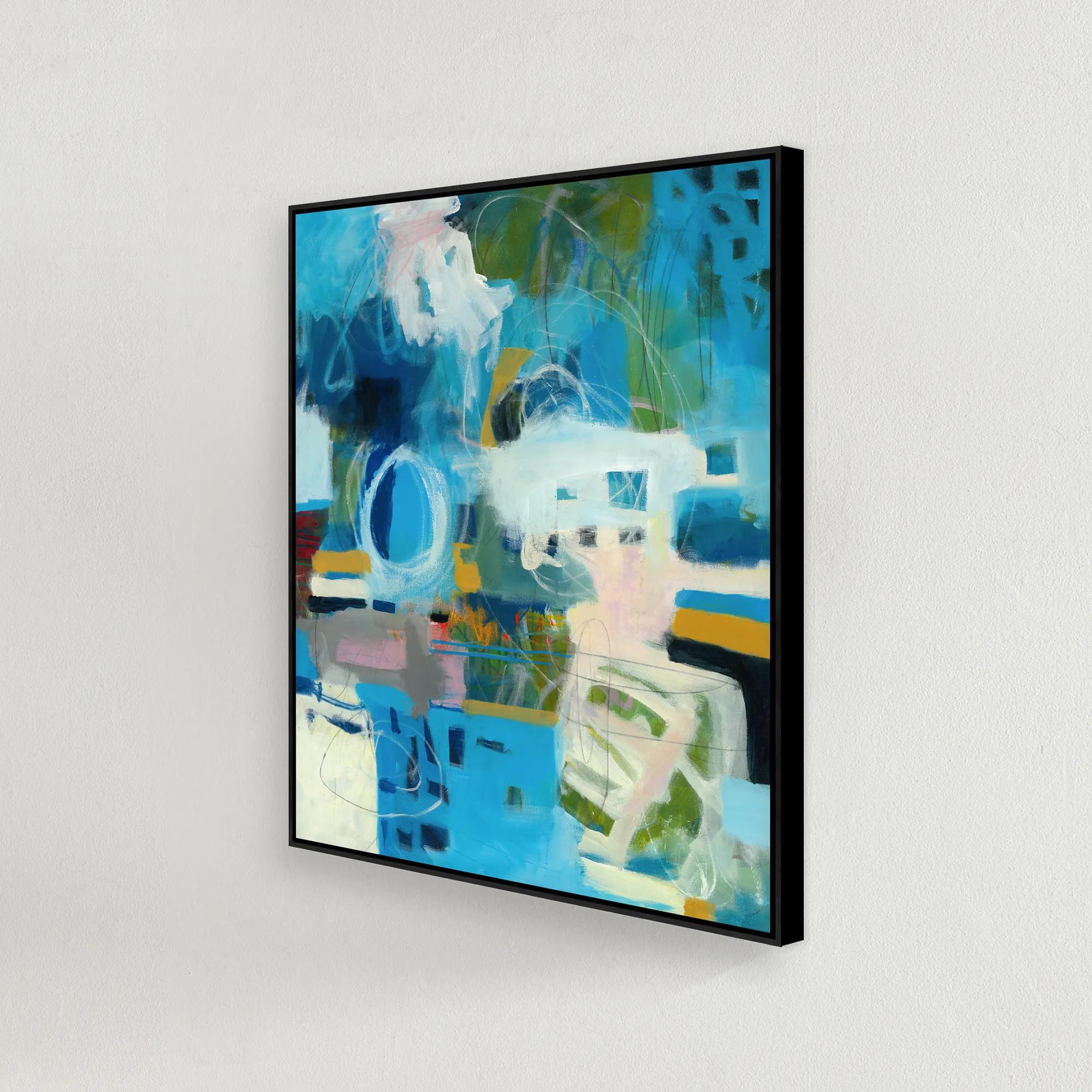 Just Across the Boarder Framed Wall Art 37.5" x 46.5"$749
A gallery-wrapped canvas artwork with hand-applied gel finish, set in a sleek black floater frame.
Add To Cart -
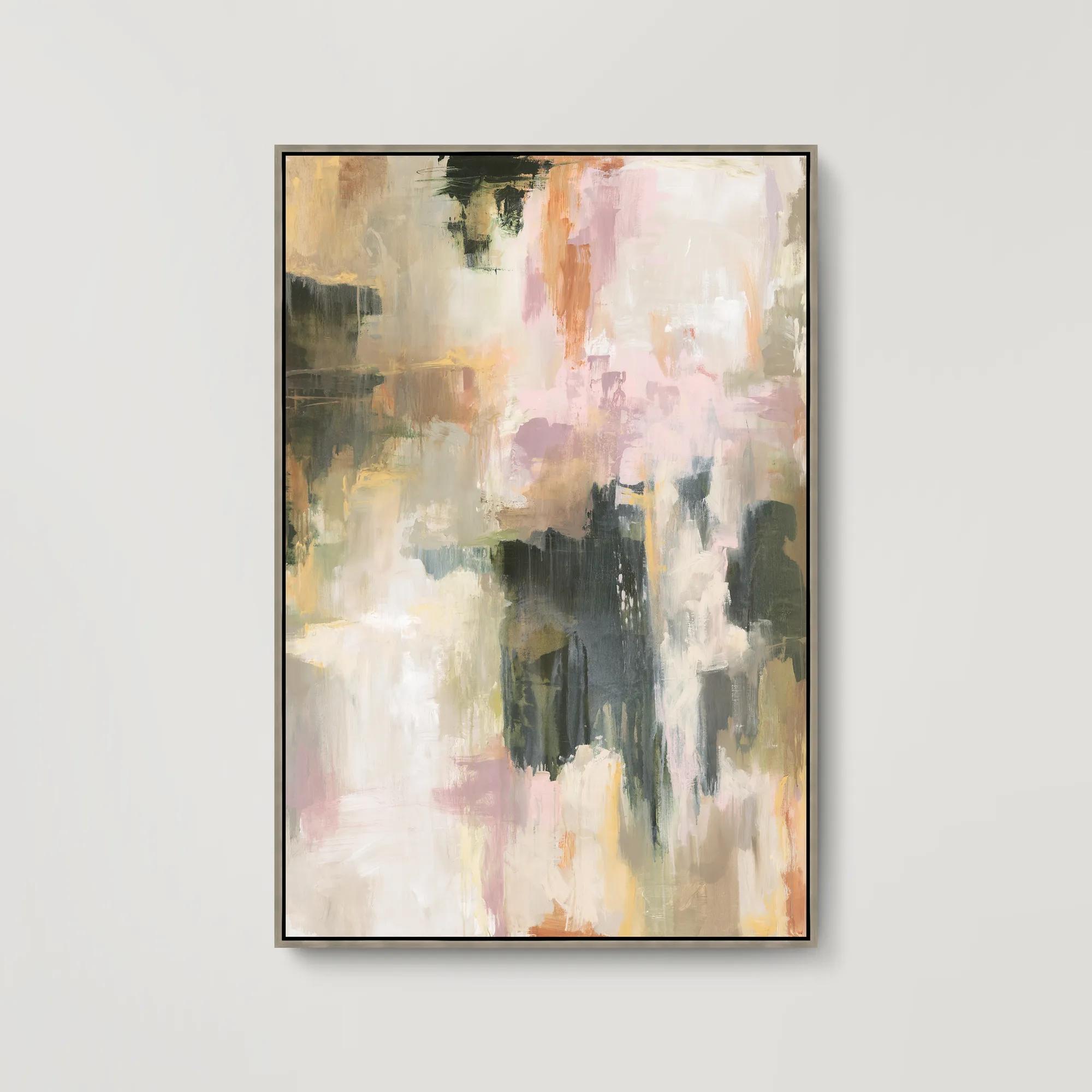
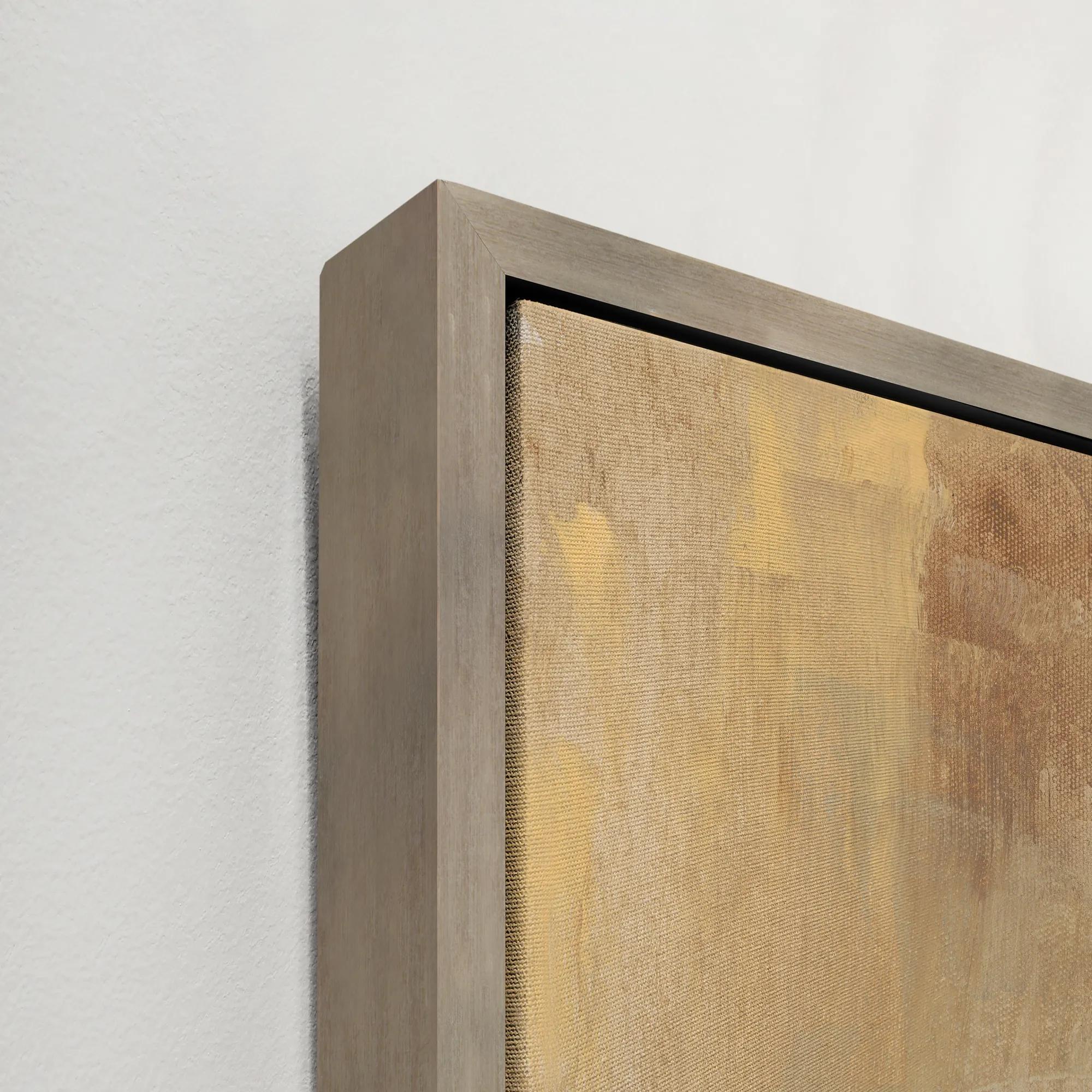 Sculpted Dreamscape Framed Wall Art 41.5" x 61.5"$999
A gallery-wrapped canvas artwork featuring a hand-applied gel finish and a sleek silver floater frame.
Add To Cart

Textured Blue Paintings For Walls
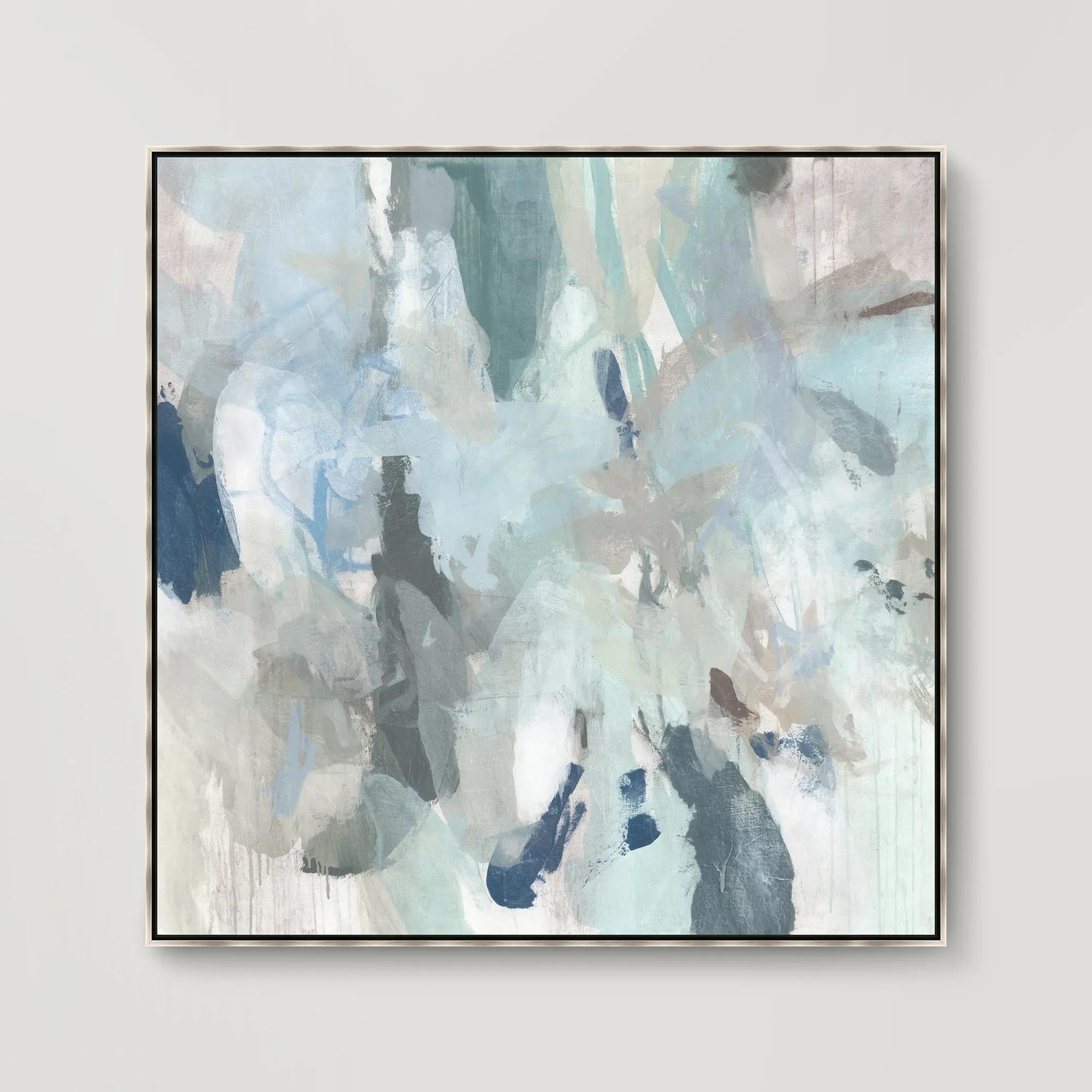
Textured Blue Paintings For Walls invite a sense of depth and intrigue, transforming ordinary spaces into captivating galleries of color and movement. Each brushstroke evokes the tranquil allure of ocean horizons or the moody richness of midnight skies, layering dimension and artistry across your walls. With every glance, these works channel both serenity and drama—imbuing your home with a bold, expressive spirit only true texture can deliver. Elevate your interiors with art that doesn’t merely hang, but commands attention and sets the tone for a space that is anything but ordinary.
Textured blue paintings for walls bring a sense of depth, movement, and atmosphere to a room that a flat print cannot quite replicate. Raised plaster, dimensional brushwork, layered pigment, and impasto surfaces catch the light differently throughout the day, allowing the artwork to shift from softly luminous in the morning to richly dramatic as evening settles in. Blue offers an especially versatile foundation for this kind of expression. Pale mist, powder blue, and silvery slate can create an airy, restorative feeling, while cobalt, indigo, and deep navy lend a more commanding presence. Some compositions suggest the rhythm of ocean waves or a cloud-filled sky; others use abstract ridges, sculptural marks, and tonal variation to create a gallery-worthy focal point without relying on a literal scene. For a polished modern interior, a textured blue painting can soften hard architectural lines and introduce artistry above a console, sofa, bed, or mantel. In an office or library, deeper blue tones can establish a collected, thoughtful mood, especially when paired with walnut, charcoal, brushed metal, or warm leather. In a bedroom, a quieter palette with subtle relief can echo the calm of water and sky, creating a restful backdrop that feels considered rather than overly coordinated. These pieces are equally at home in contemporary, transitional, coastal, and glam interiors because their appeal comes from the interplay of color, surface, and light. When exploring Textured Hand Painted Wall Arts, consider how the painting’s texture will relate to the room’s existing layers. A space filled with velvet, boucle, woven fibers, or polished stone may benefit from a restrained tonal composition, while a room with simpler furnishings can welcome a more expressive surface with pronounced relief. Blue also pairs beautifully with ivory, sand, taupe, soft gray, black, and metallic finishes, making it an effortless bridge between pieces that might otherwise feel unrelated. A painting with navy and subtle gold or champagne accents can heighten a glamorous setting; blue-gray and cream can bring a quieter refinement; turquoise, teal, and mineral tones can add an energetic note to a neutral palette. The most successful choice is often the one that repeats a color already present in the room while introducing a new texture or depth, giving the entire arrangement a more intentional, layered finish.
Scale deserves just as much attention as color. A large textured blue painting can anchor a broad wall and give an open living area the visual weight it needs, particularly above a generously proportioned sofa or a long, streamlined console. Common statement formats include square canvases around 40 by 40 inches and horizontal or vertical configurations near 54 by 36 inches, although the ideal dimensions depend on the furniture beneath the artwork and the surrounding negative space. As a general proportion, art placed above furniture often looks most balanced when it spans roughly two-thirds to three-quarters of the furniture’s width, leaving enough breathing room around the frame or canvas. Oversized work can be particularly striking in rooms with tall ceilings, open floor plans, or minimal architectural detail, where a smaller piece may seem visually adrift. For a hallway, reading nook, compact bedroom, or home office, a smaller painting can provide a concentrated moment of color without overwhelming the passage. A pair or grouping of textured blue canvases may be effective when the compositions share a palette or material language, though they do not need to match perfectly; variation can make the arrangement feel collected over time. Before purchasing, measure the wall, note the placement of windows and sconces, and use painter’s tape to outline the artwork’s dimensions. This simple step can reveal whether the intended piece will feel commanding, intimate, or crowded once installed. It is also wise to review the artwork’s depth, hanging method, and orientation. Heavily raised surfaces may project farther from the wall, while hand-finished or plaster-like details can create delicate shadows that deserve adequate lighting. Natural light will emphasize different ridges and brushstrokes as the day progresses, but a nearby picture light or adjustable fixture can preserve the painting’s presence during the cooler months when rooms are often enjoyed under warm interior illumination. Price can vary according to size, construction, materials, and the amount of hand-applied detail. Smaller rolled canvases may begin near $90, mid-range original or hand-finished textured pieces commonly fall around $200 to $450, and large, custom-feeling statement works can reach $1,500 or more. Comparing the scale and craftsmanship of each option helps clarify the value, particularly when the artwork is intended to define an entire room rather than simply fill an empty patch of wall.
Textured blue paintings also make distinctive gifts for design-conscious hosts, newly settled homeowners, couples furnishing a shared space, or anyone drawn to expressive interiors. They offer a personal gesture without requiring an exact knowledge of someone’s furniture, since blue can move gracefully between warm and cool palettes and suit spaces ranging from a serene guest room to a dramatic entertaining area. For a gift, a smaller or medium-scale composition is often a thoughtful choice because it can be placed in a bedroom, entryway, office, or intimate sitting area, while a larger piece is best reserved for someone whose wall dimensions and decorating style are well known. During the transition from warmer days into the cooler months, blue artwork can also refresh a room without demanding a complete redesign: its layered surface brings visual warmth through craftsmanship, while its color preserves an open, calming quality. Pair the painting with sculptural lighting, reflective accents, or softly tactile furnishings to create a vignette that feels luminous and richly composed. In a more understated room, allow the artwork to stand alone against a quiet wall so every raised stroke remains visible. In a more dramatic setting, let it become part of a layered arrangement with a mirror, architectural objects, or metallic accessories, taking care not to conceal the texture that gives the piece its character. Above all, choose a painting that creates an emotional response when you enter the room. The finest wall art does more than coordinate with a palette; it gives the space a point of view. A textured blue painting can recall distant water, storm-lit skies, mineral surfaces, or the quiet movement of fabric, transforming an ordinary wall into a vivid composition. With thoughtful attention to hue, dimension, texture, placement, and light, it becomes a lasting expression of a home that welcomes detail, drama, and beauty.
FAQs
Textured blue paintings stand out for their multi-dimensional surfaces, which add depth and intrigue to any room. The tactile layers and varying shades of blue create dynamic visual interest, making each piece feel alive and ever-changing as the light shifts throughout the day. This sense of movement and artistry elevates the atmosphere, transforming walls into captivating focal points.
Blue is renowned for its calming and serene qualities, while texture introduces a sense of richness and complexity. Together, they create an ambiance that is both tranquil and sophisticated. Whether you’re looking to create a restful retreat in a bedroom or a dramatic statement in a living area, textured blue art sets the tone with elegance and depth.
Textured blue paintings make thoughtful gifts for anyone who loves art, design, or self-expression. They’re especially suited for new homeowners, newlyweds, or anyone celebrating a milestone moment. The luxurious look and timeless appeal of blue artwork ensure it will be cherished for years to come.
Consider the natural light in your space and the existing color palette. Textured blue paintings often look stunning as statement pieces above a sofa, bed, or mantel, where their dimensional qualities can be fully appreciated. For a curated effect, group several smaller pieces together to create a striking gallery wall.
Textured blue paintings are remarkably versatile and complement a wide range of styles, from modern and contemporary to coastal and transitional. Their bold color and dimensionality add a luxurious touch to minimalist spaces, while their expressive artistry enhances eclectic or maximalist interiors.