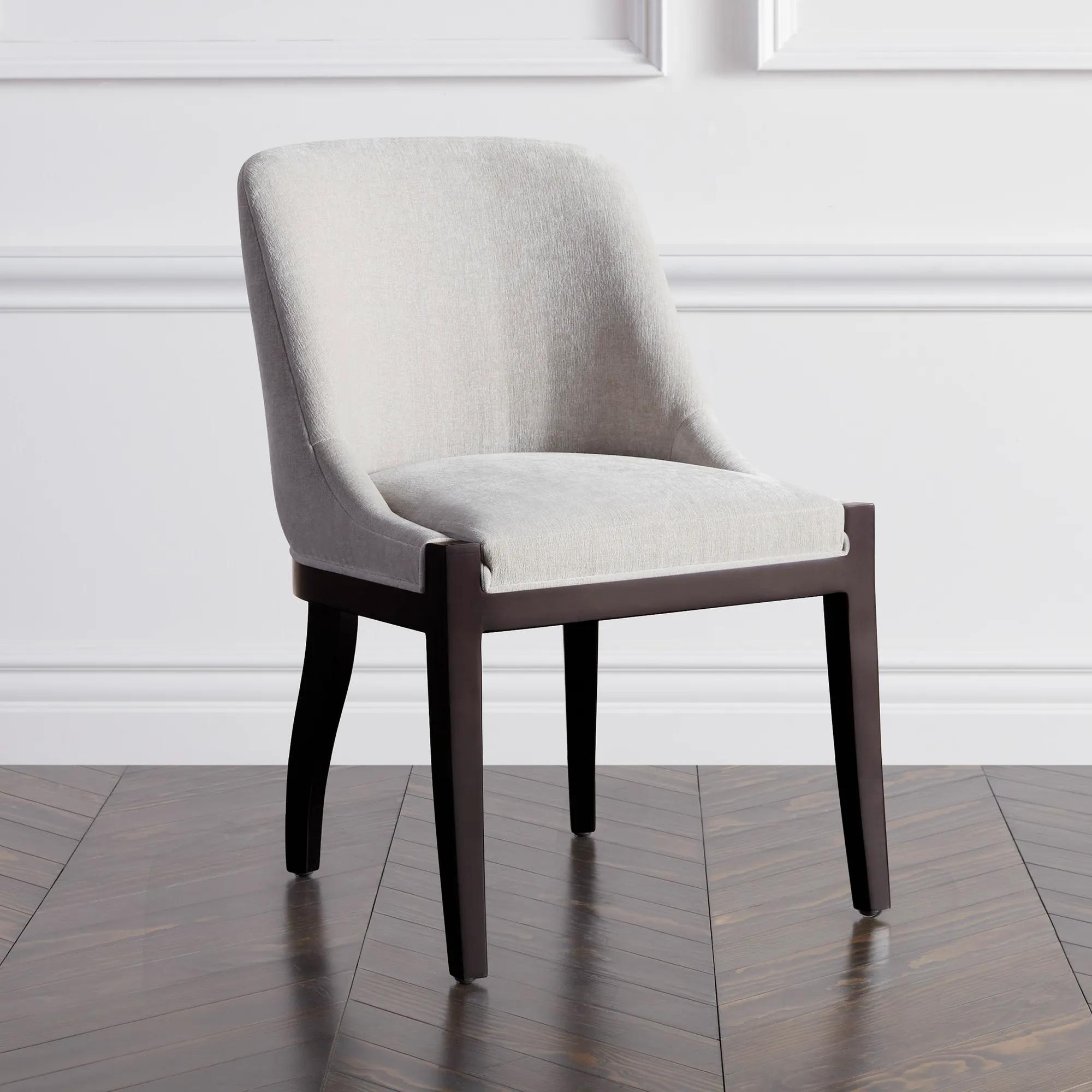
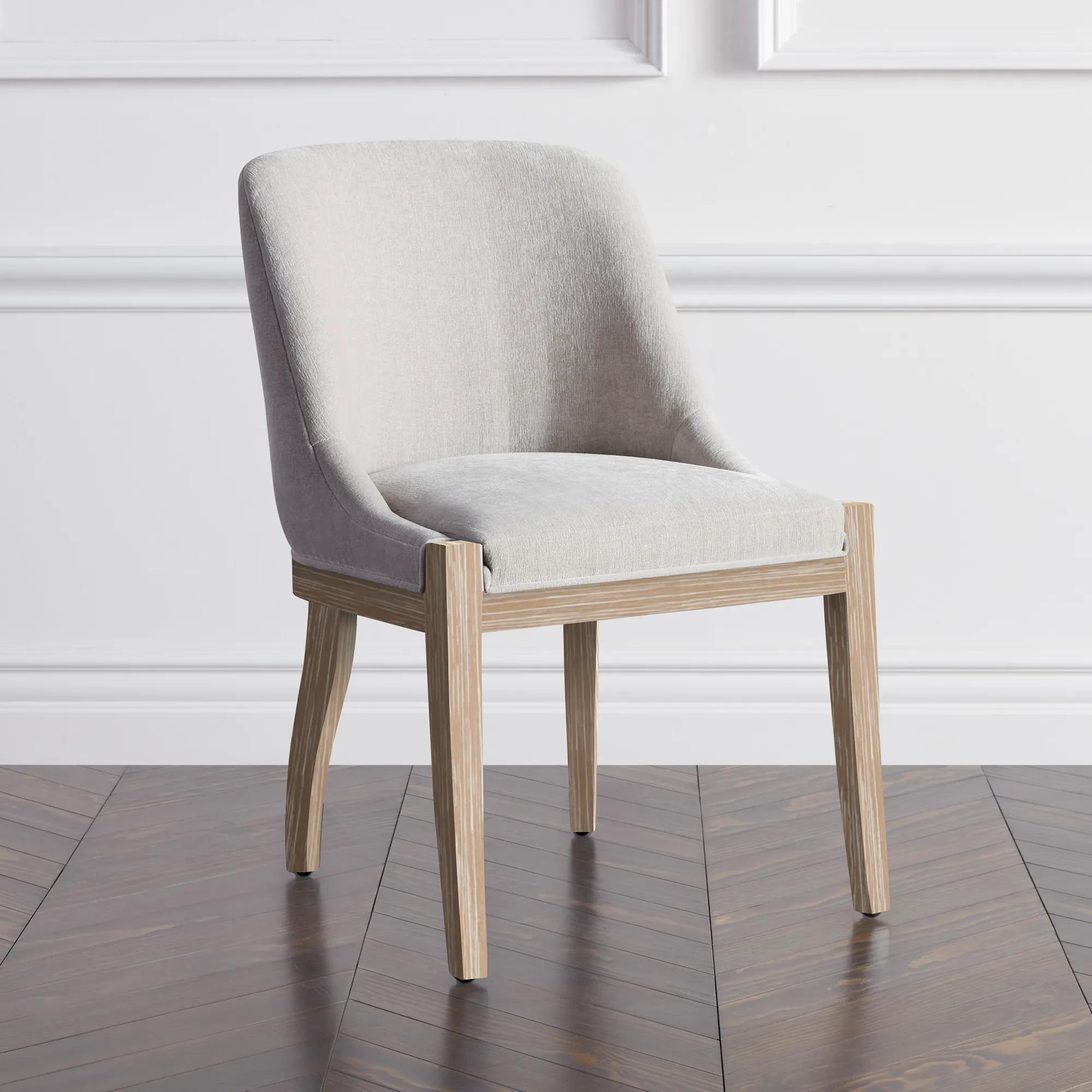
Stylish Furniture For Open Kitchens
Stylish Furniture For Open Kitchens
-
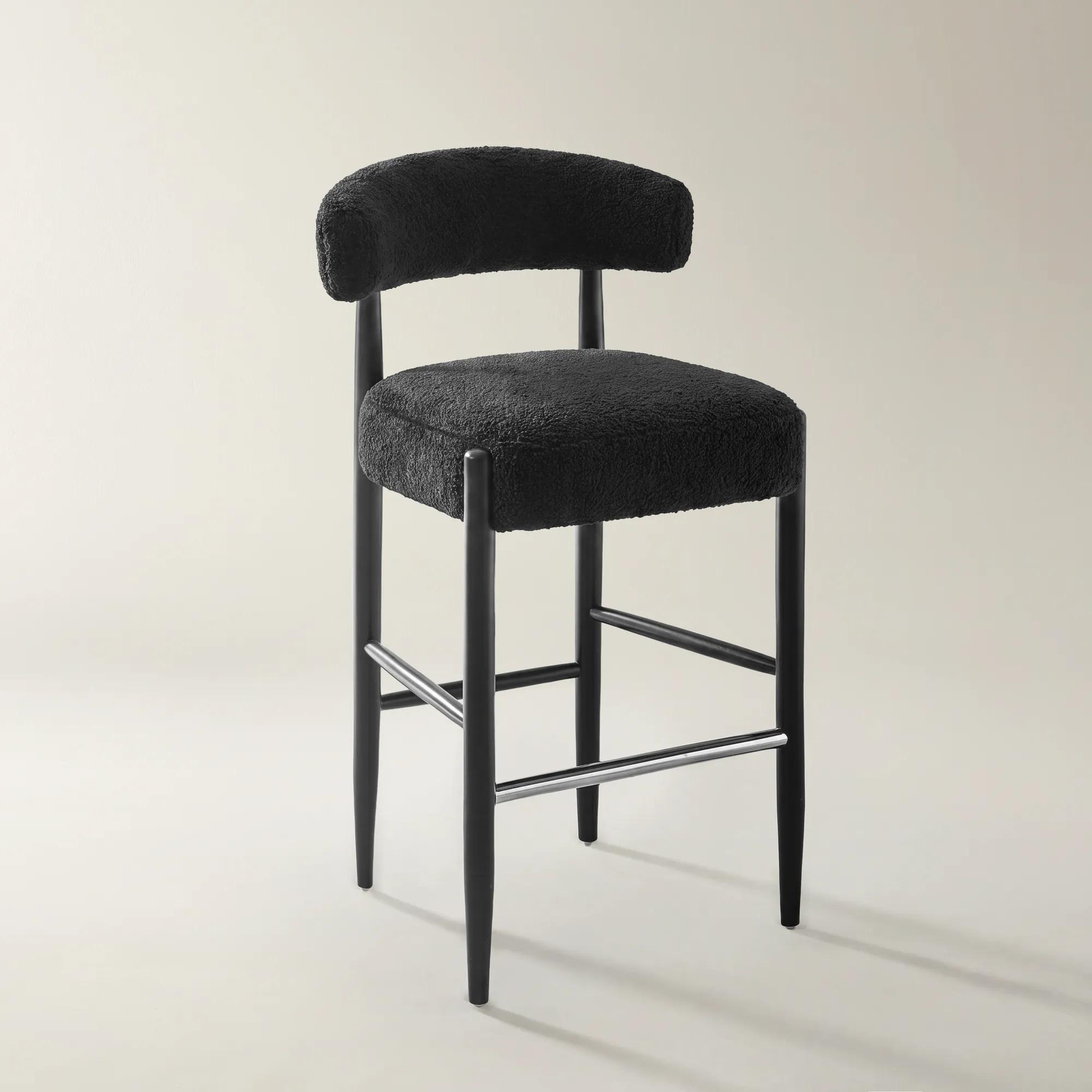 Anna Black Chenille Bar/Counter Stool$449
A black chenille counter stool with a sculpted padded seat and solid rubberwood legs.
Add To Cart -
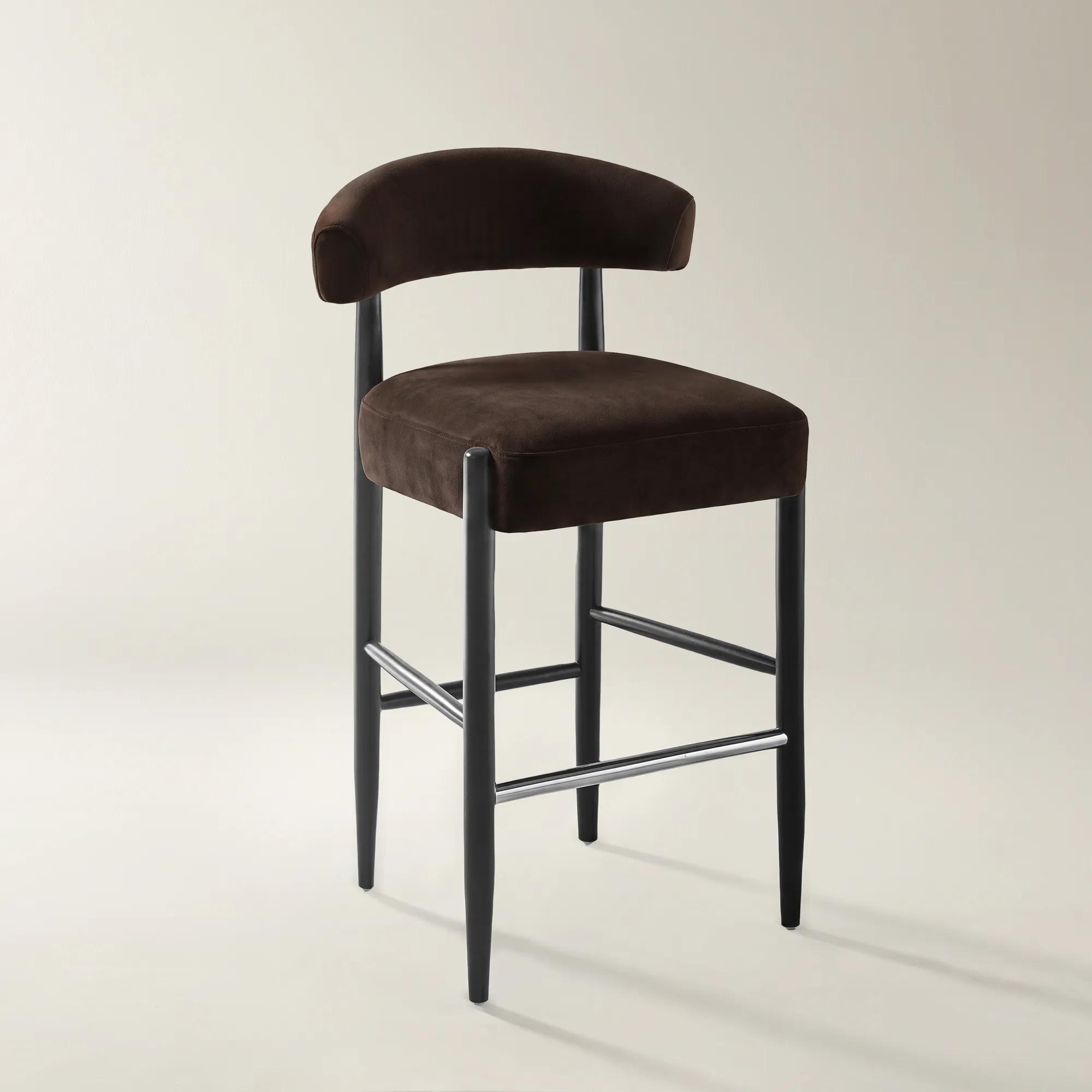 Anna Dark Chocolate Velvet Bar/Counter Stool$449
A dark chocolate velvet counter stool with a sculpted back, padded seat, and tapered solid-rubberwood legs.
Add To Cart -
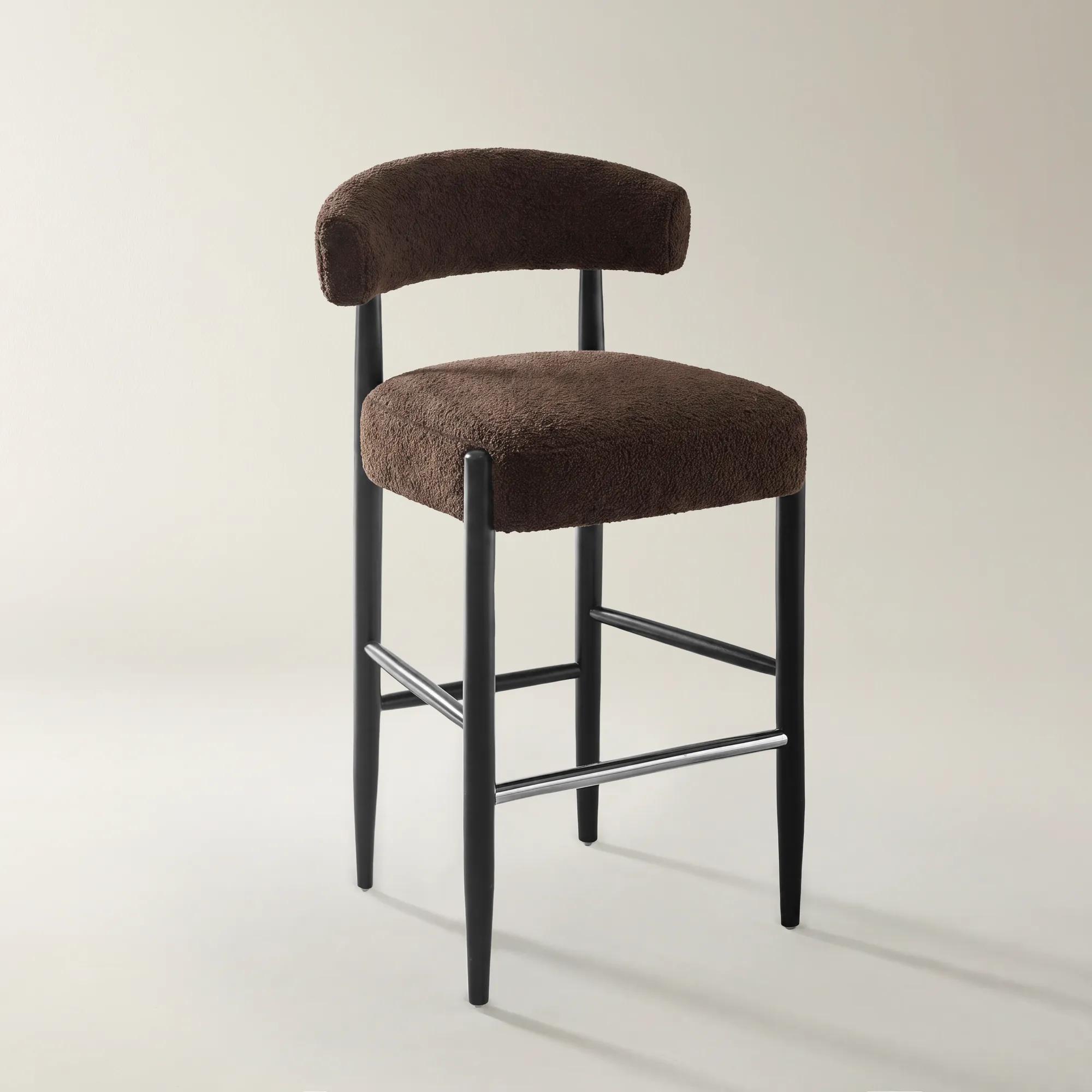 Anna Dark Chocolate Chenille Bar/Counter Stool$449
A dark chocolate chenille counter stool with a sculpted padded seat and solid rubberwood legs.
Add To Cart -
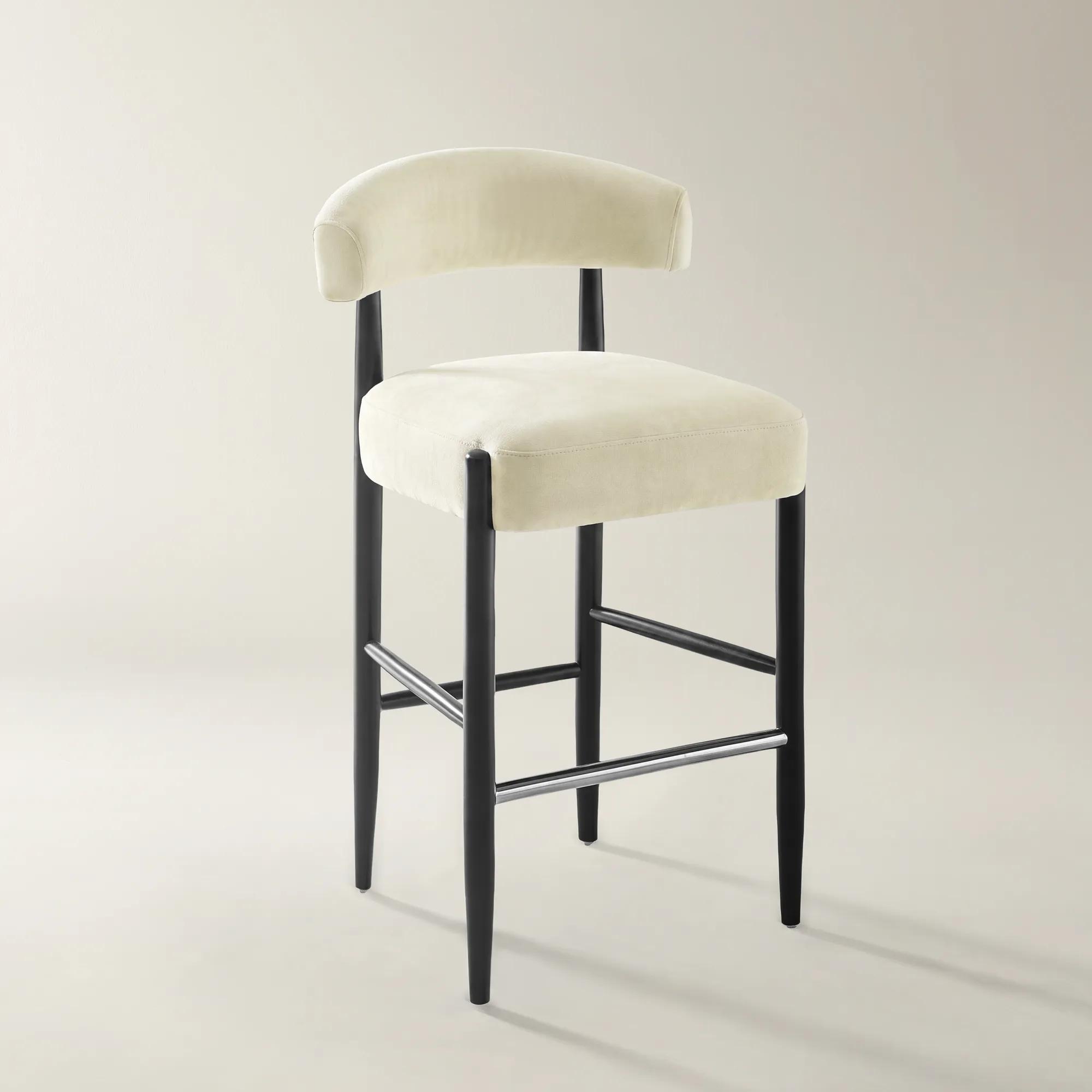 Anna Cloud Velvet Bar/Counter Stool$449
A cloud velvet counter stool with sculpted padded support and tapered solid-rubberwood legs.
Add To Cart -
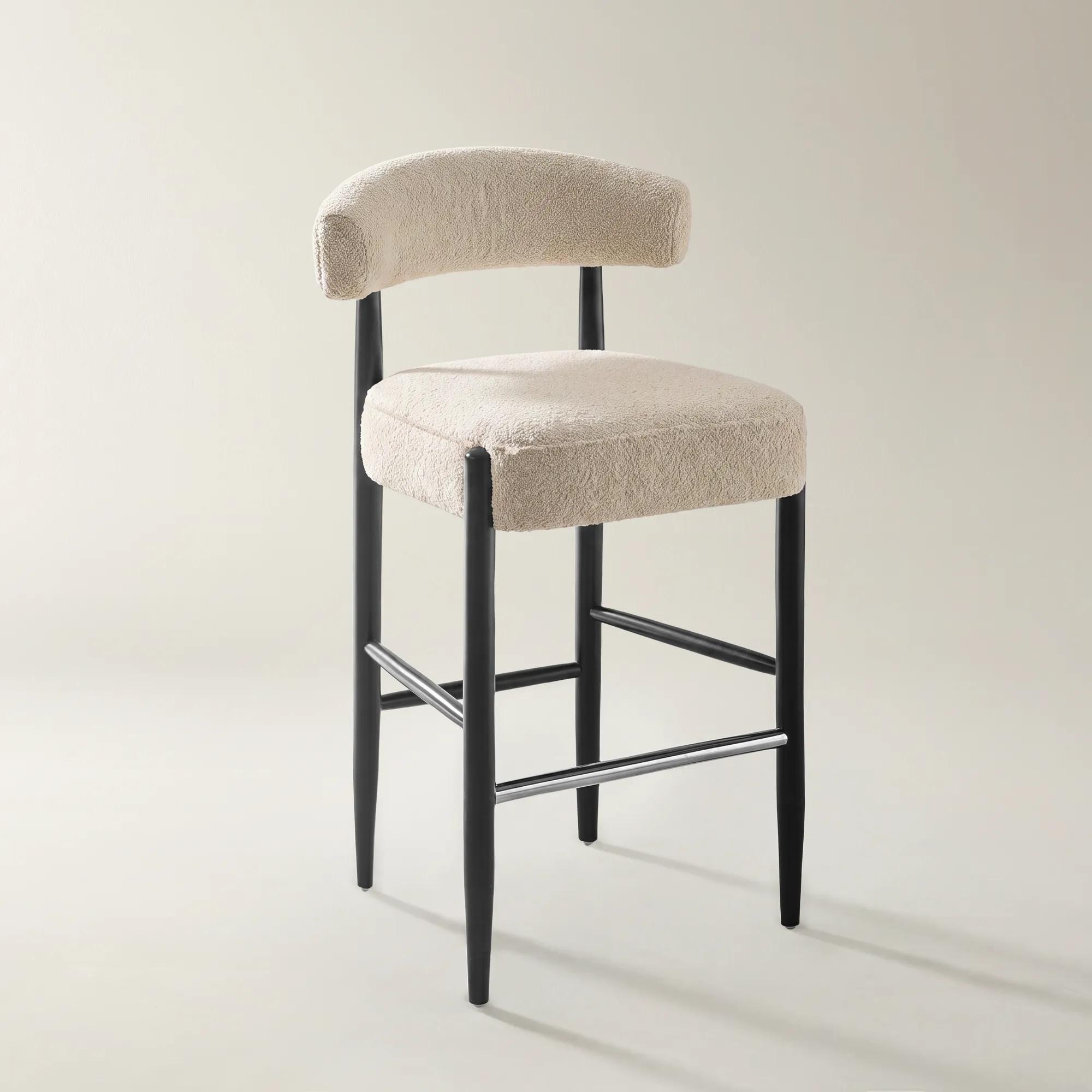 Anna Utopia Sand Chenille Bar/Counter Stool$449
A chenille bar stool with a sculpted padded seat, kiln-dried hardwood frame, and solid rubberwood legs.
Add To Cart -
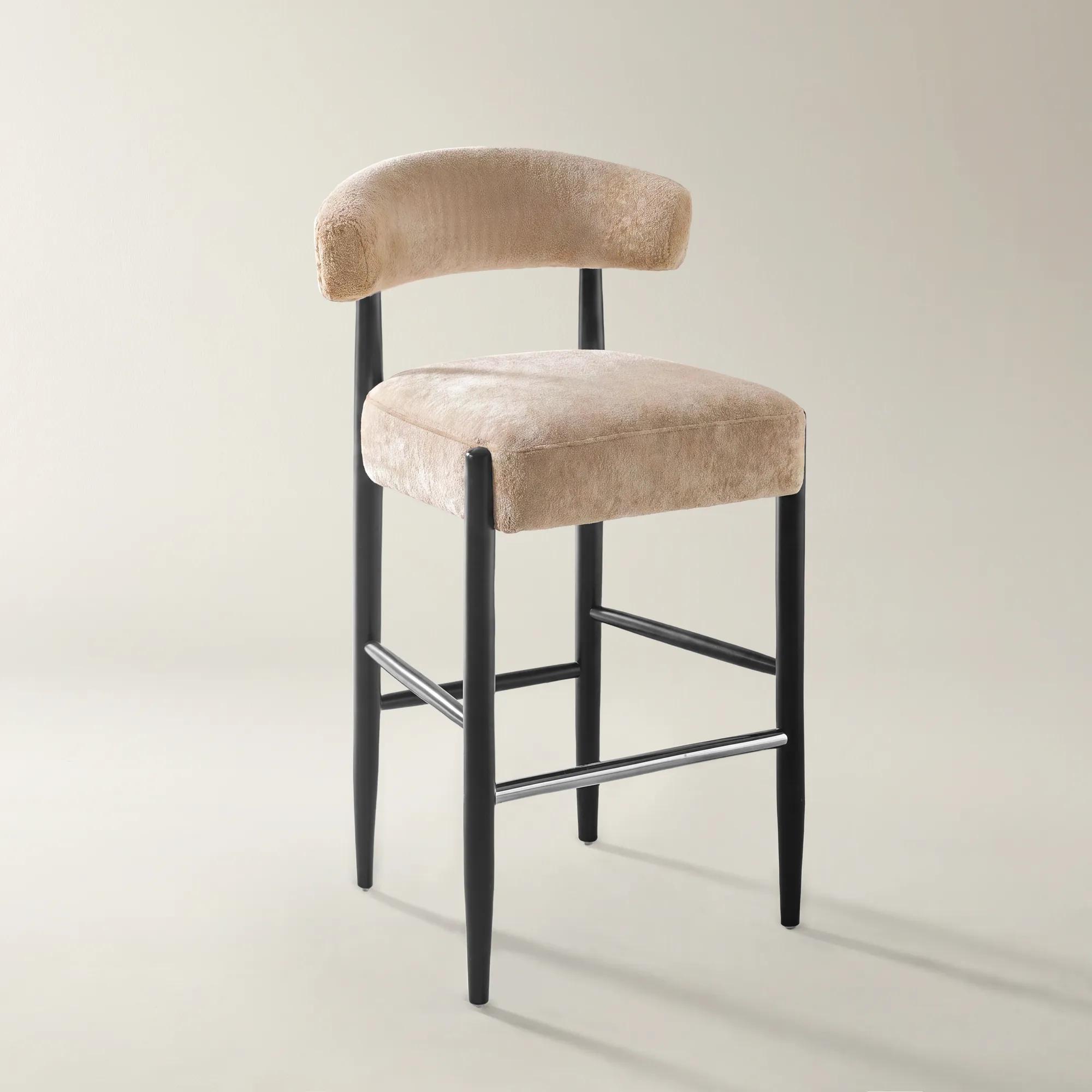 Anna Light Brown Chenille Bar/Counter Stool$449
A brown chenille counter stool with a sculpted back, padded seat, and tapered solid-rubberwood legs.
Add To Cart -
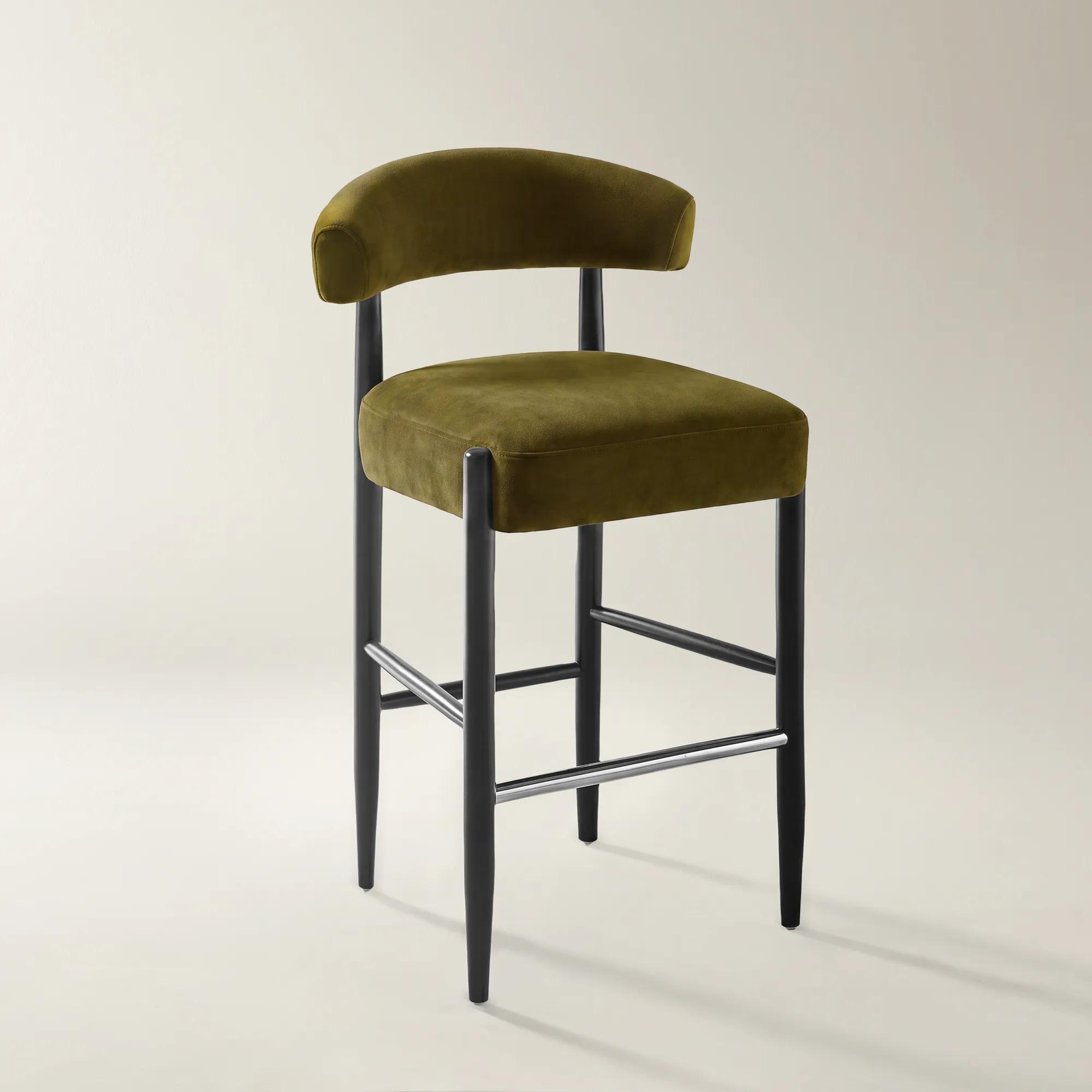 Anna Deep Olive Velvet Bar/Counter Stool$449
A green velvet bar stool with a sculpted padded seat, tailored upholstery, and tapered solid-rubberwood legs.
Add To Cart -
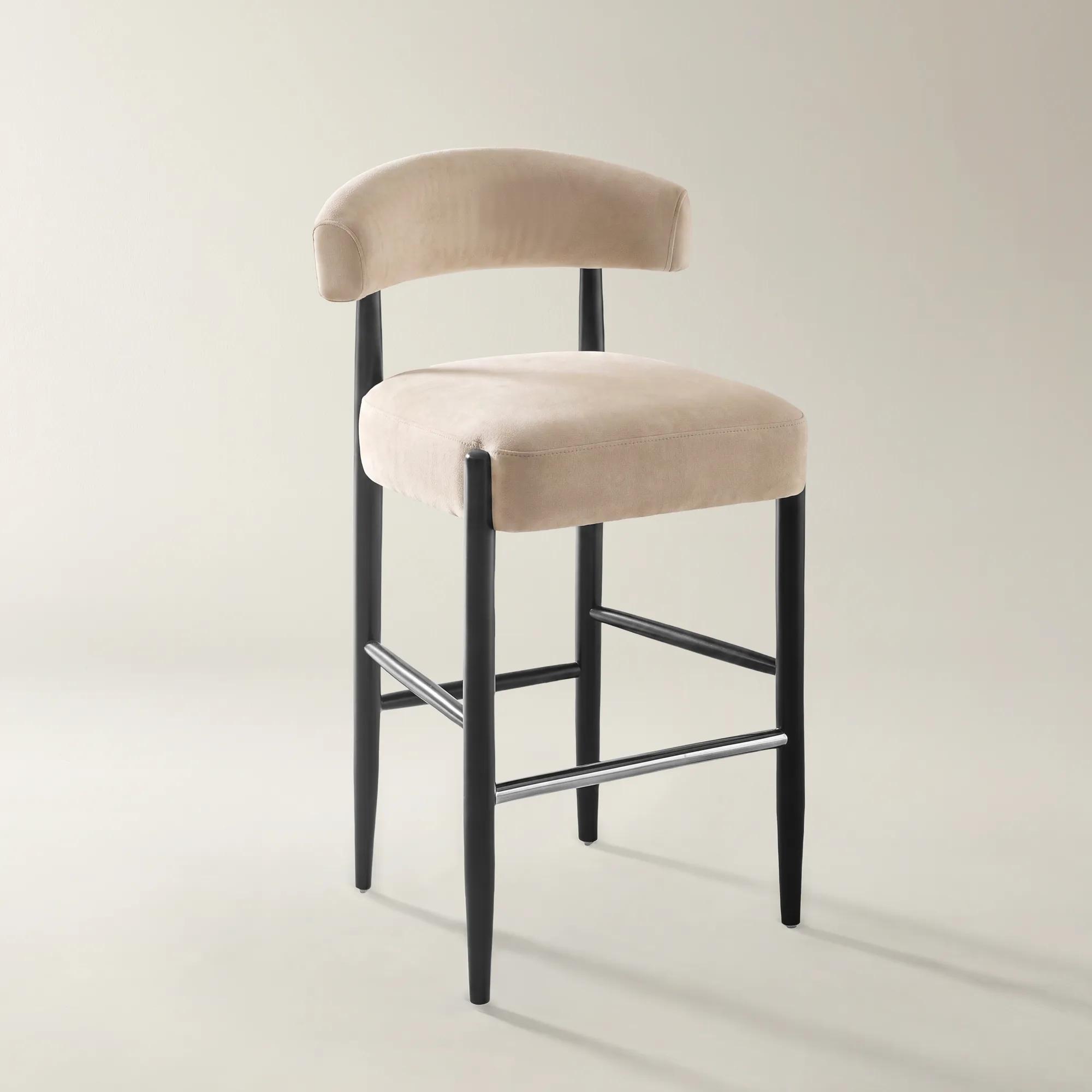 Anna Simply Taupe Velvet Bar/Counter Stool$449
A taupe velvet counter stool with a sculpted back, padded seat, and tapered solid-rubberwood base.
Add To Cart -
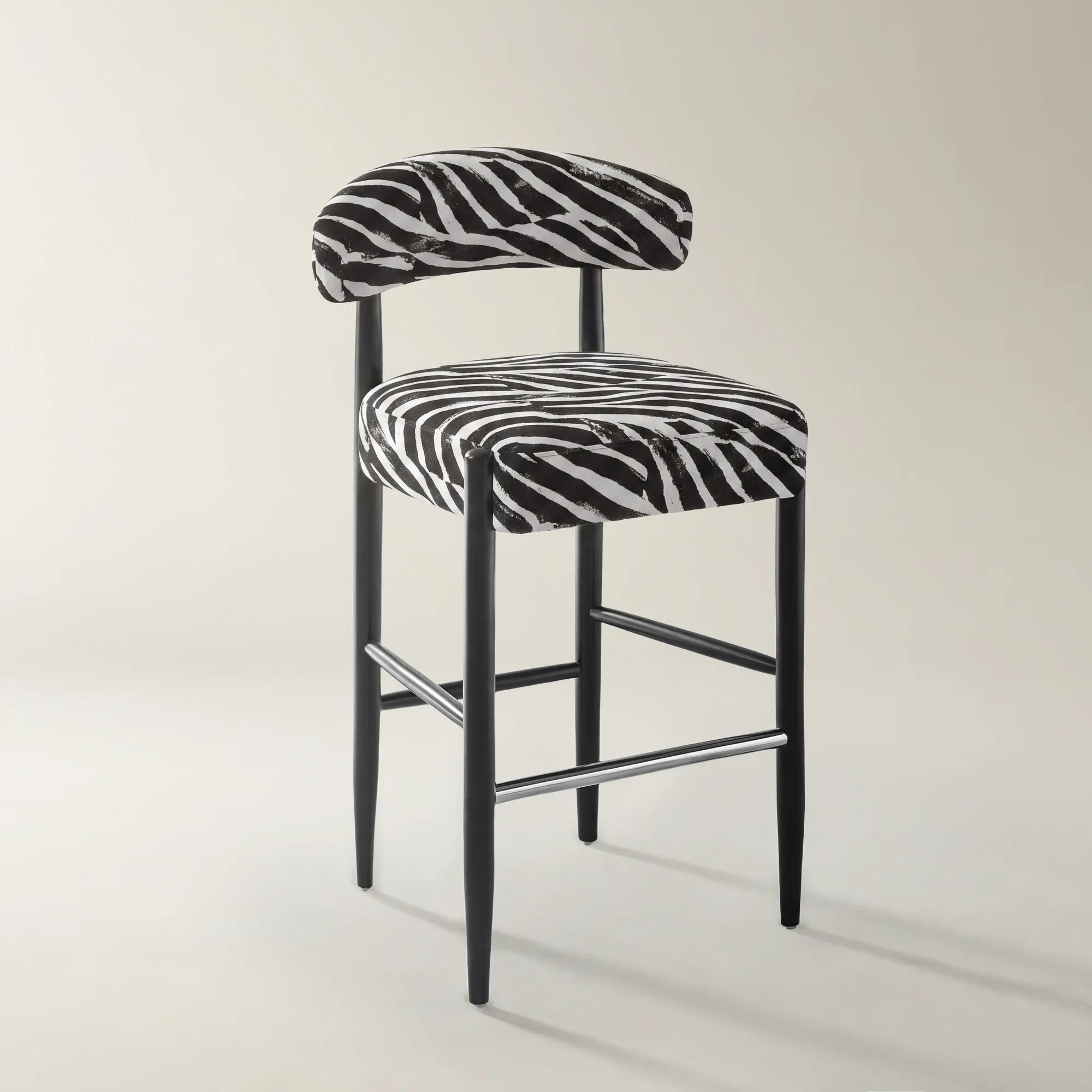 Anna White/Black Performance Chenille Bar/Counter Stool$449
A black-and-white chenille bar stool with a sculpted back, padded seat, and tapered solid rubberwood legs.
Add To Cart -
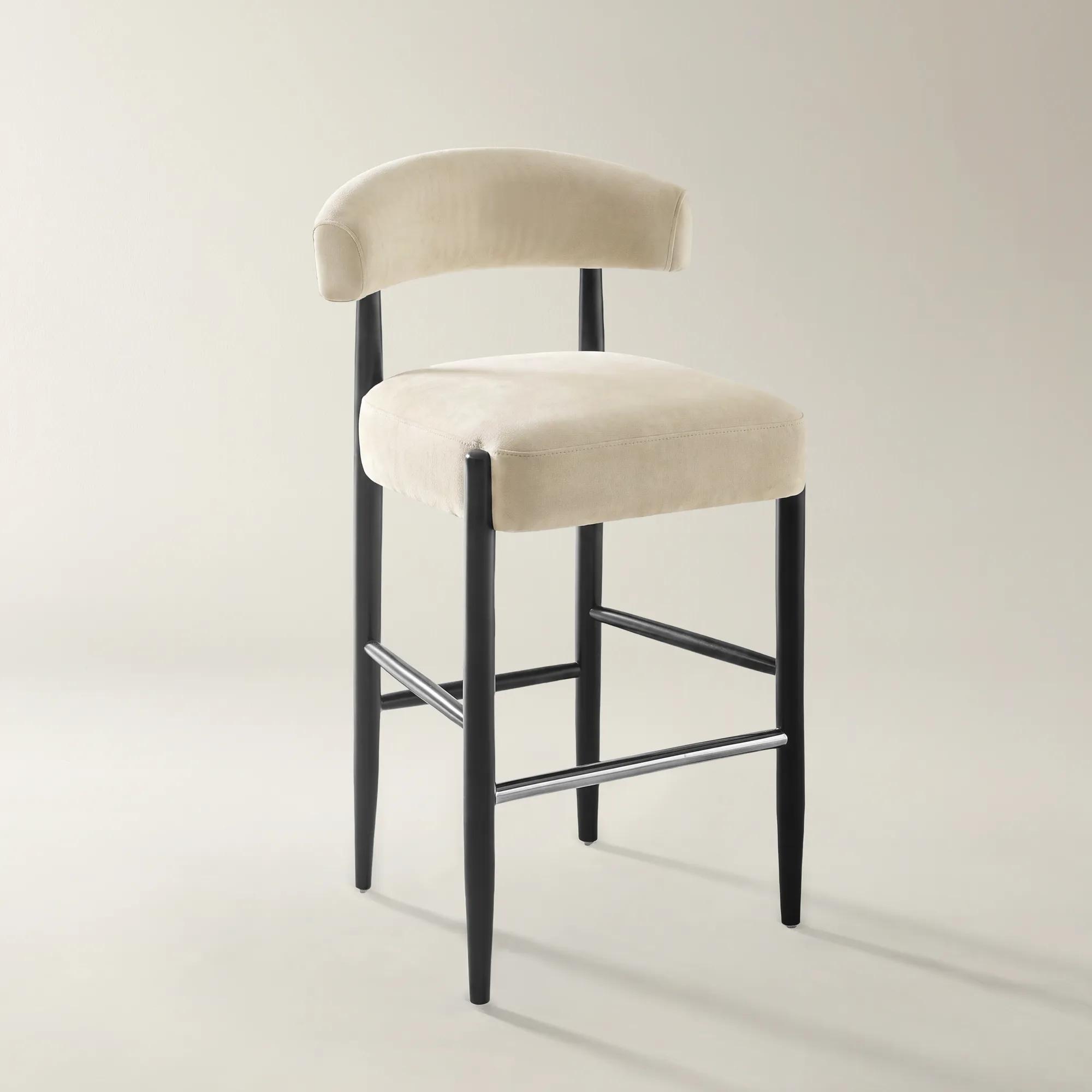 Anna Oatmeal Velvet Bar/Counter Stool$449
A counter stool with oatmeal velvet upholstery, sculpted back, padded seat, and solid rubberwood legs.
Add To Cart -
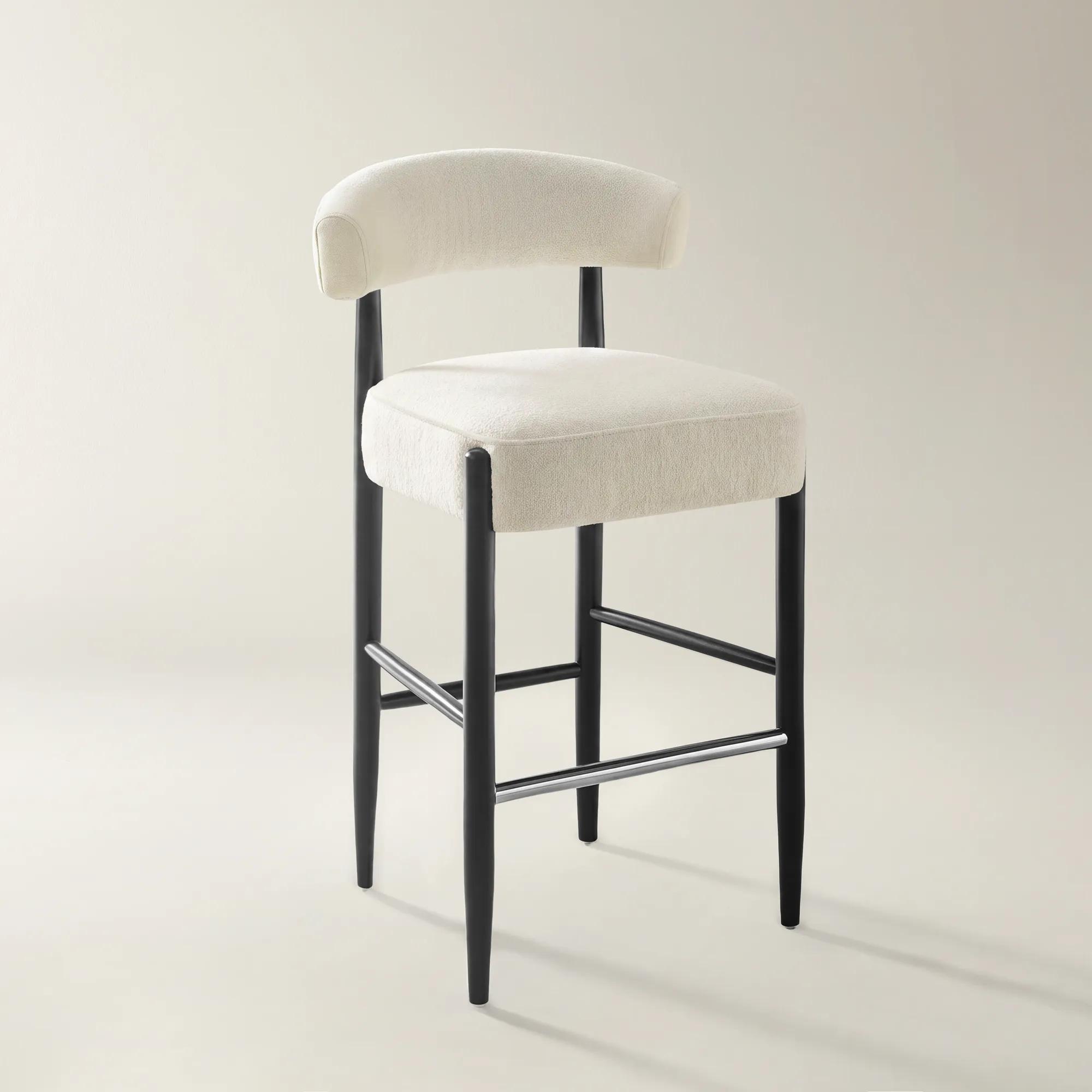 Anna Ivory Performance Chenille Bar/Counter Stool$449
An ivory performance-chenille bar stool with a sculpted back, padded seat, and tapered solid-rubberwood legs.
Add To Cart -
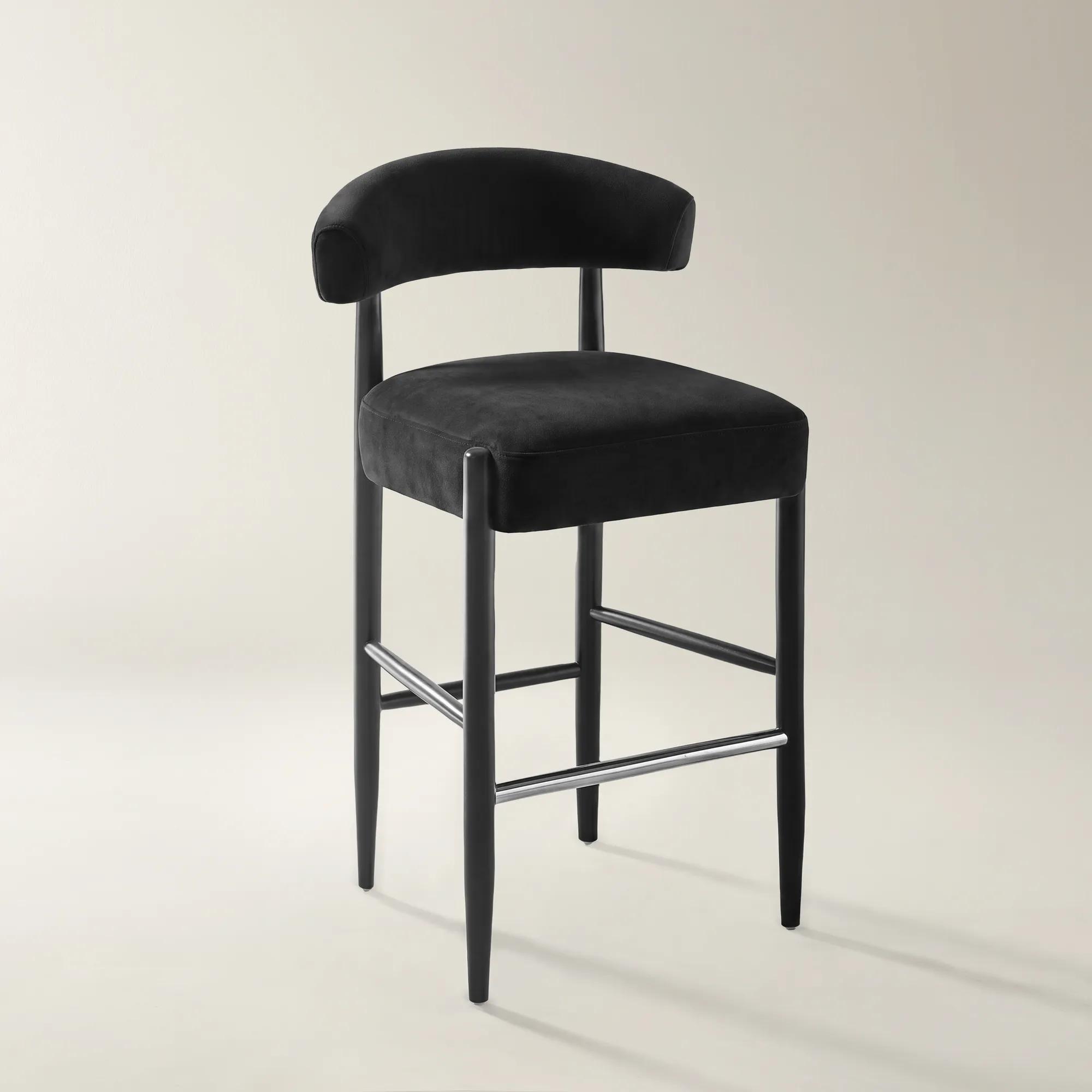 Anna Charcoal Velvet Bar/Counter Stool$449
A charcoal velvet bar stool with a sculpted padded seat and solid rubberwood legs.
Add To Cart -
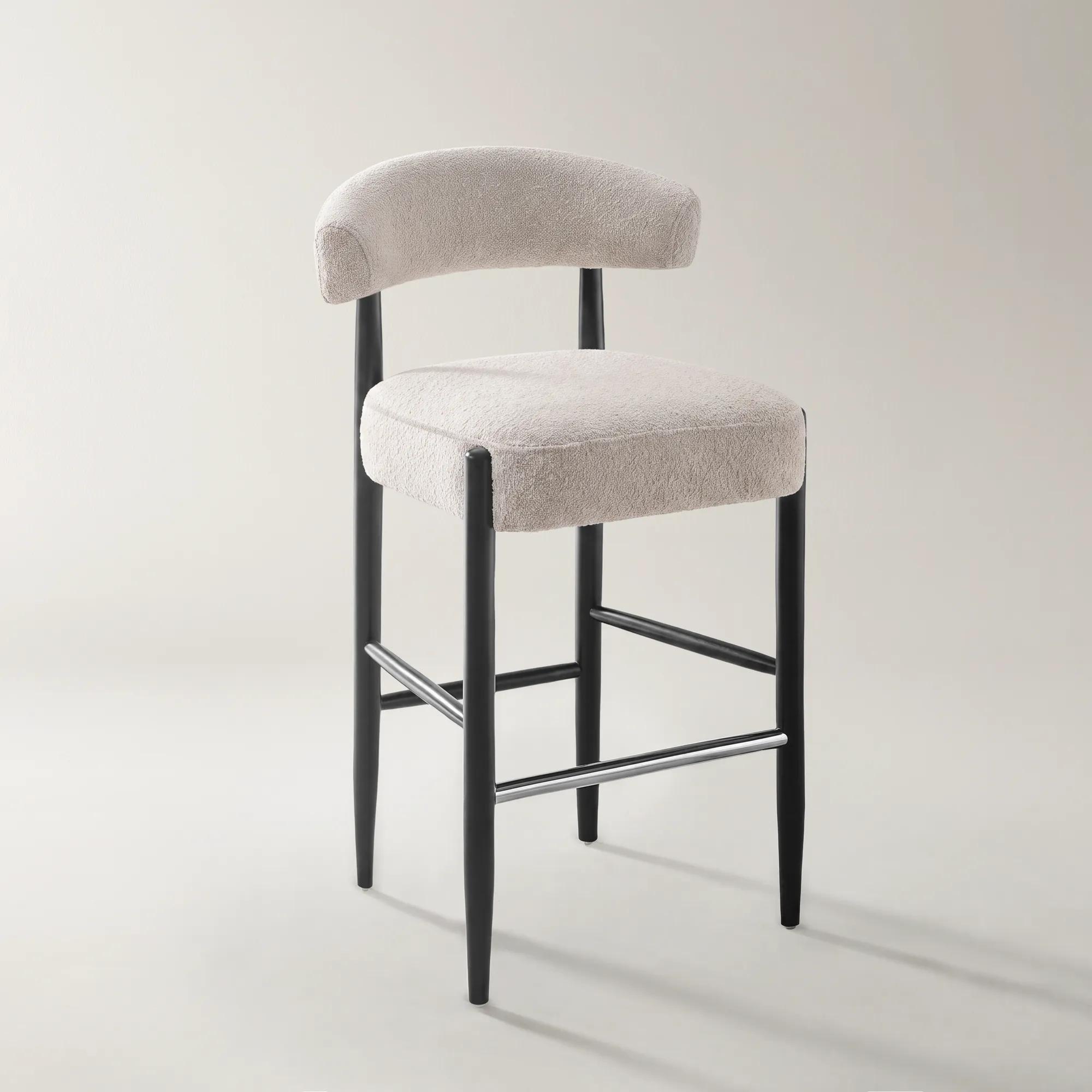 Anna Ivory Performance Boucle Bar/Counter Stool$449
An ivory performance-bouclé bar stool with sculpted padded support and tapered solid-rubberwood legs.
Add To Cart -
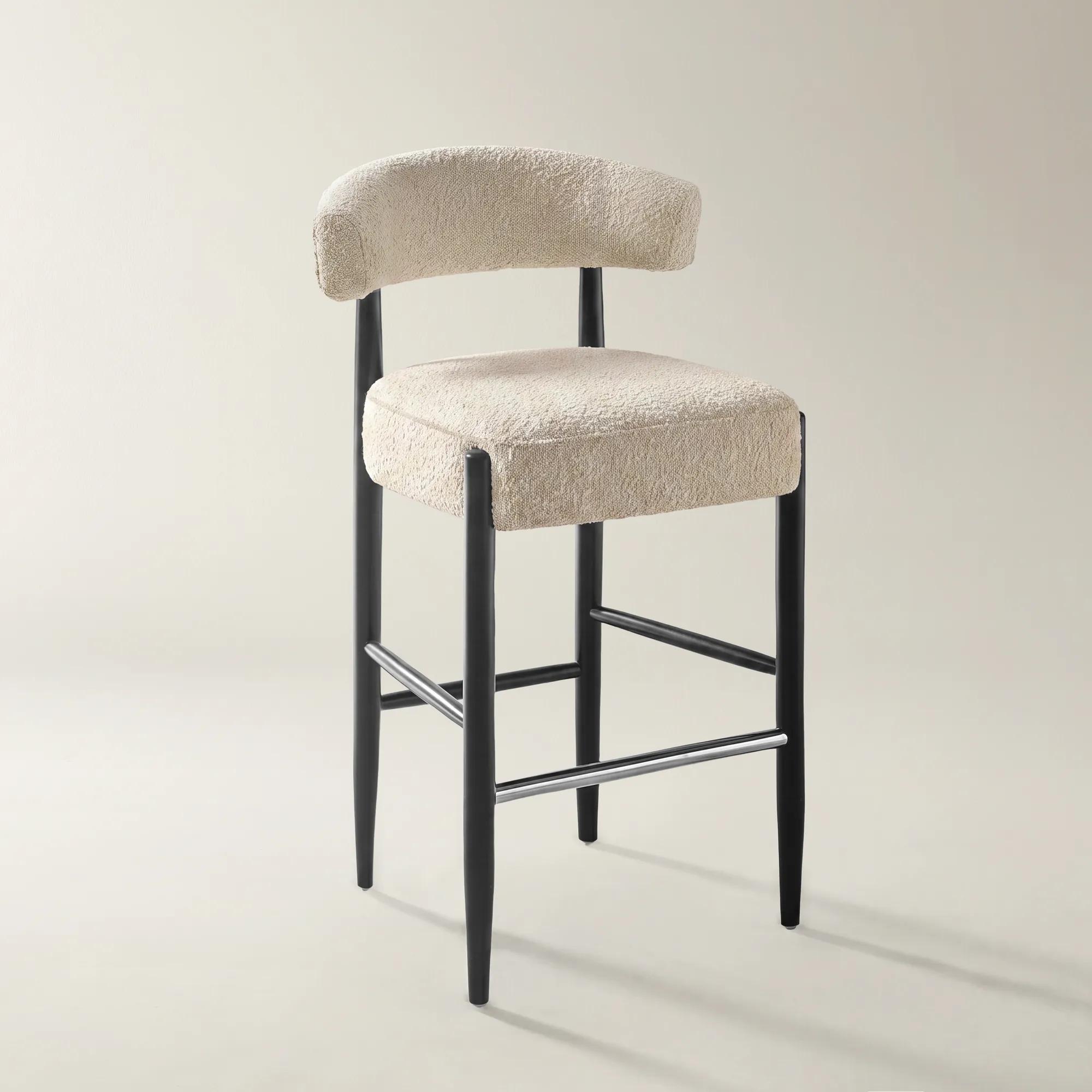 Anna Ivory Performance Boucle Bar/Counter Stool$449
A counter stool with ivory performance boucle upholstery, sculpted support, and tapered solid rubberwood legs.
Add To Cart -
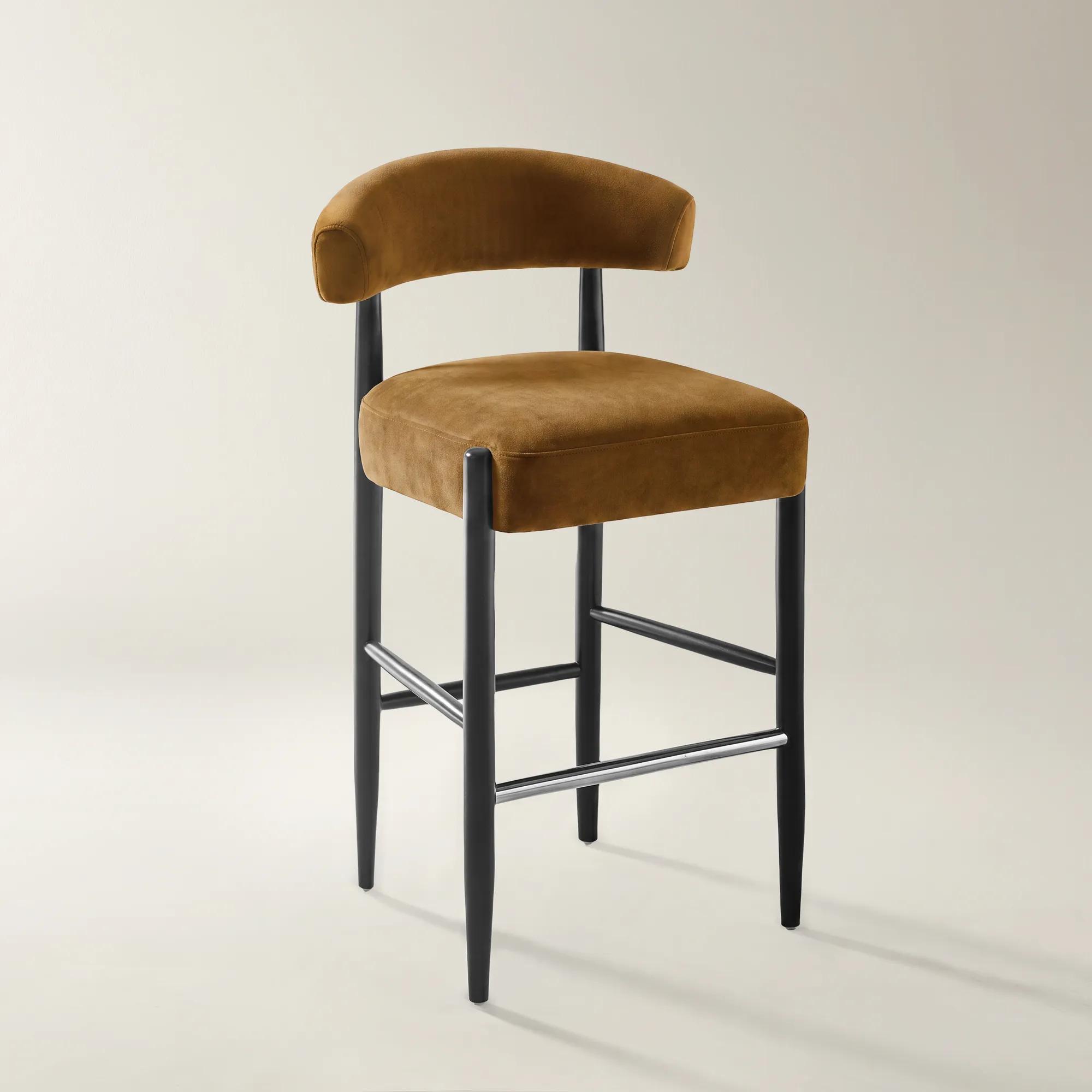 Anna Roasted Pecan Velvet Bar/Counter Stool$449
A roasted pecan velvet bar stool with a sculpted padded back, custom upholstery, and tapered solid-rubberwood legs.
Add To Cart -
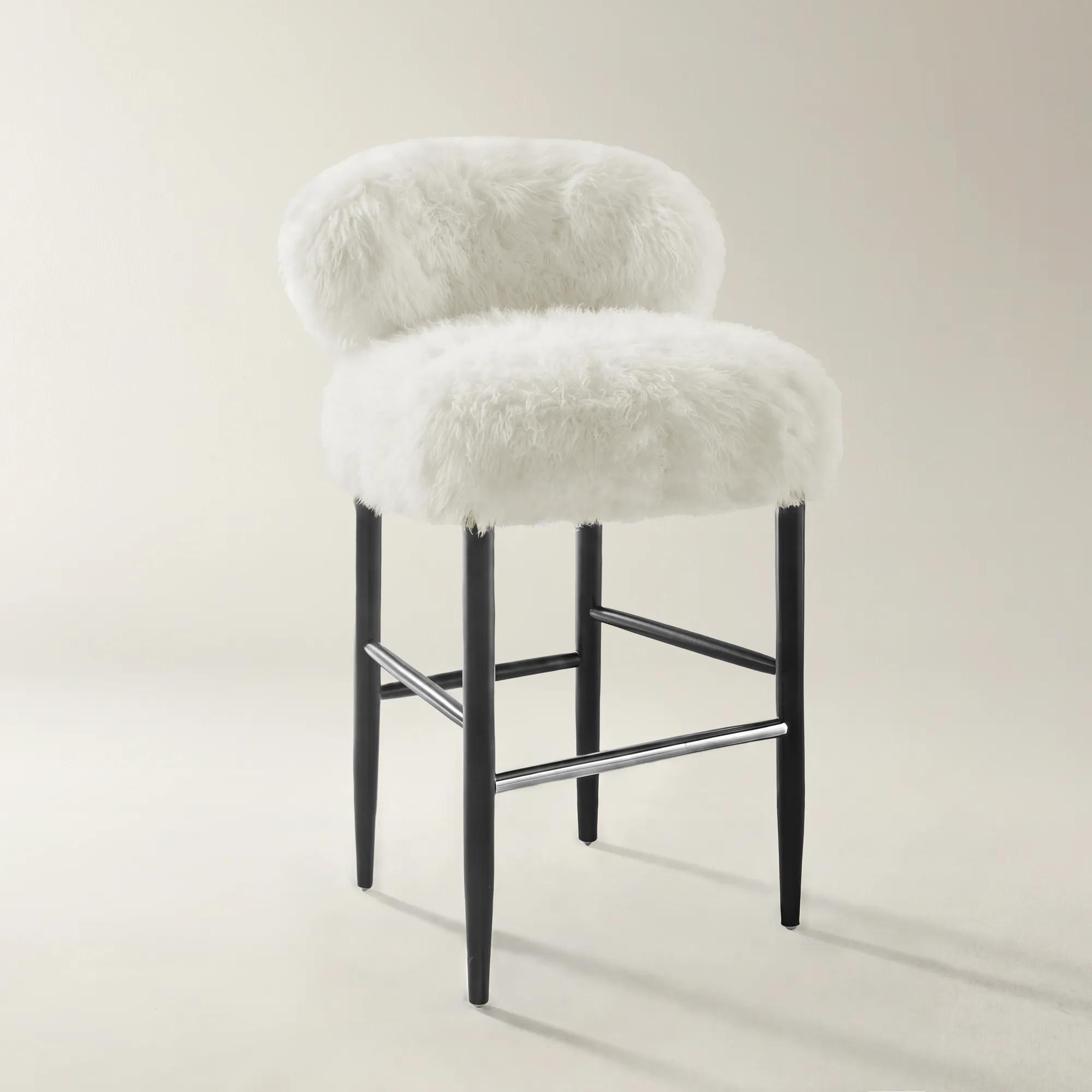 Anna Ivory Faux Fur Bar/Counter Stool$549
An ivory faux-fur counter stool with sculpted support, padded seating, and tapered solid-rubberwood legs.
Add To Cart -
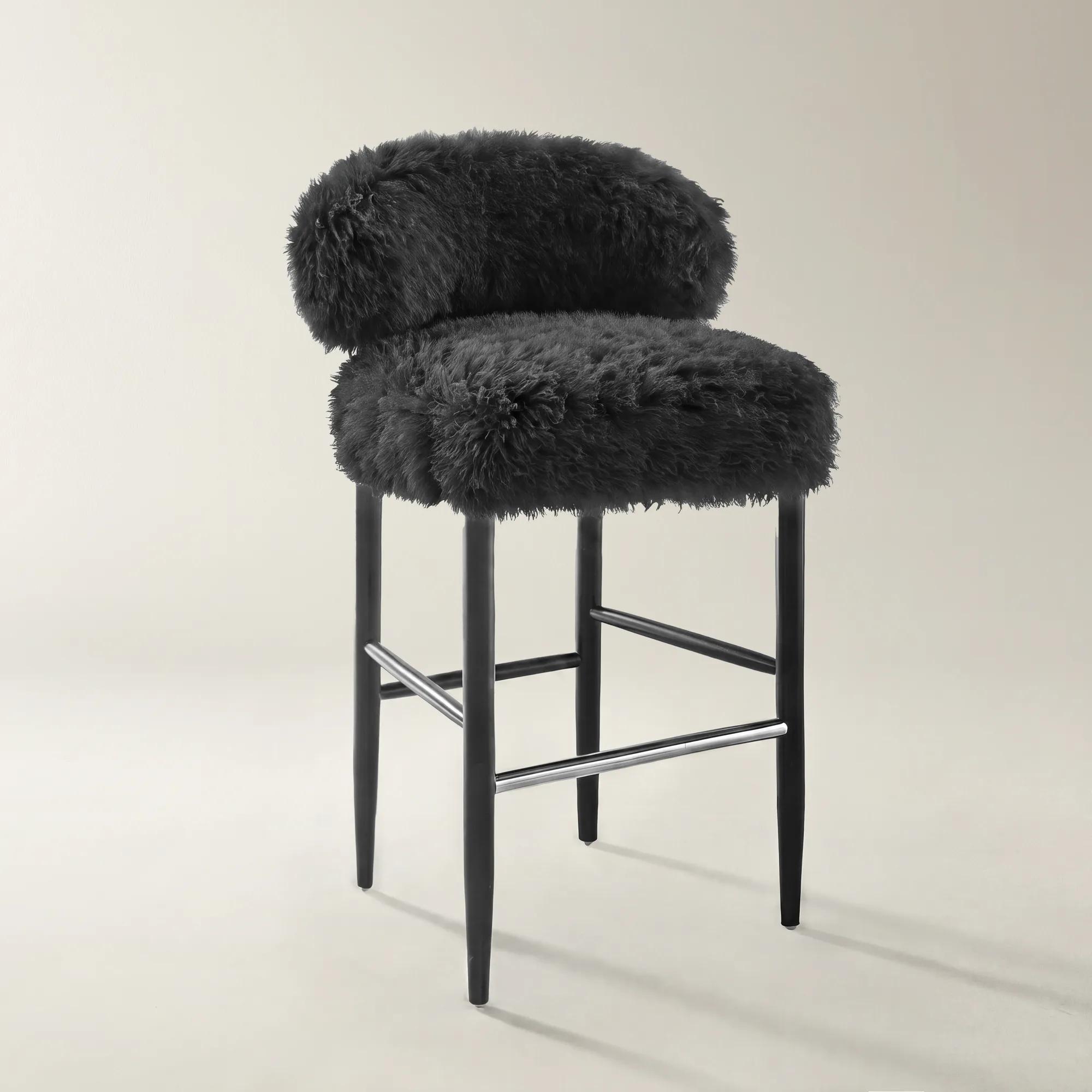 Anna Black Faux Fur Bar/Counter Stool$549
A black faux-fur bar stool with a sculpted back, padded seat, and solid rubberwood legs.
Add To Cart -
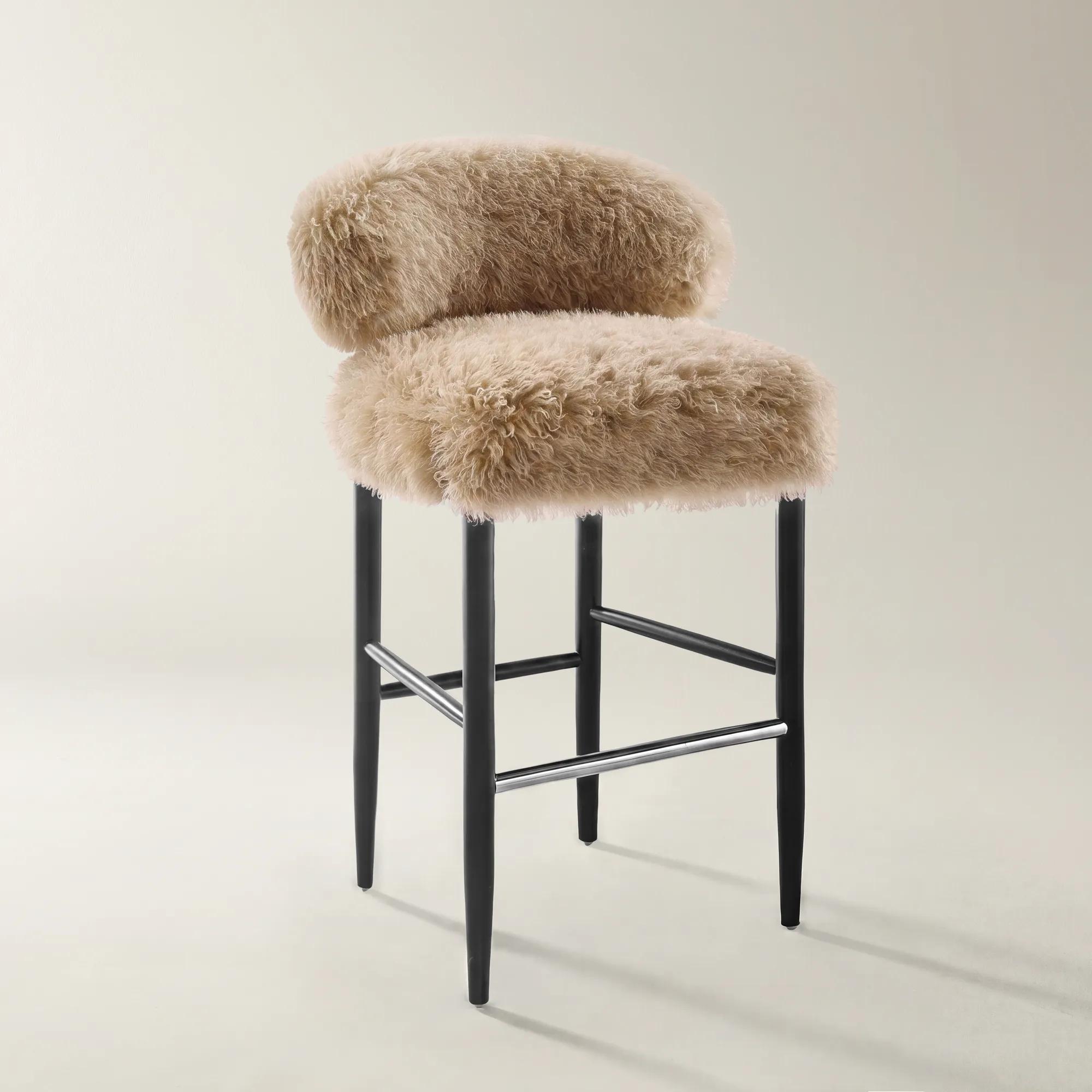 Anna Tan Faux Fur Bar/Counter Stool$549
A tan faux-fur bar stool with a sculpted padded seat and tapered solid-rubberwood legs.
Add To Cart -
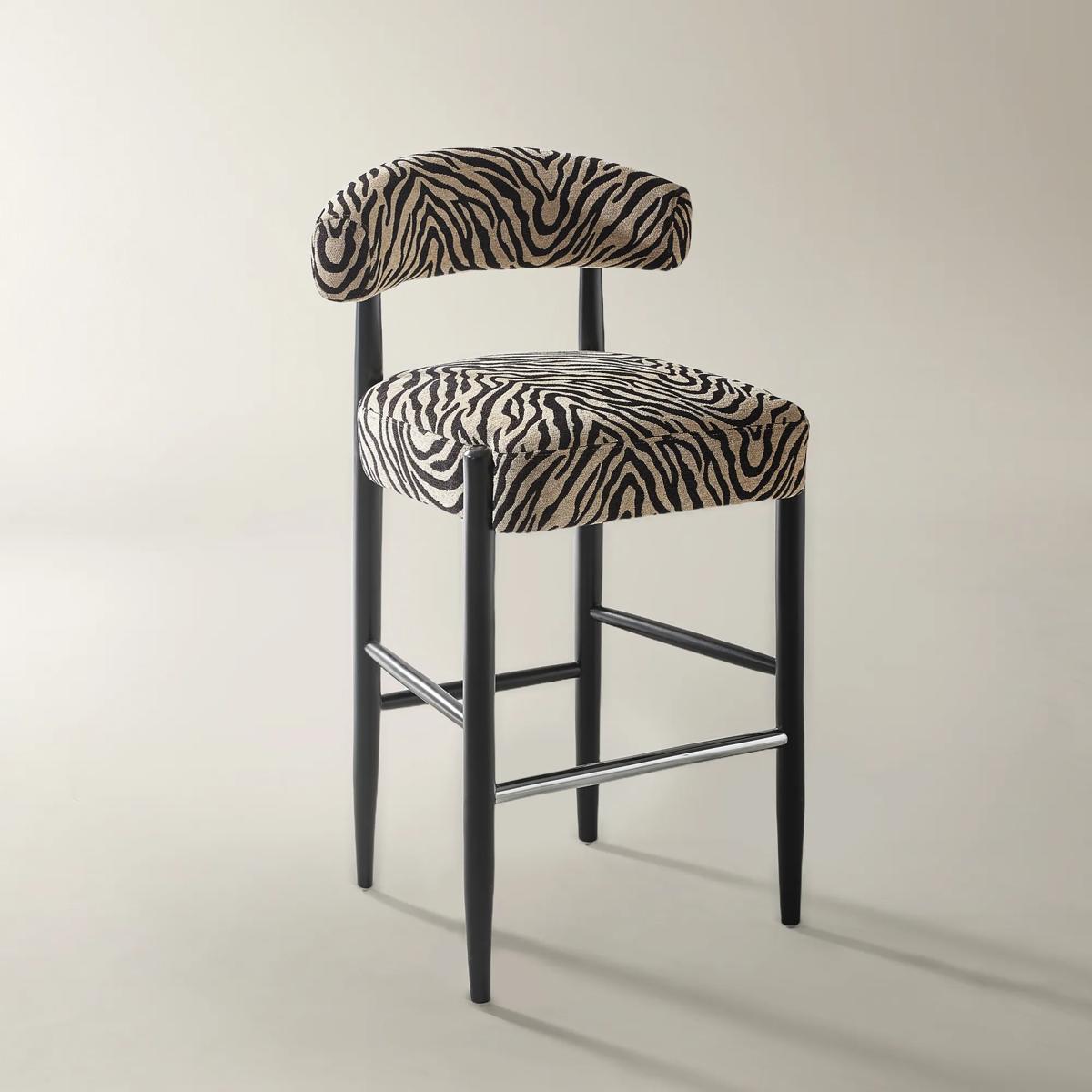
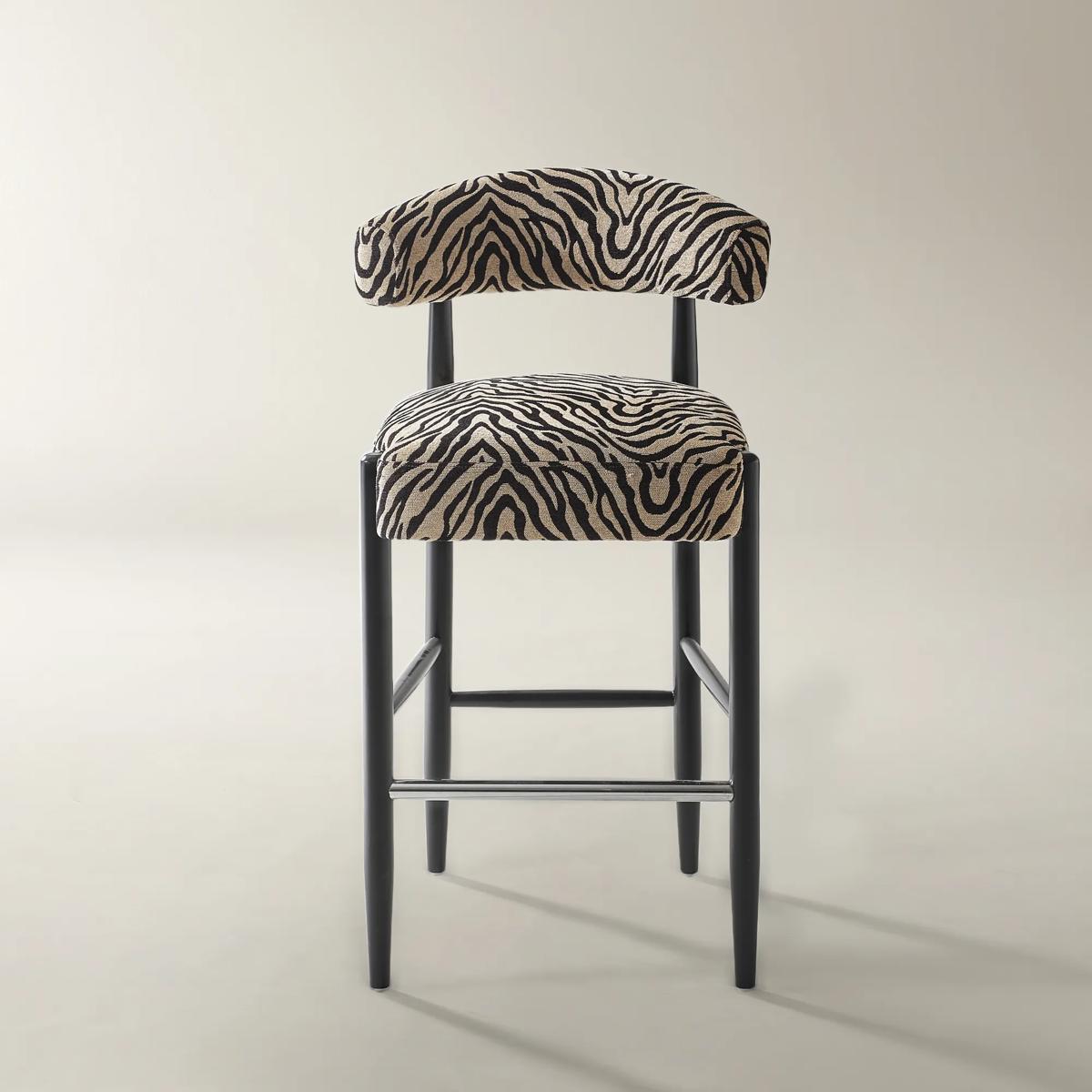 Anna Zebra Chenille Bar/Counter Stool$449
A bar stool with zebra-patterned chenille upholstery, sculpted padding, and tapered solid-rubberwood legs.
Add To Cart -
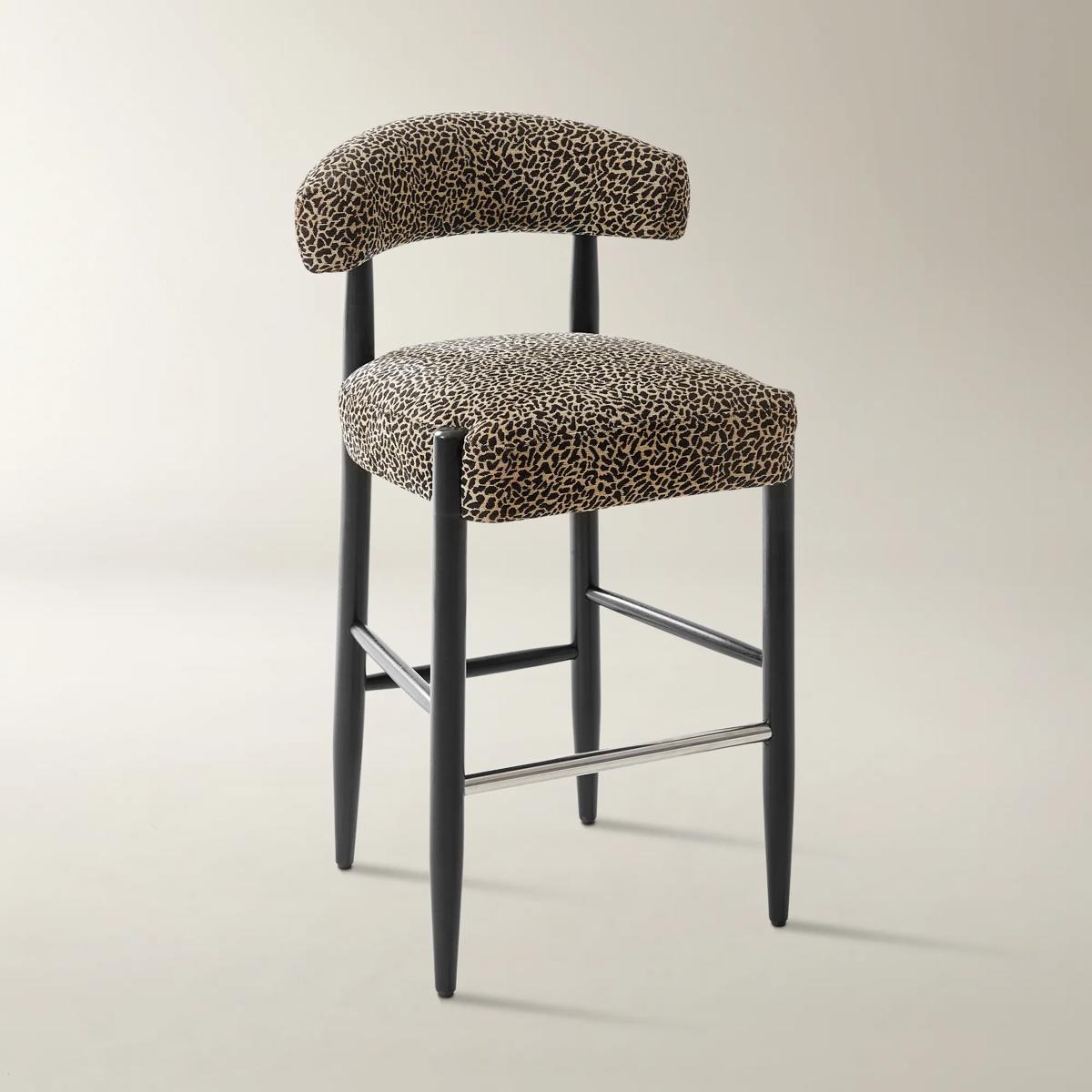
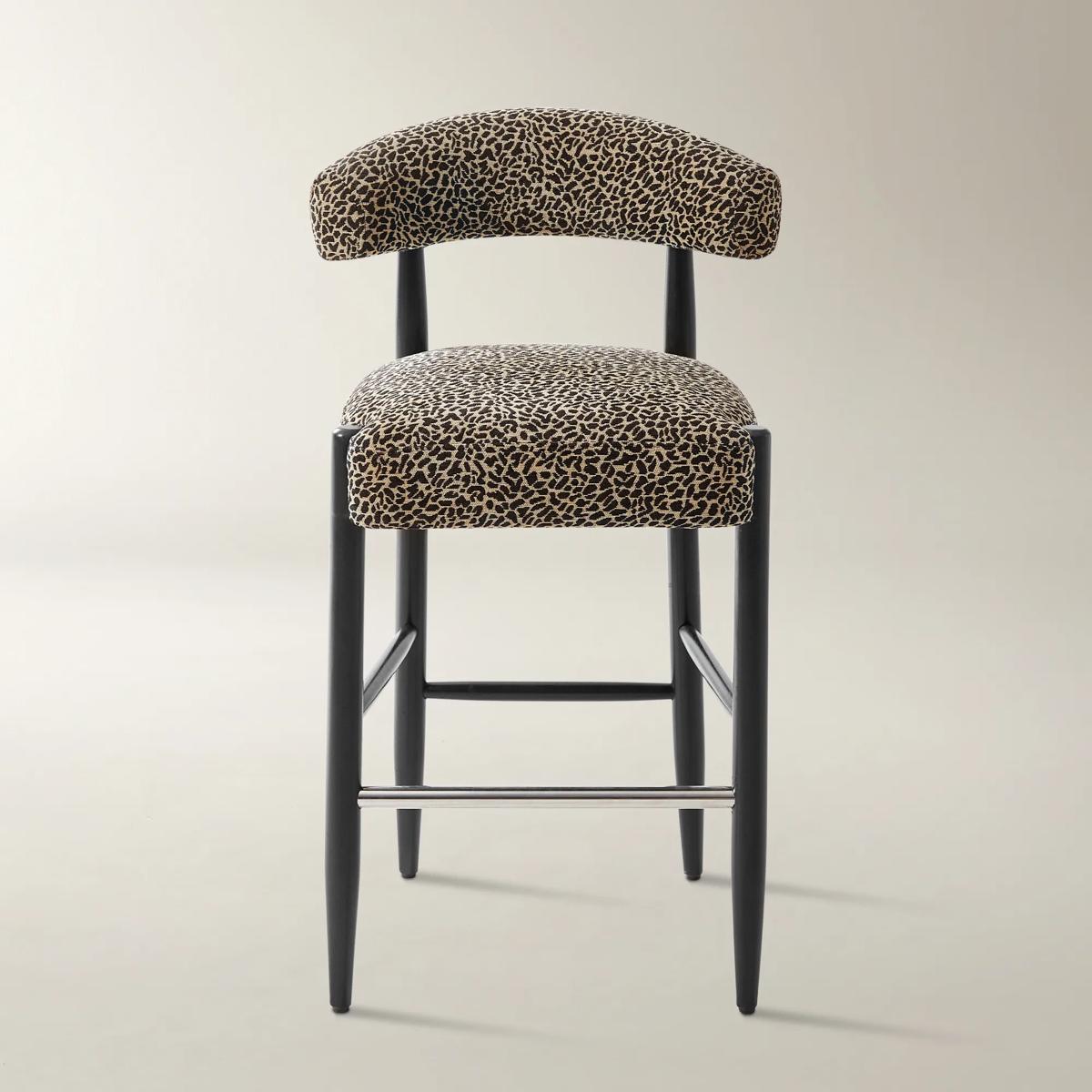 Anna Leopard Chenille Bar/Counter Stool$449
A leopard-patterned chenille bar stool with sculpted padded support and tapered solid rubberwood legs.
Add To Cart -
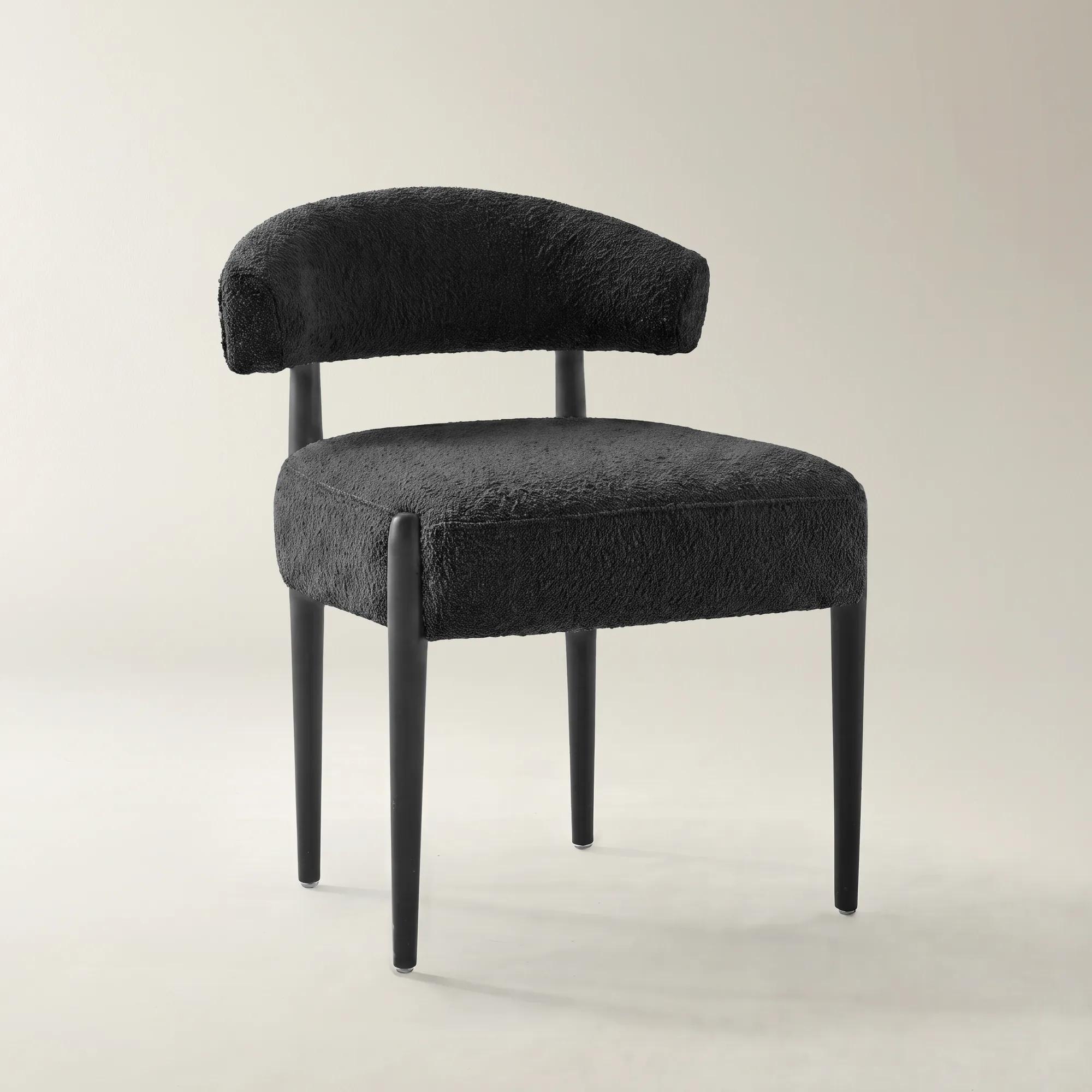
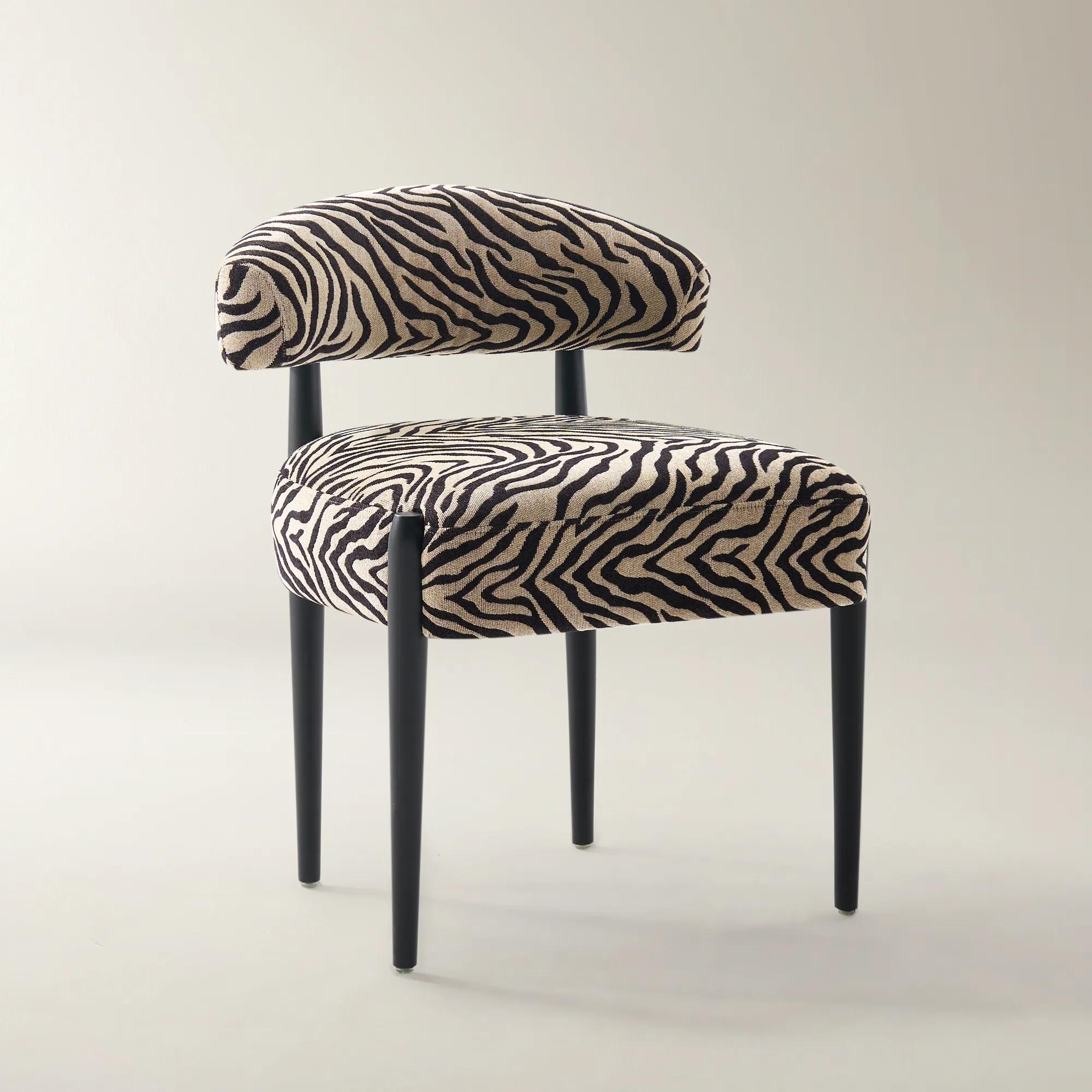 Anna Black Chenille Dining Chair Set of 2$699
A charcoal chenille dining chair set with curved backs, high-density foam cushioning, and rubberwood legs.
Add To Cart -
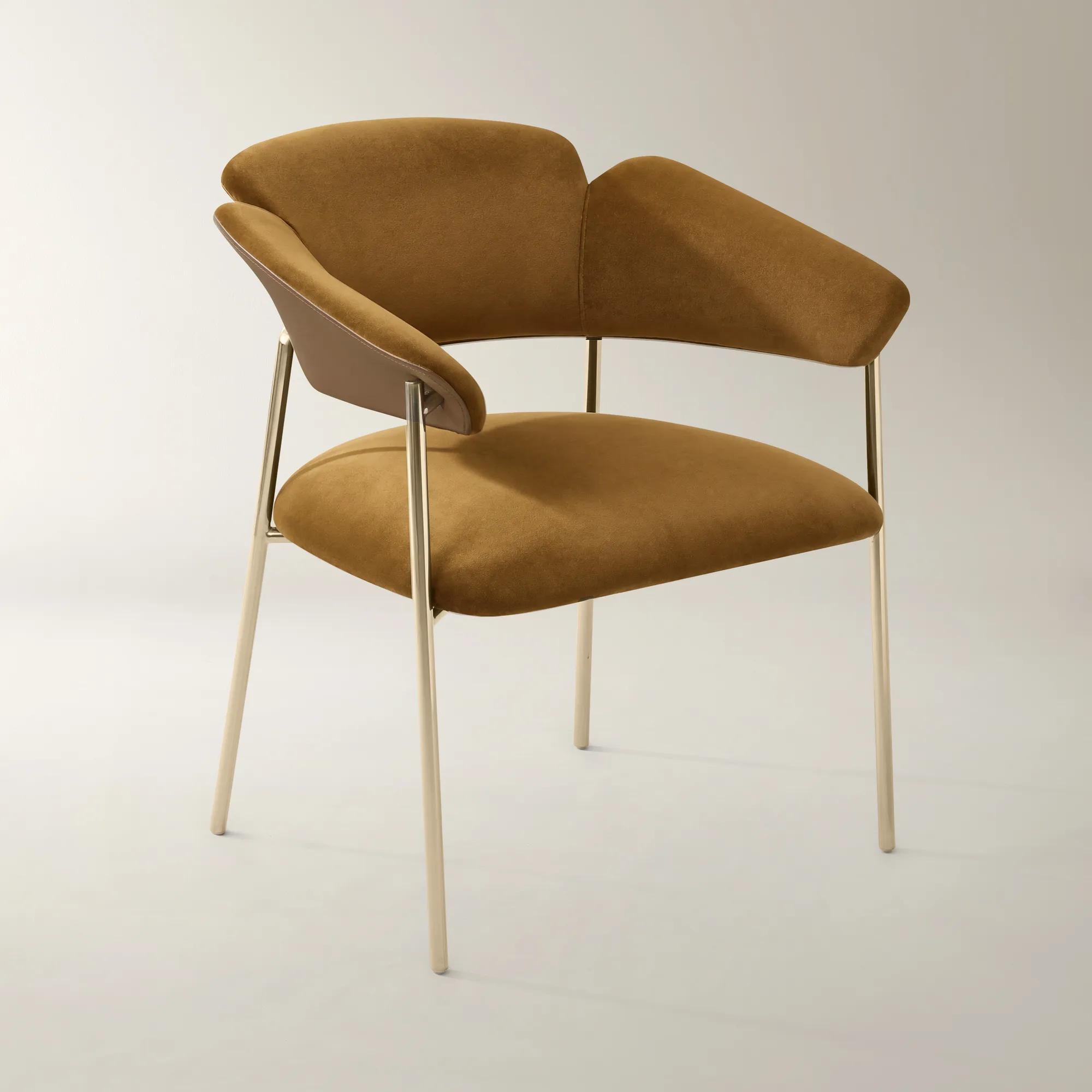 Odette Roasted Pecan Velvet Dining Chair$499
A sculptural dining chair featuring roasted pecan velvet, tonal faux leather accents, and gold stainless steel legs.
Add To Cart -
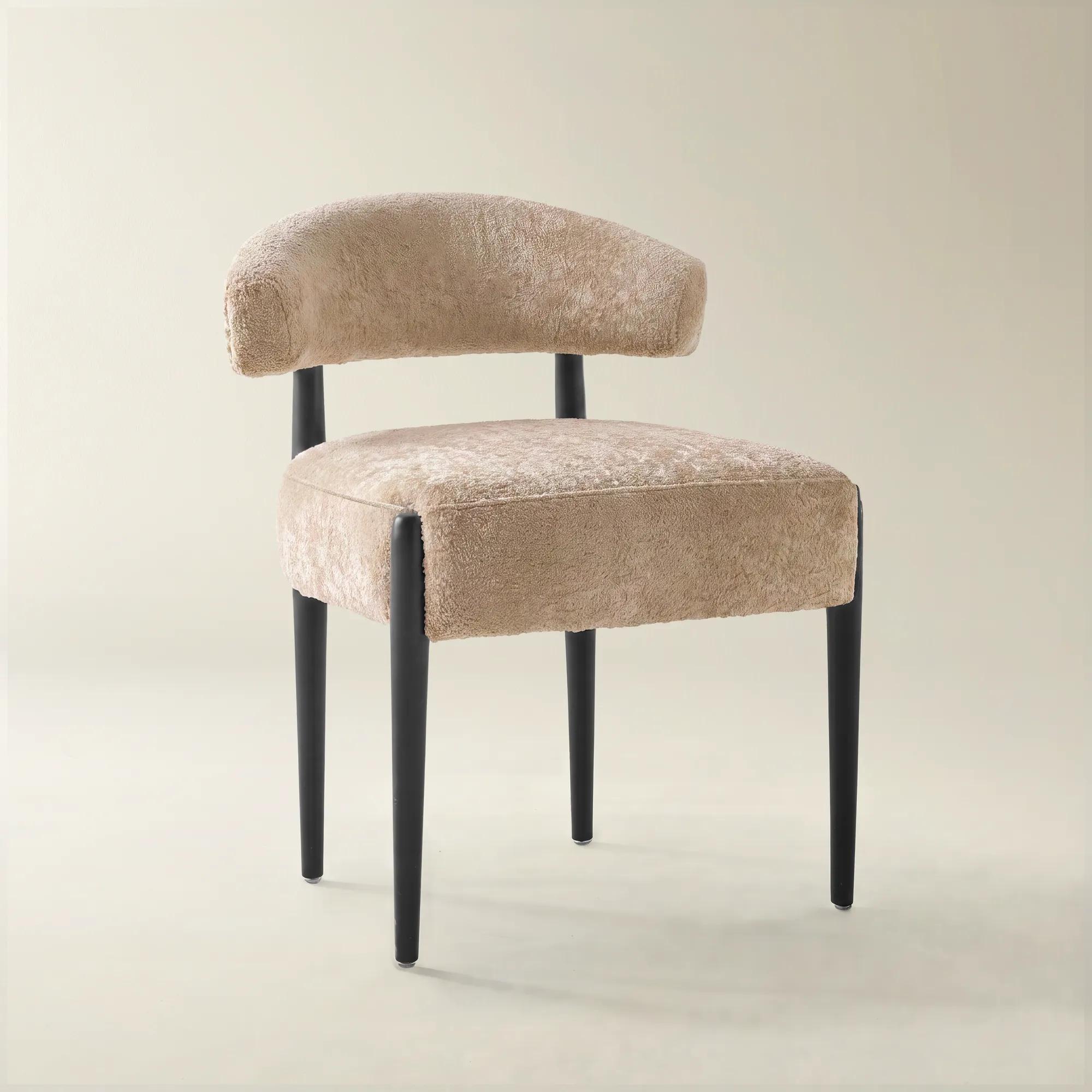 Anna Light Brown Chenille Dining Chair Set of 2$699
A light brown chenille chair set featuring arched backs, high-density foam cushioning, and solid rubberwood legs.
Add To Cart -
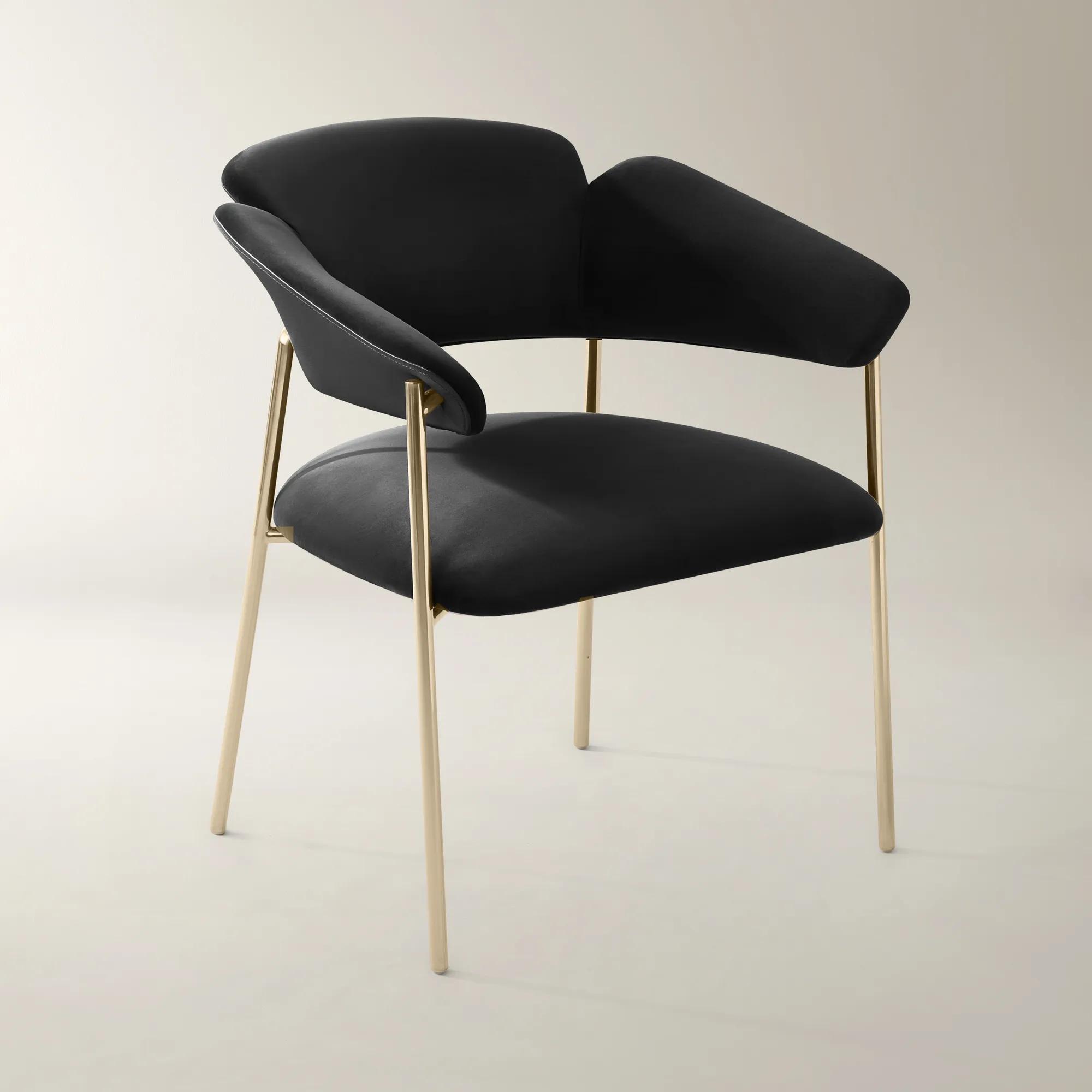 Odette Charcoal Velvet Dining Chair$499
A charcoal velvet chair featuring a wraparound open-back design, tonal faux leather accents, and gold metal legs.
Add To Cart

Stylish Furniture For Open Kitchens
Stylish Furniture for Open Kitchens transforms culinary spaces into captivating showcases of artistry and ease. Here, every piece is curated to harmonize with the fluidity of modern living—where the kitchen is not just a place to cook, but a stage for gathering, entertaining, and self-expression. Discover furnishings that blur boundaries and invite conversation, infusing your open kitchen with sculptural silhouettes, rich textures, and an unmistakable sense of grandeur. Elevate the heart of your home with designs that create seamless transitions and unforgettable moments at every turn.
Stylish furniture for open kitchens connects cooking, dining, and living areas through coordinated seating, versatile tables, and storage that keeps everyday essentials close without interrupting the room’s visual flow. In an open layout, furniture does more than furnish individual zones: it establishes where conversation gathers, where a meal becomes an occasion, and how the kitchen belongs to the larger interior. A sculptural dining table can give an otherwise undefined dining area a confident center, while upholstered counter stools introduce softness against stone surfaces and architectural cabinetry. Sideboards and consoles create a graceful transition toward the living room, lending their surfaces to expressive arrangements of ceramics, art, or gleaming accents. The most compelling combinations share a visual thread without repeating every detail. A warm wood tone might connect the dining table to a nearby cabinet, while a brushed metal finish echoes lighting or hardware. Contrasting silhouettes add dimension: curved chair backs soften linear cabinetry, and a substantial pedestal table brings presence to a room with slender furnishings. Scale matters as much as style. In a compact open kitchen, furniture with slender legs or an open base can preserve sightlines, while a generous shared space can accommodate a longer dining table and more enveloping seating. Round tables encourage conversation and ease movement around corners; rectangular tables can reinforce the architecture of a long room and provide a defined setting for larger gatherings. An extendable table offers flexibility when everyday dining occasionally gives way to a fuller guest list, provided there is room for its expanded footprint. For households where breakfast, homework, and evening entertaining share the same surroundings, furniture with a clear purpose helps the space feel composed rather than crowded. That balance allows expressive design to flourish: a dramatic chair profile, a richly grained surface, or a reflective accent becomes more captivating when the surrounding layout gives it room to breathe. Even the view from the sofa matters, because chair backs and cabinet sides become part of the living area’s visual composition.
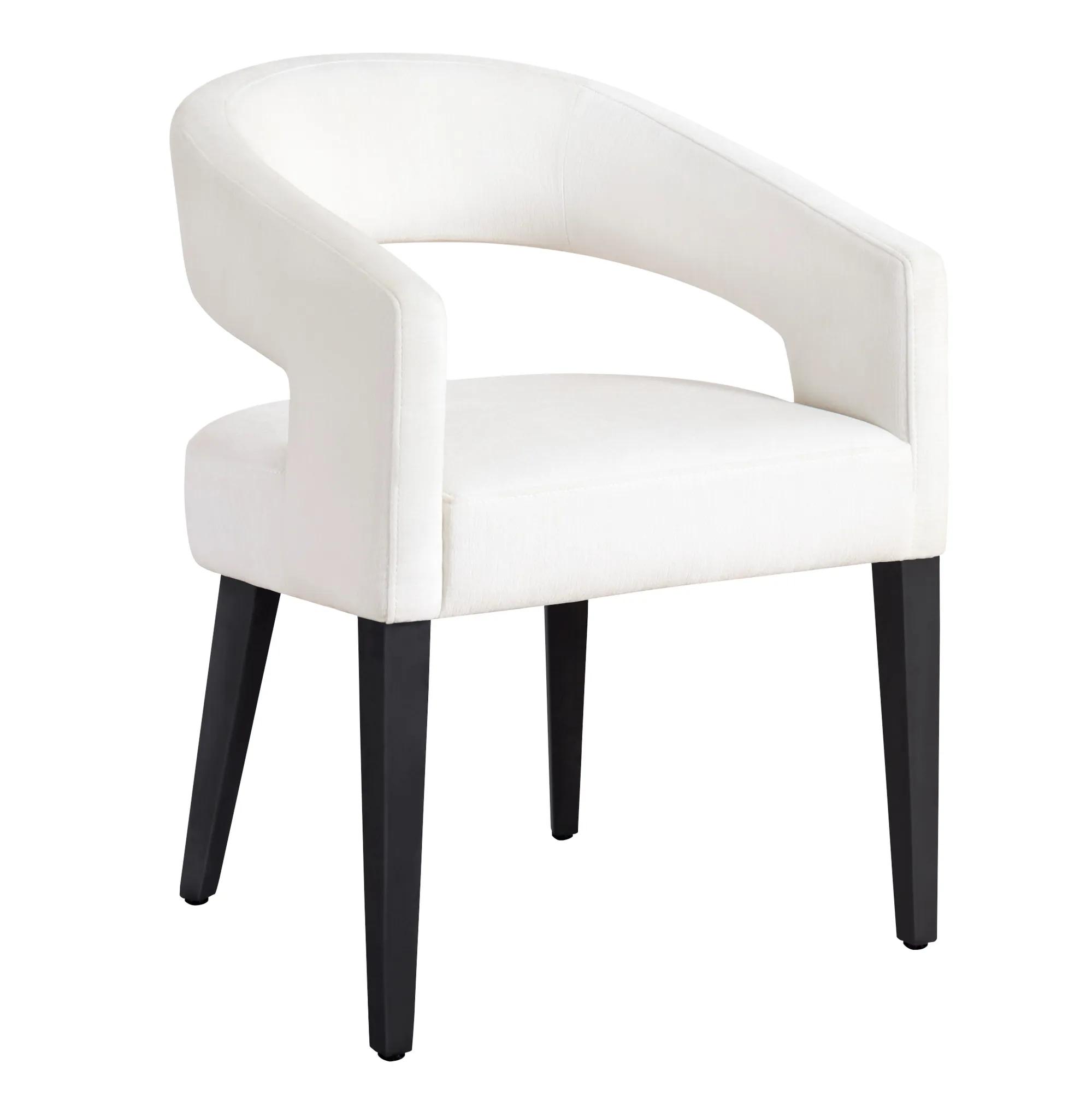
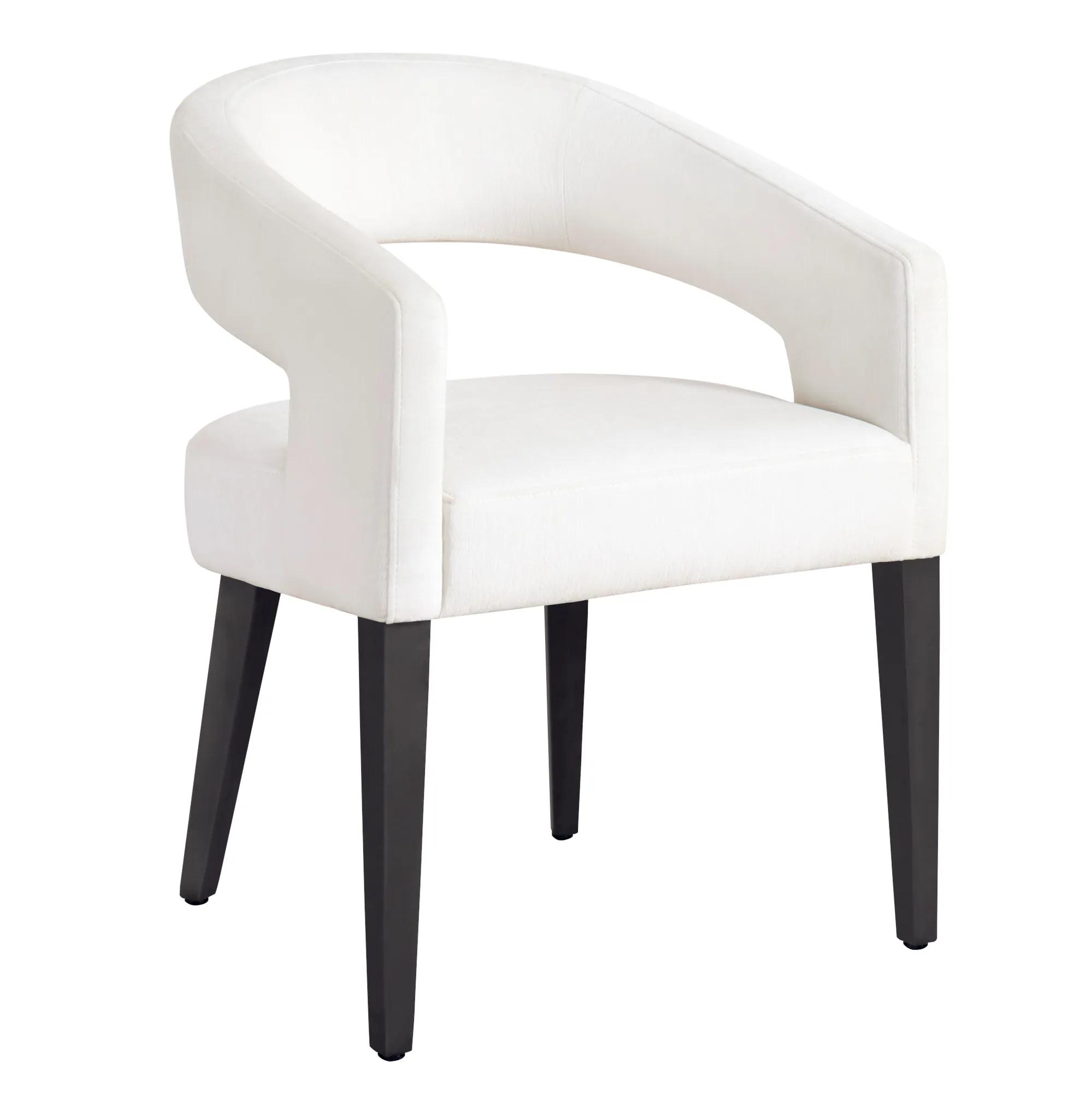
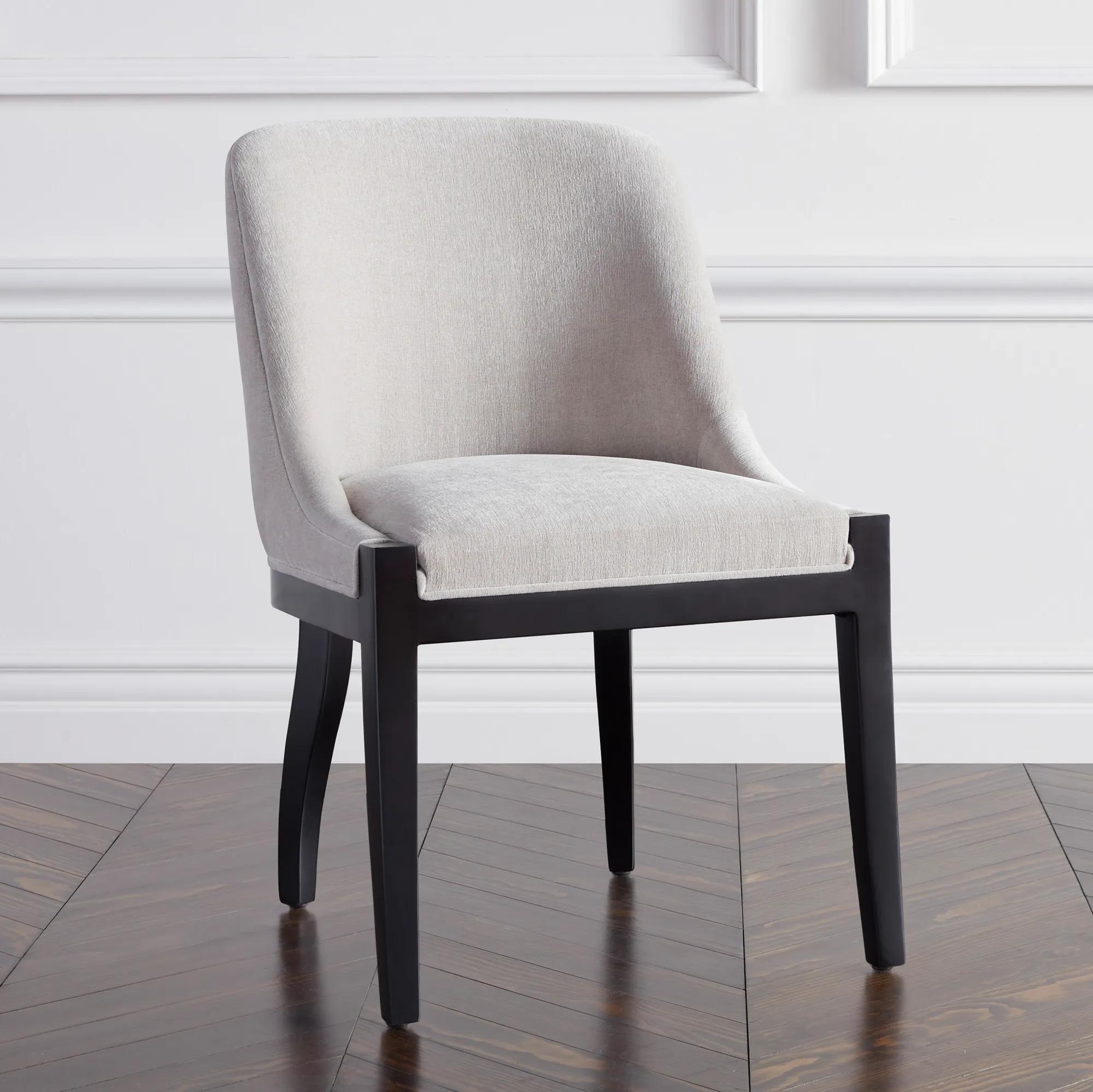
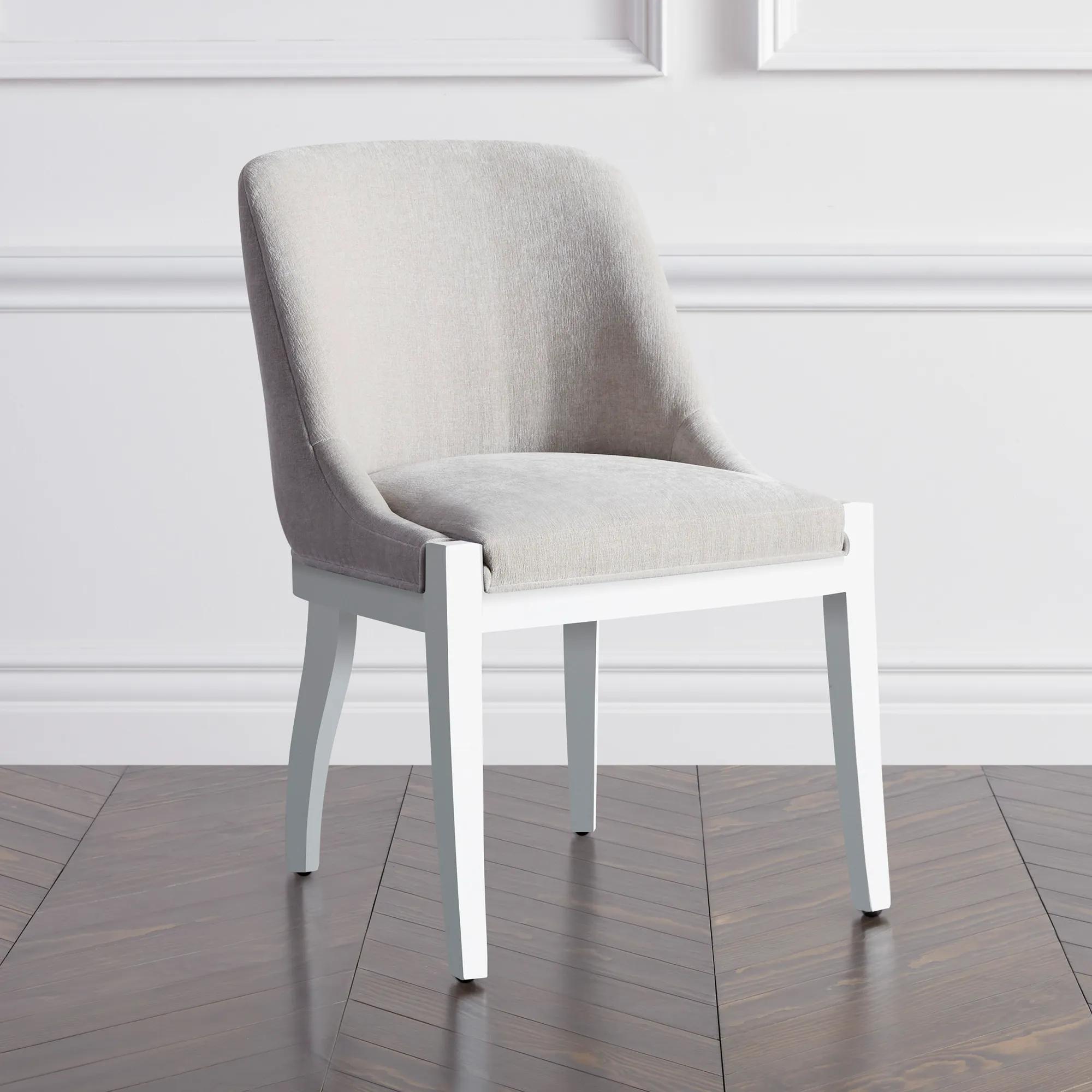
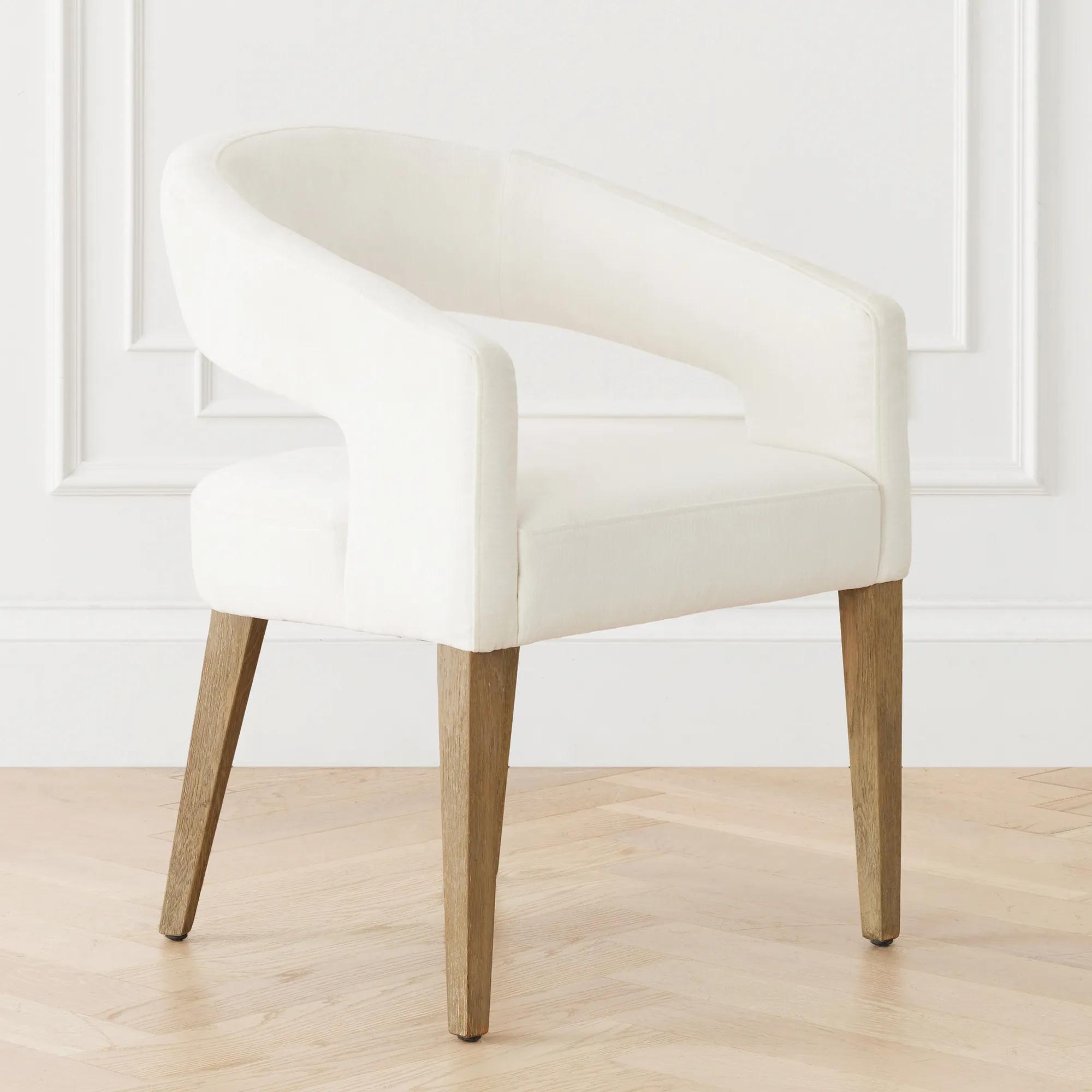
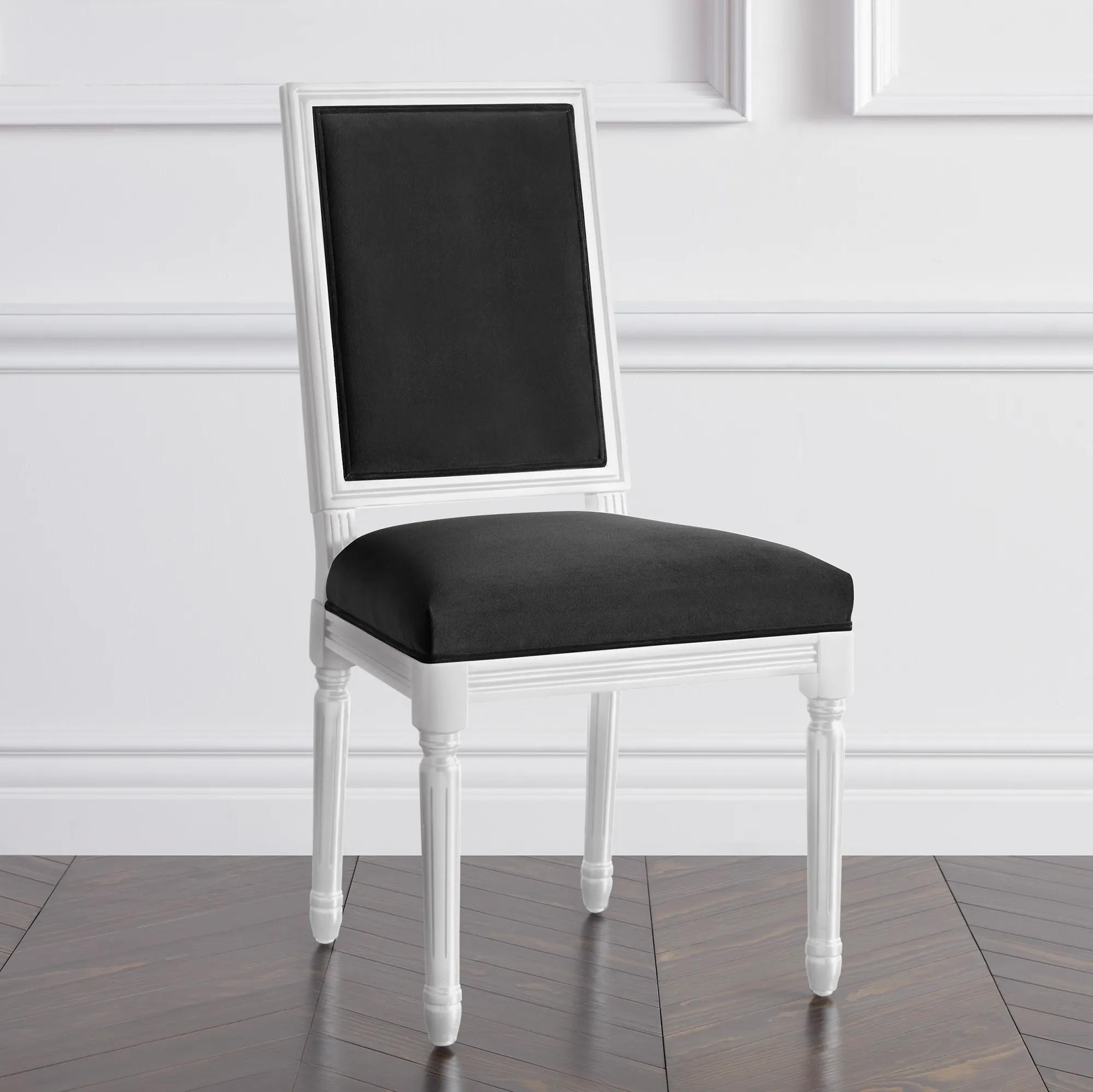
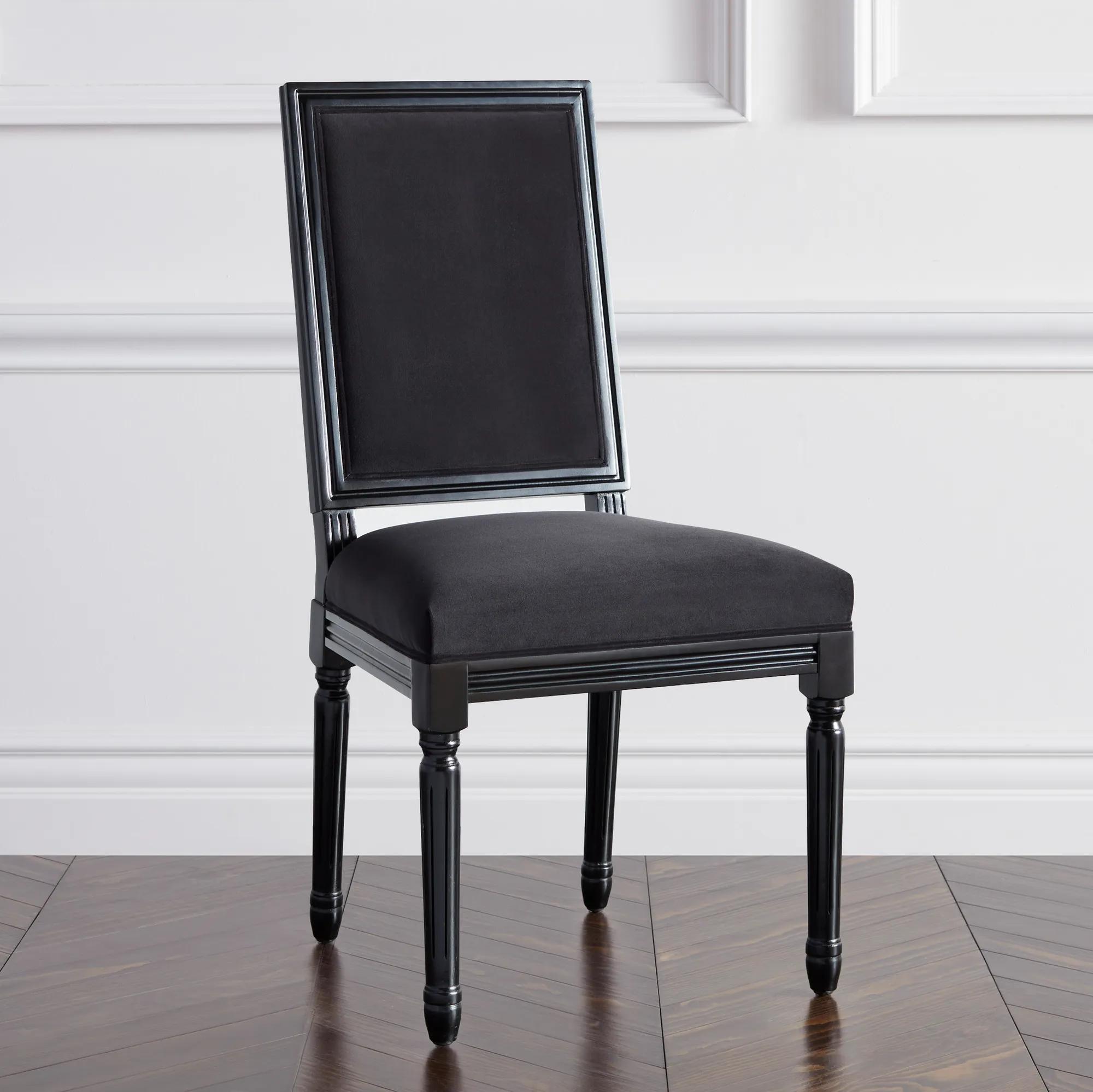
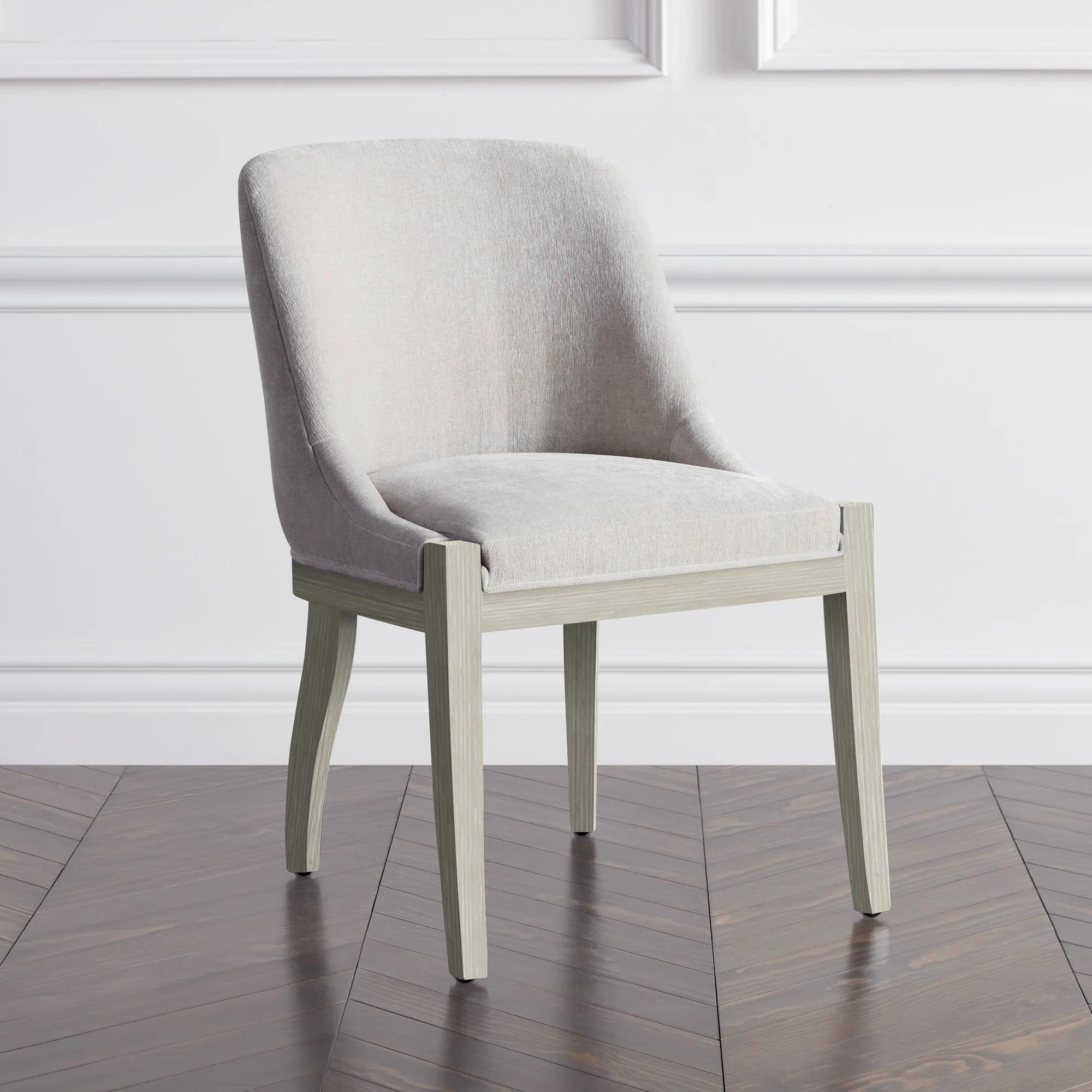
Seating brings an open kitchen into focus at a distinctly personal scale, shaping how comfortably people linger over coffee, share a meal, or keep the cook company without entering the preparation area. Upholstered dining chairs lend a sumptuous note to a table setting, while wood, metal, and mixed-material frames can introduce crisp definition or sculptural warmth. A selection of contemporary dining chairs for open kitchens can help establish that connection between architectural lines and inviting comfort. Curved backs, supportive seats, and thoughtfully proportioned arms contribute to the experience, particularly when the dining area also serves as a place for extended conversation or occasional work. Counter stools and bar stools require a different relationship to their surroundings: seat height must suit the surface rather than simply match the room’s aesthetic. Counter-height seats commonly measure about 24 to 26 inches high, while bar-height seats are often around 28 to 30 inches; the actual surface height and product dimensions remain the deciding factors. Approximately 10 to 12 inches between the seat and the underside of the counter usually allows comfortable legroom, although thick aprons and structural supports can reduce usable space. Arm height, footrest placement, and the width of each seat also influence how naturally seating fits beneath an overhang. Swivel seats can make conversation between the kitchen and living room easier, but they need clearance to turn without striking cabinetry or neighboring chairs. Around a dining table, roughly 36 inches of clearance to a wall or obstruction generally supports chair movement, with additional room desirable along a frequently traveled path. These proportions are especially important where someone carrying a serving dish may pass behind a seated guest. Backless stools can tuck discreetly away, while taller upholstered backs offer a more pronounced decorative presence. Neither approach needs to dominate the whole room; the strongest seating arrangement supports the household’s routines while contributing a silhouette worth seeing from every angle. In a connected interior, comfort and visual polish are equally important parts of the composition.
Materials and finishes give furniture for open-plan kitchens its lasting character, but their everyday behavior deserves equal attention. Solid wood brings natural variation and warmth, while veneered furniture can create beautifully consistent grain patterns; either construction depends on sound joinery, a suitable finish, and care appropriate to its surface. Glass tabletops preserve an airy view through the dining area and can showcase a striking base, though fingerprints may be more visible and tempered glass still requires protection from impact. Marble and other natural stones offer expressive veining, with care needs that vary by stone and finish. Acidic spills can etch marble, and porous surfaces may stain, making prompt cleanup and adherence to sealing recommendations important. Metal accents introduce a polished or softly brushed counterpoint, while mirrored finishes amplify surrounding detail and reward gentle cleaning with nonabrasive materials. Upholstery brings texture into a room dominated by hard surfaces, from the dimensional richness of a woven fabric to the luminous depth of velvet. For frequently used seating, abrasion resistance, fabric composition, and the manufacturer’s cleaning instructions matter more than appearance alone; performance fabric should not be assumed to be stainproof. Closed storage is particularly valuable in an open kitchen because its contents remain part of a shared visual environment. A sideboard can accommodate serving pieces, table linens, and entertaining essentials, allowing the dining surface to remain available for daily life. Cabinet depth, door swing, drawer clearance, and stability all influence placement, and tall storage should be secured according to the manufacturer’s directions. Furniture near cooking areas also benefits from distance from splashes, concentrated heat, and appliance doors. Coasters, placemats, prompt spill removal, and cleaners suited to each finish help preserve surfaces without diminishing their beauty. With thoughtful proportions and materials suited to everyday use, kitchen and dining furniture creates more than a coordinated backdrop. It gives an open interior a sense of intention, where storage recedes, seating invites, and a beautifully articulated table turns an ordinary gathering into a memorable setting.
FAQs
Open kitchens come alive with a rich interplay of materials. Polished metals, gleaming glass, and sumptuous woods create a dynamic, layered look that balances durability with artistry. Incorporating tactile elements like velvet upholstery or woven textures can add warmth and intrigue, while stone accents lend a touch of timeless elegance to the space.
Defining zones in an open kitchen is all about strategic placement and visual cues. Use a dramatic kitchen island or a pair of sculptural bar stools to create a natural boundary between cooking and living areas. Statement pendant lighting or a bold rug can further delineate spaces, ensuring each zone feels purposeful yet seamlessly connected.
Seating in open kitchens often blends comfort with visual impact. Contemporary bar stools, mid-century modern chairs, and plush upholstered benches are all popular choices. Look for pieces with striking silhouettes or luxe finishes to infuse personality, and consider mixing materials—like metal frames with velvet cushions—for a curated, designer feel.
Absolutely—stylish furniture for open kitchens makes a thoughtful and memorable gift, especially for housewarmings, weddings, or milestone celebrations. A chic accent chair, a versatile kitchen cart, or a set of modern bar stools can transform daily routines into moments of luxury and self-expression for loved ones.
Achieving a harmonious flow between kitchen and living areas is all about consistency in color palette, materials, and design motifs. Choose furniture with complementary tones and finishes, repeat signature details like metallic accents or sculptural lines, and let lighting unify the spaces. This approach creates a seamless transition while allowing each zone to shine.