Furniture For Upscale Kitchens
Furniture For Upscale Kitchens
-
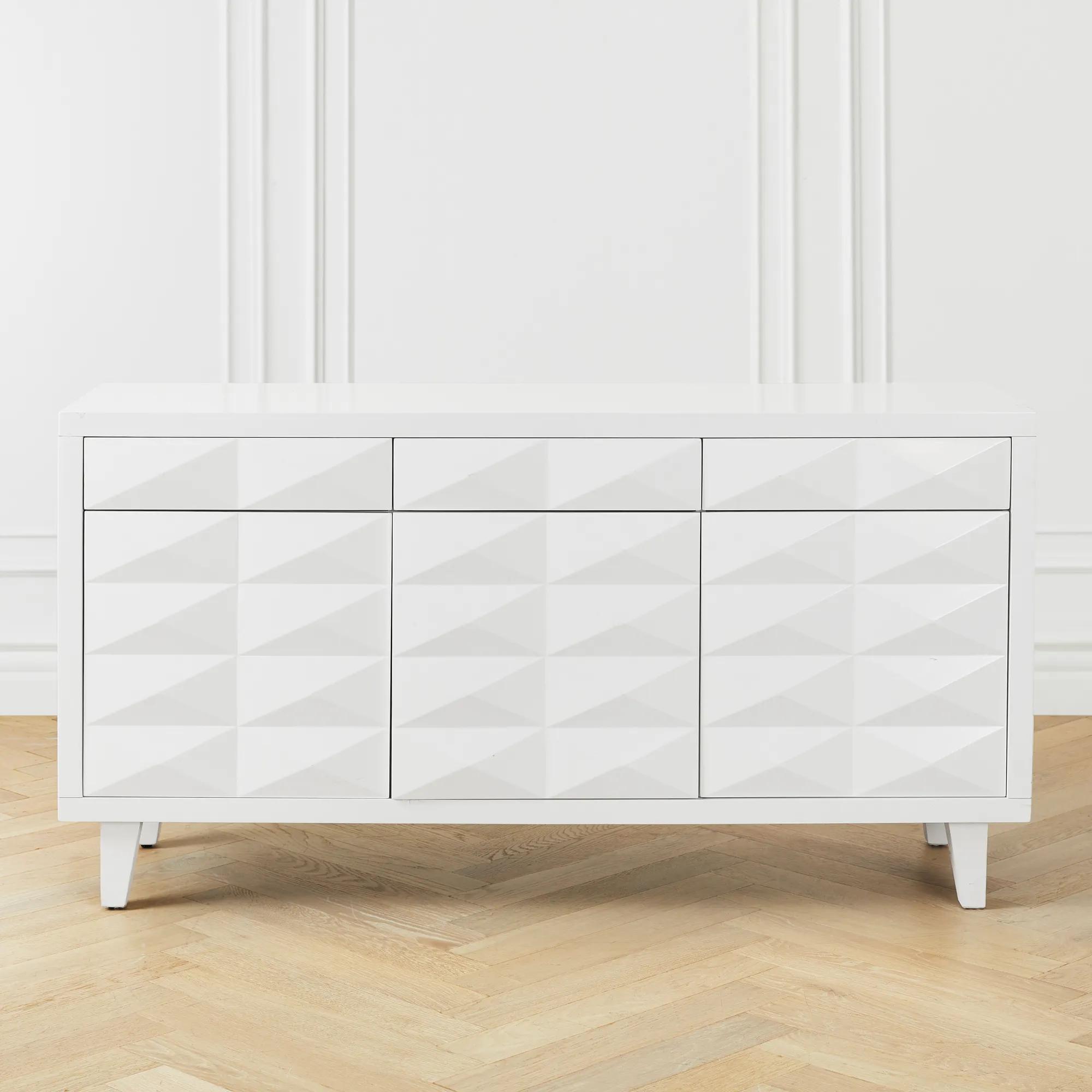 Palmer White Wood Cabinet (66.5")$1649
A sleek white hardwood cabinet with geometric detailing, three drawers, and push-latch doors for modern storage.
Add To Cart -
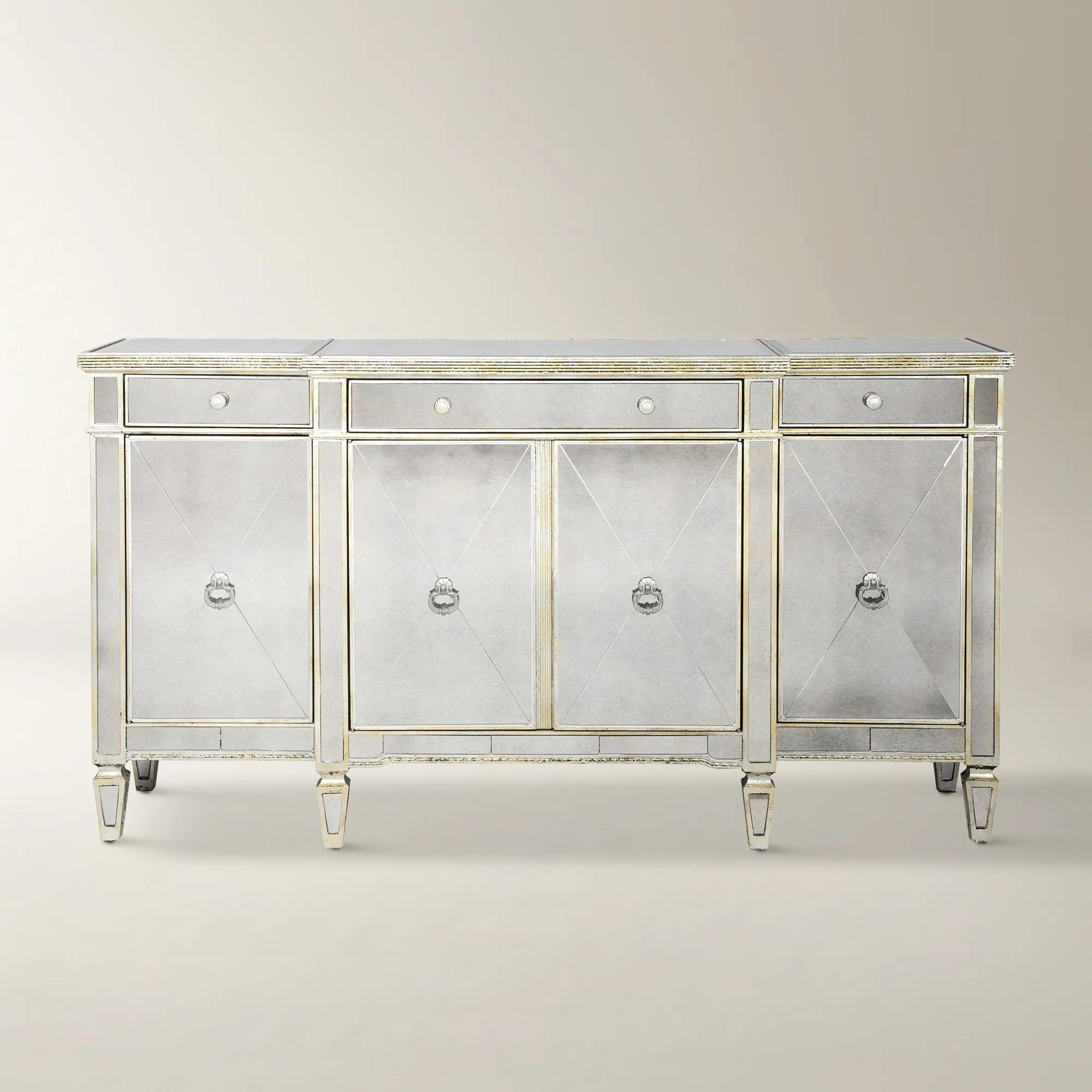
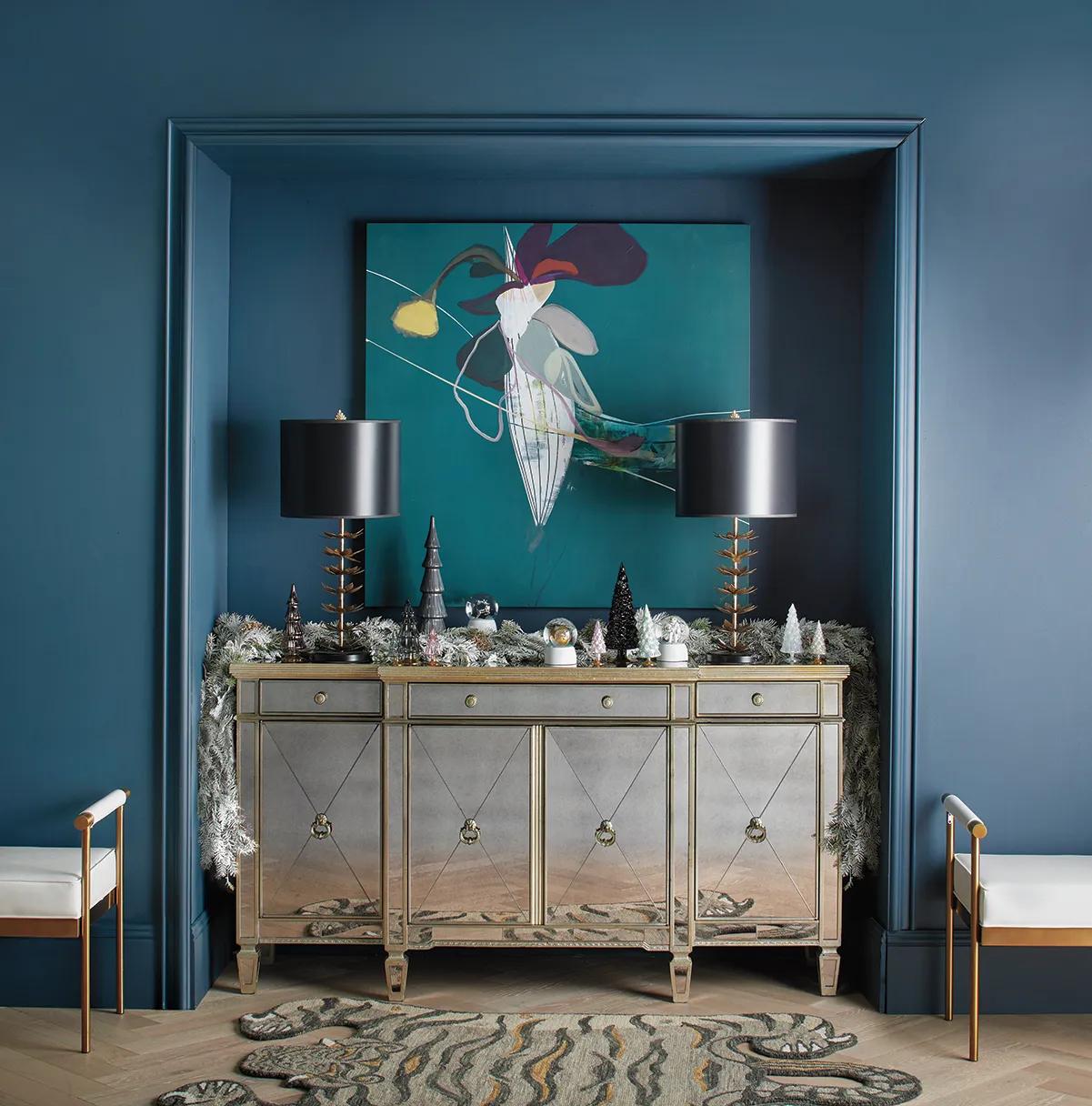 Borghese Mirrored Silver 3-Drawer Buffet (70")$2199
A sophisticated mirrored buffet featuring antique beveled glass, champagne gilt wood trim, and hand-applied silver leaf.
Add To Cart -
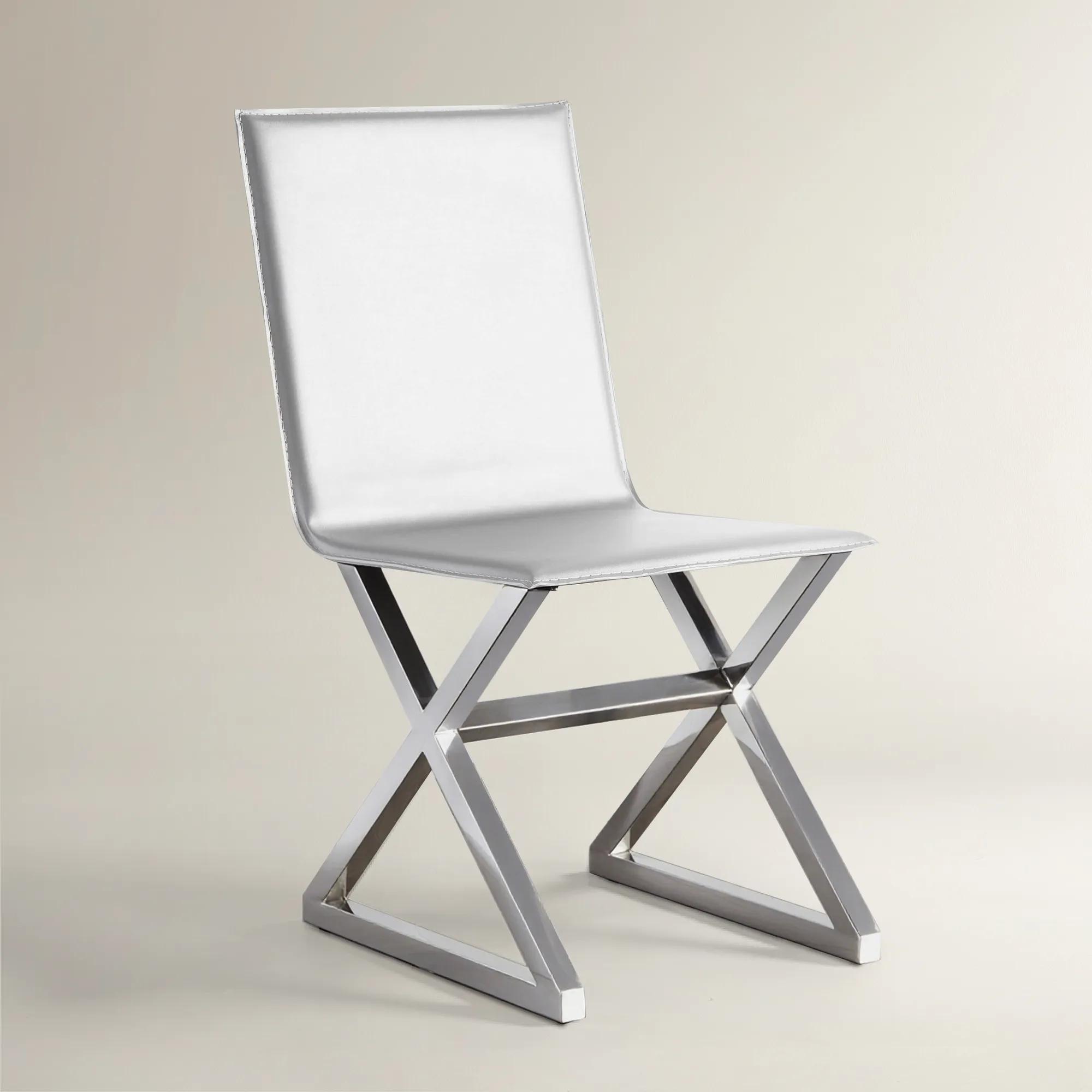
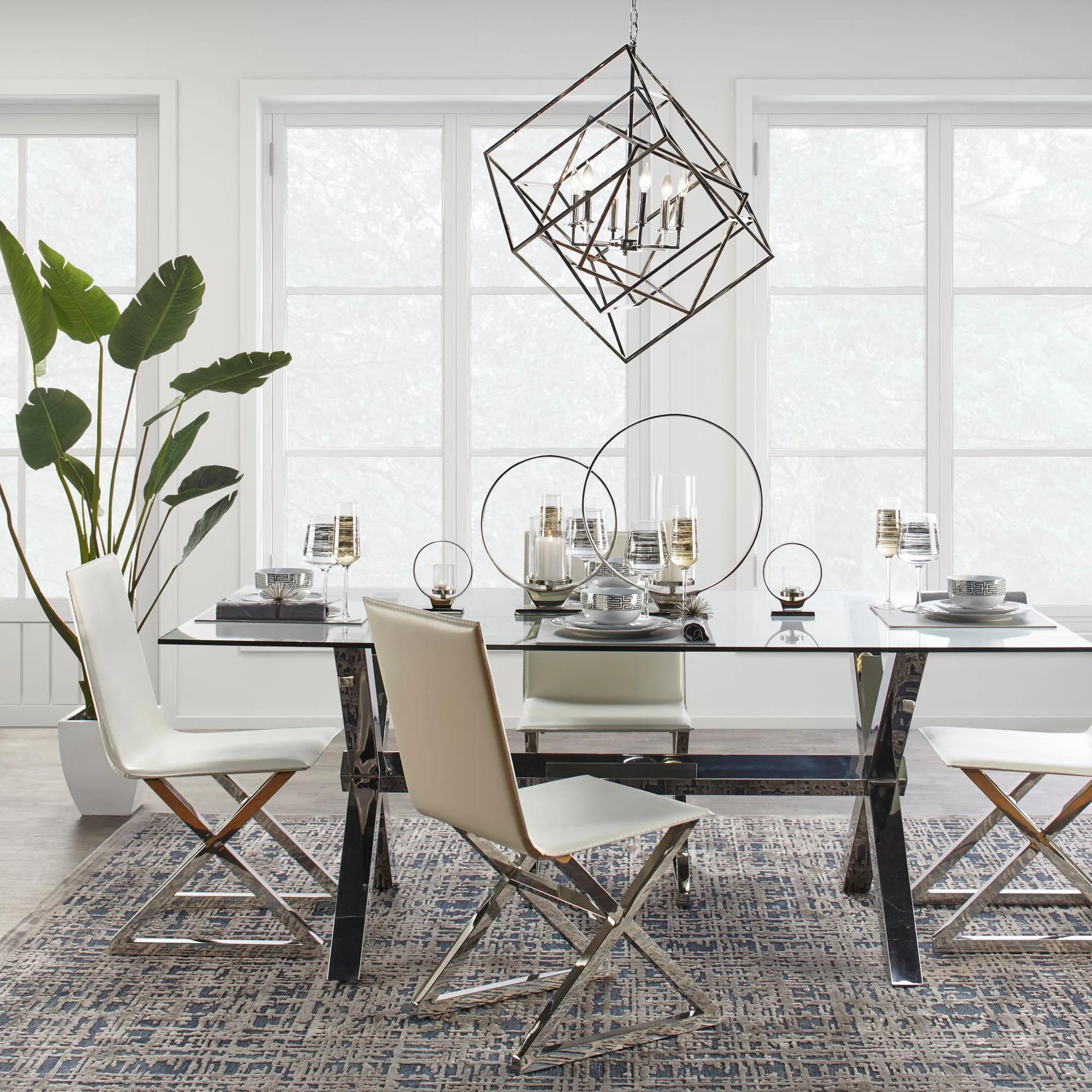 Axis Dining Chair - Set of 2$399
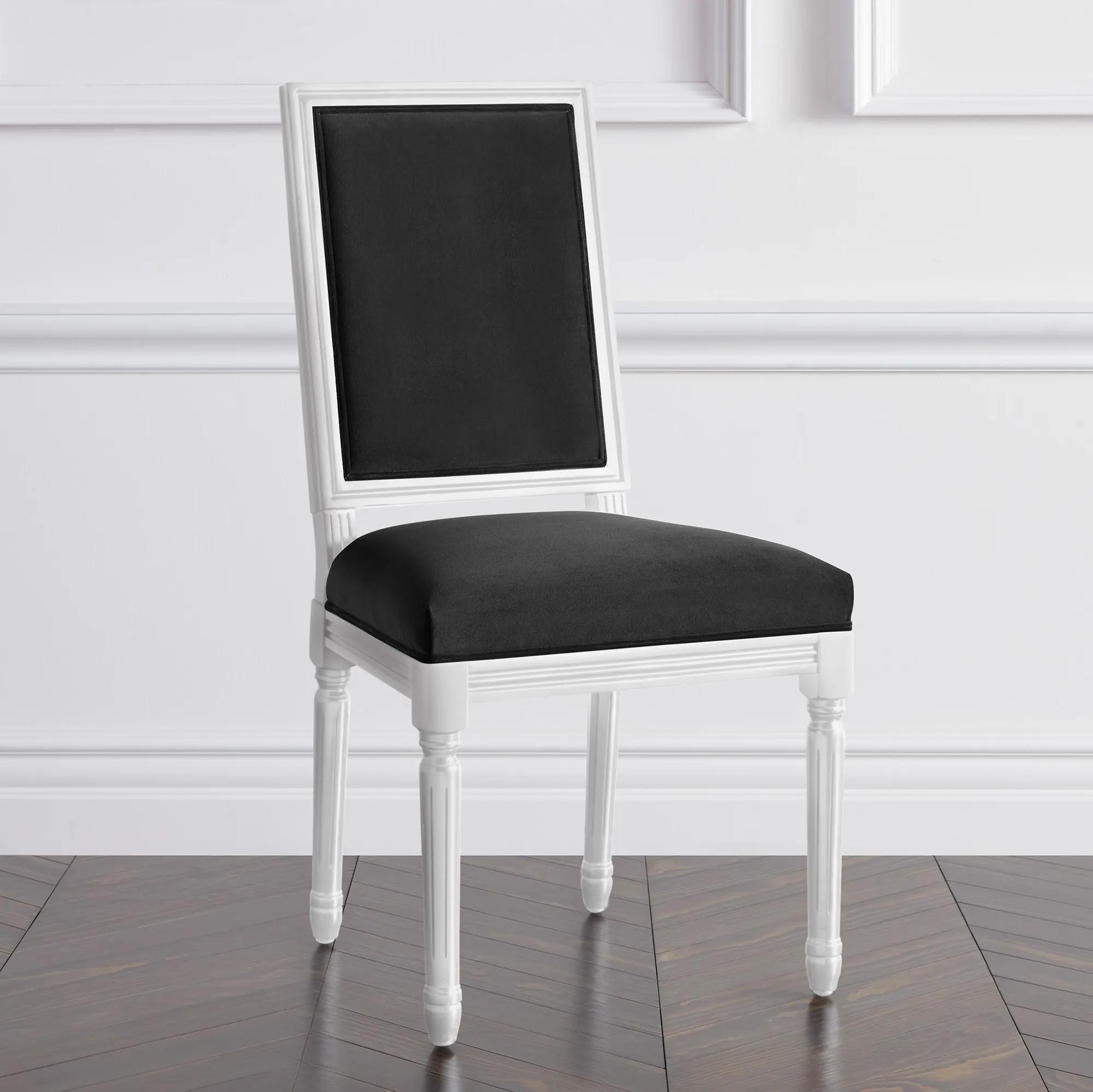
A contemporary dining chair set featuring white bonded leather upholstery and a polished stainless steel base.
Add To Cart -
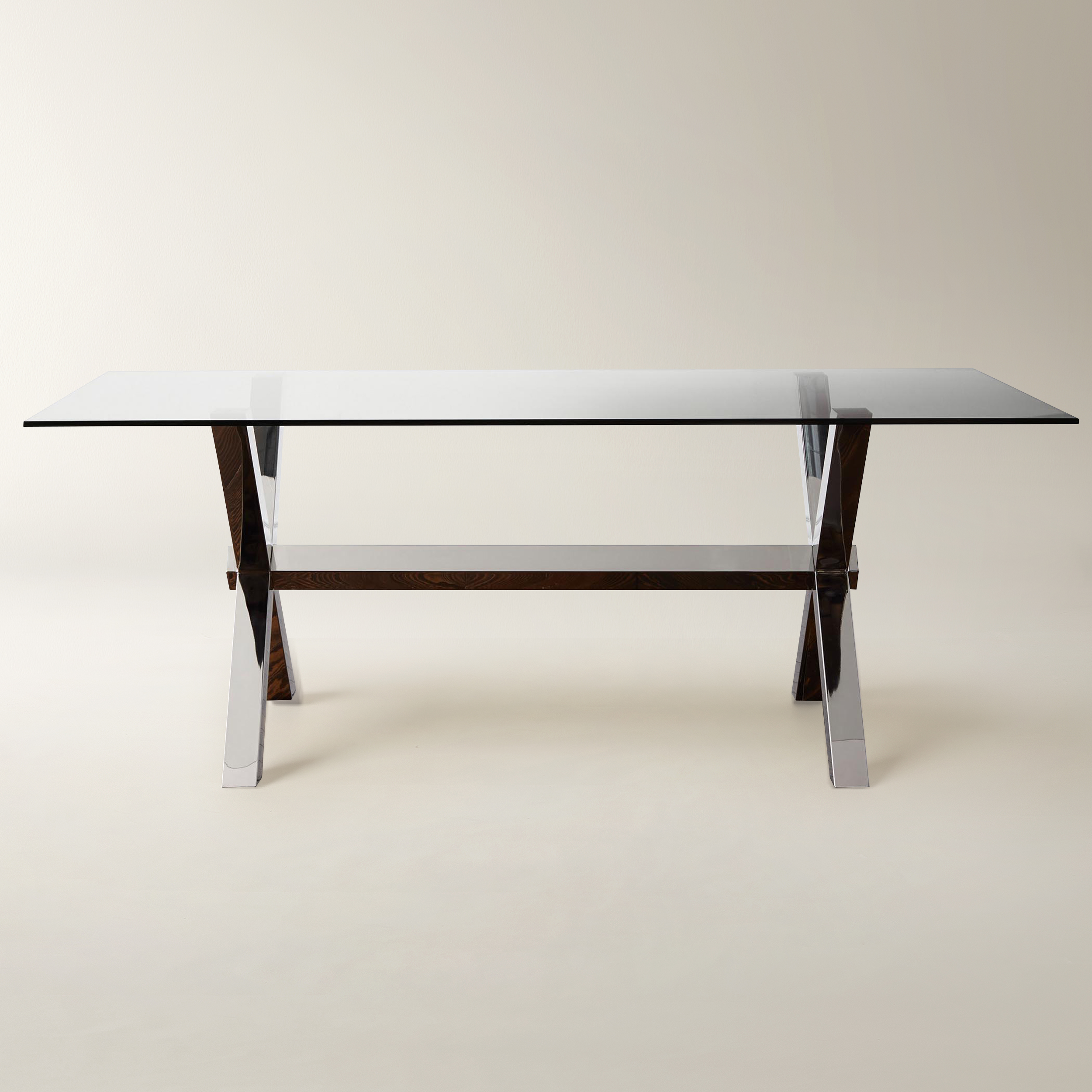
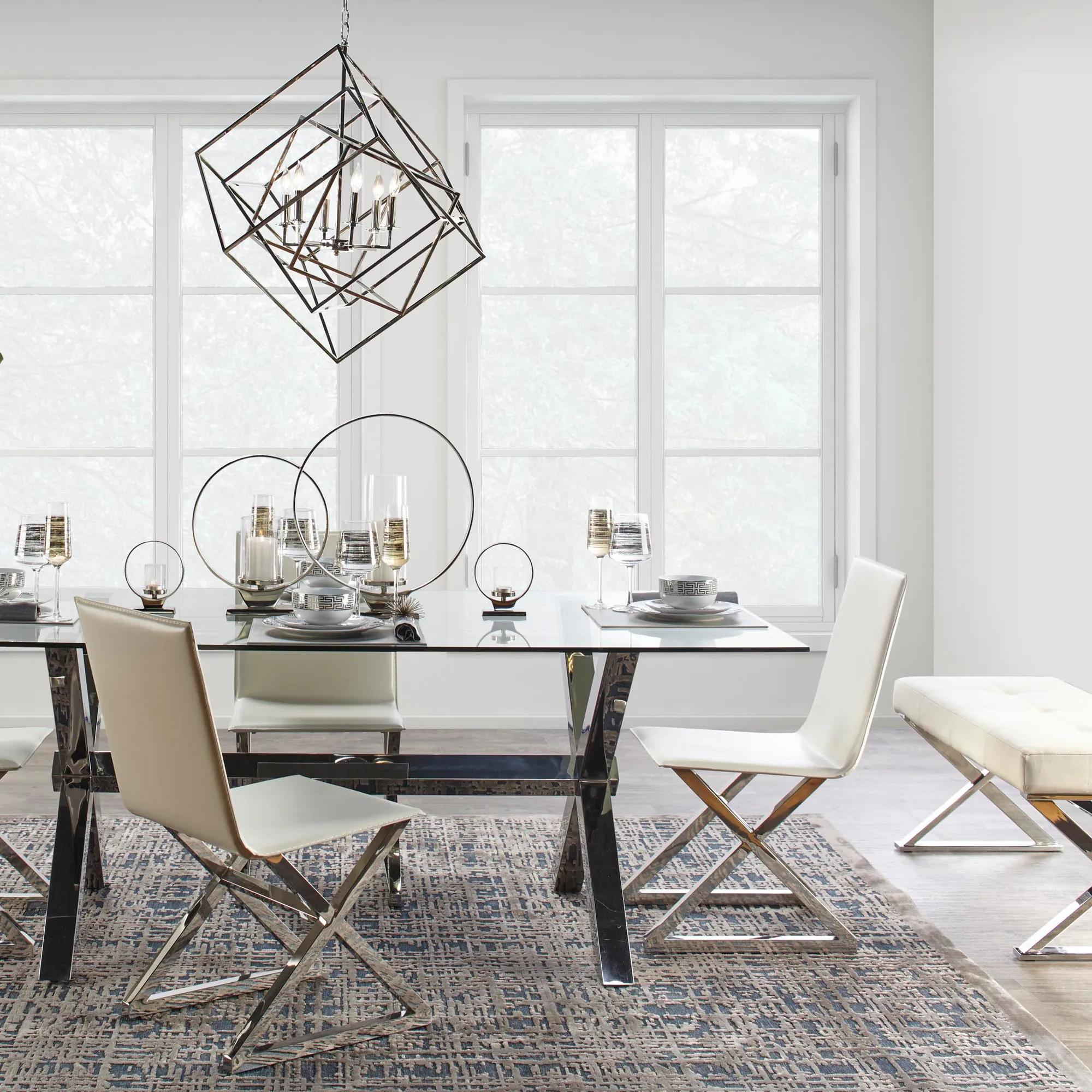 Axis Rectangular Silver Dining Table With Glass Top (78")$1199
A contemporary dining table featuring a polished stainless steel base and durable tempered glass top.
Add To Cart -
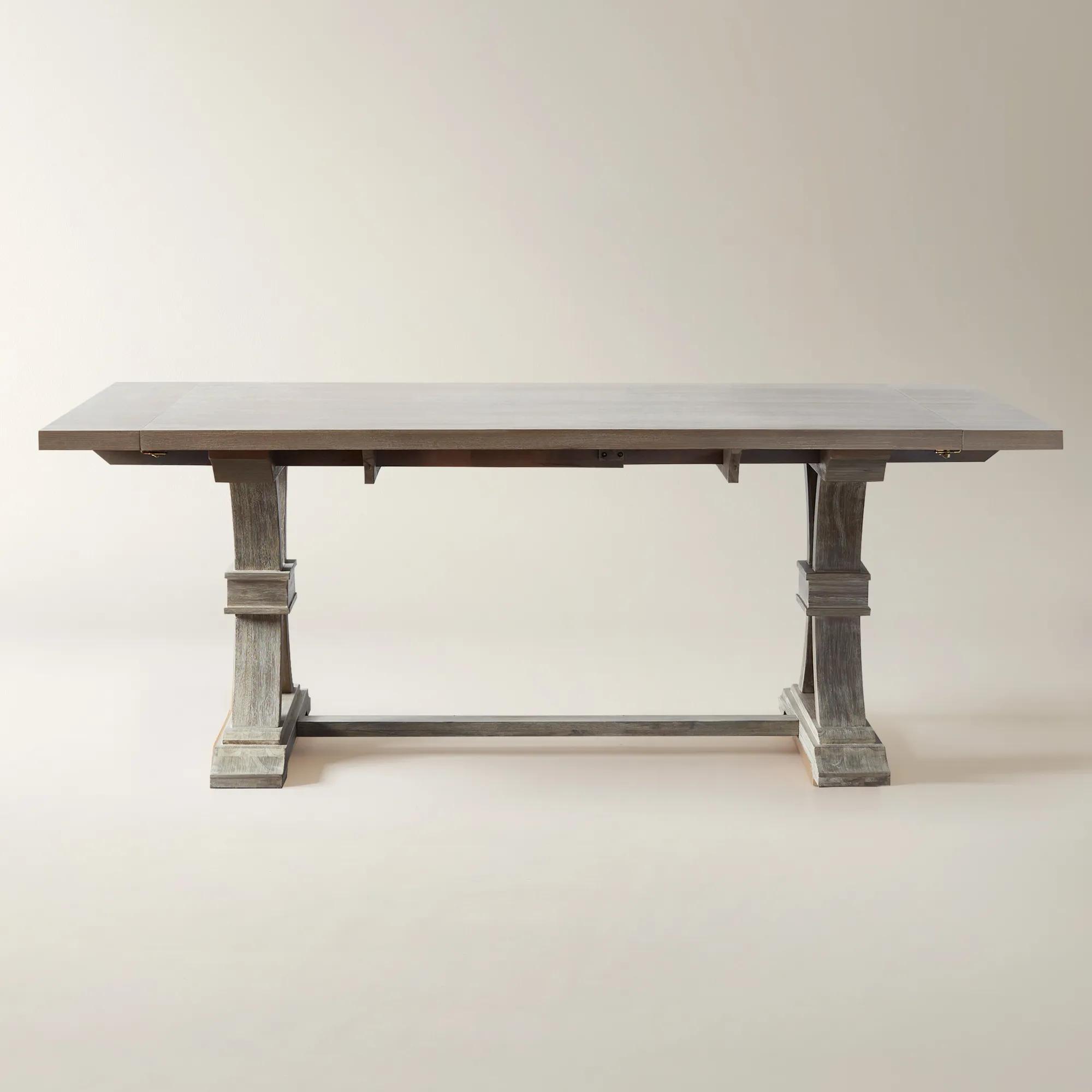 Archer Rectangular Grey Acacia Wood Extending Dining Table (78" - 110")$2499
A weathered grey acacia wood dining table with removable leaves and a kiln-dried hardwood frame.
Add To Cart -
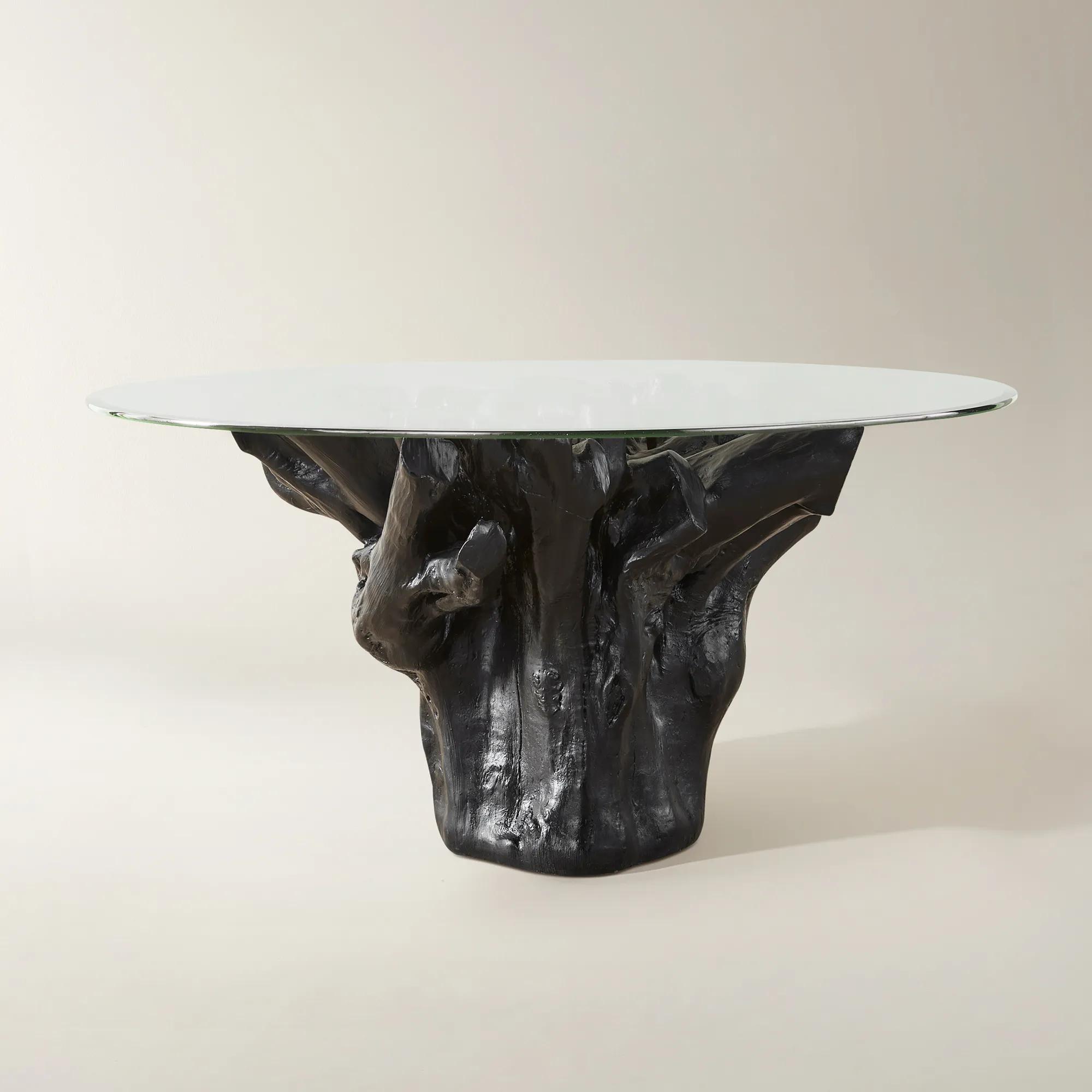 Sequoia Black Resin Dining Table With Glass Top (60")$2299
A sculptural black resin base with real stone fragments supports a round tempered glass top for organic elegance.
Add To Cart -
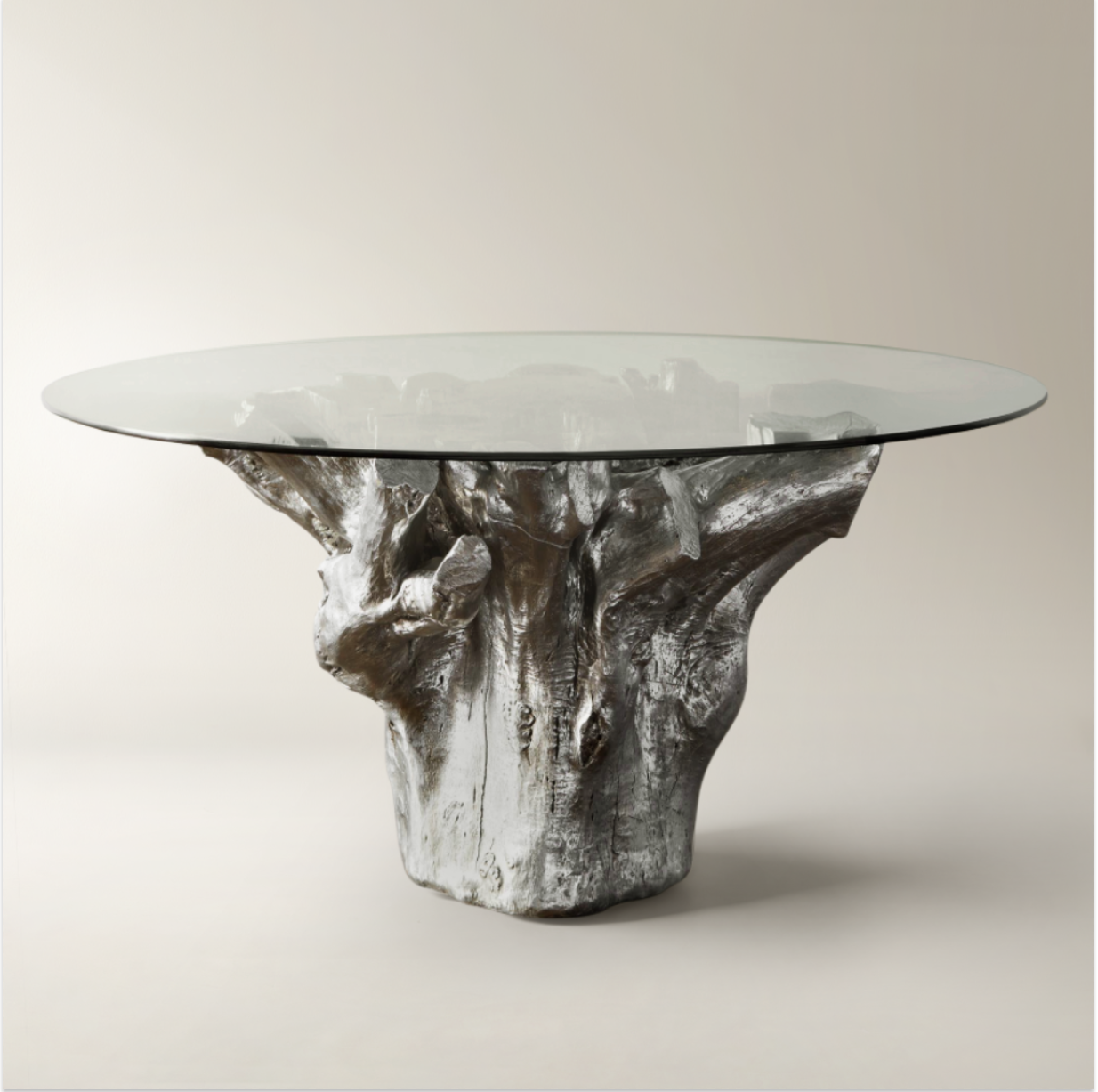 Sequoia Silver Resin Dining Table With Glass Top (60")$2199
A sculptural resin base with hand-applied silver leaf supports a round tempered glass top for modern elegance.
Add To Cart -
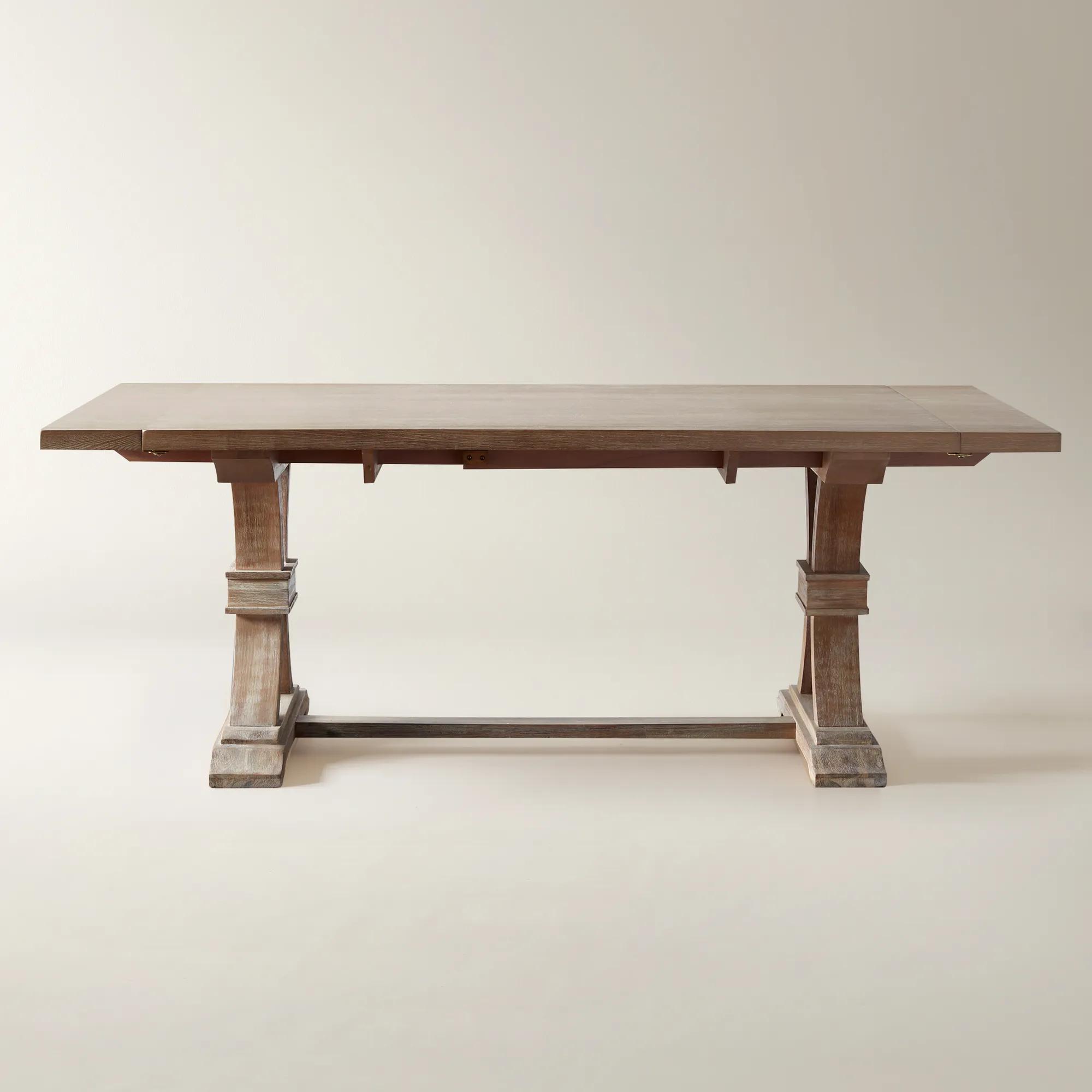 Archer Rectangular Whitewashed Acacia Wood Extending Dining Table (78" - 110")$2499
An extending dining table crafted from kiln-dried hardwood with a whitewashed oak finish and acacia veneer.
Add To Cart -
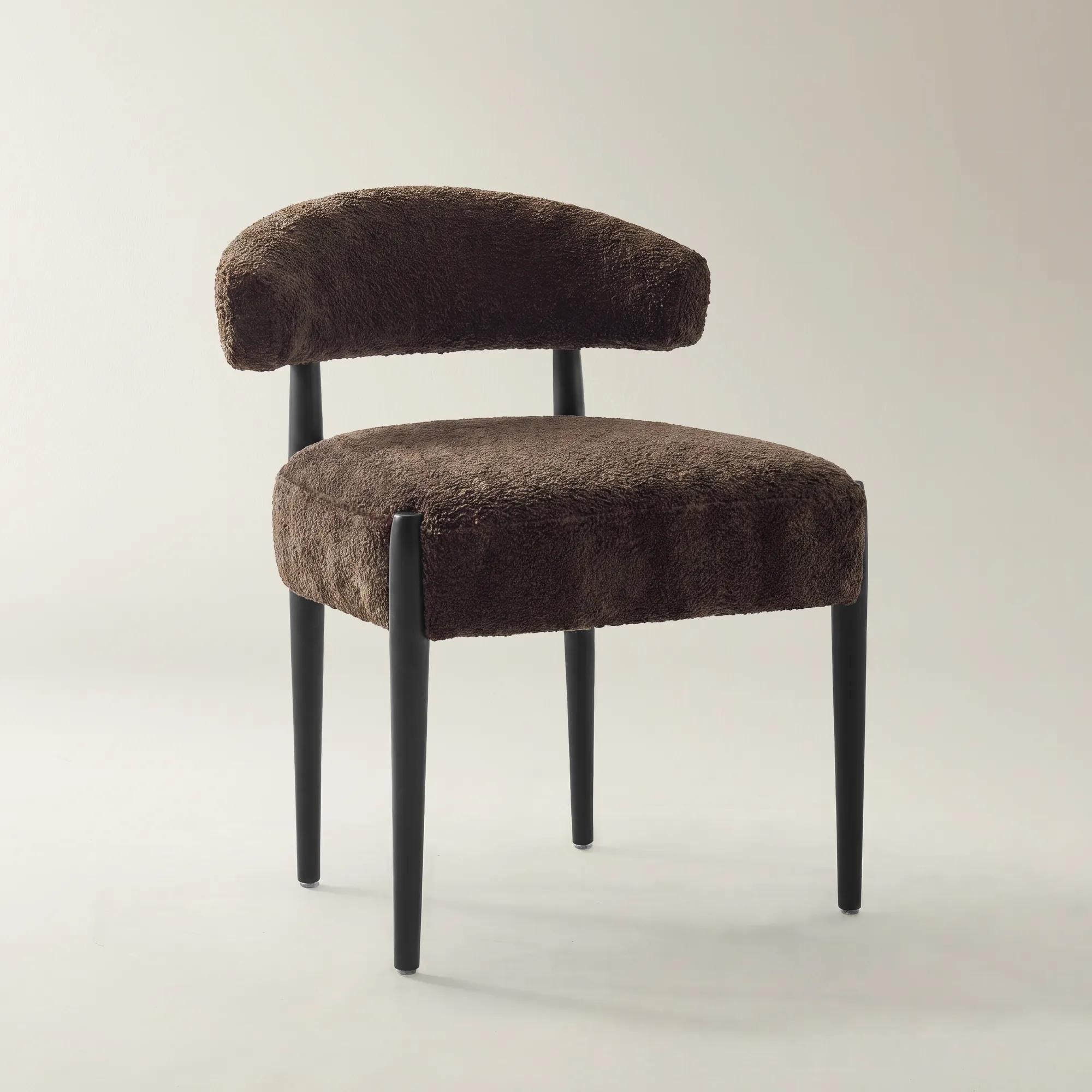
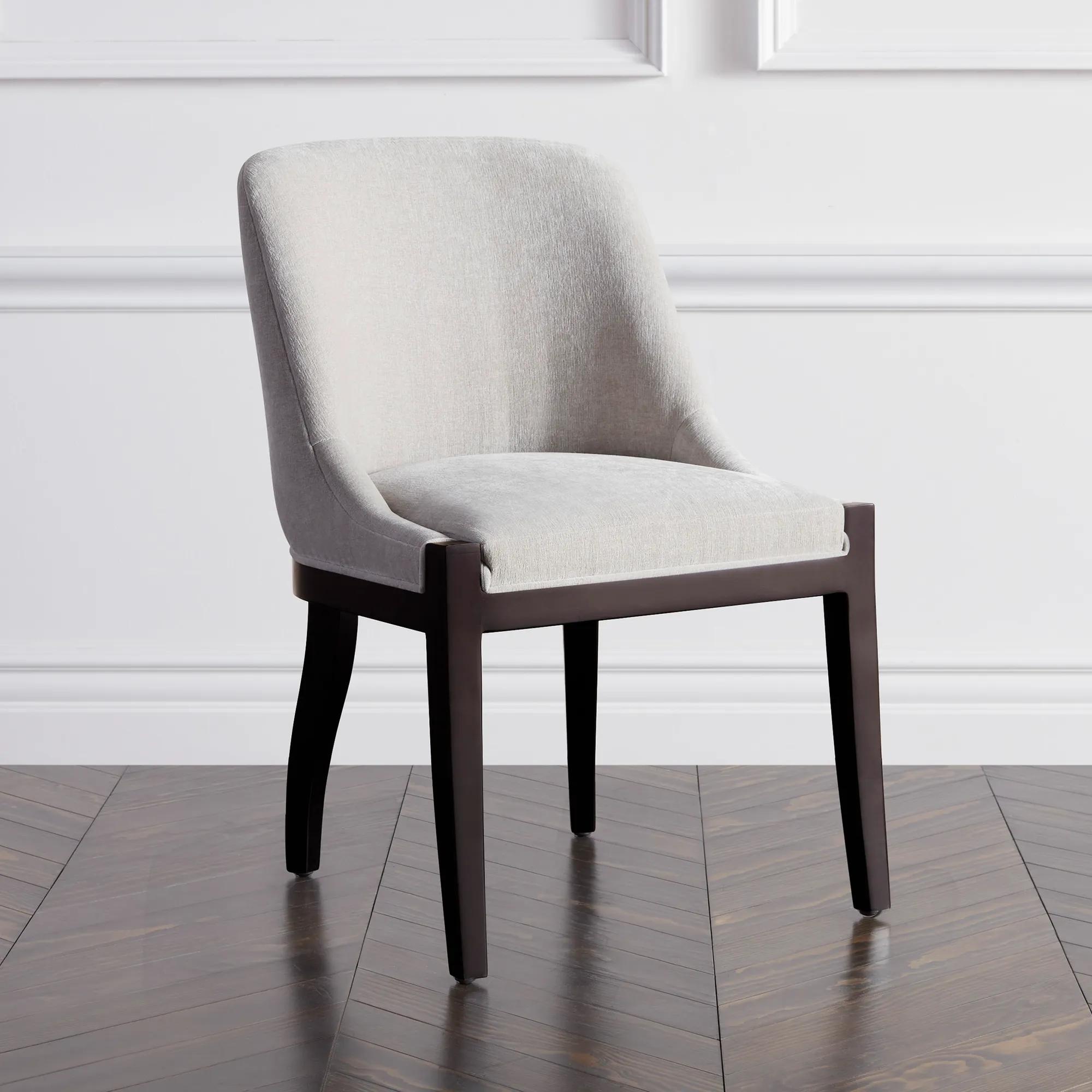
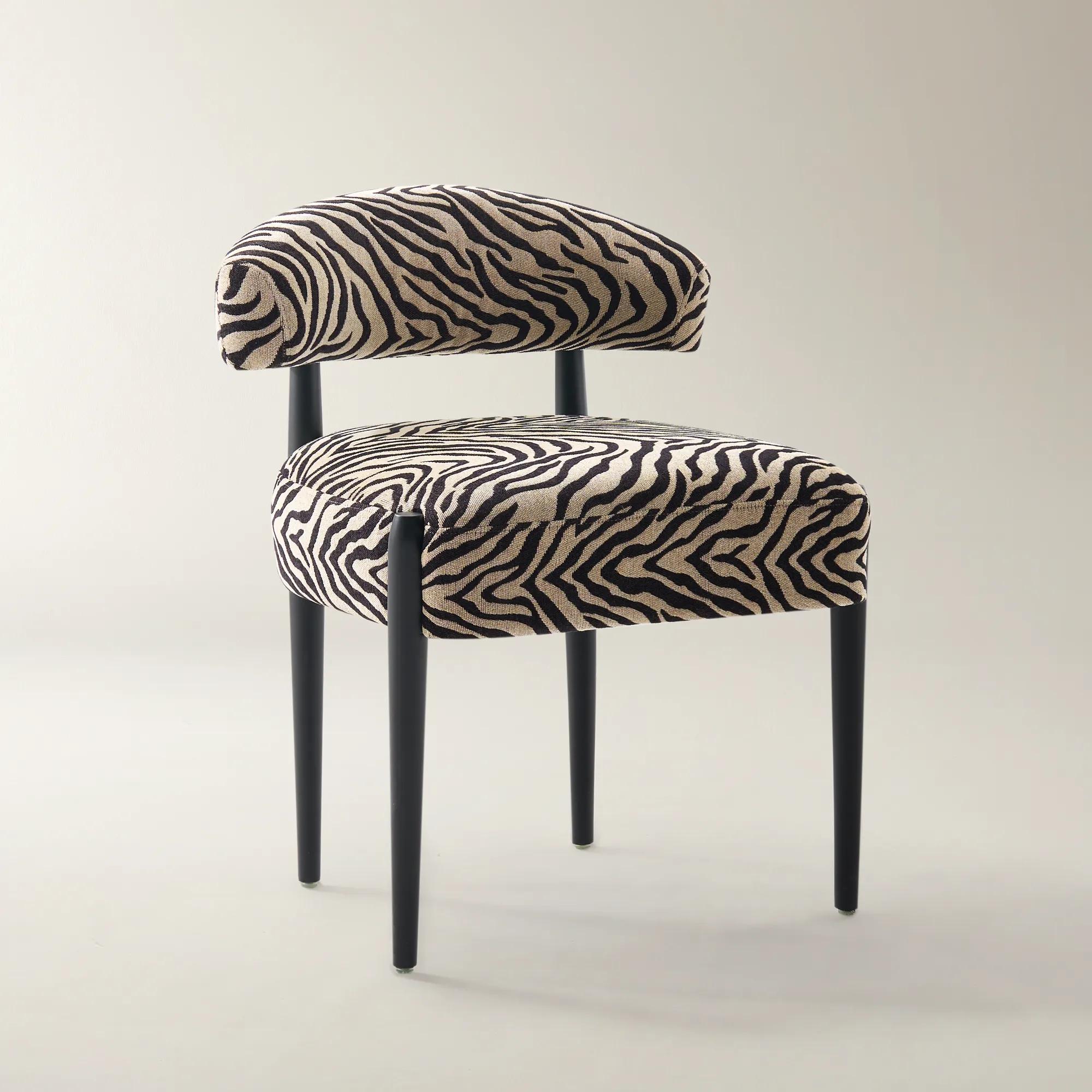 Anna Dark Chocolate Chenille Dining Chair Set of 2$599
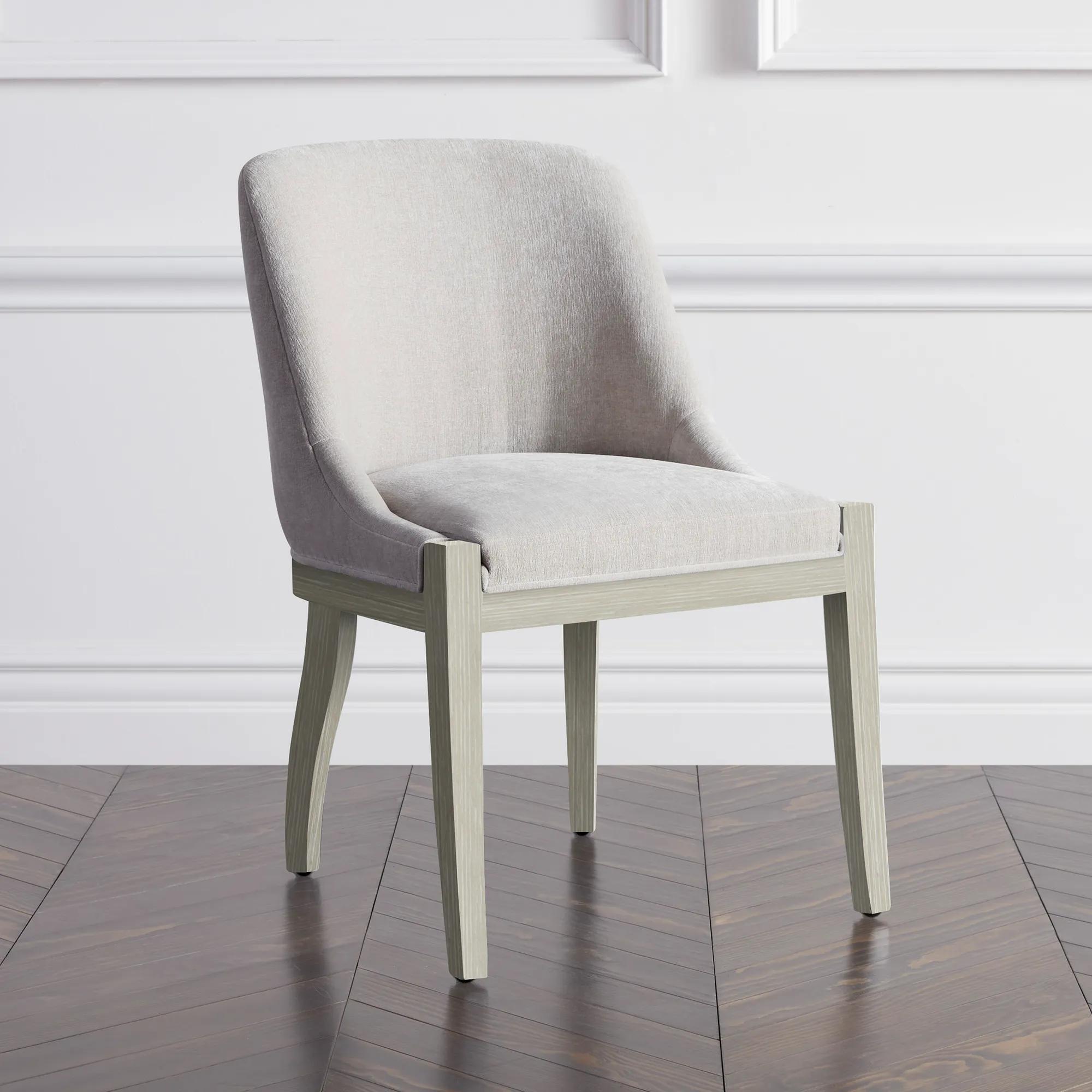
A dark chocolate chenille chair pair featuring tailored curved backs, high-density foam, and solid rubberwood legs.
Add To Cart -
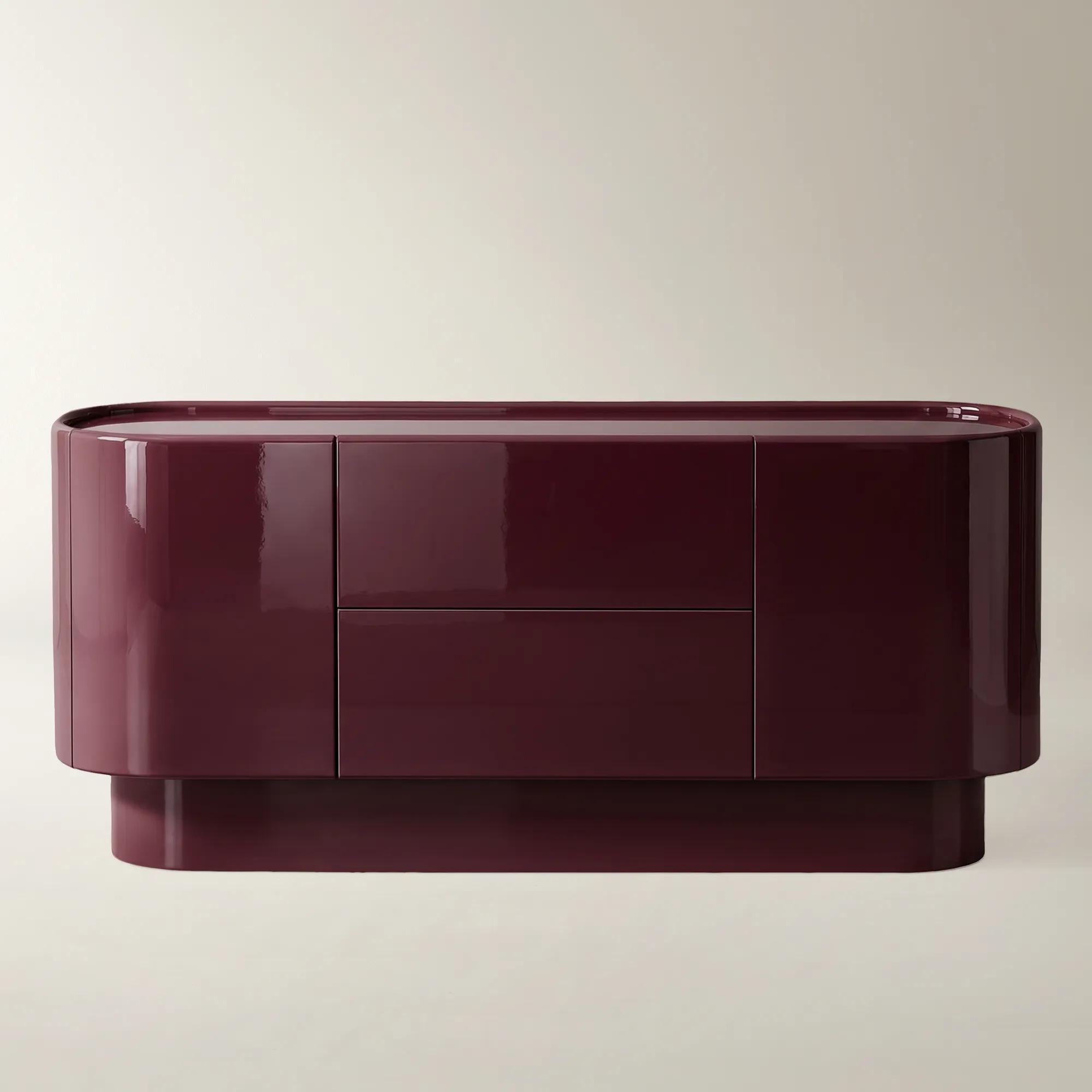 Velar Lacquered Ox Blood Buffet With Glass Top (70")$1899
A sculptural ox blood buffet featuring high-gloss lacquer, back-painted glass top, and illuminated mirrored storage.
Add To Cart -
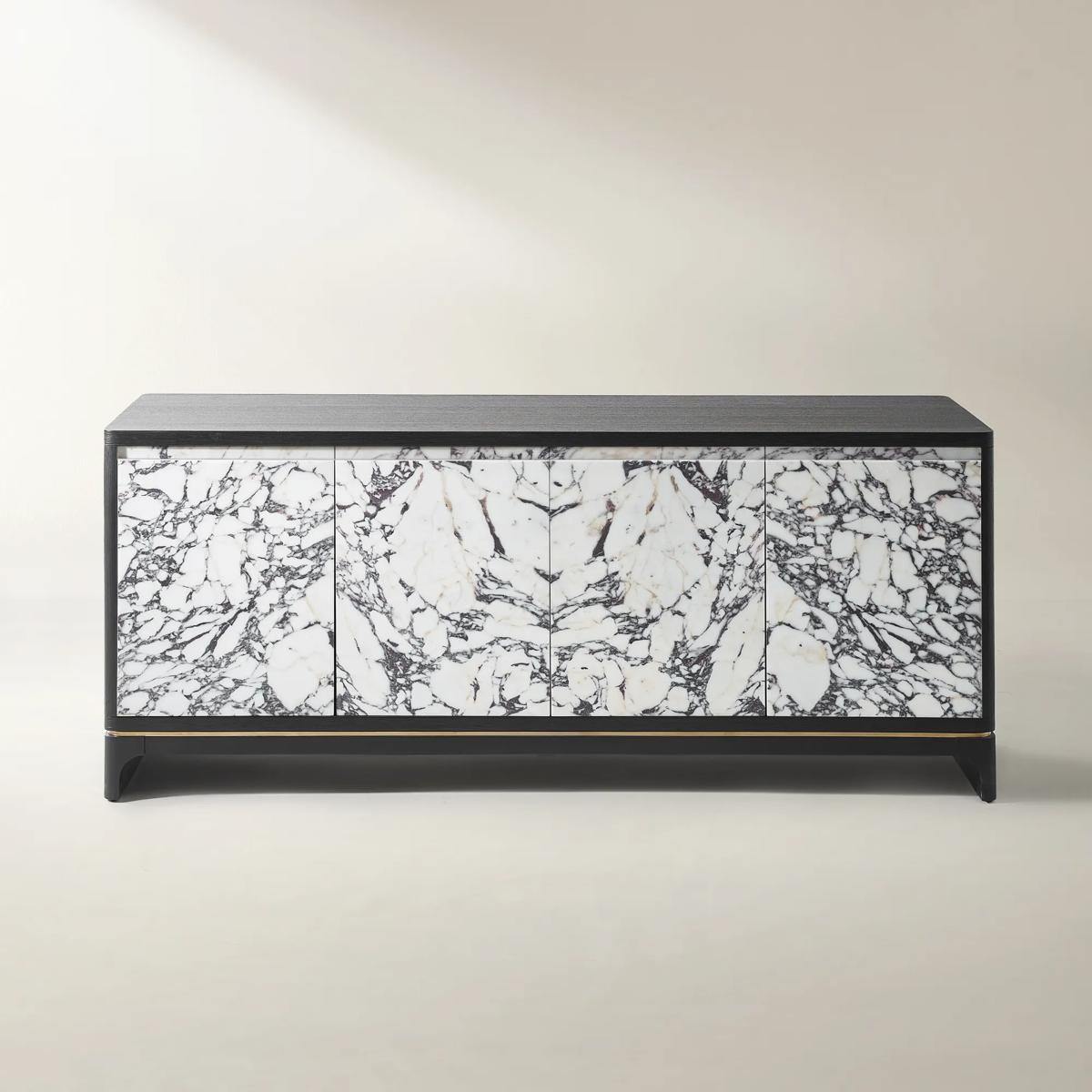
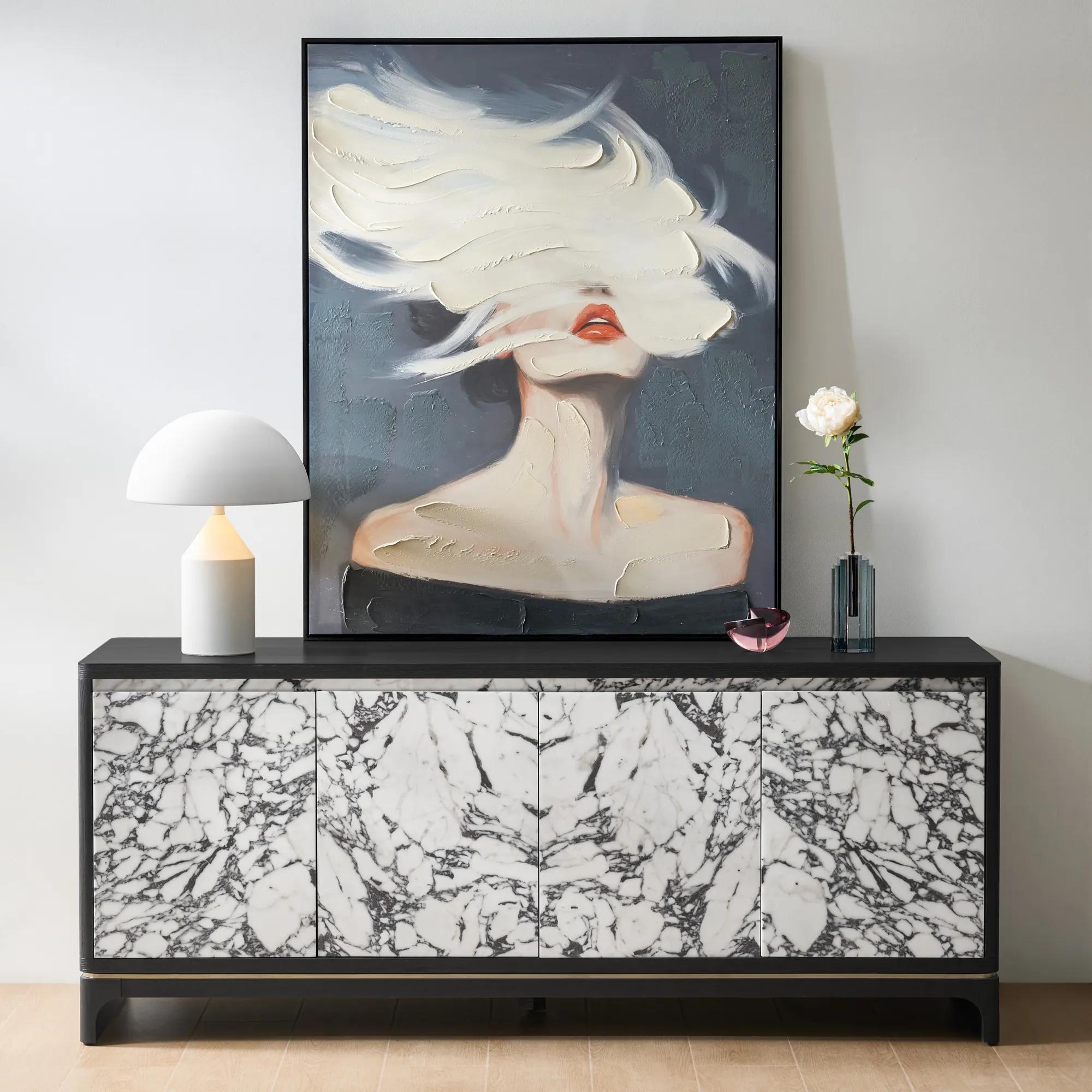 Vanta Black Oak And Calacatta Marble Buffet (72")$2499
A striking matte black oak sideboard featuring genuine Calacatta Viola marble fronts with dramatic violet veining.
Add To Cart -
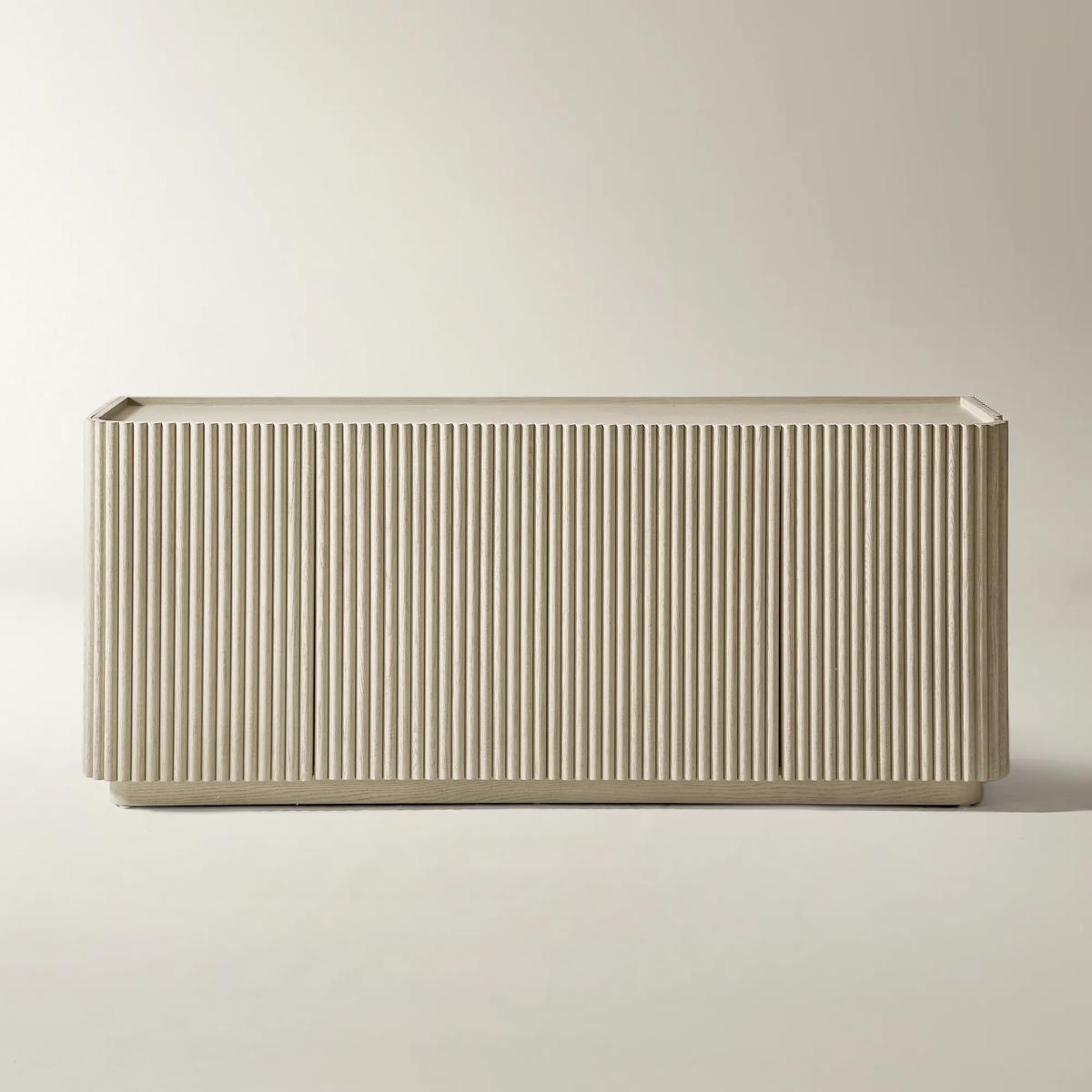
 Stria Reeded White Oak Buffet (72")$1899
A sculptural oak buffet featuring reeded detailing, gold-plated trim, and adjustable storage behind four doors.
Add To Cart -
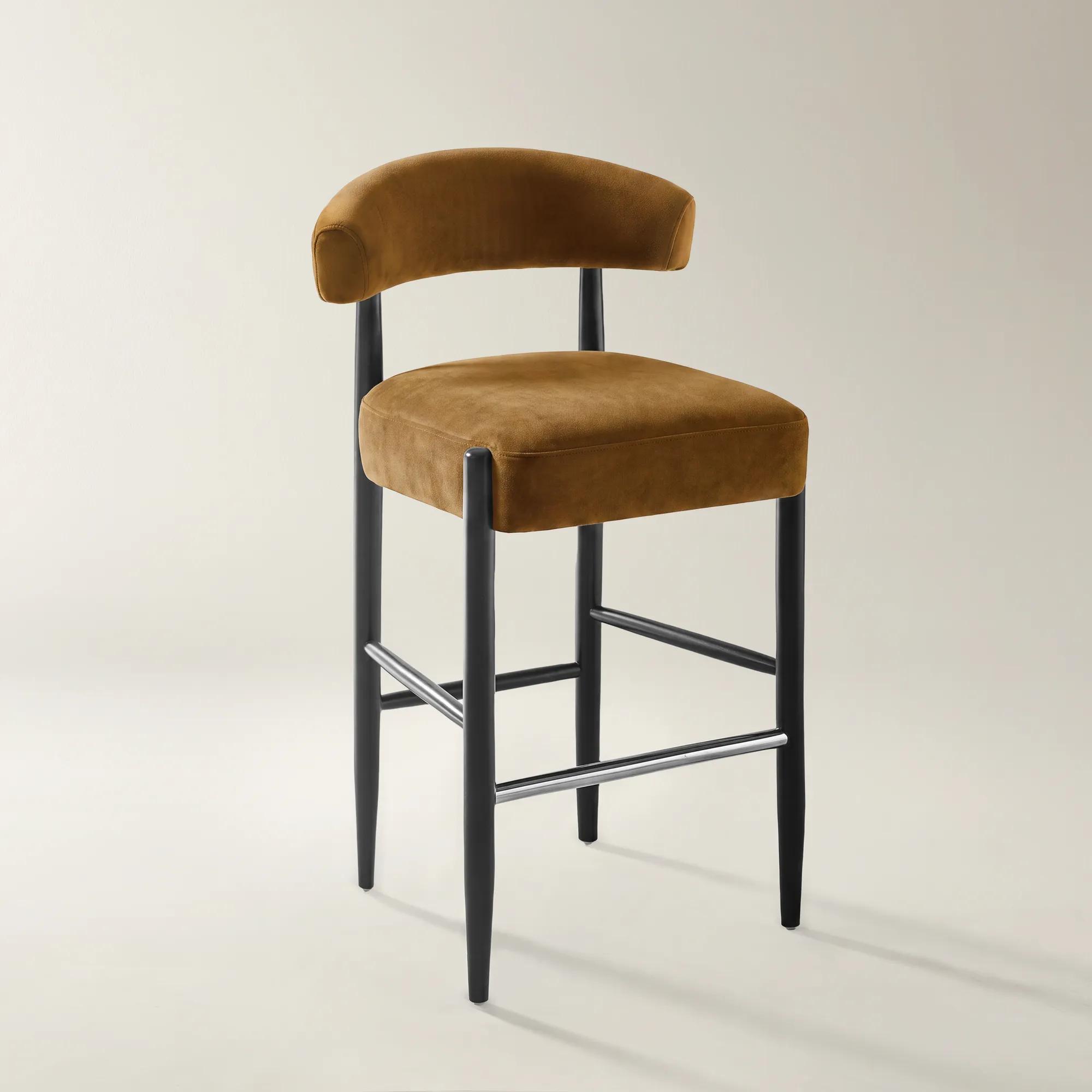 Anna Roasted Pecan Velvet Bar/Counter Stool$399
A roasted pecan velvet stool with a sculpted padded seat and solid rubberwood legs, fully assembled.
Add To Cart -
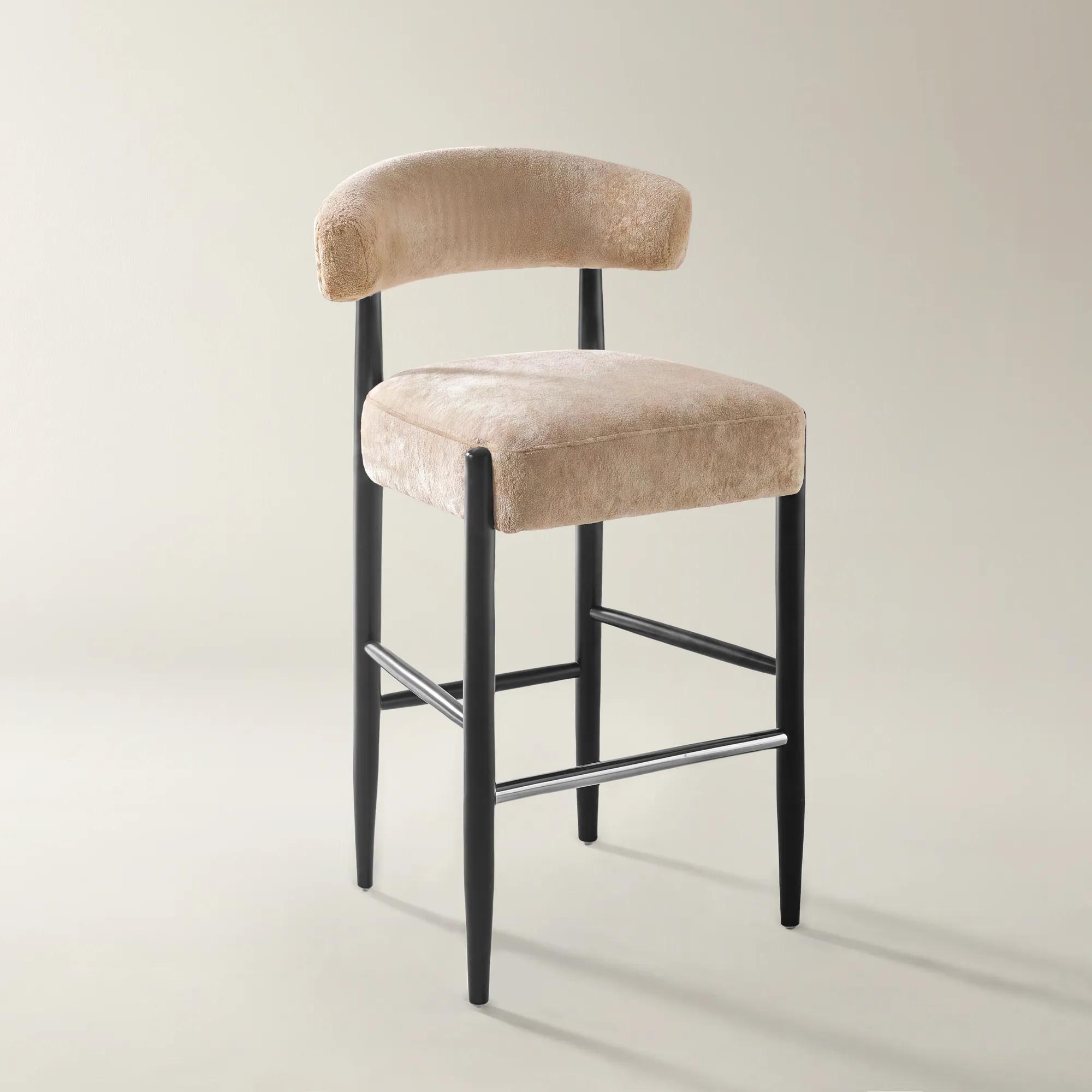 Anna Light Brown Chenille Bar/Counter Stool$399
A brown chenille stool featuring a sculpted back, padded seat, and tapered solid-rubberwood legs.
Add To Cart -
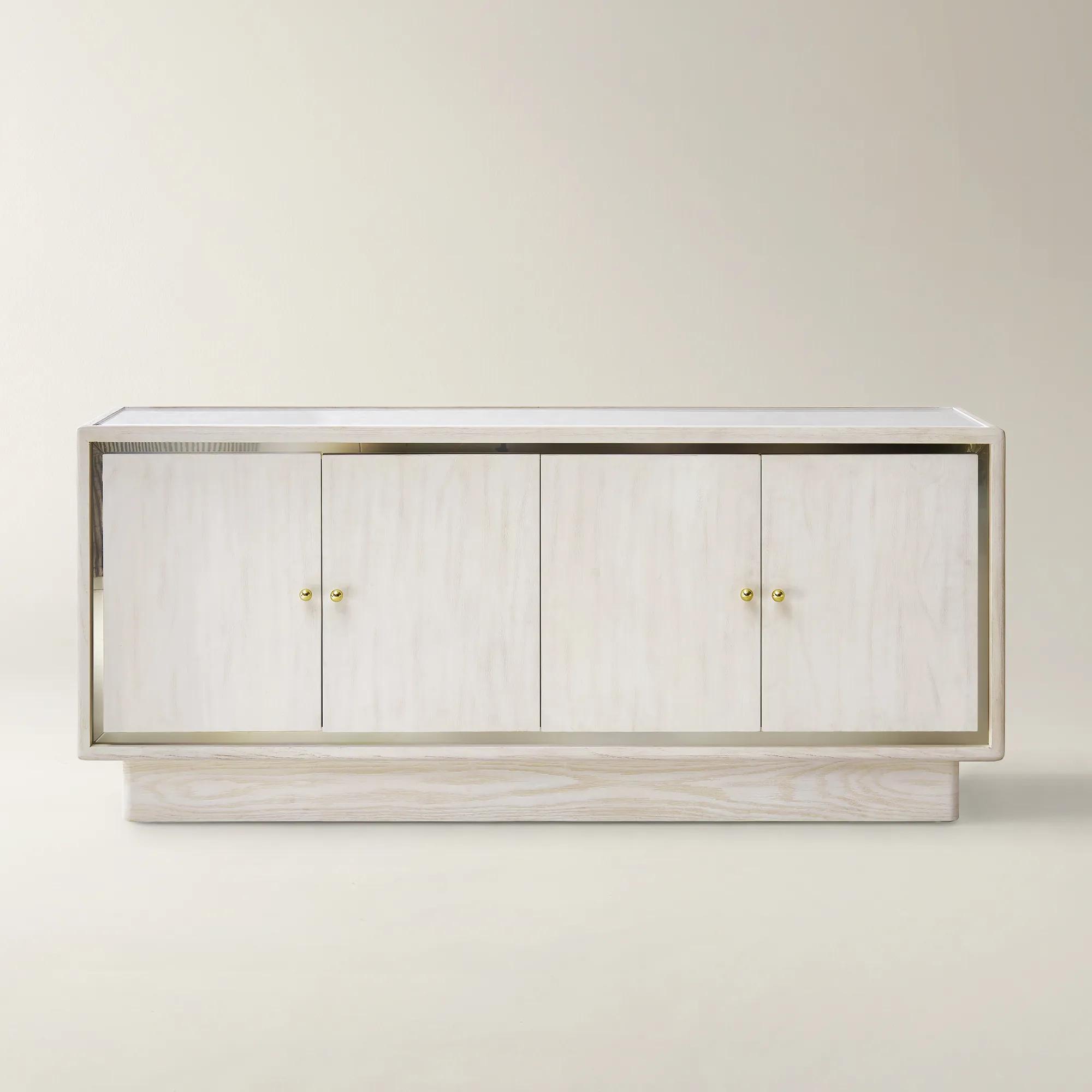 Lumina Bleached Oak Buffet With Pearl Lacquered Top (72")$1999
A luminous bleached oak buffet featuring a pearl lacquered top and champagne gold trim for refined elegance.
Add To Cart -
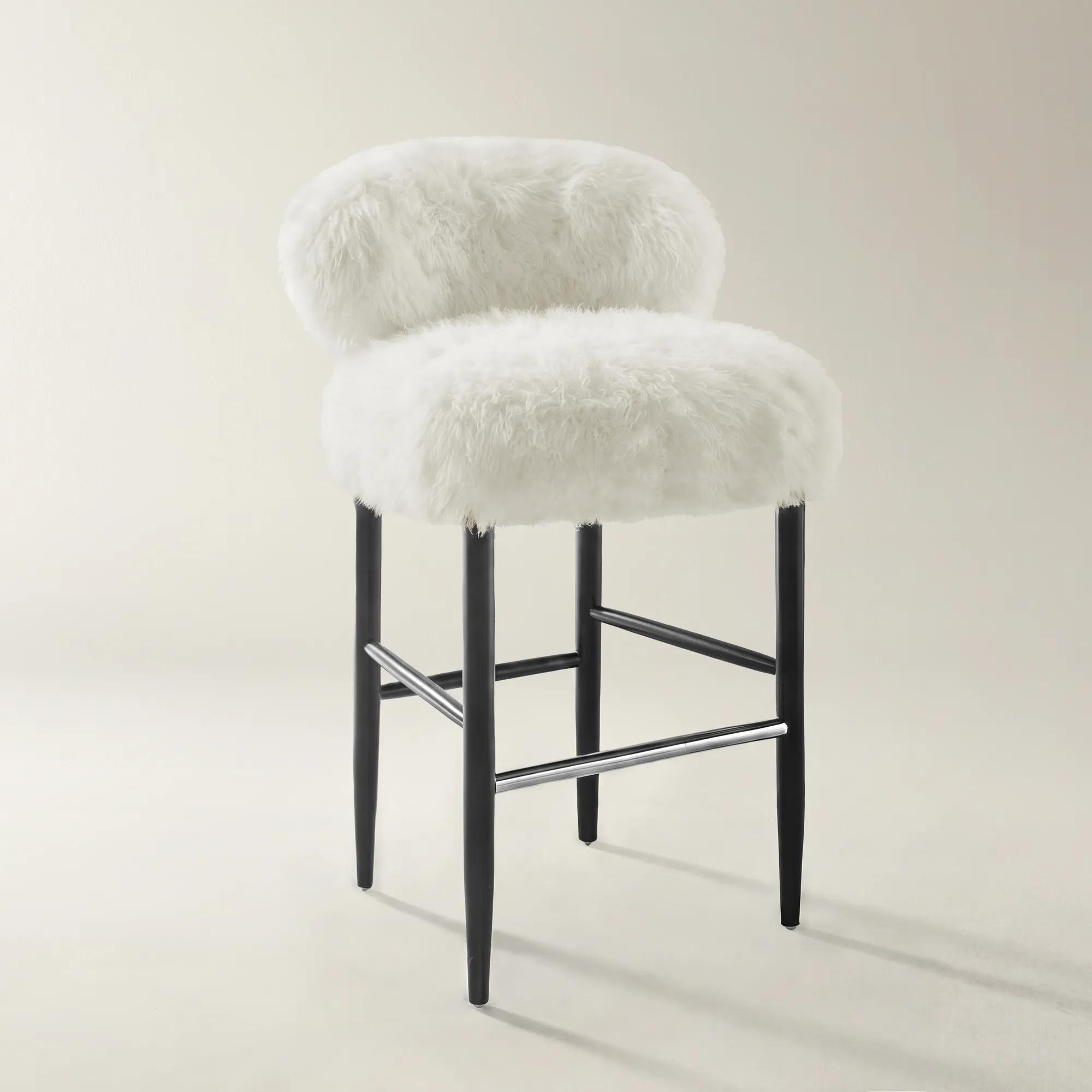 Anna Ivory Faux Fur Bar/Counter Stool$499
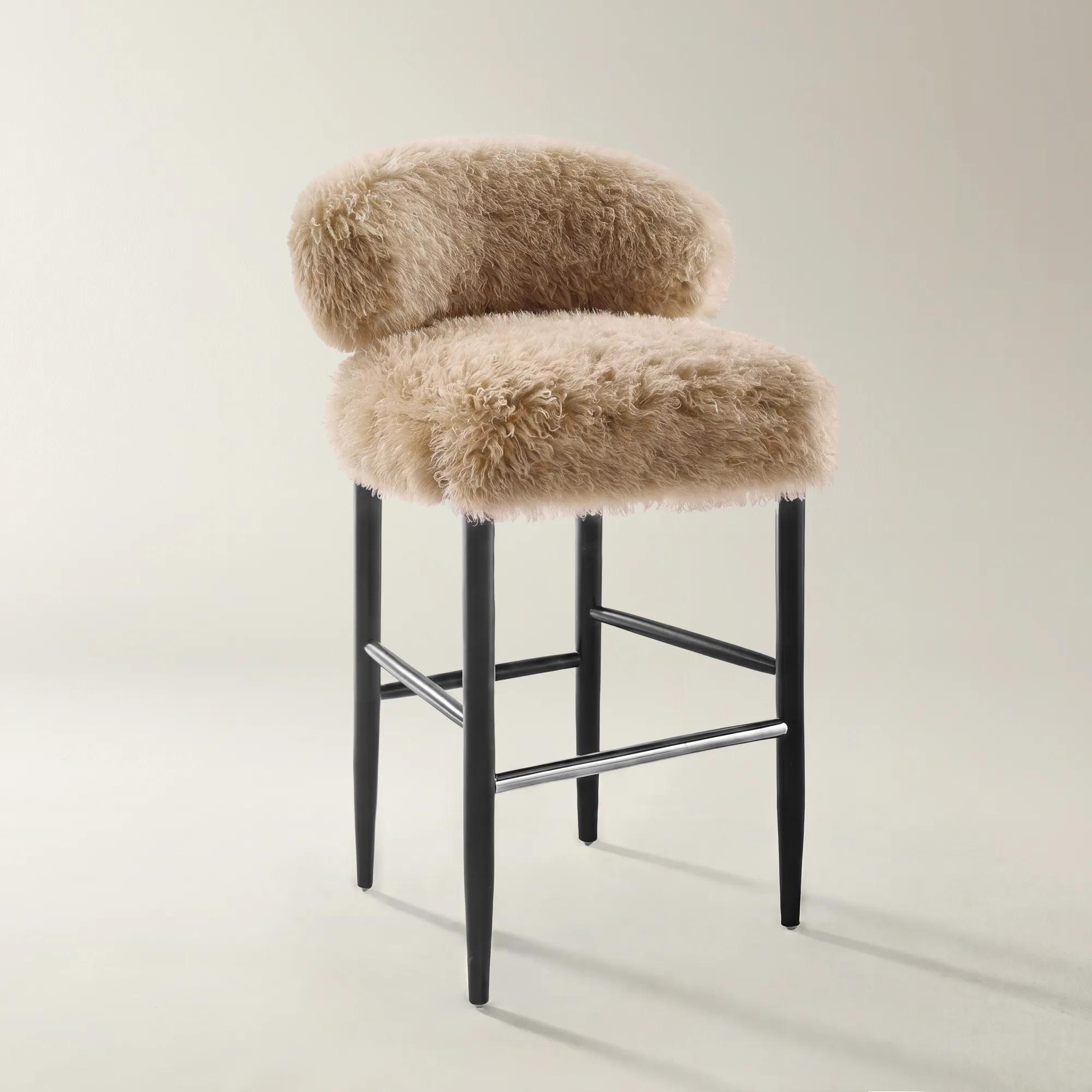
An ivory faux-fur stool with a sculpted padded seat and tapered solid rubberwood legs.
Add To Cart -
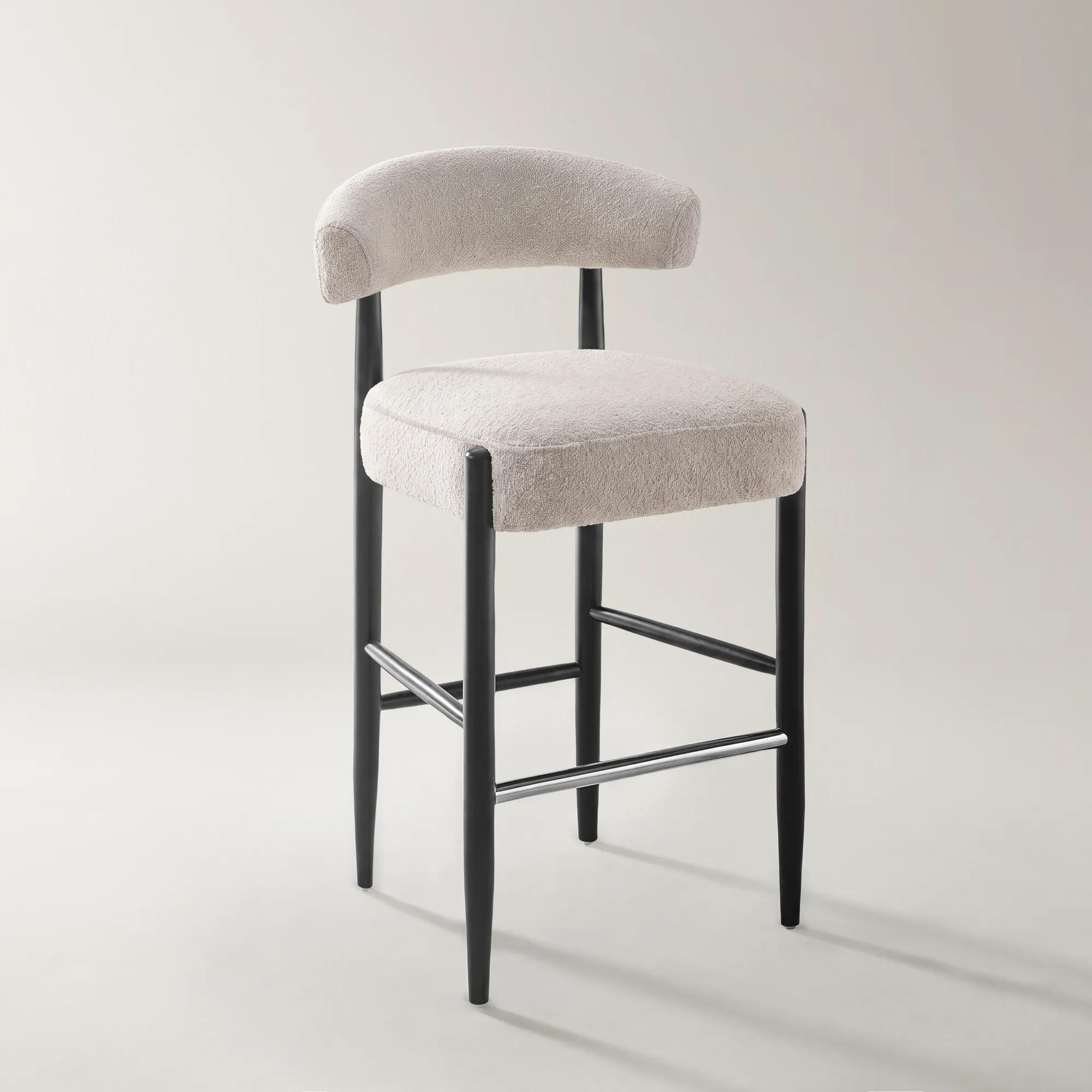
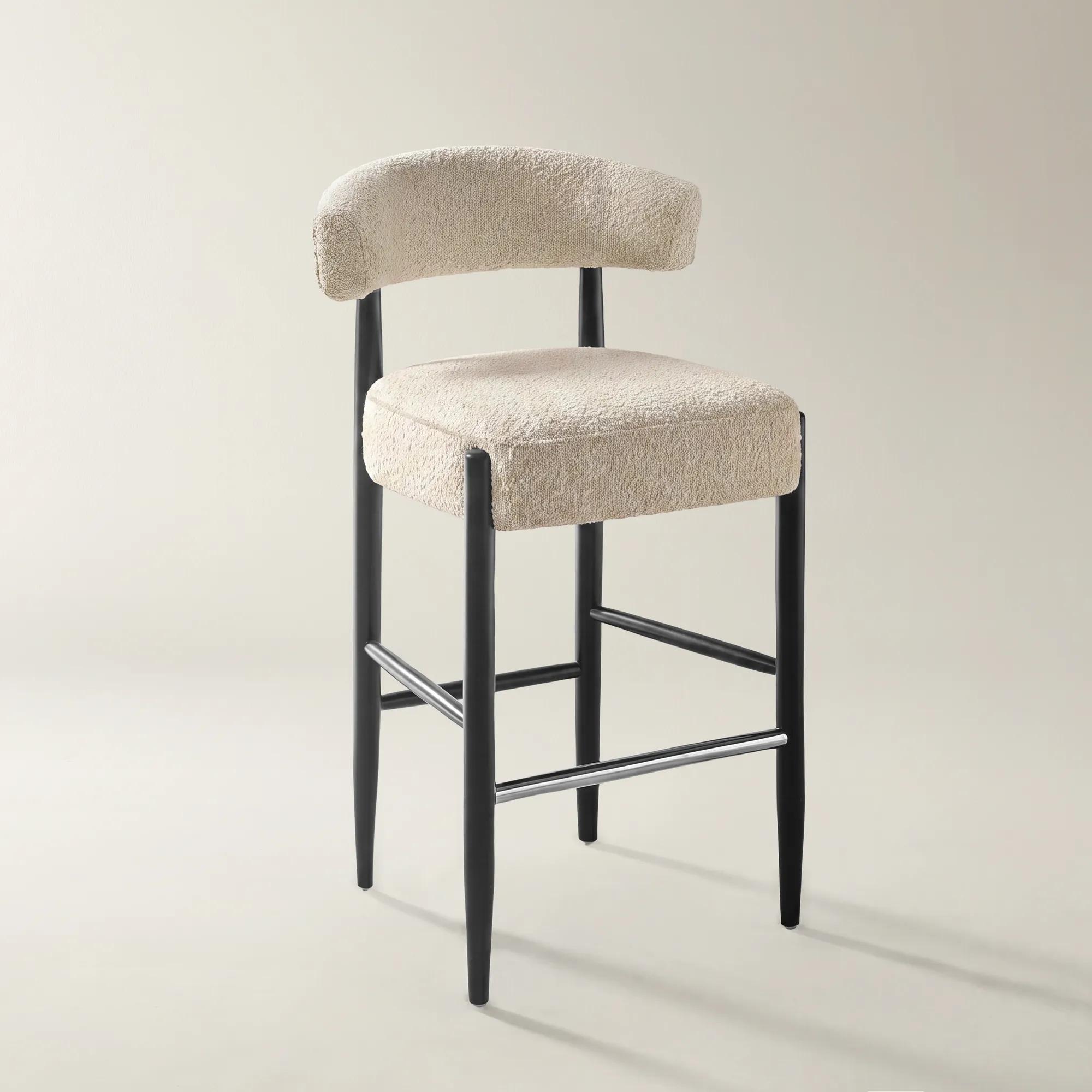 Anna Ivory Performance Boucle Bar/Counter Stool$399
A sculpted ivory performance-bouclé stool with padded support, tailored upholstery, and tapered solid-rubberwood legs.
Add To Cart -
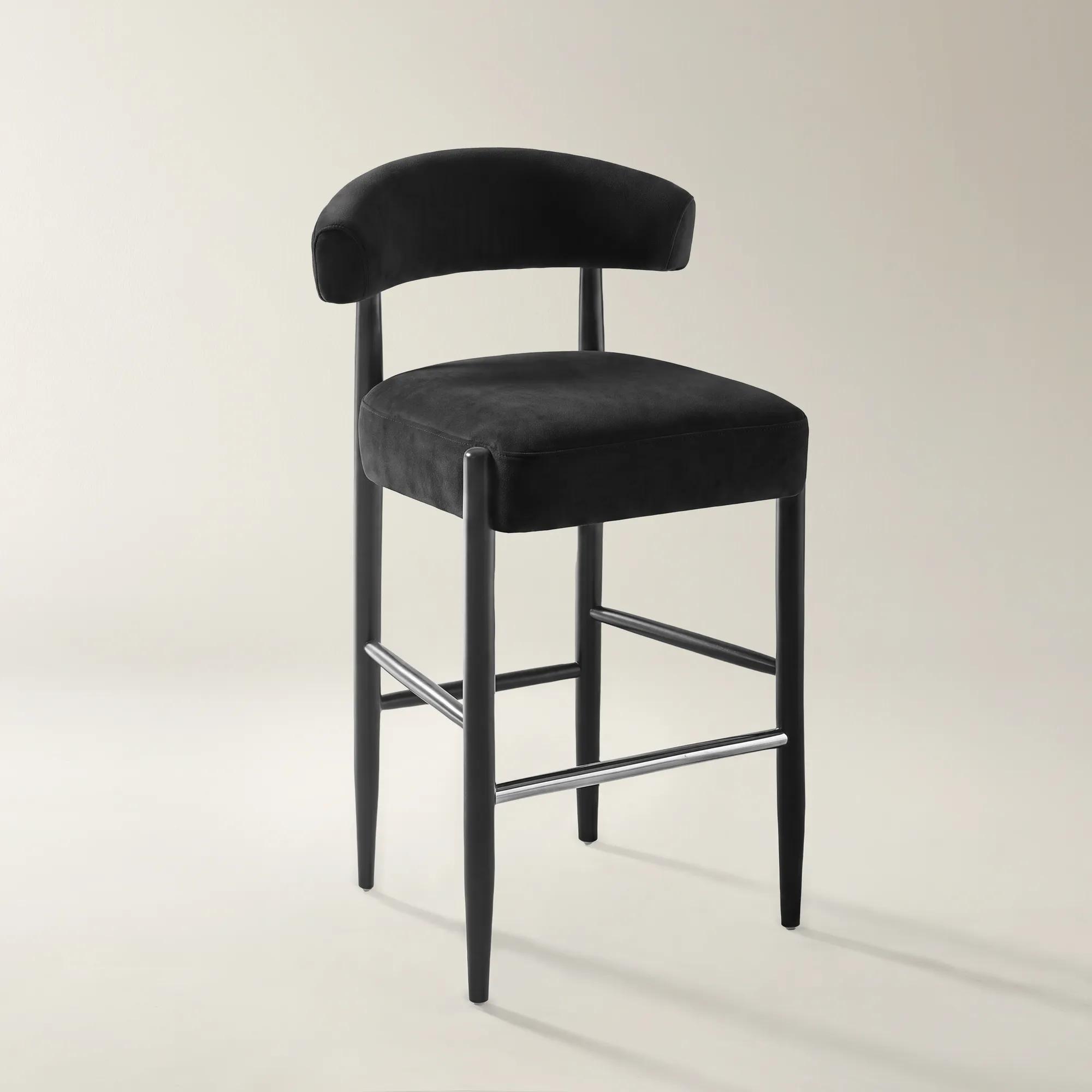 Anna Charcoal Velvet Bar/Counter Stool$399
A charcoal velvet stool featuring a sculpted padded seat, tailored upholstery, and tapered solid-rubberwood legs.
Add To Cart -
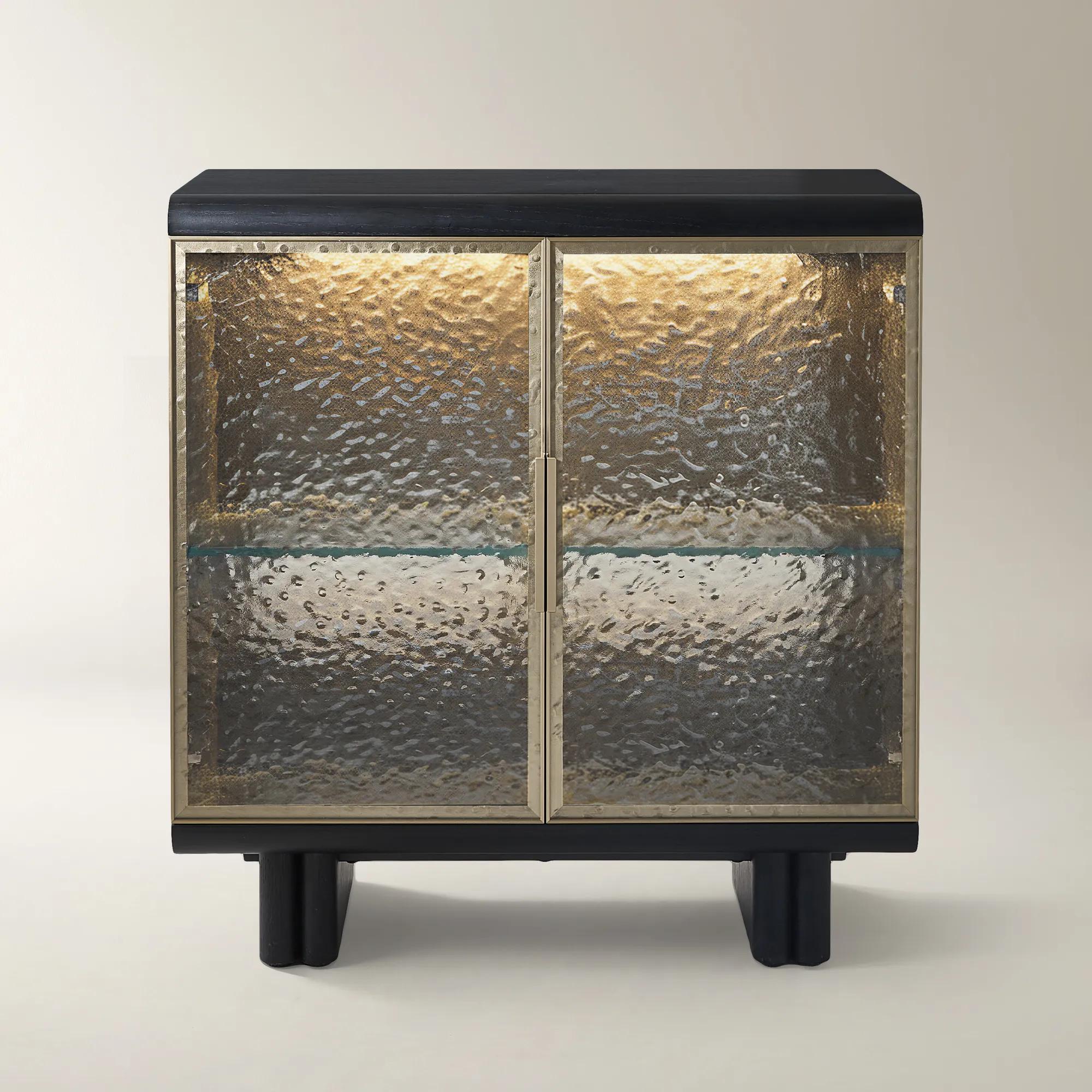
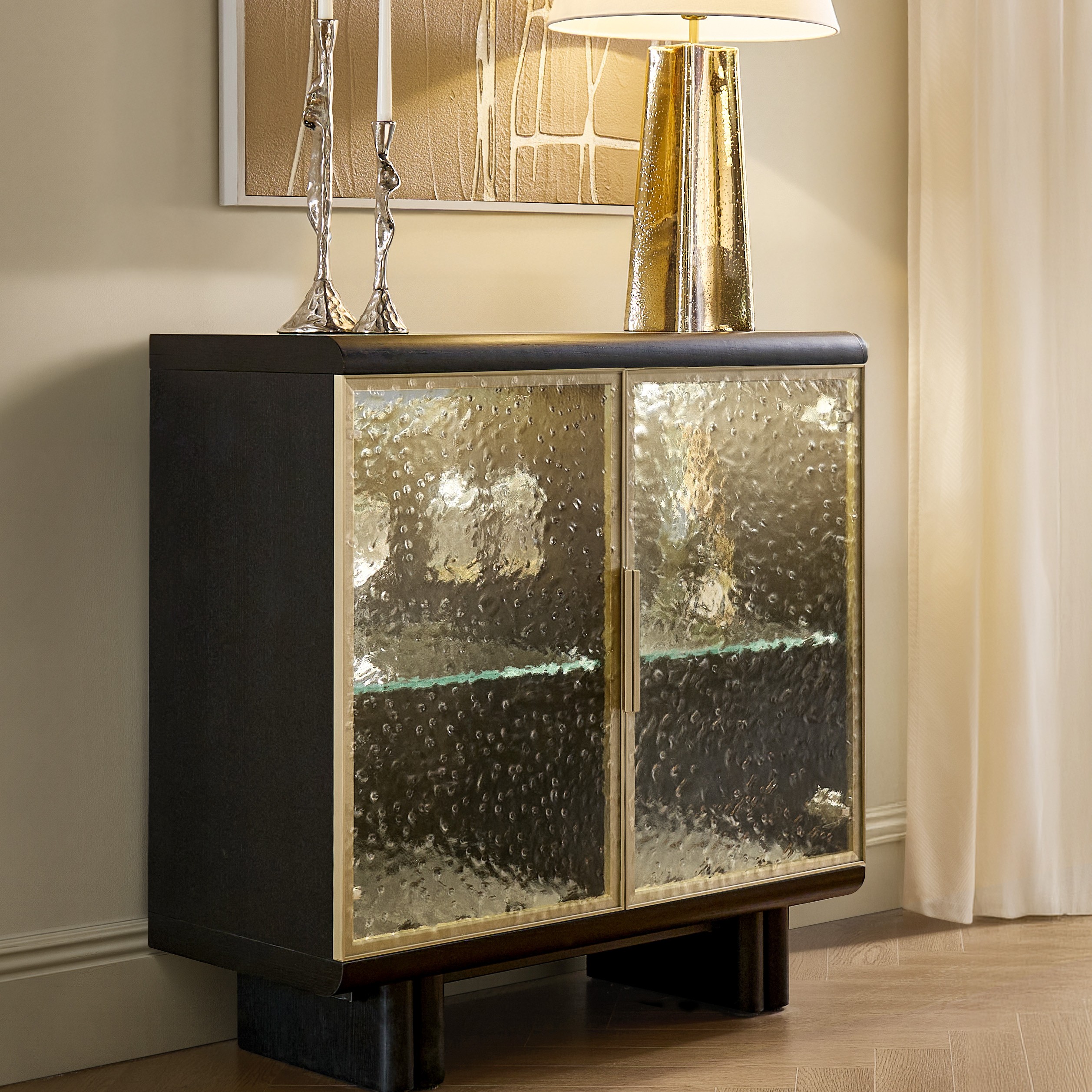 Eleanor Cerused Black Oak Buffet With Wavy Glass Door (38")$1499
A matte black oak veneer buffet with wavy glass doors, mirrored back, and touch-control LED lighting.
Add To Cart -
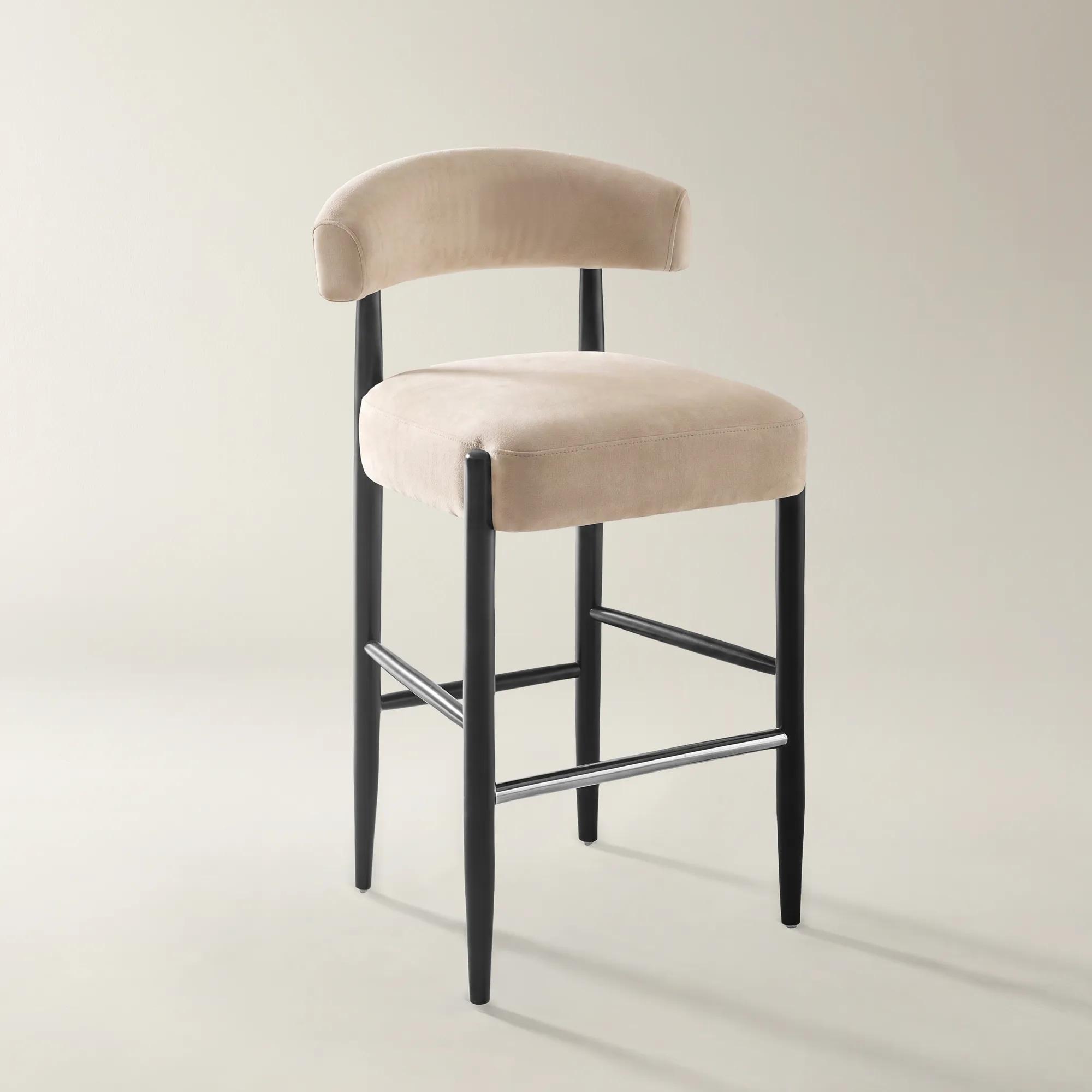 Anna Simply Taupe Velvet Bar/Counter Stool$399
A taupe velvet stool featuring sculpted support, a generously padded seat, and tapered solid rubberwood legs.
Add To Cart -
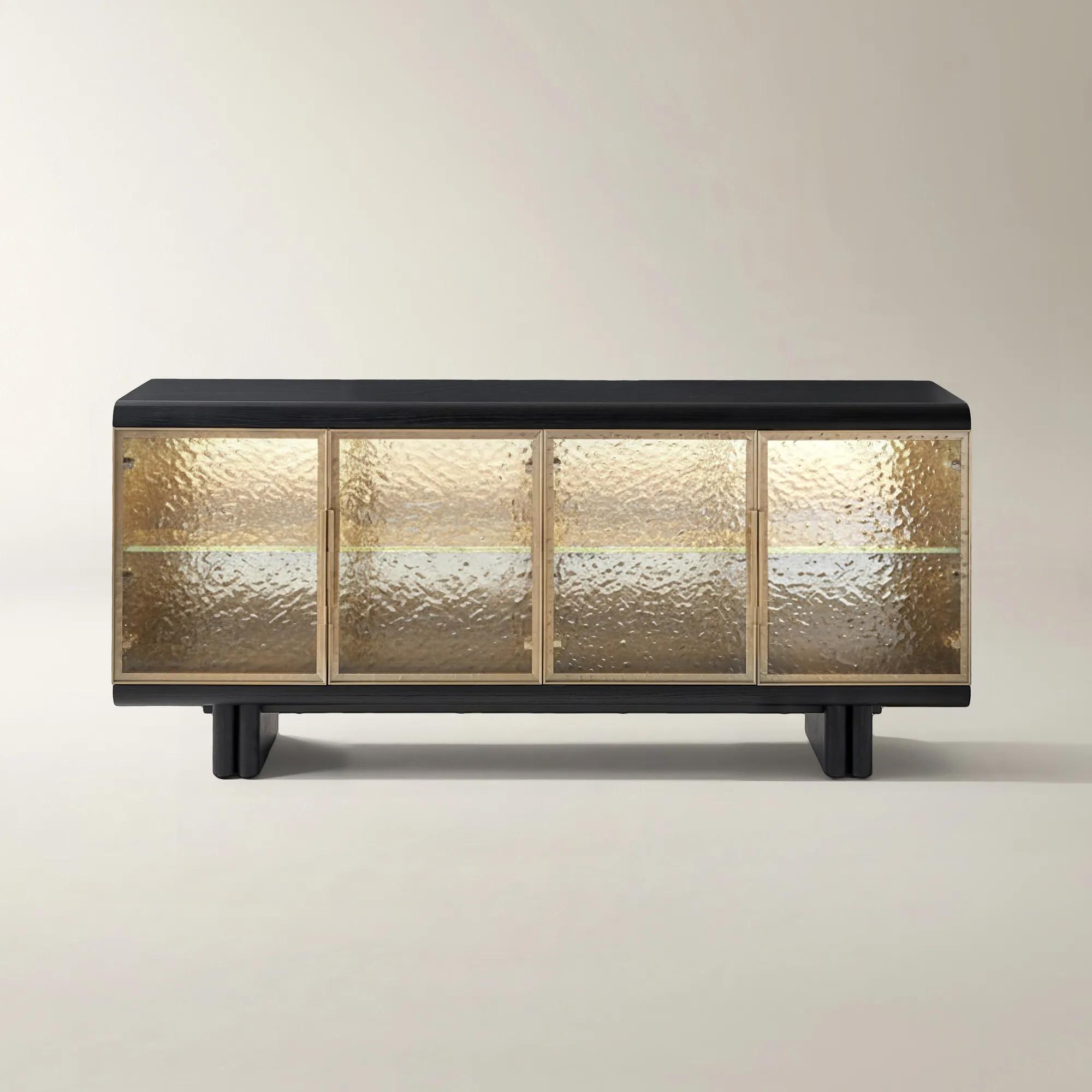 Eleanor Cerused Black Oak Buffet With Wavy Glass Door (72")$1999
A matte black oak veneer buffet featuring wavy art-glass doors, mirrored back, and integrated LED lighting.
Add To Cart -
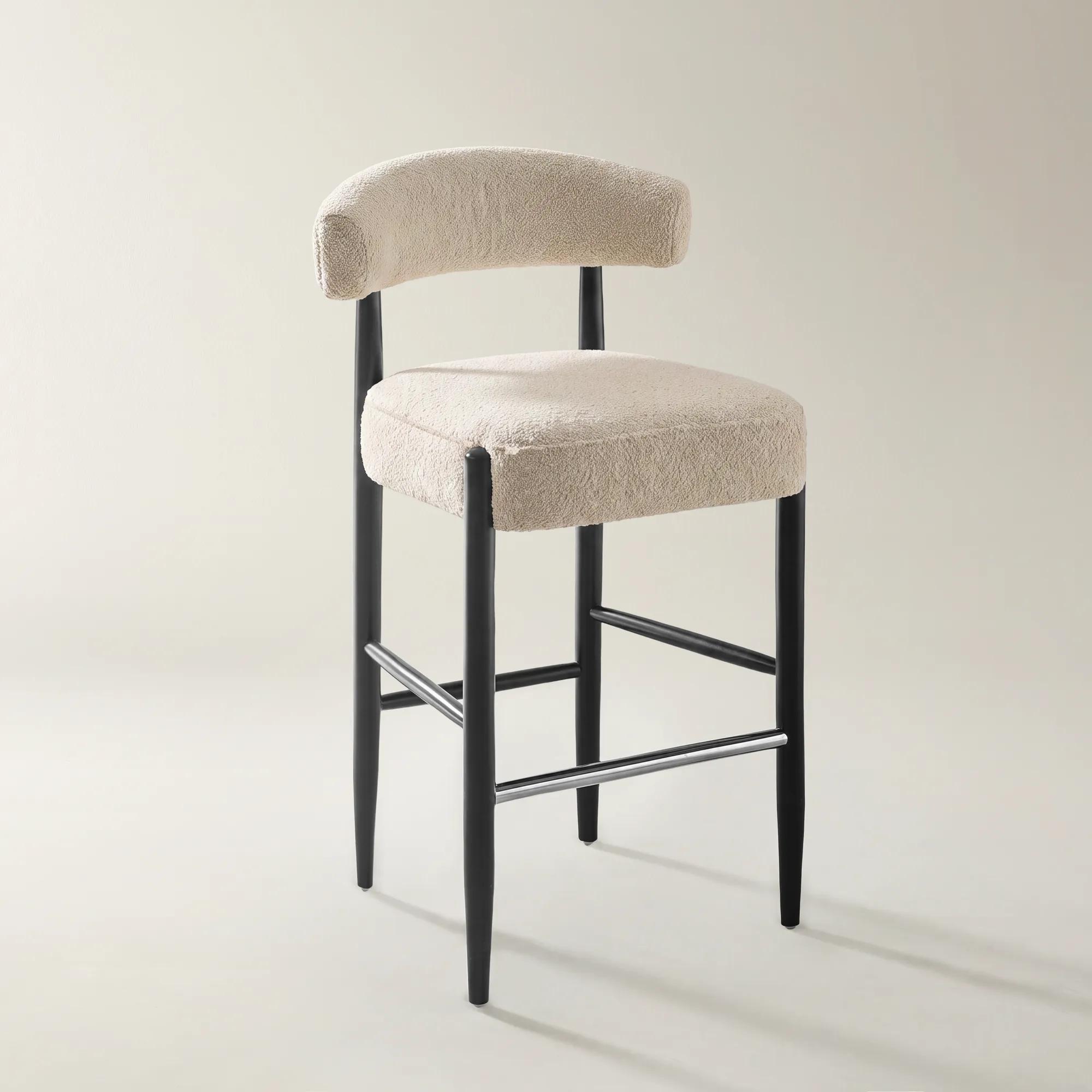 Anna Utopia Sand Chenille Bar/Counter Stool$399
A sand chenille stool with a sculpted padded seat, tailored upholstery, and tapered solid rubberwood legs.
Add To Cart -
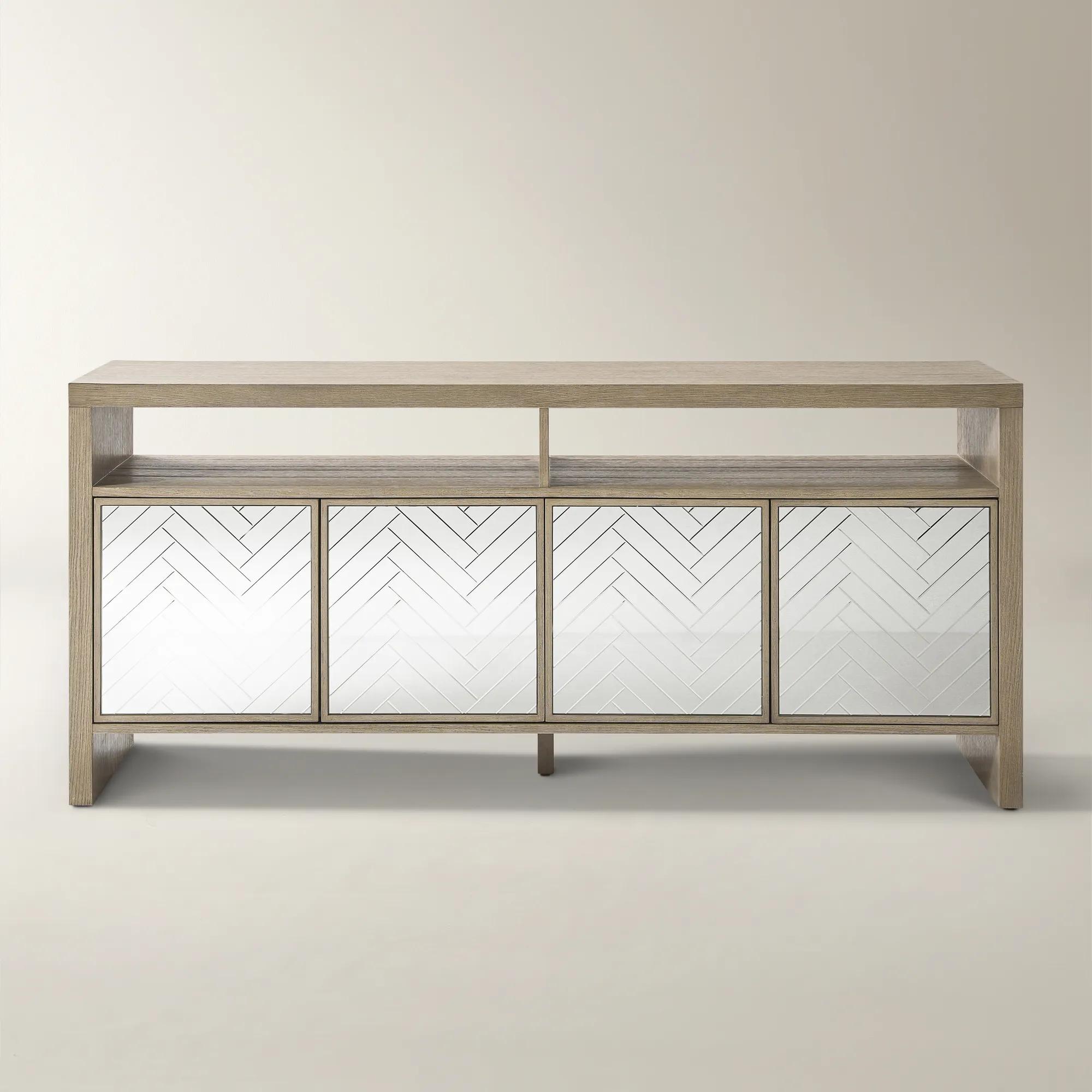 Glimmer Mirrored Seadrift Oak Buffet (70.5")$1799
A sophisticated buffet featuring sea drift oak veneer and mirrored parquet doors with silver leaf accents.
Add To Cart -
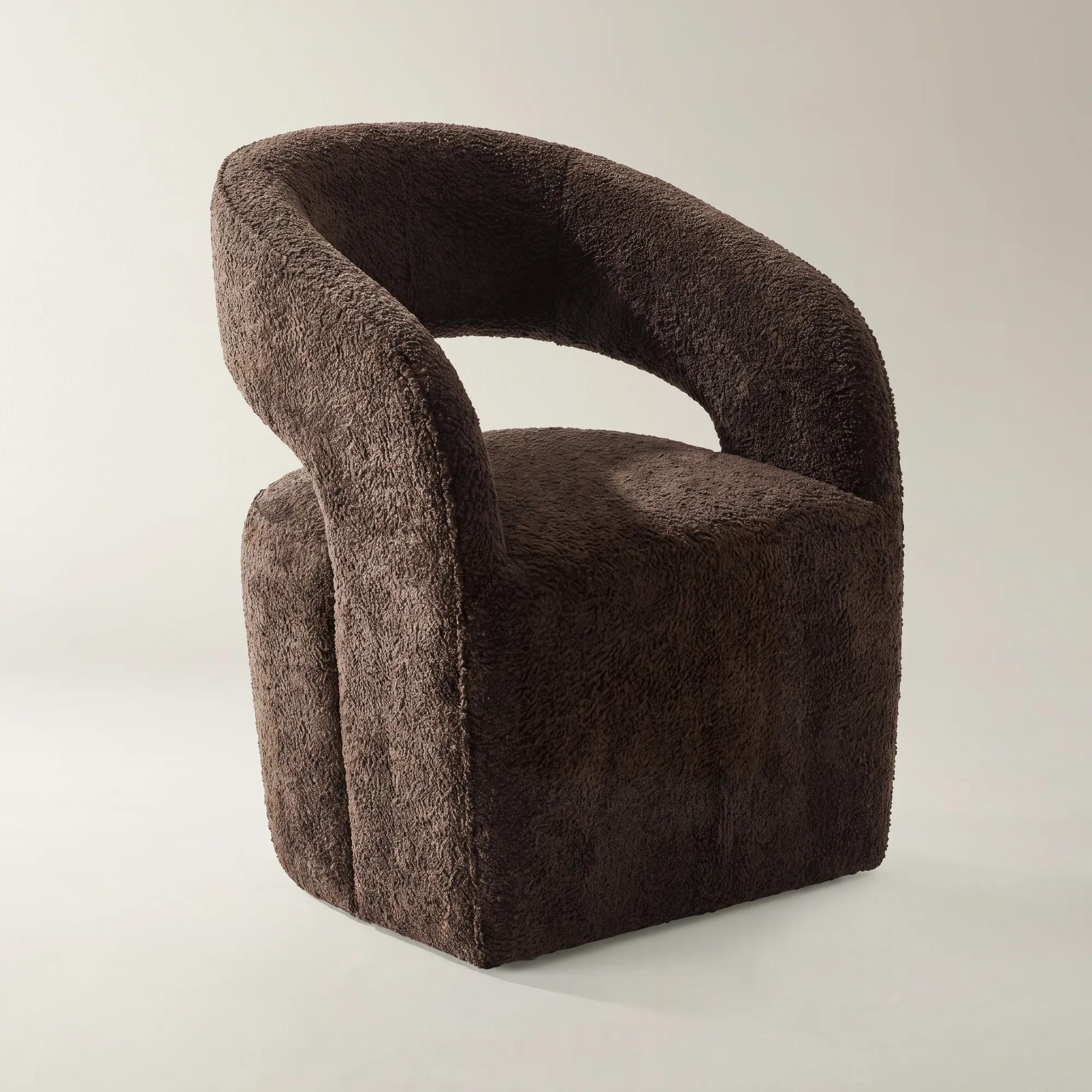
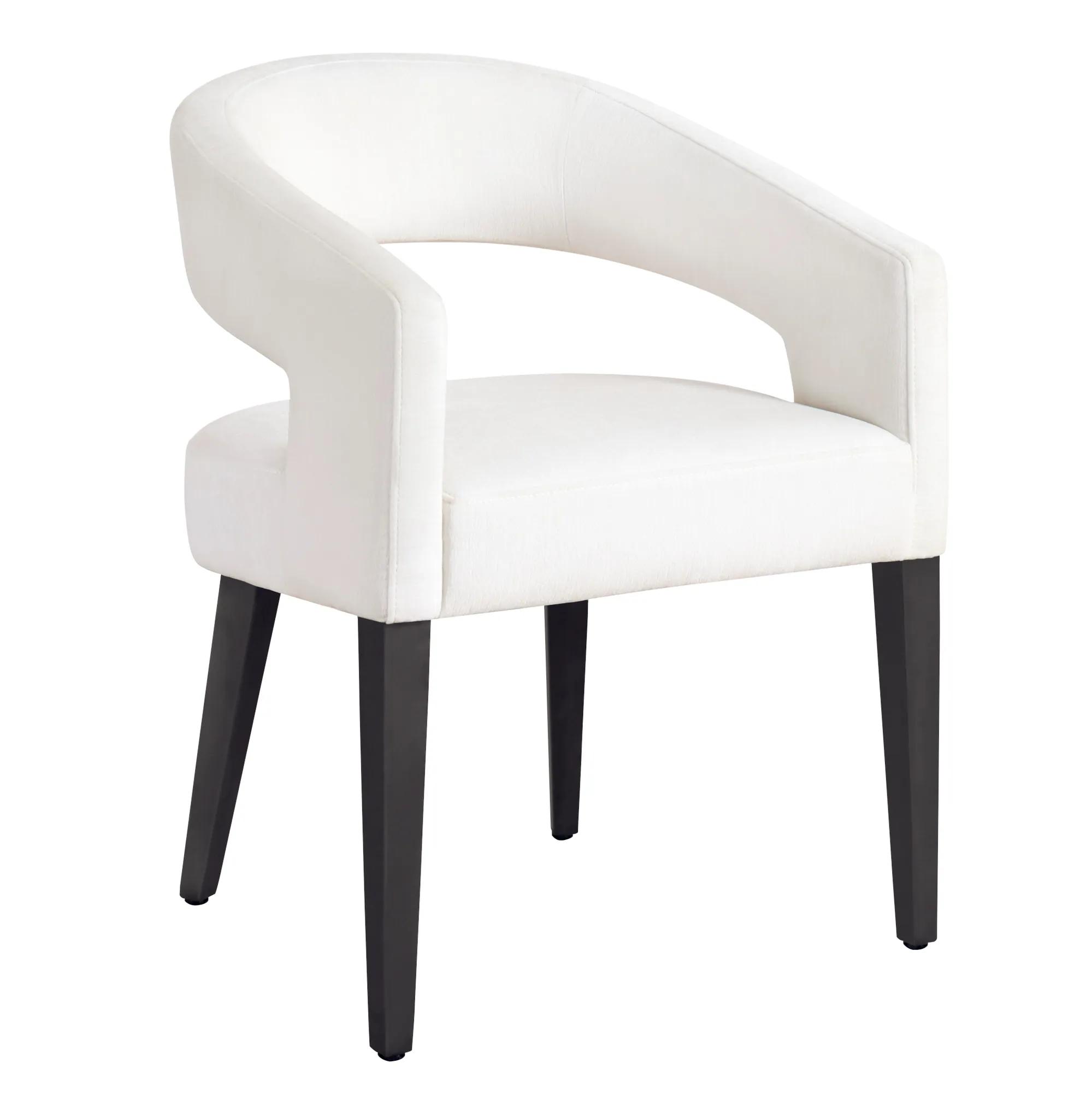
-2.jpg?w=1200&h=1200) Harrison Dark Chocolate Chenille Dining Chair$449
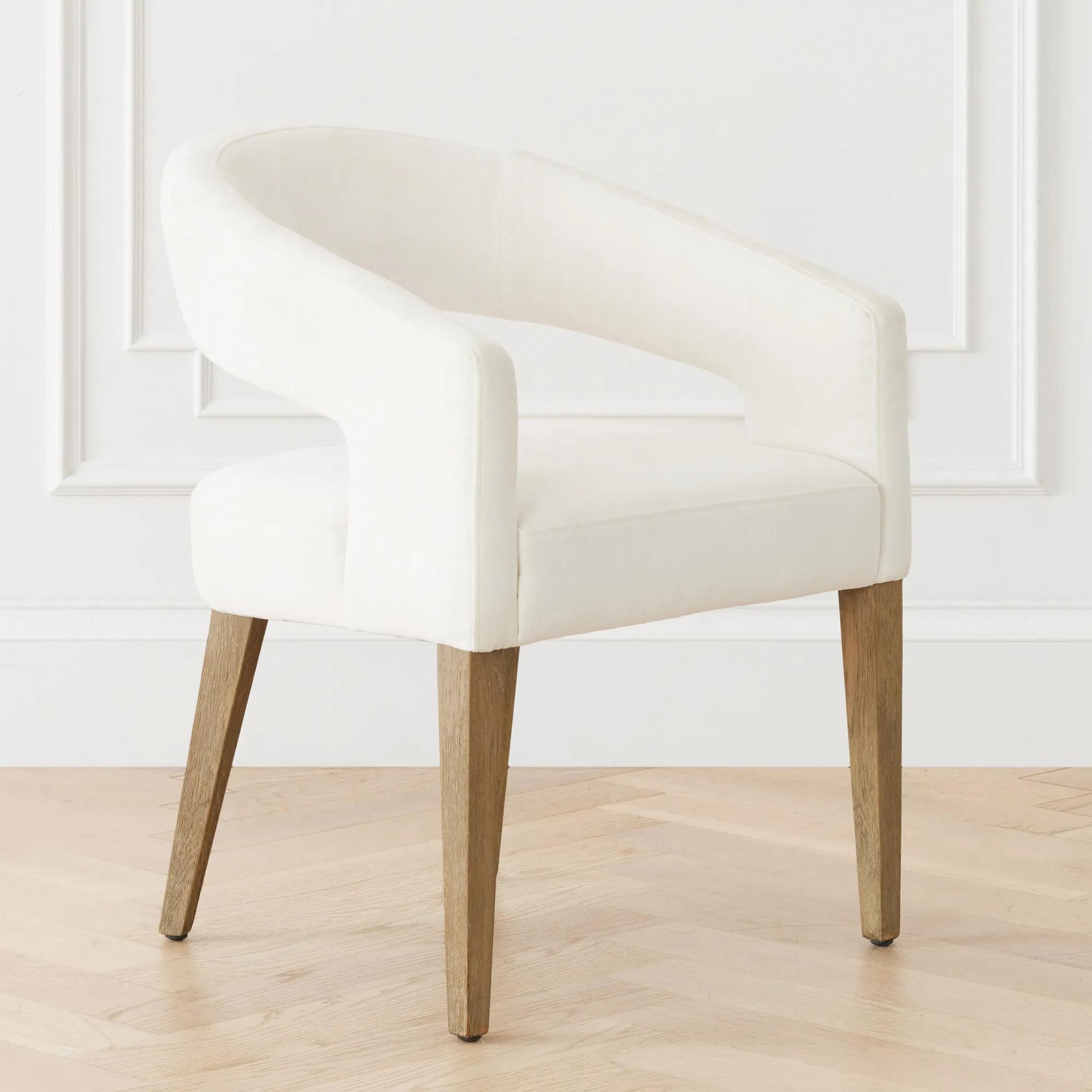
Harrison Dark Chocolate Chenille Dining Chair$449A sculptural dining chair upholstered in dark chocolate chenille with feather-blend cushioning and curved arms.
Add To Cart

Furniture For Upscale Kitchens
Furniture for Upscale Kitchens is where culinary artistry meets high design—where every meal becomes an event and every detail exudes intention. Imagine sleek silhouettes and sumptuous textures transforming your kitchen into a stage for both gourmet pursuits and glamorous gatherings. Here, sculptural forms and luminous finishes invite conversation, while bold accents and refined craftsmanship elevate the everyday into the extraordinary. Explore a curated collection that redefines the heart of the home, turning your kitchen into a canvas of sophistication and expressive allure.
Furniture for upscale kitchens brings the presence of a beautifully furnished room to the place where daily life gathers. Defined by expressive materials, considered proportions, and craftsmanship that rewards a closer look, luxury kitchen furniture balances visual drama with the realities of cooking, dining, and entertaining. Its distinction is not simply a gleaming finish or a generous footprint. It is the relationship between a sculptural silhouette and comfortable seating, between rich wood grain and stone, between a striking focal point and the space to move around it effortlessly. Freestanding furniture can soften the architectural rigor of cabinetry, giving a kitchen depth and individuality rather than the feeling of one continuous installation. A substantial gathering surface introduces a natural center of gravity; upholstered seating adds softness against polished counters; enclosed storage gives serving essentials a home beyond the working kitchen. These elements are especially appealing to people who treat the kitchen as more than a place to prepare meals: the host who likes company while dinner comes together, the household that shares breakfast before everyone heads in different directions, or the apartment dweller whose kitchen is visible from nearly every other room. Picture the familiar moment when guests arrive and settle near the counter, despite an inviting living room just beyond it. Furniture that welcomes that instinct makes entertaining feel gracious rather than improvised. The most compelling upscale kitchens acknowledge both sides of the room’s personality: purposeful enough for everyday routines, expressive enough to hold their own when the lights dim and conversation lingers. During the cooler months, when gatherings often move indoors, tactile upholstery and warm wood tones can make polished surfaces feel more inviting. Yet the appeal lasts well beyond a season. Whether the surrounding architecture is crisp and contemporary or layered with traditional detail, well-chosen kitchen furniture establishes a mood that feels personal, composed, and ready to be lived in.
Materials and construction deserve as much attention as silhouette when choosing furniture for an upscale kitchen. Solid wood brings natural variation and can develop character with use, while quality wood veneers allow distinctive grain patterns across broad surfaces; neither label alone tells the whole story of durability. Look at the underlying construction, joinery, edge treatment, and care requirements rather than assuming that a luxurious appearance guarantees a particular level of performance. Stone offers depth and a sense of permanence, but surfaces behave differently around food and drink. Marble can etch when exposed to acids such as citrus juice or vinegar, and some natural stones require periodic sealing. Engineered surfaces have their own limitations, so confirm the manufacturer’s recommendations for heat, staining, and cleaning before choosing a piece for everyday meals or preparation. A dining surface should not be treated as a cutting board or assumed to tolerate hot cookware. Metal introduces another dimension: brushed finishes lend a softer gleam, while highly polished surfaces reflect light with a more theatrical effect and may show fingerprints more readily. Upholstery brings welcome comfort, particularly where people sit for long breakfasts or unhurried dinners. For frequently used kitchen seating, consider cleanability, abrasion resistance, seam placement, and whether the fabric suits a household with children or pets. Performance fabrics vary, and stain resistance does not mean that every spill will disappear without prompt care. Comfort is equally specific. A supportive back, usable seat depth, and well-positioned footrest matter more over an evening than a striking profile alone. Storage furniture merits a similarly close inspection: shelves should accommodate the pieces you actually use, drawers should open smoothly, and doors need room to swing without interrupting circulation. Freestanding storage intended for a dining area may be excellent for linens and serving pieces without being suitable for wet preparation or heavy appliances. Before purchasing, verify dimensions, weight limits, assembly requirements, and any anchoring instructions. These quieter details allow the beautiful ones to remain the focus, even when the kitchen is working hard.
Scale is what makes statement furniture feel assured rather than imposing. Begin with the room’s fixed elements—cabinetry, appliances, doorways, and counter overhangs—and measure the usable space around them, not merely an empty section of floor. For kitchen seating, counter-height seats are typically about 24 to 26 inches high, while bar-height seats are generally about 28 to 30 inches; the correct choice depends on the actual height and underside clearance of the surface. Allow roughly 10 to 12 inches between the seat and the underside for comfortable legroom, checking aprons and other structural details that may reduce that space. Width matters just as much: sculptural arms and generously upholstered seats need more room than narrow, armless profiles. Leave space for people to sit down, turn, and stand without brushing their neighbors. In working areas, commonly recommended aisle widths are at least 42 inches for one cook and 48 inches for multiple cooks, though the right layout depends on appliance openings, accessibility needs, and the room itself. A freestanding piece should enhance circulation, not create a beautiful obstacle between the sink and the refrigerator. In connected interiors, furniture also has a visual responsibility beyond the kitchen. The backs of seats, the sides of storage pieces, and the finish of a table base may be visible from the sofa or entry, making every angle part of the composition. Explore Stylish Furniture for Open Kitchens for a complementary perspective on furnishings that connect cooking, dining, and living spaces. Cohesion does not require everything to match. Repeating a warm metal tone, echoing a curved line, or balancing dark wood with pale upholstery can establish continuity while preserving contrast. For a smaller home, a carefully proportioned statement may create more impact than an oversized piece; for a generous kitchen, substantial forms can keep furniture from feeling visually adrift. Before delivery, measure halls, elevators, and door openings as carefully as the destination. An exceptional kitchen feels considered at every level: comfortable during a quiet morning, gracious with a full house, and unmistakably expressive even before the first place is set.
FAQs
Upscale kitchen furniture often features luxurious materials such as polished marble, gleaming metals like brass or stainless steel, high-gloss lacquered wood, and sumptuous fabrics including velvet or leather. These materials not only elevate the visual appeal of the space but also add tactile richness and lasting durability.
To achieve a cohesive look, select furniture pieces that share complementary finishes, tones, or design motifs. For example, pairing brass hardware with brass-accented barstools or echoing the veining in a marble island with similar patterns in your dining table. Layering textures and mixing materials thoughtfully can unify the space while still allowing each piece to shine.
For those who love to entertain, consider incorporating elegant bar carts, statement-making dining tables, plush counter stools, and display cabinets to showcase fine glassware or serving pieces. These elements not only provide functional benefits but also set the stage for memorable gatherings and effortless hospitality.
Absolutely. Credenzas, sideboards, and étagères with adjustable shelving offer both storage and display possibilities, keeping essentials within reach while maintaining a refined aesthetic. Look for multi-functional pieces that blend artistry with organization, allowing your kitchen to remain both beautiful and practical.
Select accent pieces—such as decorative trays, sculptural vases, or artful lighting—that echo the color palette or materials of your main furniture. These finishing touches add personality and depth, transforming your kitchen from a functional space into a curated expression of your unique style.