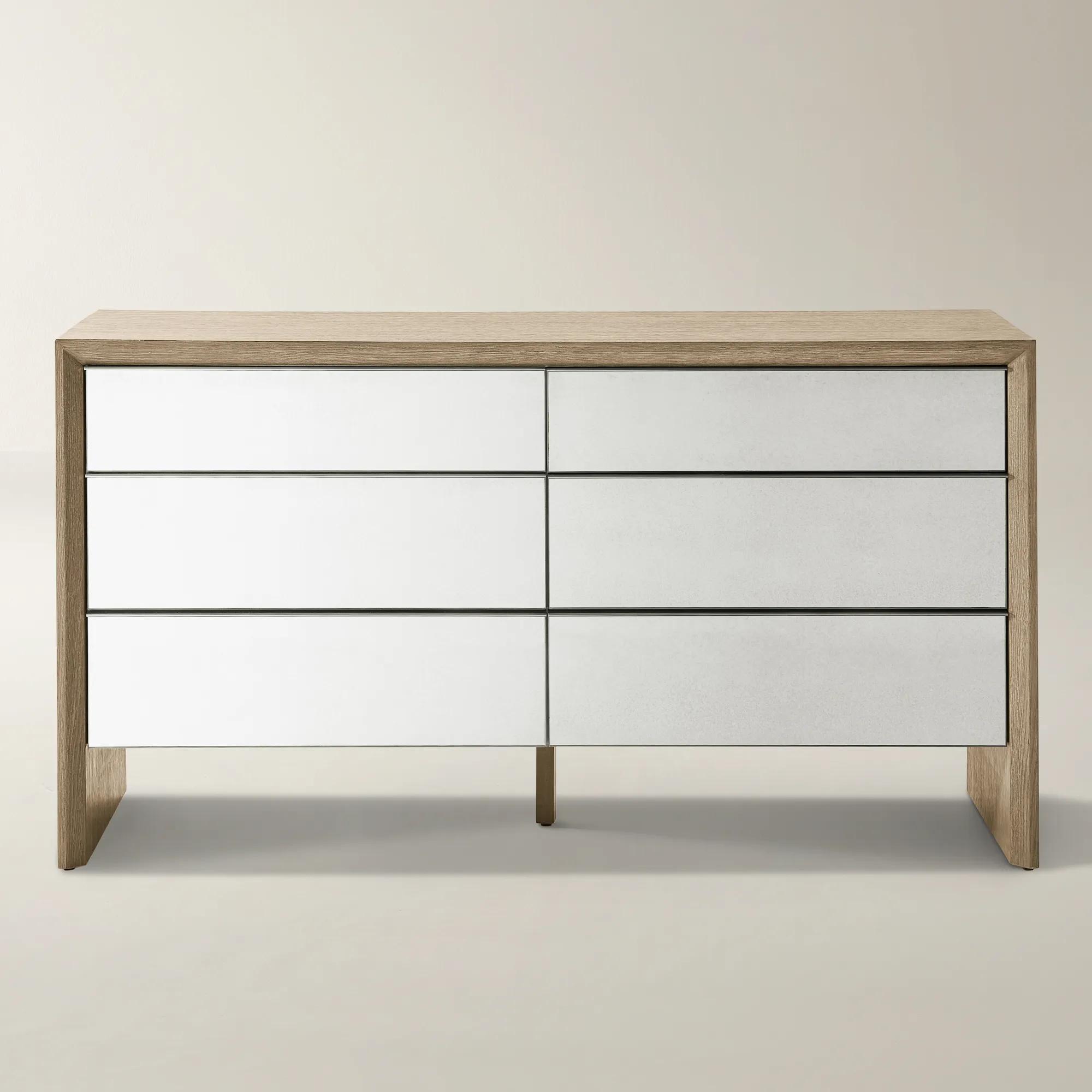
Storage Solutions For Studio Apartments
Storage Solutions For Studio Apartments
-
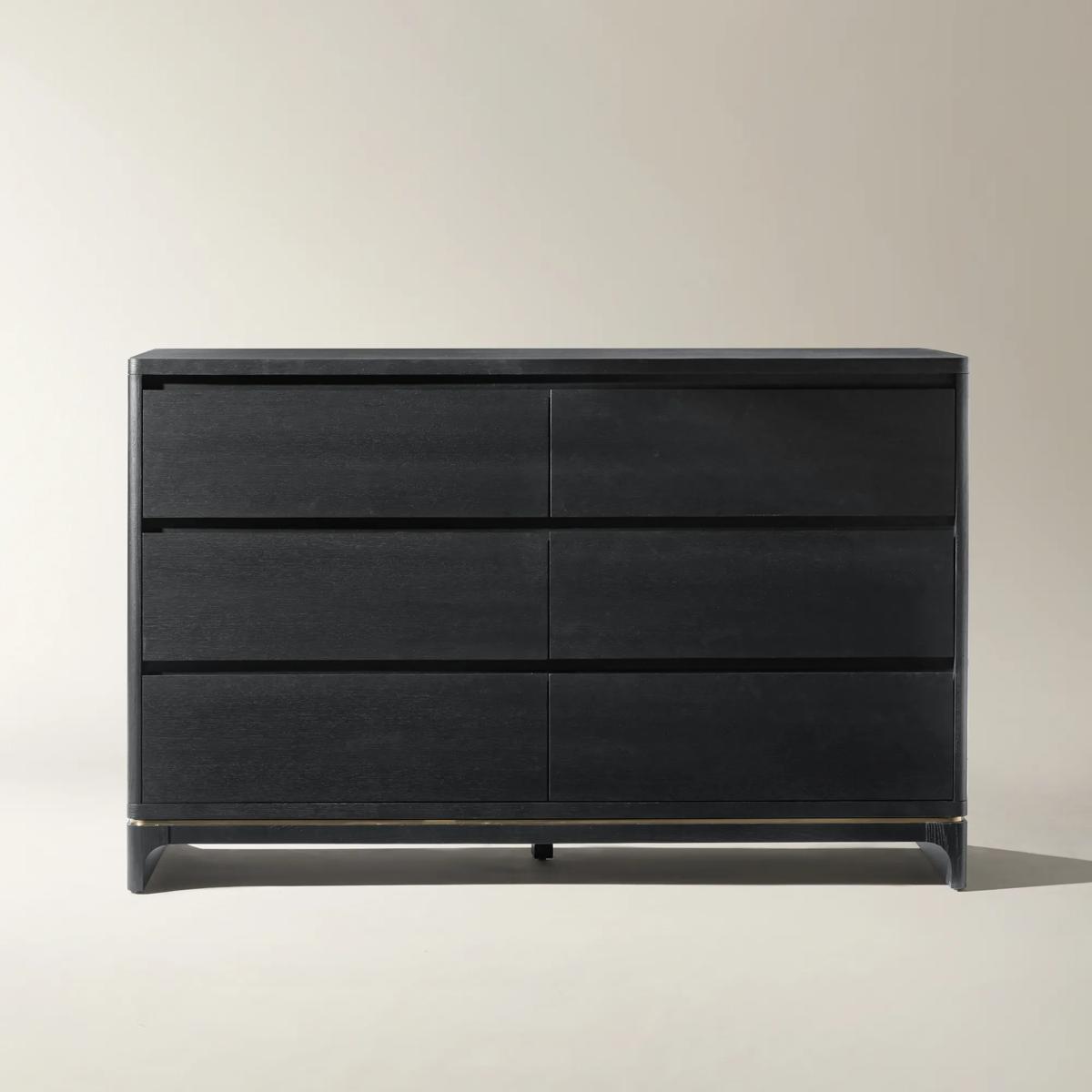
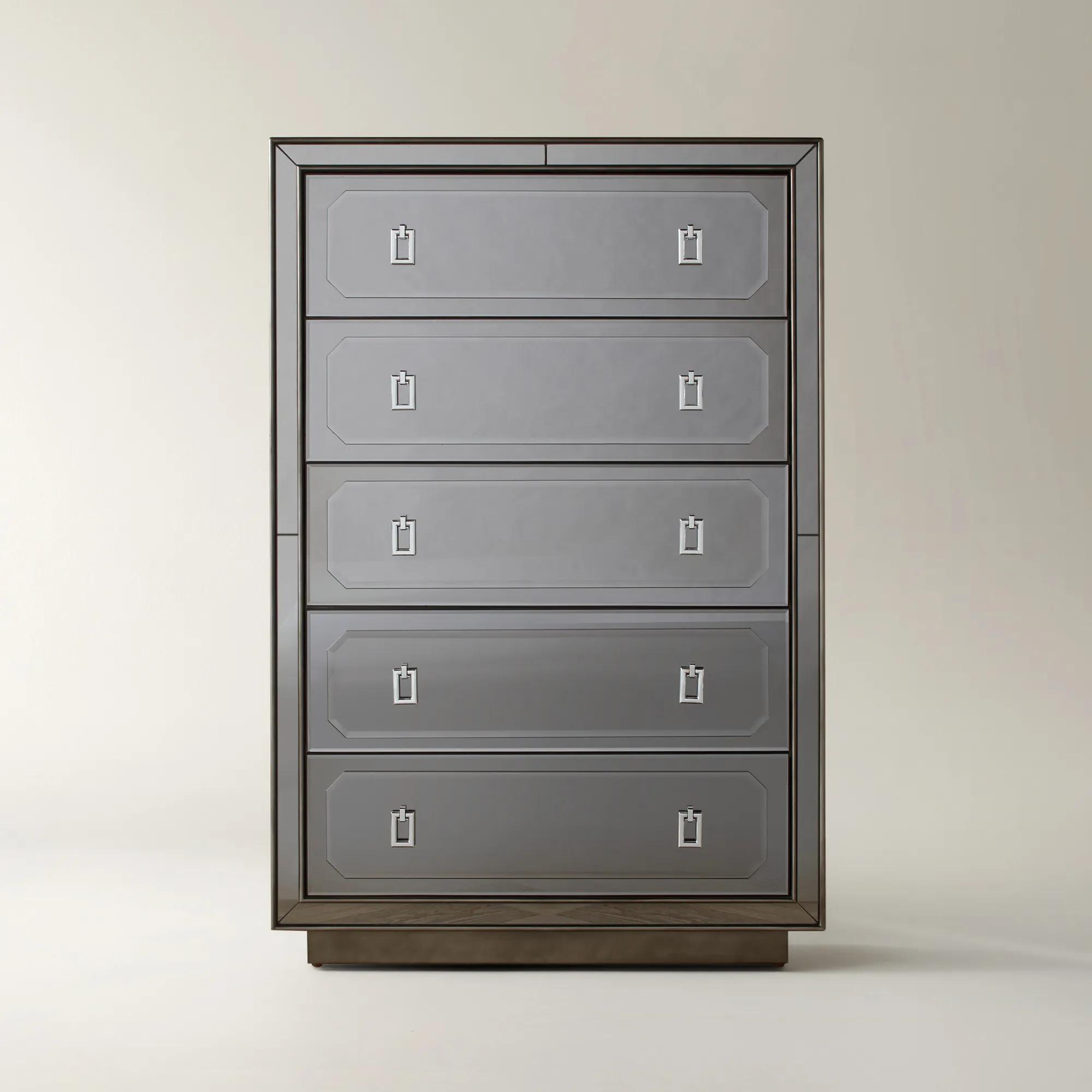 Maddox Mirrored Grey 5-Drawer Tall Dresser (36")$2099
A modern chest featuring beveled mirror panels, graphite finish, and polished nickel hardware for sleek sophistication.
Add To Cart -

 Stria Reeded White Oak Open Bookcase (80")$2699
A modern open bookcase featuring vertical reeded white oak, soft gold metal trim, and five spacious shelves.
Add To Cart -
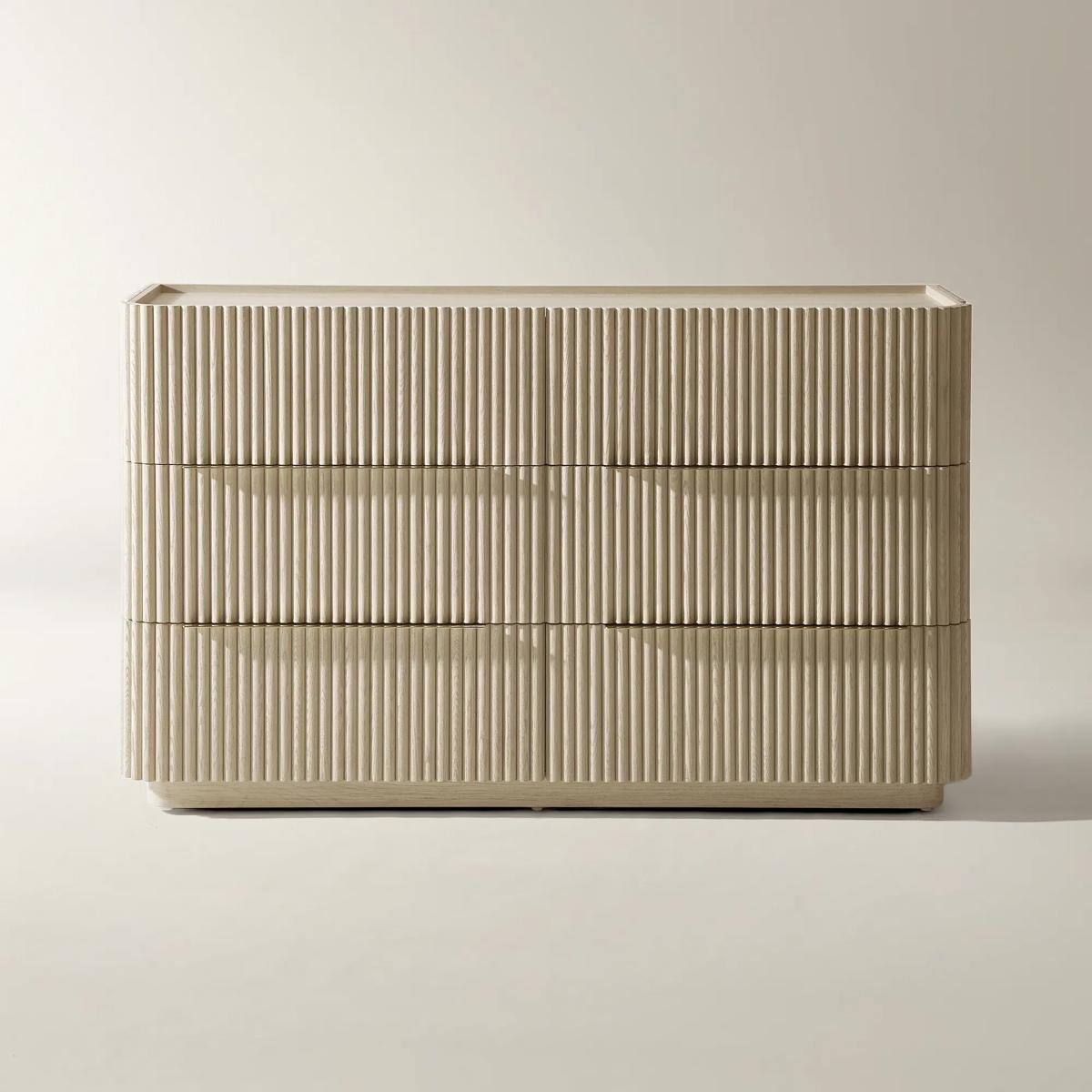
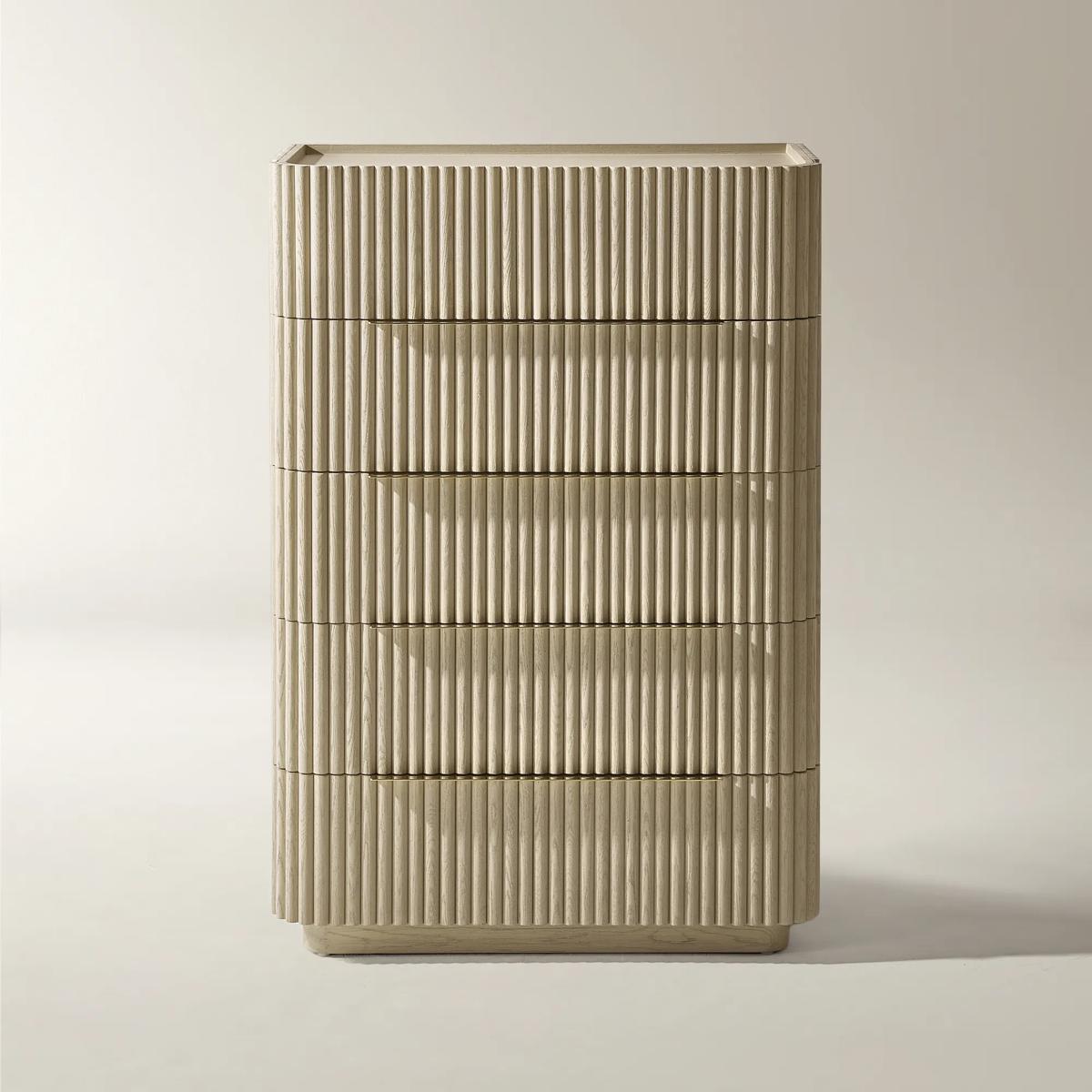 Stria Reeded White Oak 5-Drawer Tall Dresser (36.1")$1999
A sculptural oak chest with reeded detailing, gold-plated trim, and five soft-close, felt-lined drawers.
Add To Cart -
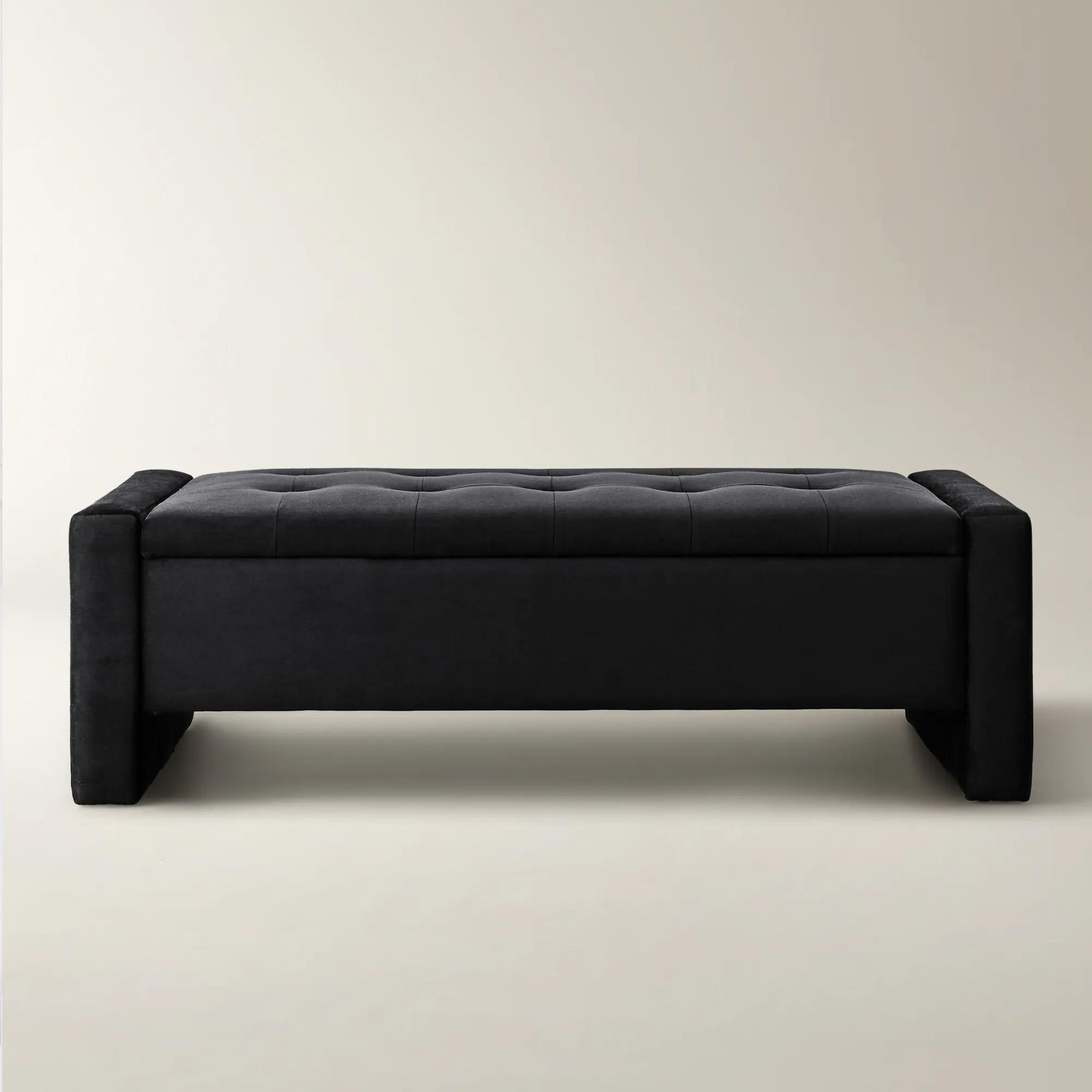
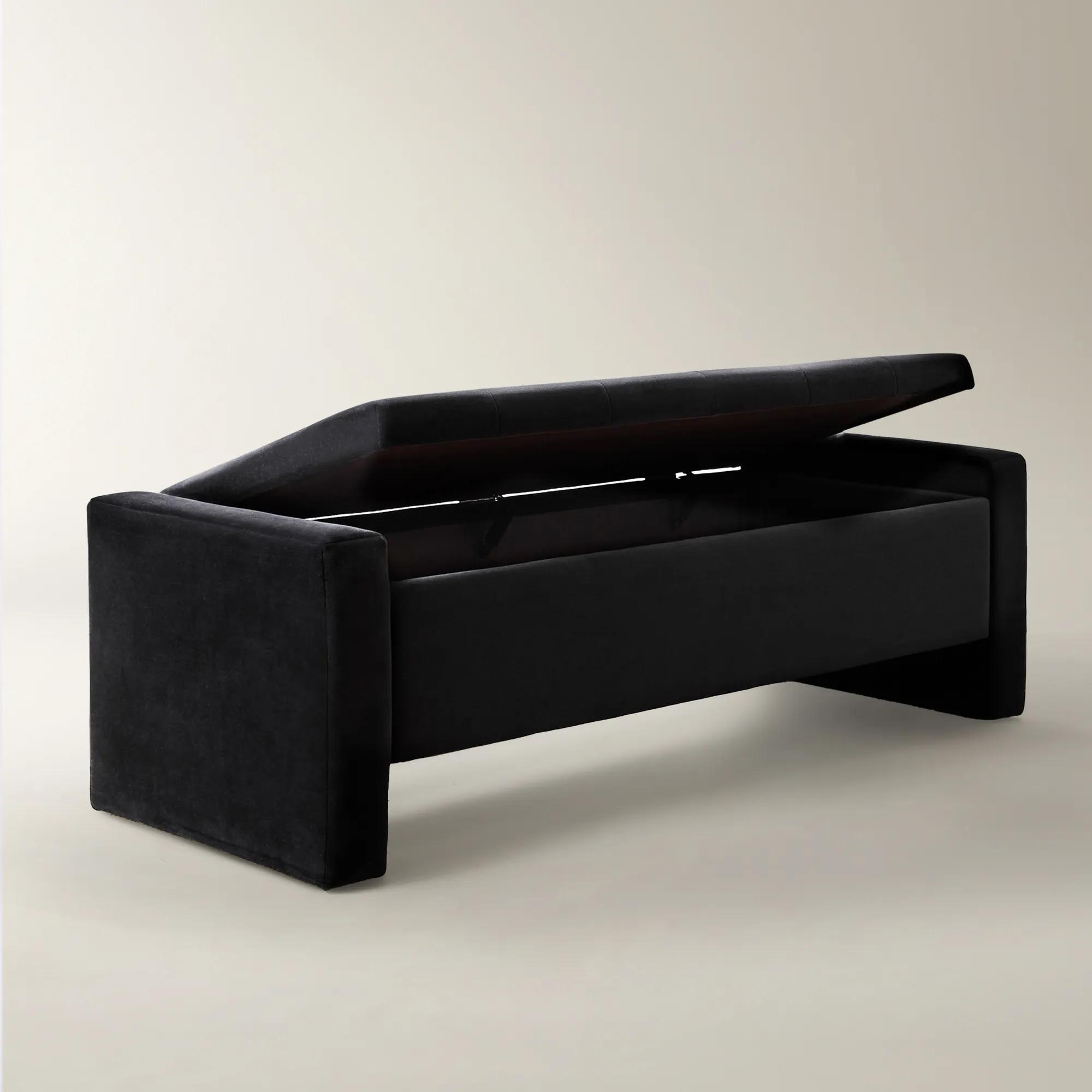 Maeve Storage Bench$899
A modern velvet-upholstered bench with hidden storage, kiln-dried hardwood frame, and soft-closing glides.
Add To Cart -
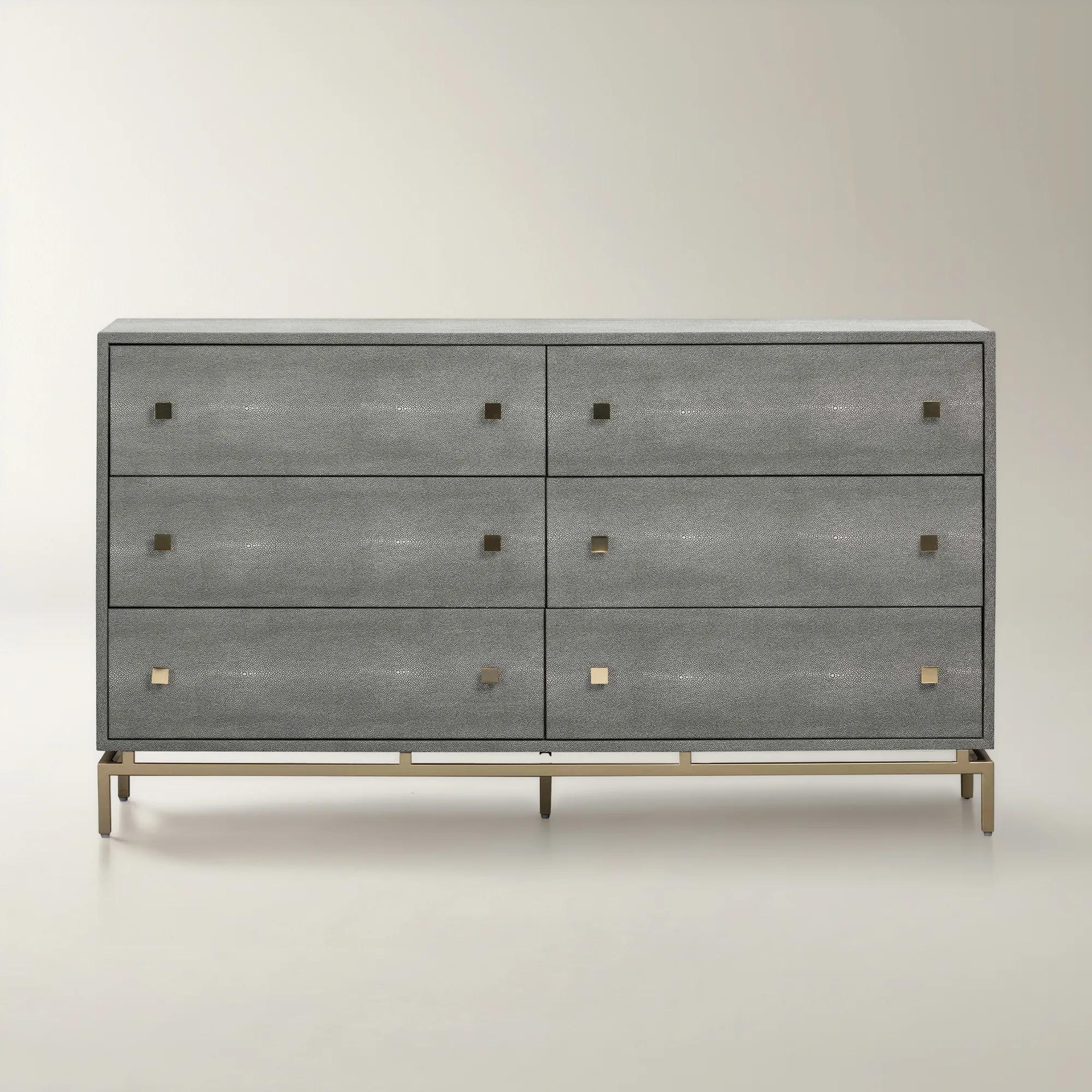
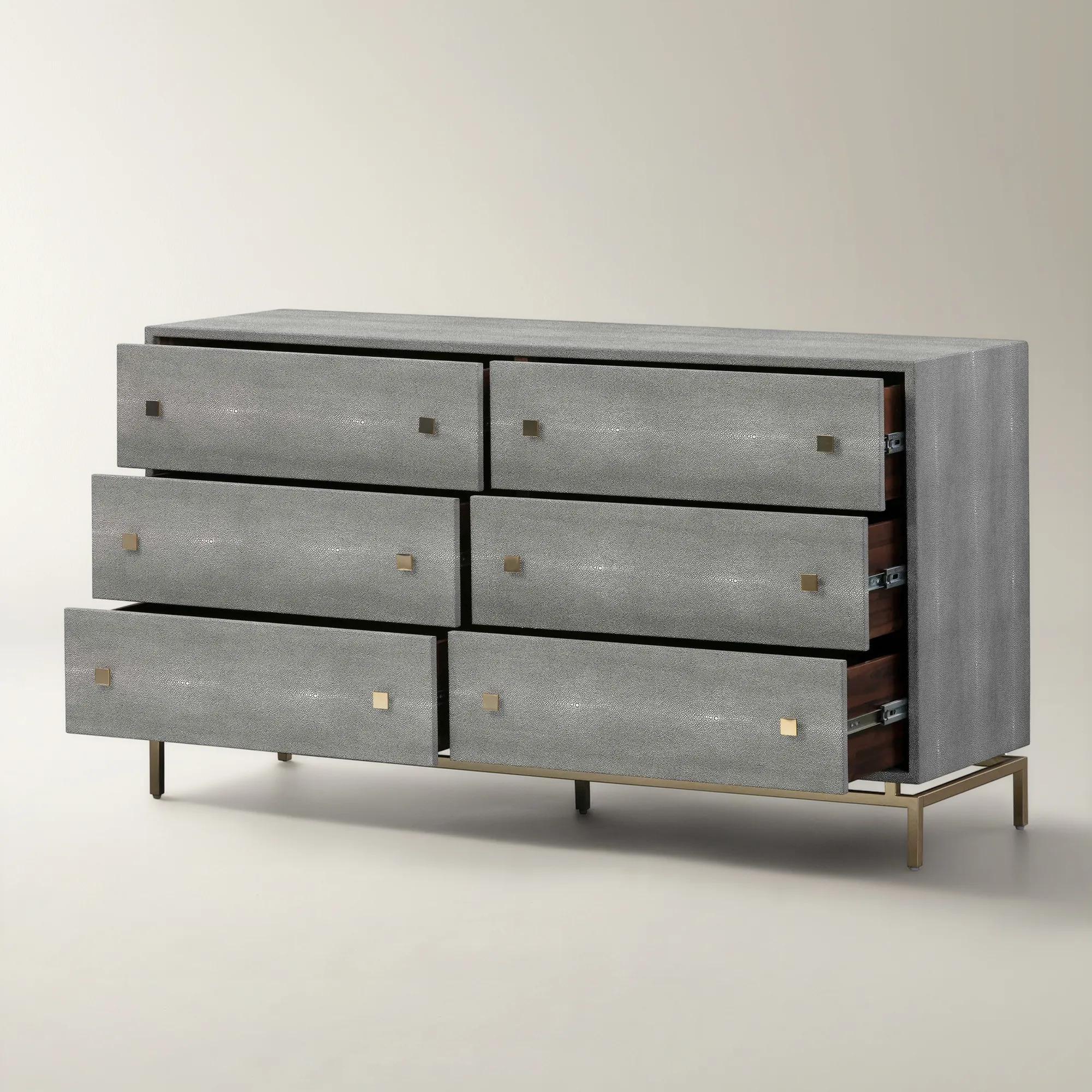 Misha Grey Shagreen 6-Drawer Dresser (57")$2249
A modern dresser featuring faux shagreen texture, brass-finished base, and six drawers with cherry wood interiors.
Add To Cart -
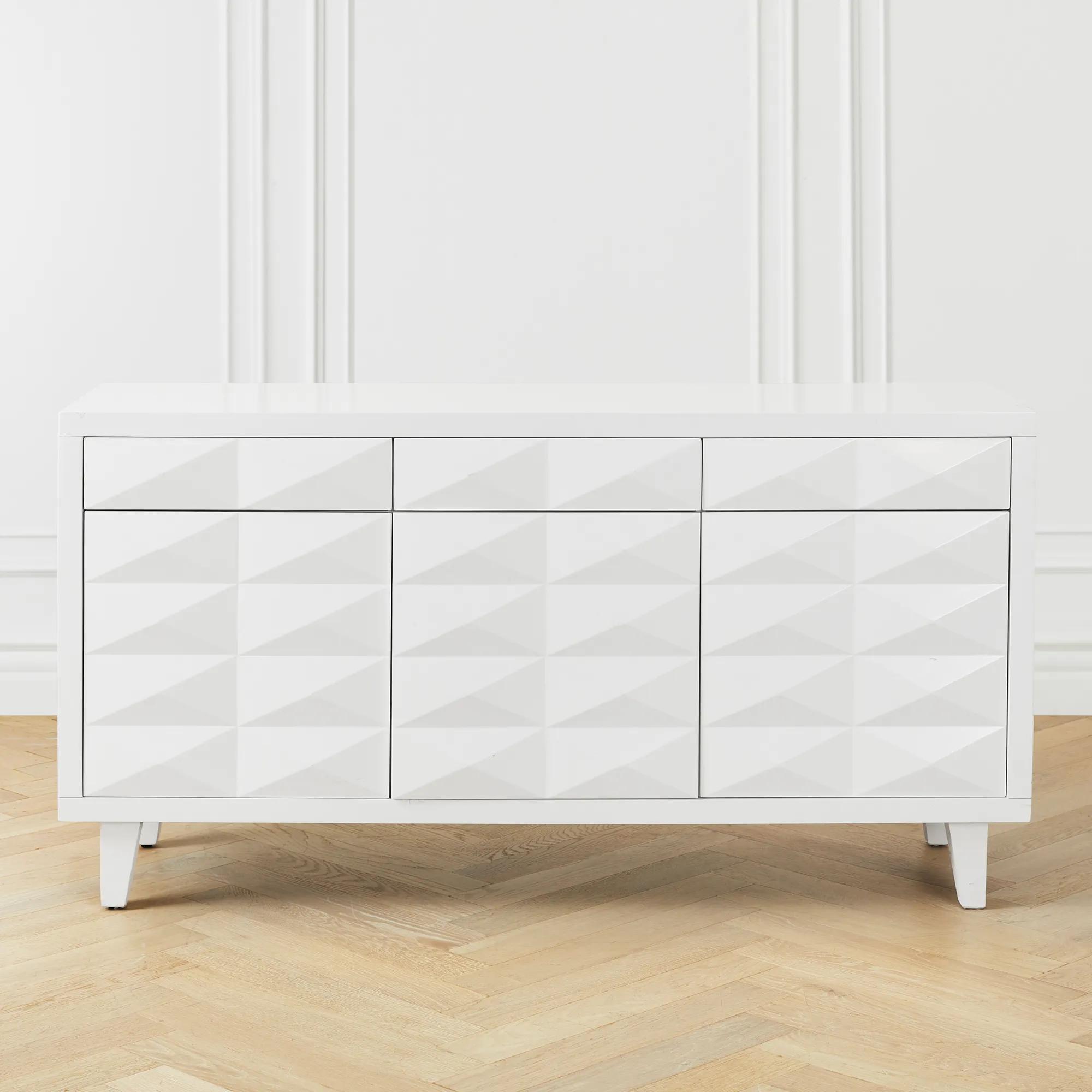 Palmer White Wood Cabinet (66.5")$1649
A sleek white hardwood cabinet with geometric detailing, three drawers, and push-latch doors for modern storage.
Add To Cart -
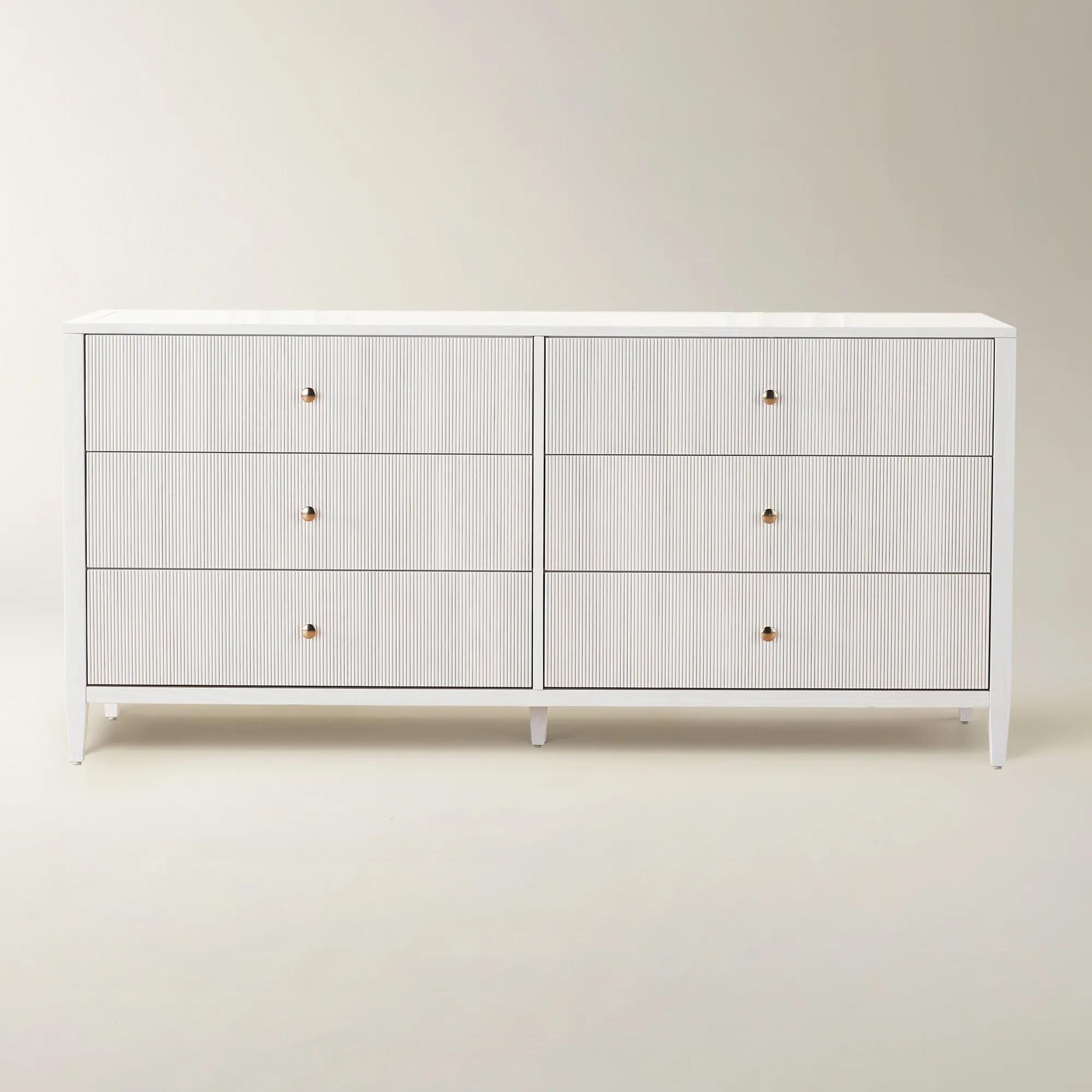
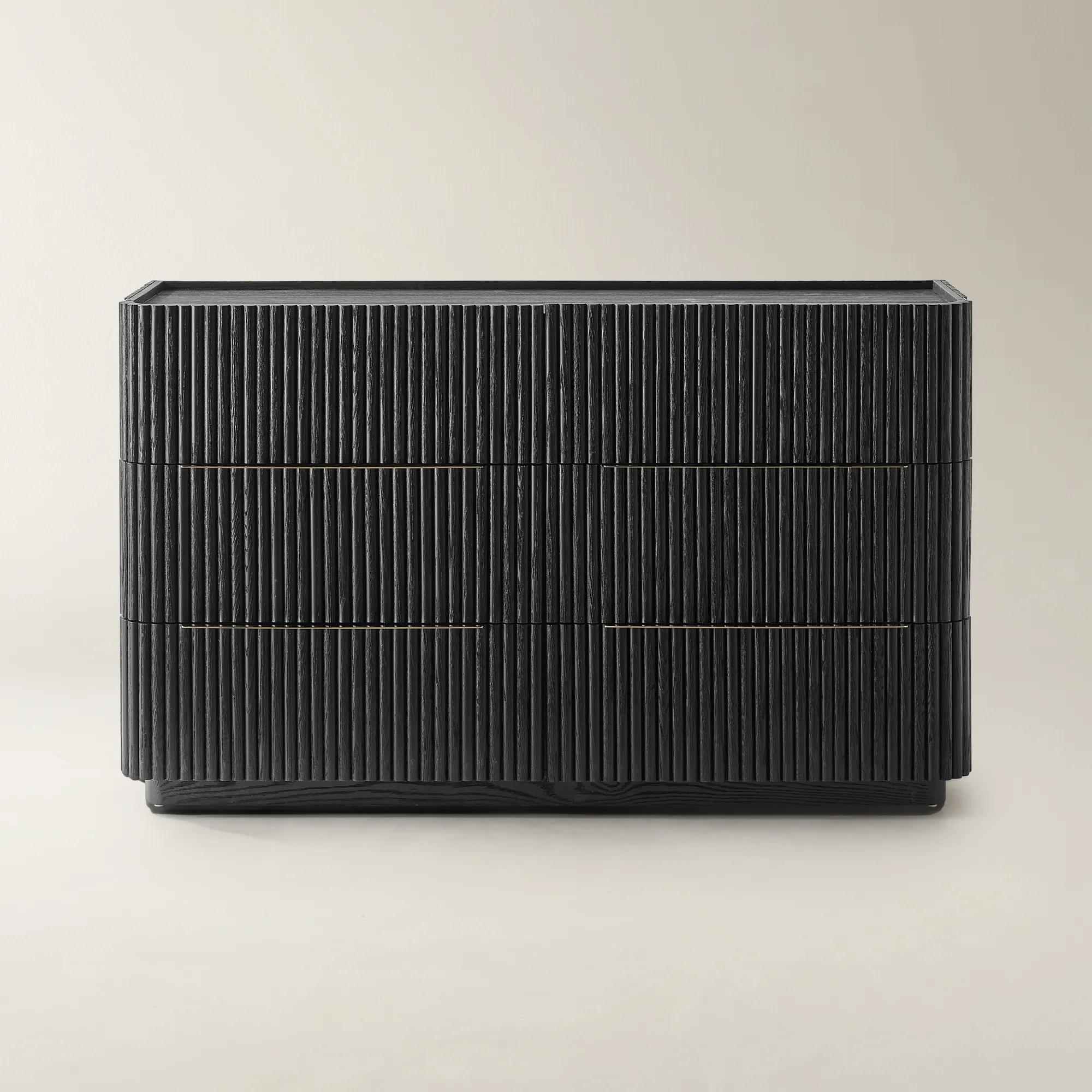
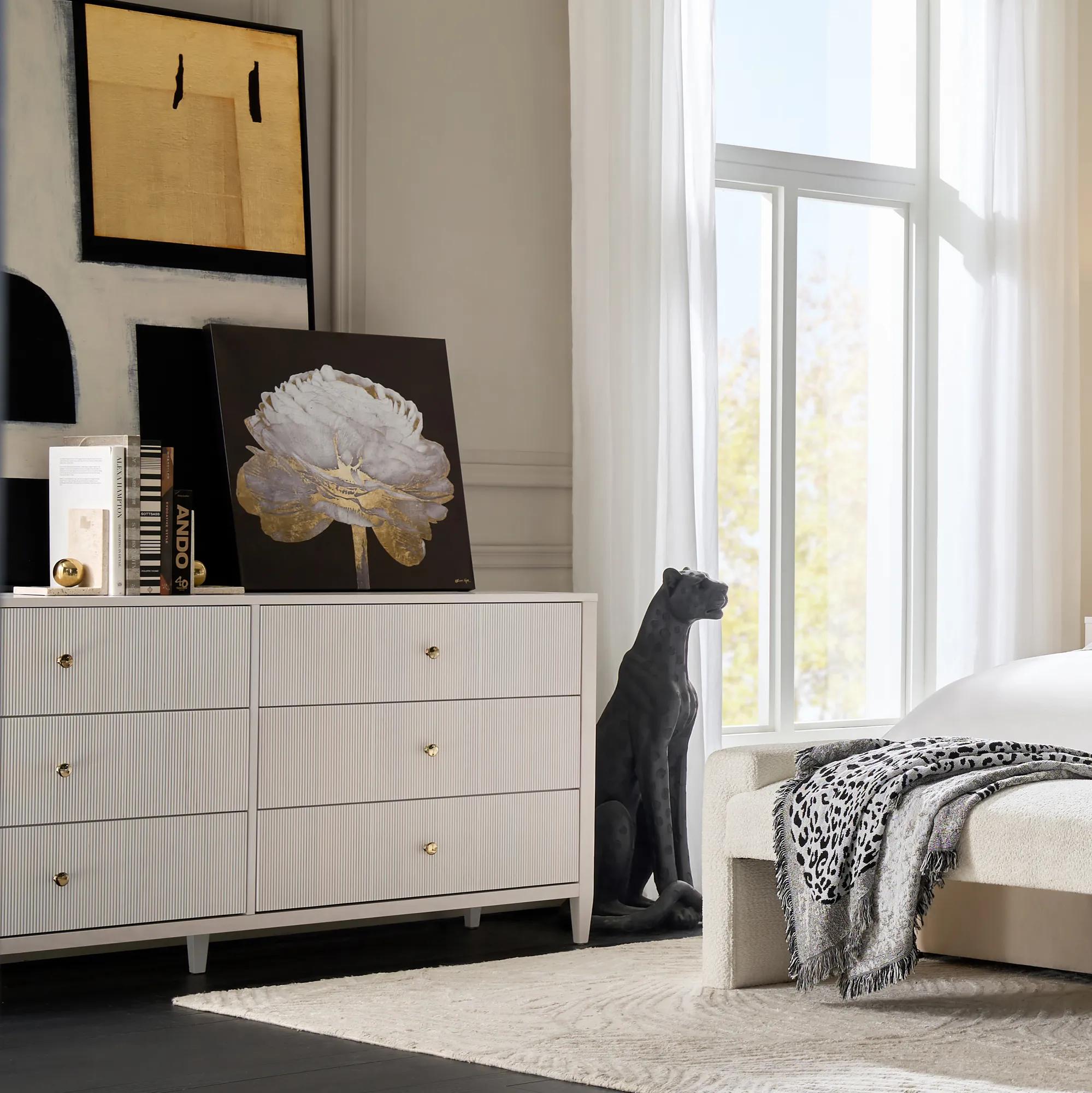 Viola Reeded White Ash Wood 6-Drawer Dresser (70")$1899
A modern dresser in bone white ash wood with reeded fronts and brass hardware for a luxe touch.
Add To Cart -
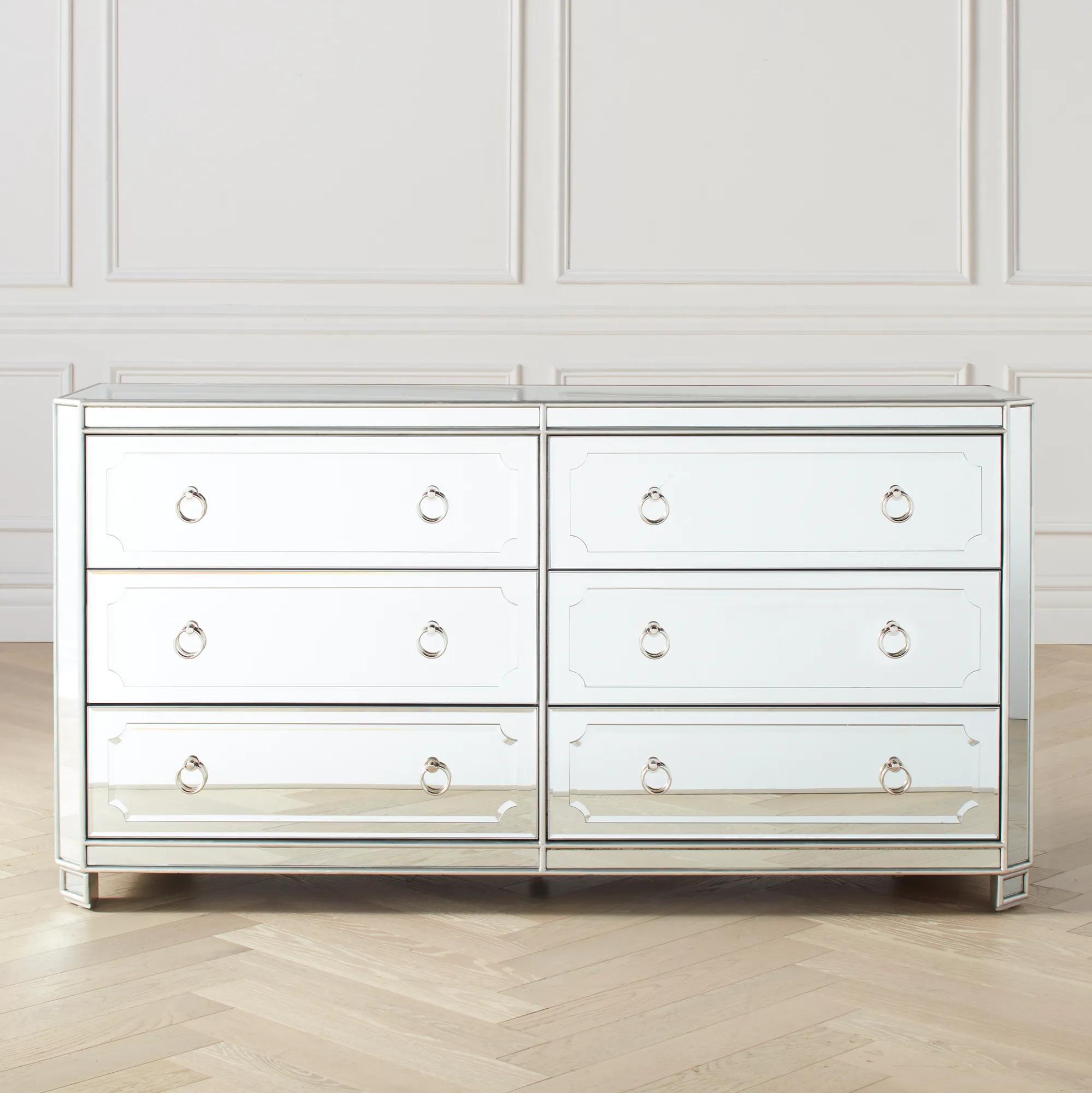
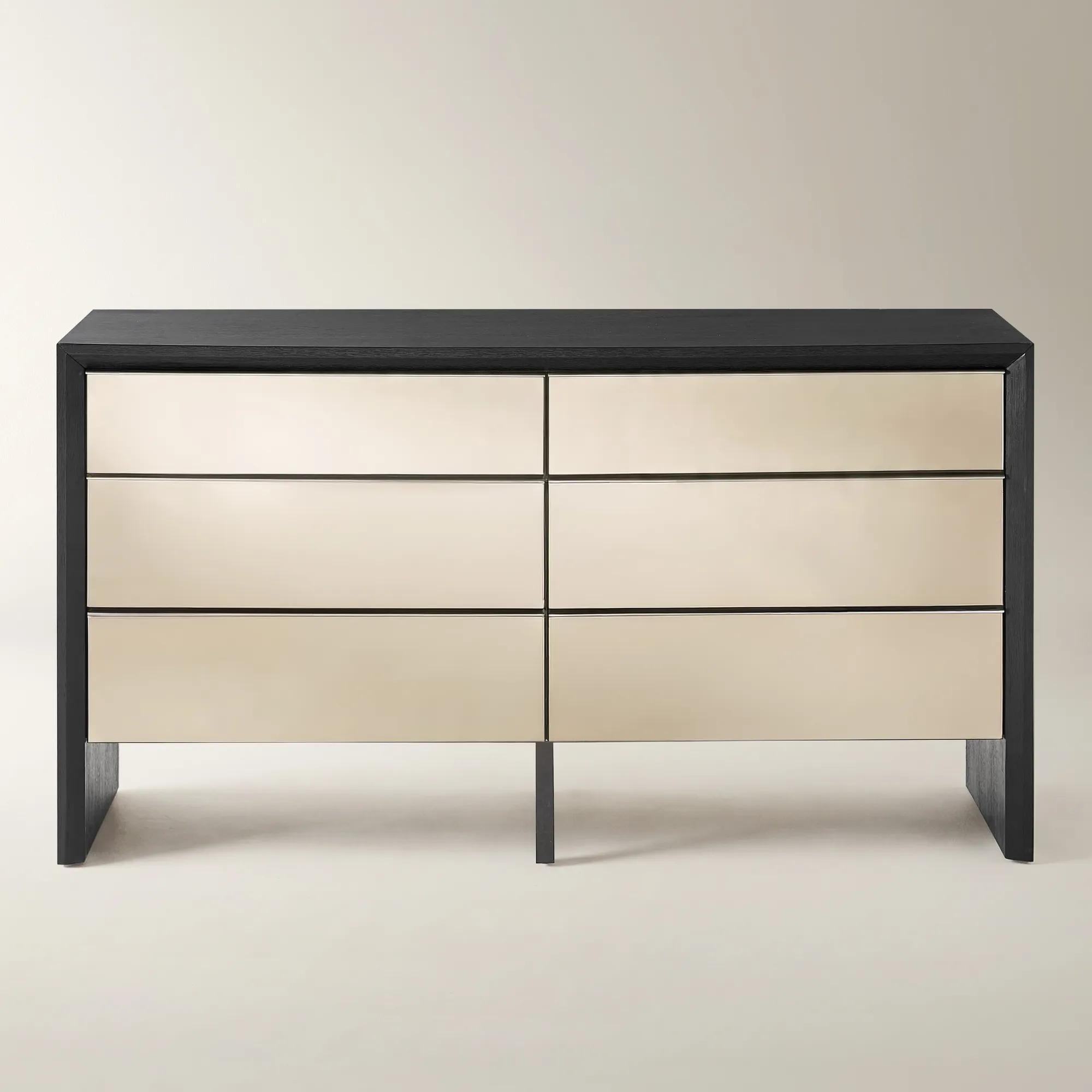
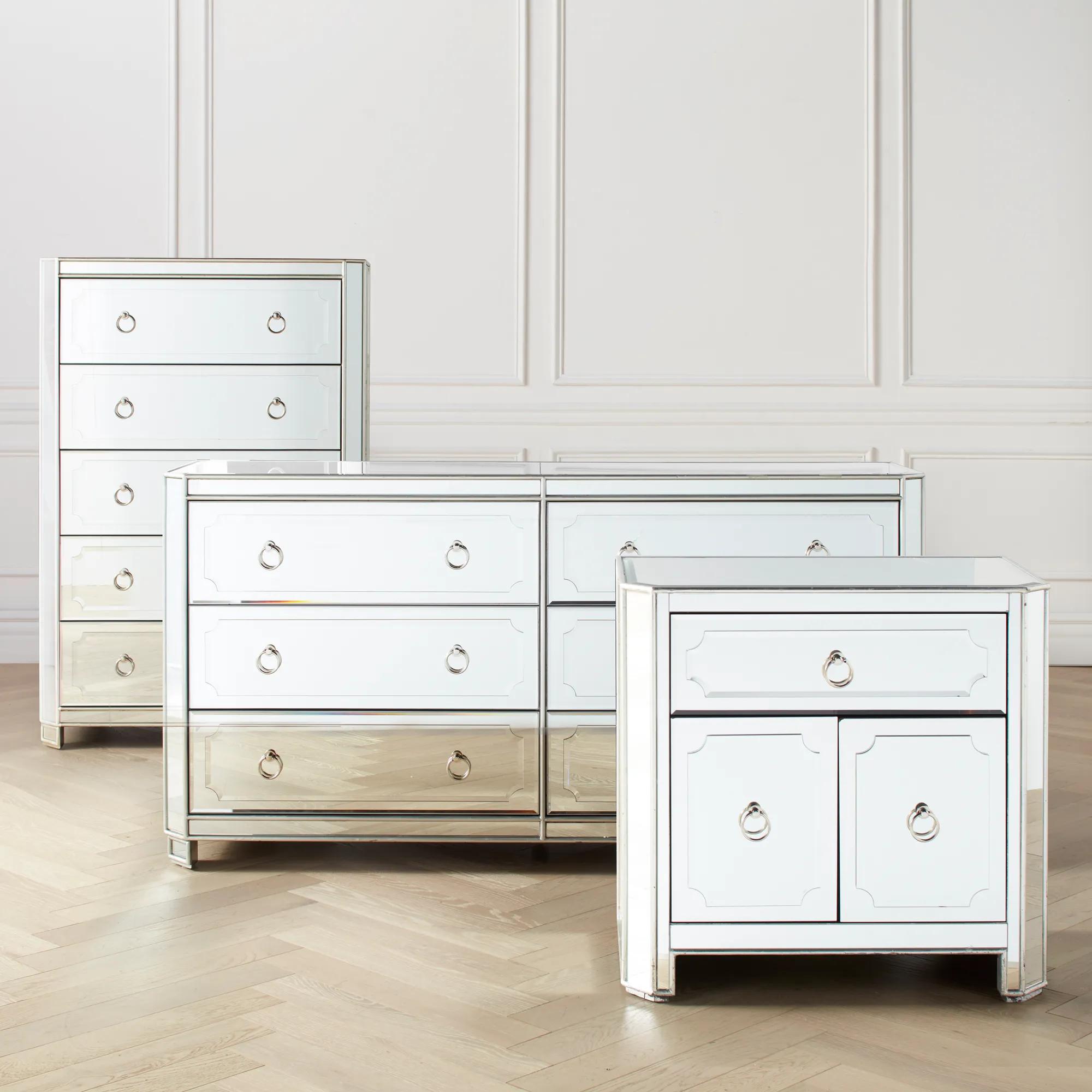 Simplicity Mirrored Silver 6-Drawer Dresser (66")$2299
A glamorous chest featuring beveled mirrored panels, hand-applied silver-leaf trim, and polished nickel hardware.
Add To Cart -
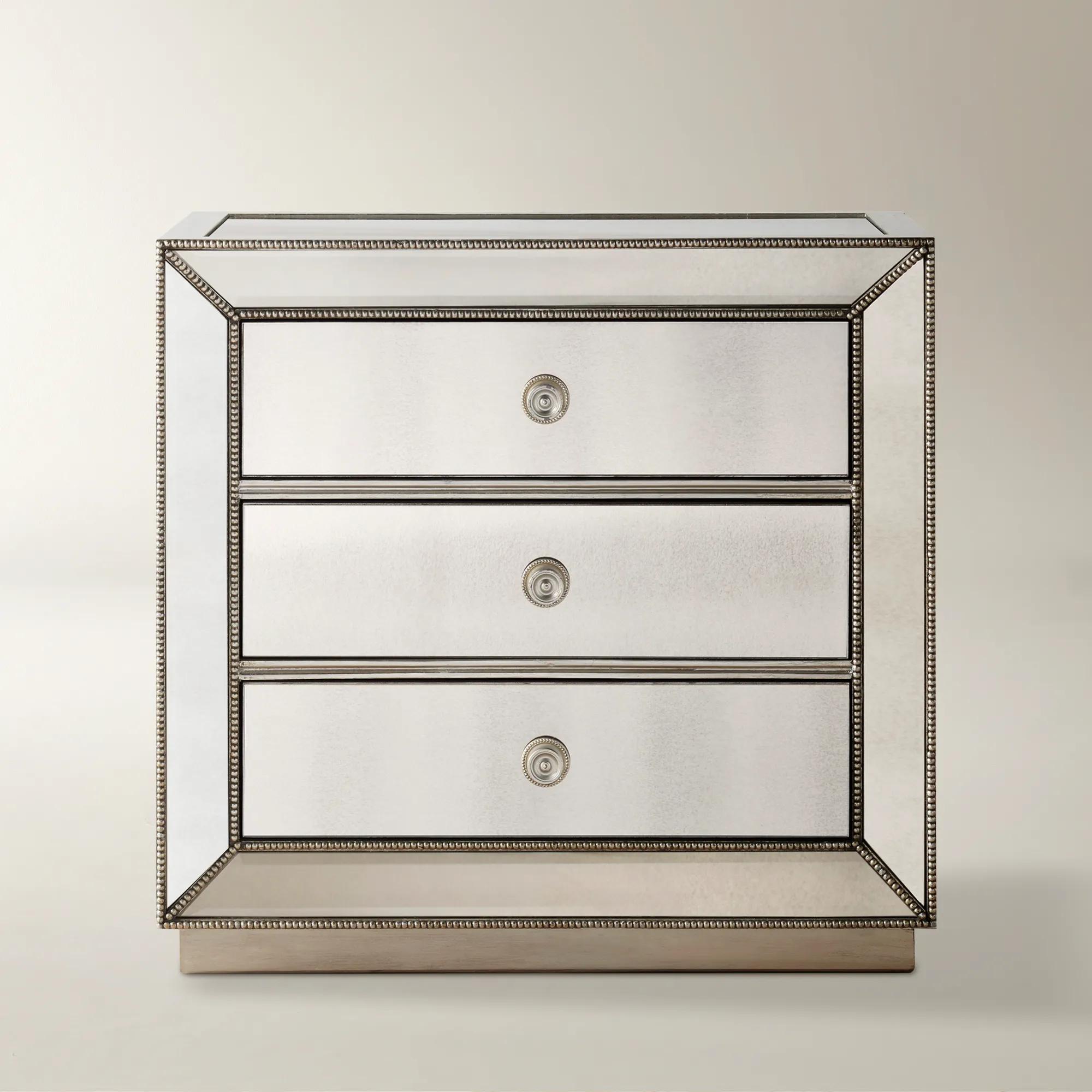
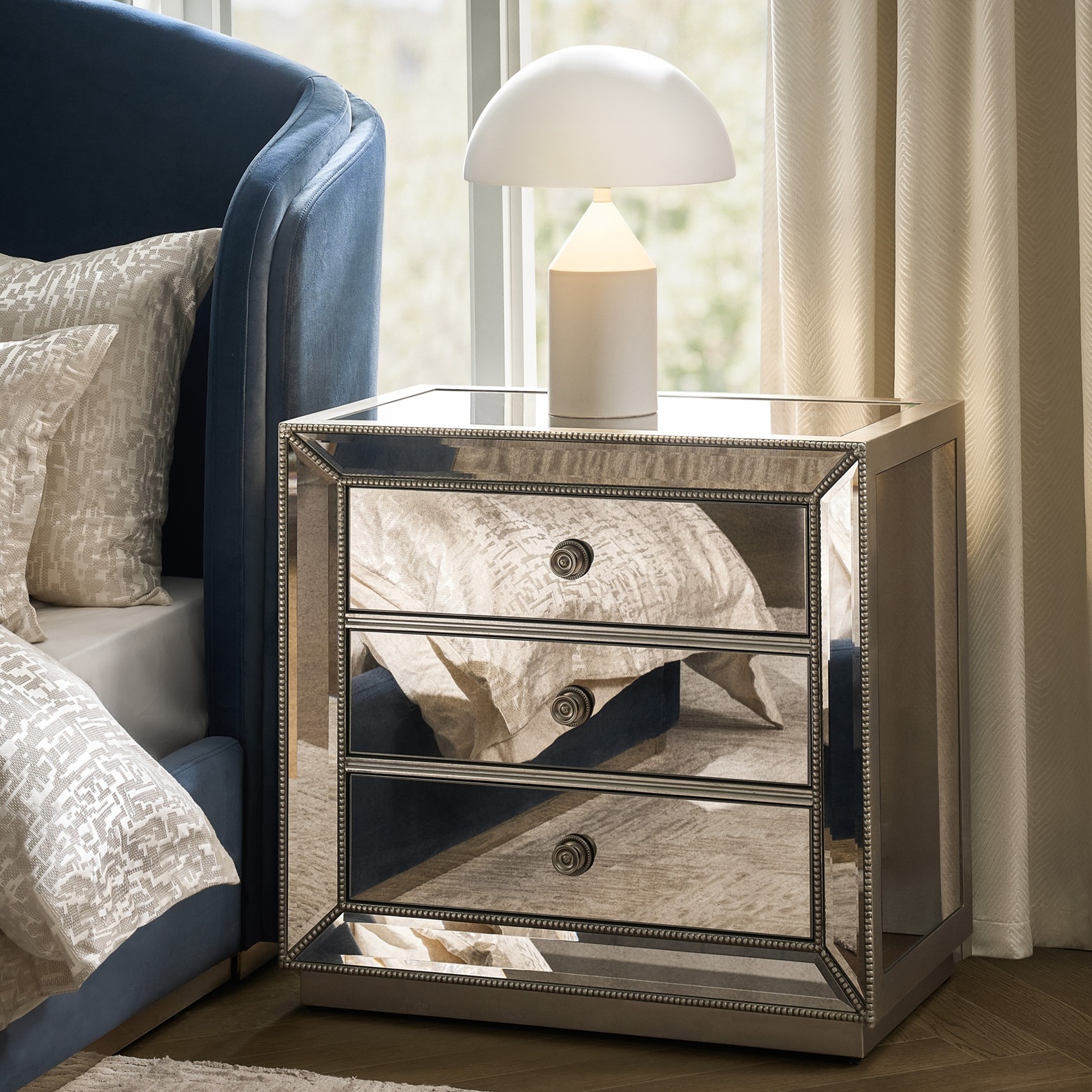 Omni Mirrored Silver 3-Drawer Nightstand (32")$1299
A glamorous chest featuring antiqued mirrored panels, hand-applied silver-leaf finish, and beaded trim.
Add To Cart -
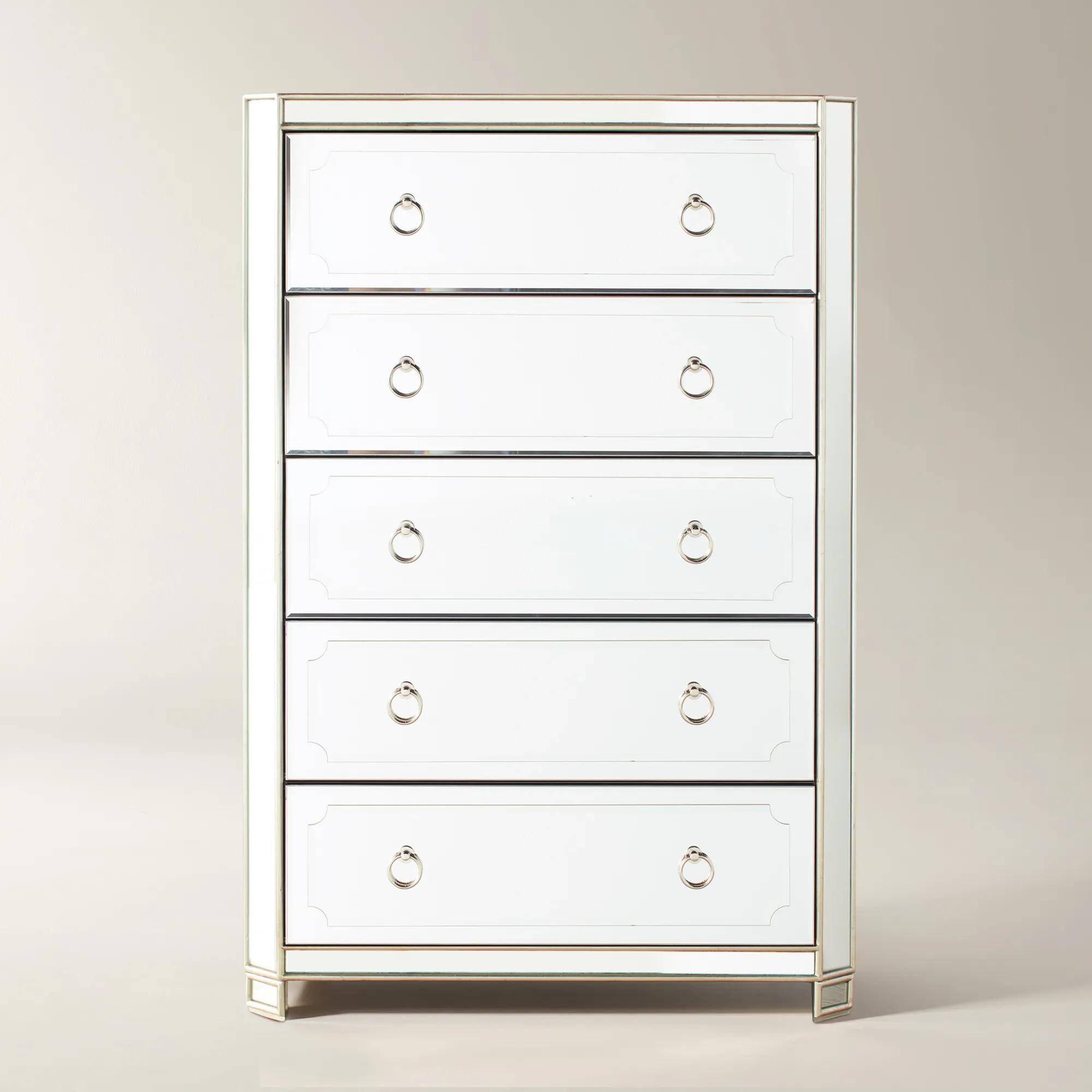 Simplicity Mirrored Silver 5-Drawer Tall Dresser (36")$1999
A glamorous tall chest featuring beveled mirrored panels, hand-applied silver-leaf trim, and polished nickel hardware.
Add To Cart -
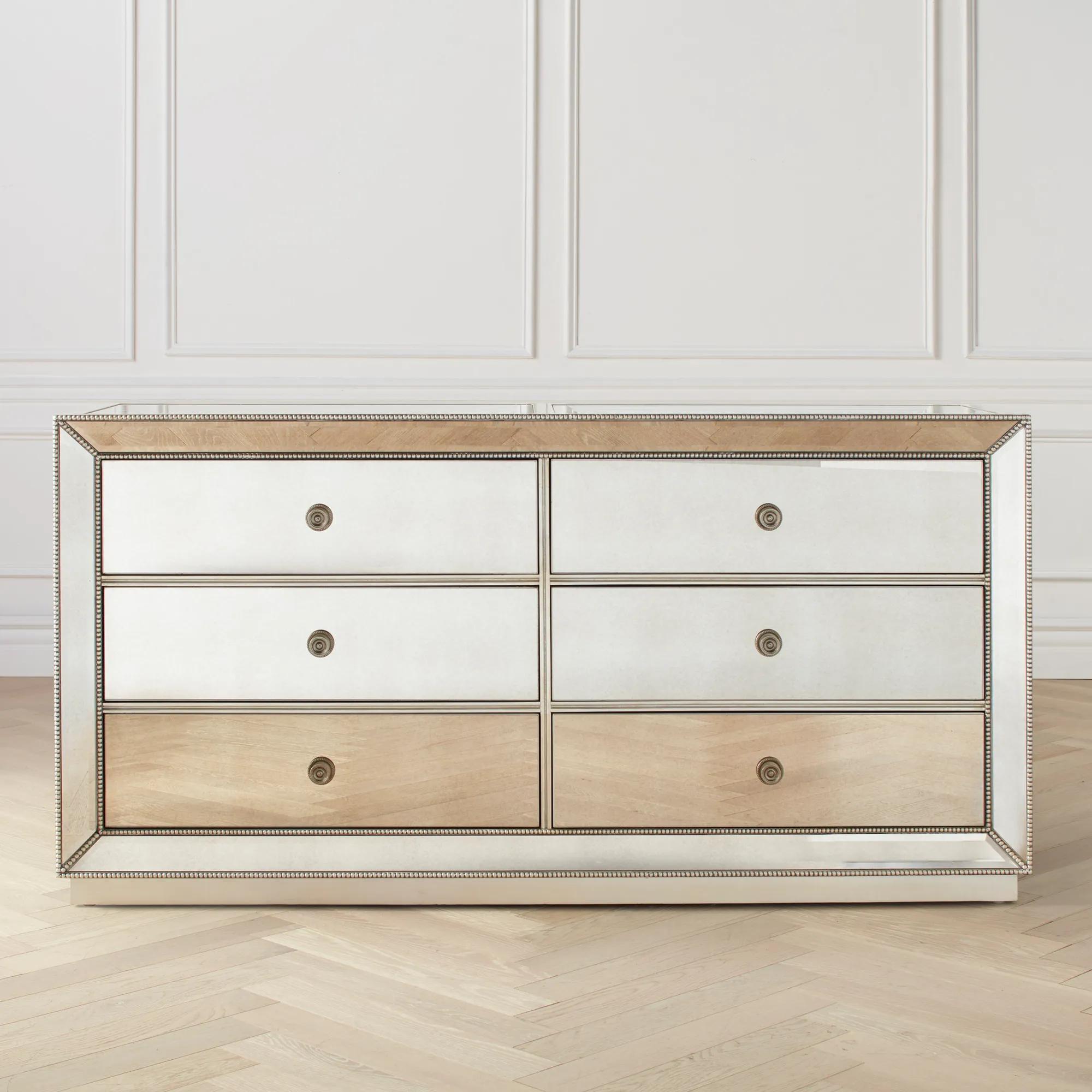 Omni Mirrored Silver 6-Drawer Dresser (72")$2599
A hand-applied silver-leaf chest with antiqued mirrored panels and beaded trim for dramatic bedroom shine.
Add To Cart -
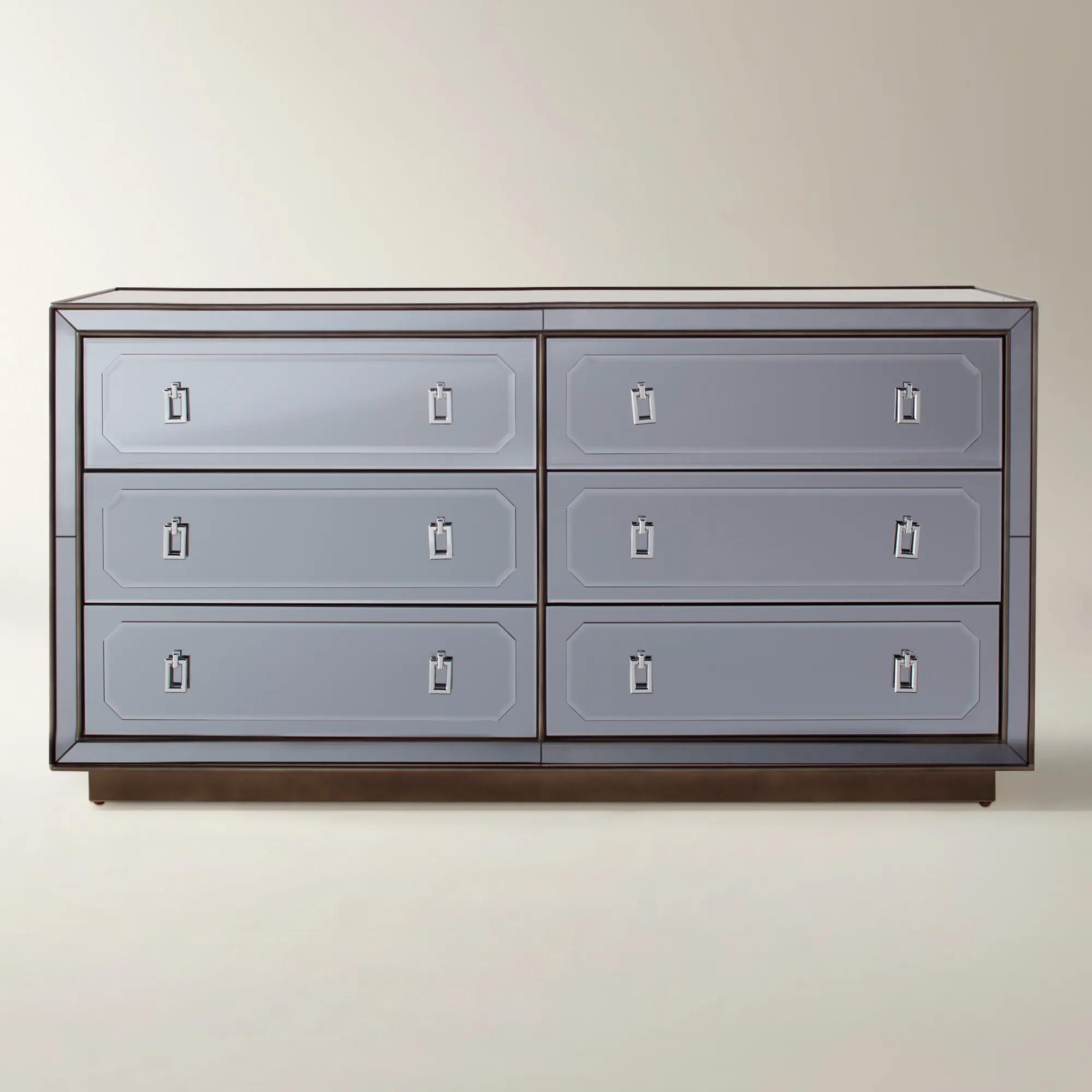 Maddox Mirrored Grey 6-Drawer Dresser (66")$2299
A modern dresser featuring beveled mirror paneling, graphite finish, and polished nickel hardware for sleek sophistication.
Add To Cart -
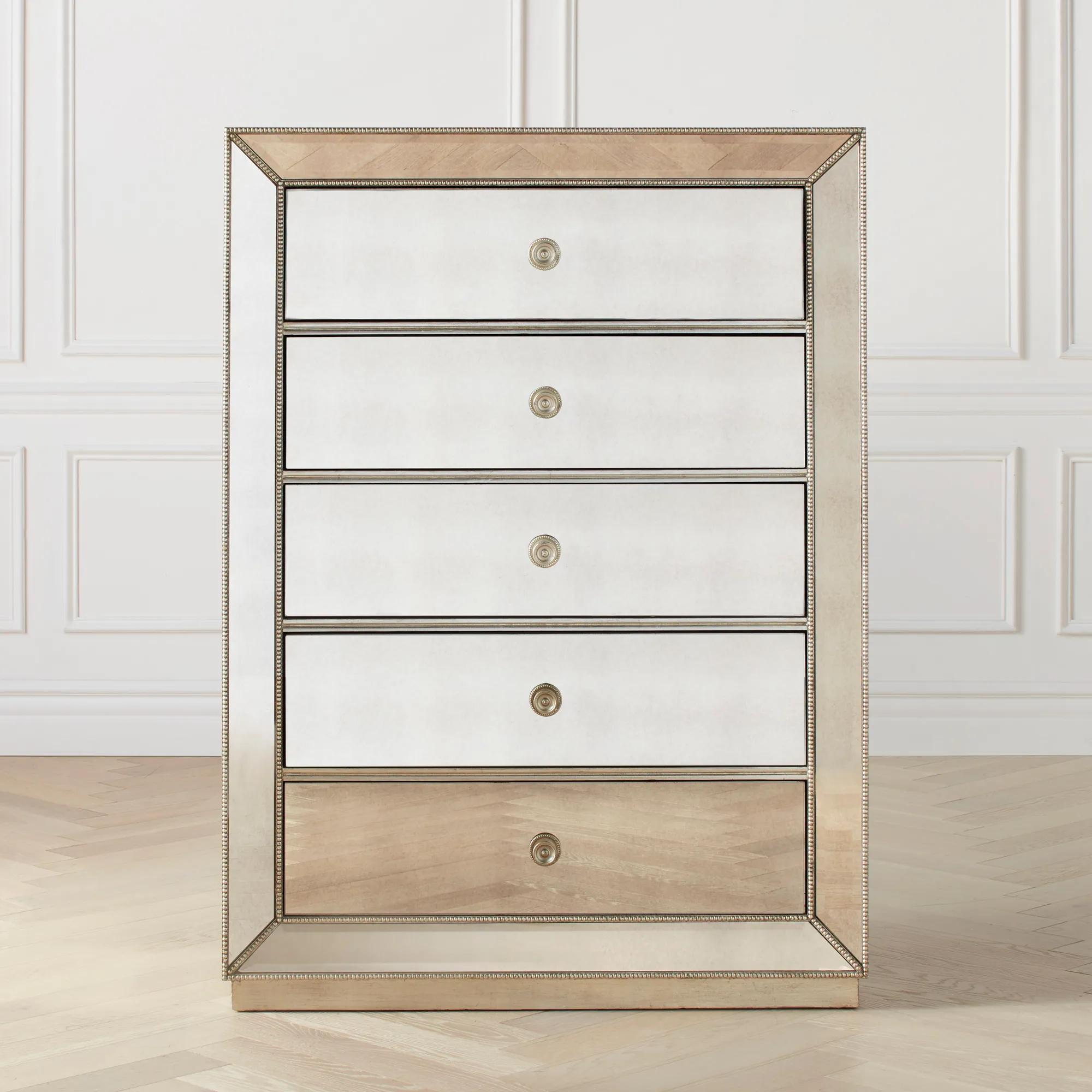
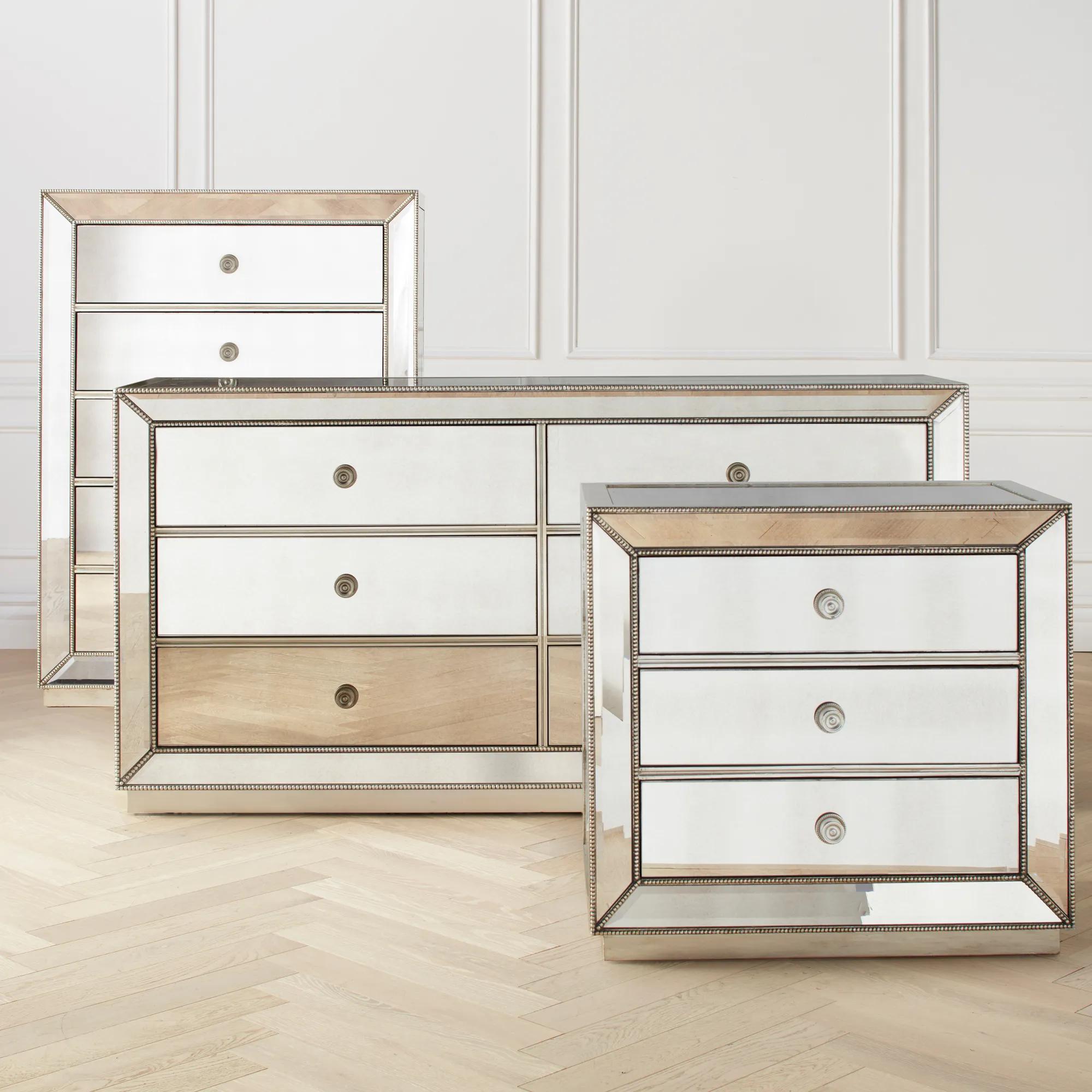 Omni Mirrored Silver 5-Drawer Tall Dresser (40")$2199
A dramatic chest featuring antiqued mirrored panels, hand-applied silver-leaf finish, and kiln-dried hardwood construction.
Add To Cart -
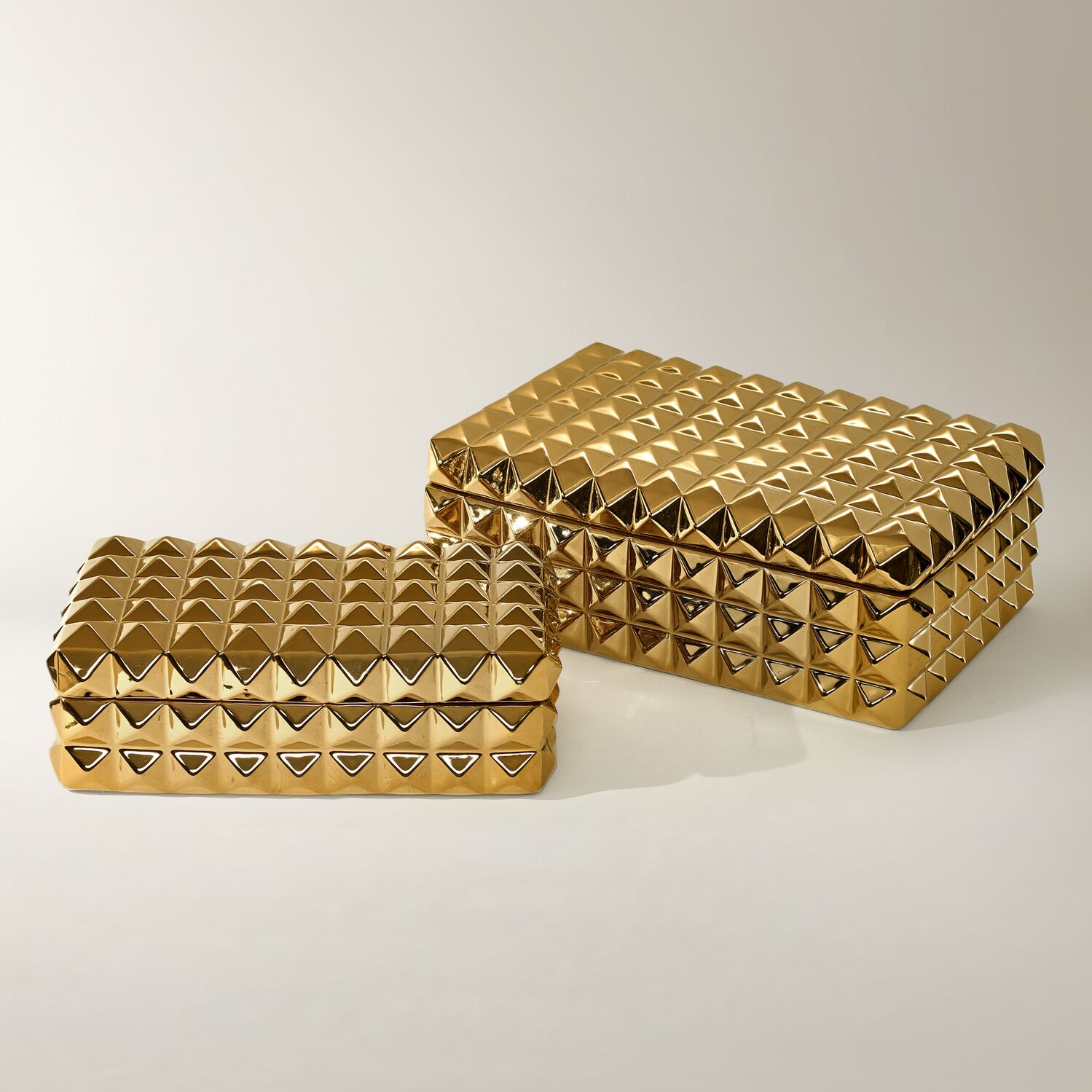 Studded Gold Ceramic Box Large$79
A chic gold-finished box with a studded design, perfect for dressers, vanities, or consoles.
Add To Cart -
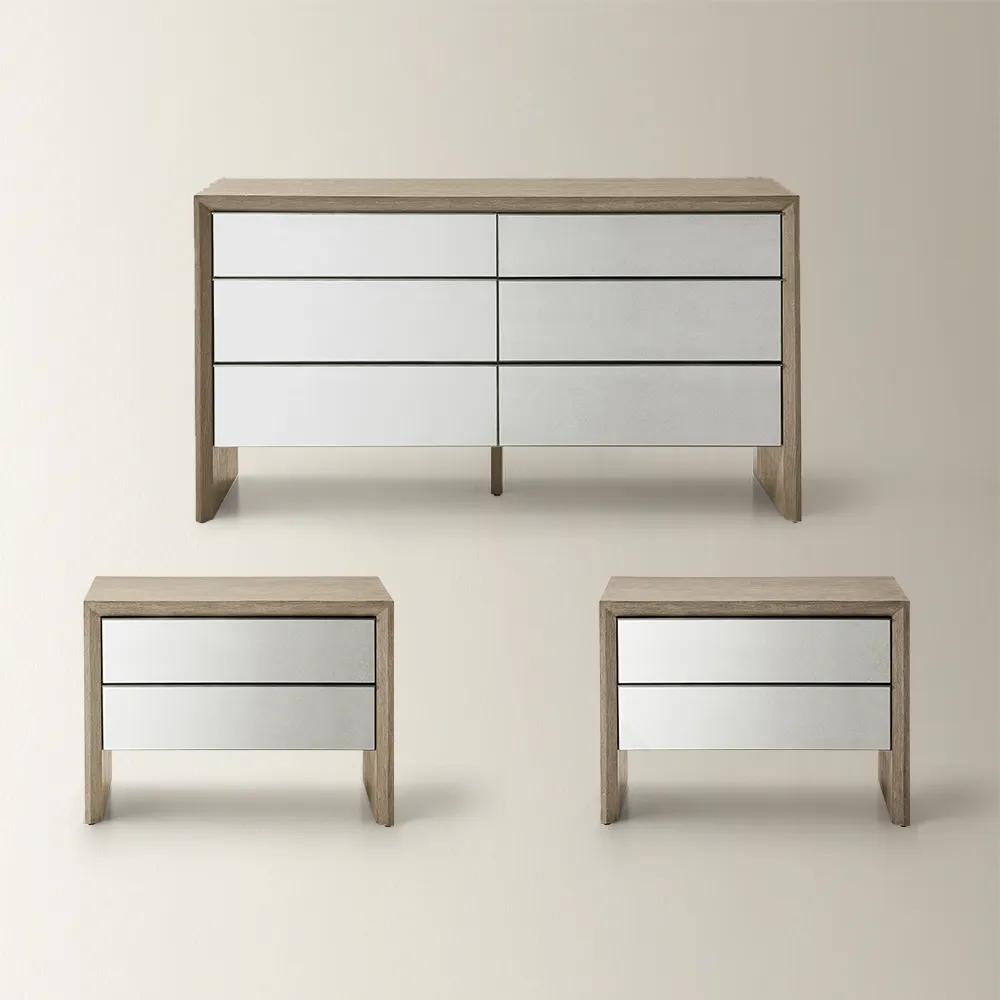 Glimmer Set of 3 Bedroom$3097
A coordinated bedroom furniture set featuring a dresser and two nightstands for cohesive storage.
Add To Cart -
Studded Gold Ceramic Box Small$59
A chic gold-finished box with a studded design, perfect for dressers, vanities, or consoles.
Add To Cart -
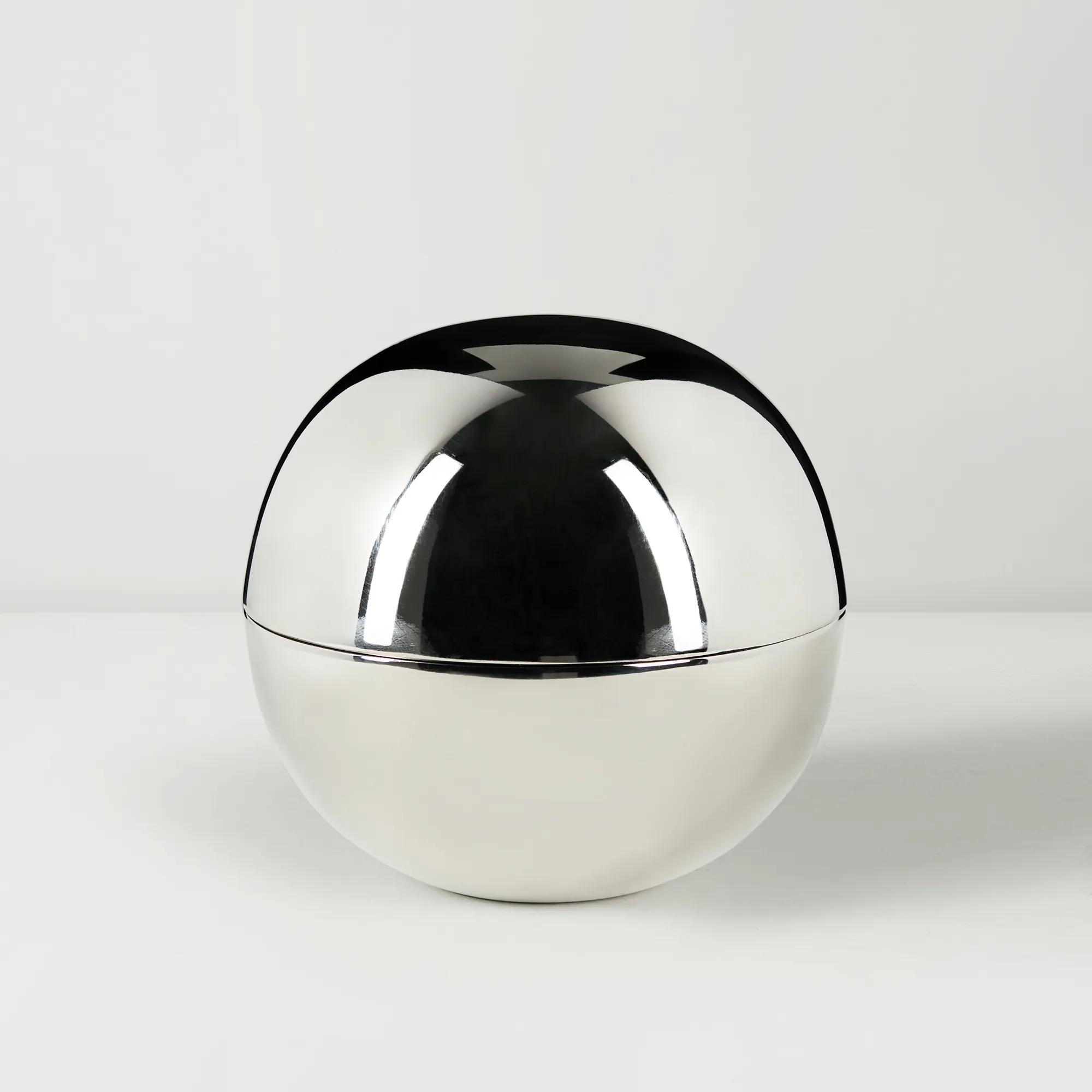
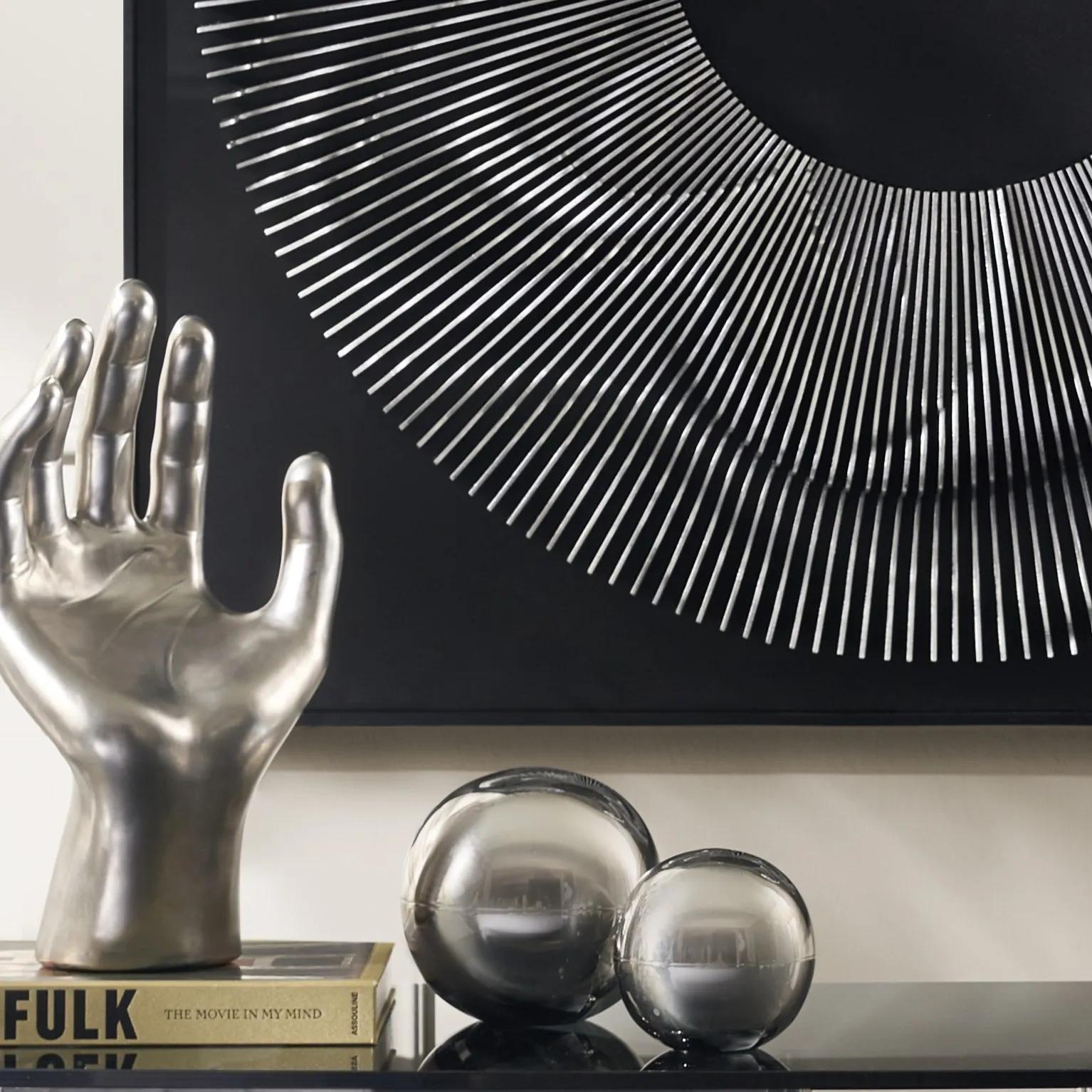 Orion Box$39
A sleek silver aluminum orb box that seamlessly combines modern style with practical storage.
Add To Cart -
 Studded Black Ceramic Box Large$79
A black ceramic box with raised studded texture, offering bold, modern style for decorative storage.
Add To Cart -

 Paxton Box Black/Gold$159
A high-gloss black lacquer box with gold dome accents and a soft velvet-lined interior for keepsakes.
Add To Cart -
 Trove Soft Gold Marble Stainless Steel Decorative Box$129
A soft gold stainless steel and MDF box that adds modern glamour and artful storage to any space.
Add To Cart -

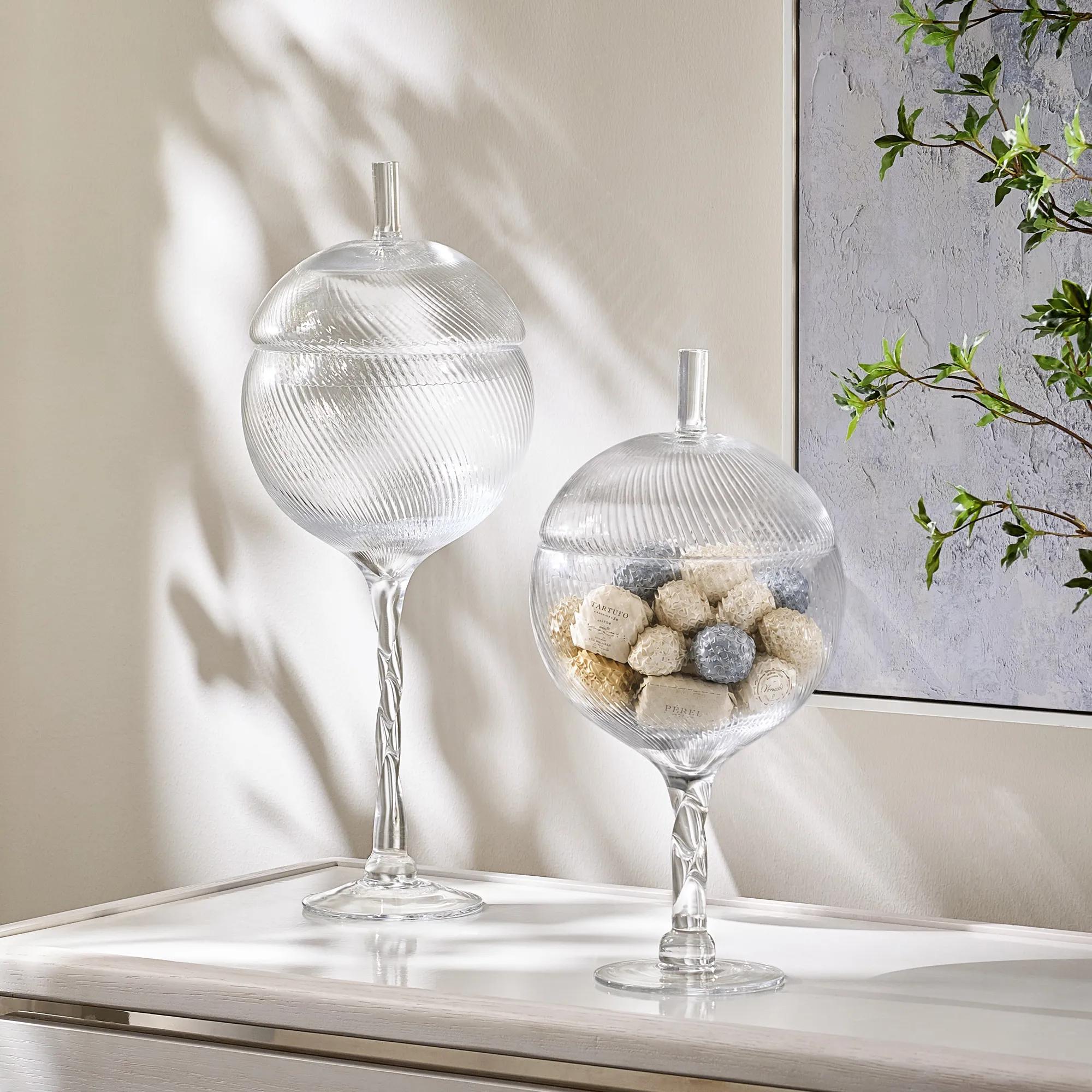 Opal Mouth Blown Clear Glass Canisters$89
A clear handblown glass canister with a sculptural twisted design, offering food-safe decorative storage.
Add To Cart -
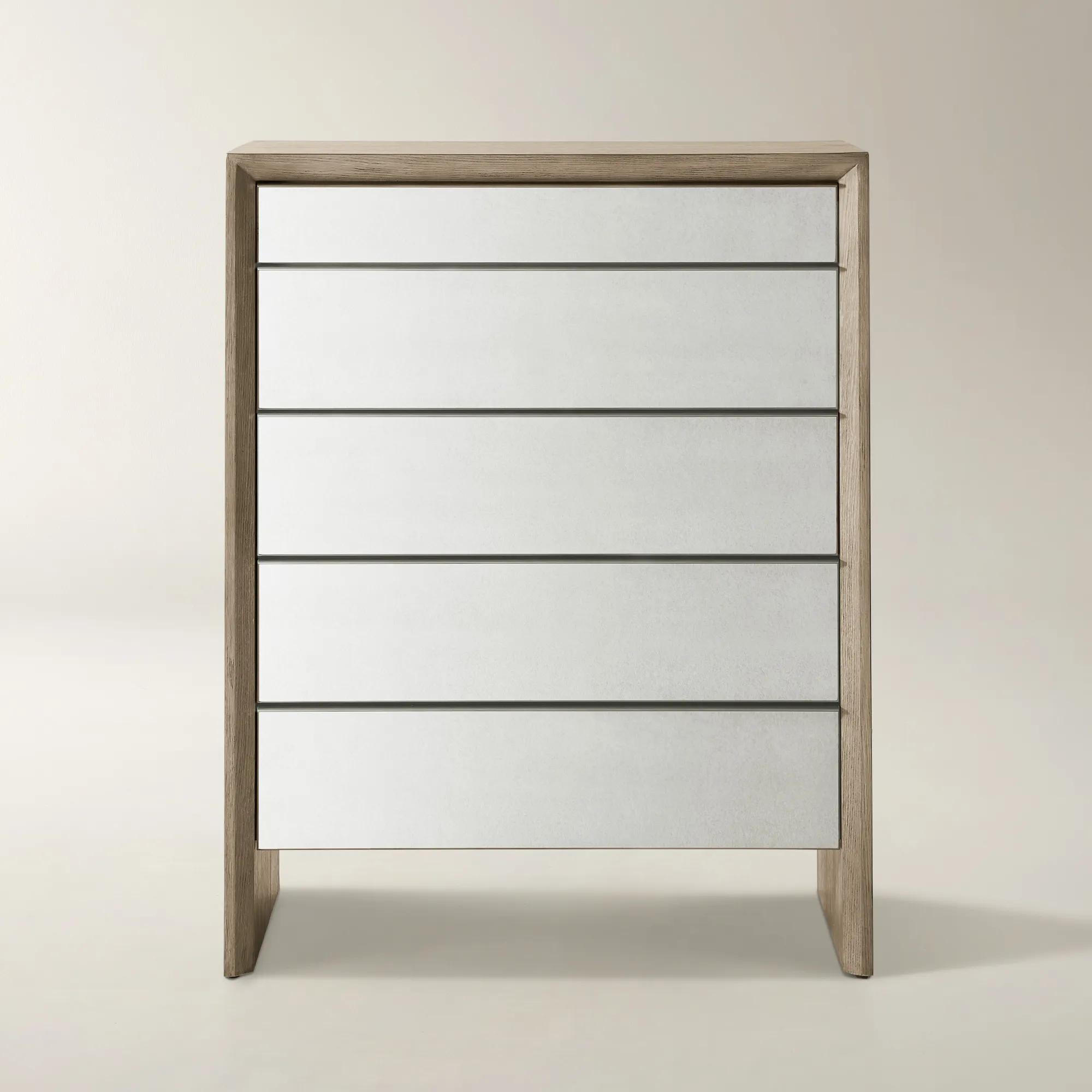
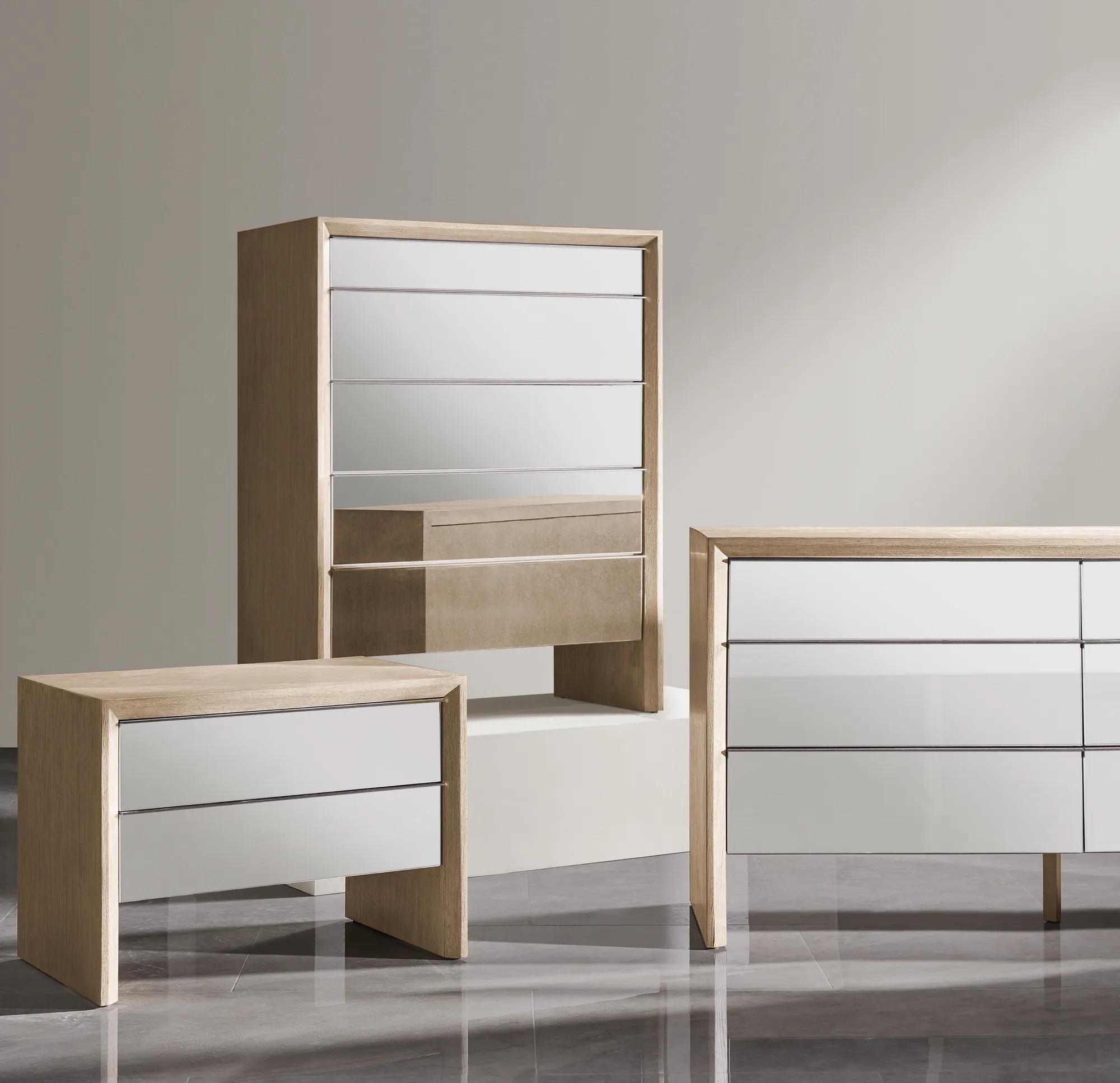 Glimmer Mirrored Seadrift Oak 5-Drawer Tall Dresser (40")$2099
A versatile chest featuring sea drift oak veneer, antique mirrored drawer fronts, and soft-close drawers for elegant storage.
Add To Cart -
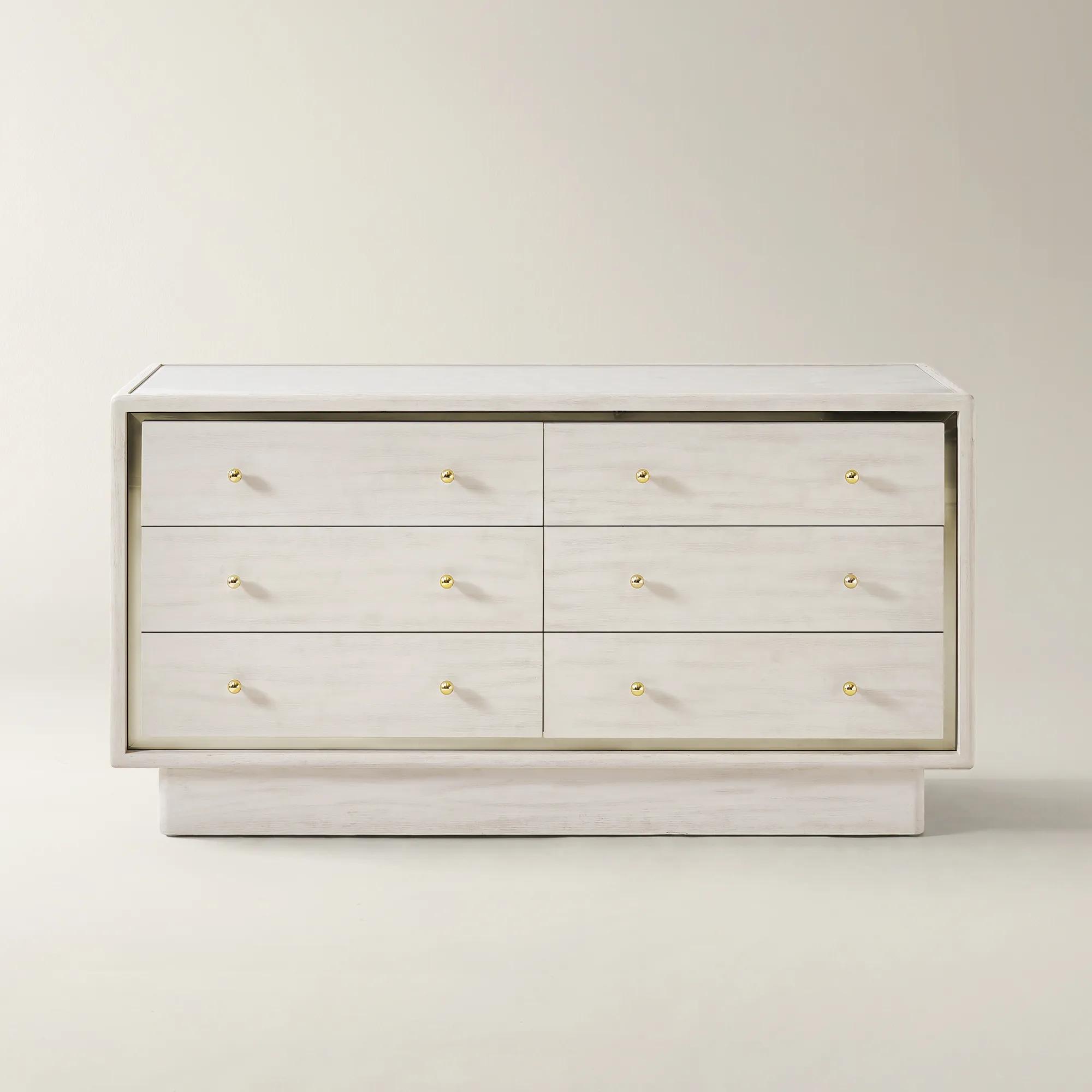 Lumina Bleached Oak 6-Drawer Dresser With Pearl Lacquered Top (62")$2499
A bleached oak dresser featuring a pearl lacquered top, champagne gold trim, and six velvet-lined soft-close drawers.
Add To Cart -
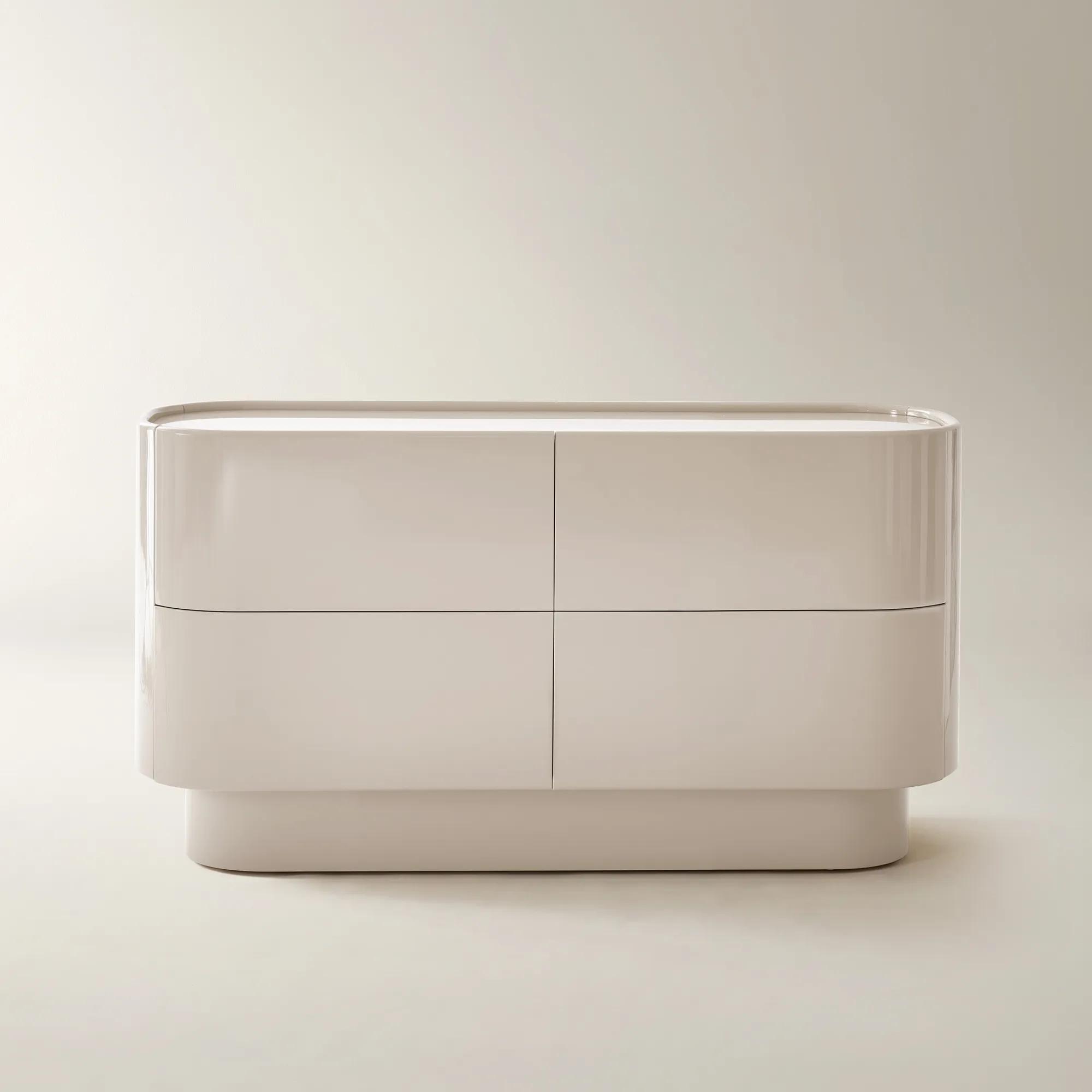
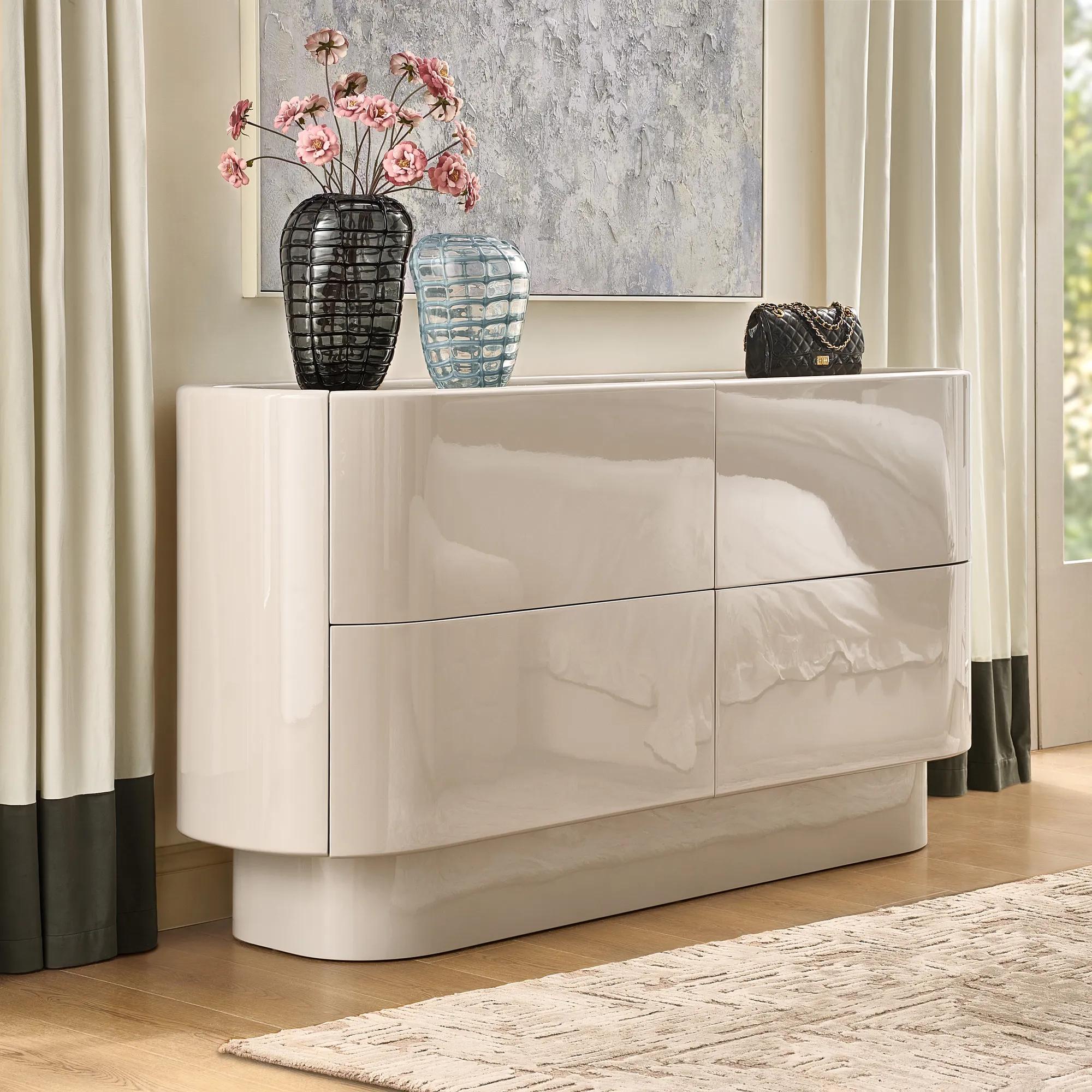 Velar Lacquered Turtle Dove 4-Drawer Dresser With Glass Top (66")$1999
A sculptural dresser in turtle dove lacquer with a back-painted glass top and soft-close velvet-lined drawers.
Add To Cart

Storage Solutions For Studio Apartments
Explore storage solutions for studio apartments that balance small-space organization with expressive style. In a room that serves multiple purposes, consider what needs to stay within reach and what you prefer tucked away. Compare dimensions with your available floor space to keep pathways clear and make storage part of a thoughtfully composed interior.
Storage solutions for studio apartments make the most of a compact floor plan through vertical storage, multifunctional furniture, and concealed compartments that keep everyday belongings close without leaving them on display. In a room that serves as a bedroom, living area, dining space, and sometimes an office, storage becomes part of the architecture of daily life. A cabinet can give dinnerware a dedicated home while its surface supports a luminous lamp and a sculptural accent. A storage ottoman can hold extra bedding beneath an upholstered top, bringing softness to a seating arrangement without requiring a separate linen chest. These hardworking forms create space for the objects worth displaying: an expressive piece of art, a favorite ceramic vessel, a collection of books with beautifully worn spines. The most effective studio apartment storage balances open shelving with enclosed furniture, allowing personal details to shine while paperwork, charging cables, and household essentials remain discreetly tucked away. Tall bookcases and narrow cabinets draw attention upward, making use of wall height rather than consuming valuable walking space. Lower pieces can sit beneath artwork or help distinguish a lounge area from a sleeping nook, provided their placement leaves comfortable circulation and access to windows. For someone working from a dining table, a nearby drawer can keep notebooks and electronics within reach, then conceal the workday before dinner. For a frequent host, enclosed shelving gives serving pieces and table linens a place between gatherings. Furniture with more than one purpose is especially useful when its functions suit the same location: a bench near the entrance can offer a seat for removing shoes and interior space for bags, while a bedside chest can provide both a surface for reading essentials and drawers for clothing. Rather than scattering small containers across every available surface, a few well-proportioned storage pieces can establish a stronger visual rhythm, giving the entire apartment a sense of intention.
Scale determines whether small-space storage feels generous or intrusive. Exterior dimensions matter, but so do usable interior measurements, shelf spacing, drawer depth, and the clearance needed to open a door fully. A slender cabinet may suit a narrow wall yet still require room in front for its doors; a deep chest may hold more clothing but interfere with the route between the bed and the kitchen. Measuring baseboards, outlets, nearby furnishings, and the delivery path helps connect a beautiful silhouette with the realities of apartment living. Adjustable shelves accommodate belongings of different heights, while divided drawers and removable organizers can make smaller compartments more useful. Storage intended for records, books, or substantial dinnerware needs shelves with appropriate weight ratings, not simply a generous appearance. Tall furniture requires anchoring according to the manufacturer’s instructions, and wall-mounted storage depends on suitable hardware, wall construction, and any applicable building requirements. Materials bring another layer of character and performance. Wood introduces grain, warmth, and depth, while painted or lacquered finishes create a more tailored impression. Solid wood and engineered wood each have different construction and care considerations; joinery, edge finishing, hardware, and the quality of the overall build deserve attention alongside the material name. Metal frames can lend a crisp, architectural outline, and glass shelves offer visual lightness, though fingerprints and displayed belongings remain visible. Mirrored fronts catch surrounding light and create a sense of dimension, particularly when they reflect an uncluttered view. Upholstered storage adds tactile richness through fabric and cushioning, with durability shaped by fiber content, construction, and the demands of daily use. A seat used every evening has different needs from a decorative bench placed at the foot of a bed. Hinges, drawer slides, handles, and lids also influence the experience: smooth movement and comfortable access matter when a compartment is opened several times a day. Furniture designed for sitting should be used within its stated limits, while decorative trunks and cabinets should not be treated as seating unless expressly intended for that purpose.
The appeal of apartment storage is not simply how much it holds, but how naturally it supports the room. Closed cabinets create a composed backdrop for a bold artwork; open shelving introduces texture through books, ceramics, and a restrained arrangement of decorative objects. A tray can gather small essentials into a deliberate composition, while lidded boxes conceal the less photogenic necessities of everyday life. Matching every finish is not essential to a polished result. A repeated metal accent, complementary wood tones, or a consistent upholstery color can connect different storage forms without flattening their individual character. In an open studio, the visible sides and back of a piece deserve consideration, especially when furniture stands away from a wall to define separate living areas. Even the space beneath a console or bed can contribute useful capacity when appropriately sized containers remain accessible and do not obstruct required clearance or ventilation. The same attention to proportion carries into Storage Ideas for Apartments, where storage can support a cohesive look across different room arrangements. For renters establishing a first home, pieces that serve several purposes can adapt to changing layouts; for someone downsizing, thoughtfully arranged compartments can preserve cherished belongings without allowing them to dominate the room. Decorative storage can also make a considered housewarming gift when the recipient’s space, taste, and practical needs are understood. Lasting beauty depends on care suited to each surface. Wood and finished furniture generally benefit from soft dusting and prompt attention to spills, with cleaners chosen according to the manufacturer’s directions. Mirrored and glass surfaces need compatible cleaning products and care around edges and decorative finishes. Upholstery may require vacuuming with an appropriate attachment, spot treatment permitted by its care code, or professional cleaning. Keeping drawers within their load limits and avoiding overfilled compartments helps protect hardware and makes daily access easier. With the right balance of capacity, proportion, and expressive detail, storage becomes a defining element of the interior: composed enough to quiet visual clutter, distinctive enough to give a small home unmistakable presence.
FAQs
Credenzas, cabinets, bookcases, and storage ottomans bring distinct design possibilities to a studio apartment. A sculptural cabinet can anchor a living area, while a storage ottoman introduces a softer silhouette. Choose pieces with expressive details that make storage feel like part of your decorating vision.
Open storage puts your personal collection on display, turning books, art, and decorative objects into a visible part of the room. Closed storage keeps everyday belongings behind doors or within drawers for a more composed look. Combining both creates an inviting balance of personal expression and visual restraint.
Treat each shelf as a curated composition. Pair stacked books with sculptural objects, introduce artwork, and leave breathing room around standout accents. Repeat a few colors throughout the arrangement to connect it with your studio’s decor, allowing distinctive pieces to command attention without competing.
Give your arrival space a deliberate point of view with a cabinet or console featuring concealed storage. Style the surface with a decorative tray for daily essentials and an artful accent. A mirror or framed artwork above completes a polished vignette that sets the mood for the rest of your home.
Choose a defining detail—such as a finish, curved silhouette, or geometric motif—and echo it across your storage furniture and decorative accents. The pieces do not need to match exactly. A shared design thread gives your studio a cohesive rhythm while leaving room for an unexpected statement.