Solutions For Small Space Living
Solutions For Small Space Living
-
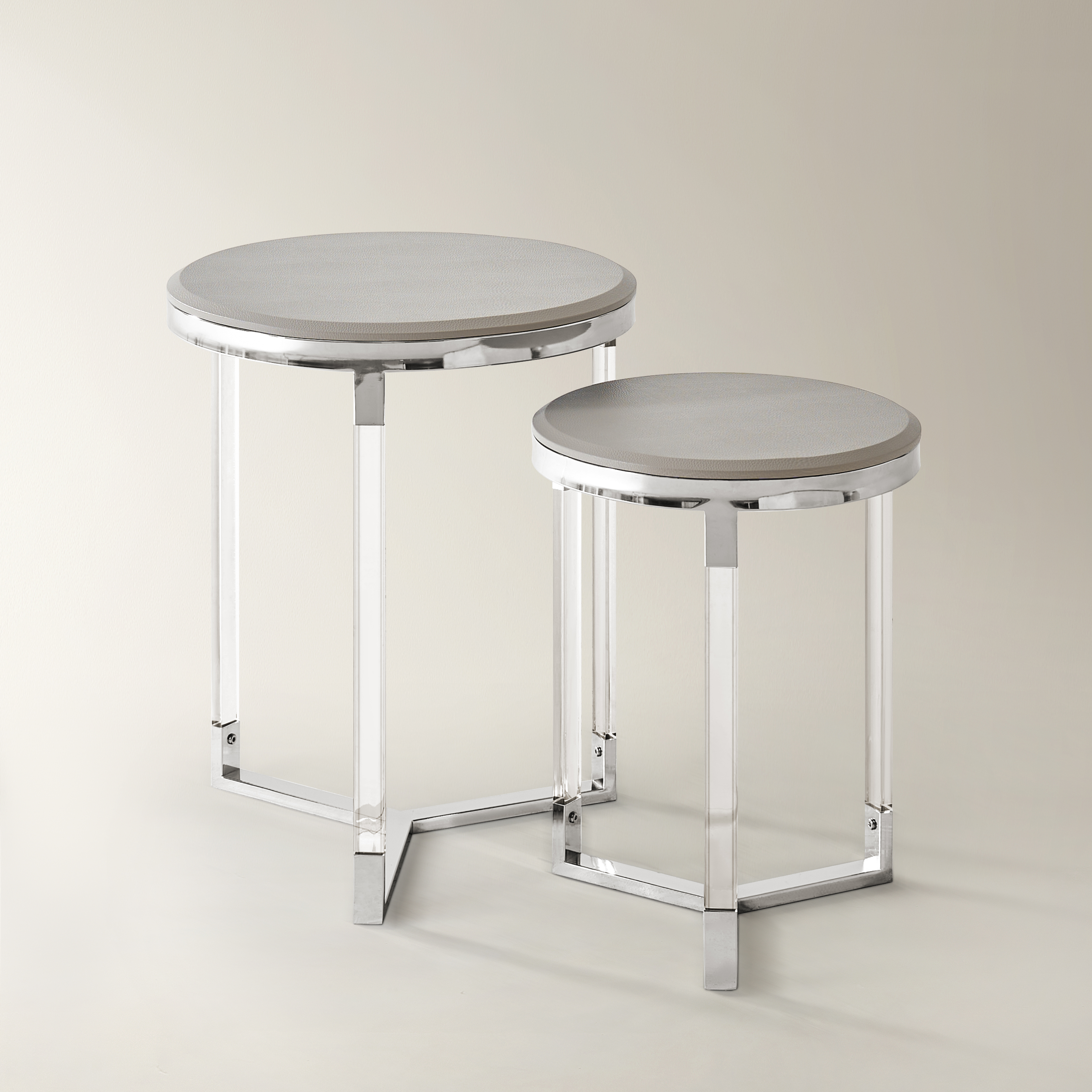
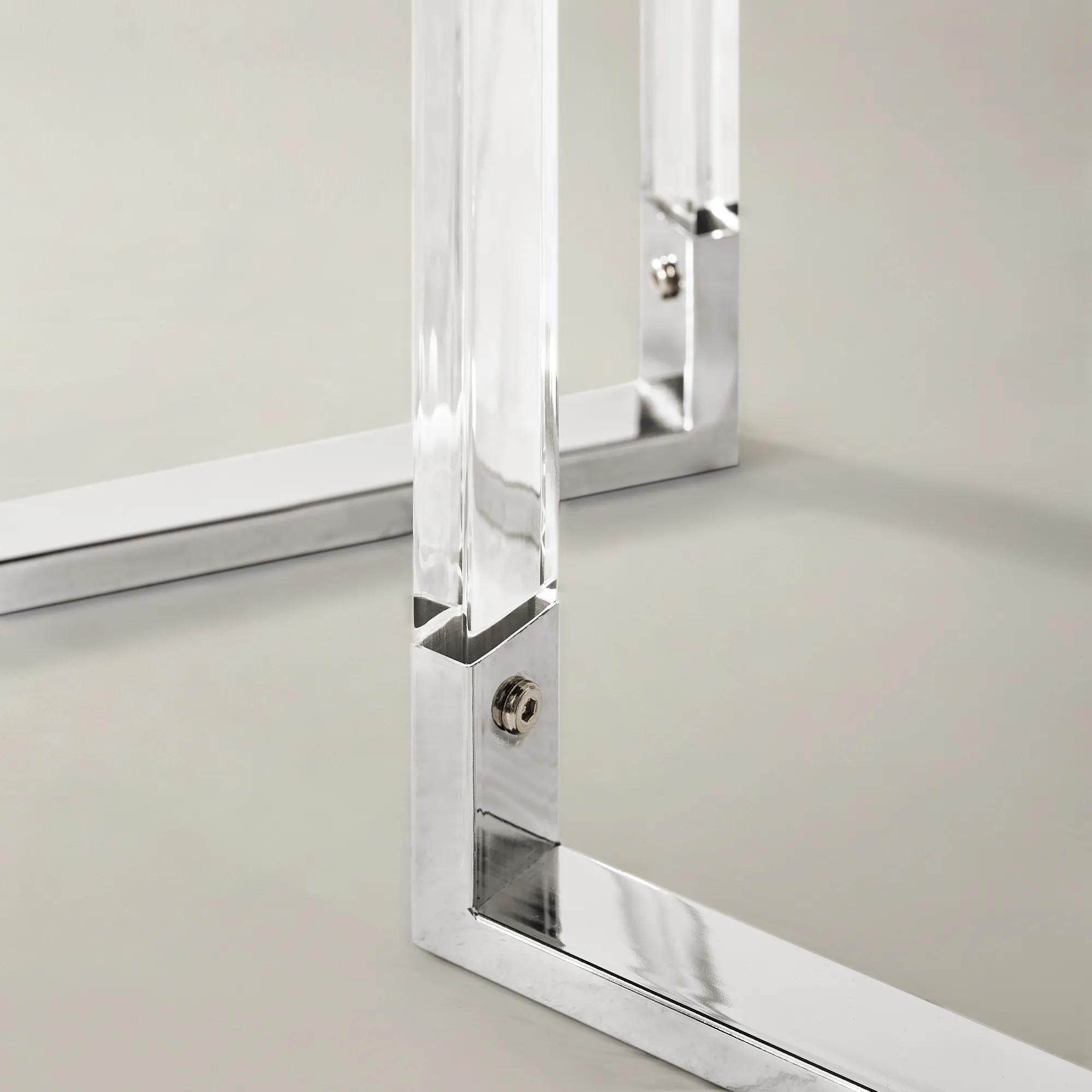 Murano Round Grey Accent Table With Faux Leather Top Set Of 2 (14.5"-18.5")$399
A bold set of two accent tables featuring mixed woods, acrylic legs, and faux leather tops.
Add To Cart -
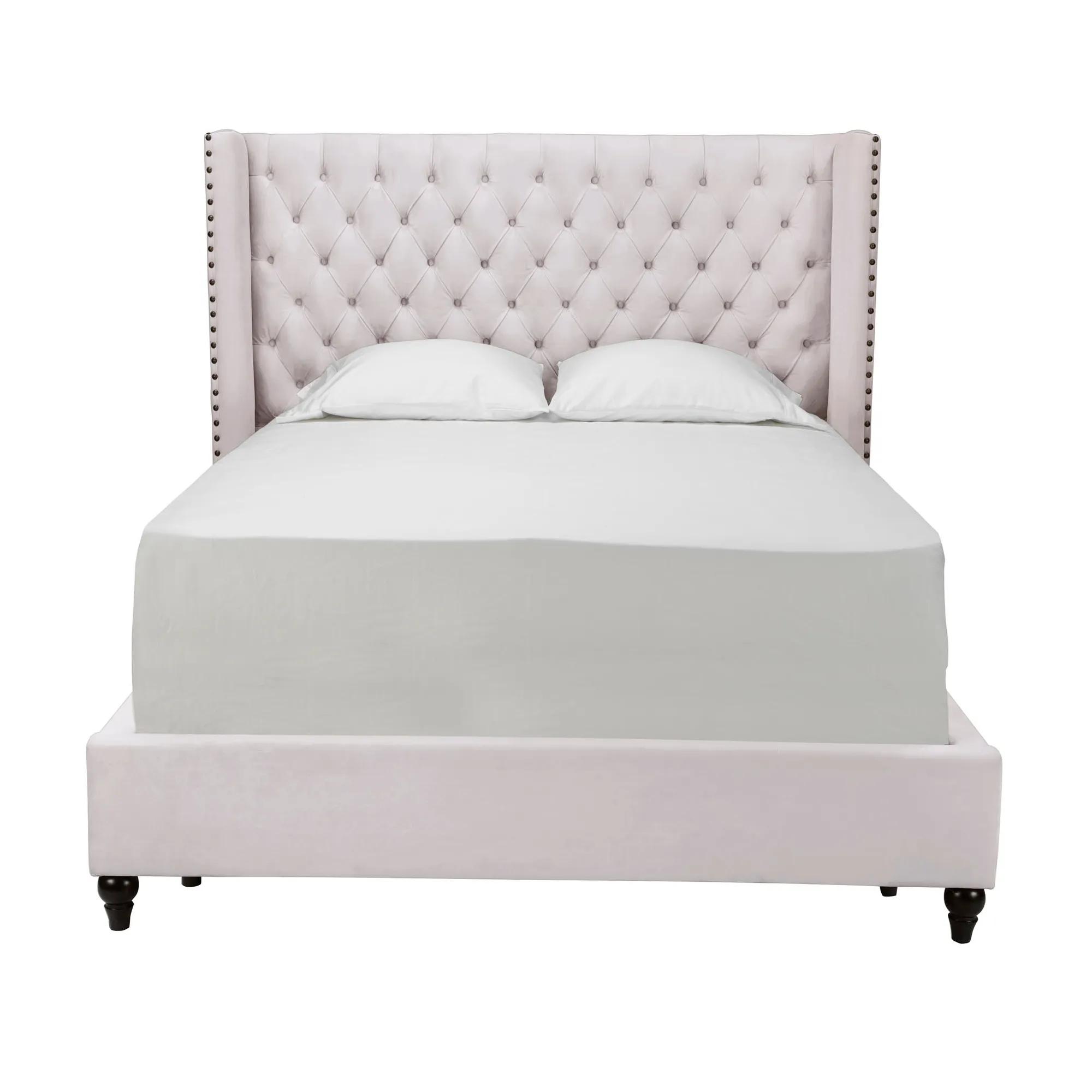
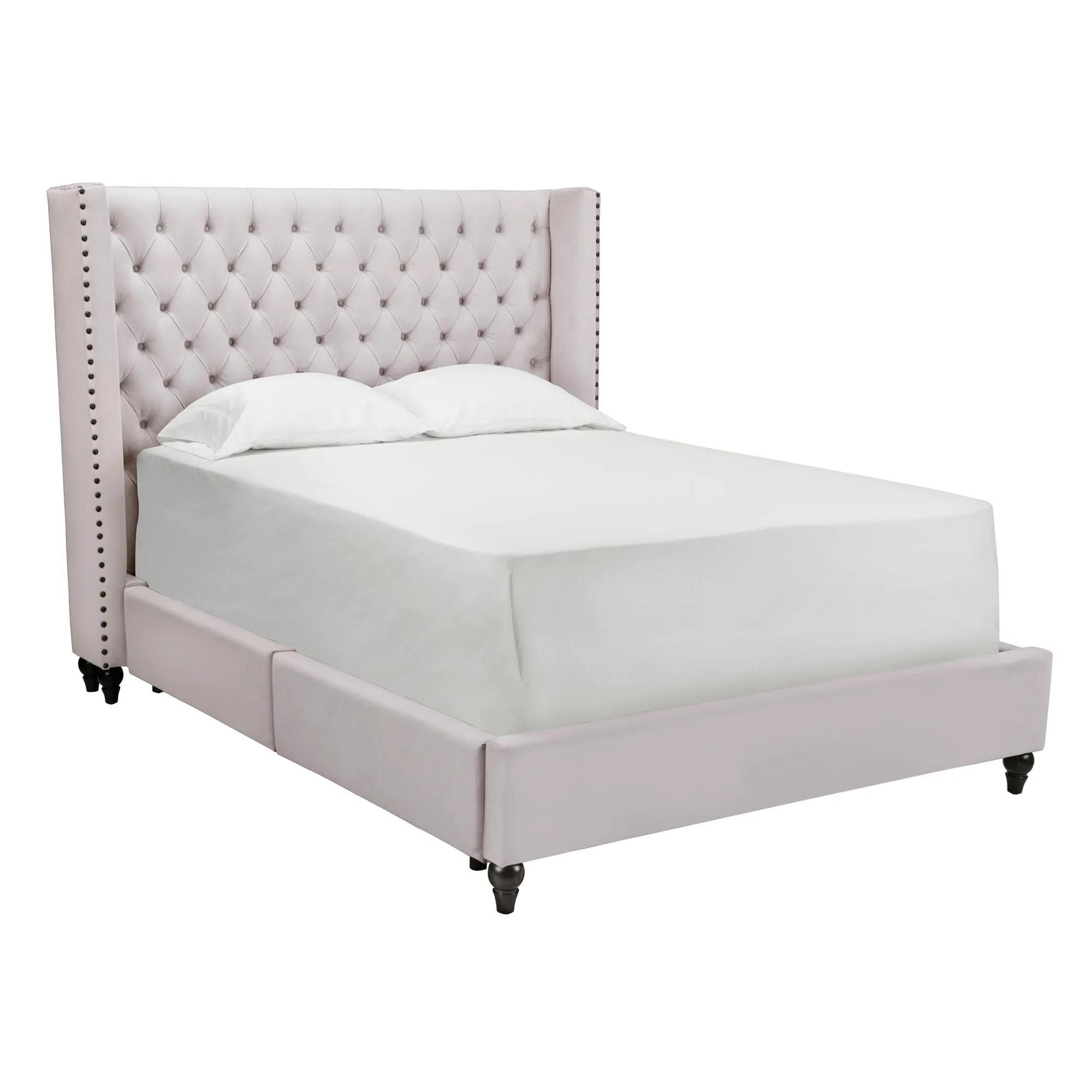 Roberto Storage Bed$3149
A handcrafted platform bed in pearl velvet with diamond tufting, antique brass nailheads, and four deep storage drawers.
Add To Cart -
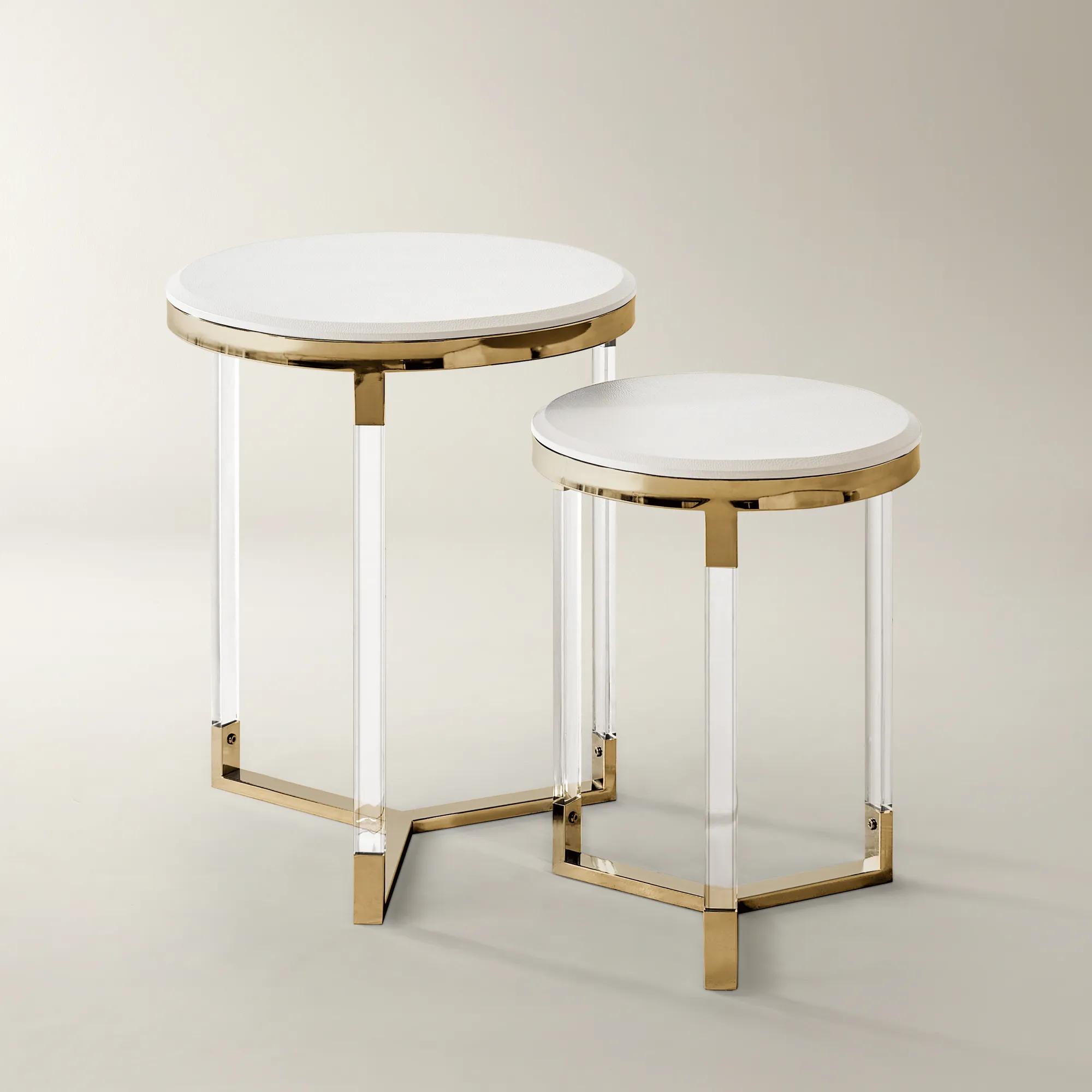
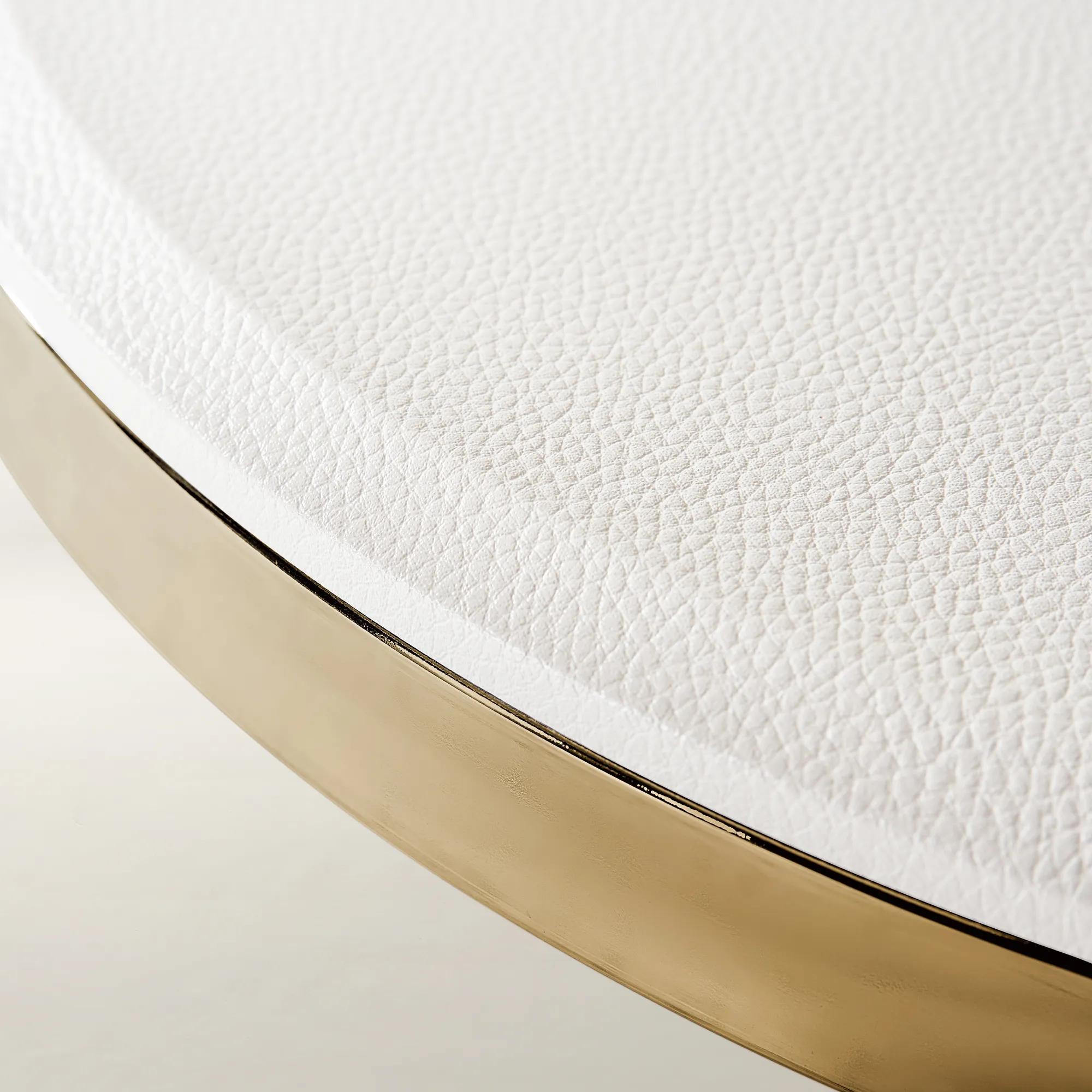 Murano Round White Accent Table With Faux Leather Top Set Of 2 (14.5"-18.5")$399
A set of two accent tables featuring mixed woods, faux leather tops, and acrylic legs with metallic finishes.
Add To Cart -
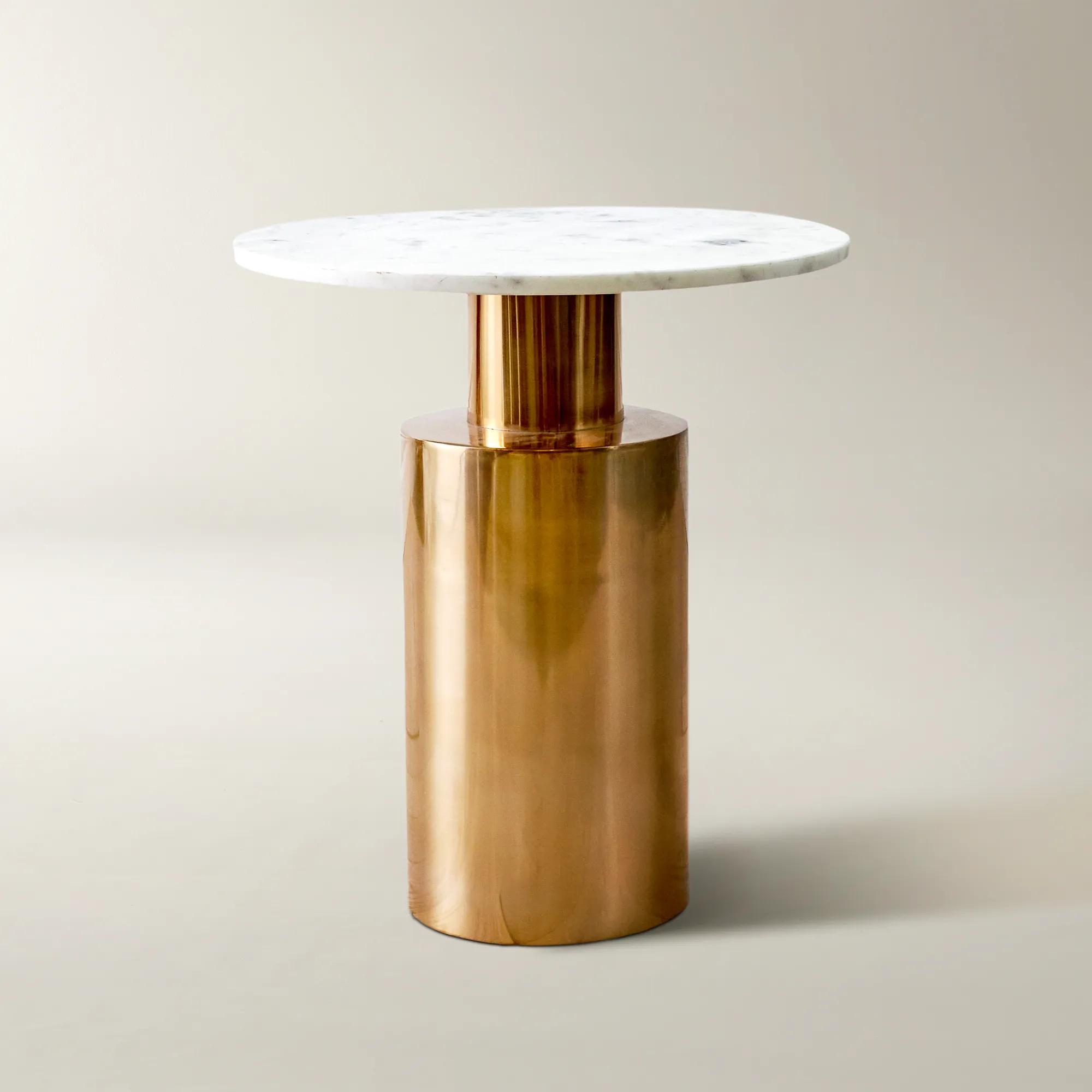 Capri Round White Marble Accent Table (16")$299
A striking accent table featuring a white marble top and gold-finished stainless steel base.
Add To Cart -
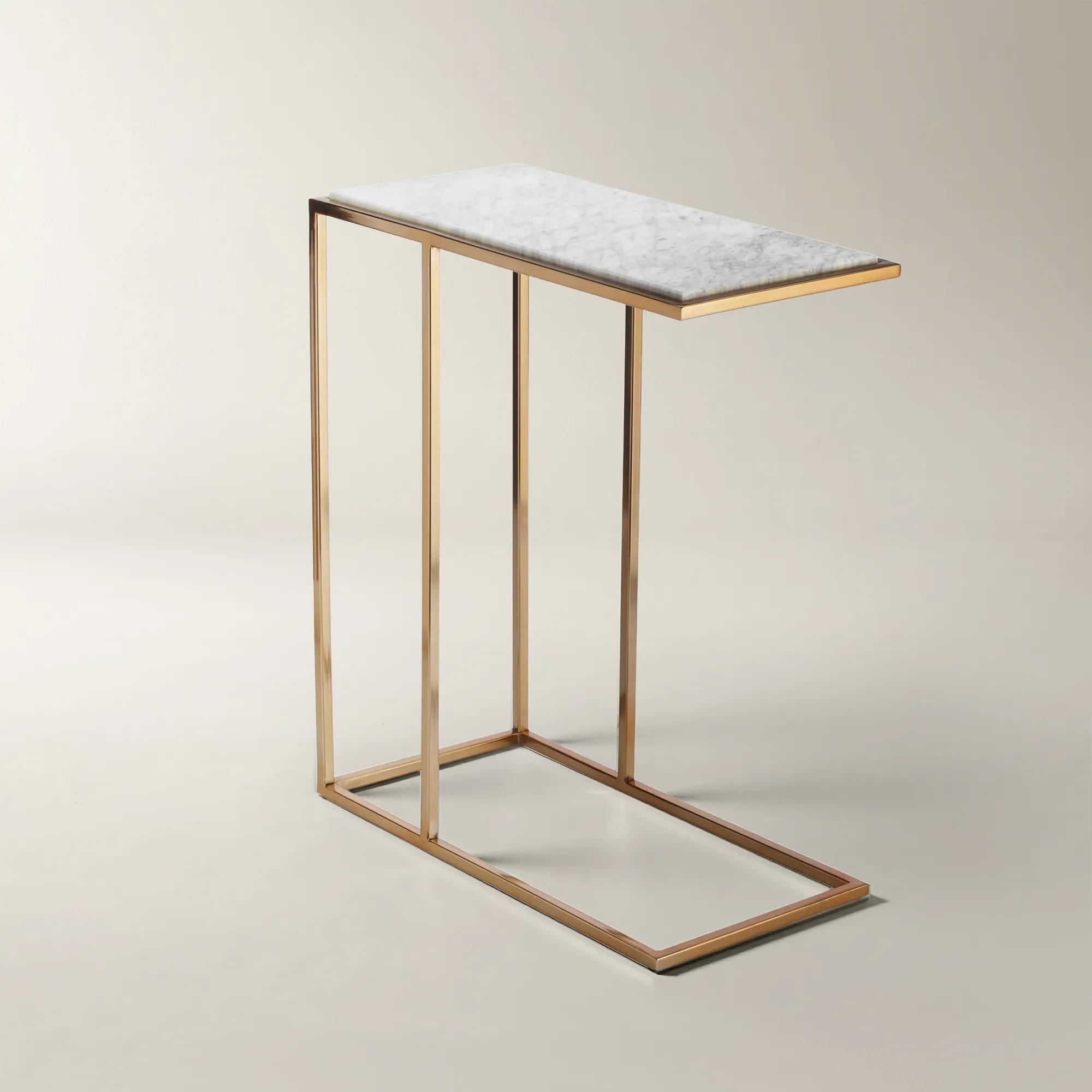
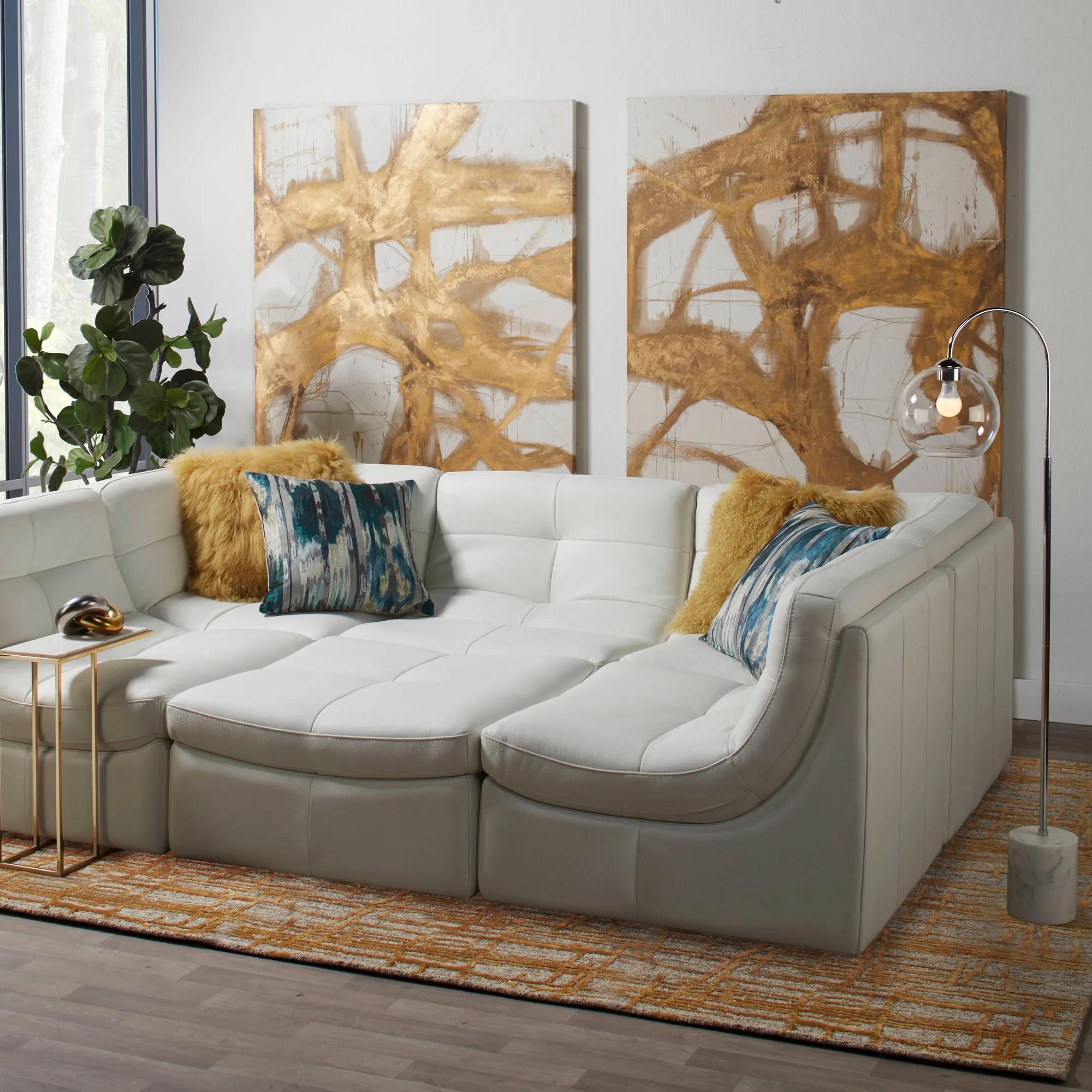 Lawton Rectangular Gold Stainless steel Accent Table With Marble Top (19.75")$259
A space-saving table featuring a white marble top and gold-finished stainless steel base.
Add To Cart -

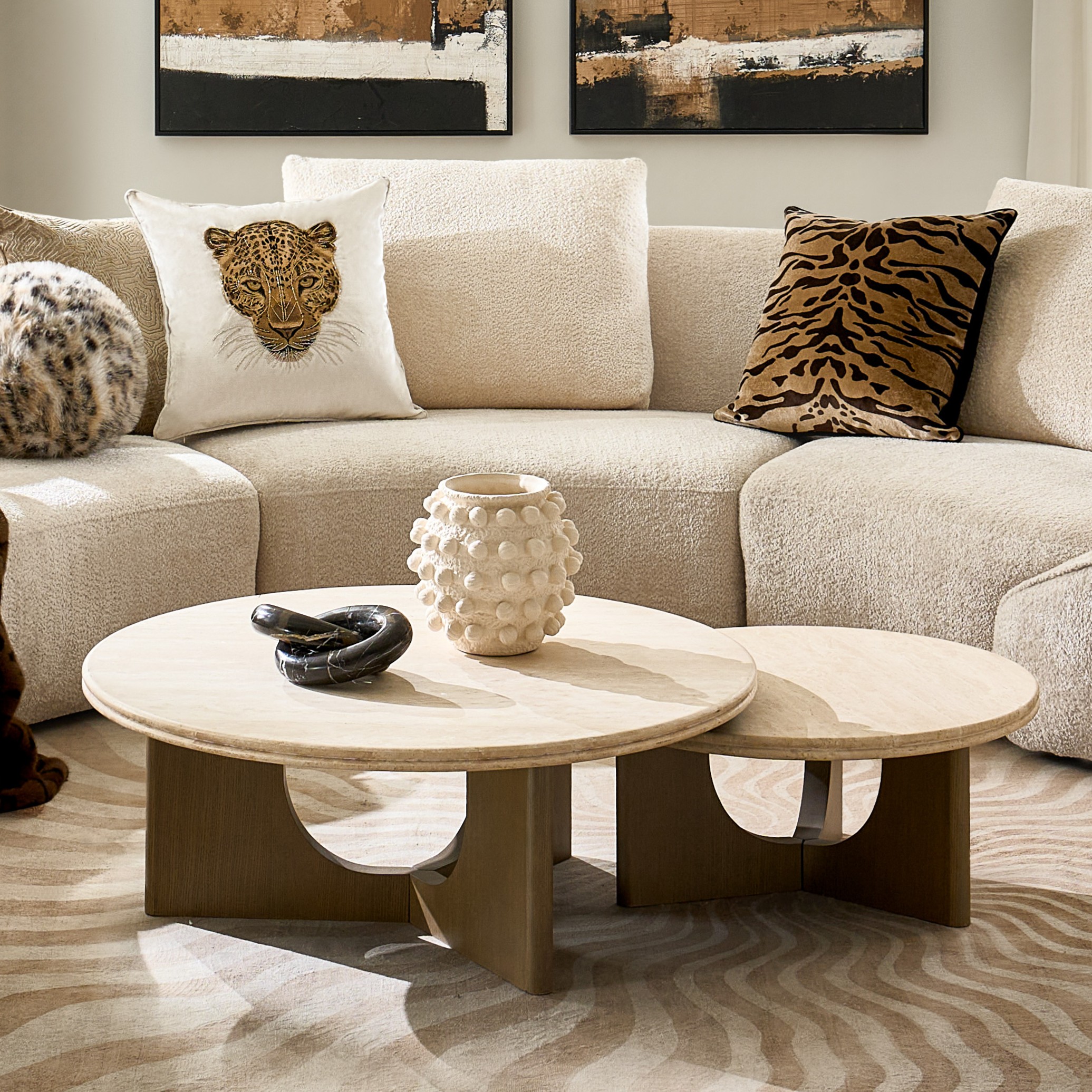 Bond Round Travertine and Wood Coffee Table (29.25")$699
A genuine travertine stone coffee table with warm ivory-gold tones atop a solid natural ash base.
Add To Cart -

 Stria Reeded White Oak Open Bookcase (80")$2699
A modern open bookcase featuring vertical reeded white oak, soft gold metal trim, and five spacious shelves.
Add To Cart -
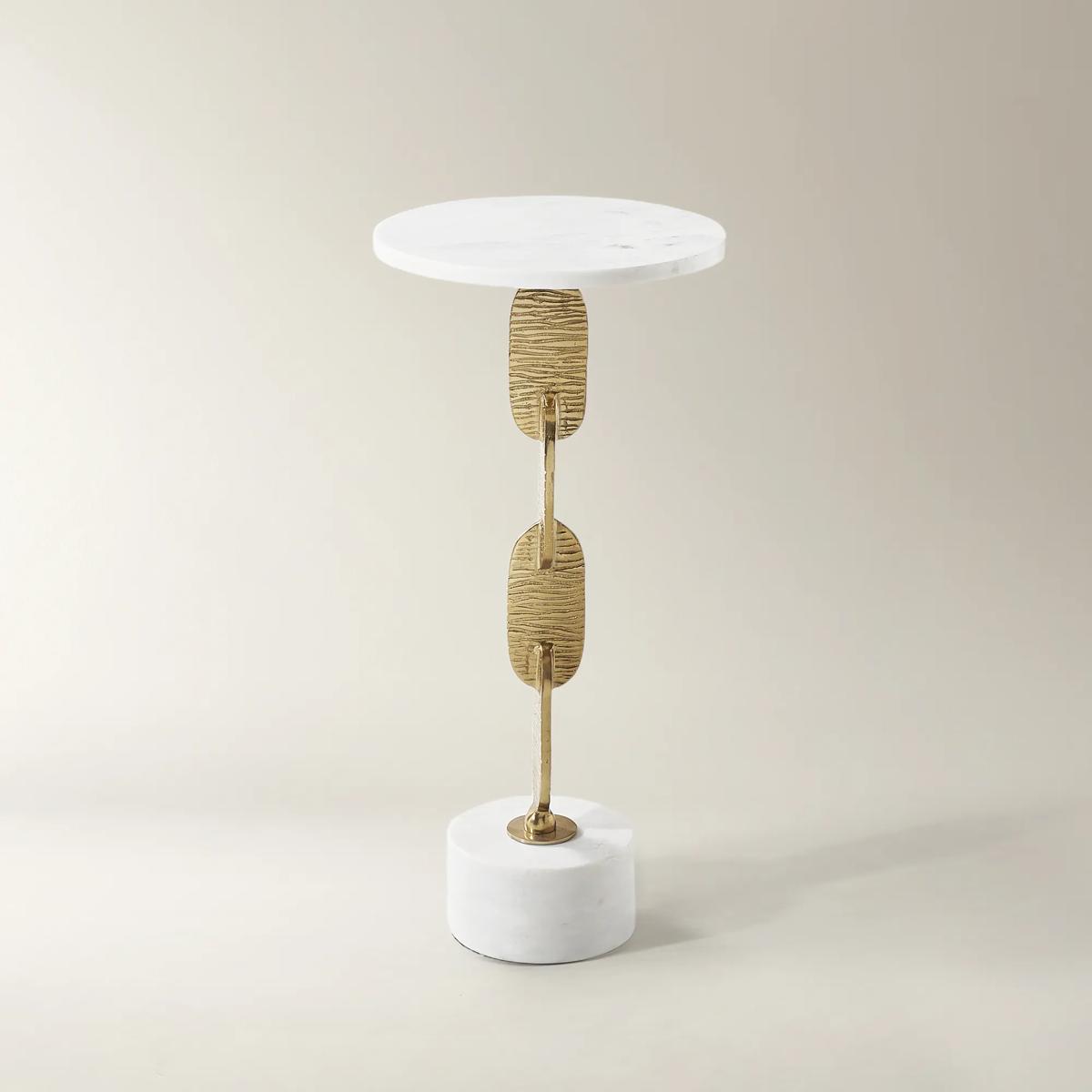
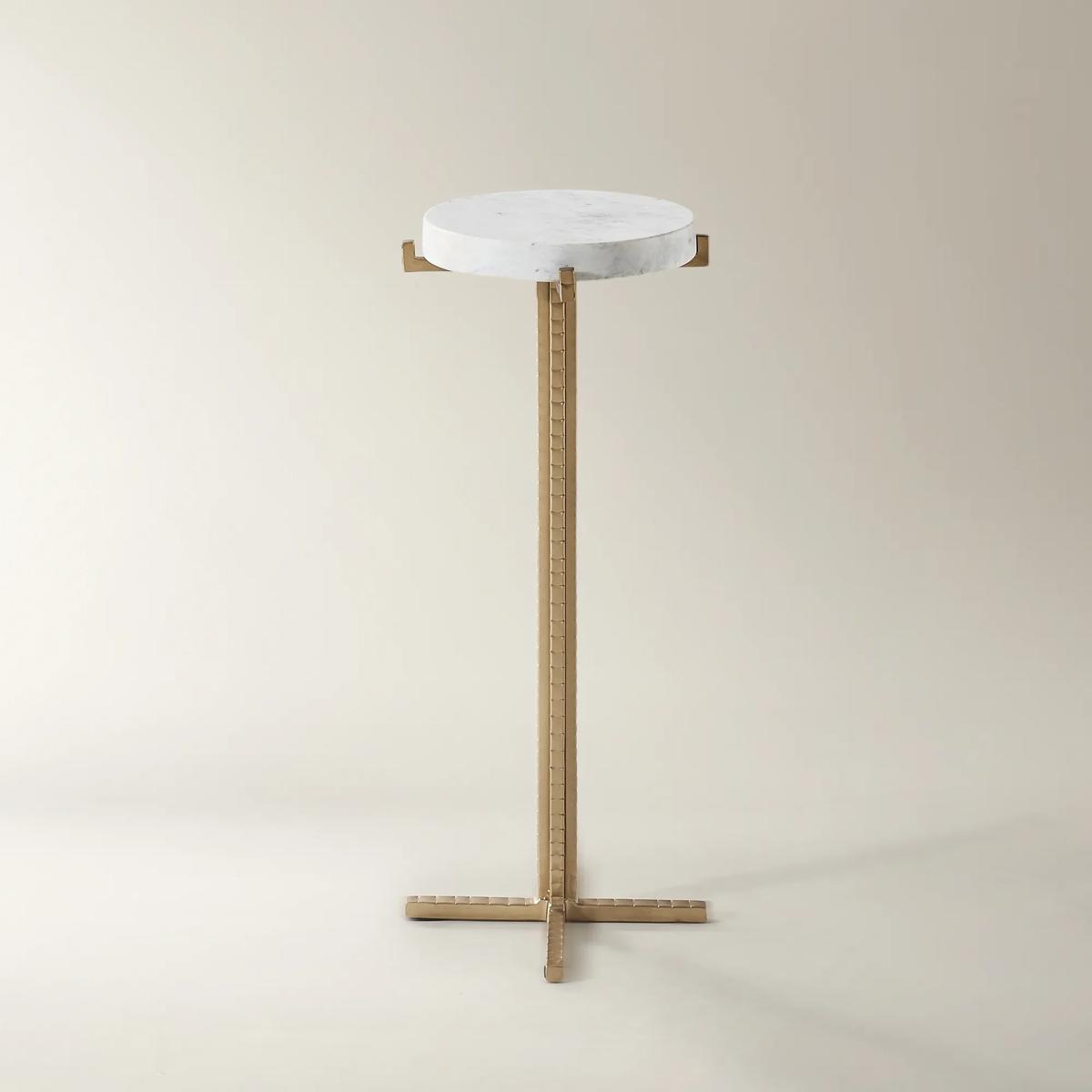
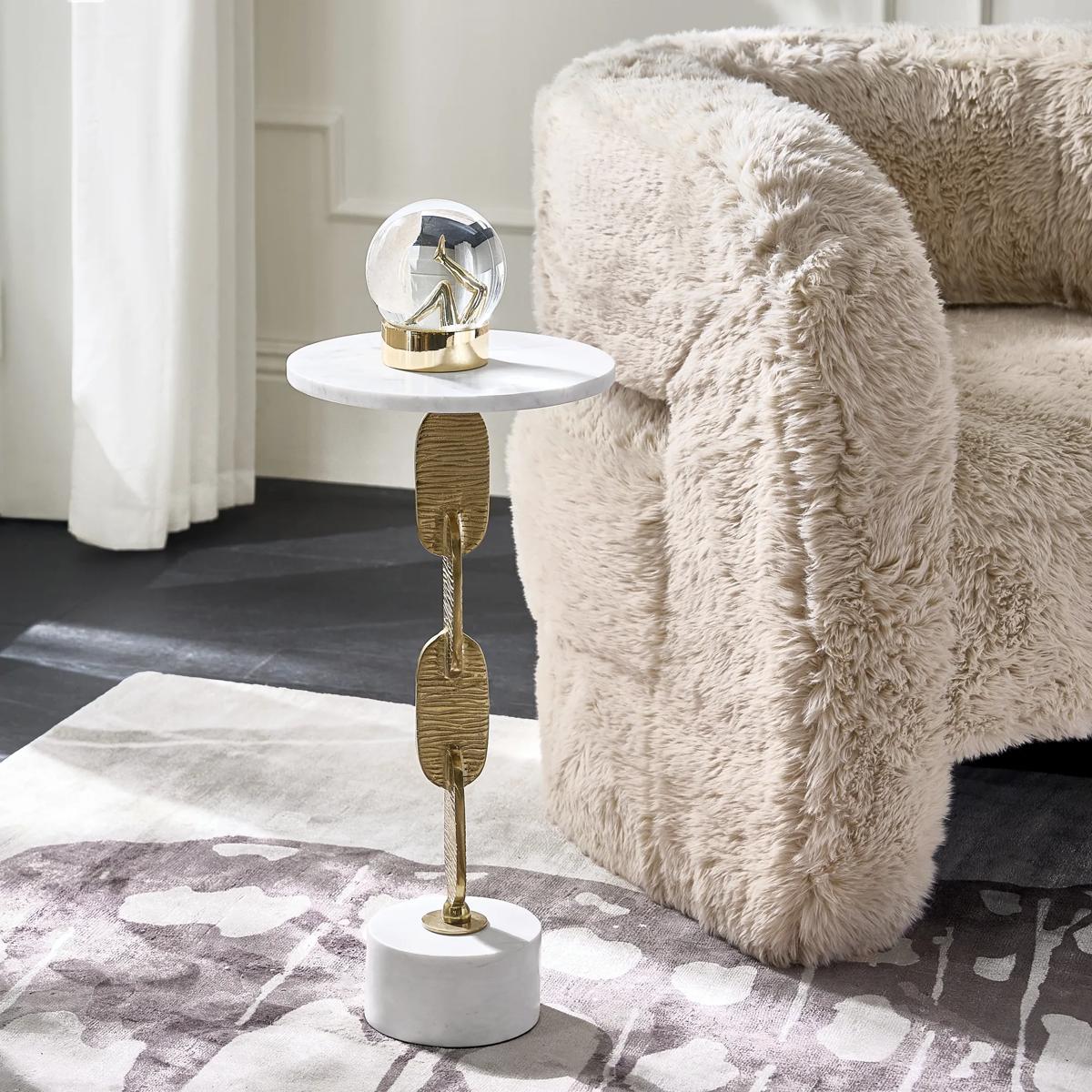 Luna Round White Marble Side Table (11.25")$199
A sculptural side table featuring a genuine white marble top and an open gold-finished metal frame.
Add To Cart -
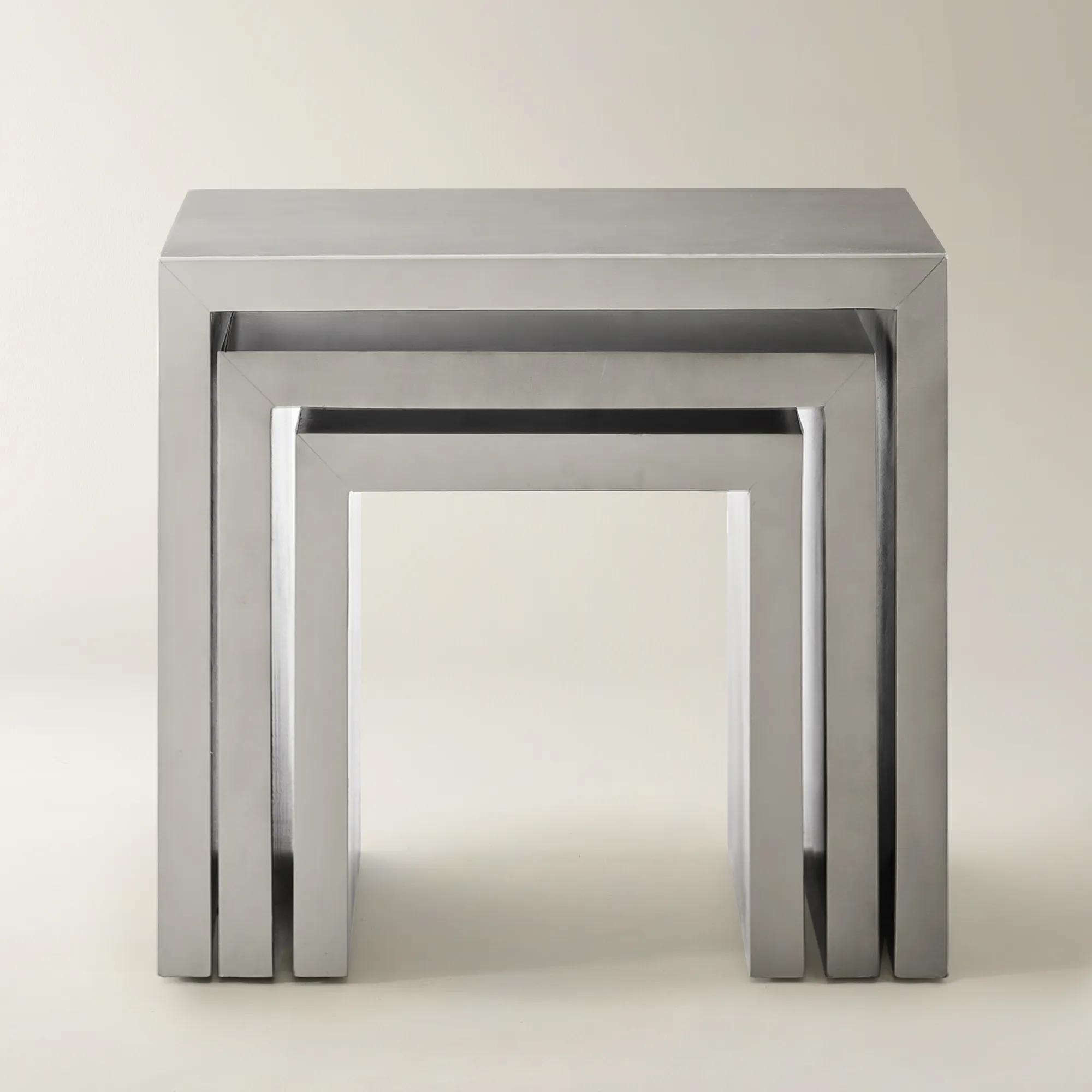
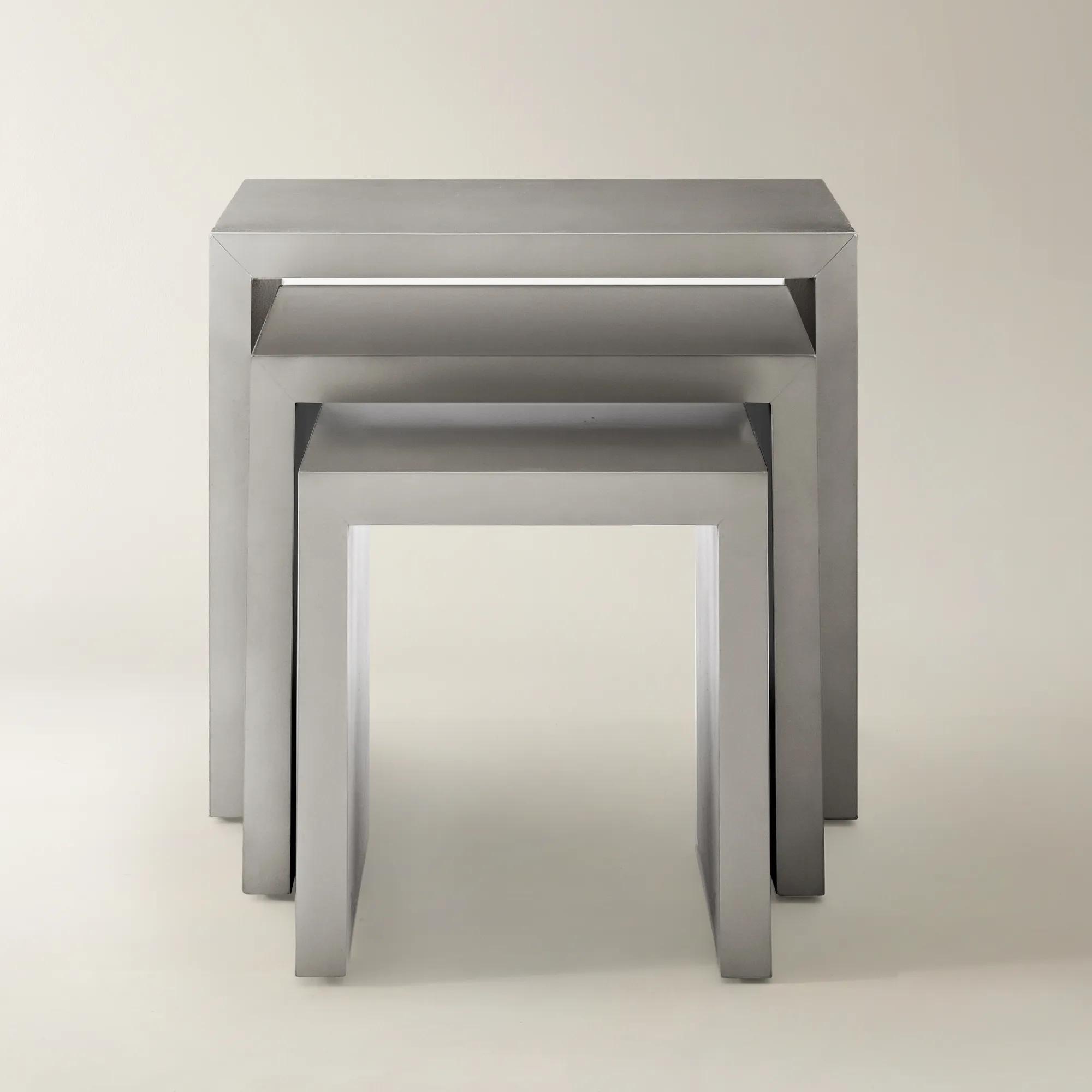 Astair Silver Nesting Accent Table Set Of 3 (16.25"-25.5")$349
A trio of engineered wood nesting tables with a sleek silver metallic finish and minimalist block silhouette.
Add To Cart -
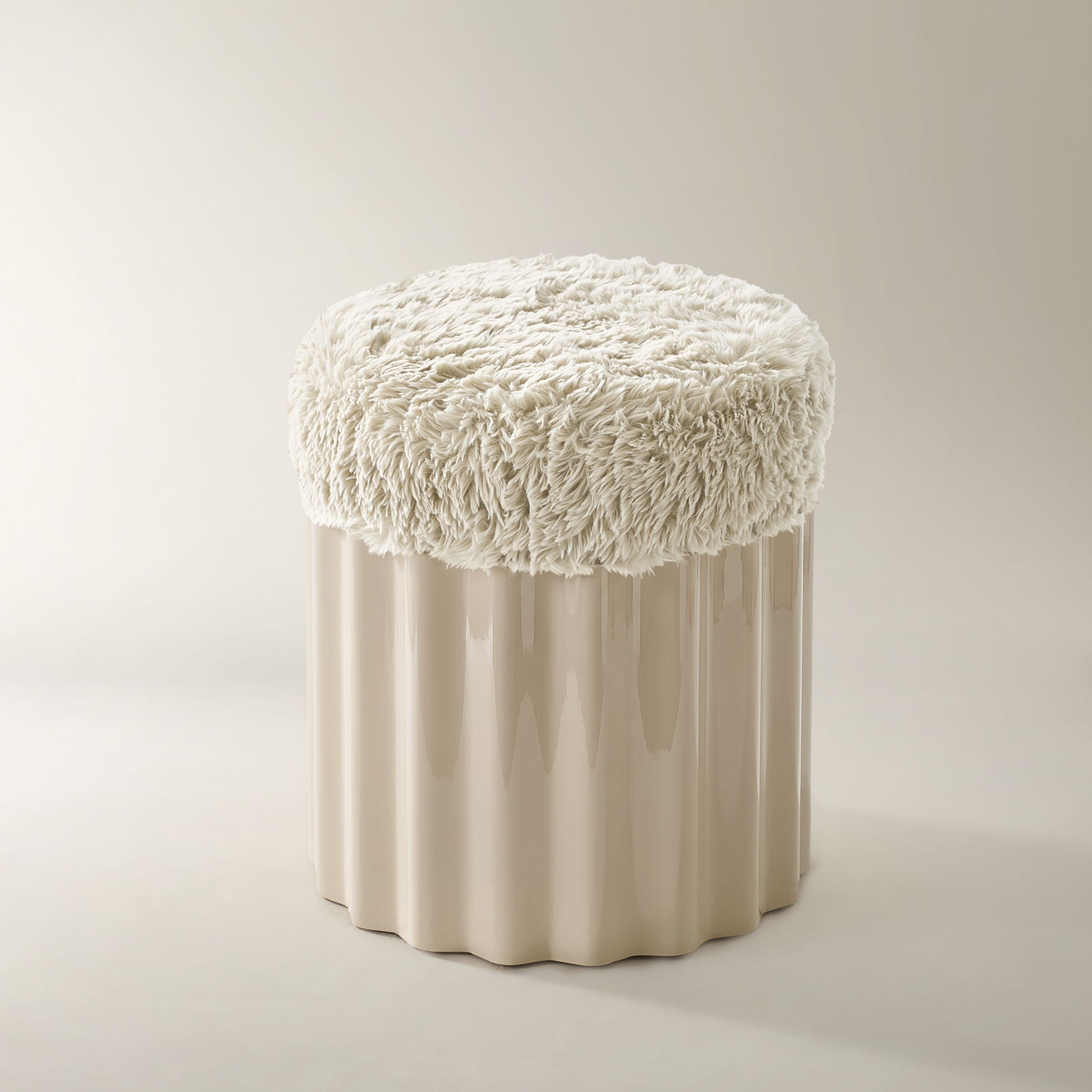
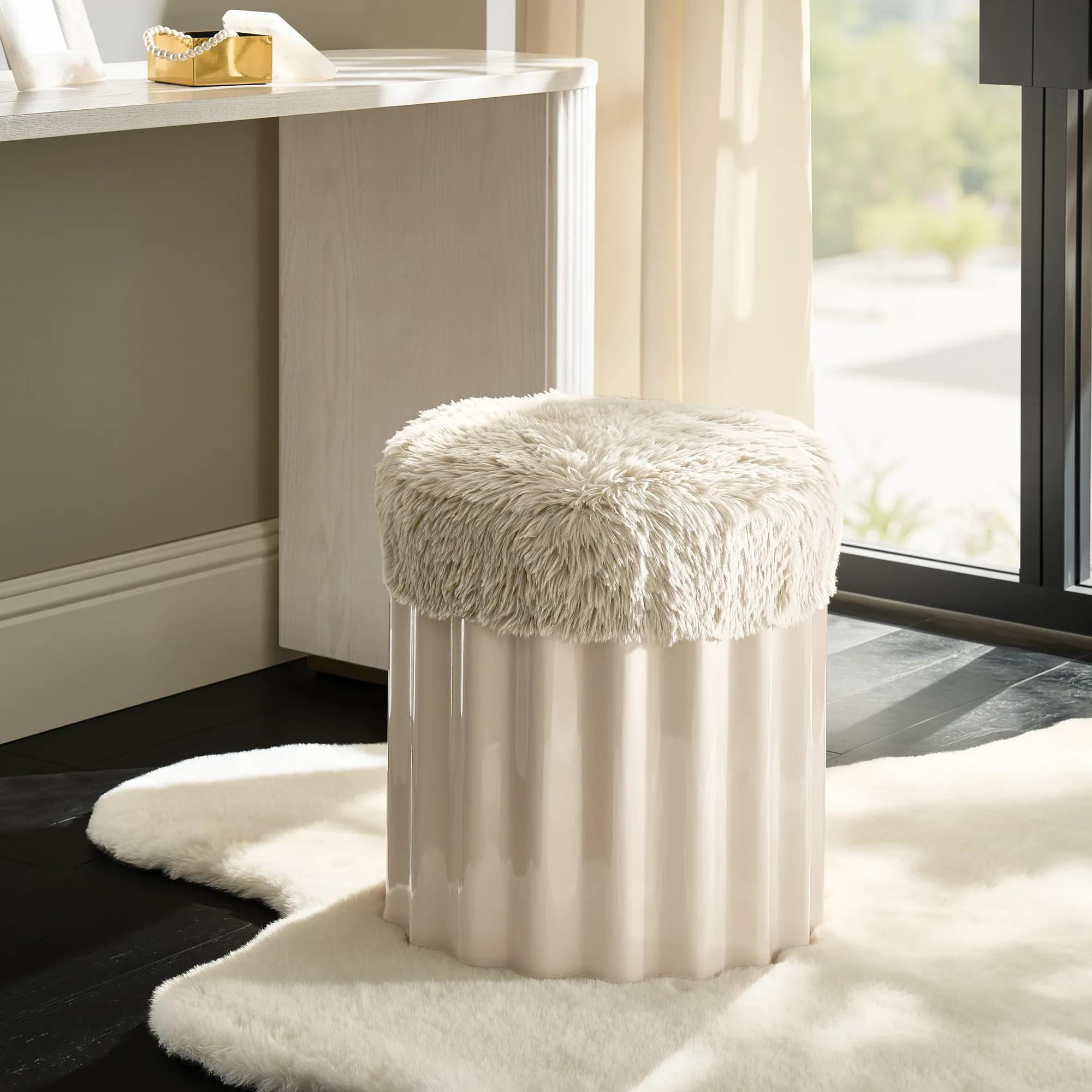 Nia Lacquered Turtle Dove Faux Fur Storage Stool$399
A sculptural fluted stool in warm turtle dove with plush faux fur seat and hidden storage compartment.
Add To Cart -
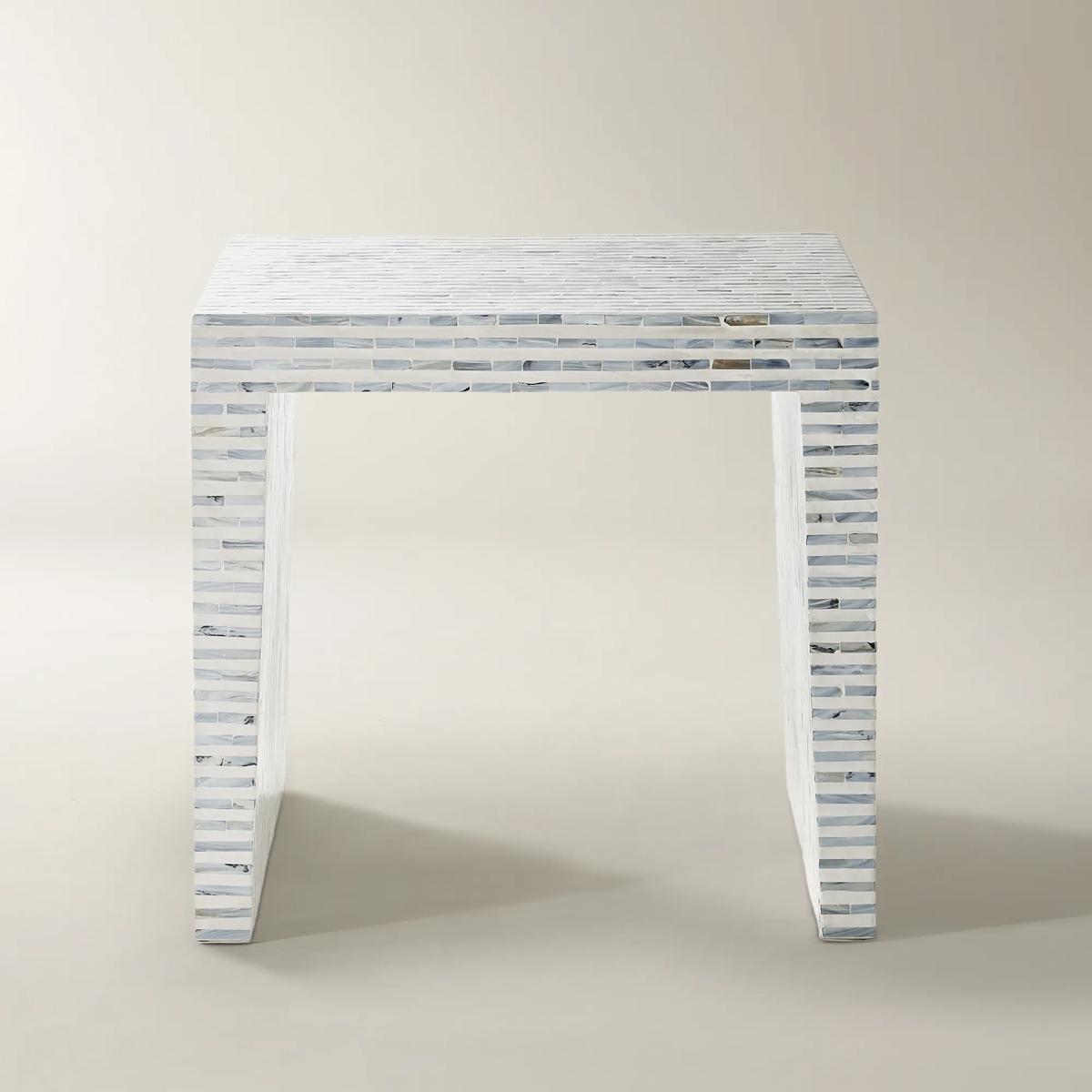
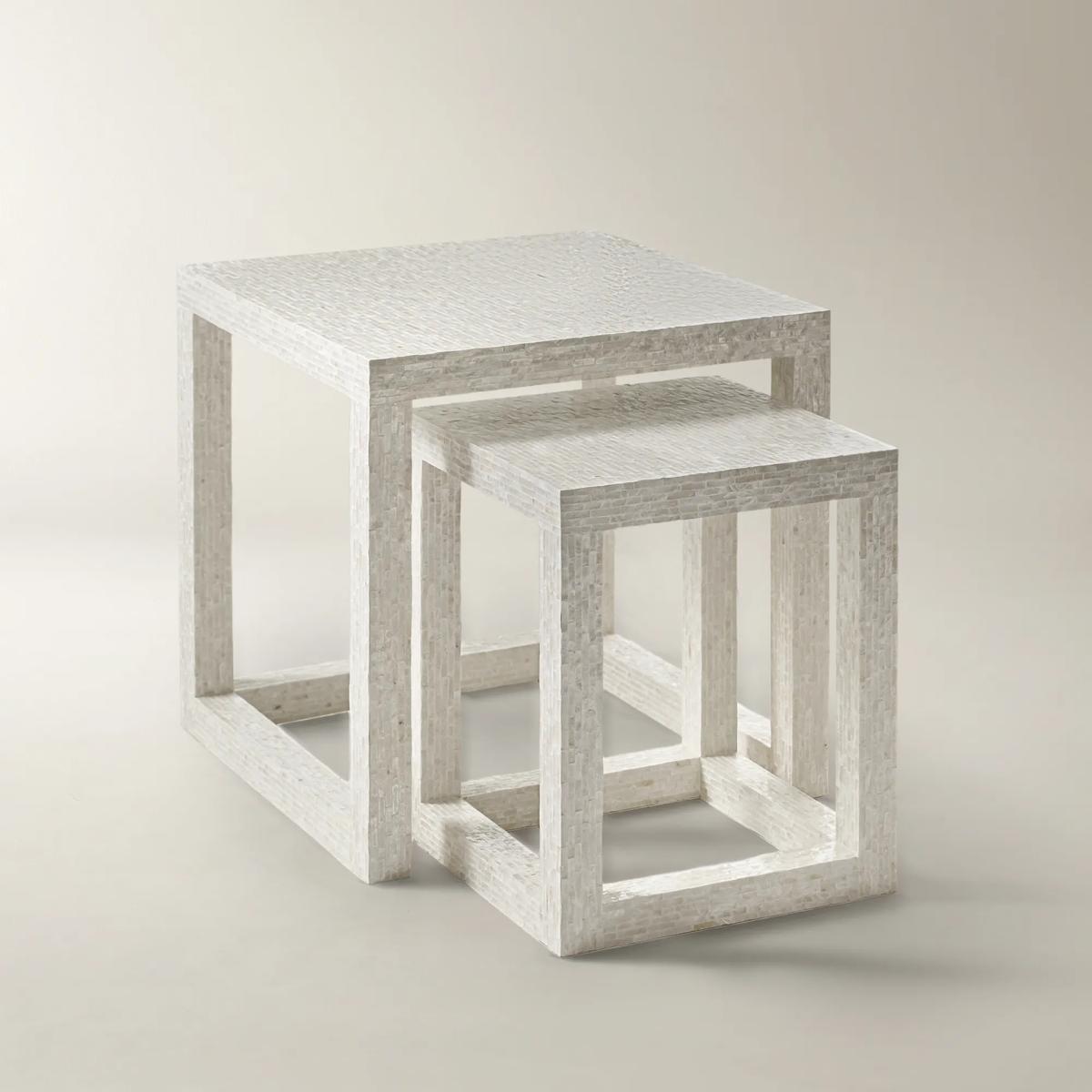 Ivori Square White Nesting Accent Table Set Of 2 (16.5"-23.75")$599
A handcrafted white nesting table featuring radiant mother-of-pearl inlay for a unique, iridescent accent.
Add To Cart -
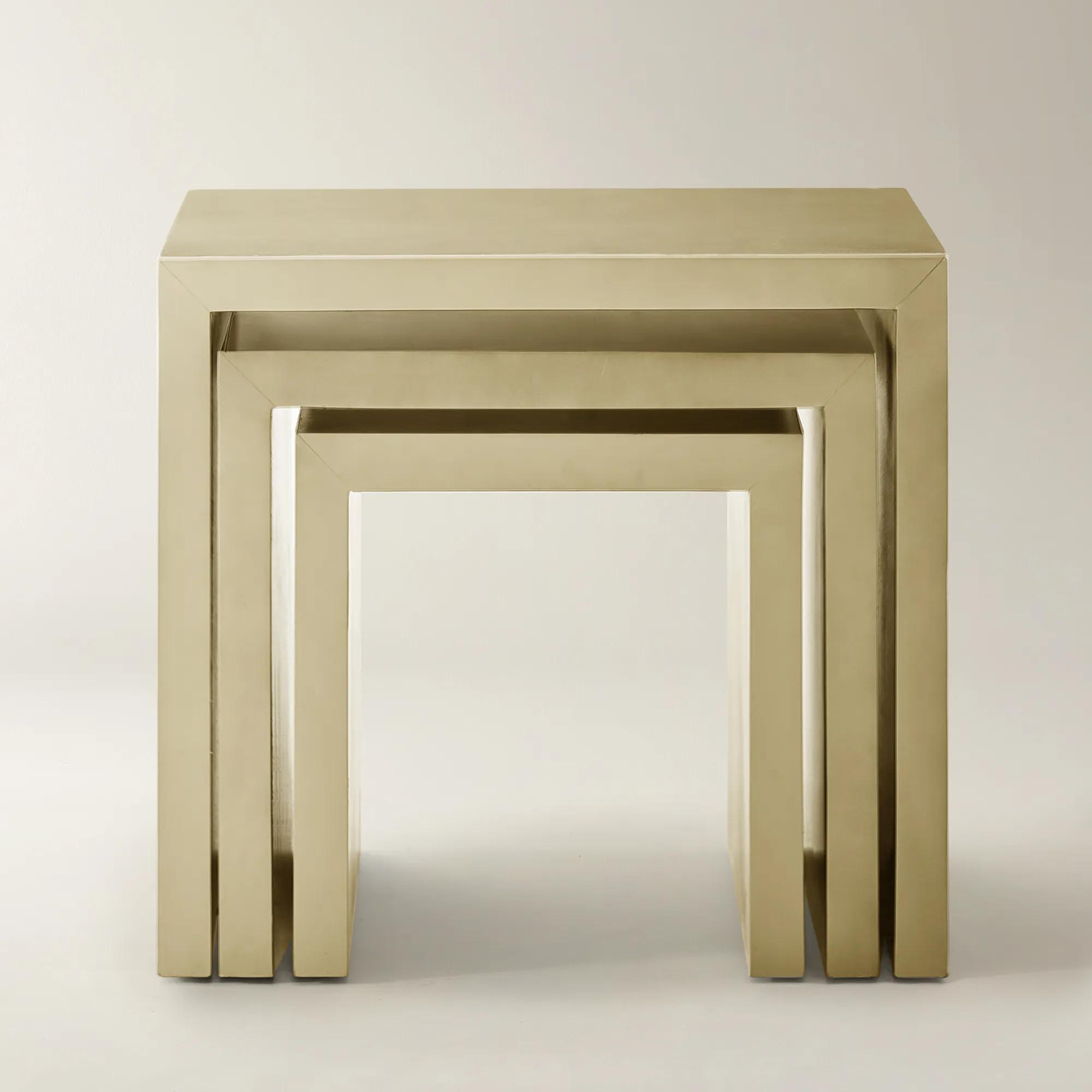
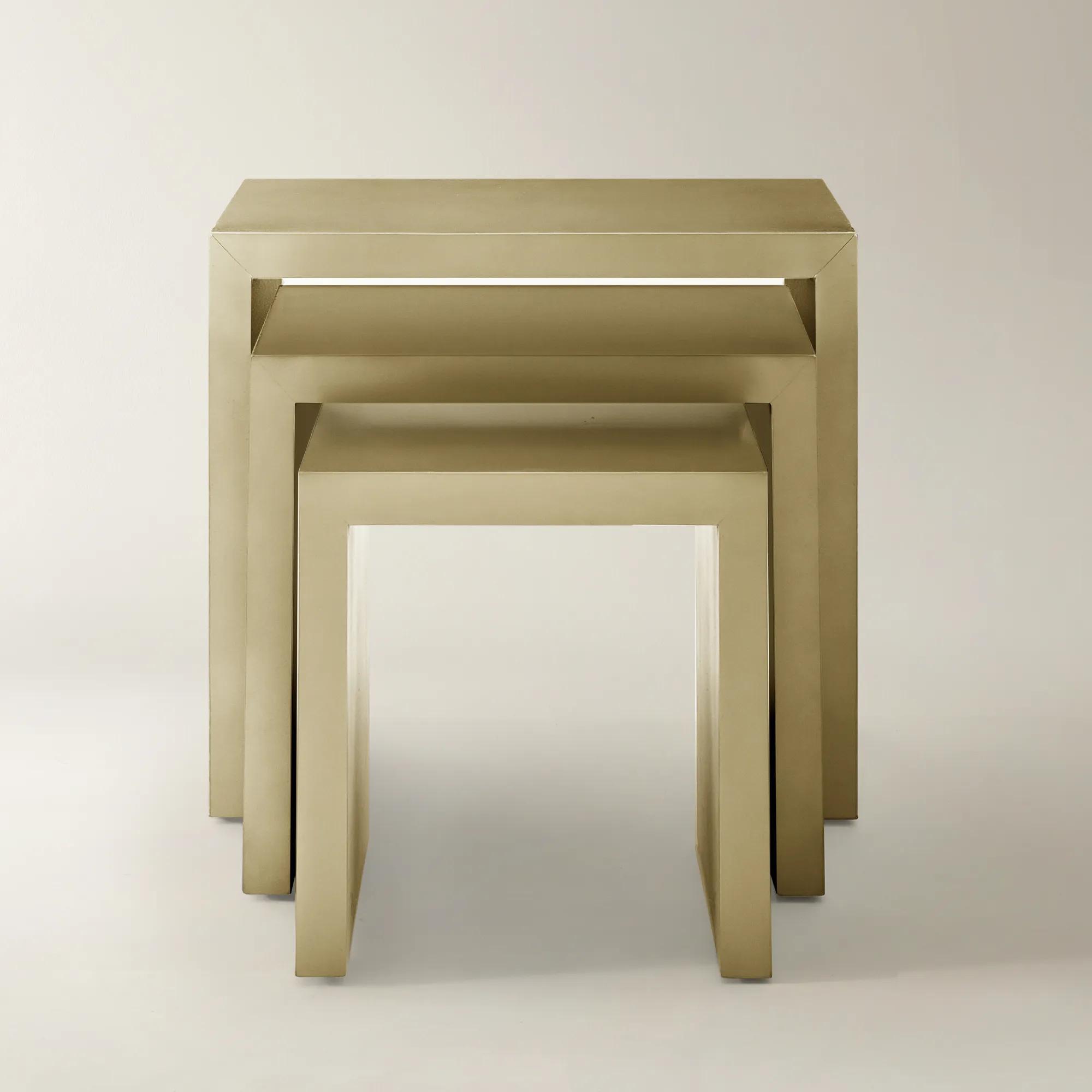 Astair Gold Nesting Accent Table Set Of 3 (16.25"-25.5")$349
A trio of gold-painted engineered wood tables with minimalist block silhouettes and versatile nesting design.
Add To Cart -
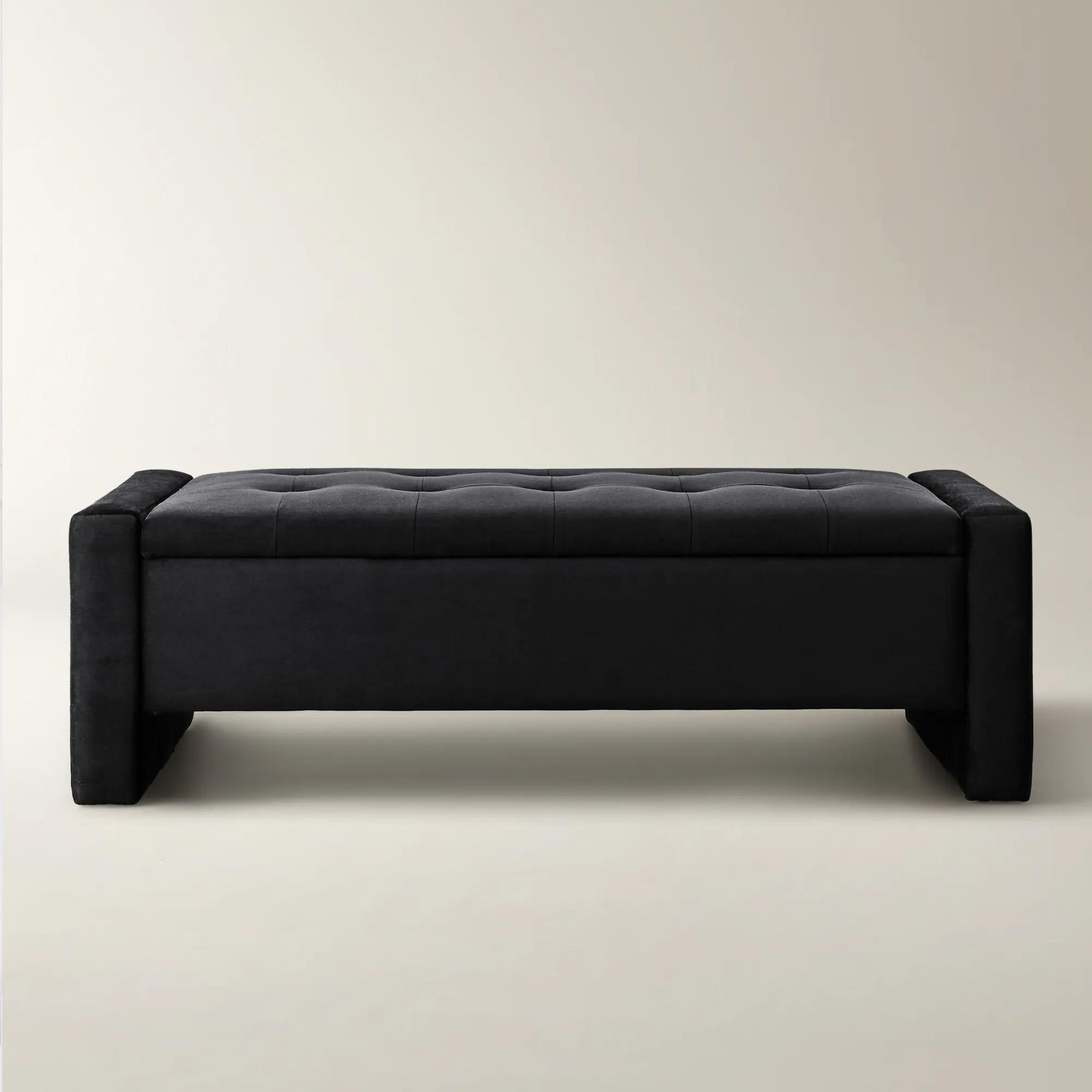
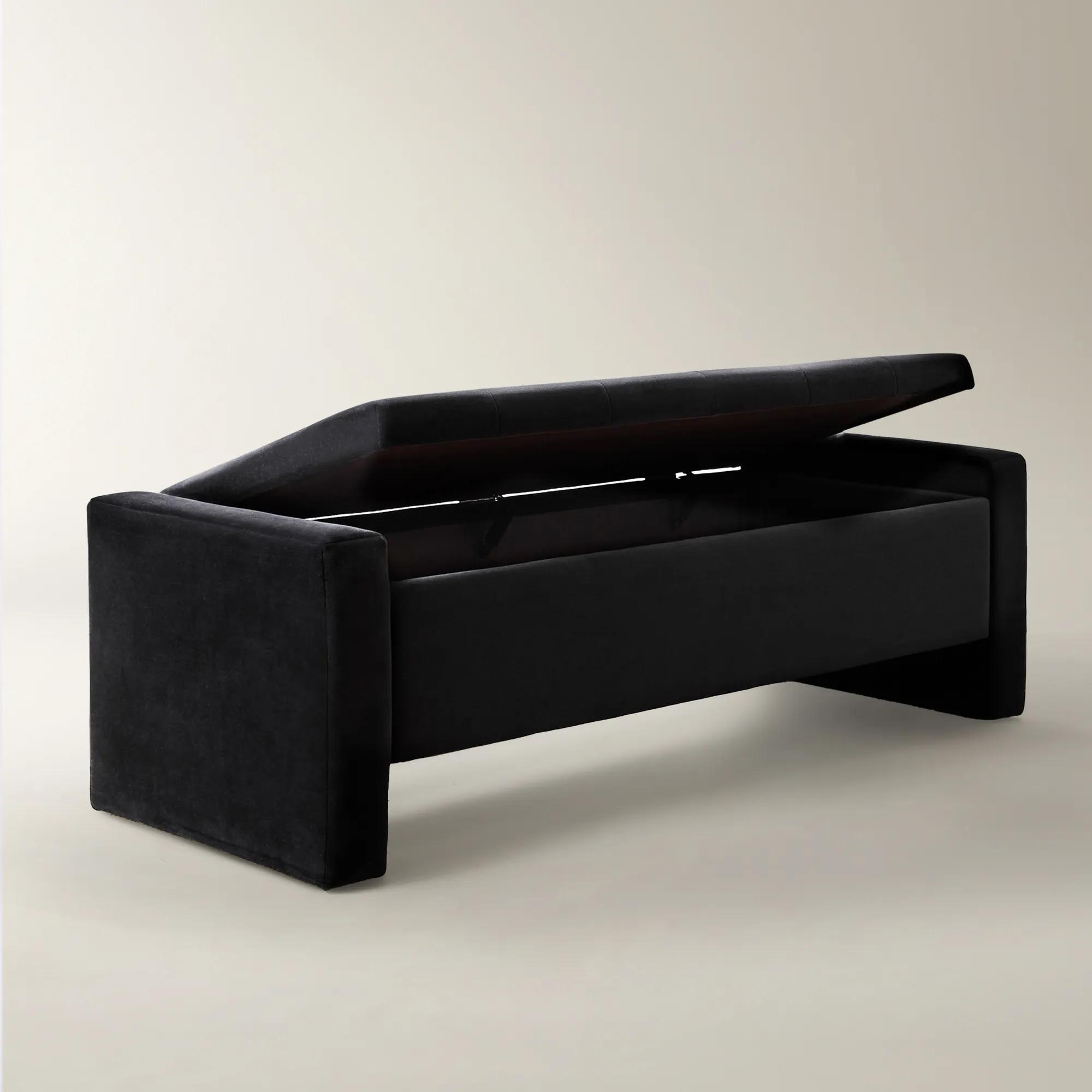 Maeve Storage Bench$899
A modern velvet-upholstered bench with hidden storage, kiln-dried hardwood frame, and soft-closing glides.
Add To Cart -
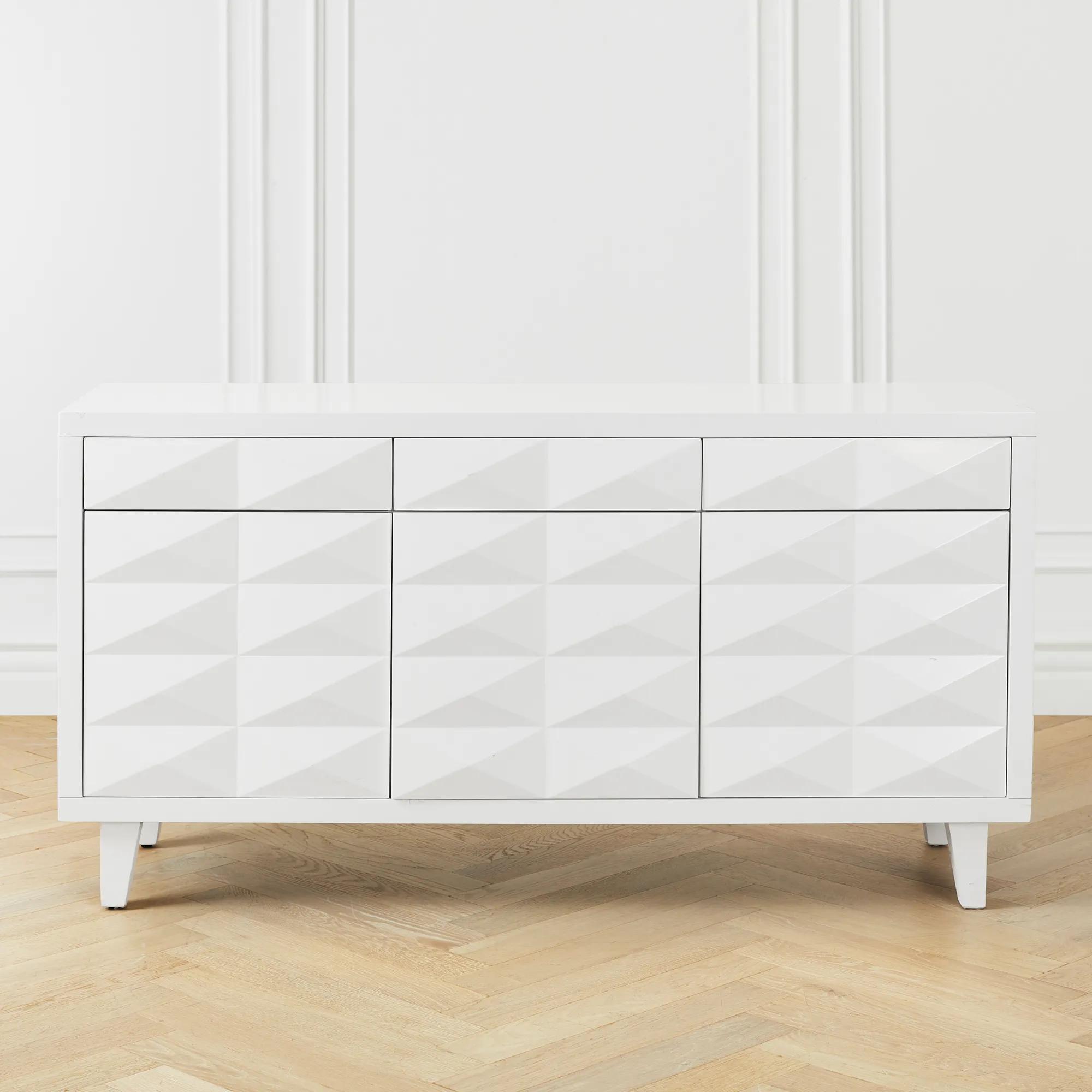 Palmer White Wood Cabinet (66.5")$1649
A sleek white hardwood cabinet with geometric detailing, three drawers, and push-latch doors for modern storage.
Add To Cart -
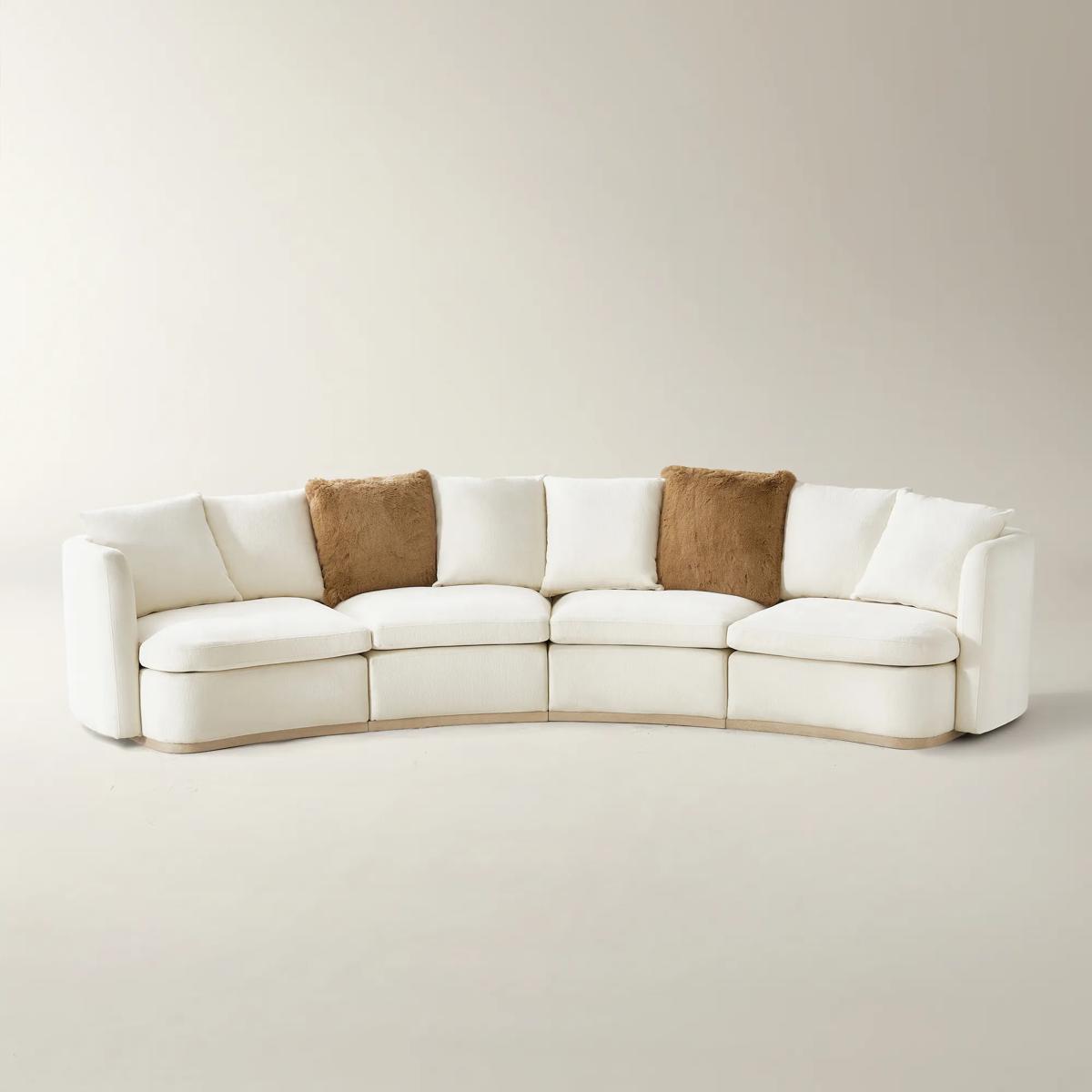
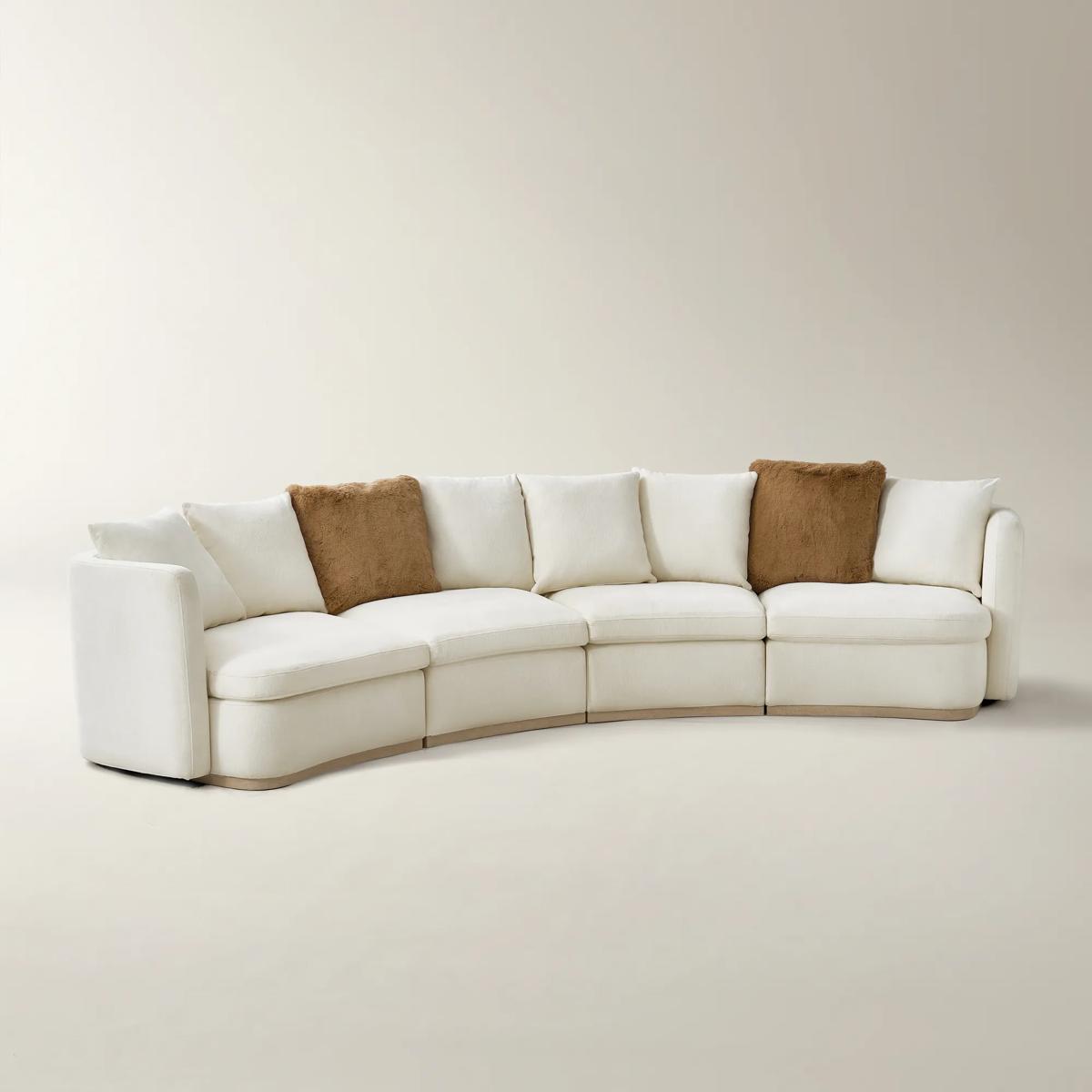 Stria 4-Piece Ivory Chenille Sectional Sofa$4499
An elegantly curved ivory chenille sectional with triple-layer cushioning and a kiln-dried solid oak frame.
Add To Cart -
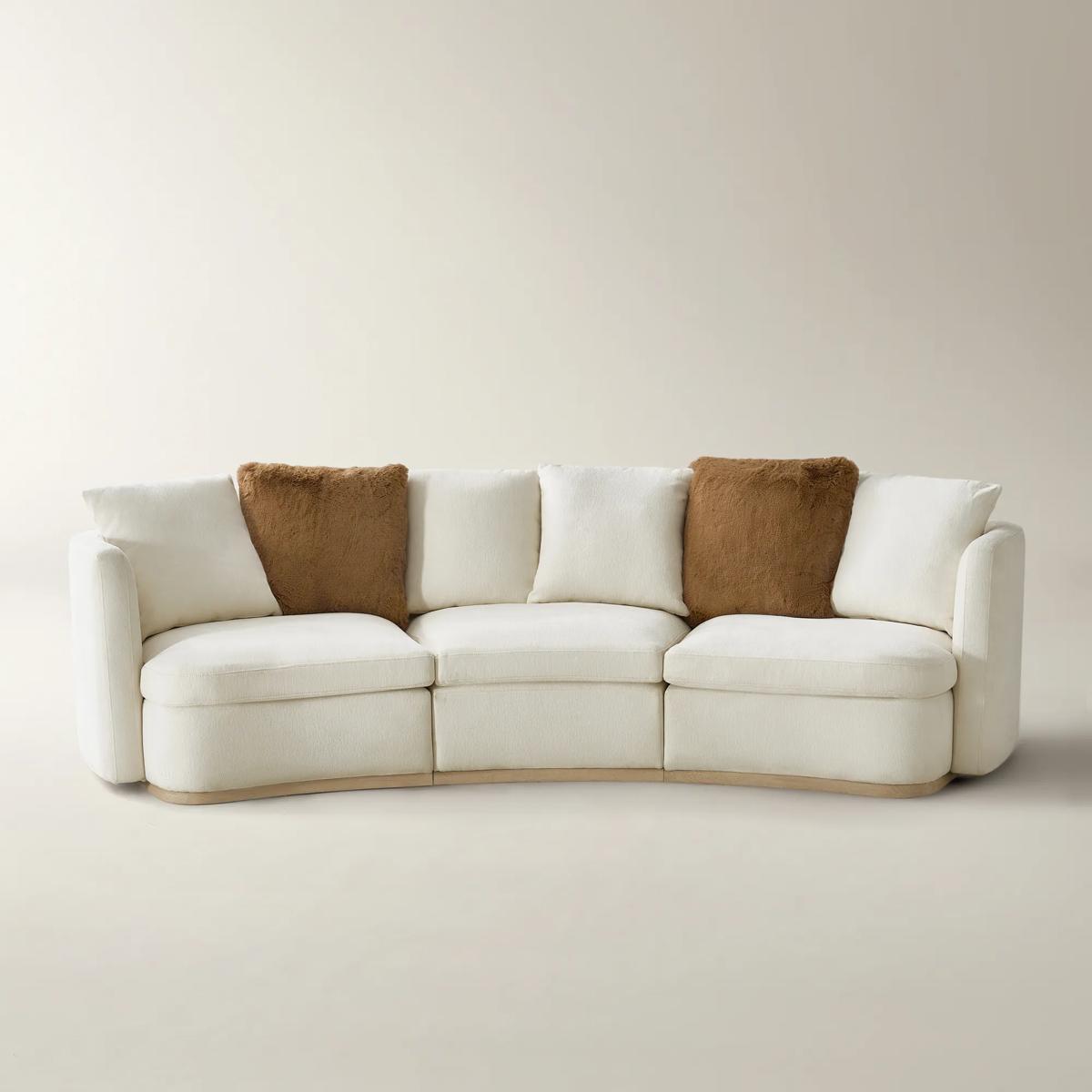 Stria 3-Piece Ivory Chenille Sectional Sofa$3399
An ivory chenille sofa featuring a sculptural curved design, triple-layer cushioning, and a kiln-dried oak frame.
Add To Cart -
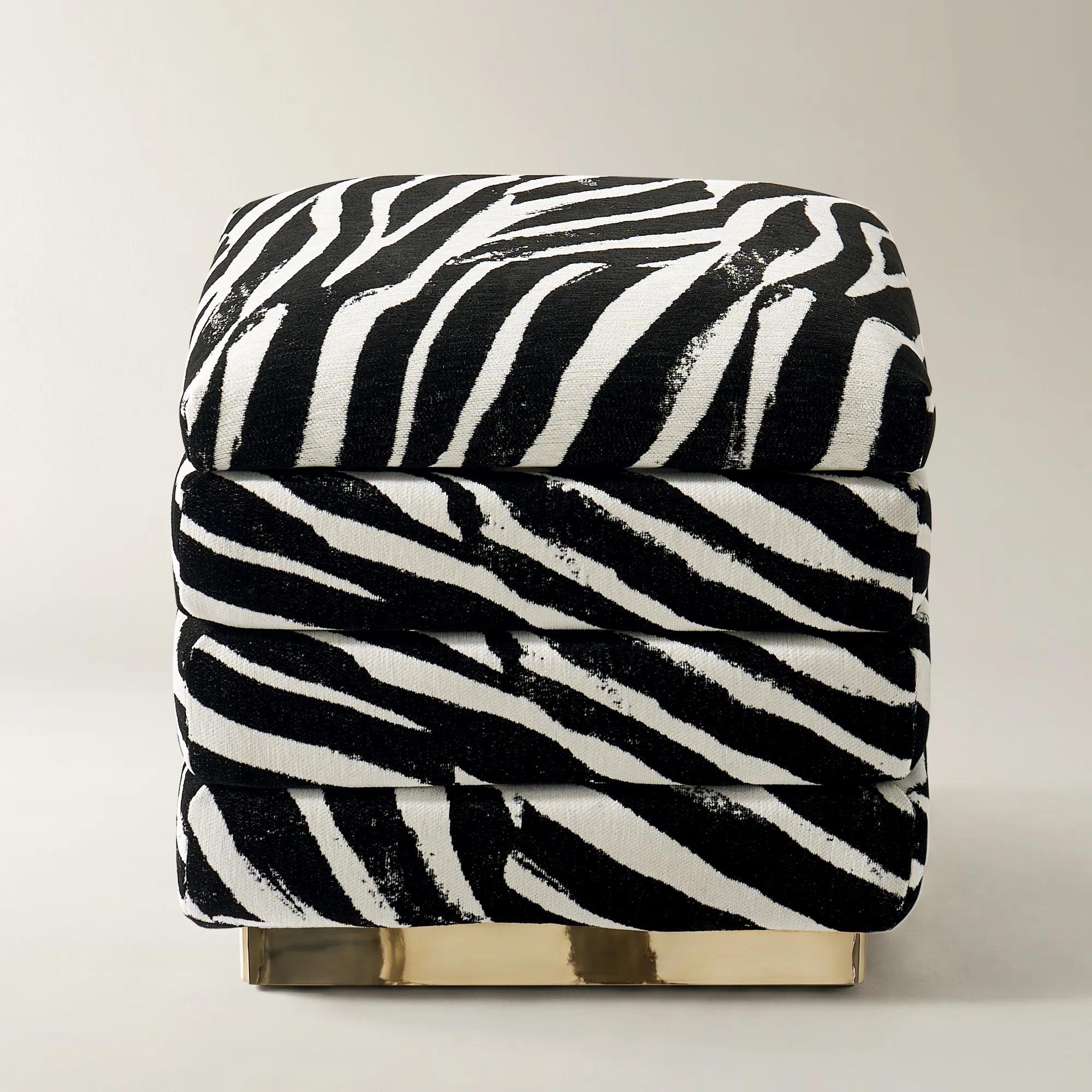
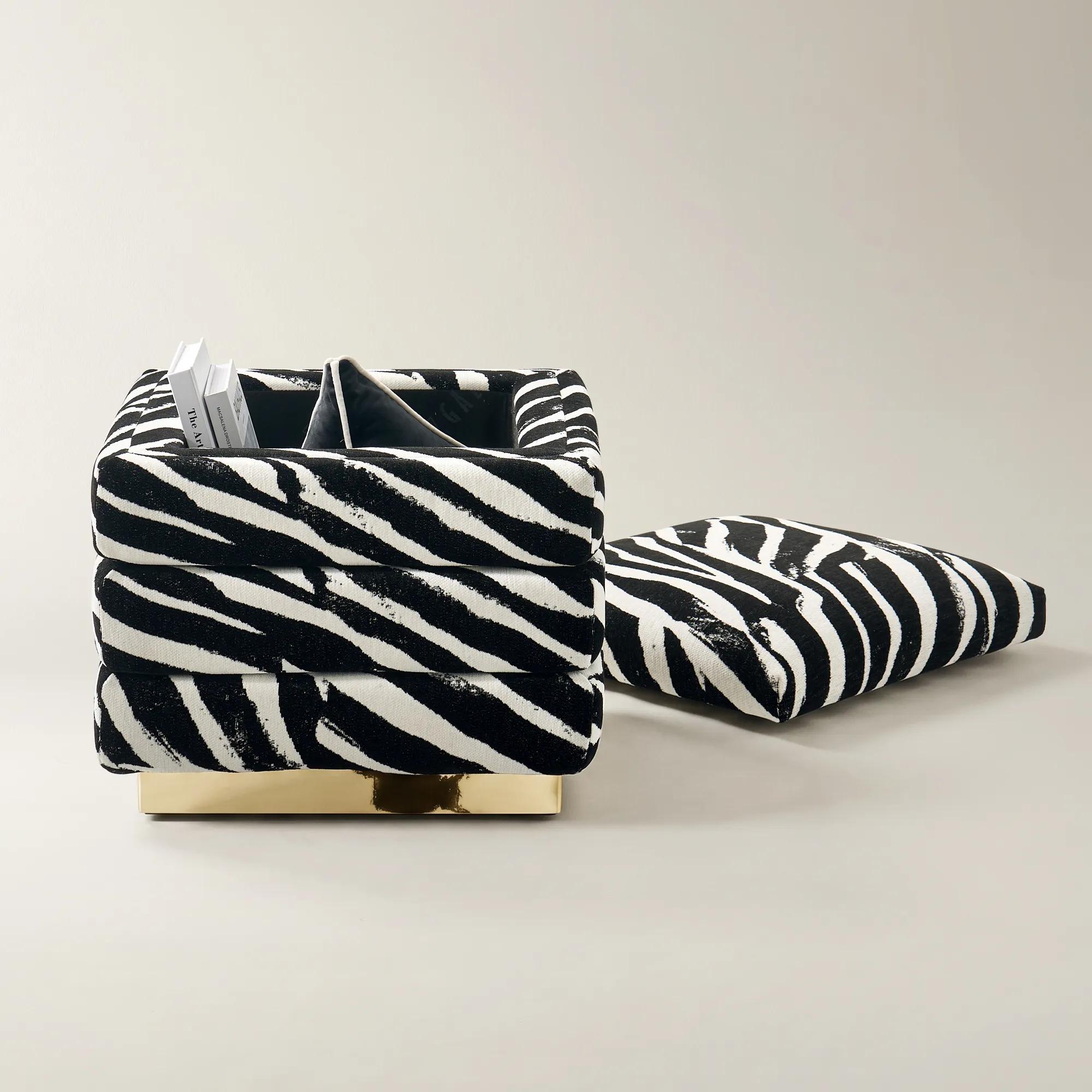 Gable White/Black Performance Chenille Stool$399
A plush white and black chenille stool with hidden storage and a polished gold stainless steel base.
Add To Cart -
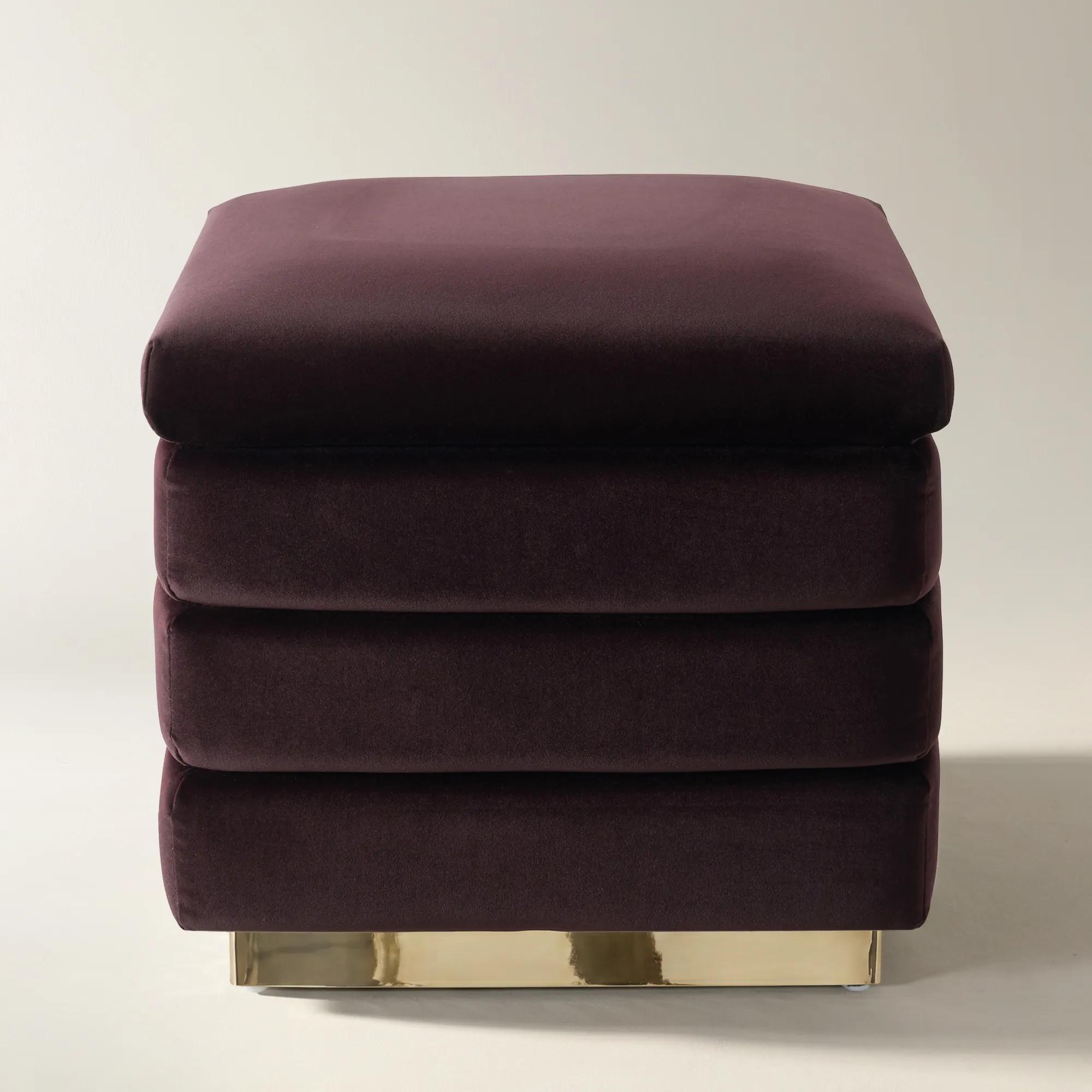
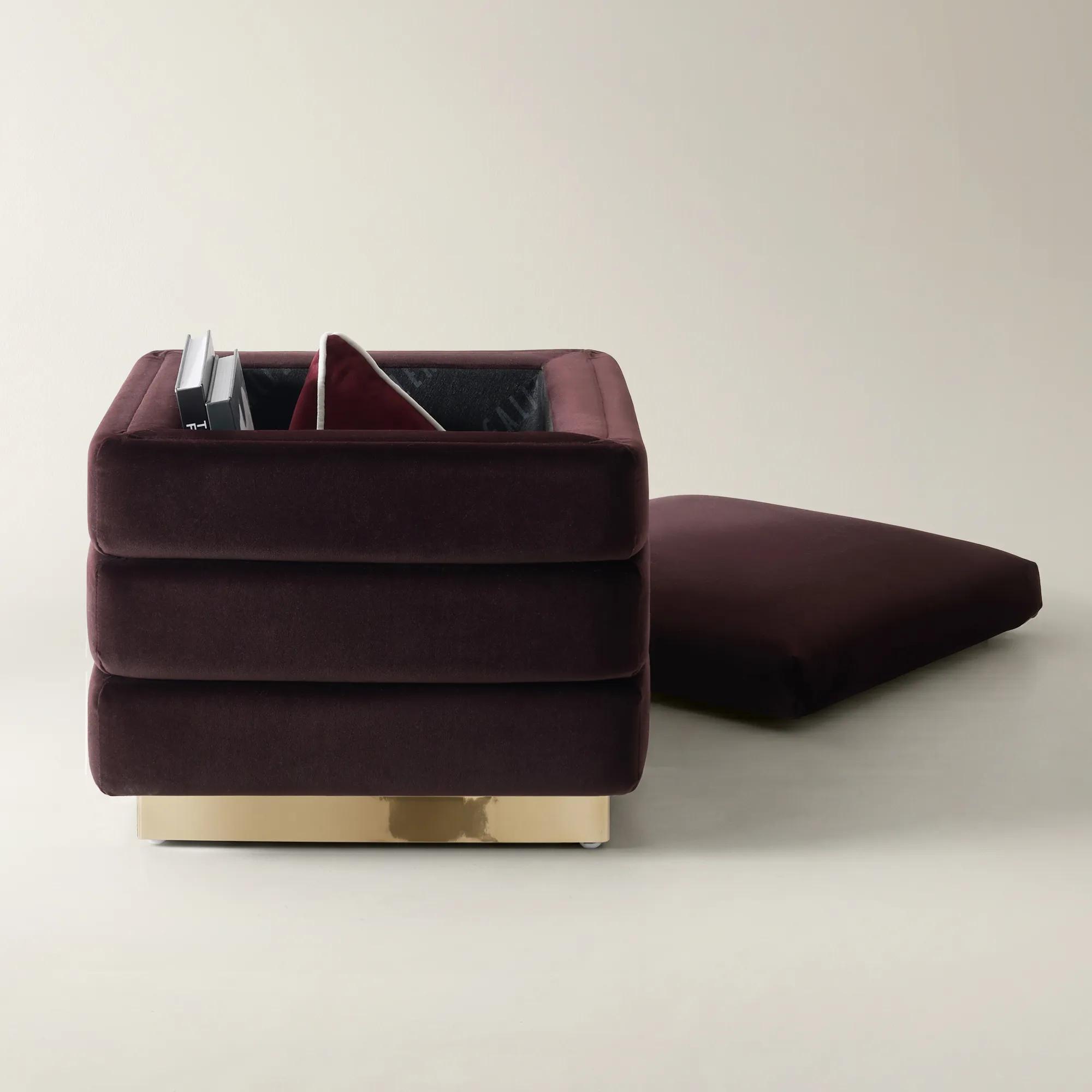 Gable Fig Chenille Storage Stool$399
A plush fig chenille stool with hidden storage, velvet upholstery, and a polished gold stainless steel base.
Add To Cart -

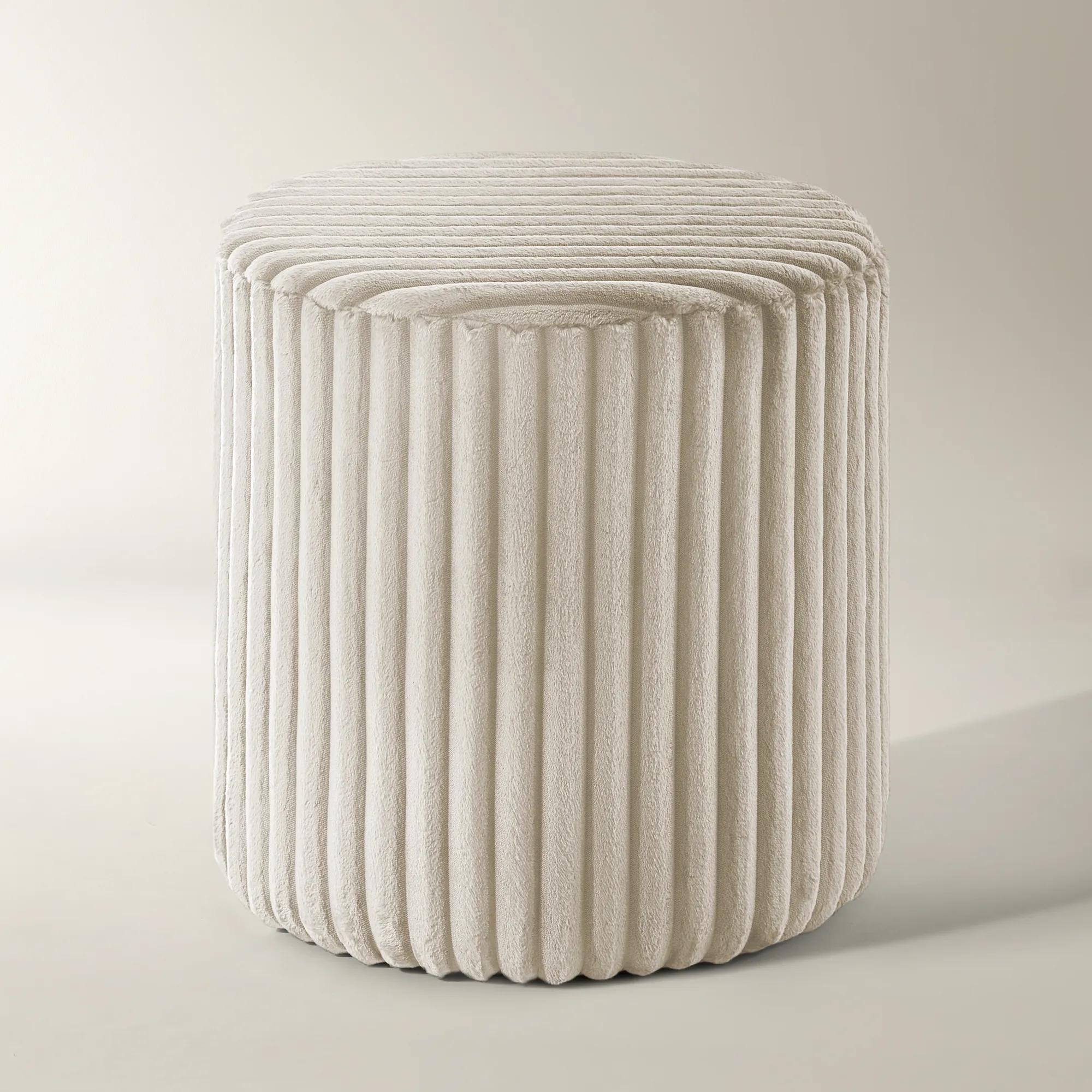 Fleece Fluted Ivory Velvet Stool (15.55'')$229
An ivory ribbed velvet stool offering cozy softness and versatile use as seating, footrest, or accent table.
Add To Cart -

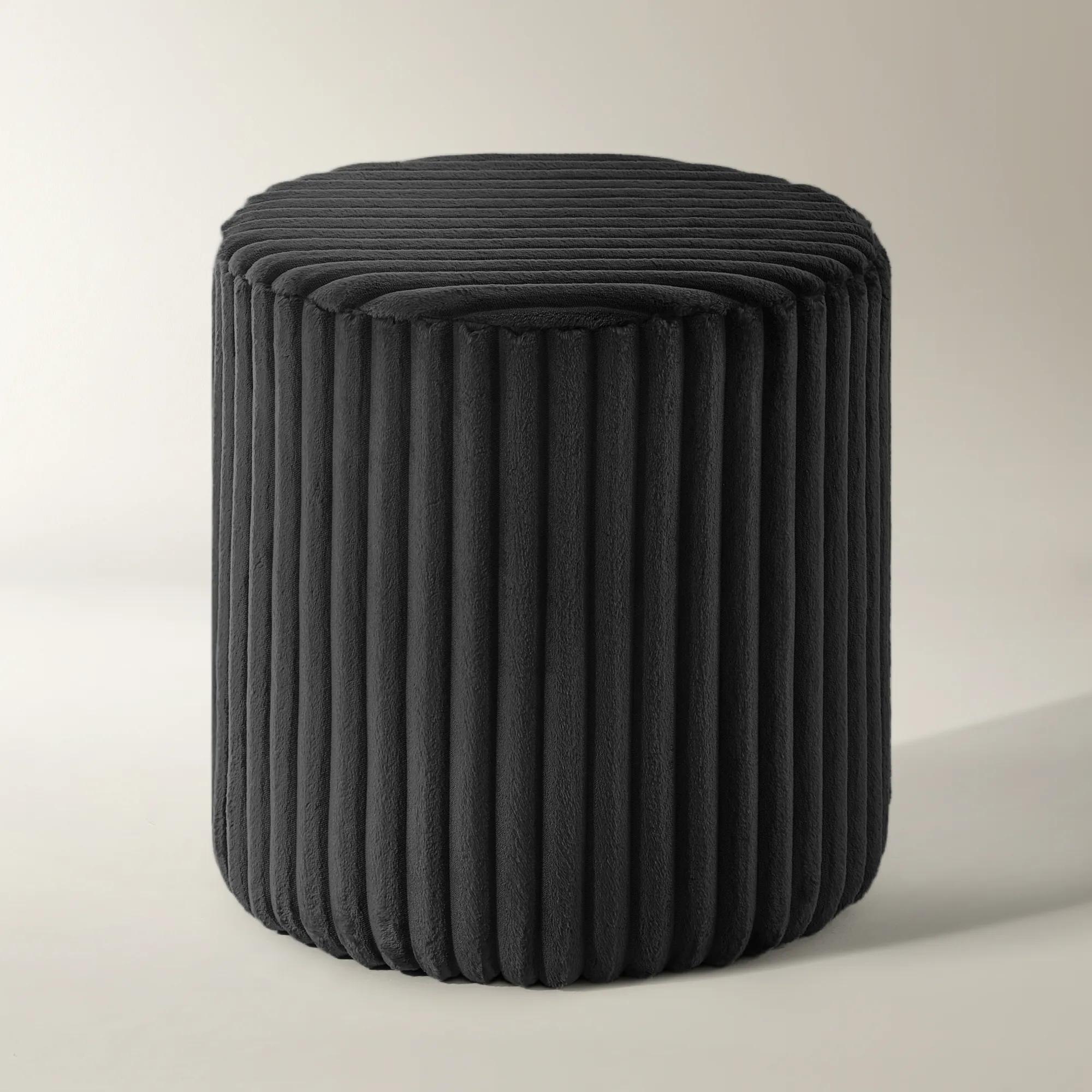 Fleece Fluted Black Velvet Stool (15.55'')$229
A plush black ribbed velvet stool offering versatile seating and cozy texture for any modern space.
Add To Cart -
 Fleece Fluted Gray Velvet Stool (15.55'')$229
A plush grey velvet stool with a unique ribbed texture, perfect for versatile, cozy seating or decor.
Add To Cart -
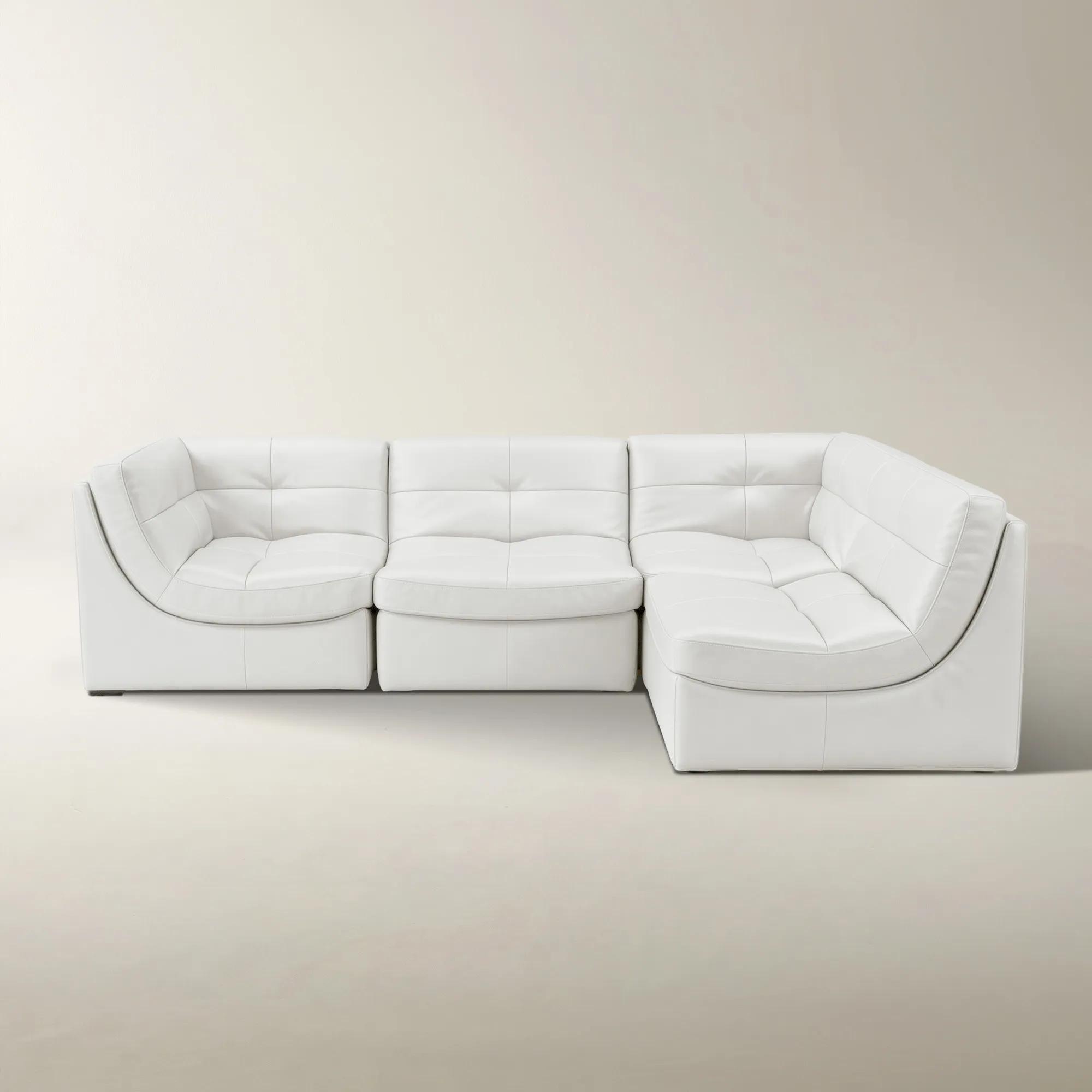
 Convo 4-Piece L-Shaped White Leather Sectional Sofa With Armless Chair$5199
A modular charcoal leather sectional with kiln-dried hardwood frame and gently curved, blind-tufted seats.
Add To Cart -
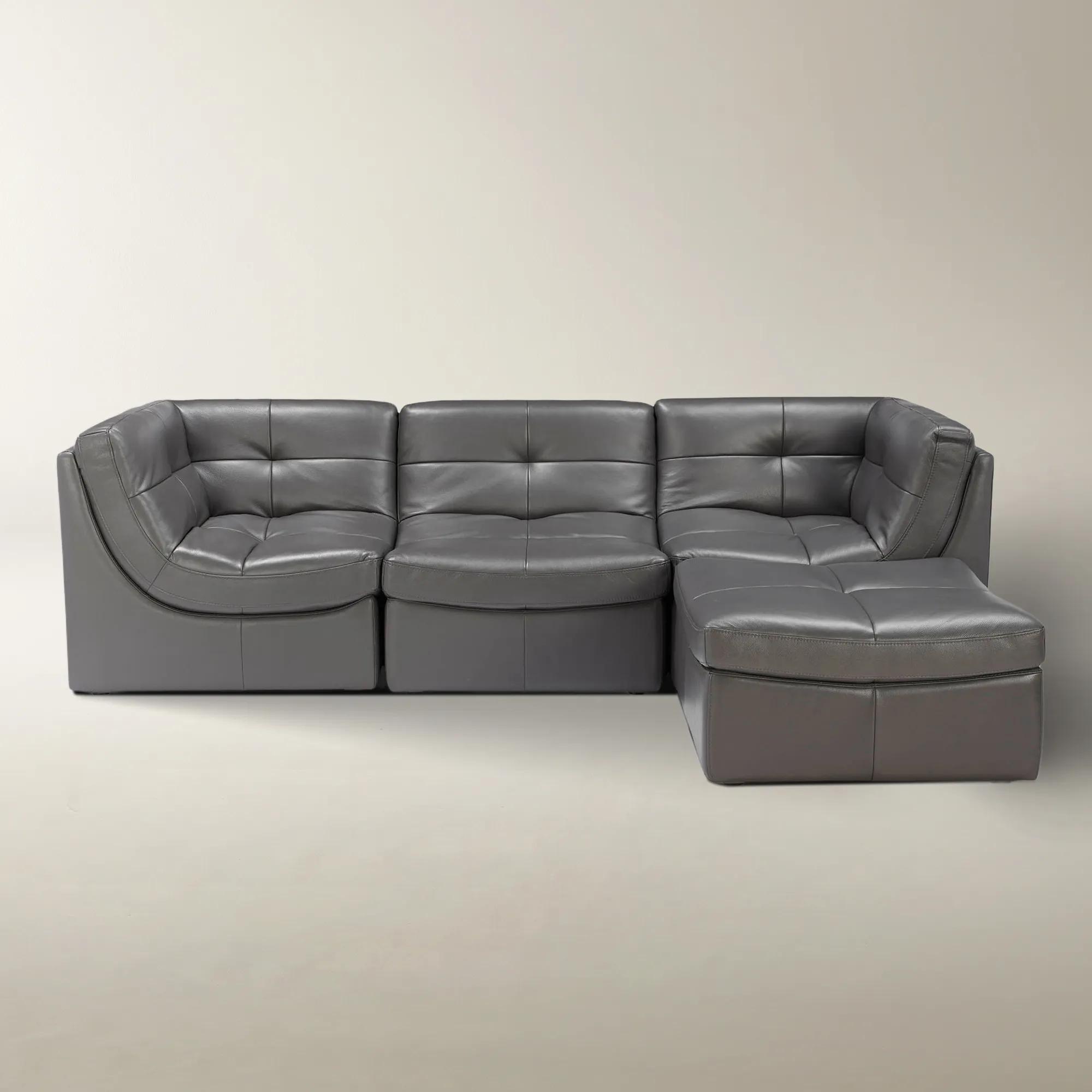
 Convo 4-Piece L-Shaped Charcoal Leather Sectional Sofa With Ottoman$4849
A modular charcoal leather sectional with kiln-dried hardwood frame and gently curved, blind-tufted seats.
Add To Cart -
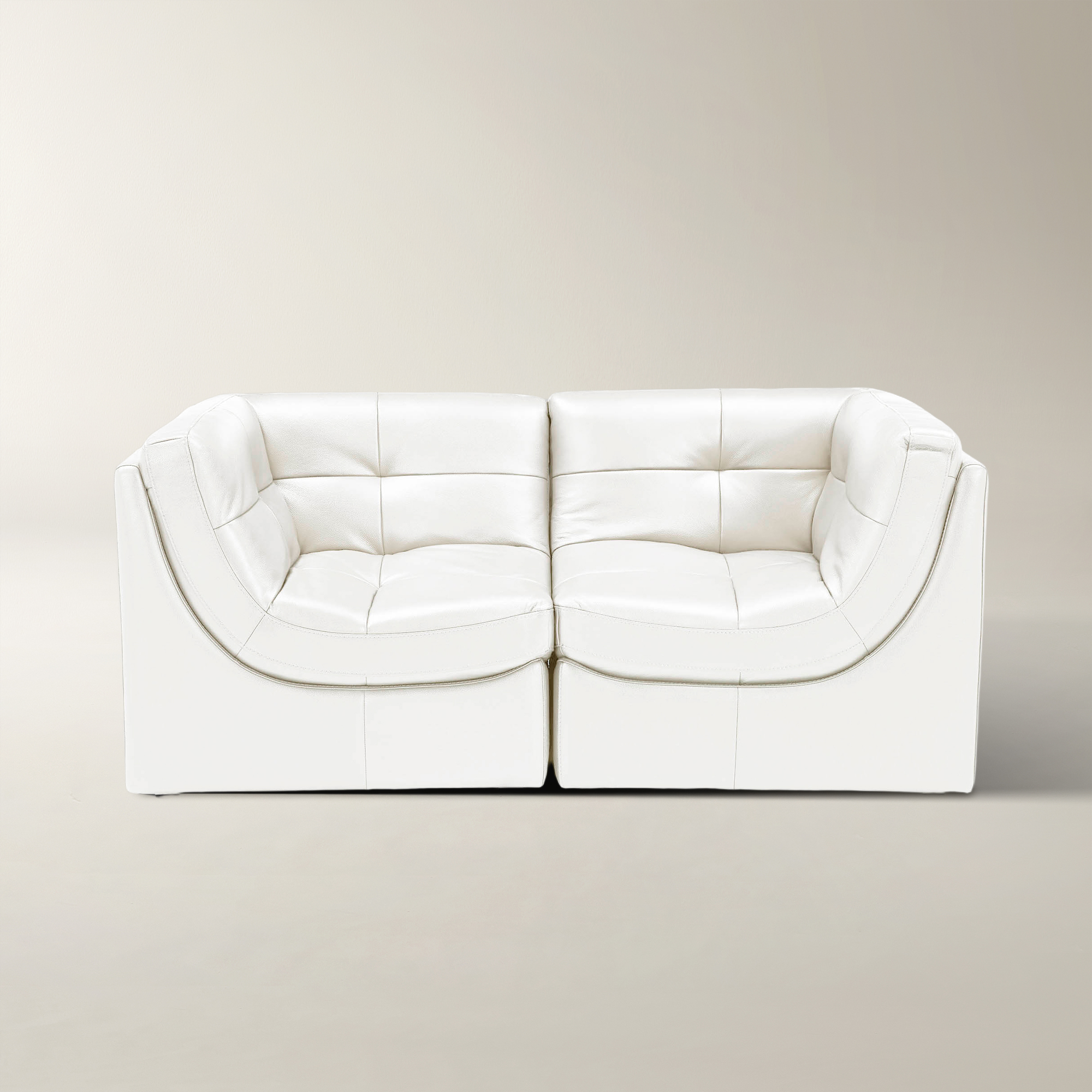 Convo 2-Piece White Leather Sectional Sofa$2799
A modular charcoal leather sofa with kiln-dried hardwood frame and blind-tufted, semi-aniline upholstery.
Add To Cart

Solutions For Small Space Living
Solutions for small space living invite you to reimagine every corner as a stage for style and ingenuity. Here, limitations dissolve and creativity takes center stage—where a thoughtfully chosen accent or artful silhouette can transform even the most petite footprint into a sanctuary of grandeur. Discover pieces that celebrate scale without sacrificing drama, infusing your home with a sense of luxury that defies square footage. With solutions for small space living, every inch becomes an opportunity to express your boldest vision—proof that opulence thrives in spaces both grand and intimate.
Solutions for small space living bring together space-conscious furniture, multifunctional designs, vertical storage, and expressive decor to make compact rooms feel composed rather than crowded. In a studio apartment, a city condominium, or a smaller home, the most successful furnishings earn their footprint through a balance of proportion, comfort, and purpose. A seating area can feel sumptuous without sprawling across the floor; a dining corner can carry the polish of a formal room without demanding a separate room. Slim arms, elevated bases, and tailored silhouettes help preserve open sightlines, while rounded profiles can soften the passage between closely arranged furnishings. Multifunctional furniture adds flexibility: concealed compartments keep blankets and everyday essentials close but out of view, nesting surfaces expand when company arrives, and extendable designs accommodate occasions that call for more room. The distinction is in how naturally those functions fit daily life. A surface used for morning coffee, afternoon correspondence, and evening conversation needs enough usable area for each moment, not simply a small footprint. Scale deserves the same attention as style. Overall width and depth matter, but so do seat height, arm placement, and the space needed to open a drawer, lift a lid, or unfold a convertible design. Doorways, elevators, stair turns, and building delivery requirements also influence what will fit comfortably into a home. Within the room, clear routes between entrances, seating, and windows preserve an easy rhythm, especially where one area serves several purposes. For renters furnishing a first apartment, couples combining households, or homeowners embracing fewer square feet, these considerations support rooms that feel distinctly personal. Compact living does not require every furnishing to be diminutive. One generously comfortable focal point, balanced by lighter supporting silhouettes, can give a room more presence than an assortment of undersized pieces. The result is a setting with room to move, room to gather, and enough visual confidence to make its dimensions feel secondary.
Storage is most effective when it belongs to the composition of the room rather than appearing as an afterthought. Small space furniture with closed compartments creates a calm backdrop for bolder color, sculptural accents, and richly textured upholstery. Open shelving brings a different quality, turning books, ceramics, and collected objects into a vertical display that draws attention upward. A considered balance of the two keeps daily necessities accessible without making every possession part of the view. In an entry area, shallow storage can define an arrival point while protecting the passage into the home; beside a dining zone, a narrow profile can hold entertaining essentials without overwhelming the seating arrangement. Vertical storage makes use of height, though tall furniture should be secured according to the manufacturer’s instructions, with wall construction and rental permissions taken into account. Furniture that works across more than one setting is particularly valuable in an open-plan apartment, where a single room may need to support work, dining, and unwinding. Finished backs matter when furnishings sit away from walls, and accessible outlets influence whether a compact work surface will be genuinely comfortable to use. For a coordinated approach to seating, surfaces, and decor, Apartment Living Room Solutions offers a focused way to consider the room as a whole. Visual weight is just as important as storage capacity. Clear glass, acrylic, and slender metal frames allow more of the surrounding room to remain visible, while mirrored finishes reflect nearby light and color. These materials do not add physical space, but they can keep a layered interior from feeling visually dense. Reflections deserve thoughtful placement: a mirror facing a window or an artful vignette has a different effect from one reflecting an overfilled corner. Lighting adds another dimension, with wall-mounted or compact designs helping preserve useful surface area. A warm pool of light beside seating and a more directed glow at a work surface let the same room shift gracefully between quiet evenings and focused activity.
Materials bring the drama in a compact interior, where every surface is experienced at close range. Velvet introduces depth and a sumptuous hand, textured weaves soften crisp outlines, and wood grain lends warmth beside gleaming metal or reflective glass. A restrained palette can connect these finishes without making the room feel restrained in spirit: variations in sheen, pile, and texture create richness even when colors remain closely related. Durability depends on construction, finish, and intended use, not appearance alone. Seating used every day calls for supportive construction and upholstery suited to the household, while frequently moved furniture benefits from manageable weight, secure joints, and floor protection appropriate to its base. Manufacturer-stated weight limits are especially important for designs that combine seating and storage; a decorative surface should never be assumed to support a person. Homes with children or pets may benefit from tightly woven fabrics and finishes selected with routine cleaning in mind, but stain resistance and scratch resistance vary, so material specifications deserve a close look. Care also affects how confidently a room can be enjoyed. Upholstery cleaning codes guide whether water-based or solvent-based methods are appropriate, and regular vacuuming with a suitable attachment helps remove dust before it settles into the fabric. Velvet pile may show changes in shading with touch and use, an effect worth understanding before choosing it for a favorite seat. Wood, stone, glass, acrylic, and metal each have distinct care requirements; coasters, prompt attention to spills, and manufacturer-approved cleaners help protect their finishes. Within these practical considerations, decor supplies the final expression. Art can establish a focal point without occupying floor space, and a well-proportioned rug can give a seating group a clear sense of place. During the cooler months, tactile layers and softly diffused light make smaller rooms feel enveloping rather than enclosed. Decorative gifts for an apartment dweller are most thoughtful when their dimensions, care needs, and palette suit the recipient’s home. Whether furnishing a compact retreat or refining a shared living area, the aim is an interior where useful design supports a more expressive way of living.
FAQs
Layering textures and finishes is key—think sumptuous throws, velvet pillows, and gleaming metallic accents. Incorporate mirrors to reflect light and visually expand the space, and choose sculptural lighting to set a warm, sophisticated mood. Opt for multi-functional pieces that conceal clutter, and use bold artwork or statement decor to infuse your personality into the room.
Use area rugs to anchor each zone, such as a plush rug under the sofa to create a living area or a sleek runner to delineate a dining nook. Arrange furniture to act as subtle dividers—like placing a console table behind a sofa or using open shelving as a partition. Strategic lighting, such as pendant lamps or floor lamps, can also help establish distinct areas for lounging, dining, or working.
Nesting nook solutions are thoughtfully designed arrangements that transform underutilized corners or alcoves into functional, cozy retreats. These might include a pair of nesting tables that provide flexible surfaces, a compact armchair paired with a petite lamp for reading, or floating shelves that turn a bare wall into a display gallery. Such solutions maximize every inch while adding charm and versatility to your home.
Choose furniture with slim profiles, exposed legs, and reflective finishes like glass, acrylic, or polished metals to maintain visual lightness. Light-colored upholstery, glossy surfaces, and mirrored accents all contribute to an open, airy feel. Mixing in natural textures—such as woven baskets or woodgrain—adds warmth without overwhelming the room.
Absolutely. Multifunctional pieces—such as storage ottomans, convertible tables, or modular shelving—make thoughtful and practical gifts for anyone starting fresh in a compact home. They offer both style and utility, helping your recipient create a space that feels organized, elegant, and uniquely their own.