Storage Solutions For Small Apartments
Storage Solutions For Small Apartments
-
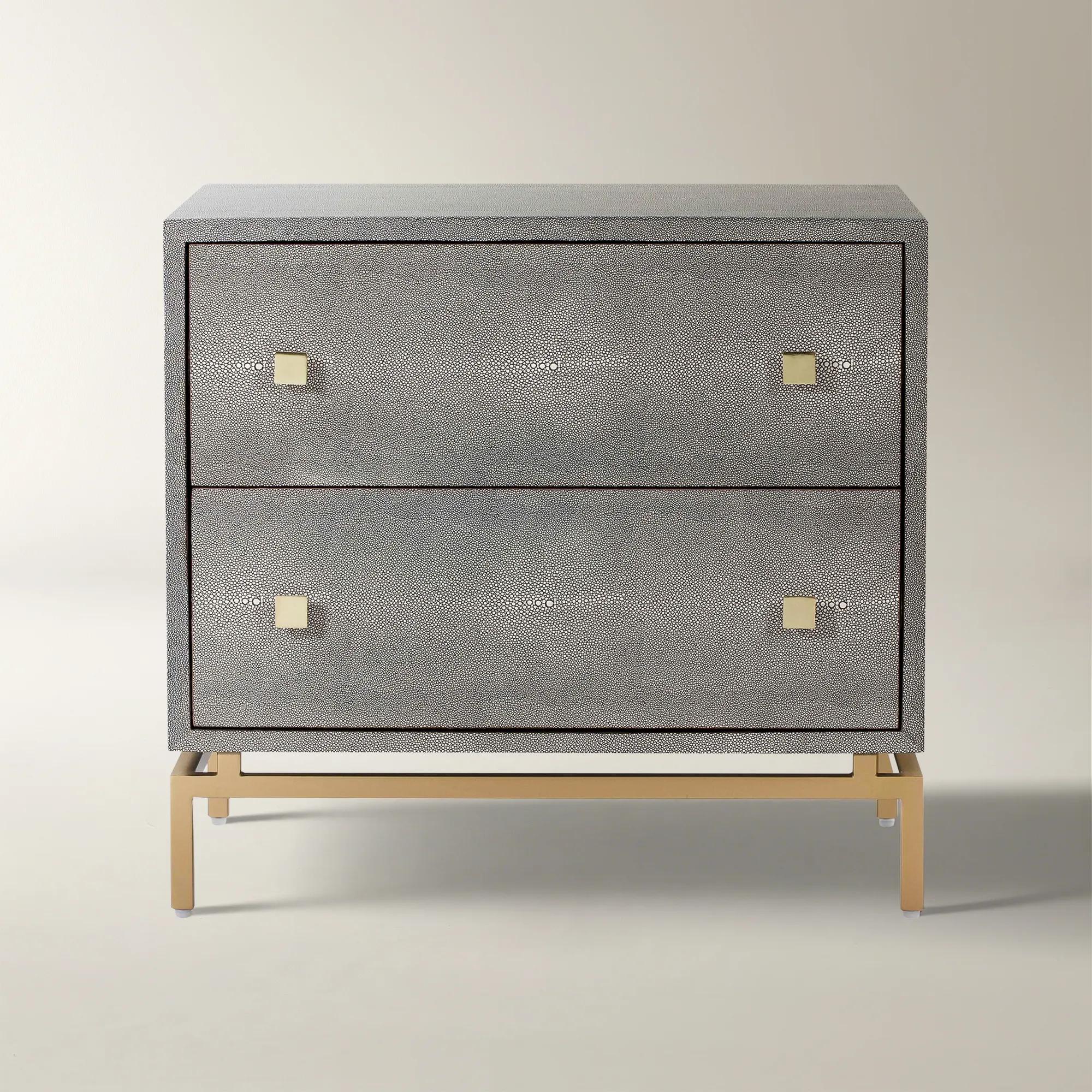
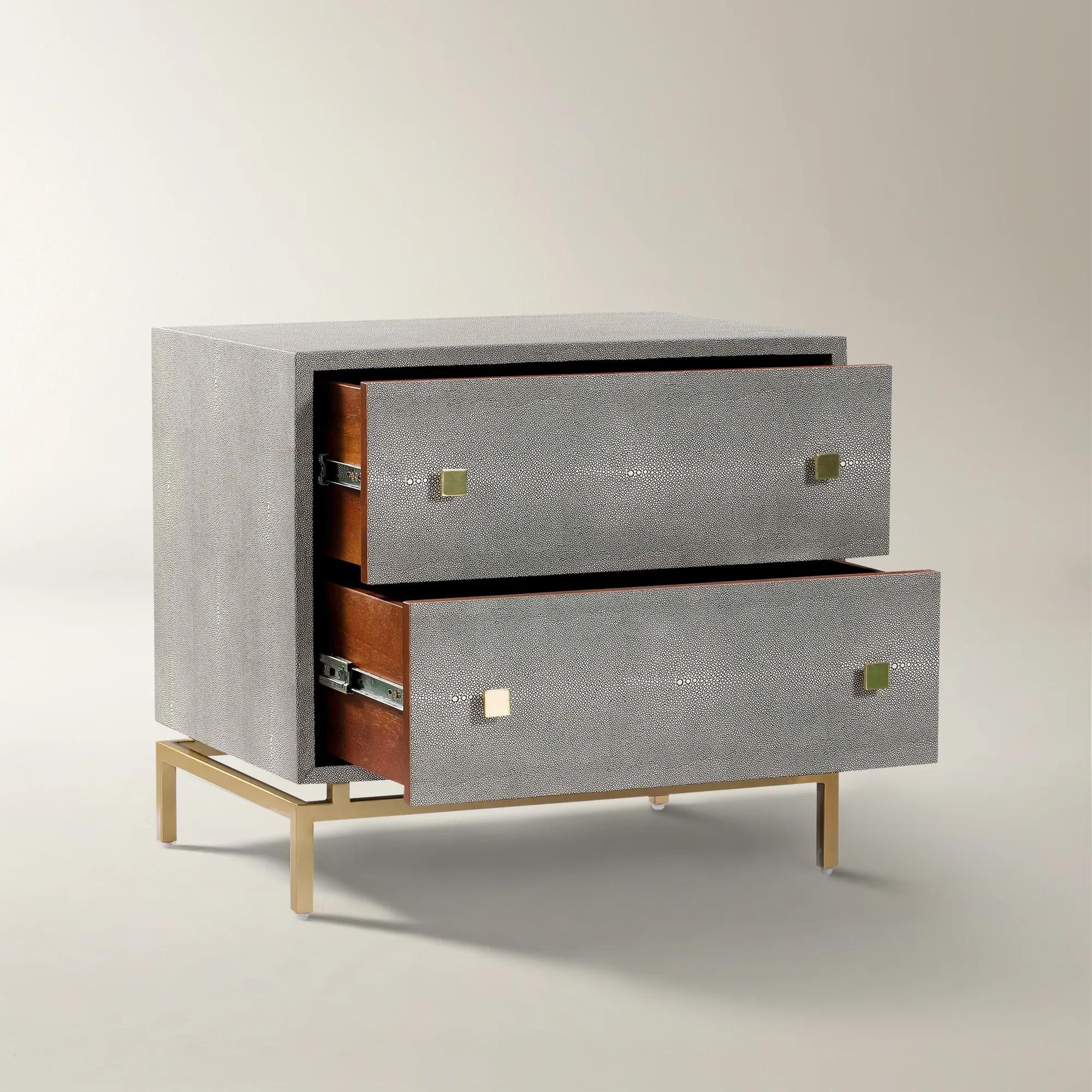 Misha Grey Shagreen 2-Drawer Nightstand (25")$749
A modern nightstand featuring faux shagreen texture, brass-finished base, and two cherry wood-lined drawers.
Add To Cart -
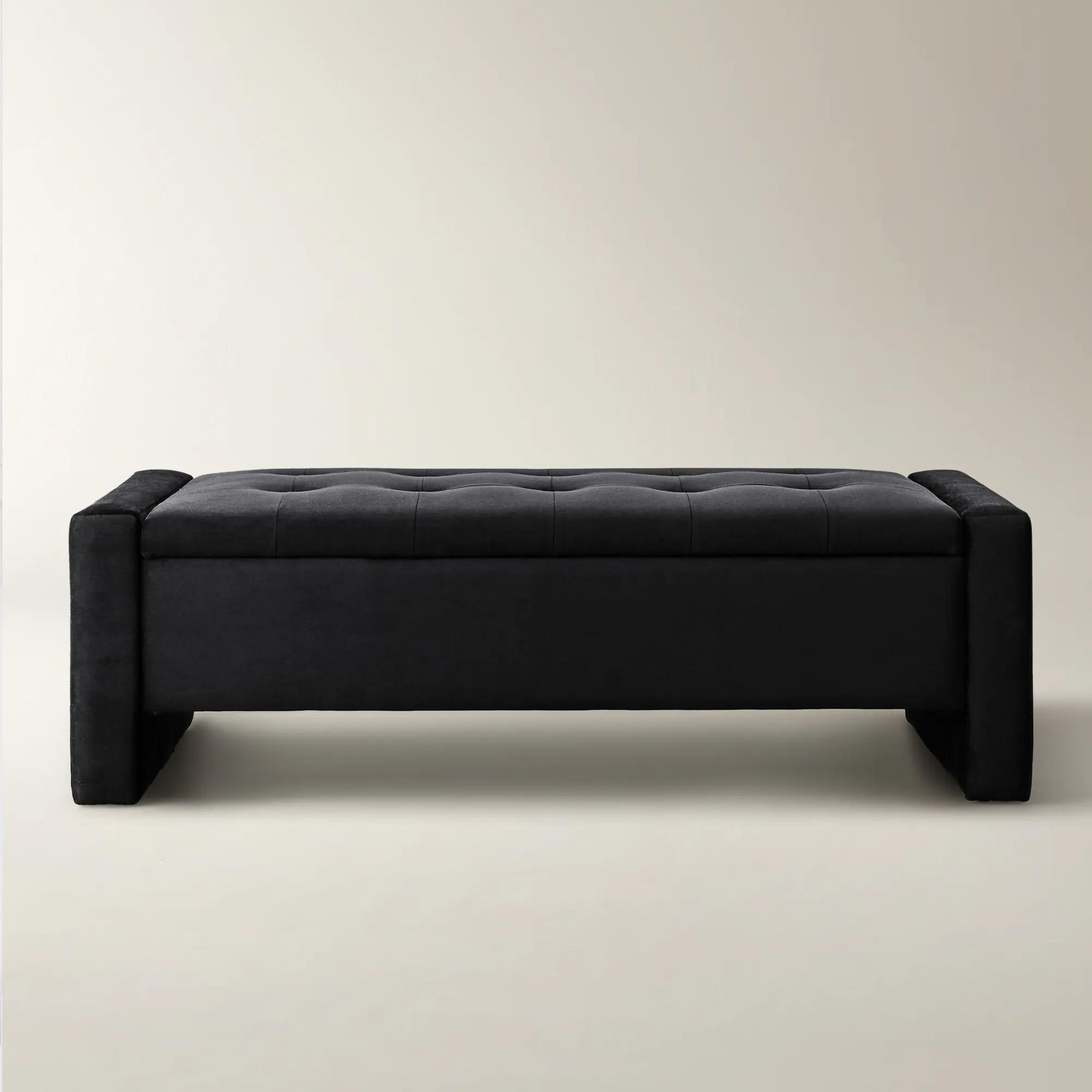
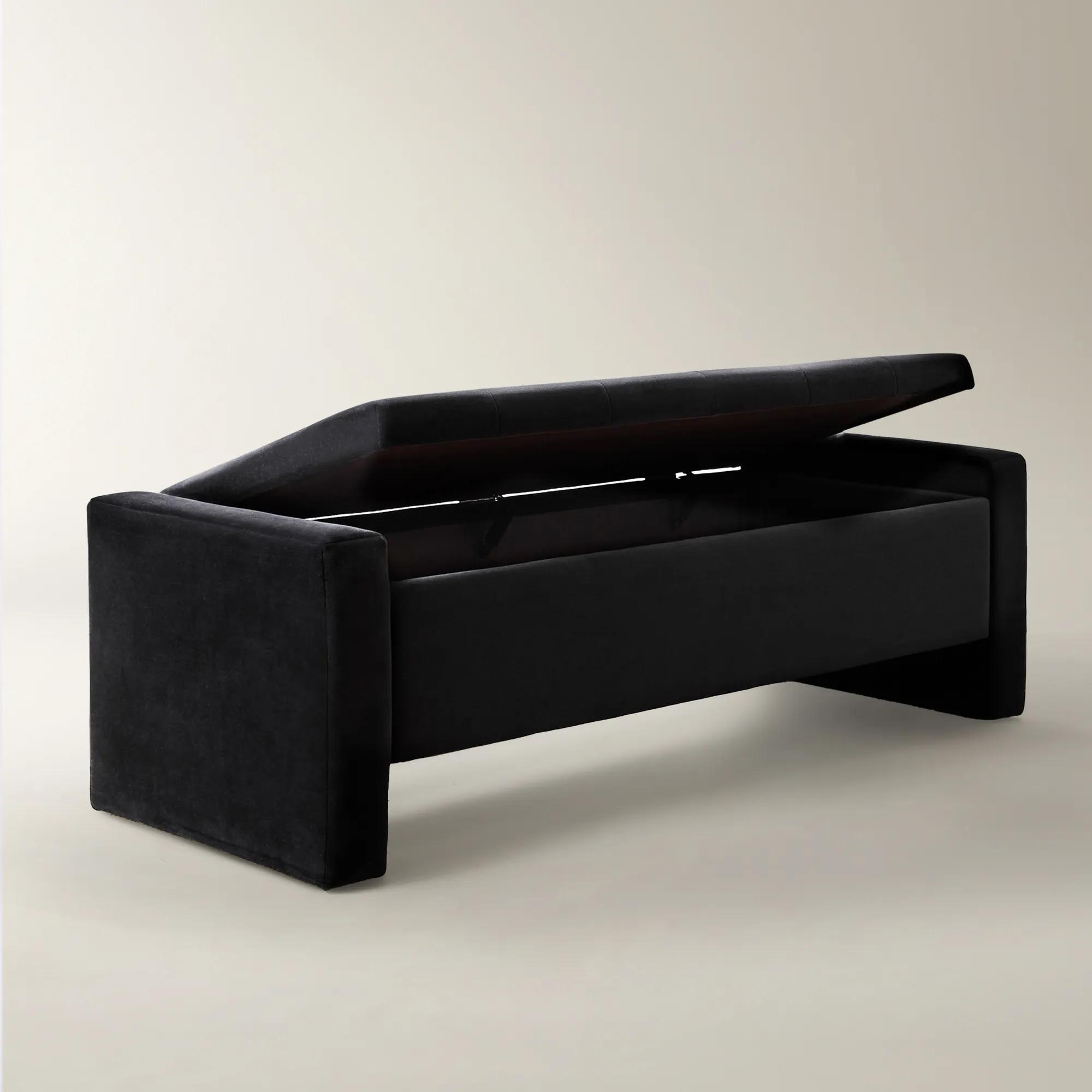 Maeve Storage Bench$849
A modern velvet-upholstered bench with hidden storage, kiln-dried hardwood frame, and soft-closing glides.
Add To Cart -
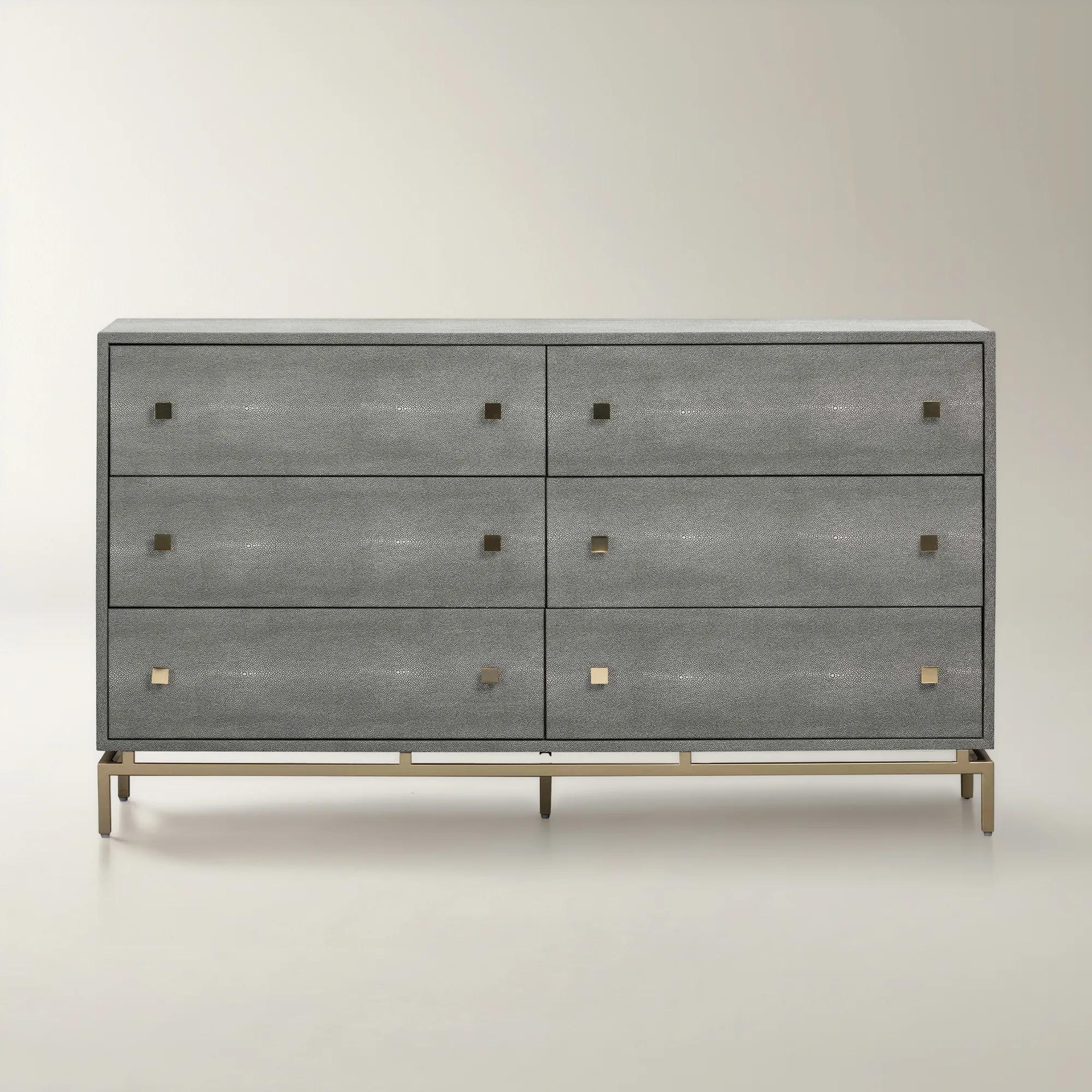
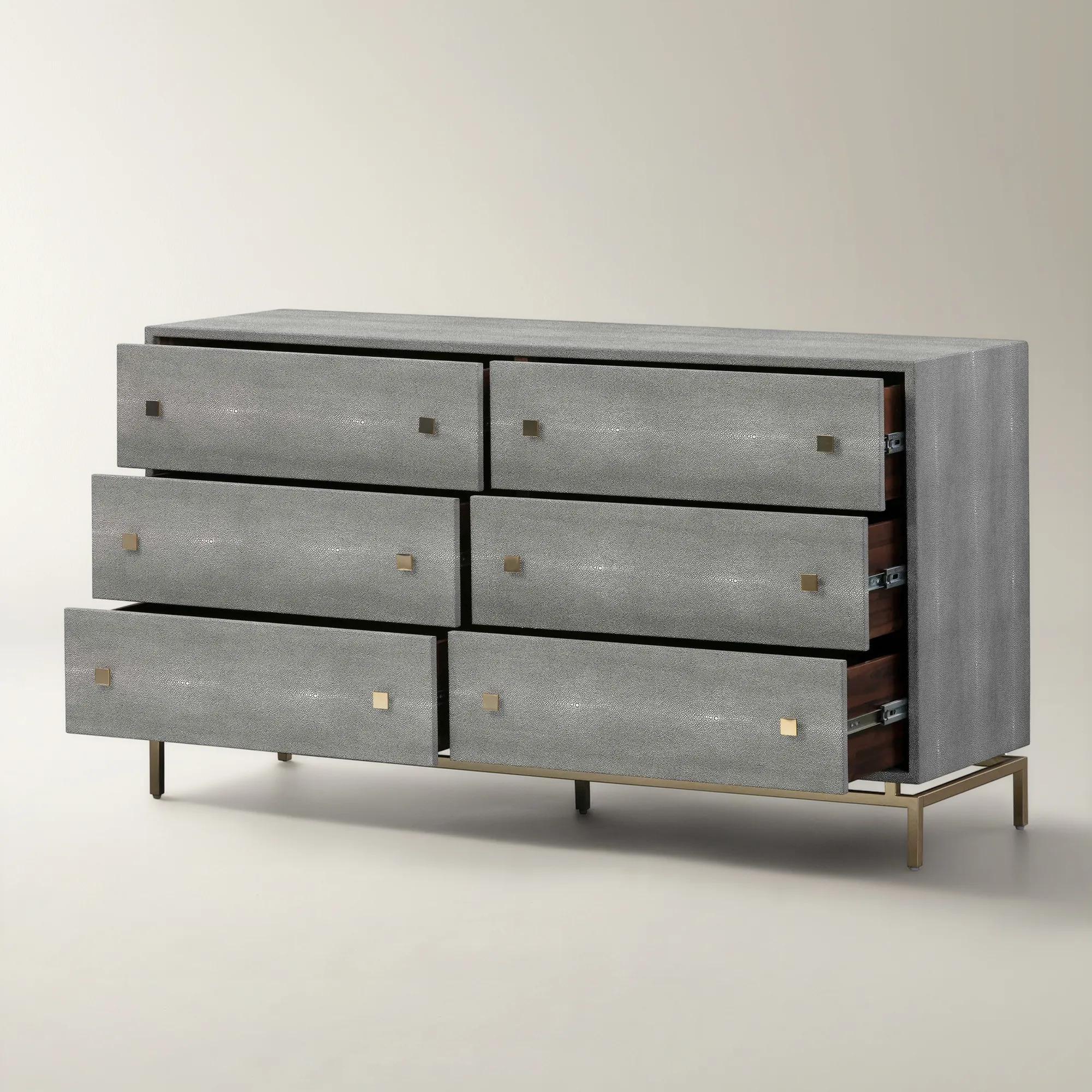 Misha Grey Shagreen 6-Drawer Dresser (57")$2249
A modern dresser featuring faux shagreen texture, brass-finished base, and six drawers with cherry wood interiors.
Add To Cart -
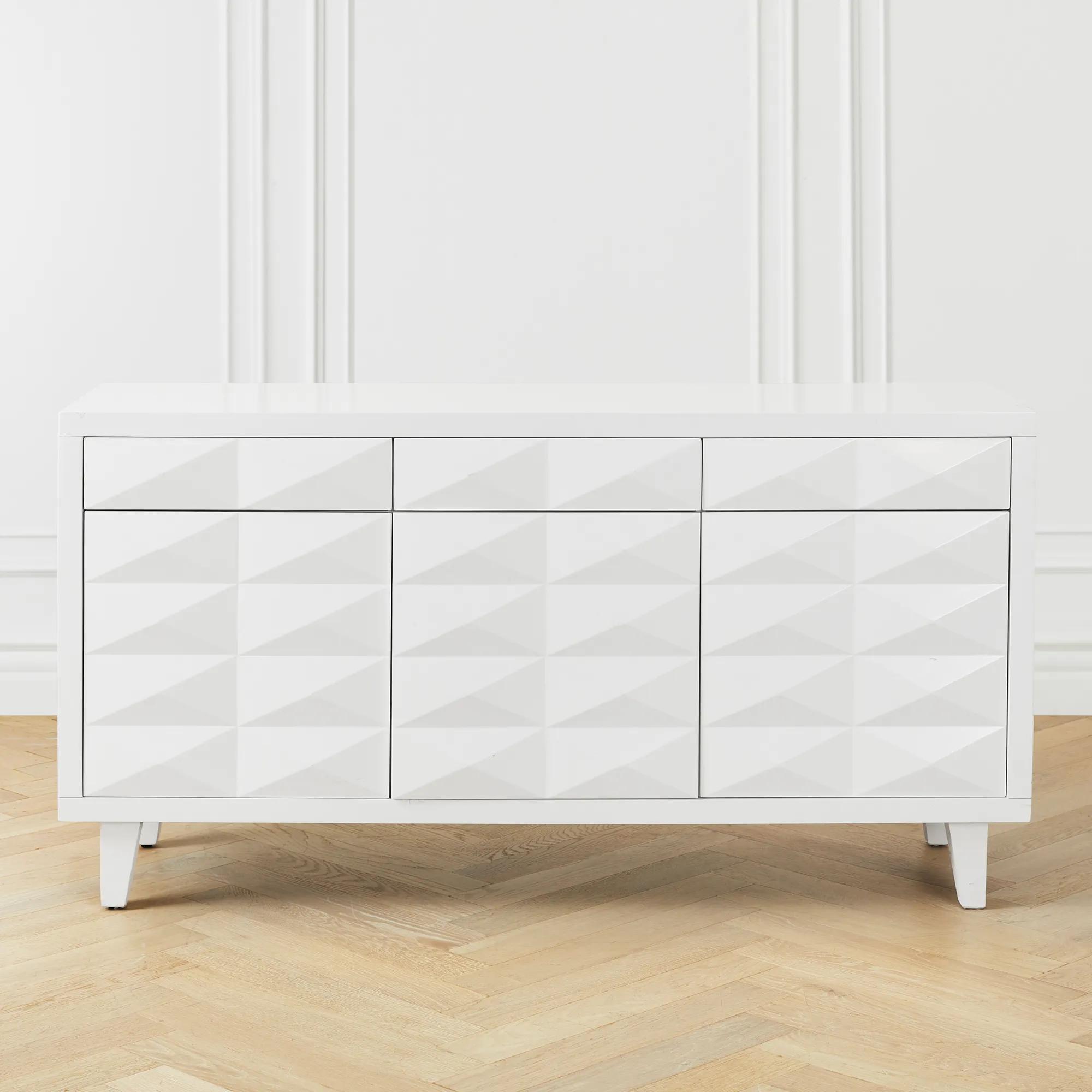 Palmer White Wood Cabinet (66.5")$1649
A sleek white hardwood cabinet with geometric detailing, three drawers, and push-latch doors for modern storage.
Add To Cart -
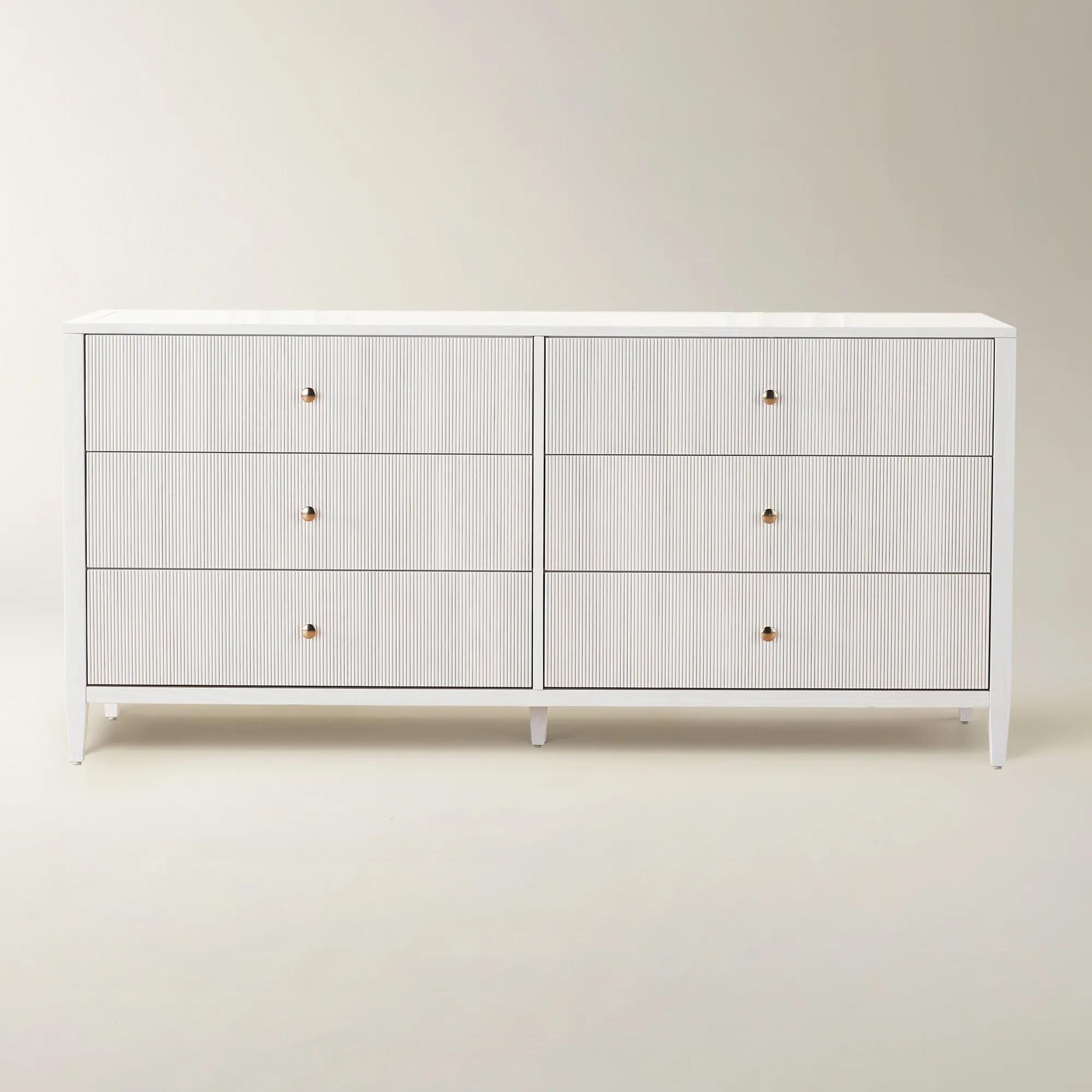
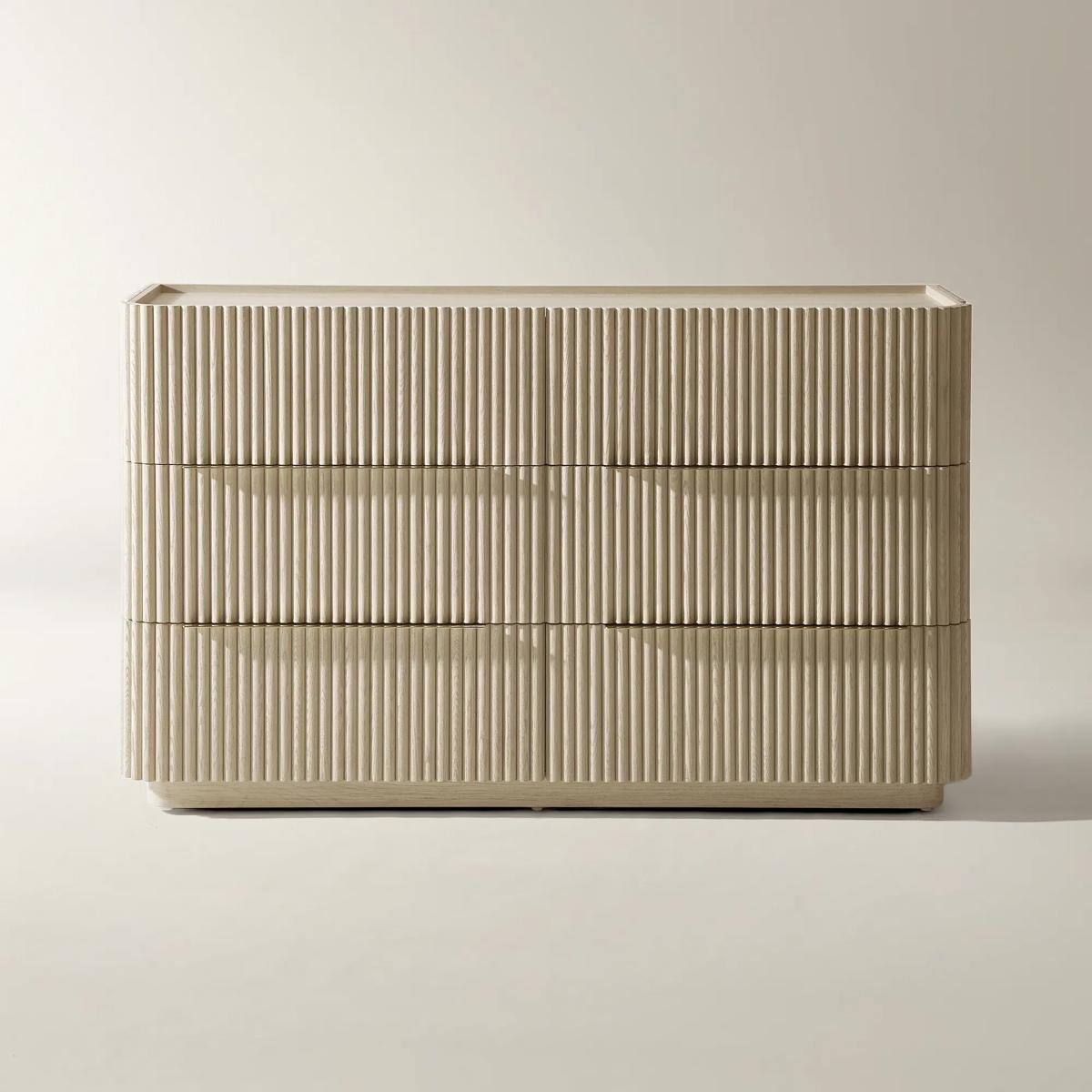
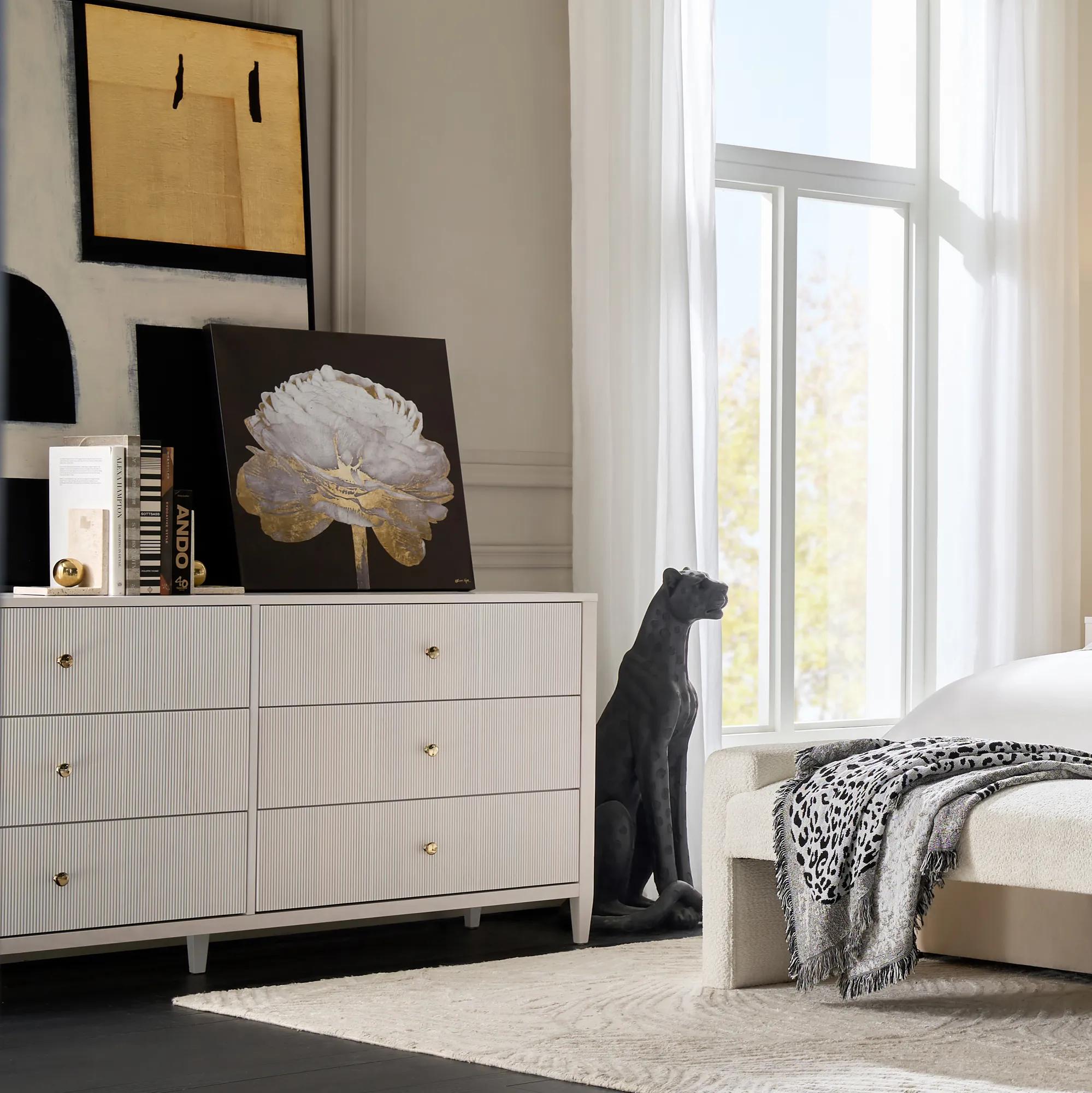 Viola Reeded White Ash Wood 6-Drawer Dresser (70")$1899
A modern dresser in bone white ash wood with reeded fronts and brass hardware for a luxe touch.
Add To Cart -
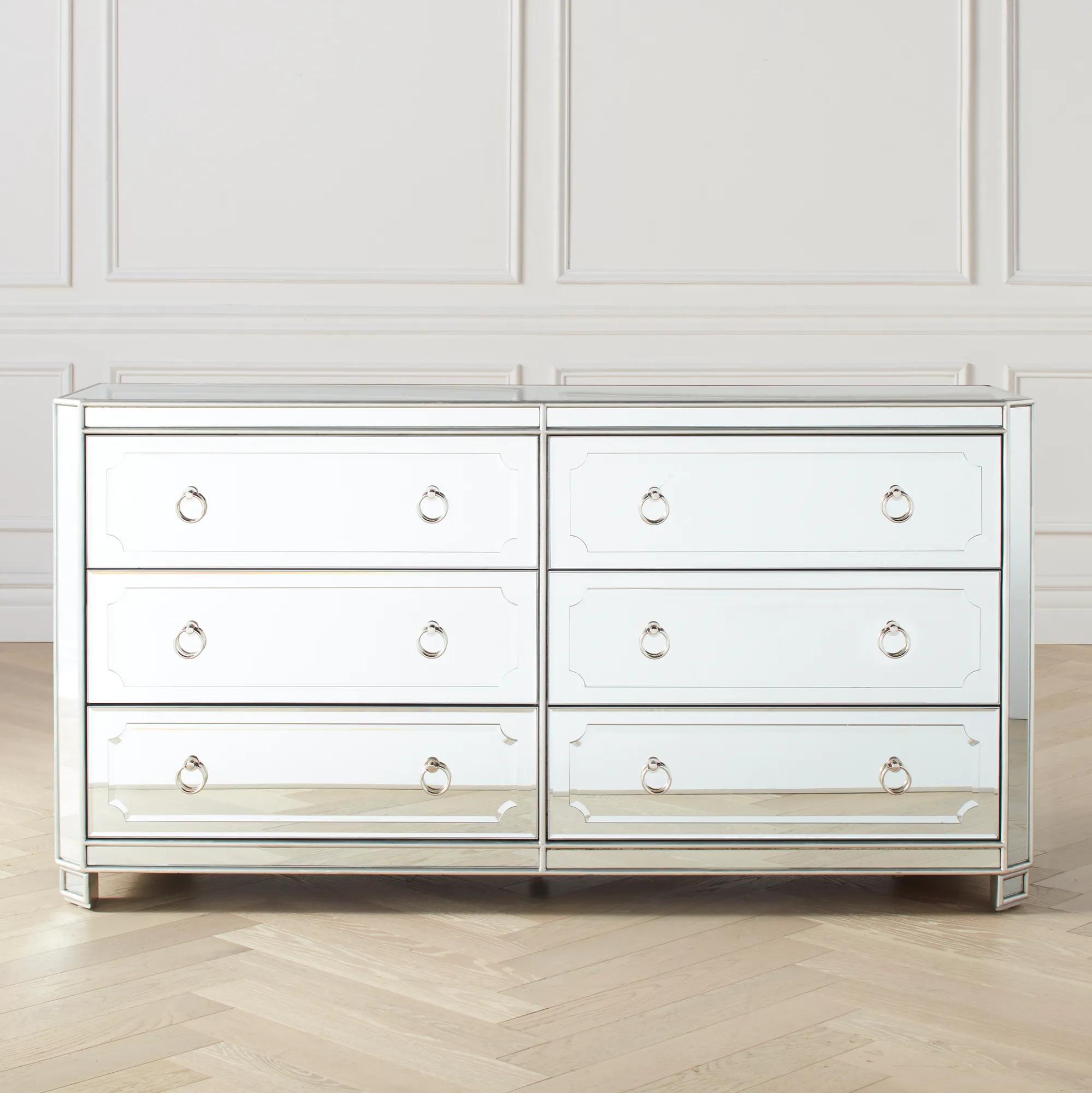
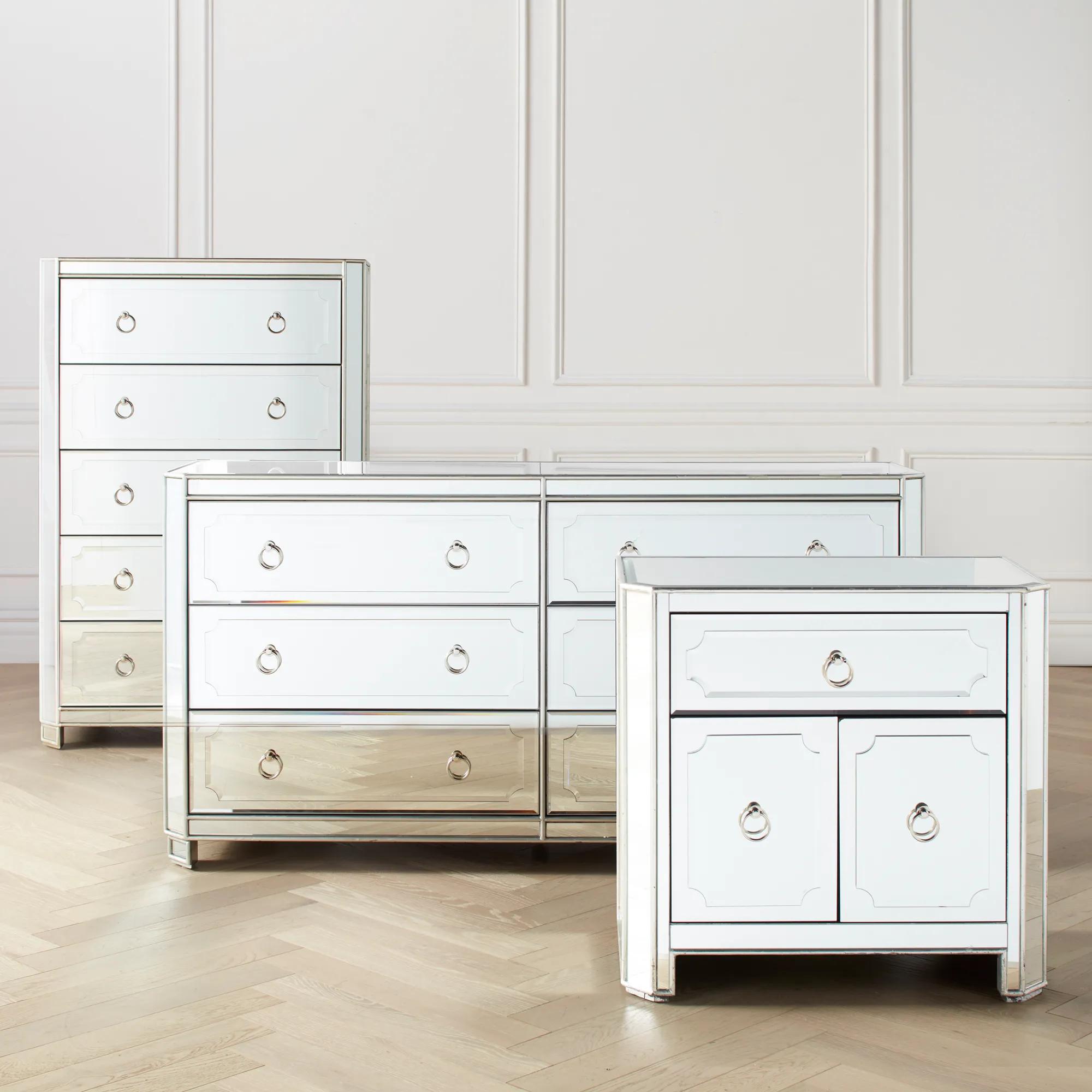 Simplicity Mirrored Silver 6-Drawer Dresser (66")$2299
A glamorous chest featuring beveled mirrored panels, hand-applied silver-leaf trim, and polished nickel hardware.
Add To Cart -
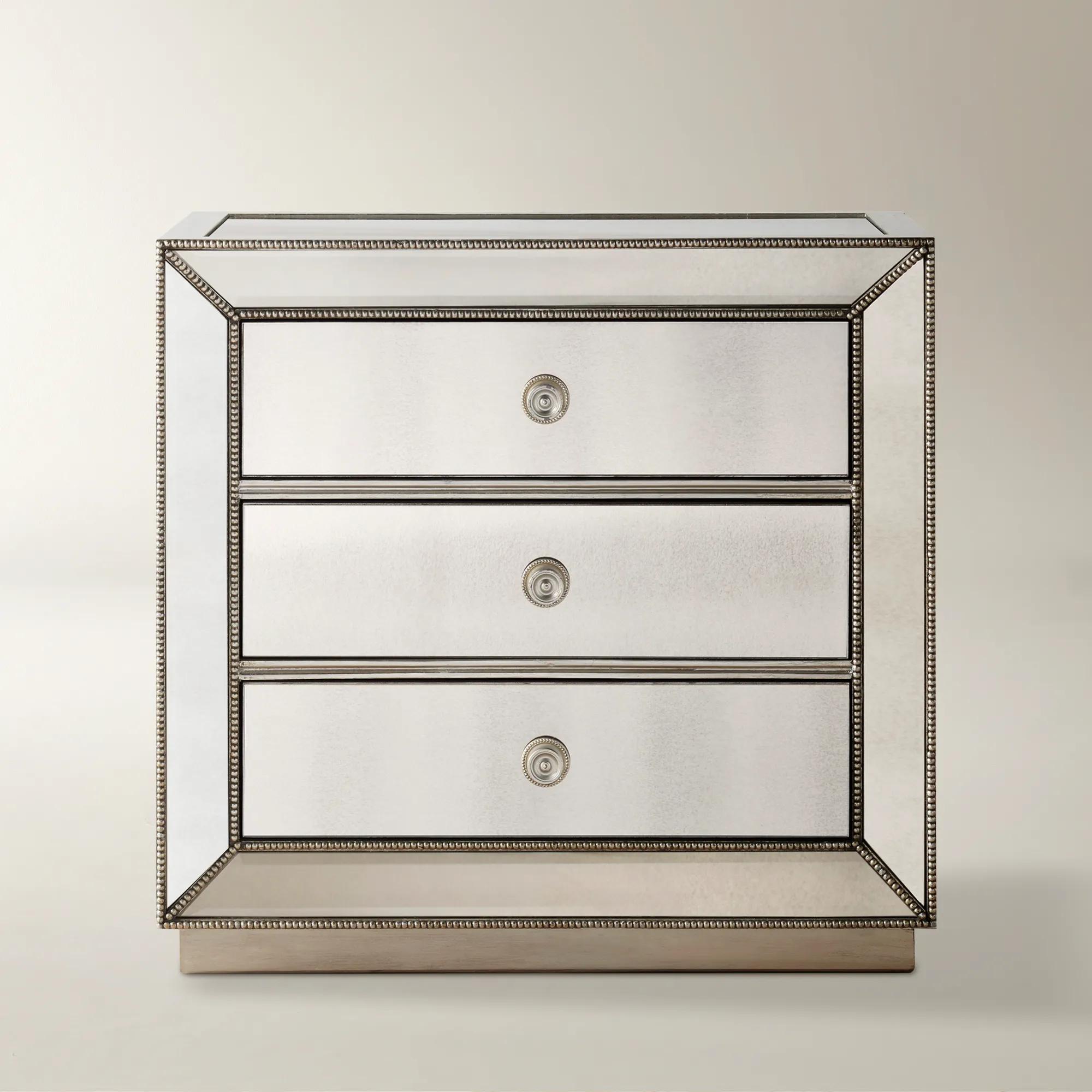
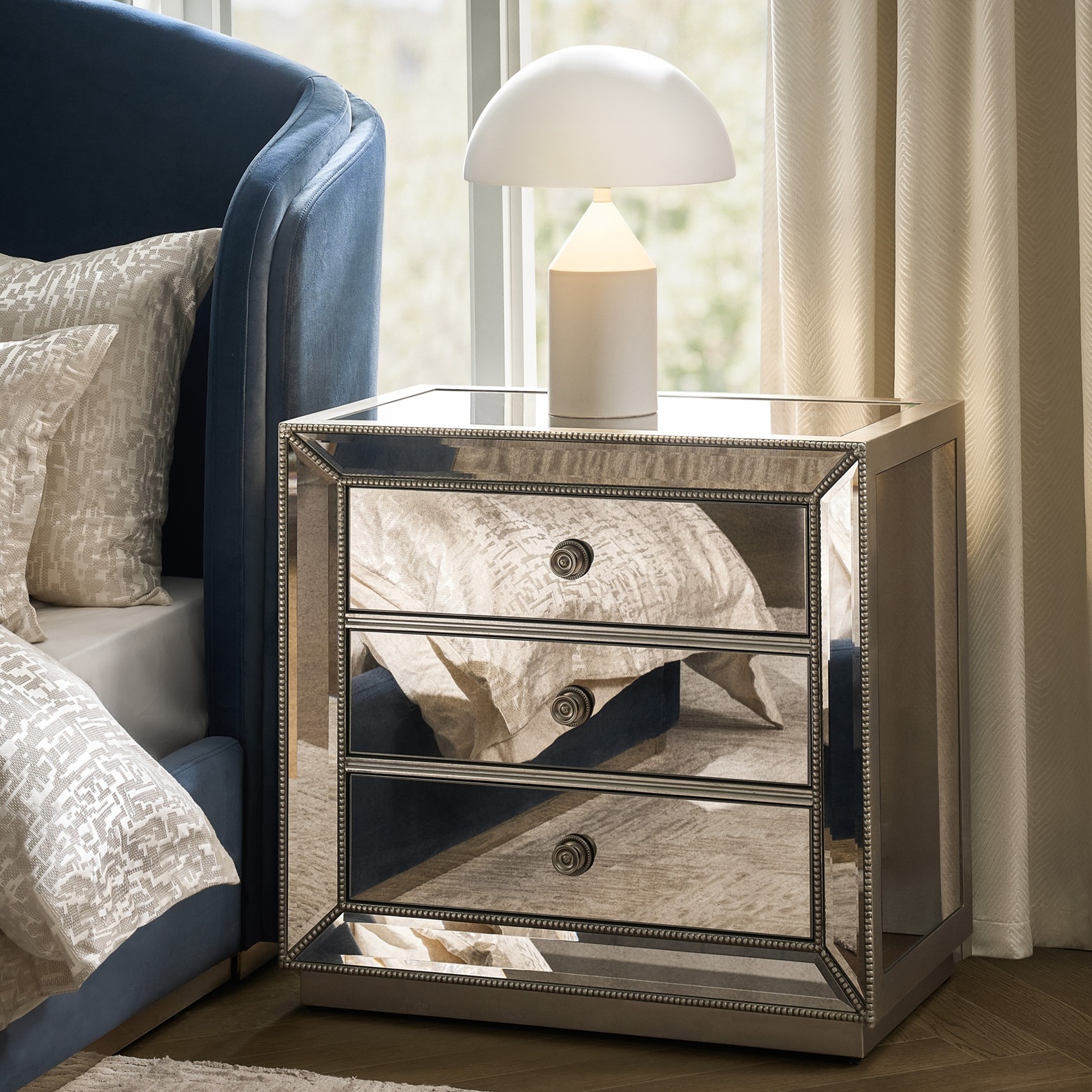 Omni Mirrored Silver 3-Drawer Nightstand (32")$1299
A glamorous chest featuring antiqued mirrored panels, hand-applied silver-leaf finish, and beaded trim.
Add To Cart -
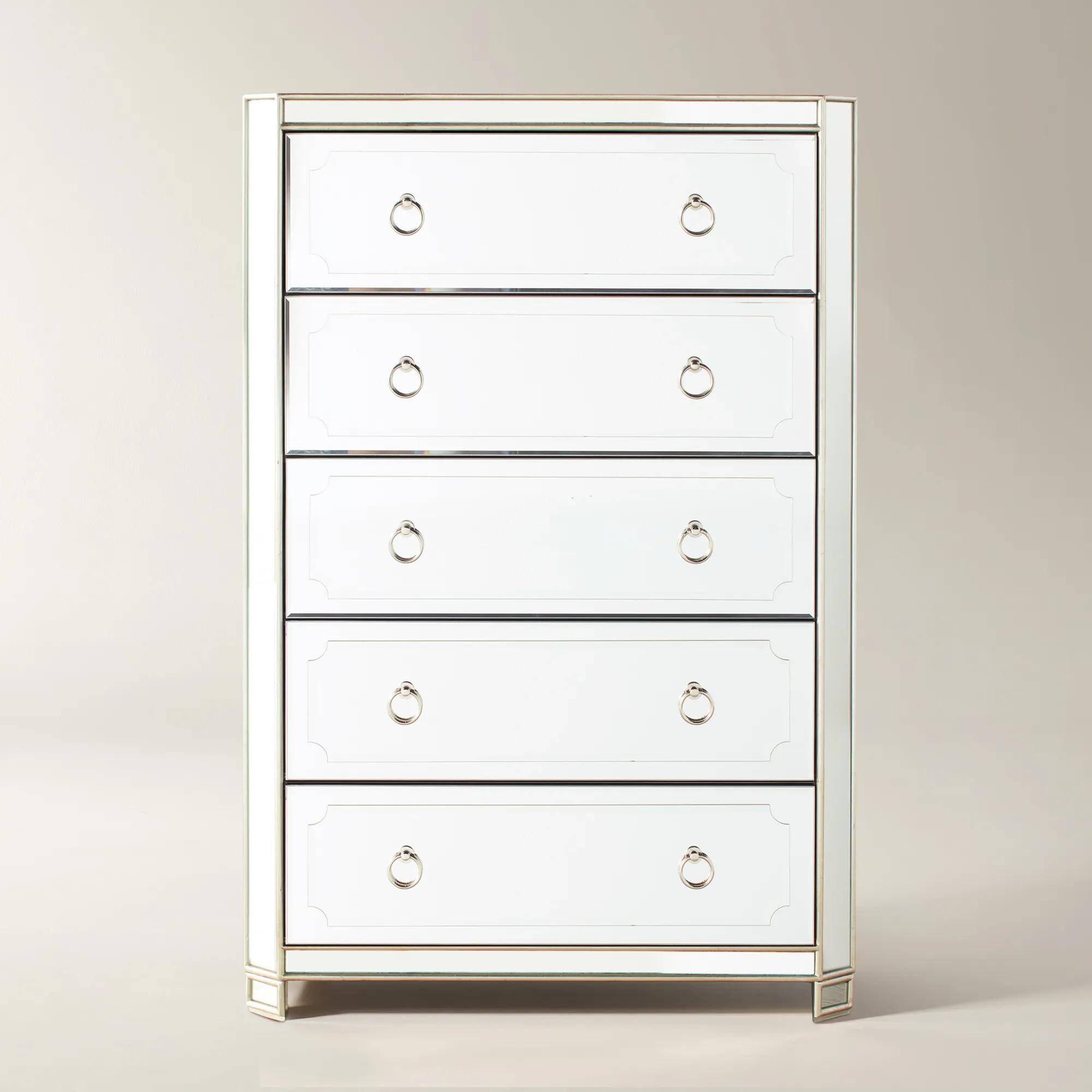 Simplicity Mirrored Silver 5-Drawer Tall Dresser (36")$1999
A glamorous tall chest featuring beveled mirrored panels, hand-applied silver-leaf trim, and polished nickel hardware.
Add To Cart -
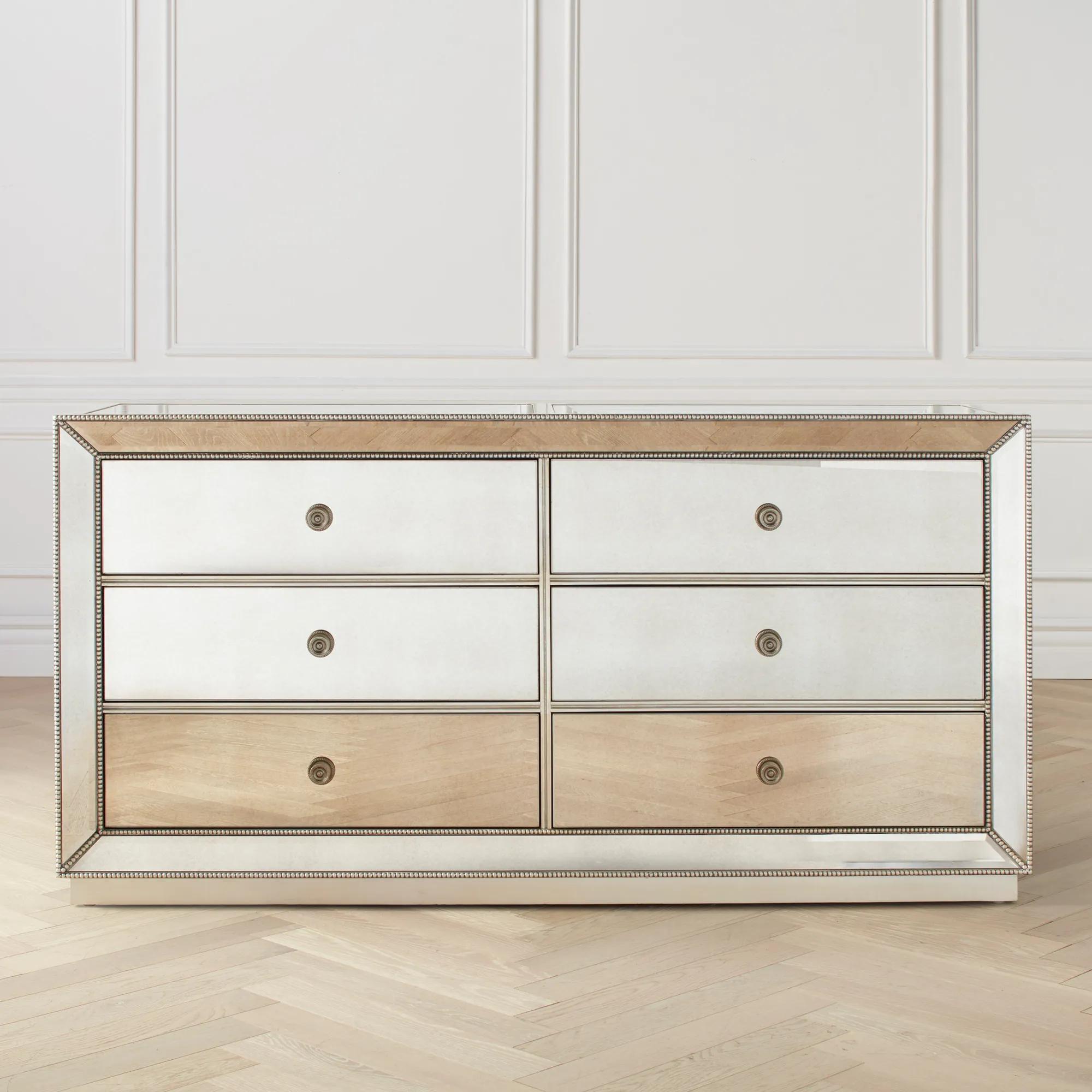 Omni Mirrored Silver 6-Drawer Dresser (72")$2599
A hand-applied silver-leaf chest with antiqued mirrored panels and beaded trim for dramatic bedroom shine.
Add To Cart -
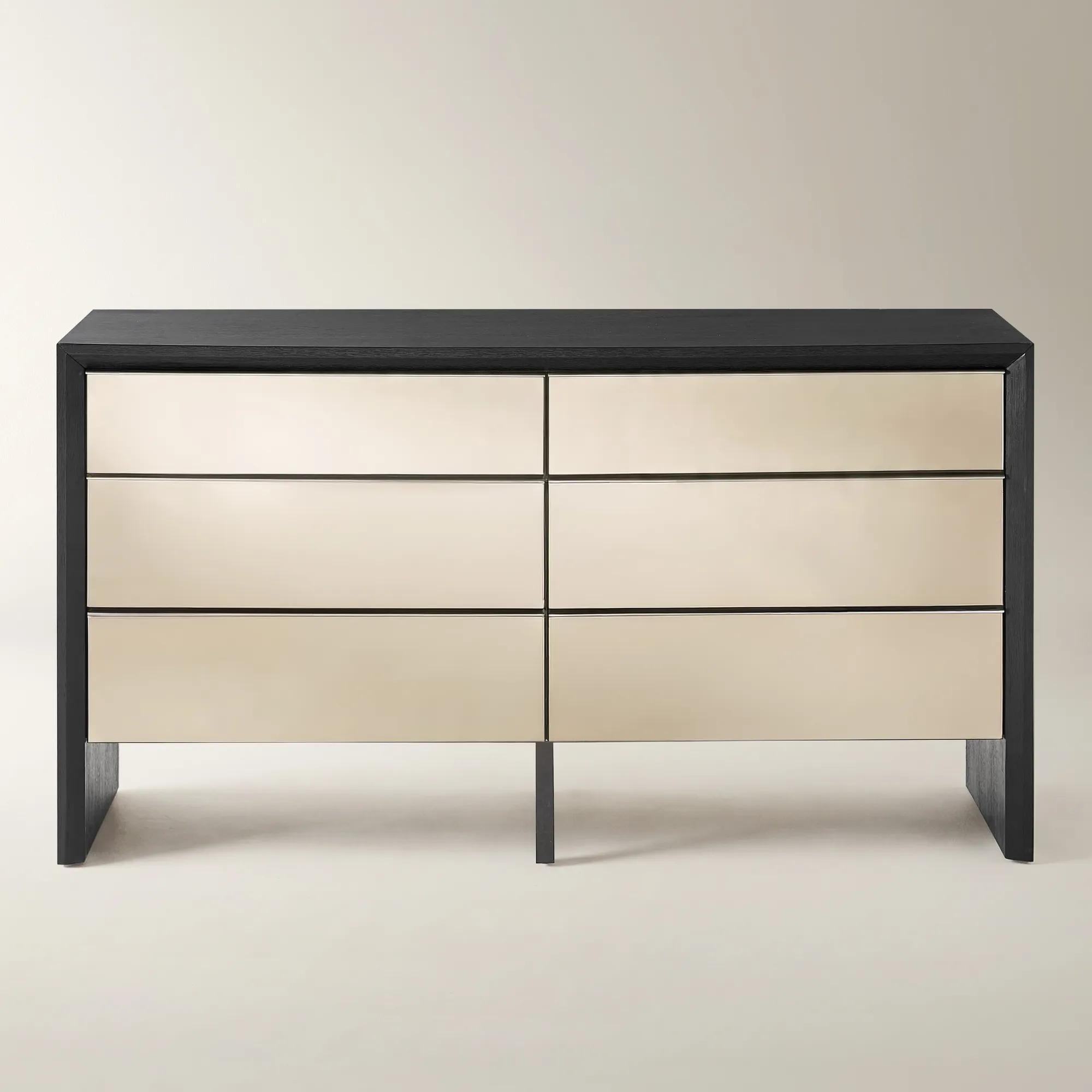
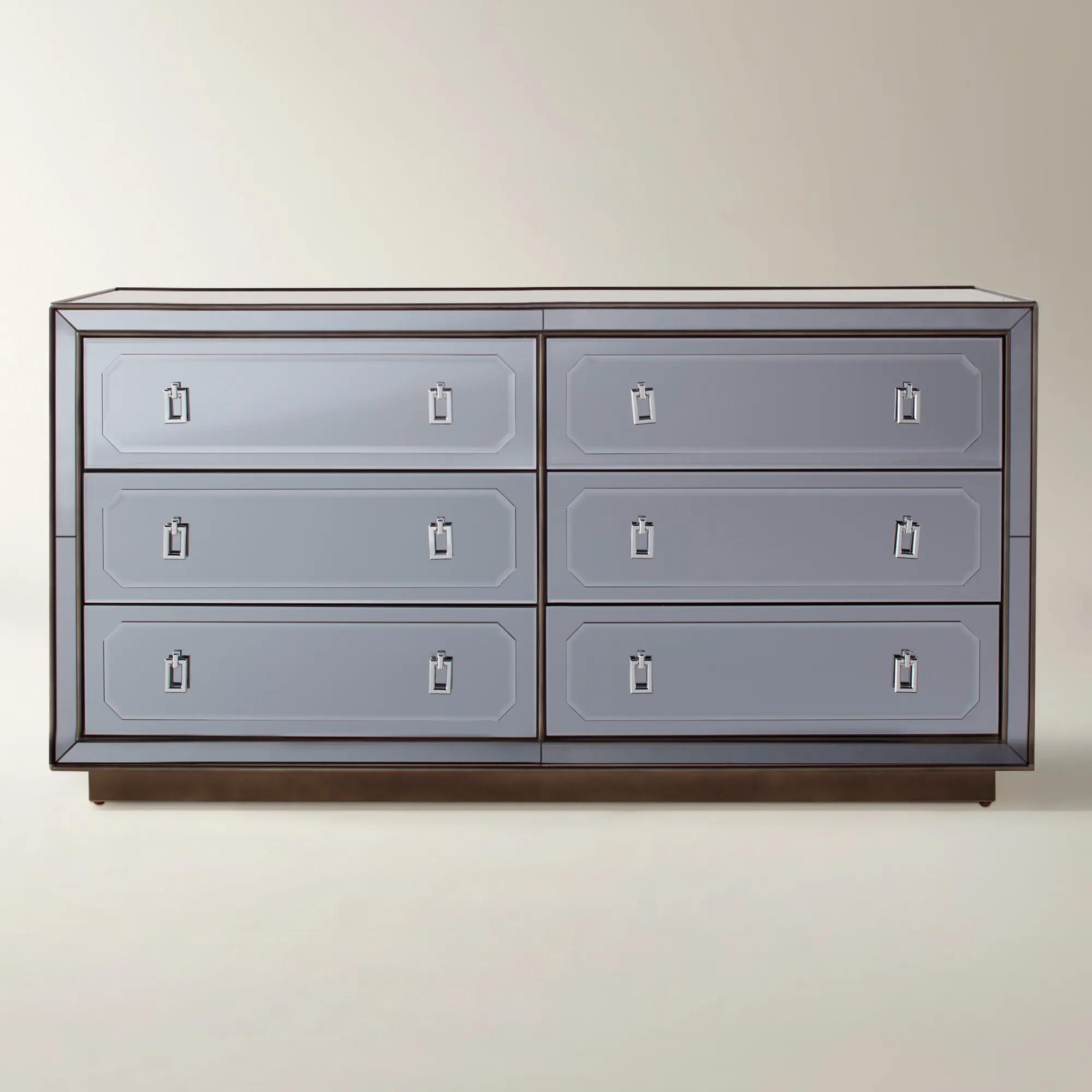 Maddox Mirrored Grey 6-Drawer Dresser (66")$2299
A modern dresser featuring beveled mirror paneling, graphite finish, and polished nickel hardware for sleek sophistication.
Add To Cart -
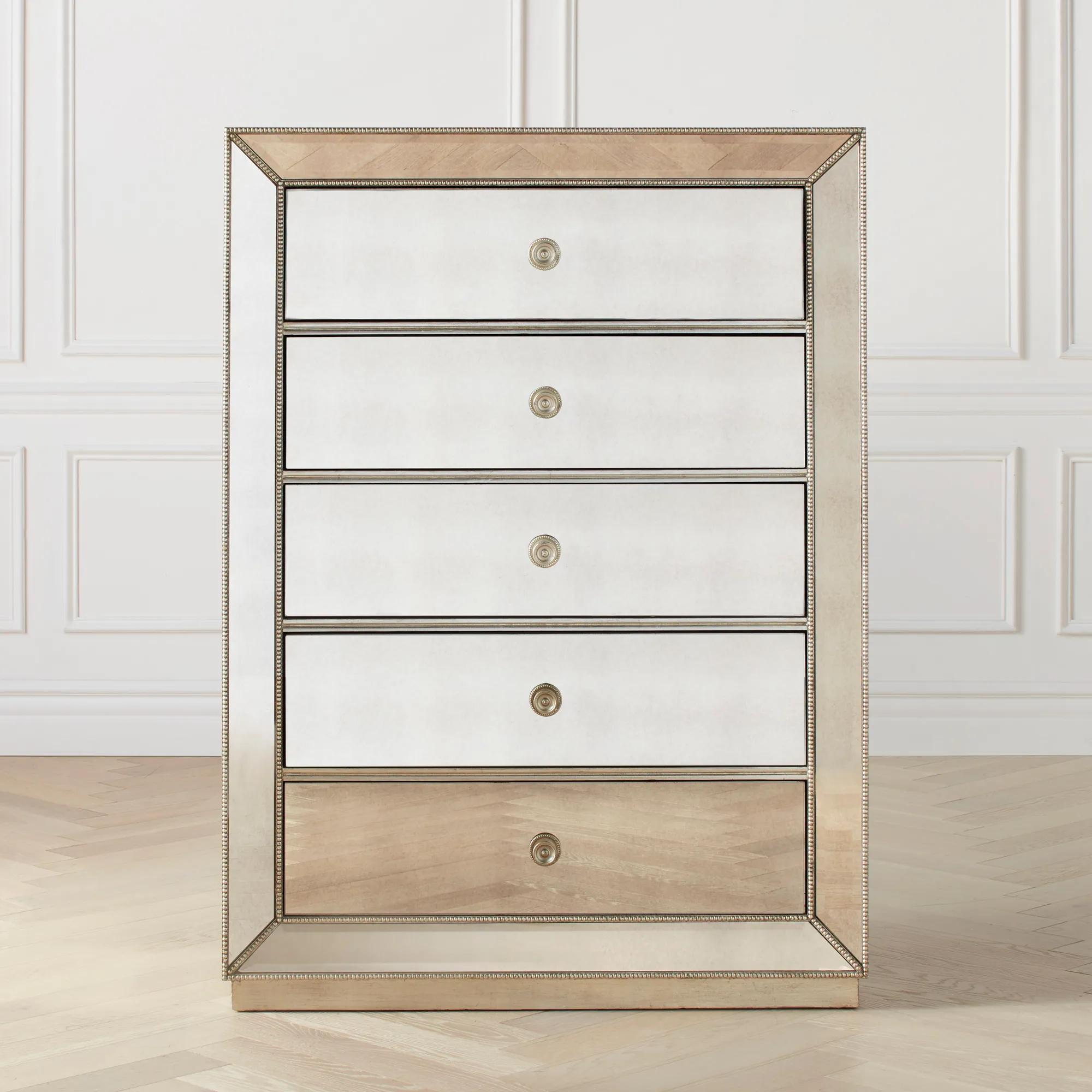
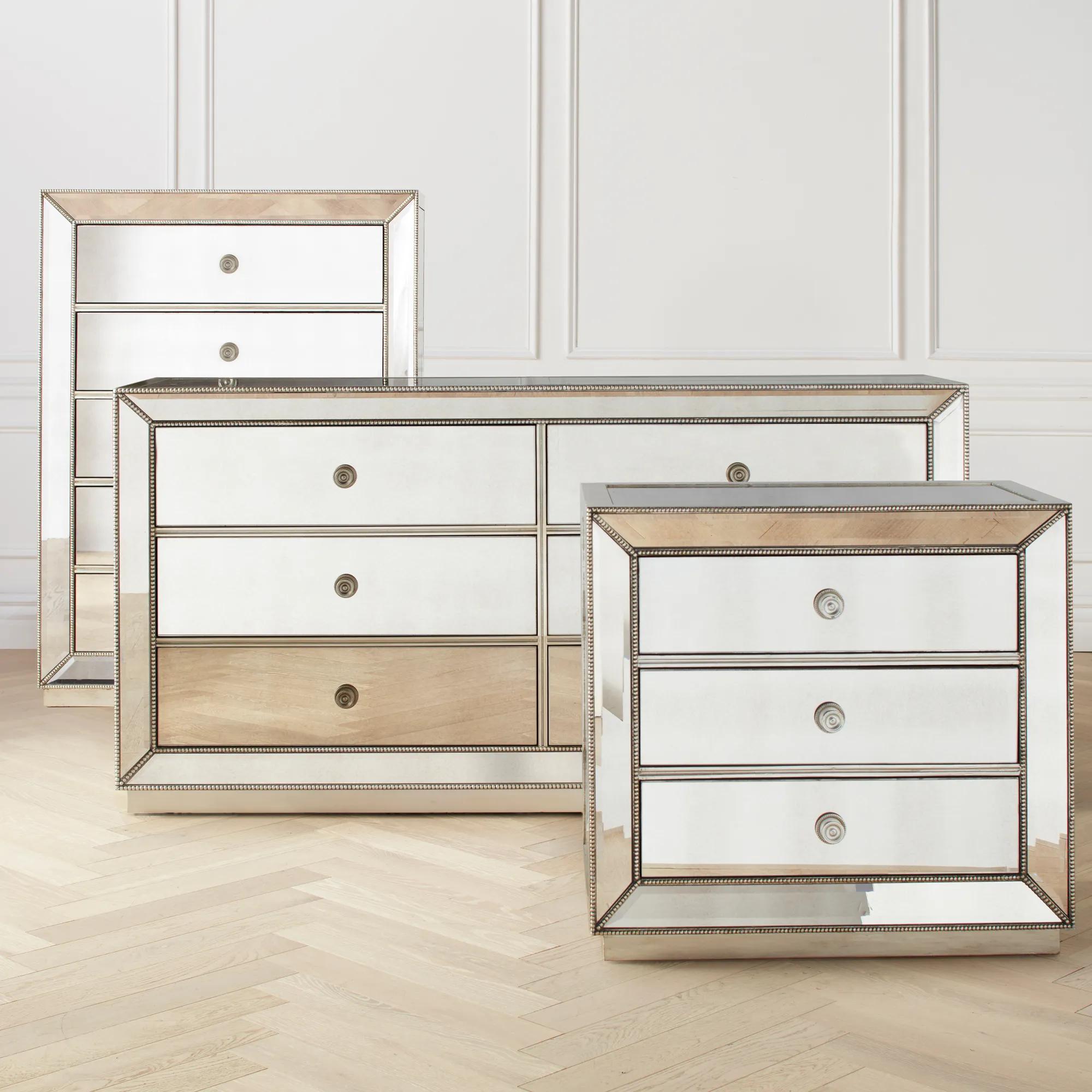 Omni Mirrored Silver 5-Drawer Tall Dresser (40")$2199
A dramatic chest featuring antiqued mirrored panels, hand-applied silver-leaf finish, and kiln-dried hardwood construction.
Add To Cart -
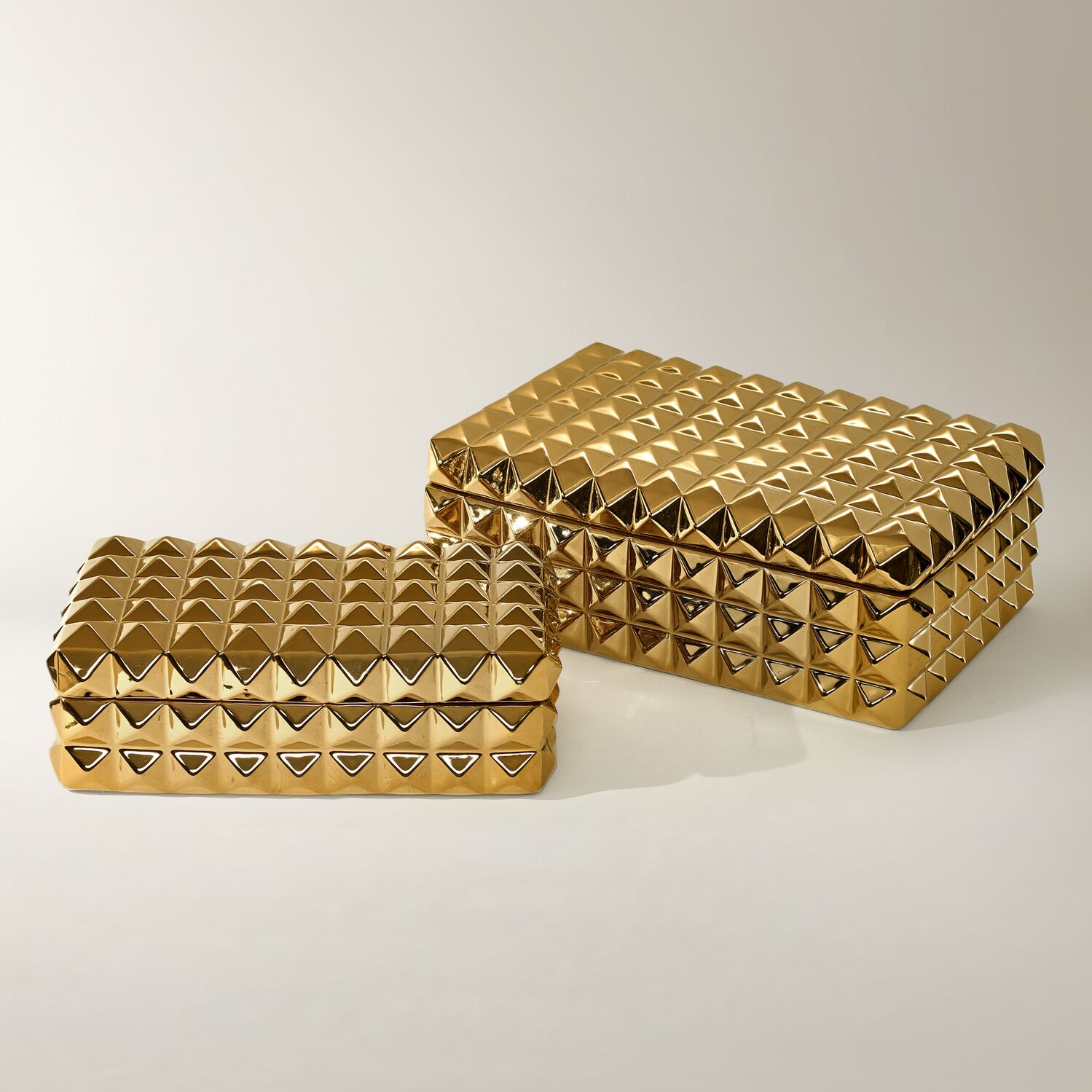 Studded Gold Ceramic Box Large$79
A chic gold-finished box with a studded design, perfect for dressers, vanities, or consoles.
Add To Cart -
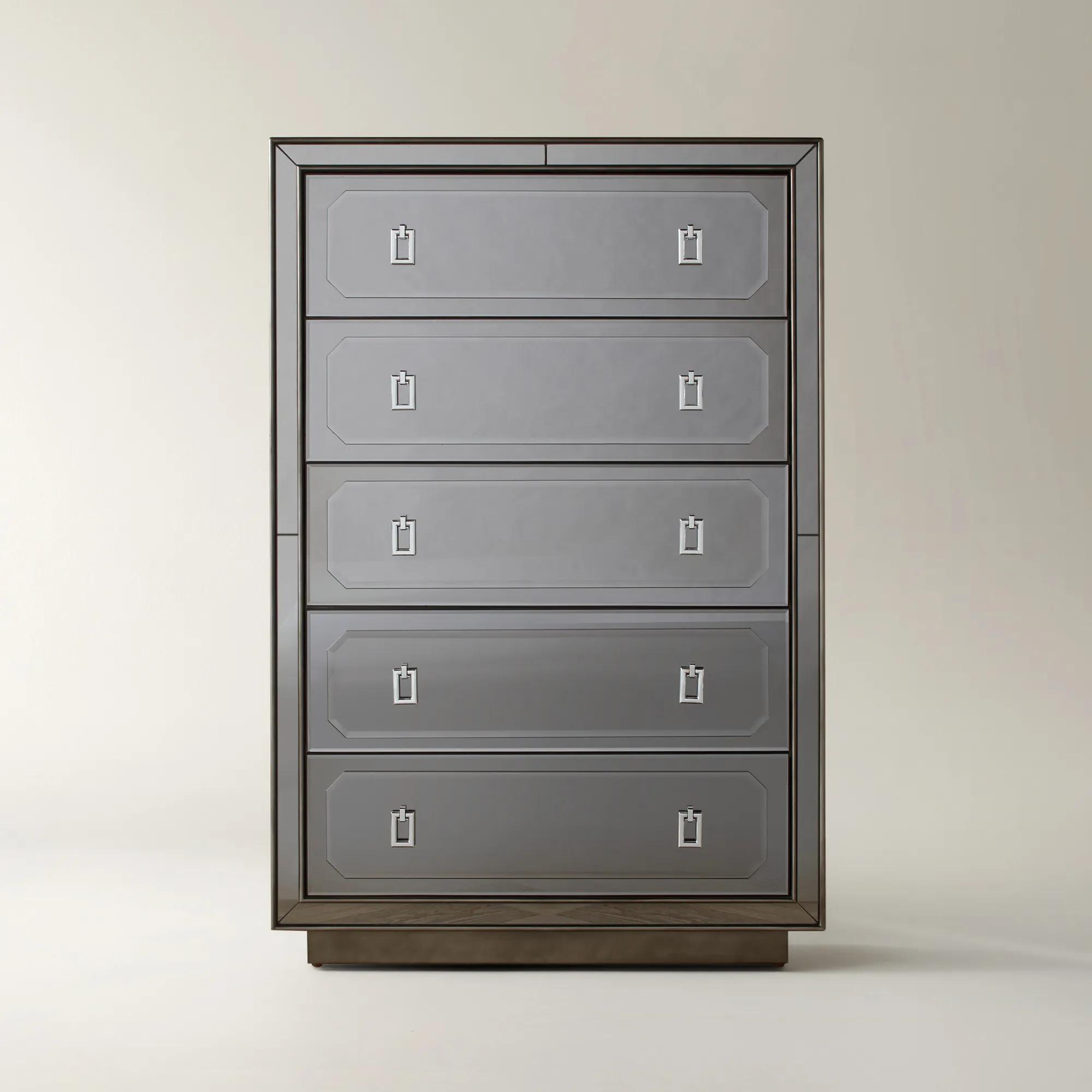 Maddox Mirrored Grey 5-Drawer Tall Dresser (36")$2099
A modern chest featuring beveled mirror panels, graphite finish, and polished nickel hardware for sleek sophistication.
Add To Cart -
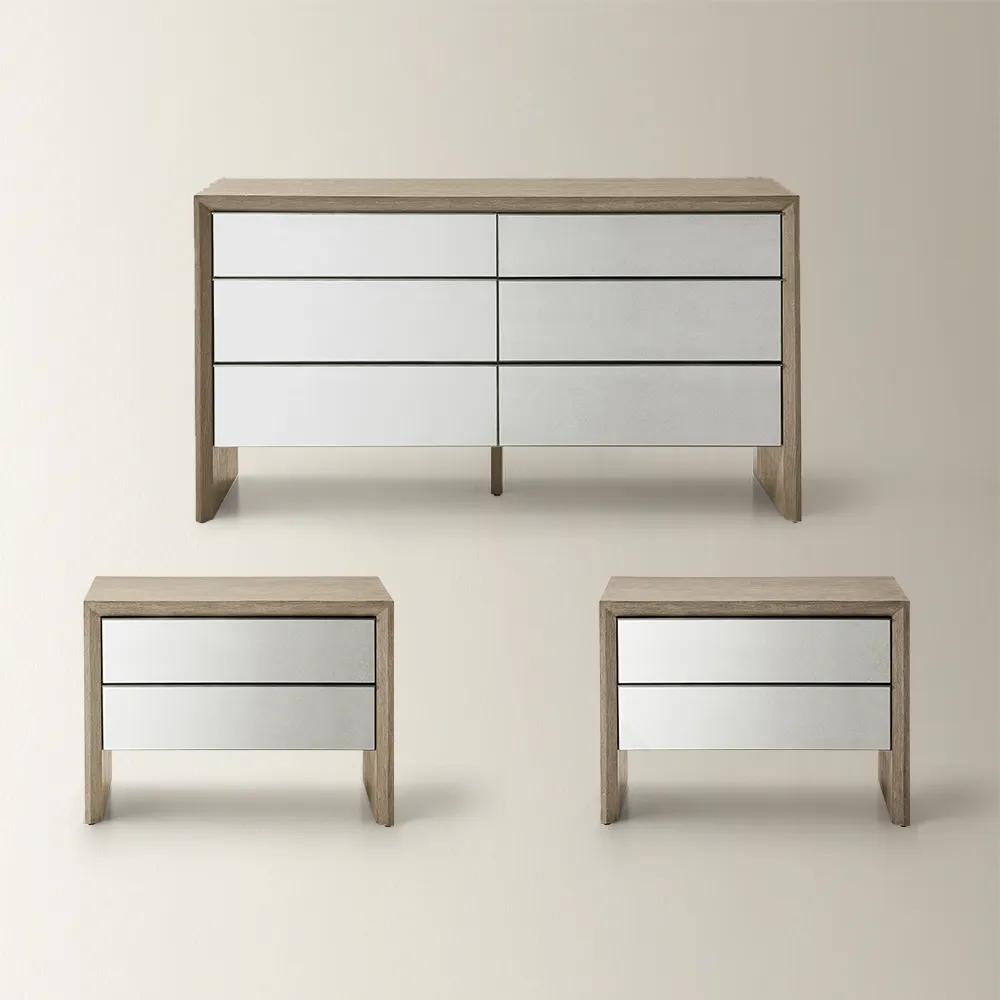 Glimmer Set of 3 Bedroom$3097
A coordinated bedroom furniture set featuring a dresser and two nightstands for cohesive storage.
Add To Cart -
Studded Gold Ceramic Box Small$59
A chic gold-finished box with a studded design, perfect for dressers, vanities, or consoles.
Add To Cart -
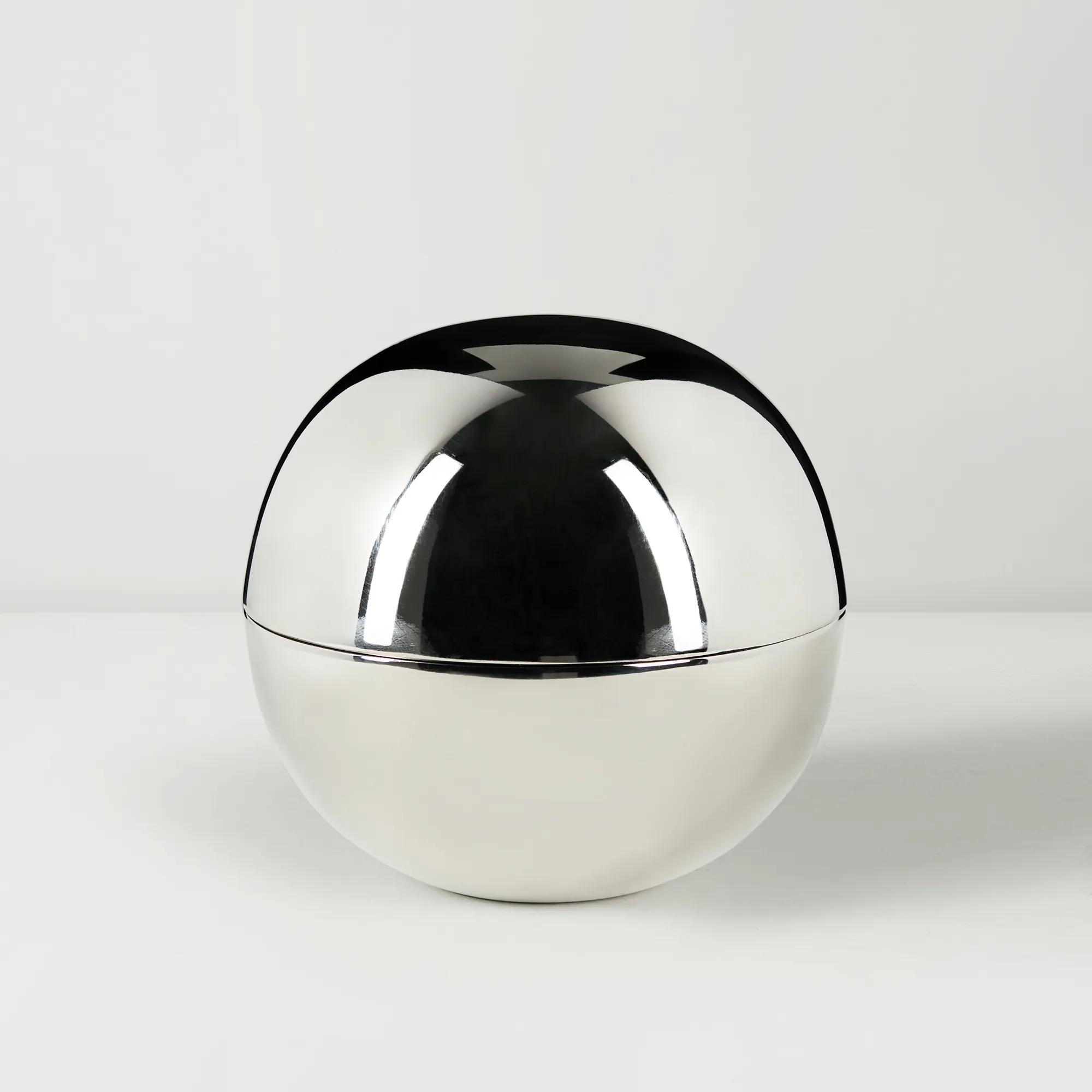
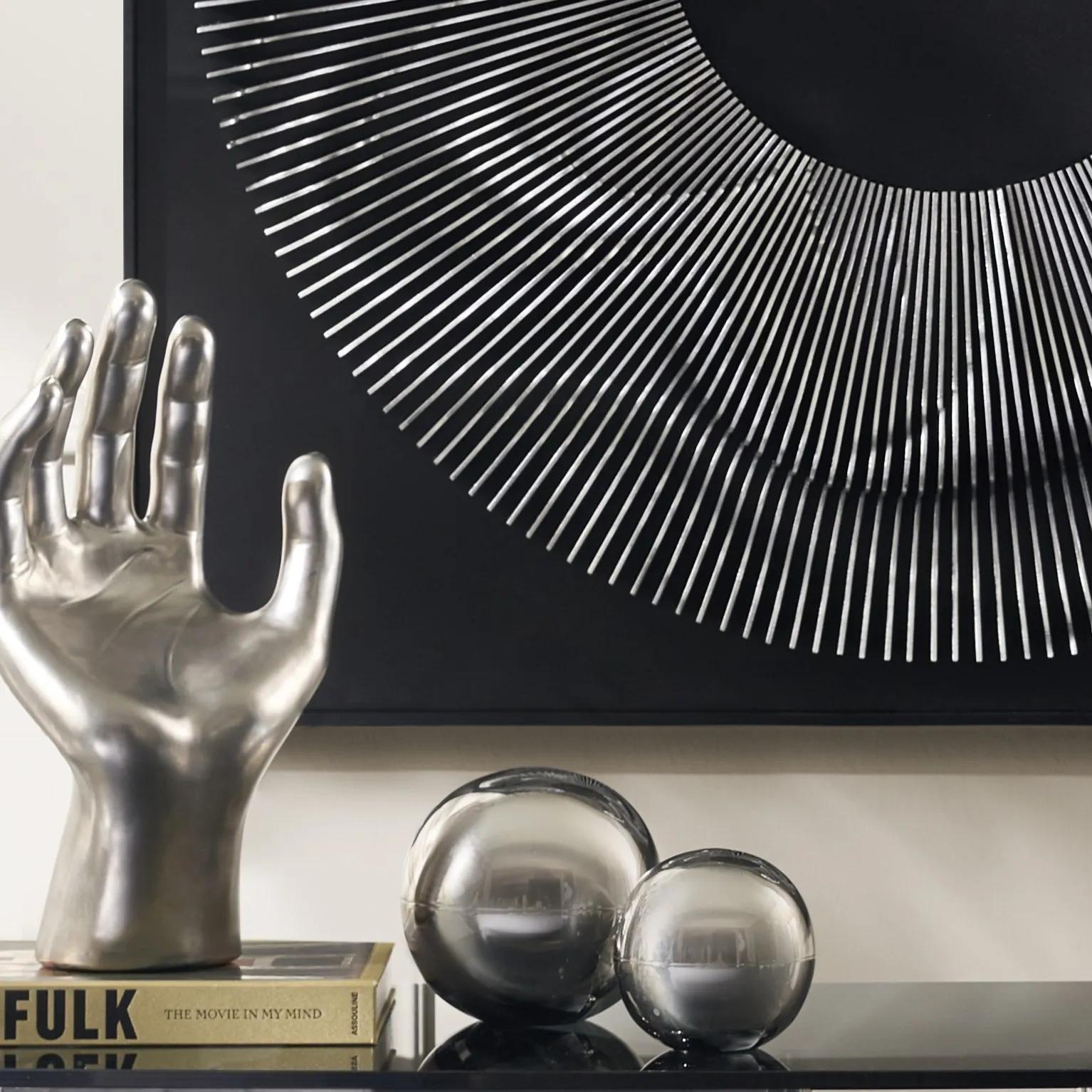 Orion Box$39
A sleek silver aluminum orb box that seamlessly combines modern style with practical storage.
Add To Cart -
 Tuxedo Box$159
A sleek black high-gloss lacquer box with a velvet-lined interior for elegant storage.
Add To Cart -
 Studded Black Ceramic Box Large$79
A black ceramic box with raised studded texture, offering bold, modern style for decorative storage.
Add To Cart -

 Paxton Box Black/Gold$159
A high-gloss black lacquer box with gold dome accents and a soft velvet-lined interior for keepsakes.
Add To Cart -
 Trove Soft Gold Marble Stainless Steel Decorative Box$129
A soft gold stainless steel and MDF box that adds modern glamour and artful storage to any space.
Add To Cart -
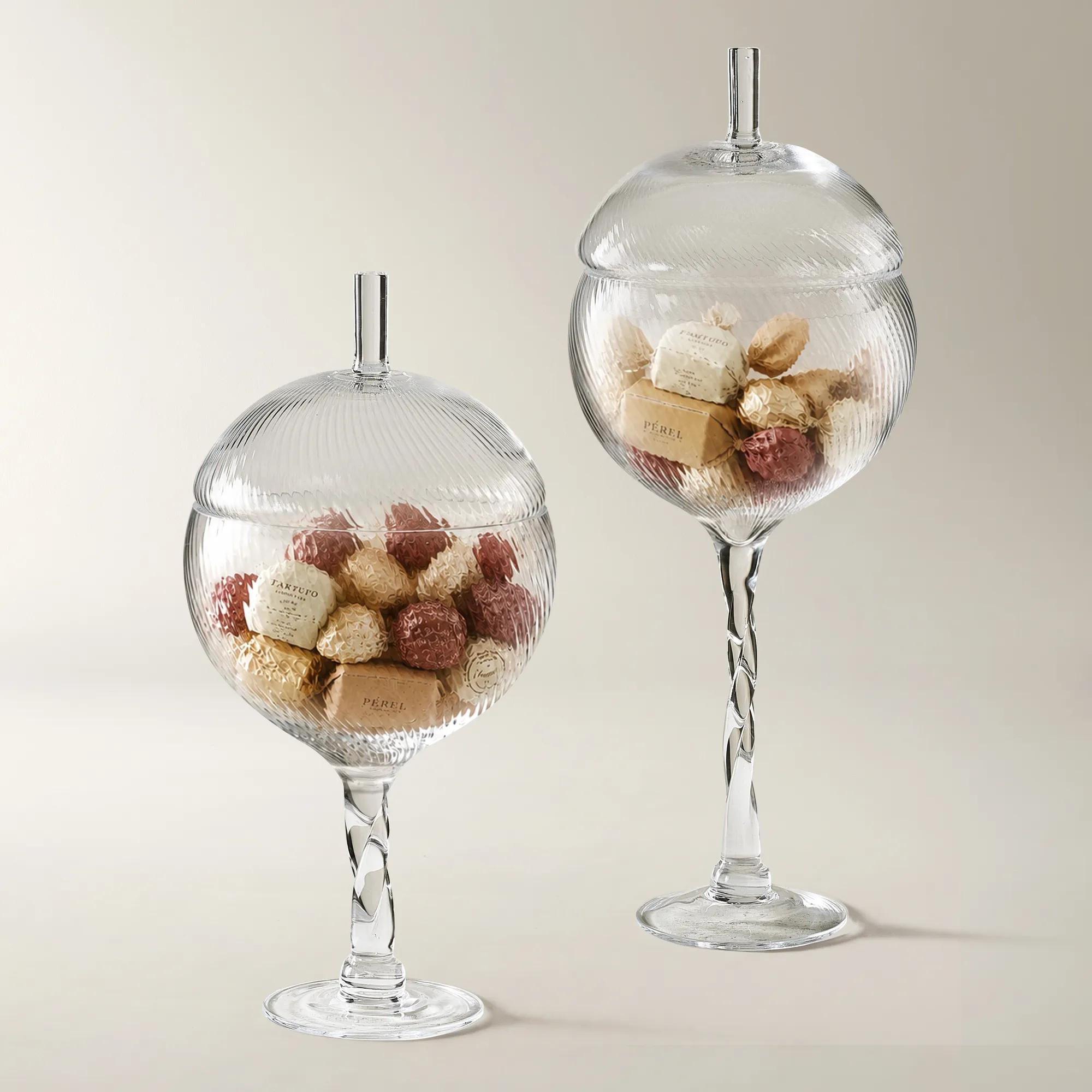
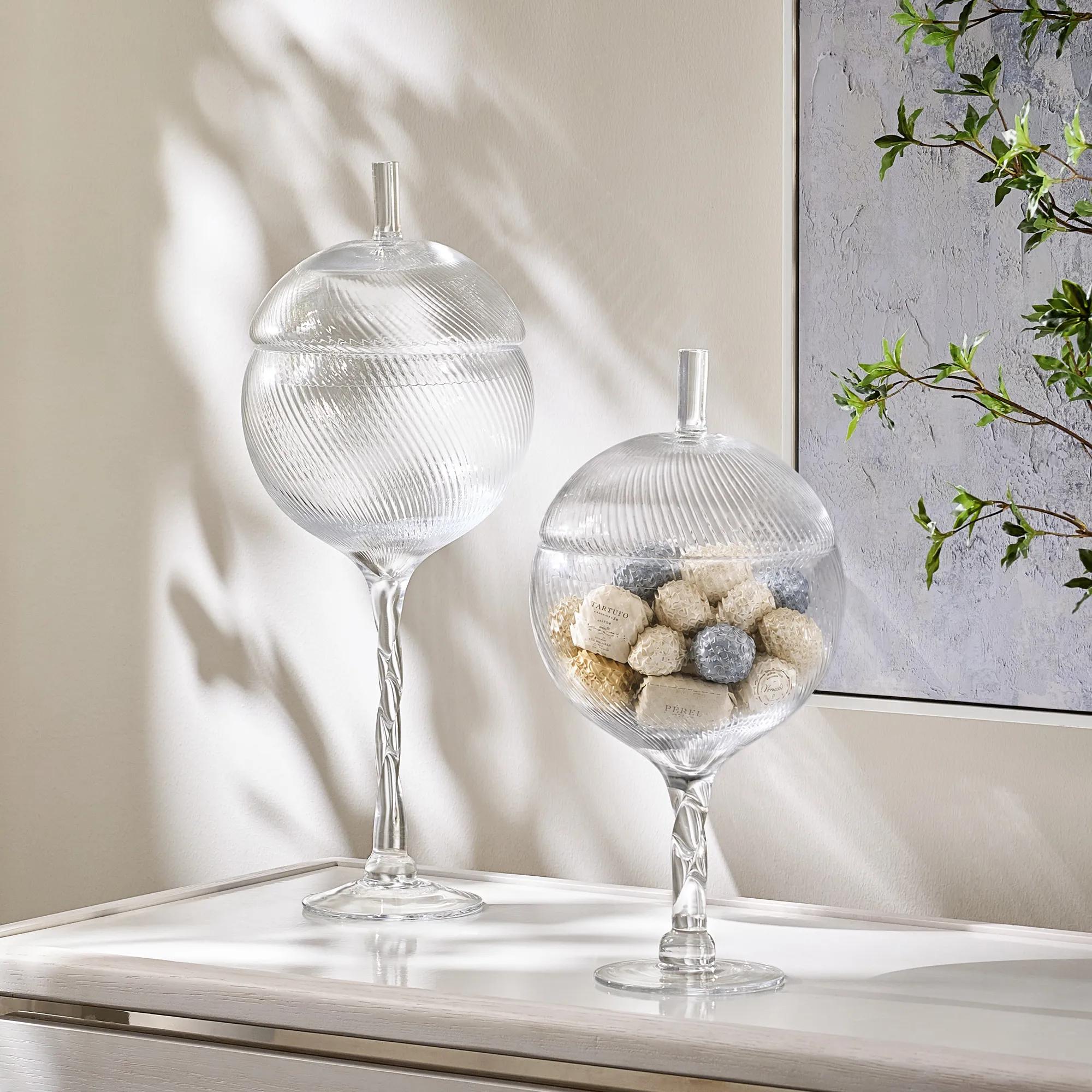 Opal Mouth Blown Clear Glass Canisters$99
A clear handblown glass canister featuring a sculptural twisted design for artful, food-safe storage.
Add To Cart -
 Black Gold Ceramic Book Box$59
A gold and black ceramic box with hidden storage, adding modern glamour and literary charm to décor.
Add To Cart -
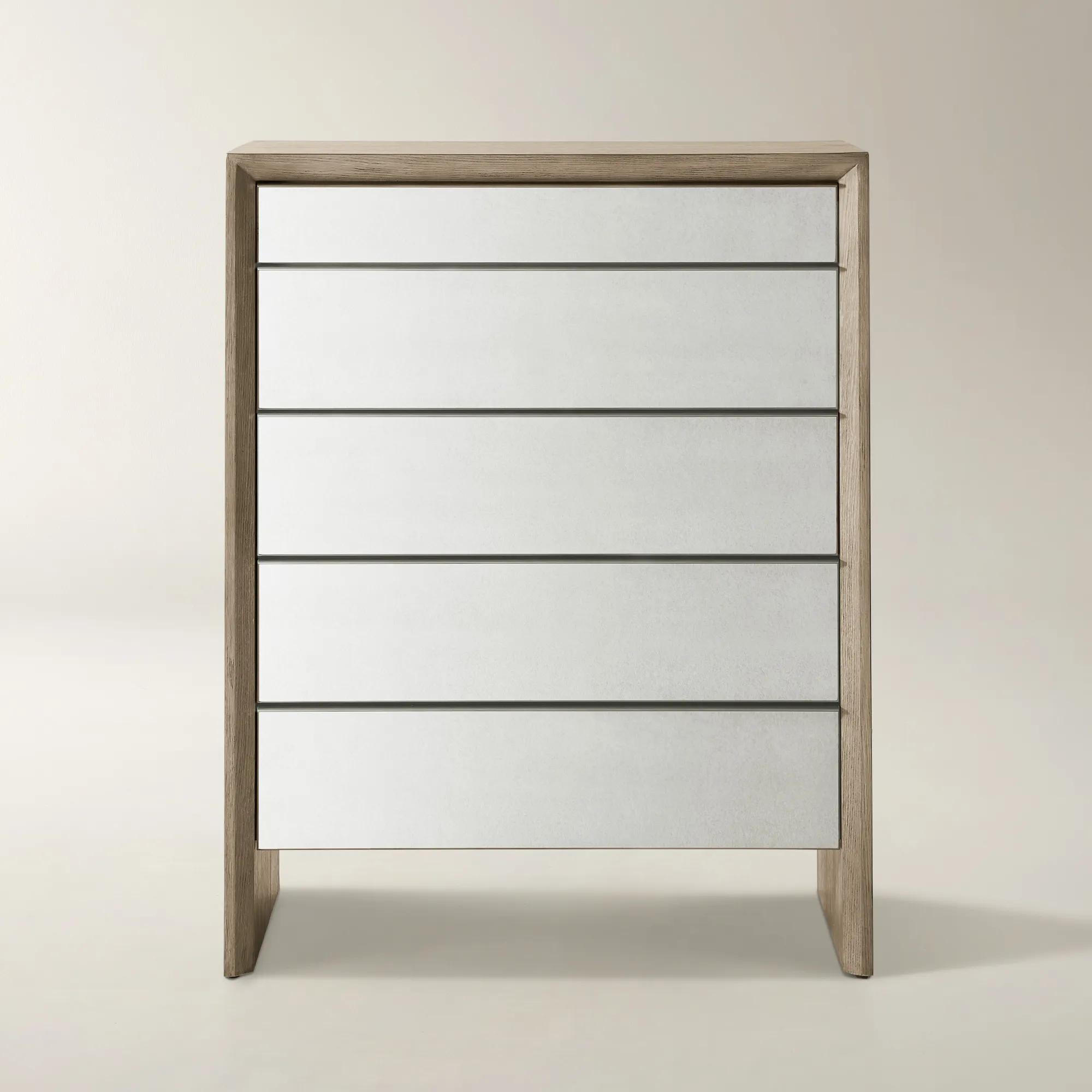
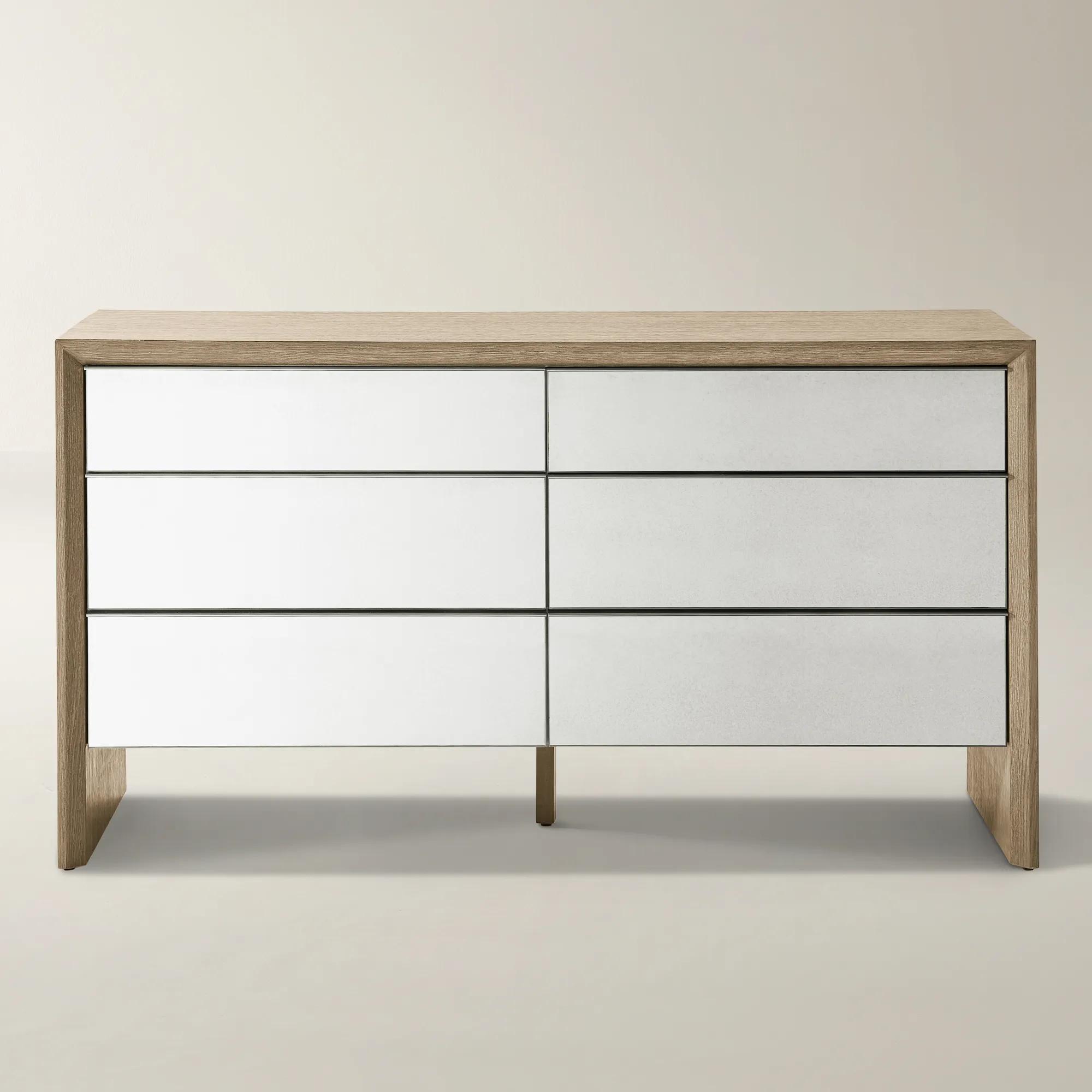
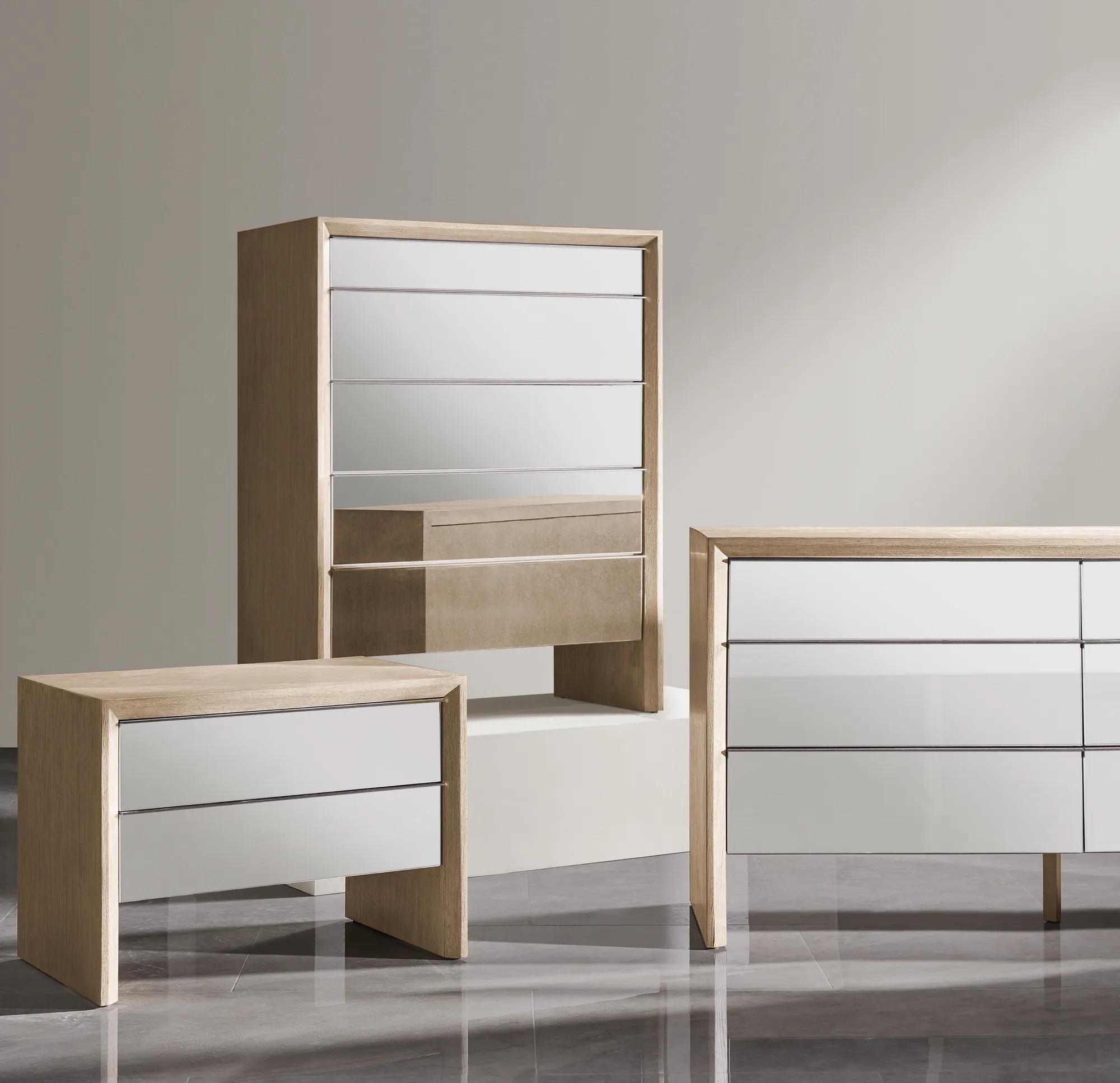 Glimmer Mirrored Seadrift Oak 5-Drawer Tall Dresser (40")$2099
A versatile chest featuring sea drift oak veneer, antique mirrored drawer fronts, and soft-close drawers for elegant storage.
Add To Cart -
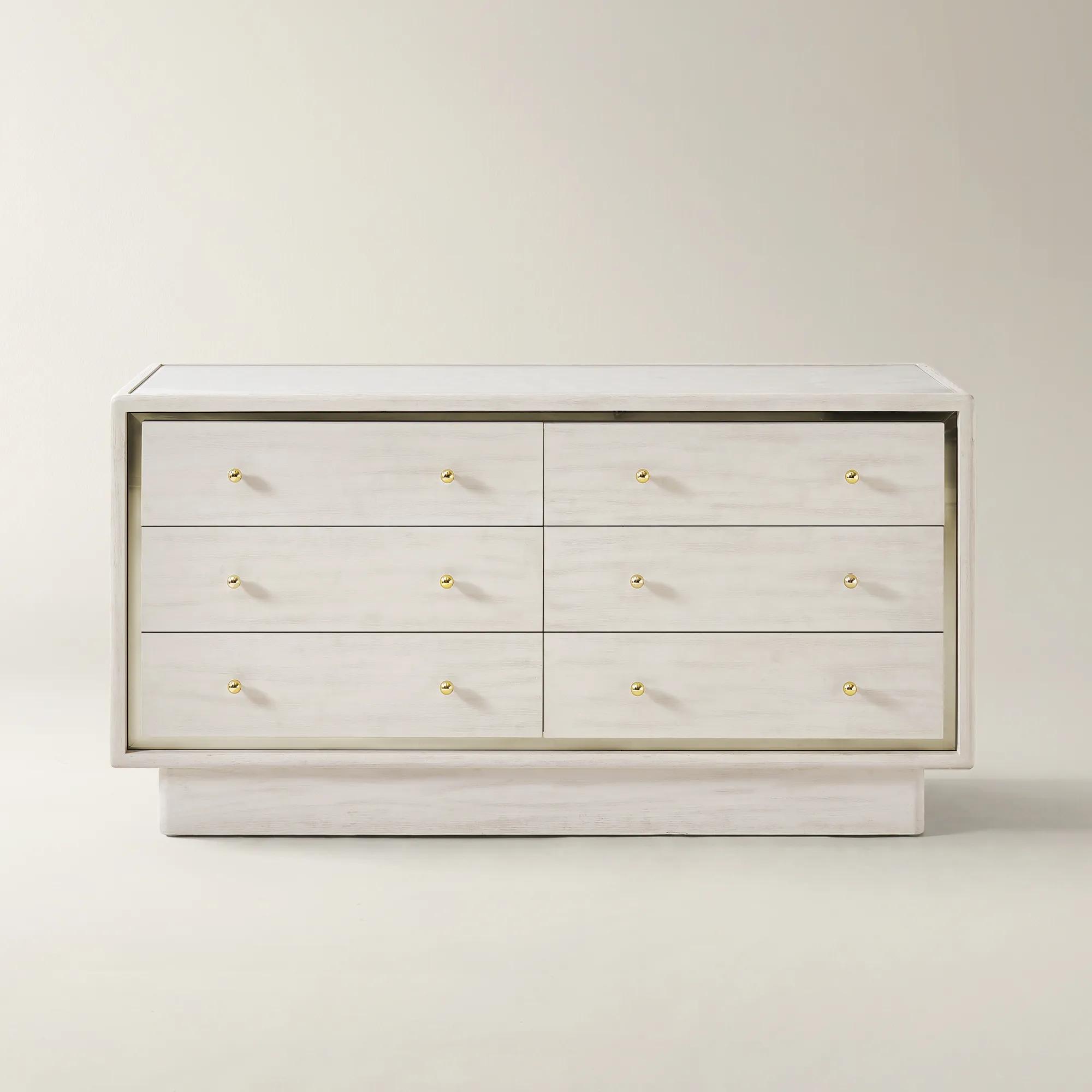 Lumina Bleached Oak 6-Drawer Dresser With Pearl Lacquered Top (62")$2499
A bleached oak dresser featuring a pearl lacquered top, champagne gold trim, and six velvet-lined soft-close drawers.
Add To Cart

Storage Solutions For Small Apartments
Find storage solutions for small apartments that bring order to compact rooms while keeping your personal style in focus. Explore options for organizing everyday essentials, considering dimensions, ease of access, and how each piece complements your décor to create a space that feels artfully composed rather than crowded.
Storage solutions for small apartments bring organization into the architecture of a room through vertical shelving, multifunctional furniture, and concealed compartments that keep everyday belongings close without letting them dominate the space. The most compelling pieces do more than contain clutter: they give a compact interior definition, texture, and a sense of intention. A tall, narrow cabinet draws attention upward while reserving valuable floor space for movement. A storage ottoman offers a place to rest a tray or tuck away a throw, and a coffee table with drawers keeps remotes, chargers, and reading material out of the main sight line. In a studio, a low storage unit can distinguish the sleeping area from the living space without the visual weight of a full-height partition. Open shelving creates room for books and sculptural objects; closed compartments provide a quieter backdrop for the belongings that are useful but less suited to display. That balance matters when the entryway, dining area, and living room share one uninterrupted view. A few expressive objects against an orderly background can feel more dramatic than a surface crowded from edge to edge. Fit begins with the footprint, but it also includes the space a piece needs to function. Cabinet doors require clearance, drawers need room to extend, and a lift-top compartment should open without meeting a windowsill or adjacent furniture. Measuring baseboards, outlets, doorway widths, and delivery access helps establish whether a storage piece belongs in the room before its finish enters the conversation. Shallow profiles are especially useful beside a narrow walkway, while furniture raised on legs can reveal more of the floor and preserve an airy impression. For renters, established apartment dwellers, or anyone furnishing a first home, small-space storage becomes most useful when its proportions reflect daily habits: a place for a work bag near the entrance, concealed storage beside the sofa, or shelves that make use of an otherwise overlooked stretch of wall.
Materials and finishes shape both the atmosphere and the practical demands of apartment storage furniture. Wood brings grain, depth, and warmth to a compact interior, while wood veneers can introduce richly patterned surfaces over an engineered substrate. Construction quality, joinery, hardware, and the intended load matter alongside the surface material; a substantial-looking cabinet still needs shelves suited to the weight of the belongings inside. Metal frames can lend shelving a crisp, architectural outline, particularly when paired with glass or wood, though weight limits and secure installation remain essential. Glass shelves and mirrored fronts reflect surrounding light and can soften the visual presence of storage, creating a luminous counterpoint to upholstered seating or a richly textured rug. They also reveal fingerprints readily, making care requirements part of the decision rather than an afterthought. Lacquered and other smooth finishes offer a polished backdrop for decorative objects, with maintenance determined by the manufacturer’s directions. Upholstered storage introduces another dimension: a velvet-covered bench can bring sumptuous texture to the foot of a bed, while a tailored ottoman can make concealed storage feel integral to a seating arrangement. Fabric composition, cleaning instructions, and anticipated use deserve particular attention in homes with pets, children, or frequent visitors. The interior deserves equal scrutiny. Adjustable shelves accommodate belongings of different heights, compartments separate small accessories, and drawers with dependable slides make frequently used contents easier to reach. Handles should be comfortable to grasp, and hinges should suit the available clearance. Tall furniture and units with drawers may require wall anchoring according to their instructions; rental restrictions do not replace the need for safe installation. Where wall-mounted storage is appropriate, compatible hardware, wall construction, and stated load limits determine what the installation can support. These details allow the expressive elements—gleaming accents, sculptural silhouettes, richly grained surfaces—to retain their impact without compromising everyday function. A small apartment feels composed when the beauty of its storage is matched by the ease of using it.
The right combination of hidden storage and considered display can support several versions of apartment life within the same square footage. For someone working from a dining table, a nearby cabinet can keep notebooks, cables, and office supplies together, allowing the surface to return to its entertaining role at the end of the day. In a shared apartment, separate drawers or baskets give each person a defined place for personal belongings without requiring an additional piece of furniture. A bedroom bench with storage can hold spare linens, while a slim entry cabinet can gather the accessories that otherwise migrate across chairs and counters. Baskets and decorative boxes introduce flexible organization inside larger units, although their dimensions should complement the shelf depth rather than leave awkward gaps or interfere with doors. Matching containers can create a calm visual rhythm; a restrained mix of textures can make open shelving feel more collected and personal. For a housewarming gift, a decorative storage box or versatile basket may suit an apartment resident better than furniture that requires precise measurements, provided its scale and style reflect the recipient’s space. The emphasis on expressive organization also connects naturally with Storage Ideas for Apartments, where the theme remains rooted in making room for both daily necessities and individual taste. Long-term satisfaction depends on care as much as initial fit. Following the supplied cleaning instructions, protecting surfaces from standing moisture, and avoiding loads beyond stated limits help preserve appearance and function. Soft pads beneath decorative objects can reduce surface scratches, while periodic checks of hardware and anchors help keep frequently used furniture secure. Flexible interiors and adaptable proportions are especially valuable when a storage piece may move from an entryway to a bedroom or into a future home. The result is not a room stripped of personality, but one with space for it: a gleaming tray left visible, a favorite object given breathing room, and everyday belongings settled behind beautifully finished doors.
FAQs
Look for sculptural silhouettes, distinctive hardware, and expressive finishes that make storage feel like part of your decor. Storage solutions for small apartments can bring visual drama to everyday organization, turning a cabinet or console into an intentional focal point rather than a purely practical addition.
Open storage puts your personal collection on display, inviting books, decorative objects, and artwork into the room’s story. Concealed storage keeps everyday belongings behind doors or inside compartments for a composed backdrop. Combining the two creates a balance of expressive display and visual calm.
Multifunctional storage furniture pairs an everyday furnishing with a place to tuck belongings away. Common examples include storage ottomans, benches with interior compartments, and coffee tables with drawers. Choose a design whose silhouette complements your apartment’s aesthetic, so its practical purpose feels elegantly integrated.
Build the composition around a storage piece that establishes your apartment’s design mood. Add a decorative tray for daily essentials, then introduce artwork or a mirror to give the arrangement presence. A carefully chosen sculptural accent brings personality without making the surface feel crowded.
Repeat a few deliberate design cues, such as a finish family, a recurring curve, or a consistent color palette. Let individual storage pieces vary in form to keep the setting expressive rather than overly matched. The result is a connected interior where organization becomes part of your personal design signature.