Storage Ideas For Apartments
Storage Ideas For Apartments
-
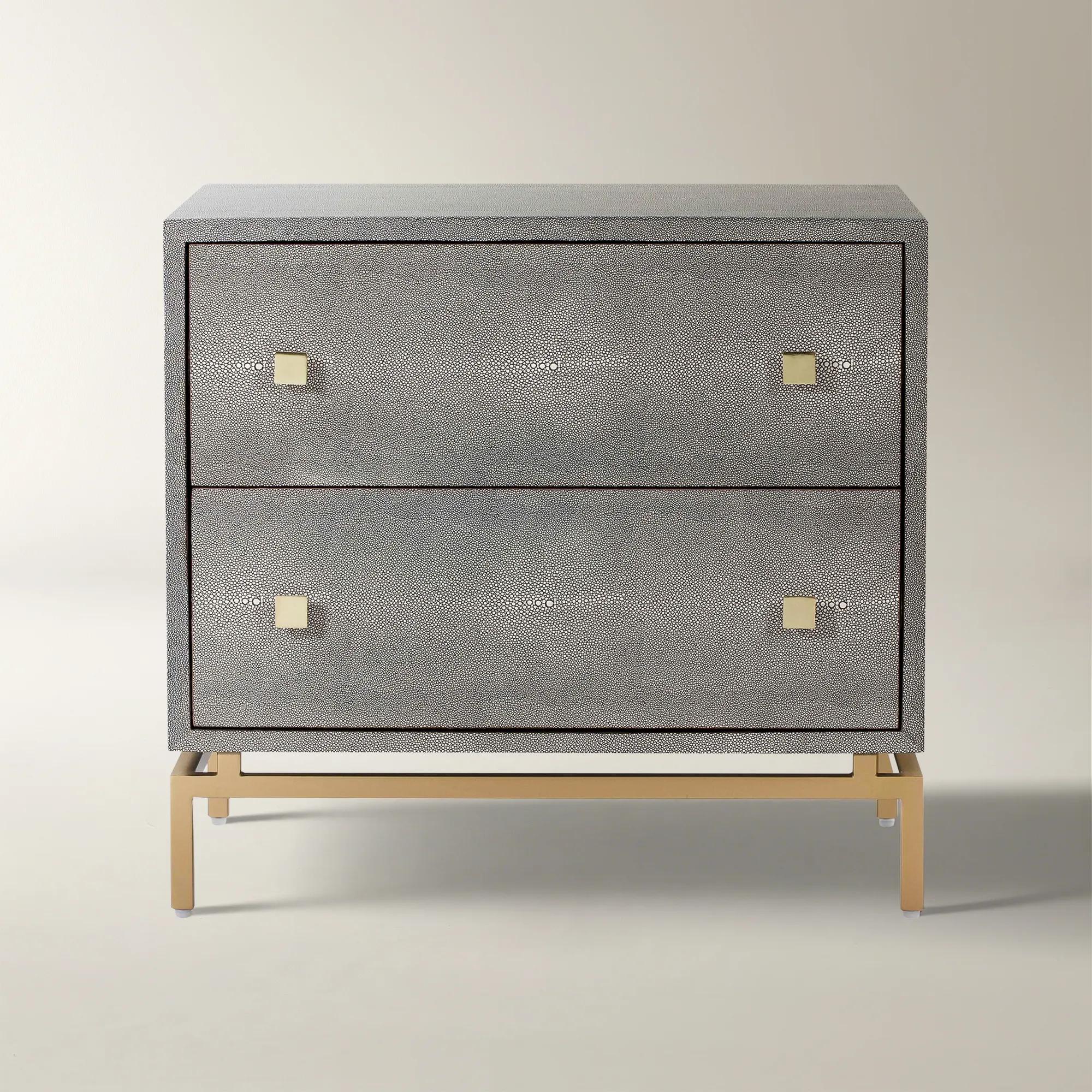
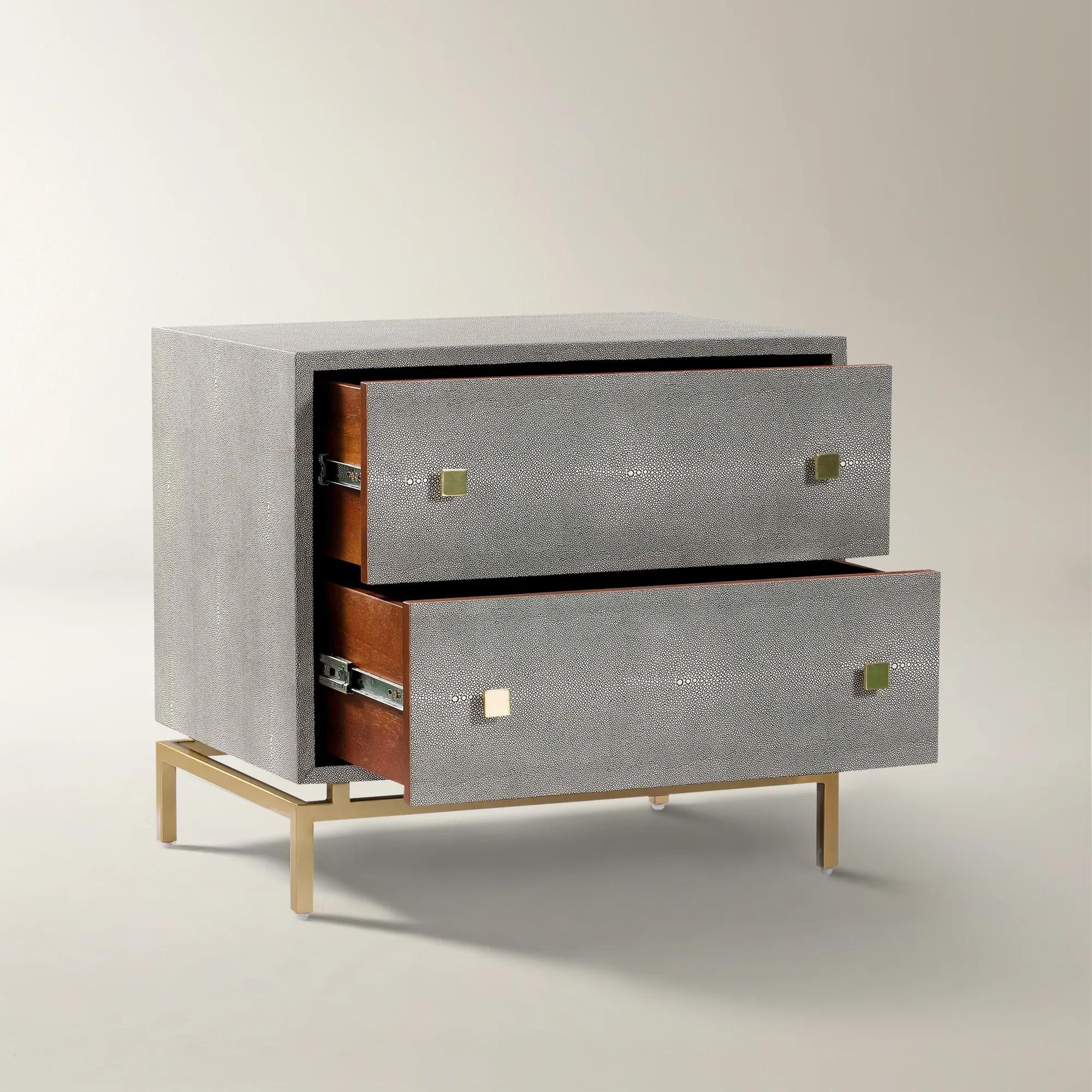 Misha Grey Shagreen 2-Drawer Nightstand (25")$749
A modern nightstand featuring faux shagreen texture, brass-finished base, and two cherry wood-lined drawers.
Add To Cart -
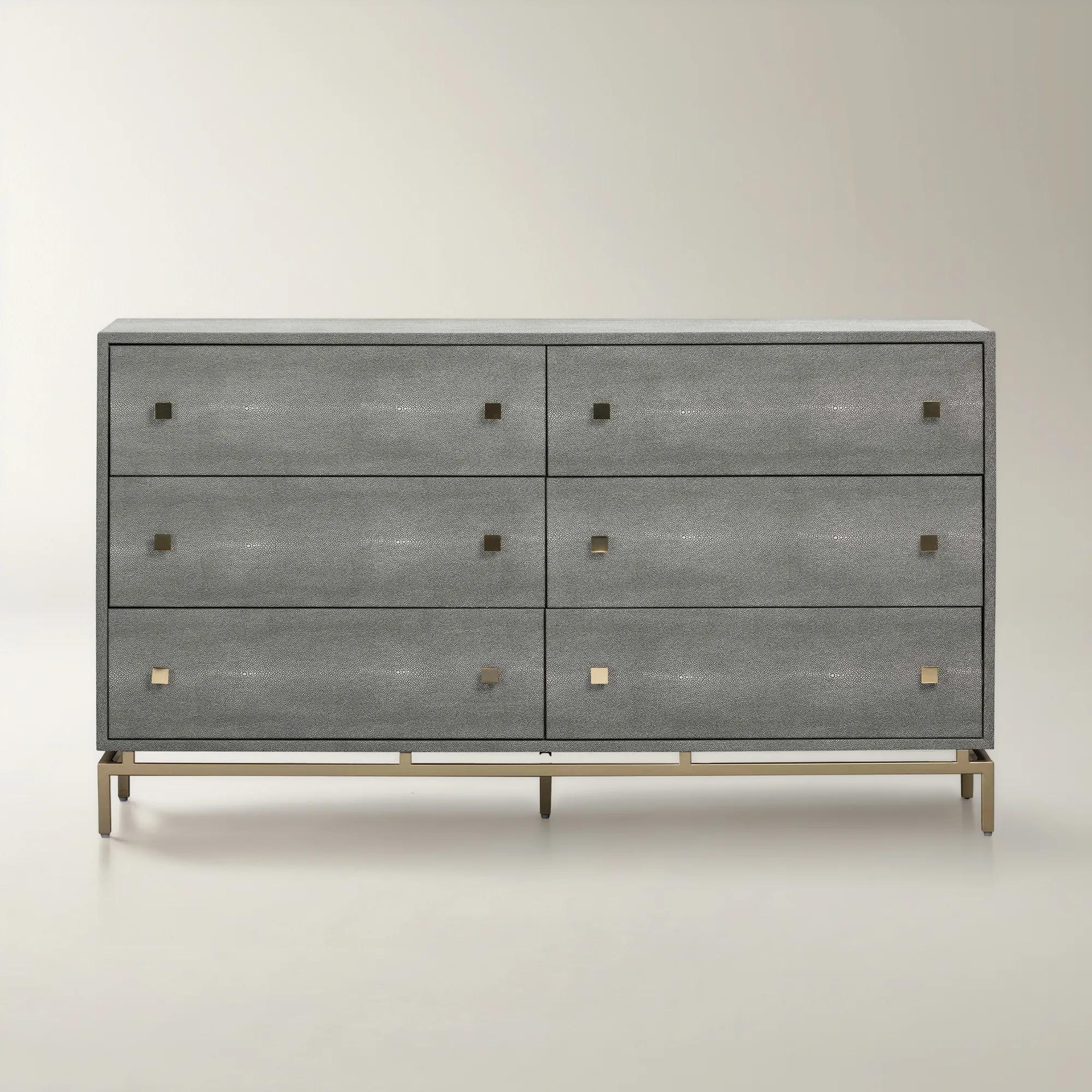
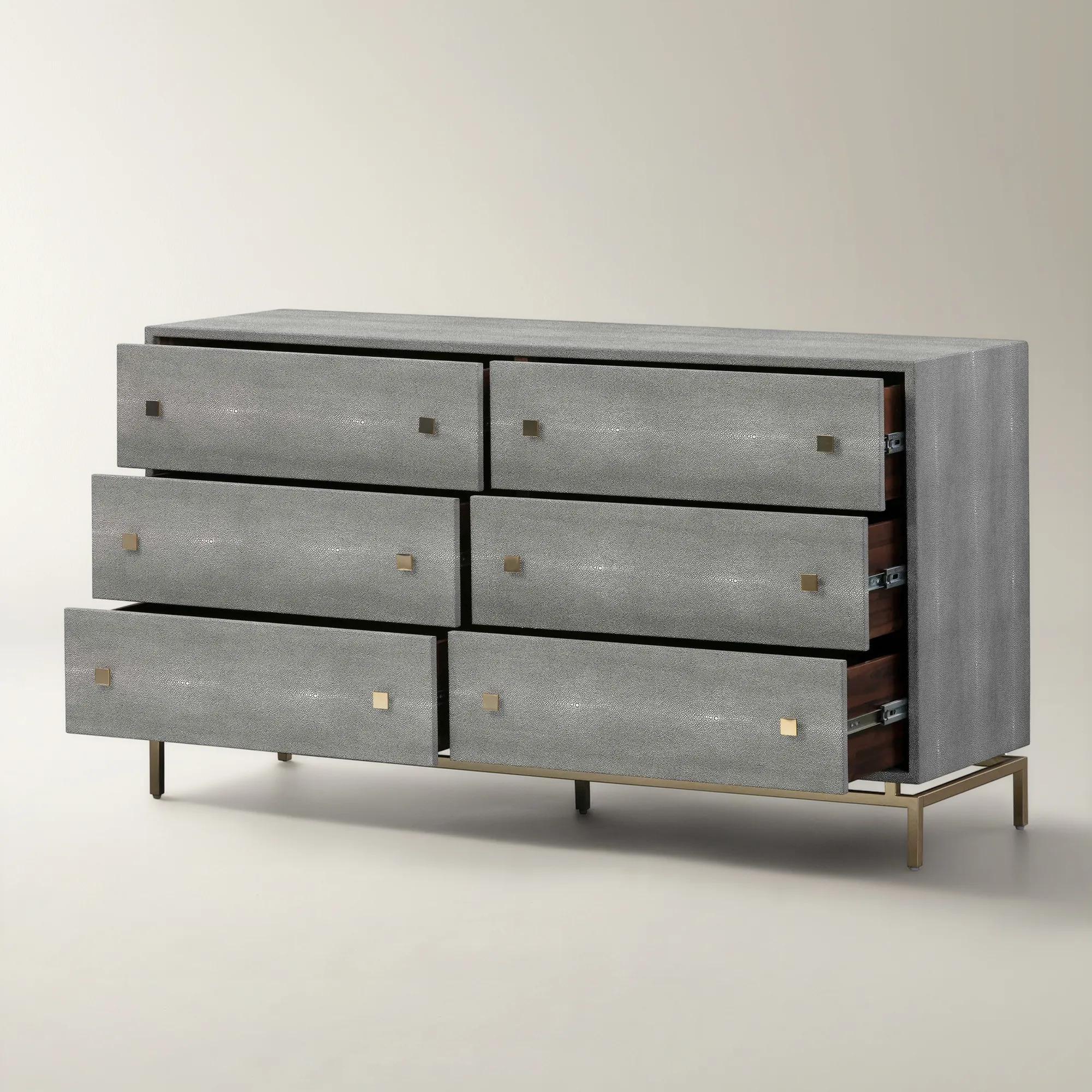 Misha Grey Shagreen 6-Drawer Dresser (57")$2249
A modern dresser featuring faux shagreen texture, brass-finished base, and six drawers with cherry wood interiors.
Add To Cart -
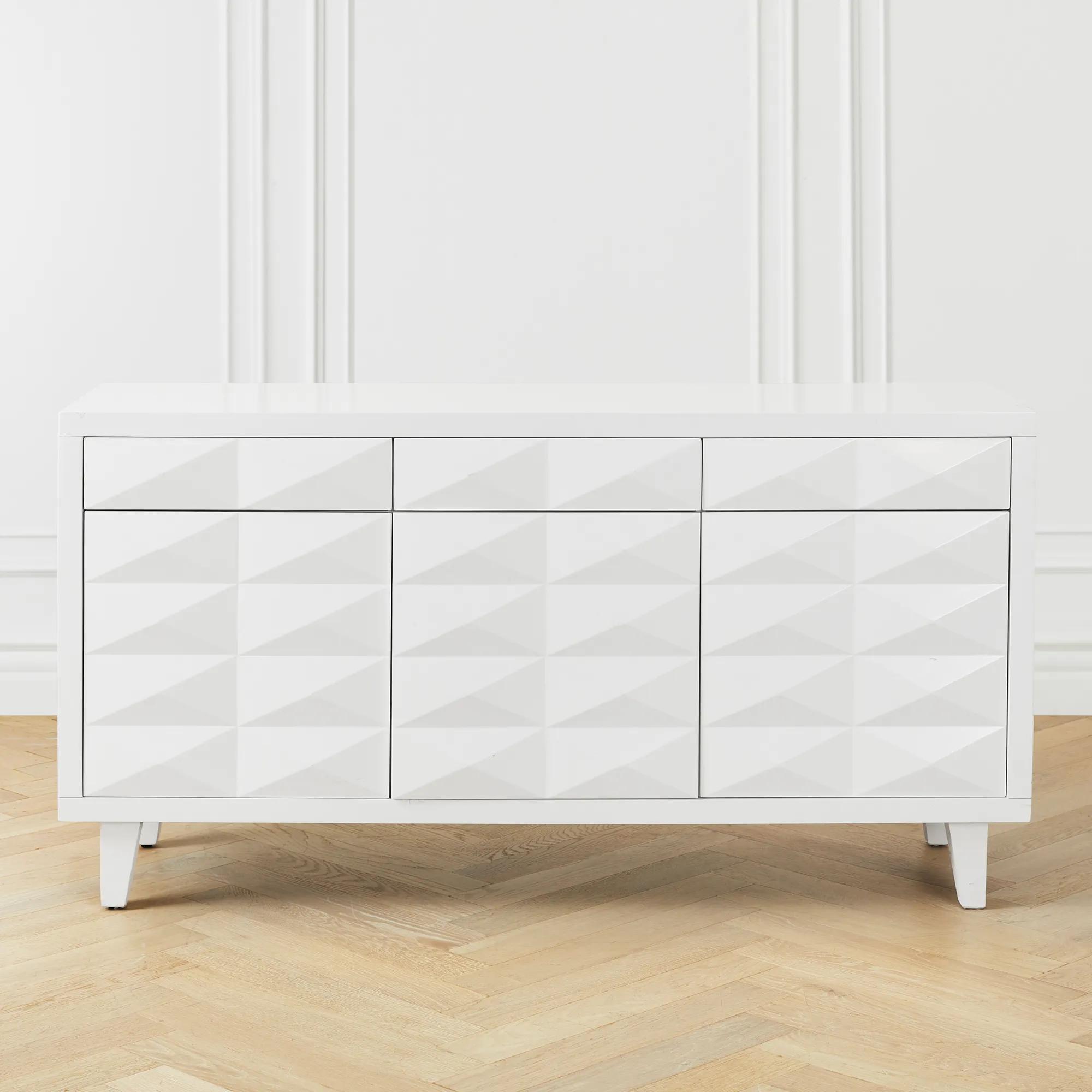 Palmer White Wood Cabinet (66.5")$1649
A sleek white hardwood cabinet with geometric detailing, three drawers, and push-latch doors for modern storage.
Add To Cart -
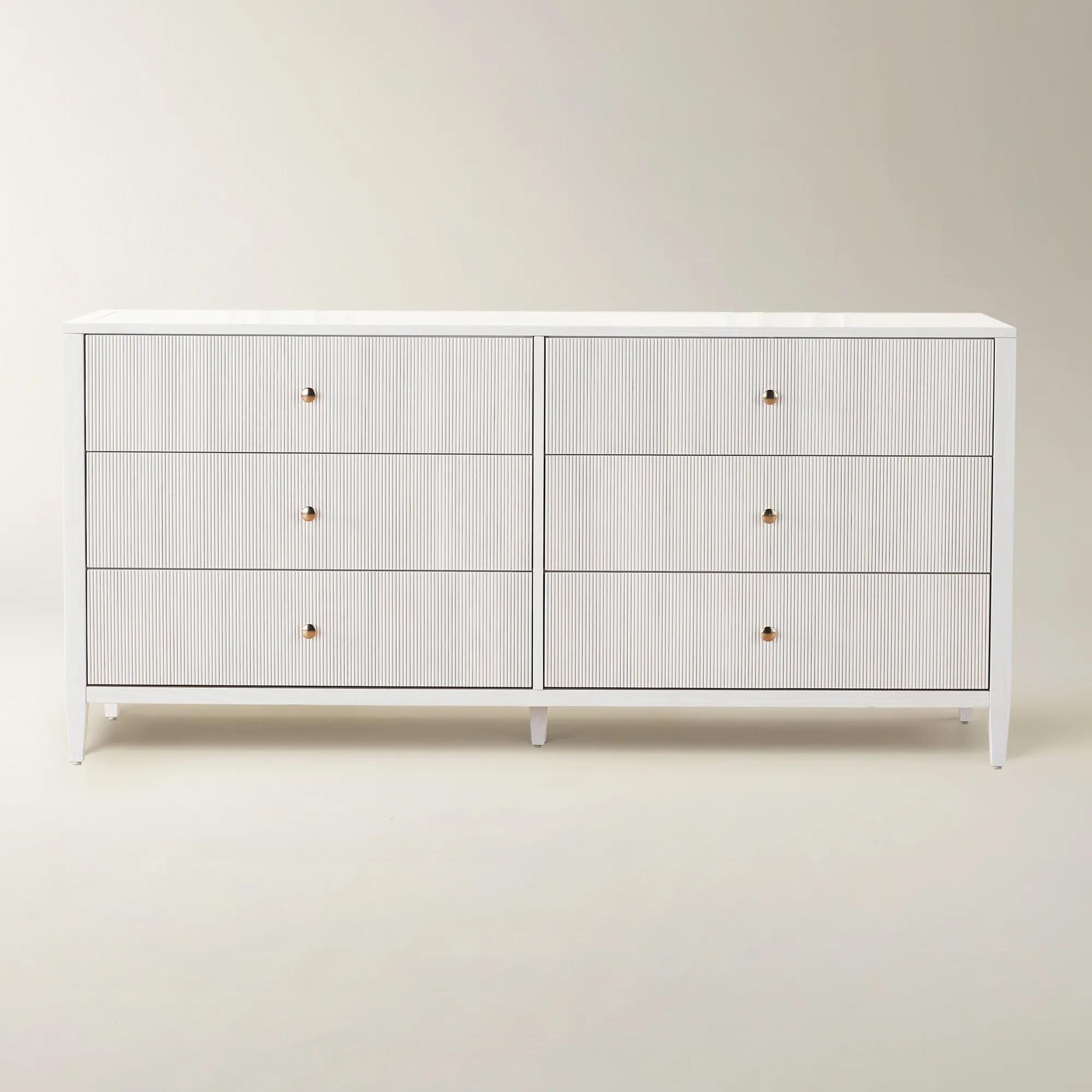
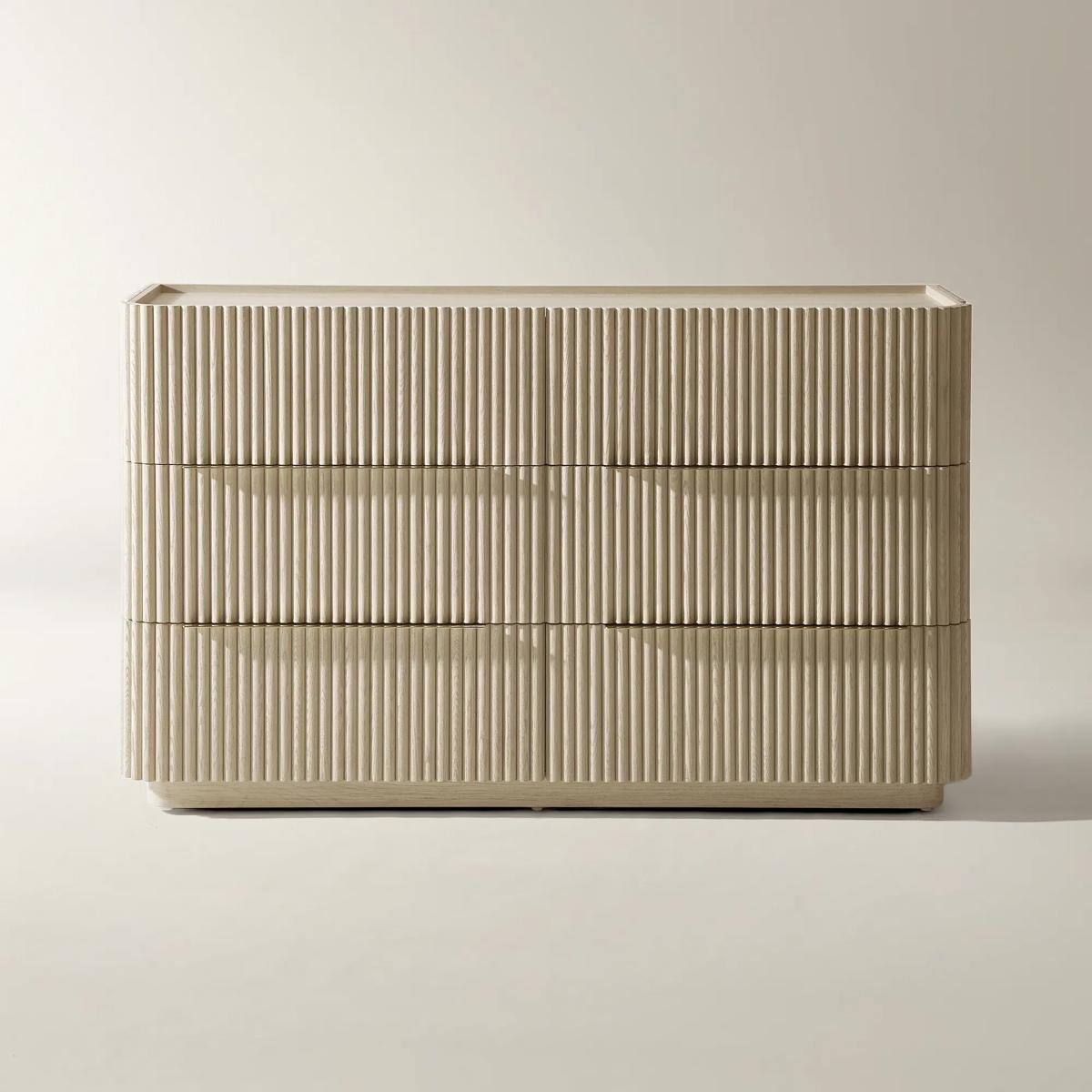
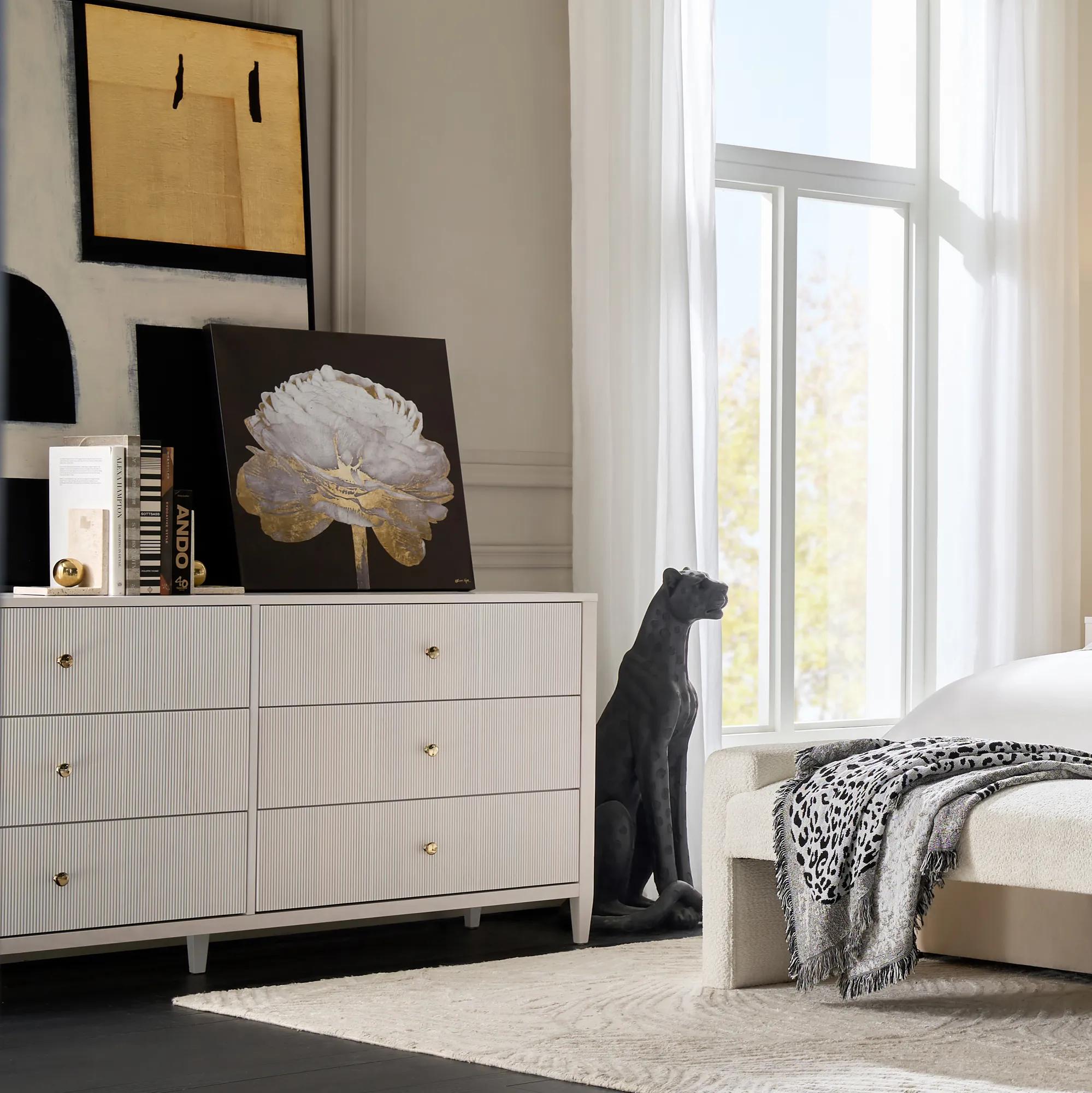 Viola Reeded White Ash Wood 6-Drawer Dresser (70")$1899
A modern dresser in bone white ash wood with reeded fronts and brass hardware for a luxe touch.
Add To Cart -
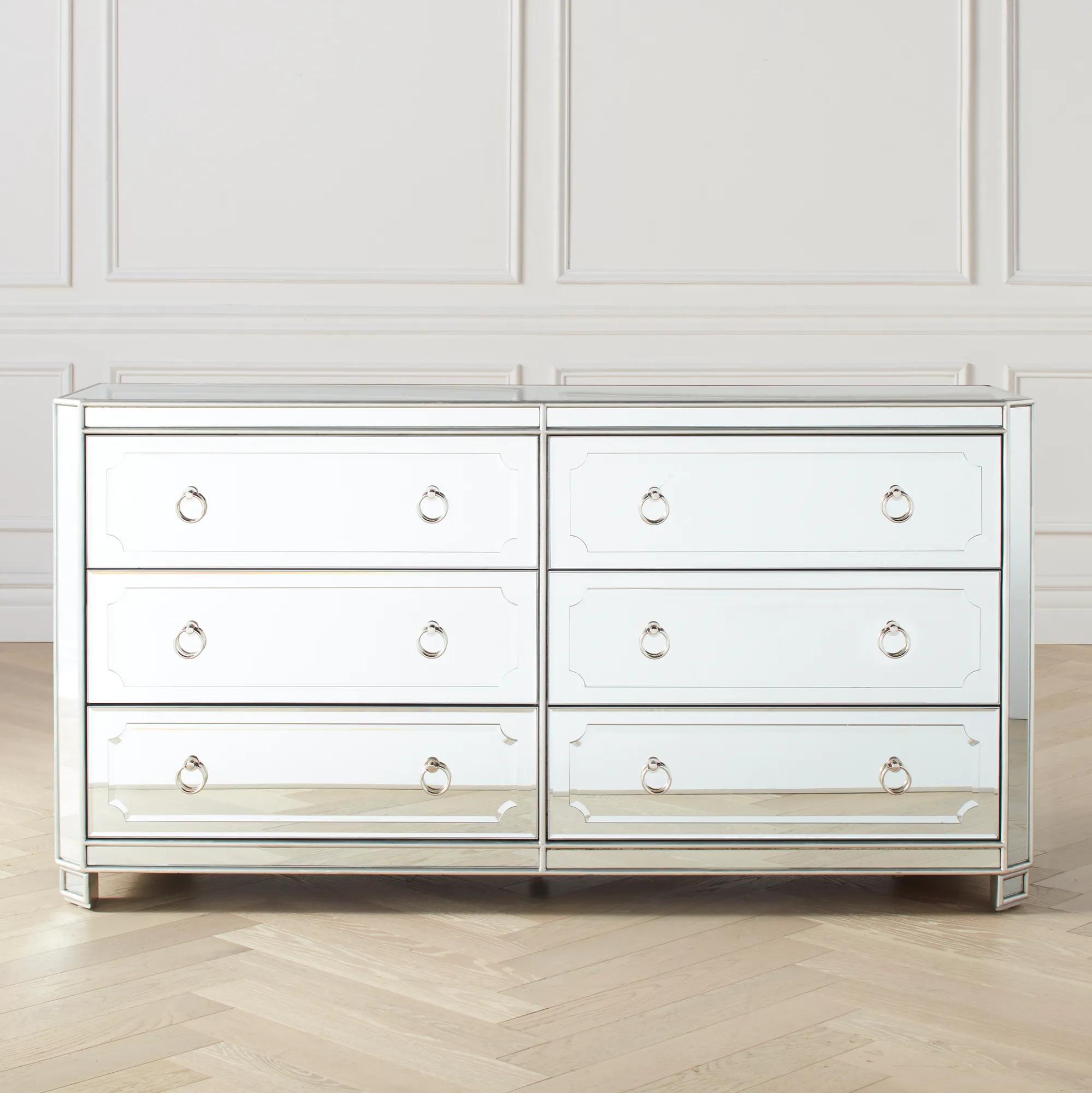
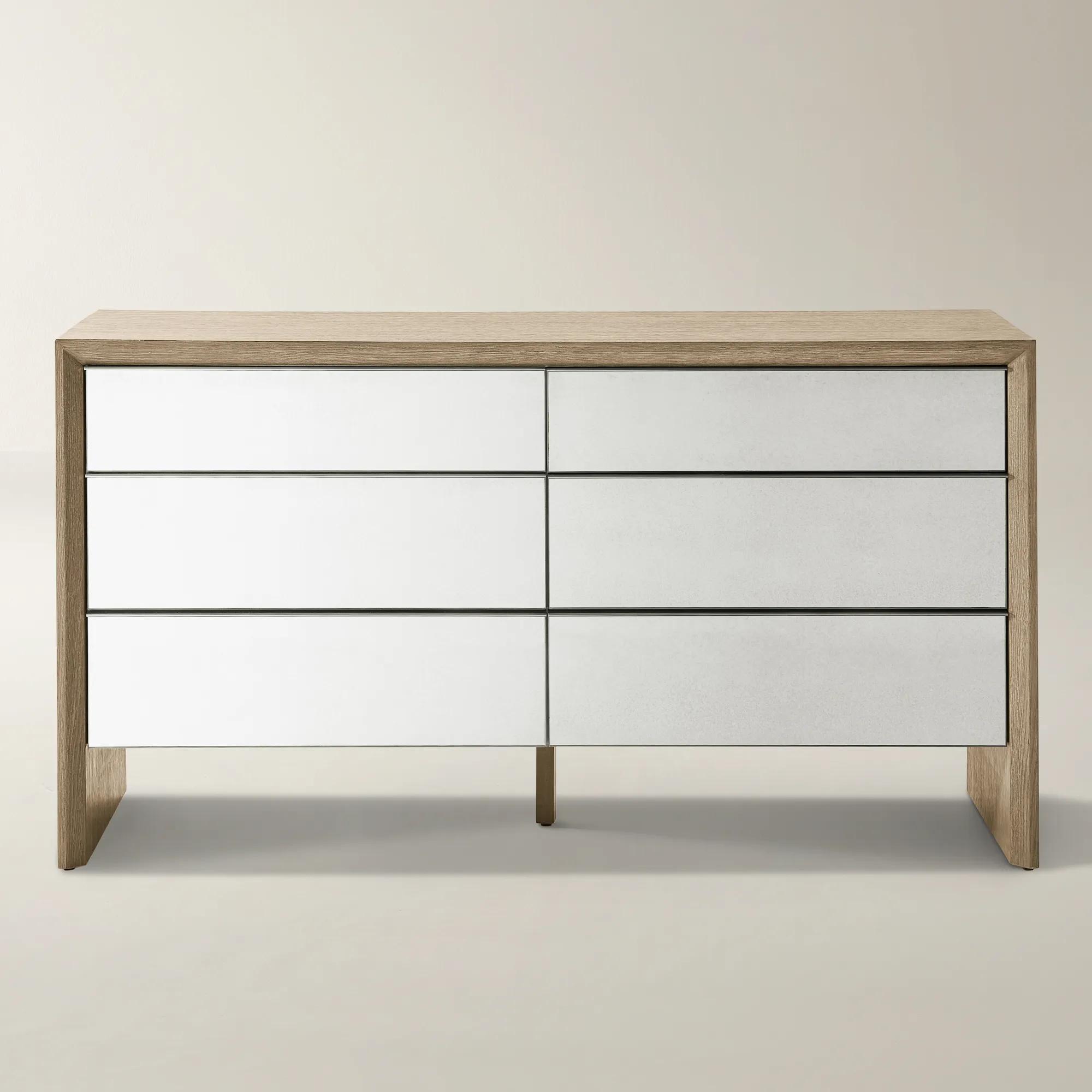
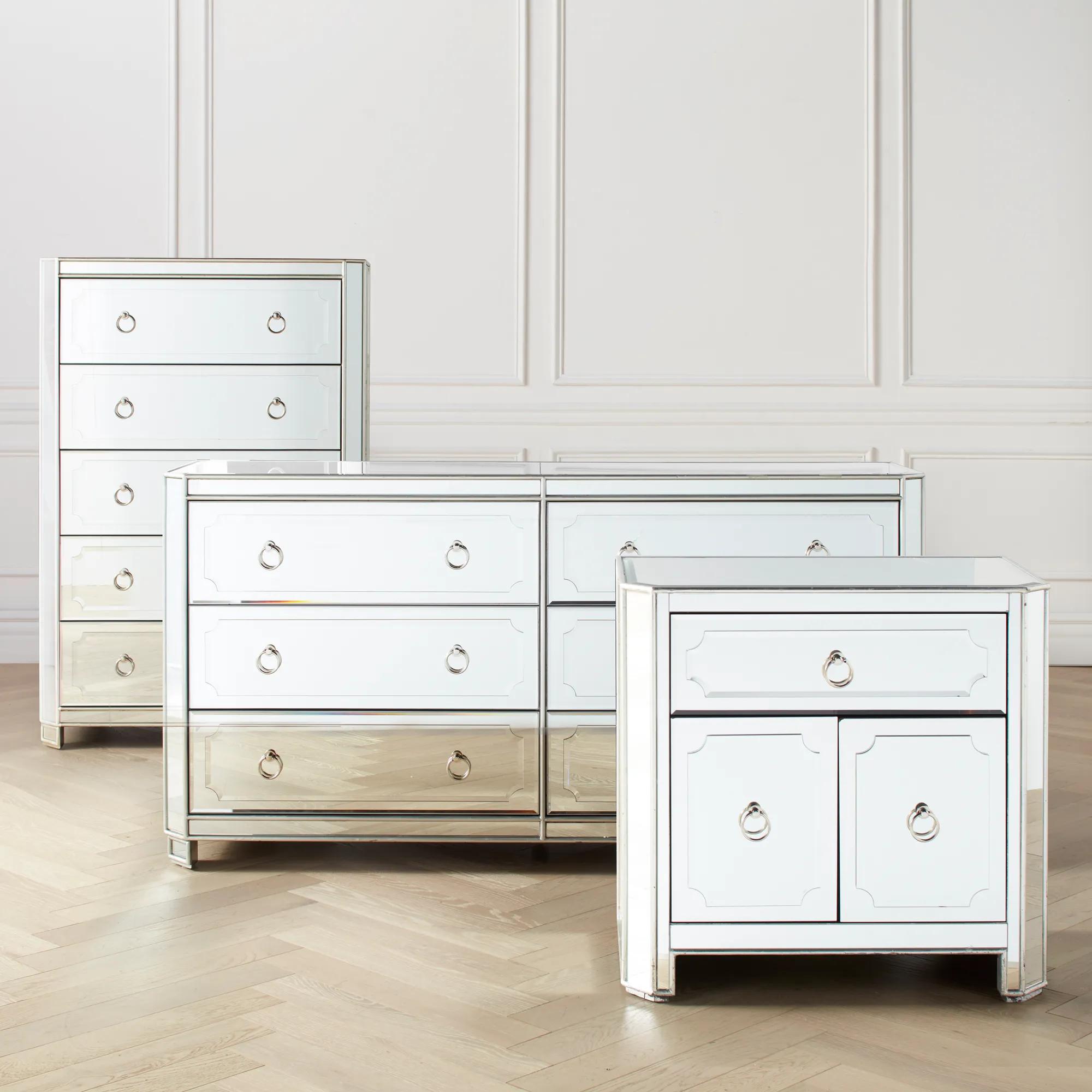 Simplicity Mirrored Silver 6-Drawer Dresser (66")$2299
A glamorous chest featuring beveled mirrored panels, hand-applied silver-leaf trim, and polished nickel hardware.
Add To Cart -
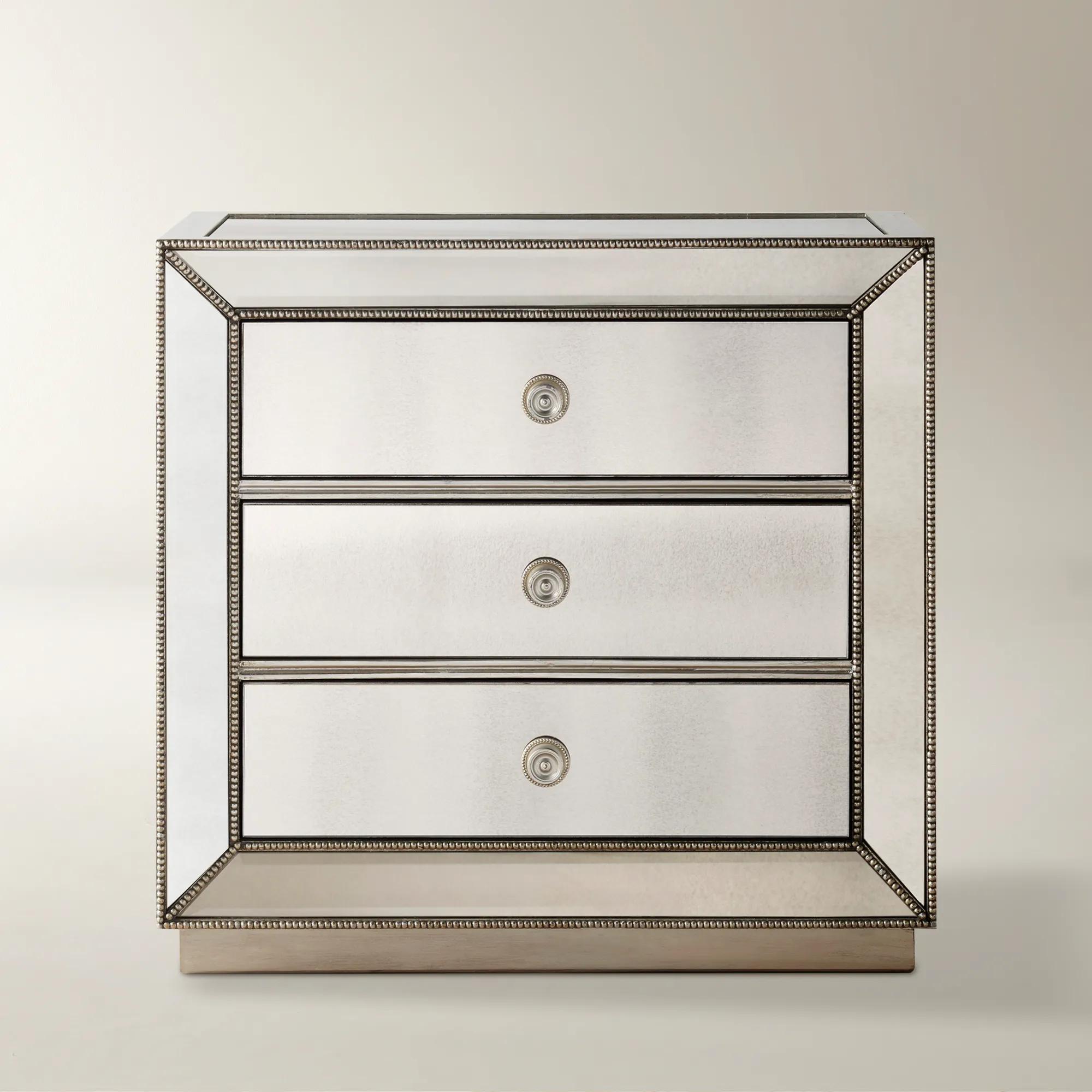
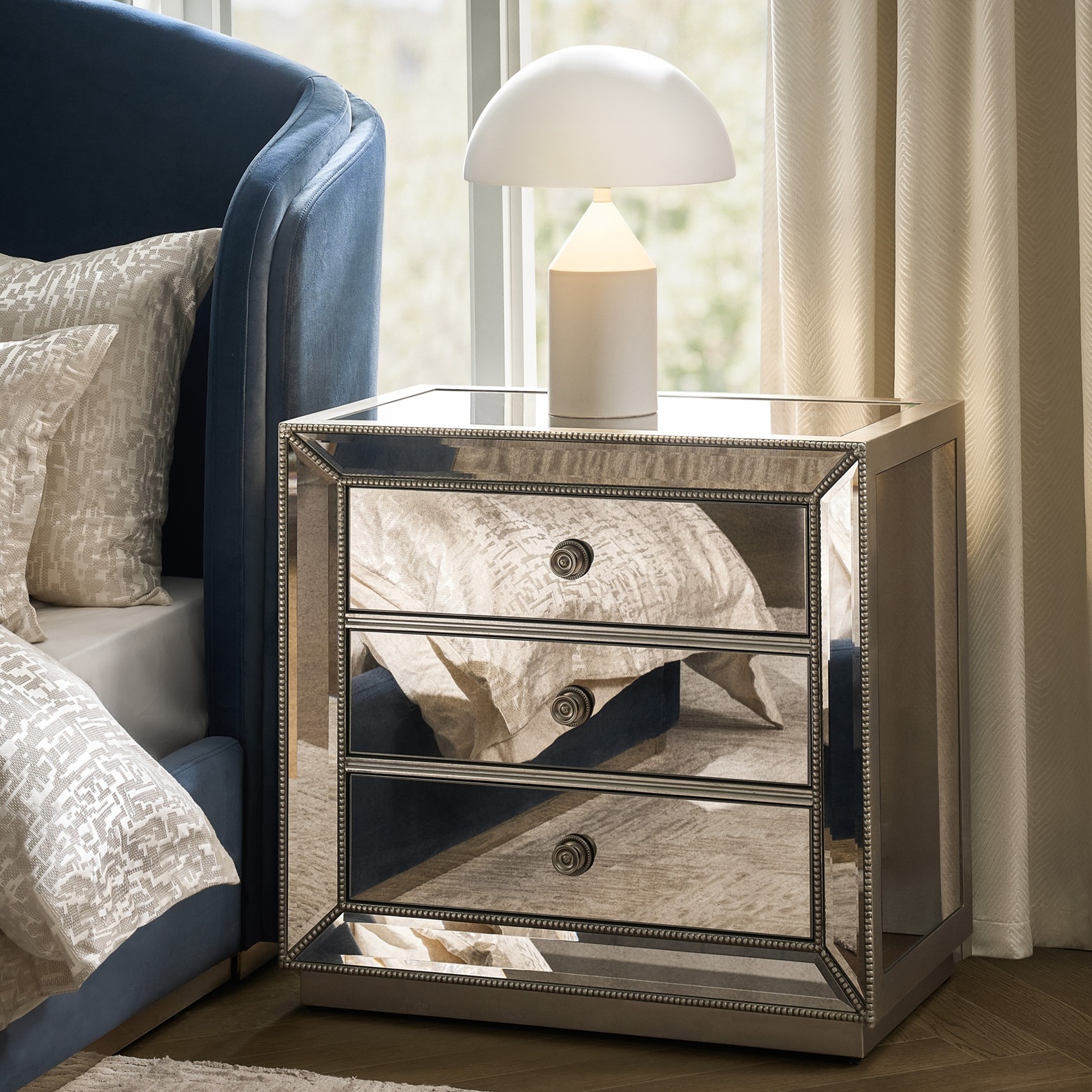 Omni Mirrored Silver 3-Drawer Nightstand (32")$1299
A glamorous chest featuring antiqued mirrored panels, hand-applied silver-leaf finish, and beaded trim.
Add To Cart -
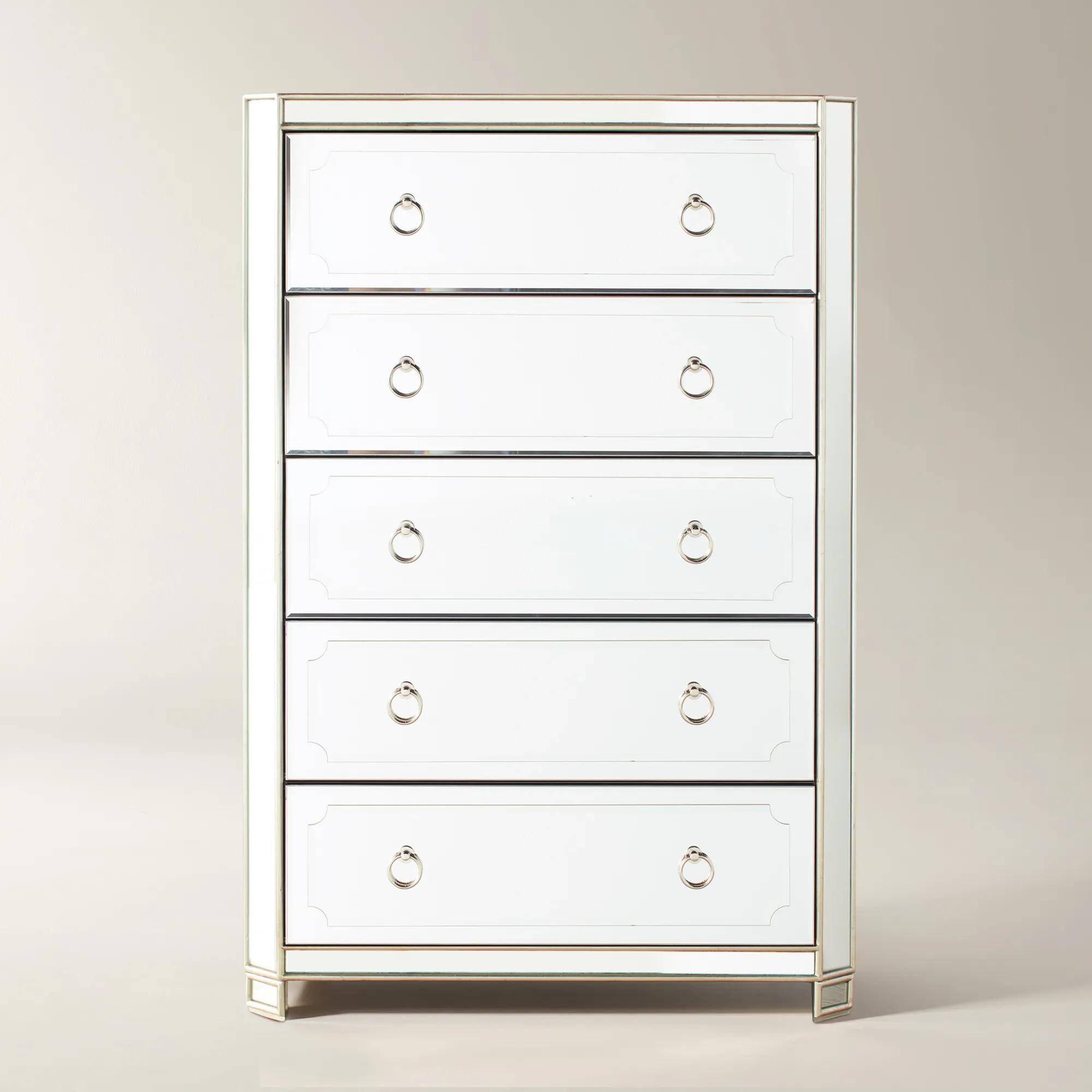 Simplicity Mirrored Silver 5-Drawer Tall Dresser (36")$1999
A glamorous tall chest featuring beveled mirrored panels, hand-applied silver-leaf trim, and polished nickel hardware.
Add To Cart -
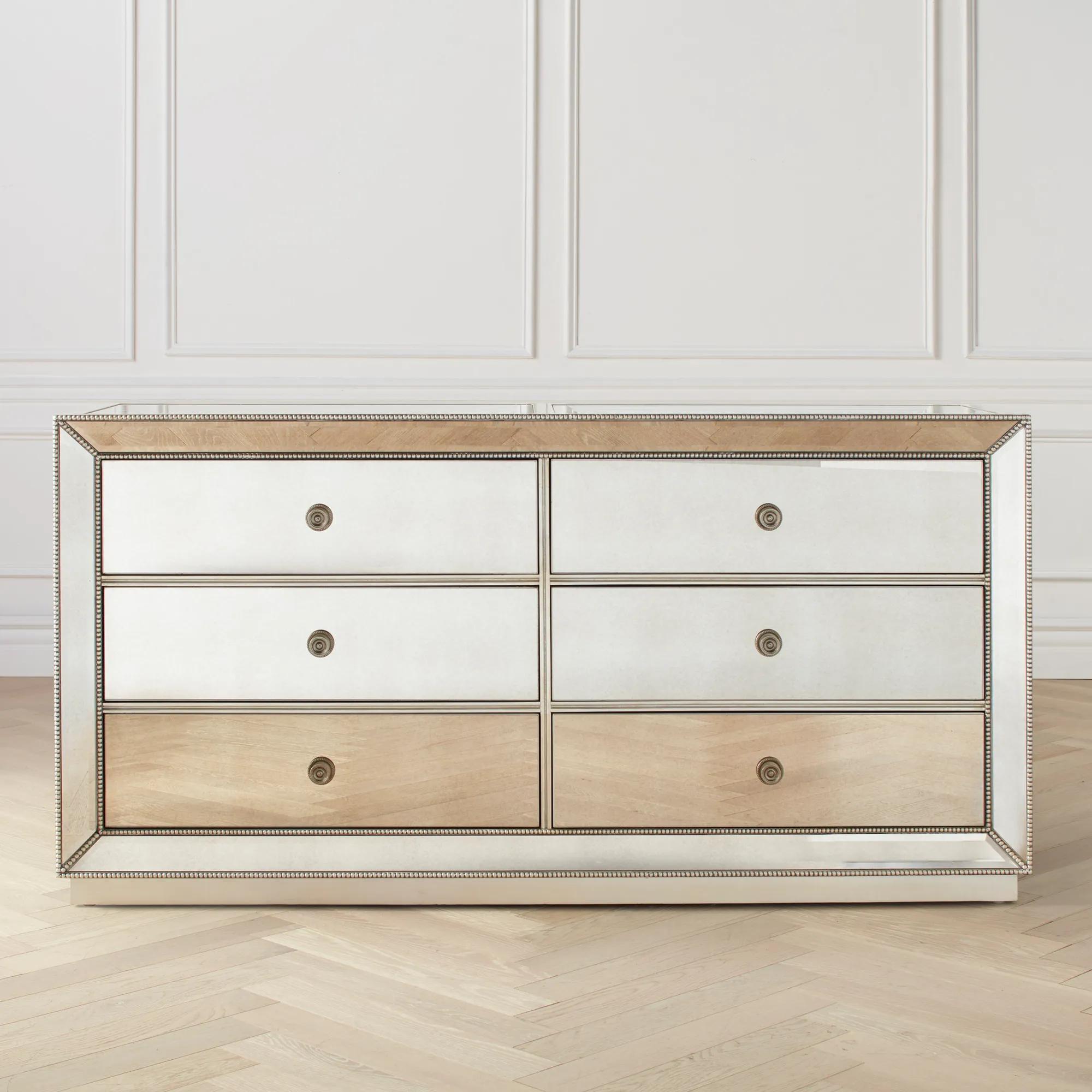 Omni Mirrored Silver 6-Drawer Dresser (72")$2599
A hand-applied silver-leaf chest with antiqued mirrored panels and beaded trim for dramatic bedroom shine.
Add To Cart -
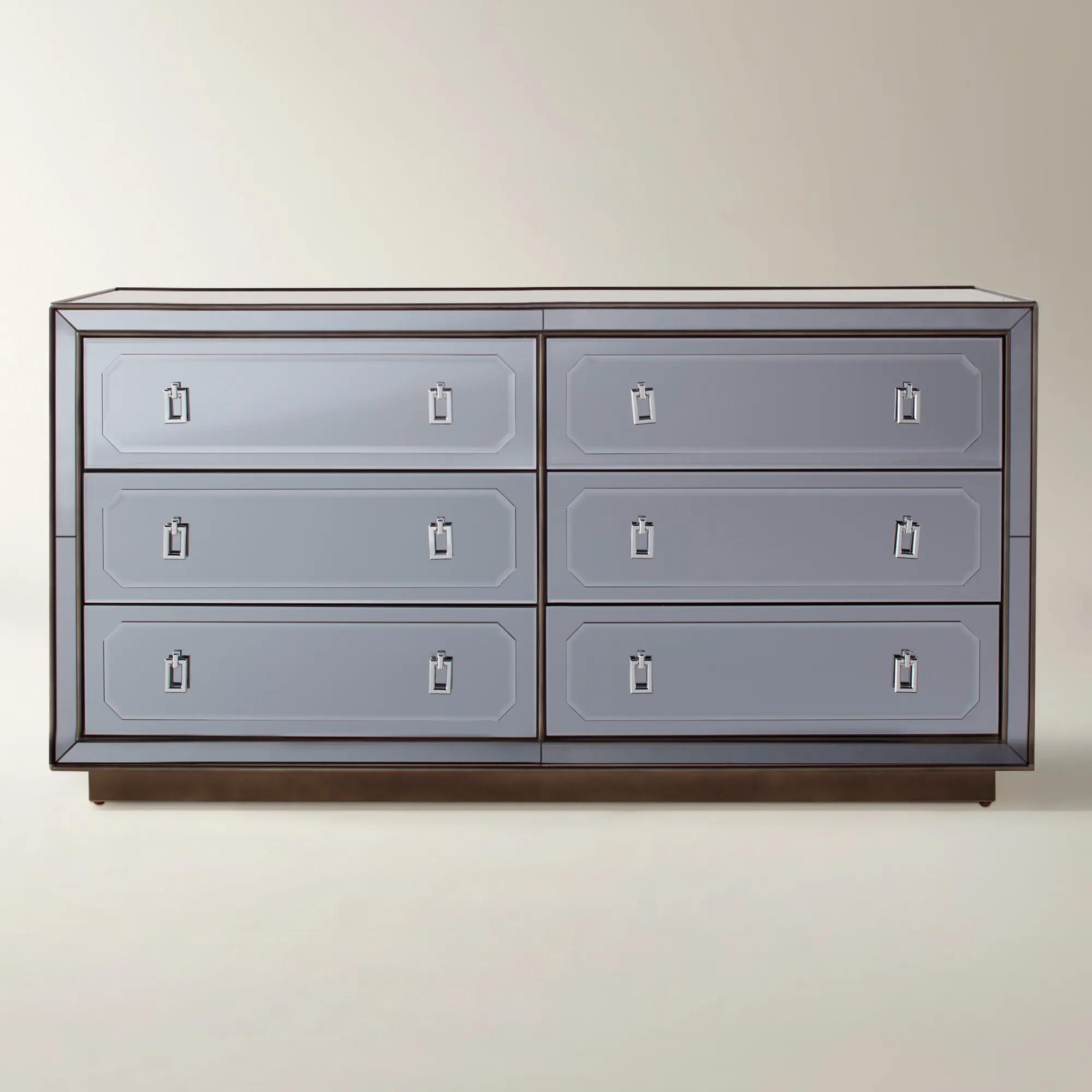 Maddox Mirrored Grey 6-Drawer Dresser (66")$2299
A modern dresser featuring beveled mirror paneling, graphite finish, and polished nickel hardware for sleek sophistication.
Add To Cart -
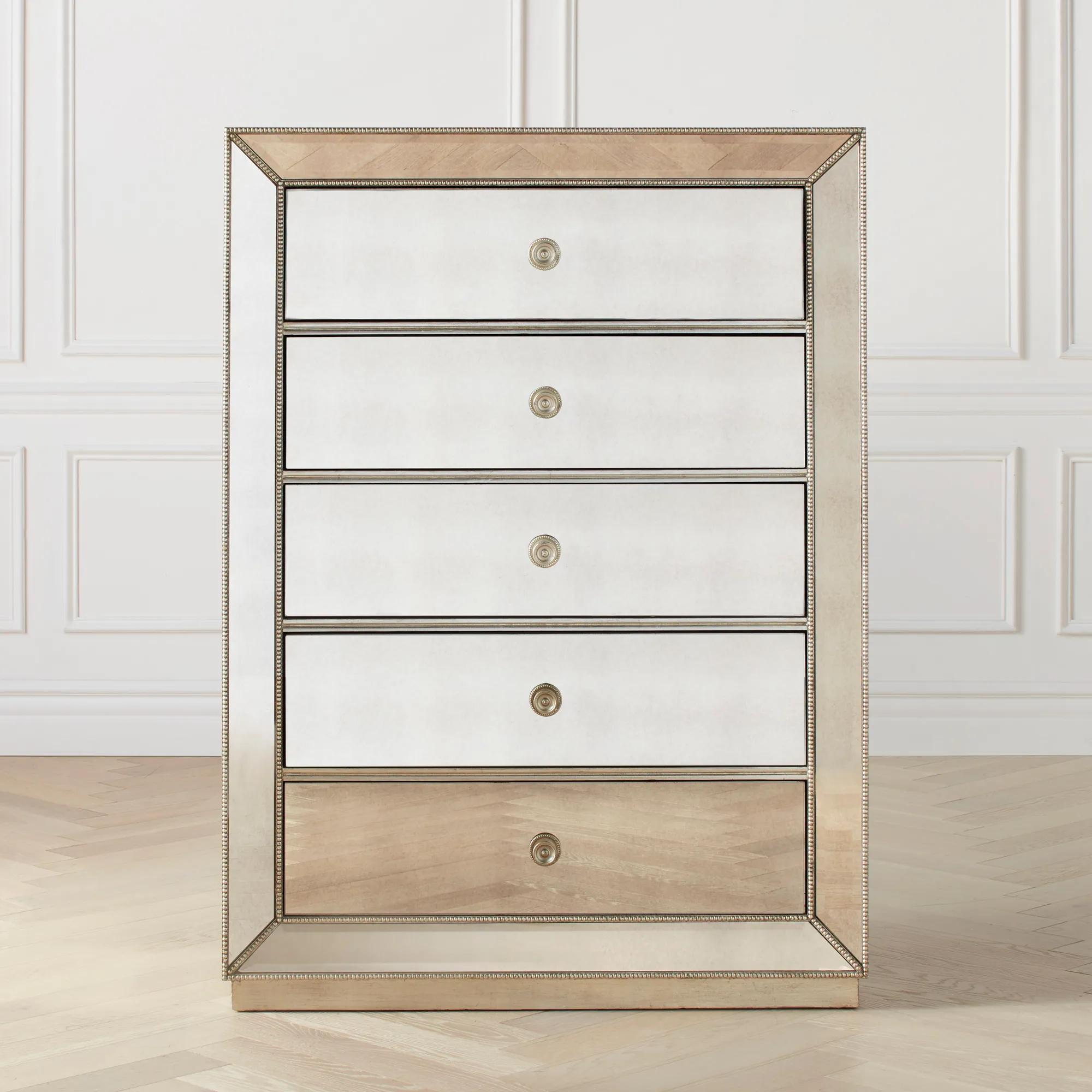
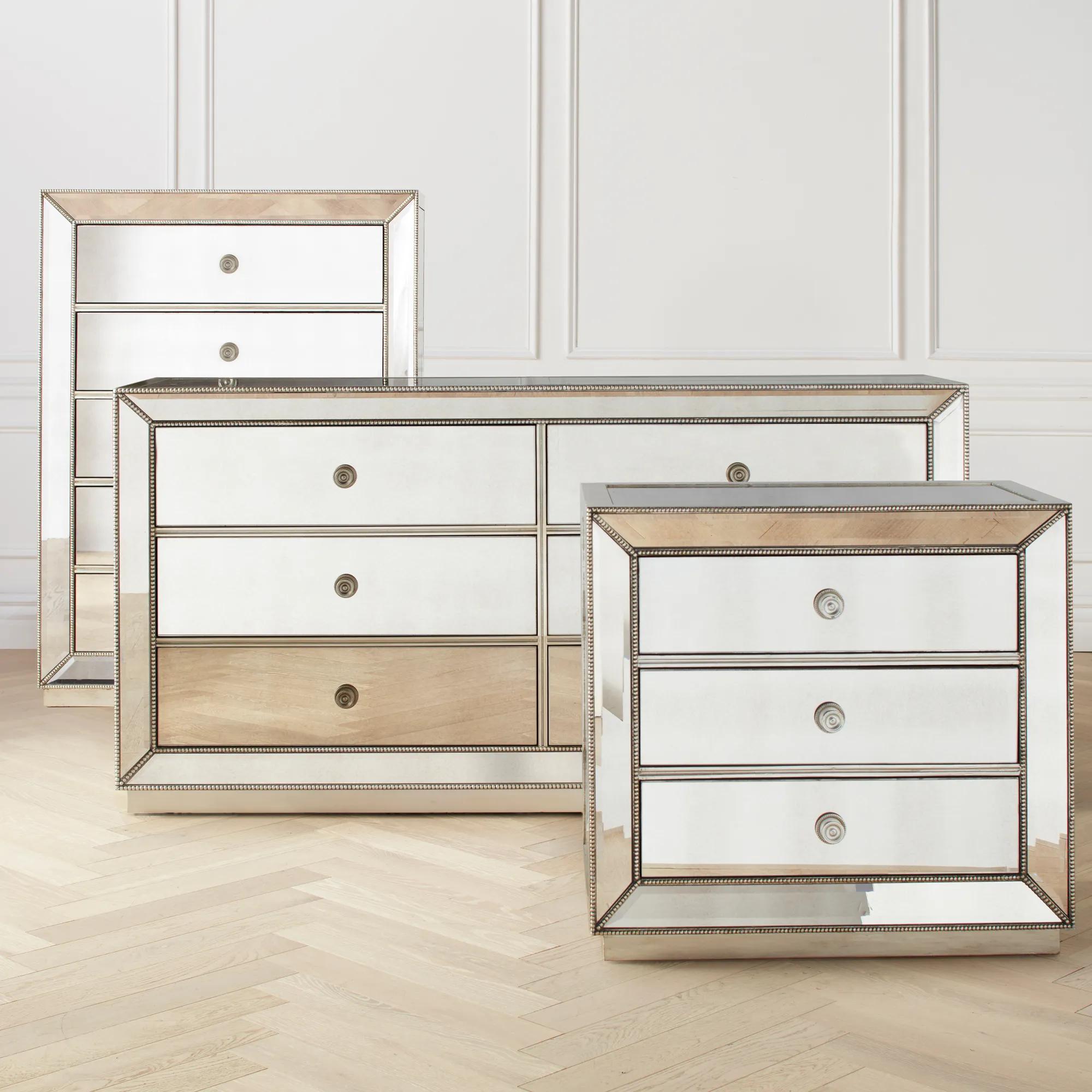 Omni Mirrored Silver 5-Drawer Tall Dresser (40")$2199
A dramatic chest featuring antiqued mirrored panels, hand-applied silver-leaf finish, and kiln-dried hardwood construction.
Add To Cart -
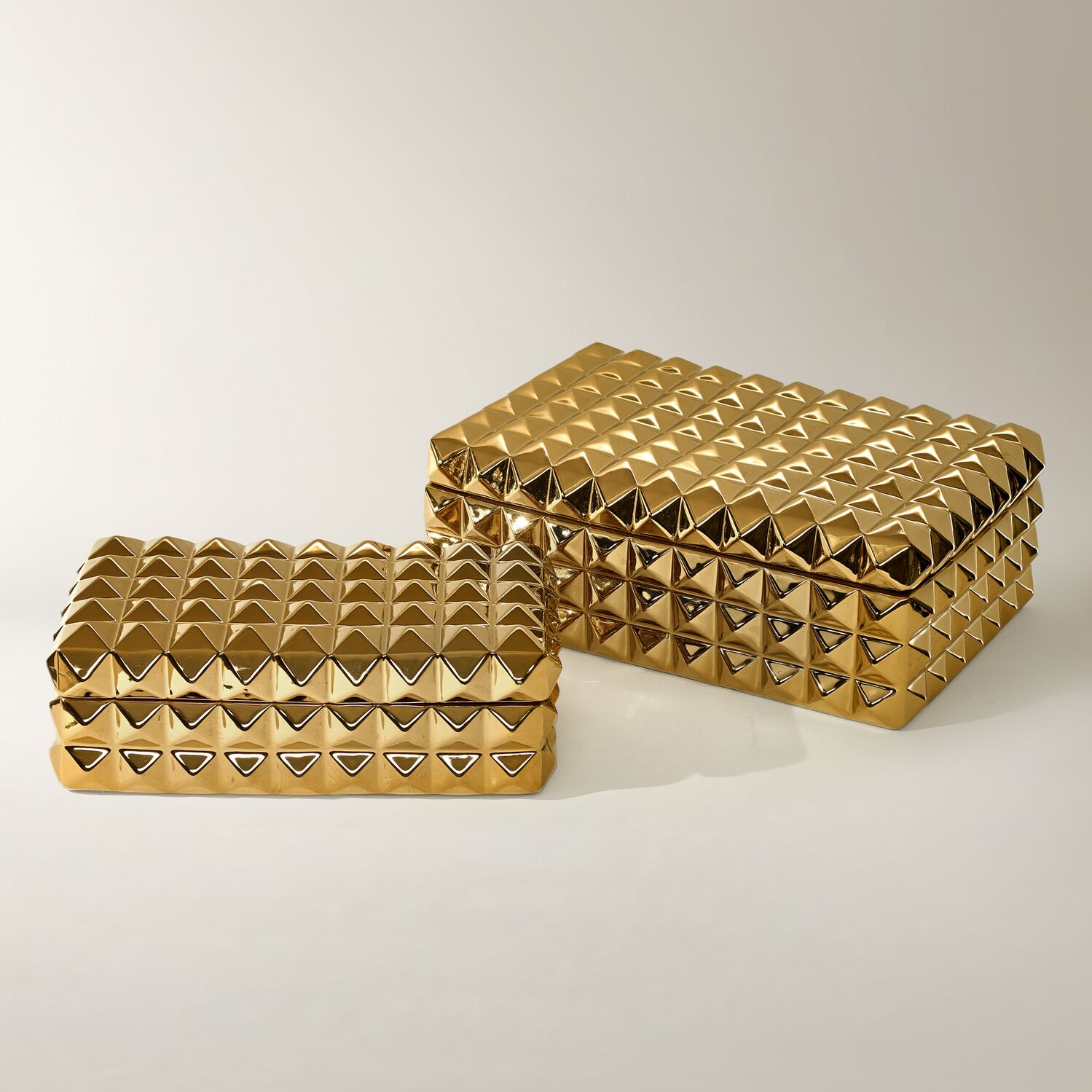 Studded Gold Ceramic Box Large$79
A chic gold-finished box with a studded design, perfect for dressers, vanities, or consoles.
Add To Cart -
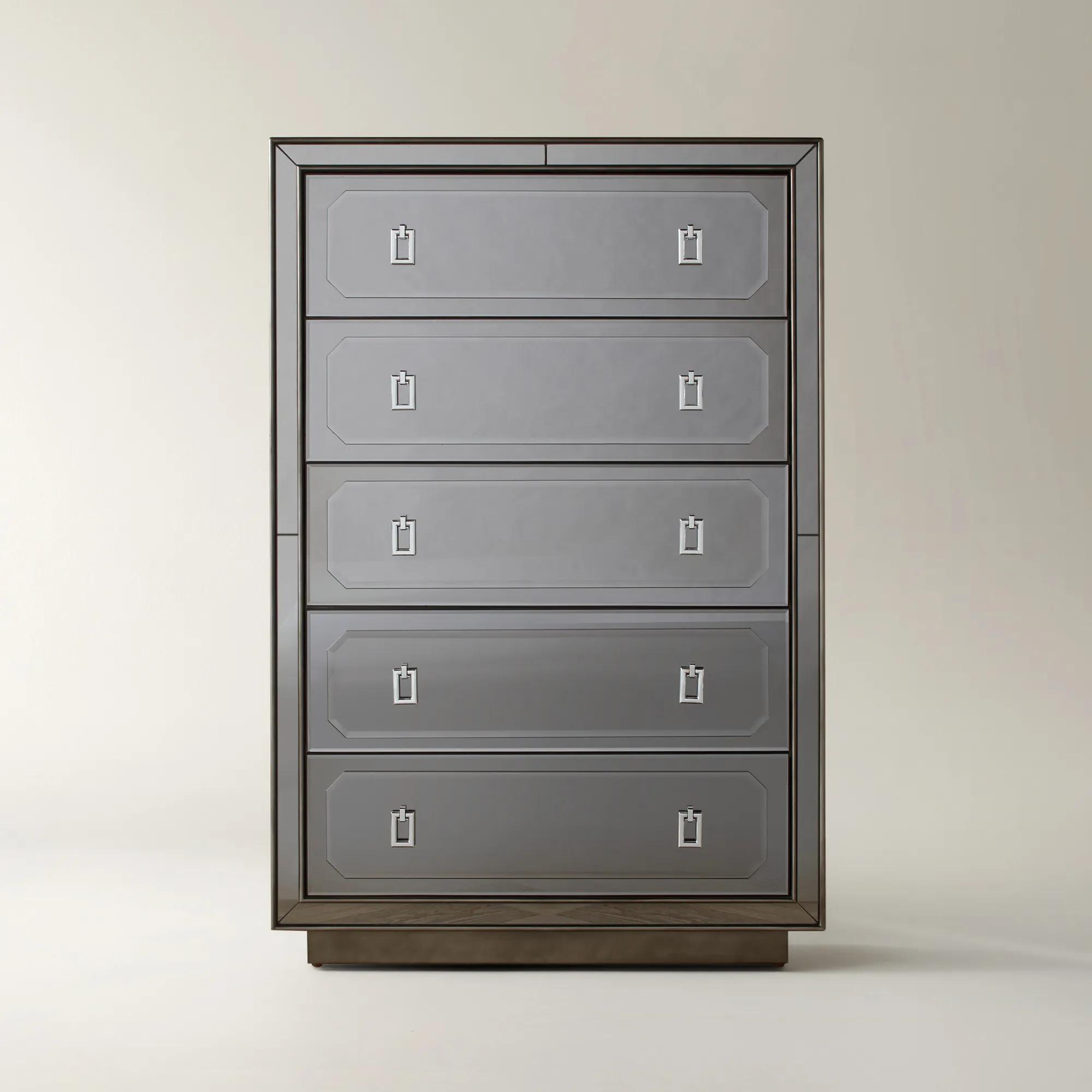 Maddox Mirrored Grey 5-Drawer Tall Dresser (36")$2099
A modern chest featuring beveled mirror panels, graphite finish, and polished nickel hardware for sleek sophistication.
Add To Cart -
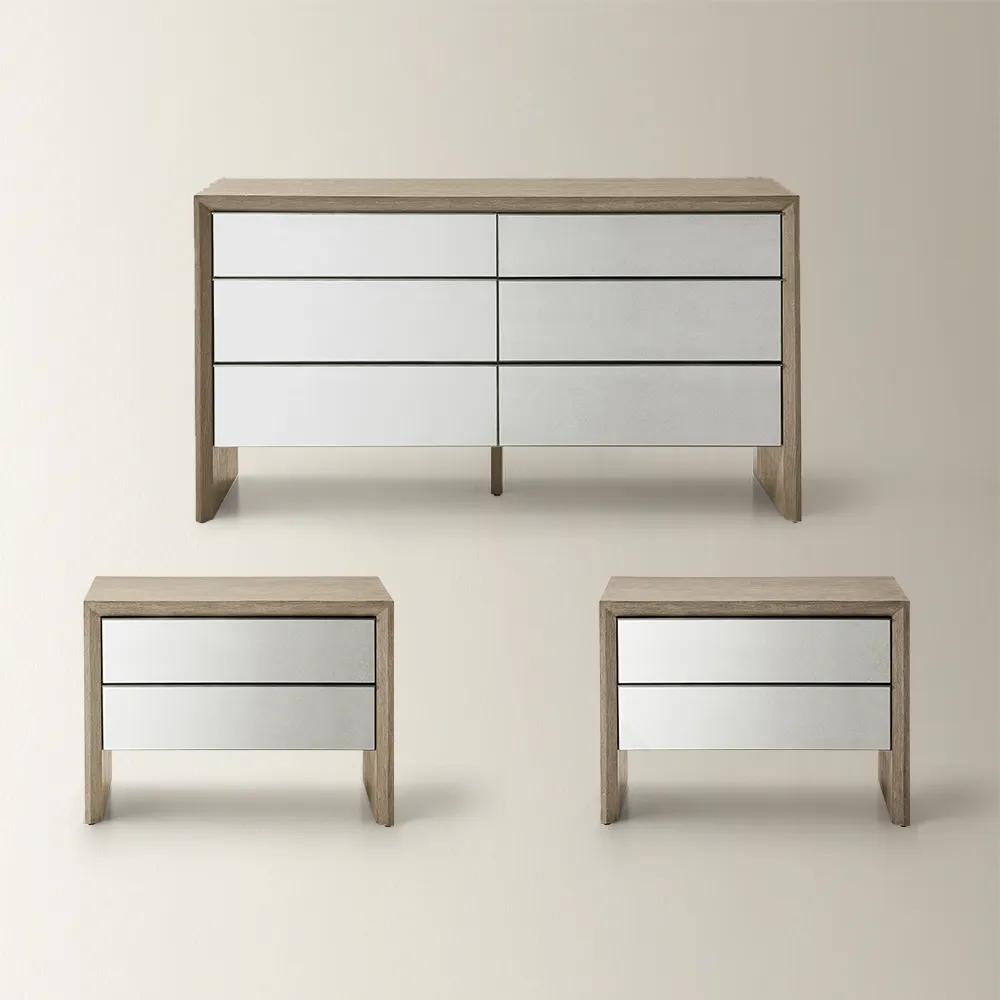 Glimmer Set of 3 Bedroom$3097
A coordinated bedroom furniture set featuring a dresser and two nightstands for cohesive storage.
Add To Cart -
Studded Gold Ceramic Box Small$59
A chic gold-finished box with a studded design, perfect for dressers, vanities, or consoles.
Add To Cart -
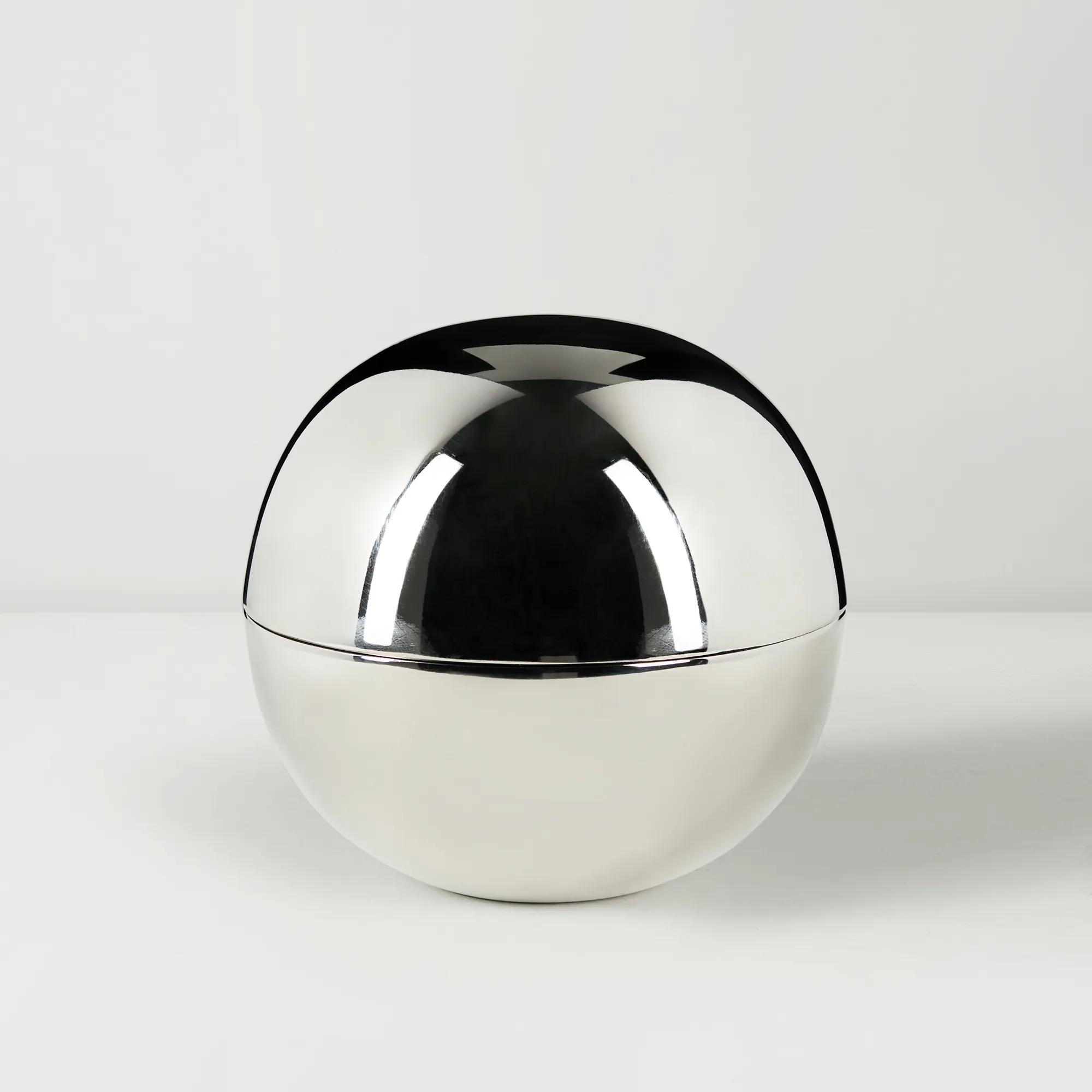
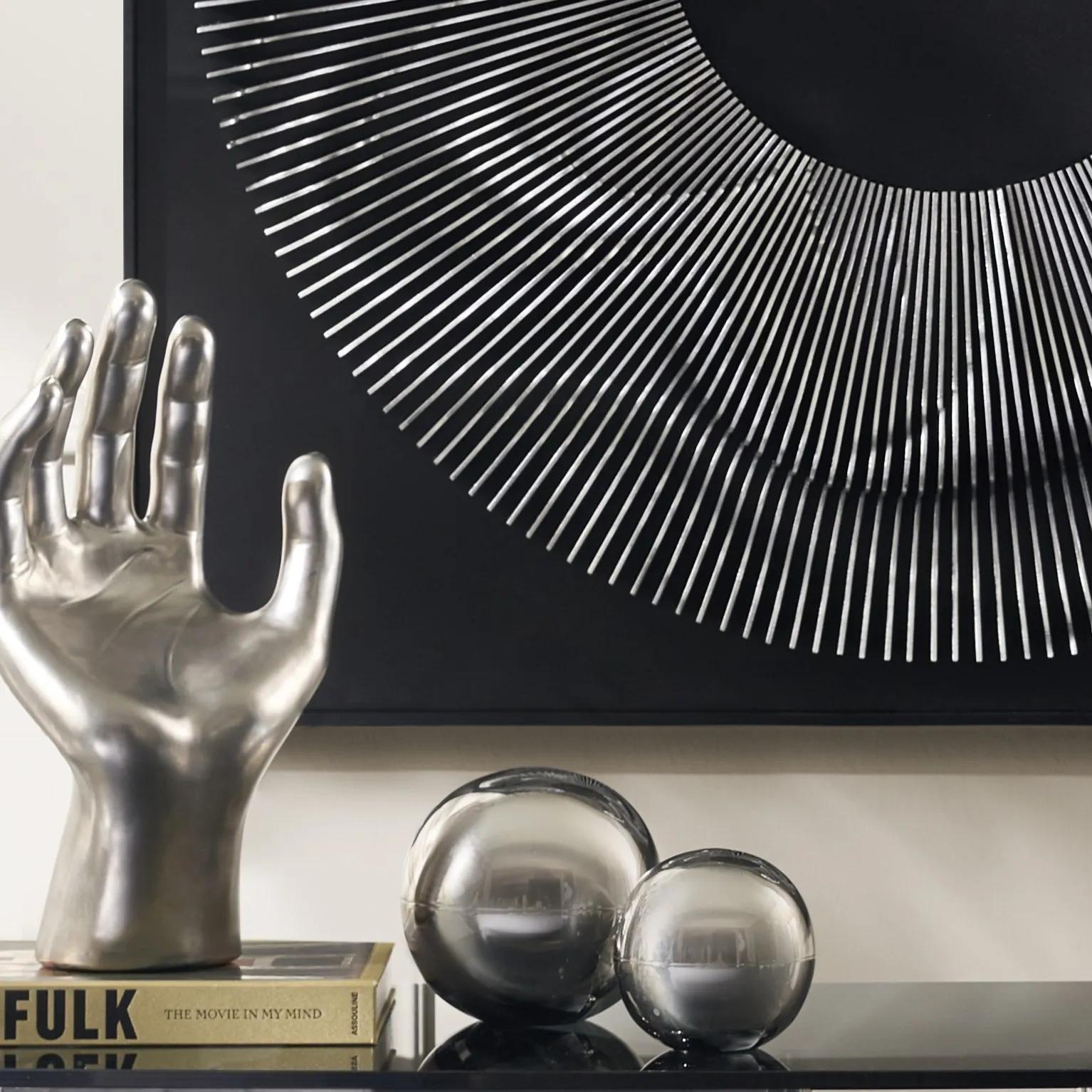 Orion Box$39
A sleek silver aluminum orb box that seamlessly combines modern style with practical storage.
Add To Cart -
 Butterfly Soft Gold Ivory Resin Decorative Box 9.75"$79
A resin decorative box featuring a graceful butterfly motif in soft gold and ivory tones.
Add To Cart -
 Tuxedo Box$159
A sleek black high-gloss lacquer box with a velvet-lined interior for elegant storage.
Add To Cart -
 Studded Black Ceramic Box Large$79
A black ceramic box with raised studded texture, offering bold, modern style for decorative storage.
Add To Cart -

 Paxton Box Black/Gold$159
A high-gloss black lacquer box with gold dome accents and a soft velvet-lined interior for keepsakes.
Add To Cart -
 Trove Soft Gold Marble Stainless Steel Decorative Box$129
A soft gold stainless steel and MDF box that adds modern glamour and artful storage to any space.
Add To Cart -
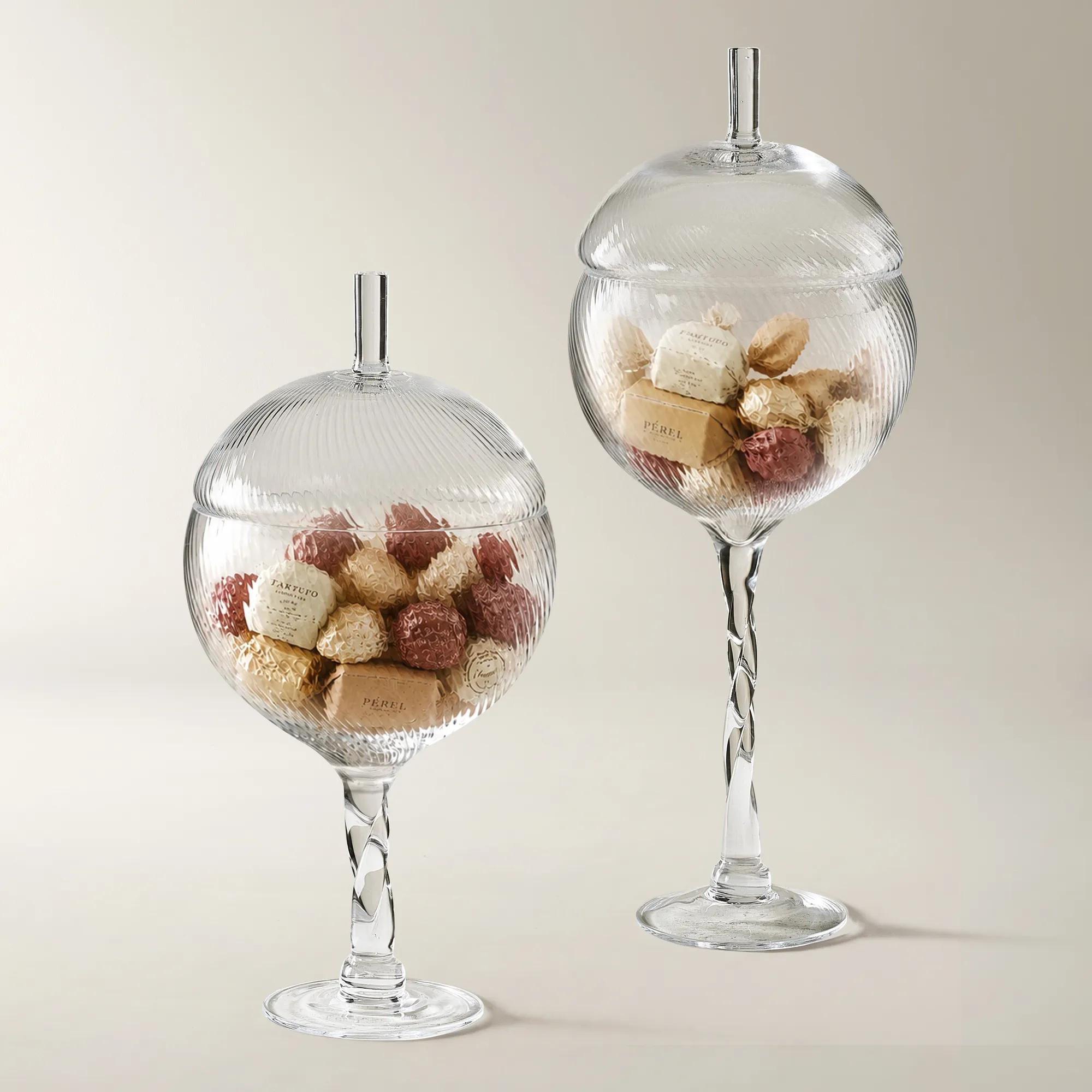
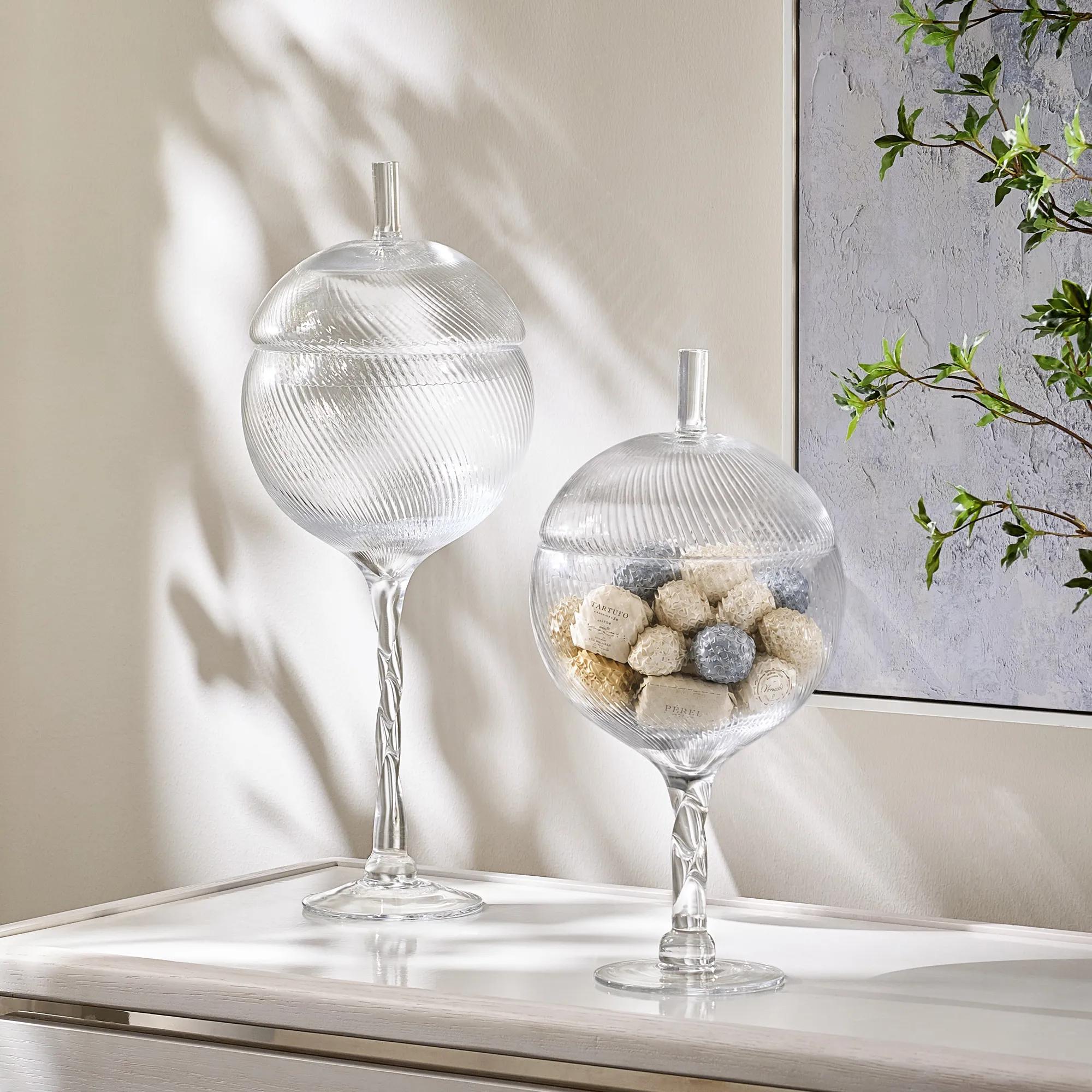 Opal Mouth Blown Clear Glass Canisters$89
A clear handblown glass canister with a sculptural twisted design, offering food-safe decorative storage.
Add To Cart -
 Black Gold Ceramic Book Box$59
A gold and black ceramic box with hidden storage, adding modern glamour and literary charm to décor.
Add To Cart -
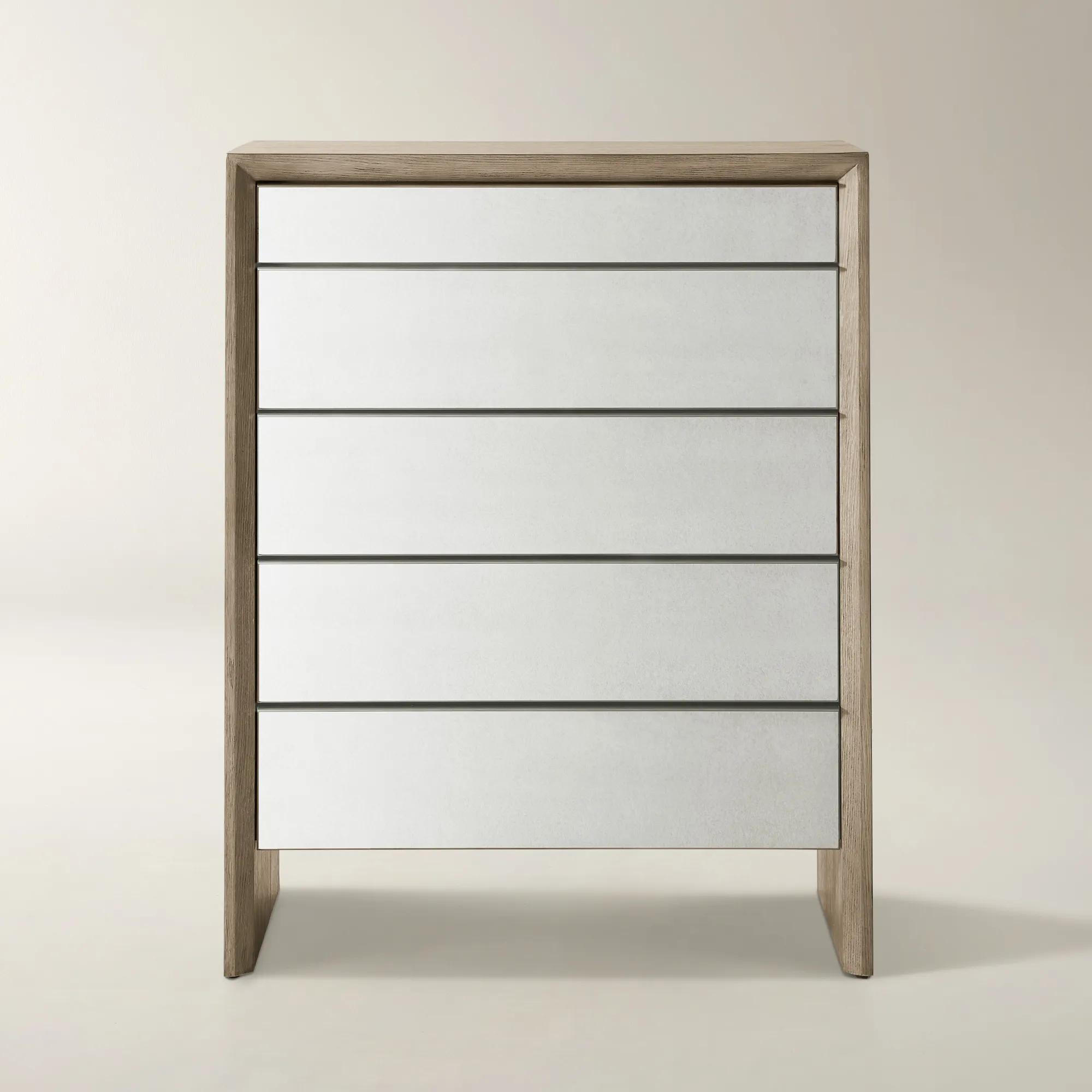
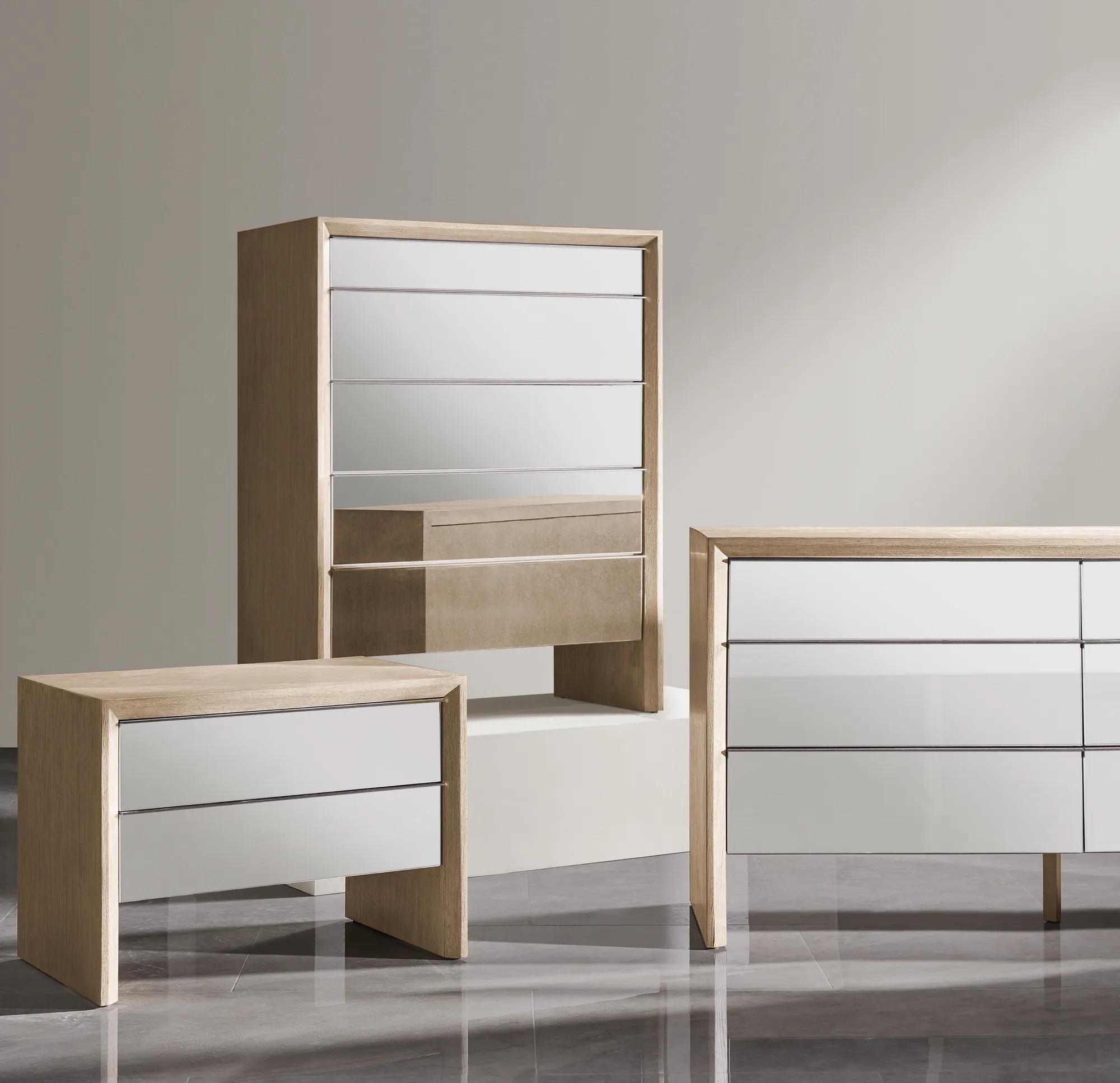 Glimmer Mirrored Seadrift Oak 5-Drawer Tall Dresser (40")$2099
A versatile chest featuring sea drift oak veneer, antique mirrored drawer fronts, and soft-close drawers for elegant storage.
Add To Cart -
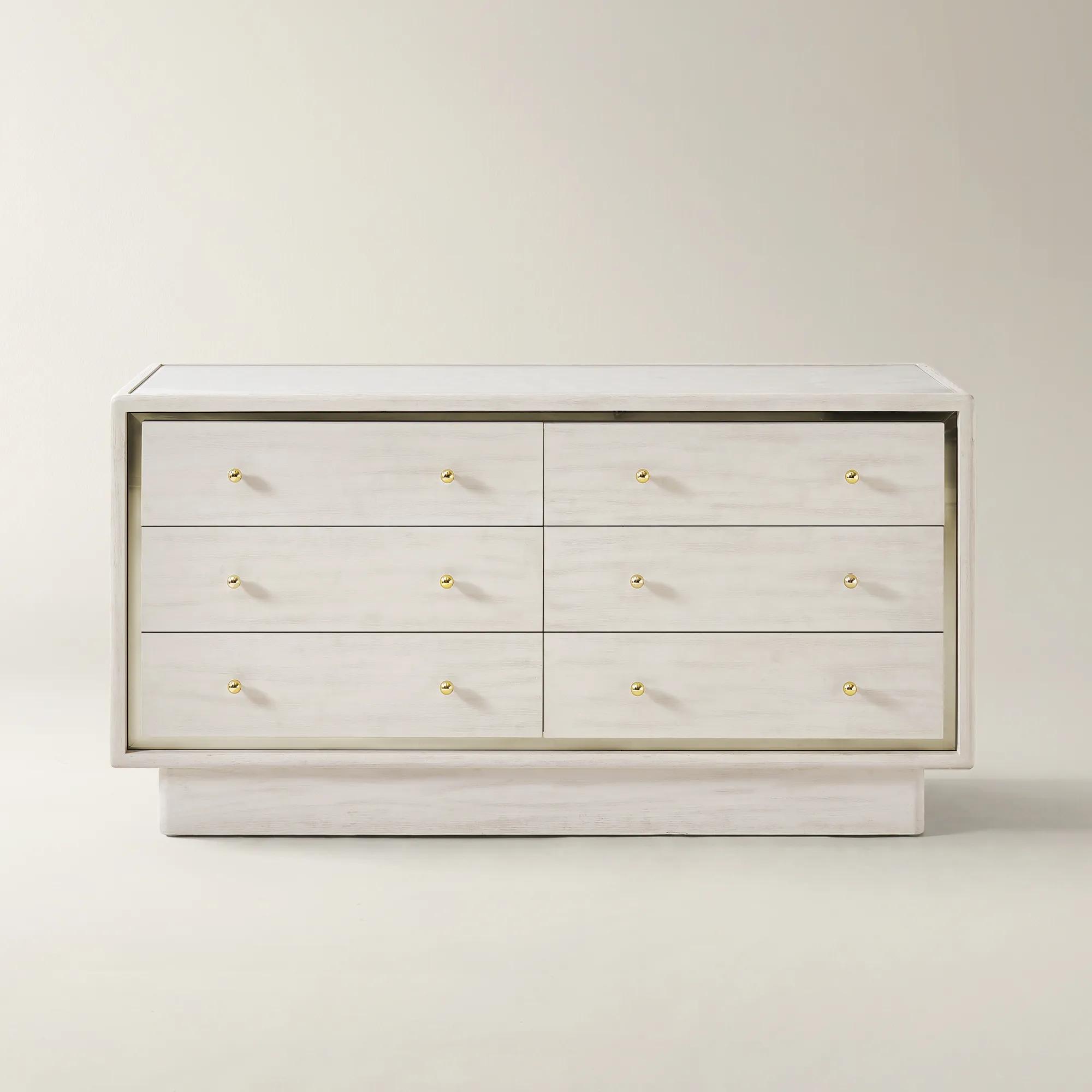 Lumina Bleached Oak 6-Drawer Dresser With Pearl Lacquered Top (62")$2499
A bleached oak dresser featuring a pearl lacquered top, champagne gold trim, and six velvet-lined soft-close drawers.
Add To Cart

Storage Ideas For Apartments
Explore storage ideas for apartments that bring order to compact spaces without sacrificing bold, expressive style. Browse storage solutions with your floor plan in mind, considering each piece’s dimensions, what you need to tuck away or display, and how much room to leave for comfortable movement.
Storage ideas for apartments bring together vertical storage, multifunctional furniture, and concealed compartments to make limited square footage feel composed rather than crowded. Tall shelving draws the eye upward, a narrow cabinet gives an overlooked wall purpose, and a beautifully upholstered storage bench can turn an entry into a polished arrival moment. The strongest pieces do more than contain belongings: they establish a place for daily routines while contributing color, texture, and architectural presence. In a compact living room, closed cabinets conceal charging cables, paperwork, and entertainment essentials, while open shelving gives art books, ceramics, and sculptural objects room to command attention. A balance of the two keeps personal expression visible without putting every possession on display. For apartments with little closet space, freestanding cabinets and wardrobes introduce enclosed storage without requiring built-in construction. Slim profiles are especially useful along narrow walls, although overall depth is only part of the fit. Drawer extension, door swing, baseboards, outlets, and nearby furniture all affect how comfortably a piece works. A cabinet that fits neatly against a wall still needs enough clearance to open without interrupting a walkway. Measuring the route through the building, including elevators, stair turns, and apartment doorways, helps ensure that a dramatic silhouette can actually reach its intended room. Vertical storage also calls for attention to stability: tall furniture should be secured according to manufacturer instructions, with wall type and lease requirements addressed before installation. Freestanding does not necessarily mean anchoring is unnecessary. Behind-door organizers and shallow under-bed containers can make use of otherwise overlooked space, provided they do not interfere with doors, ventilation, or access. These quieter storage zones are particularly useful for belongings that need to stay accessible but do not deserve a starring role. The result is an apartment with room for both practical necessities and the distinctive details that make it feel personal. Even a modest footprint can support a richly layered interior when storage follows the proportions of the room and the habits of the people living there.
Multifunctional storage furniture is especially compelling where one room serves several purposes. An ottoman with an interior compartment can provide a place for extra throws while functioning as a footrest or, when designed for it, additional seating. A storage bench can anchor the foot of a bed, organize an entry, or provide a convenient place to sit while getting dressed. Intended use matters as much as appearance: a decorative chest is not automatically suitable for seating, and an upholstered surface should not be treated as a stable tabletop without an appropriate tray and manufacturer guidance. In a studio apartment, furniture with enclosed storage can help distinguish sleeping, working, and entertaining areas without introducing a wall of visual clutter. A low cabinet behind a sofa, for example, can give office supplies a discreet home while presenting a finished surface toward the rest of the room. Pieces used away from walls benefit from finished backs, and cords should remain clear of walking paths. Storage beds offer another way to reclaim space, though drawers need clearance beside the frame, while lift-up designs require sufficient overhead room and careful use of their opening mechanisms. Under-bed containers work best when their height accounts for the bed’s actual clearance, including any center supports. Inside cabinets and drawers, smaller boxes or divided organizers keep jewelry, remote controls, stationery, and other loose essentials from becoming a jumble. Consistent container dimensions can make shelves easier to use, while varied textures keep the arrangement from feeling rigid. For shared apartments, separate compartments give each person a defined place for belongings; for someone working from home, closed storage allows the room to return to its living-room identity at the end of the day. Easy access is essential to durability as well as convenience. Frequently used belongings belong within comfortable reach, heavier objects sit more securely on lower shelves, and shelf and drawer weight limits should always guide loading. Thoughtful proportions make these pieces feel generous in use without overwhelming the space around them.
Materials and finishes shape both the mood of apartment storage and the care it requires. Wood brings warmth and depth, with grain offering a natural counterpoint to sleek upholstery or polished accents. Solid wood and wood veneer have different construction characteristics, so durability is better assessed through the complete design, including joinery, hardware, shelf support, and the quality of the finish, rather than material labels alone. Metal frames can create a crisp, architectural outline, while glass and mirrored surfaces introduce reflected light and a more luminous presence. Those reflective finishes can visually lighten a substantial cabinet, although fingerprints and smudges may be more noticeable on frequently handled areas. Woven materials soften a room with texture and work well for containing lightweight everyday belongings; lined interiors can help protect delicate contents from rough surfaces. Upholstered storage adds a sumptuous layer, with tightly woven fabrics, textured weaves, and plush surfaces each offering a different balance of appearance and upkeep. Households with pets or children may prefer materials with clearly stated cleaning instructions and performance characteristics suited to regular use. Care should follow the manufacturer’s directions: use recommended cleaners, avoid excess moisture on wood and veneer, and keep abrasive materials away from delicate finishes. Protective pads beneath decorative objects can help reduce scratches, while prompt attention to spills helps preserve surfaces. For an open-plan home where almost everything remains in view, Storage Solutions for Studio Apartments offers a closely related perspective on furniture that supports several activities within one expressive space. Decorative storage can also make a thoughtful housewarming gift when the recipient’s dimensions, style, and everyday needs are understood; a compact organizer is often easier to accommodate than a large furniture piece. Whether furnishing a first apartment, refining a shared home, or creating a more composed setting for entertaining, the most satisfying storage feels intentional. Gleaming details, sculptural forms, and tactile finishes give practical pieces a presence of their own, allowing the apartment to hold everything it needs without surrendering its sense of drama.
FAQs
Look for storage furniture with sculptural silhouettes, expressive detailing, or luminous finishes. A cabinet can anchor an artful living room vignette, while a sideboard brings polished presence to a dining area. Choose pieces that echo your apartment’s design story, giving everyday organization a distinctly decorative role.
Treat the surface of a cabinet or sideboard as a curated composition. Pair a statement lamp with a decorative vessel, then introduce artwork for depth and personality. Leave deliberate pauses between objects so each detail feels considered, while keeping everyday belongings behind closed doors.
Open storage puts your personal collection on display, turning books, art, and decorative objects into part of the room’s composition. Closed storage creates an uninterrupted visual backdrop by concealing everyday belongings. Combining the two brings expressive display and visual calm into the same design story.
Create an entrance with intention by pairing storage furniture with a striking mirror or artwork. A decorative tray gives keys a designated place, while concealed compartments keep daily essentials out of view. Repeat a color or finish from your living area to establish a polished introduction to your home.
Carry a signature color, finish, or silhouette into your bedroom storage without making every piece identical. A dresser with expressive detailing can become a focal point, while coordinated bedside storage creates continuity. Finish the composition with artwork and a few meaningful objects for a personal, collected atmosphere.