Storage Furniture For Bedrooms
Storage Furniture For Bedrooms
-
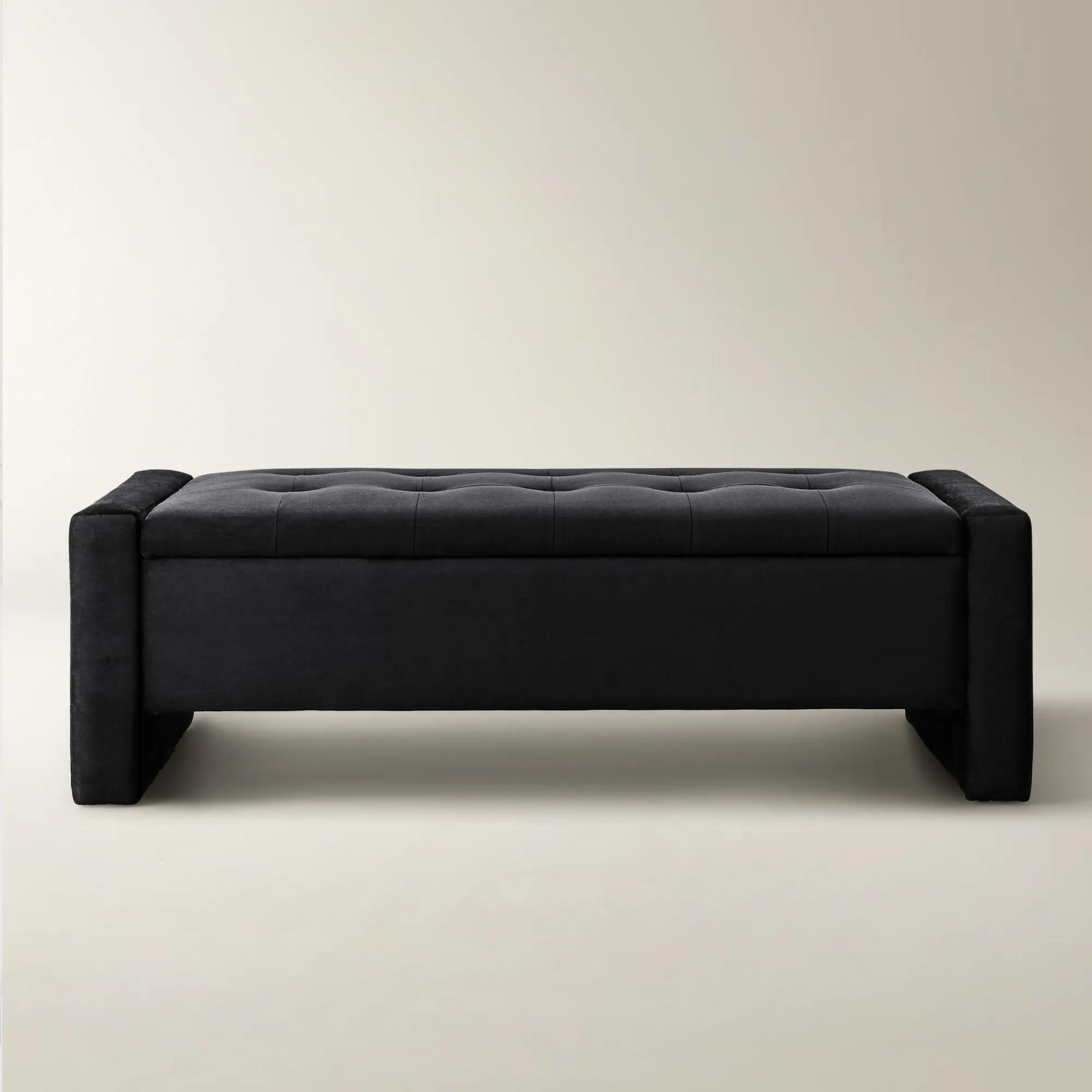
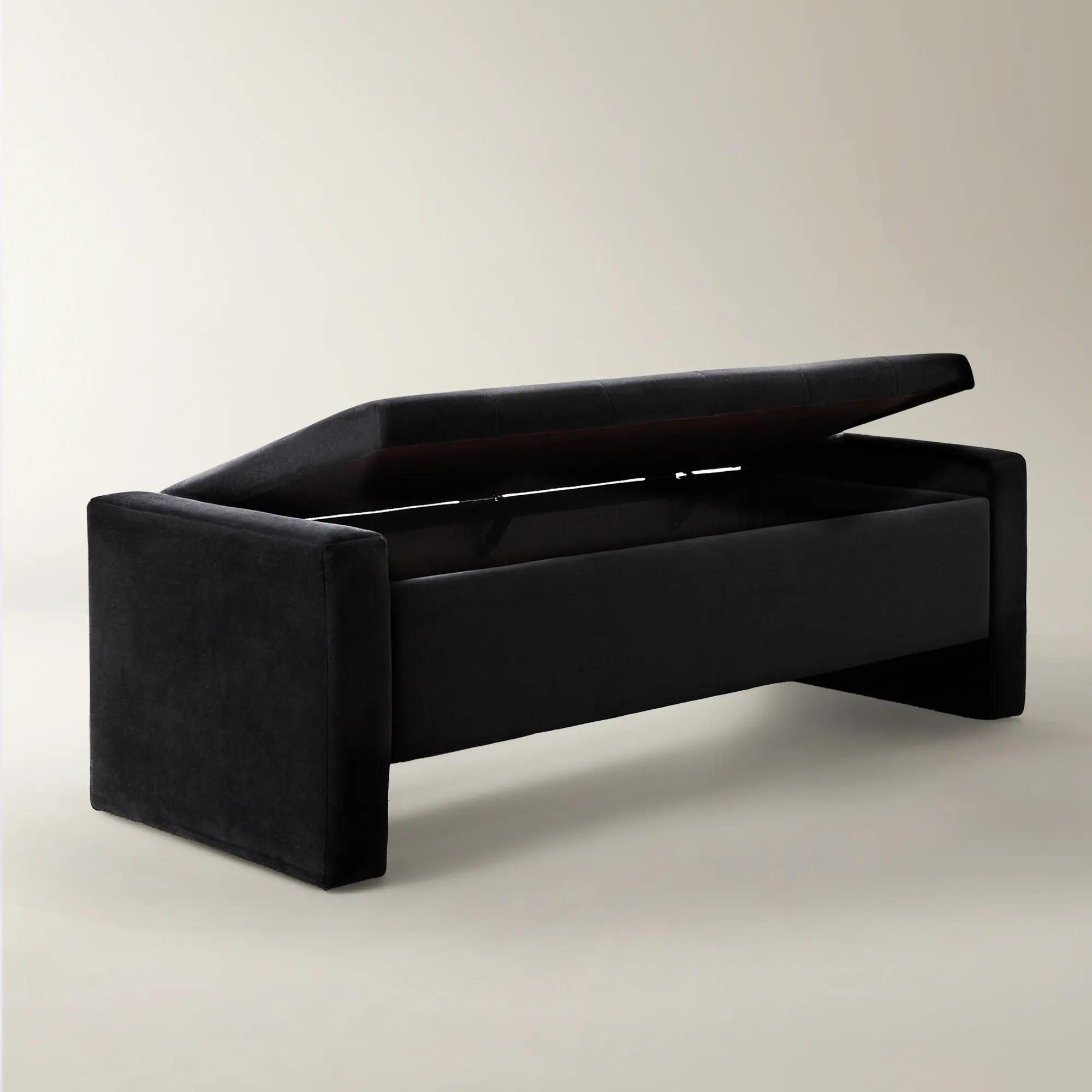 Maeve Storage Bench$1149
A modern velvet-upholstered bench with hidden storage, kiln-dried hardwood frame, and soft-closing glides.
Add To Cart -
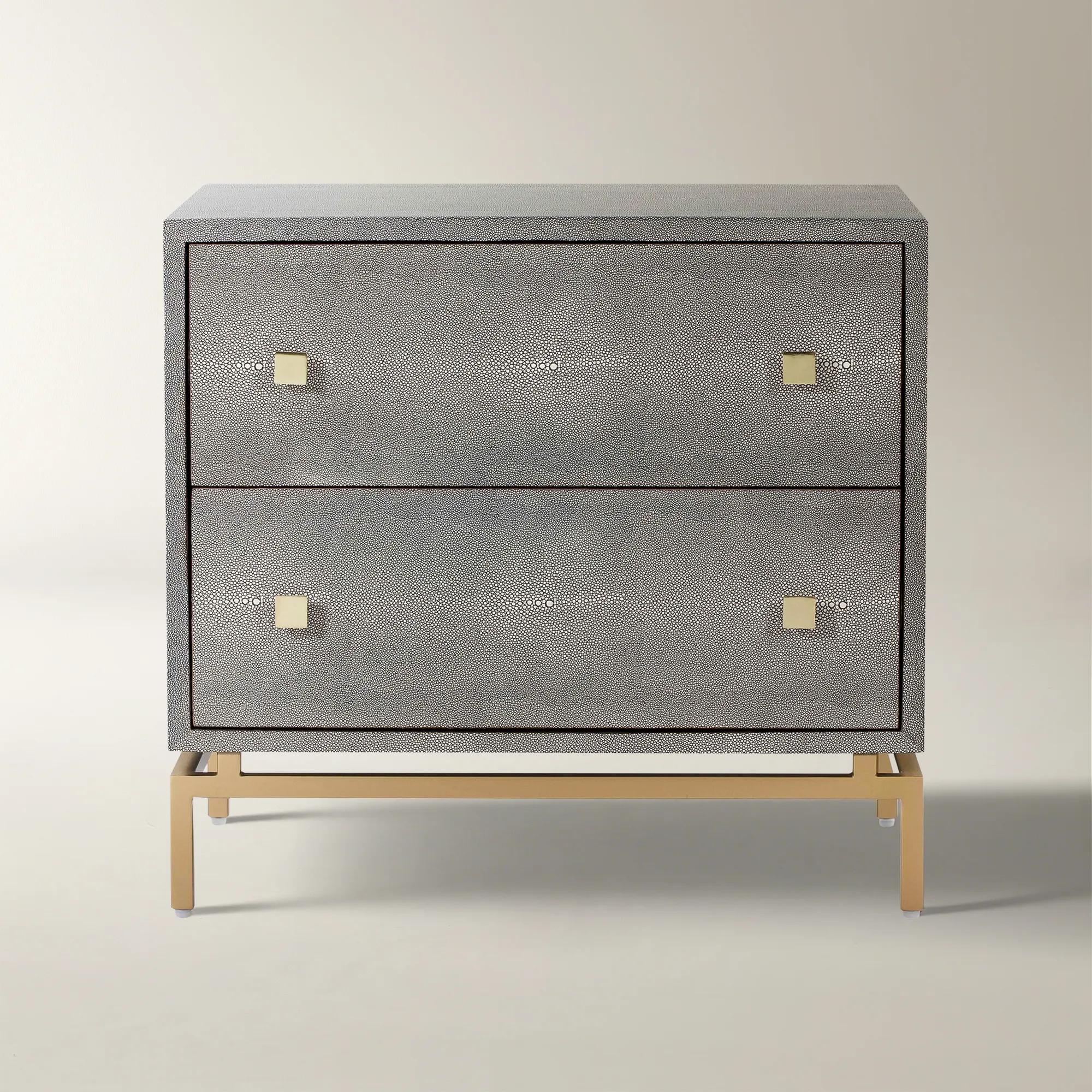
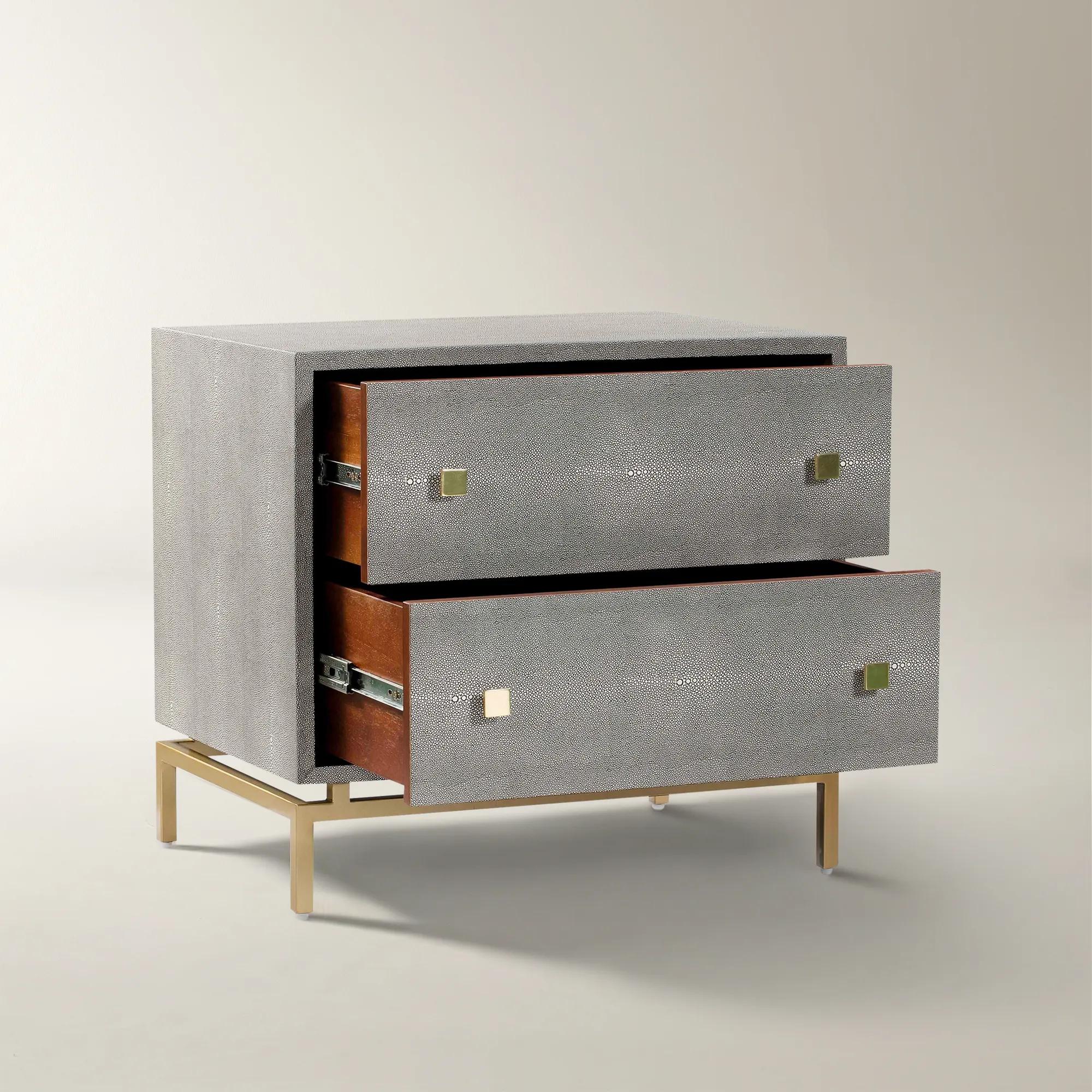 Misha Grey Shagreen 2-Drawer Nightstand (25")$749
A modern nightstand featuring faux shagreen texture, brass-finished base, and two cherry wood-lined drawers.
Add To Cart -
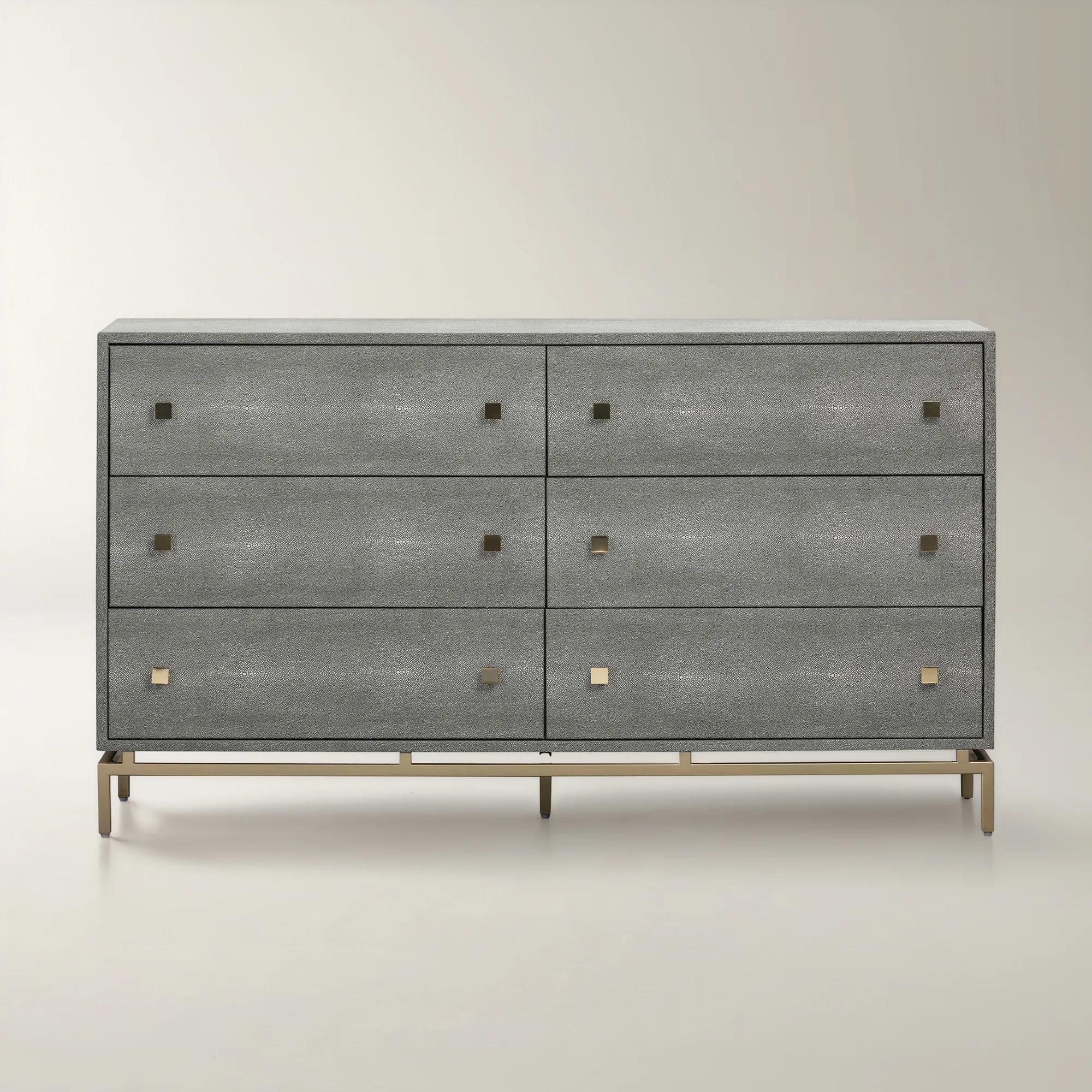
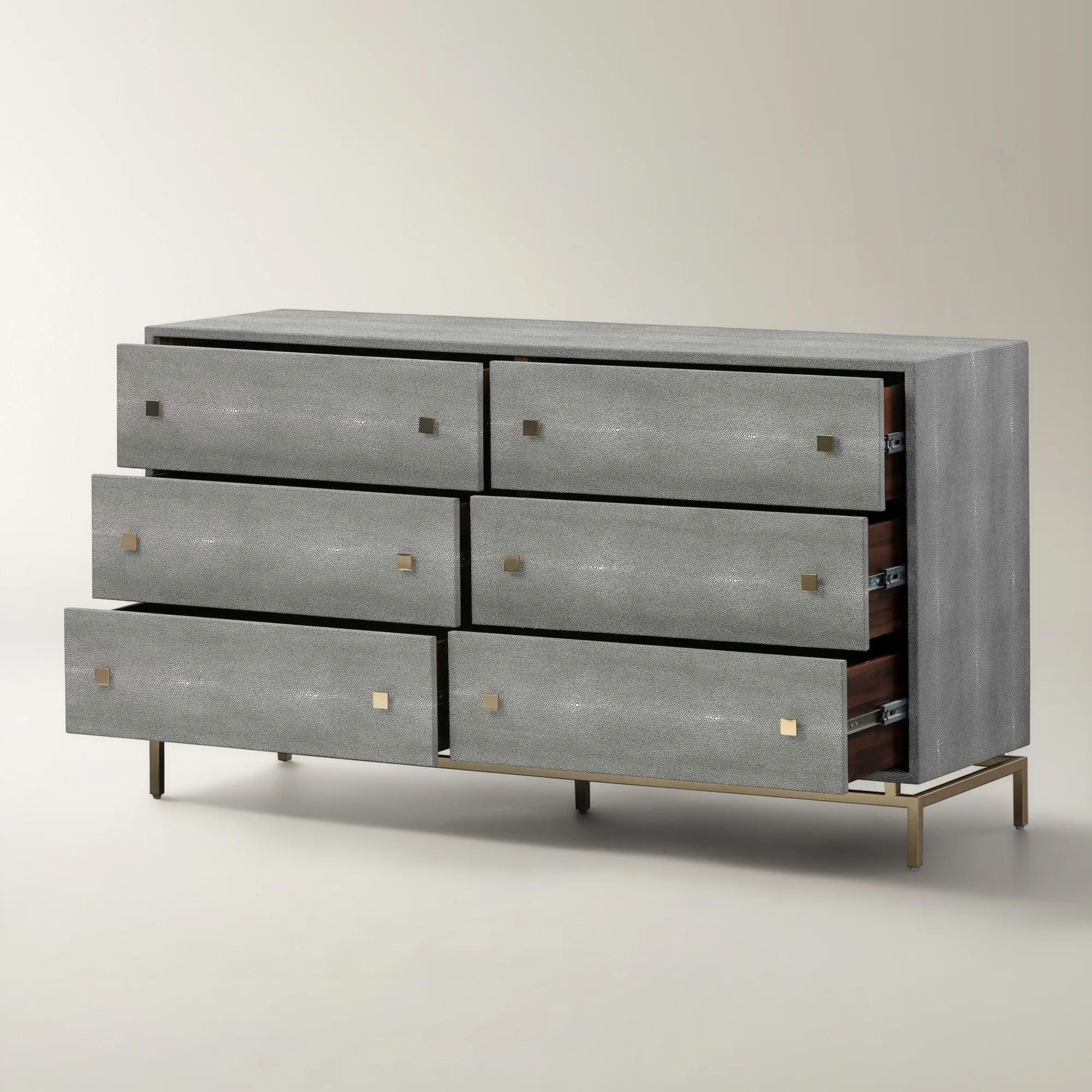 Misha Grey Shagreen 6-Drawer Dresser (57")$2249
A modern dresser featuring faux shagreen texture, brass-finished base, and six drawers with cherry wood interiors.
Add To Cart -
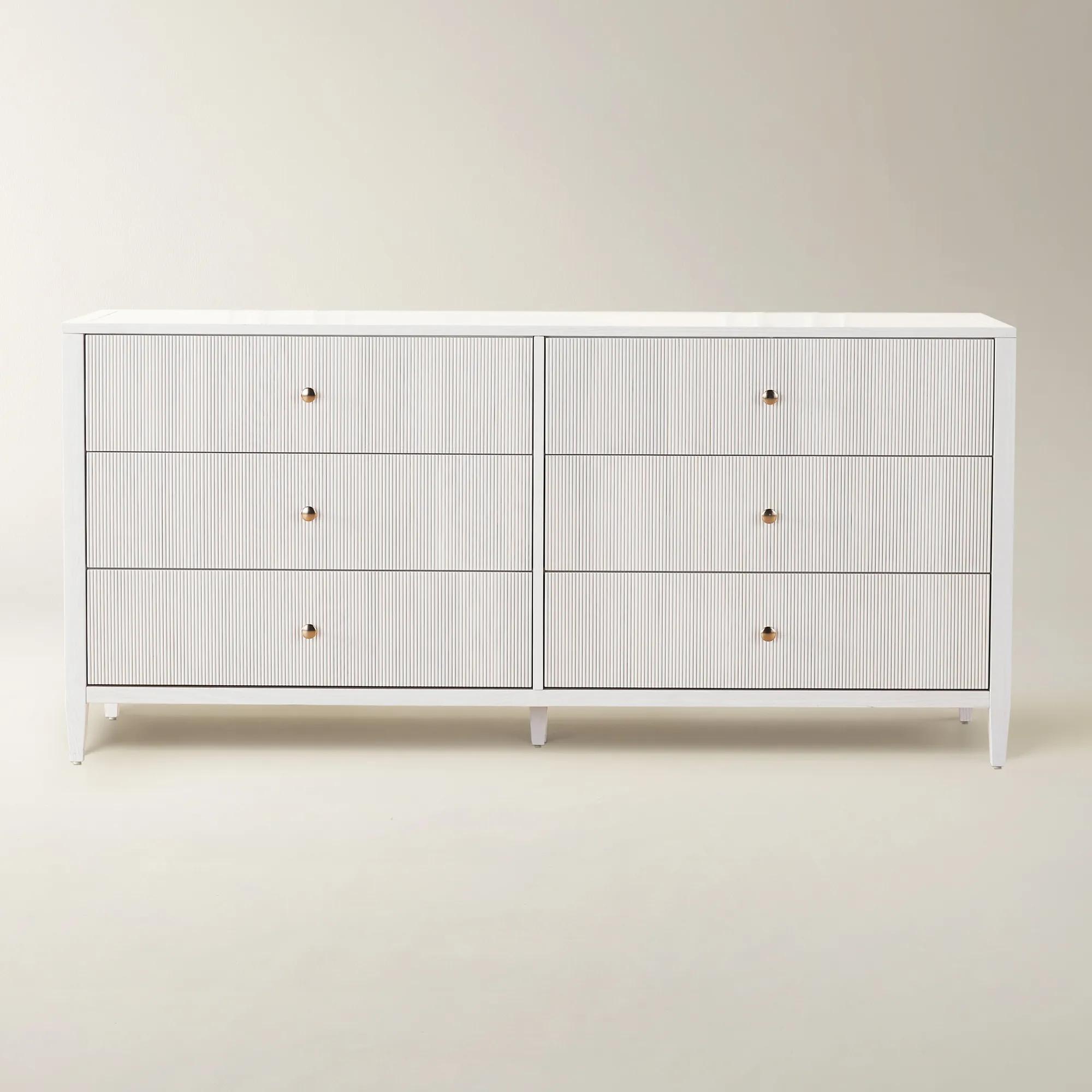
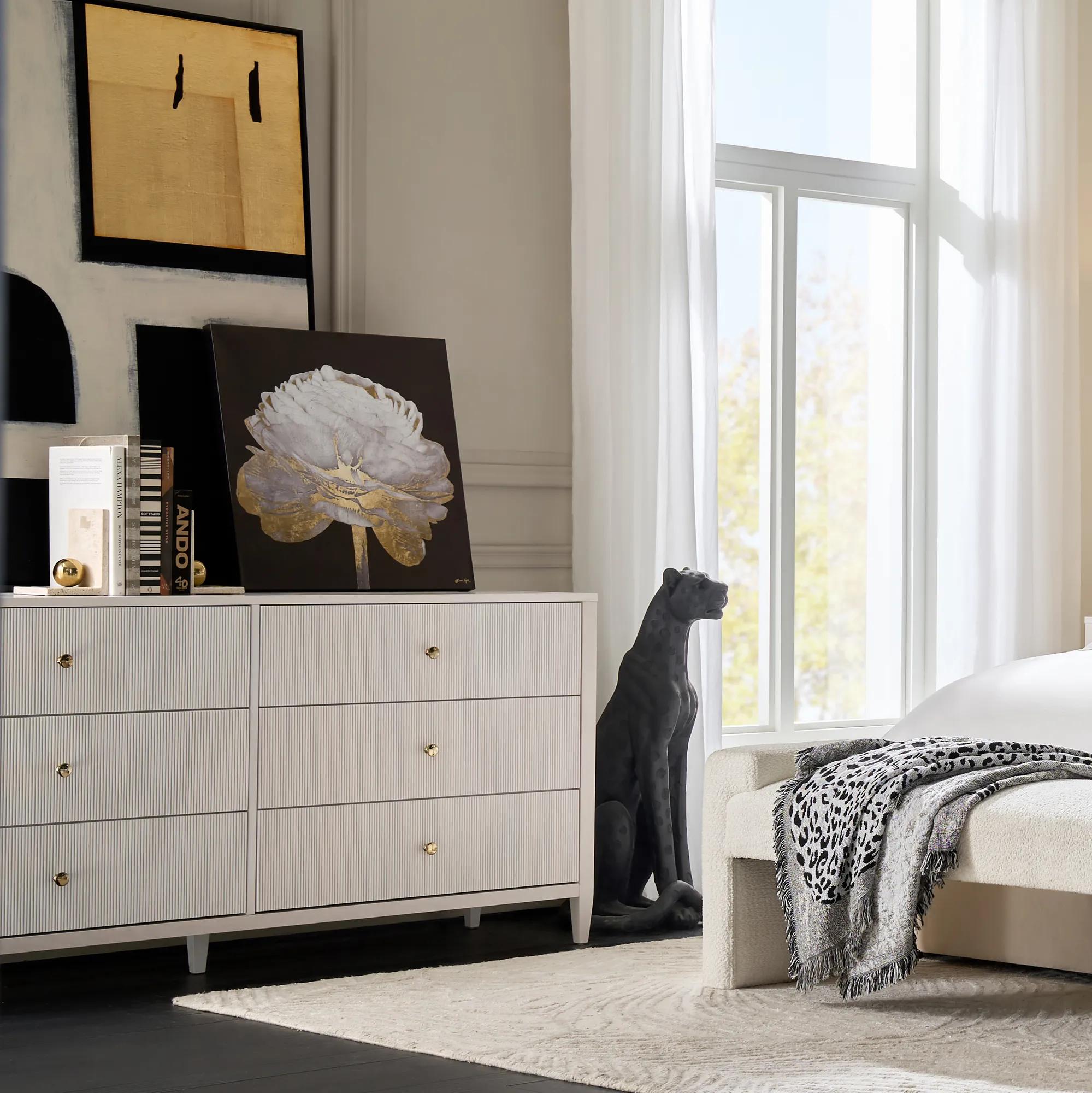 Viola Reeded White Ash Wood 6-Drawer Dresser (70")$1899
A modern dresser in bone white ash wood with reeded fronts and brass hardware for a luxe touch.
Add To Cart -
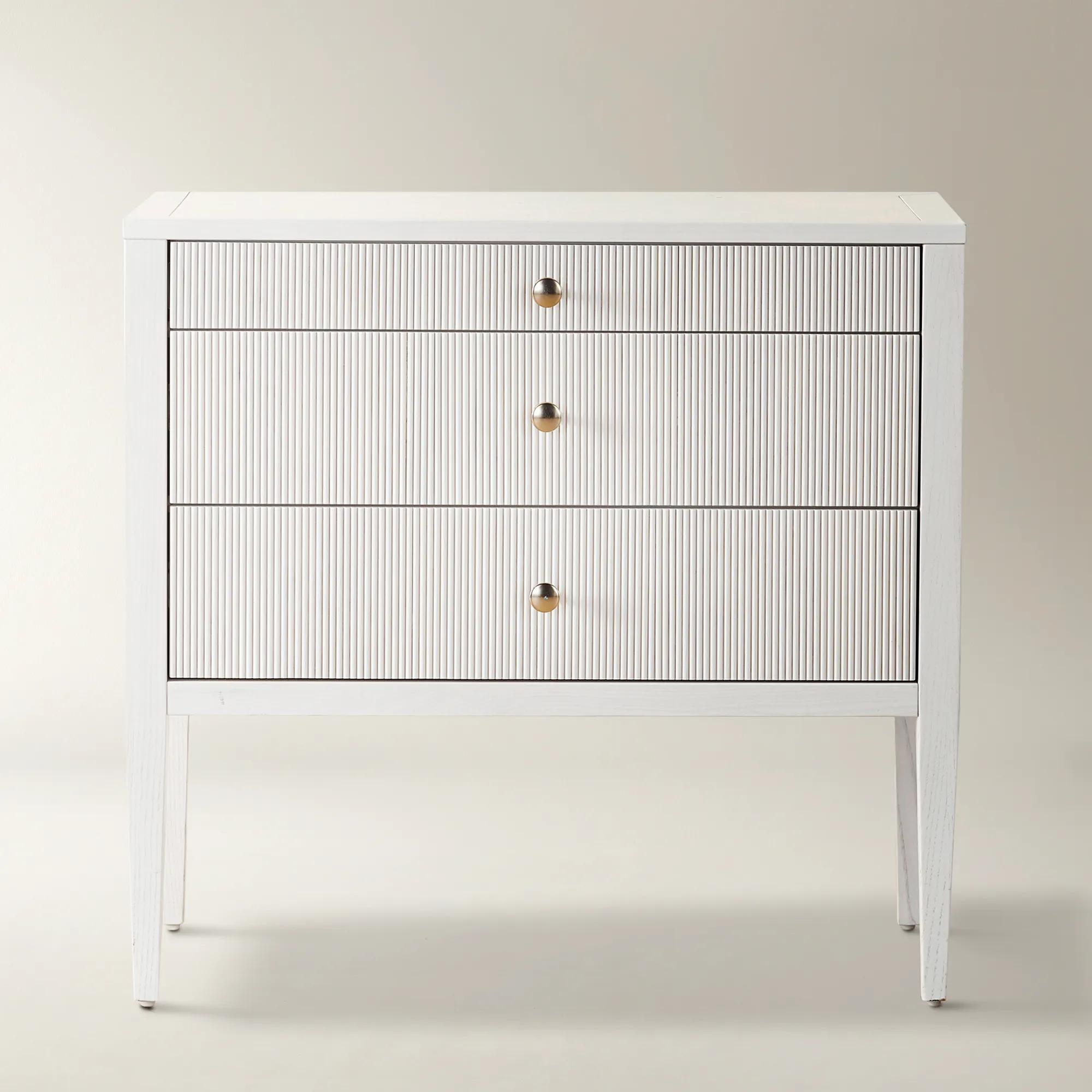 Viola Reeded White Ash Wood 3-Drawer Nightstand (31")$899
A modern nightstand in bone white ash wood with reeded drawers and brass hardware for a luxe touch.
Add To Cart -
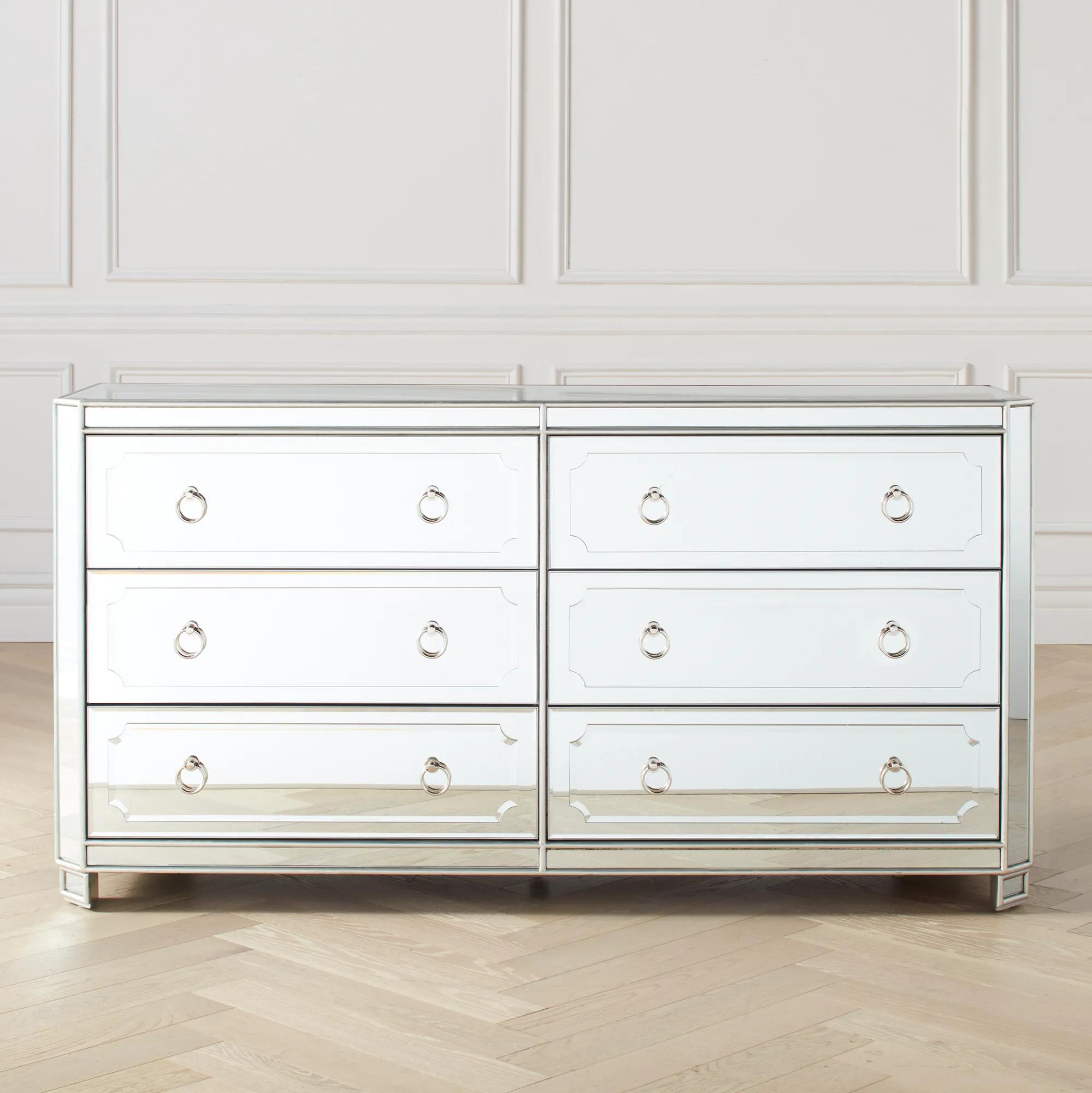
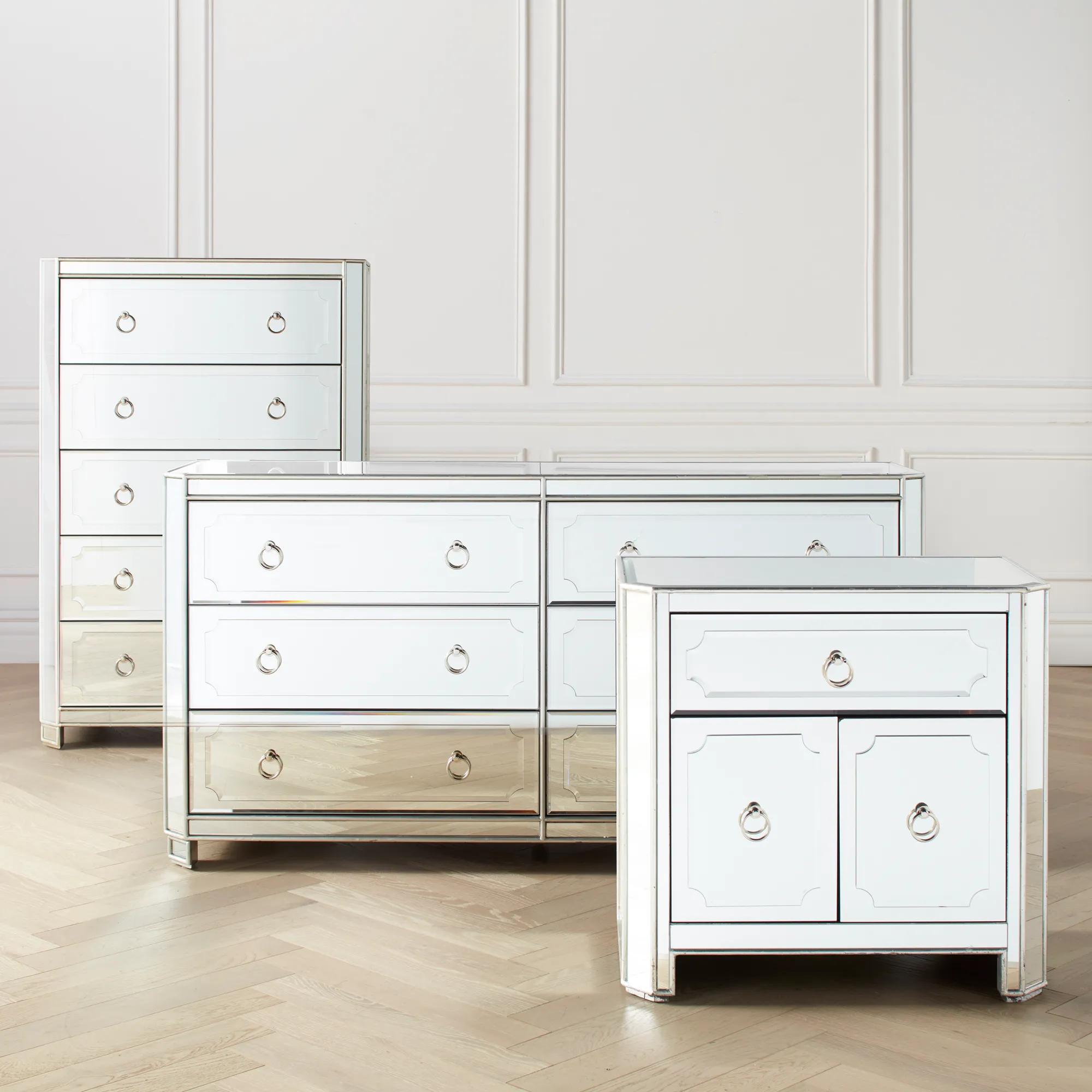 Simplicity Mirrored Silver 6-Drawer Dresser (66")$2299
A glamorous chest featuring beveled mirrored panels, hand-applied silver-leaf trim, and polished nickel hardware.
Add To Cart -
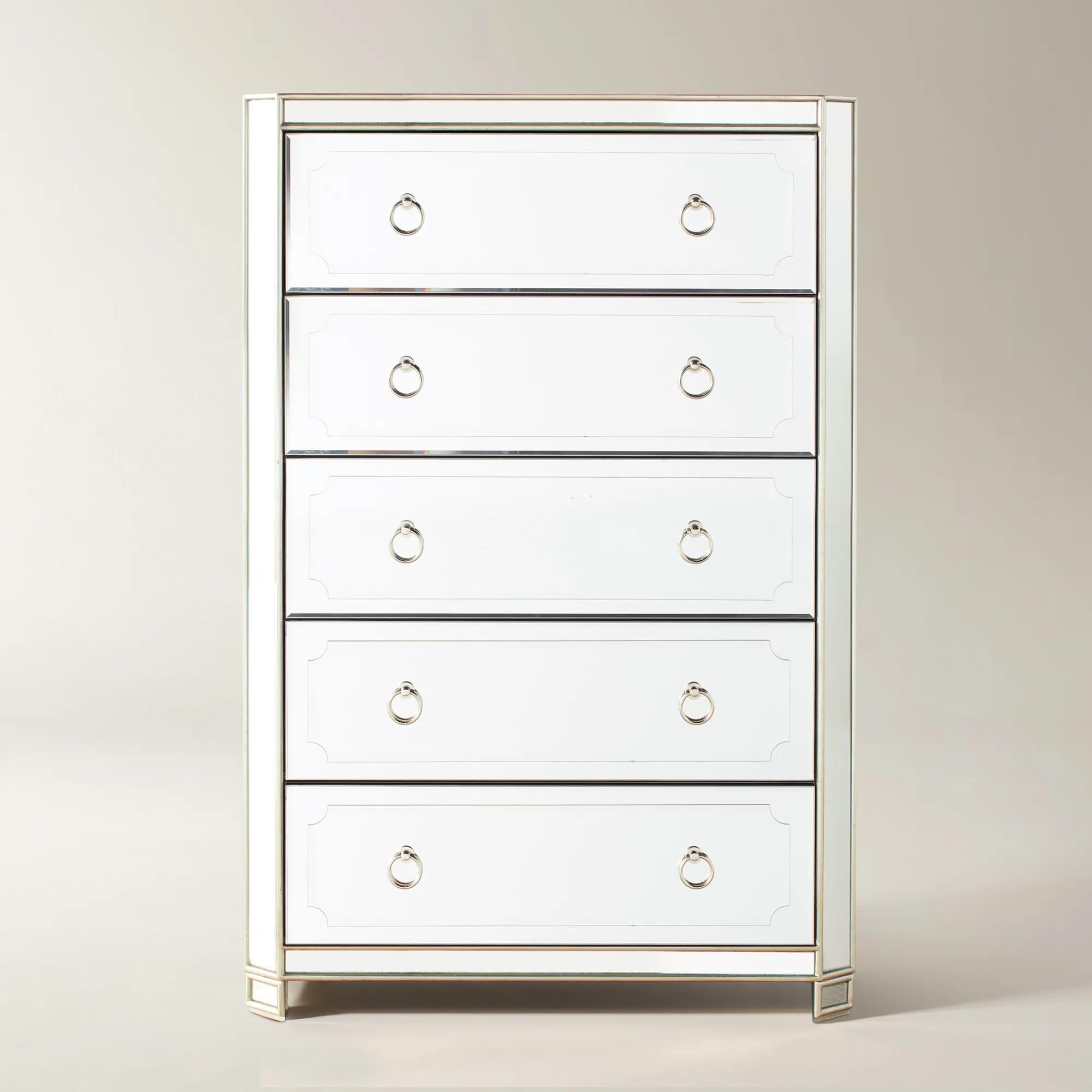 Simplicity Mirrored Silver 5-Drawer Tall Dresser (36")$1999
A glamorous tall chest featuring beveled mirrored panels, hand-applied silver-leaf trim, and polished nickel hardware.
Add To Cart -
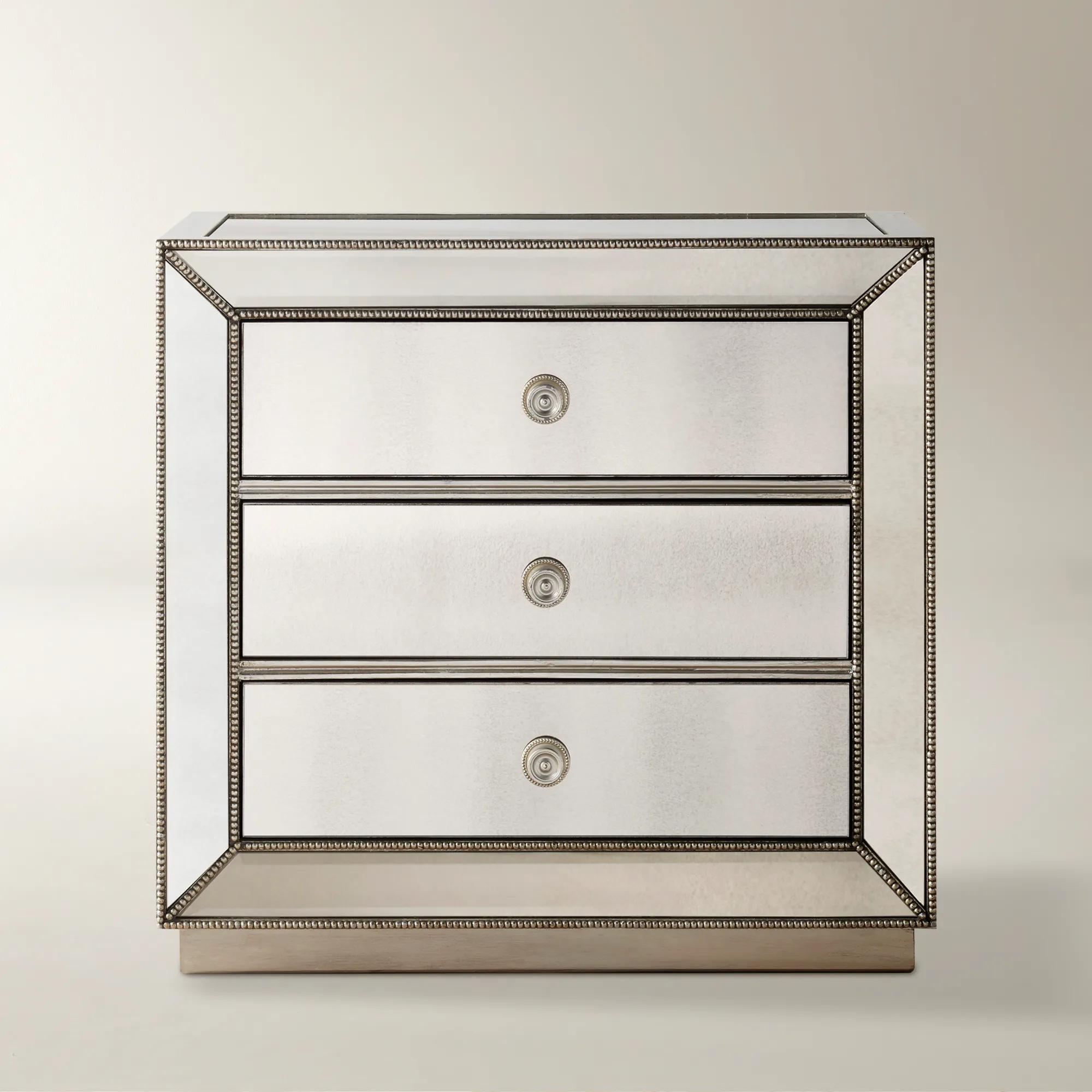
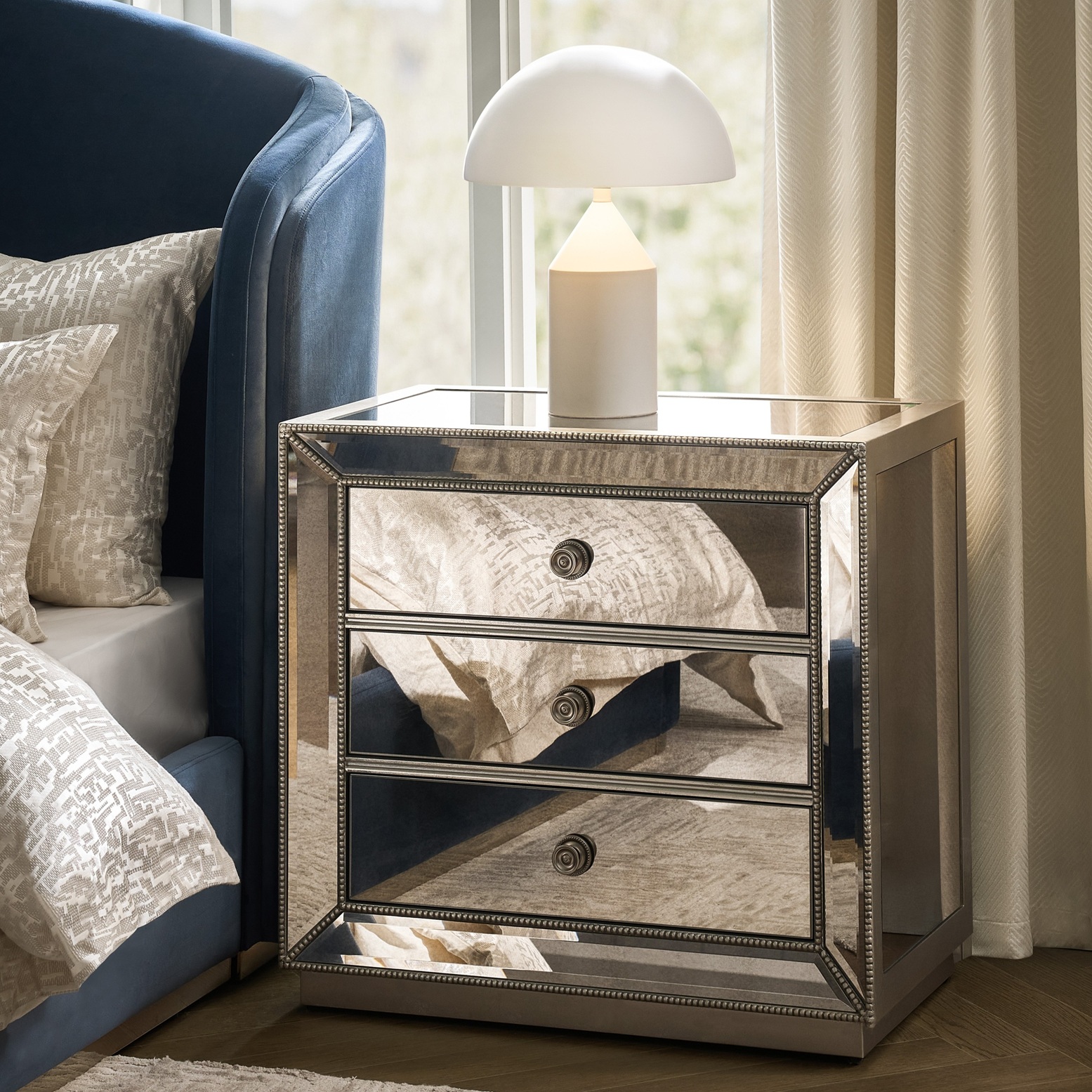 Omni Mirrored Silver 3-Drawer Nightstand (32")$1299
A glamorous chest featuring antiqued mirrored panels, hand-applied silver-leaf finish, and beaded trim.
Add To Cart -
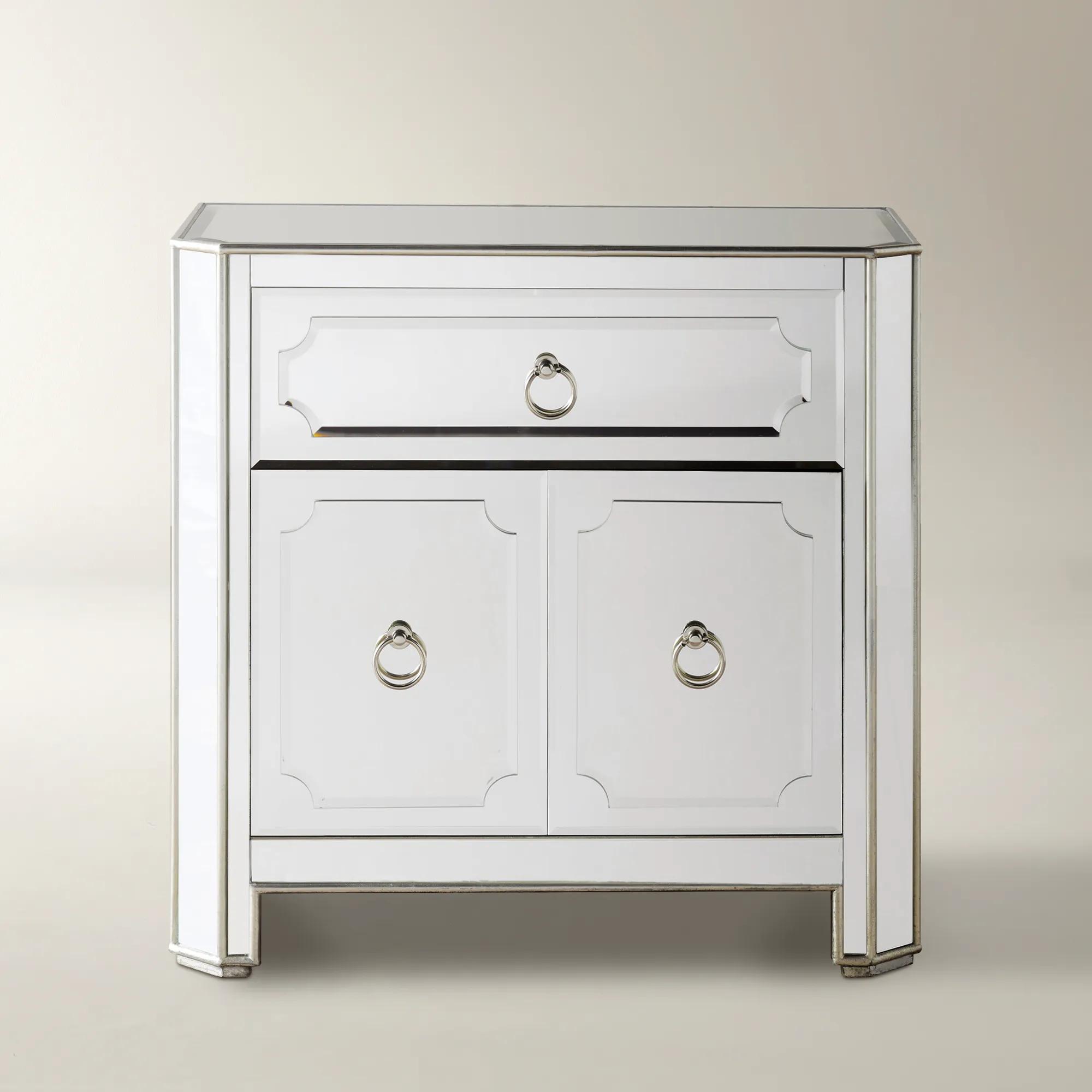
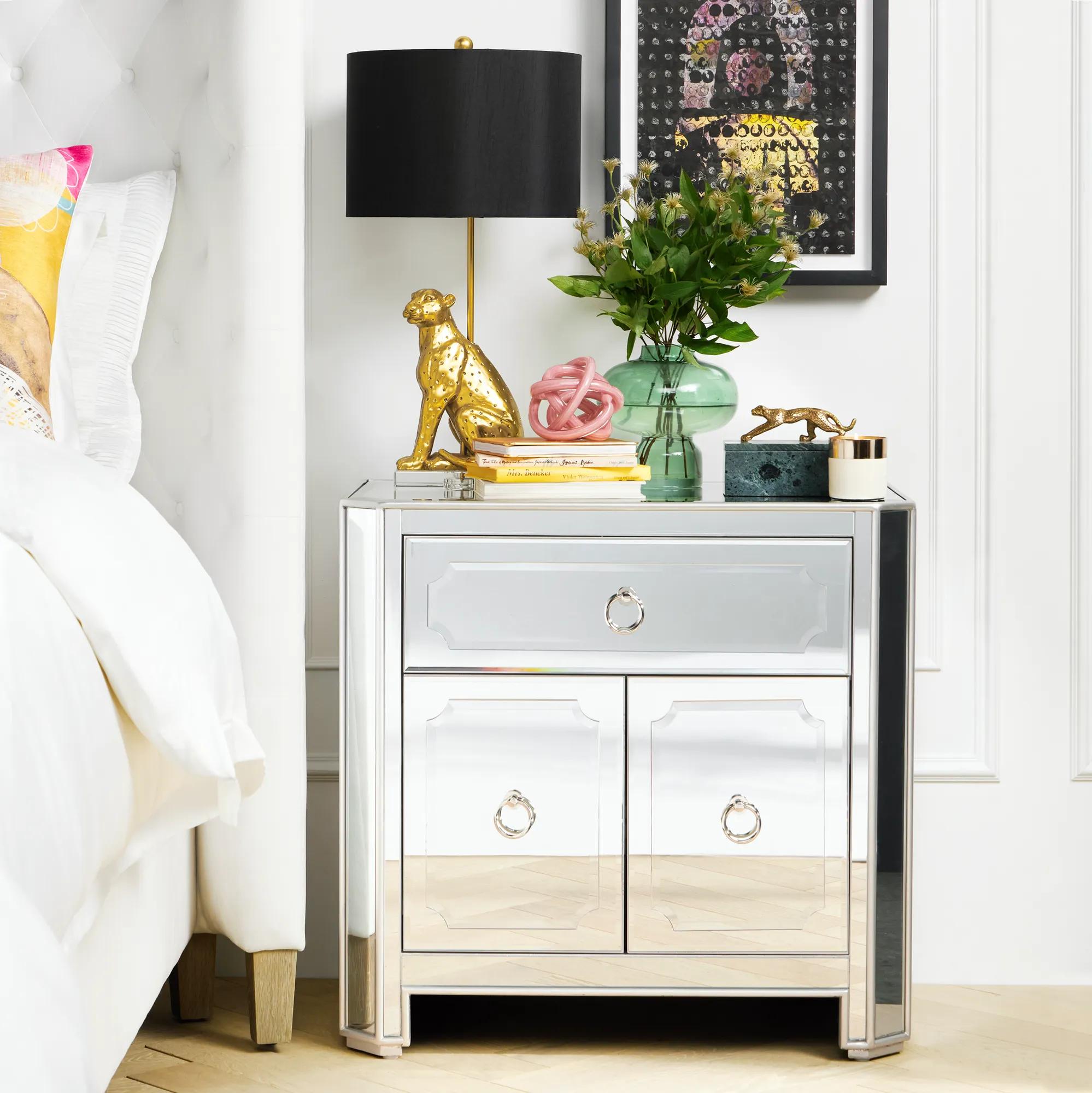 Simplicity Mirrored Silver 1-Drawer Nightstand (30")$899
A glamorous nightstand featuring beveled mirrored panels, hand-applied silver-leaf trim, and polished nickel hardware.
Add To Cart -
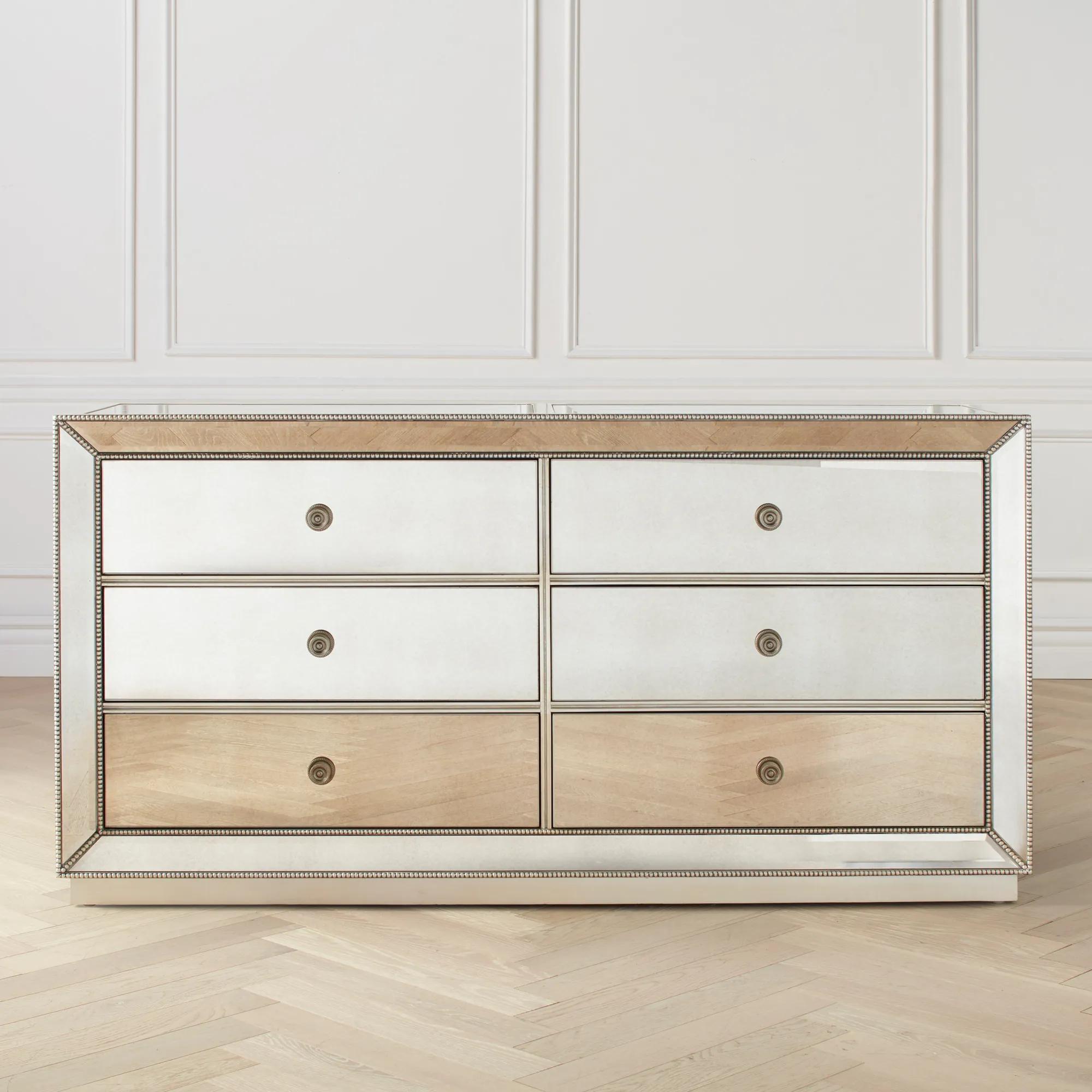 Omni Mirrored Silver 6-Drawer Dresser (72")$2599
A hand-applied silver-leaf chest with antiqued mirrored panels and beaded trim for dramatic bedroom shine.
Add To Cart -
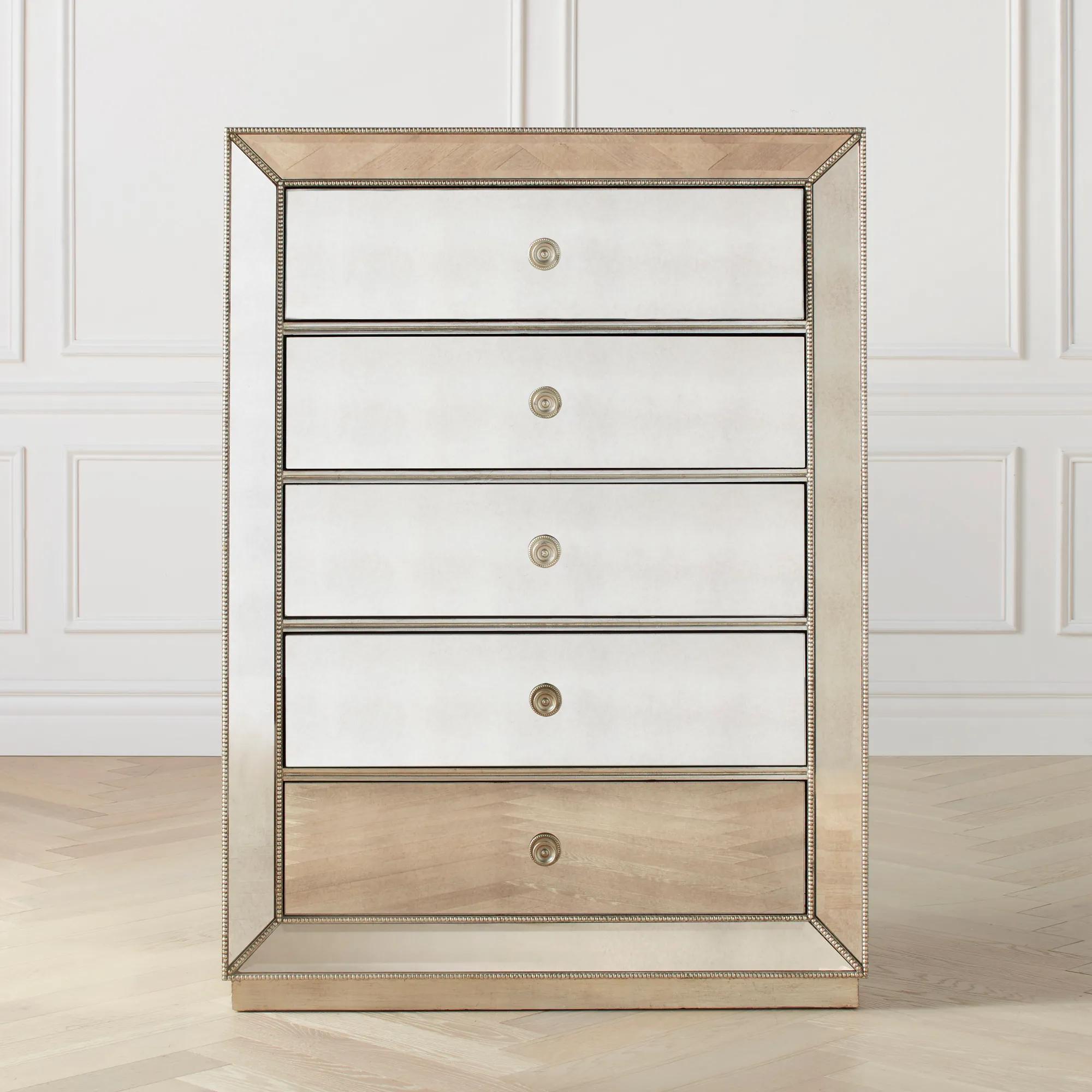
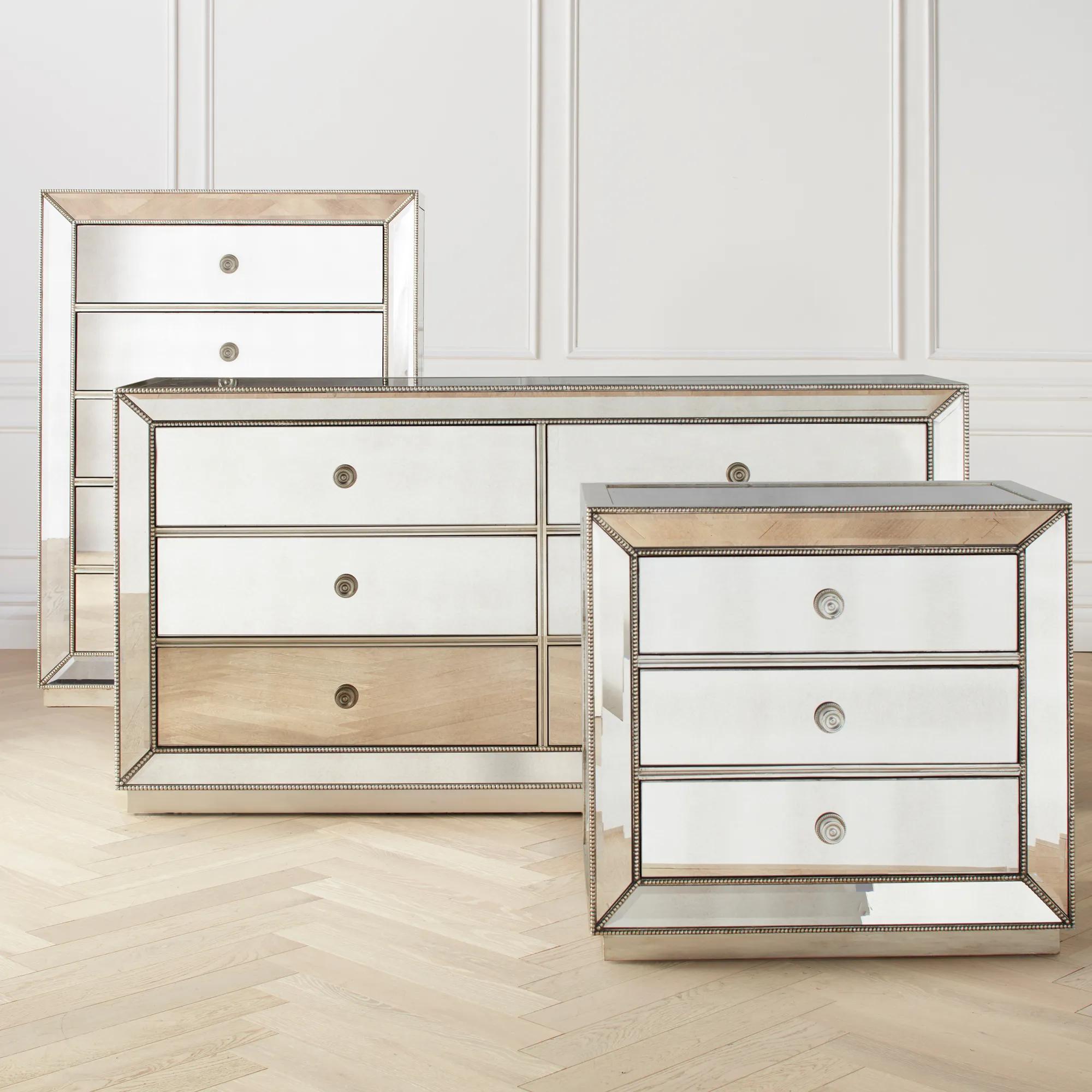 Omni Mirrored Silver 5-Drawer Tall Dresser (40")$2199
A dramatic chest featuring antiqued mirrored panels, hand-applied silver-leaf finish, and kiln-dried hardwood construction.
Add To Cart -
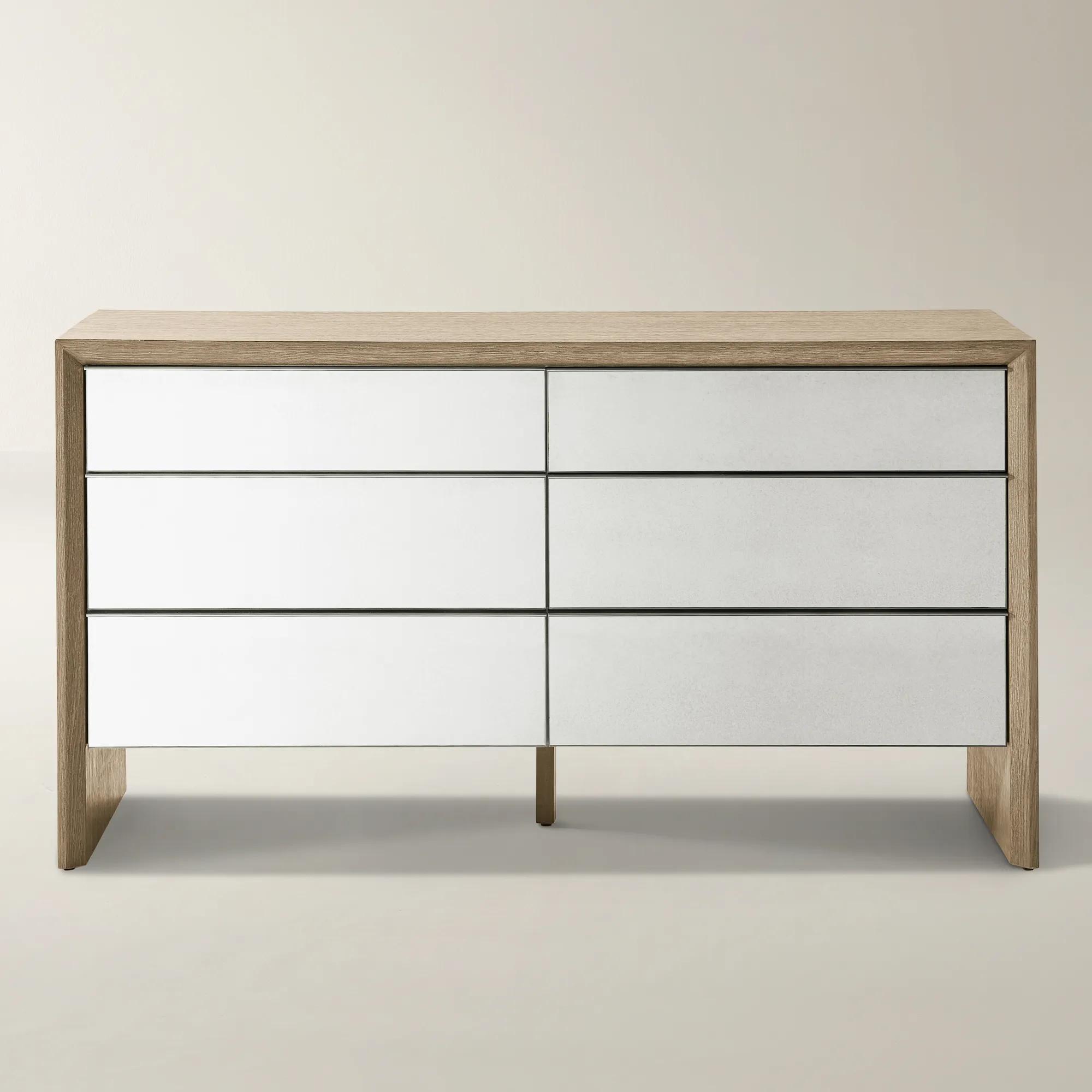
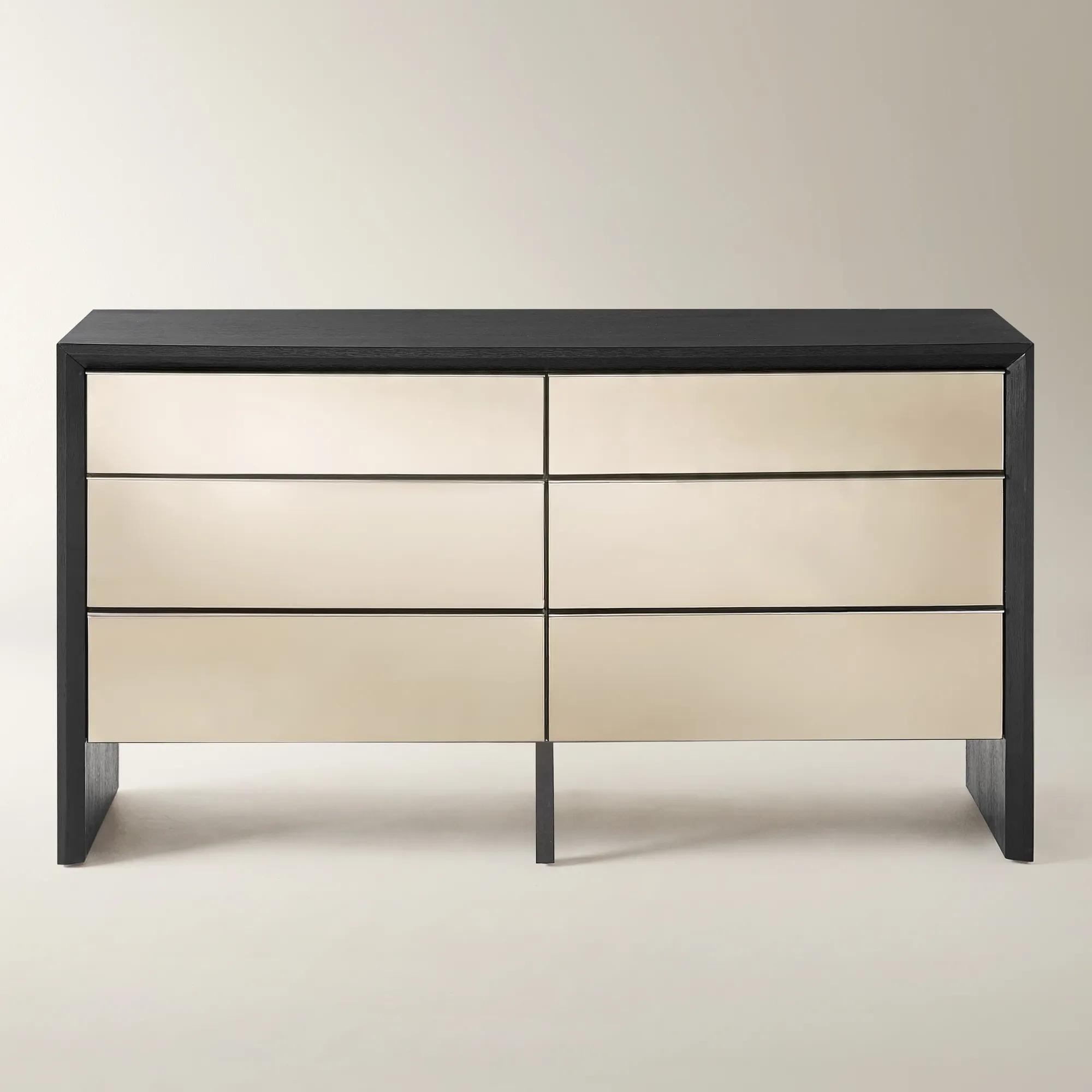
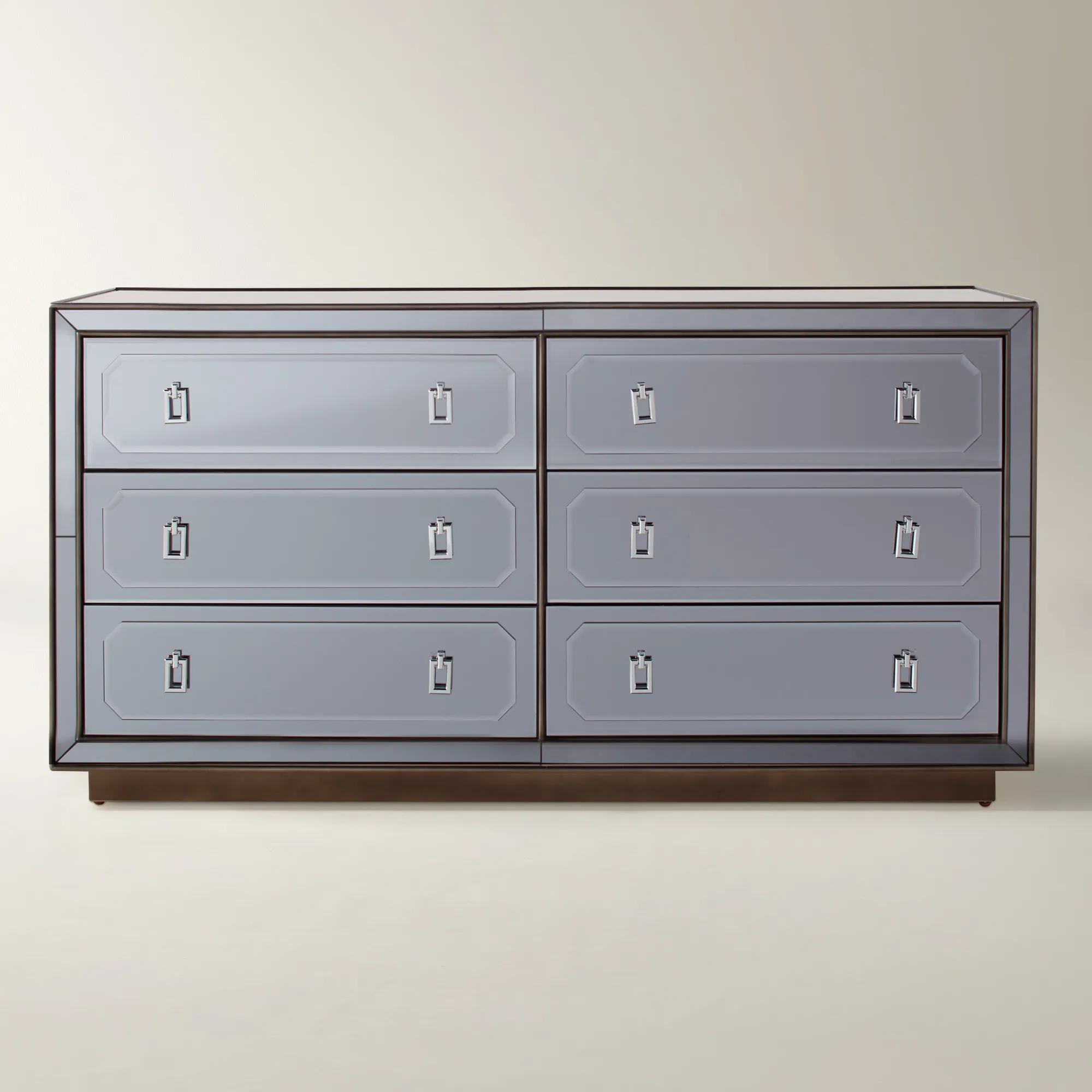 Maddox Mirrored Grey 6-Drawer Dresser (66")$2299
A modern dresser featuring beveled mirror paneling, graphite finish, and polished nickel hardware for sleek sophistication.
Add To Cart -
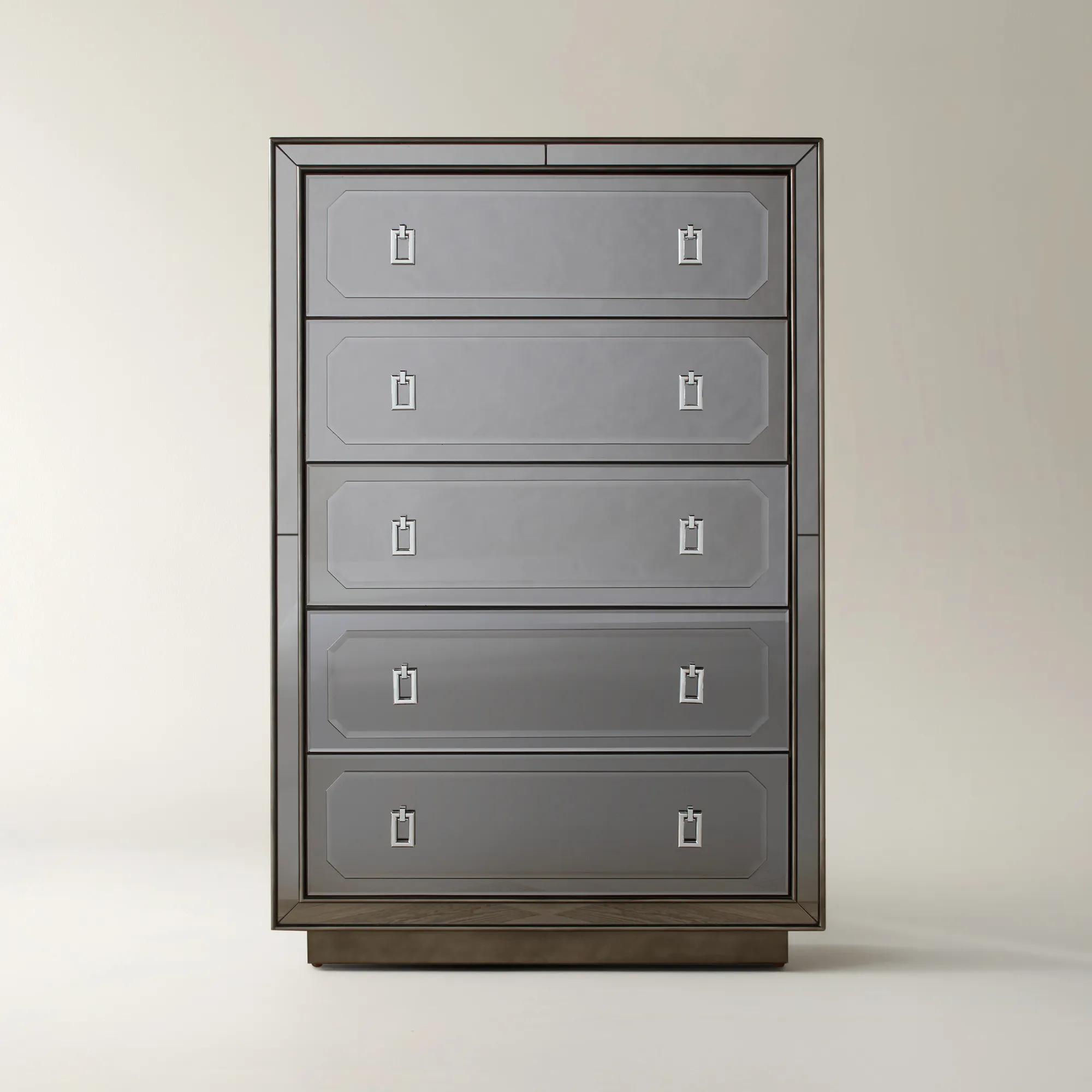 Maddox Mirrored Grey 5-Drawer Tall Dresser (36")$2099
A modern chest featuring beveled mirror panels, graphite finish, and polished nickel hardware for sleek sophistication.
Add To Cart -
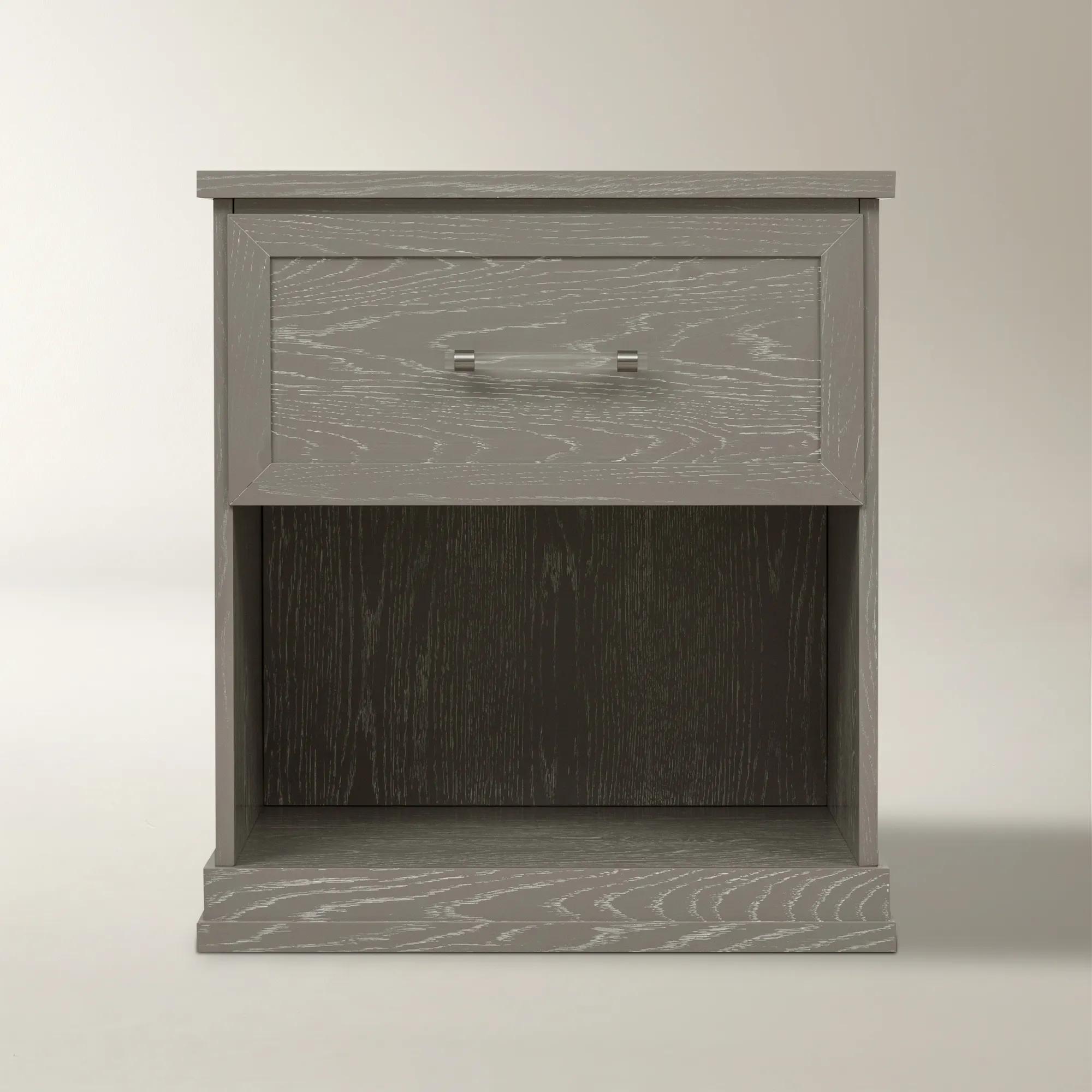
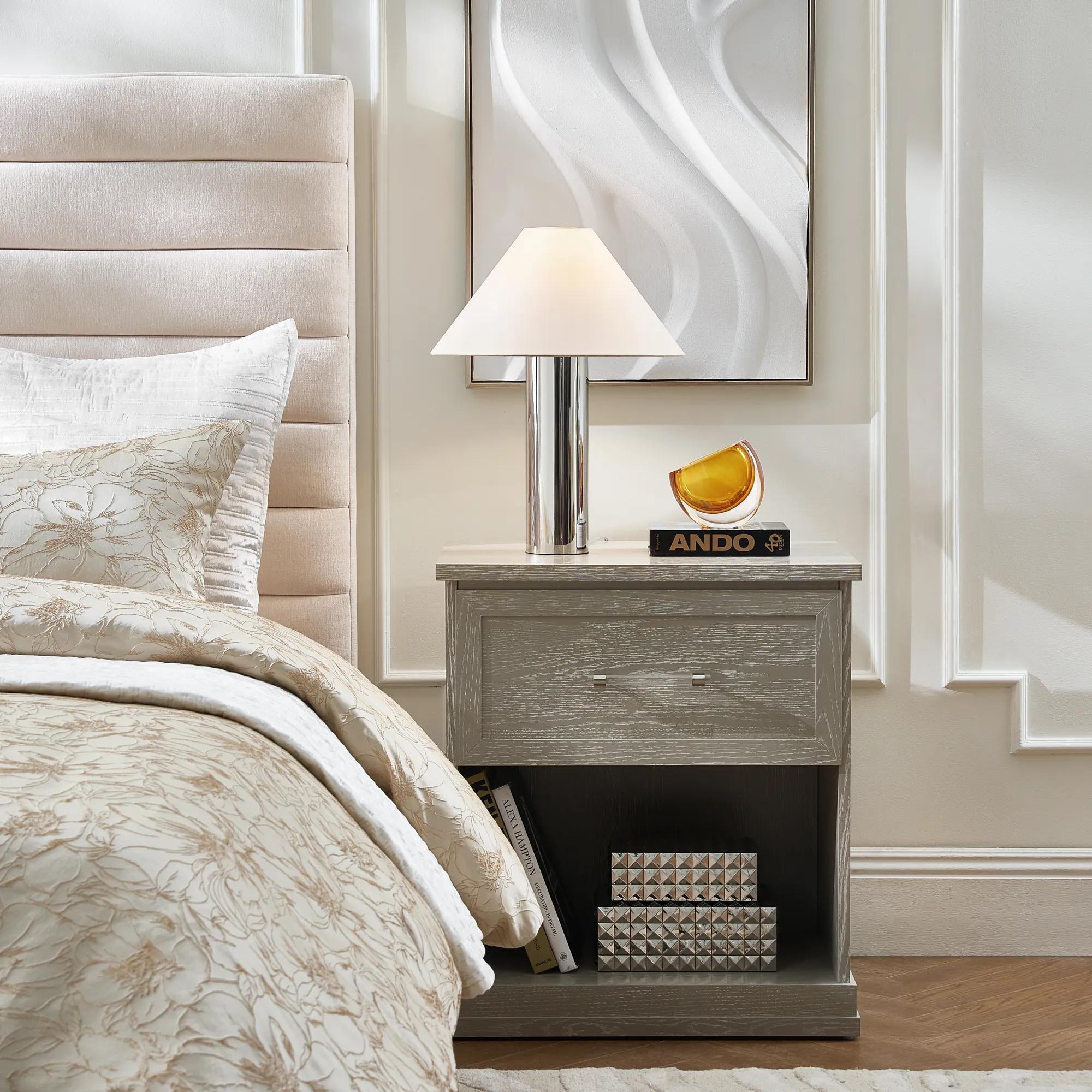 Arwin Grey Oak 1-Drawer Nightstand (26")$699
A contemporary grey hardwood veneer nightstand featuring acrylic and brushed silver handles with soft-closing drawers.
Add To Cart -
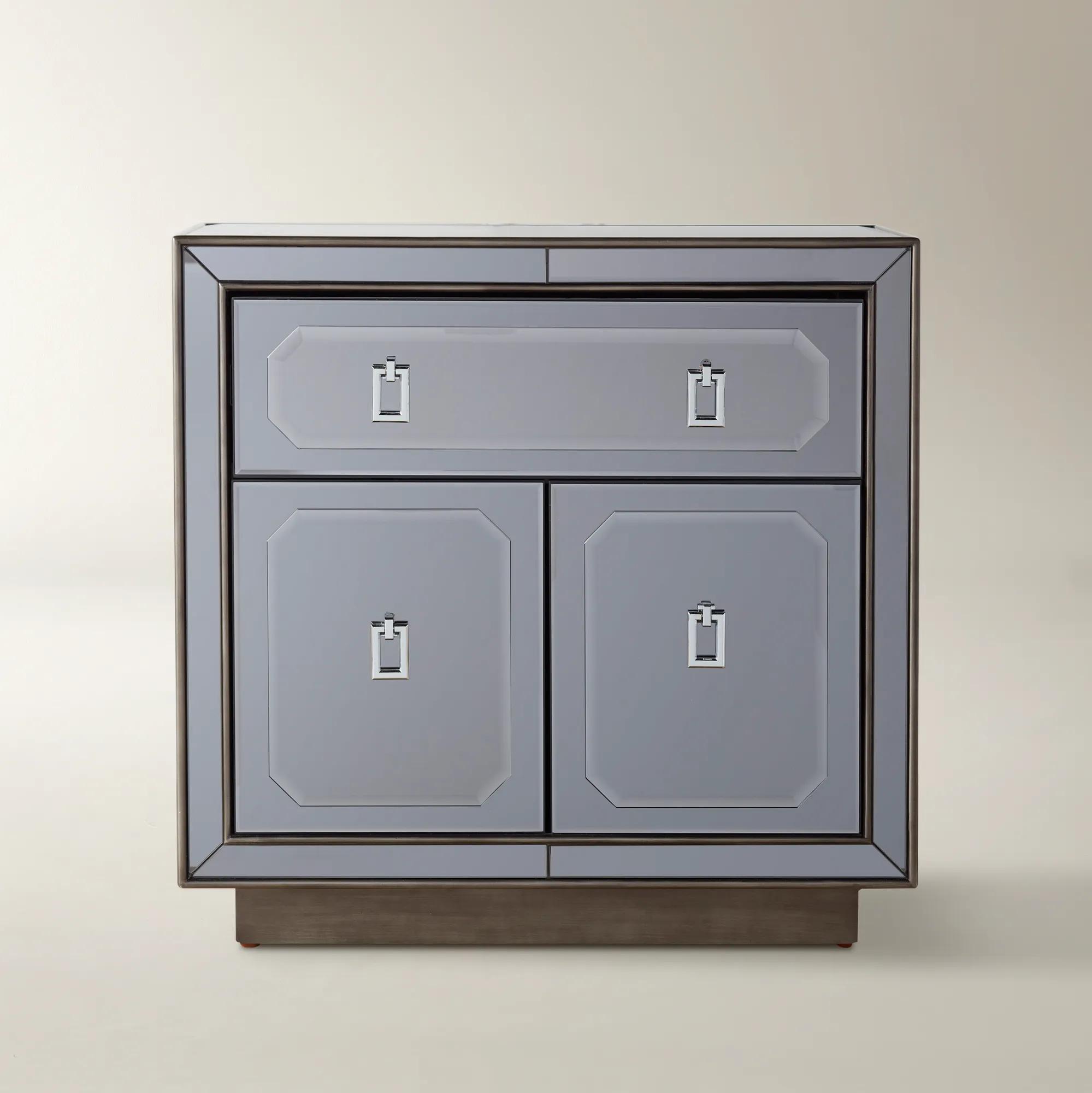
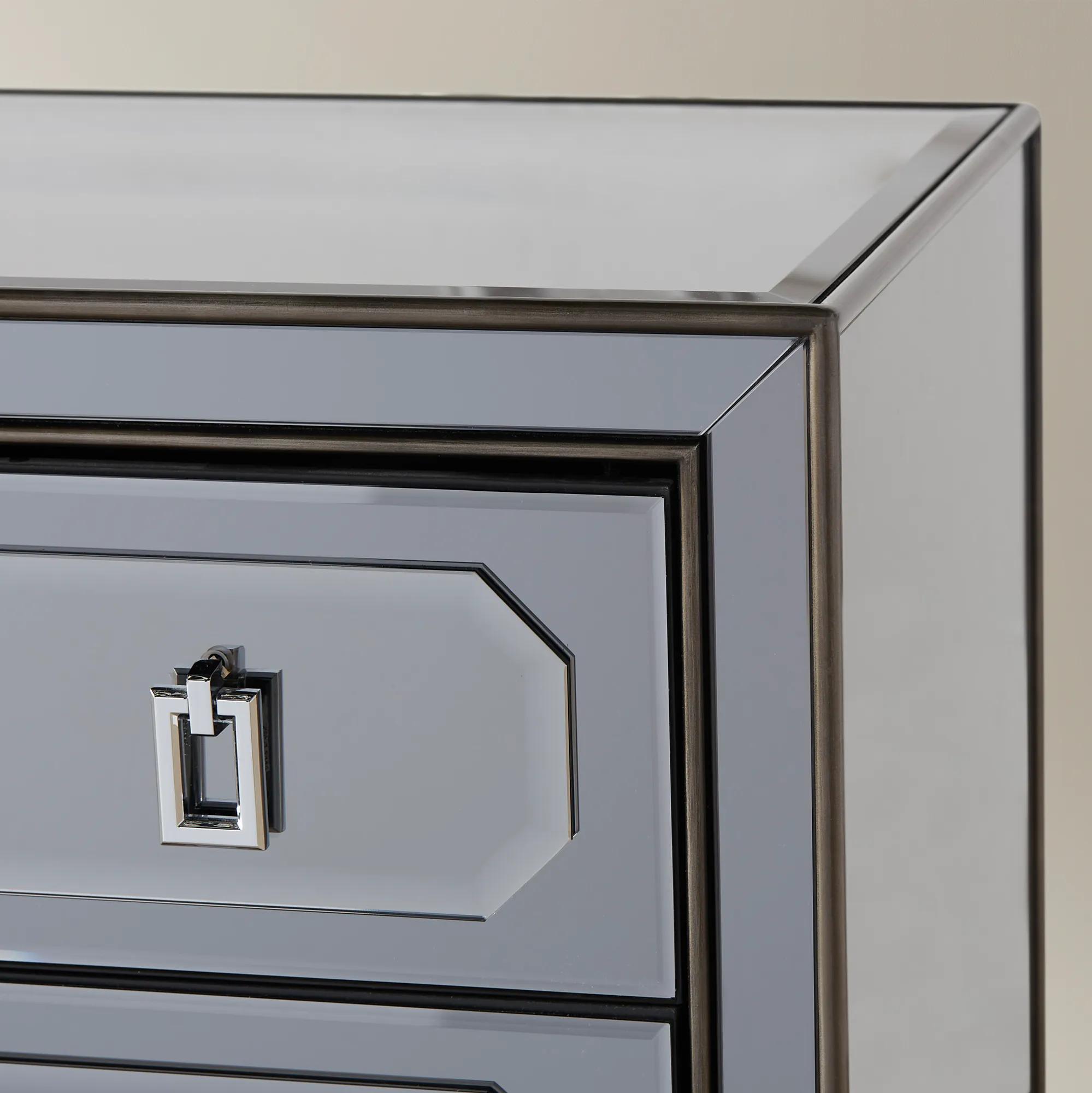 Maddox Mirrored Grey 1-Drawer Nightstand (30")$1099
A modern nightstand featuring beveled mirror paneling, graphite finish, and polished nickel hardware for a luxe touch.
Add To Cart -
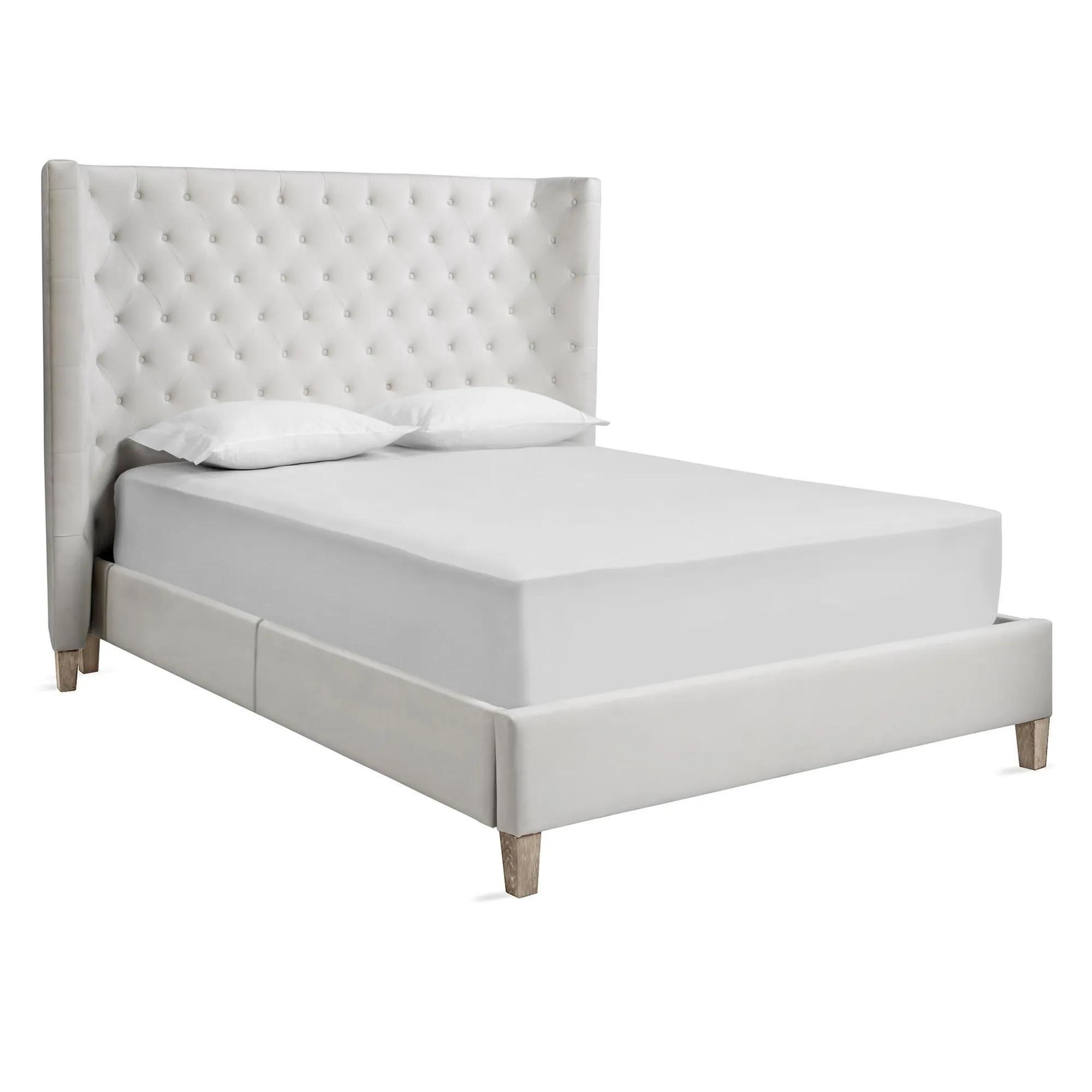 Jen Storage Bed$3399
A glamorous platform bed with a curved wingback headboard, hand-tufted velvet upholstery, and four storage drawers.
Add To Cart -
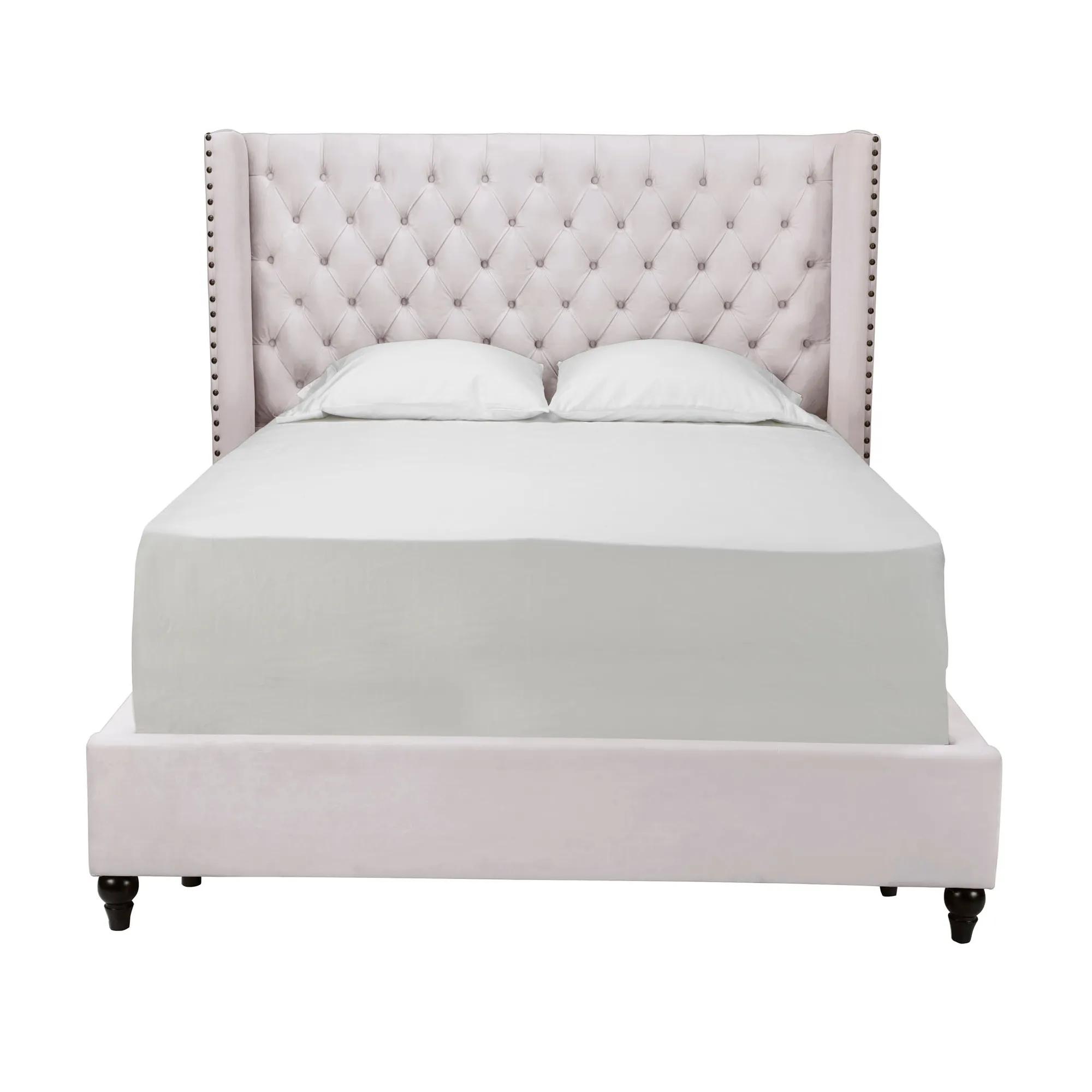
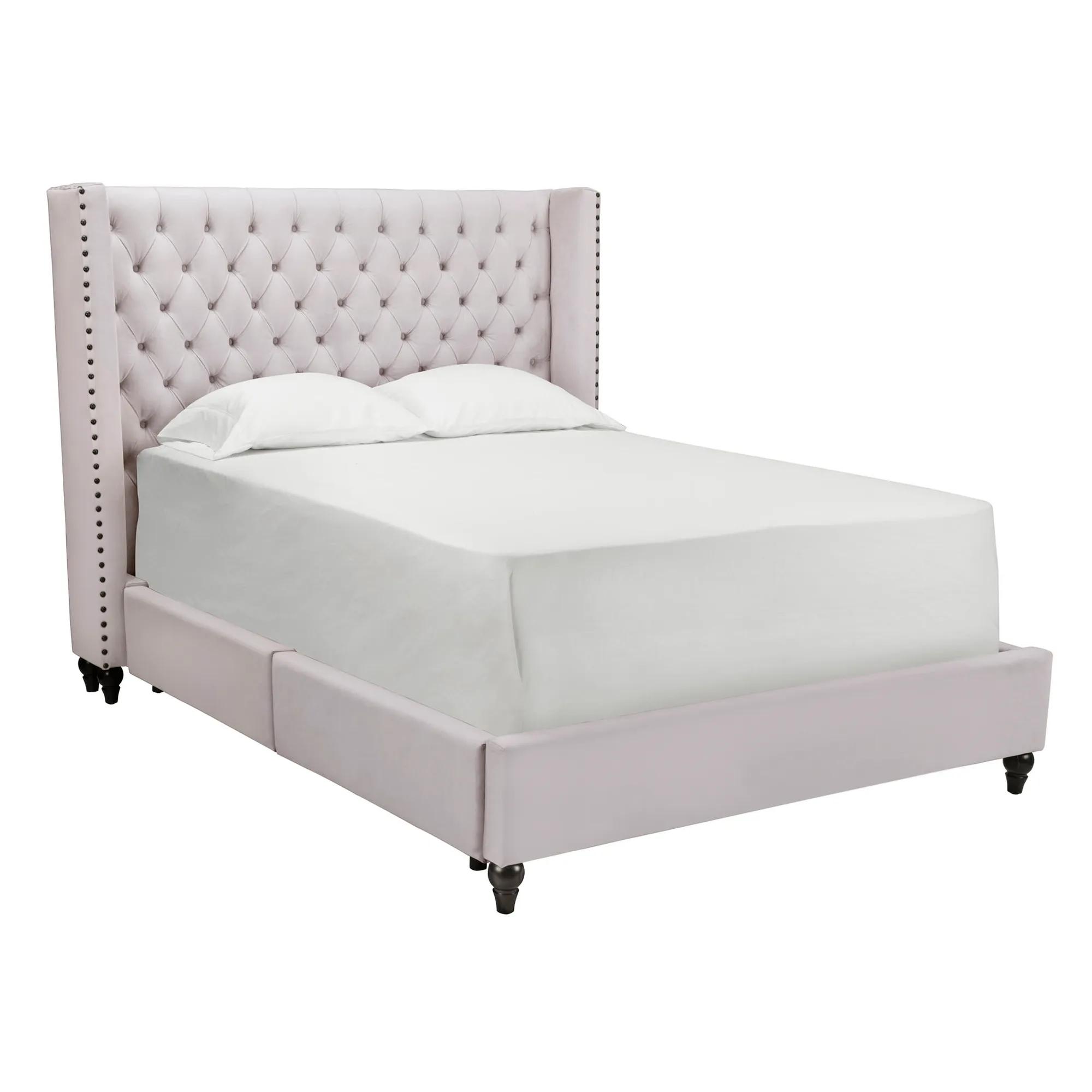 Roberto Storage Bed$3249
A handcrafted velvet-upholstered storage bed featuring diamond tufting, turned legs, and hand-applied antique brass nailheads.
Add To Cart -
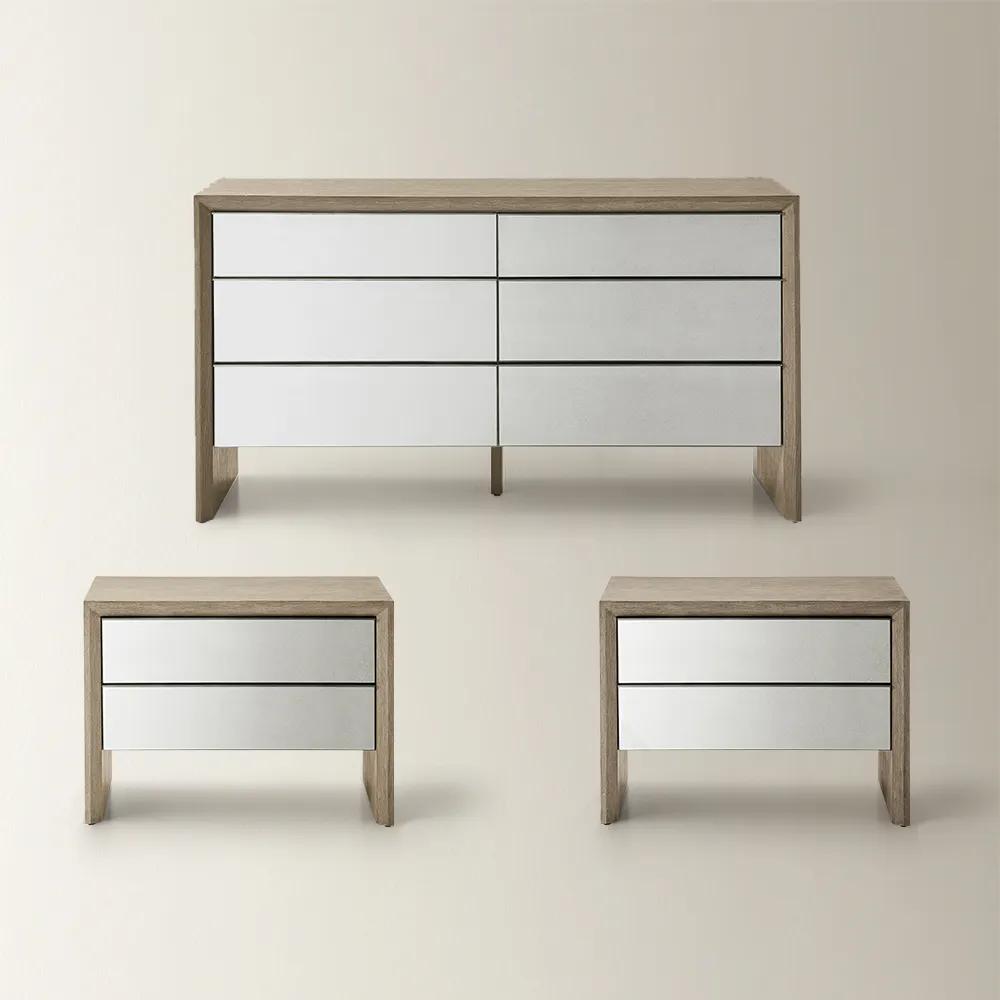 Glimmer Set of 3 Bedroom$3097
A coordinated bedroom furniture set featuring a dresser and two nightstands for cohesive storage.
Add To Cart -
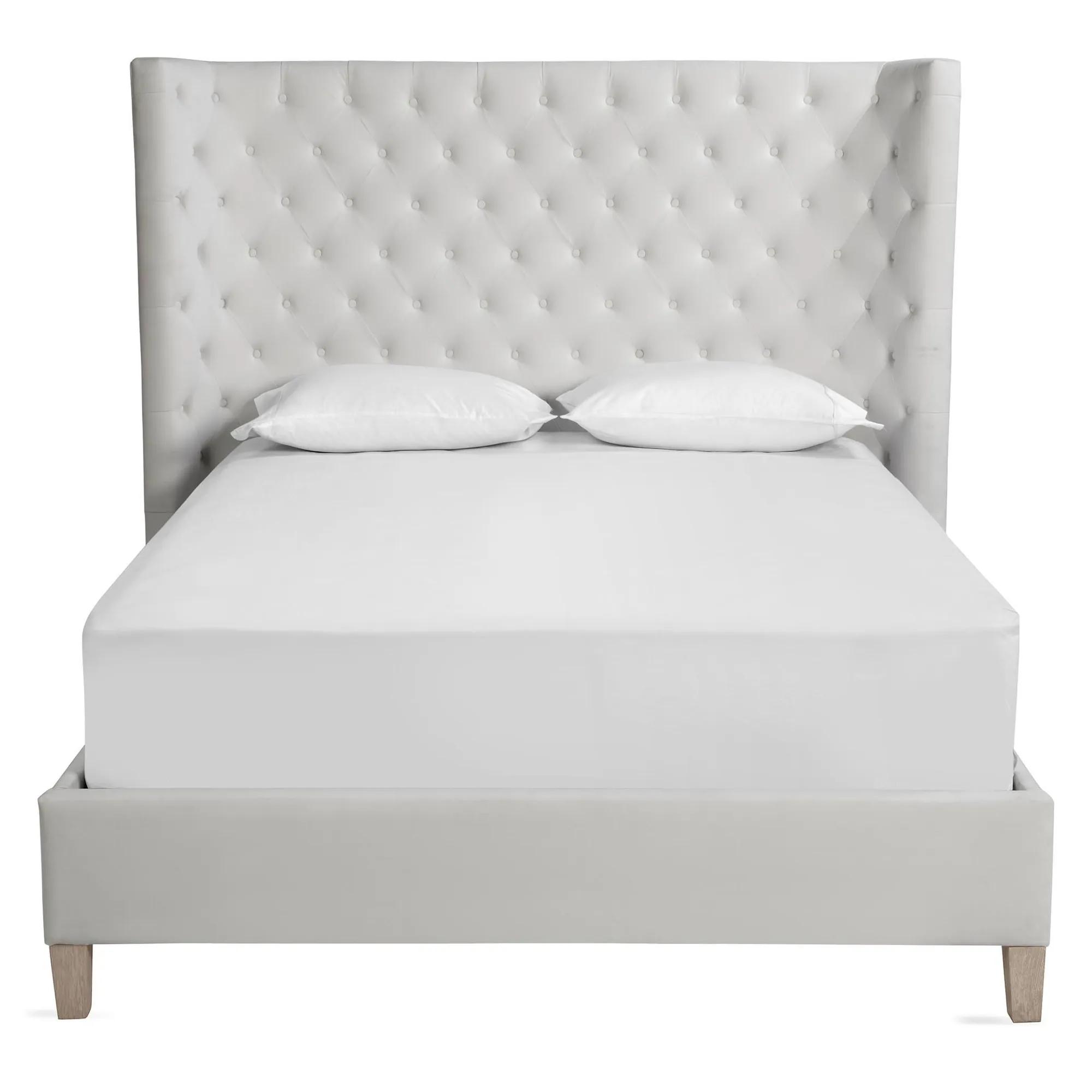
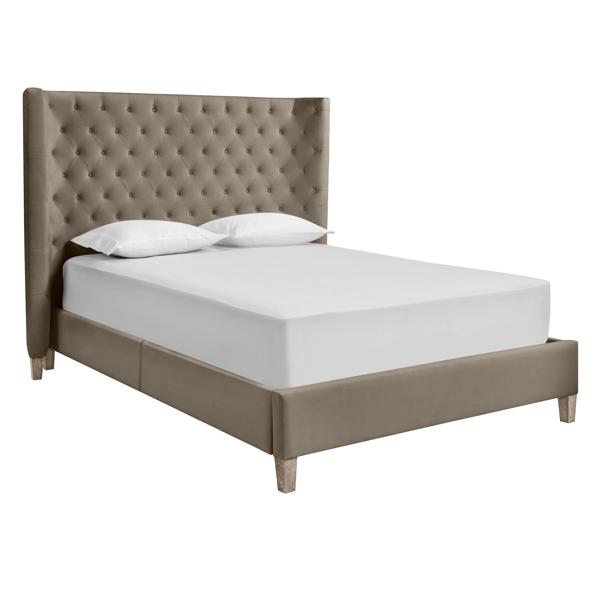 Jen Storage Bed$3099
A glamorous platform bed with a curved wingback headboard, diamond-tufted velvet upholstery, and four storage drawers.
Add To Cart -
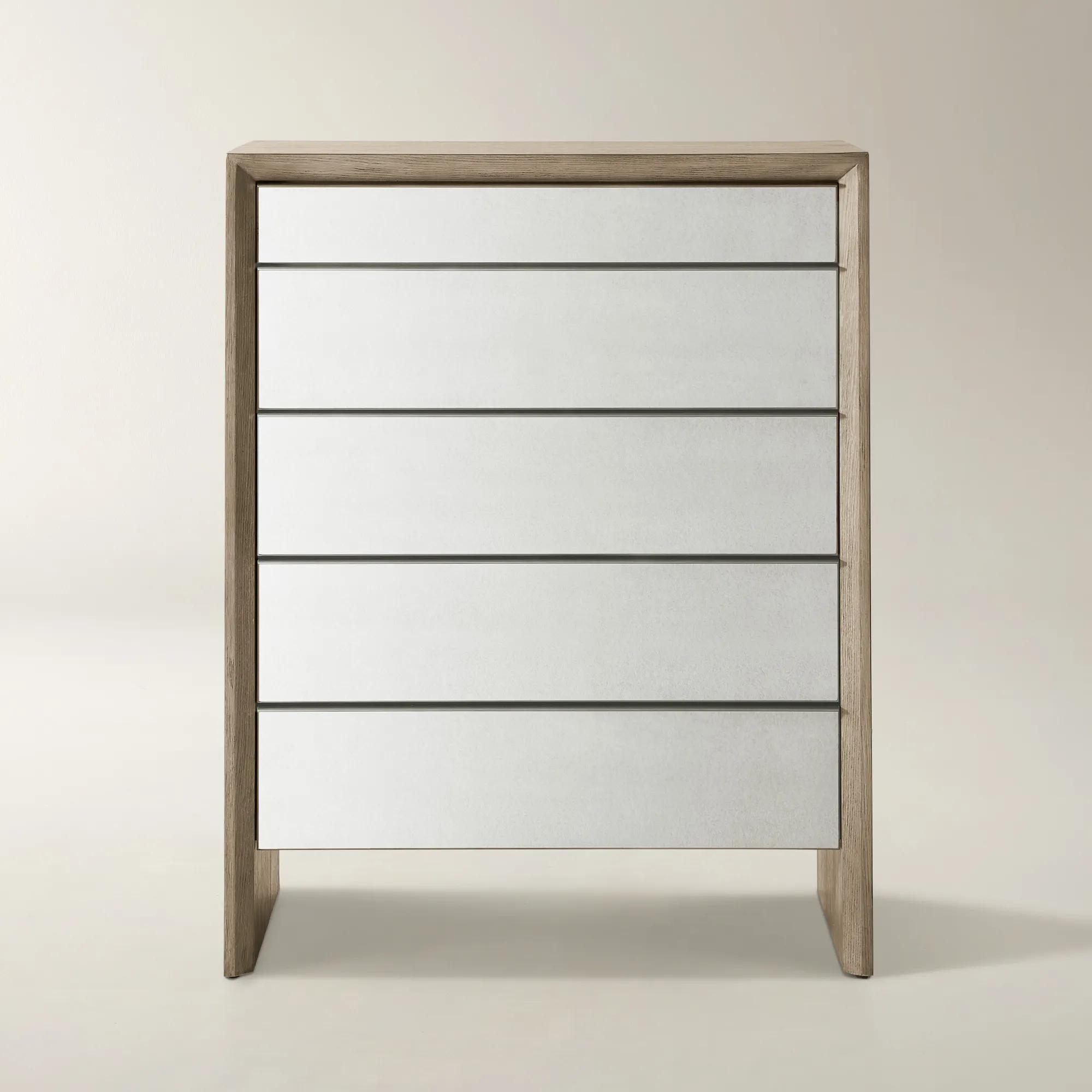
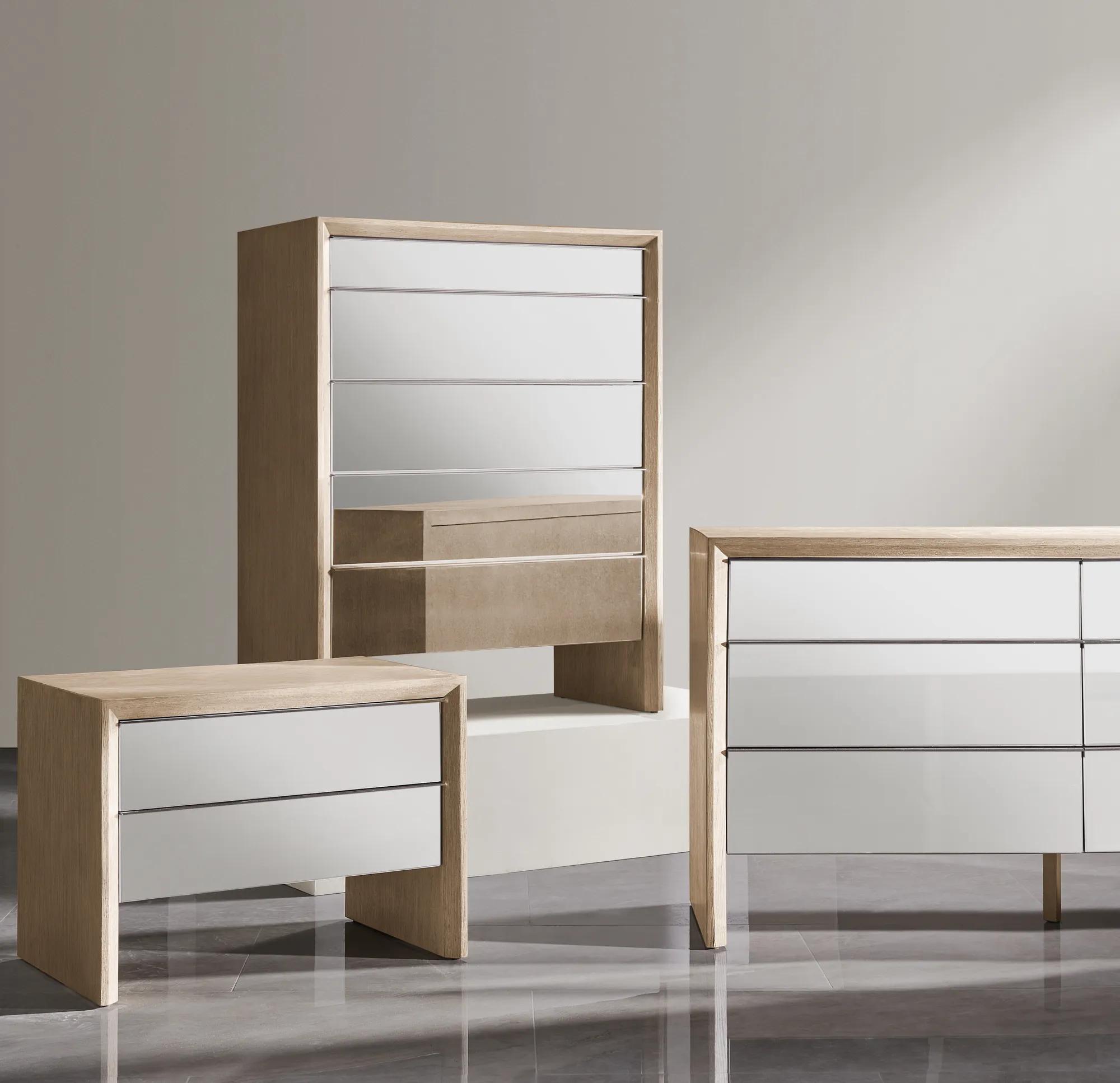 Glimmer Mirrored Seadrift Oak 5-Drawer Tall Dresser (40")$1999
A versatile chest featuring sea drift oak veneer, antique mirrored drawer fronts, and soft-close drawers for elegant storage.
Add To Cart -
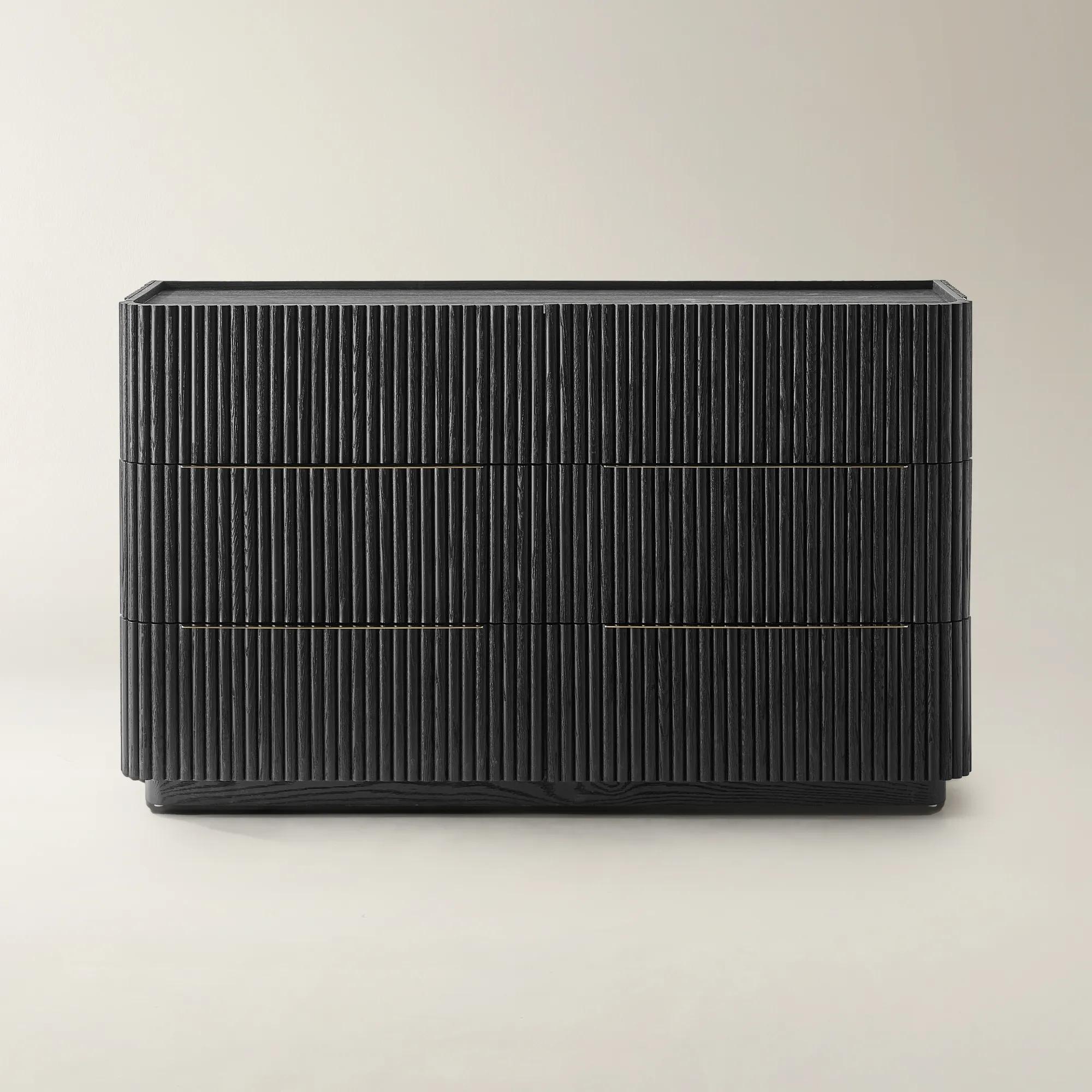
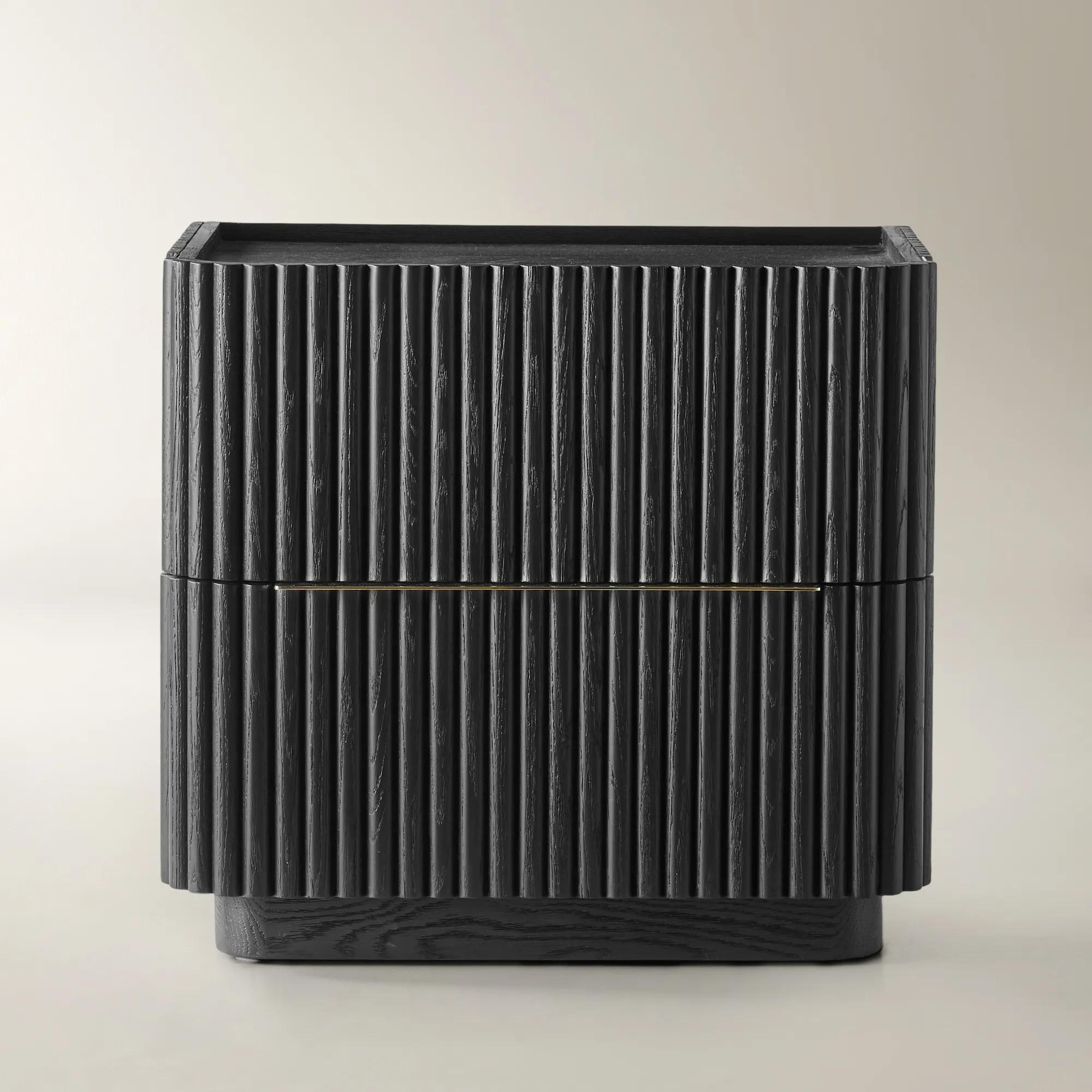 Stria Reeded Black Oak 2-Drawer Nightstand (26")$899
A black oak nightstand featuring vertical reeded texture, soft gold accents, and soft-close velvet-lined drawers.
Add To Cart -
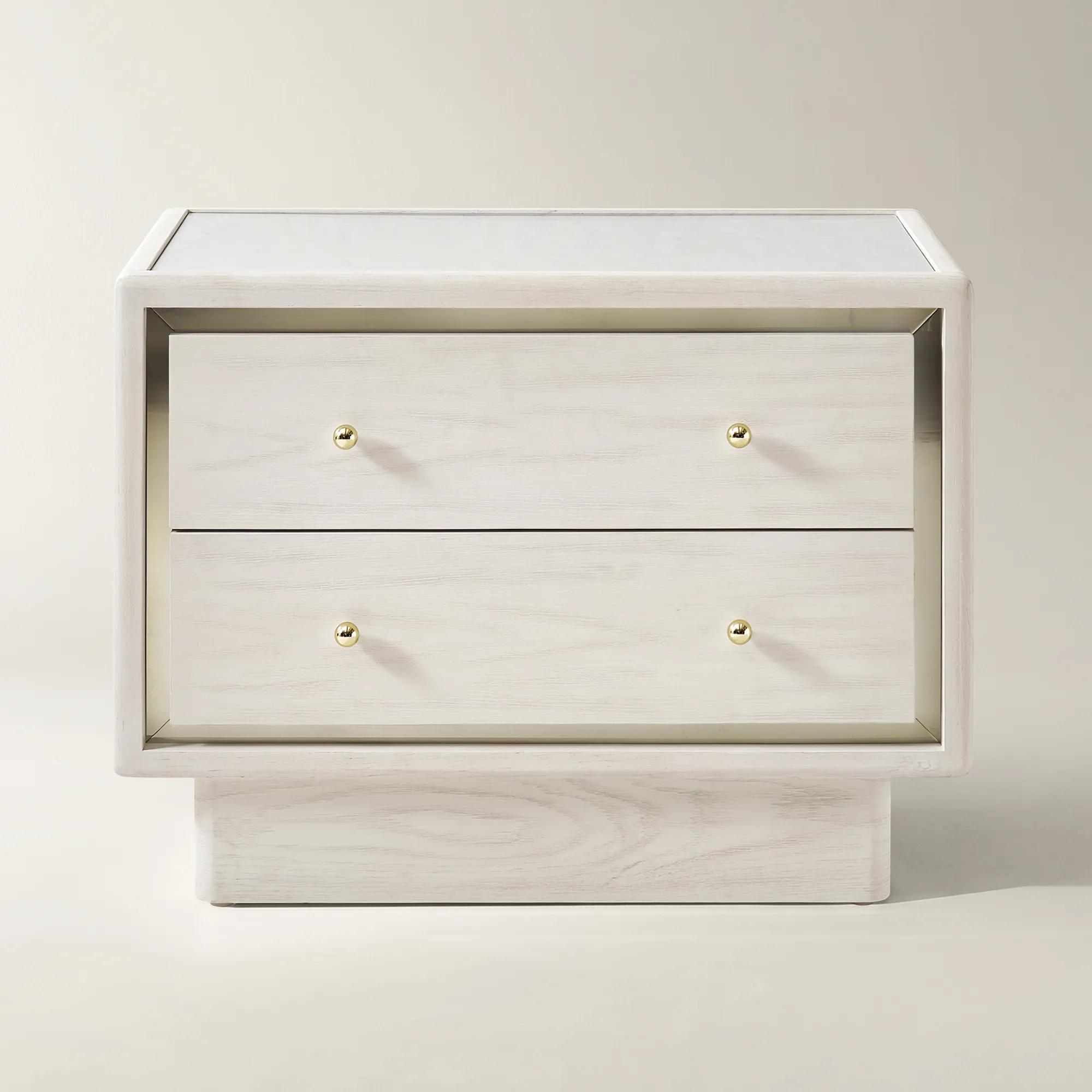
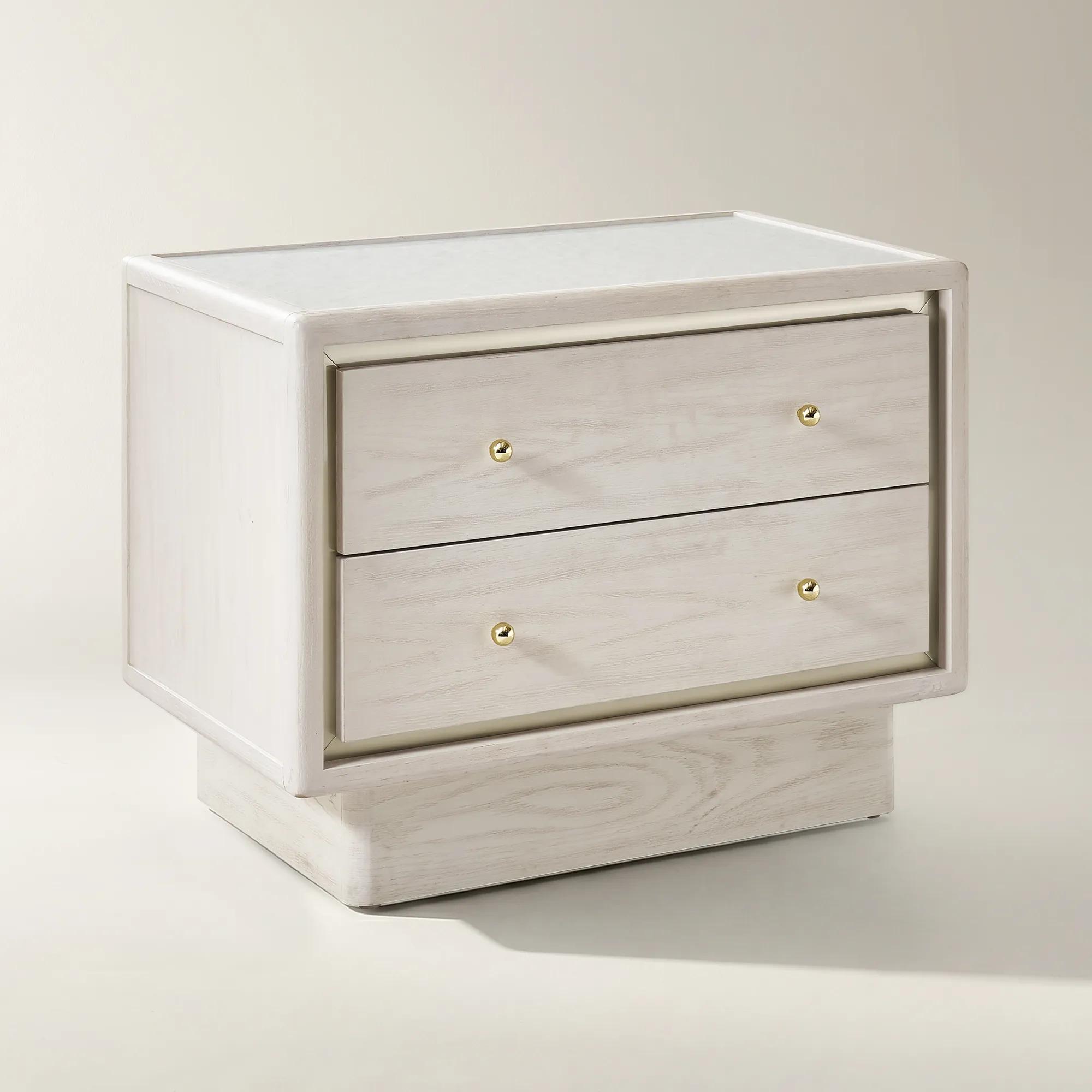 Lumina Bleached Oak 2-Drawer Nightstand With Pearl Lacquered Top (32")$999
A bleached oak nightstand featuring a pearl lacquered top, champagne gold trim, and soft-close drawers.
Add To Cart -
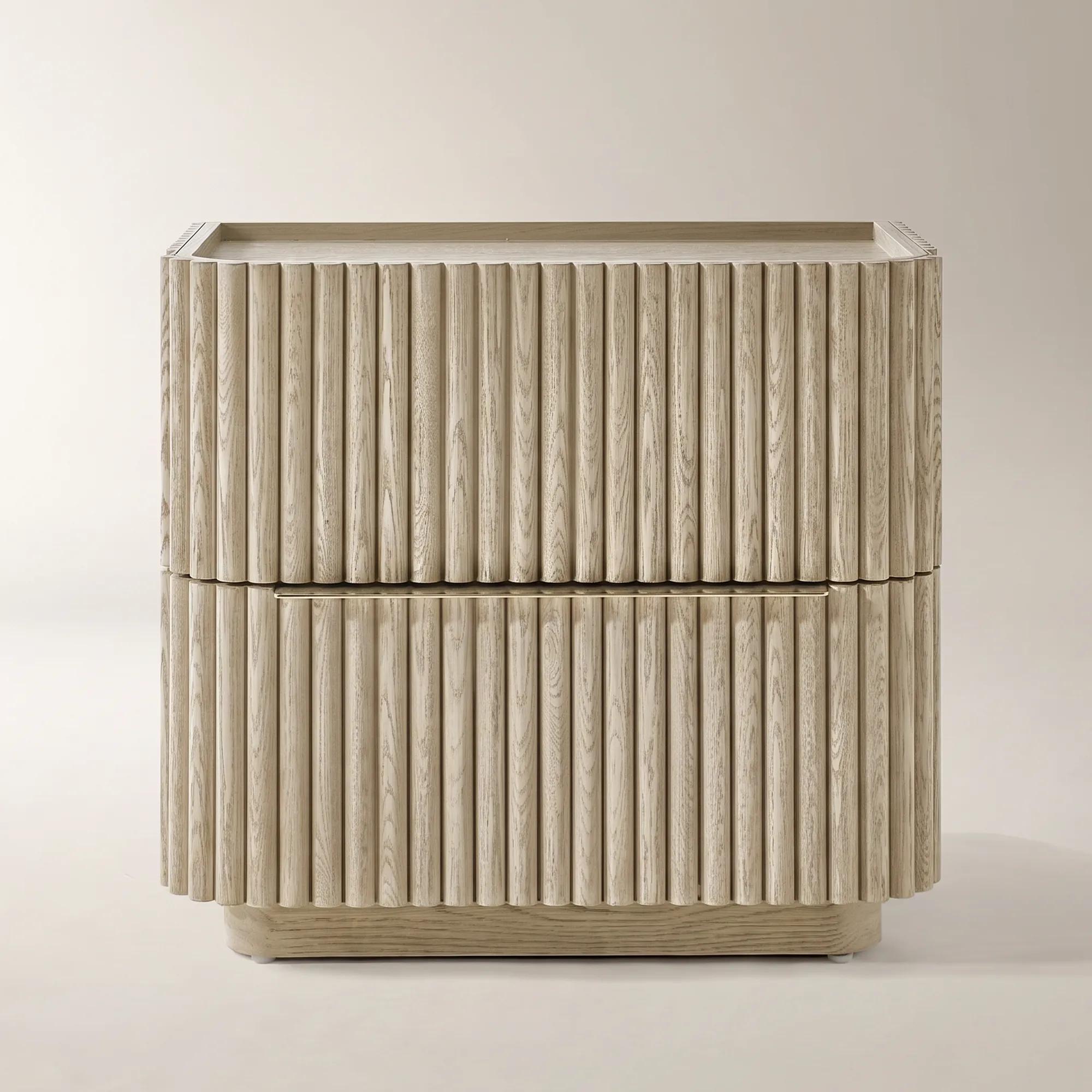
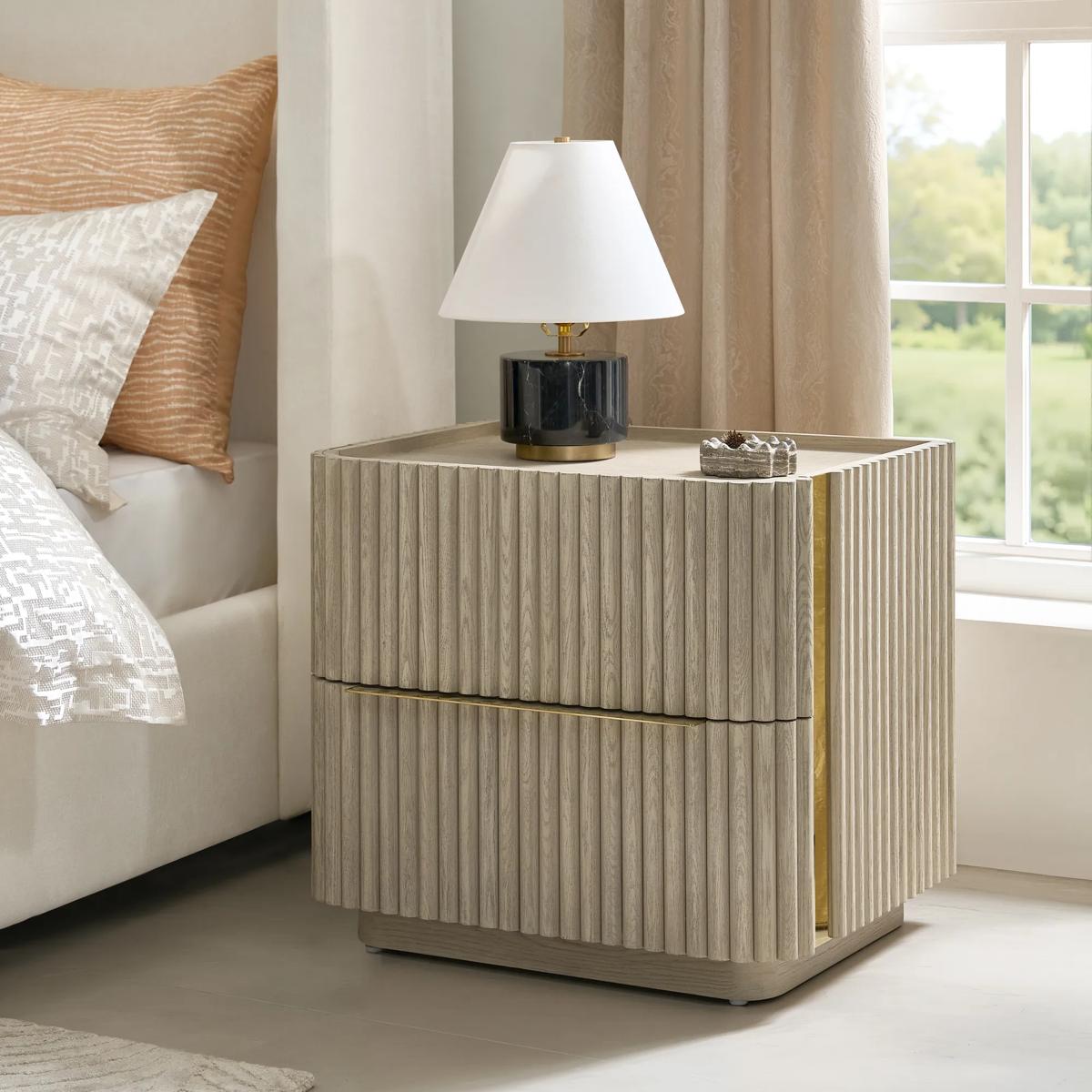 Stria Reeded White Oak 2-Drawer Nightstand (26")$899
A sculptural oak nightstand with reeded wood details, gold-plated trim, and soft-close felt-lined drawers.
Add To Cart -
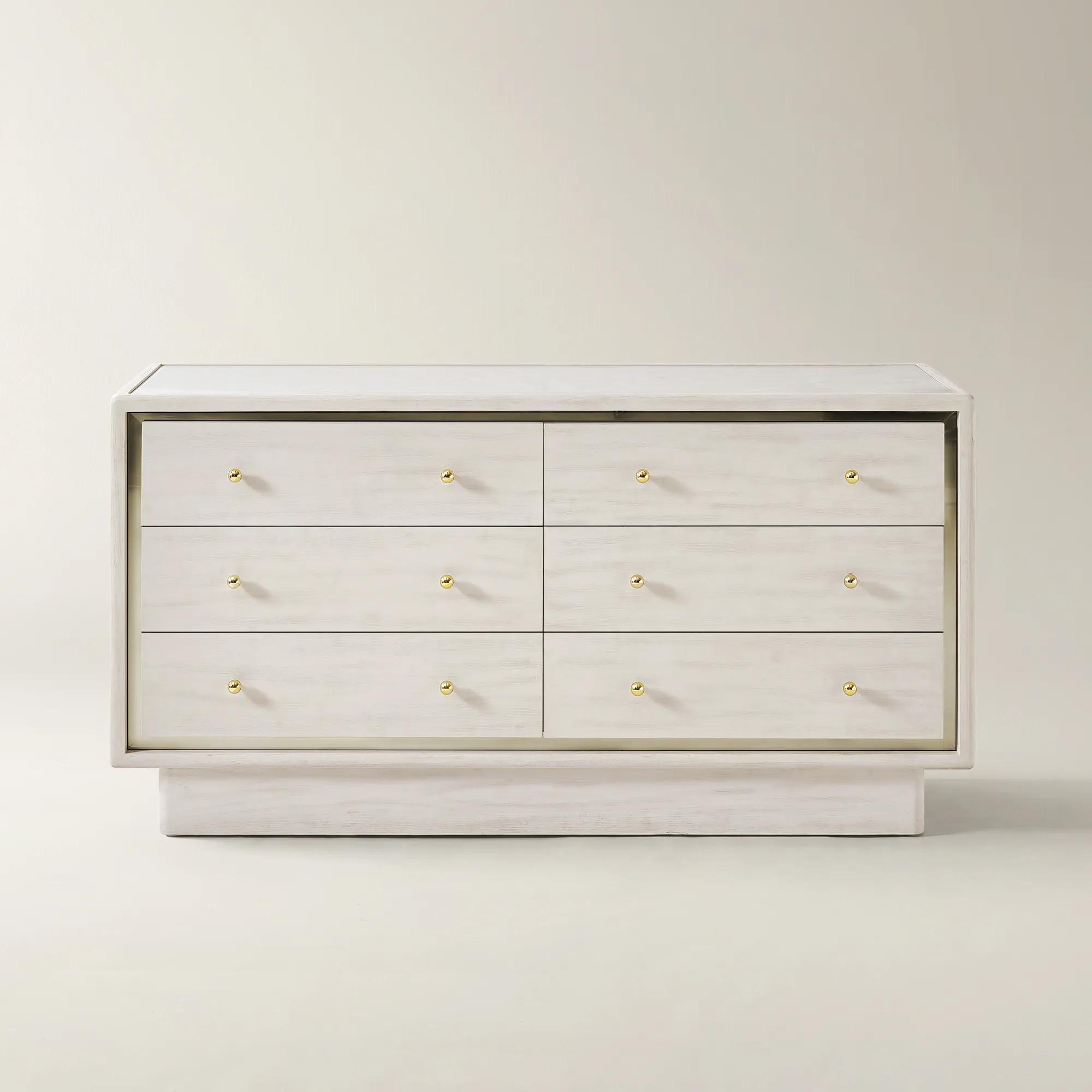 Lumina Bleached Oak 6-Drawer Dresser With Pearl Lacquered Top (62")$2199
A bleached oak dresser featuring a pearl lacquered top, champagne gold trim, and six velvet-lined soft-close drawers.
Add To Cart

Storage Furniture For Bedrooms
Find storage furniture for bedrooms that keeps clothing, linens, and bedside essentials organized while bringing a polished presence to your space. Explore pieces that balance storage with style, considering dimensions, drawer and cabinet space, and silhouettes that complement your bed without crowding the room.
Bedroom storage furniture gives clothing, bedding, and personal essentials a dedicated place while shaping the room’s character. Dressers, tall chests, nightstands, storage beds, wardrobes, and storage benches each serve a different purpose, from organizing folded garments to concealing extra pillows beneath a beautifully composed bed. A wide dresser offers generous drawer space and a surface for a sculptural lamp, a framed photograph, or a carefully chosen decorative tray. A tall, narrow chest concentrates storage vertically, making it useful beside a closet or along a shorter wall where a broad silhouette would feel crowded. Nightstands keep reading glasses, charging cords, and evening essentials within reach; enclosed drawers preserve a serene bedside arrangement without leaving every necessity on display. Storage beds put the area beneath the mattress to work, with drawers or lift-up compartments that can accommodate linens and other belongings according to their dimensions and weight limits. An upholstered storage bench introduces another layer of function, providing concealed space for throws or spare bedding and, when designed for seating, a comfortable place to dress. Wardrobes and bedroom cabinets can supplement limited closet space, while shelving allows books and decorative objects to become part of the composition. The most compelling arrangements balance these functions with a distinct visual point of view. A mirror-finish chest reflects surrounding light and adds brilliance; richly grained wood gives a glamorous bedroom warmth and depth; a plush bench softens the geometry of a substantial bed frame. Matching silhouettes can create a composed, architectural effect, while complementary finishes let the room feel collected rather than prescribed. In a shared bedroom, separate bedside storage gives each person a place for private essentials. In a guest room, a few accessible drawers make unpacking feel gracious. The purpose is not simply to conceal belongings, but to give everyday rituals an elegant setting, with enough room for the objects that deserve to stay close.
The right proportions allow bedroom storage furniture to feel substantial without overwhelming the space. Overall width, depth, and height matter, but so do the clearances needed to open drawers, swing cabinet doors, or lift a storage-bed platform. A dresser that fits neatly against a wall may still interrupt the route between the bed and closet when its drawers are extended. Under-bed drawers need unobstructed space beside or at the foot of the frame, while a lift-up compartment requires room for its moving platform and bedding. Measuring doorways, stair turns, and the delivery path is equally important for larger pieces. Inside the furniture, drawer dimensions determine whether folded sweaters, denim, or spare sheets will fit comfortably; exterior size alone does not reveal usable capacity. Bedside proportions deserve similar attention, with a nightstand surface close to mattress height making a lamp, book, or glass of water easier to reach. Materials bring their own visual and practical qualities. Solid wood offers natural grain variation and can develop character with use, though its performance depends on construction, finish, and care. Wood veneers can provide richly patterned surfaces over a stable core, and engineered wood can support clean profiles and consistent finishes when well constructed. Lacquered surfaces create a sleek, luminous presence, while metal accents introduce crisp definition through drawer pulls, bases, or trim. Mirrored panels amplify light and surrounding detail, but their edges and surfaces call for thoughtful handling. Upholstered storage pieces contribute sumptuous texture, with fabric choice influencing cleaning needs and resistance to everyday wear. Velvet lends depth through its changing sheen; other textiles may offer a more structured appearance. Durability is also reflected in details that are less immediately visible: secure joints, stable bases, properly fitted doors, and drawer mechanisms that move smoothly under their intended load. Furniture designed for clothing storage should be installed with any manufacturer-specified anti-tip restraints, keeping safety integral to a polished room rather than treating it as an afterthought.
Well-chosen storage supports the way a bedroom is actually lived in. Someone with an extensive wardrobe may benefit from several shallow drawers for smaller garments alongside deeper compartments for bulkier pieces. A bedroom with limited closet space may need a wardrobe with hanging capacity, while a room that doubles as a quiet work area can use closed cabinetry to keep papers and accessories from becoming the dominant view. In a compact apartment, a storage bed can reduce the need for another freestanding piece, preserving space for movement and allowing the room’s focal furnishings to remain prominent. A bench at the foot of the bed can hold spare linens without requiring a separate chest, provided the walkway stays comfortable. Thoughtful organization helps these pieces perform beautifully: drawer dividers separate delicate accessories, folded bedding stays easier to identify in manageable stacks, and frequently used belongings remain in the most accessible compartments. Avoid overfilling drawers or forcing hardware, and observe the stated load limits for shelves, seating, and storage mechanisms. Care should follow the instructions for each material and finish. A soft cloth is often appropriate for routine dusting, while spills deserve prompt attention with a finish-compatible cleaning method. Abrasive tools, excessive moisture, and harsh chemicals can damage wood finishes, lacquer, metal detailing, or mirrored surfaces. Coasters and protective pads help preserve dresser and nightstand tops beneath drinks, lamps, and decorative objects; upholstered lids and seats benefit from fabric-appropriate cleaning and gentle handling around hinges. Keeping furniture away from persistent moisture and intense direct sunlight can also help protect its appearance. With the practical details resolved, styling can stay selective and expressive. A gleaming tray gathers jewelry without scattering it across a dresser, and a single sculptural vessel gives an expansive surface a deliberate focal point. Explore Stylish Storage For Bedrooms for designs that make organization an intentional part of a richly layered room. The result is a bedroom with visual drama and personal ease, where beautiful furniture holds what matters without asking every belonging to become part of the display.
FAQs
Dressers, chests of drawers, nightstands, armoires, and storage benches each bring a distinct design note to the bedroom. A sculptural dresser creates a striking focal point, while an upholstered storage bench introduces sumptuous texture. Choose bedroom storage furniture that gives everyday belongings a discreet home and your personal style a bold expression.
Let your room’s palette and textures guide the finish. Mirrored storage furniture reflects surrounding color and light for a luminous effect, while lacquer lends a sleek, polished presence. Rich wood tones add warmth and depth, and metallic accents introduce a jewelry-like flourish. Repeat a finish in your lighting or decorative accessories to create a considered composition.
Bedroom storage furniture can complement the bed without matching it exactly. Pair an upholstered headboard with a gleaming dresser for a contrast of softness and shine, or bring painted nightstands into a room anchored by wood. A shared undertone, hardware finish, or sculptural detail makes the mix feel intentional rather than uniform.
Open bedroom storage places books, decorative boxes, and treasured objects on display, making them part of the room’s visual story. Closed storage conceals clothing and personal belongings behind drawers or doors for a composed backdrop. Combining the two creates room for both expressive displays and a more serene atmosphere.
Treat your dresser top as a curated vignette. Anchor the composition with artwork or a mirror, then introduce a sculptural lamp, a distinctive vase, or a decorative tray for cherished accents. Vary the silhouettes and leave some surface visible so each object has presence. Keep everyday essentials tucked inside drawers to let the arrangement hold the spotlight.