Furniture For Stylish Studios
Furniture For Stylish Studios
-
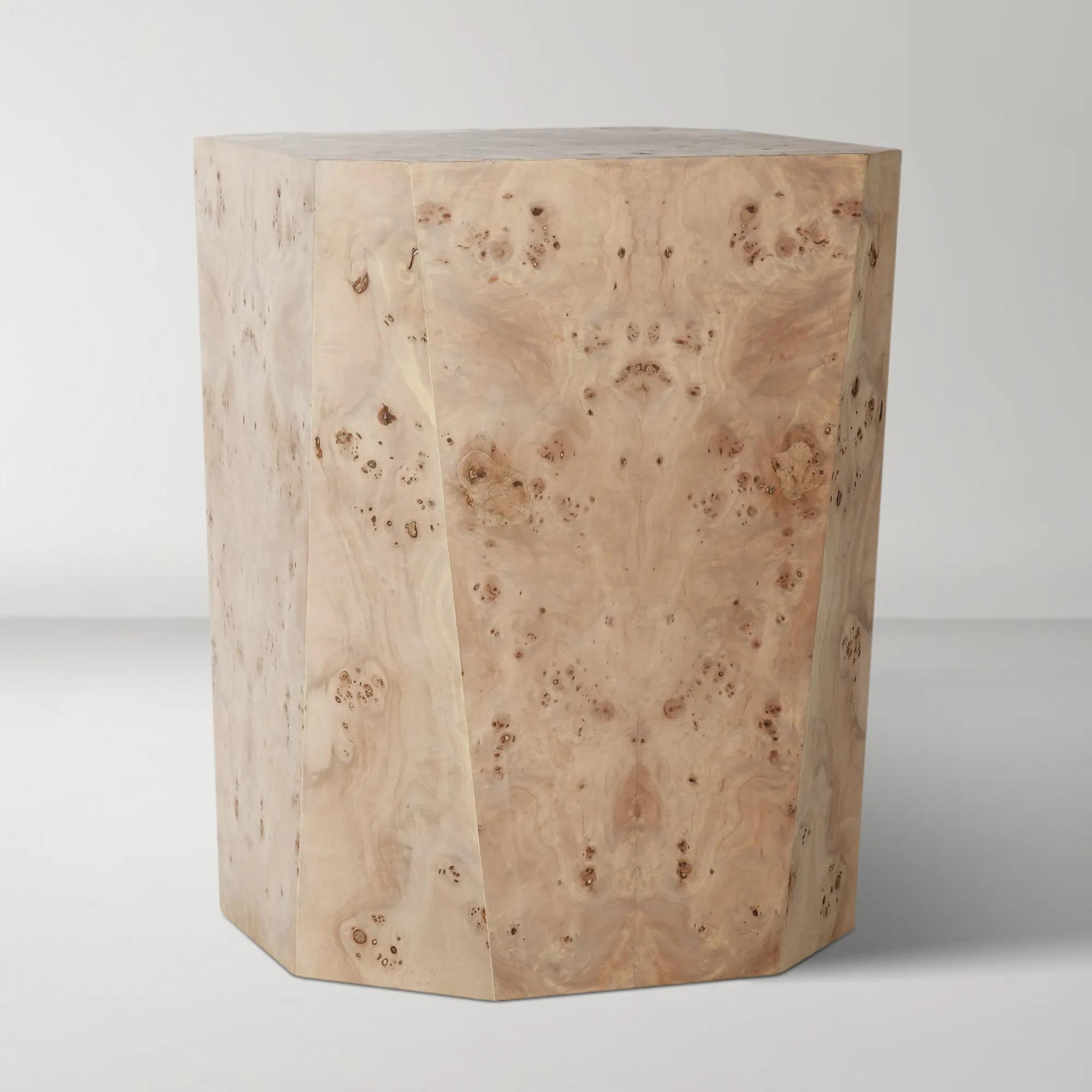
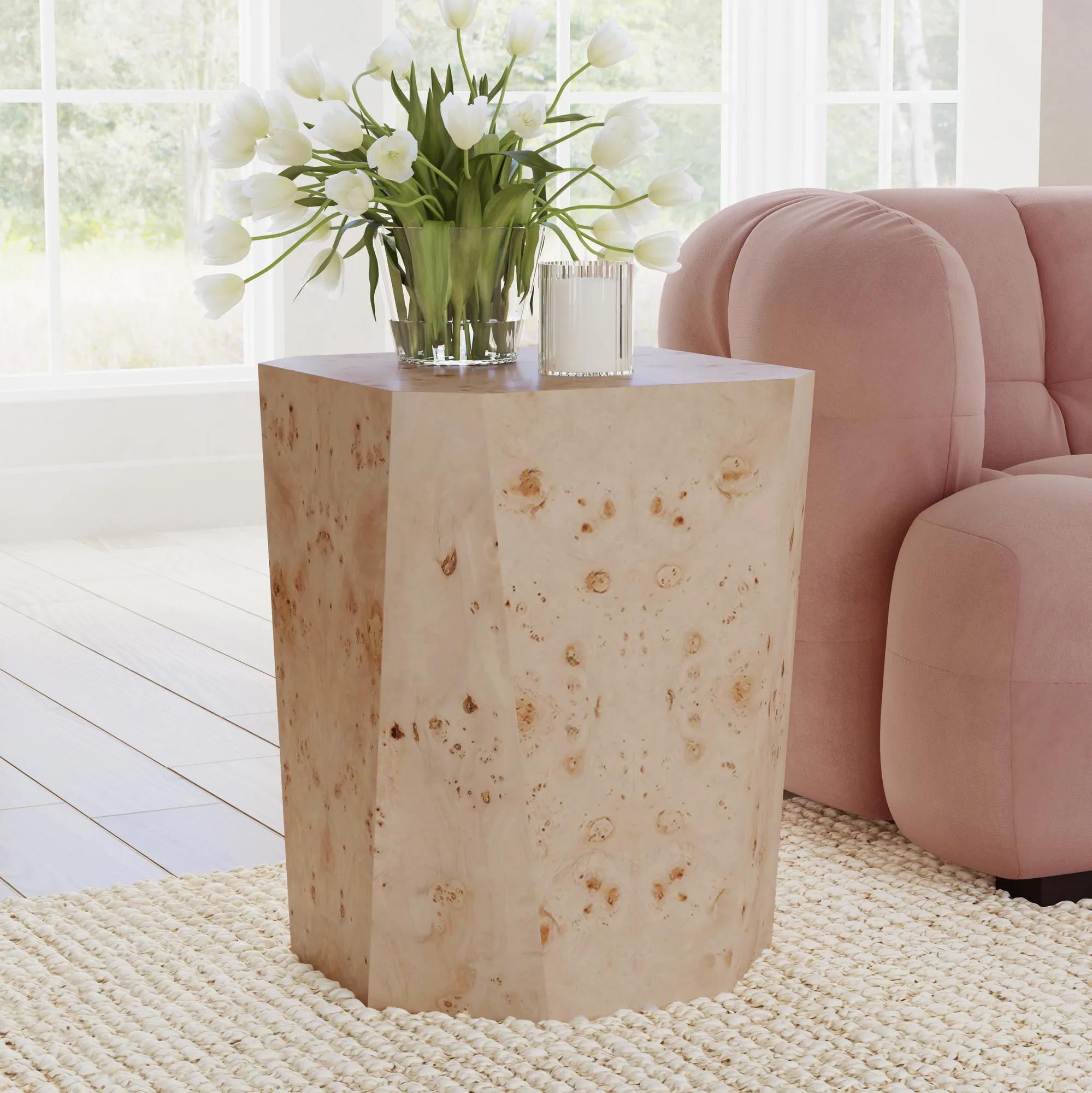 Avena Square Natural Burl Wood End Table (17.75")$699
A striking end table featuring natural burl wood veneer with unique swirling grain and warm, organic tones.
Add To Cart -
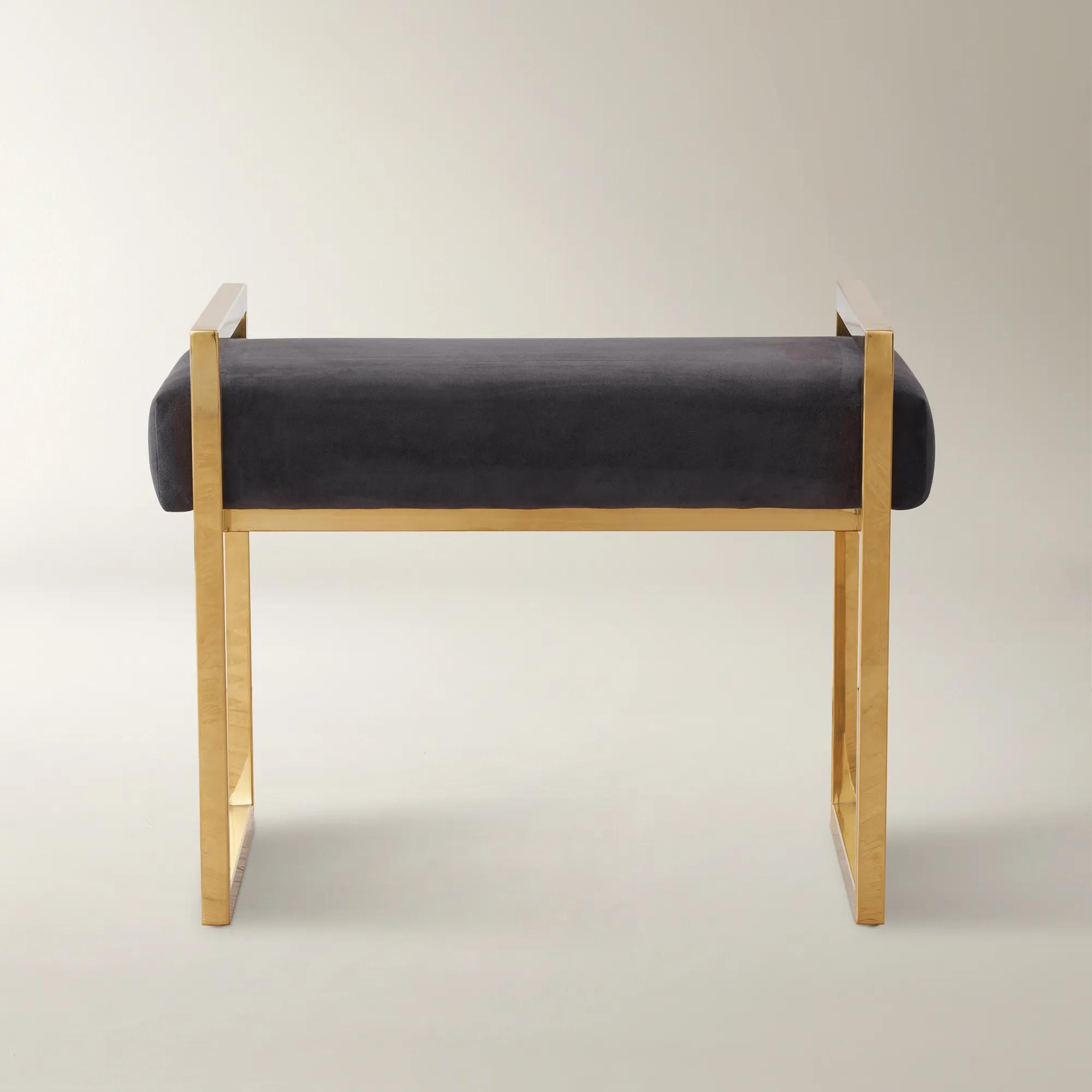
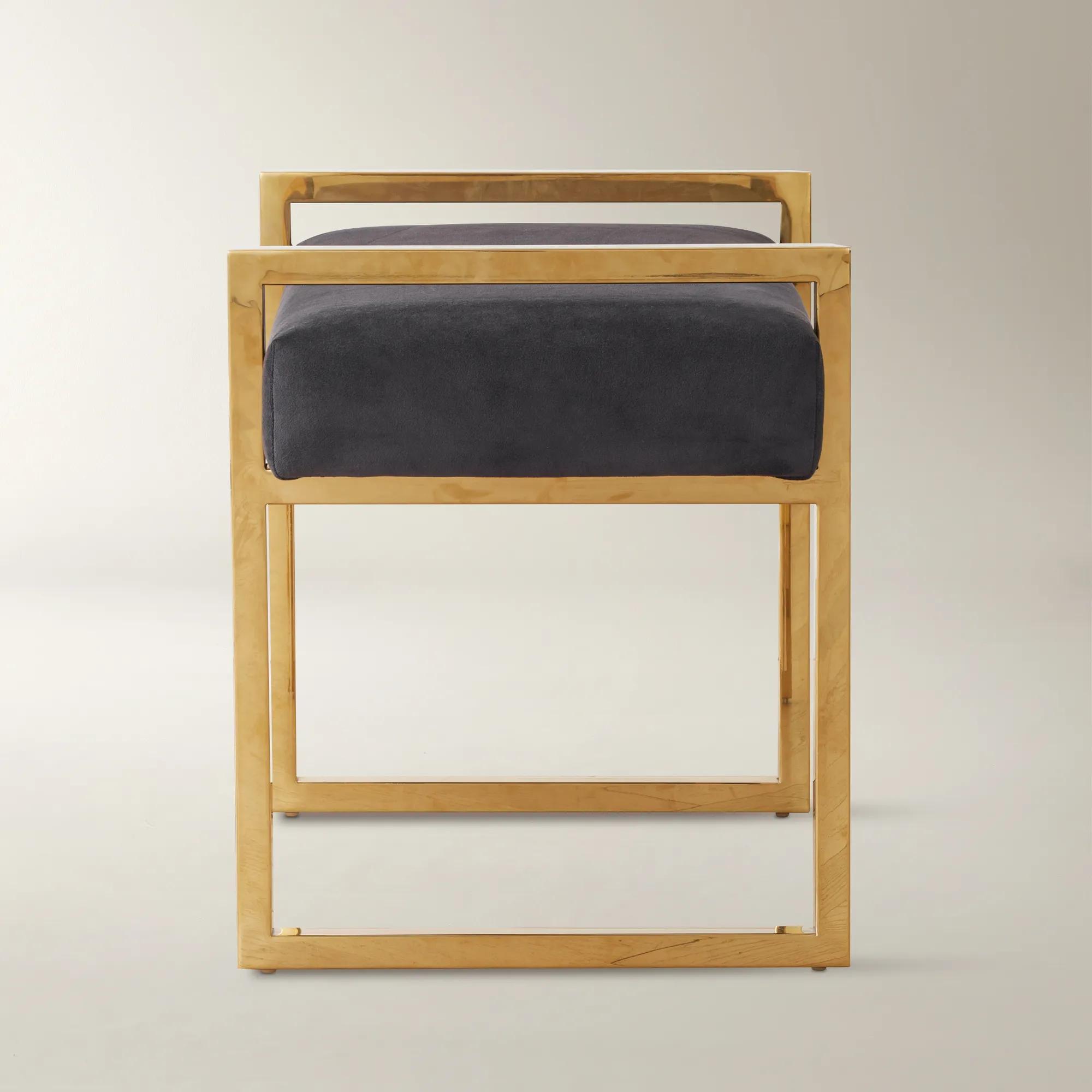 Clara Accent Stool$499
A plush black velvet stool with a high-density foam seat and polished gold metal legs.
Add To Cart -
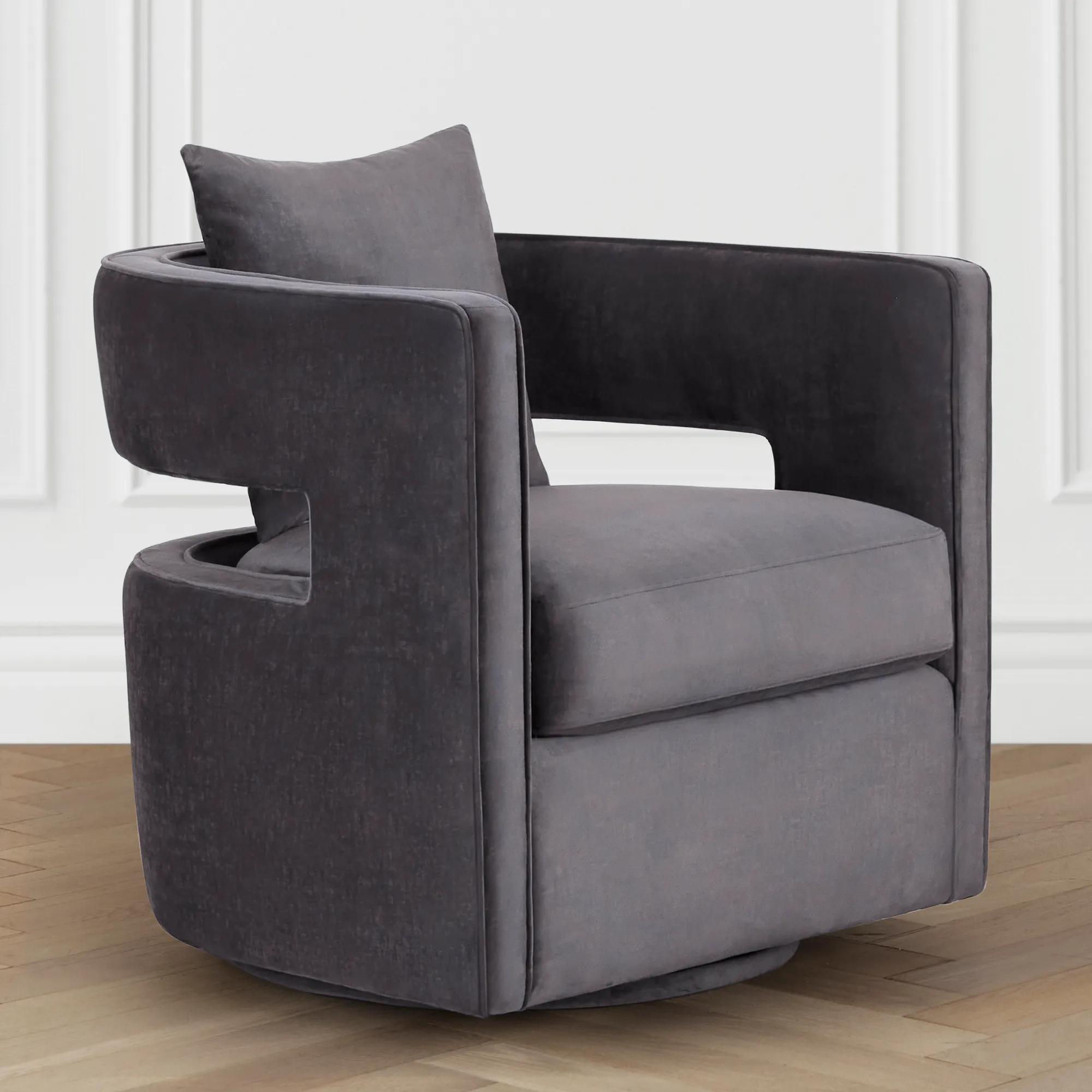 Lottie Grey Velvet Swivel Accent Chair$999
A glamorous grey velvet swivel chair featuring a barrel back, cutout arms, and plush foam cushioning.
Add To Cart -
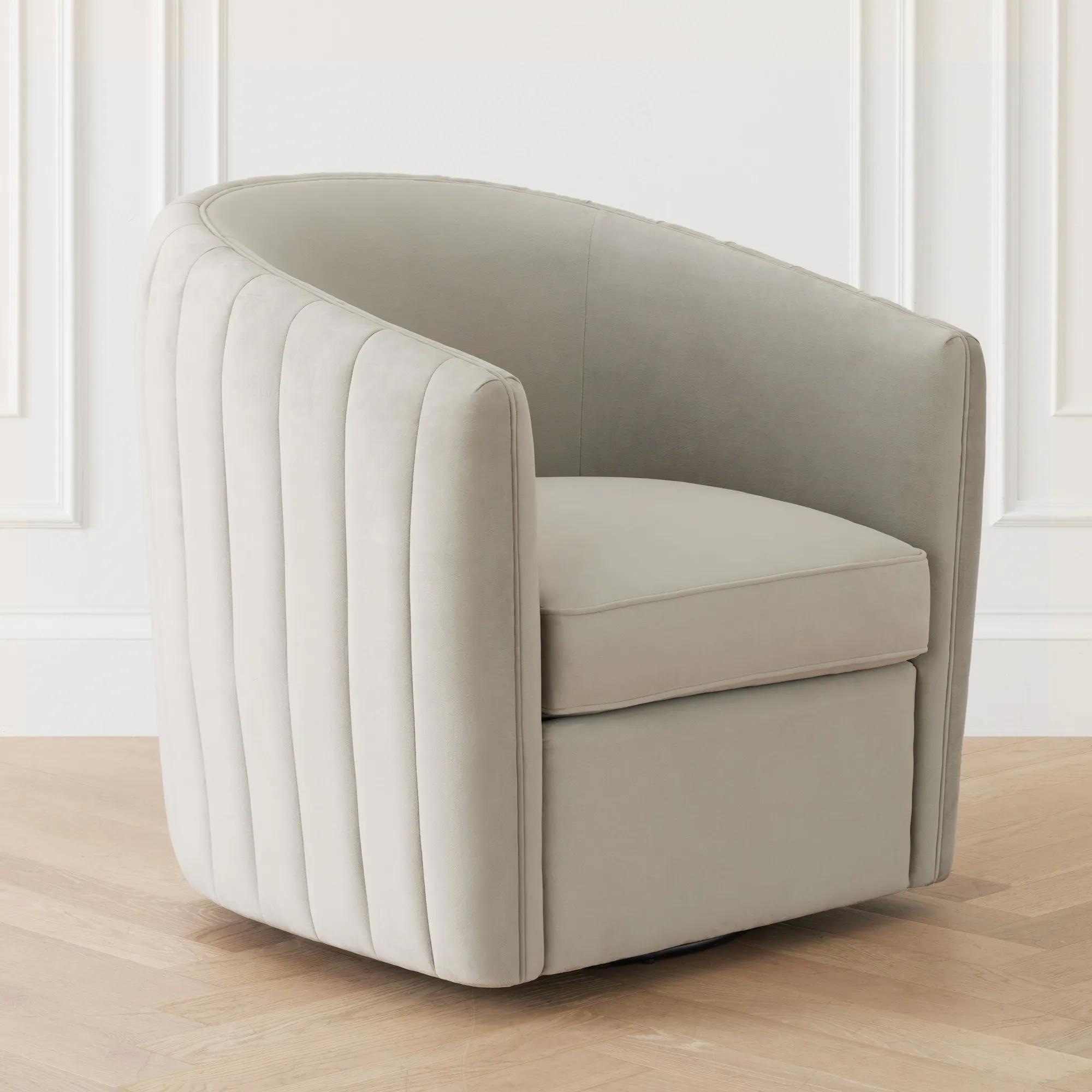
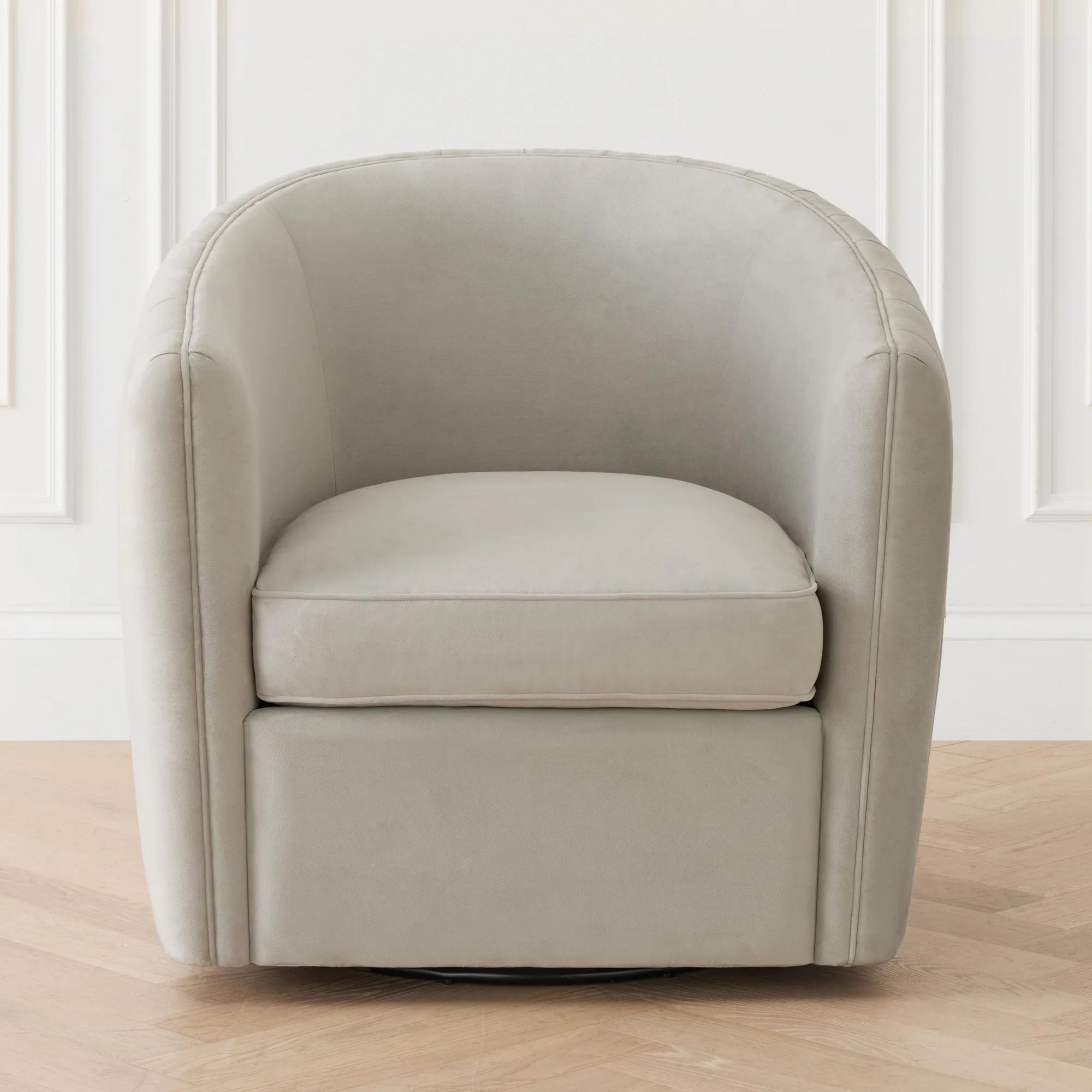 Aria Channeled Swivel Chair$1199
A modern barrel chair in kiln-dried hardwood with channeled velvet upholstery and a smooth swivel base.
Add To Cart -
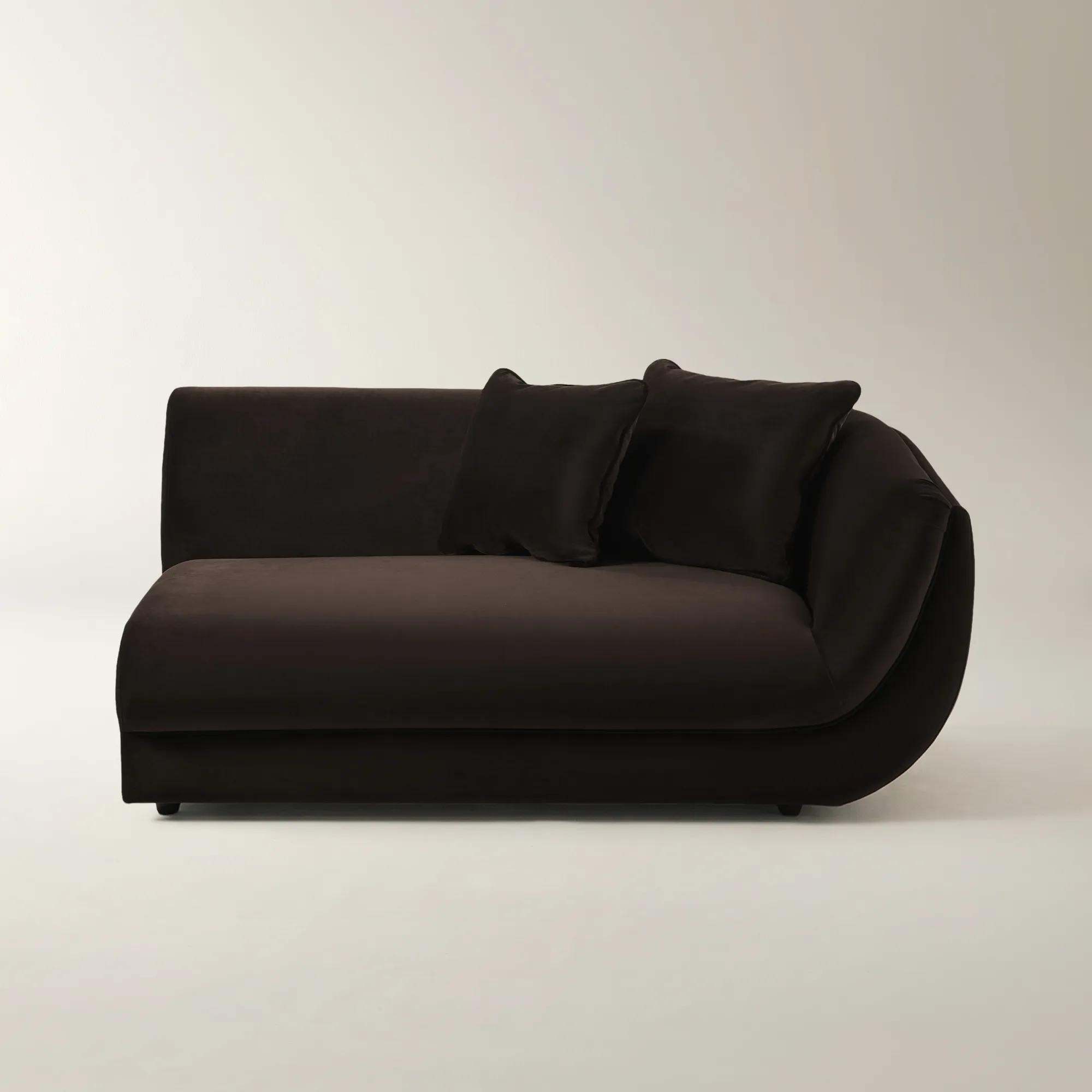
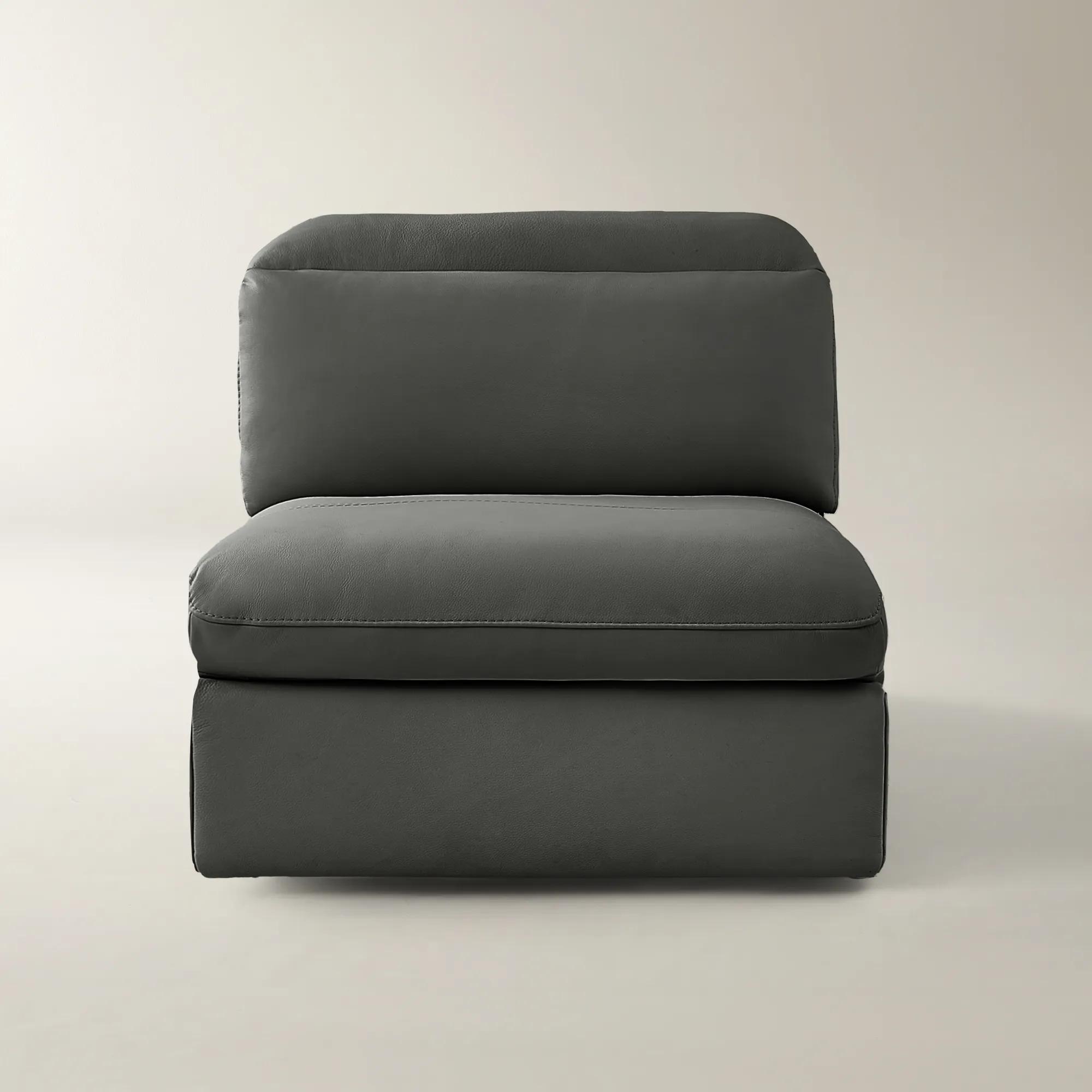
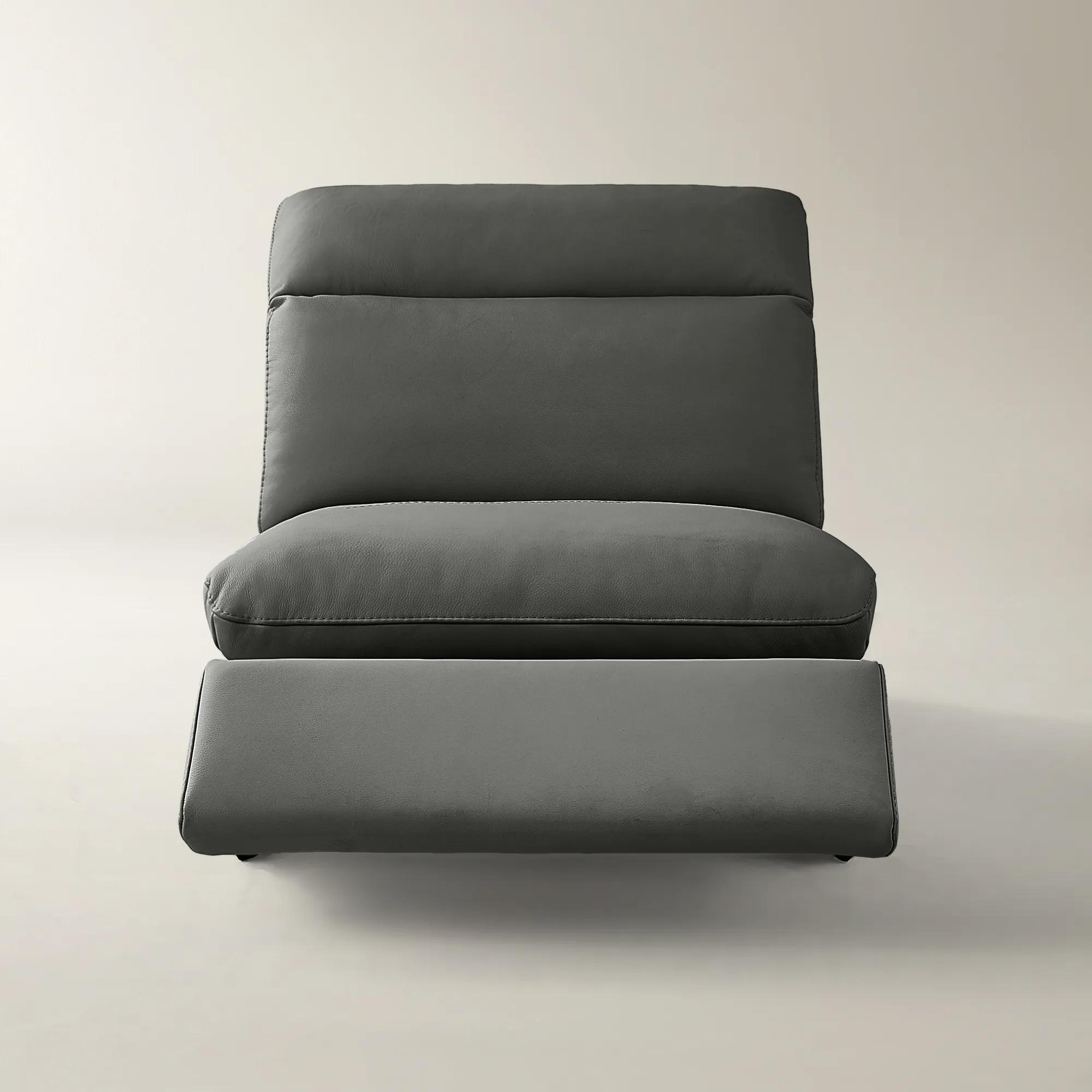
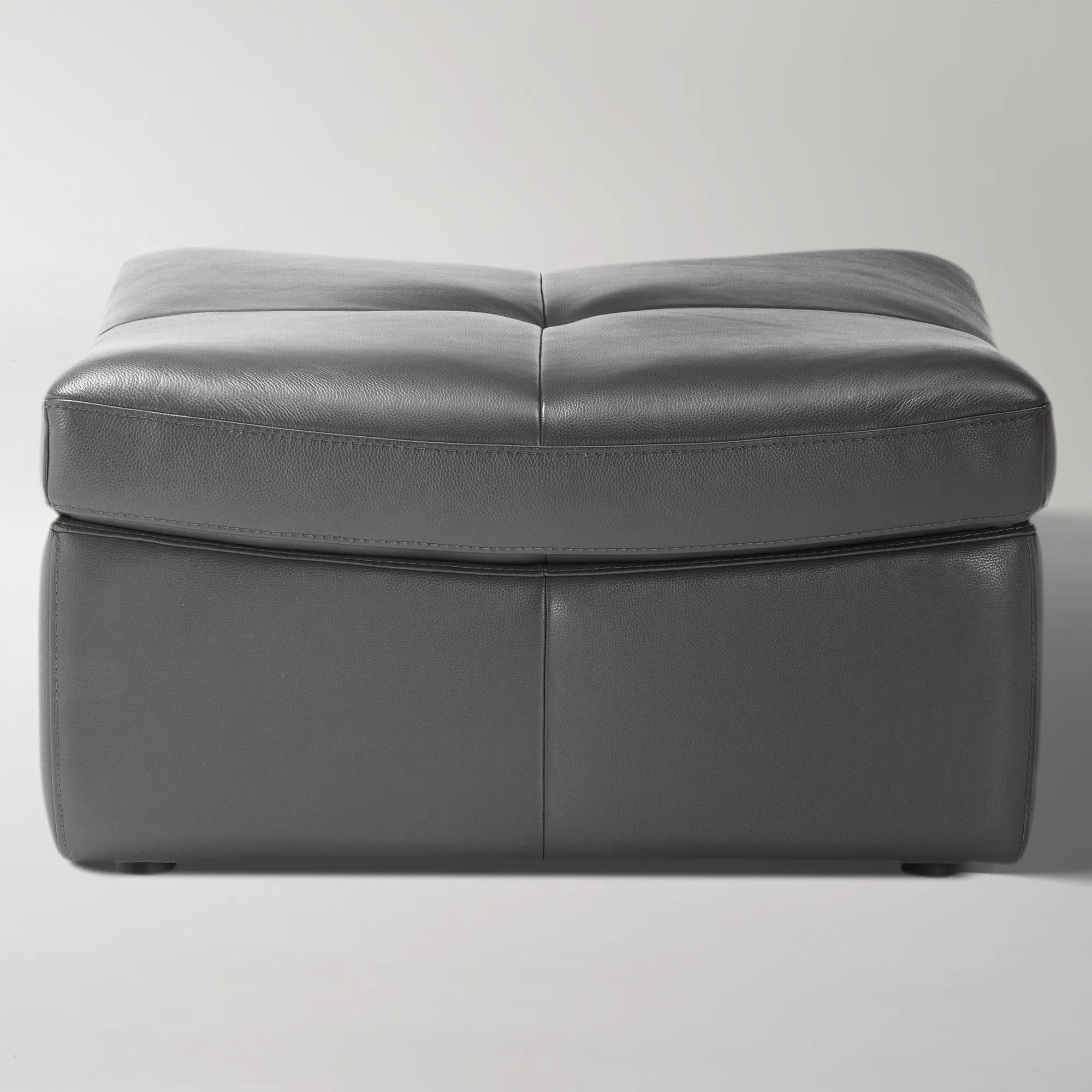 Convo Charcoal Leather Ottoman$849
A modular sectional in charcoal semi-aniline leather with kiln-dried hardwood frames and gently curved seats.
Add To Cart -
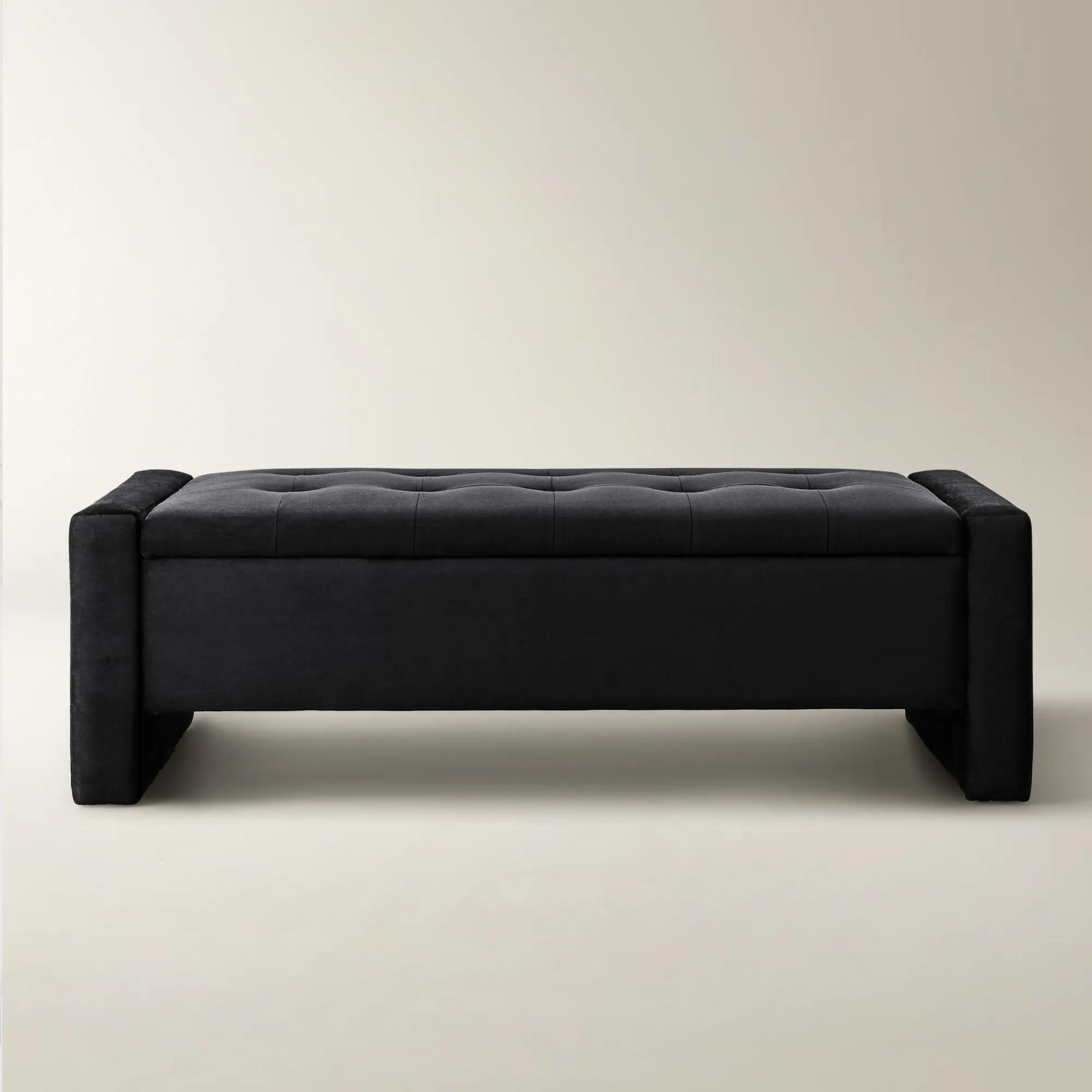
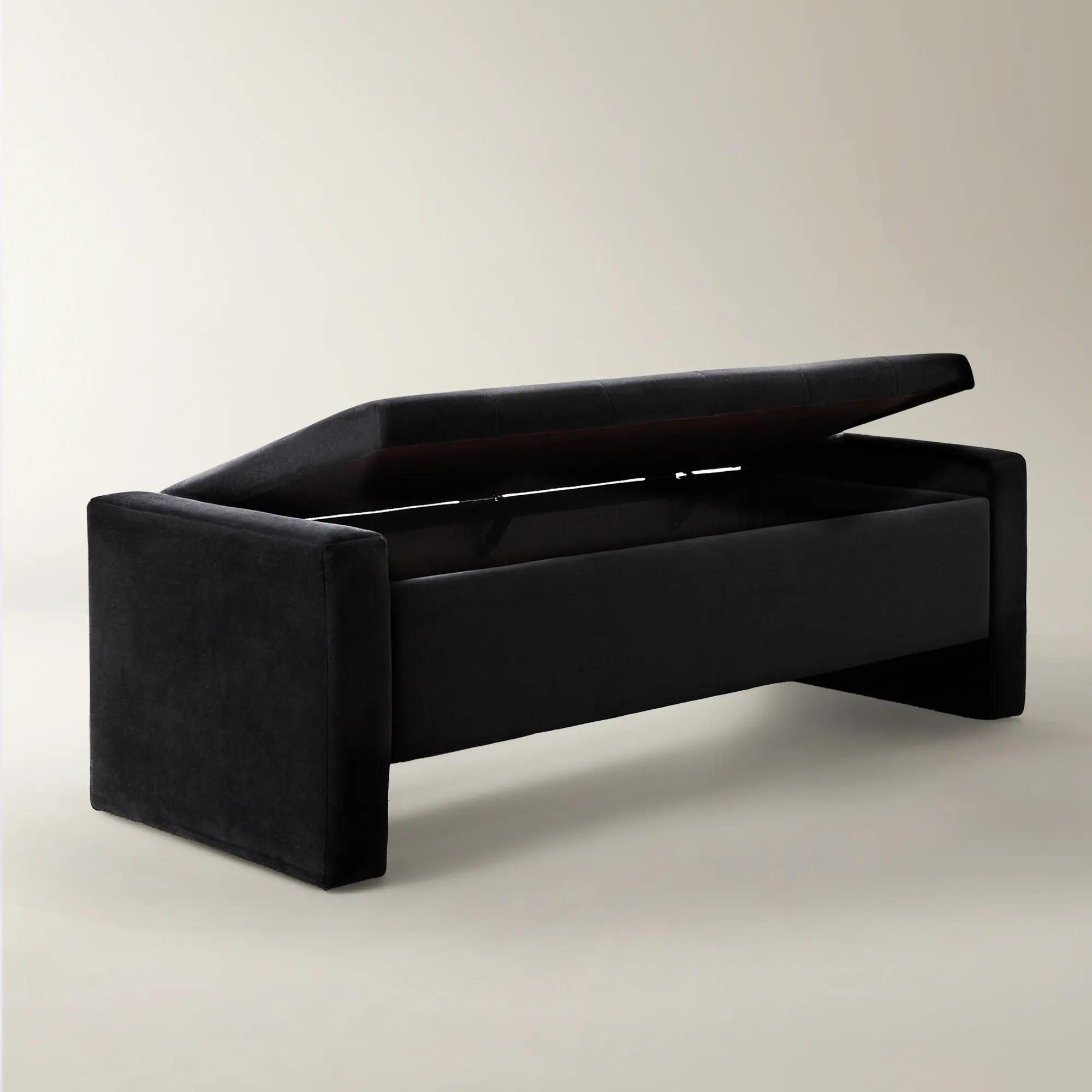 Maeve Storage Bench$849
A modern velvet-upholstered bench with hidden storage and a sturdy kiln-dried hardwood frame.
Add To Cart -
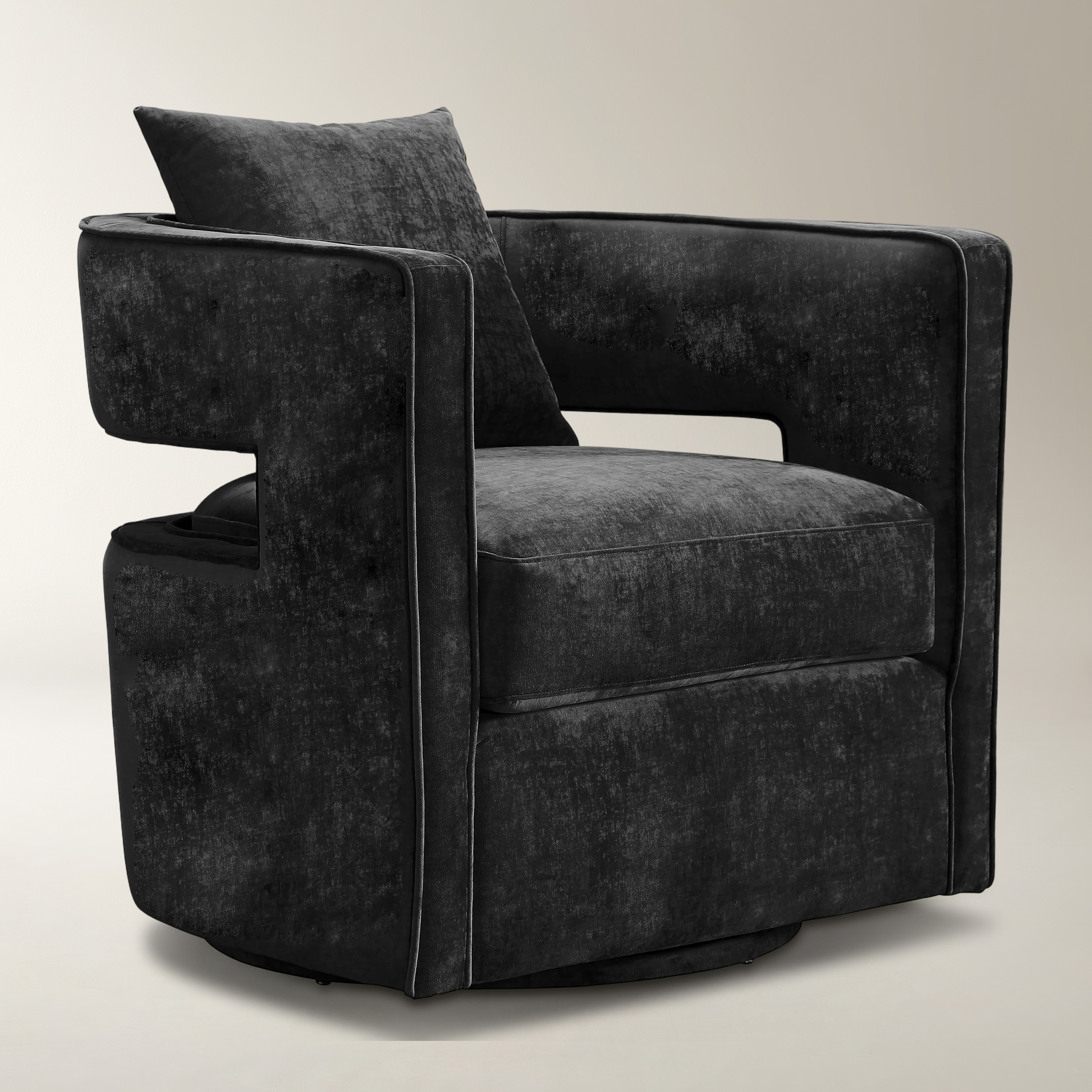 Lottie Black Velvet Swivel Accent Chair$999
A glamorous black velvet swivel chair featuring a barrel back, cutout arms, and plush foam cushioning.
Add To Cart -
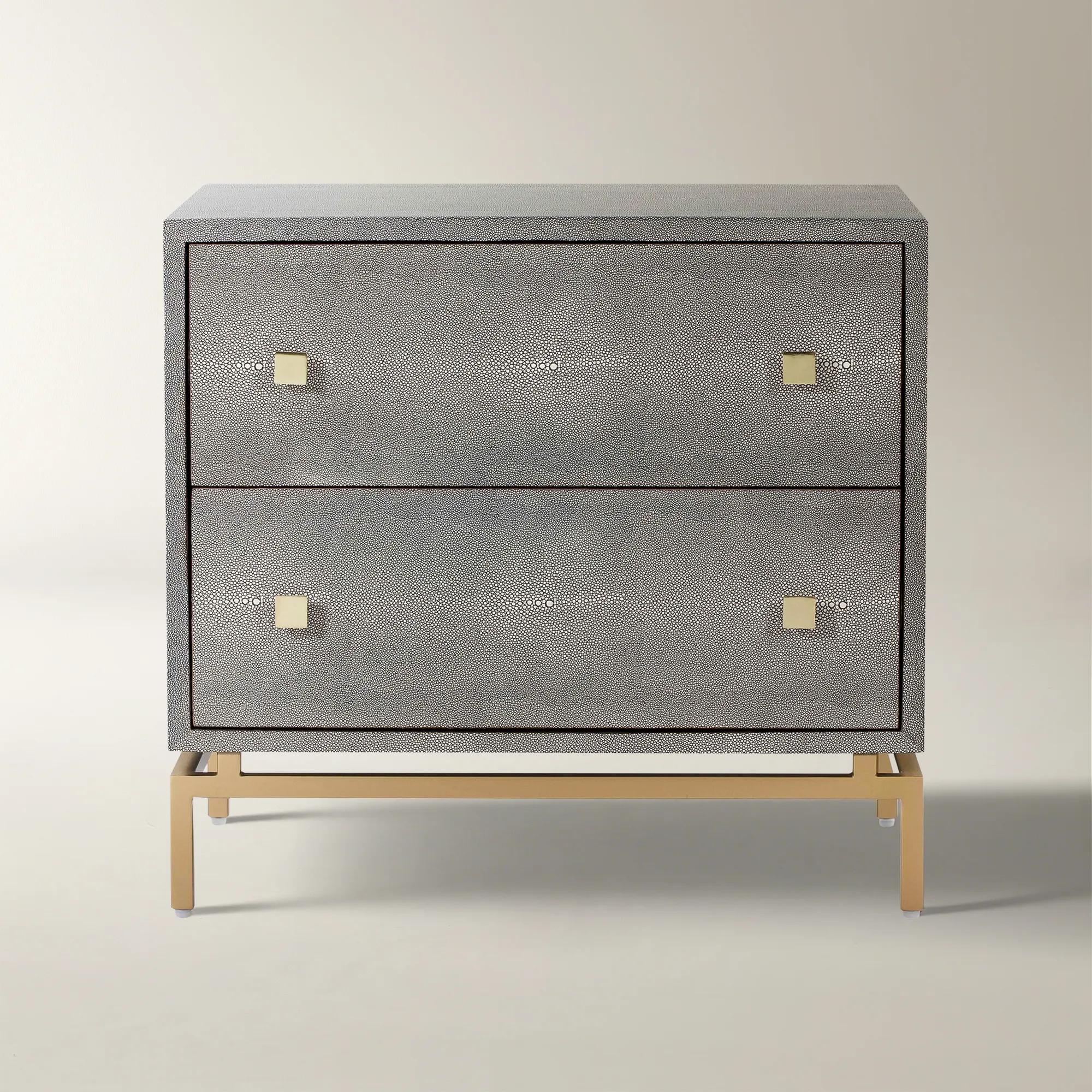
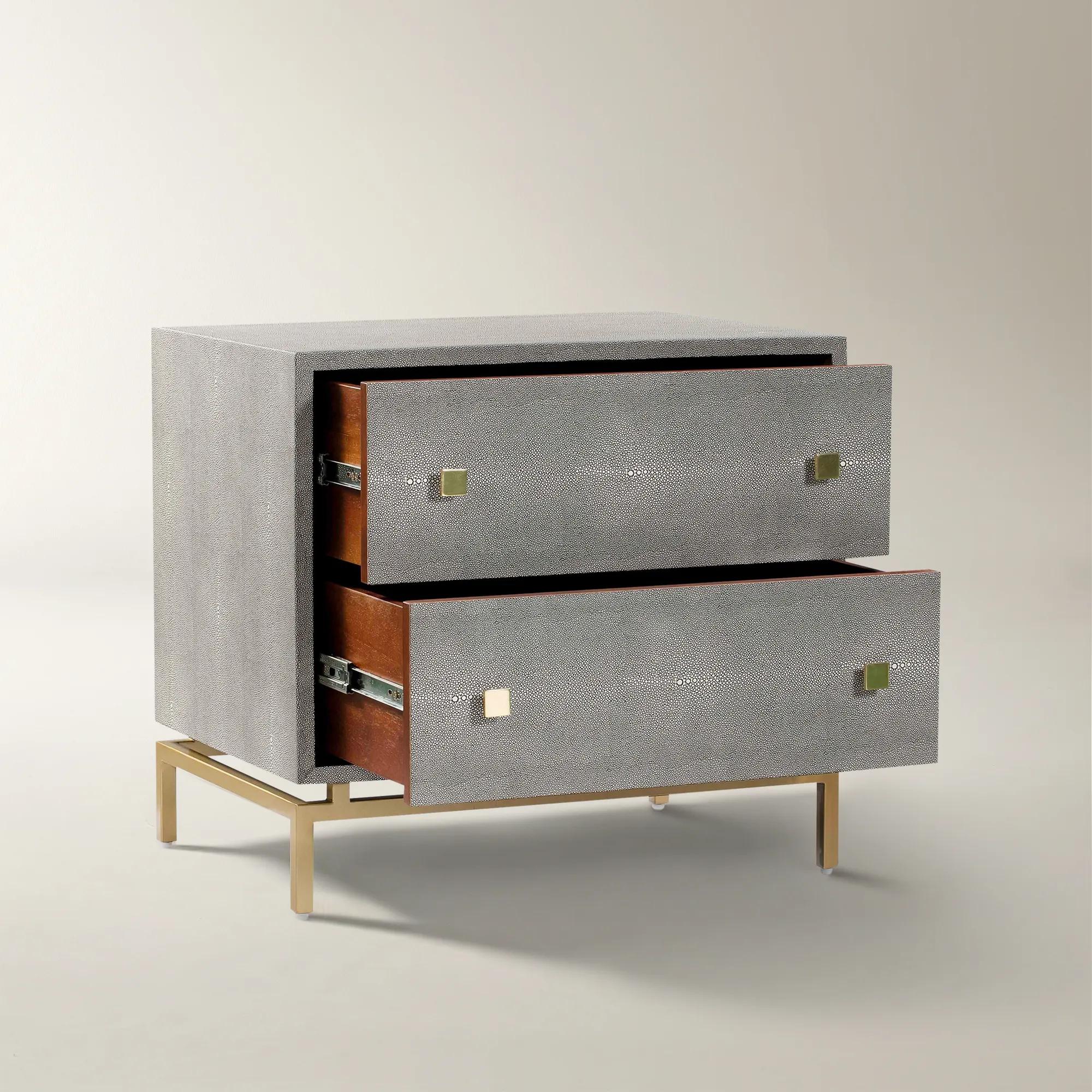 Misha Grey Shagreen 2-Drawer Nightstand (25")$749
A modern nightstand featuring faux shagreen texture, brass-finished base, and two cherry wood-lined drawers.
Add To Cart -
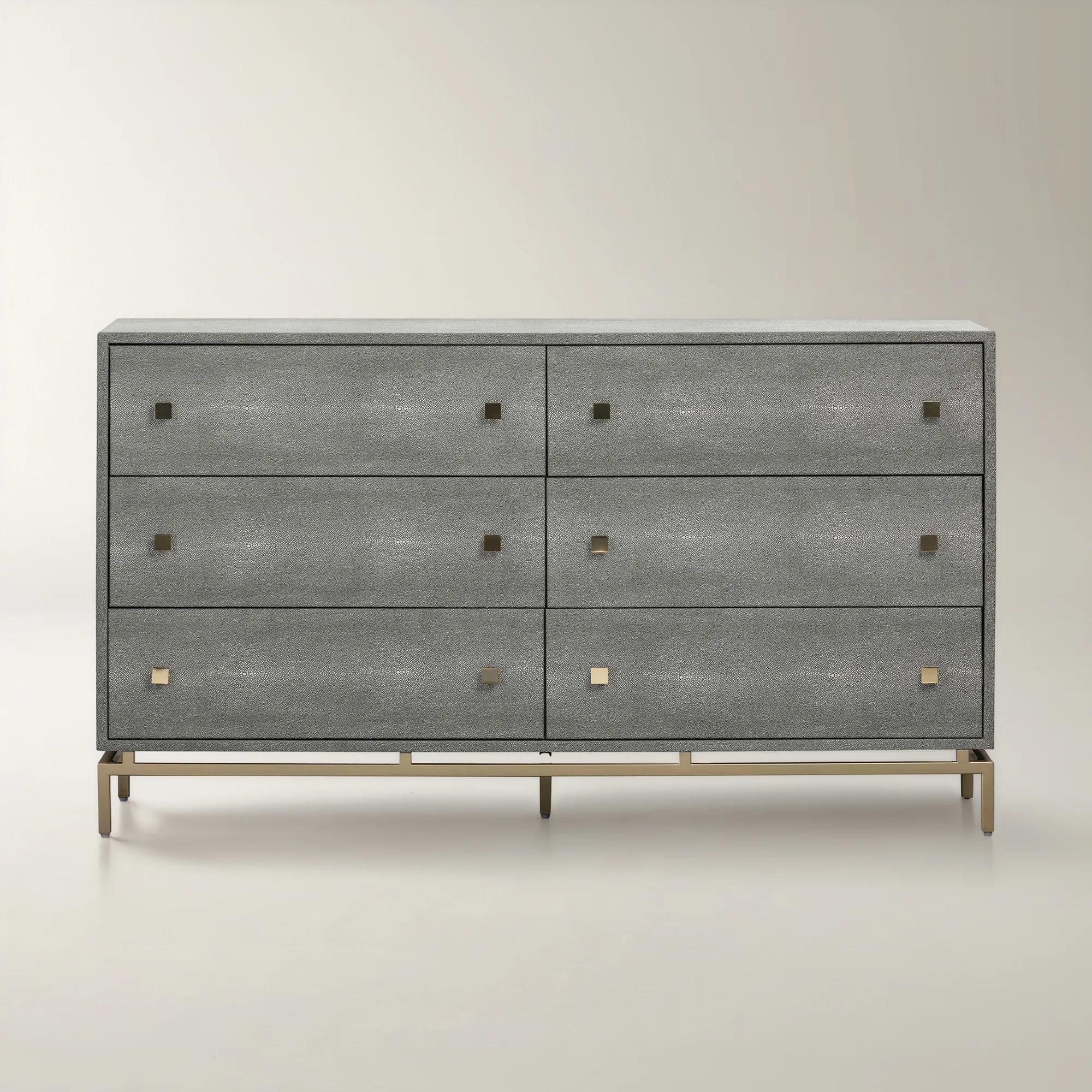
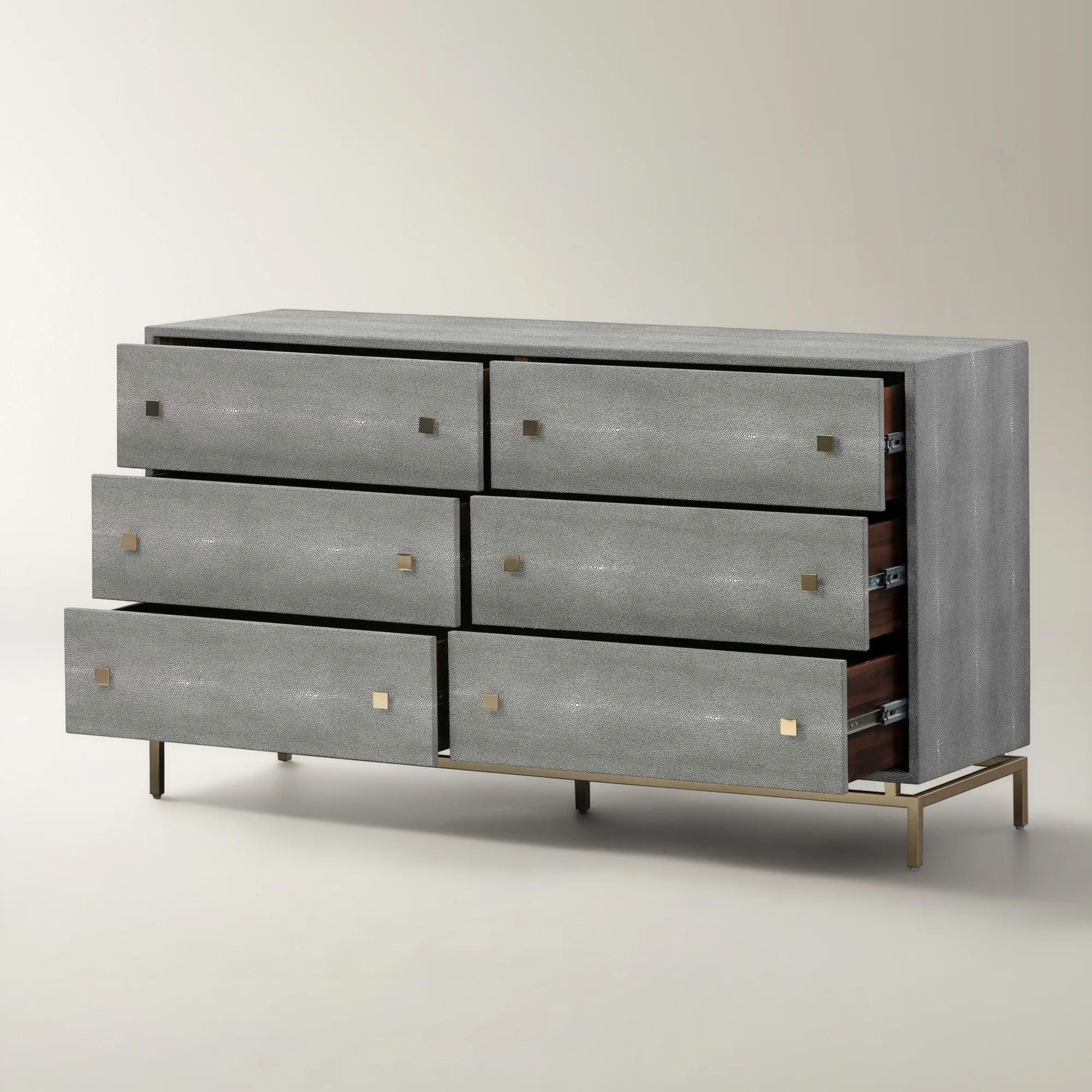 Misha Grey Shagreen 6-Drawer Dresser (57")$2249
A modern dresser featuring faux shagreen texture, brass-finished base, and six drawers with cherry wood interiors.
Add To Cart -
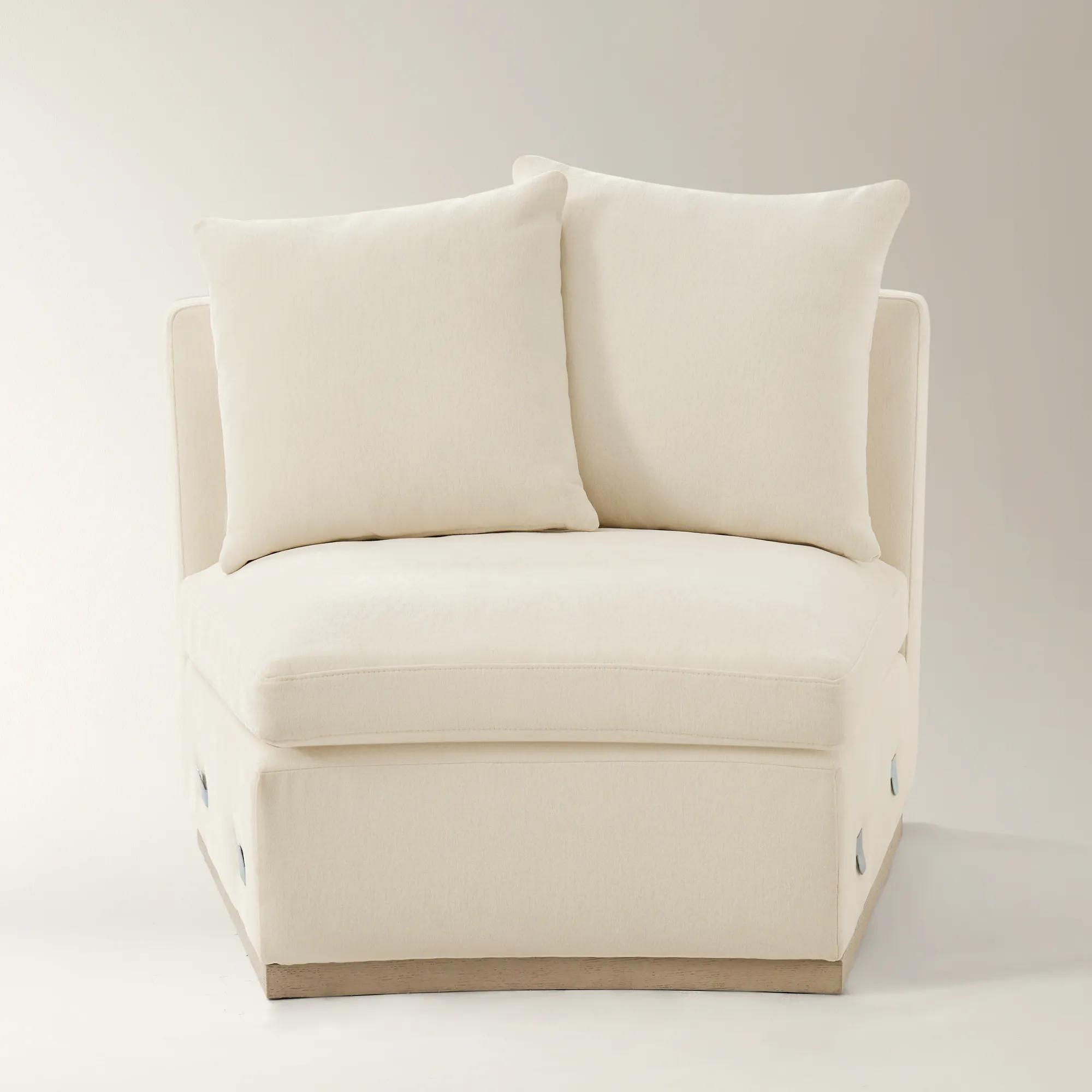
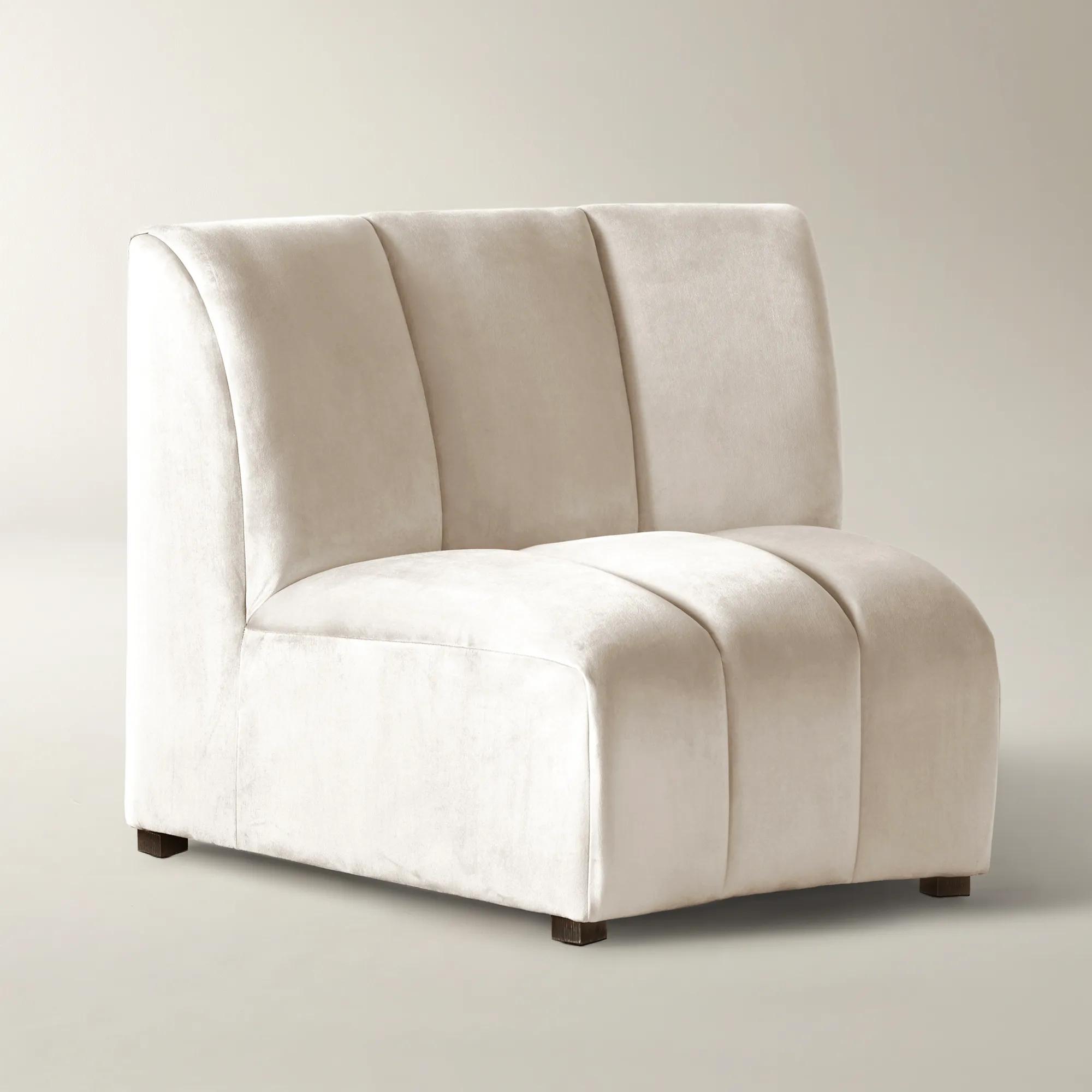 Jayce Channel-Tufted Ivory Velvet Armless Chair$949
A modern armless chair in water-repellent, stain-resistant Velvet Ivory with deep channel tufting and plush padding.
Add To Cart -
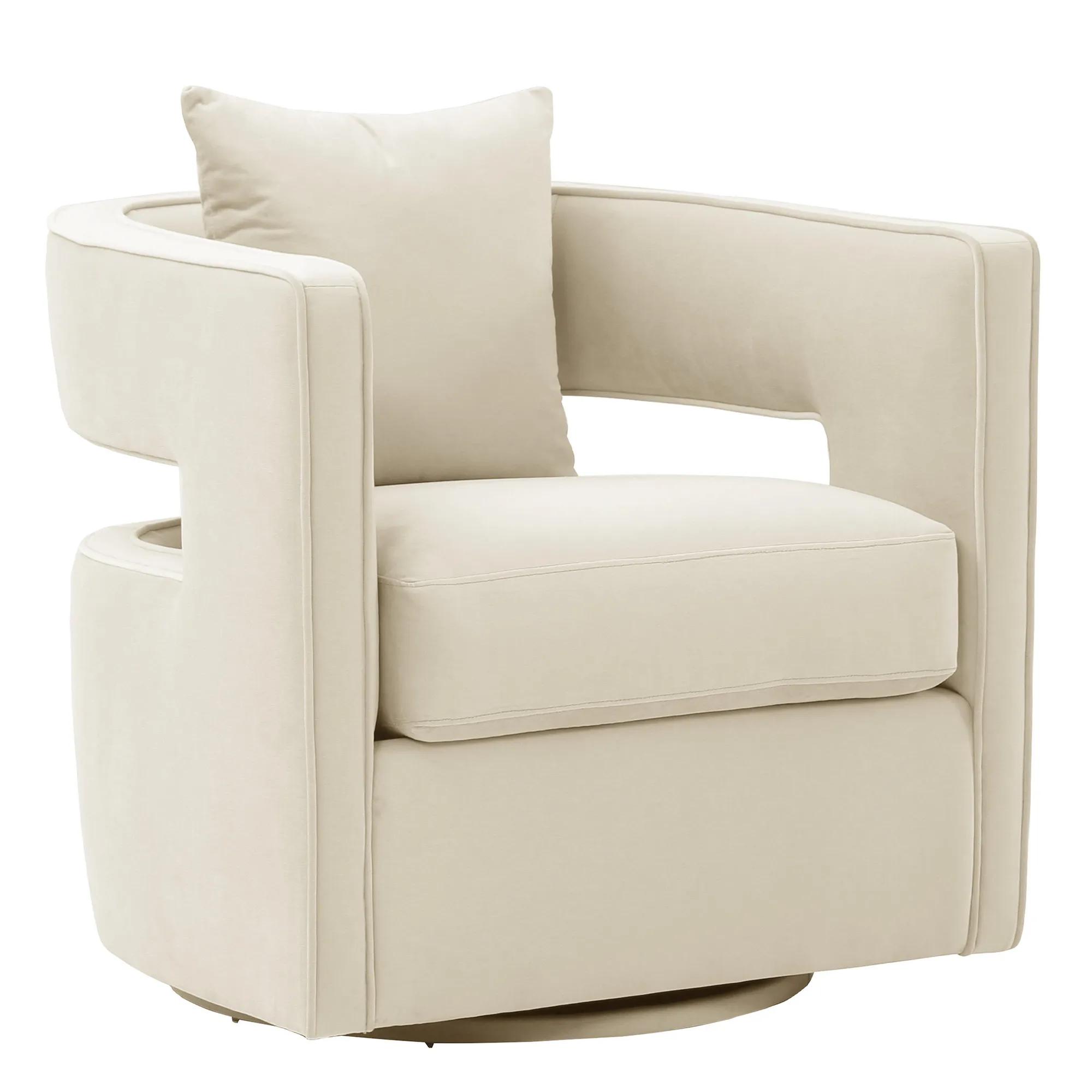
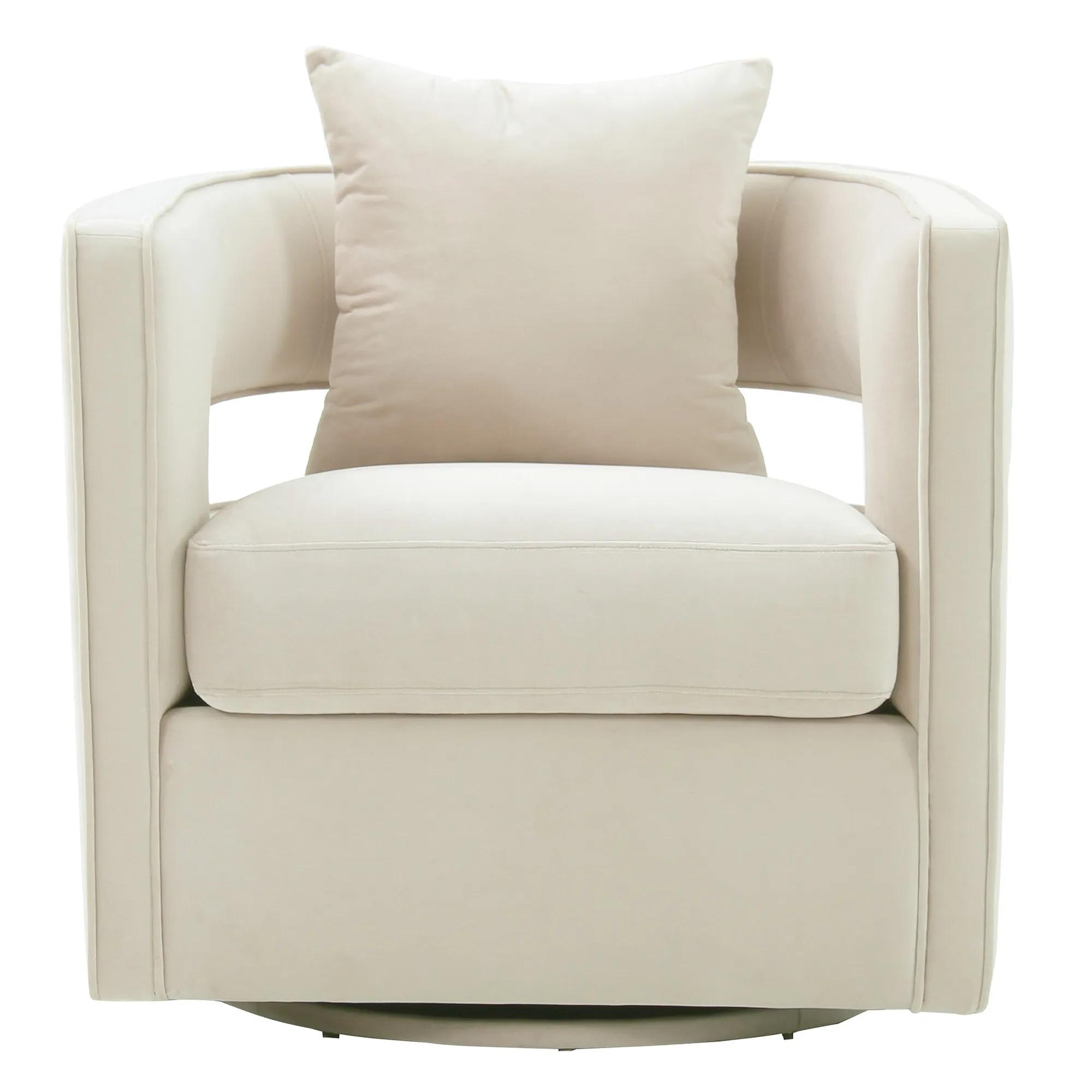 Lottie Cream Velvet Swivel Accent Chair$999
A glamorous cream velvet swivel chair featuring a barrel back, cutout arms, and plush foam cushioning.
Add To Cart -
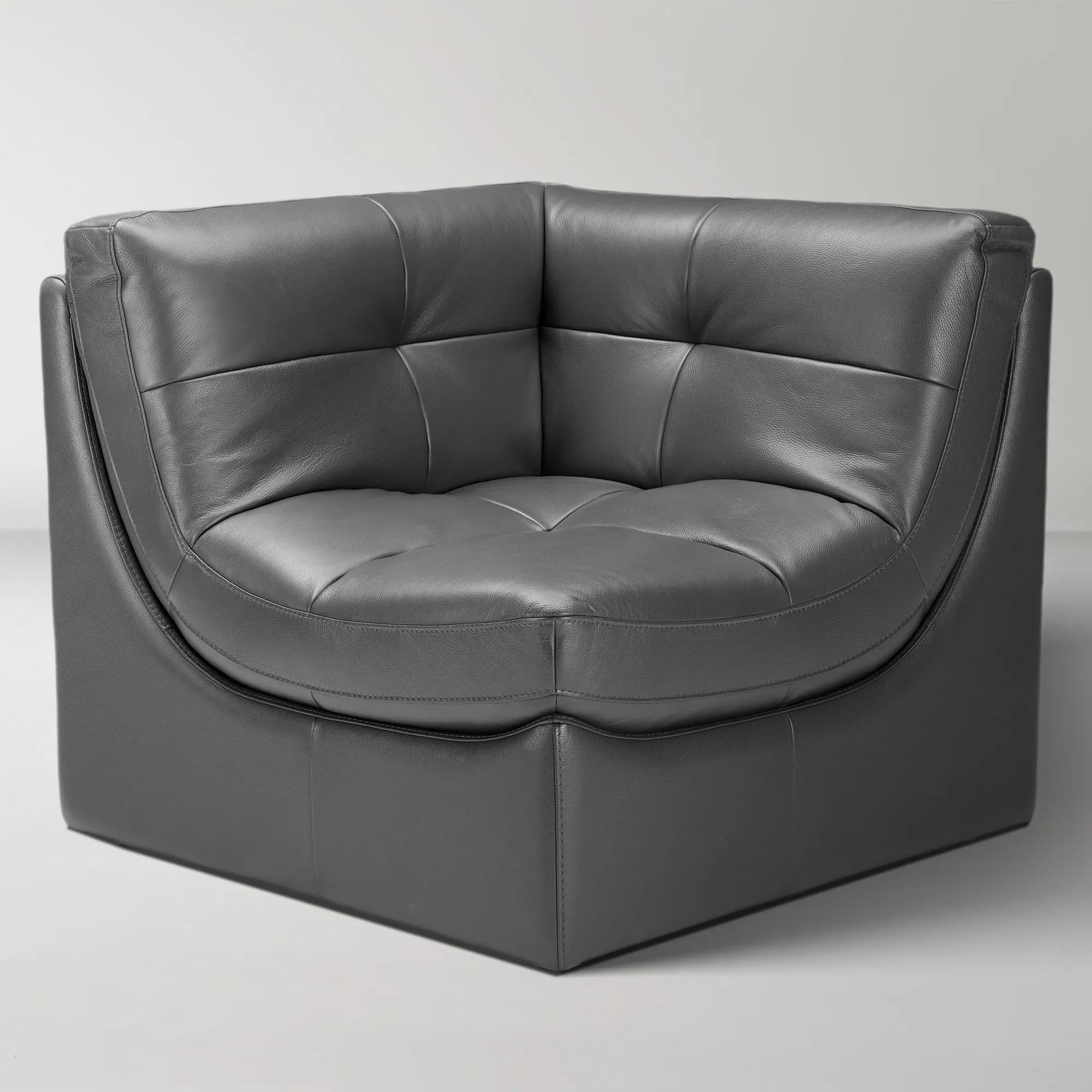
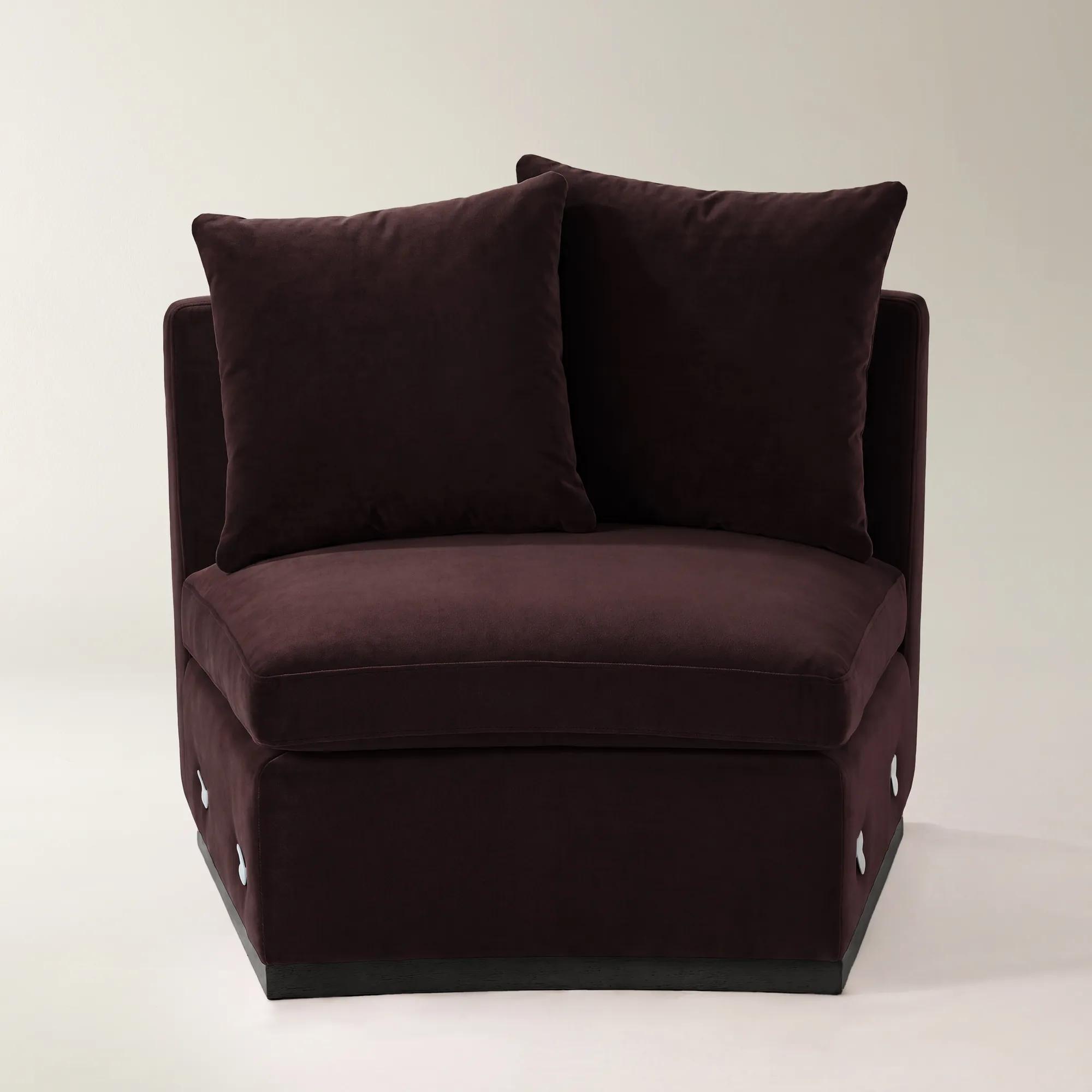
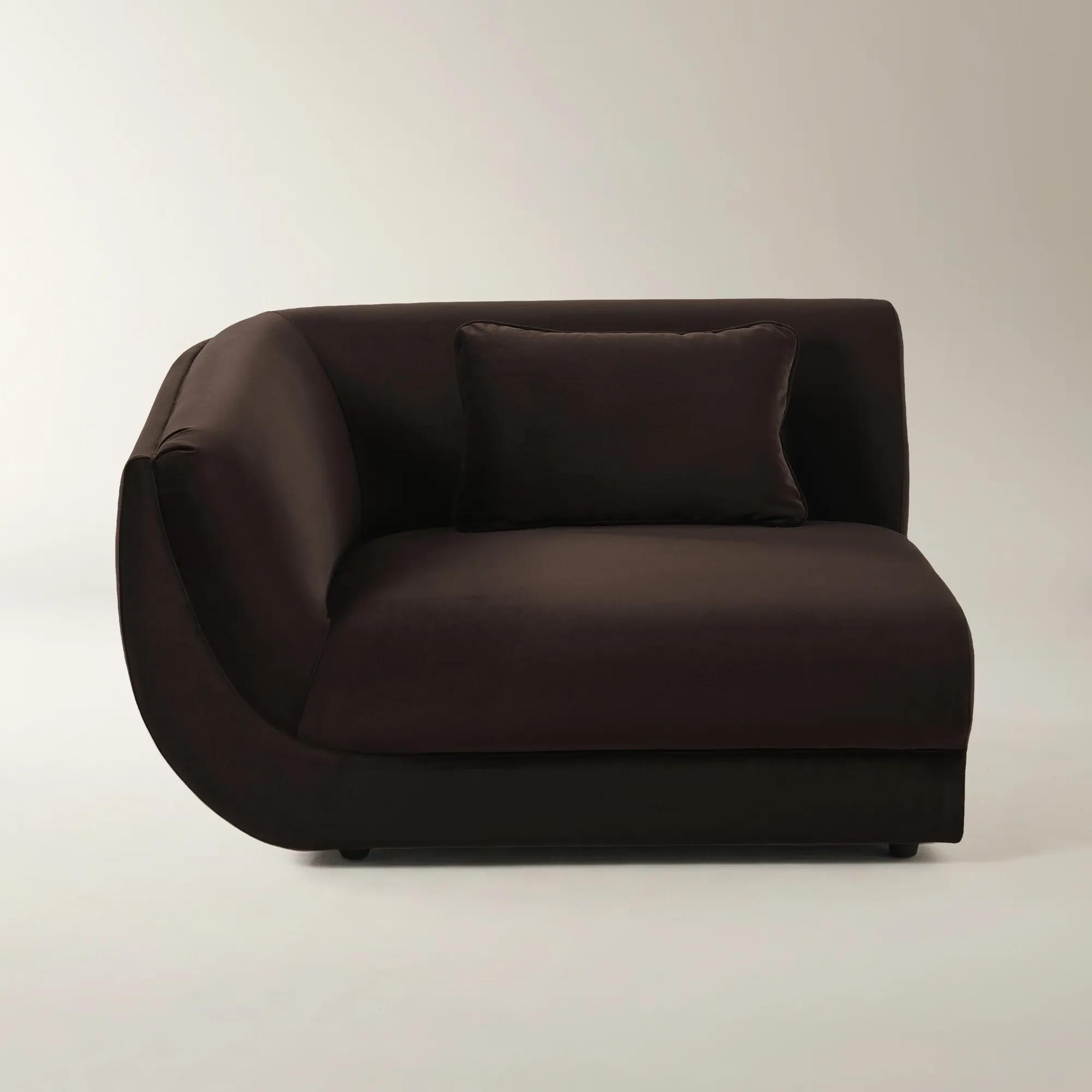
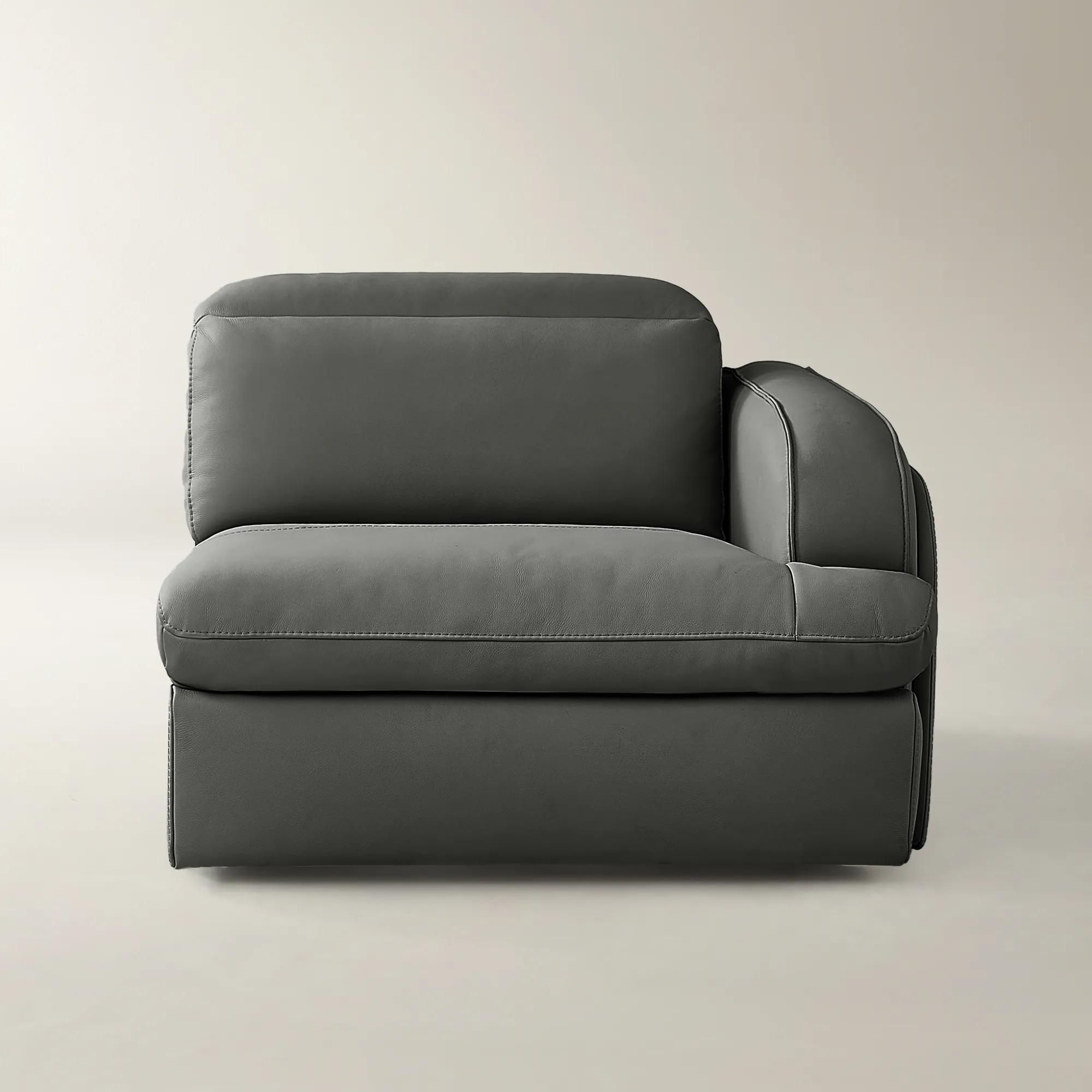
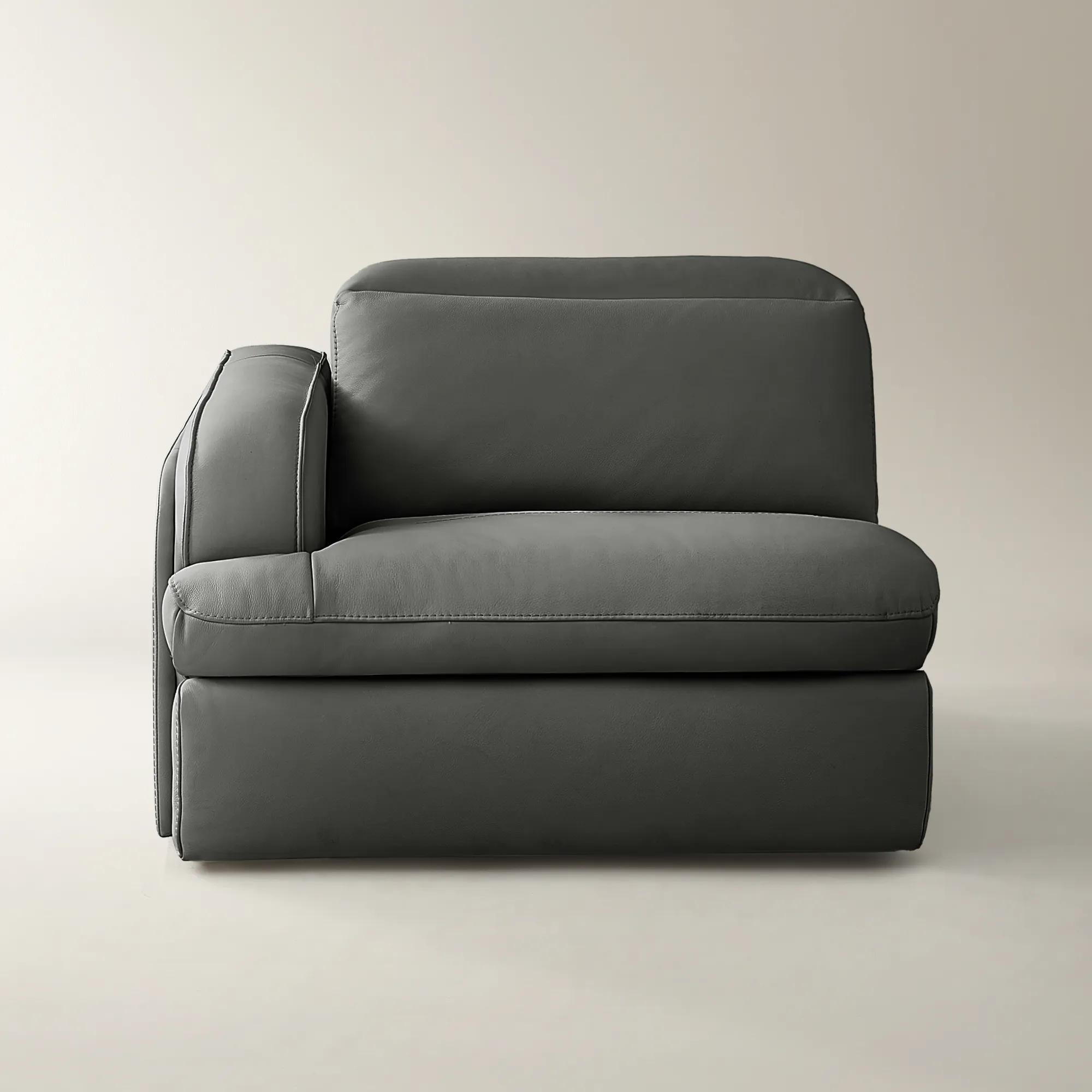
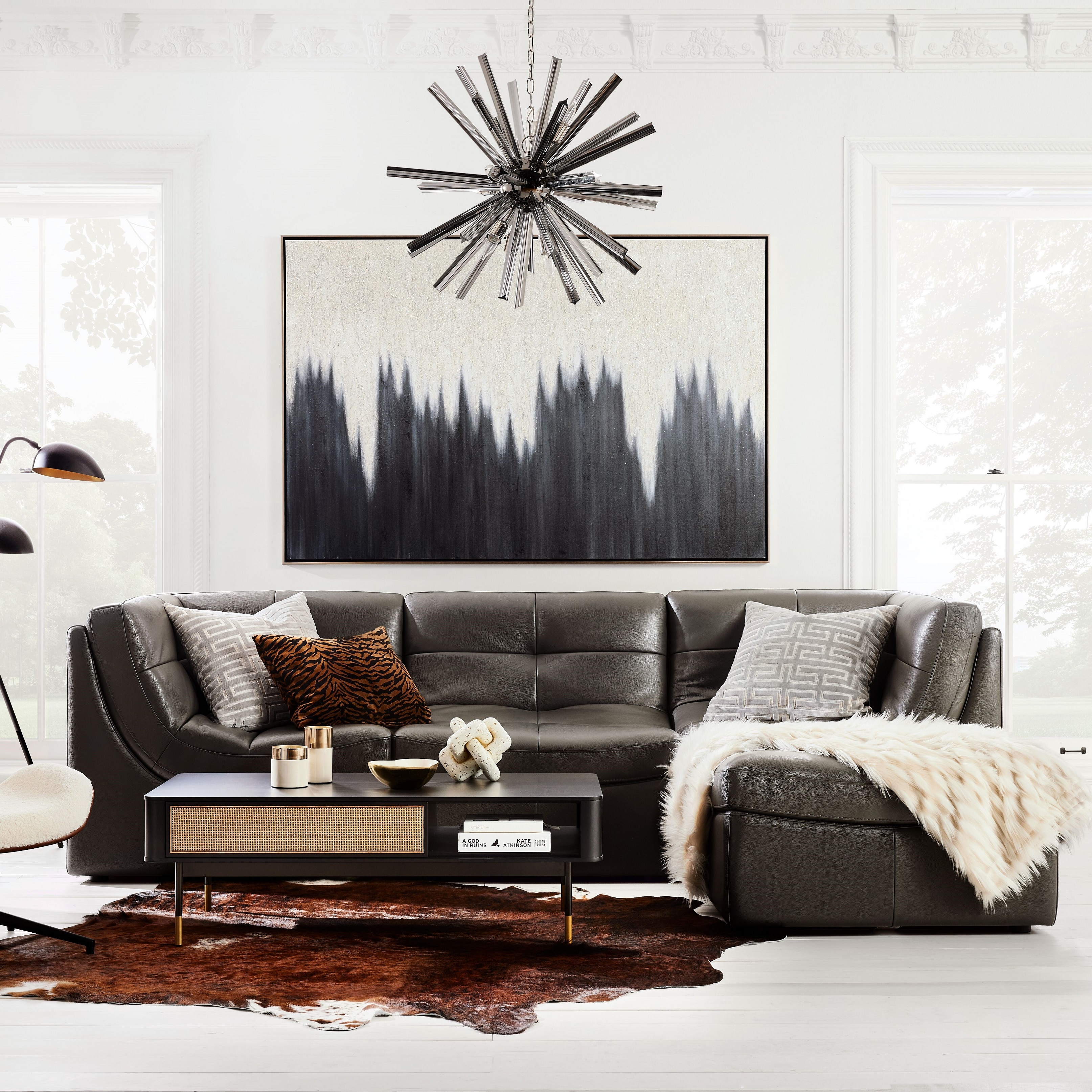 Convo Charcoal Leather Corner Chair$1399
A modular sectional featuring kiln-dried hardwood frames and charcoal semi-aniline leather upholstery for modern versatility.
Add To Cart -
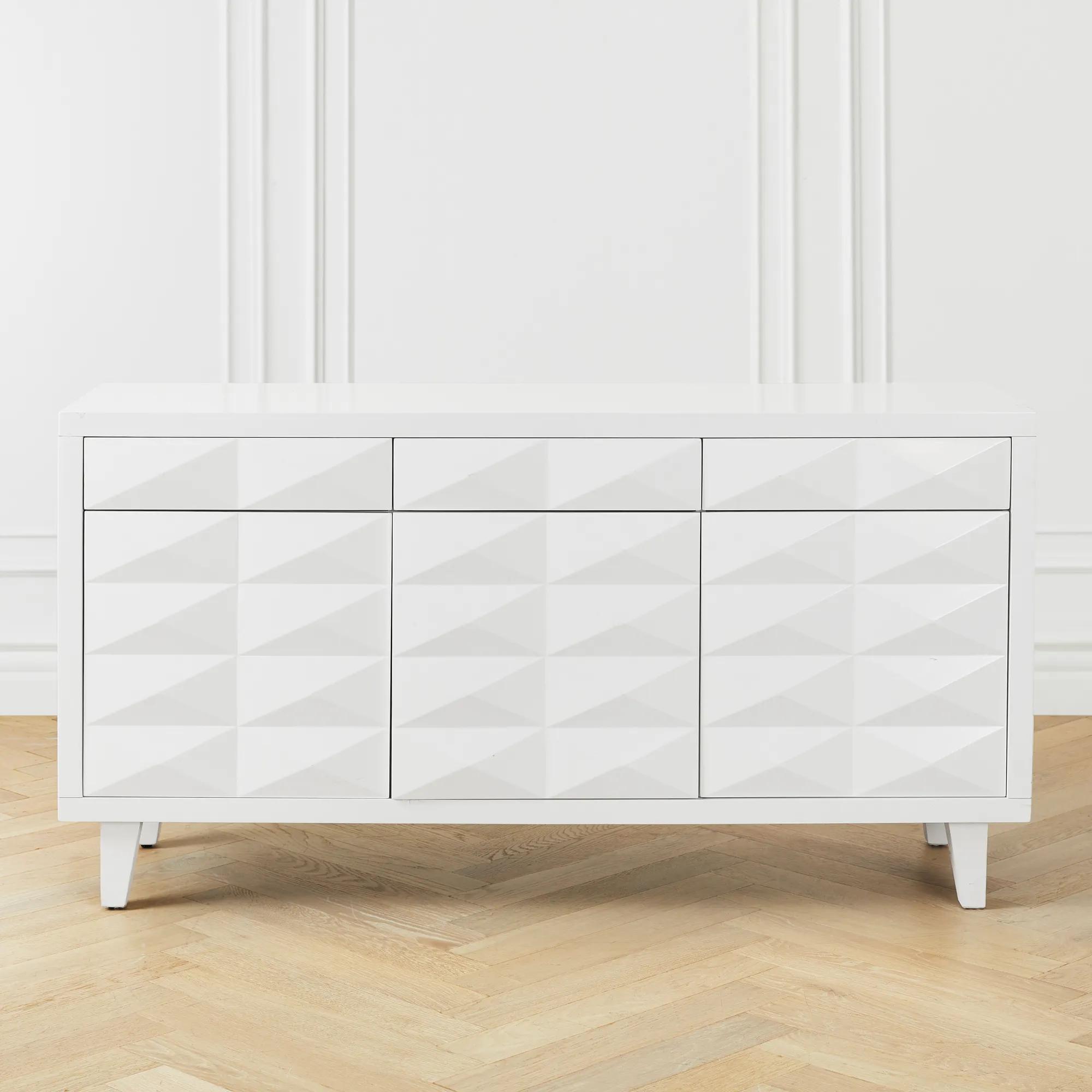 Palmer White Wood Cabinet (66.5")$1649
A sleek white hardwood cabinet with geometric detailing, three drawers, and push-latch doors for modern storage.
Add To Cart -
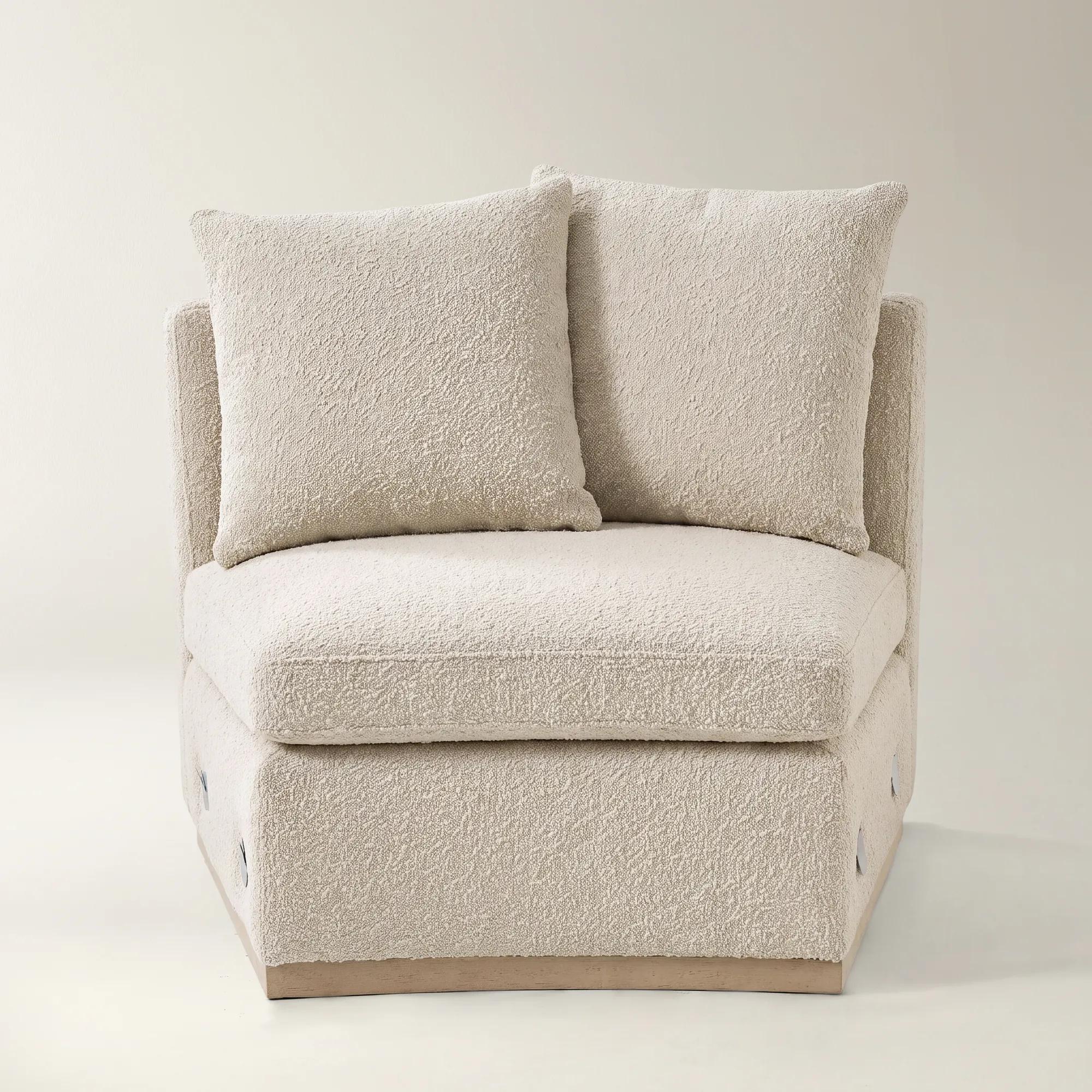
 Convo White Leather Corner Chair$1399
A modular sectional featuring kiln-dried hardwood frames and charcoal semi-aniline leather upholstery for modern versatility.
Add To Cart -
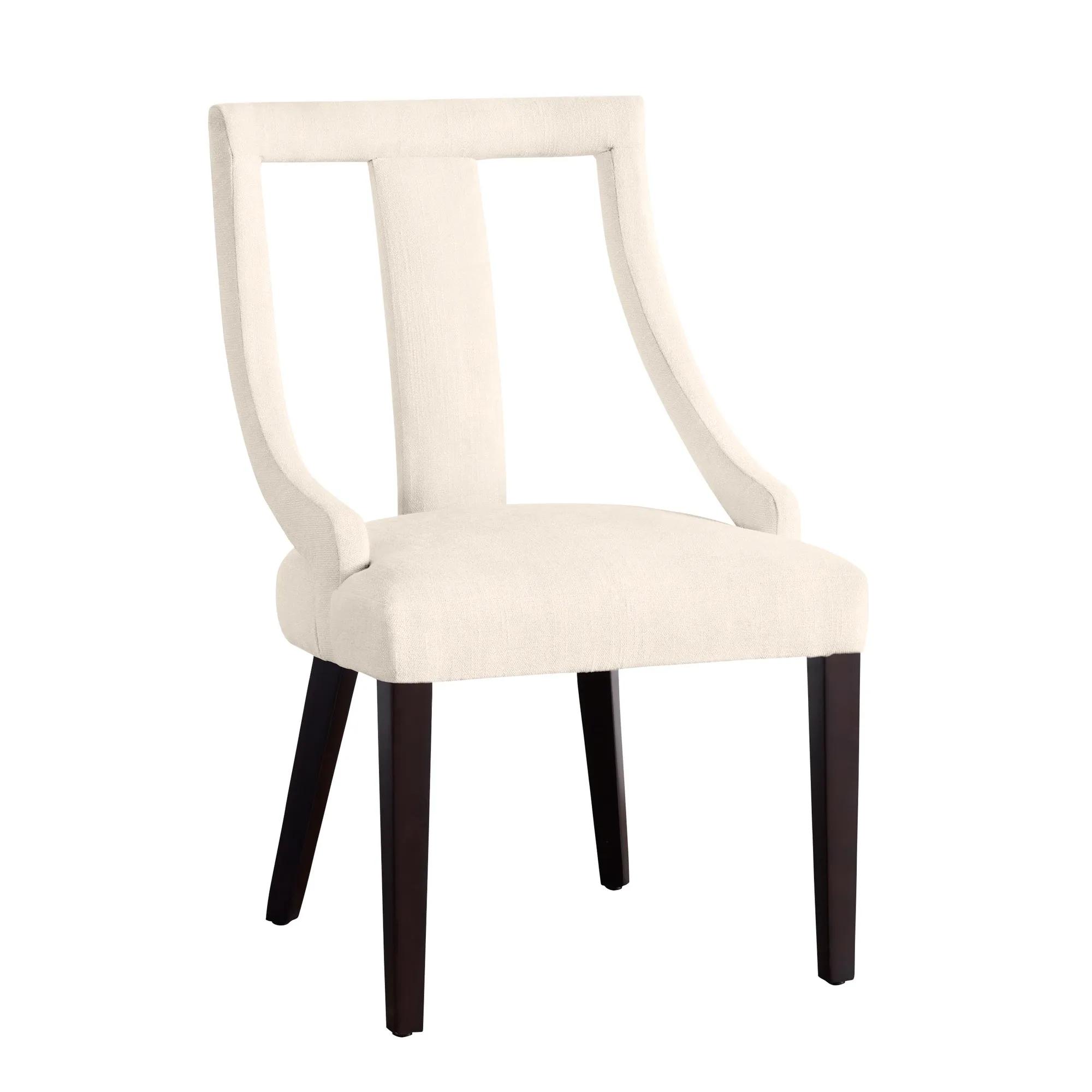
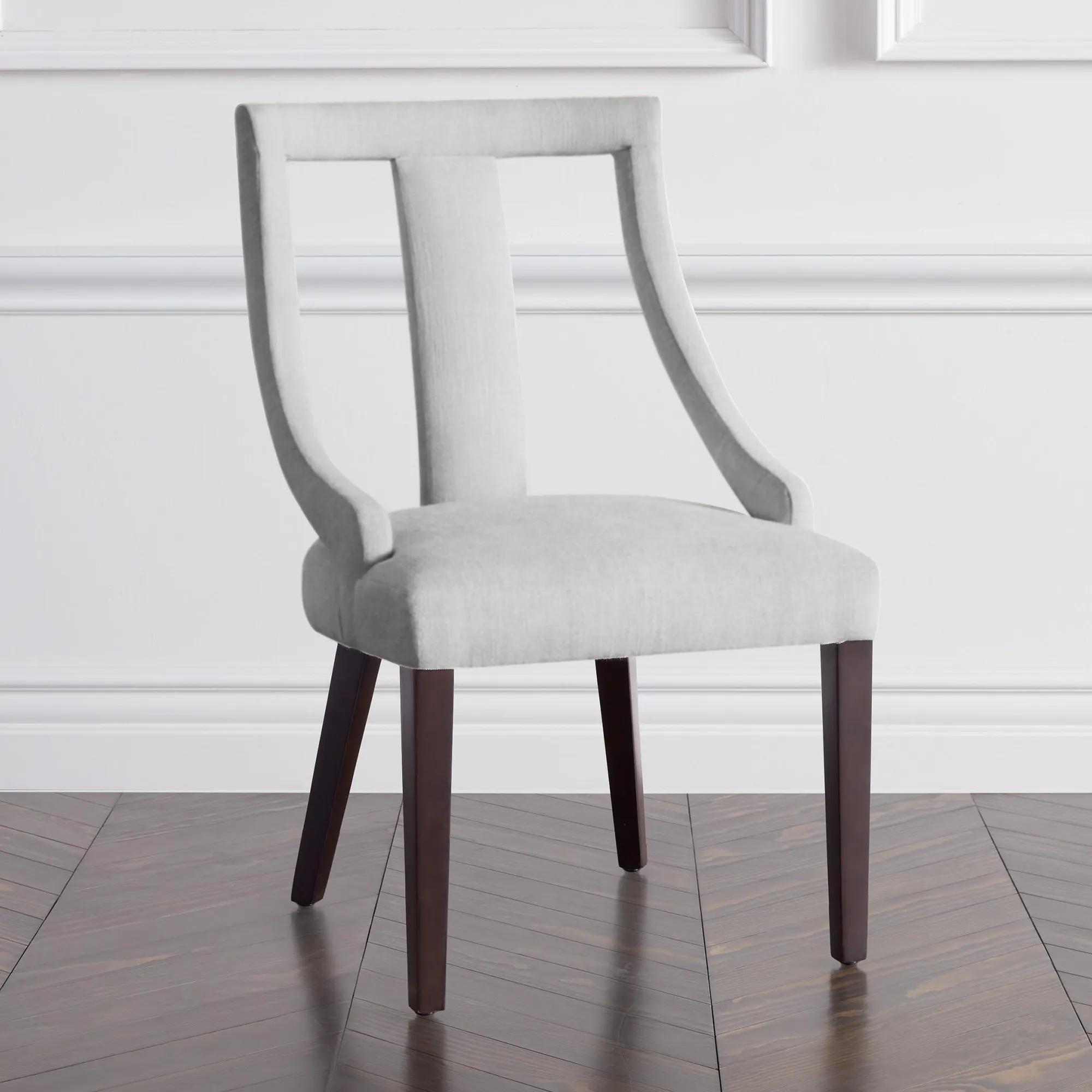 Jade Dining Chair - Espresso$649
A modern dining chair featuring a cutout back, espresso legs, and plush velvet upholstery for lasting comfort.
Add To Cart -
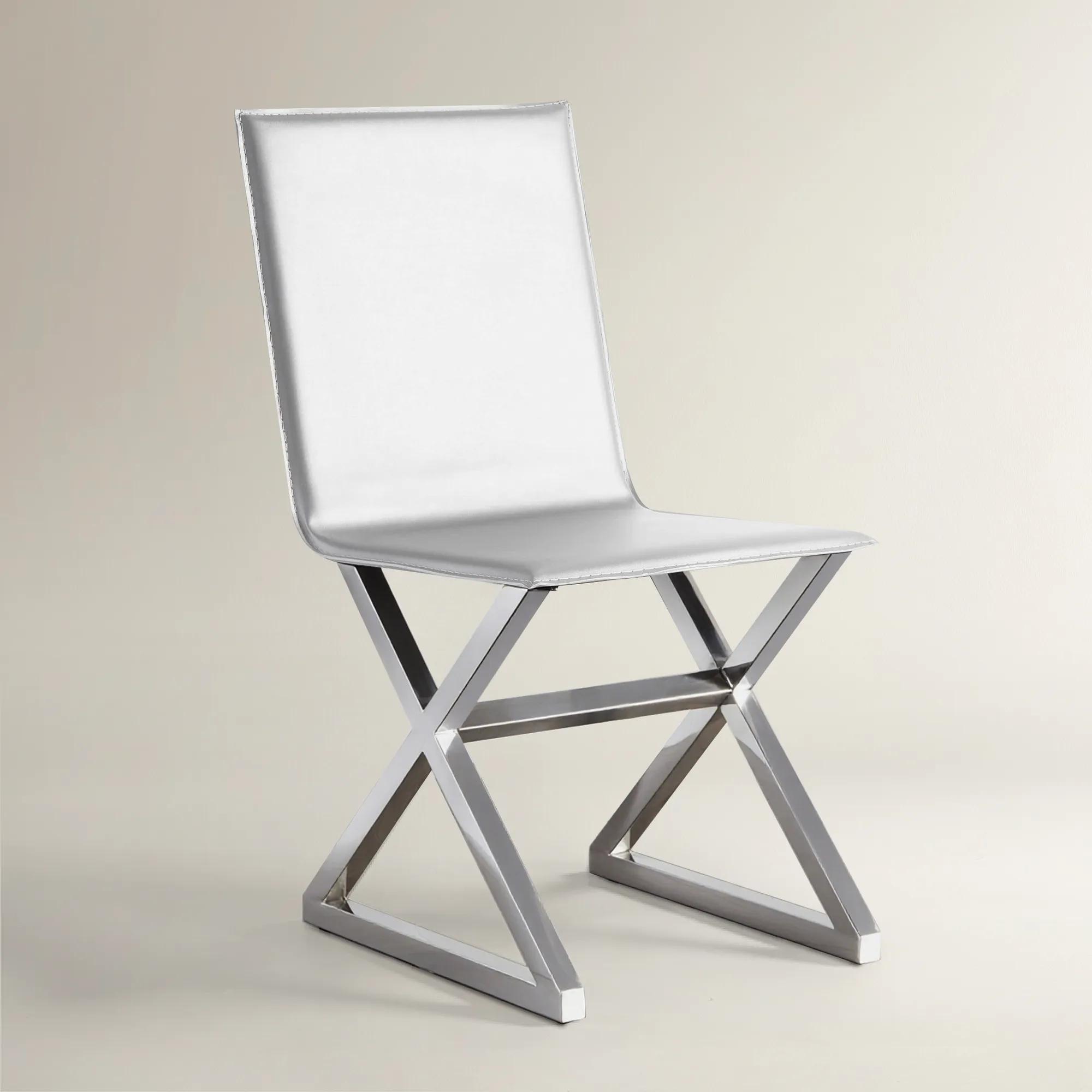
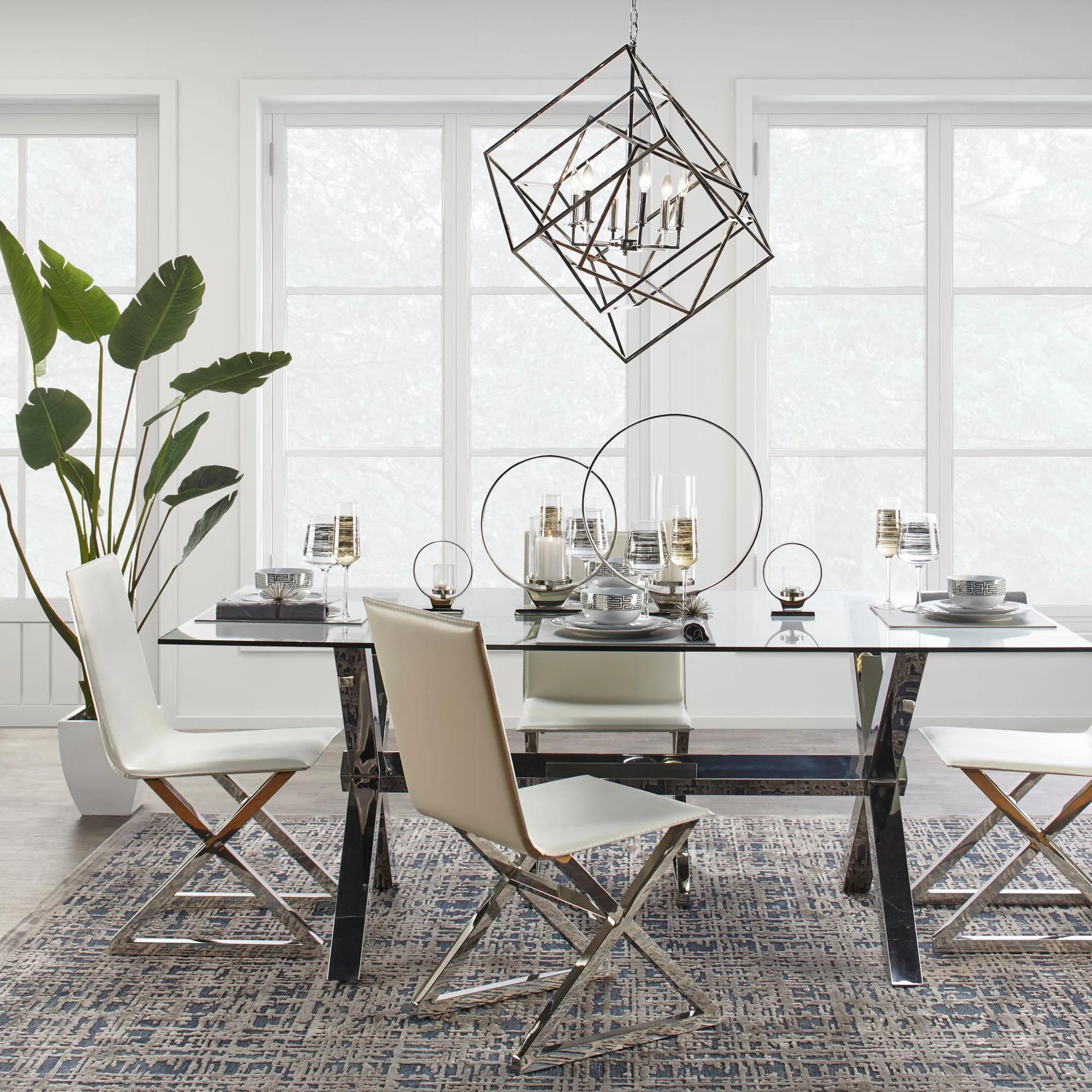 Axis Dining Chair - Set of 2$399
A contemporary chair set featuring white bonded leather upholstery and a polished stainless steel base.
Add To Cart -
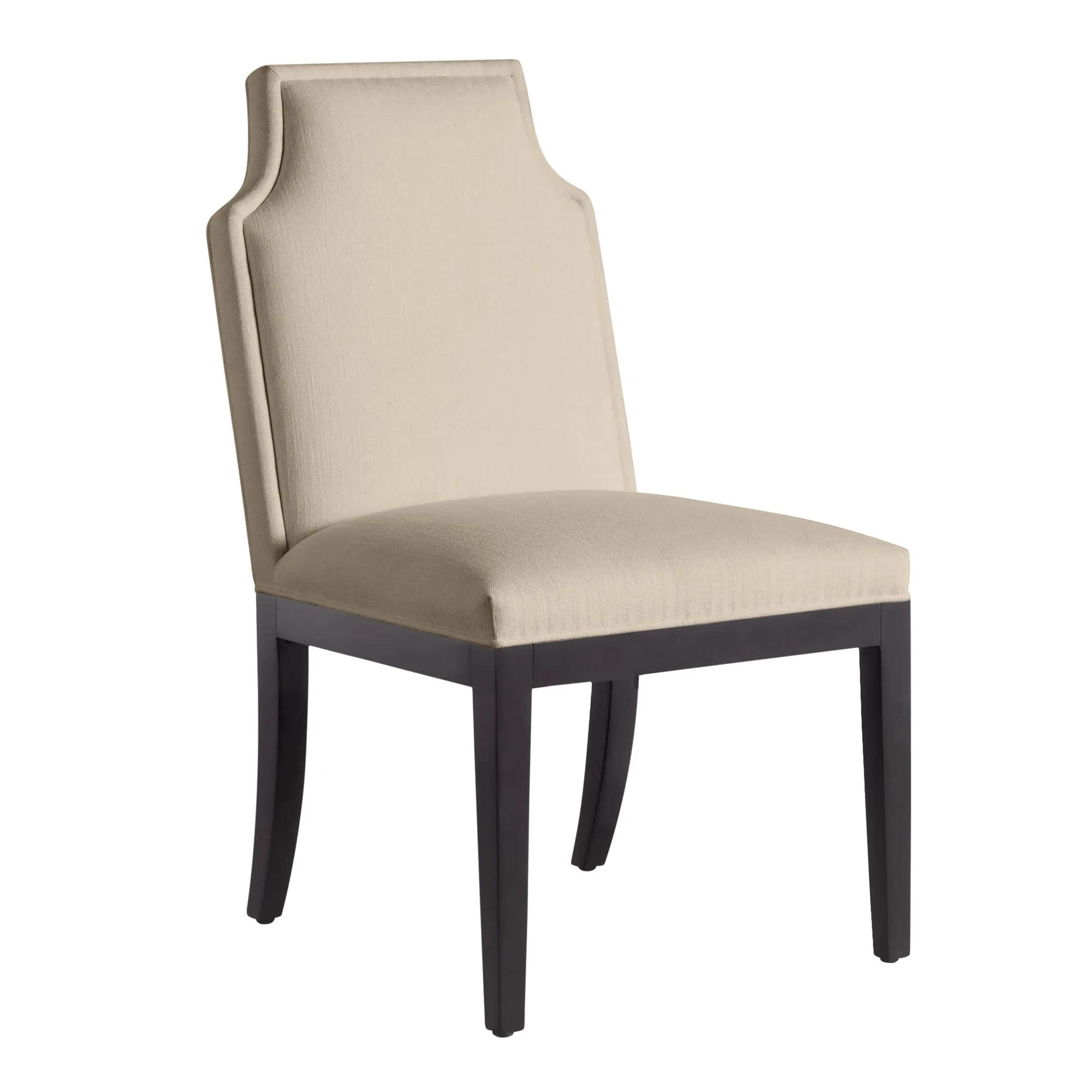
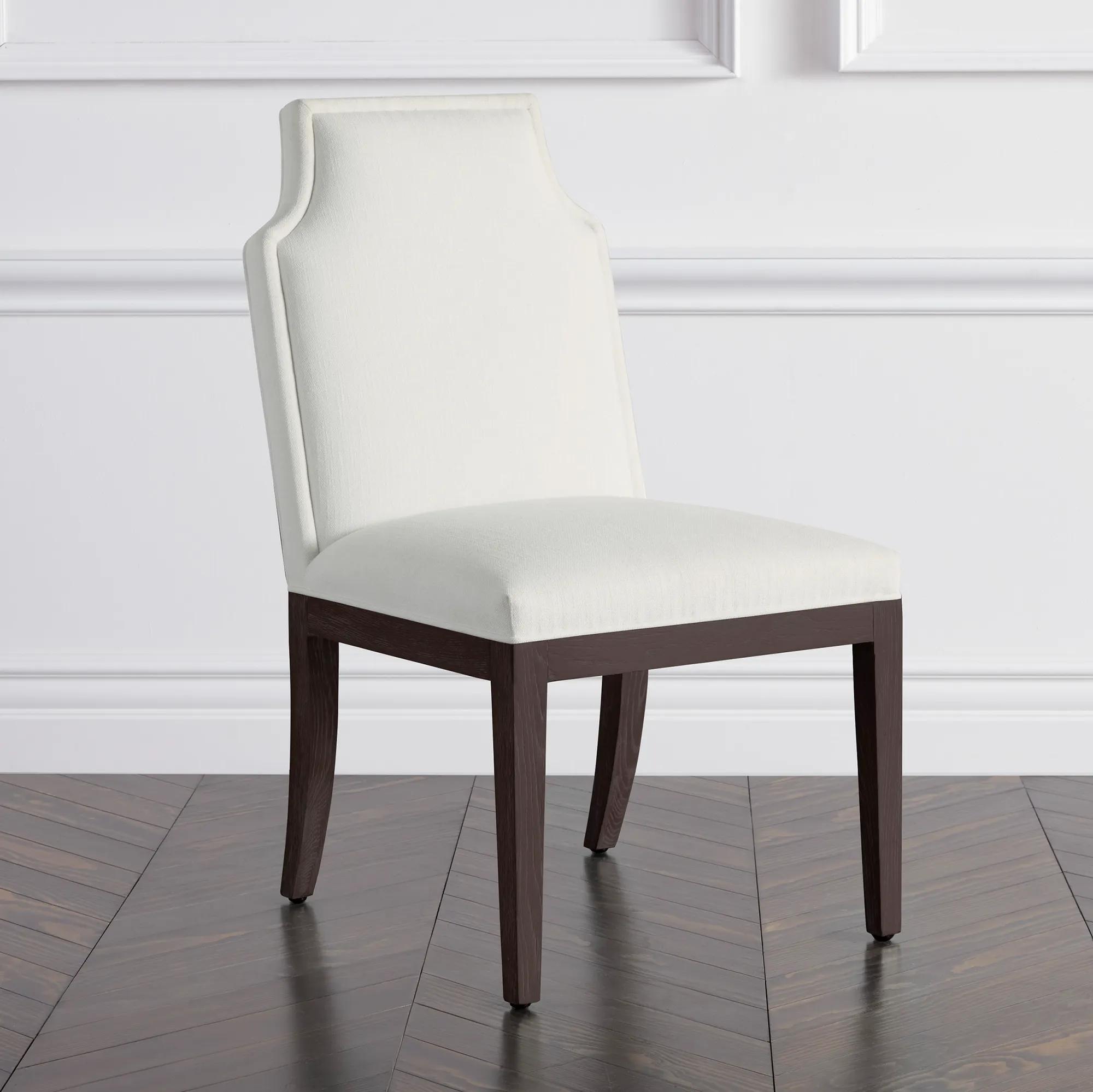 Jasmine Dining Chair - Espresso$649
A chic dining chair featuring a notched back, espresso legs, and plush upholstery for lasting comfort.
Add To Cart -
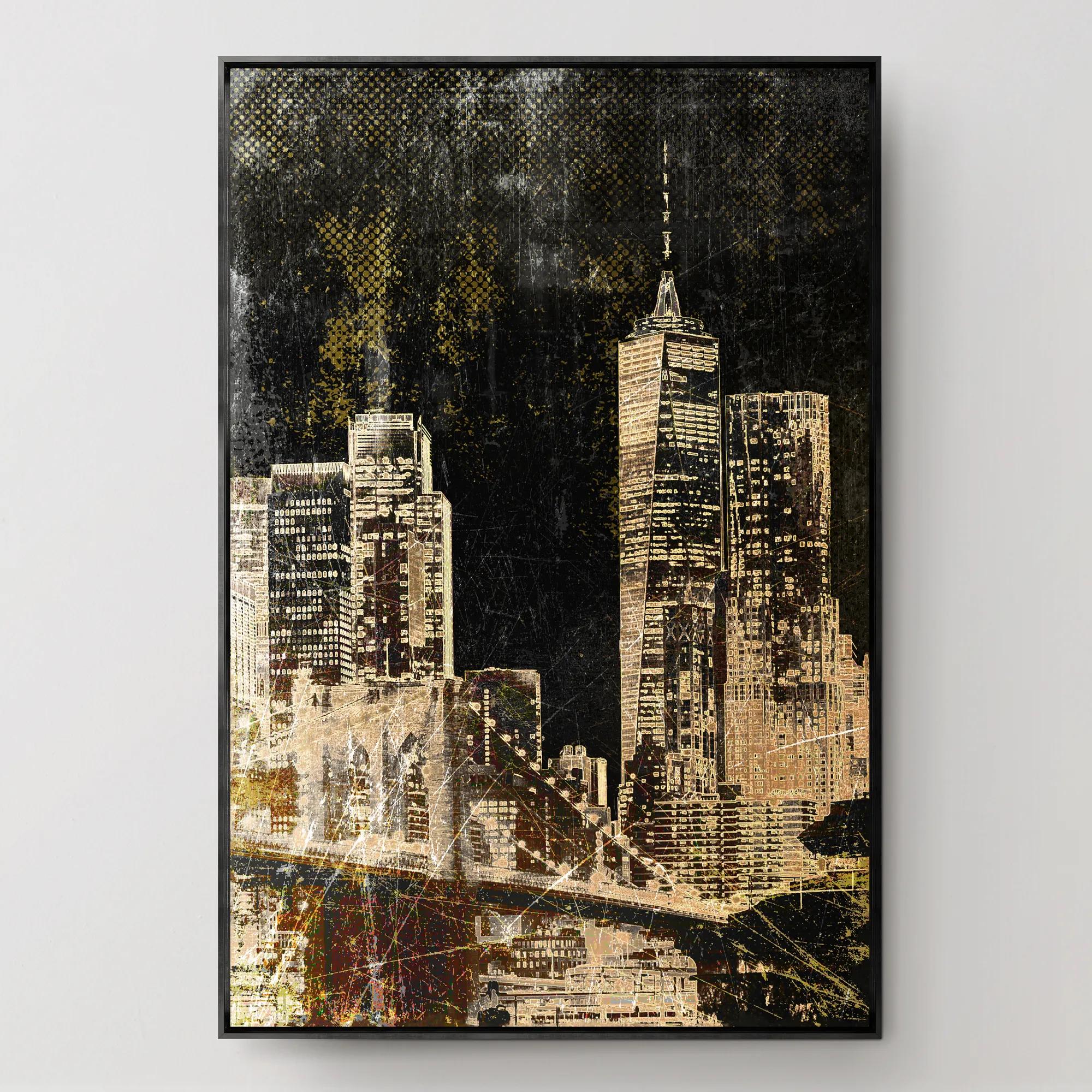
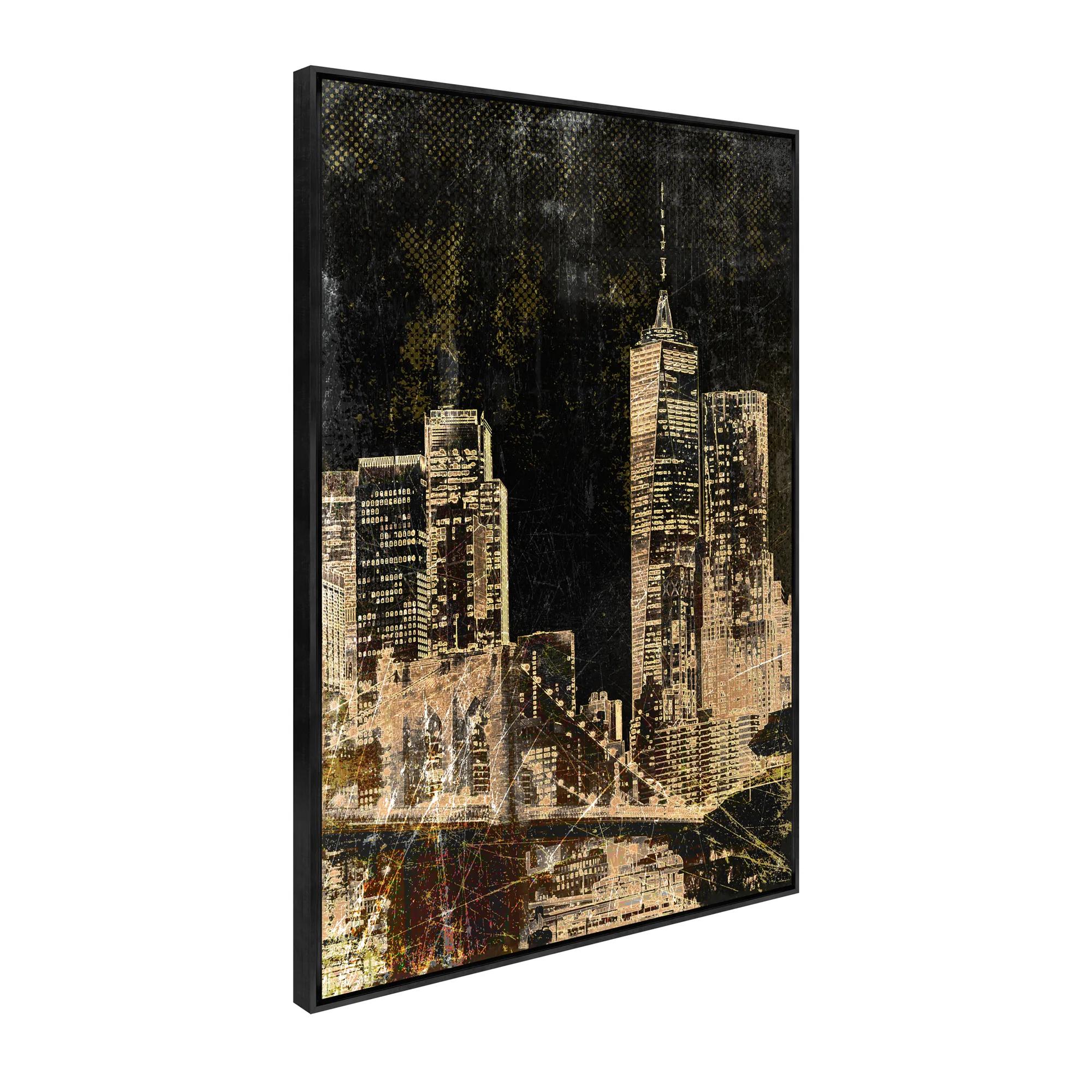 New York Lights Framed Wall Art 30" x 45"$649
A gallery-wrapped canvas artwork featuring a hand-applied gel finish and sleek black floater frame.
Add To Cart -
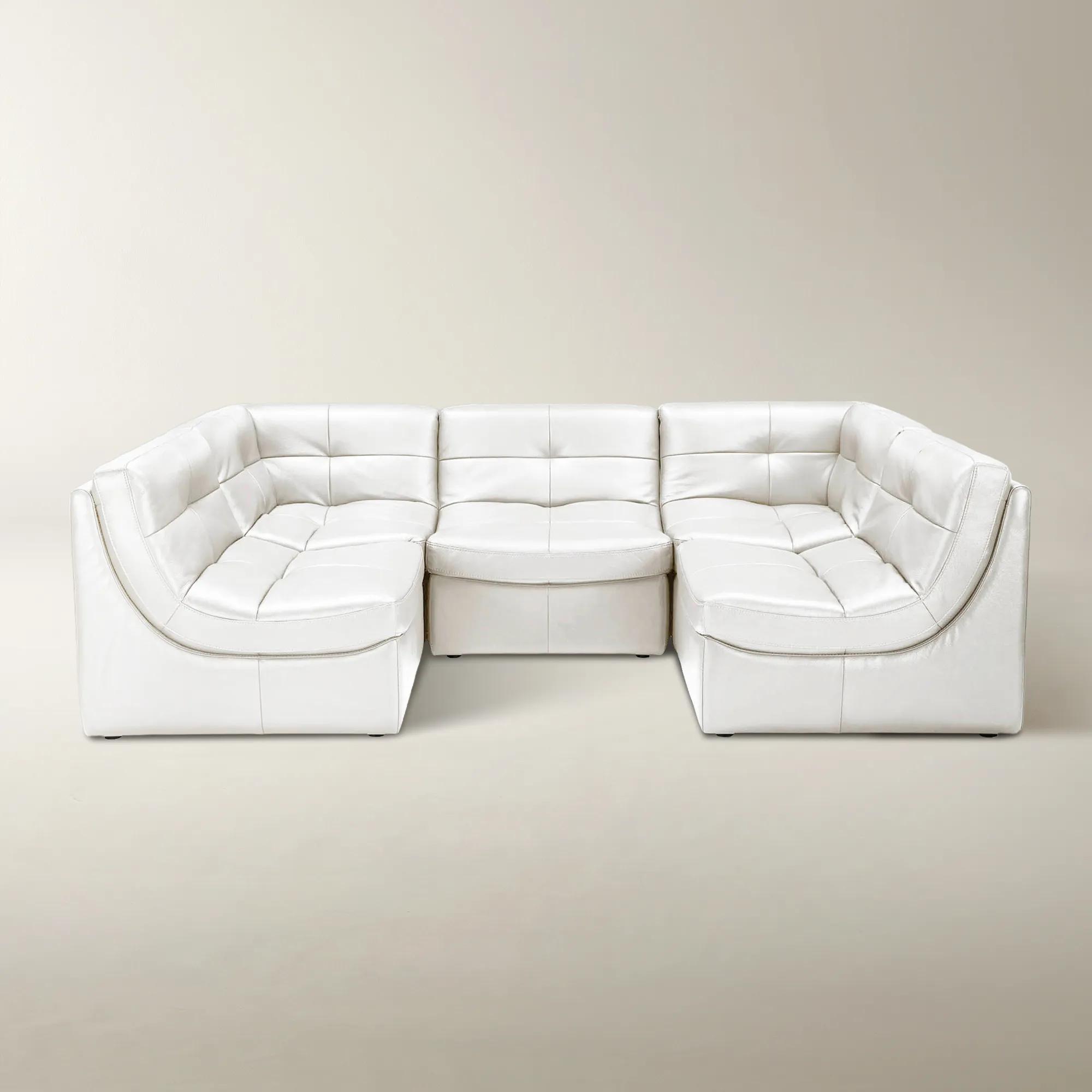 Convo 5-Piece U- Shaped White Leather Sectional Sofa$6399
A modular sectional featuring gently curved seats and charcoal semi-aniline leather upholstery for modern versatility.
Add To Cart -
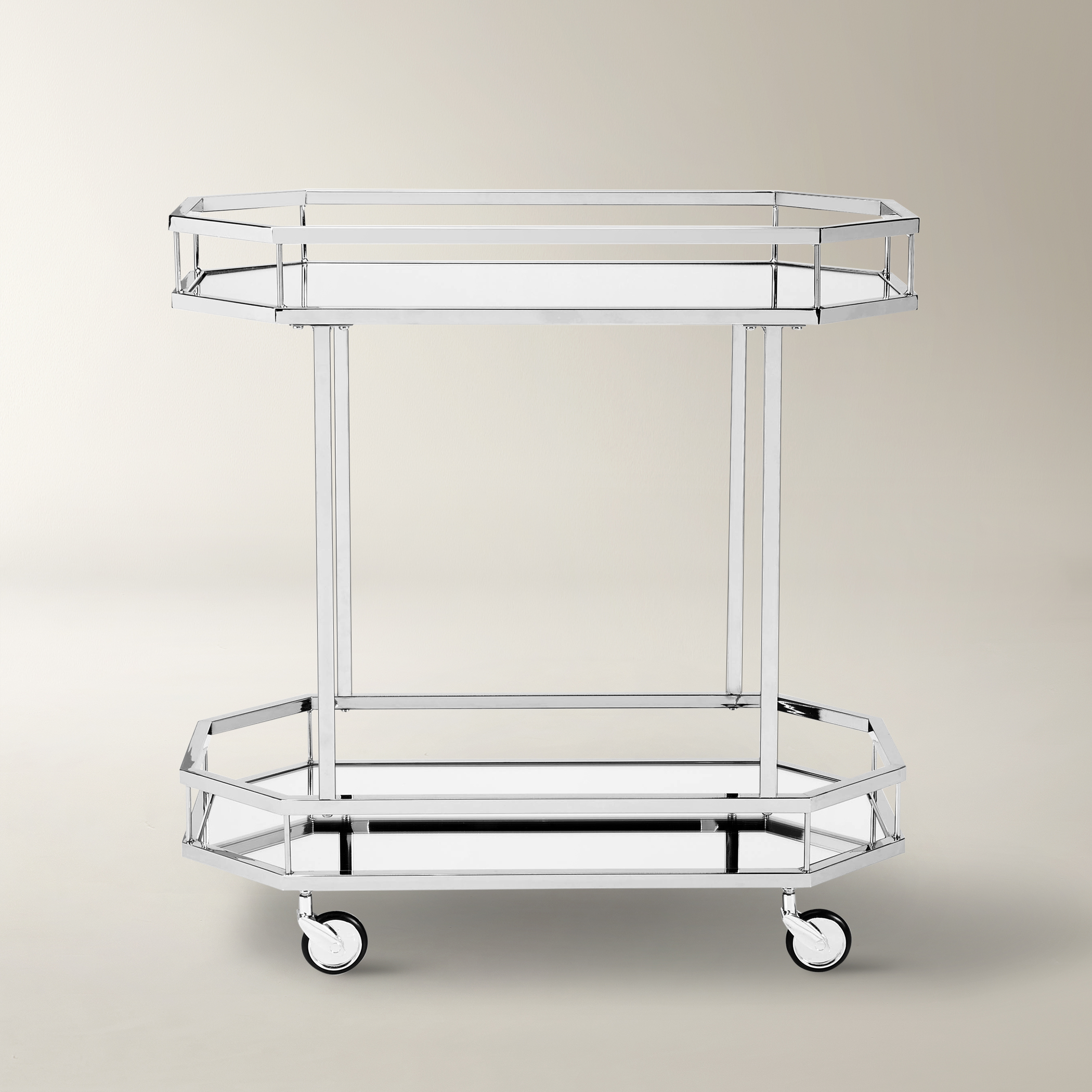
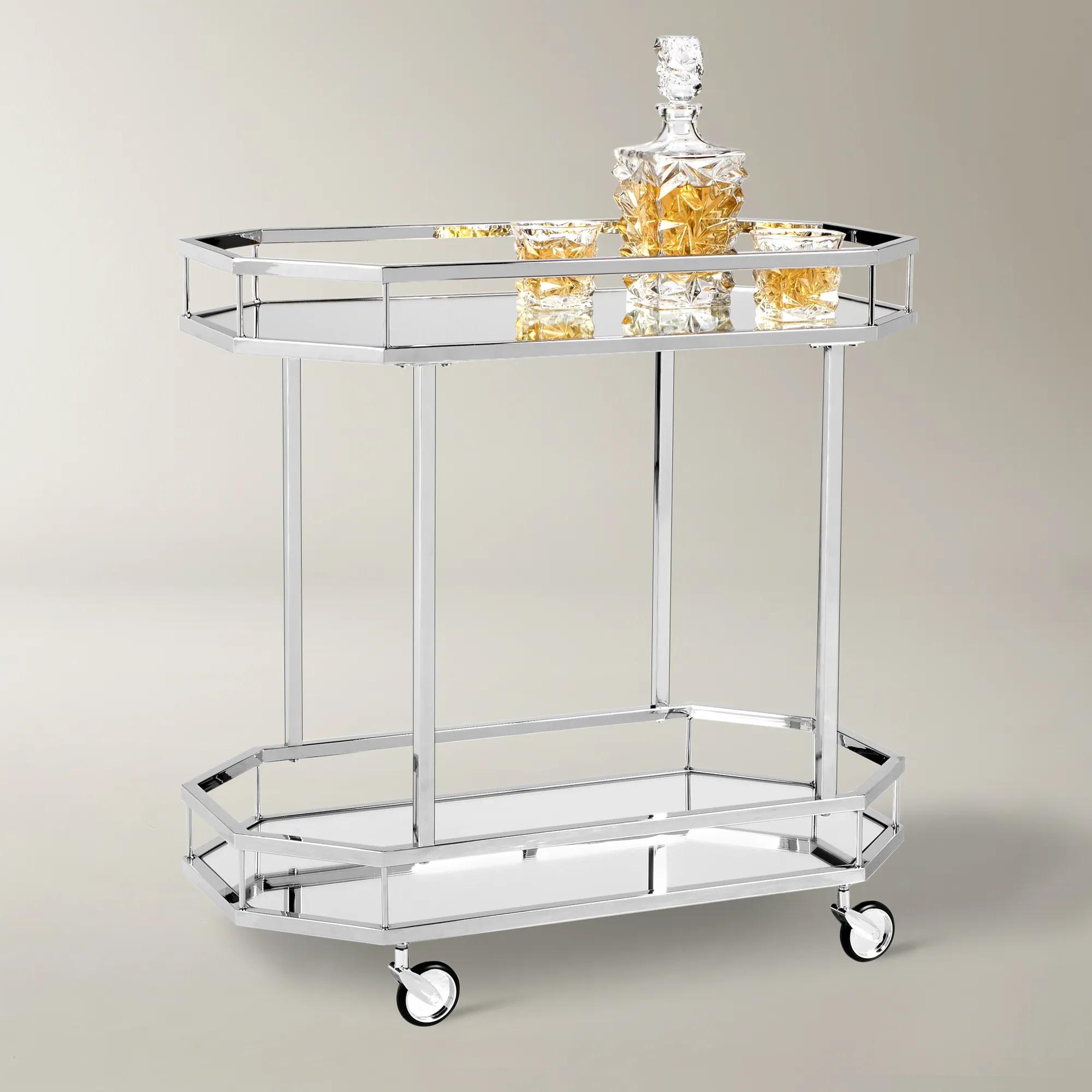 Metropolitan Silver Chrome Plated Steel 2-Tier Bar Carts With Mirror Tray (29.5")$449
A sleek chrome-plated bar cart with mirrored trays and casters for stylish, mobile entertaining.
Add To Cart -
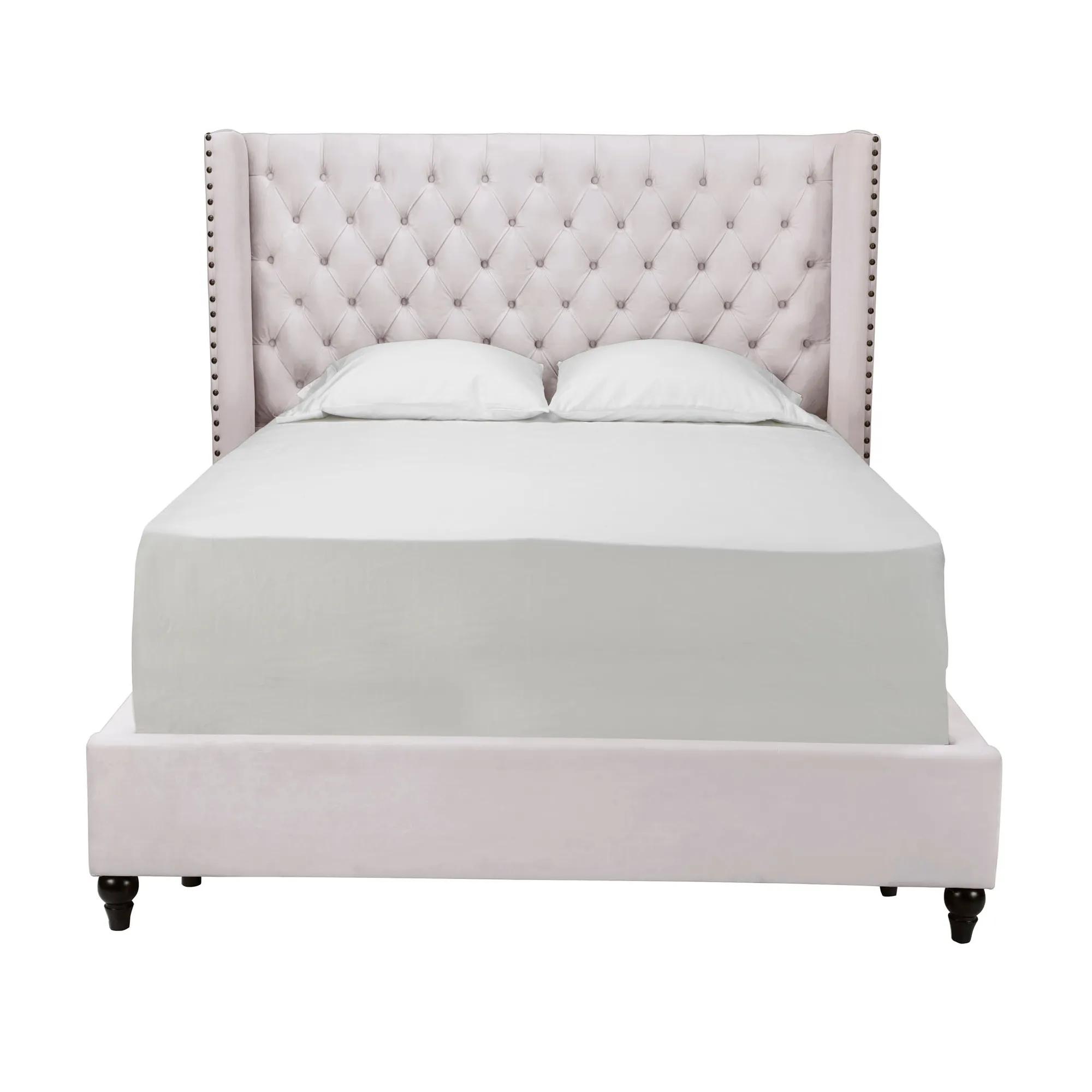
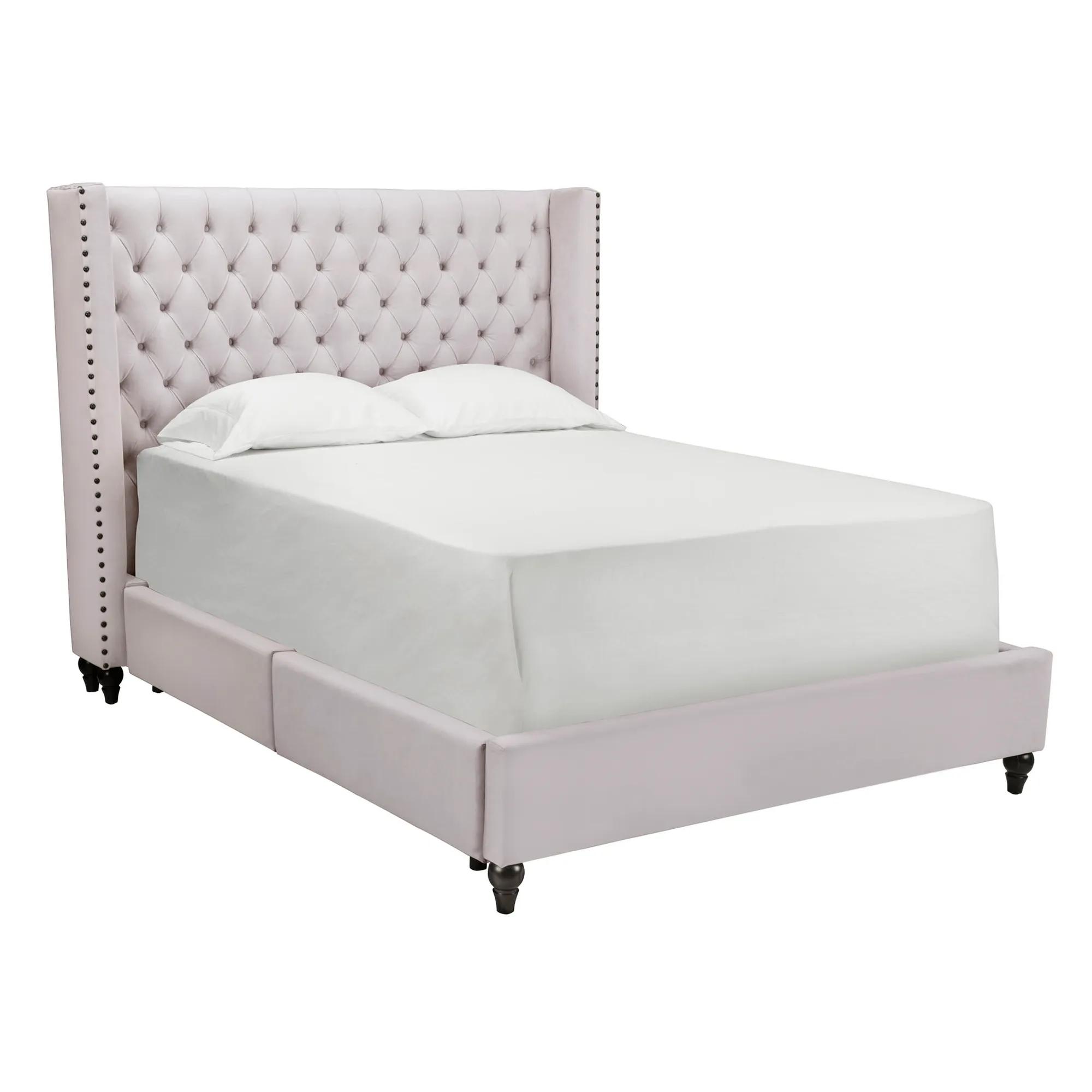 Roberto Storage Bed$4099
A handcrafted velvet-upholstered storage bed featuring diamond tufting, antique brass nailheads, and kiln-dried hardwood construction.
Add To Cart -
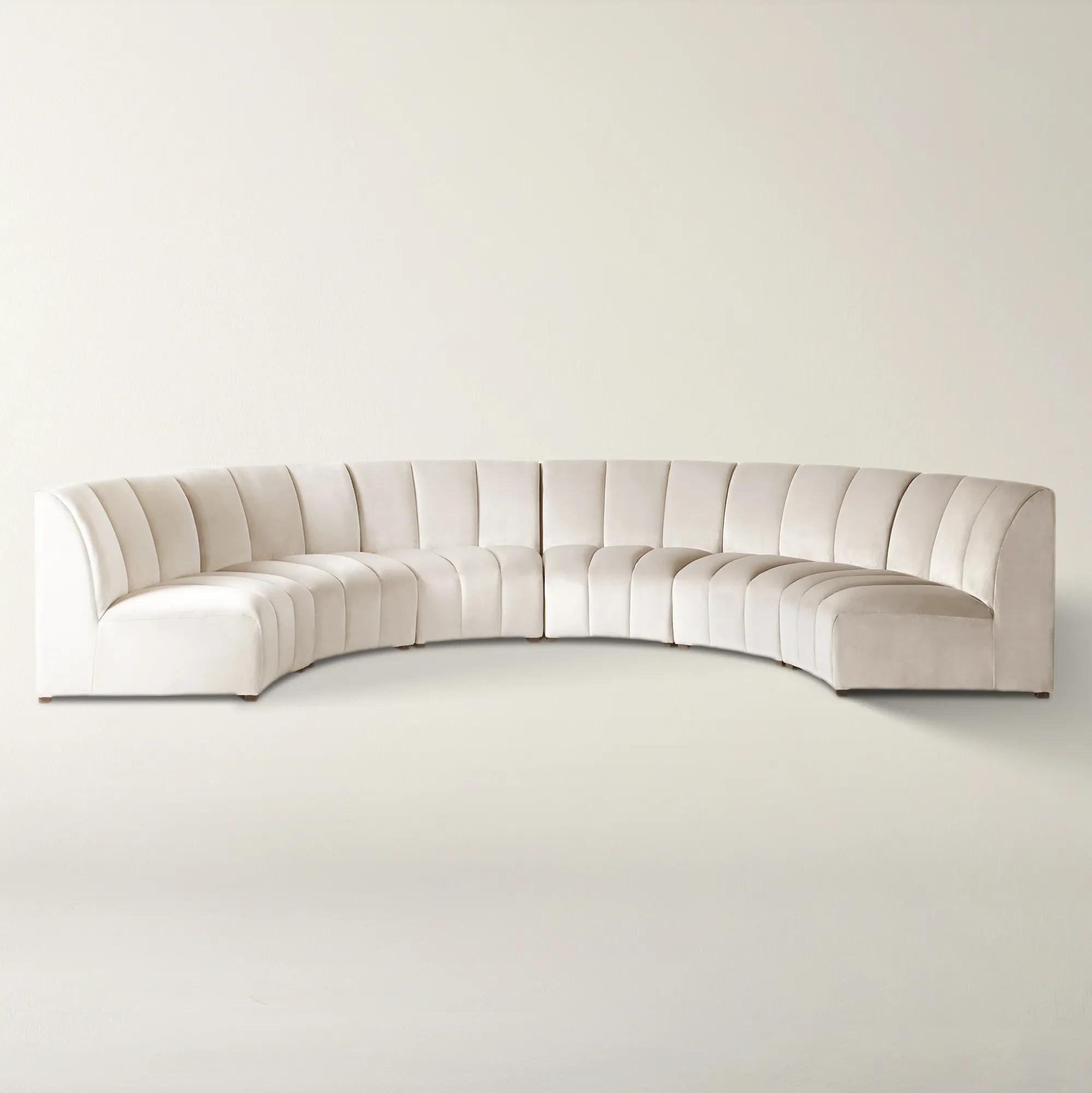 Jayce 6-Piece Channel-Tufted Ivory Velvet Sectional Sofa$5499
A modern curved sectional in stain-resistant Velvet Ivory with deep channel tufting and plush, structured cushions.
Add To Cart -
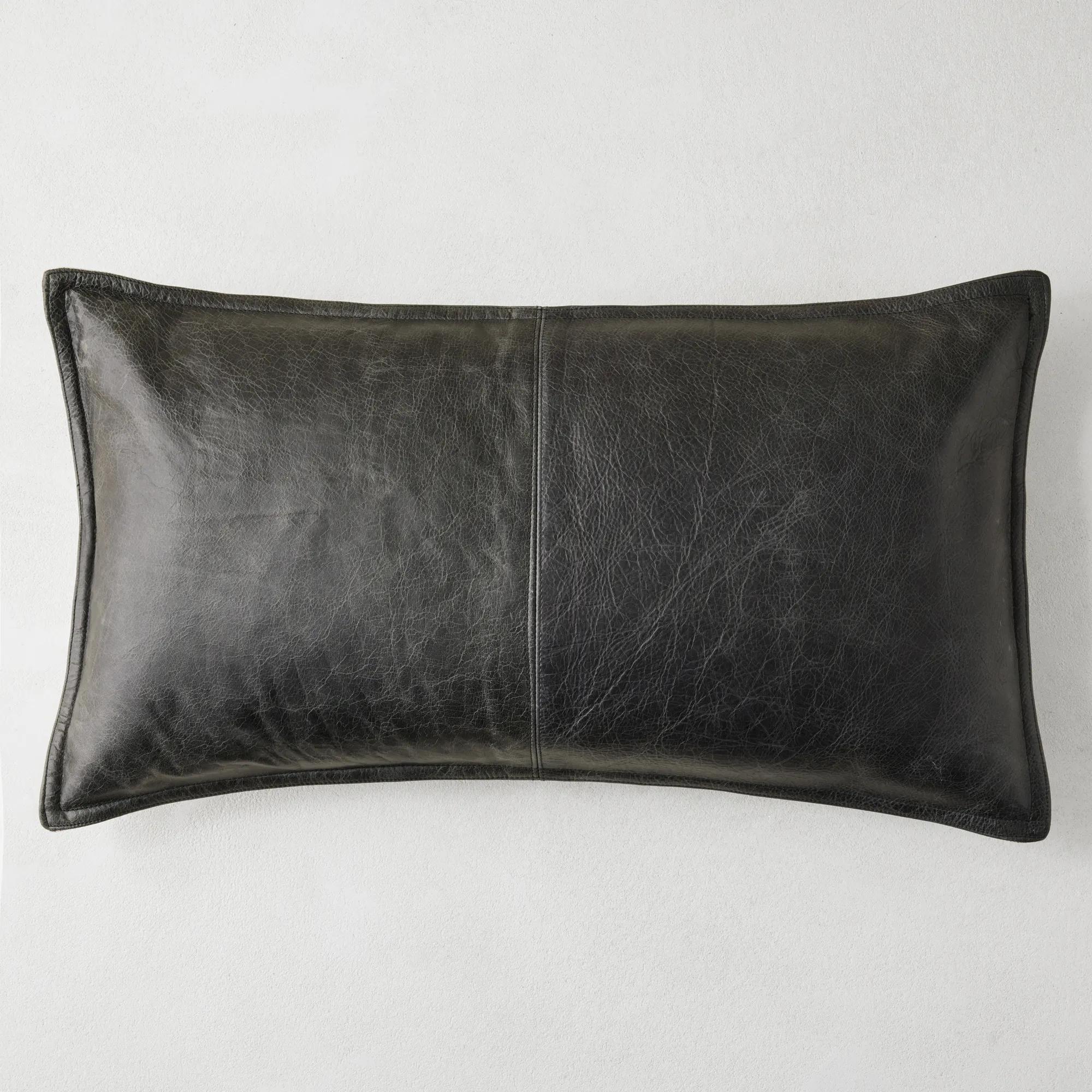 Dylan Onyx Black Genuine Leather Lumbar Pillow 14" x 26"$179
A sleek onyx leather lumbar pillow with double-stitched panels, cotton back, and feather-down insert.
Add To Cart -
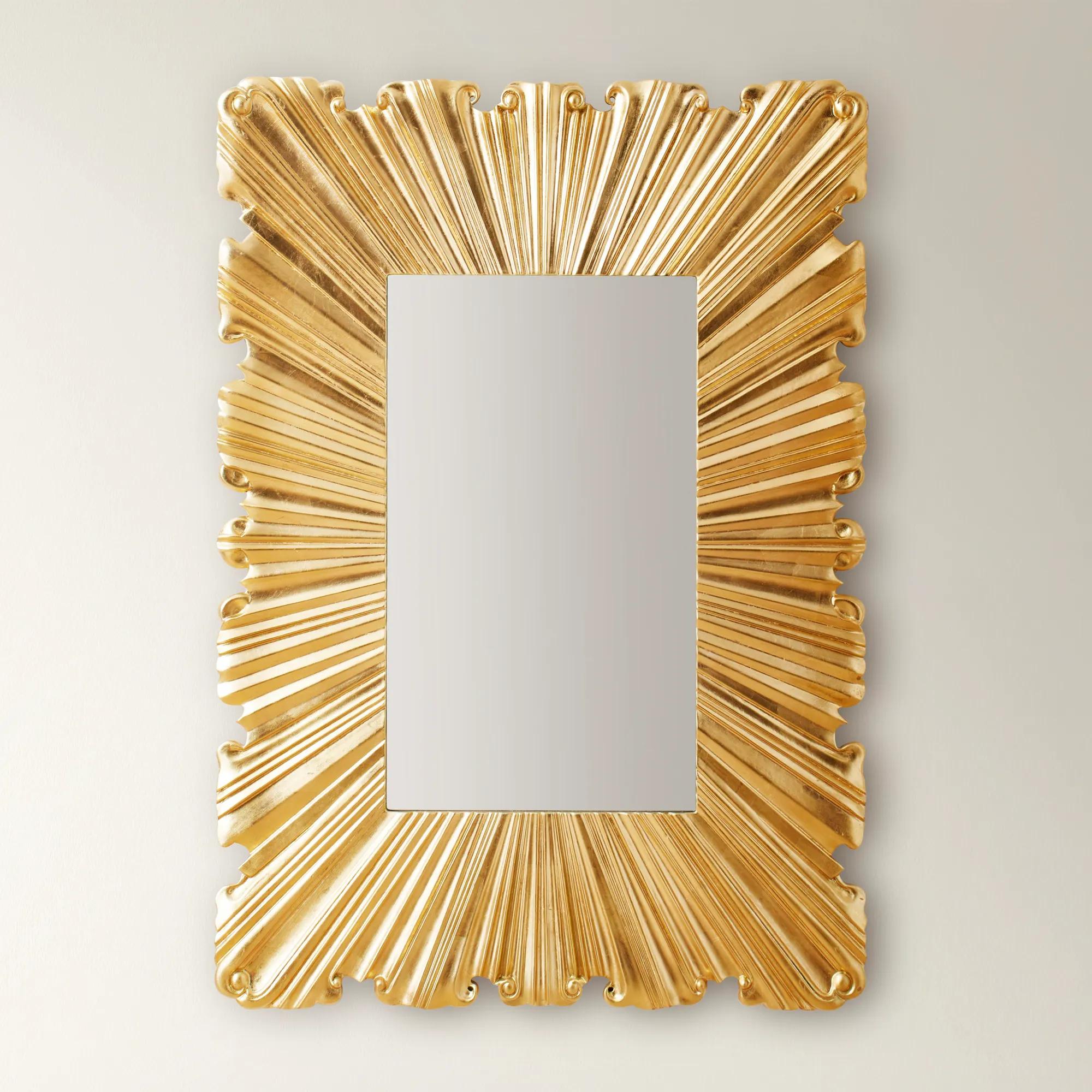 Metropolitan Gold Leaf Resin Rectangular Wall Mirror 27.5" x 39.5"$459
A sculptural wall mirror featuring a gold-finished polyurethane frame for a modern, elegant accent.
Add To Cart

Furniture For Stylish Studios
Furniture for stylish studios transforms compact spaces into captivating sanctuaries of self-expression. Every piece becomes a brushstroke—inviting drama, sculpting light, and layering texture to create a home that feels both curated and utterly personal. Discover how bold silhouettes, luxe finishes, and unexpected details can elevate your studio from simple to spectacular. With furniture for stylish studios, even the smallest space becomes an immersive masterpiece—proof that grandeur knows no bounds.
Furniture for stylish studios brings living, dining, working, and sleeping into one expressive space without asking any of those moments to feel secondary. The most successful studio apartment furniture combines proportion, versatility, and a distinctive silhouette: seating that leaves room to circulate, tables that accommodate more than one activity, and storage that gives everyday essentials a polished place to disappear. A compact footprint does not require timid design. A sumptuous upholstered sofa, a sculptural pedestal table, or a richly grained cabinet can establish the character of an entire apartment when the surrounding pieces allow it to command attention. For an open studio, visual weight matters as much as dimensions. Exposed furniture legs reveal more floor, open frames preserve sightlines, and glass or acrylic surfaces can introduce function without creating a solid visual barrier. These lighter profiles offer a striking counterpoint to velvet upholstery, dark wood, and gleaming metal finishes, allowing drama and breathing room to coexist. Scale should follow the apartment’s architecture rather than a blanket rule that every piece must be petite. One generously proportioned seating piece may feel more composed than several small chairs competing for space, provided its depth leaves a comfortable route between the entrance, kitchen, and sleeping area. Before selecting furniture, measure wall lengths, door swings, window heights, and the paths that remain when drawers or cabinet doors are open. Delivery deserves equal attention, especially in apartments with narrow stairwells, tight elevator turns, or compact entryways. A beautiful silhouette belongs in the room only if it can reach its intended position and function there comfortably. For renters, first-time apartment dwellers, and anyone refining a city retreat, these considerations create a foundation for interiors that feel deliberate rather than crowded. The broader perspective of Stylish Apartment Furniture complements this approach, connecting small-space proportions with the layered textures and confident forms that make an apartment unmistakably personal.
Multifunctional furniture earns its place in a studio by supporting real routines while maintaining a beautifully resolved appearance. Sleeper sofas and daybeds can bring lounging and sleeping into the same footprint, making them especially relevant for apartments without a separate bedroom or for residents who occasionally welcome overnight guests. Their suitability depends on how often they will be used for sleep, the support they provide, and the clearance needed to open or extend them. For nightly use, the sleeping surface deserves as much consideration as the upholstery and silhouette. Wall beds can reclaim floor space during the day, although installation requirements, wall construction, operating clearance, and rental restrictions must be checked before making that commitment. Tables can be equally versatile. A lift-top coffee table may bring a surface closer for a brief work session or an informal meal, while an adjustable-height design intended for dining can support a more substantial change of use. Not every lifting mechanism creates the same height or stability, so intended function matters. A compact dining table can become a work surface by day, with an upholstered dining chair providing a graceful transition between tasks; prolonged desk work may still call for dedicated ergonomic seating. Nesting tables allow surfaces to spread out when guests arrive and gather neatly afterward. Storage ottomans can conceal throws or spare linens while offering a place to rest feet, and designs rated for seating can accommodate an additional guest. In a single open room, these shifts feel most seamless when finishes share a common thread, such as warm metal accents or a restrained palette of ivory, charcoal, and deep jewel tones. Furniture can also establish distinct zones without enclosing them. An open bookcase can suggest a boundary between a bed and a lounge area while allowing light to travel through, and a narrow console behind a sofa can give the seating arrangement a defined edge. Rugs reinforce those boundaries through texture and tone. Tall storage uses vertical space, but height brings responsibility: bookcases and other tip-prone furniture should be secured according to manufacturer instructions, with building rules considered wherever anchoring is required.
Materials give studio furniture its presence, but they also determine how comfortably it lives alongside daily habits. Velvet brings depth and a subtle change of tone as light moves across its pile, lending even a modest seating area a cinematic richness. Woven upholstery offers another kind of dimension, from a finely textured surface to a more pronounced, tactile weave. Fabric selection should account for frequent use, direct sunlight, pets, and the occasional dinner enjoyed on the sofa; durability depends on the particular fiber, weave, construction, and care requirements, not appearance alone. Households with pets may prefer tightly woven fabrics over loose loops that can catch claws. Performance-labeled upholstery should be evaluated by its stated properties rather than treated as immune to stains or wear. Regular vacuuming with an appropriate attachment helps remove dust, while spills should be blotted promptly and treated only as the care label directs. Wood introduces warmth and grain that soften a room’s sharper architectural lines. Solid wood, wood veneers, and engineered substrates each have different characteristics, and well-executed construction matters more than an assumption that one material suits every application. Coasters, placemats, and protection from excess moisture help preserve dining and work surfaces, especially when one table handles morning coffee, laptop hours, and evening entertaining. Glass lends clarity but reveals fingerprints; mirrored finishes amplify light and require gentle cleaning with products appropriate to the surface. Stone can add a luxurious anchor, though its weight, porosity, and maintenance needs vary by type and finish. In furniture that transforms or stores, inspect the practical details as closely as the decorative ones: smooth drawer movement, secure hinges, accessible compartments, and mechanisms designed for the expected frequency of use. Cushions should offer support suited to their purpose, and removable components can make routine care easier when the design allows. Furniture gifts for someone settling into a studio are best chosen with their measurements and preferences in hand, particularly when upholstery, seating comfort, or assembly is involved. Ultimately, a stylish studio feels generous because each piece contributes something distinct—a comfortable place to linger, a surface ready for company, or storage that keeps the room’s composition clear. Rich texture and purposeful proportions turn limited square footage into a home with presence.
FAQs
To infuse luxury into a studio apartment, focus on pieces with rich textures such as velvet or faux fur, and choose furniture with metallic accents or sculptural details. Layer lighting with statement lamps and gleaming finishes to create ambiance. Incorporate reflective surfaces like mirrored tables or glass consoles to amplify natural light and add a sense of spaciousness. Thoughtful accessorizing with artful trays, bold artwork, and plush throws can also elevate the overall atmosphere.
Creating distinct zones in a studio is all about strategic placement and visual cues. Use area rugs to define different areas, such as sleeping, lounging, and dining. Furniture with open frames or see-through materials can act as subtle dividers without blocking light. Consider a bookcase or a decorative screen to delineate spaces while maintaining an open feel. Incorporate accent pieces that visually anchor each zone and express your personal style.
For entertaining in a studio, opt for multifunctional pieces like ottomans that double as extra seating or coffee tables with hidden storage for serving essentials. Nesting tables and stackable stools offer flexibility for gatherings, while a chic bar cart can add both style and functionality. Choose pieces that are easy to move and rearrange, so you can effortlessly transition from a cozy night in to hosting a few friends.
Personalizing your studio is about layering in meaningful details while maintaining a unified color palette or design motif. Select decor that reflects your passions—think bold artwork, curated books, or unique sculptures. Use consistent metallic finishes, complementary hues, or recurring textures to tie the space together. Statement lighting and signature accessories add drama and personality without overwhelming the overall look.
Yes, certain furniture styles can enhance the natural light in a studio. Opt for pieces with glass, lucite, or mirrored surfaces that reflect and amplify sunlight. Light-colored upholstery and open-frame designs prevent visual heaviness and keep the space feeling airy. Placing reflective decor near windows or light sources further brightens the room, creating a luminous, inviting atmosphere throughout your studio.