Furniture For Style Conscious Buyers
Furniture For Style Conscious Buyers
-
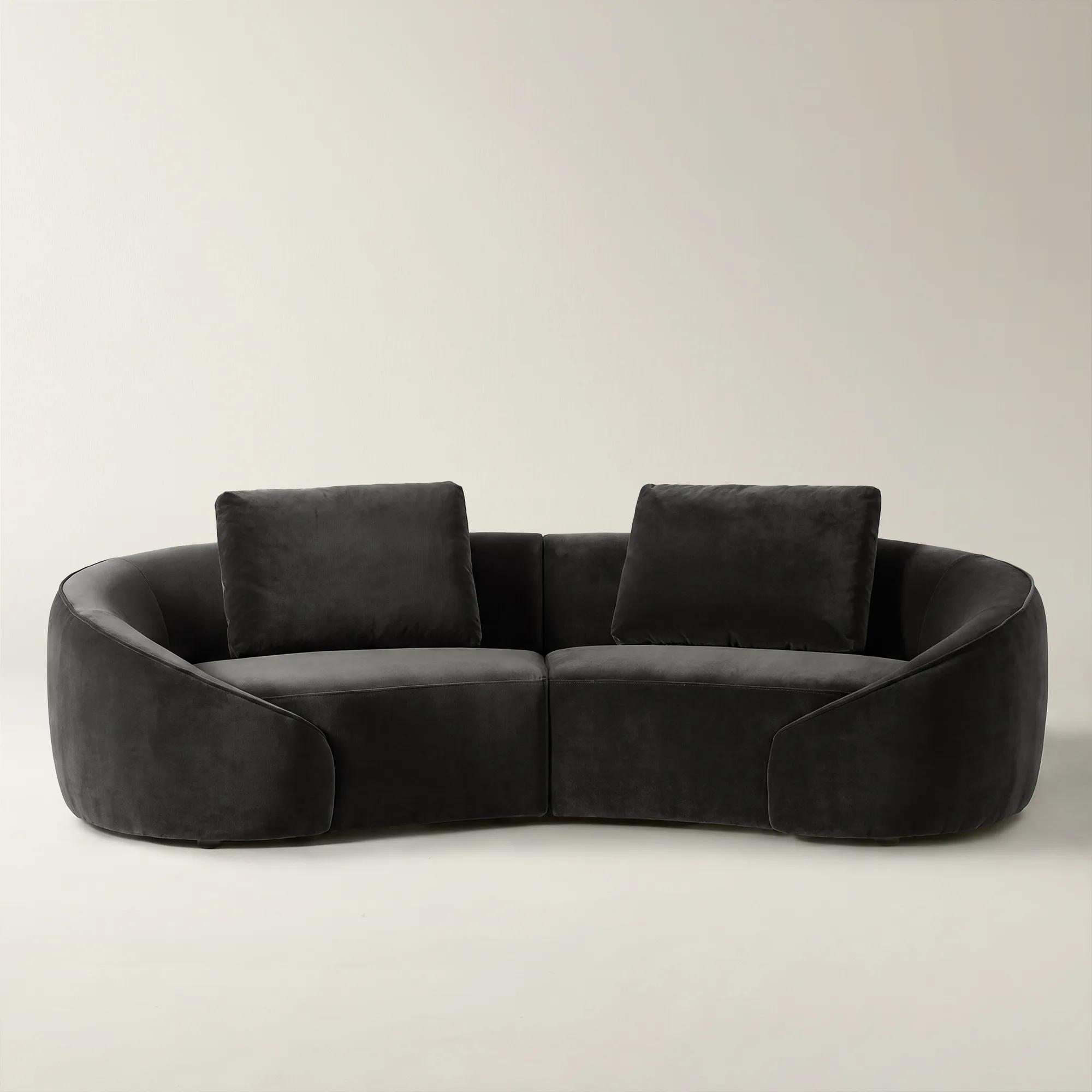
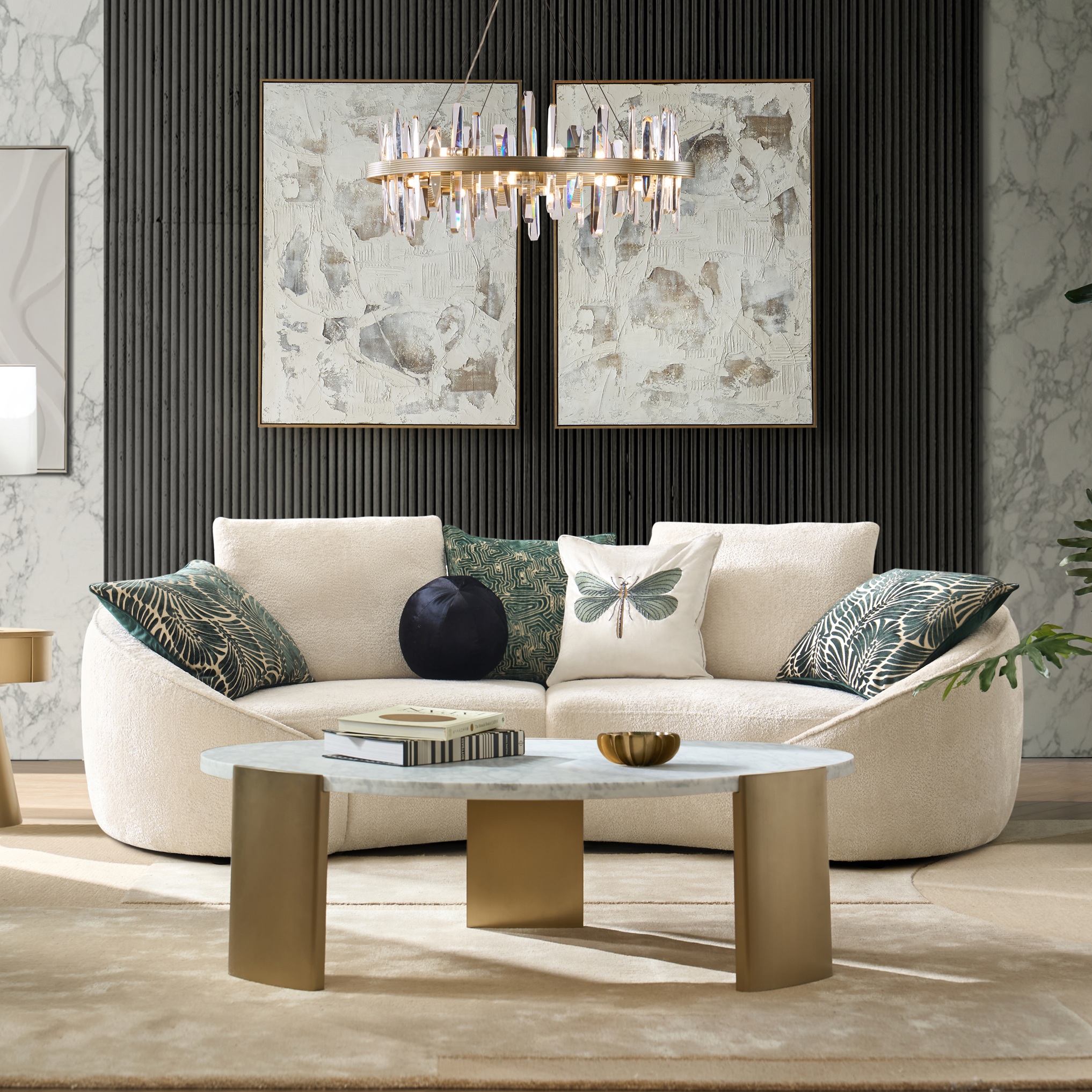 Irene 2-Piece Charcoal Velvet Sectional Sofa$2499
A sculptural charcoal velvet sectional with high-resiliency foam cushions and artisan hand-finished upholstery.
Add To Cart -
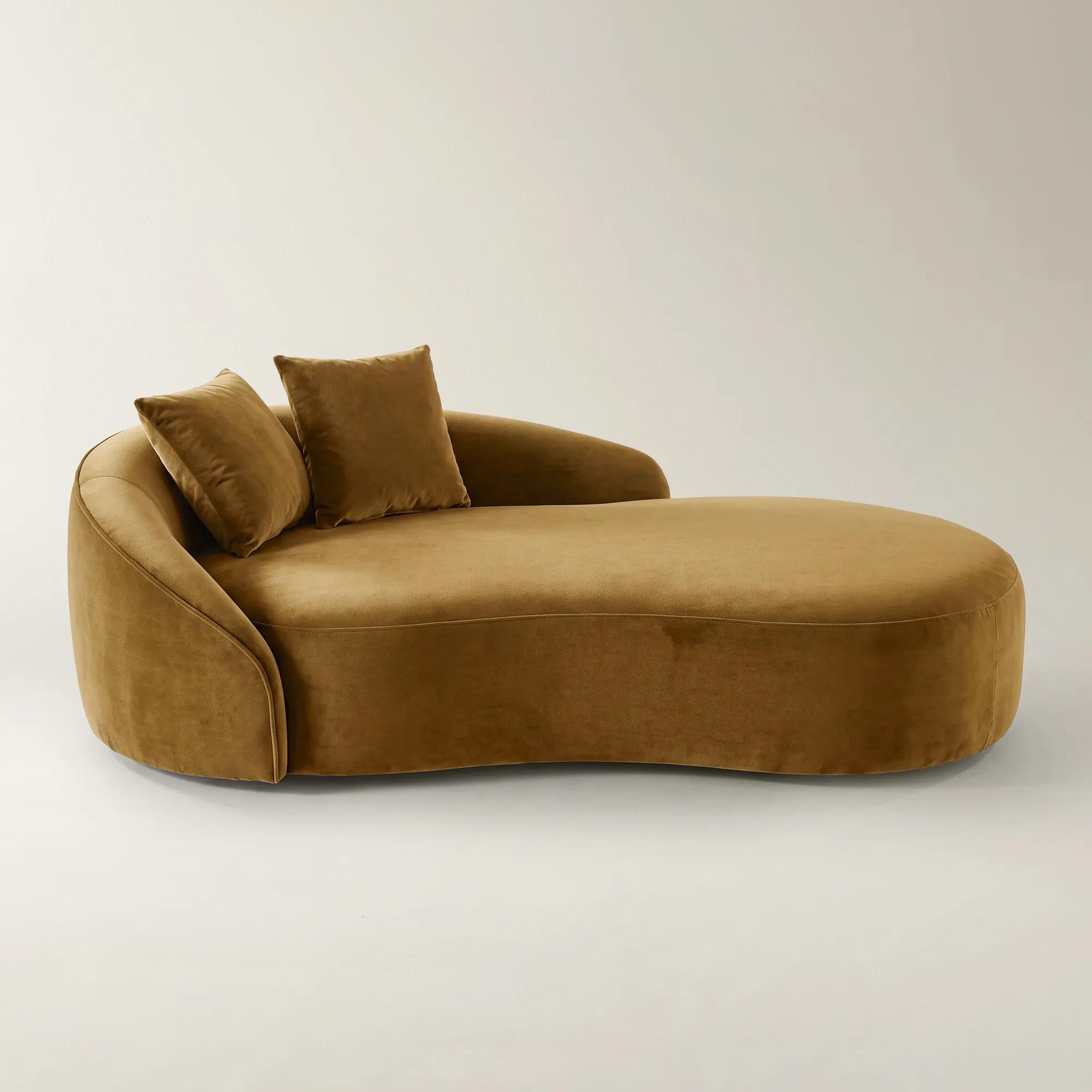 Irene Roasted Pecan Velvet Chaise$1699
A sculptural chaise in roasted pecan velvet, featuring hand-finished upholstery and high-resiliency foam cushions.
Add To Cart -
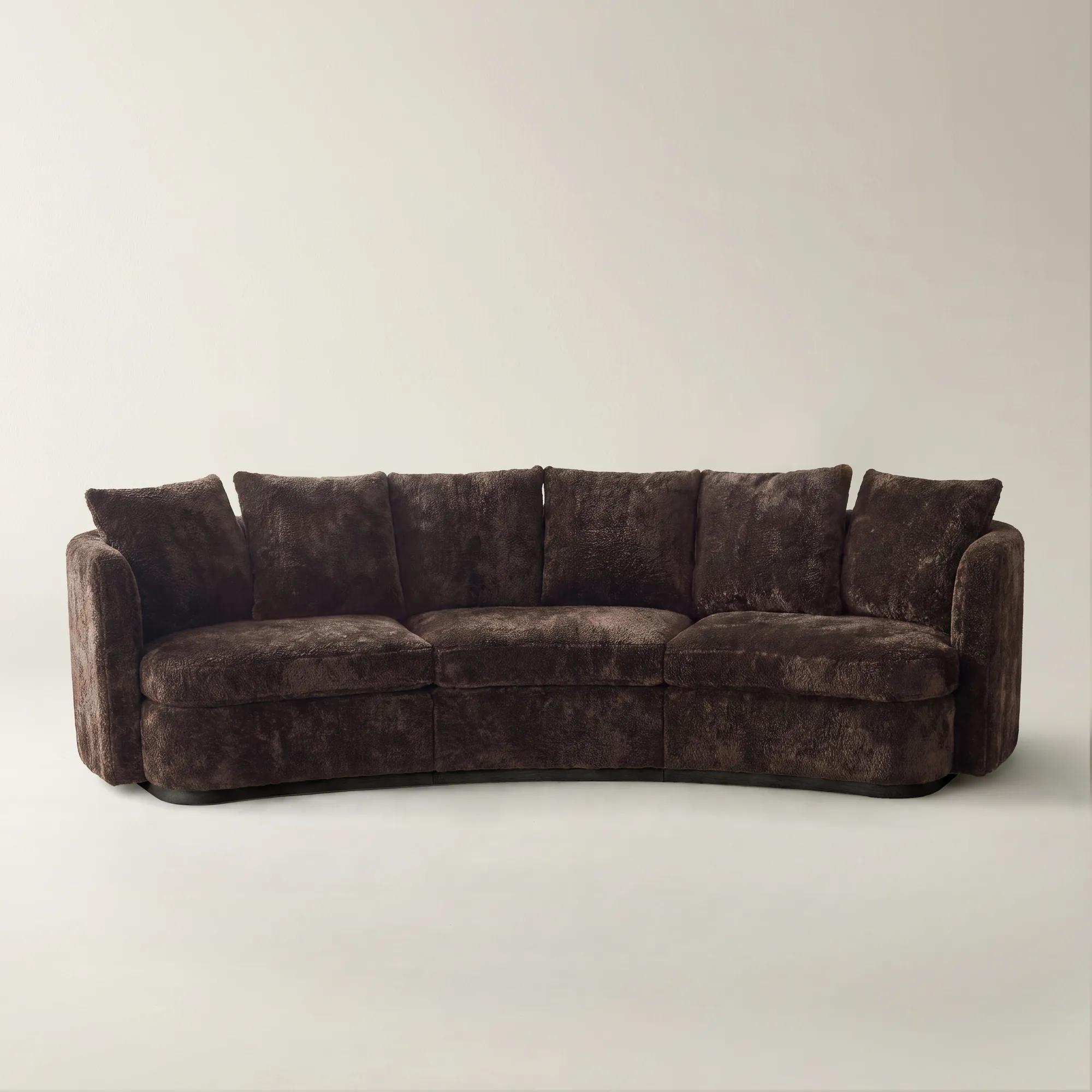 Stria 3-Piece Dark Chocolate Chenille Sectional Sofa$3099
A dark chocolate chenille sectional with sculptural curves, layered cushioning, and modular connectors for tailored comfort.
Add To Cart -
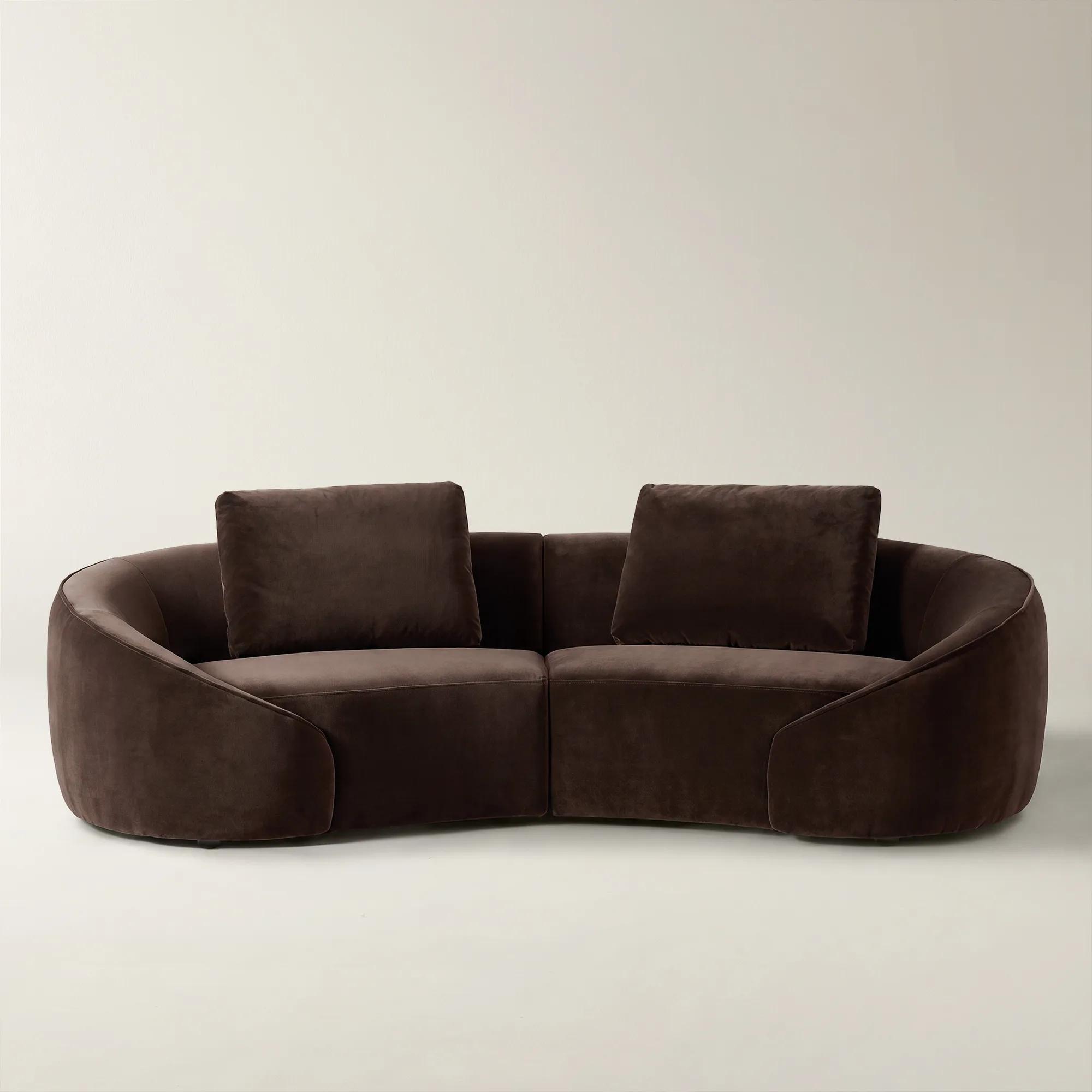
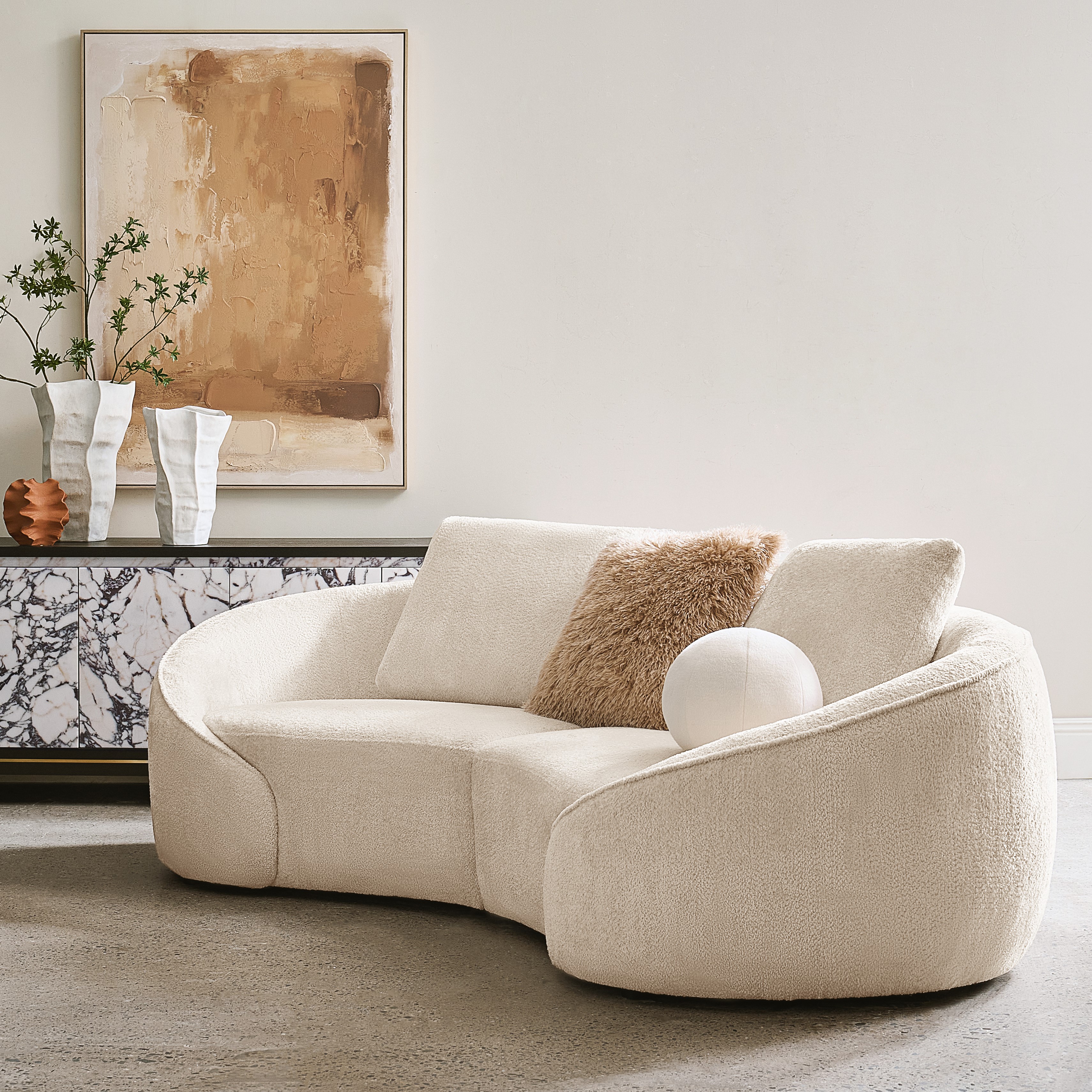 Irene 2-Piece Dark Chocolate Velvet Sectional Sofa$2499
A sculptural, hand-finished sectional in dark chocolate velvet with high-resiliency foam cushions and tailored detailing.
Add To Cart -
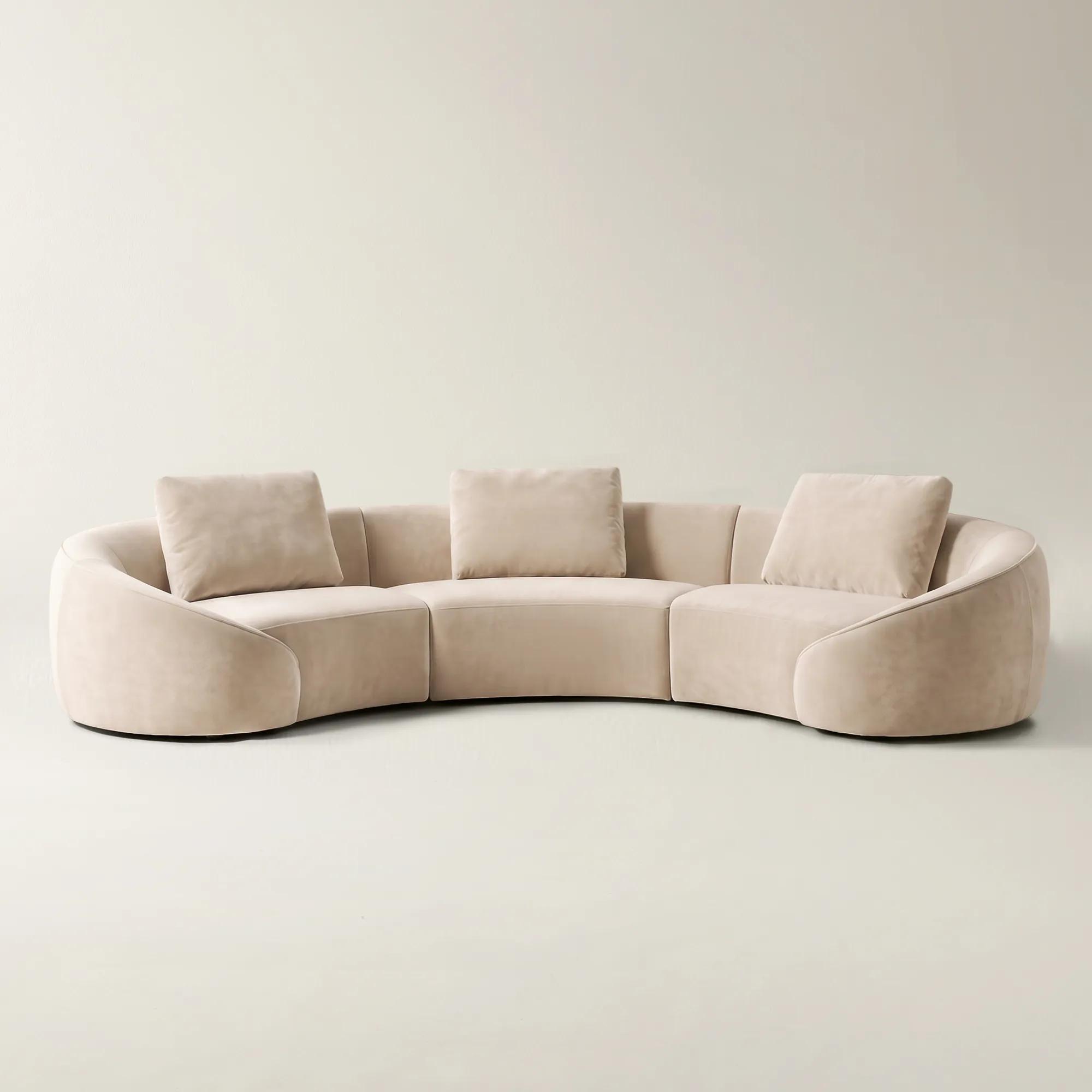
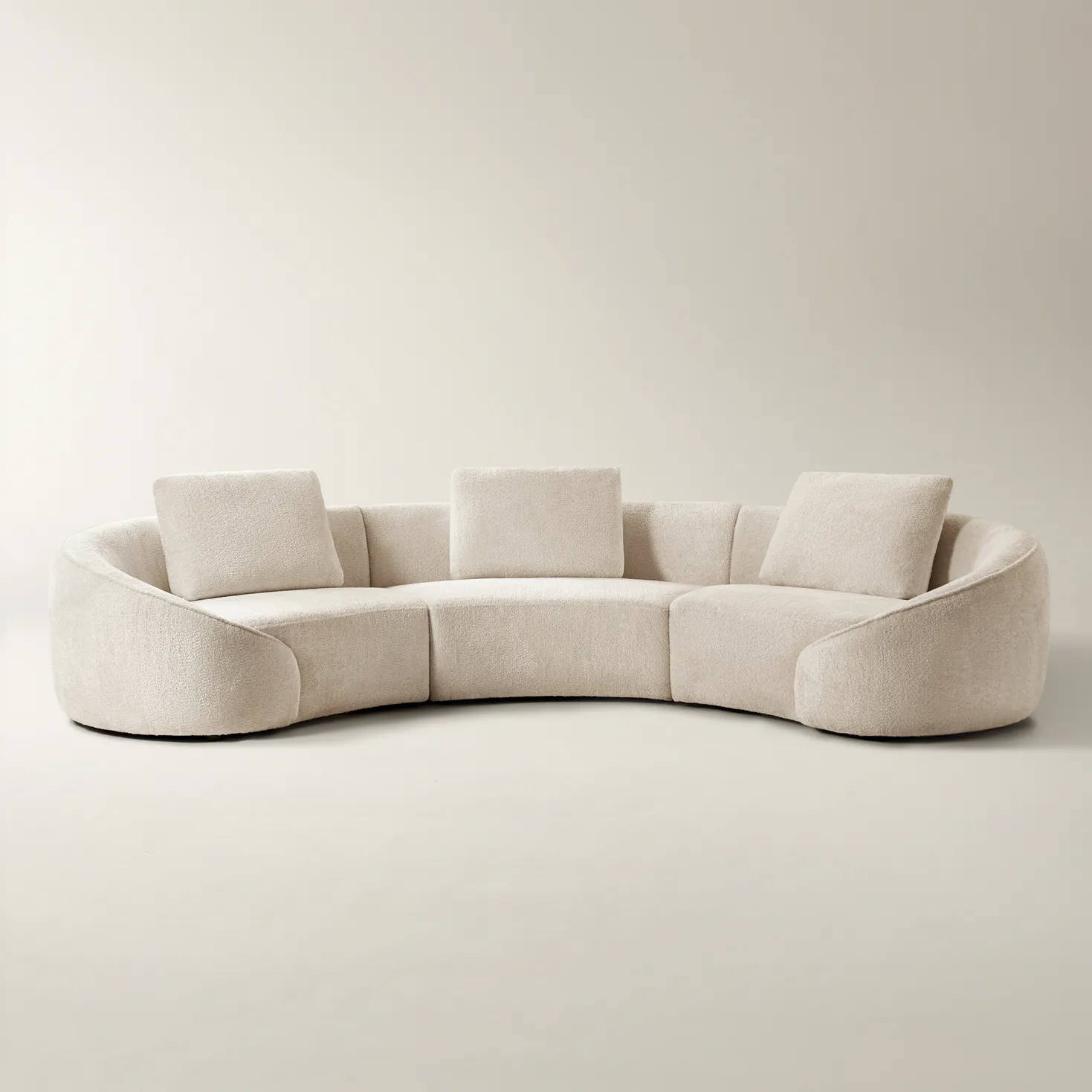 Irene 3-Piece Simply Taupe Velvet Sectional Sofa$3599
A sculptural, hand-finished sectional in simply taupe velvet with high-resiliency foam cushions and accent pillows.
Add To Cart -
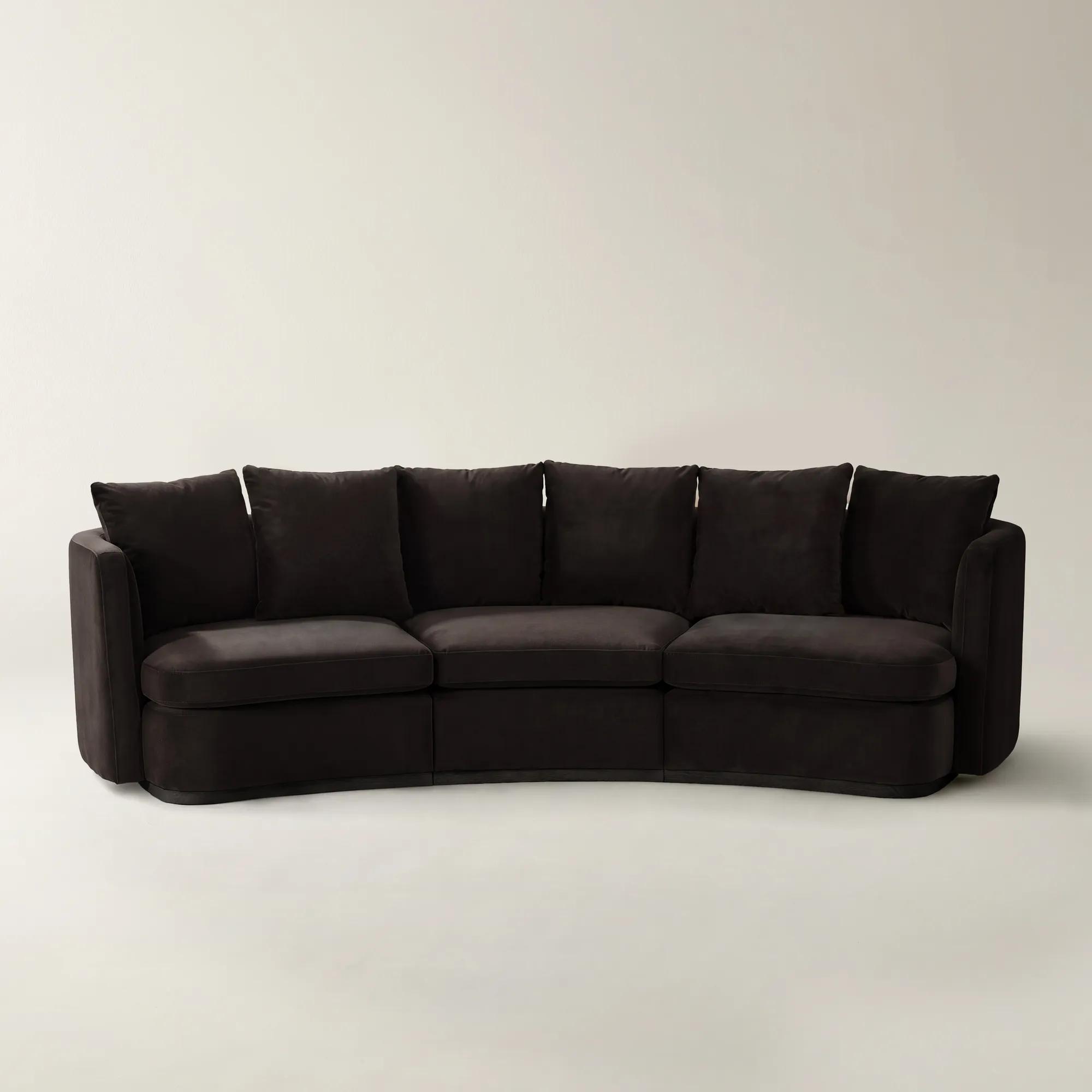 Stria 3-Piece Dark Chocolate Velvet Sectional Sofa$3099
A sculptural dark chocolate velvet sectional with curved styling, layered cushioning, and adaptable modular construction.
Add To Cart -
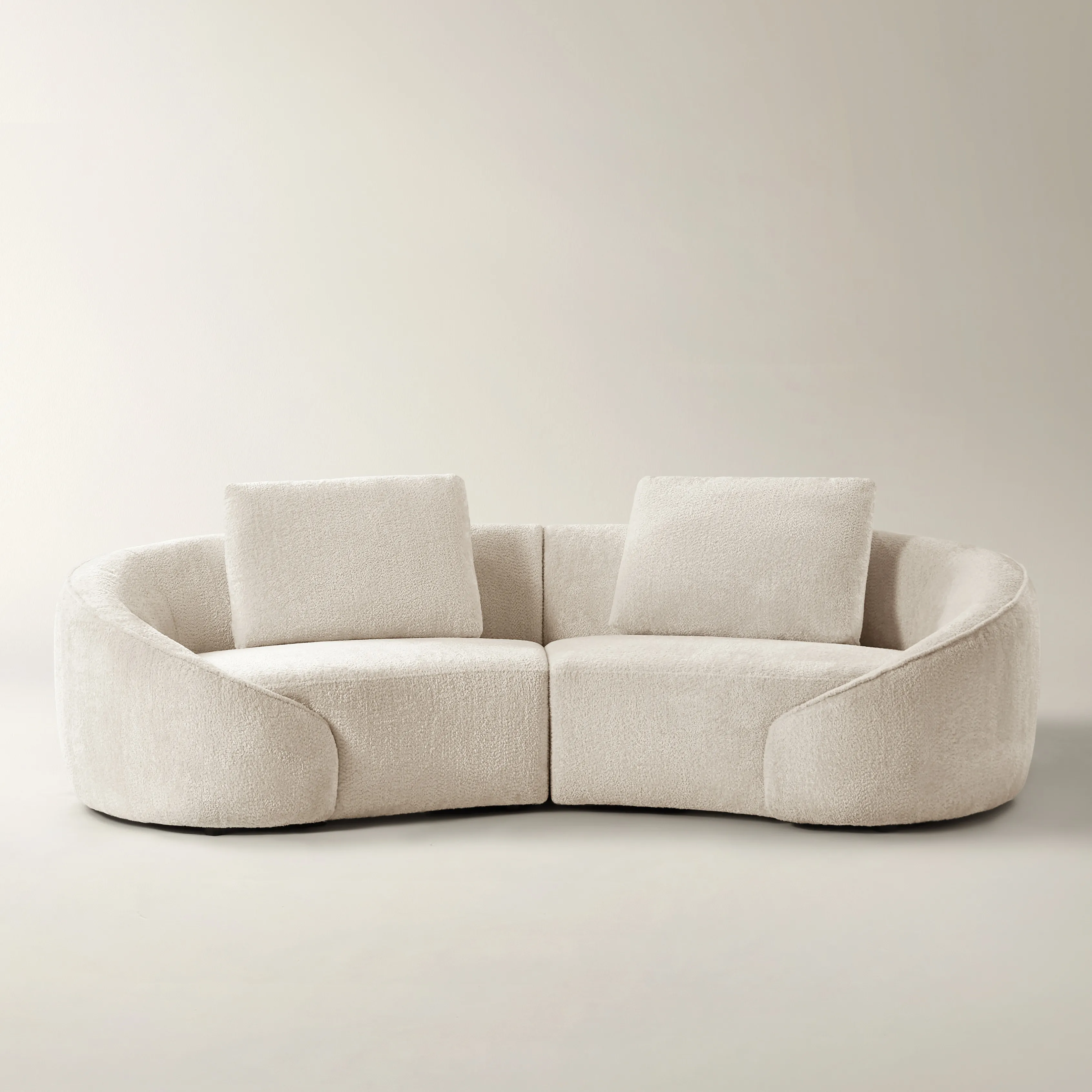
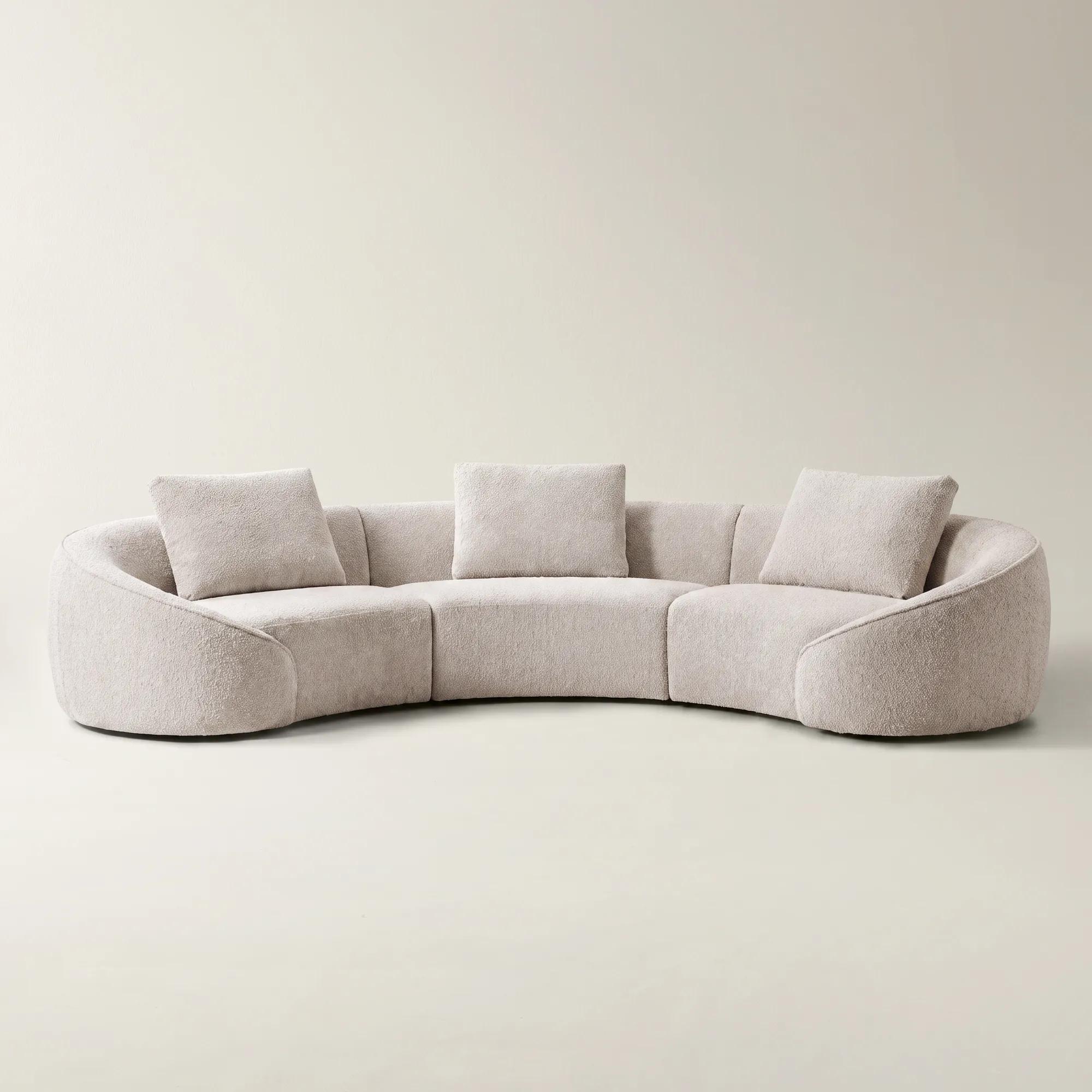 Irene 3-Piece Ivory Performance Boucle Sectional Sofa$3799
A sculptural ivory boucle sectional featuring performance upholstery, high-resiliency foam cushions, and artisan hand-finished details.
Add To Cart -
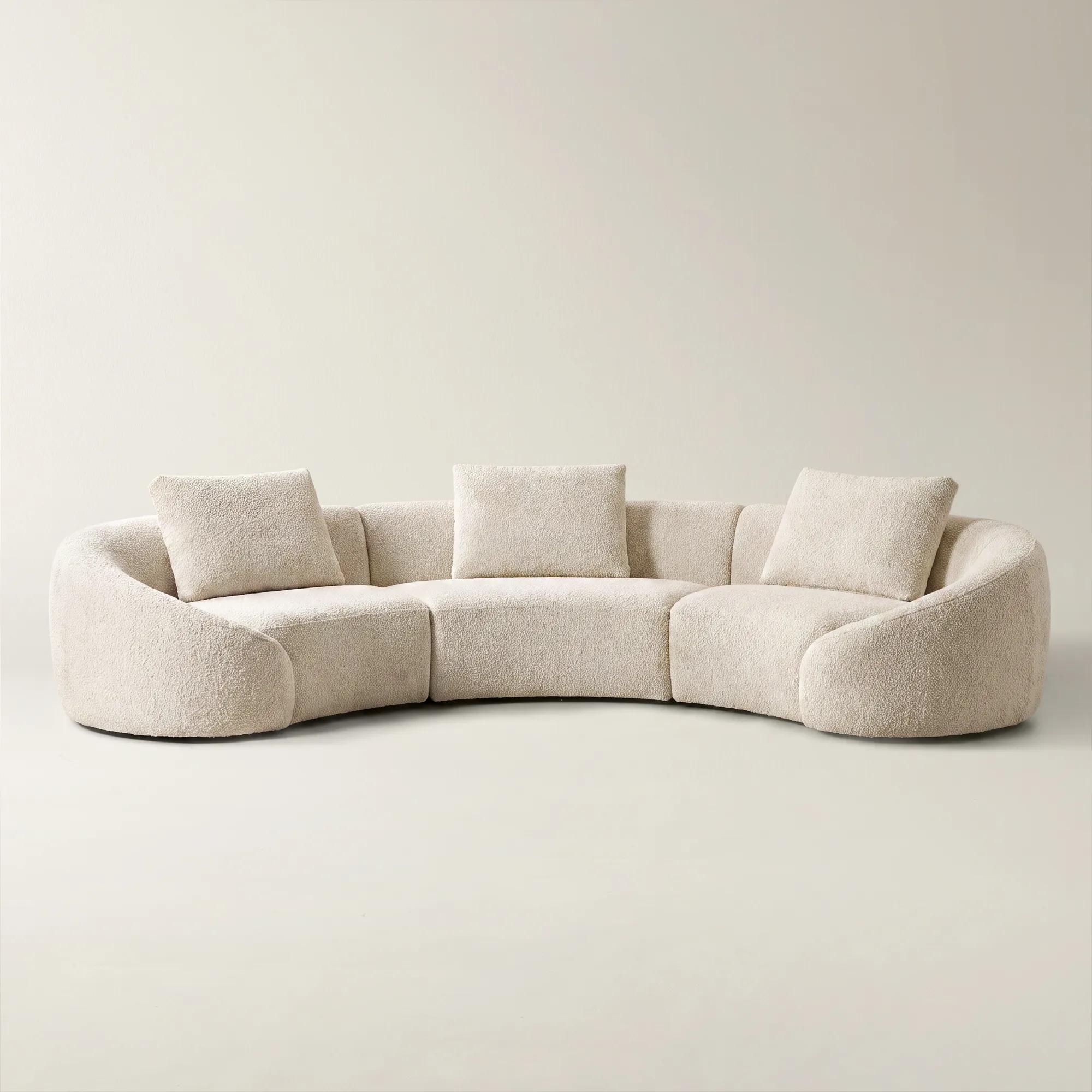 Irene 3-Piece Ivory Performance Boucle Sectional Sofa$3799
An inviting ivory performance boucle sectional featuring sculptural curves, high-resiliency foam, and artisan hand-finished upholstery.
Add To Cart -
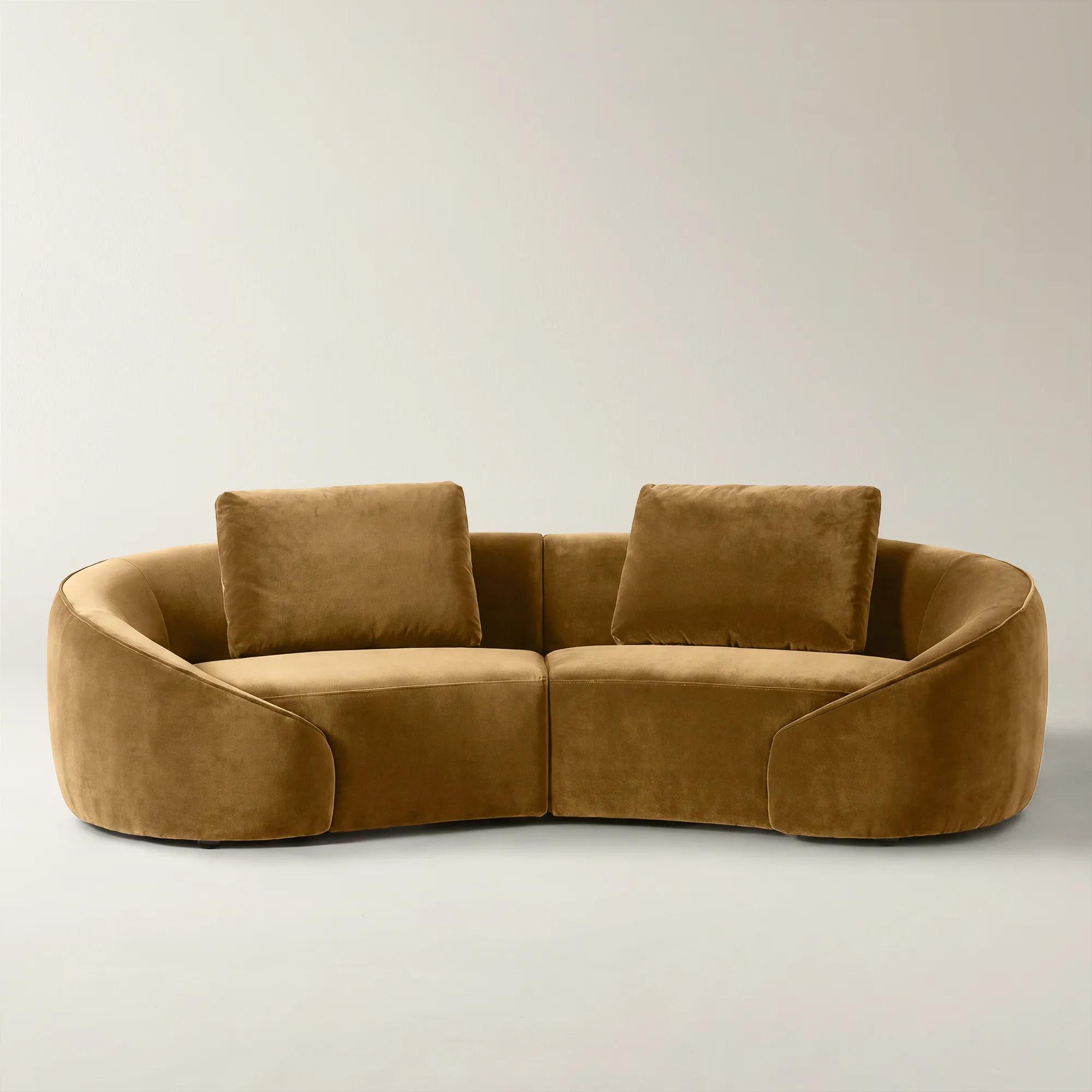
 Irene 2-Piece Roasted Pecan Velvet Sectional Sofa$2499
A sculptural, hand-finished sectional in roasted pecan velvet with high-resiliency foam cushions and accent pillows.
Add To Cart -
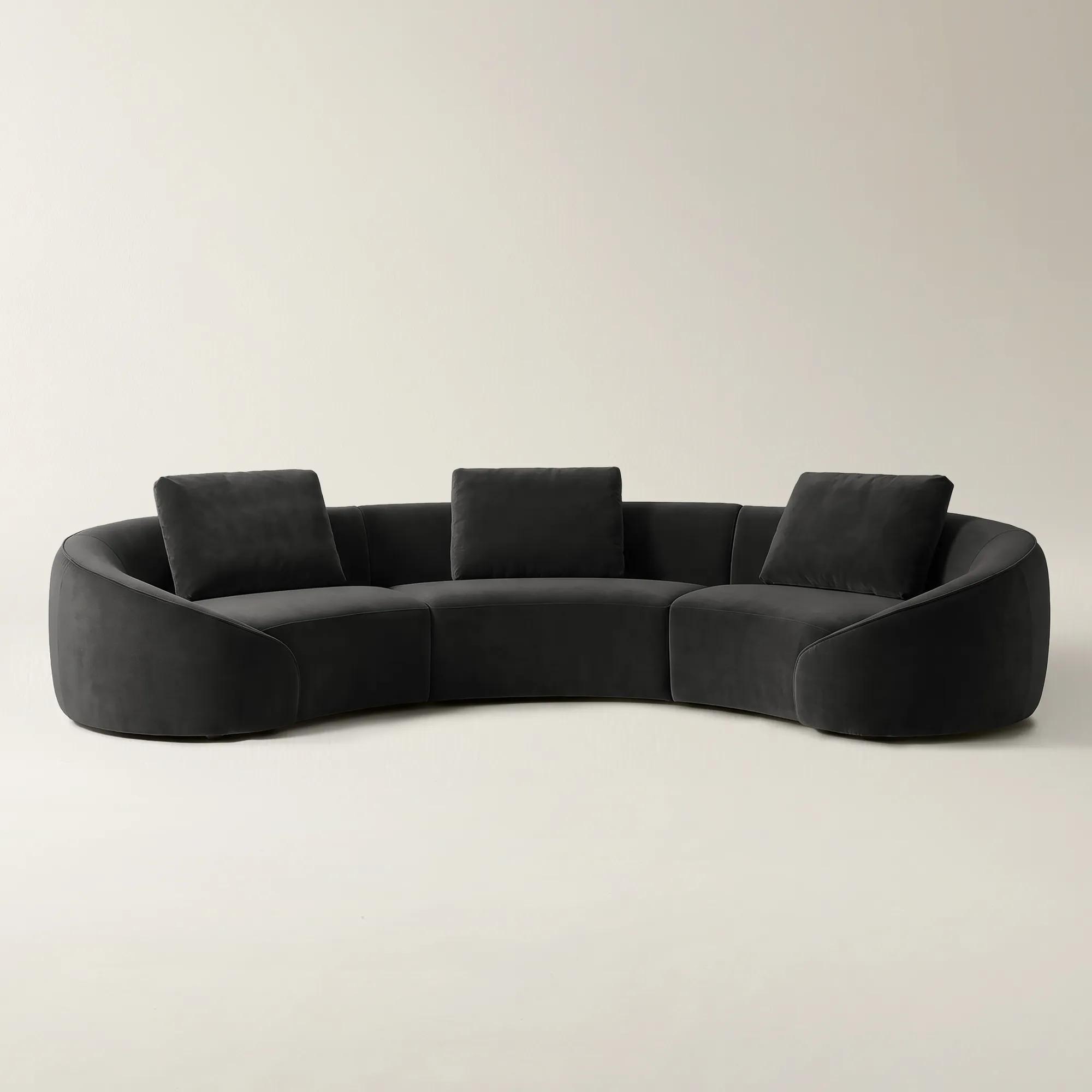 Irene 3-Piece Charcoal Velvet Sectional Sofa$3599
A sculptural charcoal velvet sectional featuring high-resiliency foam cushions and hand-finished artisan upholstery.
Add To Cart -
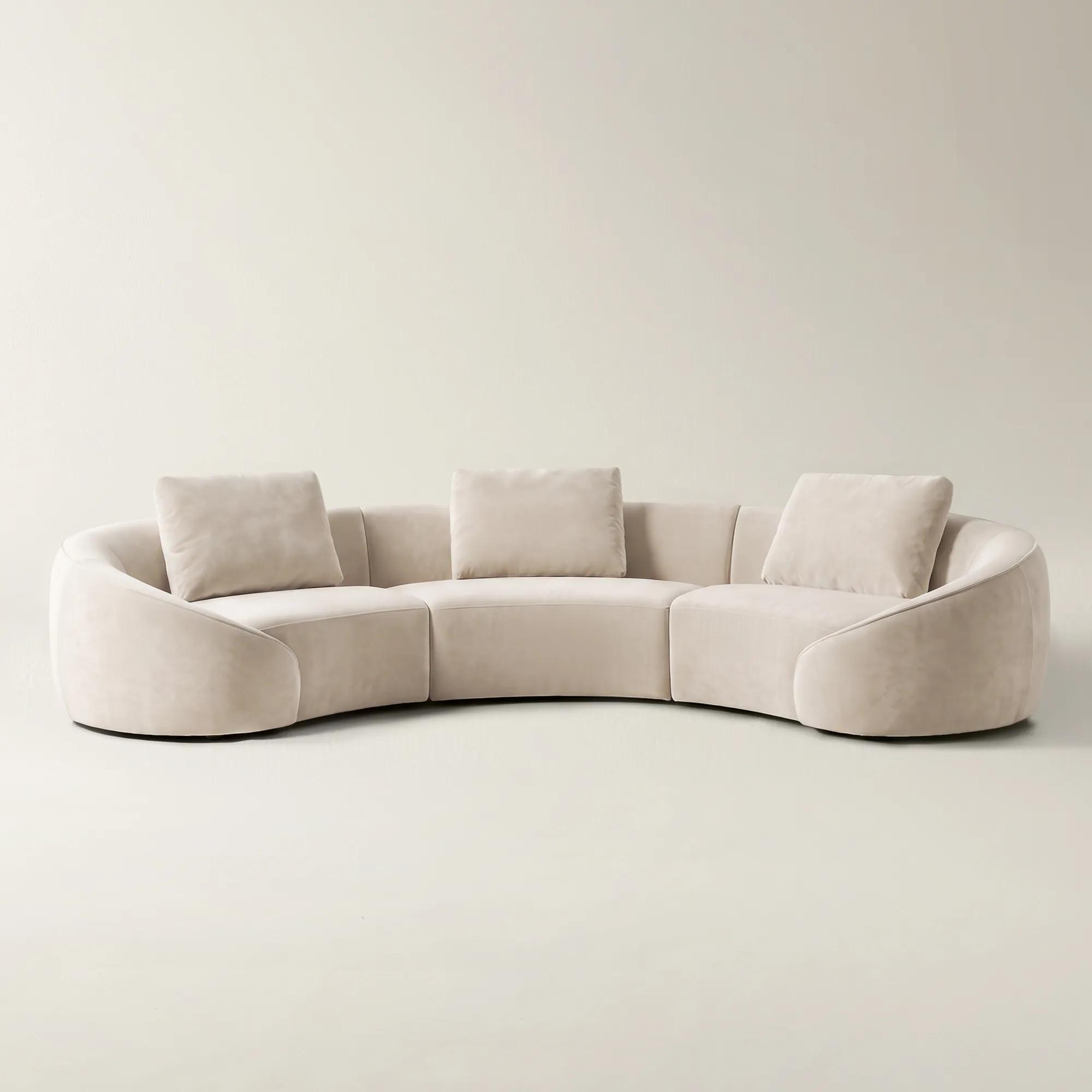 Irene 3-Piece Oatmeal Velvet Sectional Sofa$3599
An inviting oatmeal velvet sectional featuring sculptural curves, high-resiliency foam cushions, and artisan hand-finished upholstery.
Add To Cart -
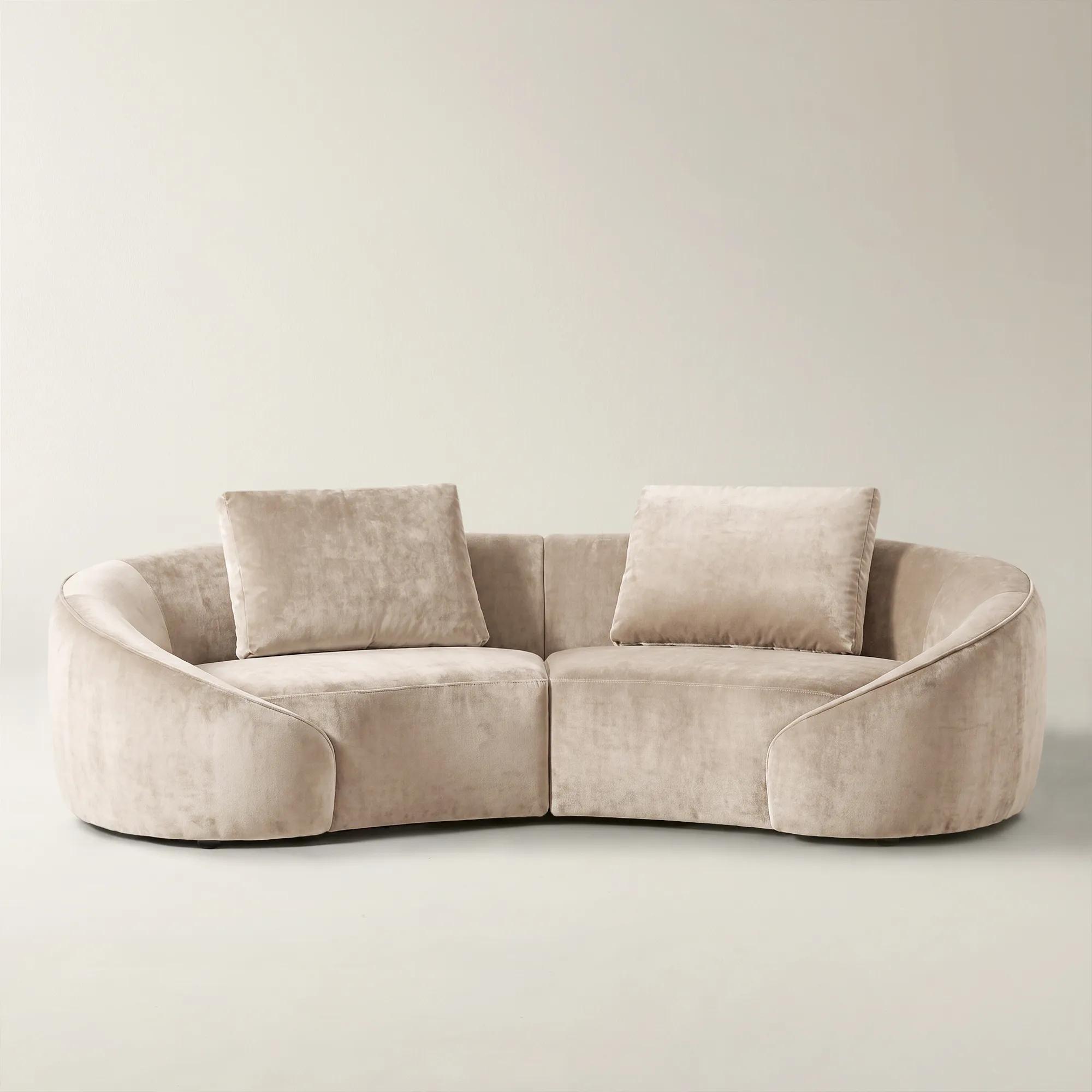 Irene 2-Piece Simply Taupe Velvet Sectional Sofa$2499
A sculptural taupe velvet sectional featuring high-resiliency foam cushions and artisan hand-finished upholstery.
Add To Cart -
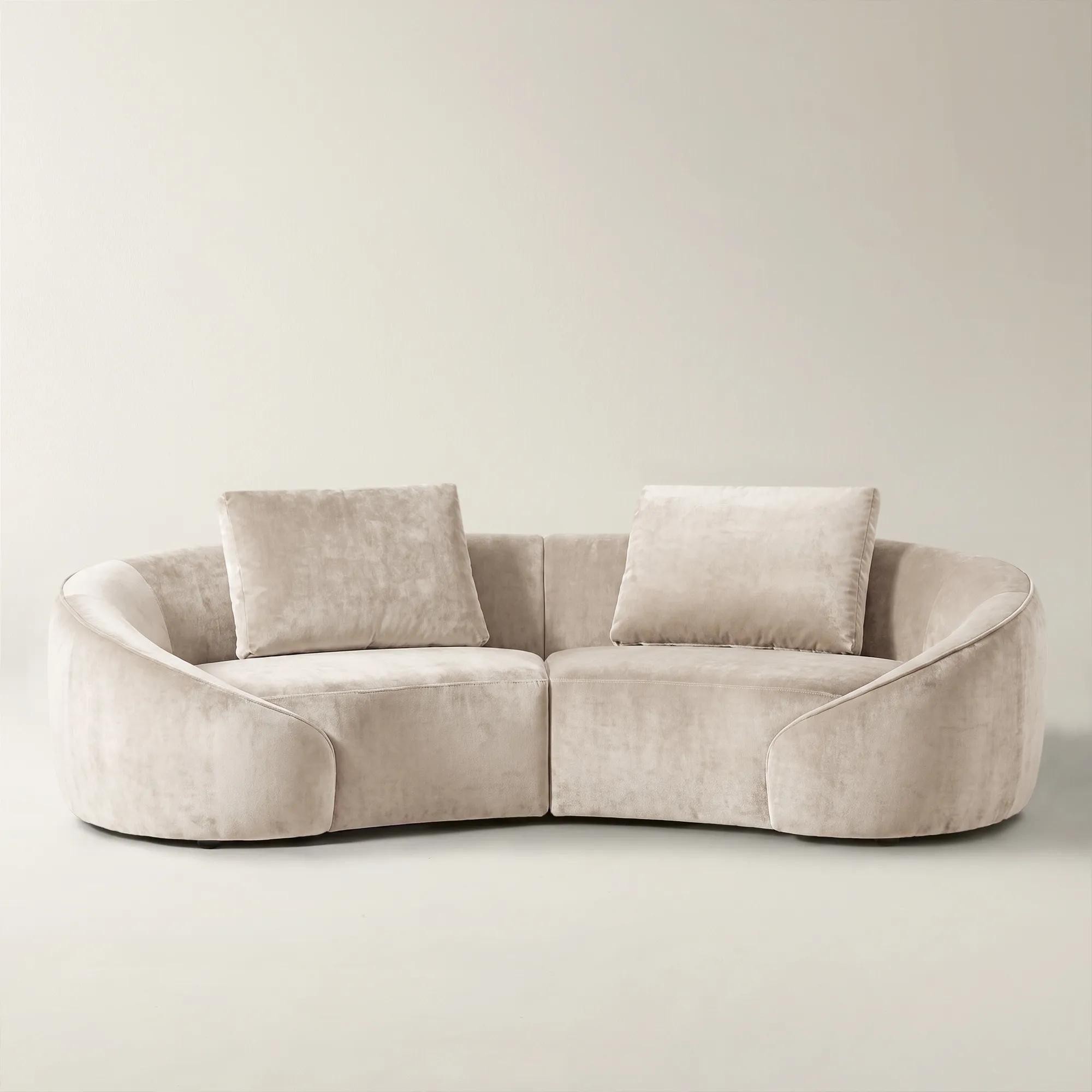 Irene 2-Piece Oatmeal Velvet Sectional Sofa$2499
A sculptural oatmeal velvet sectional featuring hand-finished upholstery, high-resiliency foam cushions, and accent pillows.
Add To Cart -
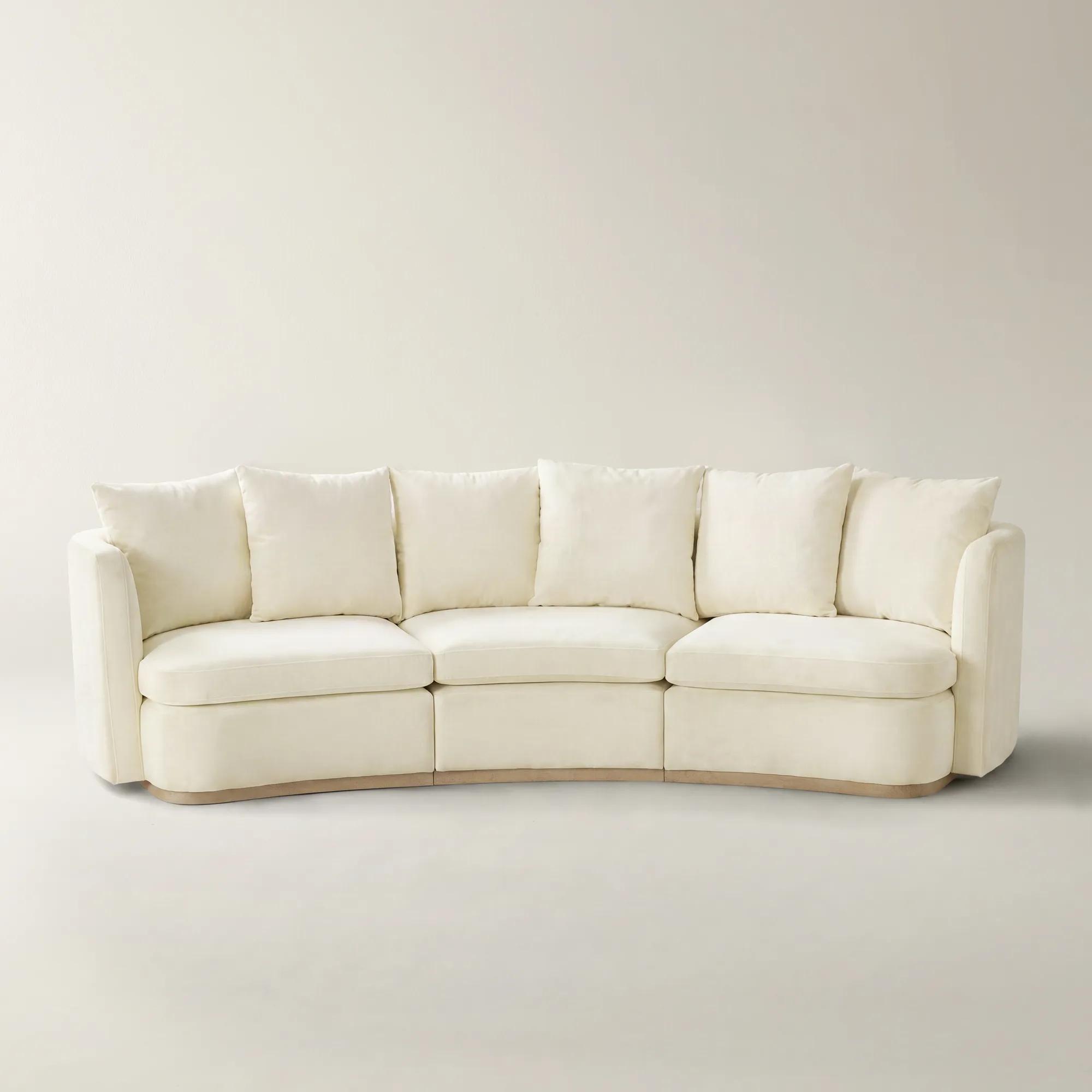 Stria 3-Piece Cloud Velvet Sectional Sofa$3099
A sculptural cloud velvet sectional with a curved silhouette, modular design, layered cushioning, and oak base.
Add To Cart -
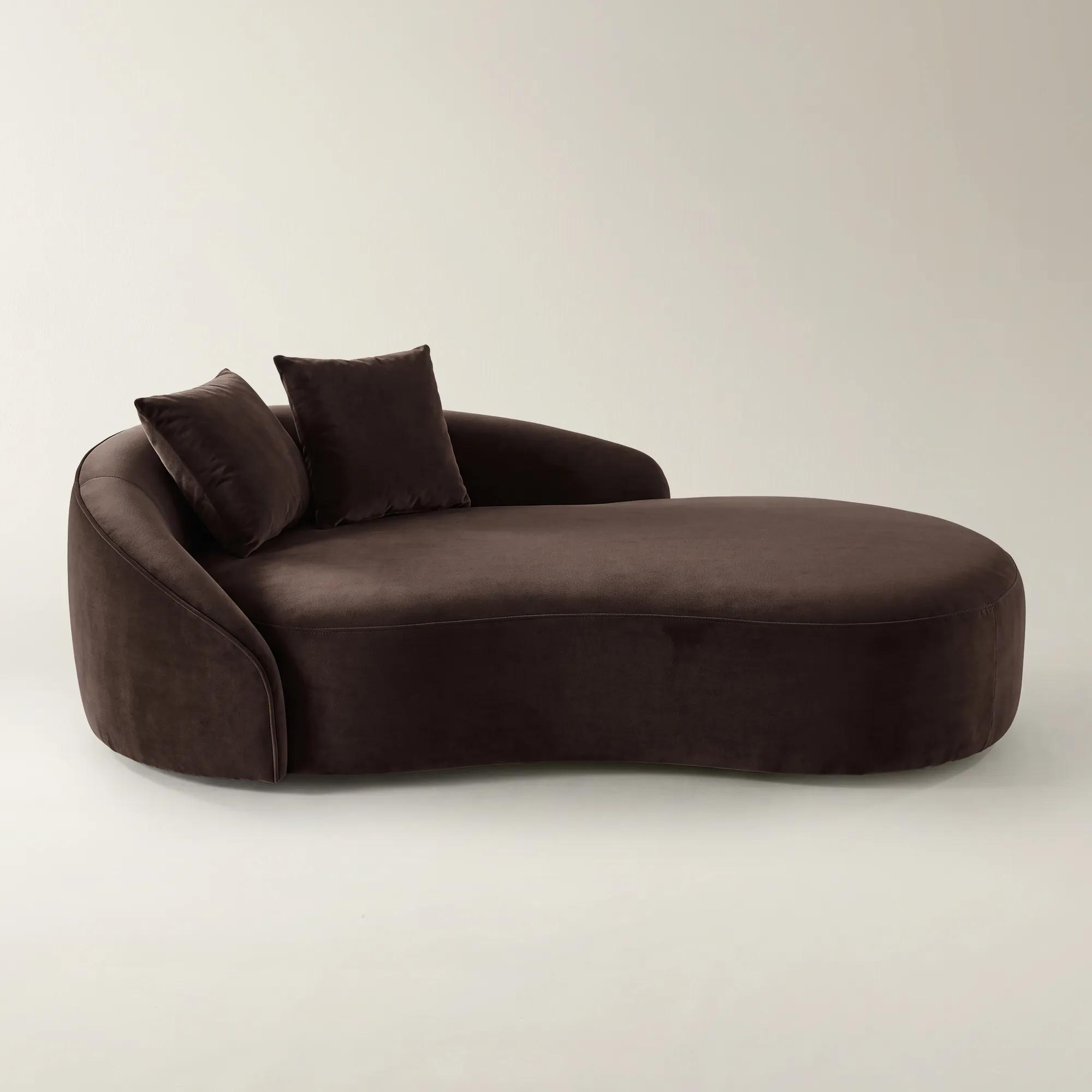
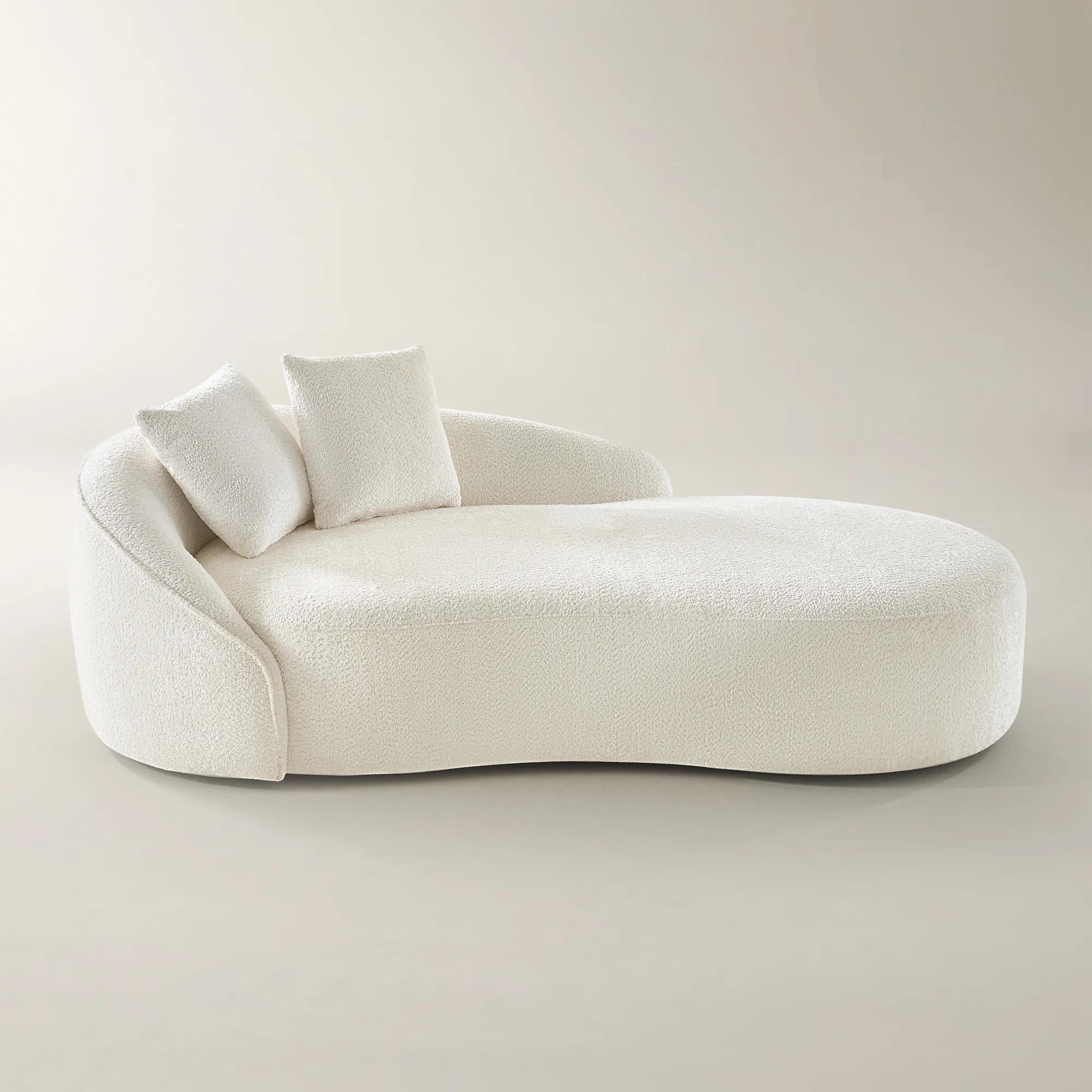 Irene Dark Chocolate Velvet Chaise$1699
A sculptural chaise in dark chocolate velvet with high-resiliency foam cushions and artisan hand-finished upholstery.
Add To Cart -
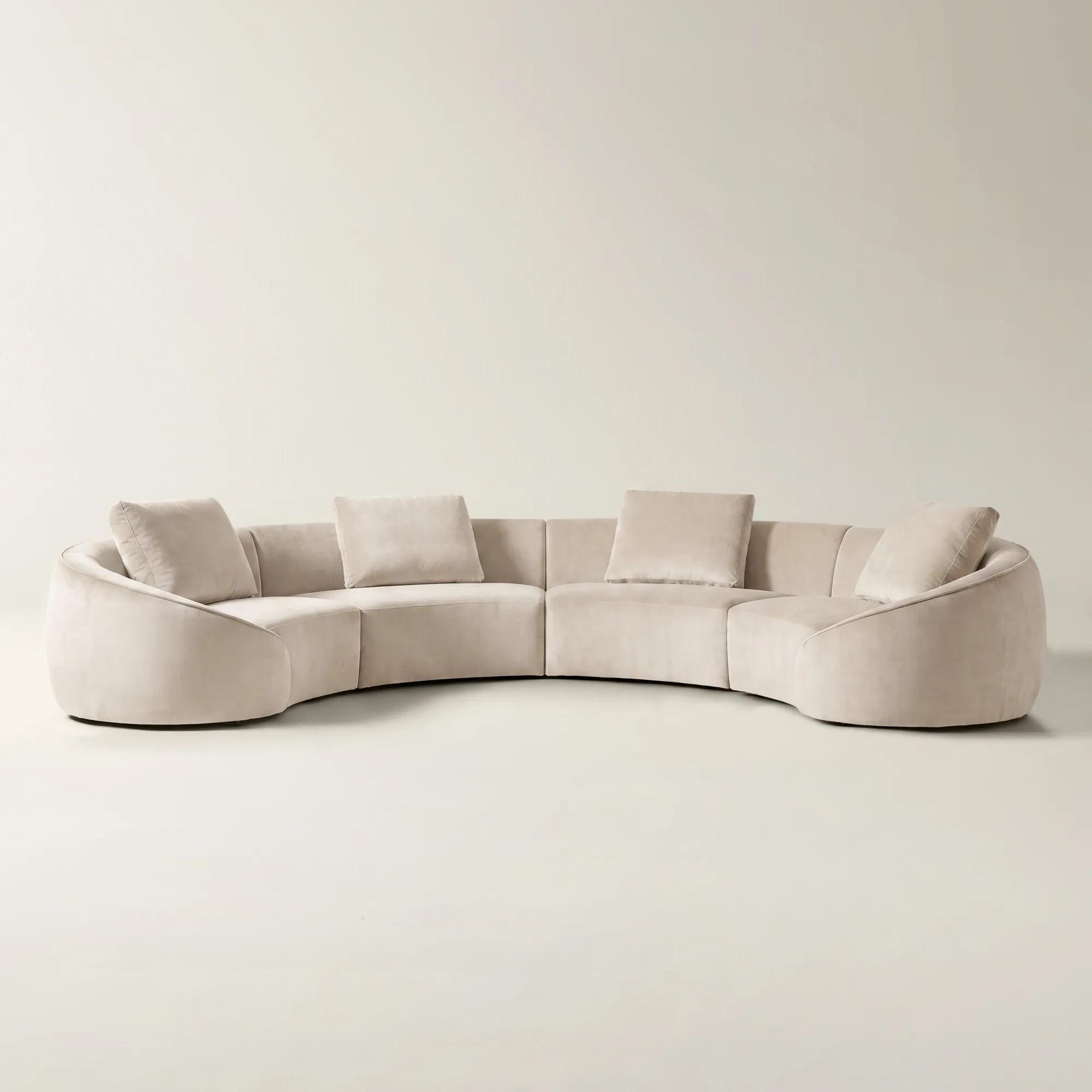
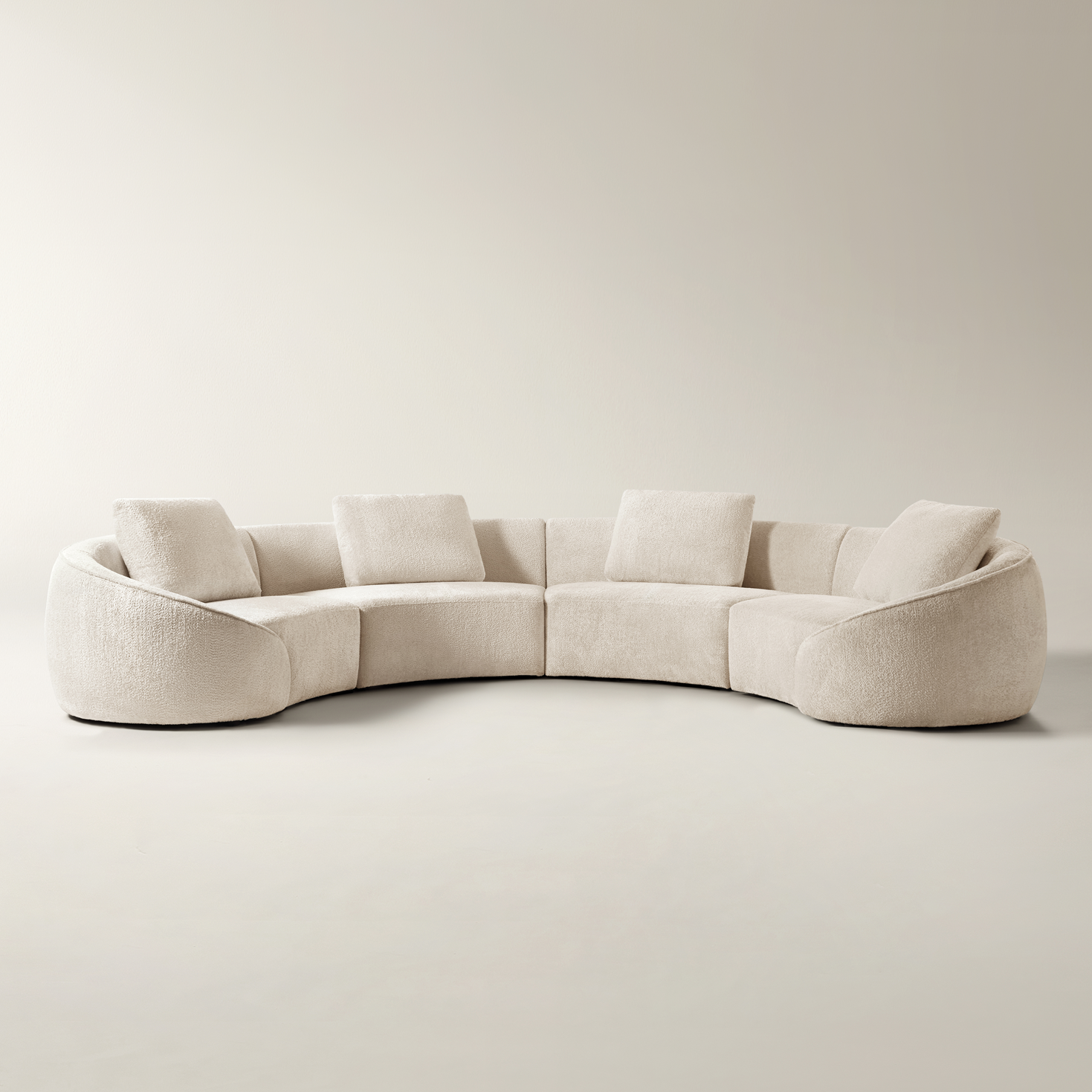 Irene 4-Piece Oatmeal Velvet Sectional Sofa$4599
A sculptural oatmeal velvet sectional featuring hand-finished upholstery, high-resiliency foam cushions, and modular design.
Add To Cart -
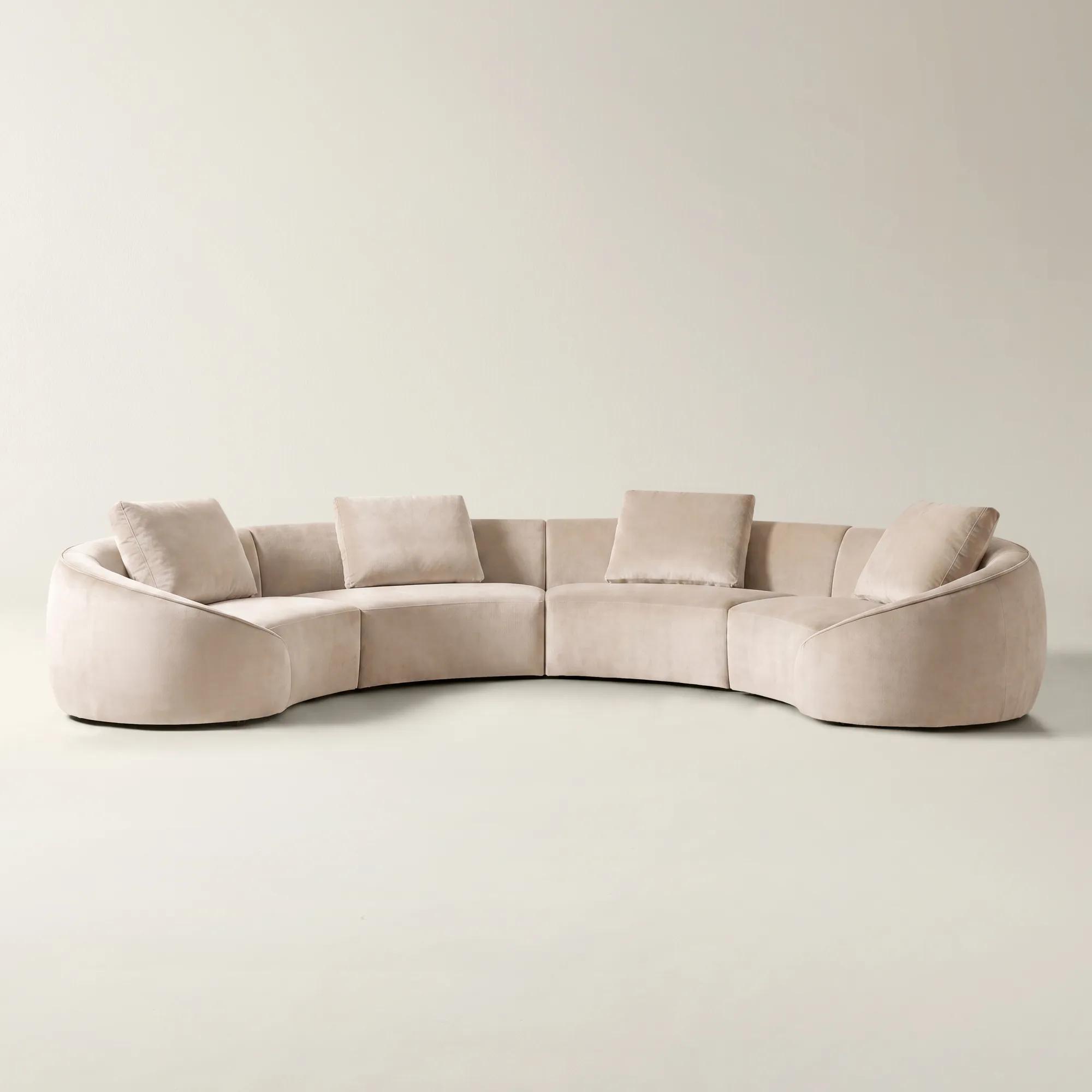 Irene 4-Piece Simply Taupe Velvet Sectional Sofa$4599
A sculptural taupe velvet sectional featuring high-resiliency foam cushions and hand-finished artisan upholstery.
Add To Cart -
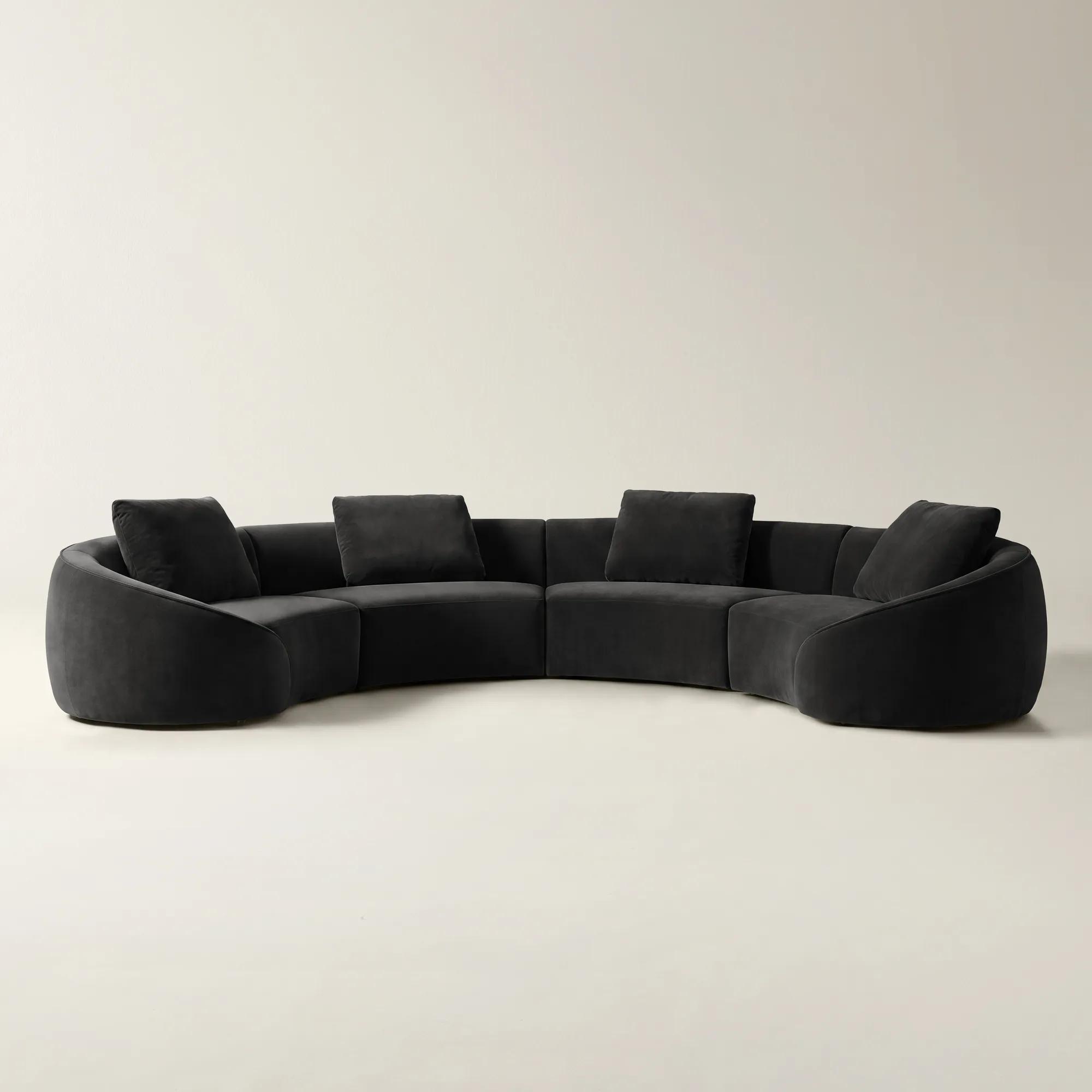 Irene 4-Piece Charcoal Velvet Sectional Sofa$4599
A sculptural charcoal velvet sectional with high-resiliency foam cushions and hand-finished artisan upholstery.
Add To Cart -
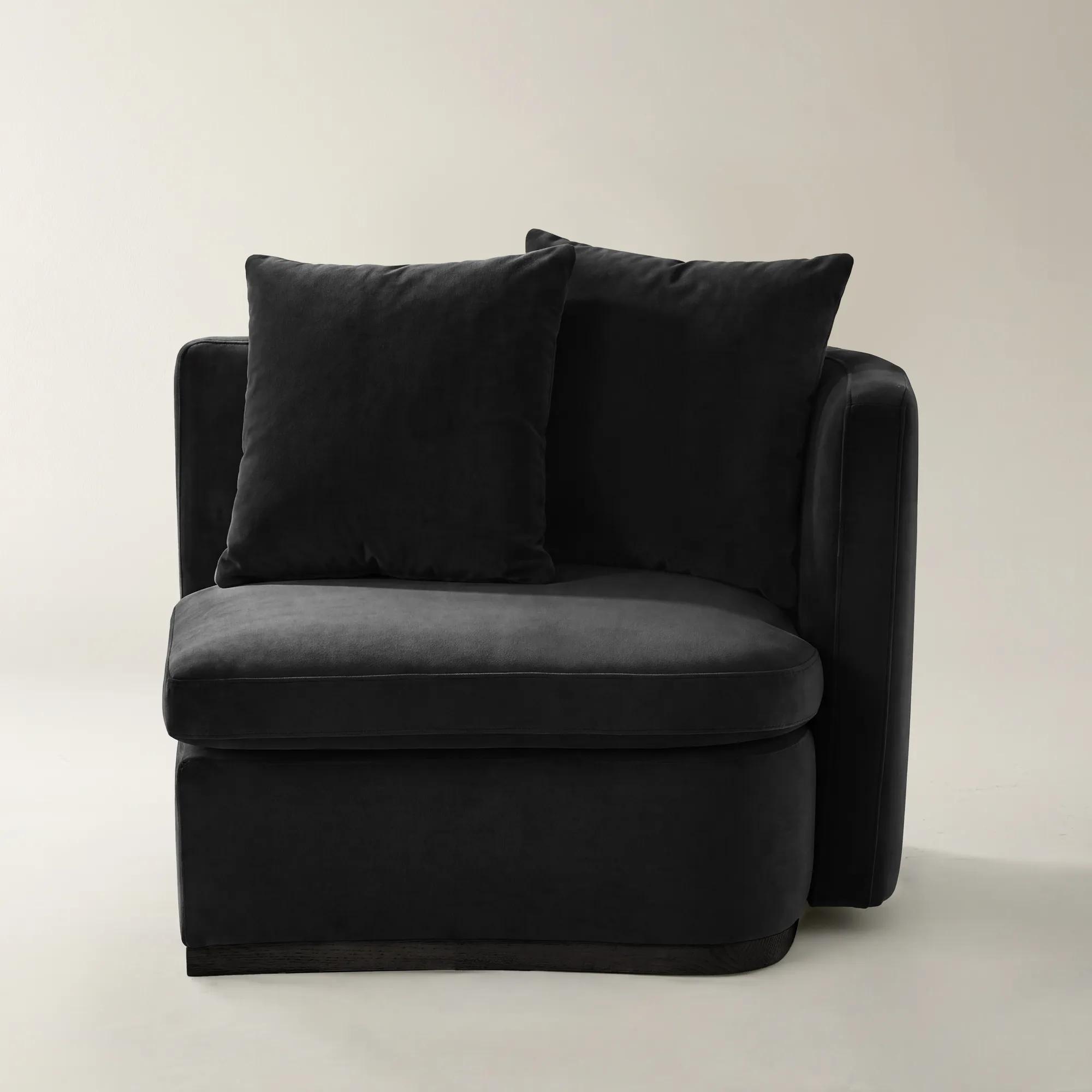 Stria Charcoal Velvet Right-Arm Chair$1099
A charcoal velvet chair featuring a kiln-dried wood frame, solid oak base, and layered down-blend cushioning.
Add To Cart -
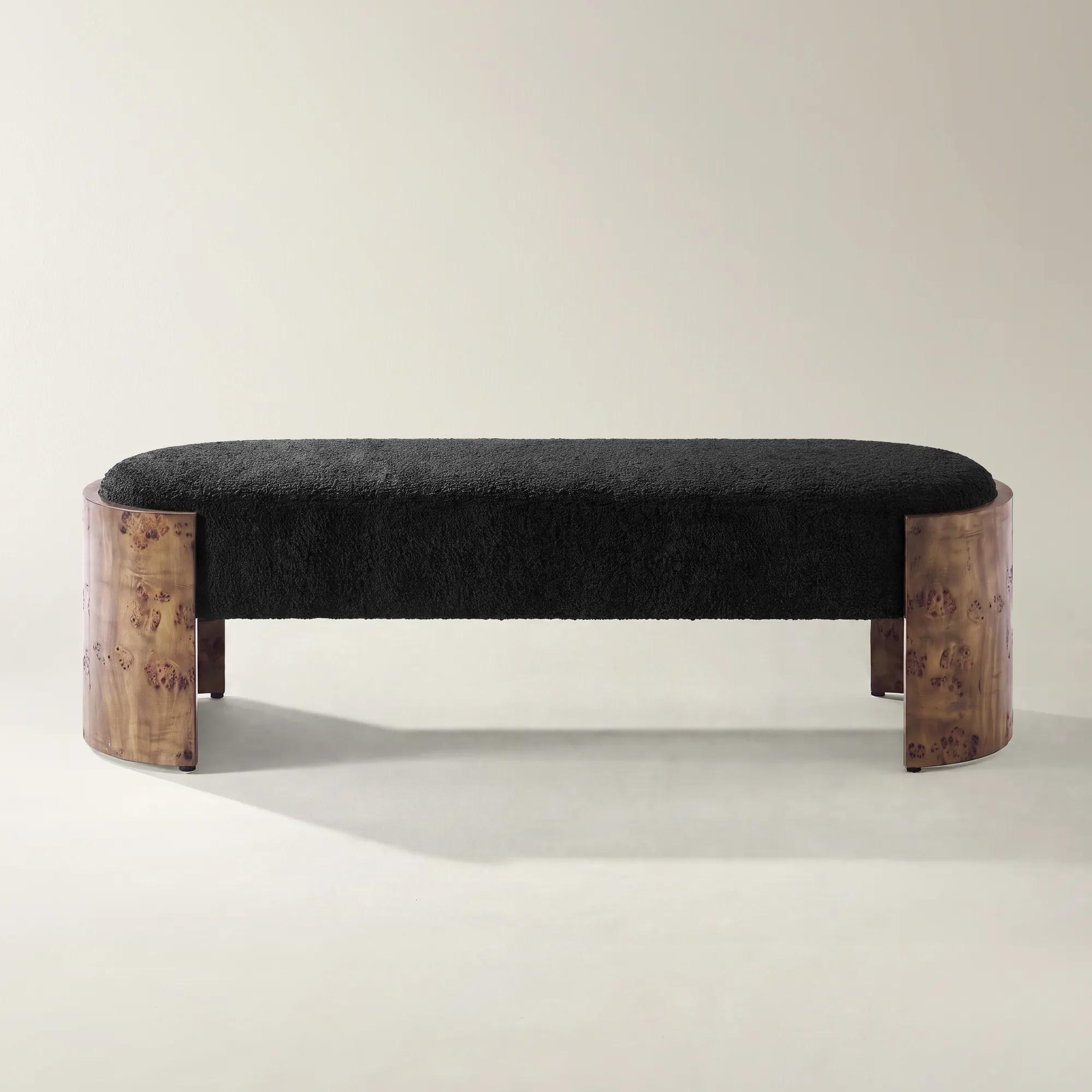 Cora Black Chenille With Ash Wood Bench (60.6")$899
A sculpted charcoal chenille bench featuring curved bookmatched ash burl panels and supportive foam cushioning.
Add To Cart -
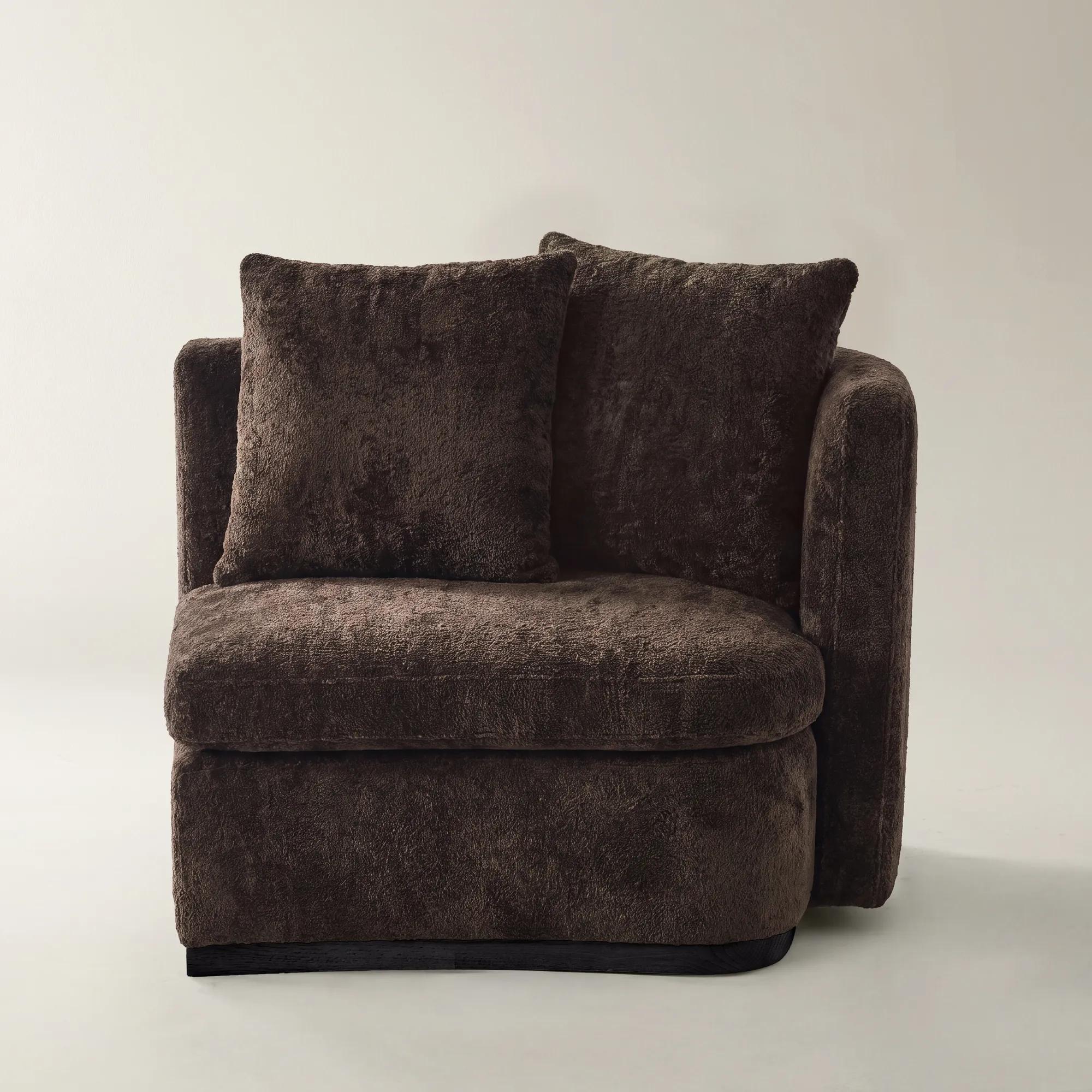
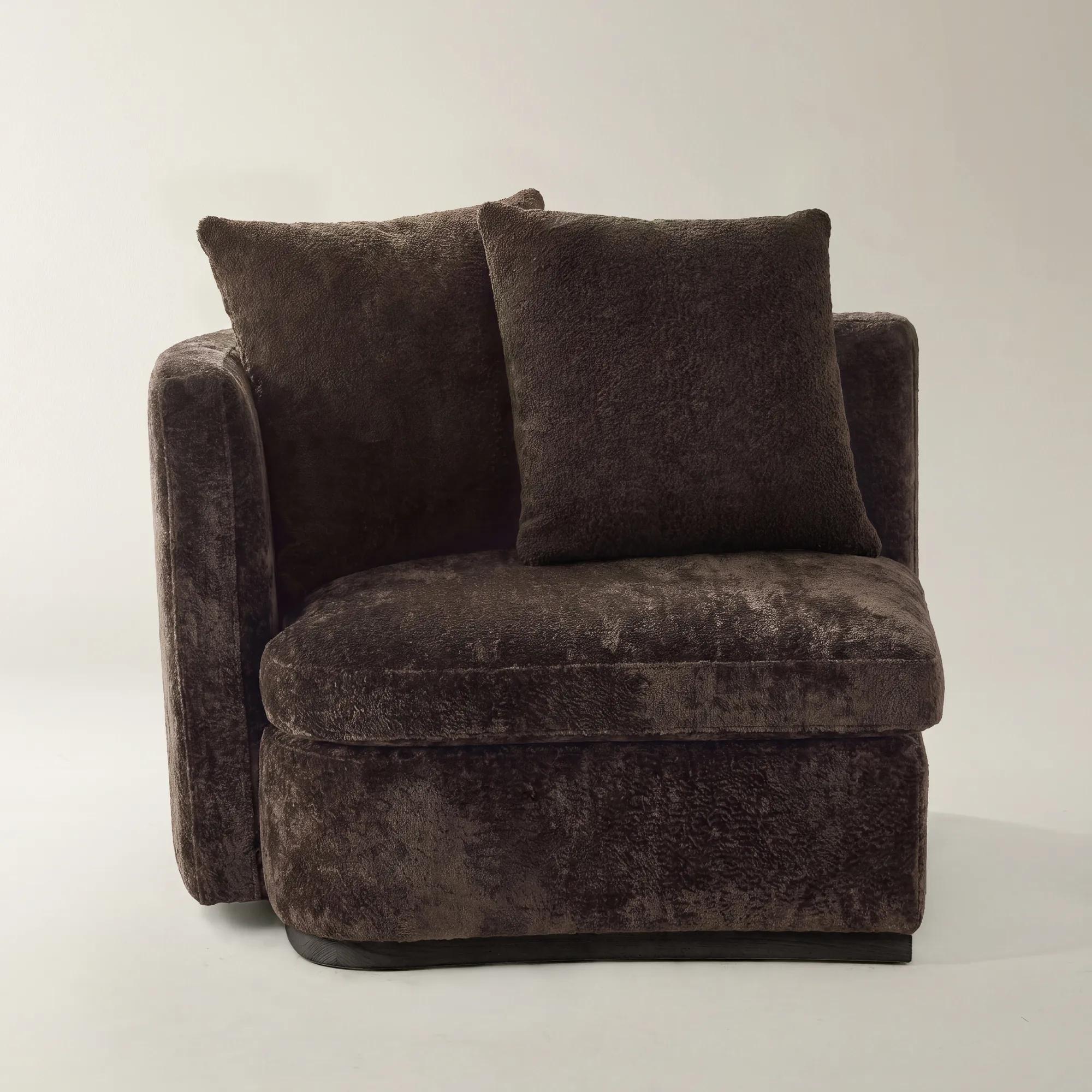 Stria Dark Chocolate Chenille Left-Arm Chair$1099
A sculptural dark chocolate chenille chair with curved edges, layered cushioning, and a kiln-dried wood frame.
Add To Cart -
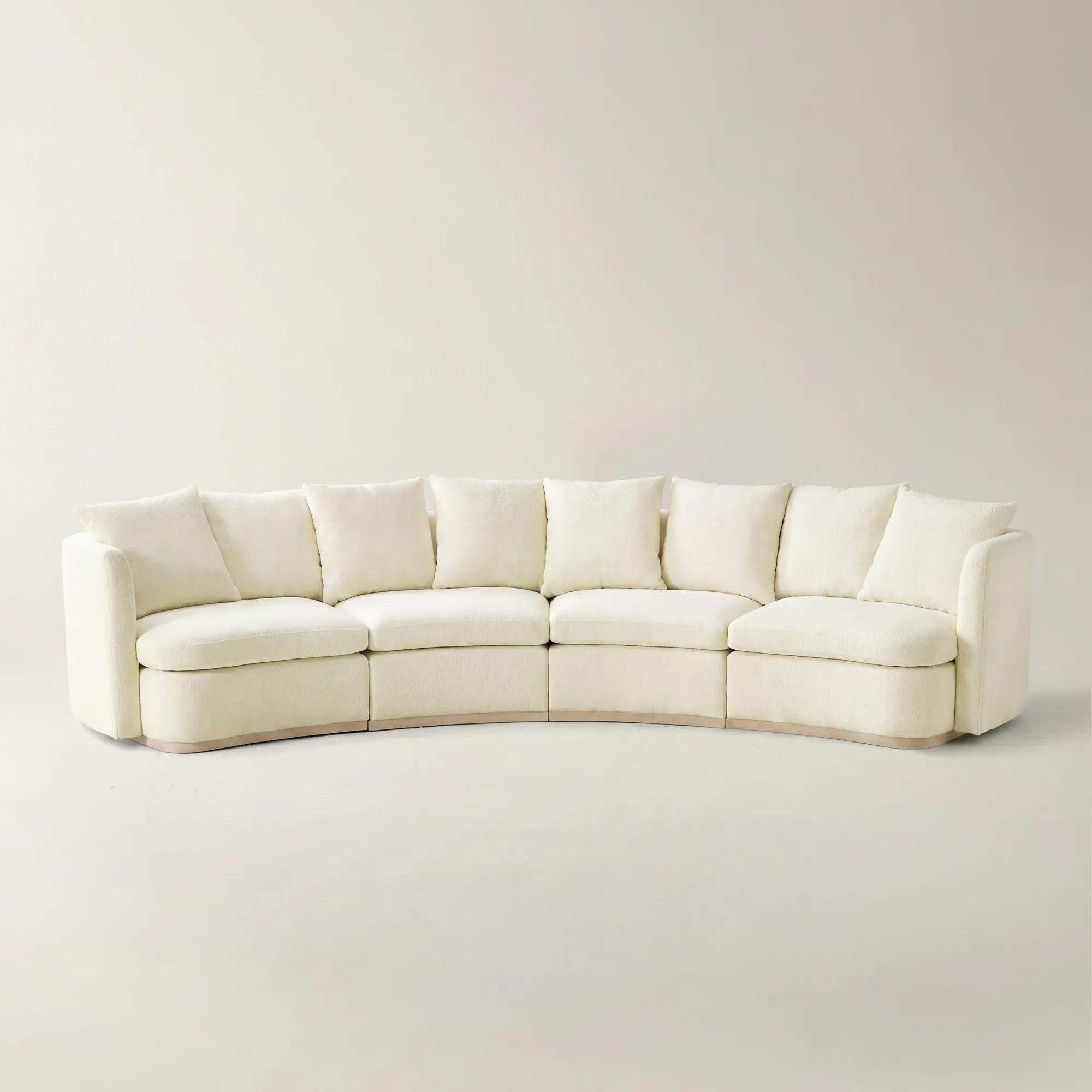
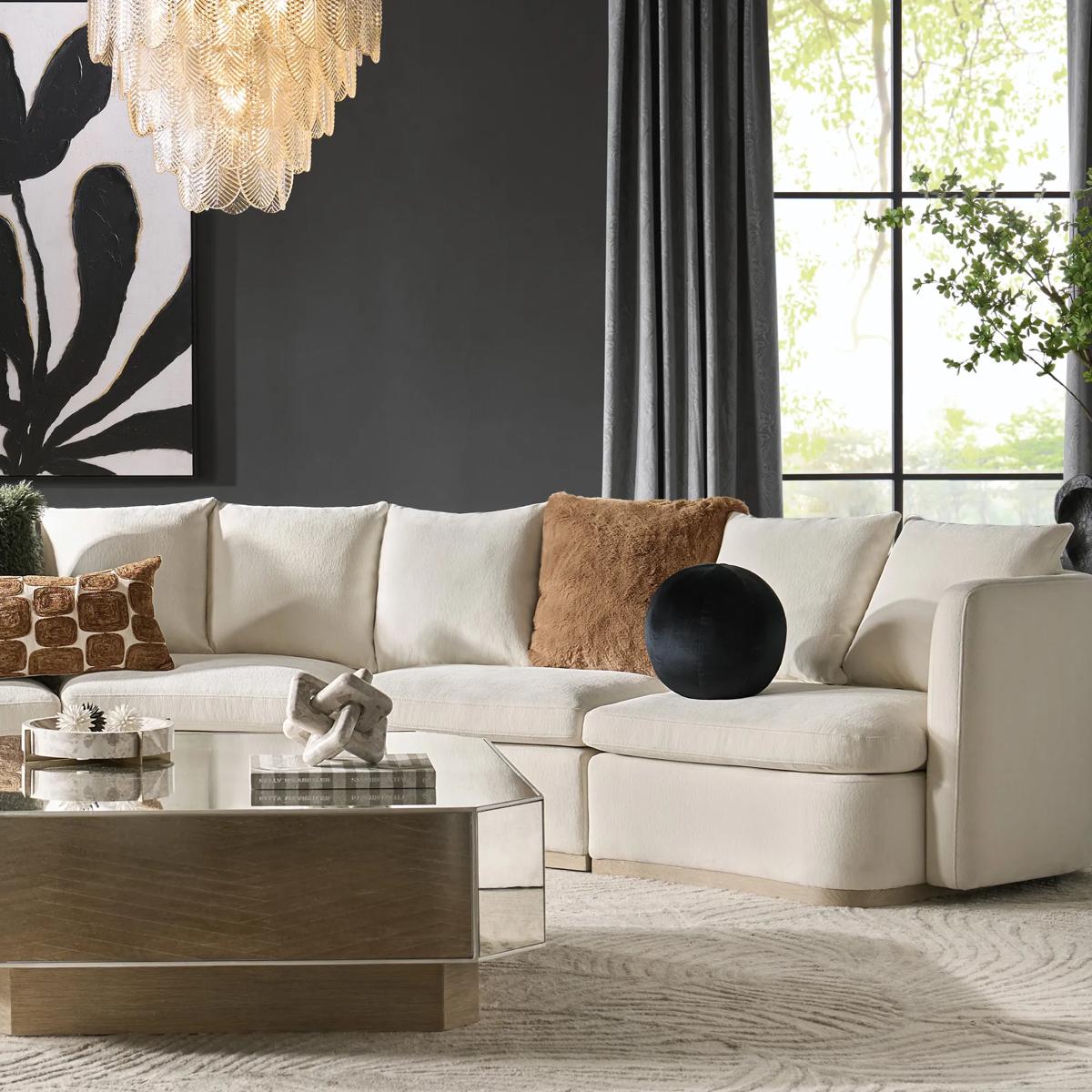 Stria 4-Piece Cloud Velvet Sectional Sofa$4099
A sculptural cloud velvet sectional featuring curved lines, modular connectors, and layered foam-down cushioning.
Add To Cart -
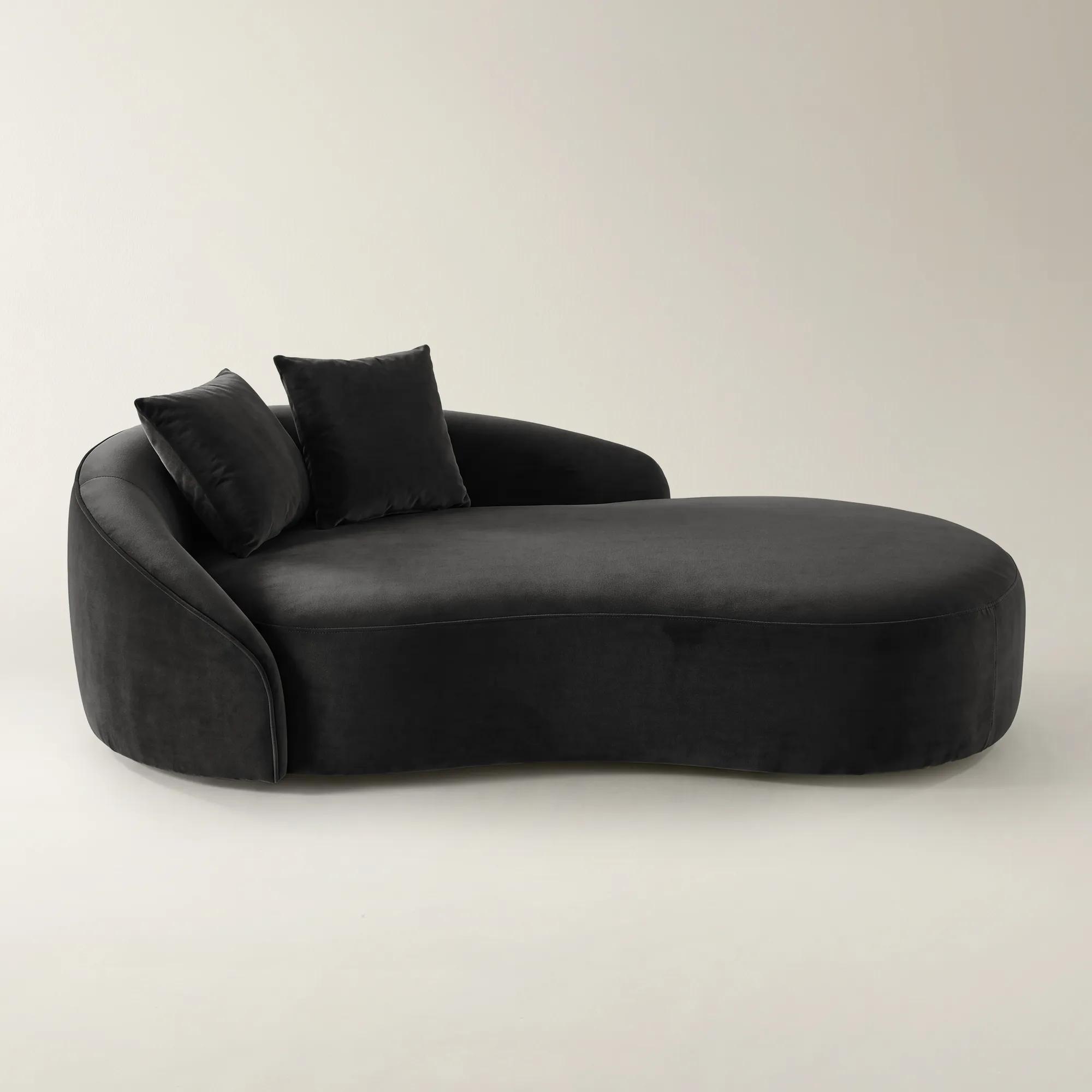 Irene Charcoal Velvet Chaise$1699
A sculptural chaise in charcoal velvet with high-resiliency foam cushions and artisan hand-finished upholstery.
Add To Cart -
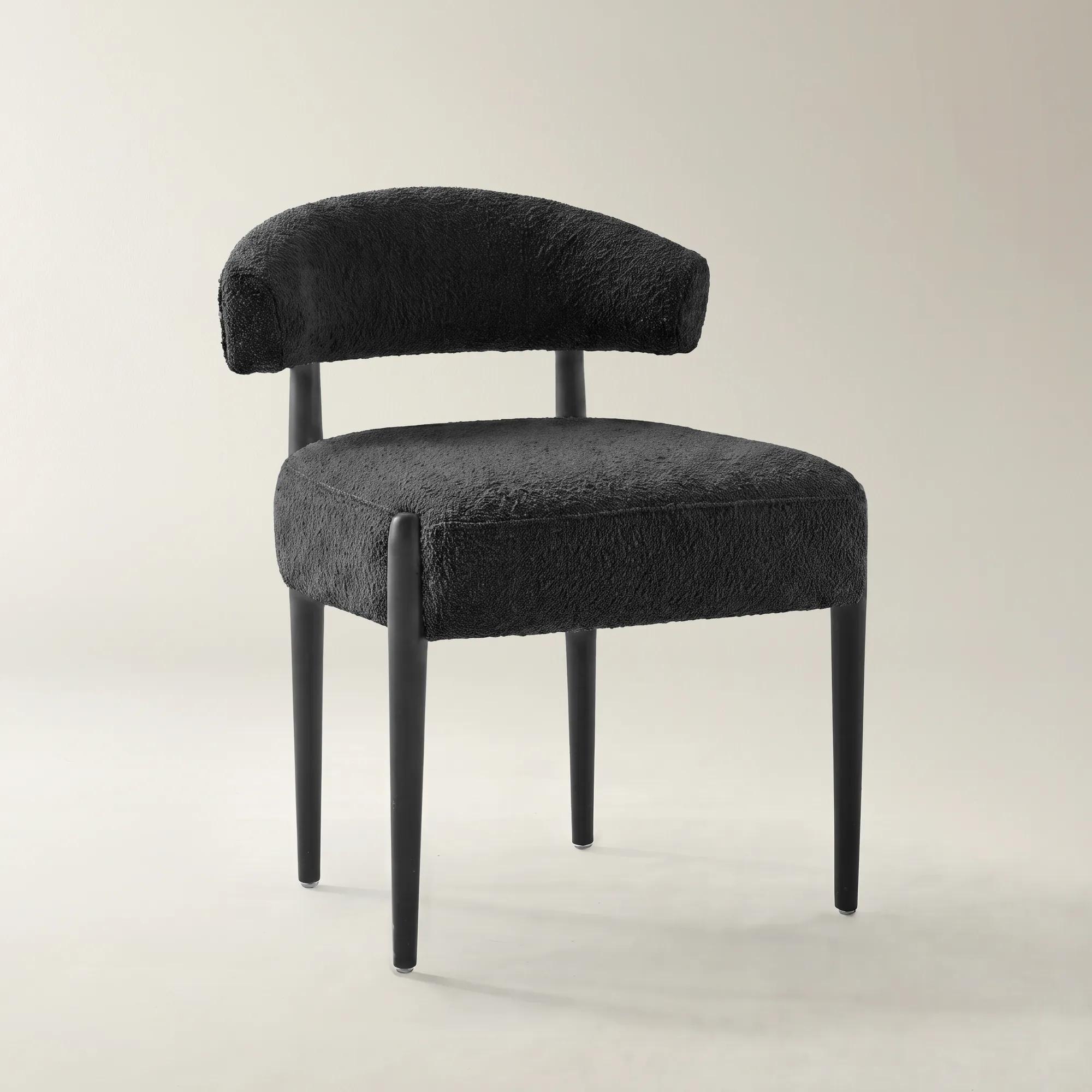
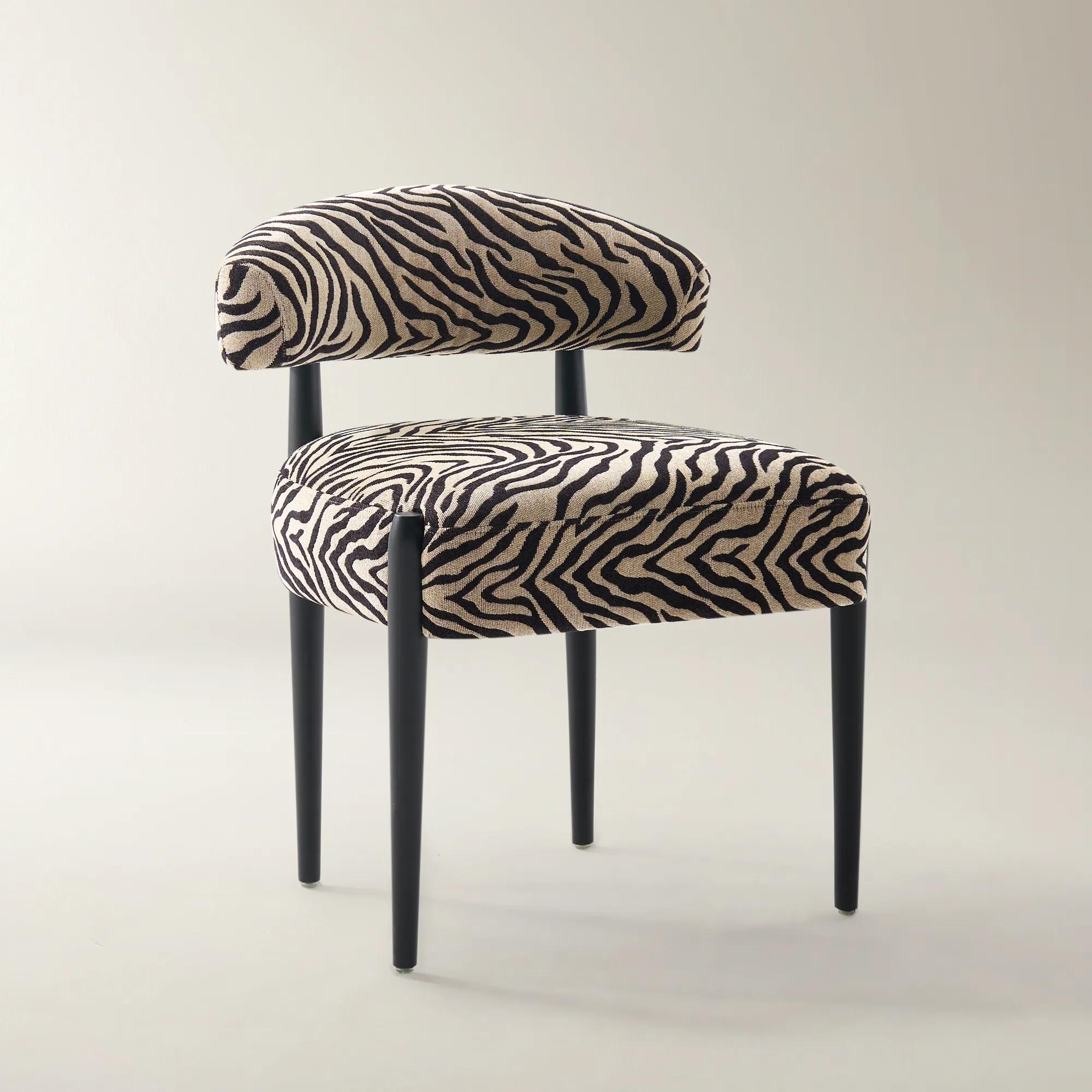 Anna Black Chenille Dining Chair Set of 2$599
A charcoal chenille dining chair set with curved backs, high-density foam cushioning, and rubberwood legs.
Add To Cart

Furniture For Style Conscious Buyers
Furniture For Style Conscious Buyers is more than a collection—it’s an invitation to indulge your passion for bold design and unapologetic self-expression. Here, every silhouette is sculpted with intention, every finish catches the light just so, and every piece transforms the ordinary into the extraordinary. Curated for those who believe their home should be as distinctive as their signature, this selection celebrates drama, artistry, and the transformative power of a well-appointed room. Elevate your space into a gallery of personal style—because true luxury lives in the details.
Furniture for style-conscious buyers brings expressive design into everyday life, balancing distinctive silhouettes, considered materials, and comfort that feels as compelling as it looks. The appeal goes beyond a beautifully arranged room: it is the pleasure of living with shapes, textures, and finishes that reflect a personal point of view. Sculptural seating can lend an open living area a sense of intimacy, while a substantial dining table gives lively conversation an elegant center of gravity. In a bedroom, an upholstered headboard introduces softness and scale, creating an architectural backdrop without making the space feel formal. Modern furniture offers considerable range within that vision, from sweeping curves and tailored upholstery to richly grained wood and gleaming metal. A dramatic interior does not require every surface to compete for attention. One commanding form often has greater presence when surrounding furnishings share a quieter line, a related finish, or a complementary proportion. Think of a curved silhouette against crisp cabinetry, or plush upholstery beside a smooth, reflective surface: the contrast gives each material definition. Color can establish the same dialogue. Ivory and charcoal create a graphic foundation; jewel tones add depth; warm wood brings richness to rooms shaped by glass and polished finishes. For people furnishing a first apartment, refining an established home, or creating a more expressive entertaining space, the strongest choices feel connected without appearing prescribed. A coordinated room can include different eras and influences, provided the furniture shares an intentional relationship through scale, geometry, or tone. Contemporary furniture with generous curves might sit comfortably alongside angular forms when both repeat a dark finish or a warm metallic accent. This is what gives a room its collected character rather than the appearance of a matched arrangement. The result is luxury furniture chosen for more than visual impact: each piece contributes to the atmosphere, supports the way the room is used, and leaves space for art, objects, and personality to complete the composition.
Materials give that composition its depth, but their practical qualities matter just as much as their visual character. Velvet catches light across its pile, lending upholstery a shifting richness that can make even a restrained color feel sumptuous. Bouclé brings a looped, dimensional surface, while linen and linen blends offer a more relaxed texture; the fiber blend, weave, and construction influence how each fabric wears and should be maintained. In a frequently used living room, upholstery specifications deserve close attention, especially in homes with children or pets. A tightly woven surface may be less inviting to claws than an open loop, though no fabric should be assumed to resist scratches or stains without supporting information. Performance upholstery can offer useful protection, but the term covers different treatments and properties, so care directions and stated capabilities remain important. Wood introduces another layer of individuality through grain, color variation, and finish. Solid wood can respond to changes in humidity, while wood veneer provides a real wood surface over a core whose composition also affects performance. Neither description alone establishes quality; joinery, structural support, hardware, and finishing all contribute to lasting function. Stone brings weight and natural variation, with care needs that differ by material. Marble, for example, can be vulnerable to acidic spills and may require sealing according to the manufacturer's recommendations. Glass creates visual openness but makes fingerprints more apparent, and reflective metal finishes benefit from gentle cleaning rather than abrasive products. Everyday care is part of preserving the original drama: blot spills promptly, use coasters and protective pads, and follow the specified cleaning method instead of treating every surface alike. Direct sunlight can alter some wood finishes and upholstery colors over time. Where cushion construction permits, rotation helps distribute wear. For style-conscious households, durability is not separate from beauty; it is what allows a richly textured seat, an elegant tabletop, or a precisely fitted drawer to remain pleasurable through repeated use.
Proportion determines how successfully beautiful furniture becomes part of a home. A generous silhouette may look inviting in an open room yet interrupt movement in a narrower setting, while furniture that is too slight can leave a large space feeling unresolved. Width and depth are only the beginning: overall height, seat height, arm placement, and the visual weight of a base all influence how a piece relates to its surroundings. Measuring doorways, stair turns, elevator interiors, and delivery routes is just as essential as measuring the intended location. Within the room, space for walking, opening drawers, and pulling out chairs protects both comfort and the composition. In a dining area, the relationship between chair arms, tabletop height, and apron clearance helps determine whether seating tucks in gracefully. In a living area, deeper cushions favor reclining, while a shallower seat and supportive back may feel more natural for upright conversation. Intended use brings these distinctions into focus. A room reserved for gathering can welcome an enveloping arrangement that encourages guests to settle in; a space shared with work or reading needs furniture positioned for access, light, and comfortable posture. Bedroom furniture should account for the full mattress and foundation height, as well as bedside reach and storage access. Compact homes can still carry considerable glamour when furniture earns its footprint through well-planned storage, adaptable seating, or a visually open base. Larger rooms benefit from distinct groupings rather than furniture placed only along the perimeter. Those refreshing a room rather than furnishing it completely can explore Furniture for Stylish Upgrades with an eye toward the element that will most meaningfully change its character, whether that is a stronger silhouette, a richer material contrast, or more comfortable seating. A successful addition does not need to echo everything already present. It needs to belong in scale, serve a clear purpose, and introduce a detail worth noticing. With those relationships in balance, furniture becomes the foundation for a home that feels assured, personal, and unapologetically expressive.
FAQs
Furniture for style-conscious buyers is characterized by bold design, artistic flair, and exceptional craftsmanship. These pieces go beyond utility, serving as statements of personal taste and elevating the ambiance of any room with unique silhouettes, luxurious materials, and thoughtful details.
To incorporate statement furniture, start by selecting a piece that captures your aesthetic vision—a sculptural chair, a dramatic coffee table, or a luminous console. Allow it to anchor the space, then layer in complementary textures and accents. Balance is key: let your statement piece shine while supporting it with subtler elements that enhance its impact.
Style-conscious buyers often gravitate toward materials that evoke luxury and artistry, such as velvet, marble, polished metals, richly grained woods, and artisan-crafted ceramics. These materials add depth, texture, and a sense of refinement to any interior.
Absolutely. Many style-conscious buyers value sustainability as much as design. Eco-friendly furniture crafted from responsibly sourced materials, reclaimed woods, or recycled metals allows you to express your style while making mindful choices for the environment.
Yes, gifting furniture can be deeply meaningful—especially for those who see their home as a canvas for self-expression. A distinctive accent piece or an artisanal decor item can become a cherished part of their space, reflecting both your thoughtfulness and their unique sense of style.