Furniture For Stylish Teens
Furniture For Stylish Teens
-
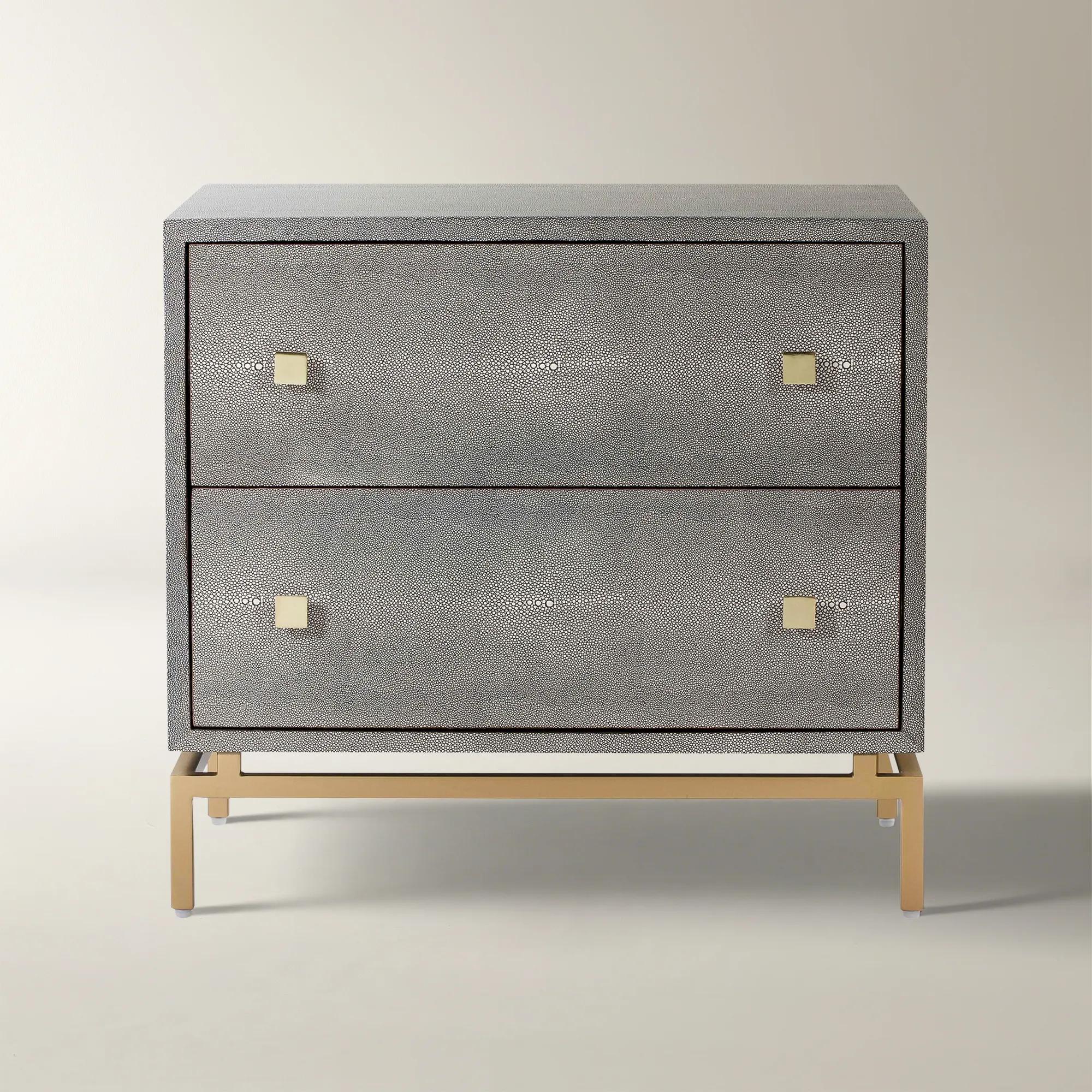
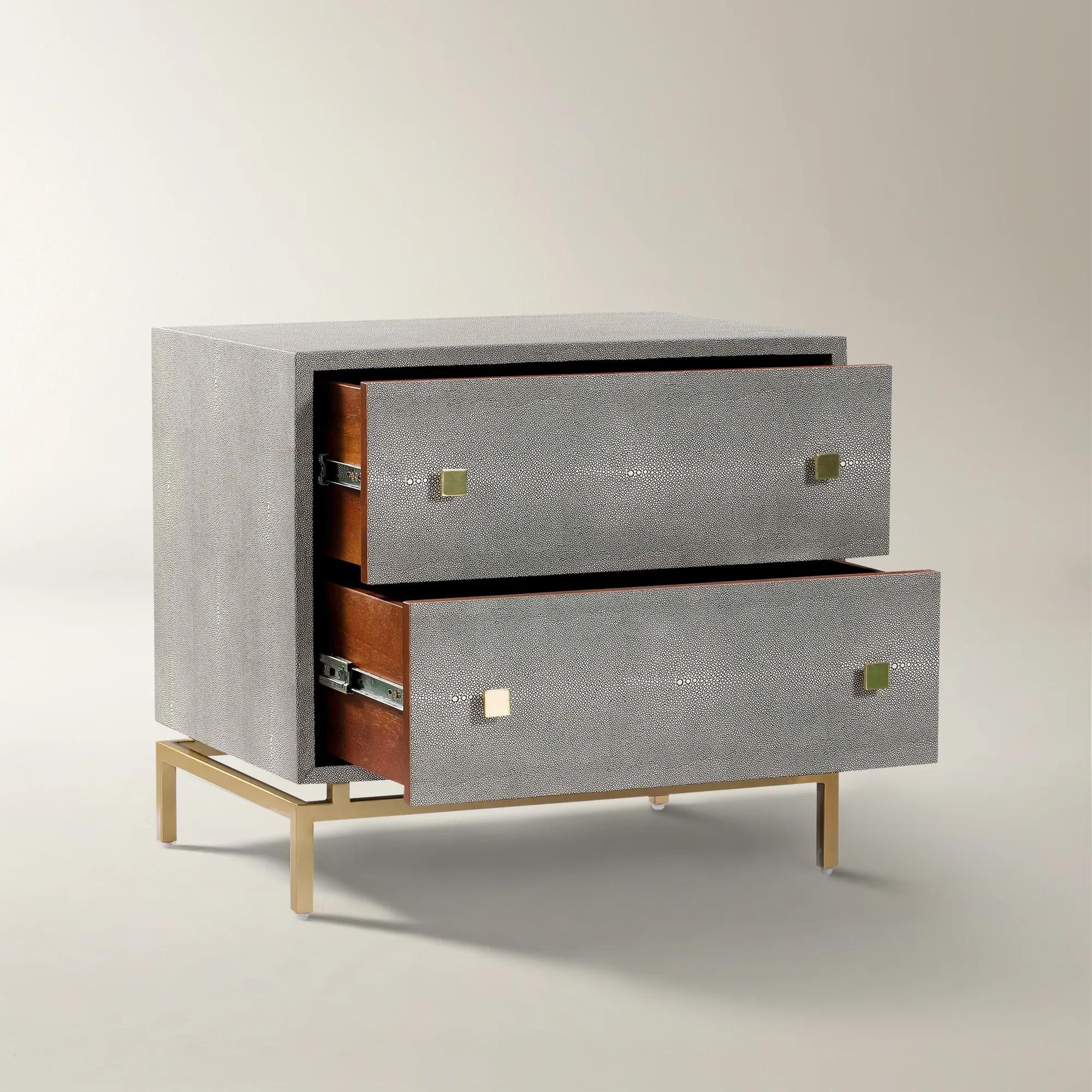 Misha Grey Shagreen 2-Drawer Nightstand (25")$749
A modern nightstand featuring faux shagreen texture, brass-finished base, and two cherry wood-lined drawers.
Add To Cart -
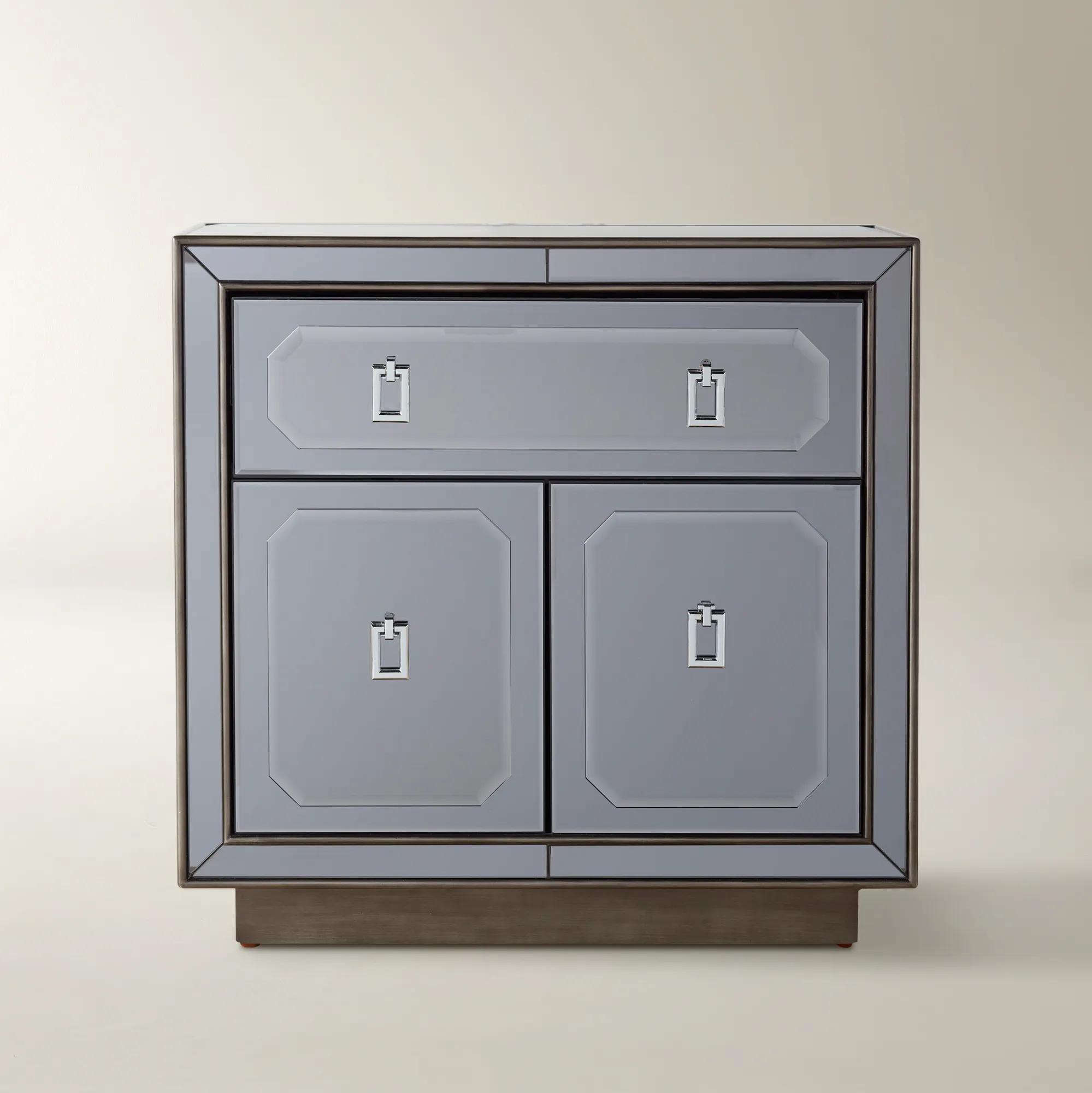
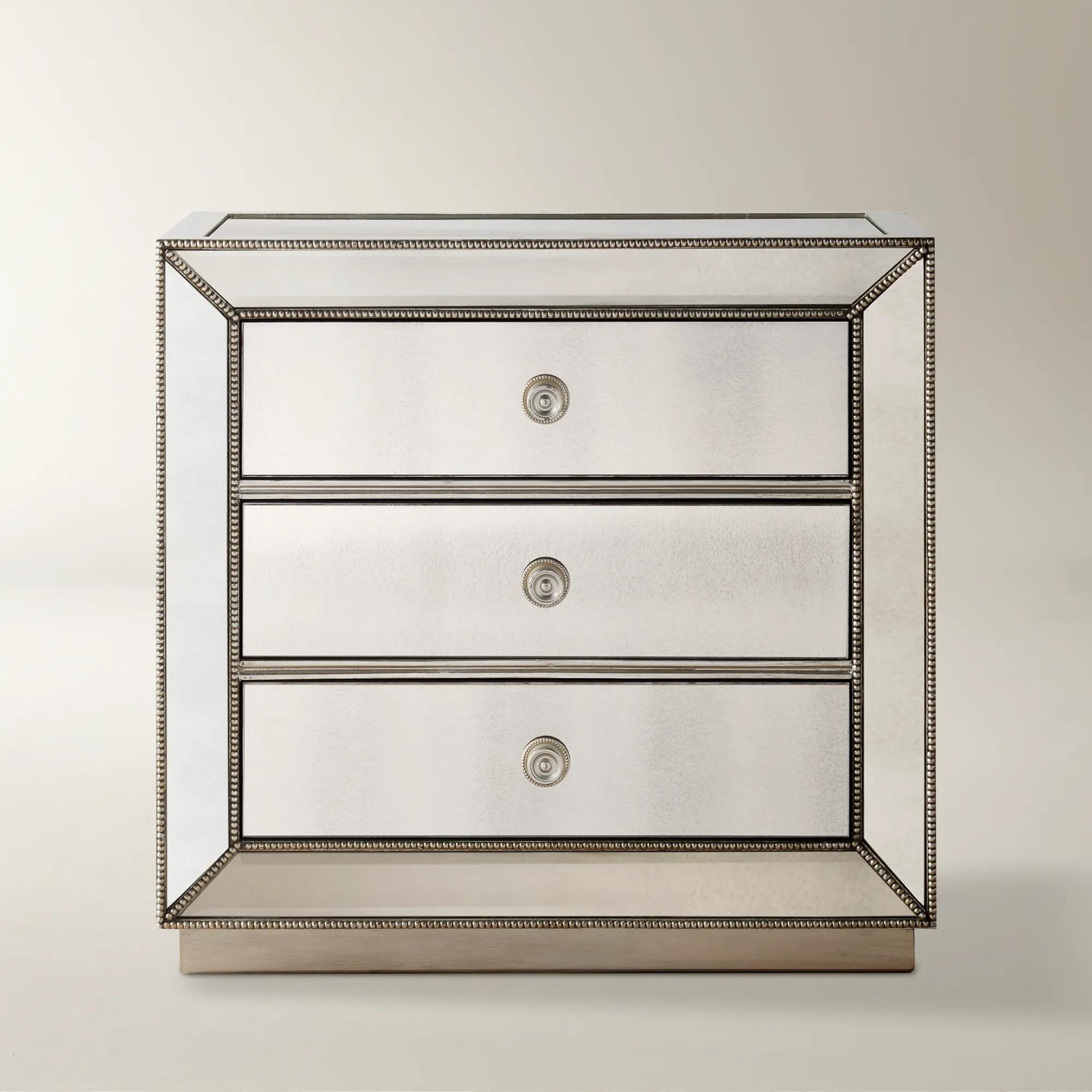
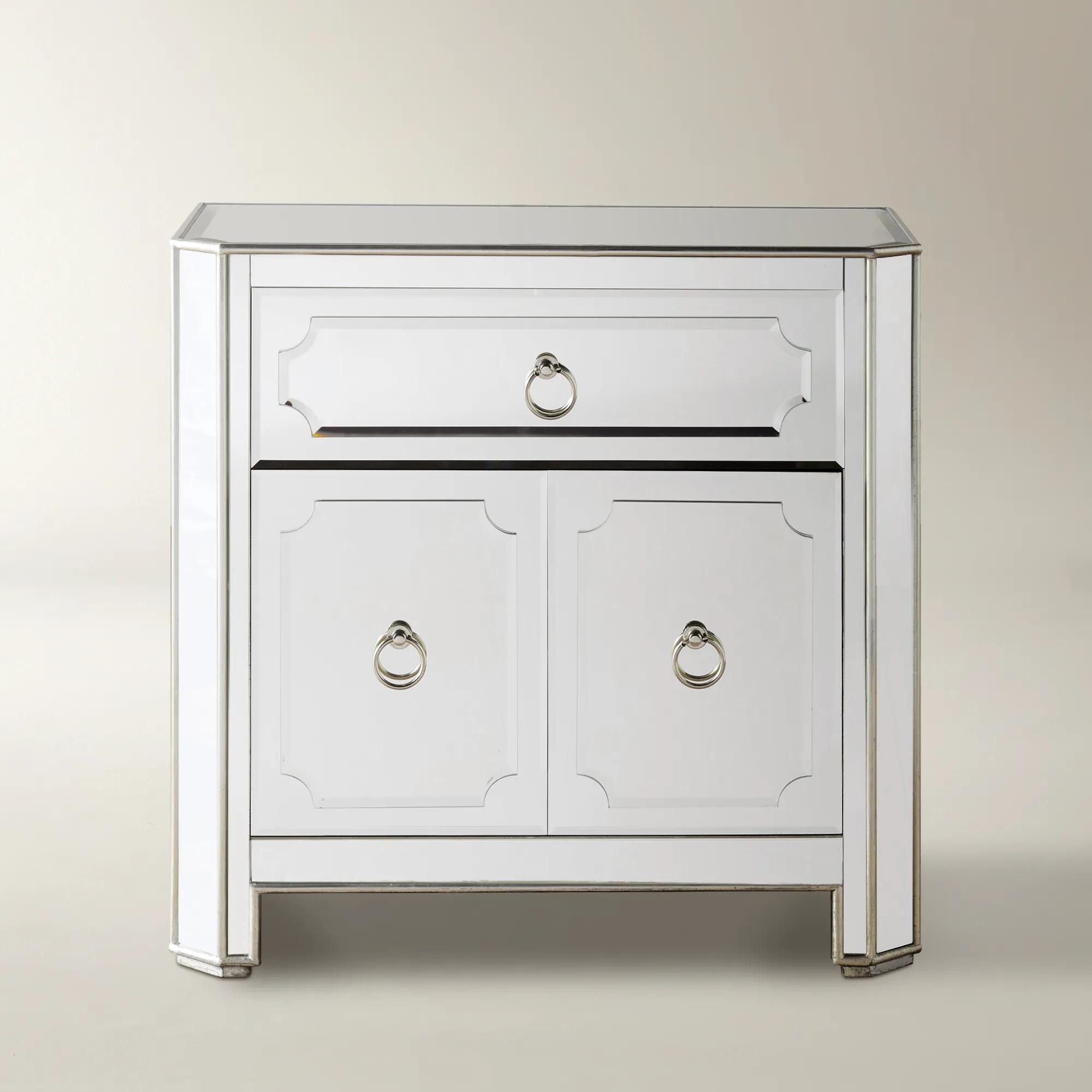
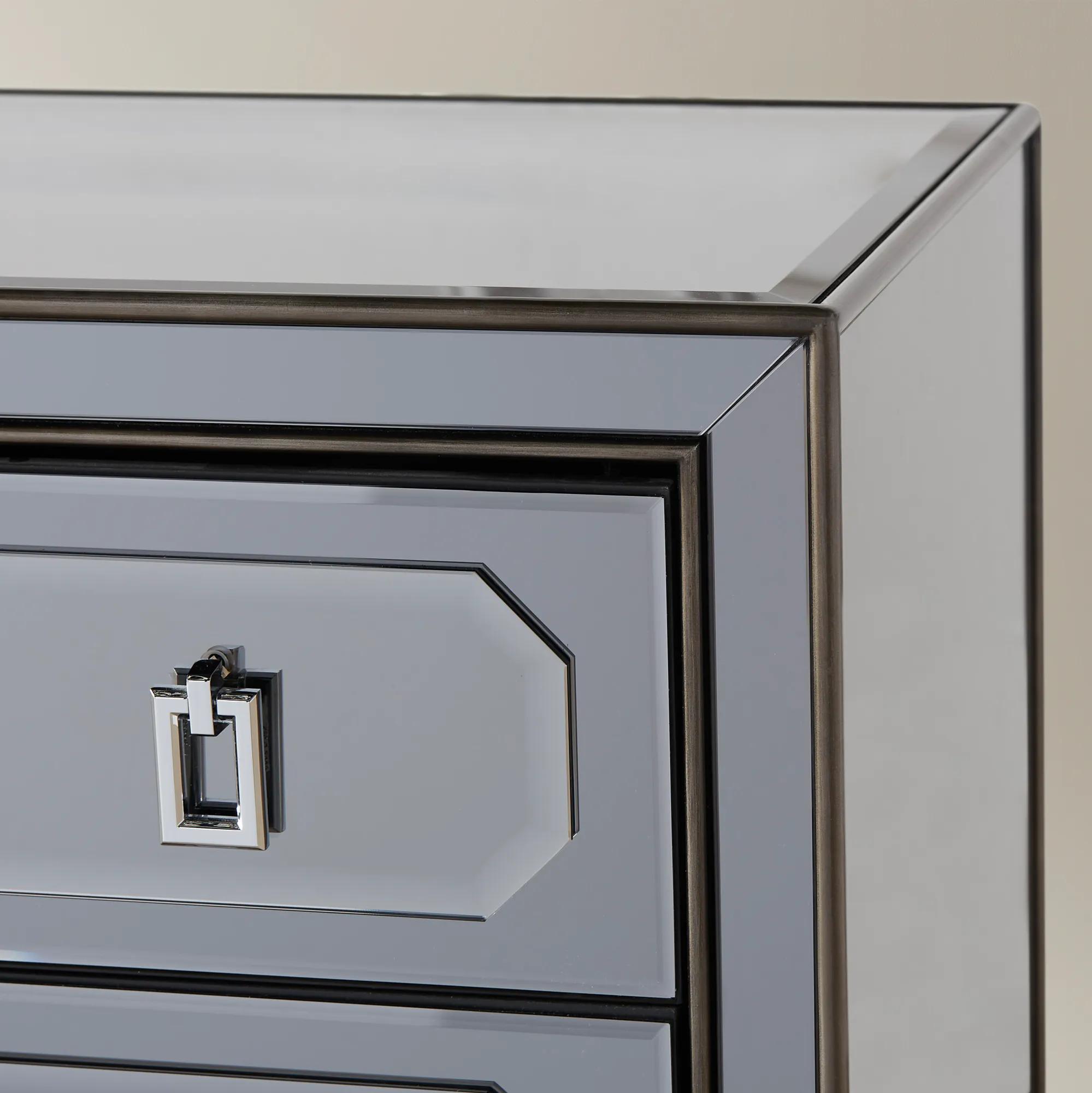 Maddox Mirrored Grey 1-Drawer Nightstand (30")$1099
A modern nightstand featuring beveled mirror paneling, graphite finish, and polished nickel hardware for a luxe touch.
Add To Cart -
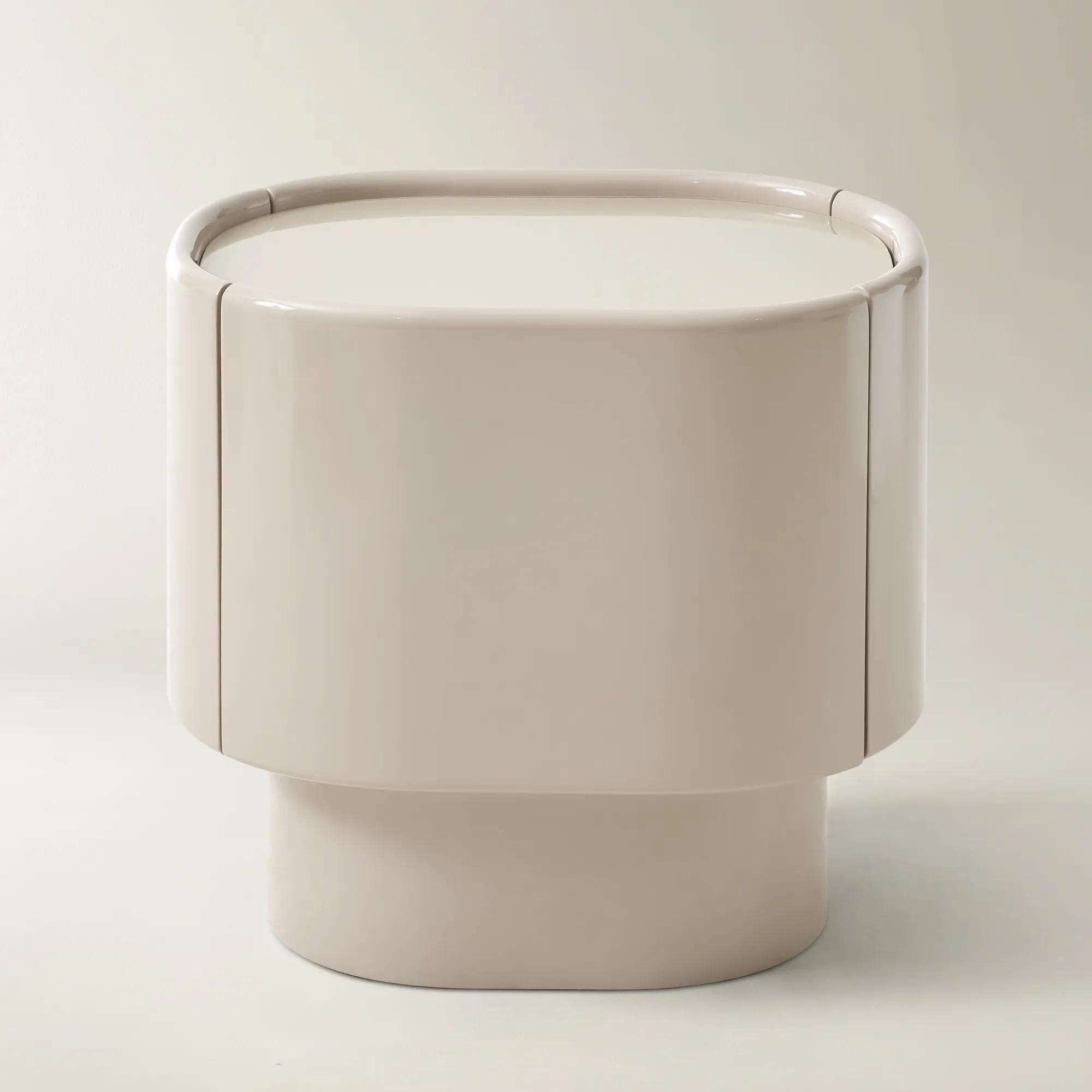 Velar Lacquered Turtle Dove 1-Drawer Nightstand With Glass Top (24")$699
A sculptural nightstand in turtle dove lacquer with a tone-on-tone glass top and velvet-lined drawer.
Add To Cart -
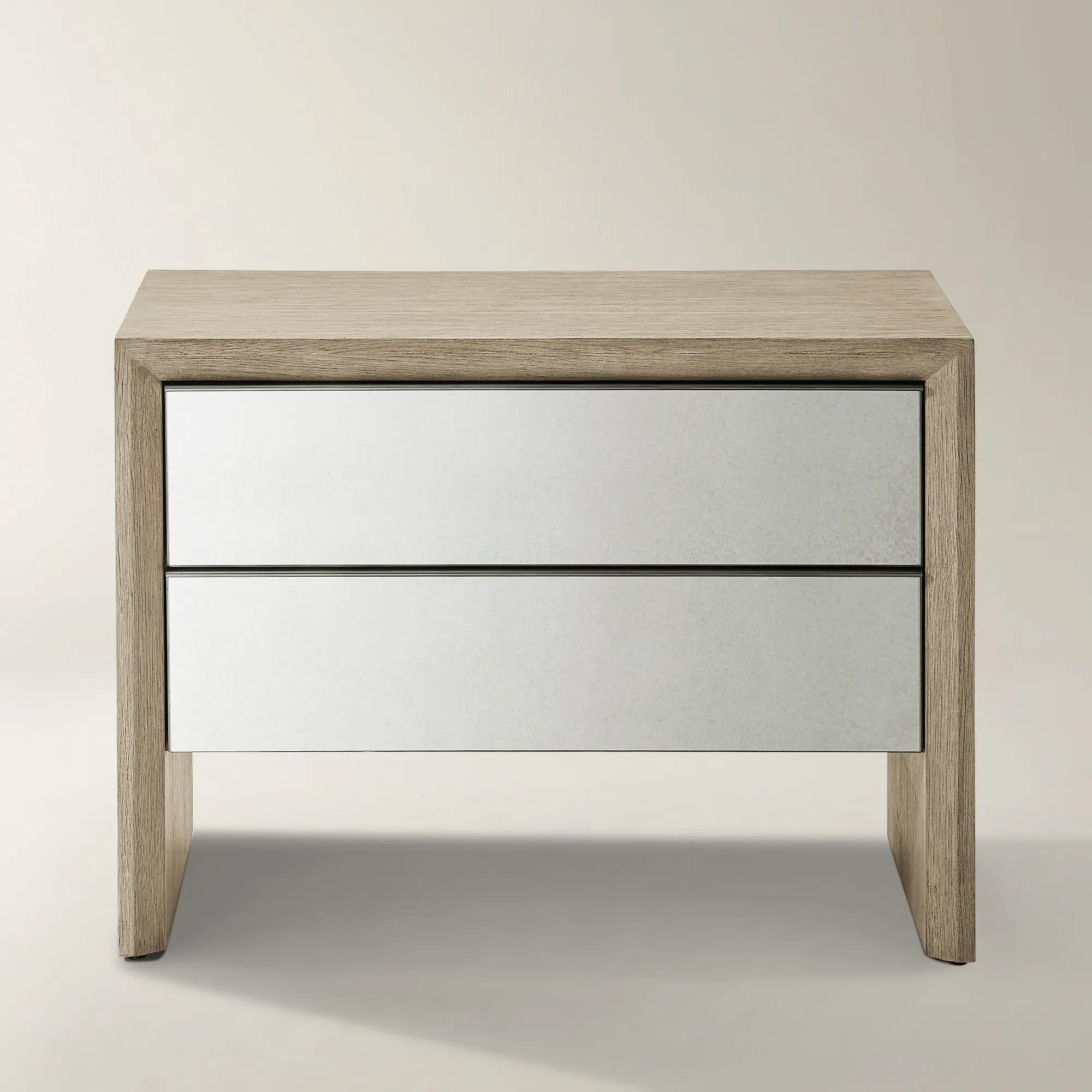
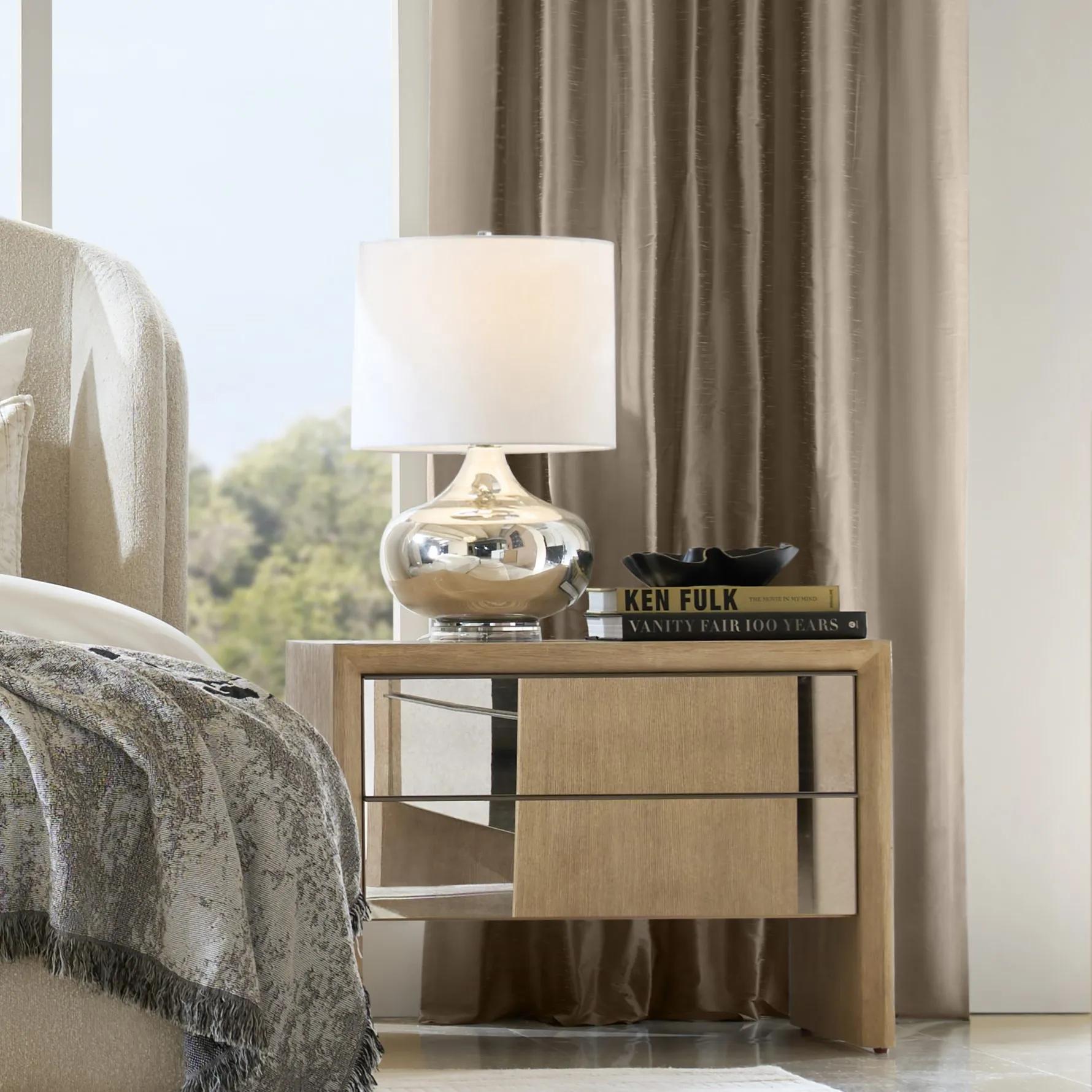 Glimmer Mirrored Seadrift Oak 2-Drawer Nightstand (32")$799
A glamorous nightstand featuring sea drift oak veneer, antique mirrored drawers, and soft-close storage.
Add To Cart -
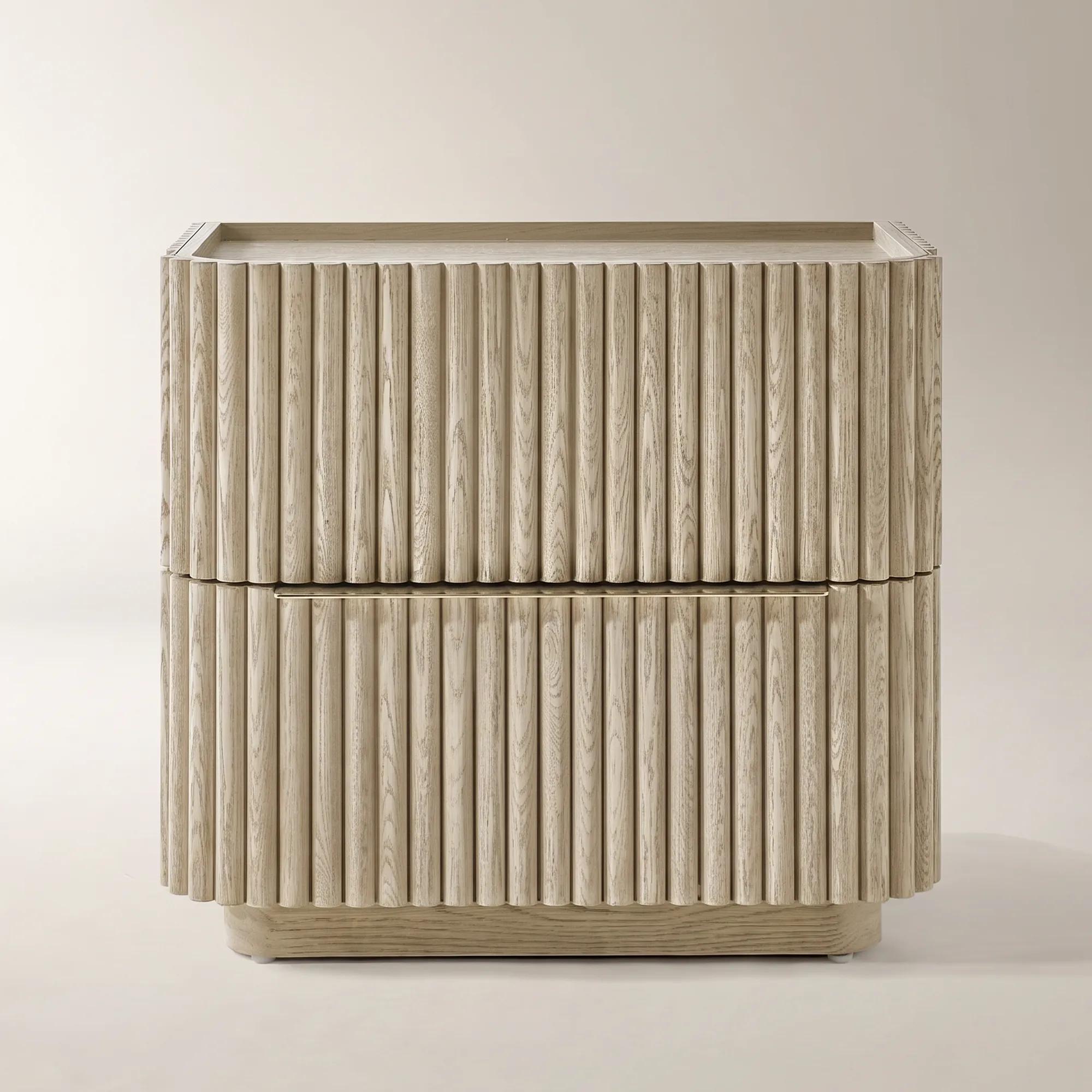
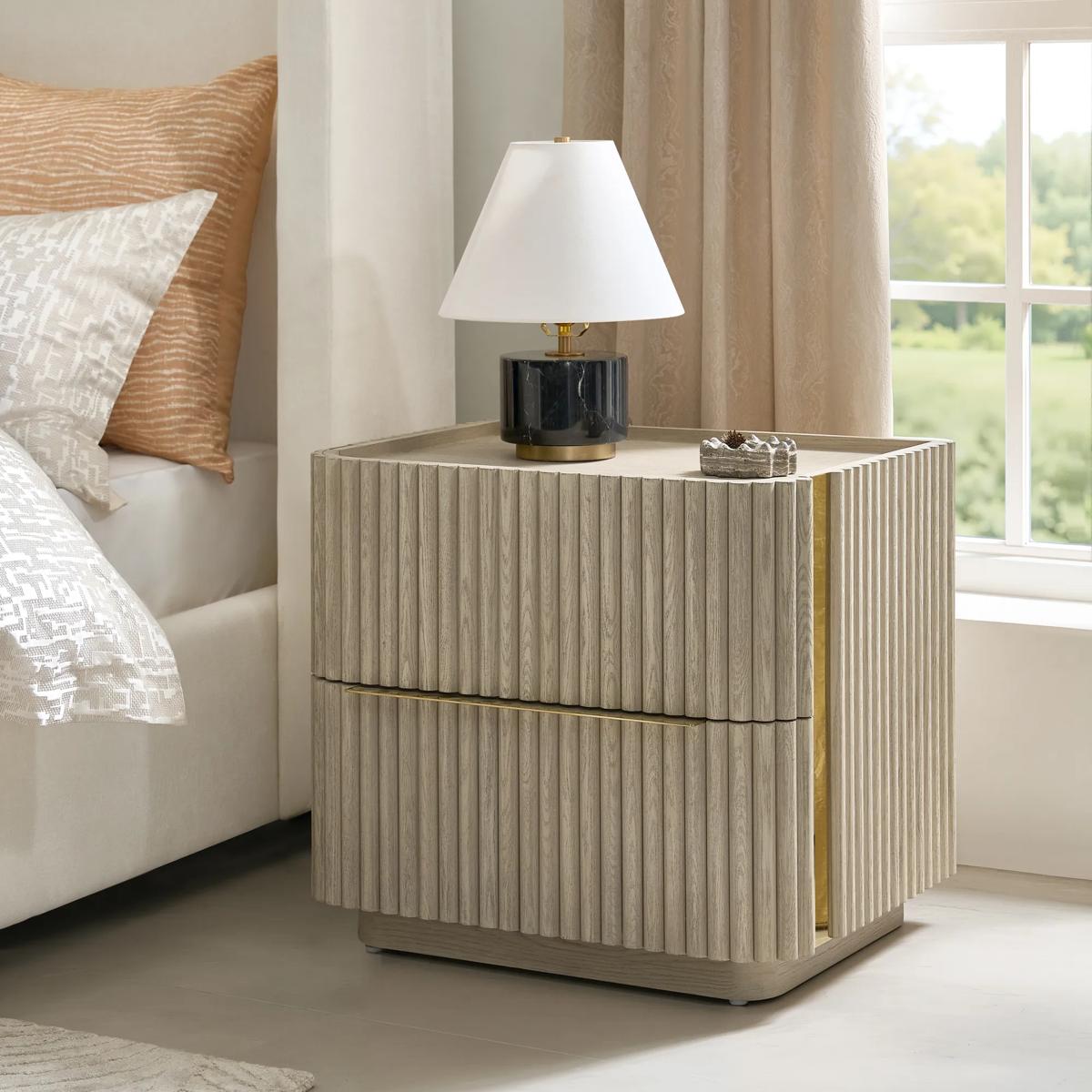 Stria Reeded White Oak 2-Drawer Nightstand (26")$999
A sculptural oak nightstand with reeded wood details, gold-plated trim, and soft-close felt-lined drawers.
Add To Cart -
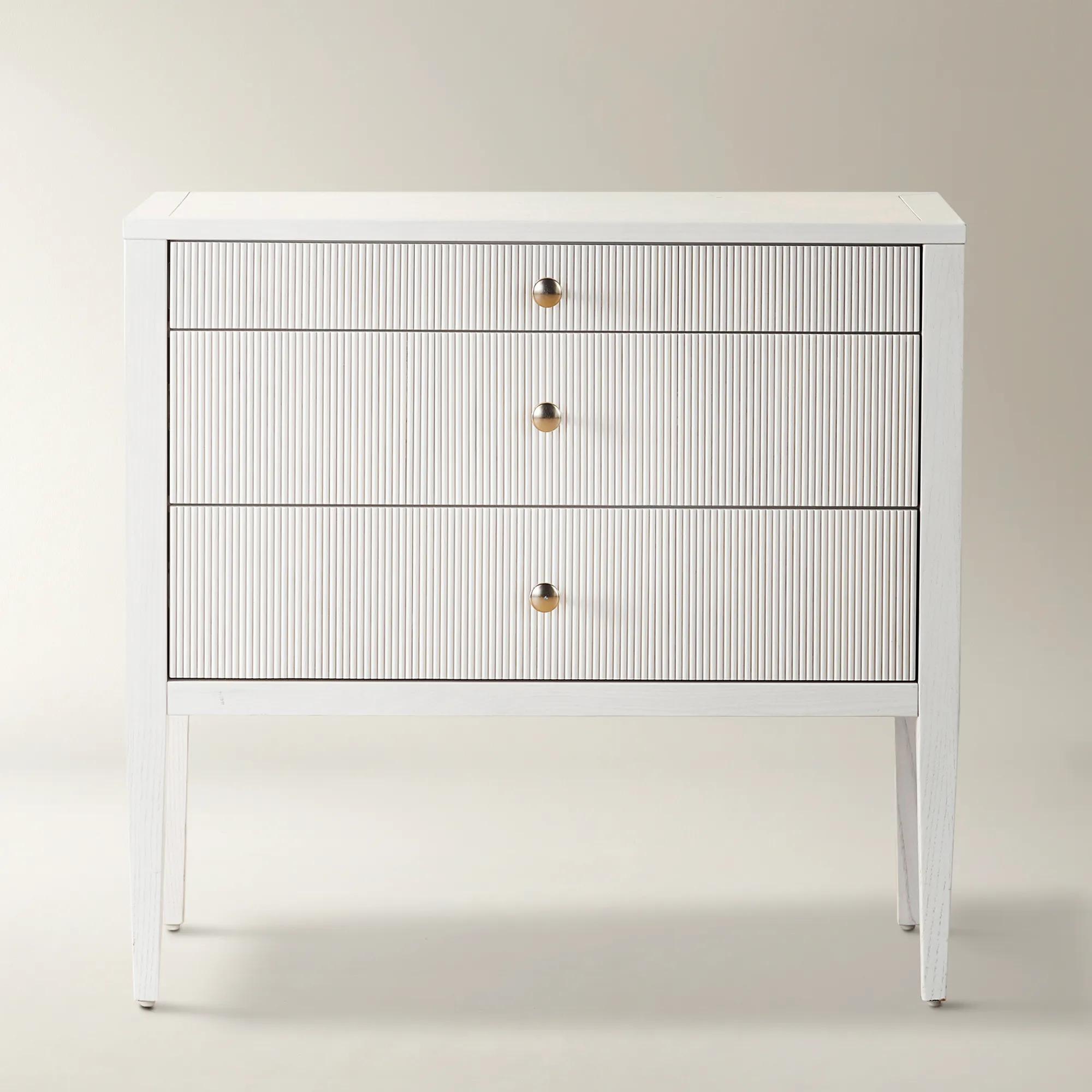 Viola Reeded White Ash Wood 3-Drawer Nightstand (31")$899
A modern nightstand in bone white ash wood with reeded drawers and brass hardware for a luxe touch.
Add To Cart -
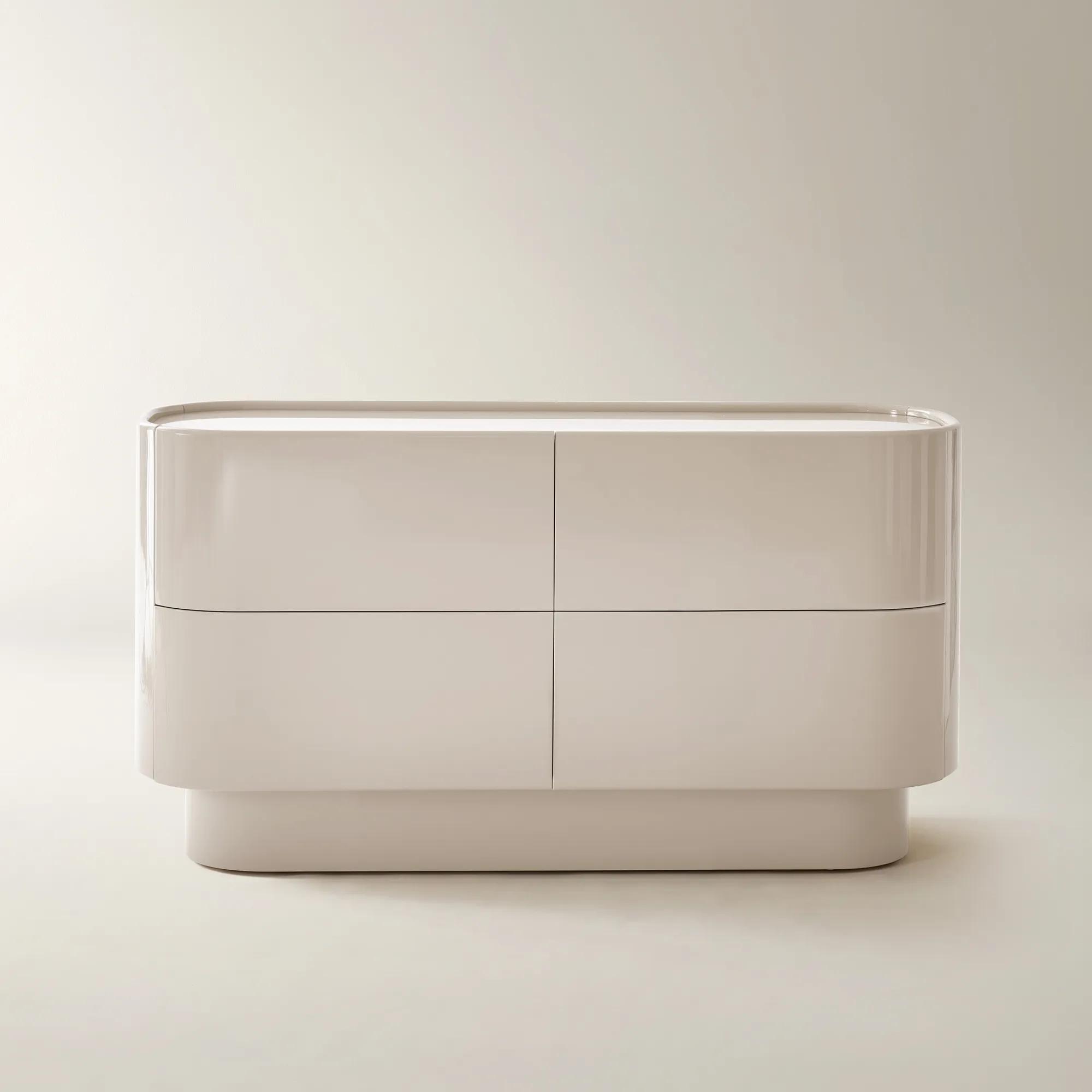
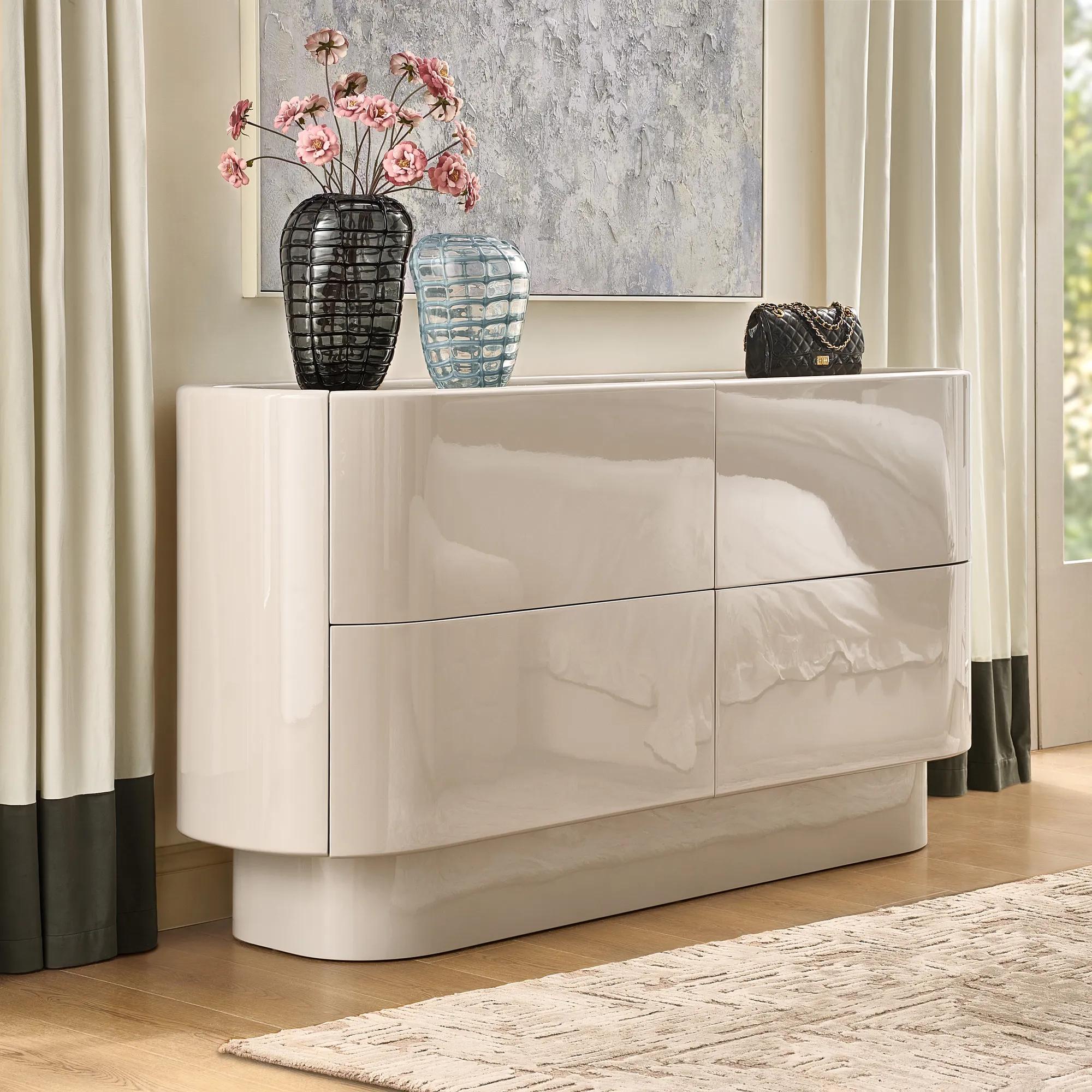 Velar Lacquered Turtle Dove 4-Drawer Dresser With Glass Top (66")$1999
A sculptural dresser in turtle dove lacquer with a back-painted glass top and soft-close velvet-lined drawers.
Add To Cart -
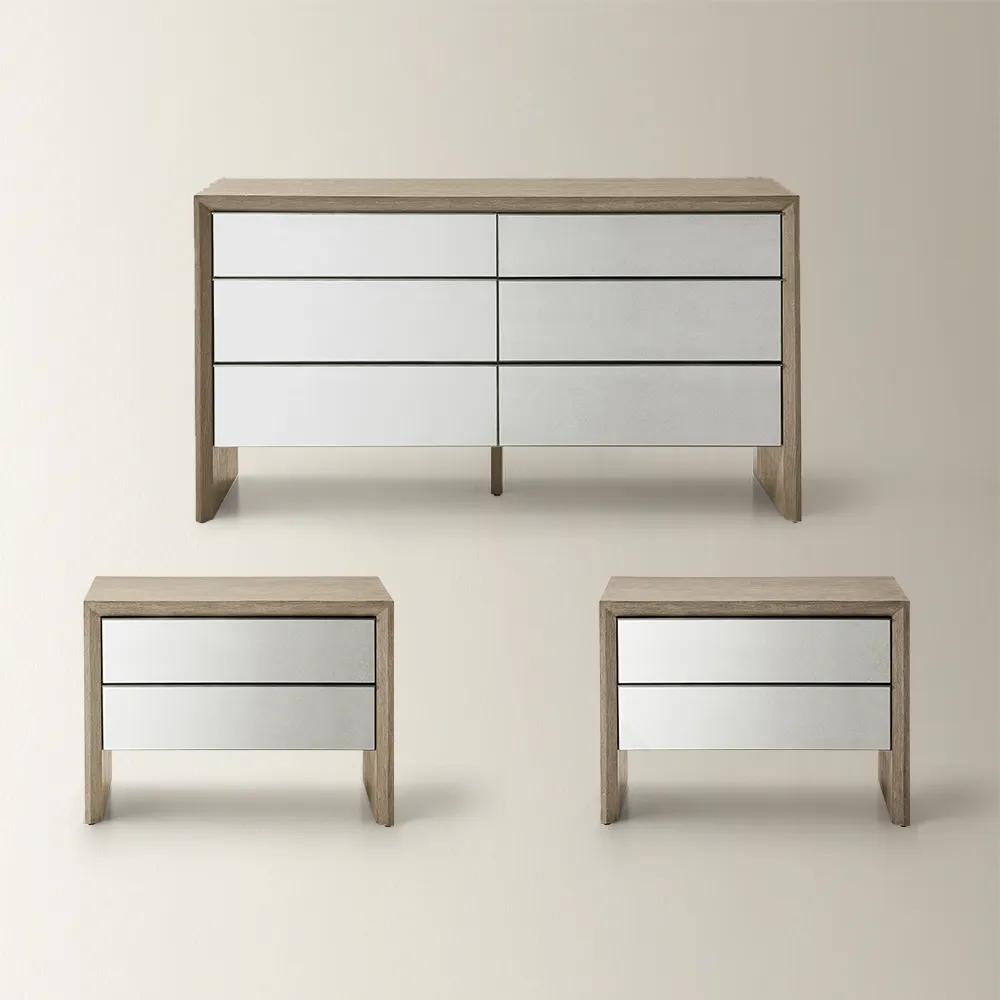 Glimmer Set of 3 Bedroom$3097
A coordinated bedroom furniture set featuring a dresser and two nightstands for cohesive storage.
Add To Cart -
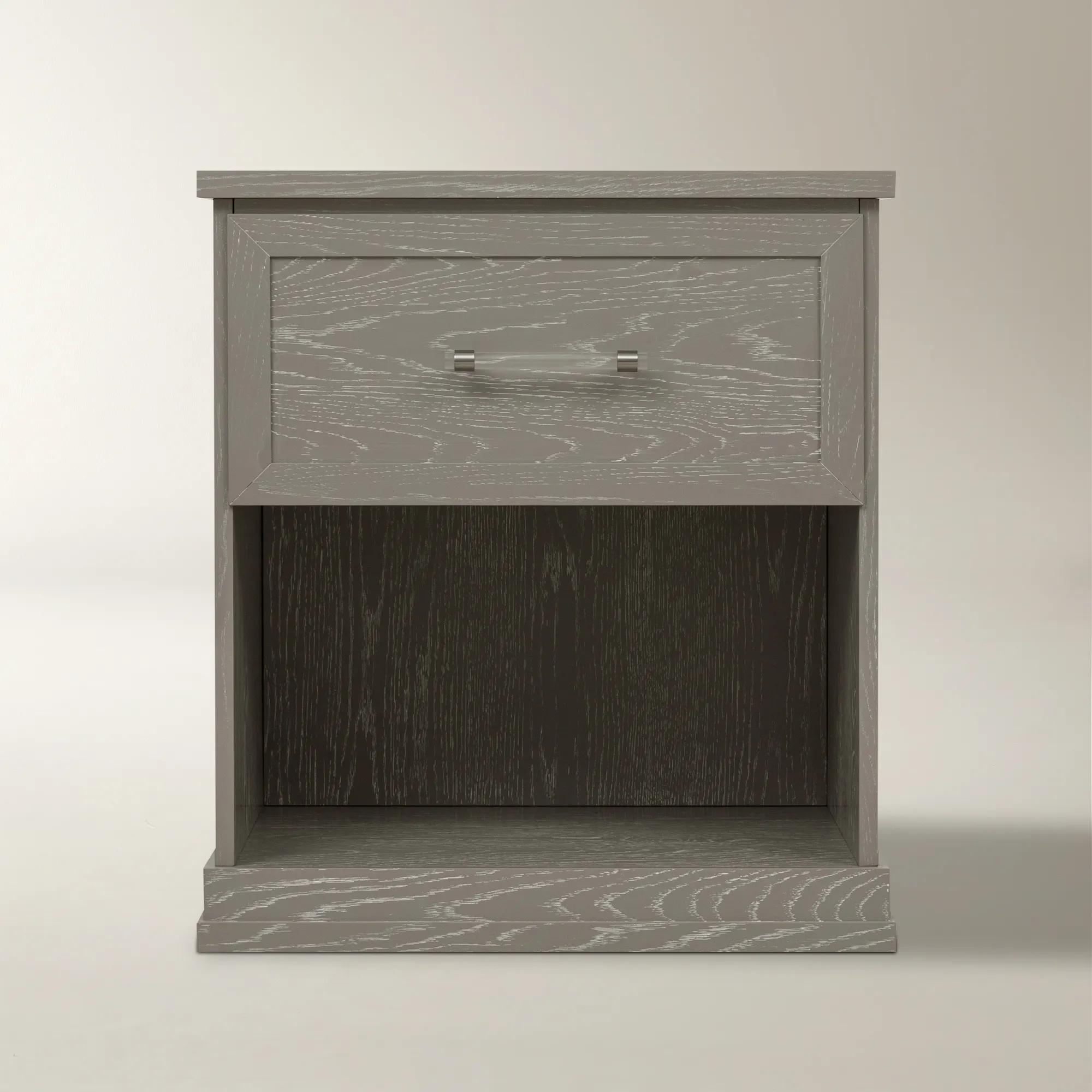
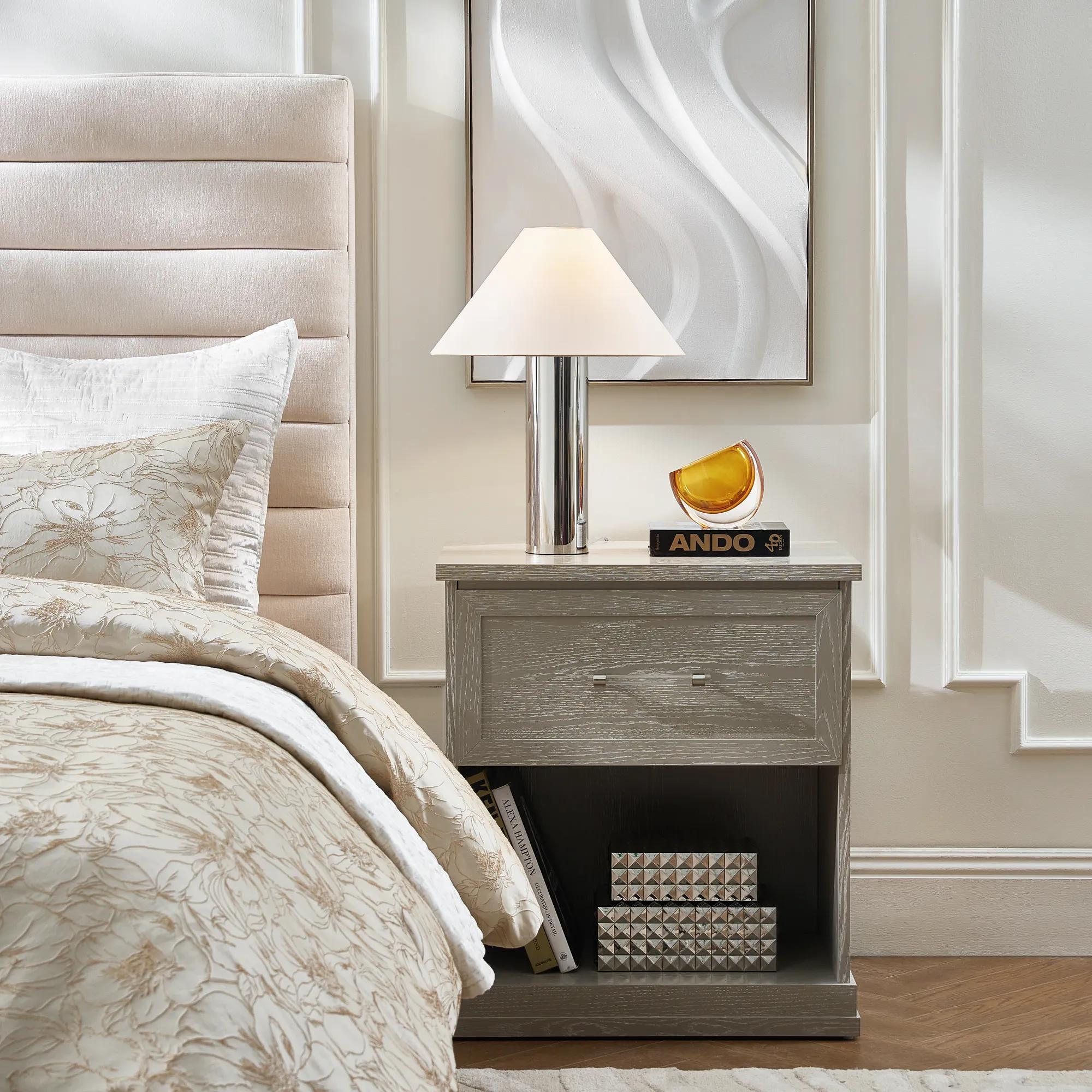 Arwin Grey Oak 1-Drawer Nightstand (26")$699
A contemporary grey hardwood veneer nightstand featuring acrylic and brushed silver handles with soft-closing drawers.
Add To Cart -
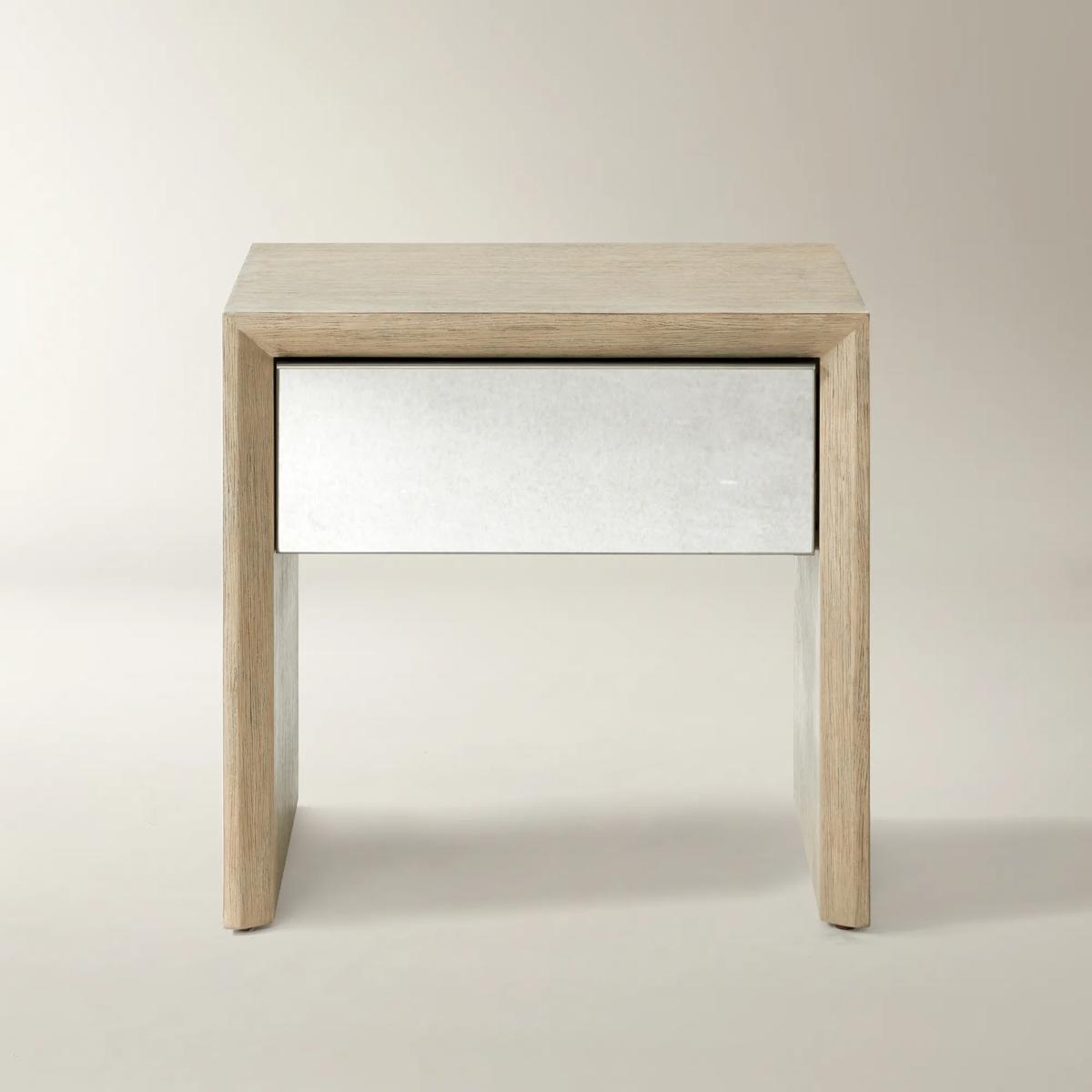 Glimmer Mirrored Seadrift Oak 1-Drawer Nightstand (23")$549
A sophisticated nightstand featuring a sea drift oak veneer frame and antique mirror-faced soft-close drawers.
Add To Cart -
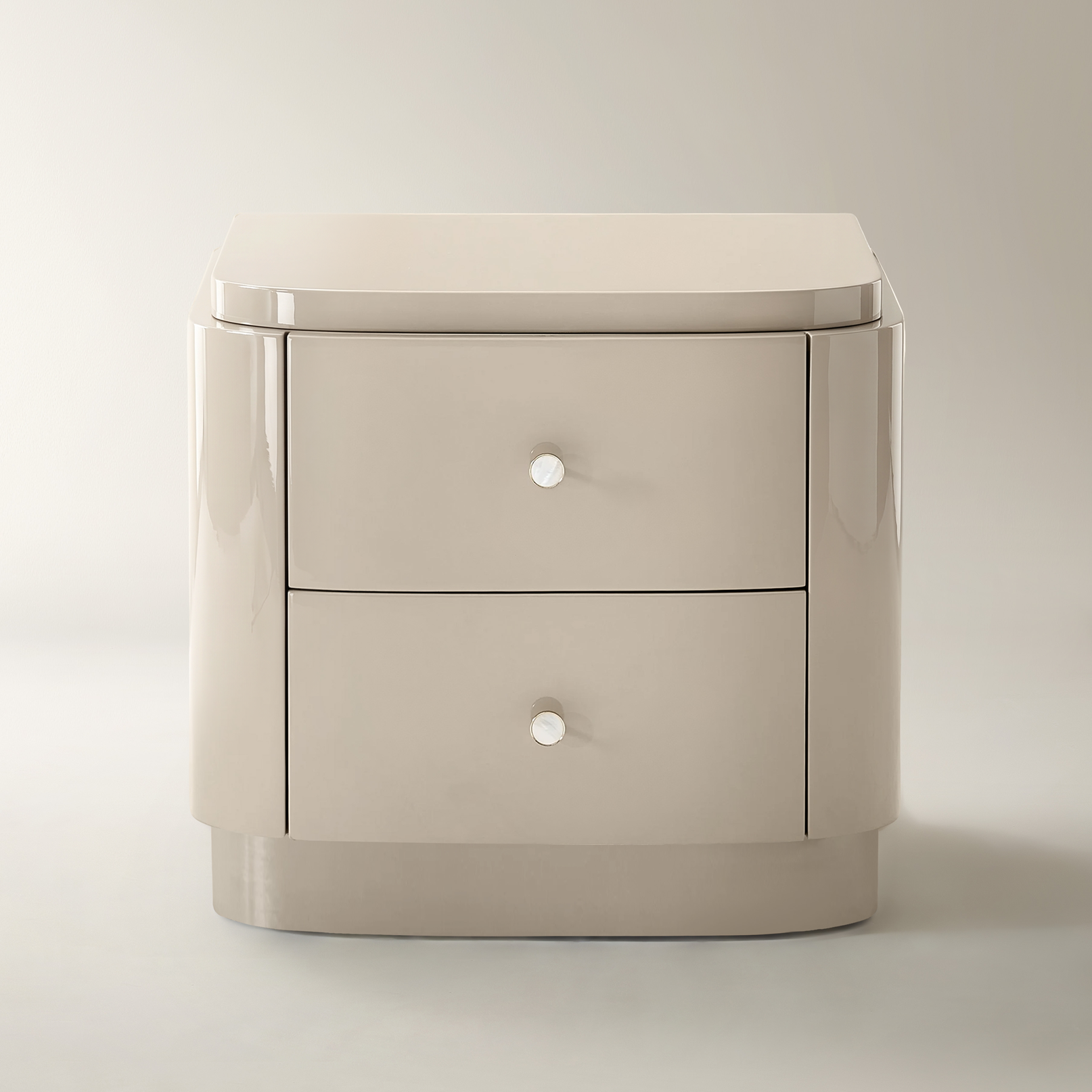
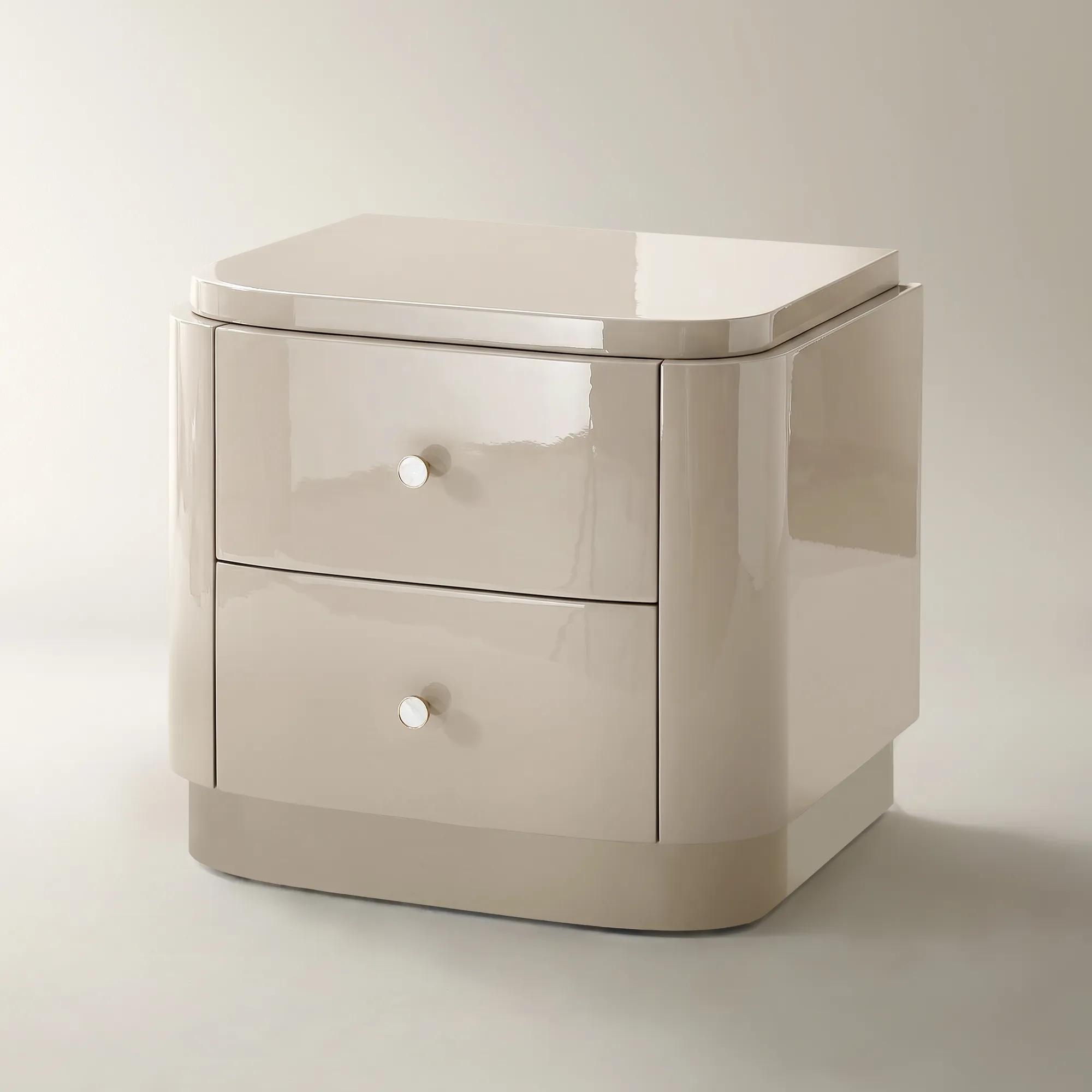 Nia Lacquered Turtle Dove 2-Drawer Nightstand (26")$599
A softly sculpted nightstand in turtle dove lacquer with pearlescent handles and two soft-close drawers.
Add To Cart -
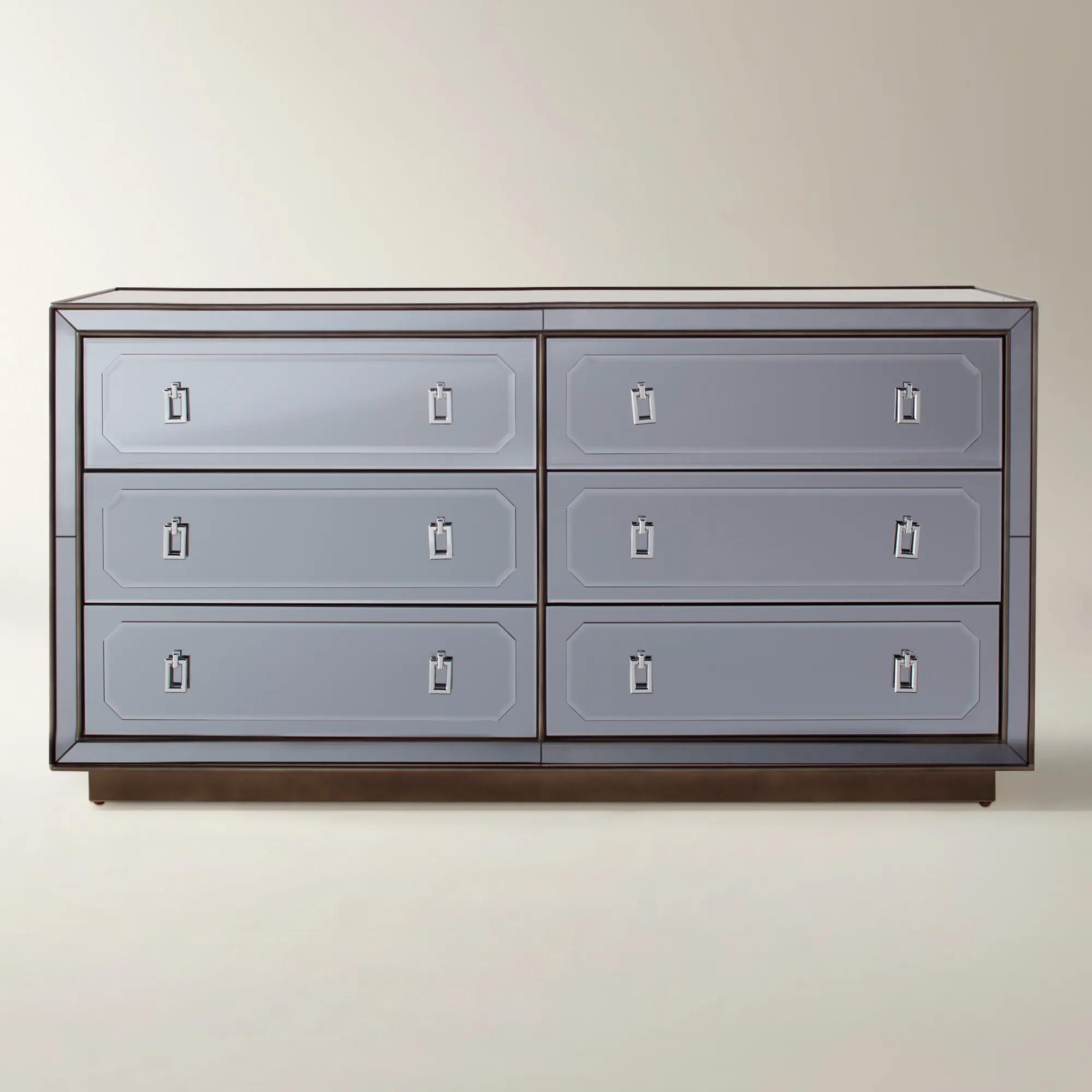 Maddox Mirrored Grey 6-Drawer Dresser (66")$2299
A modern dresser featuring beveled mirror paneling, graphite finish, and polished nickel hardware for sleek sophistication.
Add To Cart -
 Fleece Fluted Gray Velvet Stool (15.55'')$229
A plush grey velvet stool with a unique ribbed texture, perfect for versatile, cozy seating or decor.
Add To Cart -
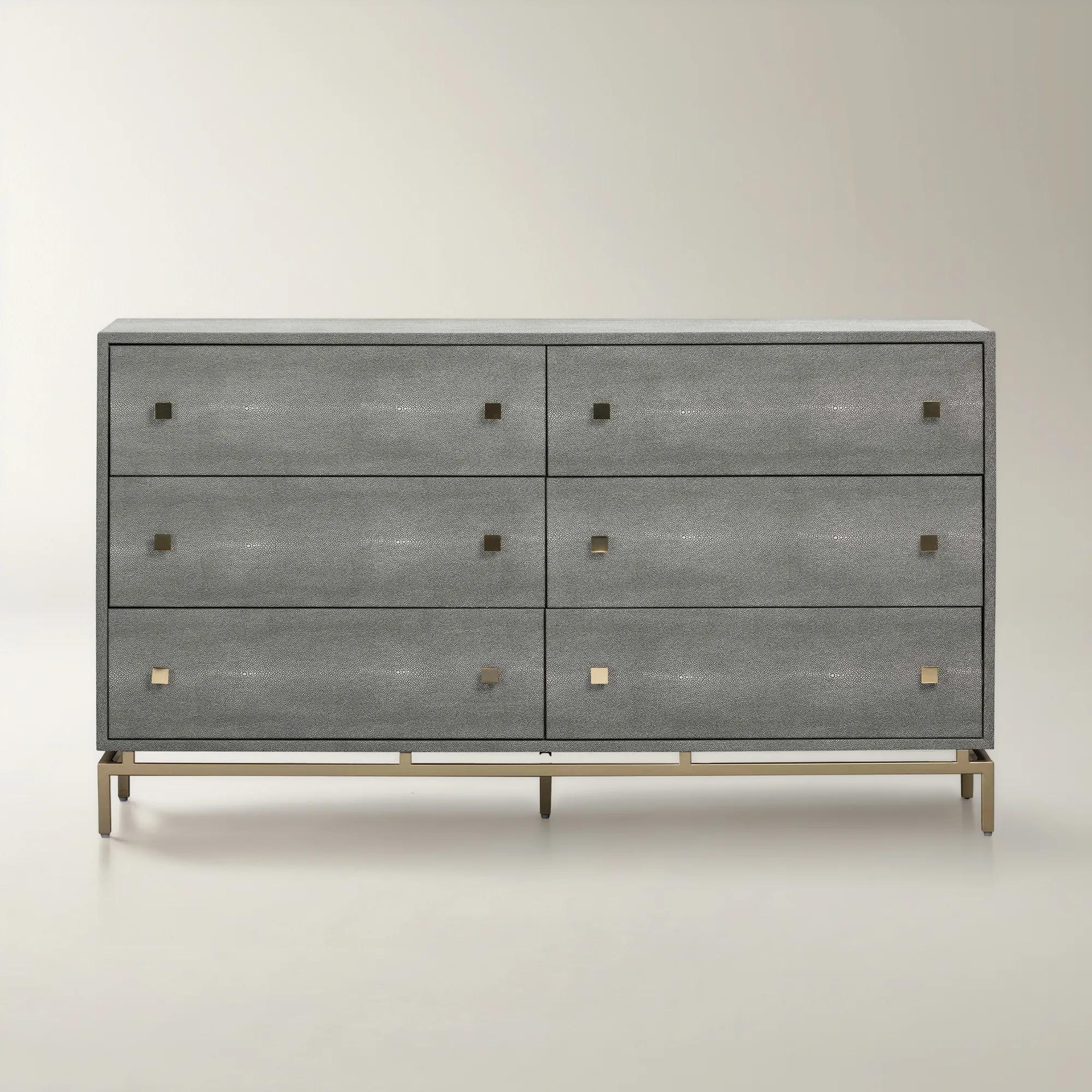
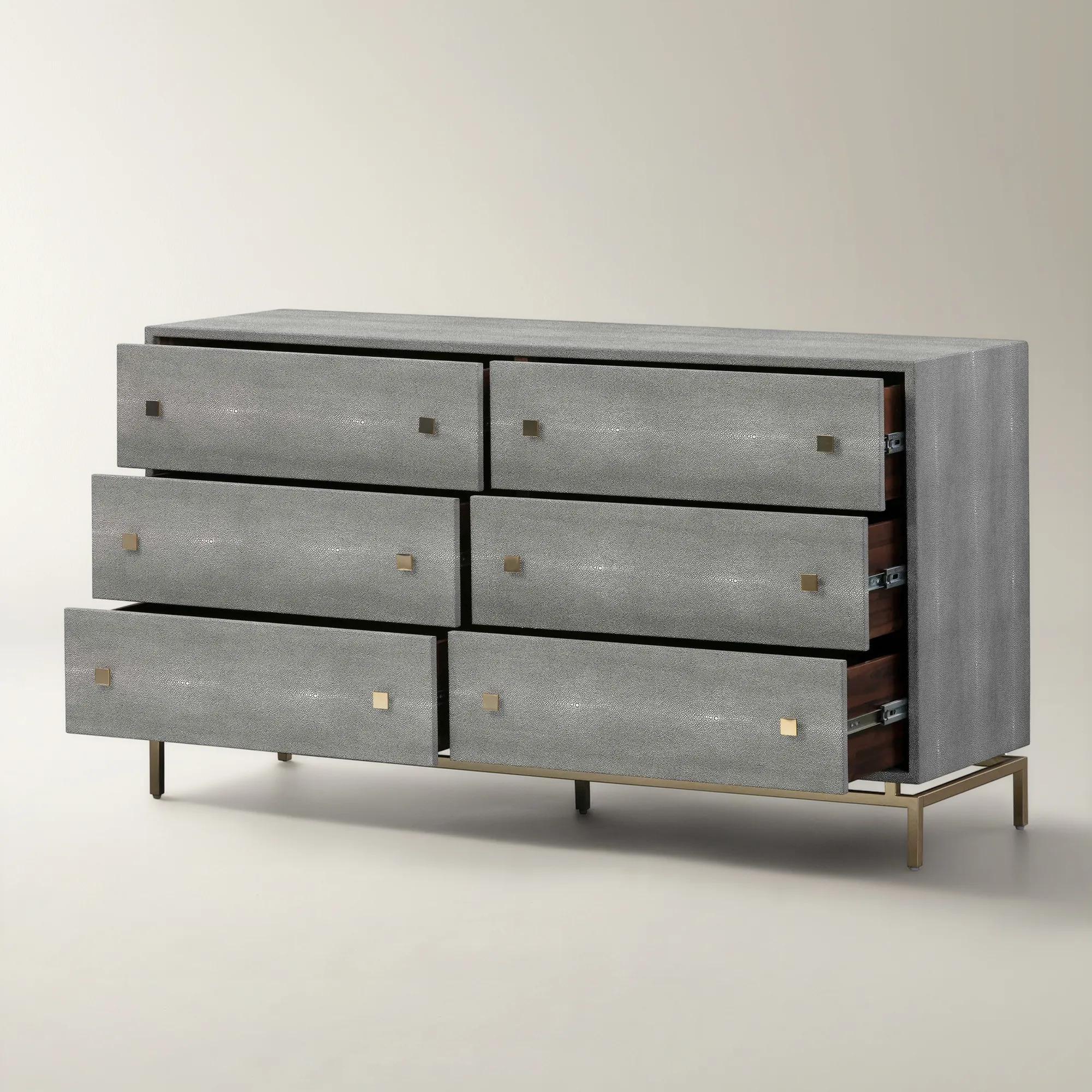 Misha Grey Shagreen 6-Drawer Dresser (57")$2249
A modern dresser featuring faux shagreen texture, brass-finished base, and six drawers with cherry wood interiors.
Add To Cart -

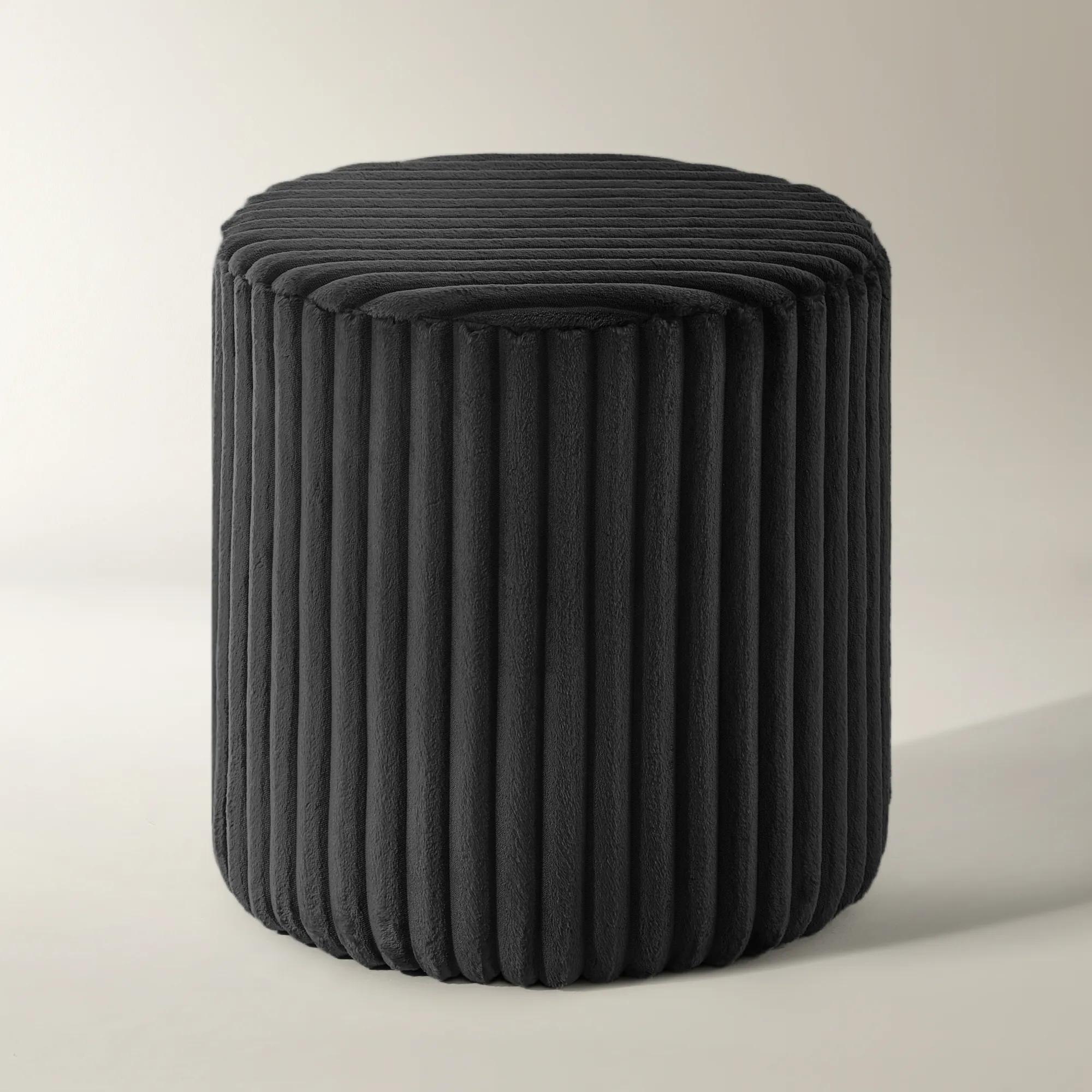 Fleece Fluted Black Velvet Stool (15.55'')$229
A plush black ribbed velvet stool offering versatile seating and cozy texture for any modern space.
Add To Cart -
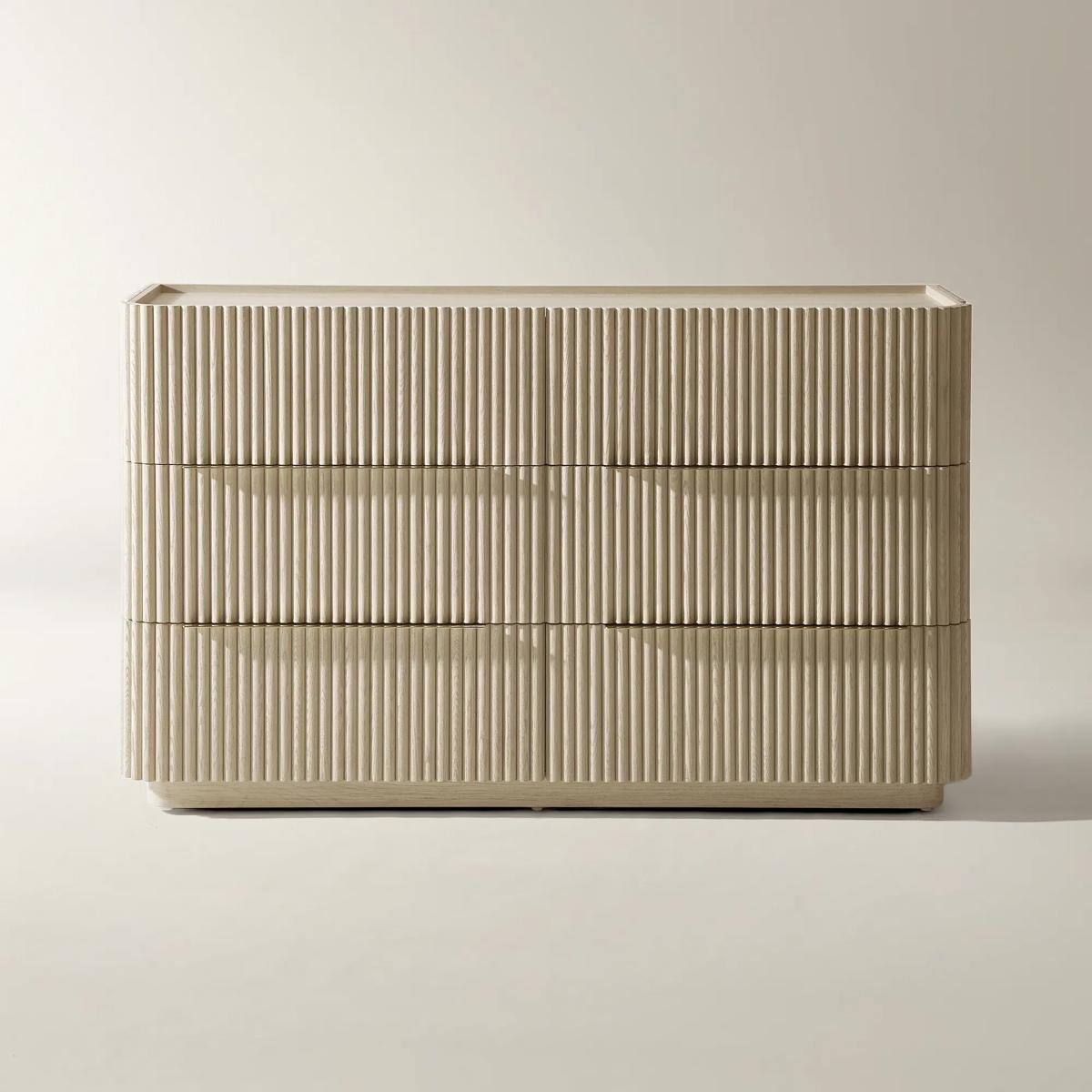
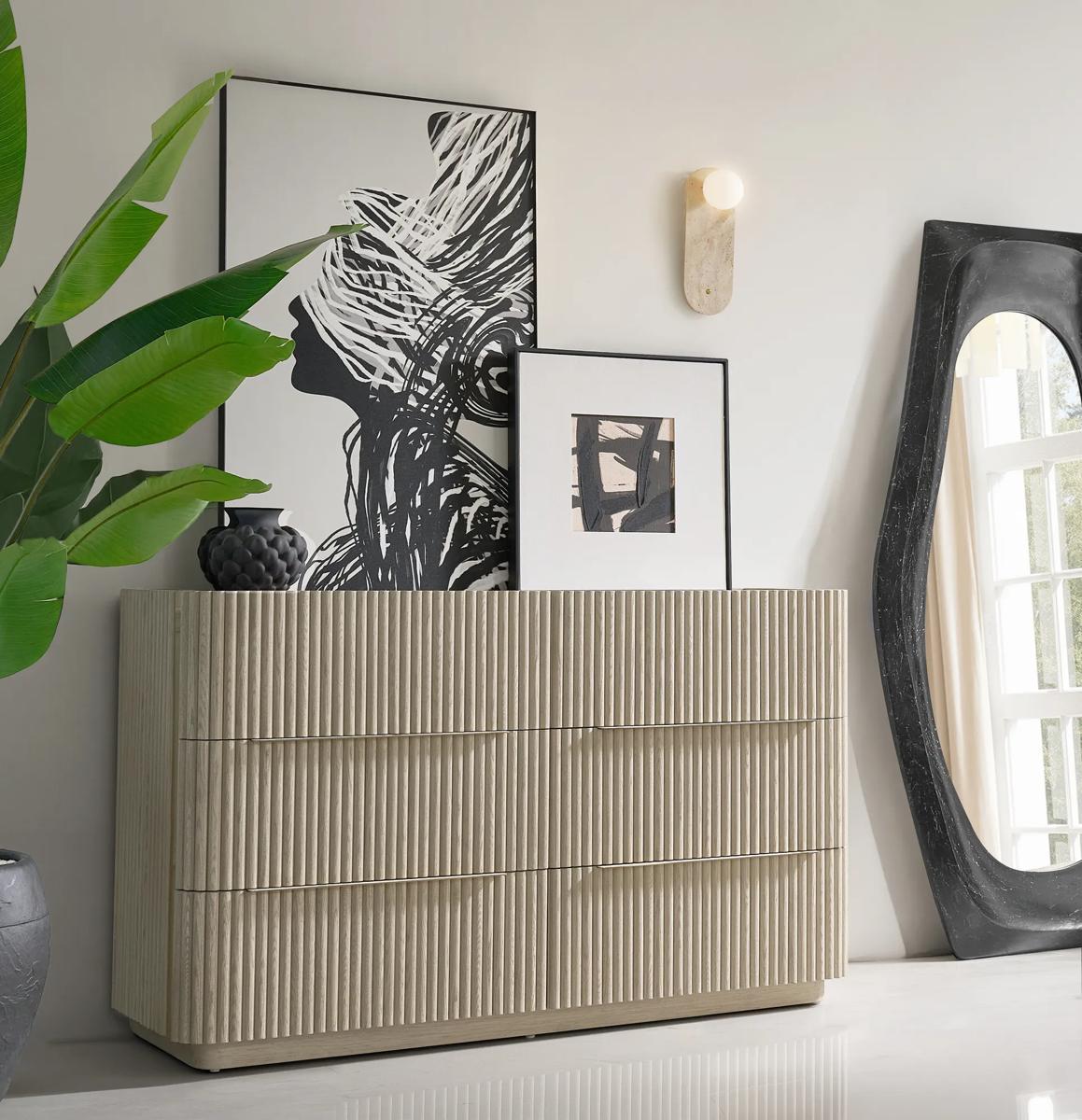 Stria Reeded White Oak 6-Drawer Dresser (64.5")$2599
A sculptural dresser crafted from solid oak with fluted detailing, gold-plated trim, and soft-close drawers.
Add To Cart -
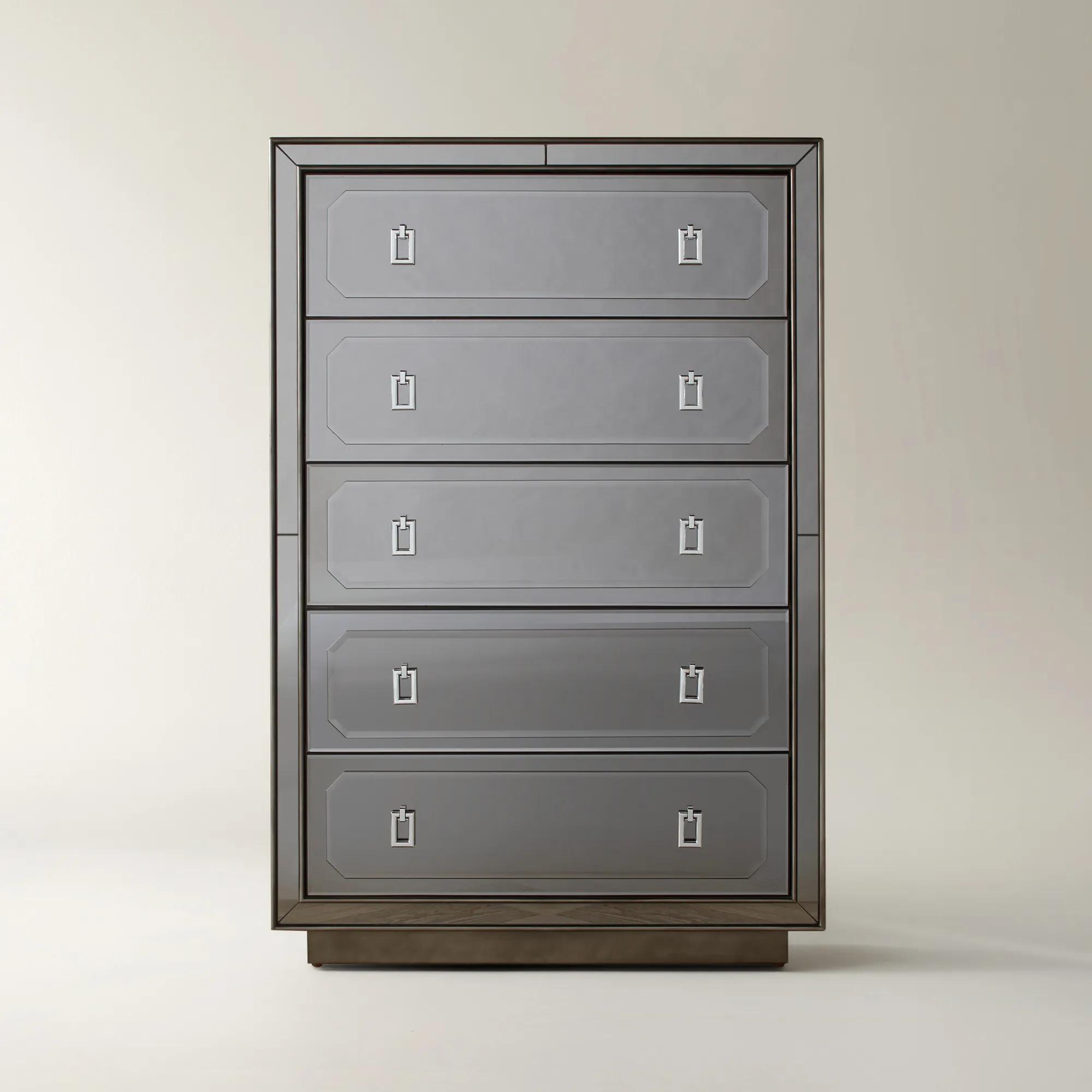 Maddox Mirrored Grey 5-Drawer Tall Dresser (36")$2099
A modern chest featuring beveled mirror panels, graphite finish, and polished nickel hardware for sleek sophistication.
Add To Cart -
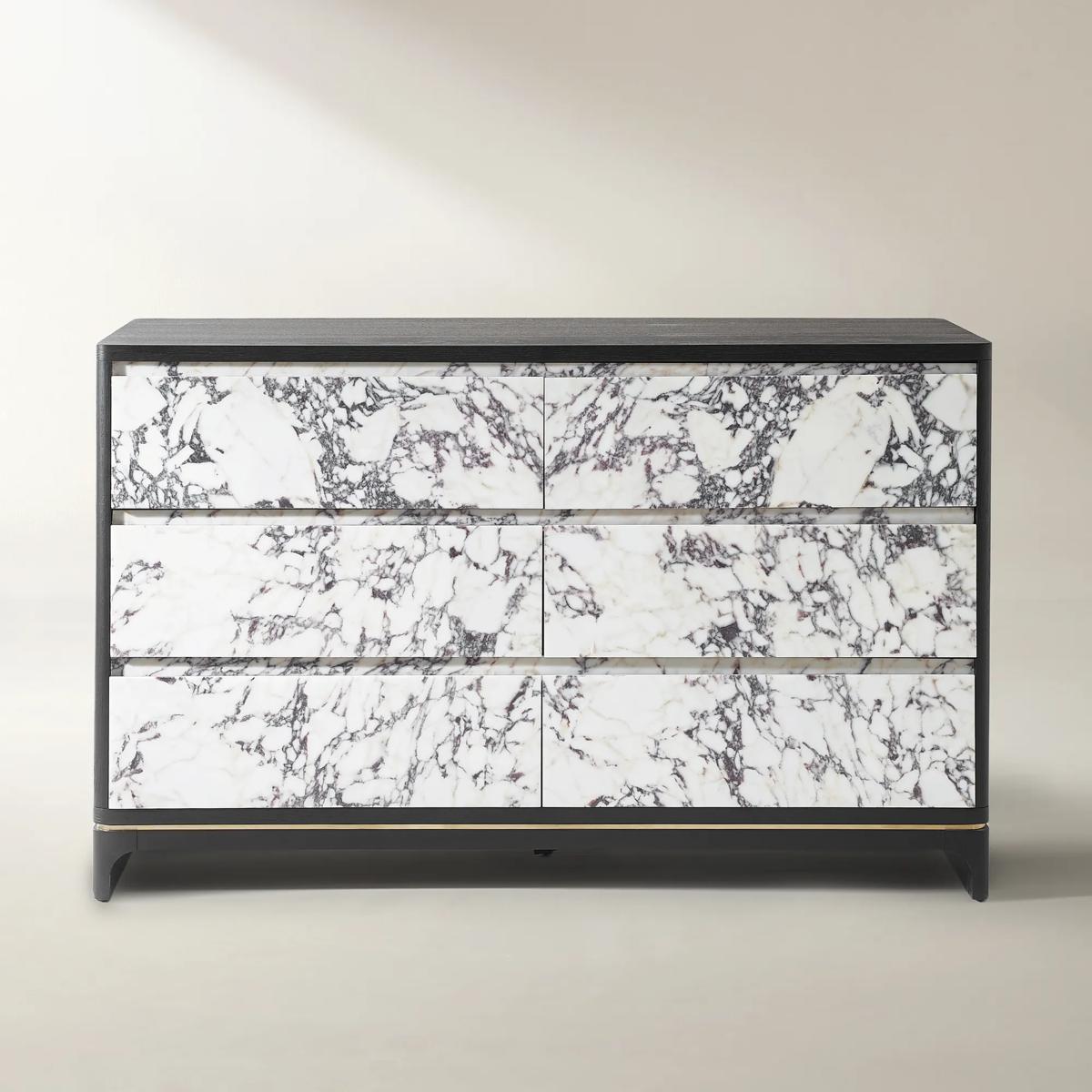 Vanta Black Oak And Calacatta Marble 6-Drawer Dresser (66")$2899
A striking dresser featuring genuine Calacatta Viola marble fronts and matte black oak veneer for modern luxury.
Add To Cart -
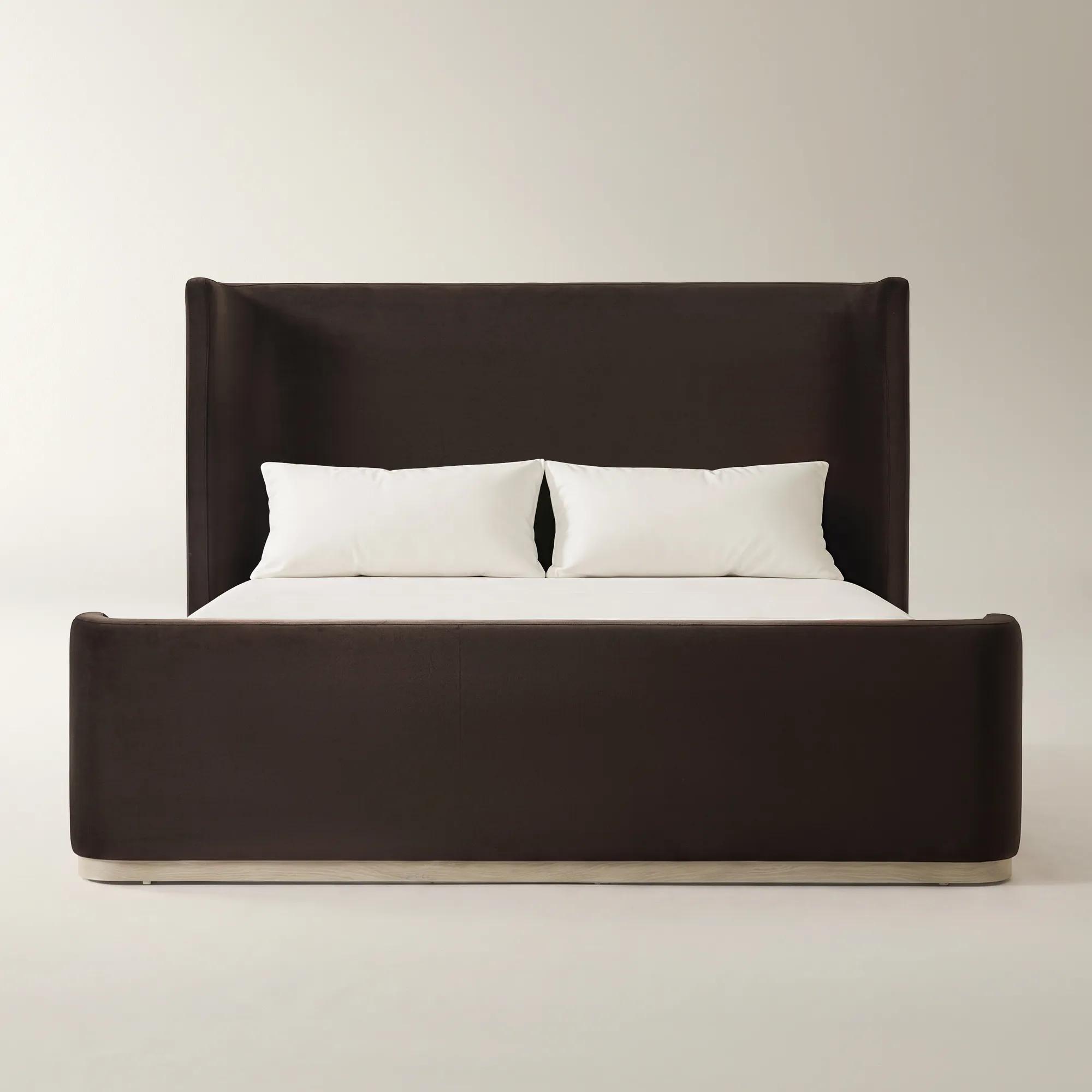 Stria Dark Chocolate Velvet Upholstered Queen Platform Bed$2299
A sculptural wingback platform bed featuring dark chocolate velvet upholstery and a hand-finished solid oak base.
Add To Cart -
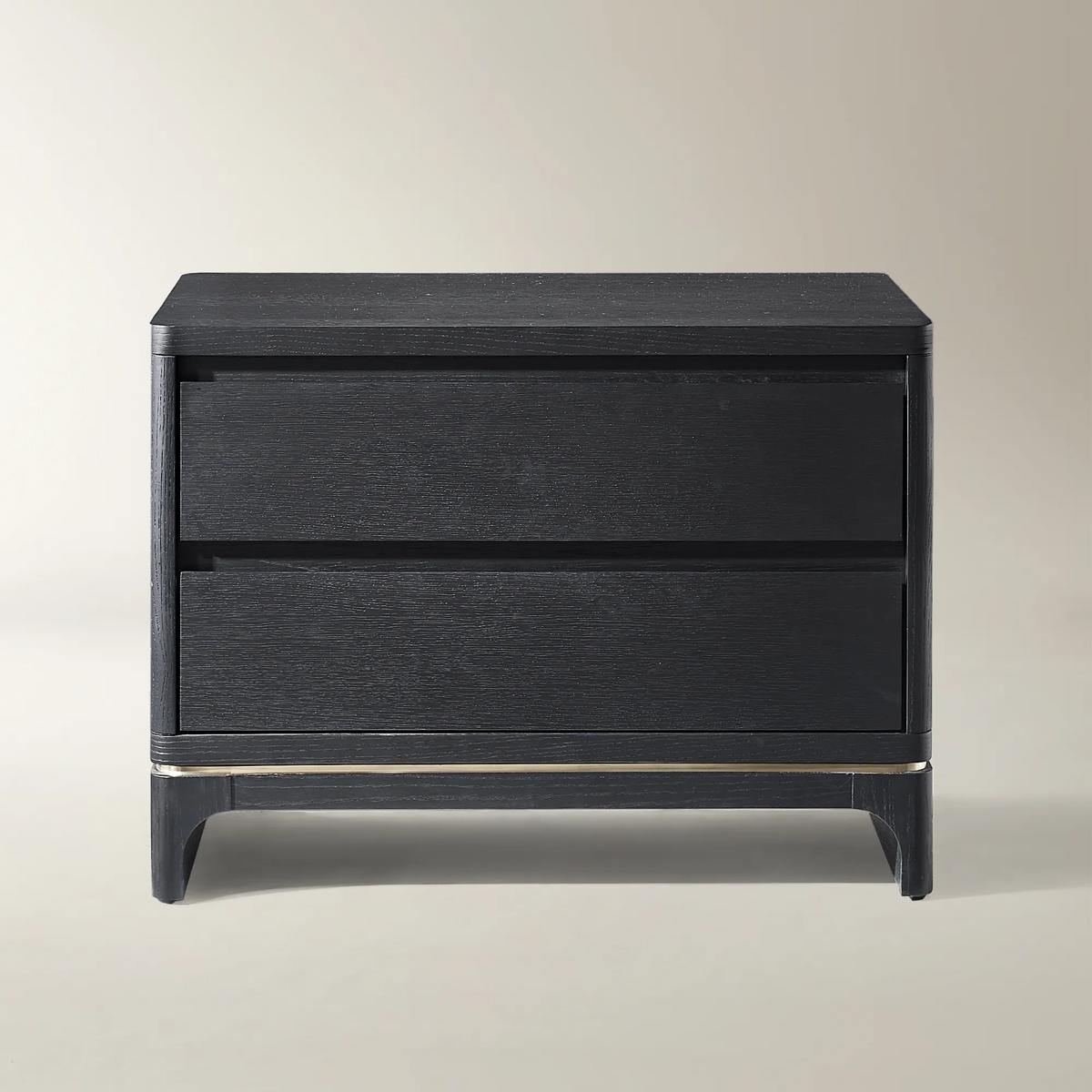
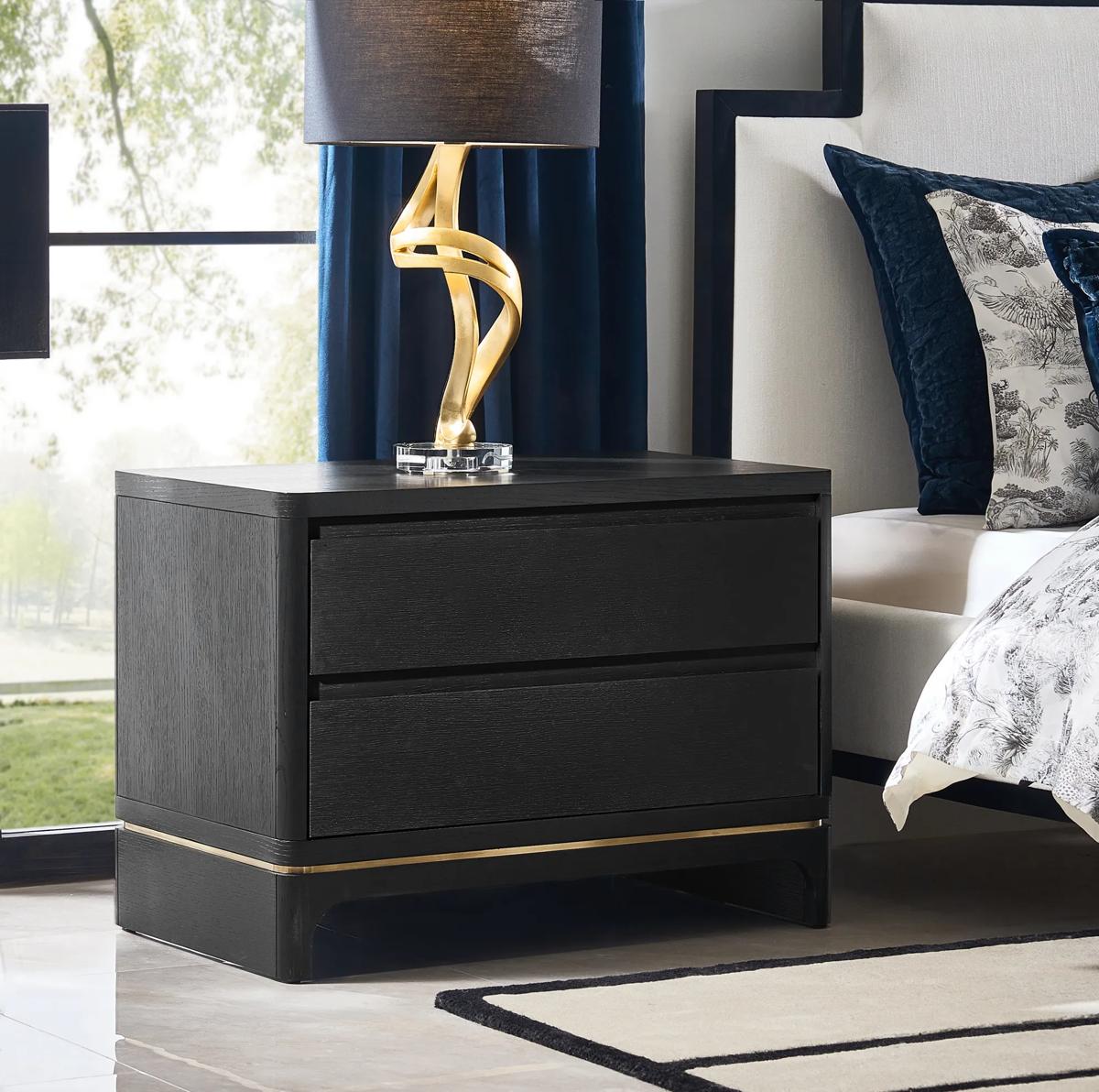 Vanta Black Oak 2-Drawer Nightstand (32")$899
A matte black oak nightstand accented with gold stainless steel trim and soft-close, felt-lined drawers.
Add To Cart -
 Stria Ivory Performance Chenille Upholstered Queen Platform Bed$2299
A white chenille platform bed with a tall wingback headboard and FSC-certified solid oak base.
Add To Cart -
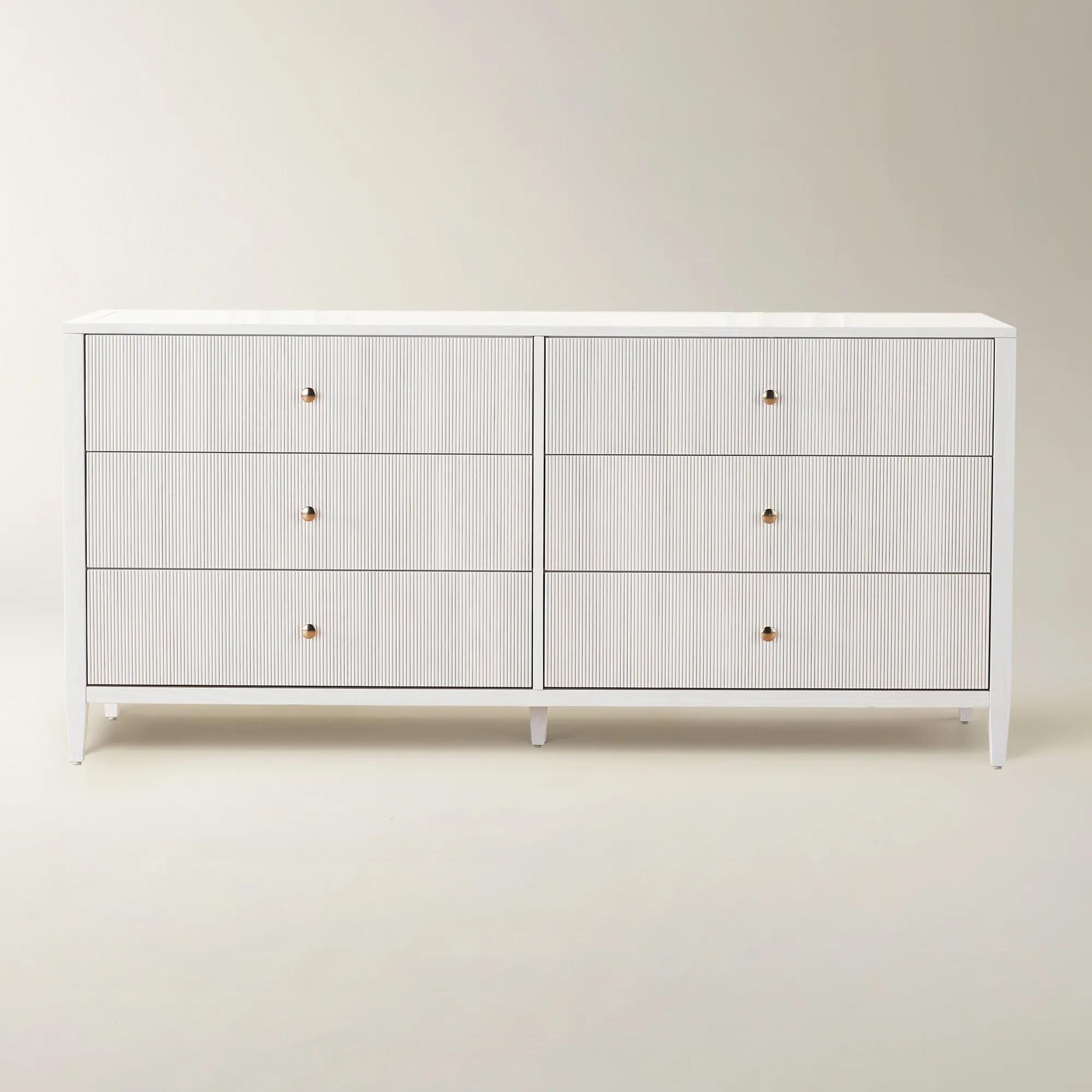
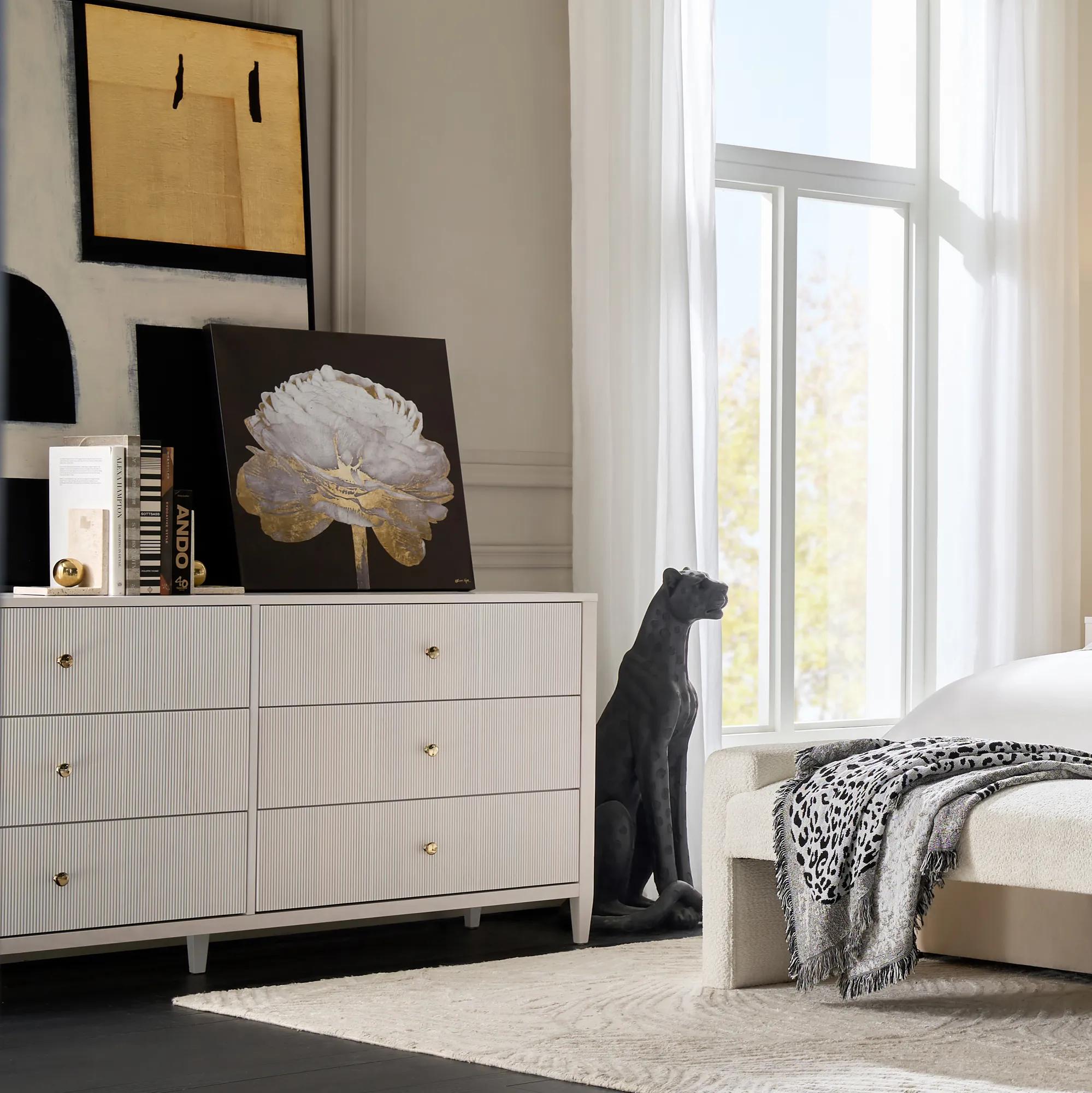 Viola Reeded White Ash Wood 6-Drawer Dresser (70")$1899
A modern dresser in bone white ash wood with reeded fronts and brass hardware for a luxe touch.
Add To Cart -
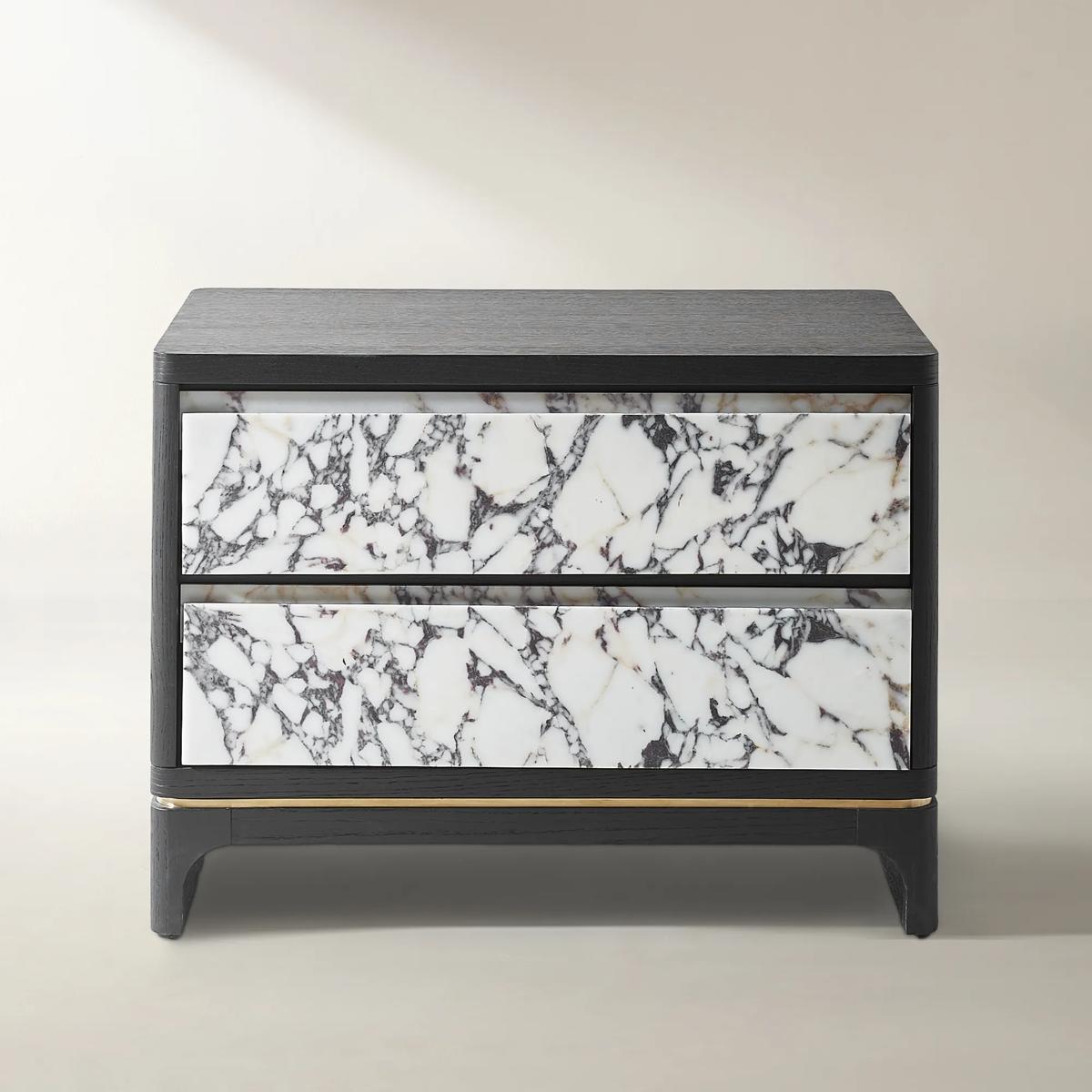 Vanta Black Oak And Calacatta Marble 2-Drawer Nightstand (32")$1099
A striking nightstand featuring genuine Calacatta Viola marble fronts and matte black oak veneer for bold elegance.
Add To Cart -
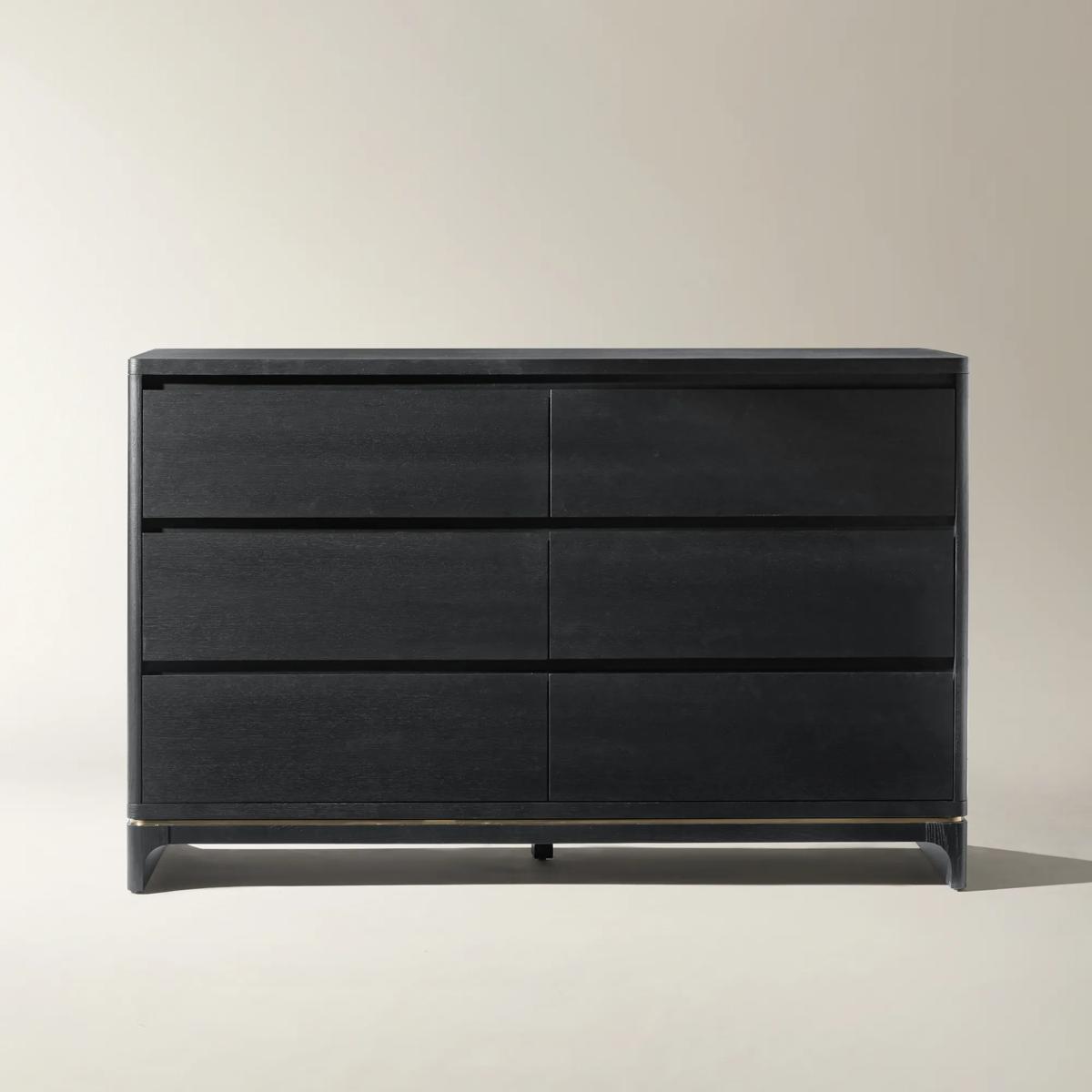 Vanta Black Oak 6-Drawer Dresser (66")$1999
A matte black oak dresser with gold stainless steel trim, soft-close drawers, and concealed sharknose pulls.
Add To Cart

Furniture For Stylish Teens
Furniture for Stylish Teens is where imagination meets sophistication, transforming every bedroom and lounge into a stage for self-expression. Here, bold silhouettes and unexpected textures invite teens to curate their own world—one that’s as vibrant, daring, and unique as they are. Each piece is designed to spark creativity and elevate the everyday, ensuring every corner becomes a reflection of personality and passion. For those who crave drama and delight in detail, Furniture for Stylish Teens offers the perfect palette to create a space that’s anything but ordinary.
Furniture for stylish teens brings personal expression and everyday function into the same beautifully considered space. A teen bedroom often serves as a retreat, study area, dressing room, and gathering place, so its furnishings need to do more than establish a look. The strongest foundation combines a comfortable bed, a well-proportioned desk, accessible storage, and inviting seating, with enough visual continuity to make the room feel composed rather than crowded. Sculptural silhouettes, sumptuous upholstery, and gleaming accents give these essentials a more expressive presence. A tailored upholstered headboard can soften the room’s architecture, while a dresser with distinctive hardware introduces a jewelry-like detail that feels intentional. For teens drawn to dramatic interiors, a deep-toned bed frame or richly textured chair creates a focal point without requiring every surface to compete for attention. Those with a more restrained aesthetic can find that same sophistication in pale upholstery, clean-lined wood furniture, and a single reflective accent. Materials play an important role in both appearance and performance: solid wood brings natural grain and character, wood veneer offers the beauty of a real wood surface over a supporting core, and engineered wood varies in construction and finish. Metal frames contribute crisp definition, while upholstered furniture adds softness where a room needs a more relaxed mood. Fabric texture matters as much as color. Velvet can reveal subtle shifts in tone as its pile catches the light, while a tightly woven upholstery fabric may offer a more uniform appearance. The right combination feels distinctive without locking a teen into a narrowly themed room. A bed and dresser with enduring proportions can remain relevant as artwork, bedding, and personal interests change. That balance is especially valuable for teenagers developing their own design vocabulary: furniture establishes a confident backdrop, leaving room for collections, creative projects, and the details that make a space unmistakably theirs. A room gains depth when finishes relate without matching exactly, allowing a brushed metal base, a warm wood surface, and a plush upholstered piece to share the same visual conversation.
Scale gives stylish teen bedroom furniture its sense of ease. A bed should suit the sleeper and the room, with its full frame dimensions considered alongside the mattress size; an upholstered surround can occupy noticeably more space than the mattress alone. Clearance for doors, drawers, and daily movement matters just as much as the furniture’s footprint. In a compact bedroom, a narrow desk, a storage bed, or a tall dresser can preserve useful floor space, provided each piece fits comfortably and remains easy to access. Underbed drawers are most practical when there is enough room to open them, and vertical storage works best when frequently used belongings stay within a comfortable reach. A study area deserves equal attention. A desk needs sufficient depth for its intended setup, whether that means a laptop and notebook or a monitor, keyboard, and open textbook. A keyboard balanced at the edge of a shallow surface leaves little space for comfortable work, while a more generous desktop can support both school assignments and creative pursuits. Seating should complement the desk height and the teen’s proportions, with supportive positioning, room for the legs, and feet resting on the floor or a suitable footrest. Adjustable features can help accommodate growth and longer study sessions, but a dramatic silhouette alone does not establish ergonomic support. Cable management keeps charging cords from overwhelming an otherwise polished arrangement and helps maintain clear walking paths. Beyond the workspace, a compact accent chair or upholstered bench can create a place to read, talk with a friend, or set out an outfit. Seat depth and firmness influence how that furniture feels in use: a deep, enveloping chair invites lounging, while a more upright seat may be better suited to reading or conversation. In a shared room, separate bedside storage or clearly defined desk areas can give each teen a sense of ownership without sacrificing a cohesive interior. Repeated finishes or complementary upholstery colors connect those individual zones, creating harmony without asking different personalities to disappear.
Durability and care help a teen’s room retain its polish through homework sessions, frequent rearranging, and the ordinary demands of daily life. Well-supported shelves, stable bases, smoothly operating drawers, and secure hardware are meaningful considerations beneath an expressive exterior. Dressers and other furniture identified by the manufacturer as requiring restraints should be anchored according to the supplied instructions; tall pieces should never depend on careful placement alone for stability. Storage is most effective when it reflects actual habits. Drawers can conceal folded clothing and smaller accessories, closed cabinets can quiet the visual activity of school supplies, and open shelving can give books and treasured objects a deliberate place in the room. A dresser top feels more composed when there is space between a few meaningful accents rather than a crowded layer of belongings. Finishes also deserve attention before furniture becomes part of an everyday routine. Glossy and mirrored surfaces create luminous depth but can show fingerprints, while textured fabrics may need particular cleaning methods. Manufacturer care instructions should determine which cleaners, tools, and treatments are appropriate. Gentle dusting, upholstery cleaning suited to the fabric’s care code, and protection from spills or hot styling tools can help preserve the intended finish. Direct sunlight may affect some fabrics and wood finishes, making placement another part of long-term care. Versatile furniture is especially appealing when a teen’s needs are likely to change: a streamlined desk may later serve in a college apartment, and a compact dresser can move from a bedroom to another living space. The space-conscious proportions explored in Furniture For Stylish Studios offer a related perspective for rooms where every piece needs a purposeful footprint. For parents or relatives furnishing a teen’s space as a meaningful gift, agreement on dimensions, comfort, and style makes the gesture more personal than a surprise chosen on appearance alone. Ultimately, sophisticated teen furniture supports independence while allowing imagination to remain visible—a room with the presence to impress and the comfort to feel entirely personal.
FAQs
Start by identifying your teen’s favorite colors, patterns, or motifs, and use these as a foundation for the room’s palette. Encourage them to select furniture and decor that share common elements—such as finishes, materials, or shapes—to create visual harmony. Layer in personal touches like artwork, textiles, and lighting to tie the theme together while allowing space for individuality and creativity.
Personalization can be achieved through curated gallery walls, unique lighting, and statement furniture that reflects your teen’s interests or passions. Invite them to display collections, photos, or mementos on shelves or bulletin boards, and incorporate accent pieces in their favorite colors or textures. The key is to blend functionality with elements that tell their story, making the space truly their own.
Look for modular or multi-use furniture, such as extendable beds, adjustable desks, or ottomans with hidden storage. These pieces adapt to changing needs, whether it’s transitioning from homework to hobbies or accommodating friends for overnight stays. Versatile furniture ensures the room remains both functional and stylish as your teen’s lifestyle evolves.
Lighting sets the tone for any space. Incorporate layers of illumination—such as a statement chandelier for drama, task lighting for study areas, and string lights for ambiance. Dimmable fixtures or color-changing bulbs allow teens to customize the atmosphere, making the room feel inviting for everything from quiet reading to lively gatherings.
Mixing materials like plush velvet, sleek metal, and natural wood adds depth and sophistication to a teen’s room. Soft rugs, tactile throws, and textured cushions create a sense of comfort and luxury, while mirrored or metallic accents introduce a hint of glamor. Combining contrasting textures ensures the space feels dynamic, layered, and visually engaging.