Patterned Ceramic Vases | Z Gallerie
Patterned Ceramic Vases | Z Gallerie
-
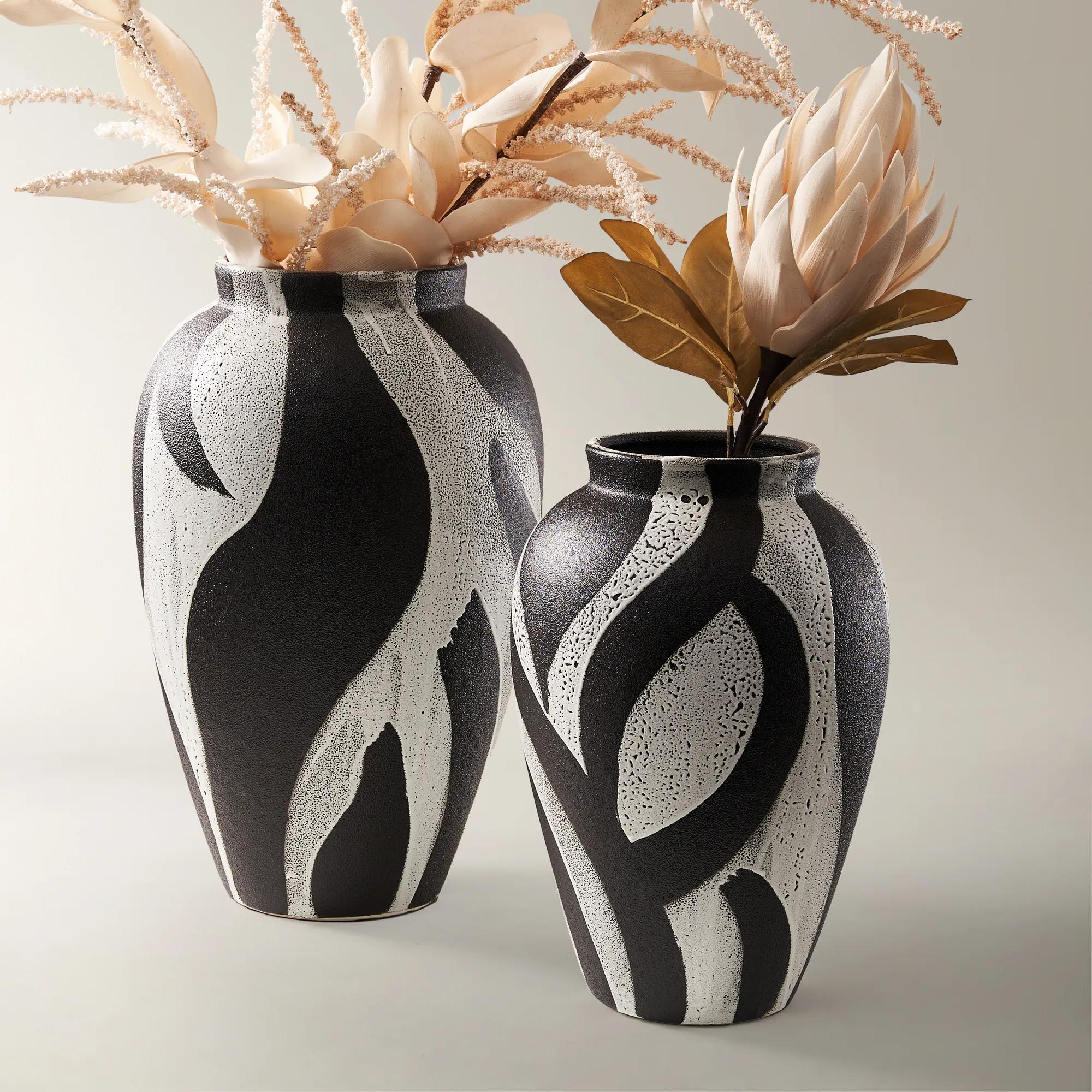 Montae Abstract Zebra Ceramic Vases$149
A ceramic vase featuring expressive black-and-white abstract zebra striping and a rounded, tapered silhouette.
Add To Cart -
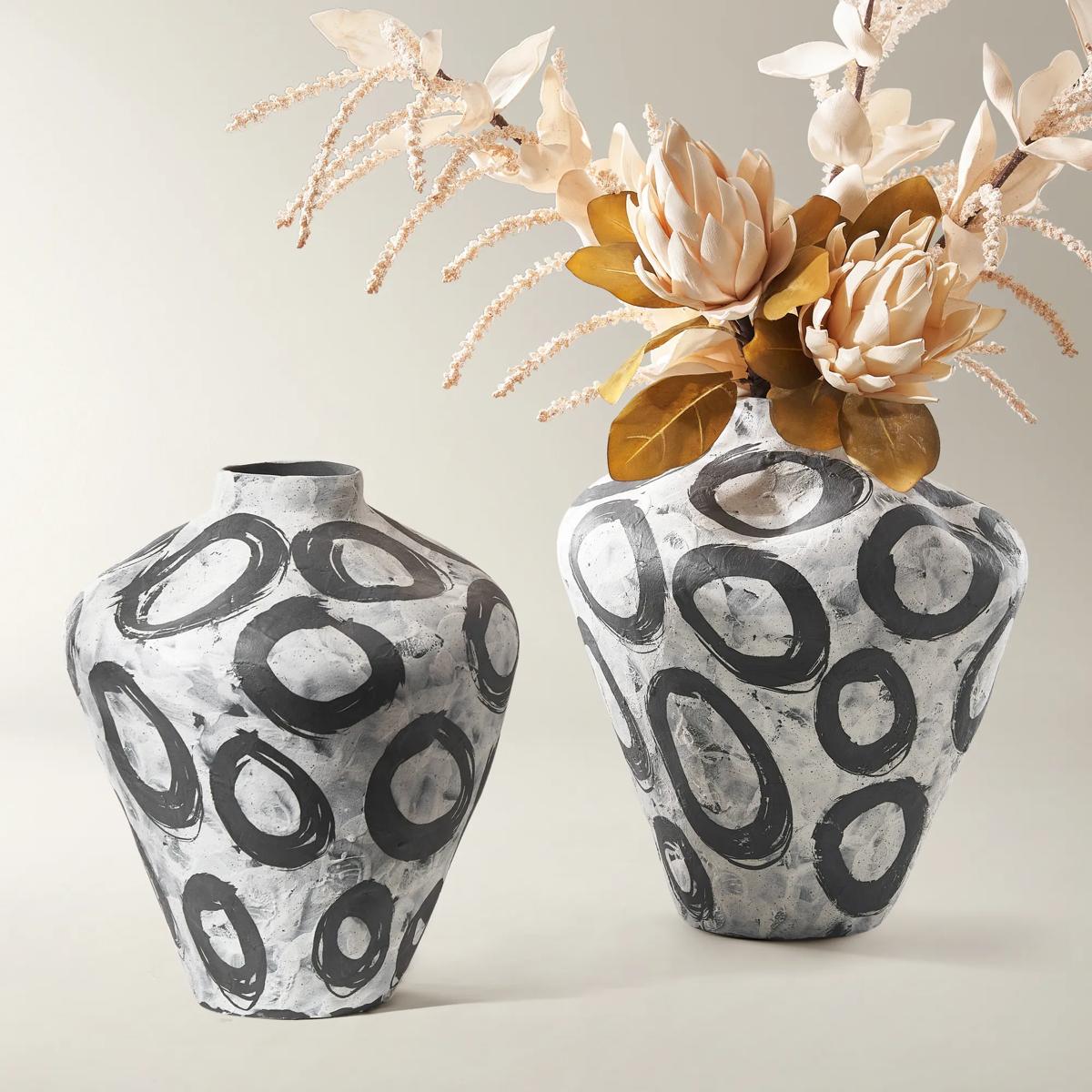
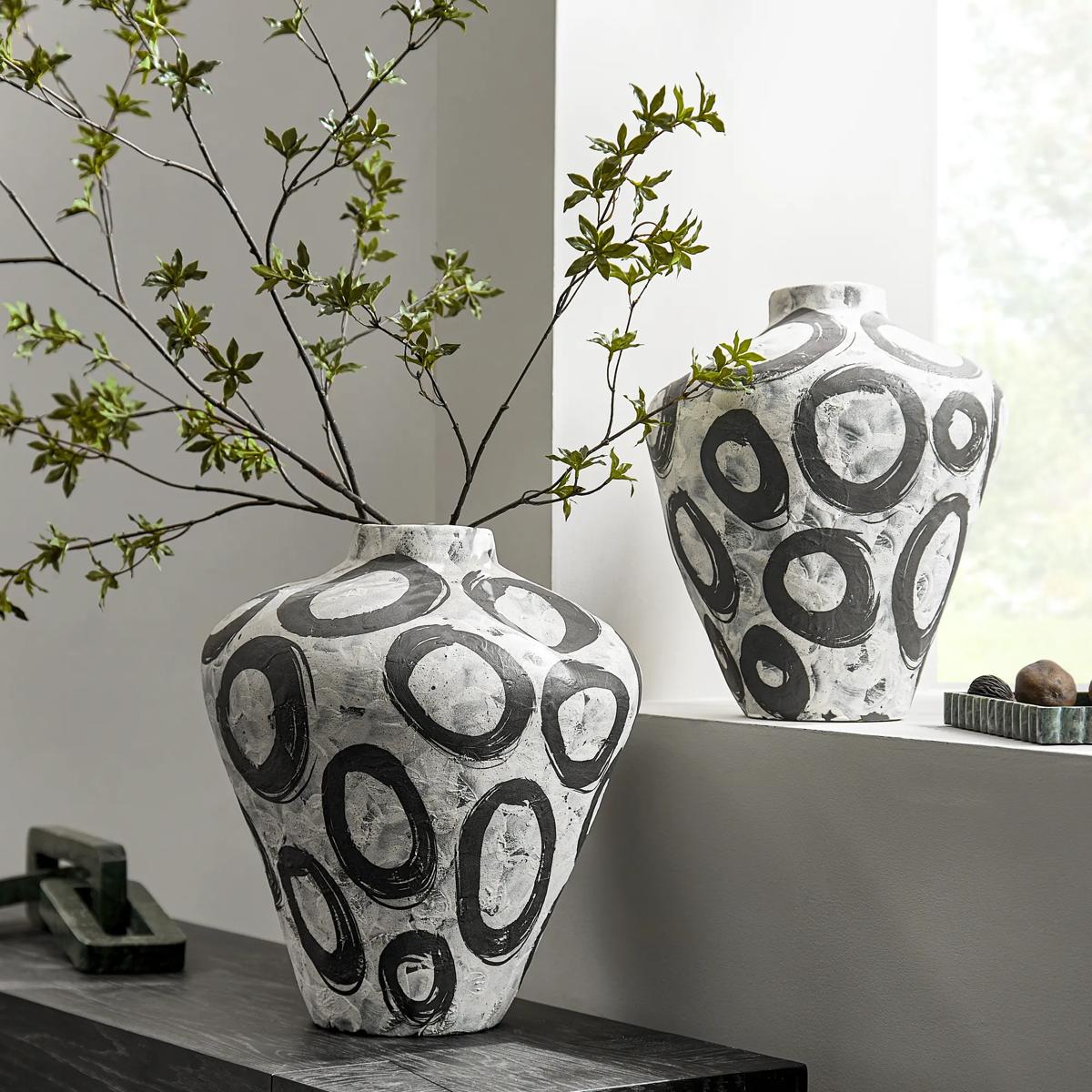 Stone Porcelain Vase$199
A sculptural porcelain vase featuring hand-painted black and white circular brushwork with a matte stone texture.
Add To Cart -
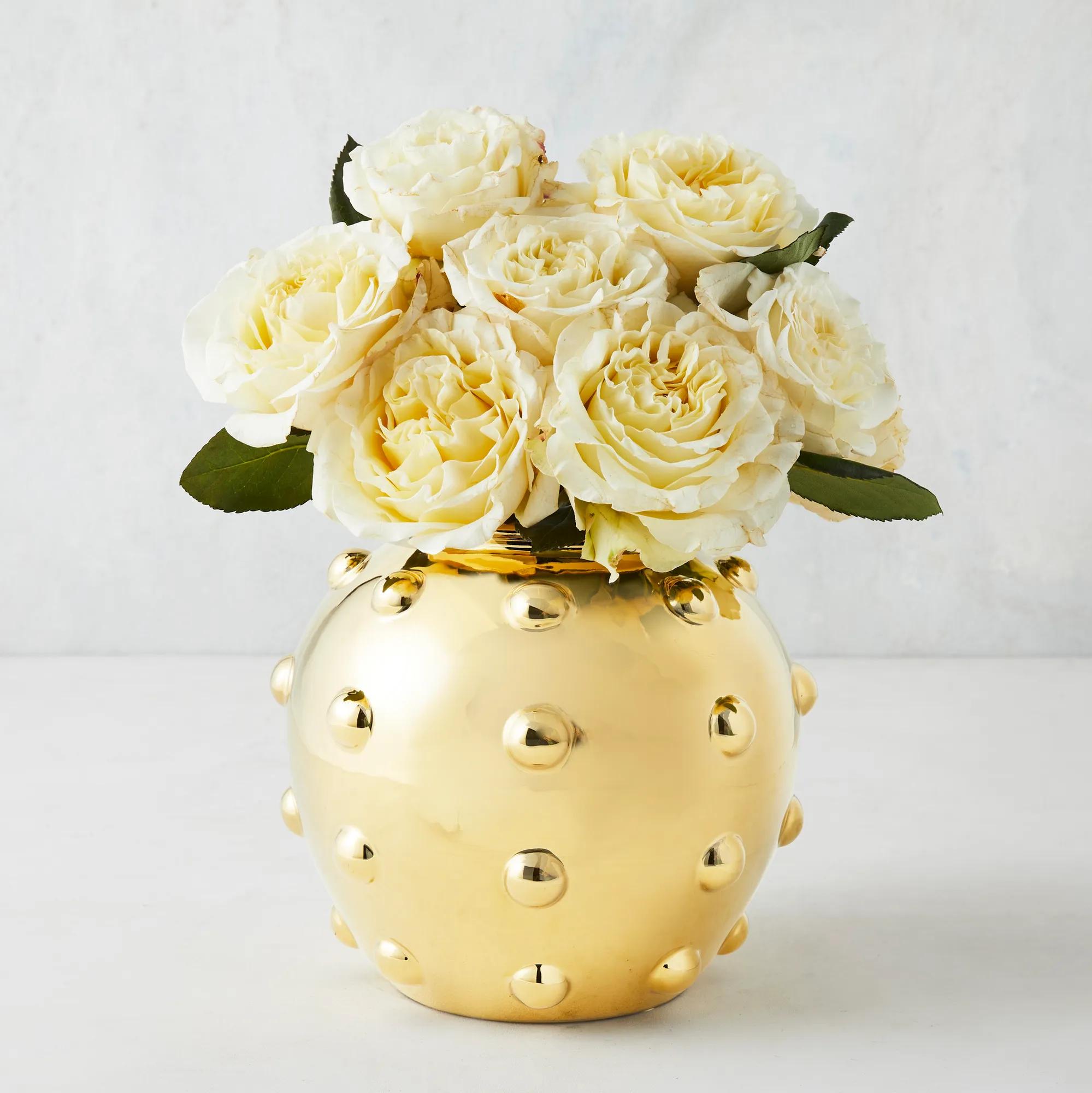
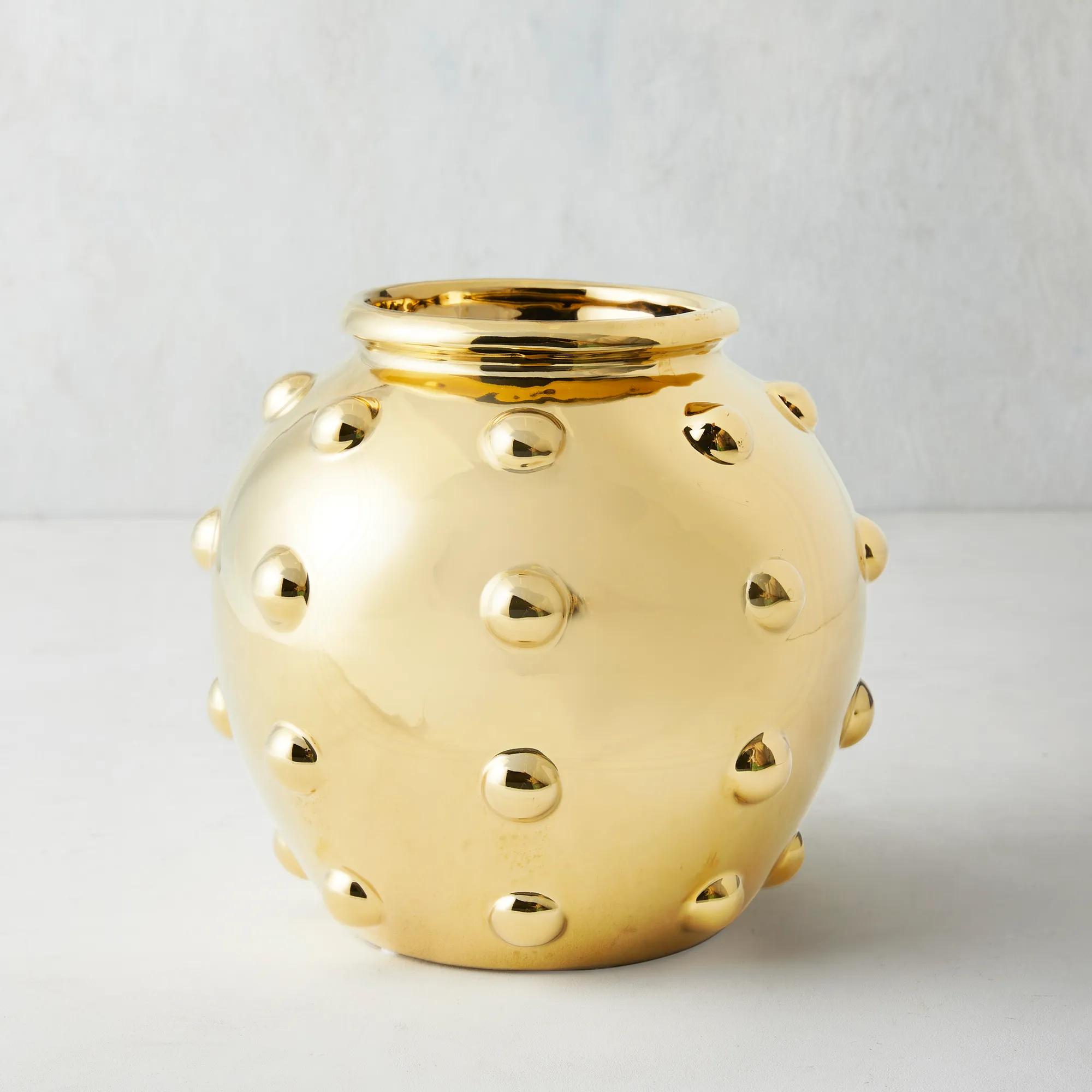 Orb Bauble Vase$59
A ceramic vase with a dimensional dot design and a gleaming gold finish for bold decor impact.
Add To Cart -
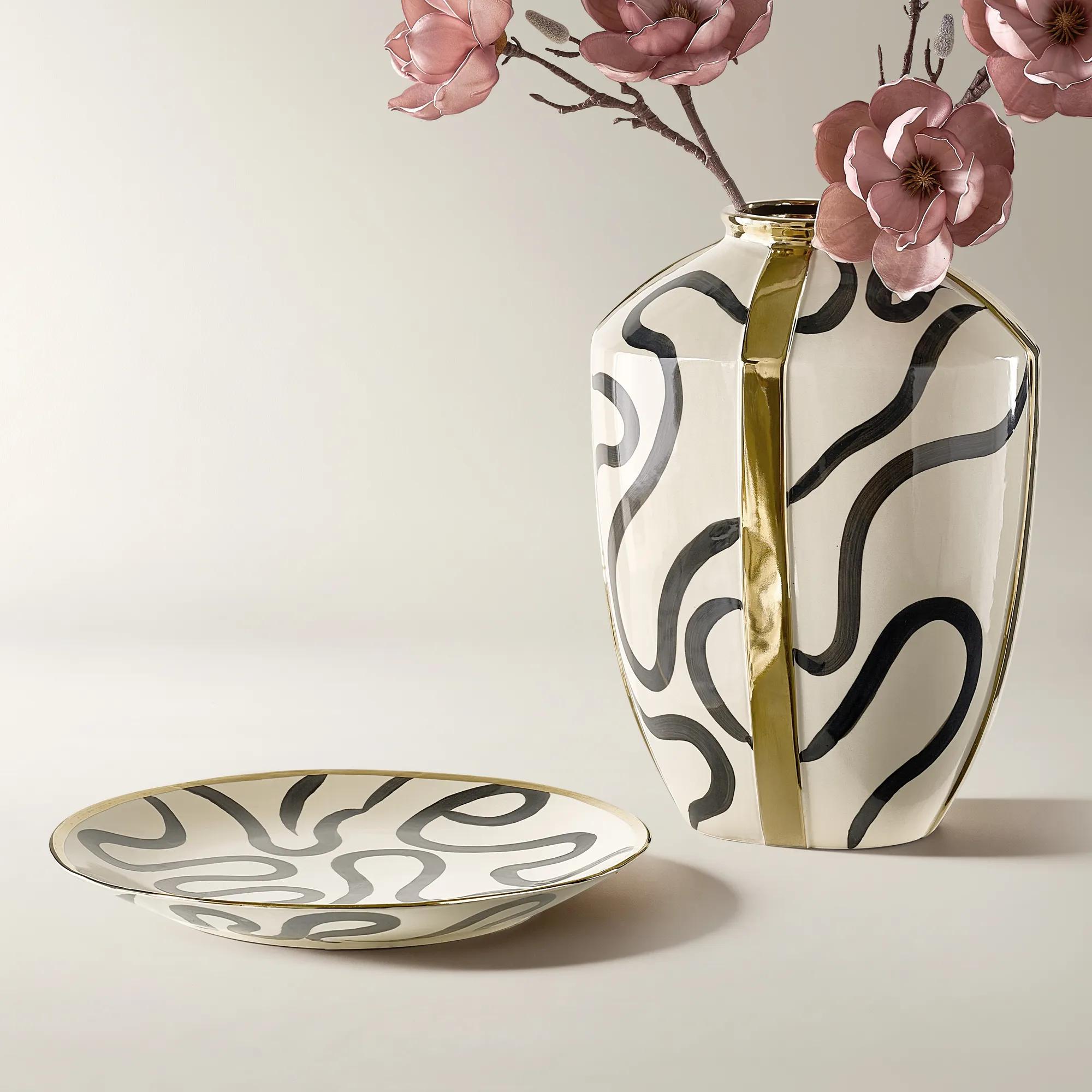
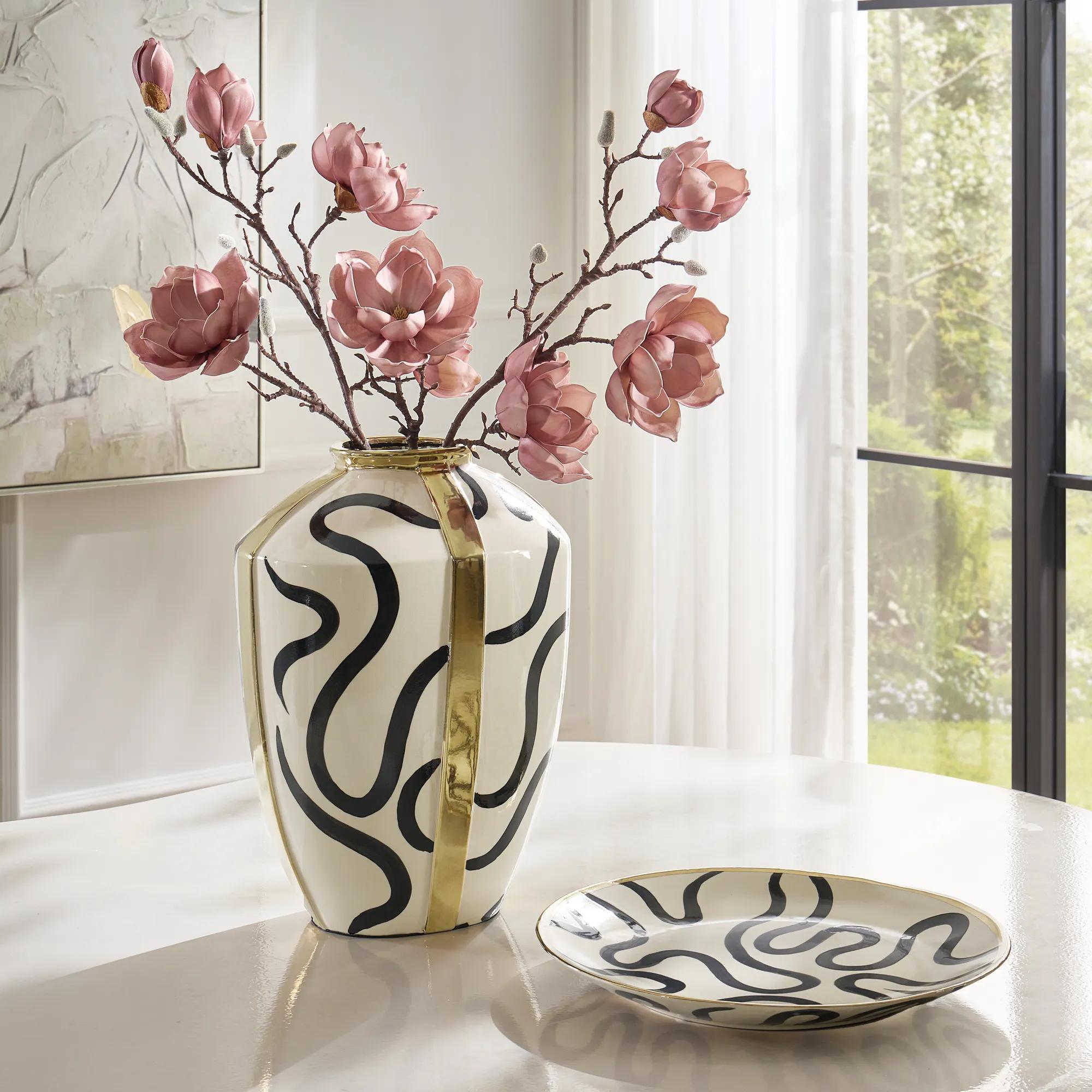 Sonder Soft Gold Black Ceramic Vase & Plate$149
A sculptural ceramic vase featuring interlacing wavy loops and soft gold, alabaster, and black accents.
Add To Cart -
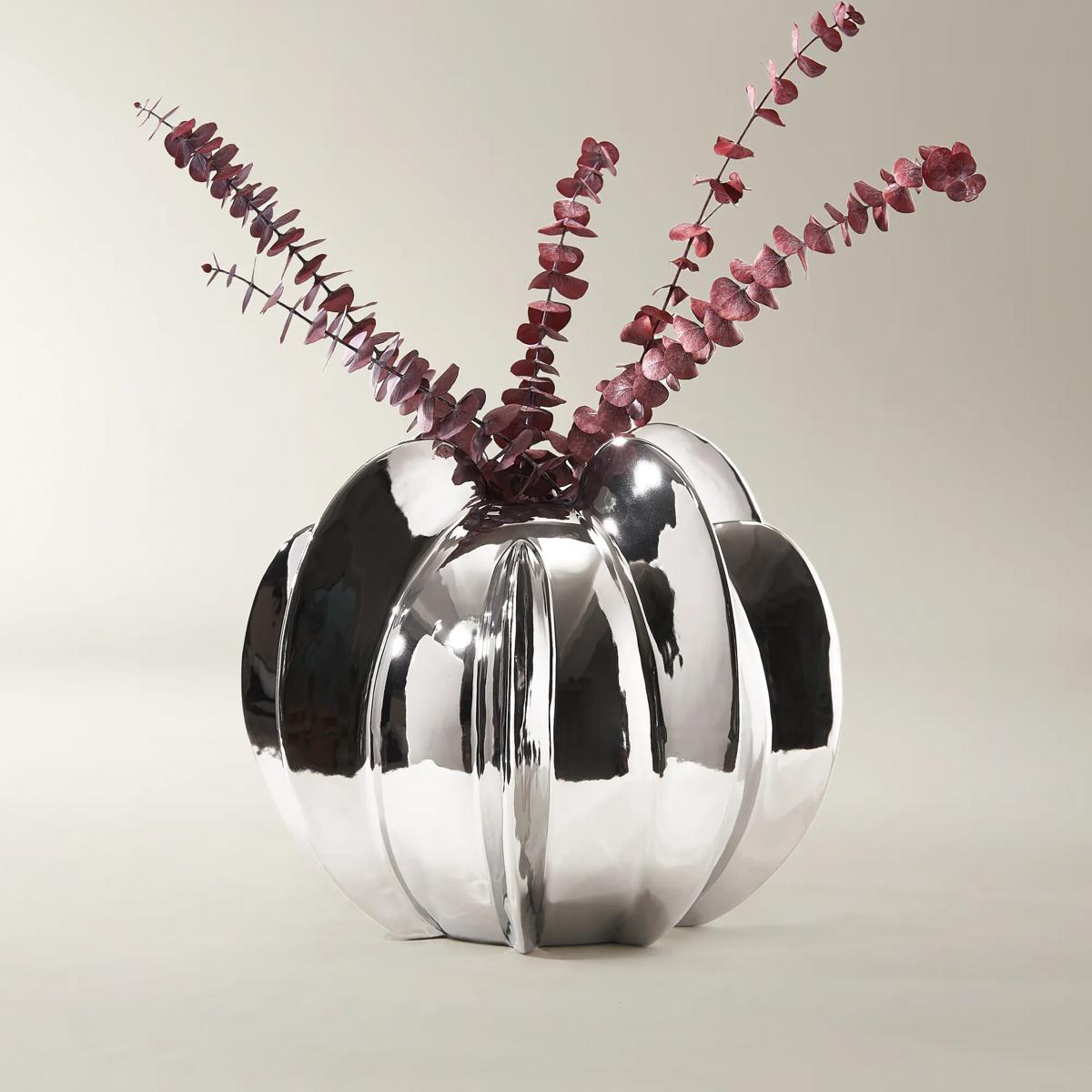
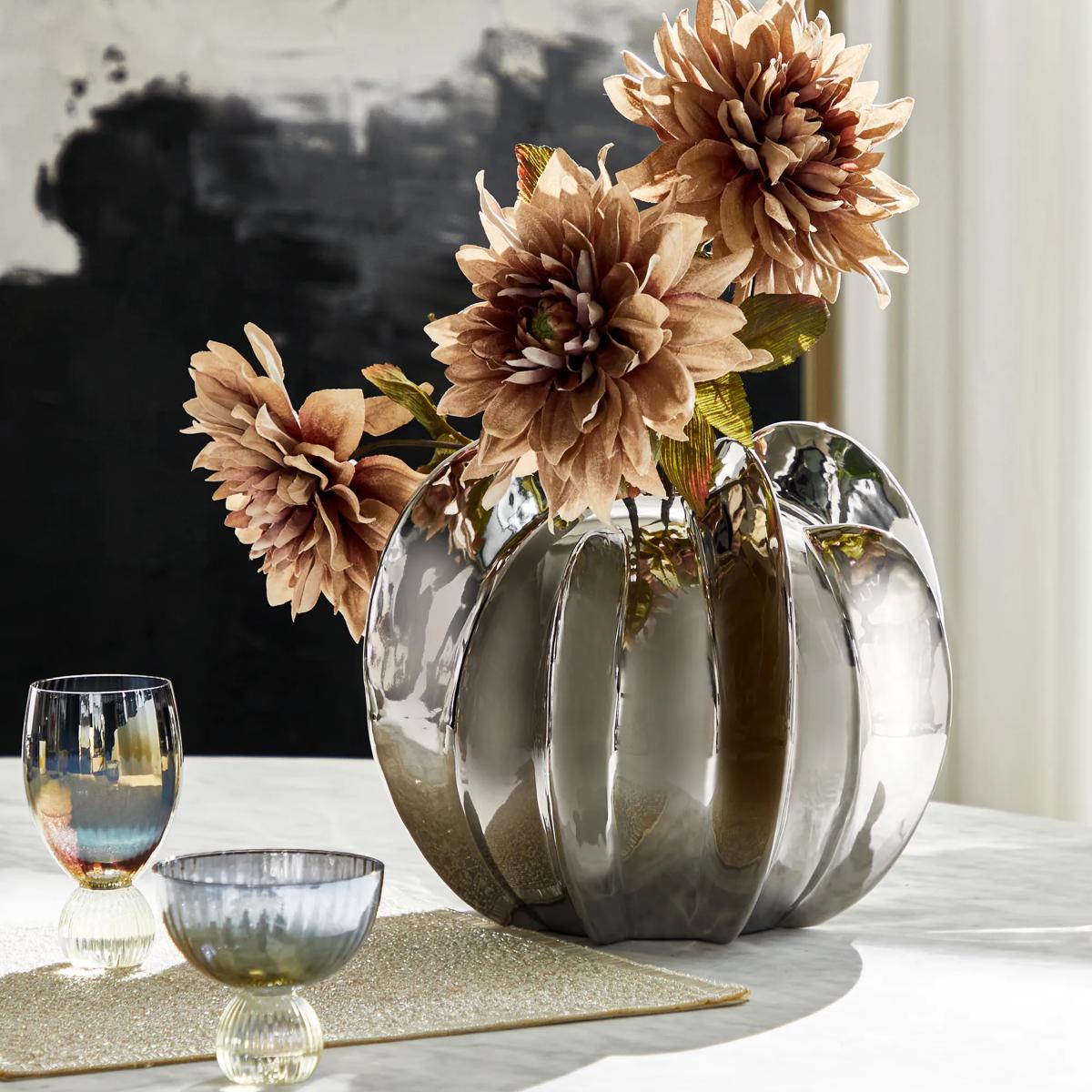 Voyage Vase$99
A reflective silver ceramic vase featuring a bold orb shape and dimensional vertical finned texture.
Add To Cart -
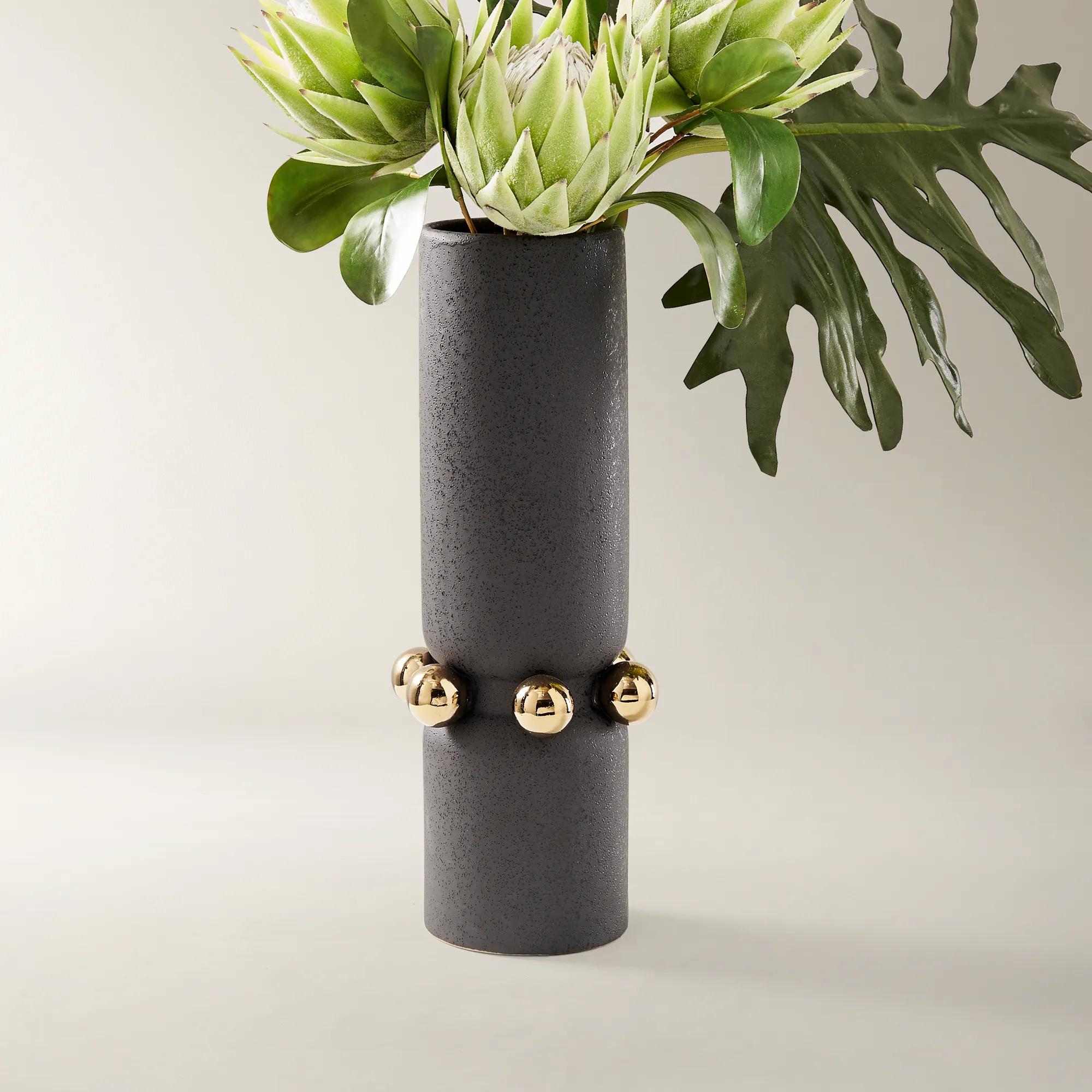 Zerra Vase$99
A ceramic vase featuring a striking matte black and shimmering gold contrast for bold, glamorous decor.
Add To Cart -
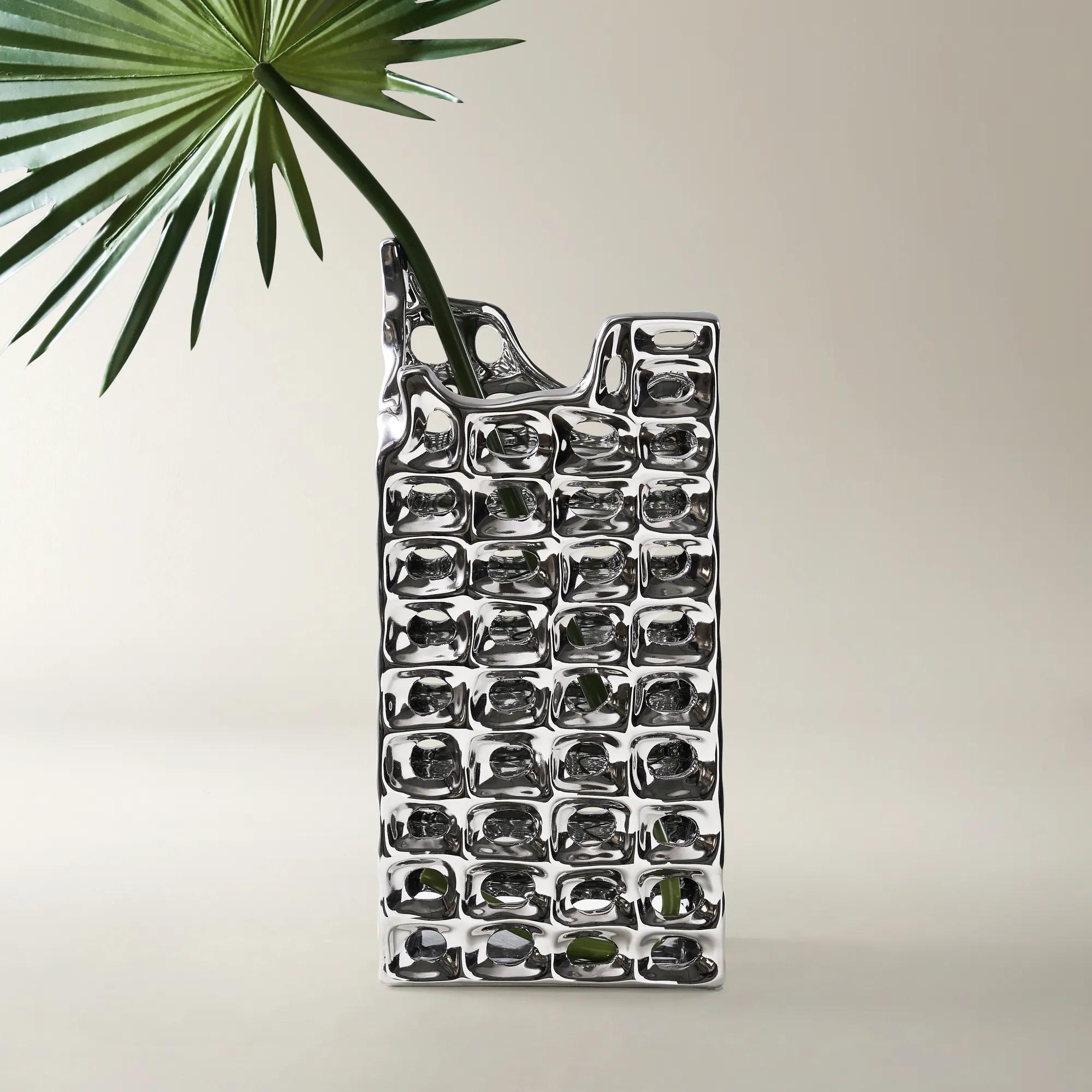
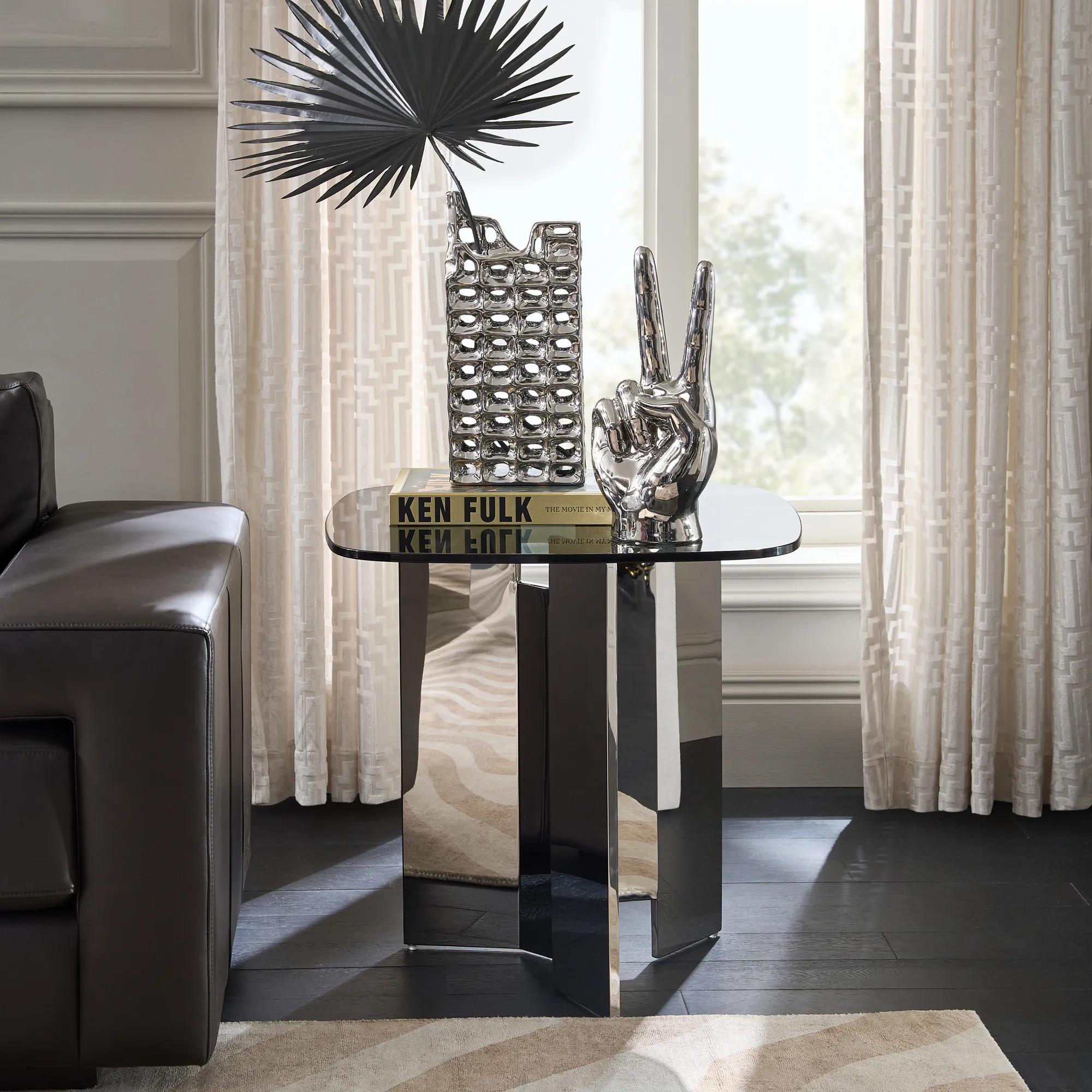 Pierce Vase$69
A ceramic vase with intricate facets and a gleaming silver finish for striking visual impact.
Add To Cart -
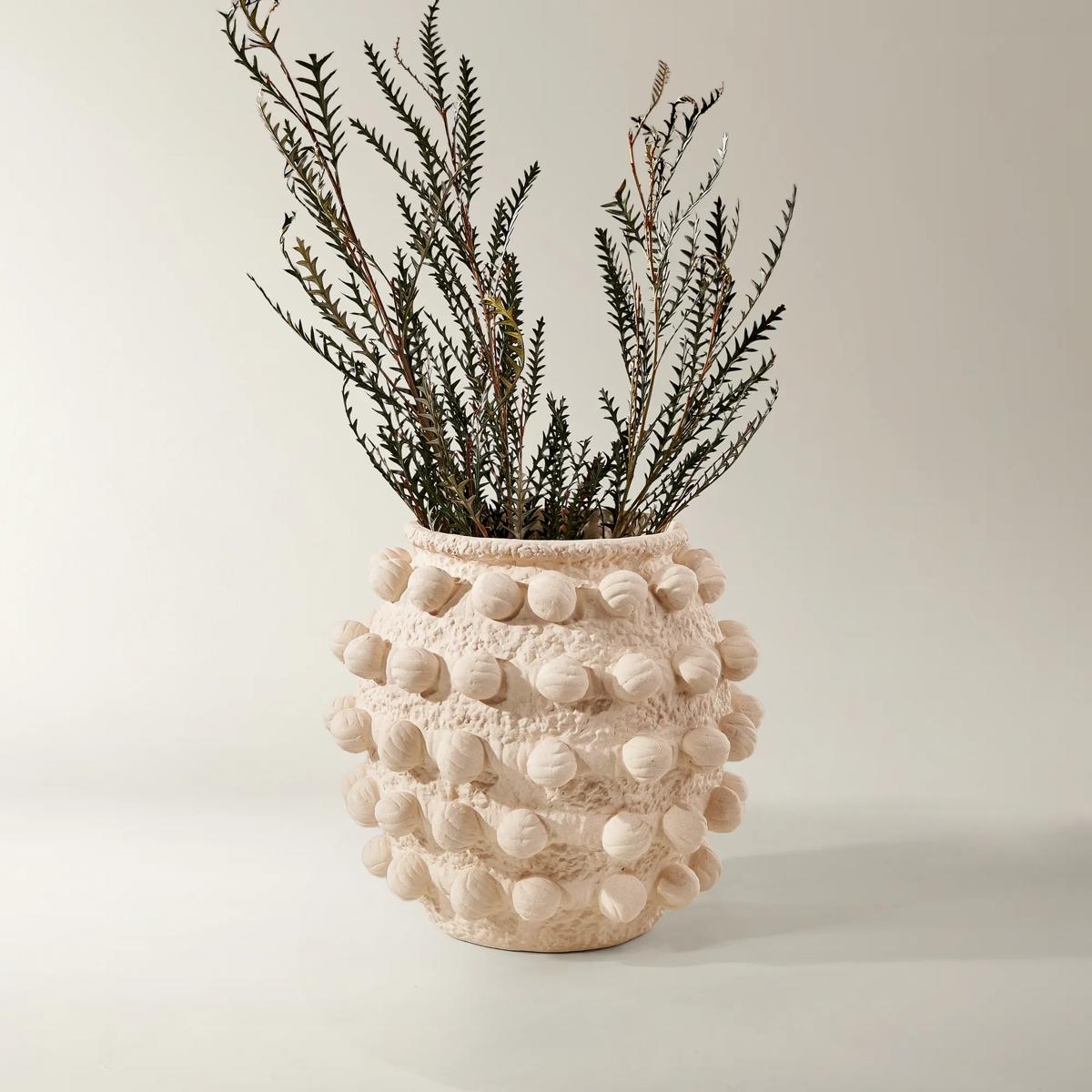
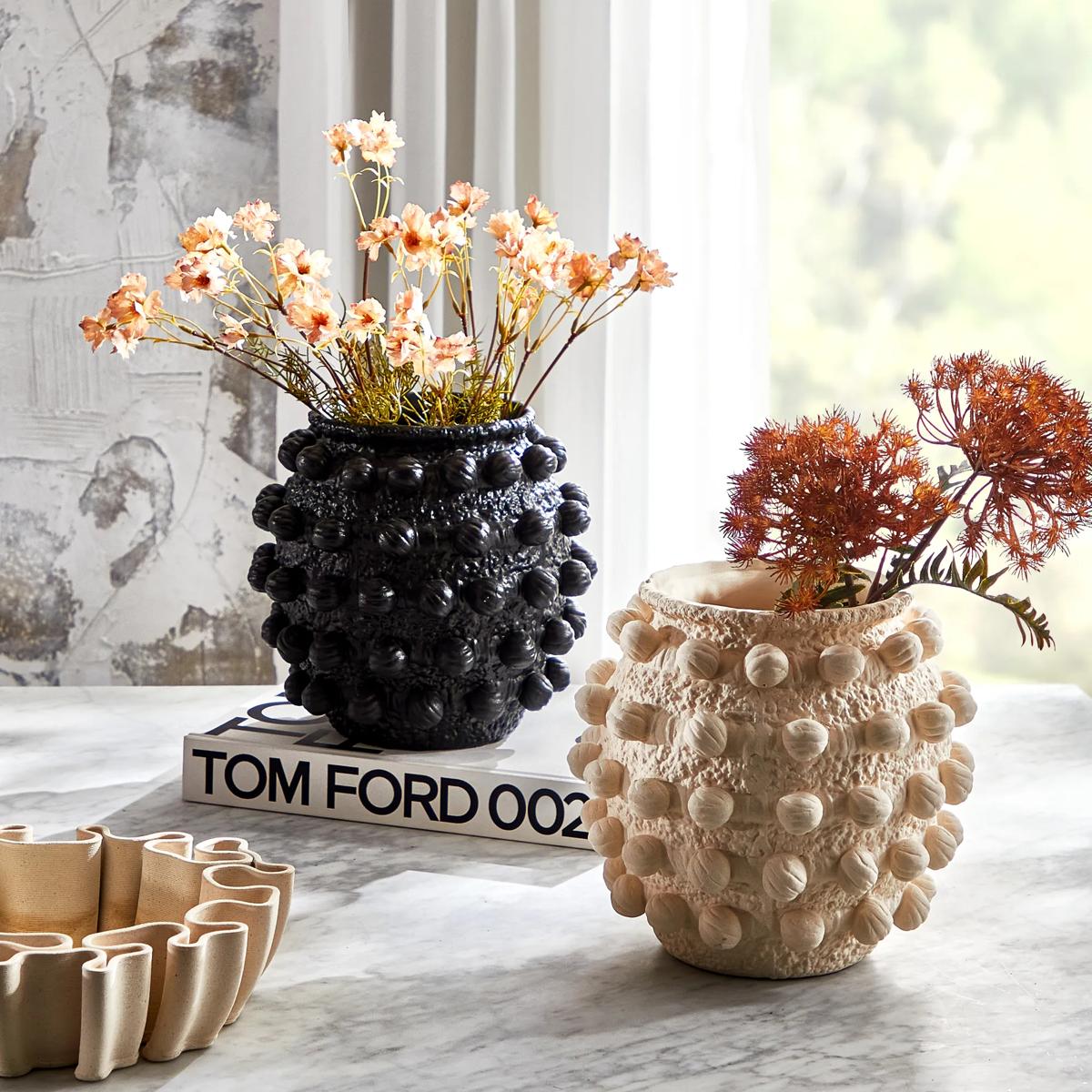 Pompa Vase - Ivory$119
An ivory porcelain vase featuring sculptural rounded forms and a richly textured, tactile surface.
Add To Cart -
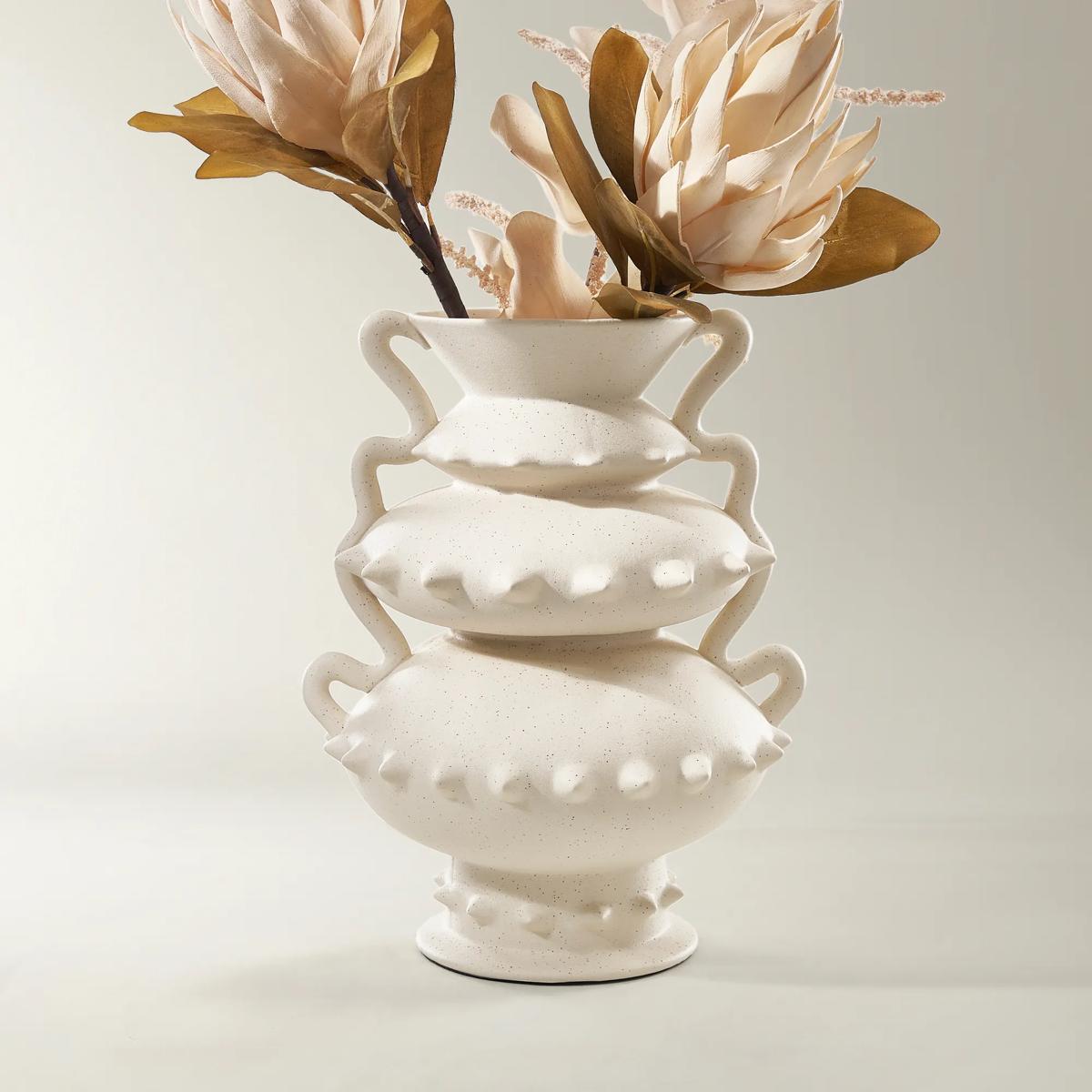 Savior Porcelain Vase - Ivory$189
An ivory porcelain vase featuring sculptural handles, tiered silhouette, and a matte, softly speckled finish.
Add To Cart -
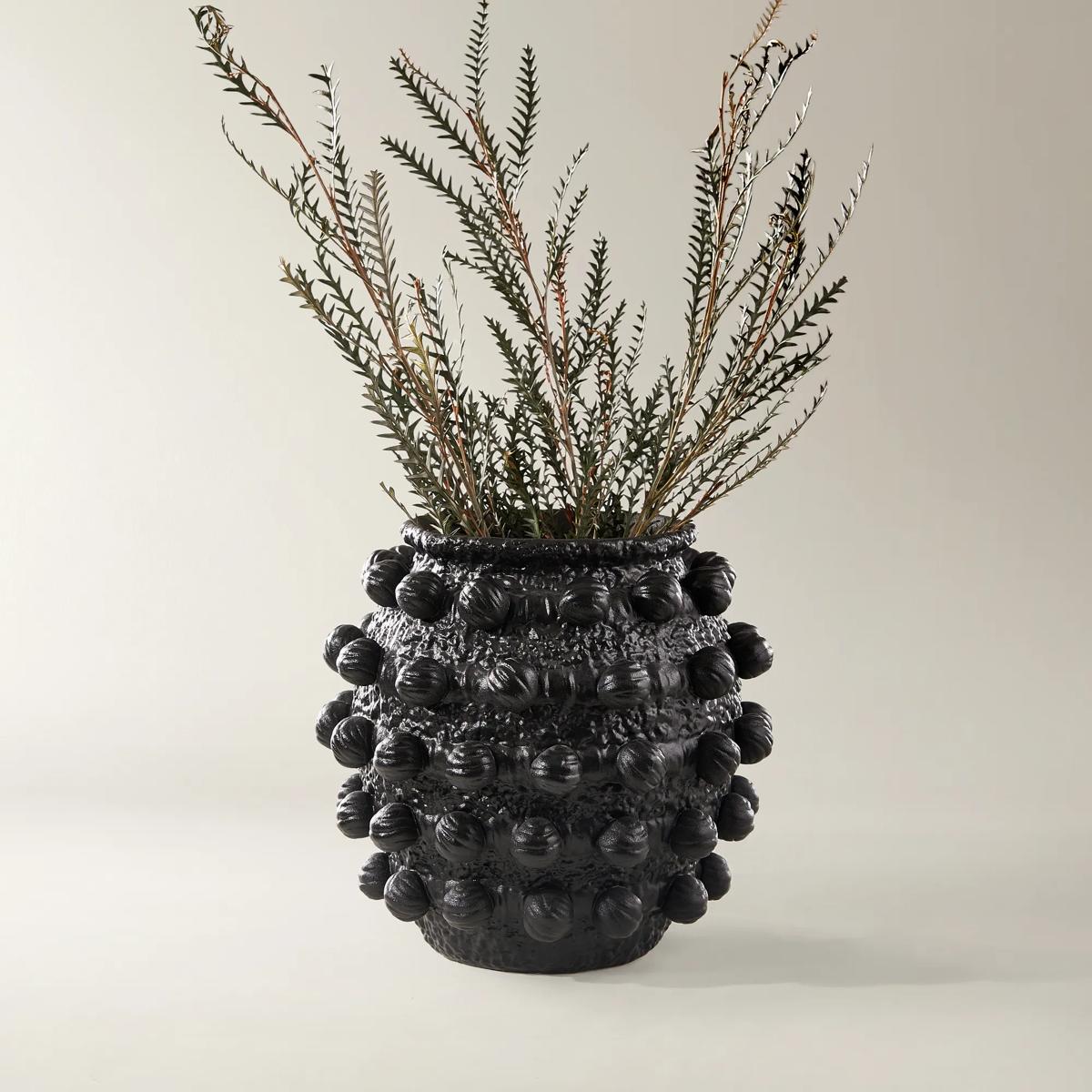 Pompa Vase - Black$119
A sculptural black porcelain vase featuring bold, rounded forms and a richly textured surface.
Add To Cart

Patterned Ceramic Vases | Z Gallerie
Patterned ceramic vases bring an artist’s sensibility to consoles, mantels, and tabletops. Explore expressive brushwork, distinctive motifs, and dimensional detail, choosing the balance of pattern, finish, and sculptural form that gives your space a confident focal point.
Patterned ceramic vases bring art into the room at a scale that feels personal: a sweeping brushstroke on a console, a rhythmic geometric motif beside a favorite chair, a richly textured surface catching light across a dining table. Their appeal lies in the conversation between shape and decoration. A rounded vessel softens assertive stripes, while a slender neck gives an abstract pattern a graceful vertical line. Black-and-white ceramic vases create crisp contrast against upholstered furniture and warm wood; tonal designs offer a quieter kind of drama, with pattern revealed through subtle shifts in color, glaze, or relief. Organic markings can echo the movement of stone or flowing water, while repeated lines and graphic shapes introduce structure to a layered interior. The ceramic body matters as much as the surface. Ceramic is a broad category of fired-clay materials that includes porcelain, stoneware, and earthenware, each with qualities that influence appearance and handling. Porcelain can support finely defined details and smooth surfaces, stoneware often lends a substantial presence, and earthenware can offer expressive shapes and richly decorated finishes. Actual weight, strength, and water resistance depend on the clay, firing process, construction, and finish rather than the material name alone. Glossy glazes reflect surrounding light and sharpen the impact of contrasting colors, while matte finishes let the silhouette and decoration take the lead. Raised patterns introduce another dimension, creating small shadows that shift with the viewing angle. Hand-applied decoration, when specified, may show variations that give a vessel an individual character. In a room with sumptuous upholstery, polished metal, or mirrored accents, patterned pottery adds a tactile counterpoint. Against a restrained backdrop, a single boldly marked vase can become the visual center of the arrangement without needing an elaborate bouquet. The result is decorative presence with flexibility: an object that can stand alone as sculpture or give flowers a frame worthy of their color and movement.
The most compelling fit begins with the relationship between a vase and its setting. Height establishes presence, but the widest diameter determines how comfortably a vessel sits on a shelf, mantel, or entry table. A broad silhouette needs breathing room around its shoulders so the pattern remains visible rather than disappearing behind neighboring objects. A tall ceramic vase can emphasize vertical space on a generously scaled console, while a lower profile suits a dining table where conversation and sightlines matter. Shelf openings call for enough clearance above the rim to place and remove the vase without scraping its finish. Weight and balance also deserve attention, especially when long stems extend beyond the neck. A stable base and an appropriately sized arrangement help keep the composition grounded; a narrow, lightweight vessel is not the right partner for a heavy spray of branches. Opening size shapes the floral effect, too. A smaller mouth gathers a few stems into a deliberate gesture, while a wider opening gives a fuller arrangement room to spread. For fresh flowers, confirm that the vase is intended to hold water. A glazed surface does not automatically make a ceramic vessel watertight, and decorative vases may require a suitable waterproof liner or may be intended only for dry arrangements. Dried botanicals and artificial stems offer expressive alternatives where water is unsuitable, while an empty vase allows an intricate motif to remain the focus. Placement can make that motif feel connected to the room: a dark line in the pattern might echo a picture frame, or an ivory ground might relate to nearby upholstery. Groupings gain depth when heights and proportions vary, with one dominant pattern balanced by quieter surfaces. On a narrow console, one substantial vessel beside a low decorative bowl can feel more composed than several similarly sized accents. On an open dining table, a lower arrangement allows the ceramic pattern to remain visible beneath the flowers. These relationships give patterned vases a role in the room rather than treating them as finishing touches without context.
Beautiful ceramic deserves thoughtful handling, particularly where sculptural forms, applied details, or specialty finishes are involved. Although firing gives clay lasting structure, ceramic remains vulnerable to chips, cracks, and breakage from impact. Lift a vase by supporting its body and base rather than relying on the rim, neck, or decorative handles, and place it on a stable, level surface away from busy edges. A clean, furniture-safe protective pad can help prevent an unglazed foot from scratching a console or dining table. For routine care, a soft, dry cloth is often appropriate for removing dust; any damp cleaning should follow the care instructions for the particular finish. Abrasive scrubbers, harsh cleaners, and prolonged soaking can compromise delicate decoration, metallic accents, or porous surfaces. Deeply textured patterns benefit from gentle attention in their recessed areas, without aggressive rubbing that could damage raised details. For vessels approved for fresh flowers, emptying the water and cleaning as directed helps limit residue, while thorough drying before storage protects surrounding surfaces from trapped moisture. Avoid abrupt temperature changes, and do not assume a decorative ceramic vase is suitable for outdoor exposure, food use, or dishwasher cleaning unless expressly identified for that purpose. These practical considerations preserve the pleasure of choosing a piece for its artistic character. Patterned ceramic vases make thoughtful housewarming and wedding gifts for people who enjoy expressive interiors, and they offer art lovers a decorative object that can move between rooms as a space evolves. A recipient’s preferred palette, available display space, and interest in fresh or dried flowers can help shape a choice that feels personal. For interiors that celebrate distinctive form alongside surface detail, Unique Ceramic Vases offer a complementary avenue of expression. Whether displayed in a welcoming entry, beside collected books, or at the center of an intimate gathering, a patterned vessel brings color, rhythm, and sculptural confidence to the everyday.
FAQs
Pattern refers to a decorative arrangement, such as stripes, circles, or repeated brushstrokes. Texture describes the surface’s physical character, including raised dots, ridges, or relief. A ceramic vase can feature either treatment or combine both for a richly layered effect.
Yes. Ceramic is a broad material category that includes porcelain, stoneware, and earthenware. A porcelain vase can also be a patterned ceramic vase; the material describes its body, while the pattern describes its decoration.
No. A painted appearance does not establish how a pattern was applied. Look for an explicit hand-painted description in the individual product details if visible brushwork and that particular decorative technique are important to your choice.
Absolutely. Treat the vase as a sculptural object, positioning its most expressive markings toward the room. An empty vessel lets the relationship between pattern and silhouette take center stage, especially against a contrasting backdrop.
Take inspiration from the recipient’s interiors. A motif that echoes a favorite color feels personal, while a tonal pattern offers an understated way to introduce artistry. For someone who embraces dramatic decor, consider stronger contrast or an expressive pattern that reflects their confident style.