Textured Silver Vases
Textured Silver Vases
-
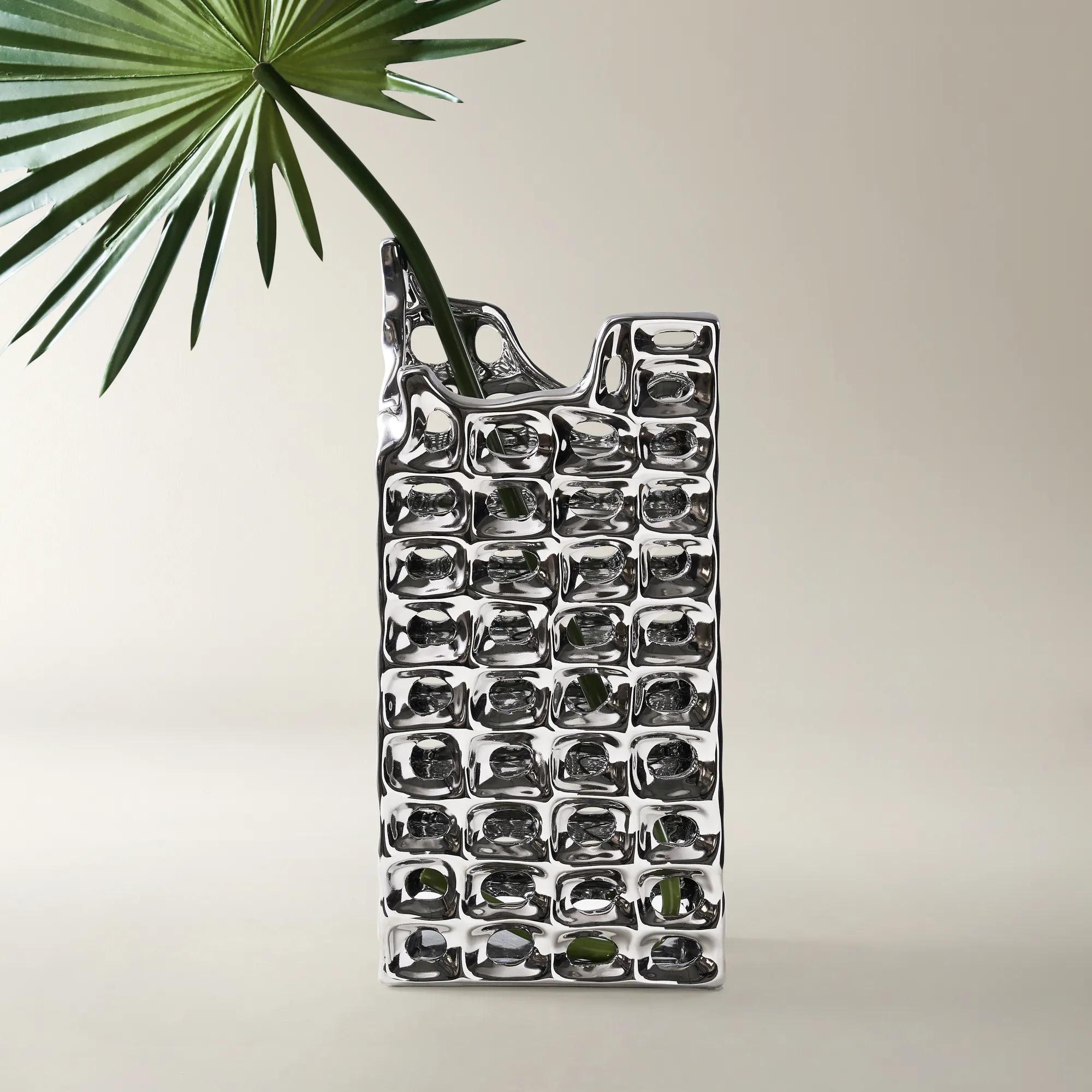
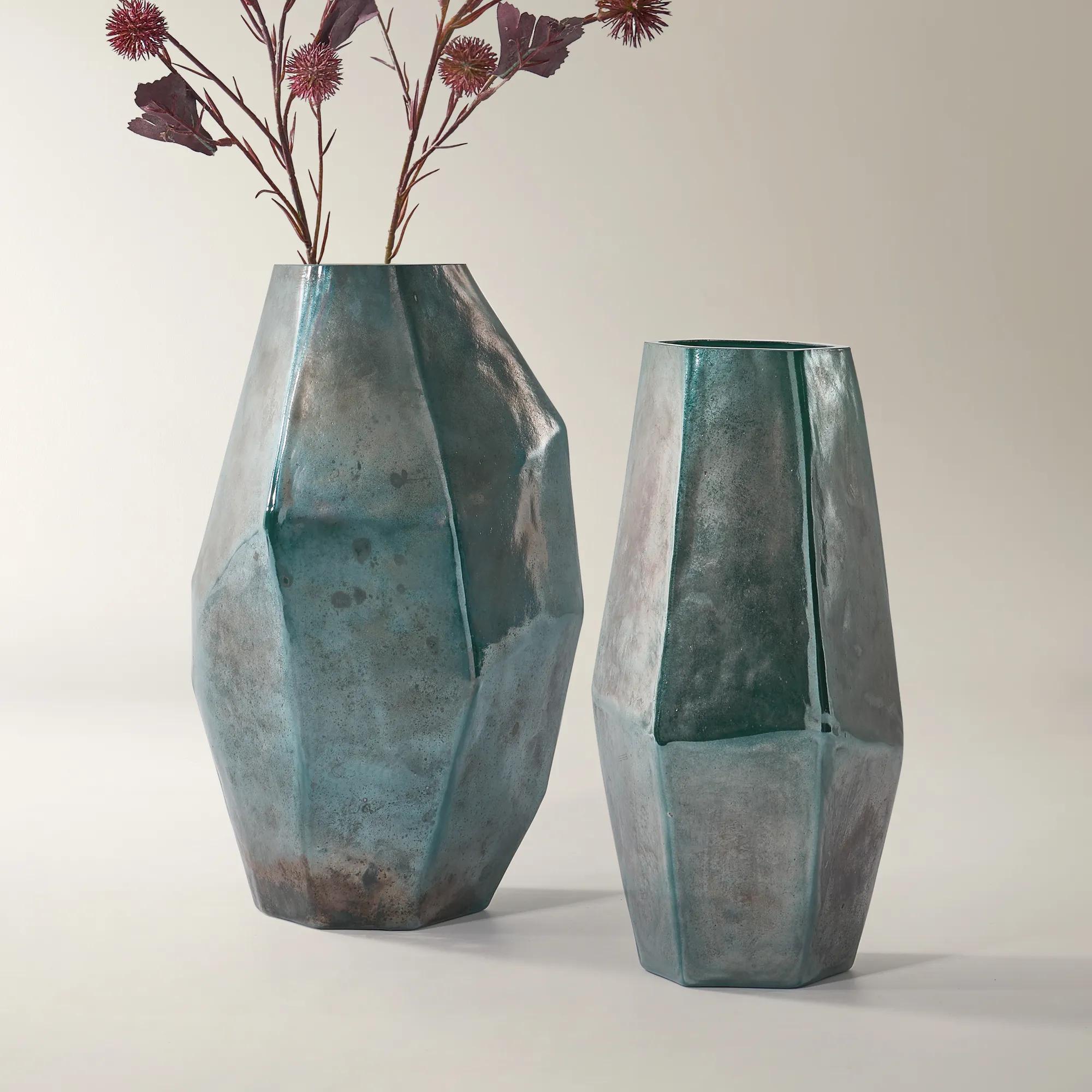
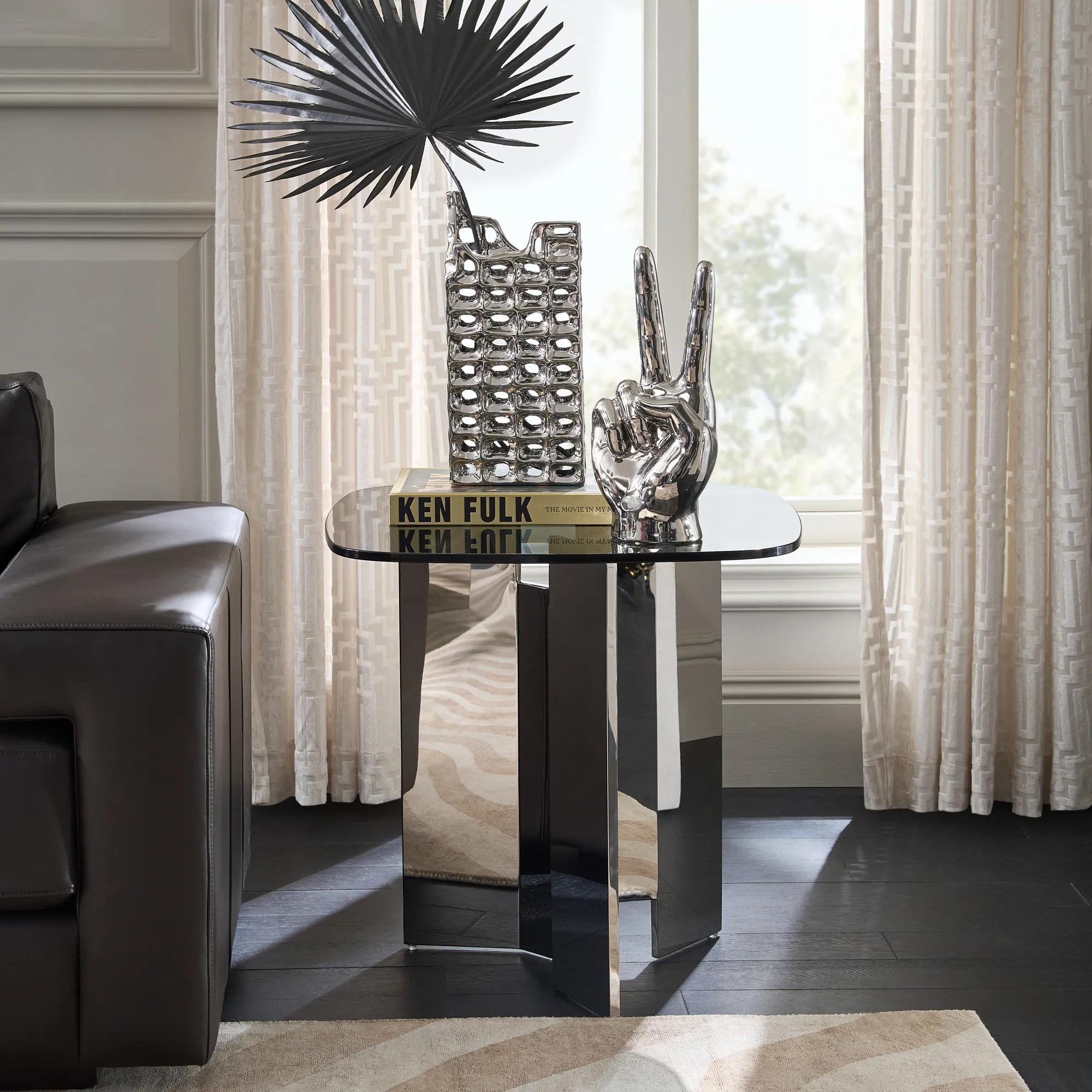 Pierce Vase$69
A ceramic vase with intricate facets and a gleaming silver finish for striking visual impact.
Add To Cart -
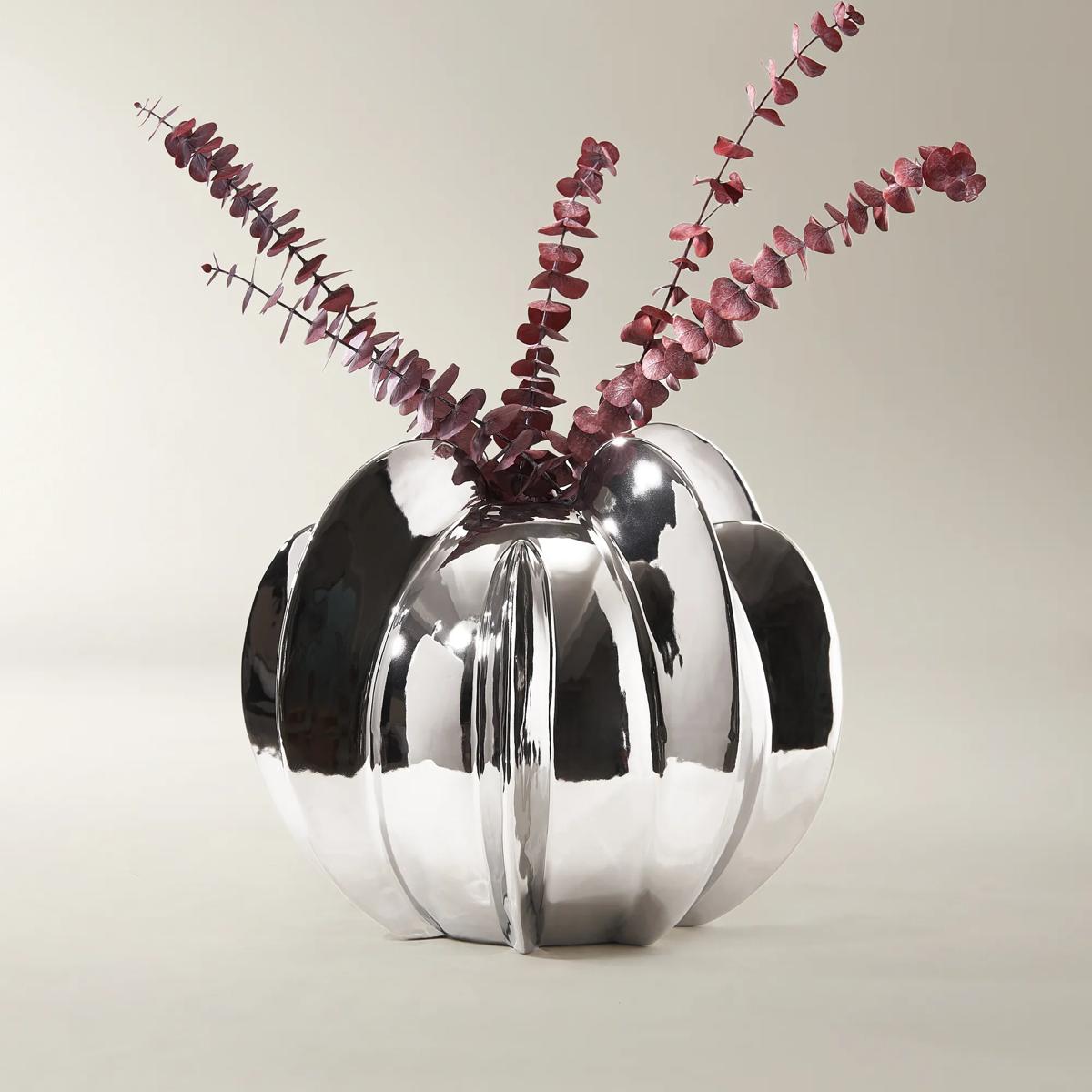
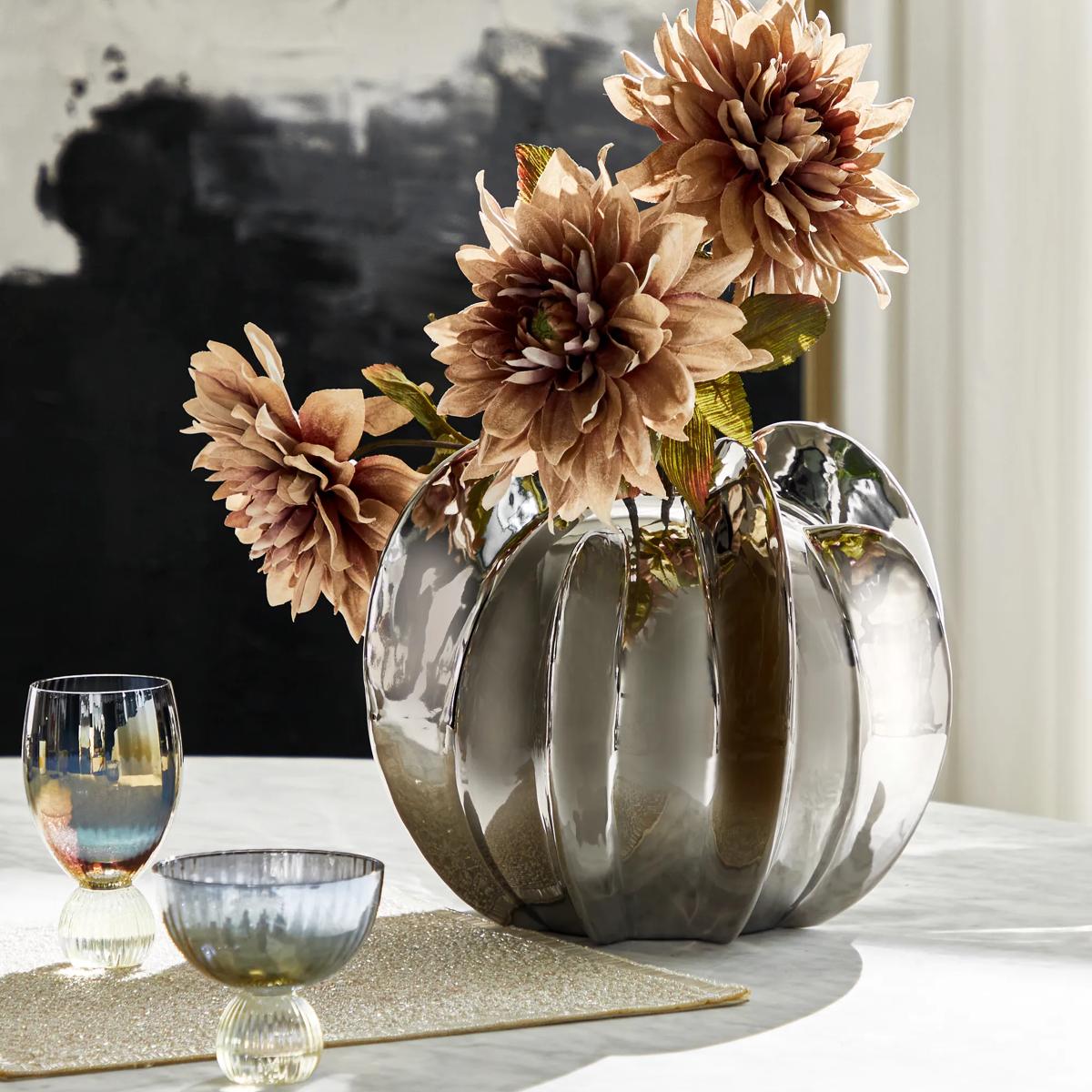 Voyage Vase$99
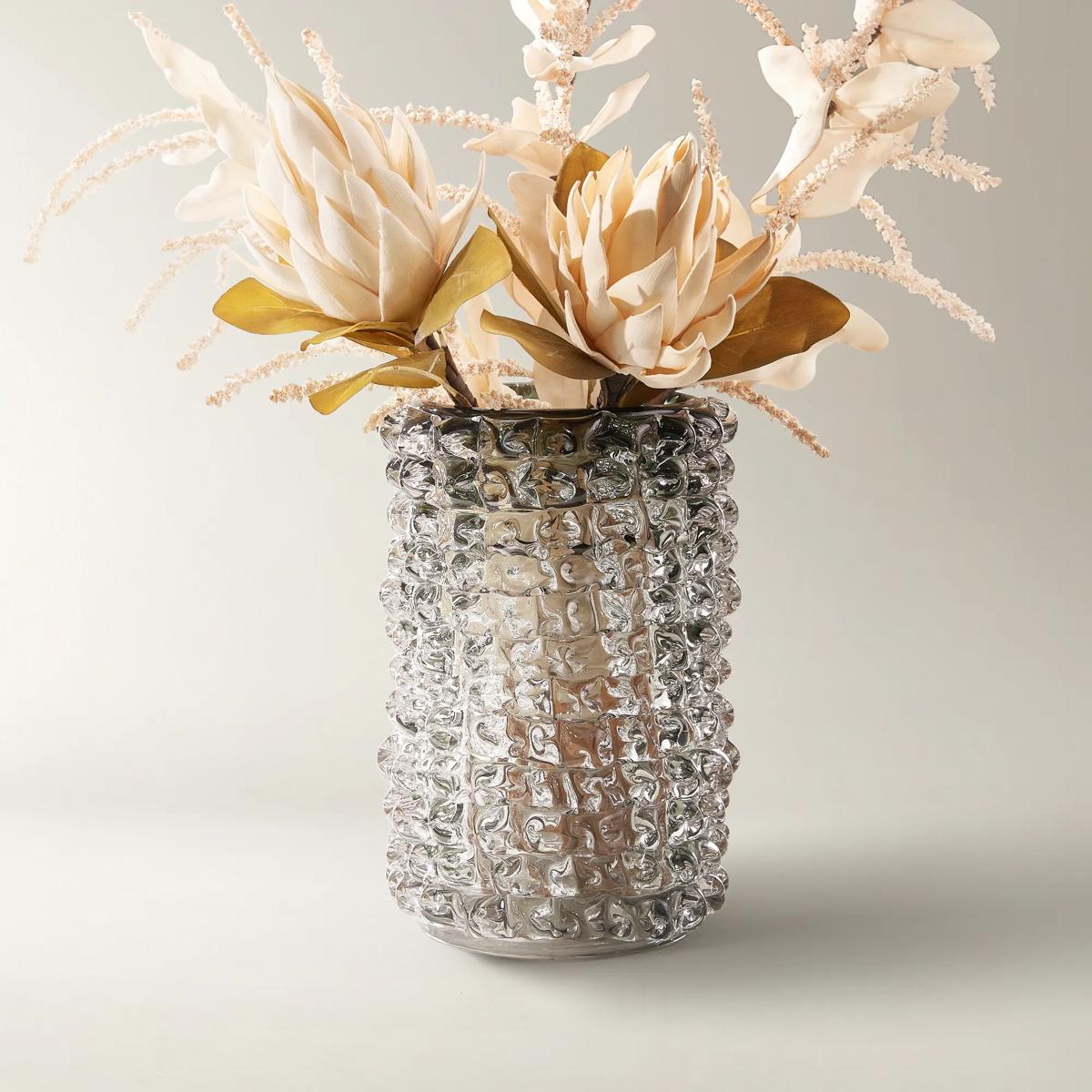
A reflective silver ceramic vase featuring a bold orb shape and dimensional vertical finned texture.
Add To Cart -
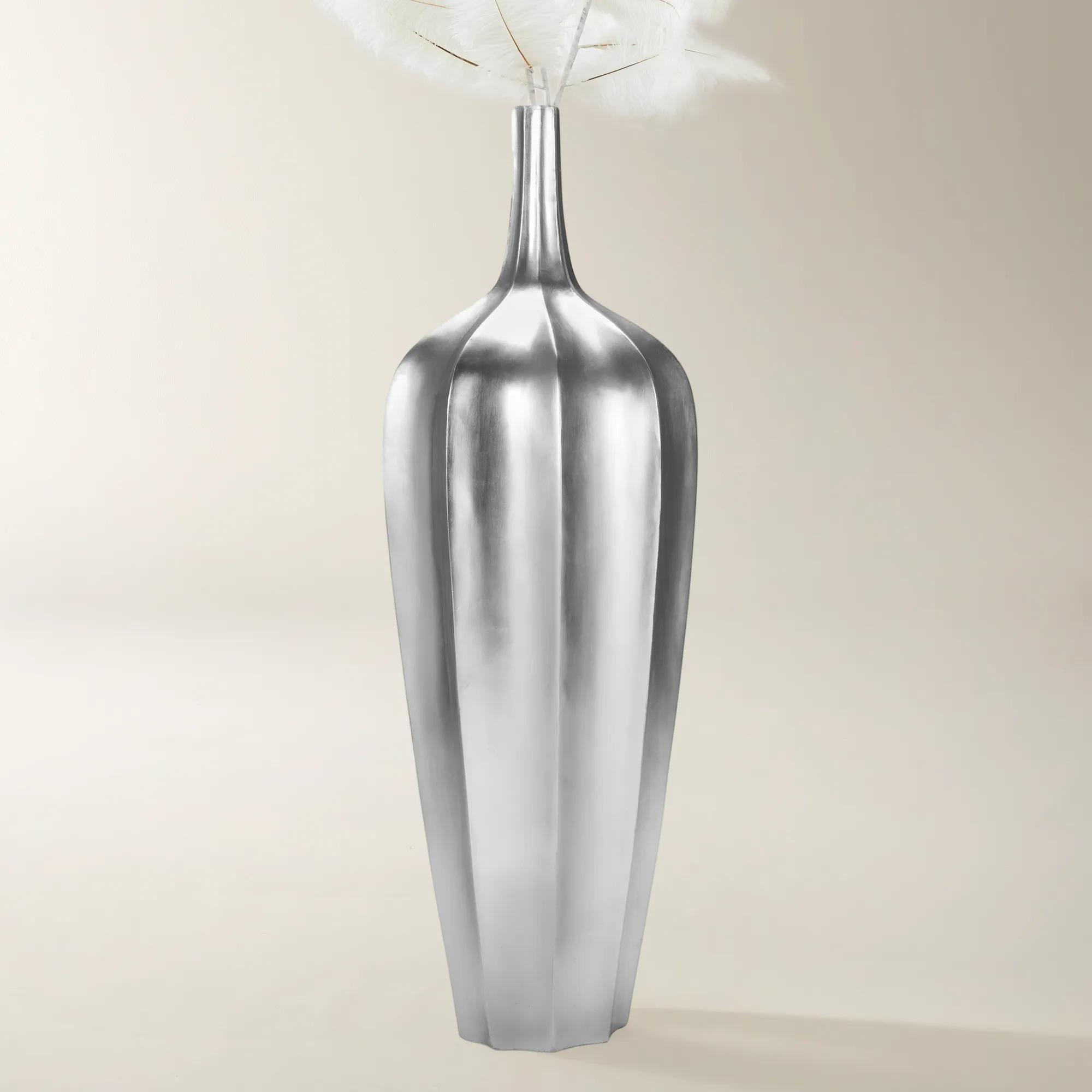
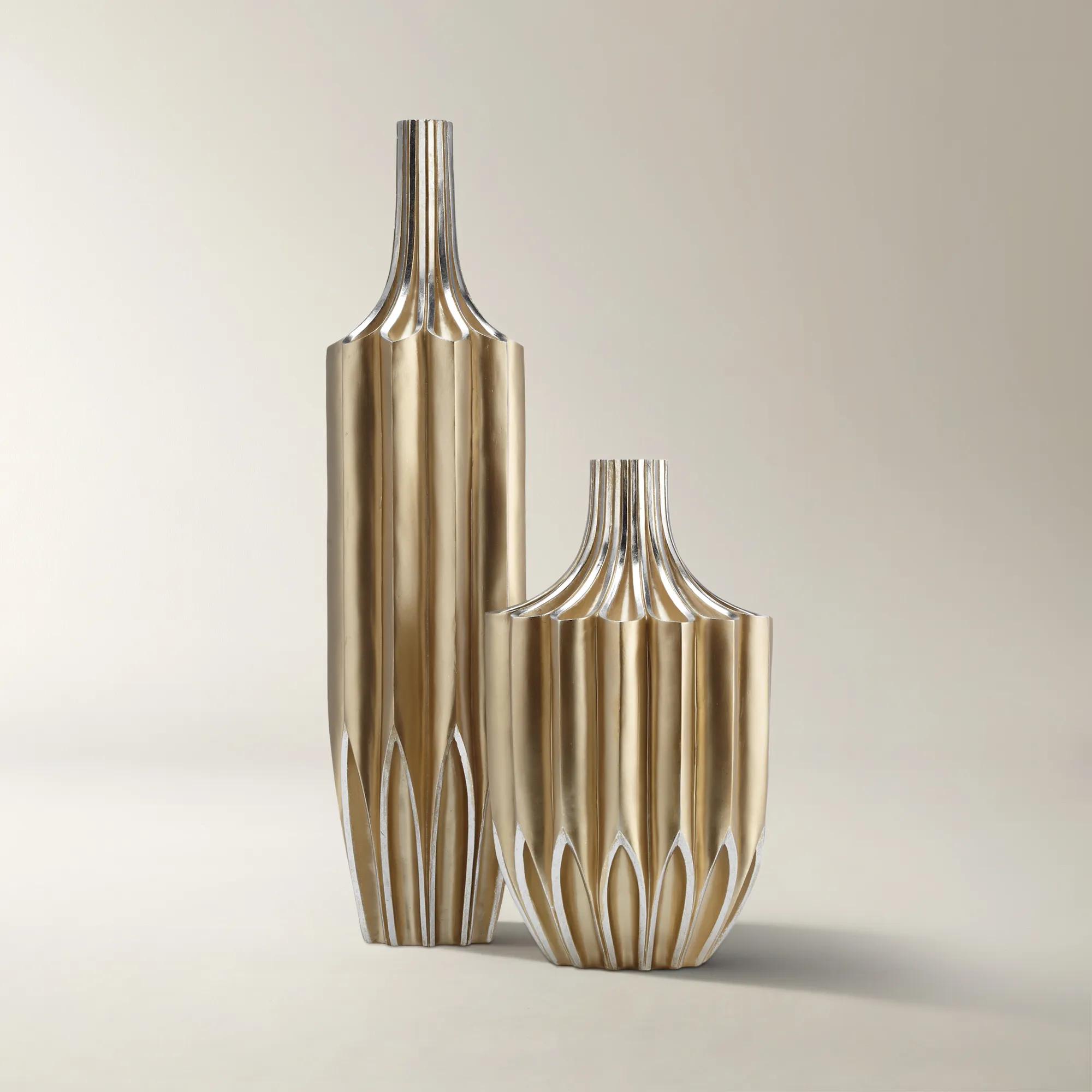
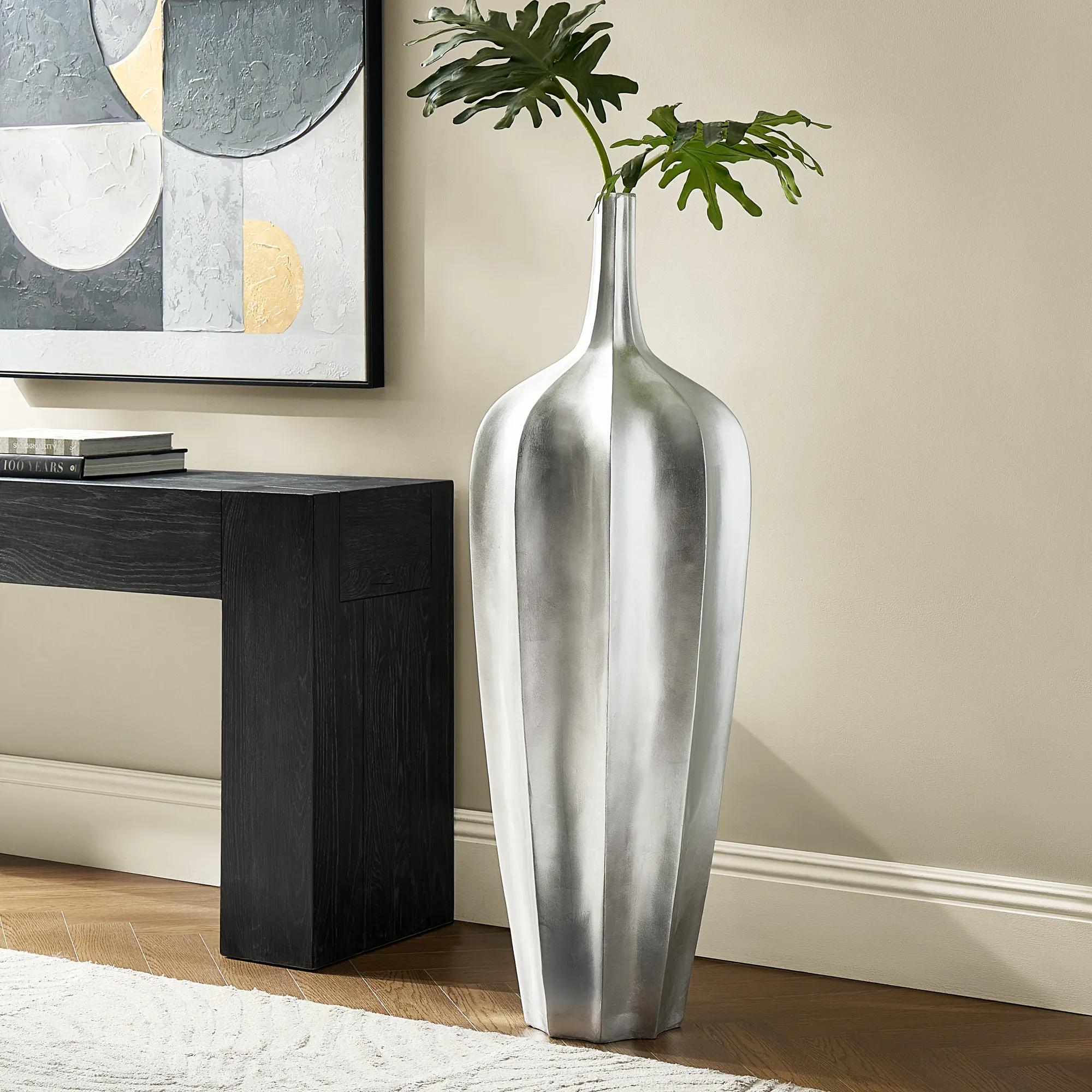 Accolade Silver Leaf Resin Floor Vase 48.75"$539
A fluted fiberglass vase featuring a lustrous metallic silver foil finish for a striking decorative accent.
Add To Cart -
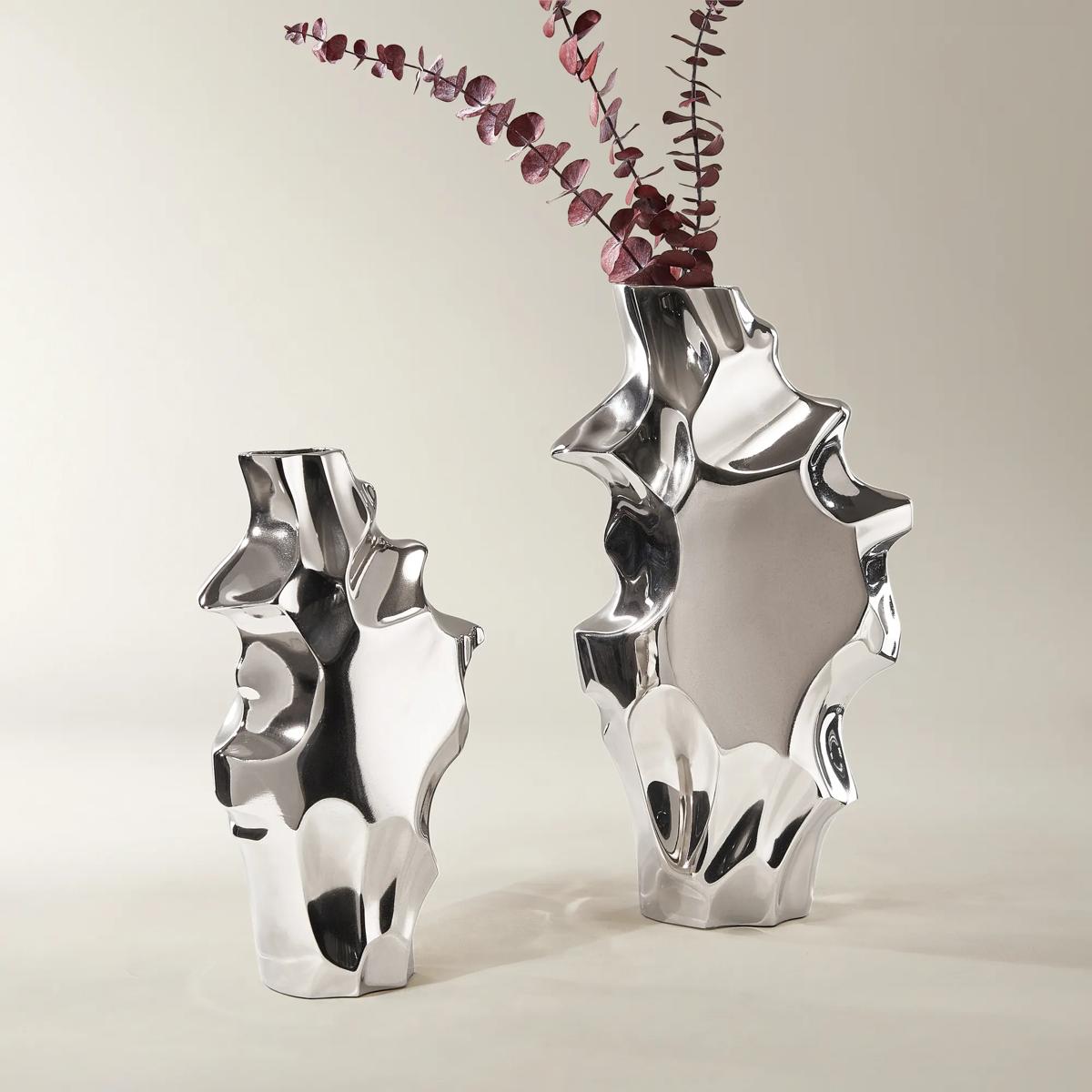
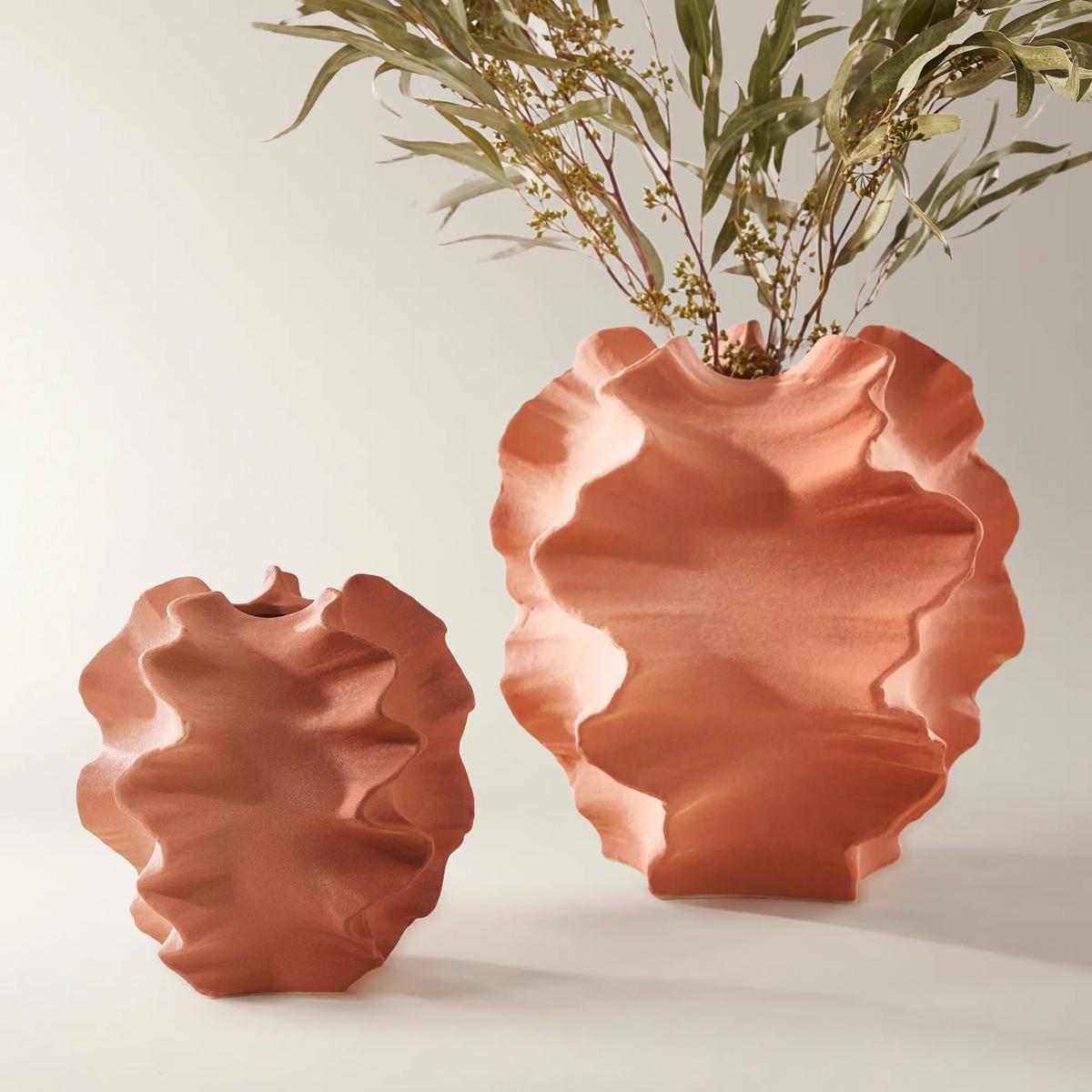
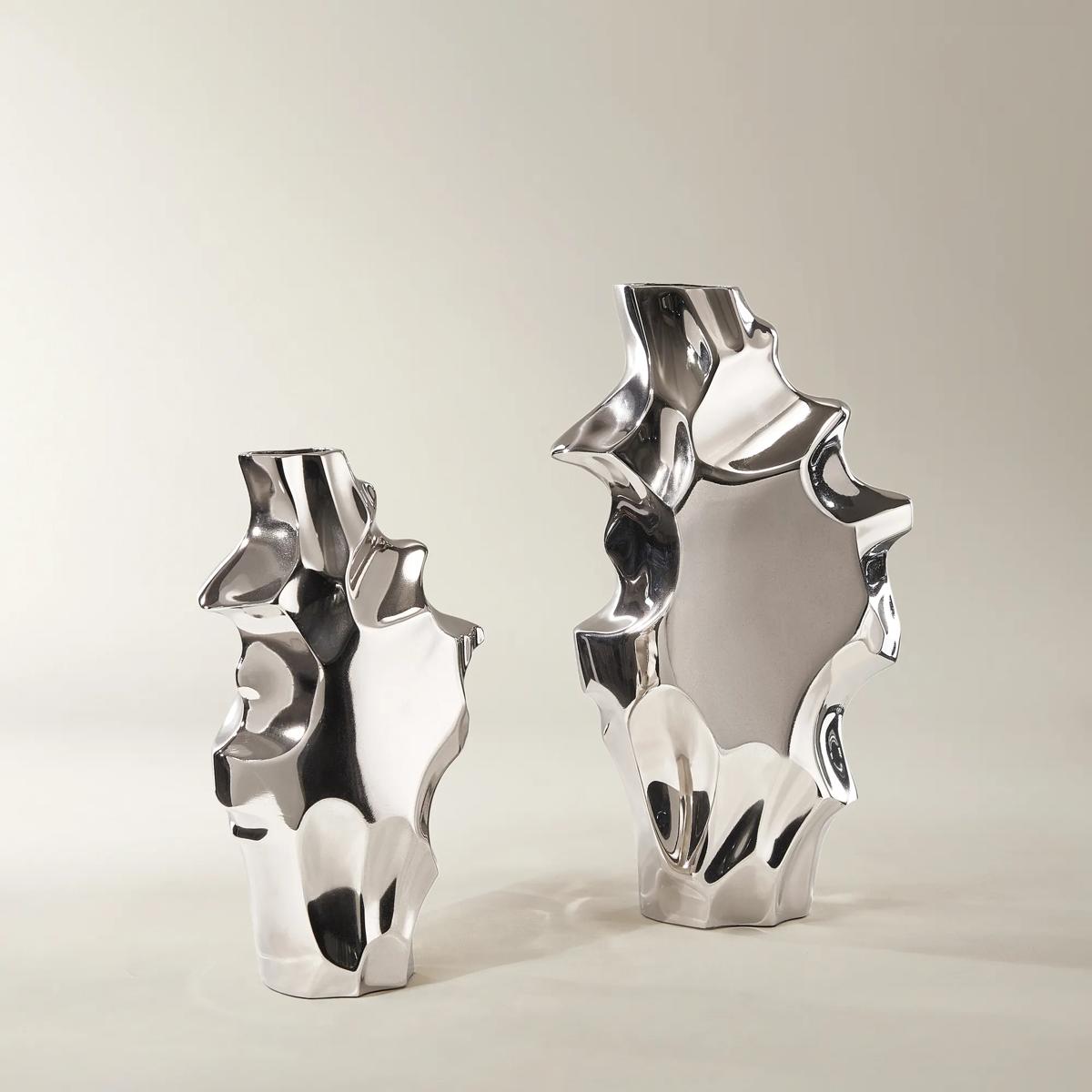 Sculpt Silver Aluminum Vases$69
A fluid, organic silhouette in lustrous silver aluminum brings modern artistry to any decor.
Add To Cart -
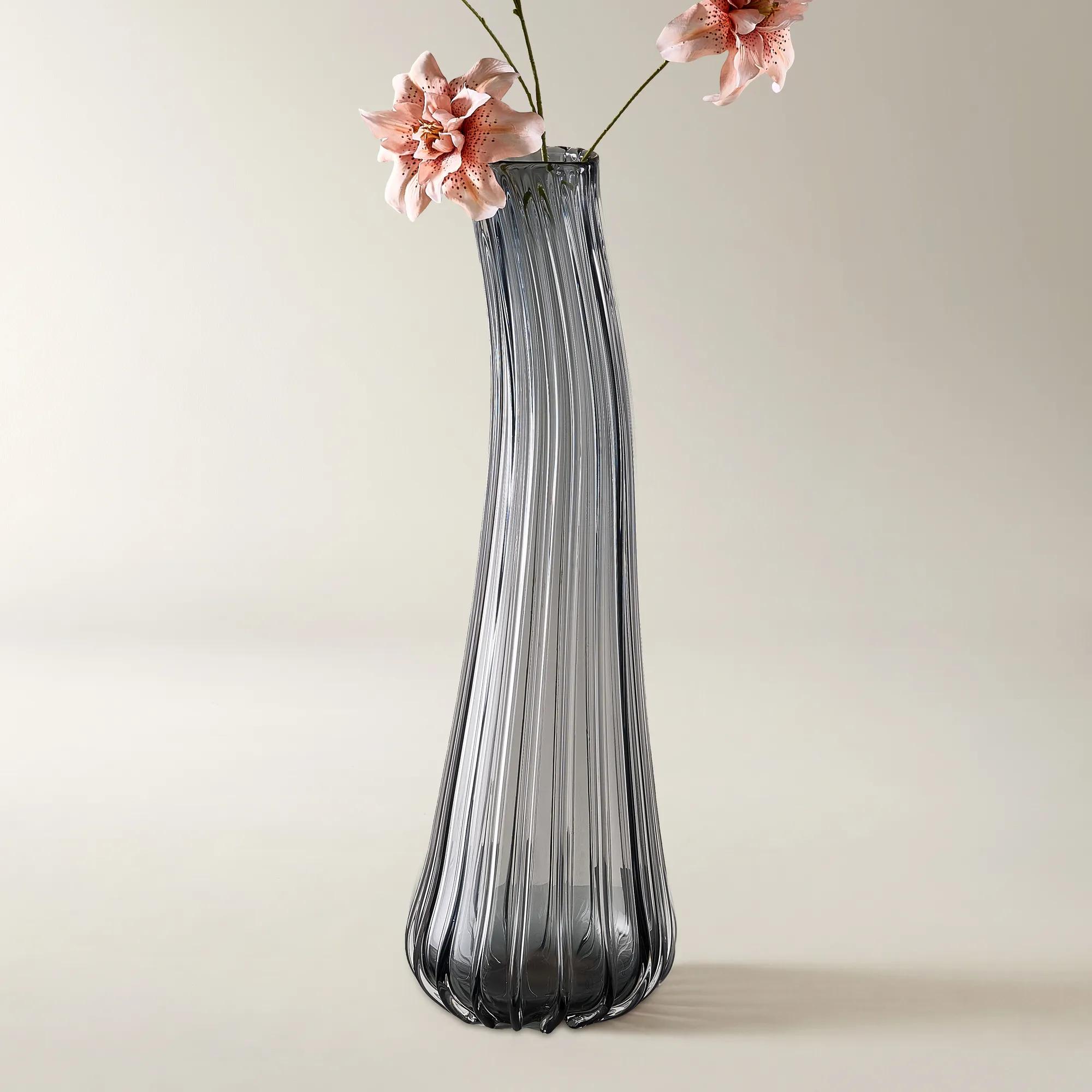 Tango Mouth Blown Smoked Pearl Vase 29"$199
A handblown glass vase in a smoked pearl finish with a textured surface for sculptural elegance.
Add To Cart -
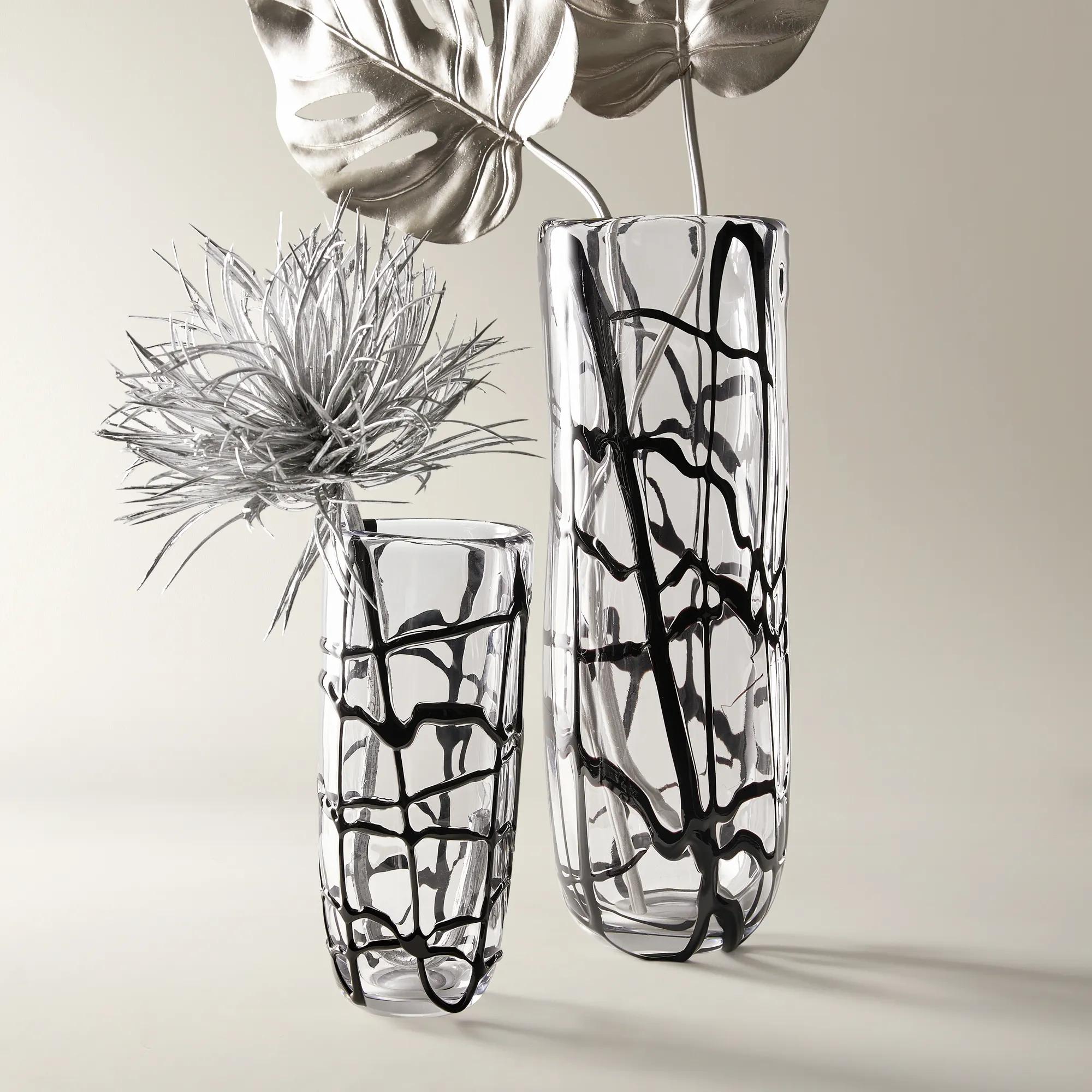
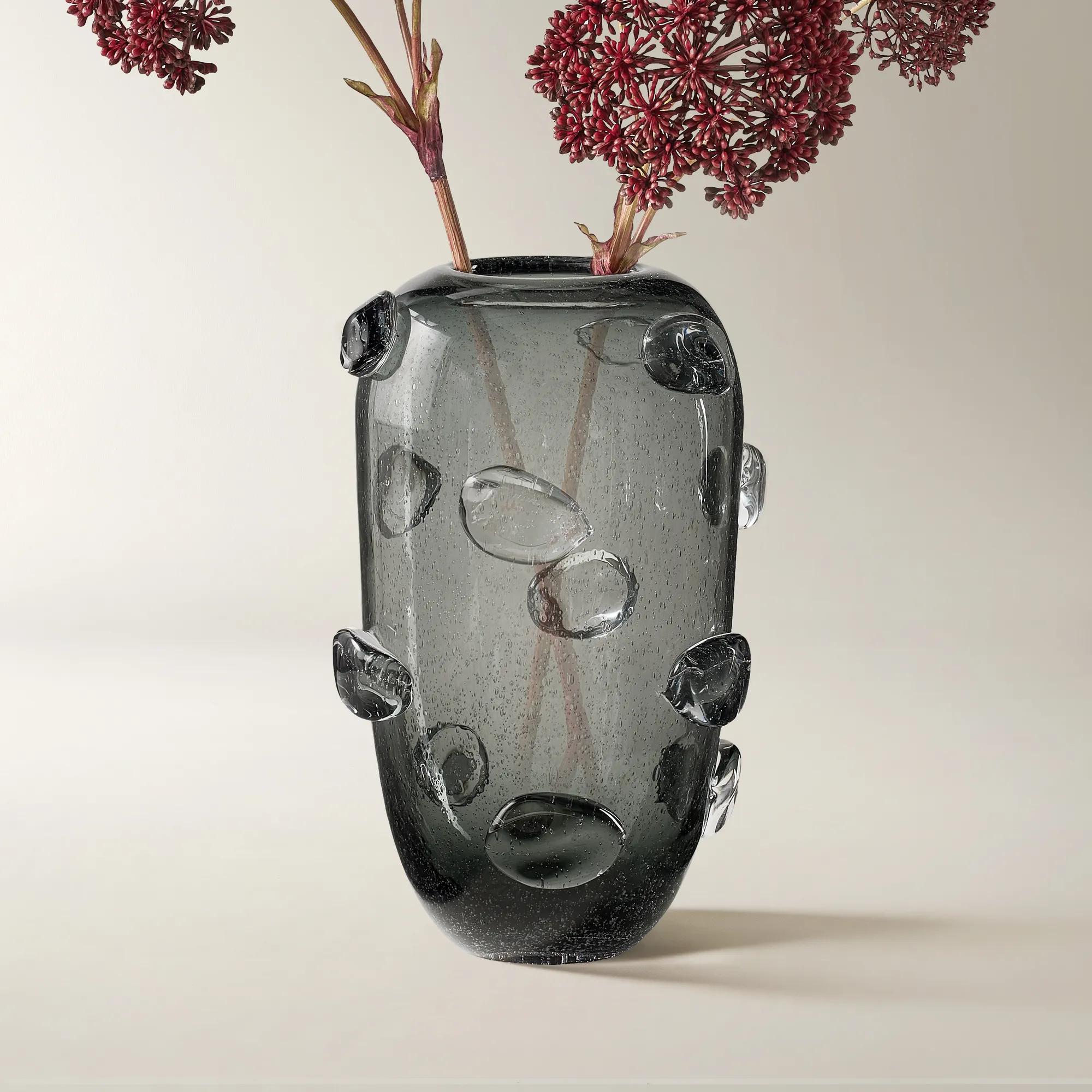
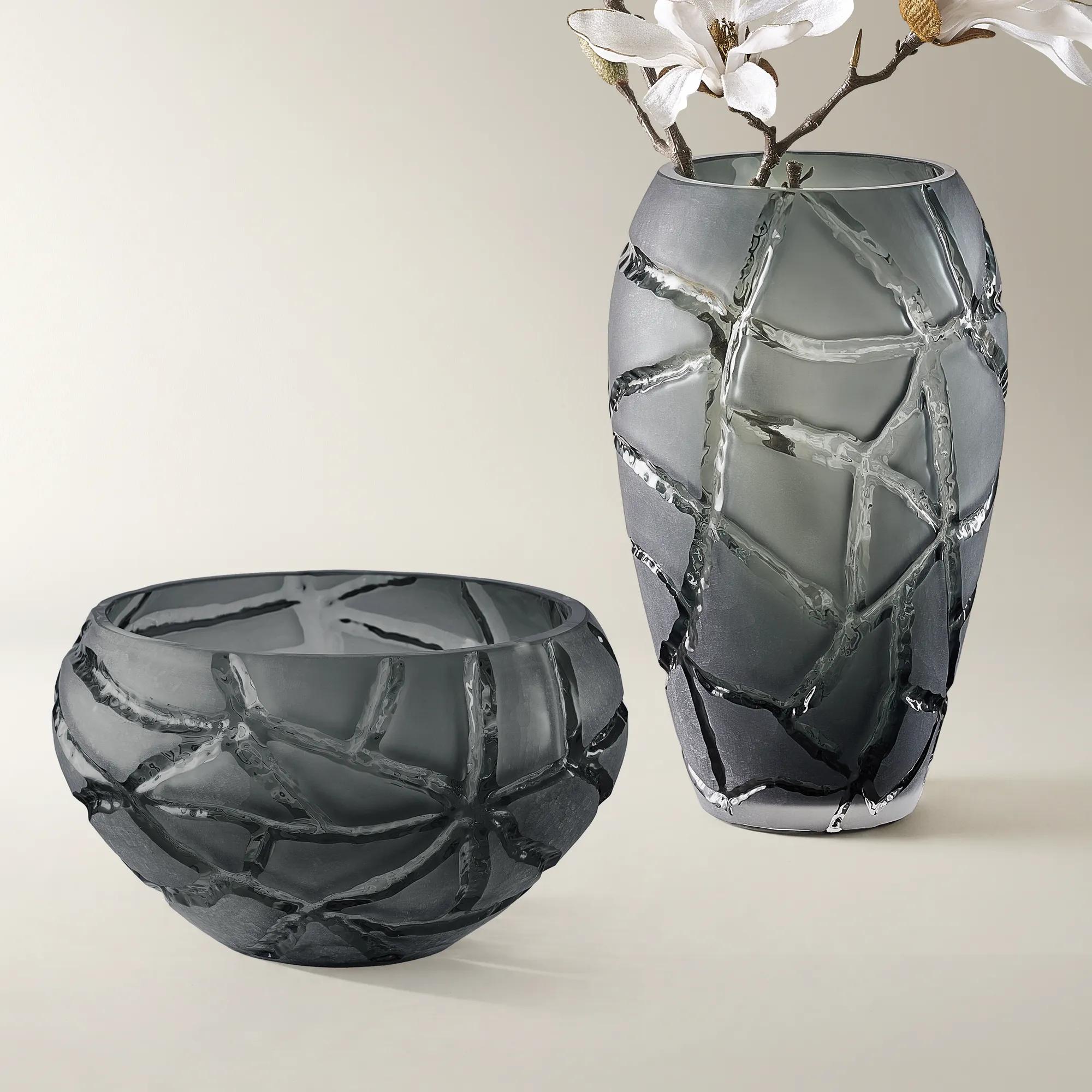 Rowen Mouth Blown Charcoal Glass Vase & Bowl$149
A handblown charcoal glass vase featuring a textured surface for moody sophistication and sculptural appeal.
Add To Cart

Textured Silver Vases
Textured silver vases capture the art of allure, transforming any surface into a stage for shimmering drama. With their sculptural silhouettes and luminous finishes, these pieces invite intrigue and reflection, casting light in captivating ways. Each vase is a statement in artistry, infusing your home with layers of texture and a whisper of opulence. Whether displayed solo or as part of a curated collection, textured silver vases command attention, elevating every arrangement into a gallery-worthy moment. Let their radiant presence inspire your next bold vignette.
Textured silver vases combine a silver-toned finish with raised, recessed, or deliberately irregular surfaces, giving decorative vessels depth as well as shine. Hammered dimples, flowing ripples, etched lines, and geometric relief break up reflected light, creating a more nuanced effect than a smooth metallic surface. The result can be luminous and fluid or softly weathered, depending on the pattern and sheen. A deeply ribbed silhouette brings architectural definition to a console, while a softly mottled finish introduces a quieter glimmer beside upholstered seating. These decorative accents suit interiors that favor expressive details: a tailored living room with velvet cushions, a dining space anchored by dark wood, or an entryway where a sculptural vessel establishes the mood before anything else comes into view. Silver acts as a visual counterpoint to rich color, sharpening the appearance of emerald greenery, burgundy blooms, or an inky blue wall. Against ivory and pale gray, it creates a layered tonal composition in which texture supplies the drama. The distinction between polished and brushed finishes matters here. Highly reflective surfaces produce brighter highlights and may mirror nearby colors, while satin, scratched, and antiqued treatments generally soften reflections. Hammered and rippled textures can suggest the movement of water or the irregularity of worked metal; honeycomb patterns and angular relief offer a more graphic rhythm. Open-center forms introduce another dimension, framing a glimpse of the wall or room beyond, although their suitability for flowers depends on the vessel’s construction. Even without stems, a silver textured vase can function as a sculptural accent, particularly when its outline and surface have enough presence to stand alone. For anyone drawn to glamorous rooms without wanting every element to gleam equally, texture offers a compelling balance: the richness of a metallic finish, interrupted by shadows that keep the composition dimensional. Set beside a matte ceramic bowl or a stack of linen-bound books, the contrast feels deliberate rather than decorative for its own sake.
Material and construction shape both the appearance and intended use of textured silver vases. A silver finish does not necessarily indicate solid silver or even a metal body; ceramic, glass, and metal can all carry silver-toned surface treatments. Ceramic allows for pronounced ridges, embossed patterns, and substantial sculptural forms, though it can chip or crack if knocked against a hard edge. Glass can deliver luminous depth beneath a metallic treatment, but it remains vulnerable to impact, and decorative coatings may require particularly gentle handling. Metal vessels may resist breakage better than glass or ceramic, yet their susceptibility to dents, scratches, and corrosion depends on the underlying metal and protective finish. Weight and balance deserve equal attention. A tall vessel with a narrow footprint may become unstable with an arrangement of long, heavy branches, while a broader base can provide more support; neither appearance nor weight alone guarantees stability. Dimensions are most useful when considered in relation to the surface and surrounding furnishings. An approximately 11- to 13-inch vase can bring noticeable height to an entry console or sideboard, but the finished arrangement may rise considerably higher once stems are added. On a dining table, a lower profile often preserves conversation and sightlines more gracefully. A mantel calls for a base that rests fully on the ledge, with enough clearance from the edge and any nearby heat source. The opening is just as important as overall height: a narrow neck gathers a few stems into a composed silhouette, whereas a wide mouth gives fuller arrangements room to spread. For displays centered on blooms, silver flower vases offer a related direction where proportion, opening size, and water compatibility are especially relevant. Decorative vessels are not automatically watertight, so fresh flowers belong only in designs identified as suitable for water, or in an appropriate watertight liner when the shape safely accommodates one. Dried and faux botanicals offer alternatives for vessels intended exclusively for dry display.
The appeal of a textured silver vase lies partly in how readily it changes character with its surroundings. White flowers emphasize the crispness of a gleaming finish, while broad green leaves give hammered surfaces an organic counterpoint. A few curling dried stems can echo the movement of a rippled vessel without concealing its shape. Dense bouquets create a more abundant impression, but leaving part of the neck and shoulder visible allows the texture to remain part of the arrangement. On an entry console, a tall vase at one end can balance a shallow tray at the other, with open space between them giving each silhouette room to register. On a living room side table, a compact vessel introduces detail without competing with a lamp or crowding the surface needed for a drink. Groupings feel cohesive when they share a finish but vary in height, width, or pattern; repeating the same strong texture across every accessory can make individual details harder to appreciate. Silver also works alongside warmer metallic accents when one finish leads and the other appears sparingly, such as a silver vessel near a brass-framed mirror. Preserving that layered, luminous effect requires care suited to the actual material rather than its appearance. A soft, dry cloth is often an appropriate starting point for routine dusting, while deeper grooves may benefit from a very soft brush if the finish permits. Abrasive pads, vigorous scrubbing, prolonged soaking, and chemical cleaners can damage decorative surfaces. Silver polish should not be used simply because a vase looks silver; plated, painted, glazed, and other coated finishes may react differently, making the stated care instructions essential. For water-safe designs, wiping spills promptly and drying the exterior and base helps protect both the vessel and the furniture beneath it. A discreet furniture-safe pad may offer additional protection, provided it does not compromise stability or trap moisture. As a housewarming or wedding gift, a textured silver vase suits someone who appreciates sculptural decor and expressive entertaining. Chosen with the recipient’s space and preferred arrangements in mind, it offers enduring decorative possibility: flowers when the occasion calls for them, and a compelling silhouette when it does not.
FAQs
Textured silver vases serve as striking focal points, adding layers of dimension and luminous sophistication to any space. Their reflective surfaces catch and scatter light, creating a sense of movement and drama that transforms ordinary arrangements into captivating displays. Whether styled solo or grouped, these vases infuse your home with a curated, gallery-inspired ambiance.
Textured silver vases beautifully complement both minimalist and lush arrangements. Crisp white blooms, dramatic greenery, or seasonal branches all shine against the metallic backdrop, while vibrant florals gain extra vibrancy from the vase’s reflective sheen. The interplay of texture and color elevates even the simplest bouquet to a work of art.
Absolutely. Textured silver vases make thoughtful and luxurious gifts for weddings, anniversaries, housewarmings, or milestone celebrations. Their timeless appeal and versatile design ensure they’ll be cherished and displayed year-round, adapting seamlessly to any style or season.
Embrace the season’s mood by updating your vase’s contents: in winter, opt for pine boughs and white blooms; in spring, fill with pastel peonies or tulips; summer calls for bold sunflowers or tropical leaves; and autumn invites branches with turning leaves or deep-hued florals. The silver finish provides a sophisticated canvas that highlights each seasonal transformation.
Yes, textured silver vases are sculptural enough to stand alone as decorative accents. Their intricate finishes and gleaming surfaces make them works of art in their own right—perfect for adding visual interest to shelves, mantels, or entry tables even when left unfilled.