Silver Vases For Decorative Branches
Silver Vases For Decorative Branches
-
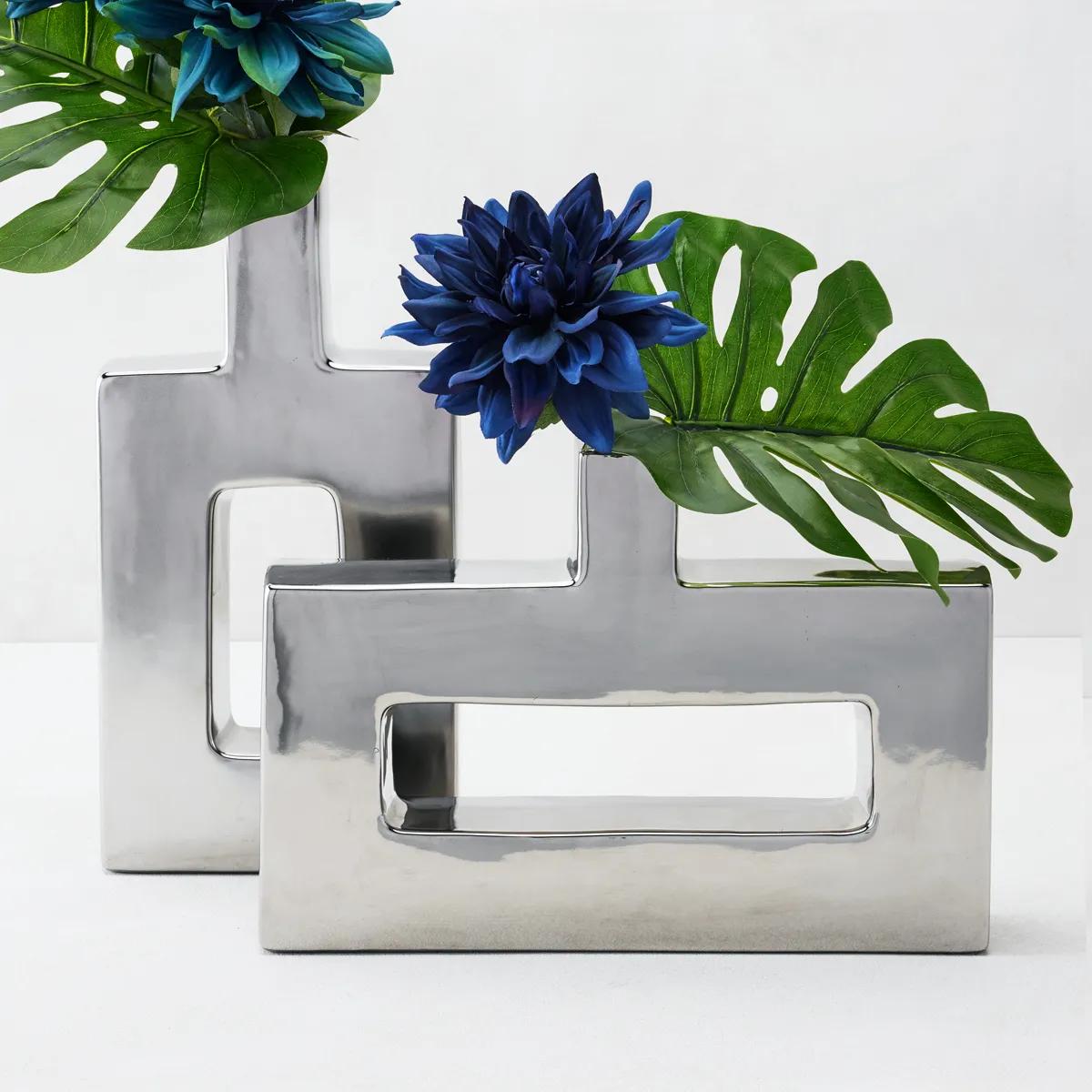 Miami Silver Ceramic High Gloss Vase 18.5"$69
A contemporary silver ceramic vase with a stylish gold glaze, perfect for decorative foliage or display.
Add To Cart -
Miami Silver Ceramic High Gloss Vase 11.75"$69
A contemporary silver ceramic vase with a stylish gold glaze, perfect for decorative foliage or display.
Add To Cart -
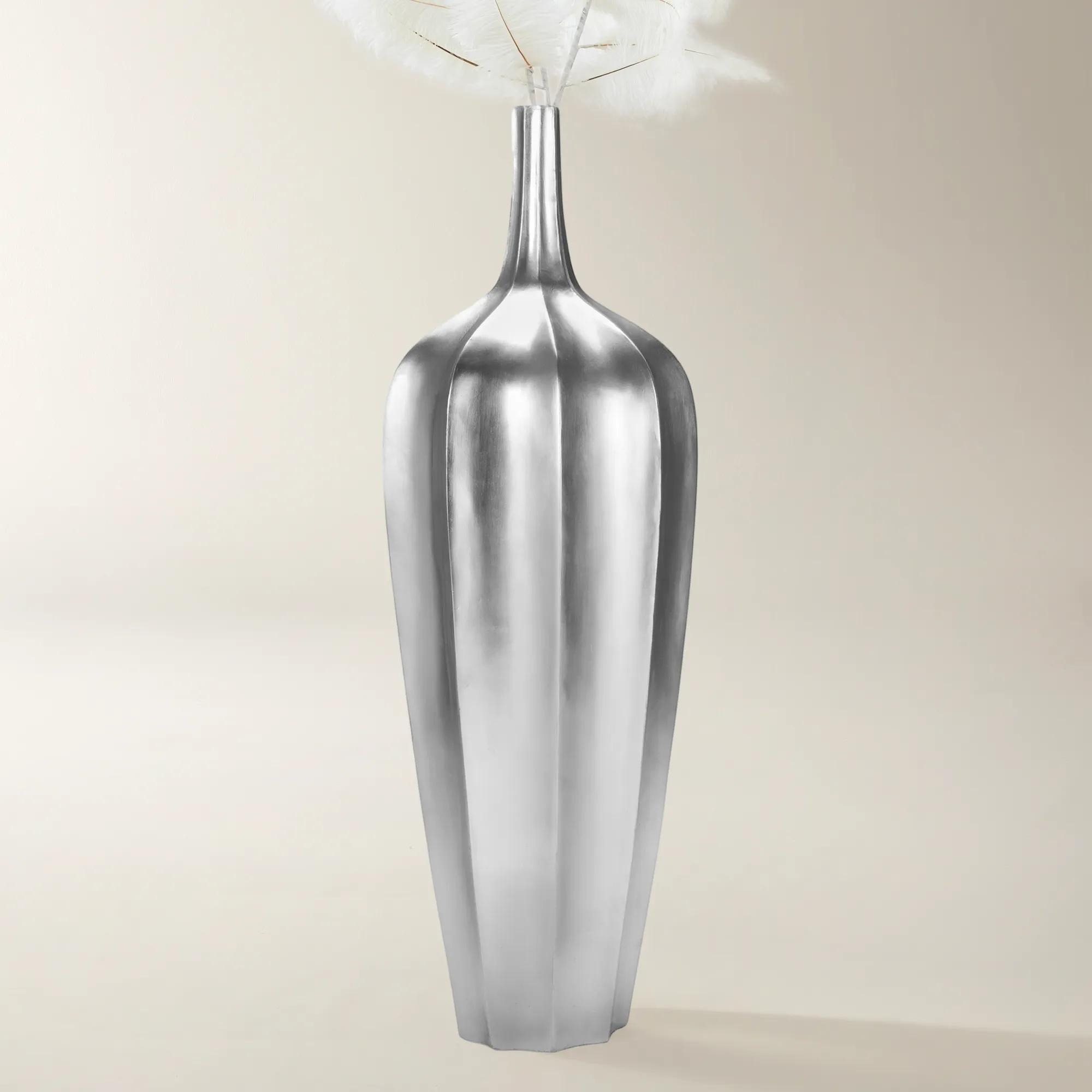
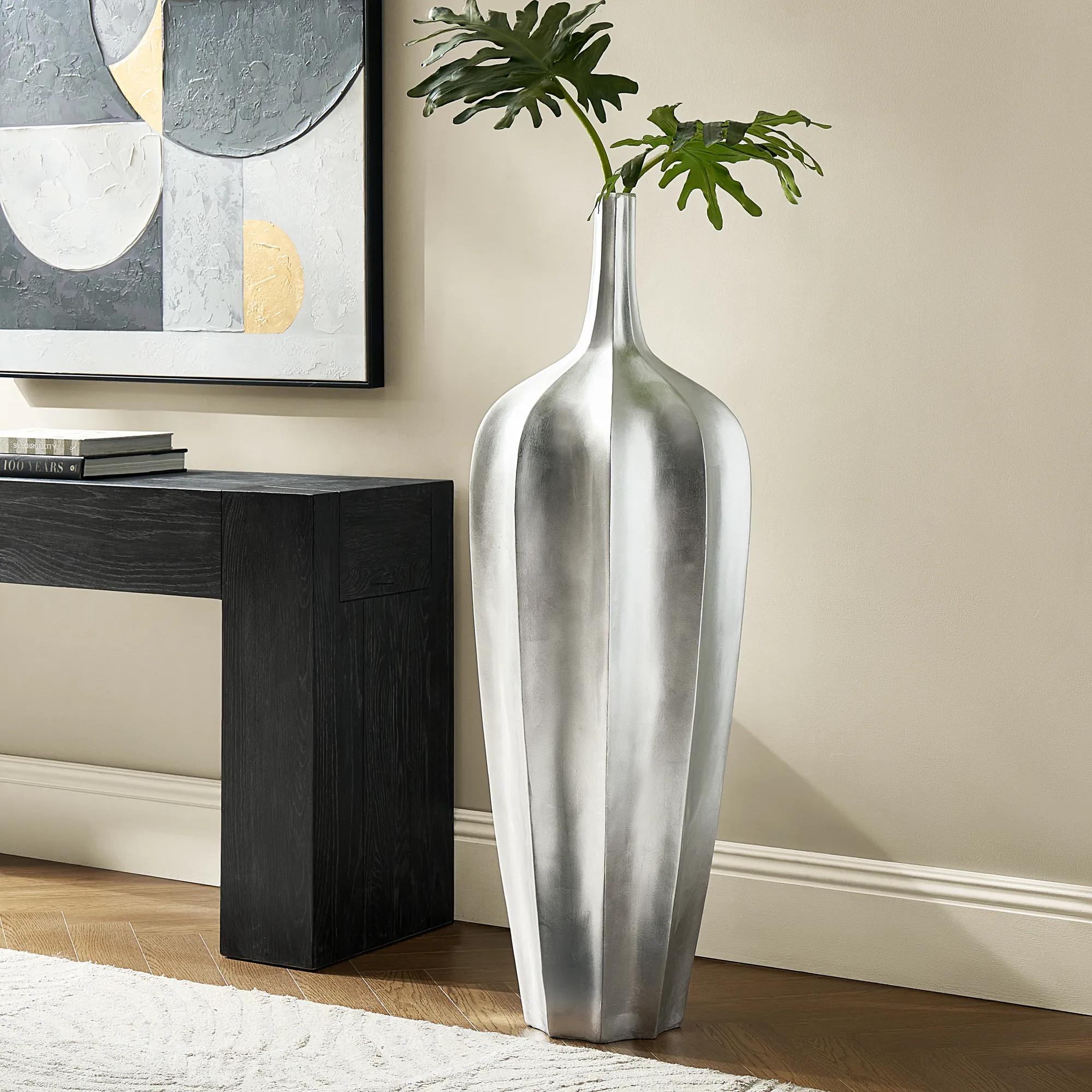 Accolade Silver Leaf Resin Floor Vase 48.75"$539
A fluted fiberglass vase featuring a lustrous metallic silver foil finish for a striking decorative accent.
Add To Cart -
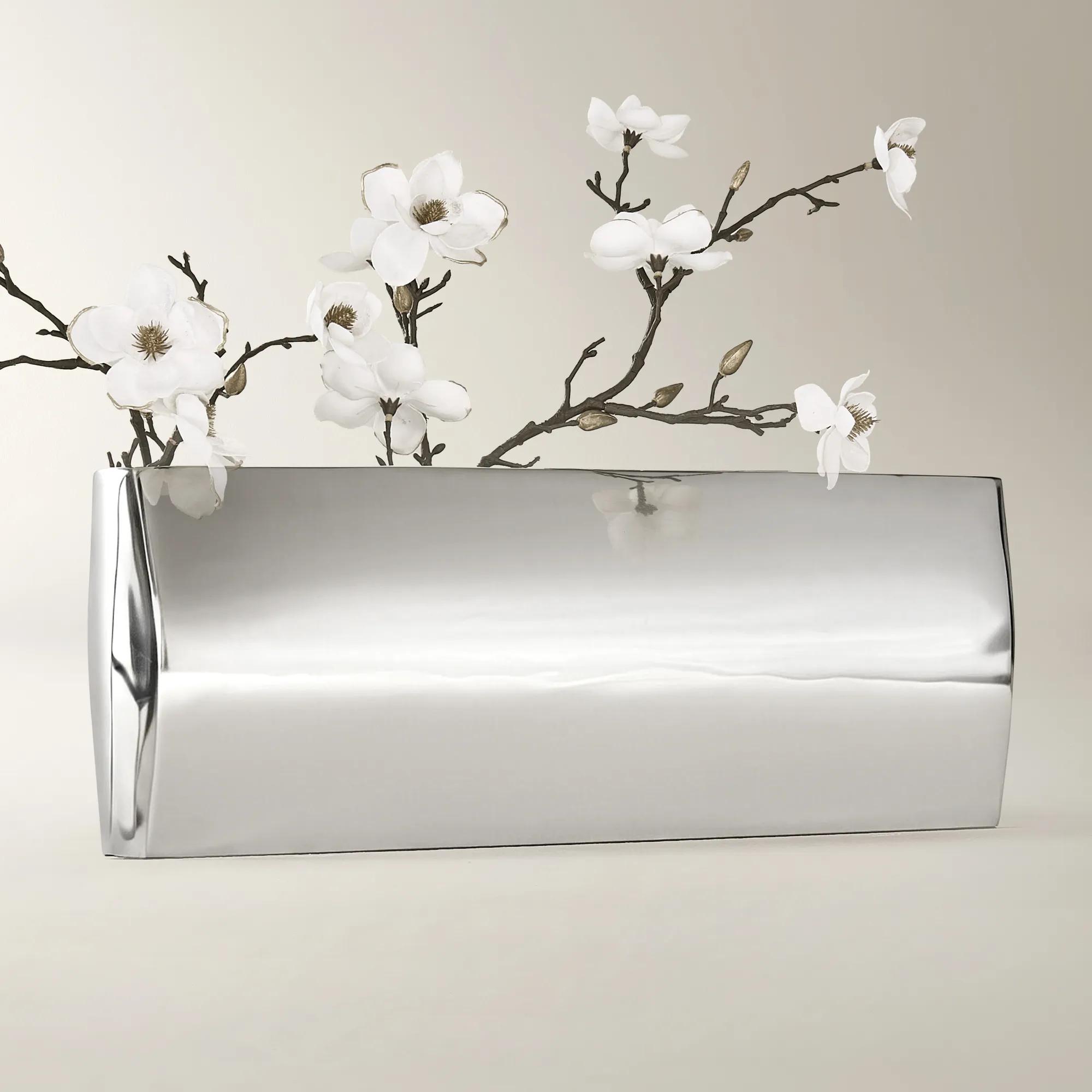 Forum Chrome Aluminum Vase 8.5"$149
A sculptural aluminum vase with a sleek chrome finish that adds modern glamour to any space.
Add To Cart -
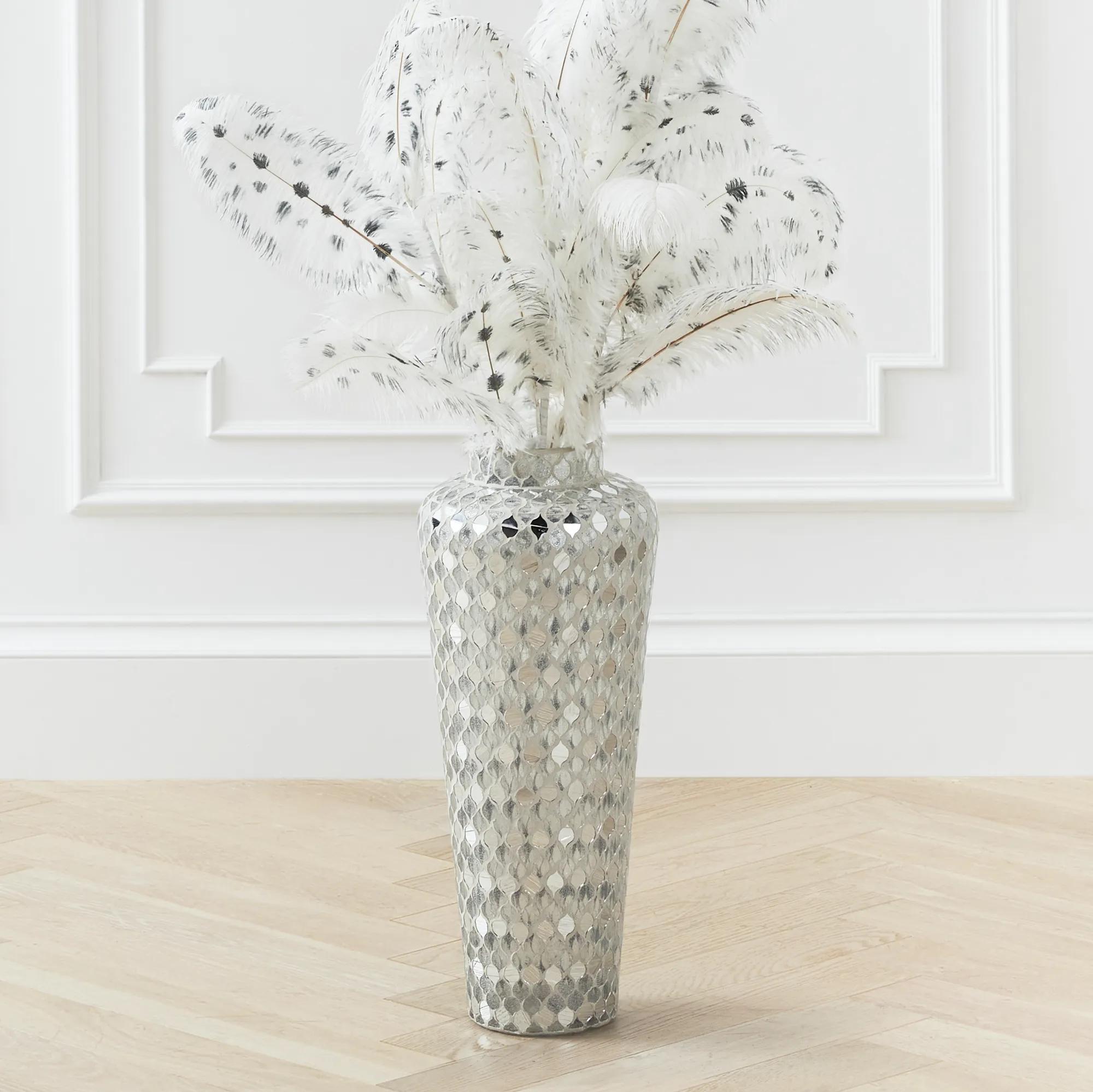 Fez Vase$139
A dazzling glass vase adorned with iridescent mirror and clear tiles for a glamorous decorative accent.
Add To Cart -
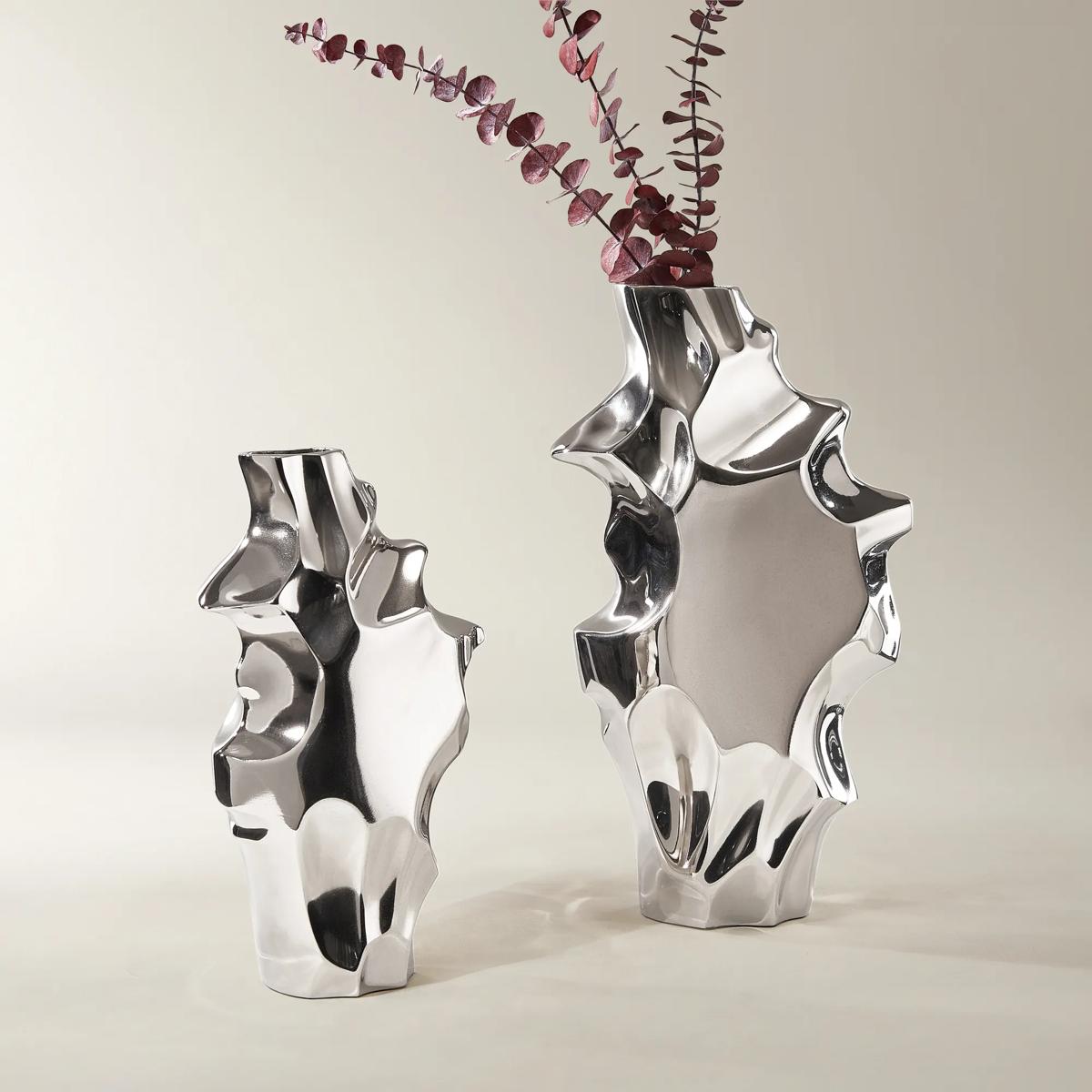
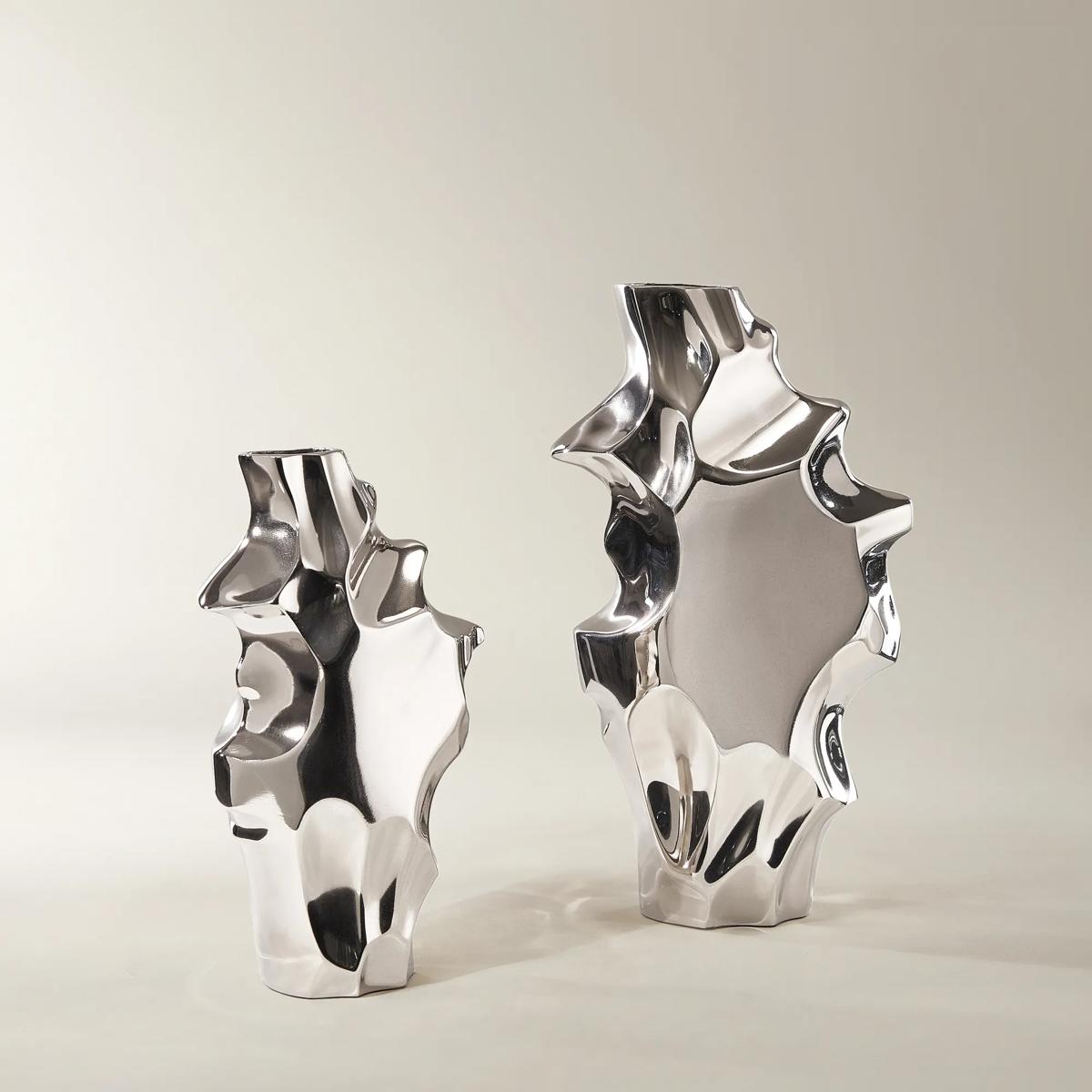 Sculpt Silver Aluminum Vases$69
A fluid, organic silhouette in lustrous silver aluminum brings modern artistry to any decor.
Add To Cart -
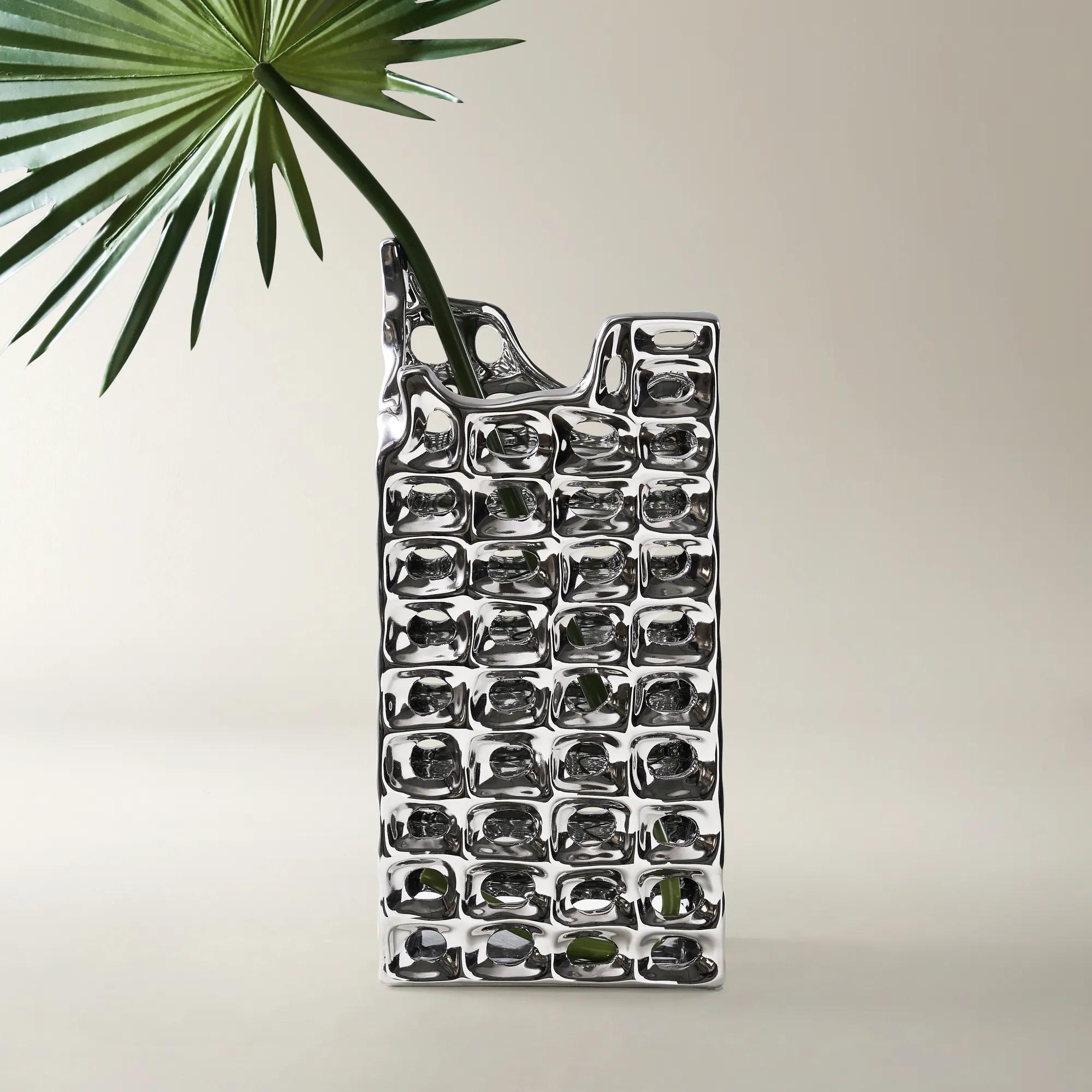
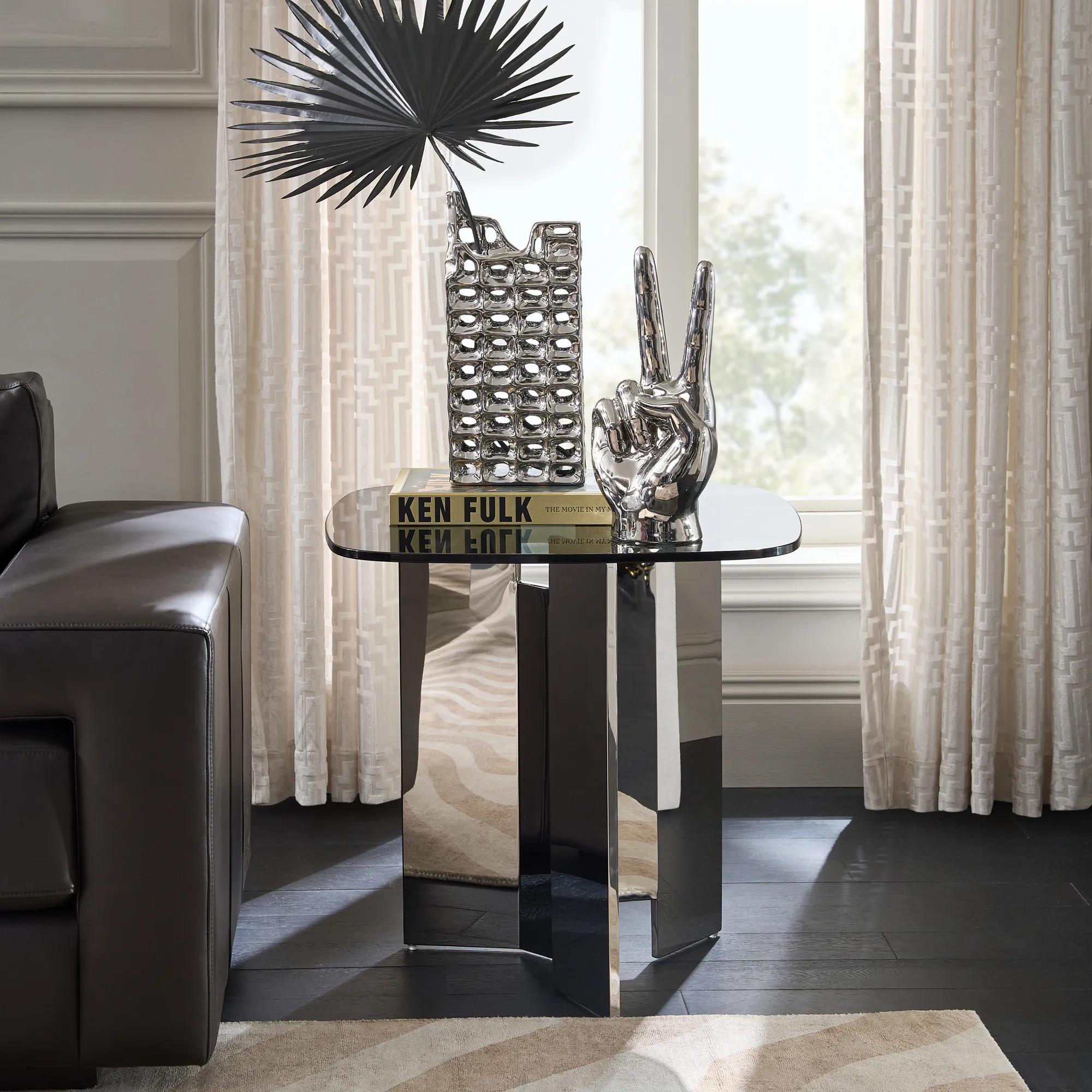 Pierce Vase$69
A ceramic vase with intricate facets and a gleaming silver finish for striking visual impact.
Add To Cart -
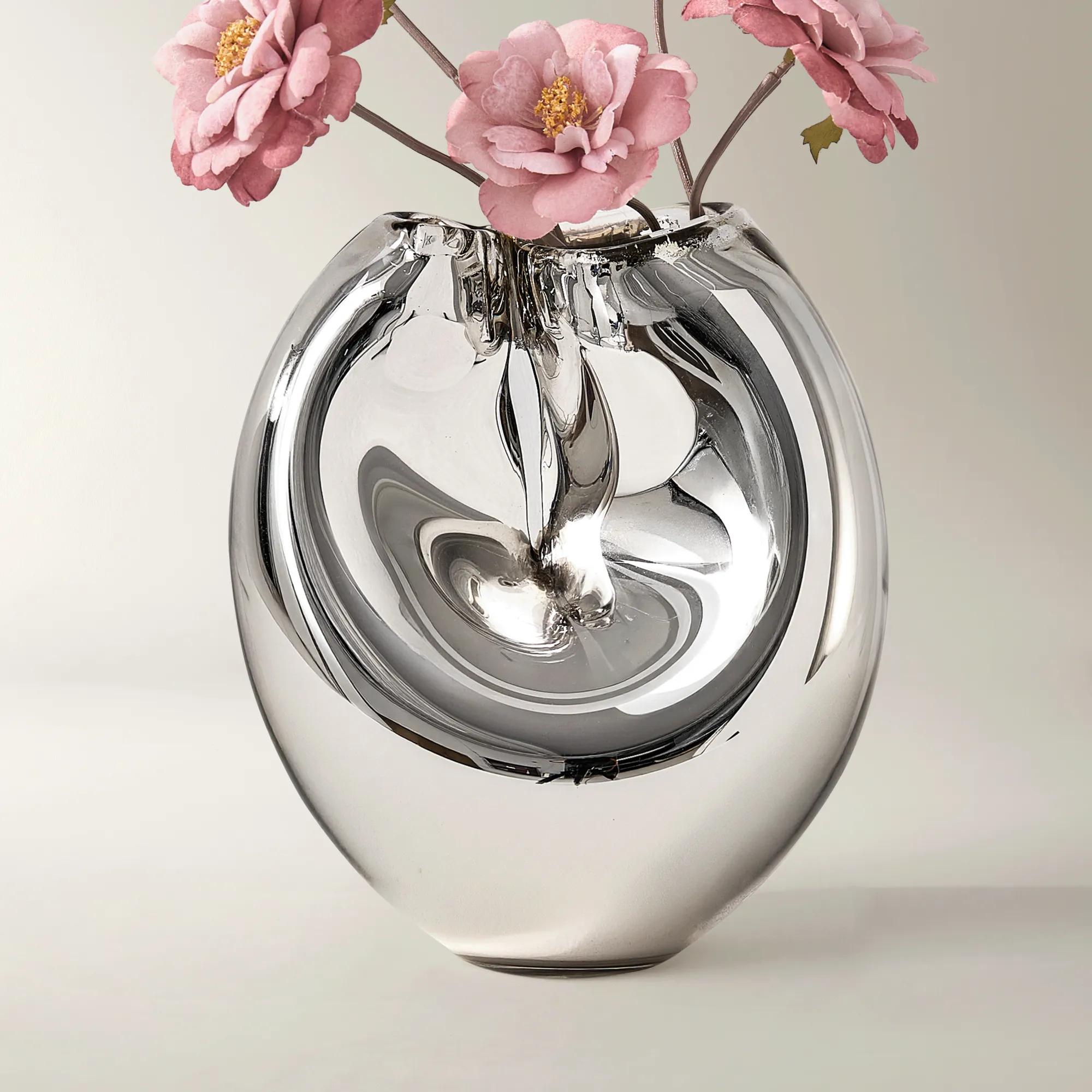 Ono Mouth Blown Mirrored Silver Glass Vase 7.75"$79
A handblown glass vase with a mirrored finish and organic silhouette for modern, artful display.
Add To Cart -
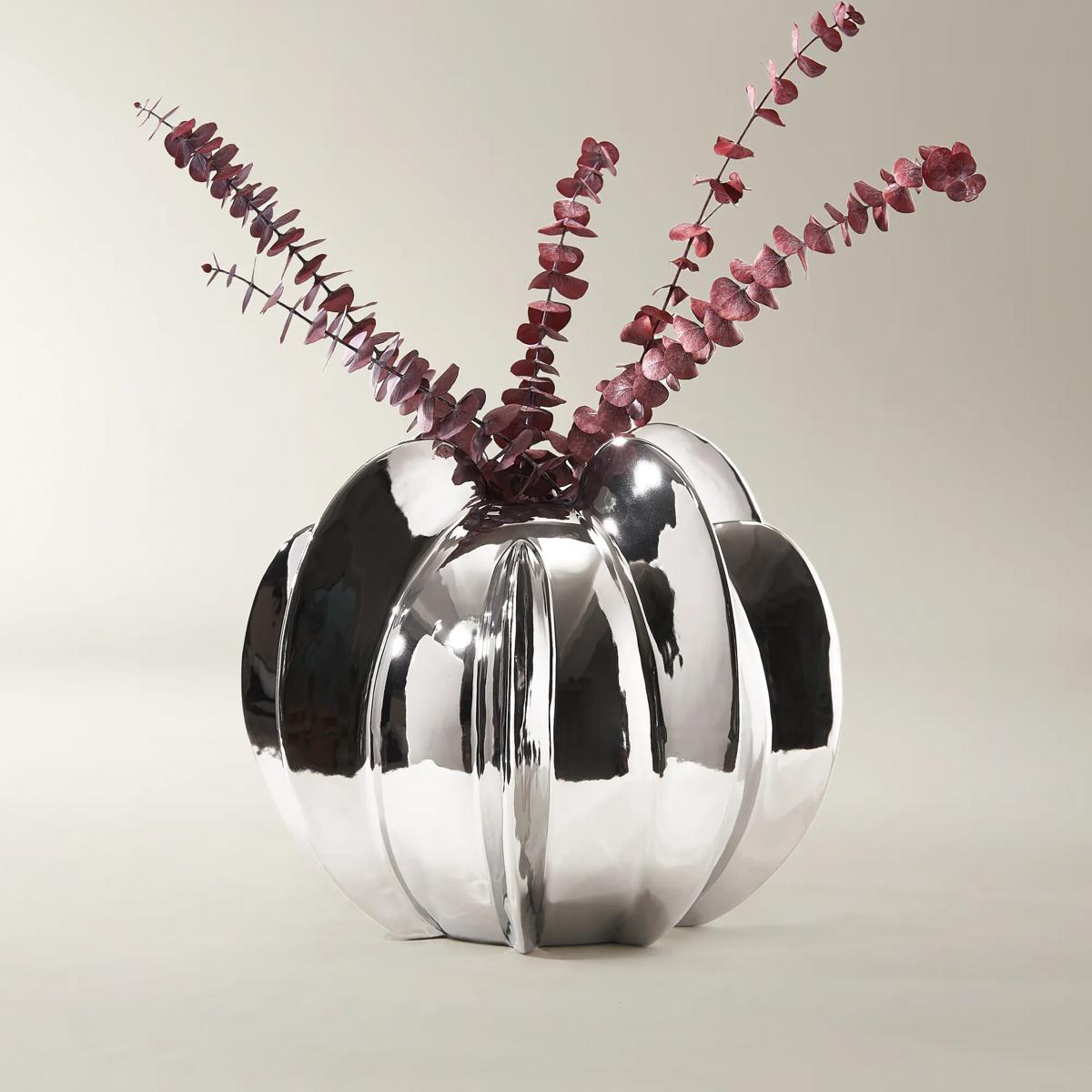
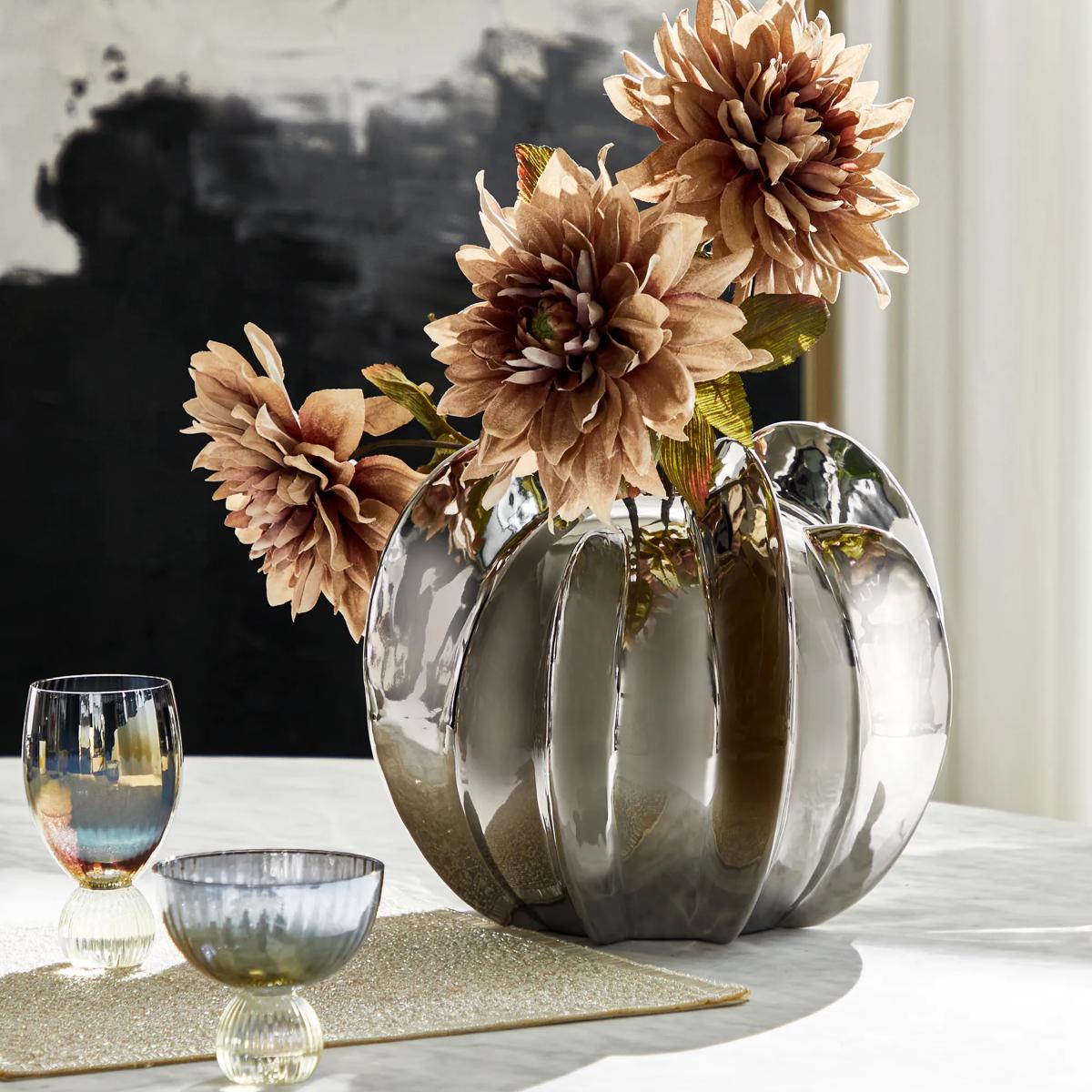 Voyage Vase$99
A reflective silver ceramic vase featuring a bold orb shape and dimensional vertical finned texture.
Add To Cart -
 Daria Metallic Champagne Resin Vase 20"$199
A sculpted black resin vase featuring layered brushed champagne and silver metallic panels for modern impact.
Add To Cart -

 Odessey Collection$99
A shiny silver porcelain accent piece perfect for adding modern elegance to any decorative display.
Add To Cart -
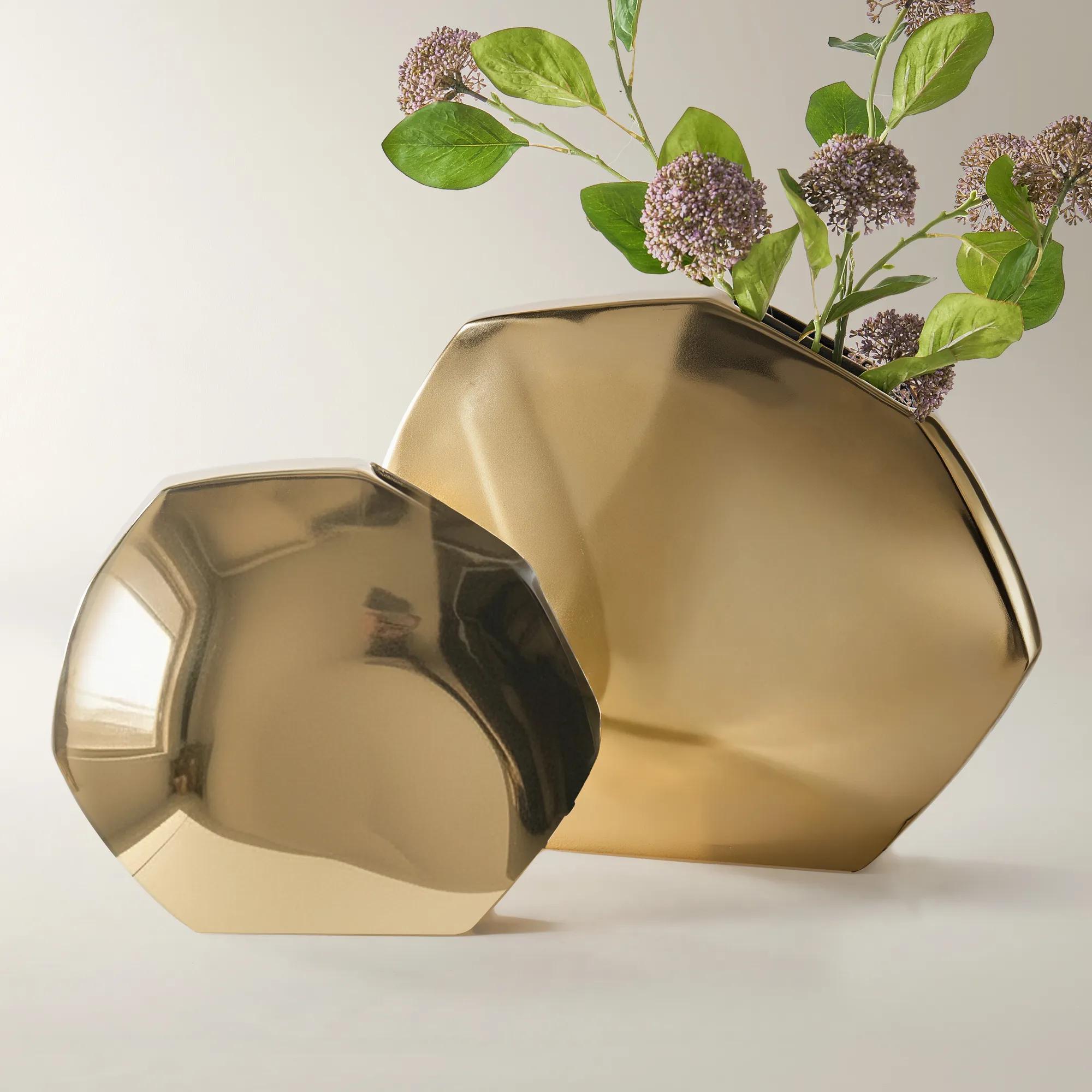 Gem Handcrafted Gold Aluminum Vases$169
A handcrafted aluminum vase with faceted gem geometry, polished gold finish, and slim slot opening.
Add To Cart

Silver Vases For Decorative Branches
Silver vases for decorative branches conjure a vision of luminous artistry, where gleaming surfaces and sculptural silhouettes transform any arrangement into a centerpiece of modern glamour. These radiant vessels invite light to dance across every curve, elevating branches—whether bare and architectural or lush with foliage—into striking expressions of style. Perfect for those who crave drama and sophistication, silver vases for decorative branches create a captivating focal point that celebrates both nature’s beauty and the allure of metallic sheen. Let your space shimmer with possibility as you reimagine each vignette through the lens of opulence and creative flair.
Silver vases for decorative branches turn a few expressive stems into a sculptural focal point, pairing the organic movement of wood with the luminous presence of a metallic finish. A twisting branch rising from a polished vessel can give an entry console the confidence of a gallery display; a generous floor vase can bring height and definition to an open corner without the visual density of another piece of furniture. The appeal lies in contrast: irregular bark against a gleaming surface, slender stems against a substantial silhouette, and airy lines above a grounded base. Silver also works beautifully alongside a wide range of interior palettes. Against charcoal or navy, it creates a crisp highlight; beside ivory upholstery, it adds definition; surrounded by jewel tones, it contributes another layer of richness without competing with the color. The word silver generally describes the vase’s appearance rather than its composition, so material and finish are important distinctions. Aluminum and stainless steel can provide a metallic surface, while ceramic and glass may achieve a silver look through glazing, plating, or other decorative treatments. Each construction has its own character and care requirements. Smooth, mirror-like finishes emphasize reflected light and surrounding colors, while brushed or hammered surfaces break up reflections with texture. A softly textured vessel can sit comfortably beside richly patterned upholstery, whereas a highly polished vase makes a sharper statement against a quiet wall. Shape influences the composition just as strongly. Cylindrical forms lend structure to branching silhouettes, rounded bodies create a fuller foundation, and tapered necks can gather stems into a more deliberate arrangement. A broad opening allows branches to spread, while a narrower mouth helps establish an upright profile. These differences make decorative silver vases more than interchangeable containers: their proportions, surface treatments, and openings help determine how the finished display occupies a room. The strongest pairing allows both the vessel and the branches to remain visible, with enough open space around the composition for their individual lines to register.
Scale gives a branch arrangement its presence, whether the setting is a compact tabletop or a tall, architectural niche. Tabletop silver vases suit consoles, sideboards, and substantial accent tables, where the entire composition can be appreciated at eye level or from across the room. Tall silver floor vases offer a more expansive canvas, particularly beside a wide fireplace surround or along a generous entry wall. As a flexible starting point, the vase can account for roughly one-third to one-half of the arrangement’s total visible height, measured from the base of the vessel to the highest branch tip. That proportion is not a stability rule: a broad, heavy base may support an open silhouette differently than a narrow, lightweight vessel, and substantial wooden stems demand more support than fine faux branches. The opening must accommodate the stems without crowding them, while the interior depth should allow enough insertion to keep the arrangement secure. Twisting willow introduces fluid curves, manzanita offers angular branching, and metallic or subtly glittered faux stems bring a more theatrical finish. A small number of distinctive branches often delivers greater impact than a tightly packed bundle because the negative space reveals each bend and fork. In a dining setting, an arrangement placed on a sideboard can provide height without interrupting conversation across the table. On an entry console, branches should stay clear of the mirror area needed for everyday use; in a floor display, their reach should not extend into a walking path or catch against nearby seating. Stability matters as much as silhouette. A level surface, a suitably substantial vessel, and balanced stem placement help reduce tipping. Where the vase’s construction and care instructions permit, clean decorative stones or purpose-made vase filler may add weight at the base, but delicate glass, vulnerable coatings, and unsupported interiors call for caution. Filler should never substitute for a vase appropriately sized for its branches. Arranging stems gently also helps protect the rim and interior finish from scratches, especially when working with rigid wood or wire-supported faux branches.
The intended use of a silver branch vase shapes both its material requirements and its lasting appeal. Dried and artificial branches generally do not need water, making them well suited to decorative vessels that are not designed to be watertight. Fresh-cut branches require a container explicitly suitable for water, or an appropriate watertight insert that fits securely and protects the surrounding vessel. A silver finish alone does not establish water compatibility, and moisture left against a decorative coating can affect its appearance. For compositions that move between expressive branches and fresh blooms, Silver Flower Vases offer a related direction, with the same attention to opening size, interior depth, and suitability for the intended arrangement. Everyday care should preserve the finish rather than aggressively polish it. A soft, dry cloth is often appropriate for routine dusting, while any damp cleaning should follow the material-specific instructions. Abrasive pads, harsh cleaners, and metal polish can damage some plated, painted, or glazed silver surfaces, even when they appear similar to solid metal. Branches also collect dust, so removing and cleaning them separately can keep particles from settling around the vase opening. Durability depends on construction as well as placement: metal may dent or scratch, ceramic and glass may chip or break, and decorative coatings can show wear from repeated contact. A protective pad beneath a vase can help safeguard a tabletop, provided it does not compromise the vessel’s balance. In homes with children or pets, a display positioned away from active pathways deserves particular consideration. These pieces appeal to anyone drawn to interiors with sculptural detail, from the collector who favors restrained arrangements to the host who enjoys an unmistakable statement in the entryway. They can also make considered housewarming or wedding gifts when the recipient’s space and aesthetic are understood. A manageable tabletop scale offers flexibility, while a floor vase calls for a more deliberate setting. Paired with thoughtfully chosen branches, a silver vessel becomes a lasting expression of personal style: luminous, dimensional, and composed with intention.
FAQs
Silver vases beautifully complement a variety of branches, from sculptural manzanita and twisting willow to delicate cherry blossoms and faux magnolia. For a striking winter look, opt for silver-painted or glittered branches to echo the vase’s metallic sheen, or mix in eucalyptus for a lush, contemporary finish.
A silver vase is a versatile statement piece that can be refreshed throughout the year. In winter, fill it with frosted or metallic branches for a cool, elegant vibe. As spring arrives, swap in blossoming stems or pastel florals. In autumn, consider golden foliage or dried pampas for warmth and texture. The reflective surface of the vase adapts beautifully to both bold and subtle arrangements.
Absolutely. The timeless allure of silver allows these vases to bridge both modern and traditional design aesthetics. In a contemporary setting, they add a sleek, reflective accent, while in classic interiors, they bring a sense of opulence and heritage. Pairing your vase with branches or florals that match your room’s style will ensure a harmonious look.
Silver vases make show-stopping centerpieces for celebrations, dinner parties, or holiday gatherings. Their luminous finish and bold presence draw the eye, especially when styled with dramatic branches or lush florals. For added glamour, surround your vase with candles or mirrored accents to amplify the effect.
Small silver vases are perfect for layering on bookshelves, accenting a coffee table, or grouping together for a curated vignette. Try clustering several with different heights and branch types for a collected, gallery-inspired look, or use a single vase to highlight a unique botanical stem in a cozy nook.