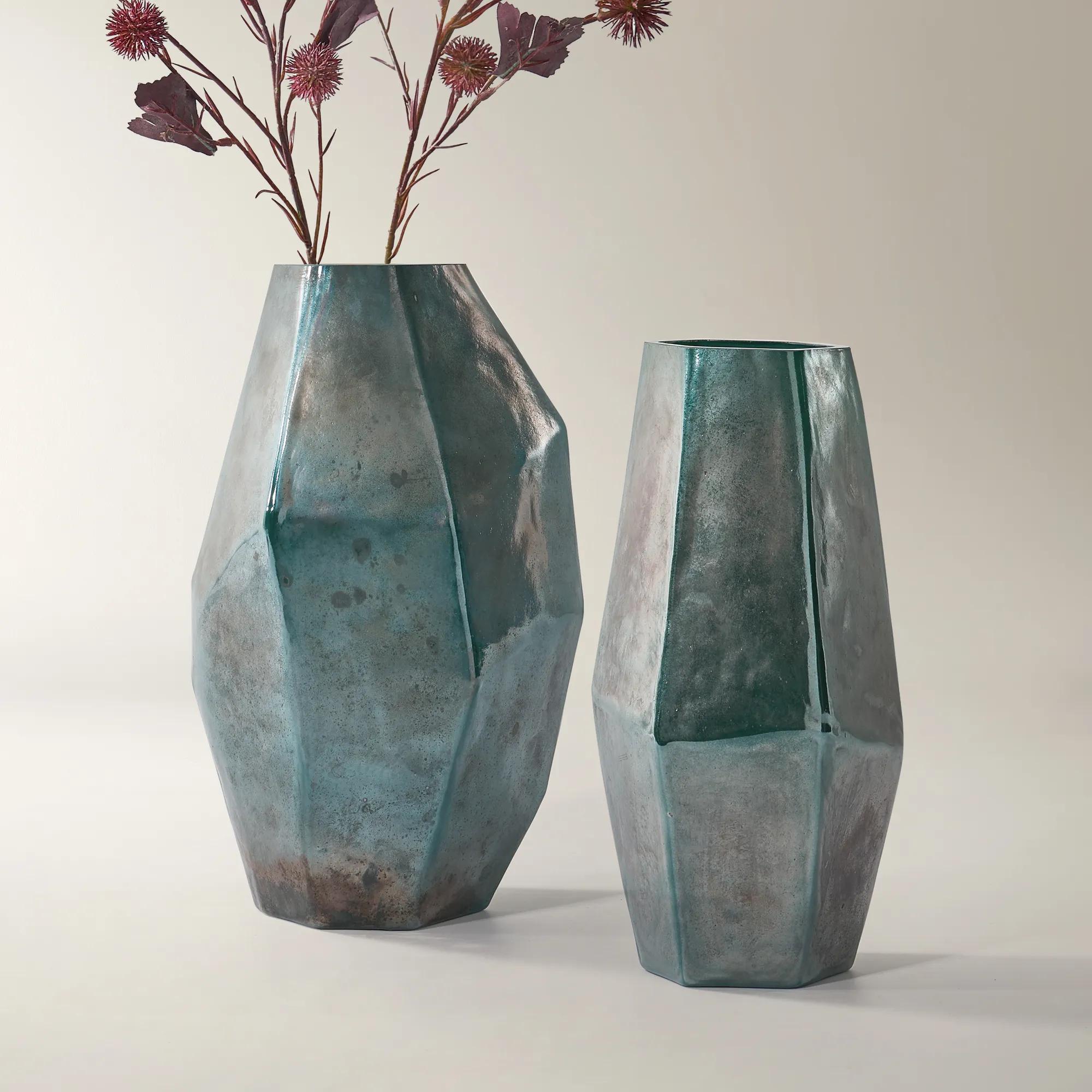
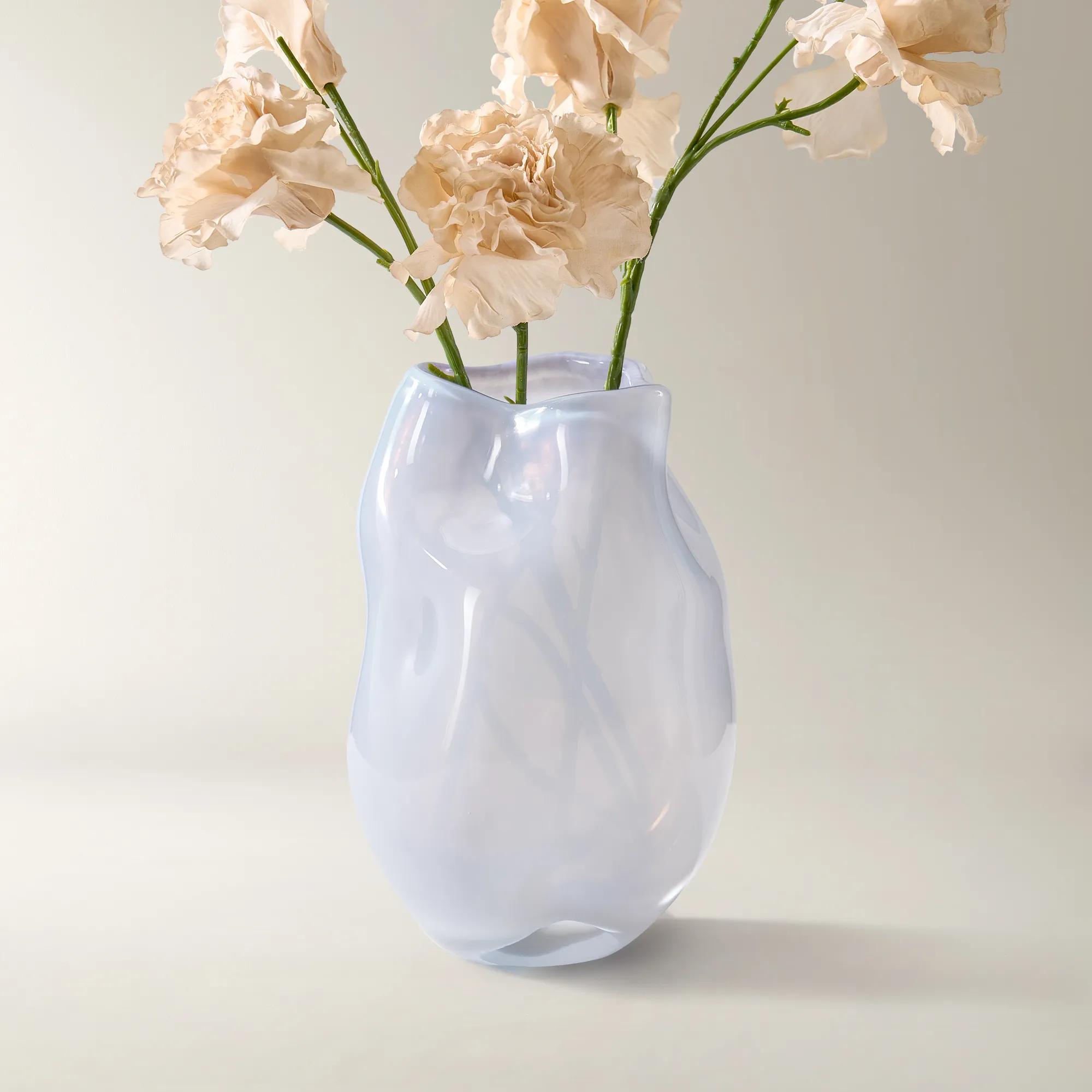
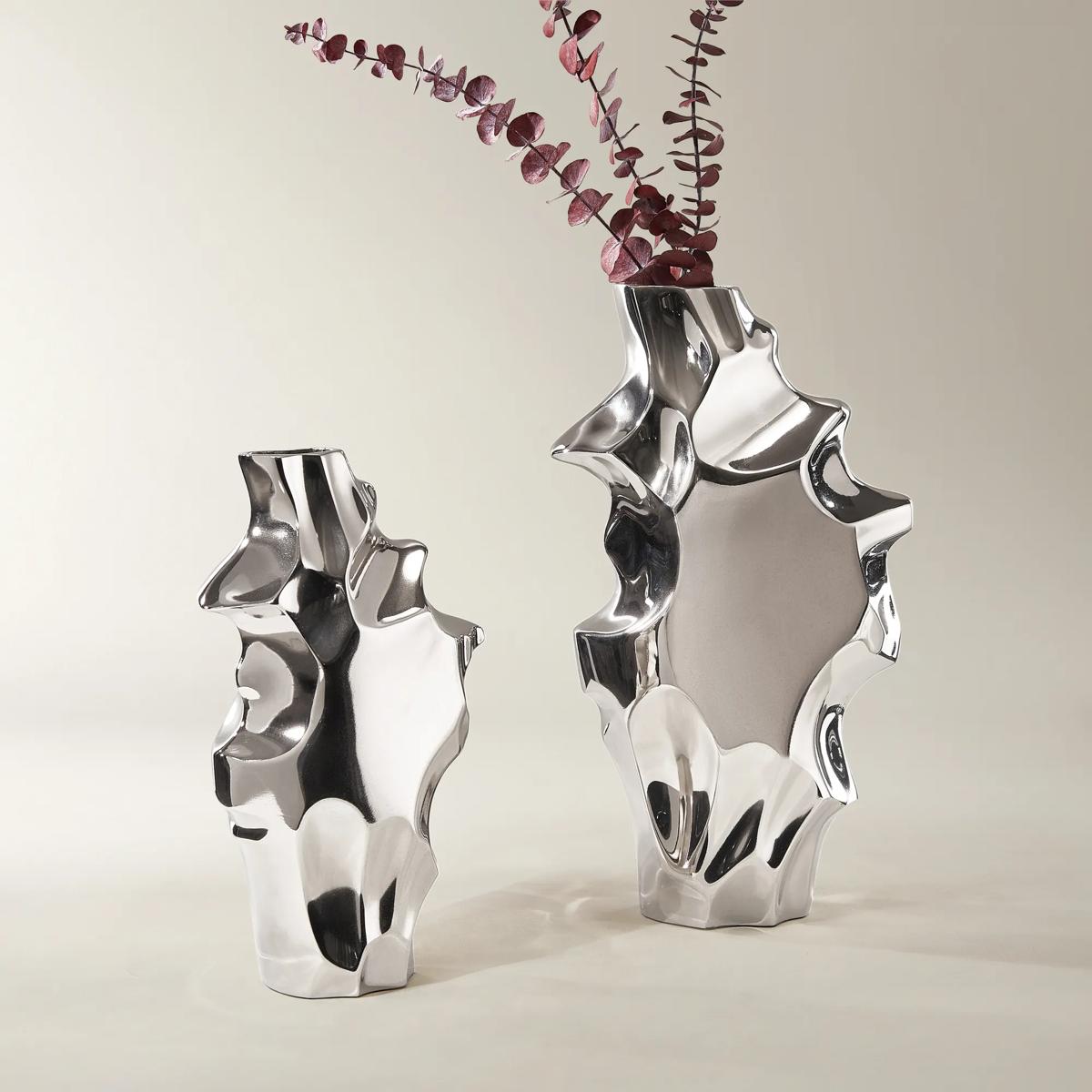
Textured Ceramic Vases | Z Gallerie
Textured Ceramic Vases | Z Gallerie
-
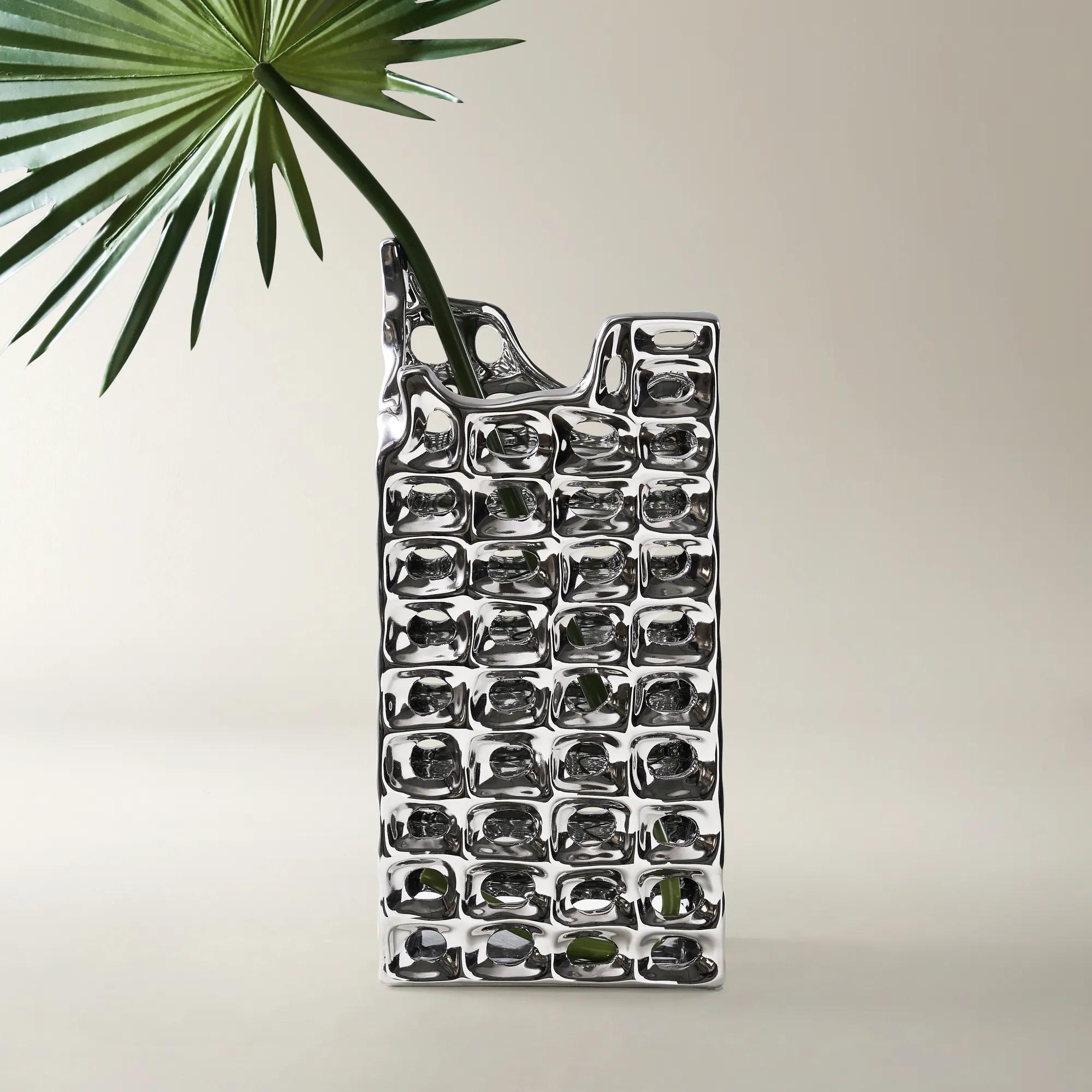
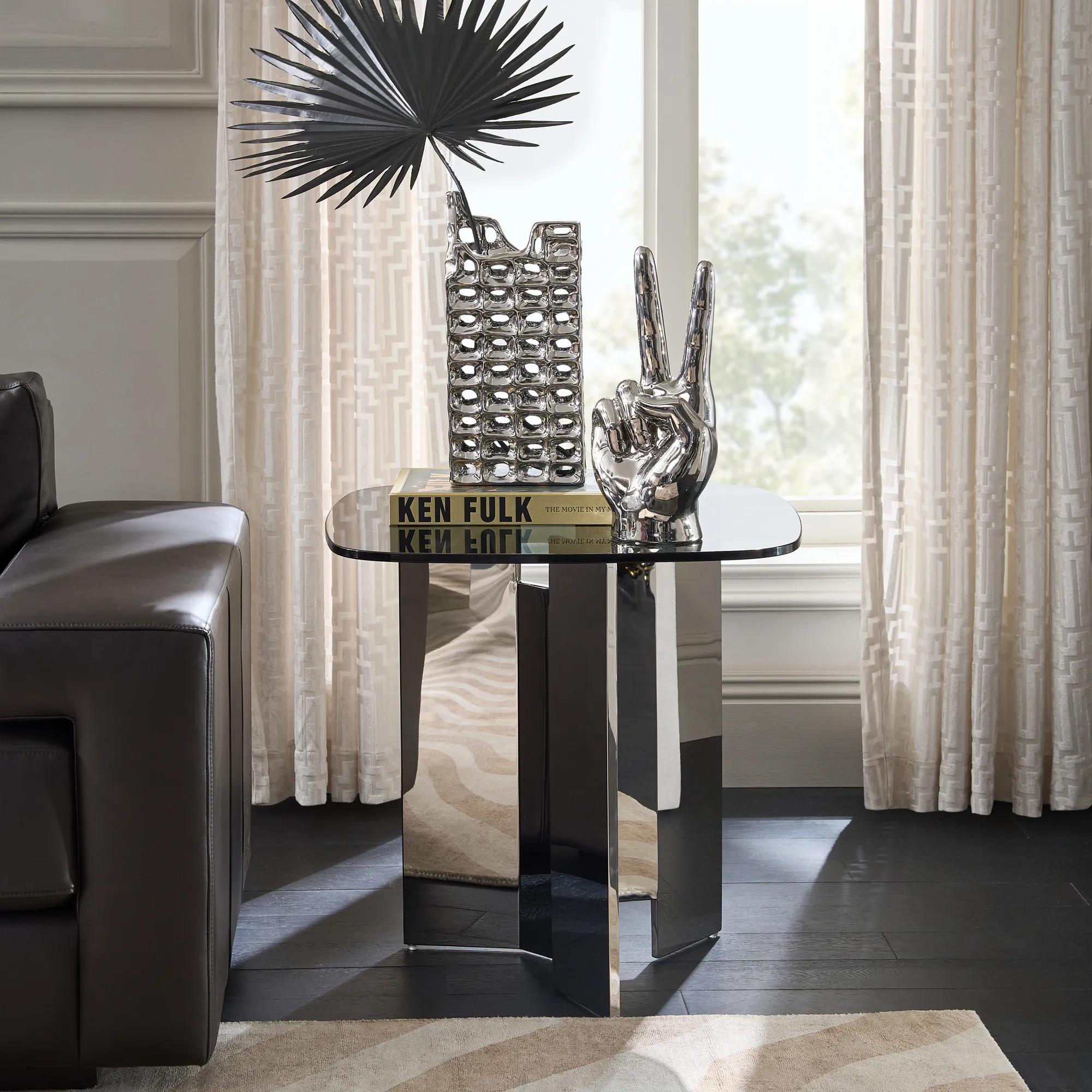 Pierce Vase$69
A ceramic vase with intricate facets and a gleaming silver finish for striking visual impact.
Add To Cart -
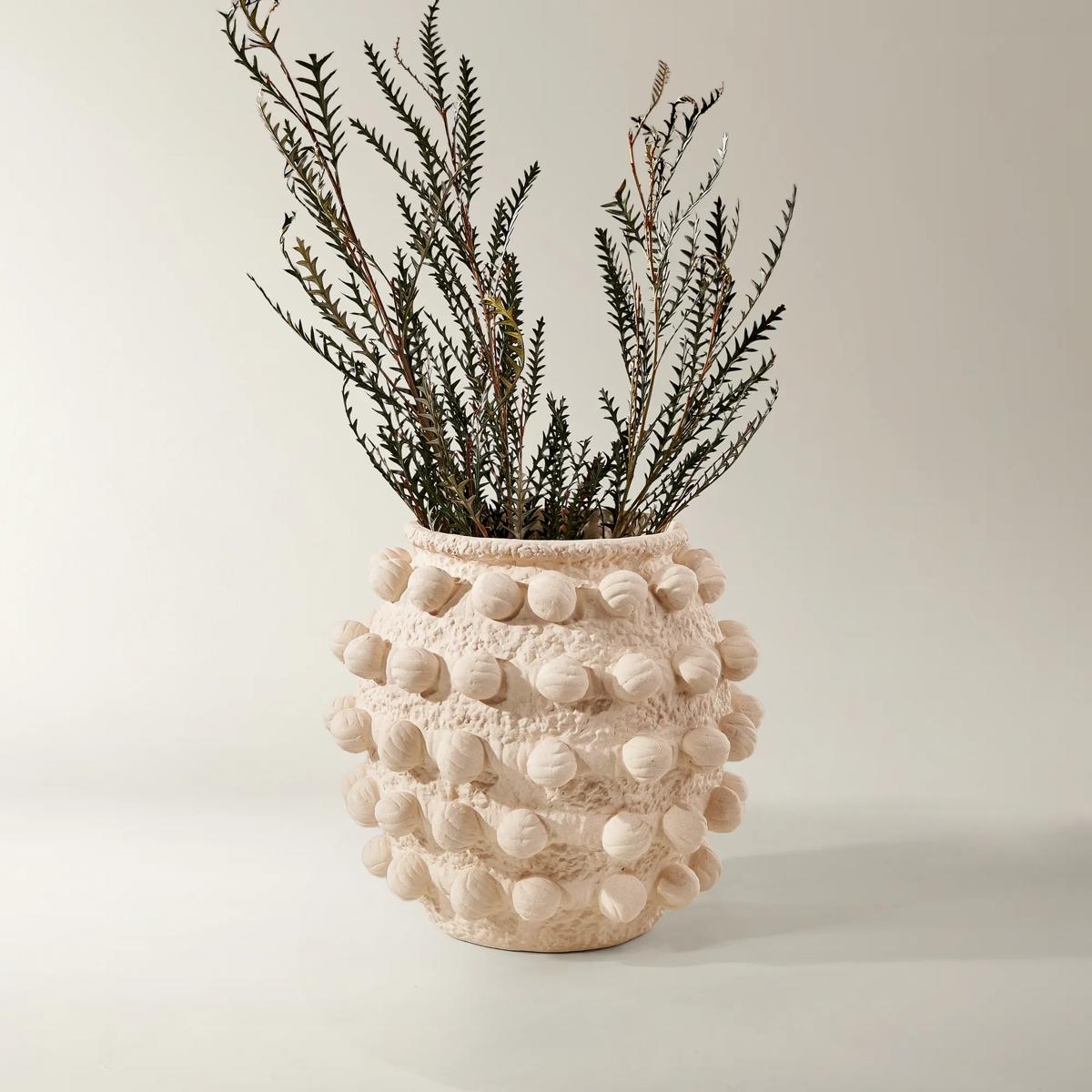
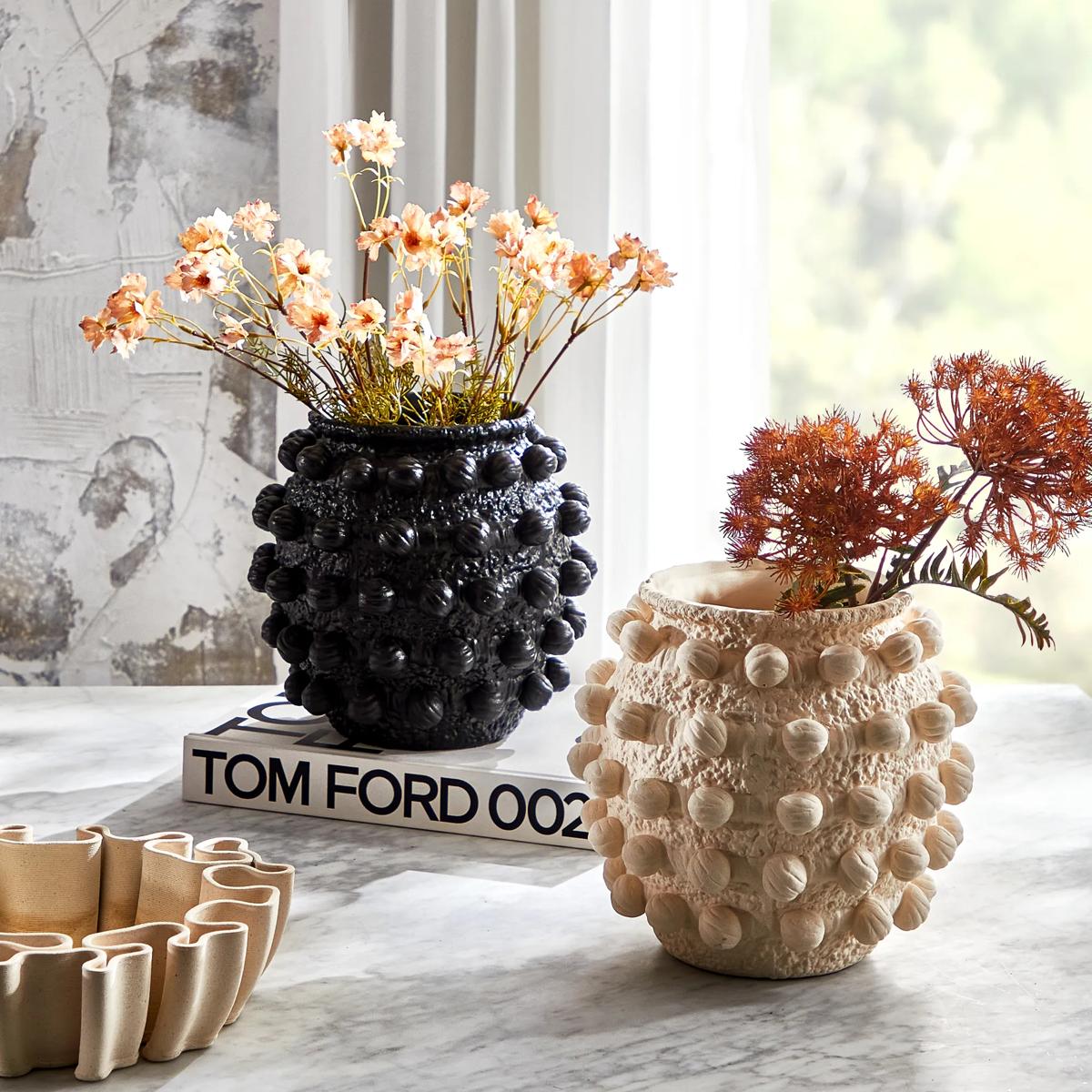 Pompa Vase - Ivory$119
An ivory porcelain vase featuring sculptural rounded forms and a richly textured, tactile surface.
Add To Cart -

 Madre Handcrafted Ivory Porcelain Vases$129
A handcrafted ivory porcelain vase featuring cascading textured fronds and a smooth matte finish.
Add To Cart -
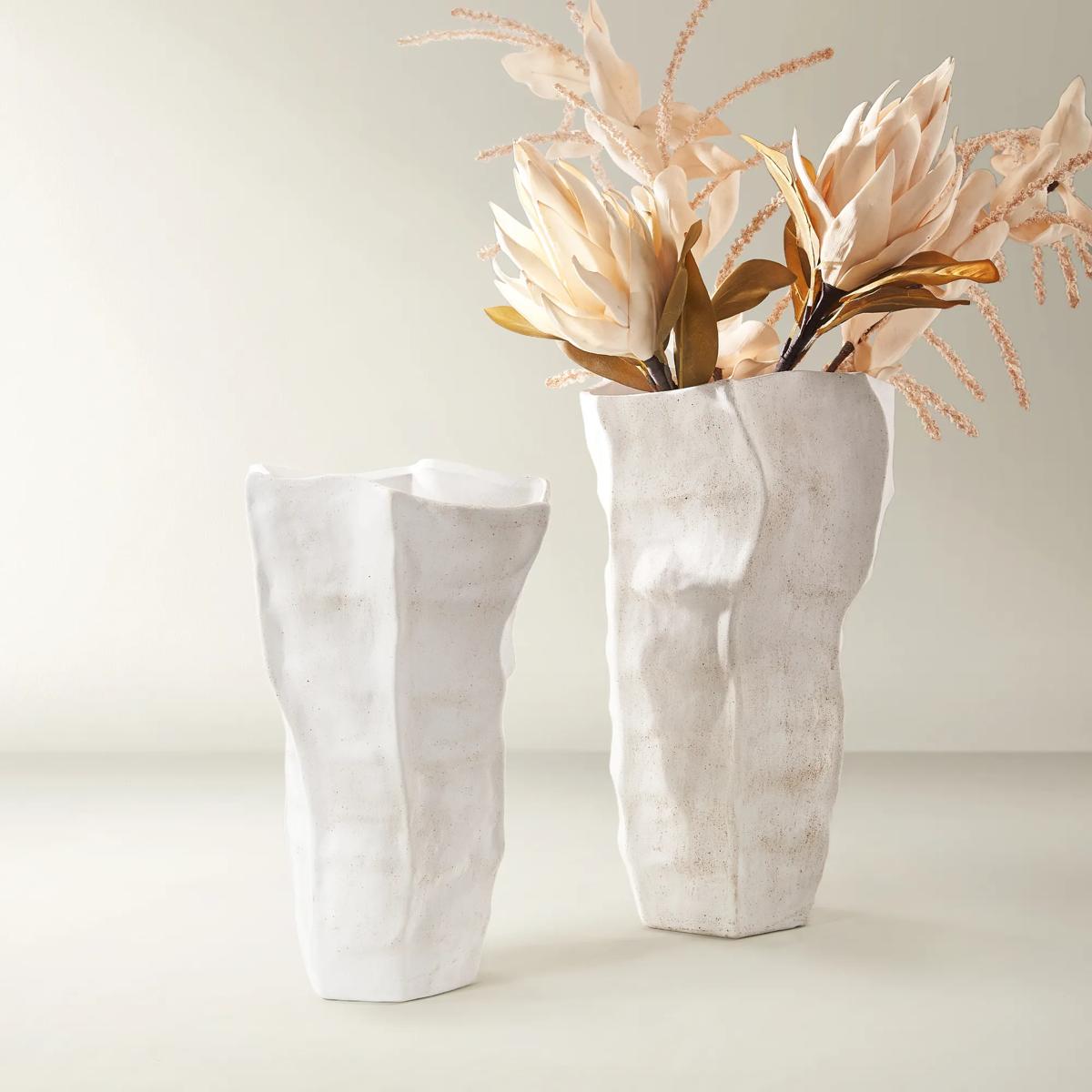 Kira Porcelain Vase$139
A sculptural matte white porcelain vase with fluid, faceted curves and a soft, textured finish.
Add To Cart -
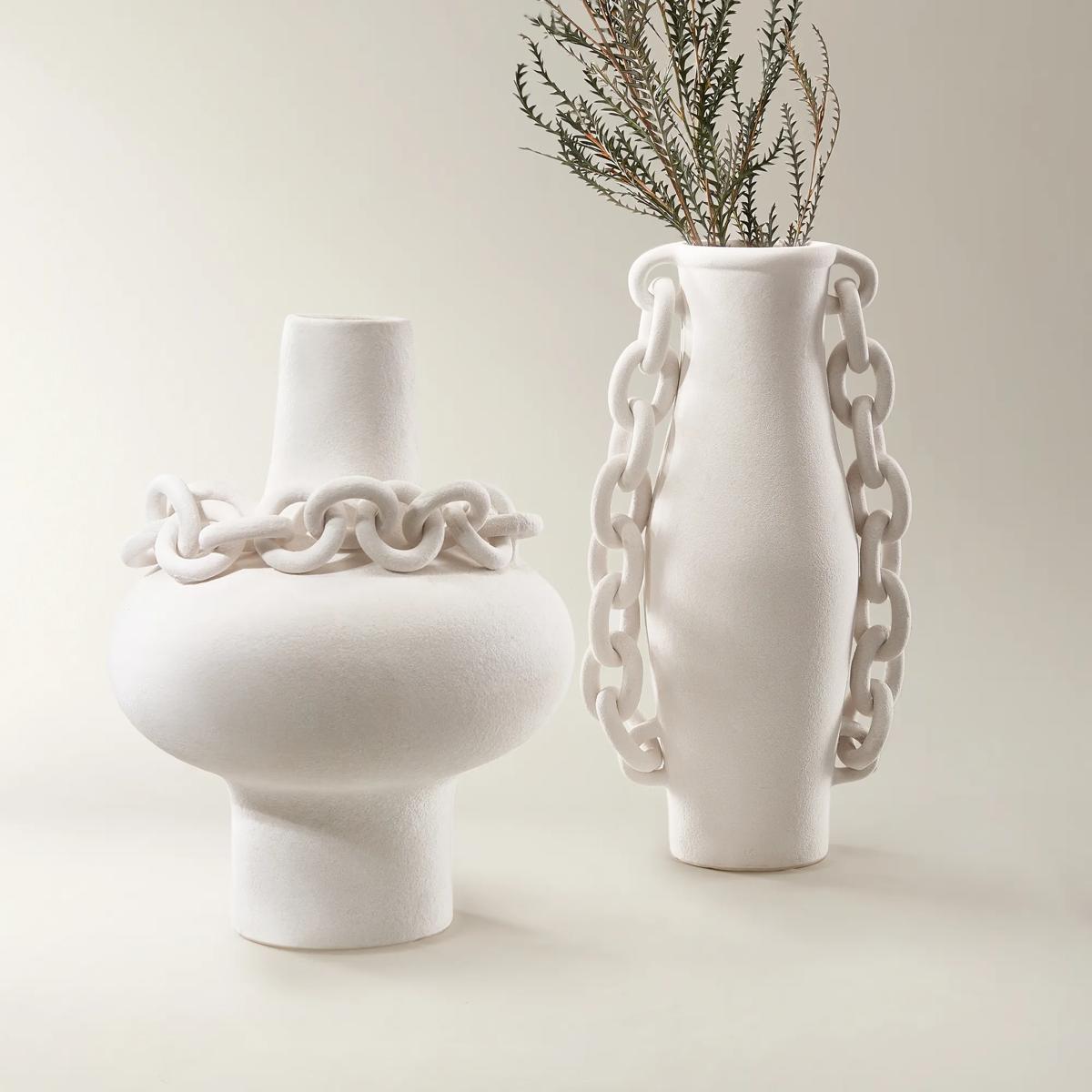
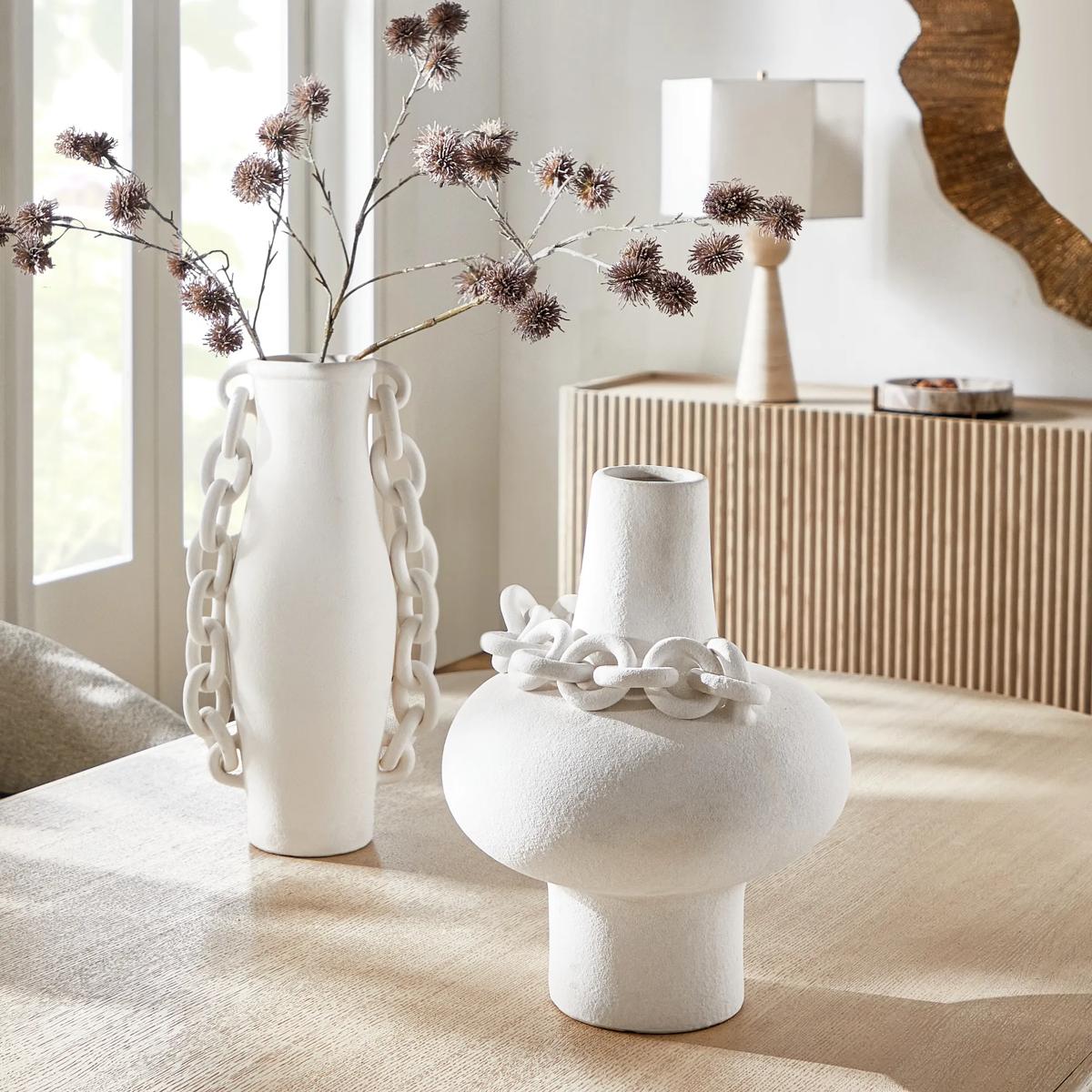 Links Stoneware Vases$119
A sculptural matte white stoneware vase featuring bold chain-link details for modern, artful texture.
Add To Cart -
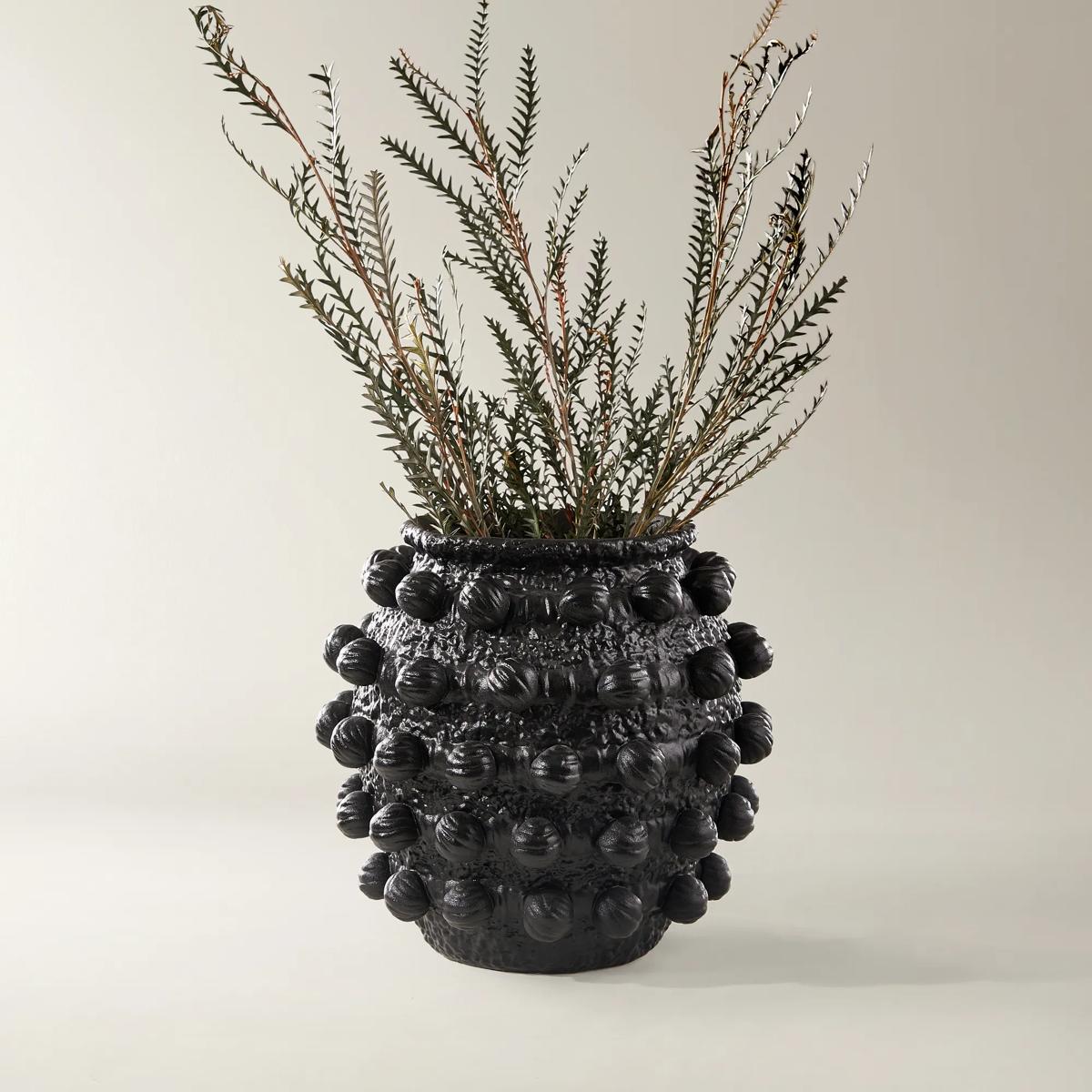 Pompa Vase - Black$119
A sculptural black porcelain vase featuring bold, rounded forms and a richly textured surface.
Add To Cart -
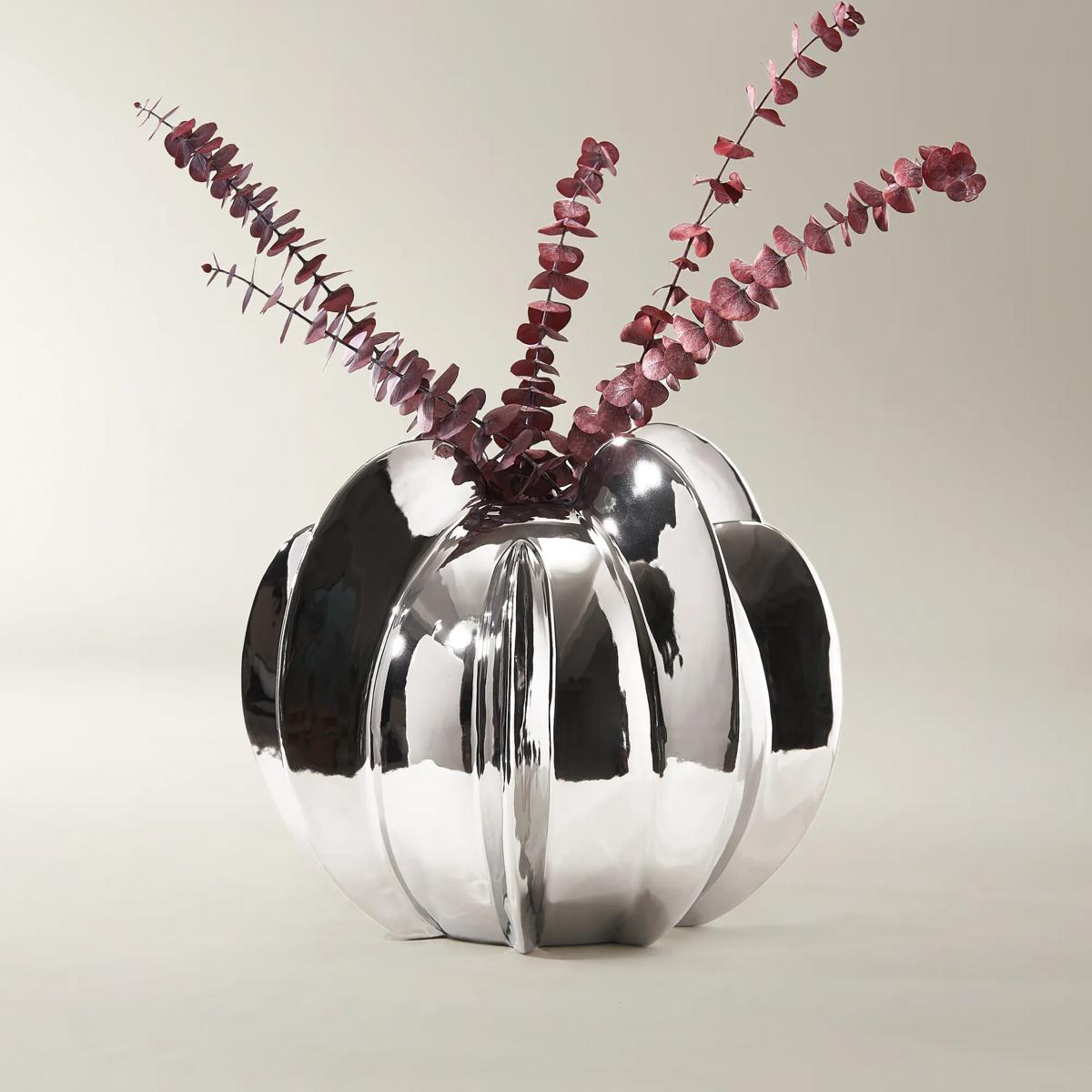
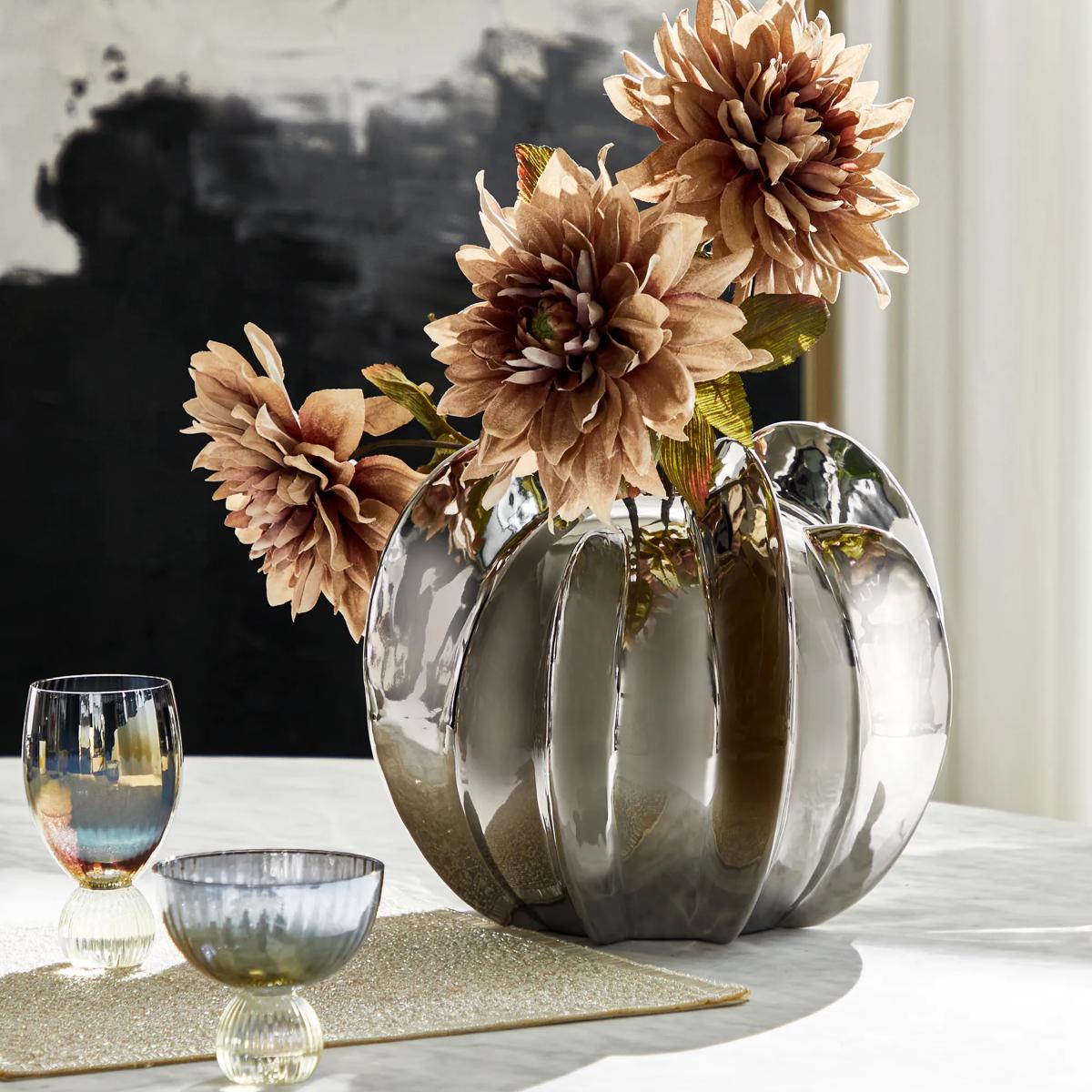 Voyage Vase$99
A reflective silver ceramic vase featuring a bold orb shape and dimensional vertical finned texture.
Add To Cart -
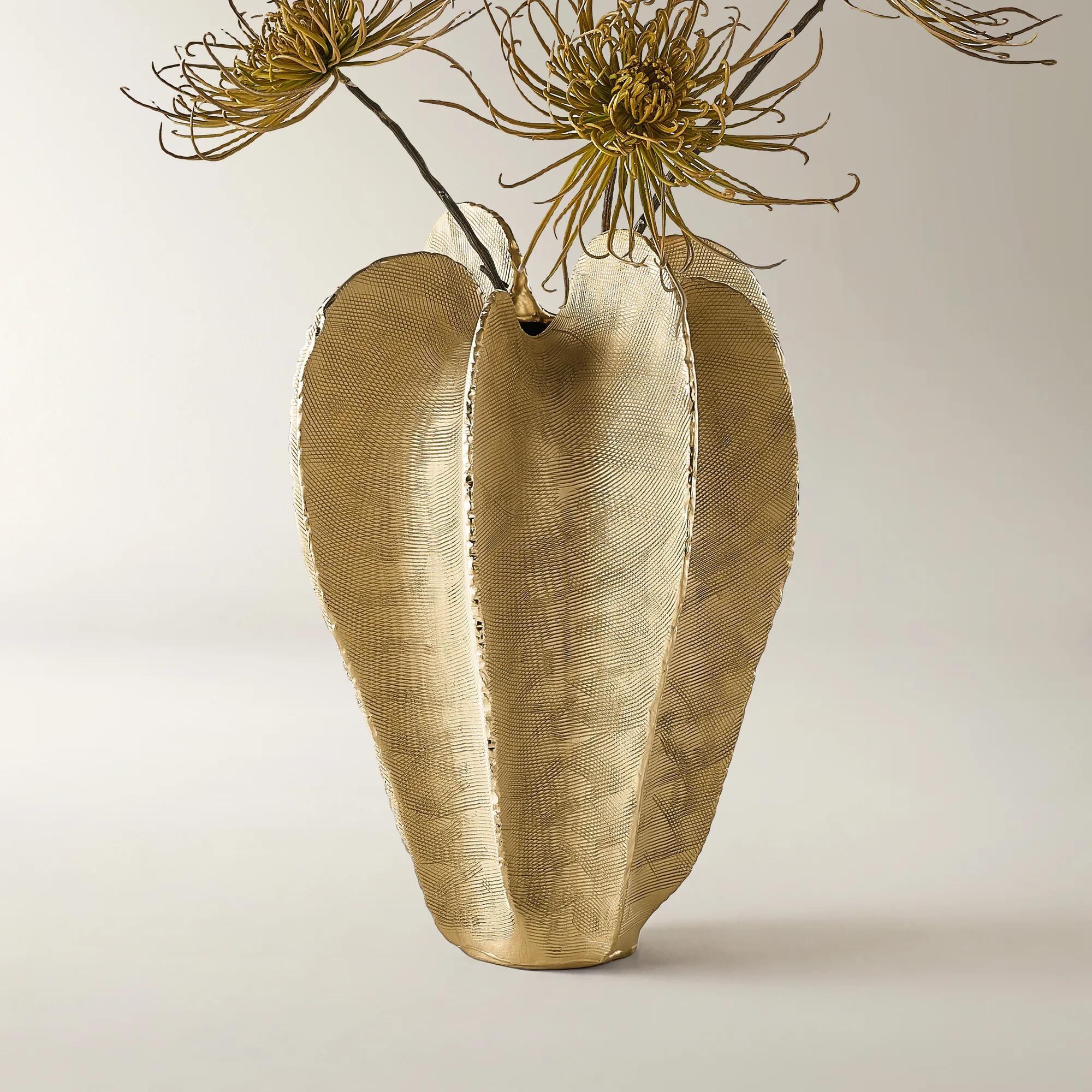 Kosta Soft Gold Textured Ceramic Vase 15.75"$129
A sculptural stoneware vase in a soft gold finish that adds artisanal texture and refined glamour.
Add To Cart -
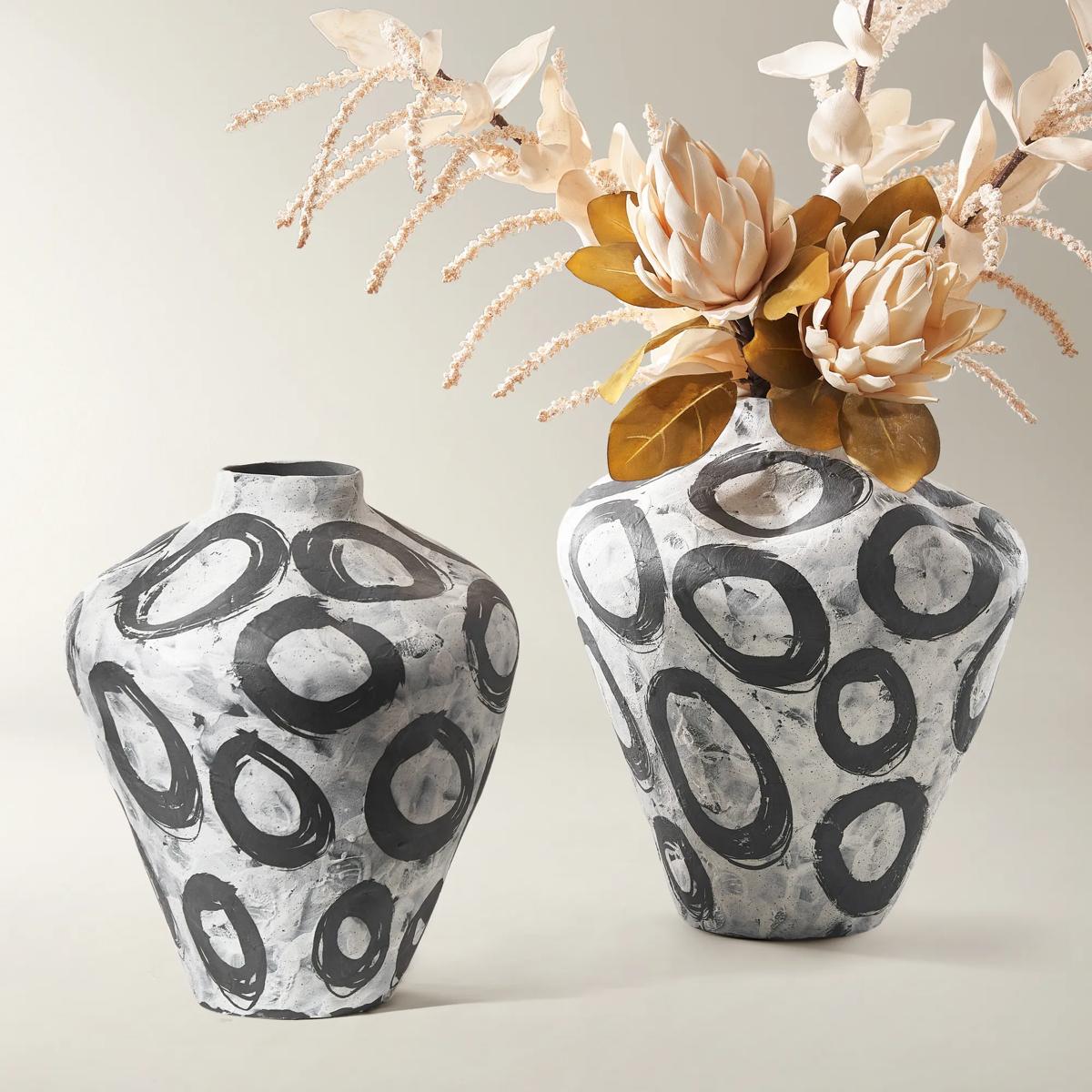
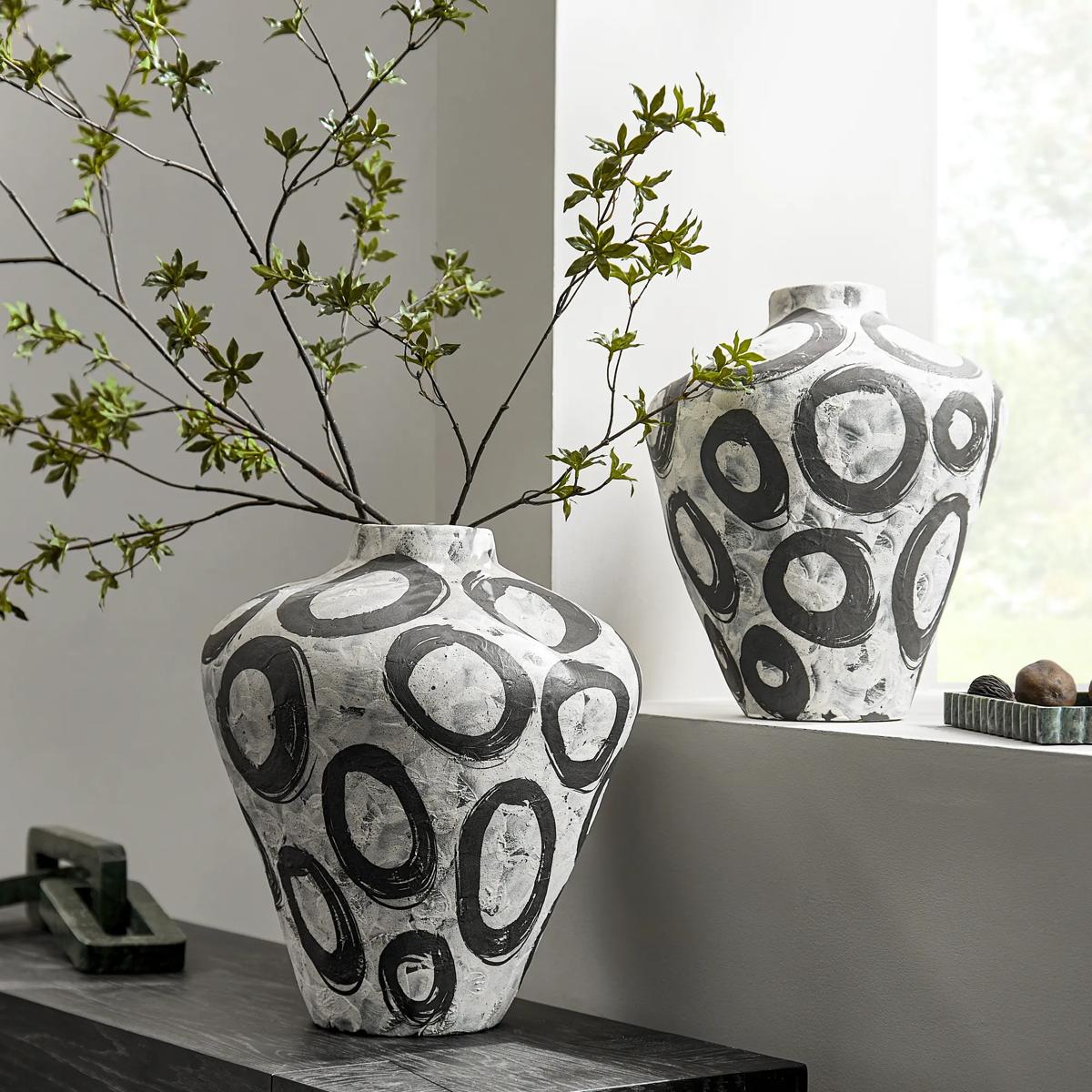 Stone Porcelain Vase$199
A sculptural porcelain vase featuring hand-painted black and white circular brushwork with a matte stone texture.
Add To Cart -
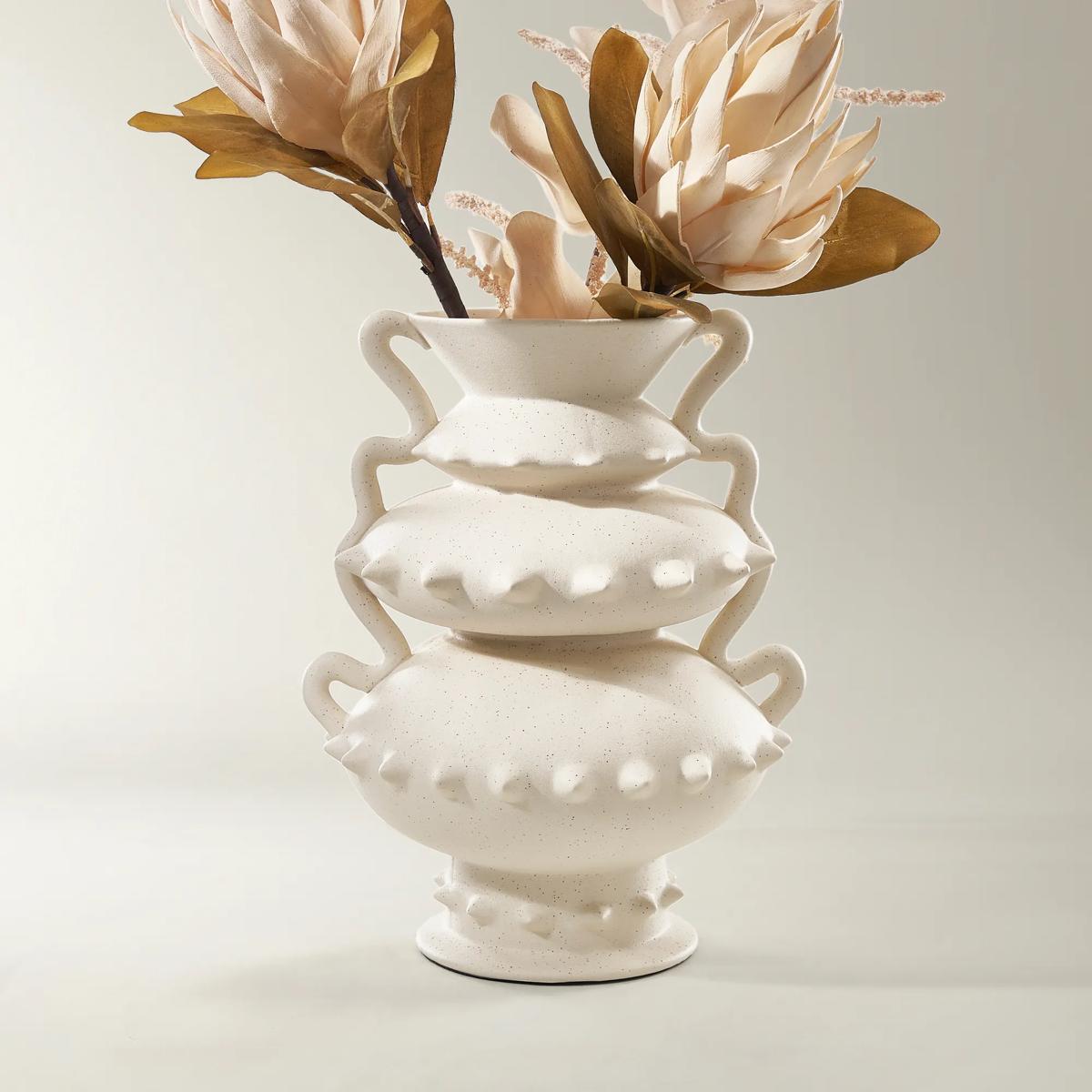 Savior Porcelain Vase - Ivory$189
An ivory porcelain vase featuring sculptural handles, tiered silhouette, and a matte, softly speckled finish.
Add To Cart -
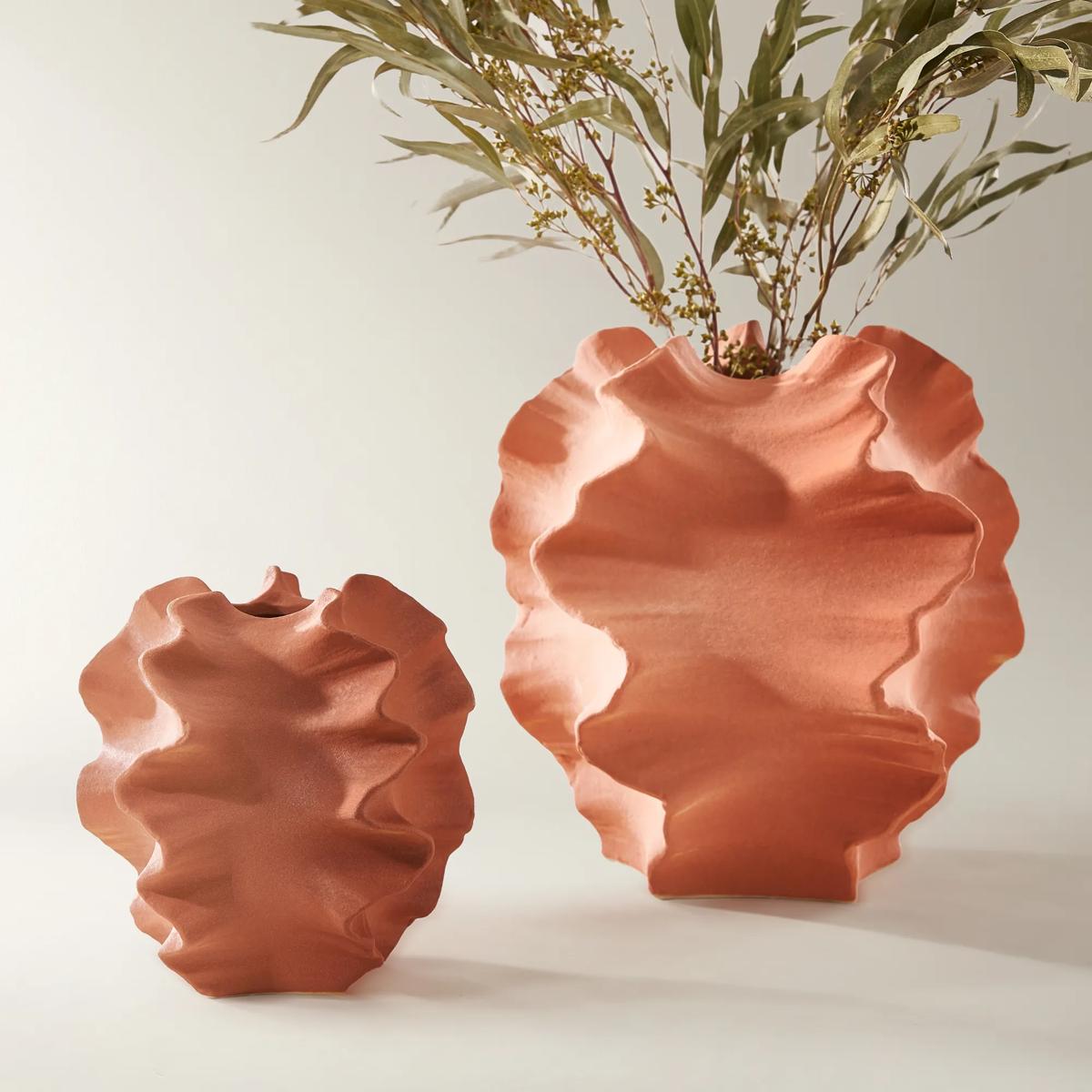
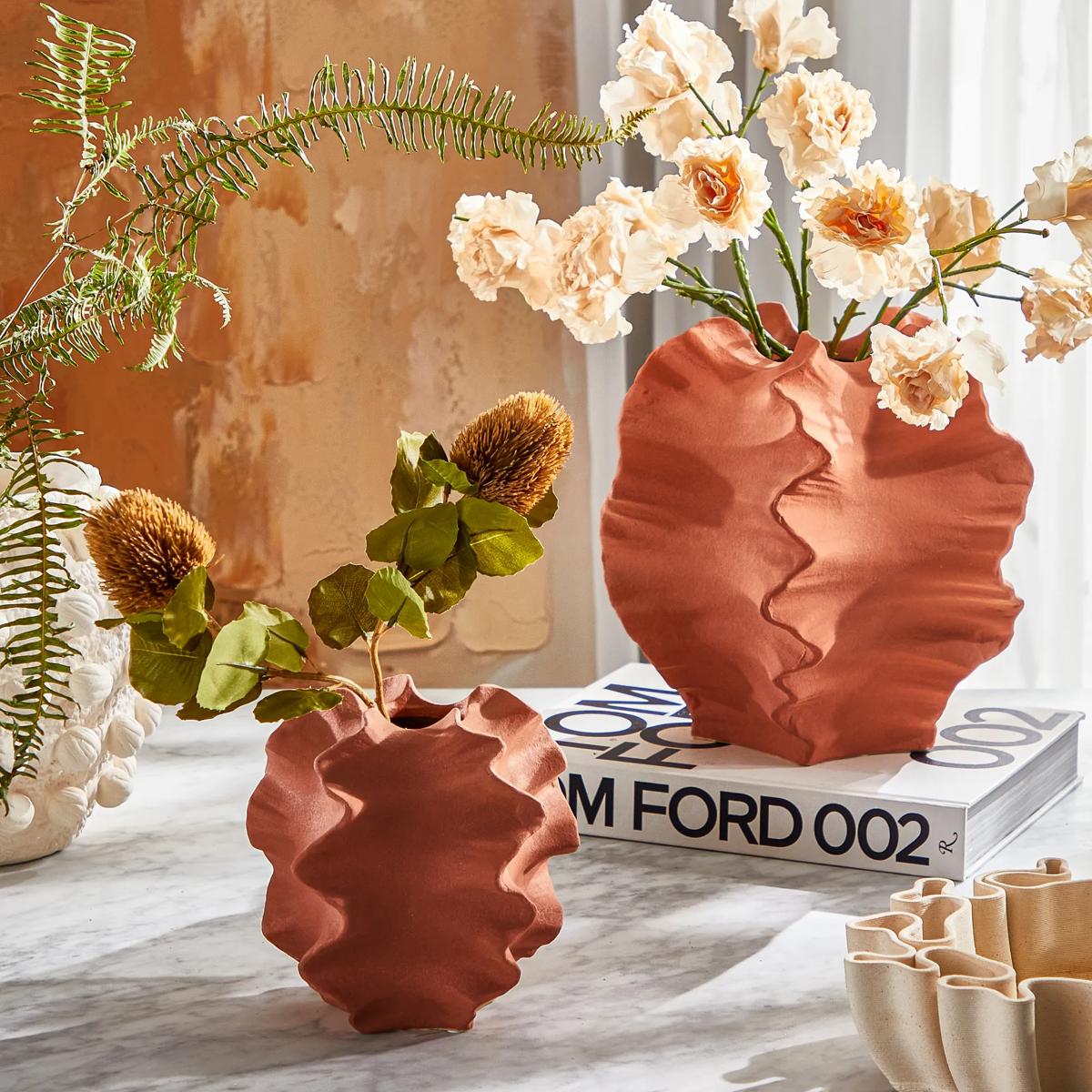 Morra Terracotta Sculptural Vases$79
A sculptural terracotta stoneware vase with rippling contours and a matte, earthy finish.
Add To Cart -
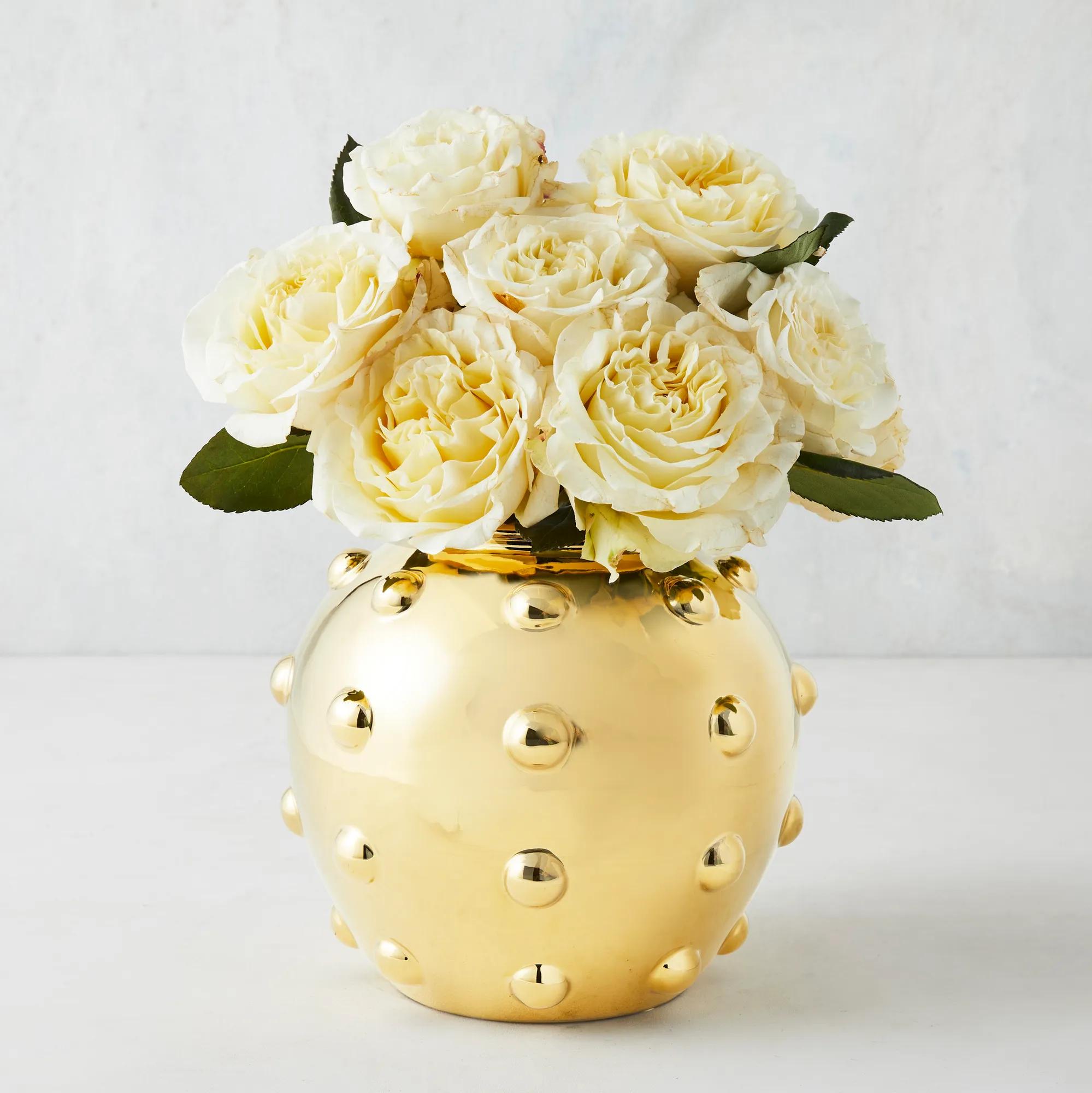
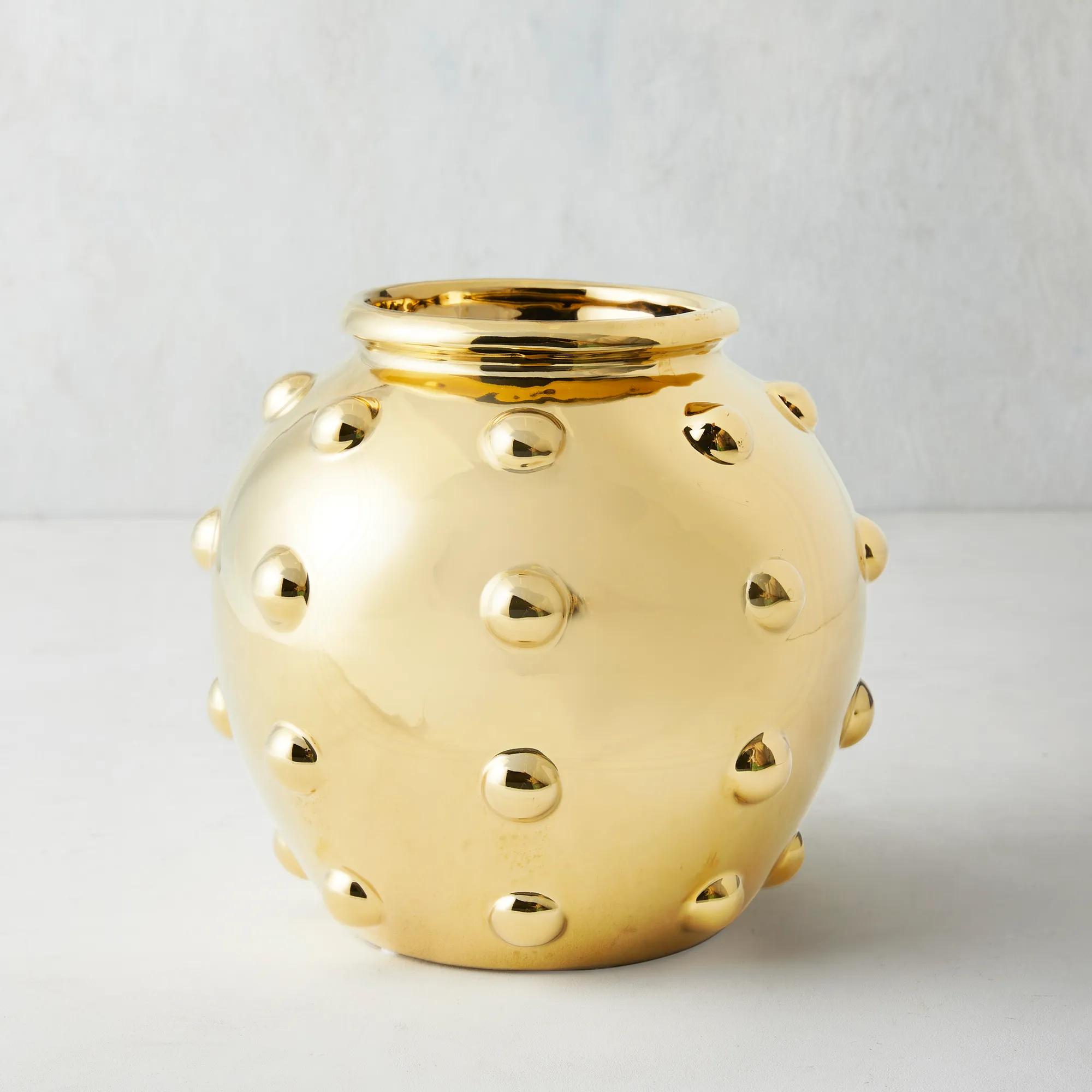 Orb Bauble Vase$59
A ceramic vase with a dimensional dot design and a gleaming gold finish for bold decor impact.
Add To Cart

Textured Ceramic Vases | Z Gallerie
Textured ceramic vases bring depth and sculptural drama to a console, mantel, or curated shelf. Explore expressive surfaces and dimensional details that make the vessel as compelling as the arrangement. Let texture lead your choice, then consider how the silhouette and finish will complement your space—whether displayed on its own or layered into an artful grouping.
Textured ceramic vases give a room something color alone cannot: a surface that changes with the light, bringing depth, shadow, and sculptural presence to an otherwise quiet corner. A raised pattern can catch the glow of a table lamp; a deeply grooved silhouette can turn a simple arrangement of branches into a striking composition. Even without flowers, these vessels have the visual weight to stand as decorative objects in their own right. Their appeal begins with the relationship between clay, form, and finish. Ceramic is shaped and fired to create a rigid body, while glazing and surface treatments influence everything from sheen to the way a pattern reads across a curved profile. Depending on the design, texture might appear as fine ribbing, broad channels, irregular impressions, or dimensional relief. Each creates a different rhythm: closely spaced lines feel tailored and architectural, while uneven surfaces introduce a more expressive, organic quality. A matte finish emphasizes contour and softens reflected light, whereas a glossy glaze can draw attention to every ridge and recess. Pale neutrals allow those shadows to become part of the palette; deeper tones make the outline feel more dramatic. Shape matters just as much. A rounded body adds fullness beside angular furniture, a slender neck gives a few stems a deliberate silhouette, and a broad opening accommodates a fuller arrangement. For interiors layered with velvet, glass, polished metal, or richly grained wood, ceramic offers a tactile counterpoint that keeps the composition from feeling one-dimensional. The effect can be restrained or extravagant without losing its sense of intention. A single substantial vase on a console creates a confident focal point, while a smaller vessel nestled beside art books adds detail that rewards a closer look. These are decorative accents for people who notice the curve of a handle, the depth of a glaze, and the way one thoughtfully placed object can change the character of an entire room.
Scale and placement determine how beautifully that character translates into everyday living. On an entryway console, a textured ceramic vase can introduce the home’s palette before the eye travels farther into the space. On a dining table, a lower profile keeps conversation open while adding substance to the center of the setting. A taller vessel makes a more architectural statement on a sideboard or generous mantel, particularly when there is enough breathing room around it for the outline to remain clear. Consider the full footprint, not just the height: a wide-bodied vase needs sufficient surface area, and an arrangement of spreading stems may extend well beyond the vessel itself. A narrow neck can help hold a few upright stems in place, while a wider mouth often needs more volume to create a balanced composition. The weight of the vase, the breadth of its base, and the reach of the arrangement should work together, especially near walkways or in homes with children and pets. Ceramic vessels also suit different kinds of displays, from fresh flowers and dried botanicals to sculptural branches and convincing faux stems, but intended use should always follow the individual piece’s care information. A glazed exterior does not necessarily mean a vase is watertight. For fresh arrangements, confirm that the vessel is designed to hold water, and use a suitable liner when the manufacturer recommends one. Dried or faux stems offer another way to enjoy an intricate surface without introducing moisture. A protective pad beneath the base can help shield delicate furniture finishes, provided the pad itself is appropriate for the surface. When grouping vases, variation creates a more compelling composition than perfect duplication. Different heights can share a common color, or related silhouettes can carry contrasting textures. Leaving a little open space between them allows each surface to register. Beside a large mirror, a ribbed vase gains added dimension through reflection; against patterned wallpaper, a simpler silhouette gives the eye somewhere to settle. The most effective placement makes the texture visible without asking every surrounding object to compete.
The lasting appeal of textured ceramic vases comes from their versatility, but their beauty benefits from considered care. Fired ceramic is rigid and can hold its form well in decorative use, yet it remains vulnerable to chips, cracks, and breakage from impact. Raised details and narrow rims deserve particular care when a vessel is moved or cleaned. Lift from the body or base rather than pulling at the neck or decorative projections, and position heavier pieces where they are unlikely to be knocked. A soft, dry cloth handles routine dusting on many finishes, while a soft brush can reach into grooves and relief patterns without abrasive scrubbing. Any damp cleaning should follow the manufacturer’s directions, since porous surfaces, specialty glazes, and decorative coatings may require different treatment. Harsh cleaners, rough pads, and prolonged soaking can damage some finishes; dishwasher use should never be assumed. For vessels approved for fresh flowers, emptying old water and cleaning as directed helps limit residue inside, and the exterior and base should be dry before the vase returns to a wood tabletop. That small measure of attention preserves both the object and its setting. As gifts, ceramic vases offer a balance of personal expression and practical flexibility. A housewarming recipient can place one on a newly styled shelf, a design enthusiast can build a vignette around its sculptural shape, and a host can enjoy it long after an accompanying bouquet has faded. Matching the vessel’s proportions and color to the recipient’s space makes the gesture feel especially considered. For a contrasting layer of luminosity, textured silver vases introduce reflective surfaces that play beautifully against ceramic’s quieter depth. Together, the materials create a dialogue between gleam and shadow, smoothness and relief. Whether displayed alone or within a richly layered arrangement, a textured ceramic vase gives decoration a tangible presence: an expressive form with enough detail to hold attention, and enough versatility to become part of the room’s enduring composition.
FAQs
Texture describes physical surface detail, such as ridges, facets, or raised motifs. Pattern describes a visual design, including painted lines or brushwork. A vase can feature either or both; close-up photographs and the product description help distinguish dimensional relief from a smooth, decorated surface.
Absolutely. An expressive surface and sculptural silhouette can make an empty vase feel like a finished composition. Position it where its contours are visible, and leave the opening unfilled when you want the ceramic form itself to command attention.
Create a connection through color rather than repeating every motif. A tonal textured vase can add depth beside patterned decor, while a more intricate vessel benefits from quieter surroundings. Give one element the leading role so the arrangement feels deliberate rather than crowded.
Look to the recipient’s home for direction: their preferred colors, finishes, and balance of organic or geometric forms. A familiar palette with an unexpected surface detail feels personal, offering an artistic accent that complements their style without simply duplicating it.
Follow the individual product’s care instructions, since finishes and applied details can require different treatment. Dust gently with a soft cloth or soft-bristled brush, taking care around raised elements. Avoid abrasive tools that could scratch the finish or catch on delicate surface details.