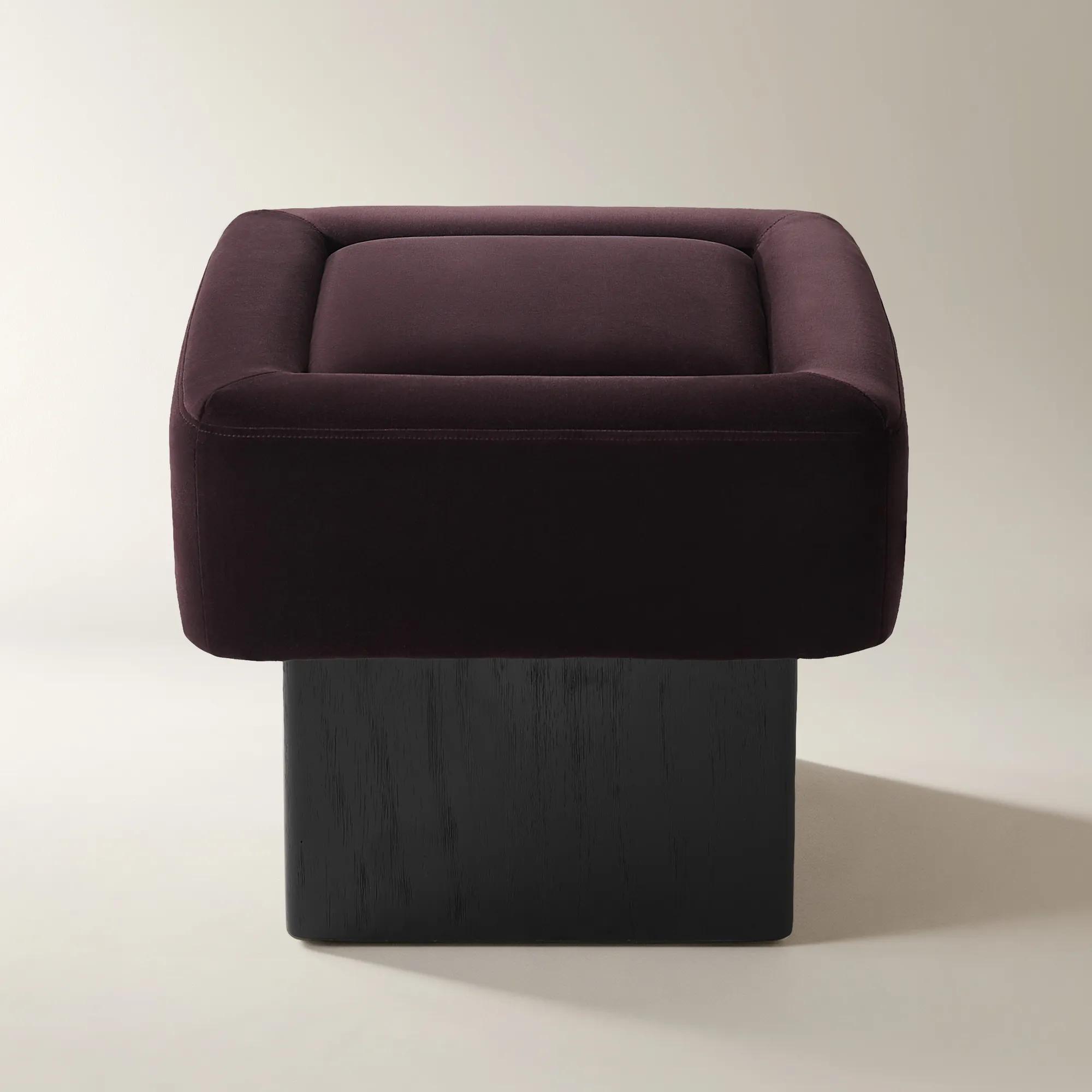
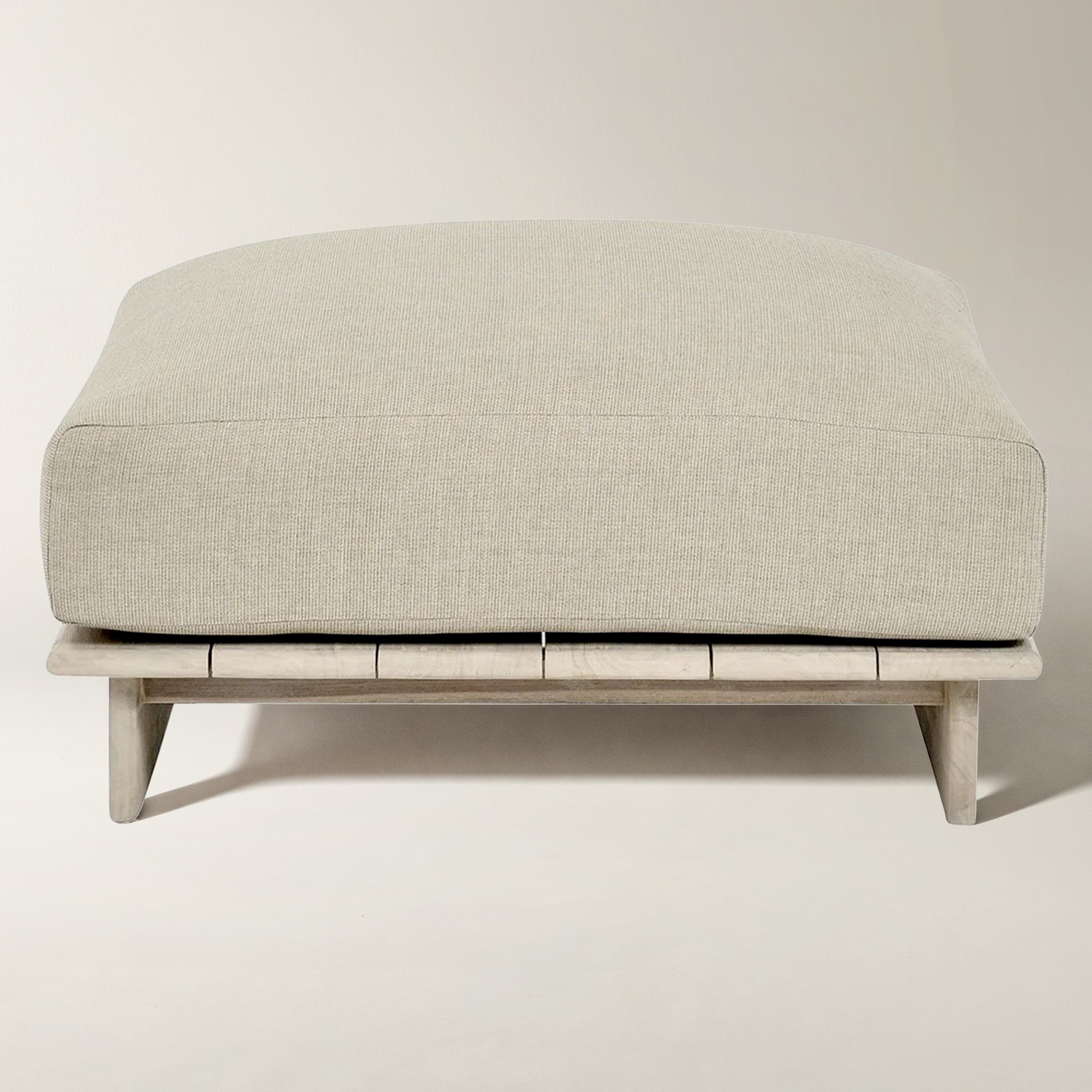
Ottomans For Small Spaces
Ottomans For Small Spaces
-
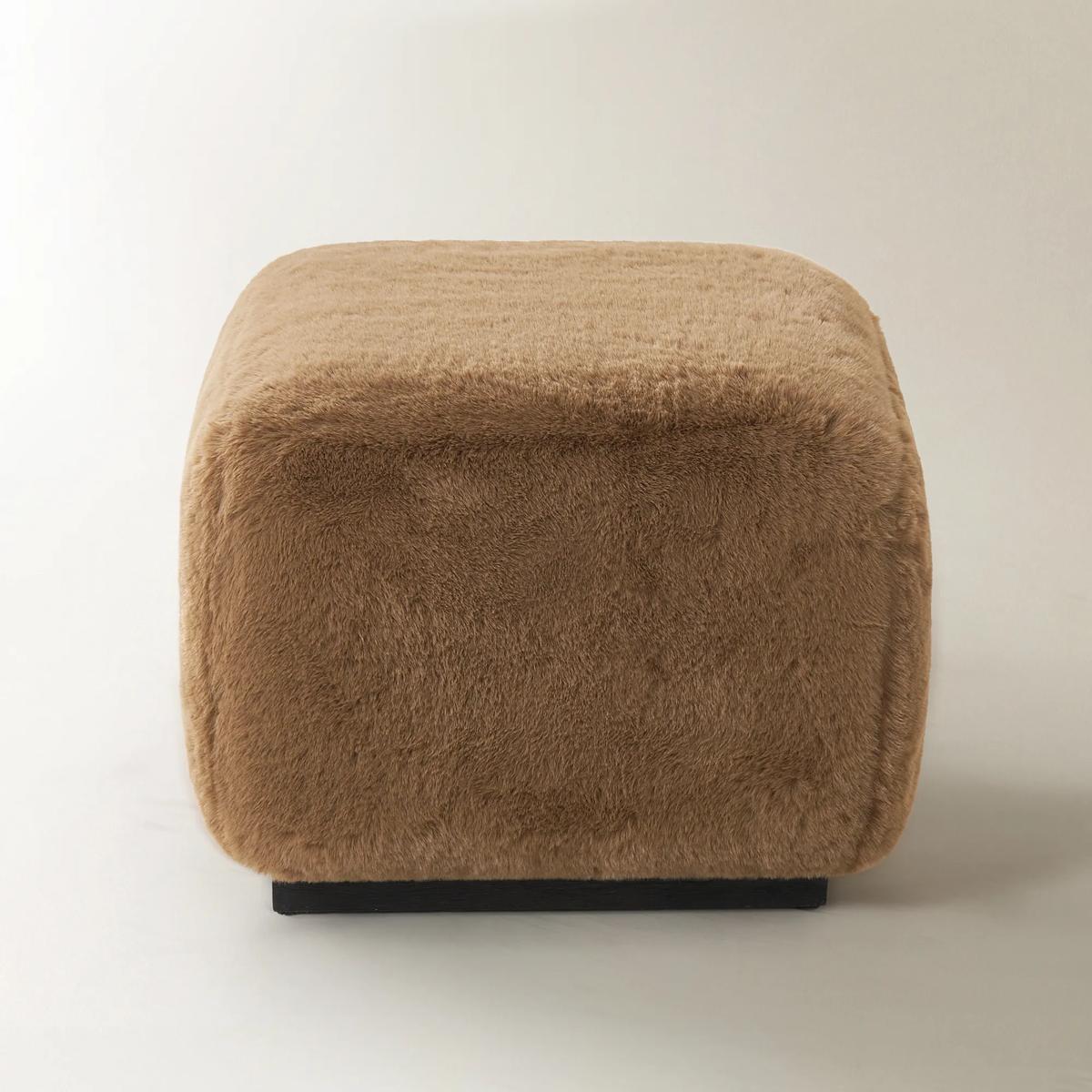
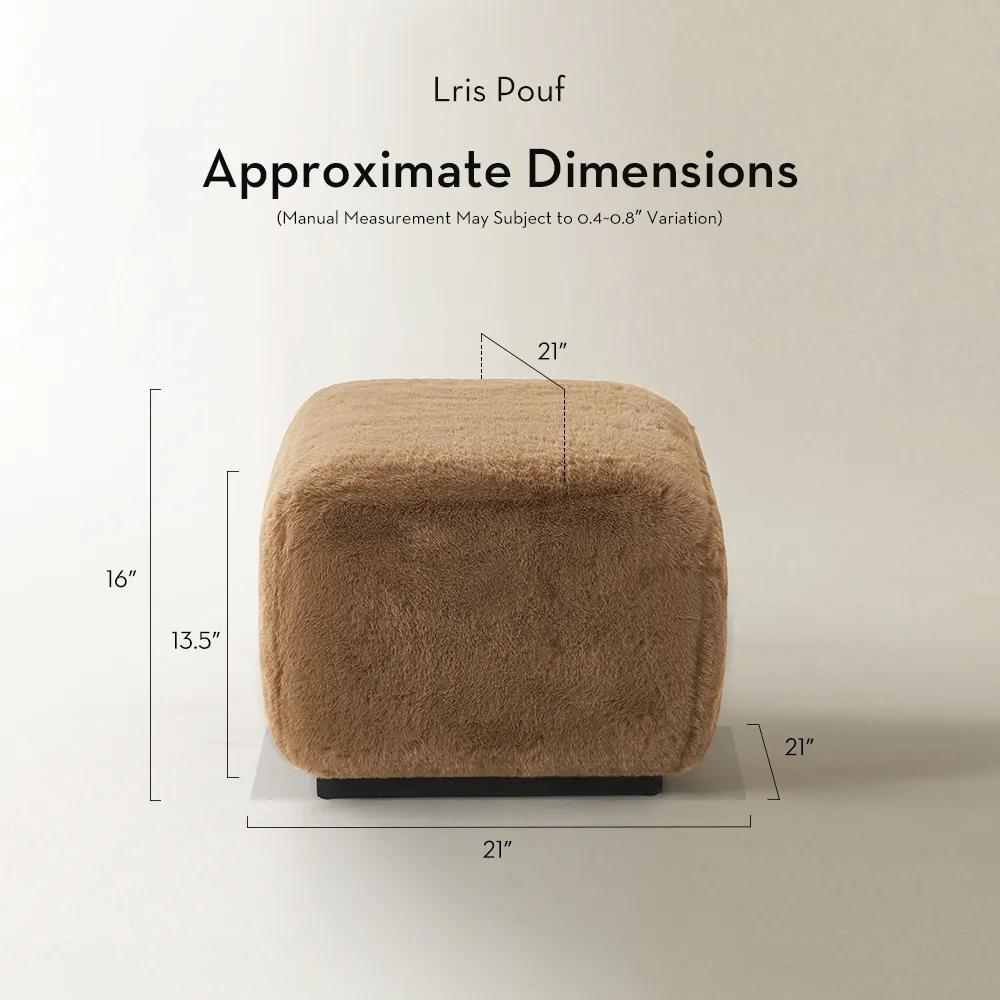 Lris Camel Faux Fur Stool (21")$299
A camel faux fur pouf with a solid rubberwood base, offering cozy warmth and modern sophistication.
Add To Cart -
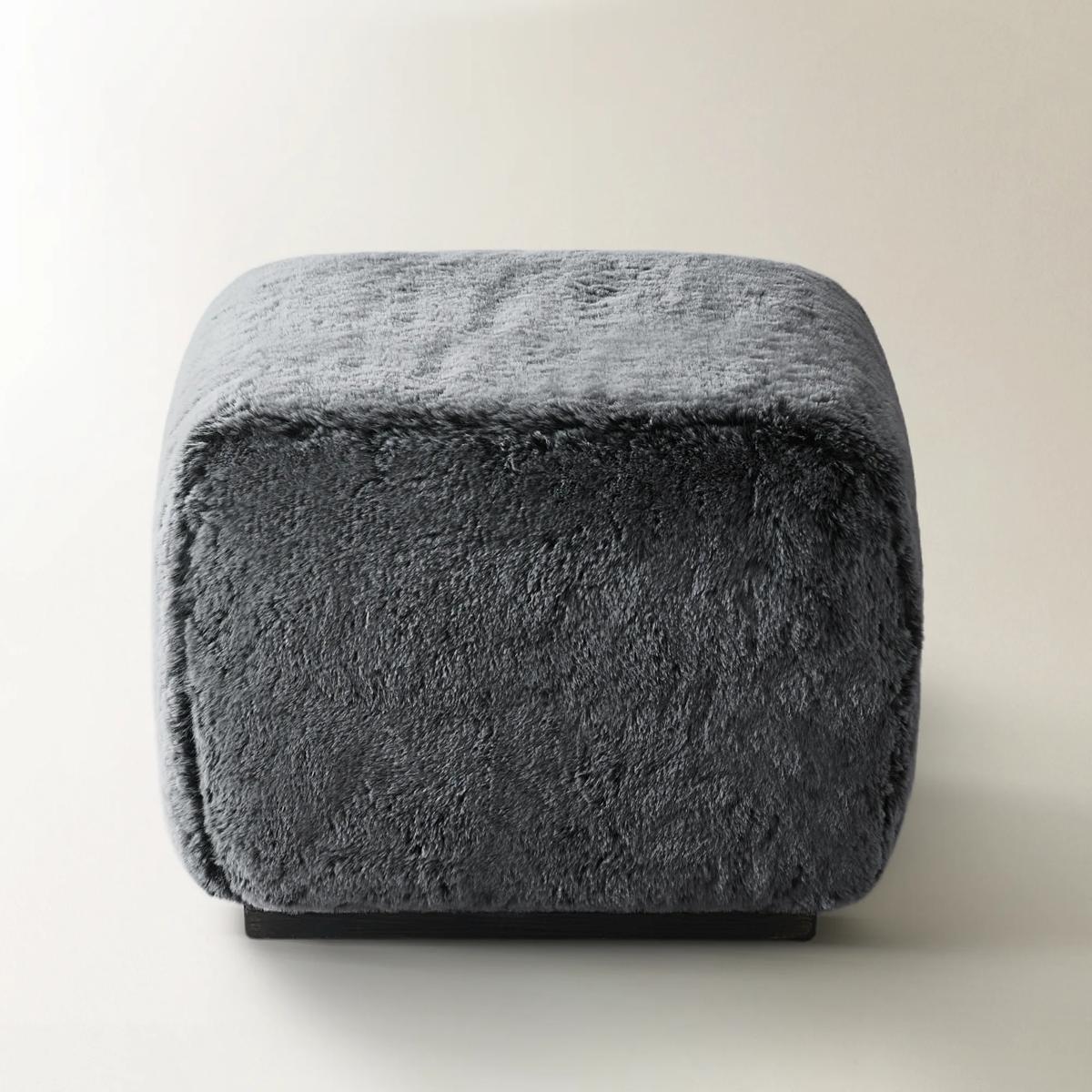
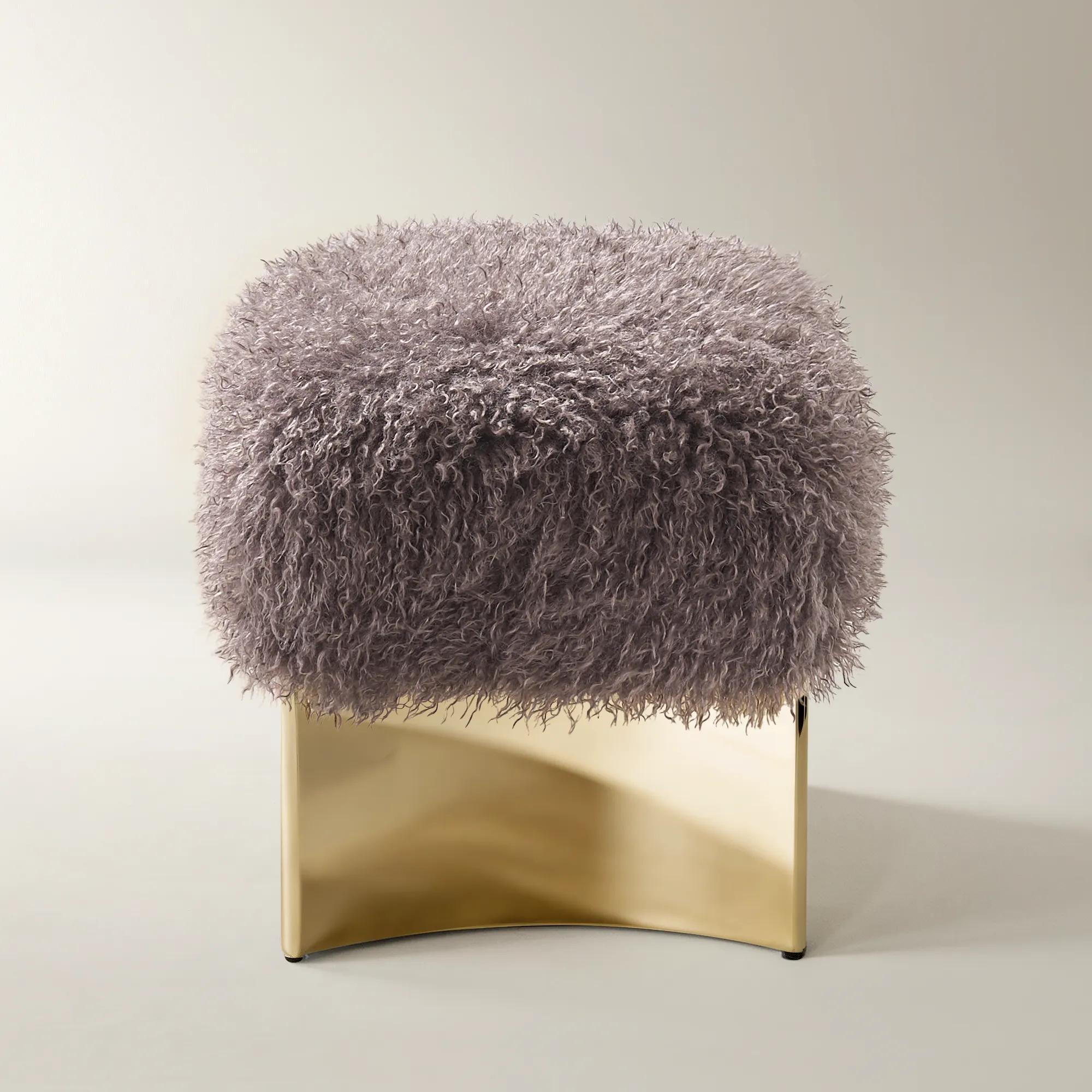
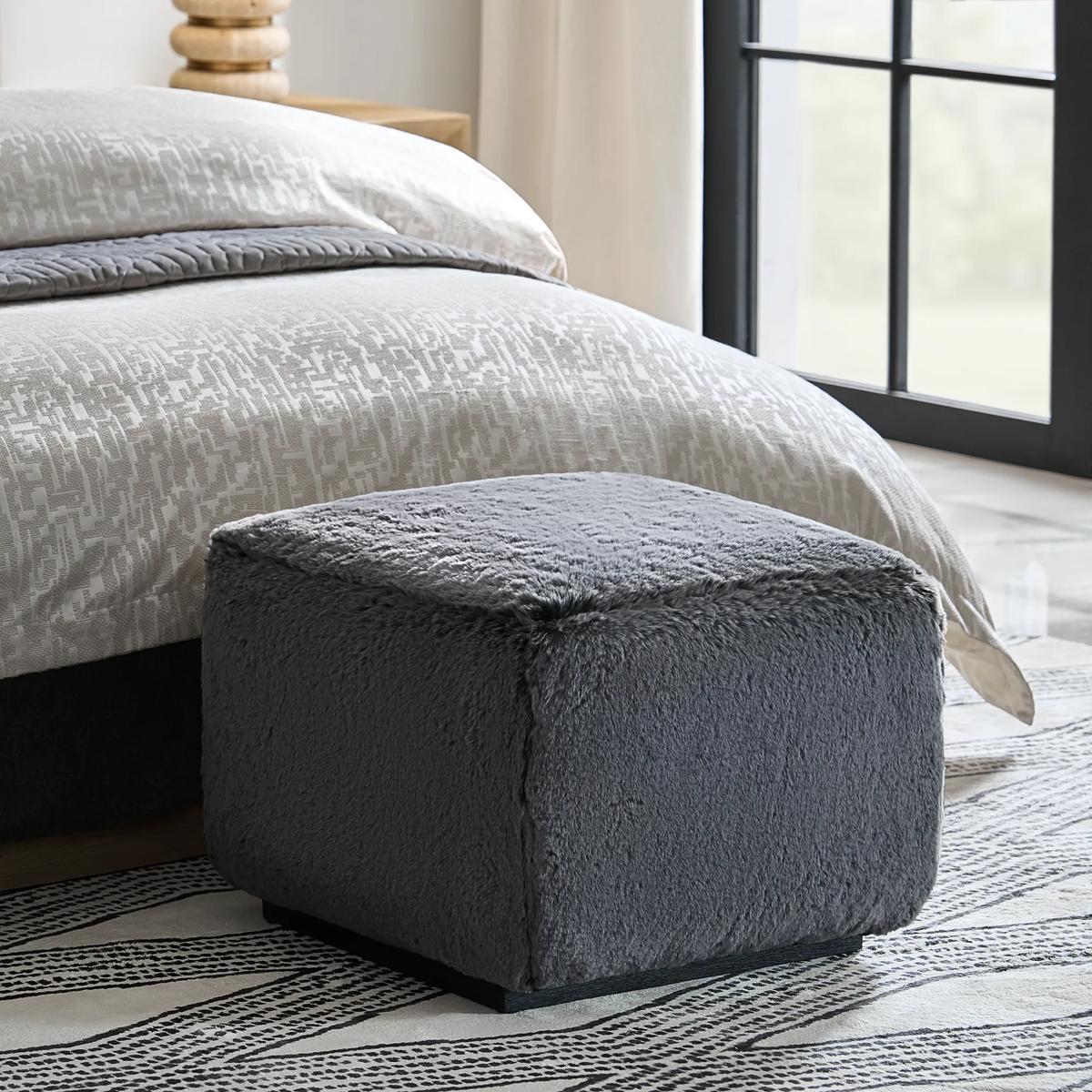 Lris Grey Faux Fur Stool (21")$299
A charcoal grey faux fur pouf with high-density foam and a sturdy rubberwood base for modern comfort.
Add To Cart -
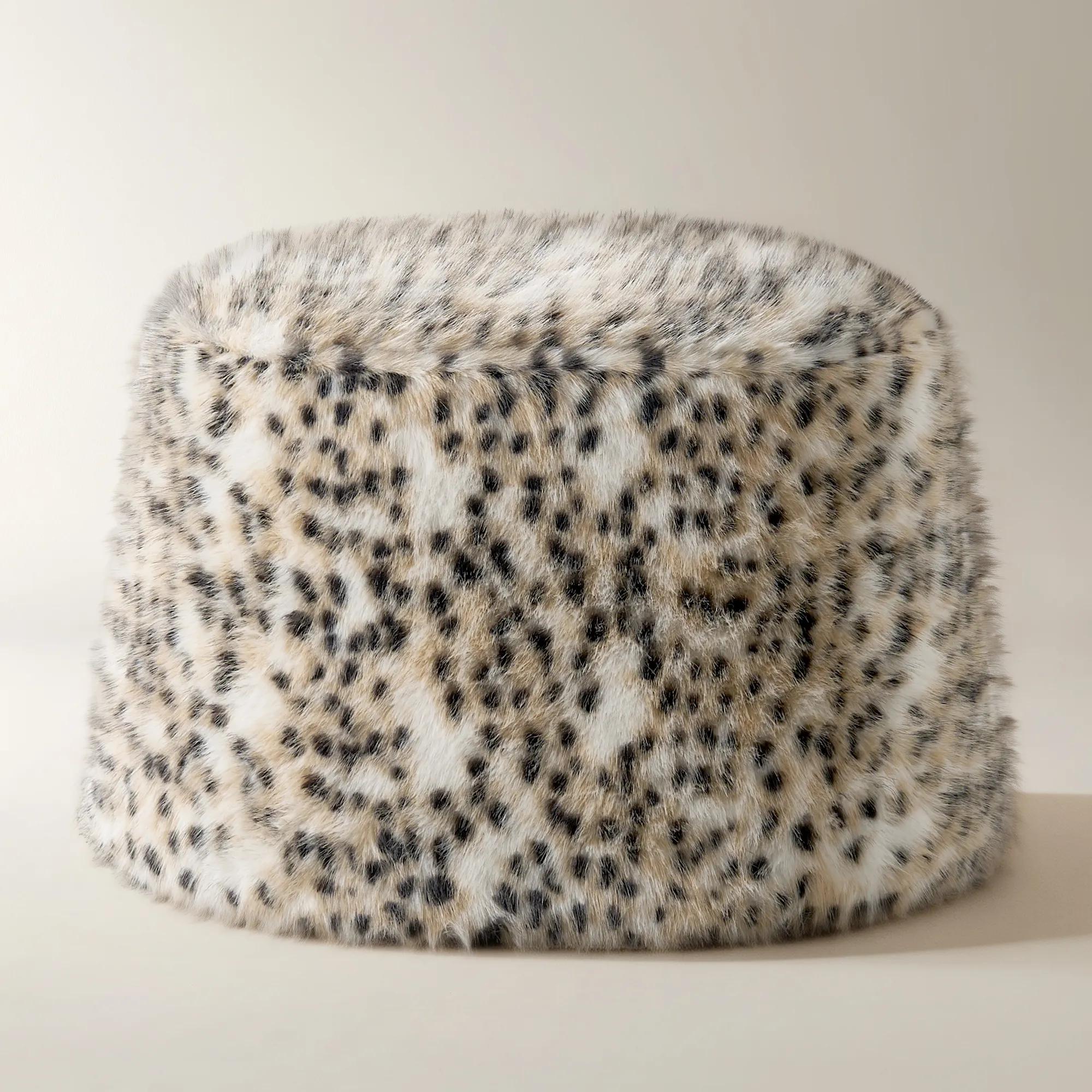
 Leopard Camel/Black Cow Hide Ottoman (18'')$799
A genuine cowhide pouf in camel and black leopard print with a removable cover and hidden zipper.
Add To Cart -
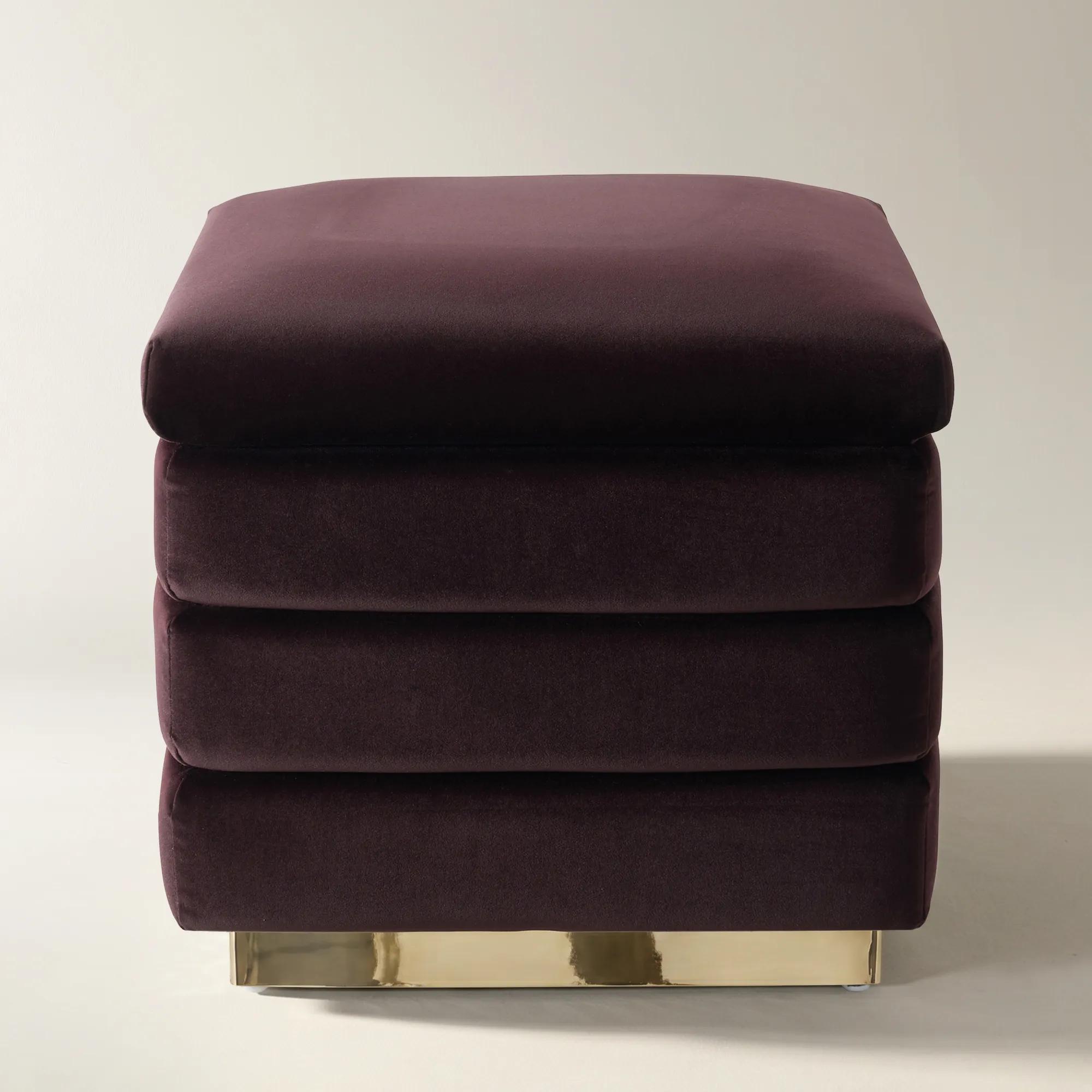
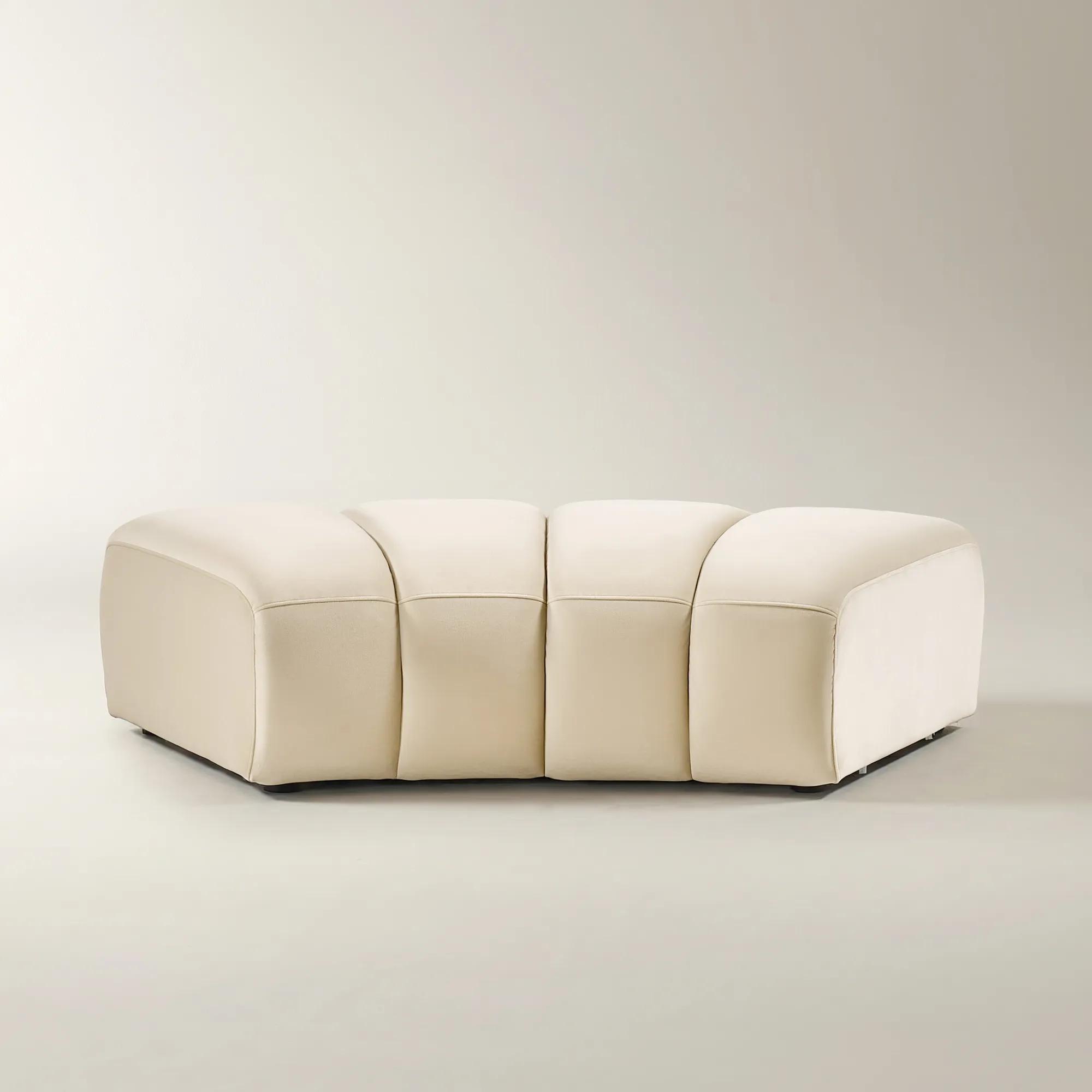 Jocelyn Channel-Tufted Oatmeal Velvet Ottoman$999
An oatmeal velvet ottoman featuring deep channel tufting, curved silhouette, and kiln-dried wood construction.
Add To Cart

Ottomans For Small Spaces
Ottomans for small spaces are the secret to transforming petite rooms into luxurious retreats, where every square inch radiates intention and artistry. These versatile pieces invite you to reimagine your layout—layering plush comfort, sculptural silhouettes, and a dash of drama into even the most compact corners. Whether nestled beside a statement chair or standing alone as a bold accent, each ottoman becomes a curated moment, proving that style knows no limits. Let your space sing with personality and purpose, as you discover how ottomans for small spaces can elevate the everyday with opulent ease.
Ottomans for small spaces bring the comfort of a footrest into a compact footprint, with select designs also offering concealed storage, occasional seating, or a place to set a tray. Their appeal lies in that balance: one beautifully considered piece can serve several purposes without asking a room to accommodate another full-size chair or table. In an apartment living room, a tailored ottoman can sit opposite a loveseat, creating a place to stretch out without the permanent reach of a chaise. Beside a reading chair, a petite round silhouette makes the corner feel composed rather than crowded. Scale matters more than square footage alone. An ottoman should relate to the seat it accompanies, generally sitting at or slightly below the cushion height for comfortable leg support. Its width and depth should leave room for doors, drawers, and everyday movement, including the route between a sofa and the rest of the room. Around 16 to 18 inches between a sofa and an ottoman is a useful starting point, though the right spacing depends on legroom, reach, and how the piece will be used; main walking routes need more generous clearance. Round ottomans soften tight arrangements and eliminate projecting corners, while square forms align neatly with sofas, shelving, and architectural lines. A narrow rectangular silhouette can suit the foot of a bed or a compact seating arrangement when its proportions preserve circulation. Raised legs reveal more flooring and give upholstery a lighter visual presence, while a low, fully upholstered base creates a grounded, sculptural effect. Storage ottomans add another dimension of usefulness, keeping a throw, reading material, or other small essentials close without leaving them on display. The interior dimensions matter as much as the exterior measurements, and a hinged or removable lid needs enough surrounding space to open comfortably. Compact should still feel generous where it counts: under resting feet, beside a favorite chair, and within the rhythm of daily life.
Material gives a small ottoman much of its personality, making even a restrained silhouette feel expressive. Velvet catches light across its pile, bringing depth to jewel tones and a luminous quality to softer neutrals. Its surface can show changes in shading where the fibers move, an inherent characteristic that contributes to its rich appearance. Bouclé and other textured weaves introduce dimension through loops, flecks, and tactile variation, lending presence without relying on a larger footprint. Tightly woven upholstery offers a more tailored look, while leather can create a smooth, substantial counterpoint to a plush sofa or patterned rug. Performance fabrics may be appropriate for frequently used rooms, but stain resistance, cleaning methods, and durability vary by material and finish; no upholstery should be assumed to resist every spill or snag. In homes with pets, open loops and delicate surfaces deserve particular consideration, especially when the ottoman sits along a favorite climbing route. Construction is equally important. A stable frame, secure legs, resilient cushioning, and well-finished seams support repeated use and help a piece retain its shape. If an ottoman will double as a seat, its stated intended use and weight capacity should support that purpose; a decorative footrest is not automatically suitable for sitting or standing. Storage mechanisms should operate smoothly, and households with children may want to look closely at lid supports and closure details. Care is most effective when it follows the upholstery instructions rather than a universal cleaning formula. Regular gentle vacuuming with an appropriate attachment helps remove surface dust, while prompt blotting can limit the spread of a spill. Cleaning codes determine whether water-based products, solvent-based products, or professional attention are appropriate. Leather, velvet, and textured upholstery each require their own treatment, and harsh scrubbing can damage the finish or alter the surface. Protecting upholstery from prolonged direct sunlight and concentrated heat also helps preserve its appearance, allowing texture and color to remain part of the room’s character rather than a source of unnecessary maintenance.
The most compelling small-space arrangements give every furnishing a clear role while leaving room for personal expression. A compact ottoman can echo the curves of a barrel chair, introduce a saturated accent against a pale sofa, or pick up the dark finish of a nearby console through its legs or base. Repeating one color or material creates continuity; contrasting textures keeps that continuity from feeling overly matched. Think of a plush upholstered form beside a glass table, or a softly textured ottoman against the clean lines of a tailored settee. In a studio, the same piece might serve as a footrest in the seating area and move beside the bed when the layout changes, provided its weight and construction make repositioning manageable. Two smaller ottomans can offer more flexible placement than one broad piece, separating when needed and sitting together when the room calls for a unified arrangement. They still require enough floor space to function comfortably, so their combined footprint deserves consideration. A firm, level top may accommodate a stable tray for a book or decorative object, but deep tufting and rounded cushioning are less suited to that role. Drinks need particular care: a tray does not make a soft surface spillproof, and a dedicated table remains the better choice when stability is essential. For rooms that regularly shift between quiet lounging and conversation, ottomans for versatile living rooms offer a related perspective on flexible proportions and multipurpose use. In a small space, however, versatility is most valuable when it feels effortless rather than overcomplicated. A lid that opens without moving another furnishing, a seat-height surface positioned within easy reach, or an upholstery texture that complements the surrounding room can make the difference. The result is more than an additional place to rest: it is a deliberate layer of comfort, color, and sculptural presence, scaled to let the room breathe.
FAQs
Ottomans and poufs designed for small spaces often feature a compact silhouette, multifunctional design, and clever storage solutions. These pieces deliver both style and substance—serving as a footrest, extra seating, or even a coffee table—while maximizing every inch of your room. Their versatility and sculptural appeal make them essential for anyone seeking to elevate a petite space without sacrificing luxury or functionality.
Styling an ottoman is all about layering textures and tones that echo your room’s aesthetic. Choose a fabric or finish that harmonizes with your sofa or accent chairs, then top your ottoman with a decorative tray, a stack of art books, or a plush throw. For a touch of drama, pair a velvet pouf with metallic accessories, or let a boucle ottoman ground a space filled with sleek, modern lines.
Absolutely. A multifunctional pouf with storage for small spaces is a thoughtful and practical gift for new homeowners, city dwellers, or anyone embracing a fresh start in a cozy abode. These pieces blend style and utility, offering a chic solution for stowing away essentials while providing extra seating or a stylish accent in any room.
Yes, ottomans and poufs are remarkably versatile and can be styled in nearly any room. Place one at the foot of the bed to add a touch of luxury to your bedroom, use a pair in the entryway for a welcoming vignette, or tuck a compact ottoman beneath a vanity for a glamorous dressing area. Their adaptability ensures they enhance both function and artistry wherever they’re placed.
Modern interiors often favor ottomans crafted from sumptuous velvet, tactile boucle, or sleek leather—each material offering a distinct mood. Velvet lends a sense of opulence and color saturation, boucle adds inviting texture, and leather exudes timeless sophistication. Selecting a material that reflects your personal style ensures your ottoman becomes a standout piece in any space.