Ottomans For Chic Living Rooms
Ottomans For Chic Living Rooms
-
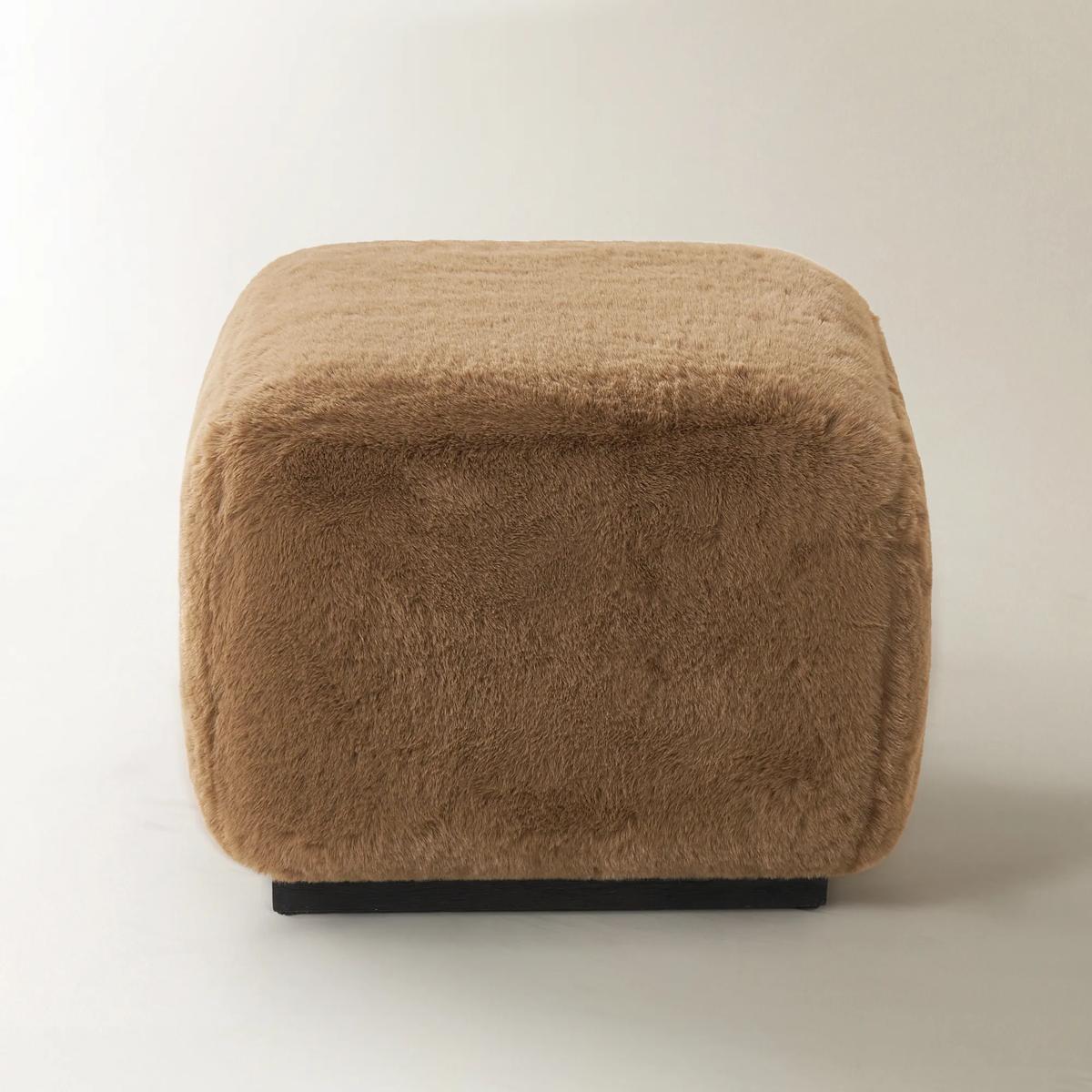
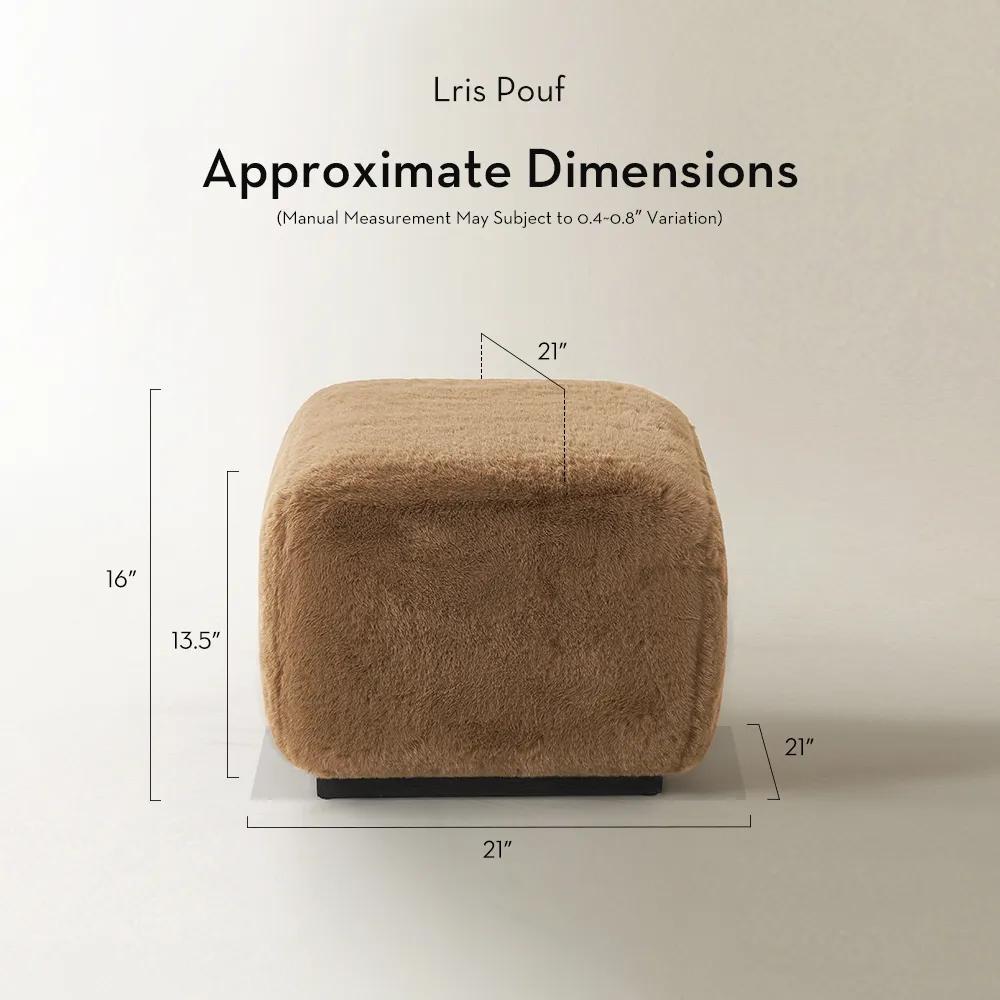 Lris Camel Faux Fur Stool (21")$299
A camel faux fur pouf with a solid rubberwood base, offering cozy warmth and modern sophistication.
Add To Cart -
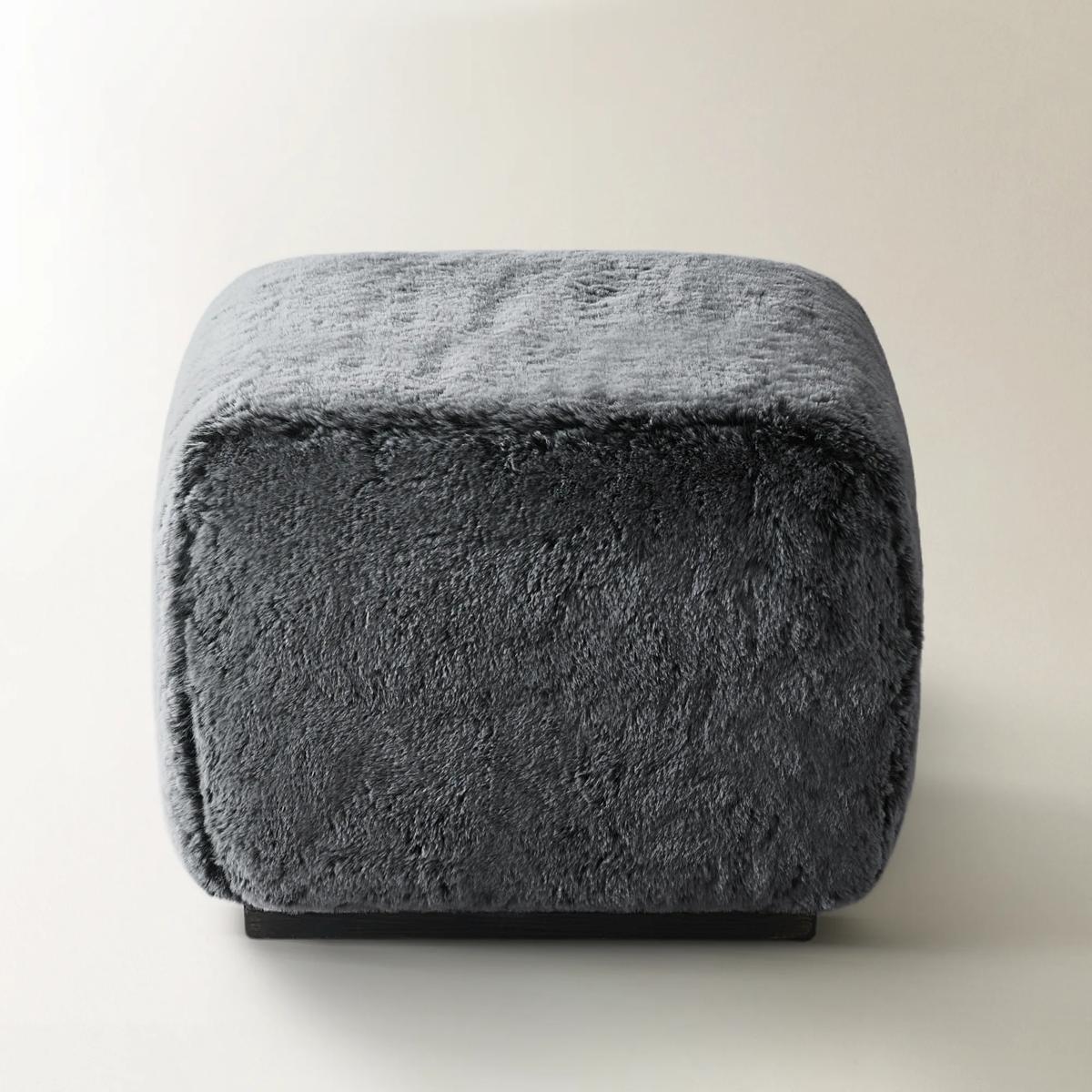
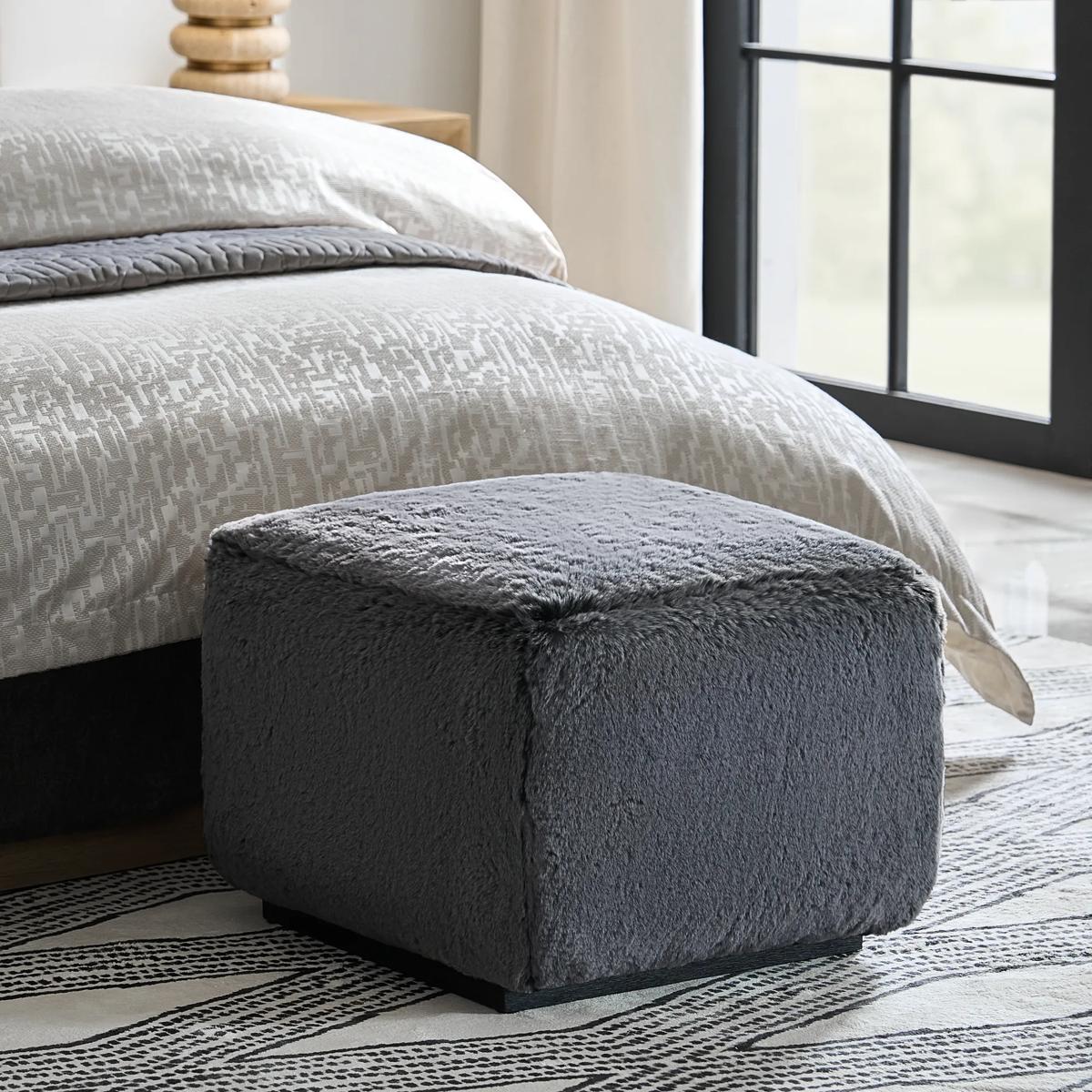 Lris Grey Faux Fur Stool (21")$299
A charcoal grey faux fur pouf with high-density foam and a sturdy rubberwood base for modern comfort.
Add To Cart -
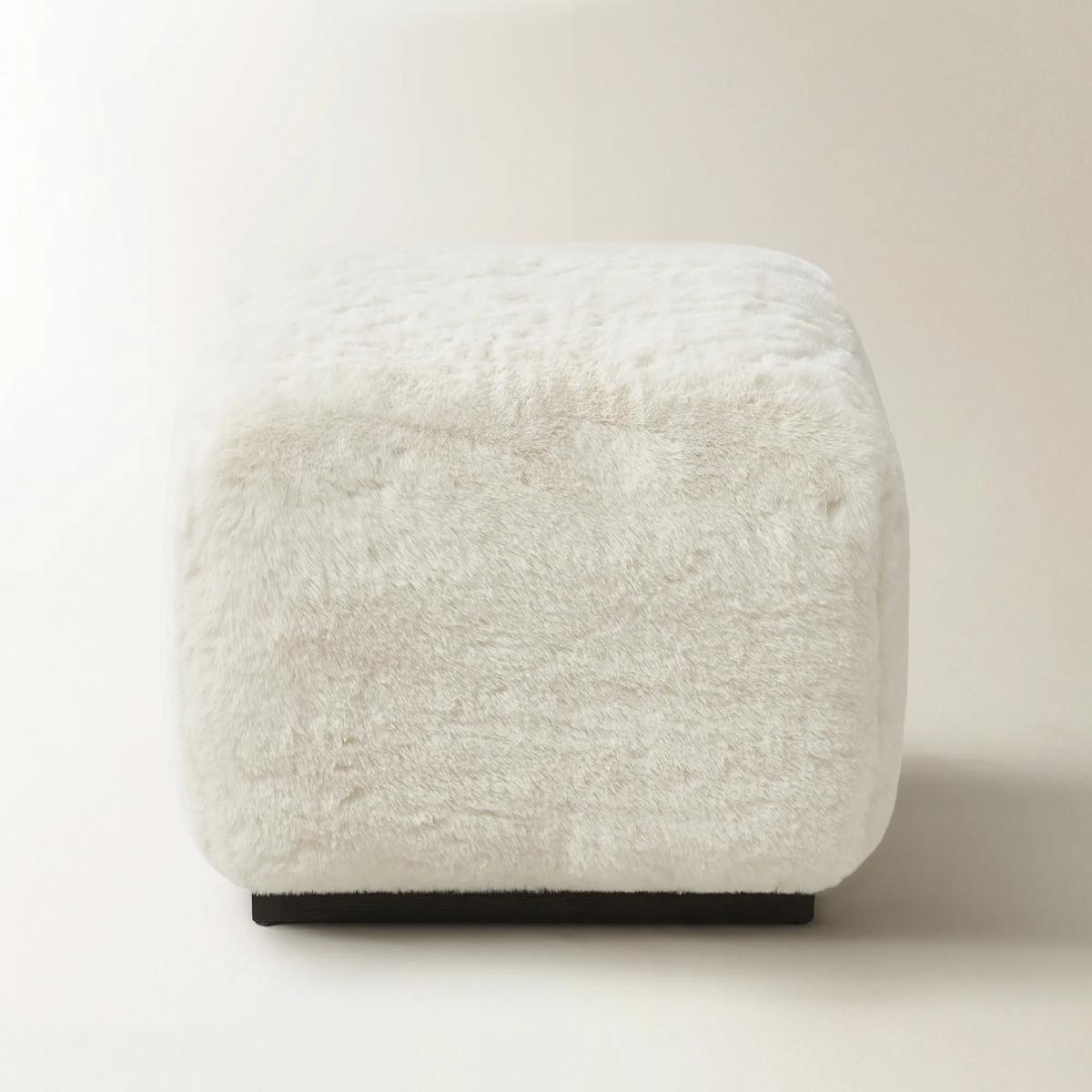
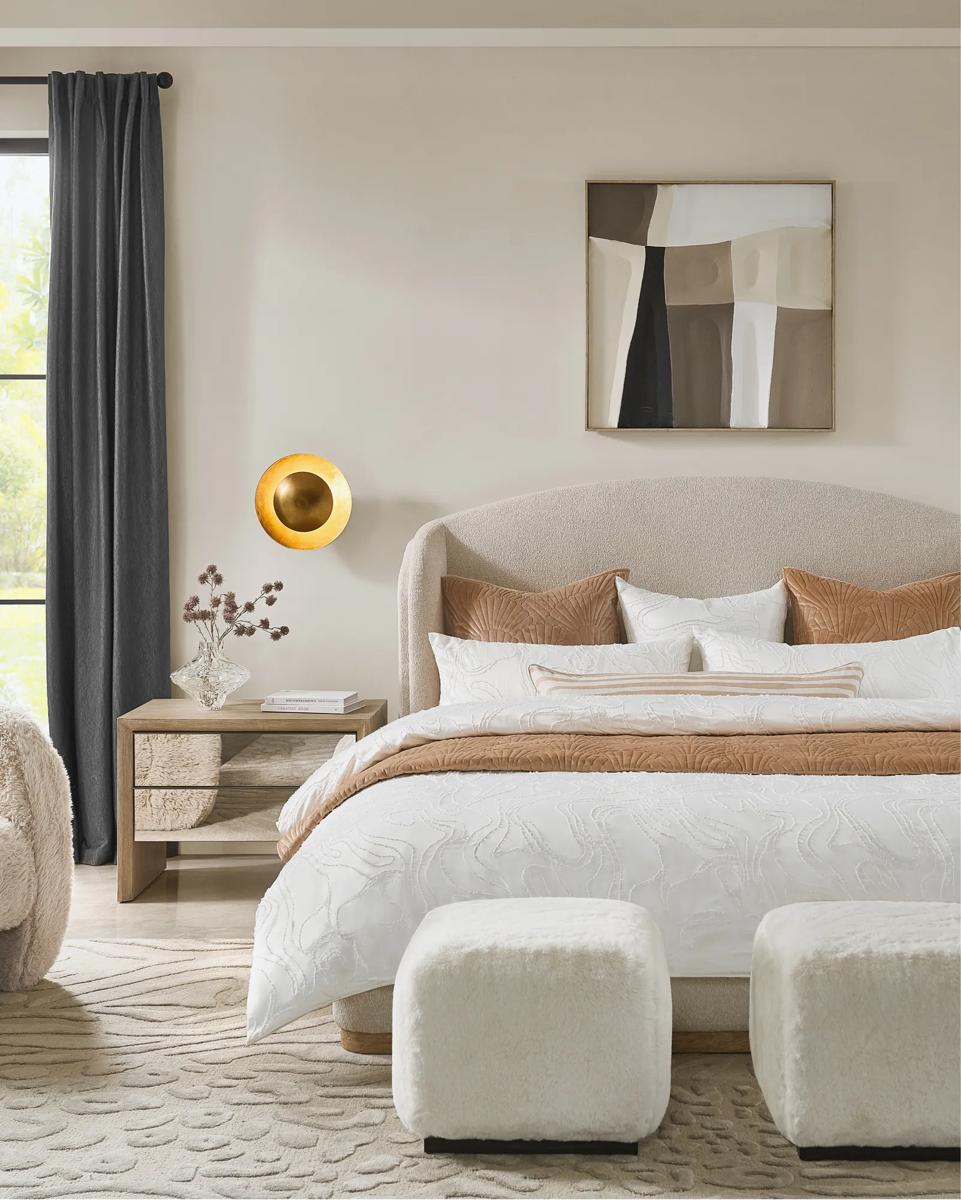 Lris Ivory Faux Fur Stool (21")$299
An ivory faux fur pouf with plush high-density foam and a sturdy, eco-friendly rubberwood base.
Add To Cart -
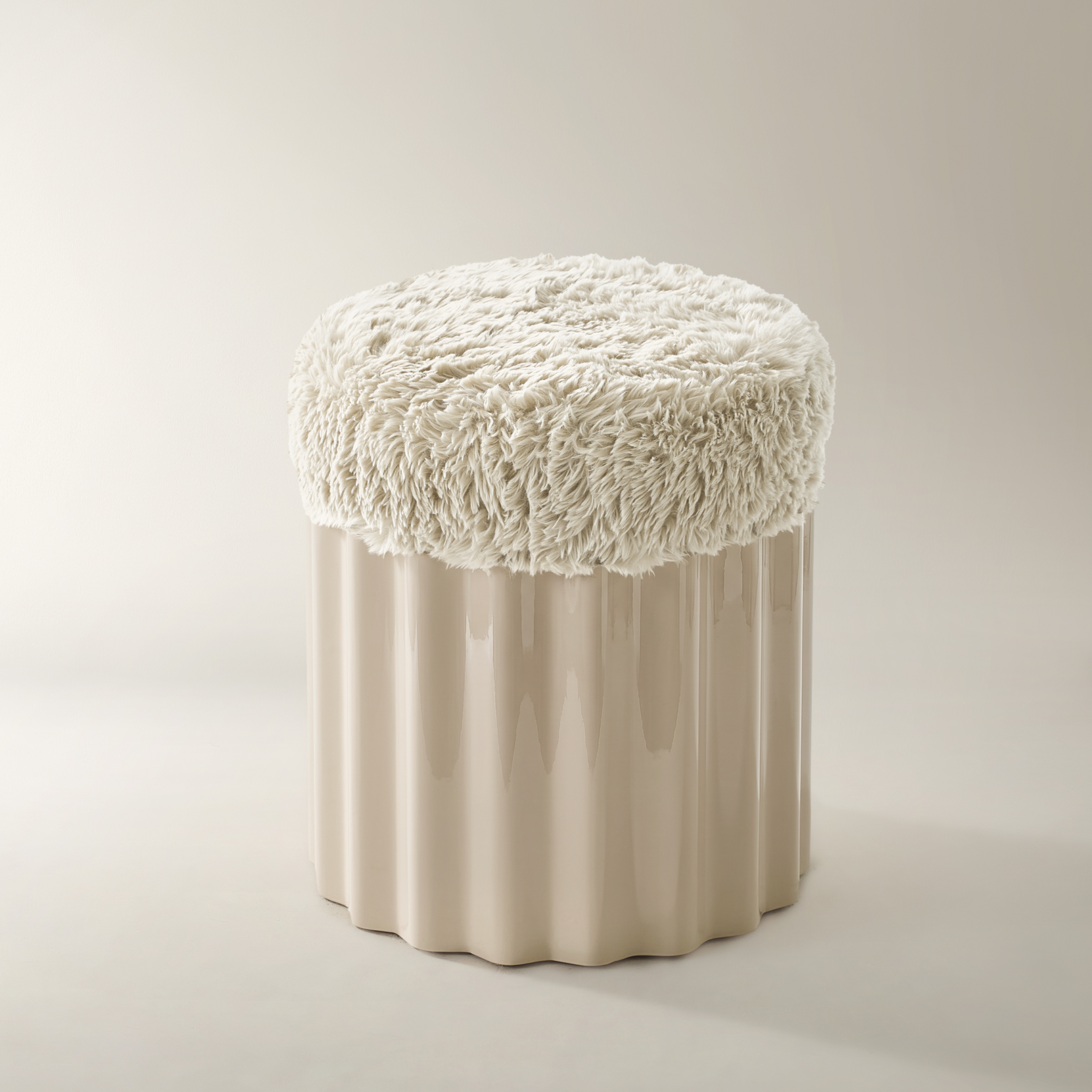
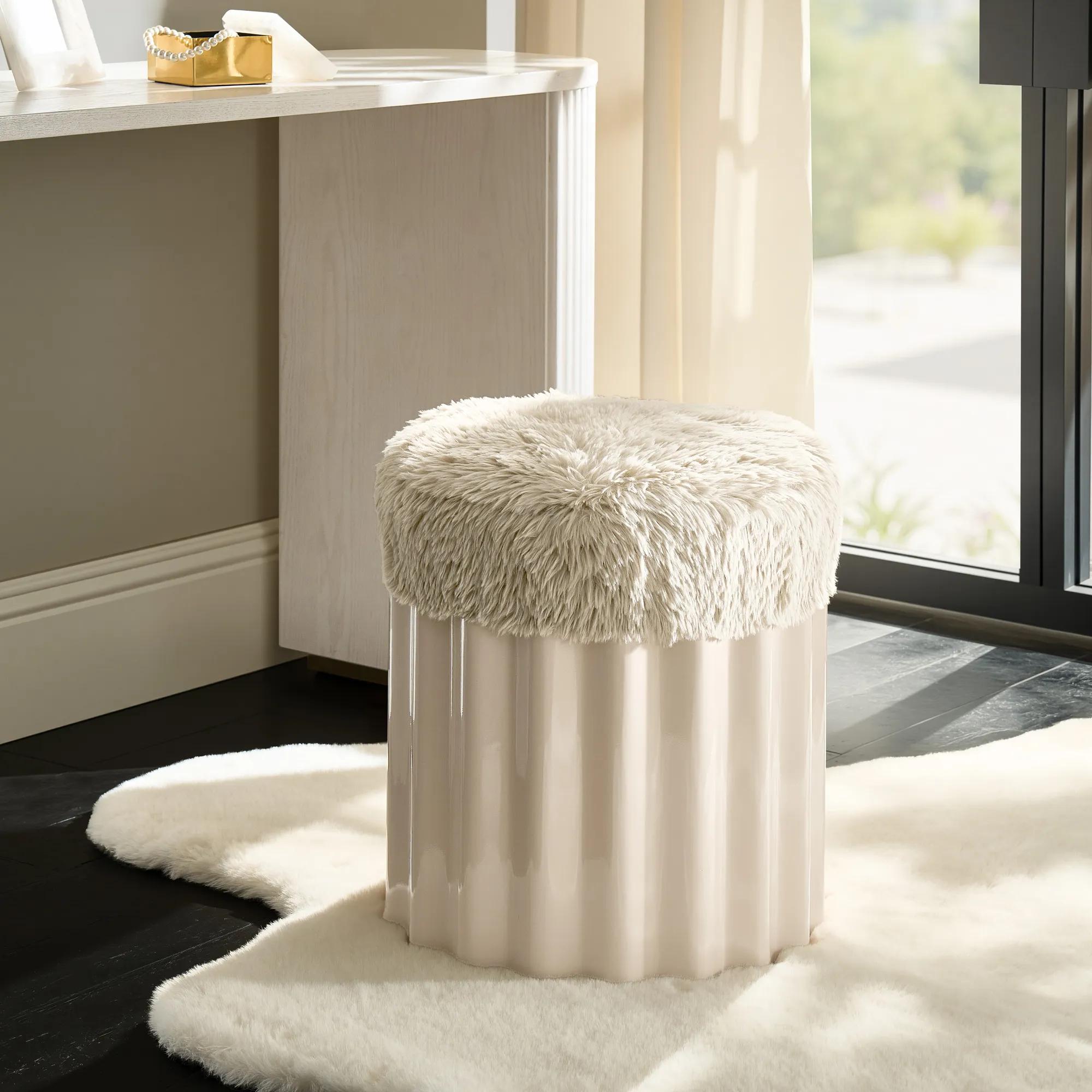 Nia Lacquered Turtle Dove Faux Fur Storage Stool$399
A sculptural fluted stool in warm turtle dove with plush faux fur seat and hidden storage compartment.
Add To Cart -
.jpg?w=1200&h=1200) Leopard Camel/Black Cow Hide Ottoman (18'')$799
Leopard Camel/Black Cow Hide Ottoman (18'')$799A genuine cowhide pouf in camel and black leopard print with a removable cover and hidden zipper.
Add To Cart -
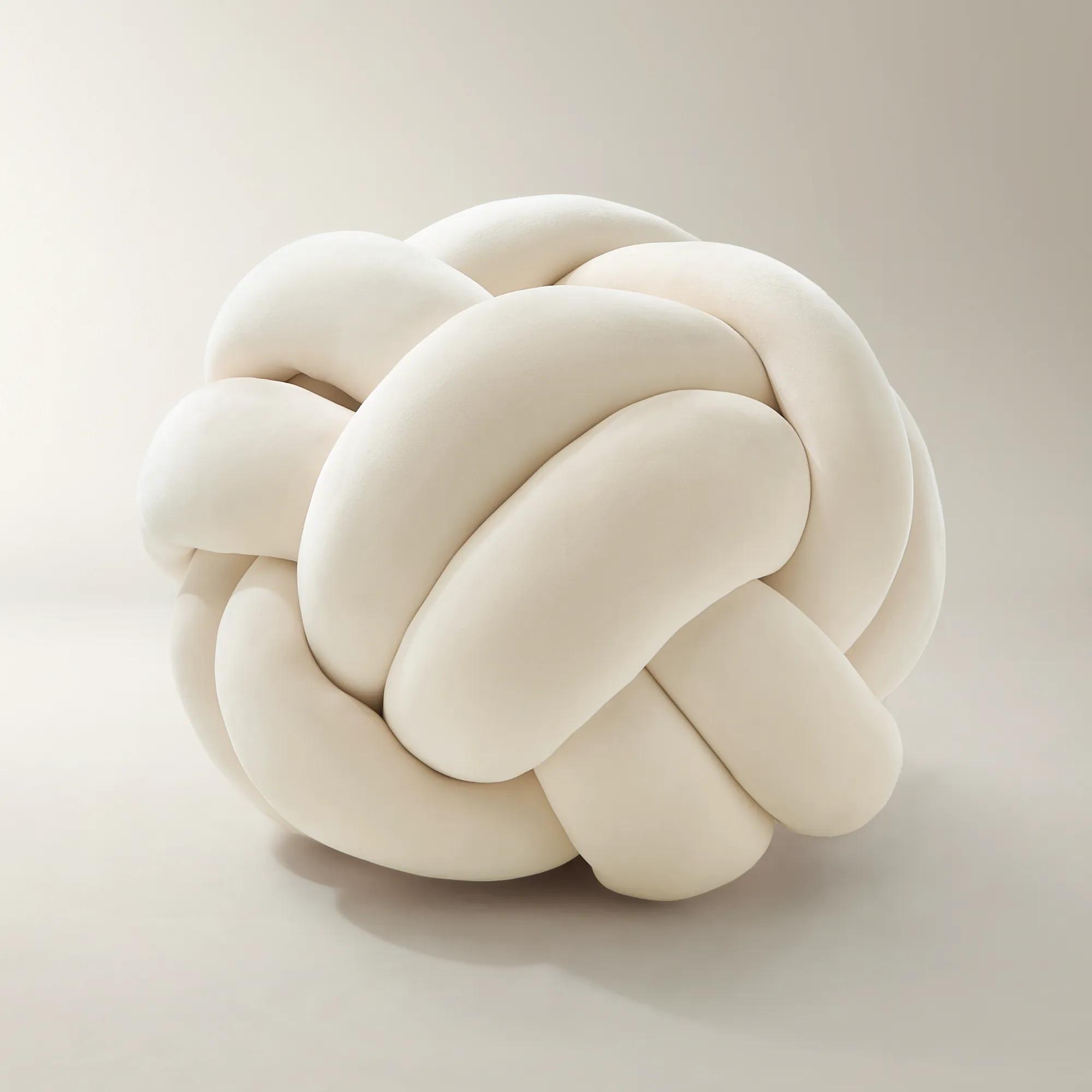 Loopie Oatmeal Velvet Stool (34.5")$349
An oversized oatmeal velvet stool featuring a sculptural knotted silhouette and plush, hand-upholstered finish.
Add To Cart -
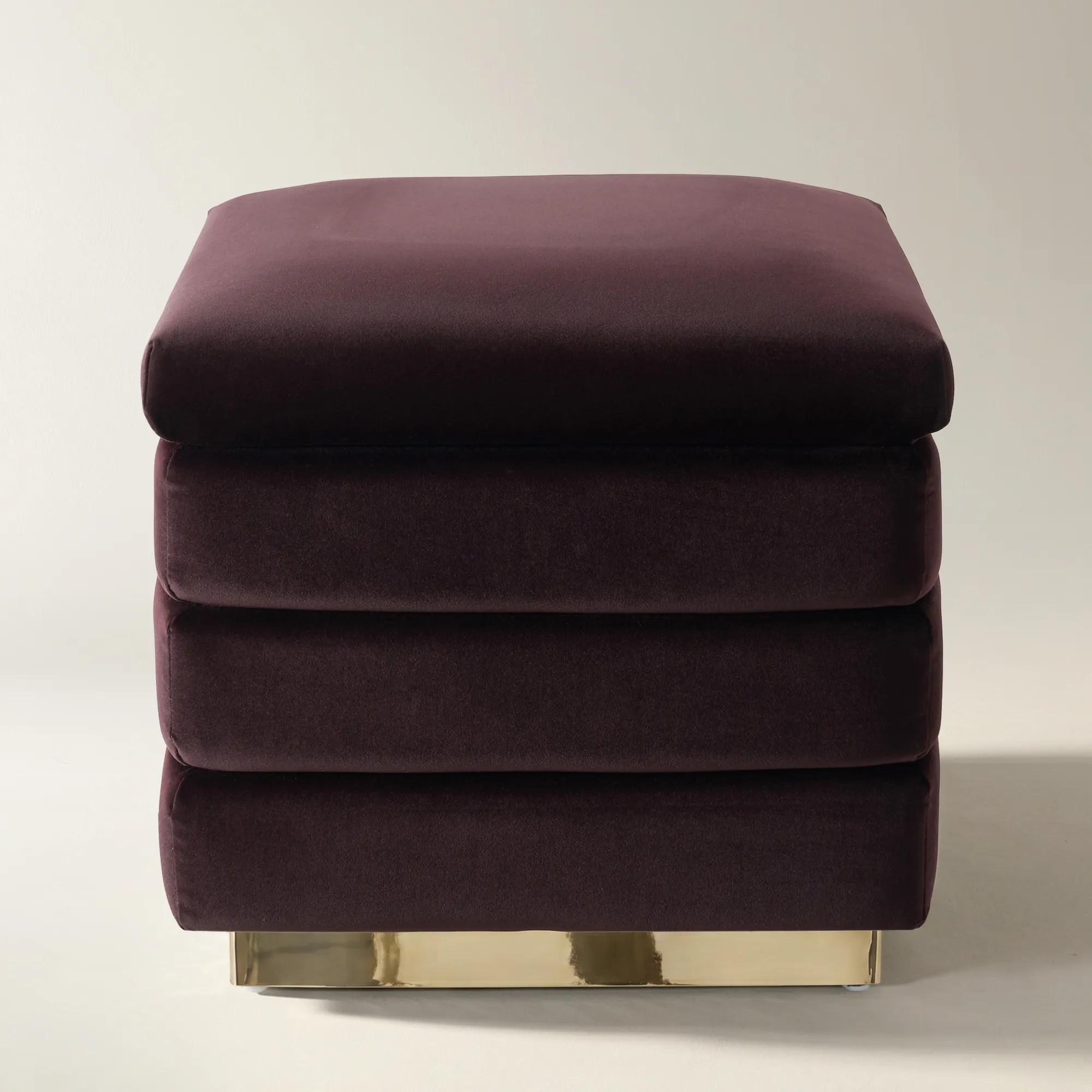
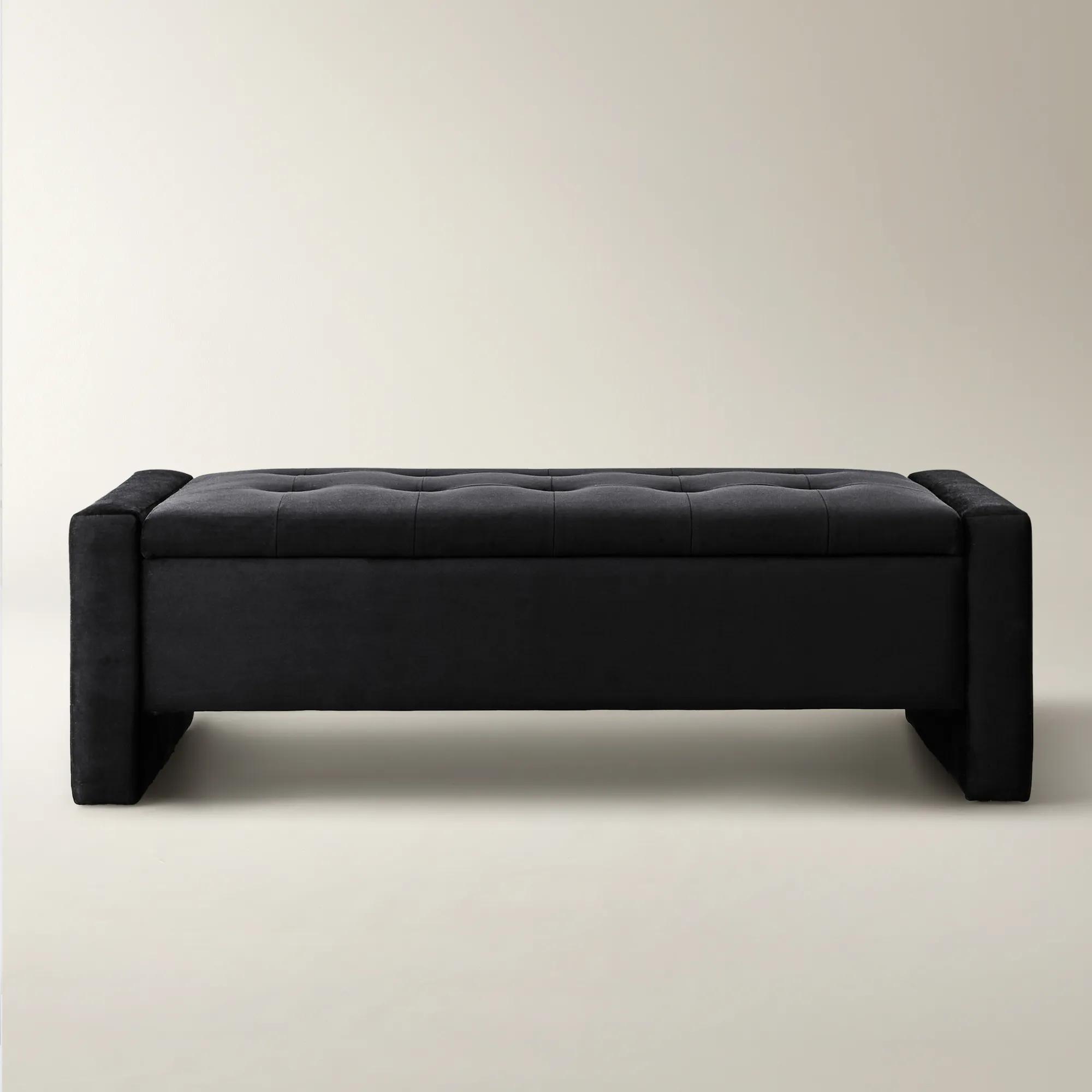
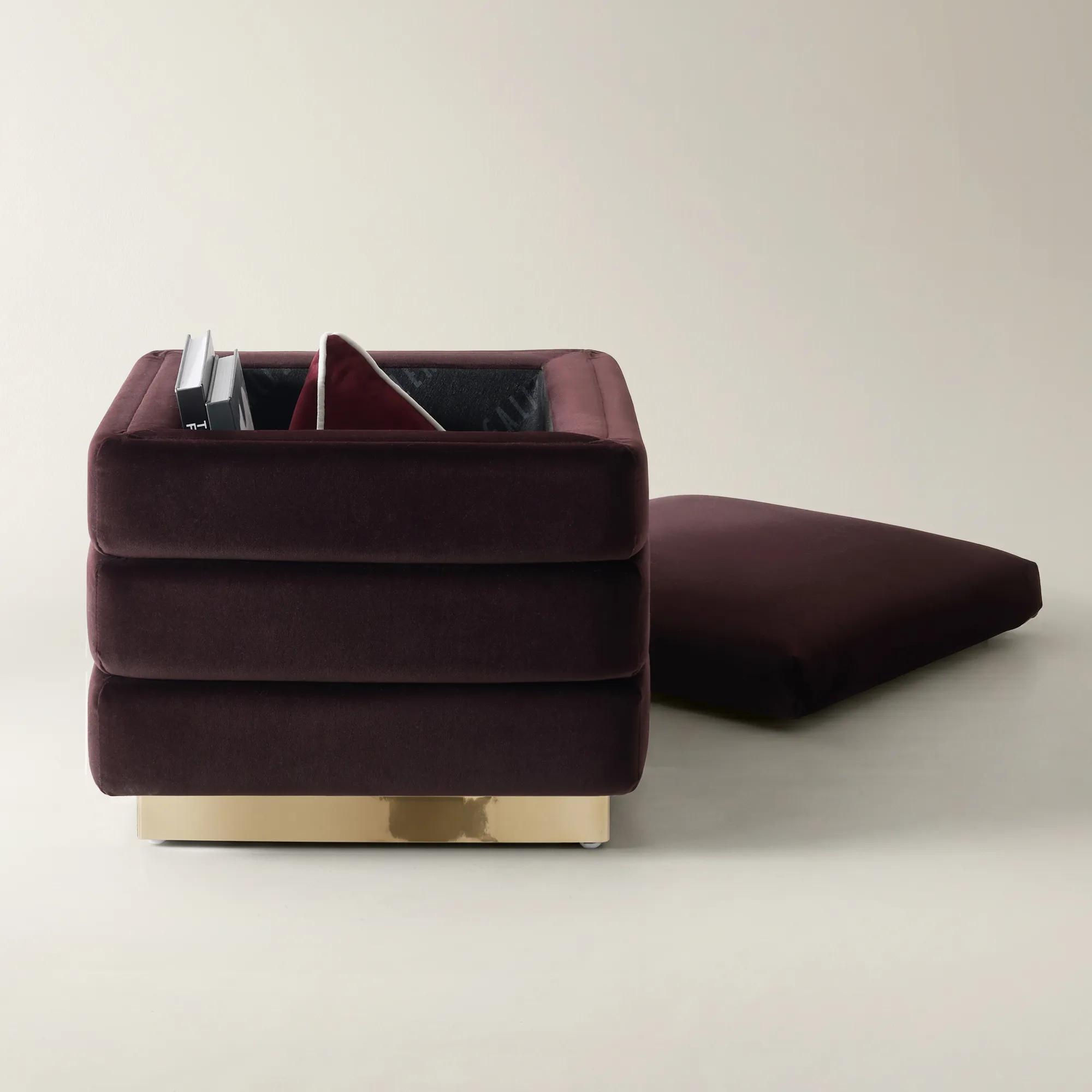 Gable Fig Chenille Storage Stool$399
A plush fig chenille stool with hidden storage, velvet upholstery, and a polished gold stainless steel base.
Add To Cart -
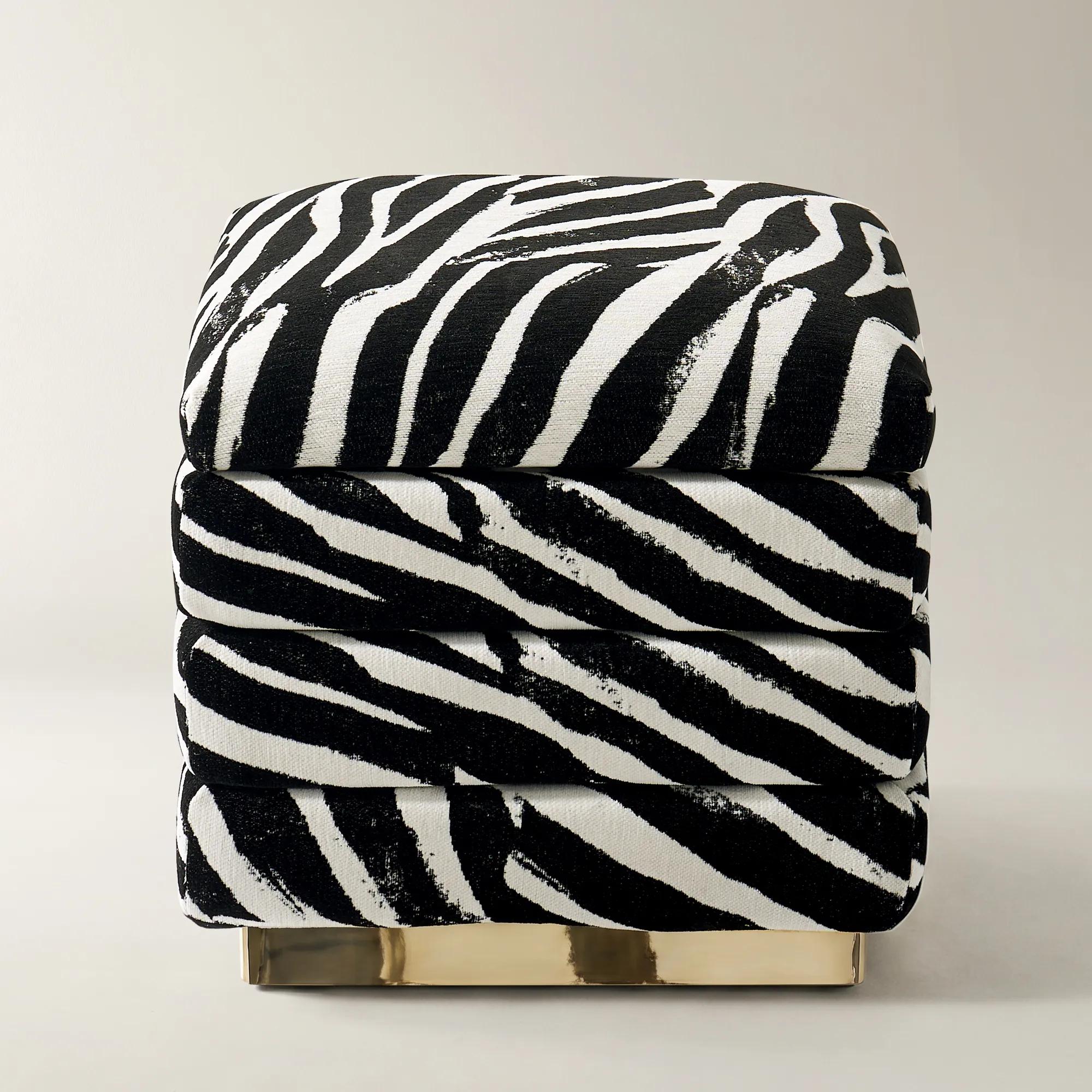
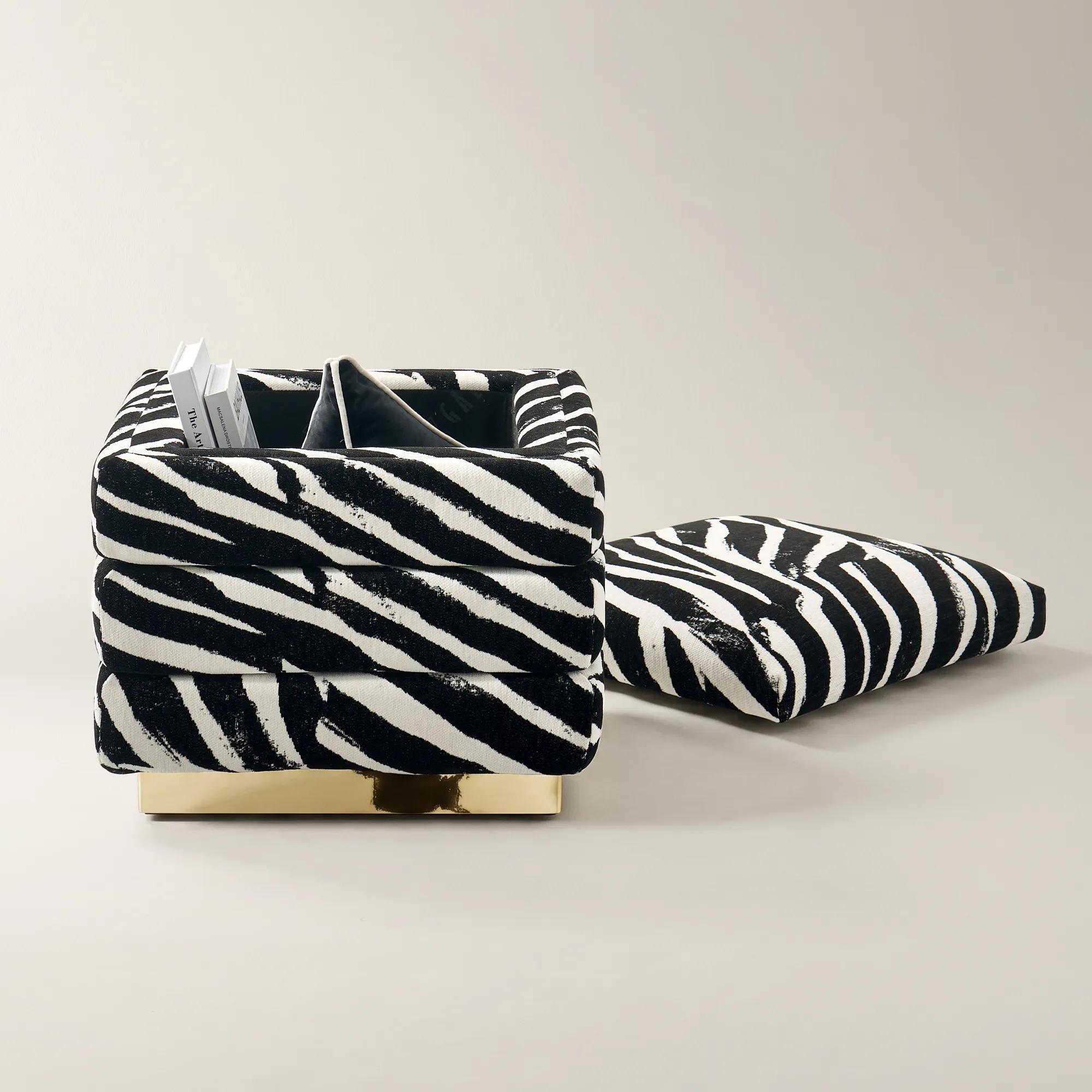 Gable White/Black Performance Chenille Stool$399
A plush white and black chenille stool with hidden storage and a polished gold stainless steel base.
Add To Cart -
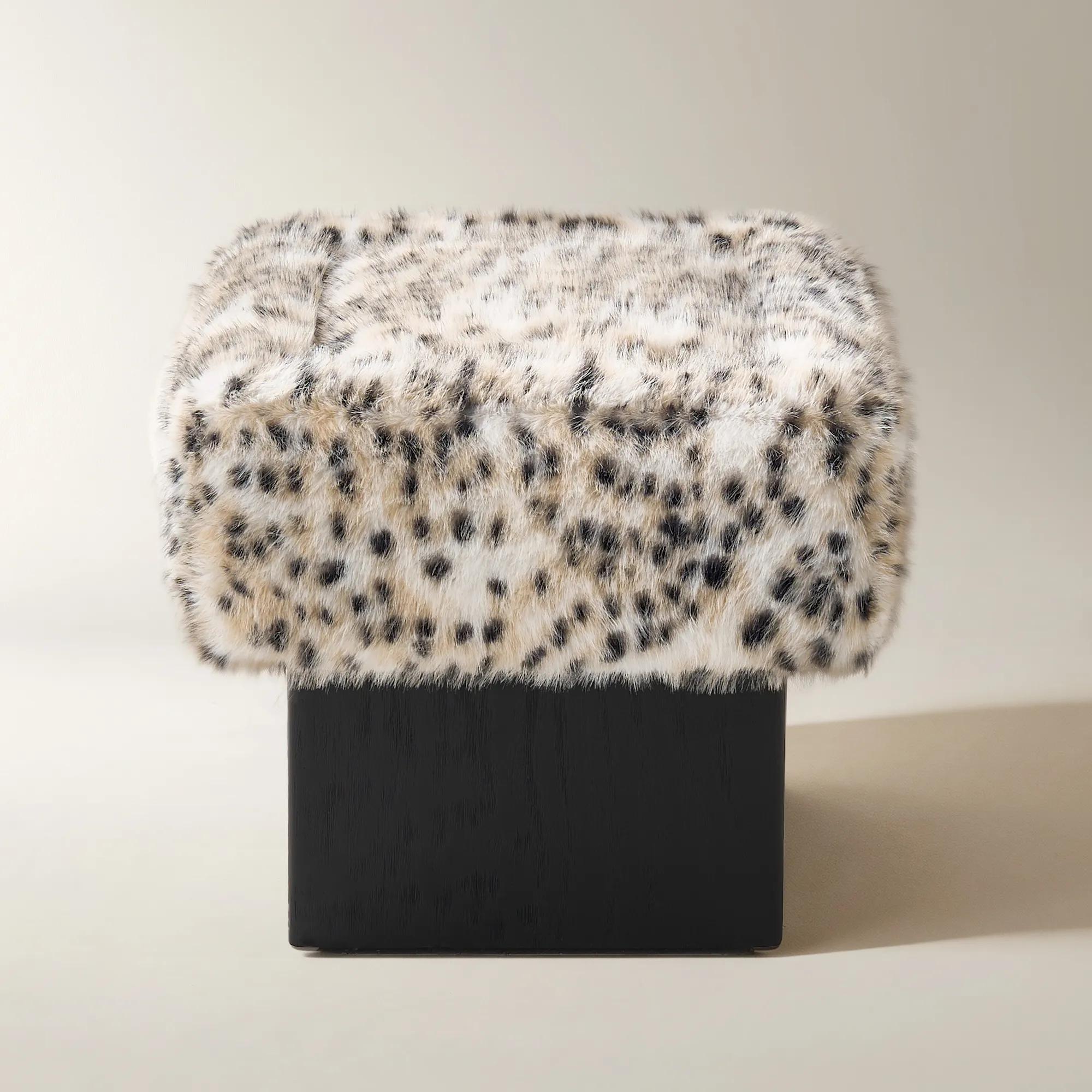 Reims Spotted Faux Fur Stool$349
A plush spotted faux fur stool with a sculpted cushion and solid rubberwood base for modern contrast.
Add To Cart -
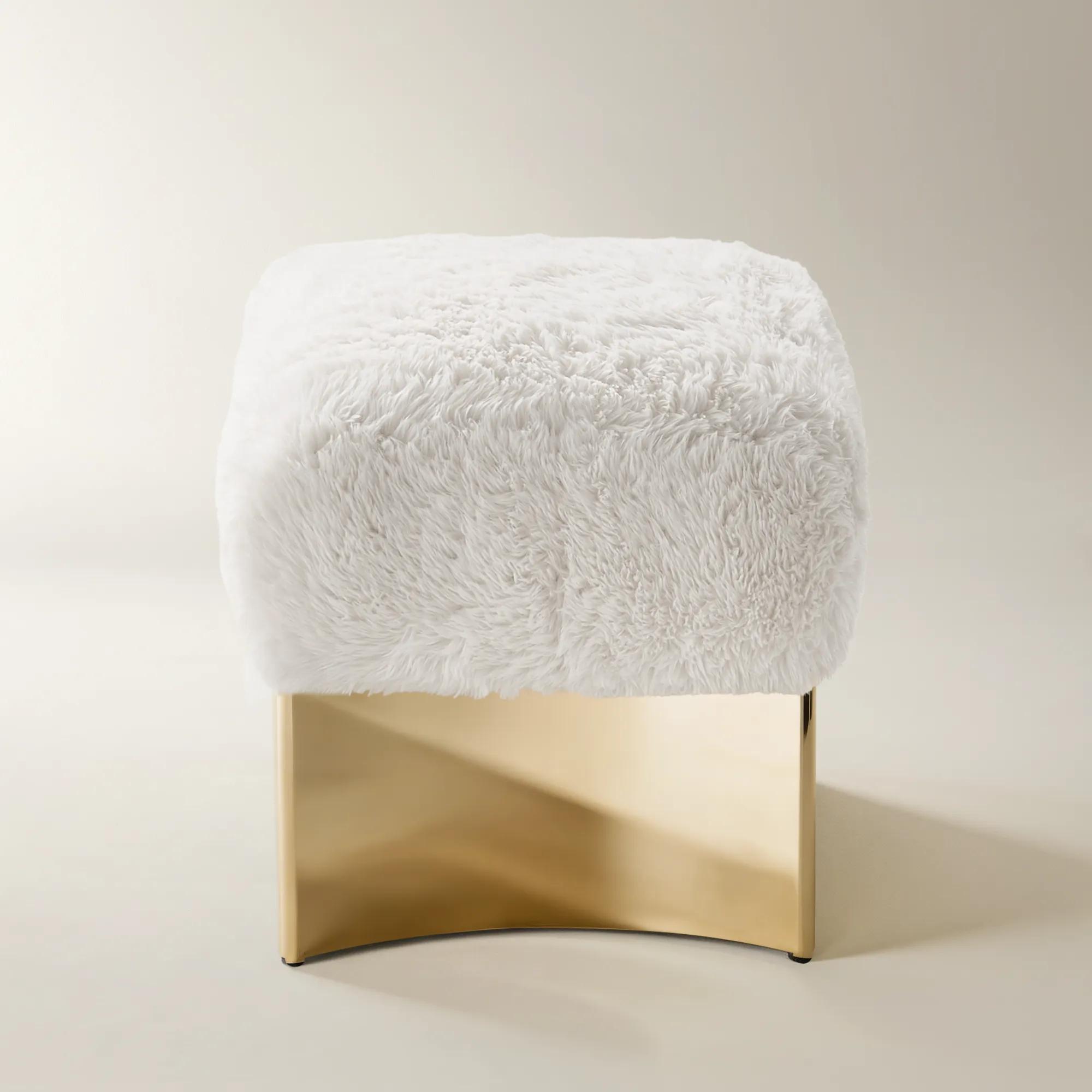 Lush White Faux Fur Stool$499
A sculptural white faux fur stool with a plush seat and polished gold stainless steel base.
Add To Cart -
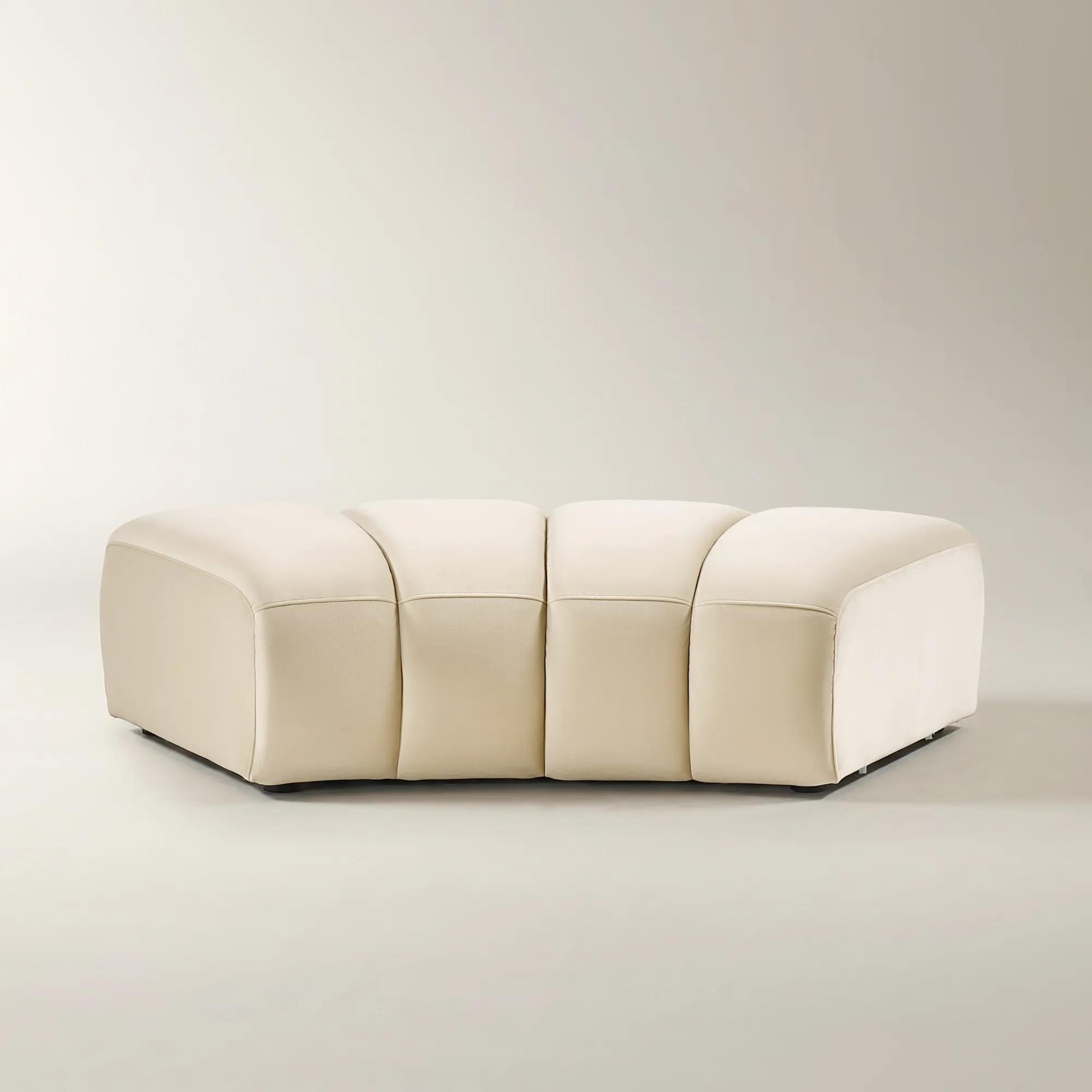 Jocelyn Channel-Tufted Oatmeal Velvet Ottoman$899
An oatmeal velvet ottoman featuring deep channel tufting, curved silhouette, and kiln-dried wood construction.
Add To Cart -
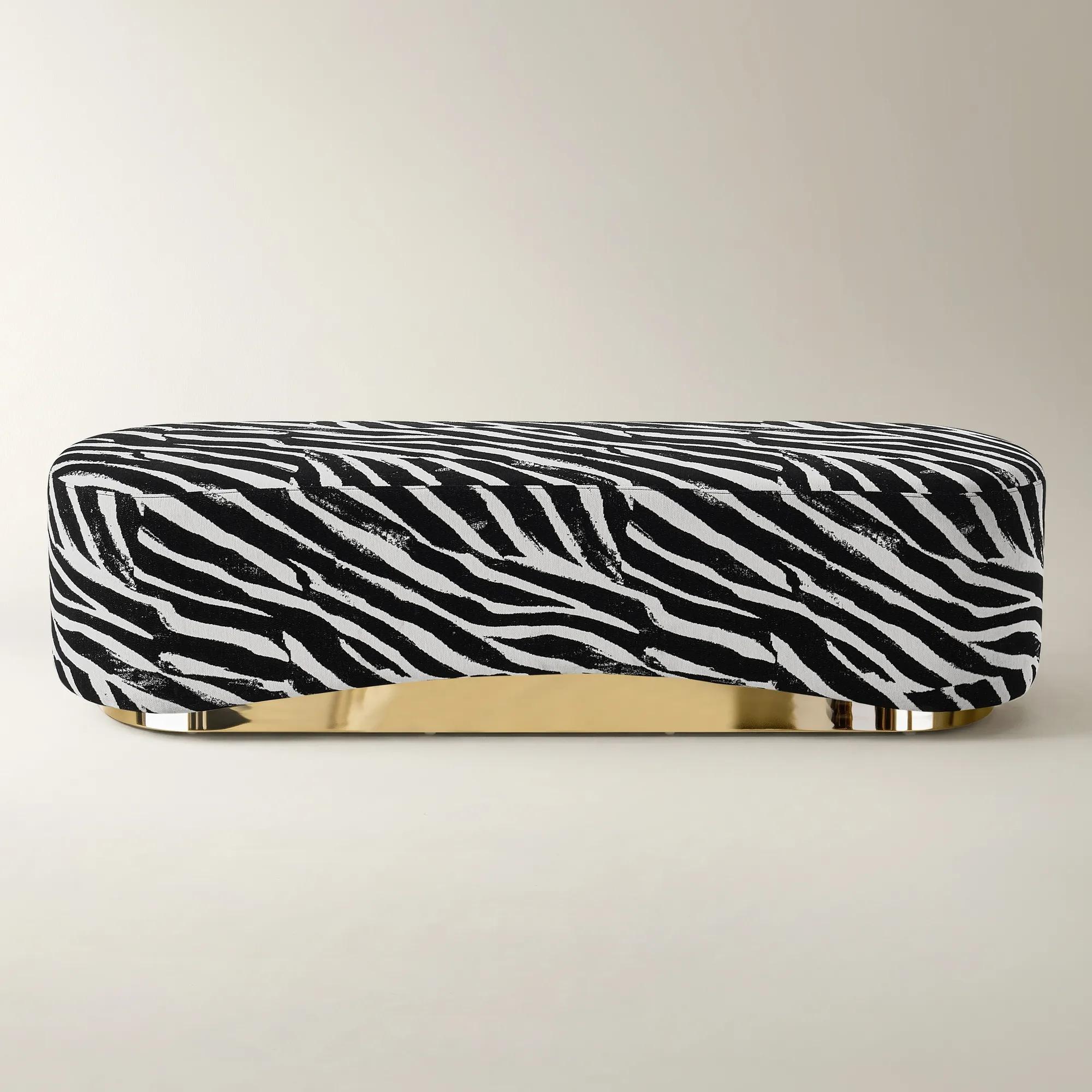
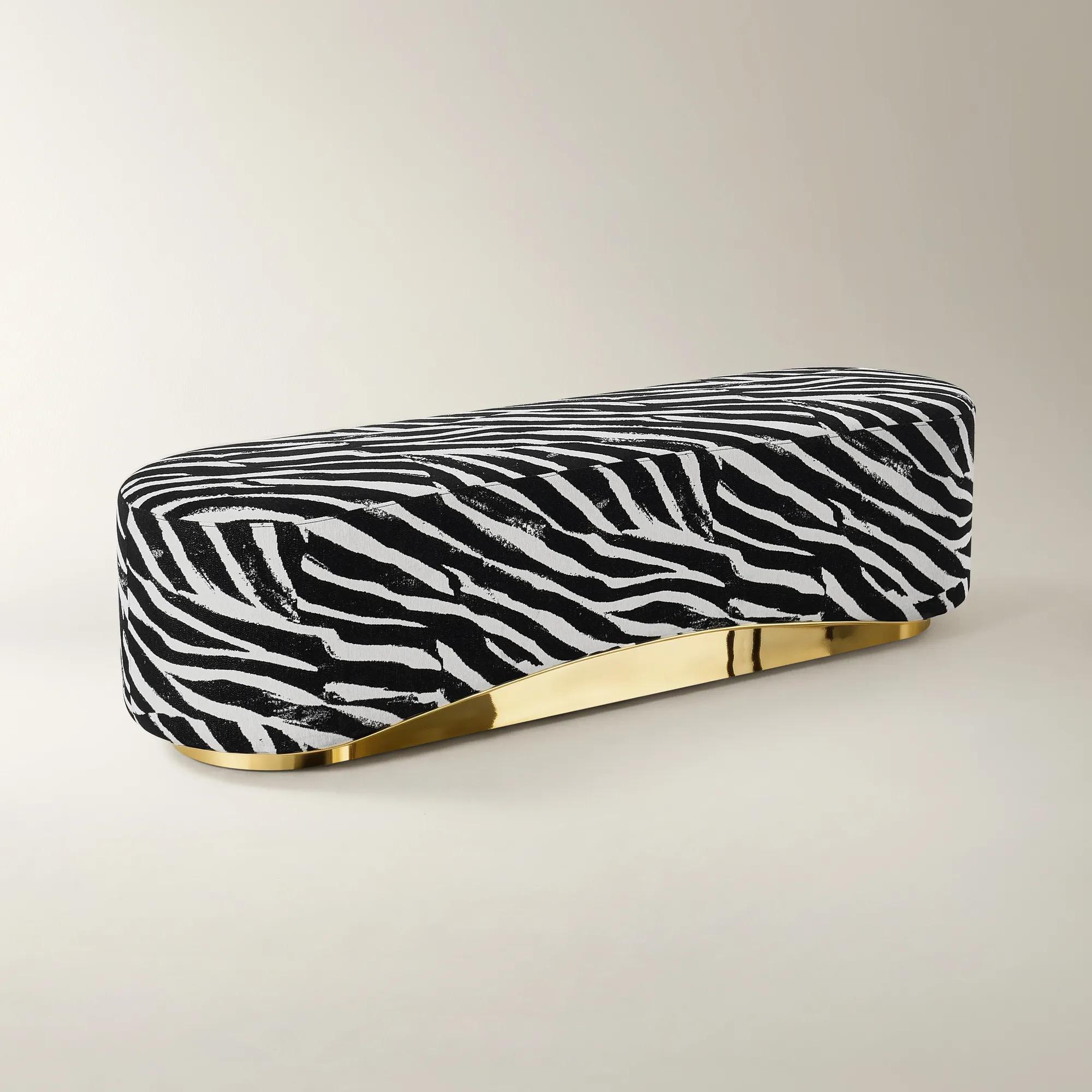 Kendra White/Black Performance Chenille Bench (70.47")$799
An elongated oval bench upholstered in white and black performance chenille with a polished gold stainless steel base.
Add To Cart -
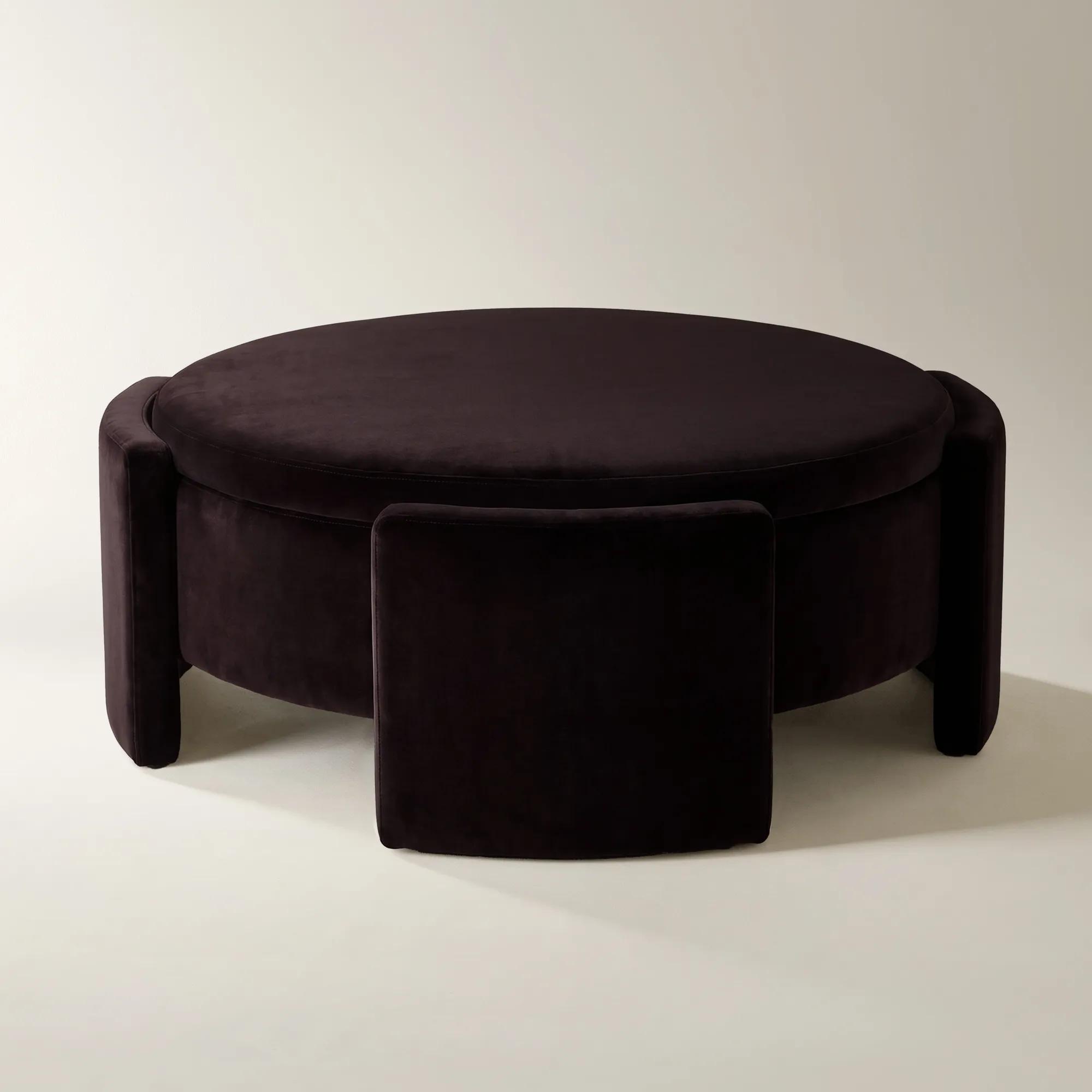
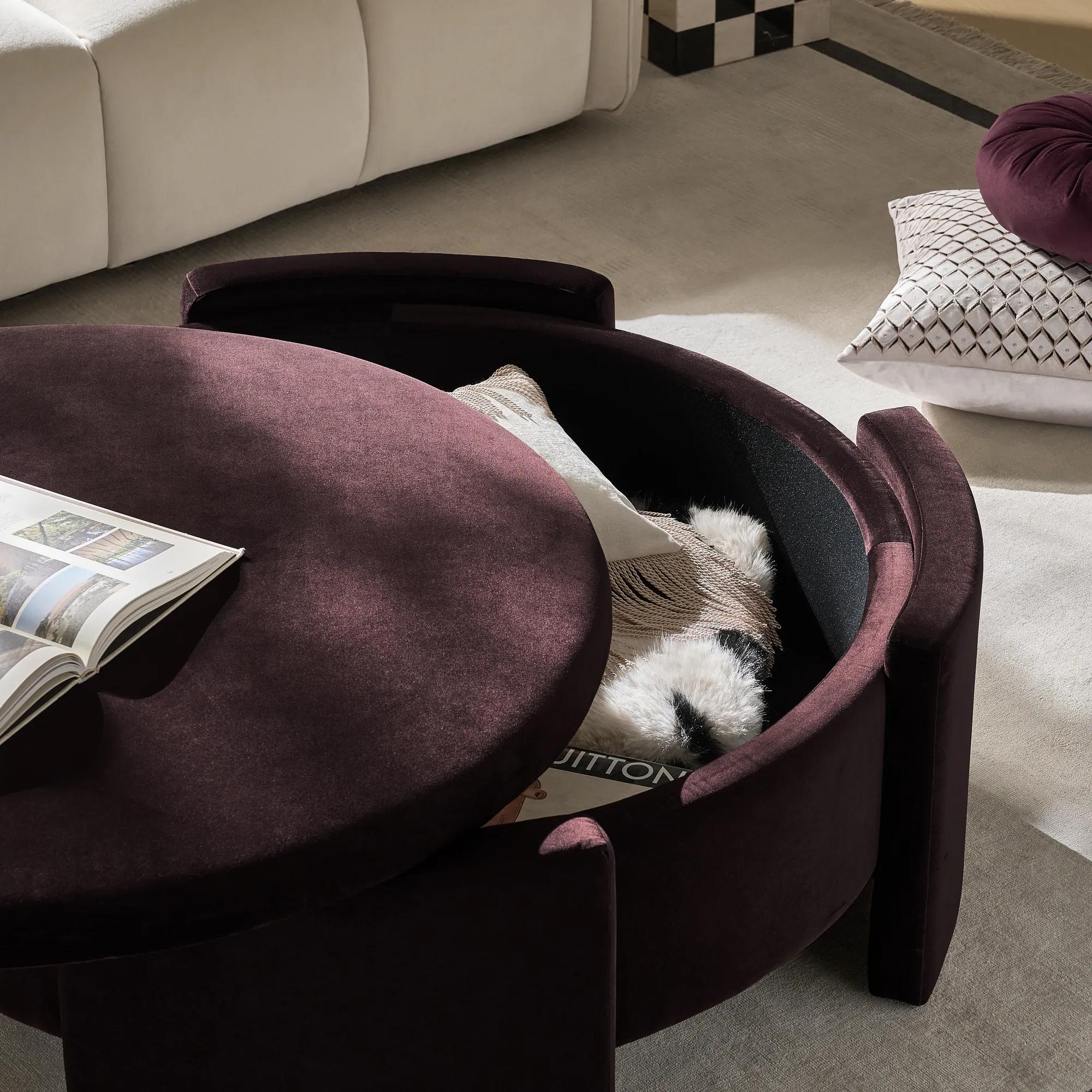 Jora Round Fig Velvet Storage Coffee Table With Reversible Tabletop (47.7")$799
A round fig velvet coffee table featuring a reversible wood tabletop and hidden interior storage.
Add To Cart -
.jpg?w=1200&h=1200)
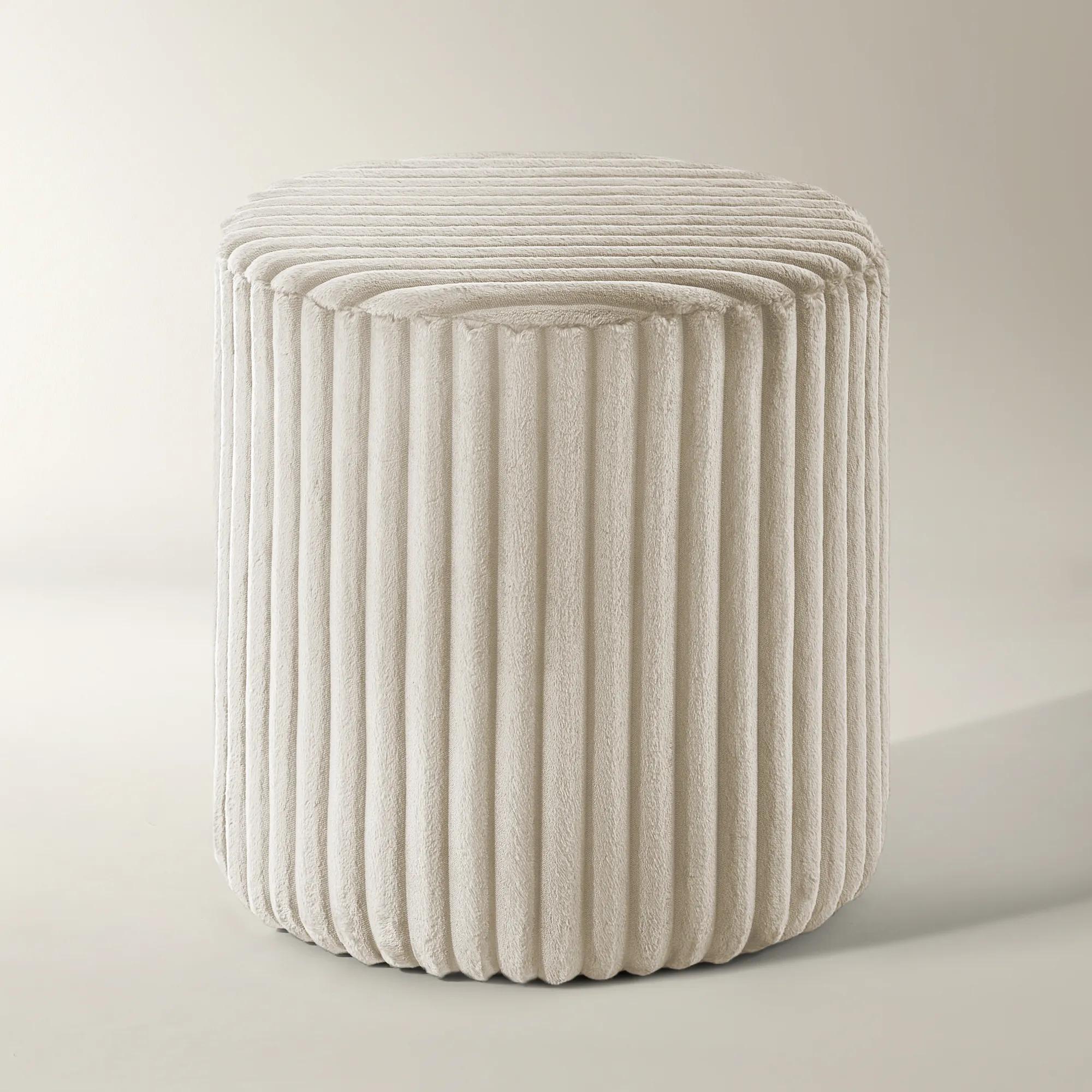 Fleece Fluted Ivory Velvet Stool (15.55'')$229
An ivory ribbed velvet stool offering cozy softness and versatile use as seating, footrest, or accent table.
Add To Cart -
.jpg?w=1200&h=1200) Fleece Fluted Gray Velvet Stool (15.55'')$229
Fleece Fluted Gray Velvet Stool (15.55'')$229A plush grey velvet stool with a unique ribbed texture, perfect for versatile, cozy seating or decor.
Add To Cart -
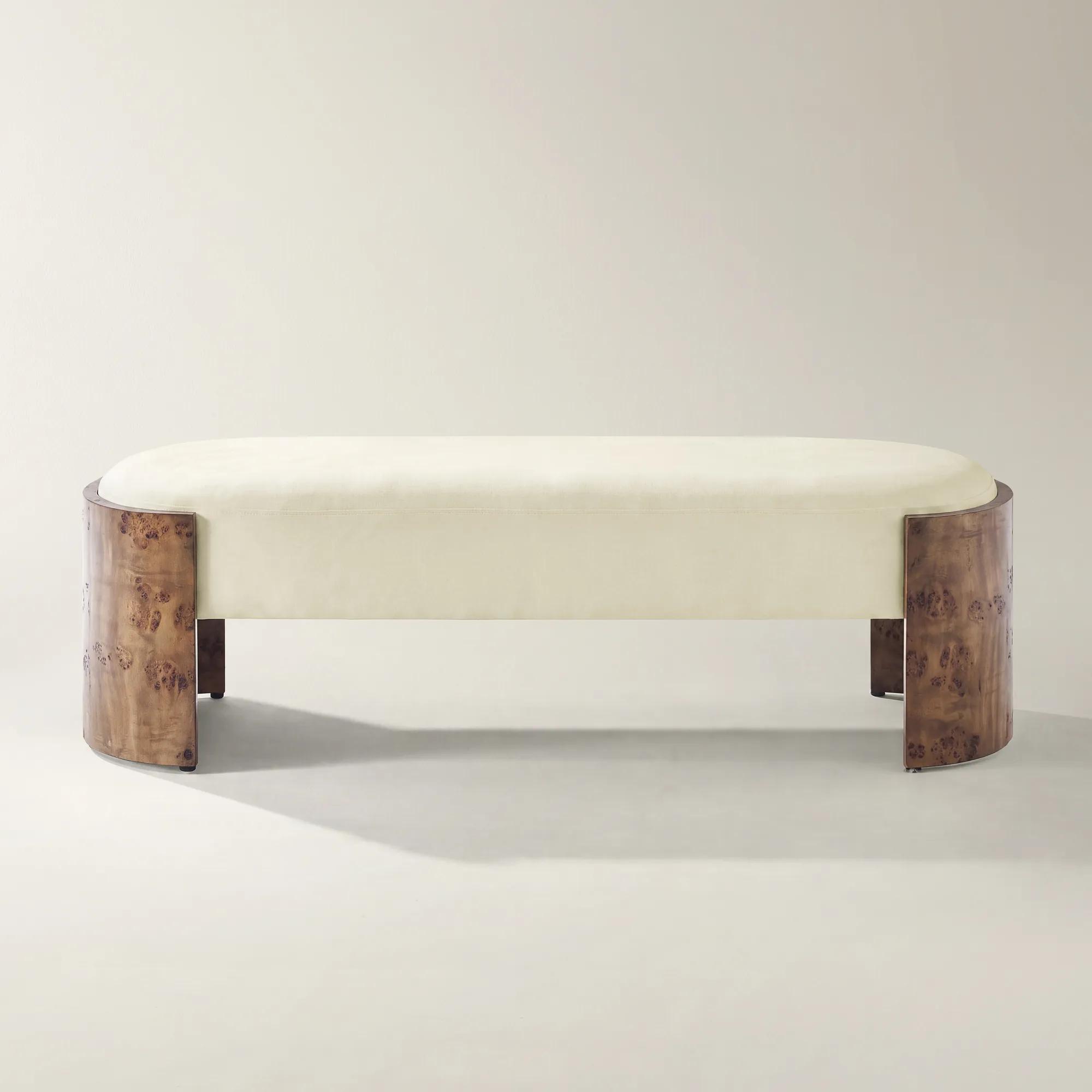
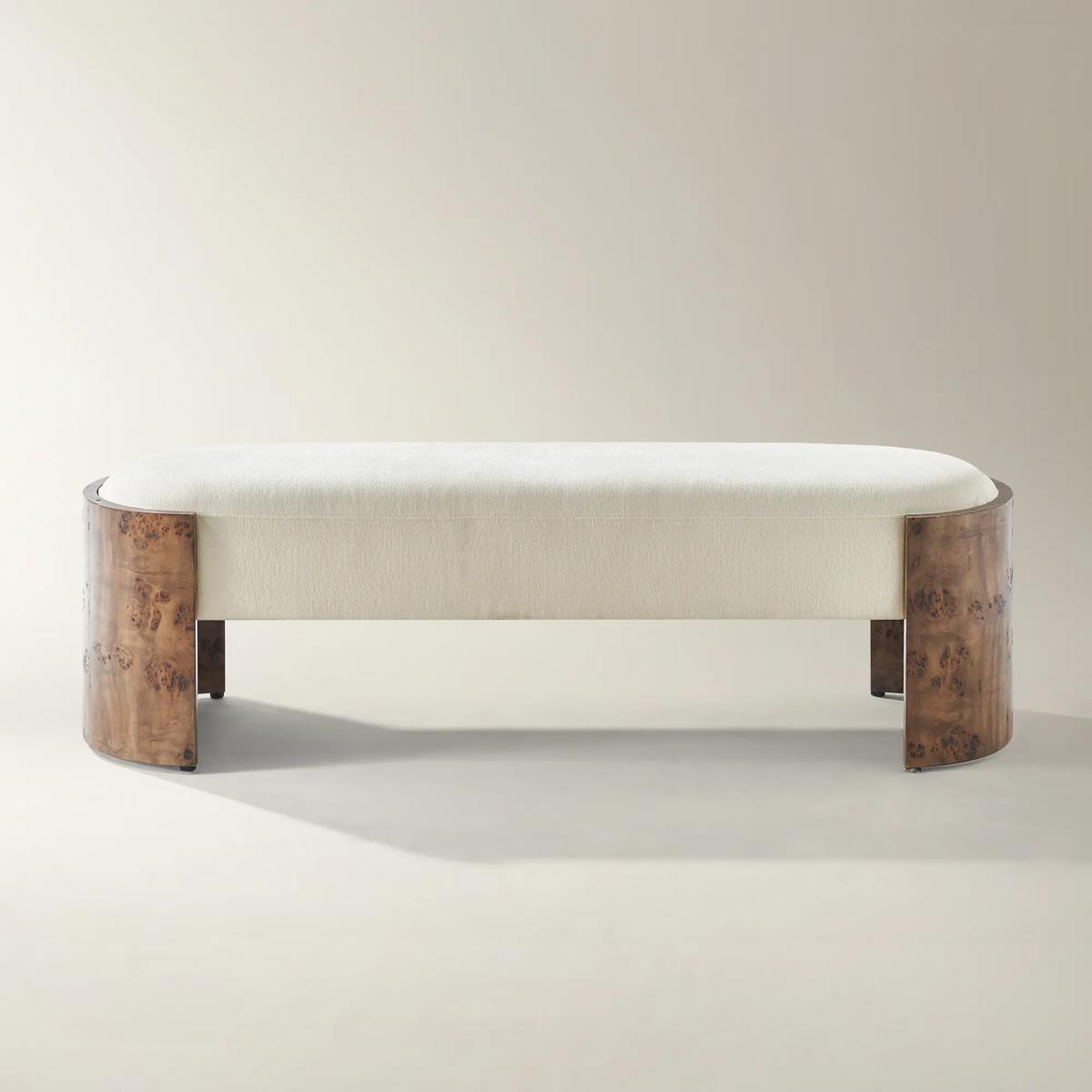 Cora Ivory Chenille With Ash Wood Bench (60.6")$999
An ivory chenille bench with curved ash burl veneer panels, blending plush comfort with striking wood artistry.
Add To Cart -
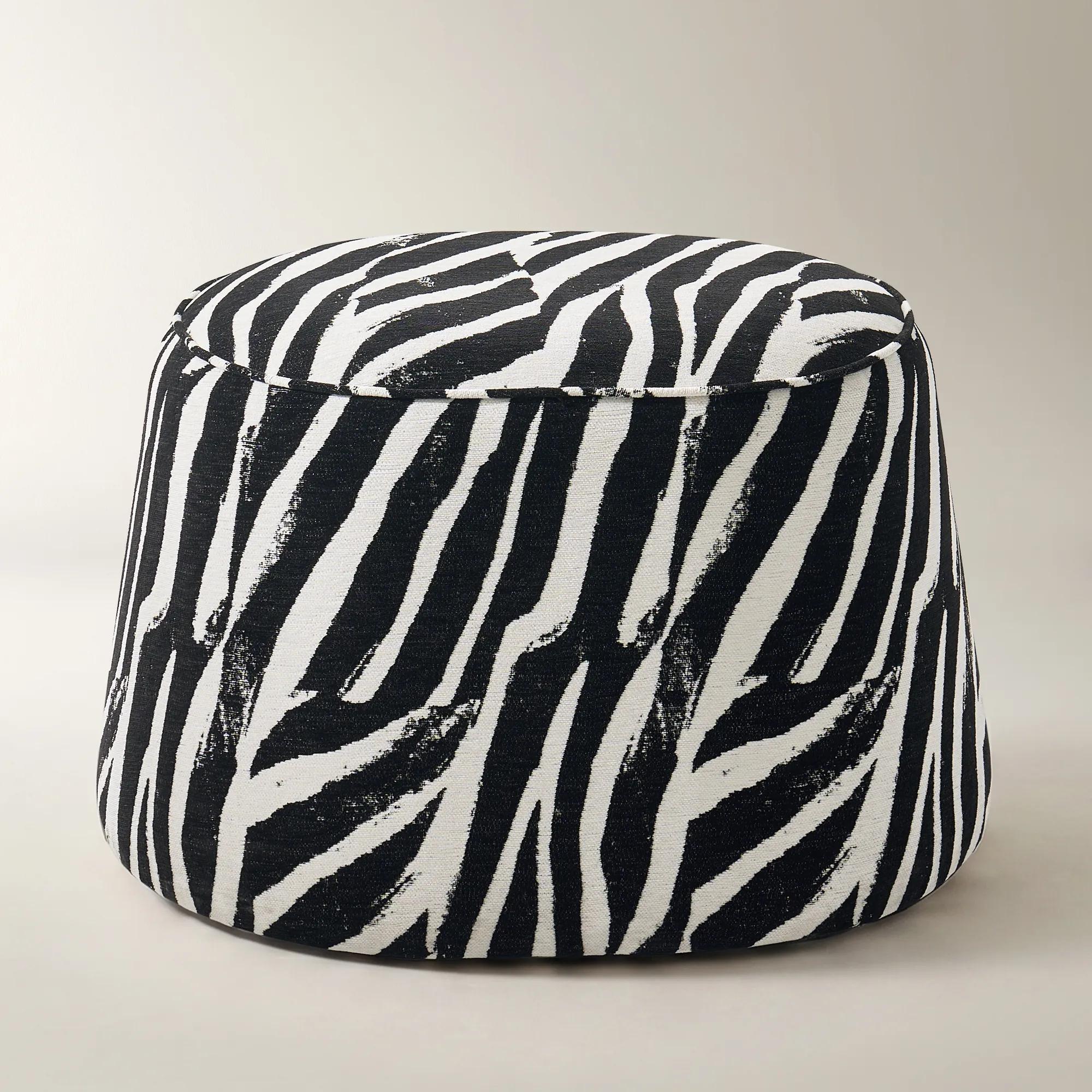 Avery White/Black Performance Chenille Stool$399
A sculpted drum accent stool in black and white performance chenille with an animal-inspired pattern.
Add To Cart -
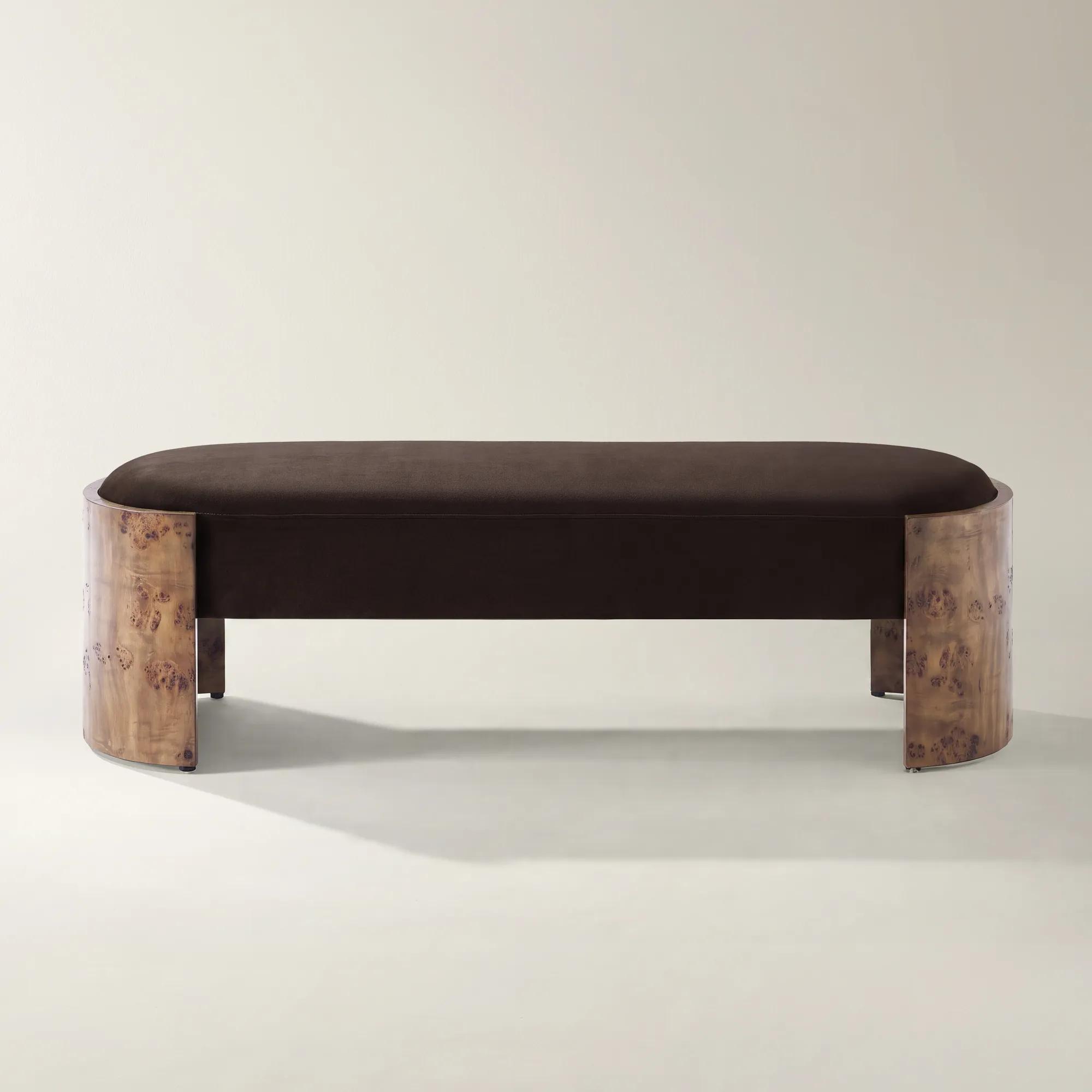
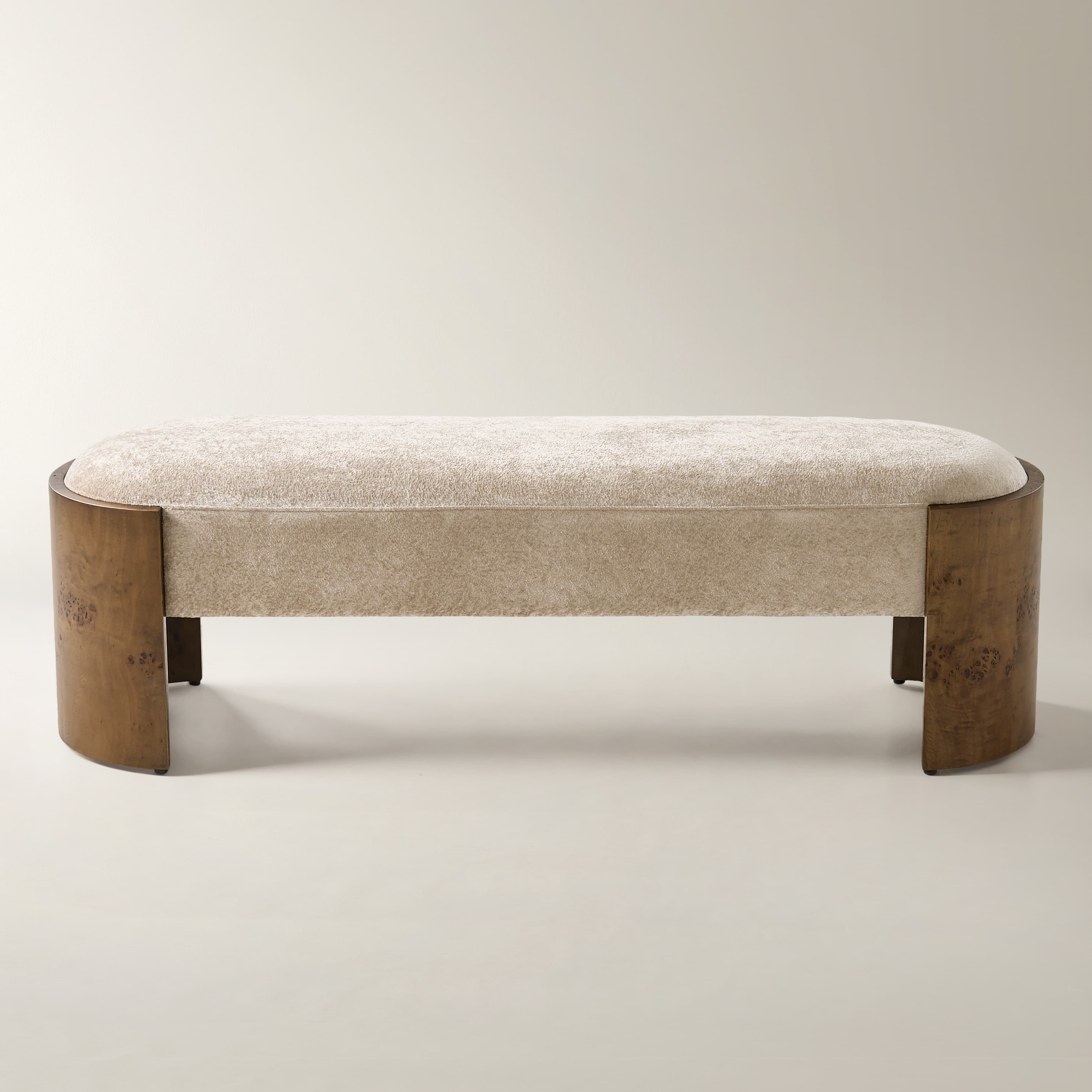 Cora Light Brown Chenille With Ash Wood Bench (60.6")$999
A light brown chenille bench with curved ash burl veneer panels, blending plush comfort and organic artistry.
Add To Cart -
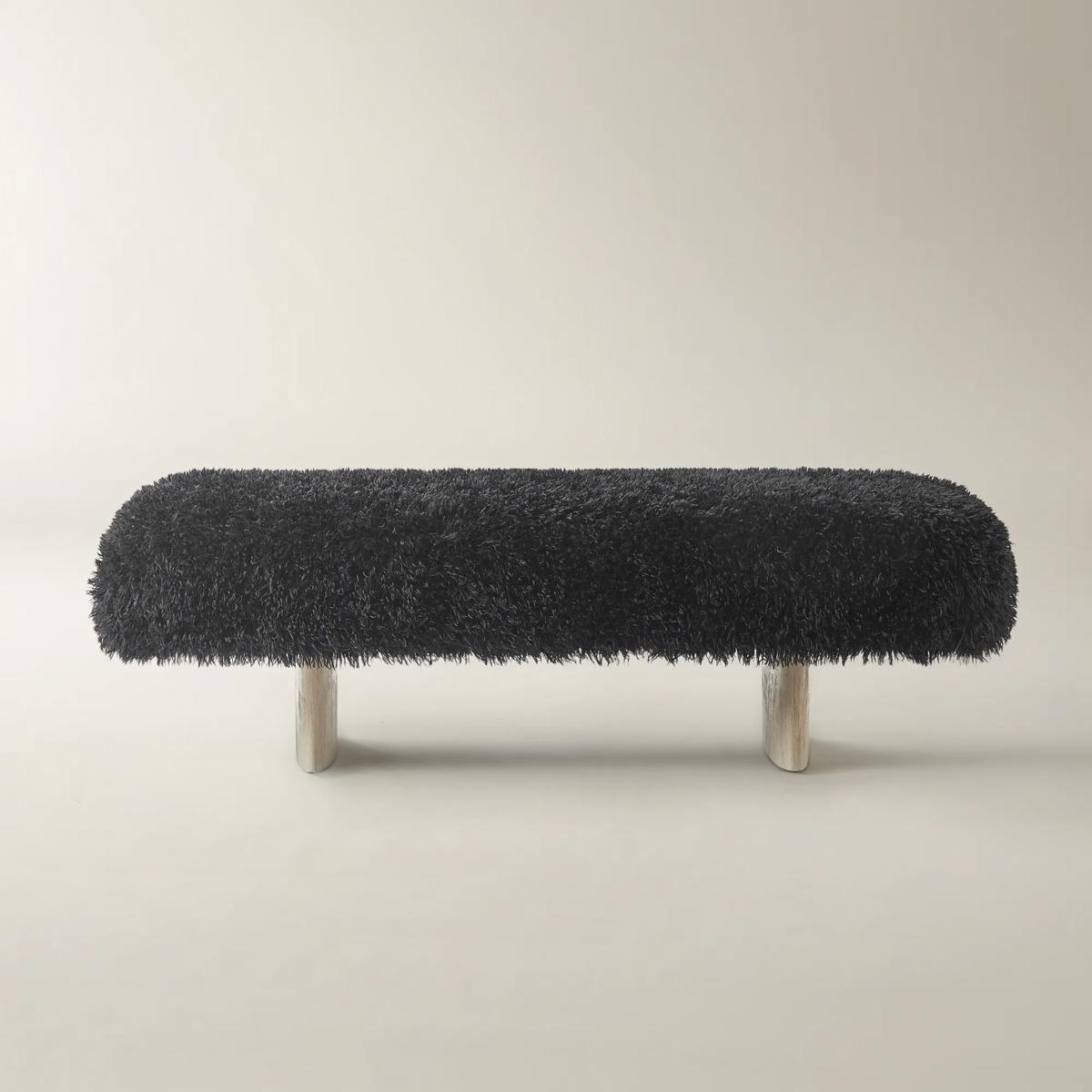 Micah Black Mongolian Fur Bench With Rubberwood Legs (62.6")$699
A striking black faux Mongolian fur bench with solid rubberwood legs for plush comfort and modern edge.
Add To Cart -
.jpg?w=1200&h=1200)
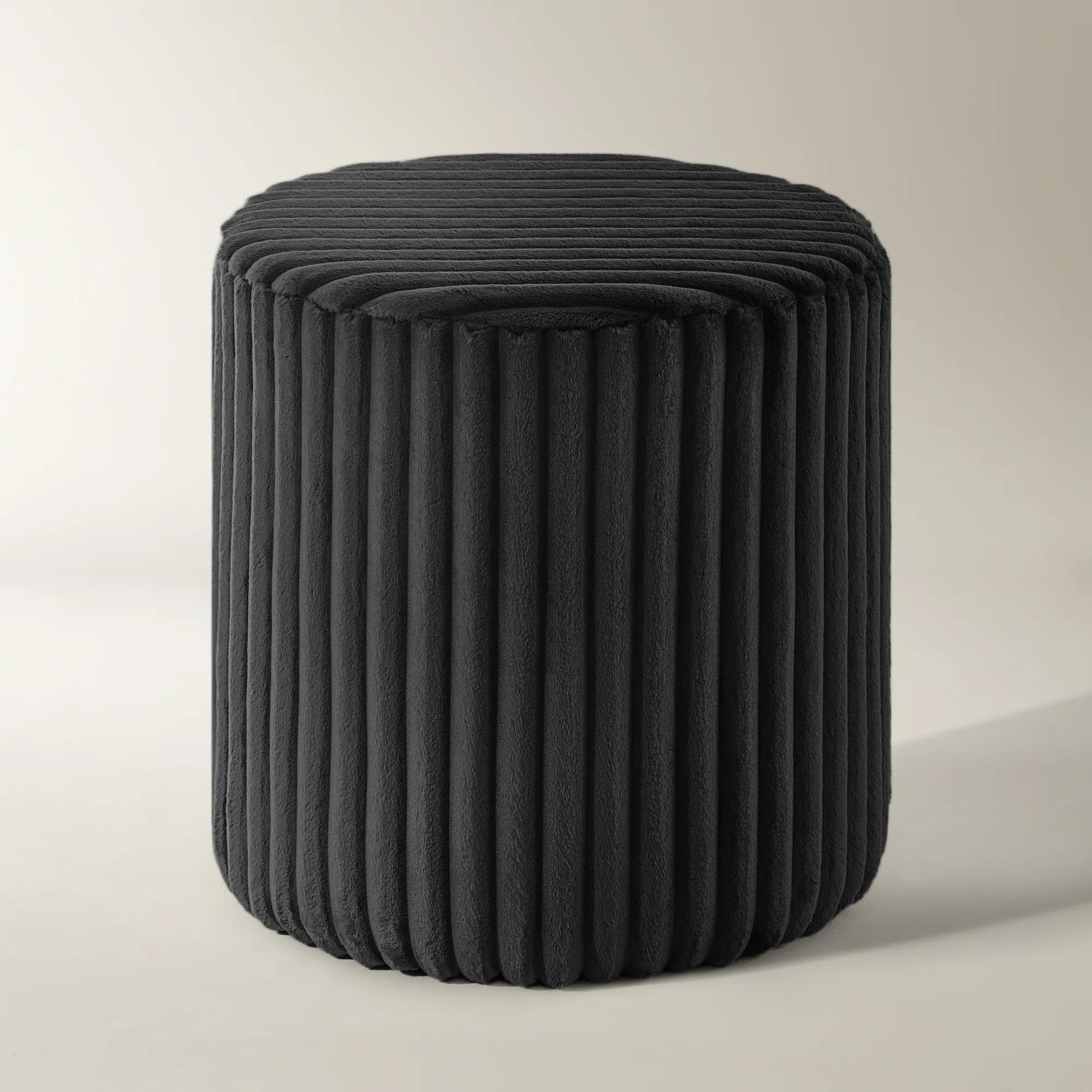 Fleece Fluted Black Velvet Stool (15.55'')$229
A plush black ribbed velvet stool offering versatile seating and cozy texture for any modern space.
Add To Cart -
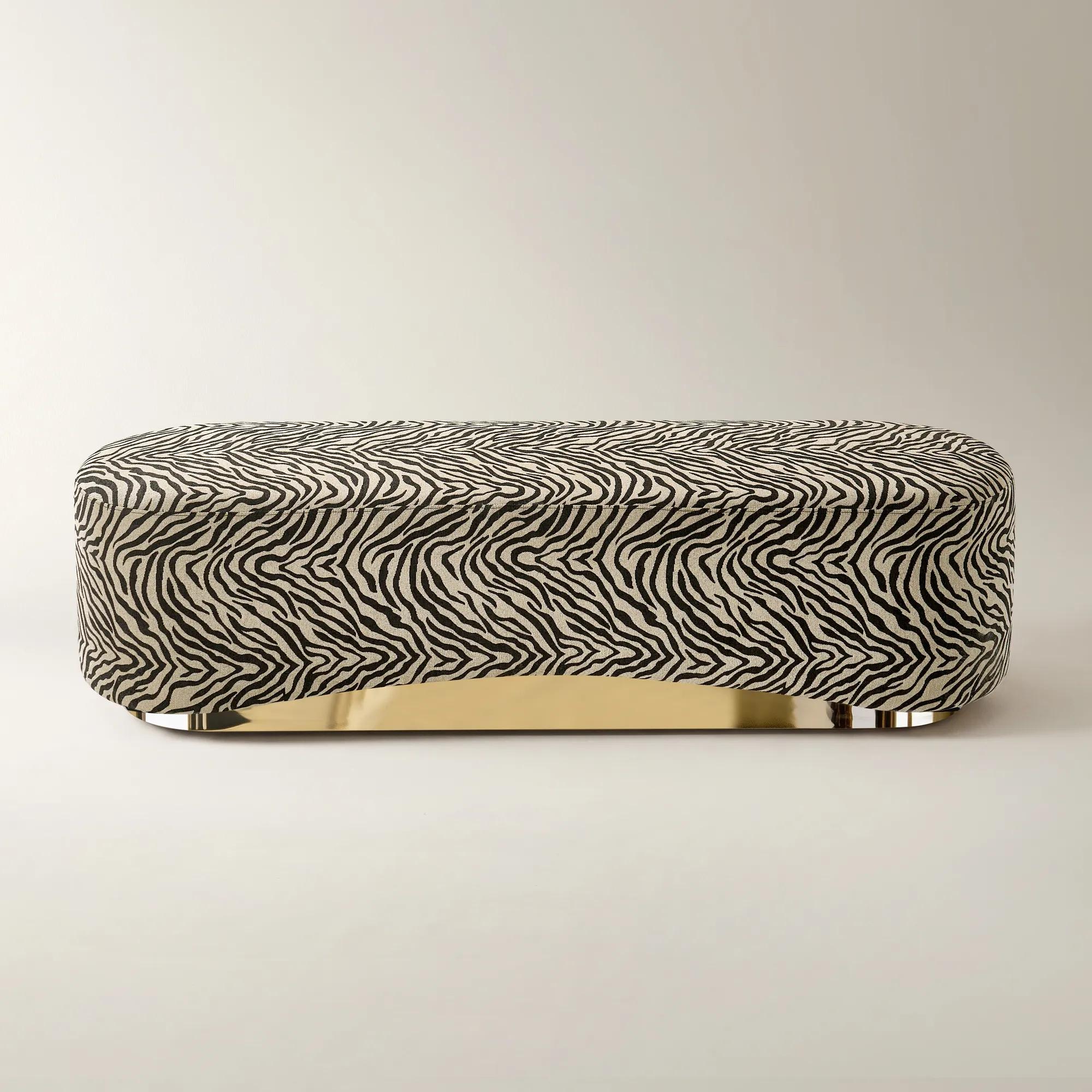
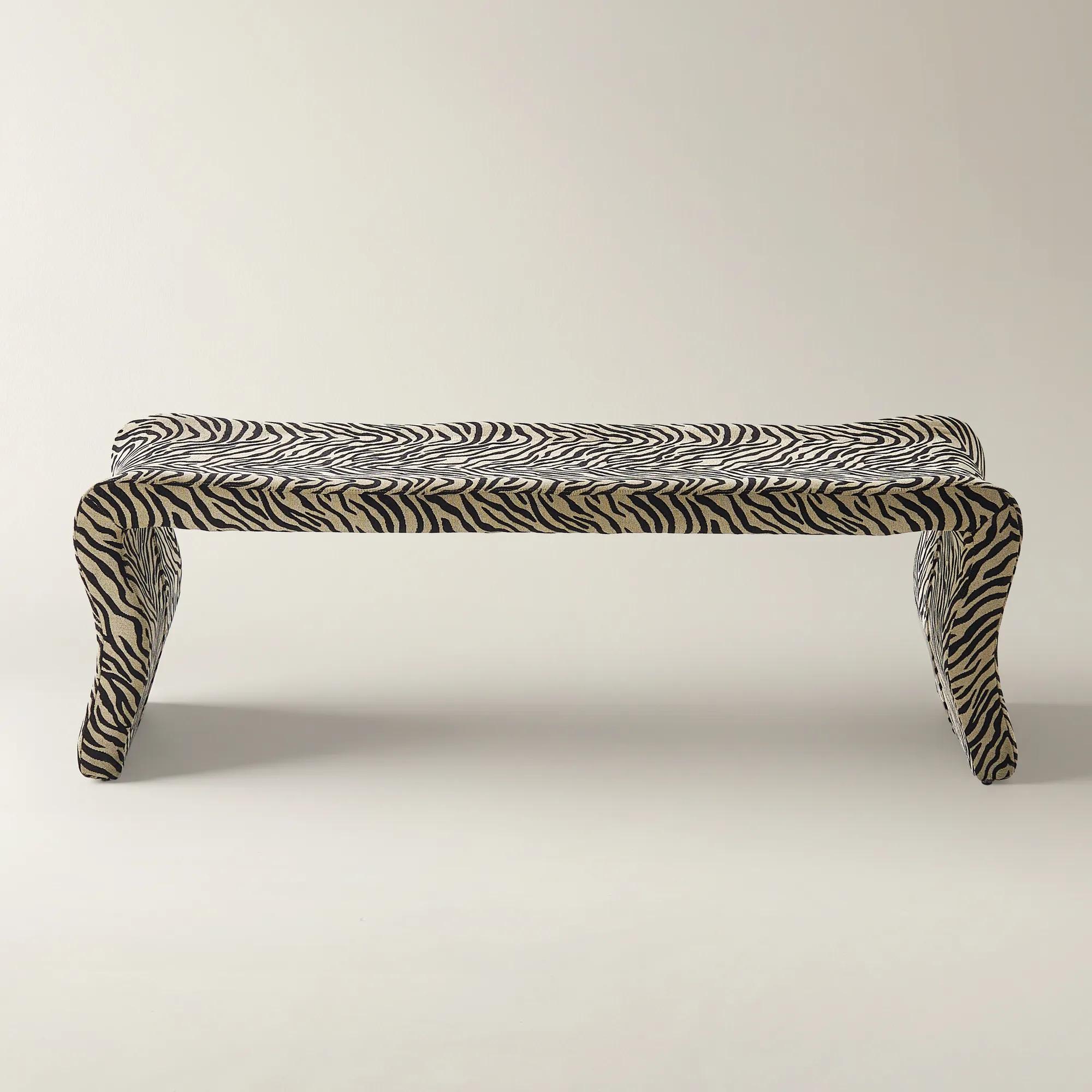
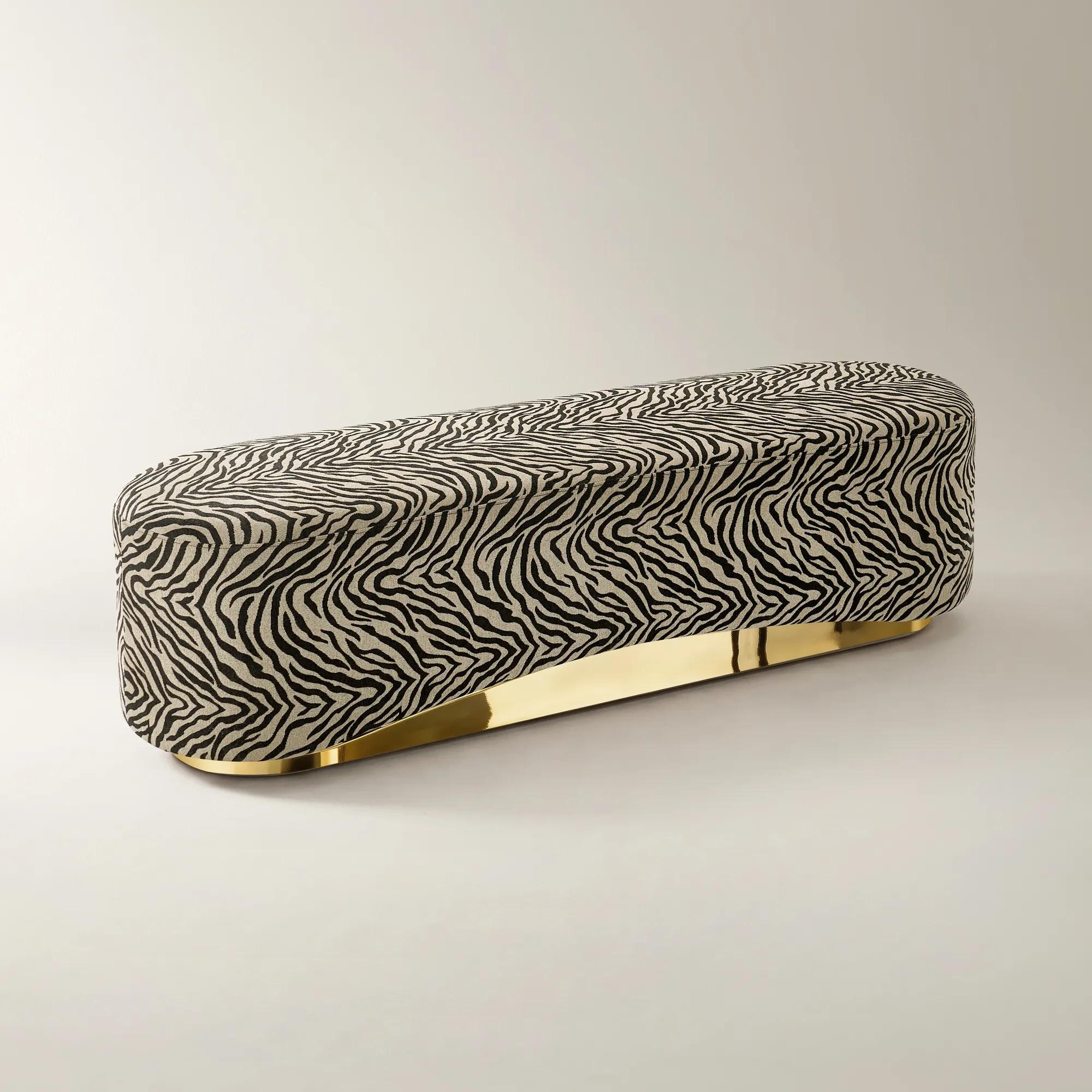 Kendra Zebra Performance Chenille Bench (70.47")$799
An elongated oval bench upholstered in textured zebra-pattern chenille with a polished gold stainless steel base.
Add To Cart -
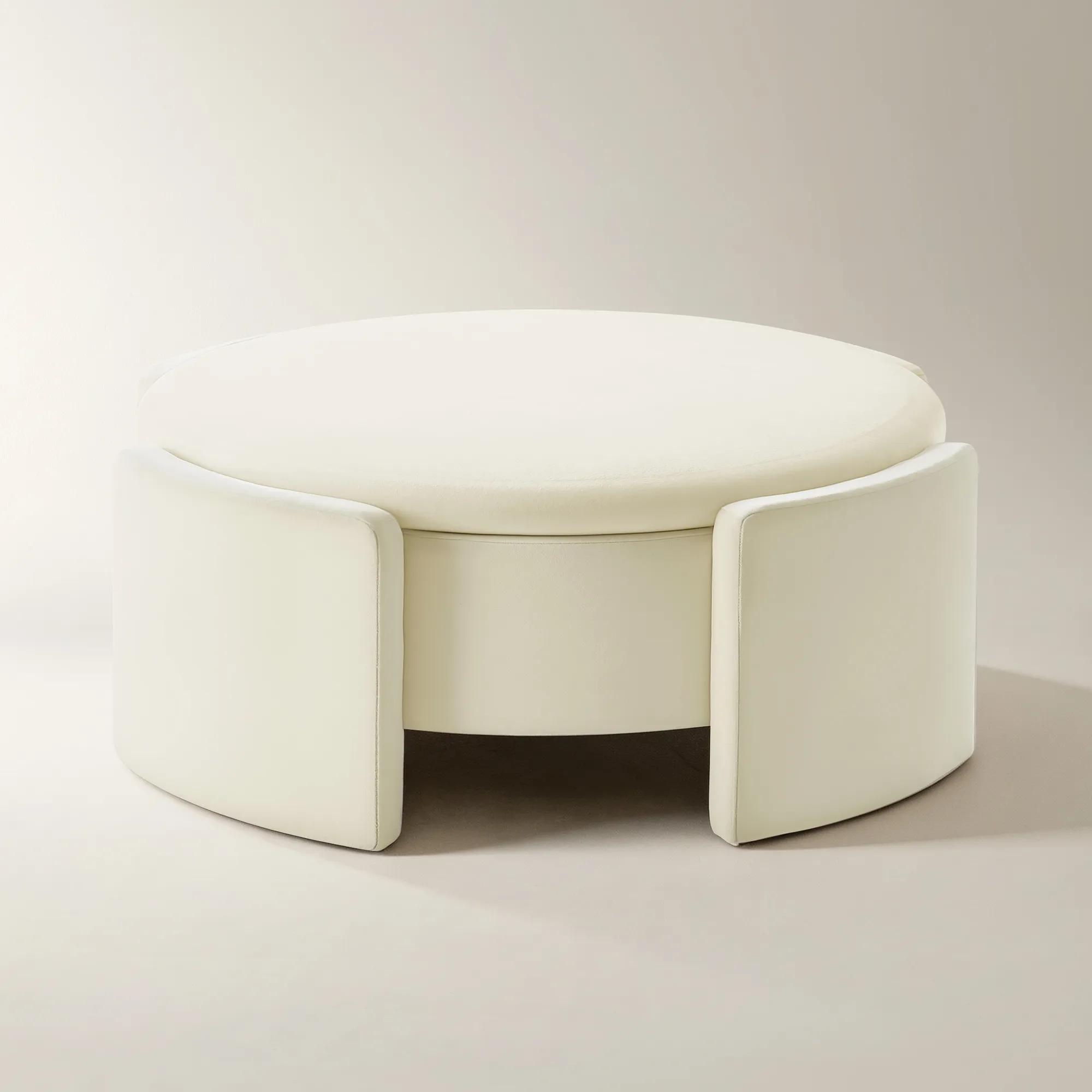
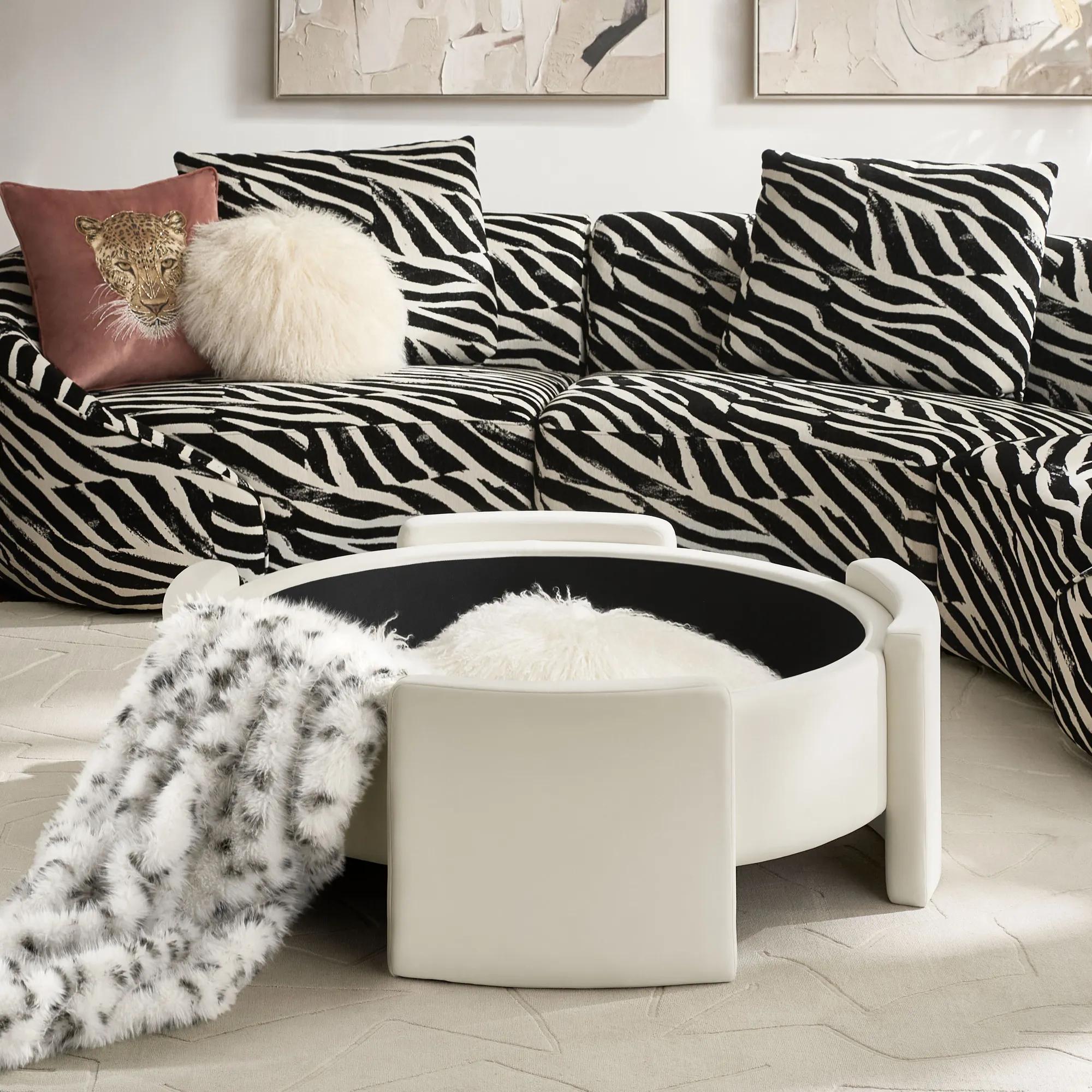 Jora Round Cloud Velvet Storage Coffee Table With Reversible Tabletop (47.7")$799
A round coffee table featuring plush velvet upholstery, reversible wood tabletop, and hidden interior storage.
Add To Cart -
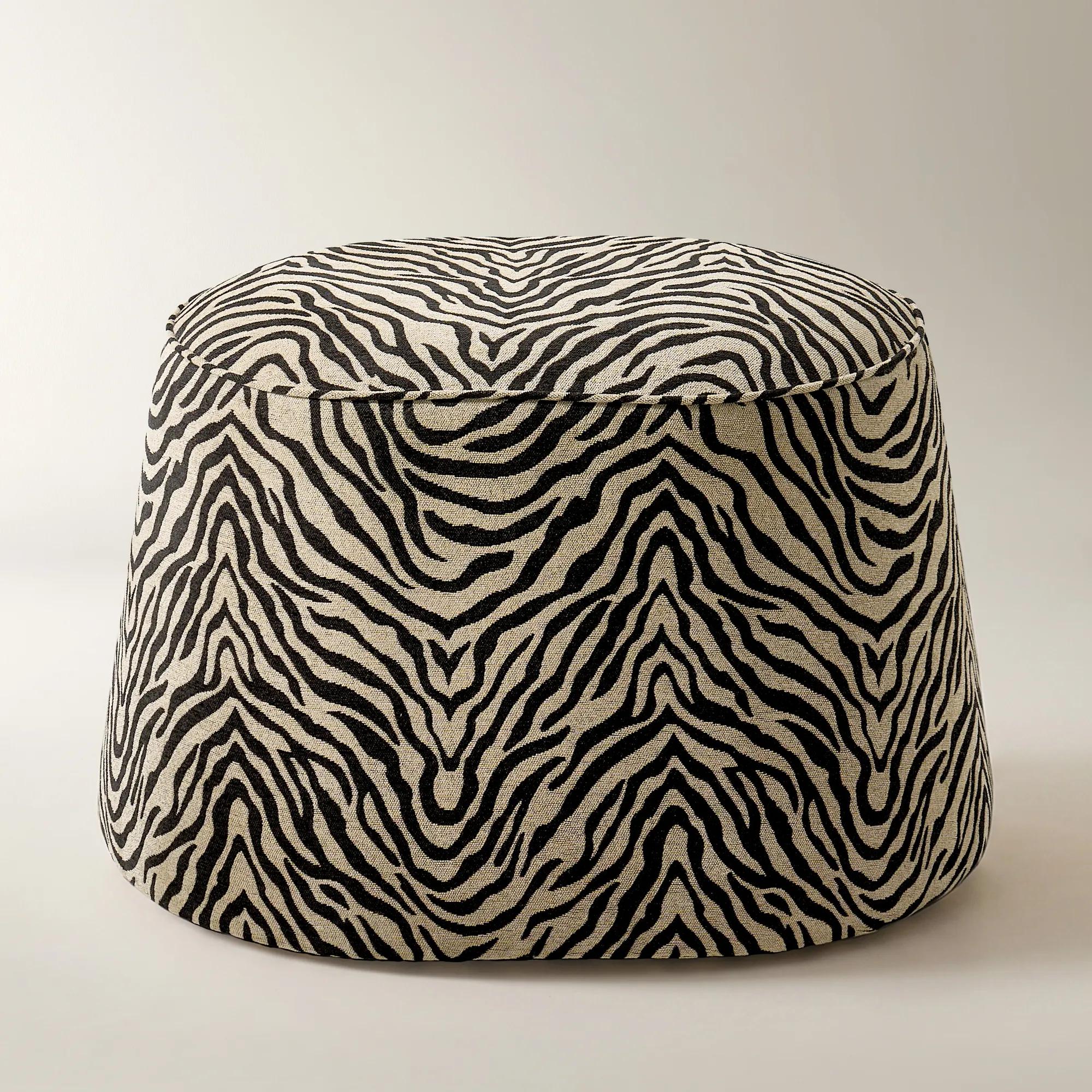 Avery Zebra Performance Chenille Stool$399
A sculpted drum-shaped accent stool upholstered in zebra-patterned performance chenille for bold, modern style.
Add To Cart -
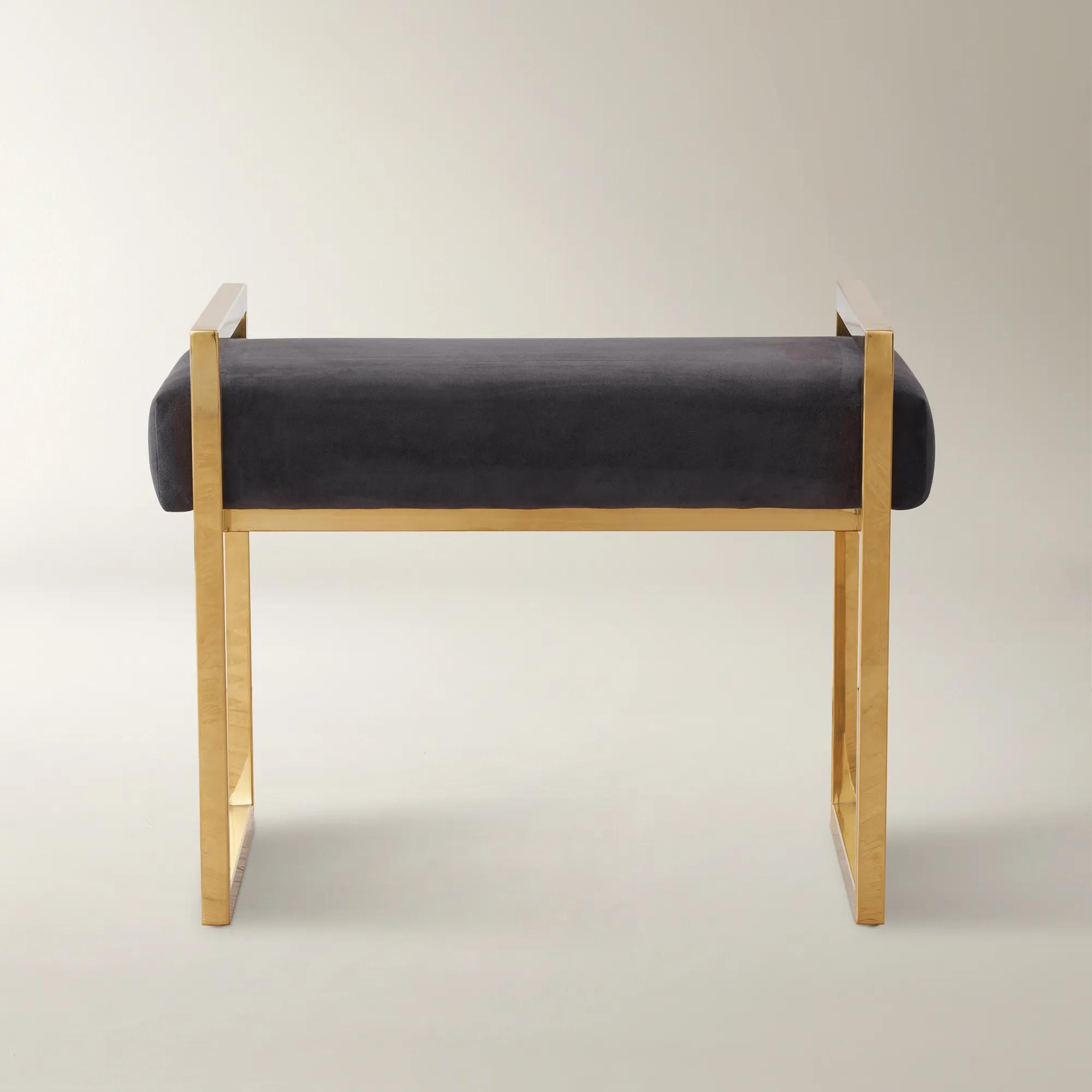
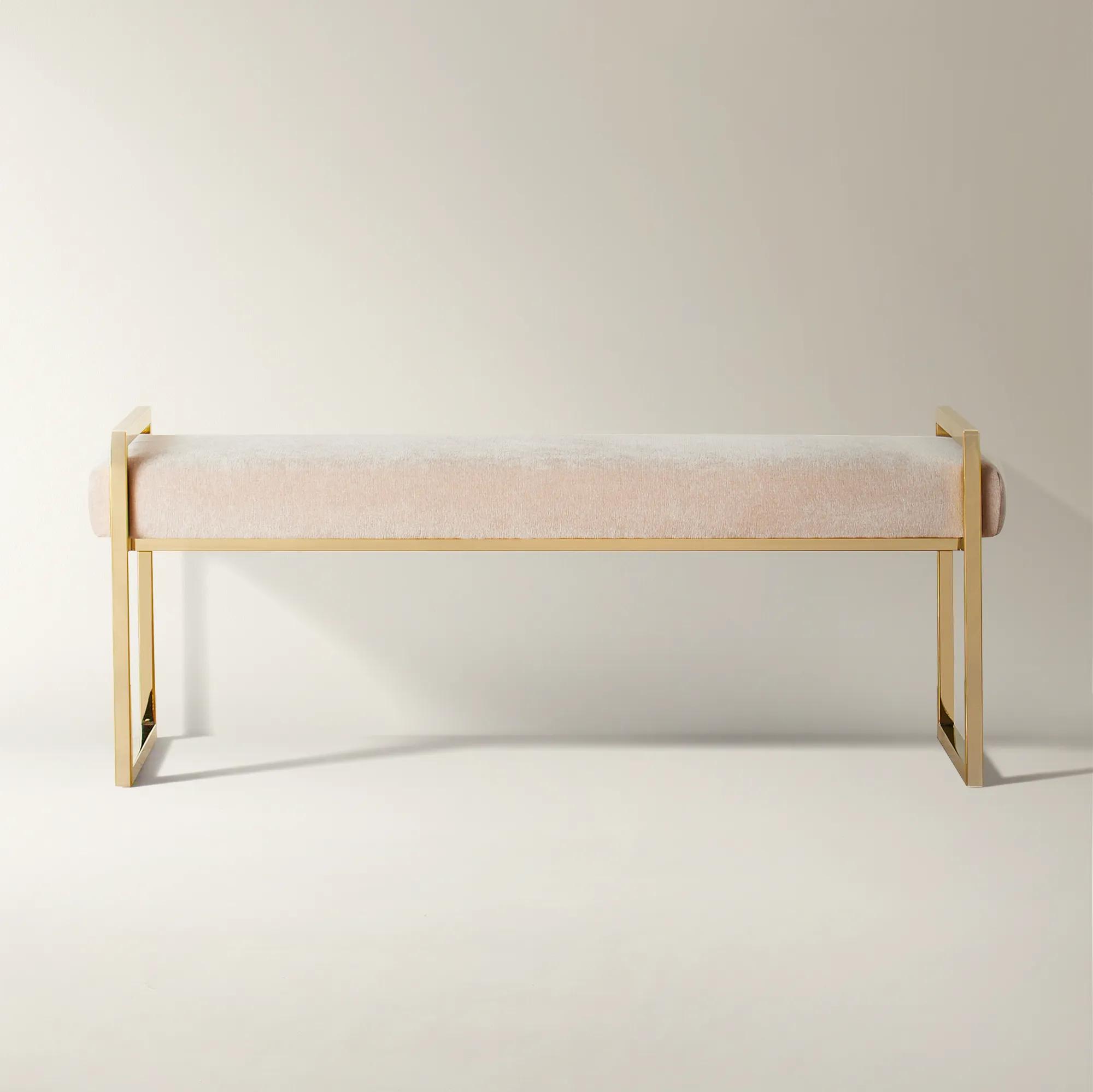
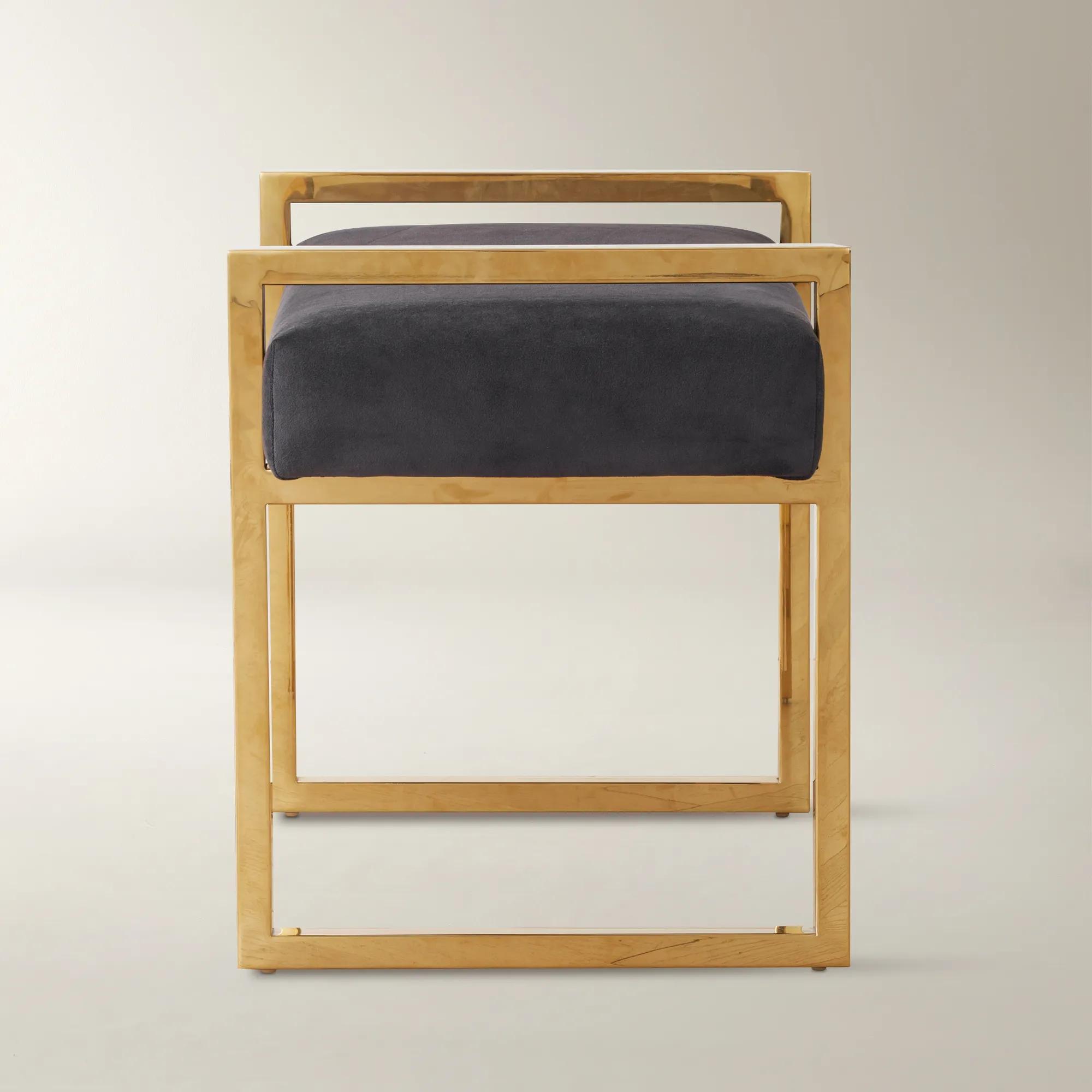 Clara Accent Stool$399
A plush black velvet seat rests on polished gold metal legs for a chic, modern accent piece.
Add To Cart

Ottomans For Chic Living Rooms
Ottomans for chic living rooms are the unsung heroes of sophisticated spaces—versatile, alluring, and always ready to steal the scene. Imagine a room where every detail is intentional, and comfort meets couture in one irresistible flourish. Here, ottomans become more than mere seating; they’re sculptural accents that invite conversation and elevate the everyday. Whether poised as a plush centerpiece or tucked artfully beside a statement chair, each piece promises to infuse your living room with an air of effortless glamour and expressive style. Unleash your inner curator and discover how these bold essentials transform any gathering space into a masterpiece of modern allure.
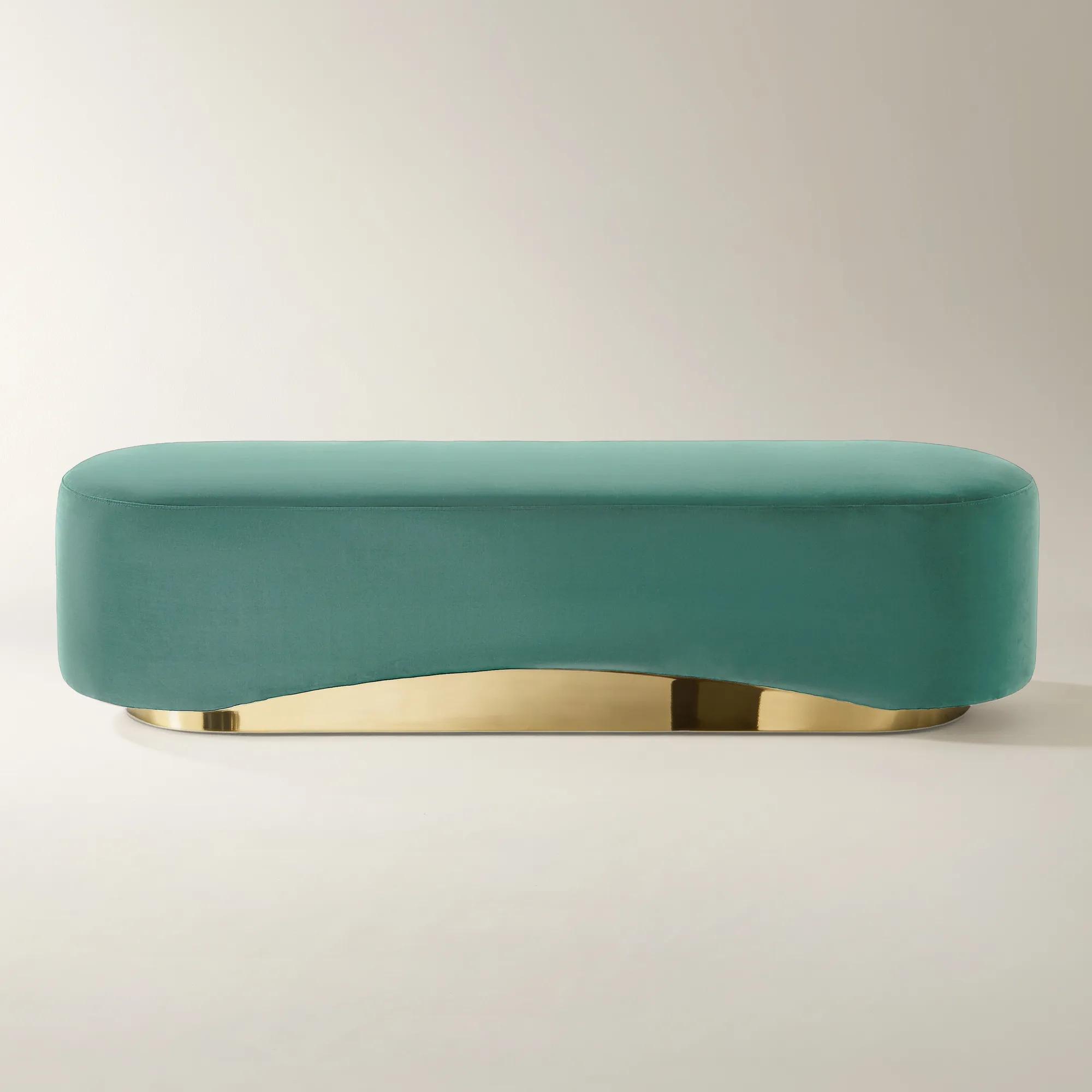
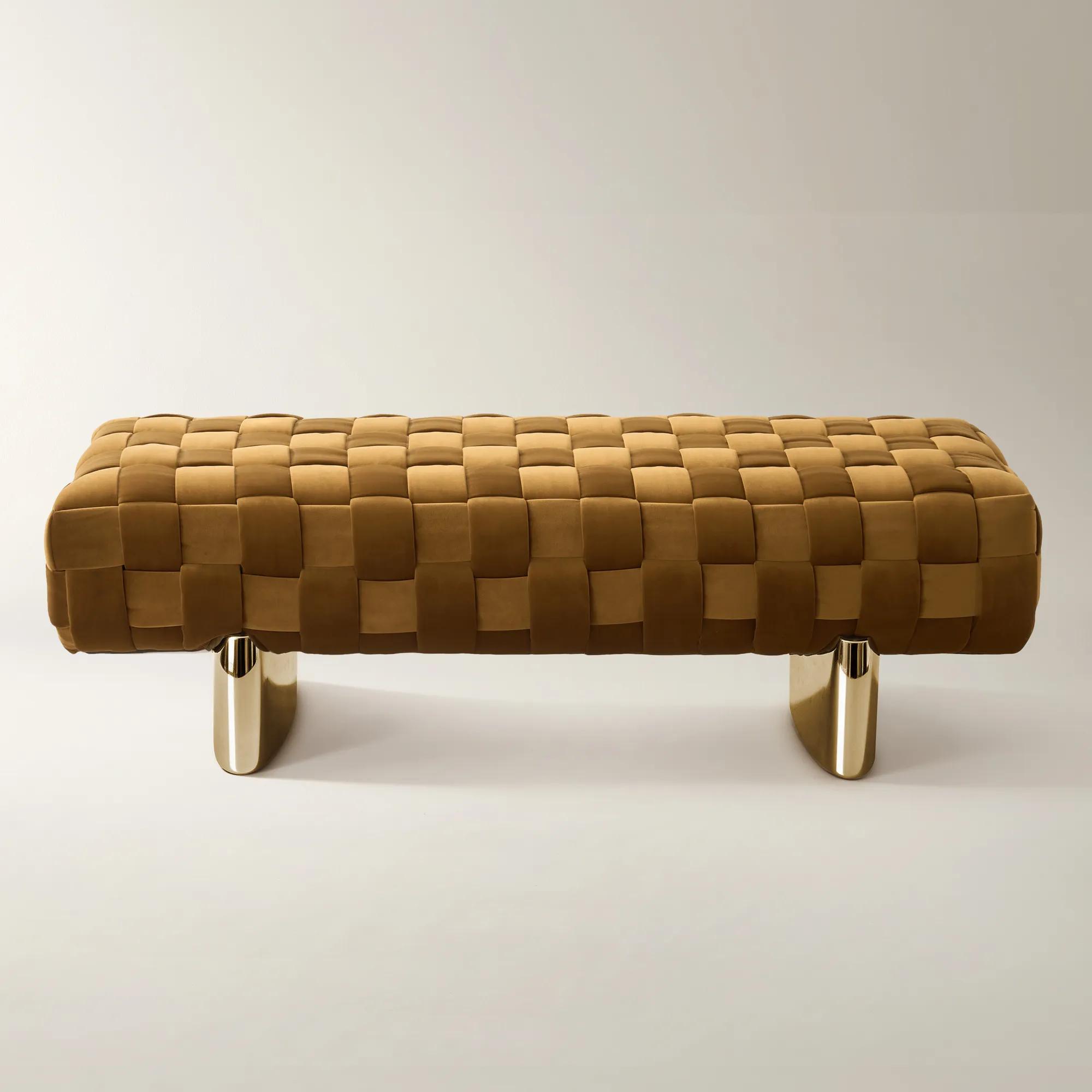
Ottomans for chic living rooms bring sculptural presence and everyday comfort into the same composition, offering a place to rest your feet, an alternative to a traditional coffee table, or occasional seating when designed to support it. Their appeal lies in that balance: a generous upholstered silhouette can soften an angular sofa, while a tailored ottoman with a gleaming base introduces a crisp architectural note beside a sumptuous armchair. In a living room layered with expressive artwork, luminous accents, and richly textured textiles, an ottoman gives the eye somewhere to settle without letting the room lose its drama. Shape makes a distinct contribution to the mood. A round ottoman breaks up the straight lines of a sectional and creates a softer outline at the center of a seating arrangement. A square silhouette echoes the geometry of a spacious conversation area, while an elongated rectangular design complements a long sofa with an assured sense of proportion. Smaller ottomans arranged as a pair offer rhythm and flexibility, particularly opposite a couch or beneath an open console with adequate clearance. Upholstery adds another layer of expression. Velvet catches light across its pile, shifting in depth as daylight moves through the room; textured woven fabric lends dimension without relying on bold pattern. Leather offers a more defined surface and, depending on its finish, may develop a distinctive patina with use. Bouclé brings a curled, tactile texture that contrasts beautifully with polished stone or glass. Color can either connect these elements or deliberately interrupt them: ivory against dark wood feels luminous, charcoal beside brass feels composed, and a saturated jewel tone can carry the same visual weight as a piece of art. The most compelling living room ottomans do more than match the sofa. They establish a relationship between softness, structure, and color, making the seating area feel considered rather than assembled from identical pieces.
Scale determines how comfortably that visual statement lives in the room. An oversized ottoman can anchor a broad sectional, but its footprint should still leave clear routes between seating, doorways, and adjoining spaces. In a smaller living room, a compact round or square design can supply a luxurious upholstered accent without overwhelming the floor plan. For use as a footrest, a top that sits near the sofa’s seat height, or slightly below it, generally feels more natural than one that rises above the cushion. Seat depth, cushion compression, and the way someone prefers to lounge also affect the fit. Around an ottoman used as a coffee table alternative, approximately 14 to 18 inches of space between the ottoman and sofa is a useful starting point, with more room reserved for main walking paths. Picture the actual evening: someone stretched out with a book, another person passing through with a serving tray, and a guest settling into the adjacent chair. The arrangement should accommodate all three without constant rearranging. Surface construction matters just as much as dimensions. A broad, relatively level upholstered top can hold a stable, appropriately sized tray for remote controls or a decorative arrangement; deep tufting and pronounced curves create a more ornamental surface that may be less suited to tabletop use. Drinks need a secure, level base, and upholstery should be protected from moisture and heat. Storage ottomans, where included in a design, can conceal throws and other lightweight living room essentials, preserving the room’s visual clarity between gatherings. Hinged lids require enough clearance to open comfortably, and households with children benefit from considering the closure mechanism as carefully as the silhouette. Ottomans intended for seating should have a suitable weight rating and supportive construction rather than simply the appearance of a low stool. For spaces that shift from quiet lounging to conversation and entertaining, Ottomans For Versatile Living Rooms offers a related perspective on this balance of presence and purpose. A beautiful room feels more inviting when its furnishings accommodate the people moving through it.
Materials and construction shape how an ottoman feels after the first impression, especially in living rooms that see daily use. A sturdy frame, secure joints, an appropriately supported base, and cushioning that suits the intended purpose deserve as much attention as the upholstery color. A footrest may feel indulgent with a softer crown, while an ottoman used regularly as an occasional seat benefits from a firmer, more supportive surface. Tailored seams and well-executed tufting contribute to a polished appearance, though decorative folds and channels also create places where crumbs and dust can collect. In homes with pets, the texture of the cover warrants particular consideration: pronounced loops may catch claws, and delicate fabrics can show wear differently from tightly woven upholstery. Performance fabric can be a practical choice when its stated properties suit the household, but stain resistance does not make any material impervious to spills. Care should follow the upholstery label and manufacturer’s instructions, with routine attention matched to the finish. Gentle vacuuming with an appropriate upholstery attachment helps remove loose debris; spills are best blotted promptly rather than rubbed into the fibers. Velvet may show pressure marks or changes in pile direction, while leather care depends on whether the surface is protected, aniline, or another finish. Avoid assuming that a single cleaner is suitable for every upholstered piece. Prolonged direct sunlight can fade some fabrics and leathers, and nearby heat sources may affect certain materials over time. Floor protection beneath the base helps preserve the surface below, particularly when smaller ottomans move frequently during gatherings. These practical details leave more room for expressive styling: a folded throw across one corner, a restrained tray arrangement, or an uninterrupted expanse of richly colored upholstery. During the cooler months, that softness becomes especially inviting beside a favorite reading chair. For a thoughtfully chosen housewarming gift, an ottoman can feel both personal and substantial when the recipient’s room dimensions, palette, and preferences are known. Whether furnishing a first apartment or refining an established living room, the right silhouette lends the space a distinctive sense of ease without surrendering its glamour.
FAQs
Chic ottomans for living rooms often feature luxurious materials such as plush velvet, supple leather, textured boucle, or woven linen. Many designs also incorporate gleaming metallic accents, sculptural legs, or tailored tufting, creating a sophisticated focal point that elevates your space with both texture and artistry.
Ottomans serve as both functional and decorative elements, adding a layer of comfort and visual intrigue to your living room. Whether used as a cozy ottoman for relaxing, a stylish ottoman for extra seating, or a platform for artful displays, these pieces infuse your space with warmth, elegance, and a sense of curated drama.
Absolutely. Elegant ottomans make thoughtful and memorable gifts, especially for housewarmings, weddings, or milestone celebrations. Their blend of utility and artistry ensures they become cherished additions to any home, offering recipients both everyday luxury and a canvas for personal expression.
To create a dramatic focal point, select a chic ottoman in a bold color or with distinctive detailing, such as metallic trim or intricate tufting. Layer it with a decorative tray, art books, or a sumptuous throw, and position it to anchor your seating arrangement. This approach draws the eye and sets the tone for a glamorous, inviting living room.
Ottomans are marvels of versatility. Beyond serving as footrests, they can act as impromptu coffee tables, extra seating for gatherings, or platforms for displaying curated décor. Some designs even offer hidden storage, making them both beautiful and practical additions to any chic living room.