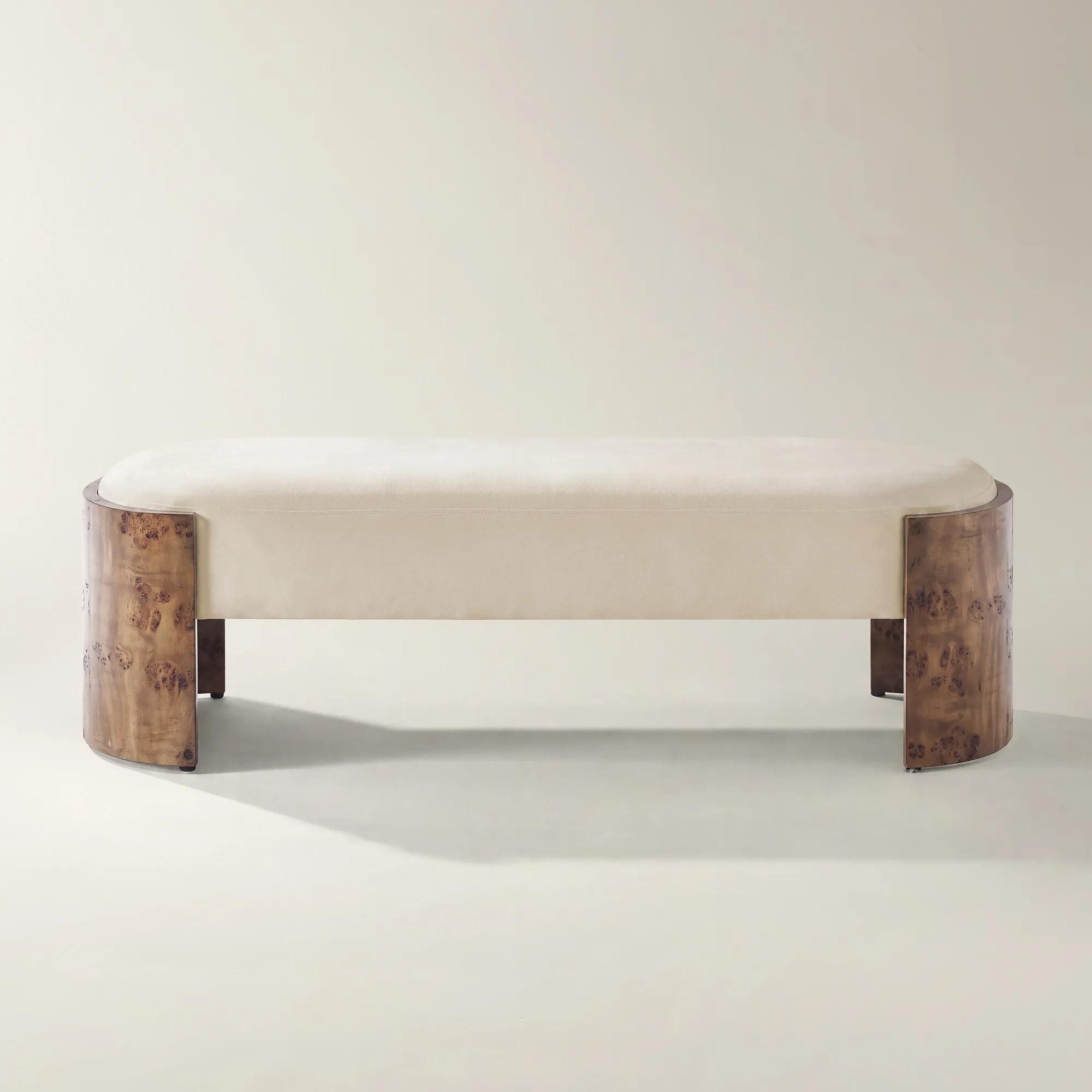
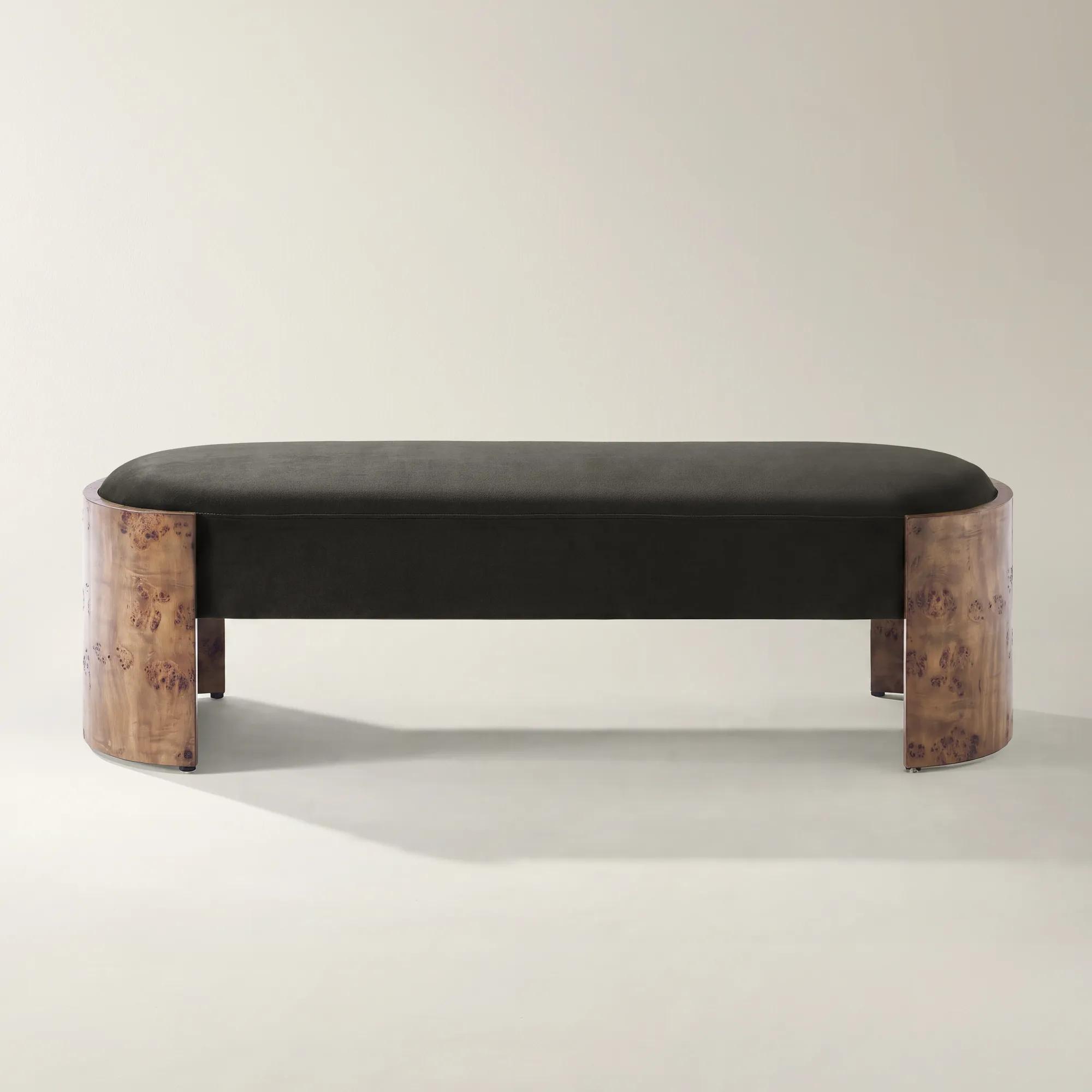
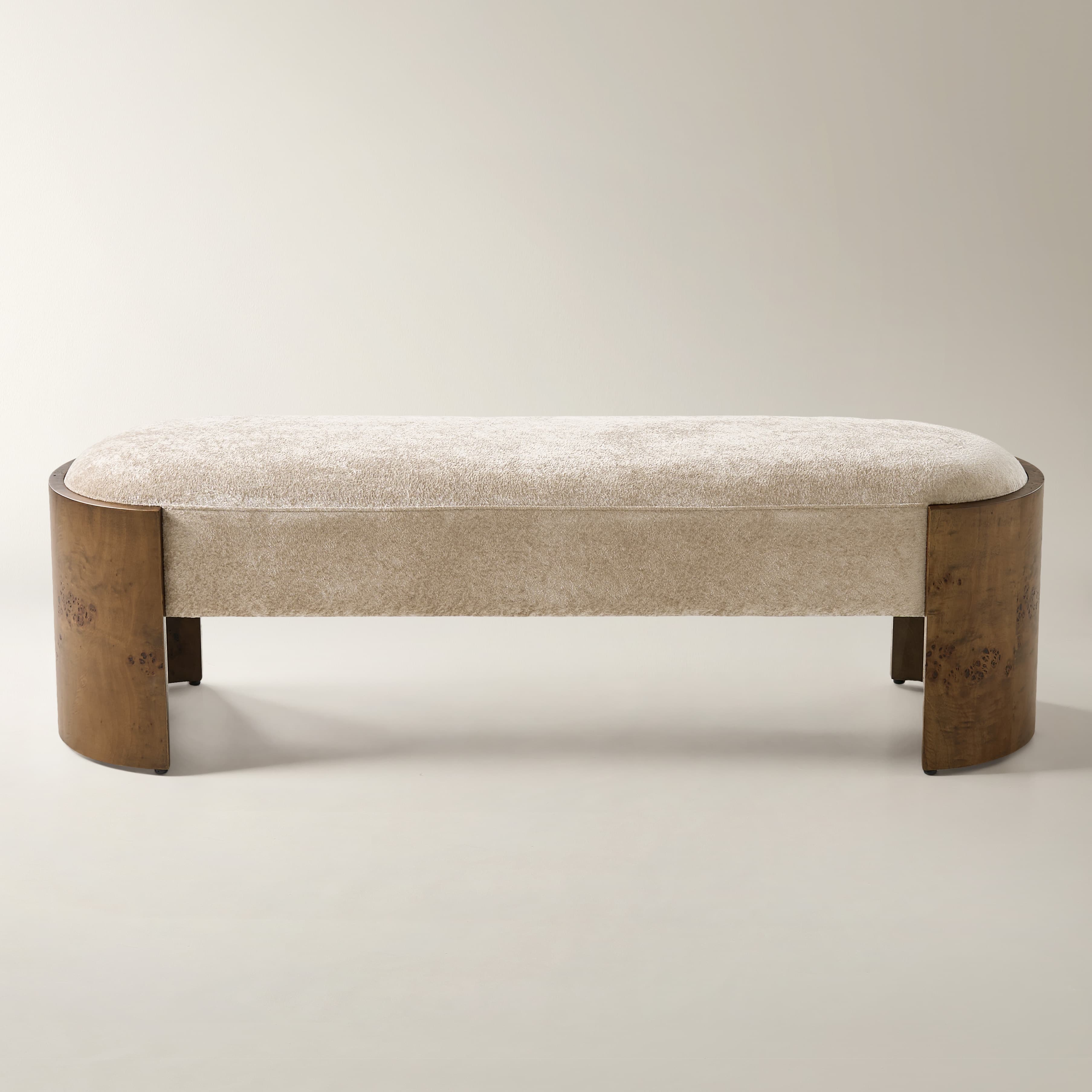
Ottomans For Cozy Living Rooms
Ottomans For Cozy Living Rooms
-
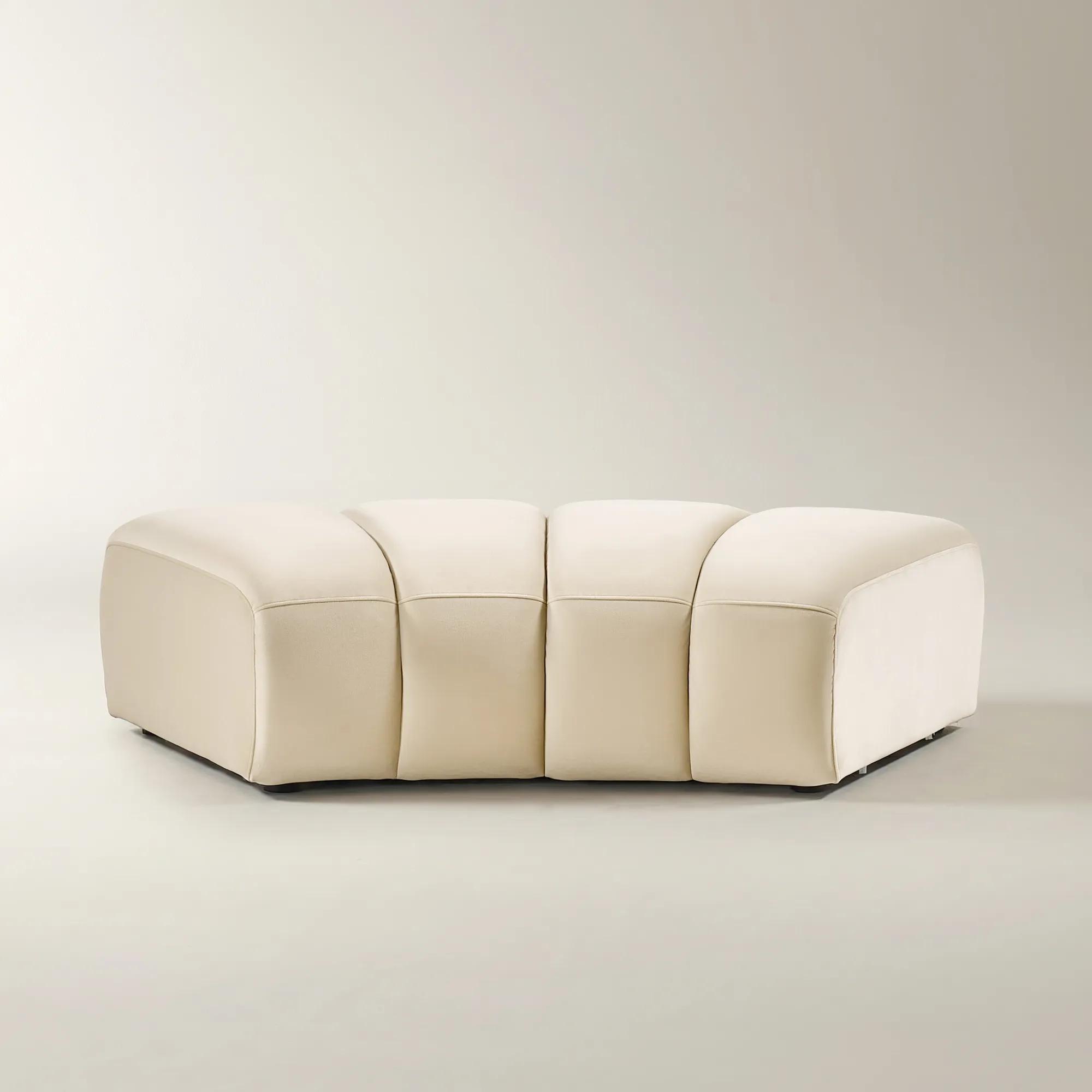 Jocelyn Channel-Tufted Oatmeal Velvet Ottoman$999
An oatmeal velvet ottoman featuring deep channel tufting, curved silhouette, and kiln-dried wood construction.
Add To Cart -
 Leopard Camel/Black Cow Hide Ottoman (18'')$799
A genuine cowhide pouf in camel and black leopard print with a removable cover and hidden zipper.
Add To Cart -
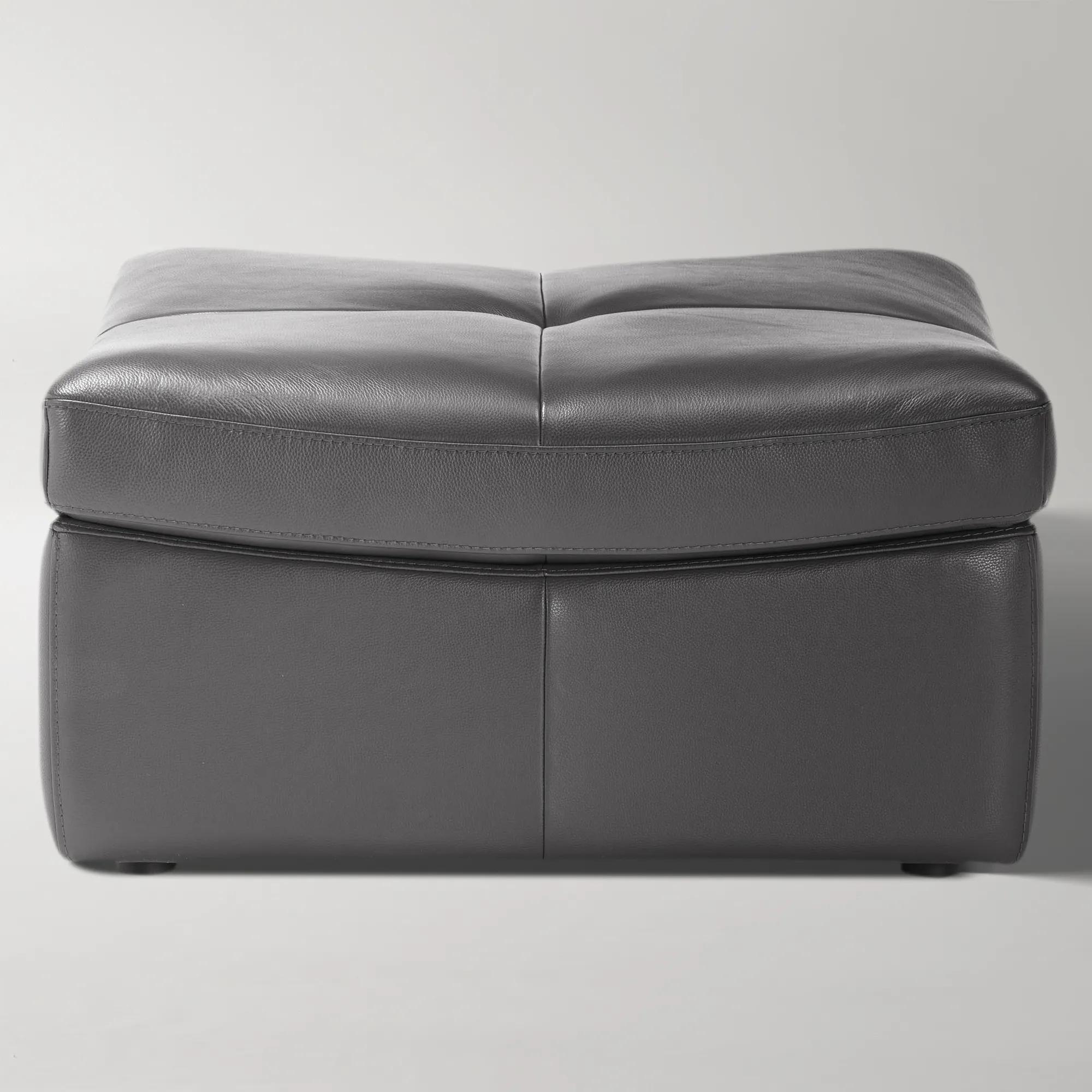 Convo Charcoal Leather Ottoman$849
A modular sectional in charcoal semi-aniline leather with kiln-dried hardwood frames and gently curved seats.
Add To Cart -
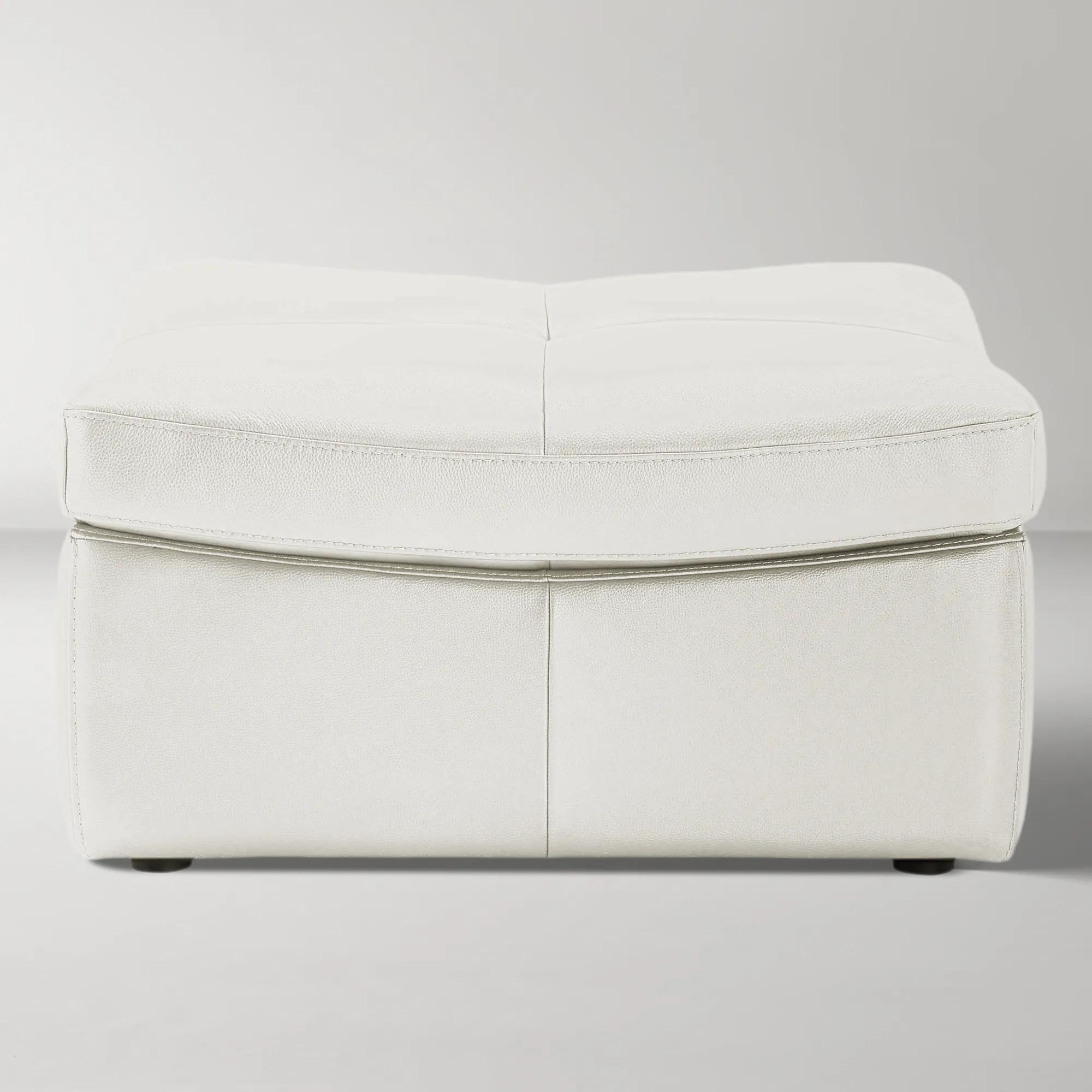 Convo White Leather Ottoman$849
A modular sectional with kiln-dried hardwood frame and charcoal semi-aniline leather upholstery for modern versatility.
Add To Cart -
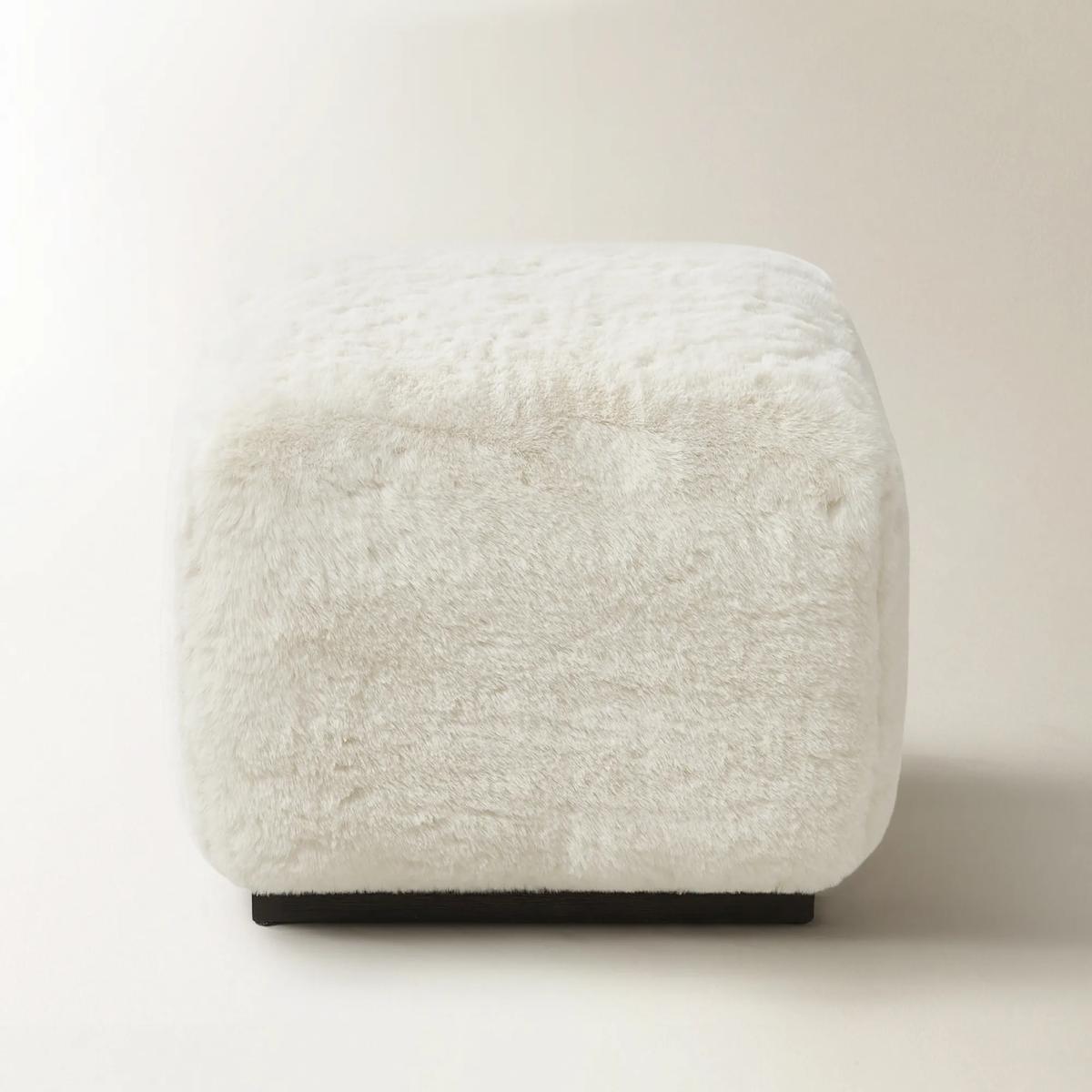
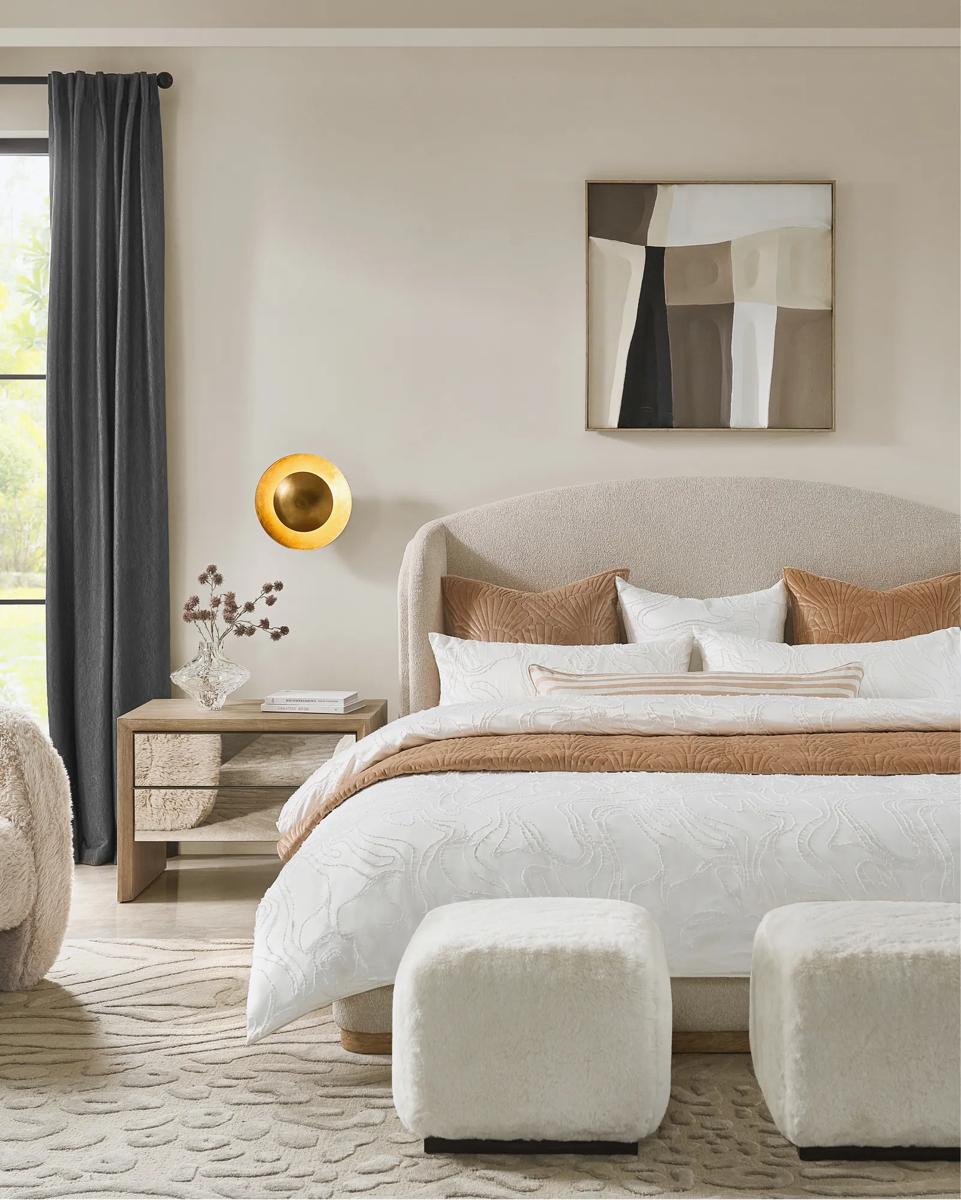 Lris Ivory Faux Fur Stool (21")$299
An ivory faux fur pouf with plush high-density foam and a sturdy, eco-friendly rubberwood base.
Add To Cart -
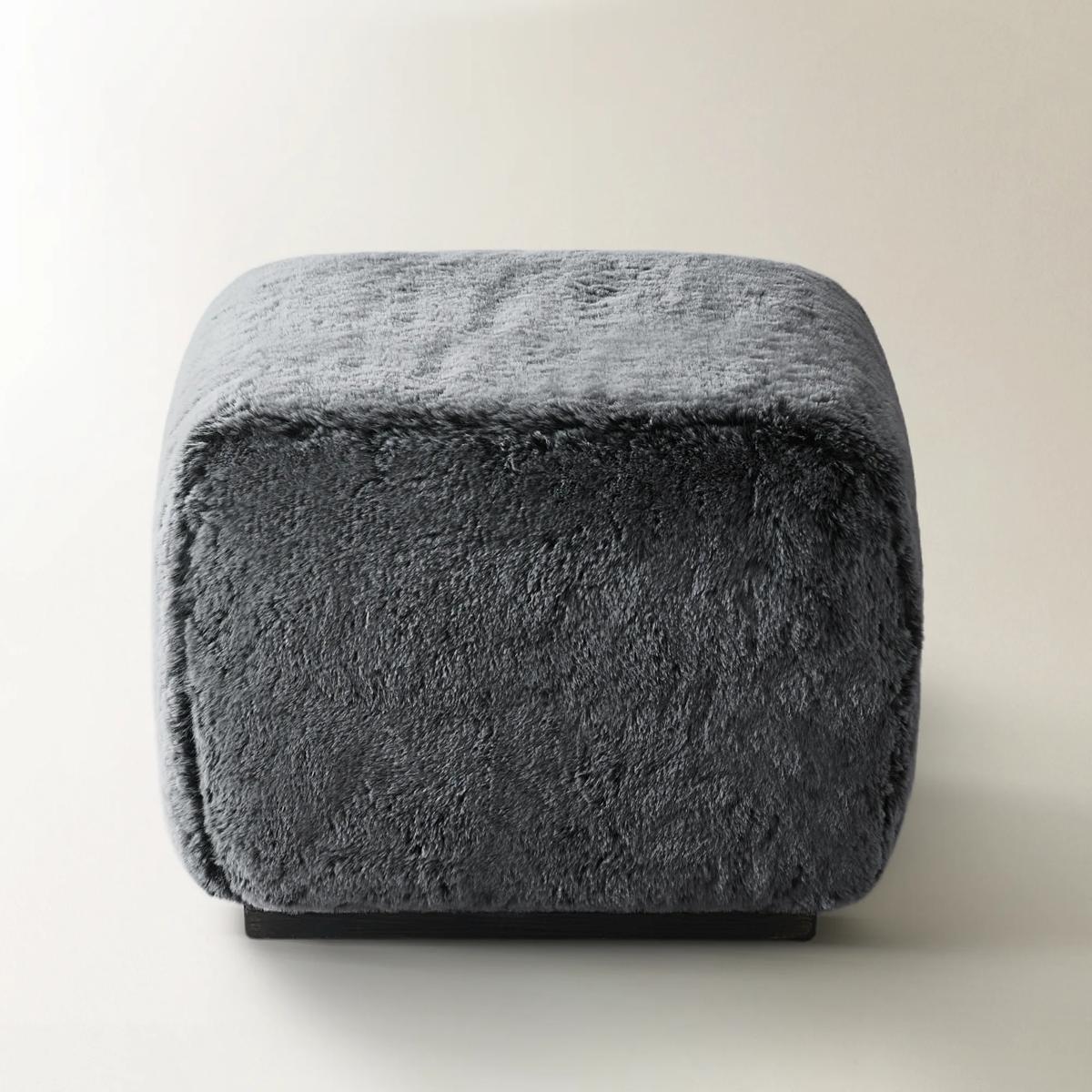
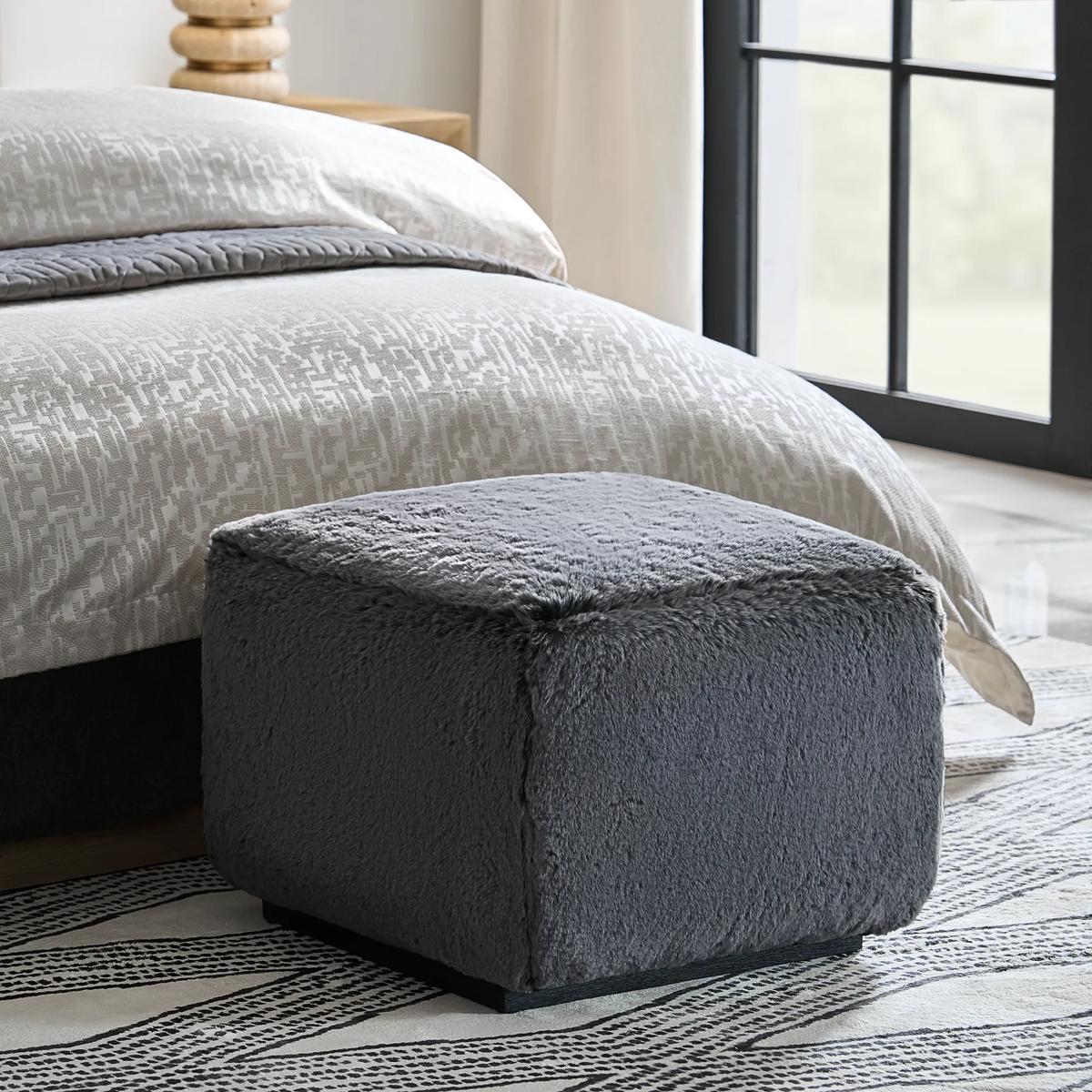 Lris Grey Faux Fur Stool (21")$299
A charcoal grey faux fur pouf with high-density foam and a sturdy rubberwood base for modern comfort.
Add To Cart -

 Livia Taupe Outdoor Ottoman$1999
A taupe outdoor ottoman offering versatile comfort and contemporary style for relaxed lounging.
Add To Cart -
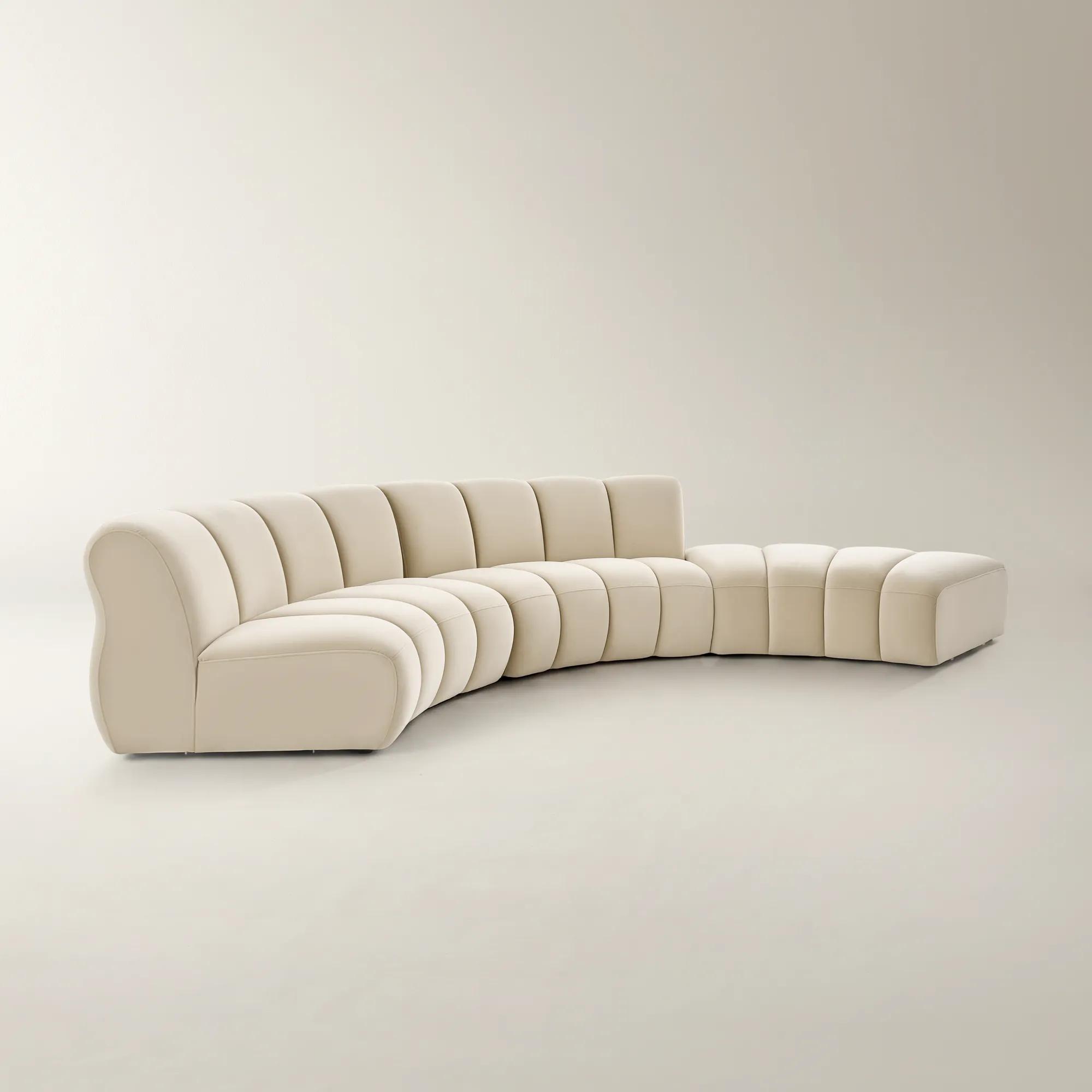 Jocelyn 3-Piece Channel-Tufted Oatmeal Velvet Sectional Sofa With Ottoman$3699
An oatmeal velvet sectional with deep channel tufting, curved silhouette, and modular design for versatile lounging.
Add To Cart -
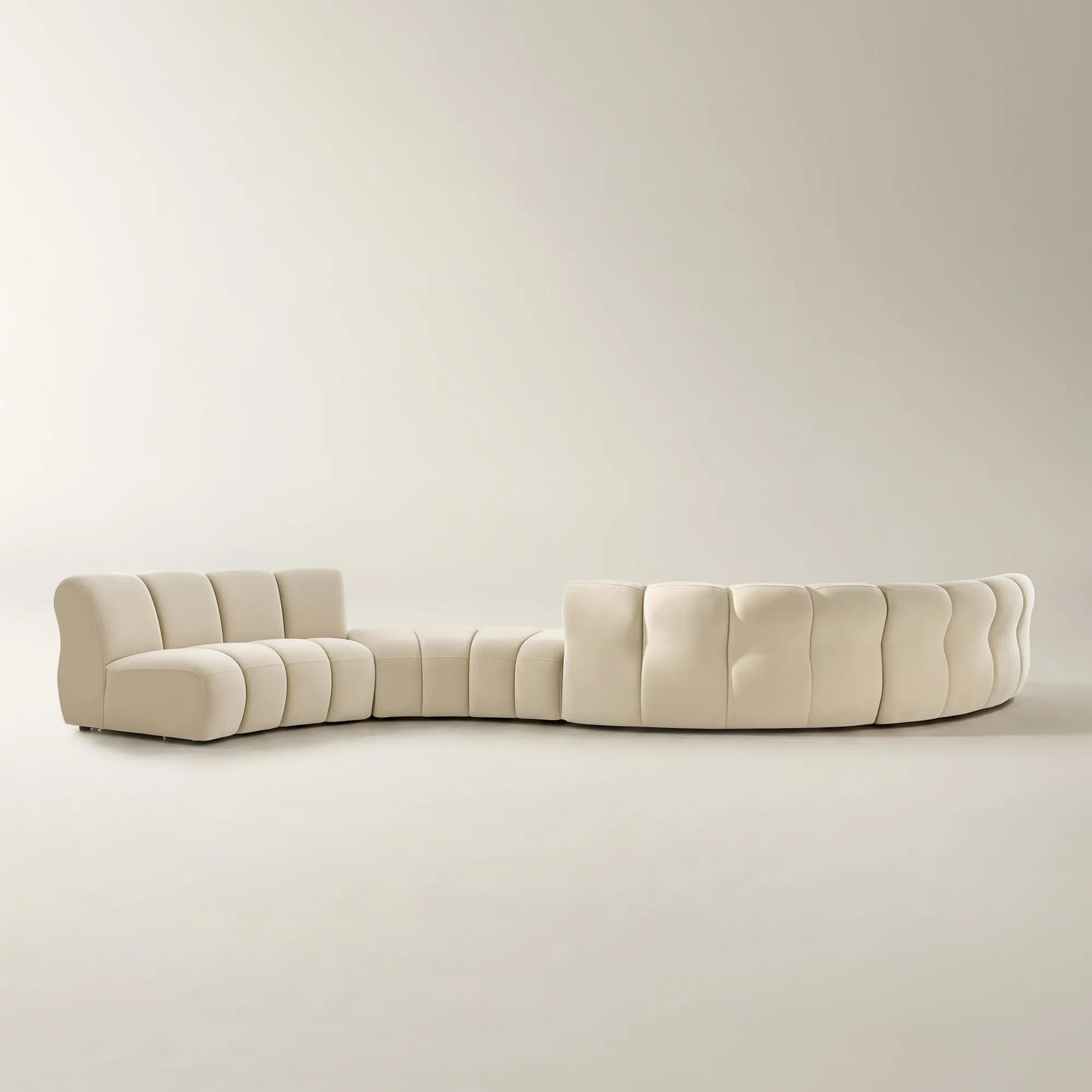 Jocelyn 4-Piece Channel-Tufted Oatmeal Velvet Sectional Sofa With Ottoman$4999
An oatmeal velvet sectional with deep channel tufting, curved silhouette, and modular design for flexible arrangements.
Add To Cart

Ottomans For Cozy Living Rooms
Ottomans for Cozy Living Rooms invite you to indulge in the art of lounging, where comfort meets couture and every detail delights the senses. Imagine plush silhouettes that beckon you to unwind, sculptural forms that anchor your seating area with style, and sumptuous textures that elevate even the quietest moments. Each piece is designed to transform your living room into a sanctuary of warmth and personality—a space where relaxation feels undeniably glamorous and every gathering is infused with effortless allure. Let your living room tell a story of comfort reimagined, one bold accent at a time.
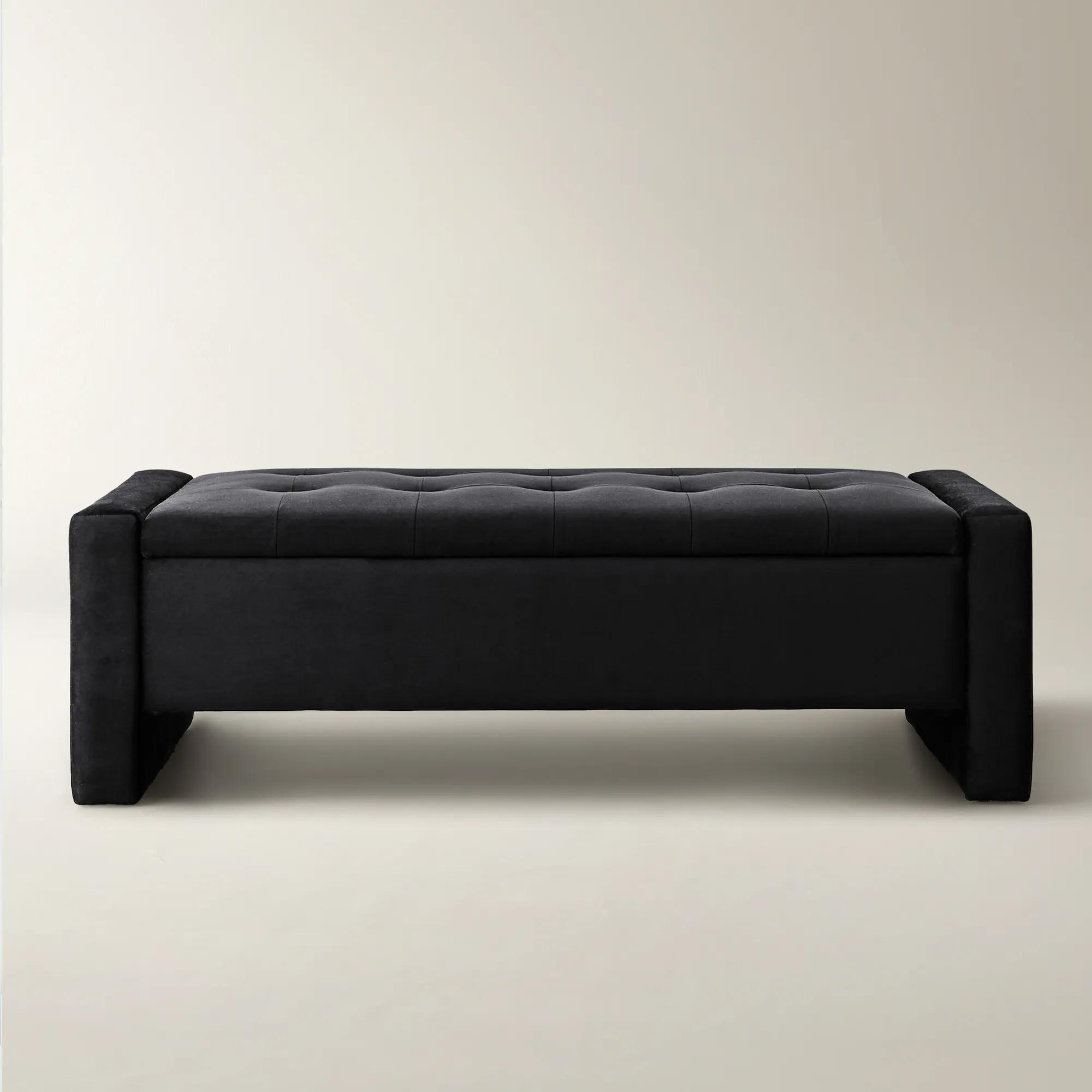
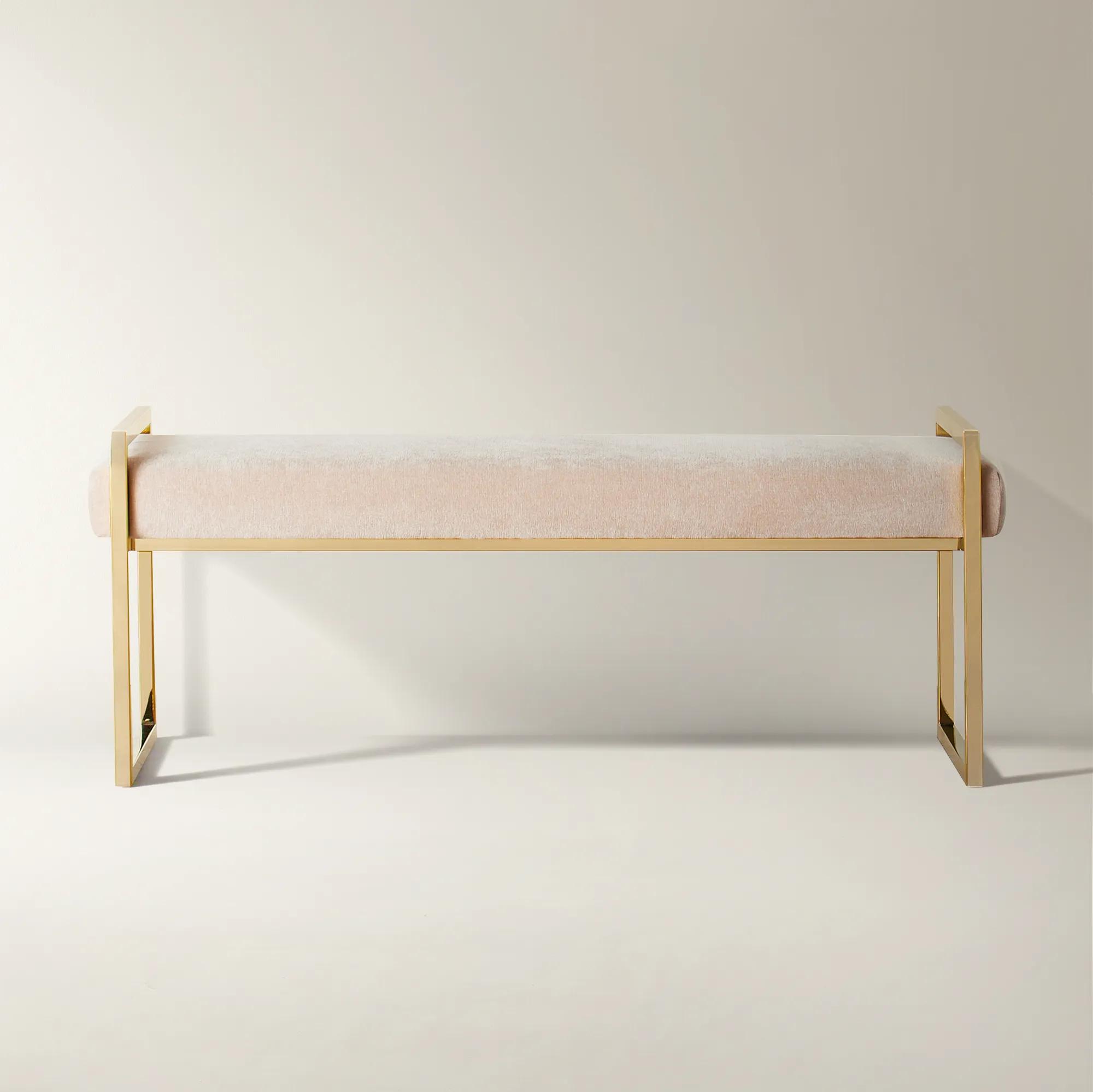
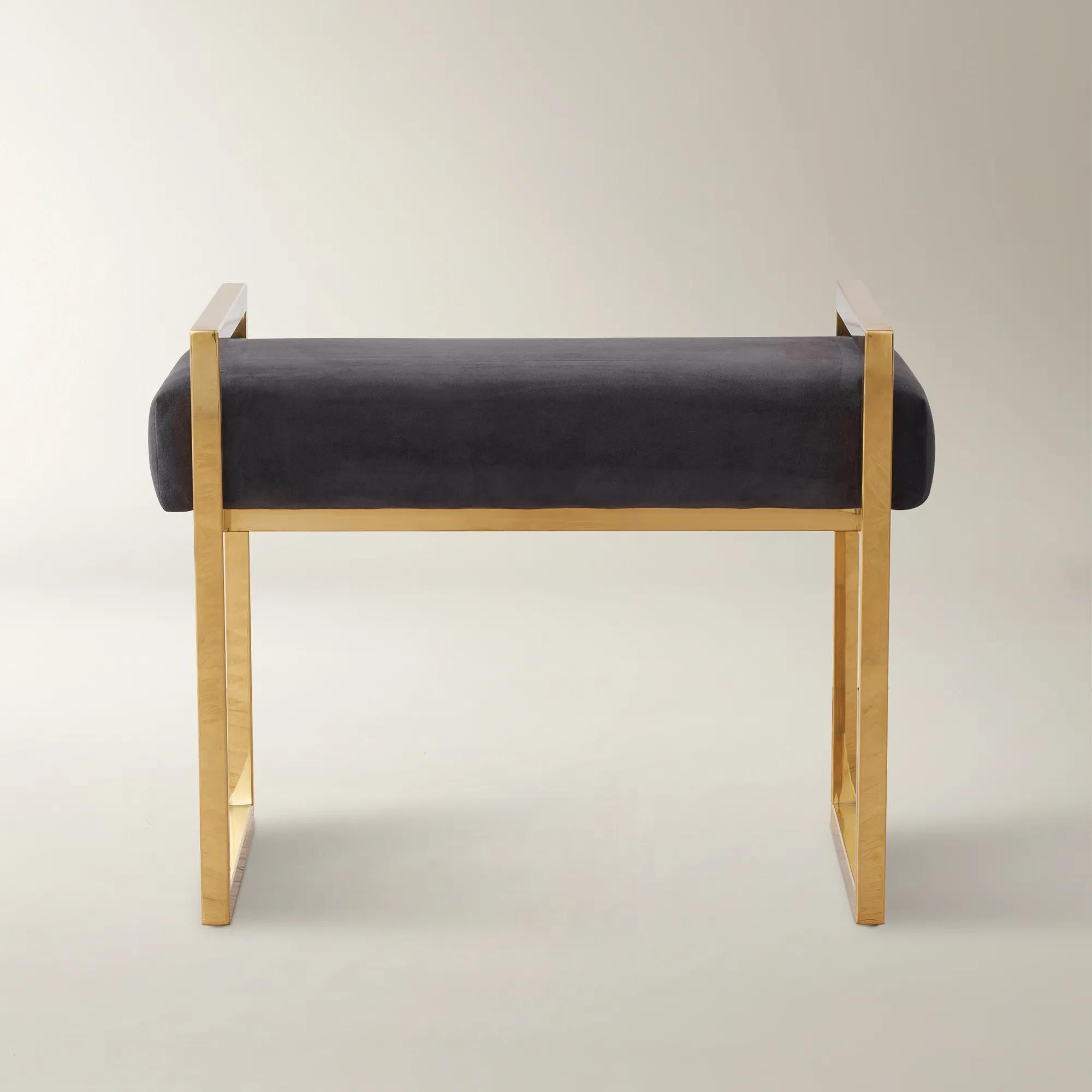
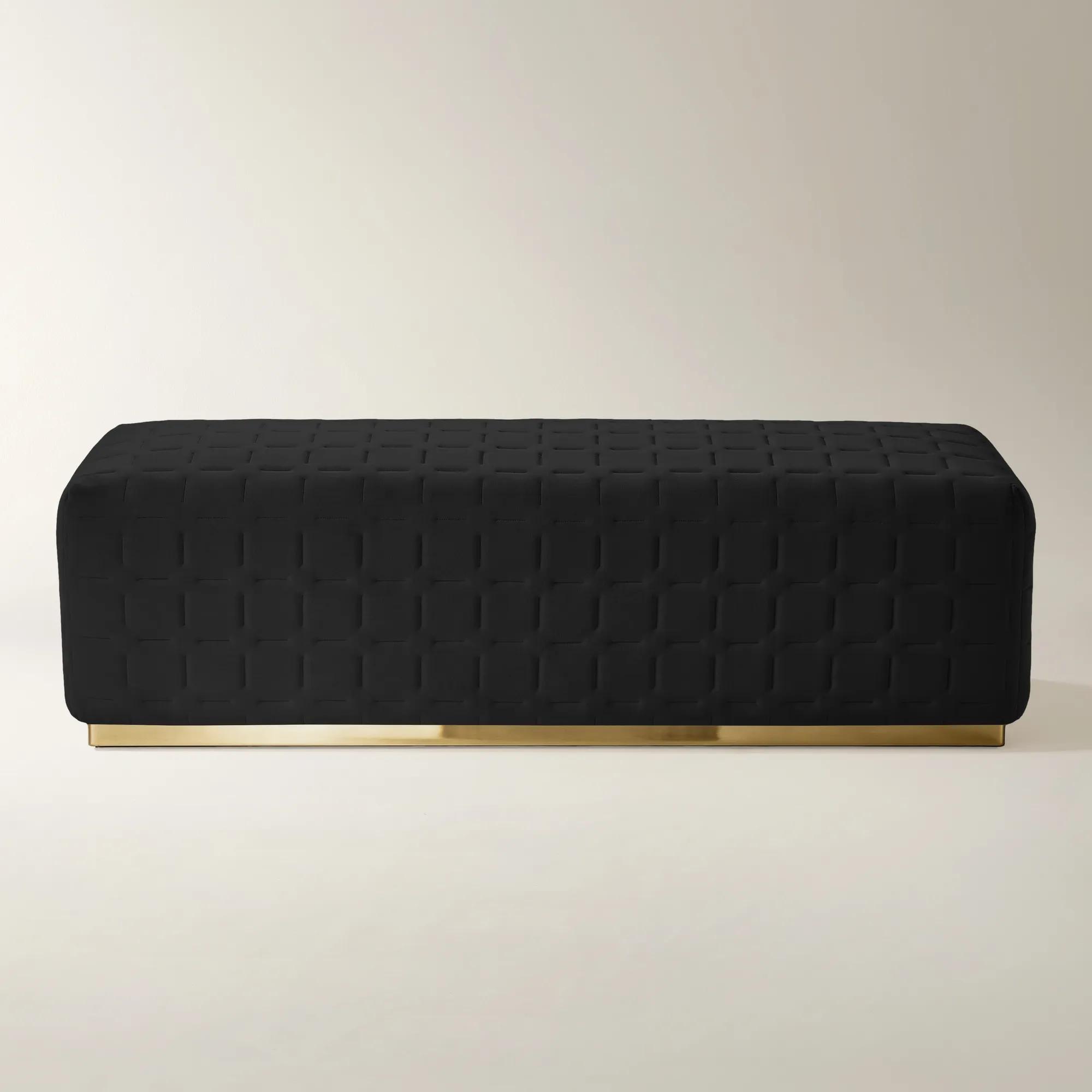
Ottomans for cozy living rooms bring upholstered comfort, expressive texture, and flexible function to the space where everyone naturally gathers. Depending on their construction, they can serve as footrests, occasional seats, storage pieces, or soft alternatives to a traditional coffee table. Their appeal is both practical and atmospheric: a generous upholstered silhouette softens the geometry of a sofa, while a sumptuous surface invites a slower evening with a book or a conversation that lasts long after dinner. Velvet introduces depth and a subtle play of light, giving jewel tones a saturated richness and pale neutrals a luminous finish. Bouclé creates a more dimensional effect, with loops that lend visual warmth to streamlined furniture. Faux fur brings a lavish, tactile accent to a reading corner, while tightly woven upholstery can offer a more tailored expression of comfort. Leather has its own distinctive presence, pairing a smooth hand with character that may develop over time, depending on the finish. Each material changes the mood of the room, even when the shape remains simple. Against a crisp-lined sofa, a round ottoman feels sculptural and welcoming; beside curved seating, a rectangular form adds definition without interrupting the softness. Deep tufting casts small shadows across the upholstery, channel detailing draws the eye along the silhouette, and a gleaming metal base introduces contrast beneath a plush top. A cozy room need not be muted or understated. An ottoman in a dramatic color can anchor a palette of ivory, warm wood, and polished accents, while a tonal design allows texture to take the lead. During the cooler months, pairing that upholstered centerpiece with a loosely folded throw creates an inviting place to settle in without making the room feel seasonally themed. For an apartment dweller furnishing a first living room, a couple refining a shared retreat, or a household refreshing its gathering space, the right ottoman makes comfort feel considered rather than incidental.
Shape, scale, and intended use determine how comfortably an ottoman belongs in a living room. A broad square ottoman can create a generous center within an L-shaped sectional arrangement, while a long rectangular design often follows the proportions of a conventional sofa. Round and oval silhouettes soften circulation paths, particularly where people move between seating and an adjoining room, though every shape still needs adequate clearance. As a starting point, approximately 14 to 18 inches between a sofa and a central ottoman can allow comfortable reach and legroom; primary walkways generally need more space, often around 30 to 36 inches where the layout permits. Actual placement should account for reclining seats, nearby doors, and the way people move through the room. For use as a footrest, an ottoman close to the sofa’s seat height, or slightly lower, usually supports a more relaxed position than one that sits noticeably higher. Measure the seat rather than the sofa’s arms or back, and remember that deeply cushioned upholstery may compress under weight. A compact footstool beside an accent chair creates a dedicated reading spot without occupying the center of the room. Two smaller ottomans offer a different kind of flexibility, separating for conversation and coming together when a shared footrest is useful. Designs intended for seating can accommodate an additional guest, but upholstery alone does not establish suitability: construction details and stated weight limits matter. For coffee-table use, a firm, relatively level top and a stable tray provide a more dependable surface for a book or decorative object than deeply tufted or loosely filled upholstery. Drinks require particular care, since a tray cannot eliminate movement or tipping on a soft surface. Storage ottomans add another layer of function, concealing throws, board games, or spare cushions while preserving a composed room. Interior dimensions, lid clearance, and hinge design deserve attention, especially in homes with children. For layouts that shift between quiet evenings and entertaining, Ottomans For Versatile Living Rooms offers a related perspective on furnishings that serve more than one purpose.
Lasting comfort depends as much on construction and care as it does on the first impression of the fabric. A well-supported frame, secure joints, and an appropriate base help an ottoman withstand its intended everyday use, while cushion density influences whether the top feels structured or enveloping. A softer surface may be delightful beneath tired feet, but a firmer design can be better suited to occasional seating or supporting a tray. Materials deserve the same thoughtful match to household routines. In a living room shared with pets, looped fabrics may catch claws, and richly textured surfaces can hold hair; a close weave may be easier to maintain, although performance varies by fabric and finish. Performance upholstery can offer useful stain resistance when specified, but it is not necessarily stainproof, waterproof, or suitable for every cleaning method. Removable covers are not automatically machine washable, either. Follow the manufacturer’s care label, vacuum suitable upholstery gently with an appropriate attachment, and blot spills promptly rather than rubbing them farther into the fibers. Velvet may show pressure marks or changes in pile direction, so its shifting appearance should be considered part of the material choice, with treatment guided by the fabric’s instructions. Leather requires care appropriate to its particular finish rather than a general upholstery cleaner. Keeping upholstered furniture away from prolonged direct sunlight and concentrated heat can help protect its appearance. Where an ottoman will move frequently, consider its weight, the security of its handles or casters if present, and floor protection compatible with the base and flooring. Lift rather than drag when recommended, and avoid treating a storage lid as a seat unless the design expressly permits it. These details preserve the pleasure of the piece: the feel of a plush surface at the end of the day, the ease of drawing up an extra seat, the satisfaction of tucking away a blanket before guests arrive. An ottoman can also make a thoughtful housewarming or wedding gift when the recipient’s measurements, décor preferences, and practical needs are known. Above all, it should belong to the room’s daily rhythm, bringing tactile richness and a distinct point of view to a space made for living beautifully.
FAQs
An ottoman serves as both a functional and decorative centerpiece, adding warmth, texture, and a sense of luxury to your space. Whether upholstered in sumptuous velvet or finished with gleaming metallic accents, a cozy ottoman invites relaxation and creates an inviting focal point for gatherings, reading nooks, or quiet evenings by the fire.
Style your ottoman with a decorative tray to display candles, books, or seasonal florals, transforming it into a chic coffee table alternative. Layer it with plush throws or accent pillows for added comfort and visual interest, or use it as a dramatic anchor for a bold vignette that reflects your personal taste and artistry.
An ottoman makes a thoughtful and luxurious gift for housewarmings, weddings, or anyone embarking on a new chapter in their home. It’s especially cherished by design enthusiasts, entertainers, and those who love to create a welcoming, expressive environment for family and friends.
Ottomans infuse a living room with character and depth, acting as both a sculptural accent and a practical piece. Their diverse materials, shapes, and finishes allow you to paint your space boldly, seamlessly tying together other furnishings while adding a layer of softness and sophistication.
Absolutely. Ottomans are remarkably versatile and can be styled in bedrooms as elegant foot-of-bed accents, in dressing rooms as plush seating, or even in entryways as a welcoming spot to pause. Their adaptability ensures they enhance any space with comfort and expressive flair.