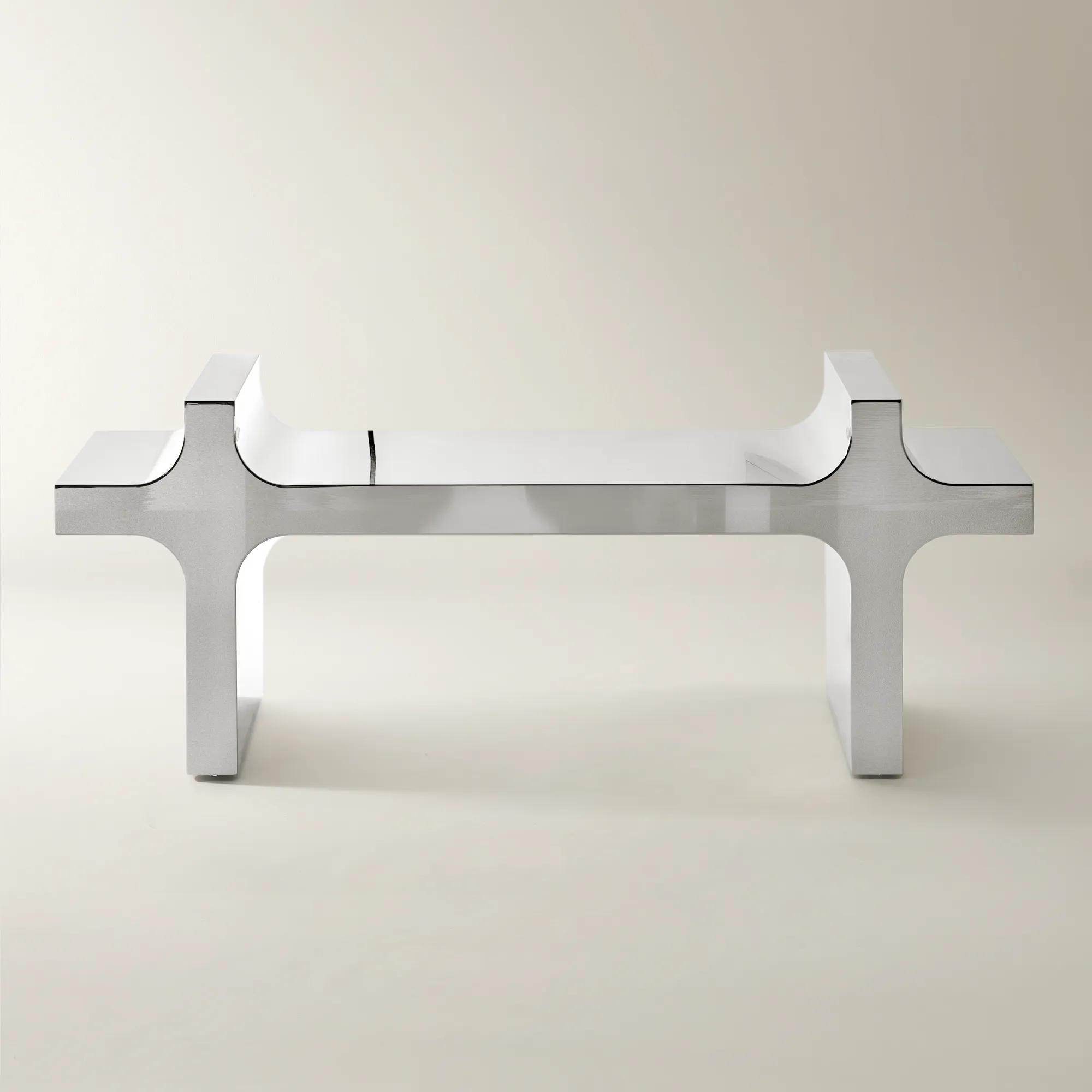
Ottomans For Extra Seating
Ottomans For Extra Seating
-
.jpg?w=1200&h=1200)
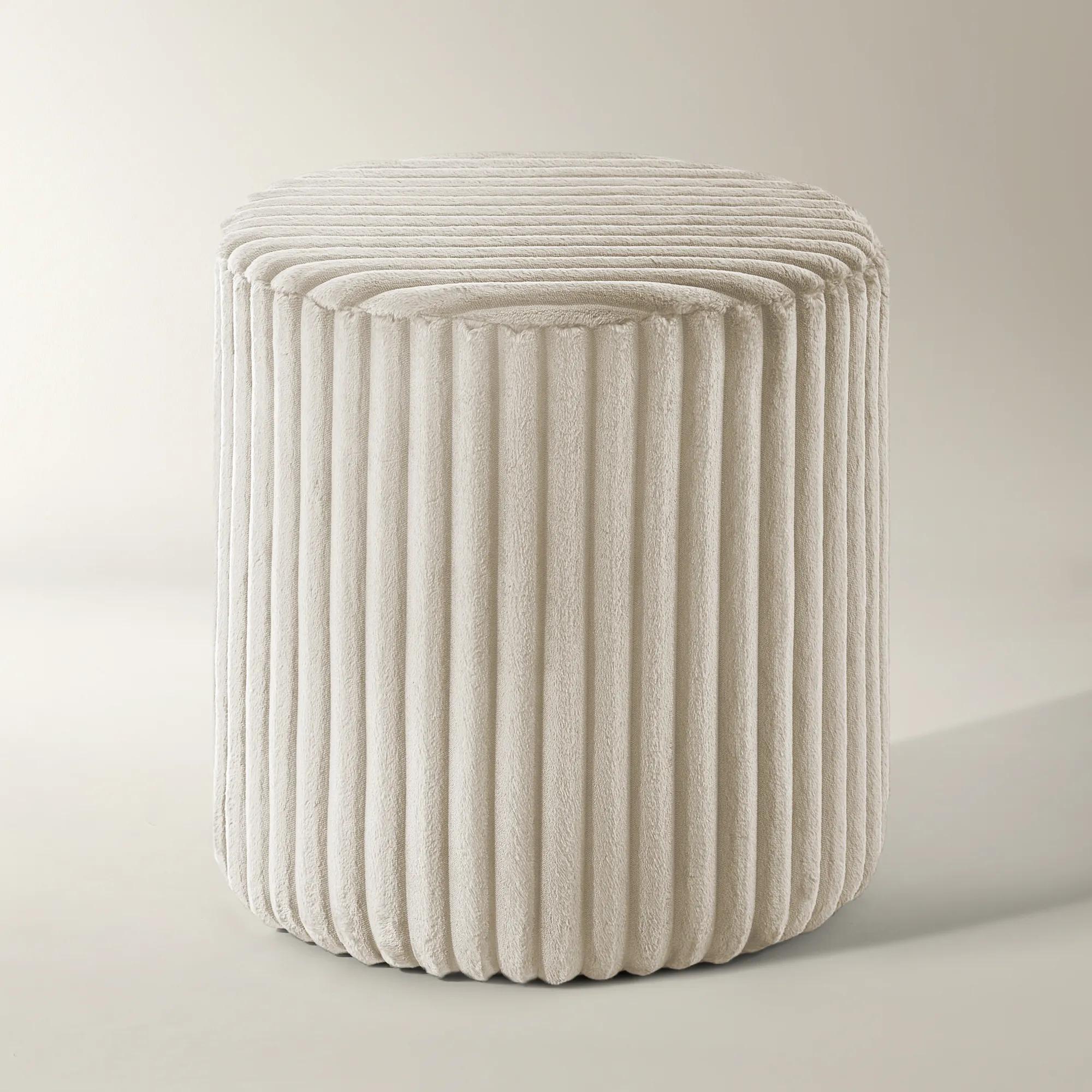 Fleece Fluted Ivory Velvet Stool (15.55'')$229
An ivory ribbed velvet stool offering cozy softness and versatile use as seating, footrest, or accent table.
Add To Cart -
.jpg?w=1200&h=1200) Fleece Fluted Gray Velvet Stool (15.55'')$229
Fleece Fluted Gray Velvet Stool (15.55'')$229A plush grey velvet stool with a unique ribbed texture, perfect for versatile, cozy seating or decor.
Add To Cart -
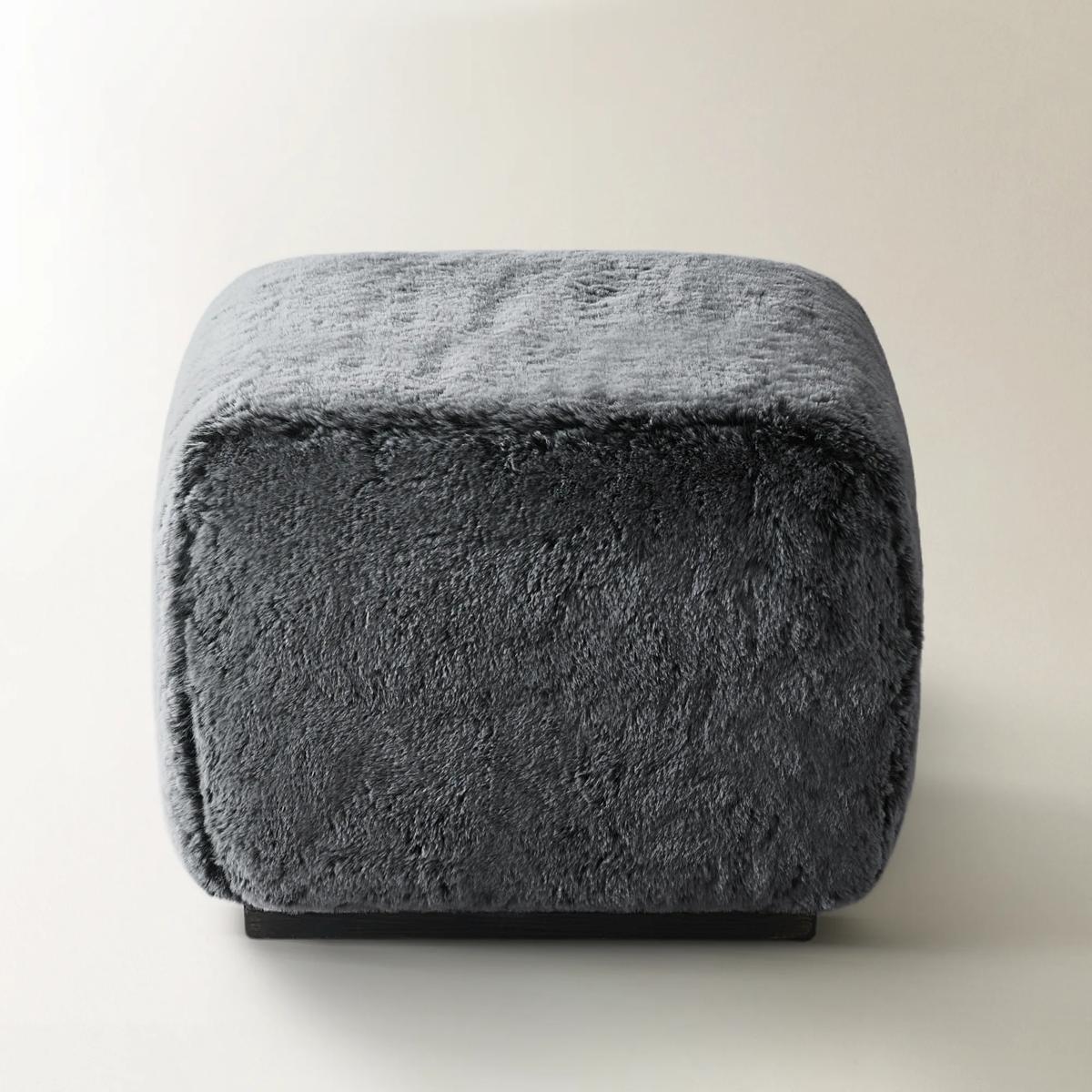
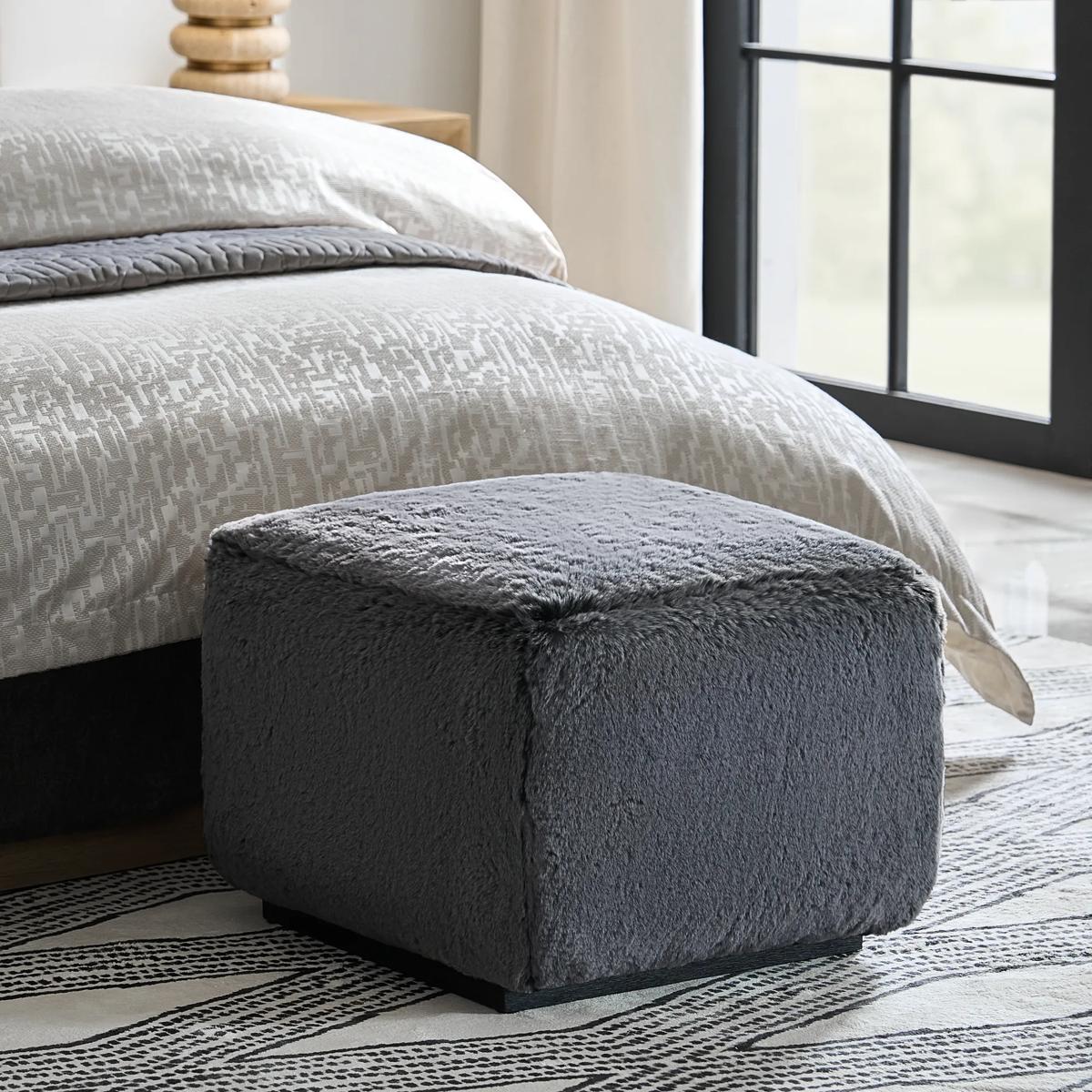 Lris Grey Faux Fur Stool (21")$299
A charcoal grey faux fur pouf with high-density foam and a sturdy rubberwood base for modern comfort.
Add To Cart -
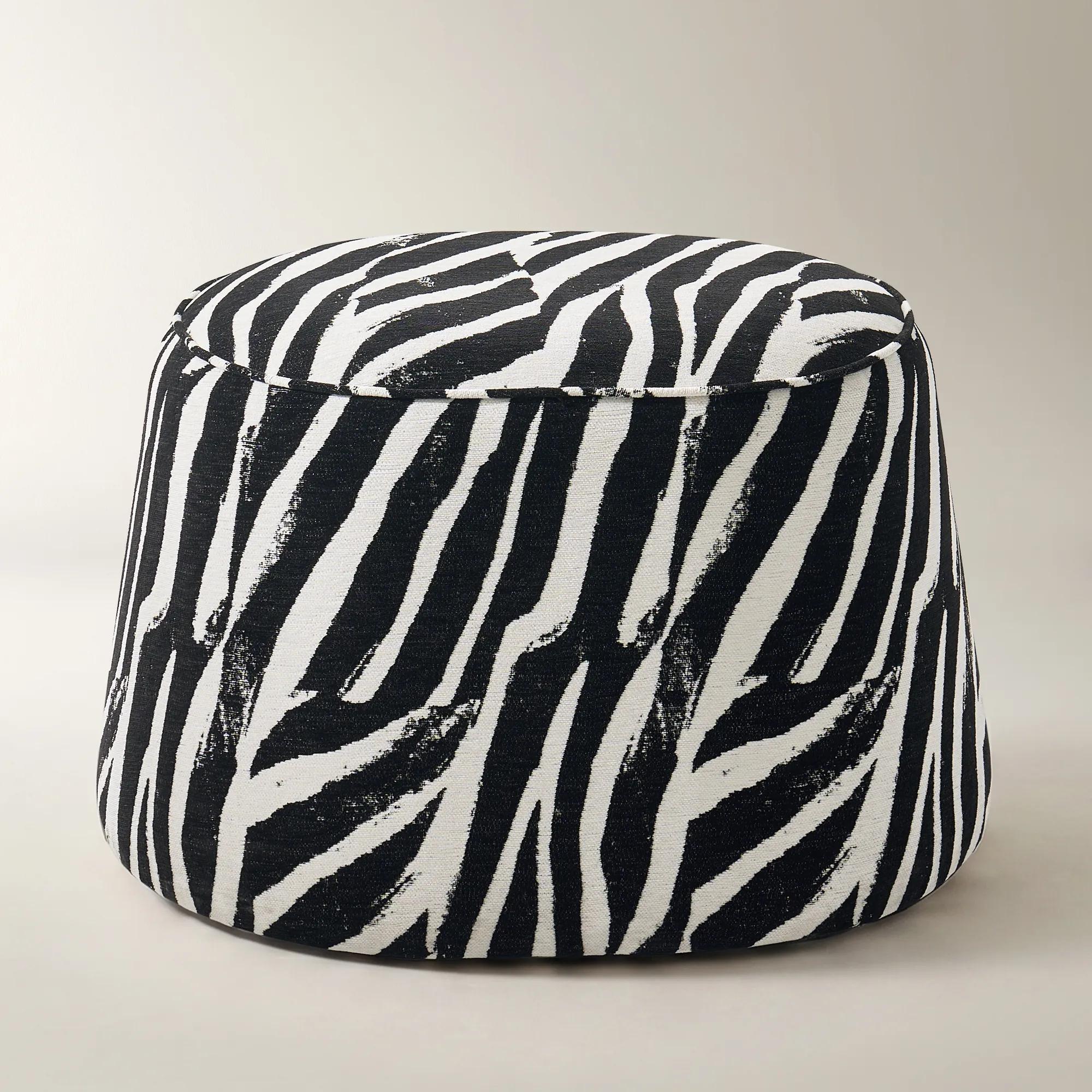 Avery White/Black Performance Chenille Stool$399
A sculpted drum accent stool in black and white performance chenille with an animal-inspired pattern.
Add To Cart -
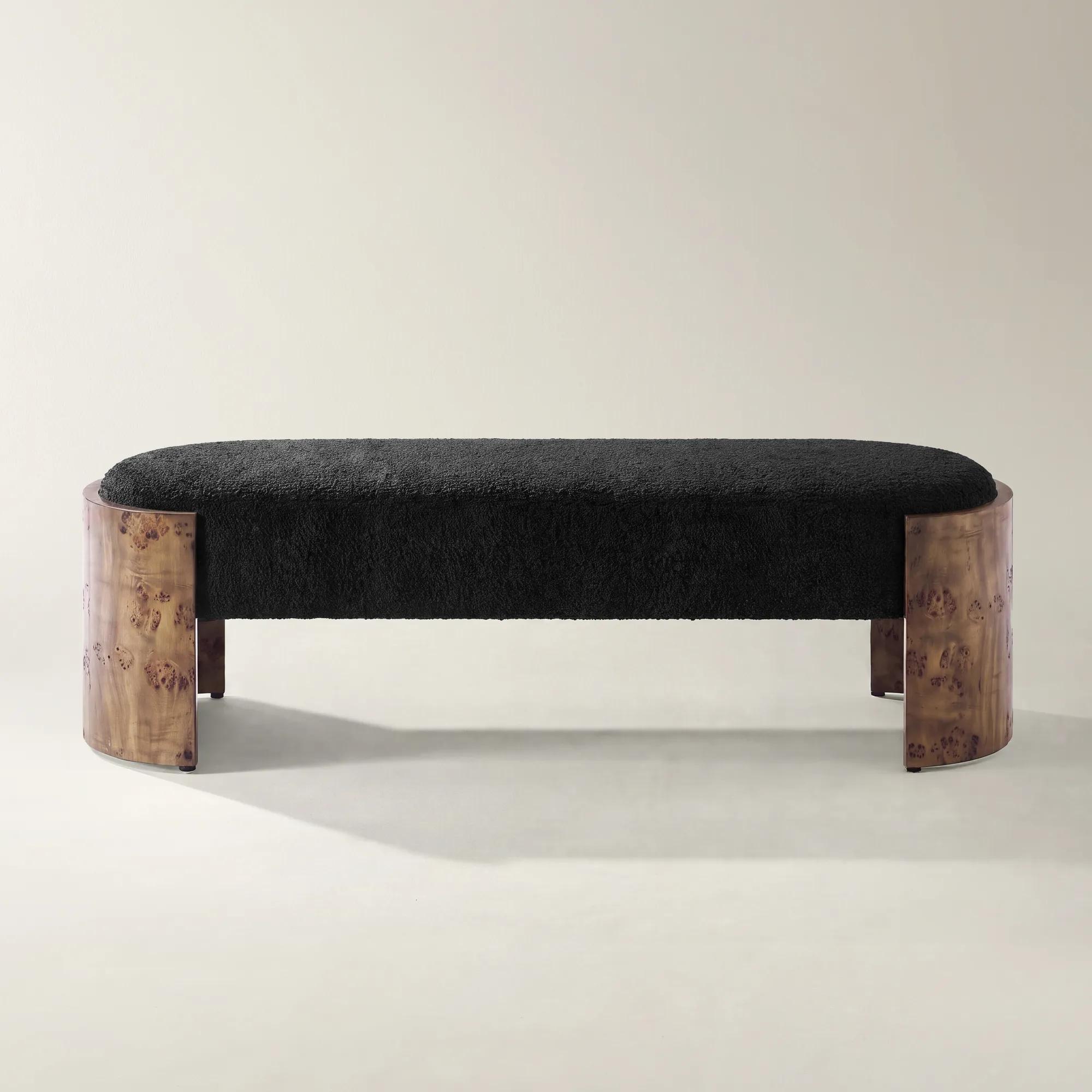
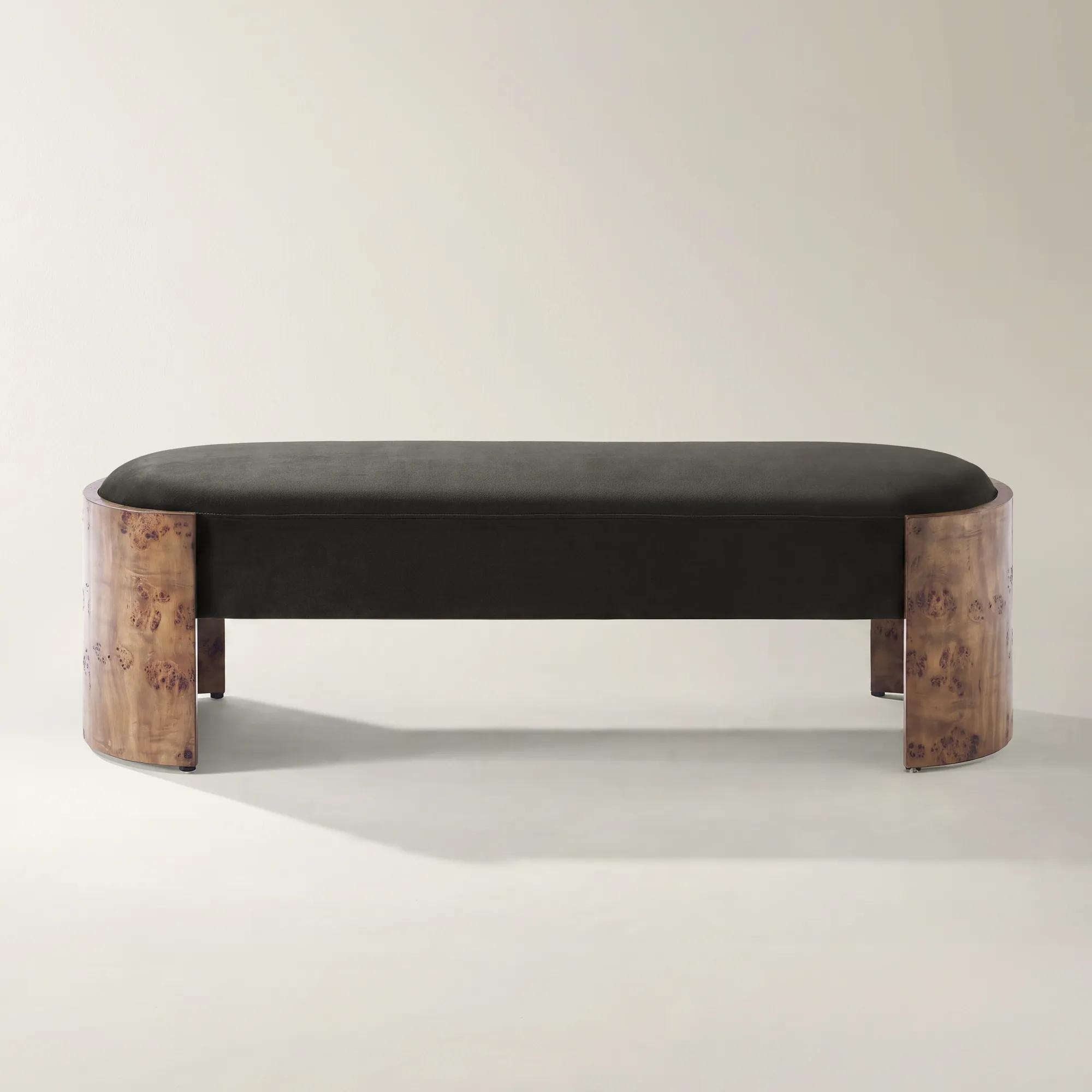
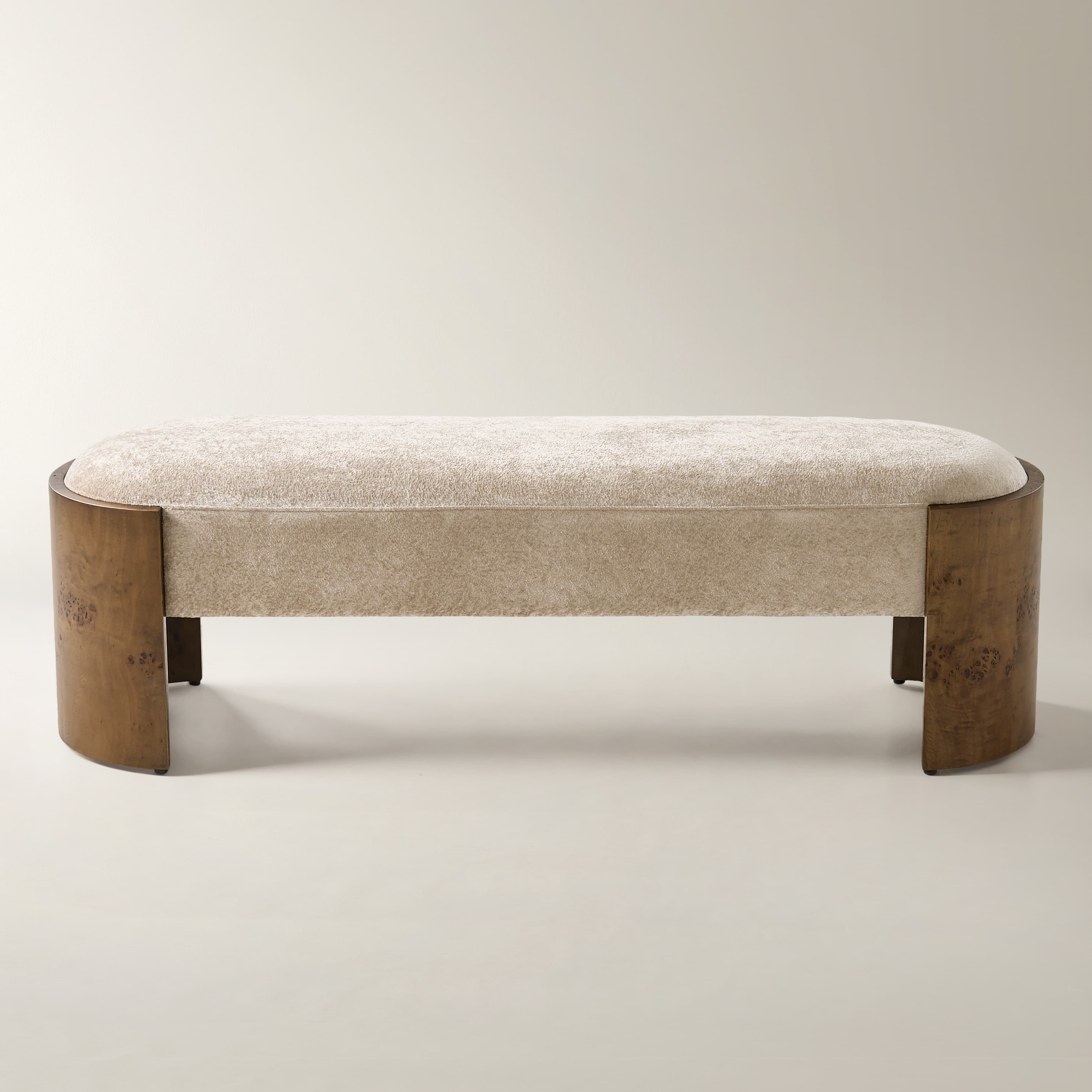 Cora Light Brown Chenille With Ash Wood Bench (60.6")$999
A light brown chenille bench with curved ash burl veneer panels, blending plush comfort and organic artistry.
Add To Cart -
.jpg?w=1200&h=1200)
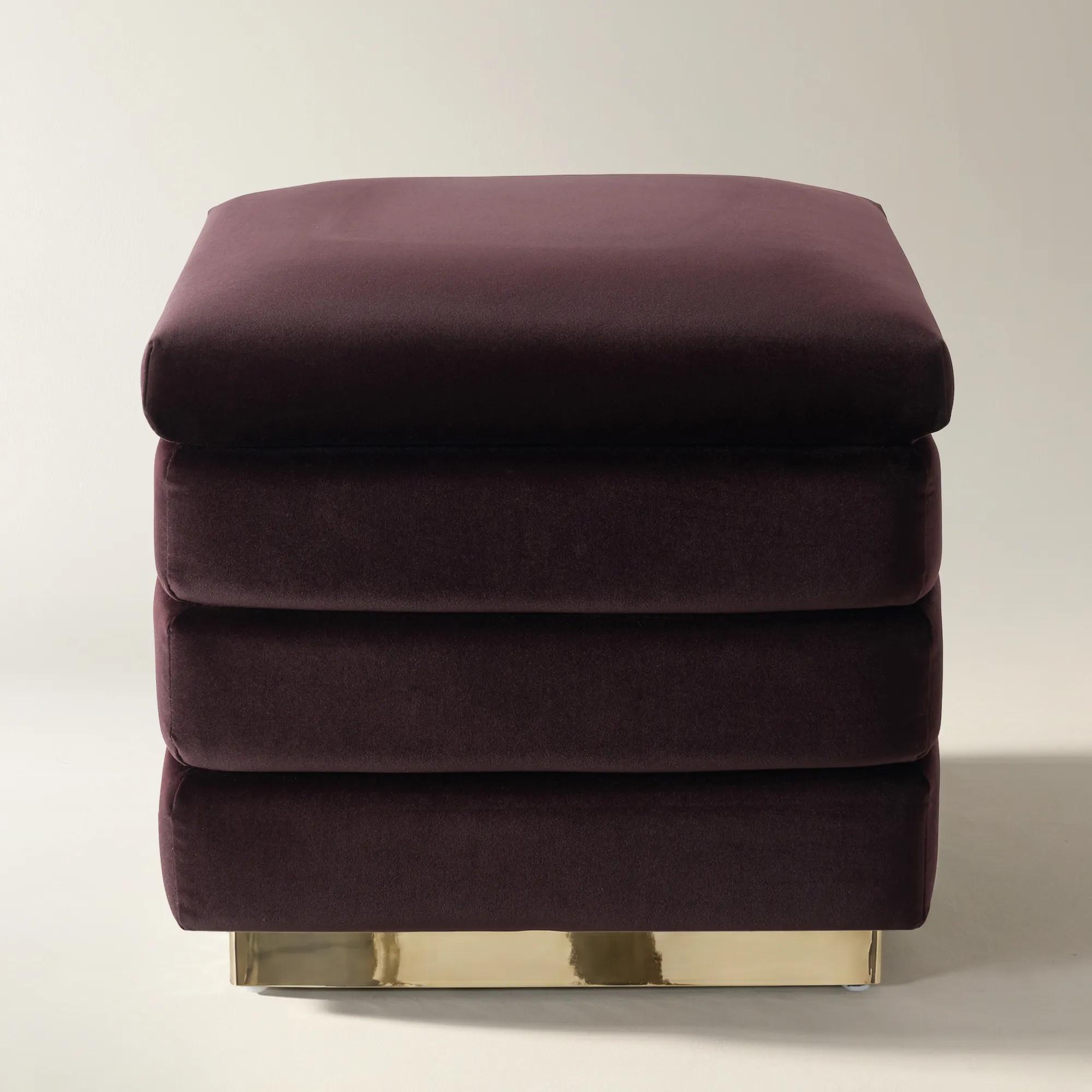
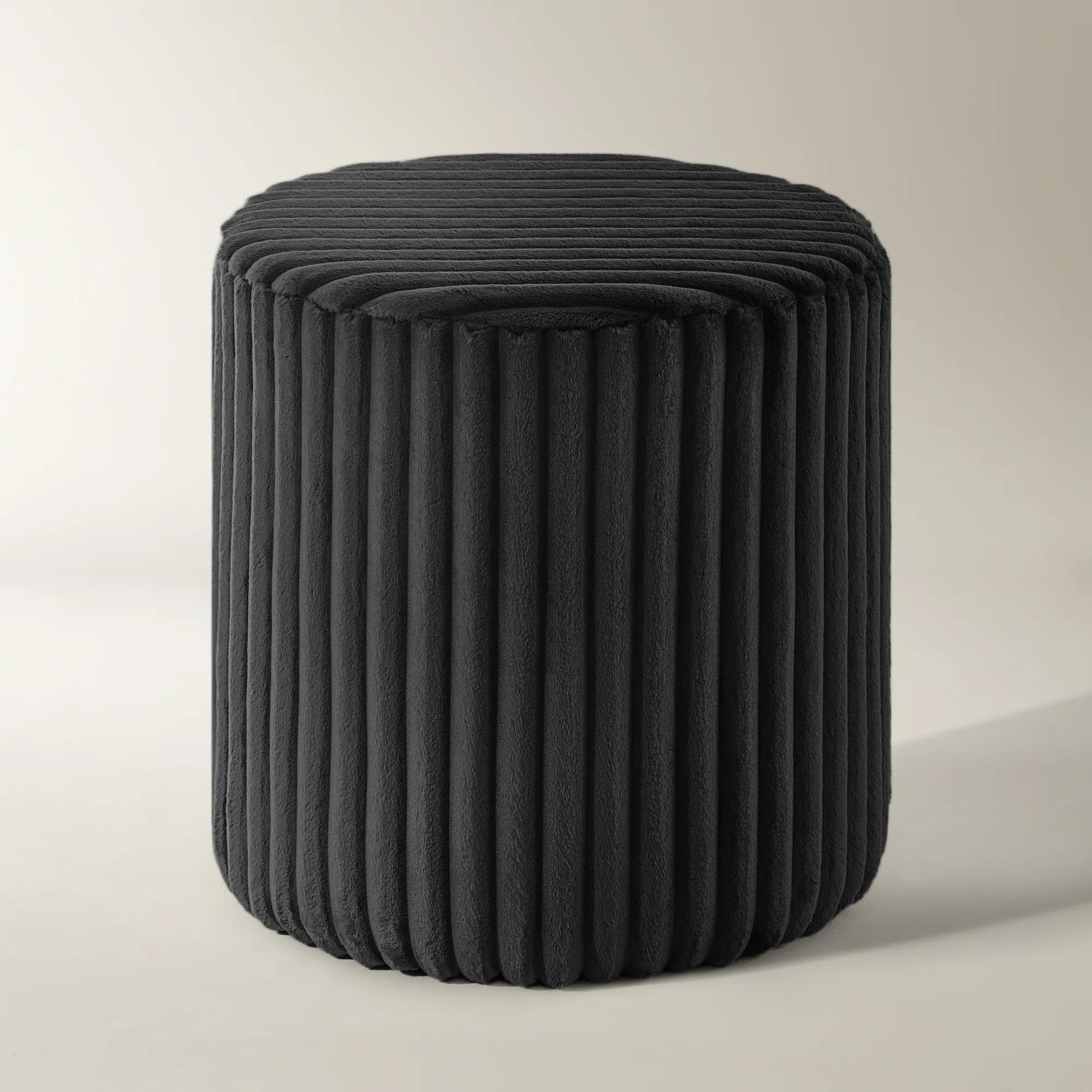 Fleece Fluted Black Velvet Stool (15.55'')$229
A plush black ribbed velvet stool offering versatile seating and cozy texture for any modern space.
Add To Cart -
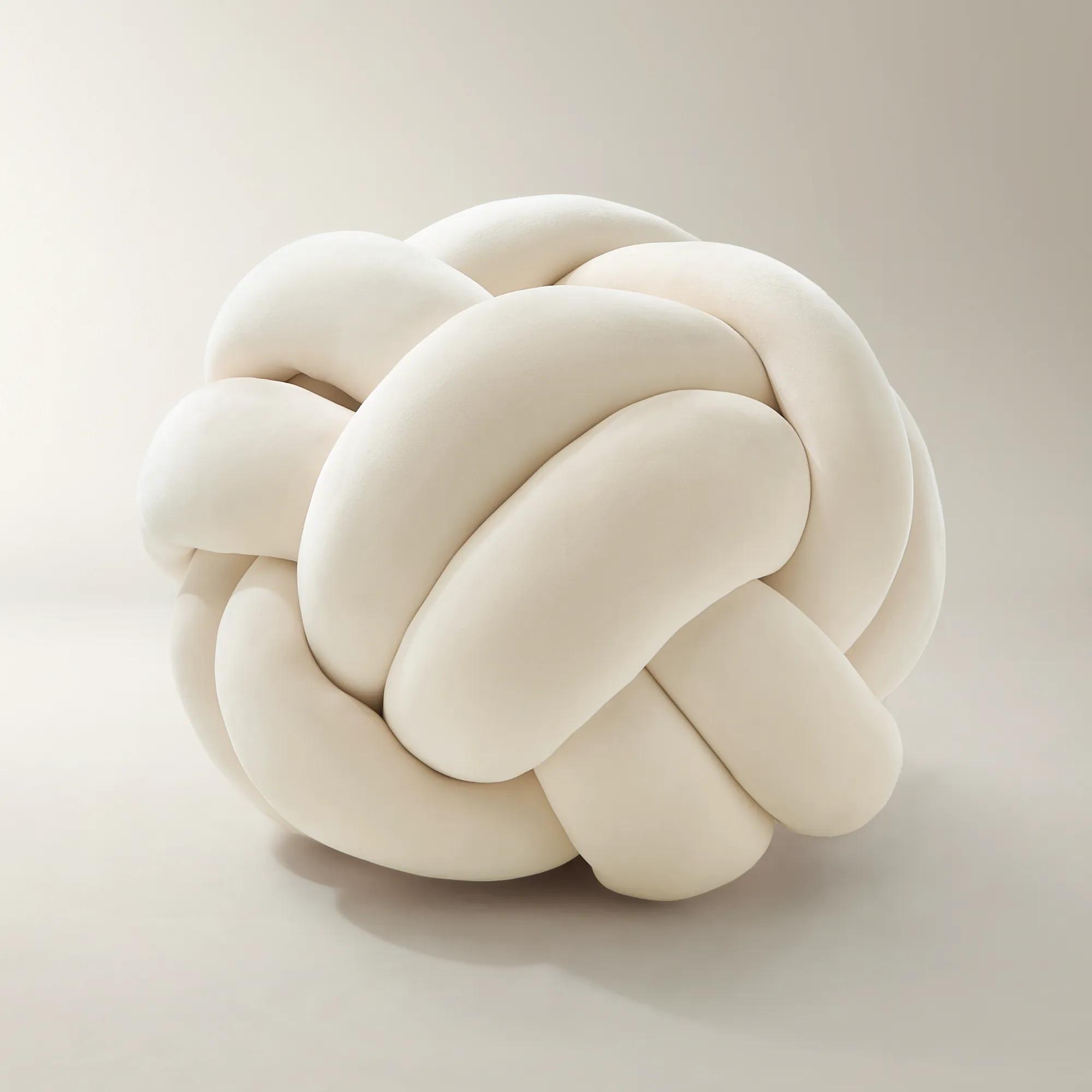 Loopie Oatmeal Velvet Stool (34.5")$349
An oversized oatmeal velvet stool featuring a sculptural knotted silhouette and plush, hand-upholstered finish.
Add To Cart -
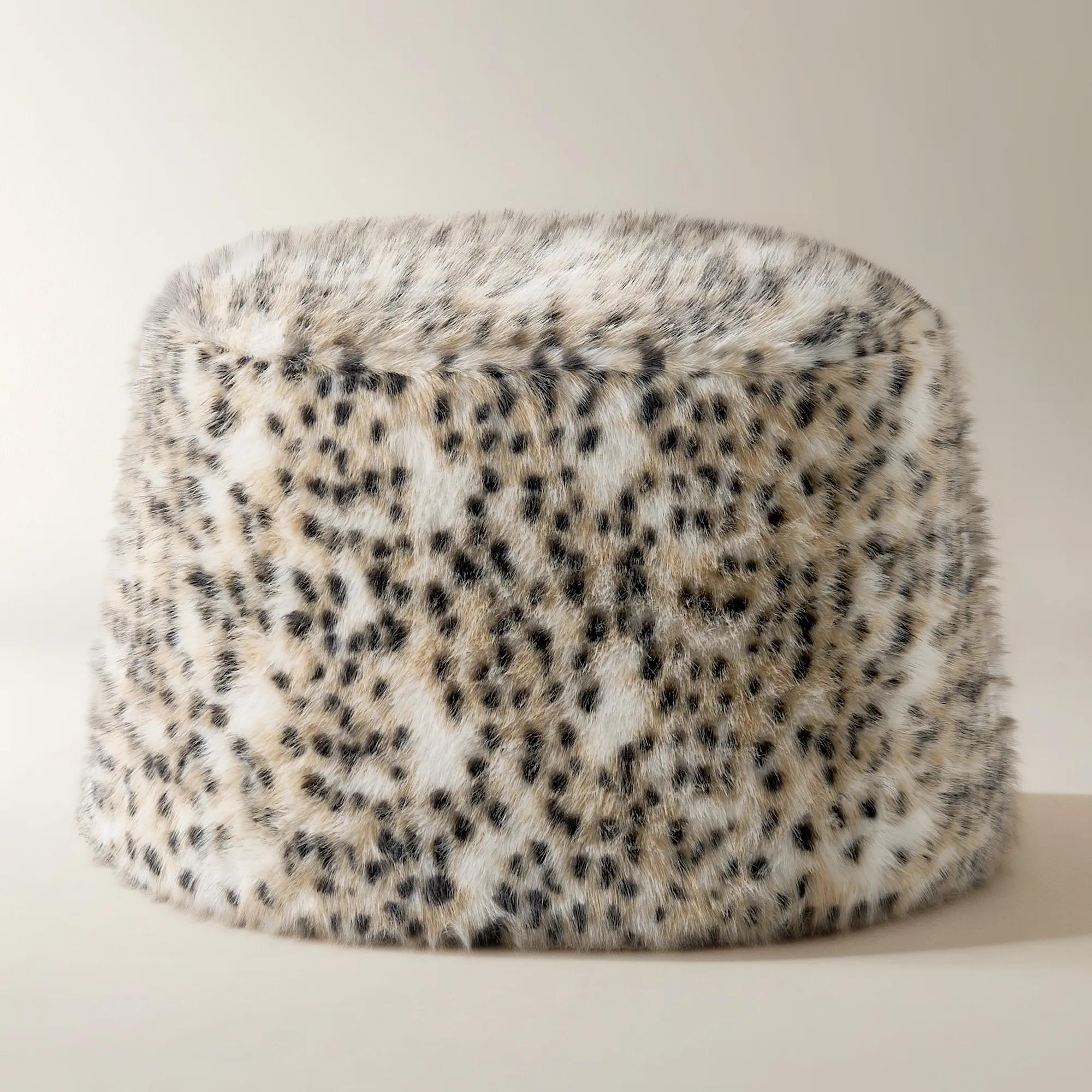
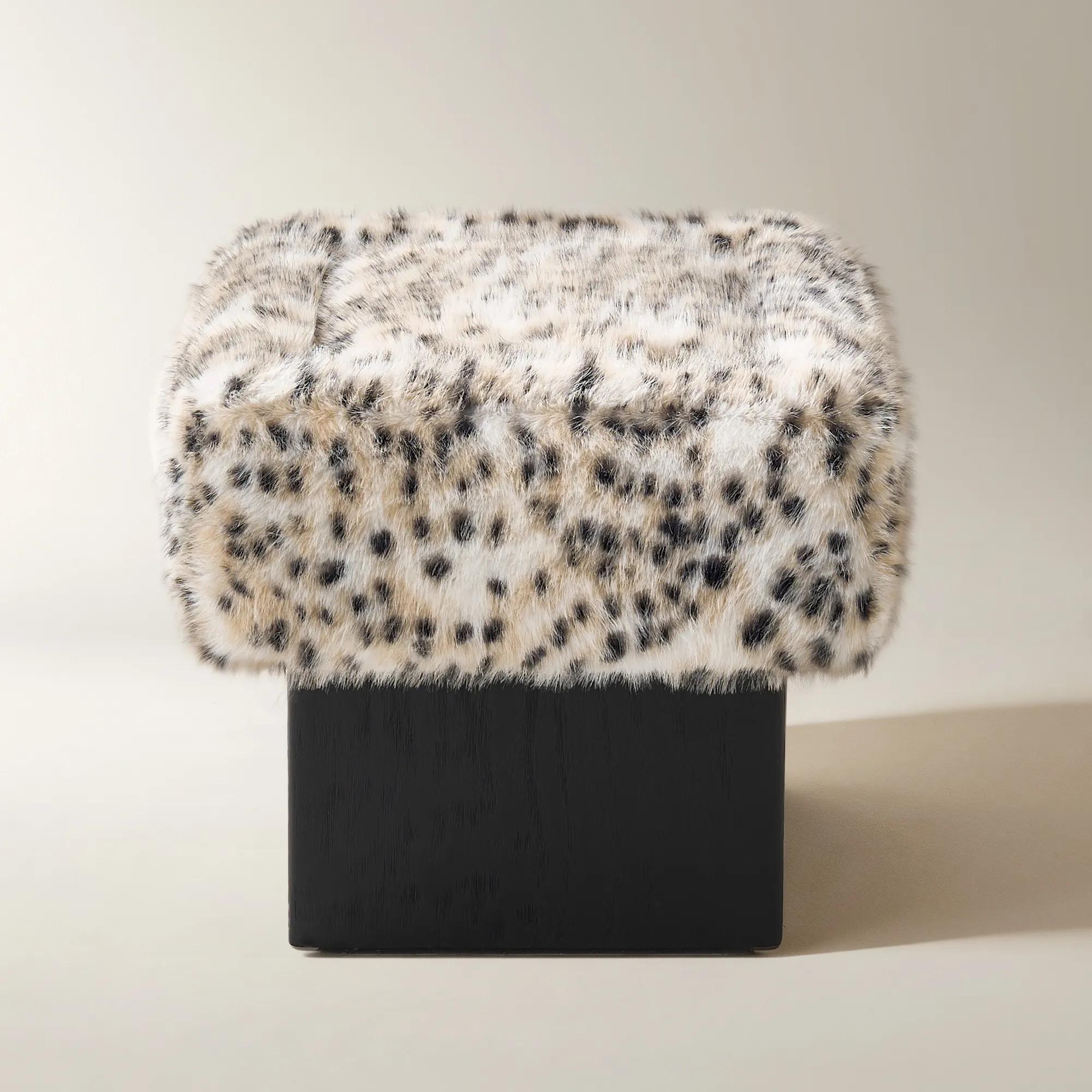
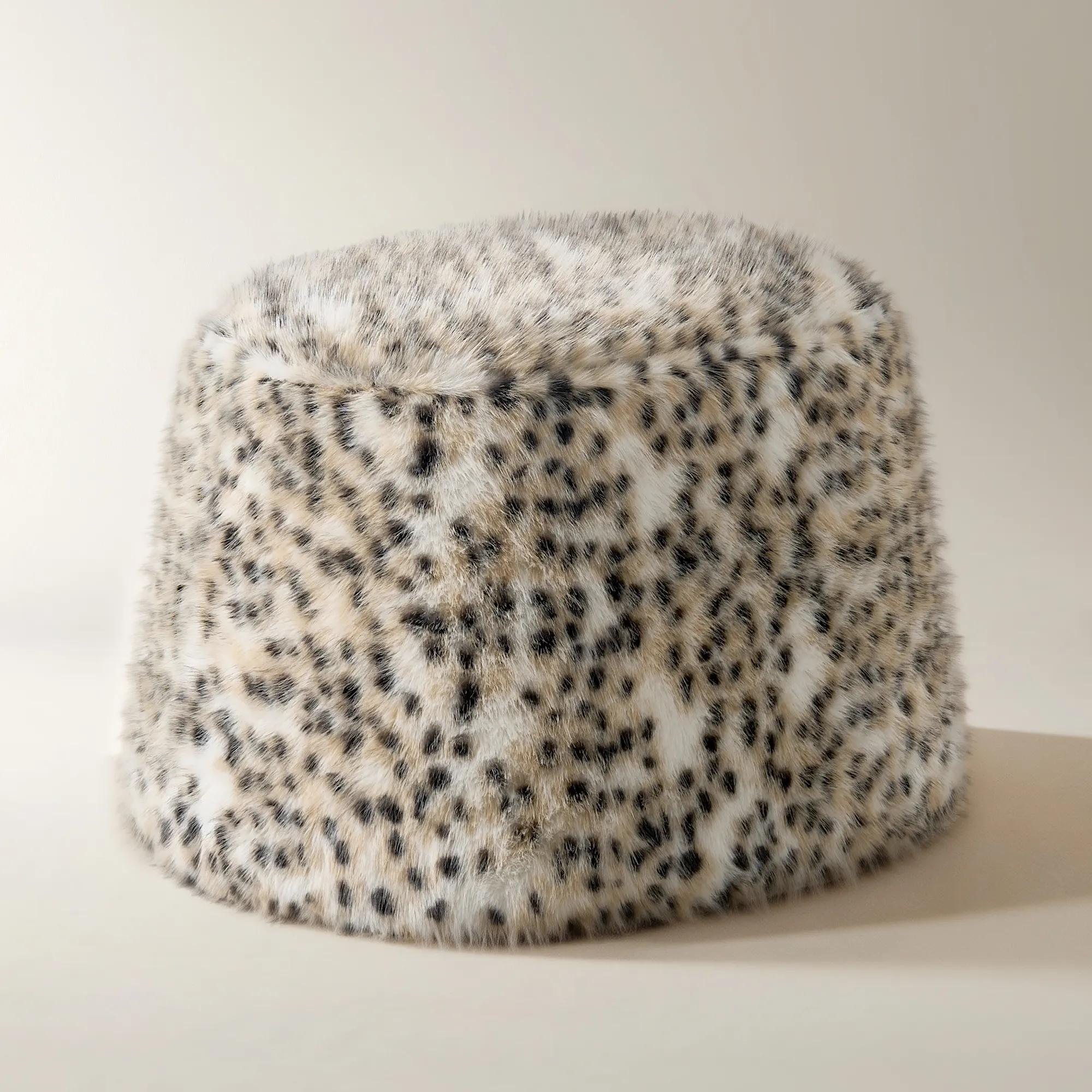 Avery Spotted Faux Fur Stool$399
A sculpted drum stool wrapped in plush spotted faux fur for bold, modern accent seating.
Add To Cart -
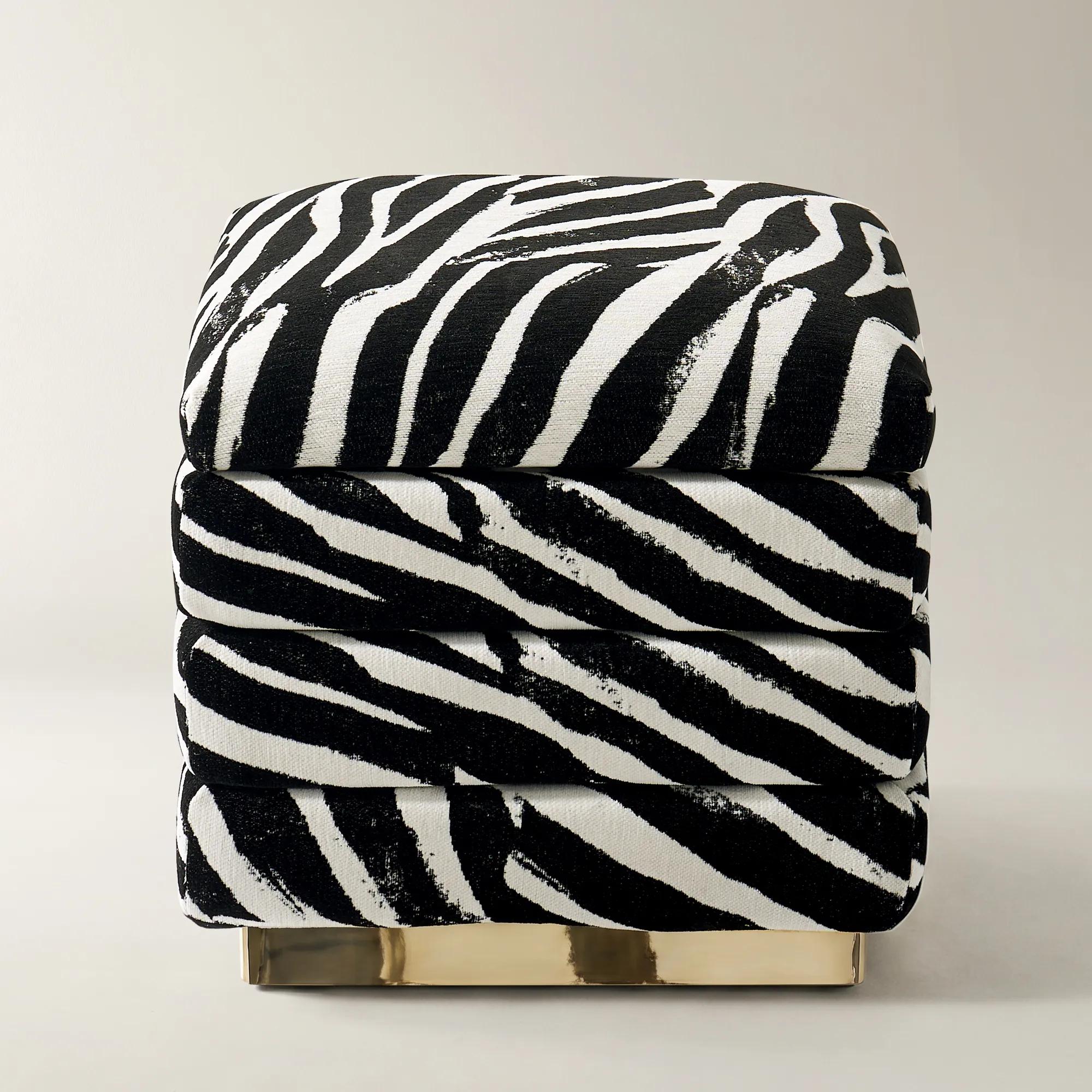
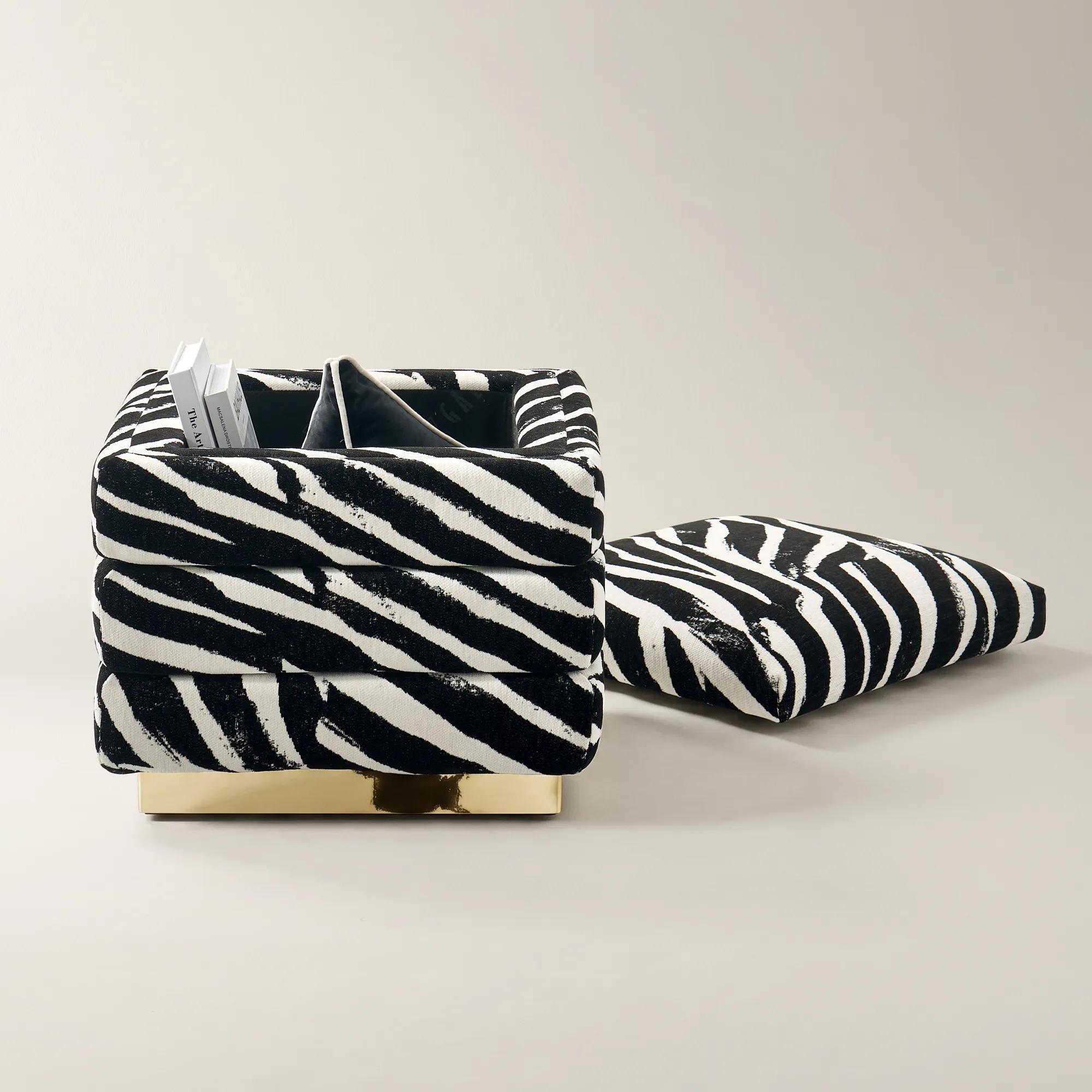 Gable White/Black Performance Chenille Stool$399
A plush white and black chenille stool with hidden storage and a polished gold stainless steel base.
Add To Cart -
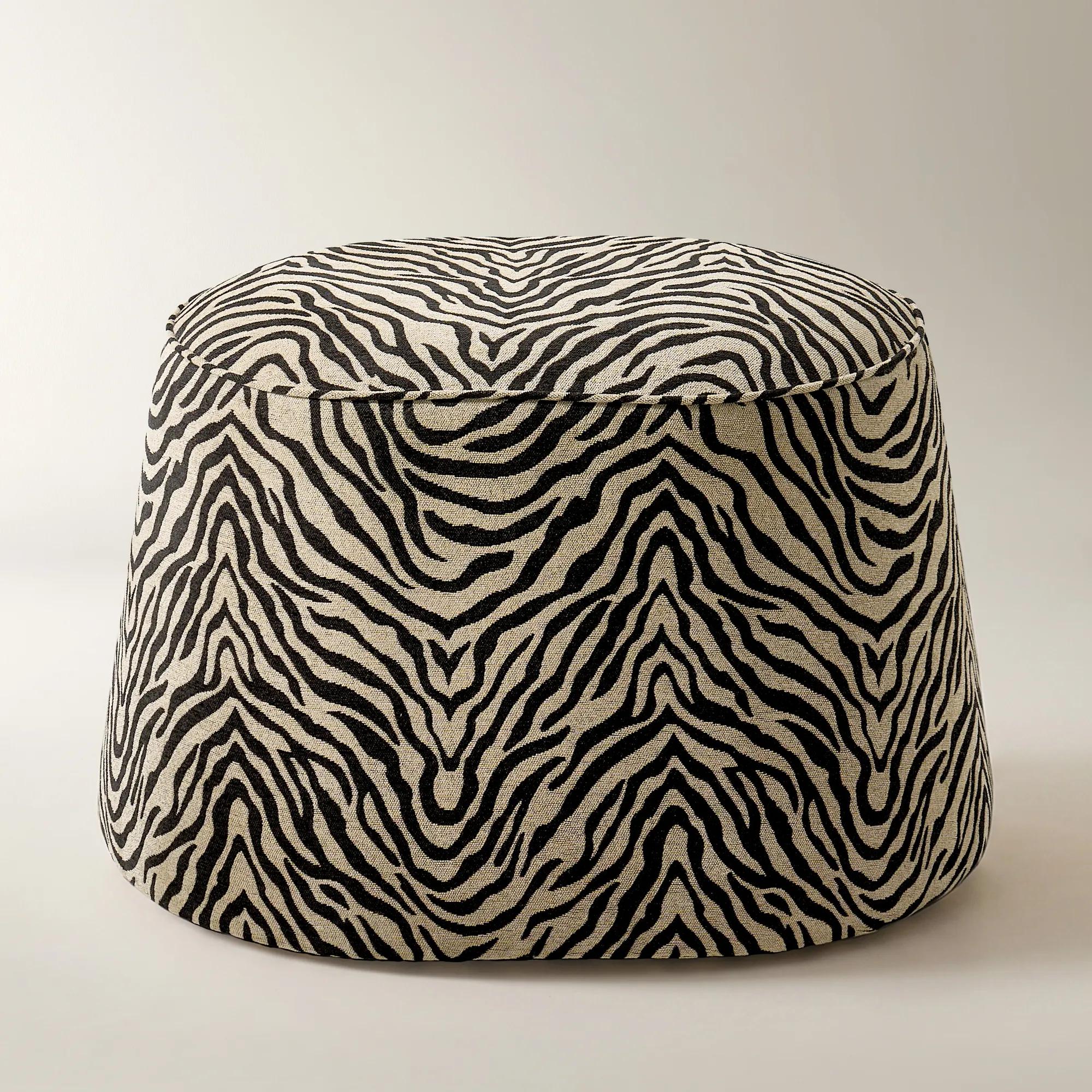 Avery Zebra Performance Chenille Stool$399
A sculpted drum-shaped accent stool upholstered in zebra-patterned performance chenille for bold, modern style.
Add To Cart -
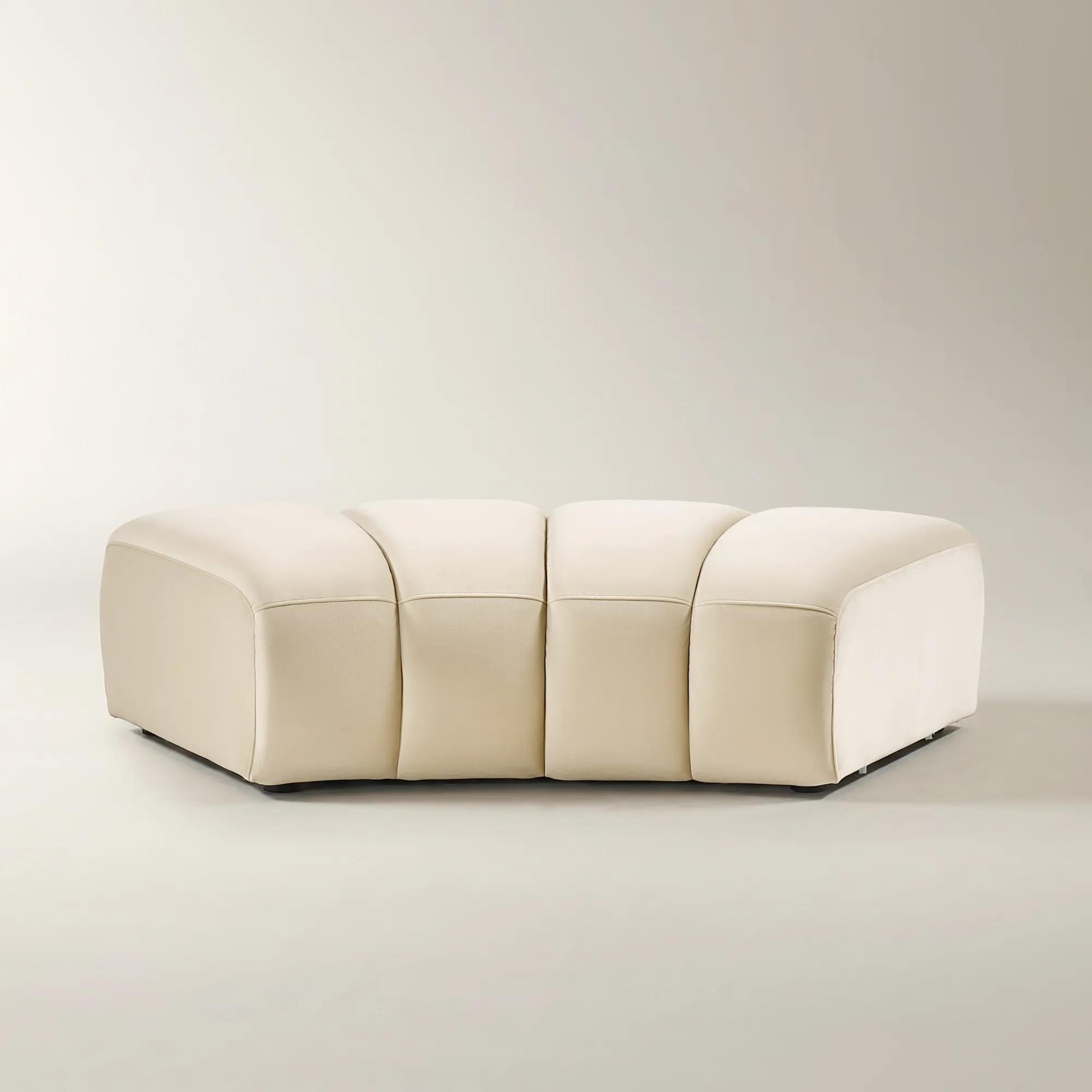 Jocelyn Channel-Tufted Oatmeal Velvet Ottoman$899
An oatmeal velvet ottoman featuring deep channel tufting, curved silhouette, and kiln-dried wood construction.
Add To Cart -
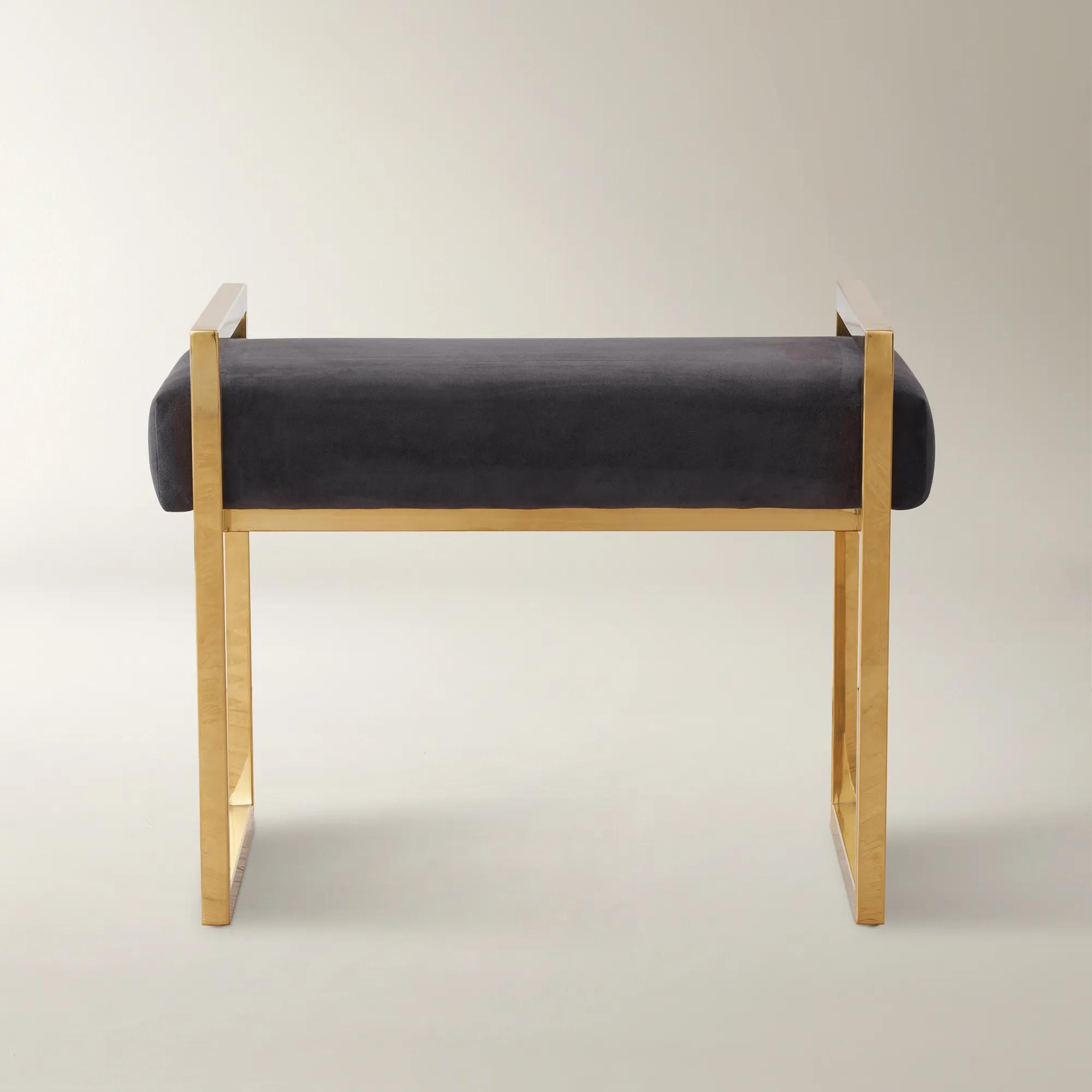
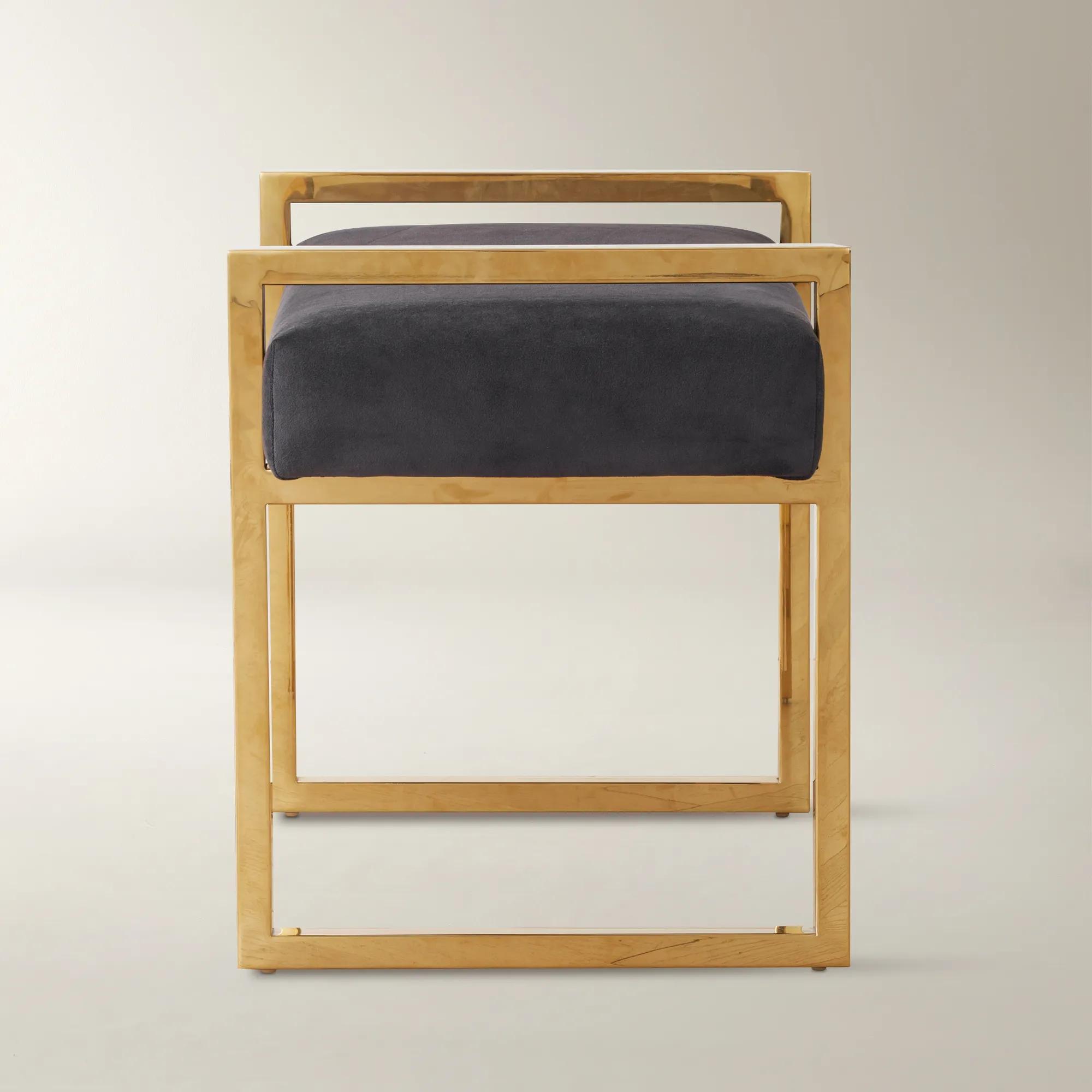 Clara Accent Stool$399
A plush black velvet seat rests on polished gold metal legs for a chic, modern accent piece.
Add To Cart -
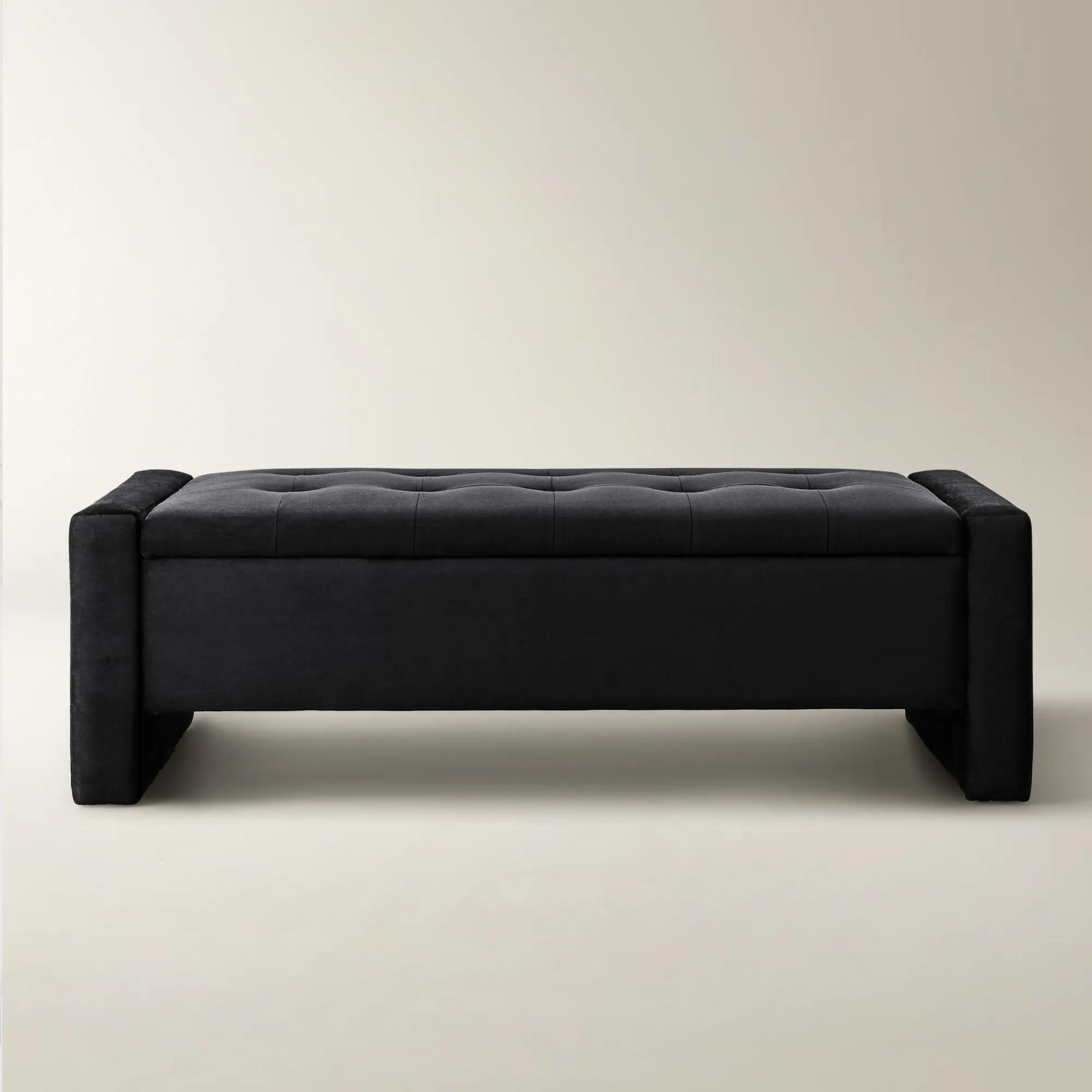
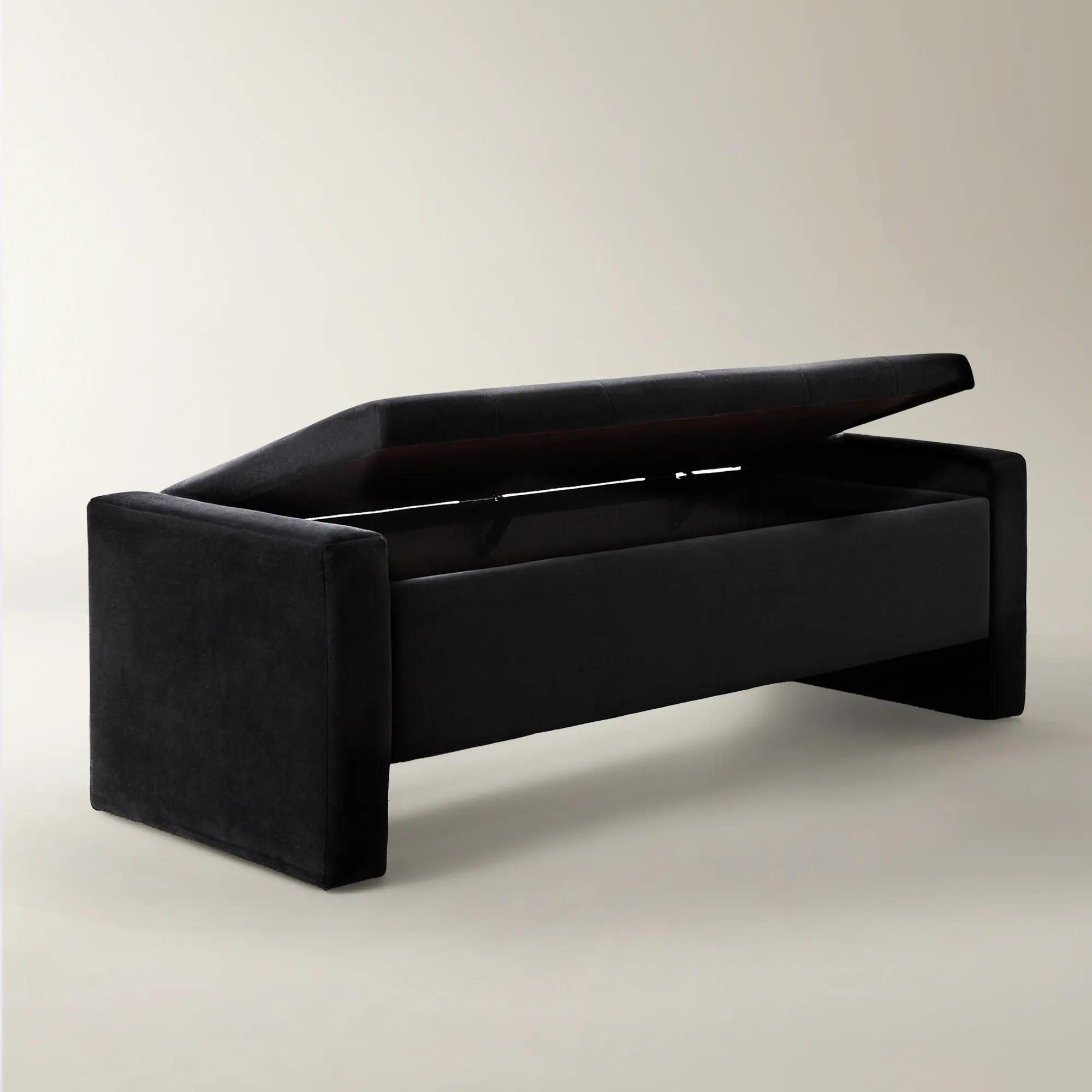 Maeve Storage Bench$849
A modern velvet-upholstered bench with hidden storage, kiln-dried hardwood frame, and soft-closing glides.
Add To Cart -
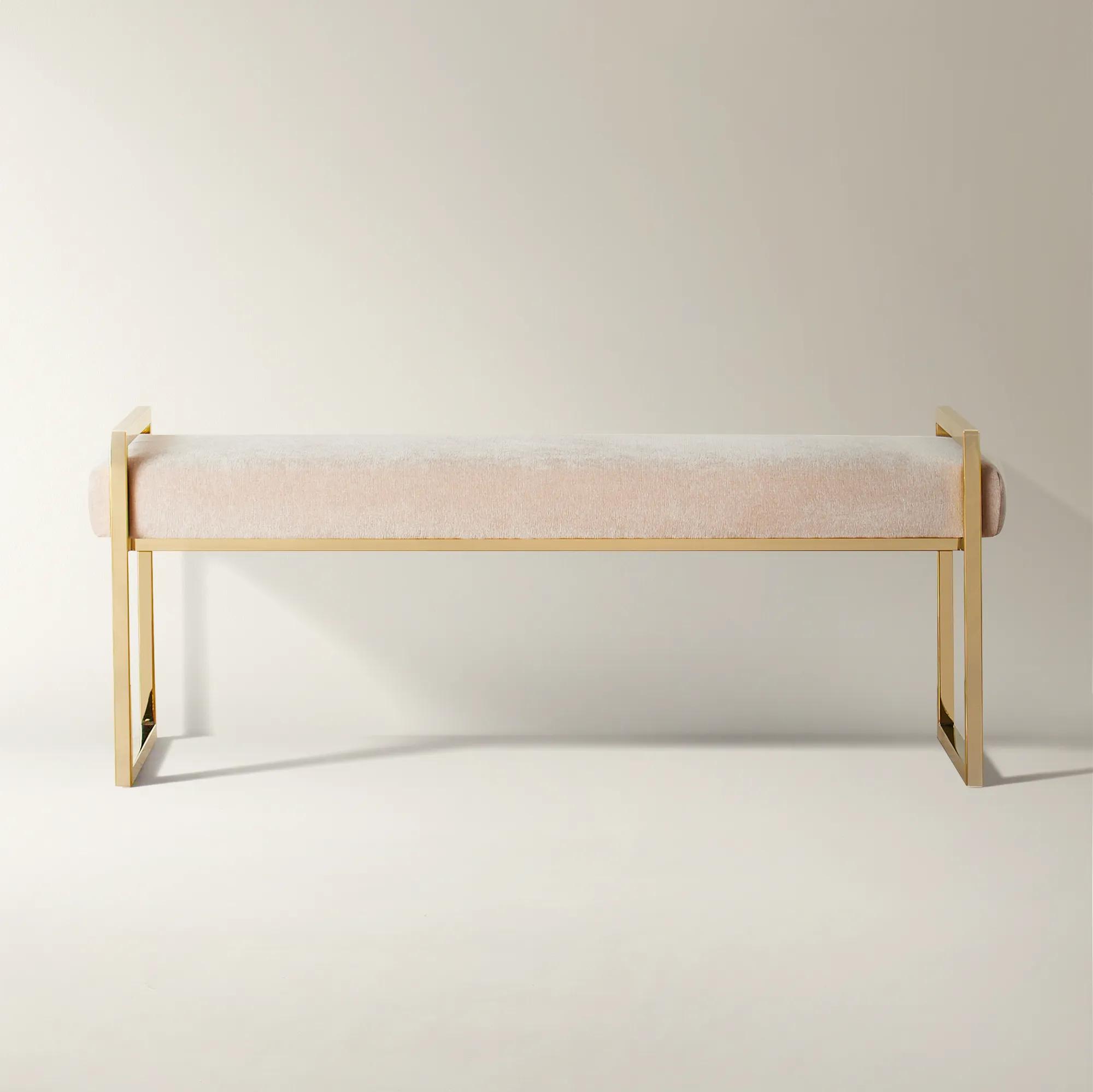 Clara Bench$699
A chic bench featuring a plush chenille seat and polished gold metal legs for modern elegance.
Add To Cart -
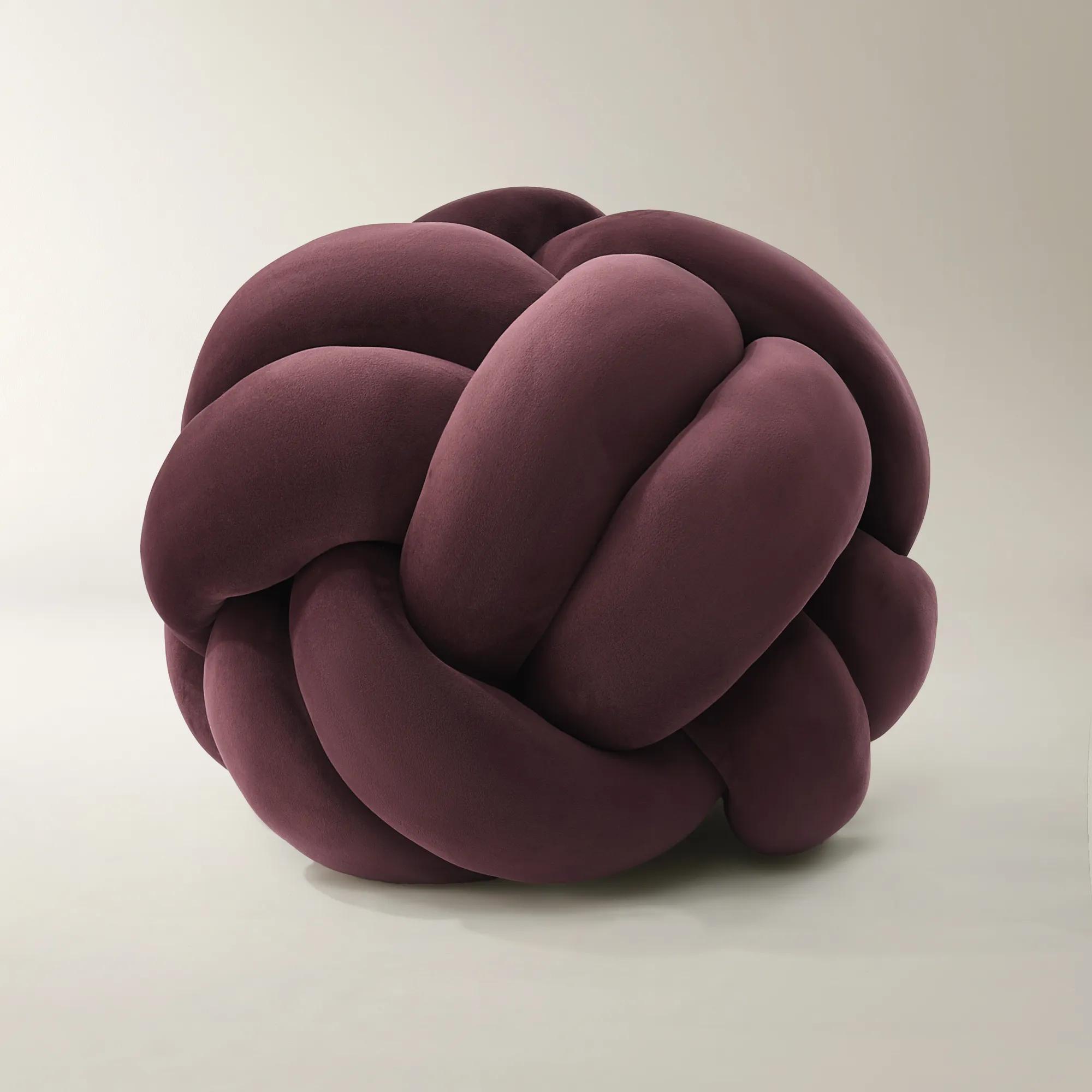
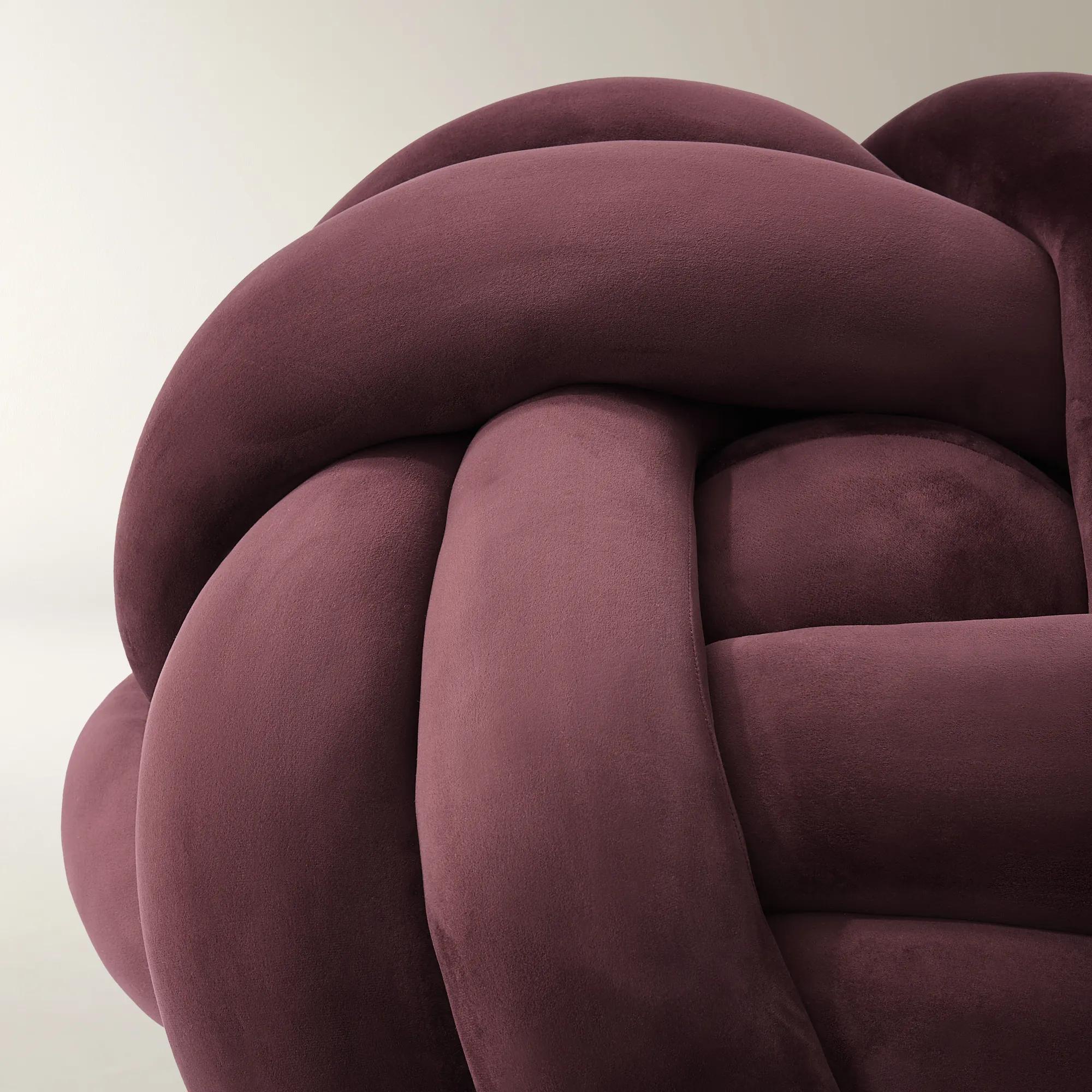 Loopie Fig Velvet Stool (34.5")$349
An oversized, knot-inspired stool hand-upholstered in plush fig velvet for bold sculptural appeal.
Add To Cart -
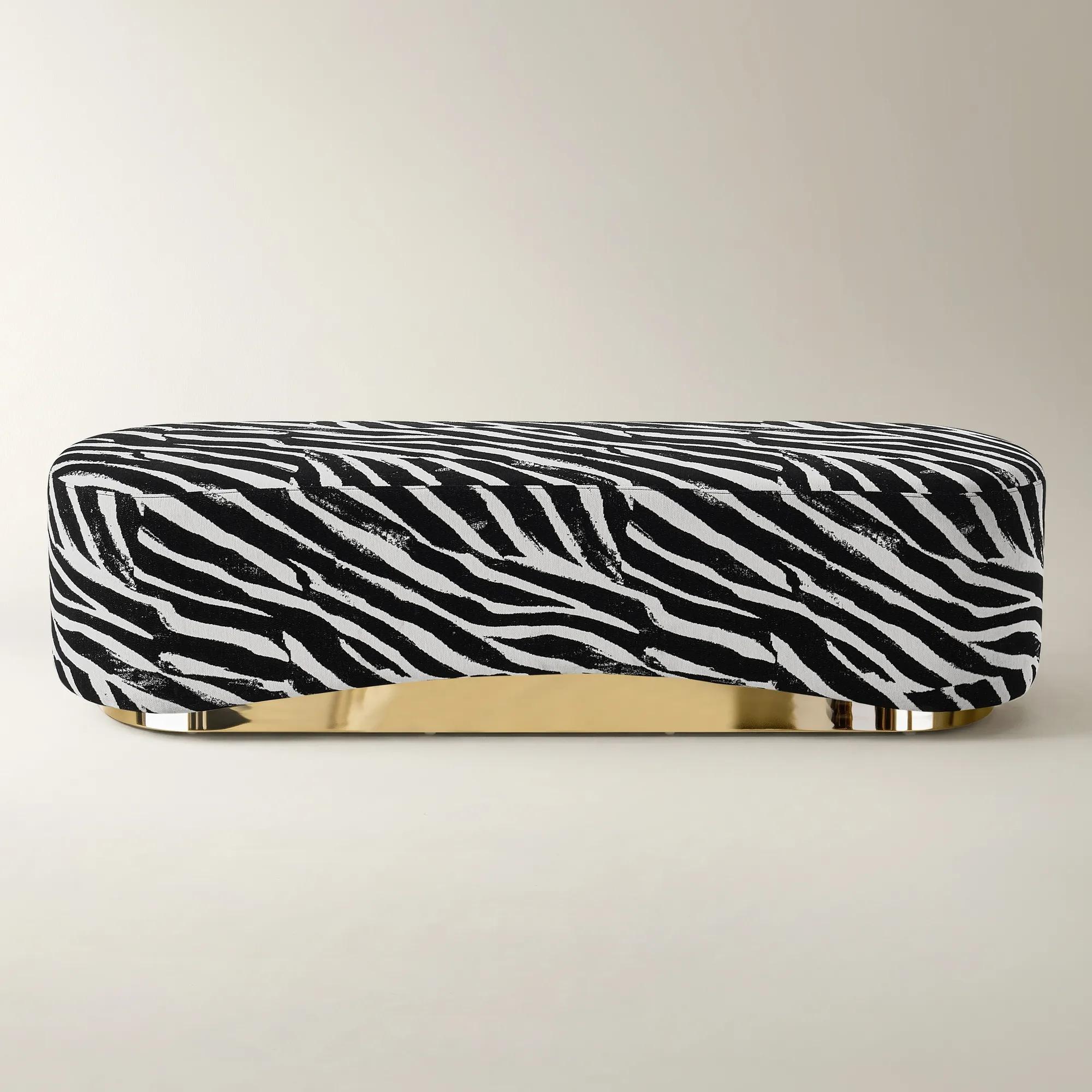
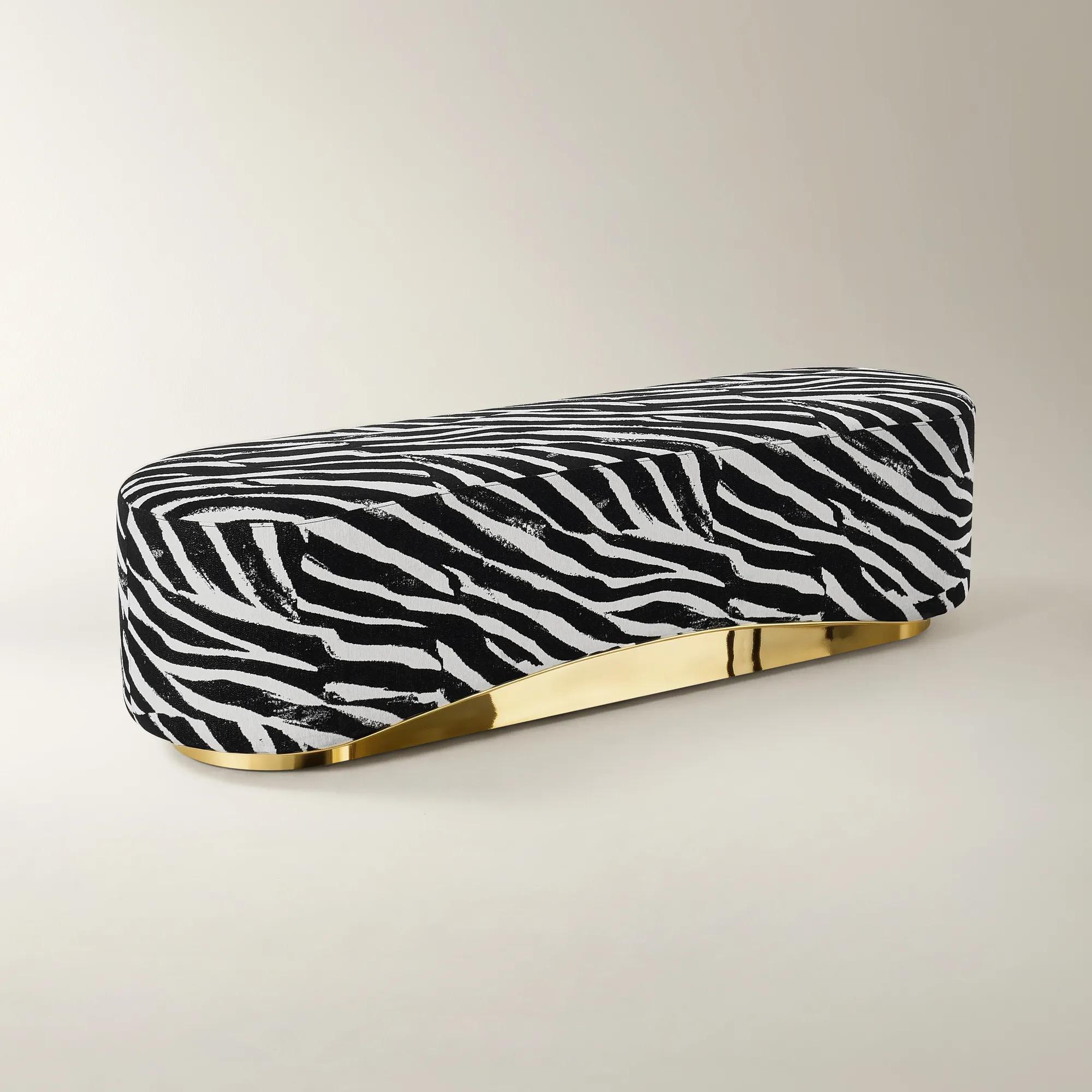 Kendra White/Black Performance Chenille Bench (70.47")$799
An elongated oval bench upholstered in white and black performance chenille with a polished gold stainless steel base.
Add To Cart -
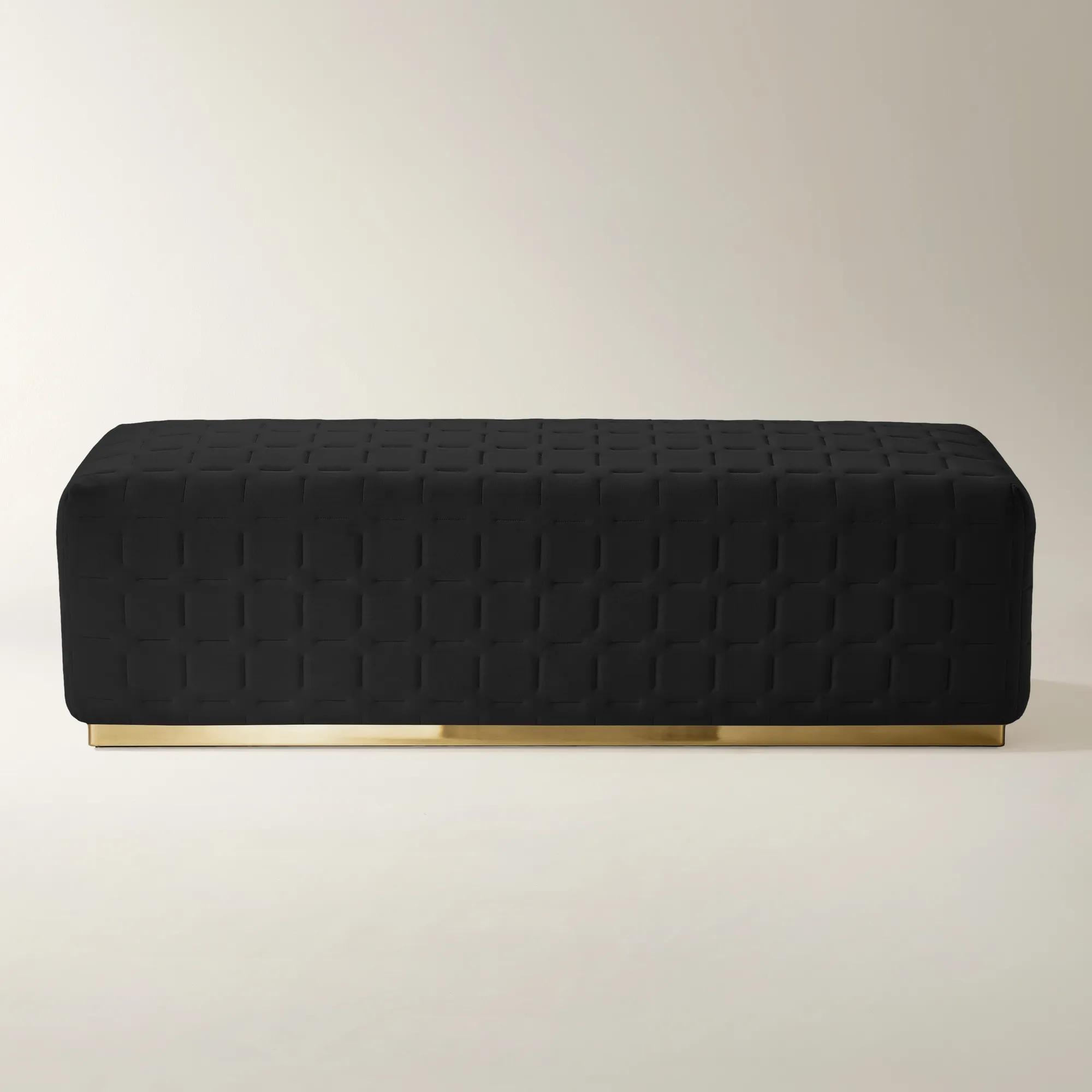 Vanta Quilted Charcoal Velvet Bench (64.6")$899
A charcoal velvet bench featuring checker quilted tufting and a gold stainless steel base for modern elegance.
Add To Cart -
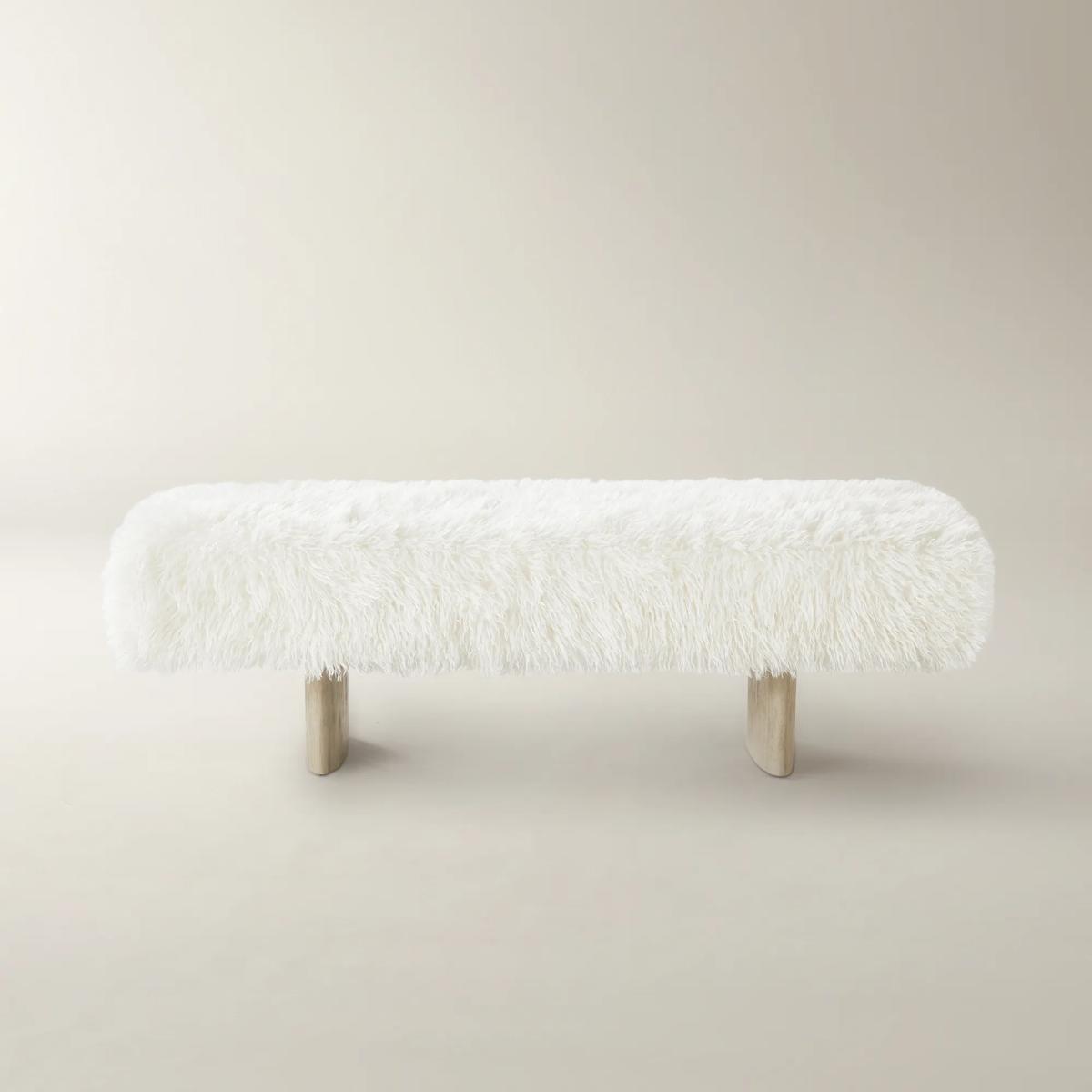 Micah Ivory Mongolian Faux Fur Bench With Rubberwood Legs (62.6")$699
An ivory faux Mongolian fur bench with high-density foam and sculptural solid rubberwood base for modern coziness.
Add To Cart -
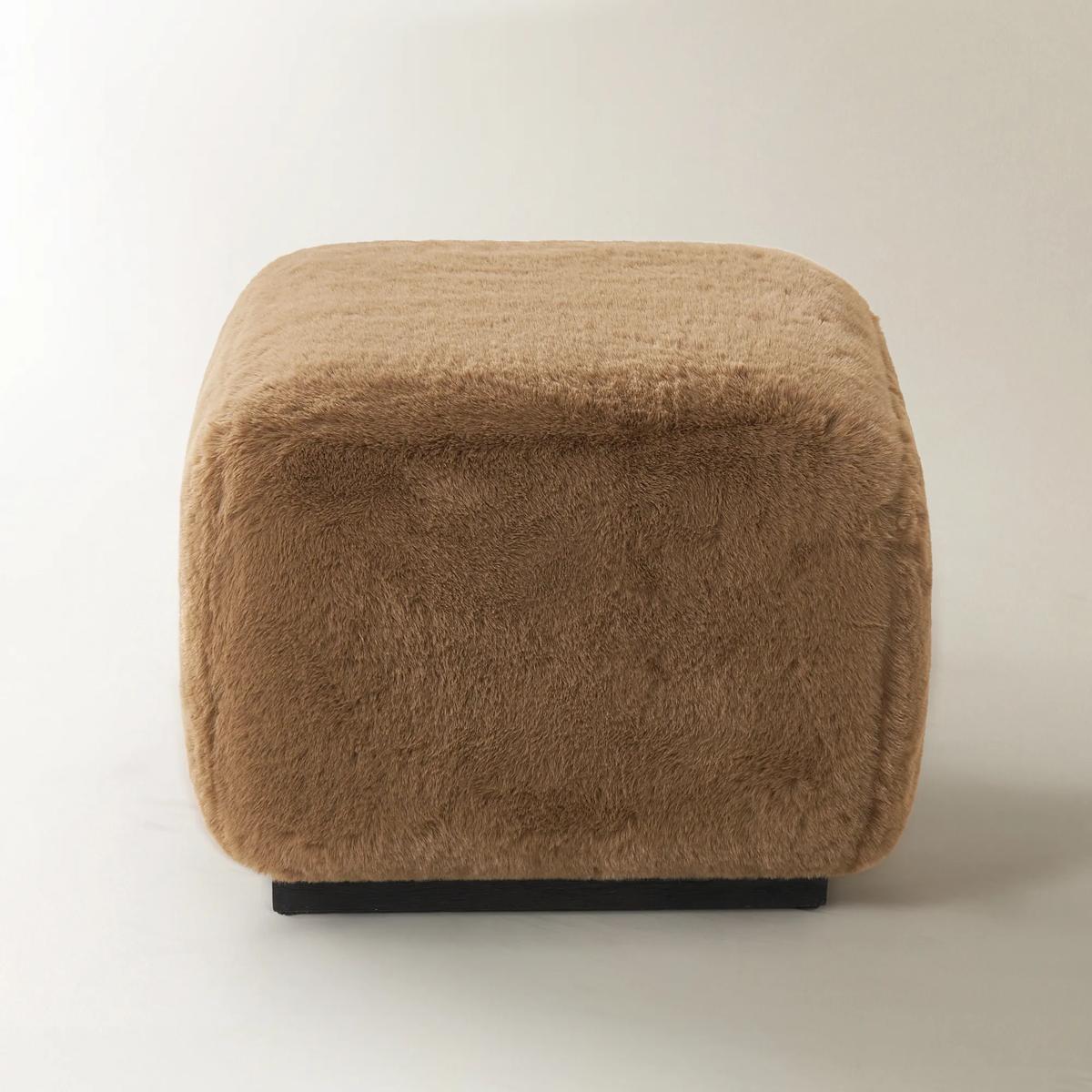
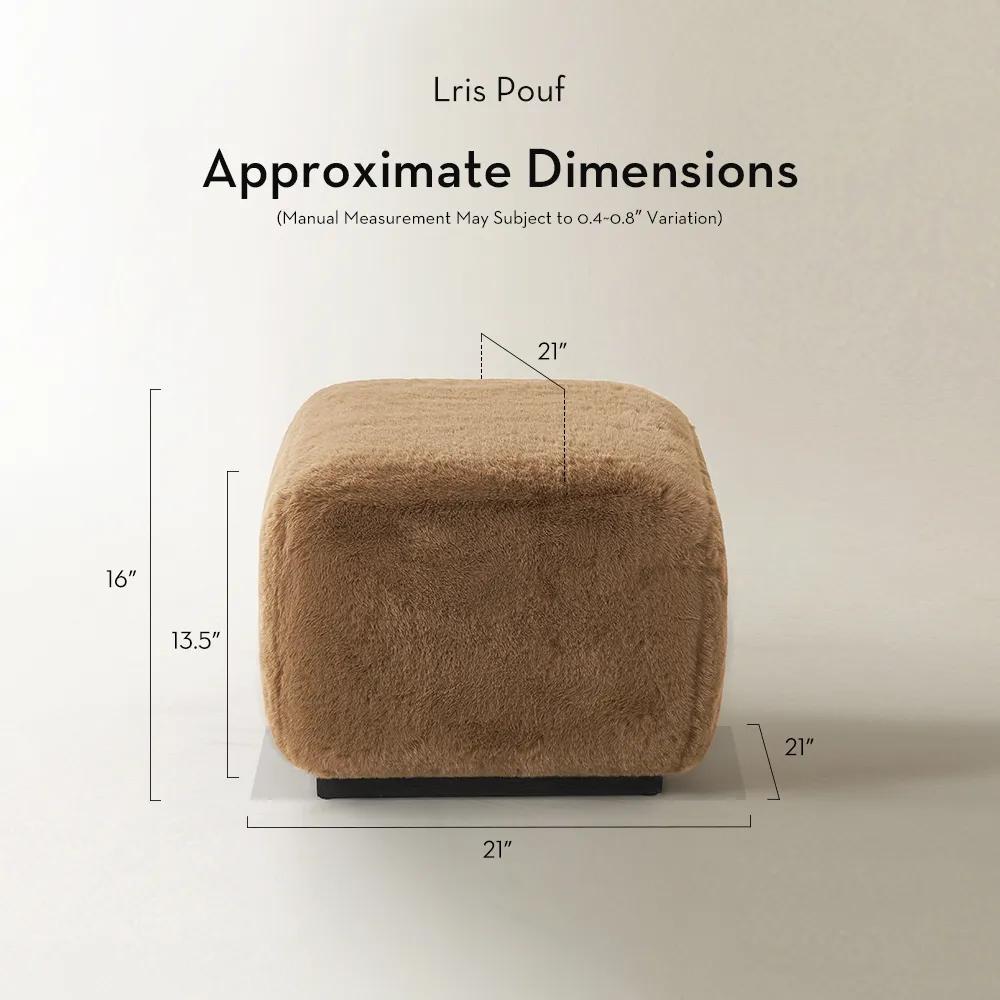 Lris Camel Faux Fur Stool (21")$299
A camel faux fur pouf with a solid rubberwood base, offering cozy warmth and modern sophistication.
Add To Cart -
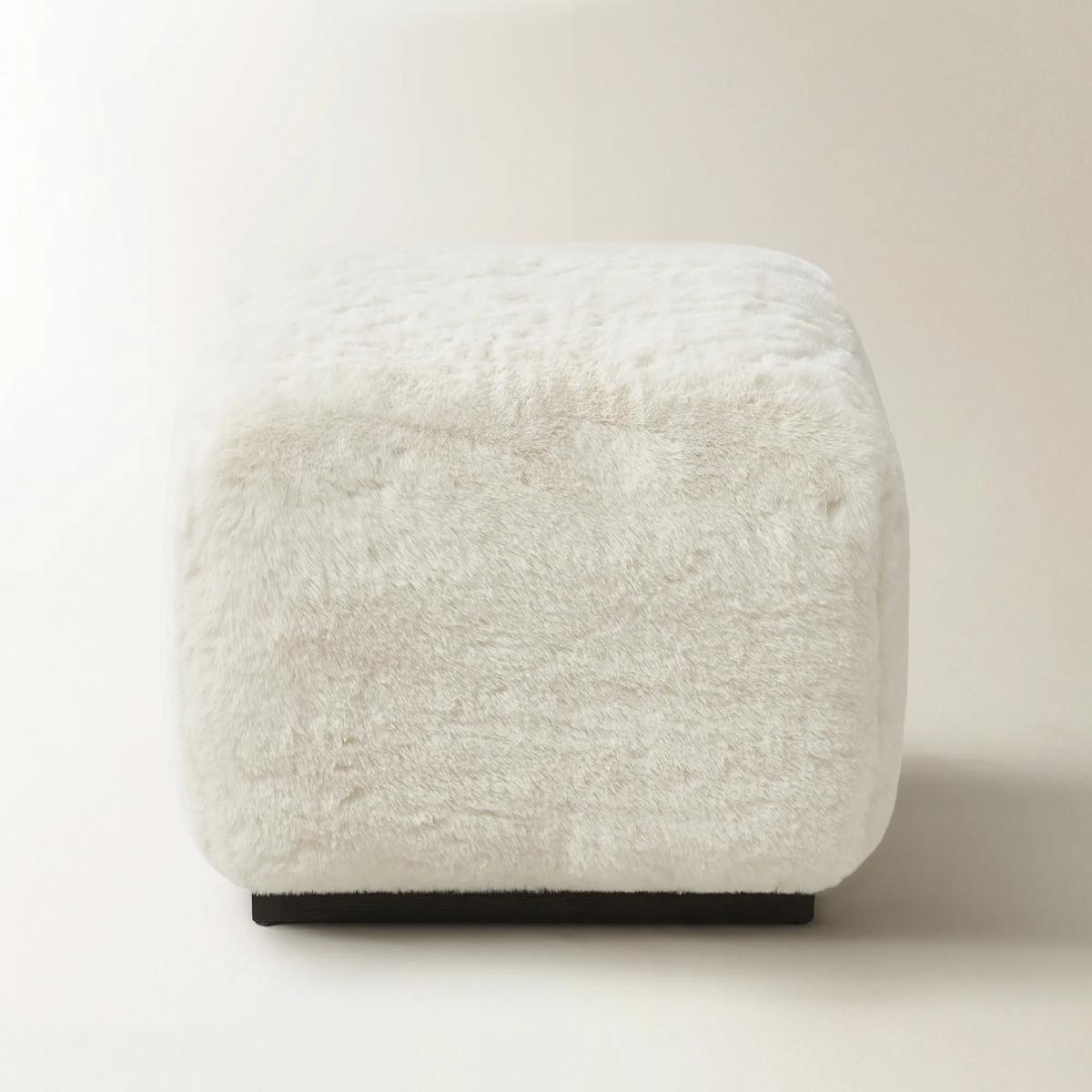
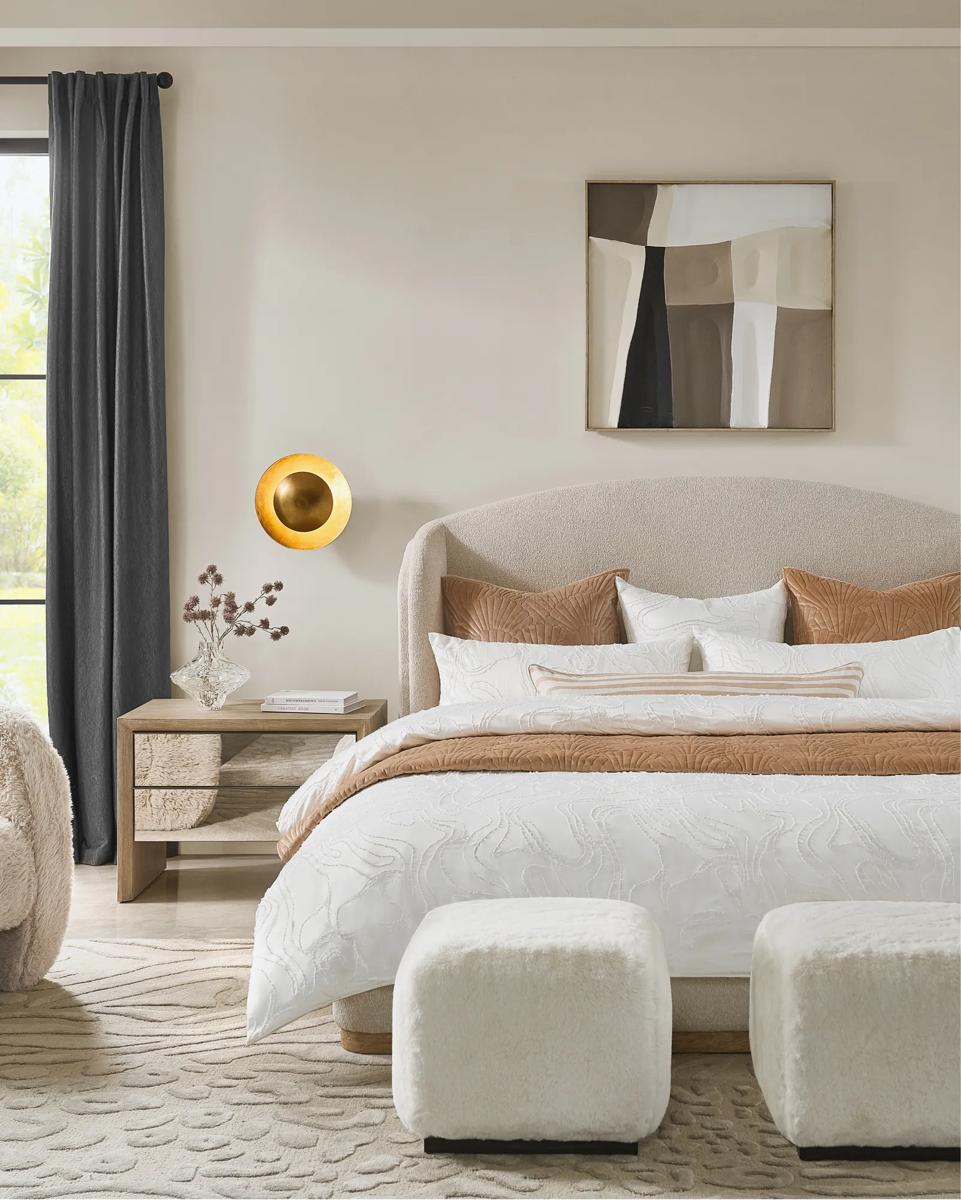 Lris Ivory Faux Fur Stool (21")$299
An ivory faux fur pouf with plush high-density foam and a sturdy, eco-friendly rubberwood base.
Add To Cart -
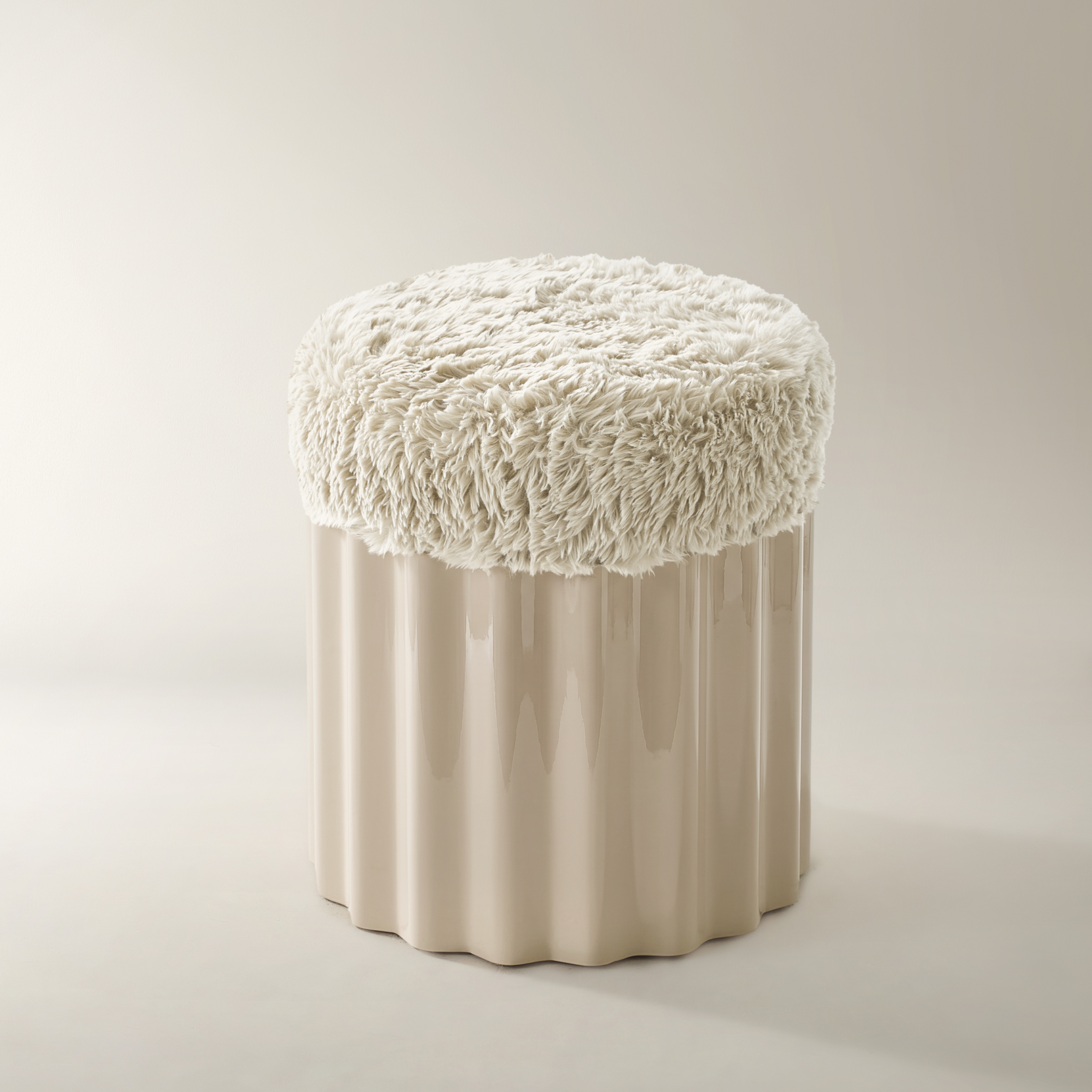
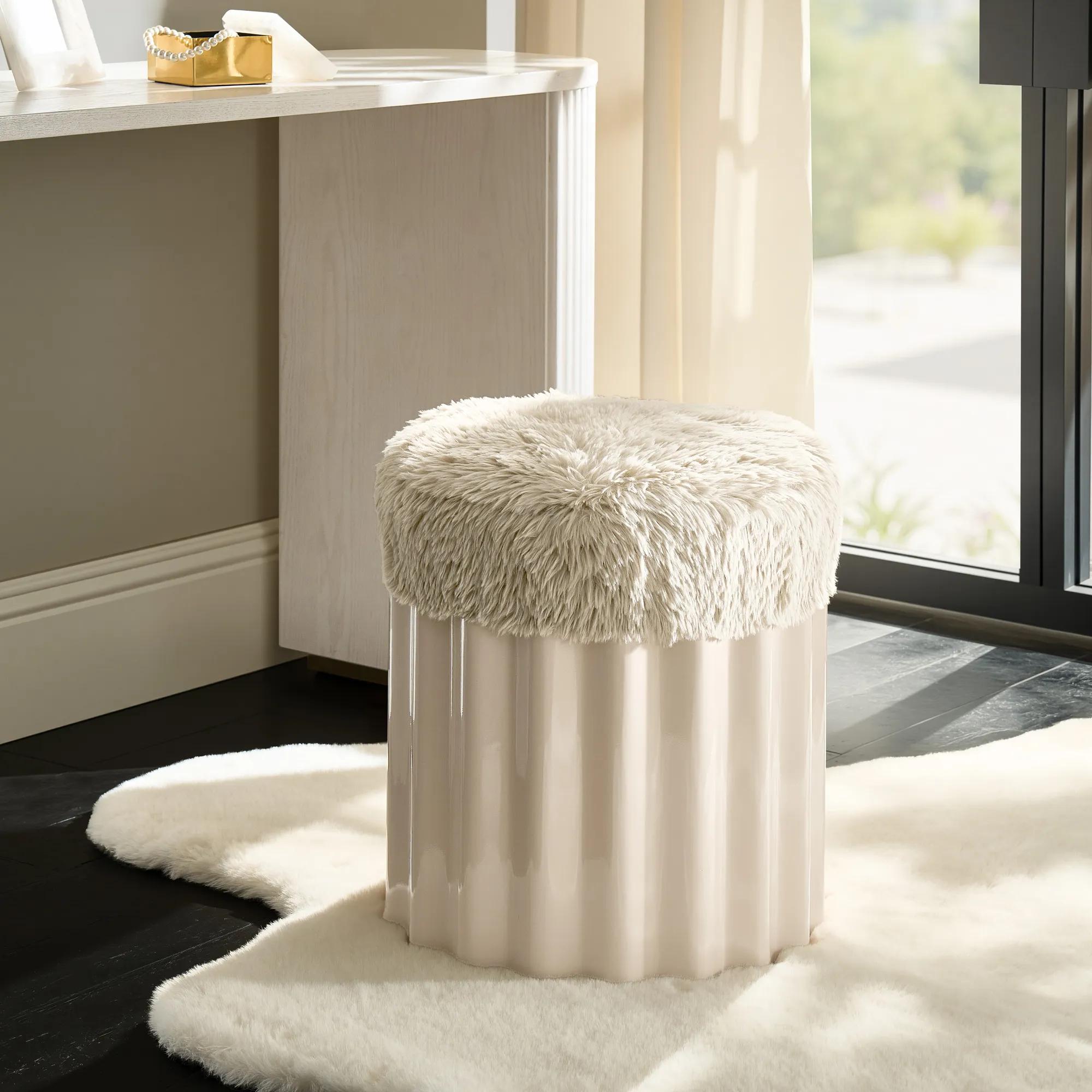 Nia Lacquered Turtle Dove Faux Fur Storage Stool$399
A sculptural fluted stool in warm turtle dove with plush faux fur seat and hidden storage compartment.
Add To Cart -
.jpg?w=1200&h=1200) Micah Tan Mongolian Faux Fur Bench With Rubberwood Legs (62.6")$699
Micah Tan Mongolian Faux Fur Bench With Rubberwood Legs (62.6")$699A light brown faux fur bench with a curved rubberwood base and plush high-density foam cushion.
Add To Cart -
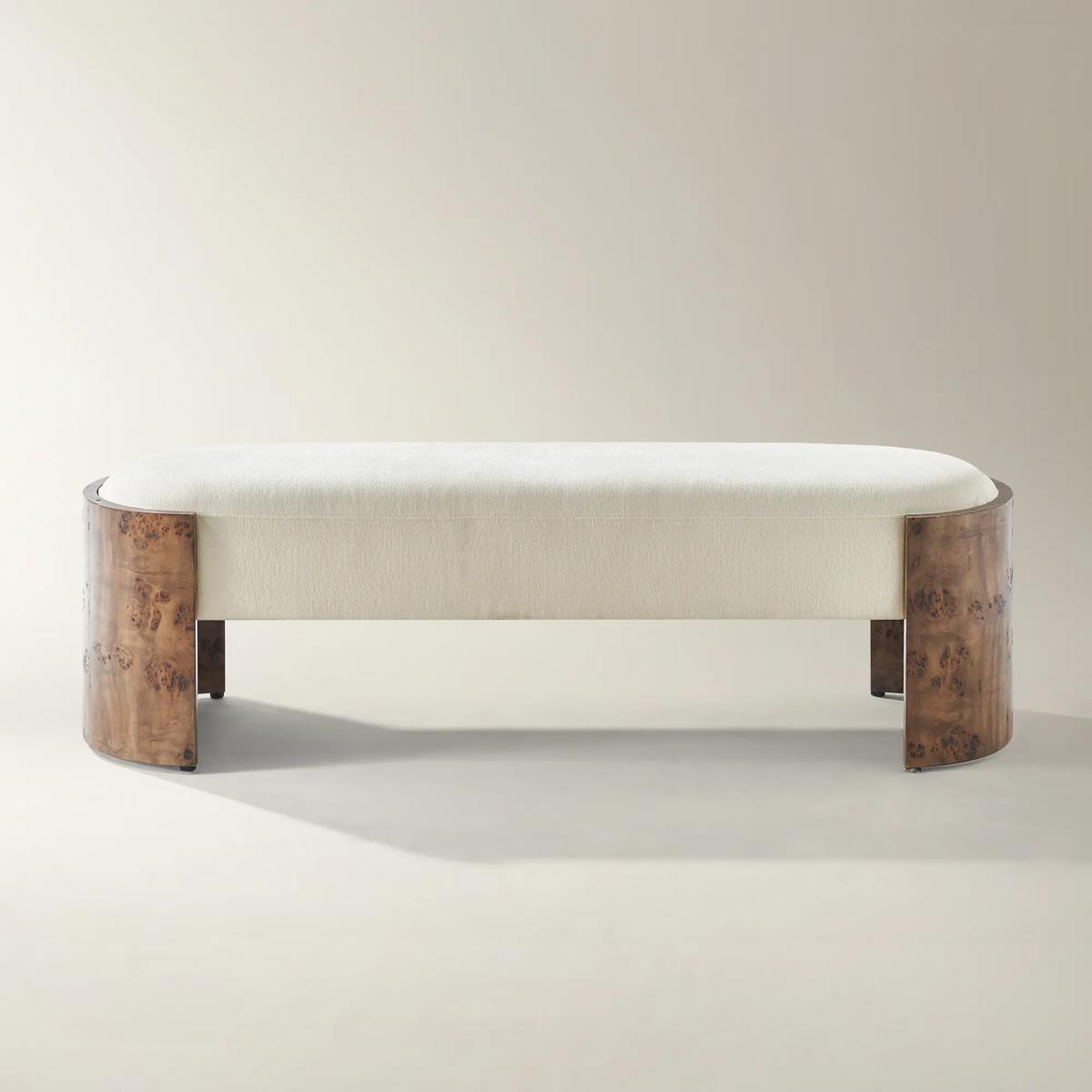 Cora Ivory Chenille With Ash Wood Bench (60.6")$999
An ivory chenille bench with curved ash burl veneer panels, blending plush comfort with striking wood artistry.
Add To Cart -
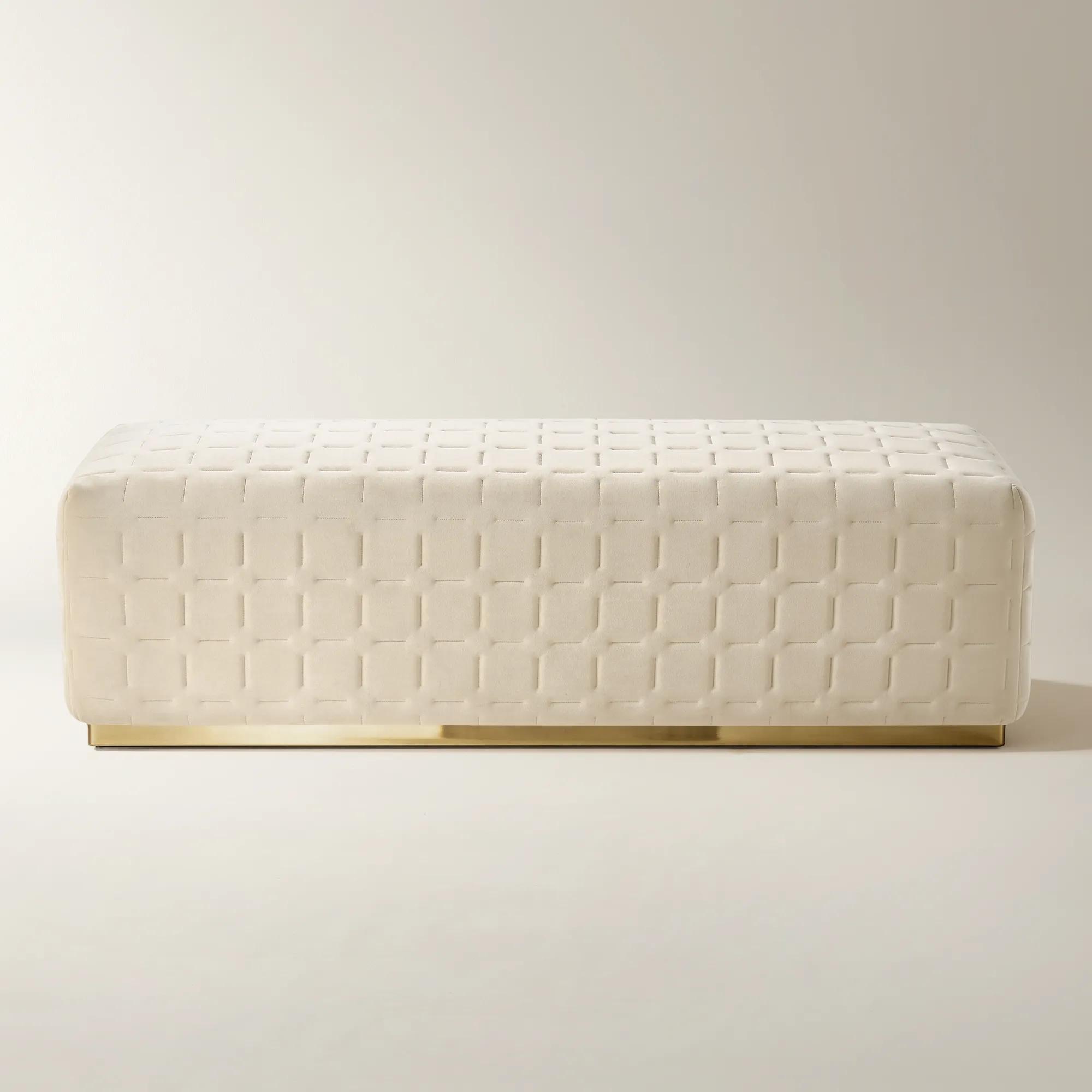
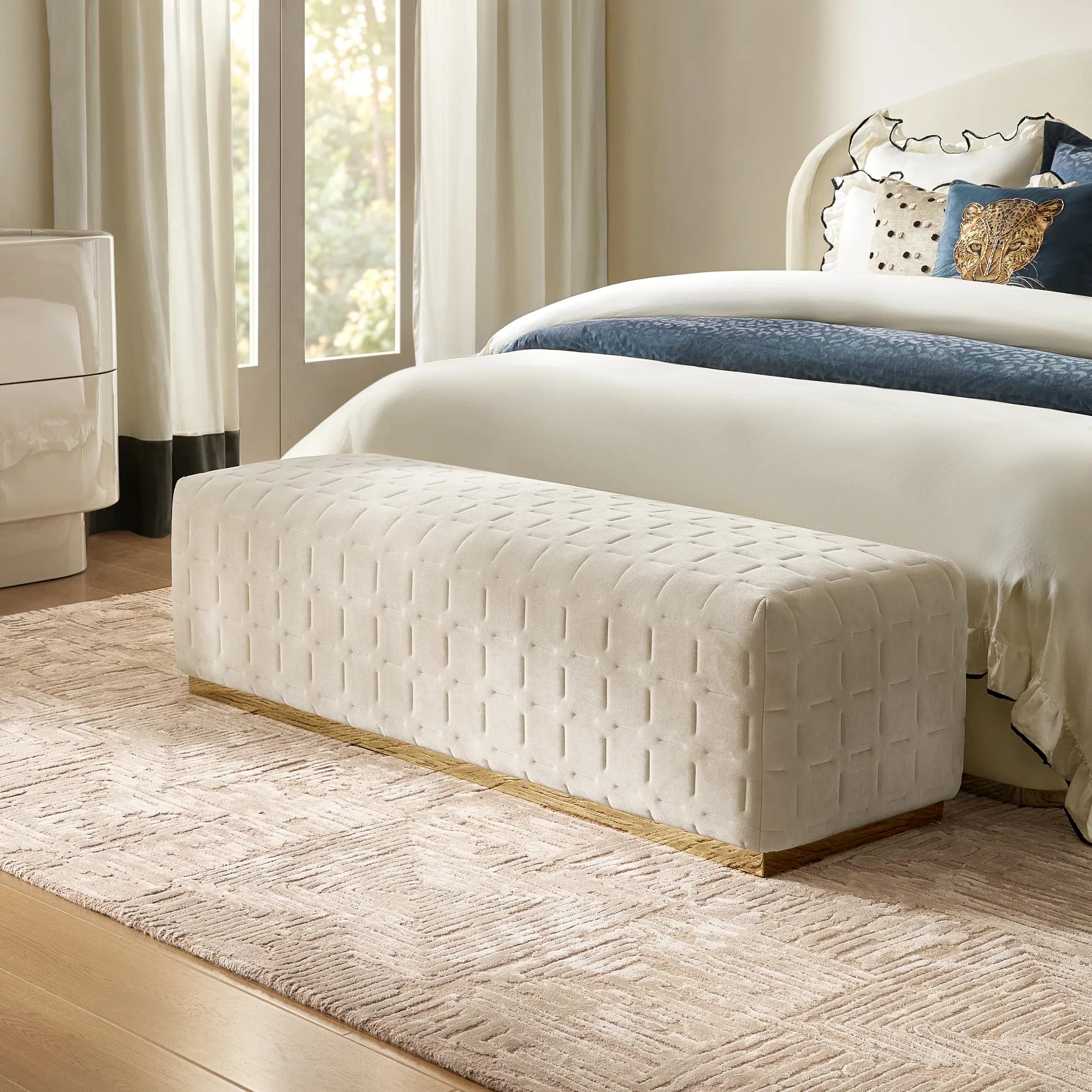 Vanta Quilted Oatmeal Velvet Bench (64.6")$899
A plush oatmeal velvet bench featuring checker quilted tufting and a sleek gold stainless steel base.
Add To Cart

Ottomans For Extra Seating
Ottomans for extra seating are the secret ingredient to a room that dazzles with both style and versatility. Imagine sculptural silhouettes that invite conversation, sumptuous textures that beckon you closer, and a dash of unexpected glamour at every gathering. Whether poised as a dramatic centerpiece or tucked artfully beside your favorite chair, these bold accents transform any space into a stage for connection and creativity. Elevate your entertaining—discover ottomans for extra seating that turn every moment into an occasion worth celebrating.
Ottomans for extra seating bring a certain theatrical ease to a room: they appear when guests arrive, gather around a conversation area, and offer a graceful place to perch without the visual weight of another armchair. More than a footrest, an ottoman can serve as a casual seat, a flexible accent, a living room centerpiece, or a quiet landing place for books and blankets. In a home that welcomes lingering dinners, impromptu gatherings, and slow evenings during the cooler months, these versatile pieces make every room feel more prepared without sacrificing style. A compact cube or pouf can tuck beneath a console, slide beside a sofa, or move effortlessly from the living room to an entryway when an extra seat is needed. A longer bench-style ottoman can define the foot of a bed, create a polished moment beneath a window, or give two guests room to sit comfortably. For a more dramatic arrangement, a generously scaled ottoman can anchor the center of a seating group, softening the space with upholstery while creating a natural place to gather around. Look for proportions that suit the room: a smaller ottoman is ideal for apartments, narrow sitting areas, and layered vignettes, while a larger design can balance a substantial sectional or expansive seating arrangement. Height matters as well. An ottoman intended for occasional seating should feel stable and comfortable, while one used primarily as a footrest may sit lower. When an ottoman doubles as a coffee table, a broad, level surface offers room for a decorative tray, refreshments, and a carefully edited display of books or accessories. Leave enough space around it for easy movement, allowing the piece to feel inviting rather than crowded. In open-concept rooms, an ottoman can also help shape the conversation area, adding softness and definition without blocking the view or interrupting the flow between spaces.
Material and construction deserve equal attention, particularly when an ottoman will welcome frequent guests, children, or four-legged companions. Upholstered styles in velvet, chenille, boucle, linen-look fabric, or richly textured performance materials can introduce depth and tactile contrast, turning an otherwise ordinary seating arrangement into a more expressive composition. Velvet catches the light with a jewel-like sheen, while woven textures bring warmth and visual dimension to sleek surroundings. For homes that see plenty of activity, consider durable upholstery, reinforced stitching, a sturdy frame, and cushioning that retains its shape after repeated use. A firm, supportive surface is typically more comfortable for brief seating, while a plusher cushion creates an inviting place to stretch out and rest. Storage ottomans add another layer of function, concealing extra throws, accent pillows, games, reading material, or seasonal accessories beneath a lift-top seat. In an entryway, hidden storage can keep scarves, gloves, and everyday essentials close at hand while offering a composed place to sit and put on shoes. At the foot of the bed, a storage bench can hold spare linens and create a beautifully finished transition between the sleeping area and the rest of the room. Consider the opening mechanism, interior capacity, and clearance around the piece before choosing a storage design; the most useful ottoman is one that can be opened easily without disrupting nearby furniture. Lightweight pieces are especially valuable in rooms that shift with the occasion, moving from a reading corner to a gathering space with little effort. For additional inspiration, explore Ottomans For Versatile Living Rooms to see how flexible silhouettes can complete a layered interior.
Choosing an ottoman for extra seating is also an opportunity to express personality. A sculptural silhouette can lend modern glamour to a restrained room, while tufting, metallic details, channel stitching, or a lustrous finish can heighten a more dramatic setting. Consider the larger color story of the space before selecting upholstery. A tonal ottoman in ivory, taupe, charcoal, or smoke can create a seamless, sophisticated foundation, while saturated jewel tones or graphic patterns can act as artful punctuation against neutral furniture. If the ottoman will serve as a central table, a tray helps create a stable surface and keeps smaller objects arranged with intention; choose one wide enough to sit securely without overwhelming the upholstery. For entertaining, position several compact ottomans around the perimeter of a room so they can be drawn into conversation when needed, then returned to their places when the gathering ends. This arrangement works beautifully in homes where the living room must transition from quiet daily rituals to an evening of conversation. Ottomans also make thoughtful gifts for new homeowners, hosts, design enthusiasts, or anyone refining a compact space, since they offer practical versatility while still feeling considered and special. A well-chosen piece can become the seat pulled close for a late-night conversation, the perch used while wrapping gifts, or the soft landing place for a stack of blankets during a long evening at home. From compact accent cubes to generous storage benches and statement-making cocktail ottomans, the right design adds comfort, movement, and a little extra drama wherever it rests. When selected with attention to scale, support, materials, storage, and the rhythm of the room, an ottoman does more than provide an extra seat—it completes the scene with function and flair.
FAQs
Ottomans are remarkably versatile and can be styled to enhance any aesthetic. For a touch of glamour, consider pairing an ottoman silver with mirrored accents or metallic accessories. If your space leans toward cozy luxury, drape a fur throw over a plush fur ottoman and layer with textured pillows. For a more eclectic look, mix an animal shaped ottoman with bold artwork or patterned rugs. The key is to let your ottoman echo the colors, textures, and mood of your room, creating a cohesive and expressive vignette.
Ottomans transcend their traditional role as seating. Use a corner ottoman as a sculptural side table with a decorative tray, or place a pair at the foot of your bed for a boutique hotel effect. In an entryway, an ottoman can serve as a chic spot to slip on shoes, while in a living room, it can anchor a conversation area or even replace a coffee table for a softer, more inviting look. Their adaptability allows you to experiment and reinvent your space with ease.
Absolutely—ottomans are ideal for family-friendly spaces. Soft edges make them safer and more approachable than traditional tables, while durable fabrics and finishes can withstand everyday use. Animal shaped ottomans, in particular, delight little ones and add a playful touch to nurseries or playrooms. Opt for easy-to-clean materials if your ottoman will see heavy traffic from kids or pets.
Many ottomans are designed for indoor use, but select styles crafted with weather-resistant materials can be incorporated into covered patios or sunrooms. In sun-drenched spaces, choose fabrics and finishes that resist fading, and consider lightweight designs for easy rearrangement. An ottoman can bring indoor comfort to transitional spaces, making them perfect for relaxed summer entertaining.
Ottomans blend beauty and practicality, making them a memorable gift for housewarmings, weddings, or milestone celebrations. Their versatility ensures they’ll find a home in any room, while unique designs—like a fur ottoman or a chic ottoman silver—add a personal, luxurious touch. Gifting an ottoman is a way to offer both comfort and style, a gesture that invites loved ones to indulge in everyday elegance.